Alex Mayes
-
Posts
814 -
Joined
-
Last visited
Content Type
Profiles
Boston Red Sox Videos
2026 Boston Red Sox Top Prospects Ranking
Boston Red Sox Free Agent & Trade Rumors, Notes, & Tidbits
Guides & Resources
2025 Boston Red Sox Draft Pick Tracker
News
2026 Boston Red Sox Draft Tracker: Picks & Bonuses
Forums
Blogs
Events
Store
Downloads
Gallery
Everything posted by Alex Mayes
-
The 2025 season for the Red Sox has ended not with a bang, but with a whimper. The highs that the team, and the fanbase, were riding after Garrett Crochet’s dominant Game 1 outing were squashed on Wednesday night, and then got grounded into a fine powder under the heel of the Yankees on Thursday. The Wild Card series showed just how thin of a rotation the team finished the season with, and highlighted a few other areas where the team needs to improve as we now turn our attention toward the offseason. Instead of going game by game for the series breakdown (our @Nick John already did a fine job of that throughout the series), I want to highlight the positive takeaway, as well as the negatives that ultimately sunk the Red Sox. Positive: Garrett Crochet is an ace As I wrote earlier this week, Garrett Crochet’s performance in Game 1 should have set the tone for the series. Outside of a badly placed sinker that Anthony Volpe deposited over the wall in right field, Crochet was dominant. He fired 117 pitches, touching triple digits on the last pitch of the night. He walked into the Thunder Dome that was Yankee Stadium and tamed the crowd. In the biggest game of his career, he showed up and showed out. The Red Sox traded for and then extended Crochet for these moments and he rewarded that trust. He is the anchor of this rotation moving forward, but he needs help. Negative: Lack of starting pitching depth For as dominant as Crochet was in Game 1, Brayan Bello was the complete opposite. We talked on the Game 1 postgame stream how Bello would likely be on a short leash Wednesday night, but no one expected him to only go 2 1/3 innings while giving up four hits and two earned runs with one walk and no strikeouts. Bello had been shaky all of September, but there was hope that his dominance against the Yankees would return when it mattered most. Unfortunately, Ben Rice made sure that Bello wouldn’t be long for the game. On the other hand, Connelly Early performed fairly well until the wheels fell off in the fourth inning. On the radio call, Will Flemming correctly stated that every Yankees hitter that stepped to the plate in that inning ‘looked incredibly comfortable’ as they were taking their at-bats. It’s well documented that the Yankees are a league leader in picking up on and communicating tipped pitches, so there’s a chance this could have been occurring. But it’s also just as likely that Early and Carlos Narvaez fell into a predictable pattern as the former’s pitch count began to climb. Early was left in too long, and it came back to bite the Red Sox quickly. Either way, the Red Sox needed Early to go more than 3 2/3 innings to have a chance in Game 3. The rookie was charged with three earned runs on the night, but the lack of defense behind him is more to blame for those than he is. His ERA for the game may have been 7.36, but his FIP was an incredible 0.68. Had his defense bailed him out as they were expected to, we may be having a different conversation about this series. Negative: Shaky bullpen management in Game 2 The Red Sox have counted all season on a bullpen anchored by Aroldis Chapman and Garrett Whitlock to ensure that they either stayed in or won games. On Tuesday, Chapman put us all on the edges of our seats but ultimately pitched his way out of it. On Wednesday, Alex Cora seemingly hung Whitlock out to dry by allowing him to throw multiple innings. Yes, Whitlock was penciled in as the multi-inning relief option to open the season, but that didn’t work out. For the bulk of the campaign, Whitlock was a one-inning specialist and he should have operated as such in Game 2. Also, why go to Payton Tolle after Whitlock when you could have flipped them on the depth chart and had Whitlock follow Tolle? You tasked Whitlock with throwing over 40 pitches but limit Tolle to just seven for the series. This was the hardest that Whitlock had been pushed since 2021, and he hasn’t been truly stretched out to be a multi-inning reliever after he assumed the role of set-up man earlier this season. Tolle has been an effective starter far more recently than Whitlock, so turning to him in that situation would have made more sense. Typically, Alex Cora is the master of pushing all the right buttons in do-or-die situations, but this Game 2 mismanagement was a factor in Early being hung out to dry in Game 3. Negative: Lack of heads-up baseball So far, we’ve talked a lot about Game 2 because honestly, the series should have ended there. The Yankees didn’t play clean baseball in that contest at all. First, Kyle Hudson’s lack of awareness on the throw from Jazz Chisholm to Ben Rice may be the most egregious error of the game. He immediately throws up the stop sign to Nate Eaton as Eaton rounds third when Masataka Yoshida is diving into first base to beat an errant throw. Jose Flores, from first, is signaling for Eaton to keep running while Hudson is doing the opposite. Sure, a veteran player likely blows through that stop sign and continues to try and score but, in that situation, when there are two outs already on the board, why not send the runner? At worst, Eaton is gunned down at the plate as he’s attempting to score. At best, Rice tries to recover and throw to third as Duran advances, likely throwing the ball away and allowing Duran to score as well. By the way, Rice’s arm strength (per Baseball Savant) is in the first percentile. If the Red Sox kept the same baserunning pressure in Game 2 that they showed in Game 1, the series likely ends on Wednesday night and the team is battling the Toronto Blue Jays right now. Additionally, Ceddanne Rafaela’s poor attempt at bunting against a split-finger specialist made zero sense. Of course the ball is going to be weakly popped up right back to the pitcher when Rafaela is throwing the head of the bat at a ball in the opposite batter’s box. Also, the two men on base were the fastest guys on the team. Take your chances with a double steal with no outs over Rafaela attempting to lay down a bunt when he’s been mostly unsuccessful with it during the regular season. Give me a competitive strikeout over that weak pop up; at least it would make the pitcher work harder. Finally, Jarren Duran’s defense in left field likely cost the Red Sox the game. Him clanging that fly ball off of his thumb directly led to the run that put the Yankees in a position to secure the win. He then admitted that he’s had trouble getting reads on balls hit to left field all season. If Duran can’t read a fly ball off the bat when it’s hit to him, he doesn’t need to be in the field. Last season, the Red Sox had one of the best defensive outfields in baseball, anchored by both Duran and Rafaela at times. This year, though, Duran has looked lost in left more often than not. It reared its ugly head at the wrong time on Wednesday night. The disappointment across Red Sox Nation is palpable, and it’s likely to hang around for the remainder of October. That being said, there’s a lot to look forward to as we turn our attention to the offseason and the improvements that need to be made for 2026 and beyond. This series loss hurts, no question about it, but Game 1 gave us a glimpse of what’s to come in the very near future. As long as improvements are made, expect the Red Sox to be a constant presence in October for years to come. View full article
-
Alex, Maddie, and Brock talk about the late-inning loss against the Yankees, forcing a must-win situation in game three at Yankee Stadium. Listen on Apple Podcasts: https://podcasts.apple.com/us/podcast/the-talk-sox-podcast/id1783204104 Listen on Spotify: https://open.spotify.com/show/3qPrPXEngu0CxgTmlf0ynm Listen on iHeartRadio: https://www.iheart.com/podcast/263-the-talk-sox-podcast-244591331/ Listen on Pocket Casts: https://pca.st/4tmd121v Watch on YouTube: https://www.youtube.com/@talksox View full article
-
 Alex, Maddie, and Brock talk about the late-inning loss against the Yankees, forcing a must-win situation in game three at Yankee Stadium. Listen on Apple Podcasts: https://podcasts.apple.com/us/podcast/the-talk-sox-podcast/id1783204104 Listen on Spotify: https://open.spotify.com/show/3qPrPXEngu0CxgTmlf0ynm Listen on iHeartRadio: https://www.iheart.com/podcast/263-the-talk-sox-podcast-244591331/ Listen on Pocket Casts: https://pca.st/4tmd121v Watch on YouTube: https://www.youtube.com/@talksox
 -
Garrett Crochet's Dominance in Game 1 Bodes Well for a Deep Playoff Run
Alex Mayes posted an article in Red Sox
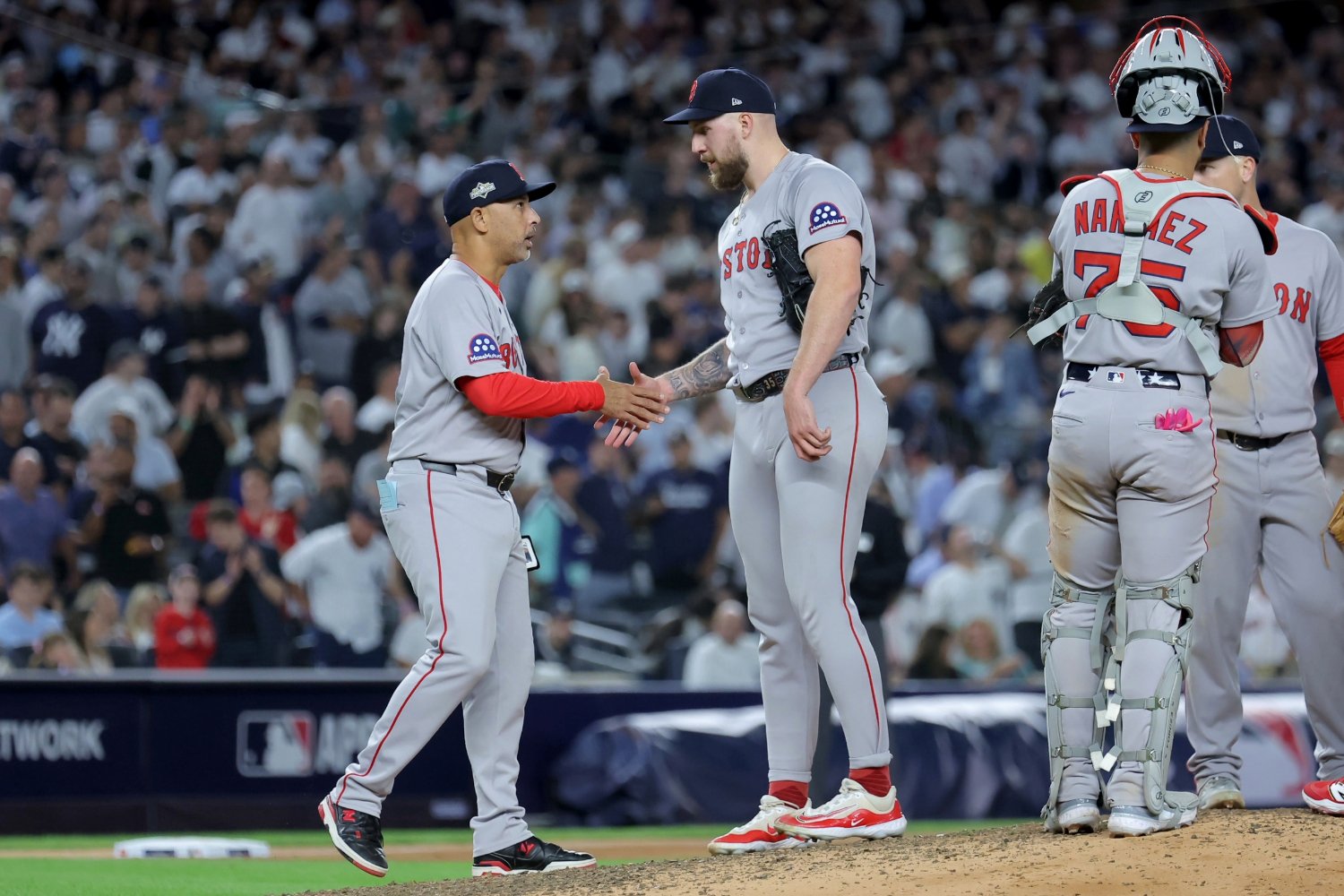 Garrett Crochet was every bit of the ace on Tuesday night that the Red Sox expected him to be when they traded two top prospects for him in December. In the biggest game of his career, Crochet tossed 7 2/3 innings while allowing four hits, one earned run, zero walks, and 11 strikeouts. He out-dueled Max Fried in what could go down as one of the best pitching matchups in the 2025 postseason. What’s maybe even more impressive is that, on the final pitch of his night (pitch No. 117), Crochet fired a 100 mph four-seam fastball to send Austin Wells back to the Yankee dugout. Even though Crochet can’t start every game of the postseason, if this is the version of him that we’re going to get, then the Red Sox are probably going to be playing deep into October. The way that Crochet shouldered the pressure of Game 1 of the Wild Card against the Yankees in Yankee Stadium should be considered a masterclass for all other starters when they enter enemy territory in the playoffs. He made one mistake pitch the entire night, a sinker that was left hanging up in the zone against Anthony Volpe. That home run was no Yankee special either; the only park the ball wasn’t a home run in was Fenway. After that, Crochet dominated. He allowed a measly .154 batting average against and a 0.52 WHIP. Out of his 117 pitches, only 39 of them were balls. What’s maybe most impressive, though, is that Crochet induced 16 swing and misses on the night. Of those 16 swing and misses, eight of them were on strikeouts. Outside of that Volpe home run, Crochet was almost untouchable Tuesday night. As the rotation gets shortened for the playoffs, the Red Sox are going to expect Crochet to have similar performances each time he toes the rubber. There’s little reason to doubt he won’t meet those expectations. We already know that Lucas Giolito will not be pitching at all during the postseason due to a non-structural issue in his pitching elbow. That’s going to push young, unproven starters into ridiculously high leverage situations sooner than later. How those young arms perform remains to be seen. Regardless, the team will need Garrett Crochet to be the ace they extended him to be. He is the de-facto leader of this starting rotation, even though he’s only in his first year with the team. It took the offense far too long to get going against the Yankees on Tuesday, but Crochet provided more than enough support to keep the Red Sox in that game. That dominance, the ability to reach back and throw 100 mph in the eighth inning, the way he stared down the likes of Aaron Judge and Giancarlo Stanton when he knew they were up there trying to take him deep... that’s the ace this team needs. It’s also the confidence he can model for Brayan Bello and Connelly Early as they prepare to make their first foray into the biggest rivalry in baseball during the postseason. On Tuesday night, Yankee fans declared that there would be a ‘pig roast’ in New York. For one pitch in the second inning, they actually believed it. Then, in typical Garrett Crochet fashion, he quieted the crowd in a way that few others could by carving through 17 straight hitters. This version of Crochet, the one that he likely would have never been in the South Side of Chicago, is the driving force behind the Red Sox and their run through this postseason. If his dominance continues, and there’s no reason to believe it shouldn’t, then he can carry this Red Sox team to the promised land.
 -
Garrett Crochet was every bit of the ace on Tuesday night that the Red Sox expected him to be when they traded two top prospects for him in December. In the biggest game of his career, Crochet tossed 7 2/3 innings while allowing four hits, one earned run, zero walks, and 11 strikeouts. He out-dueled Max Fried in what could go down as one of the best pitching matchups in the 2025 postseason. What’s maybe even more impressive is that, on the final pitch of his night (pitch No. 117), Crochet fired a 100 mph four-seam fastball to send Austin Wells back to the Yankee dugout. Even though Crochet can’t start every game of the postseason, if this is the version of him that we’re going to get, then the Red Sox are probably going to be playing deep into October. The way that Crochet shouldered the pressure of Game 1 of the Wild Card against the Yankees in Yankee Stadium should be considered a masterclass for all other starters when they enter enemy territory in the playoffs. He made one mistake pitch the entire night, a sinker that was left hanging up in the zone against Anthony Volpe. That home run was no Yankee special either; the only park the ball wasn’t a home run in was Fenway. After that, Crochet dominated. He allowed a measly .154 batting average against and a 0.52 WHIP. Out of his 117 pitches, only 39 of them were balls. What’s maybe most impressive, though, is that Crochet induced 16 swing and misses on the night. Of those 16 swing and misses, eight of them were on strikeouts. Outside of that Volpe home run, Crochet was almost untouchable Tuesday night. As the rotation gets shortened for the playoffs, the Red Sox are going to expect Crochet to have similar performances each time he toes the rubber. There’s little reason to doubt he won’t meet those expectations. We already know that Lucas Giolito will not be pitching at all during the postseason due to a non-structural issue in his pitching elbow. That’s going to push young, unproven starters into ridiculously high leverage situations sooner than later. How those young arms perform remains to be seen. Regardless, the team will need Garrett Crochet to be the ace they extended him to be. He is the de-facto leader of this starting rotation, even though he’s only in his first year with the team. It took the offense far too long to get going against the Yankees on Tuesday, but Crochet provided more than enough support to keep the Red Sox in that game. That dominance, the ability to reach back and throw 100 mph in the eighth inning, the way he stared down the likes of Aaron Judge and Giancarlo Stanton when he knew they were up there trying to take him deep... that’s the ace this team needs. It’s also the confidence he can model for Brayan Bello and Connelly Early as they prepare to make their first foray into the biggest rivalry in baseball during the postseason. On Tuesday night, Yankee fans declared that there would be a ‘pig roast’ in New York. For one pitch in the second inning, they actually believed it. Then, in typical Garrett Crochet fashion, he quieted the crowd in a way that few others could by carving through 17 straight hitters. This version of Crochet, the one that he likely would have never been in the South Side of Chicago, is the driving force behind the Red Sox and their run through this postseason. If his dominance continues, and there’s no reason to believe it shouldn’t, then he can carry this Red Sox team to the promised land. View full article
-
Three Red Sox Players Shouldering the Most Pressure in the Wild Card Round
Alex Mayes posted an article in Red Sox
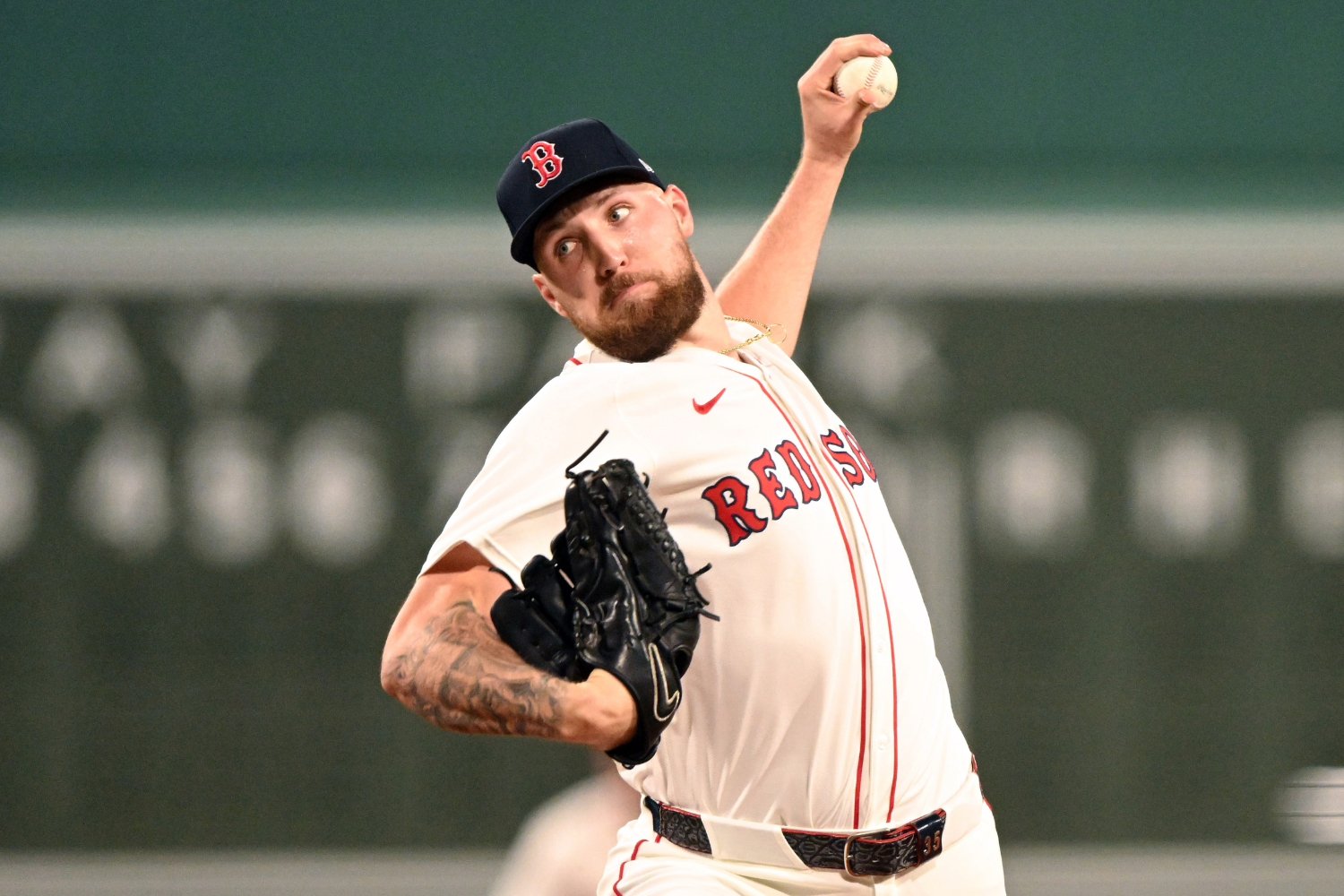 The Boston Red Sox will square off against the New York Yankees in the first round of the Wild Card round on Tuesday, September 30. The rivalry has been tilted in the Red Sox’s favor for much of the 2025 season, and undoubtedly, the team hopes for that to continue in the first two games in Yankee Stadium. To make that dream become a reality, though, there are going to have to be a number of players who will step up into the pressure of the biggest games of their careers. Let’s take a look at three names that will carry the biggest burdens as the Red Sox fight for their playoff lives. #3: Garrett Crochet Let’s get the most obvious name out of the way first. Crochet was brought in and extended to be the guy in the rotation. He’s the person that is trusted to take the ball and hurl near perfection on Tuesday night. It will be the biggest start of his young career, and one he hopes will further define who he is as a starter. On the season, Crochet ran an incredible 2.59 ERA with a 31.3% strikeout rate. He’s a hoss, plain and simple. For the Red Sox to be put in the best position to win on Tuesday night, Crochet has to be the very best version of himself. Ideally, he needs to go six-plus innings with double-digit strikeouts. Walking hitters hasn’t been much of an issue for Crochet—he was good for a 5.7% walk rate on the season. His biggest weakness, especially in September, has been the long ball. Crochet is going to have to limit the hard contact as the Yankees are sure to take aim at the short porch in right field to try and chase him off the mound early in the game. #2: Justin Slaten It may seem odd to heap so much pressure onto a reliever that returned from injury just a few weeks ago, but Justin Slaten is behind Garrett Whitlock in terms of right-handed relievers who should be trusted in a best-of-three series. Sure, Greg Weissert is on the roster and has a track record of success earlier in the season, but he’s been out of gas since the All-Star break. Slaten will be handed the ball when the heart of the Yankees’ batting order is stepping up to the plate in the middle innings, and he has to be the guy to get them out. He’s going to have to tap into the velocity on his fastball to get it to touch 97+ mph, then let it play off of a devastating curveball that should be used as his strikeout pitch for the next two games. When his curveball is on, it’s one of the filthiest pitches in baseball. He’s going to need to execute and hit his spots with each pitch as he stares down Aaron Judge and company as he bridges from the starter to Whitlock, setting up Aroldis Chapman to come in and shut the door against his former team. #1: Jarren Duran The 2025 Red Sox seem to go as Jarren Duran goes. When he’s hot, the team is clicking on all cylinders. When he’s cold, they struggle to put runs on the board. Duran had seen an uptick in his performance once Roman Anthony secured the leadoff spot in the lineup, but Anthony’s quad injury necessitated Duran being moved back into that spot. Since then, it’s been a mixed bag for the speedy lefty. Hitting Duran leadoff serves a major purpose though, seeing as he’s dangerous on the basepaths. We’ve seen him regularly turn singles into doubles and doubles into triples. He’s putting himself in scoring position whenever he gets on base, even if he didn’t swipe the same number of bags that he did last season. Now, it is worth noting that there have been times where he’s been as close to an automatic out as you can get with runners on because he’s hunting for the big swing. Putting bat to ball and focusing on contact is going to be his best bet to be a hero in the postseason. The big swings will come, but chasing unhittable pitches while swinging out of his shoes isn’t going to put the team in a position to win. He needs to get on base and use his speed to make sure he’s constantly in position to score. None of this is to say that there are people on the roster without pressure. Outside of Trevor Story and Alex Bregman, this team is full of young guns with absolutely zero playoff experience. Sure, Duran was on the roster in '21, but he wasn’t a regular contributor. There is a ton of pressure on everyone to keep this season alive, but these three names can carry the team to success. If Crochet continues being the War Pig and shutting down opposing lineups, Slaten bridges the starter to the back end of the bullpen without a hiccup, and Duran wreaks havoc on the basepaths, the Red Sox will likely be looking at a date with the Toronto Blue Jays in the American League Division Series.
 -
The Boston Red Sox will square off against the New York Yankees in the first round of the Wild Card round on Tuesday, September 30. The rivalry has been tilted in the Red Sox’s favor for much of the 2025 season, and undoubtedly, the team hopes for that to continue in the first two games in Yankee Stadium. To make that dream become a reality, though, there are going to have to be a number of players who will step up into the pressure of the biggest games of their careers. Let’s take a look at three names that will carry the biggest burdens as the Red Sox fight for their playoff lives. #3: Garrett Crochet Let’s get the most obvious name out of the way first. Crochet was brought in and extended to be the guy in the rotation. He’s the person that is trusted to take the ball and hurl near perfection on Tuesday night. It will be the biggest start of his young career, and one he hopes will further define who he is as a starter. On the season, Crochet ran an incredible 2.59 ERA with a 31.3% strikeout rate. He’s a hoss, plain and simple. For the Red Sox to be put in the best position to win on Tuesday night, Crochet has to be the very best version of himself. Ideally, he needs to go six-plus innings with double-digit strikeouts. Walking hitters hasn’t been much of an issue for Crochet—he was good for a 5.7% walk rate on the season. His biggest weakness, especially in September, has been the long ball. Crochet is going to have to limit the hard contact as the Yankees are sure to take aim at the short porch in right field to try and chase him off the mound early in the game. #2: Justin Slaten It may seem odd to heap so much pressure onto a reliever that returned from injury just a few weeks ago, but Justin Slaten is behind Garrett Whitlock in terms of right-handed relievers who should be trusted in a best-of-three series. Sure, Greg Weissert is on the roster and has a track record of success earlier in the season, but he’s been out of gas since the All-Star break. Slaten will be handed the ball when the heart of the Yankees’ batting order is stepping up to the plate in the middle innings, and he has to be the guy to get them out. He’s going to have to tap into the velocity on his fastball to get it to touch 97+ mph, then let it play off of a devastating curveball that should be used as his strikeout pitch for the next two games. When his curveball is on, it’s one of the filthiest pitches in baseball. He’s going to need to execute and hit his spots with each pitch as he stares down Aaron Judge and company as he bridges from the starter to Whitlock, setting up Aroldis Chapman to come in and shut the door against his former team. #1: Jarren Duran The 2025 Red Sox seem to go as Jarren Duran goes. When he’s hot, the team is clicking on all cylinders. When he’s cold, they struggle to put runs on the board. Duran had seen an uptick in his performance once Roman Anthony secured the leadoff spot in the lineup, but Anthony’s quad injury necessitated Duran being moved back into that spot. Since then, it’s been a mixed bag for the speedy lefty. Hitting Duran leadoff serves a major purpose though, seeing as he’s dangerous on the basepaths. We’ve seen him regularly turn singles into doubles and doubles into triples. He’s putting himself in scoring position whenever he gets on base, even if he didn’t swipe the same number of bags that he did last season. Now, it is worth noting that there have been times where he’s been as close to an automatic out as you can get with runners on because he’s hunting for the big swing. Putting bat to ball and focusing on contact is going to be his best bet to be a hero in the postseason. The big swings will come, but chasing unhittable pitches while swinging out of his shoes isn’t going to put the team in a position to win. He needs to get on base and use his speed to make sure he’s constantly in position to score. None of this is to say that there are people on the roster without pressure. Outside of Trevor Story and Alex Bregman, this team is full of young guns with absolutely zero playoff experience. Sure, Duran was on the roster in '21, but he wasn’t a regular contributor. There is a ton of pressure on everyone to keep this season alive, but these three names can carry the team to success. If Crochet continues being the War Pig and shutting down opposing lineups, Slaten bridges the starter to the back end of the bullpen without a hiccup, and Duran wreaks havoc on the basepaths, the Red Sox will likely be looking at a date with the Toronto Blue Jays in the American League Division Series. View full article
-
The Boston Red Sox are in the playoffs! Stay tuned for extensive, around-the-clock coverage from Talk Sox starting later today! The ABS Challenge system is coming to Major League Baseball in 2026. We’ve already seen it implemented during a few spring training games, then again in the All-Star Game this summer, and all prospects who have been called up over the last two years have extensive experience with it. When the idea of the system was first discussed, fans were split on it. Bringing in even more technology into the game could help drive it more toward the analytics that a portion of the fanbase can’t stand. The flip side of that is that is now there are players who are putting an even larger focus on learning and understanding the strike zone. With this, the Boston Red Sox are likely to be one of the best teams in the league when challenging pitches next season. It should also come as a surprise to no one that the young core of this team is going to be the team leaders when challenging balls and strikes. As a whole, the Red Sox aren’t a team known for walking a lot, but they do have a bit of a reputation as a strikeout-prone team. Where they hold an edge though, is in their young core. Just watch Roman Anthony, Kristian Campbell, and even Triston Casas at the plate, and you can see that their knowledge of the strike zone is advanced for hitters their age. They just don’t chase pitches. Going into 2026 though, the young guns are going benefit more than ever from spitting on those pitches; even close one called strikes can now be overturned by challenges. How Alex Cora and his staff manage the ABS Challenge System is going to be up for some debate until we see it in action. What makes the most sense, though, is to have a select few names in each line up that the coaching staff trusts to call their own challenges without question. The names that jump out to have the always green light on the current team are Roman Anthony, Alex Bregman, and, when healthy, Triston Casas. All of them have a walk rate of at least 9.8%, with Anthony leading the team at an astonishing 13.2% for a rookie. If they are at the plate and question a call, they should have the greenest of lights at all times. Even with Anthony’s elevated strikeout rate, 27.4%, his eye for the zone isn't in question. If there are guys with the automatic green light, there have to be some with an automatic red light as well. Marcelo Mayer, Trevor Story, and Romy Gonzalez are names that should be told to accept their fate as victims of umpire bad calls from time to time. Story goes fishing for sliders low and away far too often to be trusted to call for a challenge with any regularity. Mayer could end up in the same rank as the rest of his rookie classmates, but so far at the major league level, he hasn’t proven that he has a firm command of the strike zone. A 30.1% strikeout rate against a 5.9% walk rate doesn’t inspire much confidence. Gonzalez is great when he can put bat to ball, but his strikeouts are often ugly, and he watches too many pitches he should be swinging at. While they shouldn’t be given no freedom with the ABS system, they almost have to be instructed to use the utmost caution when challenging pitches, or they’ll end up wasting challenges more often than getting them right. The young core of the Boston Red Sox has the most experience with the ABS Challenge System of anyone else on the roster. They’ve used it at multiple levels of the organization and spent parts of the last two seasons at Worcester, where the system is utilized on a daily basis. Many of the young core have already begun to carve a leadership role out for themselves, but adding this new technology to the MLB game is going to make sure that the veteran players have to lean on the up and comers to fully grasp and understand how to properly take advantage of the ABS Challenge System. View full article
-
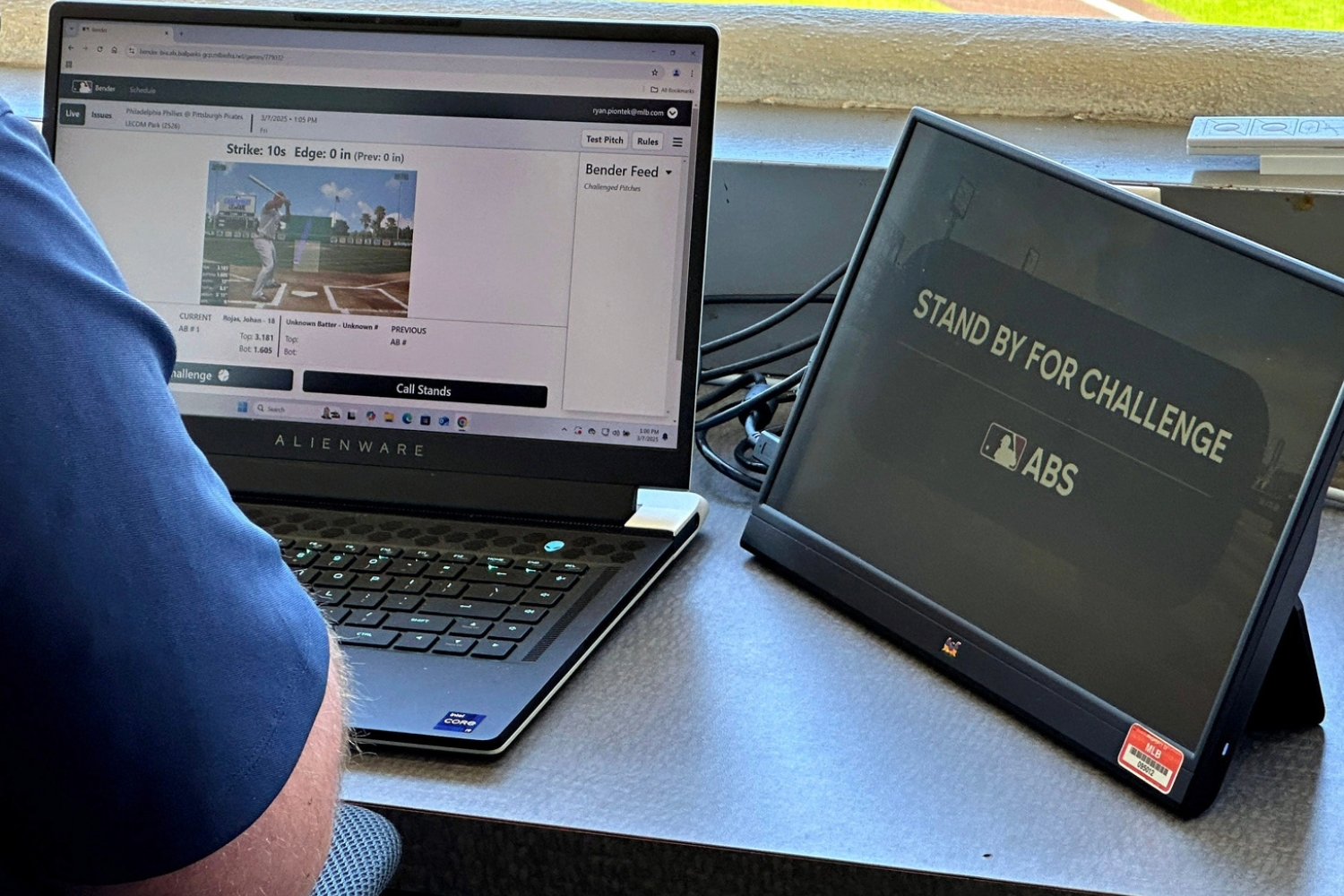 The Boston Red Sox are in the playoffs! Stay tuned for extensive, around-the-clock coverage from Talk Sox starting later today! The ABS Challenge system is coming to Major League Baseball in 2026. We’ve already seen it implemented during a few spring training games, then again in the All-Star Game this summer, and all prospects who have been called up over the last two years have extensive experience with it. When the idea of the system was first discussed, fans were split on it. Bringing in even more technology into the game could help drive it more toward the analytics that a portion of the fanbase can’t stand. The flip side of that is that is now there are players who are putting an even larger focus on learning and understanding the strike zone. With this, the Boston Red Sox are likely to be one of the best teams in the league when challenging pitches next season. It should also come as a surprise to no one that the young core of this team is going to be the team leaders when challenging balls and strikes. As a whole, the Red Sox aren’t a team known for walking a lot, but they do have a bit of a reputation as a strikeout-prone team. Where they hold an edge though, is in their young core. Just watch Roman Anthony, Kristian Campbell, and even Triston Casas at the plate, and you can see that their knowledge of the strike zone is advanced for hitters their age. They just don’t chase pitches. Going into 2026 though, the young guns are going benefit more than ever from spitting on those pitches; even close one called strikes can now be overturned by challenges. How Alex Cora and his staff manage the ABS Challenge System is going to be up for some debate until we see it in action. What makes the most sense, though, is to have a select few names in each line up that the coaching staff trusts to call their own challenges without question. The names that jump out to have the always green light on the current team are Roman Anthony, Alex Bregman, and, when healthy, Triston Casas. All of them have a walk rate of at least 9.8%, with Anthony leading the team at an astonishing 13.2% for a rookie. If they are at the plate and question a call, they should have the greenest of lights at all times. Even with Anthony’s elevated strikeout rate, 27.4%, his eye for the zone isn't in question. If there are guys with the automatic green light, there have to be some with an automatic red light as well. Marcelo Mayer, Trevor Story, and Romy Gonzalez are names that should be told to accept their fate as victims of umpire bad calls from time to time. Story goes fishing for sliders low and away far too often to be trusted to call for a challenge with any regularity. Mayer could end up in the same rank as the rest of his rookie classmates, but so far at the major league level, he hasn’t proven that he has a firm command of the strike zone. A 30.1% strikeout rate against a 5.9% walk rate doesn’t inspire much confidence. Gonzalez is great when he can put bat to ball, but his strikeouts are often ugly, and he watches too many pitches he should be swinging at. While they shouldn’t be given no freedom with the ABS system, they almost have to be instructed to use the utmost caution when challenging pitches, or they’ll end up wasting challenges more often than getting them right. The young core of the Boston Red Sox has the most experience with the ABS Challenge System of anyone else on the roster. They’ve used it at multiple levels of the organization and spent parts of the last two seasons at Worcester, where the system is utilized on a daily basis. Many of the young core have already begun to carve a leadership role out for themselves, but adding this new technology to the MLB game is going to make sure that the veteran players have to lean on the up and comers to fully grasp and understand how to properly take advantage of the ABS Challenge System.
 -
The Red Sox are currently under an amount of pressure this core crop of players isn't really used to. They’ve had a largely anemic offense since Roman Anthony’s injury at the beginning of September. There’s hope that he can return should the team make the Divisional Round, but putting all the pressure of a World Series run on the shoulders of a single rookie was never a recipe for success. For the month of September, the team is slashing just .256/.321/.388. Nate Eaton, Romy Gonzalez, and Rob Refsnyder lead the team in most offensive stats. While all of those are serviceable role players, none of them should be the best hitters on a team preparing to play October baseball for the first time in four years. Luckily, there’s one, slightly overlooked, member of the team that could be the turning point for the offense: Wilyer Abreu. I know, Abreu went 0-for-4 with four strikeouts in his first game off the injured list. It didn’t inspire much confidence. That being said, his presence in the lineup should open up at-bats for everyone else. Even with him being out for over a month, he’s second on the team in home runs. He’s not your standard power hitter, but he’s got some thump in his bat that pitchers have to respect. They know that if they don’t hit their spot, he’s the second-most likely person in the lineup to make them pay for it. He played DH in his return to the lineup, giving some pause for concern that his quad isn’t fully healed. The best unit this team can put on the field features Abreu manning right field, the position where he won a Gold Glove just last season. In most any ballpark, besides the spring training facility where the Rays are playing their home games this season, Abreu at 80% will be more impactful than running Masataka Yoshida out to right. His quad may not be healthy enough to make all of the incredible catches he’s made look routine in years past, but he would provide a steady presence alongside Platinum Glove candidate Ceddanne Rafaela. Saving that for the Wild Card Round may be the smartest play the team can make though, since there’s no reason to risk re-aggravation of his quad with the season on the line. This lineup doesn’t hinge on Abreu, but him coming into form over the next couple of games is going to be imperative for this Red Sox team. He didn’t have the luxury of a rehab assignment at Triple-A Worcester to get his feet fully under him, but extended time in the batting cage and live game reps will help him find his footing again. It’s a huge ask to put his kind of pressure on a 26-year-old battling an injury, but it's crunch time in Boston. As of this writing, the Red Sox’s magic number is five with six games left to play. That’s about as close to a photo finish as you can get. This team needs far more than Wilyer Abreu to find his footing to make a deep run -- the veterans this team is built around need to do the same -- but a strong performance in Toronto or against the Tigers (two of the AL's premier contenders this year) to close out the regular season will instill this team with a lot of confidence heading into the postseason. View full article
-
Wilyer Abreu is the Red Sox's Offensive Wild Card Heading Into October
Alex Mayes posted an article in Red Sox
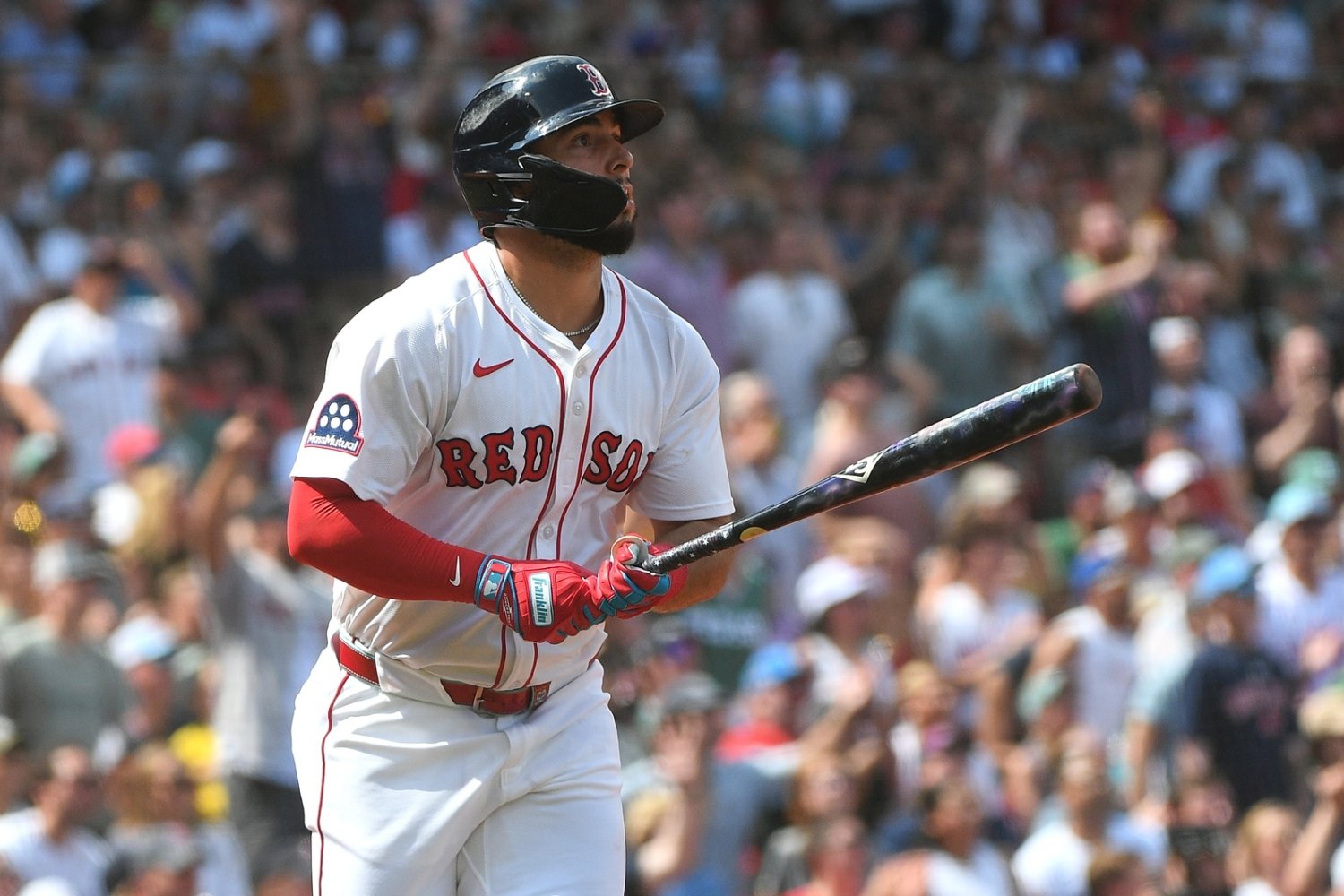 The Red Sox are currently under an amount of pressure this core crop of players isn't really used to. They’ve had a largely anemic offense since Roman Anthony’s injury at the beginning of September. There’s hope that he can return should the team make the Divisional Round, but putting all the pressure of a World Series run on the shoulders of a single rookie was never a recipe for success. For the month of September, the team is slashing just .256/.321/.388. Nate Eaton, Romy Gonzalez, and Rob Refsnyder lead the team in most offensive stats. While all of those are serviceable role players, none of them should be the best hitters on a team preparing to play October baseball for the first time in four years. Luckily, there’s one, slightly overlooked, member of the team that could be the turning point for the offense: Wilyer Abreu. I know, Abreu went 0-for-4 with four strikeouts in his first game off the injured list. It didn’t inspire much confidence. That being said, his presence in the lineup should open up at-bats for everyone else. Even with him being out for over a month, he’s second on the team in home runs. He’s not your standard power hitter, but he’s got some thump in his bat that pitchers have to respect. They know that if they don’t hit their spot, he’s the second-most likely person in the lineup to make them pay for it. He played DH in his return to the lineup, giving some pause for concern that his quad isn’t fully healed. The best unit this team can put on the field features Abreu manning right field, the position where he won a Gold Glove just last season. In most any ballpark, besides the spring training facility where the Rays are playing their home games this season, Abreu at 80% will be more impactful than running Masataka Yoshida out to right. His quad may not be healthy enough to make all of the incredible catches he’s made look routine in years past, but he would provide a steady presence alongside Platinum Glove candidate Ceddanne Rafaela. Saving that for the Wild Card Round may be the smartest play the team can make though, since there’s no reason to risk re-aggravation of his quad with the season on the line. This lineup doesn’t hinge on Abreu, but him coming into form over the next couple of games is going to be imperative for this Red Sox team. He didn’t have the luxury of a rehab assignment at Triple-A Worcester to get his feet fully under him, but extended time in the batting cage and live game reps will help him find his footing again. It’s a huge ask to put his kind of pressure on a 26-year-old battling an injury, but it's crunch time in Boston. As of this writing, the Red Sox’s magic number is five with six games left to play. That’s about as close to a photo finish as you can get. This team needs far more than Wilyer Abreu to find his footing to make a deep run -- the veterans this team is built around need to do the same -- but a strong performance in Toronto or against the Tigers (two of the AL's premier contenders this year) to close out the regular season will instill this team with a lot of confidence heading into the postseason.
 -
Nate Eaton's Emergence Has Helped Salvage Red Sox's Lineup In September
Alex Mayes posted an article in Red Sox
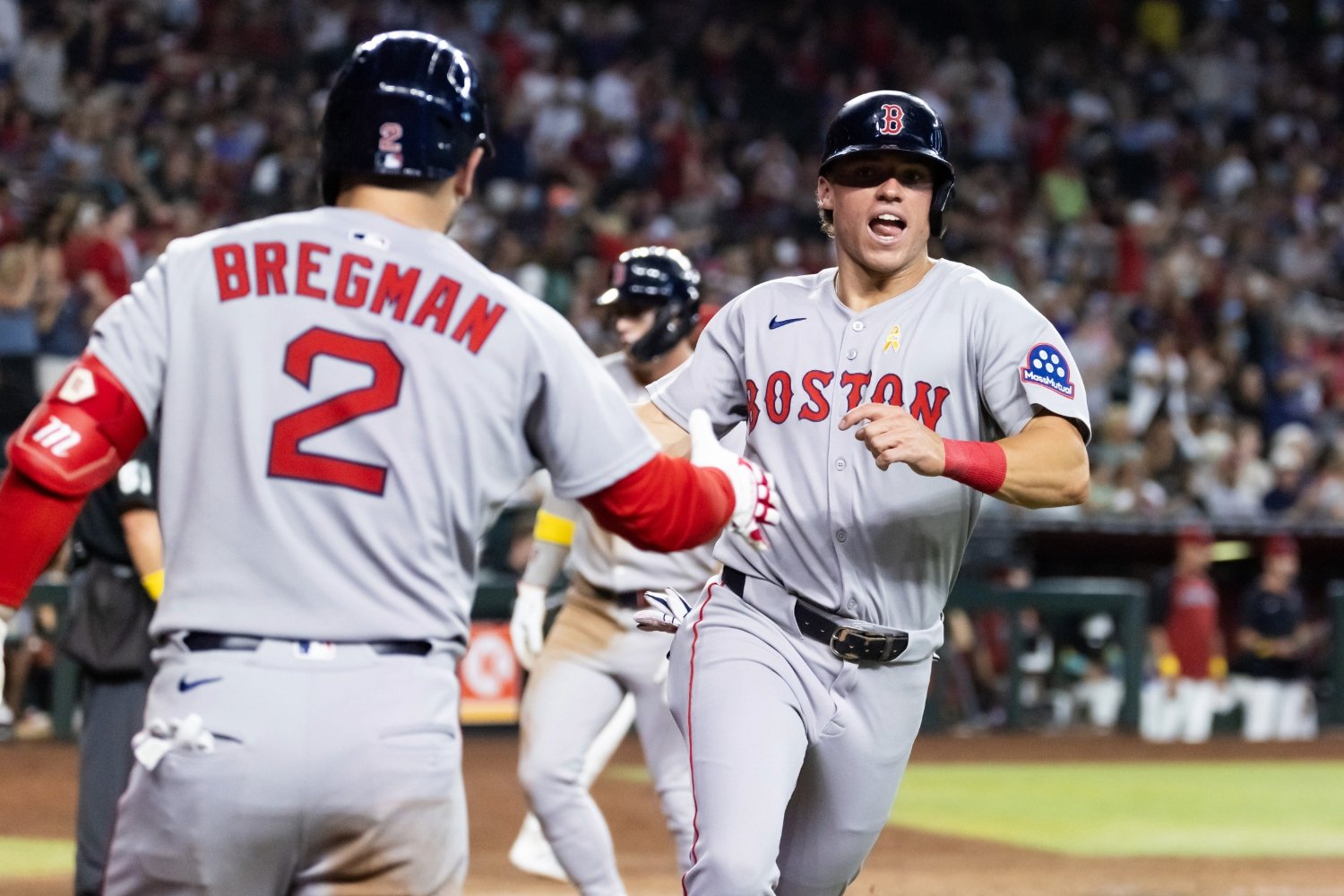 This late in the season, as superstars battle injuries and steady regulars endure bitter cold slumps, players that the general fan wouldn’t recognize if they passed them on the street have to step up to give their team a push towards the playoffs. For the month of September for the Boston Red Sox, that player has been the one and only Nate Eaton. Eaton has been shuttled between Worcester and Boston a handful of times this year and was called up in mid-August to very little fanfare. Since then, he’s been one of the most reliable offensive players in the organization. This month, Eaton leads the team in batting average, OBP, SLG, BABIP, wOBA, and wRC+. He’s second only to Trevor Story in WAR, and he's slashing .387/.441/.548 with a 174 wRC+. His strikeout percentage is fifth on the team and his two stolen bases put him ahead of speed demons Jarren Duran, Ceddanne Rafaela, and Romy Gonzalez. Who expected the driving force behind the Red Sox to be someone who was regulated to ‘Quadruple-A’ status mere months ago? Admittedly, he’s not driving in runs. He only has two RBIs so far this month, but he is getting on base. He’s tied for second on the team in runs scored with Story at eight, just one less than Alex Bregman’s nine. Eaton doesn’t strike fear in the hearts of his opponents, but he serves a role that the Red Sox desperately need right now. He gets on base and puts himself in position to score more often than not. We’ve all seen how often each person that steps into the box is trying to swing for the fences to turn the game on its head. Eaton has instead employed a steady approach, never trying to do too much and letting the ball travel to him. He’s a singles machine, but as long as he is on base, he’s a threat to go first to third. It can be argued that his sample size is small, and while that’s a valid argument for those suggesting Eaton isn't a long-term contributor, you have to catch lightning in a bottle this time of year. The Red Sox have been scuffling since Roman Anthony went down with an injury. They are playing the waiting game with Wilyer Abreu’s quad injury and hoping he can return in the near future, and Bregman remains mired in a funk. Eaton obviously doesn’t replace the production of any of those players, but he gives the Red Sox a chance to score. That’s something that few members of the roster are doing right now. It's highly unlikely that Eaton will be some folk hero of the playoffs for the 2025 Red Sox, but at this moment, the team just needs someone who can be a capable glove in the field and can put the bat on the ball. Nate Eaton is proving to be that guy, along with Trevor Story. Sometimes, the roughest stretches of the season make unlikely names on the roster play above their heads. And sometimes, that pressure and roughness molds them into legitimate MLB contributors. Time will tell what happens with Nate Eaton, but for the month of September, he’s been one of the most consistent players for the Red Sox.
 -
This late in the season, as superstars battle injuries and steady regulars endure bitter cold slumps, players that the general fan wouldn’t recognize if they passed them on the street have to step up to give their team a push towards the playoffs. For the month of September for the Boston Red Sox, that player has been the one and only Nate Eaton. Eaton has been shuttled between Worcester and Boston a handful of times this year and was called up in mid-August to very little fanfare. Since then, he’s been one of the most reliable offensive players in the organization. This month, Eaton leads the team in batting average, OBP, SLG, BABIP, wOBA, and wRC+. He’s second only to Trevor Story in WAR, and he's slashing .387/.441/.548 with a 174 wRC+. His strikeout percentage is fifth on the team and his two stolen bases put him ahead of speed demons Jarren Duran, Ceddanne Rafaela, and Romy Gonzalez. Who expected the driving force behind the Red Sox to be someone who was regulated to ‘Quadruple-A’ status mere months ago? Admittedly, he’s not driving in runs. He only has two RBIs so far this month, but he is getting on base. He’s tied for second on the team in runs scored with Story at eight, just one less than Alex Bregman’s nine. Eaton doesn’t strike fear in the hearts of his opponents, but he serves a role that the Red Sox desperately need right now. He gets on base and puts himself in position to score more often than not. We’ve all seen how often each person that steps into the box is trying to swing for the fences to turn the game on its head. Eaton has instead employed a steady approach, never trying to do too much and letting the ball travel to him. He’s a singles machine, but as long as he is on base, he’s a threat to go first to third. It can be argued that his sample size is small, and while that’s a valid argument for those suggesting Eaton isn't a long-term contributor, you have to catch lightning in a bottle this time of year. The Red Sox have been scuffling since Roman Anthony went down with an injury. They are playing the waiting game with Wilyer Abreu’s quad injury and hoping he can return in the near future, and Bregman remains mired in a funk. Eaton obviously doesn’t replace the production of any of those players, but he gives the Red Sox a chance to score. That’s something that few members of the roster are doing right now. It's highly unlikely that Eaton will be some folk hero of the playoffs for the 2025 Red Sox, but at this moment, the team just needs someone who can be a capable glove in the field and can put the bat on the ball. Nate Eaton is proving to be that guy, along with Trevor Story. Sometimes, the roughest stretches of the season make unlikely names on the roster play above their heads. And sometimes, that pressure and roughness molds them into legitimate MLB contributors. Time will tell what happens with Nate Eaton, but for the month of September, he’s been one of the most consistent players for the Red Sox. View full article
-
As the driver of the DFA Story bus earlier this season, I enjoy writing these pieces that highlight just how good he's been this season. Thanks for the kind words!
-
As @Maddie Landis wrote last week here on Talk Sox, Craig Breslow is finally beginning his search for a general manager this offseason. Breslow has operated quite well as the President of Baseball Operations without a true general manager, but it was long suspected he would eventually name someone to the position to help fill out the front office. Breslow will remain in charge of making final decision,s but the new general manager should be able to take some of the day-to-day tasks off Breslow’s plate, which should be a welcome change across the league if reports of Breslow being difficult to negotiate with are to be believed. The tall task is narrowing down a list of possible candidates for the position. Internally speaking, there are three names that make the most sense. #1: Paul Toboni Toboni, 35, is currently one of four assistant general managers in the Red Sox’s system. He was hired by the Red Sox 10 years ago as an intern, then was promoted to area scout, then again to director of amateur scouting, vice president of amateur scouting and player development, then finally to Senior Vice President and Assistant General Manager. To say Toboni has had a rocket ship strapped to him since coming on as an intern would be an understatement. He’s proven to have a keen eye for talent and should he become the full-time GM of the team, he would be able to put that talent to even further use as he becomes the point-man in trade and free-agent conversations. Toboni also fits the ‘youth movement’ of the organization and is becoming one of the more established names in the league. He’s also in consideration for the Nationals' general manager position according to industry sources. #2: Raquel Ferreira Ferreira, 54, has been with the Red Sox since she was hired as an administrative assistant in 1999. In 2003, Theo Epstein, currently part of the front office group again, promoted her to the Director of Minor League Administration position where she went on to help overhaul the team’s rookie development program. She was once again promoted in 2014 to Vice President of Baseball Operations and then was promoted once again in 2023 to Assistant General Manager. Between those promotions, she held multiple roles within the organization such as Senior Vice President, Major and Minor League Operations; Vice President, Major and Minor League Operations; Vice President, Baseball Administration; Senior Director, Minor League Operations; Director, Minor League Operations; and Director, Minor League Administration. She has also served on the Red Sox’ Social Justice, Equality, and Inclusion Advisory Committee as well as the MLB Women’s Advisory Council. She has had her hands in all four of the World Series championships the Red Sox have won this century and has carved her own path through the organization. There was belief she could be in line for the President of Baseball Operations position that was ultimately accepted by Breslow, but she declined the opportunity to interview for the position, citing family reasons. A promotion to general manager could be something that interests her, though. #3: Alex Cora Cora, 49, is the current manager of the Boston Red Sox. He’s made comments in the past that have hinted at his desire to transition to a role with the front office sooner than later. The soon-to-be open general manager position could help to bring that to a reality. Cora is known as a players' manager. The guys on his team seemingly love to play for him and losing him out of the dugout could be a step in the wrong direction if his replacement doesn’t match his same confidence. As the kids say, Cora has "aura". He’s cool but he runs a tight ship and doesn’t have a problem making decisions that seemingly buck traditional thinking. The fact that he was in the front office during this year’s trade deadline speaks volumes to his interest in the position. Bringing someone like Cora into the front office could help negotiations with other teams since he is such a smooth talker and he doesn’t get caught up in high-level explanations that have bogged Breslow down from time to time. If he’s serious about making the jump to the front office, expect to hear his name a lot this offseason until a general manager is named. [For those doubting his actual candidacy, remember that Boston Celtics head coach Brad Stevens made the same transition from the bench to the front office just a few years ago.] There are other internal candidates for the general manager position that make sense, but these three jump out the most. Could the team look outside the organization? Absolutely, but with the rumor that they struggled to find candidates for the President of Baseball Operations job, they could continue to invest in their internal talent. It takes a certain kind of person to operate in the Boston market and hiring from inside the organization seems to be the most likely move. Lining up replacements for any of the names mentioned here, though, could be a much taller task. View full article
-
Three Internal Names to Watch When the Red Sox Begin Their GM Search
Alex Mayes posted an article in Red Sox
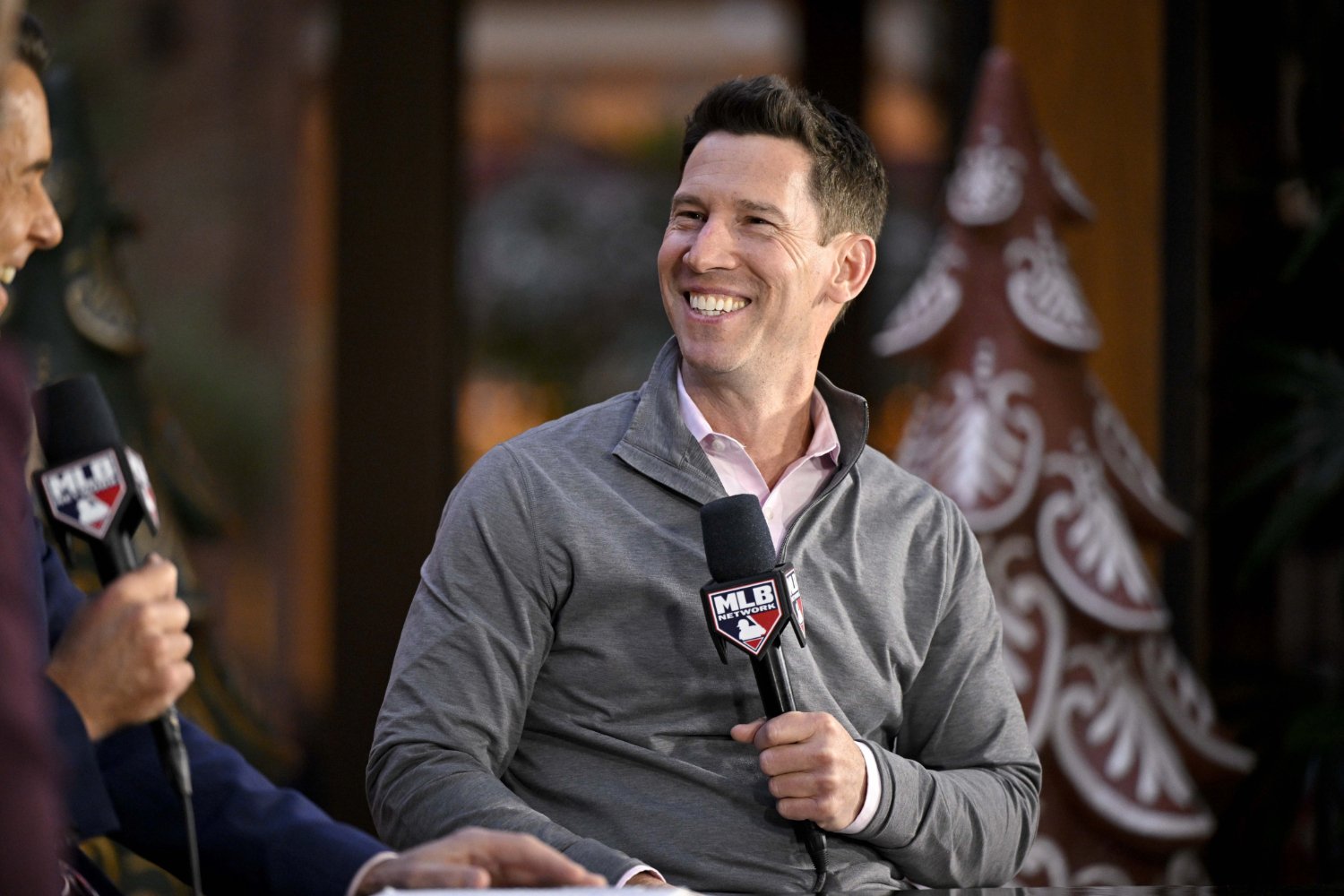 As @Maddie Landis wrote last week here on Talk Sox, Craig Breslow is finally beginning his search for a general manager this offseason. Breslow has operated quite well as the President of Baseball Operations without a true general manager, but it was long suspected he would eventually name someone to the position to help fill out the front office. Breslow will remain in charge of making final decision,s but the new general manager should be able to take some of the day-to-day tasks off Breslow’s plate, which should be a welcome change across the league if reports of Breslow being difficult to negotiate with are to be believed. The tall task is narrowing down a list of possible candidates for the position. Internally speaking, there are three names that make the most sense. #1: Paul Toboni Toboni, 35, is currently one of four assistant general managers in the Red Sox’s system. He was hired by the Red Sox 10 years ago as an intern, then was promoted to area scout, then again to director of amateur scouting, vice president of amateur scouting and player development, then finally to Senior Vice President and Assistant General Manager. To say Toboni has had a rocket ship strapped to him since coming on as an intern would be an understatement. He’s proven to have a keen eye for talent and should he become the full-time GM of the team, he would be able to put that talent to even further use as he becomes the point-man in trade and free-agent conversations. Toboni also fits the ‘youth movement’ of the organization and is becoming one of the more established names in the league. He’s also in consideration for the Nationals' general manager position according to industry sources. #2: Raquel Ferreira Ferreira, 54, has been with the Red Sox since she was hired as an administrative assistant in 1999. In 2003, Theo Epstein, currently part of the front office group again, promoted her to the Director of Minor League Administration position where she went on to help overhaul the team’s rookie development program. She was once again promoted in 2014 to Vice President of Baseball Operations and then was promoted once again in 2023 to Assistant General Manager. Between those promotions, she held multiple roles within the organization such as Senior Vice President, Major and Minor League Operations; Vice President, Major and Minor League Operations; Vice President, Baseball Administration; Senior Director, Minor League Operations; Director, Minor League Operations; and Director, Minor League Administration. She has also served on the Red Sox’ Social Justice, Equality, and Inclusion Advisory Committee as well as the MLB Women’s Advisory Council. She has had her hands in all four of the World Series championships the Red Sox have won this century and has carved her own path through the organization. There was belief she could be in line for the President of Baseball Operations position that was ultimately accepted by Breslow, but she declined the opportunity to interview for the position, citing family reasons. A promotion to general manager could be something that interests her, though. #3: Alex Cora Cora, 49, is the current manager of the Boston Red Sox. He’s made comments in the past that have hinted at his desire to transition to a role with the front office sooner than later. The soon-to-be open general manager position could help to bring that to a reality. Cora is known as a players' manager. The guys on his team seemingly love to play for him and losing him out of the dugout could be a step in the wrong direction if his replacement doesn’t match his same confidence. As the kids say, Cora has "aura". He’s cool but he runs a tight ship and doesn’t have a problem making decisions that seemingly buck traditional thinking. The fact that he was in the front office during this year’s trade deadline speaks volumes to his interest in the position. Bringing someone like Cora into the front office could help negotiations with other teams since he is such a smooth talker and he doesn’t get caught up in high-level explanations that have bogged Breslow down from time to time. If he’s serious about making the jump to the front office, expect to hear his name a lot this offseason until a general manager is named. [For those doubting his actual candidacy, remember that Boston Celtics head coach Brad Stevens made the same transition from the bench to the front office just a few years ago.] There are other internal candidates for the general manager position that make sense, but these three jump out the most. Could the team look outside the organization? Absolutely, but with the rumor that they struggled to find candidates for the President of Baseball Operations job, they could continue to invest in their internal talent. It takes a certain kind of person to operate in the Boston market and hiring from inside the organization seems to be the most likely move. Lining up replacements for any of the names mentioned here, though, could be a much taller task.
 -
Welcome to part three of my Trevor Story Apology Tour. If you missed my open letter to the shortstop, or where I said that him opting in would be a good thing, feel free to read them here and here, respectively. Today though, I wanted to highlight just how incredible of a season Story is having now that he’s fully healthy in Boston. He scuffled early in the season, but since being given a few days off to rediscover himself, Trevor Story has been one of, if not the best hitter on the team. There are flaws in his offensive approach—some that still drive fans insane when they appear—but he’s been fairly consistent at the plate and a guaranteed runner in scoring position when he steals bases. Story currently leads the team in both home runs and stolen bases, with 24 and 28, respectively. Having one person lead the team in those two major offensive categories was interesting enough that I decided to dig back through the last 50 years of club history and see just how often that had been done. Before Story, it had been done five times by a Red Sox player since 1975. Let’s take a look at how Story’s season stacks up against the other five legendary names on this list. To set our bar, here is how Trevor Story is performing this season (as of 9/13/25): .261/.308/.440 with 24 HR, 28 SB, 91 RBIs, 103 wRC+, 3.1 WAR, 27.4% strikeout, 5.2% walk, and a .331 BABIP. The most recent example of one person on the Red Sox leading in both home runs and stolen bases was back in 2017, when Mookie Betts ended the season with 24 home runs and 26 stolen bases. Betts delivered 102 RBIs that season to go along with a 107 wRC+, 4.6 WAR, a .268 BABIP, and an 11.1 K% and 10.8 BB%. His slash line for the '17 season was .264/.344/.459. On the surface, Story is set up for a similar season in '25. As long as he stays healthy, Story should hit more homers this season, and has already stolen more bases. Where Story can’t compete with Betts, though, is in strikeout and walk rate. Anyone who has watched Story knows he’s going to go down swinging more often than not, and he struggles to work walks at a decent clip. A point-and-a-half jump in WAR is likely unattainable as a result (also because of Betts' sterling defense in the outfield). Following Betts, we have another outfielder, Jacoby Ellsbury, in 2011. Ellsbury slashed .321/.376/.552 that season to go along with 32 home runs, 39 stolen bases, 105 RBIs, a 150 wRC+, 9.5 WAR, 13.4 K%, 7.1 BB%, and a .336 BABIP. Ellsbury finished second in AL MVP voting to Justin Verlander that year. 2011 was the year that Ellsbury established himself as a premier center fielder. There’s absolutely zero chance Story gets anywhere close here. Ellsbury was a far more disciplined hitter than Story, and the numbers reflect that. Ellsbury tore the cover off the ball that year, and even though Story has been dependable, his .261 average is a far cry from .321. All that being said this version of Story is what the Red Sox were hoping to get when they originally signed him; comparing his campaign to one of the greatest regular seasons in franchise history is a bit unfair. After Ellsbury, we have to jump back to 2000 when Carl Everett finished the season with 34 home runs and 11 stolen bases to lead the team. He slashed .300/.373/.587 with 108 RBIs while posting a 135 wRC+, 4.7 WAR, 20.1 K%, 9.3 BB%, and a .325 BABIP. In terms of strikeout percentage, this is the closest we’re going to get to Story’s current run. You can cherry pick stats to compare Everett and Story, but on the whole, Story’s current season isn’t as much of an offensive juggernaut as Everett was in 2000. Sure, Story is lapping him on stolen bases, but that era of Red Sox baseball wasn’t known to be loaded with speed like the current version of the team is. Story may catch him in RBIs though; 108 isn’t unattainable if Story keeps mashing homers for the remainder of the season. Ellis Burks in 1990 checks in next on the list. Burks slashed .296/.349/.486 with 21 home runs, nine stolen bases, and 89 RBIs with a 127 wRC+, 3.3 WAR, 12.8 K%, 7.5 BB%, and .314 BABIP. While a drastically different game was played in 1990, this is the lowest stolen base number we have on this list, although not by much. It’s tough to make comparisons here because Burks’ slash line will be unattainable for Story this season, but you could argue this version of Story is far more valuable now. Story’s WAR could creep up above 3.3, and his BABIP is higher than that of Burks, though you’d love to see Burks’ strikeout rate swap with Story’s. Finally, we must jump back 50 years to Jim Rice in 1975. That year, Rice slashed .309/.350/.491 with 22 home runs, 10 stolen bases, 102 RBIs, a 126 wRC+, 2.9 WAR, 19.9% K%, 5.9% BB%, and a .355 BABIP. We’re talking incredibly different players here, and a game now that puts far more focus on strength and speed than in 1975, but Story is running a similar walk rate to Rice. Rice is considered one of the best hitters in the history of the team and Trevor Story will (likely) never hold such a distinction, but being in such close company to someone of Rice’s caliber is sure to be a feather in the shortstop's cap. There were reports early in the season that Rice was told to stop talking to hitters in spring training, but Story is doing his best impression on the field this year. While Story has more pop in his bat, Rice was the far more consistent hitter. Working with someone like Rice could push Story into the next tier of hitter next season. Trevor Story is joining some Red Sox legends with the current path he’s on. Should he continue to hit like he has been, and knock the strikeouts down some, he should finish the season first on the team in both home runs and stolen bases. That’s something no one expected of him going into the season. The Red Sox are hoping to make a deep postseason run this year, and if this version of Trevor Story is sticking around, he is going to be a driving force on offense come October. View full article
-
Trevor Story's Offensive Output Places Him Among Red Sox Greats
Alex Mayes posted an article in Red Sox
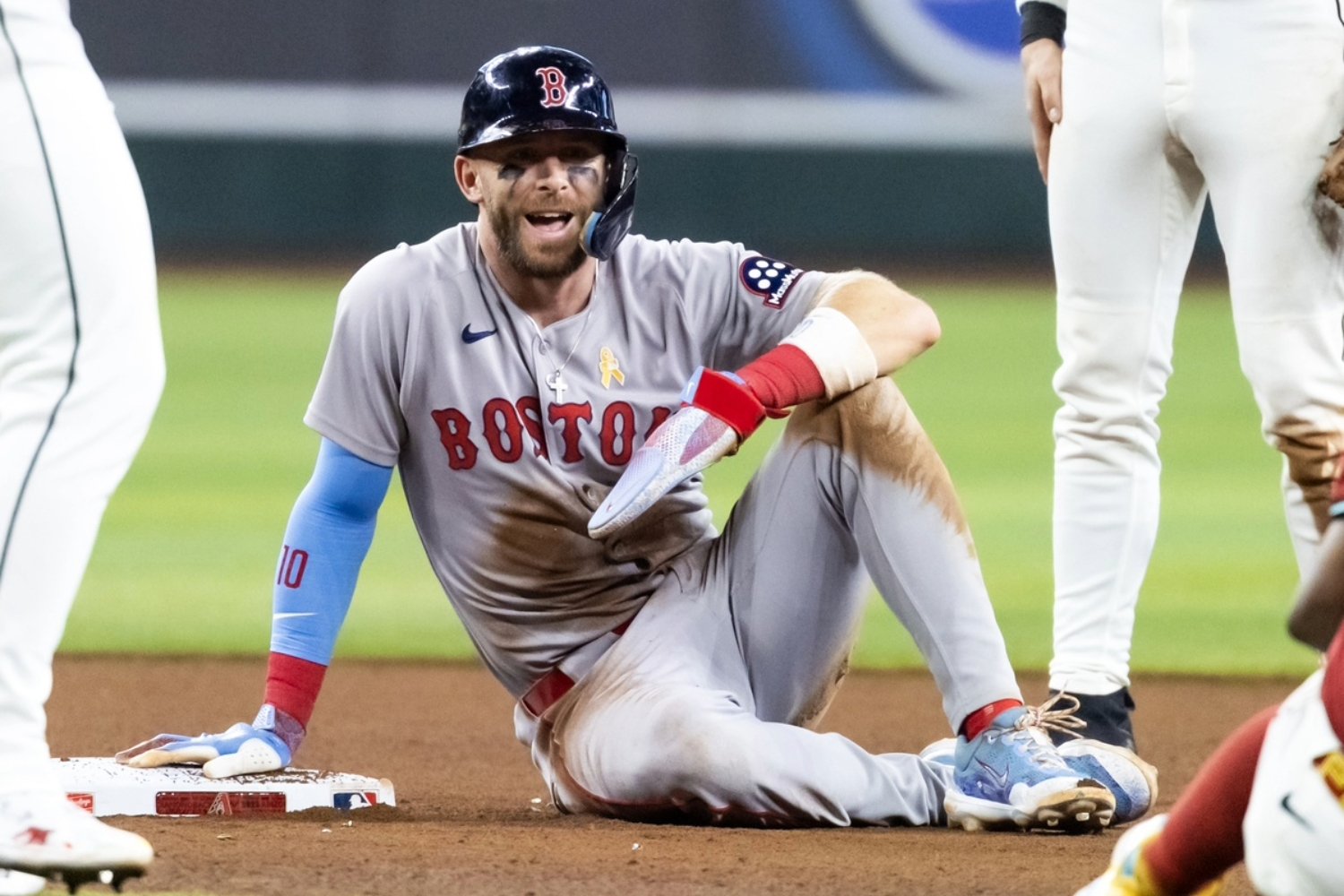 Welcome to part three of my Trevor Story Apology Tour. If you missed my open letter to the shortstop, or where I said that him opting in would be a good thing, feel free to read them here and here, respectively. Today though, I wanted to highlight just how incredible of a season Story is having now that he’s fully healthy in Boston. He scuffled early in the season, but since being given a few days off to rediscover himself, Trevor Story has been one of, if not the best hitter on the team. There are flaws in his offensive approach—some that still drive fans insane when they appear—but he’s been fairly consistent at the plate and a guaranteed runner in scoring position when he steals bases. Story currently leads the team in both home runs and stolen bases, with 24 and 28, respectively. Having one person lead the team in those two major offensive categories was interesting enough that I decided to dig back through the last 50 years of club history and see just how often that had been done. Before Story, it had been done five times by a Red Sox player since 1975. Let’s take a look at how Story’s season stacks up against the other five legendary names on this list. To set our bar, here is how Trevor Story is performing this season (as of 9/13/25): .261/.308/.440 with 24 HR, 28 SB, 91 RBIs, 103 wRC+, 3.1 WAR, 27.4% strikeout, 5.2% walk, and a .331 BABIP. The most recent example of one person on the Red Sox leading in both home runs and stolen bases was back in 2017, when Mookie Betts ended the season with 24 home runs and 26 stolen bases. Betts delivered 102 RBIs that season to go along with a 107 wRC+, 4.6 WAR, a .268 BABIP, and an 11.1 K% and 10.8 BB%. His slash line for the '17 season was .264/.344/.459. On the surface, Story is set up for a similar season in '25. As long as he stays healthy, Story should hit more homers this season, and has already stolen more bases. Where Story can’t compete with Betts, though, is in strikeout and walk rate. Anyone who has watched Story knows he’s going to go down swinging more often than not, and he struggles to work walks at a decent clip. A point-and-a-half jump in WAR is likely unattainable as a result (also because of Betts' sterling defense in the outfield). Following Betts, we have another outfielder, Jacoby Ellsbury, in 2011. Ellsbury slashed .321/.376/.552 that season to go along with 32 home runs, 39 stolen bases, 105 RBIs, a 150 wRC+, 9.5 WAR, 13.4 K%, 7.1 BB%, and a .336 BABIP. Ellsbury finished second in AL MVP voting to Justin Verlander that year. 2011 was the year that Ellsbury established himself as a premier center fielder. There’s absolutely zero chance Story gets anywhere close here. Ellsbury was a far more disciplined hitter than Story, and the numbers reflect that. Ellsbury tore the cover off the ball that year, and even though Story has been dependable, his .261 average is a far cry from .321. All that being said this version of Story is what the Red Sox were hoping to get when they originally signed him; comparing his campaign to one of the greatest regular seasons in franchise history is a bit unfair. After Ellsbury, we have to jump back to 2000 when Carl Everett finished the season with 34 home runs and 11 stolen bases to lead the team. He slashed .300/.373/.587 with 108 RBIs while posting a 135 wRC+, 4.7 WAR, 20.1 K%, 9.3 BB%, and a .325 BABIP. In terms of strikeout percentage, this is the closest we’re going to get to Story’s current run. You can cherry pick stats to compare Everett and Story, but on the whole, Story’s current season isn’t as much of an offensive juggernaut as Everett was in 2000. Sure, Story is lapping him on stolen bases, but that era of Red Sox baseball wasn’t known to be loaded with speed like the current version of the team is. Story may catch him in RBIs though; 108 isn’t unattainable if Story keeps mashing homers for the remainder of the season. Ellis Burks in 1990 checks in next on the list. Burks slashed .296/.349/.486 with 21 home runs, nine stolen bases, and 89 RBIs with a 127 wRC+, 3.3 WAR, 12.8 K%, 7.5 BB%, and .314 BABIP. While a drastically different game was played in 1990, this is the lowest stolen base number we have on this list, although not by much. It’s tough to make comparisons here because Burks’ slash line will be unattainable for Story this season, but you could argue this version of Story is far more valuable now. Story’s WAR could creep up above 3.3, and his BABIP is higher than that of Burks, though you’d love to see Burks’ strikeout rate swap with Story’s. Finally, we must jump back 50 years to Jim Rice in 1975. That year, Rice slashed .309/.350/.491 with 22 home runs, 10 stolen bases, 102 RBIs, a 126 wRC+, 2.9 WAR, 19.9% K%, 5.9% BB%, and a .355 BABIP. We’re talking incredibly different players here, and a game now that puts far more focus on strength and speed than in 1975, but Story is running a similar walk rate to Rice. Rice is considered one of the best hitters in the history of the team and Trevor Story will (likely) never hold such a distinction, but being in such close company to someone of Rice’s caliber is sure to be a feather in the shortstop's cap. There were reports early in the season that Rice was told to stop talking to hitters in spring training, but Story is doing his best impression on the field this year. While Story has more pop in his bat, Rice was the far more consistent hitter. Working with someone like Rice could push Story into the next tier of hitter next season. Trevor Story is joining some Red Sox legends with the current path he’s on. Should he continue to hit like he has been, and knock the strikeouts down some, he should finish the season first on the team in both home runs and stolen bases. That’s something no one expected of him going into the season. The Red Sox are hoping to make a deep postseason run this year, and if this version of Trevor Story is sticking around, he is going to be a driving force on offense come October.
 -
ESPN’s Jeff Passan published an article on Thursday, September 4 where he said that he expects third baseman Alex Bregman to opt out of the rest of his contract with the Boston Red Sox and test free agency. Passan further notes that Bregman is expected to receive the five-year/$175 million contract that eluded him before the 2025 season began. With the season Bregman has been having, it’s not shocking to hear that he’s going to test the free agency waters again. He’s currently on one of the cushiest contracts in the sport: three years for $120 million with opt-outs after the 2025 and 2026 seasons. Even with the deferred money built into the agreement, Bregman is sitting pretty while playing for a cornerstone franchise. While he potentially stands to get more on the open market, the Red Sox shouldn’t feel the need to overextend themselves and pay that kind of money over the next five years. As @Brandon Glick highlighted here on Talk Sox, Bregman is in the midst of his longest cold stretch of the season. It’s absolutely fixable, but it allows us to see into the future just a bit. If the Red Sox sign Bregman to a five-year deal, he’s going to be playing out the last year of that contract during his age-37 season. Since August 17, Bregman is hitting below the Mendoza line, slashing .182/.264/.221 with a -0.3 WAR. That’s not to say those are the types of numbers he’s going to put up in five years, but these non-competitive at bats are going to become more frequent as he grows older. While playing at Fenway Park has given him a boost, he hasn’t tortured the Green Monster like we all anticipated he would. As his power wanes, the hard contact will too. If he were to accept less than $35 million a season, that decline wouldn’t be nearly as difficult to stomach, but for that kind of money, the Red Sox are better off turning their attention elsewhere. Internally, there’s one name that stands out as the replacement to Bregman at the hot corner: Marcelo Mayer. Bregman’s injury earlier in the season allowed for the team to call up Mayer and he performed incredibly well as the starting third baseman in many respects. His glove rivaled Bregman’s, and arguably even looked better as the young gun got more comfortable. Obviously, the offensive drop-off is significant from Bregman to Mayer, but if the rookie comes into camp knowing he has the edge for a starting spot on the team, he’s going to come in ready to show just why the team picked him in the first round. Mayer wasn’t able to tap into his offensive talent much before his injury. The intangibles are there though, and as long as he can avoid spending significant time on the injured list, he would be a fine replacement for Bregman, even if the lineup is sapped of some valuable middle-of-the-order production. After that though, the system is pretty thin. The Red Sox traded Blaze Jordan to the Cardinals, and Abraham Toro has been playing third for the WooSox since his demotion, but he's hardly a regular at the MLB level. That leaves free agency as the next likely option to fill a potential Bregman void. The third base free agent market isn’t incredibly robust. After Bregman, the only options you’d likely consider as regulars are Eugenio Suarez and Max Muncy. Both players have the ability to perform well at Fenway, but are question marks in terms of fit and defensive value. Obviously, Bregman will remain an option until he has signed elsewhere, but the Red Sox should be unwilling to pay $35 million a season for a third baseman who is certainly nearing the end of his prime. If someone like the Yankees or Tigers want to be hamstrung by that contract, let them. This era of the Red Sox has been defined by cautious, low-risk, long-term investments. Bregman is the kind of high-floor player worth investing in, but at his age, the risk on any contract will go up exponentially for every year that is tacked on. Let's get something straight: Alex Bregman is a great baseball player. I even advocated for him to be in Boston until the end of his career at one point, but that was before these contract numbers started getting thrown around. The Red Sox have actively worked to avoid being a franchise saddled with a big contract that is sure to become an albatross toward the the latter end. If Bregman is willing to come down on his number to stay in Boston, great. If not though (likely, since his agent is Scott Boras), let him be someone else’s financial headache starting next season. View full article
-
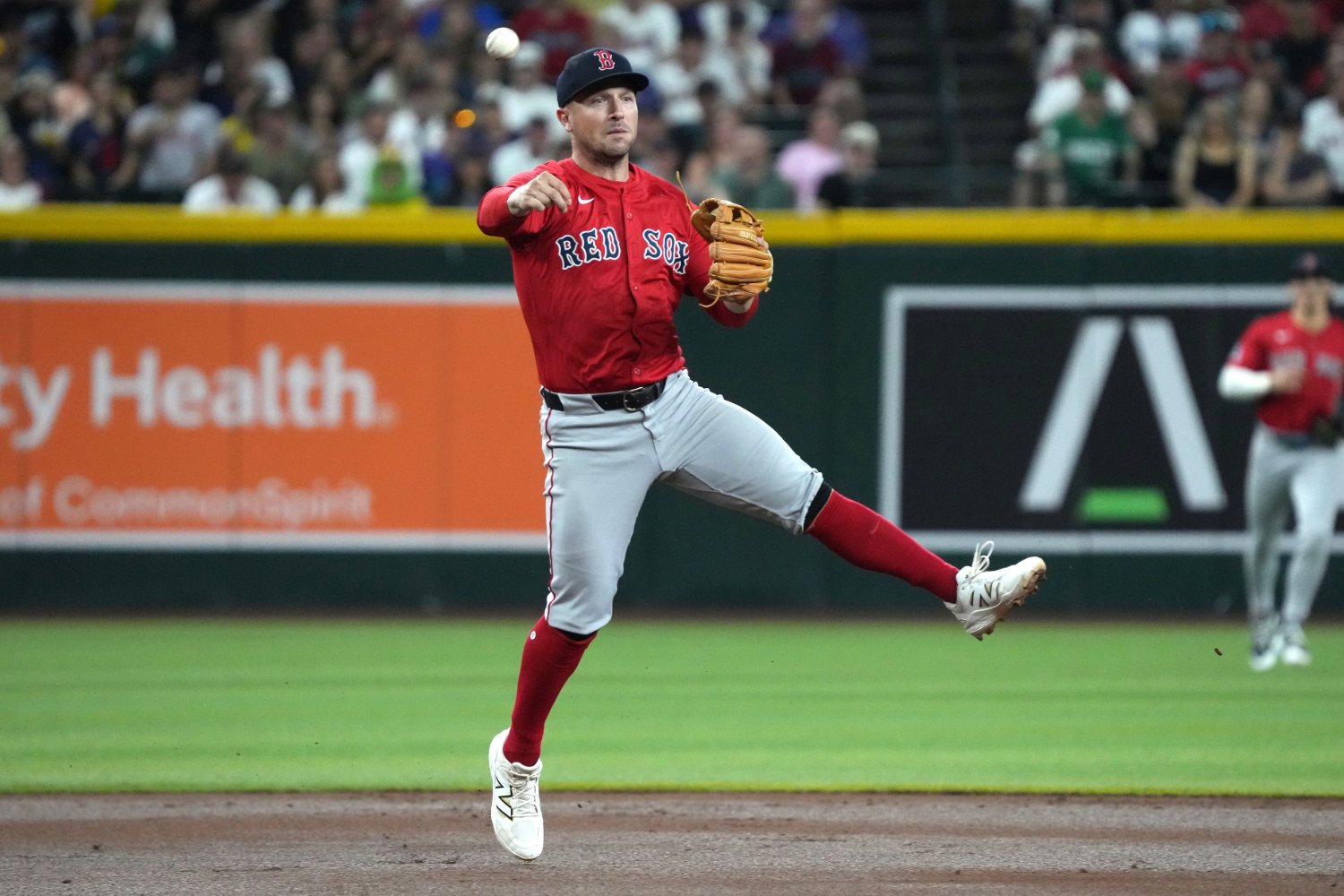 ESPN’s Jeff Passan published an article on Thursday, September 4 where he said that he expects third baseman Alex Bregman to opt out of the rest of his contract with the Boston Red Sox and test free agency. Passan further notes that Bregman is expected to receive the five-year/$175 million contract that eluded him before the 2025 season began. With the season Bregman has been having, it’s not shocking to hear that he’s going to test the free agency waters again. He’s currently on one of the cushiest contracts in the sport: three years for $120 million with opt-outs after the 2025 and 2026 seasons. Even with the deferred money built into the agreement, Bregman is sitting pretty while playing for a cornerstone franchise. While he potentially stands to get more on the open market, the Red Sox shouldn’t feel the need to overextend themselves and pay that kind of money over the next five years. As @Brandon Glick highlighted here on Talk Sox, Bregman is in the midst of his longest cold stretch of the season. It’s absolutely fixable, but it allows us to see into the future just a bit. If the Red Sox sign Bregman to a five-year deal, he’s going to be playing out the last year of that contract during his age-37 season. Since August 17, Bregman is hitting below the Mendoza line, slashing .182/.264/.221 with a -0.3 WAR. That’s not to say those are the types of numbers he’s going to put up in five years, but these non-competitive at bats are going to become more frequent as he grows older. While playing at Fenway Park has given him a boost, he hasn’t tortured the Green Monster like we all anticipated he would. As his power wanes, the hard contact will too. If he were to accept less than $35 million a season, that decline wouldn’t be nearly as difficult to stomach, but for that kind of money, the Red Sox are better off turning their attention elsewhere. Internally, there’s one name that stands out as the replacement to Bregman at the hot corner: Marcelo Mayer. Bregman’s injury earlier in the season allowed for the team to call up Mayer and he performed incredibly well as the starting third baseman in many respects. His glove rivaled Bregman’s, and arguably even looked better as the young gun got more comfortable. Obviously, the offensive drop-off is significant from Bregman to Mayer, but if the rookie comes into camp knowing he has the edge for a starting spot on the team, he’s going to come in ready to show just why the team picked him in the first round. Mayer wasn’t able to tap into his offensive talent much before his injury. The intangibles are there though, and as long as he can avoid spending significant time on the injured list, he would be a fine replacement for Bregman, even if the lineup is sapped of some valuable middle-of-the-order production. After that though, the system is pretty thin. The Red Sox traded Blaze Jordan to the Cardinals, and Abraham Toro has been playing third for the WooSox since his demotion, but he's hardly a regular at the MLB level. That leaves free agency as the next likely option to fill a potential Bregman void. The third base free agent market isn’t incredibly robust. After Bregman, the only options you’d likely consider as regulars are Eugenio Suarez and Max Muncy. Both players have the ability to perform well at Fenway, but are question marks in terms of fit and defensive value. Obviously, Bregman will remain an option until he has signed elsewhere, but the Red Sox should be unwilling to pay $35 million a season for a third baseman who is certainly nearing the end of his prime. If someone like the Yankees or Tigers want to be hamstrung by that contract, let them. This era of the Red Sox has been defined by cautious, low-risk, long-term investments. Bregman is the kind of high-floor player worth investing in, but at his age, the risk on any contract will go up exponentially for every year that is tacked on. Let's get something straight: Alex Bregman is a great baseball player. I even advocated for him to be in Boston until the end of his career at one point, but that was before these contract numbers started getting thrown around. The Red Sox have actively worked to avoid being a franchise saddled with a big contract that is sure to become an albatross toward the the latter end. If Bregman is willing to come down on his number to stay in Boston, great. If not though (likely, since his agent is Scott Boras), let him be someone else’s financial headache starting next season.
 -
 Maddie and Alex discuss Roman Anthony's oblique injury and timeline, wondering how exactly the team will handle his return. They then dive into the latest Alex Bregman contract news and start to wonder what the team may look like next year with his potential absence. They pick up the attitude with a look into Payton Tolle's first start and the domination that led to Aroldis Chapman's surprise extension. Finally, they end the show with a sincere thank you to the fans who have made the last year of Talk Sox possible. Listen on Apple Podcasts: https://podcasts.apple.com/us/podcast/the-talk-sox-podcast/id1783204104 Listen on Spotify: https://open.spotify.com/show/3qPrPXEngu0CxgTmlf0ynm Listen on iHeartRadio: https://www.iheart.com/podcast/263-the-talk-sox-podcast-244591331/ Listen on Pocket Casts: https://pca.st/4tmd121v Watch on YouTube: https://www.youtube.com/@talksox
 -
Maddie and Alex discuss Roman Anthony's oblique injury and timeline, wondering how exactly the team will handle his return. They then dive into the latest Alex Bregman contract news and start to wonder what the team may look like next year with his potential absence. They pick up the attitude with a look into Payton Tolle's first start and the domination that led to Aroldis Chapman's surprise extension. Finally, they end the show with a sincere thank you to the fans who have made the last year of Talk Sox possible. Listen on Apple Podcasts: https://podcasts.apple.com/us/podcast/the-talk-sox-podcast/id1783204104 Listen on Spotify: https://open.spotify.com/show/3qPrPXEngu0CxgTmlf0ynm Listen on iHeartRadio: https://www.iheart.com/podcast/263-the-talk-sox-podcast-244591331/ Listen on Pocket Casts: https://pca.st/4tmd121v Watch on YouTube: https://www.youtube.com/@talksox View full article
-
Roman Anthony's Injury Sucks, but the Red Sox Shouldn't Rush Him Back
Alex Mayes posted an article in Red Sox
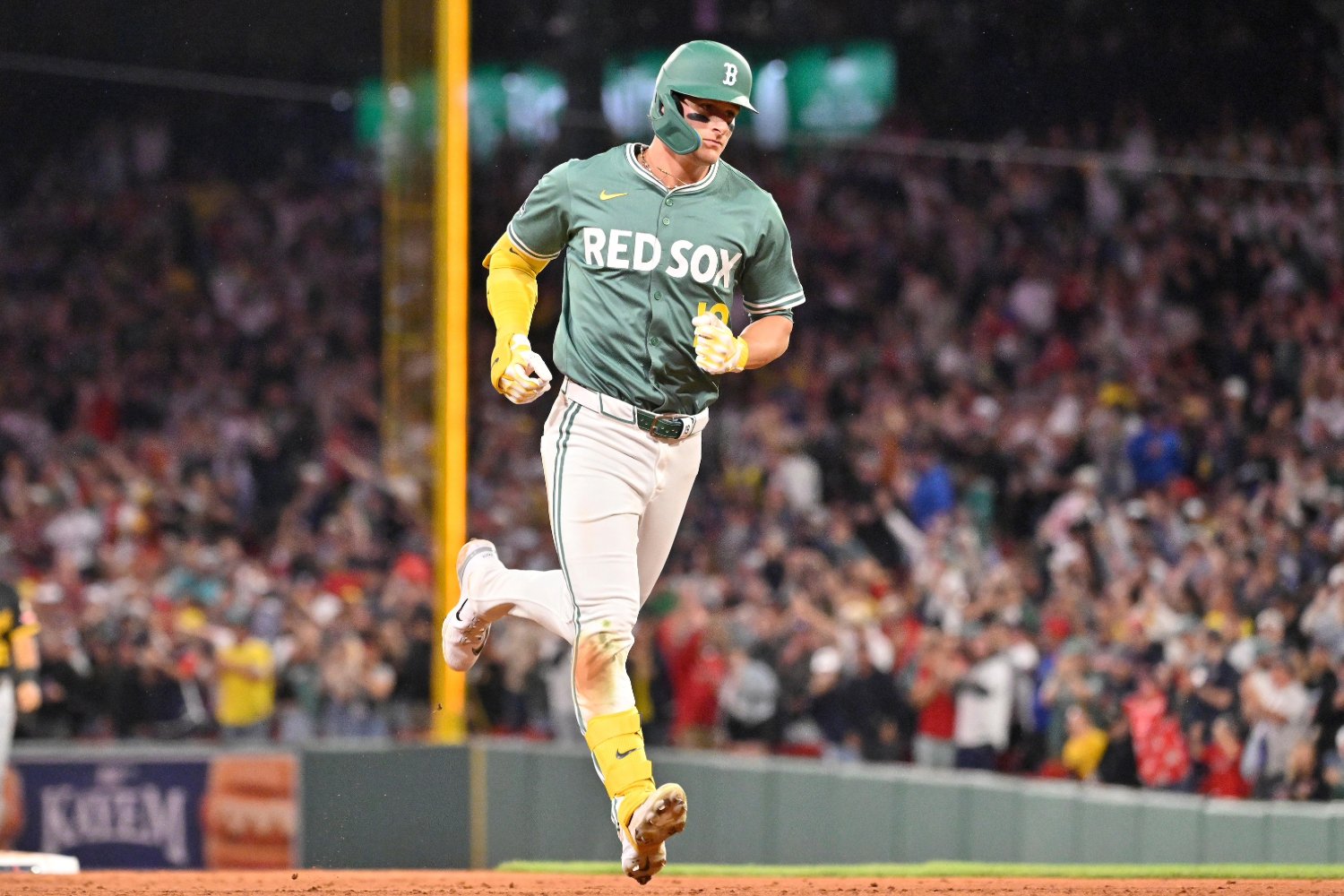 Roman Anthony’s oblique injury could not have come at a worse time. The Red Sox are in the midst of a playoff push and now have to try and find a suitable replacement for their star leadoff hitter. Anthony has been one of the best players in all of baseball since his call-up in June, and his presence in the lineup be virtually impossible to replicate. Alex Cora told the media on Wednesday that Anthony has a four-to-six-week recovery timetable. Four weeks from September 3 is October 1, also known as the second game of the Wild Card series. That six-week timeline puts him returning somewhere around the end of the ALDS and the start of the ALCS. That’s less than ideal. There may be a push, even from Anthony himself, to rush back as the season draws to a close. The team needs to tread carefully here, though, and not push him to come back before he’s ready, even if the team goes far in the postseason. Oblique injuries are notoriously difficult to predict. They limit the movement of a player’s core and make it almost impossible for them to swing a bat with much success. While Anthony has been great in the outfield, his offense has had the biggest impact on this team. Anthony playing at 75-80% is likely going to be better than a vast number of fully healthy players, but everyone needs to consider the future of the young phenom. We don’t have to look outside of the division to see what could happen if a player with an oblique injury returns before they should. Orioles’ catcher Adley Rutschman was first placed on the 10-day IL in June with a right oblique strain. He returned from that injury in early August and then promptly wound up back on the 10-day IL with a left oblique strain on August 18. Should Anthony be rushed back within the suggested timeline, it’s not farfetched to think that he could suffer a similar fate. On the other hand, the argument for rushing Anthony back is pretty easy: there’s no one currently healthy that can even come close to replacing his production on offense. Wilyer Abreu is still on the injured list and hasn’t resumed running, so the rest of his regular season could be in question. They can, and likely will, run Rob Refsnyder out to right in most games, but he’s no longer a the caliber of player who should be a regular on a playoff team. Jhostynxon Garcia looked overmatched in his quick cup of coffee with the big-league team and can’t be counted on to produce down the stretch. The interesting option here would be Kristian Campbell, but he doesn’t have the arm to play right field at Fenway Park ,and his outings in the outfield have been less than impressive so far. Ceddanne Rafaela has the arm and the ability to play right at Fenway, but he’s the best center fielder on the team (potentially in the league), and needs to be roaming there every game from here on out. Jarren Duran doesn’t have the arm to play right field. All that being said, it's still not worth rushing Anthony back. If there's even a slim chance that doing so could hamper his future or offseason preparation, then forget it. He’s the building block of this organization and putting him in a position where he could exacerbate an injury like this isn't good business, especially considering that he just signed an eight-year mega-contract. As such, rushing Roman Anthony back needs to be the furthest thing from the minds of the Red Sox’s front office. He’s far too valuable to be put in that situation at this stage of his career. The Red Sox and their fans want a deep playoff run this season, and a healthy Roman Anthony likely gets them there, but we are far closer to the start of their championship window than the end. The young core of this team is locked into multi-year extensions that will keep that window wide open for years to come. If, and that’s a big if, Roman Anthony bounces back quickly from this oblique injury, then it’s entirely possible we could see him before the season is over. I wouldn’t expect that to be the case, though. The team needs to tread lightly and allow him as much time as necessary to heal and recover. The rookie will be a superstar in this league—if he isn't already—and the team needs to make decisions with his long-term future in mind.
 -
Roman Anthony’s oblique injury could not have come at a worse time. The Red Sox are in the midst of a playoff push and now have to try and find a suitable replacement for their star leadoff hitter. Anthony has been one of the best players in all of baseball since his call-up in June, and his presence in the lineup be virtually impossible to replicate. Alex Cora told the media on Wednesday that Anthony has a four-to-six-week recovery timetable. Four weeks from September 3 is October 1, also known as the second game of the Wild Card series. That six-week timeline puts him returning somewhere around the end of the ALDS and the start of the ALCS. That’s less than ideal. There may be a push, even from Anthony himself, to rush back as the season draws to a close. The team needs to tread carefully here, though, and not push him to come back before he’s ready, even if the team goes far in the postseason. Oblique injuries are notoriously difficult to predict. They limit the movement of a player’s core and make it almost impossible for them to swing a bat with much success. While Anthony has been great in the outfield, his offense has had the biggest impact on this team. Anthony playing at 75-80% is likely going to be better than a vast number of fully healthy players, but everyone needs to consider the future of the young phenom. We don’t have to look outside of the division to see what could happen if a player with an oblique injury returns before they should. Orioles’ catcher Adley Rutschman was first placed on the 10-day IL in June with a right oblique strain. He returned from that injury in early August and then promptly wound up back on the 10-day IL with a left oblique strain on August 18. Should Anthony be rushed back within the suggested timeline, it’s not farfetched to think that he could suffer a similar fate. On the other hand, the argument for rushing Anthony back is pretty easy: there’s no one currently healthy that can even come close to replacing his production on offense. Wilyer Abreu is still on the injured list and hasn’t resumed running, so the rest of his regular season could be in question. They can, and likely will, run Rob Refsnyder out to right in most games, but he’s no longer a the caliber of player who should be a regular on a playoff team. Jhostynxon Garcia looked overmatched in his quick cup of coffee with the big-league team and can’t be counted on to produce down the stretch. The interesting option here would be Kristian Campbell, but he doesn’t have the arm to play right field at Fenway Park ,and his outings in the outfield have been less than impressive so far. Ceddanne Rafaela has the arm and the ability to play right at Fenway, but he’s the best center fielder on the team (potentially in the league), and needs to be roaming there every game from here on out. Jarren Duran doesn’t have the arm to play right field. All that being said, it's still not worth rushing Anthony back. If there's even a slim chance that doing so could hamper his future or offseason preparation, then forget it. He’s the building block of this organization and putting him in a position where he could exacerbate an injury like this isn't good business, especially considering that he just signed an eight-year mega-contract. As such, rushing Roman Anthony back needs to be the furthest thing from the minds of the Red Sox’s front office. He’s far too valuable to be put in that situation at this stage of his career. The Red Sox and their fans want a deep playoff run this season, and a healthy Roman Anthony likely gets them there, but we are far closer to the start of their championship window than the end. The young core of this team is locked into multi-year extensions that will keep that window wide open for years to come. If, and that’s a big if, Roman Anthony bounces back quickly from this oblique injury, then it’s entirely possible we could see him before the season is over. I wouldn’t expect that to be the case, though. The team needs to tread lightly and allow him as much time as necessary to heal and recover. The rookie will be a superstar in this league—if he isn't already—and the team needs to make decisions with his long-term future in mind. View full article
-
Previously, I wrote about four potential names that could be called up once rosters expand to begin September. Little did I know that I’d bat .750 with three of the four names getting called up during the month of August. I noted at the bottom that Kristian Campbell was left off that list because even after the month-long tear he was on in Worcester at the time, I just couldn’t see the team bringing him up with no natural position to play after the team acquired Nathanial Lowe to play first and David Hamilton slotting in at second base. On top of that, there was a chance that Campbell could get back to the majors and fall flat on his face, again. That potential failure could have done a lot of long-term, and that’s something that the Red Sox should actively avoid. So, correctly, the team opted for two other names to be called up instead: recently-signed catcher Ali Sanchez, and right-handed reliever Zack Kelly. Sure, those names aren’t striking fear into the hearts of the opponents, but it leaves some flexibility with the roster as Wilyer Abreu is preparing to return from his stint on the injured list. Campbell needs to spend the rest of the season with the WooSox to allow him to continue to rebuild his game on both sides of the ball with far less pressure than he would face with the big-league club. If we look at Campbell’s numbers after his demotion, there’s not a ton there that suggests he would find his April footing should he be called back up. He’s currently slashing .265/.382/.412 with 30 RBIs, seven home runs, 32 walks, and 65 strikeouts in 57 against Triple-A arms. While it’s not bad, it doesn’t paint a picture of someone who is banging down the door to face big league pitching. There could be an argument to be made that him figuring it out at the major league level would be more beneficial—just look at how Roman Anthony has shined since his promotion in June—but that’s not a risk you take when you’re in the middle of a playoff hunt. He’s still young and having two less-than-stellar stints with the Sox could cause him to question if he can actually perform at the highest level. He seems like the type of player who could overcome that eventually, but there’s no reason to risk that situation when there are other members of the team that aren’t viewed as foundational pieces of the future of the team. As it currently stands, Campbell also doesn’t have a natural position to play. David Hamilton is playing well at second, Nathanial Lowe and Romy Gonzalez are splitting time at first, and Trevor Story shouldn’t move off short for anyone not named Marcelo Mayer (who is now out for the season). The outfield is already too crowded, but with Anthony leaving Tuesday’s game with an oblique injury, there may be some movement there. One of the reasons it’s believed Campbell struggled so bad early in the season was because he had no true position on the field. He made appearances at second, left, and center while with the Red Sox, and he was preparing to play first base going into the road series at Atlanta before his demotion. Professional baseball is a hard enough sport to be successful in, and it has to be harder when you are shuffled around the field constantly. That’s not a knock on Alex Cora; the team needed Campbell to be that versatile, but for a rookie who just signed a life-changing extension, it made things even more difficult for him. Now, every spot he could play in is held by someone who has been more successful with the team. Keeping him at Worcester through the end of the season, unless there is another injury to a starter in the infield, will allow him to keep developing. Expect Campbell to enter spring training in a competition for a spot on the diamond with the Boston Red Sox. His contract guarantees he will be a name considered no matter what, but it just doesn’t make sense to have him on the roster while the team is fighting for a playoff spot right now. Could he contribute? Probably, but not at a level that you can guarantee would be better than anyone currently on the 28-man roster. The best move here is to keep Campbell in the minors and give him a position to solely focus on for 2026. If he’s given a full offseason to work on one position, he should hold a tremendous advantage over anyone else he would be in competition with in spring training. Campbell is a good baseball player, and could be a star in this league, but the heat of a playoff chase isn’t the time for such a large question mark. View full article