


Alex Mayes
-
Posts
814 -
Joined
-
Last visited
Content Type
Profiles
Boston Red Sox Videos
2026 Boston Red Sox Top Prospects Ranking
Boston Red Sox Free Agent & Trade Rumors, Notes, & Tidbits
Guides & Resources
2025 Boston Red Sox Draft Pick Tracker
News
2026 Boston Red Sox Draft Tracker: Picks & Bonuses
Forums
Blogs
Events
Store
Downloads
Gallery
Everything posted by Alex Mayes
-
The MLB Winter Meetings concluded earlier this week, and the Red Sox walked away without addressing their main focus, a middle-of-the-order bat. There are still plenty of free agents left to be signed, headlined by Kyle Tucker, but Craig Breslow may have to turn to the trade market to land someone who can slot into that role. While pure power hitters can be hard to trade for, swinging a deal with a team looking to shed salary is likely the path that can lead to some interesting trade partners. I’ve already discussed why the Red Sox and Cardinals should make a trade for Brendan Donovan, but there’s another Red Bird infielder who arguably makes even more sense for the Sox. Willson Contreras would solve the first base dilemma in Boston and slot into the middle of the lineup as another 20+ home run threat. In 2025, Contreras slashed .257/.344/.447 with 20 home runs, 80 RBIs, and five stolen bases. He posted an fWAR of 2.8 and a 124 wRC+. The bulk of his home runs came on the road, but Busch Stadium is a pitcher’s dream park. If we overlay his home spray chart over Fenway Park, we can add six more home runs and quite a few Green Monster wall balls to his stats. He’s a pull-happy right-handed hitter, and the team is lacking that exact profile in the lineup. He is a bit strikeout-happy and doesn’t walk much (25.2 K% vs. 7.8 BB%), but he can swing it, and that plays well in Boston. Defensively, Contreras is a plus defender at first base. He has years of experience at catcher, and could slide behind the dish in a pinch, but he thrived in his first full year at first base in 2025, posting an incredible +6 Outs Above Average. Typically, first base is a position where you hope someone can pick it and move on, but Contreras actually offers range and stability there. Scorchers down the line don’t intimidate him, and he’s got a quick enough first move to be able to get a glove on most of what gets hit his way. Adding a player like Contreras doesn’t necessarily spell the end for someone like Triston Casas, but it allows him to start the season at Triple-A Worcester to get his feet back under him. Once Casas is ready, he could even be called up to split time at first and DH with Contreras to give both guys a regular break from playing the field. Adding a player like Willson Contreras would help to calm the waters with fans after a quiet few days at the Winter Meetings. People tend to forget that while those meetings attract a ton of media coverage, many deals get done afterward from the productive conversations that start during the meetings. Craig Breslow and company are still trying to improve the major league roster, and adding Contreras would go a long way towards doing that. Maybe make it a package deal for him and Donovan? Two Red Birds, one stone. View full article
-
Why Boston Red Sox Should Trade for Brendan Donovan
Alex Mayes replied to Alex Mayes's topic in Talk Sox Front Page News
He's not the fastest guy in the world, but he can move when necessary so he'd likely leg some of those out to some doubles that wouldn't be doubles in other parks. I've watched Donnie quite a bit in person and he's quicker than he seems, haha. -
Why Boston Red Sox Should Trade for Brendan Donovan
Alex Mayes replied to Alex Mayes's topic in Talk Sox Front Page News
Eh, it's an overblown concern. Lefty bats should play well at Fenway and his profile indicates he would thrive there. -
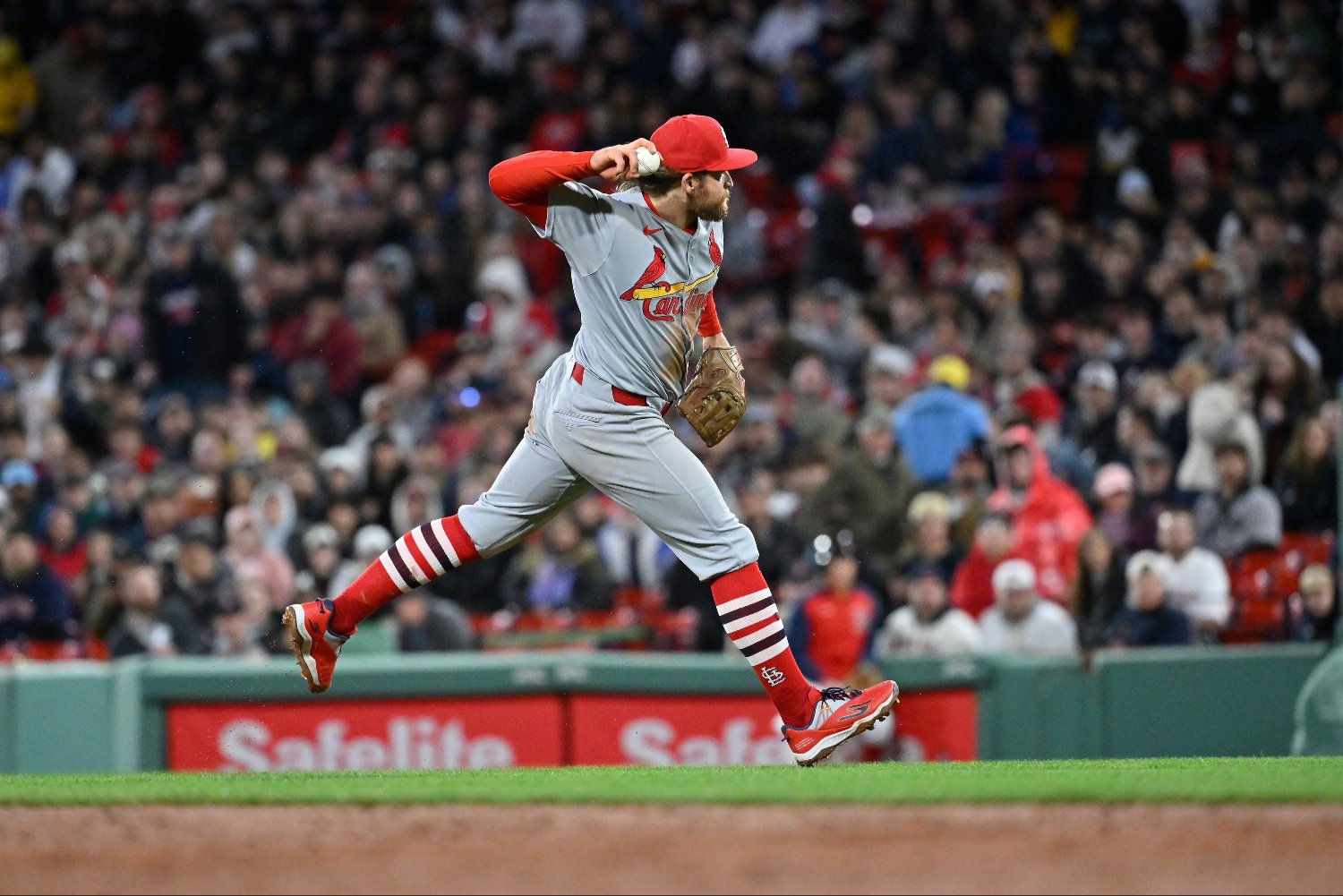 After the first day of the Winter Meetings, there have been multiple rumors and reports swirling around the Boston Red Sox. Craig Breslow and company seem to be busy scheduling meetings with teams, Zoom calls with players, and trying to put packages together to land them their impact bat for the middle of the order. A still glaring hole in the defense. though, sits at second base. At Talk Sox, we’ve highlighted the issues at second base both in writing and through our podcast, and it seems that this offseason could be the right time to finally plug that hole for the foreseeable future. All Breslow has to do is pick up the phone and give old friend Chaim Bloom another call. Brendan Donovan is expected to be traded at some point this offseason as the Cardinals navigate a near-complete tear down and rebuild. Donovan brings the perfect skillset to Boston that would fit right into Alex Cora’s lineups. He would slot in as an every day second baseman, a position he manned in 100 games last season for the Redbirds, but he is arguably the most shining example of a super-utility player that Breslow seems to covet. He won the National League Rawlings Gold Glove for utility players in 2022 and hasn’t really slowed down on defense yet. In 2025, he made appearances at second, third, shortstop, left, and right field. He’s played first base as recently as 2024 and could help to shore up that position if the team doesn’t address it fully during the offseason. Offensively, Donovan is a dependable bat. He slashed .287/.353/.422 with a .775 OPS, 10 home runs, 50 RBIs, and a 2.9 fWAR in 2025. He was named a National League All-Star for his efforts. He worked a strikeout rate of 13% against a walk rate of 8.2% last season. so he'd infuse some much-needed contact to the top of the order. However, Donovan isn’t a bopper, at least not in his current home ballpark. Busch Stadium is notoriously pitcher-friendly, and it has done a disservice to Donovan’s hit profile. If we overlay his home spray chart over Fenway Park though, a ton of power is evident. Yes, he's left-handed, a profile the Red Sox already have plenty of in the lineup. Look at that spray chart again, though. He’s going to the opposite field quite a bit and like many other lefties before him, spending time in Boston will teach him how to punish the Green Monster. He will have some pressure taken off of him with a move to Boston as well, as long as Roman Anthony continues to man the leadoff position in the lineup. Moving Donovan down a spot will allow for him to use his bat-to-ball skills in the best way possible and put himself in a position to score as much as possible. It's true that Brendan Donovan isn’t the flashiest move the Red Sox could make this offseason and he won’t come super cheap since he has two more years of control remaining via arbitration. But, he is the type of player that helps cement the team as a contender in 2026. His positional versatility would allow for multiple people to receive breathers during the week and, if needed, he could slot into the lineup as the starting second baseman on a daily basis. His bat would come alive in Fenway Park, and it could prove to be one of the best deals of the offseason if Craig Breslow can pull it off.
 -
After the first day of the Winter Meetings, there have been multiple rumors and reports swirling around the Boston Red Sox. Craig Breslow and company seem to be busy scheduling meetings with teams, Zoom calls with players, and trying to put packages together to land them their impact bat for the middle of the order. A still glaring hole in the defense. though, sits at second base. At Talk Sox, we’ve highlighted the issues at second base both in writing and through our podcast, and it seems that this offseason could be the right time to finally plug that hole for the foreseeable future. All Breslow has to do is pick up the phone and give old friend Chaim Bloom another call. Brendan Donovan is expected to be traded at some point this offseason as the Cardinals navigate a near-complete tear down and rebuild. Donovan brings the perfect skillset to Boston that would fit right into Alex Cora’s lineups. He would slot in as an every day second baseman, a position he manned in 100 games last season for the Redbirds, but he is arguably the most shining example of a super-utility player that Breslow seems to covet. He won the National League Rawlings Gold Glove for utility players in 2022 and hasn’t really slowed down on defense yet. In 2025, he made appearances at second, third, shortstop, left, and right field. He’s played first base as recently as 2024 and could help to shore up that position if the team doesn’t address it fully during the offseason. Offensively, Donovan is a dependable bat. He slashed .287/.353/.422 with a .775 OPS, 10 home runs, 50 RBIs, and a 2.9 fWAR in 2025. He was named a National League All-Star for his efforts. He worked a strikeout rate of 13% against a walk rate of 8.2% last season. so he'd infuse some much-needed contact to the top of the order. However, Donovan isn’t a bopper, at least not in his current home ballpark. Busch Stadium is notoriously pitcher-friendly, and it has done a disservice to Donovan’s hit profile. If we overlay his home spray chart over Fenway Park though, a ton of power is evident. Yes, he's left-handed, a profile the Red Sox already have plenty of in the lineup. Look at that spray chart again, though. He’s going to the opposite field quite a bit and like many other lefties before him, spending time in Boston will teach him how to punish the Green Monster. He will have some pressure taken off of him with a move to Boston as well, as long as Roman Anthony continues to man the leadoff position in the lineup. Moving Donovan down a spot will allow for him to use his bat-to-ball skills in the best way possible and put himself in a position to score as much as possible. It's true that Brendan Donovan isn’t the flashiest move the Red Sox could make this offseason and he won’t come super cheap since he has two more years of control remaining via arbitration. But, he is the type of player that helps cement the team as a contender in 2026. His positional versatility would allow for multiple people to receive breathers during the week and, if needed, he could slot into the lineup as the starting second baseman on a daily basis. His bat would come alive in Fenway Park, and it could prove to be one of the best deals of the offseason if Craig Breslow can pull it off. View full article
-
As November drew to a close, the Boston Globe’s Alex Speier dropped a bombshell of a rumor. According to him, the Boston Red Sox are interested in acquiring left-handed starter Cole Ragans from the Kansas City Royals. The Royals have long been connected to the Red Sox in trade rumors since each team has depth at a position the other covets. The Red Sox still need starting pitching, even after the Sonny Gray trade, and the Royals need offensive firepower in their outfield. First, for those who may not know who Ragans is, let’s dive into a bit of background on him. The Royals acquired Ragans when they traded Aroldis Chapman to the Texas Rangers in 2023. He began in the Royals’ bullpen and worked his way to the starting rotation fully in 2024. He was an All-Star in 2024 and flashed an incredible amount of potential. He does come with an injury risk though, as all pitchers do in modern baseball. He’s had two Tommy John surgeries, in 2018 and 2019. In 2025, he was limited to just 61 1/3 innings over 13 starts due to groin and rotator cuff injuries. Even still, Ragans is a pitcher worth trading for. He's 28, has three cheap years of team control remaining, and produced impressive numbers on the mound when healthy last year (2.68 xERA, 2.50 FIP). Let’s see how the Red Sox could potentially pull the deal off. The Blockbuster Red Sox Receive: LHP Cole Ragans, 1B Vinnie Pasquantino Royals Receive: OF Jarren Duran, OF Jhostynxon Garcia, LHP Payton Tolle This trade would net the Royals the Red Sox’s top two prospects in Tolle and Garcia, while giving them a day-one starter in the outfield in Duran. They’d likely promote Garcia up to their main roster fairly quickly as well. This deal also allows for them to get a flamethrowing left-handed starter with a high ceiling to immediately replace Ragans in their rotation. Tolle is young and has the makings of a future top-of-the-rotation arm, but he’s still lacking a true secondary offering and parting with him to acquire a more finished product isn't a wild thought. For the Red Sox, this trade not only nets them a true number two starter to slot in behind Garrett Crochet, it also fixes their first base problem. Pasquantino has a name made for Boston, and even though he’s left-handed, he becomes the biggest power threat in the lineup. He slugged 32 home runs last year with 14 of those coming at home. If we overlay his home spray chart over Fenway Park, we see a ton of offensive potential. He slashed .264/.323/.475 in 2025 while leading the team in home runs and being in the top four of most offensive categories for the Royals. Defensively, Pasquantino leaves quite a bit to be desired, but his offensive production more than makes up for it. Like Ragans, the first baseman in 28 years old and comes with three remaining years of control. This is A LOT to give up in any trade, but fixing the team's biggest problems for the next three seasons in one fell swoop might be worth the price of admission. The Likelier Option Red Sox Receive: LHP Cole Ragans Royals Receive: OF Jarren Duran, LHP Connelly Early Now we have a much more simplified version of the trade above. Fewer pieces are moving teams and the Red Sox are still searching for an answer to their first base problem, but the Royals get their guy and rotation replacement in both Duran and Early. If we look back to last year’s Winter Meetings, Craig Breslow traded multiple pieces for Garrett Crochet. So far, only two of them have made it to the major leagues with the White Sox. In this deal, the Royals would be able to plug both returning pieces into their Opening Day line up and rotation and feel very comfortable as they move forward through the season. It appears as though Early is in contention for a rotation spot once spring training gets underway for the Red Sox so there is no reason to believe he’d be battling even more for a spot with the Royals. To some, Early’s ceiling is higher than Tolle’s, so the Royals could be more interested in him since he has performed better at the major league leave than Tolle to date. Early also has a postseason start under his belt, which could help tip the scales in his favor as well. Losing Duran and Early would be a blow, but this is what a cost-controlled ace costs in baseball. Don't let Ragans' 4.67 ERA fool you — every expected metric pegs him as a top-15 starter in baseball over the past two seasons. The Kansas City Youth Movement Red Sox Receive: LHP Cole Ragans Royals Receive: OF Wilyer Abreu, RHP Brayan Bello And now for something completely different, sort of. Instead of minor leaguers who have just had a cup of coffee with the big-league club, the Royals could be more interested in one of the current rotation pieces for the Sox in Bello. In addition to him, they could want to go younger than Duran in the outfield and bring in two-time Gold Glover Wilyer Abreu to man right field at Kauffman Stadium. There’s debate as to which outfielder should be moved in a deal for Ragans — we discussed it at length on Episode 30 of the Talk Sox Podcast — but if the Royals want longevity, then Abreu may be their guy. Bello would slot in immediately as their number three starter behind Michael Wacha and Kris Bubic. He’s signed to a long-term contract through what should be his peak seasons and he’s looking to build off a very good 2025 season. He’s not a direct replacement for Ragans, but you know what you’re getting with him and he would give their rotation another dependable arm. For those wondering why Abreu has to be included here: Remember that Bello's deal is heavily backloaded. He'll be paid roughly $15 million over the next two seasons, before earning $16.1 million in 2028 and $19.1 million in 2029. The small-market Royals may not be keen on that fact. At this point, before the Winter Meetings, everything is just speculation. Ragans may not be moved, Duran or Abreu may both be on the Opening Day roster for the Red Sox, and Sonny Gray may actually be the number two starter in Boston. I doubt all of those come to pass though. The Royals are desperately searching for offensive talent to put in their outfield, and the Red Sox have to keep pace with the Blue Jays and Yankees as we head into 2026. What’s different this time around, though, is that the Red Sox hold the bulk of the bargaining power. With the addition of Gray, the Red Sox shouldn’t feel rushed to make a move for Ragans at the upcoming meetings if the Royals are demanding too much in return (which many will say is this case here). Play the waiting game, explore other starting options, and then re-engage the Royals as the Winter Meetings start to wrap up and see if the price drops some. While he’s not the most proven starter on the trade market, Cole Ragans should be at the top of the wish list for the Boston Red Sox, and they should be willing to get a bit uncomfortable to make it happen. Interested in reading this situation from the Royals' perspective? We have a complementary piece on our Royals site! View full article
-
To Land Cole Ragans, the Red Sox Will Have to Get Uncomfortable
Alex Mayes posted an article in Red Sox
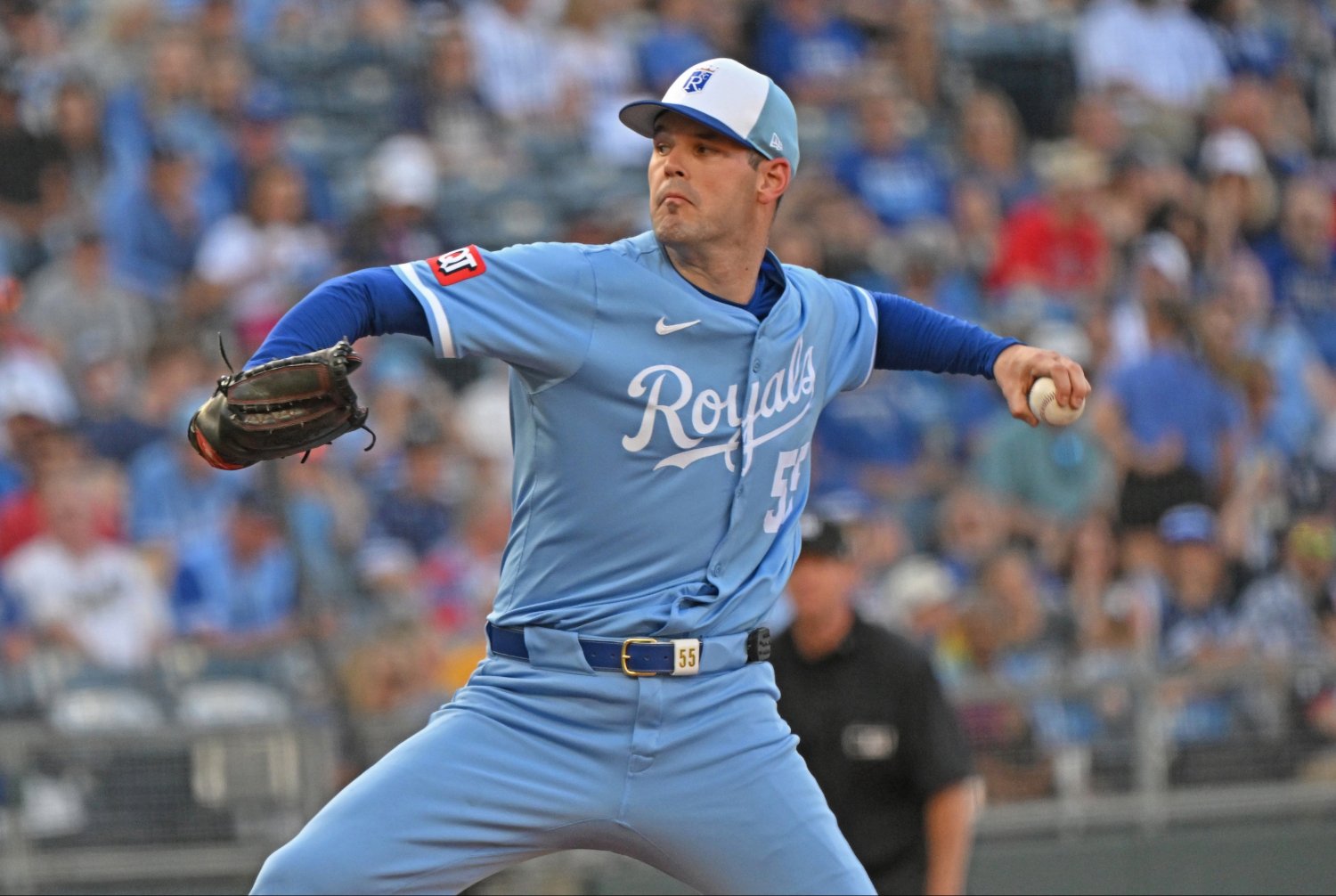 As November drew to a close, the Boston Globe’s Alex Speier dropped a bombshell of a rumor. According to him, the Boston Red Sox are interested in acquiring left-handed starter Cole Ragans from the Kansas City Royals. The Royals have long been connected to the Red Sox in trade rumors since each team has depth at a position the other covets. The Red Sox still need starting pitching, even after the Sonny Gray trade, and the Royals need offensive firepower in their outfield. First, for those who may not know who Ragans is, let’s dive into a bit of background on him. The Royals acquired Ragans when they traded Aroldis Chapman to the Texas Rangers in 2023. He began in the Royals’ bullpen and worked his way to the starting rotation fully in 2024. He was an All-Star in 2024 and flashed an incredible amount of potential. He does come with an injury risk though, as all pitchers do in modern baseball. He’s had two Tommy John surgeries, in 2018 and 2019. In 2025, he was limited to just 61 1/3 innings over 13 starts due to groin and rotator cuff injuries. Even still, Ragans is a pitcher worth trading for. He's 28, has three cheap years of team control remaining, and produced impressive numbers on the mound when healthy last year (2.68 xERA, 2.50 FIP). Let’s see how the Red Sox could potentially pull the deal off. The Blockbuster Red Sox Receive: LHP Cole Ragans, 1B Vinnie Pasquantino Royals Receive: OF Jarren Duran, OF Jhostynxon Garcia, LHP Payton Tolle This trade would net the Royals the Red Sox’s top two prospects in Tolle and Garcia, while giving them a day-one starter in the outfield in Duran. They’d likely promote Garcia up to their main roster fairly quickly as well. This deal also allows for them to get a flamethrowing left-handed starter with a high ceiling to immediately replace Ragans in their rotation. Tolle is young and has the makings of a future top-of-the-rotation arm, but he’s still lacking a true secondary offering and parting with him to acquire a more finished product isn't a wild thought. For the Red Sox, this trade not only nets them a true number two starter to slot in behind Garrett Crochet, it also fixes their first base problem. Pasquantino has a name made for Boston, and even though he’s left-handed, he becomes the biggest power threat in the lineup. He slugged 32 home runs last year with 14 of those coming at home. If we overlay his home spray chart over Fenway Park, we see a ton of offensive potential. He slashed .264/.323/.475 in 2025 while leading the team in home runs and being in the top four of most offensive categories for the Royals. Defensively, Pasquantino leaves quite a bit to be desired, but his offensive production more than makes up for it. Like Ragans, the first baseman in 28 years old and comes with three remaining years of control. This is A LOT to give up in any trade, but fixing the team's biggest problems for the next three seasons in one fell swoop might be worth the price of admission. The Likelier Option Red Sox Receive: LHP Cole Ragans Royals Receive: OF Jarren Duran, LHP Connelly Early Now we have a much more simplified version of the trade above. Fewer pieces are moving teams and the Red Sox are still searching for an answer to their first base problem, but the Royals get their guy and rotation replacement in both Duran and Early. If we look back to last year’s Winter Meetings, Craig Breslow traded multiple pieces for Garrett Crochet. So far, only two of them have made it to the major leagues with the White Sox. In this deal, the Royals would be able to plug both returning pieces into their Opening Day line up and rotation and feel very comfortable as they move forward through the season. It appears as though Early is in contention for a rotation spot once spring training gets underway for the Red Sox so there is no reason to believe he’d be battling even more for a spot with the Royals. To some, Early’s ceiling is higher than Tolle’s, so the Royals could be more interested in him since he has performed better at the major league leave than Tolle to date. Early also has a postseason start under his belt, which could help tip the scales in his favor as well. Losing Duran and Early would be a blow, but this is what a cost-controlled ace costs in baseball. Don't let Ragans' 4.67 ERA fool you — every expected metric pegs him as a top-15 starter in baseball over the past two seasons. The Kansas City Youth Movement Red Sox Receive: LHP Cole Ragans Royals Receive: OF Wilyer Abreu, RHP Brayan Bello And now for something completely different, sort of. Instead of minor leaguers who have just had a cup of coffee with the big-league club, the Royals could be more interested in one of the current rotation pieces for the Sox in Bello. In addition to him, they could want to go younger than Duran in the outfield and bring in two-time Gold Glover Wilyer Abreu to man right field at Kauffman Stadium. There’s debate as to which outfielder should be moved in a deal for Ragans — we discussed it at length on Episode 30 of the Talk Sox Podcast — but if the Royals want longevity, then Abreu may be their guy. Bello would slot in immediately as their number three starter behind Michael Wacha and Kris Bubic. He’s signed to a long-term contract through what should be his peak seasons and he’s looking to build off a very good 2025 season. He’s not a direct replacement for Ragans, but you know what you’re getting with him and he would give their rotation another dependable arm. For those wondering why Abreu has to be included here: Remember that Bello's deal is heavily backloaded. He'll be paid roughly $15 million over the next two seasons, before earning $16.1 million in 2028 and $19.1 million in 2029. The small-market Royals may not be keen on that fact. At this point, before the Winter Meetings, everything is just speculation. Ragans may not be moved, Duran or Abreu may both be on the Opening Day roster for the Red Sox, and Sonny Gray may actually be the number two starter in Boston. I doubt all of those come to pass though. The Royals are desperately searching for offensive talent to put in their outfield, and the Red Sox have to keep pace with the Blue Jays and Yankees as we head into 2026. What’s different this time around, though, is that the Red Sox hold the bulk of the bargaining power. With the addition of Gray, the Red Sox shouldn’t feel rushed to make a move for Ragans at the upcoming meetings if the Royals are demanding too much in return (which many will say is this case here). Play the waiting game, explore other starting options, and then re-engage the Royals as the Winter Meetings start to wrap up and see if the price drops some. While he’s not the most proven starter on the trade market, Cole Ragans should be at the top of the wish list for the Boston Red Sox, and they should be willing to get a bit uncomfortable to make it happen. Interested in reading this situation from the Royals' perspective? We have a complementary piece on our Royals site!
 -
He's an option, for sure, but there's far more pressing needs than him at the moment.
-
3 Reunions the Red Sox Could Pursue During the 2025-26 Offseason
Alex Mayes posted an article in Red Sox
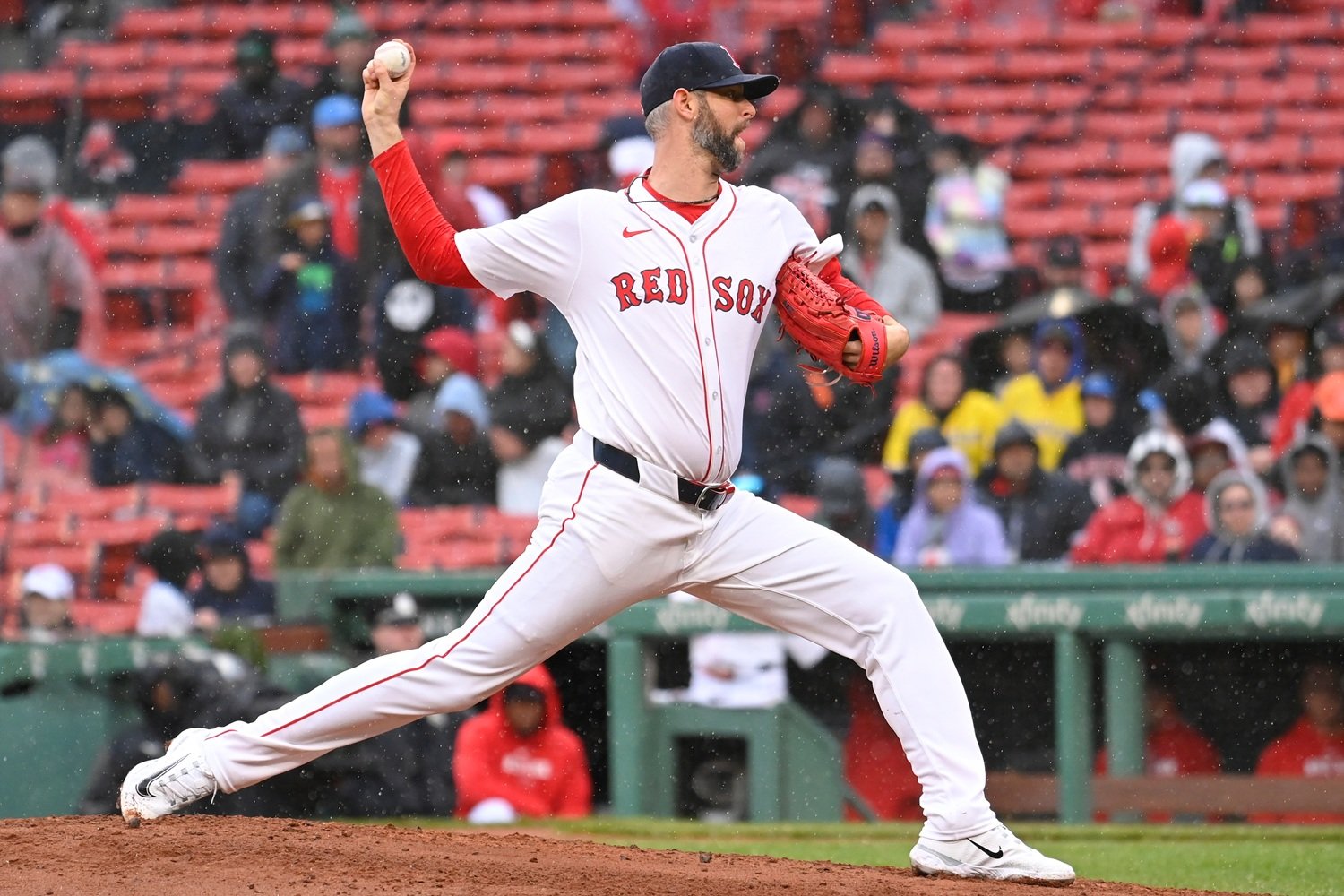 It’s no secret that the Boston Red Sox need a few additional reinforcements after the team finally returned to the postseason in 2025. The only position group that appears set as we move towards the 2026 season is the outfield and even then, someone from that group will likely need to be traded to bring in talent that can push the Red Sox over the edge in 2026. Obviously, there are a few names on the free-agent and trade markets that have experience in Boston, so running it back with them could prove intriguing during this opening phase of the team's competitive window. Let’s take a look at three names that could potentially be back in the fold once spring training starts in February. For this exercise, we'll stay away from top free-agent names like Alex Bregman that the team should obviously already be in conversations with, and instead focus on a few under-the-radar players. #3: Chris Martin, RHP Martin signed for the 2025 season with his hometown Texas Rangers, but was close to returning to the Red Sox before that deal was put on the table. He pitched his way to a 2.98 ERA over 42 1/3 innings pitched. He posted a 24.7% strikeout percentage against a 4.6 walk rate on the season and was one of the better relievers in baseball. He’s currently 39 and will turn 40 during the 2026 season, but if he doesn’t hang up his cleats, he could be interested in a one-year reunion with a team that could be poised to steamroll its way to the World Series with just a few tweaks. Martin was a dependable arm out of the pen in 2023 and 2024 and can offer veteran leadership to a group of mostly young arms, outside of Aroldis Chapman. #2: Steven Matz, LHP In 2025, the Red Sox maybe had too many left-handed relievers. The bullpen was loaded with guys like Brennan Bernardino, Chris Murphy, Matz, and Justin Wilson. That doesn’t count guys like Sean Newcomb who didn’t stick with the team or when Payton Tolle shifted to the bullpen for the postseason. Now though? Chapman might be the lone lefty penciled into the Opening Day bullpen. He needs another southpaw to help set him up, and Matz was more than fine in his middle-relief role after he was acquired from the Cardinals at the 2025 trade deadline. He’s not going to blow anyone away, but he’s dependable and that’s what the Red Sox need through the middle innings. He’d likely come fairly cheap on a short-term deal, so there’s very limited downside to bringing Matz back into the fold, especially given his long experience as a starting pitcher. #1: Nathan Eovaldi, RHP The Rangers seem to be in a bit of an odd place at the moment. It’s hard to tell if they are playing for anything of note in 2026 or if they are approaching a full fire sale. They just traded Marcus Semien to the Mets, there are rumors surrounding Corey Seager, and they’ve non-tendered both Adolis Garcia and Jonah Heim. If the Rangers are indeed selling to rebuild, the Red Sox have to make a call about adding Eovaldi back to the rotation. Even with the addition of Sonny Gray, the Sox still need a true number two starter to slot in behind Garrett Crochet, and Eovaldi checks that box. He didn’t post a full season in 2025, only appearing in 22 games for 130 innings pitched. In that time, though, he worked an incredible 1.73 ERA to go along with a 26% strikeout rate, a 4.2% walk rate, and a 3.7 fWAR. On top of all of that, he’s a former champion with the Red Sox and a postseason legend. Bringing him back won’t come cheap, even if the Rangers are selling, but he’s worth the investment. He’s signed through the 2027 season with a $25 million AAV. That's not ridiculously expensive — likely cheaper than the top free-agent starters on the market — and his pedigree speaks for itself. There are various other former Red Sox who could end up back in Boston this offseason, but if the front office is interested in bringing in former rostered members, then they need to be looking at the pitching market before anywhere else. Both the free-agent and trade markets have yet to really get moving, so it’s anyone’s guess as to which former members of the team could be returning for the 2026 season.
 -
It’s no secret that the Boston Red Sox need a few additional reinforcements after the team finally returned to the postseason in 2025. The only position group that appears set as we move towards the 2026 season is the outfield and even then, someone from that group will likely need to be traded to bring in talent that can push the Red Sox over the edge in 2026. Obviously, there are a few names on the free-agent and trade markets that have experience in Boston, so running it back with them could prove intriguing during this opening phase of the team's competitive window. Let’s take a look at three names that could potentially be back in the fold once spring training starts in February. For this exercise, we'll stay away from top free-agent names like Alex Bregman that the team should obviously already be in conversations with, and instead focus on a few under-the-radar players. #3: Chris Martin, RHP Martin signed for the 2025 season with his hometown Texas Rangers, but was close to returning to the Red Sox before that deal was put on the table. He pitched his way to a 2.98 ERA over 42 1/3 innings pitched. He posted a 24.7% strikeout percentage against a 4.6 walk rate on the season and was one of the better relievers in baseball. He’s currently 39 and will turn 40 during the 2026 season, but if he doesn’t hang up his cleats, he could be interested in a one-year reunion with a team that could be poised to steamroll its way to the World Series with just a few tweaks. Martin was a dependable arm out of the pen in 2023 and 2024 and can offer veteran leadership to a group of mostly young arms, outside of Aroldis Chapman. #2: Steven Matz, LHP In 2025, the Red Sox maybe had too many left-handed relievers. The bullpen was loaded with guys like Brennan Bernardino, Chris Murphy, Matz, and Justin Wilson. That doesn’t count guys like Sean Newcomb who didn’t stick with the team or when Payton Tolle shifted to the bullpen for the postseason. Now though? Chapman might be the lone lefty penciled into the Opening Day bullpen. He needs another southpaw to help set him up, and Matz was more than fine in his middle-relief role after he was acquired from the Cardinals at the 2025 trade deadline. He’s not going to blow anyone away, but he’s dependable and that’s what the Red Sox need through the middle innings. He’d likely come fairly cheap on a short-term deal, so there’s very limited downside to bringing Matz back into the fold, especially given his long experience as a starting pitcher. #1: Nathan Eovaldi, RHP The Rangers seem to be in a bit of an odd place at the moment. It’s hard to tell if they are playing for anything of note in 2026 or if they are approaching a full fire sale. They just traded Marcus Semien to the Mets, there are rumors surrounding Corey Seager, and they’ve non-tendered both Adolis Garcia and Jonah Heim. If the Rangers are indeed selling to rebuild, the Red Sox have to make a call about adding Eovaldi back to the rotation. Even with the addition of Sonny Gray, the Sox still need a true number two starter to slot in behind Garrett Crochet, and Eovaldi checks that box. He didn’t post a full season in 2025, only appearing in 22 games for 130 innings pitched. In that time, though, he worked an incredible 1.73 ERA to go along with a 26% strikeout rate, a 4.2% walk rate, and a 3.7 fWAR. On top of all of that, he’s a former champion with the Red Sox and a postseason legend. Bringing him back won’t come cheap, even if the Rangers are selling, but he’s worth the investment. He’s signed through the 2027 season with a $25 million AAV. That's not ridiculously expensive — likely cheaper than the top free-agent starters on the market — and his pedigree speaks for itself. There are various other former Red Sox who could end up back in Boston this offseason, but if the front office is interested in bringing in former rostered members, then they need to be looking at the pitching market before anywhere else. Both the free-agent and trade markets have yet to really get moving, so it’s anyone’s guess as to which former members of the team could be returning for the 2026 season. View full article
-
Editor's Note: Dylan Cease signed with the Toronto Blue Jays after this was written but before it was published. In a pre-Thanksgiving shocker, the Boston Red Sox acquired Sonny Gray from the St. Louis Cardinals. Gray’s addition to the starting rotation, along with the $20 million the Cardinals sent with him, makes him the perfect Lucas Giolito replacement. However, he can't (and obviously won't) be the team's only premier addition this offseason. Ideally, the Red Sox are still in on an impact bat to play a corner infield spot, as well as another arm to slot into the number two spot in the rotation. According to MassLive.com’s Chris Cotillo, the team is shifting their current focus to adding that impact bat as the Winter Meetings approach. This makes a ton of sense as the offseason hasn’t even truly gotten started. Yes, we’ve seen the Seattle Mariners lock up Josh Naylor long-term while the Rangers and Mets recently made a rare one-for-one trade in addition to the Gray trade. The ball won’t really get rolling until the Winter Meetings during the first weekend in December. As we know, that’s where Craig Breslow swung a blockbuster trade to bring Garrett Crochet to Boston last year. Could Breslow be looking to sign a name like Pete Alonso or Kyle Schwarber this time around? It’s likely, but he’s also poised to swing a trade for another arm while he’s there. As we’ve highlighted here at Talk Sox, the trade between the Rangers and Mets likely has a large impact on the plans the Red Sox have made for this offseason. The Rangers, a team that needed outfield help, now have it, and the Mets, who are still trying to figure out how to beat the Dodgers, now could use an impact bat to slot into their outfield and have pitchers to choose from. Luckily for them, the Red Sox are ripe with outfield talent who should be moved to add another arm into the rotation. Even though the offense is seeking a necessary upgrade, we saw just how crucial having three starters to carry the team into the playoffs is in modern day baseball. We’ve talked at length about how Crochet is the guy in Boston now, and for good reason, but even with the addition of Gray, he needs another arm behind him to take some of the weight off his shoulders. Brayan Bello took another step forward in 2025 until the end of the season when fatigue caught up with him and Connelley Early and Payton Tolle both flashed serious upside and will be competing for a backend rotation spot in spring training, but a true number two is still a must-add. Gray profiles as a number three starter at this point in his career. In 2025, he posted a 4.28 ERA with a 26.7% strikeout rate and a 5% walk rate to go along with his 3.6 fWAR. He logged 180.2 innings over 32 games. That ERA is less than desirable and would have him ranked fourth on the Red Sox among starters who threw at least 20 games last season. His innings though, would have been second on the team by almost 20, and his fWAR would have placed him second as well, almost two full points higher than Giolito. Having that type of arm slide into the number three spot in the rotation means that when the Red Sox head into October, that they have three starters (Crochet, Gray, Bello) they can count on to carry them on a deep playoff run. Eschewing another top-tier pitching addition would be incredibly shortsighted in an American-League landscape that is lacking a true top contender outside of the Blue Jays and Mariners, and that's assuming they can both repeat their 2025 success. Sonny Gray is a great addition for the Red Sox, especially on a restructured contract that allows for the team to make more moves this offseason.. The Red Sox absolutely need to add an impact bat, and hopefully bring Alex Bregman back into the fold, but they shouldn’t put all their attention on the offensive side of the ball just yet. There are still ace-caliber arms that can be added over the coming days and weeks. If the goal is to emerge as more than just another contender among a crowded group of such teams, Boston would be wise to compound their addition of Gray with another front-of-the-rotation arm. View full article
-
 Editor's Note: Dylan Cease signed with the Toronto Blue Jays after this was written but before it was published. In a pre-Thanksgiving shocker, the Boston Red Sox acquired Sonny Gray from the St. Louis Cardinals. Gray’s addition to the starting rotation, along with the $20 million the Cardinals sent with him, makes him the perfect Lucas Giolito replacement. However, he can't (and obviously won't) be the team's only premier addition this offseason. Ideally, the Red Sox are still in on an impact bat to play a corner infield spot, as well as another arm to slot into the number two spot in the rotation. According to MassLive.com’s Chris Cotillo, the team is shifting their current focus to adding that impact bat as the Winter Meetings approach. This makes a ton of sense as the offseason hasn’t even truly gotten started. Yes, we’ve seen the Seattle Mariners lock up Josh Naylor long-term while the Rangers and Mets recently made a rare one-for-one trade in addition to the Gray trade. The ball won’t really get rolling until the Winter Meetings during the first weekend in December. As we know, that’s where Craig Breslow swung a blockbuster trade to bring Garrett Crochet to Boston last year. Could Breslow be looking to sign a name like Pete Alonso or Kyle Schwarber this time around? It’s likely, but he’s also poised to swing a trade for another arm while he’s there. As we’ve highlighted here at Talk Sox, the trade between the Rangers and Mets likely has a large impact on the plans the Red Sox have made for this offseason. The Rangers, a team that needed outfield help, now have it, and the Mets, who are still trying to figure out how to beat the Dodgers, now could use an impact bat to slot into their outfield and have pitchers to choose from. Luckily for them, the Red Sox are ripe with outfield talent who should be moved to add another arm into the rotation. Even though the offense is seeking a necessary upgrade, we saw just how crucial having three starters to carry the team into the playoffs is in modern day baseball. We’ve talked at length about how Crochet is the guy in Boston now, and for good reason, but even with the addition of Gray, he needs another arm behind him to take some of the weight off his shoulders. Brayan Bello took another step forward in 2025 until the end of the season when fatigue caught up with him and Connelley Early and Payton Tolle both flashed serious upside and will be competing for a backend rotation spot in spring training, but a true number two is still a must-add. Gray profiles as a number three starter at this point in his career. In 2025, he posted a 4.28 ERA with a 26.7% strikeout rate and a 5% walk rate to go along with his 3.6 fWAR. He logged 180.2 innings over 32 games. That ERA is less than desirable and would have him ranked fourth on the Red Sox among starters who threw at least 20 games last season. His innings though, would have been second on the team by almost 20, and his fWAR would have placed him second as well, almost two full points higher than Giolito. Having that type of arm slide into the number three spot in the rotation means that when the Red Sox head into October, that they have three starters (Crochet, Gray, Bello) they can count on to carry them on a deep playoff run. Eschewing another top-tier pitching addition would be incredibly shortsighted in an American-League landscape that is lacking a true top contender outside of the Blue Jays and Mariners, and that's assuming they can both repeat their 2025 success. Sonny Gray is a great addition for the Red Sox, especially on a restructured contract that allows for the team to make more moves this offseason.. The Red Sox absolutely need to add an impact bat, and hopefully bring Alex Bregman back into the fold, but they shouldn’t put all their attention on the offensive side of the ball just yet. There are still ace-caliber arms that can be added over the coming days and weeks. If the goal is to emerge as more than just another contender among a crowded group of such teams, Boston would be wise to compound their addition of Gray with another front-of-the-rotation arm.
 -
Since it’s Thanksgiving, we here at Talk Sox wanted to take a minute and consider some things that we should be thankful for as Boston Red Sox fans. There’s a ton of things that I could have on this list, especially considering the team is coming off their first trip back to the postseason since 2021, but I decided to cap this exercise at just five. So, whether you're reading this with a turkey hangover or while it's still in the oven, let's all gather round and share in some gratitude on this day of thanks. #5: The Red Sox Foundation Since the season of giving is here, let’s start with the Red Sox’s biggest philanthropic endeavor, the Red Sox Foundation. Through the Foundation, the organization has donated over $130 million to various causes through multiple partnerships since 2002. The Foundation works with, most notably, The Jimmy Fund, but they have partnered with a few other organizations such as the Home Base Program and The Dimock Center, as well as multiple educational focused movements like the Red Sox Scholars, the New England and Lee County Service Scholarships, Fenway Park Learning Lab, and the Nike RBI and Jr. Nike RBI Leagues. The Foundation has raised over $167 million for The Jimmy Fund, something that every fan of this team can be proud of. #4: Craig Breslow’s Willingness to Make Deals I know, not every deal has worked out in his favor, but Breslow’s willingness to actually make trades has put this team in a position to be successful for years to come. His blockbuster deal at last year’s Winter Meetings for Garrett Crochet (more on him shortly) was the first sign that the tide had finally turned in the front office and the team was once again focused on putting a winning product on the field. His communication style seems to be getting better and that should only help him with future negotiations, especially as this year’s Winter Meetings are fast approaching. He’s a far cry from the more fringe-type of deals that Chaim Bloom was making, and this team finally feels like it has his fingerprints on it. As long as that determination continues. Breslow’s time as the President of Baseball Operations will be looked back on fondly... especially if the Sonny Gray trade is a harbinger of what's to come this winter. #3: Fenway Park A thing of beauty, the beacon of the Commonwealth. Fenway Park is the oldest MLB park and is a destination for baseball diehards, not just Sox fans. Fans flock to the stadium to see the Green Monster in person, take tours of the historic landmark, and bask in the greatness that is Boston. It has its quirks, and some of the most uncomfortable seats anywhere, but it’s ours. There’s something to be said about setting foot in a professional park where some of the greatest baseball players in history once stood. You can’t say that about really any other place except Wrigley Field in Chicago. A World Series with the Red Sox and the Cubs would be absolutely magical, and seeing the team hoist the Commissioner’s Trophy on the field at Fenway Park again would be a sight to behold. #2: The Influx of Young Offensive Talent The Red Sox have to be thankful that Roman Anthony, Marcelo Mayer, Ceddanne Rafaela, and Kristian Campbell have all made their major league debuts and are looking to grow from the 2025 season. Yes, two of them ended the season on the injured list and one was optioned to Triple-A Worcester, but we can all see that the future of the team lies in this young core. Anthony will be a mainstay in the lineup for years to come, Mayer and Campbell have shown flashes of potential, and Rafaela has a knack for clutch hitting that he pairs with exceptional outfield defense. As this core grows together, they’ll help establish the Red Sox as an offensive powerhouse to back up a starting rotation that can hopefully lead the team to another World Series title. #1: Garrett Crochet’s Extension We finally have our top-of-the-rotation ace in Crochet and fans should be celebrating for years to come. He proved in 2025 that he has the firepower to lead a rotation in Boston. He came in second in Cy Young voting this year and is primed to be a top candidate for the award, likely winning at least one, for the life of his contract. Crochet is the face of the pitching staff, and perhaps the face of the franchise. His extension will keep him in Boston throughout his peak years and, hopefully, make him a World Series champion along the way. What else would you add to the list of things for Red Sox fans to be thankful for during this holiday season? Sound off in the comments below! View full article
-
5 Things Red Sox Fans Should Be Thankful For This Thanksgiving
Alex Mayes posted an article in Red Sox
 Since it’s Thanksgiving, we here at Talk Sox wanted to take a minute and consider some things that we should be thankful for as Boston Red Sox fans. There’s a ton of things that I could have on this list, especially considering the team is coming off their first trip back to the postseason since 2021, but I decided to cap this exercise at just five. So, whether you're reading this with a turkey hangover or while it's still in the oven, let's all gather round and share in some gratitude on this day of thanks. #5: The Red Sox Foundation Since the season of giving is here, let’s start with the Red Sox’s biggest philanthropic endeavor, the Red Sox Foundation. Through the Foundation, the organization has donated over $130 million to various causes through multiple partnerships since 2002. The Foundation works with, most notably, The Jimmy Fund, but they have partnered with a few other organizations such as the Home Base Program and The Dimock Center, as well as multiple educational focused movements like the Red Sox Scholars, the New England and Lee County Service Scholarships, Fenway Park Learning Lab, and the Nike RBI and Jr. Nike RBI Leagues. The Foundation has raised over $167 million for The Jimmy Fund, something that every fan of this team can be proud of. #4: Craig Breslow’s Willingness to Make Deals I know, not every deal has worked out in his favor, but Breslow’s willingness to actually make trades has put this team in a position to be successful for years to come. His blockbuster deal at last year’s Winter Meetings for Garrett Crochet (more on him shortly) was the first sign that the tide had finally turned in the front office and the team was once again focused on putting a winning product on the field. His communication style seems to be getting better and that should only help him with future negotiations, especially as this year’s Winter Meetings are fast approaching. He’s a far cry from the more fringe-type of deals that Chaim Bloom was making, and this team finally feels like it has his fingerprints on it. As long as that determination continues. Breslow’s time as the President of Baseball Operations will be looked back on fondly... especially if the Sonny Gray trade is a harbinger of what's to come this winter. #3: Fenway Park A thing of beauty, the beacon of the Commonwealth. Fenway Park is the oldest MLB park and is a destination for baseball diehards, not just Sox fans. Fans flock to the stadium to see the Green Monster in person, take tours of the historic landmark, and bask in the greatness that is Boston. It has its quirks, and some of the most uncomfortable seats anywhere, but it’s ours. There’s something to be said about setting foot in a professional park where some of the greatest baseball players in history once stood. You can’t say that about really any other place except Wrigley Field in Chicago. A World Series with the Red Sox and the Cubs would be absolutely magical, and seeing the team hoist the Commissioner’s Trophy on the field at Fenway Park again would be a sight to behold. #2: The Influx of Young Offensive Talent The Red Sox have to be thankful that Roman Anthony, Marcelo Mayer, Ceddanne Rafaela, and Kristian Campbell have all made their major league debuts and are looking to grow from the 2025 season. Yes, two of them ended the season on the injured list and one was optioned to Triple-A Worcester, but we can all see that the future of the team lies in this young core. Anthony will be a mainstay in the lineup for years to come, Mayer and Campbell have shown flashes of potential, and Rafaela has a knack for clutch hitting that he pairs with exceptional outfield defense. As this core grows together, they’ll help establish the Red Sox as an offensive powerhouse to back up a starting rotation that can hopefully lead the team to another World Series title. #1: Garrett Crochet’s Extension We finally have our top-of-the-rotation ace in Crochet and fans should be celebrating for years to come. He proved in 2025 that he has the firepower to lead a rotation in Boston. He came in second in Cy Young voting this year and is primed to be a top candidate for the award, likely winning at least one, for the life of his contract. Crochet is the face of the pitching staff, and perhaps the face of the franchise. His extension will keep him in Boston throughout his peak years and, hopefully, make him a World Series champion along the way. What else would you add to the list of things for Red Sox fans to be thankful for during this holiday season? Sound off in the comments below!
 -
 Alex and Maddie are joined by guest Richard McGill of Playing Catch to discuss the trade that sent Sonny Gray to the Red Sox. They talk through some NL Central trade options and close out with why Red Sox fans will be excited to have Gray on the team in 2026. Listen on Apple Podcasts: https://podcasts.apple.com/us/podcast/the-talk-sox-podcast/id1783204104 Listen on Spotify: https://open.spotify.com/show/3qPrPXEngu0CxgTmlf0ynm Listen on iHeartRadio: https://www.iheart.com/podcast/263-the-talk-sox-podcast-244591331/ Listen on Pocket Casts: https://pca.st/4tmd121v Watch on YouTube: https://www.youtube.com/@talksox
 -
Alex and Maddie are joined by guest Richard McGill of Playing Catch to discuss the trade that sent Sonny Gray to the Red Sox. They talk through some NL Central trade options and close out with why Red Sox fans will be excited to have Gray on the team in 2026. Listen on Apple Podcasts: https://podcasts.apple.com/us/podcast/the-talk-sox-podcast/id1783204104 Listen on Spotify: https://open.spotify.com/show/3qPrPXEngu0CxgTmlf0ynm Listen on iHeartRadio: https://www.iheart.com/podcast/263-the-talk-sox-podcast-244591331/ Listen on Pocket Casts: https://pca.st/4tmd121v Watch on YouTube: https://www.youtube.com/@talksox View full article
-
Red Sox Free Agency: The Case Against Signing Kyle Schwarber
Alex Mayes posted an article in Red Sox
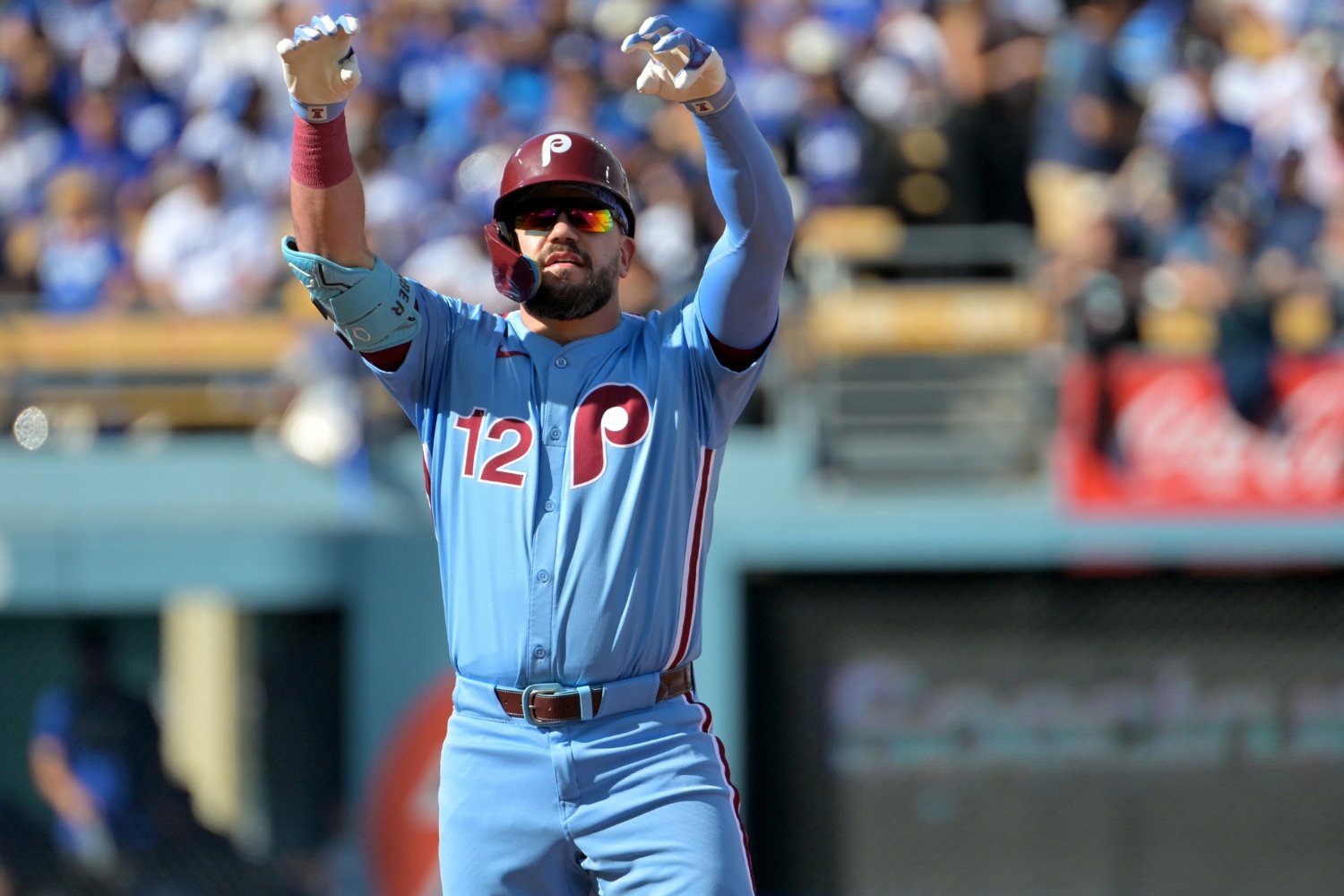 The Boston Red Sox don’t need to sign Kyle Schwarber. I hate saying that—I wrote back in early October that the Red Sox needed to add a middle-of-the-order slugger this offseason and I highlighted Schwarber specifically, but that was more of a knee-jerk reaction to the situation than anything else. Schwarber means a lot to Boston even though he only spent half a season with the organization in 2021. He took on the ‘Kyle from Waltham’ persona with grace and embraced the city in a way that few other trade additions have in recent memory. Had the Red Sox made him a competitive offer after the '21 season, we likely wouldn’t be having this conversation and he would be well on his way to establishing himself as another impact DH like David Ortiz and J.D. Martinez before him. That didn’t happen though, and Schwarber has been hitting dingers for the Phillies since 2022. His power would be welcome in Boston, but his lack of positional adaptability makes him an even more imperfect option than Masataka Yoshida, and that’s saying something. Schwarber doesn’t fix the first base problem, even though he’s logged some innings there in the past. Playing him in the outfield further complicates things in an already extremely crowded player group that, for some reason, just added Kristian Campbell as a potential option as well. To put it frankly, he’s a terrible defender and would only be signed as a power-hitting DH. The are a couple of offensive knocks against Schwarber too, despite his prodigious pop. First, his strikeout percentage is awful. In 2025, he registered a 27.2% strikeout rate, which ranked in the 11th percentile. The Red Sox are a strikeout-heavy team as it is; they registered a 22.9% strikeout rate as a team, the tenth-most in all of baseball. Adding Schwarber, who strikes out almost 5% more than the team as a whole, puts even more swing and miss in the batter’s box. This team can ill-afford to have that when they struggle to score runs for multiple games. Streakiness can be survived during the regular season, but a cold stretch in October means an early vacation. To go along with his high strikeout rate, Schwarber’s whiff percentage came in at 33.1% in 2025, good for the fifth percentile league-wide. He’s taking hacks, but he’s missing a ton. Yes, when he makes contact it often goes quite far, but he’s got holes in his swing that will be exploited by the AL East’s top pitchers next season. He's averaged more than 200 strikeouts per year over the past four seasons, leading the NL in that category in both 2022 and 2023. Finally, Schwarber is left-handed. I’m not saying this is the reason the Red Sox won’t be in on him, but a lot was made out of the fact that this team was dominated by left-handed hitters over the last couple of seasons. They already have Triston Casas coming back into the fold and they could bring Nathaniel Lowe back to platoon at first base as well. It’s entirely possible that Schwarber could be the type of left-handed hitter capable of taking aim at the Green Monster in the opposite field like so many other great lefties that have played for this team. Even then, that money is better spent elsewhere, like on someone who could take over first base on a full-time basis (or, ideally, play second or third base). This team is so close to being a powerhouse in the American League. With just a couple of additions, the Red Sox can serve as a serious challenger in the AL East. Adding Schwarber provides pop, no doubt. But his red flags are too similar to that of the current core's; adding someone who can balance the scales would be a better bet from the front office this offseason.
 -
The Boston Red Sox don’t need to sign Kyle Schwarber. I hate saying that—I wrote back in early October that the Red Sox needed to add a middle-of-the-order slugger this offseason and I highlighted Schwarber specifically, but that was more of a knee-jerk reaction to the situation than anything else. Schwarber means a lot to Boston even though he only spent half a season with the organization in 2021. He took on the ‘Kyle from Waltham’ persona with grace and embraced the city in a way that few other trade additions have in recent memory. Had the Red Sox made him a competitive offer after the '21 season, we likely wouldn’t be having this conversation and he would be well on his way to establishing himself as another impact DH like David Ortiz and J.D. Martinez before him. That didn’t happen though, and Schwarber has been hitting dingers for the Phillies since 2022. His power would be welcome in Boston, but his lack of positional adaptability makes him an even more imperfect option than Masataka Yoshida, and that’s saying something. Schwarber doesn’t fix the first base problem, even though he’s logged some innings there in the past. Playing him in the outfield further complicates things in an already extremely crowded player group that, for some reason, just added Kristian Campbell as a potential option as well. To put it frankly, he’s a terrible defender and would only be signed as a power-hitting DH. The are a couple of offensive knocks against Schwarber too, despite his prodigious pop. First, his strikeout percentage is awful. In 2025, he registered a 27.2% strikeout rate, which ranked in the 11th percentile. The Red Sox are a strikeout-heavy team as it is; they registered a 22.9% strikeout rate as a team, the tenth-most in all of baseball. Adding Schwarber, who strikes out almost 5% more than the team as a whole, puts even more swing and miss in the batter’s box. This team can ill-afford to have that when they struggle to score runs for multiple games. Streakiness can be survived during the regular season, but a cold stretch in October means an early vacation. To go along with his high strikeout rate, Schwarber’s whiff percentage came in at 33.1% in 2025, good for the fifth percentile league-wide. He’s taking hacks, but he’s missing a ton. Yes, when he makes contact it often goes quite far, but he’s got holes in his swing that will be exploited by the AL East’s top pitchers next season. He's averaged more than 200 strikeouts per year over the past four seasons, leading the NL in that category in both 2022 and 2023. Finally, Schwarber is left-handed. I’m not saying this is the reason the Red Sox won’t be in on him, but a lot was made out of the fact that this team was dominated by left-handed hitters over the last couple of seasons. They already have Triston Casas coming back into the fold and they could bring Nathaniel Lowe back to platoon at first base as well. It’s entirely possible that Schwarber could be the type of left-handed hitter capable of taking aim at the Green Monster in the opposite field like so many other great lefties that have played for this team. Even then, that money is better spent elsewhere, like on someone who could take over first base on a full-time basis (or, ideally, play second or third base). This team is so close to being a powerhouse in the American League. With just a couple of additions, the Red Sox can serve as a serious challenger in the AL East. Adding Schwarber provides pop, no doubt. But his red flags are too similar to that of the current core's; adding someone who can balance the scales would be a better bet from the front office this offseason. View full article
-
The Rule 5 Draft Approaches: Who Should the Red Sox Protect?
Alex Mayes replied to Nick John's topic in Boston Red Sox Talk
I agree there's a next to zero chance he's protected, I just wish he was haha.- 116 replies
-
- 1
-

-
- david sandlin
- yordanny monegro
- (and 1 more)
-
The Rule 5 Draft Approaches: Who Should the Red Sox Protect?
Alex Mayes replied to Nick John's topic in Boston Red Sox Talk
I'd like to see them protect Song. He flashed really good stuff at each level and looks like a legit contributor out of the pen moving forward. -
Appreciate the support here. I'm a big fan of research and tend to do it before I write anything, haha. Some people just love to hate, it is what it is.
- 283 replies
-
- 2
-
-
- jarren duran
- wilyer abreu
- (and 1 more)
-
If the Sox are in on Bellinger, I'd expect that they would be trading two of the three as Anthony profiles as a corner outfielder in the major leagues.
-
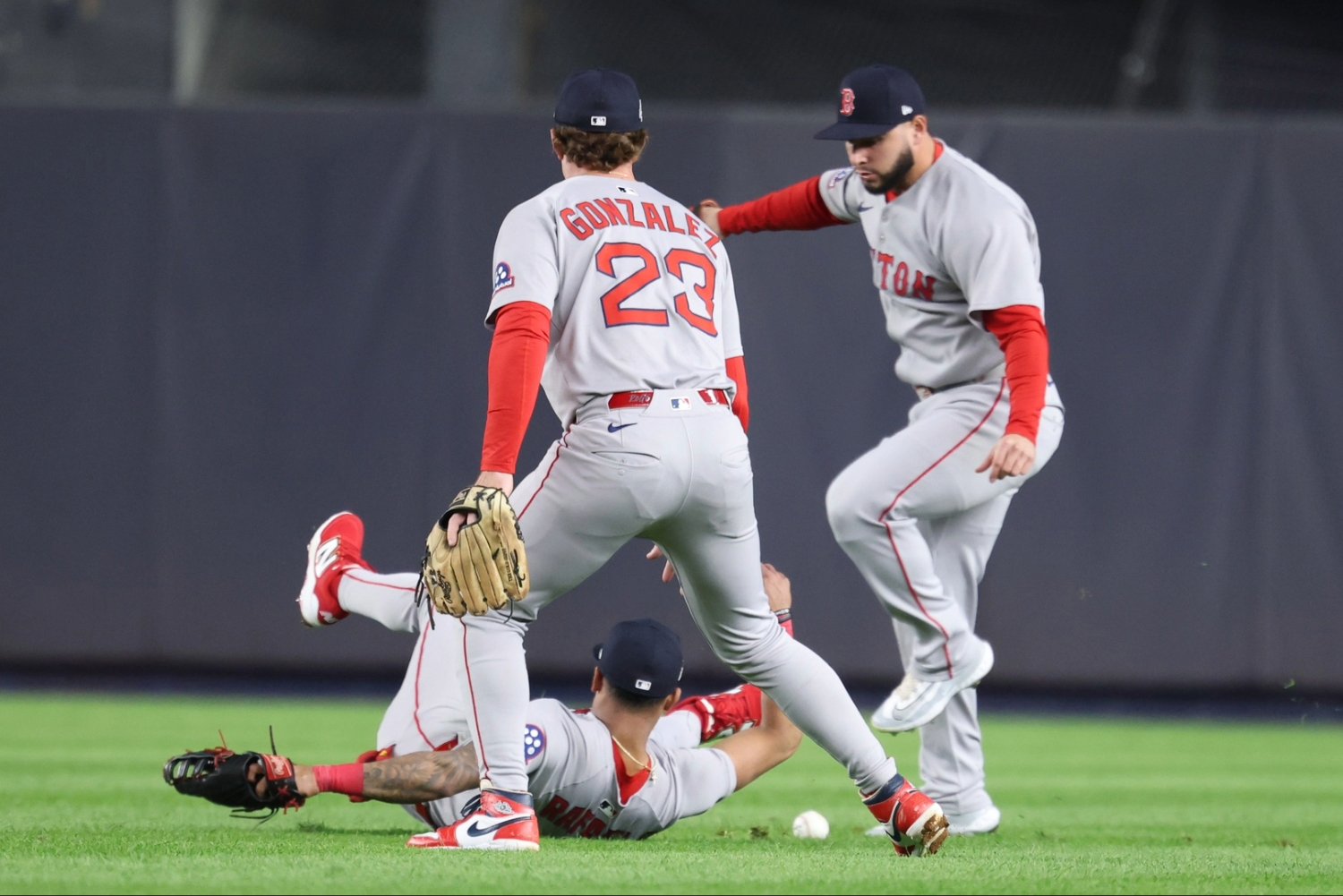 Still in just the beginning stages of the offseason, the Boston Red Sox still have a giant logjam at the major league level in the outfield. There are four, and up to six, names that are starting-caliber outfielders on the 40-man roster. and they all have a chance to break spring training with the major league club in 2026. As we’ve covered multiple times here at Talk Sox, the free-agent market for virtually every position is incredibly thin and offers very little upside outside of the top four or five names that are available. While Craig Breslow expects the Red Sox to add through free agency, any huge impact will likely have to come through trades. Since the Red Sox have so much talent in the outfield, let’s take a look at the pros and cons of trading any of Jarren Duran, Wilyer Abreu, or Ceddanne Rafaela. For the sake of this exercise, we'll consider Roman Anthony safe... unless the Dodgers put Shohei Ohtani on the trade block. Jarren Duran Seems best to start with the one who currently has rumors attached to him as the GM Meetings in Las Vegas wrap up. Jarren Duran’s name has come up in trade rumors since his break out 2024 season when a portion of the media and fan base believed the team should have sold high. He followed that season up with a solid, but far less impressive, 2025 campaign. The biggest pro of trading Duran is that it opens up left field for Anthony and allows Rafaela and Abreu to play their natural positions in center and right field. Both men just won Gold Gloves and shouldn’t be moved off them for anyone else on the roster. Can Duran even play center or right? Technically yes, but he’s best suited for left field, as his throwing arm leaves a lot to be desired from any other outfield position. He continues to be an obvious fit as the centerpiece of a trade package to a team that’s willing to deal a starting pitcher back to the Red Sox. The flip side here is that Duran is a locker room favorite and a team leader. His absence would leave a void that would have to be filled, which isn't as easy as simply buying a veteran in free agency—Duran is one of the longes-tenured members of the roster. Wilyer Abreu Fresh off his back-to-back Gold Glove wins, it may be hard to envision the Red Sox trading the rising star that is Wilyer Abreu. Stranger things have happened though. Abreu spent a portion of the last half of the season on the injured list and when he returned, he was a shell of himself. That being said, he was second on the team in home runs and served as a spark on both sides of the ball when healthy. Similar to Duran above, the biggest pro in trading Abreu is opening up a full-time position for Roman Anthony. Anthony played a great right field before he was injured, so there should be a decent level of comfortability with him taking the position over full time. Abreu, with an extra year of team control and several birthdays separating him from Duran, should fetch a nice haul in a trade. The biggest con in trading him is that the Red Sox may actually be selling low on his potential; he continues to get better with each passing year and hasn't even had a chance to play every day without the benefit of a platoon partner. His absence would leave a lineup that already lacked power with even fewer options. We’ve talked about how thin this free-agent market is, and unless the team plans to bring in both Kyle Schwarber and Pete Alonso in free agency, Abreu’s departure would come close to zapping the team of its power entirely. Ceddanne Rafaela While it would be shocking to see the team trade Rafaela, it’s not out of the realm of possibility. He’s a first-time Gold Glove winner and plays arguably the best center field defense in the entire league. He’s shown flashes of potential on offense and has a propensity for coming through in big moments. Typically though, his offense is boom or bust and he’s best suited for the bottom of the lineup. His contract makes him a steal for most teams, and that’s likely the biggest reason he could be available for the right price this winter. The only positive that can be found from trading him is that the team could potentially upgrade his position with an offensive-minded center fielder like Cody Bellinger, but that also comes as the biggest con of moving him: the team would lose its best defender. At such a premium position like center field, losing Rafaela’s glove would put the team in a much worse position than they current are. Masataka Yoshida was left off of this list because he barely played in the outfield during the 2025 season and honestly, most people expect that he will not be with the club come 2026. He’s never going to live up to his contract, but he has the ability to catch fire in a bottle and be productive. It wouldn’t be shocking to see him involved in a trade with any of the outfielders mentioned above to try and make salaries match for a second playoff-caliber starter. The Red Sox have so much talent at positions of need for a lot of teams in the league and they’d be smart to capitalize on that as the offseason begins to progress. Remember, none of this conversation thus far has mentioned Kristian Campbell or Jhostynxon Garcia. With the GM Meetings in the rearview mirror, all eyes turn to the Winter Meetings where Craig Breslow made his biggest trade to date last year. Will history repeat itself this time around?
 -
Still in just the beginning stages of the offseason, the Boston Red Sox still have a giant logjam at the major league level in the outfield. There are four, and up to six, names that are starting-caliber outfielders on the 40-man roster. and they all have a chance to break spring training with the major league club in 2026. As we’ve covered multiple times here at Talk Sox, the free-agent market for virtually every position is incredibly thin and offers very little upside outside of the top four or five names that are available. While Craig Breslow expects the Red Sox to add through free agency, any huge impact will likely have to come through trades. Since the Red Sox have so much talent in the outfield, let’s take a look at the pros and cons of trading any of Jarren Duran, Wilyer Abreu, or Ceddanne Rafaela. For the sake of this exercise, we'll consider Roman Anthony safe... unless the Dodgers put Shohei Ohtani on the trade block. Jarren Duran Seems best to start with the one who currently has rumors attached to him as the GM Meetings in Las Vegas wrap up. Jarren Duran’s name has come up in trade rumors since his break out 2024 season when a portion of the media and fan base believed the team should have sold high. He followed that season up with a solid, but far less impressive, 2025 campaign. The biggest pro of trading Duran is that it opens up left field for Anthony and allows Rafaela and Abreu to play their natural positions in center and right field. Both men just won Gold Gloves and shouldn’t be moved off them for anyone else on the roster. Can Duran even play center or right? Technically yes, but he’s best suited for left field, as his throwing arm leaves a lot to be desired from any other outfield position. He continues to be an obvious fit as the centerpiece of a trade package to a team that’s willing to deal a starting pitcher back to the Red Sox. The flip side here is that Duran is a locker room favorite and a team leader. His absence would leave a void that would have to be filled, which isn't as easy as simply buying a veteran in free agency—Duran is one of the longes-tenured members of the roster. Wilyer Abreu Fresh off his back-to-back Gold Glove wins, it may be hard to envision the Red Sox trading the rising star that is Wilyer Abreu. Stranger things have happened though. Abreu spent a portion of the last half of the season on the injured list and when he returned, he was a shell of himself. That being said, he was second on the team in home runs and served as a spark on both sides of the ball when healthy. Similar to Duran above, the biggest pro in trading Abreu is opening up a full-time position for Roman Anthony. Anthony played a great right field before he was injured, so there should be a decent level of comfortability with him taking the position over full time. Abreu, with an extra year of team control and several birthdays separating him from Duran, should fetch a nice haul in a trade. The biggest con in trading him is that the Red Sox may actually be selling low on his potential; he continues to get better with each passing year and hasn't even had a chance to play every day without the benefit of a platoon partner. His absence would leave a lineup that already lacked power with even fewer options. We’ve talked about how thin this free-agent market is, and unless the team plans to bring in both Kyle Schwarber and Pete Alonso in free agency, Abreu’s departure would come close to zapping the team of its power entirely. Ceddanne Rafaela While it would be shocking to see the team trade Rafaela, it’s not out of the realm of possibility. He’s a first-time Gold Glove winner and plays arguably the best center field defense in the entire league. He’s shown flashes of potential on offense and has a propensity for coming through in big moments. Typically though, his offense is boom or bust and he’s best suited for the bottom of the lineup. His contract makes him a steal for most teams, and that’s likely the biggest reason he could be available for the right price this winter. The only positive that can be found from trading him is that the team could potentially upgrade his position with an offensive-minded center fielder like Cody Bellinger, but that also comes as the biggest con of moving him: the team would lose its best defender. At such a premium position like center field, losing Rafaela’s glove would put the team in a much worse position than they current are. Masataka Yoshida was left off of this list because he barely played in the outfield during the 2025 season and honestly, most people expect that he will not be with the club come 2026. He’s never going to live up to his contract, but he has the ability to catch fire in a bottle and be productive. It wouldn’t be shocking to see him involved in a trade with any of the outfielders mentioned above to try and make salaries match for a second playoff-caliber starter. The Red Sox have so much talent at positions of need for a lot of teams in the league and they’d be smart to capitalize on that as the offseason begins to progress. Remember, none of this conversation thus far has mentioned Kristian Campbell or Jhostynxon Garcia. With the GM Meetings in the rearview mirror, all eyes turn to the Winter Meetings where Craig Breslow made his biggest trade to date last year. Will history repeat itself this time around? View full article
-
Kristian Campbell broke came with the Boston Red Sox and was the starting second baseman on Opening Day. For the first month of the season, he lit the league on fire, winning AL Rookie of the Month honors. Then, the floor fell out from underneath him and he struggled to find his footing again with the big-league club. He was preparing to play first base in the wake of the injury to Triston Casas, but that never came to fruition. Soon after that report leaked, he went sent down to Triple-A Worcester, where he remained for the rest of the season. With the WooSox, Campbell bounced from position to position. He registered 59 games at second base, seven in center field, and two in left field. At the GM Meetings in Las Vegas, President of Baseball Operations Craig Breslow said that the team was seeking ‘stability and certainty’ with Campbell as the calendar marches toward the 2026 season. The team has acknowledged, at least privately, that left field is likely the best fit for Campbell as he grows into a big-league hitter. While that stability in a position will like boost his performance on both sides of the ball, forcing him into an already crowded outfield isn’t the path forward here. Sure, it adds another layer of depth to the group in the instance of one or more starters being traded, but this feels needlessly complicated. The biggest defensive need for the Red Sox is at first base, and that is where Campbell should be preparing to play as long as he’s in the Red Sox’s system. By shifting him to a full-time outfield role, and one who profiles as a left fielder specifically, the team is putting themselves in a position that could hamstring them before spring training even gets started. We can take Roman Anthony out of this equation; he’s guaranteed a starting outfield spot for 2026. If we look at the other three outfielders though, we see three proven, MLB-quality starters. Would you take Campbell over Jarren Duran, Ceddanne Rafaela, or Wilyer Abreu? Absolutely not, at least at this point in time. Rafaela and Abreu are coming off Gold Glove-winning seasons and Duran is only one season removed from an outstanding 2024. Why replace a known entity with something that is a total unknown in the middle of a contention window? It just doesn’t make sense. Campbell should turn into a solid major leaguer at some point soon, but forcing him to find his footing within the Red Sox’s outfield seems shortsighted. Unless, of course, the front office is planning to trade two outfielders this offseason in an attempt to add another top of the rotation starter to slot in behind Garrett Crochet. On the surface, it makes sense. The team has more outfielders than spots available, especially if they are serious about Campbell making the switch to the outfield. That doesn’t even consider the distinct possibility that the team brings back veteran clubhouse leader Rob Refsnyder. And don’t forget, Masataka Yoshida is technically a left fielder, too. This team is ripe with outfield talent, and adding Campbell to that group would make it an even deeper positional depth chart. But even then, in the instance of the team planning on trading two current outfielders, you’d want them to be in the market for either Kyle Tucker or Cody Bellinger to fill one of those holes. Not an unproven second-year player. I’m not here to bash Campbell in any way. I think he can be a valuable member of the Red Sox -- he was a top prospect as of this time a year ago -- but this move makes zero sense as the roster is currently constructed. He’s bulked up, according to Breslow, and has already been spending time in Fort Myers with the hitting coaches to hopefully allow him to tap into the offensive production we saw when he first broke onto the scene. He’s best suited to do that from first base, though. If he’s adding weight and can hit for power, he’s the prototypical first baseman that the Red Sox have been missing for years. Bulky outfielders can work, but the Red Sox need no help in that department. If the team trots Campbell out to left field to begin spring training, that should mean that some combination of Duran, Rafaela, and Abreu have been traded. That, to me, would be cutting off their nose to spite their face. Campbell can be a special player on both sides of the ball, but shoehorning him into an already-crowded situation likely sets him up for failure more than it pushes him to be the best version of himself. View full article

