Alex Mayes
-
Posts
814 -
Joined
-
Last visited
Content Type
Profiles
Boston Red Sox Videos
2026 Boston Red Sox Top Prospects Ranking
Boston Red Sox Free Agent & Trade Rumors, Notes, & Tidbits
Guides & Resources
2025 Boston Red Sox Draft Pick Tracker
News
2026 Boston Red Sox Draft Tracker: Picks & Bonuses
Forums
Blogs
Events
Store
Downloads
Gallery
Everything posted by Alex Mayes
-
It's been roughly ten days since the trade deadline, and the Red Sox have swept the Astros and beat the Royals before dropping a series to the Padres. Both pitching additions, Steven Matz and Dustin May, have appeared in games for the Sox since being acquired, and there has been varying levels of success in their limited time thus far in Boston. The hope was that both additions would be impact players ahead of the stretch run, and while it's too early to draw any firm conclusions, at least one of the new pitchers is living up to the hype. With a few days behind them, let’s take a look at how both additions have performed since joining the Red Sox. Steven Matz We’ll start with the positive side of things. Matz has appeared in three games for the Red Sox, throwing 3 2/3 innings with a flat zero ERA and 3.11 FIP. He’s struck out two and walked two, but he’s been that kind o pitcher all season. He’s not allowed any barrels since coming to Boston and has allowed four hard hit balls. What’s been incredibly impressive, though, is that his sinker has ticked up a notch since coming to Boston. He’s hit 96+ mph in two different appearances. When he came into a stressful situation against the Padres, he was able to keep the game within a run. You feel confident when you see Matz warming up in the pen, which is a welcome observation after the last few seasons. Should the Red Sox keep winning and hold onto a playoff spot, Matz will prove to be incredibly valuable in the postseason, both as a long reliever and a lefty specialist. Giving him more chances down the stretch will only help his confidence grow as October approaches. Dustin May Now for something completely different. Dustin May has also thrown 3 2/3 innings of baseball for the Boston Red Sox since being traded by the Dodgers. He’s working with a 7.36 ERA and 3.38 FIP. In his lone appearance so far, he’s struck out four and walked one, so that’s somewhat encouraging. He’s given up six hits and three runs, along with two hit batters. All that being said, there’s something intriguing about May and what he brings to the team. His stuff was down across the board in his first outing, but the Red Sox believe they can unlock something with him that will keep him in the rotation through the end of the season. There was some speculation that he could be gunning for Walker Buehler’s rotation spot when the trade happened, but then Buehler shined against the Padres. If that continues, May doesn’t have a clear spot in the rotation. The Red Sox had him feature his cutter and four-seamer an equal amount in his one start, a peculiarity given that the former offering has been mashed this season. Currently, May's cutter has yielded a .452 opposing batting average. The expected average is almost a full hundred points lower though, at .358, so there’s a bit of unluckiness coming into play there. The writing seems to be on the wall for May to join the bullpen at some point this season, and his stuff should play up quite a bit from there. The deadline acquisitions of Steven Matz and Dustin May have been a bit of a mixed bag for the Red Sox. Matz has been dominant out of the bullpen, while May couldn’t make it through four innings in his first appearance for the team. If Matz can build on his current success and May can figure things out, with the help of Andrew Bailey of course, then the Red Sox could look incredibly smart by only acquiring pitchers on the fringes at the deadline. If the wheels fall off, though, the fanbase will look to the front office with the same hostility we saw show up the last few deadlines. View full article
-
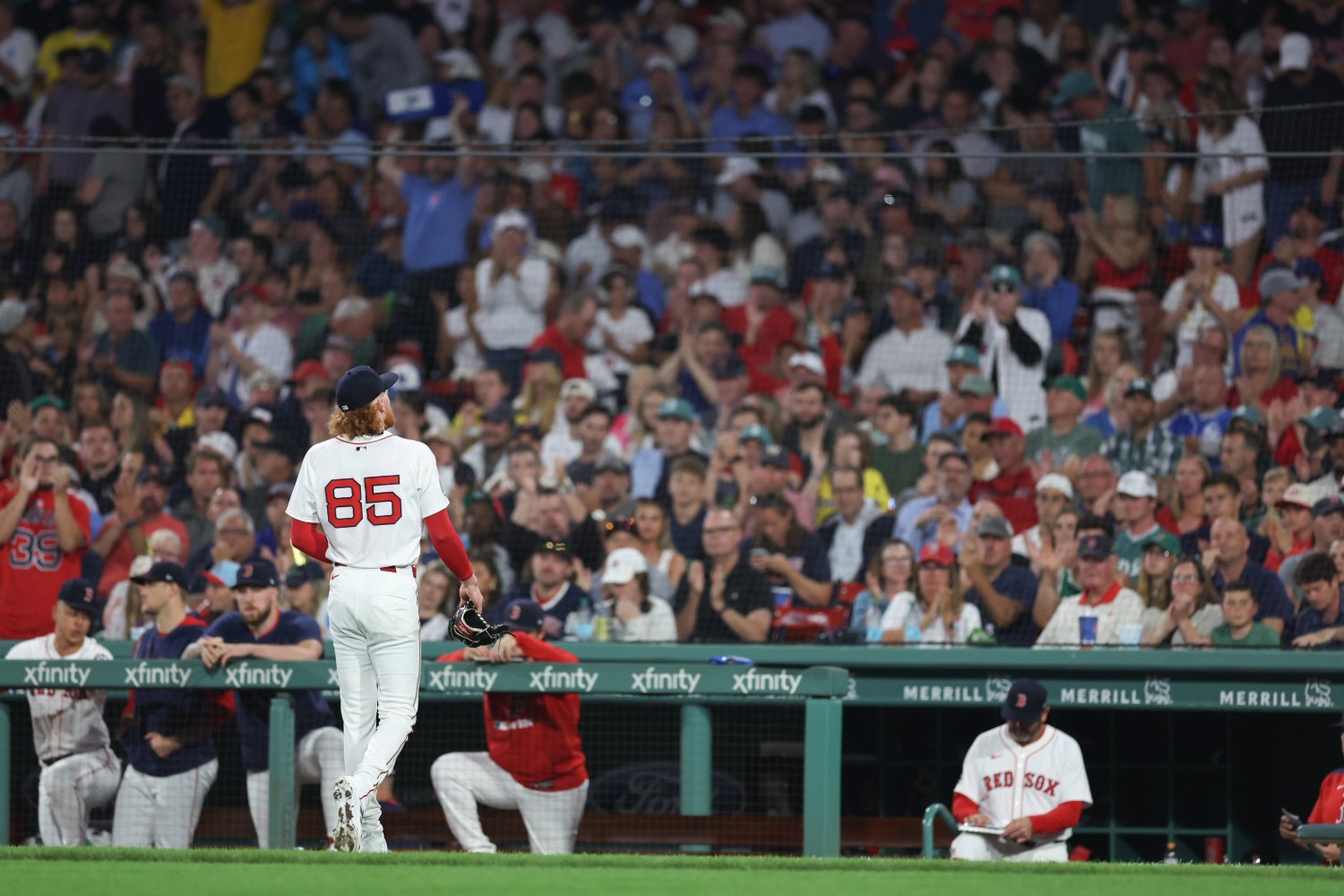 It's been roughly ten days since the trade deadline, and the Red Sox have swept the Astros and beat the Royals before dropping a series to the Padres. Both pitching additions, Steven Matz and Dustin May, have appeared in games for the Sox since being acquired, and there has been varying levels of success in their limited time thus far in Boston. The hope was that both additions would be impact players ahead of the stretch run, and while it's too early to draw any firm conclusions, at least one of the new pitchers is living up to the hype. With a few days behind them, let’s take a look at how both additions have performed since joining the Red Sox. Steven Matz We’ll start with the positive side of things. Matz has appeared in three games for the Red Sox, throwing 3 2/3 innings with a flat zero ERA and 3.11 FIP. He’s struck out two and walked two, but he’s been that kind o pitcher all season. He’s not allowed any barrels since coming to Boston and has allowed four hard hit balls. What’s been incredibly impressive, though, is that his sinker has ticked up a notch since coming to Boston. He’s hit 96+ mph in two different appearances. When he came into a stressful situation against the Padres, he was able to keep the game within a run. You feel confident when you see Matz warming up in the pen, which is a welcome observation after the last few seasons. Should the Red Sox keep winning and hold onto a playoff spot, Matz will prove to be incredibly valuable in the postseason, both as a long reliever and a lefty specialist. Giving him more chances down the stretch will only help his confidence grow as October approaches. Dustin May Now for something completely different. Dustin May has also thrown 3 2/3 innings of baseball for the Boston Red Sox since being traded by the Dodgers. He’s working with a 7.36 ERA and 3.38 FIP. In his lone appearance so far, he’s struck out four and walked one, so that’s somewhat encouraging. He’s given up six hits and three runs, along with two hit batters. All that being said, there’s something intriguing about May and what he brings to the team. His stuff was down across the board in his first outing, but the Red Sox believe they can unlock something with him that will keep him in the rotation through the end of the season. There was some speculation that he could be gunning for Walker Buehler’s rotation spot when the trade happened, but then Buehler shined against the Padres. If that continues, May doesn’t have a clear spot in the rotation. The Red Sox had him feature his cutter and four-seamer an equal amount in his one start, a peculiarity given that the former offering has been mashed this season. Currently, May's cutter has yielded a .452 opposing batting average. The expected average is almost a full hundred points lower though, at .358, so there’s a bit of unluckiness coming into play there. The writing seems to be on the wall for May to join the bullpen at some point this season, and his stuff should play up quite a bit from there. The deadline acquisitions of Steven Matz and Dustin May have been a bit of a mixed bag for the Red Sox. Matz has been dominant out of the bullpen, while May couldn’t make it through four innings in his first appearance for the team. If Matz can build on his current success and May can figure things out, with the help of Andrew Bailey of course, then the Red Sox could look incredibly smart by only acquiring pitchers on the fringes at the deadline. If the wheels fall off, though, the fanbase will look to the front office with the same hostility we saw show up the last few deadlines.
 -
Agree that it’s way too early for Tolle or Witherspoon. Duran doesn’t make sense to me since he’s under control for a few more years and likely will have peaked by the end of that control The Anthony deal likely makes a Mayer deal far more likely in my opinion.
-
I debated putting that Carrabis quote in this actually. I think Section 10 would be a really good outlet for Bres to go onto to show a vocal portion of the fan base who he actually is.
-
Craig Breslow Has Won Over the Red Sox Veterans in the Clubhouse
Alex Mayes posted an article in Red Sox
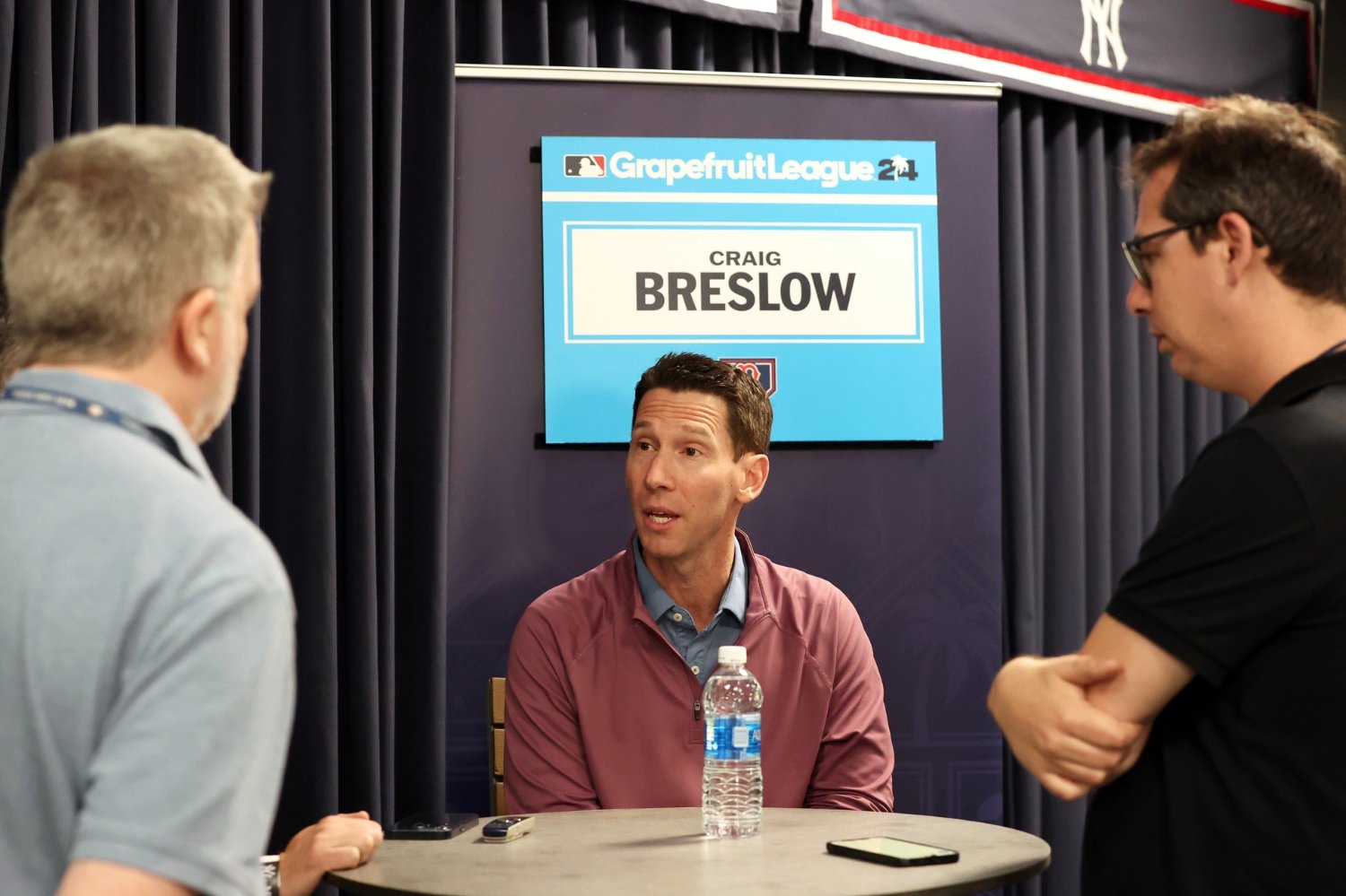 Lost in all the trade deadline shuffle was an excellent piece by The Athletic's Jen McCaffrey about how the trade of Rafael Devers prepared the team as they were approaching the deadline. We’re not going to rehash that trade or dive into even more analysis than we’ve already done here at Talk Sox. Your opinion on the trade is likely solidified at this point, but what McCaffrey has written paints a much clearer picture of a President of Baseball Operations that understood that he was at fault for things souring between the franchise and their, at the time, longest-tenured team member. If Craig Breslow can realize that he has to be an effective communicator with his team, and is willing to work on something that he acknowledges he struggles with, then that should bode well for fans moving forward. McCaffrey noted a quote from Breslow’s press conference in the wake of the Devers trade in her piece; he said that entire situation “forced (him) to reflect on the interactions” he had up to that point with both Devers and the rest of the team and search for “opportunities to communicate differently.” He added, “I need to own things I could have done better.” For many people, owning up to mistakes of that caliber is something that they struggle to do. For someone like Craig Breslow, the public face of the Boston Red Sox, it has to be even more difficult. Breslow came into the job knowing that every single decision he would make would be put under a microscope by not only the fan base, but one of the largest media markets in the country. Still, in the face of that, he traded away the team’s best player and said that although it didn’t look like it at the time, he believed the team would be better without Devers. He was crucified by both the media and the fans in the wake of the deal. What about now, though? The Red Sox are arguably the hottest team in baseball and are showing no signs of slowing down. Breslow obviously had his finger on the pulse of the clubhouse in that situation—he just approached it incorrectly at the time. Arguably the most encouraging quote in McCaffrey’s piece is from subtle but strong team leader, Rob Refsnyder. “I think Craig has done an excellent job of communicating with us, and if established guys have questions, he answers,” Refsnyder said. “I think his communication and his honesty has been really good and if we don’t add, I don’t think it’s for a lack of effort by him.” That seems to be a complete 180 from how things were handled at the beginning of the season. As the deadline approached, more rostered members started to hear their names brought up in trade rumors and scenarios. Before, they likely wouldn’t have felt comfortable going to anyone other than Alex Cora to talk through those things, but now it seems like Breslow is far more candid with them. Is it a coincidence that once reports started coming out that Jarren Duran wasn’t being traded that his on-field performance saw an uptick? Did he have that vote of confidence from Breslow himself that settled his overactive imagination? We can’t say from the outside looking in, but it shouldn’t come as a shock if that’s what unlocked this form of Duran again. The team trusts Breslow to be the one to make the additions and put the team in a position to be successful. Just look at what Trevor Story told McCaffrey: “I think the closer the deadline gets, it’s easy to kind of play GM and be cooking up trades in your mind or whatever... For me, you got to keep the main thing, the main thing. A lot of other stuff is just distraction. Bres does a great job of identifying guys, and obviously that’s his job, so we’ll let him do it.” That’s a far cry from when Devers told the media that Breslow was the GM and needed to do his job when he was asked about moving to first base. Story’s attitude seems to permeate through the clubhouse. This team believes in themselves. Even though there was an excellent case for more additions at the deadline, the team seems to have rallied together and shown that this club is more than capable of making a run at the postseason. That’s something fans in Boston haven’t seen since 2021. While the additions of Steven Matz and Dustin May aren’t flashy, they addressed two areas of concern and should allow for the Red Sox to continue pushing towards an appearance in October. With Craig Breslow being more open and responsive to the team, it should be easier for them to buy in for the rest of the season and prove that this team is worth investing in for the long haul. Of course, it also helps when you extend your face of the franchise on a $130 million contract.
 -
Lost in all the trade deadline shuffle was an excellent piece by The Athletic's Jen McCaffrey about how the trade of Rafael Devers prepared the team as they were approaching the deadline. We’re not going to rehash that trade or dive into even more analysis than we’ve already done here at Talk Sox. Your opinion on the trade is likely solidified at this point, but what McCaffrey has written paints a much clearer picture of a President of Baseball Operations that understood that he was at fault for things souring between the franchise and their, at the time, longest-tenured team member. If Craig Breslow can realize that he has to be an effective communicator with his team, and is willing to work on something that he acknowledges he struggles with, then that should bode well for fans moving forward. McCaffrey noted a quote from Breslow’s press conference in the wake of the Devers trade in her piece; he said that entire situation “forced (him) to reflect on the interactions” he had up to that point with both Devers and the rest of the team and search for “opportunities to communicate differently.” He added, “I need to own things I could have done better.” For many people, owning up to mistakes of that caliber is something that they struggle to do. For someone like Craig Breslow, the public face of the Boston Red Sox, it has to be even more difficult. Breslow came into the job knowing that every single decision he would make would be put under a microscope by not only the fan base, but one of the largest media markets in the country. Still, in the face of that, he traded away the team’s best player and said that although it didn’t look like it at the time, he believed the team would be better without Devers. He was crucified by both the media and the fans in the wake of the deal. What about now, though? The Red Sox are arguably the hottest team in baseball and are showing no signs of slowing down. Breslow obviously had his finger on the pulse of the clubhouse in that situation—he just approached it incorrectly at the time. Arguably the most encouraging quote in McCaffrey’s piece is from subtle but strong team leader, Rob Refsnyder. “I think Craig has done an excellent job of communicating with us, and if established guys have questions, he answers,” Refsnyder said. “I think his communication and his honesty has been really good and if we don’t add, I don’t think it’s for a lack of effort by him.” That seems to be a complete 180 from how things were handled at the beginning of the season. As the deadline approached, more rostered members started to hear their names brought up in trade rumors and scenarios. Before, they likely wouldn’t have felt comfortable going to anyone other than Alex Cora to talk through those things, but now it seems like Breslow is far more candid with them. Is it a coincidence that once reports started coming out that Jarren Duran wasn’t being traded that his on-field performance saw an uptick? Did he have that vote of confidence from Breslow himself that settled his overactive imagination? We can’t say from the outside looking in, but it shouldn’t come as a shock if that’s what unlocked this form of Duran again. The team trusts Breslow to be the one to make the additions and put the team in a position to be successful. Just look at what Trevor Story told McCaffrey: “I think the closer the deadline gets, it’s easy to kind of play GM and be cooking up trades in your mind or whatever... For me, you got to keep the main thing, the main thing. A lot of other stuff is just distraction. Bres does a great job of identifying guys, and obviously that’s his job, so we’ll let him do it.” That’s a far cry from when Devers told the media that Breslow was the GM and needed to do his job when he was asked about moving to first base. Story’s attitude seems to permeate through the clubhouse. This team believes in themselves. Even though there was an excellent case for more additions at the deadline, the team seems to have rallied together and shown that this club is more than capable of making a run at the postseason. That’s something fans in Boston haven’t seen since 2021. While the additions of Steven Matz and Dustin May aren’t flashy, they addressed two areas of concern and should allow for the Red Sox to continue pushing towards an appearance in October. With Craig Breslow being more open and responsive to the team, it should be easier for them to buy in for the rest of the season and prove that this team is worth investing in for the long haul. Of course, it also helps when you extend your face of the franchise on a $130 million contract. View full article
-
Following Roman Anthony's Contract, Who Will Red Sox Extend Next?
Alex Mayes posted an article in Red Sox
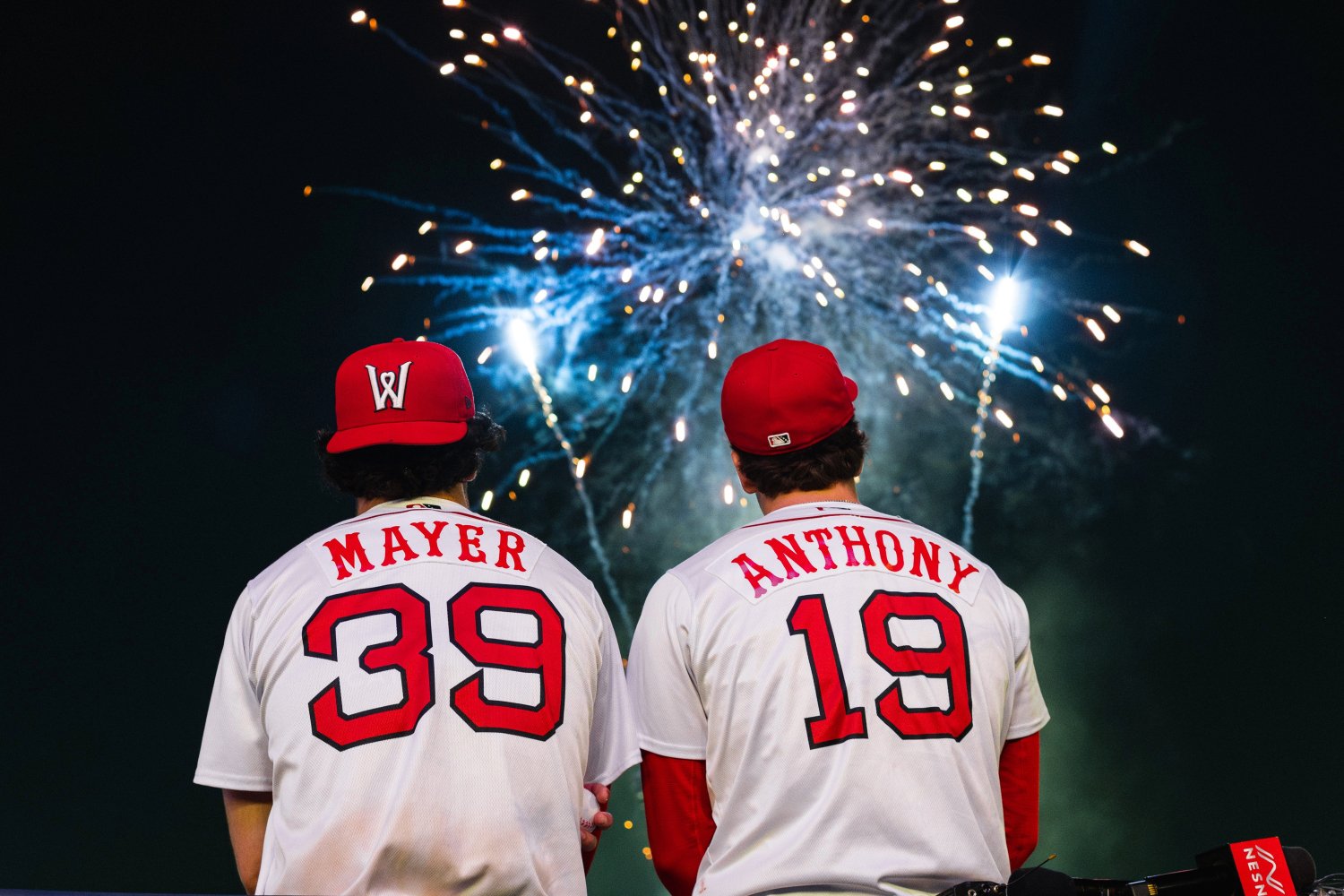 In a bit of shocking news, the Red Sox and Roman Anthony have agreed on an extension that will keep him in Boston for the next eight years. Our own @Nick John has detailed the extension expertly here, so check that out if you haven’t yet. Isn’t it awesome to have a front office that’s prioritizing signing homegrown talent? We can all agree that Roman Anthony is an absolute stud, and having him locked down for the future is going to help bring another title back to Boston. We briefly discussed this on the most recent episode of the Talk Sox Podcast, but there I said that I thought Alex Bregman would get extended first because it was a more pressing matter than getting Anthony locked in long term. I couldn’t be more excited to be incorrect. This extension caused me to start day dreaming about the other contract extensions that could be on the horizon for the Red Sox. Before we dive into those though, it’s important to give an overview of how the finances for the Red Sox currently stand after the Anthony extension. As currently constructed, the Red Sox now have an adjusted payroll of $195,816,666 committed through the end of the 2025 season (this does not include Anthony's new deal, which begins next season). Their tax payroll sits at $242,770,120, which is $1,770,120 over the first tax threshold. There had been reports at the trade deadline that the Red Sox were operating with a budget in mind, but clearly they were comfortable going past that CBT threshold to lock up an essential piece of their young core. Going into the 2026, the team has these players locked into long term contracts: SP Brayan Bello through 2030 (6/$55M) SP Garrett Crochet through 2031 (6/$170M) OF Ceddanne Rafaela through 2032 (8/$50M) 2B/1B Kristian Campbell through 2034(8/$60M) OF Roman Anthony through 2034 (8/$130M) Talk about a young core secured for the future. This list doesn't include more veteran players like Trevor Story, Masataka Yoshida, and Garrett Whitlock, who are also under contract beyond 2025. Now, even though we’re celebrating Anthony’s extension, we need to consider that there is still a bit of work to be done with the team's in-house talent. Alex Bregman As I stated earlier, I thought the front office would prioritize Bregman’s extension over Anthony’s during the remainder of the season since the former can opt out when the season is over. Even though his season has involved a decent stint on the injured list, Bregman has been paramount to the success of the Red Sox. When healthy, he’s an ever-looming presence in the lineup. You can’t pitch around the guys in front of him, and he's consistently getting on base for the guys behind him. He’s a former Gold Glove winner and makes the hot corner stable on a daily basis. Arguably more important is his leadership. Any time the camera pans to Bregman in the dugout, he’s surrounded by his teammates. Most notably, Roman Anthony and Marcelo Mayer. They are stuck to Breggy like glue, and for good reason. They even had their lockers moved to be next to him. Ceddanne Rafaela credited Bregman with helping him figure out his offensive approach. Pitchers pick his brain about their pitch mix. He seems primed to be a successful manager and coach one day, a role he seems to have taken on this season as well. There are reports of him sitting with an iPad and giving hitting advice while players take dry swings around him. Locking him in for the rest of his career would be a worthwhile move by the front office. Marcelo Mayer Now the lone member of the Big Three to not be signed long-term, Mayer figures to be the next extension handed out by the front office. His first foray into MLB hasn’t been as successful as Anthony, but he’s proven to be a possible Gold Glove caliber defender at two positions. Remember, he’s not a natural third or second baseman, so he'll only improve with more time and reps. His offensive game should come around because, like Anthony, he doesn’t seem overwhelmed by facing big league pitching. He’s just adjusted to it slower than his best friend on the team. The biggest knock against Mayer is his now semi-recurring wrist injury. He’s currently on the injured list with the same wrist injury from 2023, so that’s something the team will have to take into consideration if and when he’s approached about a long-term extension. If he can rebound from this injury, then it’s likely the team will have fewer concerns moving forward. Carlos Narvaez The catcher that barely made a blip on the radar when he was traded for. The guy who should be in the AL Rookie of the Year conversation and should have been an All-Star reserve. He’s one of the best defensive catchers in the sport and looks to be the kind of franchise guy teams love to have behind the plate. He’s taken an offensive downturn lately, but he’s playing more baseball this season than he ever has in his career, so it’s to be expected. Locking Narvaez in for the long term would signal to the starting rotation that they have a catcher they know they can trust for years. Currently, he’s getting his knee looked at after tweaking it in the second game against the Royals, but the hope is that it isn't anything serious. He projects to be one of the best catchers in the American League not named Cal Raleigh for the foreseeable future, so keeping him in Boston for a long time is the absolute right call. Wilyer Abreu Just a few months ago, I wrote about how Abreu needed to be given a contract extension. I still believe that he’s the future of right field in Boston and extending him is a smart play. Jarren Duran has been playing incredible baseball over the last month, but it's clear that Alex Cora's preferred outfield group (at least defensively) is Anthony in left, Rafaela in center, and Abreu in right. If that is what the front office prefers, then they need to lock up the last piece of that outfield puzzle to an extension too. He’s a former Gold Glove winner and is showing that he can be more than a platoon option. Letting him see more left-handed pitching could help expand his role into that of an everyday player, which would make an extension even more worthwhile. He’s an important member of the young core here in Boston, so don’t be surprised to see his name start to pop up in extension rumors over the next few months. The Red Sox have found themselves with a treasure trove of controllable young talent that deserves to be in Boston for the long haul. The team is young and now, the bulk of the core players are under team control for their peak years. It feels great to see the front office prioritizing keeping youth in the system and trusting their evaluations.
 -
In a bit of shocking news, the Red Sox and Roman Anthony have agreed on an extension that will keep him in Boston for the next eight years. Our own @Nick John has detailed the extension expertly here, so check that out if you haven’t yet. Welcome back. Isn’t it awesome to have a front office that’s prioritizing signing home grown talent? We can all agree that Roman Anthony is an absolute stud and having him locked down for the future is going to help bring another title back to Boston, you can take that to the bank. We briefly discussed this on the most recent episode of The Talk Sox Podcast, but there I said that I thought Alex Bregman would get extended first because it was a more pressing matter than getting Anthony locked in long term. I couldn’t be more excited to be incorrect. This extension caused me to start day dreaming about the other contract extensions that could be on the horizon for the Red Sox. Before we dive into those though, it’s important to give an overview of how the finances for the Red Sox currently stand after the Anthony extension. As currently constructed, the Red Sox now have an adjusted payroll of $195,816,666 committed through the end of the 2025 season. Their tax payroll sits at $242,770,120, which is $1,770,120 over the first tax threshold. There had been reports at the trade deadline that the Red Sox were operating with a budget in mind, but clearly they were comfortable going past that CBT threshold to lock up an essential piece of their young core. Going into the 2026, the team has these players locked into long term contracts: SP Brayan Bello through 2030 (6/$55M) SP Garrett Crochet through 2031 (6/$170M) OF Ceddanne Rafaela through 2032 (8/$50M) 2B/1B Kristian Campbell through 2034(8/$60M) OF Roman Anthony through 2034 (8/$130M) Talk about a young core secured for the future. This list doesn't include more veteran players like Trevor Story, Masataka Yoshida, and Garrett Whitlock who are also under contract beyond 2025. Now, even though we’re celebrating Anthony’s extension, we need to consider that there is still a bit of work to be done in terms of extensions. There’s rostered members of the team that need to be extended in the near future as well. Let’s take a look at those names. Alex Bregman As I stated earlier, I thought the front office would prioritize Bregman’s extension over Anthony’s during the remainder of the season since Breggy can opt out when the season is over. Even though his season has involved a decent stint on the injured list, Bregman has been paramount to the success of the Red Sox. When healthy, he’s an ever-looming presence in the line up. You can’t pitch around the guys in front of him and the guys behind him and typically pick him up when he’s on base. He’s a former Gold Glove winner and makes the hot corner stable on a daily basis. Arguably more important though, is his leadership. Any time the camera pans to Bregman in the dugout, he’s surrounded by his teammates. Most notably, Roman Anthony and Marcelo Mayer. They are stuck to Breggy like glue, and for good reason. They even had their lockers moved to be next to him. Ceddanne Rafaela credited Bregman with helping him figure out his offensive approach. Pitchers pick his brain about their pitch mix. He seems primed to be a successful manager and coach one day, a role he seems to have taken on this season as well. There are reports of him sitting with an iPad and giving hitting advice while players take dry swings around him. Locking him in for the rest of his career would be a worthwhile move by the front office. Marcelo Mayer Now the lone member of The Big Three to not be signed long-term, Mayer figures to be the next extension handed out by the team. His first foray into the MLB hasn’t been as successful as Anthony, but he’s proven to be a possible Gold Glove caliber defender at two positions. Remember, he’s not a natural third or second baseman so for him to be playing the level of defense he has been is incredible. His offensive game should come around because like Anthony, he doesn’t seem overwhelmed by facing big league pitching. He’s just adjusted to it slower than his best friend on the team. That’s okay, not every rookie lights the league on fire. The biggest knock against Mayer is his now semi-recurring wrist injury. He’s currently on the injured list with the same wrist injury from 2023 so that’s something the team will have to take into consideration if and when he’s approached about a long-term extension any time in the future. If he can rebound from this injury, then it’s likely the team will have fewer concerns moving forward. Carlos Narvaez The captain. The catcher that barely made a blip on the radar when he was traded for. The guy who should be in the AL Rookie of the Year conversation and should have been an All-Star reserve. He’s the best defensive catcher in the sport and looks to be the type of player to play at an incredibly high level for years to come. Those years should be in Boston. He’s taken an offensive downturn lately, but he’s playing more baseball this season than he ever has in his career so it’s to be expected. Locking Narvy in for the long term would signal to the starting rotation that they have a catcher they know they can trust for years. Currently, he’s getting his knee looked at after tweaking it in the second game against the Royals, but the hope is that it isn't anything serious. He projects to be the best catcher in the league not named Cal Raleigh for the foreseeable future so keeping him in Boston long-term is the absolute right call. Wilyer Abreu Just a few months ago, I wrote about how Wilyer needed to be given a contract extension. I still believe that he’s the future of right field in Boston and extending him is a smart play. As the trade deadline drew near, it came out that the preferred outfield group of the front office was Anthony in left, Rafaela in center, and Wilyer in right. If that is what the front office prefers then they need to lock up the last piece of that outfield puzzle to an extension too. He’s a former Gold Glove winner and is showing that he can be more than a platoon option. Letting him see more left handed pitching will do nothing but improve his ability to put bat to ball and be an even more impactful player for this team. He’s an important member of the young core here in Boston so don’t be surprised to see his name start to pop up in extension rumors over the next few months. You could make a case for a number of names to be extended, but the front office has to be able to prioritize and determine which extension is going to be most impactful as the core grows together. The Red Sox have found themselves with a treasure trove of controllable young talent that deserves to be in Boston for the long haul. Adding Alex Bregman on a four or five year deal to close out his career would be the cherry on top. The Red Sox are young and the bulk of them are under team control for their peak years. It feels great to see the front office prioritizing keeping youth in the system and trusting their evaluations. View full article
-
Article: Episode 19: Keep on Rollin'
Alex Mayes replied to Alex Mayes's topic in Talk Sox Front Page News
I debated naming it Air Raid Vehicle instead. -
 Alex and Maddie discuss the underwhelming trade deadline and how the team seems to have responded positively to keeping the core group together. They then run through the injury updates that have come out over the last week, while facing some technical difficulties, and wrap up by discussing if the Red Sox have enough in the tank to make a run at the AL East title. Listen on Apple Podcasts: https://podcasts.apple.com/us/podcast/the-talk-sox-podcast/id1783204104 Listen on Spotify: https://open.spotify.com/show/3qPrPXEngu0CxgTmlf0ynm Listen on iHeartRadio: https://www.iheart.com/podcast/263-the-talk-sox-podcast-244591331/ Listen on Pocket Casts: https://pca.st/4tmd121v Watch on YouTube: https://www.youtube.com/@talksox
 -
Alex and Maddie discuss the underwhelming trade deadline and how the team seems to have responded positively to keeping the core group together. They then run through the injury updates that have come out over the last week, while facing some technical difficulties, and wrap up by discussing if the Red Sox have enough in the tank to make a run at the AL East title. Listen on Apple Podcasts: https://podcasts.apple.com/us/podcast/the-talk-sox-podcast/id1783204104 Listen on Spotify: https://open.spotify.com/show/3qPrPXEngu0CxgTmlf0ynm Listen on iHeartRadio: https://www.iheart.com/podcast/263-the-talk-sox-podcast-244591331/ Listen on Pocket Casts: https://pca.st/4tmd121v Watch on YouTube: https://www.youtube.com/@talksox View full article
-
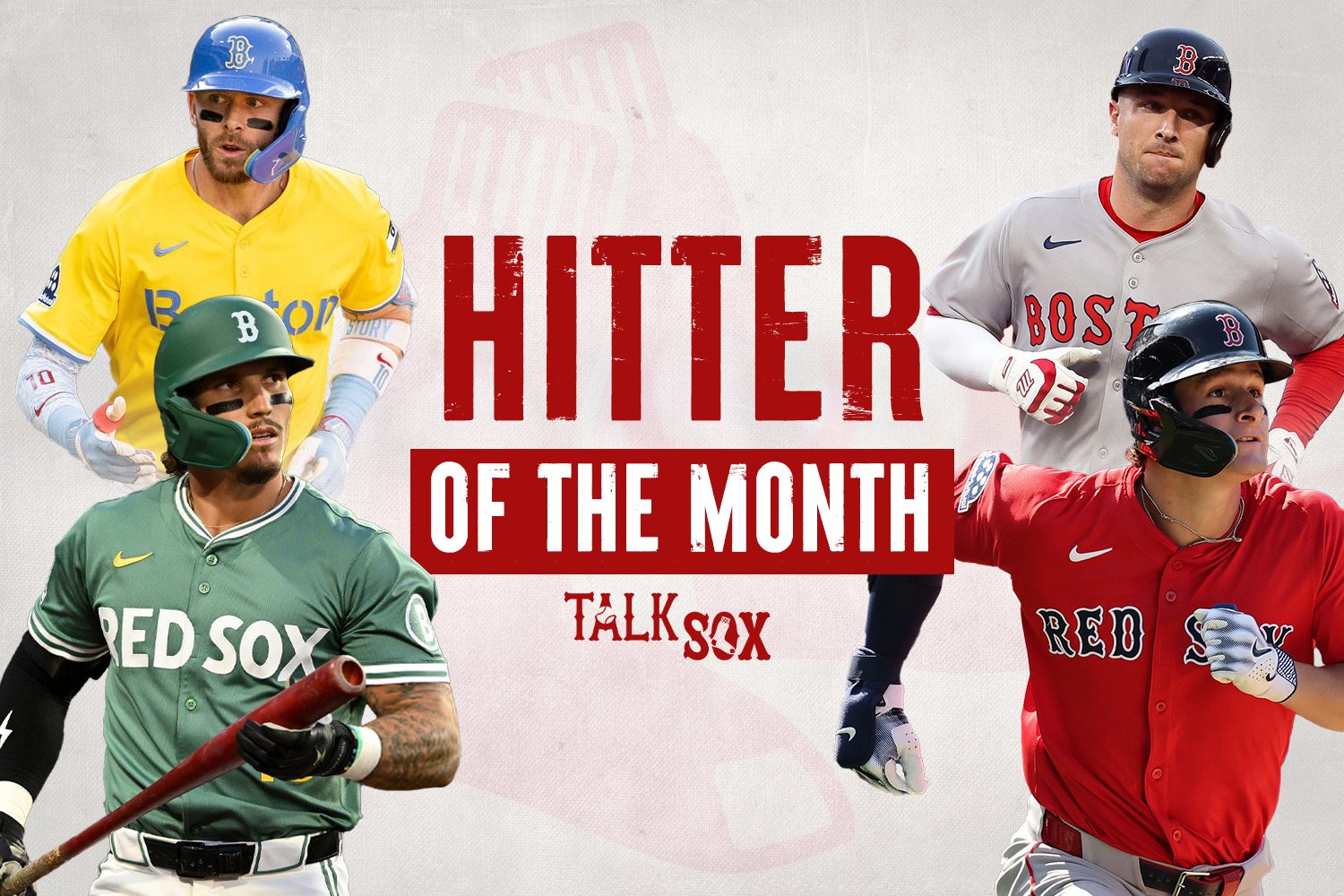 Even though the month was interrupted by the All-Star break, it felt like July dragged on for the Red Sox. They went on an absolute tear heading into the Midsummer Classic and then looked flat coming out of it. The month seemed to end on a high note, with an absolute slaughter of a Twins team that became the biggest sellers of the trade deadline, but then the air was let out of the room when the Red Sox didn’t really do much to improve the team. That being said, the offense was red hot in July and it made deciding on the top three hitters on the team a bit of a tricky choice. At the end of the day, though, there were three names that stood out above the rest, with one honorable mention that may ruffle some feathers. Honorable Mention: Trevor Story You can make an excellent case for Trevor Story to be the third person on this list. He slashed .293/.327/.543 for the month of July with four stolen bases, 19 RBIs, and five home runs. He posted a 133 wRC+ and a 0.9 WAR. What was most encouraging, though, was Story was in a pretty big funk coming out of the break and catapulted back to life against the Twins. He was putting great swings on pitches and came through in the clutch when necessary. The only reason he’s here at the honorable mention slot is because the three people above him on this list contributed in bigger ways or were a jolt that the team needed to get through the gauntlet that began the second half. #3: Alex Bregman Alex Bregman came back from his quad injury on July 10 and seemed to be the catalyst for the team. For the month, he slashed .292/.306/.542 with nine RBIs and three home runs. He posted a 127 wRC+and a 0.3 WAR. The reason he gets the nod over Story for the number three spot is because his return from injury coincided with the offensive eruption that pushed the Red Sox from a team staring up at a .500 record to the team that currently sits in second place in the AL East. Bregman is obviously still not 100% healed from his quad injury, but the pop in his bat more than makes up for it. He didn’t come firing out of the gates, but he slowly settled in throughout the start of the second half and really came into his own against both the Dodgers and Twins. Perhaps more impressive than anything was his strikeout rate for the month, 10.2%. He ended the month with a 46.5% hard-hit rate, and you should expect that to keep creeping up as he returns to form throughout the month of August. #2: Jarren Duran Much like the other two names on this list, there’s an argument that Jarren Duran is misplaced here. He was on absolute fire in the second half of July after Alex Cora made the decision to drop him to third in the lineup. That seemed to unlock something in him and allowed him to return close to his 2024 All-Star MVP form. He slashed .317/.411.683 with 21 RBIs, five home runs, and three stolen bases for July. Along with that, he posted a 193 wRC+ and a 1.5 WAR. He was electric throughout July and was a steady presence when the team wasn’t performing. He barreled 17.9% of the pitches he saw and connected for an impressive 57.1% hard-hit rate. His walk percentage was 12.6%, but his strikeout percentage left a bit to be desired at 27.4%. That being said, his at-bats felt different in July. Before the month started, when Duran came up in spots where he needed to produce, you felt as though the team wasn’t going to score. In July though, he seemed to come through in those spots more often than not. #1: Roman Anthony The kid is going to be an absolute star. Once Alex Cora started tinkering with the line up after the All-Star break and slotting Anthony in as the leadoff hitter, everything seemed to click. Duran credited Anthony in the leadoff spot with helping him figure out his offensive issues because he’s now seeing pitches to another left-handed hitter before he steps in the box. It’s solved quite a few of Boston’s offensive woes just by swapping two hitters. For July, Anthony slashed .329/.452/.494 with 12 RBIs and one home run. He posted a 165 wRC+ and 1.2 WAR for the month. If you’re concerned about his lack of power so far, don’t be. Rookies often take time to get their swing right against major league pitching before they find their power stroke. If you want to feel even better about his power, his average exit velocity on the season is 94.6 mph and he lined multiple hits over 100 mph during the month. Anthony’s walk rate led the team in July at 14.4%, and that’s incredible since he’s still not technically a qualified hitter. It’s easy to watch him and forget he’s so young. There are times he looks like a seasoned veteran at the plate and that discipline will only continue to get better as he gets more reps. Having him play every day, even against left-handed pitching, is one of the best decisions Cora has made all season. I’ll gladly admit that there is going to be some debate about my top hitters of July, and that’s perfectly fine with me. The Red Sox proved in July that even when the team doesn’t string together ten wins in a row, they can still remain in the playoff hunt and play top tier baseball. What do you think? Who would you include in your top hitters for July? Let us know in the comments below!
 -
Even though the month was interrupted by the All-Star break, it felt like July dragged on for the Red Sox. They went on an absolute tear heading into the Midsummer Classic and then looked flat coming out of it. The month seemed to end on a high note, with an absolute slaughter of a Twins team that became the biggest sellers of the trade deadline, but then the air was let out of the room when the Red Sox didn’t really do much to improve the team. That being said, the offense was red hot in July and it made deciding on the top three hitters on the team a bit of a tricky choice. At the end of the day, though, there were three names that stood out above the rest, with one honorable mention that may ruffle some feathers. Honorable Mention: Trevor Story You can make an excellent case for Trevor Story to be the third person on this list. He slashed .293/.327/.543 for the month of July with four stolen bases, 19 RBIs, and five home runs. He posted a 133 wRC+ and a 0.9 WAR. What was most encouraging, though, was Story was in a pretty big funk coming out of the break and catapulted back to life against the Twins. He was putting great swings on pitches and came through in the clutch when necessary. The only reason he’s here at the honorable mention slot is because the three people above him on this list contributed in bigger ways or were a jolt that the team needed to get through the gauntlet that began the second half. #3: Alex Bregman Alex Bregman came back from his quad injury on July 10 and seemed to be the catalyst for the team. For the month, he slashed .292/.306/.542 with nine RBIs and three home runs. He posted a 127 wRC+and a 0.3 WAR. The reason he gets the nod over Story for the number three spot is because his return from injury coincided with the offensive eruption that pushed the Red Sox from a team staring up at a .500 record to the team that currently sits in second place in the AL East. Bregman is obviously still not 100% healed from his quad injury, but the pop in his bat more than makes up for it. He didn’t come firing out of the gates, but he slowly settled in throughout the start of the second half and really came into his own against both the Dodgers and Twins. Perhaps more impressive than anything was his strikeout rate for the month, 10.2%. He ended the month with a 46.5% hard-hit rate, and you should expect that to keep creeping up as he returns to form throughout the month of August. #2: Jarren Duran Much like the other two names on this list, there’s an argument that Jarren Duran is misplaced here. He was on absolute fire in the second half of July after Alex Cora made the decision to drop him to third in the lineup. That seemed to unlock something in him and allowed him to return close to his 2024 All-Star MVP form. He slashed .317/.411.683 with 21 RBIs, five home runs, and three stolen bases for July. Along with that, he posted a 193 wRC+ and a 1.5 WAR. He was electric throughout July and was a steady presence when the team wasn’t performing. He barreled 17.9% of the pitches he saw and connected for an impressive 57.1% hard-hit rate. His walk percentage was 12.6%, but his strikeout percentage left a bit to be desired at 27.4%. That being said, his at-bats felt different in July. Before the month started, when Duran came up in spots where he needed to produce, you felt as though the team wasn’t going to score. In July though, he seemed to come through in those spots more often than not. #1: Roman Anthony The kid is going to be an absolute star. Once Alex Cora started tinkering with the line up after the All-Star break and slotting Anthony in as the leadoff hitter, everything seemed to click. Duran credited Anthony in the leadoff spot with helping him figure out his offensive issues because he’s now seeing pitches to another left-handed hitter before he steps in the box. It’s solved quite a few of Boston’s offensive woes just by swapping two hitters. For July, Anthony slashed .329/.452/.494 with 12 RBIs and one home run. He posted a 165 wRC+ and 1.2 WAR for the month. If you’re concerned about his lack of power so far, don’t be. Rookies often take time to get their swing right against major league pitching before they find their power stroke. If you want to feel even better about his power, his average exit velocity on the season is 94.6 mph and he lined multiple hits over 100 mph during the month. Anthony’s walk rate led the team in July at 14.4%, and that’s incredible since he’s still not technically a qualified hitter. It’s easy to watch him and forget he’s so young. There are times he looks like a seasoned veteran at the plate and that discipline will only continue to get better as he gets more reps. Having him play every day, even against left-handed pitching, is one of the best decisions Cora has made all season. I’ll gladly admit that there is going to be some debate about my top hitters of July, and that’s perfectly fine with me. The Red Sox proved in July that even when the team doesn’t string together ten wins in a row, they can still remain in the playoff hunt and play top tier baseball. What do you think? Who would you include in your top hitters for July? Let us know in the comments below! View full article
-
According to Matthew Crory on X, Marcelo Mayer’s sprained wrist is more serious than originally thought. He received an anti-inflammation injection in the wrist on Saturday, August 2 that will take up to three days to see if it works according to Alex Cora. He said that after those three days Mayer will start doing baseball activities and the team will see how he responds to those. Bob Nightengale of USA Today went a step further, saying that season-ending surgery is on the table for Mayer. Obviously, this is the worst case scenario as the Red Sox currently are in sole possession of the second AL Wild Card spot and only four games behind the AL East leading Toronto Blue Jays. Something to note is that Mayer sprained this same wrist in 2022. He didn’t require surgery at the time. We’ll have to keep an eye on the next few days for Mayer and see how he responds to the anti-inflammation injection as the Red Sox hope that he can be a contributor later this season. View full rumor
-
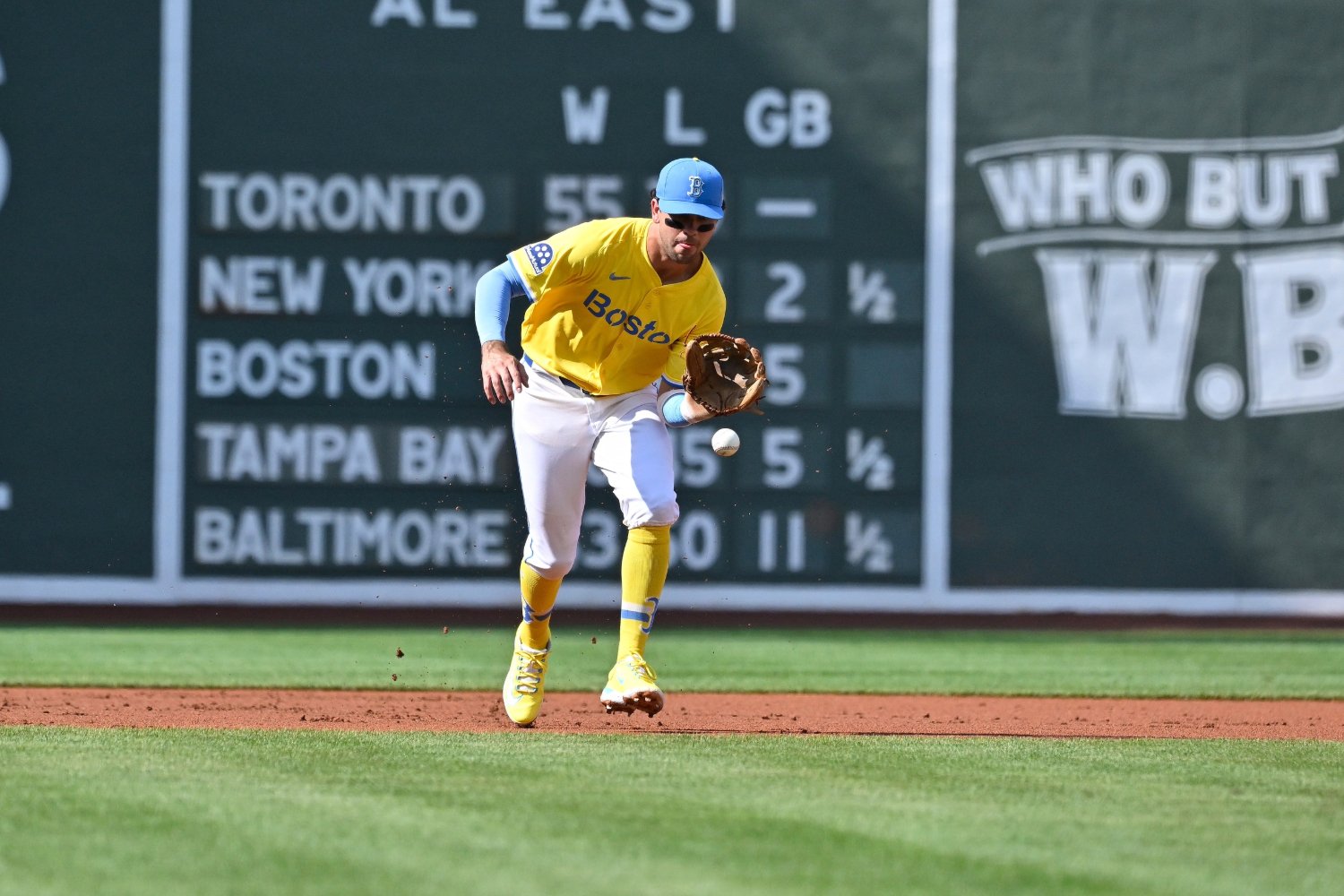 According to Matthew Crory on X, Marcelo Mayer’s sprained wrist is more serious than originally thought. He received an anti-inflammation injection in the wrist on Saturday, August 2 that will take up to three days to see if it works according to Alex Cora. He said that after those three days Mayer will start doing baseball activities and the team will see how he responds to those. Bob Nightengale of USA Today went a step further, saying that season-ending surgery is on the table for Mayer. Obviously, this is the worst case scenario as the Red Sox currently are in sole possession of the second AL Wild Card spot and only four games behind the AL East leading Toronto Blue Jays. Something to note is that Mayer sprained this same wrist in 2022. He didn’t require surgery at the time. We’ll have to keep an eye on the next few days for Mayer and see how he responds to the anti-inflammation injection as the Red Sox hope that he can be a contributor later this season.
 -
Examining Craig Breslow's Bizarre, Ugly Handling of a Robust Bullpen Market
Alex Mayes posted an article in Red Sox
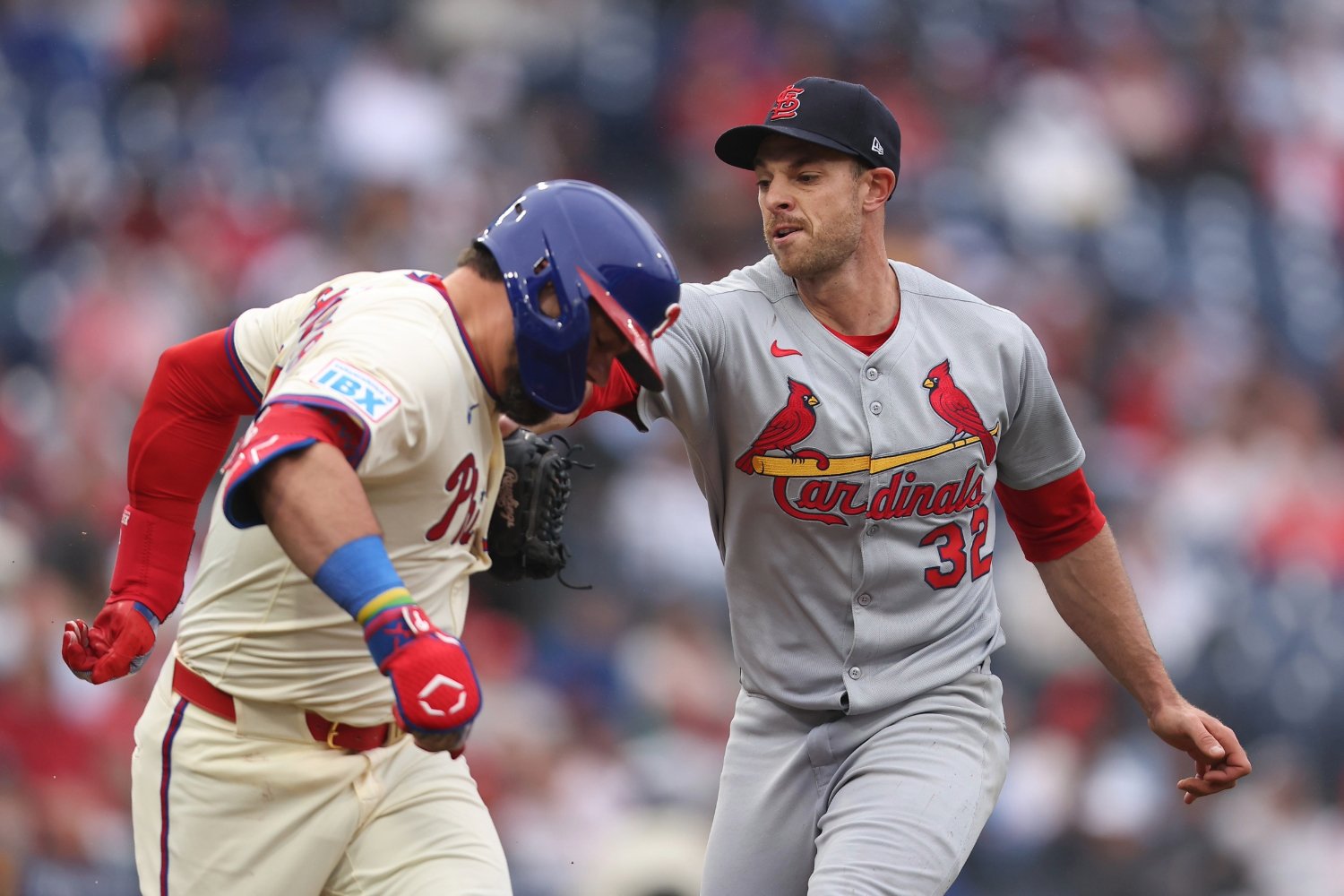 The trade deadline for the Boston Red Sox was filled with… meh. I’ll be the first to say that I like the Dustin May deal on the surface, especially if they re-sign him, but the Matz deal doesn’t do a ton for me seeing what else the Cardinals shipped out. Phil Maton would make more sense as a right-handed reliever, and if they were set on a left-handed reliever, then they should have paid a higher asking price for JoJo Romero. Take it one step further, and Ryan Helsley would have given the Red Sox an opportunity to make far bigger splashes in the trade market as other relievers would have become expendable. The issue here, though, is that Craig Breslow failed to capitalize on an incredibly favorable market for sellers. The Red Sox operated on the fringes of the trade market until a last minute push for Joe Ryan, which Ken Rosenthal called ‘feeble at best’, signaling that Breslow was unwilling to play in the deep-end of the trade pool. Look, that’s okay if that’s the lane you’ve fully committed the team to. But, of the front office didn’t believe that this team was worth actually investing in, then you needed to pick a different path. Why bring in a fifth left-handed reliever when you could have traded the ones you already have for pieces that could actually net you what you were looking for? I’ve been adamant that the Sox needed to move on from Aroldis Chapman at the deadline because of how rare it is for a reliever at his age to be this dominant. Then, the Phillies went crazy for Jhoan Duran and the Padres, in typical A.J. Preller fashion, lost their minds for Mason Miller. Once Helsley, Duran, and Miller were off the board, Breslow should have pivoted to Chapman and started a bidding war for teams that were in on all of those names. The Dodgers were in on Duran and likely would have paid more than Dustin May for Chapman had Breslow made him available. I’m not claiming that Chapman is on the same tier as Duran and Miller—he’s a rental and they are younger and have far more control— but it's clear the market would have ponied up big time for a guy with a 1.29 ERA and 19 saves. And, if you really believe that Chapman is too instrumental to this team' success to lose, then why not deal Justin Wilson, your other rental left-handed reliever? Why bring in a third rental southpaw reliever at all? That Matz trade truly felt like the team making a move for the sake of making a move, and if Blaze Jordan was the price for a rental reliever with a 3.44 ERA, imagine what Wilson and his 2.65 ERA (and far cheaper contract) could have pulled in on the open market. This truly just felt like a directionless trade deadline. Craig Breslow’s tenure with the Boston Red Sox has been marked by incredibly high moments (trading for and then extending Garrett Crochet and signing Alex Bregman), but also two less-than-lackluster trade deadlines. If Breslow wasn’t comfortable playing in the big pool of the trade market, then he had the assets to take advantage of a market that was wanting for more sellers. The other three contenders in the AL East all got better at the deadline, and the teams surrounding the Red Sox in the Wild Card race got better as well. The Red Sox mostly sat on their hands and hoped something would fall into their lap. Breslow seems to be most comfortable operating when he’s not up against a deadline and during the offseason, which is fine. But if he can’t navigate the trade deadline, he’s never going to be an effective President of Baseball Operations, especially for a large-market team like the Red Sox.
 -
The trade deadline for the Boston Red Sox was filled with… meh. I’ll be the first to say that I like the Dustin May deal on the surface, especially if they re-sign him, but the Matz deal doesn’t do a ton for me seeing what else the Cardinals shipped out. Phil Maton would make more sense as a right-handed reliever, and if they were set on a left-handed reliever, then they should have paid a higher asking price for JoJo Romero. Take it one step further, and Ryan Helsley would have given the Red Sox an opportunity to make far bigger splashes in the trade market as other relievers would have become expendable. The issue here, though, is that Craig Breslow failed to capitalize on an incredibly favorable market for sellers. The Red Sox operated on the fringes of the trade market until a last minute push for Joe Ryan, which Ken Rosenthal called ‘feeble at best’, signaling that Breslow was unwilling to play in the deep-end of the trade pool. Look, that’s okay if that’s the lane you’ve fully committed the team to. But, of the front office didn’t believe that this team was worth actually investing in, then you needed to pick a different path. Why bring in a fifth left-handed reliever when you could have traded the ones you already have for pieces that could actually net you what you were looking for? I’ve been adamant that the Sox needed to move on from Aroldis Chapman at the deadline because of how rare it is for a reliever at his age to be this dominant. Then, the Phillies went crazy for Jhoan Duran and the Padres, in typical A.J. Preller fashion, lost their minds for Mason Miller. Once Helsley, Duran, and Miller were off the board, Breslow should have pivoted to Chapman and started a bidding war for teams that were in on all of those names. The Dodgers were in on Duran and likely would have paid more than Dustin May for Chapman had Breslow made him available. I’m not claiming that Chapman is on the same tier as Duran and Miller—he’s a rental and they are younger and have far more control— but it's clear the market would have ponied up big time for a guy with a 1.29 ERA and 19 saves. And, if you really believe that Chapman is too instrumental to this team' success to lose, then why not deal Justin Wilson, your other rental left-handed reliever? Why bring in a third rental southpaw reliever at all? That Matz trade truly felt like the team making a move for the sake of making a move, and if Blaze Jordan was the price for a rental reliever with a 3.44 ERA, imagine what Wilson and his 2.65 ERA (and far cheaper contract) could have pulled in on the open market. This truly just felt like a directionless trade deadline. Craig Breslow’s tenure with the Boston Red Sox has been marked by incredibly high moments (trading for and then extending Garrett Crochet and signing Alex Bregman), but also two less-than-lackluster trade deadlines. If Breslow wasn’t comfortable playing in the big pool of the trade market, then he had the assets to take advantage of a market that was wanting for more sellers. The other three contenders in the AL East all got better at the deadline, and the teams surrounding the Red Sox in the Wild Card race got better as well. The Red Sox mostly sat on their hands and hoped something would fall into their lap. Breslow seems to be most comfortable operating when he’s not up against a deadline and during the offseason, which is fine. But if he can’t navigate the trade deadline, he’s never going to be an effective President of Baseball Operations, especially for a large-market team like the Red Sox. View full article
-
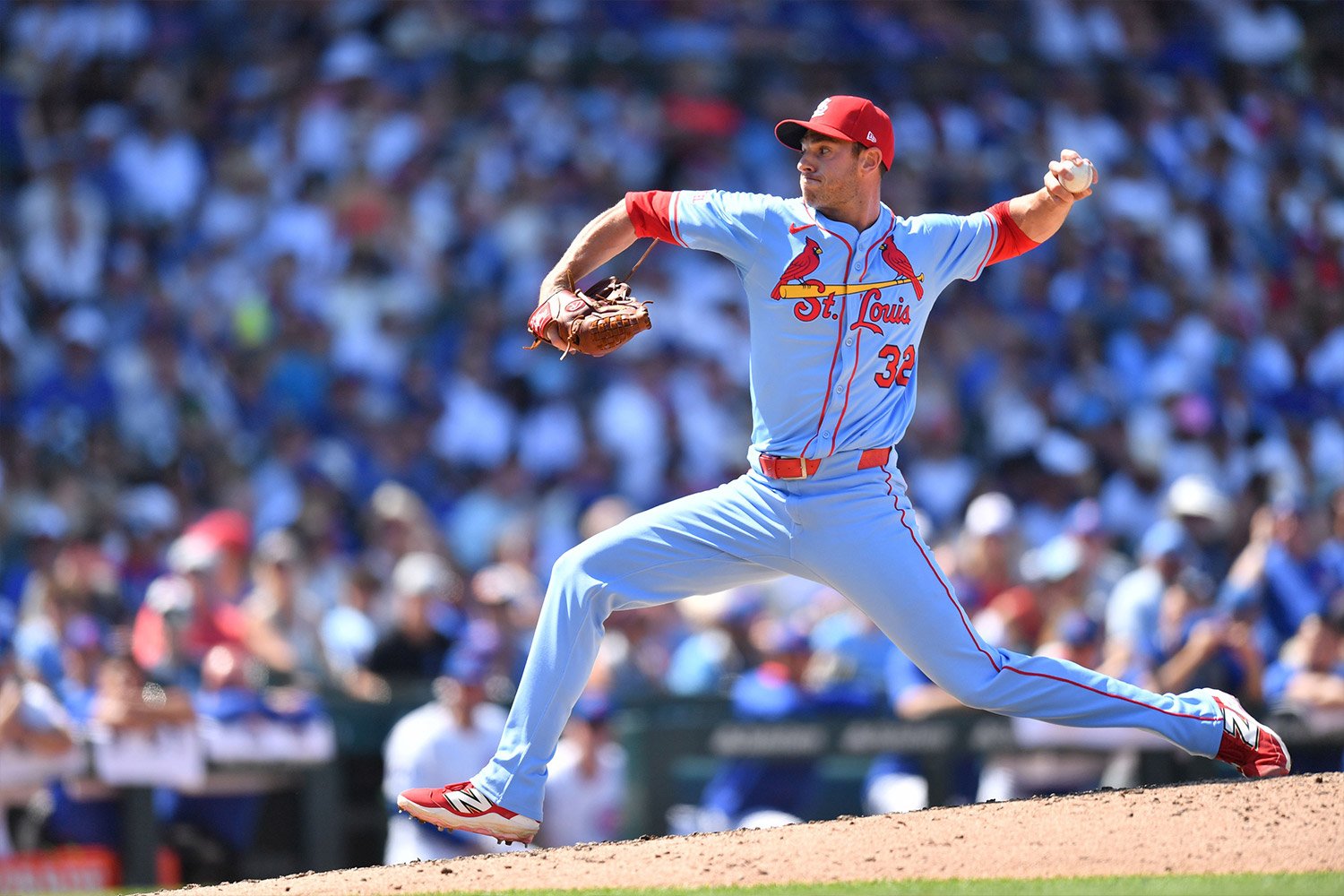 Late on Wednesday, July 30, the Red Sox traded prospect Blaze Jordan for LHP Steven Matz from the St. Louis Cardinals. Talk Sox’s Nick John was quick to get an overview of the deal. I’ve highlighted Matz a couple of times over recent weeks, but admittedly, it's hard to see the fit because he’s another left-handed reliever. After diving into some deeper numbers and splits, I’ve come around, and the deal for Matz helps to solidify the bullpen in a solid way. He follows what the Red Sox like for their pitchers to do; he induces groundballs and has nasty secondary offerings. A Look Under the Hood Matz currently has a 3.44 ERA with 47 strikeouts in 55 innings pitched. He’s worked as an opener twice this season and has notched a single save. His strikeout percentage is sitting at a solid 20.7% while his walk rate is an impressive flat 4%. That walk rate puts him in the top 2% of pitchers in baseball. His home runs per nine is the lowest it has been in his career at 0.65, and he has a career low in FIP at 2.87. To go along with his 44.3% ground ball rate, he’s getting hitters to make contact over the top of the ball at a 37.6% clip, which makes sense when you look at his pitch mix. He relies heavily on a sinker that averages 94.3 MPH. He then features a curve and changeup that average 79.4 MPH and 83.8 MPH, respectively. He has a slider that he keeps in his pocket, but rarely uses it, with just two percent on the season so far. That being said, Andrew Bailey loves a good slider, so if he believes that Matz can tap into something with it, then it may become more than just a fourth option pitch for him. A Converted Starter It’s no secret that Matz began his career as a starter with the Mets. He found success early in his career in this role, but floundered over the last couple of seasons after landing in St. Louis. To combat that, the Cardinals moved him to the bullpen in May of this year, and it seemed to unlock a new level for him. He’s already topped his strikeout numbers from last season, although that was an injury-shortened season for him. Looking at his last full season as a starter in 2023, we see that the numbers that matter are all down across the board for Matz. His average against is down a hair from .263 to .260, his slug against is down from .405 to .377, and his wOBA is down from .316 to .292. He’s found a role that serves his pitching style well in the bullpen and looks to continue that dominance in Boston. The Red Sox are expected to keep him in his bullpen role, but his starting history could have him begin some games as an opener to help keep the starting rotation fresh as we navigate the dog days of summer. LOOGY Potential Although Matz is a left-handed reliever, the Cardinals didn’t use him in a way that showcased his strengths. He’s thrown 24 innings against left-handed hitters and 30 2/3 innings against righties. He has faced more righties than lefties, 138 to 89, and has performed much better against lefties on the season. His slash line against hitters of different handedness shows that in Boston, he’s likely going to be seeing far more left-handed hitters than right-handed hitters. Lefties are slashing .179/.216/.226 with a .199 wOBA while righties are faring far better by slashing .313/.341/.473 with a .351 wOBA against him Against left-handed hitters, he uses his sinker 25.5% of the time and his curveball 10.7% of the time. He all but abandons his changeup and slider, using them 1.1% and 0.8% of the time, respectively. Against right-handed hitters, he uses his sinker 33.8% of the time, and his change-up becomes his secondary pitch at 16.9% of the time, while his curveball and slider see a 9.8% and 1.2% use rate. It seems logical, but making Matz a left-handed specialist is the path Boston is looking to take here. They already have left-handed help in the bullpen with Aroldis Chapman, Justin Wilson, Brennan Bernardino, and Chris Murphy already on the roster. Still, Matz should slot in before all of them except Chapman. I don’t expect the Red Sox to be done as the trade deadline is mere hours away, but adding Steven Matz is a great step in the right direction for the club. Only giving up Blaze Jordan, a prospect who was blocked at both positions and would surely be taken in the Rule 5 draft next year, is a steal for Craig Breslow. Matz adds a left-handed specialty that the bullpen needs, even if that means other relievers have to be moved to accommodate him.
 -
Late on Wednesday, July 30, the Red Sox traded prospect Blaze Jordan for LHP Steven Matz from the St. Louis Cardinals. Talk Sox’s Nick John was quick to get an overview of the deal. I’ve highlighted Matz a couple of times over recent weeks, but admittedly, it's hard to see the fit because he’s another left-handed reliever. After diving into some deeper numbers and splits, I’ve come around, and the deal for Matz helps to solidify the bullpen in a solid way. He follows what the Red Sox like for their pitchers to do; he induces groundballs and has nasty secondary offerings. A Look Under the Hood Matz currently has a 3.44 ERA with 47 strikeouts in 55 innings pitched. He’s worked as an opener twice this season and has notched a single save. His strikeout percentage is sitting at a solid 20.7% while his walk rate is an impressive flat 4%. That walk rate puts him in the top 2% of pitchers in baseball. His home runs per nine is the lowest it has been in his career at 0.65, and he has a career low in FIP at 2.87. To go along with his 44.3% ground ball rate, he’s getting hitters to make contact over the top of the ball at a 37.6% clip, which makes sense when you look at his pitch mix. He relies heavily on a sinker that averages 94.3 MPH. He then features a curve and changeup that average 79.4 MPH and 83.8 MPH, respectively. He has a slider that he keeps in his pocket, but rarely uses it, with just two percent on the season so far. That being said, Andrew Bailey loves a good slider, so if he believes that Matz can tap into something with it, then it may become more than just a fourth option pitch for him. A Converted Starter It’s no secret that Matz began his career as a starter with the Mets. He found success early in his career in this role, but floundered over the last couple of seasons after landing in St. Louis. To combat that, the Cardinals moved him to the bullpen in May of this year, and it seemed to unlock a new level for him. He’s already topped his strikeout numbers from last season, although that was an injury-shortened season for him. Looking at his last full season as a starter in 2023, we see that the numbers that matter are all down across the board for Matz. His average against is down a hair from .263 to .260, his slug against is down from .405 to .377, and his wOBA is down from .316 to .292. He’s found a role that serves his pitching style well in the bullpen and looks to continue that dominance in Boston. The Red Sox are expected to keep him in his bullpen role, but his starting history could have him begin some games as an opener to help keep the starting rotation fresh as we navigate the dog days of summer. LOOGY Potential Although Matz is a left-handed reliever, the Cardinals didn’t use him in a way that showcased his strengths. He’s thrown 24 innings against left-handed hitters and 30 2/3 innings against righties. He has faced more righties than lefties, 138 to 89, and has performed much better against lefties on the season. His slash line against hitters of different handedness shows that in Boston, he’s likely going to be seeing far more left-handed hitters than right-handed hitters. Lefties are slashing .179/.216/.226 with a .199 wOBA while righties are faring far better by slashing .313/.341/.473 with a .351 wOBA against him Against left-handed hitters, he uses his sinker 25.5% of the time and his curveball 10.7% of the time. He all but abandons his changeup and slider, using them 1.1% and 0.8% of the time, respectively. Against right-handed hitters, he uses his sinker 33.8% of the time, and his change-up becomes his secondary pitch at 16.9% of the time, while his curveball and slider see a 9.8% and 1.2% use rate. It seems logical, but making Matz a left-handed specialist is the path Boston is looking to take here. They already have left-handed help in the bullpen with Aroldis Chapman, Justin Wilson, Brennan Bernardino, and Chris Murphy already on the roster. Still, Matz should slot in before all of them except Chapman. I don’t expect the Red Sox to be done as the trade deadline is mere hours away, but adding Steven Matz is a great step in the right direction for the club. Only giving up Blaze Jordan, a prospect who was blocked at both positions and would surely be taken in the Rule 5 draft next year, is a steal for Craig Breslow. Matz adds a left-handed specialty that the bullpen needs, even if that means other relievers have to be moved to accommodate him. View full article
-
This is the biggest thing. You’re sitting on an absolute gold mine with Chapman. Trade him and recoup assets then get a closer who isn’t 37 and can actually hang around past this season.
-
The Red Sox look as though they are in a place to be buyers just days away from the trade deadline. With reports that Jarren Duran is now off the market, it may seem like Boston has no intention of dealing players from the big league roster. Not so! Below, we’re going to break down three major league contributors and the case for trading them, and some trade comps to see what a return could look like. While predicting trade packages is nearly impossible, knowing that this is very much a sellers market means that a return coming back to Boston would likely be even a bit more favorable than the recent examples. Aroldis Chapman, LHP Why He Should be Traded I figured I’d start with the most controversial name. The Red Sox don’t currently have an answer to replace Chapman in the bullpen, though Garrett Whitlock is making a strong case to be in that conversation. Regardless, that shouldn’t stop the front office from listening to offers on their lefty closer. Why? He’s 37 years old and on a one-year, $10.75 million deal. He’s had a career resurgence in Boston this season and that’s fantastic, but it would be foolish to expect this to continue past 2025. The Red Sox shouldn’t entertain locking him into a multi-year contract, so the smart move here is to trade him while the market is losing pitching targets left and right. The market for Chapman will never be hotter and the Red Sox need to capitalize on that. His 1.30 ERA over 41 2/3 innings is incredible, but as we saw when he exited the finale against the Dodgers with back tightness, things may be going in the other direction for Chapman. If that’s the case, holding onto him instead of selling incredibly high is the absolute worst thing the team can do. Recent Trade Comp - Aroldis Chapman in 2023 We don’t have to look far to have an easy trade comp for Chapman. Let’s wind the clock back just a few seasons to 2023, when the Kansas City Royals swapped Chapman to the Texas Rangers for Cole Ragans and Roni Cabrera. Ragans, who is currently injured, is the No. 2 starter for the Royals when he’s healthy. The Red Sox are rumored to be interested in a starter of that caliber, and if they want to actually land that at the deadline, Chapman could be at the center of that package. Trading Chapman would require the Sox to bring in another elite level closer at some point down the road, but this would be the right move in the long-term for the franchise. Walker Buehler, RHP Why He Should be Traded The eye test isn’t a thing Buehler will pass while he’s in Boston. His postseason success in 2024 likely gave the Red Sox confidence to bring him in and hope they could finish unlocking whatever needed to be figured out so he could be a solid major league contributor again. So far, that’s failed to happen. When Buehler is up for his turn through the rotation, there is very little confidence that the game isn’t going to get out of hand quickly. His 5.72 ERA has come down thanks to a handful of low-scoring outings lately, but his walk percentage is at 10.1% while his strikeout rate is just 17.6%. We know he’s not throwing gas anymore, but you expect him to be able to get more swings and misses. He’s just not doing that though. The value here, low though it may be, is present for a team that is looking for a back-end starter with postseason experience. Recent Trade Comp - Martin Perez in 2024 Last season, in an attempt to push themselves over the edge in a loaded NL West division, the Padres traded for LHP Martin Perez. In the deal, they sent LHP Ronaldys Jimenez to the Pirates. Jimenez was playing rookie ball in the Dominican Summer League when he was traded and is currently with the FCL Pirates with a 2-1 record and a 4.18 ERA. If Buehler is moved, a deal on the fringes of the organization is about all you could hope to get in return for him. This would be addition by subtraction more than anything, and only advisable if the Red Sox swing a deal for another starter. David Hamilton, UTIL Why He Should be Traded We all know that David Hamilton is on the team due to his versatility and ability to be a menace on the basepaths. Just look at when he came in as a pinch-runner in the top of the ninth against the Twins. He stole second and third to give the team a chance to score, which they did. His value lies in his speed, and the Red Sox have enough speed to be able to make Hamilton available in the right deal. He’s slashing just .179/.229/.276, and while he plays a passable second base, he’s not needed once Marcelo Mayer returns from his wrist injury. He’s still relatively young, only 27, and won’t reach free agency until 2030. While there’s not a ton of meat on the bone here, a team looking for a late-inning spark on its bench could do far worse than Hamilton. Recent Trade Comp - Tommy Edman in 2024 While not a perfect comp, the trade of Edman from the Cardinals to the Dodgers is the closest I think we can get here. Edman was part of a three-team dea,l so that complicates things a bit, but the Cardinals received cash back for Edman. As part of that trade, they also received recently-traded starter Erick Fedde and journeyman Tommy Pham. We already know that the Yankees are interested in Hamilton, so that should indicate that other teams may be sniffing around him as well. If the Sox are willing to listen on Hamilton, then a deal for him straight up likely won’t net much in return. If he’s part of a larger package, or another multi-team swap, then Boston could easily come out on top in that trade. View full article
-
Even if the Red Sox are Buyers, These Players Could be on the Move
Alex Mayes posted an article in Red Sox
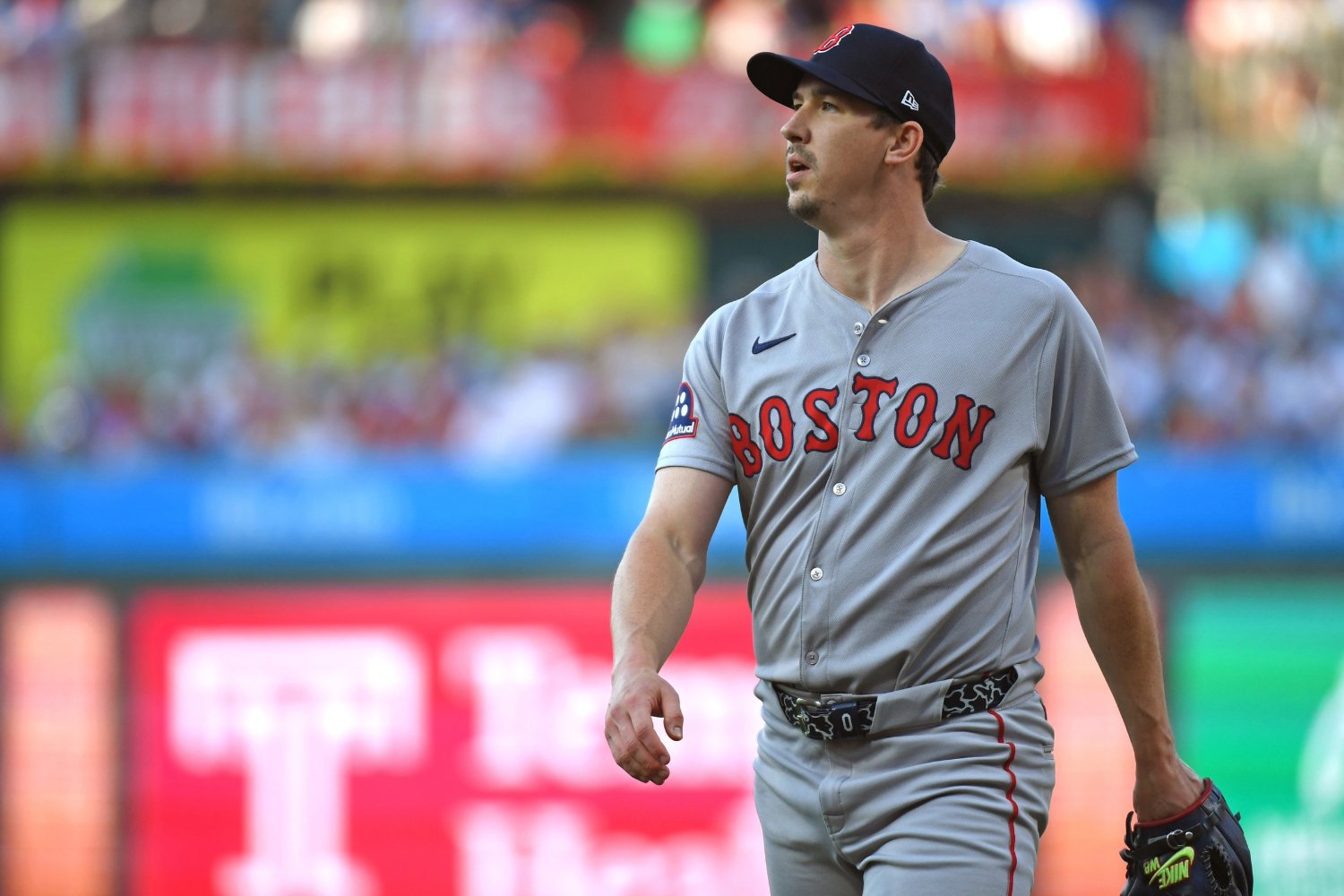 The Red Sox look as though they are in a place to be buyers just days away from the trade deadline. With reports that Jarren Duran is now off the market, it may seem like Boston has no intention of dealing players from the big league roster. Not so! Below, we’re going to break down three major league contributors and the case for trading them, and some trade comps to see what a return could look like. While predicting trade packages is nearly impossible, knowing that this is very much a sellers market means that a return coming back to Boston would likely be even a bit more favorable than the recent examples. Aroldis Chapman, LHP Why He Should be Traded I figured I’d start with the most controversial name. The Red Sox don’t currently have an answer to replace Chapman in the bullpen, though Garrett Whitlock is making a strong case to be in that conversation. Regardless, that shouldn’t stop the front office from listening to offers on their lefty closer. Why? He’s 37 years old and on a one-year, $10.75 million deal. He’s had a career resurgence in Boston this season and that’s fantastic, but it would be foolish to expect this to continue past 2025. The Red Sox shouldn’t entertain locking him into a multi-year contract, so the smart move here is to trade him while the market is losing pitching targets left and right. The market for Chapman will never be hotter and the Red Sox need to capitalize on that. His 1.30 ERA over 41 2/3 innings is incredible, but as we saw when he exited the finale against the Dodgers with back tightness, things may be going in the other direction for Chapman. If that’s the case, holding onto him instead of selling incredibly high is the absolute worst thing the team can do. Recent Trade Comp - Aroldis Chapman in 2023 We don’t have to look far to have an easy trade comp for Chapman. Let’s wind the clock back just a few seasons to 2023, when the Kansas City Royals swapped Chapman to the Texas Rangers for Cole Ragans and Roni Cabrera. Ragans, who is currently injured, is the No. 2 starter for the Royals when he’s healthy. The Red Sox are rumored to be interested in a starter of that caliber, and if they want to actually land that at the deadline, Chapman could be at the center of that package. Trading Chapman would require the Sox to bring in another elite level closer at some point down the road, but this would be the right move in the long-term for the franchise. Walker Buehler, RHP Why He Should be Traded The eye test isn’t a thing Buehler will pass while he’s in Boston. His postseason success in 2024 likely gave the Red Sox confidence to bring him in and hope they could finish unlocking whatever needed to be figured out so he could be a solid major league contributor again. So far, that’s failed to happen. When Buehler is up for his turn through the rotation, there is very little confidence that the game isn’t going to get out of hand quickly. His 5.72 ERA has come down thanks to a handful of low-scoring outings lately, but his walk percentage is at 10.1% while his strikeout rate is just 17.6%. We know he’s not throwing gas anymore, but you expect him to be able to get more swings and misses. He’s just not doing that though. The value here, low though it may be, is present for a team that is looking for a back-end starter with postseason experience. Recent Trade Comp - Martin Perez in 2024 Last season, in an attempt to push themselves over the edge in a loaded NL West division, the Padres traded for LHP Martin Perez. In the deal, they sent LHP Ronaldys Jimenez to the Pirates. Jimenez was playing rookie ball in the Dominican Summer League when he was traded and is currently with the FCL Pirates with a 2-1 record and a 4.18 ERA. If Buehler is moved, a deal on the fringes of the organization is about all you could hope to get in return for him. This would be addition by subtraction more than anything, and only advisable if the Red Sox swing a deal for another starter. David Hamilton, UTIL Why He Should be Traded We all know that David Hamilton is on the team due to his versatility and ability to be a menace on the basepaths. Just look at when he came in as a pinch-runner in the top of the ninth against the Twins. He stole second and third to give the team a chance to score, which they did. His value lies in his speed, and the Red Sox have enough speed to be able to make Hamilton available in the right deal. He’s slashing just .179/.229/.276, and while he plays a passable second base, he’s not needed once Marcelo Mayer returns from his wrist injury. He’s still relatively young, only 27, and won’t reach free agency until 2030. While there’s not a ton of meat on the bone here, a team looking for a late-inning spark on its bench could do far worse than Hamilton. Recent Trade Comp - Tommy Edman in 2024 While not a perfect comp, the trade of Edman from the Cardinals to the Dodgers is the closest I think we can get here. Edman was part of a three-team dea,l so that complicates things a bit, but the Cardinals received cash back for Edman. As part of that trade, they also received recently-traded starter Erick Fedde and journeyman Tommy Pham. We already know that the Yankees are interested in Hamilton, so that should indicate that other teams may be sniffing around him as well. If the Sox are willing to listen on Hamilton, then a deal for him straight up likely won’t net much in return. If he’s part of a larger package, or another multi-team swap, then Boston could easily come out on top in that trade.
 -
The Cardinals Are the Best Trade Partner for the Red Sox's Bullpen Needs
Alex Mayes posted an article in Red Sox
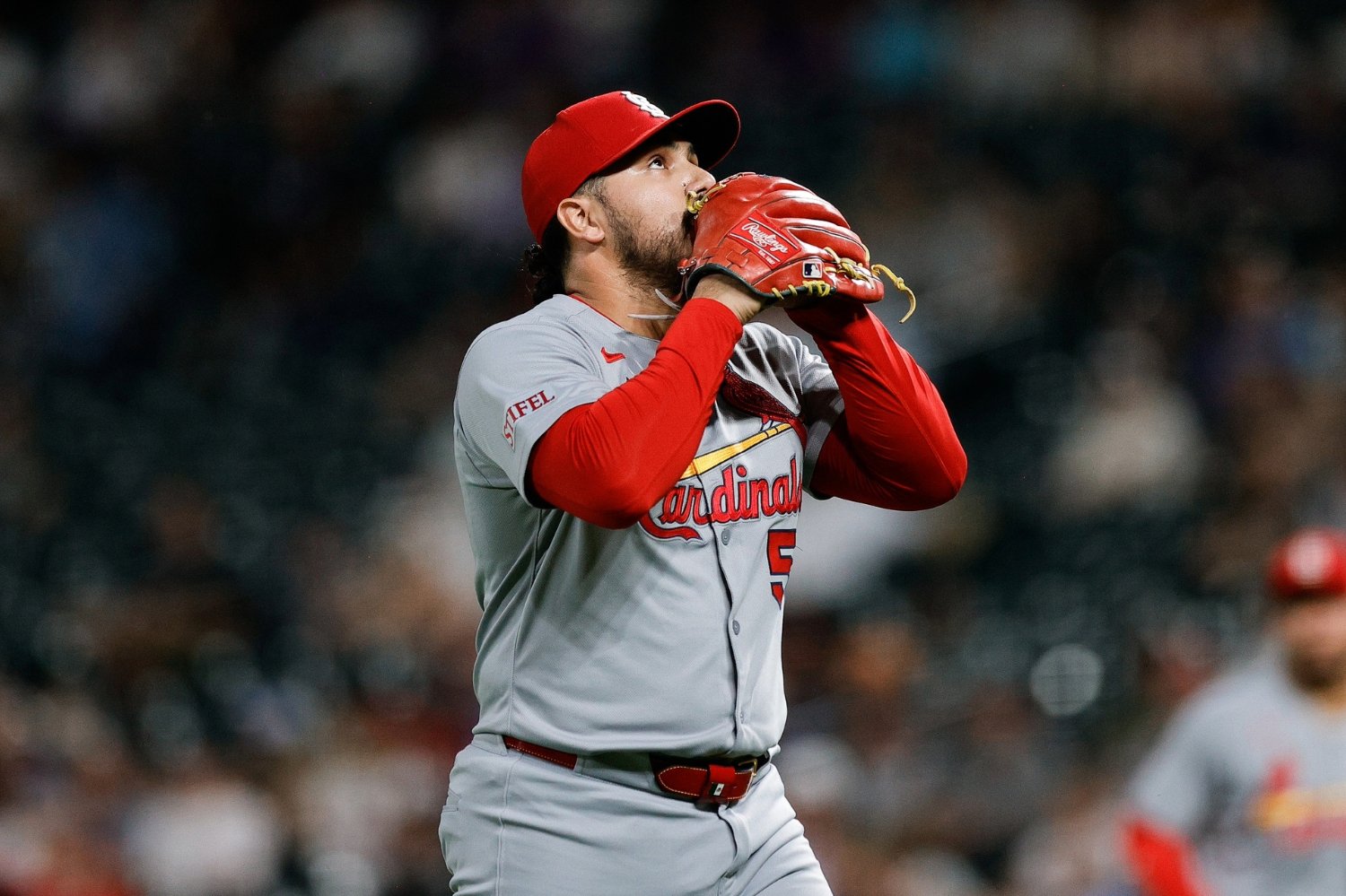 As the trade deadline draws near, the Boston Red Sox still have a few holes they need to plug before declaring themselves a legitimate playoff-caliber team. There have been a few teams around the league that have signaled that they are open for business, hoping to take advantage of a sellers market. The St. Louis Cardinals are one of those teams, per The Athletic’s Katie Woo, who specifically mentions a handful of Red Bird relievers that could be dealt over the next few days. As luck would have it, the Red Sox have a pressing need for bullpen arms. The Cardinals have a plethora of relievers that should be of interest to the Red Sox. The Cardinals have underperformed for most of the season, but their bullpen has been fairly consistent when called upon. We’ve highlighted a couple of their arms here at Talk Sox over the last few weeks, so instead of writing individual pieces over each one, I decided to put together an overview for those who may not be as familiar with the available options. Many of their arms are on expiring contracts. Ryan Helsley, RHP We’ve covered Helsley quite a bit over the last few weeks, so I won’t spend a ton of time here, but adding him to the bullpen would solidify the backend more than most other relievers on the market. If the team decided to give Aroldis Chapman some more days off — and after his back tightness on July 27, that should be in consideration — Helsley would be able to come in and close the door just as well. Should the team entertain trading Chapman, then Helsley would be the closer for the remainder of the season, and he should be locked into a long-term deal to remain the closer in Boston for the foreseeable future. He’s on an expiring contract and would only be owed a fraction of his $8.2 million salary. He also has one of the coolest entrances in the game and it would be even better at Fenway. Phil Maton, RHP Maton is a bit of a journeyman reliever, playing for five teams since he debuted in 2017. He works with a four pitch mix: a curve, cutter, sweeper, and sinker. He features his curve and cutter more than the other two offerings. So far in 2025, he’s sitting on a 2.35 ERA with 48 strikeouts over 38.1 innings pitched. Where he’s shined this season is in his strikeout rate, 30.4%. He isn’t a ‘blow you away’ type of pitcher, but he gets swing and miss with each of his pitches. His exit velocity is in the 99th percentile of MLB relievers, and his expected stats all range in the top four percent as well. He’s notched 20 holds on the season, so he can slot in as an eighth inning set-up man to give the closer a clean inning before they have to enter the game. He’s proven to be incredibly dependable this season and would allow some of the Red Sox’s relievers to slide down in the pecking order, giving them fewer high-leverage situations to sweat out. Maton will become a free agent at the end of the season. Steven Matz, LHP Like Helsley above, Matz has been covered here on Talk Sox a bit in recent weeks. The biggest flaw with Matz is that he’s left-handed and the Red Sox currently already have three southpaws in their bullpen. There likely isn’t room for another one, especially one on an expiring contract. If there’s belief within the system that Matz could be converted back into a starter, then he could be worth a look, but that kind of transition may be better suited for the offseason, rather the middle of a successful campaign. Matz is hanging onto a 3.23 ERA currently and has posted 46 strikeouts over 53 innings pitched. Like Helsely and Maton above, Matz will be a free agent at the end of the season. JoJo Romero, LHP Like Matz above, Romero is a left-handed reliever. The difference here though, is that Romero is still under team control for two more seasons. He operates as a set-up man for the Red Birds and brings an energy to the mound that is hard to match. No matter the situation, Romero is pumped to get outs. He comes off the mound screaming after strikeouts and struts around with the swagger of someone who belongs on a contending team. He’s currently sporting a 2.12 ERA with 34 strikeouts over 34 innings pitched. He’s a slider-first pitcher with a sinker, changeup, and four-seamer in his back pocket. His expected stats all rank in the top seven percent of MLB relievers, a stark improvement over last year. He sports a 24.1% strikeout rate to go along with a 52.9% groundball percentage. With the recently-improved defense of the infield, Romero could make a huge impact coming out of the 'pen. Acquiring him would likely mean some roster manipulation with Justin Wilson or Brennan Bernardino (or a trade of Chapman), but Romero could be a long-term improvement over the current crop of relievers. The St. Louis Cardinals have four impact arms that the Red Sox should at least kick the tires on as the trade deadline approaches. While Matz isn’t a perfect fit for the bullpen, the other three all could become high-leverage arms in Boston. The Red Sox are just a couple of trades away from being legitimate contenders as October draws near, and this trade deadline could set them up in the bullpen for years to come.
 -
As the trade deadline draws near, the Boston Red Sox still have a few holes they need to plug before declaring themselves a legitimate playoff-caliber team. There have been a few teams around the league that have signaled that they are open for business, hoping to take advantage of a sellers market. The St. Louis Cardinals are one of those teams, per The Athletic’s Katie Woo, who specifically mentions a handful of Red Bird relievers that could be dealt over the next few days. As luck would have it, the Red Sox have a pressing need for bullpen arms. The Cardinals have a plethora of relievers that should be of interest to the Red Sox. The Cardinals have underperformed for most of the season, but their bullpen has been fairly consistent when called upon. We’ve highlighted a couple of their arms here at Talk Sox over the last few weeks, so instead of writing individual pieces over each one, I decided to put together an overview for those who may not be as familiar with the available options. Many of their arms are on expiring contracts. Ryan Helsley, RHP We’ve covered Helsley quite a bit over the last few weeks, so I won’t spend a ton of time here, but adding him to the bullpen would solidify the backend more than most other relievers on the market. If the team decided to give Aroldis Chapman some more days off — and after his back tightness on July 27, that should be in consideration — Helsley would be able to come in and close the door just as well. Should the team entertain trading Chapman, then Helsley would be the closer for the remainder of the season, and he should be locked into a long-term deal to remain the closer in Boston for the foreseeable future. He’s on an expiring contract and would only be owed a fraction of his $8.2 million salary. He also has one of the coolest entrances in the game and it would be even better at Fenway. Phil Maton, RHP Maton is a bit of a journeyman reliever, playing for five teams since he debuted in 2017. He works with a four pitch mix: a curve, cutter, sweeper, and sinker. He features his curve and cutter more than the other two offerings. So far in 2025, he’s sitting on a 2.35 ERA with 48 strikeouts over 38.1 innings pitched. Where he’s shined this season is in his strikeout rate, 30.4%. He isn’t a ‘blow you away’ type of pitcher, but he gets swing and miss with each of his pitches. His exit velocity is in the 99th percentile of MLB relievers, and his expected stats all range in the top four percent as well. He’s notched 20 holds on the season, so he can slot in as an eighth inning set-up man to give the closer a clean inning before they have to enter the game. He’s proven to be incredibly dependable this season and would allow some of the Red Sox’s relievers to slide down in the pecking order, giving them fewer high-leverage situations to sweat out. Maton will become a free agent at the end of the season. Steven Matz, LHP Like Helsley above, Matz has been covered here on Talk Sox a bit in recent weeks. The biggest flaw with Matz is that he’s left-handed and the Red Sox currently already have three southpaws in their bullpen. There likely isn’t room for another one, especially one on an expiring contract. If there’s belief within the system that Matz could be converted back into a starter, then he could be worth a look, but that kind of transition may be better suited for the offseason, rather the middle of a successful campaign. Matz is hanging onto a 3.23 ERA currently and has posted 46 strikeouts over 53 innings pitched. Like Helsely and Maton above, Matz will be a free agent at the end of the season. JoJo Romero, LHP Like Matz above, Romero is a left-handed reliever. The difference here though, is that Romero is still under team control for two more seasons. He operates as a set-up man for the Red Birds and brings an energy to the mound that is hard to match. No matter the situation, Romero is pumped to get outs. He comes off the mound screaming after strikeouts and struts around with the swagger of someone who belongs on a contending team. He’s currently sporting a 2.12 ERA with 34 strikeouts over 34 innings pitched. He’s a slider-first pitcher with a sinker, changeup, and four-seamer in his back pocket. His expected stats all rank in the top seven percent of MLB relievers, a stark improvement over last year. He sports a 24.1% strikeout rate to go along with a 52.9% groundball percentage. With the recently-improved defense of the infield, Romero could make a huge impact coming out of the 'pen. Acquiring him would likely mean some roster manipulation with Justin Wilson or Brennan Bernardino (or a trade of Chapman), but Romero could be a long-term improvement over the current crop of relievers. The St. Louis Cardinals have four impact arms that the Red Sox should at least kick the tires on as the trade deadline approaches. While Matz isn’t a perfect fit for the bullpen, the other three all could become high-leverage arms in Boston. The Red Sox are just a couple of trades away from being legitimate contenders as October draws near, and this trade deadline could set them up in the bullpen for years to come. View full article
-
If The Red Sox Are Buyers, These Relievers Could Carry Them Into October
Alex Mayes posted an article in Red Sox
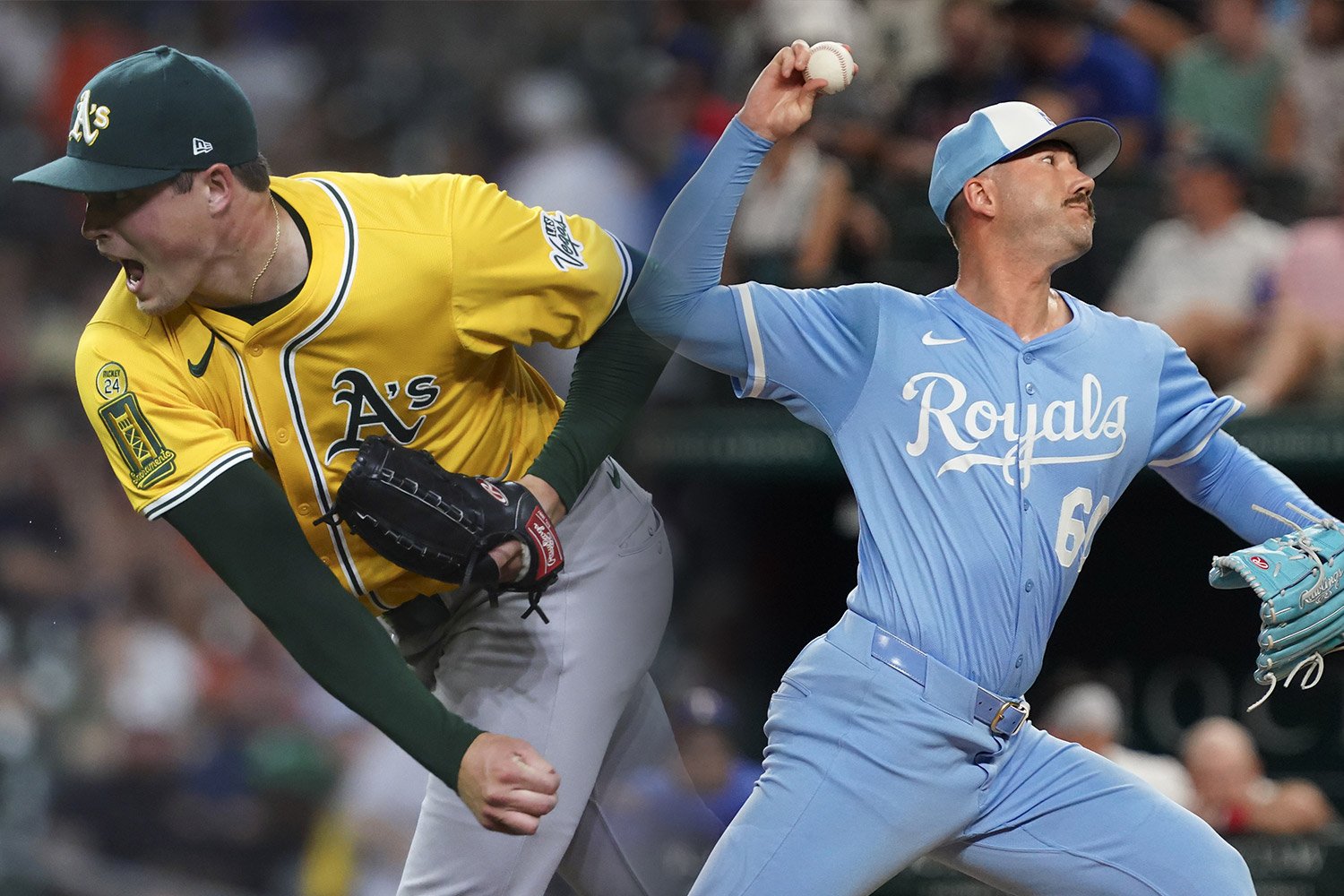 The Red Sox are entering the second half of the season looking like a legitimate playoff team. One thing that has hindered the team this season, though, is an overtaxed bullpen. Coming out of the All-Star break, the bullpen has thrown 358 innings, the 11th most in MLB. They have an ERA of 3.44, FIP of 3.50, and a WAR of 4.5. Though they may be overtaxed, the bullpen has been one of the better units in the game. That doesn’t mean that they can’t use some reinforcements, though, especially if the team is still considering trading closer Aroldis Chapman. Let’s take a look at some potential reliever options for the Red Sox. The White Whale Mason Miller, RHP I’m getting this one out of the way first because it’s going to cost a ton to land someone like Miller, even if he’s having a down season. He currently sports a 4.04 ERA with 57 strikeouts and 19 saves over 35 2/3 innings. In play with Miller, there is still considerable belief around the league that he can be converted back into a starter. If the Red Sox were to trade Chapman, they’d have a massive hole at the back end of the bullpen to fill and Mason Miller could slot in perfectly. Then, if Andrew Bailey and company think he can be converted into a starter, it adds another potential elite arm into the rotation. It could be a pipe dream, and it likely is, but the A’s are primed to be big-time sellers, and there is no bigger prize available on that team than Mason Miller. Big Splashes Ryan Helsley, RHP Nick John has already written an excellent piece about how trading for Helsley could transform the bullpen, and he’s 100% correct. He’s currently sitting with a 3.27 ERA over 33 innings with 36 strikeouts and 19 saves. The biggest thing about Helsley is he’s a rental and won’t be cheap to add. If the Sox were to swing a trade for him, you’d likely see him work in tandem with Chapman depending on how the opposing lineup was set to stack up in the ninth. While he’s a rental, he’s far younger than Chapman and would be an excellent candidate to sign to an extension after acquiring him. That would allow the team to either trade Chapman while his value is incredibly high, or let him walk in the offseason while Helsley slides into the full-time closer role. Lucas Erceg, RHP The Royals and Red Sox have been trade partners a few times in recent years, so Craig Breslow may want to give the Royals a call and see what it would take to acquire Erceg. Like Miller above, Erceg is young and would be expensive, but he would be well worth the cost. He currently sits at a 2.15 ERA, 31 strikeouts, and a 3.16 FIP over 37 2/3 innings pitched. He’s a slider-first reliever with a four-seam fastball that tops out at 98 MPH, and his four-pitch mix means he keeps hitters on their toes. He boasts a 21.2% strikeout rate, complemented by a 6.8% walk rate and 58.4% groundball rate. Now that Alex Bregman has returned to the lineup and Marcelo Mayer has shifted over to second base, the defense surrounding the pitcher has taken a significant step forward, so Erceg would feel comfortable each time he steps to the mound. Cade Smith, RHP The Guardians are notoriously difficult to trade with, but that doesn’t mean that Breslow shouldn’t kick the tires on Smith. He’s the same age as Miller above, but without the All-Star pedigree or the saves to his name. He works best as a set-up man and would allow relievers already in the Sox’s bullpen to be moved around and play based on whatever the matchups dictate. He currently has a 3.07 ERA with a 2.06 FIP and 61 strikeouts over 41 innings pitched. Bringing in Smith would allow the Red Sox to ease Justin Slaten back into the pen as he returns to health, give Greg Weissert some lower-leverage innings along with some much-needed rest, and shift guys like Brennan Bernardino into lower-leverage roles as well. If the Guardians are willing to make Smith available, the Red Sox should be at the front of the line to acquire his services. Griffin Jax, RHP Jax isn’t the pitcher from the Twins that most Red Sox fans have been salivating over since the All-Star break began, but adding him to the bullpen could be almost as beneficial. He’s sitting on a 3.92 ERA with 66 strikeouts and a 1.87 FIP over 66 innings pitched. Like Smith and Erceg above, he would slot in as an everyday set-up arm for the closer. He’s a sweeper-first pitcher with a power change-up and three fastball offerings. His strikeout percentage, 37.9%, is the second highest in MLB; while his ERA is approaching four on the season, his xERA is sitting at 2.98, indicating that he has been unlucky at times throughout the season, and his 2.04 FIP is tenth-best in baseball for relievers with 20 or more innings pitched. Having his sweeper and power change-up in the eighth inning, then seeing Chapman come out for the ninth would surely give opposing hitters pause for concern. Adding an arm like Jax would be a bit more cost-effective than the names above, and could produce similar value. Not So Splashy but Effective Steven Matz, LHP Matz has found his way into the bullpen for the Cardinals this season, and it has given him a place to shine. He’s holding a 3.35 ERA, with 45 strikeouts and a 2.93 WHIP over 51 innings. The caveat here is that the Red Sox already have three left-handed pitchers in their bullpen, and adding one seems unlikely. That being said, Matz is in the final year of his four-year, $44 million contract, so the Sox wouldn’t have to give up a ton to land him. His strikeout rate is sitting at 21.4% and his walk rate is at 4.3%. He’s been reliable out of the pen for the Red Birds. If a deal is made with St. Louis, you’d like it to be for Helsley above. However, if the team is looking to make more fringe-type additions, then an arm like Matz could be a smart play if the team believes carrying four left-handed relievers is a good idea. Emilio Pagan, RHP Ever the journeyman, Pagan has shone this year. He’s sitting on an impressive 2.93 ERA with 50 strikeouts and a 3.91 FIP over 40 innings pitched. Thirty-four years old and in the final year of a two-year, $16 million contract, so he’d likely be even cheaper than Matz. The Reds are still flirting with the third Wild Card spot in the National League, but have the potential to slide before the deadline at the end of July. Pagan would offer veteran experience and can slot into multiple roles in the bullpen for the Red Sox. He’s far from the flashiest move here, but adding a reliever with Pagan’s stats this season could be a secondary type of move that would fully push the Red Sox into the postseason conversation. These are just a few names, and one wish, that the Red Sox could look to bring in to help an overworked bullpen as the trade deadline draws near. A team with championship aspirations can never have too much help in the bullpen, just ask the Dodgers. Who do you think the Sox should bring in to help bolster the bullpen? Sound off in the comments below!