


Alex Mayes
-
Posts
814 -
Joined
-
Last visited
Content Type
Profiles
Boston Red Sox Videos
2026 Boston Red Sox Top Prospects Ranking
Boston Red Sox Free Agent & Trade Rumors, Notes, & Tidbits
Guides & Resources
2025 Boston Red Sox Draft Pick Tracker
News
2026 Boston Red Sox Draft Tracker: Picks & Bonuses
Forums
Blogs
Events
Store
Downloads
Gallery
Everything posted by Alex Mayes
-
I had this same thought. Sit down with him, agree to terms, and trade him because he wants to win. Is. Then he opts out and comes back on a long term deal. I just don’t think the front office is savvy enough to actually pull it off. Maybe if they let Theo and only Theo handle the conversation.
-
Connor Wong's Offensive Woes and How to Replace His Roster Spot
Alex Mayes posted an article in Red Sox
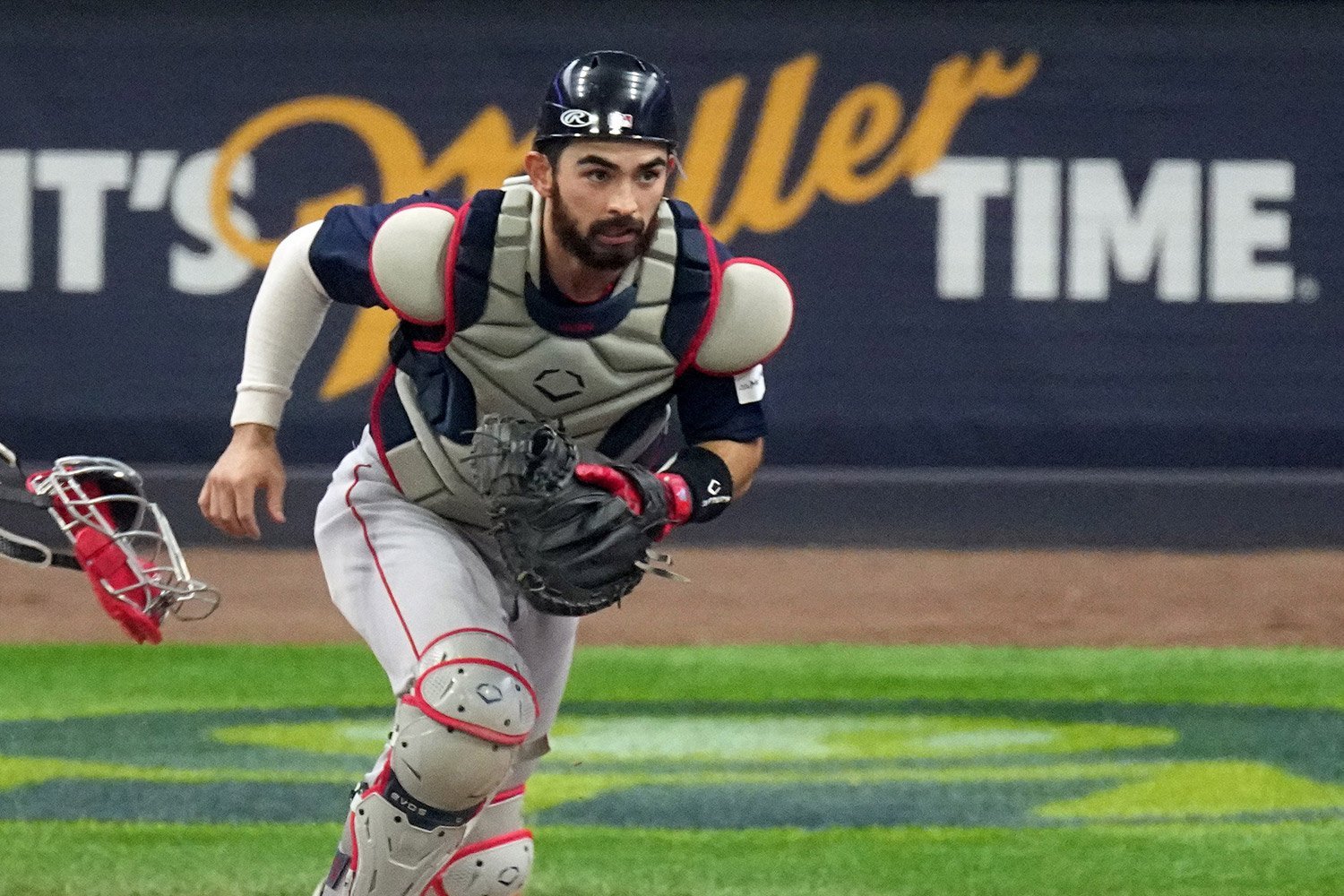 Connor Wong is having the worst season of his career, by a lot. He’s an offensive blackhole and he lost his starting spot after fracturing his pinky on a catcher’s interference call early in the season. He’s been usurped by a rookie who likely will make the All-Star team and should be in the running for the AL Rookie of the Year award. Things couldn’t have possibly gone worse for Wong this season, who was looking to rebound from a down second half in 2024. He adapted his catching approach to become a better defensive catcher, upgrading both his framing abilities and his ability to throw out runners on stolen base attempts. And, in both respects, he has improved — he’s in the 72nd percentile in caught stealing above average and the 75th percentile in framing. Both of those numbers are drastic improvements from last season where he was in the 66th percentile for caught stealing above average and the ninth percentile for framing. What’s concerning, though, his his almost historical offensive downturn. So far in 2025, Wong is slashing .157/.259/.157. He currently only has one RBI on the season and that didn’t happen until June 23. His strikeout total doubles his walk total (18 Ks to nine walks), a 20 wRC+, and -0.1 WAR. He has been given 81 plate appearances this year, rewarding the Red Sox with just 11 singles. That’s it. No doubles, no triples, no home runs. Eleven singles. When he’s in the lineup, he’s an automatic out more than anyone else in the lineup. He’s tied for first on the team for grounding into double plays with five. The player he’s tied with is his rookie replacement Carlos Narvaez, but you should be able to excuse some of that for a rookie. Wong has been in the league since 2021. He should understand how to play big league ball at this point. Since he’s at less than 100 plate appearances, he’s not a qualified hitter on the team, but if you look at his Baseball Savant MLB Percentile Rankings, they tell a terrible story. He’s ice cold in every offensive facet of the game, except walks. He’s chasing over 30% of the time, rarely barreling balls, and his average exit velocity means hardly anything gets out of the infield. His at-bats are hard to watch, but it’s harder to watch his reactions after he makes an out. He has been seen slamming his helmet and looking more and more frustrated with each out. That’s understandable. While he’s never lit the league on fire, he’s been an okay offensive catcher who needed to grow on the defensive side of the ball to stake his claim to the starting position. He’s finally figured things out on defense, but his offense has taken a huge hit. That begs the question, what should the Red Sox do with the backup catcher position? There’s a few options on the table to rectify the situation. The first, and easiest, is to keep Wong rostered and cross your fingers that he figures it out at some point this season. Though it's the easiest, this is the worst option on the table. He's simply not going to be the "catcher of the future", and his profile has too many holes on both sides of the ball to fix with just more repetitions. The next option would be to send Wong to Triple-A Worcester to get starting reps behind the dish in hopes that fixes his offensive issues. The issue here is there is no other catcher on the 40-man roster at the moment, so the Red Sox would either have to add someone like Blake Sabol back to the 40-man and call him up, which is far from ideal, or trade for a backup catcher. Which brings us to option number three, and the option I think the Red Sox are looking the most at. It makes the most sense for the Red Sox to trade for a veteran catcher that can slot into the back up role and then designate Wong for assignment. The Red Sox were interested in bringing in Sean Murphy in a deal for Rafael Devers, and they should revisit that conversation for Murphy straight up. The Braves are dealing with injuries that are likely going to keep them out of contention in the National League this season, and Murphy is an aging catcher who is beginning his own offensive downturn. That being said, he’s still a catcher who could split time with Narvaez behind the dish and you’d be confident he could contribute in some way, especially as a mentor to the rookie backstop. If the goal for the Red Sox is to make a postseason push, bringing in a veteran like Murphy is the clear path forward. Wong isn’t going to fix his problems this year and likely won’t be on the roster come 2026 at this rate. Narvaez has been incredible this season, but he’s going to become worn out as the season drags on. While this shouldn’t impact his defensive abilities, it would mean his offense would take a huge hit. Bringing in a veteran like Murphy to platoon the catcher role a bit makes perfect sense. The Red Sox could follow the plan the Mariners are currently using for Cal Raleigh. When he needs a break from catching, he’s slotted in at DH. Narvaez could do the same on the days that Murphy — or really, any veteran catcher on the market — is behind the dish. It’s unfortunate that Wong's development has come to this, especially considering the trade that brought him to Boston, but we’re here and it’s time to upgrade his position. It won’t be difficult — not many backup catchers are playing worse baseball than Wong is — so any deal to bring in a strong glove and even semi-competent bat would be a net positive. If the front office truly believes that they can compete this year, a trade for someone like Murphy or a catcher of a similar ilk would go a long way toward proving that.
 -
Connor Wong is having the worst season of his career, by a lot. He’s an offensive blackhole and he lost his starting spot after fracturing his pinky on a catcher’s interference call early in the season. He’s been usurped by a rookie who likely will make the All-Star team and should be in the running for the AL Rookie of the Year award. Things couldn’t have possibly gone worse for Wong this season, who was looking to rebound from a down second half in 2024. He adapted his catching approach to become a better defensive catcher, upgrading both his framing abilities and his ability to throw out runners on stolen base attempts. And, in both respects, he has improved — he’s in the 72nd percentile in caught stealing above average and the 75th percentile in framing. Both of those numbers are drastic improvements from last season where he was in the 66th percentile for caught stealing above average and the ninth percentile for framing. What’s concerning, though, his his almost historical offensive downturn. So far in 2025, Wong is slashing .157/.259/.157. He currently only has one RBI on the season and that didn’t happen until June 23. His strikeout total doubles his walk total (18 Ks to nine walks), a 20 wRC+, and -0.1 WAR. He has been given 81 plate appearances this year, rewarding the Red Sox with just 11 singles. That’s it. No doubles, no triples, no home runs. Eleven singles. When he’s in the lineup, he’s an automatic out more than anyone else in the lineup. He’s tied for first on the team for grounding into double plays with five. The player he’s tied with is his rookie replacement Carlos Narvaez, but you should be able to excuse some of that for a rookie. Wong has been in the league since 2021. He should understand how to play big league ball at this point. Since he’s at less than 100 plate appearances, he’s not a qualified hitter on the team, but if you look at his Baseball Savant MLB Percentile Rankings, they tell a terrible story. He’s ice cold in every offensive facet of the game, except walks. He’s chasing over 30% of the time, rarely barreling balls, and his average exit velocity means hardly anything gets out of the infield. His at-bats are hard to watch, but it’s harder to watch his reactions after he makes an out. He has been seen slamming his helmet and looking more and more frustrated with each out. That’s understandable. While he’s never lit the league on fire, he’s been an okay offensive catcher who needed to grow on the defensive side of the ball to stake his claim to the starting position. He’s finally figured things out on defense, but his offense has taken a huge hit. That begs the question, what should the Red Sox do with the backup catcher position? There’s a few options on the table to rectify the situation. The first, and easiest, is to keep Wong rostered and cross your fingers that he figures it out at some point this season. Though it's the easiest, this is the worst option on the table. He's simply not going to be the "catcher of the future", and his profile has too many holes on both sides of the ball to fix with just more repetitions. The next option would be to send Wong to Triple-A Worcester to get starting reps behind the dish in hopes that fixes his offensive issues. The issue here is there is no other catcher on the 40-man roster at the moment, so the Red Sox would either have to add someone like Blake Sabol back to the 40-man and call him up, which is far from ideal, or trade for a backup catcher. Which brings us to option number three, and the option I think the Red Sox are looking the most at. It makes the most sense for the Red Sox to trade for a veteran catcher that can slot into the back up role and then designate Wong for assignment. The Red Sox were interested in bringing in Sean Murphy in a deal for Rafael Devers, and they should revisit that conversation for Murphy straight up. The Braves are dealing with injuries that are likely going to keep them out of contention in the National League this season, and Murphy is an aging catcher who is beginning his own offensive downturn. That being said, he’s still a catcher who could split time with Narvaez behind the dish and you’d be confident he could contribute in some way, especially as a mentor to the rookie backstop. If the goal for the Red Sox is to make a postseason push, bringing in a veteran like Murphy is the clear path forward. Wong isn’t going to fix his problems this year and likely won’t be on the roster come 2026 at this rate. Narvaez has been incredible this season, but he’s going to become worn out as the season drags on. While this shouldn’t impact his defensive abilities, it would mean his offense would take a huge hit. Bringing in a veteran like Murphy to platoon the catcher role a bit makes perfect sense. The Red Sox could follow the plan the Mariners are currently using for Cal Raleigh. When he needs a break from catching, he’s slotted in at DH. Narvaez could do the same on the days that Murphy — or really, any veteran catcher on the market — is behind the dish. It’s unfortunate that Wong's development has come to this, especially considering the trade that brought him to Boston, but we’re here and it’s time to upgrade his position. It won’t be difficult — not many backup catchers are playing worse baseball than Wong is — so any deal to bring in a strong glove and even semi-competent bat would be a net positive. If the front office truly believes that they can compete this year, a trade for someone like Murphy or a catcher of a similar ilk would go a long way toward proving that. View full article
-
The second quad injury worries me as well, I just didn't highlight that here. We talked about that on the episode of the podcast right after he was injured. Them pushing his return date back to likely after the All-Star break is a bit telling too.
-
The linked tweet is literally Chris Cotillo from inside the clubhouse talking about how Bregman was working with Marcelo and Roman. You know, mentoring them. The other names you mentioned were not in the piece because they are not part of the future core of this team.
-
On Tuesday, June 24, the Boston Globe reported that Alex Bregman is open to discussing a contract extension as the first opt-out of his current contract draws near. That’s huge news considering he was the marquee free agent addition going into the 2025 season. There has been speculation ever since his contract was announced that he would opt out if he had the season that many thought he would have in Boston. He’s still on the shelf with a quad injury, but he was exceeding expectations before he landed on the injured list. As of his last at-bat, he was slashing .299/.385/.553 with 11 home runs and a .938 OPS. He’s viewed as a leader both on the field and in the clubhouse and plays an excellent third base. Bregman offers everything you could want in a teammate, and it’s obvious that he’s well liked by his peers and coaches. On Thursday morning, President of Baseball Operations Craig Breslow went on WEEI’s The Greg Hill Show and had this to say regarding the news of a possible extension. “The specifics of the conversations and the timing of the conversations will remain internal,” Breslow said. “But what I’m very comfortable saying is Alex has been everything we could have asked for both on the field — unfortunately, he’s obviously been hurt and hasn’t been able to impact games on the field — but also in the clubhouse from a leadership standpoint. Not just in the way he’s helped younger players and our staff, but in the ways that he’s helped me and many of us in the front office. And so right now, while we’re focused on doing everything we can to get him back on the field as quickly as possible, when the right time comes to have those conversations, I'm very, very confident that we will." That sounds like the team is interested in keeping Bregman around for quite a while. While that shouldn’t come as a surprise with the success that Bregman has had in Boston, it’s refreshing to hear that the person in charge of making these decisions is looking forward to having extension talks with the Gold Glove third baseman. After the much-discussed trade of Rafael Devers, the front office has more than enough money on hand to offer Bregman an extension that he won’t be able to so no to. They’d be foolish to let him walk in the offseason, and the best path forward includes him calling Fenway Park home forever. The Red Sox should extend Alex Bregman and keep him in Boston until he retires. Bregman’s swing was made for Fenway. He peppers the Green Monster with hard hit balls and sends them both screaming over the wall and into the gaps. Even on the road, he’s an electric hitter that can carry an offense on a down day. Defensively, he’s had a few miscues during his time in Boston so far, but he was settling in when his injury occurred. He has five errors on the season, but he’s already turned 14 double plays. He’s sure-footed on defense and makes heads up plays more often than not. That’s huge, and keeping him on the left side of the infield with Marcelo Mayer for the next few seasons would do nothing but push Mayer to be the best baseball player he could be. We all know that Bregman is getting older, so his bat and glove won’t play at an elite level for the rest of his career, but that’s okay. As Bregman ages, his leadership becomes his main contribution to the team. If you’ve been on social media after games, you’ll see reports of him working with Marcelo Mayer and Roman Anthony in the clubhouse. He’s visible on the top step of the dugout during every game, often discussing with teammates and coaches about what is happening on the field. He has the championship pedigree to be taken seriously by anyone who hears him speak, but he’s also approachable enough that when the rookies are struggling, they feel comfortable going to him for help. As the Red Sox graduate more rookies from the farm system. Bregman is going to be one of the first people on the team that these players flock to so they can learn exactly what it takes to be a big leaguer, specifically one in Boston. Since Alex Bregman is willing to listen to extension offers from the Red Sox, the front office needs to work quickly to get him secured to a long-term deal that allows him to finish his career here in Boston. He has the profile that is made for this ballpark and his leadership skills cannot be replaced easily. The young core has already started to go to him for advice, and the entire fanbase already views him as a leader. Keeping him around until the end of his career — and making him an institution Boston — is the right call for a front office that needs a win right now. View full article
-
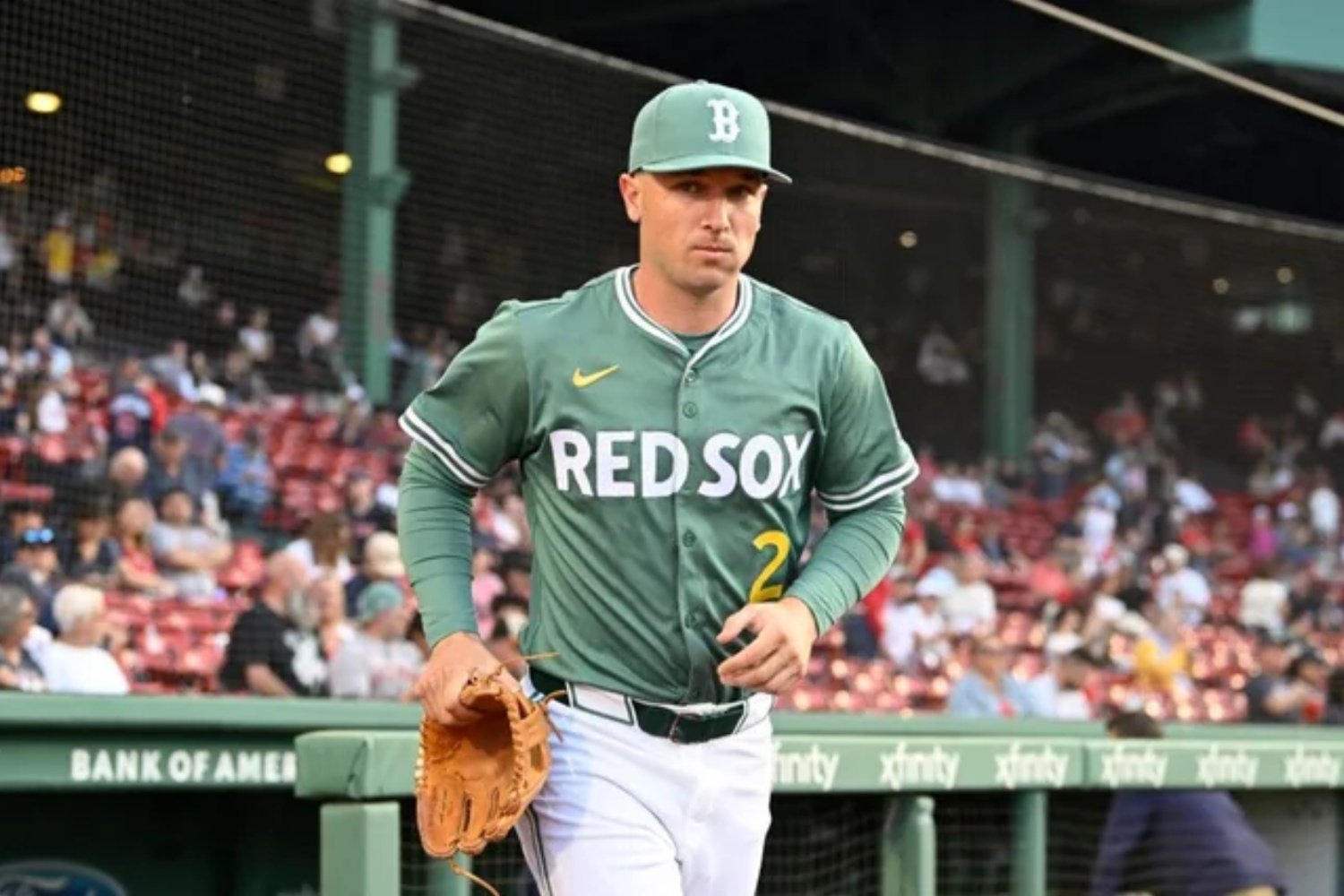 On Tuesday, June 24, the Boston Globe reported that Alex Bregman is open to discussing a contract extension as the first opt-out of his current contract draws near. That’s huge news considering he was the marquee free agent addition going into the 2025 season. There has been speculation ever since his contract was announced that he would opt out if he had the season that many thought he would have in Boston. He’s still on the shelf with a quad injury, but he was exceeding expectations before he landed on the injured list. As of his last at-bat, he was slashing .299/.385/.553 with 11 home runs and a .938 OPS. He’s viewed as a leader both on the field and in the clubhouse and plays an excellent third base. Bregman offers everything you could want in a teammate, and it’s obvious that he’s well liked by his peers and coaches. On Thursday morning, President of Baseball Operations Craig Breslow went on WEEI’s The Greg Hill Show and had this to say regarding the news of a possible extension. “The specifics of the conversations and the timing of the conversations will remain internal,” Breslow said. “But what I’m very comfortable saying is Alex has been everything we could have asked for both on the field — unfortunately, he’s obviously been hurt and hasn’t been able to impact games on the field — but also in the clubhouse from a leadership standpoint. Not just in the way he’s helped younger players and our staff, but in the ways that he’s helped me and many of us in the front office. And so right now, while we’re focused on doing everything we can to get him back on the field as quickly as possible, when the right time comes to have those conversations, I'm very, very confident that we will." That sounds like the team is interested in keeping Bregman around for quite a while. While that shouldn’t come as a surprise with the success that Bregman has had in Boston, it’s refreshing to hear that the person in charge of making these decisions is looking forward to having extension talks with the Gold Glove third baseman. After the much-discussed trade of Rafael Devers, the front office has more than enough money on hand to offer Bregman an extension that he won’t be able to so no to. They’d be foolish to let him walk in the offseason, and the best path forward includes him calling Fenway Park home forever. The Red Sox should extend Alex Bregman and keep him in Boston until he retires. Bregman’s swing was made for Fenway. He peppers the Green Monster with hard hit balls and sends them both screaming over the wall and into the gaps. Even on the road, he’s an electric hitter that can carry an offense on a down day. Defensively, he’s had a few miscues during his time in Boston so far, but he was settling in when his injury occurred. He has five errors on the season, but he’s already turned 14 double plays. He’s sure-footed on defense and makes heads up plays more often than not. That’s huge, and keeping him on the left side of the infield with Marcelo Mayer for the next few seasons would do nothing but push Mayer to be the best baseball player he could be. We all know that Bregman is getting older, so his bat and glove won’t play at an elite level for the rest of his career, but that’s okay. As Bregman ages, his leadership becomes his main contribution to the team. If you’ve been on social media after games, you’ll see reports of him working with Marcelo Mayer and Roman Anthony in the clubhouse. He’s visible on the top step of the dugout during every game, often discussing with teammates and coaches about what is happening on the field. He has the championship pedigree to be taken seriously by anyone who hears him speak, but he’s also approachable enough that when the rookies are struggling, they feel comfortable going to him for help. As the Red Sox graduate more rookies from the farm system. Bregman is going to be one of the first people on the team that these players flock to so they can learn exactly what it takes to be a big leaguer, specifically one in Boston. Since Alex Bregman is willing to listen to extension offers from the Red Sox, the front office needs to work quickly to get him secured to a long-term deal that allows him to finish his career here in Boston. He has the profile that is made for this ballpark and his leadership skills cannot be replaced easily. The young core has already started to go to him for advice, and the entire fanbase already views him as a leader. Keeping him around until the end of his career — and making him an institution Boston — is the right call for a front office that needs a win right now.
 -
Article: Jarren Duran Needs a Change of Scenery
Alex Mayes replied to Alex Mayes's topic in Talk Sox Front Page News
The only thing I’ll respond to here is your first point. They haven’t lost every game Duran hasn’t be the lead off hitter. In fact, they swept the Yankees while he wasn’t leading off. -
Article: Jarren Duran Needs a Change of Scenery
Alex Mayes replied to Alex Mayes's topic in Talk Sox Front Page News
This is my stance as well. I’ve never once “bashed” Duran. In fact, I’ve talked at length on the podcast about how much I actually like him and how he was kind enough to have a brief conversation with me last season when the Sox were in STL. That being said, I want the team to improve and I’d rather have an outfield or Anthony, Rafaela, and Abreu because their collective ceiling is higher. If Davy D is willing to overpay for Duran, send him packing because it makes the team better in the long run. Duran also doesn’t have the arm to play right field or a stable centerfield at home games. -
Article: Jarren Duran Needs a Change of Scenery
Alex Mayes replied to Alex Mayes's topic in Talk Sox Front Page News
I think Philly makes a lot of sense for him too. Maybe even the Braves if they think they have an outside shot at making the wild card this season. -
Article: Jarren Duran Needs a Change of Scenery
Alex Mayes replied to Alex Mayes's topic in Talk Sox Front Page News
I think that’s where we’re at with Duran. It seems pretty obvious last year was an outlier and this is his actual ceiling. If teams want to pay for him, send him on. -
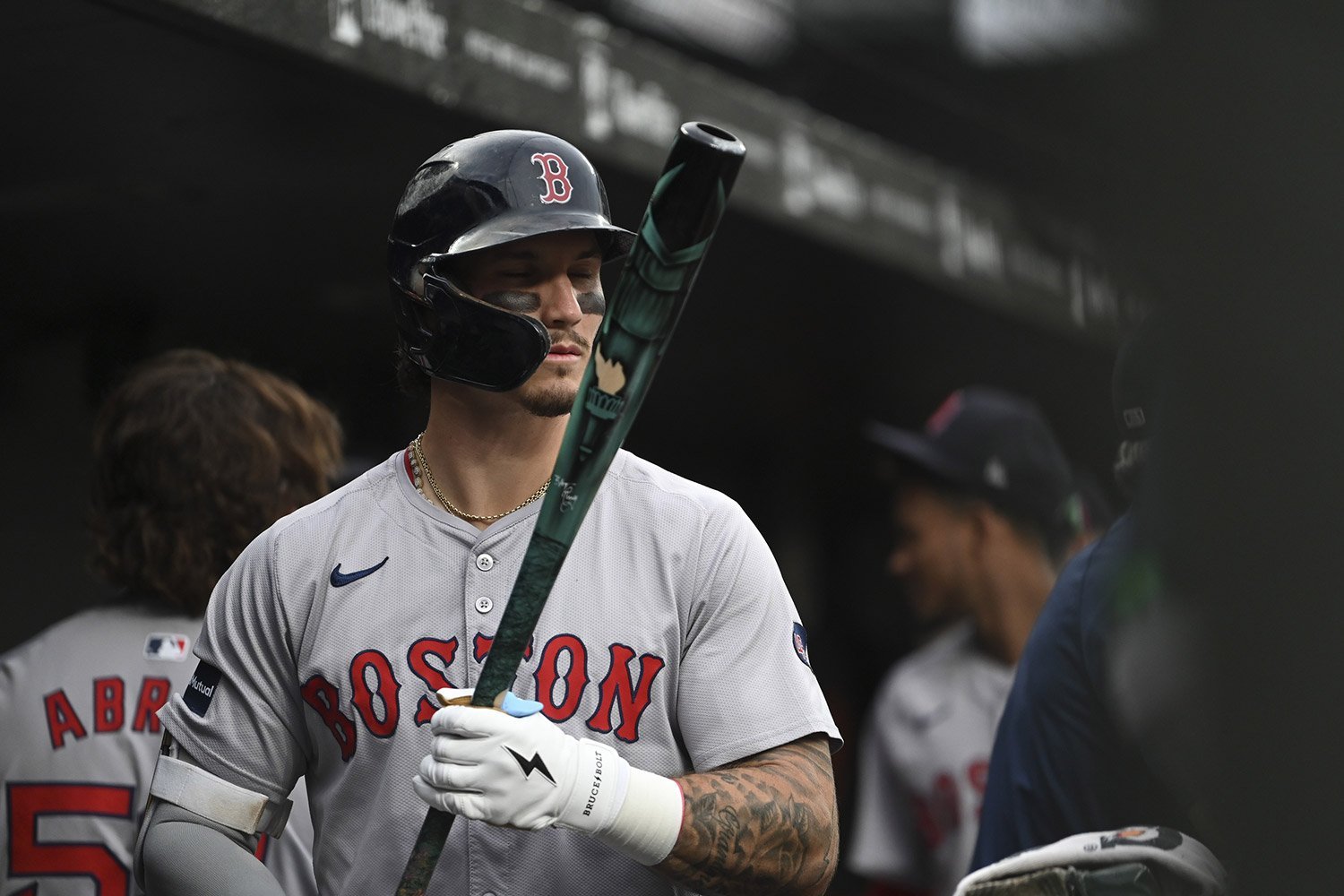 Last week, The Athletic published a list of the top 30 trade candidates ahead of the trade deadline. The Boston Red Sox were well represented with Jarren Duran sitting in the first overall spot, Wilyer Abreu at seventh, Aroldis Chapman at 17 (as the first reliever on the list), and Walker Buehler at 19. While there are merits to trade each of these players, Duran sitting atop that list is telling, and the Red Sox need to capitalize on his position. It’s no secret to fans and to teams around the league that Jarren Duran is failing to live up to the hype he built during his incredible 2024 season. He’s currently slashing .257/.309/.406 with 15 stolen bases and five home runs. He’s been demoted from full-time leadoff hitter to only leading off against right-handed pitchers, sliding down to fifth or six in the lineup against lefties. Out of all qualified hitters on the roster, Duran has the lowest wOBA against left-handed pitchers at .251. His wRC+? Also the lowest on the team among qualified hitters at 51. In short, he’s a liability at the plate when he faces a southpaw. If he’s on the roster, he would be better served as a late-inning replacement when the opposition has hopefully gone to a right-handed reliever. Where the Red Sox could really stand to rid themselves on Duran, though, is on defense. As of this writing, Duran is good for one defensive run saved, -4 outs above average, and -5.4 defense runs above average. We talked about this on the latest episode of The Talk Sox Podcast, but it’s almost unfathomable how he’s gone from a Gold Glove-caliber center fielder in 2024 to the biggest defensive liability on the major league roster. Currently, Duran has five errors on the season, and you don’t have to look further than the Giants series to find errors that directly resulted in losses for the Red Sox. It would be one thing if his errors came on balls that were challenging to catch, but they often look like errors you’d see if you were watching a high school game. We’re beginning to see glimpses of the Jarren Duran who couldn’t make routine plays from yesteryear. That doesn’t bode well for the overall success of the team. While his replacement in left field won’t be up for any Gold Gloves this year, there’s room for improvement on both sides of the ball. On top of everything else, moving Duran opens the door for Roman Anthony to shift to left field, which is the position he needs to be playing for the big league club. Anthony looks impressive at the plate, despite a batting average below the Mendoza line. He seems primed to break out at any point with the amount of hard contact he’s making. He looks too slow to play an effective right field in Boston, though. He’s a rookie, so I’m willing to give him a large runway to get his feet under him at the big league level, but he’s going to be most impactful in left field. He roamed right field for the WooSox, but right field there features a wall modeled after the Green Monster. It makes the most sense for the team to package Duran in a trade to upgrade the starting rotation and let Roman Anthony shift across the outfield for the position he will be playing for years to come. I’ve long held the notion that the Red Sox don’t envision Jarren Duran as a building block of the future. They missed the prime chance to capitalize on his value by not trading him during the offseason, but they need to make up for that as we approach the deadline. You could argue that maybe Wilyer Abreu should be dealt instead, given his theoretical higher trade value. In reality, you want a huge arm in right field, and Duran doesn’t have one while Abreu does, plus Abreu is younger and has a higher ceiling than Duran, even if he hasn’t completely put all the pieces together like Duran did last year. And that's the point. Jarren Duran likely will never sniff the season he had in 2024 again. He shouldn't be long for Boston based on the extension he agreed to — that $8 million club option should be a no-brainer for another team — so it’s time to cut rank with him and give him a chance to shine in a different market.
 -
Last week, The Athletic published a list of the top 30 trade candidates ahead of the trade deadline. The Boston Red Sox were well represented with Jarren Duran sitting in the first overall spot, Wilyer Abreu at seventh, Aroldis Chapman at 17 (as the first reliever on the list), and Walker Buehler at 19. While there are merits to trade each of these players, Duran sitting atop that list is telling, and the Red Sox need to capitalize on his position. It’s no secret to fans and to teams around the league that Jarren Duran is failing to live up to the hype he built during his incredible 2024 season. He’s currently slashing .257/.309/.406 with 15 stolen bases and five home runs. He’s been demoted from full-time leadoff hitter to only leading off against right-handed pitchers, sliding down to fifth or six in the lineup against lefties. Out of all qualified hitters on the roster, Duran has the lowest wOBA against left-handed pitchers at .251. His wRC+? Also the lowest on the team among qualified hitters at 51. In short, he’s a liability at the plate when he faces a southpaw. If he’s on the roster, he would be better served as a late-inning replacement when the opposition has hopefully gone to a right-handed reliever. Where the Red Sox could really stand to rid themselves on Duran, though, is on defense. As of this writing, Duran is good for one defensive run saved, -4 outs above average, and -5.4 defense runs above average. We talked about this on the latest episode of The Talk Sox Podcast, but it’s almost unfathomable how he’s gone from a Gold Glove-caliber center fielder in 2024 to the biggest defensive liability on the major league roster. Currently, Duran has five errors on the season, and you don’t have to look further than the Giants series to find errors that directly resulted in losses for the Red Sox. It would be one thing if his errors came on balls that were challenging to catch, but they often look like errors you’d see if you were watching a high school game. We’re beginning to see glimpses of the Jarren Duran who couldn’t make routine plays from yesteryear. That doesn’t bode well for the overall success of the team. While his replacement in left field won’t be up for any Gold Gloves this year, there’s room for improvement on both sides of the ball. On top of everything else, moving Duran opens the door for Roman Anthony to shift to left field, which is the position he needs to be playing for the big league club. Anthony looks impressive at the plate, despite a batting average below the Mendoza line. He seems primed to break out at any point with the amount of hard contact he’s making. He looks too slow to play an effective right field in Boston, though. He’s a rookie, so I’m willing to give him a large runway to get his feet under him at the big league level, but he’s going to be most impactful in left field. He roamed right field for the WooSox, but right field there features a wall modeled after the Green Monster. It makes the most sense for the team to package Duran in a trade to upgrade the starting rotation and let Roman Anthony shift across the outfield for the position he will be playing for years to come. I’ve long held the notion that the Red Sox don’t envision Jarren Duran as a building block of the future. They missed the prime chance to capitalize on his value by not trading him during the offseason, but they need to make up for that as we approach the deadline. You could argue that maybe Wilyer Abreu should be dealt instead, given his theoretical higher trade value. In reality, you want a huge arm in right field, and Duran doesn’t have one while Abreu does, plus Abreu is younger and has a higher ceiling than Duran, even if he hasn’t completely put all the pieces together like Duran did last year. And that's the point. Jarren Duran likely will never sniff the season he had in 2024 again. He shouldn't be long for Boston based on the extension he agreed to — that $8 million club option should be a no-brainer for another team — so it’s time to cut rank with him and give him a chance to shine in a different market. View full article
-
Noah Song Is On The Accelerated Path To The Boston Red Sox
Alex Mayes posted an article in Minor Leagues
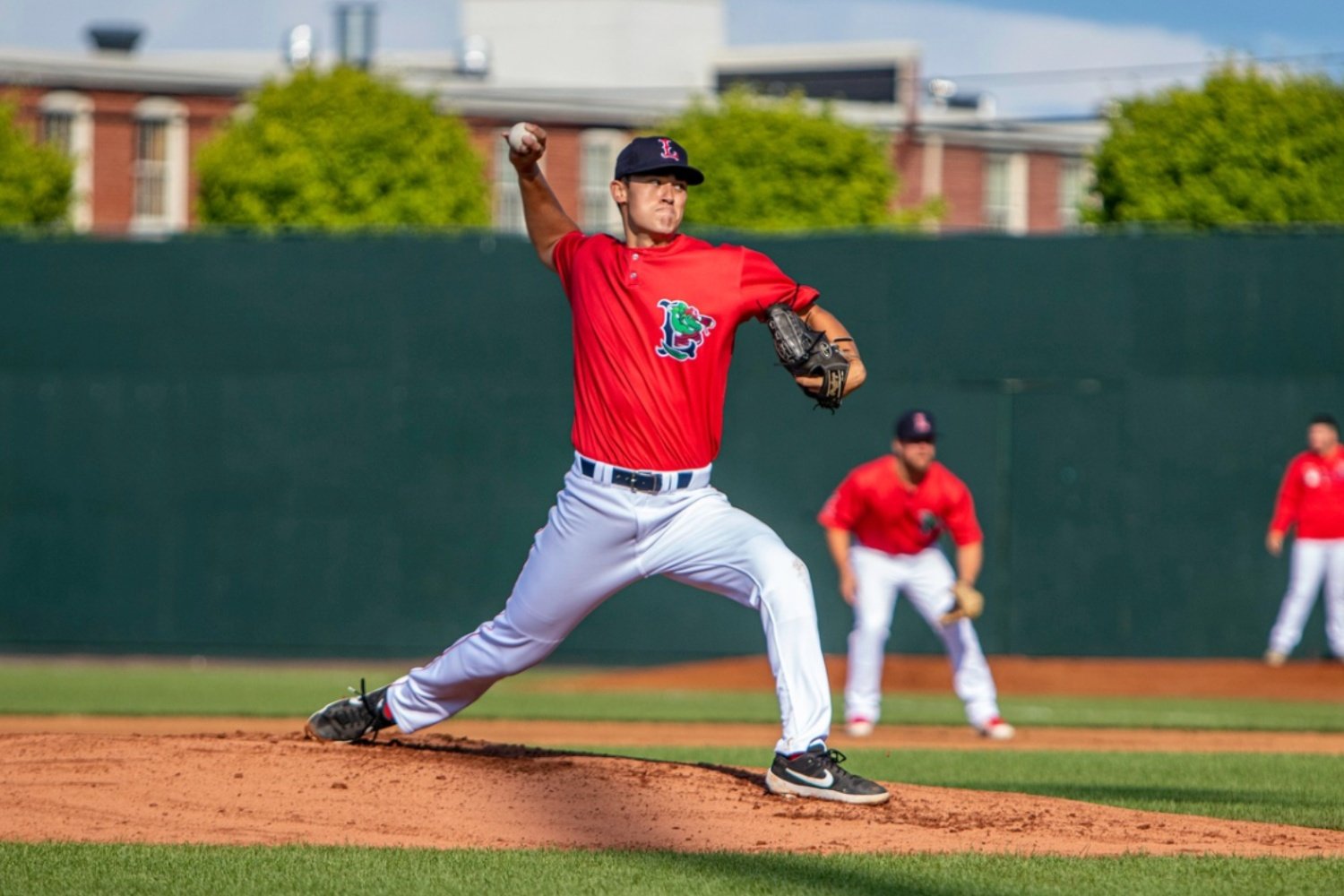 Noah Song has always been a “what if” prospect in the Red Sox's farm system. He was drafted in the fourth round of the 2019 draft, a spot that was deemed a steal for Boston, as Song had the numbers and pedigree to be taken in the first round that year. He only slipped so far because he graduated from the Naval Academy, and there was concern that he wouldn’t be able to have a waiver granted that would allow him to postpone his military career so he could play baseball. Those fears were confirmed after he appeared in seven games for the Lowell Spinners, where he dazzled with a 29.2% strikeout rate, 7.7% walk rate, and a 1.06 ERA. After that, he reported to basic training and pilot school, where he kept up a throwing program but obviously couldn’t be as dedicated to baseball as he'd like to have been. Song was eligible to come back to the team in 2023, where he was promptly selected by the Phillies in the Rule 5 draft. The stipulation of that selection is that Song had to stick on the major league roster for the Phillies to remain in their system. He didn’t. He was returned to Boston in August 2023. In March 2024, Song underwent Tommy John surgery, putting him on the shelf for the next year. Then, somewhat out of the blue (to those of us not actively following him), Song was activated to begin a rehab assignment with the Florida Complex League in May of this year. He made one appearance in the FCL, going two innings while striking out four and giving up no runs. He was then promoted to the Salem Red Sox, where he tossed four innings over three games, still holding a blemish-free ERA and striking out six. From there, he was promoted again to the Greenville Drive, where he went an 1 1/3 innings one game while striking out one and still not allowing a run. He now has been called up to Double-A Portland, where he continues to shine. He’s appeared in four games so far with a 1.13 ERA, 4.07 FIP, 25.8% strikeout rate, and a 6.5% walk rate. If we average his entire stint in the minor league so far, we have a 0.59 ERA, 2.82 FIP, 33.3% strikeout rate, and a 7% walk rate. Suddenly, Noah Song seems like he’s back in top shape and could contribute at the major league level this season. The Red Sox’s bullpen is currently ranked sixth in the MLB in ERA (3.31), second in FIP (3.37), and tenth in innings pitched with 290.2. They are in good shape right now and have been a surprising bright spot on the season, but it’s no secret that they are overworked since the starting rotation hit an almost month-long skid in May that found the pen tossing more innings than anyone would consider optimal. During that stretch in May, the bullpen pitched the second most innings in the league (111 1/3) and they managed to keep their combined ERA to just a 3.23 figure. That’s incredibly impressive. Should the rotation begin to falter again, though, reinforcements will be needed. Justin Slaten has no timetable for when he will return to pitching, Kutter Crawford's most recent set back likely puts his entire season in question, Jordan Hicks remains on the IL (though he is close to returning and making his debut with the big league club), and Liam Hendriks is progressing in his recovery but was less than reliable when he was with the team. Song is in a better place than all of these players, except for maybe Hicks, who will likely factor into the back of the bullpen once he does make his way to the big league club. Song still features a four-pitch mix; a fastball that can run anywhere from 93 to 98, a slider, curveball, and a changeup. He’s not the flamethrower he was coming out of the Naval Academy when he could top out at 99, but he seems to be building up his velocity throughout his stint in the minor leagues, and if he can sit in the mid-90s with his fastball consistently, then he should work as an excellent depth addition to the middle of the bullpen. In a system that is getting better about building pitching depth but still lacks some with upside at the upper levels of the system, Noah Song could be a breath of fresh air now that he’s finally fully committed to baseball and past his injuries.
 -
Noah Song has always been a “what if” prospect in the Red Sox's farm system. He was drafted in the fourth round of the 2019 draft, a spot that was deemed a steal for Boston, as Song had the numbers and pedigree to be taken in the first round that year. He only slipped so far because he graduated from the Naval Academy, and there was concern that he wouldn’t be able to have a waiver granted that would allow him to postpone his military career so he could play baseball. Those fears were confirmed after he appeared in seven games for the Lowell Spinners, where he dazzled with a 29.2% strikeout rate, 7.7% walk rate, and a 1.06 ERA. After that, he reported to basic training and pilot school, where he kept up a throwing program but obviously couldn’t be as dedicated to baseball as he'd like to have been. Song was eligible to come back to the team in 2023, where he was promptly selected by the Phillies in the Rule 5 draft. The stipulation of that selection is that Song had to stick on the major league roster for the Phillies to remain in their system. He didn’t. He was returned to Boston in August 2023. In March 2024, Song underwent Tommy John surgery, putting him on the shelf for the next year. Then, somewhat out of the blue (to those of us not actively following him), Song was activated to begin a rehab assignment with the Florida Complex League in May of this year. He made one appearance in the FCL, going two innings while striking out four and giving up no runs. He was then promoted to the Salem Red Sox, where he tossed four innings over three games, still holding a blemish-free ERA and striking out six. From there, he was promoted again to the Greenville Drive, where he went an 1 1/3 innings one game while striking out one and still not allowing a run. He now has been called up to Double-A Portland, where he continues to shine. He’s appeared in four games so far with a 1.13 ERA, 4.07 FIP, 25.8% strikeout rate, and a 6.5% walk rate. If we average his entire stint in the minor league so far, we have a 0.59 ERA, 2.82 FIP, 33.3% strikeout rate, and a 7% walk rate. Suddenly, Noah Song seems like he’s back in top shape and could contribute at the major league level this season. The Red Sox’s bullpen is currently ranked sixth in the MLB in ERA (3.31), second in FIP (3.37), and tenth in innings pitched with 290.2. They are in good shape right now and have been a surprising bright spot on the season, but it’s no secret that they are overworked since the starting rotation hit an almost month-long skid in May that found the pen tossing more innings than anyone would consider optimal. During that stretch in May, the bullpen pitched the second most innings in the league (111 1/3) and they managed to keep their combined ERA to just a 3.23 figure. That’s incredibly impressive. Should the rotation begin to falter again, though, reinforcements will be needed. Justin Slaten has no timetable for when he will return to pitching, Kutter Crawford's most recent set back likely puts his entire season in question, Jordan Hicks remains on the IL (though he is close to returning and making his debut with the big league club), and Liam Hendriks is progressing in his recovery but was less than reliable when he was with the team. Song is in a better place than all of these players, except for maybe Hicks, who will likely factor into the back of the bullpen once he does make his way to the big league club. Song still features a four-pitch mix; a fastball that can run anywhere from 93 to 98, a slider, curveball, and a changeup. He’s not the flamethrower he was coming out of the Naval Academy when he could top out at 99, but he seems to be building up his velocity throughout his stint in the minor leagues, and if he can sit in the mid-90s with his fastball consistently, then he should work as an excellent depth addition to the middle of the bullpen. In a system that is getting better about building pitching depth but still lacks some with upside at the upper levels of the system, Noah Song could be a breath of fresh air now that he’s finally fully committed to baseball and past his injuries. View full article
-
When news of the Rafael Devers trade broke, I never thought that I would wind up here. We all knew that the relationship between Devers and Craig Breslow was likely non-existent and there would have to be extensive work from both parties to repair it. I even originally said Breslow couldn’t handle being called out and he was throwing a temper tantrum by trading the team’s $300 million franchise player. Then, more information started to come out. First, Yahoo’s Joon Lee published an excellent piece that puts both sides at fault in various ways, then David Ortiz himself had some eye opening comments, and finally Craig Breslow and Sam Kennedy had their media session to answer questions from reporters that cover the team. The comments made by both men were the most open comments that we’ve heard from either of them in quite some time. Throughout all of this though, what became clearer and clearer was that for the Boston Red Sox to succeed, Rafael Devers no longer needed to be in the clubhouse. If you haven’t had a chance to read Lee’s article linked above, you should make time to do so. It’s an in-depth dive into the behind the scenes world of the Red Sox and offers some damning evidence that both sides are at fault in this situation. It highlights the issues between Breslow and Devers, showcasing that even after Devers told Breslow and Alex Cora that he was “good to do what they want me to do”, he refused to attempt to learn first base once Triston Casas went down with a season-ending injury. This isn’t news to those of us that follow the team, but it still should sit wrong with us. We understood that Devers felt jerked around after he was told he would play third, then was told he was going to DH, then was asked to play first. The flip side of that, though, is that he’s an employee of the Boston Red Sox and should want to do what’s best for the team. Then, when Alex Bregman went down with a quad injury, we all expected Devers to jump at the chance to get back on the field and play third this season. Cora remained steadfast that Devers wouldn’t man the hot corner and the team called up Marcelo Mayer. While hindsight is 20/20, this should have been the next indicator that things behind the scenes were far more fractured than we knew. What is maybe the most concerning thing from Lee’s article is this quote: “According to multiple sources, Devers was also upset when the rookie Campbell volunteered to play first base this season — interpreting it as a slight to his own stature.” What? Devers, someone positioned to at least be an on-field leader and someone for the young core to look up to and lean on, felt he was slighted when Campbell volunteered to change positions and do what the team needed? That’s absolute insanity and is the type of voice you actively don’t want inside the clubhouse when it’s stocked with such young players. You’d much rather have them lean on veterans like Alex Bregman, who has been present and very visible during his stint on the injured list, instead of watching Devers sulk around and be mad that someone else was willing to step up and do what he should have done in the first place. Make it make sense. On top of Lee’s excellent article, we had Red Sox legend David Ortiz make some incredibly candid comments about the situation too. He then spoke to Ken Rosenthal of The Athletic saying, “I know the communication between Devers and the Red Sox wasn’t the best at the very beginning,” Ortiz said. “But at some point, you have to realize the organization has the power over everyone. They can play you, trade you, let you go. Sometimes, as a young player, it’s hard to understand that. But they have the power to do whatever they want. The only thing you can control is what you do on the field… Whenever they needed me as a first baseman, I was available. I never thought about it twice…The organization is always going to be there. Players come and go. As a player, sometimes you’ve got to put your ego aside and understand that once you get paid, you’ve got to find a way to do what you’re told… That’s a message for all young players who think they turn out to be bigger than the game. I’m not saying that Devers was like that. He’s humble. He’s a good kid. But sometimes when you’re young and immature, you (don’t realize that).” On top of that, he said he reached out to Devers on multiple occasions to try and work with him and Devers rarely responded. How can someone that was paid to be the guy in Boston ignore one of the most beloved members of the organization? While Ortiz wasn’t a perfect, model teammate in Boston — he had his flare ups with the front office as well — he always realized that at the end of the day, he was going to do what they asked because it was for the best of the team. That’s something Devers failed to understand. For Ortiz to be so candid and open about his opinion on the situation is telling. He’s far closer to the organization than any of us could ever hope to be and he likely has his finger on the pulse of the team. At the end of the day, this likely boils down to Devers’ immaturity getting in the way of him realizing that putting his ego aside and doing what the team needed him to do is a large part of the reason he’s no longer in Boston. I sincerely wish Rafael Devers the best. He’s one of my favorite players and I’ll follow his career in San Francisco in the same way I still follow Mookie Betts and Xander Bogaerts. I’ll make a point to go see the Giants when they play in St. Louis so I can watch Devers specifically. I’m still a bit sad that I won’t get to see him suit up for the Red Sox, but at the end of the day, this trade needed to happen. We were blindsided and shocked, but with all of the information now available to us, we should be able to take a step back and realize that while trading away another franchise player stings, this time it may be the exact thing this team needs to move forward. View full article
-
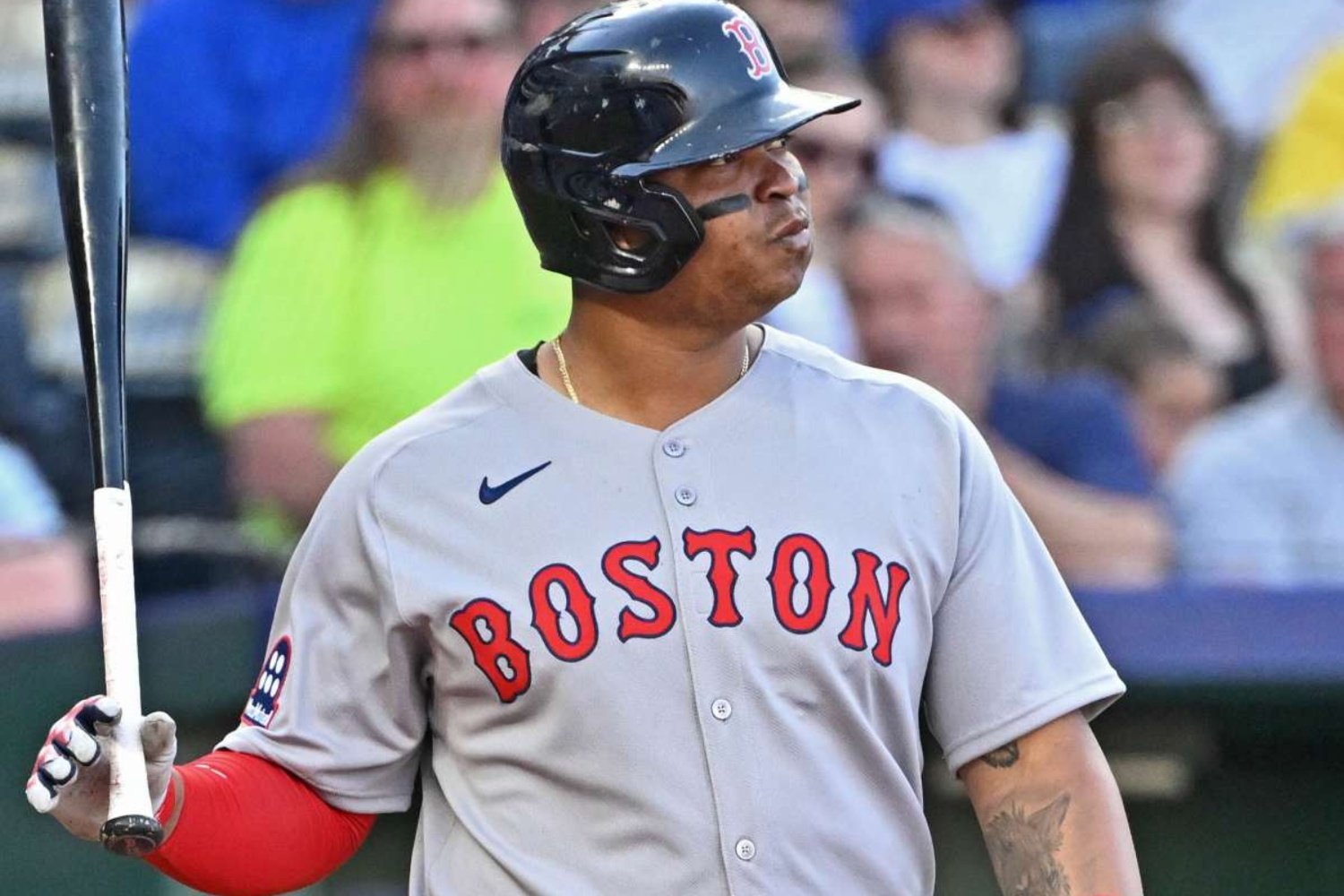 When news of the Rafael Devers trade broke, I never thought that I would wind up here. We all knew that the relationship between Devers and Craig Breslow was likely non-existent and there would have to be extensive work from both parties to repair it. I even originally said Breslow couldn’t handle being called out and he was throwing a temper tantrum by trading the team’s $300 million franchise player. Then, more information started to come out. First, Yahoo’s Joon Lee published an excellent piece that puts both sides at fault in various ways, then David Ortiz himself had some eye opening comments, and finally Craig Breslow and Sam Kennedy had their media session to answer questions from reporters that cover the team. The comments made by both men were the most open comments that we’ve heard from either of them in quite some time. Throughout all of this though, what became clearer and clearer was that for the Boston Red Sox to succeed, Rafael Devers no longer needed to be in the clubhouse. If you haven’t had a chance to read Lee’s article linked above, you should make time to do so. It’s an in-depth dive into the behind the scenes world of the Red Sox and offers some damning evidence that both sides are at fault in this situation. It highlights the issues between Breslow and Devers, showcasing that even after Devers told Breslow and Alex Cora that he was “good to do what they want me to do”, he refused to attempt to learn first base once Triston Casas went down with a season-ending injury. This isn’t news to those of us that follow the team, but it still should sit wrong with us. We understood that Devers felt jerked around after he was told he would play third, then was told he was going to DH, then was asked to play first. The flip side of that, though, is that he’s an employee of the Boston Red Sox and should want to do what’s best for the team. Then, when Alex Bregman went down with a quad injury, we all expected Devers to jump at the chance to get back on the field and play third this season. Cora remained steadfast that Devers wouldn’t man the hot corner and the team called up Marcelo Mayer. While hindsight is 20/20, this should have been the next indicator that things behind the scenes were far more fractured than we knew. What is maybe the most concerning thing from Lee’s article is this quote: “According to multiple sources, Devers was also upset when the rookie Campbell volunteered to play first base this season — interpreting it as a slight to his own stature.” What? Devers, someone positioned to at least be an on-field leader and someone for the young core to look up to and lean on, felt he was slighted when Campbell volunteered to change positions and do what the team needed? That’s absolute insanity and is the type of voice you actively don’t want inside the clubhouse when it’s stocked with such young players. You’d much rather have them lean on veterans like Alex Bregman, who has been present and very visible during his stint on the injured list, instead of watching Devers sulk around and be mad that someone else was willing to step up and do what he should have done in the first place. Make it make sense. On top of Lee’s excellent article, we had Red Sox legend David Ortiz make some incredibly candid comments about the situation too. He then spoke to Ken Rosenthal of The Athletic saying, “I know the communication between Devers and the Red Sox wasn’t the best at the very beginning,” Ortiz said. “But at some point, you have to realize the organization has the power over everyone. They can play you, trade you, let you go. Sometimes, as a young player, it’s hard to understand that. But they have the power to do whatever they want. The only thing you can control is what you do on the field… Whenever they needed me as a first baseman, I was available. I never thought about it twice…The organization is always going to be there. Players come and go. As a player, sometimes you’ve got to put your ego aside and understand that once you get paid, you’ve got to find a way to do what you’re told… That’s a message for all young players who think they turn out to be bigger than the game. I’m not saying that Devers was like that. He’s humble. He’s a good kid. But sometimes when you’re young and immature, you (don’t realize that).” On top of that, he said he reached out to Devers on multiple occasions to try and work with him and Devers rarely responded. How can someone that was paid to be the guy in Boston ignore one of the most beloved members of the organization? While Ortiz wasn’t a perfect, model teammate in Boston — he had his flare ups with the front office as well — he always realized that at the end of the day, he was going to do what they asked because it was for the best of the team. That’s something Devers failed to understand. For Ortiz to be so candid and open about his opinion on the situation is telling. He’s far closer to the organization than any of us could ever hope to be and he likely has his finger on the pulse of the team. At the end of the day, this likely boils down to Devers’ immaturity getting in the way of him realizing that putting his ego aside and doing what the team needed him to do is a large part of the reason he’s no longer in Boston. I sincerely wish Rafael Devers the best. He’s one of my favorite players and I’ll follow his career in San Francisco in the same way I still follow Mookie Betts and Xander Bogaerts. I’ll make a point to go see the Giants when they play in St. Louis so I can watch Devers specifically. I’m still a bit sad that I won’t get to see him suit up for the Red Sox, but at the end of the day, this trade needed to happen. We were blindsided and shocked, but with all of the information now available to us, we should be able to take a step back and realize that while trading away another franchise player stings, this time it may be the exact thing this team needs to move forward.
 -
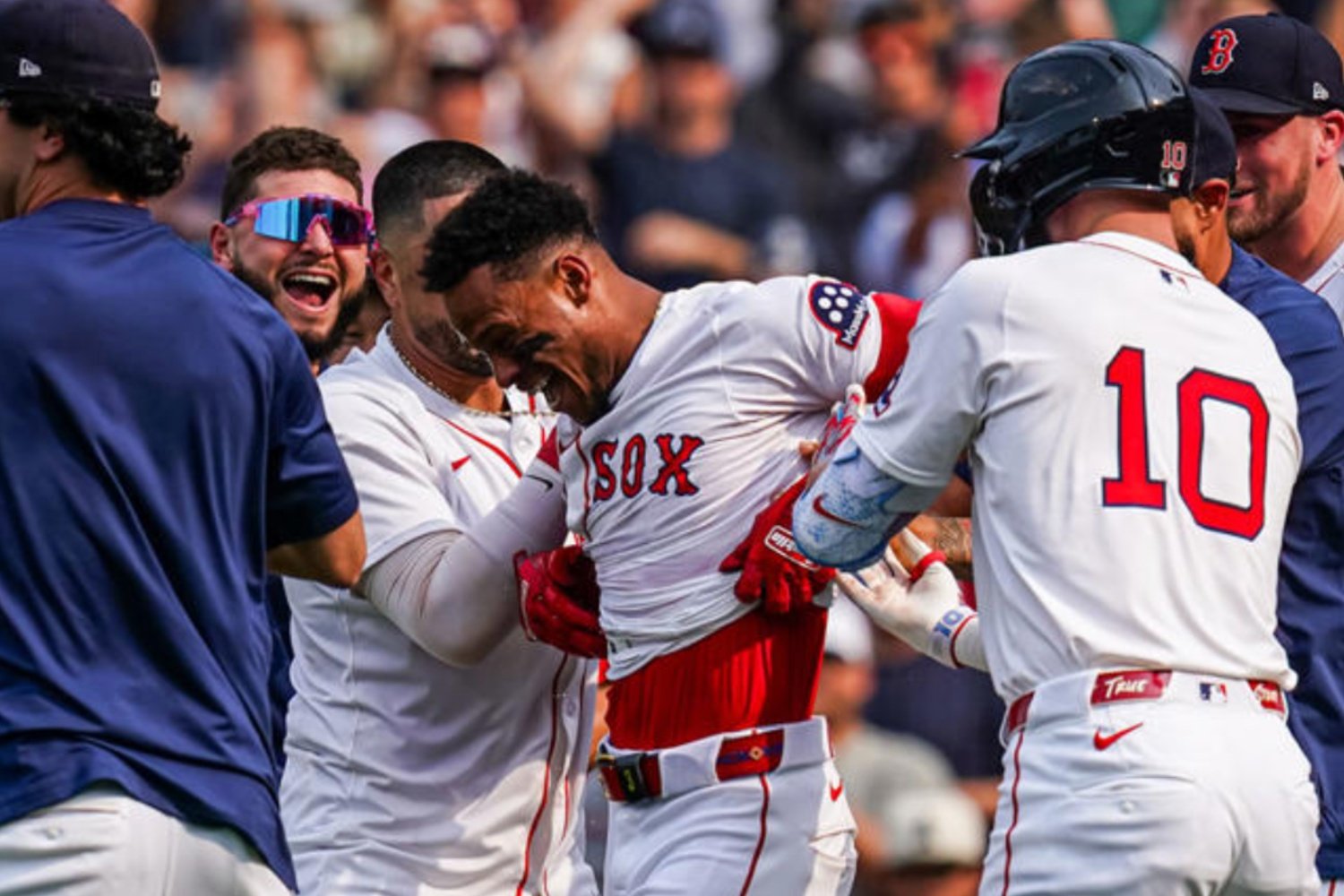 The Milwaukee Brewers traded RHP Aaron Civale on Friday, June 13, the day after he requested a trade because he was moved from the starting rotation to the bullpen. Civale is now with the White Sox, while former number three overall pick Andrew Vaughn is plying his trade Brew Crew. Civale was having a down-year before the trade, sitting on a 1-2 record with a 4.91 ERA and 19 strikeouts. Vaughn is also having quite a miserable year, slashing .189/.218/.314. Civale was surely hoping for a better season as he approaches free agency going into next year, but the White Sox may offer him a chance to improve his overall numbers with much less pressure. While Vaughn is also underperforming, he has some pedigree attached to him due to his draft position. If this is the going rate for rental starters, the Red Sox should be big players in that market as we approach the trade deadline. Obviously, players like Roman Anthony, Marcelo Mayer, Kristian Campbell, and Carlos Narvaez are off the table when it comes to trade talks. After that list, though? Everyone should have a price tag attached if it could net the Sox another reliable arm for the rotation. Would someone like Jhostynxon Garcia be enticing enough for someone like the Padres to listen to offers for Michael King or Dylan Cease? Surely Garcia would be of interest to the Cardinals with Erick Fedde eyeing free agency in 2026. It’s no secret that the Red Sox are listening to offers on both Jarren Duran and Wilyer Abreu to help clear up the outfield log jam, and both of those names should command a starter with years of control left if the going rate is Vaughn for Civale. The caveat is that if the Sox bring in a rental, they need to work to extend him quickly after the plane lands in Boston. Having Garrett Crochet as your starting anchor and the young core of up and coming superstars playing behind you should make any other pitcher brought in feel more at ease with signing here long-term (that is, assuming they aren't scared off by the team's sudden reputation of trading away fan-favorite stars). It was reported last week that the Red Sox plan to be buyers at the trade deadline, even if they aren’t necessarily in playoff contention this season. That's gotten harder to believe in a post-Rafael Devers world, but the team is still playing its best baseball of the season right now. If the market is this weak, there’s no reason the front office shouldn’t be wheeling and dealing right now. Bring in pitchers, both starters and relievers, that can make an impact now. This team is on a hot streak and in the midst of its longest road trip of the season. There’s a clear path to a Wild Card spot in the American League, but the front office needs to commit to the product on the field. Should they have been in the conversation for Civale? I don’t think so—he doesn’t move the needle over anyone currently in the rotation or those pitchers who are nearing return from injury—but there are names out there that Craig Breslow needs to be inquiring about as you’re reading this. 2025 may not be the year the Sox go back to the World Series, but bringing in pitchers who can make this year’s team better while upgrading next year’s rotation without the guarantee of Lucas Giolito or Walker Buehler coming back is essential. It’s true that Civale requested this trade, which likely lessened the return just a bit. He wanted to be a starter, and his agent was exploring how that could happen, either still within the Brewers’ organization or outside of it. Ultimately, they decided that leaving Milwaukee was in his best interest and he’s now in Chicago. Not every pitcher who is in their walk year will ask for a trade, but there will surely be some that become more vocal after seeing how quickly the Brewers moved on from Civale. Should that happen, Craig Breslow and company would be fools not to capitalize on it.
 -
The Milwaukee Brewers traded RHP Aaron Civale on Friday, June 13, the day after he requested a trade because he was moved from the starting rotation to the bullpen. Civale is now with the White Sox, while former number three overall pick Andrew Vaughn is plying his trade Brew Crew. Civale was having a down-year before the trade, sitting on a 1-2 record with a 4.91 ERA and 19 strikeouts. Vaughn is also having quite a miserable year, slashing .189/.218/.314. Civale was surely hoping for a better season as he approaches free agency going into next year, but the White Sox may offer him a chance to improve his overall numbers with much less pressure. While Vaughn is also underperforming, he has some pedigree attached to him due to his draft position. If this is the going rate for rental starters, the Red Sox should be big players in that market as we approach the trade deadline. Obviously, players like Roman Anthony, Marcelo Mayer, Kristian Campbell, and Carlos Narvaez are off the table when it comes to trade talks. After that list, though? Everyone should have a price tag attached if it could net the Sox another reliable arm for the rotation. Would someone like Jhostynxon Garcia be enticing enough for someone like the Padres to listen to offers for Michael King or Dylan Cease? Surely Garcia would be of interest to the Cardinals with Erick Fedde eyeing free agency in 2026. It’s no secret that the Red Sox are listening to offers on both Jarren Duran and Wilyer Abreu to help clear up the outfield log jam, and both of those names should command a starter with years of control left if the going rate is Vaughn for Civale. The caveat is that if the Sox bring in a rental, they need to work to extend him quickly after the plane lands in Boston. Having Garrett Crochet as your starting anchor and the young core of up and coming superstars playing behind you should make any other pitcher brought in feel more at ease with signing here long-term (that is, assuming they aren't scared off by the team's sudden reputation of trading away fan-favorite stars). It was reported last week that the Red Sox plan to be buyers at the trade deadline, even if they aren’t necessarily in playoff contention this season. That's gotten harder to believe in a post-Rafael Devers world, but the team is still playing its best baseball of the season right now. If the market is this weak, there’s no reason the front office shouldn’t be wheeling and dealing right now. Bring in pitchers, both starters and relievers, that can make an impact now. This team is on a hot streak and in the midst of its longest road trip of the season. There’s a clear path to a Wild Card spot in the American League, but the front office needs to commit to the product on the field. Should they have been in the conversation for Civale? I don’t think so—he doesn’t move the needle over anyone currently in the rotation or those pitchers who are nearing return from injury—but there are names out there that Craig Breslow needs to be inquiring about as you’re reading this. 2025 may not be the year the Sox go back to the World Series, but bringing in pitchers who can make this year’s team better while upgrading next year’s rotation without the guarantee of Lucas Giolito or Walker Buehler coming back is essential. It’s true that Civale requested this trade, which likely lessened the return just a bit. He wanted to be a starter, and his agent was exploring how that could happen, either still within the Brewers’ organization or outside of it. Ultimately, they decided that leaving Milwaukee was in his best interest and he’s now in Chicago. Not every pitcher who is in their walk year will ask for a trade, but there will surely be some that become more vocal after seeing how quickly the Brewers moved on from Civale. Should that happen, Craig Breslow and company would be fools not to capitalize on it. View full article
-
While the Rafael Devers trade has dominated the headlines, lost in all the noise is that the Boston Red Sox have been playing fantastic baseball. This team has clawed their way back from below mediocrity to take five of six games from the AL East-leading Yankees, took the series against the Tampa Bay Rays, are experiencing a stellar run of starting pitching, and have a bullpen that looks settled and is anchored by a closer having a career resurgence, all while Carlos Narvaez is making us forget about Kyle Teel andthe entire Big Three plays together in the majors. There’s a lot to be happy about as a fan of the Red Sox right now if you take a breath to pause from the media chaos. Let’s take a look at each aspect and break down why it paints a crystal-clear picture for the future of the franchise. Big Series Wins Against Good Teams It seemed most fans and analysts had penciled in the Red Sox to lose the first series against the Yankees in New York. After a loss in the first game, it seemed like that could come to fruition. Then, Garrett Crochet turned in his worst outing of the season, but the offense picked him up and the bullpen limited the damage. The Red Sox looked like they were hungry for a win. Then, on Sunday Night Baseball, the Sox got after Carlos Rodon in a way that hadn’t really happened all season and took the series. They turned their attention to the Rays and the momentum continued to build as they took two of three from a team leading them in the standings. The Yankees came to Fenway Park on Friday, June 13 hoping to overpower the Red Sox in their home ballpark. The Red Sox responded by sweeping the Yankees with contributions from all over the roster. Carlos Narvaez walked the game off on Friday night, Trevor Story and Romy Gonzalez knocked in RBIs to extend the lead early in the Saturday game, and the team proved Sunday they could win a game with less than three runs scored. The Starting Pitching Has Been Lights Out, literally Just looking at the Yankees home series, the Red Sox starters threw 21 1/3 innings, giving up seven hits, one earned run, five walks, and 20 strikeouts. Going back further to the last full turn through the rotation, Lucas Giolito went six innings pitched with zero earned runs, Walker Buehler went seven innings pitched with three earned runs, Garrett Crochet went eight and-a-third innings pitched with one earned run, Hunter Dobbins went six innings pitchers with zero earned runs, and Brayan Bello went seven shutout innings! Most recently, Giolito went six shutout innings against the Mariners. That's four earned runs in six starts. What more could you want from your rotation? I’d like to focus on Bello for just a second though, as he’s been cited as the most disappointing starter in the rotation. He faced a Yankees team trying to avoid a sweep that included a visibly frustrated Aaron Judge, who just had back-to-back down series against the Red Sox. Bello tossed seven innings, allowed three hits, three walks, and eight strikeouts. When Judge came up to the plate, Bello threw him pitches that didn’t sniff the zone and Judge chased each of them for swinging strikes. The moment never got too big for him, even when he was only clinging onto a one-run lead for five innings. The Bullpen Looks Good and Aroldis Chapman Seems Reinvented During the losing skid, the bullpen was overworked and tired. They looked listless each time they jogged from the pen to the mound. Now, though? They look rejuvenated and have been playing like a brand new group. Garrett Whitlock has been nails, Greg Weissert has worked himself into some jams and then pitched his way out, and Justin Wilson has been better than advertised. The shining star, though, is quite obviously Aroldis Chapman. He’s having a career year right now with the Red Sox, as hard as that may be to believe. He’s thrown 30 innings, sports a 1.50 ERA and 0.833 WHIP with 13 saves, a 36.5% strikeout rate, and a 7.8% walk rate. When he was brought in during the offseason, many fans, myself included, rolled their eyes and assumed he was just going to be the same pitcher he had been throughout the last few seasons as he bounced around from team to team. Coming to Boston seems to have allowed him to shift into a new gear and become the elite closer we knew him to be during his tenure with the Reds and Yankees. Carlos Narvaez Is An Absolute Stud On Offense and Defense The trade for Carlos Narvaez barely caused a blip on most people’s radars, but it proves that Craig Breslow has his good days too. He swapped a prospect in Elmer Rodriguez-Cruz that had upside for a catcher that I’d wager most Yankees fans had barely heard about. We assumed he could function as a backup catcher behind Connor Wong, potentially serving as a bridge to the team's next great catcher after losing Kyle Teel in the Crochet trade. Well, Wong’s season never got going — he got hurt, and has been a shell of himself since returning. All Narvaez has done is step into the spotlight and shine. He’s currently slashing .282/.366/.457 with six home runs, including walking off his former team to secure the victory on Friday, June 13. On defense, he's been just as brilliant. Just look at the catching stats from his Baseball Savant page. If Cal Raleigh wasn’t having the incredible season he’s having in Seattle, Narvaez is likely the starting catcher for the AL All-Star team come July. The Big Three Is Here and They Shouldn’t Be Going Anywhere It’s been a bit of a slow start for Roman Anthony, Marcelo Mayer, and Kristian Campbell. That’s okay, though. They are rookies, and we should be celebrating that The Big Three are together once again. Is it just a coincidence that once Roman Anthony joined the club, Marcelo Mayer found his power stroke? Or that Kristian Campbell’s swings started to look like they did when he was lighting the world on fire to start the season? I don’t think so. Having the band back together gives each guy a valuable support group to lean on. These guys are friends on and off the field, and having them together with the big league club, along with Narvaez, really helps showcase just how bright the future is in Boston. Give the kids some time to learn and contribute when they can, because they’ll reward you with outstanding production as they get their feet under them as the season carries on. I know it’s tough for some people to be a fan right now and that’s okay. What should help is that this team, your team, is playing fantastic baseball and seems primed to continue to make a run at a playoff spot. As hard as it may be to see, there’s a plan in place, and it’s going to be interesting to see what happens between right now and the trade deadline, but this team still deserve praise for the run its gone on in recent weeks. There's 26 men on this roster, and they all want to win. It’s always darkest before the dawn, and I think I can see the sun starting to break the horizon off in the distance. View full article
-
Rafael Devers Is Gone, But The Red Sox Have A Bright Present And Future
Alex Mayes posted an article in Red Sox
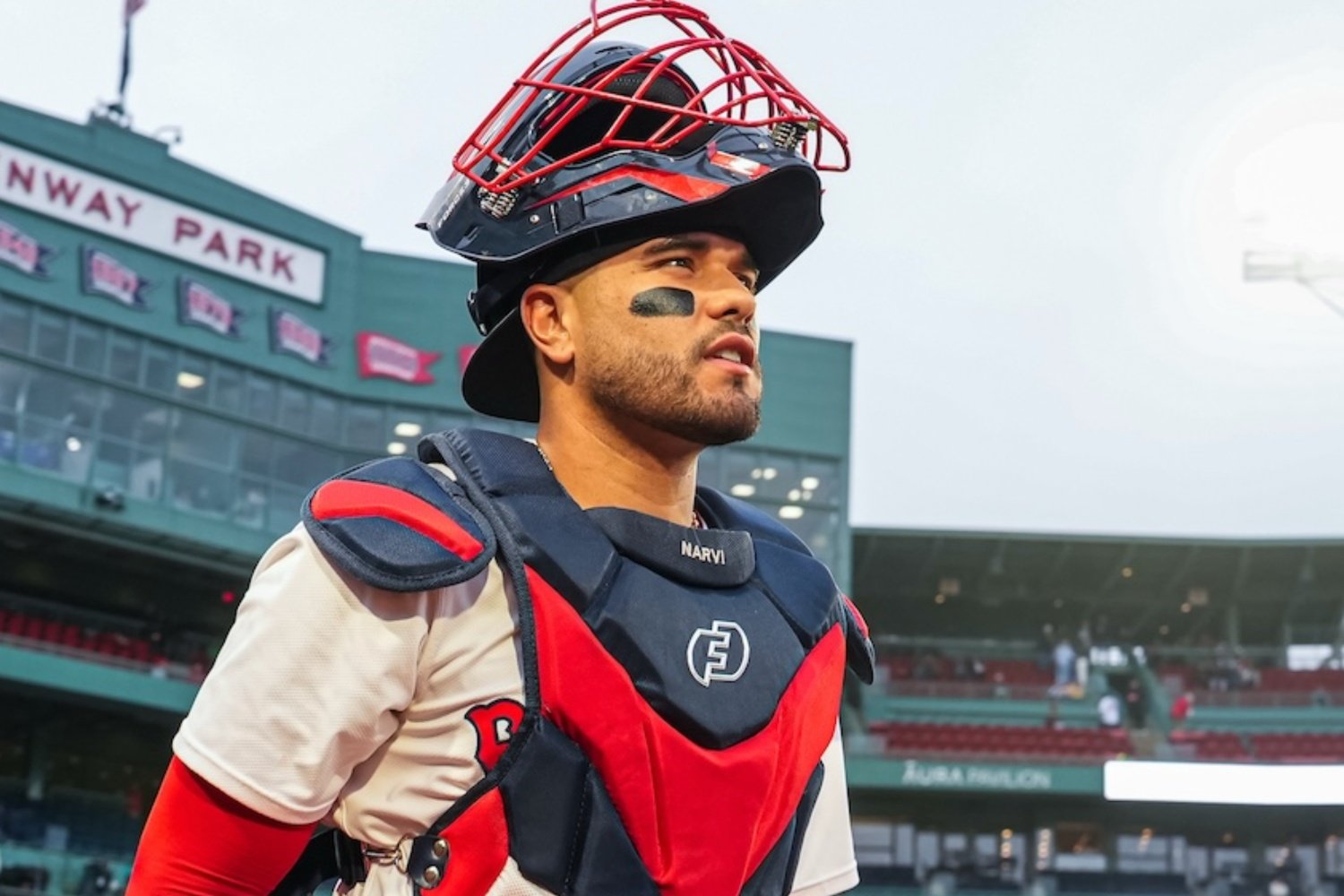 While the Rafael Devers trade has dominated the headlines, lost in all the noise is that the Boston Red Sox have been playing fantastic baseball. This team has clawed their way back from below mediocrity to take five of six games from the AL East-leading Yankees, took the series against the Tampa Bay Rays, are experiencing a stellar run of starting pitching, and have a bullpen that looks settled and is anchored by a closer having a career resurgence, all while Carlos Narvaez is making us forget about Kyle Teel andthe entire Big Three plays together in the majors. There’s a lot to be happy about as a fan of the Red Sox right now if you take a breath to pause from the media chaos. Let’s take a look at each aspect and break down why it paints a crystal-clear picture for the future of the franchise. Big Series Wins Against Good Teams It seemed most fans and analysts had penciled in the Red Sox to lose the first series against the Yankees in New York. After a loss in the first game, it seemed like that could come to fruition. Then, Garrett Crochet turned in his worst outing of the season, but the offense picked him up and the bullpen limited the damage. The Red Sox looked like they were hungry for a win. Then, on Sunday Night Baseball, the Sox got after Carlos Rodon in a way that hadn’t really happened all season and took the series. They turned their attention to the Rays and the momentum continued to build as they took two of three from a team leading them in the standings. The Yankees came to Fenway Park on Friday, June 13 hoping to overpower the Red Sox in their home ballpark. The Red Sox responded by sweeping the Yankees with contributions from all over the roster. Carlos Narvaez walked the game off on Friday night, Trevor Story and Romy Gonzalez knocked in RBIs to extend the lead early in the Saturday game, and the team proved Sunday they could win a game with less than three runs scored. The Starting Pitching Has Been Lights Out, literally Just looking at the Yankees home series, the Red Sox starters threw 21 1/3 innings, giving up seven hits, one earned run, five walks, and 20 strikeouts. Going back further to the last full turn through the rotation, Lucas Giolito went six innings pitched with zero earned runs, Walker Buehler went seven innings pitched with three earned runs, Garrett Crochet went eight and-a-third innings pitched with one earned run, Hunter Dobbins went six innings pitchers with zero earned runs, and Brayan Bello went seven shutout innings! Most recently, Giolito went six shutout innings against the Mariners. That's four earned runs in six starts. What more could you want from your rotation? I’d like to focus on Bello for just a second though, as he’s been cited as the most disappointing starter in the rotation. He faced a Yankees team trying to avoid a sweep that included a visibly frustrated Aaron Judge, who just had back-to-back down series against the Red Sox. Bello tossed seven innings, allowed three hits, three walks, and eight strikeouts. When Judge came up to the plate, Bello threw him pitches that didn’t sniff the zone and Judge chased each of them for swinging strikes. The moment never got too big for him, even when he was only clinging onto a one-run lead for five innings. The Bullpen Looks Good and Aroldis Chapman Seems Reinvented During the losing skid, the bullpen was overworked and tired. They looked listless each time they jogged from the pen to the mound. Now, though? They look rejuvenated and have been playing like a brand new group. Garrett Whitlock has been nails, Greg Weissert has worked himself into some jams and then pitched his way out, and Justin Wilson has been better than advertised. The shining star, though, is quite obviously Aroldis Chapman. He’s having a career year right now with the Red Sox, as hard as that may be to believe. He’s thrown 30 innings, sports a 1.50 ERA and 0.833 WHIP with 13 saves, a 36.5% strikeout rate, and a 7.8% walk rate. When he was brought in during the offseason, many fans, myself included, rolled their eyes and assumed he was just going to be the same pitcher he had been throughout the last few seasons as he bounced around from team to team. Coming to Boston seems to have allowed him to shift into a new gear and become the elite closer we knew him to be during his tenure with the Reds and Yankees. Carlos Narvaez Is An Absolute Stud On Offense and Defense The trade for Carlos Narvaez barely caused a blip on most people’s radars, but it proves that Craig Breslow has his good days too. He swapped a prospect in Elmer Rodriguez-Cruz that had upside for a catcher that I’d wager most Yankees fans had barely heard about. We assumed he could function as a backup catcher behind Connor Wong, potentially serving as a bridge to the team's next great catcher after losing Kyle Teel in the Crochet trade. Well, Wong’s season never got going — he got hurt, and has been a shell of himself since returning. All Narvaez has done is step into the spotlight and shine. He’s currently slashing .282/.366/.457 with six home runs, including walking off his former team to secure the victory on Friday, June 13. On defense, he's been just as brilliant. Just look at the catching stats from his Baseball Savant page. If Cal Raleigh wasn’t having the incredible season he’s having in Seattle, Narvaez is likely the starting catcher for the AL All-Star team come July. The Big Three Is Here and They Shouldn’t Be Going Anywhere It’s been a bit of a slow start for Roman Anthony, Marcelo Mayer, and Kristian Campbell. That’s okay, though. They are rookies, and we should be celebrating that The Big Three are together once again. Is it just a coincidence that once Roman Anthony joined the club, Marcelo Mayer found his power stroke? Or that Kristian Campbell’s swings started to look like they did when he was lighting the world on fire to start the season? I don’t think so. Having the band back together gives each guy a valuable support group to lean on. These guys are friends on and off the field, and having them together with the big league club, along with Narvaez, really helps showcase just how bright the future is in Boston. Give the kids some time to learn and contribute when they can, because they’ll reward you with outstanding production as they get their feet under them as the season carries on. I know it’s tough for some people to be a fan right now and that’s okay. What should help is that this team, your team, is playing fantastic baseball and seems primed to continue to make a run at a playoff spot. As hard as it may be to see, there’s a plan in place, and it’s going to be interesting to see what happens between right now and the trade deadline, but this team still deserve praise for the run its gone on in recent weeks. There's 26 men on this roster, and they all want to win. It’s always darkest before the dawn, and I think I can see the sun starting to break the horizon off in the distance.
 -
 Alex and Maddie discuss the fallout of the shocking Rafael Devers trade and discuss why maybe the front office made the right call after all. They dive into the exciting call-ups of Marcelo Mayer and Roman Anthony, plus make the pitch for Carlos Narvaez to win AL Rookie of the Year. Listen on Apple Podcasts: https://podcasts.apple.com/us/podcast/the-talk-sox-podcast/id1783204104 Listen on Spotify: https://open.spotify.com/show/3qPrPXEngu0CxgTmlf0ynm Listen on iHeartRadio: https://www.iheart.com/podcast/263-the-talk-sox-podcast-244591331/ Listen on Pocket Casts: https://pca.st/4tmd121v Watch on YouTube: https://www.youtube.com/@talksox
 -
Alex and Maddie discuss the fallout of the shocking Rafael Devers trade and discuss why maybe the front office made the right call after all. They dive into the exciting call-ups of Marcelo Mayer and Roman Anthony, plus make the pitch for Carlos Narvaez to win AL Rookie of the Year. Listen on Apple Podcasts: https://podcasts.apple.com/us/podcast/the-talk-sox-podcast/id1783204104 Listen on Spotify: https://open.spotify.com/show/3qPrPXEngu0CxgTmlf0ynm Listen on iHeartRadio: https://www.iheart.com/podcast/263-the-talk-sox-podcast-244591331/ Listen on Pocket Casts: https://pca.st/4tmd121v Watch on YouTube: https://www.youtube.com/@talksox View full article
- 1 reply
-
- 1
-

-
- rafael devers
- jordan hicks
- (and 6 more)
-
In what is likely the most shocking trade in the history of the Red Sox — or, at least the last five years of the Red Sox — superstar DH Rafael Devers has been traded to the San Francisco Giants. The Giants assume the entirety of Devers’ $254 million contract. In return, the Red Sox are receiving RHP Jordan Hicks, LHP Kyle Harrison, OF James Tibbs III, and RHP Jose Bello. In lieu of an opinion piece, which will absolutely come later, let’s discuss the newest members of the Boston Red Sox’s organization. RHP Jordan Hicks Hicks is currently on the injured list with a toe injury, but prior to the ailment, he amassed a 6.47 ERA, 1.54 WHIP, with 43 strikeouts over 48.2 innings pitched this year. Hicks was somewhat of a coveted free agent before he signed with the Giants in free agency before the 2024 season. He features a four-pitch mix: a sinker that averages 97.3 MPH, a sweeper that averages 82.4 MPH, a four-seam fastball that averages 97.2 MPH, and a splitter that averages 89 MPH. He was a supplemental pick by the St. Louis Cardinals in 2015 and featured flashes of elite stuff before he leveled off and was shuttled between their starting rotation and bullpen. He looks to bounce back with the Red Sox once he returns from injury as a member of the starting rotation, though a future in the bullpen shouldn't be counted out if the team wants a long-ish term closing option in place before dealing Aroldis Chapman at the trade deadline. LHP Kyle Harrison Harrison is likely viewed as the prize in this deal, though the next player may have something to say about that. He’s already been assigned to Triple-A Worcester, which shouldn’t be much of a shock. The pitching coaches in Boston will want to tinker with his mechanics to get him game ready, but he should see time at the major league level sooner than later. He likely will slot in as a starting pitcher for the Sox once Boston helps him stretch back out into a starter. In the majors this year he has a 4.56 ERA, 1.27 WHIP, with 25 strikeouts over 23.2 innings pitched. He features a three-pitch mix: a four-seam fastball that averages at 95.1 MPH, a slurve that averages 83.1 MPH, and a change-up that averages 87 MPH. He’s not a pitcher that will blow you away by any means, but there’s enough under the hood that warrants some attention. Harrison was Baseball America’s 26 overall prospect and MLB Pipeline’s 23rd overall prospect entering 2024. He has graduated from prospect status but has the pedigree to be a big contributor once he figures out the big leagues. OF James Tibbs III Tibbs comes to the organization from the Giants’ High-A affiliate, the Eugene Emeralds. He’s a power-first outfielder who is slashing .246/.478/.857. He has 12 homers and three stolen bases in 207 at-bats. He rose to High-A fairly quickly in 2024 and looks to make the same move up once he arrives in Greenville. He was the 13th overall pick in the 2024 draft out of Florida State. He was the fourth-ranked prospect in the Giants’ system, and should ascend to a similar status once the Big Three graduate. Where he has shined so far is his walk rate (16.3%); he shows great discipline for a young prospect. He will be one to watch as he progresses through the system. RHP Jose Bello Bello was signed as an international free agent in 2023 by the Giants. He is currently assigned to their Rookie-level affiliate where he has a 1-0 record, 2.00 ERA, two saves, a 0.72 WHIP, and 28 strikeouts over 18 innings pitched. He has floated around the low levels of the Giants’ system since signing and has not been ranked within the Giants’ top 30 prospects during his time in the system, per MassLive. However, FanGraphs did have him up at 22 in San Francisco's system. The biggest thing the Red Sox did by dealing Rafael Devers was clear the remainder of his salary off the books. They have saved $254 million by having the Giants agree to take on the entirety of his contract, lessening the return. The biggest question that remains now is: What does the front office hope to do with that money? Your guess is as good as mine. Only time will tell if the Red Sox can stomach trading another franchise superstar within the decade. View full article
-
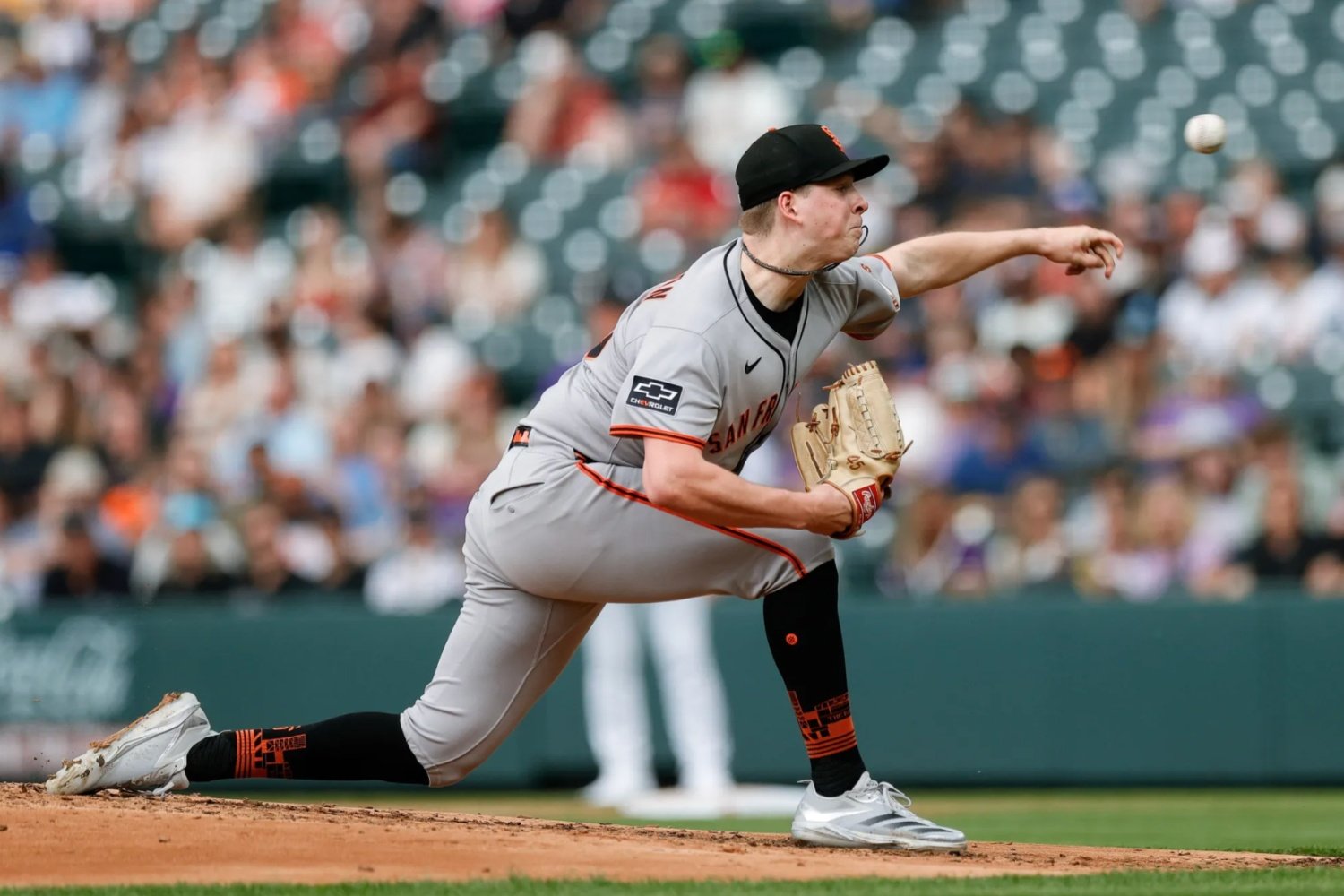 In what is likely the most shocking trade in the history of the Red Sox — or, at least the last five years of the Red Sox — superstar DH Rafael Devers has been traded to the San Francisco Giants. The Giants assume the entirety of Devers’ $254 million contract. In return, the Red Sox are receiving RHP Jordan Hicks, LHP Kyle Harrison, OF James Tibbs III, and RHP Jose Bello. In lieu of an opinion piece, which will absolutely come later, let’s discuss the newest members of the Boston Red Sox’s organization. RHP Jordan Hicks Hicks is currently on the injured list with a toe injury, but prior to the ailment, he amassed a 6.47 ERA, 1.54 WHIP, with 43 strikeouts over 48.2 innings pitched this year. Hicks was somewhat of a coveted free agent before he signed with the Giants in free agency before the 2024 season. He features a four-pitch mix: a sinker that averages 97.3 MPH, a sweeper that averages 82.4 MPH, a four-seam fastball that averages 97.2 MPH, and a splitter that averages 89 MPH. He was a supplemental pick by the St. Louis Cardinals in 2015 and featured flashes of elite stuff before he leveled off and was shuttled between their starting rotation and bullpen. He looks to bounce back with the Red Sox once he returns from injury as a member of the starting rotation, though a future in the bullpen shouldn't be counted out if the team wants a long-ish term closing option in place before dealing Aroldis Chapman at the trade deadline. LHP Kyle Harrison Harrison is likely viewed as the prize in this deal, though the next player may have something to say about that. He’s already been assigned to Triple-A Worcester, which shouldn’t be much of a shock. The pitching coaches in Boston will want to tinker with his mechanics to get him game ready, but he should see time at the major league level sooner than later. He likely will slot in as a starting pitcher for the Sox once Boston helps him stretch back out into a starter. In the majors this year he has a 4.56 ERA, 1.27 WHIP, with 25 strikeouts over 23.2 innings pitched. He features a three-pitch mix: a four-seam fastball that averages at 95.1 MPH, a slurve that averages 83.1 MPH, and a change-up that averages 87 MPH. He’s not a pitcher that will blow you away by any means, but there’s enough under the hood that warrants some attention. Harrison was Baseball America’s 26 overall prospect and MLB Pipeline’s 23rd overall prospect entering 2024. He has graduated from prospect status but has the pedigree to be a big contributor once he figures out the big leagues. OF James Tibbs III Tibbs comes to the organization from the Giants’ High-A affiliate, the Eugene Emeralds. He’s a power-first outfielder who is slashing .246/.478/.857. He has 12 homers and three stolen bases in 207 at-bats. He rose to High-A fairly quickly in 2024 and looks to make the same move up once he arrives in Greenville. He was the 13th overall pick in the 2024 draft out of Florida State. He was the fourth-ranked prospect in the Giants’ system, and should ascend to a similar status once the Big Three graduate. Where he has shined so far is his walk rate (16.3%); he shows great discipline for a young prospect. He will be one to watch as he progresses through the system. RHP Jose Bello Bello was signed as an international free agent in 2023 by the Giants. He is currently assigned to their Rookie-level affiliate where he has a 1-0 record, 2.00 ERA, two saves, a 0.72 WHIP, and 28 strikeouts over 18 innings pitched. He has floated around the low levels of the Giants’ system since signing and has not been ranked within the Giants’ top 30 prospects during his time in the system, per MassLive. However, FanGraphs did have him up at 22 in San Francisco's system. The biggest thing the Red Sox did by dealing Rafael Devers was clear the remainder of his salary off the books. They have saved $254 million by having the Giants agree to take on the entirety of his contract, lessening the return. The biggest question that remains now is: What does the front office hope to do with that money? Your guess is as good as mine. Only time will tell if the Red Sox can stomach trading another franchise superstar within the decade.

