Nick John
-
Posts
799 -
Joined
-
Last visited
-
Days Won
1
Content Type
Profiles
Boston Red Sox Videos
2026 Boston Red Sox Top Prospects Ranking
Boston Red Sox Free Agent & Trade Rumors, Notes, & Tidbits
Guides & Resources
2025 Boston Red Sox Draft Pick Tracker
News
2026 Boston Red Sox Draft Tracker: Picks & Bonuses
Forums
Blogs
Events
Store
Downloads
Gallery
Everything posted by Nick John
-
The Boston Red Sox are no strangers to finding players who manage to overcome expectations and turn into top prospects. Roman Anthony comes to mind as an example of that based on his time with the then Salem Red Sox. For Anthony, his first 42 games in 2023 with Low-A Salem made some people question why he was promoted — the then-19-year-old hit just hit .228/.376/.316 in 42 games. Yet, the Red Sox pushed him to High-A Greenville as his underlying metrics and data were far more bullish on his potential. Anthony had a keen understanding of the strike zone and wasn’t overmatched as he put the ball in play quite often. He was just exhibiting bad luck when it came to balls in play. The organization also felt that once he got out of Salem and played at Fluor Field with the Greenville Drive, his numbers would improve thanks in part to it being more of a hitter-friendly park than Carilion Clinic Field. By taking a deeper dive into a player’s abilities and how they’re looking on the diamond, there’s a chance the Red Sox could have another young, breakout prospect in their system right now. And ironically, his first experience of baseball in the United States is playing out very similar to how Anthony’s first taste of professional baseball did. Keep an eye on 18-year-old Enddy Azocar, who is beginning to make a name for himself as a prospect. He has the potential to break out in a huge way. Signed as an international free agent out of Venezuela, Azocar played in 31 games for the Red Sox Dominican Summer League team in 2024, where, as a 17-year-old, he put up a slash line of .266/.397/.309. However, he lacked power, producing two doubles and a triple to go along with 11 RBIs. Still, that was more than enough for the Red Sox to justify bringing him stateside for the 2025 season, where he began in the Florida Complex League for just 14 games. Limited though the sample was, he proved that he was more than ready for tougher competition as he slashed .385/.448/.558 with seven doubles and a triple along with five RBIs despite being roughly a year and a half younger than the competition. The Red Sox decided to give him a shot for most of the 2025 season with Salem, where, as an 18-year-old, he was one of the youngest players in Low-A. It showed, at least if you looked at just his stats. Azocar’s hot start in the Complex League tailed off with Salem, appearing in 71 games for the team where he hit just .202/.273/.314 with nine doubles, a triple, six home runs and 26 RBIs. He also struck out 67 times to just 21 walks. However, when you take a deeper look at Azocar’s season, you'll begin to grow impressed. Azocar saw his 90th percentile exit velocity raise by seven mph, going from 98 mph in 2024 to 105.4 mph. Now, unlike regular exit velocity, the 90th percentile is the exit velocity that is pulled from the sample of the player's hardest hit balls. This is done to help measure a batter’s peak power potential along with their raw strength/ By using the 90th percentile over regular exit velocity, teams are able to project a player’s potential and ability to consistently hit for more extra-base hits as they grow older and mature into their frames. For someone playing in the majors, the average 90th percentile exit velocity tends to hover around 104 mph, while those above 105 mph help separate a player with elite power. Azocar had the largest gain in the system in 90th percentile despite being only 18 years old, makes his 105.4 mph mark rather impressive. To compare to Anthony, the young outfielder had a 90th percentile of 108.5 mph for the 2024 season while splitting time in more hitter-friendly parks. Azocar's max exit velocity was also impressive, his hardest hit baseball of the 2025 season being 110.6 mph. A number that ranked near the top for his age bracket. And while the strikeouts increased for Azocar during his time with Salem, the young outfielder showcased an ability to make solid contact, as his whiff rate for pitches in the strike zone sat at a low 18%. Despite making consistent contact and not chasing at an alarming rate, his lack of recognizing secondary pitches hurts, though at his age, the ability to differentiate between a fastball and an off-speed pitch or breaking ball will come with time and reps. Defensively, Azocar played all three outfield positions but saw the majority of his time come in center field upon his promotion to Salem. He has solid range, and thanks to his above-average speed, he can get to balls easily. However, he doesn’t seem likely to stick in center field in the long run as he continues to fill out and add strength to his game, with a move to one of the corner outfield positions seeming likely. Azocar’s power seems to be the real deal, but whether he can successfully utilize it will determine the kind of player he becomes. Right now, he needs to work on his launch angle and his attack angle at the plate. In 2025, he had a 44% groundball rate, a number too high for someone producing an elite 90th percentile exit velocity. Azocar will need to elevate the ball more to reach his full potential and truly break out in 2026. Growing pains are a natural part of the game, and development is rarely linear in baseball. Should Azocar show signs of improvement from his 2025 performance in Salem, though, it wouldn’t be a surprise to see him in Greenville at the age of 19. While predicting a player’s future can be tough, one thing is for certain: the Red Sox have a very intriguing prospect in their organization. He might be a few years away from realizing this potential, but Enddy Azocar has all the tools to become a top prospect in the team's farm system. View full article
-
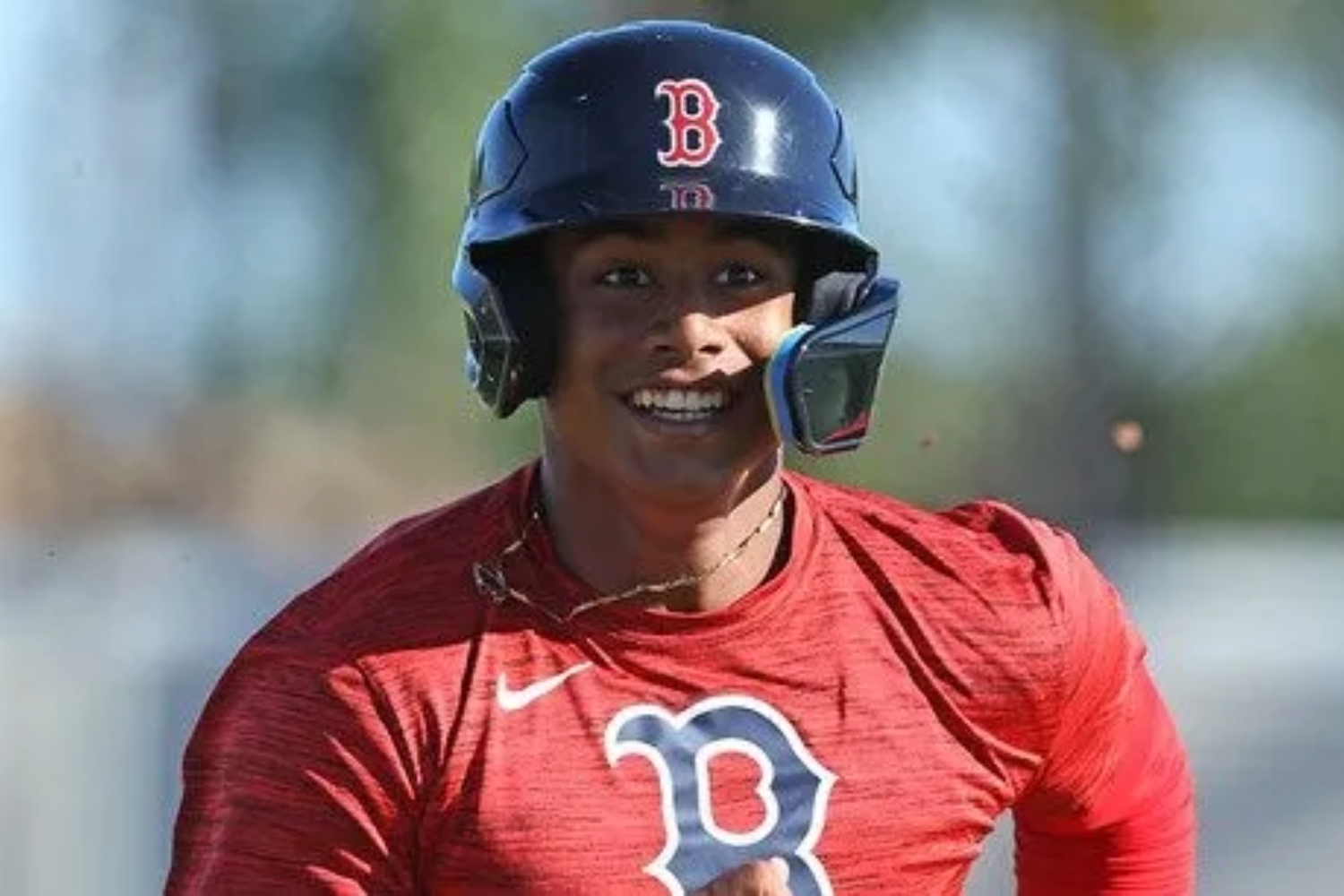 The Boston Red Sox are no strangers to finding players who manage to overcome expectations and turn into top prospects. Roman Anthony comes to mind as an example of that based on his time with the then Salem Red Sox. For Anthony, his first 42 games in 2023 with Low-A Salem made some people question why he was promoted — the then-19-year-old hit just hit .228/.376/.316 in 42 games. Yet, the Red Sox pushed him to High-A Greenville as his underlying metrics and data were far more bullish on his potential. Anthony had a keen understanding of the strike zone and wasn’t overmatched as he put the ball in play quite often. He was just exhibiting bad luck when it came to balls in play. The organization also felt that once he got out of Salem and played at Fluor Field with the Greenville Drive, his numbers would improve thanks in part to it being more of a hitter-friendly park than Carilion Clinic Field. By taking a deeper dive into a player’s abilities and how they’re looking on the diamond, there’s a chance the Red Sox could have another young, breakout prospect in their system right now. And ironically, his first experience of baseball in the United States is playing out very similar to how Anthony’s first taste of professional baseball did. Keep an eye on 18-year-old Enddy Azocar, who is beginning to make a name for himself as a prospect. He has the potential to break out in a huge way. Signed as an international free agent out of Venezuela, Azocar played in 31 games for the Red Sox Dominican Summer League team in 2024, where, as a 17-year-old, he put up a slash line of .266/.397/.309. However, he lacked power, producing two doubles and a triple to go along with 11 RBIs. Still, that was more than enough for the Red Sox to justify bringing him stateside for the 2025 season, where he began in the Florida Complex League for just 14 games. Limited though the sample was, he proved that he was more than ready for tougher competition as he slashed .385/.448/.558 with seven doubles and a triple along with five RBIs despite being roughly a year and a half younger than the competition. The Red Sox decided to give him a shot for most of the 2025 season with Salem, where, as an 18-year-old, he was one of the youngest players in Low-A. It showed, at least if you looked at just his stats. Azocar’s hot start in the Complex League tailed off with Salem, appearing in 71 games for the team where he hit just .202/.273/.314 with nine doubles, a triple, six home runs and 26 RBIs. He also struck out 67 times to just 21 walks. However, when you take a deeper look at Azocar’s season, you'll begin to grow impressed. Azocar saw his 90th percentile exit velocity raise by seven mph, going from 98 mph in 2024 to 105.4 mph. Now, unlike regular exit velocity, the 90th percentile is the exit velocity that is pulled from the sample of the player's hardest hit balls. This is done to help measure a batter’s peak power potential along with their raw strength/ By using the 90th percentile over regular exit velocity, teams are able to project a player’s potential and ability to consistently hit for more extra-base hits as they grow older and mature into their frames. For someone playing in the majors, the average 90th percentile exit velocity tends to hover around 104 mph, while those above 105 mph help separate a player with elite power. Azocar had the largest gain in the system in 90th percentile despite being only 18 years old, makes his 105.4 mph mark rather impressive. To compare to Anthony, the young outfielder had a 90th percentile of 108.5 mph for the 2024 season while splitting time in more hitter-friendly parks. Azocar's max exit velocity was also impressive, his hardest hit baseball of the 2025 season being 110.6 mph. A number that ranked near the top for his age bracket. And while the strikeouts increased for Azocar during his time with Salem, the young outfielder showcased an ability to make solid contact, as his whiff rate for pitches in the strike zone sat at a low 18%. Despite making consistent contact and not chasing at an alarming rate, his lack of recognizing secondary pitches hurts, though at his age, the ability to differentiate between a fastball and an off-speed pitch or breaking ball will come with time and reps. Defensively, Azocar played all three outfield positions but saw the majority of his time come in center field upon his promotion to Salem. He has solid range, and thanks to his above-average speed, he can get to balls easily. However, he doesn’t seem likely to stick in center field in the long run as he continues to fill out and add strength to his game, with a move to one of the corner outfield positions seeming likely. Azocar’s power seems to be the real deal, but whether he can successfully utilize it will determine the kind of player he becomes. Right now, he needs to work on his launch angle and his attack angle at the plate. In 2025, he had a 44% groundball rate, a number too high for someone producing an elite 90th percentile exit velocity. Azocar will need to elevate the ball more to reach his full potential and truly break out in 2026. Growing pains are a natural part of the game, and development is rarely linear in baseball. Should Azocar show signs of improvement from his 2025 performance in Salem, though, it wouldn’t be a surprise to see him in Greenville at the age of 19. While predicting a player’s future can be tough, one thing is for certain: the Red Sox have a very intriguing prospect in their organization. He might be a few years away from realizing this potential, but Enddy Azocar has all the tools to become a top prospect in the team's farm system.
 -
The Boston Red Sox have announced important dates for spring training. as the team stated pitchers and catchers will report to Fort Myers on February 10. Pitchers and catchers will hold their first workouts before the rest of the team arrives; Sunday. February 15 will be the first full squad workout for the team before spring training swings into full motion. Before players arrive, however, the yearly tradition known as Truck Day has to take place. The team announced that the festive day will take place February 2. The team also announced that spring training tickets will be available for sale on Thursday, January 8. The Red Sox will play an exhibition game Friday, February 20 against Northeastern University before opening spring training play against the Minnesota Twins the following day. View full rumor
-
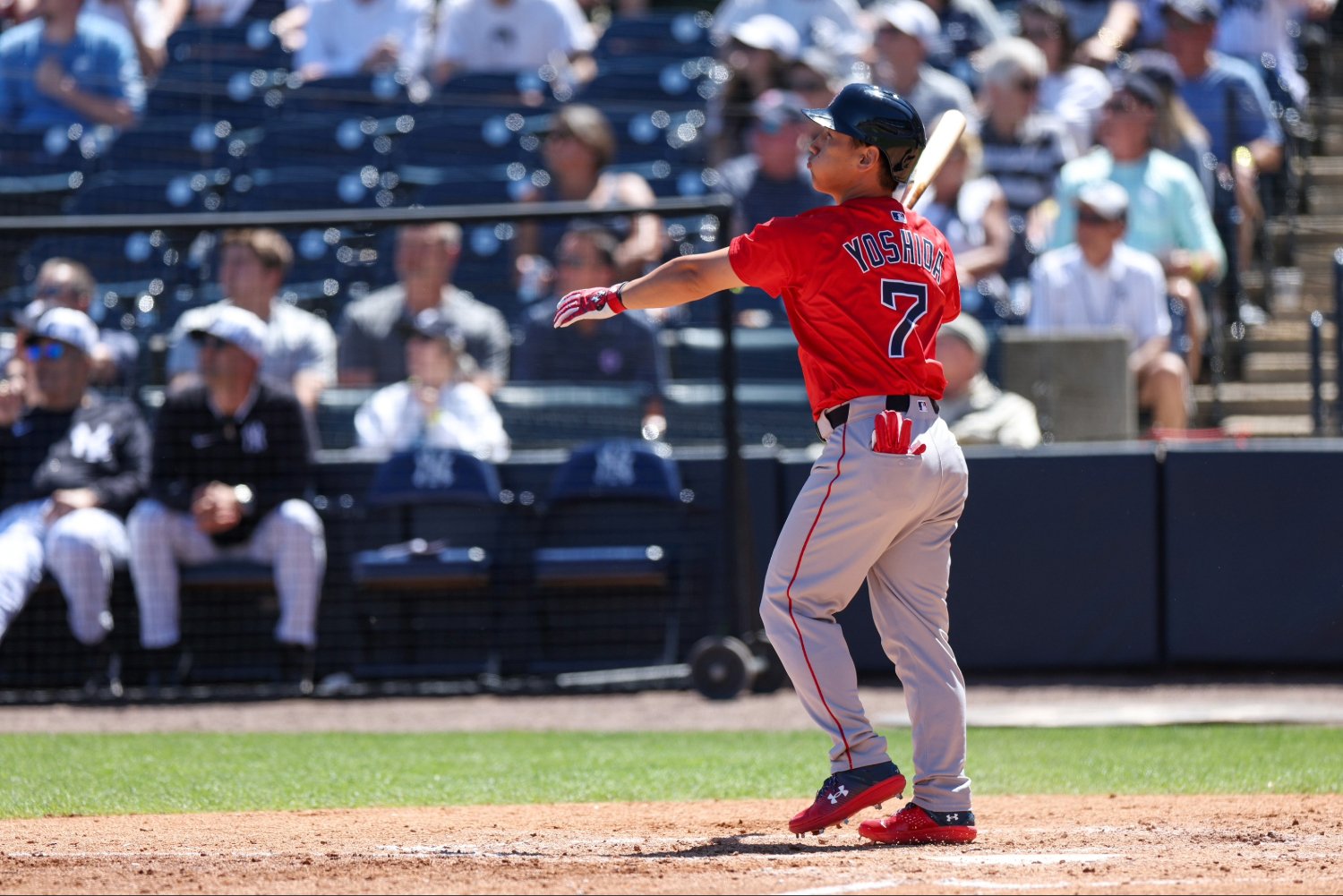 The Boston Red Sox have announced important dates for spring training. as the team stated pitchers and catchers will report to Fort Myers on February 10. Pitchers and catchers will hold their first workouts before the rest of the team arrives; Sunday. February 15 will be the first full squad workout for the team before spring training swings into full motion. Before players arrive, however, the yearly tradition known as Truck Day has to take place. The team announced that the festive day will take place February 2. The team also announced that spring training tickets will be available for sale on Thursday, January 8. The Red Sox will play an exhibition game Friday, February 20 against Northeastern University before opening spring training play against the Minnesota Twins the following day.
 -
The Boston Red Sox have spent the last half-decade rebuilding a minor-league system that lacked major-league-ready talent to help supplement the roster playing at Fenway Park. This movement towards developing, young, homegrown talent was needed after the 2018 World Series champions were supplemented by a mixture of young talent from the upper minors and by trading away other prospects to bring in key contributors like Steve Pearce and Nathan Eovaldi. Following 2018, the farm system was rather weak, being ranked the worst in the league by Baseball America. At the beginning of the 2019 season, the top 10 prospects in the organization included the likes of Michael Chavis, Darwinzon Hernández, Triston Casas, Bobby Dalbec, Tanner Houck, Jay Groome, Antoni Flores, CJ Chatham, Durbin Feltman, and Bryan Mata. Of those players, only two remain with the Red Sox, and three of them are planning on playing overseas in Japan for the 2026 season. Groome will be reinstated from his year-long suspension for sports betting, and both Chatham and Flores have been out of professional baseball since the end of the 2022 season. Feltman last pitched with the Staten Island FerryHawks of the Atlantic League in 2025 and Chavis recently signed a minor-league deal with the Cincinnati Reds. Fast-forward from 2020 to the end of 2025, and the Red Sox have done a much better job of drafting and developing young players. It isn’t just the likes of Roman Anthony or Marcelo Mayer; the team saw players like Hunter Dobbins, Richard Fitts, Connelly Early and Payton Tolle make the jump from MiLB to contribute important innings out of both the rotation and bullpen for a team fighting for a playoff spot. Guys like Jhostynxon Garcia and Brandon Clarke were used to bring in established rotation help in the form of Sonny Gray and Johan Oviedo. Now, after being ranked as the number one farm system entering 2025, the organization has been ranked as the 14th-best system by Baseball America. The farm system has been in flux, as Craig Breslow has completed 49 trades since he took over as the chief baseball officer. But it wasn’t just prospects being shipped out. Rather,, he both acquired major-league talent and replenished the minor-league depth through trades of end-of-roster guys like Chris Murphy and Brennan Bernardino. Despite ranking 14th now, the system is in no way lacking talent. It’s just that most of the top prospects now are in the lower minors. Outside of Tolle, Early, Franklin Arias, Mikey Romero and David Sandlin, the remaining top prospects have either played mostly in the low minors or have yet to make their professional debuts. Despite that, the organization has a lot of talent that could increase the organization’s ranking once games begin to get played. First-round pick Kyson Witherspoon is a player who could move quickly through the minors after falling to the Red Sox in the 2025 draft. Along with him are the likes of Justin Gonzales, who ended 2025 with Greenville and could see time in Portland in 2026 if he continues to produce offensively; Enddy Azocar, a young player with stronger underlying data than his .232/.302/.355 slash line suggests; and Henry Godbout, who slashed .341/.473/.477 in his first taste of professional baseball and is seen by many to be a potential breakout candidate in 2026. The system may look a little depleted after so many trades and graduations, but in reality, Breslow and the Red Sox have made sure to keep replenishing it as they go along. Newcomers in the system that should elicit interest include the likes of Luke Heyman, Jake Bennett, Isaiah Jackson, Ronny Hernandez, and Adonys Guzman. The farm system is doing well as the Red Sox have decided to cash in on some of the prospects they developed to bring in quality major-league talent. That ranking may look a lot different by the middle of the season depending on how the 2025 draft class looks early on. While they may not be in the top five, the Red Sox could see their ranking improve a few spots. Of course, no one knows what Breslow is thinking, and another blockbuster trade that sends out more prospects would see the ranking drop even more. But that’s what a farm system is for — to help create the best major-league team with talent from both inside and outside the organization. Not every prospect works out (as seen from the team’s top 10 in 2019) and sometimes a top-ranked farm system doesn’t equate to winning it all. By the end of 2018, the team had one of the worst systems but won it all since Dave Dombrowski mortgaged the future for the present. Those days are now long gone; the Red Sox have developed a mindset of not just building for the present, but to have a system that can continuously pump quality talent into the future. It's a difficult balance to strike, but the Sox appear more and more capable of it by the season. View full article
-
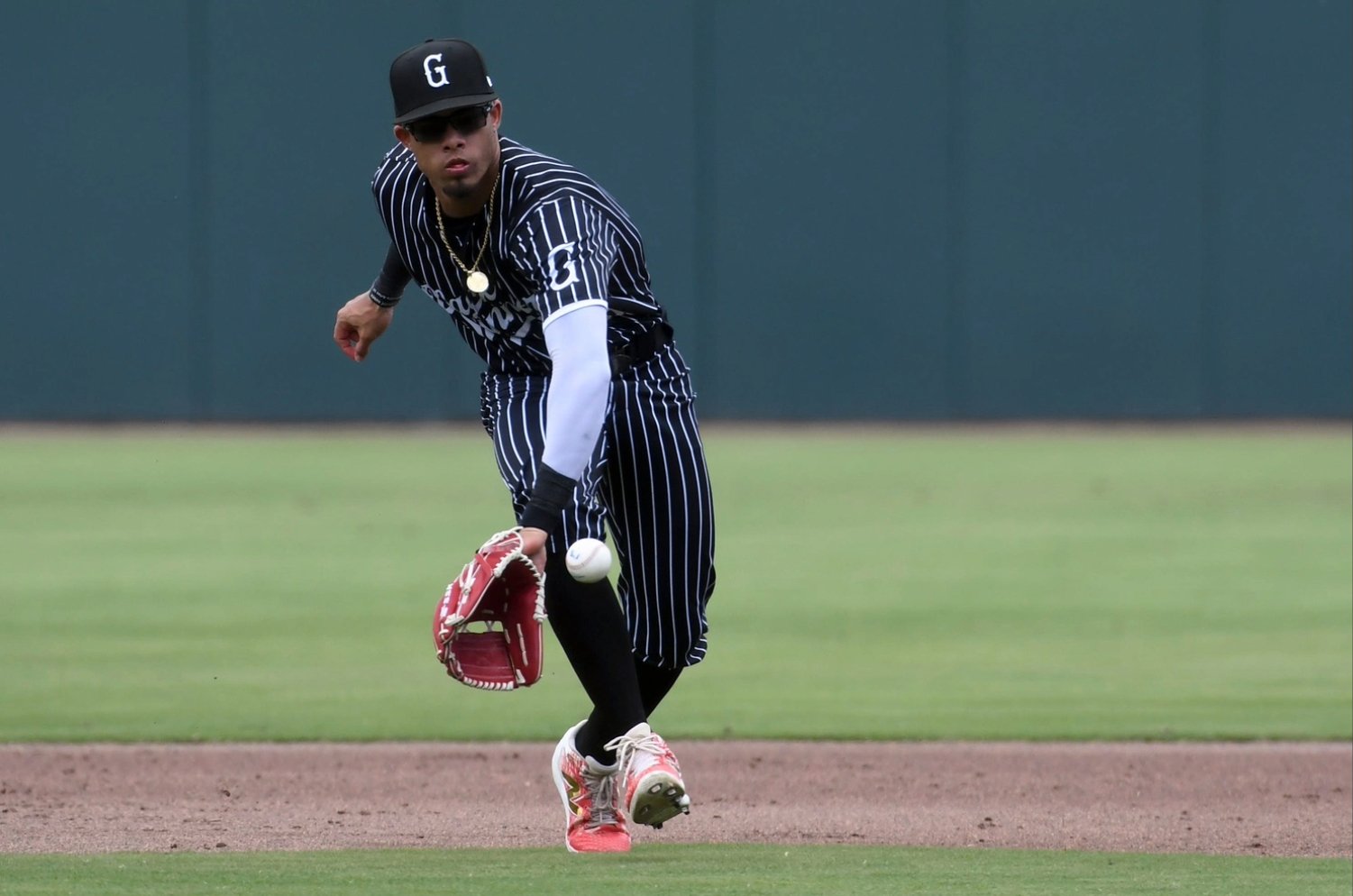 The Boston Red Sox have spent the last half-decade rebuilding a minor-league system that lacked major-league-ready talent to help supplement the roster playing at Fenway Park. This movement towards developing, young, homegrown talent was needed after the 2018 World Series champions were supplemented by a mixture of young talent from the upper minors and by trading away other prospects to bring in key contributors like Steve Pearce and Nathan Eovaldi. Following 2018, the farm system was rather weak, being ranked the worst in the league by Baseball America. At the beginning of the 2019 season, the top 10 prospects in the organization included the likes of Michael Chavis, Darwinzon Hernández, Triston Casas, Bobby Dalbec, Tanner Houck, Jay Groome, Antoni Flores, CJ Chatham, Durbin Feltman, and Bryan Mata. Of those players, only two remain with the Red Sox, and three of them are planning on playing overseas in Japan for the 2026 season. Groome will be reinstated from his year-long suspension for sports betting, and both Chatham and Flores have been out of professional baseball since the end of the 2022 season. Feltman last pitched with the Staten Island FerryHawks of the Atlantic League in 2025 and Chavis recently signed a minor-league deal with the Cincinnati Reds. Fast-forward from 2020 to the end of 2025, and the Red Sox have done a much better job of drafting and developing young players. It isn’t just the likes of Roman Anthony or Marcelo Mayer; the team saw players like Hunter Dobbins, Richard Fitts, Connelly Early and Payton Tolle make the jump from MiLB to contribute important innings out of both the rotation and bullpen for a team fighting for a playoff spot. Guys like Jhostynxon Garcia and Brandon Clarke were used to bring in established rotation help in the form of Sonny Gray and Johan Oviedo. Now, after being ranked as the number one farm system entering 2025, the organization has been ranked as the 14th-best system by Baseball America. The farm system has been in flux, as Craig Breslow has completed 49 trades since he took over as the chief baseball officer. But it wasn’t just prospects being shipped out. Rather,, he both acquired major-league talent and replenished the minor-league depth through trades of end-of-roster guys like Chris Murphy and Brennan Bernardino. Despite ranking 14th now, the system is in no way lacking talent. It’s just that most of the top prospects now are in the lower minors. Outside of Tolle, Early, Franklin Arias, Mikey Romero and David Sandlin, the remaining top prospects have either played mostly in the low minors or have yet to make their professional debuts. Despite that, the organization has a lot of talent that could increase the organization’s ranking once games begin to get played. First-round pick Kyson Witherspoon is a player who could move quickly through the minors after falling to the Red Sox in the 2025 draft. Along with him are the likes of Justin Gonzales, who ended 2025 with Greenville and could see time in Portland in 2026 if he continues to produce offensively; Enddy Azocar, a young player with stronger underlying data than his .232/.302/.355 slash line suggests; and Henry Godbout, who slashed .341/.473/.477 in his first taste of professional baseball and is seen by many to be a potential breakout candidate in 2026. The system may look a little depleted after so many trades and graduations, but in reality, Breslow and the Red Sox have made sure to keep replenishing it as they go along. Newcomers in the system that should elicit interest include the likes of Luke Heyman, Jake Bennett, Isaiah Jackson, Ronny Hernandez, and Adonys Guzman. The farm system is doing well as the Red Sox have decided to cash in on some of the prospects they developed to bring in quality major-league talent. That ranking may look a lot different by the middle of the season depending on how the 2025 draft class looks early on. While they may not be in the top five, the Red Sox could see their ranking improve a few spots. Of course, no one knows what Breslow is thinking, and another blockbuster trade that sends out more prospects would see the ranking drop even more. But that’s what a farm system is for — to help create the best major-league team with talent from both inside and outside the organization. Not every prospect works out (as seen from the team’s top 10 in 2019) and sometimes a top-ranked farm system doesn’t equate to winning it all. By the end of 2018, the team had one of the worst systems but won it all since Dave Dombrowski mortgaged the future for the present. Those days are now long gone; the Red Sox have developed a mindset of not just building for the present, but to have a system that can continuously pump quality talent into the future. It's a difficult balance to strike, but the Sox appear more and more capable of it by the season.
 -
The Boston Red Sox are no strangers to breakout prospects. In 2023, the team saw Roman Anthony burst onto the stage and emerge as one of the best prospects in the sport, while 2024 saw the same happen with Kristian Campbell, as the young player made his way from High-A Greenville all the way up to Triple-A Worcester. Even just this past season, the team saw Payton Tolle become their latest breakout prospect alongside fellow left-handed pitcher Connelly Early as the duo both made their way to the majors to help the Red Sox with their push for the postseason. Now, with the Red Sox's farm system having graduated most of its top prospects, the question becomes: Who is set to emerge as the next big-name breakout in the organization? There are a few potential candidates, so let's analyze four under-the-radar prospects who could emerge as top-shelf stars. 3 Red Sox prospects with breakout potential in 2026 Henry Godbout – Second Base Godbout, who was drafted in the second round of the 2025 MLB Draft, made his professional debut for High-A Greenville this past season, appearing in 13 games. While a small sample, the infielder did not disappoint as he put up a stat line of .341/.473/.477 to go along with six doubles and five RBIs. What makes Godbout a potential breakout prospect for the 2026 season is his contact ability. While he chases at a high rate, Godbout has a short swing that is direct to the ball that goes well with his strong hand-eye coordination and his feel for the nose of the bat. Along with that, Godbout has showcased an increase in his bat speed since being drafted, a skill the Red Sox have honed in on under Craig Breslow. Should Godbout’s power increase without sacrificing his elite hit tool, he could become a top prospect in the organization. The projection is due to the fact that Godbout fits the same mold of college bats the Red Sox have targeted in past drafts and is a strong candidate for their bat speed program. And despite his tendency to chase, Godbout is difficult to strike out thanks to his contact skills. Blake Wehunt – Pitcher Wehunt was drafted in the ninth round of the 2023 draft while Chaim Bloom was in charge. but has ended up checking off a lot of boxes that Craig Breslow looks for in pitching prospects. Standing at 6-foot-7 and have plus extension, Wehunt generates a lot of downhill force toward the plate. Currently sitting 93-96 mph, his fastball has shown life at the top of the zone and can also sink at the bottom, allowing Wehunt to change a batter's eye level with just one pitch. While his cutter, sweeper and splitter aren’t as good as his fastball, he is comfortable throwing the cutter and splitter for strikes. The 2025 campaign was a rough season for Wehunt if you look at just his numbers: 2-8 record, 5.68 ERA and a 1.47 WHIP. But when you look deeper, you can see the improvements he's made. Wehunt had a 10.80 strikeout per nine innings, good for a strikeout rate of 27%. On the season, he had bad luck at times, as a .341 batting average on balls in play led to opponents hitting .258 against him and his FIP being 4.10 instead of his expected FIP of 3.61. His ERA of 5.68 was also inflated due to one bad start where he allowed seven earned runs in just 2/3 of an inning. Wehunt also missed over a month of the season due to a lat strain, possibly playing a role in his performance upon his return where he allowed 18 earned runs across 10 2/3 innings. A healthy 2026, along with continued development of secondary pitches, could see Wehunt become the next big pitching prospect to shoot up the rankings. Or, at worst, he could become a dominant reliever who either helps the big-league club eventually or is traded for major-league talent. Luke Heyman – Catcher Heyman was acquired at the 2025 Rule 5 roster protection deadline and honestly feels a bit early to be picked as a breakout candidate. He hasn’t played a single game in professional baseball yet. Still, he's got all the tools to thrive immediately in the Red Sox's sytem. Heyman was comfortable hitting fastballs in college but will need to show he can handle secondary pitches, especially against professional pitching. However, with plus power that goes with high exit velocities and good batted ball angles, he's going to hit the ball hard. His collegiate career proved that he could hit for power, and his final season, he also showed an improved ability to put the ball in play cutting back from 69 strikeouts his sophomore season to just 38 in his junior year (though he played in 15 less games). His ability to hit velocity was thanks in part to solid bat speed and his ability to stay balanced during his swing. Defensively, there's no clear position that stands out as a perfect home. However, his arm is the real deal. It currently is rated as being above average and helped him throw out quite a few runners in college. If he is at least close to being average when it comes to blocking pitches behind the plate, his arm could be the difference in whether he remains a catcher or moves elsewhere. Heyman’s potential for a breakout season will all depend on his health and how much playing time he gets due to the influx of catching talent in the lower levels of the Red Sox's minor league system this offseason. What do you think? Do you agree with these prospects as being potential breakout players, or do you feel there's someone else that should have been included? Leave your thoughts down below in the comments! View full article
-
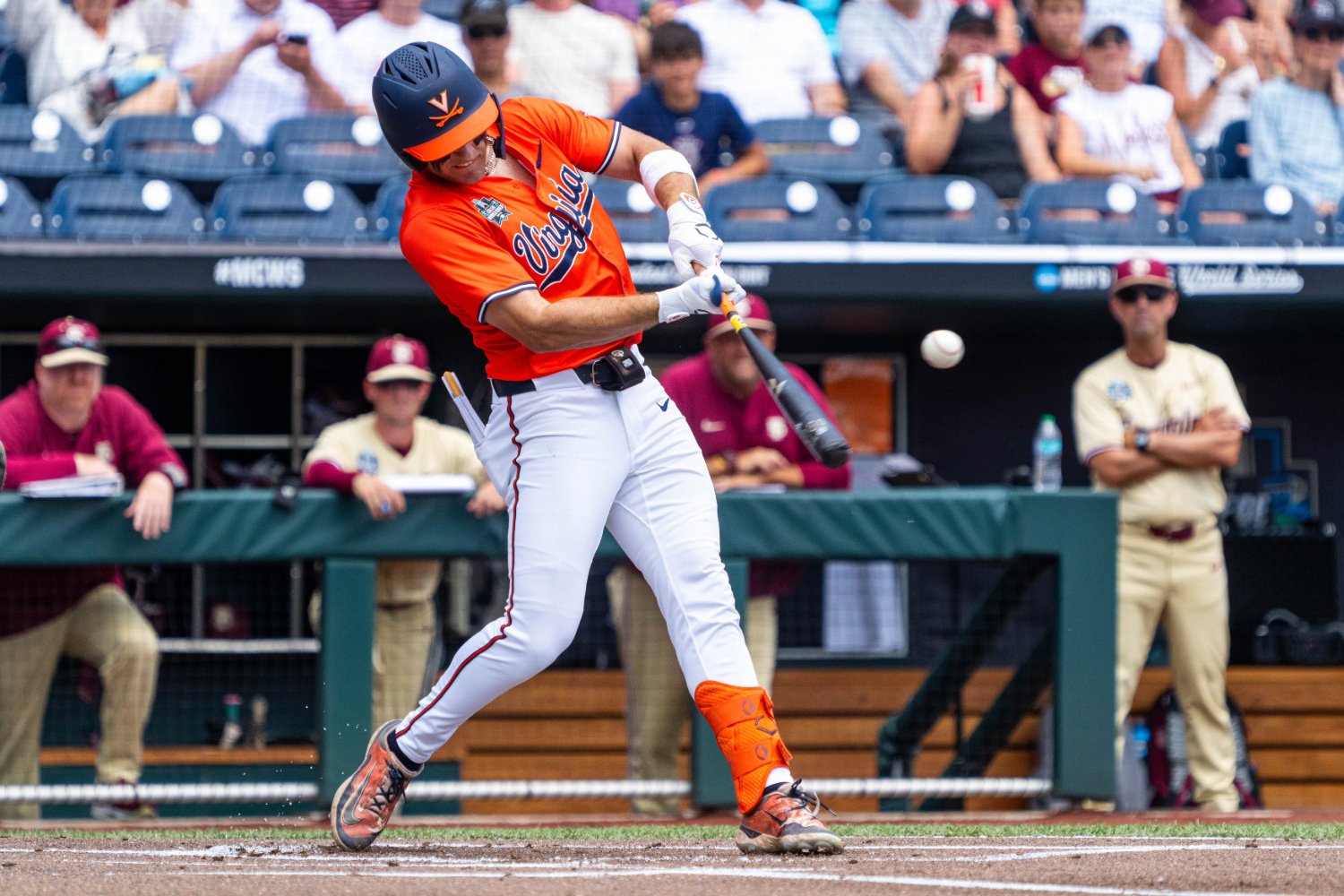 The Boston Red Sox are no strangers to breakout prospects. In 2023, the team saw Roman Anthony burst onto the stage and emerge as one of the best prospects in the sport, while 2024 saw the same happen with Kristian Campbell, as the young player made his way from High-A Greenville all the way up to Triple-A Worcester. Even just this past season, the team saw Payton Tolle become their latest breakout prospect alongside fellow left-handed pitcher Connelly Early as the duo both made their way to the majors to help the Red Sox with their push for the postseason. Now, with the Red Sox's farm system having graduated most of its top prospects, the question becomes: Who is set to emerge as the next big-name breakout in the organization? There are a few potential candidates, so let's analyze four under-the-radar prospects who could emerge as top-shelf stars. 3 Red Sox prospects with breakout potential in 2026 Henry Godbout – Second Base Godbout, who was drafted in the second round of the 2025 MLB Draft, made his professional debut for High-A Greenville this past season, appearing in 13 games. While a small sample, the infielder did not disappoint as he put up a stat line of .341/.473/.477 to go along with six doubles and five RBIs. What makes Godbout a potential breakout prospect for the 2026 season is his contact ability. While he chases at a high rate, Godbout has a short swing that is direct to the ball that goes well with his strong hand-eye coordination and his feel for the nose of the bat. Along with that, Godbout has showcased an increase in his bat speed since being drafted, a skill the Red Sox have honed in on under Craig Breslow. Should Godbout’s power increase without sacrificing his elite hit tool, he could become a top prospect in the organization. The projection is due to the fact that Godbout fits the same mold of college bats the Red Sox have targeted in past drafts and is a strong candidate for their bat speed program. And despite his tendency to chase, Godbout is difficult to strike out thanks to his contact skills. Blake Wehunt – Pitcher Wehunt was drafted in the ninth round of the 2023 draft while Chaim Bloom was in charge. but has ended up checking off a lot of boxes that Craig Breslow looks for in pitching prospects. Standing at 6-foot-7 and have plus extension, Wehunt generates a lot of downhill force toward the plate. Currently sitting 93-96 mph, his fastball has shown life at the top of the zone and can also sink at the bottom, allowing Wehunt to change a batter's eye level with just one pitch. While his cutter, sweeper and splitter aren’t as good as his fastball, he is comfortable throwing the cutter and splitter for strikes. The 2025 campaign was a rough season for Wehunt if you look at just his numbers: 2-8 record, 5.68 ERA and a 1.47 WHIP. But when you look deeper, you can see the improvements he's made. Wehunt had a 10.80 strikeout per nine innings, good for a strikeout rate of 27%. On the season, he had bad luck at times, as a .341 batting average on balls in play led to opponents hitting .258 against him and his FIP being 4.10 instead of his expected FIP of 3.61. His ERA of 5.68 was also inflated due to one bad start where he allowed seven earned runs in just 2/3 of an inning. Wehunt also missed over a month of the season due to a lat strain, possibly playing a role in his performance upon his return where he allowed 18 earned runs across 10 2/3 innings. A healthy 2026, along with continued development of secondary pitches, could see Wehunt become the next big pitching prospect to shoot up the rankings. Or, at worst, he could become a dominant reliever who either helps the big-league club eventually or is traded for major-league talent. Luke Heyman – Catcher Heyman was acquired at the 2025 Rule 5 roster protection deadline and honestly feels a bit early to be picked as a breakout candidate. He hasn’t played a single game in professional baseball yet. Still, he's got all the tools to thrive immediately in the Red Sox's sytem. Heyman was comfortable hitting fastballs in college but will need to show he can handle secondary pitches, especially against professional pitching. However, with plus power that goes with high exit velocities and good batted ball angles, he's going to hit the ball hard. His collegiate career proved that he could hit for power, and his final season, he also showed an improved ability to put the ball in play cutting back from 69 strikeouts his sophomore season to just 38 in his junior year (though he played in 15 less games). His ability to hit velocity was thanks in part to solid bat speed and his ability to stay balanced during his swing. Defensively, there's no clear position that stands out as a perfect home. However, his arm is the real deal. It currently is rated as being above average and helped him throw out quite a few runners in college. If he is at least close to being average when it comes to blocking pitches behind the plate, his arm could be the difference in whether he remains a catcher or moves elsewhere. Heyman’s potential for a breakout season will all depend on his health and how much playing time he gets due to the influx of catching talent in the lower levels of the Red Sox's minor league system this offseason. What do you think? Do you agree with these prospects as being potential breakout players, or do you feel there's someone else that should have been included? Leave your thoughts down below in the comments!
 -
The Boston Red Sox improved their offense just prior to Christmas, as they completed their fourth major trade of the offseason and second with the St. Louis Cardinals. The move, which brought over slugging first baseman Willson Contreras and $8 million in cash, saw the Red Sox send back three young and exciting pitchers. The headliner of the trade was fan-favorite Hunter Dobbins who made his major-league debut for the Red Sox in 2025. The right-hander provided valuable depth for the organization as he traveled up and down the Mass Pike throughout the season. Dobbins quickly endeared himself to the team thanks to his quality pitching, along with his immediate dislike of the Yankees, going as far to say that if only the Yankees offered him a contract, he would rather retire from the sport. Overall, Dobbins pitched in 13 games with Boston, making 11 starts. He would go on to finish the year with a 4-1 record while striking out 45 batters across 61 innings. Despite being a rookie, Dobbins anchored the back end of the rotation while the Sox battled injuries and inconsistency. While the month of May yielded some growing pains for Dobbins (16 earned runs over 28 1/3 innings), he turned a corner when it was needed; in June, he allowed just eight earned runs across 20 innings pitched, including a huge six inning, scoreless appearance against the New York Yankees on Father’s Day weekend. As a pitcher, Dobbins incorporates six pitches, using his fastball most often. While the right-hander was around average in chase rate (28.1%), his whiff rate and strikeout rate were both near the bottom of the league (21.9% and 17.6%, respectively). However, he managed to stay out of a lot of trouble thanks to an amazingly low walk rate (6.6%) and an ability to keep the ball on the ground at nearly a 50% rate. Dobbins’ season ended prematurely in July when he tore his ACL in his right knee during a start in July against the Tampa Bay Rays while covering first base. Dobbins was already down at Fort Myers earlier this offseason and had shown he was playing catch at the complex. His goal is to be ready for the start of the season — if he is, could crack the Opening Day rotation for the Cardinals. Also joining Dobbins on their way to St. Louis are two interesting minor-league pitchers in right-handers Yhoiker Fajardo and Blake Aita. Fajardo came to the Red Sox as the return from the trade that sent left-hander Cam Booser to the Chicago White Sox. Fajardo, while young, was a quick riser on Red Sox prospect lists. He opened the season allowing just one run in 20 2/3 innings in the Florida Complex League. Then, he would go on to finish the campaign starting 13 games for Single-A Salem, tossing 51 1/3 innings and striking out 59 batters. Fajardo still has some projection to grow, especially in his upper body. He relies on three pitches, a fastball that tops out at 97 mph, a slider that flashes bat-missing potential and a changeup that already shows good movement and occasional bat-missing ability. He also has a two-seam fastball he sometimes uses that has arm-side run and sink. Aita, on the other hand, was drafted in the sixth round of the 2024 Draft out of Kennesaw State. The right-hander pitched well in his first taste of professional baseball in 2025, making 23 appearances between Single-A Salem and High-A Greenville. Overall, he would go on to finish with a 5-7 record and a 3.98 ERA across 115 1/3 innings pitched. Aita showed better improvement upon reaching Greenville, pitching 64 1/3 innings while recording a 3.78 ERA, compared to just 51 innings and a 4.24 ERA with Salem. The right-hander throws a fastball, sweeper, cutter, and changeup, and all look to be at least average at this point. Aita took to the Red Sox pitching program well, as his fastball (which sat around 89-92 mph in college) averaged around 92-95 mph across the season. The fastball, along with his sweeper and cutter, also generated high spin rates. His sweeper alone reached over 3200 RPMs during the season and showcased strong bat-missing potential. While the Red Sox managed to bring in a much-needed offensive improvement, it was not without a big sacrifice. Thankfully, the Red Sox under Craig Breslow have overhauled their pitching development so that moves like this don’t hurt as much as they did in the past. The trade overall seems like a win for both sides, as the Red Sox got their offensive addition while Chaim Bloom and the Cardinals got younger and brought in interesting pitching prospects that should help accelerate their young rebuild. View full article
-
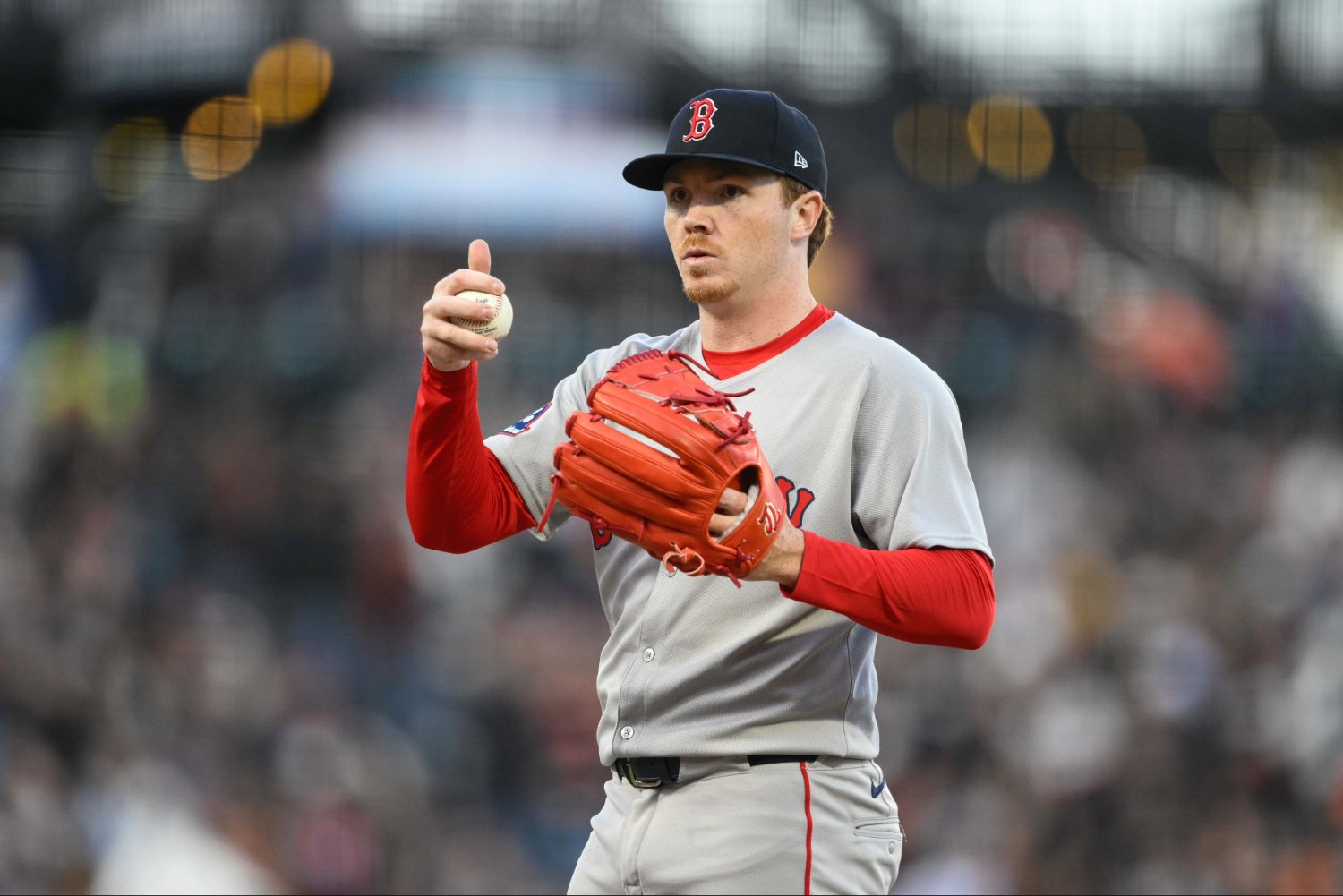 The Boston Red Sox improved their offense just prior to Christmas, as they completed their fourth major trade of the offseason and second with the St. Louis Cardinals. The move, which brought over slugging first baseman Willson Contreras and $8 million in cash, saw the Red Sox send back three young and exciting pitchers. The headliner of the trade was fan-favorite Hunter Dobbins who made his major-league debut for the Red Sox in 2025. The right-hander provided valuable depth for the organization as he traveled up and down the Mass Pike throughout the season. Dobbins quickly endeared himself to the team thanks to his quality pitching, along with his immediate dislike of the Yankees, going as far to say that if only the Yankees offered him a contract, he would rather retire from the sport. Overall, Dobbins pitched in 13 games with Boston, making 11 starts. He would go on to finish the year with a 4-1 record while striking out 45 batters across 61 innings. Despite being a rookie, Dobbins anchored the back end of the rotation while the Sox battled injuries and inconsistency. While the month of May yielded some growing pains for Dobbins (16 earned runs over 28 1/3 innings), he turned a corner when it was needed; in June, he allowed just eight earned runs across 20 innings pitched, including a huge six inning, scoreless appearance against the New York Yankees on Father’s Day weekend. As a pitcher, Dobbins incorporates six pitches, using his fastball most often. While the right-hander was around average in chase rate (28.1%), his whiff rate and strikeout rate were both near the bottom of the league (21.9% and 17.6%, respectively). However, he managed to stay out of a lot of trouble thanks to an amazingly low walk rate (6.6%) and an ability to keep the ball on the ground at nearly a 50% rate. Dobbins’ season ended prematurely in July when he tore his ACL in his right knee during a start in July against the Tampa Bay Rays while covering first base. Dobbins was already down at Fort Myers earlier this offseason and had shown he was playing catch at the complex. His goal is to be ready for the start of the season — if he is, could crack the Opening Day rotation for the Cardinals. Also joining Dobbins on their way to St. Louis are two interesting minor-league pitchers in right-handers Yhoiker Fajardo and Blake Aita. Fajardo came to the Red Sox as the return from the trade that sent left-hander Cam Booser to the Chicago White Sox. Fajardo, while young, was a quick riser on Red Sox prospect lists. He opened the season allowing just one run in 20 2/3 innings in the Florida Complex League. Then, he would go on to finish the campaign starting 13 games for Single-A Salem, tossing 51 1/3 innings and striking out 59 batters. Fajardo still has some projection to grow, especially in his upper body. He relies on three pitches, a fastball that tops out at 97 mph, a slider that flashes bat-missing potential and a changeup that already shows good movement and occasional bat-missing ability. He also has a two-seam fastball he sometimes uses that has arm-side run and sink. Aita, on the other hand, was drafted in the sixth round of the 2024 Draft out of Kennesaw State. The right-hander pitched well in his first taste of professional baseball in 2025, making 23 appearances between Single-A Salem and High-A Greenville. Overall, he would go on to finish with a 5-7 record and a 3.98 ERA across 115 1/3 innings pitched. Aita showed better improvement upon reaching Greenville, pitching 64 1/3 innings while recording a 3.78 ERA, compared to just 51 innings and a 4.24 ERA with Salem. The right-hander throws a fastball, sweeper, cutter, and changeup, and all look to be at least average at this point. Aita took to the Red Sox pitching program well, as his fastball (which sat around 89-92 mph in college) averaged around 92-95 mph across the season. The fastball, along with his sweeper and cutter, also generated high spin rates. His sweeper alone reached over 3200 RPMs during the season and showcased strong bat-missing potential. While the Red Sox managed to bring in a much-needed offensive improvement, it was not without a big sacrifice. Thankfully, the Red Sox under Craig Breslow have overhauled their pitching development so that moves like this don’t hurt as much as they did in the past. The trade overall seems like a win for both sides, as the Red Sox got their offensive addition while Chaim Bloom and the Cardinals got younger and brought in interesting pitching prospects that should help accelerate their young rebuild.
 -
“To be honest it was a complete surprise,” Blake Wehunt said as he thought back to the 2023 draft. Taken in the ninth round out of Kennesaw State by the Boston Red Sox, Wehunt never expected to be drafted by the organization. The right-hander admitted that going into the 2023 draft, he had talked to teams here and there, but really had no idea when it came to expecting anything. All he knew was that he had a decent year to the point he had a shot at hearing his name called, but he wasn’t entering the draft with the thought of getting picked. “I hadn’t talked to the Red Sox much, so I went into it with zero expectations,” Wehunt recalled about the pre-draft process. “Sure enough, the Red Sox ended up calling. I’m blessed to be where I’m at.” Wehunt didn’t pitch much after getting drafted in 2023, getting into a single game at the Florida Complex League where he tossed one inning and struck out a batter while allowing one hit. The 2024 campaign was a bigger year for the pitcher, as in his first full professional season, he moved through three minor league levels, going from Single-A Salem and finishing the year with Double-A Portland. This past season saw Wehunt deal with injury, spending time on the injured list due to a lat strain. On the season, Wehunt wound up going 2-8 with a 5.68 ERA in 63 1/3 innings. In total, he appeared in 17 games and struck out 76 batters. But despite that, the season was still a success because of his improved cutter. “The fastball was 93-95 at the time and we have this huge gap in the arsenal where everything was either slow or fast. And so they came up with the idea of the cutter, and I was able to understand how to throw it pretty quickly,” Wehunt said as he talked about the process behind how a pitcher decides to add to their arsenal. The pitch, which he added in 2024, has evolved from there. “The plan before was to have something to show hitters early in counts that wasn’t a fastball and wasn’t off-speed. As I’ve grown to use it more, it’s definitely become more of an [offering] I can throw it in any count. It’s developed into using it how it should be vs just get ahead with it.” Of course, despite the improved cutter and Wehunt’s own work ethic, the injury still lingered on his mind as the season wore on and as he eventually got ready for the offseason. “Coming back (during the season) was a little tough because mentally, I had to learn how to trust that again. Now I’m to the point I don’t feel [the injury] anymore.” Wehunt spent half of October and half of November in Florida to do maintenance on his injury and making sure it was fine before getting into his usual offseason routine. Though, he also found time to enjoy some of his favorite activities. “I’m a big-time outdoorsman. Hunting, fishing, I’m all for it,” Wehunt explained when asked about things he enjoyed doing outside of baseball. “Most of the offseason I find myself doing [that kind of stuff]. Chasing deer and ducks and everything else.” And despite his enjoyment of hunting, Wehunt also knows that once New Year’s Day rolls around, it’s time to put the guns and bows away and to begin ramping up for baseball. “As soon as New Years is over, let’s put the rifle and the bow down and lets really hone in.” View full article
-
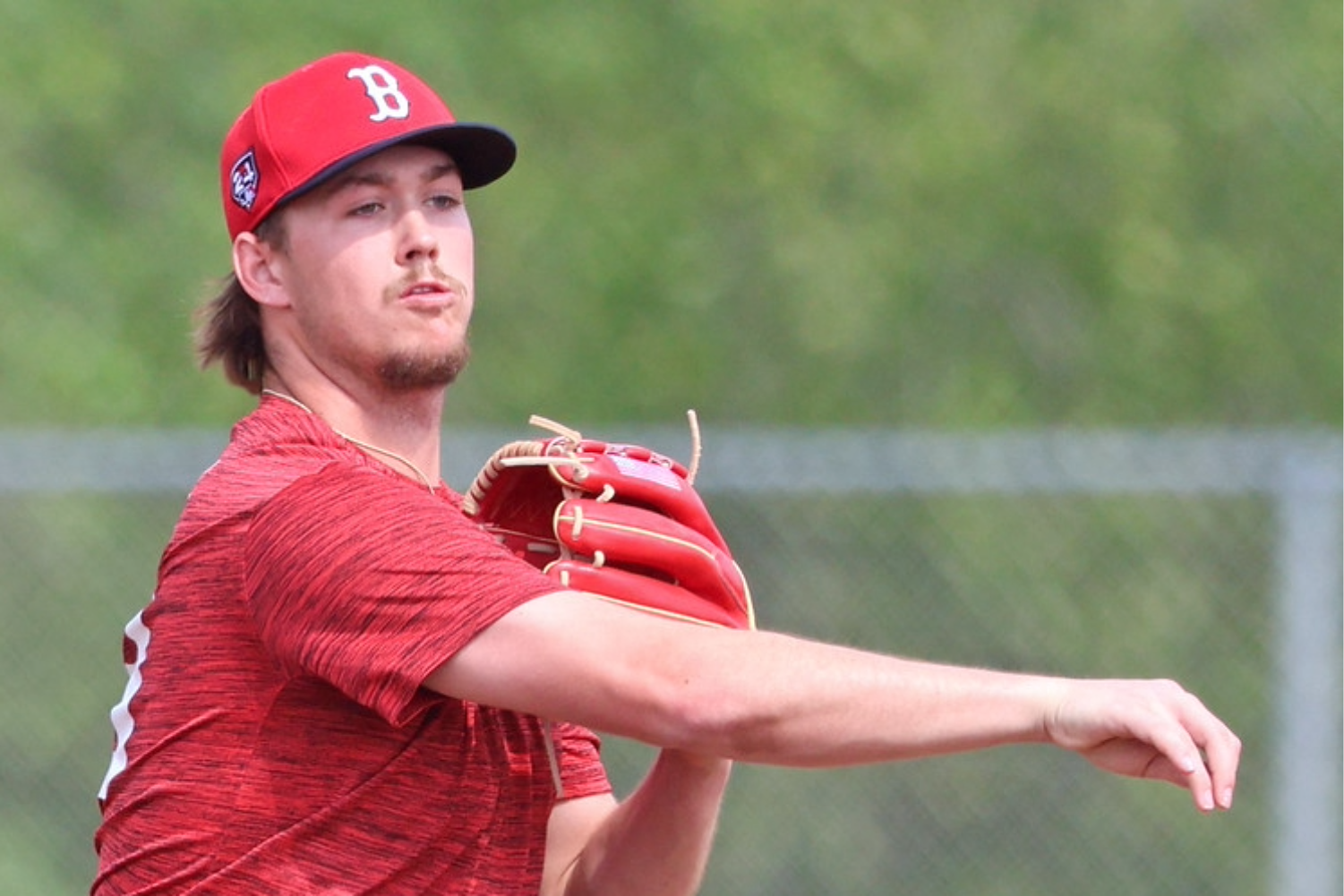 “To be honest it was a complete surprise,” Blake Wehunt said as he thought back to the 2023 draft. Taken in the ninth round out of Kennesaw State by the Boston Red Sox, Wehunt never expected to be drafted by the organization. The right-hander admitted that going into the 2023 draft, he had talked to teams here and there, but really had no idea when it came to expecting anything. All he knew was that he had a decent year to the point he had a shot at hearing his name called, but he wasn’t entering the draft with the thought of getting picked. “I hadn’t talked to the Red Sox much, so I went into it with zero expectations,” Wehunt recalled about the pre-draft process. “Sure enough, the Red Sox ended up calling. I’m blessed to be where I’m at.” Wehunt didn’t pitch much after getting drafted in 2023, getting into a single game at the Florida Complex League where he tossed one inning and struck out a batter while allowing one hit. The 2024 campaign was a bigger year for the pitcher, as in his first full professional season, he moved through three minor league levels, going from Single-A Salem and finishing the year with Double-A Portland. This past season saw Wehunt deal with injury, spending time on the injured list due to a lat strain. On the season, Wehunt wound up going 2-8 with a 5.68 ERA in 63 1/3 innings. In total, he appeared in 17 games and struck out 76 batters. But despite that, the season was still a success because of his improved cutter. “The fastball was 93-95 at the time and we have this huge gap in the arsenal where everything was either slow or fast. And so they came up with the idea of the cutter, and I was able to understand how to throw it pretty quickly,” Wehunt said as he talked about the process behind how a pitcher decides to add to their arsenal. The pitch, which he added in 2024, has evolved from there. “The plan before was to have something to show hitters early in counts that wasn’t a fastball and wasn’t off-speed. As I’ve grown to use it more, it’s definitely become more of an [offering] I can throw it in any count. It’s developed into using it how it should be vs just get ahead with it.” Of course, despite the improved cutter and Wehunt’s own work ethic, the injury still lingered on his mind as the season wore on and as he eventually got ready for the offseason. “Coming back (during the season) was a little tough because mentally, I had to learn how to trust that again. Now I’m to the point I don’t feel [the injury] anymore.” Wehunt spent half of October and half of November in Florida to do maintenance on his injury and making sure it was fine before getting into his usual offseason routine. Though, he also found time to enjoy some of his favorite activities. “I’m a big-time outdoorsman. Hunting, fishing, I’m all for it,” Wehunt explained when asked about things he enjoyed doing outside of baseball. “Most of the offseason I find myself doing [that kind of stuff]. Chasing deer and ducks and everything else.” And despite his enjoyment of hunting, Wehunt also knows that once New Year’s Day rolls around, it’s time to put the guns and bows away and to begin ramping up for baseball. “As soon as New Years is over, let’s put the rifle and the bow down and lets really hone in.”
 -
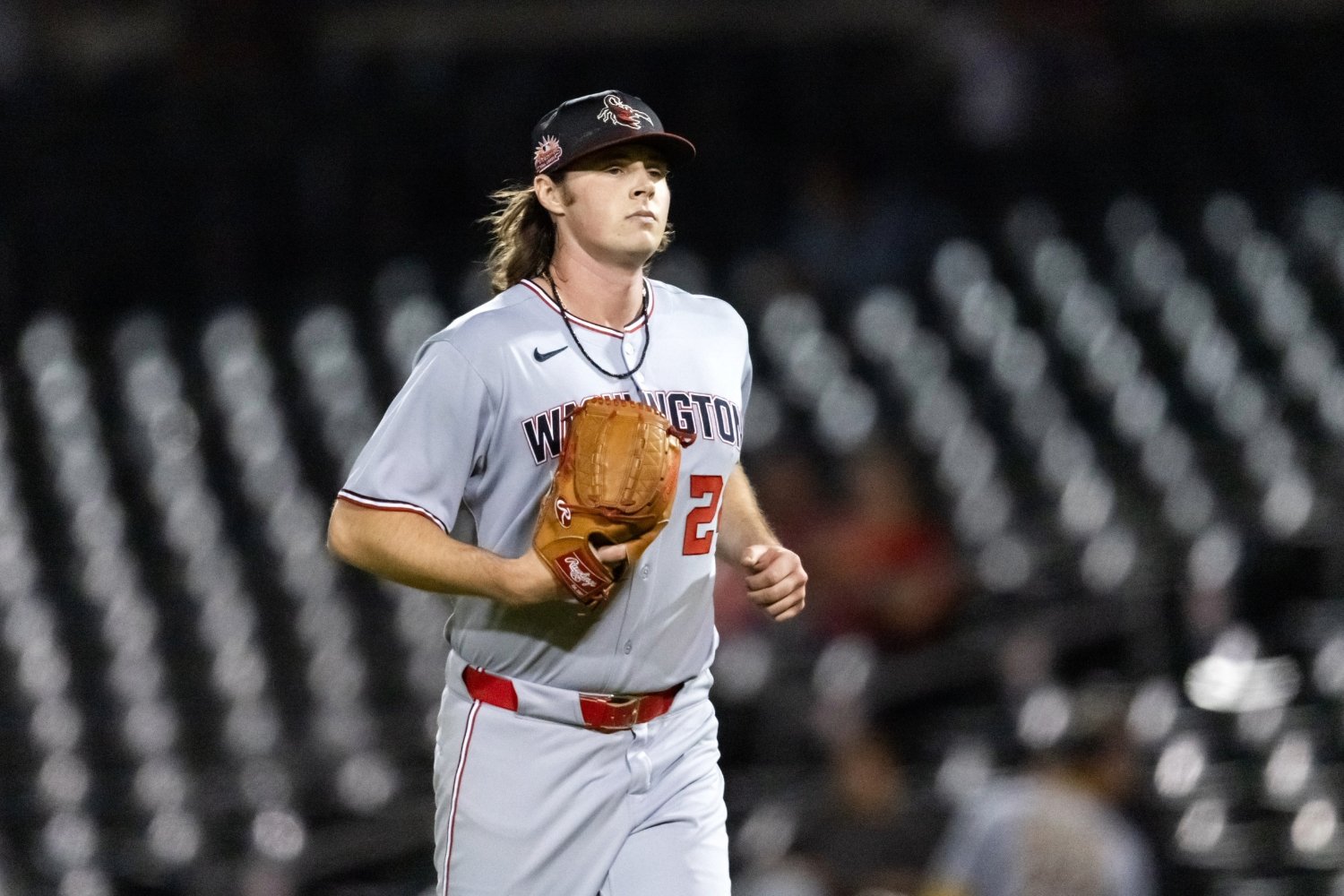 Craig Breslow and the Boston Red Sox pulled off a surprise trade this week, sending electric pitching prospect Luis Perales to the Washington Nationals for left-handed pitching prospect Jake Bennett. The trade is a strange and rare prospect-for-prospect trade, but with Paul Toboni now calling the shots for the Nationals, it makes sense that a trade between the two teams was bound to happen. Toboni does have an excellent understanding of the Red Sox's farm system after all. With the trade, Breslow continues his acquisition of pitchers who fit a certain, preferred mold. Bennett, who was the Nationals’ second-round pick back in 2022, stands 6-foot-6 with elite extension (during his time in the Arizona Fall League Bennett averaged seven feet of extension) and a fastball that just averaged under 94 mph. His pitch arsenal is made up of six pitches: a fastball, changeup, sinker, cutter, curveball and slider. Depending on which side the batter hits from tends to dictate his pitch usage, as against left-handed batters, he relies heavily on his sinker (55.3% usage in the AFL). His cutter and fastball are used 18.1% and 14.9%, respectively, while his slider was used just 6.4% of the time and his changeup and curveball were used a combined 5.4%. On the other hand, against right-handed batters it’s his fastball and changeup that make up 75.6% of the pitches he threw in the AFL. His cutter and curveball were his two next-most-used offerings, though it's clear that's he got a bread and butter against righties. Bennett’s fastball, while averaging 93.8 mph, did top out around 96 mph in the AFL, and he’s already shown an increase in velocity compared to his professional debut. Spending the remainder of the offseason following the Red Sox's pitching program could yield another tick or two for the 2026 season. The southpaw recently turned 25 years old at the start of December and returned in 2025 from Tommy John surgery, appearing in 19 games across three levels. Bennett finished the season with Double-A Harrisburg where he pitched in 10 games, making nine starts, going 1-2 with a 2.56 ERA in 45 2/3 innings. For the entire season, he wound up going 2-5 with a 2.27 ERA across 75 1/3 innings. Bennett struck out 64 batters and walked 19. Following the season, he was sent to the AFL where he was dominant in an otherwise hitter-friendly league. In 20 frames, he led the AFL in strikeouts with 25 while walking just five batters. Of his pitches, the only one that had under a 20% chase rate was his curveball, while every pitch generated at least a 33% whiff rate (slider sat at a whopping 66.7%). His changeup was also a great pitch, being chased 45.6% of the time and being whiffed on 43.8% of the time. Overall, during his time in the AFL, Bennett managed to get opposing batters to chase on 34.1% of his pitches while whiffing on 39.9% of their swings. Breslow holds a high opinion of the pitcher, going as far as to say: “We feel like Bennett is a high-probability starter that excels in some things that are hard to teach. Fastball playability driven by above-average extension and strike-throwing ability. His whiff rates and ability to manage hard contact have us confident in his ability to be a major-league starter”. During his time in the AFL, Bennett held batters to a 44% hard-hit rate while the average exit velocity off of him was just 88 mph, a stat that had him sitting in the 72nd percentile. Bennett, who was the Nationals’ sixth ranked prospect by Baseball America, has shown improvement since being drafted. Between his wide arsenal of pitches, being a left-handed pitcher, and his excellent command, he should be in the rotation if he makes it up to Boston. His time in Double-A (while short) can be compared to two other talented lefties in Connelly Early and Payton Tolle. Though older than both of them, Bennett had an ERA that was comparable to Early while his FIP was lower. While also having the lowest strikeout rate of the three, Bennett edged out Tolle for a lower walk rate at 6%. Along with that, Bennett’s ability to keep the ball on the ground rivals both pitchers, his 48% ground-ball rate falling just short of Early’s 50%, but being much higher than Tolle’s 40%. Of course, you can’t get talent without giving up talent, and in return the Red Sox sent Perales back to the Nationals. Perales, who was Talk Sox’s fifth-ranked prospect at the time of the deal, was a talented-yet-injury-prone pitcher. He missed all but one game of the 2021 season due to injuries and the only season where he made at least 20 appearances was in 2023. This year, he was coming off of Tommy John surgery he had in 2024 and made just three appearances in 2025. Like Bennett, the talented prospect pitched in the AFL, where he made six starts and tossed 11 1/3 innings, striking out 19 batters. Despite Perales’ talent, there was worry of the risk he would wind up being a reliever due to his history of injuries along with his command issues. While not confirmed, Breslow must have had that in mind when he traded what was known as the arm with the best raw stuff in the system. Bennett will have a lot to live up to, but he fits the mold that Breslow loves far more than Perales ever did.
 -
Dorian Soto Will Be Red Sox's Fastest Riser in 2026
Nick John replied to Nick John's topic in Red Sox Minor League Talk
Azocar is really intriguing. Tore up FCL before being one of the youngest in Low-A. His metrics all point to being a breakout candidate and he's someone I'm keeping an eye on next season alongside Soto, Wehunt and Aita. -
Drafted by the Red Sox in 2023, right-handed pitcher Blake Wehunt spent the 2025 season pitching for the Double-A Portland Sea Dog. He sits down and talks about how it was a surprise to be drafted by the Red Sox, along with the improvements to a cutter he learned in 2024. The pitcher also discusses his enjoyment of hunting and fishing as he gets ready for spring training in roughly two months. View full video
-
Drafted by the Red Sox in 2023, right-handed pitcher Blake Wehunt spent the 2025 season pitching for the Double-A Portland Sea Dog. He sits down and talks about how it was a surprise to be drafted by the Red Sox, along with the improvements to a cutter he learned in 2024. The pitcher also discusses his enjoyment of hunting and fishing as he gets ready for spring training in roughly two months.
-
Craig Breslow and the Boston Red Sox pulled off a surprise trade Monday night as electric pitching prospect Luis Perales was traded to the Washington Nationals for left-handed pitching prospect Jake Bennett. The trade is a strange and rare prospect-for-prospect trade but with Paul Toboni now calling the shots for the Nationals it makes sense that a trade between the two teams was bound to happen. Toboni does have an excellent understanding of the Red Sox farm system after all. With the trade, Breslow continues his acquisition of pitchers who fit a certain, preferred mold. Bennett, who was the Nationals’ second round pick back in 2022 stands 6-foot-6 with elite extension (during his time in the Arizona Fall League Bennett averaged 7 feet in extension) and a fastball that just averaged under 94 mph. His pitch arsenal is made up of six pitches, his fastball, changeup, sinker, cutter, curveball and slider. Depending on which side the batter hits from also determines his pitch usage as against left-handed batters he relies heavily on his sinker as he tossed it 55.3% of the time in the AFL. His cutter and fastball are used 18.1% and 14.9% of the time while his slider was used just 6.4% of the time and his changeup and curveball were used a combined 5.4%. Against right-handed batters it’s a different story as his fastball and changeup make up 75.6% of the pitches he threw in the AFL. His sinker saw a huge drop off to just 4.1% usage while his cutter also dropped to 10.6%. His curveball saw an increase as it was used 7.4% of the time while his slider was used even less, being thrown just 2.3% of the time. Bennett’s fastball, while averaging 93.8 mph did top out around 96 mph and he’s already shown an increase in velocity compared to his professional debut. Spending the remainder of the offseason following the Red Sox pitching program could see it increase another tick or two for the 2026 season. Though thanks to his low three-quarters release, his pitches seem to have deception to them. His sinker and cutter are mixed with his fastball in order to change how his fastball typically looks to add to the deception while his changeup will fade to his arm side, working best against right-handed batters. Meanwhile his slider and curveball are not used often but he manages to use them to spot a strike or get the opposing batter to chase. Overall, he has excellent control of all his pitches. Bennett recently turned 25-years-old at the start of December and returned in 2025 from Tommy John surgery as he appeared in 19 games across three levels. Bennett finished the season with Double-A Harrisburg where he pitched in 10 games, making nine starts and going 1-2 with a 2.56 ERA in 45 2/3 innings. For the entire season he wound up going 2-5 with a 2.27 ERA across 75 1/3 innings. Bennett struck out 64 batters and walked 19. Following the season, Bennett was sent to the AFL where he was dominant in an otherwise hitter friendly league. Tossing 20 innings he led the AFL in strikeouts with 25 while walking just five batters. Of his pitches, the only one that had under a 20% chase rate was his curveball while every pitch had at least a 33% whiff rate as his slider was particularly high with 66.7% of swings against it ending in whiffs. Along with his slider, his changeup was a great pitch, being chased 45.6% of the time and being whiffed on 43.8% of the time. Overall, during his time in the AFL, Bennett managed to get opposing batters to chase on 34.1% of his pitches and whiffing on 39.9%. Breslow appears to be incredibly high on the pitcher, going as far as to say “we feel like Bennett is a high probability starter that excels in some things that are hard to teach. Fastball playability driven by above average extension and strike throwing ability. His whiff rates and ability to manage hard contact have us confident in his ability to be a major league starter”. During his time in the AFL, Bennett held batters to just a 44% hard-hit rate while the average exit velocity off of him was just 88 mph, a stat that had him in the 72nd percentile. Bennett, who was the Nationals’ sixth ranked prospect by Baseball America, has shown improvement since being drafted and between his wide arsenal of pitches, being a left-handed pitcher, and his excellent ability to control his pitches should be in the rotation if he makes it up to Boston. His time in Double-A (while short) can be compared to two other talented lefties in Connelly Early and Payton Tolle. Though older than both of them, Bennett had an ERA that was very close to Early while his FIP was lower. While also having the lowest strikeout rate of the three, Bennett edged out Tolle for a lower walk percentage at 6%. Along with that, Bennett’s ability to keep the ball on the ground rivals both pitchers, his 48% falling just short of Early’s 50%, but being much higher than Tolle’s 40%. Of course, you can’t get without giving up and in return the Red Sox sent Perales back to the Nationals. Perales, who is Talk Sox’s fifth ranked prospect, was a talented yet injury prone pitcher. Perales missed all but one game of the 2021 season due to injuries and the only season where he made at least 20 appearances was in 2023. Otherwise, his next highest was 13 games in 2022. Perales was coming off of Tommy John surgery he had in 2024 and made three appearances in 2025. Like Bennett, the talented prospect pitched in the AFL where he made six starts and tossed 11 1/3 innings where he struck out 19 batters. Despite Perales’ talent, there was worry of the risk he would wind up being a reliever due to his history of injuries along with his struggles with his control. While not confirmed, Breslow must have had that in mind when he traded what was known as the arm with the best raw stuff in the system. View full article
-
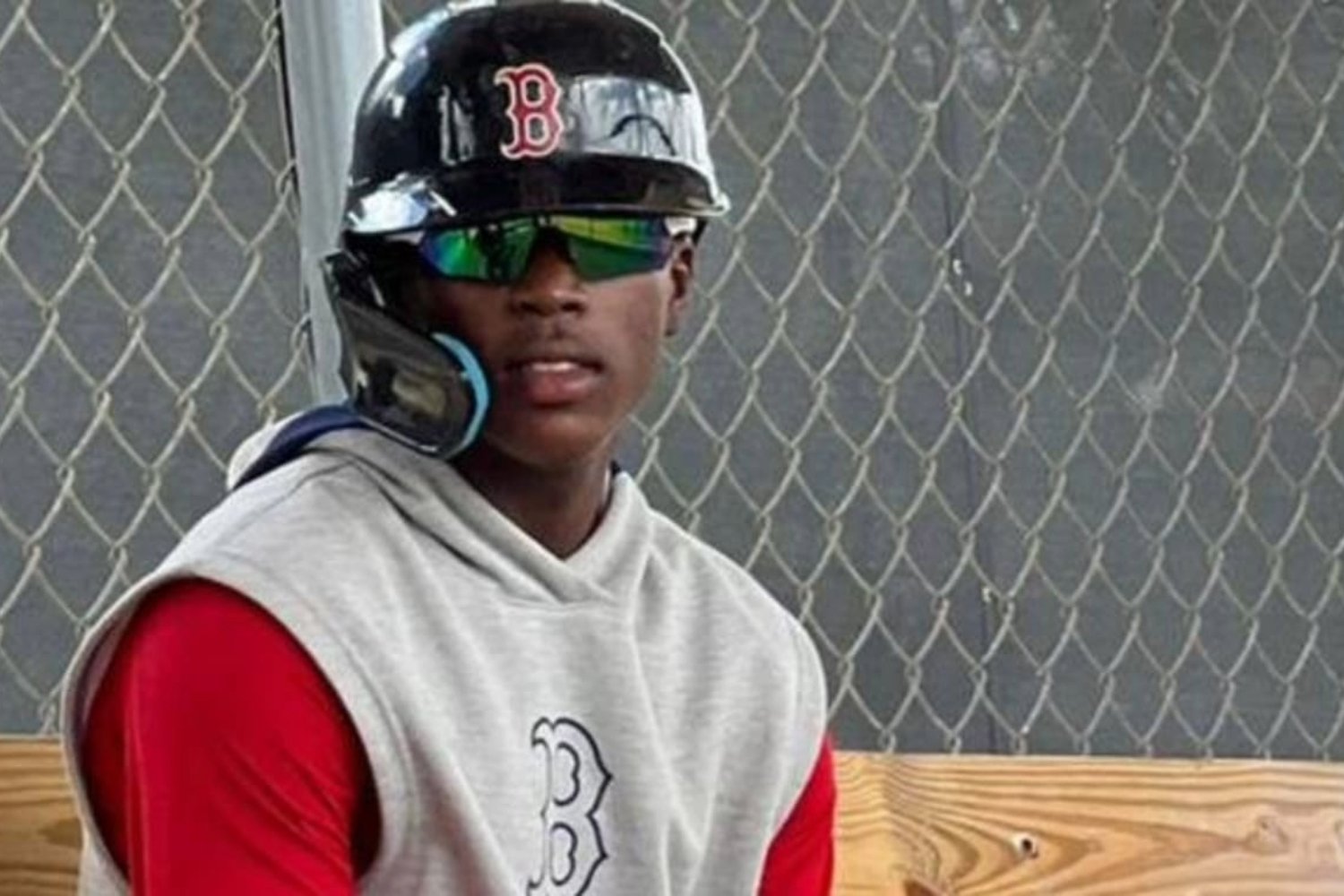 Every year, MLB teams look toward the international free agent market in the hopes of finding young prospects with high ceilings to sign and develop. The Boston Red Sox are just like every other team, and in their pursuit of potential high-end talent, have signed various prospects who are currently generating lots of prospect hype. In 2023, they signed Yoeilin Cespedes and Franklin Arias, while 2024 brought Justin Gonzales into the system. This year's IFA market continued the team's trend of signing high-potential players, as the Red Sox gave their highest signing bonus to shortstop Dorian Soto. The 17-year-old (who won’t turn 18 until mid-February) signed with the Red Sox on January 15, agreeing to a $1.4 million signing bonus. Soto would go on to play for the Red Sox Dominican Summer League team, exciting many around the baseball world. But why? Soto currently is listed at 6-foot-3 and 185 pounds and still has an extremely projectable frame. During the 2025 season, he mostly played shortstop, but the young infielder also saw time at third base and a little at second base, as it is likely he will be moved off of shortstop as he continues to grow. While nothing is certain about his future defensive home, it isn’t often that large players remain at shortstop. With solid actions and soft hands, he handles the position well despite committing seven errors in just 117 defensive chances. Offensively, Soto showed why the Red Sox sought him out as their top signing of the 2025 class. With his size, he's already showed raw power that is advanced for his age despite hitting only two home runs during the season. He is still filling out, and he has the frame to add power to his game once he physically matures. It is believed that he is bigger than currently listed, though that won’t be confirmed until next season begins. For now, where Soto really stands out is with his hit tool. A switch-hitter, the teenager already shows solid bat speed and has strong barrel control for a player of his age. He appears to have a strong understanding of the strike zone as shown by his 16 walks in just 47 games. Soto’s swing can sometimes be long, but it has already resulted in a max exit velocity of 112 mph. Soto did suffer a wrist injury that limited his ability to switch-hit this year, and because of that. he’s more advanced from the left side of the plate (though his numbers as a right-handed batter were still good). Soto can be aggressive towards pitches in the strike zone but thanks to his strong contact skills, he managed to hold his strikeout rate to 15.1%. In 2025, Soto wound up hitting .307/.362/.428 with 10 doubles, two triples, two home runs and 18 RBIs across 47 games played. From the left side, he slashed .311/.372/.432; from the right side, he hit .294/.324/.412. Scouts believe that, despite being more advanced as a left-handed hitter, Soto exhibits good baseline traits from both sides and the baseball IQ to improve his swing. Soto will play stateside in 2026 and with his well-reviewed work ethic, it is very likely he could follow in Gonzales’ footsteps of having a short stint in the Florida Complex League before seeing Low-A Salem in 2026. At this moment in time, Soto is ranked as Talk Sox’s 10th-best prospect, but that number should change in 2026. The young infielder could very well be a special player that Red Sox fans will enjoy watching as he grows and moves through the system the next few seasons.
 -
Every year, MLB teams look toward the international free agent market in the hopes of finding young prospects with high ceilings to sign and develop. The Boston Red Sox are just like every other team, and in their pursuit of potential high-end talent, have signed various prospects who are currently generating lots of prospect hype. In 2023, they signed Yoeilin Cespedes and Franklin Arias, while 2024 brought Justin Gonzales into the system. This year's IFA market continued the team's trend of signing high-potential players, as the Red Sox gave their highest signing bonus to shortstop Dorian Soto. The 17-year-old (who won’t turn 18 until mid-February) signed with the Red Sox on January 15, agreeing to a $1.4 million signing bonus. Soto would go on to play for the Red Sox Dominican Summer League team, exciting many around the baseball world. But why? Soto currently is listed at 6-foot-3 and 185 pounds and still has an extremely projectable frame. During the 2025 season, he mostly played shortstop, but the young infielder also saw time at third base and a little at second base, as it is likely he will be moved off of shortstop as he continues to grow. While nothing is certain about his future defensive home, it isn’t often that large players remain at shortstop. With solid actions and soft hands, he handles the position well despite committing seven errors in just 117 defensive chances. Offensively, Soto showed why the Red Sox sought him out as their top signing of the 2025 class. With his size, he's already showed raw power that is advanced for his age despite hitting only two home runs during the season. He is still filling out, and he has the frame to add power to his game once he physically matures. It is believed that he is bigger than currently listed, though that won’t be confirmed until next season begins. For now, where Soto really stands out is with his hit tool. A switch-hitter, the teenager already shows solid bat speed and has strong barrel control for a player of his age. He appears to have a strong understanding of the strike zone as shown by his 16 walks in just 47 games. Soto’s swing can sometimes be long, but it has already resulted in a max exit velocity of 112 mph. Soto did suffer a wrist injury that limited his ability to switch-hit this year, and because of that. he’s more advanced from the left side of the plate (though his numbers as a right-handed batter were still good). Soto can be aggressive towards pitches in the strike zone but thanks to his strong contact skills, he managed to hold his strikeout rate to 15.1%. In 2025, Soto wound up hitting .307/.362/.428 with 10 doubles, two triples, two home runs and 18 RBIs across 47 games played. From the left side, he slashed .311/.372/.432; from the right side, he hit .294/.324/.412. Scouts believe that, despite being more advanced as a left-handed hitter, Soto exhibits good baseline traits from both sides and the baseball IQ to improve his swing. Soto will play stateside in 2026 and with his well-reviewed work ethic, it is very likely he could follow in Gonzales’ footsteps of having a short stint in the Florida Complex League before seeing Low-A Salem in 2026. At this moment in time, Soto is ranked as Talk Sox’s 10th-best prospect, but that number should change in 2026. The young infielder could very well be a special player that Red Sox fans will enjoy watching as he grows and moves through the system the next few seasons. View full article
-
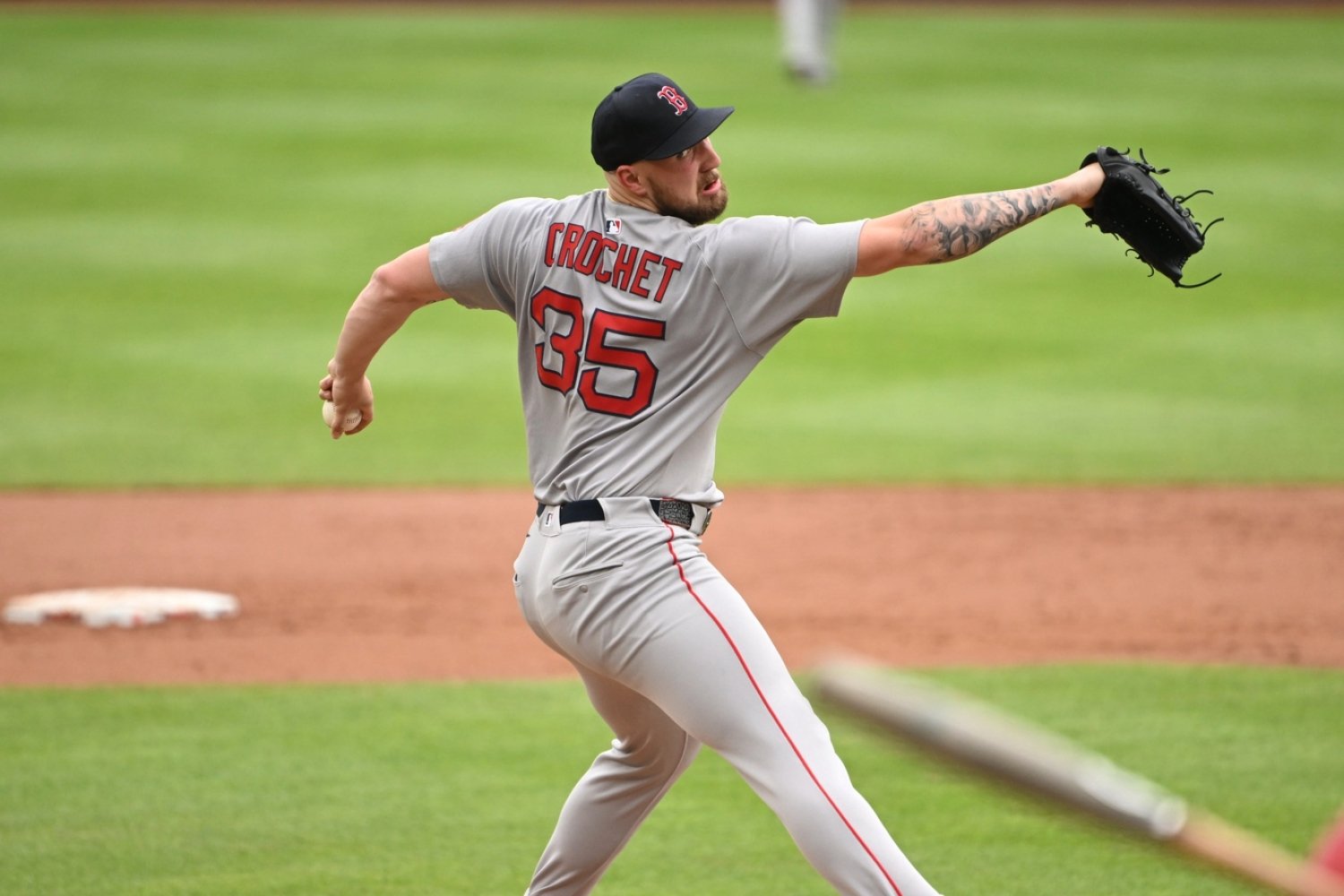 After the way that the 2025 season ended, the Boston Red Sox entered the offseason with the thought of improving not just their current starting rotation, but also the quality of their major-league depth. By the end of August, the team needed to call upon top pitching prospects such as Payton Tolle and Connelly Early to provide important innings for the team down the stretch. Craig Breslow understood he needed to bring in more major-league pitching to help ease the burden for the young pitchers, and hence, the Red Sox's starting pitching depth is much deeper than it was just a few months ago. While the team may make more moves before the offseason is over, if they were to open the 2026 season with the current crop of pitchers on the roster, it's hard to argue they haven't significantly upgraded. With that in mind, let's look at the current state of their starting pitching and go over those who could open the year in the rotation and those who will be waiting in Triple-A as depth. Locks for the Red Sox's rotation: Garrett Crochet: 32 starts, 18-5 record, 2.59 ERA, 205 1/3 innings, 255 strikeouts There isn’t much to say about Crochet that Sox fans don’t already know about. He was even better than many expected when he was first acquired, as he put together a great first season as Boston’s ace. Making his second All-Star team, finishing second for the Cy Young Award and placing eighth in MVP voting, Crochet proved that he was exactly what Boston needed in a frontline starter. He’ll be penciled in at the top of the rotation for 2026 as the team and fans both wait in excitement to see how his second season in Boston unfolds. Sonny Gray: 32 starts, 14-8 record, 4.28 ERA, 180 2/3 innings, 201 strikeouts Gray, who was acquired in a trade that sent Richard Fitts and Brandon Clarke back to St. Louis, is a veteran pitcher who will be entering his 14th season in the league. Pitching for a year and a half in New York, he has experience in the AL East, and in 2023 was an All-Star while with Minnesota. Despite his numbers not looking great with the Cardinals, Gray was a very valuable pitcher as he racked up strikeouts and gave them competitive innings. When looking at his expected ERA and expected FIP, it’s clear that he was the recipient of a bit of bad luck (his BABIP was .329). Gray, however, worked around it with a strikeout rate of 26.7% and limited free passes (5% walk rate). He may no longer be a No. 2 starter, but he'll be a rock in the middle of the rotation in 2026. Brayan Bello: 29 appearances, 28 Starts, 11-9 record, 3.35 ERA, 166 2/3 innings, 124 strikeouts Last year was a season of two stories for Bello, as he looked like a dominant number two for a good portion of the campaign, and at other times looked like a fringe number four or five starter. Bello’s season truly took off in June and he kept the momentum up through the end of August, where through 16 appearances he would go 8-5 while allowing just 30 earned runs across 101 2/3 innings pitched. With the addition of Gray, Bello should be able to slot into the rotation as the number three starter and build off of a career season. The hope is that Bello won’t show up to spring training behind schedule like he has since 2023 and instead will break camp with the team. Bello’s change in pitch usage in 2025 helped with his improvement, and an offseason of working on the five-pitch repertoire (made up of his sinker, sweeper, changeup, fastball and a cutter he began using in 2025) should be helpful for the 26-year-old. Likely in the rotation: Johan Oviedo: 9 starts, 2-1 record, 3.57 ERA, 40 1/3 innings, 42 strikeouts Oviedo was acquired right before the Winter Meetings in a trade that saw Jhostynxon Garcia shipped to Pittsburgh, and the right-hander should be a lock for the rotation barring any additional moves. Not turning 28 until March, Oviedo has been pitching in the majors since the 2020 season with St. Louis. Missing the entire 2024 season due to injury, Oviedo made his return to the mound and made nine starts for the Pirates where he flashed some tantalizing potential. Standing at 6-foot-6, Oviedo checks off many boxes that the Red Sox love in pitchers between his size, his elite extension and a fastball that could make him a key piece of the rotation. Our own @Jack Lindsay recently wrote about Oviedo’s fastball and the importance it could play on his 2026 season. The key will be keeping the hulking right-hander healthy through a full season. Kutter Crawford (2024 season:) 33 starts, 9-16 record, 4.36 ERA, 183 2/3 innings, 175 strikeouts Crawford was expected to be a key piece of the backend of the rotation in 2025, but a series of injuries kept him from pitching a single game. What started as a right knee injury that had occurred during the 2024 season later turned into a wrist injury while he was working towards a rehab assignment in June. It was revealed that he tore the sub sheath in his wrist and needed surgery that ended his season. He should be fully healthy by spring training and will be a welcome addition to the rotation. Along with health, the biggest question mark for Crawford will be how he handles a large workload, as in 2024 he appeared to hit a wall once his innings began to increase, especially in August and September. His second half numbers in 2024 saw his ERA jump from 3.00 in his first 20 starts to 6.59 across his final 13 along with 20 home runs allowed in just 69 2/3 innings. Patrick Sandoval (2024 season): 16 starts, 2-8 record, 5.08 ERA, 79 2/3 innings, 81 strikeouts Much like Crawford, Sandoval missed the entire 2025 season as he recovered from a torn UCL that required an internal brace surgery that took place mid-2024. The Red Sox signed him with the hope he could be ready for the end of the 2025 season and then pitch for the full 2026 season, but his rehab stalled and he did not pitch at all this year. Nevertheless, Sandoval pitched better in 2024 than his numbers showed, as his expected ERA (4.25) was nearly a run lower than his actual mark. Where Sandoval succeeded was his ability to limit hard contact, with his average exit velocity sitting at 87.9 mph and batters managing to barrel up his pitches just 5.1% of the time. The left-hander relies on a six-pitch repertoire that changes drastically depending on the hitter; it will be interesting to see how Andrew Bailey and company handles such a diverse pitch mix. Likely to open in Triple-A Hunter Dobbins: 13 appearances, 11 starts, 4-1 record, 4.13 ERA, 61 innings, 45 strikeouts Dobbins, who made his major-league debut in 2025, was a big presence in the rotation once he got called up to fill in for the injured Richard Fitts. Dobbins would be optioned from Boston to the minor leagues and recalled as needed, but remained with the team from May 3 through June 20 where he would make 10 appearances for the team and allow 24 earned runs across 48 1/3 innings. Unfortunately, his season ended early after tearing his ACL in his right knee after an awkward landing while covering first base. Dobbins has already resumed throwing down at Fort Myers and is hoping to be ready for the start of the 2026 season. Though with the additions of Gray and Oviedo, it’s likely the team will have him begin the season in Triple-A instead of rushing him back. Payton Tolle: 7 appearances, 3 starts, 0-1 record, 16 1/3 innings, 19 strikeouts Tolle had quite the season, as he burst onto the scene in High-A Greenville. It didn’t stop there, as he quickly moved through Double-A Portland and Triple-A Worcester before making his major-league debut against Paul Skenes and the Pittsburgh Pirates near the end of August. Armed with a powerful fastball, the piglet dazzled in his debut but didn’t see the same success for the remainder of the season. On an innings limit, Tolle made two shortened starts before getting moved to the bullpen where he had mixed results. Tolle’s fastball is more than ready for the majors, but if he wants to pitch to his potential, he will need to develop competitive secondary offerings. It was likely Tolle would always open the 2026 season in Triple-A to work on those other offerings, but the additions of Gray and Oviedo allow the Red Sox to give Tolle more time to develop. Connelly Early: 4 starts, 1-2 record, 2.33 ERA, 19 1/3 innings, 29 strikeouts It’s likely Early opens the 2026 season in Boston after his showing down the stretch where he helped lift a depleted Boston rotation. Though, there is also a chance the 23-year-old spends the beginning of the season in Triple-A due to the amount of depth the team has accumulated. While his fastball averaged just 93.7 mph last season, Early was able to get the most out of it thanks to his assortment of secondary offerings, as he relied on his curveball, changeup, sinker, slider and sweeper to make batters uncomfortable and ruin their timing. Against left-handed batters, his curveball and changeup were nearly non-existent, as he relied heavily on his sinker and sweeper while pairing them with his fastball and slider. It was the opposite for right-handed batters, as his sweeper was not used once while his cutter, changeup and fastball were the main pitches he attacked with. That plan of attack could pay dividends with some more fine tuning. Will be in the Triple-A Rotation but could see time in the MLB bullpen Tyler Uberstine (Portland Sea Dogs/Worcester Red Sox): 25 appearances, 21 starts, 6-5 record, 3.58 ERA, 120 2/3 innings, 137 strikeouts Uberstine was a surprise addition to the 40-man roster back in November, but his time in Worcester (that yielded 102 strikeouts in 91 innings) impressed the organization enough to protect him. Armed with a fastball that tops out at 95 mph and has above-average spin rate, he’s able to miss bats. He also has a slider, changeup, and cutter. He used to have a curveball but did not use it much in 2024 after his return from Tommy John surgery. Uberstine should be able to fill the roll Fitts and Dobbins had as a shuttle-arm between Triple-A and Boston. Very competitive, Uberstine will leave everything out on the mound which Red Sox fans should love. Luis Perales (Portland Sea Dogs/Worcester Red Sox): 3 appearances, 1 start, 7.71 ERA, 2 1/3 innings, 4 strikeouts Perales, who at one point was Boston’s top pitching prospect, returned to the mound late in the 2025 season after suffering a torn UCL in his right elbow during the 2024 season. Appearing in just three games, Perales showed how rusty he was after missing over a year. While he did not surrender a hit, he did walk three batters in just 2 1/3 innings. Though, his return also saw an increase in velocity, as his fastball now hit triple digits and he struck out four batters. To make up for the missed time, Perales pitched in the Arizona Fall League where he made six starts and was named a Fall-Star thanks in part to his triple-digit fastball and 19 strikeouts in 11 1/3 innings. Whether Perales stays in the rotation or moves to the bullpen is yet to be seen, though he should be expected to open the season in the rotation for Worcester due to his potential alone. Should Perales stay healthy, he should be up in Boston before the end of the 2026 season. David Sandlin (Portland Sea Dogs/Worcester Red Sox): 32 appearances, 14 starts, 9-6 record, 4.50 ERA, 106 innings, 107 strikeouts Sandlin’s role within the organization is currently unknown. While he had been developed as a starter for his entire career until his promotion to Triple-A Worcester, the team transitioned him to the bullpen with the idea of getting him up to Boston at some point in 2025. His time in Worcester’s bullpen did not go well, though, and such a promotion never materialized. However, he did show a lot of improvement while in Portland, managing to go deeper into games while relying less on strikeouts. Sandlin was added to the 40-man roster in November and is likely to play a role at some point in 2026 with the major-league club. Armed with a fastball that tops out at 99 mph in-game and a slider that has been shown to have bat-missing ability, Sandlin should be able to perform well either in the rotation or out of the bullpen once the team decides on the best course of action. Shane Drohan (Greenville Drive/Worcester Red Sox): 15 appearances, 14 starts, 5-2 record, 3.00 ERA, 54 innings, 77 strikeouts Drohan was a surprise addition to the 40-man roster in November, as the left-hander had previously been taken in the Rule 5 Draft by the Chicago White Sox before being returned to Boston. The 2024 campaign saw him deal with injuries, but 2025 led to a return to form. However, he did not go deep into games and would often tire out around the fourth inning if he made it that far. Due to injuries and stamina concerns, he may be best utilized in either a bulk reliever role or an opener giving the team multiple innings before handing the ball off to the rest of the bullpen. Drohan throws four pitches: a fastball that tops out at 96 mph, a changeup that fades down and away from right-handed batters, a curveball that he has solid feel for, and a cutter that is most effective when he can get it on the inner part of the plate against right-handed batters. He's probably the least likely bet to pitch for the Sox at some point in 2026, but the talent is there if opportunity comes knocking.
 -
After the way that the 2025 season ended, the Boston Red Sox entered the offseason with the thought of improving not just their current starting rotation, but also the quality of their major-league depth. By the end of August, the team needed to call upon top pitching prospects such as Payton Tolle and Connelly Early to provide important innings for the team down the stretch. Craig Breslow understood he needed to bring in more major-league pitching to help ease the burden for the young pitchers, and hence, the Red Sox's starting pitching depth is much deeper than it was just a few months ago. While the team may make more moves before the offseason is over, if they were to open the 2026 season with the current crop of pitchers on the roster, it's hard to argue they haven't significantly upgraded. With that in mind, let's look at the current state of their starting pitching and go over those who could open the year in the rotation and those who will be waiting in Triple-A as depth. Locks for the Red Sox's rotation: Garrett Crochet: 32 starts, 18-5 record, 2.59 ERA, 205 1/3 innings, 255 strikeouts There isn’t much to say about Crochet that Sox fans don’t already know about. He was even better than many expected when he was first acquired, as he put together a great first season as Boston’s ace. Making his second All-Star team, finishing second for the Cy Young Award and placing eighth in MVP voting, Crochet proved that he was exactly what Boston needed in a frontline starter. He’ll be penciled in at the top of the rotation for 2026 as the team and fans both wait in excitement to see how his second season in Boston unfolds. Sonny Gray: 32 starts, 14-8 record, 4.28 ERA, 180 2/3 innings, 201 strikeouts Gray, who was acquired in a trade that sent Richard Fitts and Brandon Clarke back to St. Louis, is a veteran pitcher who will be entering his 14th season in the league. Pitching for a year and a half in New York, he has experience in the AL East, and in 2023 was an All-Star while with Minnesota. Despite his numbers not looking great with the Cardinals, Gray was a very valuable pitcher as he racked up strikeouts and gave them competitive innings. When looking at his expected ERA and expected FIP, it’s clear that he was the recipient of a bit of bad luck (his BABIP was .329). Gray, however, worked around it with a strikeout rate of 26.7% and limited free passes (5% walk rate). He may no longer be a No. 2 starter, but he'll be a rock in the middle of the rotation in 2026. Brayan Bello: 29 appearances, 28 Starts, 11-9 record, 3.35 ERA, 166 2/3 innings, 124 strikeouts Last year was a season of two stories for Bello, as he looked like a dominant number two for a good portion of the campaign, and at other times looked like a fringe number four or five starter. Bello’s season truly took off in June and he kept the momentum up through the end of August, where through 16 appearances he would go 8-5 while allowing just 30 earned runs across 101 2/3 innings pitched. With the addition of Gray, Bello should be able to slot into the rotation as the number three starter and build off of a career season. The hope is that Bello won’t show up to spring training behind schedule like he has since 2023 and instead will break camp with the team. Bello’s change in pitch usage in 2025 helped with his improvement, and an offseason of working on the five-pitch repertoire (made up of his sinker, sweeper, changeup, fastball and a cutter he began using in 2025) should be helpful for the 26-year-old. Likely in the rotation: Johan Oviedo: 9 starts, 2-1 record, 3.57 ERA, 40 1/3 innings, 42 strikeouts Oviedo was acquired right before the Winter Meetings in a trade that saw Jhostynxon Garcia shipped to Pittsburgh, and the right-hander should be a lock for the rotation barring any additional moves. Not turning 28 until March, Oviedo has been pitching in the majors since the 2020 season with St. Louis. Missing the entire 2024 season due to injury, Oviedo made his return to the mound and made nine starts for the Pirates where he flashed some tantalizing potential. Standing at 6-foot-6, Oviedo checks off many boxes that the Red Sox love in pitchers between his size, his elite extension and a fastball that could make him a key piece of the rotation. Our own @Jack Lindsay recently wrote about Oviedo’s fastball and the importance it could play on his 2026 season. The key will be keeping the hulking right-hander healthy through a full season. Kutter Crawford (2024 season:) 33 starts, 9-16 record, 4.36 ERA, 183 2/3 innings, 175 strikeouts Crawford was expected to be a key piece of the backend of the rotation in 2025, but a series of injuries kept him from pitching a single game. What started as a right knee injury that had occurred during the 2024 season later turned into a wrist injury while he was working towards a rehab assignment in June. It was revealed that he tore the sub sheath in his wrist and needed surgery that ended his season. He should be fully healthy by spring training and will be a welcome addition to the rotation. Along with health, the biggest question mark for Crawford will be how he handles a large workload, as in 2024 he appeared to hit a wall once his innings began to increase, especially in August and September. His second half numbers in 2024 saw his ERA jump from 3.00 in his first 20 starts to 6.59 across his final 13 along with 20 home runs allowed in just 69 2/3 innings. Patrick Sandoval (2024 season): 16 starts, 2-8 record, 5.08 ERA, 79 2/3 innings, 81 strikeouts Much like Crawford, Sandoval missed the entire 2025 season as he recovered from a torn UCL that required an internal brace surgery that took place mid-2024. The Red Sox signed him with the hope he could be ready for the end of the 2025 season and then pitch for the full 2026 season, but his rehab stalled and he did not pitch at all this year. Nevertheless, Sandoval pitched better in 2024 than his numbers showed, as his expected ERA (4.25) was nearly a run lower than his actual mark. Where Sandoval succeeded was his ability to limit hard contact, with his average exit velocity sitting at 87.9 mph and batters managing to barrel up his pitches just 5.1% of the time. The left-hander relies on a six-pitch repertoire that changes drastically depending on the hitter; it will be interesting to see how Andrew Bailey and company handles such a diverse pitch mix. Likely to open in Triple-A Hunter Dobbins: 13 appearances, 11 starts, 4-1 record, 4.13 ERA, 61 innings, 45 strikeouts Dobbins, who made his major-league debut in 2025, was a big presence in the rotation once he got called up to fill in for the injured Richard Fitts. Dobbins would be optioned from Boston to the minor leagues and recalled as needed, but remained with the team from May 3 through June 20 where he would make 10 appearances for the team and allow 24 earned runs across 48 1/3 innings. Unfortunately, his season ended early after tearing his ACL in his right knee after an awkward landing while covering first base. Dobbins has already resumed throwing down at Fort Myers and is hoping to be ready for the start of the 2026 season. Though with the additions of Gray and Oviedo, it’s likely the team will have him begin the season in Triple-A instead of rushing him back. Payton Tolle: 7 appearances, 3 starts, 0-1 record, 16 1/3 innings, 19 strikeouts Tolle had quite the season, as he burst onto the scene in High-A Greenville. It didn’t stop there, as he quickly moved through Double-A Portland and Triple-A Worcester before making his major-league debut against Paul Skenes and the Pittsburgh Pirates near the end of August. Armed with a powerful fastball, the piglet dazzled in his debut but didn’t see the same success for the remainder of the season. On an innings limit, Tolle made two shortened starts before getting moved to the bullpen where he had mixed results. Tolle’s fastball is more than ready for the majors, but if he wants to pitch to his potential, he will need to develop competitive secondary offerings. It was likely Tolle would always open the 2026 season in Triple-A to work on those other offerings, but the additions of Gray and Oviedo allow the Red Sox to give Tolle more time to develop. Connelly Early: 4 starts, 1-2 record, 2.33 ERA, 19 1/3 innings, 29 strikeouts It’s likely Early opens the 2026 season in Boston after his showing down the stretch where he helped lift a depleted Boston rotation. Though, there is also a chance the 23-year-old spends the beginning of the season in Triple-A due to the amount of depth the team has accumulated. While his fastball averaged just 93.7 mph last season, Early was able to get the most out of it thanks to his assortment of secondary offerings, as he relied on his curveball, changeup, sinker, slider and sweeper to make batters uncomfortable and ruin their timing. Against left-handed batters, his curveball and changeup were nearly non-existent, as he relied heavily on his sinker and sweeper while pairing them with his fastball and slider. It was the opposite for right-handed batters, as his sweeper was not used once while his cutter, changeup and fastball were the main pitches he attacked with. That plan of attack could pay dividends with some more fine tuning. Will be in the Triple-A Rotation but could see time in the MLB bullpen Tyler Uberstine (Portland Sea Dogs/Worcester Red Sox): 25 appearances, 21 starts, 6-5 record, 3.58 ERA, 120 2/3 innings, 137 strikeouts Uberstine was a surprise addition to the 40-man roster back in November, but his time in Worcester (that yielded 102 strikeouts in 91 innings) impressed the organization enough to protect him. Armed with a fastball that tops out at 95 mph and has above-average spin rate, he’s able to miss bats. He also has a slider, changeup, and cutter. He used to have a curveball but did not use it much in 2024 after his return from Tommy John surgery. Uberstine should be able to fill the roll Fitts and Dobbins had as a shuttle-arm between Triple-A and Boston. Very competitive, Uberstine will leave everything out on the mound which Red Sox fans should love. Luis Perales (Portland Sea Dogs/Worcester Red Sox): 3 appearances, 1 start, 7.71 ERA, 2 1/3 innings, 4 strikeouts Perales, who at one point was Boston’s top pitching prospect, returned to the mound late in the 2025 season after suffering a torn UCL in his right elbow during the 2024 season. Appearing in just three games, Perales showed how rusty he was after missing over a year. While he did not surrender a hit, he did walk three batters in just 2 1/3 innings. Though, his return also saw an increase in velocity, as his fastball now hit triple digits and he struck out four batters. To make up for the missed time, Perales pitched in the Arizona Fall League where he made six starts and was named a Fall-Star thanks in part to his triple-digit fastball and 19 strikeouts in 11 1/3 innings. Whether Perales stays in the rotation or moves to the bullpen is yet to be seen, though he should be expected to open the season in the rotation for Worcester due to his potential alone. Should Perales stay healthy, he should be up in Boston before the end of the 2026 season. David Sandlin (Portland Sea Dogs/Worcester Red Sox): 32 appearances, 14 starts, 9-6 record, 4.50 ERA, 106 innings, 107 strikeouts Sandlin’s role within the organization is currently unknown. While he had been developed as a starter for his entire career until his promotion to Triple-A Worcester, the team transitioned him to the bullpen with the idea of getting him up to Boston at some point in 2025. His time in Worcester’s bullpen did not go well, though, and such a promotion never materialized. However, he did show a lot of improvement while in Portland, managing to go deeper into games while relying less on strikeouts. Sandlin was added to the 40-man roster in November and is likely to play a role at some point in 2026 with the major-league club. Armed with a fastball that tops out at 99 mph in-game and a slider that has been shown to have bat-missing ability, Sandlin should be able to perform well either in the rotation or out of the bullpen once the team decides on the best course of action. Shane Drohan (Greenville Drive/Worcester Red Sox): 15 appearances, 14 starts, 5-2 record, 3.00 ERA, 54 innings, 77 strikeouts Drohan was a surprise addition to the 40-man roster in November, as the left-hander had previously been taken in the Rule 5 Draft by the Chicago White Sox before being returned to Boston. The 2024 campaign saw him deal with injuries, but 2025 led to a return to form. However, he did not go deep into games and would often tire out around the fourth inning if he made it that far. Due to injuries and stamina concerns, he may be best utilized in either a bulk reliever role or an opener giving the team multiple innings before handing the ball off to the rest of the bullpen. Drohan throws four pitches: a fastball that tops out at 96 mph, a changeup that fades down and away from right-handed batters, a curveball that he has solid feel for, and a cutter that is most effective when he can get it on the inner part of the plate against right-handed batters. He's probably the least likely bet to pitch for the Sox at some point in 2026, but the talent is there if opportunity comes knocking. View full article
-
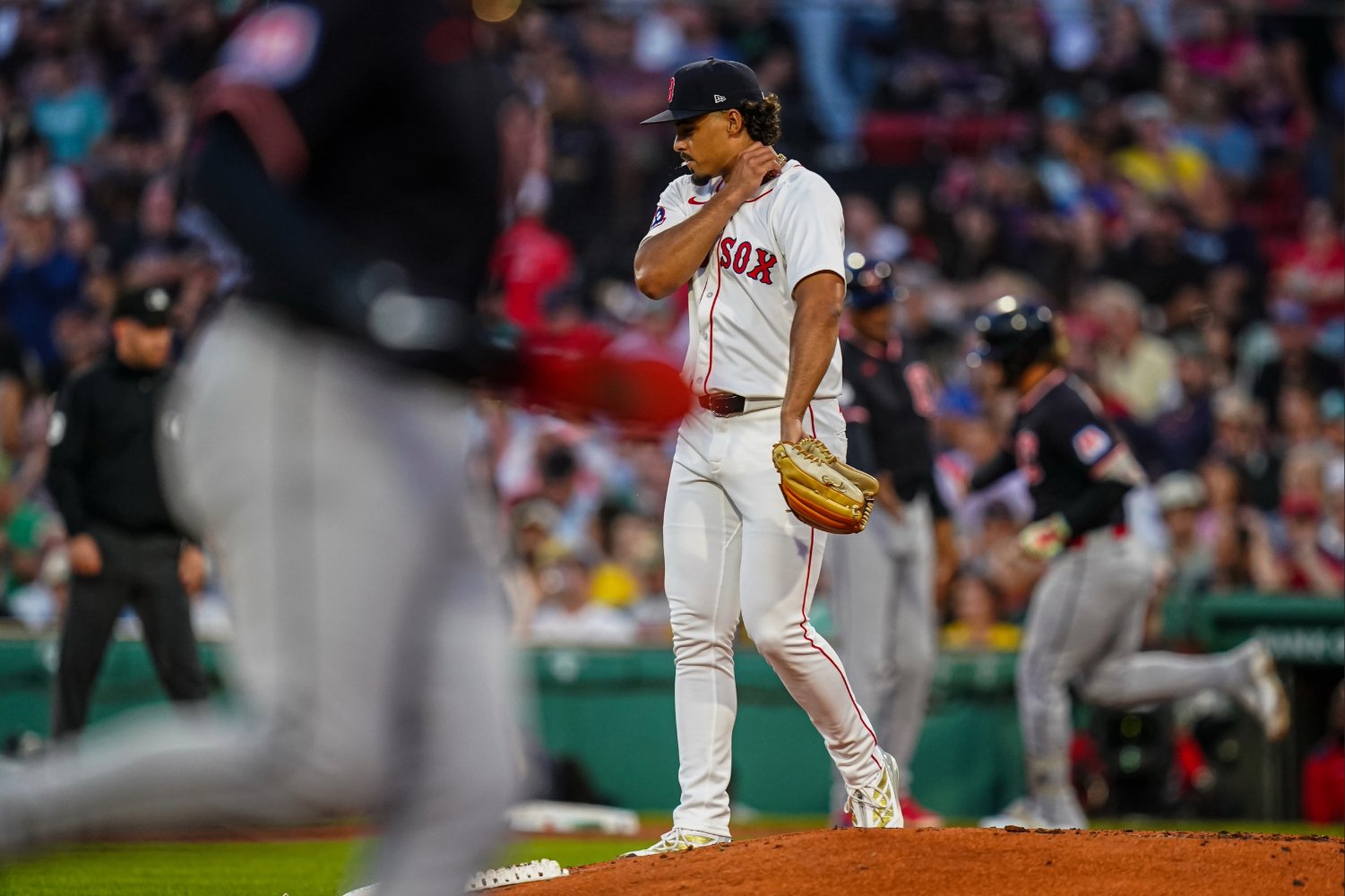 The offseason in baseball is not just about improving a team through the addition of new players, but also how each franchise handles roster construction and depth through the 40-man roster. Most teams will eventually find themselves in a roster crunch and will be forced to make tough decisions. Ultimately, players who are on the 40-man roster may find themselves traded, waived or even designated for assignment, so that the team can open a roster spot for a new addition. Following the conclusion of the Winter Meetings and the addition of Ryan Watson following the Rule 5 Draft, Boston finds themselves in a situation where their roster currently sits at a full 40 players. Knowing that, here are four players who could see themselves battling it out for one of the final roster spots or be a casualty of the business side of baseball. Tristan Gray Gray was acquired from the Tampa Bay Rays back in November for Luis Guerrero and as of now is likely slated for Triple-A to serve as depth. It would take a fantastic spring training paired with injuries to those ahead of him on the depth chart to get him to break camp with the major-league roster. Gray is known for his power and bat speed along with defensive versatility, but he doesn’t exactly hit the ball often enough to warrant a guaranteed roster spot. Should the Red Sox designate him for assignment, the team might be able to sneak him through waivers and keep him on the Worcester roster. However, at this point of the offseason, it’s possible another team would claim him. David Hamilton Hamilton regressed offensively in 2025 after a 2024 season in which he played a big role on the team by getting starts at second base. Depending on how the Red Sox finish the offseason, they may view Hamilton as being expendable. The infielder isn’t exactly a great hitter, and defensively, he’s average at second base. Really, his key skills are his game altering speed and defensive versatility, but with Nate Eaton on the roster, he may be superfluous. If Hamilton were to be designated for assignment, there is no doubt another team would claim him and use him either as a starting second baseman or a utility infielder. Jordan Hicks This one is more wishful thinking because of Hicks' contract. With two years and $24 million remaining, it’s unlikely the team cuts him and eats that entire contract. They would likely look to trade him first, though should he struggle in 2026, the chances of him being cut begin to grow.. The flamethrowing right-hander struggled after the Rafael Devers trade, and if the team wants to compete for a championship, they can’t keep a reliever around who could cost them games. Hicks would certainly make it through waivers due to his contract, though another team would likely scoop him up quickly afterward for the league minimum. Zack Kelly Kelly’s chances of being cut really depend on how the bullpen shapes up by the end of the offseason. During his time in Boston, Kelly has been two different pitchers. At times, he looks like a reliable shut-down option who could pitch the eighth to get the ball to Aroldis Chapman, and at other times, he looks like he shouldn’t be in the majors. The 2025 campaign was an extremely unlucky season for Kelly, as his ERA was over a full run higher than his xERA; in the second half, he looked much better, tossing 12 2/3 innings and allowing just four earned runs. Being paid just the minimum in 2026, Kelly has a good shot of sticking around due to the cheapness of his contract. He probably wouldn't pass through waivers due to that fact, though. What do you think? Do you think there's another Red Sox player on the roster bubble? Let us know in the comments below!
 -
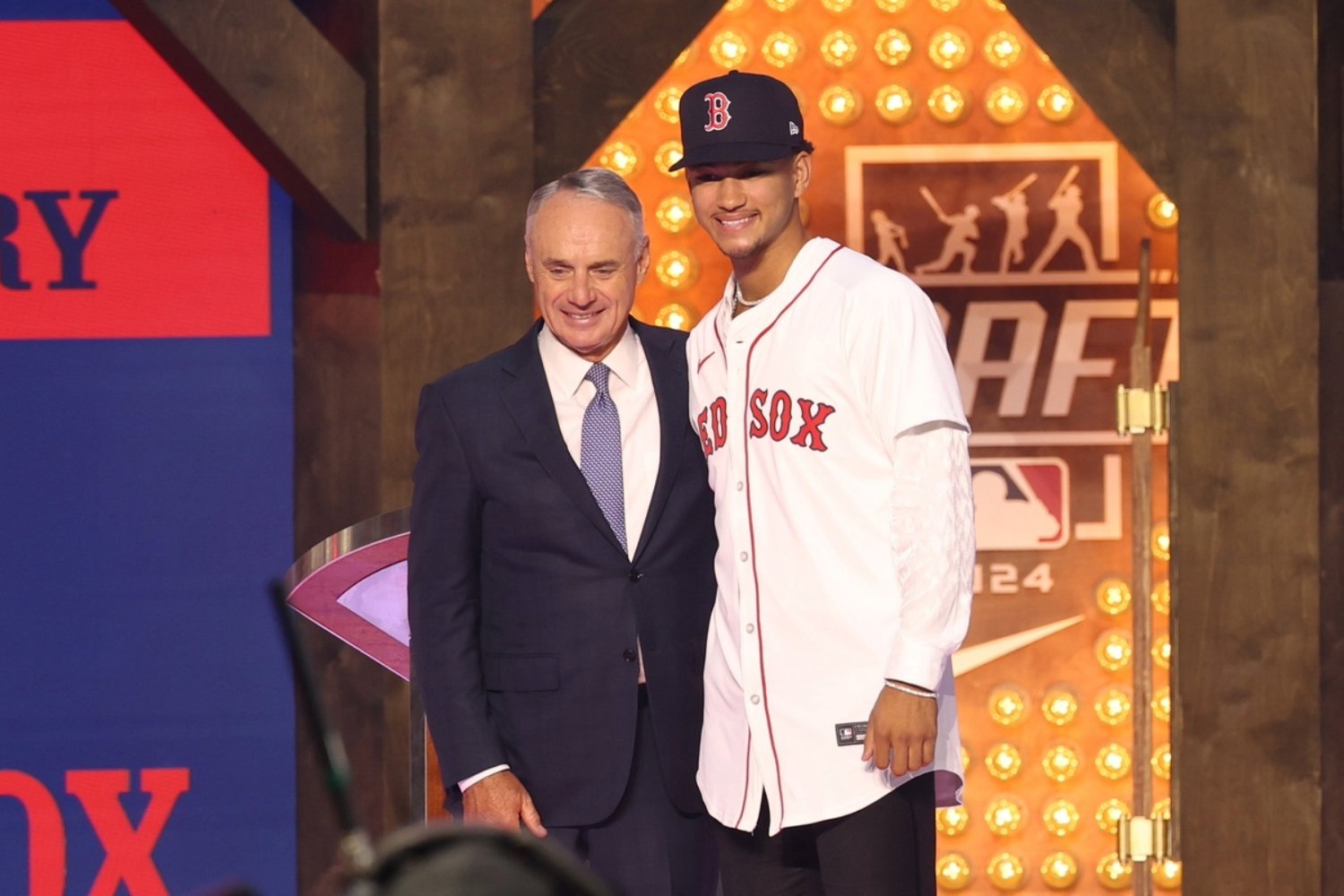 The 2024 MLB Draft was the first one overseen by Craig Breslow following his hiring as the Chief Baseball Officer of the Boston Red Sox. Under Breslow, the Red Sox turned their attention to pitchers who had a combination of height, extension and a fastball with lots of upward mobility. They also looked at athletic positional players with the potential to have an impact bat while playing multiple positions. Quite a few of the top prospects drafted by the Red Sox in 2024 are no longer with the organization due to trades, but the ones who remained have begun to show promise. Here is a look at how the top selections performed in their first full professional season 2025. OF Braden Montgomery (Round 1, Pick 12) Montgomery never got to play a single game in the Red Sox organization after falling to them due to a fractured ankle he suffered in June. That didn’t keep his stock from falling too much, as the corner outfielder who had plus-plus raw power was traded to the Chicago White Sox as part of the package for Garrett Crochet. The 22-year-old proved to be past his ankle injury this year, as he played in 121 games across three levels and finished the season with a slash line of .270/.360/.444, good for an .804 OPS. He also hit 32 doubles, four triples, 12 home runs and drove in 68 RBIs. Defensively, he mostly split time between center field and right field when he wasn’t the designated hitter and finished the season with just three errors in 177 defensive chances while also recording eight assists. P Payton Tolle (Round 2, Pick 50) Everyone around here knows of what Tolle did this year. Christened as "The Piglet" for his size and fastball while following in the steps of Crochet ("The War Pig"), Tolle was absolutely impressive in 2025 as he not only skipped Single-A but pitched across four levels He made appearances in High-A, Double-A, Triple-A and in the majors with Boston. His time in the minors showcased why the Red Sox think so highly of him thanks to 133 strikeouts in just 91 2/3 innings, but his time with Boston proved that he still has some work to do. Tolle’s fastball is already great, but the need to develop secondary pitches is clear based on how he pitched at the major-league level. In 16 1/3 innings, Tolle surrendered 11 earned runs on 18 hits, including five home runs and eight walks, good for a 6.06 ERA. Despite that, he still struck out 19 batters, and his upside is as tantalizing as any pitcher in baseball. P Brandon Neely (Round 3, Pick 86) Neely missed the entire 2025 campaign due to forearm stiffness and made his professional debut in the Arizona Fall League. Much like most pitchers in the AFL (which is a very hitter-friendly league), Neely had good and bad appearances as he appeared in five games and made one start. In total, he tossed 10 innings and allowed 12 earned runs on 16 hits, one being a home run, and eight walks. He also struck out 11 during that span and flashed the potential that made him a third-round pick a few times. With a healthy 2026, Neely should be able to rise through the system quickly, especially if the team develops him as a bullpen arm while featuring his fastball-slider combination. OF Zach Ehrhard (Round 4, Pick 115) Ehrhard started the 2025 season off extremely hot, hitting .342/.471/.459 with High-A Greenville across his first 31 games. As one of the hottest hitters in the Red Sox organization at the time, Ehrhard was promoted to Double-A Portland where he began to cool off. Appearing in 58 games, Ehrhard would only slash .227/.305/.412 and would eventually be moved in a trade that now looks like a massive overpay by the Red Sox for pitcher Dustin May. Packaged with James Tibbs III, the two outfielders were shipped to the Los Angeles Dodgers, where Ehrhard would finish the season at Double-A Tulsa and appear in 34 games. In that time, he would go on to hit .282/.391/.466, looking more like the hitter he was to begin the season. Showcasing a mix of power and contact, Ehrhard proved why the Red Sox were interested in him for years — they also drafted (and failed to sign) him in the 13th round in 2021. P Brandon Clarke (Round 5, Pick 148) Another prospect from the 2024 draft that was traded, Clarke had an up-and-down season in the Red Sox's organization. Opening the season with Salem, Clarke looked like a potential steal as a fifth-round pick as he tossed 9 2/3 innings and allowed just one run on two hits while striking out 17. Armed with a fastball that could hit triple digits, it seemed like between Clarke and Tolle, the 2024 draft class had the potential to deliver two exciting pitchers. However, things went south for Clarke upon joining Greenville where minor injuries, stamina concerns and being wild on the mound led some to wonder if he was soon meant for the bullpen. In 11 starts with the Drive, Clarke would toss 28 1/3 innings while allowing 16 earned runs on 15 hits and a staggering 25 walks, not to mention 11 hit by pitches and 12 wild pitches. While he also struck out 43, he was no longer the hyped-up prospect that had made his way into Top 100 lists back in May. He would eventually be one of two pitchers (the other being Richard Fitts) sent to the St. Louis Cardinals as part of a trade that brought Sonny Gray back to Boston. P Blake Aita (Round 6, Pick 177) Aita did not pitch an inning in 2024 after getting drafted, as is standard for the majority of pitching prospects drafted by Boston the last few years. Instead, he made his debut with Single-A Salem in 2025, where, after 10 appearances, he was promoted to Greenville. With the Drive, Aita impressed, making 13 appearances, 10 of them starts going 3-4 with a 3.78 ERA across 64 1/3 innings. He also struck out 54 batters and walked 21. For the entire season, he appeared in 23 games and went 5-7 with a 3.98 ERA across 115 1/3 innings. He would go on to strike out 99 batters and walk 30. Aita has three pitchesL his fastball, sweeper and changeup. After sitting 89-92 mph in college, he has gotten his fastball to now sit 92-95 mph while his secondary stuff is ahead of his fastball thanks to his advanced feel for spin. His sweeper at times can get over 3200 RPMs and has shown bat-missing ability. During his time with Greenville, he only had two appearances where he allowed more than three earned runs, and he had six starts where he allowed two or fewer earned runs. Aita is an intriguing prospect whose future between the rotation and bullpen will be determined based on how his fastball develops. OF Will Turner (Round 7, Pick 207) Turner has had a rough start to his professional career which carried over from his final season in college. In that campaign with South Alabama, Turner saw his numbers drop to a batting line of .218/.409/.421 with 13 doubles and nine home runs along with 24 RBIs. In his first 23 games with Greenville at the end of the 2024 season, he struggled, hitting .081/.250/.122. The struggles continued as he opened the 2025 season on the injured list due to a broken hamate bone. Upon returning, Turner played 52 games between Greenville and the team’s Florida Complex squad, hitting just .156/.360/.265 with four doubles, four home runs and 20 RBIs. Despite that, he has a solid approach at the plate and rarely chases. Should he return to his pre-2024 form (prior to his tweaks in college to try and hit for more power), Turner could yield a lot of upside at the plate. His mechanics are already getting tweaked, and the hope is he can be more of the hitter he was in 2023 that made him a top-100 draft prospect and a Cape Cod League All-Star. Defensively, he split time between all three outfield positions and only made two errors (one in center field and one in right field). Currently, he profiles as an average defender and moves well in the outfield. P/SS Conrad Cason (Round 8, Pick 237) Cason was a high-risk, high-reward pick in 2024 as the team managed to get him to forego his Mississippi State commitment. While other teams wanted him to pitch exclusively, the Red Sox had interest in him as a two-way player. Unfortunately, Cason did not play much in 2025 as he made two appearances, one on the mound and the other as the designated hitter, before dealing with arm fatigue that became elbow soreness and eventually forced him to undergo Tommy John surgery on August 14. In his lone appearance on the mound, Cason tossed two innings, walked a batter and struck out five. Offensively. he went 1-for-4 with an RBI. Cason has been rehabbing since then and appears to be on track for spring training, though there is no timetable for when he will get back into game action. (For more information about Cason, check out our exclusive interview with the prospect from October). The 2024 draft class has shown a mix of ups and downs for the Red Sox, with some players emerging as stars and others stalling in their development. Several players may be gone, but in being traded, they helped bring in quality major league talent. The verdict may be out on most of these players, but such is the case in baseball drafts. The early returns appear positive, and for that, the Red Sox should be patting themselves on the back.
 -
The 2024 MLB Draft was the first one overseen by Craig Breslow following his hiring as the Chief Baseball Officer of the Boston Red Sox. Under Breslow, the Red Sox turned their attention to pitchers who had a combination of height, extension and a fastball with lots of upward mobility. They also looked at athletic positional players with the potential to have an impact bat while playing multiple positions. Quite a few of the top prospects drafted by the Red Sox in 2024 are no longer with the organization due to trades, but the ones who remained have begun to show promise. Here is a look at how the top selections performed in their first full professional season 2025. OF Braden Montgomery (Round 1, Pick 12) Montgomery never got to play a single game in the Red Sox organization after falling to them due to a fractured ankle he suffered in June. That didn’t keep his stock from falling too much, as the corner outfielder who had plus-plus raw power was traded to the Chicago White Sox as part of the package for Garrett Crochet. The 22-year-old proved to be past his ankle injury this year, as he played in 121 games across three levels and finished the season with a slash line of .270/.360/.444, good for an .804 OPS. He also hit 32 doubles, four triples, 12 home runs and drove in 68 RBIs. Defensively, he mostly split time between center field and right field when he wasn’t the designated hitter and finished the season with just three errors in 177 defensive chances while also recording eight assists. P Payton Tolle (Round 2, Pick 50) Everyone around here knows of what Tolle did this year. Christened as "The Piglet" for his size and fastball while following in the steps of Crochet ("The War Pig"), Tolle was absolutely impressive in 2025 as he not only skipped Single-A but pitched across four levels He made appearances in High-A, Double-A, Triple-A and in the majors with Boston. His time in the minors showcased why the Red Sox think so highly of him thanks to 133 strikeouts in just 91 2/3 innings, but his time with Boston proved that he still has some work to do. Tolle’s fastball is already great, but the need to develop secondary pitches is clear based on how he pitched at the major-league level. In 16 1/3 innings, Tolle surrendered 11 earned runs on 18 hits, including five home runs and eight walks, good for a 6.06 ERA. Despite that, he still struck out 19 batters, and his upside is as tantalizing as any pitcher in baseball. P Brandon Neely (Round 3, Pick 86) Neely missed the entire 2025 campaign due to forearm stiffness and made his professional debut in the Arizona Fall League. Much like most pitchers in the AFL (which is a very hitter-friendly league), Neely had good and bad appearances as he appeared in five games and made one start. In total, he tossed 10 innings and allowed 12 earned runs on 16 hits, one being a home run, and eight walks. He also struck out 11 during that span and flashed the potential that made him a third-round pick a few times. With a healthy 2026, Neely should be able to rise through the system quickly, especially if the team develops him as a bullpen arm while featuring his fastball-slider combination. OF Zach Ehrhard (Round 4, Pick 115) Ehrhard started the 2025 season off extremely hot, hitting .342/.471/.459 with High-A Greenville across his first 31 games. As one of the hottest hitters in the Red Sox organization at the time, Ehrhard was promoted to Double-A Portland where he began to cool off. Appearing in 58 games, Ehrhard would only slash .227/.305/.412 and would eventually be moved in a trade that now looks like a massive overpay by the Red Sox for pitcher Dustin May. Packaged with James Tibbs III, the two outfielders were shipped to the Los Angeles Dodgers, where Ehrhard would finish the season at Double-A Tulsa and appear in 34 games. In that time, he would go on to hit .282/.391/.466, looking more like the hitter he was to begin the season. Showcasing a mix of power and contact, Ehrhard proved why the Red Sox were interested in him for years — they also drafted (and failed to sign) him in the 13th round in 2021. P Brandon Clarke (Round 5, Pick 148) Another prospect from the 2024 draft that was traded, Clarke had an up-and-down season in the Red Sox's organization. Opening the season with Salem, Clarke looked like a potential steal as a fifth-round pick as he tossed 9 2/3 innings and allowed just one run on two hits while striking out 17. Armed with a fastball that could hit triple digits, it seemed like between Clarke and Tolle, the 2024 draft class had the potential to deliver two exciting pitchers. However, things went south for Clarke upon joining Greenville where minor injuries, stamina concerns and being wild on the mound led some to wonder if he was soon meant for the bullpen. In 11 starts with the Drive, Clarke would toss 28 1/3 innings while allowing 16 earned runs on 15 hits and a staggering 25 walks, not to mention 11 hit by pitches and 12 wild pitches. While he also struck out 43, he was no longer the hyped-up prospect that had made his way into Top 100 lists back in May. He would eventually be one of two pitchers (the other being Richard Fitts) sent to the St. Louis Cardinals as part of a trade that brought Sonny Gray back to Boston. P Blake Aita (Round 6, Pick 177) Aita did not pitch an inning in 2024 after getting drafted, as is standard for the majority of pitching prospects drafted by Boston the last few years. Instead, he made his debut with Single-A Salem in 2025, where, after 10 appearances, he was promoted to Greenville. With the Drive, Aita impressed, making 13 appearances, 10 of them starts going 3-4 with a 3.78 ERA across 64 1/3 innings. He also struck out 54 batters and walked 21. For the entire season, he appeared in 23 games and went 5-7 with a 3.98 ERA across 115 1/3 innings. He would go on to strike out 99 batters and walk 30. Aita has three pitchesL his fastball, sweeper and changeup. After sitting 89-92 mph in college, he has gotten his fastball to now sit 92-95 mph while his secondary stuff is ahead of his fastball thanks to his advanced feel for spin. His sweeper at times can get over 3200 RPMs and has shown bat-missing ability. During his time with Greenville, he only had two appearances where he allowed more than three earned runs, and he had six starts where he allowed two or fewer earned runs. Aita is an intriguing prospect whose future between the rotation and bullpen will be determined based on how his fastball develops. OF Will Turner (Round 7, Pick 207) Turner has had a rough start to his professional career which carried over from his final season in college. In that campaign with South Alabama, Turner saw his numbers drop to a batting line of .218/.409/.421 with 13 doubles and nine home runs along with 24 RBIs. In his first 23 games with Greenville at the end of the 2024 season, he struggled, hitting .081/.250/.122. The struggles continued as he opened the 2025 season on the injured list due to a broken hamate bone. Upon returning, Turner played 52 games between Greenville and the team’s Florida Complex squad, hitting just .156/.360/.265 with four doubles, four home runs and 20 RBIs. Despite that, he has a solid approach at the plate and rarely chases. Should he return to his pre-2024 form (prior to his tweaks in college to try and hit for more power), Turner could yield a lot of upside at the plate. His mechanics are already getting tweaked, and the hope is he can be more of the hitter he was in 2023 that made him a top-100 draft prospect and a Cape Cod League All-Star. Defensively, he split time between all three outfield positions and only made two errors (one in center field and one in right field). Currently, he profiles as an average defender and moves well in the outfield. P/SS Conrad Cason (Round 8, Pick 237) Cason was a high-risk, high-reward pick in 2024 as the team managed to get him to forego his Mississippi State commitment. While other teams wanted him to pitch exclusively, the Red Sox had interest in him as a two-way player. Unfortunately, Cason did not play much in 2025 as he made two appearances, one on the mound and the other as the designated hitter, before dealing with arm fatigue that became elbow soreness and eventually forced him to undergo Tommy John surgery on August 14. In his lone appearance on the mound, Cason tossed two innings, walked a batter and struck out five. Offensively. he went 1-for-4 with an RBI. Cason has been rehabbing since then and appears to be on track for spring training, though there is no timetable for when he will get back into game action. (For more information about Cason, check out our exclusive interview with the prospect from October). The 2024 draft class has shown a mix of ups and downs for the Red Sox, with some players emerging as stars and others stalling in their development. Several players may be gone, but in being traded, they helped bring in quality major league talent. The verdict may be out on most of these players, but such is the case in baseball drafts. The early returns appear positive, and for that, the Red Sox should be patting themselves on the back. View full article
-
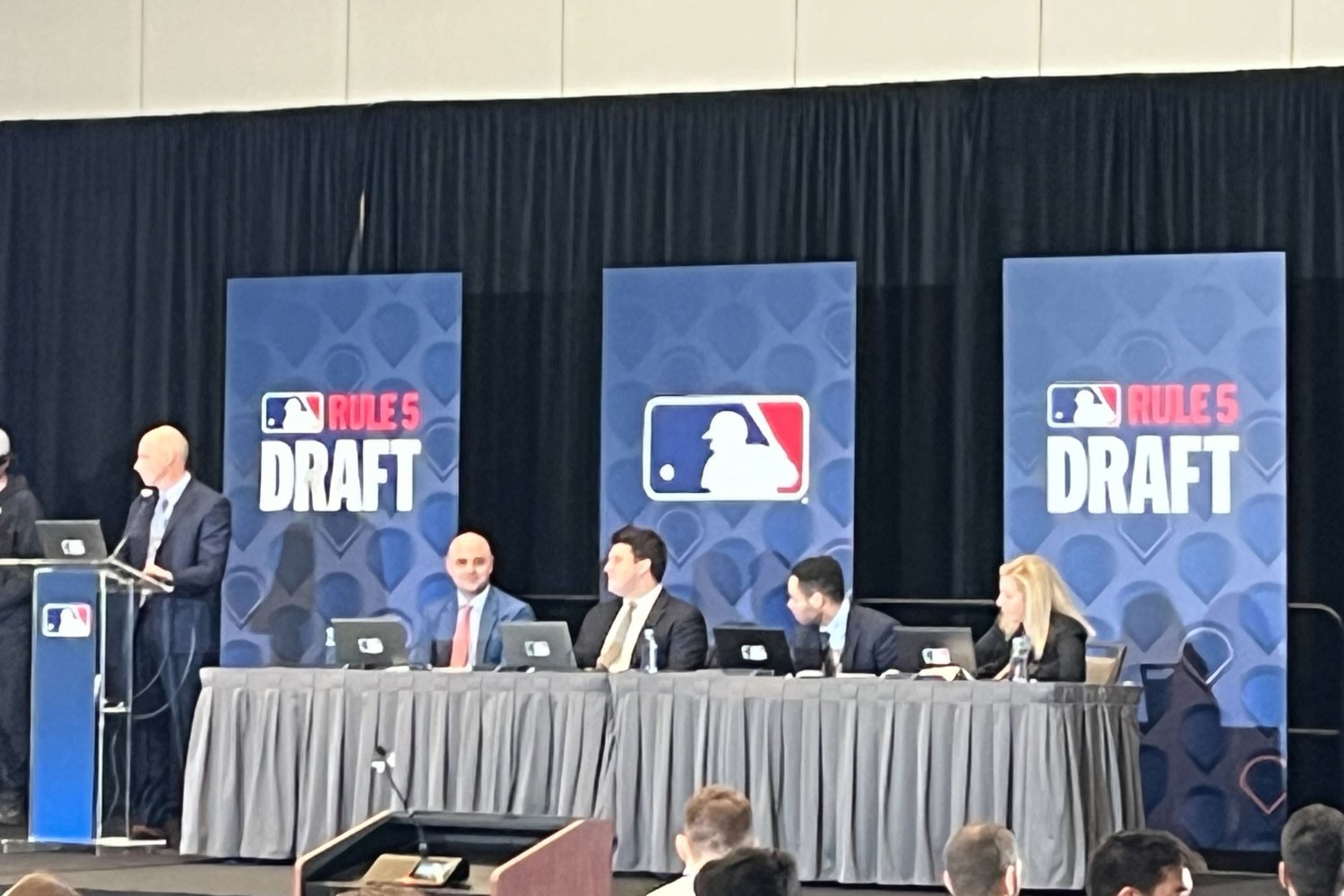 Like always, the Rule 5 Draft took place on the final day of the 2025 Winter Meetings. As expected, the Boston Red Sox were active during the selection process, selecting an intriguing potential bullpen option while also losing one of their more notable prospects. Right as the draft started, the Red Sox saw 21-year-old Jedixson Paez selected by the Chicago White Sox as the second overall pick. This is the second time in three years that the White Sox have poached a pitcher from the Red Sox, the last time being Shane Drohan during the 2023 Rule 5 Draft. Drohan was returned to the Red Sox and this offseason was added to the team’s 40-man roster. Paez signed with the team as an international free agent out of Venezula in 2021 and looked to be an interesting young prospect, as he made it to Salem by 2023 when he was just 19 years old. Paez was known for his ability to repeat his delivery along with his command and control of his pitches, allowing him to limit walks. A five-pitch repertoire was made up of his fastball, cutter, changeup, slider and curveball, with his changeup and slider being his two best pitches. His fastball, on the other hand, held him back at times due to its low velocity. Topping out at just 94 mph, he struggled to miss bats with it despite an advanced feel for the pitch. During his time in the Red Sox organization, Paez pitched in 73 games, making 58 starts and tossing 307 2/3 innings. Going 17-15, he had a career 3.22 ERA along with 307 strikeouts and just 49 walks. Paez also missed most of the 2025 season due to a severe right calf strain that led to him to making just seven starts. On the flip side, coming to the Red Sox is 28-year-old Ryan Watson, who was selected by the Athletics with the eighth overall pick in the Rule 5 Draft. The Red Sox made a deal with the Athletics, shipping infielder Justin Riemer to them in return for Watson according to MassLive's Chris Cotillo. Watson was originally drafted in the 39th round of the 2016 draft by the Los Angeles Dodgers, but instead went to college where he pitched four years for Auburn and went undrafted in the shortened 2020 draft. He would go on to sign as a non-drafted free agent with the Baltimore Orioles and would make his way up to Triple-A with them before being traded to the San Francisco Giants in August of 2024. This isn't the first time Craig Breslow showed interest in him, as Breslow attempted to acquire him during the 2025 season. Watson stands at 6-foot-5 and has a fastball that can touch 97 mph. To round out his repertoire are four more pitches in the form of a slider, curveball, sinker and splitter. As you may have guessed, his extension off the mound stands out, being close to seven feet. His main three pitches are the fastball, slider and curveball making up 93.2% of his pitches thrown in 2025, though against right-handed batters he was mainly a fastball-slider pitcher. Watson spent the entire 2025 season with Triple-A Sacramento where he appeared in 46 games, finishing 33 of them and earning nine saves. He tossed 50 2/3 innings, striking out 64 batters and walking just 16. He also managed to keep the ball in the park, allowing just five home runs. Perhaps mostly importantly, he had a 28.3% strikeout rate for the season and got batters to chase on 30.6% of his pitches thrown out of the zone. Add to it a 28.5% whiff rate, and he begins to look like an intriguing option for one of the last spots in the Opening Day bullpen. For those wondering, Reimer was drafted by the Red Sox in the fourth round of the 2023 draft and can play second base, third base and shortstop, though he is a light hitter. In 120 career games between the Rookie Complex League, High-A, and Double-A, Reimer hit a combined .239/.418/.287 with 12 doubles, one triple, one home run and 25 RBIs. He also struck out 89 times compared to 98 walks. In the Triple-A portion of the Rule 5 Draft, the Red Sox saw three pitchers — Eybersson Polanco, Alvaro Mejias, and Jonathna Brand — taken by the Los Angeles Angels, Tampa Bay Rays, and Texas Rangers, respectively. The Red Sox selected left-handed pitcher Caden Vire from Milwaukee, first baseman/outfielder Matt Lloyd from St. Louis, and catcher Raudelis Martinez from the Tampa Bay Rays. With the Winter Meetings wrapping up, the Red Sox may not have made the moves people wanted, but they still got potentially better than they were prior to arrival. Watson should be an intriguing option out of Alex Cora’s bullpen should he win a spot in it. The Red Sox's 40-man roster is now full.