


Nick John
-
Posts
799 -
Joined
-
Last visited
-
Days Won
1
Content Type
Profiles
Boston Red Sox Videos
2026 Boston Red Sox Top Prospects Ranking
Boston Red Sox Free Agent & Trade Rumors, Notes, & Tidbits
Guides & Resources
2025 Boston Red Sox Draft Pick Tracker
News
2026 Boston Red Sox Draft Tracker: Picks & Bonuses
Forums
Blogs
Events
Store
Downloads
Gallery
Everything posted by Nick John
-
The first full week of the Arizona Fall League has come to a conclusion as the eight prospects that the Boston Red Sox sent managed to get their first taste of what the AFL is truly like. A developmental league that takes place across six weeks, some teams send prospects they want to get more work in before the winter while others use it to allow players who missed significant time with injury to regain some of that lost time. For the past couple seasons the Red Sox have leaned towards the latter and for the 2026 AFL season that is no different. Of the eight players chosen this year, all but three missed significant time. The eight players selected this season are as follows: Position Players: Antonio Anderson: .273/.373/.453 with 17 doubles, four triples, nine home runs and 46 RBIs across 85 games in High-A. Mason White: .251/.353/.480 with 18 doubles, four triples, 18 home runs and 55 RBIs across 101 games between High-A and Double-A. Nazzan Zanetello: .254/.365/.500 with eight doubles, one triple, seven home runs and 19 RBIs across 36 games between Rookie Ball and High-A. Pitchers: Harry Blum: 66 innings across 40 games with a 6.41 ERA, 61 walks and 76 strikeouts. 39 of those games were with Low-A and one game with High-A. Madinson Frias: 31 innings across eight games, six starts, with a 6.68 ERA, 19 walks and 23 strikeouts. All eight appearances were with Low-A. Nicholas Judice: 12 1/3 innings across eight games with a 9.49 ERA, 15 walks and 13 strikeouts. All eight games were with Low-A. Trennor O’Donnell: 37 2/3 innings across 15 games, four starts, with a 6.69 ERA, 16 walks and 35 strikeouts. He made three starts with Rookie Ball, made three appearances including one start with Low-A and nine appearances out of the bullpen with High-A. Caden Vire: 14 2/3 innings across 13 games, one start, with a 11.66 ERA, 25 walks and 20 strikeouts. He made one start for Rookie Ball and 12 appearances for Low-A. For the second time in three seasons (last year they were part of the Salt River Rafters), the Red Sox are one of five teams that are making up the Mesa Solar Sox. Alongside the Los Angeles Angels, Athletics, Toronto Blue Jays and Chicago Cubs, these five teams have each sent eight players to take part in this learning experience. Following one week of play, the Solar Sox are sitting fifth in the league with a 2-4-1 record (in the AFL if the score is tied after 10 innings, the game is called as a tie), but it isn’t because of a lack of effort from the members of the Red Sox organization. Now, we’ll break down how each of the eight have fared through the first six games. Antonio Anderson 1B/3B/DH Anderson may have fared the best out of every position player on the Solar Sox through the first six games. Appearing in five of them, Anderson saw time at first base and designated hitter and slashed .368/.500/.737 along with a double, two home runs and seven RBIs. Overall, he sported a 1.237 OPS as he’s been a force atop the Mesa lineup. On Friday afternoon against the Scottsdale Scorpions, Anderson stepped to the plate in the top of the ninth with Mesa trailing 9-6 and the bases loaded. What followed next was a grand slam that flew off his bat at 115 mph and traveled 403 feet. While Mesa would end up losing the game 11-10 on a walk off, Anderson continued his hot hitting into the next game on Saturday afternoon. Entering the bottom of the sixth having gone 0-for-2, Anderson launched his second home run of the AFL roughly 390 feet (there was not Statcast at the field it took place in). The young slugger looks to continue his hot hitting into the second week of the fall season, and the Red Sox should feel optimistic for the slugger’s future after his play down the stretch of the minor league season and now to begin the AFL. Mason White 2B/SS White, who has also appeared in five games, hasn’t gotten off to quite as hot of a start as Anderson. Despite the hits not falling in, though, he has still looked decent at the plate. Hitting just .167/.348/.333, White has one home run and one RBI while also showing an ability to get on base with five walks. The middle infielder hasn’t looked overmatched while playing close to home (White grew up in Tucson and had friends and family to cheer him on during Saturday’s game that took place there). Defensively, he may not have made any flashy plays, but the young infielder has shown a leadership while on the field whether by communicating with teammates where they should be positioned or making the routine plays (because in the AFL, sometimes the routine play is harder to make than it should be). He has appeared at shortstop four times and second base once. Offensively, White has put together decent at-bats despite the lack of numbers to back that up. While he still struggles at time with movement (of his eight strikeouts, six have been from off-speed or breaking pitches), when given a fastball, he’s been able to put it in play with solid contact. Entering the second week, the hope is that his batted balls will start to find their way into hits instead of outs. Nazzan Zanetello 2B/SS/OF/DH It’s been a rough start to Zanetello/'s professional career. After two seasons where he struggled offensively, the middle infielder missed significant time in 2026. Now playing in the AFL with Mesa, Zanetello has appeared in six games where, much like White, he has played much better than his numbers would show. So far, the infielder is slashing .200/.385/.450 with a triple, a home run and two RBIs. He’s also walked six times and stolen two bases. Zanetello has also shown some swing and miss in his game, but that was always expected from him. The promising sign is how he’s been handling the pitching. On Friday afternoon, the young infielder made great contact with a fastball up and in, hitting it 105.1 mph off the bat. The ball was a line drive into the left field corner and should have been a double. However, using his speed and baserunning IQ, he managed to turn it into a triple. Going back to October 4, Zanetello launched a slider 106.9 mph off his bat and deposited it 401 feet into left field to tie the game 3-3. Defensively, he’s appeared at second base three times, in the outfield once, and as the designated hitter twice. Drafted as a shortstop, Zanetello mainly played second base while getting some reps in the outfield while healthy. His time at shortstop may be officially over as the team has drafted multiple middle infielders since he made his debut in 2023. Despite that, the young utility player has yet to make an error through 34 1/3 innings in the field. Harry Blum Blum has appeared in two games so far, pitching a total of 2 1/3 innings and allowing one run on three hits. The control issues that he dealt with in the minor-league season have continued as he’s walked three so far, but he's balanced that out with three strikeouts. His first appearance went very well as he tossed 1 2/3 scoreless innings while working around a hit and two walks. His fastball topped out at 96.8 mph and managed to generate six whiffs. His second outing could have gone better. Entering in the ninth inning of a tied game, Blum was tasked with getting the game to extra innings. Instead, he allowed the winning run to reach base with a one-out double before striking out the next batter and allowing a two-out walk to Kevin Bazzell. Then, he allowed the game-winning hit to Kyle West, giving the Salt River Rafters a 4-3 walk off win. In that outing, his fastball peaked at 95.3 mph and he managed to generate four whiffs. Madinson Frias Frias has appeared in just one game so far, tossing two innings and allowing one run on two hits and two walks. He also struck out two batters. Unfortunately, the outing didn’t start off well for him as a wild pitch to his first batter allowed the Scottsdale Scorpions to take a 4-1 lead. The right-hander managed to get his fastball to top out at 96.9 mph and generated two whiffs in the outing. At one point, Frias managed to retire four straight batters before things started to unravel in the fourth inning. He managed to work around a leadoff single by retiring the next two batters, but a two-out walk was followed by an infield single to load the bases and end Frias’ day. Nicholas Judice Like Frias, Judice has appeared in just one game where he tossed 2 1/3 perfect innings while striking out four batters. The outing was a great sign, as he struggled at times with his control in his limited showing during 2026. However, in his lone outing in the AFL so far, Judice tossed 31 pitches with 22 of them being strikes. He topped out at 91.2 mph with his sinker while also getting six whiffs total. Following the outing, Judice left the team temporarily to attend his wedding on October 9 in Louisiana. He should return to the team at some point in the near future. Trennor O’Donnell O’Donnell joins the list of Red Sox pitchers who have made one appearance, having tossed three scoreless innings in his lone outing. In that same outing, he walked one and struck out two. The right-hander tossed 40 pitches with 23 of them going for strikes. He topped out at 92.1 mph and generated three whiffs. Where he seemed to be more impressive was with his secondary offerings, using them well over 50% of the time. Caden Vire Vire is the final member of the Red Sox organization to play in the AFL and is one of the few pitchers to appear in more than one game. Making two appearances, Vire tossed 1 2/3 innings across the first week of the season. He allowed one run on one hit and three walks while striking out one batter. In his first outing, Vire tossed 2/3 of an inning, walking one batter and striking out one. His fastball topped out at 95.8 mph and he generated two whiffs. His second outing was a bit of a mixed bag. Tossing one inning, he allowed one run on one hit and two walks, and the outing could have been worse if not for some defensive help View full article
-
- 1
-

-
- antonio anderson
- mason white
- (and 2 more)
-
 The first full week of the Arizona Fall League has come to a conclusion as the eight prospects that the Boston Red Sox sent managed to get their first taste of what the AFL is truly like. A developmental league that takes place across six weeks, some teams send prospects they want to get more work in before the winter while others use it to allow players who missed significant time with injury to regain some of that lost time. For the past couple seasons the Red Sox have leaned towards the latter and for the 2026 AFL season that is no different. Of the eight players chosen this year, all but three missed significant time. The eight players selected this season are as follows: Position Players: Antonio Anderson: .273/.373/.453 with 17 doubles, four triples, nine home runs and 46 RBIs across 85 games in High-A. Mason White: .251/.353/.480 with 18 doubles, four triples, 18 home runs and 55 RBIs across 101 games between High-A and Double-A. Nazzan Zanetello: .254/.365/.500 with eight doubles, one triple, seven home runs and 19 RBIs across 36 games between Rookie Ball and High-A. Pitchers: Harry Blum: 66 innings across 40 games with a 6.41 ERA, 61 walks and 76 strikeouts. 39 of those games were with Low-A and one game with High-A. Madinson Frias: 31 innings across eight games, six starts, with a 6.68 ERA, 19 walks and 23 strikeouts. All eight appearances were with Low-A. Nicholas Judice: 12 1/3 innings across eight games with a 9.49 ERA, 15 walks and 13 strikeouts. All eight games were with Low-A. Trennor O’Donnell: 37 2/3 innings across 15 games, four starts, with a 6.69 ERA, 16 walks and 35 strikeouts. He made three starts with Rookie Ball, made three appearances including one start with Low-A and nine appearances out of the bullpen with High-A. Caden Vire: 14 2/3 innings across 13 games, one start, with a 11.66 ERA, 25 walks and 20 strikeouts. He made one start for Rookie Ball and 12 appearances for Low-A. For the second time in three seasons (last year they were part of the Salt River Rafters), the Red Sox are one of five teams that are making up the Mesa Solar Sox. Alongside the Los Angeles Angels, Athletics, Toronto Blue Jays and Chicago Cubs, these five teams have each sent eight players to take part in this learning experience. Following one week of play, the Solar Sox are sitting fifth in the league with a 2-4-1 record (in the AFL if the score is tied after 10 innings, the game is called as a tie), but it isn’t because of a lack of effort from the members of the Red Sox organization. Now, we’ll break down how each of the eight have fared through the first six games. Antonio Anderson 1B/3B/DH Anderson may have fared the best out of every position player on the Solar Sox through the first six games. Appearing in five of them, Anderson saw time at first base and designated hitter and slashed .368/.500/.737 along with a double, two home runs and seven RBIs. Overall, he sported a 1.237 OPS as he’s been a force atop the Mesa lineup. On Friday afternoon against the Scottsdale Scorpions, Anderson stepped to the plate in the top of the ninth with Mesa trailing 9-6 and the bases loaded. What followed next was a grand slam that flew off his bat at 115 mph and traveled 403 feet. While Mesa would end up losing the game 11-10 on a walk off, Anderson continued his hot hitting into the next game on Saturday afternoon. Entering the bottom of the sixth having gone 0-for-2, Anderson launched his second home run of the AFL roughly 390 feet (there was not Statcast at the field it took place in). The young slugger looks to continue his hot hitting into the second week of the fall season, and the Red Sox should feel optimistic for the slugger’s future after his play down the stretch of the minor league season and now to begin the AFL. Mason White 2B/SS White, who has also appeared in five games, hasn’t gotten off to quite as hot of a start as Anderson. Despite the hits not falling in, though, he has still looked decent at the plate. Hitting just .167/.348/.333, White has one home run and one RBI while also showing an ability to get on base with five walks. The middle infielder hasn’t looked overmatched while playing close to home (White grew up in Tucson and had friends and family to cheer him on during Saturday’s game that took place there). Defensively, he may not have made any flashy plays, but the young infielder has shown a leadership while on the field whether by communicating with teammates where they should be positioned or making the routine plays (because in the AFL, sometimes the routine play is harder to make than it should be). He has appeared at shortstop four times and second base once. Offensively, White has put together decent at-bats despite the lack of numbers to back that up. While he still struggles at time with movement (of his eight strikeouts, six have been from off-speed or breaking pitches), when given a fastball, he’s been able to put it in play with solid contact. Entering the second week, the hope is that his batted balls will start to find their way into hits instead of outs. Nazzan Zanetello 2B/SS/OF/DH It’s been a rough start to Zanetello/'s professional career. After two seasons where he struggled offensively, the middle infielder missed significant time in 2026. Now playing in the AFL with Mesa, Zanetello has appeared in six games where, much like White, he has played much better than his numbers would show. So far, the infielder is slashing .200/.385/.450 with a triple, a home run and two RBIs. He’s also walked six times and stolen two bases. Zanetello has also shown some swing and miss in his game, but that was always expected from him. The promising sign is how he’s been handling the pitching. On Friday afternoon, the young infielder made great contact with a fastball up and in, hitting it 105.1 mph off the bat. The ball was a line drive into the left field corner and should have been a double. However, using his speed and baserunning IQ, he managed to turn it into a triple. Going back to October 4, Zanetello launched a slider 106.9 mph off his bat and deposited it 401 feet into left field to tie the game 3-3. Defensively, he’s appeared at second base three times, in the outfield once, and as the designated hitter twice. Drafted as a shortstop, Zanetello mainly played second base while getting some reps in the outfield while healthy. His time at shortstop may be officially over as the team has drafted multiple middle infielders since he made his debut in 2023. Despite that, the young utility player has yet to make an error through 34 1/3 innings in the field. Harry Blum Blum has appeared in two games so far, pitching a total of 2 1/3 innings and allowing one run on three hits. The control issues that he dealt with in the minor-league season have continued as he’s walked three so far, but he's balanced that out with three strikeouts. His first appearance went very well as he tossed 1 2/3 scoreless innings while working around a hit and two walks. His fastball topped out at 96.8 mph and managed to generate six whiffs. His second outing could have gone better. Entering in the ninth inning of a tied game, Blum was tasked with getting the game to extra innings. Instead, he allowed the winning run to reach base with a one-out double before striking out the next batter and allowing a two-out walk to Kevin Bazzell. Then, he allowed the game-winning hit to Kyle West, giving the Salt River Rafters a 4-3 walk off win. In that outing, his fastball peaked at 95.3 mph and he managed to generate four whiffs. Madinson Frias Frias has appeared in just one game so far, tossing two innings and allowing one run on two hits and two walks. He also struck out two batters. Unfortunately, the outing didn’t start off well for him as a wild pitch to his first batter allowed the Scottsdale Scorpions to take a 4-1 lead. The right-hander managed to get his fastball to top out at 96.9 mph and generated two whiffs in the outing. At one point, Frias managed to retire four straight batters before things started to unravel in the fourth inning. He managed to work around a leadoff single by retiring the next two batters, but a two-out walk was followed by an infield single to load the bases and end Frias’ day. Nicholas Judice Like Frias, Judice has appeared in just one game where he tossed 2 1/3 perfect innings while striking out four batters. The outing was a great sign, as he struggled at times with his control in his limited showing during 2026. However, in his lone outing in the AFL so far, Judice tossed 31 pitches with 22 of them being strikes. He topped out at 91.2 mph with his sinker while also getting six whiffs total. Following the outing, Judice left the team temporarily to attend his wedding on October 9 in Louisiana. He should return to the team at some point in the near future. Trennor O’Donnell O’Donnell joins the list of Red Sox pitchers who have made one appearance, having tossed three scoreless innings in his lone outing. In that same outing, he walked one and struck out two. The right-hander tossed 40 pitches with 23 of them going for strikes. He topped out at 92.1 mph and generated three whiffs. Where he seemed to be more impressive was with his secondary offerings, using them well over 50% of the time. Caden Vire Vire is the final member of the Red Sox organization to play in the AFL and is one of the few pitchers to appear in more than one game. Making two appearances, Vire tossed 1 2/3 innings across the first week of the season. He allowed one run on one hit and three walks while striking out one batter. In his first outing, Vire tossed 2/3 of an inning, walking one batter and striking out one. His fastball topped out at 95.8 mph and he generated two whiffs. His second outing was a bit of a mixed bag. Tossing one inning, he allowed one run on one hit and two walks, and the outing could have been worse if not for some defensive help
 -
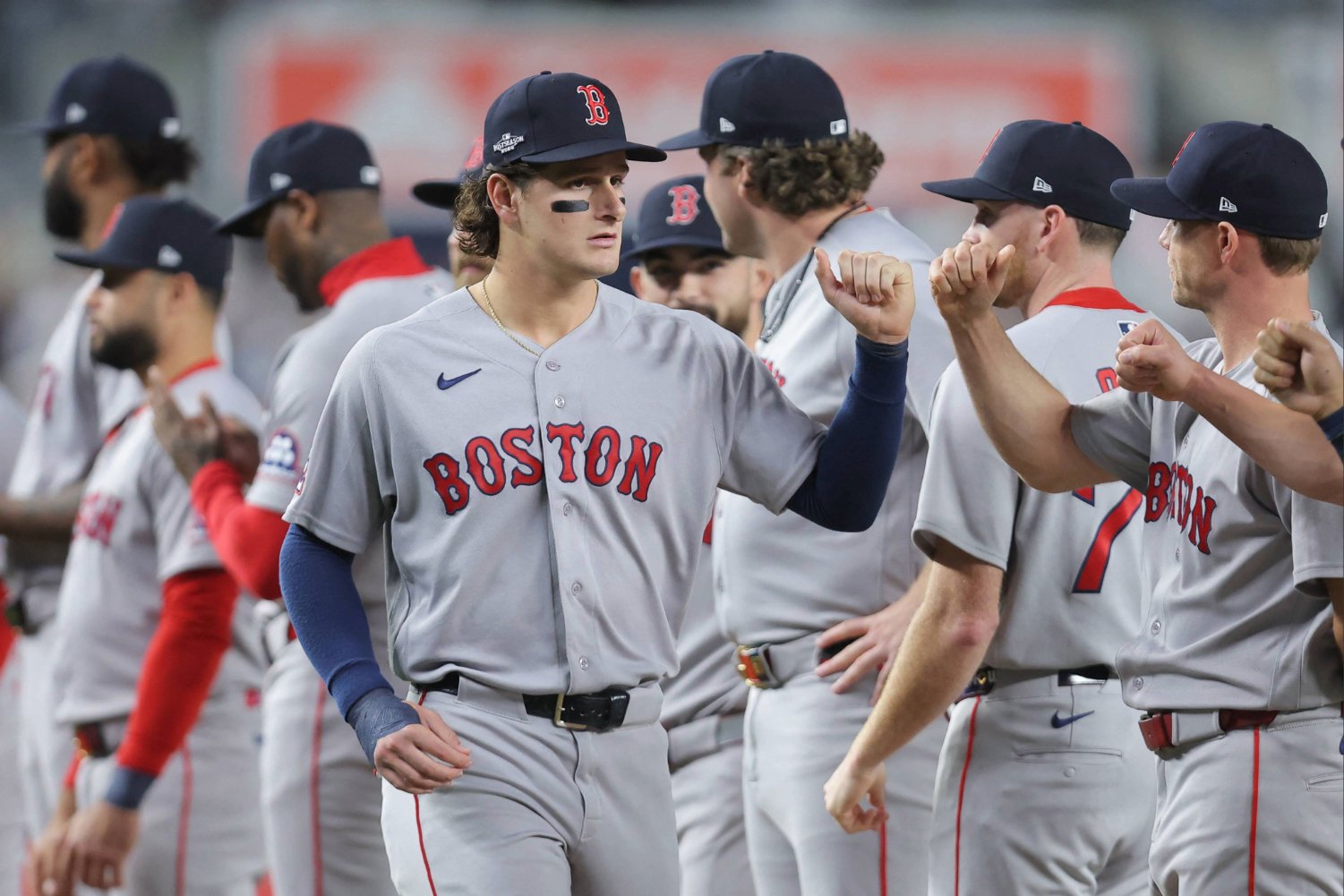
When Andruw Monasterio appeared on the on-deck circle in the middle of Game 1 of the Wild Card Series, the immediate thought turned to Roman Anthony. The star outfielder had missed most of the season due to a finger injury and during the finale of the regular season on Sunday, he appeared to have grimaced after a check swing. The team’s leadoff hitter (along with one of their more impactful bats when healthy) was forced out of the game and the remainder of the series with a hand injury that includes a reaggravation of that midseason issue. The offense cannot afford a major loss like that, especially right after Mickey Gasper and Masataka Yoshida succumbed to injury while key offensive players Willson Contreras and Ceddanne Rafaela are still working back to full health. Alas, the team will have to prepare for a do-or-die situation without Anthony as they stare down Max Fried from the batter’s box. Anthony wasn’t exactly lighting the world on fire since his return, but he was showing signs of improvement. In his last six games of the regular season, he was slashing .333/.391/.571 with three doubles and a triple from the leadoff spot in the lineup. Since his return, he hit .262/.321/.476 with six doubles, two triples, four home runs and 10 RBIs. For a team that was struggling to score runs in September, he was a sight for sore eyes. Against Cam Schlittler, the young superstar had gone 0-for-2 with two strikeouts prior to his removal. Despite the less-than-ideal performance his presence alone makes the lineup feel much deeper. Now, he might be gone for the remainder of the playoffs. Where the offense will come from will come down to a handful of players, most of all Jahmai Jones. The outfielder came over to Boston in a trade with Detroit to serve as a bat off the bench that would crush left-handed pitchers. Even prior to Anthony’s injury, he was destined to be in the lineup against Fried as he slashed .316/.426/.632 with four doubles, a triple, four home runs and eight RBIs against left-handed pitching with the Red Sox. Along with him, the team will need Contreras to return to his usual self. The slugger missed a large portion of September as he dealt with various injuries, but since returning to action in Game 162, Contreras has gone 0-for-6 with four strikeouts, including a rather uncompetitive at-bat against Cam Schlittler in the top of the first inning of Game 1. It may be a miracle for Contreras to be back as early as he is, especially after taking a pitch off his hand like he did, but the first baseman needs to improve on his approach. If this Red Sox team has any shot, they can’t have their big offensive weapon be this ineffective. Prior to the injury he had been scuffling, hitting just .217/.330/.386 with three doubles, a triple, three home runs and 12 RBIs in the month of August. Though during that time, he was attempting to play through several injuries he was dealing with since the All-Star Break along with a stint in the concussion protocol after being hit in the head during a game against the Los Angeles Dodgers. If Contreras is unable to come through, then the rest of the team needs to step up, especially someone like Wilyer Abreu. During the regular season, Abreu was a middle-of-the-lineup slugger who, for the third consecutive season, delivered new career highs in home runs and RBIs with 24 and 76, respectively. He also showed an improved eye at the plate, walking 71 times to help set a new career high on-base percentage of .327. However, as is usual with Abreu, he has been a streaky hitter in 2026. Over his last 24 games entering the playoffs, the right fielder slashed .211/.290/.322 with seven doubles, one home run and six RBIs. Even more concerning were the 23 strikeouts to 10 walks. September as a whole was his second-worst month of the season as he hit just .207/.286/.329 during a time that the offense was struggling to score runs. However, he took a massive leap forward against left-handed pitching this season; he hit .295/.375/.479 with 15 doubles, one triple, six home runs and 27 RBIs while striking out just 36 times in that split. With Fried on the mound for Game 2. the team will need Abreu to look more like that player. [There's also the unexpected return of Curtis Mead worth mentioning here, though no one should expect to see him play a serious role after such a long hiatus following his own wrist injury back in July. Anything he can provide in this series should be considered a bonus.] The loss of Anthony will be tough, but the Red Sox showed throughout the season that they are able to win without him. The team will just need to have players they relied on during Anthony’s absence to step up once more. Whether they manage to do so will determine if the season continues or ends with a sweep at the hands of their rivals. A superstar can easily help sway a game in their team’s favor, but there’s a reason baseball rosters are made up of 26 players. View full article
-
 When Andruw Monasterio appeared on the on-deck circle in the middle of Game 1 of the Wild Card Series, the immediate thought turned to Roman Anthony. The star outfielder had missed most of the season due to a finger injury and during the finale of the regular season on Sunday, he appeared to have grimaced after a check swing. The team’s leadoff hitter (along with one of their more impactful bats when healthy) was forced out of the game and the remainder of the series with a hand injury that includes a reaggravation of that midseason issue. The offense cannot afford a major loss like that, especially right after Mickey Gasper and Masataka Yoshida succumbed to injury while key offensive players Willson Contreras and Ceddanne Rafaela are still working back to full health. Alas, the team will have to prepare for a do-or-die situation without Anthony as they stare down Max Fried from the batter’s box. Anthony wasn’t exactly lighting the world on fire since his return, but he was showing signs of improvement. In his last six games of the regular season, he was slashing .333/.391/.571 with three doubles and a triple from the leadoff spot in the lineup. Since his return, he hit .262/.321/.476 with six doubles, two triples, four home runs and 10 RBIs. For a team that was struggling to score runs in September, he was a sight for sore eyes. Against Cam Schlittler, the young superstar had gone 0-for-2 with two strikeouts prior to his removal. Despite the less-than-ideal performance his presence alone makes the lineup feel much deeper. Now, he might be gone for the remainder of the playoffs. Where the offense will come from will come down to a handful of players, most of all Jahmai Jones. The outfielder came over to Boston in a trade with Detroit to serve as a bat off the bench that would crush left-handed pitchers. Even prior to Anthony’s injury, he was destined to be in the lineup against Fried as he slashed .316/.426/.632 with four doubles, a triple, four home runs and eight RBIs against left-handed pitching with the Red Sox. Along with him, the team will need Contreras to return to his usual self. The slugger missed a large portion of September as he dealt with various injuries, but since returning to action in Game 162, Contreras has gone 0-for-6 with four strikeouts, including a rather uncompetitive at-bat against Cam Schlittler in the top of the first inning of Game 1. It may be a miracle for Contreras to be back as early as he is, especially after taking a pitch off his hand like he did, but the first baseman needs to improve on his approach. If this Red Sox team has any shot, they can’t have their big offensive weapon be this ineffective. Prior to the injury he had been scuffling, hitting just .217/.330/.386 with three doubles, a triple, three home runs and 12 RBIs in the month of August. Though during that time, he was attempting to play through several injuries he was dealing with since the All-Star Break along with a stint in the concussion protocol after being hit in the head during a game against the Los Angeles Dodgers. If Contreras is unable to come through, then the rest of the team needs to step up, especially someone like Wilyer Abreu. During the regular season, Abreu was a middle-of-the-lineup slugger who, for the third consecutive season, delivered new career highs in home runs and RBIs with 24 and 76, respectively. He also showed an improved eye at the plate, walking 71 times to help set a new career high on-base percentage of .327. However, as is usual with Abreu, he has been a streaky hitter in 2026. Over his last 24 games entering the playoffs, the right fielder slashed .211/.290/.322 with seven doubles, one home run and six RBIs. Even more concerning were the 23 strikeouts to 10 walks. September as a whole was his second-worst month of the season as he hit just .207/.286/.329 during a time that the offense was struggling to score runs. However, he took a massive leap forward against left-handed pitching this season; he hit .295/.375/.479 with 15 doubles, one triple, six home runs and 27 RBIs while striking out just 36 times in that split. With Fried on the mound for Game 2. the team will need Abreu to look more like that player. [There's also the unexpected return of Curtis Mead worth mentioning here, though no one should expect to see him play a serious role after such a long hiatus following his own wrist injury back in July. Anything he can provide in this series should be considered a bonus.] The loss of Anthony will be tough, but the Red Sox showed throughout the season that they are able to win without him. The team will just need to have players they relied on during Anthony’s absence to step up once more. Whether they manage to do so will determine if the season continues or ends with a sweep at the hands of their rivals. A superstar can easily help sway a game in their team’s favor, but there’s a reason baseball rosters are made up of 26 players.
 -
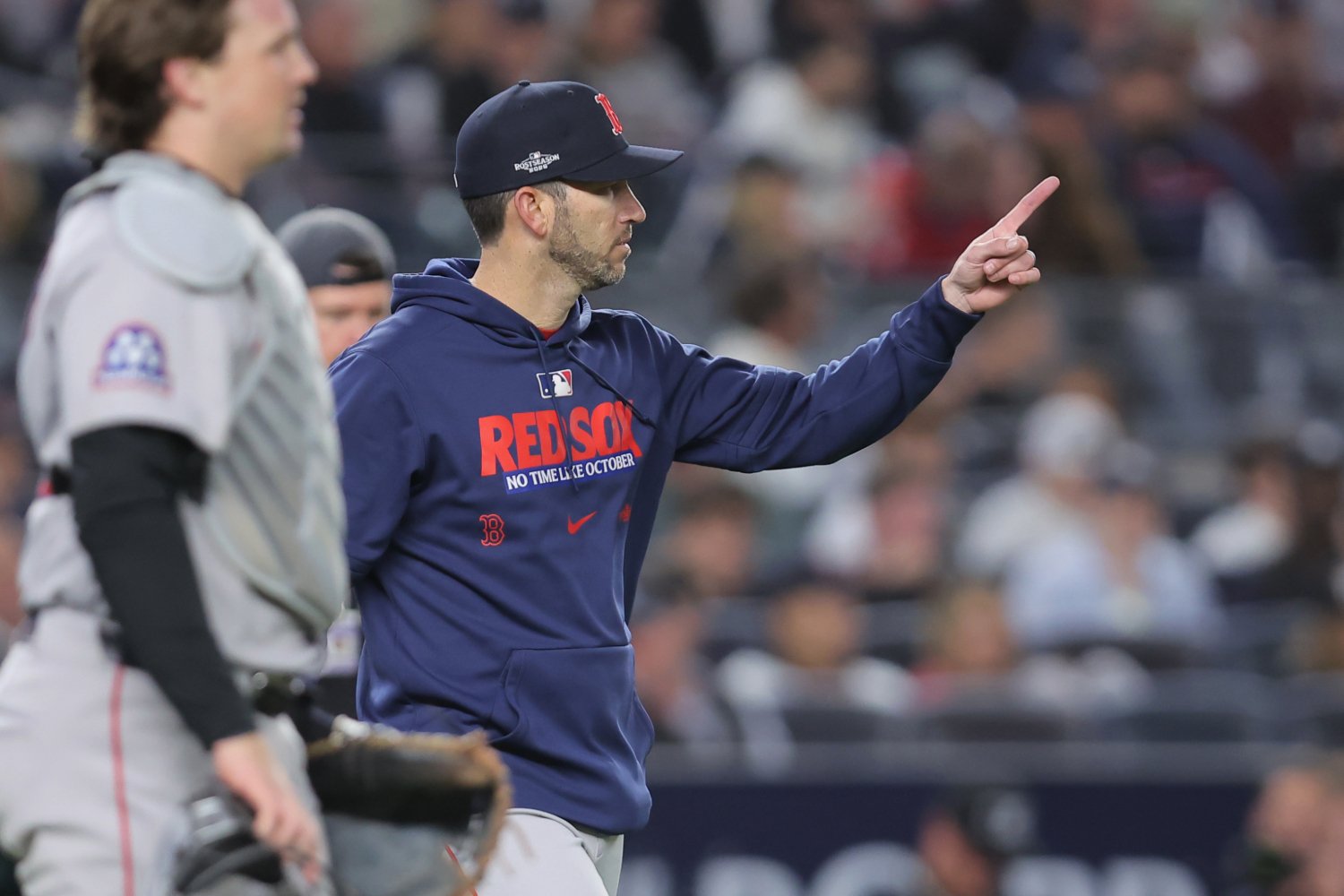
The Boston Red Sox fell 9-0 in the first game of their Wild Card Series matchup against the New York Yankees and now have their backs up against a wall facing elimination. Despite the daunting task of now having to take two straight games not just in the Bronx but also against Max Fried and Gerrit Cole, the team is still in a good position thanks to its bullpen. In the first game of the series, Payton Tolle did all that was asked of him, tossing 4 2/3 innings while allowing just one earned run on five hits and a walk. He also struck out four in his first postseason start. The biggest issue was when he was pulled, as the young left-hander had thrown just 83 pitches and had retired five straight Yankee batters. While he had thrown a decent number of high-leverage pitches as the Yankees managed to get runners on base in nearly every inning he was on the mound, the imposing left-hander appeared to have things under control. Despite that, Red Sox manager Chad Tracy decided to turn to left-handed reliever Erik Miller to try and get Ben Rice out to complete the fifth inning instead of letting Tolle a chance to face the Massachusetts native for a third time. That move backfired immediately as Miller (who struggled down the stretch in September) left a sinker over the heart of the plate that Rice drove 423 feet to center field for a home run and a 2-0 Yankee lead. Against Cam Schlittler, that would prove to be insurmountable. With that in mind, Tracy went with a distinct plan moving forward with his bullpen, one that could give Boston a chance to come back and win the series. He refused to go to any of his high-leverage arms regardless of the situation and saw things through to the end using his other bullpen pitchers. Of the arms who appeared in the Game 1 loss, only Miller was a true late-game option for the team since arriving from San Francisco, while both Brayan Bello and Alec Gamboa had provided quality innings for the team but aren't more than long and middle relievers, respectively. At the very least, they aren't in the same echelon as Aroldis Chapman, Garrett Whitlock or even Garrett Crochet. For the team to succeed in the next two games, both Chapman and Whitlock need to be used in the most key situations. Seeing that the team was trailing against the likely AL Cy Young winner, Tracy instead turned to a bevy of relievers to mixed results. Greg Weissert did his job, giving the team a perfect inning of relief on just 15 pitches. That outing will likely keep him available for Wednesday’s Game 2. Miller, who threw just nine pitches, could also make an appearance if needed against a left-handed batter... though after his struggles in Game 1 (only getting one of the three batters he faced out), that might need to be in a low-leverage situation. Both Gamboa and Wyatt Olds also remained low on pitches as they threw 15 and 18, respectively, giving up the bulk of the runs. The two had been key mid-inning relievers for Boston throughout the season but succumbed to the pressures of postseason baseball. Despite that, the duo helped preserve a bullpen that is rather thin after losing Justin Slaten in the second half and Tyron Guerrero just before the start of the playoffs. On Wednesday night, the bullpen will have to be managed more aggressively. Tracy will have to go to his high-leverage arms of Whitlock, Crochet, and Chapman instead of attempting to walk a thin line with his other relievers. However, the biggest obstacle will be choosing when and how to use Crochet. The left-hander has been out of commission since late April, having only thrown side sessions and bullpens as he attempted to rev back up for postseason baseball. The team felt he was good enough to contribute, adding him to the roster. However, despite his best attempts to build back up, it’s likely that he will only be able to go once in the series. Tracy will have to determine when that should be. With Whitlock and Chapman, the duo would be able to go on back-to-back nights now, a much easier task than having to potentially pitch in three straight games. While the Red Sox may have lost Game 1 to the Yankees in a terrible fashion, they kept their best chances to compete in the remainder of the series alive. The push to face Tampa Bay in the ALDS isn't dead just yet. View full article
-
- 1
-
-
- chad tracy
- garrett crochet
- (and 1 more)
-
 The Boston Red Sox fell 9-0 in the first game of their Wild Card Series matchup against the New York Yankees and now have their backs up against a wall facing elimination. Despite the daunting task of now having to take two straight games not just in the Bronx but also against Max Fried and Gerrit Cole, the team is still in a good position thanks to its bullpen. In the first game of the series, Payton Tolle did all that was asked of him, tossing 4 2/3 innings while allowing just one earned run on five hits and a walk. He also struck out four in his first postseason start. The biggest issue was when he was pulled, as the young left-hander had thrown just 83 pitches and had retired five straight Yankee batters. While he had thrown a decent number of high-leverage pitches as the Yankees managed to get runners on base in nearly every inning he was on the mound, the imposing left-hander appeared to have things under control. Despite that, Red Sox manager Chad Tracy decided to turn to left-handed reliever Erik Miller to try and get Ben Rice out to complete the fifth inning instead of letting Tolle a chance to face the Massachusetts native for a third time. That move backfired immediately as Miller (who struggled down the stretch in September) left a sinker over the heart of the plate that Rice drove 423 feet to center field for a home run and a 2-0 Yankee lead. Against Cam Schlittler, that would prove to be insurmountable. With that in mind, Tracy went with a distinct plan moving forward with his bullpen, one that could give Boston a chance to come back and win the series. He refused to go to any of his high-leverage arms regardless of the situation and saw things through to the end using his other bullpen pitchers. Of the arms who appeared in the Game 1 loss, only Miller was a true late-game option for the team since arriving from San Francisco, while both Brayan Bello and Alec Gamboa had provided quality innings for the team but aren't more than long and middle relievers, respectively. At the very least, they aren't in the same echelon as Aroldis Chapman, Garrett Whitlock or even Garrett Crochet. For the team to succeed in the next two games, both Chapman and Whitlock need to be used in the most key situations. Seeing that the team was trailing against the likely AL Cy Young winner, Tracy instead turned to a bevy of relievers to mixed results. Greg Weissert did his job, giving the team a perfect inning of relief on just 15 pitches. That outing will likely keep him available for Wednesday’s Game 2. Miller, who threw just nine pitches, could also make an appearance if needed against a left-handed batter... though after his struggles in Game 1 (only getting one of the three batters he faced out), that might need to be in a low-leverage situation. Both Gamboa and Wyatt Olds also remained low on pitches as they threw 15 and 18, respectively, giving up the bulk of the runs. The two had been key mid-inning relievers for Boston throughout the season but succumbed to the pressures of postseason baseball. Despite that, the duo helped preserve a bullpen that is rather thin after losing Justin Slaten in the second half and Tyron Guerrero just before the start of the playoffs. On Wednesday night, the bullpen will have to be managed more aggressively. Tracy will have to go to his high-leverage arms of Whitlock, Crochet, and Chapman instead of attempting to walk a thin line with his other relievers. However, the biggest obstacle will be choosing when and how to use Crochet. The left-hander has been out of commission since late April, having only thrown side sessions and bullpens as he attempted to rev back up for postseason baseball. The team felt he was good enough to contribute, adding him to the roster. However, despite his best attempts to build back up, it’s likely that he will only be able to go once in the series. Tracy will have to determine when that should be. With Whitlock and Chapman, the duo would be able to go on back-to-back nights now, a much easier task than having to potentially pitch in three straight games. While the Red Sox may have lost Game 1 to the Yankees in a terrible fashion, they kept their best chances to compete in the remainder of the series alive. The push to face Tampa Bay in the ALDS isn't dead just yet.
 -
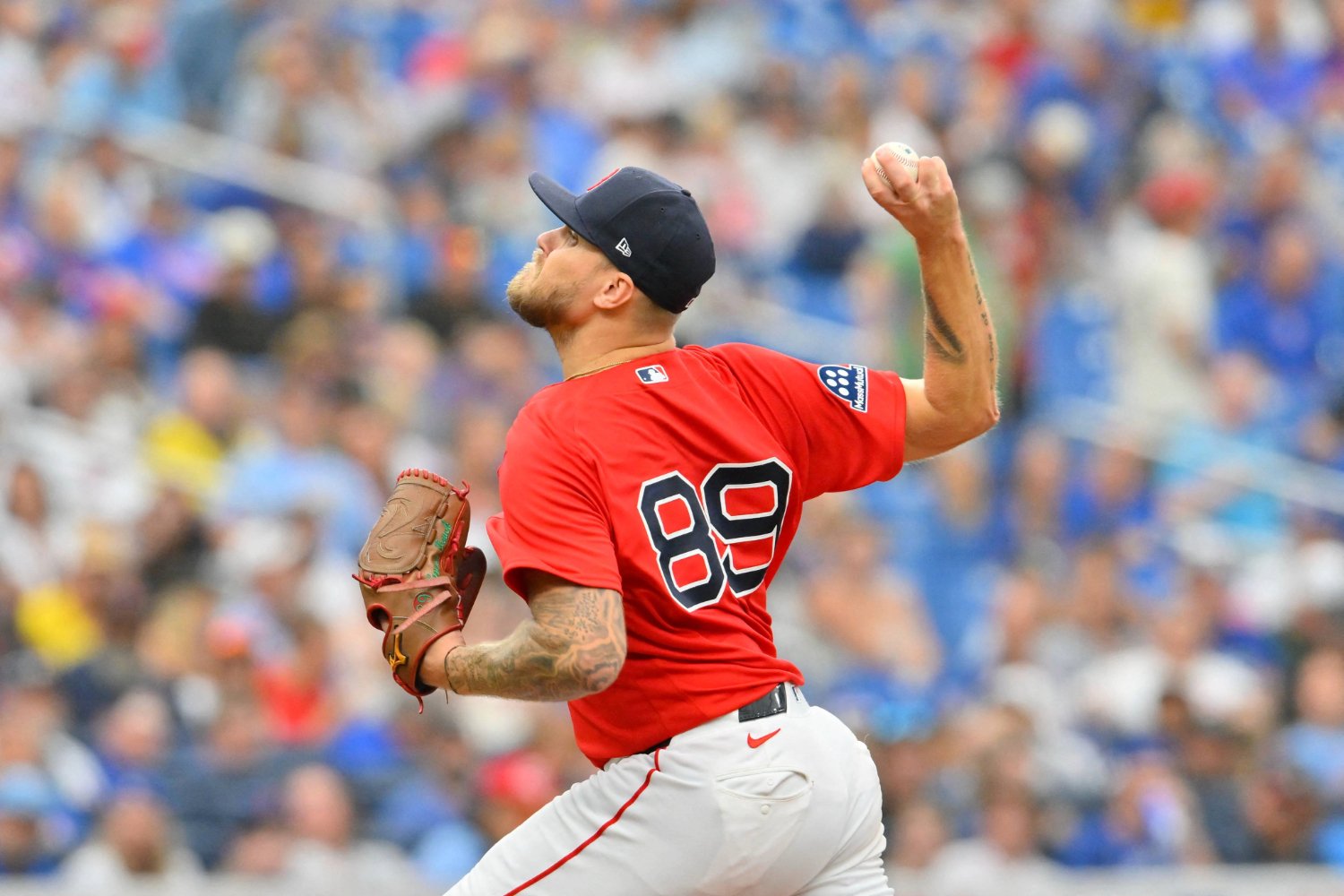
A whopping 503 days. That was the time frame between Tanner Houck’s last start in the major leagues and his start in game 162 of this season. The right-hander missed significant time after an attempted rehab assignment in 2025 ultimately led to Tommy John surgery back in August of 2025. Despite the timeline for Tommy John surgery typically taking close to a full season before a pitcher can begin throwing seriously in a rehab assignment, Houck had a plan in place for being back on a mound and throwing meaningful innings by the end of September of this season. To get there, he worked extremely hard, getting into rehab assignments with Double-A Portland and Triple-A Worcester before their respective seasons concluded. And after just over 12 months of rehab and recovery, Houck kept to his word. The right-hander was given the start for the Boston Red Sox's final game before the playoffs and showed flashes of his past dominance. Tossing three innings, Houck took the loss as he allowed three runs (all of them on two Alex Bregman home runs) on four hits while not walking a batter and getting one strikeout. In the outing, he tossed exactly 50 pitches, roughly what he threw during his rehab appearances. Despite the positive stat line for a pitcher making his first start in over a year and a half, there were some concerns for Houck, namely that his velocity was down from even 2025, a sign that the right-hander is still working on ramping back up. His sinker, which he threw 15 times yesterday, averaged just 92.4 mph compared to its 94.5 mph from the 2025 season. Even his four-seam fastball saw a decline of almost two mph as it averaged 93.3 mph compared to 95 mph in 2025. The right-hander also struggled to miss bats, getting just one whiff out of 24 swings by the Chicago Cubs. Despite that, he still showcased some positives that could help his chance of being on the playoff roster. Despite giving up a home run early in the game to Bregman, Houck didn’t fall apart. Instead, the right-hander followed that up by retiring seven of the next eight batters he faced, giving the offense a chance to get back into the game. That string of retired batters was then broken up with one out in the third inning as Bregman took a sweeper that caught too much of the plate and deposited it into left field to put the Cubs back ahead 3-2. Houck then finished his outing by getting the next two batters out before giving way to the bullpen for the fourth inning. Despite taking the loss in what would eventually be a 6-2 Cubs win, Houck was around where he should be in his return from injury. Not completely dominant, but good enough to give the team a chance to win with his outing. Outside of his two mistakes to Bregman, Houck only allowed two hits, both of them singles. In a relief role, that would be a welcomed performance if he can limit the long balls, especially with the Red Sox having lost Tyron Guerrero right before the playoffs. While it might not seem likely for Houck to make the playoff roster, the sudden loss of Guerrero opens a path for the right-hander. While his velocity is nothing in comparison to the flamethrower, Houck has experience out of the bullpen as he served as closer briefly in 2022, earning eight saves before an injury ended his season. That’s not even talking about how in the 2021 playoffs he came out of the bullpen five times. Despite the struggles he had that season, the experience would be appreciated for a bullpen that, outside of Aroldis Chapman and Garrett Whitlock, has very minimal playoff experience. He may not look like a high-leverage reliever at the moment, but he could help shorten the game and bridge the gap to the back-end of the bullpen. As a bulk reliever, he could be relied upon to take the ball from one of the starting pitchers and hand it to an arm like Whitlock or even Erik Miller who will be asked to step up with the loss of Guerrero. In his lone outing this year, Houck surrendered six hard hit balls, though two of them were the home runs he surrendered. Of the remaining four, only one (the first hit he allowed all game) turned into a hit. With the defense Boston has lined up behind him, Houck could be able to allow a hard hit ball here or there and still mitigate the damage. The biggest concern, however, is the velocity, which will limit his ability to get swings and misses. Everyone knows the age-old thought that velocity plays in the postseason—just look back at the 2018 Red Sox roster that had a bullpen containing Joe Kelly, Matt Barnes and Heath Hembree. With Houck being in the low to mid-90s at the moment, the team could decide to turn their attention to a harder thrower. Whatever decision the Red Sox make with Houck, it’s a positive sign that he stepped back onto a major-league mound as quickly as he did. His future is a lot less murky with his return officially in the books. View full article
-
 A whopping 503 days. That was the time frame between Tanner Houck’s last start in the major leagues and his start in game 162 of this season. The right-hander missed significant time after an attempted rehab assignment in 2025 ultimately led to Tommy John surgery back in August of 2025. Despite the timeline for Tommy John surgery typically taking close to a full season before a pitcher can begin throwing seriously in a rehab assignment, Houck had a plan in place for being back on a mound and throwing meaningful innings by the end of September of this season. To get there, he worked extremely hard, getting into rehab assignments with Double-A Portland and Triple-A Worcester before their respective seasons concluded. And after just over 12 months of rehab and recovery, Houck kept to his word. The right-hander was given the start for the Boston Red Sox's final game before the playoffs and showed flashes of his past dominance. Tossing three innings, Houck took the loss as he allowed three runs (all of them on two Alex Bregman home runs) on four hits while not walking a batter and getting one strikeout. In the outing, he tossed exactly 50 pitches, roughly what he threw during his rehab appearances. Despite the positive stat line for a pitcher making his first start in over a year and a half, there were some concerns for Houck, namely that his velocity was down from even 2025, a sign that the right-hander is still working on ramping back up. His sinker, which he threw 15 times yesterday, averaged just 92.4 mph compared to its 94.5 mph from the 2025 season. Even his four-seam fastball saw a decline of almost two mph as it averaged 93.3 mph compared to 95 mph in 2025. The right-hander also struggled to miss bats, getting just one whiff out of 24 swings by the Chicago Cubs. Despite that, he still showcased some positives that could help his chance of being on the playoff roster. Despite giving up a home run early in the game to Bregman, Houck didn’t fall apart. Instead, the right-hander followed that up by retiring seven of the next eight batters he faced, giving the offense a chance to get back into the game. That string of retired batters was then broken up with one out in the third inning as Bregman took a sweeper that caught too much of the plate and deposited it into left field to put the Cubs back ahead 3-2. Houck then finished his outing by getting the next two batters out before giving way to the bullpen for the fourth inning. Despite taking the loss in what would eventually be a 6-2 Cubs win, Houck was around where he should be in his return from injury. Not completely dominant, but good enough to give the team a chance to win with his outing. Outside of his two mistakes to Bregman, Houck only allowed two hits, both of them singles. In a relief role, that would be a welcomed performance if he can limit the long balls, especially with the Red Sox having lost Tyron Guerrero right before the playoffs. While it might not seem likely for Houck to make the playoff roster, the sudden loss of Guerrero opens a path for the right-hander. While his velocity is nothing in comparison to the flamethrower, Houck has experience out of the bullpen as he served as closer briefly in 2022, earning eight saves before an injury ended his season. That’s not even talking about how in the 2021 playoffs he came out of the bullpen five times. Despite the struggles he had that season, the experience would be appreciated for a bullpen that, outside of Aroldis Chapman and Garrett Whitlock, has very minimal playoff experience. He may not look like a high-leverage reliever at the moment, but he could help shorten the game and bridge the gap to the back-end of the bullpen. As a bulk reliever, he could be relied upon to take the ball from one of the starting pitchers and hand it to an arm like Whitlock or even Erik Miller who will be asked to step up with the loss of Guerrero. In his lone outing this year, Houck surrendered six hard hit balls, though two of them were the home runs he surrendered. Of the remaining four, only one (the first hit he allowed all game) turned into a hit. With the defense Boston has lined up behind him, Houck could be able to allow a hard hit ball here or there and still mitigate the damage. The biggest concern, however, is the velocity, which will limit his ability to get swings and misses. Everyone knows the age-old thought that velocity plays in the postseason—just look back at the 2018 Red Sox roster that had a bullpen containing Joe Kelly, Matt Barnes and Heath Hembree. With Houck being in the low to mid-90s at the moment, the team could decide to turn their attention to a harder thrower. Whatever decision the Red Sox make with Houck, it’s a positive sign that he stepped back onto a major-league mound as quickly as he did. His future is a lot less murky with his return officially in the books.
 -
I would expect (ok, hope) he's in Greenville next season. I feel that his injury and the number of guys in Greenville this season kept him from a late season promotion. I think he'll end up a reliever if he sticks in the system but wouldn't be surprised if they give him a shot in the rotation to see how his stuff plays in that role. But reliever seems to be his future in my opinion.
-
Pitching in Low-A can sometimes be challenging for a pitcher in his first professional season. Some players are sent halfway across the country and for others, it might be their first time pitching in the United States at all. For Ethan Walker, it was like pitching in his own backyard. Born in Norfolk, Virginia, Walker would move with his family to Salem, Virginia where he would grow up playing baseball before eventually going to IMG Academy in Florida and then Kentucky. After years of hard work, he would wind up drafted by the Boston Red Sox in the 2025 MLB Draft. While he didn’t pitch that season after signing, the left-hander would be assigned to the Salem RidgeYaks for the 2026 season. “It’s really cool,” Walker admitted about pitching for his hometown team. “My family came to about every game and a lot of my friends came and watched. Even people I haven’t talked to in a while came, so that’s pretty cool.” Walker wound up appearing in 16 games during his first season of affiliate baseball, making five starts. He gave Salem 51 innings as the left-hander struck out 69 and finished the season with a 3.53 ERA while holding opposing hitters to a .193 batting average. In the games that he pitched at home, a cheering section of as many as 30 people would go wild during his starts. Those who worked for the team joked that it would be the loudest section of the ballpark when Walker pitched. “We talked about it after,” Walker explained about people knowing him from growing up in Salem. “A lot of them haven’t seen professional sports players before, so it’s pretty interesting for them.” It wasn’t all fun and games for Walker, as the pitcher admitted that there were adjustments he had to make during the season, having to learn all new hitters and their tendencies. Add to it the advanced approaches of pro hitters, and the left-hander quickly learned he had to adapt his style of pitching. The biggest disappointment was his injury, as Walker missed nearly two months from lower back inflammation along with the rehab process. Upon returning in August, he finished strong, allowing just nine runs in his final 27 2/3 innings while striking out 35. Armed with a fastball that reached 93 mph, a changeup, a cutter and a slider, he’s been able to keep hitters off-balance and guessing each time they step to the plate. “I'm a strikeout guy," he said about his pitching style. "Pitching to contact is nice, especially with a professional defense behind you but I like to go for strikeouts.” In the end, the biggest adjustment for Walker may have been off the field. The left-hander admitting that the biggest step forward for him was growing as a person. Becoming more of a coachable player was something he took pride in as he learned from everyone around him on the RidgeYaks. With his first pro season wrapped up, Walker will look to continue his growth both on and off the mound while seeing what direction the Red Sox take his development in. Whether starting or coming out of the bullpen, the organization has found another potential impact arm to add to its system. View full article
-
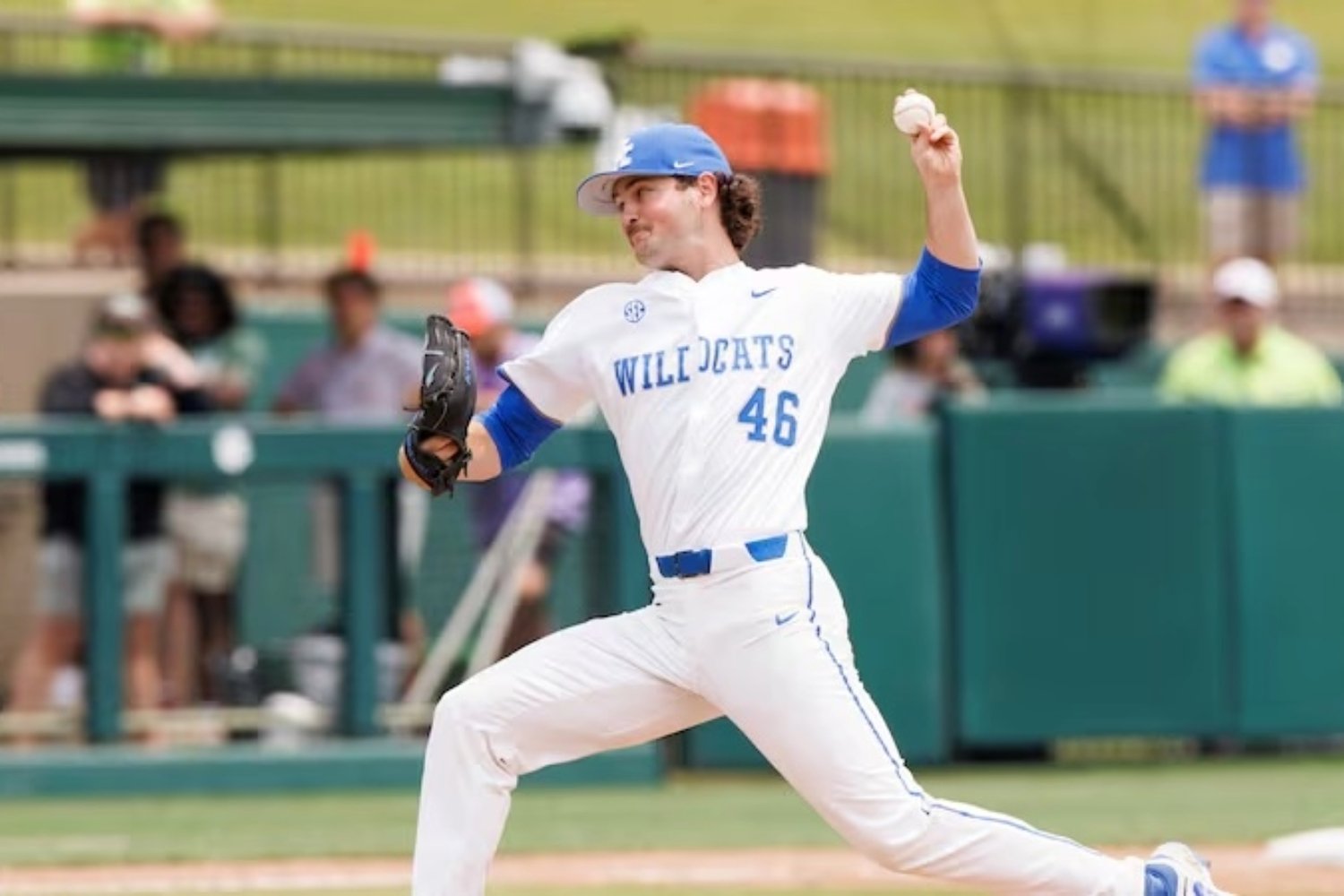 Pitching in Low-A can sometimes be challenging for a pitcher in his first professional season. Some players are sent halfway across the country and for others, it might be their first time pitching in the United States at all. For Ethan Walker, it was like pitching in his own backyard. Born in Norfolk, Virginia, Walker would move with his family to Salem, Virginia where he would grow up playing baseball before eventually going to IMG Academy in Florida and then Kentucky. After years of hard work, he would wind up drafted by the Boston Red Sox in the 2025 MLB Draft. While he didn’t pitch that season after signing, the left-hander would be assigned to the Salem RidgeYaks for the 2026 season. “It’s really cool,” Walker admitted about pitching for his hometown team. “My family came to about every game and a lot of my friends came and watched. Even people I haven’t talked to in a while came, so that’s pretty cool.” Walker wound up appearing in 16 games during his first season of affiliate baseball, making five starts. He gave Salem 51 innings as the left-hander struck out 69 and finished the season with a 3.53 ERA while holding opposing hitters to a .193 batting average. In the games that he pitched at home, a cheering section of as many as 30 people would go wild during his starts. Those who worked for the team joked that it would be the loudest section of the ballpark when Walker pitched. “We talked about it after,” Walker explained about people knowing him from growing up in Salem. “A lot of them haven’t seen professional sports players before, so it’s pretty interesting for them.” It wasn’t all fun and games for Walker, as the pitcher admitted that there were adjustments he had to make during the season, having to learn all new hitters and their tendencies. Add to it the advanced approaches of pro hitters, and the left-hander quickly learned he had to adapt his style of pitching. The biggest disappointment was his injury, as Walker missed nearly two months from lower back inflammation along with the rehab process. Upon returning in August, he finished strong, allowing just nine runs in his final 27 2/3 innings while striking out 35. Armed with a fastball that reached 93 mph, a changeup, a cutter and a slider, he’s been able to keep hitters off-balance and guessing each time they step to the plate. “I'm a strikeout guy," he said about his pitching style. "Pitching to contact is nice, especially with a professional defense behind you but I like to go for strikeouts.” In the end, the biggest adjustment for Walker may have been off the field. The left-hander admitting that the biggest step forward for him was growing as a person. Becoming more of a coachable player was something he took pride in as he learned from everyone around him on the RidgeYaks. With his first pro season wrapped up, Walker will look to continue his growth both on and off the mound while seeing what direction the Red Sox take his development in. Whether starting or coming out of the bullpen, the organization has found another potential impact arm to add to its system.
 -
Right now I only view Wehunt as someone who will stick in the rotation at the major league level from what I saw this year. I do think Holobetz could become a very good reliever but right now you need to continue his development in the rotation. Especially with how he ended the season. Ziehl is an interesting one because he doesn't throw too hard (in fact he didn't throw a 4-seam at all last year) and relies on hitting his spots. If he misses they'll hit him, I saw it a few times this year. When he hits his spots with his assortment of pitches he is great. Paez is a dark horse for me. If he can get about 2mph more on his fastball, I'd keep an eye on him. Dominant at the Triple-A level.
-
When the Boston Red Sox relieved Alex Cora of his duties as manager, the team needed someone who could help right the ship and lead a team that was filled with youthful players. The team turned to Chad Tracy, the manager of Triple-A Worcester at the time, giving him the reins to oversee at least the remainder of the season. Now, he’s the official manager of the Boston Red Sox as the team signed him to a contract through the 2029 season with a contract option for 2030. Tracy, a veteran manager in the minor leagues where he accumulated 499 wins, oversaw a historic turnaround that saw the team clinch a playoff spot on September 21. Handed a team that had a 10-17 record and that would lose stars Roman Anthony and Garrett Crochet shortly after being named interim manager, Tracy's Red Sox dropped all the way to 32-46 on June 24. Despite that, he never lost faith in his players and appeared to know which buttons to press. With a roster that get huge contributions from Triple-A arrivals, Tracy oversaw a ridiculous 32-5 over their next 37 games to vault them near the top of the American League. Now, he’ll be around for the foreseeable future. In all honesty it should have been a no-brainer. Tracy showcased throughout the summer he could handle the pressure of managing in Boston, especially as the team stumbled and faced hardships through most of the season. Despite slip-ups or mistakes made on the field by his players, Tracy was ready to defend them from the media. Never once did he throw a player under the bus or outright say a loss was due to someone’s performance. Even when there were disputes between players that were caught during games or in media sessions, the skipper knew how to keep the heat off his players and kept those issues in-house. The Red Sox couldn’t have asked for a better manager following Alex Cora's run with the franchise. Both managers have their strengths, but between them, it seems like the current manager is the one best suited to handle a young core. A young core that he’s already worked with and built relationships with during his time with Worcester, mind you. Of the current active roster, Tracy either managed or oversaw rehab appearances of 16 players (not to mention working with plenty of others in spring training). He’s shown an ability to get the most out of his players and in return the players have given him everything they’re capable of on the field. For that, Red Sox fans should be happy he’ll be the helmsman of the ship. A guiding hand for the youth on the team while relying on his veterans to support the team in ways only they can. With playoffs just a week away, it’ll be Tracy's second major test of the season, one that fans may hold as more importance than his ability to turn what once looked like a lost season around. Anyone who’s followed baseball knows that things are different once October rolls around; every decision will be placed under a microscope and sometimes what helped you win in the regular season could make or break championship ambitions. Heading to New York for a Wild Card series will make things just as rough. Boston lost to the Yankees in three games last season and everyone from the organization to the fan base will be looking for revenge this year. It’ll be Tracy's decisions that could very likely make or break it. Despite that, fans shouldn’t be too worried about the extension coming without any proven success in the playoffs. After all, previous managers Terry Francona and John Farrell didn’t have success in the playoffs before leading Boston. And Cora’s first managerial experience came in 2018 with the Red Sox, and we all know how that turned out. Tracy got them here without Roman Anthony or Garrett Crochet for the majority of the season, after all. He’ll face some hardships as manager—every great one does—but he’s shown an ability to remain calm under pressure and push the right buttons to give his team an edge. And for that, Red Sox fans should be excited for the Chad Tracy era to continue. View full article
-
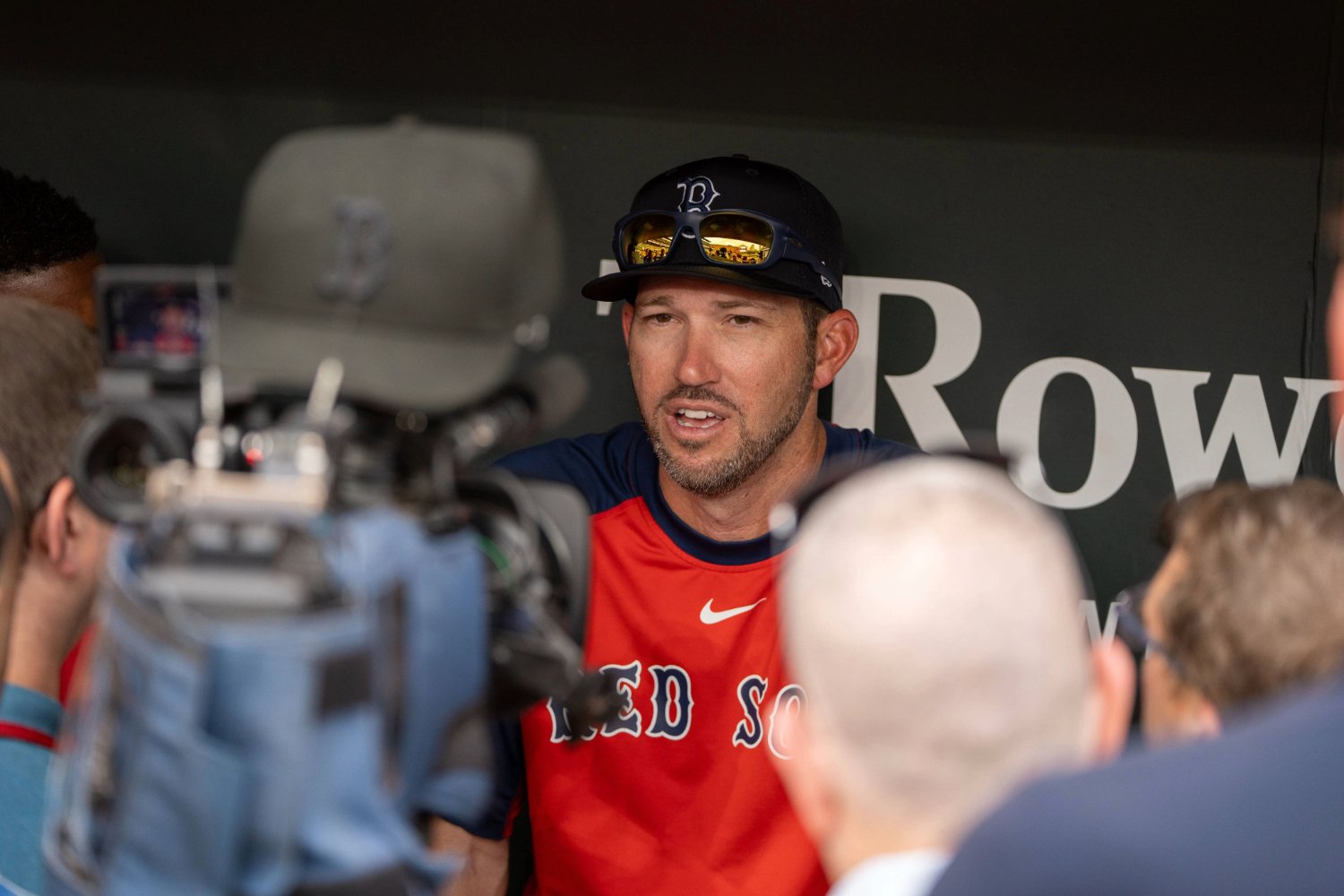 When the Boston Red Sox relieved Alex Cora of his duties as manager, the team needed someone who could help right the ship and lead a team that was filled with youthful players. The team turned to Chad Tracy, the manager of Triple-A Worcester at the time, giving him the reins to oversee at least the remainder of the season. Now, he’s the official manager of the Boston Red Sox as the team signed him to a contract through the 2029 season with a contract option for 2030. Tracy, a veteran manager in the minor leagues where he accumulated 499 wins, oversaw a historic turnaround that saw the team clinch a playoff spot on September 21. Handed a team that had a 10-17 record and that would lose stars Roman Anthony and Garrett Crochet shortly after being named interim manager, Tracy's Red Sox dropped all the way to 32-46 on June 24. Despite that, he never lost faith in his players and appeared to know which buttons to press. With a roster that get huge contributions from Triple-A arrivals, Tracy oversaw a ridiculous 32-5 over their next 37 games to vault them near the top of the American League. Now, he’ll be around for the foreseeable future. In all honesty it should have been a no-brainer. Tracy showcased throughout the summer he could handle the pressure of managing in Boston, especially as the team stumbled and faced hardships through most of the season. Despite slip-ups or mistakes made on the field by his players, Tracy was ready to defend them from the media. Never once did he throw a player under the bus or outright say a loss was due to someone’s performance. Even when there were disputes between players that were caught during games or in media sessions, the skipper knew how to keep the heat off his players and kept those issues in-house. The Red Sox couldn’t have asked for a better manager following Alex Cora's run with the franchise. Both managers have their strengths, but between them, it seems like the current manager is the one best suited to handle a young core. A young core that he’s already worked with and built relationships with during his time with Worcester, mind you. Of the current active roster, Tracy either managed or oversaw rehab appearances of 16 players (not to mention working with plenty of others in spring training). He’s shown an ability to get the most out of his players and in return the players have given him everything they’re capable of on the field. For that, Red Sox fans should be happy he’ll be the helmsman of the ship. A guiding hand for the youth on the team while relying on his veterans to support the team in ways only they can. With playoffs just a week away, it’ll be Tracy's second major test of the season, one that fans may hold as more importance than his ability to turn what once looked like a lost season around. Anyone who’s followed baseball knows that things are different once October rolls around; every decision will be placed under a microscope and sometimes what helped you win in the regular season could make or break championship ambitions. Heading to New York for a Wild Card series will make things just as rough. Boston lost to the Yankees in three games last season and everyone from the organization to the fan base will be looking for revenge this year. It’ll be Tracy's decisions that could very likely make or break it. Despite that, fans shouldn’t be too worried about the extension coming without any proven success in the playoffs. After all, previous managers Terry Francona and John Farrell didn’t have success in the playoffs before leading Boston. And Cora’s first managerial experience came in 2018 with the Red Sox, and we all know how that turned out. Tracy got them here without Roman Anthony or Garrett Crochet for the majority of the season, after all. He’ll face some hardships as manager—every great one does—but he’s shown an ability to remain calm under pressure and push the right buttons to give his team an edge. And for that, Red Sox fans should be excited for the Chad Tracy era to continue.
 -
His fastball is viewed as a plus offering and he's improved his secondaries. If he can improve his changeup and slider or sweeper to at least league average his ceiling could become a #3 starter. Right now I view him as a back of the rotation arm or a really good reliever. His growth this year makes me feel good for his chances to stick in the rotation
-
If we go off of his tendencies he usually looks for strong pitchers who have elite extension and great velocity. There are some exceptions of course.
-
John Holobetz completed his 2026 season with the Worcester Red Sox in what may have been his most dominant outing since being promoted to Triple-A. Relieving Johan Oviedo in the third inning, the 24-year-old imposed his will on the mound, tossing 4 1/3 innings and allowing just two hits and two walks while striking out eight. Most impressive, however, was the manner in which he dominated. Leading with his fastball, Holobetz generated 20 total whiffs, with 14 of them from his heater. “Everything mechanically synced up and I felt great. It felt like a rubber band. I was just snapping it off and it was doing what it should have done. My fastball was electric that outing and I kind of rode with it until they proved they could hit it,” Holobetz said. The four-seamer was tossed 38 times in the outing, good for 58% of all pitches he threw, as it averaged 95.4 mph, up ever so slightly from his season average of 95 mph. It also maxed out at 97.5 mph. The right-hander has made nine appearances for Worcester with all but his final outing being as a starter. In 40 1/3 innings, he struck out 39 batters while walking just 11 (that's good for a 23.1% strikeout rate and a 6.5% walk rate). He held opponents to a .266 batting average and his ERA was a highly productive 3.57. Despite being a starter for the majority of the season, the change in routine didn’t affect Holobetz, who cited his previous experience as an opener while serving in a piggyback role a few times. Since coming to Boston, he’s made seven relief appearances with only one of them being less than four innings. The right-hander admitted that it was fun to be back in the bullpen, but he likes starting. His mindset for entering the game was a little different, admitting that when he entered he wanted to ‘try and blow everyone’s doors off’. And he did just that, as opposing batters only put seven balls into play, just two of which fell for hits. His warmup routine was only slightly modified as he pushed everything back from his usual start time by around five to ten minutes instead of when he would start a game. The year as a whole was a positive one for Holobetz, his first full year in the Boston organization. In 26 appearances between Double-A Portland and Triple-A Worcester, he tossed 119 1/3 innings, striking out 132 batters while finishing the year with a 4.07 ERA. Throughout the season, he was joined by fellow pitchers and friends Gage Ziehl and Blake Wehunt as the three grew together and all finished the year with Worcester. “We always try to push each other,” Holobetz admitted about the competitive energy the three brought with them from Portland. “We’re all best friends and try to hang out as much as possible, but when we’re on the field we just try and outdo each other every game. It’s fun to watch everyone compete.” Still, there are areas of growth left for Holobetz to strive for, the right-hander admitting that his sweeper will require a few offseason tweaks. When he arrived in Worcester, it had inconsistent movement, and so he got to work alongside WooSox pitching coach Dan DeLucia and bullpen coach Noah Junis to improve it. Even with development hurdles still in his path, his first taste of Triple-A was a positive one as the right-hander solidified himself as one of Boston’s top pitching prospects with a strong showing to close out the season. He should enter the offseason with his head held high, knowing that he's got the right mentality to push toward his MLB debut in 2027. “I’m happy to do anything if it makes the Red Sox better.” View full article
-
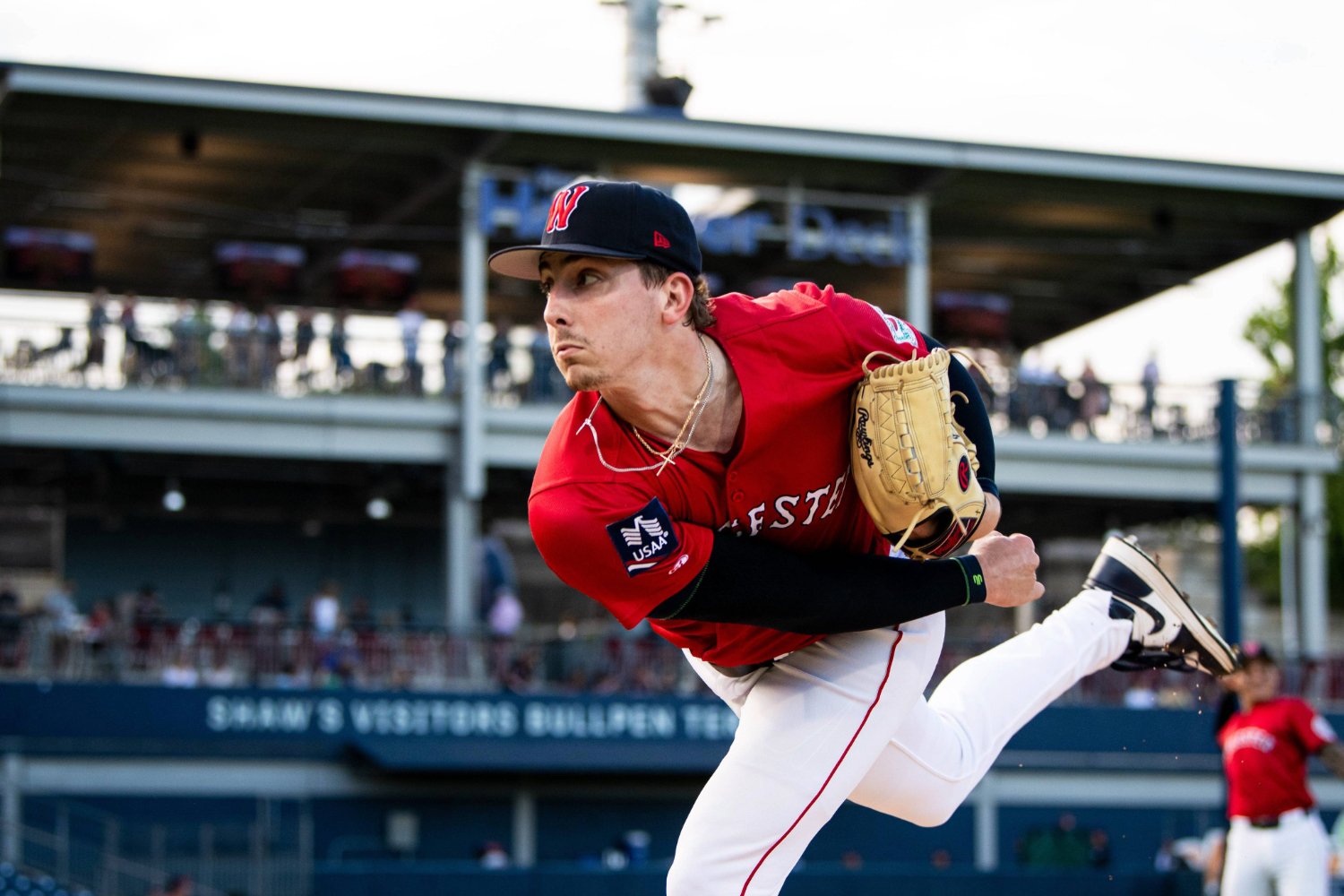 John Holobetz completed his 2026 season with the Worcester Red Sox in what may have been his most dominant outing since being promoted to Triple-A. Relieving Johan Oviedo in the third inning, the 24-year-old imposed his will on the mound, tossing 4 1/3 innings and allowing just two hits and two walks while striking out eight. Most impressive, however, was the manner in which he dominated. Leading with his fastball, Holobetz generated 20 total whiffs, with 14 of them from his heater. “Everything mechanically synced up and I felt great. It felt like a rubber band. I was just snapping it off and it was doing what it should have done. My fastball was electric that outing and I kind of rode with it until they proved they could hit it,” Holobetz said. The four-seamer was tossed 38 times in the outing, good for 58% of all pitches he threw, as it averaged 95.4 mph, up ever so slightly from his season average of 95 mph. It also maxed out at 97.5 mph. The right-hander has made nine appearances for Worcester with all but his final outing being as a starter. In 40 1/3 innings, he struck out 39 batters while walking just 11 (that's good for a 23.1% strikeout rate and a 6.5% walk rate). He held opponents to a .266 batting average and his ERA was a highly productive 3.57. Despite being a starter for the majority of the season, the change in routine didn’t affect Holobetz, who cited his previous experience as an opener while serving in a piggyback role a few times. Since coming to Boston, he’s made seven relief appearances with only one of them being less than four innings. The right-hander admitted that it was fun to be back in the bullpen, but he likes starting. His mindset for entering the game was a little different, admitting that when he entered he wanted to ‘try and blow everyone’s doors off’. And he did just that, as opposing batters only put seven balls into play, just two of which fell for hits. His warmup routine was only slightly modified as he pushed everything back from his usual start time by around five to ten minutes instead of when he would start a game. The year as a whole was a positive one for Holobetz, his first full year in the Boston organization. In 26 appearances between Double-A Portland and Triple-A Worcester, he tossed 119 1/3 innings, striking out 132 batters while finishing the year with a 4.07 ERA. Throughout the season, he was joined by fellow pitchers and friends Gage Ziehl and Blake Wehunt as the three grew together and all finished the year with Worcester. “We always try to push each other,” Holobetz admitted about the competitive energy the three brought with them from Portland. “We’re all best friends and try to hang out as much as possible, but when we’re on the field we just try and outdo each other every game. It’s fun to watch everyone compete.” Still, there are areas of growth left for Holobetz to strive for, the right-hander admitting that his sweeper will require a few offseason tweaks. When he arrived in Worcester, it had inconsistent movement, and so he got to work alongside WooSox pitching coach Dan DeLucia and bullpen coach Noah Junis to improve it. Even with development hurdles still in his path, his first taste of Triple-A was a positive one as the right-hander solidified himself as one of Boston’s top pitching prospects with a strong showing to close out the season. He should enter the offseason with his head held high, knowing that he's got the right mentality to push toward his MLB debut in 2027. “I’m happy to do anything if it makes the Red Sox better.”
 -
“He’s one of the quiet leaders, led by example. He’s having a pretty good year, too. When you have guys like that who lead that core group, it’s impressive. You always root for guys like that,” Worcester acting manager Iggy Suarez raved about infielder Vinny Capra. When the Boston Red Sox signed Capra to a minor-league deal on Thanksgiving, there was little thought given to it. The 30-year-old veteran infielder was coming off of a season split between the Milwaukee Brewers and Chicago White Sox where he hit a combined .125/.157/.177 in 47 games. He was signed to be depth, to play in Worcester and in the event they needed to add a player to the major-league roster who could play second base, third base or shortstop, he would be the stopgap for the team. Instead, he has turned into so much more for a burgeoning Triple-A club. A team that is currently in contention for playoff baseball, Worcester has relied on several players this season, but none quite as much as Capra. Appearing in 85 games (second-most on the team), Capra has been clutch both at the plate and in the field. His 21 doubles and 51 RBIs lead the team, and his eight home runs are tied for fourth. His 49 walks are second on the team while his .282 batting average and .809 OPS are the best on the team for players with at least 200 at-bats. One could argue he’s been the MVP of the team. He’s been a sparkplug, hitting no matter which spot in the lineup he’s been asked to slot into. Defensively, he bounced around the infield, eventually becoming the team’s starting shortstop after Nick Sogard and Tsung-Che Cheng were brought up to Boston. He proved to be a sure-handed option there, making just four errors in 135 chances. “I like shortstop a lot, just being involved in a lot is what I kind of enjoy. Being involved in plays even when the ball’s not hit to me, just moving around. Stuff like that keeps me occupied a little bit more,” Capra told me. One of his defining moments came on August 6; with the Red Sox ahead 4-2 in the 6th inning, Capra broke the game open with his eighth home run of the season, a two-run shot that gave the team some breathing room on their way to a 10-4 win. “He’s been consistent all year. So when he did that, I was like, I’m not surprised,” acting manager Iggy Suarez stated. All season it felt that when Worcester needed a big hit, he was the one coming through. The veteran has gone under the radar for most of the season despite a hot start to the season. After a month of April that saw him slash .322/.468/.542, Capra struggled for May as his numbers regressed to that of .227/.298/.320 with some fans wondering why he had not been replaced in Worcester by top prospect Franklin Arias. Since then, he’s been one of Suarez’s most consistent players, hitting .273/.356/.403 across 68 games. His bat kept the team afloat while they needed offense and his glove helped fill any defensive holes the team had to deal with. Now, with reinforcements having joined the team, Capra remains a key player for the team as they push towards their first playoff appearance since moving to Worcester. “Just trying to be consistent,” Capra admitted when asked about his approach at the plate. “Just trying to go out there each night and do what I can to help the team win. So, whatever happens the previous day or previous two days just try to forget about it if it’s bad and build on it if it’s good.” His underlying metrics also point to someone who is having an incredible year. Despite rather lackluster exit velocities (his average sitting at 87.6 mph), he has been one of Worcester’s best when it comes to putting the ball in play. His strikeout and walk rates put him in the top third of Triple-A (20.2% and 12.7%, respectively). It’s clear that Capra has taken to the organizational philosophy of pulling the ball, as he’s done so on 45.3% of his batted balls this year. Of those, 22.3% were in the air. Adhering to the Red Sox's offensive gameplan has helped to create the fantastic offensive season he’s put together. With the season nearly at a close, Capra will likely become a free agent at the conclusion of the season. Likely a one-year player with Worcester, he has left his mark on the team and has made a case for the season’s MVP. Wherever he may end up in 2027, that organization will be acquiring a class act and solid veteran presence. View full article
-
Vinny Capra Has Been Worcester Red Sox's Unsung MVP In 2026
Nick John posted an article in Minor Leagues
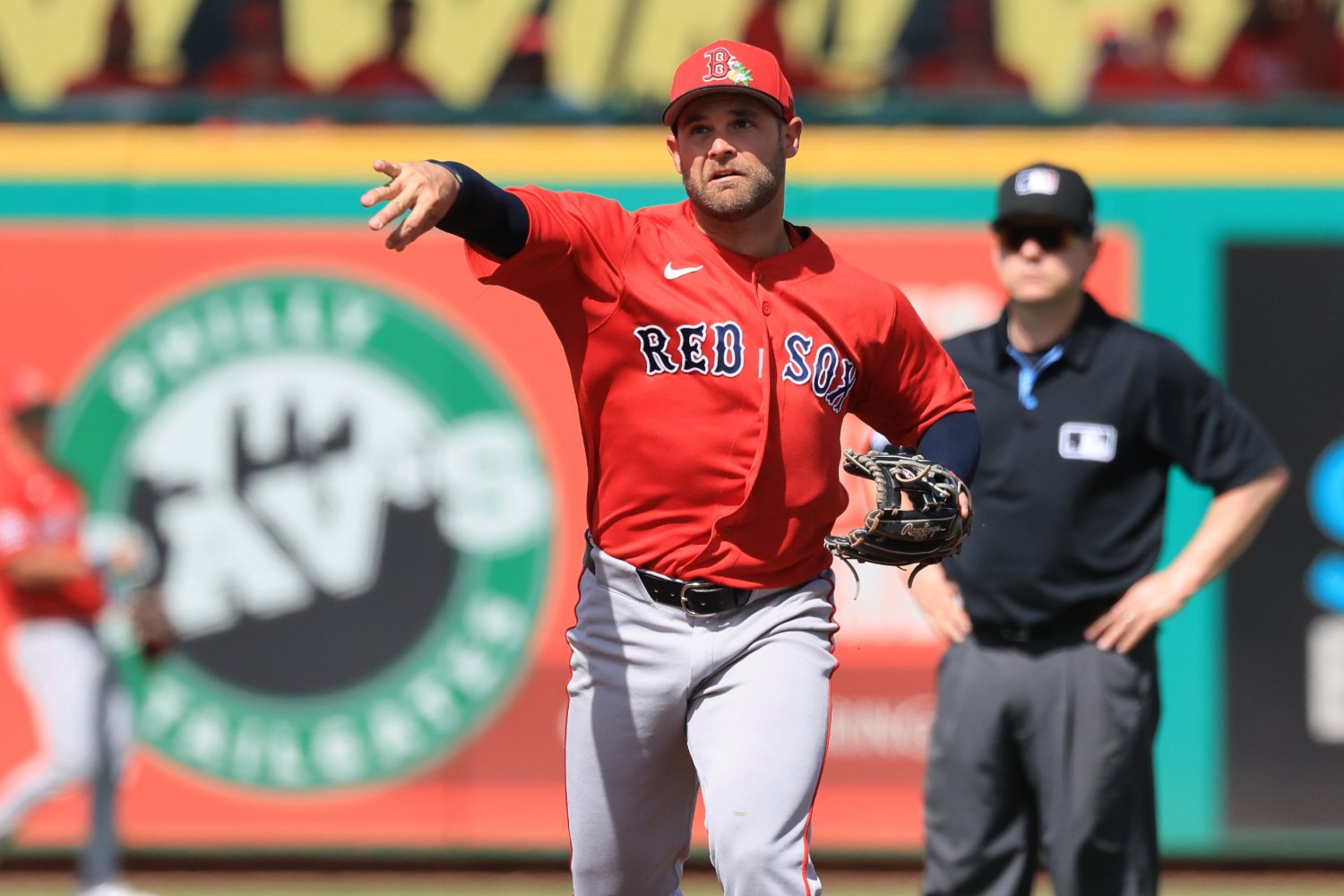 “He’s one of the quiet leaders, led by example. He’s having a pretty good year, too. When you have guys like that who lead that core group, it’s impressive. You always root for guys like that,” Worcester acting manager Iggy Suarez raved about infielder Vinny Capra. When the Boston Red Sox signed Capra to a minor-league deal on Thanksgiving, there was little thought given to it. The 30-year-old veteran infielder was coming off of a season split between the Milwaukee Brewers and Chicago White Sox where he hit a combined .125/.157/.177 in 47 games. He was signed to be depth, to play in Worcester and in the event they needed to add a player to the major-league roster who could play second base, third base or shortstop, he would be the stopgap for the team. Instead, he has turned into so much more for a burgeoning Triple-A club. A team that is currently in contention for playoff baseball, Worcester has relied on several players this season, but none quite as much as Capra. Appearing in 85 games (second-most on the team), Capra has been clutch both at the plate and in the field. His 21 doubles and 51 RBIs lead the team, and his eight home runs are tied for fourth. His 49 walks are second on the team while his .282 batting average and .809 OPS are the best on the team for players with at least 200 at-bats. One could argue he’s been the MVP of the team. He’s been a sparkplug, hitting no matter which spot in the lineup he’s been asked to slot into. Defensively, he bounced around the infield, eventually becoming the team’s starting shortstop after Nick Sogard and Tsung-Che Cheng were brought up to Boston. He proved to be a sure-handed option there, making just four errors in 135 chances. “I like shortstop a lot, just being involved in a lot is what I kind of enjoy. Being involved in plays even when the ball’s not hit to me, just moving around. Stuff like that keeps me occupied a little bit more,” Capra told me. One of his defining moments came on August 6; with the Red Sox ahead 4-2 in the 6th inning, Capra broke the game open with his eighth home run of the season, a two-run shot that gave the team some breathing room on their way to a 10-4 win. “He’s been consistent all year. So when he did that, I was like, I’m not surprised,” acting manager Iggy Suarez stated. All season it felt that when Worcester needed a big hit, he was the one coming through. The veteran has gone under the radar for most of the season despite a hot start to the season. After a month of April that saw him slash .322/.468/.542, Capra struggled for May as his numbers regressed to that of .227/.298/.320 with some fans wondering why he had not been replaced in Worcester by top prospect Franklin Arias. Since then, he’s been one of Suarez’s most consistent players, hitting .273/.356/.403 across 68 games. His bat kept the team afloat while they needed offense and his glove helped fill any defensive holes the team had to deal with. Now, with reinforcements having joined the team, Capra remains a key player for the team as they push towards their first playoff appearance since moving to Worcester. “Just trying to be consistent,” Capra admitted when asked about his approach at the plate. “Just trying to go out there each night and do what I can to help the team win. So, whatever happens the previous day or previous two days just try to forget about it if it’s bad and build on it if it’s good.” His underlying metrics also point to someone who is having an incredible year. Despite rather lackluster exit velocities (his average sitting at 87.6 mph), he has been one of Worcester’s best when it comes to putting the ball in play. His strikeout and walk rates put him in the top third of Triple-A (20.2% and 12.7%, respectively). It’s clear that Capra has taken to the organizational philosophy of pulling the ball, as he’s done so on 45.3% of his batted balls this year. Of those, 22.3% were in the air. Adhering to the Red Sox's offensive gameplan has helped to create the fantastic offensive season he’s put together. With the season nearly at a close, Capra will likely become a free agent at the conclusion of the season. Likely a one-year player with Worcester, he has left his mark on the team and has made a case for the season’s MVP. Wherever he may end up in 2027, that organization will be acquiring a class act and solid veteran presence.
 -
“Definitely kind of had to take it one step at a time.” Martin Shelar had been out of high school for just under two months when he received news that changed everything. Taken in the ninth round of the 2026 MLB Draft by the Boston Red Sox, the now-19-year-old had a decision to make: Either keep his commitment to play college baseball at Mississippi State, or sign with the Red Sox and begin his professional career. In the end, he signed with Boston for a signing bonus of $1.5 million, way above the slot value of $205,400 for a player taken in the ninth round. The organization saw a young, slugging outfielder that could bring power into a system that was lacking it, especially after Shelar put up 19 home runs in his senior year of high school. Reaching that answer proved to be easy; the opportunity to begin his professional career with an organization that was ready to invest in his future was too enticing to pass up. “I kind of knew at the beginning of Day Two [of the draft] that they were in the cards towards the later rounds. Going into the draft they had always been a team that was interested. That never changed as the draft went on, they were always in talks and always had a number for me,” Shelar explained when asked about the Red Sox's interest in him. The outfielder would go on to further explain he had been invited to events where multiple scouts were watching. However, the area scout from the Red Sox who focused on him, Kirk Fredriksson, went above and beyond. Fredriksson reached out and had Shelar hit a one-on-one batting practice session with just him. Since signing with Boston and officially beginning his professional career, Shelar spent some time at Fort Myers getting back into game shape and preparing for the upcoming season. Then, he got called up to the Salem RidgeYaks. He described the entire situation as speeding up on him a little, a big change following life as a high school star. Despite the fast pace of the pros, though, he feels good about how everything has gone. “I feel like I’ve been improving at this level, and it’s been fun getting to compete with some of the best baseball players in the country.” The Salem season officially concluded on Sunday, September 6 as they lost their finale 10-7. Since being called up to Salem, Shelar had the opportunity to play in 13 games where he hit .189/.283/.302 with three doubles, one home run and seven RBIs. For someone who just a few months ago was receiving his high school diploma, those numbers should be viewed positively, especially as he continues to adjust to the advanced pitching. Shelar himself admitted that the pitching he now faced was the biggest adjustment for him. He explained how in high school he was facing guys throwing in the low-80s and now he’s seeing fastballs that don’t register under 90 mph. Likewise, the pitchers he's facing are actually able to locate their off-speed pitches, introducing an additional challenge at the plate. Which is why it's so promising that his plan for each at-bat hasn’t changed. “Hunt a fastball. That was the biggest adjustment I had to make because everybody throws so hard. In high school, I could sit backward if I needed to, sit on an off-speed because these kids are throwing 85 [mph] so I can always catch up and adjust. But if guys are out there throwing 95 [mph] and you’re sitting curveball, slider, you’re going to get your doors blown off. If you can sit fastball and see the other pitches off that, that’s the biggest mindset.” Shelar’s first taste of professional baseball is officially in the books, but the young outfielder will take this experience and use it continue his development. With the potential of being a three- or four-tool player, Shelar will come into 2027 with high expectations not just from himself, but from the Red Sox as well. With the large investment they made in him, the organization will likely take their time to allow Shelar a chance to grow more accustomed to professional baseball. View full article
-
![More information about "Martin Shelar's First Taste of Professional Baseball Has Him Ready For What Comes Next [Exclusive]"](//d1mqtyoopj0gsc.cloudfront.net/monthly_2026_09/IMG_9710.JPG.7d7103d057a0b7ed036ad7f4e1bf43be.JPG) “Definitely kind of had to take it one step at a time.” Martin Shelar had been out of high school for just under two months when he received news that changed everything. Taken in the ninth round of the 2026 MLB Draft by the Boston Red Sox, the now-19-year-old had a decision to make: Either keep his commitment to play college baseball at Mississippi State, or sign with the Red Sox and begin his professional career. In the end, he signed with Boston for a signing bonus of $1.5 million, way above the slot value of $205,400 for a player taken in the ninth round. The organization saw a young, slugging outfielder that could bring power into a system that was lacking it, especially after Shelar put up 19 home runs in his senior year of high school. Reaching that answer proved to be easy; the opportunity to begin his professional career with an organization that was ready to invest in his future was too enticing to pass up. “I kind of knew at the beginning of Day Two [of the draft] that they were in the cards towards the later rounds. Going into the draft they had always been a team that was interested. That never changed as the draft went on, they were always in talks and always had a number for me,” Shelar explained when asked about the Red Sox's interest in him. The outfielder would go on to further explain he had been invited to events where multiple scouts were watching. However, the area scout from the Red Sox who focused on him, Kirk Fredriksson, went above and beyond. Fredriksson reached out and had Shelar hit a one-on-one batting practice session with just him. Since signing with Boston and officially beginning his professional career, Shelar spent some time at Fort Myers getting back into game shape and preparing for the upcoming season. Then, he got called up to the Salem RidgeYaks. He described the entire situation as speeding up on him a little, a big change following life as a high school star. Despite the fast pace of the pros, though, he feels good about how everything has gone. “I feel like I’ve been improving at this level, and it’s been fun getting to compete with some of the best baseball players in the country.” The Salem season officially concluded on Sunday, September 6 as they lost their finale 10-7. Since being called up to Salem, Shelar had the opportunity to play in 13 games where he hit .189/.283/.302 with three doubles, one home run and seven RBIs. For someone who just a few months ago was receiving his high school diploma, those numbers should be viewed positively, especially as he continues to adjust to the advanced pitching. Shelar himself admitted that the pitching he now faced was the biggest adjustment for him. He explained how in high school he was facing guys throwing in the low-80s and now he’s seeing fastballs that don’t register under 90 mph. Likewise, the pitchers he's facing are actually able to locate their off-speed pitches, introducing an additional challenge at the plate. Which is why it's so promising that his plan for each at-bat hasn’t changed. “Hunt a fastball. That was the biggest adjustment I had to make because everybody throws so hard. In high school, I could sit backward if I needed to, sit on an off-speed because these kids are throwing 85 [mph] so I can always catch up and adjust. But if guys are out there throwing 95 [mph] and you’re sitting curveball, slider, you’re going to get your doors blown off. If you can sit fastball and see the other pitches off that, that’s the biggest mindset.” Shelar’s first taste of professional baseball is officially in the books, but the young outfielder will take this experience and use it continue his development. With the potential of being a three- or four-tool player, Shelar will come into 2027 with high expectations not just from himself, but from the Red Sox as well. With the large investment they made in him, the organization will likely take their time to allow Shelar a chance to grow more accustomed to professional baseball.
“Definitely kind of had to take it one step at a time.” Martin Shelar had been out of high school for just under two months when he received news that changed everything. Taken in the ninth round of the 2026 MLB Draft by the Boston Red Sox, the now-19-year-old had a decision to make: Either keep his commitment to play college baseball at Mississippi State, or sign with the Red Sox and begin his professional career. In the end, he signed with Boston for a signing bonus of $1.5 million, way above the slot value of $205,400 for a player taken in the ninth round. The organization saw a young, slugging outfielder that could bring power into a system that was lacking it, especially after Shelar put up 19 home runs in his senior year of high school. Reaching that answer proved to be easy; the opportunity to begin his professional career with an organization that was ready to invest in his future was too enticing to pass up. “I kind of knew at the beginning of Day Two [of the draft] that they were in the cards towards the later rounds. Going into the draft they had always been a team that was interested. That never changed as the draft went on, they were always in talks and always had a number for me,” Shelar explained when asked about the Red Sox's interest in him. The outfielder would go on to further explain he had been invited to events where multiple scouts were watching. However, the area scout from the Red Sox who focused on him, Kirk Fredriksson, went above and beyond. Fredriksson reached out and had Shelar hit a one-on-one batting practice session with just him. Since signing with Boston and officially beginning his professional career, Shelar spent some time at Fort Myers getting back into game shape and preparing for the upcoming season. Then, he got called up to the Salem RidgeYaks. He described the entire situation as speeding up on him a little, a big change following life as a high school star. Despite the fast pace of the pros, though, he feels good about how everything has gone. “I feel like I’ve been improving at this level, and it’s been fun getting to compete with some of the best baseball players in the country.” The Salem season officially concluded on Sunday, September 6 as they lost their finale 10-7. Since being called up to Salem, Shelar had the opportunity to play in 13 games where he hit .189/.283/.302 with three doubles, one home run and seven RBIs. For someone who just a few months ago was receiving his high school diploma, those numbers should be viewed positively, especially as he continues to adjust to the advanced pitching. Shelar himself admitted that the pitching he now faced was the biggest adjustment for him. He explained how in high school he was facing guys throwing in the low-80s and now he’s seeing fastballs that don’t register under 90 mph. Likewise, the pitchers he's facing are actually able to locate their off-speed pitches, introducing an additional challenge at the plate. Which is why it's so promising that his plan for each at-bat hasn’t changed. “Hunt a fastball. That was the biggest adjustment I had to make because everybody throws so hard. In high school, I could sit backward if I needed to, sit on an off-speed because these kids are throwing 85 [mph] so I can always catch up and adjust. But if guys are out there throwing 95 [mph] and you’re sitting curveball, slider, you’re going to get your doors blown off. If you can sit fastball and see the other pitches off that, that’s the biggest mindset.” Shelar’s first taste of professional baseball is officially in the books, but the young outfielder will take this experience and use it continue his development. With the potential of being a three- or four-tool player, Shelar will come into 2027 with high expectations not just from himself, but from the Red Sox as well. With the large investment they made in him, the organization will likely take their time to allow Shelar a chance to grow more accustomed to professional baseball. -
For the Boston Red Sox, developing pitching has become easier following the implementation of Craig Breslow’s philosophy for the pitching lab. In August, the fruits of those labors really shone through, as several pitchers across the entire system put together great months, some making fans wonder if a promotion for the last few weeks could be in play. Thanks to their performances on the mound, it’s made the loss of Anthony Eyanson and Kyson Witherspoon a little easier to swallow. We’ve narrowed this award down to the four best pitchers in the Boston Red Sox minor-league system from last month, though there were many more worthy candidates out there. Ranking Red Sox’s Best Minor-League Pitchers in August Honorable Mention: Ethan Walker LHP (Low-A Salem) It was tough making Walker the honorable mention, especially after his performance in August. That just shows how great the pitching across the system was. Walker put together a fantastic month for his hometown Salem RidgeYaks. Appearing in four games, one of them a start, he gave the team 15 innings of quality pitching as he surrendered four runs, two of them earned, on just six hits and five walks. In that same span he struck out 21 batters. It was a positive turn around for Walker after coming off a July where he allowed six earned runs in 11 2/3 innings pitched. The left-hander has said he considers himself a strikeout-first pitcher, and he certainly lived up to that reputation. For the month, he had a strikeout per nine innings of 12.6, the highest of his career for any month where he made more than one appearance. Health and consistency will be key for the left-hander to take the next step in his career after bringing his season to an end on a high note. #3: Hobie Harris RHP (Triple-A Worcester) A reliever, Harris came up huge for Worcester during August as constant roster changes with their pitching staff left holes that needed to be filled. After missing time earlier in the season due to injury, he's firmly put himself back on the 2027 radar. Making 10 appearances out of the bullpen, Harris served multiple roles whether it was being used for multiple innings or coming in during tight situations he performed his duty. Tossing 15 1/3 innings, he allowed just two runs, one of them earned, on nine hits and three walks. Most impressively for Harris was his ability to rack up strikeouts, getting 18 of them during the month. His 15 1/3 innings finished fifth on the team while his 0.59 ERA and 0.78 WHIP were first and second on the team, respectively, among qualified pitchers. #2: Hayden Mullins LHP (Double-A Portland) Mullins needed a month like August after an especially rough stretch of performances. The left-hander helped carry a Portland rotation that had lost four starting pitchers due to promotions to Worcester along with Eyanson. His outings throughout the month reminded people of how he looked in 2025 when there were talks of potentially being a top pitching prospect in the system and at risk of being taken in the Rule 5 Draft. Making four starts, Mullins gave Portland 20 1/3 innings while allowing six runs, just three earned, on 18 hits and eight walks. But more importantly, he showed an improved confidence in his stuff to garner strikeouts like in 2025, getting batters out by the way of the K 29 times. Naturally, that number led Portland for the month. Mullins is at his best when he attacks the strike zone consistently, allowing himself to then expand to the corners and try to get some chase from opposing batters. Thanks to his improved control in August, he was able to do that and flash some of his laden potential. #1: Dylan Brown LHP (High-A Greenville) If there’s been any prospect that has gone on a huge run this season, it’s been Brown. August was just the exclamation point on his breakout campaign, as he gave Greenville five huge starts and 23 2/3 innings. That number also includes two rain-shortened starts; in both outings, he allowed just one hit in three innings. For the entire month, Brown allowed eight runs, seven of them earned, on 16 hits (two of which were home runs) and four walks. In that same span he struck out 31 batters while keeping opponents to just a .186 batting average. The left-hander bookended August with starts of 6 1/3 innings, getting the win in both. His August 27 start was his best in some time, and it could be argued that it was his second-best with Greenville, only beaten by his June 24 start where he delivered seven shutout innings. In this more recent outing, he allowed one run on two hits and a walk while striking out five. Brown stepped up as the ace of Greenville after promotions and injuries left the rotation scrambling to fill in innings. Now, he looks ready to potentially open 2027 in Portland. View full article
-
Boston Red Sox Minor League Pitchers of the Month: August 2026
Nick John posted an article in Minor Leagues
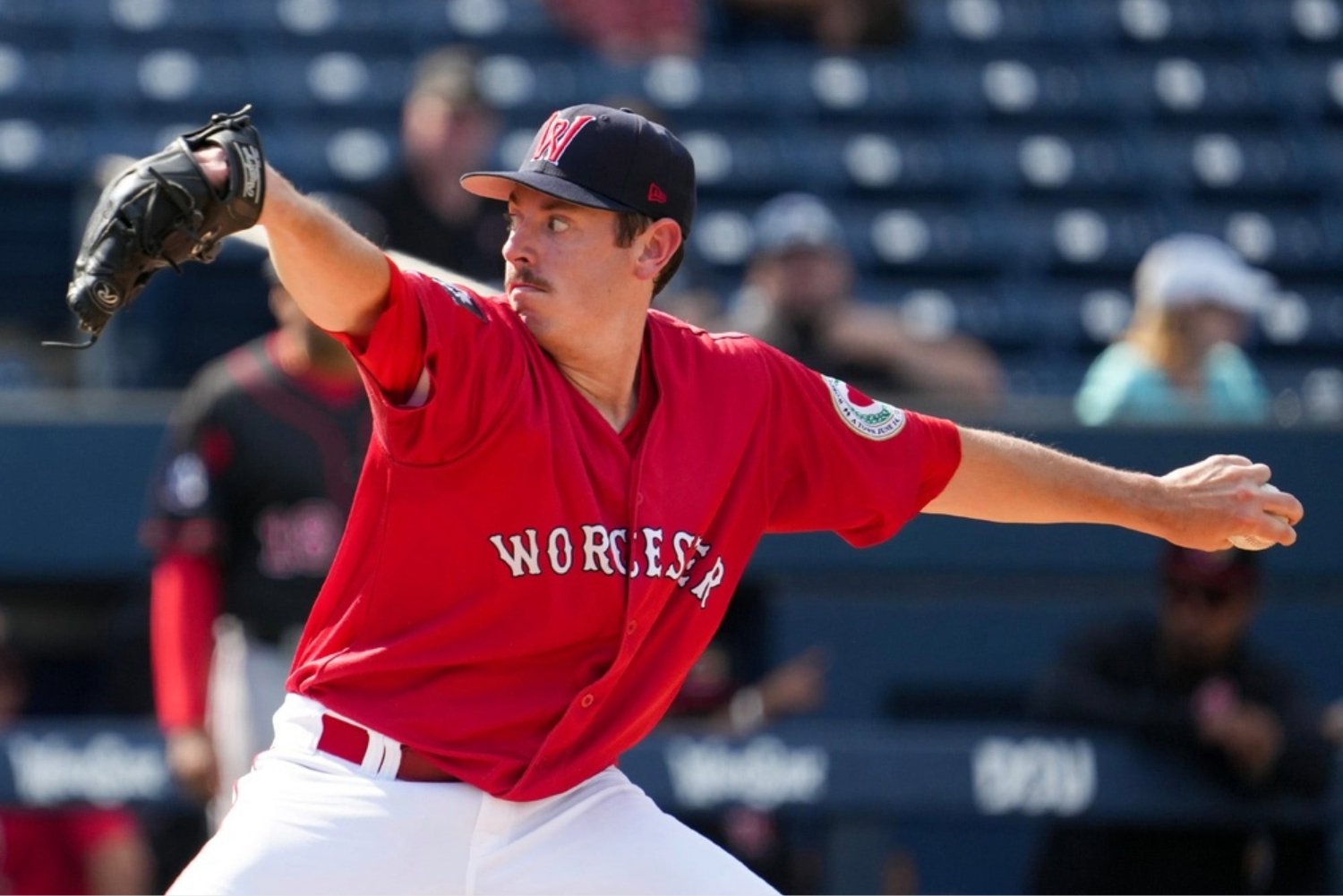 For the Boston Red Sox, developing pitching has become easier following the implementation of Craig Breslow’s philosophy for the pitching lab. In August, the fruits of those labors really shone through, as several pitchers across the entire system put together great months, some making fans wonder if a promotion for the last few weeks could be in play. Thanks to their performances on the mound, it’s made the loss of Anthony Eyanson and Kyson Witherspoon a little easier to swallow. We’ve narrowed this award down to the four best pitchers in the Boston Red Sox minor-league system from last month, though there were many more worthy candidates out there. Ranking Red Sox’s Best Minor-League Pitchers in August Honorable Mention: Ethan Walker LHP (Low-A Salem) It was tough making Walker the honorable mention, especially after his performance in August. That just shows how great the pitching across the system was. Walker put together a fantastic month for his hometown Salem RidgeYaks. Appearing in four games, one of them a start, he gave the team 15 innings of quality pitching as he surrendered four runs, two of them earned, on just six hits and five walks. In that same span he struck out 21 batters. It was a positive turn around for Walker after coming off a July where he allowed six earned runs in 11 2/3 innings pitched. The left-hander has said he considers himself a strikeout-first pitcher, and he certainly lived up to that reputation. For the month, he had a strikeout per nine innings of 12.6, the highest of his career for any month where he made more than one appearance. Health and consistency will be key for the left-hander to take the next step in his career after bringing his season to an end on a high note. #3: Hobie Harris RHP (Triple-A Worcester) A reliever, Harris came up huge for Worcester during August as constant roster changes with their pitching staff left holes that needed to be filled. After missing time earlier in the season due to injury, he's firmly put himself back on the 2027 radar. Making 10 appearances out of the bullpen, Harris served multiple roles whether it was being used for multiple innings or coming in during tight situations he performed his duty. Tossing 15 1/3 innings, he allowed just two runs, one of them earned, on nine hits and three walks. Most impressively for Harris was his ability to rack up strikeouts, getting 18 of them during the month. His 15 1/3 innings finished fifth on the team while his 0.59 ERA and 0.78 WHIP were first and second on the team, respectively, among qualified pitchers. #2: Hayden Mullins LHP (Double-A Portland) Mullins needed a month like August after an especially rough stretch of performances. The left-hander helped carry a Portland rotation that had lost four starting pitchers due to promotions to Worcester along with Eyanson. His outings throughout the month reminded people of how he looked in 2025 when there were talks of potentially being a top pitching prospect in the system and at risk of being taken in the Rule 5 Draft. Making four starts, Mullins gave Portland 20 1/3 innings while allowing six runs, just three earned, on 18 hits and eight walks. But more importantly, he showed an improved confidence in his stuff to garner strikeouts like in 2025, getting batters out by the way of the K 29 times. Naturally, that number led Portland for the month. Mullins is at his best when he attacks the strike zone consistently, allowing himself to then expand to the corners and try to get some chase from opposing batters. Thanks to his improved control in August, he was able to do that and flash some of his laden potential. #1: Dylan Brown LHP (High-A Greenville) If there’s been any prospect that has gone on a huge run this season, it’s been Brown. August was just the exclamation point on his breakout campaign, as he gave Greenville five huge starts and 23 2/3 innings. That number also includes two rain-shortened starts; in both outings, he allowed just one hit in three innings. For the entire month, Brown allowed eight runs, seven of them earned, on 16 hits (two of which were home runs) and four walks. In that same span he struck out 31 batters while keeping opponents to just a .186 batting average. The left-hander bookended August with starts of 6 1/3 innings, getting the win in both. His August 27 start was his best in some time, and it could be argued that it was his second-best with Greenville, only beaten by his June 24 start where he delivered seven shutout innings. In this more recent outing, he allowed one run on two hits and a walk while striking out five. Brown stepped up as the ace of Greenville after promotions and injuries left the rotation scrambling to fill in innings. Now, he looks ready to potentially open 2027 in Portland.
 -
With the minor-league season reaching its conclusion in just a few weeks, players will be looking to finish their respective campaigns strong. August was a kind one for players within the Boston Red Sox organization as multiple hitters put up great numbers. Each of the four affiliate teams were also in playoff contention throughout the month, adding to the fun of watching their individual showcases. With that, we’ve managed to narrow the award this month down to the four best hitters in the Boston Red Sox minor-league system from last month despite several worthy candidates. Ranking Red Sox’s Best Minor-League Hitters in August Honorable Mention: Louis Andujar (Low-A Salem) It was a slow start for Andujar as he struggled in his first month in Salem, but since the calendar flipped to July, he has impressed with his bat. That continued into August, as the infielder showed that his hot summer is no fluke. Appearing in 17 games, Andujar slashed .305/.468/.525 with four doubles, three home runs and 9 RBIs. He also walked 12 times while striking out just 14 times. In the month, he also put together two hitting streaks—one of five games and the other three games long. During his first taste of affiliate ball, Andujar has been one of the best to adapting to the Red Sox's offensive philosophy under Craig Breslow. Through his first 62 games with Salem, the infielder has a pull-air rate of 21.6%, a stat to pay attention to should he be promoted to High-A Greenville in 2027. The right-handed hitter could become an exciting prospect with power for the Red Sox soon enough. #3: Owen Hull (High-A Greenville) There’s no denying that Hull has burst onto the scene in Greenville. Through his first 22 professional games, he’s hitting .326/.422/.533. In August alone, he hit .338/.447/.532 with nine doubles, two home runs, 15 RBIs and walked 15 times while striking out in 13 at-bats. The outfielder has shown an ability to put the ball in play constantly, striking out in just 15.4% of his plate appearances. The outfielder has also demonstrated an ability to be patient at the plate and not expand the strike zone as he waits for a pitch he likes. Already 22 years old, Hull has still managed to produce against older competition as he has hit .308/.421/.462 against some advanced pitching. In his short, professional career, Hull has immediately flashed the potential that made him a top-70 pick in this year's draft. #2: Franklin Primera (Low-A Salem) Primera has put together a fantastic first showing in affiliated ball despite being just 19 years old. Across 45 games with Salem, the catcher hit .331/.468/.500 with 10 doubles, a triple, five home runs and 24 RBIs. In August, he only got better, as he slashed .382/.535/.592 with five doubles, a triple, three home runs and 15 RBIs. More impressive, however, was his patience at the plate as he walked 16 times compared to eight strikeouts. The young catcher has garnered a lot of hype and interest from fans thanks in part to his early season breakout in the FCL. Once he reached Salem and his performance continued to be impressive for a player of his age, his prospect stock began to climb. Primera put on a show as the RidgeYaks made a playoff push, and despite the team falling out of contention, the catcher continued to carry the offense across the month and into the last few days of the season. #1: Justin Gonzales (High-A Greenville/Double-A Portland) After the month that Gonzales just put together, there shouldn't be any doubt that he's the top hitter in the Red Sox's minor-league system. Playing across two different levels in the month, the level of competition didn’t matter for the slugging outfielder. Appearing in 21 games between High-A Greenville and Double-A Portland, Gonzales hit a combined .337/.438/.558 along with five doubles, one triple, four home runs and 23 RBIs. When you look at what he did in just Portland, you really get an idea of just how good he was. In nine contests, he posted a robust .375/.457/.625 line with two doubles, one triple, two home runs and 10 RBIs. Despite being nearly five years younger than the average player in Double-A, Gonzales completely blitzed every pitcher he saw. There’s no denying that Gonzales is a very special player—August only highlighted that. The next steps in his development will involve getting him ready for Triple-A action sooner rather than later. View full article
![More information about "Martin Shelar's First Taste of Professional Baseball Has Him Ready For What Comes Next [Exclusive]"](http://d1mqtyoopj0gsc.cloudfront.net/monthly_2026_09/IMG_9710.JPG.7d7103d057a0b7ed036ad7f4e1bf43be.JPG)
