Nick John
-
Posts
799 -
Joined
-
Last visited
-
Days Won
1
Content Type
Profiles
Boston Red Sox Videos
2026 Boston Red Sox Top Prospects Ranking
Boston Red Sox Free Agent & Trade Rumors, Notes, & Tidbits
Guides & Resources
2025 Boston Red Sox Draft Pick Tracker
News
2026 Boston Red Sox Draft Tracker: Picks & Bonuses
Forums
Blogs
Events
Store
Downloads
Gallery
Everything posted by Nick John
-
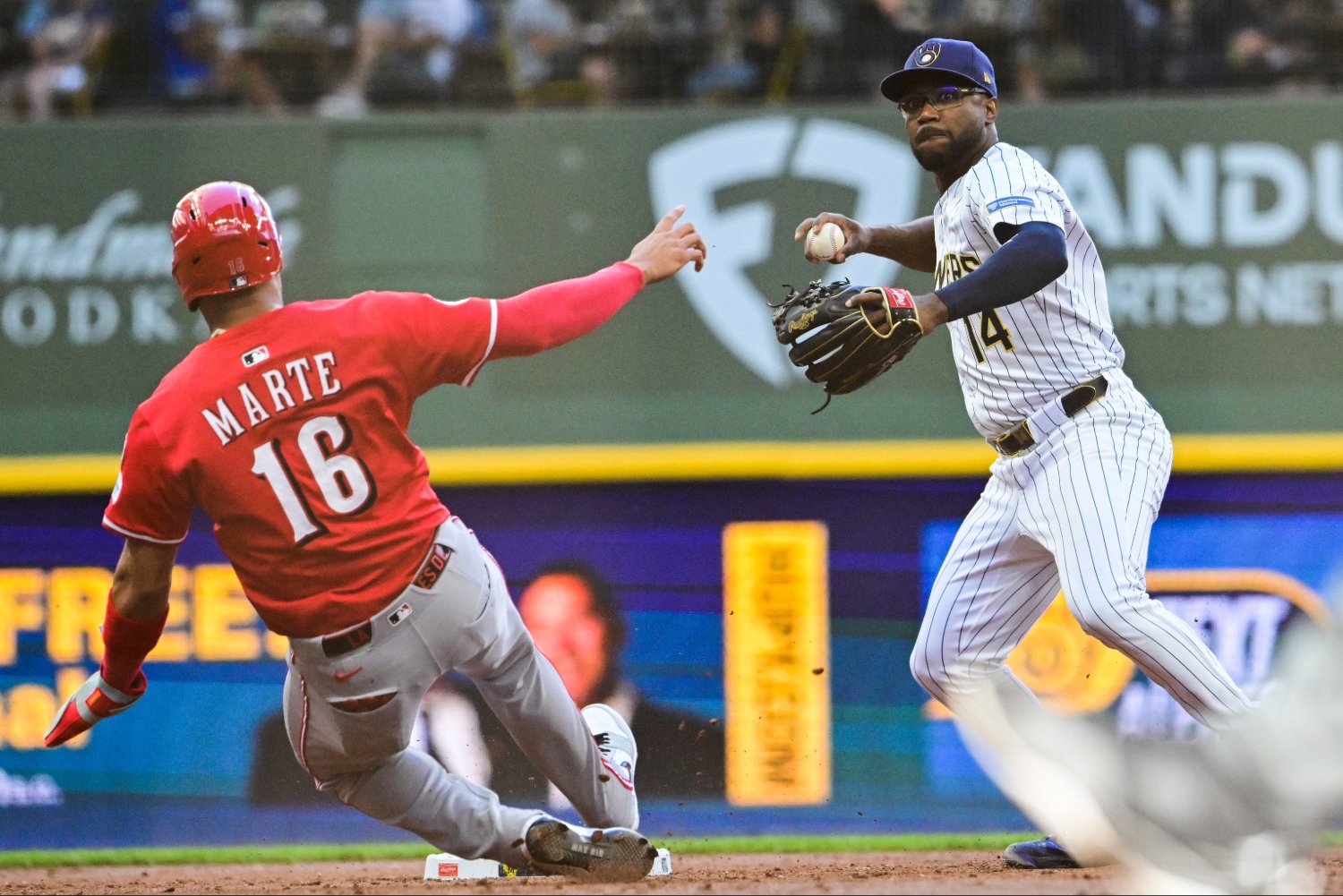 When the Boston Red Sox completed their trade with the Milwaukee Brewers, Caleb Durbin was the centerpiece. In return for a young, controllable pitcher like Kyle Harrison, a young, intriguing arm like Shane Drohan, and a speedy infielder in David Hamilton, the Red Sox acquired someone who should make an immediate impact at second or third base in 2026. However, they acquired more than just Durbin, as both Andruw Monasterio and Anthony Seigler along with a Competitive Balance Round B pick were sent to Boston to complete the trade. Durbin's place on this team has been discussed previously by our @Jack Lindsay, and now the remainder of the trade is going to be looked at to see how they might fit into the roster. When the pick was first announced, the exact spot in the draft was unknown. However, that has since changed. With the Arizona Diamondbacks bringing back Zac Gallen, it locks the pick in at No. 67 overall. This pick reasonably replaces the team’s second-round selection they lost for signing Ranger Suárez. In the 2025 draft, the value for the 67th pick was $1.28 million. For comparison, the Red Sox held the 75 overall pick last year and the team took Henry Godbout. The infielder signed for the slot value of just under $1.1 million. This pick brings the Red Sox to three picks in the top 100 after previously only having selections at Nos. 20 and 96. As for actual players, the team acquired two utility infielders in Monasterio and Seigler, one seemingly more valuable than the other. Monasterio, who won’t turn 29 until the end of May, played parts of three seasons with Milwaukee. Appearing in a total of 219 games, the infielder hit .250/.321/.351 with 28 doubles, one triple, eight home runs, and 59 RBIs. Monasterio has hit lefties rather well for his career, slashing .255/.352/.375 with 10 doubles, four home runs, and 24 RBIs in 109 games. With Romy González likely to open the season on the injured list after it was revealed there’s a slight tear in his injured shoulder, Monasterio should have a good chance at getting the first crack at handling his duties as a utility man/lefty masher. The original plan was to have González platoon with Marcelo Mayer. This would allow the young infielder to be protected against left-handed pitching and allow González the opportunity to continue his great hitting against southpaws. Now, it might be Monasterio who fills that role while González is out of commission. While his numbers against left-handed pitching are not as good as González’s, the utility infielder has shown himself to be capable against them. Add to it his ability to play multiple positions (appearing at every infield position at least eight times in 2025) and he seems destined for a utility role, even if his stay in Boston is only temporary. Monasterio has taken the opportunity for reps during spring training with the group that consists of starters and those likely to crack the Opening Day roster, as he’s caught the eye of Alex Cora early on in camp. The Red Sox manager has described him as a “great athlete” and has said “you see him from afar, whatever. But then you see him here, it’s like oh shoot he can move, he’s versatile, he can hit lefties, he’s got some pop,” according to Christopher Smith of MassLive. The final piece to come over from the Brewers, Seigler, seems to be the least impactful and will likely be in Triple-A as an emergency depth option. Drafted by the New York Yankees back in 2018, Seigler never made it to Triple-A with the Yankees and would join the Brewers organization in 2025. The infielder did have an impressive season with Triple-A Nashville, hitting .285/.414/.478 with 16 doubles, four triples, eight home runs, and 39 RBIs. He also displayed a great understanding of the strike zone, walking 52 times compared to striking out in 59 at-bats. That led to his MLB debut in Milwaukee, but he struggled badly in his cup of coffee; in 34 games, the infielder hit .194/.292/.210 with one double, and five RBIs. Seigler can play multiple positions, having been drafted as a catcher before being moved to second base in 2024. While with the Brewers organization, he appeared at second base, third base and catcher while in Triple-A but only at third base (excluding one inning at catcher and one inning as a pitcher) upon being called up. Even while playing winter ball. he split time at second base and third base. During the first week of spring training, the infielder did not work with catchers but remained with the infielders. Specifically with the second group, or the non-roster invites, as he took reps at second base and third base. With the team having someone like Nick Sogard on the 40-man already and someone like Brendan Rodgers in camp, Seigler is unlikely to crack the Opening Day roster. Likewise, due to the previously mentioned players, it would not come as a surprise if he were to be designated for assignment at some point (though the team would likely DFA Mickey Gasper or Tsung-Che Cheng first) if they needed a roster spot. For now, Seigler serves his role within the organization: A player who, if needed, could be called up and provide defensive versatility while the team awaits a starter to return from an injury. His bat at the major-league level has not proven capable of handling the best pitchers in he world. If that changes, Seigler's outlook will as well. Overall, the Red Sox did rather well in the trade. On top of Durbin, they were able to get another pick within the top 100 along with a serviceable infielder and a quality depth option, and all they really gave up was a starter who had no path to the rotation in Boston.
 -
Baseball action is finally back, and the Boston Red Sox's roster looks largely complete. However, when you take a look at the bullpen, it's clear the team still has some moves to make prior to Opening Day. If the season were to start today, the only guaranteed left-handed reliever would be Aroldis Chapman. With Chapman slotted to be the closer once more after a historically great season in 2025, that would leave the Red Sox without a left-handed option for earlier in the game. Jovani Morán is a likely case to break camp with the team as he is out of minor-league options, though necessity doesn't always equal preference. It seems that the team would want a second left-handed option to pair with Morán for the middle innings. Earlier in the offseason, you could argue that the Red Sox had plenty of left-handed options in Brennan Bernardino and Chris Murphy also on the 40-man roster, but they were both traded. Shane Drohan could have been another option to be a reliever for the team but he too was shipped off. Thus, the team must turn to a dark horse candidate. Drafted by the New York Yankees in the first round of the 2019 Draft, T.J. Sikkema has spent a lot of time in the minor leagues since. After making four starts in 2019, he would not pitch again until 2022, where he would be part of a package by the Yankees sent to the Kansas City Royals for Andrew Benintendi. Sikkema would become a minor-league free agent after the 2023 season and would find himself pitching in the Cincinnati Reds’ organization; in 2025, he finally managed to make it to Triple-A. While it was only five appearances, he still garnered decent results, tossing 23 1/3 innings while walking just eight batters and striking out 16. Most impressively, he only allowed opposing batters to barrel up his pitches 1.4% of the time. For good measure, he walked batters at a reasonable 8.1% rate. Sikkema doesn’t come without his own issues, however. He isn’t a big strikeout guy, nor does he generate a ton of chases or whiffs. Again, it was during a small sample, but it demonstrated that Sikkema has never really been someone who overpowers or tricks batters. And yet, Sikkema threw a live bullpen in Sox camp on February 18, going up against Roman Anthony, Caleb Durbin, Nate Eaton, Masataka Yoshida and Tsung-Che Cheng. Of the five hitters, Sikkema managed to get Anthony out twice on weakly hit balls including a broken bat and struck out Yoshida. While spring is still early, it’s a positive sign of a pitcher who may just force his name into the bullpen conversation. Sikkema relies on a fastball-slider combination, though the slider is the better of the two pitches. Sikkema isn’t the hardest thrower as his fastball averages 88 to 91 mph, but he has managed to get it into the mid-90s on occasion. With an offseason of working in the Red Sox's pitching lab, it's not unreasonable to suggest that he could add some more punch to his heater, which would make him a far more intriguing candidate for the bullpen. At this point, whoever the Red Sox bring in as a left-handed reliever will lead to divisiveness, but the options are what they are. Sikkema may never reach the majors with Boston, but there's a reason the team signed him with a non-roster invite attached. He may be a longshot, but opportunity has come knocking. View full article
-
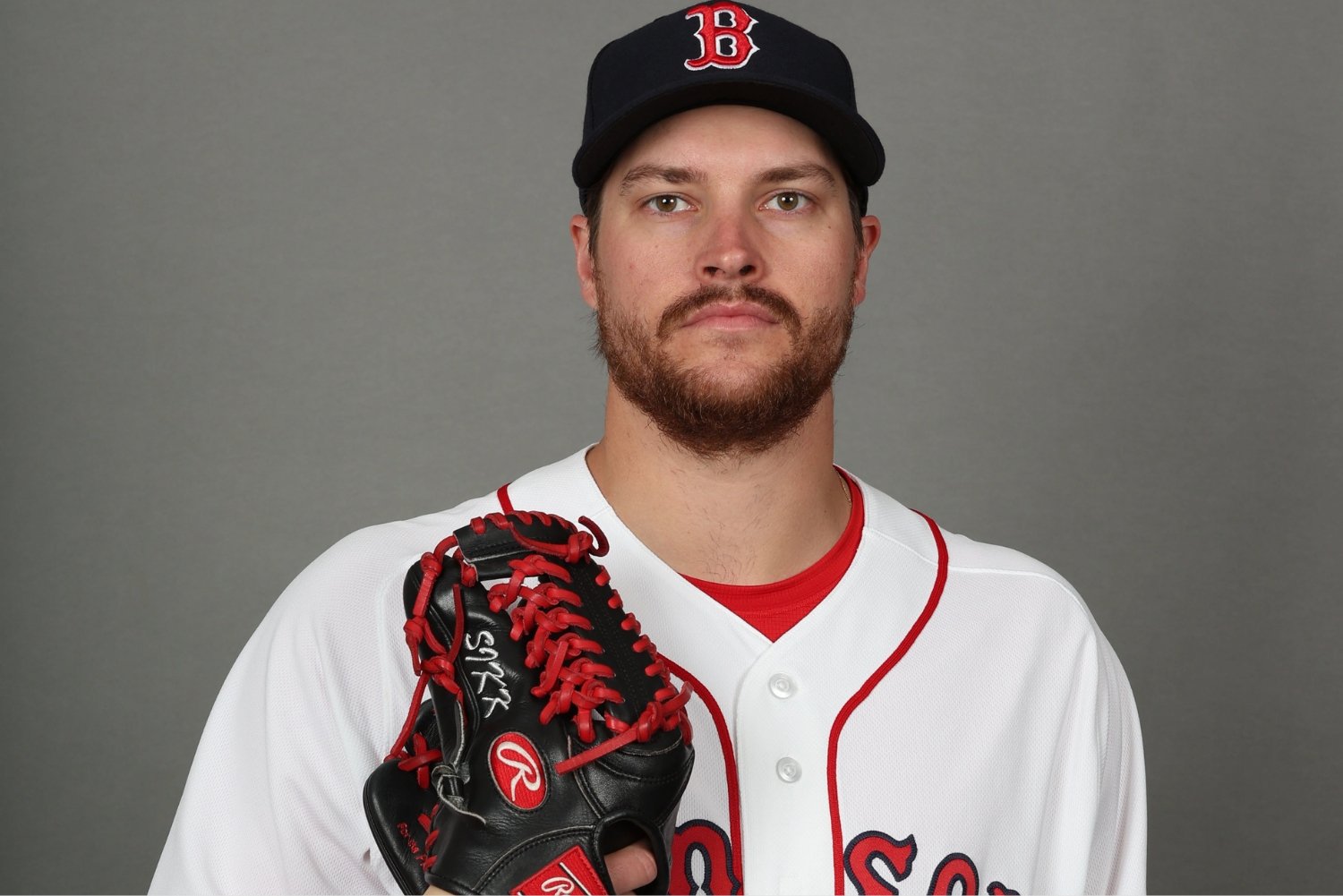 Baseball action is finally back, and the Boston Red Sox's roster looks largely complete. However, when you take a look at the bullpen, it's clear the team still has some moves to make prior to Opening Day. If the season were to start today, the only guaranteed left-handed reliever would be Aroldis Chapman. With Chapman slotted to be the closer once more after a historically great season in 2025, that would leave the Red Sox without a left-handed option for earlier in the game. Jovani Morán is a likely case to break camp with the team as he is out of minor-league options, though necessity doesn't always equal preference. It seems that the team would want a second left-handed option to pair with Morán for the middle innings. Earlier in the offseason, you could argue that the Red Sox had plenty of left-handed options in Brennan Bernardino and Chris Murphy also on the 40-man roster, but they were both traded. Shane Drohan could have been another option to be a reliever for the team but he too was shipped off. Thus, the team must turn to a dark horse candidate. Drafted by the New York Yankees in the first round of the 2019 Draft, T.J. Sikkema has spent a lot of time in the minor leagues since. After making four starts in 2019, he would not pitch again until 2022, where he would be part of a package by the Yankees sent to the Kansas City Royals for Andrew Benintendi. Sikkema would become a minor-league free agent after the 2023 season and would find himself pitching in the Cincinnati Reds’ organization; in 2025, he finally managed to make it to Triple-A. While it was only five appearances, he still garnered decent results, tossing 23 1/3 innings while walking just eight batters and striking out 16. Most impressively, he only allowed opposing batters to barrel up his pitches 1.4% of the time. For good measure, he walked batters at a reasonable 8.1% rate. Sikkema doesn’t come without his own issues, however. He isn’t a big strikeout guy, nor does he generate a ton of chases or whiffs. Again, it was during a small sample, but it demonstrated that Sikkema has never really been someone who overpowers or tricks batters. And yet, Sikkema threw a live bullpen in Sox camp on February 18, going up against Roman Anthony, Caleb Durbin, Nate Eaton, Masataka Yoshida and Tsung-Che Cheng. Of the five hitters, Sikkema managed to get Anthony out twice on weakly hit balls including a broken bat and struck out Yoshida. While spring is still early, it’s a positive sign of a pitcher who may just force his name into the bullpen conversation. Sikkema relies on a fastball-slider combination, though the slider is the better of the two pitches. Sikkema isn’t the hardest thrower as his fastball averages 88 to 91 mph, but he has managed to get it into the mid-90s on occasion. With an offseason of working in the Red Sox's pitching lab, it's not unreasonable to suggest that he could add some more punch to his heater, which would make him a far more intriguing candidate for the bullpen. At this point, whoever the Red Sox bring in as a left-handed reliever will lead to divisiveness, but the options are what they are. Sikkema may never reach the majors with Boston, but there's a reason the team signed him with a non-roster invite attached. He may be a longshot, but opportunity has come knocking.
 -
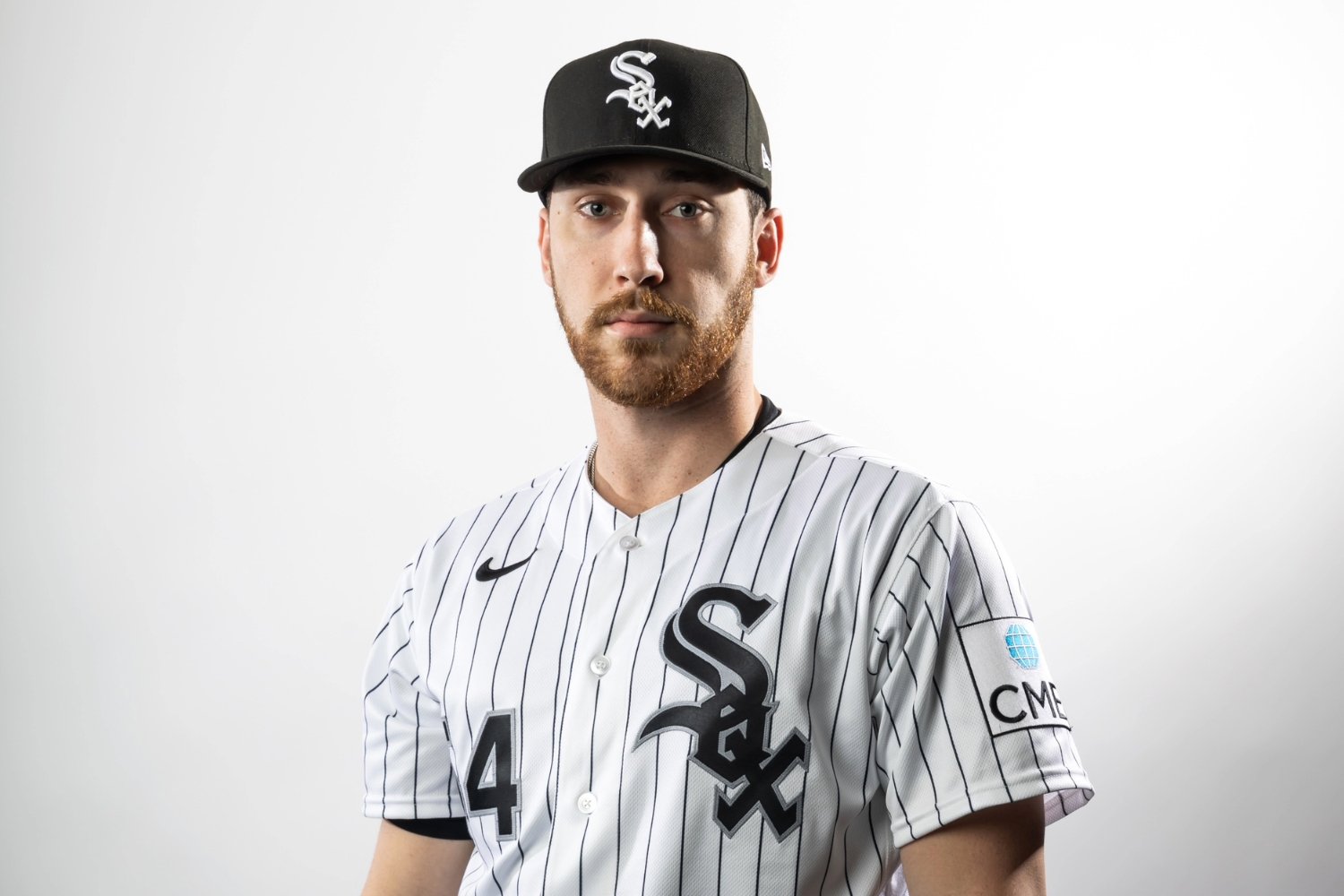 “I was just going to church with my fiancé and my parents. Was on the way home from lunch and saw [Craig] Breslow’s name pop up on the screen,” David Sandlin explained in regard to the day he was traded. “Kind of had an idea that was why he was calling. Cause why else would he be calling on a random Sunday?” Sandlin, who had been acquired by the Boston Red Sox back during spring training in 2024, developed into a legitimate prospect in this organization, making his way up the minor-league ranks to the point that the team added him to their 40-man roster back in November. The team viewed him as a depth piece for the 2026 season — a legitimate rotation arm with the potential to crack the big-league roster sooner or later. Instead, he wound up traded to the Chicago White Sox at the start of February. The deal was more of a salary dump for the Red Sox, as they had been trying to move Jordan Hicks and the remaining $24 million on his contract. The White Sox agreed to take on most of the contract, though Sandlin was needed to get the deal across the finish line. Not only did the Red Sox lose a valuable arm, but Sandlin was traded away from a close-knit group that had formed within the organization. Besides Sandlin, there were a group of pitchers who all had ties to Oklahoma, either from living there or playing for Oklahoma State while in college. “It made it pretty fun in the offseason,” Sandlin replied when asked about his relationship with his teammates. “It made it easy to navigate the season. Especially getting to play with guys like Payton [Tolle], or [Isaac] Stebens. I was looking forward to meeting [Kyson] Witherspoon, hadn’t really got to meet him yet. Wishing him all the best. And was looking forward to getting that year in with Jake [Bennett] after playing with him in 2022.” Despite being traded so late in the offseason, there are no hard feelings. Sandlin knows it’s part of the business after being traded once before. “At that point, I was only one year into pro ball and had only played half a season due to injury,” the right-hander recalled. “Never in my mind did I think I was a trade candidate. Then it happened. That was kind my first step in learning how the business side of baseball works.” Despite the disappointment of not getting to spend more time with his fellow Oklahoma pitchers, Sandlin is excited for his tenure with in Chicago. The exciting young core the team has built through the draft portends a bright future for the Pale Hose, and it doesn't hurt that several players on the roster are former teammates. “I’m excited, especially since I know some of the guys over there like [Kyle] Teel, [Chase] Meidroth, Wicky, those guys. So, kind of excited to get back to throwing to Teel again. That’s one of the guys I reached out to when I found out about the news," Sandlin will now have a chance to fight for a spot in the White Sox's rotation during spring training, something that would have been near impossible for him in Boston unless several injuries were to occur. The right-hander expressed gratitude for his old organization, though he hopes to make a legacy for himself as he changes his socks from red to white.
 -
“I was just going to church with my fiancé and my parents. Was on the way home from lunch and saw [Craig] Breslow’s name pop up on the screen,” David Sandlin explained in regard to the day he was traded. “Kind of had an idea that was why he was calling. Cause why else would he be calling on a random Sunday?” Sandlin, who had been acquired by the Boston Red Sox back during spring training in 2024, developed into a legitimate prospect in this organization, making his way up the minor-league ranks to the point that the team added him to their 40-man roster back in November. The team viewed him as a depth piece for the 2026 season — a legitimate rotation arm with the potential to crack the big-league roster sooner or later. Instead, he wound up traded to the Chicago White Sox at the start of February. The deal was more of a salary dump for the Red Sox, as they had been trying to move Jordan Hicks and the remaining $24 million on his contract. The White Sox agreed to take on most of the contract, though Sandlin was needed to get the deal across the finish line. Not only did the Red Sox lose a valuable arm, but Sandlin was traded away from a close-knit group that had formed within the organization. Besides Sandlin, there were a group of pitchers who all had ties to Oklahoma, either from living there or playing for Oklahoma State while in college. “It made it pretty fun in the offseason,” Sandlin replied when asked about his relationship with his teammates. “It made it easy to navigate the season. Especially getting to play with guys like Payton [Tolle], or [Isaac] Stebens. I was looking forward to meeting [Kyson] Witherspoon, hadn’t really got to meet him yet. Wishing him all the best. And was looking forward to getting that year in with Jake [Bennett] after playing with him in 2022.” Despite being traded so late in the offseason, there are no hard feelings. Sandlin knows it’s part of the business after being traded once before. “At that point, I was only one year into pro ball and had only played half a season due to injury,” the right-hander recalled. “Never in my mind did I think I was a trade candidate. Then it happened. That was kind my first step in learning how the business side of baseball works.” Despite the disappointment of not getting to spend more time with his fellow Oklahoma pitchers, Sandlin is excited for his tenure with in Chicago. The exciting young core the team has built through the draft portends a bright future for the Pale Hose, and it doesn't hurt that several players on the roster are former teammates. “I’m excited, especially since I know some of the guys over there like [Kyle] Teel, [Chase] Meidroth, Wicky, those guys. So, kind of excited to get back to throwing to Teel again. That’s one of the guys I reached out to when I found out about the news," Sandlin will now have a chance to fight for a spot in the White Sox's rotation during spring training, something that would have been near impossible for him in Boston unless several injuries were to occur. The right-hander expressed gratitude for his old organization, though he hopes to make a legacy for himself as he changes his socks from red to white. View full article
-
The Boston Red Sox entered the offseason with an abundance of starting pitching depth. Following the trade to acquire infielder Caleb Durbin, the Red Sox have seen that depth shrink considerably. As our @Brandon Glick explored prior to the Durbin trade, the front office has made a habit of trading young pitchers. Since November, the team has seen Richard Fitts, Hunter Dobbins, David Sandlin, Kyle Harrison, and Shane Drohan all get sent packing. And despite trading those players and more from their starting pitching depth, the Red Sox are still 10 deep. While in today’s major leagues the chance of injury for a pitcher is higher, the Red Sox are still in a good position when it comes to insurance policies. Currently, the rotation is comprised of Garrett Crochet, Ranger Suárez, Sonny Gray, Brayan Bello and Johan Oviedo. That’s with both Kutter Crawford and Patrick Sandoval not being included despite being decent pitchers in their last fully healthy seasons. On top of that, both Connelly Early and Payton Tolle who are two of the team’s top-three prospects, are currently projected to open the season in Triple-A. All that could change with injuries — Red Sox saw it first hand last season, as they were forced to open the season with three starters on the injured list (Bello, Crawford, and Lucas Giolito). However, unlike last season, their depth should be of better quality. The team won’t need to open the season using Sean Newcomb the rotation, and they also won’t be sending Walker Buehler out to the mound every fifth day. The Red Sox are taking a gamble with this strategy, especially as only three members of the projected rotation have made it through a full season. Suárez has never started 30 games in any campaign, while Bello has missed time every season since debuting. The Red Sox have to believe they’ll need someone to step up for what could amount to a significant amount of time. And to rest those hopes on Crawford or Sandoval after they both missed all of 2025 is probably a fool's errand. However, that’s where Tolle, Early and fellow minor-league pitcher Tyler Uberstine come into play. That trio is projected to open in Worcester to begin the season but can easily be promoted to Boston as needed. Because of their trust in their young pitchers, the Red Sox felt they could take the risk of trading from their strength. The Sox also have others waiting in the minors ready to step up if needed. Jake Bennet,t who was acquired in a trade this winter, is also on the 40-man roster. While further down the depth chart, he could step in as an emergency should the team go through a number of backup plans. Options off the 40-man roster are also available to the team. Non-roster invites TJ Sikkema and Alec Gamboa stand out as potential short-term solutions to any early season injury problems. While neither seems to instill as much confidence as the players traded away, they’ve shown various levels of success across their respective careers. You can also add the likes of Hayden Mullins, Blake Wehunt and Dalton Rogers to this group, all of whom have been through multiple seasons of development with the Red Sox. Mullins and Rogers have a chance to open the season in Worcester and could make a push to be added to Boston’s major-league roster during the season after dominating in Portland last year. Wehunt is another interesting arm that the team has kept. He moved quickly through the minors in 2024 before an injury in 2025 slowed him a bit in Double-A. Despite that, once healthy, he could quickly make it to Worcester as another depth option for the major-league staff. It's often unwise to trade so many young starting pitchers, especially those who are just about to begin their MLB careers. But the Red Sox have spent years building up exemplary depth. Despite losing so much talent, they remain in a strong position to cover for any injuries or underperformances throughout 2026. View full article
-
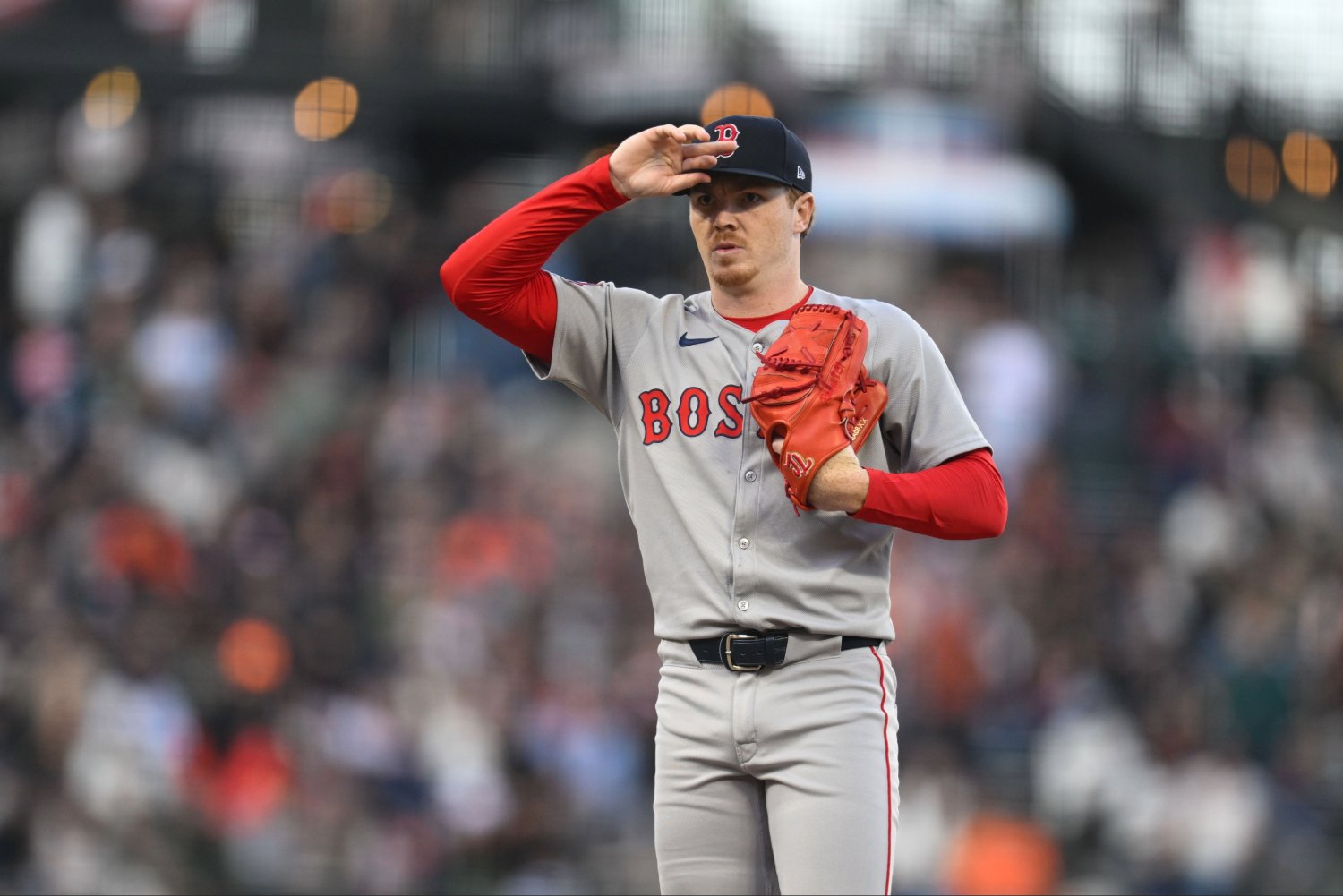 The Boston Red Sox entered the offseason with an abundance of starting pitching depth. Following the trade to acquire infielder Caleb Durbin, the Red Sox have seen that depth shrink considerably. As our @Brandon Glick explored prior to the Durbin trade, the front office has made a habit of trading young pitchers. Since November, the team has seen Richard Fitts, Hunter Dobbins, David Sandlin, Kyle Harrison, and Shane Drohan all get sent packing. And despite trading those players and more from their starting pitching depth, the Red Sox are still 10 deep. While in today’s major leagues the chance of injury for a pitcher is higher, the Red Sox are still in a good position when it comes to insurance policies. Currently, the rotation is comprised of Garrett Crochet, Ranger Suárez, Sonny Gray, Brayan Bello and Johan Oviedo. That’s with both Kutter Crawford and Patrick Sandoval not being included despite being decent pitchers in their last fully healthy seasons. On top of that, both Connelly Early and Payton Tolle who are two of the team’s top-three prospects, are currently projected to open the season in Triple-A. All that could change with injuries — Red Sox saw it first hand last season, as they were forced to open the season with three starters on the injured list (Bello, Crawford, and Lucas Giolito). However, unlike last season, their depth should be of better quality. The team won’t need to open the season using Sean Newcomb the rotation, and they also won’t be sending Walker Buehler out to the mound every fifth day. The Red Sox are taking a gamble with this strategy, especially as only three members of the projected rotation have made it through a full season. Suárez has never started 30 games in any campaign, while Bello has missed time every season since debuting. The Red Sox have to believe they’ll need someone to step up for what could amount to a significant amount of time. And to rest those hopes on Crawford or Sandoval after they both missed all of 2025 is probably a fool's errand. However, that’s where Tolle, Early and fellow minor-league pitcher Tyler Uberstine come into play. That trio is projected to open in Worcester to begin the season but can easily be promoted to Boston as needed. Because of their trust in their young pitchers, the Red Sox felt they could take the risk of trading from their strength. The Sox also have others waiting in the minors ready to step up if needed. Jake Bennet,t who was acquired in a trade this winter, is also on the 40-man roster. While further down the depth chart, he could step in as an emergency should the team go through a number of backup plans. Options off the 40-man roster are also available to the team. Non-roster invites TJ Sikkema and Alec Gamboa stand out as potential short-term solutions to any early season injury problems. While neither seems to instill as much confidence as the players traded away, they’ve shown various levels of success across their respective careers. You can also add the likes of Hayden Mullins, Blake Wehunt and Dalton Rogers to this group, all of whom have been through multiple seasons of development with the Red Sox. Mullins and Rogers have a chance to open the season in Worcester and could make a push to be added to Boston’s major-league roster during the season after dominating in Portland last year. Wehunt is another interesting arm that the team has kept. He moved quickly through the minors in 2024 before an injury in 2025 slowed him a bit in Double-A. Despite that, once healthy, he could quickly make it to Worcester as another depth option for the major-league staff. It's often unwise to trade so many young starting pitchers, especially those who are just about to begin their MLB careers. But the Red Sox have spent years building up exemplary depth. Despite losing so much talent, they remain in a strong position to cover for any injuries or underperformances throughout 2026.
 -
Spring training is officially here as pitchers and catchers have reported to Fort Myers. Along with those on the 40-man roster, the Red Sox have invited quite a few players to their spring training camp as non-roster invites. Every season, teams manage to find key contributors through this process, as many veterans try to catch on with a team by signing a minor-league deal with an invitation to spring training. Along with veterans, teams tend to bring prospects into big league camp in similar fashion. Last season the Red Sox saw contributions from a handful of non-roster invitees in the form of Nate Eaton, Abraham Toro, and Sean Newcomb. This season, the team has currently invited 24 players to spring training, though that number could increase in the days leading up to the first days of practice. Here is an overview of the players invited to camp: Red Sox Non-Roster Invitees: Pitchers RHP Osvaldo Berrios Berrios signed with the Red Sox on a minor-league deal back on November 18 while the team was making several trades prior to the Rule 5 protection deadline. Berrios, who was drafted in 2017 by the Athletics had previously been acquired by the St. Louis Cardinals in June of 2024 after playing in the Independent Frontier League. Berrios split the 2025 season between Double-A Springfield and Triple-A Memphis where he appeared in a total of 40 games, going 4-4 with a 5.12 ERA in 58 innings. He struck out 62 batters and walked 24. In seven minor league seasons, Berrios has appeared in 155 games with 56 of them being starts. Overall, he’s gone 23-34 with 16 saves and a career 5.44 ERA in 420 1/3 innings pitched. In 2025, the 26-year-old struck out 9.62 batters per nine innings and throws four pitches: a fastball that tops out at 94 mph, a 78 mph curveball, a low to mid-80s changeup and a mid-80s slider. LHP Alec Gamboa Gamboa is a former ninth-round pick by the Los Angeles Dodgers who played in their organization until getting released in early 2025. The left-handed pitcher mainly appeared out of the bullpen during his time with the Dodgers, making his way up to Triple-A by 2023 and spending parts of three seasons there before finishing 2025 in the Korean Baseball Organization with the Lotte Giants. During his time in Korea, Gamboa moved to the rotation where he pitched rather well in 19 starts. Going 7-8, he tossed 108 innings with a 3.58 ERA and struck out 117 batters. With the Dodgers’ organization, Gamboa appeared in 131 games and made 41 starts going 28-22 with a 4.23 ERA in 359 2/3 innings with 315 strikeouts. Gamboa’s biggest weakness is subpar control which limits his swing-and-miss potential, though he's good at keeping the ball on the ground. RHP Tayron Guerrero Guerrero is one of the older players coming into camp with the Red Sox as a non-roster invitee at the age of 35 years old. The reliever has had some experience in the majors though not with the best results. He made his debut in 2016, pitching one game with the San Diego Padres before being traded to the Miami Marlins near the trade deadline. Guerrero would see himself appear in 112 games between 2018 and 2019 with Miami to less-than-stellar results. During his time with the Marlins, the right-hander tossed 104 innings and struck out 111 batters while walking 67. He finished his time in Miami with a 5.80 ERA before being selected off waivers by the Chicago White Sox following the 2019 season. He would not play in the 2020 COVID shortened season and would then spend 2021 at the White Sox’s Triple-A team before heading overseas to play for the Chiba Lotte Marines in 2022. Guerrero would return state side in 2023 where he pitched for the Cincinnati Reds’ Triple-A team before finishing the season pitching in the Mexican League. 2024 was more of the same this time with the Los Angeles Angels’ Triple-A team before returning to Japan for the 2025 season where he rejoined the Chiba Lotte Marines. Overall, he pitched in 39 games with the Marines' main team and their farm team tossing 39 2/3 innings and striking out 37 batters. RHP Hobie Harris Harris spent the 2025 season in the Red Sox organization after being selected in the Triple-A portion of the Rule 5 Draft. The 32-year-old made 31 appearances with Triple-A Worcester, and one rehab start in the Florida Complex League despite not being active from the injured list until mid-June. In those 32 appearances, he went 1-3 with a 4.05 ERA across 40 innings where he struck out 45 batters. The right-hander was drafted back in the 31st round of the 2015 draft by the New York Yankees and pitched in their organization through the 2019 season. Starting in 2021, Harris bounced around pitching for the Triple-A teams of Toronto, Milwaukee, Washington and Minnesota before signing with the New York Mets. He never pitched a game for them as the Red Sox took him in the Rule 5 Draft as previously mentioned. Harris has made 16 appearances in the majors, all with the Nationals back in 2023. In those appearances, he tossed 19 1/3 innings and struck out nine. RHP Kyle Keller Keller was one of Boston’s later invites, signing with the team on February 3. The 32-year-old was drafted in the 18th round of the 2015 draft by the Miami Marlins and would make his debut with them in 2019. He would be traded after the season to the Los Angeles Angels though he would only pitch in two games before being purchased by the Pittsburgh Pirates in 2021. For his career, Keller has pitched in 44 games and tossed 46 1/3 innings with a career 5.83 ERA. He also struck out 48 batters while walking 32. Since the end of the 2021 season, Keller has pitched in the Nippon Professional Baseball league for the Hanshin Tigers and Yomiuri Giants, where he revitalized his career and generated interest by the Red Sox. In those four seasons, Keller was a key bullpen arm as he appeared in 186 games between the farm teams and parent organizations. In that span, he threw 179 1/3 innings with a 2.21 ERA while striking out 206 batters in the pitcher-friendly league. RHP Seth Martinez Martinez may be the pitcher with the best major league track record on the list, as he was once a key arm in Houston’s bullpen. Drafted by the Astros in the Rule 5 Draft back in 2020, Martinez appeared in just three games in 2021 before pitching in 108 games over the next three seasons. For his career with the Astros, he threw 137 1/3 innings with a 3.93 ERA and 122 strikeouts to 54 walks. Following the 2024 season, Martinez bounced around on waivers, being claimed by the Diamondbacks, then the Marlins, Mariners and Marlins once more before the start of the 2025 season. The right-hander spent most of 2025 with Triple-A Jacksonville where he appeared in 41 games and tossed 43 2/3 innings with a 3.71 ERA. He would also make six appearances with the Marlins where he struck out four in 6 2/3 innings. RHP Vinny Nittoli A 35-year-old pitcher who has made a total of 15 appearances across four seasons, Nittoli hasn’t pitched in the majors since 2024 and split the 2025 season between the Triple-A teams of Baltimore and Milwaukee. The Red Sox are now the 12th organization he’s been a part of in his career. In 37 games, Nittoli tossed 39 1/3 innings with a 4.58 ERA. He also struck out 46 batters while walking just 15. In his major league career, he’s tossed 18 2/3 innings with a 2.41 ERA and 13 strikeouts. Nittoli is an addition that continues Craig Breslow’s interest in big extension, as the right-hander’s extension last season was 7-foot-2 and also saw an increase after joining Milwaukee’s organization. The main difference being more usage for his cutter which went from a 35% usage rate all the way up to 53% upon joining Milwaukee. Across the entire 2025 season, the cutter generated a .172 expected batting average and had a 31% whiff rate. RHP Wyatt Olds Olds was drafted by the Red Sox in the seventh round of the 2021 draft and has split the past two seasons between Portland and Worcester, though he spent the majority of 2025 at Triple-A. The 25-year-old dominated in eight appearances early on with Portland, going 4-2 with a 2.50 ERA across 18 innings out of the bullpen. His promotion to Worcester saw some growing pains, as he appeared in 34 games and had an ERA of 5.91 across 53 1/3 innings. Currently, Olds is viewed as organizational depth due to his need to work on his command and control, though his fastball and slider look promising. Olds throws three pitches, the previously mentioned fastball (that tops out at 98 mph), the slider and a changeup that can touch 90 mph. LHP T.J. Sikkema Sikkema, who was a former New York Yankees draft pick, was traded by the team to the Kansas City Royals for Andrew Benintendi back in 2022 before being taken by the Cincinnati Reds in the Rule 5 Draft in 2023. A left-hander, Sikkema made it to Triple-A for the first time last season after 18 appearances at Double-A Chattanooga. Overall the left-hander went 8-4 in 23 appearances, 15 starts as he tossed a career high 86 2/3 innings. For his career, he’s made 100 appearances in the minors and thrown 311 innings with a 4.57 ERA. He doesn’t throw hard, his fastball averaging 88 to 91 mph but can hit mid-90s but not consistently. Along with that, he also throws a slider that is in the low to mid-80s and an average changeup. RHP Noah Song Song has been someone the Red Sox have liked for a long time, but various events have kept him from being able to reach his full potential. Drafted in the fourth round of the 2019 draft, Song showcased a strong start to his professional career by tossing 17 innings with a 1.06 ERA in 2019 before losing the 2020 season due to it being cancelled from COVID. That was followed by missing both the 2021 and 2022 seasons due to his petition to delay his active service with the Navy being denied. Following the 2022 season, Song was drafted in the Rule 5 Draft by the Philadelphia Phillies and the man who drafted him originally, Dave Dombrowski. He was granted his request to delay his active service time in February 2023 and finally reported to spring training with the Phillies. Back tightness sent him to the injured list in spring training before he made his first appearance in four years on June 28 with Single-A Clearwater. Song was eventually returned to the Red Sox after being designated for assignment and clearing waivers where he would finish the season with Greenville. He would go on to miss the 2024 season due to Tommy John surgery. 2025 saw him pitch in all five minor league levels (Complex League, Single-A, High-A, Double-A, Triple-A) with his longest stay being 23 appearances with Portland where he tossed 43 innings with a 4.19 ERA and struck out 44 batters. RHP Devin Sweet Sweet has been in professional baseball since 2018 as part of the Seattle Mariners’ organization. The right-hander pitched his way up to majors with Seattle in 2023, making two appearances with them before the Athletics selected him off waivers and he made five more appearances with them. Overall, he pitched in seven games with a 10.38 ERA and struck out six batters in 8 2/3 innings. Since then, Sweet spent the 2024 season with Detroit’s Triple-A team and the 2025 season with Philadelphia’s Triple-A team. Last year, he pitched in 46 games and tossed 51 1/3 innings with a 5.08 ERA. He also struck out 49 batters and walked 27. Sweet throws three pitches: a four-seam fastball, a slider and a changeup. RHP Jacob Webb Webb was drafted by the Red Sox in the 14th round of the 2021 draft. Last season, Webb split the year between Greenville, Portland and Worcester, making a total of 25 appearances. He would end up tossing 40 1/3 innings with a 3.57 ERA (though it was 6.35 in 11 1/3 innings with Worcester) and struck out 46 batters. This is the second consecutive spring training that Webb received an invitation to spring training from the Red Sox, having been invited in 2025 as well. He has a low release point and a high induced vertical break on his fastball. Webb tosses four pitches: a fastball that tops out at 96 mph, a slider that can vary in shape and velocity, a sweeper and a changeup that can touch 90 mph. LHP Jeremy Wu-Yelland Wu-Yelland was drafted back in the fourth round of the 2020 draft by Boston and has had a tough time staying on the field after his debut season in 2021. After making 23 starts between Salem and Greenville, Wu-Yelland would miss 2022 due to needing Tommy John surgery. Upon his return in 2023, he would only make three appearances in the Florida Complex League before another injury would shut him down for the rest of the season. 2024 saw a move to the bullpen for the left-hander but he still opened the season on the injured list due to stiffness. He would make 23 appearances out of the bullpen with a 5.67 ERA in 33 1/3 innings for Greenville. 2025 saw Wu-Yelland miss just under a month with lower back stiffness, but he still made 25 appearances between Greenville and Portland where he threw 45 2/3 innings with a 3.15 ERA and struck out 71 batters. Wu-Yelland throws four pitches: a fastball that tops out at 97 mph, a cutter which is his most thrown pitch, a sweeper that has a very high spin rate and a changeup that sits in the low-80s. Red Sox Non-Roster Invitees: Catchers Nate Baez Acquired from the Minnesota Twins for Tristan Gray, Baez split the 2025 season between High-A and Double-A where it was two different stories offensively for the catcher. Overall, he would play in 96 games and hit a combined .278/.371/.423 with 17 doubles, four triples, eight home runs, and 54 RBIs. Though, in Double-A his numbers were .237/.297/.400 with eight doubles, four triples, five home runs, and 31 RBIs. Despite that, Baez showed an ability to put the ball in play last season, striking out just 65 times in 338 at-bats and walking 45 times as well. Defensively, he split time between catcher, first base and designated hitter. While with Double-A, he threw out 23% of potential base stealers while allowing just two passed balls. Jason Delay Signed by Boston to be catching depth, Delay is a former fourth-round pick in 2017 by the Pittsburgh Pirates. Delay would go on to make his major league debut in 2022 and would play in the majors with the Pirates from 2022 until a short stint in 2024. In total he played 134 games, hitting .231/.295/.315 with 20 doubles, one triple, two home runs, and 35 RBIs. Offensively, there isn’t much power to his game, and he has a tendency to strike out (94 strikeouts in 337 at-bats) while not walking enough to offset it (26 career walks). 2025 saw Delay split the season between Atlanta’s Double-A and Triple-A teams where he hit a combined .200/.261/.257 in 68 games. He also had 10 doubles, one home run, and 14 RBIs. Ronald Rosario Rosario was signed as an international free agent by the Red Sox in July of 2019 as a 16-year-old, though he missed the 2020 season due to the minor league season being cancelled. The young catcher spent 2021 and 2022 in the Dominican Summer League and Florida Complex League respectively before playing for Salem and Greenville in 2023. 2024 saw Rosario begin the year with Greenville, playing 99 games before a promotion to Portland where he was placed on the development list. 2025 saw Rosario play 98 games with Portland where he hit .201/.278/.321 with 10 doubles, 11 home runs, and 56 RBIs. Offensively, he is viewed as having an average hit tool with average power but mostly as a doubles hitter. Defensively, he could be an average catcher depending on how he develops. He doesn’t have soft hands and in 2025 he made six errors and allowed 10 passed balls. Though, he has good, fluid motions and threw out 24% of potential base stealers and was part of seven double plays. Max Stassi Stassi has the most MLB experience out of the listed catchers, having been drafted way back in the fourth round of the 2009 draft by the Athletics. Stassi made it to the majors with the Astros in 2013 and played with them until being traded to the Angels in 2019. Stassi would remain with the Angels until the end of 2022. After not playing in 2023, Stassi has spent the last two seasons in Triple-A with the White Sox organization in 2024 and the Giants organization in 2025. For his career, Stassi played in 403 games at the major league level and hit .212/.295/.361 with 42 doubles, two triples, 41 home runs and 128 RBIs. For his career, he’s thrown out around 20% of potential base stealers and has allowed 31 passed balls. Red Sox Non-Roster Invitees: Infielders Nathan Hickey Originally drafted as a catcher in the 2021 draft, Hickey has primarily played first base or DH since mid-2024 and only appeared in four games as a catcher in 2025 after getting a non-roster invitation to spring training that year. Defensively, he struggled at catcher and was viewed as being below average when it came to receiving while also having trouble with blocking pitches in the dirt. He has looked better at first base than he did behind the plate, having made just four errors in 610 defensive chances. Offensively, Hickey is coming off of a decent season with Worcester, having appeared in 128 games where he hit .234/.325/.408 with 23 doubles, two triples, 17 home runs and 75 RBIs. He does strike out a lot as shown by his 141 punchouts last season. He also knows the strike zone well but often whiffs on pitches in the zone and struggles against left-handed pitching. Vinny Capra Capra is a four-year veteran who made his debut in 2022 after getting drafted by the Toronto Blue Jays back in 2018. Prior to 2025, he appeared in just 20 MLB games. Last year, he split the season between Milwaukee and the Chicago White Sox, appearing in a career high 47 games and struggling at the plate. He ended up hitting a combined .125/.157/.177 with two doubles, one home run, and six RBIs. Defensively, Capra has mainly played second base, shortstop and third base during his time in the majors but also has limited experience playing left field in the minors. In the minors, he’s hit well enough to keep getting chances, having played in 511 career minor league games and hitting .270/.355/.397 with 111 doubles, 10 triples, 33 home runs, and 240 RBIs. Max Ferguson Acquired from San Diego as part of the Eric Hosmer trade, Ferguson quickly became organizational depth as he jumped from Greenville all the way to Worcester when the Triple-A team needed bodies at the end of the 2023 season. Since then, he’s been shuttled back and forth between Portland and Worcester the past two seasons depending on which team needed him more. Offensively, there isn’t much to talk about. Little power and a high strikeout rate means Ferguson’s value will come from his glove. Though to at least partially make up for it, he tends to walk a decent amount. Last season, he played a career high 118 games between Portland and Worcester as he hit .205/.323/.313 with 13 doubles, one triple, nine home runs, and 42 RBIs. In 2025 Ferguson, played every position besides catcher and pitcher at least once. The majority of his playing time came between second base and left field, however, moving between positions as needed. Mikey Romero A former first-round pick by the Red Sox in 2022, Romero dealt with injuries early on in his career before finally appearing fully healthy in 2025. Drafted as a shortstop, Romero has mostly played second base and third base since early 2025 and seems likely to have his best fit be at second base due to his arm. Offensively, Romero has put together back-to-back decent seasons showcasing power in his game as he hit 16 home runs in 2024 and followed that up with 17 in 2025. Overall, he wound up hitting .245/.300/.452 in 111 games between Portland and Worcester in 2025. He also had 33 doubles, four triples, 17 home runs and 76 RBIs. Though, he does tend to strike out a lot as shown by 132 strikeouts. Romero impressed during spring training in 2025 and now in 2026 has a chance to showcase his skills even further. Tyler McDonough Drafted in the third round of the 2021 draft, McDonough quickly made his way through the system, making it to Triple-A Worcester by the end of the 2023 season. Since then, he’s split time between Portland and Worcester, as he’s provided upper-minors depth for the organization while playing multiple positions. Last year with Worcester, McDonough appeared in 79 games and hit .254/.328/.369 with 12 doubles, two triples, five home runs and 27 RBIs. He won’t hit for much power and is just average when it comes to zone contact and chasing but has good bat speed. Defensively, the utility player saw time at second base, shortstop, right field, left field and appeared in one game in center field. He’s viewed as an above average, all-around fielder. Red Sox Non-Roster Invitees: Outfielders Allan Castro Signed out of the Dominican Republic back in 2019, Castro was originally signed as an infielder before being moved to the outfield prior to his professional debut. Just 22 years old, Castro spent all of 2025 at Double-A where he played in 92 games and hit .268/.353/.400 with 20 doubles, two triples, seven home runs, and 37 RBIs. Offensively, he improved from his 2024 numbers and showed growth as a hitter, though the switch hitter still has room to grow. While he doesn’t chase and has shown an ability to make contact on pitches in the zone, he still struggles against off-speed pitches and can get too aggressive. Defensively, he split time between all three outfield positions, though the majority of his playing time came in center field where in 150 defensive chances he made just one error. With the Red Sox missing three outfielders due to the World Baseball Classic, Castro should see a lot of playing time early in camp. Braiden Ward Ward was acquired by the Red Sox in a Rule 5 Draft protection deadline trade, as they sent reliever Brennan Bernardino to the Rockies. Ward, who was drafted by the Rockies in 2021, split last season between Double-A and Triple-A where he appeared in 97 games. The utility player slashed .290/.395/.391 with 17 doubles, four triples, two home runs, 37 RBIs and he also stole 57 bases. Offensively, Ward does not have much power as he’s hit just 14 home runs in 414 minor league games, but he puts the ball in play and has shown an ability to earn a walk. He’s at his best when taking advantage of his speed and using it to either stretch a hit or to steal a base. Defensively, he mainly played center field and left field last year but got some action at both second and third base and will likely be used in a utility role. With Jarren Duran, Ceddanne Rafaela, and Wilyer Abreu all leaving camp to join the World Baseball Classic, Ward should see plenty of playing time. View full article
-
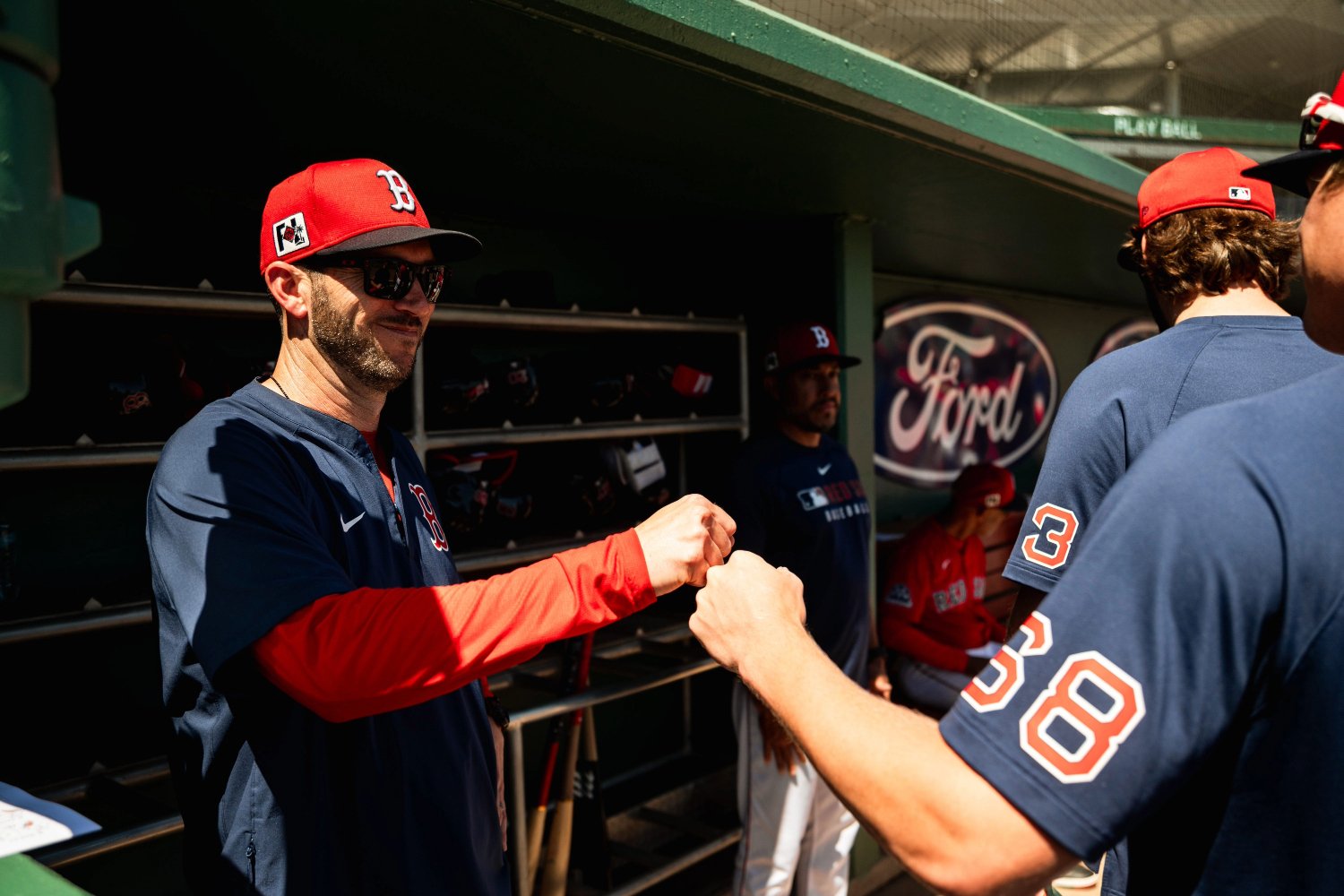 Spring training is officially here as pitchers and catchers have reported to Fort Myers. Along with those on the 40-man roster, the Red Sox have invited quite a few players to their spring training camp as non-roster invites. Every season, teams manage to find key contributors through this process, as many veterans try to catch on with a team by signing a minor-league deal with an invitation to spring training. Along with veterans, teams tend to bring prospects into big league camp in similar fashion. Last season the Red Sox saw contributions from a handful of non-roster invitees in the form of Nate Eaton, Abraham Toro, and Sean Newcomb. This season, the team has currently invited 24 players to spring training, though that number could increase in the days leading up to the first days of practice. Here is an overview of the players invited to camp: Red Sox Non-Roster Invitees: Pitchers RHP Osvaldo Berrios Berrios signed with the Red Sox on a minor-league deal back on November 18 while the team was making several trades prior to the Rule 5 protection deadline. Berrios, who was drafted in 2017 by the Athletics had previously been acquired by the St. Louis Cardinals in June of 2024 after playing in the Independent Frontier League. Berrios split the 2025 season between Double-A Springfield and Triple-A Memphis where he appeared in a total of 40 games, going 4-4 with a 5.12 ERA in 58 innings. He struck out 62 batters and walked 24. In seven minor league seasons, Berrios has appeared in 155 games with 56 of them being starts. Overall, he’s gone 23-34 with 16 saves and a career 5.44 ERA in 420 1/3 innings pitched. In 2025, the 26-year-old struck out 9.62 batters per nine innings and throws four pitches: a fastball that tops out at 94 mph, a 78 mph curveball, a low to mid-80s changeup and a mid-80s slider. LHP Alec Gamboa Gamboa is a former ninth-round pick by the Los Angeles Dodgers who played in their organization until getting released in early 2025. The left-handed pitcher mainly appeared out of the bullpen during his time with the Dodgers, making his way up to Triple-A by 2023 and spending parts of three seasons there before finishing 2025 in the Korean Baseball Organization with the Lotte Giants. During his time in Korea, Gamboa moved to the rotation where he pitched rather well in 19 starts. Going 7-8, he tossed 108 innings with a 3.58 ERA and struck out 117 batters. With the Dodgers’ organization, Gamboa appeared in 131 games and made 41 starts going 28-22 with a 4.23 ERA in 359 2/3 innings with 315 strikeouts. Gamboa’s biggest weakness is subpar control which limits his swing-and-miss potential, though he's good at keeping the ball on the ground. RHP Tayron Guerrero Guerrero is one of the older players coming into camp with the Red Sox as a non-roster invitee at the age of 35 years old. The reliever has had some experience in the majors though not with the best results. He made his debut in 2016, pitching one game with the San Diego Padres before being traded to the Miami Marlins near the trade deadline. Guerrero would see himself appear in 112 games between 2018 and 2019 with Miami to less-than-stellar results. During his time with the Marlins, the right-hander tossed 104 innings and struck out 111 batters while walking 67. He finished his time in Miami with a 5.80 ERA before being selected off waivers by the Chicago White Sox following the 2019 season. He would not play in the 2020 COVID shortened season and would then spend 2021 at the White Sox’s Triple-A team before heading overseas to play for the Chiba Lotte Marines in 2022. Guerrero would return state side in 2023 where he pitched for the Cincinnati Reds’ Triple-A team before finishing the season pitching in the Mexican League. 2024 was more of the same this time with the Los Angeles Angels’ Triple-A team before returning to Japan for the 2025 season where he rejoined the Chiba Lotte Marines. Overall, he pitched in 39 games with the Marines' main team and their farm team tossing 39 2/3 innings and striking out 37 batters. RHP Hobie Harris Harris spent the 2025 season in the Red Sox organization after being selected in the Triple-A portion of the Rule 5 Draft. The 32-year-old made 31 appearances with Triple-A Worcester, and one rehab start in the Florida Complex League despite not being active from the injured list until mid-June. In those 32 appearances, he went 1-3 with a 4.05 ERA across 40 innings where he struck out 45 batters. The right-hander was drafted back in the 31st round of the 2015 draft by the New York Yankees and pitched in their organization through the 2019 season. Starting in 2021, Harris bounced around pitching for the Triple-A teams of Toronto, Milwaukee, Washington and Minnesota before signing with the New York Mets. He never pitched a game for them as the Red Sox took him in the Rule 5 Draft as previously mentioned. Harris has made 16 appearances in the majors, all with the Nationals back in 2023. In those appearances, he tossed 19 1/3 innings and struck out nine. RHP Kyle Keller Keller was one of Boston’s later invites, signing with the team on February 3. The 32-year-old was drafted in the 18th round of the 2015 draft by the Miami Marlins and would make his debut with them in 2019. He would be traded after the season to the Los Angeles Angels though he would only pitch in two games before being purchased by the Pittsburgh Pirates in 2021. For his career, Keller has pitched in 44 games and tossed 46 1/3 innings with a career 5.83 ERA. He also struck out 48 batters while walking 32. Since the end of the 2021 season, Keller has pitched in the Nippon Professional Baseball league for the Hanshin Tigers and Yomiuri Giants, where he revitalized his career and generated interest by the Red Sox. In those four seasons, Keller was a key bullpen arm as he appeared in 186 games between the farm teams and parent organizations. In that span, he threw 179 1/3 innings with a 2.21 ERA while striking out 206 batters in the pitcher-friendly league. RHP Seth Martinez Martinez may be the pitcher with the best major league track record on the list, as he was once a key arm in Houston’s bullpen. Drafted by the Astros in the Rule 5 Draft back in 2020, Martinez appeared in just three games in 2021 before pitching in 108 games over the next three seasons. For his career with the Astros, he threw 137 1/3 innings with a 3.93 ERA and 122 strikeouts to 54 walks. Following the 2024 season, Martinez bounced around on waivers, being claimed by the Diamondbacks, then the Marlins, Mariners and Marlins once more before the start of the 2025 season. The right-hander spent most of 2025 with Triple-A Jacksonville where he appeared in 41 games and tossed 43 2/3 innings with a 3.71 ERA. He would also make six appearances with the Marlins where he struck out four in 6 2/3 innings. RHP Vinny Nittoli A 35-year-old pitcher who has made a total of 15 appearances across four seasons, Nittoli hasn’t pitched in the majors since 2024 and split the 2025 season between the Triple-A teams of Baltimore and Milwaukee. The Red Sox are now the 12th organization he’s been a part of in his career. In 37 games, Nittoli tossed 39 1/3 innings with a 4.58 ERA. He also struck out 46 batters while walking just 15. In his major league career, he’s tossed 18 2/3 innings with a 2.41 ERA and 13 strikeouts. Nittoli is an addition that continues Craig Breslow’s interest in big extension, as the right-hander’s extension last season was 7-foot-2 and also saw an increase after joining Milwaukee’s organization. The main difference being more usage for his cutter which went from a 35% usage rate all the way up to 53% upon joining Milwaukee. Across the entire 2025 season, the cutter generated a .172 expected batting average and had a 31% whiff rate. RHP Wyatt Olds Olds was drafted by the Red Sox in the seventh round of the 2021 draft and has split the past two seasons between Portland and Worcester, though he spent the majority of 2025 at Triple-A. The 25-year-old dominated in eight appearances early on with Portland, going 4-2 with a 2.50 ERA across 18 innings out of the bullpen. His promotion to Worcester saw some growing pains, as he appeared in 34 games and had an ERA of 5.91 across 53 1/3 innings. Currently, Olds is viewed as organizational depth due to his need to work on his command and control, though his fastball and slider look promising. Olds throws three pitches, the previously mentioned fastball (that tops out at 98 mph), the slider and a changeup that can touch 90 mph. LHP T.J. Sikkema Sikkema, who was a former New York Yankees draft pick, was traded by the team to the Kansas City Royals for Andrew Benintendi back in 2022 before being taken by the Cincinnati Reds in the Rule 5 Draft in 2023. A left-hander, Sikkema made it to Triple-A for the first time last season after 18 appearances at Double-A Chattanooga. Overall the left-hander went 8-4 in 23 appearances, 15 starts as he tossed a career high 86 2/3 innings. For his career, he’s made 100 appearances in the minors and thrown 311 innings with a 4.57 ERA. He doesn’t throw hard, his fastball averaging 88 to 91 mph but can hit mid-90s but not consistently. Along with that, he also throws a slider that is in the low to mid-80s and an average changeup. RHP Noah Song Song has been someone the Red Sox have liked for a long time, but various events have kept him from being able to reach his full potential. Drafted in the fourth round of the 2019 draft, Song showcased a strong start to his professional career by tossing 17 innings with a 1.06 ERA in 2019 before losing the 2020 season due to it being cancelled from COVID. That was followed by missing both the 2021 and 2022 seasons due to his petition to delay his active service with the Navy being denied. Following the 2022 season, Song was drafted in the Rule 5 Draft by the Philadelphia Phillies and the man who drafted him originally, Dave Dombrowski. He was granted his request to delay his active service time in February 2023 and finally reported to spring training with the Phillies. Back tightness sent him to the injured list in spring training before he made his first appearance in four years on June 28 with Single-A Clearwater. Song was eventually returned to the Red Sox after being designated for assignment and clearing waivers where he would finish the season with Greenville. He would go on to miss the 2024 season due to Tommy John surgery. 2025 saw him pitch in all five minor league levels (Complex League, Single-A, High-A, Double-A, Triple-A) with his longest stay being 23 appearances with Portland where he tossed 43 innings with a 4.19 ERA and struck out 44 batters. RHP Devin Sweet Sweet has been in professional baseball since 2018 as part of the Seattle Mariners’ organization. The right-hander pitched his way up to majors with Seattle in 2023, making two appearances with them before the Athletics selected him off waivers and he made five more appearances with them. Overall, he pitched in seven games with a 10.38 ERA and struck out six batters in 8 2/3 innings. Since then, Sweet spent the 2024 season with Detroit’s Triple-A team and the 2025 season with Philadelphia’s Triple-A team. Last year, he pitched in 46 games and tossed 51 1/3 innings with a 5.08 ERA. He also struck out 49 batters and walked 27. Sweet throws three pitches: a four-seam fastball, a slider and a changeup. RHP Jacob Webb Webb was drafted by the Red Sox in the 14th round of the 2021 draft. Last season, Webb split the year between Greenville, Portland and Worcester, making a total of 25 appearances. He would end up tossing 40 1/3 innings with a 3.57 ERA (though it was 6.35 in 11 1/3 innings with Worcester) and struck out 46 batters. This is the second consecutive spring training that Webb received an invitation to spring training from the Red Sox, having been invited in 2025 as well. He has a low release point and a high induced vertical break on his fastball. Webb tosses four pitches: a fastball that tops out at 96 mph, a slider that can vary in shape and velocity, a sweeper and a changeup that can touch 90 mph. LHP Jeremy Wu-Yelland Wu-Yelland was drafted back in the fourth round of the 2020 draft by Boston and has had a tough time staying on the field after his debut season in 2021. After making 23 starts between Salem and Greenville, Wu-Yelland would miss 2022 due to needing Tommy John surgery. Upon his return in 2023, he would only make three appearances in the Florida Complex League before another injury would shut him down for the rest of the season. 2024 saw a move to the bullpen for the left-hander but he still opened the season on the injured list due to stiffness. He would make 23 appearances out of the bullpen with a 5.67 ERA in 33 1/3 innings for Greenville. 2025 saw Wu-Yelland miss just under a month with lower back stiffness, but he still made 25 appearances between Greenville and Portland where he threw 45 2/3 innings with a 3.15 ERA and struck out 71 batters. Wu-Yelland throws four pitches: a fastball that tops out at 97 mph, a cutter which is his most thrown pitch, a sweeper that has a very high spin rate and a changeup that sits in the low-80s. Red Sox Non-Roster Invitees: Catchers Nate Baez Acquired from the Minnesota Twins for Tristan Gray, Baez split the 2025 season between High-A and Double-A where it was two different stories offensively for the catcher. Overall, he would play in 96 games and hit a combined .278/.371/.423 with 17 doubles, four triples, eight home runs, and 54 RBIs. Though, in Double-A his numbers were .237/.297/.400 with eight doubles, four triples, five home runs, and 31 RBIs. Despite that, Baez showed an ability to put the ball in play last season, striking out just 65 times in 338 at-bats and walking 45 times as well. Defensively, he split time between catcher, first base and designated hitter. While with Double-A, he threw out 23% of potential base stealers while allowing just two passed balls. Jason Delay Signed by Boston to be catching depth, Delay is a former fourth-round pick in 2017 by the Pittsburgh Pirates. Delay would go on to make his major league debut in 2022 and would play in the majors with the Pirates from 2022 until a short stint in 2024. In total he played 134 games, hitting .231/.295/.315 with 20 doubles, one triple, two home runs, and 35 RBIs. Offensively, there isn’t much power to his game, and he has a tendency to strike out (94 strikeouts in 337 at-bats) while not walking enough to offset it (26 career walks). 2025 saw Delay split the season between Atlanta’s Double-A and Triple-A teams where he hit a combined .200/.261/.257 in 68 games. He also had 10 doubles, one home run, and 14 RBIs. Ronald Rosario Rosario was signed as an international free agent by the Red Sox in July of 2019 as a 16-year-old, though he missed the 2020 season due to the minor league season being cancelled. The young catcher spent 2021 and 2022 in the Dominican Summer League and Florida Complex League respectively before playing for Salem and Greenville in 2023. 2024 saw Rosario begin the year with Greenville, playing 99 games before a promotion to Portland where he was placed on the development list. 2025 saw Rosario play 98 games with Portland where he hit .201/.278/.321 with 10 doubles, 11 home runs, and 56 RBIs. Offensively, he is viewed as having an average hit tool with average power but mostly as a doubles hitter. Defensively, he could be an average catcher depending on how he develops. He doesn’t have soft hands and in 2025 he made six errors and allowed 10 passed balls. Though, he has good, fluid motions and threw out 24% of potential base stealers and was part of seven double plays. Max Stassi Stassi has the most MLB experience out of the listed catchers, having been drafted way back in the fourth round of the 2009 draft by the Athletics. Stassi made it to the majors with the Astros in 2013 and played with them until being traded to the Angels in 2019. Stassi would remain with the Angels until the end of 2022. After not playing in 2023, Stassi has spent the last two seasons in Triple-A with the White Sox organization in 2024 and the Giants organization in 2025. For his career, Stassi played in 403 games at the major league level and hit .212/.295/.361 with 42 doubles, two triples, 41 home runs and 128 RBIs. For his career, he’s thrown out around 20% of potential base stealers and has allowed 31 passed balls. Red Sox Non-Roster Invitees: Infielders Nathan Hickey Originally drafted as a catcher in the 2021 draft, Hickey has primarily played first base or DH since mid-2024 and only appeared in four games as a catcher in 2025 after getting a non-roster invitation to spring training that year. Defensively, he struggled at catcher and was viewed as being below average when it came to receiving while also having trouble with blocking pitches in the dirt. He has looked better at first base than he did behind the plate, having made just four errors in 610 defensive chances. Offensively, Hickey is coming off of a decent season with Worcester, having appeared in 128 games where he hit .234/.325/.408 with 23 doubles, two triples, 17 home runs and 75 RBIs. He does strike out a lot as shown by his 141 punchouts last season. He also knows the strike zone well but often whiffs on pitches in the zone and struggles against left-handed pitching. Vinny Capra Capra is a four-year veteran who made his debut in 2022 after getting drafted by the Toronto Blue Jays back in 2018. Prior to 2025, he appeared in just 20 MLB games. Last year, he split the season between Milwaukee and the Chicago White Sox, appearing in a career high 47 games and struggling at the plate. He ended up hitting a combined .125/.157/.177 with two doubles, one home run, and six RBIs. Defensively, Capra has mainly played second base, shortstop and third base during his time in the majors but also has limited experience playing left field in the minors. In the minors, he’s hit well enough to keep getting chances, having played in 511 career minor league games and hitting .270/.355/.397 with 111 doubles, 10 triples, 33 home runs, and 240 RBIs. Max Ferguson Acquired from San Diego as part of the Eric Hosmer trade, Ferguson quickly became organizational depth as he jumped from Greenville all the way to Worcester when the Triple-A team needed bodies at the end of the 2023 season. Since then, he’s been shuttled back and forth between Portland and Worcester the past two seasons depending on which team needed him more. Offensively, there isn’t much to talk about. Little power and a high strikeout rate means Ferguson’s value will come from his glove. Though to at least partially make up for it, he tends to walk a decent amount. Last season, he played a career high 118 games between Portland and Worcester as he hit .205/.323/.313 with 13 doubles, one triple, nine home runs, and 42 RBIs. In 2025 Ferguson, played every position besides catcher and pitcher at least once. The majority of his playing time came between second base and left field, however, moving between positions as needed. Mikey Romero A former first-round pick by the Red Sox in 2022, Romero dealt with injuries early on in his career before finally appearing fully healthy in 2025. Drafted as a shortstop, Romero has mostly played second base and third base since early 2025 and seems likely to have his best fit be at second base due to his arm. Offensively, Romero has put together back-to-back decent seasons showcasing power in his game as he hit 16 home runs in 2024 and followed that up with 17 in 2025. Overall, he wound up hitting .245/.300/.452 in 111 games between Portland and Worcester in 2025. He also had 33 doubles, four triples, 17 home runs and 76 RBIs. Though, he does tend to strike out a lot as shown by 132 strikeouts. Romero impressed during spring training in 2025 and now in 2026 has a chance to showcase his skills even further. Tyler McDonough Drafted in the third round of the 2021 draft, McDonough quickly made his way through the system, making it to Triple-A Worcester by the end of the 2023 season. Since then, he’s split time between Portland and Worcester, as he’s provided upper-minors depth for the organization while playing multiple positions. Last year with Worcester, McDonough appeared in 79 games and hit .254/.328/.369 with 12 doubles, two triples, five home runs and 27 RBIs. He won’t hit for much power and is just average when it comes to zone contact and chasing but has good bat speed. Defensively, the utility player saw time at second base, shortstop, right field, left field and appeared in one game in center field. He’s viewed as an above average, all-around fielder. Red Sox Non-Roster Invitees: Outfielders Allan Castro Signed out of the Dominican Republic back in 2019, Castro was originally signed as an infielder before being moved to the outfield prior to his professional debut. Just 22 years old, Castro spent all of 2025 at Double-A where he played in 92 games and hit .268/.353/.400 with 20 doubles, two triples, seven home runs, and 37 RBIs. Offensively, he improved from his 2024 numbers and showed growth as a hitter, though the switch hitter still has room to grow. While he doesn’t chase and has shown an ability to make contact on pitches in the zone, he still struggles against off-speed pitches and can get too aggressive. Defensively, he split time between all three outfield positions, though the majority of his playing time came in center field where in 150 defensive chances he made just one error. With the Red Sox missing three outfielders due to the World Baseball Classic, Castro should see a lot of playing time early in camp. Braiden Ward Ward was acquired by the Red Sox in a Rule 5 Draft protection deadline trade, as they sent reliever Brennan Bernardino to the Rockies. Ward, who was drafted by the Rockies in 2021, split last season between Double-A and Triple-A where he appeared in 97 games. The utility player slashed .290/.395/.391 with 17 doubles, four triples, two home runs, 37 RBIs and he also stole 57 bases. Offensively, Ward does not have much power as he’s hit just 14 home runs in 414 minor league games, but he puts the ball in play and has shown an ability to earn a walk. He’s at his best when taking advantage of his speed and using it to either stretch a hit or to steal a base. Defensively, he mainly played center field and left field last year but got some action at both second and third base and will likely be used in a utility role. With Jarren Duran, Ceddanne Rafaela, and Wilyer Abreu all leaving camp to join the World Baseball Classic, Ward should see plenty of playing time.
 -
With the preamble to spring training officially underway, the Boston Red Sox have finally returned to the diamond after a long offseason. During this period, less heralded players often have a great chance of breaking out. Sometimes, it allows them to force their way onto the opening day roster, just as Kristian Campbell did last season. Thanks to the World Baseball Classic occurring this year, many Red Sox players will be disembarking from major-league camp and playing for their countries in the pursuit of winning the entire tournament. Because of this, the Red Sox have invited quite a few minor leaguers to spring training, including some notable prospects fans should get familiar with. Below we’ll breakdown three prospects that fans should keep an eye on during spring training this season. 3 Red Sox prospects most likely to break out at spring camp Jeremy Wu-Yelland Wu-Yelland is someone who hasn’t had the easiest professional career. After a promising professional debut in 2021 that saw him make 23 starts between Salem and Greenville (3.91 ERA in 76 innings pitched), he’s had to deal with multiple injuries. His 2022 campaign was lost due to Tommy John surgery, 2023 was cut short after three rehab appearances due to an injury, he started 2024 on the injured list, and 2025 saw him miss just around a month due to lower back stiffness. Despite that, he has some potential as a left-handed reliever. Following 2023, Wu-Yelland has been pitching strictly out of the bullpen and in 2025 he managed to flash potential of the weapon he could be in the bullpen. Now with an emphasis on throwing his cutter to get ahead, Wu-Yelland was able to dominate with his fastball and finish the season with 71 strikeouts in 45 2/3 innings, good for 14.0 strikeouts per nine innings. Currently, the Red Sox need left-handed reliever help in the bullpen, and should Wu-Yelland remain healthy and build off of the foundation he built in 2025, there’s a chance he could be given an opportunity at some point in 2026. He throws four pitches with his cutter averaging between 90-92 mph; he improved his command with the pitch last year, which has allowed him to take a step forward. Along with the cutter is his fastball that tops out at 97 mph and can get on hitters quickly while also being good at missing bats. Add to it a sweeper with a high spin rate and batters will continue to have a hard time figuring out which pitch could be coming. And while he also has a changeup, Wu-Yelland has rarely thrown it since moving to the bullpen. A good spring training could see the young southpaw begin the season with Worcester. At that point, all it takes is a good month or two for him to potentially be knocking on the door of the majors, especially given the current state of the Red Sox's righty-heavy bullpen. Mikey Romero Romero is entering his first major league spring training as a non-roster invite after putting together a strong 2025 season. Splitting the year between Double-A and Triple-A, the former first-round pick played in a career high 111 games. In that span, he hit a combined .245/.300/.452 with 33 doubles, four triples, 17 home runs, and 76 RBIs while also transitioning off of shortstop. Since around May, the infielder had instead played mainly second base and third base over his original position. Romero did spend time playing in Red Sox spring training games in 2025 (though without a non-roster invite) and already impressed manager Alex Cora. Last spring training, when asked which prospect stood out to him other than Boston’s Big Three of Roman Anthony, Marcelo Mayer, and Kristian Campbell, the manager responded with Romero. “Yeah, he’s a good player. A really good player. Just a baseball player. Good at-bats. Good defender. Mikey Romero is a good player,” Cora stated. For Romero, this is a chance for him to get at-bats against others competing for a roster spot. While he is likely to open the season in Worcester barring a combination of trades and injuries, the young infielder can shoot his way up the depth chart with a good showing this spring. Red Sox fans should know him by now considering he was the team’s first-round pick back in 2022 before injuries slowed him in 2023 and caused him to miss time to open 2024. Now, the infielder is finally completely healthy and has a chance to showcase his true potential. While the Red Sox infield seems set thanks to the Caleb Durbin trade, the team could always use impact players, especially someone like Romero who has shown an increase in power since getting healthy. Over the past two seasons, the infielder has averaged 28 doubles and 16 home runs, a display of power the major-league team would love if it carried over to the highest level of competition. Noah Song There is no way Song breaks camp with the Red Sox, but seeing him finally make it to a major-league spring training with the team that drafted him back in 2019 is a great storyline. Everyone who has followed Song knows that he lost nearly four years of development between the cancellation of minor league baseball in 2020, being denied a waiver request to transfer his service to the Navy Reserve, being taken by the Phillies in the Rule 5 Draft and then spending most of the year on the injured list before being returned to the Red Sox, and then undergoing Tommy John surgery in 2024. Song may not be the same pitcher he was originally viewed as, but now he has a chance to continue his dream. His first steps back on that path were taken in 2025, when he pitched at every minor league level. He’ll get chances to pitch during the spring exhibition slate, and in turn chances for the Red Sox to see what kind of pitcher they drafted over a half-decade ago. It’ll be hard for anyone to not find interest in his performance and even harder not to root for his success. Should he do well enough in spring training. he could put his name in the conversation for one of the first names called upon should injury or inconsistency hit the Red Sox's bullpen. Currently, Song tosses four pitches. A fastball that tops out at 97 mph and is still working to regain the feel he had for it prior to his military service, a slider that is his most comfortable pitch at the moment, a changeup that averages 86-88 mph, and a curveball that has a 12-to-6 break to it. View full article
-
 With the preamble to spring training officially underway, the Boston Red Sox have finally returned to the diamond after a long offseason. During this period, less heralded players often have a great chance of breaking out. Sometimes, it allows them to force their way onto the opening day roster, just as Kristian Campbell did last season. Thanks to the World Baseball Classic occurring this year, many Red Sox players will be disembarking from major-league camp and playing for their countries in the pursuit of winning the entire tournament. Because of this, the Red Sox have invited quite a few minor leaguers to spring training, including some notable prospects fans should get familiar with. Below we’ll breakdown three prospects that fans should keep an eye on during spring training this season. 3 Red Sox prospects most likely to break out at spring camp Jeremy Wu-Yelland Wu-Yelland is someone who hasn’t had the easiest professional career. After a promising professional debut in 2021 that saw him make 23 starts between Salem and Greenville (3.91 ERA in 76 innings pitched), he’s had to deal with multiple injuries. His 2022 campaign was lost due to Tommy John surgery, 2023 was cut short after three rehab appearances due to an injury, he started 2024 on the injured list, and 2025 saw him miss just around a month due to lower back stiffness. Despite that, he has some potential as a left-handed reliever. Following 2023, Wu-Yelland has been pitching strictly out of the bullpen and in 2025 he managed to flash potential of the weapon he could be in the bullpen. Now with an emphasis on throwing his cutter to get ahead, Wu-Yelland was able to dominate with his fastball and finish the season with 71 strikeouts in 45 2/3 innings, good for 14.0 strikeouts per nine innings. Currently, the Red Sox need left-handed reliever help in the bullpen, and should Wu-Yelland remain healthy and build off of the foundation he built in 2025, there’s a chance he could be given an opportunity at some point in 2026. He throws four pitches with his cutter averaging between 90-92 mph; he improved his command with the pitch last year, which has allowed him to take a step forward. Along with the cutter is his fastball that tops out at 97 mph and can get on hitters quickly while also being good at missing bats. Add to it a sweeper with a high spin rate and batters will continue to have a hard time figuring out which pitch could be coming. And while he also has a changeup, Wu-Yelland has rarely thrown it since moving to the bullpen. A good spring training could see the young southpaw begin the season with Worcester. At that point, all it takes is a good month or two for him to potentially be knocking on the door of the majors, especially given the current state of the Red Sox's righty-heavy bullpen. Mikey Romero Romero is entering his first major league spring training as a non-roster invite after putting together a strong 2025 season. Splitting the year between Double-A and Triple-A, the former first-round pick played in a career high 111 games. In that span, he hit a combined .245/.300/.452 with 33 doubles, four triples, 17 home runs, and 76 RBIs while also transitioning off of shortstop. Since around May, the infielder had instead played mainly second base and third base over his original position. Romero did spend time playing in Red Sox spring training games in 2025 (though without a non-roster invite) and already impressed manager Alex Cora. Last spring training, when asked which prospect stood out to him other than Boston’s Big Three of Roman Anthony, Marcelo Mayer, and Kristian Campbell, the manager responded with Romero. “Yeah, he’s a good player. A really good player. Just a baseball player. Good at-bats. Good defender. Mikey Romero is a good player,” Cora stated. For Romero, this is a chance for him to get at-bats against others competing for a roster spot. While he is likely to open the season in Worcester barring a combination of trades and injuries, the young infielder can shoot his way up the depth chart with a good showing this spring. Red Sox fans should know him by now considering he was the team’s first-round pick back in 2022 before injuries slowed him in 2023 and caused him to miss time to open 2024. Now, the infielder is finally completely healthy and has a chance to showcase his true potential. While the Red Sox infield seems set thanks to the Caleb Durbin trade, the team could always use impact players, especially someone like Romero who has shown an increase in power since getting healthy. Over the past two seasons, the infielder has averaged 28 doubles and 16 home runs, a display of power the major-league team would love if it carried over to the highest level of competition. Noah Song There is no way Song breaks camp with the Red Sox, but seeing him finally make it to a major-league spring training with the team that drafted him back in 2019 is a great storyline. Everyone who has followed Song knows that he lost nearly four years of development between the cancellation of minor league baseball in 2020, being denied a waiver request to transfer his service to the Navy Reserve, being taken by the Phillies in the Rule 5 Draft and then spending most of the year on the injured list before being returned to the Red Sox, and then undergoing Tommy John surgery in 2024. Song may not be the same pitcher he was originally viewed as, but now he has a chance to continue his dream. His first steps back on that path were taken in 2025, when he pitched at every minor league level. He’ll get chances to pitch during the spring exhibition slate, and in turn chances for the Red Sox to see what kind of pitcher they drafted over a half-decade ago. It’ll be hard for anyone to not find interest in his performance and even harder not to root for his success. Should he do well enough in spring training. he could put his name in the conversation for one of the first names called upon should injury or inconsistency hit the Red Sox's bullpen. Currently, Song tosses four pitches. A fastball that tops out at 97 mph and is still working to regain the feel he had for it prior to his military service, a slider that is his most comfortable pitch at the moment, a changeup that averages 86-88 mph, and a curveball that has a 12-to-6 break to it.
 -
The Boston Red Sox infield depth may have already taken a hit, as it was revealed by Alex Cora during the first media interview of spring training that Romy González injured his shoulder in the final series of the regular season and that the injury has bothered him throughout the offseason, as reported by the Boston Globe's Tim Healey. While unknown at the time, the injury could have played a role in González’s postseason struggles especially against left-handed starters Max Fried and Carlos Rodón after crushing left-handed pitching all season. Currently, there is no concrete knowledge regarding the current state of the injury, but the team and González will know more once he arrives to camp. However, the feeling right now is that he’s behind schedule. Should González miss time in spring training, his playing time will likely go to Nick Sogard, Mikey Romero and new acquisitions Andruw Monasterio and Anthony Seigler. González said that his left shoulder originally got better but then he suffered a setback in January when he started hitting. He also received a PCP shot on January 23 and still plans to be ready for Opening Day, though things could change. For the Red Sox, they hope González can avoid missing significant time and will be able to catch up and be ready for the regular season. View full rumor
-
 The Boston Red Sox infield depth may have already taken a hit, as it was revealed by Alex Cora during the first media interview of spring training that Romy González injured his shoulder in the final series of the regular season and that the injury has bothered him throughout the offseason, as reported by the Boston Globe's Tim Healey. While unknown at the time, the injury could have played a role in González’s postseason struggles especially against left-handed starters Max Fried and Carlos Rodón after crushing left-handed pitching all season. Currently, there is no concrete knowledge regarding the current state of the injury, but the team and González will know more once he arrives to camp. However, the feeling right now is that he’s behind schedule. Should González miss time in spring training, his playing time will likely go to Nick Sogard, Mikey Romero and new acquisitions Andruw Monasterio and Anthony Seigler. González said that his left shoulder originally got better but then he suffered a setback in January when he started hitting. He also received a PCP shot on January 23 and still plans to be ready for Opening Day, though things could change. For the Red Sox, they hope González can avoid missing significant time and will be able to catch up and be ready for the regular season.
 -
The Boston Red Sox continue to add to their infield depth, as they signed Brendan Rodgers to a minor-league deal with an invitation to spring training as first reported by MassLive’s Chris Cotillo. Rodgers is the second veteran infielder that Craig Breslow has brought into the organization in the past 24 hours, previously signing Isiah Kiner-Falefa to a one-year contract. Rodgers, who won a Gold Glove in 2022, will compete for a roster spot in spring training. The veteran infielder spent most of his career for the Colorado Rockies where he played in 452 games from 2019 until 2024. In that time, he hit .266/.316/.409 with 92 doubles, eight triples, 45 home runs and 197 RBIs. Rogers spent the 2025 season with Houston where he appeared in 43 games and struggled offensively. Overall, he slashed .191/.266/.278 with four doubles, two home runs and 11 RBIs. Offensively, Rodgers has a lot of swing and miss in his game and doesn’t walk enough to make up for it. In his short run with the Astros, Rodgers put up career highs in both walk percentage and strikeout rate at 8.6% and 35.9%, respectively. In 2025, his approach changed slightly as he began to pull the ball more in the air than he previously did in his career. The Red Sox are no strangers to bringing in veteran players on minor-league deals and getting production out of them. Amidst a gaggle of veterans competing for time at second base, Rodgers could emerge as a key contributor in 2026. View full rumor
-
 The Boston Red Sox continue to add to their infield depth, as they signed Brendan Rodgers to a minor-league deal with an invitation to spring training as first reported by MassLive’s Chris Cotillo. Rodgers is the second veteran infielder that Craig Breslow has brought into the organization in the past 24 hours, previously signing Isiah Kiner-Falefa to a one-year contract. Rodgers, who won a Gold Glove in 2022, will compete for a roster spot in spring training. The veteran infielder spent most of his career for the Colorado Rockies where he played in 452 games from 2019 until 2024. In that time, he hit .266/.316/.409 with 92 doubles, eight triples, 45 home runs and 197 RBIs. Rogers spent the 2025 season with Houston where he appeared in 43 games and struggled offensively. Overall, he slashed .191/.266/.278 with four doubles, two home runs and 11 RBIs. Offensively, Rodgers has a lot of swing and miss in his game and doesn’t walk enough to make up for it. In his short run with the Astros, Rodgers put up career highs in both walk percentage and strikeout rate at 8.6% and 35.9%, respectively. In 2025, his approach changed slightly as he began to pull the ball more in the air than he previously did in his career. The Red Sox are no strangers to bringing in veteran players on minor-league deals and getting production out of them. Amidst a gaggle of veterans competing for time at second base, Rodgers could emerge as a key contributor in 2026.
 -
The Boston Red Sox pulled off one of their more questionable trades of the offseason, where they managed to move Jordan Hicks to the Chicago White Sox. Going with Hicks to Chicago was David Sandlin, two players to be named later and $8 million. Returning to Boston was pitcher Gage Ziehl and a player to be named later. Ziehl, who was drafted in the fourth round of the 2024 draft by the New York Yankees, is now with his third organization in three years after being traded to the White Sox for Austin Slater. The right-hander appeared in 22 games, making 21 starts as he split time between Single-A, High-A, and Double-A. He tossed 107 innings while striking out 90 batters and walking just 19. Ziehl doesn’t follow the typical profile that Craig Breslow tends to target in pitching as he stands just six feet tall and doesn't possess elite extension, but he has been described as “compact but strong and durable”. The right-hander holds a deep arsenal, featuring a cutter, sweeper, slider, four-seam fastball, changeup, and curveball all thrown with a repeatable high three-quarters delivery. Doing so has allowed him to locate his pitches with precision. Of all his pitches, the changeup stands out as his premier offering. In 2025, batters whiffed on 24% of his changeups, with the pitch generating a 34% strikeout rate. Batters also only managed an average exit velocity of 81 mph. Despite that, the pitch was only thrown eight percent of the time, a number that should see an increase under Boston’s pitching development program. While Ziehl may not be overpowering (his fastball averaged just 92.2 mph last season), he showed an ability to throw strikes (67.7 strike percent) while limiting walks (4.2% rate), two traits that will allow him to move through the minors quickly. Dependent on contact management, Ziehl relies on his assortment of secondary offerings to help generate weak contact. His Baseball America scouting report states that his fastball was “tweaked to generate more cut in 2025." It also suggests that he won't be able to add a ton of velocity down the line, though that may not matter since “Ziehl relies on his mid-80s sweeper and 89 mph cutter, throwing those two pitches nearly 70% of the time with near-even distribution. His sweeper has above-average spin rates and is his best swing-and-miss offering." Unless Ziehl’s secondaries can make a leap in quality, he’s likely destined as an up-and-down starter or long-relief reliever at best. At worst, he would provide organizational depth for the upper minors and be an emergency call-up. After a strong campaign in 2025, it wouldn’t be a surprise to see him open the 2026 season with Double-A Portland. View full article
-
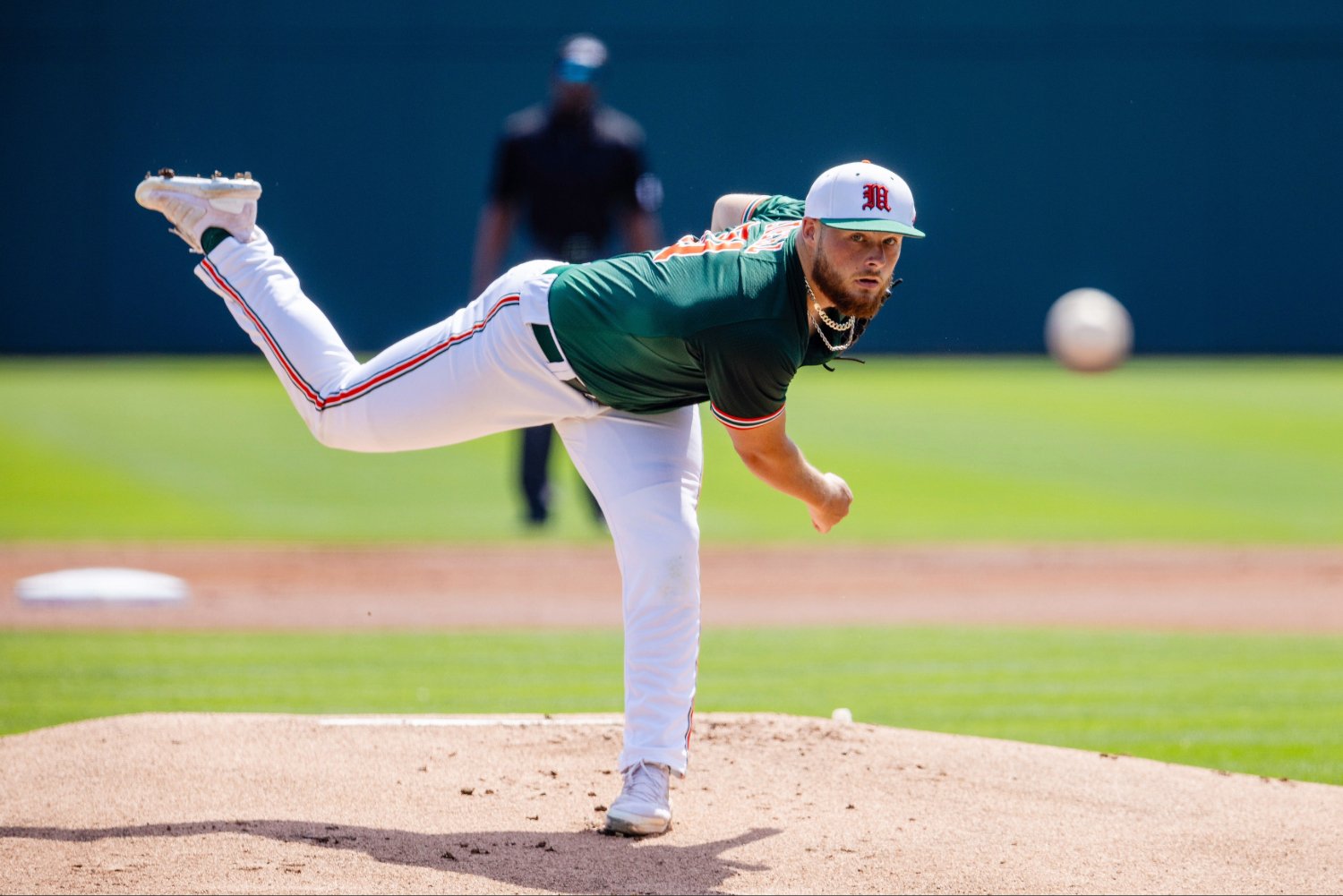 The Boston Red Sox pulled off one of their more questionable trades of the offseason, where they managed to move Jordan Hicks to the Chicago White Sox. Going with Hicks to Chicago was David Sandlin, two players to be named later and $8 million. Returning to Boston was pitcher Gage Ziehl and a player to be named later. Ziehl, who was drafted in the fourth round of the 2024 draft by the New York Yankees, is now with his third organization in three years after being traded to the White Sox for Austin Slater. The right-hander appeared in 22 games, making 21 starts as he split time between Single-A, High-A, and Double-A. He tossed 107 innings while striking out 90 batters and walking just 19. Ziehl doesn’t follow the typical profile that Craig Breslow tends to target in pitching as he stands just six feet tall and doesn't possess elite extension, but he has been described as “compact but strong and durable”. The right-hander holds a deep arsenal, featuring a cutter, sweeper, slider, four-seam fastball, changeup, and curveball all thrown with a repeatable high three-quarters delivery. Doing so has allowed him to locate his pitches with precision. Of all his pitches, the changeup stands out as his premier offering. In 2025, batters whiffed on 24% of his changeups, with the pitch generating a 34% strikeout rate. Batters also only managed an average exit velocity of 81 mph. Despite that, the pitch was only thrown eight percent of the time, a number that should see an increase under Boston’s pitching development program. While Ziehl may not be overpowering (his fastball averaged just 92.2 mph last season), he showed an ability to throw strikes (67.7 strike percent) while limiting walks (4.2% rate), two traits that will allow him to move through the minors quickly. Dependent on contact management, Ziehl relies on his assortment of secondary offerings to help generate weak contact. His Baseball America scouting report states that his fastball was “tweaked to generate more cut in 2025." It also suggests that he won't be able to add a ton of velocity down the line, though that may not matter since “Ziehl relies on his mid-80s sweeper and 89 mph cutter, throwing those two pitches nearly 70% of the time with near-even distribution. His sweeper has above-average spin rates and is his best swing-and-miss offering." Unless Ziehl’s secondaries can make a leap in quality, he’s likely destined as an up-and-down starter or long-relief reliever at best. At worst, he would provide organizational depth for the upper minors and be an emergency call-up. After a strong campaign in 2025, it wouldn’t be a surprise to see him open the 2026 season with Double-A Portland.
 -
Former Red Sox pitcher (and current White Sox pitcher) David Sandlin joins Talk Sox to discuss what he was doing when the trade sending him to Chicago went down, why Revenge Of The Sith is the best Star Wars movie, and how being traded from Kansas City to Boston back in 2024 felt. View full video
-
Former Red Sox pitcher (and current White Sox pitcher) David Sandlin joins Talk Sox to discuss what he was doing when the trade sending him to Chicago went down, why Revenge Of The Sith is the best Star Wars movie, and how being traded from Kansas City to Boston back in 2024 felt.
-
When it comes to building out a 26-man active roster, typically, the bench takes into account the thought of potential platoons, defensive versatility, pinch running, along with overall experience and track record of a player. The Boston Red Sox have done an excellent job of building a bench in previous seasons with the likes of Rob Refsnyder and Romy González proving to be versatile in the field while filling a niche at the plate. Now, the Red Sox are faced with possibly building an entirely new bench with the departure of Refsnyder as a free agent to the Seattle Mariners and the possibility of González entering a platoon with Marcelo Mayer somewhere in the infield. Currently, their bench is likely to feature Connor Wong and David Hamilton, pending any further offseason moves. Wong will be the backup catcher along with a right-handed bat off the bench, while Hamilton could play either second base or shortstop while also being a late-game, pinch-runner option for manager Alex Cora thanks to his speed. Depending on how Cora builds his lineup with the current players on his roster, Masataka Yoshida seems like another option to be on the bench. While dealing with his shoulder issue and rehab during the previous two seasons, Yoshida should be completely healthy now. While his defensive versatility is limited to left field and he lacks game-changing speed, he is a great bat when it comes to putting the ball in play. Should he not be in the starting lineup, he could likely be the first bat off the bench against a right-handed pitcher. Assuming Mayer is at third base and Gonzalez is at second on any given day, that then leaves a single spot left for the bench between two players who both deserve it after their contributions in 2025: Nick Sogard and Nate Eaton. Based off of just minor-league options that remain between the duo, Sogard would appear to have the leg up on Eaton. Entering 2026, Sogard is out of options while Eaton has one remaining. It would allow the Red Sox to stash Eaton in Triple-A Worcester and shuttle him between Boston and Worcester as needed. Sogard, on the other hand, would need to pass through waivers to make it to Worcester, but there’s a good chance a team would take a flier on him based on his profile. During his Red Sox tenure, Sogard has been used as a super-utility player as he’s made appearances at second base, shortstop, third base, first base, and right field. He’s played in 61 regular season games and two playoff games, getting the starts in the first two games of last year’s wild card round. For his career, Sogard, a switch-hitter, has slashed .266/.321/.335 with an OPS of .656. He’s hit 12 doubles and driven in 17 runs while walking just 12 times to 49 strikeouts. Despite seeing more time against right-handed pitching, Sogard has put up better numbers against left-handed pitching with a stat line of .333/.352/.431 in 54 plate appearances. He may not be a perfect player, but he knows how to serve his role perfectly. Defensively, he will provide rest for one of the starters while also providing Cora with a late-game substitution option. There’s no denying he gained Cora’s trust down the stretch as he earned the two starts in the playoffs. His lack of power may hold him back though, and yet the Red Sox may not want to risk losing him. A number of teams would be likely to scoop him up should he fail to make the Opening Day roster. As aforementioned, Eaton is able to be sent to Worcester. The outfielder was a key player down the stretch for Boston and also played in two games in the postseason. Across 2025, Eaton appeared in 41 games hitting a career best .296/.348/.383 with a .731 OPS. He had four doubles, a home run, and four RBIs along with nine stolen bases. He also walked six times against 19 strikeouts. Eaton doesn’t provide as much defensive versatility but has played all three outfield positions and third base for the Red Sox. In the minors, he also played a little second base across his career (41 games across six seasons), though that would most likely only be as an emergency should he make Boston’s roster. Offensively, he doesn’t have much power like Sogard and relies on putting the ball in play and using his speed. While he has hit better against left-handed pitching across his career (.256/.310/.356 in 101 plate appearances) he actually performed better against right-handed pitching with the Red Sox. Regardless, his best skill is his speed. You can never have too many potential base stealers on the bench in a close game and that was on display in September with both Hamilton and Eaton on the active roster. Yet, that may be seen as redundant with Hamilton likely to be on the bench come Opening Day. It's hardly the most important narrative surrounding the team, but the Sogard v. Eaton bench battle may end up being one of the storylines that defines the Red Sox's roster in spring training. View full article
-
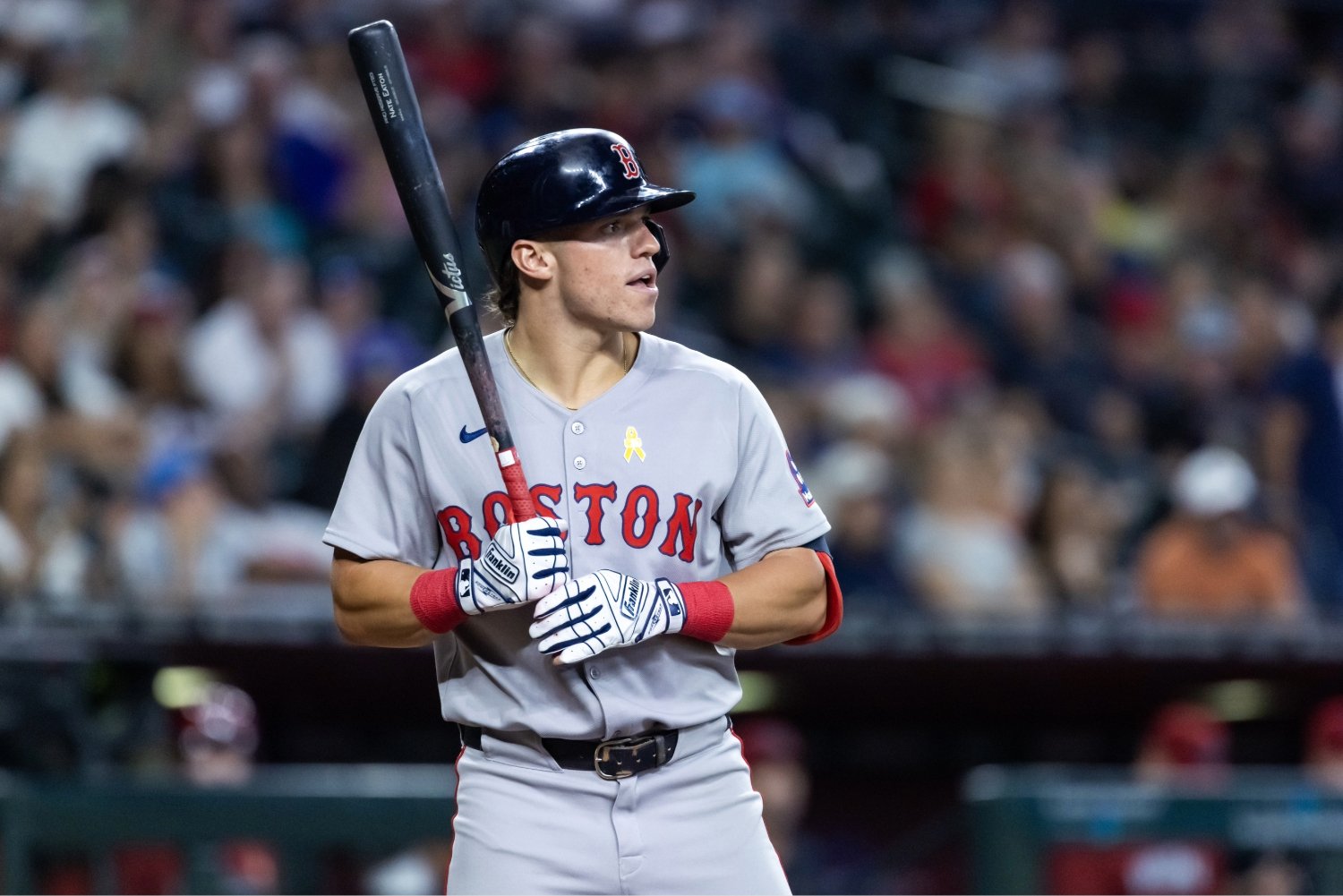 When it comes to building out a 26-man active roster, typically, the bench takes into account the thought of potential platoons, defensive versatility, pinch running, along with overall experience and track record of a player. The Boston Red Sox have done an excellent job of building a bench in previous seasons with the likes of Rob Refsnyder and Romy González proving to be versatile in the field while filling a niche at the plate. Now, the Red Sox are faced with possibly building an entirely new bench with the departure of Refsnyder as a free agent to the Seattle Mariners and the possibility of González entering a platoon with Marcelo Mayer somewhere in the infield. Currently, their bench is likely to feature Connor Wong and David Hamilton, pending any further offseason moves. Wong will be the backup catcher along with a right-handed bat off the bench, while Hamilton could play either second base or shortstop while also being a late-game, pinch-runner option for manager Alex Cora thanks to his speed. Depending on how Cora builds his lineup with the current players on his roster, Masataka Yoshida seems like another option to be on the bench. While dealing with his shoulder issue and rehab during the previous two seasons, Yoshida should be completely healthy now. While his defensive versatility is limited to left field and he lacks game-changing speed, he is a great bat when it comes to putting the ball in play. Should he not be in the starting lineup, he could likely be the first bat off the bench against a right-handed pitcher. Assuming Mayer is at third base and Gonzalez is at second on any given day, that then leaves a single spot left for the bench between two players who both deserve it after their contributions in 2025: Nick Sogard and Nate Eaton. Based off of just minor-league options that remain between the duo, Sogard would appear to have the leg up on Eaton. Entering 2026, Sogard is out of options while Eaton has one remaining. It would allow the Red Sox to stash Eaton in Triple-A Worcester and shuttle him between Boston and Worcester as needed. Sogard, on the other hand, would need to pass through waivers to make it to Worcester, but there’s a good chance a team would take a flier on him based on his profile. During his Red Sox tenure, Sogard has been used as a super-utility player as he’s made appearances at second base, shortstop, third base, first base, and right field. He’s played in 61 regular season games and two playoff games, getting the starts in the first two games of last year’s wild card round. For his career, Sogard, a switch-hitter, has slashed .266/.321/.335 with an OPS of .656. He’s hit 12 doubles and driven in 17 runs while walking just 12 times to 49 strikeouts. Despite seeing more time against right-handed pitching, Sogard has put up better numbers against left-handed pitching with a stat line of .333/.352/.431 in 54 plate appearances. He may not be a perfect player, but he knows how to serve his role perfectly. Defensively, he will provide rest for one of the starters while also providing Cora with a late-game substitution option. There’s no denying he gained Cora’s trust down the stretch as he earned the two starts in the playoffs. His lack of power may hold him back though, and yet the Red Sox may not want to risk losing him. A number of teams would be likely to scoop him up should he fail to make the Opening Day roster. As aforementioned, Eaton is able to be sent to Worcester. The outfielder was a key player down the stretch for Boston and also played in two games in the postseason. Across 2025, Eaton appeared in 41 games hitting a career best .296/.348/.383 with a .731 OPS. He had four doubles, a home run, and four RBIs along with nine stolen bases. He also walked six times against 19 strikeouts. Eaton doesn’t provide as much defensive versatility but has played all three outfield positions and third base for the Red Sox. In the minors, he also played a little second base across his career (41 games across six seasons), though that would most likely only be as an emergency should he make Boston’s roster. Offensively, he doesn’t have much power like Sogard and relies on putting the ball in play and using his speed. While he has hit better against left-handed pitching across his career (.256/.310/.356 in 101 plate appearances) he actually performed better against right-handed pitching with the Red Sox. Regardless, his best skill is his speed. You can never have too many potential base stealers on the bench in a close game and that was on display in September with both Hamilton and Eaton on the active roster. Yet, that may be seen as redundant with Hamilton likely to be on the bench come Opening Day. It's hardly the most important narrative surrounding the team, but the Sogard v. Eaton bench battle may end up being one of the storylines that defines the Red Sox's roster in spring training.
 -
The international free agent signing period kicked off last week, and the Boston Red Sox have remained busy during the beginning period. Already to this point, the Red Sox have signed 18 international players. For the franchise, the international market has been huge for them the past few seasons when it comes to adding talent to the farm system. And while the only international free agent prospect who has made the majors for the Red Sox since 2020 was Jhostynxon Garcia, their current top prospect list is filled with such players. Franklin Arias, Juan Valera, Justin Gonzales, Dorian Soto, Miguel Bleis, and Enddy Azocar are just a few top prospects the team has signed through the international free agent signing period. Now, the team has added to their depth by signing 18 prospects, including two that were ranked within the Top 50 of the 2026 class. Let's dive into some of the top prospects the Red Sox signed in this international class. Garielvin Silverio was the highest-ranked player the team signed, placing 32nd in the class according to Baseball America. Silverio, who will turn 18 in October, is a left-handed hitting outfielder from the Dominican Republic and was one of the top offensive threats in the class. Thanks to fast bat speed that is paired with a strong, broad-shouldered build, he’s able to produce some of the best raw power of any hitter out of the Dominican Republic this year. He was praised for his hitting ability that includes an advanced feel for squaring up breaking pitches. Due to his limited athleticism, he is destined for a corner outfield spot as he’s a below-average runner with an average arm. The Red Sox are hoping his hitting develops and can carry him through the minor leagues. The second-best player signed by the Red Sox was shortstop Dawvris Brito out of the Dominican Republic, ranked 37th by Baseball America. Like Silverio, Brito won’t turn 18 until the end of the season in mid-September. When it comes to athleticism, Brito is the opposite of Silverio in every way, as he’s an above-average runner who moves around the field well. Thanks to his quickness, range, and consistent ability to make routine plays, he handles shortstop well and has a good chance of sticking at the position despite having an average arm. Brito uses his athletic explosiveness while batting to generate solid bat speed. Due to his rawness at the plate, he’s looking to be a power-over-hit player; if he fully develops, he would give the Red Sox a shortstop prospect with power and speed. Joskairo Ramirez follows the Red Sox's trend of signing players out of the Dominican Republic. Ramirez, an outfielder, was ranked 64th in the class by Baseball America. He is another left-handed outfielder, but unlike Silverio, is currently slated for center field thanks to his ability to get great reads off the bat along with taking clean routes to cover ground in the outfield. Despite being just 5-foot-10, Ramirez is considered rather strong and has been viewed as having great hand-eye coordination that results in great bat-to-ball skills. His power also appears to be mostly gap-to-gap at the time of signing. The final player ranked by Baseball America in the Top 100 is right-handed pitcher Claudio Pereira at 91 out of Brazil. Pereira was the top prospect out of Brazil in the 2026 class and has been compared to Eury Perez, as he’s a skinny 6-foot-6 pitcher who weighs 190 pounds at the age of 17. Currently his fastball touches 90 mph, but his frame shows a projection that he should be able to add significant velocity upon gaining weight. Along with the fastball, he has a changeup that he has a good feel for, along with a curveball. While not in the Top 100, shortstop Isaac Velasquez was signed out of Colombia and could be an interesting prospect. Currently standing at 6-foot, 185 pounds, he stands out mostly for what he does at the plate. Velazquez doesn’t chase much and manages to manipulate the barrel of his bat to make frequent contact that is then mixed with good bat speed, making him an excellent pull-side hitter. Velasquez is an offensive-focused shortstop and could eventually be moved elsewhere in the infield, but should he gain some quickness in the field and become more efficient with his arm, he could stick at the position. Another outfielder, Freyerson Vasquez out of Venezuela, is someone who had scouts interested even when he was an extremely thin player at 130 pounds thanks to a high-contact bat from the left side of the plate. He’s since grown, now standing at 5-foot-10 and 170 pounds, and has maintained the bat control that originally impressed scouts. Currently, he’s projected for a corner outfield spot thanks to a plus arm. Other prospects the team signed include: Infielder Esterlin Casanova out of the Dominican Republic Infielder Anderber Urbina out of Venezuela Infielder Wilneyker Bruce out of Venezuela Pitcher Yeider Pineda out of Venezuela Outfielder Eber Miranda out of Colombia Catcher Edgardo Gutierrez out of Venezuela Shortstop Anderson Gonzalez out of Venezuela Infielder Axell Herrera out of the Dominican Republic Pitcher Harry Canedo out of Colombia Pitcher Isaac Brujan out of the Dominican Republic Pitcher Luis Cayama out of Venezuela Pitcher Angel Roa out of Venezuela Grabbing four of the top 100 prospects in the class should help rebuild the lower levels of the farm system, as the team will now look to develop these players in the Dominican Summer League during the 2026 season. Some will see competition in the Florida Complex League by 2027, while others may take longer or may not even make it to the next level. Prospects are always a gamble, and the Red Sox are hoping they pay off in the long run. View full article
-
 The international free agent signing period kicked off last week, and the Boston Red Sox have remained busy during the beginning period. Already to this point, the Red Sox have signed 18 international players. For the franchise, the international market has been huge for them the past few seasons when it comes to adding talent to the farm system. And while the only international free agent prospect who has made the majors for the Red Sox since 2020 was Jhostynxon Garcia, their current top prospect list is filled with such players. Franklin Arias, Juan Valera, Justin Gonzales, Dorian Soto, Miguel Bleis, and Enddy Azocar are just a few top prospects the team has signed through the international free agent signing period. Now, the team has added to their depth by signing 18 prospects, including two that were ranked within the Top 50 of the 2026 class. Let's dive into some of the top prospects the Red Sox signed in this international class. Garielvin Silverio was the highest-ranked player the team signed, placing 32nd in the class according to Baseball America. Silverio, who will turn 18 in October, is a left-handed hitting outfielder from the Dominican Republic and was one of the top offensive threats in the class. Thanks to fast bat speed that is paired with a strong, broad-shouldered build, he’s able to produce some of the best raw power of any hitter out of the Dominican Republic this year. He was praised for his hitting ability that includes an advanced feel for squaring up breaking pitches. Due to his limited athleticism, he is destined for a corner outfield spot as he’s a below-average runner with an average arm. The Red Sox are hoping his hitting develops and can carry him through the minor leagues. The second-best player signed by the Red Sox was shortstop Dawvris Brito out of the Dominican Republic, ranked 37th by Baseball America. Like Silverio, Brito won’t turn 18 until the end of the season in mid-September. When it comes to athleticism, Brito is the opposite of Silverio in every way, as he’s an above-average runner who moves around the field well. Thanks to his quickness, range, and consistent ability to make routine plays, he handles shortstop well and has a good chance of sticking at the position despite having an average arm. Brito uses his athletic explosiveness while batting to generate solid bat speed. Due to his rawness at the plate, he’s looking to be a power-over-hit player; if he fully develops, he would give the Red Sox a shortstop prospect with power and speed. Joskairo Ramirez follows the Red Sox's trend of signing players out of the Dominican Republic. Ramirez, an outfielder, was ranked 64th in the class by Baseball America. He is another left-handed outfielder, but unlike Silverio, is currently slated for center field thanks to his ability to get great reads off the bat along with taking clean routes to cover ground in the outfield. Despite being just 5-foot-10, Ramirez is considered rather strong and has been viewed as having great hand-eye coordination that results in great bat-to-ball skills. His power also appears to be mostly gap-to-gap at the time of signing. The final player ranked by Baseball America in the Top 100 is right-handed pitcher Claudio Pereira at 91 out of Brazil. Pereira was the top prospect out of Brazil in the 2026 class and has been compared to Eury Perez, as he’s a skinny 6-foot-6 pitcher who weighs 190 pounds at the age of 17. Currently his fastball touches 90 mph, but his frame shows a projection that he should be able to add significant velocity upon gaining weight. Along with the fastball, he has a changeup that he has a good feel for, along with a curveball. While not in the Top 100, shortstop Isaac Velasquez was signed out of Colombia and could be an interesting prospect. Currently standing at 6-foot, 185 pounds, he stands out mostly for what he does at the plate. Velazquez doesn’t chase much and manages to manipulate the barrel of his bat to make frequent contact that is then mixed with good bat speed, making him an excellent pull-side hitter. Velasquez is an offensive-focused shortstop and could eventually be moved elsewhere in the infield, but should he gain some quickness in the field and become more efficient with his arm, he could stick at the position. Another outfielder, Freyerson Vasquez out of Venezuela, is someone who had scouts interested even when he was an extremely thin player at 130 pounds thanks to a high-contact bat from the left side of the plate. He’s since grown, now standing at 5-foot-10 and 170 pounds, and has maintained the bat control that originally impressed scouts. Currently, he’s projected for a corner outfield spot thanks to a plus arm. Other prospects the team signed include: Infielder Esterlin Casanova out of the Dominican Republic Infielder Anderber Urbina out of Venezuela Infielder Wilneyker Bruce out of Venezuela Pitcher Yeider Pineda out of Venezuela Outfielder Eber Miranda out of Colombia Catcher Edgardo Gutierrez out of Venezuela Shortstop Anderson Gonzalez out of Venezuela Infielder Axell Herrera out of the Dominican Republic Pitcher Harry Canedo out of Colombia Pitcher Isaac Brujan out of the Dominican Republic Pitcher Luis Cayama out of Venezuela Pitcher Angel Roa out of Venezuela Grabbing four of the top 100 prospects in the class should help rebuild the lower levels of the farm system, as the team will now look to develop these players in the Dominican Summer League during the 2026 season. Some will see competition in the Florida Complex League by 2027, while others may take longer or may not even make it to the next level. Prospects are always a gamble, and the Red Sox are hoping they pay off in the long run.
 -
In need of opening a 40-man roster spot to complete the signing of Ranger Suárez, the Boston Red Sox authored a trade with the Minnesota Twins per MassLive's Chris Cotillo and the Boston Globe's Alex Speier. Being shipped from Boston to Minnesota was Tristan Gray, the utility infielder having previously been acquired in a trade on November 18. Gray, who has played 47 career major-league games, was viewed as potential utility depth by the organization thanks in part to his ability to play all infield positions. In return, the Red Sox received minor-league catcher Nate Baez. Baez, a former 12th-round pick back in 2022 will turn 25 in mid-May. The young catcher made it to Double-A last season where he played in 51 games and hit .237/.297/.400 with eight doubles, four triples, five home runs, and 31 RBIs. Baez is the sixth minor-league catcher that Craig Breslow had added to the organization as the team has overhauled their catching depth. Fortunately for both Gray and Baez, neither will have many issues dealing with finding new housing for spring training, as both the Red Sox and Twins have their complexes in Fort Myers. View full rumor
-
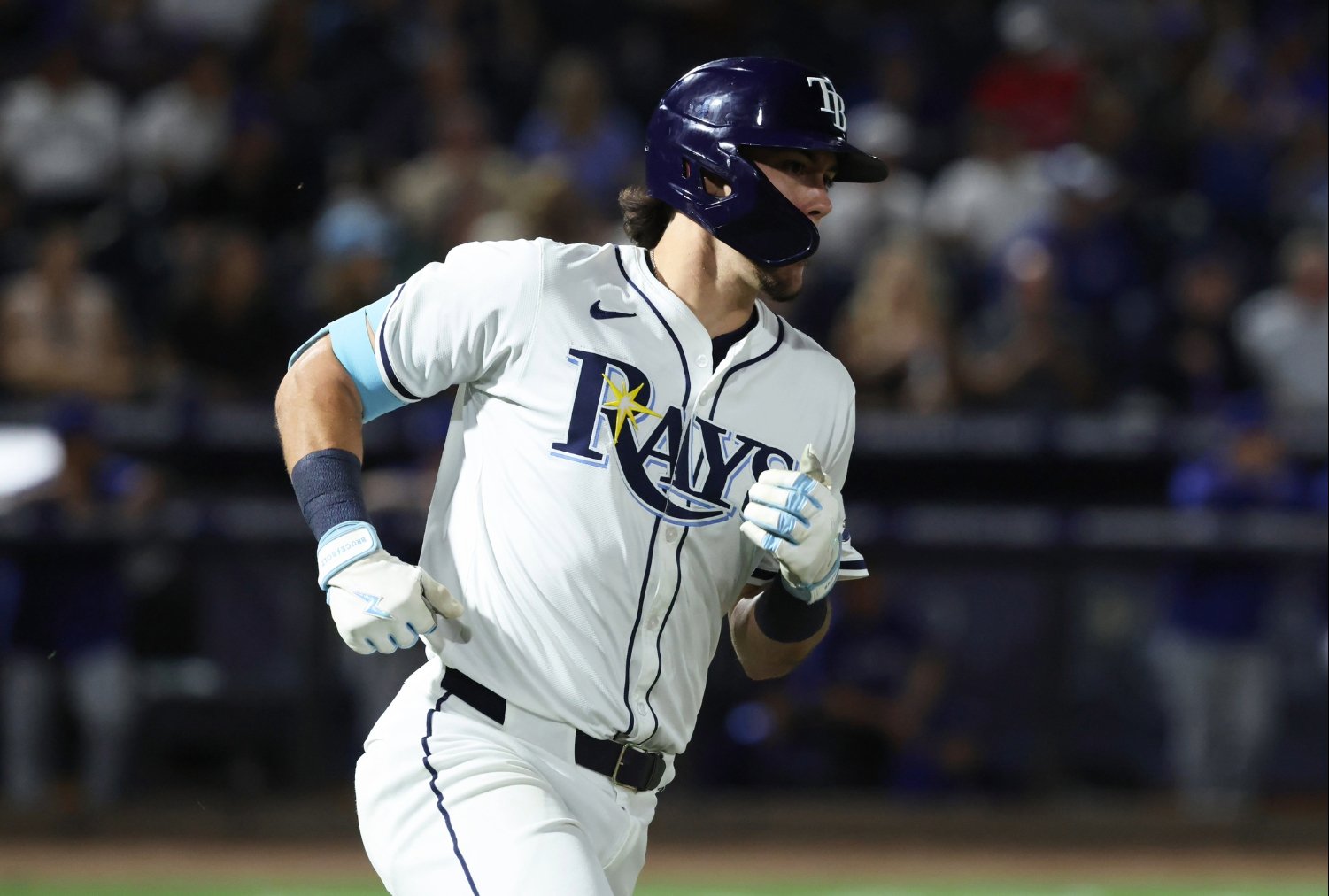 In need of opening a 40-man roster spot to complete the signing of Ranger Suárez, the Boston Red Sox authored a trade with the Minnesota Twins per MassLive's Chris Cotillo and the Boston Globe's Alex Speier. Being shipped from Boston to Minnesota was Tristan Gray, the utility infielder having previously been acquired in a trade on November 18. Gray, who has played 47 career major-league games, was viewed as potential utility depth by the organization thanks in part to his ability to play all infield positions. In return, the Red Sox received minor-league catcher Nate Baez. Baez, a former 12th-round pick back in 2022 will turn 25 in mid-May. The young catcher made it to Double-A last season where he played in 51 games and hit .237/.297/.400 with eight doubles, four triples, five home runs, and 31 RBIs. Baez is the sixth minor-league catcher that Craig Breslow had added to the organization as the team has overhauled their catching depth. Fortunately for both Gray and Baez, neither will have many issues dealing with finding new housing for spring training, as both the Red Sox and Twins have their complexes in Fort Myers.