


Nick John
-
Posts
797 -
Joined
-
Last visited
-
Days Won
1
Nick John's Achievements


-
When Andruw Monasterio appeared on the on-deck circle in the middle of Game 1 of the Wild Card Series, the immediate thought turned to Roman Anthony. The star outfielder had missed most of the season due to a finger injury and during the finale of the regular season on Sunday, he appeared to have grimaced after a check swing. The team’s leadoff hitter (along with one of their more impactful bats when healthy) was forced out of the game and the remainder of the series with a hand injury that includes a reaggravation of that midseason issue. The offense cannot afford a major loss like that, especially right after Mickey Gasper and Masataka Yoshida succumbed to injury while key offensive players Willson Contreras and Ceddanne Rafaela are still working back to full health. Alas, the team will have to prepare for a do-or-die situation without Anthony as they stare down Max Fried from the batter’s box. Anthony wasn’t exactly lighting the world on fire since his return, but he was showing signs of improvement. In his last six games of the regular season, he was slashing .333/.391/.571 with three doubles and a triple from the leadoff spot in the lineup. Since his return, he hit .262/.321/.476 with six doubles, two triples, four home runs and 10 RBIs. For a team that was struggling to score runs in September, he was a sight for sore eyes. Against Cam Schlittler, the young superstar had gone 0-for-2 with two strikeouts prior to his removal. Despite the less-than-ideal performance his presence alone makes the lineup feel much deeper. Now, he might be gone for the remainder of the playoffs. Where the offense will come from will come down to a handful of players, most of all Jahmai Jones. The outfielder came over to Boston in a trade with Detroit to serve as a bat off the bench that would crush left-handed pitchers. Even prior to Anthony’s injury, he was destined to be in the lineup against Fried as he slashed .316/.426/.632 with four doubles, a triple, four home runs and eight RBIs against left-handed pitching with the Red Sox. Along with him, the team will need Contreras to return to his usual self. The slugger missed a large portion of September as he dealt with various injuries, but since returning to action in Game 162, Contreras has gone 0-for-6 with four strikeouts, including a rather uncompetitive at-bat against Cam Schlittler in the top of the first inning of Game 1. It may be a miracle for Contreras to be back as early as he is, especially after taking a pitch off his hand like he did, but the first baseman needs to improve on his approach. If this Red Sox team has any shot, they can’t have their big offensive weapon be this ineffective. Prior to the injury he had been scuffling, hitting just .217/.330/.386 with three doubles, a triple, three home runs and 12 RBIs in the month of August. Though during that time, he was attempting to play through several injuries he was dealing with since the All-Star Break along with a stint in the concussion protocol after being hit in the head during a game against the Los Angeles Dodgers. If Contreras is unable to come through, then the rest of the team needs to step up, especially someone like Wilyer Abreu. During the regular season, Abreu was a middle-of-the-lineup slugger who, for the third consecutive season, delivered new career highs in home runs and RBIs with 24 and 76, respectively. He also showed an improved eye at the plate, walking 71 times to help set a new career high on-base percentage of .327. However, as is usual with Abreu, he has been a streaky hitter in 2026. Over his last 24 games entering the playoffs, the right fielder slashed .211/.290/.322 with seven doubles, one home run and six RBIs. Even more concerning were the 23 strikeouts to 10 walks. September as a whole was his second-worst month of the season as he hit just .207/.286/.329 during a time that the offense was struggling to score runs. However, he took a massive leap forward against left-handed pitching this season; he hit .295/.375/.479 with 15 doubles, one triple, six home runs and 27 RBIs while striking out just 36 times in that split. With Fried on the mound for Game 2. the team will need Abreu to look more like that player. [There's also the unexpected return of Curtis Mead worth mentioning here, though no one should expect to see him play a serious role after such a long hiatus following his own wrist injury back in July. Anything he can provide in this series should be considered a bonus.] The loss of Anthony will be tough, but the Red Sox showed throughout the season that they are able to win without him. The team will just need to have players they relied on during Anthony’s absence to step up once more. Whether they manage to do so will determine if the season continues or ends with a sweep at the hands of their rivals. A superstar can easily help sway a game in their team’s favor, but there’s a reason baseball rosters are made up of 26 players. View full article
-
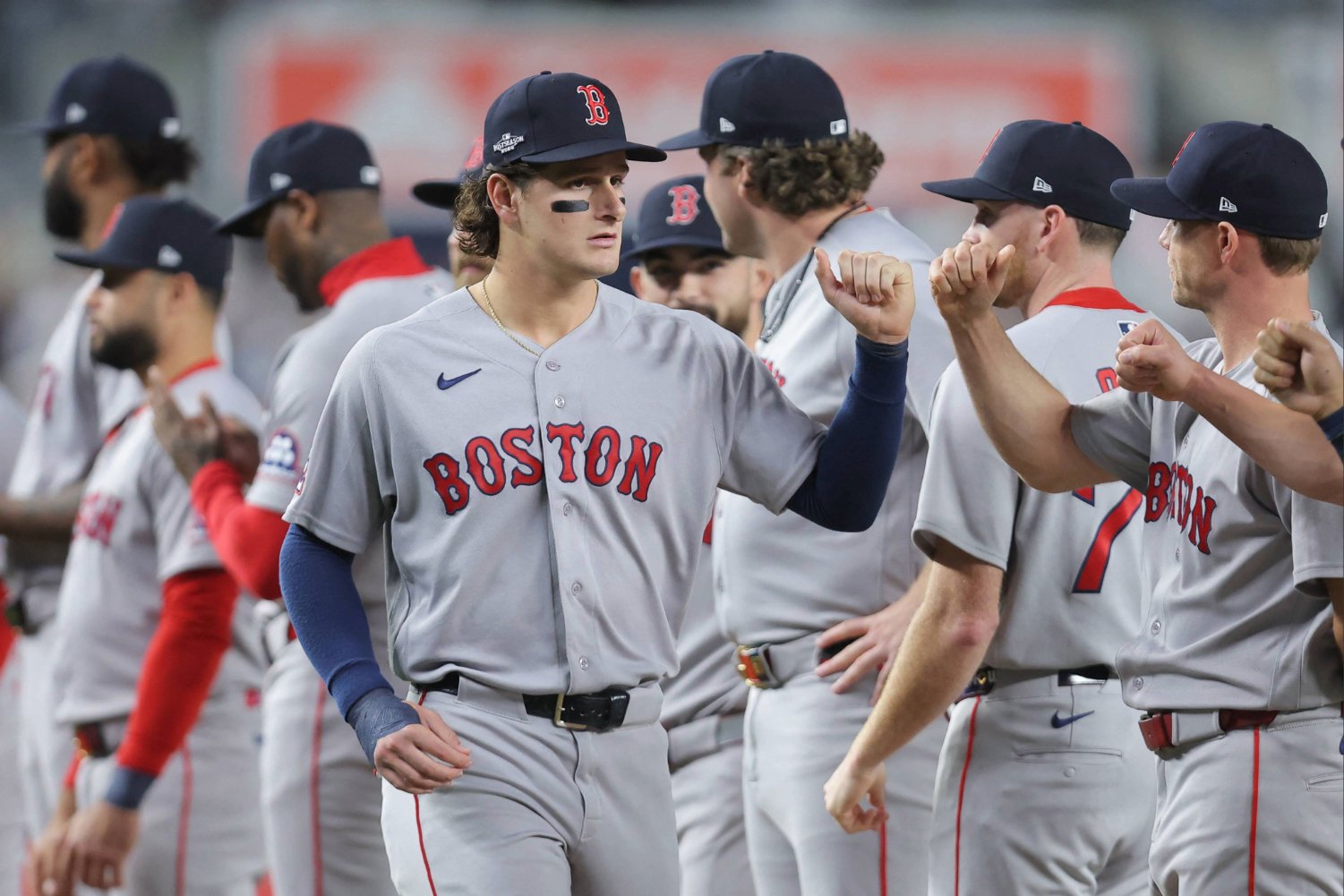 When Andruw Monasterio appeared on the on-deck circle in the middle of Game 1 of the Wild Card Series, the immediate thought turned to Roman Anthony. The star outfielder had missed most of the season due to a finger injury and during the finale of the regular season on Sunday, he appeared to have grimaced after a check swing. The team’s leadoff hitter (along with one of their more impactful bats when healthy) was forced out of the game and the remainder of the series with a hand injury that includes a reaggravation of that midseason issue. The offense cannot afford a major loss like that, especially right after Mickey Gasper and Masataka Yoshida succumbed to injury while key offensive players Willson Contreras and Ceddanne Rafaela are still working back to full health. Alas, the team will have to prepare for a do-or-die situation without Anthony as they stare down Max Fried from the batter’s box. Anthony wasn’t exactly lighting the world on fire since his return, but he was showing signs of improvement. In his last six games of the regular season, he was slashing .333/.391/.571 with three doubles and a triple from the leadoff spot in the lineup. Since his return, he hit .262/.321/.476 with six doubles, two triples, four home runs and 10 RBIs. For a team that was struggling to score runs in September, he was a sight for sore eyes. Against Cam Schlittler, the young superstar had gone 0-for-2 with two strikeouts prior to his removal. Despite the less-than-ideal performance his presence alone makes the lineup feel much deeper. Now, he might be gone for the remainder of the playoffs. Where the offense will come from will come down to a handful of players, most of all Jahmai Jones. The outfielder came over to Boston in a trade with Detroit to serve as a bat off the bench that would crush left-handed pitchers. Even prior to Anthony’s injury, he was destined to be in the lineup against Fried as he slashed .316/.426/.632 with four doubles, a triple, four home runs and eight RBIs against left-handed pitching with the Red Sox. Along with him, the team will need Contreras to return to his usual self. The slugger missed a large portion of September as he dealt with various injuries, but since returning to action in Game 162, Contreras has gone 0-for-6 with four strikeouts, including a rather uncompetitive at-bat against Cam Schlittler in the top of the first inning of Game 1. It may be a miracle for Contreras to be back as early as he is, especially after taking a pitch off his hand like he did, but the first baseman needs to improve on his approach. If this Red Sox team has any shot, they can’t have their big offensive weapon be this ineffective. Prior to the injury he had been scuffling, hitting just .217/.330/.386 with three doubles, a triple, three home runs and 12 RBIs in the month of August. Though during that time, he was attempting to play through several injuries he was dealing with since the All-Star Break along with a stint in the concussion protocol after being hit in the head during a game against the Los Angeles Dodgers. If Contreras is unable to come through, then the rest of the team needs to step up, especially someone like Wilyer Abreu. During the regular season, Abreu was a middle-of-the-lineup slugger who, for the third consecutive season, delivered new career highs in home runs and RBIs with 24 and 76, respectively. He also showed an improved eye at the plate, walking 71 times to help set a new career high on-base percentage of .327. However, as is usual with Abreu, he has been a streaky hitter in 2026. Over his last 24 games entering the playoffs, the right fielder slashed .211/.290/.322 with seven doubles, one home run and six RBIs. Even more concerning were the 23 strikeouts to 10 walks. September as a whole was his second-worst month of the season as he hit just .207/.286/.329 during a time that the offense was struggling to score runs. However, he took a massive leap forward against left-handed pitching this season; he hit .295/.375/.479 with 15 doubles, one triple, six home runs and 27 RBIs while striking out just 36 times in that split. With Fried on the mound for Game 2. the team will need Abreu to look more like that player. [There's also the unexpected return of Curtis Mead worth mentioning here, though no one should expect to see him play a serious role after such a long hiatus following his own wrist injury back in July. Anything he can provide in this series should be considered a bonus.] The loss of Anthony will be tough, but the Red Sox showed throughout the season that they are able to win without him. The team will just need to have players they relied on during Anthony’s absence to step up once more. Whether they manage to do so will determine if the season continues or ends with a sweep at the hands of their rivals. A superstar can easily help sway a game in their team’s favor, but there’s a reason baseball rosters are made up of 26 players.
 -
 mvp 78 reacted to a post in a topic:
Chad Tracy's Questionable Bullpen Management Won't Impact Red Sox's Key Relievers For Game 2
mvp 78 reacted to a post in a topic:
Chad Tracy's Questionable Bullpen Management Won't Impact Red Sox's Key Relievers For Game 2
-
The Boston Red Sox fell 9-0 in the first game of their Wild Card Series matchup against the New York Yankees and now have their backs up against a wall facing elimination. Despite the daunting task of now having to take two straight games not just in the Bronx but also against Max Fried and Gerrit Cole, the team is still in a good position thanks to its bullpen. In the first game of the series, Payton Tolle did all that was asked of him, tossing 4 2/3 innings while allowing just one earned run on five hits and a walk. He also struck out four in his first postseason start. The biggest issue was when he was pulled, as the young left-hander had thrown just 83 pitches and had retired five straight Yankee batters. While he had thrown a decent number of high-leverage pitches as the Yankees managed to get runners on base in nearly every inning he was on the mound, the imposing left-hander appeared to have things under control. Despite that, Red Sox manager Chad Tracy decided to turn to left-handed reliever Erik Miller to try and get Ben Rice out to complete the fifth inning instead of letting Tolle a chance to face the Massachusetts native for a third time. That move backfired immediately as Miller (who struggled down the stretch in September) left a sinker over the heart of the plate that Rice drove 423 feet to center field for a home run and a 2-0 Yankee lead. Against Cam Schlittler, that would prove to be insurmountable. With that in mind, Tracy went with a distinct plan moving forward with his bullpen, one that could give Boston a chance to come back and win the series. He refused to go to any of his high-leverage arms regardless of the situation and saw things through to the end using his other bullpen pitchers. Of the arms who appeared in the Game 1 loss, only Miller was a true late-game option for the team since arriving from San Francisco, while both Brayan Bello and Alec Gamboa had provided quality innings for the team but aren't more than long and middle relievers, respectively. At the very least, they aren't in the same echelon as Aroldis Chapman, Garrett Whitlock or even Garrett Crochet. For the team to succeed in the next two games, both Chapman and Whitlock need to be used in the most key situations. Seeing that the team was trailing against the likely AL Cy Young winner, Tracy instead turned to a bevy of relievers to mixed results. Greg Weissert did his job, giving the team a perfect inning of relief on just 15 pitches. That outing will likely keep him available for Wednesday’s Game 2. Miller, who threw just nine pitches, could also make an appearance if needed against a left-handed batter... though after his struggles in Game 1 (only getting one of the three batters he faced out), that might need to be in a low-leverage situation. Both Gamboa and Wyatt Olds also remained low on pitches as they threw 15 and 18, respectively, giving up the bulk of the runs. The two had been key mid-inning relievers for Boston throughout the season but succumbed to the pressures of postseason baseball. Despite that, the duo helped preserve a bullpen that is rather thin after losing Justin Slaten in the second half and Tyron Guerrero just before the start of the playoffs. On Wednesday night, the bullpen will have to be managed more aggressively. Tracy will have to go to his high-leverage arms of Whitlock, Crochet, and Chapman instead of attempting to walk a thin line with his other relievers. However, the biggest obstacle will be choosing when and how to use Crochet. The left-hander has been out of commission since late April, having only thrown side sessions and bullpens as he attempted to rev back up for postseason baseball. The team felt he was good enough to contribute, adding him to the roster. However, despite his best attempts to build back up, it’s likely that he will only be able to go once in the series. Tracy will have to determine when that should be. With Whitlock and Chapman, the duo would be able to go on back-to-back nights now, a much easier task than having to potentially pitch in three straight games. While the Red Sox may have lost Game 1 to the Yankees in a terrible fashion, they kept their best chances to compete in the remainder of the series alive. The push to face Tampa Bay in the ALDS isn't dead just yet. View full article
-
- 1
-
-
- chad tracy
- garrett crochet
- (and 1 more)
-
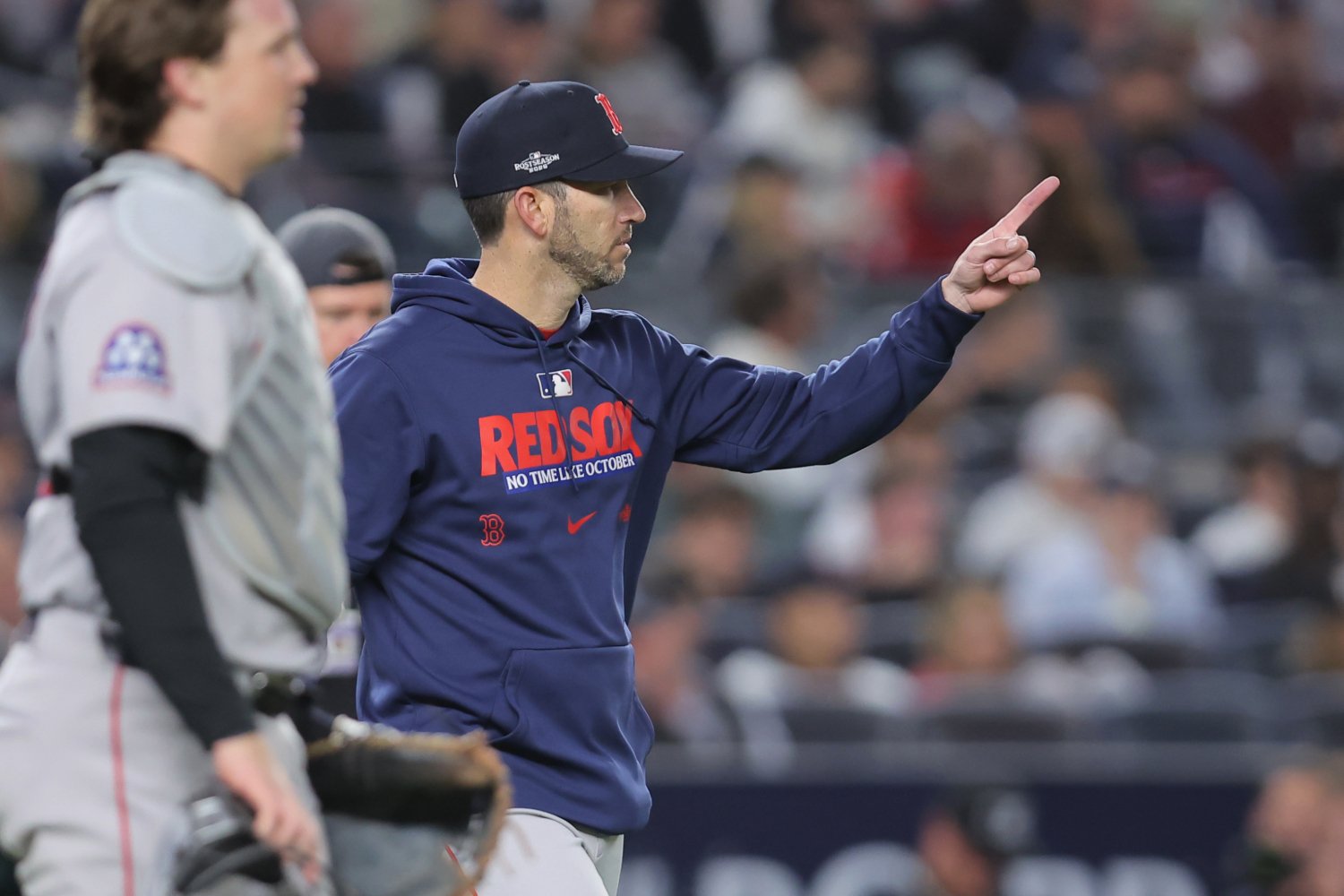 The Boston Red Sox fell 9-0 in the first game of their Wild Card Series matchup against the New York Yankees and now have their backs up against a wall facing elimination. Despite the daunting task of now having to take two straight games not just in the Bronx but also against Max Fried and Gerrit Cole, the team is still in a good position thanks to its bullpen. In the first game of the series, Payton Tolle did all that was asked of him, tossing 4 2/3 innings while allowing just one earned run on five hits and a walk. He also struck out four in his first postseason start. The biggest issue was when he was pulled, as the young left-hander had thrown just 83 pitches and had retired five straight Yankee batters. While he had thrown a decent number of high-leverage pitches as the Yankees managed to get runners on base in nearly every inning he was on the mound, the imposing left-hander appeared to have things under control. Despite that, Red Sox manager Chad Tracy decided to turn to left-handed reliever Erik Miller to try and get Ben Rice out to complete the fifth inning instead of letting Tolle a chance to face the Massachusetts native for a third time. That move backfired immediately as Miller (who struggled down the stretch in September) left a sinker over the heart of the plate that Rice drove 423 feet to center field for a home run and a 2-0 Yankee lead. Against Cam Schlittler, that would prove to be insurmountable. With that in mind, Tracy went with a distinct plan moving forward with his bullpen, one that could give Boston a chance to come back and win the series. He refused to go to any of his high-leverage arms regardless of the situation and saw things through to the end using his other bullpen pitchers. Of the arms who appeared in the Game 1 loss, only Miller was a true late-game option for the team since arriving from San Francisco, while both Brayan Bello and Alec Gamboa had provided quality innings for the team but aren't more than long and middle relievers, respectively. At the very least, they aren't in the same echelon as Aroldis Chapman, Garrett Whitlock or even Garrett Crochet. For the team to succeed in the next two games, both Chapman and Whitlock need to be used in the most key situations. Seeing that the team was trailing against the likely AL Cy Young winner, Tracy instead turned to a bevy of relievers to mixed results. Greg Weissert did his job, giving the team a perfect inning of relief on just 15 pitches. That outing will likely keep him available for Wednesday’s Game 2. Miller, who threw just nine pitches, could also make an appearance if needed against a left-handed batter... though after his struggles in Game 1 (only getting one of the three batters he faced out), that might need to be in a low-leverage situation. Both Gamboa and Wyatt Olds also remained low on pitches as they threw 15 and 18, respectively, giving up the bulk of the runs. The two had been key mid-inning relievers for Boston throughout the season but succumbed to the pressures of postseason baseball. Despite that, the duo helped preserve a bullpen that is rather thin after losing Justin Slaten in the second half and Tyron Guerrero just before the start of the playoffs. On Wednesday night, the bullpen will have to be managed more aggressively. Tracy will have to go to his high-leverage arms of Whitlock, Crochet, and Chapman instead of attempting to walk a thin line with his other relievers. However, the biggest obstacle will be choosing when and how to use Crochet. The left-hander has been out of commission since late April, having only thrown side sessions and bullpens as he attempted to rev back up for postseason baseball. The team felt he was good enough to contribute, adding him to the roster. However, despite his best attempts to build back up, it’s likely that he will only be able to go once in the series. Tracy will have to determine when that should be. With Whitlock and Chapman, the duo would be able to go on back-to-back nights now, a much easier task than having to potentially pitch in three straight games. While the Red Sox may have lost Game 1 to the Yankees in a terrible fashion, they kept their best chances to compete in the remainder of the series alive. The push to face Tampa Bay in the ALDS isn't dead just yet.
 -
A whopping 503 days. That was the time frame between Tanner Houck’s last start in the major leagues and his start in game 162 of this season. The right-hander missed significant time after an attempted rehab assignment in 2025 ultimately led to Tommy John surgery back in August of 2025. Despite the timeline for Tommy John surgery typically taking close to a full season before a pitcher can begin throwing seriously in a rehab assignment, Houck had a plan in place for being back on a mound and throwing meaningful innings by the end of September of this season. To get there, he worked extremely hard, getting into rehab assignments with Double-A Portland and Triple-A Worcester before their respective seasons concluded. And after just over 12 months of rehab and recovery, Houck kept to his word. The right-hander was given the start for the Boston Red Sox's final game before the playoffs and showed flashes of his past dominance. Tossing three innings, Houck took the loss as he allowed three runs (all of them on two Alex Bregman home runs) on four hits while not walking a batter and getting one strikeout. In the outing, he tossed exactly 50 pitches, roughly what he threw during his rehab appearances. Despite the positive stat line for a pitcher making his first start in over a year and a half, there were some concerns for Houck, namely that his velocity was down from even 2025, a sign that the right-hander is still working on ramping back up. His sinker, which he threw 15 times yesterday, averaged just 92.4 mph compared to its 94.5 mph from the 2025 season. Even his four-seam fastball saw a decline of almost two mph as it averaged 93.3 mph compared to 95 mph in 2025. The right-hander also struggled to miss bats, getting just one whiff out of 24 swings by the Chicago Cubs. Despite that, he still showcased some positives that could help his chance of being on the playoff roster. Despite giving up a home run early in the game to Bregman, Houck didn’t fall apart. Instead, the right-hander followed that up by retiring seven of the next eight batters he faced, giving the offense a chance to get back into the game. That string of retired batters was then broken up with one out in the third inning as Bregman took a sweeper that caught too much of the plate and deposited it into left field to put the Cubs back ahead 3-2. Houck then finished his outing by getting the next two batters out before giving way to the bullpen for the fourth inning. Despite taking the loss in what would eventually be a 6-2 Cubs win, Houck was around where he should be in his return from injury. Not completely dominant, but good enough to give the team a chance to win with his outing. Outside of his two mistakes to Bregman, Houck only allowed two hits, both of them singles. In a relief role, that would be a welcomed performance if he can limit the long balls, especially with the Red Sox having lost Tyron Guerrero right before the playoffs. While it might not seem likely for Houck to make the playoff roster, the sudden loss of Guerrero opens a path for the right-hander. While his velocity is nothing in comparison to the flamethrower, Houck has experience out of the bullpen as he served as closer briefly in 2022, earning eight saves before an injury ended his season. That’s not even talking about how in the 2021 playoffs he came out of the bullpen five times. Despite the struggles he had that season, the experience would be appreciated for a bullpen that, outside of Aroldis Chapman and Garrett Whitlock, has very minimal playoff experience. He may not look like a high-leverage reliever at the moment, but he could help shorten the game and bridge the gap to the back-end of the bullpen. As a bulk reliever, he could be relied upon to take the ball from one of the starting pitchers and hand it to an arm like Whitlock or even Erik Miller who will be asked to step up with the loss of Guerrero. In his lone outing this year, Houck surrendered six hard hit balls, though two of them were the home runs he surrendered. Of the remaining four, only one (the first hit he allowed all game) turned into a hit. With the defense Boston has lined up behind him, Houck could be able to allow a hard hit ball here or there and still mitigate the damage. The biggest concern, however, is the velocity, which will limit his ability to get swings and misses. Everyone knows the age-old thought that velocity plays in the postseason—just look back at the 2018 Red Sox roster that had a bullpen containing Joe Kelly, Matt Barnes and Heath Hembree. With Houck being in the low to mid-90s at the moment, the team could decide to turn their attention to a harder thrower. Whatever decision the Red Sox make with Houck, it’s a positive sign that he stepped back onto a major-league mound as quickly as he did. His future is a lot less murky with his return officially in the books. View full article
-
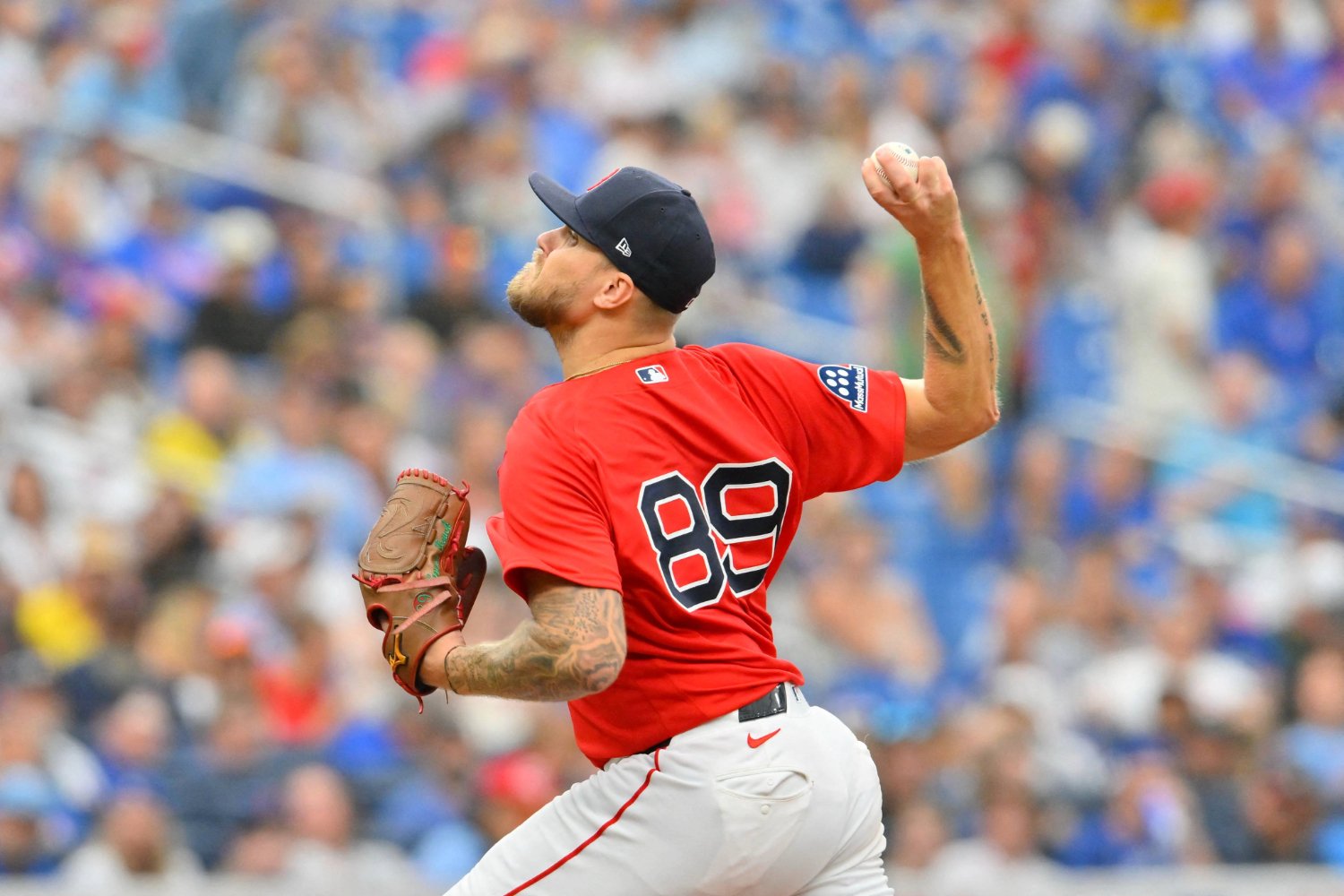 A whopping 503 days. That was the time frame between Tanner Houck’s last start in the major leagues and his start in game 162 of this season. The right-hander missed significant time after an attempted rehab assignment in 2025 ultimately led to Tommy John surgery back in August of 2025. Despite the timeline for Tommy John surgery typically taking close to a full season before a pitcher can begin throwing seriously in a rehab assignment, Houck had a plan in place for being back on a mound and throwing meaningful innings by the end of September of this season. To get there, he worked extremely hard, getting into rehab assignments with Double-A Portland and Triple-A Worcester before their respective seasons concluded. And after just over 12 months of rehab and recovery, Houck kept to his word. The right-hander was given the start for the Boston Red Sox's final game before the playoffs and showed flashes of his past dominance. Tossing three innings, Houck took the loss as he allowed three runs (all of them on two Alex Bregman home runs) on four hits while not walking a batter and getting one strikeout. In the outing, he tossed exactly 50 pitches, roughly what he threw during his rehab appearances. Despite the positive stat line for a pitcher making his first start in over a year and a half, there were some concerns for Houck, namely that his velocity was down from even 2025, a sign that the right-hander is still working on ramping back up. His sinker, which he threw 15 times yesterday, averaged just 92.4 mph compared to its 94.5 mph from the 2025 season. Even his four-seam fastball saw a decline of almost two mph as it averaged 93.3 mph compared to 95 mph in 2025. The right-hander also struggled to miss bats, getting just one whiff out of 24 swings by the Chicago Cubs. Despite that, he still showcased some positives that could help his chance of being on the playoff roster. Despite giving up a home run early in the game to Bregman, Houck didn’t fall apart. Instead, the right-hander followed that up by retiring seven of the next eight batters he faced, giving the offense a chance to get back into the game. That string of retired batters was then broken up with one out in the third inning as Bregman took a sweeper that caught too much of the plate and deposited it into left field to put the Cubs back ahead 3-2. Houck then finished his outing by getting the next two batters out before giving way to the bullpen for the fourth inning. Despite taking the loss in what would eventually be a 6-2 Cubs win, Houck was around where he should be in his return from injury. Not completely dominant, but good enough to give the team a chance to win with his outing. Outside of his two mistakes to Bregman, Houck only allowed two hits, both of them singles. In a relief role, that would be a welcomed performance if he can limit the long balls, especially with the Red Sox having lost Tyron Guerrero right before the playoffs. While it might not seem likely for Houck to make the playoff roster, the sudden loss of Guerrero opens a path for the right-hander. While his velocity is nothing in comparison to the flamethrower, Houck has experience out of the bullpen as he served as closer briefly in 2022, earning eight saves before an injury ended his season. That’s not even talking about how in the 2021 playoffs he came out of the bullpen five times. Despite the struggles he had that season, the experience would be appreciated for a bullpen that, outside of Aroldis Chapman and Garrett Whitlock, has very minimal playoff experience. He may not look like a high-leverage reliever at the moment, but he could help shorten the game and bridge the gap to the back-end of the bullpen. As a bulk reliever, he could be relied upon to take the ball from one of the starting pitchers and hand it to an arm like Whitlock or even Erik Miller who will be asked to step up with the loss of Guerrero. In his lone outing this year, Houck surrendered six hard hit balls, though two of them were the home runs he surrendered. Of the remaining four, only one (the first hit he allowed all game) turned into a hit. With the defense Boston has lined up behind him, Houck could be able to allow a hard hit ball here or there and still mitigate the damage. The biggest concern, however, is the velocity, which will limit his ability to get swings and misses. Everyone knows the age-old thought that velocity plays in the postseason—just look back at the 2018 Red Sox roster that had a bullpen containing Joe Kelly, Matt Barnes and Heath Hembree. With Houck being in the low to mid-90s at the moment, the team could decide to turn their attention to a harder thrower. Whatever decision the Red Sox make with Houck, it’s a positive sign that he stepped back onto a major-league mound as quickly as he did. His future is a lot less murky with his return officially in the books.
 -
I would expect (ok, hope) he's in Greenville next season. I feel that his injury and the number of guys in Greenville this season kept him from a late season promotion. I think he'll end up a reliever if he sticks in the system but wouldn't be surprised if they give him a shot in the rotation to see how his stuff plays in that role. But reliever seems to be his future in my opinion.
-
Pitching in Low-A can sometimes be challenging for a pitcher in his first professional season. Some players are sent halfway across the country and for others, it might be their first time pitching in the United States at all. For Ethan Walker, it was like pitching in his own backyard. Born in Norfolk, Virginia, Walker would move with his family to Salem, Virginia where he would grow up playing baseball before eventually going to IMG Academy in Florida and then Kentucky. After years of hard work, he would wind up drafted by the Boston Red Sox in the 2025 MLB Draft. While he didn’t pitch that season after signing, the left-hander would be assigned to the Salem RidgeYaks for the 2026 season. “It’s really cool,” Walker admitted about pitching for his hometown team. “My family came to about every game and a lot of my friends came and watched. Even people I haven’t talked to in a while came, so that’s pretty cool.” Walker wound up appearing in 16 games during his first season of affiliate baseball, making five starts. He gave Salem 51 innings as the left-hander struck out 69 and finished the season with a 3.53 ERA while holding opposing hitters to a .193 batting average. In the games that he pitched at home, a cheering section of as many as 30 people would go wild during his starts. Those who worked for the team joked that it would be the loudest section of the ballpark when Walker pitched. “We talked about it after,” Walker explained about people knowing him from growing up in Salem. “A lot of them haven’t seen professional sports players before, so it’s pretty interesting for them.” It wasn’t all fun and games for Walker, as the pitcher admitted that there were adjustments he had to make during the season, having to learn all new hitters and their tendencies. Add to it the advanced approaches of pro hitters, and the left-hander quickly learned he had to adapt his style of pitching. The biggest disappointment was his injury, as Walker missed nearly two months from lower back inflammation along with the rehab process. Upon returning in August, he finished strong, allowing just nine runs in his final 27 2/3 innings while striking out 35. Armed with a fastball that reached 93 mph, a changeup, a cutter and a slider, he’s been able to keep hitters off-balance and guessing each time they step to the plate. “I'm a strikeout guy," he said about his pitching style. "Pitching to contact is nice, especially with a professional defense behind you but I like to go for strikeouts.” In the end, the biggest adjustment for Walker may have been off the field. The left-hander admitting that the biggest step forward for him was growing as a person. Becoming more of a coachable player was something he took pride in as he learned from everyone around him on the RidgeYaks. With his first pro season wrapped up, Walker will look to continue his growth both on and off the mound while seeing what direction the Red Sox take his development in. Whether starting or coming out of the bullpen, the organization has found another potential impact arm to add to its system. View full article
-
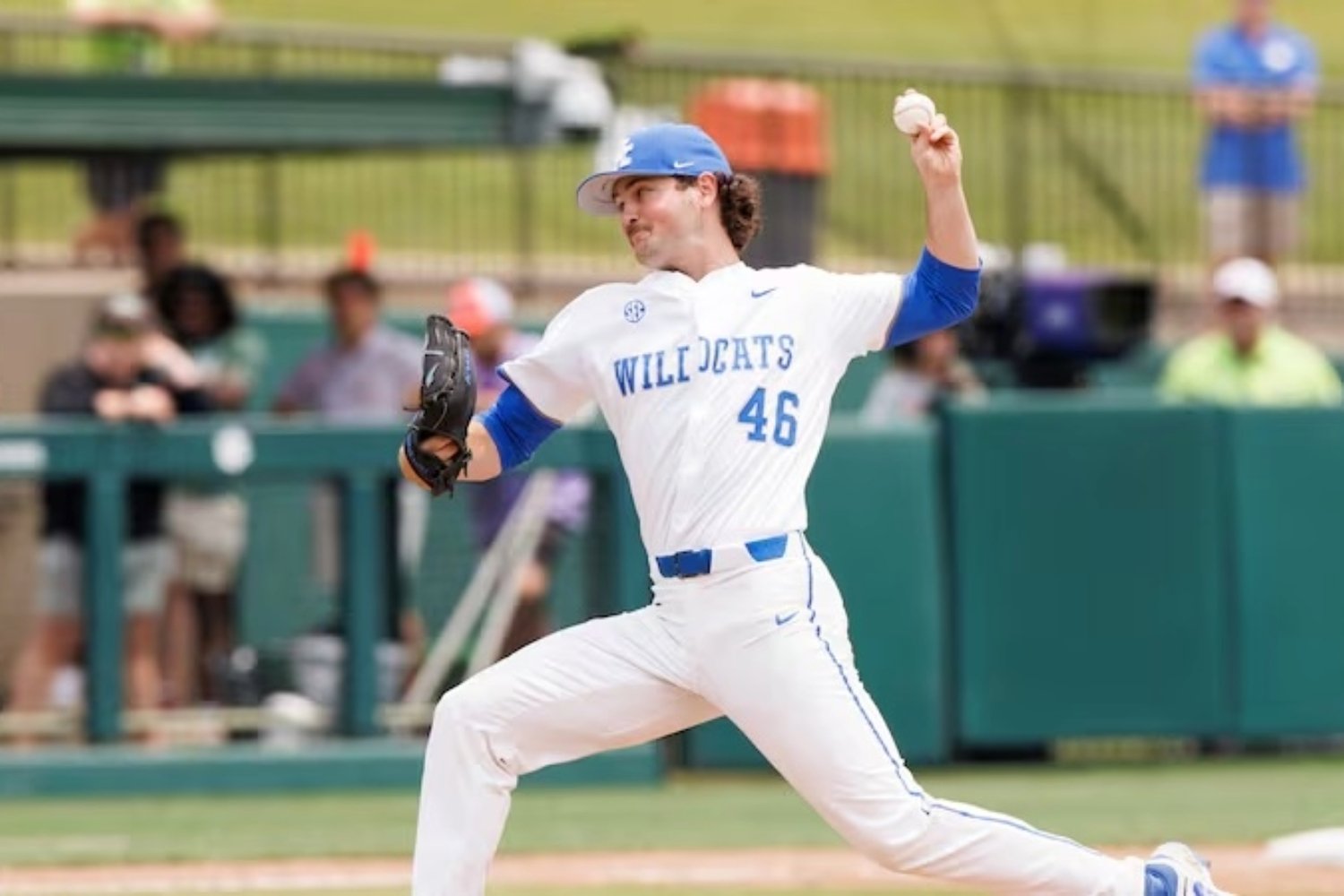 Pitching in Low-A can sometimes be challenging for a pitcher in his first professional season. Some players are sent halfway across the country and for others, it might be their first time pitching in the United States at all. For Ethan Walker, it was like pitching in his own backyard. Born in Norfolk, Virginia, Walker would move with his family to Salem, Virginia where he would grow up playing baseball before eventually going to IMG Academy in Florida and then Kentucky. After years of hard work, he would wind up drafted by the Boston Red Sox in the 2025 MLB Draft. While he didn’t pitch that season after signing, the left-hander would be assigned to the Salem RidgeYaks for the 2026 season. “It’s really cool,” Walker admitted about pitching for his hometown team. “My family came to about every game and a lot of my friends came and watched. Even people I haven’t talked to in a while came, so that’s pretty cool.” Walker wound up appearing in 16 games during his first season of affiliate baseball, making five starts. He gave Salem 51 innings as the left-hander struck out 69 and finished the season with a 3.53 ERA while holding opposing hitters to a .193 batting average. In the games that he pitched at home, a cheering section of as many as 30 people would go wild during his starts. Those who worked for the team joked that it would be the loudest section of the ballpark when Walker pitched. “We talked about it after,” Walker explained about people knowing him from growing up in Salem. “A lot of them haven’t seen professional sports players before, so it’s pretty interesting for them.” It wasn’t all fun and games for Walker, as the pitcher admitted that there were adjustments he had to make during the season, having to learn all new hitters and their tendencies. Add to it the advanced approaches of pro hitters, and the left-hander quickly learned he had to adapt his style of pitching. The biggest disappointment was his injury, as Walker missed nearly two months from lower back inflammation along with the rehab process. Upon returning in August, he finished strong, allowing just nine runs in his final 27 2/3 innings while striking out 35. Armed with a fastball that reached 93 mph, a changeup, a cutter and a slider, he’s been able to keep hitters off-balance and guessing each time they step to the plate. “I'm a strikeout guy," he said about his pitching style. "Pitching to contact is nice, especially with a professional defense behind you but I like to go for strikeouts.” In the end, the biggest adjustment for Walker may have been off the field. The left-hander admitting that the biggest step forward for him was growing as a person. Becoming more of a coachable player was something he took pride in as he learned from everyone around him on the RidgeYaks. With his first pro season wrapped up, Walker will look to continue his growth both on and off the mound while seeing what direction the Red Sox take his development in. Whether starting or coming out of the bullpen, the organization has found another potential impact arm to add to its system.
 -
Right now I only view Wehunt as someone who will stick in the rotation at the major league level from what I saw this year. I do think Holobetz could become a very good reliever but right now you need to continue his development in the rotation. Especially with how he ended the season. Ziehl is an interesting one because he doesn't throw too hard (in fact he didn't throw a 4-seam at all last year) and relies on hitting his spots. If he misses they'll hit him, I saw it a few times this year. When he hits his spots with his assortment of pitches he is great. Paez is a dark horse for me. If he can get about 2mph more on his fastball, I'd keep an eye on him. Dominant at the Triple-A level.
-
When the Boston Red Sox relieved Alex Cora of his duties as manager, the team needed someone who could help right the ship and lead a team that was filled with youthful players. The team turned to Chad Tracy, the manager of Triple-A Worcester at the time, giving him the reins to oversee at least the remainder of the season. Now, he’s the official manager of the Boston Red Sox as the team signed him to a contract through the 2029 season with a contract option for 2030. Tracy, a veteran manager in the minor leagues where he accumulated 499 wins, oversaw a historic turnaround that saw the team clinch a playoff spot on September 21. Handed a team that had a 10-17 record and that would lose stars Roman Anthony and Garrett Crochet shortly after being named interim manager, Tracy's Red Sox dropped all the way to 32-46 on June 24. Despite that, he never lost faith in his players and appeared to know which buttons to press. With a roster that get huge contributions from Triple-A arrivals, Tracy oversaw a ridiculous 32-5 over their next 37 games to vault them near the top of the American League. Now, he’ll be around for the foreseeable future. In all honesty it should have been a no-brainer. Tracy showcased throughout the summer he could handle the pressure of managing in Boston, especially as the team stumbled and faced hardships through most of the season. Despite slip-ups or mistakes made on the field by his players, Tracy was ready to defend them from the media. Never once did he throw a player under the bus or outright say a loss was due to someone’s performance. Even when there were disputes between players that were caught during games or in media sessions, the skipper knew how to keep the heat off his players and kept those issues in-house. The Red Sox couldn’t have asked for a better manager following Alex Cora's run with the franchise. Both managers have their strengths, but between them, it seems like the current manager is the one best suited to handle a young core. A young core that he’s already worked with and built relationships with during his time with Worcester, mind you. Of the current active roster, Tracy either managed or oversaw rehab appearances of 16 players (not to mention working with plenty of others in spring training). He’s shown an ability to get the most out of his players and in return the players have given him everything they’re capable of on the field. For that, Red Sox fans should be happy he’ll be the helmsman of the ship. A guiding hand for the youth on the team while relying on his veterans to support the team in ways only they can. With playoffs just a week away, it’ll be Tracy's second major test of the season, one that fans may hold as more importance than his ability to turn what once looked like a lost season around. Anyone who’s followed baseball knows that things are different once October rolls around; every decision will be placed under a microscope and sometimes what helped you win in the regular season could make or break championship ambitions. Heading to New York for a Wild Card series will make things just as rough. Boston lost to the Yankees in three games last season and everyone from the organization to the fan base will be looking for revenge this year. It’ll be Tracy's decisions that could very likely make or break it. Despite that, fans shouldn’t be too worried about the extension coming without any proven success in the playoffs. After all, previous managers Terry Francona and John Farrell didn’t have success in the playoffs before leading Boston. And Cora’s first managerial experience came in 2018 with the Red Sox, and we all know how that turned out. Tracy got them here without Roman Anthony or Garrett Crochet for the majority of the season, after all. He’ll face some hardships as manager—every great one does—but he’s shown an ability to remain calm under pressure and push the right buttons to give his team an edge. And for that, Red Sox fans should be excited for the Chad Tracy era to continue. View full article
-
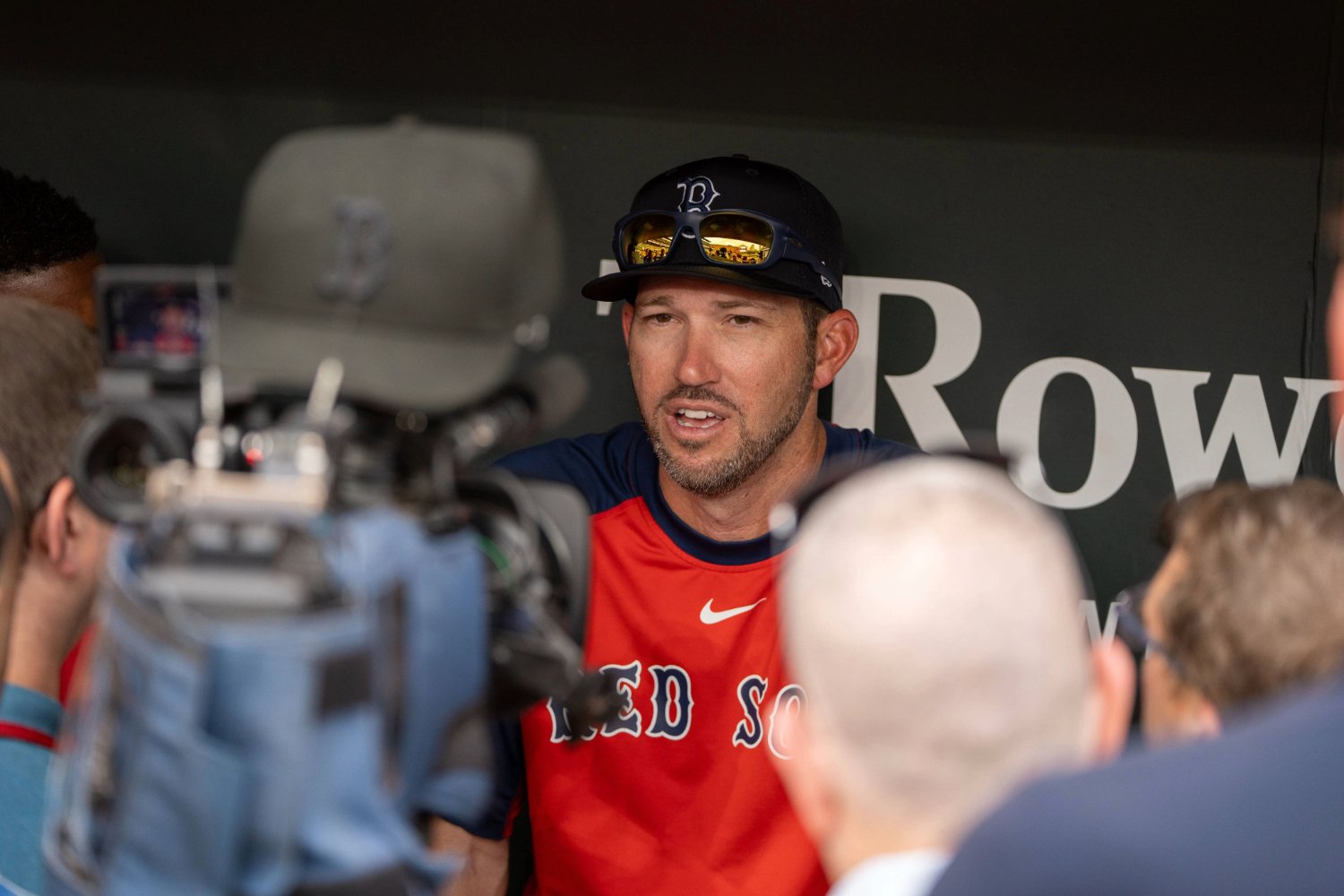 When the Boston Red Sox relieved Alex Cora of his duties as manager, the team needed someone who could help right the ship and lead a team that was filled with youthful players. The team turned to Chad Tracy, the manager of Triple-A Worcester at the time, giving him the reins to oversee at least the remainder of the season. Now, he’s the official manager of the Boston Red Sox as the team signed him to a contract through the 2029 season with a contract option for 2030. Tracy, a veteran manager in the minor leagues where he accumulated 499 wins, oversaw a historic turnaround that saw the team clinch a playoff spot on September 21. Handed a team that had a 10-17 record and that would lose stars Roman Anthony and Garrett Crochet shortly after being named interim manager, Tracy's Red Sox dropped all the way to 32-46 on June 24. Despite that, he never lost faith in his players and appeared to know which buttons to press. With a roster that get huge contributions from Triple-A arrivals, Tracy oversaw a ridiculous 32-5 over their next 37 games to vault them near the top of the American League. Now, he’ll be around for the foreseeable future. In all honesty it should have been a no-brainer. Tracy showcased throughout the summer he could handle the pressure of managing in Boston, especially as the team stumbled and faced hardships through most of the season. Despite slip-ups or mistakes made on the field by his players, Tracy was ready to defend them from the media. Never once did he throw a player under the bus or outright say a loss was due to someone’s performance. Even when there were disputes between players that were caught during games or in media sessions, the skipper knew how to keep the heat off his players and kept those issues in-house. The Red Sox couldn’t have asked for a better manager following Alex Cora's run with the franchise. Both managers have their strengths, but between them, it seems like the current manager is the one best suited to handle a young core. A young core that he’s already worked with and built relationships with during his time with Worcester, mind you. Of the current active roster, Tracy either managed or oversaw rehab appearances of 16 players (not to mention working with plenty of others in spring training). He’s shown an ability to get the most out of his players and in return the players have given him everything they’re capable of on the field. For that, Red Sox fans should be happy he’ll be the helmsman of the ship. A guiding hand for the youth on the team while relying on his veterans to support the team in ways only they can. With playoffs just a week away, it’ll be Tracy's second major test of the season, one that fans may hold as more importance than his ability to turn what once looked like a lost season around. Anyone who’s followed baseball knows that things are different once October rolls around; every decision will be placed under a microscope and sometimes what helped you win in the regular season could make or break championship ambitions. Heading to New York for a Wild Card series will make things just as rough. Boston lost to the Yankees in three games last season and everyone from the organization to the fan base will be looking for revenge this year. It’ll be Tracy's decisions that could very likely make or break it. Despite that, fans shouldn’t be too worried about the extension coming without any proven success in the playoffs. After all, previous managers Terry Francona and John Farrell didn’t have success in the playoffs before leading Boston. And Cora’s first managerial experience came in 2018 with the Red Sox, and we all know how that turned out. Tracy got them here without Roman Anthony or Garrett Crochet for the majority of the season, after all. He’ll face some hardships as manager—every great one does—but he’s shown an ability to remain calm under pressure and push the right buttons to give his team an edge. And for that, Red Sox fans should be excited for the Chad Tracy era to continue.
 -
His fastball is viewed as a plus offering and he's improved his secondaries. If he can improve his changeup and slider or sweeper to at least league average his ceiling could become a #3 starter. Right now I view him as a back of the rotation arm or a really good reliever. His growth this year makes me feel good for his chances to stick in the rotation
-
Nick John reacted to a post in a topic:
John Holobetz Displays Growth In Red Sox's System With Dominant Final Outing of 2026
-
If we go off of his tendencies he usually looks for strong pitchers who have elite extension and great velocity. There are some exceptions of course.
-
John Holobetz completed his 2026 season with the Worcester Red Sox in what may have been his most dominant outing since being promoted to Triple-A. Relieving Johan Oviedo in the third inning, the 24-year-old imposed his will on the mound, tossing 4 1/3 innings and allowing just two hits and two walks while striking out eight. Most impressive, however, was the manner in which he dominated. Leading with his fastball, Holobetz generated 20 total whiffs, with 14 of them from his heater. “Everything mechanically synced up and I felt great. It felt like a rubber band. I was just snapping it off and it was doing what it should have done. My fastball was electric that outing and I kind of rode with it until they proved they could hit it,” Holobetz said. The four-seamer was tossed 38 times in the outing, good for 58% of all pitches he threw, as it averaged 95.4 mph, up ever so slightly from his season average of 95 mph. It also maxed out at 97.5 mph. The right-hander has made nine appearances for Worcester with all but his final outing being as a starter. In 40 1/3 innings, he struck out 39 batters while walking just 11 (that's good for a 23.1% strikeout rate and a 6.5% walk rate). He held opponents to a .266 batting average and his ERA was a highly productive 3.57. Despite being a starter for the majority of the season, the change in routine didn’t affect Holobetz, who cited his previous experience as an opener while serving in a piggyback role a few times. Since coming to Boston, he’s made seven relief appearances with only one of them being less than four innings. The right-hander admitted that it was fun to be back in the bullpen, but he likes starting. His mindset for entering the game was a little different, admitting that when he entered he wanted to ‘try and blow everyone’s doors off’. And he did just that, as opposing batters only put seven balls into play, just two of which fell for hits. His warmup routine was only slightly modified as he pushed everything back from his usual start time by around five to ten minutes instead of when he would start a game. The year as a whole was a positive one for Holobetz, his first full year in the Boston organization. In 26 appearances between Double-A Portland and Triple-A Worcester, he tossed 119 1/3 innings, striking out 132 batters while finishing the year with a 4.07 ERA. Throughout the season, he was joined by fellow pitchers and friends Gage Ziehl and Blake Wehunt as the three grew together and all finished the year with Worcester. “We always try to push each other,” Holobetz admitted about the competitive energy the three brought with them from Portland. “We’re all best friends and try to hang out as much as possible, but when we’re on the field we just try and outdo each other every game. It’s fun to watch everyone compete.” Still, there are areas of growth left for Holobetz to strive for, the right-hander admitting that his sweeper will require a few offseason tweaks. When he arrived in Worcester, it had inconsistent movement, and so he got to work alongside WooSox pitching coach Dan DeLucia and bullpen coach Noah Junis to improve it. Even with development hurdles still in his path, his first taste of Triple-A was a positive one as the right-hander solidified himself as one of Boston’s top pitching prospects with a strong showing to close out the season. He should enter the offseason with his head held high, knowing that he's got the right mentality to push toward his MLB debut in 2027. “I’m happy to do anything if it makes the Red Sox better.” View full article
