


Nick John
-
Posts
799 -
Joined
-
Last visited
-
Days Won
1
Content Type
Profiles
Boston Red Sox Videos
2026 Boston Red Sox Top Prospects Ranking
Boston Red Sox Free Agent & Trade Rumors, Notes, & Tidbits
Guides & Resources
2025 Boston Red Sox Draft Pick Tracker
News
2026 Boston Red Sox Draft Tracker: Picks & Bonuses
Forums
Blogs
Events
Store
Downloads
Gallery
Everything posted by Nick John
-
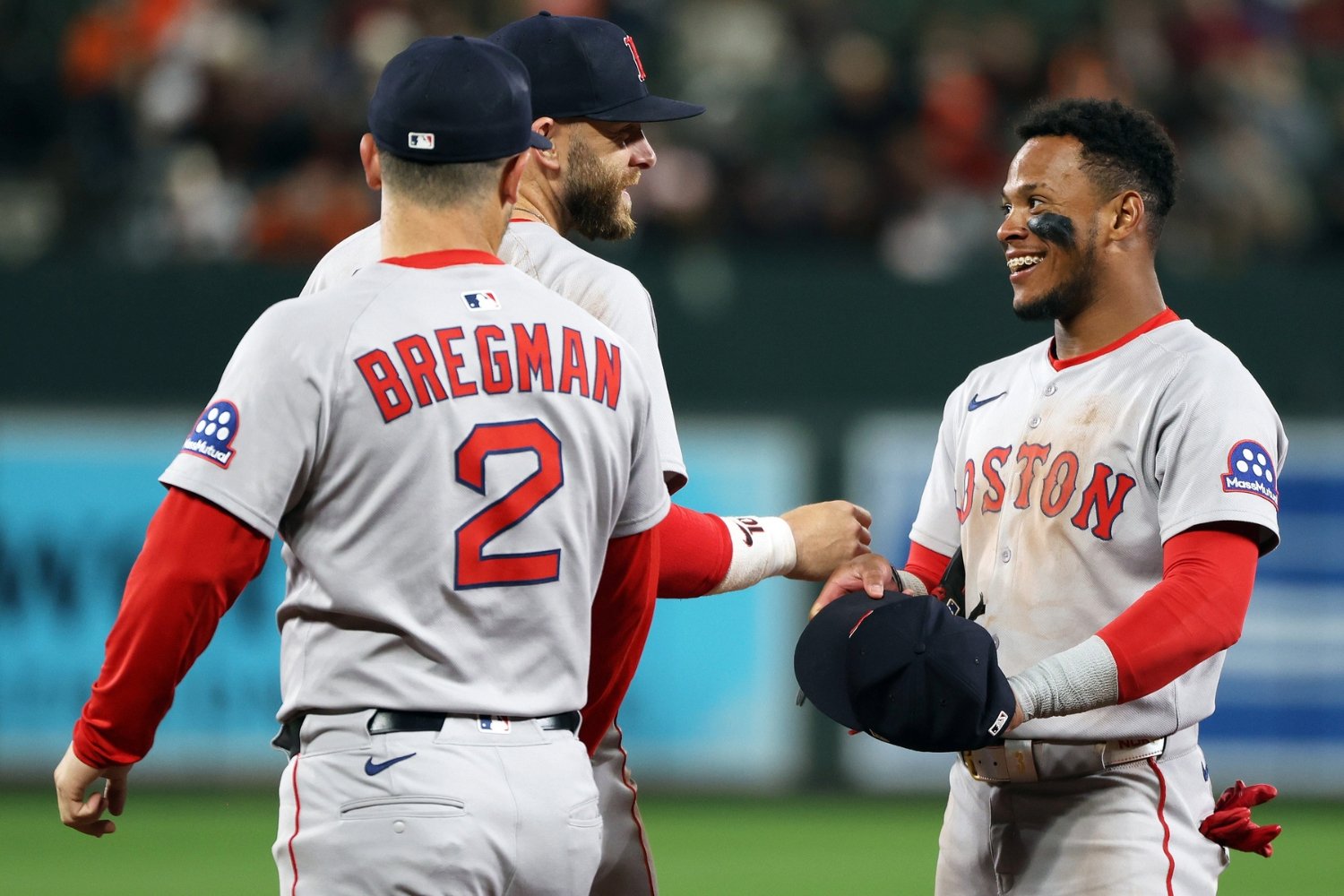 With the 2025 season officially over, it’s time to look back on the roster and see if players lived up to their expectations, exceeded them, or even failed to live up to them. With that, today we’re going to look back upon the season the Red Sox infielders had in 2025. The infield itself saw a few rotating parts due to either injury or poor performance. In total, the team ended up using 12 different players in the infield, but those who played mostly in the outfield (Ceddanne Rafaela and Nate Eaton) will have their grades omitted since infield was not their main position. Despite injuries and poor play, the Red Sox managed to find workarounds either through their minor league depth or late season acquisitions to keep the infield from collapsing. You can see our grades for catchers here, and outfielders here. Trevor Story: B+ To say Story had his best season in Boston in 2025 would be an understatement. After playing in a total of 163 games in his first three seasons with the Red Sox, Story played 157 this season and was a leader both on and off the field. Offensively, he led the lineup by example, hitting anywhere between second and fourth as he would go on to hit .263/.308/.433 with a .741 OPS. He also brought home 29 doubles, 25 home runs and 96 RBIs, the latter two figures leading the team. But one of his more historic stats was the fact he stole 31 bases and was only caught once on his final attempt of the season, breaking an American League record for most consecutive stolen bases to start a season. It wasn’t all positive for Story, as the month of May had fans calling for the shortstop to be benched or even released from his contract as he absolutely struggled. In 25 games that month, Story looked finished as a player, hitting just .158/.200/.232 with just one double, two home runs, seven RBIs and 35 strikeouts. After missing nearly two years of baseball, he looked overmatched at the plate, but eventually found his footing again as he would turn things around in June with a .286/.327/.500 stat line where he had six doubles, five home runs and 23 RBIs. Defensively, it may have been his worst effort since the shortened 2020 season, as he posted a .970 fielding percentage. That number was thanks to 19 errors, a career high that was inflated by a September that saw him commit six errors in his final nine games. Story finished the season with 3.0 fWAR. Alex Bregman: B Bregman was one of two key offseason acquisitions by Craig Breslow and was expected to be a leader both on and off the field. While a second half that saw him deal with the lingering effects of his previously injured quad led to a decline offensively, Bregman was constantly helping the team out however he could. While only playing in 114 games, there is no debate that Bregman returned earlier than expected from his quad injury, the team doing its best to manage his workload until he was more comfortable and conditioned to play more than two games in a row. Despite that, his first half alone made his signing look like a genius move, as he hit .298/.380/.546 with 18 doubles, 11 home runs and 35 RBIs in his first 53 games. However, after the quad injury, Bregman hit just .250/.341/.386 with an OPS of .727 in 61 games. Across that same span, he had just 10 doubles, seven home runs and 27 RBIs. September was also his worst month of the season, as he appeared in 22 games but hit just .216/.310/.330 with four doubles, two home runs and nine RBIs. Despite missing time with his injury, Bregman was a constant voice in the clubhouse with the younger players as he provided advice and support that proved invaluable as the Red Sox made their first postseason since 2021. Defensively, he committed nine errors across 113 games at third base for a fielding percentage of .969. Bregman finished the season with a fWAR of 3.5. Kristian Campbell: C- Campbell was the top prospect who broke camp with the team, and everyone immediately viewed him as the future. Within his first week in the majors, he signed an eight-year extension and had put himself in early talks as a Rookie of the Year favorite as he hit .301/.407/.495 with an OPS of .902 in 29 games between March and April. He also had eight doubles, four home runs, and 12 RBIs as he looked every bit of a future offensive star. Unfortunately, that was the high point of his season. Pitchers began to adjust to Campbell, and the rookie struggled to make the necessary adjustments at the major league level as he hit just .134/.184/.171 in 22 May games, highlighted by a 27:5 strikeout-to-walk ratio. He was ultimately optioned on June 20 and remained in Worcester the rest of the season in an attempt to work on the issues that major league pitching had discovered (while also attempting to learn how to play first base). Defensively, Campbell appeared at second in 59 games and committed seven errors for a fielding percentage of .968, and he was considered one of the worst defenders in all of baseball during his time in the big leagues (-16 DRS). For the entire season, Campbell appeared in 67 games and hit .223/.319/.345 with an OPS of .664. He also had 10 doubles, six home runs, and 21 RBIs. He finished the season with a fWAR of -0.2. Triston Casas: D Coming into 2025, Casas was expected to be a key offensive piece for the team as the everyday first baseman. Instead, the plane never got off the runway. Casas only played in 29 games this season before ultimately ending up injured for the fourth consecutive season. Though Casas believes he’ll be ready for the 2026 season, his injury history is ugly. There's a lot of weight on his shoulders to play a full season in 2026. Offensively, Casas started cold, hitting .059/.111/.059 in his first five games (four starts) while striking out seven times in 17 at-bats. He would go on to open April by going 5-for-14 with a home run, but after April 4 would not have a multi-hit game again until April 29 against Toronto. For the entire season, Casas would go on to hit .182/.277/.303 with an OPS of .580 in 29 games. He had three doubles, three home runs and 11 RBIs, as his injury history has now made it hard to rely on him as the everyday first baseman for 2026 and beyond. Defensively he appeared in 28 games at first base and committed just two errors for a fielding percentage of .991. For the season, Casas ended the year with a fWAR of -0.6. Romy González: B+ González played in a career-high 96 games in 2025 where he bounced between first, second and third base as the team needed him to play multiple position once more. Unlike in 2024 where he played every position besides pitcher and catcher, González mostly split time between first and second base. In 2025, he was a key presence in the lineup, hitting .305/.343/.483 with an OPS of .826. Along with that, he also had 23 doubles, three triples, nine home runs, and 53 RBIs as he formed one half of the “Lefty Killers” duo alongside Rob Refsnyder. Against left-handed pitching was where he really did damage; he posted a .331/.378/.600 slash with an OPS of .978. He also had seven of his nine home runs against left-handers in 130 at-bats. Though, he was still productive against right-handed pitching as he slashed .286/.318/.400 in 185 at-bats. Defensively, González stepped up when Casas got injured, forming a platoon with Abraham Toro where he ended up appearing at first base in 58 games. In that span, he committed four errors for a .989 fielding percentage. González would play 42 games at second base and have a .978 fielding percentage after committing three errors. He also appeared at third base for just two games, making an error on the only play he had at the position for a fielding percentage of .000. González finished the season with a fWAR of 1.5. Abraham Toro: C Toro was not the first baseman we wanted, but he was the first baseman who stepped up following Casas’ injury. Despite not being the biggest name to replace the slugging first baseman, Toro showed up to Boston and did what was expected of him: give the team innings at first base and not be a black hole on offense. In the first half of the season, Toro was a key contributor on offense even if his peripherals showed he was getting rather lucky. In 52 first-half games, the infielder would hit .271/.321/.418 with an OPS of .739. He also had 11 doubles, five home runs and 20 RBIs for the team while providing quality defense at first base. Unfortunately, July bore the brunt of the expected regression for Toro, as he hit just .221/.295/.279 in 21 games with four doubles and six RBIs. Things got worse in 14 August games where he hit .137/.151/.255 with two home runs and five RBIs. Defensively, he played 68 games at first base and committed three errors for a fielding percentage of .994. Toro also made 16 appearances at third base and made four errors there for a fielding percentage of .902. Toro would go on to be designated for assignment on August 21 and outrighted to Worcester on August 23, where he would finish the season. On October 10, he elected free agency. Toro finished the season with a fWAR of -0.7. Marcelo Mayer: C+ After being drafted fourth overall in 2021 and dealing with a few injuries in the minor leagues, Mayer finally made his debut for Boston after Bregman went on the injured list. Playing much of his professional career at shortstop, Mayer spent time at Worcester getting more comfortable at both third base and second base, something that would work out in his favor with Boston. His glove was clearly ready for the major leagues, as he appeared at third base in 39 games and committed just a single error for a fielding percentage of .985. His DRS was zero but he earned two OAA and two FRV, generally grading out positively. He would also play eight games at second where he didn’t commit an error and would finish two games at shortstop but committed one error in two fielding attempts. Offensively, Mayer showed he still had some work to do, though he also flashed the potential in his bat that made him the fourth overall pick all those years ago. Overall, he hit .228/.272/.402 with an OPS of .674 in 44 games. He also had eight doubles, a triple, four home runs, and 10 RBIs, but struck out 41 times and walked only eight times. He did fare much better against right-handed pitching more than left-handed, hitting .248/.294/.446 with eight doubles, four home runs and nine RBIs compared to a stat line of .154/.185/.231 with a triple and one RBI against southpaws. Mayer’s season would end on July 25 when he was placed on the 10-day injured list due to a right wrist sprain. Mayer ended the season with a fWAR of 0.4. David Hamilton: D Coming off of a surprisingly good 2024, there were high expectations for Hamilton in being the team’s utility infielder entering 2025, to the point there were discussions of even having him take reps in the outfield to get more at-bats as well. That never came to be, but 2025 was not the season anyone expected for Hamilton. Appearing in 91 games, Hamilton would see his time in Boston broken up by stints with the Worcester Red Sox, as he was optioned on July 11 and then again on August 11. Overall, Hamilton would go on to hit .198/.257/.333 with four doubles, a triple, six home runs, 19 RBIs and 22 stolen bases. All of that was a decline from his 2024 numbers of .248/.303/.395 with 17 doubles, a triple, eight home runs, 28 RBIs and 33 stolen bases in just seven more games. The only real positive offensively is that in 29 second-half games, he started to perform better by hitting .241/.317/.463 with an OPS of .780. Hamilton also had a double, a triple, three home runs, seven RBIs and seven stolen bases in that span as he received more consistent playing time. Defensively, he appeared at second base in 68 games and committed six errors for a fielding percentage of .973. He also played 12 games at shortstop where he committed one error for a fielding percentage of .972. Hamilton finished the season with a fWAR of 0.1. Nathaniel Lowe: B- Lowe didn’t spend much time with Boston, but did he make it count. He immediately made quite a few fans within his first week with the team when he hit a game-tying, two-run home run in the bottom of the ninth of his first start. While the Red Sox would lose that game, Lowe continued to stay hot and opened his stint with Boston on a five-game hitting streak. In 34 games with Boston, the left-handed hitter would slash .280/.370/.420 with an OPS of .790 at a time when the lineup was scuffling due to injuries and poor performances. Lowe would also hit six doubles, a triple, two home runs, and have 16 RBIs in that same span Defensively, Lowe made 31 appearances at first base for Boston and made no errors. On the season, Lowe finished with a fWAR of 0.4 with the Red Sox. Nick Sogard: C+ Sogard didn’t spend much time in the big leagues, as he was mostly in Worcester for 2025, but he was a key contributor in his short stints on Alex Cora's bench. His final stint proved to be his best, as in his final 15 games, Sogard hit .295/.354/.409 with seven RBIs. Overall, Sogard hit .260/.317/.344 with eight doubles and nine RBIs. He was much more effective against left-handed pitching, hitting .371/.371/.486 with four doubles and two RBIs compared to .197/.290/.262 with four doubles and seven RBIs against right-handed pitching. Defensively, Sogard played all over the field for the Red Sox, making appearances at first base, second base, third base, shortstop and right field. He only made a single error at first base. And while postseason performances don’t add into consideration for the grades, there is no denying just how important Sogard was in the Game 1 victory against the Yankees, with a big hustle double that set up the game-winning hit for Masataka Yoshida. On the season, Sogard finished with a fWAR of -0.1.
 -
Not exactly. Reds and White Sox are in two different places. White Sox were in full rebuild and got three top 10 prospects (4th, 5th and 8th) along with our 18th ranked prospect. The Reds see their window as having cracked open and are looking to add pieces that could open that window more or extend it past the next 3-5 years. Right now Perales, Garcia and Clarke are our 3rd, 6th and 8th ranked prospects which wouldn't be enough for a starting pitcher on what is essentially 3/40M with a chance to be 4/60M. They also would probably want major league ready talent too and Clarke is some time away, likely late 2027/early 2028 should he work out and who knows how Perales holds up after all his career injuries. Plus they're looking for offense so they would probably want Abreu as well or maybe a Mayer. Someone they could plug into their lineup and upgrqde it.
-
Keep in mind that he’s under contract and for rather cheap money through 2028 along with a team option for 2029. The Reds would want a lot for 4 years of control. While I think 6 players is a lot, I think a trade for Greene would need more than what it took to get Crochet.
-
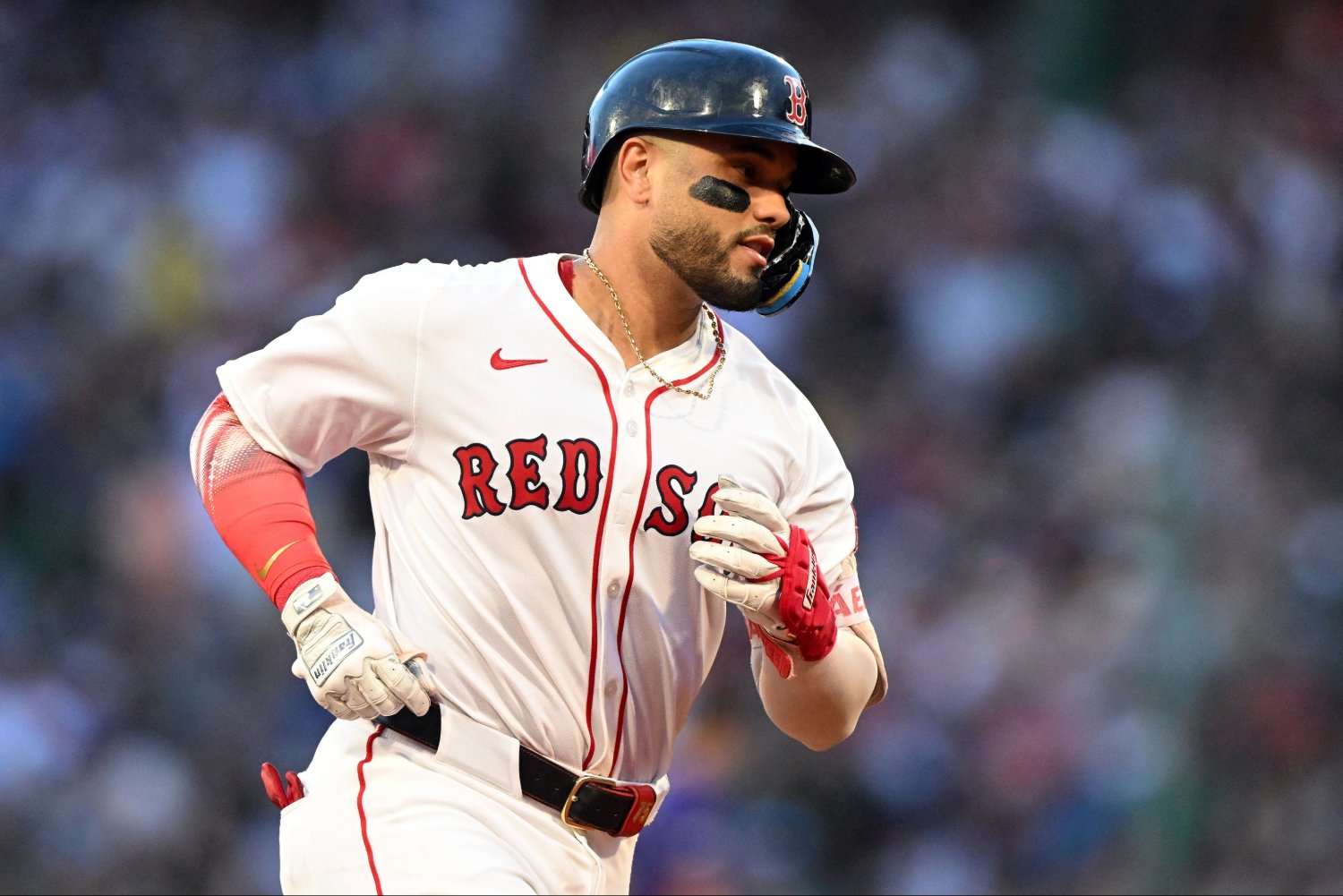 Much like the Boston Red Sox will be doing over the next few weeks in their internal evaluations, it's time to look back on the roster and see if players lived up to their expectations, exceeded them or fell flat. To start, we're going to look back upon the season the Boston Red Sox's catchers had in 2025. Overall, it was a rather good season for Boston backstops, as the Red Sox's main catching tandem stayed mostly healthy throughout the season. They only had one stint on the injured list, when Connor Wong fractured his pinkie on April 8 against the Toronto Blue Jays. He would go on to miss nearly a month, but then backup Carlos Narváez stepped up and won the starting spot for himself. Despite that, the second half saw a falloff in production from Narváez as he dealt with his own minor injury. Carlos Narváez: B+ Narváez earns a B+ for his season due to the fact he completely shattered expectations, and if it weren't for an end-of-season slump that can be attributed to fatigue and a small injury, he would have easily earned an A. Acquired from the Yankees the same day the Red Sox traded for Garrett Crochet, Narváez was viewed as a defensive-minded backup to Wong who was coming off an impressive (though very lucky) 2024 season. At the time of the trade, Narváez had just 15 plate appearances in the majors, and no one knew what to expect from him. In our TalkSox 2025 position analysis, we wrote the following about Narváez: “If his bat can be anything around league-average for a catcher, there's a chance he could even challenge Wong for the starting position by the end of the season”. Well, he did just that (and had some luck with Wong getting injured). In the first half, Narváez hit .273/.347/.439 with 18 doubles, eight home runs, and 31 RBIs, as he would eventually be asked to serve as the team’s cleanup hitter for a portion of the season. The second half didn't go as well, however, as Narváez felt the fatigue of being a starting catcher during a playoff run as the team attempted to limit his innings behind the dish. In 45 second half games, Narváez hit just .187/.233/.387 and saw his OPS drop from .786 in the first half to .619. Along with that he hit nine doubles, seven home runs and 19 RBIs. What really proved that he was pressing at the plate was the fact he went from 30 walks in the first half to just eight in his final 45 games. Overall, he would hit .241/.306/.419 with a .726 OPS across 403 at-bats in his rookie season. Narvaez would also finish with 27 doubles, 15 home runs and 51 RBIs. He also had a fWAR of 2.7. Defensively, Narváez did have some difficulty with catcher’s interferences, as he was called for it a few times. Luckily, he made up for it with a fielding percentage of .991 and by throwing out 32 runners. When it came to Fielding Run Value, Narváez was in the 95th percentile and was viewed as one of the better defensive catchers across the league. Following the end of the season, Narváez had minor surgery to clean up his left knee, an issue he was dealing with since at least August. Connor Wong: D+ Whereas everything went right for Wong in 2024, you could almost make the argument that 2025 was the complete opposite. In 2024, Wong ended up being one of the luckiest hitters in the sport; his final slash line of .280/.333/.425 with an OPS of .758 went with 24 doubles, a triple, 13 home runs and 54 RBIs, despite all of his peripherals showing that it shouldn’t have happened. His expected batting average that season was .231 and his expected slugging was .355. Paired with near-bottom-of-the-league exit velocity numbers (86.5 mph), hard-hit rate (34.5%), and squared-up rate (21.3%), a regression was expected for Wong in 2025. No one expected it to be this big, however. Wong began the season as the starting catcher but quickly lost it due to a fracture to his pinkie on his left hand after getting hit on the glove by a swing during an April 8 game against the Blue Jays. Wong would return May 2 but had already lost the starting spot to Narváez. He would play in 34 games in the first half, hitting just .149/.235/.149 with no extra base hits and just one RBI. His OPS during that span was .384. The second half didn’t get much better, as he would go on to hit .235/.292/.333 with an OPS of .625 in 29 games. In that same span, he had eight doubles and six RBIs—still not up to his 2024 production, but better than his first half. His luck happened to get even worse when he came up with runners in scoring position. In 40 games where he had a chance to drive someone in from second or third base, Wong would go on to hit .061, just 3-for-49 with five walks. He would go on to strike out 17 times while also hitting into four double plays, ruining plenty of scoring opportunities Wong did showcase some improvement elsewhere, as he cut back on his strikeout rate from 23.4% in 2024 to 22.3% in 2025, while his walk rate increased from 5.7% to 8.5%. Defensively, Wong did improve slightly, going from a FRV of -14 all the way up to -3 in 2025. However, he only threw out nine baserunners and committed more errors (five compared to four) in less games played (61 to 106). In fairness, a lot of Wong’s issues may have been due to injury. After returning from the fractured pinky, Wong did play slightly better in May in his small number of games. In 13 games, he would go on to hit .214/.290/.214, though without any extra-base hits. Then there was a chance he had played through part of the second half injured as well, as on October 9 it was revealed by MassLive’s Christopher Smith that he underwent a successful right hand carpal boss excision, making one wonder if he was dealing with that throughout the season. Wong finished the year with a fWAR of -0.7. Ali Sánchez: C There isn’t much to talk about regarding Sánchez. He was only with the team as an emergency third catcher when Narváez was originally dealing with his own health issues in early to mid-August and was designated for assignment just 10 days after joining Boston on August 18. In that span, he appeared in a single game with Boston, getting a single at-bat as a late-inning replacement in a game they were already losing. Sánchez would return to Boston soon after, being acquired in an August 31 deal with the New York Mets after being signed by them to a minor league contract on August 23. Boston would add him to their September roster to serve as the emergency third catcher in order to allow Alex Cora to be aggressive with replacing either Narváez or Wong early in the game. Sánchez would get into three games with Boston during his second stint with the team, again as a late-inning replacement each time, though he wouldn’t get into another game after September 13. On September 21, Sánchez was once again DFA'd and was outrighted to Worcester on the September 23, where he stayed for the rest of the season in case he was needed for the playoffs. That wasn’t the case, and on October 6, he elected free agency. Sánchez didn’t exactly due much during his two stints in Boston, but he filled his role as well as he could in his limited opportunities. A perfectly average grade for a perfectly average performance. Blake Sabol: F Sabol, who was designated for assignment by the San Francisco Giants on January 11, was brought in to serve as catching depth alongside fellow catcher Seby Zavala. Unlike Zavala, however, Sabol did get brought up to the major league club and had some time in Boston following Wong’s injury. To say it was a good time would be a lie. Sabol very much proved the scouting reports correct in that he was a first baseman/corner outfielder who plays catcher as his main position. Sabol would get to play eight games with Boston, and was it a good thing when his time with the team ended. In that short stint, Sabol hit .125/.167/.188 with one double and one RBI. He struck out at a 38.9% rate and defensively he was even worse. Eleven baserunners attempted to steal on him... only one was thrown out. Along with that, in only 39 innings behind the dish, Sabol committed two errors. Once Wong was ready to return, Sabol was optioned back to Worcester and remained there until being traded to the White Sox for cash on July 12, over a month after being designated for assignment on June 1. Fortunately for the Red Sox, the team did not need to rely too on much catching depth thanks to the sustained health of Narváez and Wong. While the latter didn’t have a season anyone expected, the former was able to exceed expectations and help hold down the catcher’s spot in the lineup. The 2026 season will hopefully see both catchers reprise their roles and take a step forward in their development and help strengthen that position within the organization.
 -
Much like the Boston Red Sox will be doing over the next few weeks in their internal evaluations, it's time to look back on the roster and see if players lived up to their expectations, exceeded them or fell flat. To start, we're going to look back upon the season the Boston Red Sox's catchers had in 2025. Overall, it was a rather good season for Boston backstops, as the Red Sox's main catching tandem stayed mostly healthy throughout the season. They only had one stint on the injured list, when Connor Wong fractured his pinkie on April 8 against the Toronto Blue Jays. He would go on to miss nearly a month, but then backup Carlos Narváez stepped up and won the starting spot for himself. Despite that, the second half saw a falloff in production from Narváez as he dealt with his own minor injury. Carlos Narváez: B+ Narváez earns a B+ for his season due to the fact he completely shattered expectations, and if it weren't for an end-of-season slump that can be attributed to fatigue and a small injury, he would have easily earned an A. Acquired from the Yankees the same day the Red Sox traded for Garrett Crochet, Narváez was viewed as a defensive-minded backup to Wong who was coming off an impressive (though very lucky) 2024 season. At the time of the trade, Narváez had just 15 plate appearances in the majors, and no one knew what to expect from him. In our TalkSox 2025 position analysis, we wrote the following about Narváez: “If his bat can be anything around league-average for a catcher, there's a chance he could even challenge Wong for the starting position by the end of the season”. Well, he did just that (and had some luck with Wong getting injured). In the first half, Narváez hit .273/.347/.439 with 18 doubles, eight home runs, and 31 RBIs, as he would eventually be asked to serve as the team’s cleanup hitter for a portion of the season. The second half didn't go as well, however, as Narváez felt the fatigue of being a starting catcher during a playoff run as the team attempted to limit his innings behind the dish. In 45 second half games, Narváez hit just .187/.233/.387 and saw his OPS drop from .786 in the first half to .619. Along with that he hit nine doubles, seven home runs and 19 RBIs. What really proved that he was pressing at the plate was the fact he went from 30 walks in the first half to just eight in his final 45 games. Overall, he would hit .241/.306/.419 with a .726 OPS across 403 at-bats in his rookie season. Narvaez would also finish with 27 doubles, 15 home runs and 51 RBIs. He also had a fWAR of 2.7. Defensively, Narváez did have some difficulty with catcher’s interferences, as he was called for it a few times. Luckily, he made up for it with a fielding percentage of .991 and by throwing out 32 runners. When it came to Fielding Run Value, Narváez was in the 95th percentile and was viewed as one of the better defensive catchers across the league. Following the end of the season, Narváez had minor surgery to clean up his left knee, an issue he was dealing with since at least August. Connor Wong: D+ Whereas everything went right for Wong in 2024, you could almost make the argument that 2025 was the complete opposite. In 2024, Wong ended up being one of the luckiest hitters in the sport; his final slash line of .280/.333/.425 with an OPS of .758 went with 24 doubles, a triple, 13 home runs and 54 RBIs, despite all of his peripherals showing that it shouldn’t have happened. His expected batting average that season was .231 and his expected slugging was .355. Paired with near-bottom-of-the-league exit velocity numbers (86.5 mph), hard-hit rate (34.5%), and squared-up rate (21.3%), a regression was expected for Wong in 2025. No one expected it to be this big, however. Wong began the season as the starting catcher but quickly lost it due to a fracture to his pinkie on his left hand after getting hit on the glove by a swing during an April 8 game against the Blue Jays. Wong would return May 2 but had already lost the starting spot to Narváez. He would play in 34 games in the first half, hitting just .149/.235/.149 with no extra base hits and just one RBI. His OPS during that span was .384. The second half didn’t get much better, as he would go on to hit .235/.292/.333 with an OPS of .625 in 29 games. In that same span, he had eight doubles and six RBIs—still not up to his 2024 production, but better than his first half. His luck happened to get even worse when he came up with runners in scoring position. In 40 games where he had a chance to drive someone in from second or third base, Wong would go on to hit .061, just 3-for-49 with five walks. He would go on to strike out 17 times while also hitting into four double plays, ruining plenty of scoring opportunities Wong did showcase some improvement elsewhere, as he cut back on his strikeout rate from 23.4% in 2024 to 22.3% in 2025, while his walk rate increased from 5.7% to 8.5%. Defensively, Wong did improve slightly, going from a FRV of -14 all the way up to -3 in 2025. However, he only threw out nine baserunners and committed more errors (five compared to four) in less games played (61 to 106). In fairness, a lot of Wong’s issues may have been due to injury. After returning from the fractured pinky, Wong did play slightly better in May in his small number of games. In 13 games, he would go on to hit .214/.290/.214, though without any extra-base hits. Then there was a chance he had played through part of the second half injured as well, as on October 9 it was revealed by MassLive’s Christopher Smith that he underwent a successful right hand carpal boss excision, making one wonder if he was dealing with that throughout the season. Wong finished the year with a fWAR of -0.7. Ali Sánchez: C There isn’t much to talk about regarding Sánchez. He was only with the team as an emergency third catcher when Narváez was originally dealing with his own health issues in early to mid-August and was designated for assignment just 10 days after joining Boston on August 18. In that span, he appeared in a single game with Boston, getting a single at-bat as a late-inning replacement in a game they were already losing. Sánchez would return to Boston soon after, being acquired in an August 31 deal with the New York Mets after being signed by them to a minor league contract on August 23. Boston would add him to their September roster to serve as the emergency third catcher in order to allow Alex Cora to be aggressive with replacing either Narváez or Wong early in the game. Sánchez would get into three games with Boston during his second stint with the team, again as a late-inning replacement each time, though he wouldn’t get into another game after September 13. On September 21, Sánchez was once again DFA'd and was outrighted to Worcester on the September 23, where he stayed for the rest of the season in case he was needed for the playoffs. That wasn’t the case, and on October 6, he elected free agency. Sánchez didn’t exactly due much during his two stints in Boston, but he filled his role as well as he could in his limited opportunities. A perfectly average grade for a perfectly average performance. Blake Sabol: F Sabol, who was designated for assignment by the San Francisco Giants on January 11, was brought in to serve as catching depth alongside fellow catcher Seby Zavala. Unlike Zavala, however, Sabol did get brought up to the major league club and had some time in Boston following Wong’s injury. To say it was a good time would be a lie. Sabol very much proved the scouting reports correct in that he was a first baseman/corner outfielder who plays catcher as his main position. Sabol would get to play eight games with Boston, and was it a good thing when his time with the team ended. In that short stint, Sabol hit .125/.167/.188 with one double and one RBI. He struck out at a 38.9% rate and defensively he was even worse. Eleven baserunners attempted to steal on him... only one was thrown out. Along with that, in only 39 innings behind the dish, Sabol committed two errors. Once Wong was ready to return, Sabol was optioned back to Worcester and remained there until being traded to the White Sox for cash on July 12, over a month after being designated for assignment on June 1. Fortunately for the Red Sox, the team did not need to rely too on much catching depth thanks to the sustained health of Narváez and Wong. While the latter didn’t have a season anyone expected, the former was able to exceed expectations and help hold down the catcher’s spot in the lineup. The 2026 season will hopefully see both catchers reprise their roles and take a step forward in their development and help strengthen that position within the organization. View full article
-
With the offseason having begun for the Boston Red Sox, the organization now needs to make tough decisions pertaining to its roster. One of which involves a former All-Star and a key component of their rotation, Tanner Houck. Houck, a first-round draft pick in 2017, has been a part of Boston’s pitching plans since 2020, when he first made his MLB debut. Since that time, Houck has bounced between the rotation and bullpen depending on the team’s need, even serving briefly as the team’s closer before getting shut down in 2022 due to a back issue. After dealing with injuries in every season since 2021, Houck appeared to finally break out and put everything together in 2024, when he made the All-Star team and became the ace of the rotation as the team tried to claw its way into the playoffs. The future seemed bright for both Houck and the team once he was paired with Garrett Crochet as the team’s 1-2 punch in the rotation last winter. Unfortunately, that vision never came to fruition, as Houck began the 2025 season incredibly ineffective and inconsistent before going on the injured list. In nine starts, Houck allowed 39 earned runs on 57 hits, 10 of them home runs, and 17 walks. Opponents' batting average against ballooned from .230 in 2024 to .315 in 2025. Houck attempted to work his way back from injury in 2025, but upon completing his rehab, he was still in pain, and it was revealed that his flexor strain had turned into a need for surgery. On August 2, Houck would undergo Tommy John surgery, ending his 2025 season and costing him (more than likely) his 2026 campaign. Because of this, the Red Sox have a decision to make. Houck is still under arbitration for both the 2026 and 2027 seasons, but will be unlikely to pitch in the former while the latter is very likely headed to a shortened season due to a potential lockout. Does it make sense in that case for the Red Sox to non-tender the right-hander instead of offering arbitration? For 2025, Houck made $3.95 million and will be unlikely to receive any notable increase for 2026 knowing he would be out for the entire season. There's a chance they could instead have his salary be decreased by the maximum 20% in the arbitration process, but even then they would be paying around $3.2 million for a player to rehab. With these Red Sox, that isn't out of the realm of possibility considering they've signed players to multi-year deals who they knew they would miss most or all of the first season of a contract. Patrick Sandoval and Liam Hendriks are prime examples, and it would be a tough look for the Red Sox to non-tender a homegrown player due to injury while having signed injured players in the past so they could rehab within the organization. Because of that, the Red Sox would be wise to follow a format used previously by themselves when it comes to signing injured pitchers. Take both Hendrik’s contract and Sandoval’s contract into account, where both players were signed to multi-year deals that were heavily backloaded. In Hendrik’s case, he received a guaranteed $10 million across two years with the chance for it to increase to $20 million across three years. The contract worked with him receiving $2 million in the first season (which he missed) and then $6 million this season, with a mutual option for $10 million for next season or a $2 million buyout. Had Hendrik's time in Boston worked out, the team would have gotten an elite back-of-the-bullpen arm on a rather cheap deal. Instead, Hendriks was often injured and when he did pitch, he was mostly ineffective on the mound. Sandoval, on the other hand, was signed to a two-year, $18.25 million contract despite having Tommy John surgery in 2024 and missed all of 2025. He received $5.5 million this season and will now earn $12.75 million in 2026 as the Red Sox hope he proves the contract was worth it. The Red Sox would be smart to try and work out a similarly structured deal with Houck, especially knowing the talent he has shown signs of when healthy. It would be worth an attempt to try and sign Houck to something similar to Hendricks' three year deal with the third year being a mutual option or even a vesting option based on either innings or appearances in 2027. It would allow the Sox to keep Houck around for a few more seasons at a reasonable price as he rehabs, while not delaying the right-hander's free agency too far out. Even if he fails to reach his 2024 self and instead pitches to his career averages, that's still a guy with a 22.4% strikeout rate and 3.97 ERA. Of course, the team could just non-tender him and look to bring him back on a minor league deal, though Houck may seek out other major league opportunities in that case. In the end, it's completely up to Craig Breslow and the team to decide what course of action they'll take, but they currently have multiple options and paths to look at for the 29-year-old pitcher. Whether Houck is in the organization by the end of the offseason is something they will have thought about long and hard before deciding either way. Though one thing about Breslow is that he's shown no hesitation to moving players who have been part of the organization if he thinks the Red Sox will be a better team without them. View full article
-
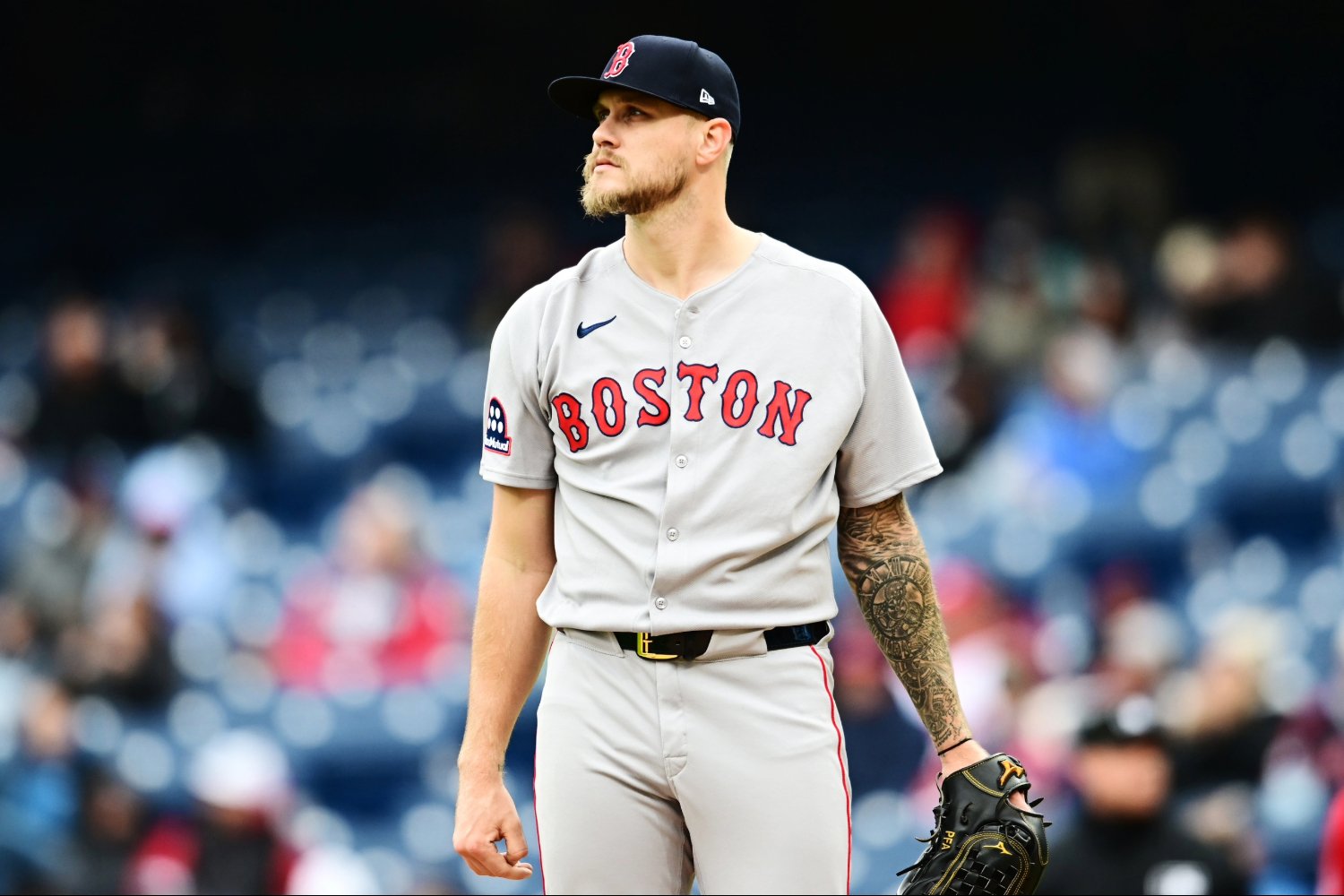 With the offseason having begun for the Boston Red Sox, the organization now needs to make tough decisions pertaining to its roster. One of which involves a former All-Star and a key component of their rotation, Tanner Houck. Houck, a first-round draft pick in 2017, has been a part of Boston’s pitching plans since 2020, when he first made his MLB debut. Since that time, Houck has bounced between the rotation and bullpen depending on the team’s need, even serving briefly as the team’s closer before getting shut down in 2022 due to a back issue. After dealing with injuries in every season since 2021, Houck appeared to finally break out and put everything together in 2024, when he made the All-Star team and became the ace of the rotation as the team tried to claw its way into the playoffs. The future seemed bright for both Houck and the team once he was paired with Garrett Crochet as the team’s 1-2 punch in the rotation last winter. Unfortunately, that vision never came to fruition, as Houck began the 2025 season incredibly ineffective and inconsistent before going on the injured list. In nine starts, Houck allowed 39 earned runs on 57 hits, 10 of them home runs, and 17 walks. Opponents' batting average against ballooned from .230 in 2024 to .315 in 2025. Houck attempted to work his way back from injury in 2025, but upon completing his rehab, he was still in pain, and it was revealed that his flexor strain had turned into a need for surgery. On August 2, Houck would undergo Tommy John surgery, ending his 2025 season and costing him (more than likely) his 2026 campaign. Because of this, the Red Sox have a decision to make. Houck is still under arbitration for both the 2026 and 2027 seasons, but will be unlikely to pitch in the former while the latter is very likely headed to a shortened season due to a potential lockout. Does it make sense in that case for the Red Sox to non-tender the right-hander instead of offering arbitration? For 2025, Houck made $3.95 million and will be unlikely to receive any notable increase for 2026 knowing he would be out for the entire season. There's a chance they could instead have his salary be decreased by the maximum 20% in the arbitration process, but even then they would be paying around $3.2 million for a player to rehab. With these Red Sox, that isn't out of the realm of possibility considering they've signed players to multi-year deals who they knew they would miss most or all of the first season of a contract. Patrick Sandoval and Liam Hendriks are prime examples, and it would be a tough look for the Red Sox to non-tender a homegrown player due to injury while having signed injured players in the past so they could rehab within the organization. Because of that, the Red Sox would be wise to follow a format used previously by themselves when it comes to signing injured pitchers. Take both Hendrik’s contract and Sandoval’s contract into account, where both players were signed to multi-year deals that were heavily backloaded. In Hendrik’s case, he received a guaranteed $10 million across two years with the chance for it to increase to $20 million across three years. The contract worked with him receiving $2 million in the first season (which he missed) and then $6 million this season, with a mutual option for $10 million for next season or a $2 million buyout. Had Hendrik's time in Boston worked out, the team would have gotten an elite back-of-the-bullpen arm on a rather cheap deal. Instead, Hendriks was often injured and when he did pitch, he was mostly ineffective on the mound. Sandoval, on the other hand, was signed to a two-year, $18.25 million contract despite having Tommy John surgery in 2024 and missed all of 2025. He received $5.5 million this season and will now earn $12.75 million in 2026 as the Red Sox hope he proves the contract was worth it. The Red Sox would be smart to try and work out a similarly structured deal with Houck, especially knowing the talent he has shown signs of when healthy. It would be worth an attempt to try and sign Houck to something similar to Hendricks' three year deal with the third year being a mutual option or even a vesting option based on either innings or appearances in 2027. It would allow the Sox to keep Houck around for a few more seasons at a reasonable price as he rehabs, while not delaying the right-hander's free agency too far out. Even if he fails to reach his 2024 self and instead pitches to his career averages, that's still a guy with a 22.4% strikeout rate and 3.97 ERA. Of course, the team could just non-tender him and look to bring him back on a minor league deal, though Houck may seek out other major league opportunities in that case. In the end, it's completely up to Craig Breslow and the team to decide what course of action they'll take, but they currently have multiple options and paths to look at for the 29-year-old pitcher. Whether Houck is in the organization by the end of the offseason is something they will have thought about long and hard before deciding either way. Though one thing about Breslow is that he's shown no hesitation to moving players who have been part of the organization if he thinks the Red Sox will be a better team without them.
 -
Boston Red Sox Minor League Reliever of the Year (2025)
Nick John posted an article in Minor Leagues
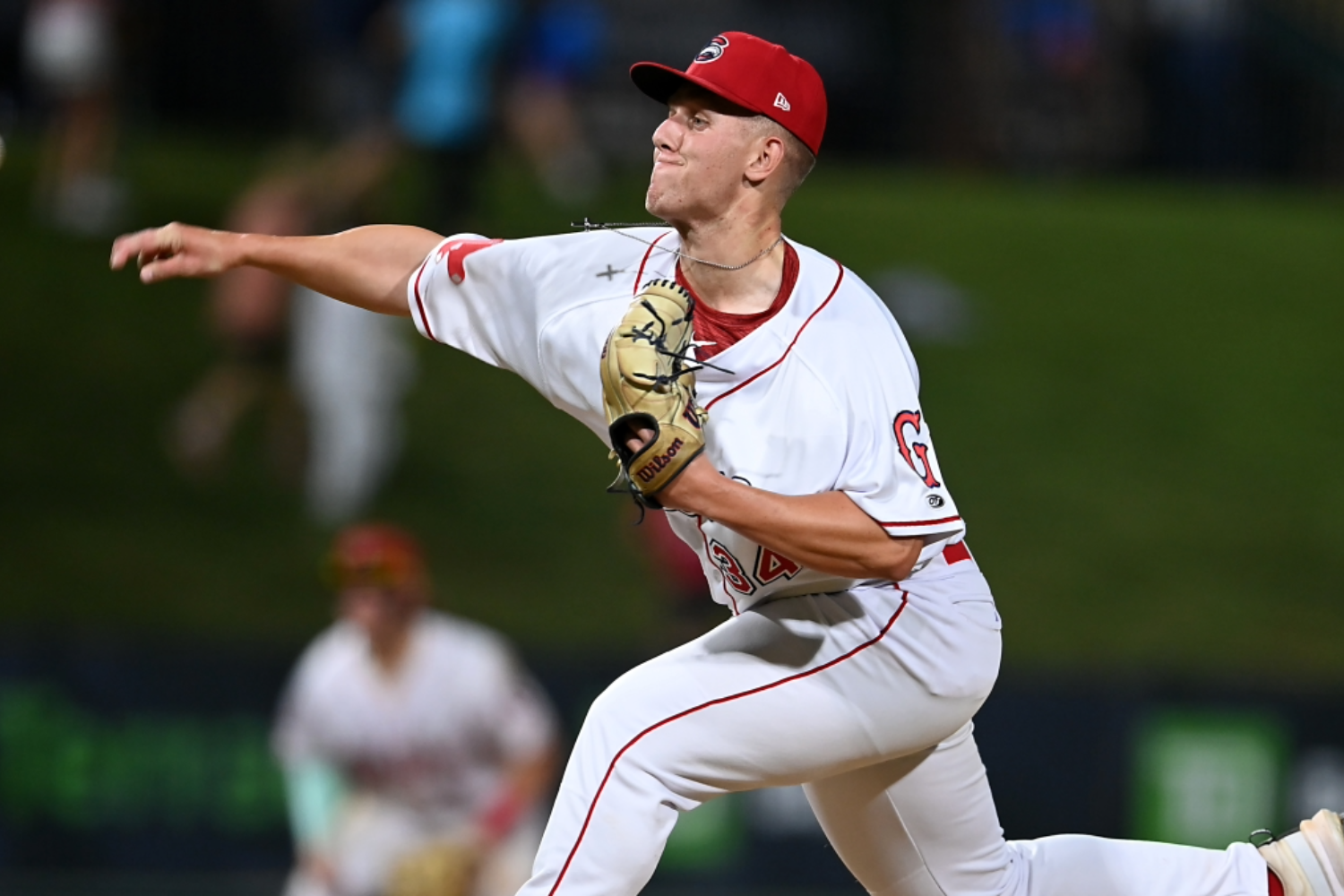 With the minor league season well in the rearview mirror, it’s time to recognize the best relief pitchers within the Red Sox's organization. Over the last six months, players performed in hopes of showcasing their talents and possibly getting promoted to the next level on their way to the major leagues. Given the manner that developing pitchers are utilized (some starting and coming out of the bullpen or even a starter being a piggyback guy for a rehab appearance), the only qualification to be eligible for the award is that the majority of their appearances had to be out of the bullpen. So, say a pitcher appeared in 25 games and made 14 starts—they would not be eligible for this award. Without that cleared up, let’s recognize the three best minor league relievers in the Red Sox’s organization this season. #3) RHP Yovanny Cruz (Portland): 34 games, 2 wins, 3.03 ERA, 6 saves, 59 1/3 innings, 72 strikeouts Cruz rebounded in impressive fashion after his last attempt at Double-A. In 2024, he spent the season with Double-A San Antonio in the San Diego Padres’ organization and struggled to the tune of a 4.55 ERA in just 23 games. After becoming a free agent, he signed a minor league contract with the Red Sox and spent all but the final week of the season with Portland. In that final week, he was promoted to Worcester but did not pitch in a game. In 34 games with Portland this year, Cruz tossed 59 1/3 innings and was on the mound for the final inning in 22 of those appearances, as he earned six saves. While Cruz was good for 10.9 strikeouts per nine innings, he unfortunately walked 44 batters as well. Fortunately for Cruz, many of them did not come around to score. Cruz threw three different pitches, led by a fastball that topped out at 100 mph, though he still lacks command with his signature offering. In addition, he features a breaking ball that sometimes appears like multiple types of pitches given its spin rate, and a changeup that he rarely used. Should Cruz be able to throw strikes more consistently, he could put himself on the MLB radar as soon as next year. #2) RHP Cooper Adams (Greenville/Portland): 31 games, 4 wins, 2.73 ERA, 69 1/3 innings, 80 strikeouts Adams ended up having an interesting season in the minors in 2025, thanks in part to a fantastic showing with Double-A Portland. Spending most of his season with High-A Greenville, Adams didn’t really do much besides strike out a lot of batters. Now 25 years old, he had a 3.95 ERA and a 1.43 WHIP while allowing nearly nine hits per nine innings in High-A. However, in those 43 1/3 innings he pitched, he managed to strike out 55 batters for a strikeout per nine innings of 11.4. Promoted to Double-A Portland in the middle of July, Adams seemed to flip a switch, as he looked like a completely different pitcher. Tossing at least two innings in each appearance, Adams would go on to finish his time with Portland with a 0.69 ERA in 26 innings across 10 appearances. His strikeouts did dip however, down to a strikeout per nine innings of 8.7. Adams, an undrafted free agent, has four pitches: his fastball which can reach 98 mph, a slider with inconsistent shape, a curveball with an 11-to-5 attack angle, and his changeup that he has confidence in. Overall, Adams is off the prospect radar due to his age and role, though he proved in 2025 that he shouldn't be counted out just yet. He did get promoted to Worcester following the end of Portland’s season, though he failed to get into a game. #1) RHP Isaac Stebens (Greenville): 38 games, 6 wins, 2.15 ERA, 9 saves, 50 1/3 innings, 59 strikeouts Stebens, a 16th-round pick in 2023 out of Oklahoma State University, put together the best season for a reliever in the Red Sox’s organization this year. After pitching in 29 games for Greenville in 2024, Stebens reported back to High-A for the 2025 season where he more or less became the unofficial closer, leading the team with nine saves. He ended up being the final pitcher on the mound for Greenville in 31 of his 38 appearances, showcasing the trust that the Drive had in him for late-game situations. With a strikeout per nine of 10.5, Stebens showed an ability to generate strikeouts when needed, thanks in part to his arsenal of pitches made up of a fastball that can top out at 95 mph, a sweeper that he can land in the zone with consistency, and his developing changeup, which is his weakest pitch at present. Currently, Stebens has shown bat-missing ability with his fastball and sweeper that could make him a useful organizational arm or even an emergency call-up, but should he develop better command, he could end up being a valuable relief prospect thanks to his deceptive delivery. Next up for Stebens is participating in the Arizona Fall League. What do you think? Do you agree with the choices, or do you feel someone got snubbed? Leave your thoughts below in the comments!
 -
With the minor league season well in the rearview mirror, it’s time to recognize the best relief pitchers within the Red Sox's organization. Over the last six months, players performed in hopes of showcasing their talents and possibly getting promoted to the next level on their way to the major leagues. Given the manner that developing pitchers are utilized (some starting and coming out of the bullpen or even a starter being a piggyback guy for a rehab appearance), the only qualification to be eligible for the award is that the majority of their appearances had to be out of the bullpen. So, say a pitcher appeared in 25 games and made 14 starts—they would not be eligible for this award. Without that cleared up, let’s recognize the three best minor league relievers in the Red Sox’s organization this season. #3) RHP Yovanny Cruz (Portland): 34 games, 2 wins, 3.03 ERA, 6 saves, 59 1/3 innings, 72 strikeouts Cruz rebounded in impressive fashion after his last attempt at Double-A. In 2024, he spent the season with Double-A San Antonio in the San Diego Padres’ organization and struggled to the tune of a 4.55 ERA in just 23 games. After becoming a free agent, he signed a minor league contract with the Red Sox and spent all but the final week of the season with Portland. In that final week, he was promoted to Worcester but did not pitch in a game. In 34 games with Portland this year, Cruz tossed 59 1/3 innings and was on the mound for the final inning in 22 of those appearances, as he earned six saves. While Cruz was good for 10.9 strikeouts per nine innings, he unfortunately walked 44 batters as well. Fortunately for Cruz, many of them did not come around to score. Cruz threw three different pitches, led by a fastball that topped out at 100 mph, though he still lacks command with his signature offering. In addition, he features a breaking ball that sometimes appears like multiple types of pitches given its spin rate, and a changeup that he rarely used. Should Cruz be able to throw strikes more consistently, he could put himself on the MLB radar as soon as next year. #2) RHP Cooper Adams (Greenville/Portland): 31 games, 4 wins, 2.73 ERA, 69 1/3 innings, 80 strikeouts Adams ended up having an interesting season in the minors in 2025, thanks in part to a fantastic showing with Double-A Portland. Spending most of his season with High-A Greenville, Adams didn’t really do much besides strike out a lot of batters. Now 25 years old, he had a 3.95 ERA and a 1.43 WHIP while allowing nearly nine hits per nine innings in High-A. However, in those 43 1/3 innings he pitched, he managed to strike out 55 batters for a strikeout per nine innings of 11.4. Promoted to Double-A Portland in the middle of July, Adams seemed to flip a switch, as he looked like a completely different pitcher. Tossing at least two innings in each appearance, Adams would go on to finish his time with Portland with a 0.69 ERA in 26 innings across 10 appearances. His strikeouts did dip however, down to a strikeout per nine innings of 8.7. Adams, an undrafted free agent, has four pitches: his fastball which can reach 98 mph, a slider with inconsistent shape, a curveball with an 11-to-5 attack angle, and his changeup that he has confidence in. Overall, Adams is off the prospect radar due to his age and role, though he proved in 2025 that he shouldn't be counted out just yet. He did get promoted to Worcester following the end of Portland’s season, though he failed to get into a game. #1) RHP Isaac Stebens (Greenville): 38 games, 6 wins, 2.15 ERA, 9 saves, 50 1/3 innings, 59 strikeouts Stebens, a 16th-round pick in 2023 out of Oklahoma State University, put together the best season for a reliever in the Red Sox’s organization this year. After pitching in 29 games for Greenville in 2024, Stebens reported back to High-A for the 2025 season where he more or less became the unofficial closer, leading the team with nine saves. He ended up being the final pitcher on the mound for Greenville in 31 of his 38 appearances, showcasing the trust that the Drive had in him for late-game situations. With a strikeout per nine of 10.5, Stebens showed an ability to generate strikeouts when needed, thanks in part to his arsenal of pitches made up of a fastball that can top out at 95 mph, a sweeper that he can land in the zone with consistency, and his developing changeup, which is his weakest pitch at present. Currently, Stebens has shown bat-missing ability with his fastball and sweeper that could make him a useful organizational arm or even an emergency call-up, but should he develop better command, he could end up being a valuable relief prospect thanks to his deceptive delivery. Next up for Stebens is participating in the Arizona Fall League. What do you think? Do you agree with the choices, or do you feel someone got snubbed? Leave your thoughts below in the comments! View full article
-
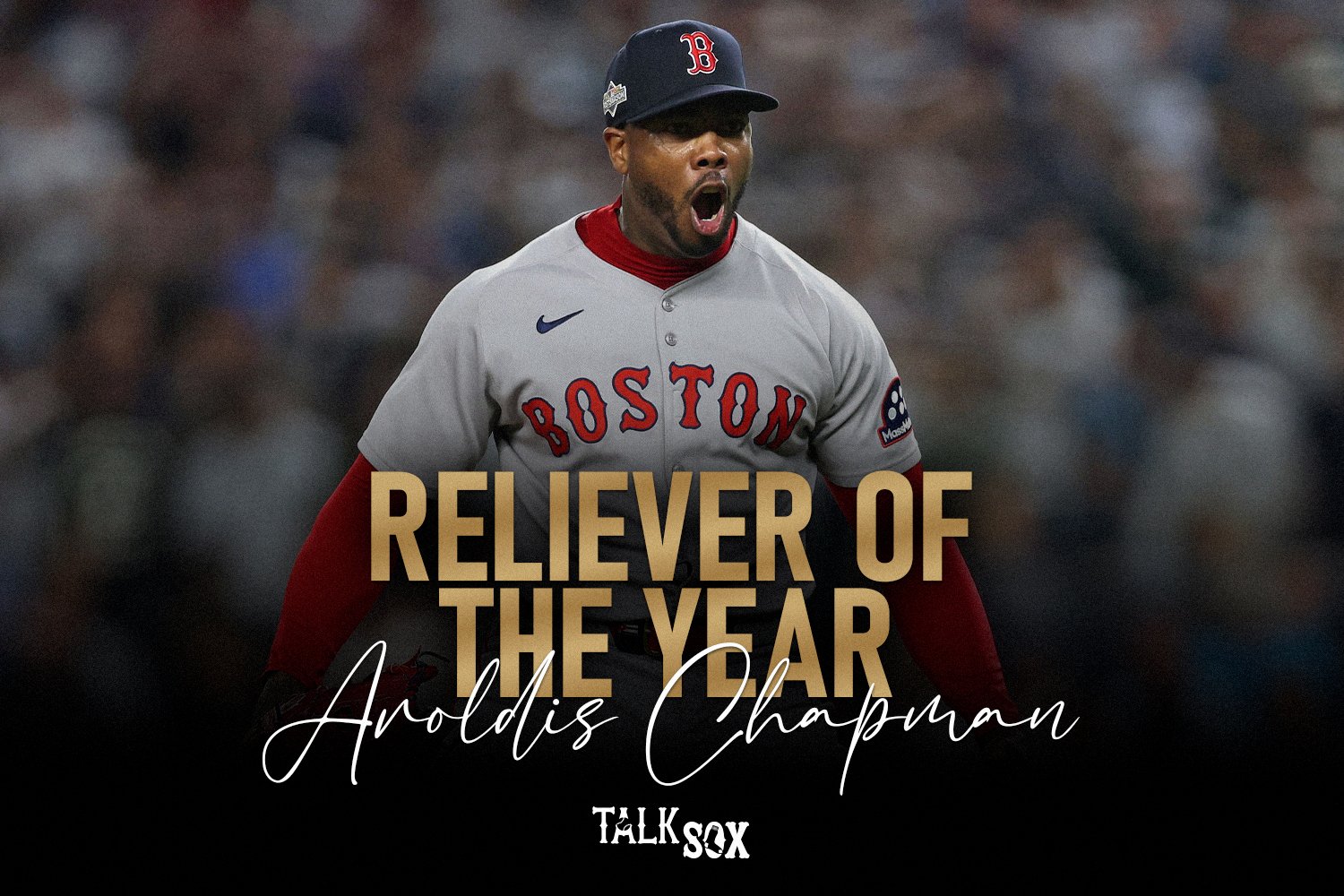 With the 2025 season officially over, it is time to look back at what was one key strength of the Boston Red Sox, which was their bullpen. This past season, the Red Sox had the best bullpen ERA in the American League and the second-best in all of major league baseball at 3.41 while tossing 585 1/3 innings. Across the year, the bullpen went a combined 36-29 with 45 saves and struck out 554 batters, helping the Red Sox return to the playoffs for the first time since 2021. Now, it’s time to look at the three most valuable relievers from the team and give them their deserved flowers. Of course, only one will be named the Reliever of the Year, but the bullpen as a whole deserves a lot of credit for the success the team found in 2025. #3) Steven Matz 21 games, 21 2/3 innings pitched, 12 strikeouts, 2.08 ERA Matz may not have pitched as much as other members of the bullpen, but after coming over at the trade deadline from St. Louis, he became an integral part of the relief corps. While both Greg Weissert and Justin Wilson struggled at times, Matz remained a key piece for manager Alex Cora. In 11 August games with the Red Sox, Matz allowed just one run in 12 1/3 innings. And while those numbers increased slightly in nine September games (four earned in nine innings), Matz still provided a reliable left-handed presence in the bullpen in a time of need, as Brennan Bernardino got placed on the injured list and Wilson was up and down. Overall, on the season, Matz went 5-2 in 53 games between the Red Sox and Cardinals with a 3.05 ERA. He also struck out 59 batters in 76 2/3 innings. He is due to be a free agent, though it wouldn't be a surprise to see the Red Sox prioritize a new contract with him over the winter. #2) Garrett Whitlock 62 games, 72 innings pitched, 91 strikeouts, 2.25 ERA This was a tough choice. If I could pick two winners, this award would be shared between Whitlock and Chapman, as the duo were a fearsome 1-2 punch in the back of the bullpen for the Red Sox. Whitlock looked even better than his 2021 self despite a lower ERA in his rookie season. This was in part thanks to his strikeouts per nine innings climbing to a career high at 11.38, along with the righty cutting back on home runs by only allowing two all season. For 2025, Whitlock struck out opponents at a 31.1% rate while opponents only hit .205 against him. He was especially lights out when it mattered most, as Whitlock allowed just a single run across 21 2/3 innings in August and September. In that same span, he struck out 26 batters and walked just five. In high-leverage situations, Whitlock remained poised and collected, as batters hit just .200/.296/.290 off of him while striking out 36 times. #1) Aroldis Chapman 67 games, 61 1/3 innings, 85 strikeouts, 1.17 ERA, 32 saves As mentioned with Whitlock, this was a tough choice. While Whitlock had more innings pitched and more strikeouts, what Chapman did this season at 37-years-old is remarkable. Not only did he turn back the clock, but the closer had what might be the best season of his career. Using fWAR, he had the third-highest of his career at 2.6 (if we use bWAR it would be 3.5 and the highest of his career). In his 61 1/3 innings pitched, Chapman allowed just nine runs, eight of them earned, to score all season. Not a month, but the entire season. It harkens back to Koji Uehara’s 2013 season at the age of 38. From June through the end of September, Chapman allowed just three earned runs in 38 1/3 innings while striking out 54 batters and walking just seven. He struck out 12.47 batters per nine innings and had the lowest walk rate of his career at 6.6%. His strikeout rate may not have been the highest of his career, but it was still a whopping 37.3%. Opposing batters hit just .131 against him, the second-lowest mark against him in his career, and he put together the lowest WHIP of his career at 0.70. With 32 saves this season, Chapman provided stability in the closer’s role that fans feared would be missing without Kenley Jansen. From his entrance blasting La Vida Es un Carnaval while a tribute to Luis Tiant played on the jumbotron, to his iconic stare at the opposing batter who made the final out, Chapman brought an intensity and aura to the closer’s role that had been sorely needed in Boston for quite some time. What did you think about our choices? Do you agree, or do you feel someone was snubbed? Leave your thoughts down below in the comments!
- 3 comments
-
- 1
-

-
- aroldis chapman
- steven matz
- (and 1 more)
-
With the 2025 season officially over, it is time to look back at what was one key strength of the Boston Red Sox, which was their bullpen. This past season, the Red Sox had the best bullpen ERA in the American League and the second-best in all of major league baseball at 3.41 while tossing 585 1/3 innings. Across the year, the bullpen went a combined 36-29 with 45 saves and struck out 554 batters, helping the Red Sox return to the playoffs for the first time since 2021. Now, it’s time to look at the three most valuable relievers from the team and give them their deserved flowers. Of course, only one will be named the Reliever of the Year, but the bullpen as a whole deserves a lot of credit for the success the team found in 2025. #3) Steven Matz 21 games, 21 2/3 innings pitched, 12 strikeouts, 2.08 ERA Matz may not have pitched as much as other members of the bullpen, but after coming over at the trade deadline from St. Louis, he became an integral part of the relief corps. While both Greg Weissert and Justin Wilson struggled at times, Matz remained a key piece for manager Alex Cora. In 11 August games with the Red Sox, Matz allowed just one run in 12 1/3 innings. And while those numbers increased slightly in nine September games (four earned in nine innings), Matz still provided a reliable left-handed presence in the bullpen in a time of need, as Brennan Bernardino got placed on the injured list and Wilson was up and down. Overall, on the season, Matz went 5-2 in 53 games between the Red Sox and Cardinals with a 3.05 ERA. He also struck out 59 batters in 76 2/3 innings. He is due to be a free agent, though it wouldn't be a surprise to see the Red Sox prioritize a new contract with him over the winter. #2) Garrett Whitlock 62 games, 72 innings pitched, 91 strikeouts, 2.25 ERA This was a tough choice. If I could pick two winners, this award would be shared between Whitlock and Chapman, as the duo were a fearsome 1-2 punch in the back of the bullpen for the Red Sox. Whitlock looked even better than his 2021 self despite a lower ERA in his rookie season. This was in part thanks to his strikeouts per nine innings climbing to a career high at 11.38, along with the righty cutting back on home runs by only allowing two all season. For 2025, Whitlock struck out opponents at a 31.1% rate while opponents only hit .205 against him. He was especially lights out when it mattered most, as Whitlock allowed just a single run across 21 2/3 innings in August and September. In that same span, he struck out 26 batters and walked just five. In high-leverage situations, Whitlock remained poised and collected, as batters hit just .200/.296/.290 off of him while striking out 36 times. #1) Aroldis Chapman 67 games, 61 1/3 innings, 85 strikeouts, 1.17 ERA, 32 saves As mentioned with Whitlock, this was a tough choice. While Whitlock had more innings pitched and more strikeouts, what Chapman did this season at 37-years-old is remarkable. Not only did he turn back the clock, but the closer had what might be the best season of his career. Using fWAR, he had the third-highest of his career at 2.6 (if we use bWAR it would be 3.5 and the highest of his career). In his 61 1/3 innings pitched, Chapman allowed just nine runs, eight of them earned, to score all season. Not a month, but the entire season. It harkens back to Koji Uehara’s 2013 season at the age of 38. From June through the end of September, Chapman allowed just three earned runs in 38 1/3 innings while striking out 54 batters and walking just seven. He struck out 12.47 batters per nine innings and had the lowest walk rate of his career at 6.6%. His strikeout rate may not have been the highest of his career, but it was still a whopping 37.3%. Opposing batters hit just .131 against him, the second-lowest mark against him in his career, and he put together the lowest WHIP of his career at 0.70. With 32 saves this season, Chapman provided stability in the closer’s role that fans feared would be missing without Kenley Jansen. From his entrance blasting La Vida Es un Carnaval while a tribute to Luis Tiant played on the jumbotron, to his iconic stare at the opposing batter who made the final out, Chapman brought an intensity and aura to the closer’s role that had been sorely needed in Boston for quite some time. What did you think about our choices? Do you agree, or do you feel someone was snubbed? Leave your thoughts down below in the comments! View full article
-
The Red Sox entered Thursday night with the hope of beating their rivals and advancing onto the Division Series to play against the Toronto Blue Jays. Unfortunately, that was not the case, as their lineup was completely shut down by a 24-year-old from Walpole, Massachusetts. The Red Sox meanwhile sent 23-year-old Connelly Early to the mound with the hope that he could take down the Yankees and extend their season. Through the first three innings that looked possible. Then, the fourth inning occurred, where Early was let down by his defense as he surrendered four hits in the inning, three of which could have very likely been outs. In what should have been an inning where only one or two runs at worse scored, the team was instead trailing 4-0 when manager Alex Cora went to Justin Slaten with two outs. The offense for the Red Sox was nonexistent as they scattered five hits off of Schlitter who absolutely dominated the lineup on his way to eight shutout innings and 12 strikeouts. Of those in the lineup, it felt like only Masataka Yoshida showed up to play, as he contributed two of the five hits on the night. The season is officially over now, and the Red Sox will have some time to plan what is in store with the roster. One thing is certain though: changes will have to be made to improve the team and make sure a step forward is taken. For the final time this series, let’s review the most impactful plays from the game, per WPA via Baseball Savant: 3) Bottom fourth: Austin Wells reaches on a fielder’s choice. Amed Rosario and Jazz Chisholm Jr. scores. -7.5% Win Expectancy With things starting to fall apart due to sloppy defense in the fourth, the Yankees continued to take advantage. Wells would go on to hit a groundball to first baseman Nathaniel Lowe, who couldn’t pick it. Instead of landing in his glove, the ball instead skipped off of it and rolled to the outfield as the Yankees scored their third and fourth runs of the evening. Lowe, who is typically a good defender (he previously won a Gold Glove award), played the ball awkwardly, trying to backhand it in hopes of turning two and ending the inning. Instead, the ball bounced off the tip of his glove and allowed the Yankees to tack on two runs. With the way the offense had been performing for Boston, the play really sunk their chances of winning. 2) Bottom fourth: Anthony Volpe singles to right field. Giancarlo Stanton scores. -7.7% Win Expectancy With the bases loaded and one out, Volpe came to the plate looking to do some damage for the Yankees. Despite Early having pitched well entering the fourth, things began to fall apart as he got himself into trouble. Volpe took an 0-1 fastball that was up and in and forced it past a shifted Romy Gonzalez into right field. It was a good piece of hitting by Volpe, taking a pitch meant to jam him and instead turning it into a base hit and RBI, allowing the Yankees to take a 2-0 lead. 1) Bottom fourth: Amed Rosario singles to right field. Cody Bellinger scores -12% Win Expectancy The first big blow of the night came from Rosario, as he came to the plate with two runners on and just one out. Ahead in the count 1-0, Rosario was not under much pressure as he took an outside changeup and pulled it towards Trevor Story. The shortstop made a valiant attempt, diving towards the ball, but it just got past him and into left field. Bellinger right away continued to round third towards home as the Yankees challenged Jarren Duran to make the play at the plate with his arm. Duran came up throwing a one-hopper to Carlos Narvaez that was a bit off the mark. It didn't really matter, as Bellinger was already sliding across home plate as the ball was caught. The Yankees would take the lead with the first run of the game, and they went on to mount their aforementioned rally that shut the door on Boston. Next up: The Red Sox are officially done for the season and will begin their offseason prep. There are plenty of questions surrounding the team after their season ended, especially toward both the offense and pitching. The bullpen may be the only part without much concern after their fantastic run, though it will never hurt to look to upgrade as relievers are volatile in their performance. If you really want to look ahead, the next game for the Red Sox will most likely be on Friday, February 20 against Northeastern University, as part of their spring training tune up. View full article
-
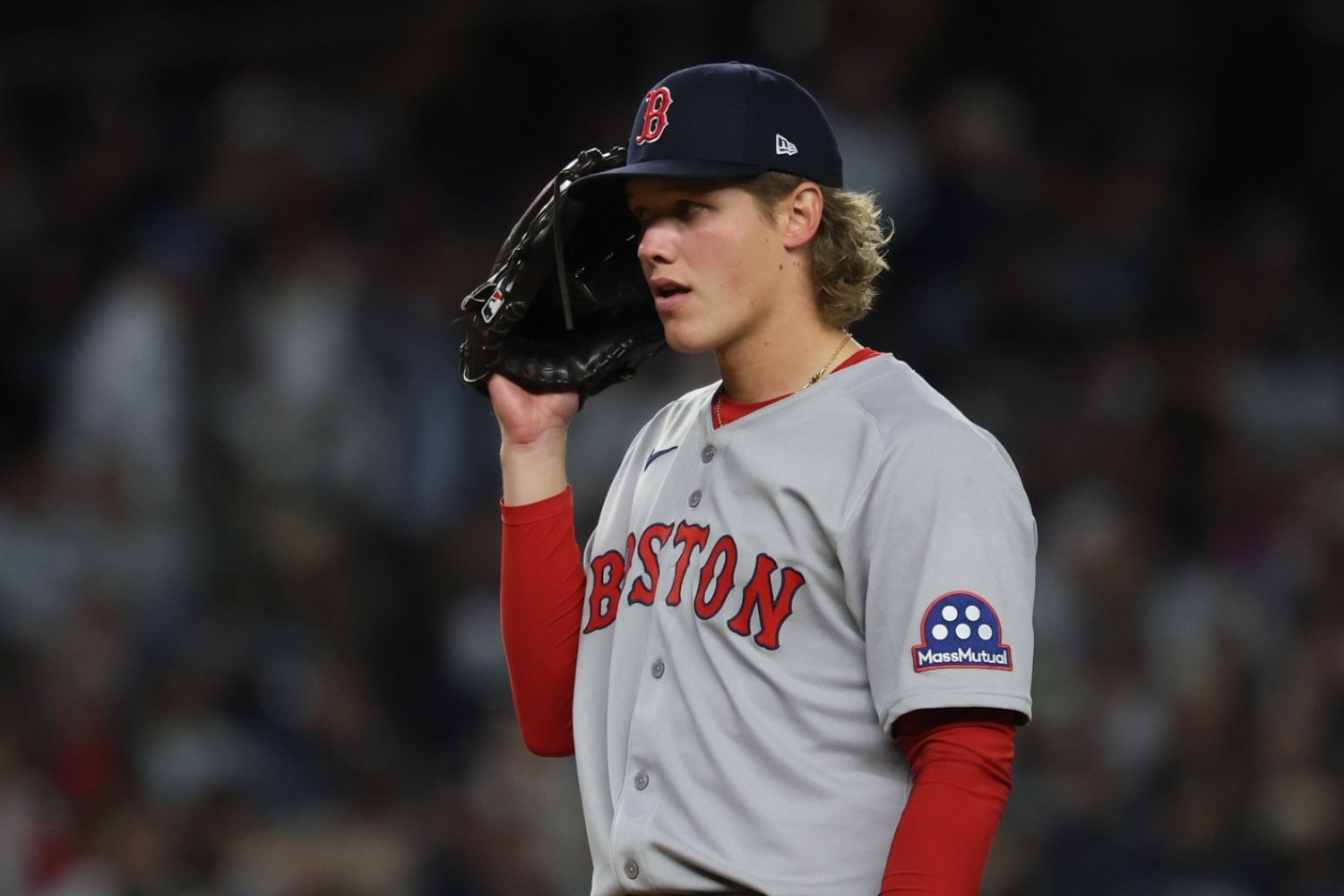 The Red Sox entered Thursday night with the hope of beating their rivals and advancing onto the Division Series to play against the Toronto Blue Jays. Unfortunately, that was not the case, as their lineup was completely shut down by a 24-year-old from Walpole, Massachusetts. The Red Sox meanwhile sent 23-year-old Connelly Early to the mound with the hope that he could take down the Yankees and extend their season. Through the first three innings that looked possible. Then, the fourth inning occurred, where Early was let down by his defense as he surrendered four hits in the inning, three of which could have very likely been outs. In what should have been an inning where only one or two runs at worse scored, the team was instead trailing 4-0 when manager Alex Cora went to Justin Slaten with two outs. The offense for the Red Sox was nonexistent as they scattered five hits off of Schlitter who absolutely dominated the lineup on his way to eight shutout innings and 12 strikeouts. Of those in the lineup, it felt like only Masataka Yoshida showed up to play, as he contributed two of the five hits on the night. The season is officially over now, and the Red Sox will have some time to plan what is in store with the roster. One thing is certain though: changes will have to be made to improve the team and make sure a step forward is taken. For the final time this series, let’s review the most impactful plays from the game, per WPA via Baseball Savant: 3) Bottom fourth: Austin Wells reaches on a fielder’s choice. Amed Rosario and Jazz Chisholm Jr. scores. -7.5% Win Expectancy With things starting to fall apart due to sloppy defense in the fourth, the Yankees continued to take advantage. Wells would go on to hit a groundball to first baseman Nathaniel Lowe, who couldn’t pick it. Instead of landing in his glove, the ball instead skipped off of it and rolled to the outfield as the Yankees scored their third and fourth runs of the evening. Lowe, who is typically a good defender (he previously won a Gold Glove award), played the ball awkwardly, trying to backhand it in hopes of turning two and ending the inning. Instead, the ball bounced off the tip of his glove and allowed the Yankees to tack on two runs. With the way the offense had been performing for Boston, the play really sunk their chances of winning. 2) Bottom fourth: Anthony Volpe singles to right field. Giancarlo Stanton scores. -7.7% Win Expectancy With the bases loaded and one out, Volpe came to the plate looking to do some damage for the Yankees. Despite Early having pitched well entering the fourth, things began to fall apart as he got himself into trouble. Volpe took an 0-1 fastball that was up and in and forced it past a shifted Romy Gonzalez into right field. It was a good piece of hitting by Volpe, taking a pitch meant to jam him and instead turning it into a base hit and RBI, allowing the Yankees to take a 2-0 lead. 1) Bottom fourth: Amed Rosario singles to right field. Cody Bellinger scores -12% Win Expectancy The first big blow of the night came from Rosario, as he came to the plate with two runners on and just one out. Ahead in the count 1-0, Rosario was not under much pressure as he took an outside changeup and pulled it towards Trevor Story. The shortstop made a valiant attempt, diving towards the ball, but it just got past him and into left field. Bellinger right away continued to round third towards home as the Yankees challenged Jarren Duran to make the play at the plate with his arm. Duran came up throwing a one-hopper to Carlos Narvaez that was a bit off the mark. It didn't really matter, as Bellinger was already sliding across home plate as the ball was caught. The Yankees would take the lead with the first run of the game, and they went on to mount their aforementioned rally that shut the door on Boston. Next up: The Red Sox are officially done for the season and will begin their offseason prep. There are plenty of questions surrounding the team after their season ended, especially toward both the offense and pitching. The bullpen may be the only part without much concern after their fantastic run, though it will never hurt to look to upgrade as relievers are volatile in their performance. If you really want to look ahead, the next game for the Red Sox will most likely be on Friday, February 20 against Northeastern University, as part of their spring training tune up.
 -
In what could have been a sweep of their rivals, the Red Sox instead dropped the ball and lost 4-3, forcing a winner-take-all Game 3 on Oct. 2. The only positive is that the Red Sox won Game 1, giving them the opportunity to only need one win out of their next two games. The team is now in a position where their season on the line and their bullpen is taxed. Starter Brayan Bello was quickly knocked out of the game as he failed to get into a groove. Right away in the first inning, he surrendered a two-run home run to Yankee slugger Ben Rice as Boston fell behind 2-0 right from the get-go. Then, in the third with two runners on and one out, Alex Cora went to his bullpen early. Six different arms were used from that point on, as the only arms who didn’t get into the game were Kyle Harrison, Greg Weissert and Aroldis Chapman. The offense besides Trevor Story was practically nonexistent, as the shortstop had a third of the team’s total hits and all their RBIs. The Red Sox will now send Connelly Early to the mound in Game 3 to extend their season while the Yankees will counter with Cam Schlittler. Both pitchers are young rookies, and one team has a more rested bullpen than the other after tonight’s game. For now, let’s review the most impactful plays from the game, per WPA via Baseball Savant: 3) Top sixth: Trevor Story hits a home run off of Carlos Rodón. Ties the game 3-3. +16.7% Win Expectancy The theme of the night was the Red Sox constantly fighting back to tie the game, and the top of the sixth was no different. After a misplay in left field by Jarren Duran that saw him drop what would have been the third out and allow the Yankees to take a 3-2 lead, Story came up to bat to lead off the sixth. Story was the only real offensive force for the Red Sox, driving in his third run of the night thanks to his first home run of the postseason. Story worked the count well, laying off of the first two pitches to get ahead in the count 2-0 before getting a 95 mph fastball right down the middle. Story didn’t miss his chance, turning on the pitch and depositing it into the left field seats to tie the game. 2) Bottom first: Ben Rice hits a home run off of Brayan Bello. Rice and Cody Bellinger score. -19.1% Win Expectancy The Yankees started the night off rather loudly, as Rice stepped to the plate with two outs. After getting both Trent Grisham and Aaron Judge out rather quickly, Bello stumbled as he allowed a Bellinger single followed by his biggest mistake of the night. Throwing a first pitch cutter, Bello missed his spot and Rice did not miss. Rice launched the ball 364 feet into right field as Yankee Stadium erupted from the early lead. Rice, a lefty who was not in the lineup for Game 1 due to Garrett Crochet being on the mound, immediately showed why he was a key bat in the Yankees’ lineup all season. 1) Bottom eighth: Austin Wells singles off Garrett Whitlock. Jazz Chisholm scores. -30.6% Win Expectancy In what would be the game=deciding hit, Wells managed to do what very few hitters have done to Whitlock in the second half: drive in a run off of him. With Chisholm on first base after a two-out walk, it was clear that Whitlock was losing steam. Having been limited to just one inning per outing since roughly a third of the way through the season, the right-hander wasn’t used to throwing so many pitches and it showed, as Wells worked a seven pitch at-bat that culminated in an RBI single to drive in the winning run. Taking a changeup that was down and in, Wells deposited it into right field where Nate Eaton, and not WIlyer Abreu, was playing. The ball, which ricocheted off of the wall down the first base line, bounced away from Eaton and allowed Chisholm to round third base all the way from first. Eaton still made the play close, but Chisholm slid in just before the throw and gave the Yankees the lead for the rest of the game Some will question and wonder if the out is made if Abreu had entered the game defensively. He is a Gold Glove outfielder with a stronger arm than Eaton, but there is still no guarantee given to the way the ball bounced around in the outfield. The bigger issue should be the way the Red Sox squandered many opportunities offensively, most importantly having two runners on with no outs in the top of the seventh inning. Next up: The Red Sox and Yankees will conclude their Wild Card series with Game 3 taking place at Yankee Stadium tomorrow, October 2. The game will be full of tension, as whoever comes out on top will head to Toronto to take on the Blue Jays in the ALDS. View full article
-
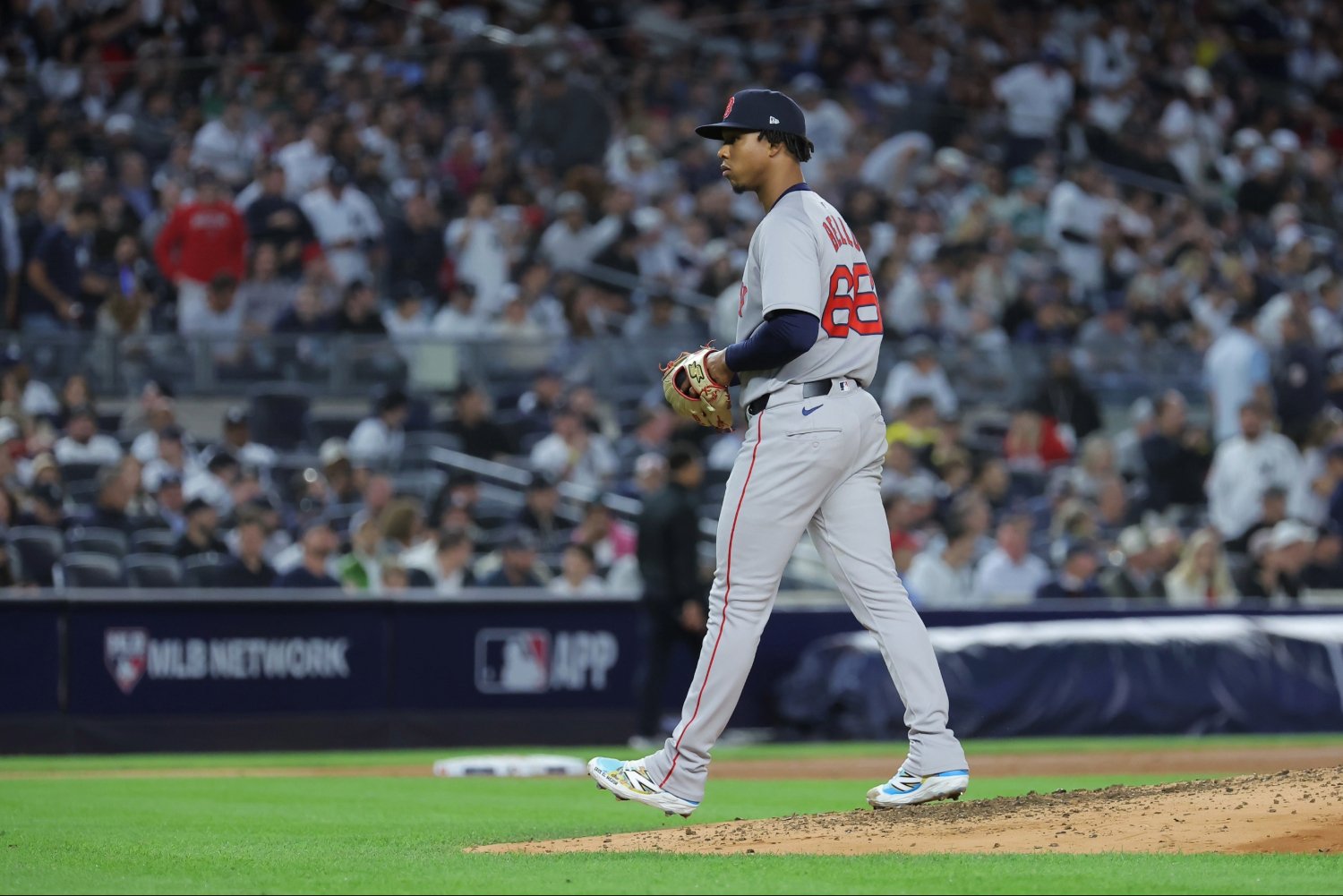 In what could have been a sweep of their rivals, the Red Sox instead dropped the ball and lost 4-3, forcing a winner-take-all Game 3 on Oct. 2. The only positive is that the Red Sox won Game 1, giving them the opportunity to only need one win out of their next two games. The team is now in a position where their season on the line and their bullpen is taxed. Starter Brayan Bello was quickly knocked out of the game as he failed to get into a groove. Right away in the first inning, he surrendered a two-run home run to Yankee slugger Ben Rice as Boston fell behind 2-0 right from the get-go. Then, in the third with two runners on and one out, Alex Cora went to his bullpen early. Six different arms were used from that point on, as the only arms who didn’t get into the game were Kyle Harrison, Greg Weissert and Aroldis Chapman. The offense besides Trevor Story was practically nonexistent, as the shortstop had a third of the team’s total hits and all their RBIs. The Red Sox will now send Connelly Early to the mound in Game 3 to extend their season while the Yankees will counter with Cam Schlittler. Both pitchers are young rookies, and one team has a more rested bullpen than the other after tonight’s game. For now, let’s review the most impactful plays from the game, per WPA via Baseball Savant: 3) Top sixth: Trevor Story hits a home run off of Carlos Rodón. Ties the game 3-3. +16.7% Win Expectancy The theme of the night was the Red Sox constantly fighting back to tie the game, and the top of the sixth was no different. After a misplay in left field by Jarren Duran that saw him drop what would have been the third out and allow the Yankees to take a 3-2 lead, Story came up to bat to lead off the sixth. Story was the only real offensive force for the Red Sox, driving in his third run of the night thanks to his first home run of the postseason. Story worked the count well, laying off of the first two pitches to get ahead in the count 2-0 before getting a 95 mph fastball right down the middle. Story didn’t miss his chance, turning on the pitch and depositing it into the left field seats to tie the game. 2) Bottom first: Ben Rice hits a home run off of Brayan Bello. Rice and Cody Bellinger score. -19.1% Win Expectancy The Yankees started the night off rather loudly, as Rice stepped to the plate with two outs. After getting both Trent Grisham and Aaron Judge out rather quickly, Bello stumbled as he allowed a Bellinger single followed by his biggest mistake of the night. Throwing a first pitch cutter, Bello missed his spot and Rice did not miss. Rice launched the ball 364 feet into right field as Yankee Stadium erupted from the early lead. Rice, a lefty who was not in the lineup for Game 1 due to Garrett Crochet being on the mound, immediately showed why he was a key bat in the Yankees’ lineup all season. 1) Bottom eighth: Austin Wells singles off Garrett Whitlock. Jazz Chisholm scores. -30.6% Win Expectancy In what would be the game=deciding hit, Wells managed to do what very few hitters have done to Whitlock in the second half: drive in a run off of him. With Chisholm on first base after a two-out walk, it was clear that Whitlock was losing steam. Having been limited to just one inning per outing since roughly a third of the way through the season, the right-hander wasn’t used to throwing so many pitches and it showed, as Wells worked a seven pitch at-bat that culminated in an RBI single to drive in the winning run. Taking a changeup that was down and in, Wells deposited it into right field where Nate Eaton, and not WIlyer Abreu, was playing. The ball, which ricocheted off of the wall down the first base line, bounced away from Eaton and allowed Chisholm to round third base all the way from first. Eaton still made the play close, but Chisholm slid in just before the throw and gave the Yankees the lead for the rest of the game Some will question and wonder if the out is made if Abreu had entered the game defensively. He is a Gold Glove outfielder with a stronger arm than Eaton, but there is still no guarantee given to the way the ball bounced around in the outfield. The bigger issue should be the way the Red Sox squandered many opportunities offensively, most importantly having two runners on with no outs in the top of the seventh inning. Next up: The Red Sox and Yankees will conclude their Wild Card series with Game 3 taking place at Yankee Stadium tomorrow, October 2. The game will be full of tension, as whoever comes out on top will head to Toronto to take on the Blue Jays in the ALDS.
 -
The Red Sox went into New York with their ace ready to lead the team against their longtime rivals in what was billed as the best pitching matchup to open the postseason this year. All Garrett Crochet had to do was pitch like his usual self and keep the game close while the Red Sox offense found a way to score runs. And did he do just that. Besides one single pitch in the second inning to Anthony Volpe that resulted in a home run, Crochet was better than advertised as he retired 17 straight batters until a Volpe single in the eighth inning broke the streak. With two outs in the eighth (and 117 pitches from Crochet), Alex Cora turned the ball over to his All-Star closer Aroldis Chapman for the final four outs. The offense, tasked with the challenge of facing Max Fried, managed to work his pitch count and knock him out of the game in the top of the seventh as Aaron Boone turned to his bullpen. The relievers struggled, as Luke Weaver surrendered two runs and failed to get an out. The Red Sox are now one win away from taking the series and will send right-hander Brayan Bello to the mound with a rested bullpen waiting in the wings as the Yankees will counter with Carlos Rodón as they hope to salvage their season. Bello has pitched well against the Yankees this season, as he’s gone 2-1 with a 1.89 ERA in three starts. In that span, he threw 19 innings and struck out 17 batters. Though, let’s review the most impactful plays from the game, per WPA via Baseball Savant: 3) Bottom 9th: Giancarlo Stanton strikes out swinging, +17% Win Expectancy With the bases loaded and no outs in the ninth inning, things began to look worrisome for both Chapman and the Red Sox. With only a two-run lead, a single from Stanton would have tied the game, and anything in the air was likely to make it a one-run game with the tying run in scoring position. Chapman didn’t falter, however, and instead buckled down, getting Stanton out on four pitches. The designated hitter swung at all four, first fouling off a 100.3 mph pitch before completely missing the second one. After fouling off a 101.1 mph pitch, Stanton swung and missed on a 92.1 mph splitter, having been caught off guard by the sudden drop in speed. 2) Bottom 9th: Cody Bellinger singles to load the bases against Chapman, -18.2% Win Expectancy After back-to-back singles from Paul Goldschmidt and Aaron Judge, Bellinger came up to bat and managed to loft a fly ball into left-center that neither Jarren Duran or Rafaela were able to get to. Fortunately for the Red Sox and Chapman, the manner in which the ball was hit—and the known defensive prowess of Rafaela—made it so Goldschmidt had to hesitate and wait for it to drop and was unable to score. The at-bat itself was over really quick, Bellinger swinging at a 99.3 mph fastball on the first pitch. It seemed to have been intended to be inside, but caught just a little too much of the plate as Bellinger managed to just loft it out into the outfield for a single. With an exit velocity of 87.7 mph, it was the softest hit allowed by Chapman on the night. As shown by the expected batting average of just .130, it was very unlucky for the Red Sox to have it drop in for a hit. Fortunately, nothing came of it as Chapman buckled down and got the next three batters to strand the bases loaded. 1) Top 7th: Masataka Yoshida singles off Luke Weaver. Ceddanne Rafaela and Nick Sogard score. +22.9% Win Expectancy This was without a doubt the biggest play of the night, as the Red Sox struggled to score up until this moment. After Fried had been lifted following a Duran groundout, Boone went to Weaver, who promptly walked Rafaela after an 11-pitch at-bat and then allowed a double to Nick Sogard to put the two into scoring position. Yoshida was then called off the bench, hitting for Rob Refsnyder, who began the game as the team’s designated hitter. In his first ever postseason at-bat, Yoshida swung at the first pitch he saw and hit a ground ball single just to the right of second base and into center field as both runners scored. The hit is Yoshida’s biggest since coming to Boston before the 2023 season and now has Boston just one win away from advancing to the Division Series to face the Toronto Blue Jays. Next up: The Red Sox will play Game 2 against the Yankees at Yankee Stadium tomorrow, Oct. 1, with the desire to win and sweep the series against their rivals. View full article
-
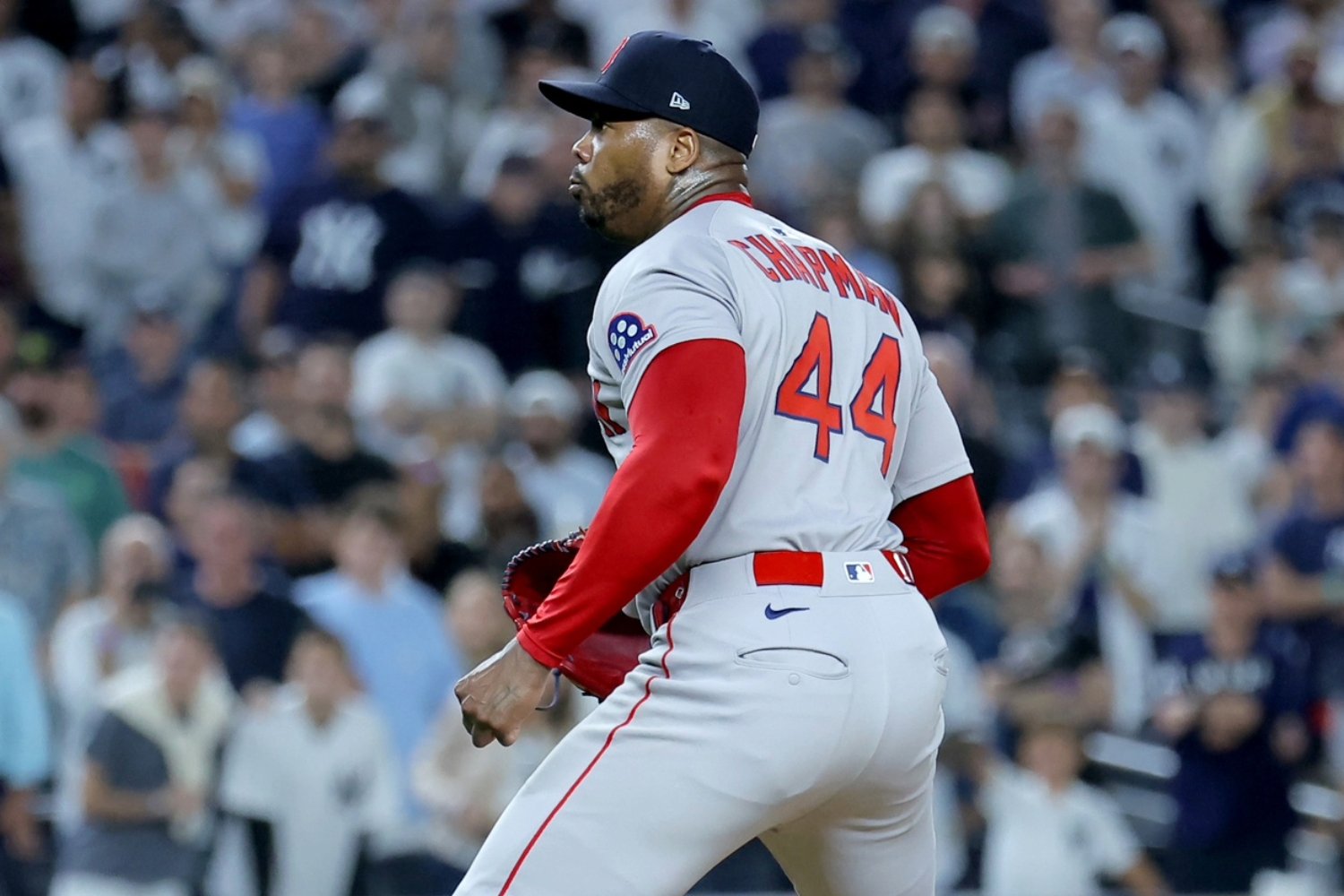 The Red Sox went into New York with their ace ready to lead the team against their longtime rivals in what was billed as the best pitching matchup to open the postseason this year. All Garrett Crochet had to do was pitch like his usual self and keep the game close while the Red Sox offense found a way to score runs. And did he do just that. Besides one single pitch in the second inning to Anthony Volpe that resulted in a home run, Crochet was better than advertised as he retired 17 straight batters until a Volpe single in the eighth inning broke the streak. With two outs in the eighth (and 117 pitches from Crochet), Alex Cora turned the ball over to his All-Star closer Aroldis Chapman for the final four outs. The offense, tasked with the challenge of facing Max Fried, managed to work his pitch count and knock him out of the game in the top of the seventh as Aaron Boone turned to his bullpen. The relievers struggled, as Luke Weaver surrendered two runs and failed to get an out. The Red Sox are now one win away from taking the series and will send right-hander Brayan Bello to the mound with a rested bullpen waiting in the wings as the Yankees will counter with Carlos Rodón as they hope to salvage their season. Bello has pitched well against the Yankees this season, as he’s gone 2-1 with a 1.89 ERA in three starts. In that span, he threw 19 innings and struck out 17 batters. Though, let’s review the most impactful plays from the game, per WPA via Baseball Savant: 3) Bottom 9th: Giancarlo Stanton strikes out swinging, +17% Win Expectancy With the bases loaded and no outs in the ninth inning, things began to look worrisome for both Chapman and the Red Sox. With only a two-run lead, a single from Stanton would have tied the game, and anything in the air was likely to make it a one-run game with the tying run in scoring position. Chapman didn’t falter, however, and instead buckled down, getting Stanton out on four pitches. The designated hitter swung at all four, first fouling off a 100.3 mph pitch before completely missing the second one. After fouling off a 101.1 mph pitch, Stanton swung and missed on a 92.1 mph splitter, having been caught off guard by the sudden drop in speed. 2) Bottom 9th: Cody Bellinger singles to load the bases against Chapman, -18.2% Win Expectancy After back-to-back singles from Paul Goldschmidt and Aaron Judge, Bellinger came up to bat and managed to loft a fly ball into left-center that neither Jarren Duran or Rafaela were able to get to. Fortunately for the Red Sox and Chapman, the manner in which the ball was hit—and the known defensive prowess of Rafaela—made it so Goldschmidt had to hesitate and wait for it to drop and was unable to score. The at-bat itself was over really quick, Bellinger swinging at a 99.3 mph fastball on the first pitch. It seemed to have been intended to be inside, but caught just a little too much of the plate as Bellinger managed to just loft it out into the outfield for a single. With an exit velocity of 87.7 mph, it was the softest hit allowed by Chapman on the night. As shown by the expected batting average of just .130, it was very unlucky for the Red Sox to have it drop in for a hit. Fortunately, nothing came of it as Chapman buckled down and got the next three batters to strand the bases loaded. 1) Top 7th: Masataka Yoshida singles off Luke Weaver. Ceddanne Rafaela and Nick Sogard score. +22.9% Win Expectancy This was without a doubt the biggest play of the night, as the Red Sox struggled to score up until this moment. After Fried had been lifted following a Duran groundout, Boone went to Weaver, who promptly walked Rafaela after an 11-pitch at-bat and then allowed a double to Nick Sogard to put the two into scoring position. Yoshida was then called off the bench, hitting for Rob Refsnyder, who began the game as the team’s designated hitter. In his first ever postseason at-bat, Yoshida swung at the first pitch he saw and hit a ground ball single just to the right of second base and into center field as both runners scored. The hit is Yoshida’s biggest since coming to Boston before the 2023 season and now has Boston just one win away from advancing to the Division Series to face the Toronto Blue Jays. Next up: The Red Sox will play Game 2 against the Yankees at Yankee Stadium tomorrow, Oct. 1, with the desire to win and sweep the series against their rivals.
-
- 1
-
-
- 2025 postseason
- garrett crochet
- (and 2 more)
-
Not true. It would have been Game 1 of ALCS he's eligible for.
-
Murphy isn't eligible since he was optioned on Sunday. Needed to wait 15 days until he can be recalled unless someone on the playoff roster goes on the IL. Also, Murphy was already unlikely to make it due to Wilson, Matz and one of Harrison/Early being in the pen. Not to mention Chapman
-
The Red Sox are preparing to face the New York Yankees in the Wild Card Round of the playoffs tonight, and if they want to win, they’ll need to find a way to handle the juggernaut of an offense their opponents have. Led by MVP candidate Aaron Judge, the Yankees displayed a lot of power this season, as they hit a combined 274 home runs, with Judge leading the way with 53. The Yankees have seven players on their roster that had 20 or more home runs. Offensively, there is no doubt the team is deep, hitting a combined .251/.332/.455 with a team OPS of .787. Along with the 274 home runs, the team also managed to drive in 820 runs and had 255 doubles. A lineup like this will be tough to slow down, but fortunately for the Red Sox, there are some key traits they can take advantage of: The Yankees strike out a lot, and most of the current lineup struggles against high velocity. While the Red Sox strike out their own fair share of the time, this Yankees roster has a tendency to strike out even more. They currently have three players who strike out greater than 33% of the time in Austin Slater, Giancarlo Stanton and Ryan McMahon. After that, there are five players who strike out at a rate higher than 25% in Jazz Chisholm Jr., Amed Rosario, Jasson Dominguez, Austin Wells, and Anthony Volpe. Even Aaron Judge strikes out at a 23.6% rate, tied with Trent Grisham, while the only players on the active roster with a strikeout rate below 20% are Ben Rice, Jose Caballero, Paul Goldschmidt and Cody Bellinger. With a pitcher like Garrett Crochet, who led the American League with 255 strikeouts, going in Game 1, there’s a good chance he could mow through a feast-or-famine order. That's especially true when you look at how the Yankees handle velocity. Crochet is known for throwing fast, averaging 96.4 mph on his fastball this season while being able to dial it up above 98 mph. Now, when you look at how the Yankees handled pitches that were at least 95 mph on the season, you start to like the Red Sox's chances. Unsurprisingly, the offense is led by Judge and Stanton in this situation, where the dynamic duo hit .286 with nine home runs and .333 with seven home runs, respectively. However, both also strike out at a high rate, Judge up to 35.2% against 95 mph or faster and Stanton striking out at a 46.9% rate. After those two, the only major threats against velocity at 95 mph or faster are Goldschmidt, Rice and Rosario as the three have hit .328, .296, and .313 respectively. The real positive is that key contributors like Grisham, Chisholm, Wells, and Volpe all struggle, as they strikeout at a 25% or higher rate, the highest among the quartet being Volpe’s 32.6% strikeout rate. And while there is no guarantee that you can hold the entire team down offensively, the fact is that you could very well go from Crochet to Justin Slaten, Garrett Whitlock and Aroldis Chapman in Game 1, all of whom can exploit this weakness. Add to it that Game 2 starter Brayan Bello can also throw 95 mph, and the Yankees will need to adjust to handling velocity quickly, otherwise the series could very easily sway in Boston’s favor from a pitching standpoint. This isn't a hidden weakness or anything the Yankees won't be prepared for; you can be certain the coaching staff has prepped the lineup to prioritize contact against the Red Sox. If you're looking for reasons for optimism though, there's a good chance the Red Sox could simply blow their rivals away in the Wild Card series. View full article
-
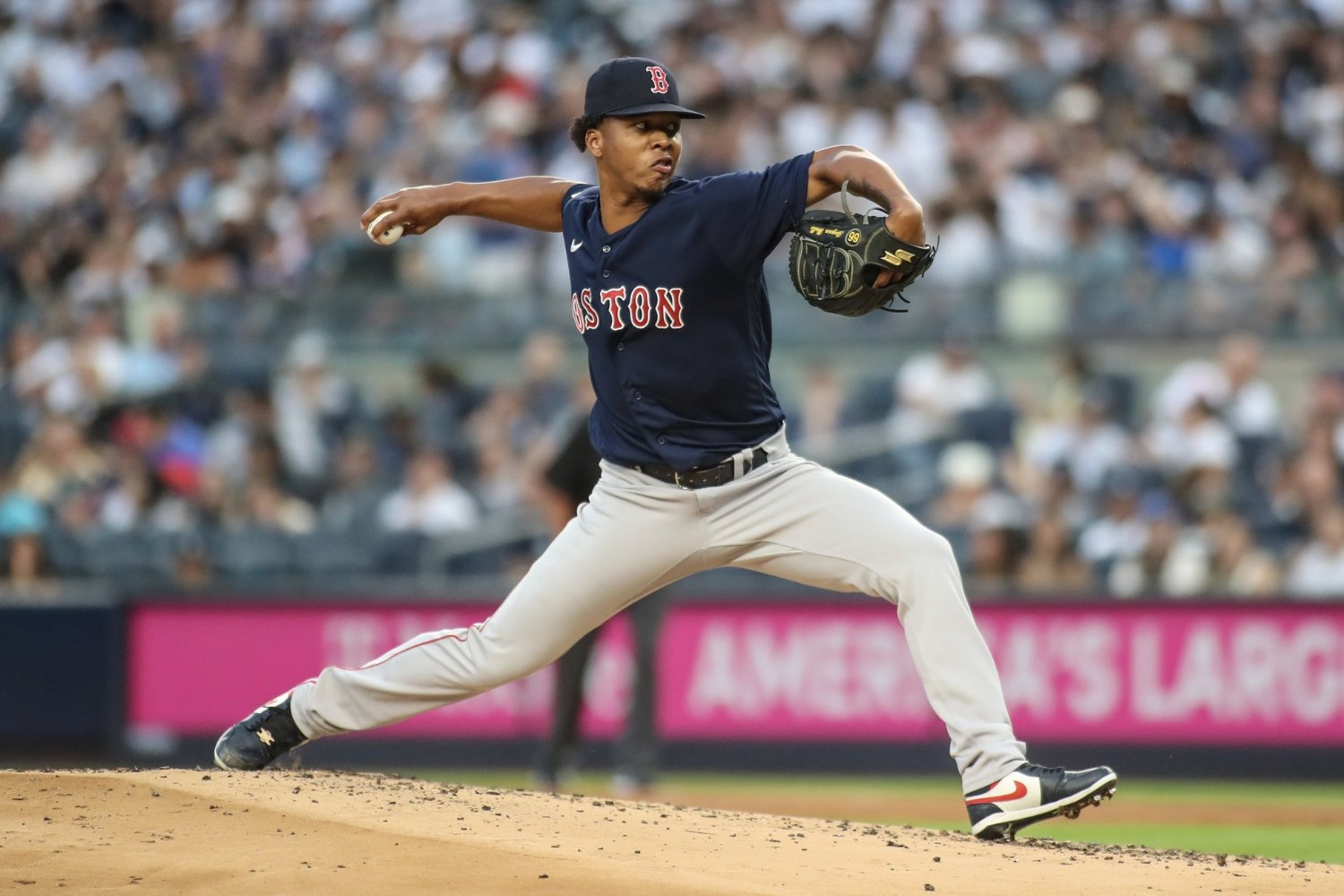 The Red Sox are preparing to face the New York Yankees in the Wild Card Round of the playoffs tonight, and if they want to win, they’ll need to find a way to handle the juggernaut of an offense their opponents have. Led by MVP candidate Aaron Judge, the Yankees displayed a lot of power this season, as they hit a combined 274 home runs, with Judge leading the way with 53. The Yankees have seven players on their roster that had 20 or more home runs. Offensively, there is no doubt the team is deep, hitting a combined .251/.332/.455 with a team OPS of .787. Along with the 274 home runs, the team also managed to drive in 820 runs and had 255 doubles. A lineup like this will be tough to slow down, but fortunately for the Red Sox, there are some key traits they can take advantage of: The Yankees strike out a lot, and most of the current lineup struggles against high velocity. While the Red Sox strike out their own fair share of the time, this Yankees roster has a tendency to strike out even more. They currently have three players who strike out greater than 33% of the time in Austin Slater, Giancarlo Stanton and Ryan McMahon. After that, there are five players who strike out at a rate higher than 25% in Jazz Chisholm Jr., Amed Rosario, Jasson Dominguez, Austin Wells, and Anthony Volpe. Even Aaron Judge strikes out at a 23.6% rate, tied with Trent Grisham, while the only players on the active roster with a strikeout rate below 20% are Ben Rice, Jose Caballero, Paul Goldschmidt and Cody Bellinger. With a pitcher like Garrett Crochet, who led the American League with 255 strikeouts, going in Game 1, there’s a good chance he could mow through a feast-or-famine order. That's especially true when you look at how the Yankees handle velocity. Crochet is known for throwing fast, averaging 96.4 mph on his fastball this season while being able to dial it up above 98 mph. Now, when you look at how the Yankees handled pitches that were at least 95 mph on the season, you start to like the Red Sox's chances. Unsurprisingly, the offense is led by Judge and Stanton in this situation, where the dynamic duo hit .286 with nine home runs and .333 with seven home runs, respectively. However, both also strike out at a high rate, Judge up to 35.2% against 95 mph or faster and Stanton striking out at a 46.9% rate. After those two, the only major threats against velocity at 95 mph or faster are Goldschmidt, Rice and Rosario as the three have hit .328, .296, and .313 respectively. The real positive is that key contributors like Grisham, Chisholm, Wells, and Volpe all struggle, as they strikeout at a 25% or higher rate, the highest among the quartet being Volpe’s 32.6% strikeout rate. And while there is no guarantee that you can hold the entire team down offensively, the fact is that you could very well go from Crochet to Justin Slaten, Garrett Whitlock and Aroldis Chapman in Game 1, all of whom can exploit this weakness. Add to it that Game 2 starter Brayan Bello can also throw 95 mph, and the Yankees will need to adjust to handling velocity quickly, otherwise the series could very easily sway in Boston’s favor from a pitching standpoint. This isn't a hidden weakness or anything the Yankees won't be prepared for; you can be certain the coaching staff has prepped the lineup to prioritize contact against the Red Sox. If you're looking for reasons for optimism though, there's a good chance the Red Sox could simply blow their rivals away in the Wild Card series.
 -
With the Boston Red Sox set to begin their Wild Card series against the New York Yankees later today, it might be a good idea to look at what are some strengths of the Yankees that could make this a tough series for the Red Sox. The Yankees had another successful regular season, finishing the year with 94 wins and in second place in the AL East while earning the first wild card seed and the right to host the opening series. The Yankees earned those 94 wins as they were led by a dominant rotation, despite missing Gerrit Cole for the entire season. That group was led by a powerful 1-2 punch of Max Fried and Carlos Rodón, as the two won a combined 37 games for the Yankees and threw 390 2/3 innings. The duo will be tough to face and will likely be the starters for the first two games of the series. In such a short series like a best of three, having two highly dominant starters can be insurmountable for an opponent. Fried is coming off of a fantastic September that saw him go 5-0 in five starts, tossing 33 1/3 innings in that span along with 35 strikeouts to just nine walks. After struggling in July and August, the Yankees’ ace showed why he was worth the seven-year deal New York signed him to in the offseason. Fried also made three starts against the Red Sox this season, going 1-1 in those three starts and tossing 18 1/3 innings. Boston batters struck out 22 times against him and only managed four runs despite 19 hits and seven walks. The Red Sox will need to put the ball in play more often with runners on base if they hope to get to Fried before he gets into a groove. Fried also has something that the Red Sox lack: postseason experience. During his time in Atlanta, the left-hander pitched in 20 playoff games, making 12 starts, though he has a mixed track record. In those 20 games, Fried has gone 5-6 with a 5.10 ERA in 67 innings. Should the Red Sox get to him early, they could cause him to self-destruct much like his lone appearance in 2024, where he allowed five runs on eight hits in just two innings. Rodón has also had a great year as he won 18 games while making the All-Star team for the third time in his career (the first time as a Yankee). Tossing a career high 195 1/3 innings, Rodón struck out 203 batters while finishing the year with a 3.09 ERA as he anchored the rotation as the number two behind Fried. Much like his partner atop the rotation, Rodón finished the year strong, going 3-2 in five September starts with a 2.61 ERA in 31 innings. Rodón also pitched three times against the Red Sox, though he went 1-2 and pitched much worse than Fried did. In 15 2/3 innings, the left-hander surrendered 11 runs, 10 earned, and walked 10 batters while striking out 12. Rodón also has some postseason experience, as most came last season in the Yankees' run to the World Series. Pitching in four games, Rodon had a mixed experience in October, as he was successful against the Cleveland Guardians but struggled in the World Series against the Los Angeles Dodgers. Of the two pitchers, it is likely Rodón that the Sox could put into trouble early. Though, should the series go to a third game, the Yankees are not without another strong pitcher. Having missed most of the 2025 season, Luis Gil is sometimes forgotten as the 2024 AL Rookie of the Year winner. However, pitching in just 11 games this season, Gil went 4-1 with a 3.32 ERA in 57 innings. As he pitched more, he got into a groove, as he went 3-0 over his final seven starts, recording a 2.84 ERA in that span. Across the season, Gil held opposing batters to a .230/.338/.351 stat line, though his strikeout rate dropped from 26.8% in 2024 to just 17.3% this season. Against the Red Sox, Gil was absolutely dominant, starting two games and winning one as he allowed just one earned run in 11 innings. For the optimists out there, one positive takeaway for the Red Sox is the fact he walked nine batters in those appearances. The Red Sox will have tough competition for certain in the Wild Card Round, but they aren’t unbeatable. If any team can beat the Yankees and their strong pitching, it's Red Sox, as they line up with Garrett Crochet in Game 1 followed by Yankee slayer Brayan Bello in game two. The series could very well be low scoring due to the impressive pitching on both sides, meaning some clutch hitting and lockdown efforts from the bullpen could be the deciding factor in who comes out on top. View full article
-
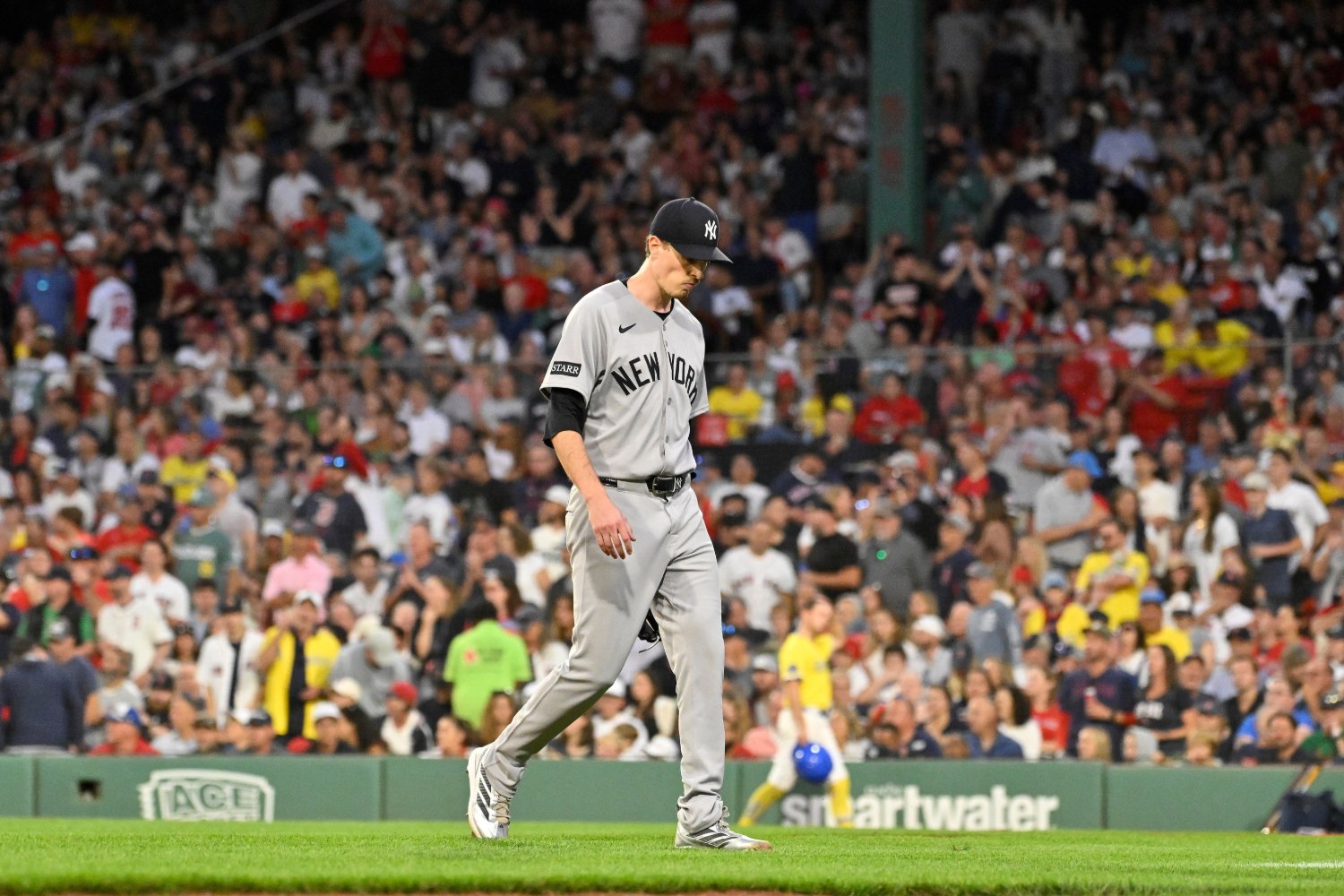 With the Boston Red Sox set to begin their Wild Card series against the New York Yankees later today, it might be a good idea to look at what are some strengths of the Yankees that could make this a tough series for the Red Sox. The Yankees had another successful regular season, finishing the year with 94 wins and in second place in the AL East while earning the first wild card seed and the right to host the opening series. The Yankees earned those 94 wins as they were led by a dominant rotation, despite missing Gerrit Cole for the entire season. That group was led by a powerful 1-2 punch of Max Fried and Carlos Rodón, as the two won a combined 37 games for the Yankees and threw 390 2/3 innings. The duo will be tough to face and will likely be the starters for the first two games of the series. In such a short series like a best of three, having two highly dominant starters can be insurmountable for an opponent. Fried is coming off of a fantastic September that saw him go 5-0 in five starts, tossing 33 1/3 innings in that span along with 35 strikeouts to just nine walks. After struggling in July and August, the Yankees’ ace showed why he was worth the seven-year deal New York signed him to in the offseason. Fried also made three starts against the Red Sox this season, going 1-1 in those three starts and tossing 18 1/3 innings. Boston batters struck out 22 times against him and only managed four runs despite 19 hits and seven walks. The Red Sox will need to put the ball in play more often with runners on base if they hope to get to Fried before he gets into a groove. Fried also has something that the Red Sox lack: postseason experience. During his time in Atlanta, the left-hander pitched in 20 playoff games, making 12 starts, though he has a mixed track record. In those 20 games, Fried has gone 5-6 with a 5.10 ERA in 67 innings. Should the Red Sox get to him early, they could cause him to self-destruct much like his lone appearance in 2024, where he allowed five runs on eight hits in just two innings. Rodón has also had a great year as he won 18 games while making the All-Star team for the third time in his career (the first time as a Yankee). Tossing a career high 195 1/3 innings, Rodón struck out 203 batters while finishing the year with a 3.09 ERA as he anchored the rotation as the number two behind Fried. Much like his partner atop the rotation, Rodón finished the year strong, going 3-2 in five September starts with a 2.61 ERA in 31 innings. Rodón also pitched three times against the Red Sox, though he went 1-2 and pitched much worse than Fried did. In 15 2/3 innings, the left-hander surrendered 11 runs, 10 earned, and walked 10 batters while striking out 12. Rodón also has some postseason experience, as most came last season in the Yankees' run to the World Series. Pitching in four games, Rodon had a mixed experience in October, as he was successful against the Cleveland Guardians but struggled in the World Series against the Los Angeles Dodgers. Of the two pitchers, it is likely Rodón that the Sox could put into trouble early. Though, should the series go to a third game, the Yankees are not without another strong pitcher. Having missed most of the 2025 season, Luis Gil is sometimes forgotten as the 2024 AL Rookie of the Year winner. However, pitching in just 11 games this season, Gil went 4-1 with a 3.32 ERA in 57 innings. As he pitched more, he got into a groove, as he went 3-0 over his final seven starts, recording a 2.84 ERA in that span. Across the season, Gil held opposing batters to a .230/.338/.351 stat line, though his strikeout rate dropped from 26.8% in 2024 to just 17.3% this season. Against the Red Sox, Gil was absolutely dominant, starting two games and winning one as he allowed just one earned run in 11 innings. For the optimists out there, one positive takeaway for the Red Sox is the fact he walked nine batters in those appearances. The Red Sox will have tough competition for certain in the Wild Card Round, but they aren’t unbeatable. If any team can beat the Yankees and their strong pitching, it's Red Sox, as they line up with Garrett Crochet in Game 1 followed by Yankee slayer Brayan Bello in game two. The series could very well be low scoring due to the impressive pitching on both sides, meaning some clutch hitting and lockdown efforts from the bullpen could be the deciding factor in who comes out on top.
 -
I think you'll see Cora load the top of the lineup with righties. Probably lead off with Romy in games 1 and 2
-
Between the two I like Early getting the Game 3 start. Worse case you get 3-4 innings out of him before turning it over to the bullpen.

