


Alex Mayes
-
Posts
814 -
Joined
-
Last visited
Content Type
Profiles
Boston Red Sox Videos
2026 Boston Red Sox Top Prospects Ranking
Boston Red Sox Free Agent & Trade Rumors, Notes, & Tidbits
Guides & Resources
2025 Boston Red Sox Draft Pick Tracker
News
2026 Boston Red Sox Draft Tracker: Picks & Bonuses
Forums
Blogs
Events
Store
Downloads
Gallery
Everything posted by Alex Mayes
-
Was going to pan this list because I didn’t see The New Day at first glance, haha.
-
Ryan, what should our tag team name be?
-
The Red Sox Still Have A Trevor Story Problem
Alex Mayes replied to Alex Mayes's topic in Talk Sox Front Page News
But I don't feel like an Alan. -
The Red Sox Still Have A Trevor Story Problem
Alex Mayes replied to Alex Mayes's topic in Talk Sox Front Page News
While I support trading both Duran and Masa, I wouldn't even entertain the idea until closer to the deadline unless the train comes completely off the tracks. The team is too fickle right now to do anything more than move pieces around. -
The Red Sox Still Have A Trevor Story Problem
Alex Mayes replied to Alex Mayes's topic in Talk Sox Front Page News
You caught me. -
The Red Sox Still Have A Trevor Story Problem
Alex Mayes replied to Alex Mayes's topic in Talk Sox Front Page News
Without a doubt. I'd also prefer to keep Rafaela in CF but you're absolutely correct that the biggest flaw across the board is roster construction. -
The Red Sox Still Have A Trevor Story Problem
Alex Mayes replied to Alex Mayes's topic in Talk Sox Front Page News
The scorer is probably best friends with Alex Cora. -
The Red Sox Still Have A Trevor Story Problem
Alex Mayes replied to Alex Mayes's topic in Talk Sox Front Page News
I agree 100% that it's not a lot for the modern shortstop, just calling out wrong claims when I see them. -
The Red Sox Still Have A Trevor Story Problem
Alex Mayes replied to Alex Mayes's topic in Talk Sox Front Page News
Missed this comment when we were discussing, sorry about that. Last season I was against a Rafaela trade but I've warmed up to it now. Roman is likely still untouchable and he should be. I think the absolute worst case scenario with him, if he can't figure out the arm issues, is he can move to first base. Not ideal by any means, and won't happen while Contreras is around and healthy, but it would take a ton of pressure off him playing there. I said on the last episode of the podcast I'd move Ceddanne to second, Mayer to short, Duran to center, and Roman to left full time to put the best defensive unit on the field, but I still think the smart move is to trade Duran. His value will never be as high as it was in 24 when he should have been dealt, but he can net you something as part of a package now. -
The Red Sox Still Have A Trevor Story Problem
Alex Mayes replied to Alex Mayes's topic in Talk Sox Front Page News
Actually, Trevor Story led the team in errors last season with 19, which was ten more than number two on that list. Abreu came in at eighth overall with five. Kristian Campbell ranked ahead of him though, with seven. -
The Red Sox Still Have A Trevor Story Problem
Alex Mayes replied to Alex Mayes's topic in Talk Sox Front Page News
That's the kicker too. If Story is this team leader some people are making him out to be, he should be perfectly okay with it if it makes the team better. I think if you give Mayer more at bats against left-handed pitching then the platoon worry goes away. He's not a perfect offensive player by any means, but the swing changes he's made will have a positive impact the more often he's out there. Out of those two though, give me Monasterio. IKF isn't long for this team unless there's a major injury in the infield. -
The Red Sox Still Have A Trevor Story Problem
Alex Mayes replied to Alex Mayes's topic in Talk Sox Front Page News
There's validity to that. Weren't they aware of his elbow issues in 22 and that helped make the decision to slide him to 2B? I recall reading that somewhere but can't put my finger on it now. -
The Red Sox Still Have A Trevor Story Problem
Alex Mayes replied to Alex Mayes's topic in Talk Sox Front Page News
A likely unpopular opinion, but I'd DH him at this point. It further clogs the logjam of players on the 26-man roster, but I believe it's where he would thrive the most. It's impossible to do without trading Masa right now though. -
The Red Sox Still Have A Trevor Story Problem
Alex Mayes replied to Alex Mayes's topic in Talk Sox Front Page News
You're spot on. I have my complaints about Cora, and its a growing list this season, but I think he's still a good manager at the end of the day. I think he's on a slippery slope to losing that title this year though. My biggest gripe right now is the Story situation as a whole. They had no problem making Devers move off third and then trading him when he wouldn't play first, but for some reason Story is untouchable. Devers came through the organization, he was forced to be the face of the franchise after his extension, but he was still moved around. Why is Story so untouchable here? It doesn't make any sense. -
The Red Sox Still Have A Trevor Story Problem
Alex Mayes replied to Alex Mayes's topic in Talk Sox Front Page News
If you actually read the article you'd have noticed that the problem I outlined had nothing to do with Story's offense, outside of the hole in his swing when he's thrown a low and away slider. It's specifically about how he is now a defensive liability at shortstop and should be moved for a better defender. The other players you mentioned were not addressed in this article because they don't factor into the discussion about Story's defensive inabilities. -
I was really hoping that I wouldn’t have to start writing my essays on Trevor Story’s lack of production for the Boston Red Sox again this season. I didn’t want to highlight his glaring offensive issues, his mounting errors, or the fact that he shouldn’t be anywhere near the number two spot in the lineup ever again. Like clockwork. though, here we are. The Red Sox are underperforming and Trevor Story is right in the center of why. [Of course, as I write this, he goes off in a 2-for-4 day with a home run and five RBIs. All stats below are from before that performance, but know that he more than doubled his season-long wRC+ from 22 to 48 in that finale agains the Twins. Perhaps I need to chastise him more frequently...] Going into the series against the Brewers, Alex Cora finally dropped Story from the two hole in the lineup to fifth. Story’s presence behind Roman Anthony in the leadoff spot struck no fear into the hearts of opposing pitchers. In fact, we surmised on the Talk Sox Podcast that having Story hit behind Anthony would only just increase the amount of intentional passes the young slugger would receive this year. Why pitch to someone who has the potential to flip the game on its head with one swing when you could put him on first and throw non-competitive pitches to the guy behind him who will likely swing away at them instead? Story offered no protection as the number two hitter, so dropping him in the lineup made the most sense. While he was batting second, Story slashed .119/.119/.214 with one home run, two RBIs, zero walks, and a 40.5% strikeout percentage. He posted a -18 wRC+ to go along with a -0.5 fWAR. From April 6-14, though, he hit .290/.294/.355 with 10 RBIs, a 2.9% walk rate, and a 20.6% strikeout rate while posting an 74 wRC+. He worked his first walk of the season on April 11 and had his first multi-hit game on April 12. Moving him down in the lineup seems to have unlocked something for him. There’s less pressure on him hitting in the middle of the order and he seems far more comfortable. The one thing Story can’t seem to fix though, is the fact that he’s going to swing away on low-and-away sliders. The book has been out on him for awhile now and when push comes to shove, he’s going to see pitches away out of the zone because the opposing pitcher just knows that bat is going fly. Story often looks shocked each time it happens, like he’s somehow expecting a different result. The only shocking thing is that he sees any other pitches besides those sliders when there’s anything at stake and he’s in the box. Somehow, despite all of that, the biggest hurdle to overcome with Story is on defense. He currently leads the team in errors with four. When a ball is hit to short, you don’t feel great about it. He’s botched some basic grounders by not getting his glove down enough, but more concerning is that he’s making throwing errors that look egregious. They are throws that you expect a major-league shortstop to make, but instead Willson Contreras is left sprawling out on the ground to try and pick a ball in the dirt that’s more than a foot outside of his wingspan. He currently ranks in the bottom half of the league with -1 defensive runs saved and -2 outs above average. Story is a net-negative with the glove at this stage of his career. What should happen, but likely won’t since Cora has doubled down on Story being the shortstop for the Red Sox, is that Story and Mayer should switch positions. Yes, you still need range at second, but it's a less demanding position coverage-wise. Mayer has proven to be a defensive wizard at any position he’s been asked to play for the team, but he’s a natural shortstop. Getting him to his long-term position sooner than later would likely pay immediate dividends for the team. Going back to last season, Story has committed 11 errors in his last 34 games at short. He finished the 2025 season ranked third in all of baseball with 19 errors and currently ranks second in total errors this year. If you were watching the series opener against the Twins, you saw Story's lack of defensive profile on display in the bottom of the first inning. You know what turns a bad inning into a terrible inning for a struggling ace like Garrett Crochet? Whatever it was Story was attempting to do here. The Red Sox need to figure out a solution to the Trevor Story problem sooner than later. Dropping him in the lineup was the first step in the right direction, but there’s still his defensive position that needs to be addressed at some point. Alex Cora is a good manager, and has proven early on this season that he’ll make changes to try and wake his team up. The thing that could put this team over the top is finally taking Story off shortstop and letting him move back to second base. It fully opens the door for Mayer to step into his own at the position he’s going to play long after Story departs the Red Sox. View full article
-
.jpg.b06f0300d42502d03e48c6a84cc676ea.jpg) I was really hoping that I wouldn’t have to start writing my essays on Trevor Story’s lack of production for the Boston Red Sox again this season. I didn’t want to highlight his glaring offensive issues, his mounting errors, or the fact that he shouldn’t be anywhere near the number two spot in the lineup ever again. Like clockwork. though, here we are. The Red Sox are underperforming and Trevor Story is right in the center of why. [Of course, as I write this, he goes off in a 2-for-4 day with a home run and five RBIs. All stats below are from before that performance, but know that he more than doubled his season-long wRC+ from 22 to 48 in that finale agains the Twins. Perhaps I need to chastise him more frequently...] Going into the series against the Brewers, Alex Cora finally dropped Story from the two hole in the lineup to fifth. Story’s presence behind Roman Anthony in the leadoff spot struck no fear into the hearts of opposing pitchers. In fact, we surmised on the Talk Sox Podcast that having Story hit behind Anthony would only just increase the amount of intentional passes the young slugger would receive this year. Why pitch to someone who has the potential to flip the game on its head with one swing when you could put him on first and throw non-competitive pitches to the guy behind him who will likely swing away at them instead? Story offered no protection as the number two hitter, so dropping him in the lineup made the most sense. While he was batting second, Story slashed .119/.119/.214 with one home run, two RBIs, zero walks, and a 40.5% strikeout percentage. He posted a -18 wRC+ to go along with a -0.5 fWAR. From April 6-14, though, he hit .290/.294/.355 with 10 RBIs, a 2.9% walk rate, and a 20.6% strikeout rate while posting an 74 wRC+. He worked his first walk of the season on April 11 and had his first multi-hit game on April 12. Moving him down in the lineup seems to have unlocked something for him. There’s less pressure on him hitting in the middle of the order and he seems far more comfortable. The one thing Story can’t seem to fix though, is the fact that he’s going to swing away on low-and-away sliders. The book has been out on him for awhile now and when push comes to shove, he’s going to see pitches away out of the zone because the opposing pitcher just knows that bat is going fly. Story often looks shocked each time it happens, like he’s somehow expecting a different result. The only shocking thing is that he sees any other pitches besides those sliders when there’s anything at stake and he’s in the box. Somehow, despite all of that, the biggest hurdle to overcome with Story is on defense. He currently leads the team in errors with four. When a ball is hit to short, you don’t feel great about it. He’s botched some basic grounders by not getting his glove down enough, but more concerning is that he’s making throwing errors that look egregious. They are throws that you expect a major-league shortstop to make, but instead Willson Contreras is left sprawling out on the ground to try and pick a ball in the dirt that’s more than a foot outside of his wingspan. He currently ranks in the bottom half of the league with -1 defensive runs saved and -2 outs above average. Story is a net-negative with the glove at this stage of his career. What should happen, but likely won’t since Cora has doubled down on Story being the shortstop for the Red Sox, is that Story and Mayer should switch positions. Yes, you still need range at second, but it's a less demanding position coverage-wise. Mayer has proven to be a defensive wizard at any position he’s been asked to play for the team, but he’s a natural shortstop. Getting him to his long-term position sooner than later would likely pay immediate dividends for the team. Going back to last season, Story has committed 11 errors in his last 34 games at short. He finished the 2025 season ranked third in all of baseball with 19 errors and currently ranks second in total errors this year. If you were watching the series opener against the Twins, you saw Story's lack of defensive profile on display in the bottom of the first inning. You know what turns a bad inning into a terrible inning for a struggling ace like Garrett Crochet? Whatever it was Story was attempting to do here. The Red Sox need to figure out a solution to the Trevor Story problem sooner than later. Dropping him in the lineup was the first step in the right direction, but there’s still his defensive position that needs to be addressed at some point. Alex Cora is a good manager, and has proven early on this season that he’ll make changes to try and wake his team up. The thing that could put this team over the top is finally taking Story off shortstop and letting him move back to second base. It fully opens the door for Mayer to step into his own at the position he’s going to play long after Story departs the Red Sox.
I was really hoping that I wouldn’t have to start writing my essays on Trevor Story’s lack of production for the Boston Red Sox again this season. I didn’t want to highlight his glaring offensive issues, his mounting errors, or the fact that he shouldn’t be anywhere near the number two spot in the lineup ever again. Like clockwork. though, here we are. The Red Sox are underperforming and Trevor Story is right in the center of why. [Of course, as I write this, he goes off in a 2-for-4 day with a home run and five RBIs. All stats below are from before that performance, but know that he more than doubled his season-long wRC+ from 22 to 48 in that finale agains the Twins. Perhaps I need to chastise him more frequently...] Going into the series against the Brewers, Alex Cora finally dropped Story from the two hole in the lineup to fifth. Story’s presence behind Roman Anthony in the leadoff spot struck no fear into the hearts of opposing pitchers. In fact, we surmised on the Talk Sox Podcast that having Story hit behind Anthony would only just increase the amount of intentional passes the young slugger would receive this year. Why pitch to someone who has the potential to flip the game on its head with one swing when you could put him on first and throw non-competitive pitches to the guy behind him who will likely swing away at them instead? Story offered no protection as the number two hitter, so dropping him in the lineup made the most sense. While he was batting second, Story slashed .119/.119/.214 with one home run, two RBIs, zero walks, and a 40.5% strikeout percentage. He posted a -18 wRC+ to go along with a -0.5 fWAR. From April 6-14, though, he hit .290/.294/.355 with 10 RBIs, a 2.9% walk rate, and a 20.6% strikeout rate while posting an 74 wRC+. He worked his first walk of the season on April 11 and had his first multi-hit game on April 12. Moving him down in the lineup seems to have unlocked something for him. There’s less pressure on him hitting in the middle of the order and he seems far more comfortable. The one thing Story can’t seem to fix though, is the fact that he’s going to swing away on low-and-away sliders. The book has been out on him for awhile now and when push comes to shove, he’s going to see pitches away out of the zone because the opposing pitcher just knows that bat is going fly. Story often looks shocked each time it happens, like he’s somehow expecting a different result. The only shocking thing is that he sees any other pitches besides those sliders when there’s anything at stake and he’s in the box. Somehow, despite all of that, the biggest hurdle to overcome with Story is on defense. He currently leads the team in errors with four. When a ball is hit to short, you don’t feel great about it. He’s botched some basic grounders by not getting his glove down enough, but more concerning is that he’s making throwing errors that look egregious. They are throws that you expect a major-league shortstop to make, but instead Willson Contreras is left sprawling out on the ground to try and pick a ball in the dirt that’s more than a foot outside of his wingspan. He currently ranks in the bottom half of the league with -1 defensive runs saved and -2 outs above average. Story is a net-negative with the glove at this stage of his career. What should happen, but likely won’t since Cora has doubled down on Story being the shortstop for the Red Sox, is that Story and Mayer should switch positions. Yes, you still need range at second, but it's a less demanding position coverage-wise. Mayer has proven to be a defensive wizard at any position he’s been asked to play for the team, but he’s a natural shortstop. Getting him to his long-term position sooner than later would likely pay immediate dividends for the team. Going back to last season, Story has committed 11 errors in his last 34 games at short. He finished the 2025 season ranked third in all of baseball with 19 errors and currently ranks second in total errors this year. If you were watching the series opener against the Twins, you saw Story's lack of defensive profile on display in the bottom of the first inning. You know what turns a bad inning into a terrible inning for a struggling ace like Garrett Crochet? Whatever it was Story was attempting to do here. The Red Sox need to figure out a solution to the Trevor Story problem sooner than later. Dropping him in the lineup was the first step in the right direction, but there’s still his defensive position that needs to be addressed at some point. Alex Cora is a good manager, and has proven early on this season that he’ll make changes to try and wake his team up. The thing that could put this team over the top is finally taking Story off shortstop and letting him move back to second base. It fully opens the door for Mayer to step into his own at the position he’s going to play long after Story departs the Red Sox. -
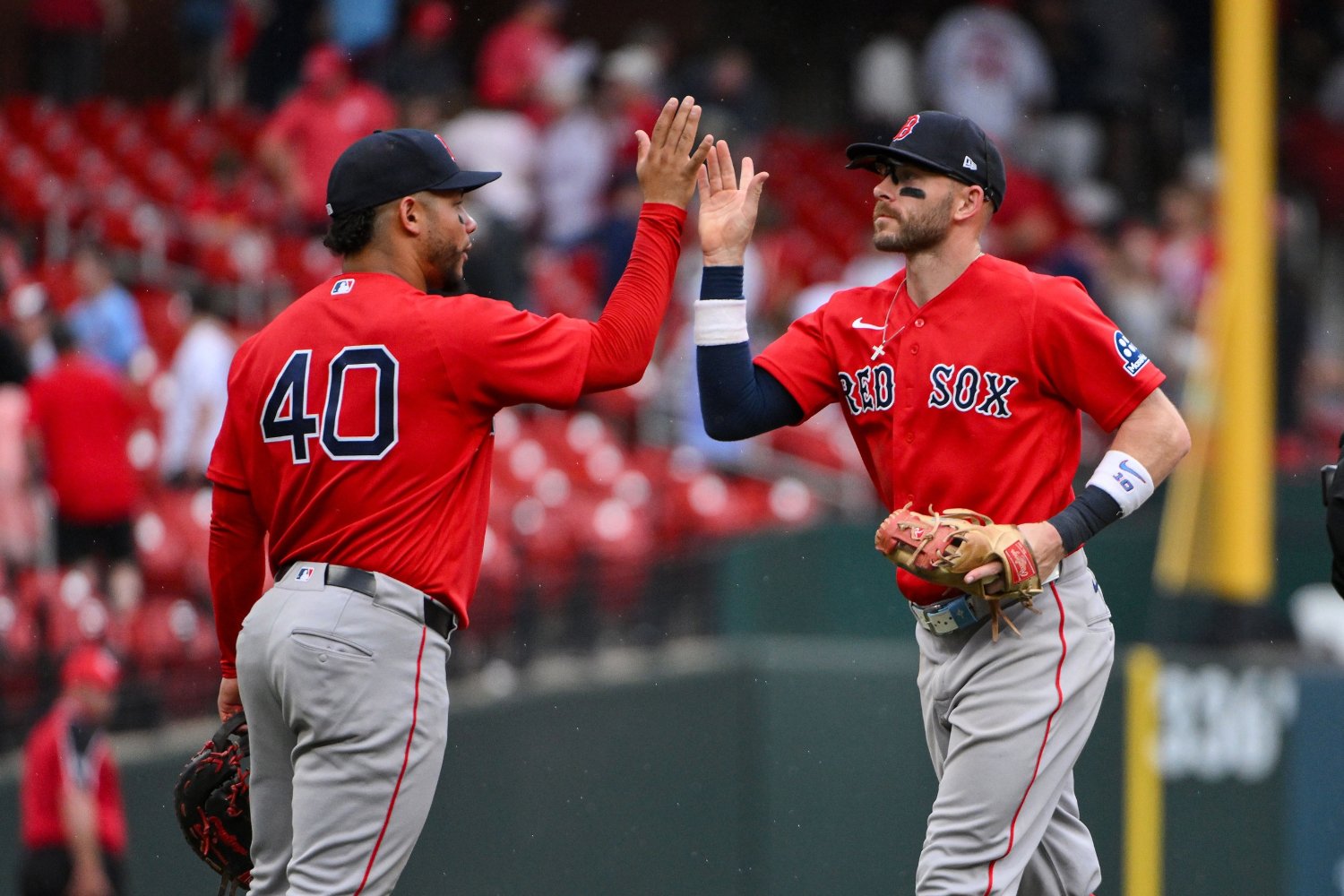 Red Sox Weekly Snapshot Record Last Week: 4-2 Runs Scored Last Week: 23 Runs Surrendered Last Week: 17 Standings: 5th in AL East 2 GB of 1st Place Transactions: 4/06/26: Red Sox activated RHP Garrett Whitlock from the paternity list. 4/06/26: Red Sox optioned RHP Tyler Uberstine to Worcester Red Sox. 4/07/26: Red Sox signed free agent RHP Markel Vargas to a minor league contract. 4/07/26: Red Sox signed free agent C Dylan Mara to a minor league contract. 4/08/26: Red Sox place RHP Justin Slaten on 15-day inured list (retroactive to April 5) with a right oblique strain. 4/08/26: Red Sox recalled LHP Tyler Samaniego from Worcester Red Sox. 4/08/26: Red Sox sent LHP Patric Sandoval on a rehab assignment to Worcester Red Sox. 4/09/26: Red Sox sent 2B Anthony Seigler on a rehab assignment to Worcester Red Sox. 4/10/26: Red Sox optioned 2B Anthony Seigler to Worcester Red Sox. 4/10/26: Red Sox activated 2B Anthony Seigler from the 10-day injured list. Scores: Game 10 (4/06): BOS 6, MIL 8 Game 11 (4/07): BOS 3, MIL 2 Game 12 (4/08): BOS 5, MIL 0 Game 13 (4/10): BOS 2, STL 3 Game 14 (4/11): BOS 7, STL 1 Game 15 (4/12): BOS 9, STL 3 Series Breakdown/Highlights Milwaukee Series: This was likely a series that many counted the Red Sox out of before the first pitch of the game. After game one, it seemed like we were in for more of the same. There were the Willson Contreras fireworks, the promise to “take one of them out” if the Brewers hit him again, and a collapse in the late innings after both teams battled back and forth for the majority of the contest. Game two saw what could be one of the best pitching duels of the season, Garrett Crochet against Jacob Misiorowski. They went hitter for hitter throughout the first six innings until the Red Sox broke through against the Miz and plated three runs, thanks to some timely walks. Crochet wasn’t perfect, surrendering two runs of his own in 6 ⅓ innings, but his seven strikeouts helped to right the ship against the Brewers. In game three, the Red Sox welcomed old friend Shane Drohan to the big leagues by tagging him for three earned runs in 2 ⅔ innings. Sonny Gray tossed a second gem in a row, going 6 ⅓ innings allowing three hits with two walks and two strikeouts. Cardinals Series: The Red Sox looked to unleash their offensive firepower against former teammate Dustin May in the weekend opener. Instead, May turned in his best start of the season. He held the Red Sox to one earned run over 6 innings pitched with no walks and four strikeouts. Rookie Connelly Early struggled to find his control once again, surrendering one earned run over 4 ⅓ innings allowing five hits, two walks, and five strikeouts. After him, the Red Sox used four relievers out of an already taxed bullpen. Zack Kelly allowed two earned runs in ⅔ inning work while Tyler Samaniego, Greg Weissert, and Jovani Moran all worked clean innings, or part of innings, through the end of the game. On Saturday, the Red Sox erupted for seven runs, the first time they scored at least seven on the season. LHP Ranger Suarez tossed six scoreless innings, working six strikeouts and two walks. It was by far the sharpest he’s been since joining the Sox. Ceddanne Rafaela gave everyone a scare by taking a pitch off his hand, but stayed in the game. The team plated five runs in the top of the ninth. In the series finale, the Red Sox kept the same energy from the night before. They plated nine runs on the day, while Contreras notched a homer in the final game against his former team. Trevor Story had a bang up day, going four-for-five with two RBIs. Arguably most importantly. though, Brayan Bello looked mostly sharp logging 6 ⅔ innings while allowing six hits, two earned, two walks, and two strikeouts. Website Highlights Mikey Romero has Pushed Through Endless Adversity to Arrive on Boston’s Doorstep by Nick John Marcelo Mayer has Altered his Swing Path, and the Red Sox Should Benefit Soon by Jack Lindsay Connelly Early’s Strong Start Isn’t a Mirage, but There are Reasons for Concern by Alex Mayes Looking Ahead April 13: Red Sox (Garrett Crochet) @ Twins (Bailey Ober): 7:40 PM EDT April 14: Red Sox (Sonny Gray) @ Twins (Mick Abel): 7:40 PM EDT April 15: Red Sox (Connelly Early) @ Twins (Simeon Woods Richardson): 1:40 PM EDT April 17: Tigers @ Red Sox: 7:15 PM EDT April 18: Tigers @ Red Sox: 4:10 PM EDT April 19: Tigers @ Red Sox: 1:35 PM EDT
 -
Red Sox Weekly Snapshot Record Last Week: 4-2 Runs Scored Last Week: 23 Runs Surrendered Last Week: 17 Standings: 5th in AL East 2 GB of 1st Place Transactions: 4/06/26: Red Sox activated RHP Garrett Whitlock from the paternity list. 4/06/26: Red Sox optioned RHP Tyler Uberstine to Worcester Red Sox. 4/07/26: Red Sox signed free agent RHP Markel Vargas to a minor league contract. 4/07/26: Red Sox signed free agent C Dylan Mara to a minor league contract. 4/08/26: Red Sox place RHP Justin Slaten on 15-day inured list (retroactive to April 5) with a right oblique strain. 4/08/26: Red Sox recalled LHP Tyler Samaniego from Worcester Red Sox. 4/08/26: Red Sox sent LHP Patric Sandoval on a rehab assignment to Worcester Red Sox. 4/09/26: Red Sox sent 2B Anthony Seigler on a rehab assignment to Worcester Red Sox. 4/10/26: Red Sox optioned 2B Anthony Seigler to Worcester Red Sox. 4/10/26: Red Sox activated 2B Anthony Seigler from the 10-day injured list. Scores: Game 10 (4/06): BOS 6, MIL 8 Game 11 (4/07): BOS 3, MIL 2 Game 12 (4/08): BOS 5, MIL 0 Game 13 (4/10): BOS 2, STL 3 Game 14 (4/11): BOS 7, STL 1 Game 15 (4/12): BOS 9, STL 3 Series Breakdown/Highlights Milwaukee Series: This was likely a series that many counted the Red Sox out of before the first pitch of the game. After game one, it seemed like we were in for more of the same. There were the Willson Contreras fireworks, the promise to “take one of them out” if the Brewers hit him again, and a collapse in the late innings after both teams battled back and forth for the majority of the contest. Game two saw what could be one of the best pitching duels of the season, Garrett Crochet against Jacob Misiorowski. They went hitter for hitter throughout the first six innings until the Red Sox broke through against the Miz and plated three runs, thanks to some timely walks. Crochet wasn’t perfect, surrendering two runs of his own in 6 ⅓ innings, but his seven strikeouts helped to right the ship against the Brewers. In game three, the Red Sox welcomed old friend Shane Drohan to the big leagues by tagging him for three earned runs in 2 ⅔ innings. Sonny Gray tossed a second gem in a row, going 6 ⅓ innings allowing three hits with two walks and two strikeouts. Cardinals Series: The Red Sox looked to unleash their offensive firepower against former teammate Dustin May in the weekend opener. Instead, May turned in his best start of the season. He held the Red Sox to one earned run over 6 innings pitched with no walks and four strikeouts. Rookie Connelly Early struggled to find his control once again, surrendering one earned run over 4 ⅓ innings allowing five hits, two walks, and five strikeouts. After him, the Red Sox used four relievers out of an already taxed bullpen. Zack Kelly allowed two earned runs in ⅔ inning work while Tyler Samaniego, Greg Weissert, and Jovani Moran all worked clean innings, or part of innings, through the end of the game. On Saturday, the Red Sox erupted for seven runs, the first time they scored at least seven on the season. LHP Ranger Suarez tossed six scoreless innings, working six strikeouts and two walks. It was by far the sharpest he’s been since joining the Sox. Ceddanne Rafaela gave everyone a scare by taking a pitch off his hand, but stayed in the game. The team plated five runs in the top of the ninth. In the series finale, the Red Sox kept the same energy from the night before. They plated nine runs on the day, while Contreras notched a homer in the final game against his former team. Trevor Story had a bang up day, going four-for-five with two RBIs. Arguably most importantly. though, Brayan Bello looked mostly sharp logging 6 ⅔ innings while allowing six hits, two earned, two walks, and two strikeouts. Website Highlights Mikey Romero has Pushed Through Endless Adversity to Arrive on Boston’s Doorstep by Nick John Marcelo Mayer has Altered his Swing Path, and the Red Sox Should Benefit Soon by Jack Lindsay Connelly Early’s Strong Start Isn’t a Mirage, but There are Reasons for Concern by Alex Mayes Looking Ahead April 13: Red Sox (Garrett Crochet) @ Twins (Bailey Ober): 7:40 PM EDT April 14: Red Sox (Sonny Gray) @ Twins (Mick Abel): 7:40 PM EDT April 15: Red Sox (Connelly Early) @ Twins (Simeon Woods Richardson): 1:40 PM EDT April 17: Tigers @ Red Sox: 7:15 PM EDT April 18: Tigers @ Red Sox: 4:10 PM EDT April 19: Tigers @ Red Sox: 1:35 PM EDT View full article
-
Connelly Early has made two starts on the season and, for the most part, has been just as good as the front office hoped he would be when they put him in the starting rotation over Johan Oviedo at the conclusion of camp. His first start against the Reds saw him post 5 1/3 innings pitched while giving up one earned run, issuing two walks, and striking out six. His second outing against the Padres wasn’t quite as clean, as he gave up two earned runs four walks, and four strikeouts over four frames. He admitted after that start that he was having trouble gripping the ball due to the cold that set in during the weekend of the home opener. If we dive into his two starts, we start to get a clearer picture of the pitching program Andrew Bailey has Early working on. Early is featuring his four-seam fastball 34% of the time, his changeup 24%, curve 17%, slider 14%, sinker 9%, and sweeper 2% so far this season. That four-seam isn’t going to overpower anyone most of the time -- it averages 93.8 mph -- but he can ramp it up to 97 at times. His changeup should operate as his true-out pitch while he relies on the curve and slider to keep hitters from guessing between his top two options. His fastballs, both the four-seam and the sinker, fill up the zone while he’s able to nibble around the edges of the plate with his changeup. There are things to be concerned about when you dive under the hood of Early’s first two starts, though. The most glaring thing, and it was likely aided by the cold weather during his first home start of the year, is that he’s struggling with his command early in the season. His breaking balls can be effective set-up pitches, but only when they are thrown for strikes earlier in the count. In two starts, he’s been struggling to locate them. In four starts in 2025, he issued four total walks. So far in 2026, he’s already at six walks. Once again, four of those walks came in the game against the Padres where he was struggling to grip the ball, but it’s something to keep an eye on throughout the season. Early’s Savant page is mostly blue, which should give all of us a bit of pause for concern. His expected ERA, 5.12, ranks in the 27th percentile, and his expected batting average, .246, ranks in the 43rd percentile. He’s inducing a good amount of chases outside the zone (32%), but his whiff rate is a paltry 21.2%. What all of this tells us is that Early has gotten fairly lucky with balls put in play and, somehow, has been bailed out by the defense behind him to keep his actual numbers down. That’s not to say that Early is going to implode during his next few starts, but the fact that he’s pitching so far above his expected numbers does suggest that hitters are seeing him better this year now that the scouting report is out on him. Remember, Early was incredibly impressive during spring training, earning his way into the starting rotation. In his two starts this season, he’s been effective but has struggled with location and consistency, much like every young starter does. The bright side is that he’s set to pitch in more inviting weather in his next start in St. Louis, and Busch Stadium is a pitcher-friendly park, so he has the opportunity to bounce back in a big way against a rebuilding team. View full article
-
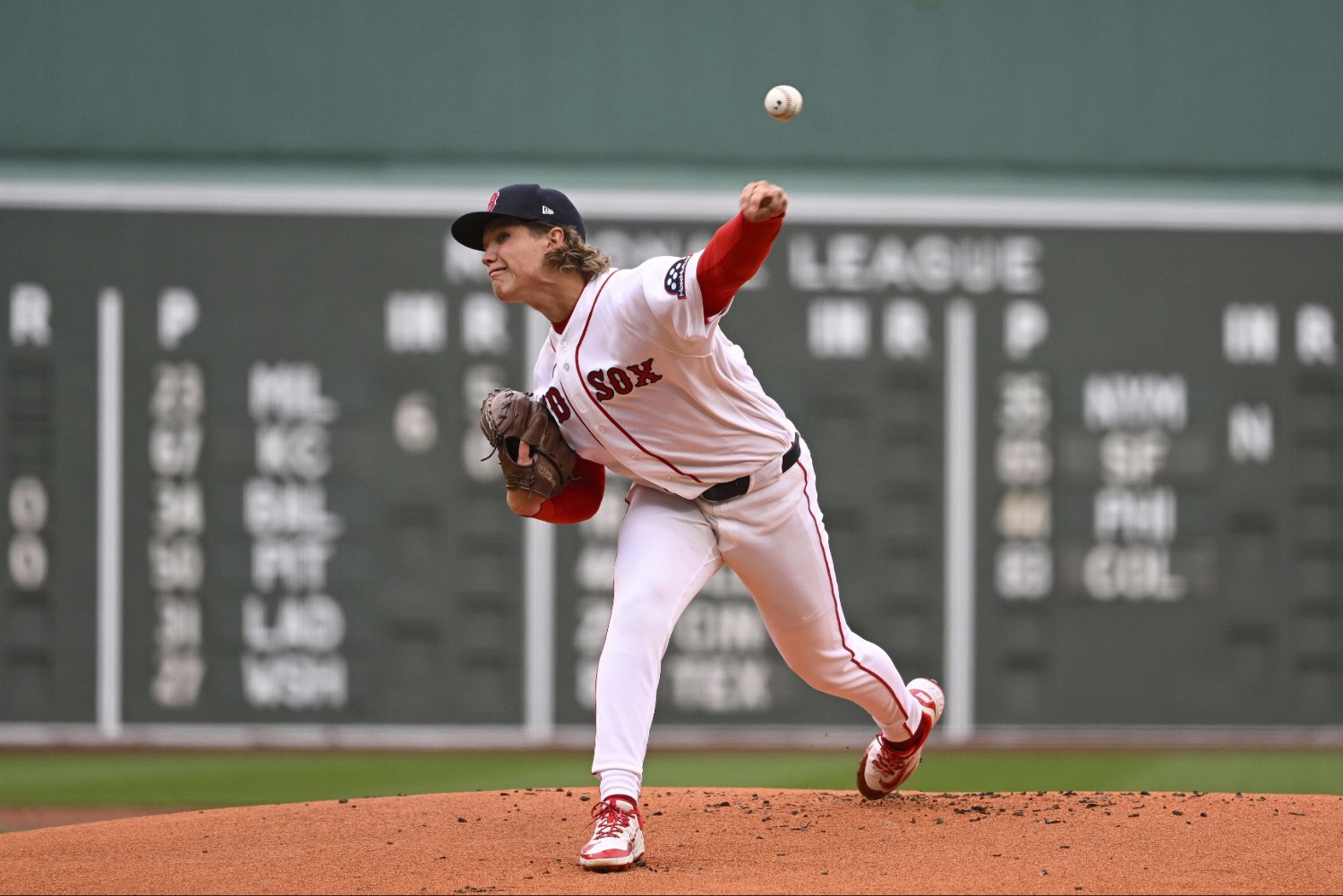 Connelly Early has made two starts on the season and, for the most part, has been just as good as the front office hoped he would be when they put him in the starting rotation over Johan Oviedo at the conclusion of camp. His first start against the Reds saw him post 5 1/3 innings pitched while giving up one earned run, issuing two walks, and striking out six. His second outing against the Padres wasn’t quite as clean, as he gave up two earned runs four walks, and four strikeouts over four frames. He admitted after that start that he was having trouble gripping the ball due to the cold that set in during the weekend of the home opener. If we dive into his two starts, we start to get a clearer picture of the pitching program Andrew Bailey has Early working on. Early is featuring his four-seam fastball 34% of the time, his changeup 24%, curve 17%, slider 14%, sinker 9%, and sweeper 2% so far this season. That four-seam isn’t going to overpower anyone most of the time -- it averages 93.8 mph -- but he can ramp it up to 97 at times. His changeup should operate as his true-out pitch while he relies on the curve and slider to keep hitters from guessing between his top two options. His fastballs, both the four-seam and the sinker, fill up the zone while he’s able to nibble around the edges of the plate with his changeup. There are things to be concerned about when you dive under the hood of Early’s first two starts, though. The most glaring thing, and it was likely aided by the cold weather during his first home start of the year, is that he’s struggling with his command early in the season. His breaking balls can be effective set-up pitches, but only when they are thrown for strikes earlier in the count. In two starts, he’s been struggling to locate them. In four starts in 2025, he issued four total walks. So far in 2026, he’s already at six walks. Once again, four of those walks came in the game against the Padres where he was struggling to grip the ball, but it’s something to keep an eye on throughout the season. Early’s Savant page is mostly blue, which should give all of us a bit of pause for concern. His expected ERA, 5.12, ranks in the 27th percentile, and his expected batting average, .246, ranks in the 43rd percentile. He’s inducing a good amount of chases outside the zone (32%), but his whiff rate is a paltry 21.2%. What all of this tells us is that Early has gotten fairly lucky with balls put in play and, somehow, has been bailed out by the defense behind him to keep his actual numbers down. That’s not to say that Early is going to implode during his next few starts, but the fact that he’s pitching so far above his expected numbers does suggest that hitters are seeing him better this year now that the scouting report is out on him. Remember, Early was incredibly impressive during spring training, earning his way into the starting rotation. In his two starts this season, he’s been effective but has struggled with location and consistency, much like every young starter does. The bright side is that he’s set to pitch in more inviting weather in his next start in St. Louis, and Busch Stadium is a pitcher-friendly park, so he has the opportunity to bounce back in a big way against a rebuilding team.
 -
Red Sox Call Up Tyler Samaniego As Justin Slaten Heads To IL
Alex Mayes replied to Alex Mayes's topic in Boston Red Sox Talk
That's my concern too. I really like Slaten and think he could be in the mix for the closer role once Chapman is gone, but the injuries piling up is concerning. -
The Boston Red Sox are in a tailspin at the moment. That’s not news to anyone who has even been sort of paying attention, but they are drastically underperforming for a team that a lot of national pundits had competing for the AL East title. While there are aspects of the starting lineup that are finally beginning to wake up — plus Wilyer Abreu, who has been carrying this team on his back since Opening Day — what’s clear is that something has to give for the Red Sox. While Alex Cora has started tinkering with his lineup card already, it could be time for some promotions and demotions to shake things up in the dugout. The backup infield situation is a bit of a mess in Boston right now. Andruw Monasterio had a great spring but has struggled to get looks during the season and most of his at-bats look noncompetitive. He has a paltry .125 batting average in eight plate appearances and looks like he needs more consistent at bats to get his offense figured out for the season. Isiah Kiner-Falefa has been even worse. He’s also received a whopping eight plate appearances this season, and a -58 wRC+ is all he has to show for it. The team committed $6 million to the veteran journeyman during the offseason and it looks now like that could be wasted money. So, where do the Red Sox go from here? Monasterio isn’t going to get regular at-bats in the majors playing behind Marcelo Mayer, Trevor Story, and Caleb Durbin. Kiner-Falefa offers some defensive upside but his incredibly limited offensive profile puts a very tight cap on his ability to meaningfully contribute this season. The best option in front of Craig Breslow and Cora is to shuffle the roster (perhaps by optioning Monasterio to Worcester) while calling up at least one of Mickey Gasper or Nick Sogard. The duo of Gasper and Sogard have been on absolute heaters for the WooSox since the season got underway. Gasper is slashing .400/.514/.767 with a 227 wRC+; Sogard is coming in at .290/.488/.645 with a 192 wRC+. Sogard has logged all nine games of the season while Gapser has appeared in seven. Both have slugged three home runs so far and Gasper already has 10 RBIs while Sogard has drive in eight. The scale tips a bit in Sogard’s direction when you look at his strikeouts and walks. He’s walked an impressive 12 times against six strikeouts; Gasper is nearly dead even at seven walks and eight punch outs. Both Gasper and Sogard have major-league experience with the Red Sox so they understand, at least to a point, what the pressure cooker of playing professional baseball in Boston is like. Sogard seems to have tapped into a power stroke early in the season, and that’s exactly what the Red Sox could use off the bench right now. He's also a switch-hitter, so he works well in any platoon role that Cora has a need for. Defensively, he’s more of a lateral move from Kiner-Falefa than a downgrade and, in a pinch, he could be trusted to start over a guy like Caleb Durbin should Cora decide that a few days off could help fix whatever is plaguing the team's starting third baseman. Gasper’s numbers look impressive, and should be applauded, but it’s fair to question if they would translate if/when he is called up. For his MLB career he’s slashing .133/.250/.455. Those are far from inspiring, but if he currently has caught lightning in a bottle then maybe a look on the big-league roster could help push this team towards being competitive right now. Is he a long-term fix for the club? Doubtful, but Cora and company should be trying anything and everything to put a winning product on the field day in and day out. Moving Monasterio (and maybe even Kiner-Falefa) for Sogard and Gasper doesn’t solve the pitching woes that are currently plaguing the Red Sox, but a fresh injection of talent that has been performing well in Triple-A could help push a few more runs across the board. The season is far from lost, but the time for resting on our laurels is over. Maybe bringing up two guys tearing it up for the WooSox is exactly what this team needs right now. View full article
-
The Red Sox's Bench Has Been Abysmal. Could Two Familiar Faces Fix That?
Alex Mayes posted an article in Red Sox
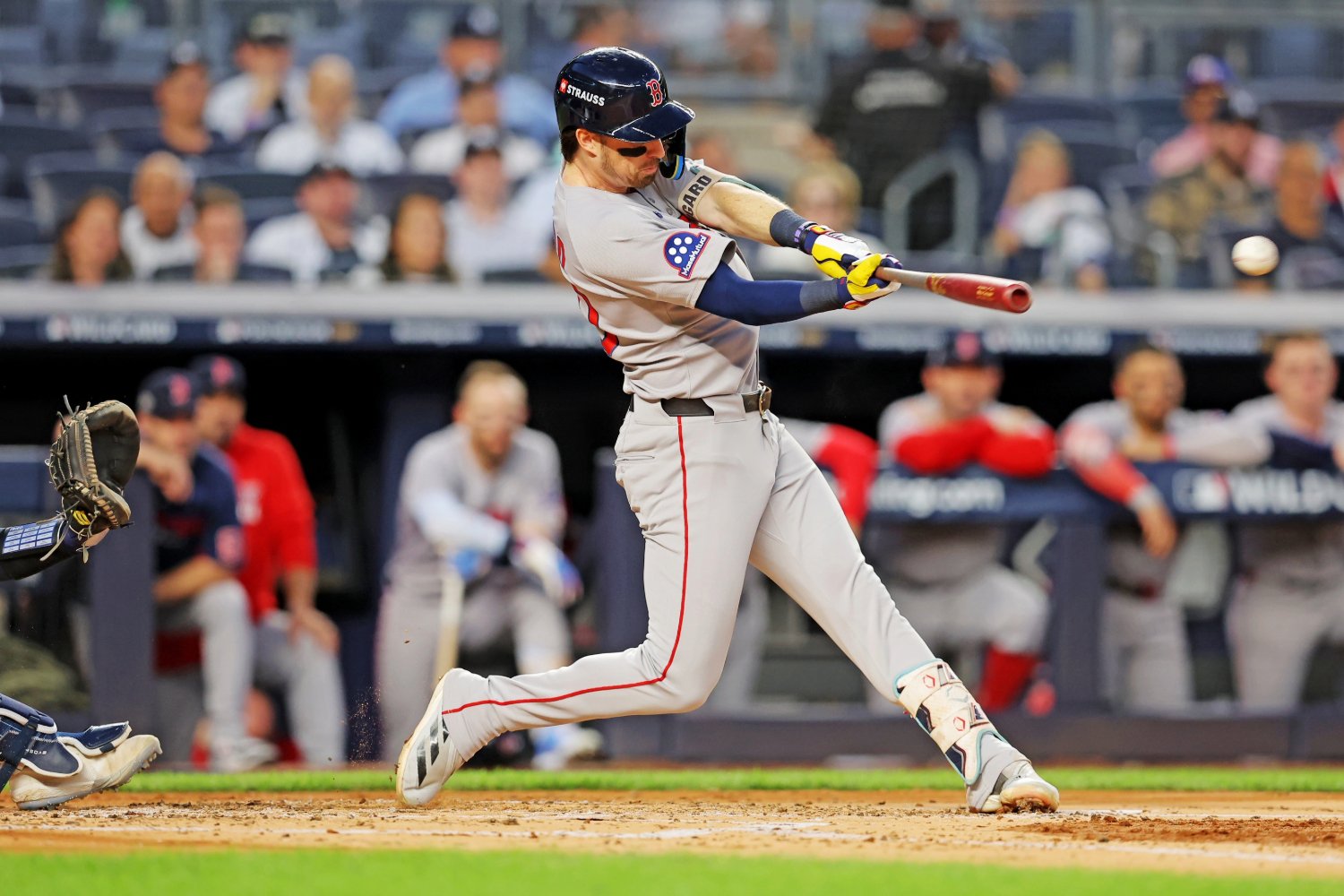 The Boston Red Sox are in a tailspin at the moment. That’s not news to anyone who has even been sort of paying attention, but they are drastically underperforming for a team that a lot of national pundits had competing for the AL East title. While there are aspects of the starting lineup that are finally beginning to wake up — plus Wilyer Abreu, who has been carrying this team on his back since Opening Day — what’s clear is that something has to give for the Red Sox. While Alex Cora has started tinkering with his lineup card already, it could be time for some promotions and demotions to shake things up in the dugout. The backup infield situation is a bit of a mess in Boston right now. Andruw Monasterio had a great spring but has struggled to get looks during the season and most of his at-bats look noncompetitive. He has a paltry .125 batting average in eight plate appearances and looks like he needs more consistent at bats to get his offense figured out for the season. Isiah Kiner-Falefa has been even worse. He’s also received a whopping eight plate appearances this season, and a -58 wRC+ is all he has to show for it. The team committed $6 million to the veteran journeyman during the offseason and it looks now like that could be wasted money. So, where do the Red Sox go from here? Monasterio isn’t going to get regular at-bats in the majors playing behind Marcelo Mayer, Trevor Story, and Caleb Durbin. Kiner-Falefa offers some defensive upside but his incredibly limited offensive profile puts a very tight cap on his ability to meaningfully contribute this season. The best option in front of Craig Breslow and Cora is to shuffle the roster (perhaps by optioning Monasterio to Worcester) while calling up at least one of Mickey Gasper or Nick Sogard. The duo of Gasper and Sogard have been on absolute heaters for the WooSox since the season got underway. Gasper is slashing .400/.514/.767 with a 227 wRC+; Sogard is coming in at .290/.488/.645 with a 192 wRC+. Sogard has logged all nine games of the season while Gapser has appeared in seven. Both have slugged three home runs so far and Gasper already has 10 RBIs while Sogard has drive in eight. The scale tips a bit in Sogard’s direction when you look at his strikeouts and walks. He’s walked an impressive 12 times against six strikeouts; Gasper is nearly dead even at seven walks and eight punch outs. Both Gasper and Sogard have major-league experience with the Red Sox so they understand, at least to a point, what the pressure cooker of playing professional baseball in Boston is like. Sogard seems to have tapped into a power stroke early in the season, and that’s exactly what the Red Sox could use off the bench right now. He's also a switch-hitter, so he works well in any platoon role that Cora has a need for. Defensively, he’s more of a lateral move from Kiner-Falefa than a downgrade and, in a pinch, he could be trusted to start over a guy like Caleb Durbin should Cora decide that a few days off could help fix whatever is plaguing the team's starting third baseman. Gasper’s numbers look impressive, and should be applauded, but it’s fair to question if they would translate if/when he is called up. For his MLB career he’s slashing .133/.250/.455. Those are far from inspiring, but if he currently has caught lightning in a bottle then maybe a look on the big-league roster could help push this team towards being competitive right now. Is he a long-term fix for the club? Doubtful, but Cora and company should be trying anything and everything to put a winning product on the field day in and day out. Moving Monasterio (and maybe even Kiner-Falefa) for Sogard and Gasper doesn’t solve the pitching woes that are currently plaguing the Red Sox, but a fresh injection of talent that has been performing well in Triple-A could help push a few more runs across the board. The season is far from lost, but the time for resting on our laurels is over. Maybe bringing up two guys tearing it up for the WooSox is exactly what this team needs right now.
 -
The Boston Red Sox have placed reliever Justin Slaten on the 15-day injured list with a right oblique strain. To replace him in the bullpen, the team has called up LHP Tyler Samaniego before the series finale with the Brewers. Alex Cora revealed in his media availability after the 3-2 win on Tuesday that Slaten was dealing with soreness on his right side but hesitated to call it an oblique injury at the time. Now, we have conformation that Slaten will be missing time while he heals up. While Slaten has been useful out of the pen, his injury history isn't exactly brief, so it's disheartening to see him go down again so early in the year. Samaniego has appeared in three games for the WooSox, posting a 3.38 ERA with three strikeouts and a 1.31 WHIP over 5 1/3 innings. He was impressive in spring training after he fully recovered from some initial back issues. His fastball tops out at 97 mph but he lacks a solid secondary pitch at the moment. With some development, he could be an incredibly useful arm out of the bullpen down the stretch. Expect to see him serve as an up-and-down reliever for the entirety of the season. Justin Slaten landing on the IL again is not great news for a team already pushing their bullpen to the maximum this early in the season, but Samaniego has the opportunity to show that his strong spring was more than just a fluke once he arrives in Boston. View full rumor


.jpg.b06f0300d42502d03e48c6a84cc676ea.jpg)
