Alex Mayes
-
Posts
856 -
Joined
-
Last visited
Content Type
Profiles
Boston Red Sox Videos
2026 Boston Red Sox Top Prospects Ranking
Boston Red Sox Free Agent & Trade Rumors, Notes, & Tidbits
Guides & Resources
2025 Boston Red Sox Draft Pick Tracker
News
2026 Boston Red Sox Draft Tracker: Picks & Bonuses
Forums
Blogs
Events
Store
Downloads
Gallery
Everything posted by Alex Mayes
-
Red Sox's Craig Breslow Era Is Set to End With A Whimper
Alex Mayes replied to Alex Mayes's topic in Boston Red Sox Talk
From Jeff Passan in December: The buzz: The Red Sox are valuing Duran more like the seven-win player of 2024 than his 4-win version in 2025. Either way, his addition can instantaneously make a team better, and Boston can hold out for a big return because the Red Sox don't have to deal him. At some point, though, the Red Sox will have to move Duran or Wilyer Abreu. Keeping full-time-quality players for less than full-time roles rarely works out well. So not at the deadline, during the offseason. My mistake for attributing it to the deadline. -
Red Sox's Craig Breslow Era Is Set to End With A Whimper
Alex Mayes replied to Alex Mayes's topic in Boston Red Sox Talk
We agree there. That was one of my biggest complaints with the offseason. They looked at a 21 year old and said, “you are the backbone of this team.” It was incredibly shortsighted and out far too much pressure on him to perform. -
Red Sox's Craig Breslow Era Is Set to End With A Whimper
Alex Mayes replied to Alex Mayes's topic in Boston Red Sox Talk
Once again, the league adjusts to rookies. This isn’t something new. He didn’t have time to adjust back before the injury. He was starting to, but then was shut down. -
Red Sox's Craig Breslow Era Is Set to End With A Whimper
Alex Mayes replied to Alex Mayes's topic in Boston Red Sox Talk
An oblique strain and a torn tendon are injuries that take time to heal. Maybe the team’s focus on insanely quick bat speed could be more to blame than the player. -
@mvp 78the episode is live! Thanks again!
-
Red Sox's Craig Breslow Era Is Set to End With A Whimper
Alex Mayes replied to Alex Mayes's topic in Boston Red Sox Talk
A fair deal is Dylan Cease, the top pitching target of Breslow in the offseason, and Salas, That deal was on the table and Craig said no. That's on him. I'm aware that a 7 WAR player is rare, but that's the confirmed value that was placed on him at the deadline last year. If other GMs saw him on a 3.5 WAR LF but Craig didn't, that's a huge issue. It's further proof he can't read the trade market and values. -
Red Sox's Craig Breslow Era Is Set to End With A Whimper
Alex Mayes replied to Alex Mayes's topic in Boston Red Sox Talk
Calling Anthony fragile is crazy. He's had two injuries in two seasons, the most recent one being an injury so unique that doctors who deal with hand injures struggled to wrap their heads around it. He was slow to start because the league adjusted to him, as it does to every single rookie that gets called up. Calling a check swing indecisive is a weird reach as well. Check swings happen all the time and indecision isn't the likely culprit. -
Red Sox's Craig Breslow Era Is Set to End With A Whimper
Alex Mayes replied to Alex Mayes's topic in Boston Red Sox Talk
I don't disagree that his offseason moves have worked out incredibly well and are realistically the only reason that the team has won many of the games they have this season. The most damning thing to me is the overvaluation of Duran and his refusal to move him when it was obvious to anyone paying attention he wasn't ever going to be a 7 WAR player again. He created this outfield logjam and refuses to fix it, that alone should be fireable. While I never would have been a fan of the contract Bregman got with the Cubs, Breslow clearly thought Bregman was bluffing and got caught slipping there too. If he could only work in the offseason, I think he'd be safe but the past two trade deadlines have proven he has zero feel for the market and shouldn't be trusted to handle it. That's likely why members of FSG, presumably Theo, are the ones making calls about trades instead of Breslow. That, along with the Duran situation, are the main reasons I think he's likely gone after this season. I'd like to see it happen before then, but realistically if they do end up letting him go it will probably be in September like the other two POBOs before him. -
Boston Red Sox Weekly Snapshot Record Last Week: 5-2 Runs Scored Last Week: 34 Runs Surrendered Last Week: 22 Standings: 5th in AL East 12.5 GB 1st Place Transactions: 06/23/26: Boston Red Sox signed free agent C Andrew Knizner to a minor league contract. 06/23/26: Boston Red Sox sent LHP Patrick Sandoval on a rehab assignment to Worcester Red Sox. 06/23/26: Boston Red Sox sent 1B Romy Gonzalez on a rehab assignment to Worcester Red Sox. 06/25/26: Boston Red Sox sent LHP Jovani Morán on a rehab assignment to Worcester Red Sox. 06/26/26: Boston Red Sox recalled SS Tsung-Che Cheng from Worcester Red Sox. 06/26/26: Boston Red Sox placed 2B Marcelo Mayer on the 10-day injured list. Bone stress reaction to the left ulna. 06/28/26: Boston Red Sox optioned C Mickey Gasper to Worcester Red Sox. 06/28/28: Boston Red Sox transferred LF Roman Anthony from the 10-day injured list to the 60-day injured list. 06/28/26: Boston Red Sox activated 1B Romy Gonzalez from the 60-day injured list. Scores: Game 76: BOS 2, COL 3 Game 77: BOS 5, COL 2 Game 78: BOS 6, COL 8 Game 79: BOS 6, NYY 3 Game 80: BOS 6, NYY 1 Game 81: BOS 4, NYY 1 Game 82: BOS 5, NYY 4 Series Breakdown/Highlights Rockies Series: Do we really even want to talk about this series? Yes, the Red Sox won the middle game, but their awful defense and inability to come through with runners in scoring position was the biggest news story out of Colorado when the series was over. The Sox were up in the seventh in both the first and third games, a situation in which they were undefeated going into the series, and managed to lose both games. In game one, Jake Bennett dazzled over six innings, striking out nine and giving up four hits. Tyron Guerrero continued to show why he needs to be flying up other team’s trade boards. Garrett Whitlock and Aroldis Chapman combined for eight straight hits over two innings, with Chapman taking the loss after giving up three earned runs. Offensively, Willson Contreras and Caleb Durbin supplied both RBIs. In game two, Wilyer Abreu hit a mammoth home run while Ceddanne Rafaela and Nate Eaton provided the other four RBIs. Sonny Gray worked around a shaky first inning where he gave up his only earned run on the night. He proceeded to toss six more innings of six-hit, 11-strikeout baseball en route to the win. If you watched the game, you saw an absolute masterclass in how to pitch at elevation. The trade for Gray may be the thing that Craig Breslow can hang his hat on more than anything else; the man knows how to identify pitching. Justin Slaten and Whitlock both worked clean innings to put the game away. Game three, on the other hand, was just awful. The Red Sox looked like a junior varsity team playing in a big-league ballpark. Andruw Monasterio hit his second home run of the season while Connor Wong finally sent one over the wall for the first time in almost two years. Ranger Suarez tossed six innings of one-run baseball, striking out nine. The starting pitching wasn’t the problem in this series at all, the bullpen and the defense gave it away. The Rockies scored eight runs in this game, but only three of them were earned. Yankees Series: Who is this team? Seriously: Where has this version of the Red Sox been all season? It wasn’t perfect, as we’ll get to in game four, but this was the most complete series the Red Sox have played all season. Game one saw the Yankees boot the ball around like crazy and the Red Sox took full advantage. Caleb Durbin stayed hot by hitting another home run while Connelly Early tossed six innings of two-earned-run, nine-strikeout baseball. Both Whitlock and Chapman looked to avenge their Rockies series and mostly did so. Chapman, curiously, had no strikeouts in this appearance though. Game two was mostly domination by the Red Sox, who chased Will Warren after giving up five earned runs over 5.2 innings. Tsung-Che Cheng was called up after Marcelo Mayer went on the injured list and knocked his first big-league hit. Connor Wong contributed two RBIs while Contreras hit an absolute moon bomb that cleared the Green Monster by quite a few feet. Payton Tolle pitched a gem of a start, especially considering he had been sick the whole day prior. He tossed seven scoreless innings, striking out seven while giving up only one hit late in the outing. The young core of this rotation is going to be fun to watch for a long time. Game three was another impressive outing for the Red Sox against Gerrit Cole, who threw 5.1 innings while giving up four earned runs. Jake Bennett threw 6.1 innings of one-run, three-strikeout baseball. Chapman notched another save and looked more like himself in this game. Masataka Yoshida hit his second home run of the season while rookie Anthony Seigler hit his first career homer off Cole. No matter what happens in Seigler’s career, that will be a moment he never forgets. If you were anywhere but the edge of your seat during the second half of game four, we had to be watching different games. Gray was amazing, again. He carried a no-hitter into the seventh inning while striking out nine. His final strikeout was also number 2,000 for his career. This start gave the Sox their 11th quality start in a row, showing just how bad the previous series had to go in all other areas for the team to not be riding a seven-game winning streak right now. Chapman likely hurt his trade value a bit with this game, but the defensive lapses by Abreu in right field are the main reason the game went to extras. In a season where the Red Sox have continually rolled over late in games when they’ve been losing, Sunday night was a breath of fresh air. The names you’d expect to get it done, didn’t. The game was won by Seigler, Monasterio, Yoshida, Cheng, and Duran in the bottom of the tenth. What a game, what a sweep. Website Highlights Justin Slaten is More Useful as a Red Sox Trade Chip Than Reliever by Jordan Leandre Red Sox’s ABS Ineptitude is Clearest Proof Yet of Organizational Failures by Yirsandy Rodriguez Evaluating Chad Tracy’s First 50 Games as Red Sox Interim Manager by Gottie Chavez Red Sox’s Craig Breslow Era is Set to End with a Whimper by Alex Mayes Looking Ahead 06/29/26: Nationals (Miles Mikolas) @ Red Sox (Ranger Suarez): 7:10 PM EDT 06/30/26: Nationals (Cade Cavalli) @ Red Sox (Connelly Early): 7:10 PM EDT 07/01/26: Nationals (Andrew Alvarez) @ Red Sox (Payton Tolle): 1:35 PM EDT 07/02/26: Off Day 07/03/26: Red Sox @ Angels: 9:38 PM EDT 07/04/26: Red Sox @ Angels: 9:38 PM EDT 07/05/26: Red Sox @ Angels: 9:30 PM EDT View full article
-
Red Sox Week in Review: Another Sweep of the Yankees In June
Alex Mayes posted an article in Red Sox
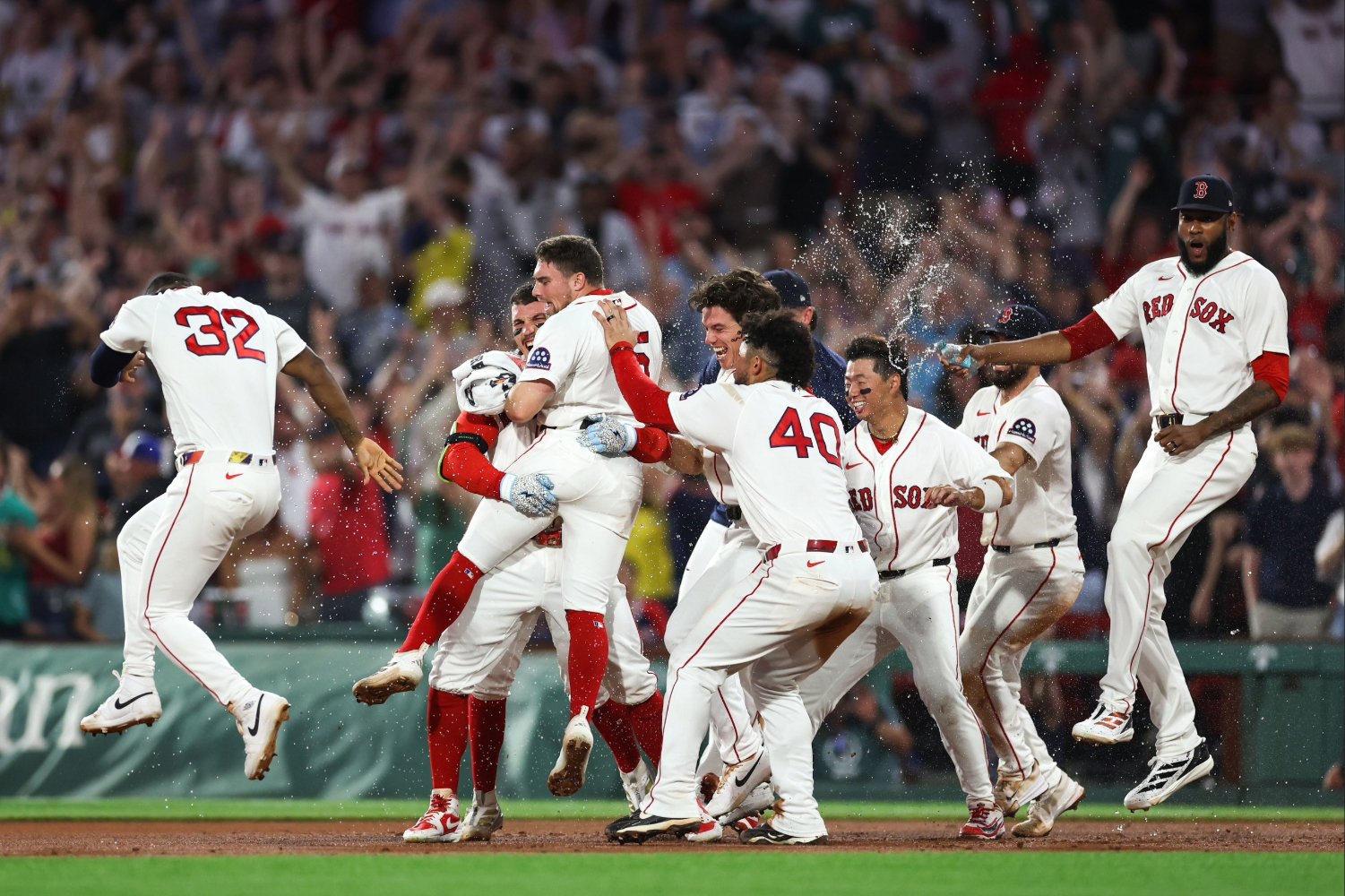 Boston Red Sox Weekly Snapshot Record Last Week: 5-2 Runs Scored Last Week: 34 Runs Surrendered Last Week: 22 Standings: 5th in AL East 12.5 GB 1st Place Transactions: 06/23/26: Boston Red Sox signed free agent C Andrew Knizner to a minor league contract. 06/23/26: Boston Red Sox sent LHP Patrick Sandoval on a rehab assignment to Worcester Red Sox. 06/23/26: Boston Red Sox sent 1B Romy Gonzalez on a rehab assignment to Worcester Red Sox. 06/25/26: Boston Red Sox sent LHP Jovani Morán on a rehab assignment to Worcester Red Sox. 06/26/26: Boston Red Sox recalled SS Tsung-Che Cheng from Worcester Red Sox. 06/26/26: Boston Red Sox placed 2B Marcelo Mayer on the 10-day injured list. Bone stress reaction to the left ulna. 06/28/26: Boston Red Sox optioned C Mickey Gasper to Worcester Red Sox. 06/28/28: Boston Red Sox transferred LF Roman Anthony from the 10-day injured list to the 60-day injured list. 06/28/26: Boston Red Sox activated 1B Romy Gonzalez from the 60-day injured list. Scores: Game 76: BOS 2, COL 3 Game 77: BOS 5, COL 2 Game 78: BOS 6, COL 8 Game 79: BOS 6, NYY 3 Game 80: BOS 6, NYY 1 Game 81: BOS 4, NYY 1 Game 82: BOS 5, NYY 4 Series Breakdown/Highlights Rockies Series: Do we really even want to talk about this series? Yes, the Red Sox won the middle game, but their awful defense and inability to come through with runners in scoring position was the biggest news story out of Colorado when the series was over. The Sox were up in the seventh in both the first and third games, a situation in which they were undefeated going into the series, and managed to lose both games. In game one, Jake Bennett dazzled over six innings, striking out nine and giving up four hits. Tyron Guerrero continued to show why he needs to be flying up other team’s trade boards. Garrett Whitlock and Aroldis Chapman combined for eight straight hits over two innings, with Chapman taking the loss after giving up three earned runs. Offensively, Willson Contreras and Caleb Durbin supplied both RBIs. In game two, Wilyer Abreu hit a mammoth home run while Ceddanne Rafaela and Nate Eaton provided the other four RBIs. Sonny Gray worked around a shaky first inning where he gave up his only earned run on the night. He proceeded to toss six more innings of six-hit, 11-strikeout baseball en route to the win. If you watched the game, you saw an absolute masterclass in how to pitch at elevation. The trade for Gray may be the thing that Craig Breslow can hang his hat on more than anything else; the man knows how to identify pitching. Justin Slaten and Whitlock both worked clean innings to put the game away. Game three, on the other hand, was just awful. The Red Sox looked like a junior varsity team playing in a big-league ballpark. Andruw Monasterio hit his second home run of the season while Connor Wong finally sent one over the wall for the first time in almost two years. Ranger Suarez tossed six innings of one-run baseball, striking out nine. The starting pitching wasn’t the problem in this series at all, the bullpen and the defense gave it away. The Rockies scored eight runs in this game, but only three of them were earned. Yankees Series: Who is this team? Seriously: Where has this version of the Red Sox been all season? It wasn’t perfect, as we’ll get to in game four, but this was the most complete series the Red Sox have played all season. Game one saw the Yankees boot the ball around like crazy and the Red Sox took full advantage. Caleb Durbin stayed hot by hitting another home run while Connelly Early tossed six innings of two-earned-run, nine-strikeout baseball. Both Whitlock and Chapman looked to avenge their Rockies series and mostly did so. Chapman, curiously, had no strikeouts in this appearance though. Game two was mostly domination by the Red Sox, who chased Will Warren after giving up five earned runs over 5.2 innings. Tsung-Che Cheng was called up after Marcelo Mayer went on the injured list and knocked his first big-league hit. Connor Wong contributed two RBIs while Contreras hit an absolute moon bomb that cleared the Green Monster by quite a few feet. Payton Tolle pitched a gem of a start, especially considering he had been sick the whole day prior. He tossed seven scoreless innings, striking out seven while giving up only one hit late in the outing. The young core of this rotation is going to be fun to watch for a long time. Game three was another impressive outing for the Red Sox against Gerrit Cole, who threw 5.1 innings while giving up four earned runs. Jake Bennett threw 6.1 innings of one-run, three-strikeout baseball. Chapman notched another save and looked more like himself in this game. Masataka Yoshida hit his second home run of the season while rookie Anthony Seigler hit his first career homer off Cole. No matter what happens in Seigler’s career, that will be a moment he never forgets. If you were anywhere but the edge of your seat during the second half of game four, we had to be watching different games. Gray was amazing, again. He carried a no-hitter into the seventh inning while striking out nine. His final strikeout was also number 2,000 for his career. This start gave the Sox their 11th quality start in a row, showing just how bad the previous series had to go in all other areas for the team to not be riding a seven-game winning streak right now. Chapman likely hurt his trade value a bit with this game, but the defensive lapses by Abreu in right field are the main reason the game went to extras. In a season where the Red Sox have continually rolled over late in games when they’ve been losing, Sunday night was a breath of fresh air. The names you’d expect to get it done, didn’t. The game was won by Seigler, Monasterio, Yoshida, Cheng, and Duran in the bottom of the tenth. What a game, what a sweep. Website Highlights Justin Slaten is More Useful as a Red Sox Trade Chip Than Reliever by Jordan Leandre Red Sox’s ABS Ineptitude is Clearest Proof Yet of Organizational Failures by Yirsandy Rodriguez Evaluating Chad Tracy’s First 50 Games as Red Sox Interim Manager by Gottie Chavez Red Sox’s Craig Breslow Era is Set to End with a Whimper by Alex Mayes Looking Ahead 06/29/26: Nationals (Miles Mikolas) @ Red Sox (Ranger Suarez): 7:10 PM EDT 06/30/26: Nationals (Cade Cavalli) @ Red Sox (Connelly Early): 7:10 PM EDT 07/01/26: Nationals (Andrew Alvarez) @ Red Sox (Payton Tolle): 1:35 PM EDT 07/02/26: Off Day 07/03/26: Red Sox @ Angels: 9:38 PM EDT 07/04/26: Red Sox @ Angels: 9:38 PM EDT 07/05/26: Red Sox @ Angels: 9:30 PM EDT
 -
We’re back with a quick turnaround this time. If you have questions you’d like answered on the podcast, get them posted here by 5 pm CST on Monday, June 29!
-
@mvp 78 @drewski6 @moonslav59 the episode is live! Shoutout to @Nick John for his help on the catcher question!
-
At the risk of sounding like a broken record as of late, the Boston Red Sox are awful in 2026. It’s a shame coming off a postseason appearance in 2025 that should have pointed president of baseball operations Craig Breslow in the right direction. Even the free-agent signings believed they were coming into a situation where they would “breeze to get to the playoffs," at least according to Isiah Kiner-Falefa. He even went on to say that his goal with signing in Boston was to be a bench player for a championship team, so even those who weren’t with the organization last year saw the direction the team should have been headed. “Should” is the operative word in that sentence. We’re now no longer in ‘well it’s still early’ territory, and the Red Sox are what they are as we approach the halfway point of the season. In an effort not to mince words: They are a sub .500 team that struggles at home and seems to be allergic to hitting with runners in scoring position. It’s the end of June and the season already feels lost. The team can’t keep up in a middling American League Wild Card race and, even if they somehow managed to limp their way into that third spot, they’d be certainly eliminated in short order. With all of that being said, the most obvious path forward for the Red Sox is to let Craig Breslow go sooner than later. Breslow is an excellent pitching coordinator. He’s drafted and developed some of the best arms that the organization has seen in years, but that’s about as far as his credentials go. He terminated most of the scouting department during the first 18 months of his tenure and the big-league club has suffered mightily from it. The team that is on the field day in and day out for the Red Sox can’t function properly as a major-league team. There’s far too many utility players with everyday roles, there’s almost zero power outside of Willson Contreras, and the bullpen has been incredibly leaky outside of Aroldis Chapman and Garrett Whitlock. I’m not going to sit here and rehash the firing of Alex Cora and the majority of his coaching staff, but that gave us a bit of a peak behind the curtain as to the true feelings of Fenway Sports Group’s opinion of Breslow. The morning after the firings, Breslow sat at a table next to Sam Kennedy and said that the decision to move on from Cora and crew was a mutual decision. Within seconds, Kennedy pinned the decision solely on Breslow. Ownership signed off on it, of course, but they essentially looked at Breslow and said, “Okay, you can do this, but just know there’s no one else to be the fall guy if things don’t get better.” To absolutely no one’s surprise, things have arguably gotten worse. Garrett Crochet and Roman Anthony have spent significant time on the injured list, Jarren Duran looks like a shell of himself at the plate, and the catching situation is maybe the most confusing roster dilemma in all of baseball. Speaking of the catching situation, it paints a clearer picture for how Breslow didn’t learn anything from the drama that surrounded Rafael Devers last season. It was reported time and time again that Devers wasn’t spoken to about his changing roles, then when he was approached about possibly moving to first base he was combative because he felt he had been disrespected and blindsided. Now, Carlos Narvaez has spoken to The Athletic’s Jen McCaffrey about how his playing time has been diminished but he hadn’t been told anything by either Chad Tracy or someone in the front office. Breslow recognizes that communication isn’t a strong point of his, but it’s gotten to the point that, according to Boston Globe’s Tim Healey, multiple officials within the organization believe that Breslow would benefit from having a “baseball interpreter” to convey his overall message to the players. This shouldn't need to be said, but the freaking President of Baseball Operations shouldn’t need someone else to convey his message and vision to the team. If Craig Breslow can’t effectively communicate, then he doesn’t need to be in a position of leadership with the team. What should be the final nail in the coffin for Breslow is the fact that his past two trade deadlines have been absolutely abysmal. I took at look at those deadlines to see if we could figure out what direction Breslow is going to take in 2026 and came up with the following: He struggles to pick a lane and ends up putting the team in a much worse position because of it. To add onto that, ESPN’s Buster Olney went so far as to say that “someone in ownership” was picking up the phone to talk trades with other clubs. While it shouldn’t come as a surprise that ownership has to be involved to sign off on any big trades that occur, they shouldn’t have to be the ones making the calls to get conversations started. Ownership should only be involved at the finish line of a trade, since they need to approve the money moving in each direction. If they don’t trust their front office chief enough to let him negotiate his own trades, why does he still have a job? If he can’t handle one of the most important aspects of his role, he doesn’t need to occupy space in the front office anymore. Fenway Sports Group has publicly backed Craig Breslow so far this season, and they pretty much have to publicly. They can’t come out and say that they are considering firing him; that’s not practical nor the way you run a business. Remember, they made similar comments around this same time about both Chaim Bloom and Dave Dombrowski during their eventual final seasons with the team. It finally seems like John Henry is frustrated with the direction of the Red Sox if both Sean McAdam and David Ortiz are to be believed. If that’s the case, then the difficult decision needs to be made to move on from Craig Breslow now. If they wait much longer, they run the risk of a trade deadline that is mishandled and delay the ability to start looking for his replacement prior to the 2027 lockout. The time to act is now. View full article
-
 At the risk of sounding like a broken record as of late, the Boston Red Sox are awful in 2026. It’s a shame coming off a postseason appearance in 2025 that should have pointed president of baseball operations Craig Breslow in the right direction. Even the free-agent signings believed they were coming into a situation where they would “breeze to get to the playoffs," at least according to Isiah Kiner-Falefa. He even went on to say that his goal with signing in Boston was to be a bench player for a championship team, so even those who weren’t with the organization last year saw the direction the team should have been headed. “Should” is the operative word in that sentence. We’re now no longer in ‘well it’s still early’ territory, and the Red Sox are what they are as we approach the halfway point of the season. In an effort not to mince words: They are a sub .500 team that struggles at home and seems to be allergic to hitting with runners in scoring position. It’s the end of June and the season already feels lost. The team can’t keep up in a middling American League Wild Card race and, even if they somehow managed to limp their way into that third spot, they’d be certainly eliminated in short order. With all of that being said, the most obvious path forward for the Red Sox is to let Craig Breslow go sooner than later. Breslow is an excellent pitching coordinator. He’s drafted and developed some of the best arms that the organization has seen in years, but that’s about as far as his credentials go. He terminated most of the scouting department during the first 18 months of his tenure and the big-league club has suffered mightily from it. The team that is on the field day in and day out for the Red Sox can’t function properly as a major-league team. There’s far too many utility players with everyday roles, there’s almost zero power outside of Willson Contreras, and the bullpen has been incredibly leaky outside of Aroldis Chapman and Garrett Whitlock. I’m not going to sit here and rehash the firing of Alex Cora and the majority of his coaching staff, but that gave us a bit of a peak behind the curtain as to the true feelings of Fenway Sports Group’s opinion of Breslow. The morning after the firings, Breslow sat at a table next to Sam Kennedy and said that the decision to move on from Cora and crew was a mutual decision. Within seconds, Kennedy pinned the decision solely on Breslow. Ownership signed off on it, of course, but they essentially looked at Breslow and said, “Okay, you can do this, but just know there’s no one else to be the fall guy if things don’t get better.” To absolutely no one’s surprise, things have arguably gotten worse. Garrett Crochet and Roman Anthony have spent significant time on the injured list, Jarren Duran looks like a shell of himself at the plate, and the catching situation is maybe the most confusing roster dilemma in all of baseball. Speaking of the catching situation, it paints a clearer picture for how Breslow didn’t learn anything from the drama that surrounded Rafael Devers last season. It was reported time and time again that Devers wasn’t spoken to about his changing roles, then when he was approached about possibly moving to first base he was combative because he felt he had been disrespected and blindsided. Now, Carlos Narvaez has spoken to The Athletic’s Jen McCaffrey about how his playing time has been diminished but he hadn’t been told anything by either Chad Tracy or someone in the front office. Breslow recognizes that communication isn’t a strong point of his, but it’s gotten to the point that, according to Boston Globe’s Tim Healey, multiple officials within the organization believe that Breslow would benefit from having a “baseball interpreter” to convey his overall message to the players. This shouldn't need to be said, but the freaking President of Baseball Operations shouldn’t need someone else to convey his message and vision to the team. If Craig Breslow can’t effectively communicate, then he doesn’t need to be in a position of leadership with the team. What should be the final nail in the coffin for Breslow is the fact that his past two trade deadlines have been absolutely abysmal. I took at look at those deadlines to see if we could figure out what direction Breslow is going to take in 2026 and came up with the following: He struggles to pick a lane and ends up putting the team in a much worse position because of it. To add onto that, ESPN’s Buster Olney went so far as to say that “someone in ownership” was picking up the phone to talk trades with other clubs. While it shouldn’t come as a surprise that ownership has to be involved to sign off on any big trades that occur, they shouldn’t have to be the ones making the calls to get conversations started. Ownership should only be involved at the finish line of a trade, since they need to approve the money moving in each direction. If they don’t trust their front office chief enough to let him negotiate his own trades, why does he still have a job? If he can’t handle one of the most important aspects of his role, he doesn’t need to occupy space in the front office anymore. Fenway Sports Group has publicly backed Craig Breslow so far this season, and they pretty much have to publicly. They can’t come out and say that they are considering firing him; that’s not practical nor the way you run a business. Remember, they made similar comments around this same time about both Chaim Bloom and Dave Dombrowski during their eventual final seasons with the team. It finally seems like John Henry is frustrated with the direction of the Red Sox if both Sean McAdam and David Ortiz are to be believed. If that’s the case, then the difficult decision needs to be made to move on from Craig Breslow now. If they wait much longer, they run the risk of a trade deadline that is mishandled and delay the ability to start looking for his replacement prior to the 2027 lockout. The time to act is now.
 -
Hello again forums! @Maddie Landis and I really enjoyed the questions that were submitted for our mailbag episode last week. The questions gave us some excellent talking points and were incredibly engaging. We saw a good amount of success with them with the episode as well to the point that the other Diamond Centric podcasts are starting to integrate them into their own shows. After talking with Brock a bit, we've decided to make them a weekly feature moving forward. Our recording schedule this week is a bit wonky, we're recording Thursday night instead of our typical Sunday/Monday schedule so that's why this post is going up now. If you've got questions, we may have answers! Post your questions below and we'll kick off the episode answering them! We'll put the cutoff for questions at 3 pm CST on Thursday, June 25.
-
Boston Red Sox Weekly Snapshot Record Last Week: 2-4 Runs Scored Last Week: 16 Runs Surrendered Last Week: 19 Standings: 5th in AL East 14.5 GB First Place Transactions: 06/16/26: Boston Red Sox sent 1B Romy Gonzalez on a rehab assignment to Portland Sea Dogs. 06/17/26: Boston Red Sox sent LHP Patrick Sandoval on a rehab assignment to Portland Sea Dogs. 06/20/26: Boston Red Sox recalled 2B Anthony Seigler from Worcester Red Sox. 06/20/26: Boston Red Sox placed 2B Isiah Kiner-Falefa on the 10-day injured list retroactive to June 19, 2026. Left forearm inflammation. Scores: Game 70: BOS 1, TOR 6 Game 71: BOS 0, TOR 3 Game 72: BOS 3, TOR 4 Game 73: BOS 6, SEA 2 Game 74: BOS 5, SEA 1 Game 75: BOS 1, SEA 3 Series Breakdown/Highlights Blue Jays Series: My mother always told me if you don’t have something nice to say, don’t say anything at all. Unfortunately, we have to talk about this putrid series. In game one, Payton Tolle wasn’t awful, but he wasn’t great. He tossed five innings of three run baseball while striking out six and issuing two walks. He seems to have hit a bit of a wall in June, pitching his way to a 3.71 ERA for the month so far. That’s not bad, but it’s a full earned run more than what he had been bringing to the table earlier in the season. Still, he’s a rookie and he’s finding his footing at the MLB level. He’s going to be a stud for this team for years to come. Offensively, this game was a joke. The Red Sox had eight hits but could only plate one run on a garbage time Jarren Duran home run. In game two, it was more of the same. The team had seven hits but was unable to plate any runs, despite the fact that they had ducks in the pond seemingly every inning. Jake Bennett’s line looks worse than his performance on the field, but he did give up two of Toronto’s two earned runs. Maybe the lone bright spot was that Tyron Guerrero continues to light up the radar gun and is likely jumping up trade boards across the league. Game three seems like it was close but if you watched it, it wasn’t. The wind wreaked havoc at Fenway Park during the entire time. Sonny Gray tossed seven innings of three-run baseball while striking out four. Somehow, Isiah Kiner-Falefa and Caleb Durbin came through to tie the game in the eighth inning, but defensive miscues extended the top of the ninth to allow the Jays to score and ultimately charged Aroldis Chapman with the loss. The bottom of the ninth was typical Red Sox baseball — it was over in five pitches. Not even five pitches from top-tier closer Louis Varland; five pitches from Mason Fluharty. Mariners Series: Much like the rest of the season, the Red Sox played better on the road than they did at home. The pitching matchups didn’t favor the Sox; they were seeing the top of the Mariners’ rotation, but they had mostly patient at-bats that made the multiple top arms of Seattle pay. In game one, Ranger Suarez carried a no-hitter into the seventh inning. The offense erupted for six runs and Caleb Durbin stayed hot with another homer. Greg Weissert looked solid but Ryan Watson allowed two earned runs. Marcelo Mayer was originally not in the starting lineup due to illness but was a last minute addition and provided three RBIs. Carlos Narvaez put some good swings on the ball in hopes of getting more playing time. Game two saw Connelly Early start off shaky but he ended up striking out seven over six innings, allowing only one earned run. Wilyer Abreu got the party started for the Sox with a huge two-run homer while both Mayer and Durbin provided one RBI each. This game saw Ceddanne Rafaela get a much needed rest as the team gears up to head to the giant outfield of Coors Field to kick off next week. Guerrero was his usual flamethrowing self out of the bullpen, while Garrett Whitlock and Danny Coulombe both worked clean innings. Unfortunately, game three didn’t complete the West Coast sweep. The offense managed just one run on a Nate Eaton second deck solo shot. It was Abreu’s turn for a rest day on Sunday, only his second one of the season. Tolle pitched his way into and out of a couple of jams, going six innings with two strike outs, two walks, and three earned runs. He was the victim of some defensive lapses though, and looked mostly solid throughout his start. Coulombe and Watson both pitched well to keep the game within reach out of the bullpen. Website Highlights Ranking Red Sox’s Best Closer Candidates if Aroldis Chapman is Traded by Ben Lofy The Definitive Case for the Red Sox to Trade Jarren Duran by Alex Mayes Ceddanne Rafaela is Succeeding by Breaking One of Hitting’s Most Basic Rules by Yirsandy Rodriguez Looking Ahead 06/22/26: Red Sox (Jake Bennett) @ Rockies (Ryan Feltner): 8:40 PM EDT 06/23/26: Red Sox (Sonny Gray) @ Rockies (Sean Sulivan): 8:40 PM EDT 06/24/26: Red Sox (Ranger Suarez) @ Rockies (Kyle Freeland) 3:10 PM EDT 06/25/26: Yankees @ Red Sox: 7:10 PM EDT 06/26/26: Yankees @ Red Sox: 7:10 PM EDT 06/27/26: Yankees @ Red Sox: 1:10 PM EDT 06/28/26: Yankees @ Red Sox: 7:20 PM EDT Sunday Night Baseball View full article
-
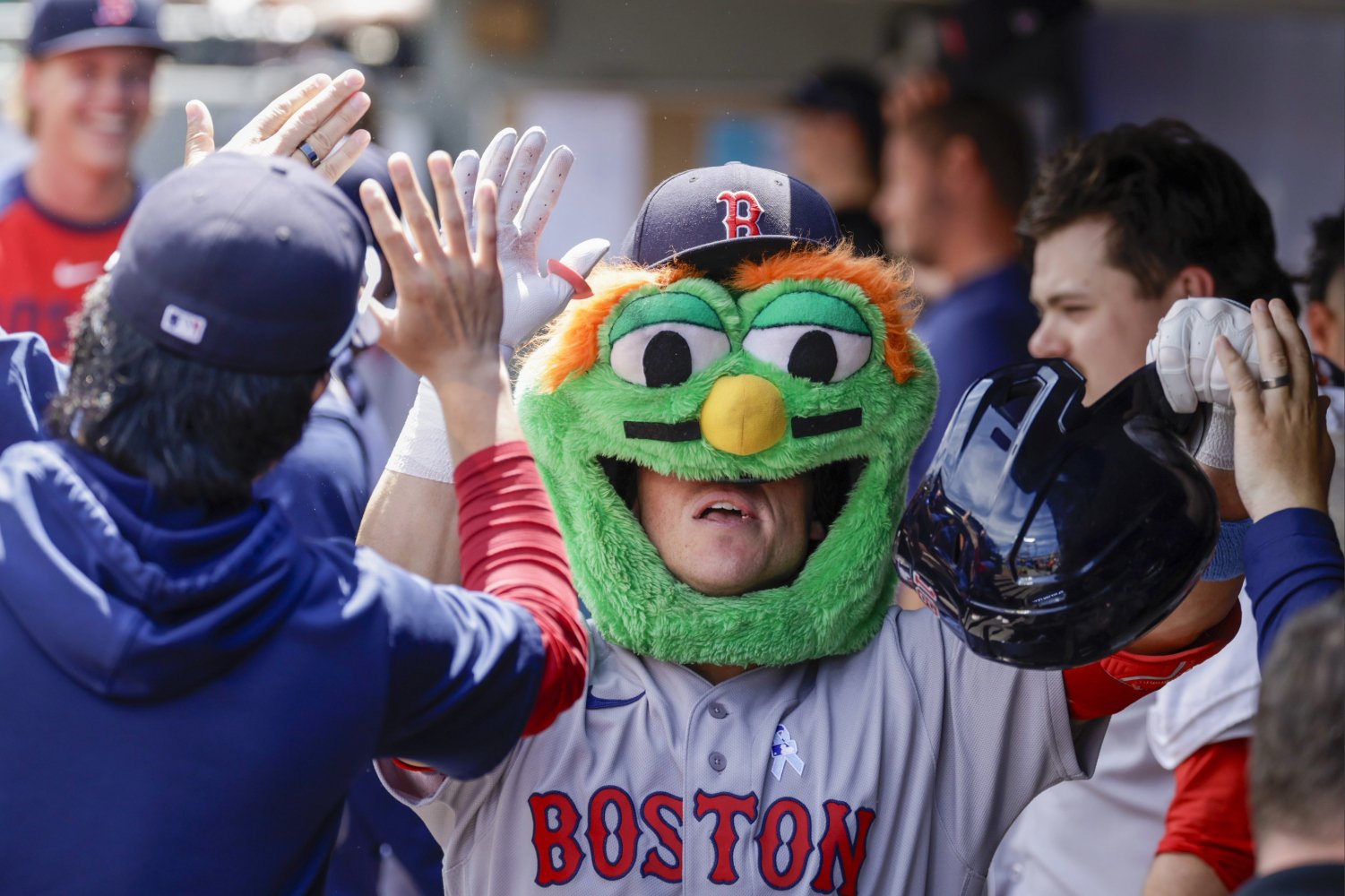 Boston Red Sox Weekly Snapshot Record Last Week: 2-4 Runs Scored Last Week: 16 Runs Surrendered Last Week: 19 Standings: 5th in AL East 14.5 GB First Place Transactions: 06/16/26: Boston Red Sox sent 1B Romy Gonzalez on a rehab assignment to Portland Sea Dogs. 06/17/26: Boston Red Sox sent LHP Patrick Sandoval on a rehab assignment to Portland Sea Dogs. 06/20/26: Boston Red Sox recalled 2B Anthony Seigler from Worcester Red Sox. 06/20/26: Boston Red Sox placed 2B Isiah Kiner-Falefa on the 10-day injured list retroactive to June 19, 2026. Left forearm inflammation. Scores: Game 70: BOS 1, TOR 6 Game 71: BOS 0, TOR 3 Game 72: BOS 3, TOR 4 Game 73: BOS 6, SEA 2 Game 74: BOS 5, SEA 1 Game 75: BOS 1, SEA 3 Series Breakdown/Highlights Blue Jays Series: My mother always told me if you don’t have something nice to say, don’t say anything at all. Unfortunately, we have to talk about this putrid series. In game one, Payton Tolle wasn’t awful, but he wasn’t great. He tossed five innings of three run baseball while striking out six and issuing two walks. He seems to have hit a bit of a wall in June, pitching his way to a 3.71 ERA for the month so far. That’s not bad, but it’s a full earned run more than what he had been bringing to the table earlier in the season. Still, he’s a rookie and he’s finding his footing at the MLB level. He’s going to be a stud for this team for years to come. Offensively, this game was a joke. The Red Sox had eight hits but could only plate one run on a garbage time Jarren Duran home run. In game two, it was more of the same. The team had seven hits but was unable to plate any runs, despite the fact that they had ducks in the pond seemingly every inning. Jake Bennett’s line looks worse than his performance on the field, but he did give up two of Toronto’s two earned runs. Maybe the lone bright spot was that Tyron Guerrero continues to light up the radar gun and is likely jumping up trade boards across the league. Game three seems like it was close but if you watched it, it wasn’t. The wind wreaked havoc at Fenway Park during the entire time. Sonny Gray tossed seven innings of three-run baseball while striking out four. Somehow, Isiah Kiner-Falefa and Caleb Durbin came through to tie the game in the eighth inning, but defensive miscues extended the top of the ninth to allow the Jays to score and ultimately charged Aroldis Chapman with the loss. The bottom of the ninth was typical Red Sox baseball — it was over in five pitches. Not even five pitches from top-tier closer Louis Varland; five pitches from Mason Fluharty. Mariners Series: Much like the rest of the season, the Red Sox played better on the road than they did at home. The pitching matchups didn’t favor the Sox; they were seeing the top of the Mariners’ rotation, but they had mostly patient at-bats that made the multiple top arms of Seattle pay. In game one, Ranger Suarez carried a no-hitter into the seventh inning. The offense erupted for six runs and Caleb Durbin stayed hot with another homer. Greg Weissert looked solid but Ryan Watson allowed two earned runs. Marcelo Mayer was originally not in the starting lineup due to illness but was a last minute addition and provided three RBIs. Carlos Narvaez put some good swings on the ball in hopes of getting more playing time. Game two saw Connelly Early start off shaky but he ended up striking out seven over six innings, allowing only one earned run. Wilyer Abreu got the party started for the Sox with a huge two-run homer while both Mayer and Durbin provided one RBI each. This game saw Ceddanne Rafaela get a much needed rest as the team gears up to head to the giant outfield of Coors Field to kick off next week. Guerrero was his usual flamethrowing self out of the bullpen, while Garrett Whitlock and Danny Coulombe both worked clean innings. Unfortunately, game three didn’t complete the West Coast sweep. The offense managed just one run on a Nate Eaton second deck solo shot. It was Abreu’s turn for a rest day on Sunday, only his second one of the season. Tolle pitched his way into and out of a couple of jams, going six innings with two strike outs, two walks, and three earned runs. He was the victim of some defensive lapses though, and looked mostly solid throughout his start. Coulombe and Watson both pitched well to keep the game within reach out of the bullpen. Website Highlights Ranking Red Sox’s Best Closer Candidates if Aroldis Chapman is Traded by Ben Lofy The Definitive Case for the Red Sox to Trade Jarren Duran by Alex Mayes Ceddanne Rafaela is Succeeding by Breaking One of Hitting’s Most Basic Rules by Yirsandy Rodriguez Looking Ahead 06/22/26: Red Sox (Jake Bennett) @ Rockies (Ryan Feltner): 8:40 PM EDT 06/23/26: Red Sox (Sonny Gray) @ Rockies (Sean Sulivan): 8:40 PM EDT 06/24/26: Red Sox (Ranger Suarez) @ Rockies (Kyle Freeland) 3:10 PM EDT 06/25/26: Yankees @ Red Sox: 7:10 PM EDT 06/26/26: Yankees @ Red Sox: 7:10 PM EDT 06/27/26: Yankees @ Red Sox: 1:10 PM EDT 06/28/26: Yankees @ Red Sox: 7:20 PM EDT Sunday Night Baseball
 -
The Definitive Case For the Red Sox to Trade Jarren Duran
Alex Mayes replied to Alex Mayes's topic in Boston Red Sox Talk
Welcome to Talk Sox! I agree with you, take whatever you can get for him at this point. I do like the idea of packaging him with either Gray or Chapman though to up a return even more. The Phillies need starter and outfield help. Gray would fit that rotation well. The Padres have been sniffing around Chapman and need help in the outfield too. The question then becomes what are either Dombrowski or Preller willing to part with that helps the Red Sox. -
I like that idea quite a bit.
-
I considered both for the list but opted for the names above. I think they both are in the “possibly could be traded” bucket with Guerrero closer to the top of it. His value likely lies somewhere between what the Sox gave up for Lucas Sims and Luis Garcia a couple of seasons ago. I’ve been advocating for the team to option Weissert instead of trade him because if he gets right then he is a huge piece moving forward. I’d rather see him try to get right here than deal him somewhere else where he will somehow turn into Mason Miller 2.0 with our luck.
-
The American League is an absolute mess, and yet the Boston Red Sox find themselves on the outside looking in and even further behind in the AL East standings after being swept at home by the Blue Jays. They are 0-39 in games in which they trail by three and, once they return to Fenway Park, seem to forget how to play cohesive baseball on a daily basis. It feels like we’re quickly approaching the “pivot” that President and CEO of the Red Sox Sam Kennedy spoke about just last week. The negativity is growing louder and louder with each loss, and the players you’d expect to be the most outspoken about it are nowhere to be found when the cameras are on in the clubhouse. Craig Breslow seems to be keeping an eye on buying at the deadline, but that pathway feels like the worst possible decision given the direction this team is headed. While there is time before any final decisions have to be made, the Red Sox look like clear sellers at this point and these names are the most likely to be involved. Ranking Red Sox Trade Chips We'll rank these players by group, starting with those who are certain to be gone and ending with those who should be super-glued to the locker room beneath Fenway. Definitely Will Be Traded CL Aroldis Chapman Team Control: Through 2026 with 40 inning vesting option for 2027 2026 Stats: 21 G, 14 S, 23.5 K-BB%, 0.9 fWAR Chapman has seen a career resurgence since signing with the Red Sox before the 2025 season, but his time in Boston is likely coming to an end sooner than later. He’s almost guaranteed to represent the Sox in the All-Star Game this year (if he is still on the team by then). Even though he was tagged with the loss in the series finale against the Blue Jays, he’s arguably the best closer in the American League. When he’s officially put on the trade block, he will be the best reliever available and contending teams will likely line up to acquire his 100+ mph fastball for a late season push. The last time Chapman was moved, from the Royals to the Rangers, he wasn’t nearly the player he has been over the last season and a half but he still netted LHP Cole Ragans in return. If the goal is to retool the upper minor leagues with players who can contribute next season, there’s no better trade chip than the future Hall of Famer himself. SP Sonny Gray Team Control: Through 2026, Mutual Option for 2027 2026 Stats: 12 G, 3.53 FIP, 13.7 K-BB%, 1.1 fWAR Gray has been an incredibly bright spot for the Red Sox for the majority of the season. He has started focusing on his “Dr. Spin” persona and throwing stuff with some ridiculous movement. It’s allowed him to generate a ton of swing and miss during his starts while inducing weak contact when the batter does manage to put the ball in play. In turn, he’s pitching deep into most games and is turning in quality start after quality start. The appeal of Gray is that he’s a dependable veteran that will come relatively cheap considering the Cardinals are paying half of his salary this season and, once the trade deadline gets here, the Red Sox will have paid more than half of the remaining salary left for this season. He'll be an affordable rental who will provide a spark in the middle of a contender's rotation. Given his status as a starter, he should return a similar (if not better) package than Chapman. Possibly Could Be Traded OF Jarren Duran Team Control: Through 2028 2026 Stats: 66 G, .293 wOBA, 79 wRC+, 0.7 fWAR I’ve already gone in depth on why the Red Sox need to move on from Duran here, so I’m not going to go into a ton of depth with this piece, but it’s time to move on from Duran. Once Roman Anthony returns from the injured list, Duran will be squeezed out of his starting job in left field again. His offensive numbers have taken a nose dive this season, but there’s still glimpses of an every day hitter there. His speed is top tier and will be useful for a contending team down the stretch. The ship has sailed on him returning multiple star prospects, but he'll still fetch a decent price given his remaining team control. UTIL Isiah Kiner-Falefa Through 2026 2026 Stats: 46 G, .310 wOBA, 90 wRC+, 0.9 fWAR Kiner-Falefa feels like the type of player that this team needed if they were able to repeat last season’s success. He’s a journeyman veteran that plays solid defense and has, almost inexplicably, woken up at the plate and come through in some clutch moments. He has been incredibly vocal with the media over the last few weeks, and seems to almost be the only veteran presence on the defensive side of the ball who is willing to speak on a regular basis. That was a role Rob Refsnyder filled during his tenure with the Red Sox and Kiner-Falefa has stepped into those shoes well this year. He seems to almost be at his wit’s end though, and as the season slips further and further away, he is likely looking at less and less playing time. Moving him in a small trade to clear the remainder of his $6 million off the books is the move here, but his veteran presence may cause him to stick around for the rest of the season. RP Justin Slaten Team Control: Through 2029 2026 Stats: 15 G, 5.57 FIP, 19.7 KK-B%, -0.2 fWAR Slaten has been an interesting case study since he arrived as a trade via the Rule 5 draft in 2023. He has an electric fastball and a curveball that, when it’s on, ranks as one of the top pitches for all relievers. The biggest knock against him has been his health. He has landed on the injured list for stints during every season he’s been with the Red Sox and has typically struggled to return to form once he is activated to the big-league club. He has the potential to be the next closer for the Red Sox but that role is likely occupied by someone else we’ll get to here later. Still, his raw stuff would surely interest some contender in need of high-leverage help. Thanks to his status as a pre-arb player, Slaten should net the Sox something useful, though that cheap team control also makes him an attractive reliever to keep around. 1B Willson Contreras Team Control: Through 2027, Club Option for 2028 2026 Stats: 69 G, .408 wOBA, 157 wRC+, 2.6 fWAR Contreras has been the best hitter on the Red Sox this season, without a doubt. Imagining this season without his presence in the lineup is even more depressing than the current reality. Should Contreras hit the trade block, he would be the best right-handed hitter available on the market and should bring a king’s ransom in return. That being said, the clubhouse would suffer if he was dealt and it would significantly harm the team's chances of bouncing back next year. Contreras is on a fairly friendly deal for the 2027 season with a team option for the 2028 season. He’s finally hitting in a ballpark that suits his swing and he’s been a leader for this club through a down season. While it’s possible he’s traded, I consider it unlikely unless the team is blown away by the offer. C Connor Wong Team Control: Through 2028 2026 Stats: 28 G, .340 wOBA, 111 wRC+, 0.5 fWAR There have already been rumblings that the team is shopping backup catcher Connor Wong, so he had to show up somewhere on this list. He’s played far better than he did during his injury-shortened 2025 season, but he’s failed to live up to the starting catcher potential so many predicted for him after he took the reins of the position after Christian Vazquez was traded in 2022. He’s a serviceable backup catcher at this point in his career, but the fact the team is willing to listen to offers on him indicates that they prefer Mickey Gasper in the backup role, or starter role if recent trends are any indication. Wong won’t net much, but he could be a throw-in piece as part of a larger package returning several prospects. Unlikely To Be Traded OF Wilyer Abreu Team Control: Through 2029 2026 Stats: 70 G, .337 wOBA, 109 wRC+, 1.6 fWAR Abreu is a two-time Gold Glove winner in right field who has finally been moved out of the platoon role and thrived for it. He’s arguably the second-best hitter on the team and should be considered a foundational piece of the organization moving forward. It would be shocking to see the team move off of Abreu, but he'd instantly become the team's most valuable trade chip if they put up him for auction. RP Garrett Whitlock Team Control: Through 2026, Team Options for 2027 and 2028 2026 Stats: 22 G, 2.64 FIP, 23.9 K-BB%, 0.6 fWAR Whitlock is the shining example of everything that can go right with a Rule 5 draft selection. While there is likely going to be a ton of interest in him, he’s far too valuable to the organization as they look to retool to compete in 2027 and beyond. He is likely the closer-in-waiting once the team moves on from Chapman, and he’s proven capable of handling that pressure. Teams in contention would likely pay a high price for Whitlock, and an overpay shouldn’t be ignored, but the best bet is to hang onto him for the remainder of his contract. SS Trevor Story Team Control: Through 2027, Club Option for 2028 2026 Stats: 41 G, .243 wOBA, 45 wRC+, -0.5 fWAR While moving on from Story before the end of his contract makes a ton of sense, he’s making far too much money ($23.33MM AAV) and has spent too much time on the injured list during his stint in Boston for any team to even consider bringing him in mid-season. He has likely lost his starting shortstop role to Marcelo Mayer, so there could be movement on him whenever the offseason gets underway in a pre-lockout world, or even after the lockout comes to an end in 2027, but his deal is almost certainly unmovable at this current juncture. View full article
-
Ranking Red Sox Trade Candidates If They Sell at MLB Trade Deadline
Alex Mayes posted an article in Red Sox
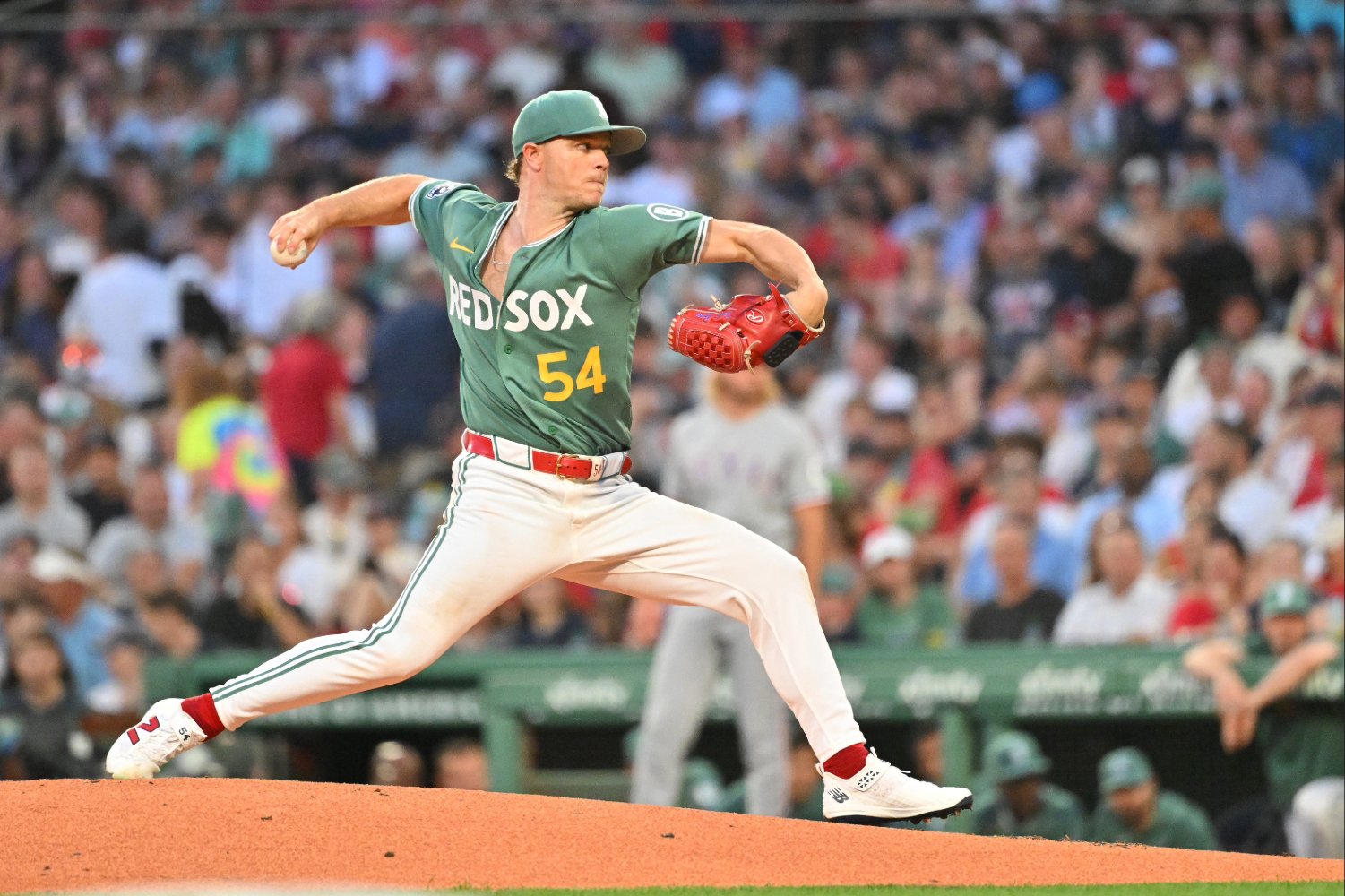 The American League is an absolute mess, and yet the Boston Red Sox find themselves on the outside looking in and even further behind in the AL East standings after being swept at home by the Blue Jays. They are 0-39 in games in which they trail by three and, once they return to Fenway Park, seem to forget how to play cohesive baseball on a daily basis. It feels like we’re quickly approaching the “pivot” that President and CEO of the Red Sox Sam Kennedy spoke about just last week. The negativity is growing louder and louder with each loss, and the players you’d expect to be the most outspoken about it are nowhere to be found when the cameras are on in the clubhouse. Craig Breslow seems to be keeping an eye on buying at the deadline, but that pathway feels like the worst possible decision given the direction this team is headed. While there is time before any final decisions have to be made, the Red Sox look like clear sellers at this point and these names are the most likely to be involved. Ranking Red Sox Trade Chips We'll rank these players by group, starting with those who are certain to be gone and ending with those who should be super-glued to the locker room beneath Fenway. Definitely Will Be Traded CL Aroldis Chapman Team Control: Through 2026 with 40 inning vesting option for 2027 2026 Stats: 21 G, 14 S, 23.5 K-BB%, 0.9 fWAR Chapman has seen a career resurgence since signing with the Red Sox before the 2025 season, but his time in Boston is likely coming to an end sooner than later. He’s almost guaranteed to represent the Sox in the All-Star Game this year (if he is still on the team by then). Even though he was tagged with the loss in the series finale against the Blue Jays, he’s arguably the best closer in the American League. When he’s officially put on the trade block, he will be the best reliever available and contending teams will likely line up to acquire his 100+ mph fastball for a late season push. The last time Chapman was moved, from the Royals to the Rangers, he wasn’t nearly the player he has been over the last season and a half but he still netted LHP Cole Ragans in return. If the goal is to retool the upper minor leagues with players who can contribute next season, there’s no better trade chip than the future Hall of Famer himself. SP Sonny Gray Team Control: Through 2026, Mutual Option for 2027 2026 Stats: 12 G, 3.53 FIP, 13.7 K-BB%, 1.1 fWAR Gray has been an incredibly bright spot for the Red Sox for the majority of the season. He has started focusing on his “Dr. Spin” persona and throwing stuff with some ridiculous movement. It’s allowed him to generate a ton of swing and miss during his starts while inducing weak contact when the batter does manage to put the ball in play. In turn, he’s pitching deep into most games and is turning in quality start after quality start. The appeal of Gray is that he’s a dependable veteran that will come relatively cheap considering the Cardinals are paying half of his salary this season and, once the trade deadline gets here, the Red Sox will have paid more than half of the remaining salary left for this season. He'll be an affordable rental who will provide a spark in the middle of a contender's rotation. Given his status as a starter, he should return a similar (if not better) package than Chapman. Possibly Could Be Traded OF Jarren Duran Team Control: Through 2028 2026 Stats: 66 G, .293 wOBA, 79 wRC+, 0.7 fWAR I’ve already gone in depth on why the Red Sox need to move on from Duran here, so I’m not going to go into a ton of depth with this piece, but it’s time to move on from Duran. Once Roman Anthony returns from the injured list, Duran will be squeezed out of his starting job in left field again. His offensive numbers have taken a nose dive this season, but there’s still glimpses of an every day hitter there. His speed is top tier and will be useful for a contending team down the stretch. The ship has sailed on him returning multiple star prospects, but he'll still fetch a decent price given his remaining team control. UTIL Isiah Kiner-Falefa Through 2026 2026 Stats: 46 G, .310 wOBA, 90 wRC+, 0.9 fWAR Kiner-Falefa feels like the type of player that this team needed if they were able to repeat last season’s success. He’s a journeyman veteran that plays solid defense and has, almost inexplicably, woken up at the plate and come through in some clutch moments. He has been incredibly vocal with the media over the last few weeks, and seems to almost be the only veteran presence on the defensive side of the ball who is willing to speak on a regular basis. That was a role Rob Refsnyder filled during his tenure with the Red Sox and Kiner-Falefa has stepped into those shoes well this year. He seems to almost be at his wit’s end though, and as the season slips further and further away, he is likely looking at less and less playing time. Moving him in a small trade to clear the remainder of his $6 million off the books is the move here, but his veteran presence may cause him to stick around for the rest of the season. RP Justin Slaten Team Control: Through 2029 2026 Stats: 15 G, 5.57 FIP, 19.7 KK-B%, -0.2 fWAR Slaten has been an interesting case study since he arrived as a trade via the Rule 5 draft in 2023. He has an electric fastball and a curveball that, when it’s on, ranks as one of the top pitches for all relievers. The biggest knock against him has been his health. He has landed on the injured list for stints during every season he’s been with the Red Sox and has typically struggled to return to form once he is activated to the big-league club. He has the potential to be the next closer for the Red Sox but that role is likely occupied by someone else we’ll get to here later. Still, his raw stuff would surely interest some contender in need of high-leverage help. Thanks to his status as a pre-arb player, Slaten should net the Sox something useful, though that cheap team control also makes him an attractive reliever to keep around. 1B Willson Contreras Team Control: Through 2027, Club Option for 2028 2026 Stats: 69 G, .408 wOBA, 157 wRC+, 2.6 fWAR Contreras has been the best hitter on the Red Sox this season, without a doubt. Imagining this season without his presence in the lineup is even more depressing than the current reality. Should Contreras hit the trade block, he would be the best right-handed hitter available on the market and should bring a king’s ransom in return. That being said, the clubhouse would suffer if he was dealt and it would significantly harm the team's chances of bouncing back next year. Contreras is on a fairly friendly deal for the 2027 season with a team option for the 2028 season. He’s finally hitting in a ballpark that suits his swing and he’s been a leader for this club through a down season. While it’s possible he’s traded, I consider it unlikely unless the team is blown away by the offer. C Connor Wong Team Control: Through 2028 2026 Stats: 28 G, .340 wOBA, 111 wRC+, 0.5 fWAR There have already been rumblings that the team is shopping backup catcher Connor Wong, so he had to show up somewhere on this list. He’s played far better than he did during his injury-shortened 2025 season, but he’s failed to live up to the starting catcher potential so many predicted for him after he took the reins of the position after Christian Vazquez was traded in 2022. He’s a serviceable backup catcher at this point in his career, but the fact the team is willing to listen to offers on him indicates that they prefer Mickey Gasper in the backup role, or starter role if recent trends are any indication. Wong won’t net much, but he could be a throw-in piece as part of a larger package returning several prospects. Unlikely To Be Traded OF Wilyer Abreu Team Control: Through 2029 2026 Stats: 70 G, .337 wOBA, 109 wRC+, 1.6 fWAR Abreu is a two-time Gold Glove winner in right field who has finally been moved out of the platoon role and thrived for it. He’s arguably the second-best hitter on the team and should be considered a foundational piece of the organization moving forward. It would be shocking to see the team move off of Abreu, but he'd instantly become the team's most valuable trade chip if they put up him for auction. RP Garrett Whitlock Team Control: Through 2026, Team Options for 2027 and 2028 2026 Stats: 22 G, 2.64 FIP, 23.9 K-BB%, 0.6 fWAR Whitlock is the shining example of everything that can go right with a Rule 5 draft selection. While there is likely going to be a ton of interest in him, he’s far too valuable to the organization as they look to retool to compete in 2027 and beyond. He is likely the closer-in-waiting once the team moves on from Chapman, and he’s proven capable of handling that pressure. Teams in contention would likely pay a high price for Whitlock, and an overpay shouldn’t be ignored, but the best bet is to hang onto him for the remainder of his contract. SS Trevor Story Team Control: Through 2027, Club Option for 2028 2026 Stats: 41 G, .243 wOBA, 45 wRC+, -0.5 fWAR While moving on from Story before the end of his contract makes a ton of sense, he’s making far too much money ($23.33MM AAV) and has spent too much time on the injured list during his stint in Boston for any team to even consider bringing him in mid-season. He has likely lost his starting shortstop role to Marcelo Mayer, so there could be movement on him whenever the offseason gets underway in a pre-lockout world, or even after the lockout comes to an end in 2027, but his deal is almost certainly unmovable at this current juncture.
 -
The Definitive Case For the Red Sox to Trade Jarren Duran
Alex Mayes replied to Alex Mayes's topic in Boston Red Sox Talk
Sounds like what cost Benintendi what seemed like a promising career too. -
The Definitive Case For the Red Sox to Trade Jarren Duran
Alex Mayes replied to Alex Mayes's topic in Boston Red Sox Talk
I actually think Roman would thrive at first base and that's his path to being a star in this league. That homer off Sale in spring training was amazing and gave me a lot of hope, then he crashed back down to earth hard. I just don't trust Craig to be the one to flip really any prospects at this point, haha. -
The Definitive Case For the Red Sox to Trade Jarren Duran
Alex Mayes replied to Alex Mayes's topic in Boston Red Sox Talk
This would have been my plan last season, especially with Salas on the table. This year though, I don't know if he's worth any prospects close enough to the majors to make a difference. If they package him with either Chapman or Gray though, you're likely getting something substantial in return, and hopefully a blue chipper in there.