


Alex Mayes
-
Posts
856 -
Joined
-
Last visited
Content Type
Profiles
Boston Red Sox Videos
2026 Boston Red Sox Top Prospects Ranking
Boston Red Sox Free Agent & Trade Rumors, Notes, & Tidbits
Guides & Resources
2025 Boston Red Sox Draft Pick Tracker
News
2026 Boston Red Sox Draft Tracker: Picks & Bonuses
Forums
Blogs
Events
Store
Downloads
Gallery
Everything posted by Alex Mayes
-
The Definitive Case For the Red Sox to Trade Jarren Duran
Alex Mayes replied to Alex Mayes's topic in Boston Red Sox Talk
I appreciate the comments! I’ve always said, even though some people don’t believe me, that I like Duran and understand why he wasn’t moved up to this point. I disagree with the reasons, but I get it. I think we’re going to get some teams that get pretty desperate for outfield help after Jo Adell is moved. That’s when whoever is actually running the deadline for the Sox needs to capitalize and ship Duran out as likely part of a package deal for pieces that can impact the team in a more positive way. -
The Definitive Case For the Red Sox to Trade Jarren Duran
Alex Mayes replied to Alex Mayes's topic in Boston Red Sox Talk
His June numbers would beg to differ with that assessment. -
I know, I know. We’ve been here before. I’ve discussed trading Jarren Duran here on Talk Sox more than maybe any other topic. There’s sound reasoning behind it, though. Ever since 2024, there has been reason after reason to offload Duran. Now, we sit in the 2026 season mired in mediocrity and not even within sniffing distance of a playoff spot in a weak American League. So now, dear friends, the time has come to make the definitive case for finally trading Jarren Duran away from the Boston Red Sox. In short, Jarren Duran has been awful this season. I recently talked about his struggles during the month of June but it’s no secret that the entirety of 2026 has been abysmal for Duran. He’s slashing .214/.270/.398 with 12 home runs, 37 RBIs, and 11 stolen bases. To go along with that awful slash line, he’s striking out 29.4% of the time and is only posting a 79 wRC+, hence his meager 0.7 fWAR. The power is nice, but it's hardly been impactful in an otherwise struggling lineup. He’s tinkered more with his batting stance and leg kick this season than he ever has in the past and it’s messed with his timing so much that he's striking out more than ever. The stolen bases also look good, but Duran also isn’t getting any younger. He’s 29 right now and turns 30 in September. Speed is the first tool to deteriorate as a player ages, and although there hasn't been a massive decline in his sprint speed, it’s been a downward trend for the last two years. Eventually, he'll age out of elite territory in that regard, too. But you all know what I think of him by this point. Leave it to the man himself to succinctly sum up his season in a recent postgame conversation: "Absolutely terrible. I’m gonna be honest with you, I’ve felt terrible. Playing like s*** at the plate. But just got to figure it the f*** out, you know?" And he’s right, he does need to figure it out. There’s no question about that, but he doesn’t need to figure it out in Boston past this trade deadline. The outfield is still jammed, even though Roman Anthony’s injury has allowed Duran ample playing time in left field. When Anthony returns, will Duran go back to primarily playing at designated hitter? The results there have been less than stellar this season. You could argue that Anthony should spend the majority of his starts at DH, but the team didn’t guarantee him a nine-figure sum to just take swings. He needs to be in the outfield on a daily basis. Duran is going to be squeezed back out of his every-day playing time because you’re not going to bench Gold Glovers Ceddanne Rafaela or Wilyer Abreu. Once the entire outfield is healthy again, and that should come right around the trade deadline, Duran is once again the odd man out. If we move away from the actual baseball side of things though, Duran likely just needs a change of scenery to unlock what’s next for him. Boston is a difficult market to perform in and he has struggled with it from time to time throughout his career. He’s used derogatory language and made lewd gestures towards fans, refused to speak to the media in the wake of Alex Cora’s dismissal, and has eschewed a leadership role within the clubhouse. While leadership isn’t for everyone, Duran is now one of the longest tenured players in the organization and there’s a certain expectation that comes along with that in professional sports. He may not ever be a true leader of men, but since the roster is currently constructed with such a focus toward younger players, that’s a role he has to step into more as he gets older. Obviously, the elephant in the room is that every other team can see his terrible numbers as well. What the Red Sox are likely hoping for is that there is a team that is willing to take a chance on him turning things around once he leaves Boston. It’s a gamble worth making, but the return for him is going to be lower than it would have been during the offseason or at the trade deadline last year when the Padres were offering both Dylan Cease and Ethan Salas in return. I'll end with this: Jarren Duran is a good baseball player. I've always believed that, and none of his struggles over the years have ever convinced me otherwise. At the same time, it's clear to me that he's overextended his welcome in Boston. A breakup can be painful, but also healing. It's best to rip that band-aid off now and deal with the fallout later. View full article
-
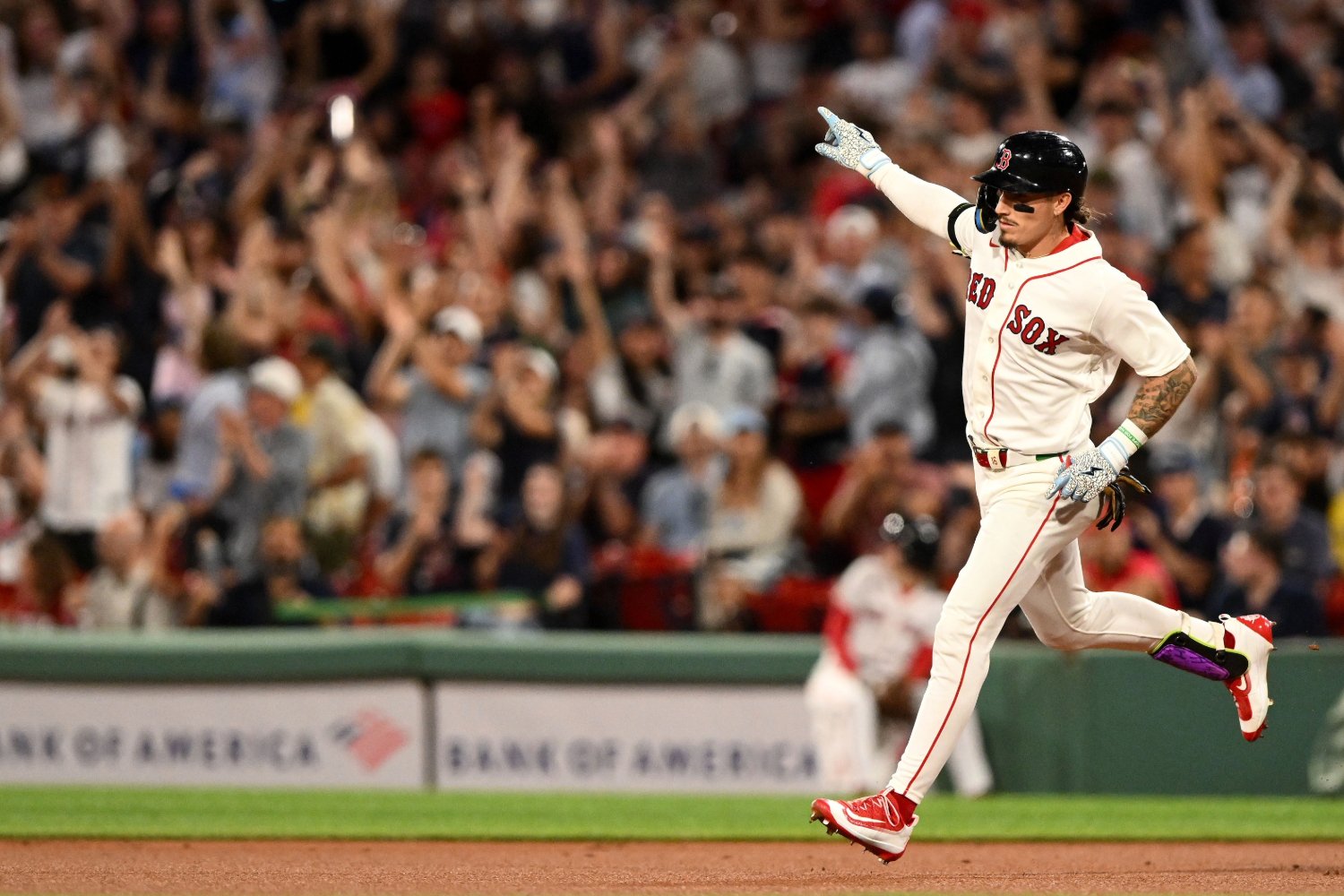 I know, I know. We’ve been here before. I’ve discussed trading Jarren Duran here on Talk Sox more than maybe any other topic. There’s sound reasoning behind it, though. Ever since 2024, there has been reason after reason to offload Duran. Now, we sit in the 2026 season mired in mediocrity and not even within sniffing distance of a playoff spot in a weak American League. So now, dear friends, the time has come to make the definitive case for finally trading Jarren Duran away from the Boston Red Sox. In short, Jarren Duran has been awful this season. I recently talked about his struggles during the month of June but it’s no secret that the entirety of 2026 has been abysmal for Duran. He’s slashing .214/.270/.398 with 12 home runs, 37 RBIs, and 11 stolen bases. To go along with that awful slash line, he’s striking out 29.4% of the time and is only posting a 79 wRC+, hence his meager 0.7 fWAR. The power is nice, but it's hardly been impactful in an otherwise struggling lineup. He’s tinkered more with his batting stance and leg kick this season than he ever has in the past and it’s messed with his timing so much that he's striking out more than ever. The stolen bases also look good, but Duran also isn’t getting any younger. He’s 29 right now and turns 30 in September. Speed is the first tool to deteriorate as a player ages, and although there hasn't been a massive decline in his sprint speed, it’s been a downward trend for the last two years. Eventually, he'll age out of elite territory in that regard, too. But you all know what I think of him by this point. Leave it to the man himself to succinctly sum up his season in a recent postgame conversation: "Absolutely terrible. I’m gonna be honest with you, I’ve felt terrible. Playing like s*** at the plate. But just got to figure it the f*** out, you know?" And he’s right, he does need to figure it out. There’s no question about that, but he doesn’t need to figure it out in Boston past this trade deadline. The outfield is still jammed, even though Roman Anthony’s injury has allowed Duran ample playing time in left field. When Anthony returns, will Duran go back to primarily playing at designated hitter? The results there have been less than stellar this season. You could argue that Anthony should spend the majority of his starts at DH, but the team didn’t guarantee him a nine-figure sum to just take swings. He needs to be in the outfield on a daily basis. Duran is going to be squeezed back out of his every-day playing time because you’re not going to bench Gold Glovers Ceddanne Rafaela or Wilyer Abreu. Once the entire outfield is healthy again, and that should come right around the trade deadline, Duran is once again the odd man out. If we move away from the actual baseball side of things though, Duran likely just needs a change of scenery to unlock what’s next for him. Boston is a difficult market to perform in and he has struggled with it from time to time throughout his career. He’s used derogatory language and made lewd gestures towards fans, refused to speak to the media in the wake of Alex Cora’s dismissal, and has eschewed a leadership role within the clubhouse. While leadership isn’t for everyone, Duran is now one of the longest tenured players in the organization and there’s a certain expectation that comes along with that in professional sports. He may not ever be a true leader of men, but since the roster is currently constructed with such a focus toward younger players, that’s a role he has to step into more as he gets older. Obviously, the elephant in the room is that every other team can see his terrible numbers as well. What the Red Sox are likely hoping for is that there is a team that is willing to take a chance on him turning things around once he leaves Boston. It’s a gamble worth making, but the return for him is going to be lower than it would have been during the offseason or at the trade deadline last year when the Padres were offering both Dylan Cease and Ethan Salas in return. I'll end with this: Jarren Duran is a good baseball player. I've always believed that, and none of his struggles over the years have ever convinced me otherwise. At the same time, it's clear to me that he's overextended his welcome in Boston. A breakup can be painful, but also healing. It's best to rip that band-aid off now and deal with the fallout later.
 -
@mvp 78 and @Duran Is The Man The episode is live! Thanks for your questions, we hope you both enjoy listening. We're planning to do another one sometime later this season so please, ask more questions then!
-
Boston Red Sox Weekly Snapshot Record Last Week: 2-4 Runs Scored Last Week: 29 Runs Surrendered Last Week: 24 Standings: 5th in AL East 13.5 GB First Place Transactions: 06/08/26: Boston Red Sox recalled OF Nate Eaton from Worcester Red Sox. 06/08/26: Boston Red Sox acquired LHP Tyler Davis from the Washington Wild Things of the Frontier League. 06/08/26: Boston Red Sox optioned LHP Joe La Sorsa to Worcester Red Sox. 06/09/26: Boston Red Sox optioned 2B Anthony Seigler to Worcester Red Sox. 06/09/26: Boston Red Sox activated RHP Garrett Whitlock from the 15-day injured list. 06/10/26: Boston Red Sox recalled LHP Jake Bennett from Worcester Red Sox. 06/10/26: Boston Red Sox optioned LHP Alec Gamboa to Worcester Red Sox. Scores: Game 64: BOS 1, TB 3 Game 65: BOS 3, TB 4 Game 66: BOS 5, TB 7 Game 67: BOS 10, TEX 1 Game 68: BOS 6, TEX 3 Game 69: BOS 4 , TEX 6 Series Breakdown/Highlights Rays Series: This series against the Rays gave us more of the same that we've become accustomed to here in 2026. The Red Sox got down early, staged a late game comeback, and then ultimately lost each game because either they could plate runners after they got on base or the bullpen couldn’t keep runners from scoring. In game one, Connelly Early tossed another short outing, only going 4.2 innings and giving up two earned runs while striking out six. Marcelo Mayer went deep against another lefty (and off a slider) early in the game, but the rest of the offense couldn’t keep it up. Game two was particularly disheartening, with Payton Tolle turning in a rare weak start. He tossed six innings, striking out three while allowing four earned runs. Garrett Whitlock was reinstated from the injured list and worked a one-strikeout inning. Jarren Duran and Mayer accounted for the three runs Boston scored. Game three didn't bring anything new to the table. Rookie Jake Bennett’s line looks worse than the eye test showed, but the Rays were ready for him. He tossed five innings, allowing four earned runs and four strikeouts. Justin Slaten is arguably the story out of the bullpen as he has now had back-to-back rough outings. The Sox made a late push to make the box score seem closer than it was, but overall, the series as a whole was fairly noncompetitive. Credit to Caleb Durbin, who seems to have found an offensive approach that works. His two home runs in game three were absolute bombs. Rangers Series: Now this is how the Red Sox are supposed to play at Fenway Park. The Sox tagged youngster Jack Leiter for five earned runs and reliever Cal Quantrill kept up his history of plunking Red Sox’s players by hitting both Connor Wong and Willson Contreras. Sonny Gray was great after giving up an earned run in the first inning. He struck out seven over six, giving the bullpen a bit of a much needed rest after the short outings in the Rays series earlier in the week. Ceddanne Rafaela, Wilyer Abreu, and Contreras all went yard in game one to tie a bow on the performance. Game two solidified the series as the Ceddanne Show, as he continued to hit the cover off the ball. He’s started to show that dreaded whiff in his swing that has plagued his career, but he’s still playing out of his mind this season. Duran provided some late insurance runs with a two-run shot in the eighth inning to put the game out of reach. Ranger Suarez got BABIP’d quite a bit during his start by allowing six hits, two earned runs, and seven strikeouts over five innings pitched. In the finale on Sunday Night Baseball, Connelly Early turned in the worst start of his career. He allowed 11 hits, six earned runs, two walks, and three strikeouts over 4.2 innings of work. His entire pitch mix didn’t look sharp and the Rangers were ready to pounce on him. The bats went a bit quiet again, except for Contrearas who belted two massive solo home runs off old friend Nathan Eovaldi. Website Highlights Ranger Suarez Isn’t the Pitcher the Red Sox Signed - He’s Better by Yirsandy Rodriguez Red Sox For Sale: Boston’s Top 3 Pieces to Move if They Are Sellers at the Trade Deadline by Ryan Salvaggio Why Craig Breslow’s Past Trade Deadlines Suggest More of the Same for Red Sox in 2026 by Alex Mayes Looking Ahead 06/15/26: Off Day 06/16/26: Blue Jays (TBD) @ Red Sox (Payton Tolle): 6:45 PM EDT 06/17/26: Blue Jays (TBD) @ Red Sox (Jake Bennett): 6:45 PM EDT 06/18/26: Blue Jays (TBD) @ Red Sox (Sonny Gray): 1:35 PM EDT 06/19/26: Red Sox @ Mariners: 10:10 PM EDT 06/20/26: Red Sox @ Mariners: 10:10 PM EDT 06/21/26: Red Sox @ Mariners: 4:10 PM EDT View full article
-
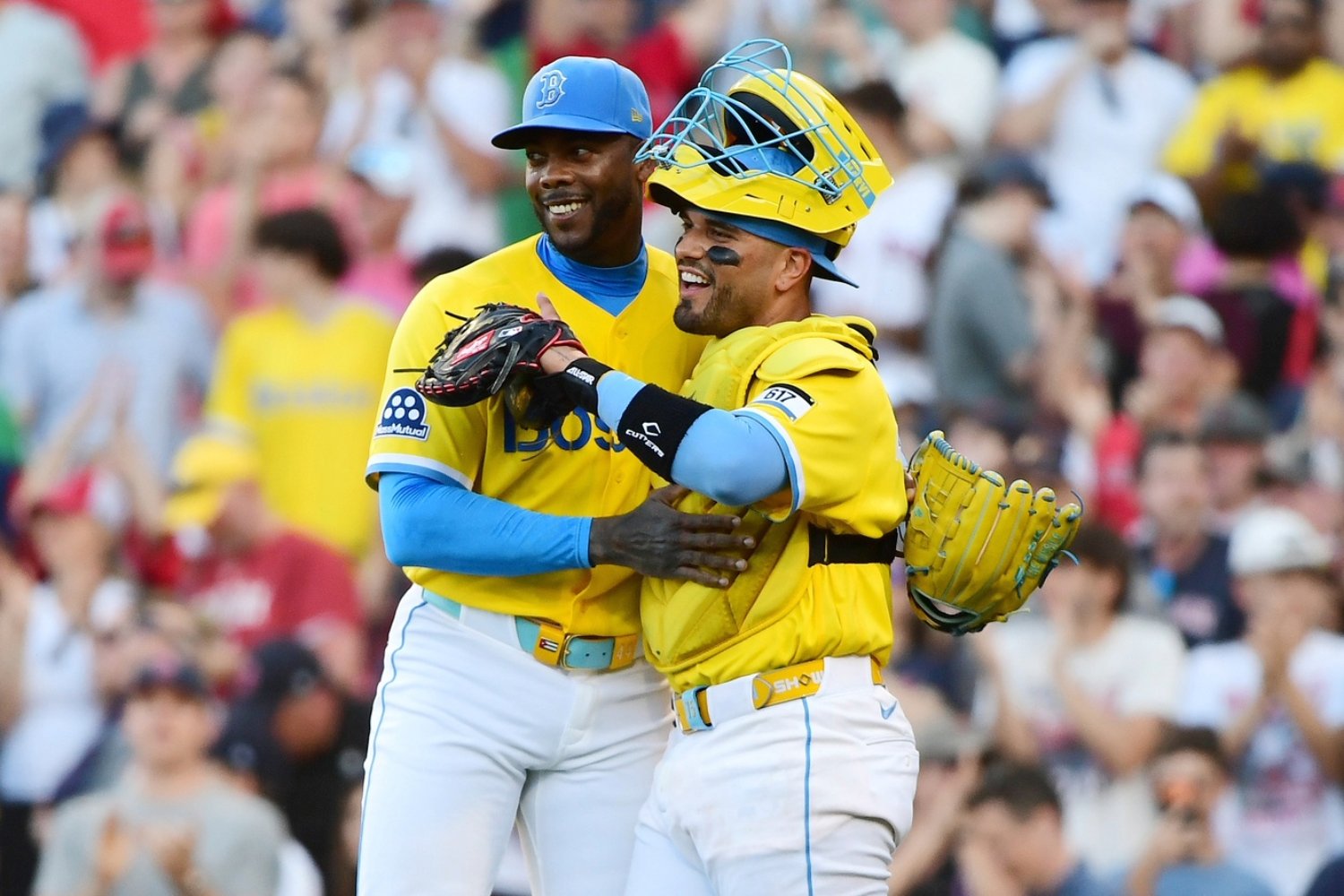 Boston Red Sox Weekly Snapshot Record Last Week: 2-4 Runs Scored Last Week: 29 Runs Surrendered Last Week: 24 Standings: 5th in AL East 13.5 GB First Place Transactions: 06/08/26: Boston Red Sox recalled OF Nate Eaton from Worcester Red Sox. 06/08/26: Boston Red Sox acquired LHP Tyler Davis from the Washington Wild Things of the Frontier League. 06/08/26: Boston Red Sox optioned LHP Joe La Sorsa to Worcester Red Sox. 06/09/26: Boston Red Sox optioned 2B Anthony Seigler to Worcester Red Sox. 06/09/26: Boston Red Sox activated RHP Garrett Whitlock from the 15-day injured list. 06/10/26: Boston Red Sox recalled LHP Jake Bennett from Worcester Red Sox. 06/10/26: Boston Red Sox optioned LHP Alec Gamboa to Worcester Red Sox. Scores: Game 64: BOS 1, TB 3 Game 65: BOS 3, TB 4 Game 66: BOS 5, TB 7 Game 67: BOS 10, TEX 1 Game 68: BOS 6, TEX 3 Game 69: BOS 4 , TEX 6 Series Breakdown/Highlights Rays Series: This series against the Rays gave us more of the same that we've become accustomed to here in 2026. The Red Sox got down early, staged a late game comeback, and then ultimately lost each game because either they could plate runners after they got on base or the bullpen couldn’t keep runners from scoring. In game one, Connelly Early tossed another short outing, only going 4.2 innings and giving up two earned runs while striking out six. Marcelo Mayer went deep against another lefty (and off a slider) early in the game, but the rest of the offense couldn’t keep it up. Game two was particularly disheartening, with Payton Tolle turning in a rare weak start. He tossed six innings, striking out three while allowing four earned runs. Garrett Whitlock was reinstated from the injured list and worked a one-strikeout inning. Jarren Duran and Mayer accounted for the three runs Boston scored. Game three didn't bring anything new to the table. Rookie Jake Bennett’s line looks worse than the eye test showed, but the Rays were ready for him. He tossed five innings, allowing four earned runs and four strikeouts. Justin Slaten is arguably the story out of the bullpen as he has now had back-to-back rough outings. The Sox made a late push to make the box score seem closer than it was, but overall, the series as a whole was fairly noncompetitive. Credit to Caleb Durbin, who seems to have found an offensive approach that works. His two home runs in game three were absolute bombs. Rangers Series: Now this is how the Red Sox are supposed to play at Fenway Park. The Sox tagged youngster Jack Leiter for five earned runs and reliever Cal Quantrill kept up his history of plunking Red Sox’s players by hitting both Connor Wong and Willson Contreras. Sonny Gray was great after giving up an earned run in the first inning. He struck out seven over six, giving the bullpen a bit of a much needed rest after the short outings in the Rays series earlier in the week. Ceddanne Rafaela, Wilyer Abreu, and Contreras all went yard in game one to tie a bow on the performance. Game two solidified the series as the Ceddanne Show, as he continued to hit the cover off the ball. He’s started to show that dreaded whiff in his swing that has plagued his career, but he’s still playing out of his mind this season. Duran provided some late insurance runs with a two-run shot in the eighth inning to put the game out of reach. Ranger Suarez got BABIP’d quite a bit during his start by allowing six hits, two earned runs, and seven strikeouts over five innings pitched. In the finale on Sunday Night Baseball, Connelly Early turned in the worst start of his career. He allowed 11 hits, six earned runs, two walks, and three strikeouts over 4.2 innings of work. His entire pitch mix didn’t look sharp and the Rangers were ready to pounce on him. The bats went a bit quiet again, except for Contrearas who belted two massive solo home runs off old friend Nathan Eovaldi. Website Highlights Ranger Suarez Isn’t the Pitcher the Red Sox Signed - He’s Better by Yirsandy Rodriguez Red Sox For Sale: Boston’s Top 3 Pieces to Move if They Are Sellers at the Trade Deadline by Ryan Salvaggio Why Craig Breslow’s Past Trade Deadlines Suggest More of the Same for Red Sox in 2026 by Alex Mayes Looking Ahead 06/15/26: Off Day 06/16/26: Blue Jays (TBD) @ Red Sox (Payton Tolle): 6:45 PM EDT 06/17/26: Blue Jays (TBD) @ Red Sox (Jake Bennett): 6:45 PM EDT 06/18/26: Blue Jays (TBD) @ Red Sox (Sonny Gray): 1:35 PM EDT 06/19/26: Red Sox @ Mariners: 10:10 PM EDT 06/20/26: Red Sox @ Mariners: 10:10 PM EDT 06/21/26: Red Sox @ Mariners: 4:10 PM EDT
 -
The month of June has not been exceptionally kind to either Jarren Duran or Masataka Yoshida. The Boston Red Sox, naturally, are worse off for it. While Duran had a massive May, it seems like things have gone haywire for him again. His nine home runs last month pointed towards him finally figuring out a batting stance and leg kick combination that made sense for him. He was starting in the outfield on a daily basis and the thought was the consistent playing time was letting him finally find his groove offensively. Yoshida had seen a bit of an uptick in playing time in the wake of Roman Anthony’s finger injury, but so far this month, he has been regulated to occasional pinch hitter duty while mostly being seen wandering around the dugout and taking dry swings as he sits on the bench. It’s gotten so bad that he’s essentially been replaced in the lineup by Mickey Gasper. That’s not totally a knock on Gasper (he’s played well since being promoted in May), but he’s a journeyman, Quadruple-A level of player who is already falling back to earth after his hot start. Before we dive into what may be going on for both outfielders, let’s take a look at their numbers so far in June. Jarren Duran: .167/.167/.286, .194 wOBA, 12 wRC+ 42.9 K%, 0.0 BB%, -0.2 fWAR over 42 at bats Masataka Yoshida: .111/.200/.111 .161 wOBA, -10 wRC+, 30.0 K%, 5.0 BB%, -0.3 fWAR over 20 at bats Duran has looked like a shell of himself at the plate for the majority of the season. It’s not a mirage that he hasn’t walked once and is striking out almost half of the time this month. If we take a step back and look at his swing decisions as a whole over the season, we see that he’s chasing pitches out of the zone at a 35% clip, the most he’s done in his career. To go along with that, his chase contact percentage is down to 38.9% in 2026 from 44% in 2025. Likewise, his whiff percentage has shot up from 24.8% during his career year in 2024 to 35.9% this season. To make matters worse, when he is making contact this month, he’s driving the ball into the ground almost 46 percent of the time; when he's hitting the ball into the air, 37.5% of those are infield fly balls. He’s making weak, ineffective contact the majority of the time when he’s at the plate and the team is suffering because of it. Due to the fact that he’s swinging at less and less first pitches, opposing pitchers are able to get a strike over on him and start him off down in the count. His pitch heatmap shows that most pitchers don’t even have to nibble around the zone to get Duran out. Instead, they are peppering the strike zone against him. Once he’s down, his approach at the plate shifts dramatically and he becomes the free-swinger that aggravated fans in 2021 and 2022 when he was new to the league. Meanwhile, Yoshida’s fall from grace has been long predicted and shouldn’t surprise any astute observer. Former manager Alex Cora arguably played Yoshida more than he should have, neither Chaim Bloom nor Craig Breslow have able to move his contract when it’s best for roster construction to do so, and interim manager Chad Tracy seems to have no desire to get Yoshida any real playing time on a regular basis since taking over the job. Taking that same step back as we did with Duran, we see almost the exact opposite approach. He’s only chasing 28% of the time but he’s making contact on 74.4% of those chases. Even his 2026 whiff percentage is tied for a career low at 14.6%. So what is going on with him? In short, he’s getting nothing to hit and when he does make contact, it’s weak. His pitch heatmap is also the exact opposite from Duran’s. With Duran, we see a hitter who is struggling with pitches in the heart of the zone. With Yoshida, we see someone who is getting fed pitches high in the zone almost exclusively. Yoshida's biggest issue seems to be that he just can’t barrel a baseball to save his life. He’s currently ranked in the sixth percentile for barrel percentage at 1.8%. There’s just nothing productive going on for him when he’s at the plate. He’s not impacting the ball in any meaningful way, and on the off chance he does manage to put something in play, his groundball percentage is right at 50%. Like Duran, he’s driving the ball directly into the ground for easy and weak outs. The question is how can Jarren Duran and Masataka Yoshida be fixed in 2026? More consistent playing time in the field? Duran has proven that’s not working. Exclusively hitting at designated hitter so they can study mechanics and make alterations in the cage between at-bats? Both have shown that doesn’t work. There’s no easy answer to the question anymore, as both Duran and Yoshida are costing the Red Sox valuable production as they attempt to navigate the rest of this season and beyond. The alternatives are practically nonexistent while Anthony is down, so the Red Sox have little choice but to keep deploying this duo. Barring a turnaround from either, the offense figures to continue being a train wreck in Boston. View full article
-
Jarren Duran, Masataka Yoshida and the Nature of Baseball Slumps
Alex Mayes posted an article in Red Sox
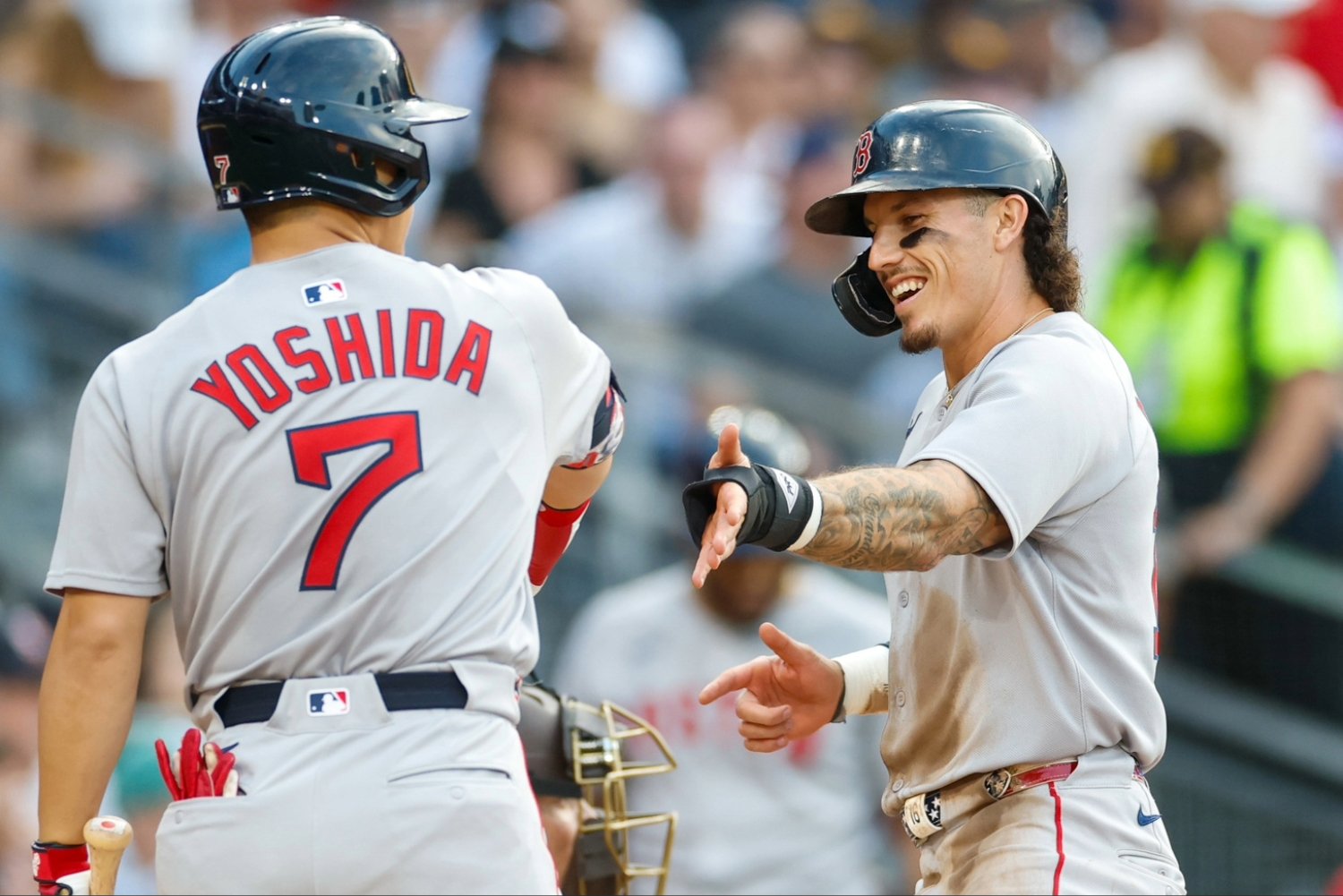 The month of June has not been exceptionally kind to either Jarren Duran or Masataka Yoshida. The Boston Red Sox, naturally, are worse off for it. While Duran had a massive May, it seems like things have gone haywire for him again. His nine home runs last month pointed towards him finally figuring out a batting stance and leg kick combination that made sense for him. He was starting in the outfield on a daily basis and the thought was the consistent playing time was letting him finally find his groove offensively. Yoshida had seen a bit of an uptick in playing time in the wake of Roman Anthony’s finger injury, but so far this month, he has been regulated to occasional pinch hitter duty while mostly being seen wandering around the dugout and taking dry swings as he sits on the bench. It’s gotten so bad that he’s essentially been replaced in the lineup by Mickey Gasper. That’s not totally a knock on Gasper (he’s played well since being promoted in May), but he’s a journeyman, Quadruple-A level of player who is already falling back to earth after his hot start. Before we dive into what may be going on for both outfielders, let’s take a look at their numbers so far in June. Jarren Duran: .167/.167/.286, .194 wOBA, 12 wRC+ 42.9 K%, 0.0 BB%, -0.2 fWAR over 42 at bats Masataka Yoshida: .111/.200/.111 .161 wOBA, -10 wRC+, 30.0 K%, 5.0 BB%, -0.3 fWAR over 20 at bats Duran has looked like a shell of himself at the plate for the majority of the season. It’s not a mirage that he hasn’t walked once and is striking out almost half of the time this month. If we take a step back and look at his swing decisions as a whole over the season, we see that he’s chasing pitches out of the zone at a 35% clip, the most he’s done in his career. To go along with that, his chase contact percentage is down to 38.9% in 2026 from 44% in 2025. Likewise, his whiff percentage has shot up from 24.8% during his career year in 2024 to 35.9% this season. To make matters worse, when he is making contact this month, he’s driving the ball into the ground almost 46 percent of the time; when he's hitting the ball into the air, 37.5% of those are infield fly balls. He’s making weak, ineffective contact the majority of the time when he’s at the plate and the team is suffering because of it. Due to the fact that he’s swinging at less and less first pitches, opposing pitchers are able to get a strike over on him and start him off down in the count. His pitch heatmap shows that most pitchers don’t even have to nibble around the zone to get Duran out. Instead, they are peppering the strike zone against him. Once he’s down, his approach at the plate shifts dramatically and he becomes the free-swinger that aggravated fans in 2021 and 2022 when he was new to the league. Meanwhile, Yoshida’s fall from grace has been long predicted and shouldn’t surprise any astute observer. Former manager Alex Cora arguably played Yoshida more than he should have, neither Chaim Bloom nor Craig Breslow have able to move his contract when it’s best for roster construction to do so, and interim manager Chad Tracy seems to have no desire to get Yoshida any real playing time on a regular basis since taking over the job. Taking that same step back as we did with Duran, we see almost the exact opposite approach. He’s only chasing 28% of the time but he’s making contact on 74.4% of those chases. Even his 2026 whiff percentage is tied for a career low at 14.6%. So what is going on with him? In short, he’s getting nothing to hit and when he does make contact, it’s weak. His pitch heatmap is also the exact opposite from Duran’s. With Duran, we see a hitter who is struggling with pitches in the heart of the zone. With Yoshida, we see someone who is getting fed pitches high in the zone almost exclusively. Yoshida's biggest issue seems to be that he just can’t barrel a baseball to save his life. He’s currently ranked in the sixth percentile for barrel percentage at 1.8%. There’s just nothing productive going on for him when he’s at the plate. He’s not impacting the ball in any meaningful way, and on the off chance he does manage to put something in play, his groundball percentage is right at 50%. Like Duran, he’s driving the ball directly into the ground for easy and weak outs. The question is how can Jarren Duran and Masataka Yoshida be fixed in 2026? More consistent playing time in the field? Duran has proven that’s not working. Exclusively hitting at designated hitter so they can study mechanics and make alterations in the cage between at-bats? Both have shown that doesn’t work. There’s no easy answer to the question anymore, as both Duran and Yoshida are costing the Red Sox valuable production as they attempt to navigate the rest of this season and beyond. The alternatives are practically nonexistent while Anthony is down, so the Red Sox have little choice but to keep deploying this duo. Barring a turnaround from either, the offense figures to continue being a train wreck in Boston.
 -
Hello forums! Long time reader, first time poster. Some of you may be aware that @Maddie Landis and I host the Talk Sox Podcast and we are set to record our 50th episode Monday night! We thought it would be fun to open the episode up to you all and see if anyone wanted to submit questions for us to answer on the podcast. If you’re interested, drop a comment here and we’ll organize them and have some great conversations around your ideas! Let’s put the cutoff for questions at 3 pm CST on Monday, June 15. Looking forward to answering your questions and chatting with you all!
-
I had no idea Alan was married!
-
We’re less than two months away from the 2026 trade deadline and, thanks to the underperformance of the Boston Red Sox as a whole, there’s been little indication as to which path Craig Breslow is going to take as the summer market starts to heat up. Truth be told, it would be hard to figure out what Breslow was going to do even if the team wasn’t currently sitting outside the playoff picture with a losing record, despite the overall state of a very bad American League. If the team was just a fraction better, they would be in a clear ‘buy now’ mode. If they were somehow even worse than they currently are, they would sell off their most valuable short-term commitments while trying to retool for the 2027 season and beyond. Right now, though, we’re stuck in a sort of no-man’s land. With that in mind, I wanted to dive into the past two trade deadline seasons and see if we can maybe predict what Craig Breslow is going to do as we get into hot-stove season. Red Sox 2024 Trade Deadline Moves: Players In: RHP Quinn Priester, RHP Luis Garcia, RHP Lucas Sims, C Danny Jansen, LHP James Paxton Players Out: INF Moises Bolivar, INF Cutter Coffey, INF Eddison Paulino, RHP Gilberto Batista, RHP Ovis Portes, RHP Ryan Zeferjahn, RHP Yeferson Vargas, 1B Niko Kavadas, UTIL Matthew Lugo Talk about underwhelming. Going into the 2024 trade deadline, Breslow continually spoke about the need to add a right-handed hitter to the lineup, and the team wound up with Danny Jansen who worked in a platoon role and offered very little offensively. The other additions all made various contributions; Priester made one start for the Red Sox, Garcia appeared in 15 games and posted an 8.22 ERA, Sims also appeared in 15 games with a 6.43 ERA, and Paxton only appeared in three games before landing on the injured list to end his season. Red Sox 2025 Trade Deadline Moves: Players In: LHP Steven Matz, RHP Dustin May Players Out: OF James Tibbs III (acquired in the Rafael Devers deal in June of 2025), OF Zach Ehrhard, INF Blaze Jordan The 2025 deadline haul offers even less to say than its predecessor. Matz was a solid contributor out of the bullpen in Boston but wasn’t brought back this season, and May was awful in his five starts before he ended the season on the injured list. Revisiting these deals likely paints a pretty clear picture of the path that Craig Breslow is likely to take as we approach the August 3 trade deadline: He’s going to try and thread the impossible needle of buying and selling at the same time, as it seems that has been his modus operandi since he arrived in Boston. The biggest difference between the last two trade deadlines and this year are that the Red Sox are in a drastically different place in 2026. The team had a couple of obvious needs in 2025, but they were clearly in the midst of a playoff push thanks to a 10-game winning streak as they headed into the All-Star break. In 2024, there was reason to believe they could be competitive if everything broke in their favor. This year, though, one or two trades likely won’t make a difference for this team even in the short term. ESPN’s Buster Olney went on record on June 3 saying that he’s heard from his sources that the Red Sox are “aggressively looking for a right-handed hitter and signaling to the industry, look, we're willing to take on money.” That’s all well and good, but Breslow has shown that he’s more in the business of saving money in trades that welcoming it in. Just look at the Rafael Devers deal. There is a fairly lengthy list of right-handed hitters that are carrying bad contracts that Breslow could be looking at here, but adding that one piece won’t fix the inability to play quality baseball at home. If a deal for an impact right-handed hitter is on the table, does anyone really trust Breslow to get it done? It’s unlikely at this point. It feels like Breslow is approaching this trade deadline under the impression that his decisions may decide his fate in Boston. There has been more and more reports that members of the ownership group have grown unhappy with the hyper-focused analytical approach, and you have to assume that the length of leash ownership has given him is drastically different than previous seasons. With that in mind, expect Breslow to sell off short-term commitments that the team currently has while attempting to deal from the farm system to add a right-handed bat somewhere in the lineup. From the past two deadlines, we can see that Breslow tends to deal from positions of strength when making deals. Right now, that involves anyone who plays in the outfield, though perhaps the impending lockout may put an additional premium on prospects with years of team control. Simply put, Craig Breslow has a tall task in front of him by trying to both buy and sell at the deadline. That same mentality likely played a large role in costing Chaim Bloom his job in 2023, so Breslow has to be hoping that a similar fate isn’t in store for him in 2026. If he’s being trusted to navigate the trade deadline, and all signs point to that being the case, then he needs to be decisive and take advantage of however much leeway John Henry and company are giving him. View full article
-
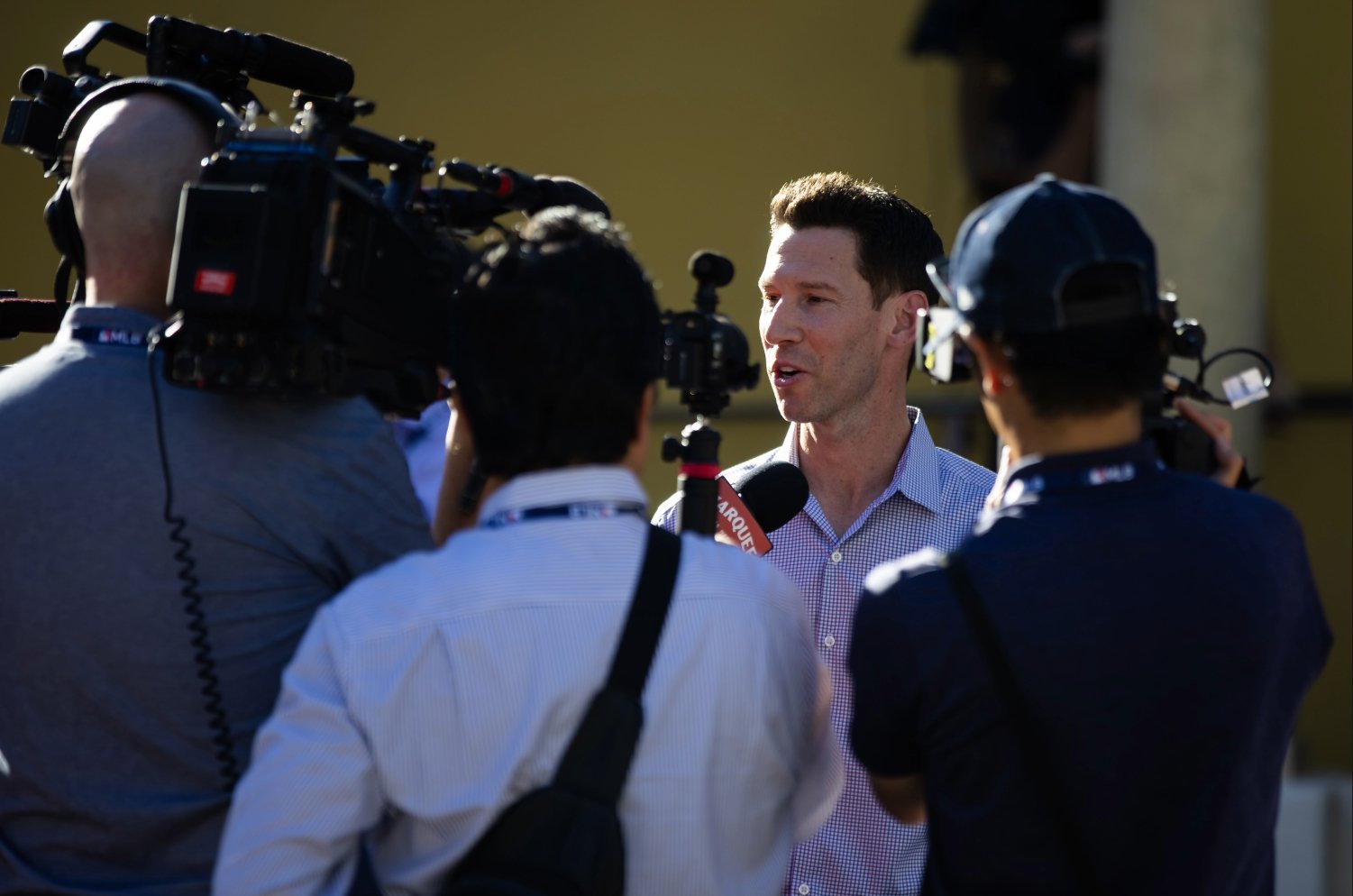 We’re less than two months away from the 2026 trade deadline and, thanks to the underperformance of the Boston Red Sox as a whole, there’s been little indication as to which path Craig Breslow is going to take as the summer market starts to heat up. Truth be told, it would be hard to figure out what Breslow was going to do even if the team wasn’t currently sitting outside the playoff picture with a losing record, despite the overall state of a very bad American League. If the team was just a fraction better, they would be in a clear ‘buy now’ mode. If they were somehow even worse than they currently are, they would sell off their most valuable short-term commitments while trying to retool for the 2027 season and beyond. Right now, though, we’re stuck in a sort of no-man’s land. With that in mind, I wanted to dive into the past two trade deadline seasons and see if we can maybe predict what Craig Breslow is going to do as we get into hot-stove season. Red Sox 2024 Trade Deadline Moves: Players In: RHP Quinn Priester, RHP Luis Garcia, RHP Lucas Sims, C Danny Jansen, LHP James Paxton Players Out: INF Moises Bolivar, INF Cutter Coffey, INF Eddison Paulino, RHP Gilberto Batista, RHP Ovis Portes, RHP Ryan Zeferjahn, RHP Yeferson Vargas, 1B Niko Kavadas, UTIL Matthew Lugo Talk about underwhelming. Going into the 2024 trade deadline, Breslow continually spoke about the need to add a right-handed hitter to the lineup, and the team wound up with Danny Jansen who worked in a platoon role and offered very little offensively. The other additions all made various contributions; Priester made one start for the Red Sox, Garcia appeared in 15 games and posted an 8.22 ERA, Sims also appeared in 15 games with a 6.43 ERA, and Paxton only appeared in three games before landing on the injured list to end his season. Red Sox 2025 Trade Deadline Moves: Players In: LHP Steven Matz, RHP Dustin May Players Out: OF James Tibbs III (acquired in the Rafael Devers deal in June of 2025), OF Zach Ehrhard, INF Blaze Jordan The 2025 deadline haul offers even less to say than its predecessor. Matz was a solid contributor out of the bullpen in Boston but wasn’t brought back this season, and May was awful in his five starts before he ended the season on the injured list. Revisiting these deals likely paints a pretty clear picture of the path that Craig Breslow is likely to take as we approach the August 3 trade deadline: He’s going to try and thread the impossible needle of buying and selling at the same time, as it seems that has been his modus operandi since he arrived in Boston. The biggest difference between the last two trade deadlines and this year are that the Red Sox are in a drastically different place in 2026. The team had a couple of obvious needs in 2025, but they were clearly in the midst of a playoff push thanks to a 10-game winning streak as they headed into the All-Star break. In 2024, there was reason to believe they could be competitive if everything broke in their favor. This year, though, one or two trades likely won’t make a difference for this team even in the short term. ESPN’s Buster Olney went on record on June 3 saying that he’s heard from his sources that the Red Sox are “aggressively looking for a right-handed hitter and signaling to the industry, look, we're willing to take on money.” That’s all well and good, but Breslow has shown that he’s more in the business of saving money in trades that welcoming it in. Just look at the Rafael Devers deal. There is a fairly lengthy list of right-handed hitters that are carrying bad contracts that Breslow could be looking at here, but adding that one piece won’t fix the inability to play quality baseball at home. If a deal for an impact right-handed hitter is on the table, does anyone really trust Breslow to get it done? It’s unlikely at this point. It feels like Breslow is approaching this trade deadline under the impression that his decisions may decide his fate in Boston. There has been more and more reports that members of the ownership group have grown unhappy with the hyper-focused analytical approach, and you have to assume that the length of leash ownership has given him is drastically different than previous seasons. With that in mind, expect Breslow to sell off short-term commitments that the team currently has while attempting to deal from the farm system to add a right-handed bat somewhere in the lineup. From the past two deadlines, we can see that Breslow tends to deal from positions of strength when making deals. Right now, that involves anyone who plays in the outfield, though perhaps the impending lockout may put an additional premium on prospects with years of team control. Simply put, Craig Breslow has a tall task in front of him by trying to both buy and sell at the deadline. That same mentality likely played a large role in costing Chaim Bloom his job in 2023, so Breslow has to be hoping that a similar fate isn’t in store for him in 2026. If he’s being trusted to navigate the trade deadline, and all signs point to that being the case, then he needs to be decisive and take advantage of however much leeway John Henry and company are giving him.
 -
For me, I’d rather have Narvaez in the lineup figuring things out and providing stellar defense behind the plate than Gasper. Gasper is outhitting his expected stats and that’s great, but he’s due to regress and he’s awful behind the dish.
-
In a move that was somehow both a long time coming and shocking at the same time, Brayan Bello was sent to Triple-A Worcester after his miserable start on June 4. He allowed six first-inning runs, appeared to tell his catcher to not come out to the mound during the inning, and then doubled down on the fact that he was a starter and was going to work through his issues at the big-league level. Just a few hours after those comments, he was sent down to begin a stint with the WooSox where he will be looking to move past the emotional outbursts and meltdown innings that have plagued his 2026 season. After that shocking demotion, I wanted to take a look and see what other 26-man roster members may be next in line for a demotion in the coming weeks. I didn’t include names like Nate Eaton or Anthony Seigler on this list, as they are unlikely to see much time with the big-league club; rather, let's focus on a trio of players who have garnered more playing time than they've deserved this year. 3 Demotion Candidates for Red Sox #3: C Carlos Narvaez Using one of Narváez’s minor-league options right now would be shocking, arguably more so than Bello’s demotion, but offensively he’s been a shell of himself this season. Narvaez broke out in a big way during his 2025 rookie campaign but was hindered by a knee injury over the second half of the season. After a procedure to fix the knee and a full offseason to rest and get healthy, big things were expected of Narváez as the 2026 season got underway. So far, he’s yet to fully get going though. Narváez was benched during the first Astros series of the season for arriving late to the stadium and, while his defense behind the dish is still incredible, his bat has yet to come around. He’s currently slashing .209/.283/.304 (64 wRC+) on the season and has seen his playing time decrease significantly as Mickey Gasper, and even Connor Wong, have been outperforming him offensively. Jen McCaffrey from The Athletic spoke to Narváez where he said that the dip in playing time, “wasn’t expected…and it’s not easy.” The young backstop is likely the catcher of the future in Boston, but without regular playing time, Craig Breslow and Chad Tracy may decide to give him more reps in Triple-A until he’s needed on the big-league roster again. #2: SS/2B Marcelo Mayer Although Mayer is a highly touted prospect with excellent defensive abilities, he’s yet to prove that he can stick at the major-league level from an offensive standpoint. He began the season at second base, where he flashed a ton of great defensive ability, but the injury to Trevor Story has allowed Mayer to slide over to his natural position, shortstop. The fan expectation is that Mayer will remain the starting shortstop for the Red Sox even once Story returns from his sports hernia surgery in late July, but there’s a chance that he may not even be on the big-league roster at that point if his offensive production doesn’t catch up to his defensive value. He’s currently slashing .222/.281/.311 (63 wRC+) but is underperforming even those numbers in the last 25 days, where he’s only hitting .167 with a single extra-base hit. He currently has a massive hole in his swing against off-speed pitch at the bottom of the plate and pitchers are taking full advantage of that. The flip side of that is he’s only going to learn to hit big league off-speed pitches with the Red Sox; the team will have to balance his confidence with his development the rest of the season. #1: RHP Greg Weissert Maybe the only person more deserving to be sent to Worcester than Brayan Bello is the closer for Team Italy himself, Greg Weissert. The right-hander has been brutally awful this season, being an almost automatic loss when he enters a game with ducks on the pond. That’s the sole reason his ERA is, miraculously, just 3.96 on the season. He’s second to Ryan Watson in reliever innings pitched at 25.1, but you rarely feel good when you see him warming up in the bullpen. Often, Weissert will be getting warm next to someone like Justin Slaten and you have to wonder, once runners get on base, if Weissert begins to hope that Tracy will call for someone else when he takes that walk to the mound. The most frustrating part about the veteran set-up man is that his slider is arguably the most lethal pitch in the game. When he’s feeling it, that pitch is almost unhittable for a right-handed hitter. He lets it leak over the plate though, and when it doesn’t have the snap that it needs to, it gets crushed. Weissert could likely use some time without the pressure that pitching for the Red Sox brings to reset after Team Italy’s Cinderella run in the World Baseball Classic that gave all of us hope while we watched him pitch. Burning his last option keeps him in the organization and allows for the team to keep working with him to get him back on track. View full article
-
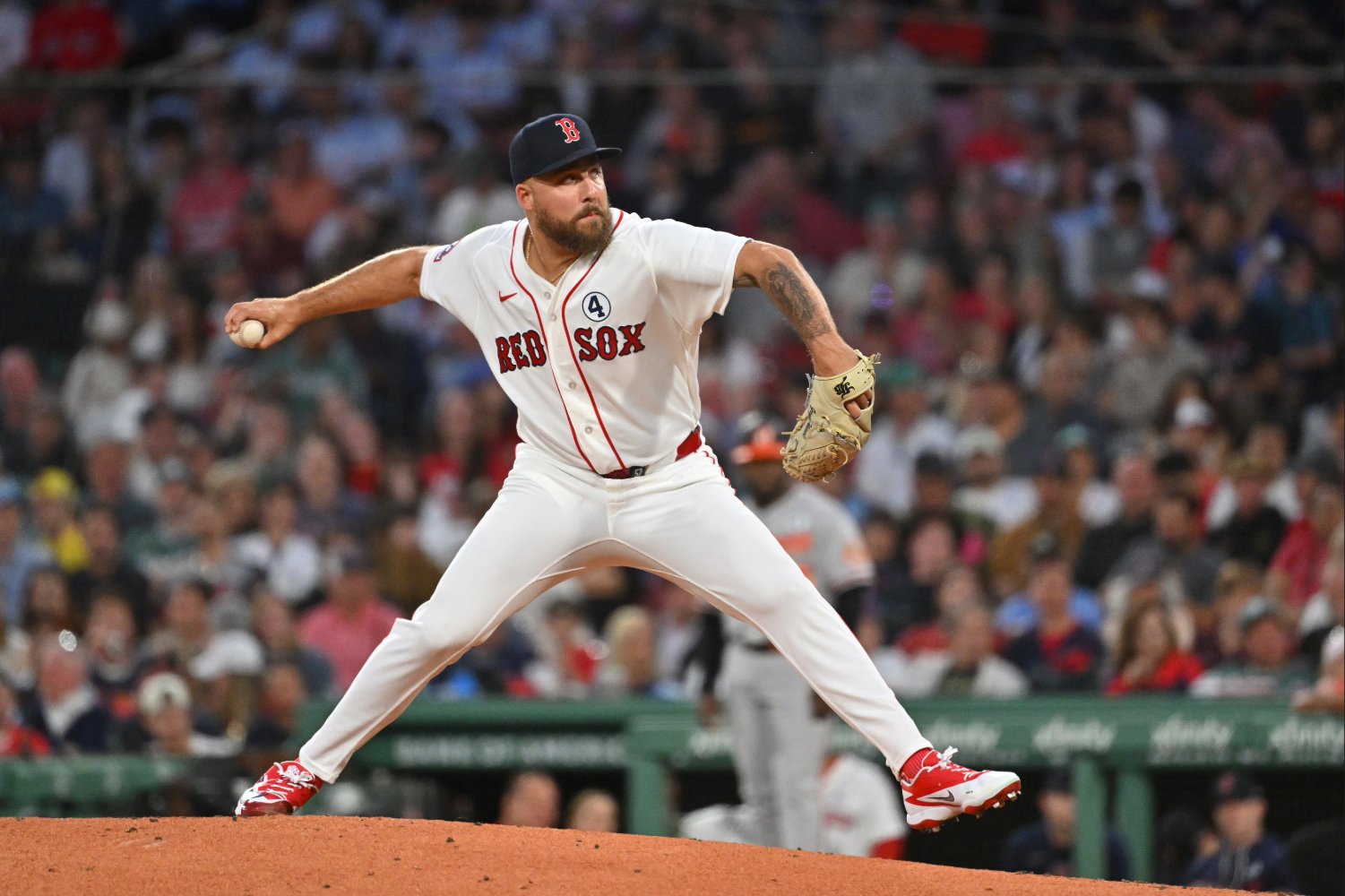 In a move that was somehow both a long time coming and shocking at the same time, Brayan Bello was sent to Triple-A Worcester after his miserable start on June 4. He allowed six first-inning runs, appeared to tell his catcher to not come out to the mound during the inning, and then doubled down on the fact that he was a starter and was going to work through his issues at the big-league level. Just a few hours after those comments, he was sent down to begin a stint with the WooSox where he will be looking to move past the emotional outbursts and meltdown innings that have plagued his 2026 season. After that shocking demotion, I wanted to take a look and see what other 26-man roster members may be next in line for a demotion in the coming weeks. I didn’t include names like Nate Eaton or Anthony Seigler on this list, as they are unlikely to see much time with the big-league club; rather, let's focus on a trio of players who have garnered more playing time than they've deserved this year. 3 Demotion Candidates for Red Sox #3: C Carlos Narvaez Using one of Narváez’s minor-league options right now would be shocking, arguably more so than Bello’s demotion, but offensively he’s been a shell of himself this season. Narvaez broke out in a big way during his 2025 rookie campaign but was hindered by a knee injury over the second half of the season. After a procedure to fix the knee and a full offseason to rest and get healthy, big things were expected of Narváez as the 2026 season got underway. So far, he’s yet to fully get going though. Narváez was benched during the first Astros series of the season for arriving late to the stadium and, while his defense behind the dish is still incredible, his bat has yet to come around. He’s currently slashing .209/.283/.304 (64 wRC+) on the season and has seen his playing time decrease significantly as Mickey Gasper, and even Connor Wong, have been outperforming him offensively. Jen McCaffrey from The Athletic spoke to Narváez where he said that the dip in playing time, “wasn’t expected…and it’s not easy.” The young backstop is likely the catcher of the future in Boston, but without regular playing time, Craig Breslow and Chad Tracy may decide to give him more reps in Triple-A until he’s needed on the big-league roster again. #2: SS/2B Marcelo Mayer Although Mayer is a highly touted prospect with excellent defensive abilities, he’s yet to prove that he can stick at the major-league level from an offensive standpoint. He began the season at second base, where he flashed a ton of great defensive ability, but the injury to Trevor Story has allowed Mayer to slide over to his natural position, shortstop. The fan expectation is that Mayer will remain the starting shortstop for the Red Sox even once Story returns from his sports hernia surgery in late July, but there’s a chance that he may not even be on the big-league roster at that point if his offensive production doesn’t catch up to his defensive value. He’s currently slashing .222/.281/.311 (63 wRC+) but is underperforming even those numbers in the last 25 days, where he’s only hitting .167 with a single extra-base hit. He currently has a massive hole in his swing against off-speed pitch at the bottom of the plate and pitchers are taking full advantage of that. The flip side of that is he’s only going to learn to hit big league off-speed pitches with the Red Sox; the team will have to balance his confidence with his development the rest of the season. #1: RHP Greg Weissert Maybe the only person more deserving to be sent to Worcester than Brayan Bello is the closer for Team Italy himself, Greg Weissert. The right-hander has been brutally awful this season, being an almost automatic loss when he enters a game with ducks on the pond. That’s the sole reason his ERA is, miraculously, just 3.96 on the season. He’s second to Ryan Watson in reliever innings pitched at 25.1, but you rarely feel good when you see him warming up in the bullpen. Often, Weissert will be getting warm next to someone like Justin Slaten and you have to wonder, once runners get on base, if Weissert begins to hope that Tracy will call for someone else when he takes that walk to the mound. The most frustrating part about the veteran set-up man is that his slider is arguably the most lethal pitch in the game. When he’s feeling it, that pitch is almost unhittable for a right-handed hitter. He lets it leak over the plate though, and when it doesn’t have the snap that it needs to, it gets crushed. Weissert could likely use some time without the pressure that pitching for the Red Sox brings to reset after Team Italy’s Cinderella run in the World Baseball Classic that gave all of us hope while we watched him pitch. Burning his last option keeps him in the organization and allows for the team to keep working with him to get him back on track.
 -
Boston Red Sox Weekly Snapshot Record Last Week: 2-3 Runs Scored Last Week: 18 Runs Surrendered Last Week: 22 Standings: 5th in AL East 10.5 GB First Place Transactions: 06/03/26: Boston Red Sox recalled 2B Anthony Seigler from Worcester Red Sox. 06/03/26: Boston Red Sox signed free agent LHP Victor Aracena to a minor league contract. 06/03/26: Boston Red Sox placed 3B Nick Sogard on the 10-day injured list retroactive to May 31, 2026. Right oblique strain. 06/04/26: Boston Red Sox selected the contract of RHP Tommy Kahnle from Worcester Red Sox. 06/04/26: Pittsburgh Pirates traded LHP Joe La Sorsa to Boston Red Sox. 06/04/26: Boston Red Sox optioned LHP Tyler Samaniego to Worcester Red Sox. 06/04/26: Boston Red Sox transferred SS Trevor Story from the 10-day injured list to the 60-day injured list. Sports hernia. 06/05/26: Boston Red Sox selected the contract of LHP Joe La Sorsa from Worcester Red Sox. 06/05/26: Boston Red Sox optioned RHP Brayan Bello to Worcester Red Sox. 06/05/26: Boston Red Sox sent LHP Patrick Sandoval on a rehab assignment to Worcester Red Sox. 06/05/26: Boston Red Sox transferred LHP Garrett Crochet from the 15-day injured list to the 60-day injured list. Left shoulder inflammation. 06/06/26: Boston Red Sox recalled LHP Alec Gamboa from Worcester Red Sox. 06/06/26: Boston Red Sox placed LHP Jovani Morán on the 15-day injured list retroactive to June 5, 2026. Left elbow inflammation. 06/06/26: Boston Red Sox sent RHP Garrett Whitlock on a rehab assignment to Worcester Red Sox. Scores: Game 58: BOS 2, BAL 4 Game 59: BOS 8, BAL 1 Game 60: BOS 2, BAL 8 Game 61: BOS 5, NYY 3 Game 62: Postponed to August 29 Game 63: BOS 1, NYY 6 Series Breakdown/Highlights Orioles Series: The Fenway magic once again couldn’t be found as the Red Sox returned home for a quick, three-game series against the division rival Orioles. Connelly Early wasn’t sharp in game one, throwing just 5.2 innings and surrendering four earned runs. The rookie southpaw has a high ceiling but when he’s not sharp then he can get knocked around. The biggest red flag waving for Early at this point is that he’s being beaten hard with home runs in recent starts. Early isn’t the flamethrower his buddy Payton Tolle is, so he has to rely more on his secondaries to live around the zone. He failed to do so in this particular start and got punished for it. Game two saw Tolle toss six shutout innings and make an incredibly athletic jump play, all while striking out five. Ryan Watson pitched the closing three innings, surrendering one earned run and striking out two. Wilyer Abreu hit a ball to the moon and Caleb Durbin continued to showcase his new plate approach, going two for four with one RBI. In the finale, starter Brayan Bello was as advertised, giving up eight earned runs, six in the first inning alone, over five innings of work. His first inning was predictably awful, but he settled in for most of the rest of his start. After the game, Bello was optioned to Triple-A Worcester where he will spend time figuring out how to be a big-league starter again. Yankees Series: Not all is lost in the series against the Evil Empire, since the second game of the three game series will be made up in a double-header on August 29, but we saw both versions of the Red Sox in this two game sample. In game one, Andruw Monasterio and Willson Contreras delivered huge home runs to help power the Red Sox past the Yankees. Sonny Gray tossed 6.1 innings of three-run ball while striking out three. Aroldis Chapman walked two in the bottom of the ninth inning, but otherwise was his typical dominant self. He’s nursing a hamstring injury that Chad Tracy is trying to navigate to give the team the best possible chance at winning, but the velocity is still there. In the Sunday game, Ranger Suarez was fantastic on the bump. He tossed 6.1 innings of one-run baseball, only to be let down by Justin Slaten in the eighth. Slaten surrendered a solo home run to Cody Bellinger. Slaten was then replaced by the newly acquired Joseph De La Sorsa who promptly gave up a three-run home run to Jazz Chisholm Jr. A game that had the potential to be a statement game for the Red Sox was wasted by a leaky bullpen once again. Website Highlights Brayan Bello’s 2026 Crisis: The Cutter That No Longer Cuts by Yirsandy Rodriguez Anthony Seigler’s Well-Deserved Promotion Comes With Strong Praise from Iggy Suarez by Nick John Payton Tolle’s Next Step Forward Will Require Fewer Fastballs by Alex Mayes Red Sox Report Card: Grading Every Player in May by Ryan Salvaggio Looking Ahead 06/08: Red Sox (Connelly Early) @ Rays (Ian Seymour): 6:40 PM EDT 06/09: Red Sox (Payton Tolle) @ Rays (Nick Martinez): 6:40 PM EDT 06/10: Red Sox (TBD) @ Rays (Drew Rasmussen): 1:10 PM EDT 06/11: Day Off 06/12: Rangers (TBD) @ Red Sox (Sonny Gray): 7:10 PM EDT 06/13: Rangers @ Red Sox: 4:`10 PM EDT 06/14: Rangers @ Red Sox: 7:20 PM EDT Sunday Night Baseball View full article
-
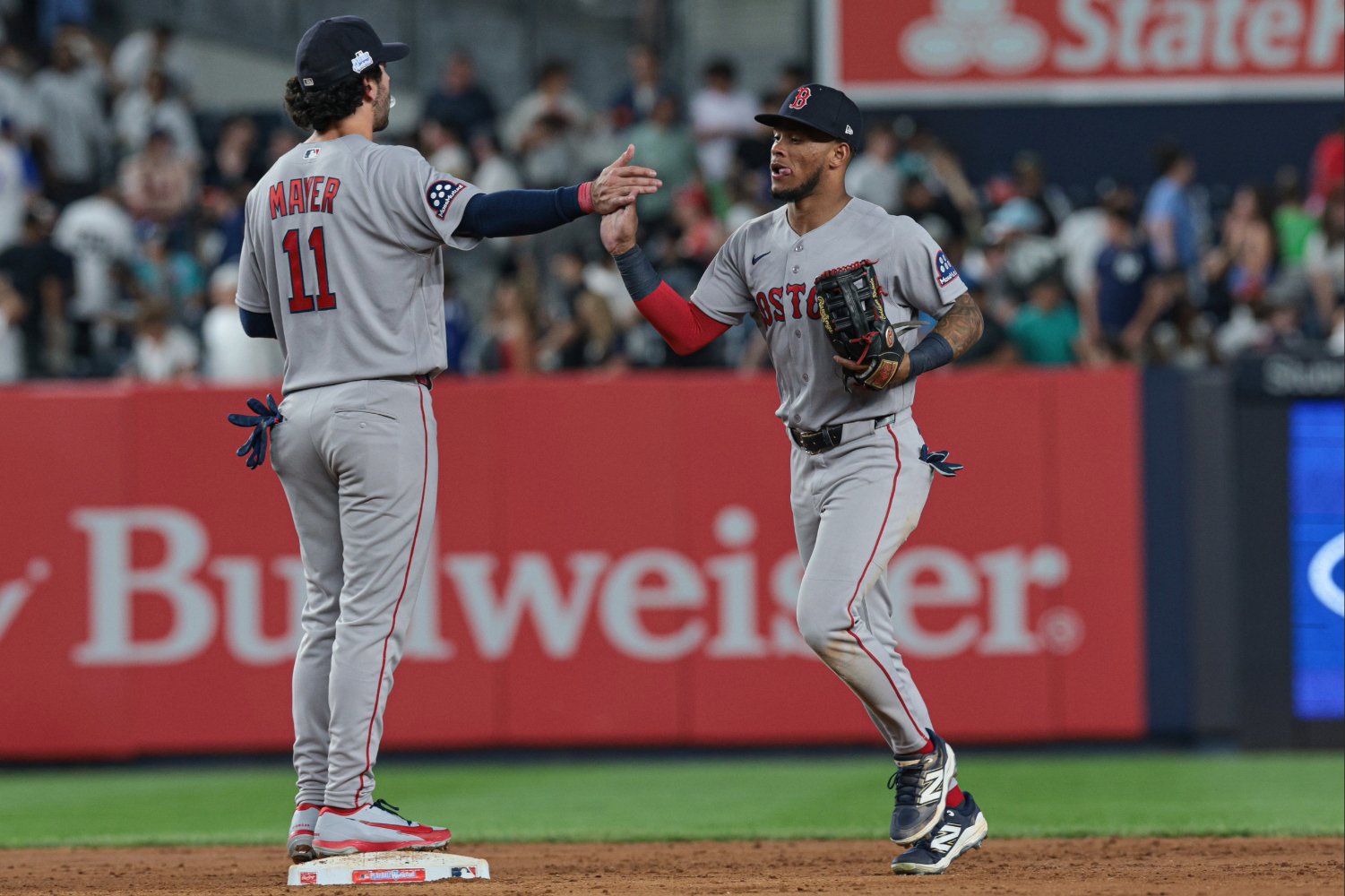 Boston Red Sox Weekly Snapshot Record Last Week: 2-3 Runs Scored Last Week: 18 Runs Surrendered Last Week: 22 Standings: 5th in AL East 10.5 GB First Place Transactions: 06/03/26: Boston Red Sox recalled 2B Anthony Seigler from Worcester Red Sox. 06/03/26: Boston Red Sox signed free agent LHP Victor Aracena to a minor league contract. 06/03/26: Boston Red Sox placed 3B Nick Sogard on the 10-day injured list retroactive to May 31, 2026. Right oblique strain. 06/04/26: Boston Red Sox selected the contract of RHP Tommy Kahnle from Worcester Red Sox. 06/04/26: Pittsburgh Pirates traded LHP Joe La Sorsa to Boston Red Sox. 06/04/26: Boston Red Sox optioned LHP Tyler Samaniego to Worcester Red Sox. 06/04/26: Boston Red Sox transferred SS Trevor Story from the 10-day injured list to the 60-day injured list. Sports hernia. 06/05/26: Boston Red Sox selected the contract of LHP Joe La Sorsa from Worcester Red Sox. 06/05/26: Boston Red Sox optioned RHP Brayan Bello to Worcester Red Sox. 06/05/26: Boston Red Sox sent LHP Patrick Sandoval on a rehab assignment to Worcester Red Sox. 06/05/26: Boston Red Sox transferred LHP Garrett Crochet from the 15-day injured list to the 60-day injured list. Left shoulder inflammation. 06/06/26: Boston Red Sox recalled LHP Alec Gamboa from Worcester Red Sox. 06/06/26: Boston Red Sox placed LHP Jovani Morán on the 15-day injured list retroactive to June 5, 2026. Left elbow inflammation. 06/06/26: Boston Red Sox sent RHP Garrett Whitlock on a rehab assignment to Worcester Red Sox. Scores: Game 58: BOS 2, BAL 4 Game 59: BOS 8, BAL 1 Game 60: BOS 2, BAL 8 Game 61: BOS 5, NYY 3 Game 62: Postponed to August 29 Game 63: BOS 1, NYY 6 Series Breakdown/Highlights Orioles Series: The Fenway magic once again couldn’t be found as the Red Sox returned home for a quick, three-game series against the division rival Orioles. Connelly Early wasn’t sharp in game one, throwing just 5.2 innings and surrendering four earned runs. The rookie southpaw has a high ceiling but when he’s not sharp then he can get knocked around. The biggest red flag waving for Early at this point is that he’s being beaten hard with home runs in recent starts. Early isn’t the flamethrower his buddy Payton Tolle is, so he has to rely more on his secondaries to live around the zone. He failed to do so in this particular start and got punished for it. Game two saw Tolle toss six shutout innings and make an incredibly athletic jump play, all while striking out five. Ryan Watson pitched the closing three innings, surrendering one earned run and striking out two. Wilyer Abreu hit a ball to the moon and Caleb Durbin continued to showcase his new plate approach, going two for four with one RBI. In the finale, starter Brayan Bello was as advertised, giving up eight earned runs, six in the first inning alone, over five innings of work. His first inning was predictably awful, but he settled in for most of the rest of his start. After the game, Bello was optioned to Triple-A Worcester where he will spend time figuring out how to be a big-league starter again. Yankees Series: Not all is lost in the series against the Evil Empire, since the second game of the three game series will be made up in a double-header on August 29, but we saw both versions of the Red Sox in this two game sample. In game one, Andruw Monasterio and Willson Contreras delivered huge home runs to help power the Red Sox past the Yankees. Sonny Gray tossed 6.1 innings of three-run ball while striking out three. Aroldis Chapman walked two in the bottom of the ninth inning, but otherwise was his typical dominant self. He’s nursing a hamstring injury that Chad Tracy is trying to navigate to give the team the best possible chance at winning, but the velocity is still there. In the Sunday game, Ranger Suarez was fantastic on the bump. He tossed 6.1 innings of one-run baseball, only to be let down by Justin Slaten in the eighth. Slaten surrendered a solo home run to Cody Bellinger. Slaten was then replaced by the newly acquired Joseph De La Sorsa who promptly gave up a three-run home run to Jazz Chisholm Jr. A game that had the potential to be a statement game for the Red Sox was wasted by a leaky bullpen once again. Website Highlights Brayan Bello’s 2026 Crisis: The Cutter That No Longer Cuts by Yirsandy Rodriguez Anthony Seigler’s Well-Deserved Promotion Comes With Strong Praise from Iggy Suarez by Nick John Payton Tolle’s Next Step Forward Will Require Fewer Fastballs by Alex Mayes Red Sox Report Card: Grading Every Player in May by Ryan Salvaggio Looking Ahead 06/08: Red Sox (Connelly Early) @ Rays (Ian Seymour): 6:40 PM EDT 06/09: Red Sox (Payton Tolle) @ Rays (Nick Martinez): 6:40 PM EDT 06/10: Red Sox (TBD) @ Rays (Drew Rasmussen): 1:10 PM EDT 06/11: Day Off 06/12: Rangers (TBD) @ Red Sox (Sonny Gray): 7:10 PM EDT 06/13: Rangers @ Red Sox: 4:`10 PM EDT 06/14: Rangers @ Red Sox: 7:20 PM EDT Sunday Night Baseball
 -
Boston Red Sox Pitchers of the Month: May 2026
Alex Mayes replied to Alex Mayes's topic in Talk Sox Front Page News
Alan has noted it and Alex will make sure that Alan fixes it in future writings!- 5 replies
-
- 1
-

-
- sonny gray
- payton tolle
- (and 1 more)
-
Boston Red Sox Pitchers of the Month: May 2026
Alex Mayes replied to Alex Mayes's topic in Talk Sox Front Page News
Absolutely correct, thank you for catching that. -
Boston Red Sox Pitchers of the Month: May 2026
Alex Mayes posted a topic in Talk Sox Front Page News
Pitching for the Boston Red Sox was a mixed bag during the month of May. There were some clear highlights, but for the most part, one of the preseason strengths for this club suffered from inconsistent performances. The pitching staff was bitten by the injury bug during the month of May as well, and that has led to there being more questions than answers outside of the names featured below. There’s room for improvement in both the starting rotation and the bullpen from most arms, but with the summer quickly approaching, we are squarely in ‘put up or shut up’ territory; the pitching staff needs to take a big step forward to help keep the team afloat just outside of the playoff picture. Ranking Red Sox's Best Pitchers in May Honorable mentions: (Bulk reliever) Brayan Bello, Connelly Early #3: Sonny Gray May Stats: 27 IP, 2.00 ERA, 2.71 FIP, 26.2 K%, 8.4 BB%, 1.11 WHIP, 0.8 fWAR Gray has been utterly dominant since he returned from the hamstring injury he suffered on Marathon Monday in April. Throughout the month, he made five starts and notched four wins. He had one rough start that can likely be attributed to the weather (he was throwing in the pouring rain for that start) but even he would say that’s just an excuse and he needed to be better in the moment. During May, he pitched to more than one strikeout per nine innings and kept his walk rate down to three per nine. He’s been incredible at limiting contact but when people have gotten on, he left them on base at the end of each inning at an 85% clip. He’s getting a ton of whiffs now and that is the game that Gray built his career off of. #2: Aroldis Chapman May Stats: 10 IP, 0.00 ERA, 1.28 FIP, 38.5 K%, 10.3 BB%, 0.80 WHIP, 0.6 fWAR Chapman occupies a space in the second-best closer in baseball conversation behind Mason Miller, so it may be surprising to see him clock in at number two on this list, but this dominance has come to be expected. Chapman has been better than advertised for the Red Sox for the past two seasons, and his ability to still get massive strikeouts while throwing 100+ mph is just an unfair advantage in the ninth inning. It’s gotten to the point where you just assume no one is scoring when Chapman comes in. While he hasn’t been infallible this season — his walk rate is up and he is allowing a bit more contact than last year — he’s been dominant. The team has kind of forced Chad Tracy’s hand in using Chapman awkwardly, because they tend to go long stretches without requiring a save situation. When he gets the end of the game, even in situations like he was in against the Guardians to end the month, he shoves. For as long as Chapman is in Boston, he’s going to be an imposing presence at the back end of the bullpen. #1: Payton Tolle May Stats: 30.2 IP, 2.35 ERA, 2.59 FIP, 26.1 K%, 5.0 BB%, 0.85 WHIP, 1.0 fWAR The rookie southpaw commands the top spot on this month’s top pitchers because he has been an absolute animal since he was called up to the big leagues. He has only posted two wins over five starts during May, but that’s not due to him being ineffective, it’s due to the defensive lapses behind him and the offense being unable to plate runs with runners in scoring position. Tolle has been striking out more than one batter per nine and walking just under two batters per nine. His fastball mix has been highly touted throughout the start of the season, and it’s proven to be effective during multiple turns through the lineup. He’s working on a curveball that, when he figures it out fully, will likely put him in the ‘ace’ discussion as he builds a résumé worthy of All-Star credentials. His performances in May have been some of the best in the league, and it’s safe to assume that Payton Tolle is going to keep climbing the ladder and step even further into the spotlight with the Red Sox. View full article -
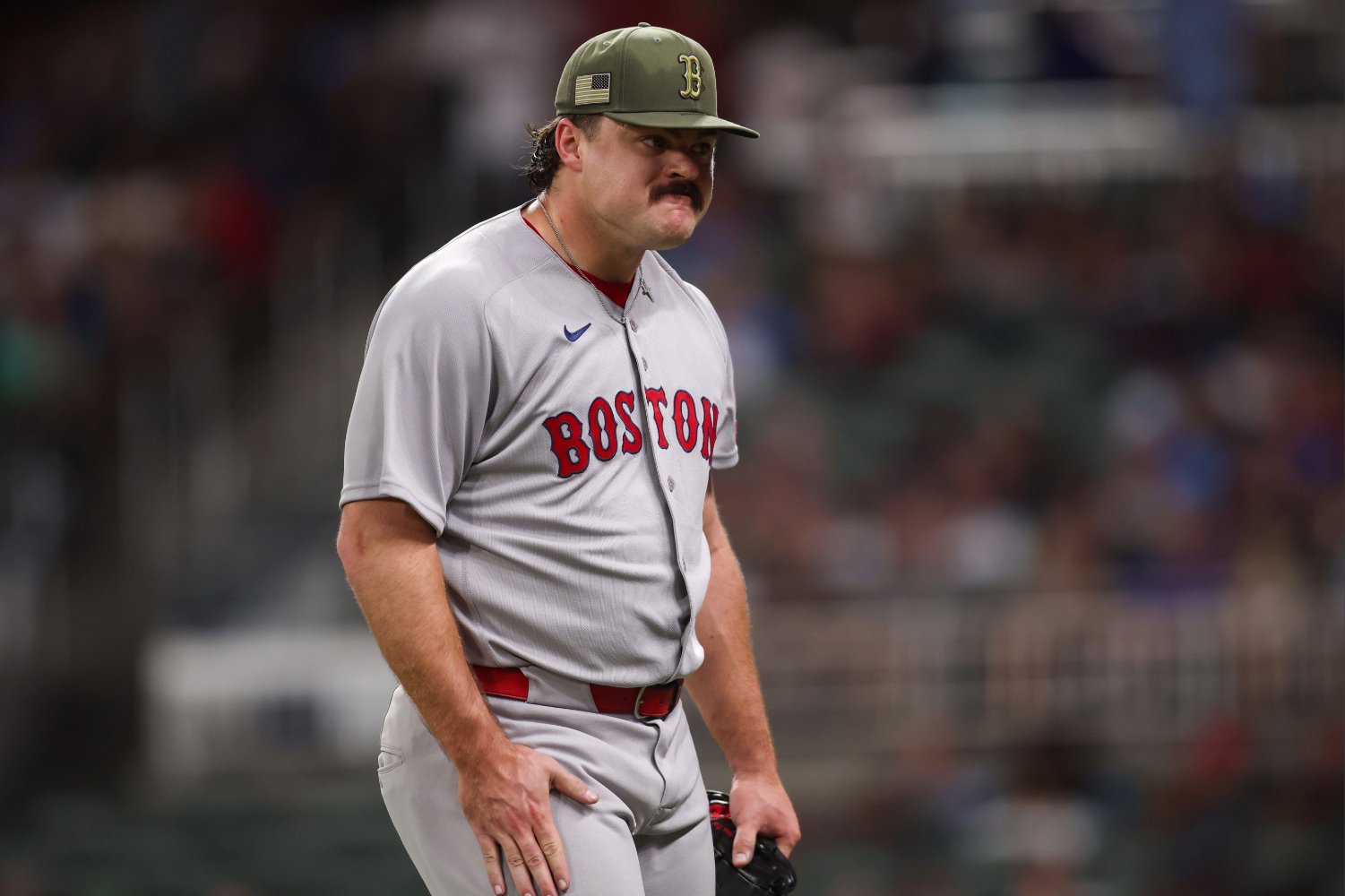 Pitching for the Boston Red Sox was a mixed bag during the month of May. There were some clear highlights, but for the most part, one of the preseason strengths for this club suffered from inconsistent performances. The pitching staff was bitten by the injury bug during the month of May as well, and that has led to there being more questions than answers outside of the names featured below. There’s room for improvement in both the starting rotation and the bullpen from most arms, but with the summer quickly approaching, we are squarely in ‘put up or shut up’ territory; the pitching staff needs to take a big step forward to help keep the team afloat just outside of the playoff picture. Ranking Red Sox's Best Pitchers in May Honorable mentions: (Bulk reliever) Brayan Bello, Connelly Early #3: Sonny Gray May Stats: 27 IP, 2.00 ERA, 2.71 FIP, 26.2 K%, 8.4 BB%, 1.11 WHIP, 0.8 fWAR Gray has been utterly dominant since he returned from the hamstring injury he suffered on Marathon Monday in April. Throughout the month, he made five starts and notched four wins. He had one rough start that can likely be attributed to the weather (he was throwing in the pouring rain for that start) but even he would say that’s just an excuse and he needed to be better in the moment. During May, he pitched to more than one strikeout per nine innings and kept his walk rate down to three per nine. He’s been incredible at limiting contact but when people have gotten on, he left them on base at the end of each inning at an 85% clip. He’s getting a ton of whiffs now and that is the game that Gray built his career off of. #2: Aroldis Chapman May Stats: 10 IP, 0.00 ERA, 1.28 FIP, 38.5 K%, 10.3 BB%, 0.80 WHIP, 0.6 fWAR Chapman occupies a space in the second-best closer in baseball conversation behind Mason Miller, so it may be surprising to see him clock in at number two on this list, but this dominance has come to be expected. Chapman has been better than advertised for the Red Sox for the past two seasons, and his ability to still get massive strikeouts while throwing 100+ mph is just an unfair advantage in the ninth inning. It’s gotten to the point where you just assume no one is scoring when Chapman comes in. While he hasn’t been infallible this season — his walk rate is up and he is allowing a bit more contact than last year — he’s been dominant. The team has kind of forced Chad Tracy’s hand in using Chapman awkwardly, because they tend to go long stretches without requiring a save situation. When he gets the end of the game, even in situations like he was in against the Guardians to end the month, he shoves. For as long as Chapman is in Boston, he’s going to be an imposing presence at the back end of the bullpen. #1: Payton Tolle May Stats: 30.2 IP, 2.35 ERA, 2.59 FIP, 26.1 K%, 5.0 BB%, 0.85 WHIP, 1.0 fWAR The rookie southpaw commands the top spot on this month’s top pitchers because he has been an absolute animal since he was called up to the big leagues. He has only posted two wins over five starts during May, but that’s not due to him being ineffective, it’s due to the defensive lapses behind him and the offense being unable to plate runs with runners in scoring position. Tolle has been striking out more than one batter per nine and walking just under two batters per nine. His fastball mix has been highly touted throughout the start of the season, and it’s proven to be effective during multiple turns through the lineup. He’s working on a curveball that, when he figures it out fully, will likely put him in the ‘ace’ discussion as he builds a résumé worthy of All-Star credentials. His performances in May have been some of the best in the league, and it’s safe to assume that Payton Tolle is going to keep climbing the ladder and step even further into the spotlight with the Red Sox.
 -
In less than one season, Payton Tolle has become a folk hero in Boston. His huge laugh, inviting personality, and transparency have aided in making him arguably the team’s fastest rising star, and he hasn’t even reached his ceiling yet. While he’s taken a significant step forward this season, there’s still room for improvement before he can officially carry the ‘ace’ title that seems to be waiting for him down the road. Let’s dive under the hood just a bit so we can paint a picture of just how great Tolle has been to begin this season. He’s currently sitting on a 2.61 ERA with a 28.6% strikeout rate, a 6.8% walk rate, 2.66 FIP, and 1.4 fWAR. We can also see that Tolle’s expected metrics paint an even better picture. His Baseball Savant page is on fire. His xERA (expected ERA) is lower than his actual ERA at 2.19, good for the 97th percentile. His xBA (expected batting average) is .183, slightly higher than his actual average against at .174, but it shows you just how dominant he has been through 41.1 innings this season. The major knock against him is his groundball rate sits at 34%, but Tolle isn’t a pitch-to-contact style of pitcher. He’s going to throw gas and, hopefully, mess with your timing with a breaking ball that has you swinging out of your shoes for strike three. We already know that Tolle features what the pitching lab is calling a ‘three-headed monster of hard’ that allows him to dominate with his fastball mix. He features a four-seam fastball, sinker, and cutter that all play incredibly well in the zone. His four-seamer brings the heat while he can nibble around the edges of the zone with his sinker and cutter. What is keeping him from the absolute dominance he’s capable of is the back end of his pitch mix. His three fastballs are lethal and work to get him through the lineup the first and second time, but he’s missing something with more bite. Last season, Tolle threw a slider that he’s scrapped this season, along with his change-up and curveball (but neither of them had much success). This season, though, his curveball has become the pitch he’s going to when he’s trying to mess with the hitter’s timing. He’s throwing it slower than he did in 2025, 82.4 mph instead of 83 mph, but he’s getting an inch and a half more glove-side break with it this season. from 5.4” to 6.9”. If we want to see how dominant a southpaw with a breaking put-away pitch can be, just look at the man that pitched opposite Tolle in his last start, old friend Chris Sale. Sale is one of the most dominant pitchers in professional baseball, even at the age of 37. While the pitch mix is drastically different. Sale features a wipeout slider that he employs against both left and right-handed hitters at a 41% clip. That slider is Sale’s main pitch, but it helps to set the stage for what Tolle’s curveball could become. If Tolle can feature it against hitters from both sides of the plate comfortably — he’s currently throwing it 11% against righties and just 5% against lefties — then it becomes his go-to strikeout pitch when he needs to keep hitters off-balance. The biggest knock with Tolle’s curveball is that when he misses with it, he typically leaves it middle-middle, so it can be hit hard. Batters are only hitting .222 against it with an xBA of .177 this year, but it’s going to take real game usage to be able to feature it as prominently as it should be. If we look at the pitch mix from his start against the Braves, we see that he threw 94 pitches but obviously wasn’t trusting anything outside of his fastballs. He threw 54 four-seamers, 26 sinkers, 11 cutters, two curveballs, and one changeup. Those four-seamers play up so well in the zone, but limit his effectiveness when he doesn't have either a breaking or off-speed pitch for them to play off of. The Braves, who Tolle threw against just a week before (it was the first time he saw the same team twice in the same season), were obviously sitting on that fastball. Against Tolle alone, the Braves hit 40 foul balls and every single one of them was on some version of the fastball. It’s a dominant pitch, but when Tolle isn’t trusting his curveball, then the offense can wear him down as they time up his best pitch(es). Payton Tolle arguably has the highest ceiling of any young pitcher not named Garrett Crochet on the Red Sox’s roster; he just has to fully develop a true put-away pitch as he tightens up his major-league arsenal. Tolle is going to be a fan favorite in Boston for a long time, and may even be in the conversation for an extension if President of Baseball Operations Craig Breslow wants to attempt to rebuild some goodwill with the fanbase. He just needs to expand his selection of offerings to keep his opponents guessing a little more frequently. View full article
-
Payton Tolle's Next Step Forward Will Require Fewer Fastballs
Alex Mayes posted an article in Red Sox
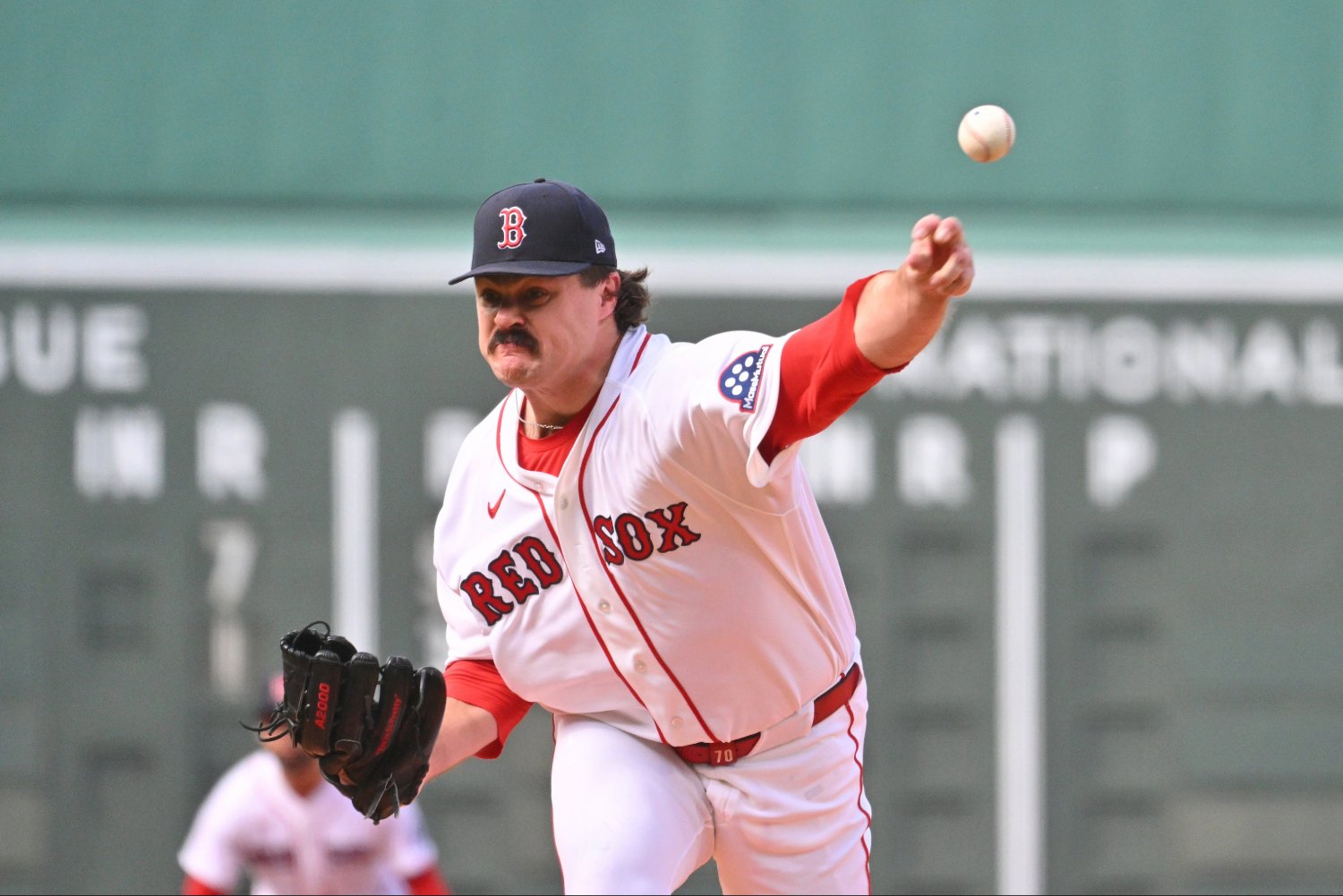 In less than one season, Payton Tolle has become a folk hero in Boston. His huge laugh, inviting personality, and transparency have aided in making him arguably the team’s fastest rising star, and he hasn’t even reached his ceiling yet. While he’s taken a significant step forward this season, there’s still room for improvement before he can officially carry the ‘ace’ title that seems to be waiting for him down the road. Let’s dive under the hood just a bit so we can paint a picture of just how great Tolle has been to begin this season. He’s currently sitting on a 2.61 ERA with a 28.6% strikeout rate, a 6.8% walk rate, 2.66 FIP, and 1.4 fWAR. We can also see that Tolle’s expected metrics paint an even better picture. His Baseball Savant page is on fire. His xERA (expected ERA) is lower than his actual ERA at 2.19, good for the 97th percentile. His xBA (expected batting average) is .183, slightly higher than his actual average against at .174, but it shows you just how dominant he has been through 41.1 innings this season. The major knock against him is his groundball rate sits at 34%, but Tolle isn’t a pitch-to-contact style of pitcher. He’s going to throw gas and, hopefully, mess with your timing with a breaking ball that has you swinging out of your shoes for strike three. We already know that Tolle features what the pitching lab is calling a ‘three-headed monster of hard’ that allows him to dominate with his fastball mix. He features a four-seam fastball, sinker, and cutter that all play incredibly well in the zone. His four-seamer brings the heat while he can nibble around the edges of the zone with his sinker and cutter. What is keeping him from the absolute dominance he’s capable of is the back end of his pitch mix. His three fastballs are lethal and work to get him through the lineup the first and second time, but he’s missing something with more bite. Last season, Tolle threw a slider that he’s scrapped this season, along with his change-up and curveball (but neither of them had much success). This season, though, his curveball has become the pitch he’s going to when he’s trying to mess with the hitter’s timing. He’s throwing it slower than he did in 2025, 82.4 mph instead of 83 mph, but he’s getting an inch and a half more glove-side break with it this season. from 5.4” to 6.9”. If we want to see how dominant a southpaw with a breaking put-away pitch can be, just look at the man that pitched opposite Tolle in his last start, old friend Chris Sale. Sale is one of the most dominant pitchers in professional baseball, even at the age of 37. While the pitch mix is drastically different. Sale features a wipeout slider that he employs against both left and right-handed hitters at a 41% clip. That slider is Sale’s main pitch, but it helps to set the stage for what Tolle’s curveball could become. If Tolle can feature it against hitters from both sides of the plate comfortably — he’s currently throwing it 11% against righties and just 5% against lefties — then it becomes his go-to strikeout pitch when he needs to keep hitters off-balance. The biggest knock with Tolle’s curveball is that when he misses with it, he typically leaves it middle-middle, so it can be hit hard. Batters are only hitting .222 against it with an xBA of .177 this year, but it’s going to take real game usage to be able to feature it as prominently as it should be. If we look at the pitch mix from his start against the Braves, we see that he threw 94 pitches but obviously wasn’t trusting anything outside of his fastballs. He threw 54 four-seamers, 26 sinkers, 11 cutters, two curveballs, and one changeup. Those four-seamers play up so well in the zone, but limit his effectiveness when he doesn't have either a breaking or off-speed pitch for them to play off of. The Braves, who Tolle threw against just a week before (it was the first time he saw the same team twice in the same season), were obviously sitting on that fastball. Against Tolle alone, the Braves hit 40 foul balls and every single one of them was on some version of the fastball. It’s a dominant pitch, but when Tolle isn’t trusting his curveball, then the offense can wear him down as they time up his best pitch(es). Payton Tolle arguably has the highest ceiling of any young pitcher not named Garrett Crochet on the Red Sox’s roster; he just has to fully develop a true put-away pitch as he tightens up his major-league arsenal. Tolle is going to be a fan favorite in Boston for a long time, and may even be in the conversation for an extension if President of Baseball Operations Craig Breslow wants to attempt to rebuild some goodwill with the fanbase. He just needs to expand his selection of offerings to keep his opponents guessing a little more frequently.
 -
Boston Red Sox Weekly Snapshot Record Last Week: 3-3 Runs Scored Last Week: 37 Runs Surrendered Last Week: 26 Standings: 5th in AL East 12 GB First Place Transactions: 05/28/26: Red Sox recalled LHP Tyler Samaniego from Worcester Red Sox. 05/28/26: Red Sox placed RHP Garrett Whitlock on the 15-day injured list retroactive to May 25, 2026. Left knee inflammation. Scores: Game 52 (05/26): BOS 6, ATL 7 Game 53 (05/27): BOS 8, ATL 0 Game 54 (05/28): BOS 2, ATL 10 Game 55 (05/29): BOS 3, CLE 4 Game 56 (05/30): BOS 9, CLE 1 Game 57 (05/31): BOS 9, CLE 4 Series Breakdown/Highlights Braves Series: The home woes continued for the Red Sox against the Braves. As of this writing, the Sox are 9-19 at home and they tend to play the most uninspired version of baseball at Fenway Park this season. It’s unfortunate, because the team got after the top of the rotation in the first two games of this series. They hung three earned runs on Spencer Strider and tagged elite reliever Raisel Iglesias for two runs later in the game. Those two runs are the only earned runs he’s given up on the season so far. Unfortunately, the Braves managed to take advantage of Tyron Guerrero’s two-inning relief stint and the Sox were unable to mount a comeback in the bottom of the ninth inning. In game two, the Sox tagged Bryce Elder for five earned runs over 3 ⅓ innings while they held the best offense in baseball scoreless. They didn’t flinch in front of two of the best starters that the National League has to offer. In game three, though, there was a different story. Old friend Chris Sale was slightly better than rookie Payton Tolle through the first five innings, but the Sox’s bullpen just absolutely melted. Danny Coulombe, Greg Weissert, Jovani Moran, and Ryan Watson combined to give up eight earned runs while the calls to either demote or DFA both Coulombe and Weissert have grown louder and louder. It’s a shame Boston couldn’t string two wins together in games one and two because both were winnable against a team that is in a different stratosphere from the Red Sox. Guardians Series: The Red Sox traveled to Cleveland for a date with the AL Central leaders, though by the end of the series, they looked like the better team. Game one was closer than it should have been after opener Tyler Samaniego gave up four earned runs in the first, but Brayan Bello continued to show his dominance as a bulk-reliever by tossing seven scoreless innings. The Red Sox scored three runs off starter Slade Cecconi but defensive lapses were the name of the game early on and the team couldn’t get over that combined with the buzzsaw that is the back of Cleveland’s bullpen. Games two and three saw drastically different offenses than game one. The Sox scored 18 combined runs over those two games while the starting pitching was a bit of a mixed bag, thanks to Ranger Suarez. Sonny Gray tossed six innings of seven strikeout, one-run baseball. Justin Slaten worked more than one inning and kept his velocity up during the outing while striking out two. Ranger Suarez looked visibly upset during the third game, especially after Masataka Yoshida lost a ball in the sun in left field. He settled through five innings but he hasn’t looked as sharp as the Red Sox have needed him to be as of late. The two biggest news stories to come out of this series have to be the fact that Jarren Duran has been red hot to close out the month of May and Caleb Durbin seems to have figured out his plate approach. If both of them can be even league average hitters, the Red Sox may be onto something. Website Highlights Red Sox’s Identity has Collapsed During Team-Wide Power Outage by Yirsandy Rodriguez Jake Bennett Is Restoring Faith in Red Sox’s Pitching Depth by Nick John Boston Red Sox Flashing more of the Same Despite Manager, Coaching Staff Changes by Jordan Leandre Looking Ahead 06/01: Day Off 06/02: Orioles (Shane Baz) @ Red Sox (Connelly Early): 6:45 PM EDT 06/03: Orioles (Chris Bassitt) @ Red Sox (Payton Tolle) 6:45 PM EDT 06/04: Orioles (Trevor Rogers) @ Red Sox (TBD): 1:35 PM EDT 06/05: Red Sox @ Yankees: 7:05 PM EDT 06/06: Red Sox @ Yankees: 7:35 PM EDT 06/07: Red Sox @ Yankees: 1:35 PM EDT View full article
