Alex Mayes
-
Posts
856 -
Joined
-
Last visited
Content Type
Profiles
Boston Red Sox Videos
2026 Boston Red Sox Top Prospects Ranking
Boston Red Sox Free Agent & Trade Rumors, Notes, & Tidbits
Guides & Resources
2025 Boston Red Sox Draft Pick Tracker
News
2026 Boston Red Sox Draft Tracker: Picks & Bonuses
Forums
Blogs
Events
Store
Downloads
Gallery
Everything posted by Alex Mayes
-
There were reports that he’s expected to be moved this offseason though.
-
I think he’s gone pretty quickly this offseason. Won’t be a big deal at all, but it really seems like his good will has run out with the front office.
-
The Red Sox were dealt yet another injury blow on Saturday. Both Masataka Yoshida (hamstring) and Justin Slaten (right elbow soreness) have landed on the injured list before the rubber match against the Pirates on Sunday. To replace them, Mickey Gasper and Raymond Burgos have been called up to the major league roster. We last saw Gasper in June when he was called up amid a torrid streak with the WooSox. He continued that hot streak for a while with the Red Sox but ultimately cooled off against major league pitching. Since being optioned, he’s continued to hit at an incredible clip. He’s slashing .337/.450/.566 with the WooSox this season. It’s unclear just how Gasper will slot into the lineup as of this writing, but he figures to get quite a bit of play at DH while he’s up. Burgos has made two appearances with the Red Sox this season, tossing six combined innings. For the WooSox, he’s sitting at a 5.54 ERA over 65 innings pitched with 54 strikeouts and a 1.62 WHIP. While he doesn’t directly replace Slaten’s backend abilities, he can eat innings, and that’s something the Red Sox are going to need while both Slaten and Garrett Whitlock are on the IL. The Red Sox can’t seem to dodge the injury bug as we cross the midpoint of the month of August. There are reinforcements on the way, but both Chad Tracy and Craig Breslow are in unenviable spots with roster construction right now. View full rumor
-
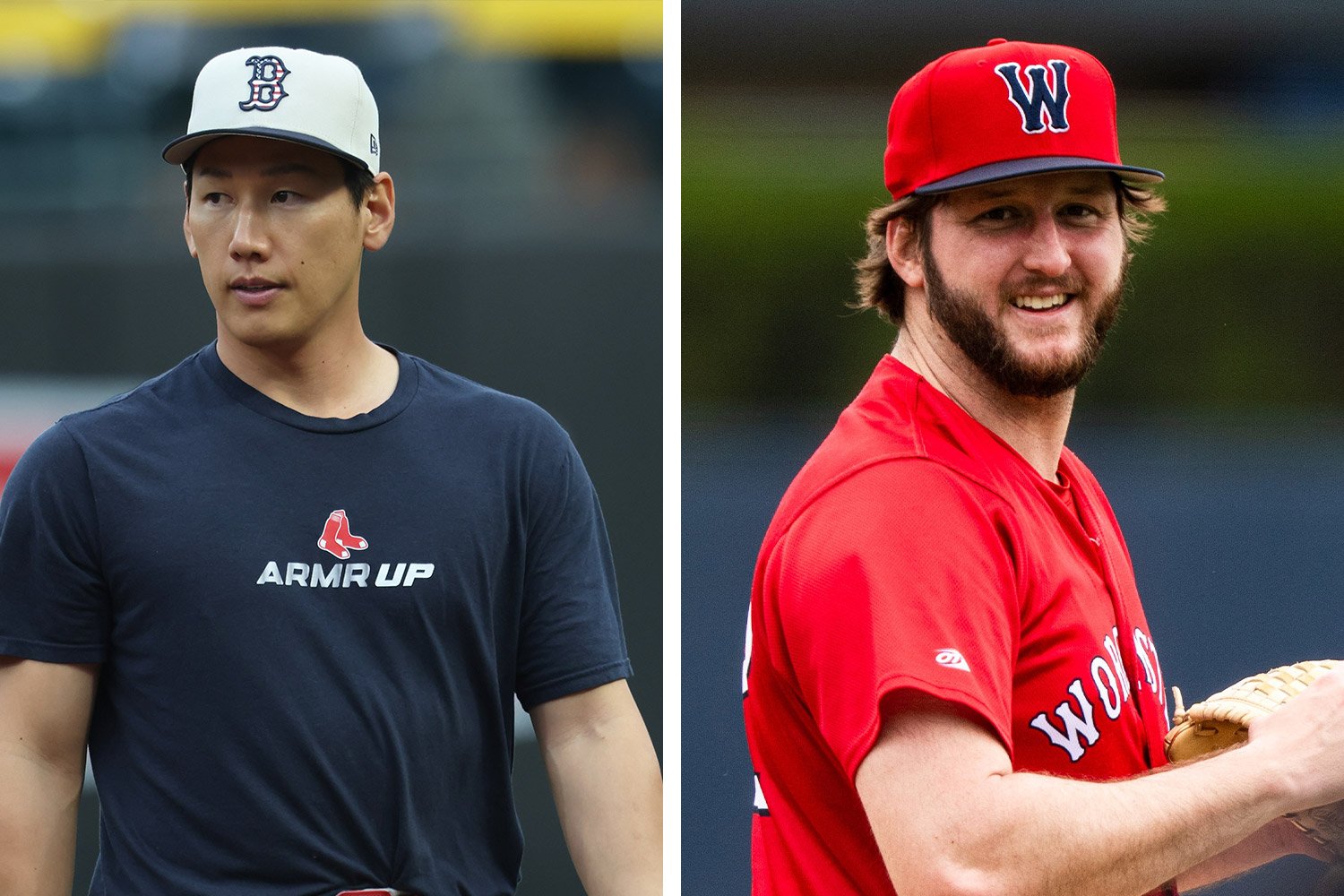 The Red Sox were dealt yet another injury blow on Saturday. Both Masataka Yoshida (hamstring) and Justin Slaten (right elbow soreness) have landed on the injured list before the rubber match against the Pirates on Sunday. To replace them, Mickey Gasper and Raymond Burgos have been called up to the major league roster. We last saw Gasper in June when he was called up amid a torrid streak with the WooSox. He continued that hot streak for a while with the Red Sox but ultimately cooled off against major league pitching. Since being optioned, he’s continued to hit at an incredible clip. He’s slashing .337/.450/.566 with the WooSox this season. It’s unclear just how Gasper will slot into the lineup as of this writing, but he figures to get quite a bit of play at DH while he’s up. Burgos has made two appearances with the Red Sox this season, tossing six combined innings. For the WooSox, he’s sitting at a 5.54 ERA over 65 innings pitched with 54 strikeouts and a 1.62 WHIP. While he doesn’t directly replace Slaten’s backend abilities, he can eat innings, and that’s something the Red Sox are going to need while both Slaten and Garrett Whitlock are on the IL. The Red Sox can’t seem to dodge the injury bug as we cross the midpoint of the month of August. There are reinforcements on the way, but both Chad Tracy and Craig Breslow are in unenviable spots with roster construction right now.
 -
Right there with you about Story. Could be the rare subtraction by addition situation, haha. I was hoping Anthony would mean Duran to the bench but that all hinges on Masa’s potential hamstring injury now.
-
In what could be a huge boon to the Red Sox as they look to bounce back from dropping their last seven of eight games, Roman Anthony, Trevor Story, and Isiah Kiner-Falefa are all set to begin rehab assignments throughout various levels of the organization. First, Story has already reported to Worcester and will start his 20-day clock ticking on Sunday. It will be curious to see if he immediately slides into his usual shortstop position with the quick-rising Franklin Arias manning the position already for the WooSox, or if Story spends some time playing second base. Anthony will report to the Portland Sea Dogs on Tuesday straight from Fort Myers, where he’s been hitting off a high-velocity Trajekt machine to get his timing down. He will also have the typical 20-day ramp-up period before he has to be recalled to the 26-man roster. It’s unclear how much of that window he will need, at least from an offensive standpoint, because he has been consistently taking outfield reps while his partially torn right ring finger tendon was healing. Finally, Kiner-Falefa has also already reported to Worcester but will be the last to start his rehab assignment on Wednesday. He’s rehabbing a left forearm stress reaction that came from him swinging the bat too hard as he started heating up earlier this season. The more difficult part of each one of these guys getting closer to rejoining the Red Sox is how interim manager Chad Tracy will shuffle the lineups on a daily basis. There are a number of guys who have been seeing regular playing time who will either head to the bench in a backup role or could get the call from Craig Breslow that they are headed back to Worcester until rosters expand next month. View full rumor
-
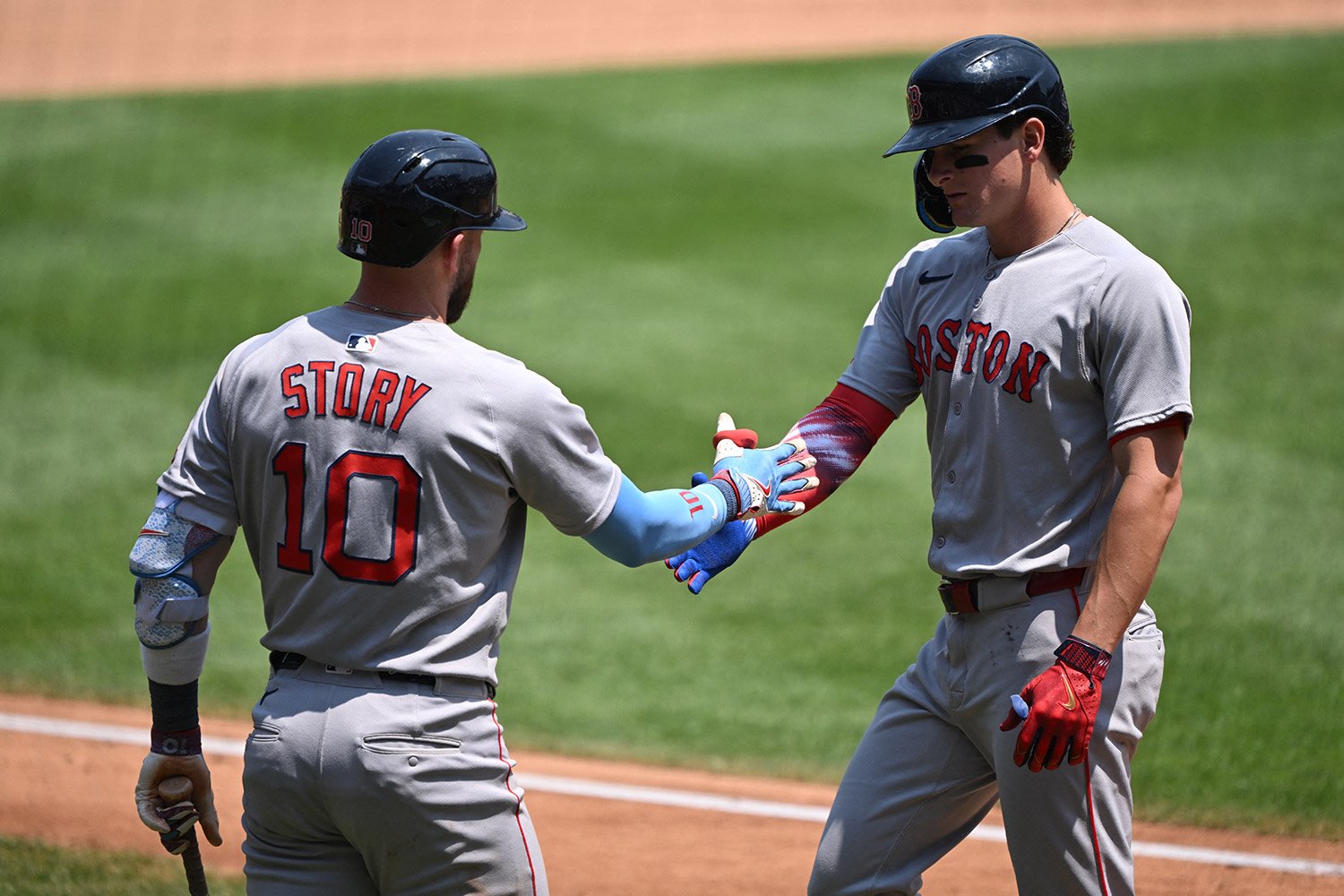 In what could be a huge boon to the Red Sox as they look to bounce back from dropping their last seven of eight games, Roman Anthony, Trevor Story, and Isiah Kiner-Falefa are all set to begin rehab assignments throughout various levels of the organization. First, Story has already reported to Worcester and will start his 20-day clock ticking on Sunday. It will be curious to see if he immediately slides into his usual shortstop position with the quick-rising Franklin Arias manning the position already for the WooSox, or if Story spends some time playing second base. Anthony will report to the Portland Sea Dogs on Tuesday straight from Fort Myers, where he’s been hitting off a high-velocity Trajekt machine to get his timing down. He will also have the typical 20-day ramp-up period before he has to be recalled to the 26-man roster. It’s unclear how much of that window he will need, at least from an offensive standpoint, because he has been consistently taking outfield reps while his partially torn right ring finger tendon was healing. Finally, Kiner-Falefa has also already reported to Worcester but will be the last to start his rehab assignment on Wednesday. He’s rehabbing a left forearm stress reaction that came from him swinging the bat too hard as he started heating up earlier this season. The more difficult part of each one of these guys getting closer to rejoining the Red Sox is how interim manager Chad Tracy will shuffle the lineups on a daily basis. There are a number of guys who have been seeing regular playing time who will either head to the bench in a backup role or could get the call from Craig Breslow that they are headed back to Worcester until rosters expand next month.
 -
It’s that time of the week to get your questions submitted for @Maddie Landis and myself on the Talk Sox Podcast! We’ll put the cutoff for questions on Monday, 8/17 at 5 pm CST.
-
As someone who lived Vazquez, I was mad when the trade happened. Then when I dug into the return and saw Wilyer could be something special, I started driving the Wilyer Express early on haha.
-
I’ve carried water for Wilyer Abreu since he was brought to Boston in the trade that sent Christian Vazquez to the Astros in 2022. He has provided Gold-Glove-caliber defense since he was called up to the big-league club, but he’s been a bit hit or miss at the plate for much of his career. Thankfully, 2026 has revealed a new-and-improved version of Abreu. While his numbers have taken a bit of a tumble against right-handed pitching, he’s been an absolute monster against lefties this season. He’s been one of the most productive bats in the lineup all season, but so far in August, he’s been the standout offensive player. He’s currently slashing .324/.432/.824 this month with a 1.255 OPS and team-leading 221 wRC+, despite the fact that he's getting slammed with bad luck (.231 BABIP). To go along with those astronomical numbers, he’s slugged five home runs, driven in 11 runs, walked eight times, and only struck out five times. This begs the question; has Abreu made some substantive changes at the plate, or has the adjustments he made earlier finally fully clicked together? If we go back to June and July, we’re quite obviously working with a much larger sample than just the month of August, but we see just how much Abreu had cooled off as the summer began to heat up. For those two months he slashed just .206/.287/.439 with a .729 OPS, .221 BABIP, .311 wOBA, and a 94 wRC+. He hit 10 home runs, drove in 29 runs, walked 21 times, and struck out 52 times. After riding a heatwave through the start of the season, he suddenly was put in the freezer for two months. Now, though, he seems to have thawed out and become an even better offensive version of himself than he had been. If he keeps up this torrid streak, he’s going to be in the running for AL Player of the Month and could claim the top spot for our top hitters of the month as well. I went back to the beginning of June through the end of July to analyze his batting stance and swing path and compared it to what he’s doing in August. Spoiler alert: the swing path is exactly the same, down to the bat speed. The only slight changes we see come in his stance. Throughout the months of June and July, Abreu’s stance was as follows: 30.3” depth in the box, 26.7” distance off the plate, 34.1” distance between his feet, and a 26° open stance angle. In August though, we see some slight differences: 31.3” depth in the box, 26.4” distance off the plate, 33.4” distance between his feet, and a 27° open stance angle. The numbers are slightly negligible, but they may be the key to his unlocked consistency this month. It’s been well documented that Abreu has shortened his swing against left-handed pitchers this season and that has contributed to his success in a big way. His swing length is at 7.2 feet this season and that, combined with his newfound placement in the box and stance, has given him maximum time to react at the plate. He’s pretty much as far back in the box as you can legally be now, which lets the ball travel farther and gives him a longer time to watch the ball travel. He’s come in just a hair to the plate so he’s able to whip the bat through the zone quicker without as much extension in his arms. The distance between his feet is almost an inch closer than it has been the last two months, which lets him rotate his hips quicker and that helps against the high velocity pitching that is prevalent in the majors today. Finally, his stance is a degree more open, which theoretically gives him a slightly better vantage point to the pitcher's release. That likely also helps explain why he’s walked far more than he’s struck out this month too. In short, Wilyer Abreu is finally becoming the offensive player we all hoped he would be since his career with the big-league club started in 2023. He’s made massive offensive changes going into the 2026 season that seem to have finally fully clicked against both left and right-handed pitching, making him not just a regular in the lineup, but a true star. View full article
-
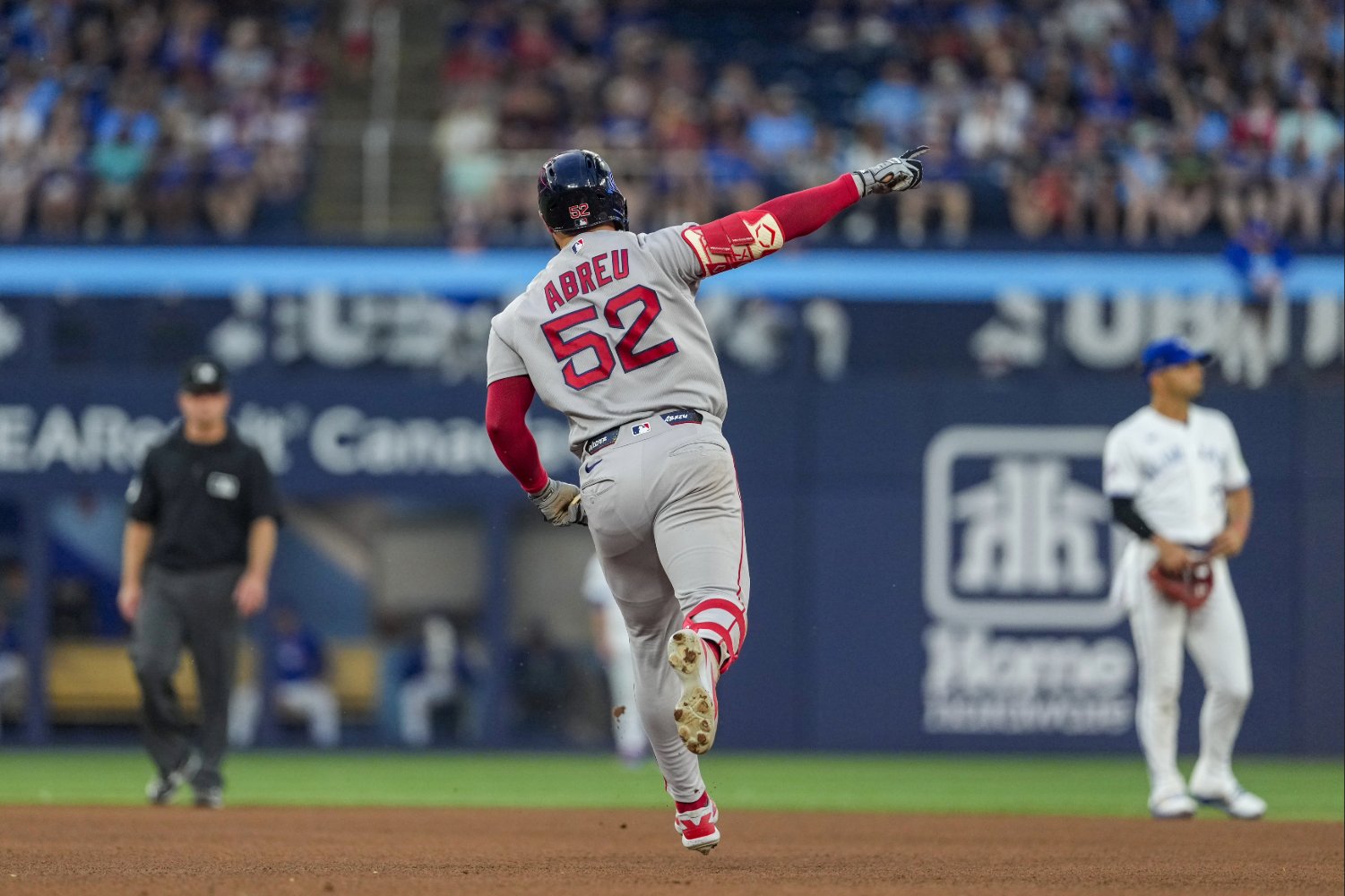 I’ve carried water for Wilyer Abreu since he was brought to Boston in the trade that sent Christian Vazquez to the Astros in 2022. He has provided Gold-Glove-caliber defense since he was called up to the big-league club, but he’s been a bit hit or miss at the plate for much of his career. Thankfully, 2026 has revealed a new-and-improved version of Abreu. While his numbers have taken a bit of a tumble against right-handed pitching, he’s been an absolute monster against lefties this season. He’s been one of the most productive bats in the lineup all season, but so far in August, he’s been the standout offensive player. He’s currently slashing .324/.432/.824 this month with a 1.255 OPS and team-leading 221 wRC+, despite the fact that he's getting slammed with bad luck (.231 BABIP). To go along with those astronomical numbers, he’s slugged five home runs, driven in 11 runs, walked eight times, and only struck out five times. This begs the question; has Abreu made some substantive changes at the plate, or has the adjustments he made earlier finally fully clicked together? If we go back to June and July, we’re quite obviously working with a much larger sample than just the month of August, but we see just how much Abreu had cooled off as the summer began to heat up. For those two months he slashed just .206/.287/.439 with a .729 OPS, .221 BABIP, .311 wOBA, and a 94 wRC+. He hit 10 home runs, drove in 29 runs, walked 21 times, and struck out 52 times. After riding a heatwave through the start of the season, he suddenly was put in the freezer for two months. Now, though, he seems to have thawed out and become an even better offensive version of himself than he had been. If he keeps up this torrid streak, he’s going to be in the running for AL Player of the Month and could claim the top spot for our top hitters of the month as well. I went back to the beginning of June through the end of July to analyze his batting stance and swing path and compared it to what he’s doing in August. Spoiler alert: the swing path is exactly the same, down to the bat speed. The only slight changes we see come in his stance. Throughout the months of June and July, Abreu’s stance was as follows: 30.3” depth in the box, 26.7” distance off the plate, 34.1” distance between his feet, and a 26° open stance angle. In August though, we see some slight differences: 31.3” depth in the box, 26.4” distance off the plate, 33.4” distance between his feet, and a 27° open stance angle. The numbers are slightly negligible, but they may be the key to his unlocked consistency this month. It’s been well documented that Abreu has shortened his swing against left-handed pitchers this season and that has contributed to his success in a big way. His swing length is at 7.2 feet this season and that, combined with his newfound placement in the box and stance, has given him maximum time to react at the plate. He’s pretty much as far back in the box as you can legally be now, which lets the ball travel farther and gives him a longer time to watch the ball travel. He’s come in just a hair to the plate so he’s able to whip the bat through the zone quicker without as much extension in his arms. The distance between his feet is almost an inch closer than it has been the last two months, which lets him rotate his hips quicker and that helps against the high velocity pitching that is prevalent in the majors today. Finally, his stance is a degree more open, which theoretically gives him a slightly better vantage point to the pitcher's release. That likely also helps explain why he’s walked far more than he’s struck out this month too. In short, Wilyer Abreu is finally becoming the offensive player we all hoped he would be since his career with the big-league club started in 2023. He’s made massive offensive changes going into the 2026 season that seem to have finally fully clicked against both left and right-handed pitching, making him not just a regular in the lineup, but a true star.
 -
Boston Red Sox Weekly Snapshot Record Last Week: 4-2 Runs Scored Last Week: 49 Runs Surrendered Last Week: 25 Standings 3rd in AL East 6.5 GB First Place 2nd in AL Wild Card 1.5 GB First Place Transactions 08/03/26: Boston Red Sox traded 2B Marcelo Mayer to San Francisco Giants for LHP Erik Miller and CF Carlos Gutierrez. 08/03/26: Baltimore Orioles traded C Adley Rutschman, C Jake Rogers and cash to Boston Red Sox for RHP Kyson Witherspoon, CF Enddy Azocar, C Carlos Narváez, RHP Anthony Eyanson and Player To Be Named Later. 08/03/26: Atlanta Braves traded RF Eli White to Boston Red Sox for RHP Tyler Uberstine. 08/03/26: Boston Red Sox placed C Adley Rutschman on the 10-day injured list. Left wrist inflammation. 08/04/26: Boston Red Sox optioned DH Romy Gonzalez to Worcester Red Sox. 08/04/26: Boston Red Sox designated RHP Ryan Watson for assignment. 08/04/26: Boston Red Sox activated LHP Erik Miller. 08/04/26: Boston Red Sox activated C Jake Rogers. 08/04/26: Boston Red Sox activated RF Eli White. 08/05/26: Boston Red Sox signed free agent RHP Cam Padgett to a minor league contract. 08/06/26: Boston Red Sox released LHP Joe La Sorsa. 08/07/26: Los Angeles Angels claimed RHP Ryan Watson off waivers from Boston Red Sox. 08/07/26: Boston Red Sox selected the contract of LHP Raymond Burgos from Worcester Red Sox. 08/07/26: Boston Red Sox optioned RHP Greg Weissert to Worcester Red Sox. 08/07/26: Boston Red Sox signed free agent RHP John Brebbia to a minor league contract. 08/08/26: Boston Red Sox sent C Adley Rutschman on a rehab assignment to Worcester Red Sox. 08/09/26: Boston Red Sox selected the contract of RHP Seth Martinez from Worcester Red Sox. 08/09/26: Boston Red Sox optioned LHP Raymond Burgos to Worcester Red Sox. Scores Game 112: BOS 14, CWS 2 Game 113: BOS 4, CWS 0 Game 114: BOS 12, CWS 11 Game 115: BOS 13, SAC 1 Game 116: BOS 3, SAC 7 Game 117: BOS 3, SAC 4 Series Breakdown/Highlights White Sox Series: The Red Sox completed the season sweep of the AL Central-leading White Sox to kick start the week. In game one, Patrick Sandoval tossed five innings of two-run baseball. He allowed six hits while walking four and striking out five. Greg Weissert, newly acquired Erik Miller, and Brayan Bello all held down the bullpen side of the game, combining for three strikeouts over the final four innings. On offense, Caleb Durbin was the star after smoking a grand slam over the Green Monster. Jarren Duran also clobbered a homer while Wilyer Abreu, Willson Contreras, Ceddanne Rafaela, Masataka Yoshida, and Andruw Monasterio all drove in runs as well in the lopsided victory. Game two was another shut out by the Red Sox, led by Sonny Gray tossing six strong innings. He allowed three hits, two walks, and struck out eight on the night. Tyron Guerrero, Jovani Moran, and Garrett Whitlock continued the bullpen dominance we’ve come to expect from this crew and shut the game down over the final three innings. They combined for six strikeouts over those three innings, only allowing one combined hit. Offensively, this was the game that Contreras left sick, but even without him, the team was able to continue to play solid baseball. Abreu, Contreras before he exited, Durbin, and Monasterio all drove in runs in the win. Game three was worth the watch if you stayed up through the final out. The Red Sox never led the game until they secured the victory in the bottom of the 13th inning. The lone long ball for the Sox came off the bat of Connor Wong to help spur the comeback early in the game, but the real story came in the final five innings. The Red Sox allowed the South Siders to stay in the game from the ninth through the 12th inning, but they matched run for run until finally Bello was able to stop the White Sox from scoring in the top of the 13th, which allowed Durbin to walk off the series sweep. From the pitching side, we saw a lackluster start from Ranger Suarez. He only tossed three innings and allowed three earned runs while striking out three. From there, Chad Tracy turned to a bullpen and burned through arms. Weissert, Justin Slaten, Guerrero, Miller, Moran, Chapman, Whitlock, and Bello all pitched in this game and that likely set up for what ultimately was a disappointing A’s series over the weekend. Athletics Series: Both A’s series this season have been funky. The Red Sox came into the series as the hottest team in baseball while the A’s were the coldest. Unfortunately for the Sox, the A’s would get the best of them. In game one, we witnessed absolute dominance from Payton Tolle on the mound. He tossed six innings while striking out 14 and only allowed one earned run. He was followed up by recent call up Raymond Burgos, who tossed three innings of clean baseball while striking out two. I don’t have the space to go into detail about Tolle’s dominance in this game, but go watch the highlights. His three-fastball mix was its usual gas-powered rocket, but his curveball was absolutely deadly and the A’s had no answer for it. It just shows us how high the young southpaw’s ceiling actually is. On offense, Duran knocked another homer while Rafaela, Abreu, Durbin, Yoshida, Jake Rogers, and Monasterio all drove in runs as well. Game two saw Contreras return to the lineup, but he was obviously still getting back to himself after being sick for the better part of the week. Monasterio and Durbin were responsible for the Sox’s lone RBIs of the game, but the team never really felt out of it at any point. They had a chance to mount an incredible comeback in the bottom of the ninth with White at the plate, but they were unable to come through. On the pitching side, Jake Bennett wasn’t sharp, as the rookie is navigating in uncharted waters in terms of workload. He allowed five hits, four earned runs, three walks, and five strikeouts over 5.1 innings. After him, Slaten and Burgos couldn’t contain the A’s, allowing three combined earned runs. Unfortunately, game three saw Whitlock and Chapman let the series win slip away in the late innings. Miller worked as the opener in a scheduled bullpen game as Tracy looks to operate with a pseudo-six man rotation through 16 games in 16 days. He was dominant, striking out two in his lone inning of work. Bello followed him, tossing four innings of one-run baseball. We then had Guerrero, Moran, Whitlock, and Chapman all get a turn out of the 'pen. Offensively, the team was quiet with just Abreu and White contributing RBIs on the day. The Sox once again had a chance to at least tie the game in the bottom of the ninth, but Rafaela lined out hard to left field to end the game. Website Highlights Was Adley Rutschman Worth the Enormous Cost Red Sox Paid at Trade Deadline? by Nick John The Curious Case of Eli White: Why Exactly is He in Boston? by Ryan Salvaggio Adley Rutschman Puts Red Sox in Driver’s Seat in the American League, but Concerns Remain by Alex Mayes Looking Ahead 08/10/26: Red Sox (Sonny Gray) @ Blue Jays (Jameson Taillon): 7:07 PM EDT 08/11/26: Red Sox (Patrick Sandoval) @ Blue Jays (Dyan Cease): 7:07 PM EDT 08/12/26: Red Sox (Ranger Suarez) @ Blue Jays (Jose Soriano): 7:07 PM EDT 08/13/26: Red Sox (Payton Tolle) @ Blue Jays (Max Scherzer:) 3:07 PM EDT 08/14/26: Red Sox @ Pirates: 6:40 PM EDT 08/15/26: Red Sox @ Pirates: 7:15 PM EDT 08/16/26: Red Sox @ Pirates: 1:35 PM EDT View full article
-
Red Sox Week in Review: Despite Slight Stumble, Dominance Continues
Alex Mayes posted an article in Red Sox
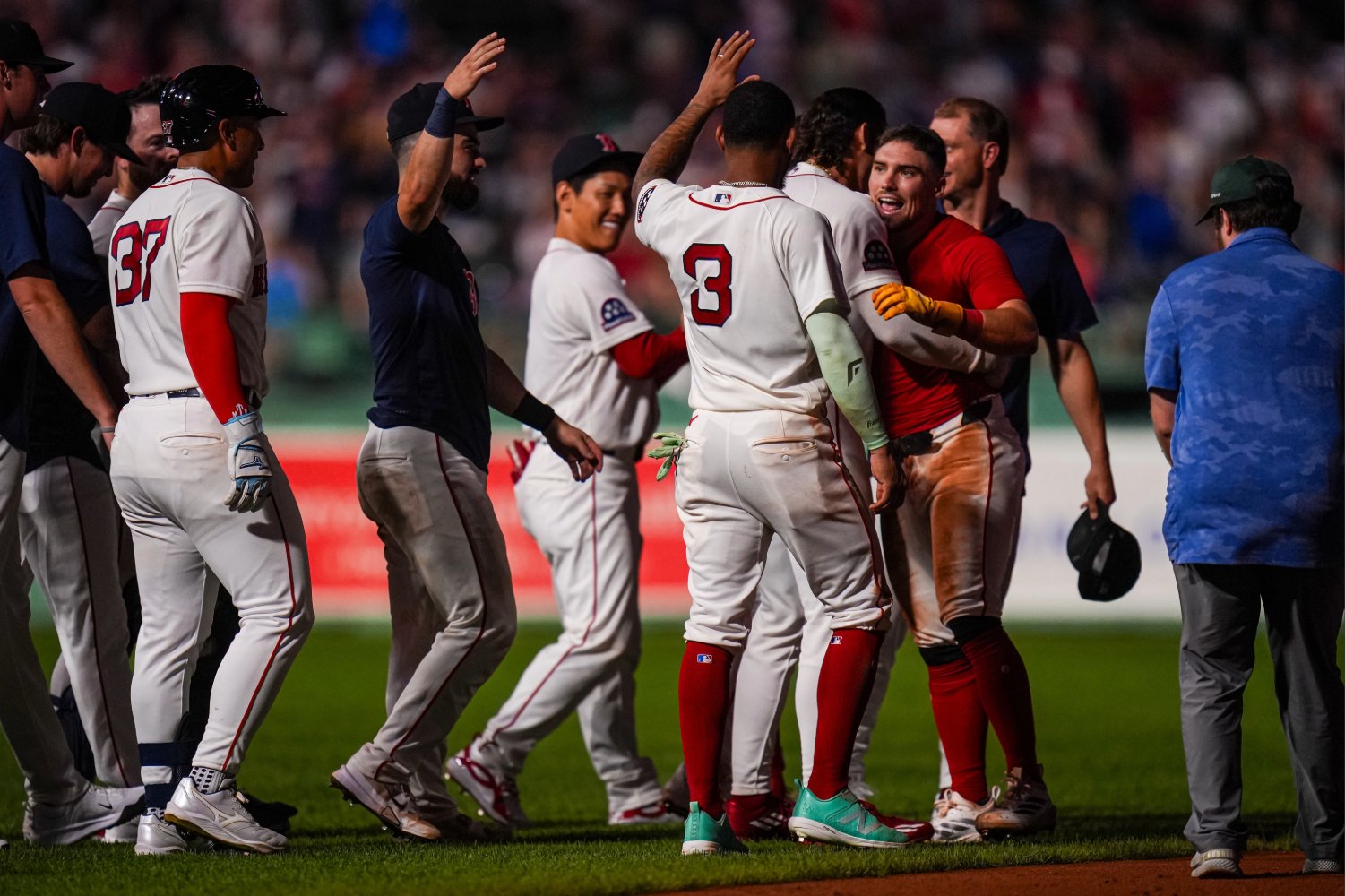 Boston Red Sox Weekly Snapshot Record Last Week: 4-2 Runs Scored Last Week: 49 Runs Surrendered Last Week: 25 Standings 3rd in AL East 6.5 GB First Place 2nd in AL Wild Card 1.5 GB First Place Transactions 08/03/26: Boston Red Sox traded 2B Marcelo Mayer to San Francisco Giants for LHP Erik Miller and CF Carlos Gutierrez. 08/03/26: Baltimore Orioles traded C Adley Rutschman, C Jake Rogers and cash to Boston Red Sox for RHP Kyson Witherspoon, CF Enddy Azocar, C Carlos Narváez, RHP Anthony Eyanson and Player To Be Named Later. 08/03/26: Atlanta Braves traded RF Eli White to Boston Red Sox for RHP Tyler Uberstine. 08/03/26: Boston Red Sox placed C Adley Rutschman on the 10-day injured list. Left wrist inflammation. 08/04/26: Boston Red Sox optioned DH Romy Gonzalez to Worcester Red Sox. 08/04/26: Boston Red Sox designated RHP Ryan Watson for assignment. 08/04/26: Boston Red Sox activated LHP Erik Miller. 08/04/26: Boston Red Sox activated C Jake Rogers. 08/04/26: Boston Red Sox activated RF Eli White. 08/05/26: Boston Red Sox signed free agent RHP Cam Padgett to a minor league contract. 08/06/26: Boston Red Sox released LHP Joe La Sorsa. 08/07/26: Los Angeles Angels claimed RHP Ryan Watson off waivers from Boston Red Sox. 08/07/26: Boston Red Sox selected the contract of LHP Raymond Burgos from Worcester Red Sox. 08/07/26: Boston Red Sox optioned RHP Greg Weissert to Worcester Red Sox. 08/07/26: Boston Red Sox signed free agent RHP John Brebbia to a minor league contract. 08/08/26: Boston Red Sox sent C Adley Rutschman on a rehab assignment to Worcester Red Sox. 08/09/26: Boston Red Sox selected the contract of RHP Seth Martinez from Worcester Red Sox. 08/09/26: Boston Red Sox optioned LHP Raymond Burgos to Worcester Red Sox. Scores Game 112: BOS 14, CWS 2 Game 113: BOS 4, CWS 0 Game 114: BOS 12, CWS 11 Game 115: BOS 13, SAC 1 Game 116: BOS 3, SAC 7 Game 117: BOS 3, SAC 4 Series Breakdown/Highlights White Sox Series: The Red Sox completed the season sweep of the AL Central-leading White Sox to kick start the week. In game one, Patrick Sandoval tossed five innings of two-run baseball. He allowed six hits while walking four and striking out five. Greg Weissert, newly acquired Erik Miller, and Brayan Bello all held down the bullpen side of the game, combining for three strikeouts over the final four innings. On offense, Caleb Durbin was the star after smoking a grand slam over the Green Monster. Jarren Duran also clobbered a homer while Wilyer Abreu, Willson Contreras, Ceddanne Rafaela, Masataka Yoshida, and Andruw Monasterio all drove in runs as well in the lopsided victory. Game two was another shut out by the Red Sox, led by Sonny Gray tossing six strong innings. He allowed three hits, two walks, and struck out eight on the night. Tyron Guerrero, Jovani Moran, and Garrett Whitlock continued the bullpen dominance we’ve come to expect from this crew and shut the game down over the final three innings. They combined for six strikeouts over those three innings, only allowing one combined hit. Offensively, this was the game that Contreras left sick, but even without him, the team was able to continue to play solid baseball. Abreu, Contreras before he exited, Durbin, and Monasterio all drove in runs in the win. Game three was worth the watch if you stayed up through the final out. The Red Sox never led the game until they secured the victory in the bottom of the 13th inning. The lone long ball for the Sox came off the bat of Connor Wong to help spur the comeback early in the game, but the real story came in the final five innings. The Red Sox allowed the South Siders to stay in the game from the ninth through the 12th inning, but they matched run for run until finally Bello was able to stop the White Sox from scoring in the top of the 13th, which allowed Durbin to walk off the series sweep. From the pitching side, we saw a lackluster start from Ranger Suarez. He only tossed three innings and allowed three earned runs while striking out three. From there, Chad Tracy turned to a bullpen and burned through arms. Weissert, Justin Slaten, Guerrero, Miller, Moran, Chapman, Whitlock, and Bello all pitched in this game and that likely set up for what ultimately was a disappointing A’s series over the weekend. Athletics Series: Both A’s series this season have been funky. The Red Sox came into the series as the hottest team in baseball while the A’s were the coldest. Unfortunately for the Sox, the A’s would get the best of them. In game one, we witnessed absolute dominance from Payton Tolle on the mound. He tossed six innings while striking out 14 and only allowed one earned run. He was followed up by recent call up Raymond Burgos, who tossed three innings of clean baseball while striking out two. I don’t have the space to go into detail about Tolle’s dominance in this game, but go watch the highlights. His three-fastball mix was its usual gas-powered rocket, but his curveball was absolutely deadly and the A’s had no answer for it. It just shows us how high the young southpaw’s ceiling actually is. On offense, Duran knocked another homer while Rafaela, Abreu, Durbin, Yoshida, Jake Rogers, and Monasterio all drove in runs as well. Game two saw Contreras return to the lineup, but he was obviously still getting back to himself after being sick for the better part of the week. Monasterio and Durbin were responsible for the Sox’s lone RBIs of the game, but the team never really felt out of it at any point. They had a chance to mount an incredible comeback in the bottom of the ninth with White at the plate, but they were unable to come through. On the pitching side, Jake Bennett wasn’t sharp, as the rookie is navigating in uncharted waters in terms of workload. He allowed five hits, four earned runs, three walks, and five strikeouts over 5.1 innings. After him, Slaten and Burgos couldn’t contain the A’s, allowing three combined earned runs. Unfortunately, game three saw Whitlock and Chapman let the series win slip away in the late innings. Miller worked as the opener in a scheduled bullpen game as Tracy looks to operate with a pseudo-six man rotation through 16 games in 16 days. He was dominant, striking out two in his lone inning of work. Bello followed him, tossing four innings of one-run baseball. We then had Guerrero, Moran, Whitlock, and Chapman all get a turn out of the 'pen. Offensively, the team was quiet with just Abreu and White contributing RBIs on the day. The Sox once again had a chance to at least tie the game in the bottom of the ninth, but Rafaela lined out hard to left field to end the game. Website Highlights Was Adley Rutschman Worth the Enormous Cost Red Sox Paid at Trade Deadline? by Nick John The Curious Case of Eli White: Why Exactly is He in Boston? by Ryan Salvaggio Adley Rutschman Puts Red Sox in Driver’s Seat in the American League, but Concerns Remain by Alex Mayes Looking Ahead 08/10/26: Red Sox (Sonny Gray) @ Blue Jays (Jameson Taillon): 7:07 PM EDT 08/11/26: Red Sox (Patrick Sandoval) @ Blue Jays (Dyan Cease): 7:07 PM EDT 08/12/26: Red Sox (Ranger Suarez) @ Blue Jays (Jose Soriano): 7:07 PM EDT 08/13/26: Red Sox (Payton Tolle) @ Blue Jays (Max Scherzer:) 3:07 PM EDT 08/14/26: Red Sox @ Pirates: 6:40 PM EDT 08/15/26: Red Sox @ Pirates: 7:15 PM EDT 08/16/26: Red Sox @ Pirates: 1:35 PM EDT
 -
We are recording the next episode of the Talk Sox Podcast on Monday, August 10th! Get your questions in here for both myself and @Maddie Landis! We’ll put the cutoff for questions at 5 pm CST on the 10th.
-
July was a month of extreme highs for the Boston Red Sox, something that very few of us would have predicted when the month started. On July 4, the team was 10 games below .500 and seemed like they had completely lost the plot. They looked uninspired after dropping an easily winnable series against the Rockies in Denver. Then, something changed. The team had an awful time getting back to Boston for a four-game series against the Yankees and it really seemed like something clicked on that return flight. They rattled off the best record in baseball over the month, including tying a franchise-high winning streak of 15 games. While the entire lineup contributed each game, there were three players who stood head and shoulders above the rest. Ranking Red Sox's Best Hitters In July #3. Caleb Durbin Arguably, there is no other member of the Boston Red Sox whose season mirrors the overall team. Durbin was awful for the first two months of his career and then magically, after dislocating his finger on a headfirst slide into first during the Rockies series, became a completely different hitter during the following Yankees series. In July, Durbin slashed .284/.382/.420 with a .360 wOBA, 128 wRC+, and a 0.9 fWAR. He slugged three home runs, scored 18 times, drove in nine runs, and swiped three bags. Those numbers, outside of his slash line, don’t scream top-three hitter, but if you watched the games then you saw the injection of energy that Durbin provided in July. He’s quickly become a fan favorite and it really seems like this offensive turnaround is something to buy into. That, combined with his Gold Glove-caliber defense, means that the hot corner has been settled for the foreseeable future in Boston. #2: Ceddanne Rafaela I’ll go ahead and tell you that less than a week into the month of August, you should expect to see this name at the top of the list at the end of this month. Rafaela has been on an absolute tear this summer and it seems to have been spurred by him finally making his first All-Star team. For the month of July, he slashed .303/.321/.523 with a .362 wOBA, a 129 wRC+, and a 1.2 fWAWR. To go along with that staggering line, he clobbered five home runs, scored 17 runs, drove in 19 runs, and swiped five bags. Rafaela is playing the best baseball of his career and has thrived as both the number two and number five hole hitter all summer. He’s still not drawing a ton of walks, working just a 2.7% walk rate in July, but he’s getting on base with the bat at such a clip that walks really don’t matter in his current offensive approach. He’s re-introduced a bit of his swing and miss back into his at-bats lately, but that problem hasn't been as egregious this season. While he’s coming through in clutch moments and hitting the ball hard, he hasn’t shied away from the small ball approach that the team has been using as of late either. He’s arguably the best center fielder in baseball and now that his bat is catching up to his defensive standing, he’s going to make the extension he signed continue to look like an absolute bargain. #1: Willson Contreras I’ve grown fond of calling Contreras the lifeblood of this team, and I’m going to continue to do so. He is the presence every contending squad needs. It’s obvious his teammates love him by how often you see guys like Rafaela, Wilyer Abreu, and even Roman Anthony around him. For July, he slashed .323/..488/.629 with a .475 wOBA, 208 wRC+, and a 1.1 fWAR. To go along with that, he hit five home runs, scored 14 times, drove in 14 runs, and even swiped a bag. He did all of that while being suspended for four games in the middle of the month to boot. While Durbin’s ascent to offensive workhorse has mirrored what the team has been doing, Contreras has been better than advertised since day one. He is the absolute perfect fit at first base for this team and even said he wants to remain in Boston for the rest of his career. If he keeps hitting like this, I think it's safe to say we all want the same. View full article
-
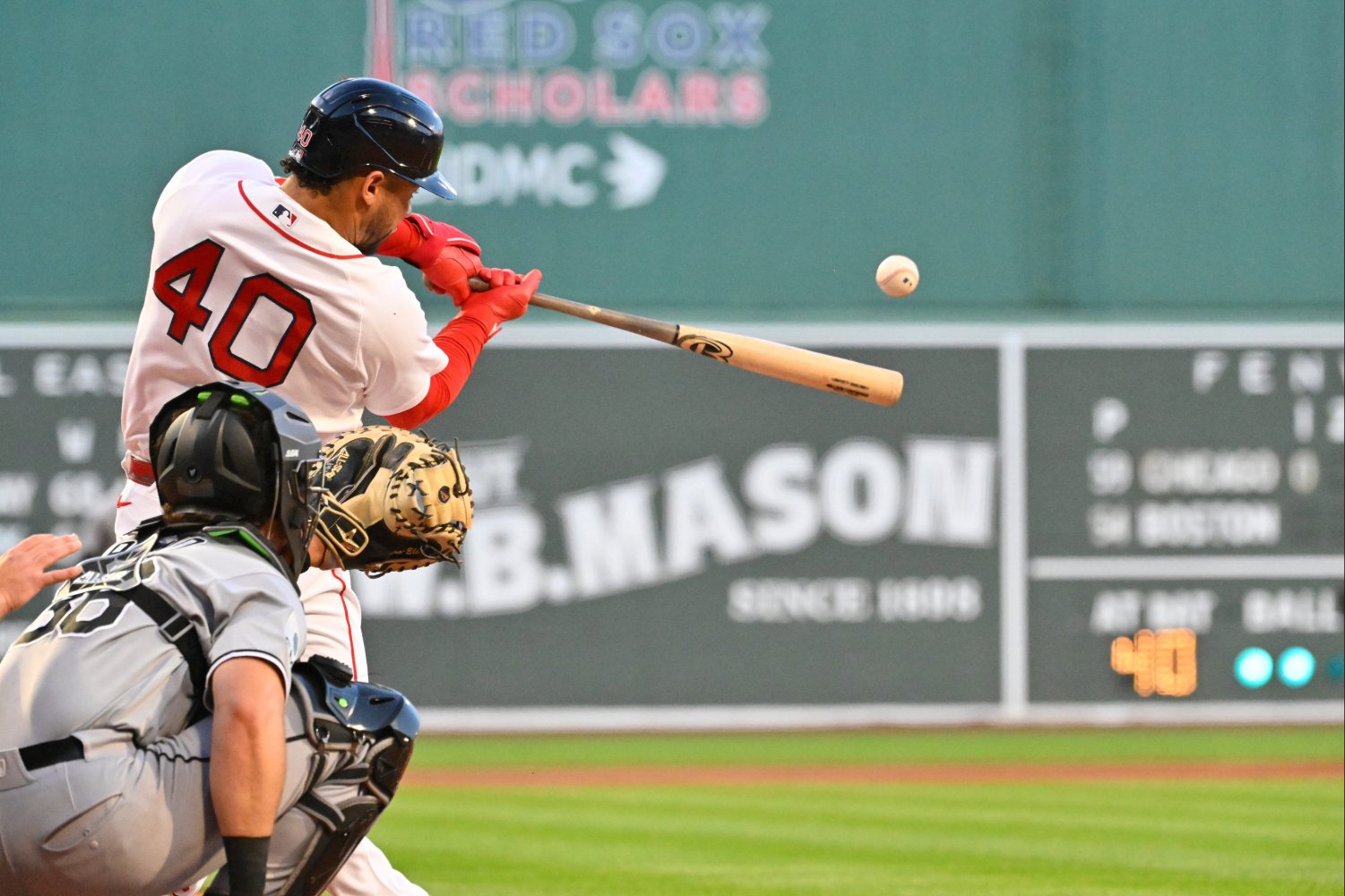 July was a month of extreme highs for the Boston Red Sox, something that very few of us would have predicted when the month started. On July 4, the team was 10 games below .500 and seemed like they had completely lost the plot. They looked uninspired after dropping an easily winnable series against the Rockies in Denver. Then, something changed. The team had an awful time getting back to Boston for a four-game series against the Yankees and it really seemed like something clicked on that return flight. They rattled off the best record in baseball over the month, including tying a franchise-high winning streak of 15 games. While the entire lineup contributed each game, there were three players who stood head and shoulders above the rest. Ranking Red Sox's Best Hitters In July #3. Caleb Durbin Arguably, there is no other member of the Boston Red Sox whose season mirrors the overall team. Durbin was awful for the first two months of his career and then magically, after dislocating his finger on a headfirst slide into first during the Rockies series, became a completely different hitter during the following Yankees series. In July, Durbin slashed .284/.382/.420 with a .360 wOBA, 128 wRC+, and a 0.9 fWAR. He slugged three home runs, scored 18 times, drove in nine runs, and swiped three bags. Those numbers, outside of his slash line, don’t scream top-three hitter, but if you watched the games then you saw the injection of energy that Durbin provided in July. He’s quickly become a fan favorite and it really seems like this offensive turnaround is something to buy into. That, combined with his Gold Glove-caliber defense, means that the hot corner has been settled for the foreseeable future in Boston. #2: Ceddanne Rafaela I’ll go ahead and tell you that less than a week into the month of August, you should expect to see this name at the top of the list at the end of this month. Rafaela has been on an absolute tear this summer and it seems to have been spurred by him finally making his first All-Star team. For the month of July, he slashed .303/.321/.523 with a .362 wOBA, a 129 wRC+, and a 1.2 fWAWR. To go along with that staggering line, he clobbered five home runs, scored 17 runs, drove in 19 runs, and swiped five bags. Rafaela is playing the best baseball of his career and has thrived as both the number two and number five hole hitter all summer. He’s still not drawing a ton of walks, working just a 2.7% walk rate in July, but he’s getting on base with the bat at such a clip that walks really don’t matter in his current offensive approach. He’s re-introduced a bit of his swing and miss back into his at-bats lately, but that problem hasn't been as egregious this season. While he’s coming through in clutch moments and hitting the ball hard, he hasn’t shied away from the small ball approach that the team has been using as of late either. He’s arguably the best center fielder in baseball and now that his bat is catching up to his defensive standing, he’s going to make the extension he signed continue to look like an absolute bargain. #1: Willson Contreras I’ve grown fond of calling Contreras the lifeblood of this team, and I’m going to continue to do so. He is the presence every contending squad needs. It’s obvious his teammates love him by how often you see guys like Rafaela, Wilyer Abreu, and even Roman Anthony around him. For July, he slashed .323/..488/.629 with a .475 wOBA, 208 wRC+, and a 1.1 fWAR. To go along with that, he hit five home runs, scored 14 times, drove in 14 runs, and even swiped a bag. He did all of that while being suspended for four games in the middle of the month to boot. While Durbin’s ascent to offensive workhorse has mirrored what the team has been doing, Contreras has been better than advertised since day one. He is the absolute perfect fit at first base for this team and even said he wants to remain in Boston for the rest of his career. If he keeps hitting like this, I think it's safe to say we all want the same.
 -
The Boston Red Sox have acquired catcher Adley Rutschman from the AL East division rival Baltimore Orioles. In a blockbuster move that indicates that Craig Breslow and Fenway Sports Group are serious about winning this season. It’s difficult to trade for a catcher in the middle of the season and have them mesh with your pitching staff, but out of all the available catchers on the market, Rutschman is far more familiar with the Red Sox’s rotation and bullpen than any other option the team could have brought in. While there’s a lot to love about Rutschman’s profile, there are a few questions as well. Let’s dive into it. The Good About Rutschman As I wrote a couple of weeks ago, Adley Rutschman is the most all-around catcher available on the trade market. I assumed that the price to bring him to Boston would be more than Breslow wanted to pay, but I’m glad to say I was wrong. In that piece, I explored what Red Sox fans would love about Rutschman, and all of that information still rings true. Offensively, he’s slashing .251/.331/.433 with a .333 wOBA, 115 wRC+, and a 2.3 fWAR. He has eight home runs and 47 RBIs during his injury-shortened 2026 season. He’s a switch hitter that features power from both sides of the plate, but he does tap into it a bit more from the left-handed side, with five home runs and a .462% slug from the left versus three home runs and a .385% slug from the right. His home spray chart doesn’t scream immediate success at Fenway Park, but his offensive profile offers a lot to be excited about. While it’s unlikely Rutschman will live up to the hype he carried when he was breaking into the league, he’s still an incredible talent and has put up numbers at Fenway during his career. He’s slashed .275/.344/.400 and a .326 wOBA when the O’s came to town. If we combine that with his Savant page, we see a hitter who, when healthy, is going to absolutely rake from both sides of the plate. He has an incredible strikeout percentage, draws a ton of walks, and gets on base at a clip that is rare for most catchers. In addition to that, his Pull AIR% is top ten in the league at 19.3%, and that should only go up as he gets more comfortable hitting at Fenway Park. Once he’s in the lineup, he’s going to provide a positive spark whenever he hits. What likely made Breslow incredibly comfortable with trading for Rutschman, though, is his ability behind the dish. He grades out at the top of the league in almost every catching category, except pop time. He’s the best in the league at catching runners when they attempt to steal bases, his framing is top-notch, and his blocking ability is underrated. It’s going to take him a bit of time to get comfortable with the pitching staff, but he’s a top-of-the-league catcher, so he’s going to adapt to a new pitching staff very quickly. The Not-So-Bad But Concerning About Rutschman Adley has an injury history that should give people a bit of a pause for concern. Just this season, he’s been on the injured list with a hamstring injury, a concussion, and he’s currently about to start a rehab assignment for an injury to his left wrist. Historically, he has had a back injury in 2024, a head injury in 2025, two oblique injuries in 2025, an abdomen injury in 2025, and an ankle injury in 2025. He doesn’t have the ‘injury prone’ label, but there is a reason why the medical review was rumored to be the thing that was holding up the deal for a couple of hours. He’s likely a week or two out from his Red Sox debut, but that also worked out pretty well last time the team acquired an injured, middle of the order type bat in 2021 in Kyle Schwarber. That being said, there’s not much to dislike about this move. So that begs the question, why would the Red Sox feel the need to pay such a high premium to acquire him? It’s a fairly simple explanation: elite, franchise cornerstone catchers don’t grow on trees. Rutschman is a potentially franchise-altering addition, playing for an organization that didn't seem to fully buy into his talent and abilities. Putting him in Boston, a team that is on the hottest streak in the league, and letting him eat at Fenway is going to be a huge boon to his numbers as he settles in. The addition of Adley Rutschman proves that this team is in win-now mode and wants to compete for a World Series title this season. It’s fair to wonder if the team hadn’t swept the Dodgers, if they would have made this move, but we should all be glad they did. Now, the only order of business left is for them to start talking extensions with their newly acquired catcher. View full article
-
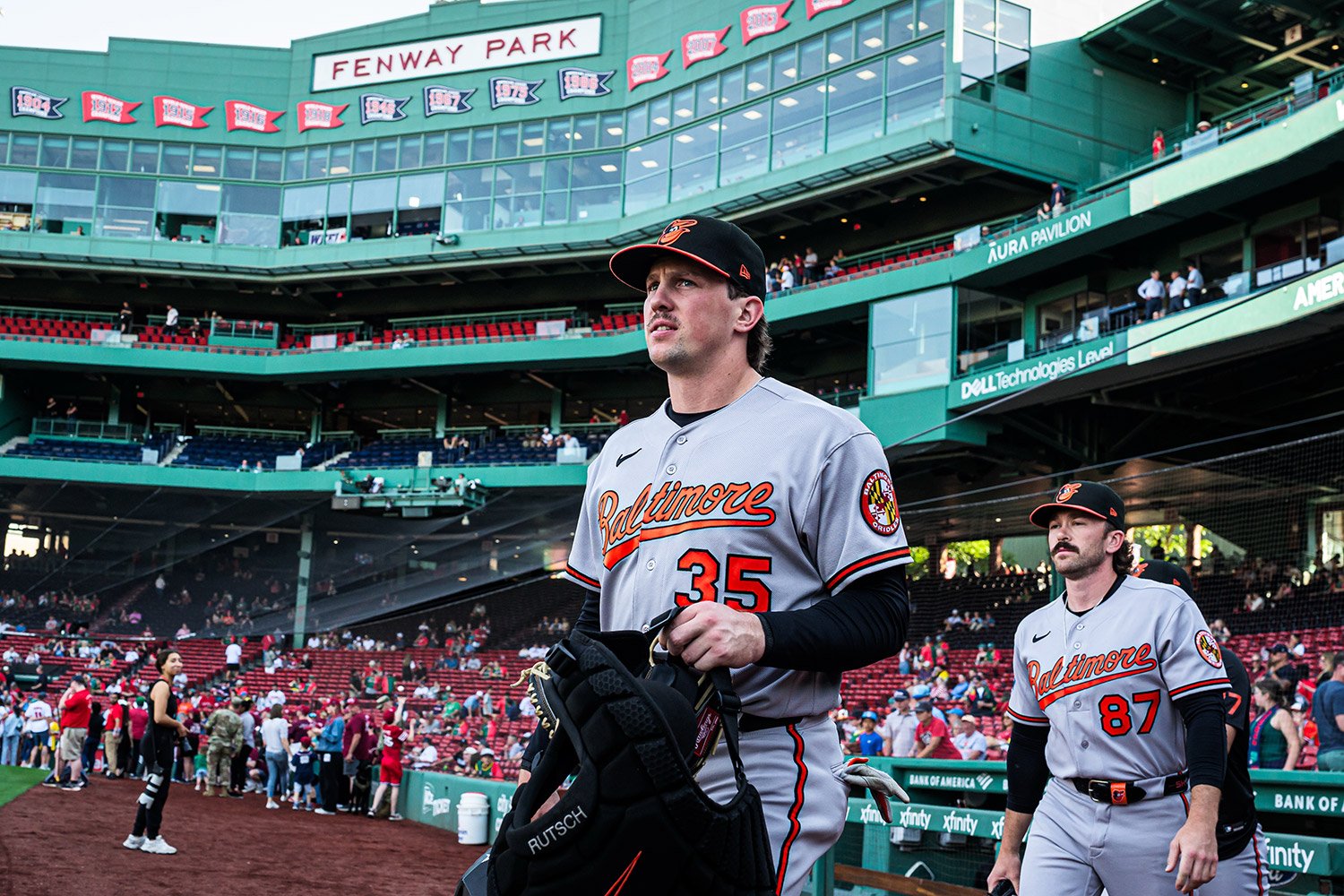 The Boston Red Sox have acquired catcher Adley Rutschman from the AL East division rival Baltimore Orioles. In a blockbuster move that indicates that Craig Breslow and Fenway Sports Group are serious about winning this season. It’s difficult to trade for a catcher in the middle of the season and have them mesh with your pitching staff, but out of all the available catchers on the market, Rutschman is far more familiar with the Red Sox’s rotation and bullpen than any other option the team could have brought in. While there’s a lot to love about Rutschman’s profile, there are a few questions as well. Let’s dive into it. The Good About Rutschman As I wrote a couple of weeks ago, Adley Rutschman is the most all-around catcher available on the trade market. I assumed that the price to bring him to Boston would be more than Breslow wanted to pay, but I’m glad to say I was wrong. In that piece, I explored what Red Sox fans would love about Rutschman, and all of that information still rings true. Offensively, he’s slashing .251/.331/.433 with a .333 wOBA, 115 wRC+, and a 2.3 fWAR. He has eight home runs and 47 RBIs during his injury-shortened 2026 season. He’s a switch hitter that features power from both sides of the plate, but he does tap into it a bit more from the left-handed side, with five home runs and a .462% slug from the left versus three home runs and a .385% slug from the right. His home spray chart doesn’t scream immediate success at Fenway Park, but his offensive profile offers a lot to be excited about. While it’s unlikely Rutschman will live up to the hype he carried when he was breaking into the league, he’s still an incredible talent and has put up numbers at Fenway during his career. He’s slashed .275/.344/.400 and a .326 wOBA when the O’s came to town. If we combine that with his Savant page, we see a hitter who, when healthy, is going to absolutely rake from both sides of the plate. He has an incredible strikeout percentage, draws a ton of walks, and gets on base at a clip that is rare for most catchers. In addition to that, his Pull AIR% is top ten in the league at 19.3%, and that should only go up as he gets more comfortable hitting at Fenway Park. Once he’s in the lineup, he’s going to provide a positive spark whenever he hits. What likely made Breslow incredibly comfortable with trading for Rutschman, though, is his ability behind the dish. He grades out at the top of the league in almost every catching category, except pop time. He’s the best in the league at catching runners when they attempt to steal bases, his framing is top-notch, and his blocking ability is underrated. It’s going to take him a bit of time to get comfortable with the pitching staff, but he’s a top-of-the-league catcher, so he’s going to adapt to a new pitching staff very quickly. The Not-So-Bad But Concerning About Rutschman Adley has an injury history that should give people a bit of a pause for concern. Just this season, he’s been on the injured list with a hamstring injury, a concussion, and he’s currently about to start a rehab assignment for an injury to his left wrist. Historically, he has had a back injury in 2024, a head injury in 2025, two oblique injuries in 2025, an abdomen injury in 2025, and an ankle injury in 2025. He doesn’t have the ‘injury prone’ label, but there is a reason why the medical review was rumored to be the thing that was holding up the deal for a couple of hours. He’s likely a week or two out from his Red Sox debut, but that also worked out pretty well last time the team acquired an injured, middle of the order type bat in 2021 in Kyle Schwarber. That being said, there’s not much to dislike about this move. So that begs the question, why would the Red Sox feel the need to pay such a high premium to acquire him? It’s a fairly simple explanation: elite, franchise cornerstone catchers don’t grow on trees. Rutschman is a potentially franchise-altering addition, playing for an organization that didn't seem to fully buy into his talent and abilities. Putting him in Boston, a team that is on the hottest streak in the league, and letting him eat at Fenway is going to be a huge boon to his numbers as he settles in. The addition of Adley Rutschman proves that this team is in win-now mode and wants to compete for a World Series title this season. It’s fair to wonder if the team hadn’t swept the Dodgers, if they would have made this move, but we should all be glad they did. Now, the only order of business left is for them to start talking extensions with their newly acquired catcher.
 -
We are going live in just a few minutes over on our YouTube channel. Come hang out and listen to us try and navigate what just happened! https://www.youtube.com/@TalkSox/streams
-
Boston Red Sox Weekly Snapshot Record Last Week: 6-1 Runs Scored Last Week: 36 Runs Surrendered Last Week: 22 Standings 3rd in AL East 5.5 GB First Place 2nd in AL Wild Card 3 GB First Place Transactions 07/27/26: Boston Red Sox optioned SS Tsung-Che Cheng to Worcester Red Sox. 07/27/26: Boston Red Sox activated 3B Curtis Mead. 07/29/26: Boston Red Sox recalled 3B Nick Sogard from Worcester Red Sox. 07/29/26: Boston Red Sox placed 3B Curtis Mead on the 10-day injured list retroactive to July 28, 2026. Left wrist fracture. 08/01/26: Boston Red Sox traded LHP Jojo Ingrassia to Detroit Tigers. Scores Game 105: BOS 4, SAC 2 Game 106: BOS 3, SAC 4 Game 107: BOS 4, SAC 2 Game 108: BOS 5, SAC 4 Game 109: BOS 9, LAD 4 Game 110: BOS 3, LAD 2 Game 111: BOS 8, LAD 4 Series Breakdown/Highlights A’s Series: It’s safe to say this series could also be called the ‘Red Sox Couldn’t See Until the Sixth Inning’ series. I don’t think I’ve ever seen a team go from completely cold through the first half of each game of a four-game series to catching fire to close them out like this. In game one, Payton Tolle continued his post-All Star-Break run of good but not great starts. He tossed 5.1 innings, giving up three earned runs while walking one and striking out seven. His start to the season was so electric that it’s maybe easy to get disappointed in these types of outings for him, but he’s blowing past his career high in innings and navigating that while helping lead the team to, hopefully, a playoff appearance come October. This version of Tolle isn’t what we saw earlier but it’s more than serviceable and gives us hope that he can take the next step to becoming the ace he seems primed to be. Behind Tolle, Justin Slaten, Jovani Moran, Garrett Whitlock, and Aroldis Chapman finished out the game. On the offensive side, Ceddanne Rafaela provided all of the firepower with a ‘Sacramento Grand Slam’ that just barely cleared the wall in left field. He was so sure it was a fly out, slamming his bat in frustration before he was able to celebrate as he rounded first base. In game two, Jake Bennett followed Tolle’s lead by having a good, but not great, start in Sac-Town. He tossed 6.1 innings of three-run baseball while walking two and striking out four. Behind him, Ryan Watson and Moran worked to keep the Sox in it but Watson allowed another earned run so the rally in the ninth inning would come up short. To further echo the Tolle comp, there’s little reason to worry as Bennett figures out the life of a major-league starter. On offense, Connor Wong contributed two RBIs on one home run and Wilyer Abreu drove a run in as well. Game three saw the Sox get back to their winning ways behind Patrick Sandoval on the mound. He tossed five innings of two-run, seven-strikeout baseball. Chad Tracy seemed to pull all the right levers in the bullpen for this one with Tyron Guerrero, Slaten, Whitlock, Chapman, and Greg Weissert all coming in in relief. Newcomer Jahmai Jones contributed one RBI on a home run and Nick Sogard added another as well. In extras, Andruw Monasterio clobbered a two-run home run that put the Sox in front for good. Game four was more of the same. Sonny Gray started off the game very shaky, but settled in through seven innings. He allowed four earned runs on seven hits while striking out five. Weissert and Chapman came in and worked clean to close out the game, even if Chapman did get lucky on a Lawrence Butler double (that looked like a home run and should have been a triple if Butler was legging it out of the box). On the offensive side, this was the game that people kept talking about but mainly because of an interaction between Jarren Duran, Willson Contreras, and third base coach Chad Epperson that the team has mostly swept under the rug. Rafaela and Monasterio both provided RBIs but the big swings of the game belonged to Abreu and Contreras on back-to-back home runs that put the Red Sox in the lead for good. Dodgers Series: The Red Sox were hoping to ride the wave of wins from Sacramento but knew they were in for a tall task as they prepared for the Los Angeles Dodgers, the best team in baseball. In game one, the Dodgers decided to run with a bullpen game while the Red Sox had southpaw Ranger Suarez on the bump. Suarez operated on a pitch count like he has in every start since coming off the injured list last month. He tossed 4.2 innings of three-run, two-strikeout baseball before being replaced by Moran, who didn’t look stellar. Bullpen superstar Brayan Bello entered into the game after that and shined, again. He tossed four scoreless innings en route to the win. What his performance out of the bullpen did, more than anything else, was save a taxed bullpen a night of work. On offense, Rafaela continued his hot streak with a home run and two RBIs. Also driving in runs were Masataka Yoshida, Carlos Narvaez, Duran, and Monasterio. Game two was penciled in to be must-see TV with Tolle on the bump for the Sox and superstar Yoshinobu Yamamoto standing opposite him. Tolle looked like the bright LA spotlight didn’t impact him at all as he threw six innings and allowed just two runs against a lineup that was ready to redeem themselves from the night before. Slaten, Guerrero, and Chapman all shut the door for the Sox win to take the series. On the offensive side of the baseball, Rafaela was the story once again. He took Yamamoto deep twice, and almost three times, off two splitters. Going into the game, Yamamoto had given up only one home run on his splitter all season and Rafaela got him for two in back-to-back at-bats. The other run came after a Monasterio double, a Duran bunt that was perfectly placed, and a Connor Wong double play that plated Monasterio for the final run. Game three saw Bennett get the ball for the Sox on Sunday Night Baseball. While the defense let him down early, he settled in nicely. He went 5.2 innings and gave up three earned runs. Like Tolle, he didn’t seem to be too bothered by the pressure of pitching against the best team in baseball on a national stage. Slaten worked his way out of an inherited jam to close out the sixth inning cleanly. Guerrero allowed a run in his one inning of work but Moran, Weissert, and Whitlock all worked clean to close the game and secure the sweep. Stop me if you’ve heard this one before, but Rafaela homered. Along with that, Abreu, Duran, and Yoshida all sent the ball over the wall as well. On top of that, Duran laid down another excellent sacrifice bunt to move Durbin and Monasterio up a base each, which allowed Durbin to score on a wild pitch while Anthony Seigler was pinch hitting. The Red Sox came into L.A. looking to keep rolling and did so in incredible fashion. If this team can add a legitimate bat at the deadline, the league will be put on notice. Website Highlights Three Veteran Starters Red Sox Should Target to Fill Innings Gap at Trade Deadline by Nick John Sending Out an SOS to Craig Breslow to Fulfill Red Sox’s Newest Trade Deadline Need by Ryan Salvaggio How is it Possible that Red Sox’s Medical Staff Can’t Accurately Diagnose Its Own Players? by Maddie Landis CJ Abrams Gives Red Sox Every Reason to Go Back to Nationals Trade Well by Alex Mayes Looking Ahead 08/03/26: Off Day, Trade Deadline 6 PM EDT 08/04/26: White Sox @ Red Sox: 7:10 PM EDT 08/05/26: White Sox @ Red Sox 7:10 PM EDT 08/06/26: White Sox @ Red Sox: 7:10 PM EDT 08/07/26: A’s @ Red Sox: 7:10 PM EDT 08/08/26: A’s @ Red Sox: 4:10 PM EDT 08/09/26: A’s @ Red Sox: 1:35 PM EDT View full article
-
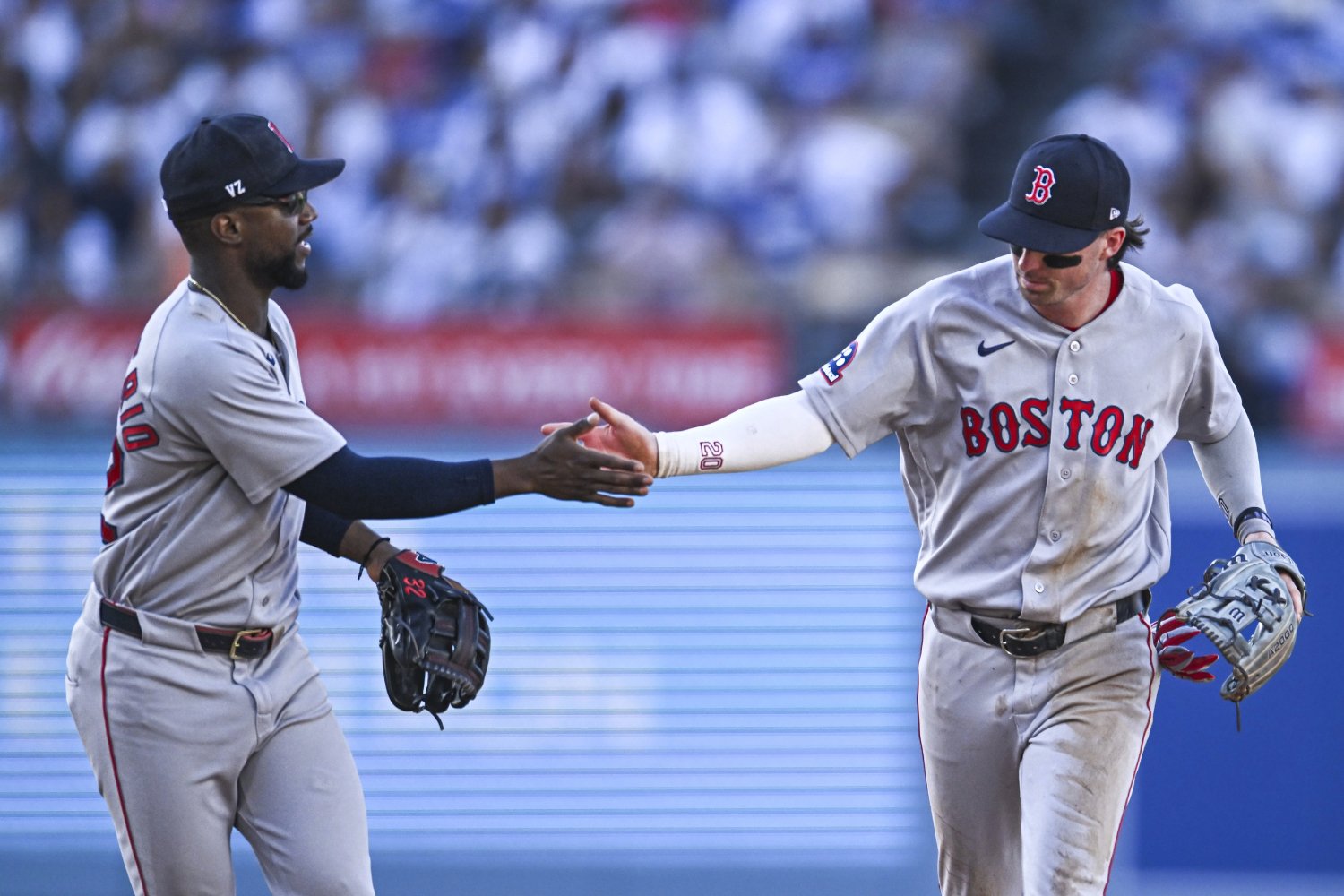 Boston Red Sox Weekly Snapshot Record Last Week: 6-1 Runs Scored Last Week: 36 Runs Surrendered Last Week: 22 Standings 3rd in AL East 5.5 GB First Place 2nd in AL Wild Card 3 GB First Place Transactions 07/27/26: Boston Red Sox optioned SS Tsung-Che Cheng to Worcester Red Sox. 07/27/26: Boston Red Sox activated 3B Curtis Mead. 07/29/26: Boston Red Sox recalled 3B Nick Sogard from Worcester Red Sox. 07/29/26: Boston Red Sox placed 3B Curtis Mead on the 10-day injured list retroactive to July 28, 2026. Left wrist fracture. 08/01/26: Boston Red Sox traded LHP Jojo Ingrassia to Detroit Tigers. Scores Game 105: BOS 4, SAC 2 Game 106: BOS 3, SAC 4 Game 107: BOS 4, SAC 2 Game 108: BOS 5, SAC 4 Game 109: BOS 9, LAD 4 Game 110: BOS 3, LAD 2 Game 111: BOS 8, LAD 4 Series Breakdown/Highlights A’s Series: It’s safe to say this series could also be called the ‘Red Sox Couldn’t See Until the Sixth Inning’ series. I don’t think I’ve ever seen a team go from completely cold through the first half of each game of a four-game series to catching fire to close them out like this. In game one, Payton Tolle continued his post-All Star-Break run of good but not great starts. He tossed 5.1 innings, giving up three earned runs while walking one and striking out seven. His start to the season was so electric that it’s maybe easy to get disappointed in these types of outings for him, but he’s blowing past his career high in innings and navigating that while helping lead the team to, hopefully, a playoff appearance come October. This version of Tolle isn’t what we saw earlier but it’s more than serviceable and gives us hope that he can take the next step to becoming the ace he seems primed to be. Behind Tolle, Justin Slaten, Jovani Moran, Garrett Whitlock, and Aroldis Chapman finished out the game. On the offensive side, Ceddanne Rafaela provided all of the firepower with a ‘Sacramento Grand Slam’ that just barely cleared the wall in left field. He was so sure it was a fly out, slamming his bat in frustration before he was able to celebrate as he rounded first base. In game two, Jake Bennett followed Tolle’s lead by having a good, but not great, start in Sac-Town. He tossed 6.1 innings of three-run baseball while walking two and striking out four. Behind him, Ryan Watson and Moran worked to keep the Sox in it but Watson allowed another earned run so the rally in the ninth inning would come up short. To further echo the Tolle comp, there’s little reason to worry as Bennett figures out the life of a major-league starter. On offense, Connor Wong contributed two RBIs on one home run and Wilyer Abreu drove a run in as well. Game three saw the Sox get back to their winning ways behind Patrick Sandoval on the mound. He tossed five innings of two-run, seven-strikeout baseball. Chad Tracy seemed to pull all the right levers in the bullpen for this one with Tyron Guerrero, Slaten, Whitlock, Chapman, and Greg Weissert all coming in in relief. Newcomer Jahmai Jones contributed one RBI on a home run and Nick Sogard added another as well. In extras, Andruw Monasterio clobbered a two-run home run that put the Sox in front for good. Game four was more of the same. Sonny Gray started off the game very shaky, but settled in through seven innings. He allowed four earned runs on seven hits while striking out five. Weissert and Chapman came in and worked clean to close out the game, even if Chapman did get lucky on a Lawrence Butler double (that looked like a home run and should have been a triple if Butler was legging it out of the box). On the offensive side, this was the game that people kept talking about but mainly because of an interaction between Jarren Duran, Willson Contreras, and third base coach Chad Epperson that the team has mostly swept under the rug. Rafaela and Monasterio both provided RBIs but the big swings of the game belonged to Abreu and Contreras on back-to-back home runs that put the Red Sox in the lead for good. Dodgers Series: The Red Sox were hoping to ride the wave of wins from Sacramento but knew they were in for a tall task as they prepared for the Los Angeles Dodgers, the best team in baseball. In game one, the Dodgers decided to run with a bullpen game while the Red Sox had southpaw Ranger Suarez on the bump. Suarez operated on a pitch count like he has in every start since coming off the injured list last month. He tossed 4.2 innings of three-run, two-strikeout baseball before being replaced by Moran, who didn’t look stellar. Bullpen superstar Brayan Bello entered into the game after that and shined, again. He tossed four scoreless innings en route to the win. What his performance out of the bullpen did, more than anything else, was save a taxed bullpen a night of work. On offense, Rafaela continued his hot streak with a home run and two RBIs. Also driving in runs were Masataka Yoshida, Carlos Narvaez, Duran, and Monasterio. Game two was penciled in to be must-see TV with Tolle on the bump for the Sox and superstar Yoshinobu Yamamoto standing opposite him. Tolle looked like the bright LA spotlight didn’t impact him at all as he threw six innings and allowed just two runs against a lineup that was ready to redeem themselves from the night before. Slaten, Guerrero, and Chapman all shut the door for the Sox win to take the series. On the offensive side of the baseball, Rafaela was the story once again. He took Yamamoto deep twice, and almost three times, off two splitters. Going into the game, Yamamoto had given up only one home run on his splitter all season and Rafaela got him for two in back-to-back at-bats. The other run came after a Monasterio double, a Duran bunt that was perfectly placed, and a Connor Wong double play that plated Monasterio for the final run. Game three saw Bennett get the ball for the Sox on Sunday Night Baseball. While the defense let him down early, he settled in nicely. He went 5.2 innings and gave up three earned runs. Like Tolle, he didn’t seem to be too bothered by the pressure of pitching against the best team in baseball on a national stage. Slaten worked his way out of an inherited jam to close out the sixth inning cleanly. Guerrero allowed a run in his one inning of work but Moran, Weissert, and Whitlock all worked clean to close the game and secure the sweep. Stop me if you’ve heard this one before, but Rafaela homered. Along with that, Abreu, Duran, and Yoshida all sent the ball over the wall as well. On top of that, Duran laid down another excellent sacrifice bunt to move Durbin and Monasterio up a base each, which allowed Durbin to score on a wild pitch while Anthony Seigler was pinch hitting. The Red Sox came into L.A. looking to keep rolling and did so in incredible fashion. If this team can add a legitimate bat at the deadline, the league will be put on notice. Website Highlights Three Veteran Starters Red Sox Should Target to Fill Innings Gap at Trade Deadline by Nick John Sending Out an SOS to Craig Breslow to Fulfill Red Sox’s Newest Trade Deadline Need by Ryan Salvaggio How is it Possible that Red Sox’s Medical Staff Can’t Accurately Diagnose Its Own Players? by Maddie Landis CJ Abrams Gives Red Sox Every Reason to Go Back to Nationals Trade Well by Alex Mayes Looking Ahead 08/03/26: Off Day, Trade Deadline 6 PM EDT 08/04/26: White Sox @ Red Sox: 7:10 PM EDT 08/05/26: White Sox @ Red Sox 7:10 PM EDT 08/06/26: White Sox @ Red Sox: 7:10 PM EDT 08/07/26: A’s @ Red Sox: 7:10 PM EDT 08/08/26: A’s @ Red Sox: 4:10 PM EDT 08/09/26: A’s @ Red Sox: 1:35 PM EDT
 -
Zach Neto to Boston? How the Red Sox could make a splash at the trade deadline
Alex Mayes commented on Chris Venegas's blog entry in Don’t Forget Your Sox
We'll be live on our YouTube channel, YouTube.com/@talksox from around 6:30 pm EST until we run out of things to talk about, haha. If you can't make that, we typically make a post in the forums portion of the site asking for listener questions that we answer during our usual recording sessions every Sunday or Monday night. Always feel free to submit questions and comments there and we'll talk through them on each episode. Happy early birthday! -
Hello for this week! In case you didn't catch it on the most recent episode of the podcast @Maddie Landis and I are going to do a livestream on Monday, 8/3 instead of a recorded podcast. It will be focused on the trade deadline moves/non-moves so instead of questions on here, jump into the comments during the livestream and we'll answer them while we're live! We'll go live around 6:30 pm EST on Monday, 8/3. The feed will be live on our YouTube channel so we hope to see you there!
-
Zach Neto to Boston? How the Red Sox could make a splash at the trade deadline
Alex Mayes commented on Chris Venegas's blog entry in Don’t Forget Your Sox
Also forgot to say, welcome to Talk Sox! I'm looking forward to chatting with you through the comments on articles! If you're a podcast listener, I co-host the Talk Sox Podcast and we'd love for you to get involved with our livestream next Monday after the trade deadline! -
Zach Neto to Boston? How the Red Sox could make a splash at the trade deadline
Alex Mayes commented on Chris Venegas's blog entry in Don’t Forget Your Sox
Absolutely. Any fan who stoops to that level should be banned from all MLB stadiums for life. I’m probably the one who has been most vocal about my desire to move Duran on here for the better part of two years, but it’s solely because I thought they should sell high before the inevitable downward turn happened. Now that his value is in the toilet, he’s likely not going anywhere. It’s going to take a lot for him to even be a league average player and I just don’t think Boston is where he can do it.