Nick John
-
Posts
799 -
Joined
-
Last visited
-
Days Won
1
Content Type
Profiles
Boston Red Sox Videos
2026 Boston Red Sox Top Prospects Ranking
Boston Red Sox Free Agent & Trade Rumors, Notes, & Tidbits
Guides & Resources
2025 Boston Red Sox Draft Pick Tracker
News
2026 Boston Red Sox Draft Tracker: Picks & Bonuses
Forums
Blogs
Events
Store
Downloads
Gallery
Everything posted by Nick John
-
Like always, the Rule 5 Draft took place on the final day of the 2025 Winter Meetings. As expected, the Boston Red Sox were active during the selection process, selecting an intriguing potential bullpen option while also losing one of their more notable prospects. Right as the draft started, the Red Sox saw 21-year-old Jedixson Paez selected by the Chicago White Sox as the second overall pick. This is the second time in three years that the White Sox have poached a pitcher from the Red Sox, the last time being Shane Drohan during the 2023 Rule 5 Draft. Drohan was returned to the Red Sox and this offseason was added to the team’s 40-man roster. Paez signed with the team as an international free agent out of Venezula in 2021 and looked to be an interesting young prospect, as he made it to Salem by 2023 when he was just 19 years old. Paez was known for his ability to repeat his delivery along with his command and control of his pitches, allowing him to limit walks. A five-pitch repertoire was made up of his fastball, cutter, changeup, slider and curveball, with his changeup and slider being his two best pitches. His fastball, on the other hand, held him back at times due to its low velocity. Topping out at just 94 mph, he struggled to miss bats with it despite an advanced feel for the pitch. During his time in the Red Sox organization, Paez pitched in 73 games, making 58 starts and tossing 307 2/3 innings. Going 17-15, he had a career 3.22 ERA along with 307 strikeouts and just 49 walks. Paez also missed most of the 2025 season due to a severe right calf strain that led to him to making just seven starts. On the flip side, coming to the Red Sox is 28-year-old Ryan Watson, who was selected by the Athletics with the eighth overall pick in the Rule 5 Draft. The Red Sox made a deal with the Athletics, shipping infielder Justin Riemer to them in return for Watson according to MassLive's Chris Cotillo. Watson was originally drafted in the 39th round of the 2016 draft by the Los Angeles Dodgers, but instead went to college where he pitched four years for Auburn and went undrafted in the shortened 2020 draft. He would go on to sign as a non-drafted free agent with the Baltimore Orioles and would make his way up to Triple-A with them before being traded to the San Francisco Giants in August of 2024. This isn't the first time Craig Breslow showed interest in him, as Breslow attempted to acquire him during the 2025 season. Watson stands at 6-foot-5 and has a fastball that can touch 97 mph. To round out his repertoire are four more pitches in the form of a slider, curveball, sinker and splitter. As you may have guessed, his extension off the mound stands out, being close to seven feet. His main three pitches are the fastball, slider and curveball making up 93.2% of his pitches thrown in 2025, though against right-handed batters he was mainly a fastball-slider pitcher. Watson spent the entire 2025 season with Triple-A Sacramento where he appeared in 46 games, finishing 33 of them and earning nine saves. He tossed 50 2/3 innings, striking out 64 batters and walking just 16. He also managed to keep the ball in the park, allowing just five home runs. Perhaps mostly importantly, he had a 28.3% strikeout rate for the season and got batters to chase on 30.6% of his pitches thrown out of the zone. Add to it a 28.5% whiff rate, and he begins to look like an intriguing option for one of the last spots in the Opening Day bullpen. For those wondering, Reimer was drafted by the Red Sox in the fourth round of the 2023 draft and can play second base, third base and shortstop, though he is a light hitter. In 120 career games between the Rookie Complex League, High-A, and Double-A, Reimer hit a combined .239/.418/.287 with 12 doubles, one triple, one home run and 25 RBIs. He also struck out 89 times compared to 98 walks. In the Triple-A portion of the Rule 5 Draft, the Red Sox saw three pitchers — Eybersson Polanco, Alvaro Mejias, and Jonathna Brand — taken by the Los Angeles Angels, Tampa Bay Rays, and Texas Rangers, respectively. The Red Sox selected left-handed pitcher Caden Vire from Milwaukee, first baseman/outfielder Matt Lloyd from St. Louis, and catcher Raudelis Martinez from the Tampa Bay Rays. With the Winter Meetings wrapping up, the Red Sox may not have made the moves people wanted, but they still got potentially better than they were prior to arrival. Watson should be an intriguing option out of Alex Cora’s bullpen should he win a spot in it. The Red Sox's 40-man roster is now full. View full article
-
The Rule 5 Draft will take place later today, December 10, at the conclusion of the Winter Meetings. With it comes an opportunity for teams to poach talented minor league players from their competition. For the players selected, it allows them an opportunity that may not have been reachable with their former organization. The Boston Red Sox have been on the receiving end of both outcomes, having lost players due to the draft while also significantly improving their roster because of it. Taking a look back at every Rule 5 Draft in the past 10 years, Boston has selected four players — two infielders and two pitchers. All four players were influential in their own ways in Boston, with infielder Jonathan Araúz arguably being the worst of them depending on who you ask. The first of the four, Josh Rutledge, had been a part of the Red Sox organization prior to being selected. He was acquired in a July 2015 trade for Shane Victorino and appeared in 39 games before being outrighted off the roster. Rutledge would go on to sign a minor-league deal with the Colorado Rockies. only to then be selected by the Red Sox in the Rule 5 Draft. Overall, Rutledge would go on to play in 104 games across three seasons where he hit .252/.319/.313 with nine doubles, a triple, one home run and 22 RBIs. Defensively, Rutledge found playing time all around the diamond but was mainly used at third base and second base by the Red Sox. After the 2017 season, the team allowed him to become a free agent where he would go on to sign with the San Francisco Giants. The other infielder was Jonathan Araúz, who, at the time, was the Houston Astros’ 25th-ranked prospect by MLB Pipeline. Just 20 years old, Araúz was coming off a season that saw him hit .249/.319/.388 with a .707 OPS between High-A and Double-A. The Red Sox liked what they saw and picked in the Rule 5 Draft. Fortunately for them, the Covid-shortened 2020 season made it easy to keep him on the active roster for the entire season. Appearing in 25 games, Araúz wound up hitting .250/.325/.319 with a .644 OPS as a 21-year-old. He also had two doubles, one home run and nine RBIs. His time with Boston was not for long, spending most of the 2021 season in Triple-A where he provided depth for the major-league club. In 28 games with Boston in 2021, Araúz slashed just .185/.274/.369 with three doubles and three home runs to go along with eight RBIs. Though, Araúz did deliver what may have been one of the biggest hits in the second half of the 2021 season in a late-August game against the Cleveland Guardians. In need of the win, Araúz wound up hitting a three-run home run that gave the Red Sox the lead and eventually the game. He would go on to play in just six games with Boston in 2022 before being released, bringing his time with Boston to 59 games across three seasons for a stat line of .204/.280/.320 with a .600 OPS along with five doubles, four home runs and 18 RBIs. Defensively, he mainly played second base or shortstop but did have a few appearances at third base. However, it was the 2020 offseason that saw the Red Sox have their best Rule 5 selection of the bunch, as the team selected a starting pitcher from the Yankees who had injury issues. That pitcher was Garrett Whitlock, whom the team transformed into a key reliever in his rookie season. That year, Whitlock was a big part of why the Red Sox made it back to the postseason, anchoring the backend of the bullpen and being an arm that could get the ball to closer Matt Barnes. Overall, he went 8-4 with 14 holds and two saves in 46 appearances. He threw 73 1/3 innings out of the pen and struck out 81 batters. And after a few injury-filled years after trying to convert back to starting, Whitlock was back to his old self in 2025 as he appeared in 62 games, tossing 72 innings and striking out 91 batters. Whitlock in his five seasons with Boston has gone 25-14 with a 3.13 ERA in 165 appearances, 23 of them starts. He’s tossed 313 2/3 innings and struck out 343 batters. He’ll be looked to as a key figure in the bullpen for the 2026 season. The other prominent reliever that the Red Sox got through the draft was Justin Slaten, a key piece of the bullpen since his rookie season in 2024 where he appeared in 44 games and went 6-2 with a 2.93 ERA. He would throw 55 1/3 innings and strike out 58 batters proving himself to be a reliable option for manager Alex Cora. His sophomore season may not have looked as good on paper, but Slaten’s numbers were hampered by a couple bad outings in April along with some missed time due to injury. In 2025, he only appeared in 36 games because of that, tossing 34 innings and striking out just 25 batters while having an ERA of 4.24. Now healthy, Slaten will look to repeat his 2024 season and continue to build off of his first two years in Boston. Taking that into consideration, should the Red Sox draft someone on Wednesday (which isn’t a guarantee at the moment), the team could likely turn towards someone they deem as a potential impact arm or even a multi-position player. As an organization, the team has developed an affinity for versatility up and down the roster. With the way the roster is currently constructed, the Red Sox have limited options for their corner infield positions and could look for a potential diamond in the rough to fill out the back of their bench, especially if the player has showcased some in-game power. Of the players who could likely come off the bench, Nick Sogard, David Hamilton and Nate Eaton are not known for their power, and it’s very likely that Romy González could be in the starting lineup based on how the rest of the offseason plays out. With that said, the Red Sox could look to a young, versatile player to help fill out the end of their bench. Now, a potential option should he fall to the Red Sox could be their very own former prospect, Blaze Jordan. Traded to the Cardinals, Jordan struggled with Memphis after a very impressive season in the Boston organization. After hitting .198/.242/.366 with the Redbirds, the Cardinals did not add him to their 40-man roster to protect him. Jordan has potential game-altering power as he’s hit double-digit home runs in every season he’s been healthy. He has a keen eye and understands the strike zone as he only struck out in 60 at-bats last season. Should the Red Sox choose to target an arm, they could choose to go after Chicago White Sox prospect Peyton Pallette. Pallette fits the mold of both Whitlock and Slaten, being a pitcher who has a strong fastball, as it sat 94-96 mph last season. It was part of a repertoire that includes a high-spin curveball that was consistently north of 3000 rpms with break that sees it fall right off the table. He also threw a changeup that had a 50.8% whiff rate during his time in Triple-A in 2025. To compare his curve to Slaten’s, Pallette gets almost 300 more rpm than Slaten does on his. Thanks to those three pitches, Pallette posted a career-high 12.0 strikeouts per nine innings last season between Double-A and Triple-A. The Red Sox do have an open spot on their 40-man roster after trading Vaughn Grissom to the Los Angeles Angels, so they can make one pick in the Rule 5 Draft as things currently stand. However, since the draft order goes from the worst record to the best, there is a chance the Red Sox might have to trade for the player much like they did with Slaten (who was actually selected by the Mets as part of a trade with the Red Sox for 2023 10th-round draft pick Ryan Ammons and cash considerations). The Red Sox have a lot of planning to do as the Winter Meetings come to a close, and that begins with how they choose to approach the Rule 5 Draft. View full article
-
 The Rule 5 Draft will take place later today, December 10, at the conclusion of the Winter Meetings. With it comes an opportunity for teams to poach talented minor league players from their competition. For the players selected, it allows them an opportunity that may not have been reachable with their former organization. The Boston Red Sox have been on the receiving end of both outcomes, having lost players due to the draft while also significantly improving their roster because of it. Taking a look back at every Rule 5 Draft in the past 10 years, Boston has selected four players — two infielders and two pitchers. All four players were influential in their own ways in Boston, with infielder Jonathan Araúz arguably being the worst of them depending on who you ask. The first of the four, Josh Rutledge, had been a part of the Red Sox organization prior to being selected. He was acquired in a July 2015 trade for Shane Victorino and appeared in 39 games before being outrighted off the roster. Rutledge would go on to sign a minor-league deal with the Colorado Rockies. only to then be selected by the Red Sox in the Rule 5 Draft. Overall, Rutledge would go on to play in 104 games across three seasons where he hit .252/.319/.313 with nine doubles, a triple, one home run and 22 RBIs. Defensively, Rutledge found playing time all around the diamond but was mainly used at third base and second base by the Red Sox. After the 2017 season, the team allowed him to become a free agent where he would go on to sign with the San Francisco Giants. The other infielder was Jonathan Araúz, who, at the time, was the Houston Astros’ 25th-ranked prospect by MLB Pipeline. Just 20 years old, Araúz was coming off a season that saw him hit .249/.319/.388 with a .707 OPS between High-A and Double-A. The Red Sox liked what they saw and picked in the Rule 5 Draft. Fortunately for them, the Covid-shortened 2020 season made it easy to keep him on the active roster for the entire season. Appearing in 25 games, Araúz wound up hitting .250/.325/.319 with a .644 OPS as a 21-year-old. He also had two doubles, one home run and nine RBIs. His time with Boston was not for long, spending most of the 2021 season in Triple-A where he provided depth for the major-league club. In 28 games with Boston in 2021, Araúz slashed just .185/.274/.369 with three doubles and three home runs to go along with eight RBIs. Though, Araúz did deliver what may have been one of the biggest hits in the second half of the 2021 season in a late-August game against the Cleveland Guardians. In need of the win, Araúz wound up hitting a three-run home run that gave the Red Sox the lead and eventually the game. He would go on to play in just six games with Boston in 2022 before being released, bringing his time with Boston to 59 games across three seasons for a stat line of .204/.280/.320 with a .600 OPS along with five doubles, four home runs and 18 RBIs. Defensively, he mainly played second base or shortstop but did have a few appearances at third base. However, it was the 2020 offseason that saw the Red Sox have their best Rule 5 selection of the bunch, as the team selected a starting pitcher from the Yankees who had injury issues. That pitcher was Garrett Whitlock, whom the team transformed into a key reliever in his rookie season. That year, Whitlock was a big part of why the Red Sox made it back to the postseason, anchoring the backend of the bullpen and being an arm that could get the ball to closer Matt Barnes. Overall, he went 8-4 with 14 holds and two saves in 46 appearances. He threw 73 1/3 innings out of the pen and struck out 81 batters. And after a few injury-filled years after trying to convert back to starting, Whitlock was back to his old self in 2025 as he appeared in 62 games, tossing 72 innings and striking out 91 batters. Whitlock in his five seasons with Boston has gone 25-14 with a 3.13 ERA in 165 appearances, 23 of them starts. He’s tossed 313 2/3 innings and struck out 343 batters. He’ll be looked to as a key figure in the bullpen for the 2026 season. The other prominent reliever that the Red Sox got through the draft was Justin Slaten, a key piece of the bullpen since his rookie season in 2024 where he appeared in 44 games and went 6-2 with a 2.93 ERA. He would throw 55 1/3 innings and strike out 58 batters proving himself to be a reliable option for manager Alex Cora. His sophomore season may not have looked as good on paper, but Slaten’s numbers were hampered by a couple bad outings in April along with some missed time due to injury. In 2025, he only appeared in 36 games because of that, tossing 34 innings and striking out just 25 batters while having an ERA of 4.24. Now healthy, Slaten will look to repeat his 2024 season and continue to build off of his first two years in Boston. Taking that into consideration, should the Red Sox draft someone on Wednesday (which isn’t a guarantee at the moment), the team could likely turn towards someone they deem as a potential impact arm or even a multi-position player. As an organization, the team has developed an affinity for versatility up and down the roster. With the way the roster is currently constructed, the Red Sox have limited options for their corner infield positions and could look for a potential diamond in the rough to fill out the back of their bench, especially if the player has showcased some in-game power. Of the players who could likely come off the bench, Nick Sogard, David Hamilton and Nate Eaton are not known for their power, and it’s very likely that Romy González could be in the starting lineup based on how the rest of the offseason plays out. With that said, the Red Sox could look to a young, versatile player to help fill out the end of their bench. Now, a potential option should he fall to the Red Sox could be their very own former prospect, Blaze Jordan. Traded to the Cardinals, Jordan struggled with Memphis after a very impressive season in the Boston organization. After hitting .198/.242/.366 with the Redbirds, the Cardinals did not add him to their 40-man roster to protect him. Jordan has potential game-altering power as he’s hit double-digit home runs in every season he’s been healthy. He has a keen eye and understands the strike zone as he only struck out in 60 at-bats last season. Should the Red Sox choose to target an arm, they could choose to go after Chicago White Sox prospect Peyton Pallette. Pallette fits the mold of both Whitlock and Slaten, being a pitcher who has a strong fastball, as it sat 94-96 mph last season. It was part of a repertoire that includes a high-spin curveball that was consistently north of 3000 rpms with break that sees it fall right off the table. He also threw a changeup that had a 50.8% whiff rate during his time in Triple-A in 2025. To compare his curve to Slaten’s, Pallette gets almost 300 more rpm than Slaten does on his. Thanks to those three pitches, Pallette posted a career-high 12.0 strikeouts per nine innings last season between Double-A and Triple-A. The Red Sox do have an open spot on their 40-man roster after trading Vaughn Grissom to the Los Angeles Angels, so they can make one pick in the Rule 5 Draft as things currently stand. However, since the draft order goes from the worst record to the best, there is a chance the Red Sox might have to trade for the player much like they did with Slaten (who was actually selected by the Mets as part of a trade with the Red Sox for 2023 10th-round draft pick Ryan Ammons and cash considerations). The Red Sox have a lot of planning to do as the Winter Meetings come to a close, and that begins with how they choose to approach the Rule 5 Draft.
 -
The Boston Red Sox have remained busy on the trade front as they attempt to rebuild and bolster their starting rotation thanks to the trades that brought back Sonny Gray and Johan Oviedo. Despite that, the team is still in need of a true number two starter and there may be a solution on the trade market. Washington National's head of baseball operations Paul Toboni has been on the record as stating “it would just be kind of negligent to not entertain it” when talking about the organization listening on trade offers for both shortstop CJ Abrams and staff ace MacKenzie Gore. With that, the two teams could line up as perfect trade partners. Especially after the previous trades the Red Sox have made this offseason. Toboni was previously a member of the Red Sox front office prior to taking on his current roll in the National's organization and has a good understanding of both the players at the major league level and across the organization’s minor league organizations. It would allow him to easily work together a package he would be willing to accept for a pitcher like Gore. The Red Sox on the other hand have a capital of both major league talent and prospects to get a deal done if they wanted to. And if the Nationals wanted young, controllable pitching, the Red Sox have plenty to offer as they have eight on the 40-man roster and more at various minor league levels in the organization. Gore would be a welcomed addition as the 26-year-old would slot in nicely between Garrett Crochet and Gray. Still arbitration eligible for the 2026 and 2027 seasons, the Red Sox would not have to worry about a large salary constraint while also working to sign him to a long-term deal during the 2026 season so that his new contract wouldn’t kick in until after Gray's contract would come off the books. The left-hander is without a doubt the ace of the Nationals and even after coming off a year where he missed a little time with injuries, he still led the rotation and made himself one of the most talked about hypothetical trade targets. In 2025, Gore made 30 starts for the Nationals and went 5-15 while tossing 159 2/3 innings. In that span he walked 64 batters and struck out 185. Despite an ERA of 4.17, Gore is a much more exciting pitcher when you look elsewhere. Gore, who will be 27 years old for the 2026 season, ticks off a lot of boxes for the Red Sox. He has great extension, averaging 6.9 feet, can generate strikeouts, has a fastball that averaged 95.3 mph in 2025, and his breaking pitches are excellent as they had a run value of five last season. With Gore, you’re getting a young pitcher who is in his peak and will remain in it for at least the next half-decade. He generates whiffs at an amazing rate of 29.7% and strikes out batters at a 27.2% rate as well. Not to mention how he can get batters to chase close to 30% of the time a pitch is out of the zone. And despite his fastball being his most used pitch, it’s how he utilizes the remainder of his repertoire that makes him so dangerous. Gore’s changeup (which he uses exclusively against right-handed batters) generated soft contact and a high whiff percentage in 2025. While batters hit .271 off of it, there was a lot of luck as the expected batting average was much lower, sitting at .214 as the average exit velocity on batted balls from the pitch was just 80.9 mph. The whiff rate was even more impressive as batters missed at 47.2% of changeups they swung at. His cutter was just as good though not used as much, being saved mostly for right-handed batters too (just thrown seven times to left-handed batters) where the expected batting average was just .187 while batters whiffed on it 40.9% of the time. In fact, only Gore’s fastball had a whiff rate of under 35%, sitting at 20.7%. Not a number to be taken lightly, but it helps to show how the fastball was used to help set up his other pitches and make them more dangerous. And while he walks his fair share of batters (9.4% in 2025), Gore manages to strand runners on base as he left 75.6% of baserunners stranded. Last season his numbers could have been negatively impacted due to the defense of a team like the Nationals, especially when he allows fly balls at a 40.8% rate. With an outfield of Ceddanne Rafaela, Wilyer Abreu and Roman Anthony tracking down baseballs, there’s a chance opponents don’t have a .325 batting average for balls in play like they did in 2025. Gore is young and he’s still improving as seen by career highs for his strikeouts per nine innings, strikeouts to walks ration and his strikeout percentage and with a team like the Red Sox he could truly break out into the star many have thought he could be. It would make sense for the Red Sox to engage in trade discussions for the young left-hander at the least, and if they did have to part with a young pitcher, it wouldn’t be a fatal blow unlike last offseason. Instead, the Red Sox have a surplus of pitching depth to use in a trade for a pitcher like Gore. Craig Breslow has the Red Sox set up perfectly for a blockbuster trade. The only question is who the team is targeting. Regardless of who it is, there are low odds that the Red Sox fail to get the player they want when it comes to a trade. View full article
-
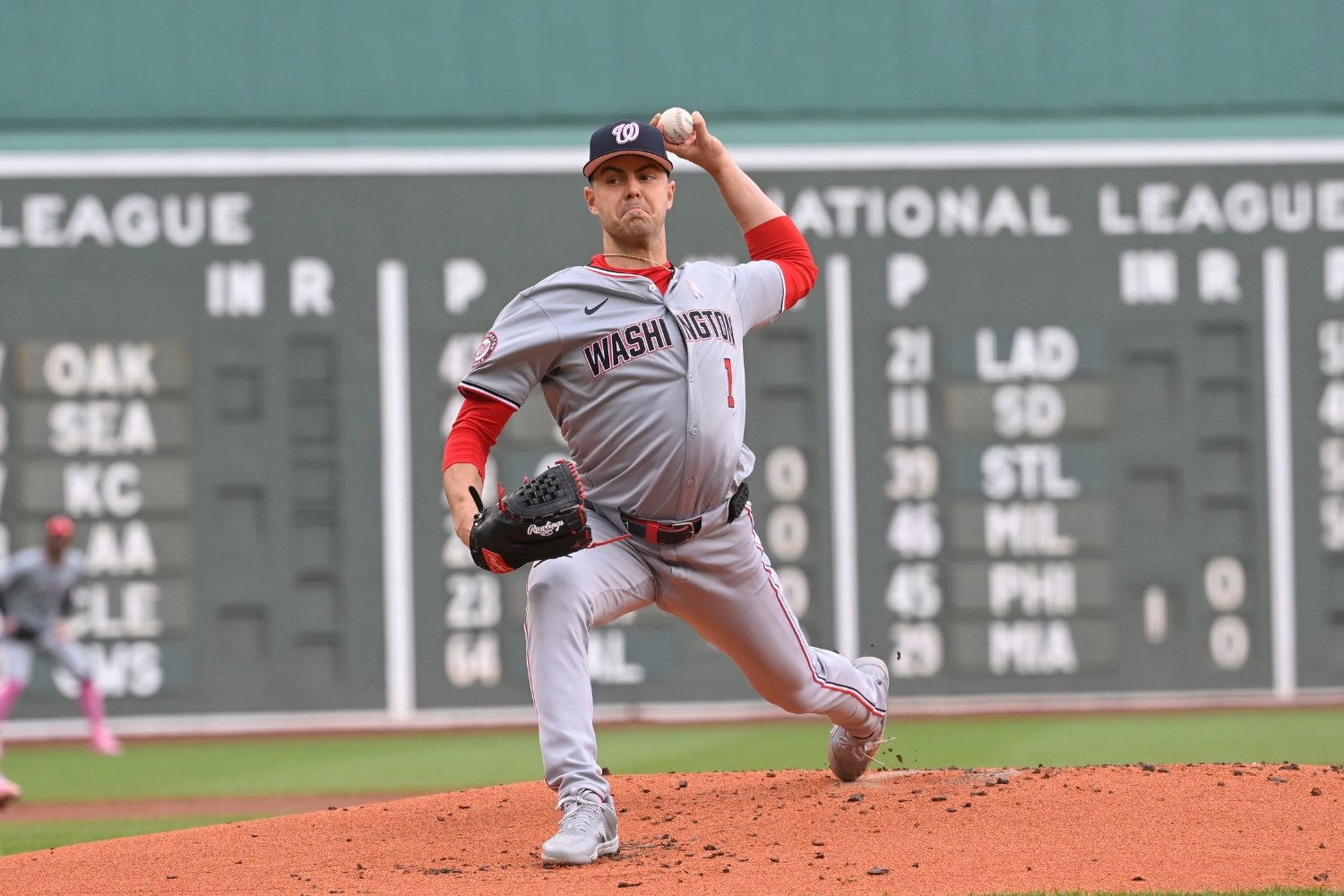 The Boston Red Sox have remained busy on the trade front as they attempt to rebuild and bolster their starting rotation, as they've made two deals that brought back Sonny Gray and Johan Oviedo. Despite that, the team is still in need of a true number two starter, and there may be a solution on, you guessed it, the trade market. Washington National's head of baseball operations Paul Toboni has been on the record as stating “it would just be kind of negligent to not entertain it” when talking about the organization listening on trade offers for both shortstop CJ Abrams and staff ace MacKenzie Gore. With that, the two teams could line up as perfect trade partners. Especially after the previous trades the Red Sox have made this offseason. Toboni was previously a member of the Red Sox's front office prior to taking on his current roll in the National's organization and has a good understanding of both the players at the major-league level and across the organization’s minor-league organizations. There shouldn't be much issue in him finding enough value to part with Gore. The Red Sox, on the other hand, have the capital of both major-league talent and prospects to get a deal done if they wanted to. And if the Nationals wanted young, controllable pitching, the Red Sox have plenty to offer as they have eight starters on the 40-man roster currently projected to open next season in the minor leagues. Gore would be a welcomed addition to the staff, as the 26-year-old would slot in nicely between Garrett Crochet and Gray. Still arbitration eligible for the 2026 and 2027 seasons, the Red Sox would not have to worry about a large salary constraint while also working to sign him to a long-term deal during the 2026 season; in that instance, his new contract wouldn’t kick in until after Gray's salary would come off the books. The left-hander is without a doubt the ace of the Nationals, and even after coming off a year where he missed a little time with injuries, he still led the rotation and made a name for himself as an All-Star pitcher. In 2025, Gore made 30 starts for the Nationals and went 5-15 while tossing 159 2/3 innings. In that span, he walked 64 batters and struck out 185. Despite an ERA of 4.17, Gore is one of the more exciting pitchers in the sport. Gore ticks off a lot of boxes the Red Sox. He has great extension, averaging 6.9 feet, can generate strikeouts, has a fastball that averaged 95.3 mph in 2025, and his breaking pitches generated a run value of five last season. With the southpaw, you’re getting a young pitcher who is in his peak form and should remain in his prime for the next half-decade. He generates whiffs at an amazing rate of 29.7% and strikes out batters at a 27.2% rate as well. Not to mention how he can get batters to chase around 30% of the time a pitch is out of the zone. And despite his fastball being his most used pitch, it’s how he utilizes the remainder of his repertoire that makes him so dangerous. Gore’s changeup (which he uses exclusively against right-handed batters) generated soft contact and a high whiff percentage in 2025. While batters hit .271 off of it, there was a lot of luck as the expected batting average was much lower, sitting at .214 (the average exit velocity on batted balls from the pitch was just 80.9 mph). The upside was even more impressive, as batters missed at 47.2% of changeups they swung at. His cutter was just as good (though not used as much), being saved mostly for right-handed batters too (just thrown seven times to left-handed batters); that pitch generated an expected batting average of just .187 while batters whiffed on it 40.9% of the time. In fact, only Gore’s fastball had a whiff rate of under 35%, sitting at 20.7%. Not a number to be taken lightly, but it helps to show how the fastball was used to help set up his other pitches and make them more dangerous. And while he walks his fair share of batters (9.4% in 2025), Gore manages to strand runners on base as he left 75.6% of baserunners stranded. Last season. his numbers could have been negatively impacted due to the defense of a team like the Nationals, especially when he allows fly balls at a 40.8% rate. With an outfield of Ceddanne Rafaela, Wilyer Abreu and Roman Anthony tracking down baseballs, there’s a chance opponents don’t have a .325 batting average for balls in play like they did in 2025. Gore is young and he’s still improving; with a team like the Red Sox, he could truly break out into the star most expected him to be. It would make sense for the Boston to engage in trade discussions for the young left-hander at the least, and if they did have to part with a young pitcher, it wouldn’t be a fatal blow with Gore and Crochet owning the top of the major-league rotation. Thankfully, the Red Sox have a surplus of pitching depth to use in a trade for a pitcher like Gore. Craig Breslow has the Red Sox set up perfectly for a blockbuster trade. The only question is who the team is targeting. Among every possible trade candidate, Gore stands out as the perfect option.
 -
The Boston Red Sox made a move to continue their attempts to stockpile pitching depth, as the team agreed to a minor-league deal with an invitation to spring training with left-handed pitcher Alec Gamboa. The signing was first announced by Will Sammon of The Athletic. Gamboa was drafted by the Los Angeles Dodgers back in 2019 and made it to Triple-A by 2023. He would go on to spend all of 2024 and open the 2025 season in Triple-A before being released to pursue an opportunity overseas. In 53 appearances at Triple-A, Gamboa tossed 133 1/3 innings while striking out 106 batters. Signing with the Lotte Giants of the Korean Baseball Organization league, Gamboa would make 19 starts and go 7-8 with a 3.58 ERA. He also struck out 117 batters in 108 innings. Should Gamboa make the major league roster, his salary would increase to $925,000. View full rumor
-
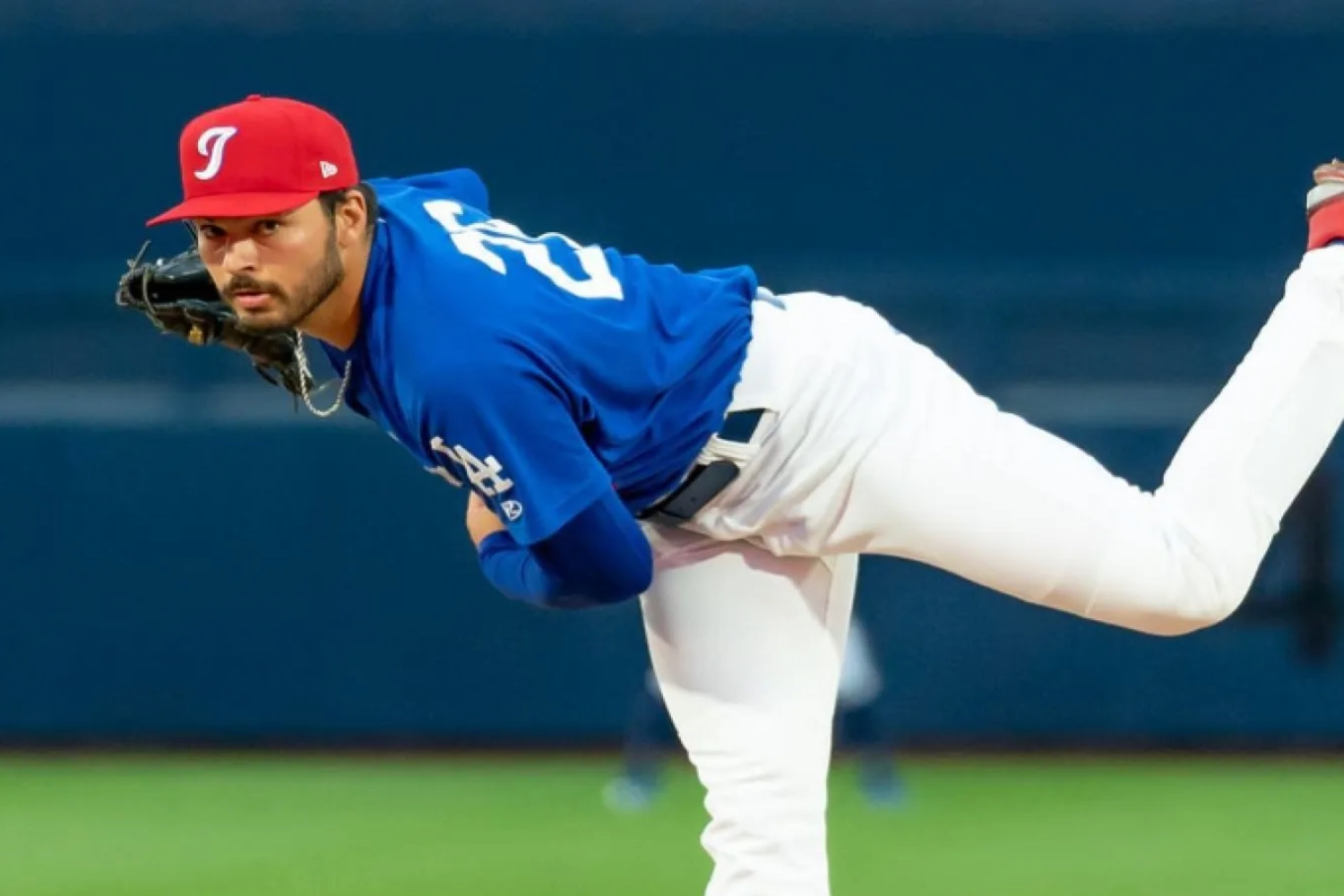 The Boston Red Sox made a move to continue their attempts to stockpile pitching depth, as the team agreed to a minor-league deal with an invitation to spring training with left-handed pitcher Alec Gamboa. The signing was first announced by Will Sammon of The Athletic. Gamboa was drafted by the Los Angeles Dodgers back in 2019 and made it to Triple-A by 2023. He would go on to spend all of 2024 and open the 2025 season in Triple-A before being released to pursue an opportunity overseas. In 53 appearances at Triple-A, Gamboa tossed 133 1/3 innings while striking out 106 batters. Signing with the Lotte Giants of the Korean Baseball Organization league, Gamboa would make 19 starts and go 7-8 with a 3.58 ERA. He also struck out 117 batters in 108 innings. Should Gamboa make the major league roster, his salary would increase to $925,000.
 -
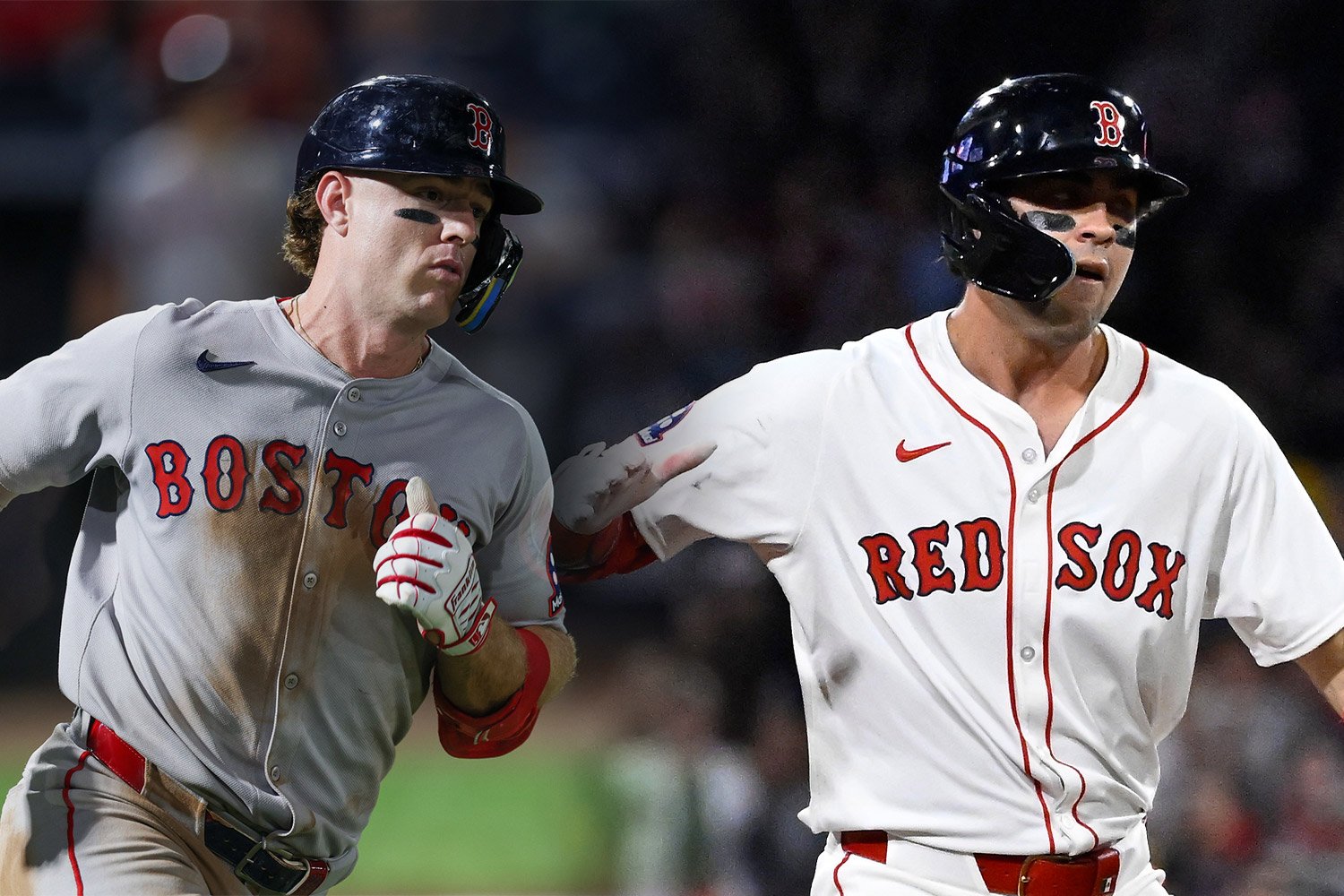 In the span of one calendar year, the Red Sox's plans for middle infield have changed drastically. As Kristian Campbell showed defensively, he was not the second baseman of the future, and Trevor Story opting into his contract has moved Marcelo Mayer off shortstop for the time being, the Red Sox still have an interesting mix of depth. 2025 saw a consistent presence at shortstop in Trevor Story, while second base saw several players gain playing time there, especially after Campbell was demoted to Worcester in June. Now the question remains: who will play second base on opening day, and whether the Red Sox have the depth to handle a loss of either their starting shortstop or second baseman. Fortunately for them, they would be able to handle the loss of a player on the defensive side thanks to the various players throughout the organization. 2026 Starters SS Starter: Trevor Story 157 games, .263/.308/.433 .741 OPS, 29 2Bs, 25 HRs, 96 RBIs Story saw himself bounce back from three straight injury-shortened seasons, and his first since 2021, in which he played 100 or more games. And despite an absolutely terrible May that had some calling for him to be benched or even possibly designated for assignment, Story was arguably the best offensive player for Boston. Story doesn’t walk much and will strike out quite often (176 strikeouts in 2025), but his ability to put the ball in play when it matters makes up for it. Along with his bat, Story is a veteran presence and leader in the clubhouse for an otherwise young team. Defensively, Story took a step back, whether due to age or from missing nearly two full years, is yet to be seen, but he posted a -9 Outs Above Average along with a -8 Fielding Run Value. His 19 errors were also a career high, but he still found a way to come up with a big play when necessary. 2B Starter: Romy González 96 games played, .305/.343/.483 .826 OPS, 23 2Bs, 3 3Bs, 9 HRs, 53 RBIs Now, for those following this depth series, you would know that González was penciled in as the most likely to be the first-base starter; well, the same holds for second base. At this point in the offseason, González could likely be the starter at either position, especially since neither David Hamilton nor Nick Sogard seems like a good option to start. González needs to be in the lineup each time a left-hander starts for the opposing team due to his .331/.378/.600 stat line against them. Should the Red Sox bring in a true first baseman, González will be able to properly serve his role as a super utility player for manager Alex Cora and get at-bats from various positions. Defensively, his versatility is an excellent weapon for Cora, though he may be best on the right side of the diamond. 2026 Backups Nick Sogard 30 games, .260/.317/.344 .661 OPS 8 2Bs, 9 RBIs Sogard is an interesting case: he would easily make plenty of teams’ 26-man rosters with his skill set of playing all over the field and making quality contact while handling fastballs. Unfortunately for Sogard, because of his two options, he’ll likely be shuttled between Worcester and Boston, just as he has been for the past two seasons. While Sogard can be solid defensively at multiple positions and has an average hit tool, his power could hold him back, as his exit velocities are below average, and he has only 12 career extra-base hits in 173 plate appearances. Despite that, he had earned the trust of Cora and was starting at second base during the playoffs, proving to be a sparkplug as he came around to score as the go-ahead run in game one against the Yankees. David Hamilton 91 games, .198/.257/.333 .590 OPS, 4 2Bs, 1 3B, 6 HRs, 19 RBIs Hamilton had a down season in 2025, seeing a drop in playing time and significant declines in his statistics. The middle infielder also saw himself optioned to Worcester during the season as well. Offensively, he tries to hit line drives and has solid pitch recognition and an understanding of the strike zone, but will expand the zone. His power is considered below average, and if he wants to be a consistent figure on the major league roster, he needs to hit more doubles as he did in 2024. However, his speed alone is enough to keep him around as an end-of-the-bench option for late-game pinch-running, as his speed puts pressure on opposing defenses. Defensively, he is much better at second base than shortstop, as he’s shown solid range there compared to the latter. Marcelo Mayer 44 games, .228/.272/.402 .674 OPS, 8 2Bs, 1 3B, 4 HRs, 10 RBIs Much like with González, Mayer is listed as the current third-base starter in this series due to Alex Bregman’s free agency and the team's lack of another player to plug in there right now. Of course, much like González, he could also be plugged in as the starter at second base instead, depending on how the rest of the offseason plays out. In his short time with Boston, Mayer proved he was ready defensively, mostly playing third base, where he handled the position with ease after playing it just five times between Portland and Worcester. He also appeared at second base and was able to handle that position as well. In a limited time (57 innings), Mayer did not commit an error and had a +1 Outs Above Average. Offensively, it was a different story as he flashed some power and showed he could currently be league average against right-handers, but against left-handed pitching, he struggled to a .154/.185/.231 stat line. Mayer is still young and has time to learn; his promotion to Boston last year was rushed due to Bregman’s injury, and he should fare better against major league pitching in 2026. Extreme Emergency: Ceddanne Rafaela 156 games, .249/.295/.414 .708 OPS 34 2Bs, 4 3Bs, 16 HRs, 63 RBIs First off, Rafaela should only be playing the infield in the event of an emergency. It’s not that he isn’t good at second base or shortstop, but rather he’s just that much better defensively in center field. Rafaela, however, has been forced to play key games in the infield the last two seasons due to injuries, as he appeared in 92 games between shortstop and second base in 2024 and, fortunately, only 24 games at second base in 2025. Offensively, Rafaela is as streaky as they come. His lack of plate discipline (which has improved) leads to a lot of chasing pitches and causes him to strike out by expanding the zone. But when he’s on, Rafaela could be one of the most clutch players on the Red Sox, as displayed by his multiple walk-offs in 2025. Minor Leagues Vinny Capra 47 games (White Sox/Brewers), .125/.157/.177 .334 OPS, 2 2Bs, 1 HR, 6 RBIs Capra, who signed a minor league deal on Thanksgiving, provides the Red Sox with another veteran depth option should the team need a player for a short term. Capra can play not just third base but also second base and shortstop, giving the Sox someone they can plug into the lineup to give multiple players a day off if needed. Offensively, he isn't good, to put it frankly. In 142 career plate appearances, he has a stat line of .133/.181/.188 while striking out more times than he has hits (34 strikeouts to 17 hits). But he’s the kind of player the team has targeted before for minor league depth, a veteran presence who can play multiple positions. Defensively, he saw 110 2/3 innings in the field between second base and shortstop and didn’t commit a single error. Max Ferguson 118 games (Portland Sea Dogs/Worcester Red Sox), .205/.323/.313 .637 OPS, 13 2Bs, 1 3B, 9 HRs, 42 RBIs Ferguson is the definition of an organizational player. Acquired in the Eric Hosmer deal in 2022, Ferguson has spent his time in the Boston system playing for whatever minor league team needs a healthy body. 2023 saw him jump from High-A Greenville to Worcester when they needed bodies, and since 2024, he has constantly bounced between Worcester and Portland. Offensively, he knows the strike zone and can work a count, but has below-average bat speed and little success against left-handed pitching. Despite that, his speed and defense could make him a short-term bench piece for Cora should the need arise. Tyler McDonough 79 games, .254/.328/.369 .697 OPS, 12 2Bs, 2 3Bs, 5 HRs, 27 RBIs McDonough is currently a high-end organizational player and, at best. He could be a utility player who is shuttled between Triple-A and the major leagues as needed. Defensively, he split time between second base, shortstop, left field, and right field in 2025, while the middle infield was his primary location. With soft hands and solid defensively, McDonough can capably play several positions. Offensively, he is average when it comes to in-zone contact and chase rates, but he will struggle against breaking pitches down in the zone. Before the September 1 roster expansion, he was considered for the 28th roster spot by some due to his defensive versatility and the lack of other options.
 -
In the span of one calendar year, the Red Sox's plans for middle infield have changed drastically. As Kristian Campbell showed defensively, he was not the second baseman of the future, and Trevor Story opting into his contract has moved Marcelo Mayer off shortstop for the time being, the Red Sox still have an interesting mix of depth. 2025 saw a consistent presence at shortstop in Trevor Story, while second base saw several players gain playing time there, especially after Campbell was demoted to Worcester in June. Now the question remains: who will play second base on opening day, and whether the Red Sox have the depth to handle a loss of either their starting shortstop or second baseman. Fortunately for them, they would be able to handle the loss of a player on the defensive side thanks to the various players throughout the organization. 2026 Starters SS Starter: Trevor Story 157 games, .263/.308/.433 .741 OPS, 29 2Bs, 25 HRs, 96 RBIs Story saw himself bounce back from three straight injury-shortened seasons, and his first since 2021, in which he played 100 or more games. And despite an absolutely terrible May that had some calling for him to be benched or even possibly designated for assignment, Story was arguably the best offensive player for Boston. Story doesn’t walk much and will strike out quite often (176 strikeouts in 2025), but his ability to put the ball in play when it matters makes up for it. Along with his bat, Story is a veteran presence and leader in the clubhouse for an otherwise young team. Defensively, Story took a step back, whether due to age or from missing nearly two full years, is yet to be seen, but he posted a -9 Outs Above Average along with a -8 Fielding Run Value. His 19 errors were also a career high, but he still found a way to come up with a big play when necessary. 2B Starter: Romy González 96 games played, .305/.343/.483 .826 OPS, 23 2Bs, 3 3Bs, 9 HRs, 53 RBIs Now, for those following this depth series, you would know that González was penciled in as the most likely to be the first-base starter; well, the same holds for second base. At this point in the offseason, González could likely be the starter at either position, especially since neither David Hamilton nor Nick Sogard seems like a good option to start. González needs to be in the lineup each time a left-hander starts for the opposing team due to his .331/.378/.600 stat line against them. Should the Red Sox bring in a true first baseman, González will be able to properly serve his role as a super utility player for manager Alex Cora and get at-bats from various positions. Defensively, his versatility is an excellent weapon for Cora, though he may be best on the right side of the diamond. 2026 Backups Nick Sogard 30 games, .260/.317/.344 .661 OPS 8 2Bs, 9 RBIs Sogard is an interesting case: he would easily make plenty of teams’ 26-man rosters with his skill set of playing all over the field and making quality contact while handling fastballs. Unfortunately for Sogard, because of his two options, he’ll likely be shuttled between Worcester and Boston, just as he has been for the past two seasons. While Sogard can be solid defensively at multiple positions and has an average hit tool, his power could hold him back, as his exit velocities are below average, and he has only 12 career extra-base hits in 173 plate appearances. Despite that, he had earned the trust of Cora and was starting at second base during the playoffs, proving to be a sparkplug as he came around to score as the go-ahead run in game one against the Yankees. David Hamilton 91 games, .198/.257/.333 .590 OPS, 4 2Bs, 1 3B, 6 HRs, 19 RBIs Hamilton had a down season in 2025, seeing a drop in playing time and significant declines in his statistics. The middle infielder also saw himself optioned to Worcester during the season as well. Offensively, he tries to hit line drives and has solid pitch recognition and an understanding of the strike zone, but will expand the zone. His power is considered below average, and if he wants to be a consistent figure on the major league roster, he needs to hit more doubles as he did in 2024. However, his speed alone is enough to keep him around as an end-of-the-bench option for late-game pinch-running, as his speed puts pressure on opposing defenses. Defensively, he is much better at second base than shortstop, as he’s shown solid range there compared to the latter. Marcelo Mayer 44 games, .228/.272/.402 .674 OPS, 8 2Bs, 1 3B, 4 HRs, 10 RBIs Much like with González, Mayer is listed as the current third-base starter in this series due to Alex Bregman’s free agency and the team's lack of another player to plug in there right now. Of course, much like González, he could also be plugged in as the starter at second base instead, depending on how the rest of the offseason plays out. In his short time with Boston, Mayer proved he was ready defensively, mostly playing third base, where he handled the position with ease after playing it just five times between Portland and Worcester. He also appeared at second base and was able to handle that position as well. In a limited time (57 innings), Mayer did not commit an error and had a +1 Outs Above Average. Offensively, it was a different story as he flashed some power and showed he could currently be league average against right-handers, but against left-handed pitching, he struggled to a .154/.185/.231 stat line. Mayer is still young and has time to learn; his promotion to Boston last year was rushed due to Bregman’s injury, and he should fare better against major league pitching in 2026. Extreme Emergency: Ceddanne Rafaela 156 games, .249/.295/.414 .708 OPS 34 2Bs, 4 3Bs, 16 HRs, 63 RBIs First off, Rafaela should only be playing the infield in the event of an emergency. It’s not that he isn’t good at second base or shortstop, but rather he’s just that much better defensively in center field. Rafaela, however, has been forced to play key games in the infield the last two seasons due to injuries, as he appeared in 92 games between shortstop and second base in 2024 and, fortunately, only 24 games at second base in 2025. Offensively, Rafaela is as streaky as they come. His lack of plate discipline (which has improved) leads to a lot of chasing pitches and causes him to strike out by expanding the zone. But when he’s on, Rafaela could be one of the most clutch players on the Red Sox, as displayed by his multiple walk-offs in 2025. Minor Leagues Vinny Capra 47 games (White Sox/Brewers), .125/.157/.177 .334 OPS, 2 2Bs, 1 HR, 6 RBIs Capra, who signed a minor league deal on Thanksgiving, provides the Red Sox with another veteran depth option should the team need a player for a short term. Capra can play not just third base but also second base and shortstop, giving the Sox someone they can plug into the lineup to give multiple players a day off if needed. Offensively, he isn't good, to put it frankly. In 142 career plate appearances, he has a stat line of .133/.181/.188 while striking out more times than he has hits (34 strikeouts to 17 hits). But he’s the kind of player the team has targeted before for minor league depth, a veteran presence who can play multiple positions. Defensively, he saw 110 2/3 innings in the field between second base and shortstop and didn’t commit a single error. Max Ferguson 118 games (Portland Sea Dogs/Worcester Red Sox), .205/.323/.313 .637 OPS, 13 2Bs, 1 3B, 9 HRs, 42 RBIs Ferguson is the definition of an organizational player. Acquired in the Eric Hosmer deal in 2022, Ferguson has spent his time in the Boston system playing for whatever minor league team needs a healthy body. 2023 saw him jump from High-A Greenville to Worcester when they needed bodies, and since 2024, he has constantly bounced between Worcester and Portland. Offensively, he knows the strike zone and can work a count, but has below-average bat speed and little success against left-handed pitching. Despite that, his speed and defense could make him a short-term bench piece for Cora should the need arise. Tyler McDonough 79 games, .254/.328/.369 .697 OPS, 12 2Bs, 2 3Bs, 5 HRs, 27 RBIs McDonough is currently a high-end organizational player and, at best. He could be a utility player who is shuttled between Triple-A and the major leagues as needed. Defensively, he split time between second base, shortstop, left field, and right field in 2025, while the middle infield was his primary location. With soft hands and solid defensively, McDonough can capably play several positions. Offensively, he is average when it comes to in-zone contact and chase rates, but he will struggle against breaking pitches down in the zone. Before the September 1 roster expansion, he was considered for the 28th roster spot by some due to his defensive versatility and the lack of other options. View full article
-
When the Boston Red Sox signed Cooper Criswell before the 2024 season, many fans joked about it and were upset that, at the time, he was arguably the team’s biggest offseason signing after a 2023 season that saw the team fall apart down the stretch. Prior to joining the Red Sox, he had spent parts of three seasons with the Los Angeles Angels and Tampa Bay Rays as a roster fill-in, making two starts in two seasons with the Angels and making 10 relief appearances with the Rays. He was not viewed as someone who was going to help the rotation in a serious manner, yet Craig Breslow made sure to bring him into the organization. Criswell opened the 2024 season in Worcester, serving as pitching depth in the event the major-league squad needed pitching. Fortunately for the Red Sox. he got off to a hot start, allowing just one earned run in his first 10 1/3 innings before being called up to Boston. His first start was nothing too special, going four innings and holding the Angels to two runs on five hits a day after they had scored seven runs against Tanner Houck. It wasn’t until his second start (and third appearance) where Criswell got going, as in his next 19 1/3 innings, he allowed just three earned runs and the Red Sox won his next four starts. He cemented himself as a back-of-the-rotation option for the next few months, even with a couple of bad outings interspersed. But following a June 15 outing against the New York Yankees where he allowed just two runs over four innings, Criswell was optioned back to Worcester to make room for Chris Martin, who was coming off the injured list. He wouldn’t be gone for long. Recalled for a July 12 game against the Royals, Criswell would remain with Boston for the remainder of the season, bouncing between the rotation and bullpen as needed. In his first year with Boston, Criswell would go 6-5 with a 4.08 ERA in 26 appearances, 18 of them being starts. He would give the Sox 99 1/3 innings and managed to strike out 73 batters in that span. He wasn't a flashy signing, but he more than did his job when called upon. There were questions about if he would remain with Boston for 2025, but once he was given an extra option year, it was clear he would remain with the team as a depth option. He had pitched well enough in 2024 to be given that chance, and entering the 2025 season, he made his first Opening Day roster as an arm out of the bullpen. Unfortunately for Criswell, much like in 2024, he did not perform as well out of the bullpen and only made three appearances (including a three-inning save in the second game of a doubleheader with the Cardinals on April 6) where he gave up eight runs, five earned runs, in 4 1/3 innings. Following the doubleheader, he was optioned to Worcester, where he remained until the beginning of June. Criswell would make two appearances in his latest stint, faring better out of the bullpen as he would throw 4 2/3 innings and allow just a single run. But thanks to being optionable, Criswell was sent back to Worcester, allowing the Red Sox to keep roster flexibility with their pitching staff. The veteran pitcher would be called up once more, making a single appearance on July 2 where he went 1 2/3 without allowing a run against the Cincinnati Reds. Criswell provided innings out of the bullpen when the team had fallen behind 8-4 and allowed Alex Cora to keep his top arms rested. Criswell knew his role for the 2025 season and much like in 2024, he served it to the best of his ability. That was none the more obvious than in what may have been his best start with Boston. Needing a starter for an important August 1 game against the Houston Astros, the Red Sox turned to Criswell to take the mound. To say the game was important was an understatement, as the Red Sox were fighting with Houston at the time for a wild card spot and this was the first game of a three-game series. Criswell didn’t stumble; instead, he absolutely cruised on the mound as he kept Astros hitters from taking control of the game. Needing just 84 pitches, Criswell pitched around seven base hits and two walks to hold the Astros to a single run, giving the team every opportunity to score against Cy Young-candidate Hunter Brown. And the team managed to do so, tying the game in the seventh inning before walking it off in the tenth. Criswell’s heroics set the tone for the series as the Red Sox swept the Astros and gave themselves some breathing room. In return, Criswell was optioned to Worcester where he would make two more appearances before finally getting shut down due to right elbow inflammation. As the season ended, it seemed like Criswell would be designated for assignment or non-tendered as younger, more talented pitchers had emerged within the system. Instead, the Red Sox signed him to a one-year deal to avoid arbitration. Then, the news came out on December 4 that he had been designated for assignment to make room on the 40-man roster for Johan Oveido and Tyler Samaniego. He was subsequently claimed off waivers by the New York Mets, ending his tenure (at least for now) in Boston. Criswell won't be looked back upon as a franchise legend, but he always stepped up for the team when they needed him. For that, he should be remembered fondly by Red Sox fans. View full article
-
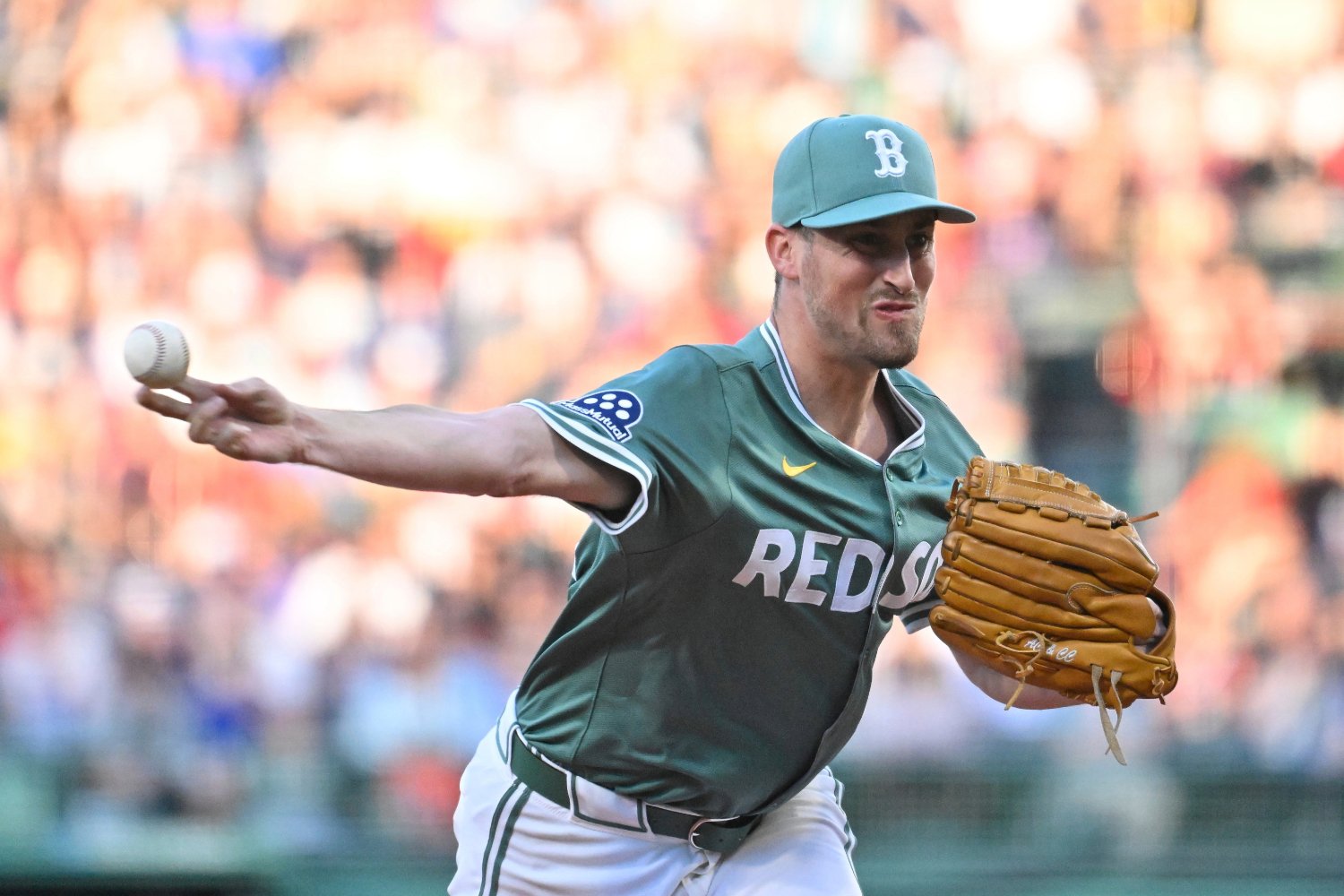 When the Boston Red Sox signed Cooper Criswell before the 2024 season, many fans joked about it and were upset that, at the time, he was arguably the team’s biggest offseason signing after a 2023 season that saw the team fall apart down the stretch. Prior to joining the Red Sox, he had spent parts of three seasons with the Los Angeles Angels and Tampa Bay Rays as a roster fill-in, making two starts in two seasons with the Angels and making 10 relief appearances with the Rays. He was not viewed as someone who was going to help the rotation in a serious manner, yet Craig Breslow made sure to bring him into the organization. Criswell opened the 2024 season in Worcester, serving as pitching depth in the event the major-league squad needed pitching. Fortunately for the Red Sox. he got off to a hot start, allowing just one earned run in his first 10 1/3 innings before being called up to Boston. His first start was nothing too special, going four innings and holding the Angels to two runs on five hits a day after they had scored seven runs against Tanner Houck. It wasn’t until his second start (and third appearance) where Criswell got going, as in his next 19 1/3 innings, he allowed just three earned runs and the Red Sox won his next four starts. He cemented himself as a back-of-the-rotation option for the next few months, even with a couple of bad outings interspersed. But following a June 15 outing against the New York Yankees where he allowed just two runs over four innings, Criswell was optioned back to Worcester to make room for Chris Martin, who was coming off the injured list. He wouldn’t be gone for long. Recalled for a July 12 game against the Royals, Criswell would remain with Boston for the remainder of the season, bouncing between the rotation and bullpen as needed. In his first year with Boston, Criswell would go 6-5 with a 4.08 ERA in 26 appearances, 18 of them being starts. He would give the Sox 99 1/3 innings and managed to strike out 73 batters in that span. He wasn't a flashy signing, but he more than did his job when called upon. There were questions about if he would remain with Boston for 2025, but once he was given an extra option year, it was clear he would remain with the team as a depth option. He had pitched well enough in 2024 to be given that chance, and entering the 2025 season, he made his first Opening Day roster as an arm out of the bullpen. Unfortunately for Criswell, much like in 2024, he did not perform as well out of the bullpen and only made three appearances (including a three-inning save in the second game of a doubleheader with the Cardinals on April 6) where he gave up eight runs, five earned runs, in 4 1/3 innings. Following the doubleheader, he was optioned to Worcester, where he remained until the beginning of June. Criswell would make two appearances in his latest stint, faring better out of the bullpen as he would throw 4 2/3 innings and allow just a single run. But thanks to being optionable, Criswell was sent back to Worcester, allowing the Red Sox to keep roster flexibility with their pitching staff. The veteran pitcher would be called up once more, making a single appearance on July 2 where he went 1 2/3 without allowing a run against the Cincinnati Reds. Criswell provided innings out of the bullpen when the team had fallen behind 8-4 and allowed Alex Cora to keep his top arms rested. Criswell knew his role for the 2025 season and much like in 2024, he served it to the best of his ability. That was none the more obvious than in what may have been his best start with Boston. Needing a starter for an important August 1 game against the Houston Astros, the Red Sox turned to Criswell to take the mound. To say the game was important was an understatement, as the Red Sox were fighting with Houston at the time for a wild card spot and this was the first game of a three-game series. Criswell didn’t stumble; instead, he absolutely cruised on the mound as he kept Astros hitters from taking control of the game. Needing just 84 pitches, Criswell pitched around seven base hits and two walks to hold the Astros to a single run, giving the team every opportunity to score against Cy Young-candidate Hunter Brown. And the team managed to do so, tying the game in the seventh inning before walking it off in the tenth. Criswell’s heroics set the tone for the series as the Red Sox swept the Astros and gave themselves some breathing room. In return, Criswell was optioned to Worcester where he would make two more appearances before finally getting shut down due to right elbow inflammation. As the season ended, it seemed like Criswell would be designated for assignment or non-tendered as younger, more talented pitchers had emerged within the system. Instead, the Red Sox signed him to a one-year deal to avoid arbitration. Then, the news came out on December 4 that he had been designated for assignment to make room on the 40-man roster for Johan Oveido and Tyler Samaniego. He was subsequently claimed off waivers by the New York Mets, ending his tenure (at least for now) in Boston. Criswell won't be looked back upon as a franchise legend, but he always stepped up for the team when they needed him. For that, he should be remembered fondly by Red Sox fans.
 -
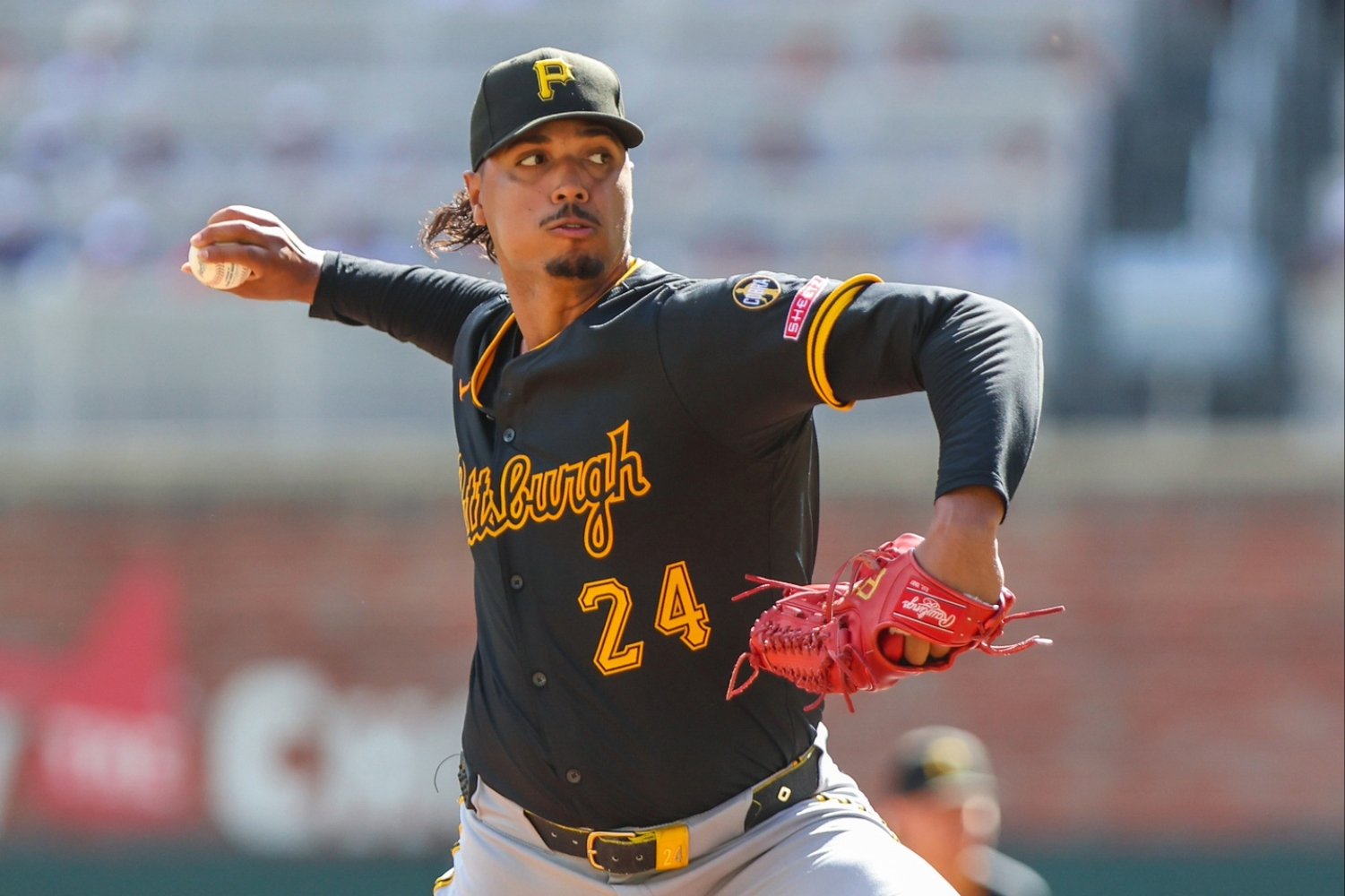 The Boston Red Sox stayed busy prior to the Winter Meetings, making another big trade following the Sonny Gray deal. On Dec. 4, they brought in their second new pitcher as the team shipped fan-favorite prospect Jhostynxon Garcia to the Pittsburgh Pirates as part of a five-player trade that saw the team bring back talented but oft-injured hurler Johan Oviedo as the main acquisition. The official deal saw Garcia, who was Talk Sox’s number two prospect at the time, and pitcher Jesus Travieso traded for a package of Oviedo and prospects Tyler Samaniego and Adonys Guzman. The main return is clearly Oviedo, who is under team control for two more seasons and won’t turn 28 until March 2. Oviedo made nine starts in 2025 as he returned from Tommy John surgery, going 2-1 with a 3.57 ERA in 40 1/3 innings. The right-hander struck out 42 batters while walking 23. What makes Oviedo an intriguing rotation option is his frame (6'6") and extension. His fastball was impressive during his short 2025 season thanks to it reaching an average of 95.5 mph paired with nearly six inches of tailing action. In a short sample last season, Oviedo also demonstrated an ability to limit hard contact, as his average exit velocity (87.6 mph), hard-hit percentage (35.3%) and barrel percentage (6.9%) would have ranked in the upper-third of the league had he qualified. Along with the fastball, Oviedo has four other pitches: a slider, curveball, sinker and changeup. Though relies heavily on his fastball and slider combination, as they made up 69% of his pitches in 2025. His pitch selection gets a bit interesting when broken down against left-handed and right-handed batters, as his slider sees a drop in usage against the former, being used just 26% of the time, while the curve jumps in usage to 22%. That changes with the latter, his slider becoming his most used pitch against right-handed batters at 38% and the curve down to just 10%. Along with that, Oviedo has showcased an ability to generate whiffs, getting batters to swing and miss 30% of the time last season. Batters in general only managed a .181 batting average off of him as well, showcasing the talent the Red Sox are interested in. Oviedo continues a trend for the Red Sox, who have made it a point to find pitchers with projectable frames and obvious areas of improvement or streamlining. The major issue besides health with Oviedo is his command. Last season, he had a 13.5% walk rate, and his career mark is up to 11%. Oviedo can be wild, throwing more pitches than necessary and walking a lot of batters, but should the Red Sox pitching lab manage to realize all his potential, we could see a breakout season from Oviedo. Samaniego was a 15th-round draft pick back in 2021 by the Pirates and will turn 27 at the end of January. Since being drafted, he has yet to make it past Double-A, though he missed time in 2024 and only made 13 appearances. This past season saw him appear in 30 games across four levels, most of them coming with Double-A Altoona where he had a 3.08 ERA across 26 1/3 innings. Samaniego is a left-handed reliever who will most likely open the season with Worcester, though will be on the 40-man roster as Pittsburgh added him to it in November to protect him from the Rule 5 Draft. Samaniego relies mostly on four pitches: a sinker, fastball, changeup and slider. His sinker is his most thrown pitch, averaging around 93.3 mph and being used heavily against left-handed batters at 67% of his pitch usage. Much like Oviedo, Samaniego seems to limit hard contact, his average exit velocity being just 85.7 mph and his hard-hit percentage being just 22.2%. And while he doesn’t strike batters out as much as Oviedo, he still gets his fair share of strikeouts (23.1%) thanks to a 31.8% whiff rate. Samaniego will serve as a depth reliever this season, though it wouldn’t be surprising to see him get some time in Boston depending on their need for left-handed pitching. He’s got the height of a pitcher the Red Sox are interested in, as he stands 6’4”, and it wouldn’t be surprising if they manage to get the velocity of his fastball up a tick or two. The final prospect acquired in the deal, Guzman, was drafted in the fifth round of the 2025 draft by Pittsburgh and is another young addition to the organization’s catching corps. Guzman is the latest young catcher (and second from the 2025 draft) to be acquired by Breslow this offseason. Guzman entering the draft was viewed as a glove-first catcher due to a swing that can often times be stiff and too pull-oriented, but he does have good pull-side power and plate discipline. Guzman played for the Arizona Wildcats in college after transferring from Boston College and hit .328/.411/.496 with a .907 OPS in 62 games. He also had 12 doubles, nine home runs and 44 RBIs. Defensively, he threw out 31% of potential base stealers. Baseball America even stated that "his arm remains one of the best in class three years later with excellent carry on his throws that should help control the running game". Guzman, who bats from the right side, only played in one game after getting drafted, but went 2-for-5 with a home run and two RBIs. More than likely, he’ll open the season with Single-A Salem, but a promotion to Greenville shouldn’t be off the table at some point in 2026. In Garcia, the Red Sox gave up a potential power threat, but with the outfield currently as crowded as it is and with talks that Kristian Campbell is expected to play in the outfield full time, it seemed like the writing was on the wall for Garcia. The outfielder made his major-league debut with Boston in August this season, going 1-for-7 with a double and five strikeouts. Now with Pittsburgh, he’s likely to be battling for an Opening Day starting position in spring training. Travieso, on the other hand, is an interesting arm the Red Sox gave up. He won’t be turning 19 until the end of March. Signed out of Venezuela, Travieso made it up to Salem this season after opening the year in the Florida Complex League. With Salem, he would go 2-0 in seven appearances, six starts, and toss 25 2/3 innings. He struck out 38 in that span and walked just 11. Though, with the many young pitchers in the Red Sox system, it was only a matter of time before one was traded. To make room on the 40-man roster, the team designated pitcher Cooper Criswell for assignment. The 40-man roster is currently full. The Red Sox got better with the trade, taking from an area of strength and bringing in a guy with a ton of potential. Whether he reaches that potential is a different question, but the Red Sox hope Oviedo can pitch as his hulking frame suggests. If he can, the rotation may prove to be the team's biggest strength in 2026.
 -
The Boston Red Sox stayed busy prior to the Winter Meetings, making another big trade following the Sonny Gray deal. On Dec. 4, they brought in their second new pitcher as the team shipped fan-favorite prospect Jhostynxon Garcia to the Pittsburgh Pirates as part of a five-player trade that saw the team bring back talented but oft-injured hurler Johan Oviedo as the main acquisition. The official deal saw Garcia, who was Talk Sox’s number two prospect at the time, and pitcher Jesus Travieso traded for a package of Oviedo and prospects Tyler Samaniego and Adonys Guzman. The main return is clearly Oviedo, who is under team control for two more seasons and won’t turn 28 until March 2. Oviedo made nine starts in 2025 as he returned from Tommy John surgery, going 2-1 with a 3.57 ERA in 40 1/3 innings. The right-hander struck out 42 batters while walking 23. What makes Oviedo an intriguing rotation option is his frame (6'6") and extension. His fastball was impressive during his short 2025 season thanks to it reaching an average of 95.5 mph paired with nearly six inches of tailing action. In a short sample last season, Oviedo also demonstrated an ability to limit hard contact, as his average exit velocity (87.6 mph), hard-hit percentage (35.3%) and barrel percentage (6.9%) would have ranked in the upper-third of the league had he qualified. Along with the fastball, Oviedo has four other pitches: a slider, curveball, sinker and changeup. Though relies heavily on his fastball and slider combination, as they made up 69% of his pitches in 2025. His pitch selection gets a bit interesting when broken down against left-handed and right-handed batters, as his slider sees a drop in usage against the former, being used just 26% of the time, while the curve jumps in usage to 22%. That changes with the latter, his slider becoming his most used pitch against right-handed batters at 38% and the curve down to just 10%. Along with that, Oviedo has showcased an ability to generate whiffs, getting batters to swing and miss 30% of the time last season. Batters in general only managed a .181 batting average off of him as well, showcasing the talent the Red Sox are interested in. Oviedo continues a trend for the Red Sox, who have made it a point to find pitchers with projectable frames and obvious areas of improvement or streamlining. The major issue besides health with Oviedo is his command. Last season, he had a 13.5% walk rate, and his career mark is up to 11%. Oviedo can be wild, throwing more pitches than necessary and walking a lot of batters, but should the Red Sox pitching lab manage to realize all his potential, we could see a breakout season from Oviedo. Samaniego was a 15th-round draft pick back in 2021 by the Pirates and will turn 27 at the end of January. Since being drafted, he has yet to make it past Double-A, though he missed time in 2024 and only made 13 appearances. This past season saw him appear in 30 games across four levels, most of them coming with Double-A Altoona where he had a 3.08 ERA across 26 1/3 innings. Samaniego is a left-handed reliever who will most likely open the season with Worcester, though will be on the 40-man roster as Pittsburgh added him to it in November to protect him from the Rule 5 Draft. Samaniego relies mostly on four pitches: a sinker, fastball, changeup and slider. His sinker is his most thrown pitch, averaging around 93.3 mph and being used heavily against left-handed batters at 67% of his pitch usage. Much like Oviedo, Samaniego seems to limit hard contact, his average exit velocity being just 85.7 mph and his hard-hit percentage being just 22.2%. And while he doesn’t strike batters out as much as Oviedo, he still gets his fair share of strikeouts (23.1%) thanks to a 31.8% whiff rate. Samaniego will serve as a depth reliever this season, though it wouldn’t be surprising to see him get some time in Boston depending on their need for left-handed pitching. He’s got the height of a pitcher the Red Sox are interested in, as he stands 6’4”, and it wouldn’t be surprising if they manage to get the velocity of his fastball up a tick or two. The final prospect acquired in the deal, Guzman, was drafted in the fifth round of the 2025 draft by Pittsburgh and is another young addition to the organization’s catching corps. Guzman is the latest young catcher (and second from the 2025 draft) to be acquired by Breslow this offseason. Guzman entering the draft was viewed as a glove-first catcher due to a swing that can often times be stiff and too pull-oriented, but he does have good pull-side power and plate discipline. Guzman played for the Arizona Wildcats in college after transferring from Boston College and hit .328/.411/.496 with a .907 OPS in 62 games. He also had 12 doubles, nine home runs and 44 RBIs. Defensively, he threw out 31% of potential base stealers. Baseball America even stated that "his arm remains one of the best in class three years later with excellent carry on his throws that should help control the running game". Guzman, who bats from the right side, only played in one game after getting drafted, but went 2-for-5 with a home run and two RBIs. More than likely, he’ll open the season with Single-A Salem, but a promotion to Greenville shouldn’t be off the table at some point in 2026. In Garcia, the Red Sox gave up a potential power threat, but with the outfield currently as crowded as it is and with talks that Kristian Campbell is expected to play in the outfield full time, it seemed like the writing was on the wall for Garcia. The outfielder made his major-league debut with Boston in August this season, going 1-for-7 with a double and five strikeouts. Now with Pittsburgh, he’s likely to be battling for an Opening Day starting position in spring training. Travieso, on the other hand, is an interesting arm the Red Sox gave up. He won’t be turning 19 until the end of March. Signed out of Venezuela, Travieso made it up to Salem this season after opening the year in the Florida Complex League. With Salem, he would go 2-0 in seven appearances, six starts, and toss 25 2/3 innings. He struck out 38 in that span and walked just 11. Though, with the many young pitchers in the Red Sox system, it was only a matter of time before one was traded. To make room on the 40-man roster, the team designated pitcher Cooper Criswell for assignment. The 40-man roster is currently full. The Red Sox got better with the trade, taking from an area of strength and bringing in a guy with a ton of potential. Whether he reaches that potential is a different question, but the Red Sox hope Oviedo can pitch as his hulking frame suggests. If he can, the rotation may prove to be the team's biggest strength in 2026. View full article
-
It wasn’t just the roster that saw changes occur prior to the Winter Meetings, as the front office acquired new talent as well. According to Maddie Lee of the Chicago Sun-Times, the Chicago Cubs director of pitching Ryan Otero is leaving the Cubs and joining the Boston Red Sox's front office. Otero will be a special assistant to Craig Breslow. This move is a reunion for Otero and Breslow, as the duo worked together during the latter’s time in Chicago. While serving as an assistant general manager and the senior vice president of pitching, Breslow’s, right-hand man was Otero. After Breslow left, Otero was promoted to the role of pitching director for the organization. His transition to Boston should go smoothly considering the past relationship between the two. Breslow spoke highly of Otero earlier in the year, saying "his ability to speak very technically, and then also in everyday language that resonates with players and coaches, was something I was drawn to... And so, I was like, this is a guy that I need to pull close and give significant responsibility to." The addition of Otero, while in a different position, should help offset the loss of Justin Willard, who was hired by the New York Mets to be their new pitching coach. View full rumor
-
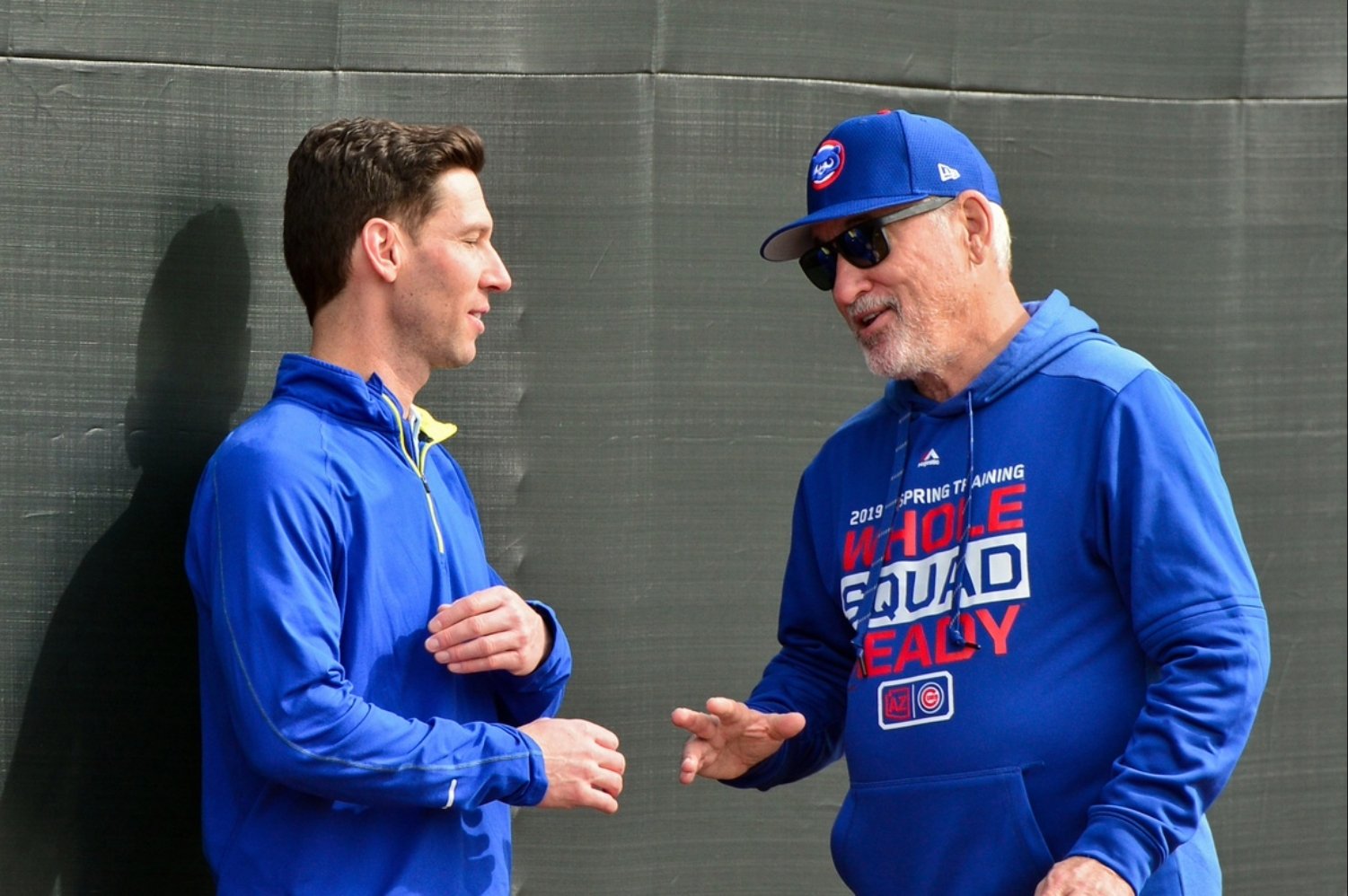 It wasn’t just the roster that saw changes occur prior to the Winter Meetings, as the front office acquired new talent as well. According to Maddie Lee of the Chicago Sun-Times, the Chicago Cubs director of pitching Ryan Otero is leaving the Cubs and joining the Boston Red Sox's front office. Otero will be a special assistant to Craig Breslow. This move is a reunion for Otero and Breslow, as the duo worked together during the latter’s time in Chicago. While serving as an assistant general manager and the senior vice president of pitching, Breslow’s, right-hand man was Otero. After Breslow left, Otero was promoted to the role of pitching director for the organization. His transition to Boston should go smoothly considering the past relationship between the two. Breslow spoke highly of Otero earlier in the year, saying "his ability to speak very technically, and then also in everyday language that resonates with players and coaches, was something I was drawn to... And so, I was like, this is a guy that I need to pull close and give significant responsibility to." The addition of Otero, while in a different position, should help offset the loss of Justin Willard, who was hired by the New York Mets to be their new pitching coach.
 -
The Boston Red Sox, as currently constructed, need corner infield help badly. Of the players currently on the 40-man roster, three were expected to provide important roles throughout 2025, but due to injuries only one made it through the entire season, that being Romy González. He played in a career-high 96 games at first base, second base and a brief appearance at third base. Triston Casas and Marcelo Mayer were not as fortunate, as they played 29 and 44 games (87 if we include the 43 games at Worcester), respectively. While the potential is there for both young players, based on the past few years, there is a debate over whether they can stay healthy through an entire 162-game season. When they are healthy, they have shown proof of being starter-caliber players. With that, we’re going to take a look at the current state of the Red Sox's corner infield depth, going over those on the 40-man roster and those who could contribute next year in the event of an injury. Boston Red Sox 1B Starter: Romy González (96 games, .305/.343/.483 .826 OPS, 23 2Bs, 3 3Bs, 9 HRs, 53 RBIs) González is being placed here as the starting first baseman due to the fact we don’t know if Casas will even be ready for the start of the 2026 season. That’s no knock against González; he is just better suited as a super-utility player since he can play all over the infield and is relatively still new to first base (he’s played a total of 78 games there, all coming since joining the Red Sox in 2024). There’s also the possibility of González being the starter at second base, contingent on how the rest of the offseason unravels. Either way, he needs to be in the lineup each time a left-hander starts for the opposing team due to his .331/.378/.600 slash line against them. Should the Red Sox bring in a true first baseman, González will be able to properly serve his utility role for manager Alex Cora and get at-bats from various positions. 3B Starter: Marcelo Mayer (44 games, .228/.272/.402 .674 OPS, 8 2Bs, 1 3B, 4 HRs, 10 RBIs) Much like with González, Mayer is being placed here as the current starter due to Alex Bregman’s foray into free agency and the team lacking another player to plug in at the hot corner. Of course, much like González, he could also be the starter at second base instead. In his short time with Boston, Mayer proved he was ready defensively, mostly playing third base which he handled with east after playing the position just five times between Portland and Worcester. He also appeared at second base and was able to handle the position well. Offensively, it was a different story, as he flashed some power and showed he could currently be league average against right-handers, but against left-handed pitching he struggled to a .154/.185/.231 line. Mayer is still young and has time to learn — his promotion to Boston last year was rushed due to Bregman’s injury — and he should fare better against major-league pitching in 2026. Potential Backups: Triston Casas (29 games, .182/.277/.303 .580 OPS, 3 2Bs, 3 HRs, 11 RBIs) To say 2025 was a rough season for Casas would be an understatement. After getting off to an extremely cold start, the first baseman began to heat up slightly before a ruptured left patellar tendon ended his season in May. This is the second straight season where a serious injury cost him significant time (and the fourth of the last five season where he played under 105 games). However, when Casas is healthy and right. there’s no denying how important his bat can be. Just entering his age-26 season, should Casas get back to the player he looked like 2023 (24 home runs, .856 OPS), he could strengthen this lineup. Nick Sogard (30 games, .260/.317/.344 .661 OPS 8 2Bs, 9 RBIs) Sogard is a fascinating player, as he'd make plenty of teams’ 26-man roster easily with his skill set of playing all over the field and making quality contact. Unfortunately for Sogard, due to his two remaining minor-league options, he’ll likely be shuttled between Worcester and Boston just as he has been for the past two seasons. While Sogard can be solid defensive at multiple positions and has an average hit tool, his power could hold him back as his exit velocities are below average and he only has 12 career extra-base hits in 173 plate appearances. Nate Eaton (41 games, .296/.348/.383 .731 OPS, 4 2Bs, 1 HR, 4 RBIs) Eaton signed with Boston on a minor-league deal prior to the 2025 season and played well enough in Worcester to warrant a call-up to Boston after Rafael Devers was traded. While he didn’t produce many extra-base hits, Eaton managed to set career highs for exit velocity, hard-hit rate and barrel percentage, though he was mostly used as a late-game replacement or pinch runner. Eaton also allows the team to play loose with substitutions, as he can play all three outfield positions and third base. Tristan Gray (30 games, .231/.282/.410 .693 OPS, 5 2Bs, 3 HRs, 9 RBIs) Gray, who was recently acquired for Luis Guerrero, is an interesting depth option for the team. Unlikely to make the team out of spring training the infielder will most likely spend a lot of time with Worcester. Much like Sogard and Eaton, Gray provides the Red Sox with defensive versatility thanks to his ability to play all four infield positions. But unlike the other two, he also has power behind his swing, having what would have been one of the fastest bat speeds on the team in 2025. Gray does have a swing-and-miss issue, but if he makes contact, it's loud. Triple-A Worcester: Vinny Capra (47 games (White Sox/Brewers), .125/.157/.177 .334 OPS, 2 2Bs, 1 HR, 6 RBIs) Capra, who signed a minor-league deal on Thanksgiving, provides the Red Sox with another dispensable veteran depth option should the team need a player for a short term. Capra has the ability to play not just third base but also second base and shortstop, giving the Sox a plug-and-play infielder. Offensively, he is not very good, if we're being blunt. In 142 career plate appearances, he has a batting line of .133/.181/.188 while striking out more times than he has hits (34 strikeouts to 17 hits). But he’s the kind of player the team has targeted before for minor-league depth, a veteran presence who can play multiple positions. Mikey Romero (111 games (Portland Sea Dogs/Worcester Red Sox) .245/.300/.452 .751 OPS, 33 2Bs, 4 3Bs, 17 HRs, 76 RBIs) Romero is a former first-round draft pick based on his potential ability as a hitter, but injuries have kept him off the field for his first few seasons. He did play a career-high amount of games this past season, for what it's worth. Also, Romero began a position change in 2025, playing more third base than shortstop, especially after his promotion to Worcester in July. Romero showcased average in-game power coming into this past season and a healthy offseason allowed him to hit career highs in doubles and home runs. He can make good contact against right-handers but struggles against left-handers and has a history of chasing changeups out of the zone. Defensively, second base may end up being his best position due to his arm strength, and even then, he may not be much more than an average defender. Nathan Hickey (128 games, .234/.325/.408 .733 OPS, 23 2Bs, 2 3Bs, 17 HR, 75 RBIs) While technically listed as a catcher on multiple depth charts, it’s currently due to the fact there are not many options at Triple-A at this point for the Red Sox. Hickey, who was drafted as a backstop, appeared mostly at first base or designated hitter after moving off of catcher in 2024. Defensively, he has taken rather well to the position, having made just four errors across 90 games there the past two seasons. Offensively, he has good raw power but swings-and-misses a bit. Hickey also is patient and knows the strike zone but whiffs considerably on pitches in the zone. He'd be a last-resort option for the Red Sox at first base. View full article
-
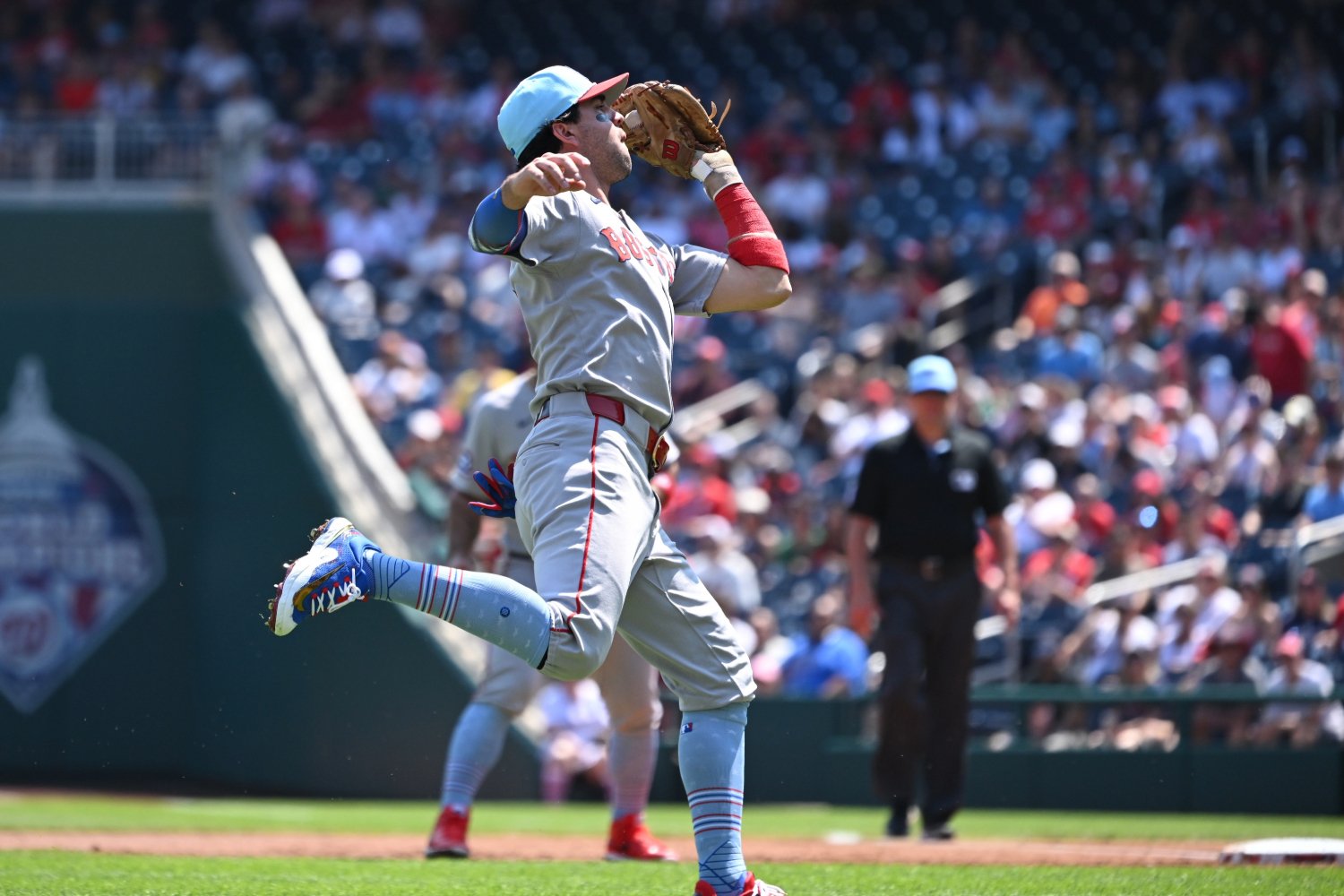 The Boston Red Sox, as currently constructed, need corner infield help badly. Of the players currently on the 40-man roster, three were expected to provide important roles throughout 2025, but due to injuries only one made it through the entire season, that being Romy González. He played in a career-high 96 games at first base, second base and a brief appearance at third base. Triston Casas and Marcelo Mayer were not as fortunate, as they played 29 and 44 games (87 if we include the 43 games at Worcester), respectively. While the potential is there for both young players, based on the past few years, there is a debate over whether they can stay healthy through an entire 162-game season. When they are healthy, they have shown proof of being starter-caliber players. With that, we’re going to take a look at the current state of the Red Sox's corner infield depth, going over those on the 40-man roster and those who could contribute next year in the event of an injury. Boston Red Sox 1B Starter: Romy González (96 games, .305/.343/.483 .826 OPS, 23 2Bs, 3 3Bs, 9 HRs, 53 RBIs) González is being placed here as the starting first baseman due to the fact we don’t know if Casas will even be ready for the start of the 2026 season. That’s no knock against González; he is just better suited as a super-utility player since he can play all over the infield and is relatively still new to first base (he’s played a total of 78 games there, all coming since joining the Red Sox in 2024). There’s also the possibility of González being the starter at second base, contingent on how the rest of the offseason unravels. Either way, he needs to be in the lineup each time a left-hander starts for the opposing team due to his .331/.378/.600 slash line against them. Should the Red Sox bring in a true first baseman, González will be able to properly serve his utility role for manager Alex Cora and get at-bats from various positions. 3B Starter: Marcelo Mayer (44 games, .228/.272/.402 .674 OPS, 8 2Bs, 1 3B, 4 HRs, 10 RBIs) Much like with González, Mayer is being placed here as the current starter due to Alex Bregman’s foray into free agency and the team lacking another player to plug in at the hot corner. Of course, much like González, he could also be the starter at second base instead. In his short time with Boston, Mayer proved he was ready defensively, mostly playing third base which he handled with east after playing the position just five times between Portland and Worcester. He also appeared at second base and was able to handle the position well. Offensively, it was a different story, as he flashed some power and showed he could currently be league average against right-handers, but against left-handed pitching he struggled to a .154/.185/.231 line. Mayer is still young and has time to learn — his promotion to Boston last year was rushed due to Bregman’s injury — and he should fare better against major-league pitching in 2026. Potential Backups: Triston Casas (29 games, .182/.277/.303 .580 OPS, 3 2Bs, 3 HRs, 11 RBIs) To say 2025 was a rough season for Casas would be an understatement. After getting off to an extremely cold start, the first baseman began to heat up slightly before a ruptured left patellar tendon ended his season in May. This is the second straight season where a serious injury cost him significant time (and the fourth of the last five season where he played under 105 games). However, when Casas is healthy and right. there’s no denying how important his bat can be. Just entering his age-26 season, should Casas get back to the player he looked like 2023 (24 home runs, .856 OPS), he could strengthen this lineup. Nick Sogard (30 games, .260/.317/.344 .661 OPS 8 2Bs, 9 RBIs) Sogard is a fascinating player, as he'd make plenty of teams’ 26-man roster easily with his skill set of playing all over the field and making quality contact. Unfortunately for Sogard, due to his two remaining minor-league options, he’ll likely be shuttled between Worcester and Boston just as he has been for the past two seasons. While Sogard can be solid defensive at multiple positions and has an average hit tool, his power could hold him back as his exit velocities are below average and he only has 12 career extra-base hits in 173 plate appearances. Nate Eaton (41 games, .296/.348/.383 .731 OPS, 4 2Bs, 1 HR, 4 RBIs) Eaton signed with Boston on a minor-league deal prior to the 2025 season and played well enough in Worcester to warrant a call-up to Boston after Rafael Devers was traded. While he didn’t produce many extra-base hits, Eaton managed to set career highs for exit velocity, hard-hit rate and barrel percentage, though he was mostly used as a late-game replacement or pinch runner. Eaton also allows the team to play loose with substitutions, as he can play all three outfield positions and third base. Tristan Gray (30 games, .231/.282/.410 .693 OPS, 5 2Bs, 3 HRs, 9 RBIs) Gray, who was recently acquired for Luis Guerrero, is an interesting depth option for the team. Unlikely to make the team out of spring training the infielder will most likely spend a lot of time with Worcester. Much like Sogard and Eaton, Gray provides the Red Sox with defensive versatility thanks to his ability to play all four infield positions. But unlike the other two, he also has power behind his swing, having what would have been one of the fastest bat speeds on the team in 2025. Gray does have a swing-and-miss issue, but if he makes contact, it's loud. Triple-A Worcester: Vinny Capra (47 games (White Sox/Brewers), .125/.157/.177 .334 OPS, 2 2Bs, 1 HR, 6 RBIs) Capra, who signed a minor-league deal on Thanksgiving, provides the Red Sox with another dispensable veteran depth option should the team need a player for a short term. Capra has the ability to play not just third base but also second base and shortstop, giving the Sox a plug-and-play infielder. Offensively, he is not very good, if we're being blunt. In 142 career plate appearances, he has a batting line of .133/.181/.188 while striking out more times than he has hits (34 strikeouts to 17 hits). But he’s the kind of player the team has targeted before for minor-league depth, a veteran presence who can play multiple positions. Mikey Romero (111 games (Portland Sea Dogs/Worcester Red Sox) .245/.300/.452 .751 OPS, 33 2Bs, 4 3Bs, 17 HRs, 76 RBIs) Romero is a former first-round draft pick based on his potential ability as a hitter, but injuries have kept him off the field for his first few seasons. He did play a career-high amount of games this past season, for what it's worth. Also, Romero began a position change in 2025, playing more third base than shortstop, especially after his promotion to Worcester in July. Romero showcased average in-game power coming into this past season and a healthy offseason allowed him to hit career highs in doubles and home runs. He can make good contact against right-handers but struggles against left-handers and has a history of chasing changeups out of the zone. Defensively, second base may end up being his best position due to his arm strength, and even then, he may not be much more than an average defender. Nathan Hickey (128 games, .234/.325/.408 .733 OPS, 23 2Bs, 2 3Bs, 17 HR, 75 RBIs) While technically listed as a catcher on multiple depth charts, it’s currently due to the fact there are not many options at Triple-A at this point for the Red Sox. Hickey, who was drafted as a backstop, appeared mostly at first base or designated hitter after moving off of catcher in 2024. Defensively, he has taken rather well to the position, having made just four errors across 90 games there the past two seasons. Offensively, he has good raw power but swings-and-misses a bit. Hickey also is patient and knows the strike zone but whiffs considerably on pitches in the zone. He'd be a last-resort option for the Red Sox at first base.
 -
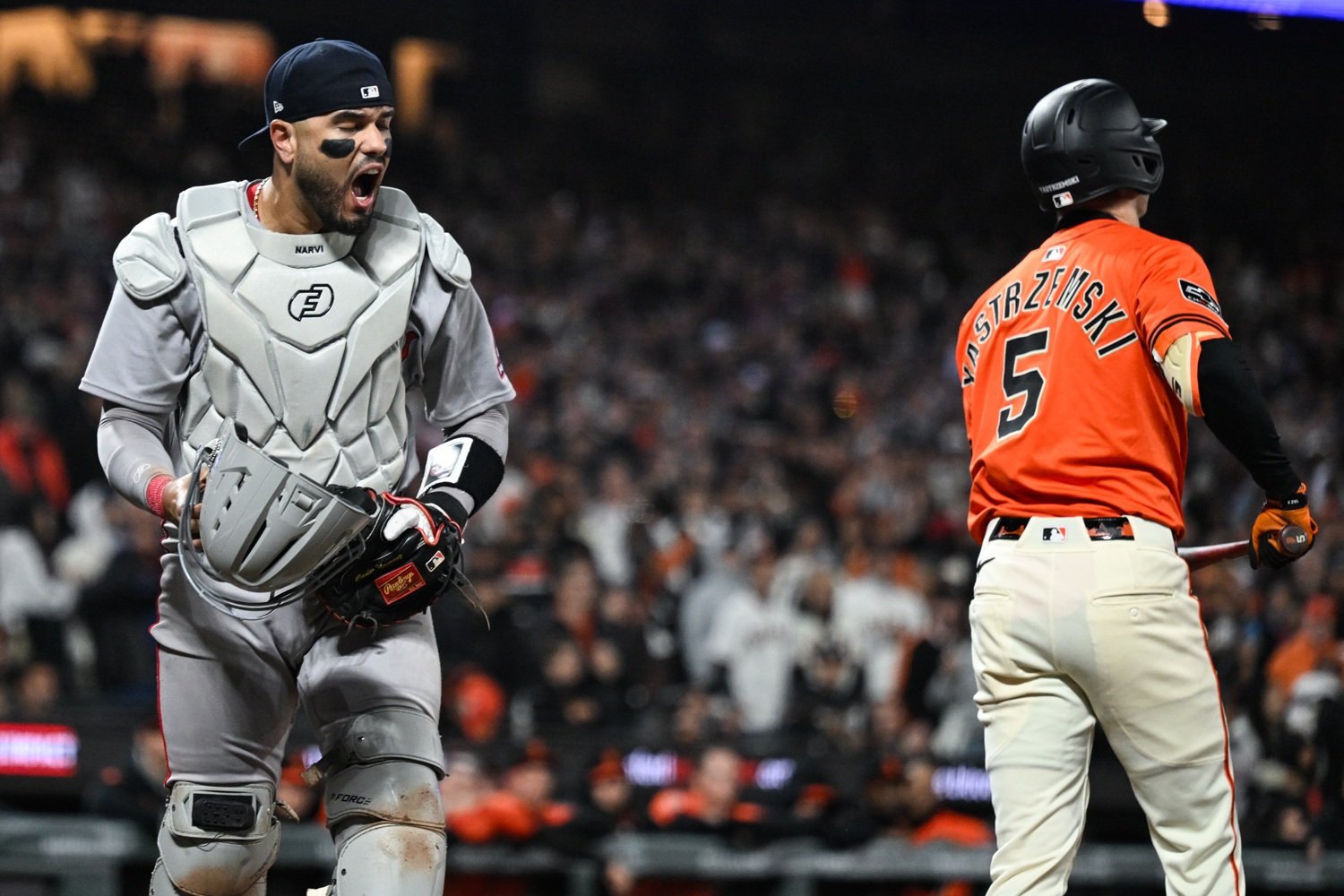 The Boston Red Sox are in an interesting situation when it comes to their catching depth, as the 2025 season showed they need to improve upon major-league-ready options in the event of an injury. While the team has a quality starter in Carlos Narváez, it gets a bit thin further down the depth chart. Remember when Connor Wong got hurt and missed significant time, and then again during a playoff push when Narváez himself was injured and missed a few games? While he returned to the lineup, it was clear he was not at 100% for the remainder of the season after rushing back. With that, we’re going to take a look at the current state of the Red Sox's catching depth, going over the various options who could (or shouldn't) serve as backup plans in 2026. MLB: Boston Red Sox Starter: Carlos Narváez (118 games, .241/.306/.419 .726 OPS, 27 2Bs, 15 HR, 50 RBIs) Acquired in a trade with the New York Yankees at last year's Winter Meetings, Narváez burst onto the scene after winning the starting position. Known for his defense, Narváez’s bat woke up as he was a key offensive piece for the team in the first half, often finding himself batting fourth for manager Alex Cora. Offensively, he began to regress in the second half as a career high in innings behind the plate coupled with a knee injury in August (that would require offseason surgery) caught up to him. Narváez looks to enter 2026 fully recovered and build off of a surprisingly strong rookie season. Backup: Connor Wong (63 games, .190/.262/.238 .500 OPS, 8 2Bs, 7 RBIs) To say 2025 was a disappointing season for Wong is an understatement. The catcher regressed more than expected from his breakout 2024 campaign, as he dealt with a fractured left pinky in April along with a carpal boss on the back of his hand throughout the season. Wong is expected to enter the 2026 season as the backup barring any unforeseen moves and should he play at a level between his 2024 and 2025 seasons, that will be perfectly fine. His second-half numbers saw a slight improvement as he hit .235/.292/.333 with eight doubles and six RBIs in 29 games. Defensively, he still has work to do as he was awful in nearly every catching category besides framing, where he was league average. Triple-A Worcester Starter: Jason Delay (68 games [AA Columbus Clingstones/AAA Gwinnett Stripers], .200/.261/.257 .518 OPS, 10 2Bs, 1 HR, 14 RBIs) Delay follows the pattern of the Red Sox signing a veteran catcher who has experience in the majors to a minor-league deal to be a depth option in Triple-A. They did it last year with Seby Zavala and in 2024 with Tyler Heineman. Delay was not signed because of his bat, being a career .231/.295/.315 hitter in 134 career games with the Pirates. Offensively, you won’t get much, if any, power from Delay, but he will occasionally walk and has hit left-handed pitching a little better as shown by a career .254/.315/.343 slash line against them. Defensively, he has allowed 87 stolen bases during his time in the majors and thrown out just 16 potential base stealers, though he has yet to allow a passed ball. Delay is meant to work with the pitchers and catchers in Worcester, and should an injury occur in Boston, would be the first backstop added to the roster barring any other moves this offseason. Backup: Nathan Hickey (128 games, .234/.325/.408 .733 OPS, 23 2Bs, 2 3Bs, 17 HR, 75 RBIs) Listing Hickey as a catcher at this point is due is more necessity than reality. Hickey, who was drafted as a catcher, appeared behind the plate in just four games in 2025 after appearing there in just 47 games the season prior. Defensively, he’s only caught around 10% of base stealers. He’s now more of a first baseman than a backstop, but can still catch if needed despite a below-average arm and trouble blocking pitches in the dirt. Offensively, he has good raw power but swings-and-misses a bit. Hickey also is patient and knows the strike zone well. If he makes it to Boston, it'll likely be as a DH or first base option rather than a catcher. Emergency catcher: Enderso Lira (6 games [AA Portland Sea Dogs/AAA Worcester Red Sox], .154/.313/.385 .698 OPS, 1 HR, 2 RBIs) Lira, who received the second-highest bonus of the Red Sox's 2021 international free agent class, barely played in 2025 as he was often bounced between Portland and Worcester to be an emergency body on the roster. Offensively, there isn’t much to write home about as he has a short, direct swing and knows the strike zone well but has next-to-no power. Defensively, he is solid behind the plate and has an above-average arm that has a chance to improve as he grows older. Double-A Portland Starter: Brooks Brannon (93 games [A+ Greenville Drive/AA Portland Sea Dogs], .251/.308/.393 .701 OPS, 16 2Bs, 2 3Bs, 10 HRs, 47 RBIs) Brannon, who was drafted in 2022, finally stayed healthy enough to showcase the talents that had the Red Sox originally interested in him after his first two seasons were cut short due to injuries. Despite appearing in 93 games, he only caught in 49 of them and saw time at first base and designated hitter. Defensively, he’s got good receiving skills behind the plate but is still learning how to frame and call games. He will also struggle with blocking pitches in the dirt but has an above-average arm. Offensively, he is able to generate impressive bat speed but will need to improve swing decisions. His power, however, is real, and when he does make contact, the ball is hit hard. It could be his carrying tool to the majors. Backup: Ronald Rosario (98 games, .201/.278/.321 .599 OPS, 10 2Bs, 11 HRs, 56 RBIs) Rosario, who is Rule 5 Draft eligible this offseason, signed with the Red Sox in July of 2019 and made his Double-A debut in 2025 after ending the 2024 season on Portland’s development list. Rosario is aggressive at the plate and has yet to work counts on a frequent basis. He also seems to struggle against velocity, as most of his damage has been against fastballs in the low-90s or slower. Defensively, he appears to move well but can be error-prone when fielding the ball behind the dish.
 -
The Boston Red Sox are in an interesting situation when it comes to their catching depth, as the 2025 season showed they need to improve upon major-league-ready options in the event of an injury. While the team has a quality starter in Carlos Narváez, it gets a bit thin further down the depth chart. Remember when Connor Wong got hurt and missed significant time, and then again during a playoff push when Narváez himself was injured and missed a few games? While he returned to the lineup, it was clear he was not at 100% for the remainder of the season after rushing back. With that, we’re going to take a look at the current state of the Red Sox's catching depth, going over the various options who could (or shouldn't) serve as backup plans in 2026. MLB: Boston Red Sox Starter: Carlos Narváez (118 games, .241/.306/.419 .726 OPS, 27 2Bs, 15 HR, 50 RBIs) Acquired in a trade with the New York Yankees at last year's Winter Meetings, Narváez burst onto the scene after winning the starting position. Known for his defense, Narváez’s bat woke up as he was a key offensive piece for the team in the first half, often finding himself batting fourth for manager Alex Cora. Offensively, he began to regress in the second half as a career high in innings behind the plate coupled with a knee injury in August (that would require offseason surgery) caught up to him. Narváez looks to enter 2026 fully recovered and build off of a surprisingly strong rookie season. Backup: Connor Wong (63 games, .190/.262/.238 .500 OPS, 8 2Bs, 7 RBIs) To say 2025 was a disappointing season for Wong is an understatement. The catcher regressed more than expected from his breakout 2024 campaign, as he dealt with a fractured left pinky in April along with a carpal boss on the back of his hand throughout the season. Wong is expected to enter the 2026 season as the backup barring any unforeseen moves and should he play at a level between his 2024 and 2025 seasons, that will be perfectly fine. His second-half numbers saw a slight improvement as he hit .235/.292/.333 with eight doubles and six RBIs in 29 games. Defensively, he still has work to do as he was awful in nearly every catching category besides framing, where he was league average. Triple-A Worcester Starter: Jason Delay (68 games [AA Columbus Clingstones/AAA Gwinnett Stripers], .200/.261/.257 .518 OPS, 10 2Bs, 1 HR, 14 RBIs) Delay follows the pattern of the Red Sox signing a veteran catcher who has experience in the majors to a minor-league deal to be a depth option in Triple-A. They did it last year with Seby Zavala and in 2024 with Tyler Heineman. Delay was not signed because of his bat, being a career .231/.295/.315 hitter in 134 career games with the Pirates. Offensively, you won’t get much, if any, power from Delay, but he will occasionally walk and has hit left-handed pitching a little better as shown by a career .254/.315/.343 slash line against them. Defensively, he has allowed 87 stolen bases during his time in the majors and thrown out just 16 potential base stealers, though he has yet to allow a passed ball. Delay is meant to work with the pitchers and catchers in Worcester, and should an injury occur in Boston, would be the first backstop added to the roster barring any other moves this offseason. Backup: Nathan Hickey (128 games, .234/.325/.408 .733 OPS, 23 2Bs, 2 3Bs, 17 HR, 75 RBIs) Listing Hickey as a catcher at this point is due is more necessity than reality. Hickey, who was drafted as a catcher, appeared behind the plate in just four games in 2025 after appearing there in just 47 games the season prior. Defensively, he’s only caught around 10% of base stealers. He’s now more of a first baseman than a backstop, but can still catch if needed despite a below-average arm and trouble blocking pitches in the dirt. Offensively, he has good raw power but swings-and-misses a bit. Hickey also is patient and knows the strike zone well. If he makes it to Boston, it'll likely be as a DH or first base option rather than a catcher. Emergency catcher: Enderso Lira (6 games [AA Portland Sea Dogs/AAA Worcester Red Sox], .154/.313/.385 .698 OPS, 1 HR, 2 RBIs) Lira, who received the second-highest bonus of the Red Sox's 2021 international free agent class, barely played in 2025 as he was often bounced between Portland and Worcester to be an emergency body on the roster. Offensively, there isn’t much to write home about as he has a short, direct swing and knows the strike zone well but has next-to-no power. Defensively, he is solid behind the plate and has an above-average arm that has a chance to improve as he grows older. Double-A Portland Starter: Brooks Brannon (93 games [A+ Greenville Drive/AA Portland Sea Dogs], .251/.308/.393 .701 OPS, 16 2Bs, 2 3Bs, 10 HRs, 47 RBIs) Brannon, who was drafted in 2022, finally stayed healthy enough to showcase the talents that had the Red Sox originally interested in him after his first two seasons were cut short due to injuries. Despite appearing in 93 games, he only caught in 49 of them and saw time at first base and designated hitter. Defensively, he’s got good receiving skills behind the plate but is still learning how to frame and call games. He will also struggle with blocking pitches in the dirt but has an above-average arm. Offensively, he is able to generate impressive bat speed but will need to improve swing decisions. His power, however, is real, and when he does make contact, the ball is hit hard. It could be his carrying tool to the majors. Backup: Ronald Rosario (98 games, .201/.278/.321 .599 OPS, 10 2Bs, 11 HRs, 56 RBIs) Rosario, who is Rule 5 Draft eligible this offseason, signed with the Red Sox in July of 2019 and made his Double-A debut in 2025 after ending the 2024 season on Portland’s development list. Rosario is aggressive at the plate and has yet to work counts on a frequent basis. He also seems to struggle against velocity, as most of his damage has been against fastballs in the low-90s or slower. Defensively, he appears to move well but can be error-prone when fielding the ball behind the dish. View full article
-
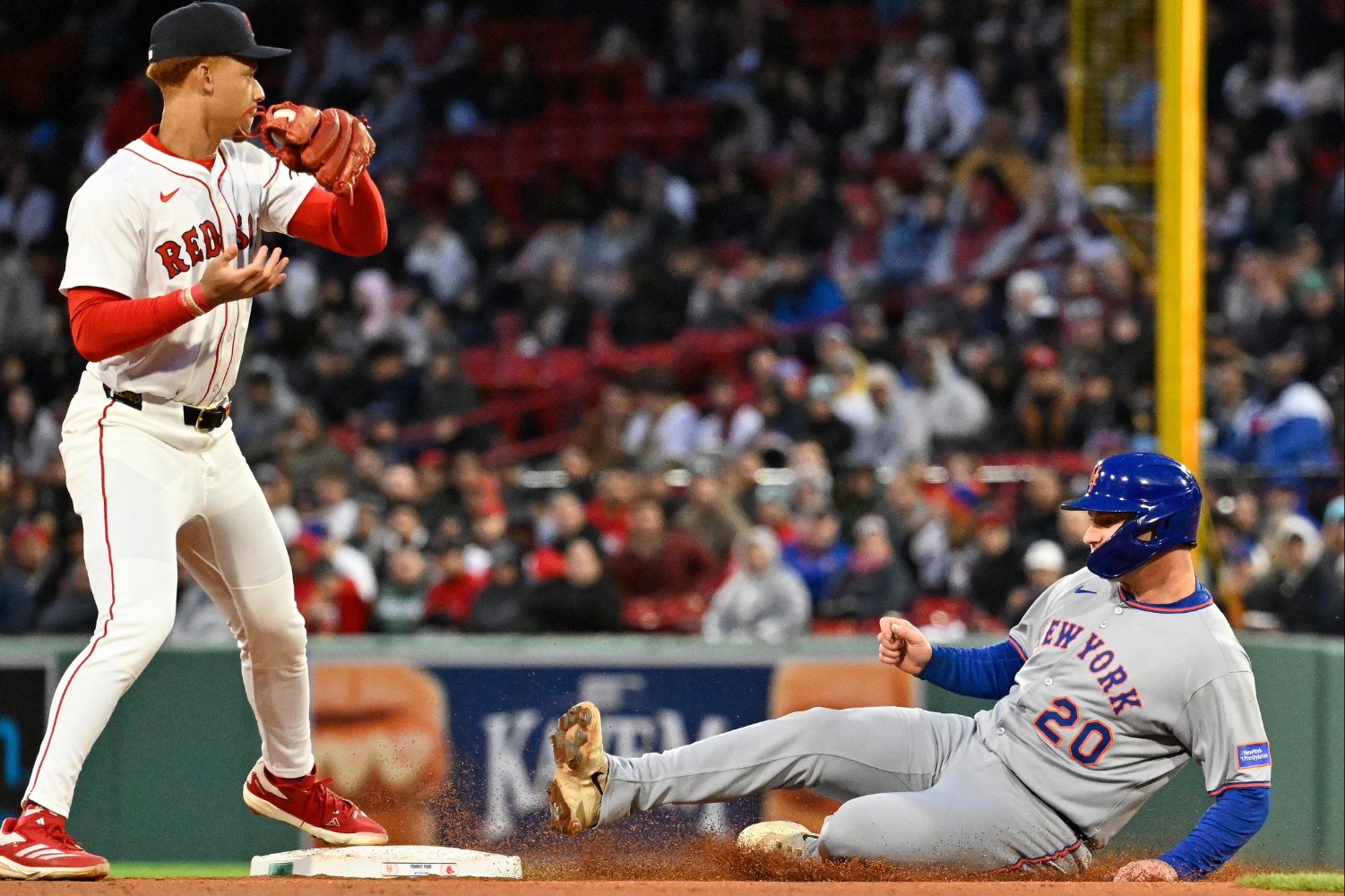 The Boston Red Sox need a first baseman—there’s no question about that. While Triston Casas is still on the roster, the young first baseman has shown an inability to remain on the field due to various injuries. While there have been tough luck injuries in the case of 2024 and 2025, not many bring up the fact that he missed significant time at the end of his rookie season in 2023 (his final game being on September 14) and only played in 103 games in 2022 between the minor leagues and Boston. While Casas states he plans to be ready for Opening Day, it’s highly likely he opens the year with Triple-A Worcester to get constant reps before coming back up to Boston. While the team had Nathaniel Lowe play first base for part of August and most of September, he wound up being designated for assignment and then non-tendered by the team to open up a roster spot on the 40-man roster. Now, the only healthy options currently on the 40-man roster are Romy González and Tristan Gray. Both are better in a utility role, moving around the field constantly. In González’s case he may be in line for significant play time at second base depending on how the rest of the offseason shapes out. With that, the Red Sox may be willing to move on from Casas due to his injury history and look towards what is a rather interesting first base group in this free agent class. Already one quality first baseman is gone as Josh Naylor re-signed with Seattle for five-years and $92.5 million. Despite Naylor being the first domino to fall, there are still plenty of options that could fit with the Red Sox. Pete Alonso (3.6 fWAR) Alonso is very much the top first baseman on the market and is DiamondCentric’s 10th overall free agent this offseason. He was previously a free agent last year before resigning with the New York Mets with an opt-out after the 2025 season in hopes that he would have a rebound season. To say that worked out would be an understatement. Playing in all 162 games for the second straight season, Alonso slashed .272/.347/.524, good for an OPS of .871 and a wRC+ of 141, tied for the second-best of his career. He also had 41 doubles, a triple, 38 home runs and 126 RBIs, which would have made him the team leader in home runs and RBIs and tied for the team lead in doubles with Jarren Duran. Alonso very much loves to swing big, having struck out 162 times last year, but his power output led to his fourth straight All-Star game selection, his first career Silver Slugger and his highest MVP finish since the 2022 season. What makes Alonso a great target is he hits the ball hard—really hard. His average exit velocity (93.5 mph), barrel percentage (18.9%), and hard-hit rate (54.4%) are all some of the highest in the league. And he fits right in with the team’s approach to increasing bat speed as his average was 75.3 mph. Of course, Alonso doesn’t come without his own fair share of issues. As a batter, he can be prone to chasing as he did 27.4% of the time last season while whiffing on 25.6% of his swings overall. Even then, his defense is what could be a real issue down the road. Last season, he finished with 10 errors and finished with a fielding percentage of .992. Dig deeper, and you'll find that Alonso finished last season with -9 defensive runs saved along with a fielding run value of -8 and an outs above average of -9. In short, he was a very bad fielder, even if his fielding percentage says otherwise. With Alonso entering his age-31 season and projected to earn a multi-year contract that would see him play into his late-30s, he will very likely be forced into becoming a full-time designated hitter. Munetaka Murakami Murakami has made a name for himself since 2019 when he truly broke out in his second season with the Yakult Swallows. Since becoming a starter that season, he has hit 30 or more homes in all but two of his years in Japan. In the case of those two seasons, he missed significant time and is coming off of a 2025 season that saw him hit 22 home runs in 56 games. For fairness, I’m only including his Central League stats and not his Eastern League stats since the Eastern League is the Pacific Central League’s equivalent to MLB’s minor leagues. In those 56 games, he would go on to hit .273/.379/.663, good for an OPS of 1.043. Yet most of his slugging came from his home runs, as he only hit seven doubles, a trend that continued from 2024 where he had just 13 doubles in 143 games. He also drove in 47 runs. Murakami can hit. There’s no denying that, as he has plus-plus exit velocity when he makes contact. When he makes contact is an issue, though, as he has significant swing-and-miss concerns where it seems sometimes he might be selling out at the plate to hit a home run. Last season in just 56 games, Murakami had a whiff rate of 36.7% and a strikeout rate of 28.6%, both an improvement over his 2024 numbers but still concerning when you remember that players from Japan tend to see their swing-and-miss numbers get worse in MLB. It could take some time for Murakami to adjust to velocity as he hit just .095 against pitches 93 mph or faster in 2025, a slight improvement from his 2024 average of .093. That being said, one positive besides his amazing power is that Murakami walks. Last year he had a 14.3% walk rate, Defensively, Murakami has played third base and first base along with a little outfield in the mix, but since 2021 has mainly been a third baseman. Though with 100 errors at the position in 1760 fielding chances, he is likely to play first base or even be a designated hitter with a MLB team. Should the Red Sox pursue him, it would most likely be as a first baseman. He will eventually be a great hitter, but the Red Sox may not want to spend time getting Murakami up to speed against major-league velocity. Some scouts believe he’ll have to change his swing if he wants to succeed in the majors and if the Red Sox are going to invest the money he’s expected to get (around $92 million as projected by DiamondCentric, plus a posting fee), the Red Sox need to make sure they get the right hitter for the job. Kazuma Okamoto Okamoto, who is also from Japan, is a more complex case than Murakami. While older (he’ll turn 30 at the end of June compared to Murakami entering his age-26 season), Okamoto may be more what the Red Sox are looking for in a first baseman. Much like Murakami, he missed significant time last year, playing in just 69 games where he hit .327/.416/.598 with a 1.014 OPS. He also had 21 doubles, a triple, 15 home runs and 49 RBIs. Okamoto has spent 11 years playing for the Yomiuri Giants where he has showcased great contact skills and displayed power to go with it, hitting .277/.361/.521 with 248 career home runs. Last season, Okamoto finished with the exact same walk and strikeout rate as well, 11.3%. Okamoto doesn’t hit the ball as hard as Murakami or Alonso, but he still rocked a hard-hit rate of 32.1% in 2025 and his contact skills may put him above the other two, as he made contact on 80.4% of his swings in 2025. He has the kind of skill set a competing team looks for in a first baseman: a combination of power and average, the ability to consistently put the ball in play and limit strikeouts, and work a double-digit walk rate. The latter showcased his keen eye and ability to work the strike zone. Likewise, Okamoto has improved his contact against velocity over the past few seasons, showing that he might transition from the NPB to MLB at a faster rate than Murakami. In his career, Okamoto has had a plate appearance end with pitches of 93 mph or faster 289 times. In those 289 plate appearances, Okamoto hit .289/.383/.534 with 19 home runs and 61 RBIs, far better numbers than his Japanese counterpart. Defensively, Okamoto has played first base, third base and outfield and is currently viewed as an above-average defender at first base, something that could prove to be a tie-breaking factor, especially for Craig Breslow as he hopes to improve the defense at first base in Boston. Okamoto may have the lowest ceiling of this trio, but he balances a reasonable floor with an acceptable price tag (projected for four years, $68 million). There are other first basemen out there, but these three seem to be the best fit for the Red Sox at the moment. Of course, should they decide to go in a different direction and make a big signing for third base or second base, they could always trade for a first baseman on a cheap contract or employ a platoon of Casas and González. Either way, infield upgrades should be coming to Boston soon enough.
 -
The Boston Red Sox need a first baseman, there’s no question about that. While Triston Casas is still on the roster, the young first baseman has shown an inability to remain on the field due to various injuries. While there have been tough luck injuries in the case of 2024 and 2025, not many bring up the fact that he missed significant time at the end of his rookie season in 2023 (his final game being on September 14) and only played in 103 games in 2022 between the minor leagues and Boston. While Casas states he plans to be ready for opening day, it’s highly likely he opens the year with Triple-A Worcester to get constant reps before coming back up to Boston. While the team had Nathaniel Lowe play first base for part of August and most of September, he wound up being designated for assignment and then non-tendered by the team to open up a roster spot on the 40-man roster. Now, the only healthy options currently on the 40-man roster are Romy González and Tristan Gray. Both are better in a utility role, moving around the field and in González’s case he may be in line for significant play time at second base depending on how the rest of the offseason shapes out. With that, the Red Sox may be willing to move on from Casas due to his injury history and look towards what is a rather interesting first base group in this free agent class. Already one quality first baseman is gone as Josh Naylor resigned with Seattle for five-years and $92.5 million. Despite Naylor being the first domino to fall, there are still plenty of options that could fit with the Red Sox. Pete Alonso (3.6 fWAR) Alonso is very much the top first baseman on the market and is DiamondCentric’s 10th overall free agent this offseason. He was previously a free agent last year before resigning with the New York Mets with an opt-out after the 2025 season in hopes that he would have a rebound season and he did just that. Playing in all 162 games for the second straight season, Alonso slashed .272/.347/.524 good for an OPS of .871 and a wRC+ of 141, tied for the second best of his career. He also had 41 doubles, a triple, 38 home runs and 126 RBIs, which would have made him the team leader in home runs and RBIs and tied for the team lead in doubles with Jarren Duran. Alonso very much loves to swing big, having struck out 162 times last year but his power output led to his fourth straight All-Star game selection, his first career silver slugger and his highest MVP finish since the 2022 season. What makes Alonso fascinating is he hits the ball hard. His average exit velocity (93.5 mph), barrel percentage (18.9%), and hard-hit rate (54.4%) are all some of the highest in the league. And he fits right in with the team’s approach to increasing bat speed as his average was 75.3 mph. A great bat speed leads to consistent swings across an at-bat and a naturally strong swing can help drive the ball further as well. Of course, Alonso doesn’t come without his own fair share of issues. As a batter he can be prone to chasing as he did 27.4% of the time last season while whiffing on 25.6% of his swing overall. But despite that it’s more his defense that could be an issue down the road. Last season he finished with 10 errors and finished with a fielding percentage of .992. It looks good at that viewpoint, but when you dig deeper you begin to see the issues. Alonso finished last season with -9 defensive runs saved along with a fielding run value of -8 and an outs above average of -9. In short, he was a very bad fielder even if his fielding percentage says otherwise. With Alonso entering his age-31 season and projected to earn a multi-year contract that would see him play into his late-30s, he will very likely be forced into becoming a full time designated hitter. Munetaka Murakami Murakami has made a name for himself since 2019 when he truly broke out in his second season with the Yakult Swallows. Since becoming a starter that season, he has hit 30 or more homes in all but two of his years in Japan. In the case of those two seasons, he missed significant time and is coming off of a 2025 season that saw him hit 22 home runs in 56 games. For fairness, I’m only including his Central League stats and not his Eastern League stats since the Eastern League is the Pacific Central League’s equivalent to MLB’s minor leagues. In those 56 games he would go on to hit .273/.379/.663 good for an OPS of 1.043. Yet most of his slugging came from his home runs as he only hit seven doubles, a trend that continued from 2024 where he had just 13 doubles in 143 games. He also drove in 47 runs. Murakami can hit, there’s no denying it as he has plus-plus exit velocity when he makes contact. When he makes contact is another issue as he has significant swing-and-miss concerns where it seems sometimes he might be selling out at the plate to hit a home run. Last season in just 56 games Murakami had a whiff rate of 36.7% and a strikeout rate of 28.6% both an improvement over his 2024 numbers but still concerning when you remember that players from Japan tend to see their swing and miss numbers get worse due to the increase in velocity. One positive besides his amazing power is that Murakami walks. Last year he had a 14.3% walk rate It could take some time for Murakami to adjust to velocity as he hit just .095 against pitches 93 mph or faster in 2025, a slight improvement from his 2024 average of .093. Defensively, Murakami has played third base and first base along with a little outfield but since 2021 has mainly been a third baseman. Though with 100 errors at the position in 1760 fielding chances, he is likely to play first base or even be a designated hitter with a MLB team. Should the Red Sox pursue him, it would most likely be as a first baseman. He will eventually be a great hitter, but the Red Sox may not want to spend time getting Murakami up to speed against velocity. Some scouts believe he’ll have to change his swing if he wants to succeed in the majors and if the Red Sox are going to invest the money he’s expected to get (around $92 million as projected by DiamondCentric plus a posting fee), the Red Sox need to make sure they get the right hitter for the job. Kazuma Okamoto Okamoto, who is also from Japan, is a much more interesting player than Murakami. While older (he’ll turn 30 at the end of June compared to Murakami entering his age-26 season), Okamoto may be more what the Red Sox are looking for in a first baseman. Much like Murakami he missed significant time last year, playing in just 69 games where he hit .327/.416/.598 with a 1.014 OPS. He also had 21 doubles, a triple, 15 home runs and 49 RBIs. Okamoto has spent 11 years playing for the Yomiuri Giants where he has showcased great contact skills and displayed power to go with it, hitting .277/.361/.521 with 248 career home runs. Last season Okamoto finished with the exact same walk and strikeout rate as well, 11.3%. Okamoto doesn’t hit the ball as hard as Murakami or Alonso, but the percentage of baseballs put in play that were classified as hit with hard speed were 32.1% in 2025 and his contact skills may put him above the other two as he made contact on 80.4% of his swings in 2025. Okamoto has the kind of skill set a competing team looks for in a first baseman: a combination of power and average, the ability to consistently put the ball in play and limit strikeouts and he has a double-digit walk rate. The latter showcased his keen eye and ability to work the strike zone. Likewise, Okamoto has improved his contact against velocity over the past few seasons, showing that he might transition from the NPB to MLB at a faster rate than Murakami. In his career, Okamoto has had a plate appearance end with pitches of 93 mph or faster 289 times. In those 289 plate appearances, Okamoto hit .289/.383/.534 with 19 home runs and 61 RBIs. Defensively Okamoto has played first base, third base and outfield and is currently viewed as an above-average defender at first base, something that could make teams interested in him excited about, especially Craig Breslow as he hopes to improve the defense at first base. Okamoto may have the lowest ceiling of the mentioned first basemen, but he also has the highest floor when it comes to his complete skill set. There are other first basemen out there, but these three seem to be the best fit for the Red Sox at the moment. Of course, should they decide to go in a different direction and make a big signing for third base or second base, they could always trade for a first baseman on a cheap contract or employ a platoon of Casas and González. But it’s still early in the offseason, who knows what Breslow has in mind. View full article
-
While Red Sox nation was preparing for Thanksgiving, Craig Breslow continued to prepare for the 2026 season as he signed infielder Vinny Capra to a minor-league deal on Thursday. The signing was first reported by SoxProspects’ Brendan Campbell. Capra, who will turn 30 next July, spent the 2025 season with the Milwaukee Brewers and Chicago White Sox. He would appear in 47 games for the two teams hitting a combined .125/.157/.177 with two doubles, a home run and sox RBIs. Defensively, Capra spent time at second base, shortstop and third base along with a few outfield appearances in Triple-A. While it hasn’t been announced yet, his minor league deal is likely to include a non-roster invitation to spring training. Should he make it through spring training, Capra will most likely report to Worcester where he will serve as infield depth thanks to his ability to play all over the diamond. View full rumor
-
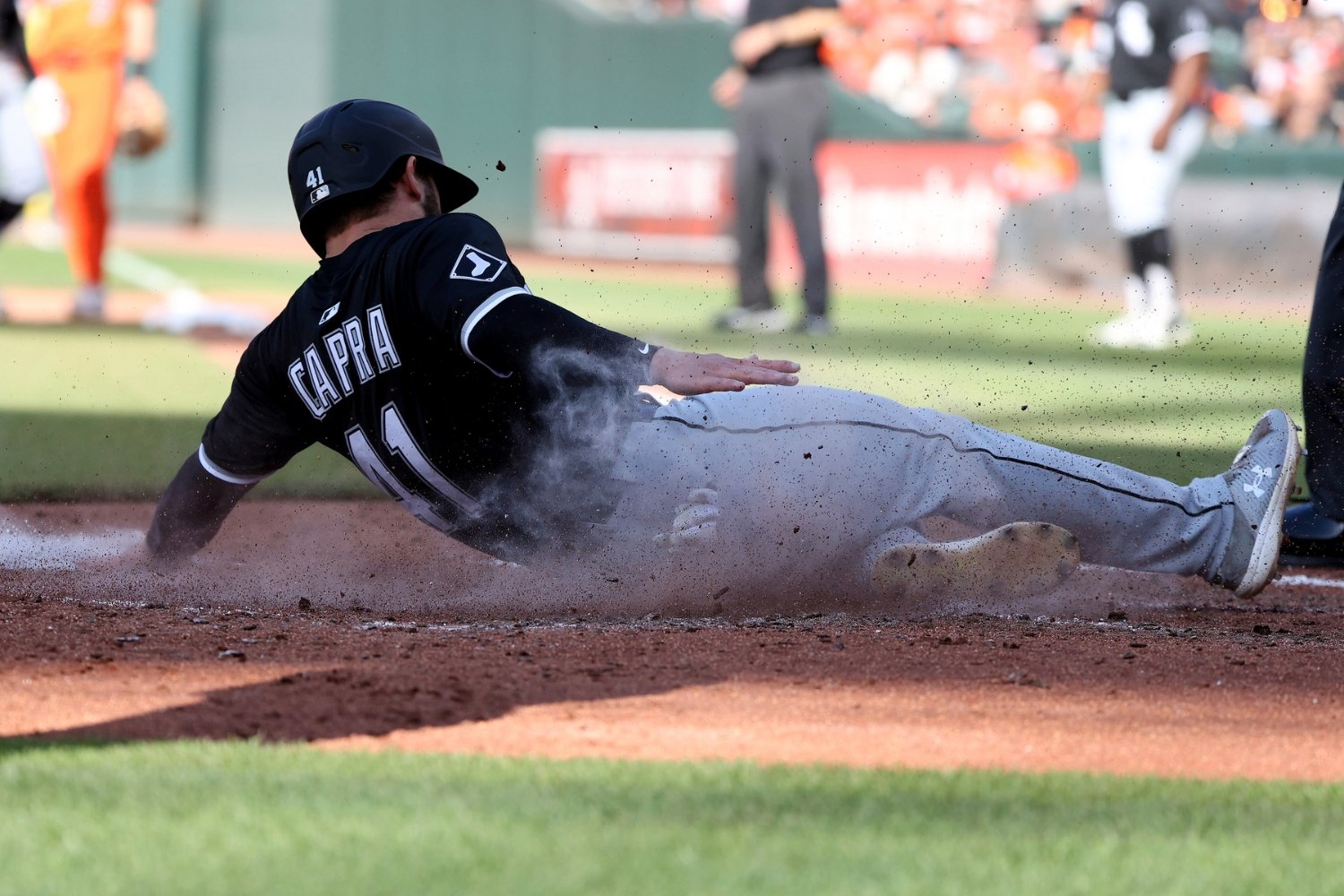 While Red Sox nation was preparing for Thanksgiving, Craig Breslow continued to prepare for the 2026 season as he signed infielder Vinny Capra to a minor-league deal on Thursday. The signing was first reported by SoxProspects’ Brendan Campbell. Capra, who will turn 30 next July, spent the 2025 season with the Milwaukee Brewers and Chicago White Sox. He would appear in 47 games for the two teams hitting a combined .125/.157/.177 with two doubles, a home run and sox RBIs. Defensively, Capra spent time at second base, shortstop and third base along with a few outfield appearances in Triple-A. While it hasn’t been announced yet, his minor league deal is likely to include a non-roster invitation to spring training. Should he make it through spring training, Capra will most likely report to Worcester where he will serve as infield depth thanks to his ability to play all over the diamond.
 -
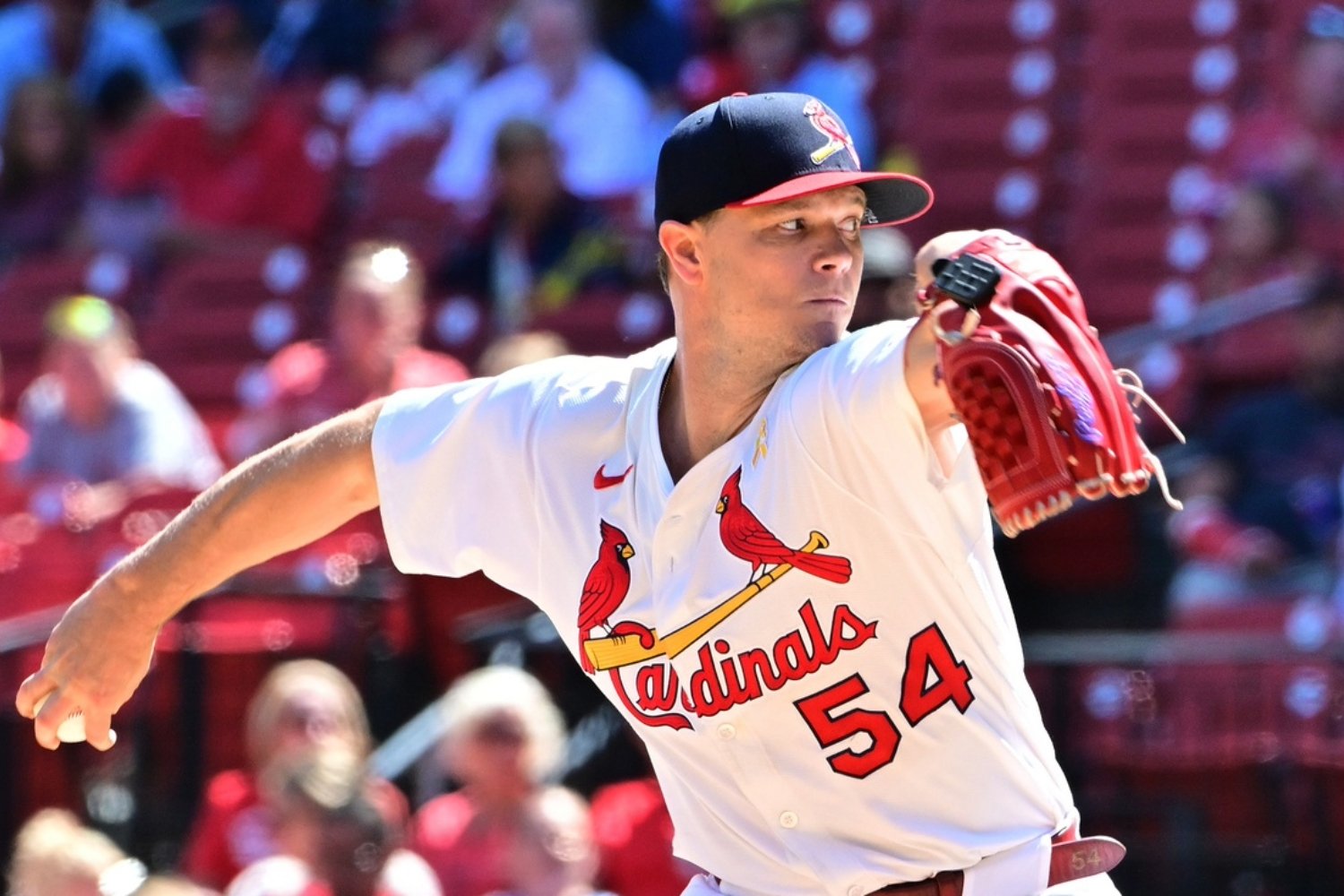 With the trade for Sonny Gray completed, the Boston Red Sox have begun their construction of their 2026 roster as the team hopes to improve upon their Wild Card Round finish. With Gray, the Red Sox have now acquired a pitcher who can provide them quality innings and strikeout opposing batters while limiting walks. While Gray is not the number two starter fans have dreamed of pairing with ace Garrett Crochet, he is a dependable arm for a rotation that was struggling to get quality starts near the end of the season. Along with Gray, the St. Louis Cardinals sent $20 million to cover nearly half of the $41 million he will be owed on his reworked contract. The deal, which was originally $35 million for the season along with a $30 million team option or a $5 million buyout for the 2027 season, was changed to become a $31 million contract with a mutual option buyout of $10 million for what will amount to $41 million. The Red Sox will be on the hook for $21 million of it. With that, the team has effectively replaced Lucas Giolito for Gray and will still have some money to work with along with several players in their organization to trade. The idea of taking on Gray and his bloated one-year contract is a sign from management that they’re willing to go for a championship prior to the upcoming lockout. It’ll be likely the team looks to add to the rotation through a separate move, but for the time being their, next target is to add an impact bat. According to MassLive's Chris Cotillo, the Red Sox are now shifting their attention toward acquiring lineup reinforcements. With glaring holes at three of the four infield positions, it only makes sense that the team will now focus on the offense before returning to the rotation. While Gray is not a bona fide number two starter at this point of his career, he was much better than his numbers suggest. If he puts up a chase rate of 31.2% and a whiff rate of 27.5% (his numbers in 2025), that will lessen the pressure of getting another top-of-the-rotation pitcher. By the end of the season, the offense was a mixed bag, especially once Roman Anthony was injured. With the addition to the rotation already secured, the team could go in various directions. They could look for a reunion with Alex Bregman after he opted out of his deal, or they could look elsewhere in the form of a Pete Alonso or Kazuma Okamoto. Thanks to only trading Richard Fitts and Brandon Clarke in the Gray deal, the team could reach into their outfield depth and perhaps build a package around either Jarren Duran or Wilyer Abreu to bring in an impact bat such as Ketal Marte from the Diamondbacks. The Gray trade has opened the door for the team to head down multiple avenues, and while it seems likely they’ll sign an impact bat over trading for one, the extra trade capital they still hold in Duran and Abreu could make a trade more affordable while leaving money to sign a big-name free agent later in the offseason. If there’s one thing Craig Breslow has shown since taking over baseball operations, it’s that he’s not worried about reactions to moves. He’s made several big-swing trades, including one that sent the then-face-of-the-franchise to San Francisco in what may essentially end up being a salary dump. Gray was just the first piece of the offseason puzzle; expect many more to follow as the pieces come together.
 -
With the trade for Sonny Gray completed, the Boston Red Sox have begun their construction of their 2026 roster as the team hopes to improve upon their Wild Card Round finish. With Gray, the Red Sox have now acquired a pitcher who can provide them quality innings and strikeout opposing batters while limiting walks. While Gray is not the number two starter fans have dreamed of pairing with ace Garrett Crochet, he is a dependable arm for a rotation that was struggling to get quality starts near the end of the season. Along with Gray, the St. Louis Cardinals sent $20 million to cover nearly half of the $41 million he will be owed on his reworked contract. The deal, which was originally $35 million for the season along with a $30 million team option or a $5 million buyout for the 2027 season, was changed to become a $31 million contract with a mutual option buyout of $10 million for what will amount to $41 million. The Red Sox will be on the hook for $21 million of it. With that, the team has effectively replaced Lucas Giolito for Gray and will still have some money to work with along with several players in their organization to trade. The idea of taking on Gray and his bloated one-year contract is a sign from management that they’re willing to go for a championship prior to the upcoming lockout. It’ll be likely the team looks to add to the rotation through a separate move, but for the time being their, next target is to add an impact bat. According to MassLive's Chris Cotillo, the Red Sox are now shifting their attention toward acquiring lineup reinforcements. With glaring holes at three of the four infield positions, it only makes sense that the team will now focus on the offense before returning to the rotation. While Gray is not a bona fide number two starter at this point of his career, he was much better than his numbers suggest. If he puts up a chase rate of 31.2% and a whiff rate of 27.5% (his numbers in 2025), that will lessen the pressure of getting another top-of-the-rotation pitcher. By the end of the season, the offense was a mixed bag, especially once Roman Anthony was injured. With the addition to the rotation already secured, the team could go in various directions. They could look for a reunion with Alex Bregman after he opted out of his deal, or they could look elsewhere in the form of a Pete Alonso or Kazuma Okamoto. Thanks to only trading Richard Fitts and Brandon Clarke in the Gray deal, the team could reach into their outfield depth and perhaps build a package around either Jarren Duran or Wilyer Abreu to bring in an impact bat such as Ketal Marte from the Diamondbacks. The Gray trade has opened the door for the team to head down multiple avenues, and while it seems likely they’ll sign an impact bat over trading for one, the extra trade capital they still hold in Duran and Abreu could make a trade more affordable while leaving money to sign a big-name free agent later in the offseason. If there’s one thing Craig Breslow has shown since taking over baseball operations, it’s that he’s not worried about reactions to moves. He’s made several big-swing trades, including one that sent the then-face-of-the-franchise to San Francisco in what may essentially end up being a salary dump. Gray was just the first piece of the offseason puzzle; expect many more to follow as the pieces come together. View full article