


Alex Mayes
-
Posts
814 -
Joined
-
Last visited
Content Type
Profiles
Boston Red Sox Videos
2026 Boston Red Sox Top Prospects Ranking
Boston Red Sox Free Agent & Trade Rumors, Notes, & Tidbits
Guides & Resources
2025 Boston Red Sox Draft Pick Tracker
News
2026 Boston Red Sox Draft Tracker: Picks & Bonuses
Forums
Blogs
Events
Store
Downloads
Gallery
Everything posted by Alex Mayes
-
Alex and Maddie jump into the ten-game winning streak to close the first half of the season and welcome back Masataka Yoshida and Alex Bregman. Then they discuss just how difficult the second half of the season will be before making some trade deadline predictions and figuring out which of the outfielders is the most likely to be moved. Listen on Apple Podcasts: https://podcasts.apple.com/us/podcast/the-talk-sox-podcast/id1783204104 Listen on Spotify: https://open.spotify.com/show/3qPrPXEngu0CxgTmlf0ynm Listen on iHeartRadio: https://www.iheart.com/podcast/263-the-talk-sox-podcast-244591331/ Listen on Pocket Casts: https://pca.st/4tmd121v Watch on YouTube: https://www.youtube.com/@talksox View full article
-
 Alex and Maddie jump into the ten-game winning streak to close the first half of the season and welcome back Masataka Yoshida and Alex Bregman. Then they discuss just how difficult the second half of the season will be before making some trade deadline predictions and figuring out which of the outfielders is the most likely to be moved. Listen on Apple Podcasts: https://podcasts.apple.com/us/podcast/the-talk-sox-podcast/id1783204104 Listen on Spotify: https://open.spotify.com/show/3qPrPXEngu0CxgTmlf0ynm Listen on iHeartRadio: https://www.iheart.com/podcast/263-the-talk-sox-podcast-244591331/ Listen on Pocket Casts: https://pca.st/4tmd121v Watch on YouTube: https://www.youtube.com/@talksox
 -
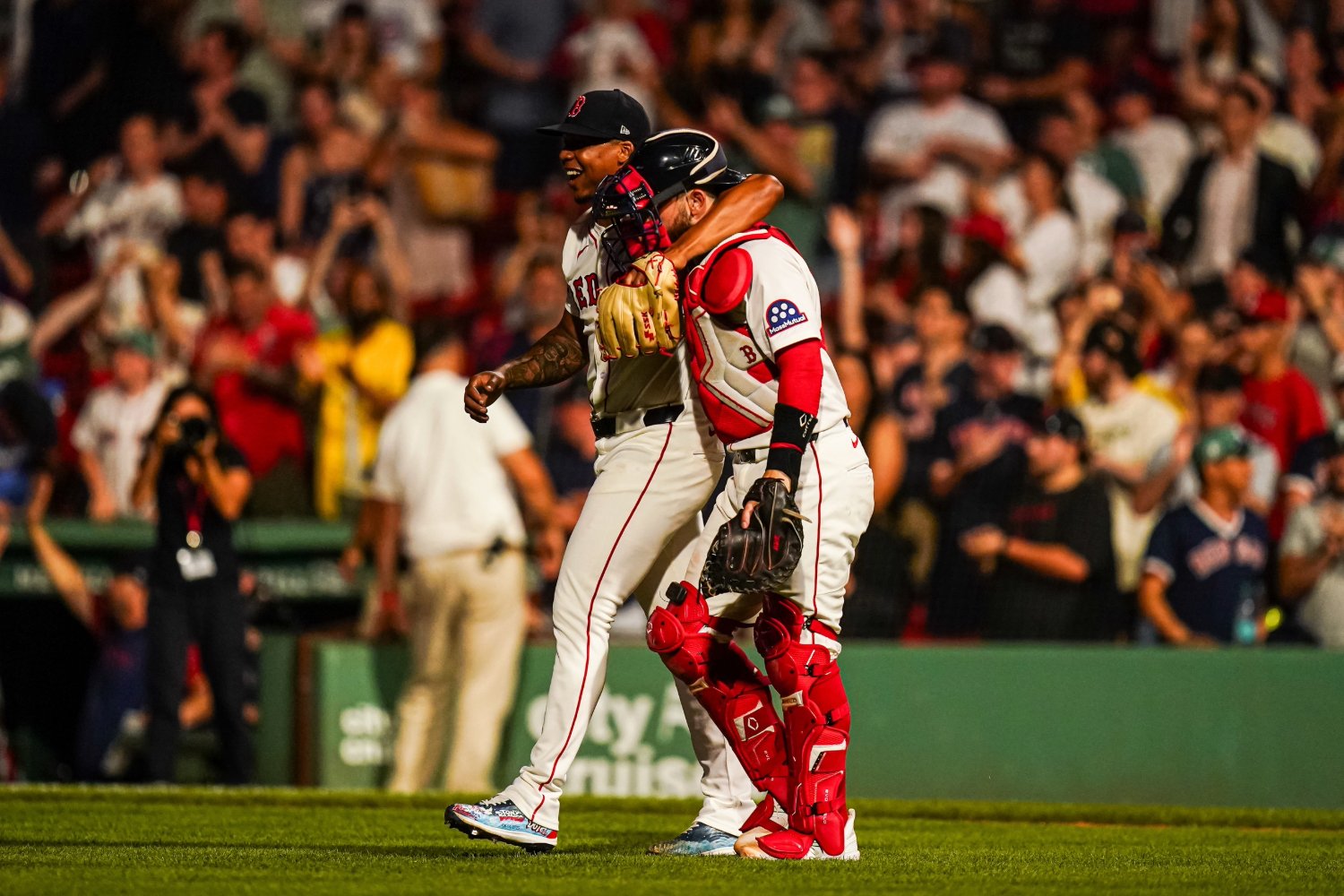 Earlier this season, Brayan Bello looked lost. He started the season with two wins in April, striking out seven between starts. He allowed four earned runs while walking six and striking out seven. Things took a very sudden downturn for him two starts later, though. In the month of May, Bello had six starts going 0-1 and only getting out of the fourth inning once. During May, he gave up 13 earned runs, three homers, 16 walks, and 22 strikeouts. There was talk of if he needed to be sent down to Triple-A to try and reset while building his workload up so he could go deeper into games. Even as the biggest Bello fan you’ll meet, I was starting to wonder if he could ever reach the ceiling that had been bestowed upon him by Hall of Famer Pedro Martinez two short years ago. Then, the calendar flipped to June and we suddenly saw a brand new pitcher. Bello entered June after posting a 4.03 ERA the month before. In June, Bello had five starts and still tallied more losses than wins, a 1-2 record, but suddenly he was going deeper into games while his strikeout numbers ticked up and his walk numbers plummeted. That month, his lone win came on Father’s Day against the Yankees when he hurled a masterclass over seven innings; Bello walked only 10 while striking out 23. His WHIP fell from 1.69 to start the month to 1.44 at the end. What’s most impressive, though, is he took this giant step forward against teams in the playoff hunt. He shone against the Rays, Yankees, and Giants. He kept his head afloat against the Angels while the team was underperforming all around him. He somehow turned in a quality start against the Blue Jays after being lit up to begin the game to close the month. Don’t put too much stock in his June win/loss record—it’s far more on the offense’s ability to not produce runs than Bello giving up no more than three earned throughout the month. Bello posted a 2.87 ERA in June, bringing his season-long ERA to 3.41. Even if the offense failed to pick him up most of June, you could see that he had figured something out and it was working well for him. Now in July, Bello is shining even brighter. Against the Reds he only went five innings, but he gave up one hit and one earned run. His strikeouts dipped to three, but he walked only one in that game. Unless you weren’t paying attention, Bello’s second outing in July should serve as his coming out party. On July 8 against the Rockies, Bello threw his first complete game. He was tagged for a two-run home run in the top of the ninth by Hunter Goodman on a cutter that just didn’t cut. We all had hoped that he would toss a complete game shutout, but even after surrendering the home run, Bello didn’t look shaken. He toed the rubber and went after the next hitters. Before that, Bello looked every bit of a playoff-caliber starter you would want him to be. He notched 10 strikeouts against only one walk. In the second, he struck out the side and posted five of his 10 strikeouts in the first two innings. This was by far the most aggressive start we’ve ever seen from Bello and if he continues pitching with that type of attitude, the top of the rotation will look solid for years to come. Brayan Bello had a ton of pressure placed on his shoulders before the 2024 season when he signed an extension and was the Opening Day starter. He’s admitted that he thinks that pressure caused him to slip and stumble multiple times throughout the season. This year, though, Bello seems to have found his footing and firmly entrenched himself as the No. 2 option in the rotation behind Garrett Crochet. There’s been a lot of talk about the front office wanting to bring in another top-tier starter to help bolster the rotation at the deadline, and it’s needed, but bringing in someone of that caliber serves to take even more pressure off of Bello, which should allow him to find an even higher gear to operate in. He may never be the true No. 1 starter that the team envisioned him to be in 2024 but if he’s pitching like this out of the third spot in the rotation, the Red Sox are going to be in a very good place as we start looking toward the postseason.
 -
Earlier this season, Brayan Bello looked lost. He started the season with two wins in April, striking out seven between starts. He allowed four earned runs while walking six and striking out seven. Things took a very sudden downturn for him two starts later, though. In the month of May, Bello had six starts going 0-1 and only getting out of the fourth inning once. During May, he gave up 13 earned runs, three homers, 16 walks, and 22 strikeouts. There was talk of if he needed to be sent down to Triple-A to try and reset while building his workload up so he could go deeper into games. Even as the biggest Bello fan you’ll meet, I was starting to wonder if he could ever reach the ceiling that had been bestowed upon him by Hall of Famer Pedro Martinez two short years ago. Then, the calendar flipped to June and we suddenly saw a brand new pitcher. Bello entered June after posting a 4.03 ERA the month before. In June, Bello had five starts and still tallied more losses than wins, a 1-2 record, but suddenly he was going deeper into games while his strikeout numbers ticked up and his walk numbers plummeted. That month, his lone win came on Father’s Day against the Yankees when he hurled a masterclass over seven innings; Bello walked only 10 while striking out 23. His WHIP fell from 1.69 to start the month to 1.44 at the end. What’s most impressive, though, is he took this giant step forward against teams in the playoff hunt. He shone against the Rays, Yankees, and Giants. He kept his head afloat against the Angels while the team was underperforming all around him. He somehow turned in a quality start against the Blue Jays after being lit up to begin the game to close the month. Don’t put too much stock in his June win/loss record—it’s far more on the offense’s ability to not produce runs than Bello giving up no more than three earned throughout the month. Bello posted a 2.87 ERA in June, bringing his season-long ERA to 3.41. Even if the offense failed to pick him up most of June, you could see that he had figured something out and it was working well for him. Now in July, Bello is shining even brighter. Against the Reds he only went five innings, but he gave up one hit and one earned run. His strikeouts dipped to three, but he walked only one in that game. Unless you weren’t paying attention, Bello’s second outing in July should serve as his coming out party. On July 8 against the Rockies, Bello threw his first complete game. He was tagged for a two-run home run in the top of the ninth by Hunter Goodman on a cutter that just didn’t cut. We all had hoped that he would toss a complete game shutout, but even after surrendering the home run, Bello didn’t look shaken. He toed the rubber and went after the next hitters. Before that, Bello looked every bit of a playoff-caliber starter you would want him to be. He notched 10 strikeouts against only one walk. In the second, he struck out the side and posted five of his 10 strikeouts in the first two innings. This was by far the most aggressive start we’ve ever seen from Bello and if he continues pitching with that type of attitude, the top of the rotation will look solid for years to come. Brayan Bello had a ton of pressure placed on his shoulders before the 2024 season when he signed an extension and was the Opening Day starter. He’s admitted that he thinks that pressure caused him to slip and stumble multiple times throughout the season. This year, though, Bello seems to have found his footing and firmly entrenched himself as the No. 2 option in the rotation behind Garrett Crochet. There’s been a lot of talk about the front office wanting to bring in another top-tier starter to help bolster the rotation at the deadline, and it’s needed, but bringing in someone of that caliber serves to take even more pressure off of Bello, which should allow him to find an even higher gear to operate in. He may never be the true No. 1 starter that the team envisioned him to be in 2024 but if he’s pitching like this out of the third spot in the rotation, the Red Sox are going to be in a very good place as we start looking toward the postseason. View full article
-
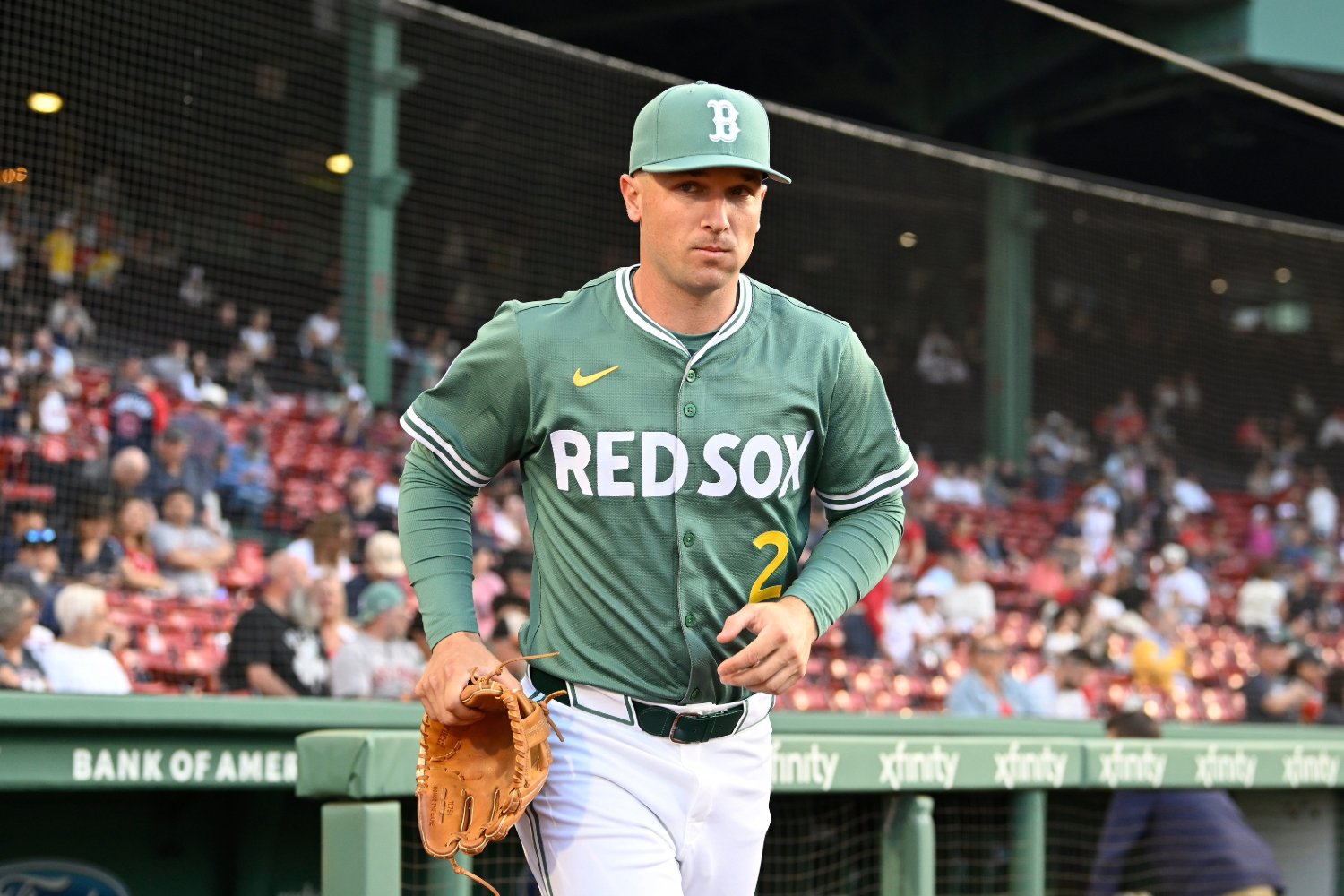 July is always one of the most interesting months in the baseball season. As of this writing, we are two days away from the All-Star break and there has been constant news swirling around the Red Sox since the month began. Notably, a report came out on July 7 stating that approximately a dozen teams were interested in acquiring Jarren Duran. While not surprising that teams are in on him with how he’s performed lately, we received some more detailed news on Friday, July 11 saying that the San Diego Padres have been “relentless” in their pursuit of Duran and have approached the Red Sox multiple times about trading for the left fielder, per MassLive’s Sean McAdam. Alongside the Duran news, Ken Rosenthal of The Athletic offered up some pointed remarks about the Red Sox trading their biggest free agent signing of the offseason, Alex Bregman. In short, don’t expect it to happen. Let’s take a dive into both rumors and see what they could mean for the team moving forward. Jarren Duran is the Padres’ Big Target Last month, I wrote about how the Red Sox and Padres didn’t match up super well on a deal for Duran. As of this writing, I still don’t disagree, but with the report coming out that the Padres have approached the Sox repeatedly trying to acquire Duran, that has to mean that they are willing to overextend themselves to land him. If that’s the case, get the deal done. On July 10, ESPN’s Jeff Passan published his ‘Top Moves for Contenders’ piece where he identified Duran as the best match for the Padres, due to their lack of having a capable left fielder on the roster. In that, Passan assumes that the Padres’ top prospect, shortstop Leo De Vries, is off-limits in trade discussions but mentions their second ranked prospect, catcher Ethan Salas. Salas would be a huge get for the Sox, but one that doesn’t fill a pressing need for the team since the emergence of rookie Carlos Narvaez has more or less filled the backstop position for the near future. He does make a point to say that the Padres could involve a third team or make a number of their top-tier relievers available in a potential deal for Duran while noting that San Diego is “willing to go places most other organizations would never consider.” We’ve seen the Padres get creative to bring in players they covet before, so if they truly want Duran, Breslow and the rest of the front office may be fine playing the waiting game with them to force the Padres’ hand and land the players and prospects they feel can be contributors in Boston for seasons to come. Alex Bregman Hopefully Isn’t Going Anywhere Former MLB general manager Jim Bowden reported on July 9 that if the Red Sox and Alex Bregman didn’t come to an agreement on a contract extension before the deadline, the third baseman could be traded to the Mariners, Brewers, or Tigers. A mere two days later, Bowden’s co-worker at The Athletic refuted those claims as aforementioned. Rosenthal rightfully brings up the question of, in a deal of Bregman, what would the Red Sox be hoping to get in return? The team needs a No. 2 starter and bullpen help more than anything. While Bregman would net a decent return, he’s not getting you high-leverage arms alone given his age and contract. The Sox could pay down a bit of the roughly $13 million that he’s owed over the remainder of the season to help increase the return package, but you’d likely be looking at prospects coming back to Boston. Right now, that’s not what the Red Sox need to push their chips to the center and go all in. Rosenthal says that the rumors of Bregman being shipped out at the deadline are preposterous. Good. Bregman is a leader in the clubhouse and seemingly the go-to advice guy for rookies Roman Anthony and Marcelo Mayer. He was playing out of his mind at the time of the injury and will be looking to return to form as the Red Sox seem to finally be figuring out how to play consistent, winning baseball in a post-Rafael Devers world. Having him around through the rest of this season, and the rest of his career, would bode well for the future of the franchise. Trading him for pennies on the dollar is shortsighted and makes the team far less likely to be competitive down the line. As the weekend kicks off, expect more rumors and "leaks" to start showing up on your social media feeds. It may subside slightly during the beginning of the All-Star break, but it will kick into high gear immediately after the Midsummer Classic ends. Don’t be surprised to see Jarren Duran traded across the country, though I think we’d all be shocked if Alex Bregman played for another team this season. What do you think of the latest round of rumors surrounding the Red Sox? Let us know in the comments!
 -
July is always one of the most interesting months in the baseball season. As of this writing, we are two days away from the All-Star break and there has been constant news swirling around the Red Sox since the month began. Notably, a report came out on July 7 stating that approximately a dozen teams were interested in acquiring Jarren Duran. While not surprising that teams are in on him with how he’s performed lately, we received some more detailed news on Friday, July 11 saying that the San Diego Padres have been “relentless” in their pursuit of Duran and have approached the Red Sox multiple times about trading for the left fielder, per MassLive’s Sean McAdam. Alongside the Duran news, Ken Rosenthal of The Athletic offered up some pointed remarks about the Red Sox trading their biggest free agent signing of the offseason, Alex Bregman. In short, don’t expect it to happen. Let’s take a dive into both rumors and see what they could mean for the team moving forward. Jarren Duran is the Padres’ Big Target Last month, I wrote about how the Red Sox and Padres didn’t match up super well on a deal for Duran. As of this writing, I still don’t disagree, but with the report coming out that the Padres have approached the Sox repeatedly trying to acquire Duran, that has to mean that they are willing to overextend themselves to land him. If that’s the case, get the deal done. On July 10, ESPN’s Jeff Passan published his ‘Top Moves for Contenders’ piece where he identified Duran as the best match for the Padres, due to their lack of having a capable left fielder on the roster. In that, Passan assumes that the Padres’ top prospect, shortstop Leo De Vries, is off-limits in trade discussions but mentions their second ranked prospect, catcher Ethan Salas. Salas would be a huge get for the Sox, but one that doesn’t fill a pressing need for the team since the emergence of rookie Carlos Narvaez has more or less filled the backstop position for the near future. He does make a point to say that the Padres could involve a third team or make a number of their top-tier relievers available in a potential deal for Duran while noting that San Diego is “willing to go places most other organizations would never consider.” We’ve seen the Padres get creative to bring in players they covet before, so if they truly want Duran, Breslow and the rest of the front office may be fine playing the waiting game with them to force the Padres’ hand and land the players and prospects they feel can be contributors in Boston for seasons to come. Alex Bregman Hopefully Isn’t Going Anywhere Former MLB general manager Jim Bowden reported on July 9 that if the Red Sox and Alex Bregman didn’t come to an agreement on a contract extension before the deadline, the third baseman could be traded to the Mariners, Brewers, or Tigers. A mere two days later, Bowden’s co-worker at The Athletic refuted those claims as aforementioned. Rosenthal rightfully brings up the question of, in a deal of Bregman, what would the Red Sox be hoping to get in return? The team needs a No. 2 starter and bullpen help more than anything. While Bregman would net a decent return, he’s not getting you high-leverage arms alone given his age and contract. The Sox could pay down a bit of the roughly $13 million that he’s owed over the remainder of the season to help increase the return package, but you’d likely be looking at prospects coming back to Boston. Right now, that’s not what the Red Sox need to push their chips to the center and go all in. Rosenthal says that the rumors of Bregman being shipped out at the deadline are preposterous. Good. Bregman is a leader in the clubhouse and seemingly the go-to advice guy for rookies Roman Anthony and Marcelo Mayer. He was playing out of his mind at the time of the injury and will be looking to return to form as the Red Sox seem to finally be figuring out how to play consistent, winning baseball in a post-Rafael Devers world. Having him around through the rest of this season, and the rest of his career, would bode well for the future of the franchise. Trading him for pennies on the dollar is shortsighted and makes the team far less likely to be competitive down the line. As the weekend kicks off, expect more rumors and "leaks" to start showing up on your social media feeds. It may subside slightly during the beginning of the All-Star break, but it will kick into high gear immediately after the Midsummer Classic ends. Don’t be surprised to see Jarren Duran traded across the country, though I think we’d all be shocked if Alex Bregman played for another team this season. What do you think of the latest round of rumors surrounding the Red Sox? Let us know in the comments! View full article
-
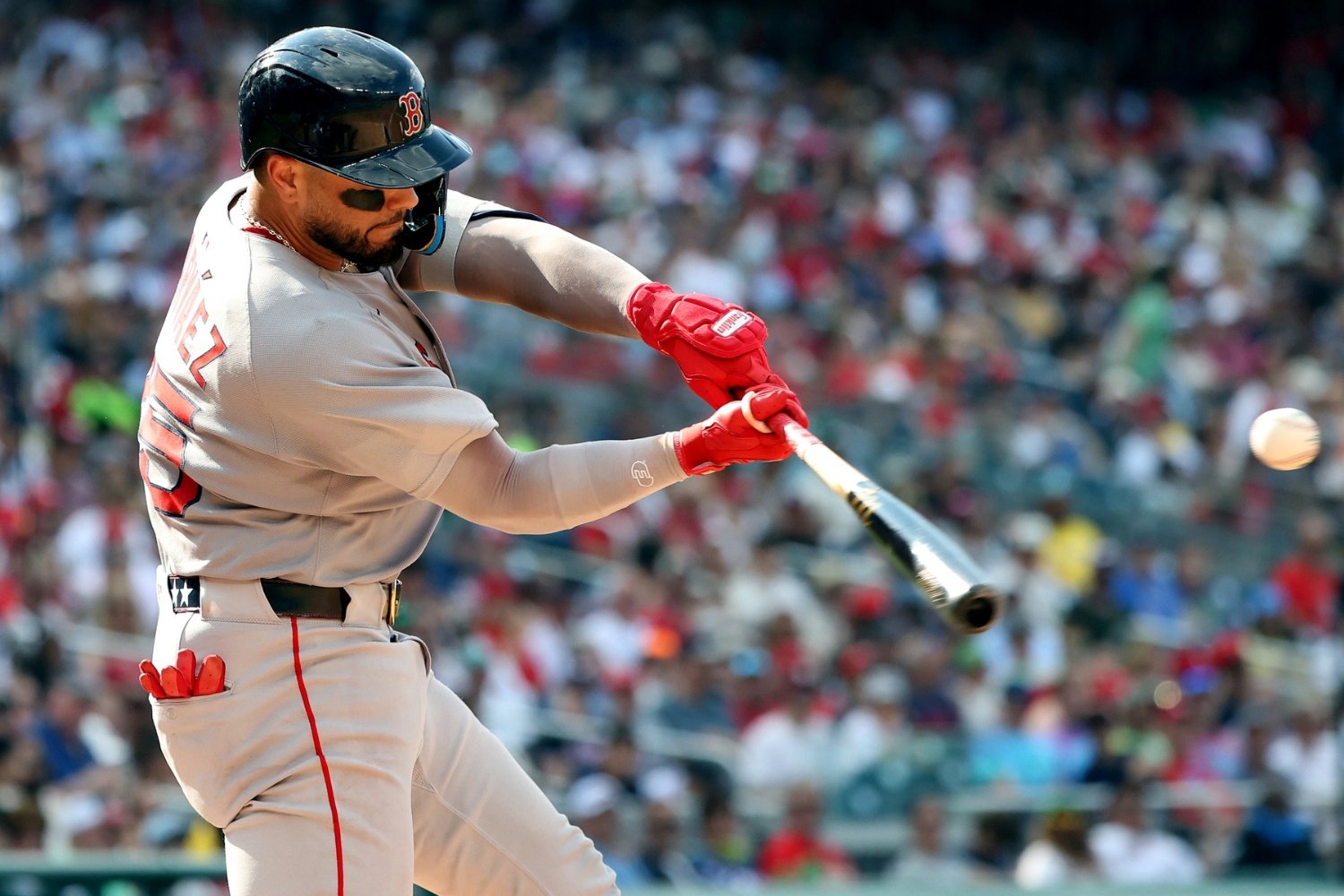 Carlos Narvaez barely made a blip on most fan’s radar when the Red Sox traded for him during the offseason. He was seen as a backup option for Connor Wong who would see playing time once or twice a week at best. Oh, how wrong we all were. Narvaez has been arguably the brightest spot in the lineup most nights and took over the starting catcher role from Wong after Wong fractured his pinky on a catcher’s interference call early in the season. A growing portion of the fan base, myself included, began talking about how Narvaez likely would make the All-Star team in his rookie year with the club. Once the full lineups came out on Sunday, July 6th, we learned that Narvaez had not been chosen. Even still, he’s playing All-Star caliber baseball and should continue to be someone that the fans can put their faith in as we dive into the dog days of summer and beyond. So far in 2025, Narvaez has played 561.2 innings. In those innings, he’s proven just how valuable a stellar defensive catcher is to an organization. He’s currently in the 98th percentile in both blocks above average and caught stealing above average. His framing ranks in the 91st percentile and his pop time comes in at the 79th percentile. The catching portion of his Baseball Savant page is red hot. He’s calling phenomenal games behind the plate and it’s clear that the entire pitching staff trusts him when he’s behind the dish. While his pop time is the “weakest” part of his game, it’s nothing to laugh at. When someone takes off from first, he’s up quick and throws a strike across the diamond. Narvaez ranks third amongst all catchers in the league in fielding run value (FRV) with 10, behind Patrick Bailey with 12 and Alejandro Kirk with 14. All-Star starter Cal Raleigh comes in with a two, but he’s in the Midsummer Classic for his offensive dominance more than anything. On offense, Narvaez is currently slashing .272/.350/.434 with seven home runs and 28 RBIs. While the batting section of his Savant page is more blue than red, he passes the eye test with flying colors. He has some holes in his swing, no doubt, but he always seems to come through when the team needs him most. Just remember back to the gem of a game he called against the Yankees at Fenway with Garrett Crochet on the mound. Late in the game, Aaron Judge tied the game at one all and who walked it off? That’s right, Carlos Narvaez. What points to Narvaez being the catcher of the future, though, is that it never seems like the moment gets too big for him. Much like the other rookies on this team, he seems very confident when he steps into the box or has his gear on behind the plate. On offense, we can just look back at that walk-off against his former team. It’s fair to say that most rookies, when put in that situation, would have rolled that pitch over or swung over the top of it. Instead, Narvaez put it in the air and banked it off the Green Monster for the win. That was not an easy pitch to get to—it was high and outside. On defense, he’s made more heads up plays this season than anyone would have expected. Be it calling the right pitches and locations in tough situations, throwing back picks to first and third to get extra outs, or catching would-be base stealers. Carlos Narvaez was snubbed from the All-Star game, but he’s putting up numbers that are befitting of a selection. Instead of heading to Atlanta to play in that showcase, he’s going to get some days off to rest and recover. This should mean that he returns to his full offensive potential as the team exits the break and tries to make a run at the postseason. If Narvaez is playing well on both sides of the ball post-break, there’s no reason to think the Red Sox can’t make some noise in a jumbled American League as the postseason starts to appear on the horizon.
 -
Carlos Narvaez barely made a blip on most fan’s radar when the Red Sox traded for him during the offseason. He was seen as a backup option for Connor Wong who would see playing time once or twice a week at best. Oh, how wrong we all were. Narvaez has been arguably the brightest spot in the lineup most nights and took over the starting catcher role from Wong after Wong fractured his pinky on a catcher’s interference call early in the season. A growing portion of the fan base, myself included, began talking about how Narvaez likely would make the All-Star team in his rookie year with the club. Once the full lineups came out on Sunday, July 6th, we learned that Narvaez had not been chosen. Even still, he’s playing All-Star caliber baseball and should continue to be someone that the fans can put their faith in as we dive into the dog days of summer and beyond. So far in 2025, Narvaez has played 561.2 innings. In those innings, he’s proven just how valuable a stellar defensive catcher is to an organization. He’s currently in the 98th percentile in both blocks above average and caught stealing above average. His framing ranks in the 91st percentile and his pop time comes in at the 79th percentile. The catching portion of his Baseball Savant page is red hot. He’s calling phenomenal games behind the plate and it’s clear that the entire pitching staff trusts him when he’s behind the dish. While his pop time is the “weakest” part of his game, it’s nothing to laugh at. When someone takes off from first, he’s up quick and throws a strike across the diamond. Narvaez ranks third amongst all catchers in the league in fielding run value (FRV) with 10, behind Patrick Bailey with 12 and Alejandro Kirk with 14. All-Star starter Cal Raleigh comes in with a two, but he’s in the Midsummer Classic for his offensive dominance more than anything. On offense, Narvaez is currently slashing .272/.350/.434 with seven home runs and 28 RBIs. While the batting section of his Savant page is more blue than red, he passes the eye test with flying colors. He has some holes in his swing, no doubt, but he always seems to come through when the team needs him most. Just remember back to the gem of a game he called against the Yankees at Fenway with Garrett Crochet on the mound. Late in the game, Aaron Judge tied the game at one all and who walked it off? That’s right, Carlos Narvaez. What points to Narvaez being the catcher of the future, though, is that it never seems like the moment gets too big for him. Much like the other rookies on this team, he seems very confident when he steps into the box or has his gear on behind the plate. On offense, we can just look back at that walk-off against his former team. It’s fair to say that most rookies, when put in that situation, would have rolled that pitch over or swung over the top of it. Instead, Narvaez put it in the air and banked it off the Green Monster for the win. That was not an easy pitch to get to—it was high and outside. On defense, he’s made more heads up plays this season than anyone would have expected. Be it calling the right pitches and locations in tough situations, throwing back picks to first and third to get extra outs, or catching would-be base stealers. Carlos Narvaez was snubbed from the All-Star game, but he’s putting up numbers that are befitting of a selection. Instead of heading to Atlanta to play in that showcase, he’s going to get some days off to rest and recover. This should mean that he returns to his full offensive potential as the team exits the break and tries to make a run at the postseason. If Narvaez is playing well on both sides of the ball post-break, there’s no reason to think the Red Sox can’t make some noise in a jumbled American League as the postseason starts to appear on the horizon. View full article
-
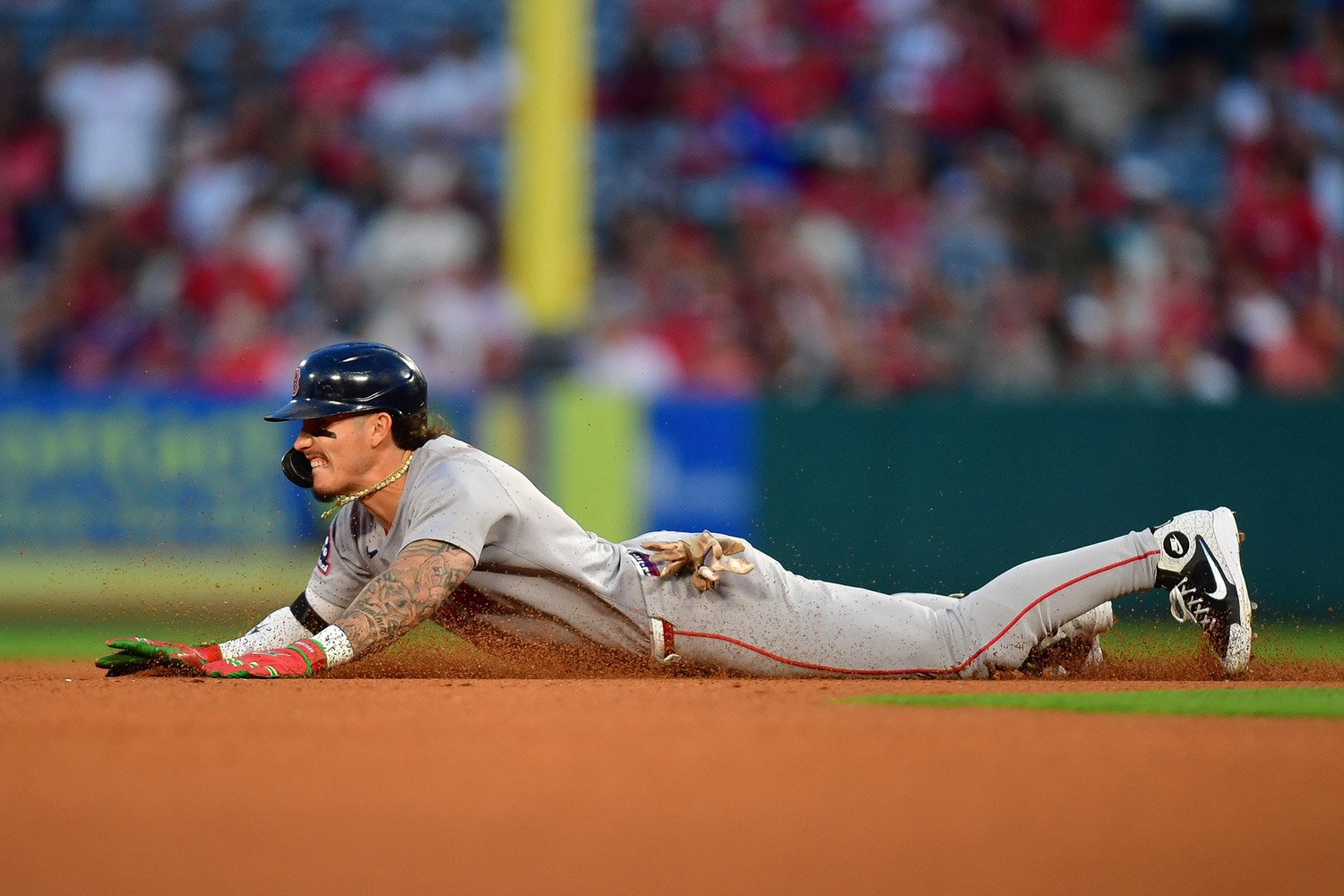 While the Red Sox have been starting to heat up at the plate, the rumor mill is getting hot right along with them. According to G.G. on Twitter, there are roughly 12 teams interested in acquiring Jarren Duran as the trade deadline approaches. He also provides additional information in the tweet. While we’ve known that the Padres have been inquiring about Duran, he confirms in the replies that the Twins are also one of the teams that've been interested in the former All-Star MVP. He also notes that he doesn’t expect anything to happen before the draft or All-Star break, but puts the chance that Duran is moved at around 60% while maintaining that nothing is currently close, so there’s no reason to freak out…yet. With multiple offers made and rejected in the last 48 hours, it’s worth keeping an eye on as we head into the week. Who do you think is in the mix for Duran? Would you even consider trading him at this point? Sound off in the comments below!
 -
While the Red Sox have been starting to heat up at the plate, the rumor mill is getting hot right along with them. According to G.G. on Twitter, there are roughly 12 teams interested in acquiring Jarren Duran as the trade deadline approaches. He also provides additional information in the tweet. While we’ve known that the Padres have been inquiring about Duran, he confirms in the replies that the Twins are also one of the teams that've been interested in the former All-Star MVP. He also notes that he doesn’t expect anything to happen before the draft or All-Star break, but puts the chance that Duran is moved at around 60% while maintaining that nothing is currently close, so there’s no reason to freak out…yet. With multiple offers made and rejected in the last 48 hours, it’s worth keeping an eye on as we head into the week. Who do you think is in the mix for Duran? Would you even consider trading him at this point? Sound off in the comments below! View full rumor
-
Yeah, that road trip immediately after the break is going to be the deciding factor in whatever the team decides to do in my opinion. Last year the hot streak started against the Phillies and Yankees so it stands to reason they could play them well again this year, but the Cubs are a very good team that seem to be getting hotter right now.
-
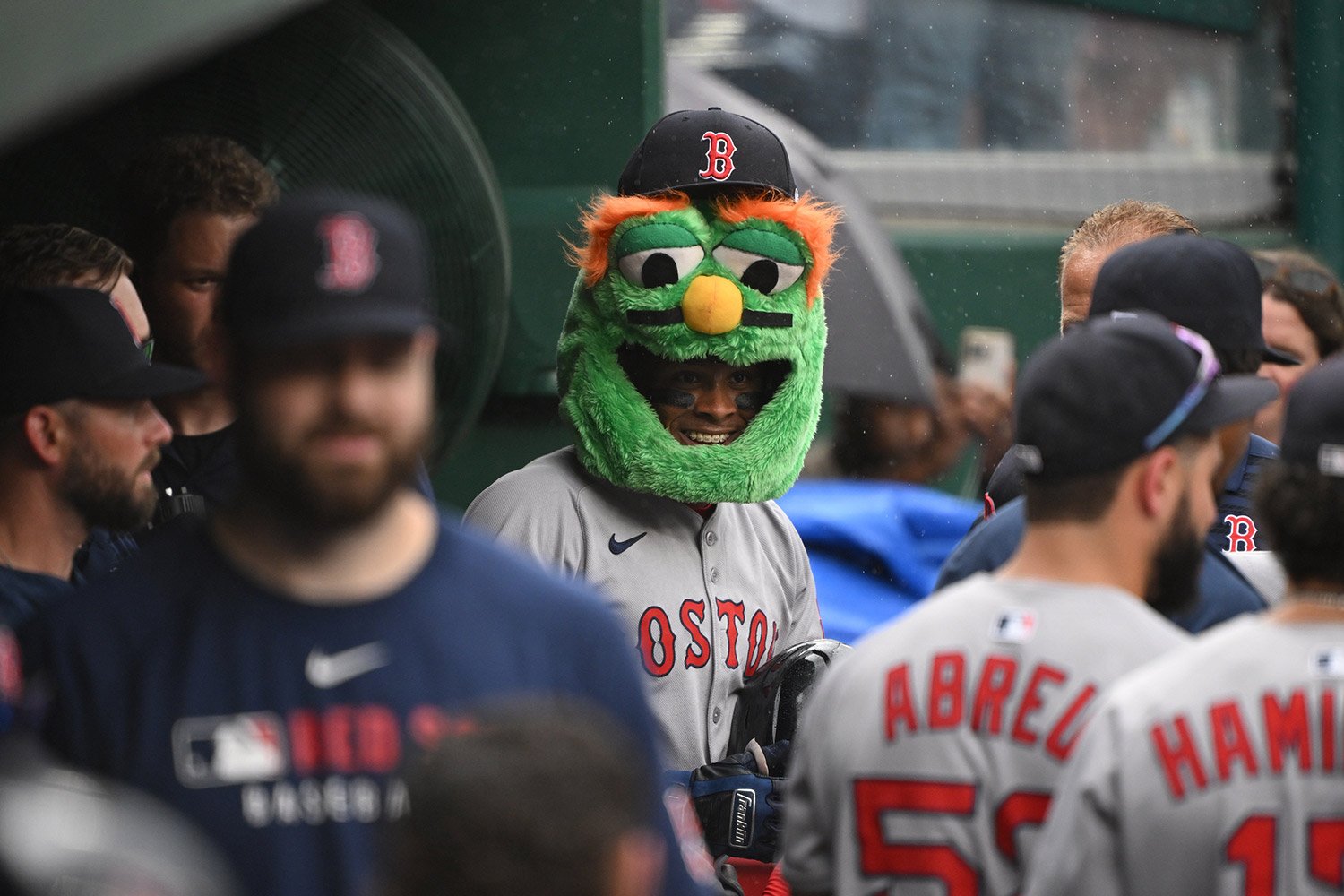 Weekly Snapshot: Record Last Week: 5-2 (Overall 46-45) Runs Scored last Week: 43 Runs Surrendered Last Week: 22 Standings: 4th in the AL East 6.5 GB 1st Place 2 WCGB Scores: Game 86 (6/30) BOS 13, CIN 6 Game 87 (7/1) BOS 5, CIN 3 Game 88 (7/2) BOS 4, CIN 8 Game 89 (7/4) BOS 11, WSH 2 Game 90 (7/5) BOS 10, WSH 3 Game 91 (7/6) BOS 6, WSH 4 Transactions: 6/30/25: Red Sox optioned 1B Nick Sogard to Worcester Red Sox: 6/30/25: Red Sox activated RHP Jordan Hicks from the 15-day injured list. 6/30/25: Red Sox activated 3B Marcelo Mayer from the bereavement list. 7/01/25: Red Sox sent LF Masataka Yoshida on a rehab assignment to Worcester Red Sox. 7/02/25: Red Sox recalled RHP Cooper Criswell from Worcester Red Sox. 7/03/25: Red Sox optioned RHP Cooper Criswell to Worcester Red Sox. 7/04/25: Red Sox sent RHP Tanner Houck on a rehab assignment to Portland Sea Dogs. 7/04/25: Red Sox LF Masataka Yoshida on a rehab assignment to Portland Sea Dogs. 07/05/25: Red Sox sent RHP Hunter Dobbins on a rehab assignment to Portland Sea Dogs. TL;DR Breakdown/Highlights Reds Series: Wilyer Abreu mashes, even if they don’t leave the park. He hit three home runs, including one grand slam and one inside-the-park homer in the series against the Reds. Abreu is really coming into his own this season, and this Red series may serve as his coming-out party. If he can keep his power constant throughout the rest of the season, the team may not miss Rafael Devers nearly as much as initially thought. Errors ultimately gave away the final game of the series, as the Red Sox struggled with communication and throwing issues, allowing the Reds to stave off a sweep. What the Red Sox did incredibly well during this series, though, is keep Elly De La Cruz from making any sort of impact. He had 14 plate appearances during the series with only two singles, one run, one RBI, one walk, and three strikeouts. He hit .154 for the series, the lowest average on the Reds for those three games. If the Red Sox can limit impactful at-bats from big-name superstars, it should bode well for them moving forward. Offensive outbursts seem to be the trend of late for the Sox, pushing them to win games even when errors and bullpen meltdowns make the margin of victory much thinner. Nationals Series: Trevor Story continues his hot hitting in the Washington series, contributing four RBIs. He’s been the hottest hitter in baseball over the past week and doesn’t appear to be cooling off anytime soon. Those four are tied for second on the team with Ceddanne Rafaela, both behind Jarren Duran’s five. Speaking of Duran, he bailed out Walker Buehler with a fantastic catch in left field that should have tied the game. If Duran can turn in defensive performances like this consistently, the Red Sox would likely have to think a bit harder about potentially moving him as the trade deadline approaches. Or at least get a larger return than they could have last week. The second big story of the series, though, is Rafaela. He took a bit of a tumble in the second game and was pulled as a precaution, but he was fantastic over the weekend. He seemed to come up in big situations and put the ball in play each time. He has seemed a lot more confident at the plate, and he confirmed that in his postgame comments on Sunday. He understandably didn’t make the All-Star team this year, but if he can keep this up, then we’re looking at a perennial All-Star on a steal of a contract. Random Stats: 6/30-7/6 Slash Lines: Good weeks: Trevor Story: .524/.545/.952 Wilyer Abreu: .313/.389/.875 Ceddanne Rafaela: .316/.350/.737 Jarren Duran: .300/.364/.650 Bad weeks: David Hamilton: .182/.250/.182 Nate Eaton: .167/.167/.333 Rob Refsnyder: .200/.200/.400 Connor Wong: .250/.250/.250 Connor Wong had a 32 wRC+ on the week and was still somehow surpassed by David Hamilton’s 20 wRC+. Trevor Story posted a 318 wRC+, almost a full 100 points higher than Wilyer Abreu’s second-place 239. Abraham Toro’s walk rate led the team this week with 13%, while Story was once again the lowest at 4.5%. Roman Anthony had the second-hardest hit balls on the team with 10. He was behind, you guessed it, Trevor Story. Website Highlights: The Red Sox Are Trying To Build A Super-Defense. How Close Are They? By Finley Rogan 3 Underrated Draft Prospects the Red Sox Should Consider With Their First Round Pick by Billy Mock FanGraphs’ Top 45 Red Sox Prospects List Makes Multiple Interesting Calls by Nick John Looking Ahead: July 7 - Rockies at Red Sox - 7:10 pm EDT July 8 - Rockies at Red Sox - 7:10 pm EDT July 9 - Rockies at Red Sox - 7:10 pm EDT July 10 - Rays at Red Sox - 7:10 pm EDT July 11 - Rays at Red Sox - 7:10 pm EDT July 12 - Rays at Red Sox - 4:10 pm EDT
 -
Weekly Snapshot: Record Last Week: 5-2 (Overall 46-45) Runs Scored last Week: 43 Runs Surrendered Last Week: 22 Standings: 4th in the AL East 6.5 GB 1st Place 2 WCGB Scores: Game 86 (6/30) BOS 13, CIN 6 Game 87 (7/1) BOS 5, CIN 3 Game 88 (7/2) BOS 4, CIN 8 Game 89 (7/4) BOS 11, WSH 2 Game 90 (7/5) BOS 10, WSH 3 Game 91 (7/6) BOS 6, WSH 4 Transactions: 6/30/25: Red Sox optioned 1B Nick Sogard to Worcester Red Sox: 6/30/25: Red Sox activated RHP Jordan Hicks from the 15-day injured list. 6/30/25: Red Sox activated 3B Marcelo Mayer from the bereavement list. 7/01/25: Red Sox sent LF Masataka Yoshida on a rehab assignment to Worcester Red Sox. 7/02/25: Red Sox recalled RHP Cooper Criswell from Worcester Red Sox. 7/03/25: Red Sox optioned RHP Cooper Criswell to Worcester Red Sox. 7/04/25: Red Sox sent RHP Tanner Houck on a rehab assignment to Portland Sea Dogs. 7/04/25: Red Sox LF Masataka Yoshida on a rehab assignment to Portland Sea Dogs. 07/05/25: Red Sox sent RHP Hunter Dobbins on a rehab assignment to Portland Sea Dogs. TL;DR Breakdown/Highlights Reds Series: Wilyer Abreu mashes, even if they don’t leave the park. He hit three home runs, including one grand slam and one inside-the-park homer in the series against the Reds. Abreu is really coming into his own this season, and this Red series may serve as his coming-out party. If he can keep his power constant throughout the rest of the season, the team may not miss Rafael Devers nearly as much as initially thought. Errors ultimately gave away the final game of the series, as the Red Sox struggled with communication and throwing issues, allowing the Reds to stave off a sweep. What the Red Sox did incredibly well during this series, though, is keep Elly De La Cruz from making any sort of impact. He had 14 plate appearances during the series with only two singles, one run, one RBI, one walk, and three strikeouts. He hit .154 for the series, the lowest average on the Reds for those three games. If the Red Sox can limit impactful at-bats from big-name superstars, it should bode well for them moving forward. Offensive outbursts seem to be the trend of late for the Sox, pushing them to win games even when errors and bullpen meltdowns make the margin of victory much thinner. Nationals Series: Trevor Story continues his hot hitting in the Washington series, contributing four RBIs. He’s been the hottest hitter in baseball over the past week and doesn’t appear to be cooling off anytime soon. Those four are tied for second on the team with Ceddanne Rafaela, both behind Jarren Duran’s five. Speaking of Duran, he bailed out Walker Buehler with a fantastic catch in left field that should have tied the game. If Duran can turn in defensive performances like this consistently, the Red Sox would likely have to think a bit harder about potentially moving him as the trade deadline approaches. Or at least get a larger return than they could have last week. The second big story of the series, though, is Rafaela. He took a bit of a tumble in the second game and was pulled as a precaution, but he was fantastic over the weekend. He seemed to come up in big situations and put the ball in play each time. He has seemed a lot more confident at the plate, and he confirmed that in his postgame comments on Sunday. He understandably didn’t make the All-Star team this year, but if he can keep this up, then we’re looking at a perennial All-Star on a steal of a contract. Random Stats: 6/30-7/6 Slash Lines: Good weeks: Trevor Story: .524/.545/.952 Wilyer Abreu: .313/.389/.875 Ceddanne Rafaela: .316/.350/.737 Jarren Duran: .300/.364/.650 Bad weeks: David Hamilton: .182/.250/.182 Nate Eaton: .167/.167/.333 Rob Refsnyder: .200/.200/.400 Connor Wong: .250/.250/.250 Connor Wong had a 32 wRC+ on the week and was still somehow surpassed by David Hamilton’s 20 wRC+. Trevor Story posted a 318 wRC+, almost a full 100 points higher than Wilyer Abreu’s second-place 239. Abraham Toro’s walk rate led the team this week with 13%, while Story was once again the lowest at 4.5%. Roman Anthony had the second-hardest hit balls on the team with 10. He was behind, you guessed it, Trevor Story. Website Highlights: The Red Sox Are Trying To Build A Super-Defense. How Close Are They? By Finley Rogan 3 Underrated Draft Prospects the Red Sox Should Consider With Their First Round Pick by Billy Mock FanGraphs’ Top 45 Red Sox Prospects List Makes Multiple Interesting Calls by Nick John Looking Ahead: July 7 - Rockies at Red Sox - 7:10 pm EDT July 8 - Rockies at Red Sox - 7:10 pm EDT July 9 - Rockies at Red Sox - 7:10 pm EDT July 10 - Rays at Red Sox - 7:10 pm EDT July 11 - Rays at Red Sox - 7:10 pm EDT July 12 - Rays at Red Sox - 4:10 pm EDT View full article
-
3 Possible Trade Destinations for Red Sox Closer Aroldis Chapman
Alex Mayes posted an article in Red Sox
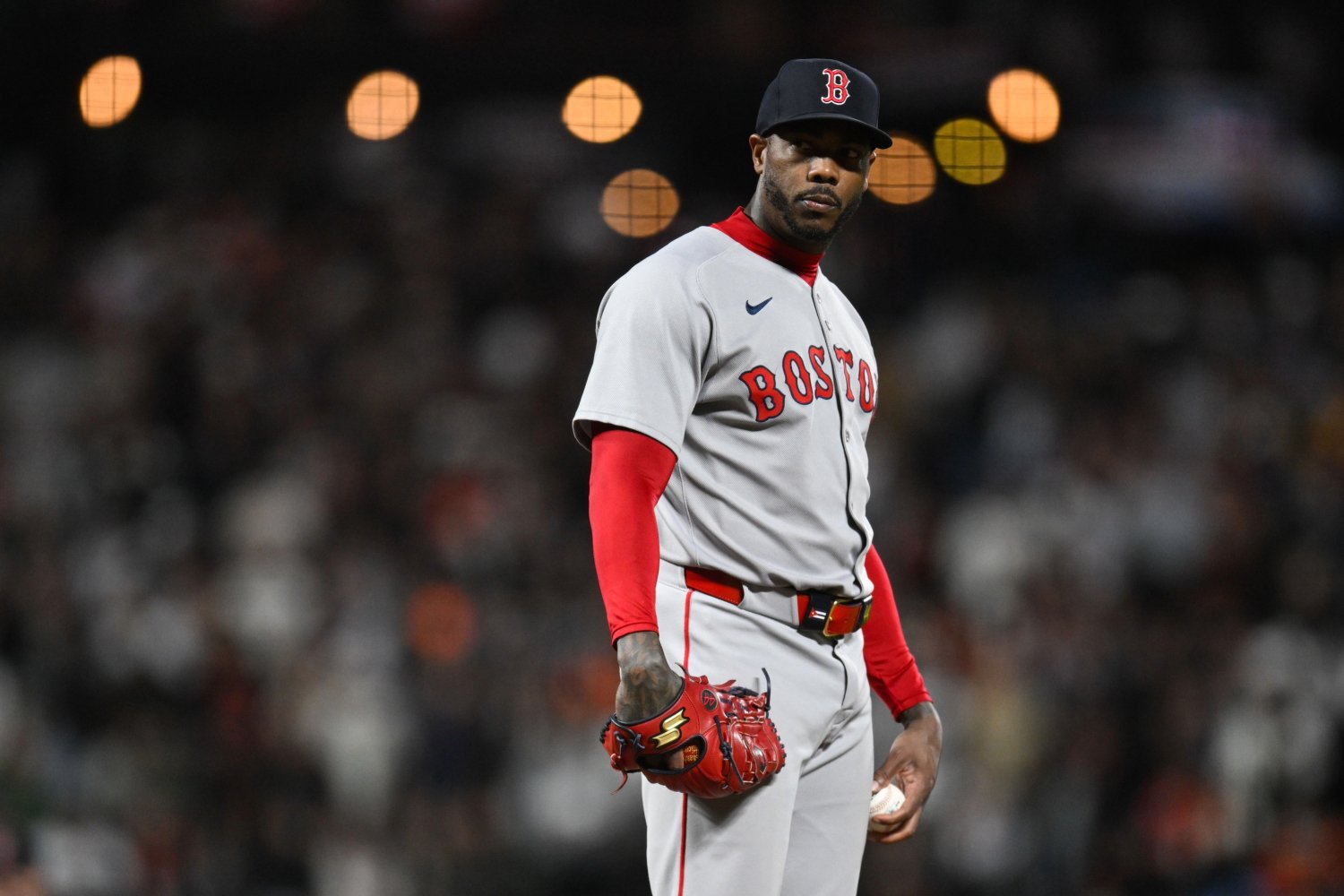 As we approach the trade deadline, more and more members of the Boston Red Sox are starting to appear on lists of trade candidates. To kick off July, The Athletic’s Jim Bowden published an article after talking to 40 MLB executives and compiling a list of players they think are most likely to be traded. Sitting atop the list of relievers is none other than Red Sox closer Aroldis Chapman. As we all know, Chapman has had a career resurgence since coming to Boston, and if the Red Sox were to trade him at the deadline, he would command a large return package. The last time he was dealt, in 2023, the Rangers sent left-hander Cole Ragans and minor-league outfielder Roni Cabrera. Ragans has turned into a top of the rotation piece for the Royals. At the time of the trade, Chapman was sitting on a 2.35 ERA with 53 strikeouts in 29.1 innings pitched. Currently, he’s sporting a 1.29 ERA with 51 strikeouts and 15 saves over 35 innings pitched. There are plenty of playoff teams that need late-inning relief help, with a few of those desperate for a proven closer. Even if the Red Sox are in contention come the deadline, it may be wise to send Chapman packing to help replenish the talent at both the major and minor league levels. Here are three rumored trade destinations for the 37-year-old closer, and how likely they are to be Chapman's next home. #3: New York Yankees Talk about coming full circle. I’ll be honest, I don’t see this trade happening, but out of all the teams currently in the playoff hunt, the Yankees present as a good option for Chapman. They traded for Devin Williams during the offseason and that hasn’t panned out in their favor at all. Then, they declared that Luke Weaver would be their closer moving forward at the end of April, and he has pitched pretty well. He currently has eight saves to go along with his 2.12 ERA in 29.2 innings pitched. New York could be interested in reacquiring Chapman to give them a playoff proven option as the postseason draws near. They won’t have to search very hard to find just how dominant Chapman can be once the calendar flips to October. His career ERA with the Yankees sits at 2.94 and should he continue this run of amazing baseball, another half season in the Bronx could drive it even lower. In reality, don’t expect the Red Sox to send such a valuable piece to their biggest rival, especially if they don't plan on tanking in the second half, but Craig Breslow has proven that he’s not afraid to make deals that cause waves. I also couldn’t see the Yankees sending any players of value to the Red Sox. They have no pitching that is pushing for an MLB spot. Ultimately, the fit here is better on paper than in practice. To get the Red Sox to help their biggest rival, the Yankees would have to surrender legitimate prospects with long-term potential. Considering Chapman's shaky reputation in New York, this profiles more as a fever dream than an actual possibility. #2: San Francisco Giants Breslow could stand to pick up the phone and give Buster Posey another call, as Chapman would be an improvement over the closer-by-committee that the Giants are currently employing. The closer with the most saves, 13, for the Giants is Camilo Doval, who has a 3.03 ERA and 38 strikeouts over 38.2 innings. Second in saves is Ryan Walker (10), but he’s sitting on a 4.64 ERA with 30 strikeouts over 33 innings. The Giants are in a very similar situation to the Red Sox, likely sitting too far out of contention to win their division, but in striking distance of the final wildcard position. Doval may be better suited as a set-up option after he posted a 6.00 ERA in June. Adding someone of the caliber of Chapman to the back of their bullpen would likely push them ahead of a team like the Cardinals in the race. While Bryce Eldridge and Hayden Birdsong are likely still off-limits, pulling a top ten prospect from them probably isn’t out of the question if multiple teams are in on Chapman. The Giants have two pitchers in their top ten currently at Triple-A, so it may be feasible for the Red Sox to bolster their pitching depth while sending Chapman to the Bay Area. The good news is both teams are intimately familiar with each other's systems after that trade. It's not normally advisable to go back to the same well that just poisoned you, but the Giants are an obvious fit for Chapman. #1: Philadelphia Phillies Chapman to the Phillies makes far too much sense. They’ve had four pitchers notch saves for them led by Jordan Romano with eight, Matt Strahm with five, Orion Kerkering with two, and Tanner Banks with one. Romano currently has a 7.28 ERA, while Strahm sits on a 3.67 ERA, Kerkering a 2.41 ERA, and Banks a 3.60 ERA. While Romano leads the team in saves, he went the month of June without adding one to his total. Strahm added three to his total in June, Kerkering added two, while Banks was also shut out. It’s clear the Phillies are operating by a closer-by-committee with two pitchers who are better served in set-up and middle relief roles in Strahm and Kerkering, while Romano and Banks clearly don’t have the trust of anyone making decisions. As longtime Boston fans know, Dombrowski will wheel and deal as much as possible as he tries to improve his roster, and the closer position is in desperate need of improvement. Top prospect Andrew Painter is likely off the table in discussions, but the Red Sox should be incredibly interested in Philly’s number five prospect Mick Abel. Abel has been part of the rotation in Philadelphia since early June. He’s been knocked around lately—his most recent appearance came on July 2 and he only lasted 1 2/3 innings where he walked five while giving up five earned runs. His ERA has shot up to 5.04 in six games. That being said, he’s incredibly young and he’s going to have some growing pains at the big league level. Bringing him in and pairing him with Garrett Crochet would give Abel another young, sky’s the limit type pitcher to lean on. If Painter would be on the table, then sure that’s the direction you’d go. If he’s not though, a pivot to Abel would be an incredibly bright move for Breslow and company. Would Chapman be enough straight up for Abel? Not a chance. A package of Chapman and Duran ,though? Dombrowski would be salivating at the chance to bolster his closer position and make a fairly significant improvement in the outfield. Breslow needs to be on the phone with him often trying to get this deal done, even if it would cost more than our proposed package here. Even if the Red Sox don’t fall completely out of contention as the trade deadline quickly approaches, flipping Aroldis Chapman for young, controllable pitchers is the best step forward. There are enough other closer types internally for the team to replace him for the rest of the season, and it’s possible that Jordan Hicks could find his footing as a closer again. Either way, Aroldis Chapman is going to be the hottest reliever on the market, and the Red Sox need to take advantage of their fortuitous market position.
 -
As we approach the trade deadline, more and more members of the Boston Red Sox are starting to appear on lists of trade candidates. To kick off July, The Athletic’s Jim Bowden published an article after talking to 40 MLB executives and compiling a list of players they think are most likely to be traded. Sitting atop the list of relievers is none other than Red Sox closer Aroldis Chapman. As we all know, Chapman has had a career resurgence since coming to Boston, and if the Red Sox were to trade him at the deadline, he would command a large return package. The last time he was dealt, in 2023, the Rangers sent left-hander Cole Ragans and minor-league outfielder Roni Cabrera. Ragans has turned into a top of the rotation piece for the Royals. At the time of the trade, Chapman was sitting on a 2.35 ERA with 53 strikeouts in 29.1 innings pitched. Currently, he’s sporting a 1.29 ERA with 51 strikeouts and 15 saves over 35 innings pitched. There are plenty of playoff teams that need late-inning relief help, with a few of those desperate for a proven closer. Even if the Red Sox are in contention come the deadline, it may be wise to send Chapman packing to help replenish the talent at both the major and minor league levels. Here are three rumored trade destinations for the 37-year-old closer, and how likely they are to be Chapman's next home. #3: New York Yankees Talk about coming full circle. I’ll be honest, I don’t see this trade happening, but out of all the teams currently in the playoff hunt, the Yankees present as a good option for Chapman. They traded for Devin Williams during the offseason and that hasn’t panned out in their favor at all. Then, they declared that Luke Weaver would be their closer moving forward at the end of April, and he has pitched pretty well. He currently has eight saves to go along with his 2.12 ERA in 29.2 innings pitched. New York could be interested in reacquiring Chapman to give them a playoff proven option as the postseason draws near. They won’t have to search very hard to find just how dominant Chapman can be once the calendar flips to October. His career ERA with the Yankees sits at 2.94 and should he continue this run of amazing baseball, another half season in the Bronx could drive it even lower. In reality, don’t expect the Red Sox to send such a valuable piece to their biggest rival, especially if they don't plan on tanking in the second half, but Craig Breslow has proven that he’s not afraid to make deals that cause waves. I also couldn’t see the Yankees sending any players of value to the Red Sox. They have no pitching that is pushing for an MLB spot. Ultimately, the fit here is better on paper than in practice. To get the Red Sox to help their biggest rival, the Yankees would have to surrender legitimate prospects with long-term potential. Considering Chapman's shaky reputation in New York, this profiles more as a fever dream than an actual possibility. #2: San Francisco Giants Breslow could stand to pick up the phone and give Buster Posey another call, as Chapman would be an improvement over the closer-by-committee that the Giants are currently employing. The closer with the most saves, 13, for the Giants is Camilo Doval, who has a 3.03 ERA and 38 strikeouts over 38.2 innings. Second in saves is Ryan Walker (10), but he’s sitting on a 4.64 ERA with 30 strikeouts over 33 innings. The Giants are in a very similar situation to the Red Sox, likely sitting too far out of contention to win their division, but in striking distance of the final wildcard position. Doval may be better suited as a set-up option after he posted a 6.00 ERA in June. Adding someone of the caliber of Chapman to the back of their bullpen would likely push them ahead of a team like the Cardinals in the race. While Bryce Eldridge and Hayden Birdsong are likely still off-limits, pulling a top ten prospect from them probably isn’t out of the question if multiple teams are in on Chapman. The Giants have two pitchers in their top ten currently at Triple-A, so it may be feasible for the Red Sox to bolster their pitching depth while sending Chapman to the Bay Area. The good news is both teams are intimately familiar with each other's systems after that trade. It's not normally advisable to go back to the same well that just poisoned you, but the Giants are an obvious fit for Chapman. #1: Philadelphia Phillies Chapman to the Phillies makes far too much sense. They’ve had four pitchers notch saves for them led by Jordan Romano with eight, Matt Strahm with five, Orion Kerkering with two, and Tanner Banks with one. Romano currently has a 7.28 ERA, while Strahm sits on a 3.67 ERA, Kerkering a 2.41 ERA, and Banks a 3.60 ERA. While Romano leads the team in saves, he went the month of June without adding one to his total. Strahm added three to his total in June, Kerkering added two, while Banks was also shut out. It’s clear the Phillies are operating by a closer-by-committee with two pitchers who are better served in set-up and middle relief roles in Strahm and Kerkering, while Romano and Banks clearly don’t have the trust of anyone making decisions. As longtime Boston fans know, Dombrowski will wheel and deal as much as possible as he tries to improve his roster, and the closer position is in desperate need of improvement. Top prospect Andrew Painter is likely off the table in discussions, but the Red Sox should be incredibly interested in Philly’s number five prospect Mick Abel. Abel has been part of the rotation in Philadelphia since early June. He’s been knocked around lately—his most recent appearance came on July 2 and he only lasted 1 2/3 innings where he walked five while giving up five earned runs. His ERA has shot up to 5.04 in six games. That being said, he’s incredibly young and he’s going to have some growing pains at the big league level. Bringing him in and pairing him with Garrett Crochet would give Abel another young, sky’s the limit type pitcher to lean on. If Painter would be on the table, then sure that’s the direction you’d go. If he’s not though, a pivot to Abel would be an incredibly bright move for Breslow and company. Would Chapman be enough straight up for Abel? Not a chance. A package of Chapman and Duran ,though? Dombrowski would be salivating at the chance to bolster his closer position and make a fairly significant improvement in the outfield. Breslow needs to be on the phone with him often trying to get this deal done, even if it would cost more than our proposed package here. Even if the Red Sox don’t fall completely out of contention as the trade deadline quickly approaches, flipping Aroldis Chapman for young, controllable pitchers is the best step forward. There are enough other closer types internally for the team to replace him for the rest of the season, and it’s possible that Jordan Hicks could find his footing as a closer again. Either way, Aroldis Chapman is going to be the hottest reliever on the market, and the Red Sox need to take advantage of their fortuitous market position. View full article
-
Red Sox Rumors: Starting Pitching Market Offers Plenty of Paths Forward
Alex Mayes posted an article in Red Sox
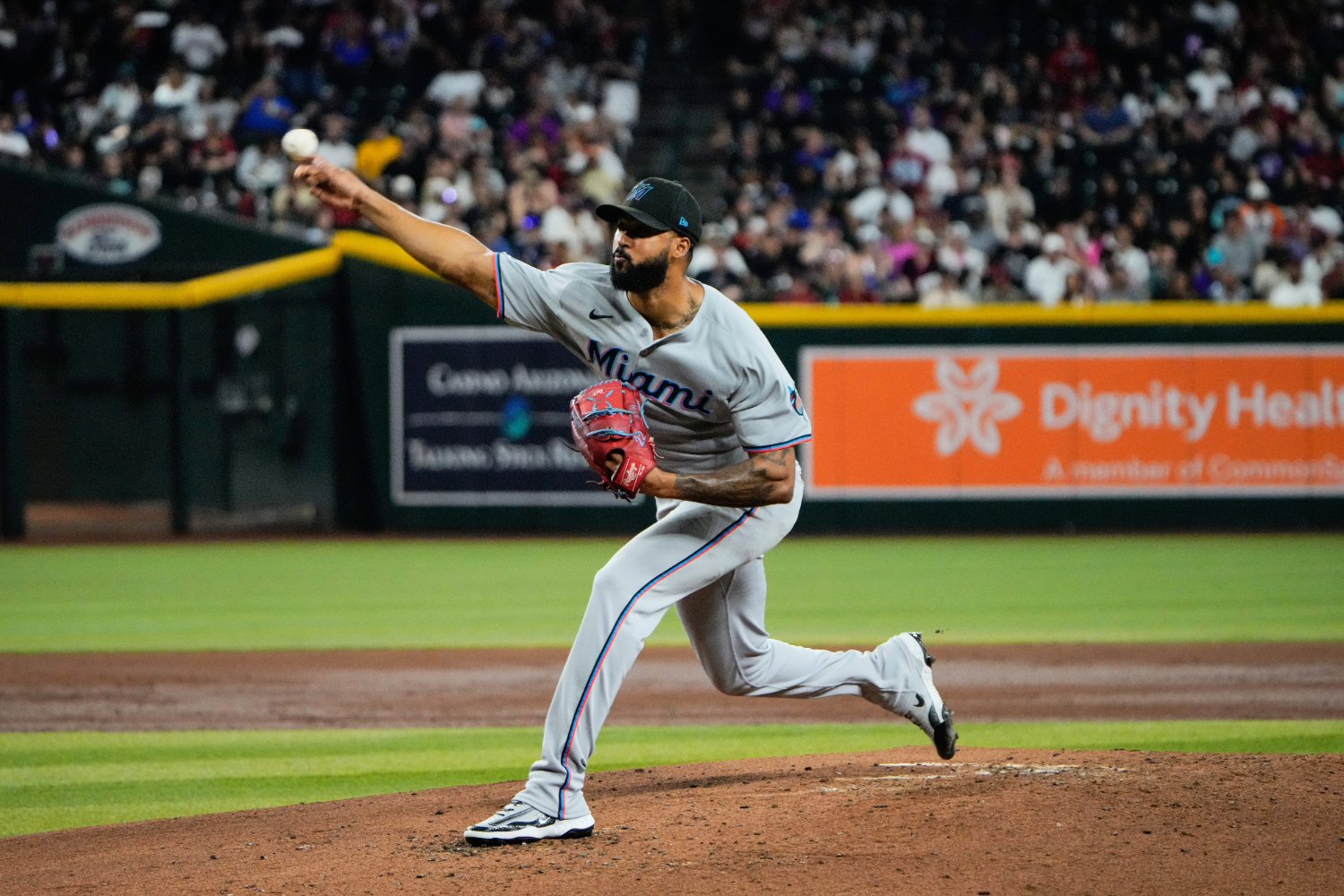 President of Baseball Operations Craig Breslow has doubled down time and time again on the notion that, in the wake of the Rafael Devers trade, the Red Sox will be buyers at the trade deadline. While we discussed this on Episode 15 of The Talk Sox Podcast, the broader fanbase is fairly split on what the team should actually be doing as we begin July. The Sox have shown flashes of brilliance by having masterclasses hurled by starters Garrett Crochet, but then have had to watch Walker Buehler go out and walk anyone who steps up to the plate. They’ll erupt for 10 or more runs in multiple games over a week, then barely be able to put hits on the board in back-to-back games. It’s really hard to decide which lane the team is picking from the outside looking in. What isn’t up for debate, though, is that the Red Sox need more starting pitching. So, with that preamble out of the way, let's take a look at some of the wares other teams will have on the starting pitcher market. Edward Cabrera, RHP Cabrera wasn’t the starting pitcher from the Marlins that everyone was interested in when trade talks began, but he’s quietly having an excellent season. He’s appeared in 14 games with a 3.41 ERA, 75 strikeouts, and a 1.28 WHIP. He’s an off-speed first pitcher, so he would play well in Andrew Bailey’s pitching lab. His changeup works more like a power changeup, clocking in at 93.8 mph on average. He’s arbitration eligible in 2026 and isn’t a free agent until 2029, so he comes with a lot of control and would help anchor the middle of the rotation behind Crochet. The Marlins won’t trade him away for pennies on the dollar, so a package built around productive major league players with some MLB-ready prospects will likely be the starting point here. Nick Lodolo, LHP Lodolo, aside from being incredibly fun to say, has been a bright spot in the Reds’ starting rotation this season. He reminds me a lot of a left-handed Lucas Giolito, and their pitch mix is fairly similar as well. Lodolo currently has a 3.52 ERA with 85 strikeouts in 94.2 innings pitched. The Reds are still somewhat sniffing around the Wild Card race, but they are the third best team in their division at best and the National League is absolutely loaded with talent, so they likely won’t be pushing for a playoff spot this year. That could cause them to listen to offers on their rotation pieces not named Chase Burns and Hunter Greene. Lodolo is cheap and won’t reach free agency until 2028. Much like Cabrera above, it’s going to cost a lot to trade for him, but if the Red Sox are truly in buyer mode, a controllable left-handed pitcher to slot into the third rotation spot is worth the upfront cost. Mick Abel, RHP Maybe this is a pipe dream, but I truly believe the Red Sox have the capital to pull off a trade for the 2020 first-rounder. Abel has the makings of an absolute stud pitcher and would pair nicely with Garrett Crochet atop of the rotation. It would give the Red Sox arguably the best one-two punch in the American League this season. Abel currently has a 2-1 record with a 3.47 ERA and 18 strikeouts over 23 1/3 innings pitched. He’s going to be expensive, no doubt about it. The flip side here is that the Red Sox and the Phillies match up incredibly well at the moment. The Phillies need an upgrade in the outfield and the Red Sox have plenty of outfielders to pick from. Add to that the fact that Dave Dombrowski is running the show in the City of Brotherly Love, and you’ve got a path to a deal for Abel with the Red Sox likely having to flip a household name, or two, for the young pitcher. It’s a price worth paying though, especially if Breslow and the front office believe that Abel can reach his ceiling of a number one starter who would just happen to be second in the rotation for as long as Crochet is suiting up in Boston. Jared Jones, RHP I know, he’s injured, and so you think the Sox shouldn't give up any assets for him right now. Well, here he is anyway. Jones is the type of pitcher you’d trade for and let rehab because he’s just that good. His 2025 is completely lost due to an internal bracing procedure on his pitching elbow. Sound familiar? So, the Red Sox already understand how to best rehab him from a procedure that they are incredibly familiar with. No one actually expects the Pirates to pay Paul Skenes, but we absolutely don’t expect them to pay both Skenes AND Jones. That’s just not going to happen. Buying ‘low’ on Jones while he’s injured would give the Red Sox a starter that won’t reach free agency until 2030, and they should be able to lock him into an extension well before he gets to that point. Zac Gallen, RHP The Arizona Diamondbacks hoped to be much better than they currently are in 2025. They are hovering around .500 and are in a division with two juggernauts in the Dodgers and Padres, plus the Giants are no slouch either. They’ve already lost their frontline starter with Corbin Burnes undergoing Tommy John surgery earlier this year. Zac Gallen signed a one-year contract with Arizona for $13.5M before the 2025 season began and will be an unrestricted free agent. He’s been just okay this season, currently sitting with a 5.45 ERA over 18 games with 98 strikeouts and a 1.37 WHIP. He’s not a splashy addition, but is lightyears better than what Buehler has given the team. Plus, his track record — three top-10 Cy Young finishes — makes him an intriguing buy-low candidate if the Sox want to engage him in contract talks come free agency. Sandy Alcantara, RHP The falloff of Alcantara is something that needs to be studied. We’re nearly three seasons removed from his Cy Young award in 2022, with a lot of that lost time attributable to a Tommy John surgery that kept him sidelined for all of 2024. He’s currently sitting on a 6.98 ERA with 63 strikeouts and a 1.48 WHIP over 80 innings pitched. Had I made this at the beginning of the year, he would have been solidly the best option available, but he’s wildly under performed so far in 2025. His sinker and four-seam fastball are both still elite offerings and are clocking in over 97mph on average, but he’s having a lot of trouble getting outs and limiting runs. His barrel percent is the highest it’s been in his career at 9.7%. Could it be that he knows that he’s not long for Miami and is struggling with that? It’s possible, but his downward slide this year needs to be looked at before any deal is made to acquire him. He’s in the fourth year of a five-year/$56M extension with Miami so he’s under control through the 2026 season. The return for Alcantara is likely much lighter than it was during the offseason, so he could be worth a flier to see if Bailey and company can right the ship. Zach Eflin, RHP Another currently injured pitcher, Eflin is familiar with the AL East and should be able to contribute when he’s healthy again. Much like the teams listed above, the Orioles aren’t going to be sniffing around the playoffs this season and Eflin is on an expiring contract. He’s thrown 62 innings so far in 2025 to a tune of a 5.95 ERA and 42 strikeouts. He’s not going to light the world on fire, but if the Red Sox are sellers or straddling the buy/sell line as best they can, he’s a fringe addition that bolsters the back-end of the rotation. He likely wouldn’t be expensive, but there’s the question on if the O’s would want to trade within the division. Eflin could be interesting as a last-minute deal if the Sox do deal Walker Buehler to a team that’s willing to take a gamble there. Michael Soroka, RHP The Washington Nationals are a team that seem to be finding their footing, thanks in large part to the young core anchored by MacKenzie Gore and James Wood. Soroka has been in the league since 2018 and has been a fairly steady middle/back-end rotation piece for each team he’s played for. In 2025, he’s sitting on a 4.70 ERA in 59.1 innings pitched with 64 strikeouts. He’s not a flamethrower but you can survive as a location specialist with the type of pitch mix that he has. Like the others on this lower part of the list, he makes a lot of sense as an improvement over Walker Buehler and would likely push Richard Fitts for that No. 4 rotation spot should the Red Sox acquire him. He’s on a one-year, $9M deal, and the Nationals likely wouldn’t be looking for a ton in return for him. There are a ton of other names that make sense for the Red Sox, but a lot of them are playing for teams that are fairly firmly entrenched in the playoff race in their respective divisions. It may be possible to get a team to overpay with a starter who is currently on a playoff-bound team if a bidding war erupts for someone on the Red Sox’s roster, but most of those names will be brought back up again this offseason as they enter free agency. What do you think? Should the Red Sox swing big on the starting pitching market to help propel them to a playoff spot, or should they look to make fringe additions to keep them afloat in 2025 and be big spenders after the season concludes? Let us know in the comments!
 -
President of Baseball Operations Craig Breslow has doubled down time and time again on the notion that, in the wake of the Rafael Devers trade, the Red Sox will be buyers at the trade deadline. While we discussed this on Episode 15 of The Talk Sox Podcast, the broader fanbase is fairly split on what the team should actually be doing as we begin July. The Sox have shown flashes of brilliance by having masterclasses hurled by starters Garrett Crochet, but then have had to watch Walker Buehler go out and walk anyone who steps up to the plate. They’ll erupt for 10 or more runs in multiple games over a week, then barely be able to put hits on the board in back-to-back games. It’s really hard to decide which lane the team is picking from the outside looking in. What isn’t up for debate, though, is that the Red Sox need more starting pitching. So, with that preamble out of the way, let's take a look at some of the wares other teams will have on the starting pitcher market. Edward Cabrera, RHP Cabrera wasn’t the starting pitcher from the Marlins that everyone was interested in when trade talks began, but he’s quietly having an excellent season. He’s appeared in 14 games with a 3.41 ERA, 75 strikeouts, and a 1.28 WHIP. He’s an off-speed first pitcher, so he would play well in Andrew Bailey’s pitching lab. His changeup works more like a power changeup, clocking in at 93.8 mph on average. He’s arbitration eligible in 2026 and isn’t a free agent until 2029, so he comes with a lot of control and would help anchor the middle of the rotation behind Crochet. The Marlins won’t trade him away for pennies on the dollar, so a package built around productive major league players with some MLB-ready prospects will likely be the starting point here. Nick Lodolo, LHP Lodolo, aside from being incredibly fun to say, has been a bright spot in the Reds’ starting rotation this season. He reminds me a lot of a left-handed Lucas Giolito, and their pitch mix is fairly similar as well. Lodolo currently has a 3.52 ERA with 85 strikeouts in 94.2 innings pitched. The Reds are still somewhat sniffing around the Wild Card race, but they are the third best team in their division at best and the National League is absolutely loaded with talent, so they likely won’t be pushing for a playoff spot this year. That could cause them to listen to offers on their rotation pieces not named Chase Burns and Hunter Greene. Lodolo is cheap and won’t reach free agency until 2028. Much like Cabrera above, it’s going to cost a lot to trade for him, but if the Red Sox are truly in buyer mode, a controllable left-handed pitcher to slot into the third rotation spot is worth the upfront cost. Mick Abel, RHP Maybe this is a pipe dream, but I truly believe the Red Sox have the capital to pull off a trade for the 2020 first-rounder. Abel has the makings of an absolute stud pitcher and would pair nicely with Garrett Crochet atop of the rotation. It would give the Red Sox arguably the best one-two punch in the American League this season. Abel currently has a 2-1 record with a 3.47 ERA and 18 strikeouts over 23 1/3 innings pitched. He’s going to be expensive, no doubt about it. The flip side here is that the Red Sox and the Phillies match up incredibly well at the moment. The Phillies need an upgrade in the outfield and the Red Sox have plenty of outfielders to pick from. Add to that the fact that Dave Dombrowski is running the show in the City of Brotherly Love, and you’ve got a path to a deal for Abel with the Red Sox likely having to flip a household name, or two, for the young pitcher. It’s a price worth paying though, especially if Breslow and the front office believe that Abel can reach his ceiling of a number one starter who would just happen to be second in the rotation for as long as Crochet is suiting up in Boston. Jared Jones, RHP I know, he’s injured, and so you think the Sox shouldn't give up any assets for him right now. Well, here he is anyway. Jones is the type of pitcher you’d trade for and let rehab because he’s just that good. His 2025 is completely lost due to an internal bracing procedure on his pitching elbow. Sound familiar? So, the Red Sox already understand how to best rehab him from a procedure that they are incredibly familiar with. No one actually expects the Pirates to pay Paul Skenes, but we absolutely don’t expect them to pay both Skenes AND Jones. That’s just not going to happen. Buying ‘low’ on Jones while he’s injured would give the Red Sox a starter that won’t reach free agency until 2030, and they should be able to lock him into an extension well before he gets to that point. Zac Gallen, RHP The Arizona Diamondbacks hoped to be much better than they currently are in 2025. They are hovering around .500 and are in a division with two juggernauts in the Dodgers and Padres, plus the Giants are no slouch either. They’ve already lost their frontline starter with Corbin Burnes undergoing Tommy John surgery earlier this year. Zac Gallen signed a one-year contract with Arizona for $13.5M before the 2025 season began and will be an unrestricted free agent. He’s been just okay this season, currently sitting with a 5.45 ERA over 18 games with 98 strikeouts and a 1.37 WHIP. He’s not a splashy addition, but is lightyears better than what Buehler has given the team. Plus, his track record — three top-10 Cy Young finishes — makes him an intriguing buy-low candidate if the Sox want to engage him in contract talks come free agency. Sandy Alcantara, RHP The falloff of Alcantara is something that needs to be studied. We’re nearly three seasons removed from his Cy Young award in 2022, with a lot of that lost time attributable to a Tommy John surgery that kept him sidelined for all of 2024. He’s currently sitting on a 6.98 ERA with 63 strikeouts and a 1.48 WHIP over 80 innings pitched. Had I made this at the beginning of the year, he would have been solidly the best option available, but he’s wildly under performed so far in 2025. His sinker and four-seam fastball are both still elite offerings and are clocking in over 97mph on average, but he’s having a lot of trouble getting outs and limiting runs. His barrel percent is the highest it’s been in his career at 9.7%. Could it be that he knows that he’s not long for Miami and is struggling with that? It’s possible, but his downward slide this year needs to be looked at before any deal is made to acquire him. He’s in the fourth year of a five-year/$56M extension with Miami so he’s under control through the 2026 season. The return for Alcantara is likely much lighter than it was during the offseason, so he could be worth a flier to see if Bailey and company can right the ship. Zach Eflin, RHP Another currently injured pitcher, Eflin is familiar with the AL East and should be able to contribute when he’s healthy again. Much like the teams listed above, the Orioles aren’t going to be sniffing around the playoffs this season and Eflin is on an expiring contract. He’s thrown 62 innings so far in 2025 to a tune of a 5.95 ERA and 42 strikeouts. He’s not going to light the world on fire, but if the Red Sox are sellers or straddling the buy/sell line as best they can, he’s a fringe addition that bolsters the back-end of the rotation. He likely wouldn’t be expensive, but there’s the question on if the O’s would want to trade within the division. Eflin could be interesting as a last-minute deal if the Sox do deal Walker Buehler to a team that’s willing to take a gamble there. Michael Soroka, RHP The Washington Nationals are a team that seem to be finding their footing, thanks in large part to the young core anchored by MacKenzie Gore and James Wood. Soroka has been in the league since 2018 and has been a fairly steady middle/back-end rotation piece for each team he’s played for. In 2025, he’s sitting on a 4.70 ERA in 59.1 innings pitched with 64 strikeouts. He’s not a flamethrower but you can survive as a location specialist with the type of pitch mix that he has. Like the others on this lower part of the list, he makes a lot of sense as an improvement over Walker Buehler and would likely push Richard Fitts for that No. 4 rotation spot should the Red Sox acquire him. He’s on a one-year, $9M deal, and the Nationals likely wouldn’t be looking for a ton in return for him. There are a ton of other names that make sense for the Red Sox, but a lot of them are playing for teams that are fairly firmly entrenched in the playoff race in their respective divisions. It may be possible to get a team to overpay with a starter who is currently on a playoff-bound team if a bidding war erupts for someone on the Red Sox’s roster, but most of those names will be brought back up again this offseason as they enter free agency. What do you think? Should the Red Sox swing big on the starting pitching market to help propel them to a playoff spot, or should they look to make fringe additions to keep them afloat in 2025 and be big spenders after the season concludes? Let us know in the comments! View full article
-
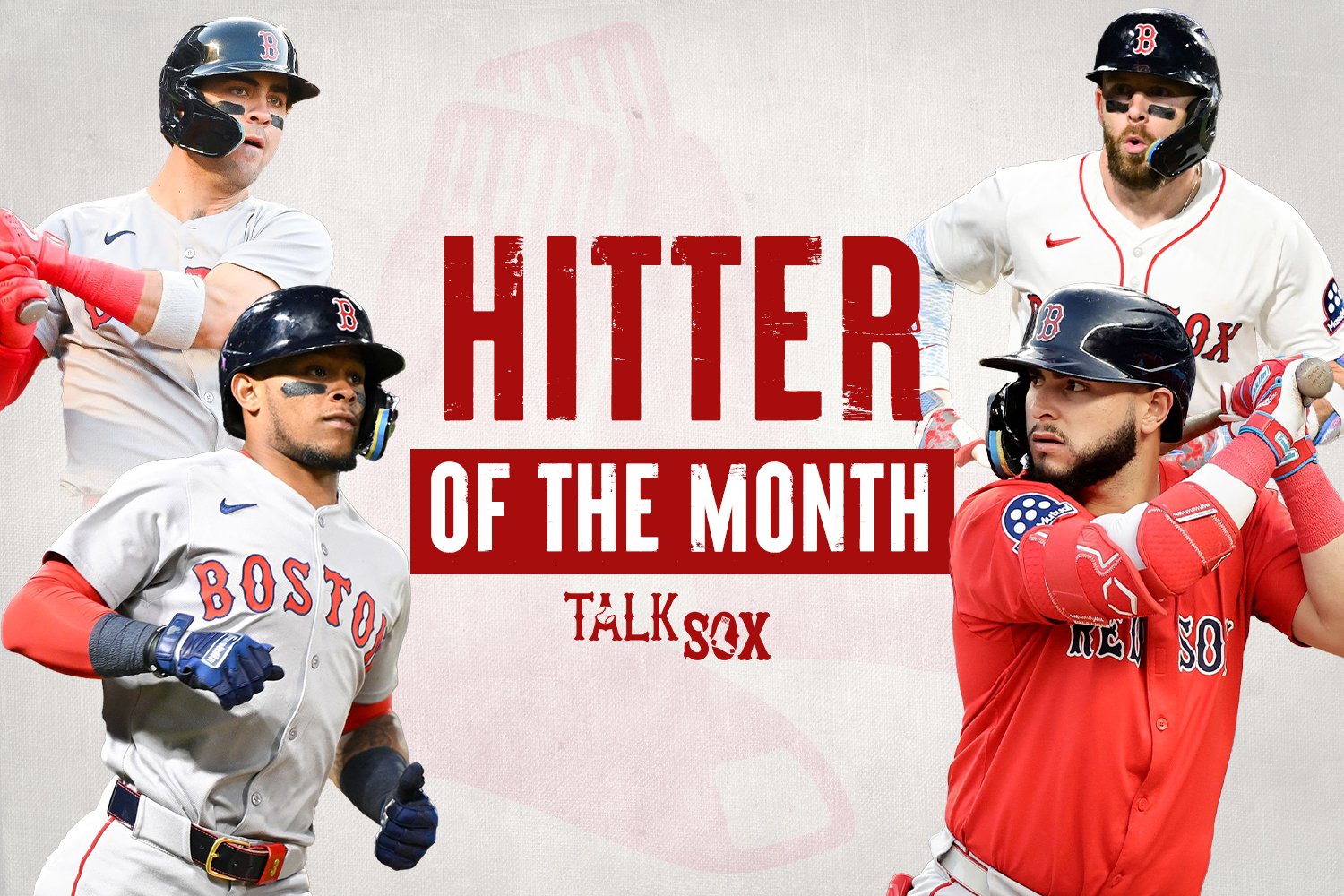 June was an interesting month for the Red Sox’s offense. The team rattled off series victory after series victory to start the month, then faltered as the month drew to a close following the team's decision to trade its best hitter. That being said, there were things on the offensive side of the ball that point toward a potential offensive uptick as we approach the dog days of summer. Who made the cut for offensive player of the month for June? Let’s find out. Honorable Mention: Marcelo Mayer While Mayer’s numbers weren’t completely stellar — he slashed .218/.279/.509 — he made impacts on offense that can’t be understated and has given us a glimpse into what his ceiling could be as he continues to find his footing in the majors. He hasn’t lit the world on fire yet, and he may not this season, but it’s so easy to see how impactful he can be on both sides of the ball. He rarely looks overmatched when he’s at the plate and he’s been able to barrel the ball exceptionally well (he posted a 16.2% barrel percentage to close the month). He blasted four home runs during the month of June, good for third on the team. The future looks bright with both Mayer and Roman Anthony coming into their own as pro baseball players. #3: Wilyer Abreu Abreu slashed .271/.275/.500 for the month of June. He ended the month in the most spectacular way possible with an inside-the-park home run followed by a grand slam. He seems to have settled into the season after his injury and is finally starting to get starts against left-handed pitchers, indicating that he’s made the shift from platoon player to starter. Giving him more looks against left-handers will only help to push his career forward, and he’s proving to be an intricate piece to the team’s offense. He was good for a 103 wRC+ in June and was second on the team in RBIs with 16. Wilyer is proving to be the steal of Chaim Bloom’s tenure in Boston once again, and they would be smart to keep him around for the long haul in the outfield. #2: Trevor Story I know, I’m just as shocked as you, but here we are. Trevor Story had an incredible June. He slashed .286/.327/.500 while hitting five home runs, 23 RBIs, and four stolen bases. He’s come through in clutch situations all month, be it multi-home run games or putting himself in scoring position early in innings. Story had showcased some offensive firepower earlier in the season but had gone on an awful cold spell throughout the month of May. Something seemed to click for him in June though, and he’s helped to lead the charge during the teams’ offensive outbursts. He’s still struggling with swinging at pitches low and away while not drawing enough walks and striking out more than he should. That being said, he’s coming through when it counts and for a team that's been struggling to find their offensive groove. Hard as it may be to believe in 2025, having Trevor Story could help propel the Red Sox to a Wild Card position. #1: Ceddanne Rafaela Ceddanne Rafaela turned in the best offensive month of his career in June. He slashed .283/.327/.543 with six home runs, 13 RBIs, and four stolen bases. He came through clutch on multiple occasions and seems to finally be stepping into his own as an offensive player. We had heard throughout spring training that he was more patient and should work more walks this season while not striking out as much. That hasn’t really been the case, but it seems like his offensive profile doesn’t need him to change much about his approach. Some minor tweaks, which he has been doing, have been enough to unlock the offensive player we hoped he could be. The swing and miss is always going to be part of his game, and it seems like Alex Cora has learned to live with it. What has improved, though, is his ability to take pitches that have no chance of sniffing the zone. He may not work a ton of walks, but getting into hitter’s counts helps to set him up for success. Rafaela has been an incredible defender since he came into the league and now his offense seems to be catching up with that. If that continues, we’re looking at a steal of a contract in center field. June may have marked a turning point for the Red Sox as they try to navigate the trade deadline to improve the team both this year and in the future. If these four players can keep playing the way they have been, there’s more than enough reason to be buyers at the deadline and show this team and the fanbase that the powers that be believe what they keep saying. Let’s hope that the July hitters of the month piece comes with as much surprising success as June’s. What do you think of our list? Any other Red Sox players you’d add? Let us know in the comments!
 -
June was an interesting month for the Red Sox’s offense. The team rattled off series victory after series victory to start the month, then faltered as the month drew to a close following the team's decision to trade its best hitter. That being said, there were things on the offensive side of the ball that point toward a potential offensive uptick as we approach the dog days of summer. Who made the cut for offensive player of the month for June? Let’s find out. Honorable Mention: Marcelo Mayer While Mayer’s numbers weren’t completely stellar — he slashed .218/.279/.509 — he made impacts on offense that can’t be understated and has given us a glimpse into what his ceiling could be as he continues to find his footing in the majors. He hasn’t lit the world on fire yet, and he may not this season, but it’s so easy to see how impactful he can be on both sides of the ball. He rarely looks overmatched when he’s at the plate and he’s been able to barrel the ball exceptionally well (he posted a 16.2% barrel percentage to close the month). He blasted four home runs during the month of June, good for third on the team. The future looks bright with both Mayer and Roman Anthony coming into their own as pro baseball players. #3: Wilyer Abreu Abreu slashed .271/.275/.500 for the month of June. He ended the month in the most spectacular way possible with an inside-the-park home run followed by a grand slam. He seems to have settled into the season after his injury and is finally starting to get starts against left-handed pitchers, indicating that he’s made the shift from platoon player to starter. Giving him more looks against left-handers will only help to push his career forward, and he’s proving to be an intricate piece to the team’s offense. He was good for a 103 wRC+ in June and was second on the team in RBIs with 16. Wilyer is proving to be the steal of Chaim Bloom’s tenure in Boston once again, and they would be smart to keep him around for the long haul in the outfield. #2: Trevor Story I know, I’m just as shocked as you, but here we are. Trevor Story had an incredible June. He slashed .286/.327/.500 while hitting five home runs, 23 RBIs, and four stolen bases. He’s come through in clutch situations all month, be it multi-home run games or putting himself in scoring position early in innings. Story had showcased some offensive firepower earlier in the season but had gone on an awful cold spell throughout the month of May. Something seemed to click for him in June though, and he’s helped to lead the charge during the teams’ offensive outbursts. He’s still struggling with swinging at pitches low and away while not drawing enough walks and striking out more than he should. That being said, he’s coming through when it counts and for a team that's been struggling to find their offensive groove. Hard as it may be to believe in 2025, having Trevor Story could help propel the Red Sox to a Wild Card position. #1: Ceddanne Rafaela Ceddanne Rafaela turned in the best offensive month of his career in June. He slashed .283/.327/.543 with six home runs, 13 RBIs, and four stolen bases. He came through clutch on multiple occasions and seems to finally be stepping into his own as an offensive player. We had heard throughout spring training that he was more patient and should work more walks this season while not striking out as much. That hasn’t really been the case, but it seems like his offensive profile doesn’t need him to change much about his approach. Some minor tweaks, which he has been doing, have been enough to unlock the offensive player we hoped he could be. The swing and miss is always going to be part of his game, and it seems like Alex Cora has learned to live with it. What has improved, though, is his ability to take pitches that have no chance of sniffing the zone. He may not work a ton of walks, but getting into hitter’s counts helps to set him up for success. Rafaela has been an incredible defender since he came into the league and now his offense seems to be catching up with that. If that continues, we’re looking at a steal of a contract in center field. June may have marked a turning point for the Red Sox as they try to navigate the trade deadline to improve the team both this year and in the future. If these four players can keep playing the way they have been, there’s more than enough reason to be buyers at the deadline and show this team and the fanbase that the powers that be believe what they keep saying. Let’s hope that the July hitters of the month piece comes with as much surprising success as June’s. What do you think of our list? Any other Red Sox players you’d add? Let us know in the comments! View full article
-
Super appreciate the kind words. I look forward to writing them and interacting with everyone.
- 69 replies
-
- 2
-

-
- jarren duran
- aroldis chapman
- (and 3 more)
-
As of this writing now, the Boston Red Sox have a 40-43 record. That’s good for fourth in the AL East, where they are eight games out of first place and three games back of the final AL Wild Card position. During the press conference after the Rafael Devers trade, President of Baseball Operations Craig Breslow confirmed the team was still planning to be buyers as the trade deadline approaches, and his opinion hasn’t changed, as he confirmed on WEEI’s The Greg Hill Show on Thursday. Even though fans may not want to, it’s best to take him at his word. The flip side here is the team just got swept by the Angels and should this downward trend continue over the next few series, the team could ultimately decide to be sellers at the deadline instead. The good news here is that there are major league pieces that would command a great return to help put the team in a better position for 2026 and beyond. Let’s take a look at those ten names, their contract status, and what the team could hope to get back in return for them. Jarren Duran, OF Jarren Duran isn’t having the season anyone hoped he would, and I’ve already written about how a change of scenery would likely do him wonders. He’s currently slashing .254/.307/.404 and his contract has him signed for one-year/$3.85m with a club option for 2026. While Duran alone won’t land the Red Sox a controllable starter, packaging him with prospects not named Roman Anthony and Marcelo Mayer should get the Red Sox another front-line starter to slot in behind Garrett Crochet. Aroldis Chapman, LHP I’ve also already written a bit about how Aroldis Chapman would be a prime trade target for teams in the playoff hunt should the Red Sox decide to sell. He’s experiencing a career resurgence this year and has commanded large trade packages in the past. He’s one a one-year/$10.75M deal, so he would be relatively cheap for a team looking to bring him into the fold. He would likely get a mid to back-end starter in return. Wilyer Abreu, OF I’ve included Abreu here even though I don’t really see the Red Sox trading him now, even after they attempted to during the offseason. He’s slashing .252/.324/.465 and carries the pedigree of winning a Gold Glove in right field after his rookie season. He’s making $780K and isn’t eligible for arbitration until 2027. Like Duran above, he wouldn’t command a front-line starter on his own, but in a package with prospects we’d be looking at a similar, although possibly lesser, return in a mid-tier starter. Walker Buehler, RHP I’ll admit, it’s almost funny to include Buehler on this list since he’s been abysmal after returning from injury, but there will be a handful of teams interested in bringing him into the fold solely based on his previous championship experience and how he’s performed in the postseason. He’s on a one-year/$21.05M contract that will be more than halfway paid by the deadline. In a trade, he could be worth at least three buckets of balls, right? In all seriousness, a trade of Buehler wouldn’t net the Red Sox much more than a low-floor, high-ceiling prospect. Justin Wilson, LHP Wilson is quietly having a great season for the Red Sox. He’s been the second-most dependable left-handed pitcher in the bullpen behind Chapman. His contract is incredibly team-friendly at one-year/$2.25M. He would be able to be flipped pretty easily and would likely return a prospect somewhere just outside of the top-100 with some upside. Alex Bregman, 3B With the news that Bregman likely won’t return from his quad injury until after the All-Star break, I believe that the third baseman is the least likely person (on this list) to be moved this season. In fact, I just wrote about how the Red Sox should extend him since he’s open to it. Right now, Bregman is on a three-year/$120M contract with opt-outs after each season. Should the team make him available, there will be a line of teams wanting to acquire his services. That would drive his price up considerably and likely net the Red Sox some valuable major league-ready talent. Lucas Giolito, RHP Giolito has had a very up-and-down season so far, but he has put a string of three solid starts together as of this writing. He seems to be trusting his fastball again, and even though it’s not playing up like it used to, he’s seeing success. He’s in the last year of a two-year/$38.5M deal with a mutual option that turns into a club option if he pitches less than 140 innings this season. He wouldn’t command a huge return, likely some low-level prospects, but he would get the team some talent that would restock the farm system after the Big Three graduate. Rob Refsnyder, OF Rob Refsnyder, the lefty killer. He is performing well again this season and has been a solid contributor for the team. He’s moved into a platoon DH role after the Devers trade, but should move back to the fourth/fifth outfielder position once Masataka Yoshida is with the big league club. He’s on the last year of a two-year contract and will become a free agent once the season ends. He contemplated retirement before the 2025 season, so it’s possible he looks into it again. If the team did decide to trade Refsnyder, he wouldn’t command a huge return either. A playoff team would likely be interested in his services thanks to his southpaw-mashing abilities, though, and should multiple teams get involved, a high-ceiling prospect isn’t out of the question here. Romy Gonzalez, UTIL It’s crazy to think that Gonzalez went from being DFA’d by the White Sox to a possible trade candidate for a team in the postseason hunt. He’s performed quite well in a platoon at first base with Abraham Toro since the injury to Triston Casas. He’s slashing .294/.342/.471 on the season and, like Refsnyder above, could have multiple teams interested in bringing him into the fold to come off the bench against left-handed relievers late in games. A bidding war for his services would drive his price even higher than Refsnyder’s. Abraham Toro, UTIL This will sound similar to the Gonzalez section above since they are platoon partners, but Toro has looked great in that role at first base. He’s cooled off quite a bit in recent weeks, but there is still value here. Currently signed to a one-year/$801.1K deal, he’s extremely cheap and would be easy to flip for lower level prospects. Masataka Yoshida, OF/DH It’s no secret that the Red Sox have been chomping at the bit to trade Yoshida since Breslow took over as the President of Baseball Operations. So far, they’ve been unsuccessful. With reports coming that he will rejoin the team in July and be in a platoon DH role with Refsnyder, that could drum up a bit of interest in him. He’s in the third year of his five-year/$90M contract and the Red Sox will likely have to eat some of that money to get him traded. If they are willing to take on a significant portion of it, they could turn him into someone who could compete on the major league team this year. Still, if there is a Yoshida trade, I'd expect it to take place over the offseason once the Japanese slugger rehabilitates some of his value in the second half. David Hamilton, UTIL David Hamilton is currently starting at second base for the Boston Red Sox, for now. There’s not a ton of value here at all. He’s on a one-year/$780K contract and becomes arbitration eligible in 2027. Trading Hamilton really only takes away a pinch runner once Marcelo Mayer shifts to second base when Alex Bregman is healthy, and the team can afford to lose him. He won’t be the centerpiece of any deal that gets done. He more than likely will be an additional part added to help salaries and roster numbers match up, but as part of a larger deal, he could be moved for something significant. What do you think? Do you have other names you’d like to see the team shop if they go into sell mode? Comment below and let’s discuss! View full article
- 69 replies
-
- 1
-
-
- jarren duran
- aroldis chapman
- (and 3 more)
-
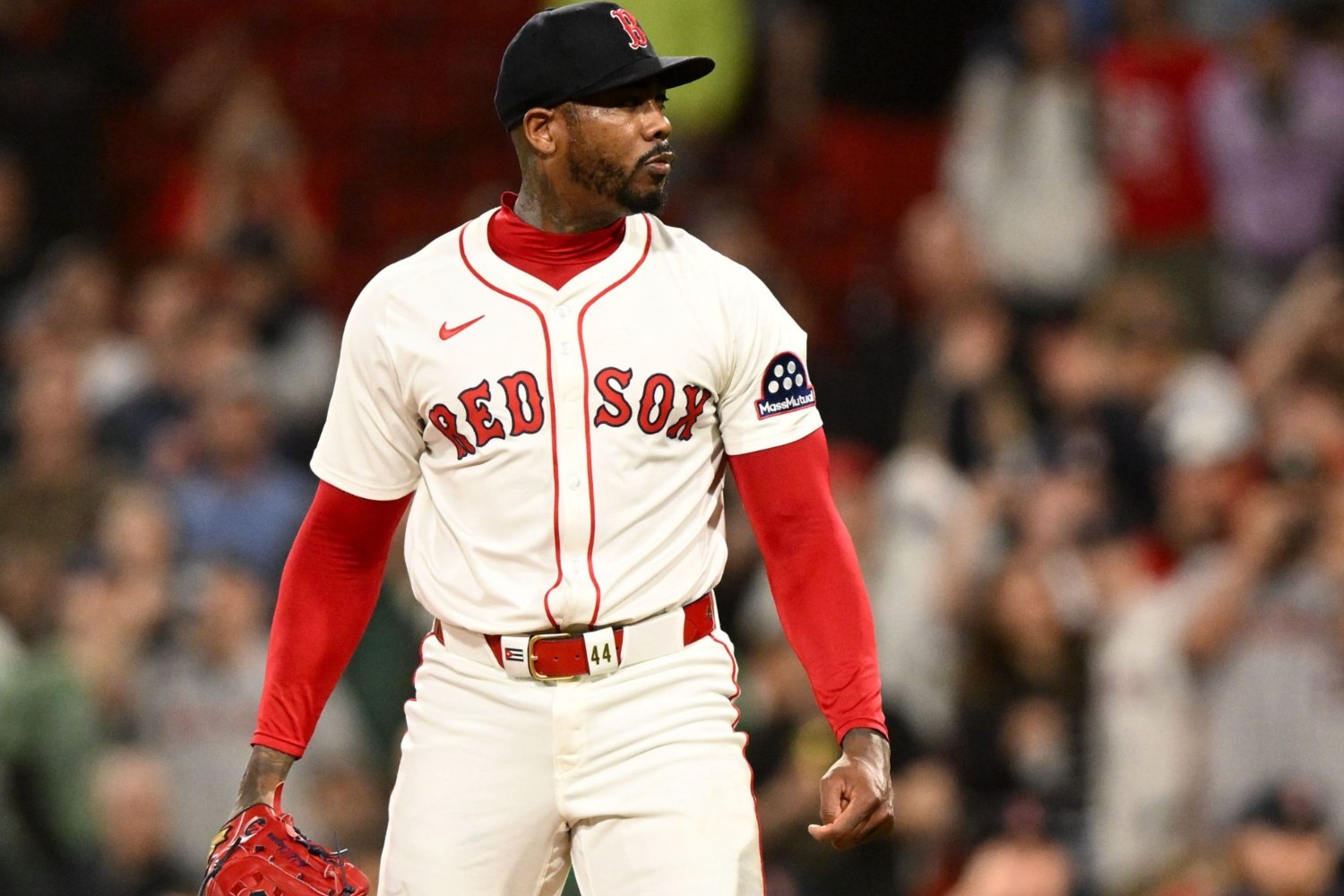 As of this writing now, the Boston Red Sox have a 40-43 record. That’s good for fourth in the AL East, where they are eight games out of first place and three games back of the final AL Wild Card position. During the press conference after the Rafael Devers trade, President of Baseball Operations Craig Breslow confirmed the team was still planning to be buyers as the trade deadline approaches, and his opinion hasn’t changed, as he confirmed on WEEI’s The Greg Hill Show on Thursday. Even though fans may not want to, it’s best to take him at his word. The flip side here is the team just got swept by the Angels and should this downward trend continue over the next few series, the team could ultimately decide to be sellers at the deadline instead. The good news here is that there are major league pieces that would command a great return to help put the team in a better position for 2026 and beyond. Let’s take a look at those ten names, their contract status, and what the team could hope to get back in return for them. Jarren Duran, OF Jarren Duran isn’t having the season anyone hoped he would, and I’ve already written about how a change of scenery would likely do him wonders. He’s currently slashing .254/.307/.404 and his contract has him signed for one-year/$3.85m with a club option for 2026. While Duran alone won’t land the Red Sox a controllable starter, packaging him with prospects not named Roman Anthony and Marcelo Mayer should get the Red Sox another front-line starter to slot in behind Garrett Crochet. Aroldis Chapman, LHP I’ve also already written a bit about how Aroldis Chapman would be a prime trade target for teams in the playoff hunt should the Red Sox decide to sell. He’s experiencing a career resurgence this year and has commanded large trade packages in the past. He’s one a one-year/$10.75M deal, so he would be relatively cheap for a team looking to bring him into the fold. He would likely get a mid to back-end starter in return. Wilyer Abreu, OF I’ve included Abreu here even though I don’t really see the Red Sox trading him now, even after they attempted to during the offseason. He’s slashing .252/.324/.465 and carries the pedigree of winning a Gold Glove in right field after his rookie season. He’s making $780K and isn’t eligible for arbitration until 2027. Like Duran above, he wouldn’t command a front-line starter on his own, but in a package with prospects we’d be looking at a similar, although possibly lesser, return in a mid-tier starter. Walker Buehler, RHP I’ll admit, it’s almost funny to include Buehler on this list since he’s been abysmal after returning from injury, but there will be a handful of teams interested in bringing him into the fold solely based on his previous championship experience and how he’s performed in the postseason. He’s on a one-year/$21.05M contract that will be more than halfway paid by the deadline. In a trade, he could be worth at least three buckets of balls, right? In all seriousness, a trade of Buehler wouldn’t net the Red Sox much more than a low-floor, high-ceiling prospect. Justin Wilson, LHP Wilson is quietly having a great season for the Red Sox. He’s been the second-most dependable left-handed pitcher in the bullpen behind Chapman. His contract is incredibly team-friendly at one-year/$2.25M. He would be able to be flipped pretty easily and would likely return a prospect somewhere just outside of the top-100 with some upside. Alex Bregman, 3B With the news that Bregman likely won’t return from his quad injury until after the All-Star break, I believe that the third baseman is the least likely person (on this list) to be moved this season. In fact, I just wrote about how the Red Sox should extend him since he’s open to it. Right now, Bregman is on a three-year/$120M contract with opt-outs after each season. Should the team make him available, there will be a line of teams wanting to acquire his services. That would drive his price up considerably and likely net the Red Sox some valuable major league-ready talent. Lucas Giolito, RHP Giolito has had a very up-and-down season so far, but he has put a string of three solid starts together as of this writing. He seems to be trusting his fastball again, and even though it’s not playing up like it used to, he’s seeing success. He’s in the last year of a two-year/$38.5M deal with a mutual option that turns into a club option if he pitches less than 140 innings this season. He wouldn’t command a huge return, likely some low-level prospects, but he would get the team some talent that would restock the farm system after the Big Three graduate. Rob Refsnyder, OF Rob Refsnyder, the lefty killer. He is performing well again this season and has been a solid contributor for the team. He’s moved into a platoon DH role after the Devers trade, but should move back to the fourth/fifth outfielder position once Masataka Yoshida is with the big league club. He’s on the last year of a two-year contract and will become a free agent once the season ends. He contemplated retirement before the 2025 season, so it’s possible he looks into it again. If the team did decide to trade Refsnyder, he wouldn’t command a huge return either. A playoff team would likely be interested in his services thanks to his southpaw-mashing abilities, though, and should multiple teams get involved, a high-ceiling prospect isn’t out of the question here. Romy Gonzalez, UTIL It’s crazy to think that Gonzalez went from being DFA’d by the White Sox to a possible trade candidate for a team in the postseason hunt. He’s performed quite well in a platoon at first base with Abraham Toro since the injury to Triston Casas. He’s slashing .294/.342/.471 on the season and, like Refsnyder above, could have multiple teams interested in bringing him into the fold to come off the bench against left-handed relievers late in games. A bidding war for his services would drive his price even higher than Refsnyder’s. Abraham Toro, UTIL This will sound similar to the Gonzalez section above since they are platoon partners, but Toro has looked great in that role at first base. He’s cooled off quite a bit in recent weeks, but there is still value here. Currently signed to a one-year/$801.1K deal, he’s extremely cheap and would be easy to flip for lower level prospects. Masataka Yoshida, OF/DH It’s no secret that the Red Sox have been chomping at the bit to trade Yoshida since Breslow took over as the President of Baseball Operations. So far, they’ve been unsuccessful. With reports coming that he will rejoin the team in July and be in a platoon DH role with Refsnyder, that could drum up a bit of interest in him. He’s in the third year of his five-year/$90M contract and the Red Sox will likely have to eat some of that money to get him traded. If they are willing to take on a significant portion of it, they could turn him into someone who could compete on the major league team this year. Still, if there is a Yoshida trade, I'd expect it to take place over the offseason once the Japanese slugger rehabilitates some of his value in the second half. David Hamilton, UTIL David Hamilton is currently starting at second base for the Boston Red Sox, for now. There’s not a ton of value here at all. He’s on a one-year/$780K contract and becomes arbitration eligible in 2027. Trading Hamilton really only takes away a pinch runner once Marcelo Mayer shifts to second base when Alex Bregman is healthy, and the team can afford to lose him. He won’t be the centerpiece of any deal that gets done. He more than likely will be an additional part added to help salaries and roster numbers match up, but as part of a larger deal, he could be moved for something significant. What do you think? Do you have other names you’d like to see the team shop if they go into sell mode? Comment below and let’s discuss!
 -
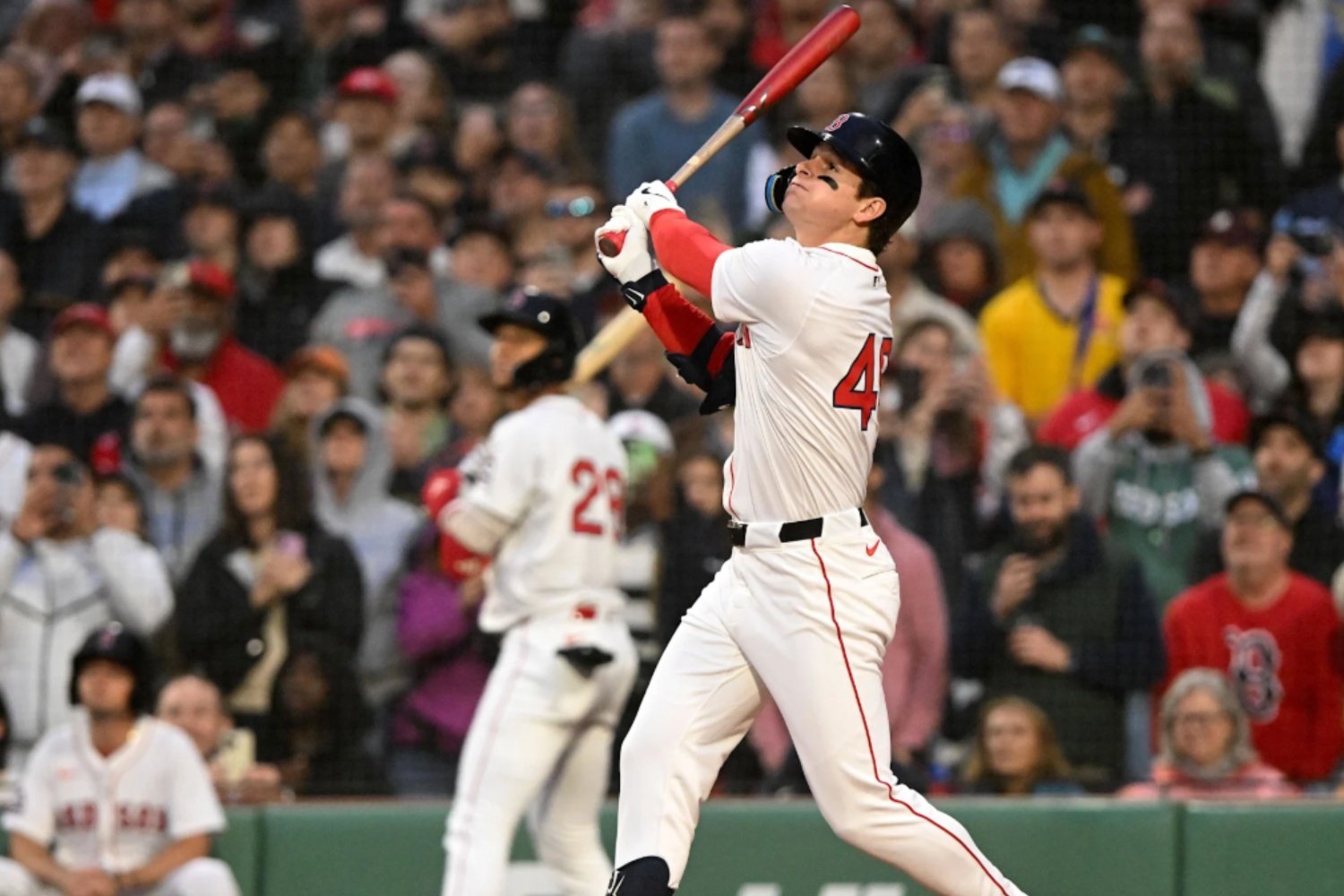 While the current part of the season has been incredibly trying for the Boston Red Sox, there’s still quite a bit to be excited about when you dive under the hood and explore their Statcast metrics. When we want to look at just how solid of a hitter each player is, one aspect we like to highlight is their barrel percentage. This tells us how often the player is squaring up the ball and making solid contact. If you were to assume which players are leading the charge in barrel percentage on this team, I’d venture to guess that the top four names actually on the list aren’t the first four that come to mind. Those four are: Romy Gonzalez at 14.3%, Roman Anthony at 13.3%, Wilyer Abreu at 13.2%, and Ceddanne Rafaela at 11.7%. Outside of Gonzalez, those are three core members of the Boston Red Sox who are all in their first year or two of MLB service time. That’s absolutely huge and should bode incredibly well for the future of the franchise. It’s no secret that Roman Anthony isn’t having the typical offensive success you’d expect for such a highly touted prospect. He’s currently slashing just .128/.293/.255 with just one home run on the team. Under the hood, though, there’s a ton to be excited about. He’s making loud contact, it’s just often right at someone on defense. He’s regularly hitting rockets over 90mph and he’s topped out at 112.3mph in the majors so far. When we add in his barrel percentage, we start to get a much clearer picture of just who he is as an offensive player. Anthony is the type of hitter who can square balls up with enough frequency to become an annual 30-plus home run threat. We’ve seen what he can do once he’s comfortable in Triple-A with his moonshots that made the rounds before he was called up. Now, he has to figure that out at the major league level, though his batted ball metrics suggest he's closer to that than you may expec.t Wilyer Abreu has seen his barrel percentage climb each season he has been with the big league club, from 9.4% in 2023, to 11.1% in 2024, to this season’s 13.2%. While Abreu doesn’t profile as a power-first hitter, his ability to get the bat in the zone and barrel balls up means that he’s tapping into a newer source of power in 2025. Just through June, he’s only hit two home runs behind his entire season total from 2024 (15 last season to 13 this season). He should soar past that number by the trade deadline. As Abreu continues to grow as an offensive player, expect that barrel percentage to climb higher and his power numbers should do the same. Ceddanne Rafaela clocks in at 11.7% on the season so far. Compared to last season, 7.5%, we’re seeing a player who is growing more and more confident in his swings and getting results at the plate. It’s no coincidence, then, that his hard hit percentage is the highest it has been in his short career at 44.9%. He’s having the best offensive season of his career. Pair that with the potential Platinum Glove defense he’s playing in center field, you have a player who is proving that his contract extension is going to be a steal over the life of it. His offensive uptick should help to lock him in as a focal point of the team for years to come. Romy Gonzalez is likely not a future building block of the team, but his production this season shouldn’t be ignored. He’s been thrust into a role that none of us expected as a key first baseman in a platoon to replace the injured Triston Casas, and he’s performed incredibly well in that role. He’s been clutch, and his ability to barrel balls against left-handed pitchers is unparalled on the team right now. Unless the team significantly upgrades the first base position at the trade deadline, then he should continue to produce as a southpaw masher for the rest of this season. Although the team on the field looks drastically different right now, it’s important to remember that the young core of this team is primed to break out and become very legitimate big league contributors. Some of those core members, specifically Roman Anthony, are slated to be superstars and have a ton of weight on their shoulders. The future outfield, in particular, seems to be set with Anthony, Rafaela, and Abreu. It isn't as glamorous as a postseason berth, but continued development from their core players will mark the second half of this season as a resounding success in Boston.
 -
While the current part of the season has been incredibly trying for the Boston Red Sox, there’s still quite a bit to be excited about when you dive under the hood and explore their Statcast metrics. When we want to look at just how solid of a hitter each player is, one aspect we like to highlight is their barrel percentage. This tells us how often the player is squaring up the ball and making solid contact. If you were to assume which players are leading the charge in barrel percentage on this team, I’d venture to guess that the top four names actually on the list aren’t the first four that come to mind. Those four are: Romy Gonzalez at 14.3%, Roman Anthony at 13.3%, Wilyer Abreu at 13.2%, and Ceddanne Rafaela at 11.7%. Outside of Gonzalez, those are three core members of the Boston Red Sox who are all in their first year or two of MLB service time. That’s absolutely huge and should bode incredibly well for the future of the franchise. It’s no secret that Roman Anthony isn’t having the typical offensive success you’d expect for such a highly touted prospect. He’s currently slashing just .128/.293/.255 with just one home run on the team. Under the hood, though, there’s a ton to be excited about. He’s making loud contact, it’s just often right at someone on defense. He’s regularly hitting rockets over 90mph and he’s topped out at 112.3mph in the majors so far. When we add in his barrel percentage, we start to get a much clearer picture of just who he is as an offensive player. Anthony is the type of hitter who can square balls up with enough frequency to become an annual 30-plus home run threat. We’ve seen what he can do once he’s comfortable in Triple-A with his moonshots that made the rounds before he was called up. Now, he has to figure that out at the major league level, though his batted ball metrics suggest he's closer to that than you may expec.t Wilyer Abreu has seen his barrel percentage climb each season he has been with the big league club, from 9.4% in 2023, to 11.1% in 2024, to this season’s 13.2%. While Abreu doesn’t profile as a power-first hitter, his ability to get the bat in the zone and barrel balls up means that he’s tapping into a newer source of power in 2025. Just through June, he’s only hit two home runs behind his entire season total from 2024 (15 last season to 13 this season). He should soar past that number by the trade deadline. As Abreu continues to grow as an offensive player, expect that barrel percentage to climb higher and his power numbers should do the same. Ceddanne Rafaela clocks in at 11.7% on the season so far. Compared to last season, 7.5%, we’re seeing a player who is growing more and more confident in his swings and getting results at the plate. It’s no coincidence, then, that his hard hit percentage is the highest it has been in his short career at 44.9%. He’s having the best offensive season of his career. Pair that with the potential Platinum Glove defense he’s playing in center field, you have a player who is proving that his contract extension is going to be a steal over the life of it. His offensive uptick should help to lock him in as a focal point of the team for years to come. Romy Gonzalez is likely not a future building block of the team, but his production this season shouldn’t be ignored. He’s been thrust into a role that none of us expected as a key first baseman in a platoon to replace the injured Triston Casas, and he’s performed incredibly well in that role. He’s been clutch, and his ability to barrel balls against left-handed pitchers is unparalled on the team right now. Unless the team significantly upgrades the first base position at the trade deadline, then he should continue to produce as a southpaw masher for the rest of this season. Although the team on the field looks drastically different right now, it’s important to remember that the young core of this team is primed to break out and become very legitimate big league contributors. Some of those core members, specifically Roman Anthony, are slated to be superstars and have a ton of weight on their shoulders. The future outfield, in particular, seems to be set with Anthony, Rafaela, and Abreu. It isn't as glamorous as a postseason berth, but continued development from their core players will mark the second half of this season as a resounding success in Boston. View full article
-
Absolutely. It’s a hope and a prayer for sure.
