Alex Mayes
-
Posts
814 -
Joined
-
Last visited
Content Type
Profiles
Boston Red Sox Videos
2026 Boston Red Sox Top Prospects Ranking
Boston Red Sox Free Agent & Trade Rumors, Notes, & Tidbits
Guides & Resources
2025 Boston Red Sox Draft Pick Tracker
News
2026 Boston Red Sox Draft Tracker: Picks & Bonuses
Forums
Blogs
Events
Store
Downloads
Gallery
Everything posted by Alex Mayes
-
The Red Sox are entering the second half of the season looking like a legitimate playoff team. One thing that has hindered the team this season though, is an overtaxed bullpen. Coming out of the All-Star break, the bullpen has thrown 358 innings, 11th most in the MLB. They have an ERA of 3.44, FIP of 3.50, and a WAR of 4.5. Though they may be overtaxed, the bullpen has been one of the better units in the game. That doesn’t mean that they can’t use some reinforcements though, especially if the team is still considering trading closer Aroldis Chapman. Let’s take a look at some potential reliever options for the Red Sox. The White Whale Mason Miller, RHP   I’m getting this one out of the way first because it’s going to cost a ton to land someone like Miller, even if he’s having a down season. He currently sports a 4.04 ERA with 57 strikeouts and 19 saves over 35.2 innings. The play with Miller is there is still a ton of belief around the league that he can be converted back into a starter. If the Red Sox were to trade Chapman, they’d have a massive hole at the back end of the bullpen to fill and Mason Miller could slot in perfectly. Then, if Andrew Bailey and company think he can be converted into a starter, it adds another potential elite arm into the rotation. It could be a pipe dream, and it likely is, but the A’s are primed to be big time sellers and there is no bigger prize available on that team than Mason Miller. Big Splashes Ryan Helsley, RHP Nick John has already written an excellent piece about how trading for Helsley could transform the bullpen and he’s 100% correct. He’s currently sitting with a 3.27 ERA over 33 innings with 36 strikeouts and 19 saves. The biggest thing about Helsley is he’s a rental and won’t be cheap to add. If the Sox were to swing a trade for him, you’d likely see him work in tandem with Chapman depending on how the opposing lineup was set to stack up in the ninth. While he’s a rental, he’s far younger than Chapman and would be an excellent candidate to sign to an extension after acquiring him. That would allow the team to either trade Chapman while his value is incredibly high, or let him walk in the offseason while Helsley slides into the full-time closer role. Lucas Erceg, RHP The Royals and Red Sox have been trade partners a few times in recent years so Craig Breslow may want to give the Royals a call and see what it would take to acquire Erceg. Like Miller above, Erceg is young and would be expensive but he would be well worth the cost. He currently sits at a 2.15 ERA, 31 strikeouts, and a 3.16 FIP over 37.2 innings pitched. He’s a slider first reliever with a four-seam fastball that tops out at 98 MPH. His four pitch mix means he keeps hitters on their toes. He sports a 21.2% strikeout rate to go with his 6.8% walk rate, and a 58.4% groundball rate. Now that Alex Bregman has returned to the lineup and Marcelo Mayer has shifted over to second base, the defense surrounding the pitcher has taken a significant step forward so Erceg would feel comfortable each time he steps to the mound. Cade Smith, RHP The Guardians are notoriously difficult to trade with but that doesn’t mean that Breslow shouldn’t kick the tires on Smith. He’s the same age as Miller above but without the All-Star pedigree or the saves to his name. He works best as a set-up man and would allow relievers already in the Sox’s bullpen to be moved around and playing based on whatever the matchups dictate. He currently has a 3.07 ERA with a 2.06 FIP and 61 strikeouts over 41 innings pitched. Bringing in Smith would allow the Red Sox to ease Justin Slaten back into the pen as he returns to health, give Greg Weissert some lower leverage innings along with some much needed rest, and shift guys like Brennan Bernardino into lower leverage roles as well. If the Guardians are willing to make Smith available, the Red Sox should be at the front of the line to acquire his services. Not So Splashy but Effective Griffin Jax, RHP Jax isn’t the pitcher from the Twins that most Red Sox fans have been salivating over since the All-Star break began, but adding him into the bullpen could be almost as beneficial. He’s sitting on a 3.92 ERA with 66 strikeouts and a 1.87 FIP over 66 innings pitched. Like Smith and Erceg above, he would slot in as an every day set-up arm for the closer. He’s a sweeper first pitcher with a power change-up and three fastball offerings. His strikeout percentage, 37.9%, is the second highest in the MLB. While his ERA is approaching four on the season, his xERA is sitting at 2.98 so he’s been unlucky here and there throughout the season. Having his sweeper and power change-up in the eighth inning then seeing Chapman come out for the ninth would surely give opposing hitters pause for concern. Adding an arm like Jax would be a bit more cost effective than the names above and he could produce similar value. Steven Matz, LHP Matz has found his way into the bullpen for the Cardinals this season and it has given him a place to shine. He’s holding a 3.35 ERA, with 45 strikeouts and a 2.93 WHIP over 51 innings. The caveat here is the Red Sox already have three left handed pitchers in their bullpen and adding an additional one seems unlikely. That being said, Matz is in the final year of his four-year, $44 million contract so the Sox wouldn’t have to give up a ton to land him. His strikeout rate is sitting at 21.4% and his walk rate is at 4.3%. He’s been reliable out of the pen for the Red Birds. If a deal is made with St. Louis, you’d like for it to be for Helsley above but if the team is looking to make more fringe-type additions then an arm like Matz could be a smart play, if the team believes carrying four left handed relievers is a good idea. Emilio Pagan, RHP Ever the journeyman, Pagan has shined this year. He’s sitting on an impressive 2.93 ERA with 50 strikeouts and a 3.91 FIP over 40 innings pitched. 34 years old and in the final year of a two-year, $16 million contract so he’d likely be even cheaper than Matz. The Red are still flirting with the third Wild Card spot in the National League but have the potential to slide before the deadline is here at the end of July. Pagan would offer veteran experience and can slot into multiple roles in the bullpen for the Red Sox. He’s far from the flashiest move here but adding a reliever with Pagan’s stats this season could be a secondary type move that would fully push the Red Sox into the postseason conversation. These are just a few names, and one wish, that the Red Sox could look to bring in to help an overworked bullpen as the trade deadline draws near. A team with championship aspirations can never have too much help in the bullpen, just ask the Dodgers. Who do you think the Sox should bring in to help bolster the bullpen? Sound off in the comments below! View full article
-
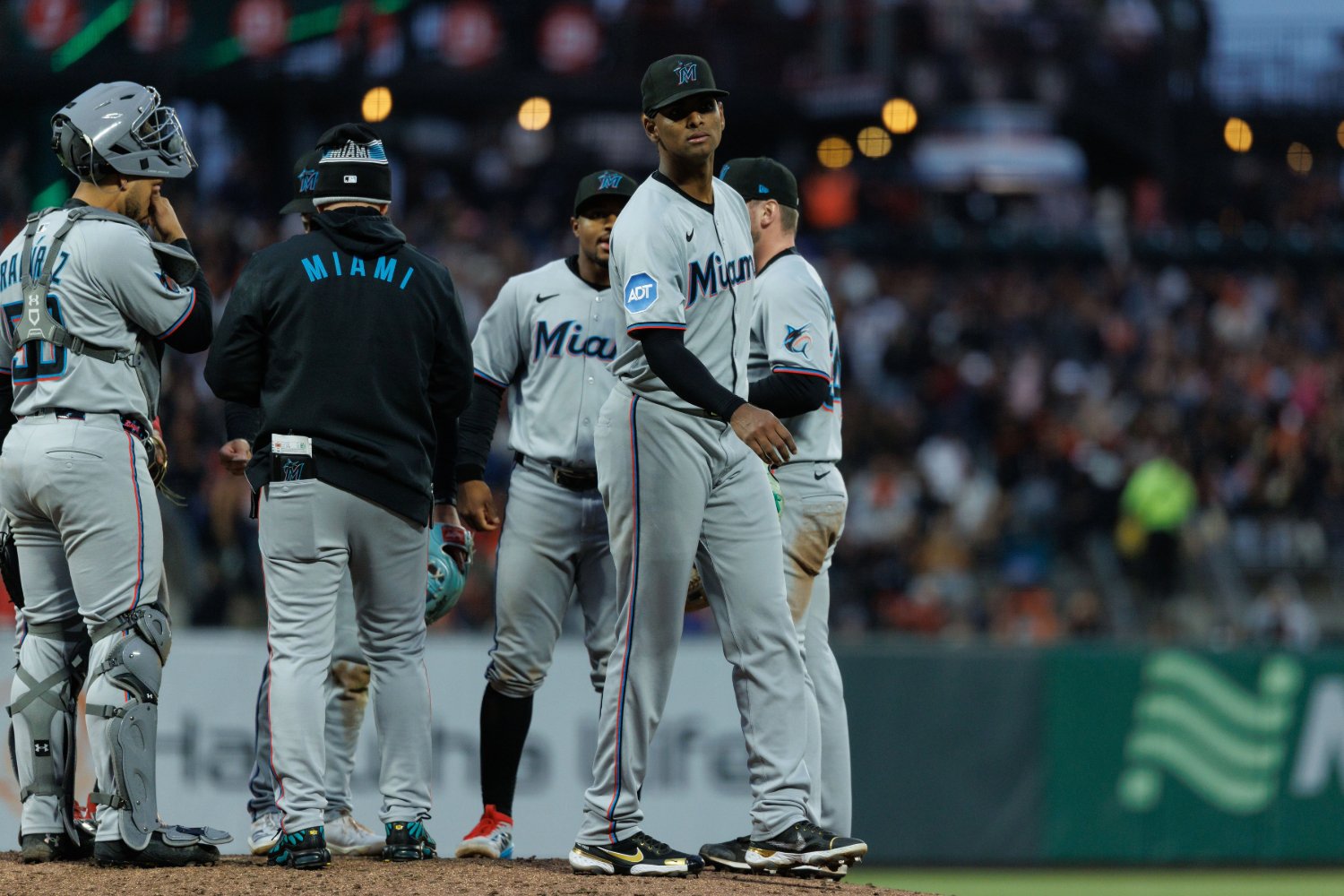 The Miami Marlins are currently in third in the NL East with a record of 48-53, and they are six and a half games back in the NL Wild Card. They’ve been mired in mediocrity for the last few seasons and 2025 is no different. Much like seasons past, the Marlins have pitchers that are of interest to multiple teams, including the Boston Red Sox. Notably, former Cy Young winner Sandy Alcantara will likely be moved at the deadline and the Sox were likely planning to kick the tires on him to see what the asking price is, but the big prize from the Marlins should be Edward Cabrera. I’ve written about Cabrera most recently when I named four players that Craig Breslow should have on his wishlist, but he’s been a name I’ve followed for a while. The Red Sox have reportedly sniffed around him in the past, when he was still figuring things out as a starter in the majors, but he seems to have put everything together here in 2025. His record is a bit deceptive, currently sitting at four wins and losses apiece, but his ERA is a sturdy 3.48 with 92 strikeouts over 88 innings. In contrast, Alcantara has a 7.14 ERA with 97 strikeouts over 97 innings pitched. He's been slightly better in recent months after a truly disastrous start to the season, but the Alcantara of old he is not. He typically hovers between five and six innings pitched on most starts and hasn’t given up less than three runs since June 16. On the season, he’s given up two or less runs only six times. Cabrera has given up two or less runs ten times this season. Cabrera has also gone seven innings twice in the month of July, and into the seventh inning one other time this season, whereas Alcantara hasn’t gone into the seventh at all. While neither pitcher screams longevity, the better bet is on the younger arm. On that note, both pitchers come with injury concern. On July 11, Cabrera left his start against the Orioles after only four innings with posterior right elbow discomfort. He went for an MRI on July 12 to try and get more answers about why the discomfort showed up and the MRI showed no major damage. He was able to throw from a mound on the Thursday after the All-Star game and again the following Sunday. He made his first start of the second half against the Padres on July 22 and allowed one run in 5 2/3 innings. Meanwhile, Alcantara underwent Tommy John surgery in October 2023 and missed the entire 2024 season. His return to the mound was highly anticipated in 2025, but it has been less than stellar so far. The Red Sox don’t have to look far to understand both the highs and lows of pitchers returning from elbow injuries; Lucas Giolito seems to have finally turned the corner in his own rebound, though while Walker Buehler showed dominance in the 2024 postseason in short bursts, he’s looked lost more often than not on the mound for the Red Sox in 2025. Alcantara falls into the same category as Buehler, and the hope for him is that he can fully rebound as the season goes on. Any team acquiring either of these pitchers is surely taking a risk, but the smart baseball minds can build trade packages to make either pitcher a calculated risk for their organization. The biggest determining factor in which Marlins pitcher the Red Sox should target is unquestionably their cost. While Alcantara has an award-winning pedigree, his trade value has never been lower than it is right now. He’s on the fourth year of a five-year, $56 million contract that carries him through 2026 with a club option for 2027. He’s going to cost at least one major league piece and some prospects. Cabrera, on the other hand, is in arbitration and is making $1.95 million this season. He won’t reach free agency until after 2028 as a Super Two player, so the price tag for him, even with an elbow issue that will possibly need surgical correction down the road, will be sky high. We’re talking a major league piece (or pieces) and prospects that you’ve heard of even if you don’t follow the minor leagues that closely. There would surely be debate amongst fans about if that price tag is worth it, but if the medical side of things checks out, then a pitcher like Cabrera is the exact type of calculated risk the Red Sox should take as a win-now organization. Sure, Alcantara could turn the corner in 2026, but if there is belief that the Red Sox can win this season, then he’s probably not the pitcher that is best equipped to do that. You’d be swapping Buehler’s spot in the rotation for another Buehler type in Alcantara. Cabrera can slide in as a legit number two option to take the pressure off Brayan Bello, Lucas Giolito, and Richard Fitts. The Marlins are bound to receive multiple calls from all over the league, but the Red Sox have the expendable major league talent and a talented pool of prospects to get a deal done for Edward Cabrera. The elbow discomfort is typically the first sign of bigger problems with pitchers, but he’s been cleared once already this season, and as long as his medicals don't possess anything too scary, he'll likely be traded at the deadline. Let’s hope it’s to Boston.
 -
The Miami Marlins are currently in third in the NL East with a record of 48-53, and they are six and a half games back in the NL Wild Card. They’ve been mired in mediocrity for the last few seasons and 2025 is no different. Much like seasons past, the Marlins have pitchers that are of interest to multiple teams, including the Boston Red Sox. Notably, former Cy Young winner Sandy Alcantara will likely be moved at the deadline and the Sox were likely planning to kick the tires on him to see what the asking price is, but the big prize from the Marlins should be Edward Cabrera. I’ve written about Cabrera most recently when I named four players that Craig Breslow should have on his wishlist, but he’s been a name I’ve followed for a while. The Red Sox have reportedly sniffed around him in the past, when he was still figuring things out as a starter in the majors, but he seems to have put everything together here in 2025. His record is a bit deceptive, currently sitting at four wins and losses apiece, but his ERA is a sturdy 3.48 with 92 strikeouts over 88 innings. In contrast, Alcantara has a 7.14 ERA with 97 strikeouts over 97 innings pitched. He's been slightly better in recent months after a truly disastrous start to the season, but the Alcantara of old he is not. He typically hovers between five and six innings pitched on most starts and hasn’t given up less than three runs since June 16. On the season, he’s given up two or less runs only six times. Cabrera has given up two or less runs ten times this season. Cabrera has also gone seven innings twice in the month of July, and into the seventh inning one other time this season, whereas Alcantara hasn’t gone into the seventh at all. While neither pitcher screams longevity, the better bet is on the younger arm. On that note, both pitchers come with injury concern. On July 11, Cabrera left his start against the Orioles after only four innings with posterior right elbow discomfort. He went for an MRI on July 12 to try and get more answers about why the discomfort showed up and the MRI showed no major damage. He was able to throw from a mound on the Thursday after the All-Star game and again the following Sunday. He made his first start of the second half against the Padres on July 22 and allowed one run in 5 2/3 innings. Meanwhile, Alcantara underwent Tommy John surgery in October 2023 and missed the entire 2024 season. His return to the mound was highly anticipated in 2025, but it has been less than stellar so far. The Red Sox don’t have to look far to understand both the highs and lows of pitchers returning from elbow injuries; Lucas Giolito seems to have finally turned the corner in his own rebound, though while Walker Buehler showed dominance in the 2024 postseason in short bursts, he’s looked lost more often than not on the mound for the Red Sox in 2025. Alcantara falls into the same category as Buehler, and the hope for him is that he can fully rebound as the season goes on. Any team acquiring either of these pitchers is surely taking a risk, but the smart baseball minds can build trade packages to make either pitcher a calculated risk for their organization. The biggest determining factor in which Marlins pitcher the Red Sox should target is unquestionably their cost. While Alcantara has an award-winning pedigree, his trade value has never been lower than it is right now. He’s on the fourth year of a five-year, $56 million contract that carries him through 2026 with a club option for 2027. He’s going to cost at least one major league piece and some prospects. Cabrera, on the other hand, is in arbitration and is making $1.95 million this season. He won’t reach free agency until after 2028 as a Super Two player, so the price tag for him, even with an elbow issue that will possibly need surgical correction down the road, will be sky high. We’re talking a major league piece (or pieces) and prospects that you’ve heard of even if you don’t follow the minor leagues that closely. There would surely be debate amongst fans about if that price tag is worth it, but if the medical side of things checks out, then a pitcher like Cabrera is the exact type of calculated risk the Red Sox should take as a win-now organization. Sure, Alcantara could turn the corner in 2026, but if there is belief that the Red Sox can win this season, then he’s probably not the pitcher that is best equipped to do that. You’d be swapping Buehler’s spot in the rotation for another Buehler type in Alcantara. Cabrera can slide in as a legit number two option to take the pressure off Brayan Bello, Lucas Giolito, and Richard Fitts. The Marlins are bound to receive multiple calls from all over the league, but the Red Sox have the expendable major league talent and a talented pool of prospects to get a deal done for Edward Cabrera. The elbow discomfort is typically the first sign of bigger problems with pitchers, but he’s been cleared once already this season, and as long as his medicals don't possess anything too scary, he'll likely be traded at the deadline. Let’s hope it’s to Boston. View full article
-
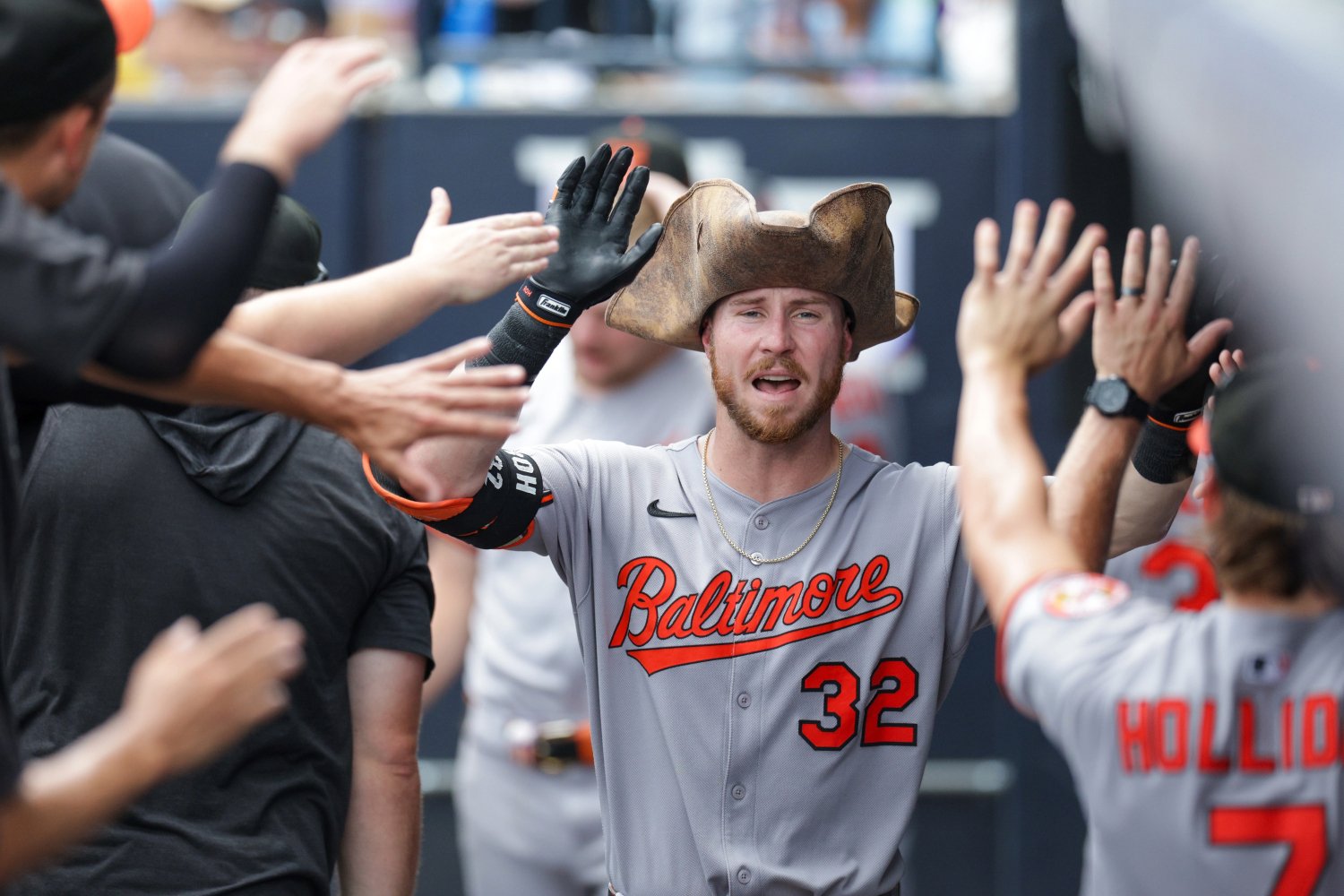 Steve Perrault of Section 10 and Bleacher Report's Walk-Off hosted a live stream over the weekend where he connected the Red Sox to Orioles’ first baseman Ryan O’Hearn. Perrault said, “A little birdie told me that the Red Sox are very interested in getting O’Hearn from the Orioles and that the price might not be as high as some folks might think.” The perfect role for Ryan O’Hearn in Boston would be working in a first base platoon role with Romy Gonzalez. Yes, the team has Abraham Toro, and he has played mostly well, but he’s come down to earth a ton over the last few weeks and his walk rate, 5.9%, leaves a ton to be desired. Replacing him with O’Hearn in the platoon would be a net positive for the Red Sox, especially since O’Hearn’s splits are less than ideal. Against right-handed pitching this season, O’Hearn is slashing .291/.377/.489 with all of his home runs (12) coming against them. Against lefties, he’s slashing just .216/.322/.275. His hard hit percentage drops from 51.3% against righties to 33.3% against southpaws. That sounds like the absolute perfect match to platoon with Romy Gonzalez who, as we all know, absolutely mashes lefties. Toro has been a fine platoon partner that allows Gonzalez to play all over the infield, but he’s settled into being a replacement-level option and adding someone like O’Hearn solidifies the first base position as the team pushes toward the postseason. O’Hearn’s power profile plays very well at Fenway Park as well. Eight of his 12 home runs have come at home this season. If we overlay his spray chart on Fenway Park, we see that he would add five to six more home runs to his stat line (assuming he played every game in Boston). While Wilyer Abreu and Ceddanne Rafaela have upped their offensive firepower, the Sox are still missing a fence-clearing threat that sits somewhere around fifth or sixth in the lineup. Roman Anthony will find his power, as will Marcelo Mayer, but adding in Ryan O’Hearn would help take some of the pressure off the shoulders of everyone around him. Being able to add a few more home runs at home for the remainder of the season would hopefully mean that the Sox don’t find themselves dropping those one-run games they were so prone to doing at the onset of the season. O’Hearn isn’t the typical player you’d see the Red Sox swing a trade for given his divisional proximity, but he’s the exact type of win-now player the team can trade for to ensure their spot in the postseason is protected. He’s got power, plays an above average first base, and give Alex Cora some flexibility at the DH spot. He’d be a cheap addition that brings some All-Star-level talent to the offensive on an almost-daily basis.
 -
Steve Perrault of Section 10 and Bleacher Report's Walk-Off hosted a live stream over the weekend where he connected the Red Sox to Orioles’ first baseman Ryan O’Hearn. Perrault said, “A little birdie told me that the Red Sox are very interested in getting O’Hearn from the Orioles and that the price might not be as high as some folks might think.” The perfect role for Ryan O’Hearn in Boston would be working in a first base platoon role with Romy Gonzalez. Yes, the team has Abraham Toro, and he has played mostly well, but he’s come down to earth a ton over the last few weeks and his walk rate, 5.9%, leaves a ton to be desired. Replacing him with O’Hearn in the platoon would be a net positive for the Red Sox, especially since O’Hearn’s splits are less than ideal. Against right-handed pitching this season, O’Hearn is slashing .291/.377/.489 with all of his home runs (12) coming against them. Against lefties, he’s slashing just .216/.322/.275. His hard hit percentage drops from 51.3% against righties to 33.3% against southpaws. That sounds like the absolute perfect match to platoon with Romy Gonzalez who, as we all know, absolutely mashes lefties. Toro has been a fine platoon partner that allows Gonzalez to play all over the infield, but he’s settled into being a replacement-level option and adding someone like O’Hearn solidifies the first base position as the team pushes toward the postseason. O’Hearn’s power profile plays very well at Fenway Park as well. Eight of his 12 home runs have come at home this season. If we overlay his spray chart on Fenway Park, we see that he would add five to six more home runs to his stat line (assuming he played every game in Boston). While Wilyer Abreu and Ceddanne Rafaela have upped their offensive firepower, the Sox are still missing a fence-clearing threat that sits somewhere around fifth or sixth in the lineup. Roman Anthony will find his power, as will Marcelo Mayer, but adding in Ryan O’Hearn would help take some of the pressure off the shoulders of everyone around him. Being able to add a few more home runs at home for the remainder of the season would hopefully mean that the Sox don’t find themselves dropping those one-run games they were so prone to doing at the onset of the season. O’Hearn isn’t the typical player you’d see the Red Sox swing a trade for given his divisional proximity, but he’s the exact type of win-now player the team can trade for to ensure their spot in the postseason is protected. He’s got power, plays an above average first base, and give Alex Cora some flexibility at the DH spot. He’d be a cheap addition that brings some All-Star-level talent to the offensive on an almost-daily basis. View full article
-
Isn't it more indicative of a weaker position player trade market that Duran is seen as one of the most valuable players to be traded? His value has dropped considerably and he's still seen as a top of the market get. Obviously teams looking for outfield help are going to chase him because there's not a better option available on the market at the moment.
-
Eh. Duran has peaked pretty clearly and the time to sell high has passed. That’s why I advocated for trading him during the offseason, we all should have seen this coming. The extension alone tells us what the front office thinks of Duran, they don’t value him like most fans do. He’s a passable left fielder at best that hits lefties worse than Abreu. His value should be higher than Bubic, sure, and likely is to the fan base. It seems the front office disagrees.
-
I’ve talked about Cabrera extensively. This article is about Bubic though. Duran is obviously the odd man out in the outfield so that’s why he keeps getting brought up in trade proposals. It’s even more confirmed after it came out that the preferred outfield line up has Anthony in left, Rafaela in center, and Abreu in right. It’s entirely possible that none of the four get traded but if any of them do, Duran is likely a head of Abreu on most team’s list and would bring a bigger return. Like that SP 2 or 3 you mention. Abreu likely wouldn’t net that as the centerpiece of the deal.
-
Exactly. I made that point in the original article. If a trade for Bubic is done, he almost has to be locked up long term like the team did with Crochet. I disagree about three years of Duran being worth more than one and a half of Bubic, but that's a conversation for a different day.
-
I don't think a three team trade is needed here. KC needs outfield help in the worst way and Duran is likely the odd man out in Boston. It's going to take Duran plus prospects to get it done but him to KC is right up there with him to Philly in terms of need.
-
Duran to KC makes a ton of sense actually. They have one of the weakest outfields in baseball. Would it be a one for one deal? No way, but Duran would absolutely be someone KC is interested in acquiring.
-
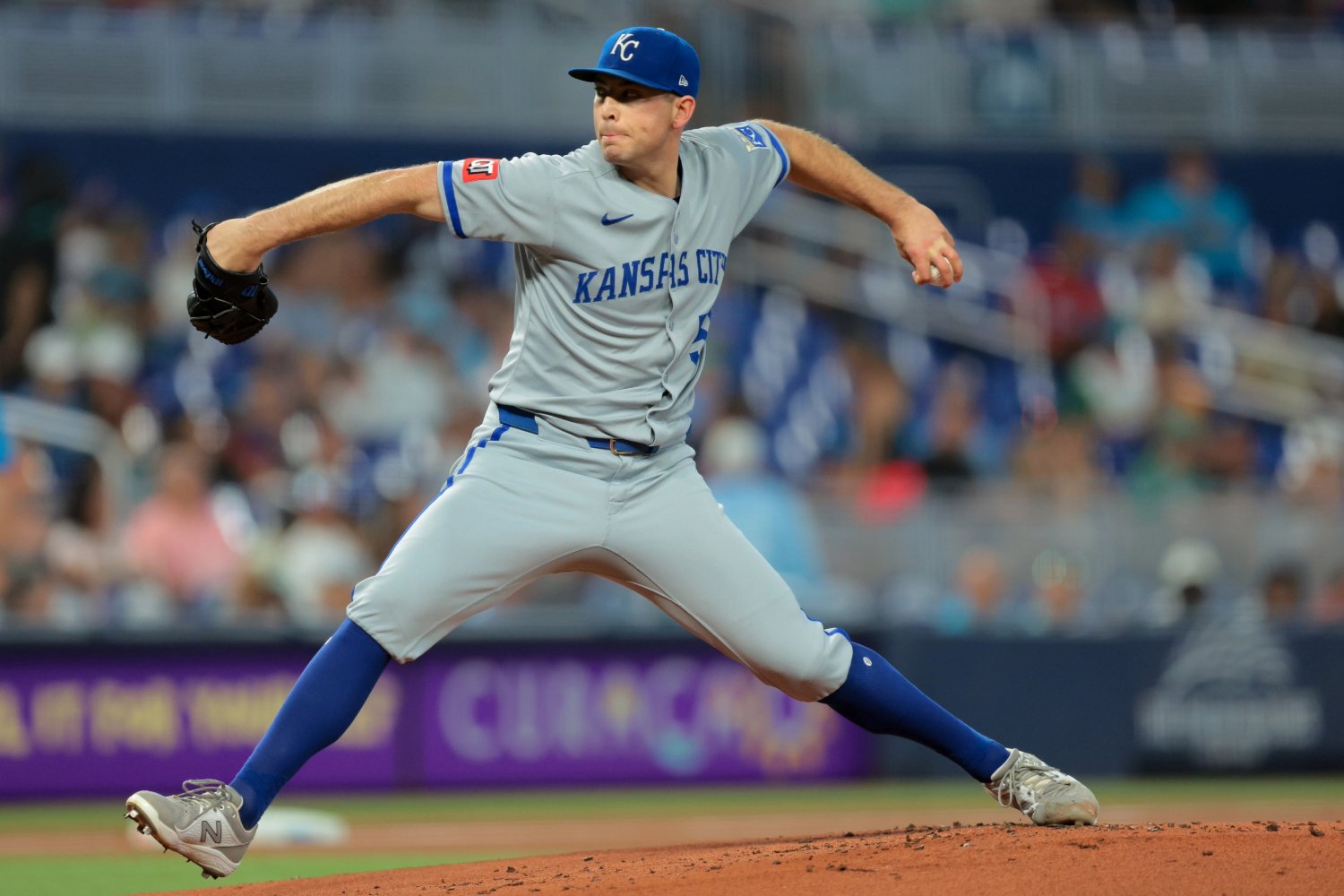 On July 21, ESPN’s Jeff Passan updated his top 50 trade deadline candidates. Notably, the Red Sox only have one name on this list this time around, Jarren Duran at number three with a trade percentage of 25%. More interestingly, though, is the amount of names Passan connected to the Red Sox. Instead of writing them all out, I’ll include Gordo’s tweet listing them: There are some fascinating names on that list, including a few that we’ve talked about here on Talk Sox, but the name that should stand out to everyone is Kris Bubic. To date, Bubic’s name hasn’t popped up on many radars, as he’s just 27 and still has a year and a half of team control left. The general thought was that Kansas City wouldn’t make him available if they were still in contention for a playoff spot, but those hopes seem to be fading. Cole Ragans is nursing a shoulder injury and the belief is that Seth Lugo is likely on his way out of the door as the deadline draws near. While Lugo would be a huge get for the Sox, Bubic is arguably the best No. 2 starter potentially available on the trade market. Bubic isn’t going to blow you away by any means. He has a five-pitch mix that tops out at 92.2 mph on his four-seam fastball and dips down to 83 mph on his sweeper. His changeup and slider come in at almost identical speeds, 85.5 mph for the changeup and 85.4 mph for the slider, while he occasionally throws a sinker that averages 91.7 mph. It's the way he mixes in those offerings that makes him dominant, though. He’s currently working with a 2.38 ERA over 113.2 innings pitched. In those innings, he’s notched 115 strikeouts with a 2.76 FIP, a 24.6% strikeout percentage and a 7.6% walk rate. He’s pitched his way to a 3.2 fWAR on the season, which would be good for second on the team behind Garrett Crochet and almost a full two points ahead of the next-ranked Boston pitcher, Lucas Giolito, at 1.4. Adding him in as the second starter behind Crochet would give the Red Sox two lefties to kick off the rotation, but that’s fine. If you’re trotting out two dominant left-handed pitchers back-to-back, that’s not a bad thing (the Cubs do the same thing with Shota Imanaga and Matthew Boyd, and it's worked quite well for them). You’d have polar opposite pitchers toeing the rubber. A flamethrower followed by a location specialist. If we look at his detailed zone chart from Baseball Savant, we see that he controls the edge of the plate incredibly well. Though Bubic isn’t lighting up the radar gun, he’s great at getting weak contact. He’s sitting on a 47.4% groundball percentage and his spray heat map from Baseball Savant shows that typically he gets hitters to put the ball in play on the third base side of the diamond, otherwise known as the area where reigning Gold Glove third baseman Alex Bregman plays. It spreads out a bit to Trevor Story at short and Marcelo Mayer at second from there, both of whom are sure-handed defenders. One thing that the Red Sox have prioritized since they went on their winning streak to close the first half of the season is defense. They’ve held up behind contact specialist Brayan Bello throughout the year, so adding another contact-heavy pitcher into the rotation shouldn’t shake things up too much. In fact, adding one of Bubic’s ilk will likely put them more at ease. The downside to Bubic is that he’s going to be incredibly expensive. As I mentioned above, he’s only 27 and has a year and a half of control left on his contract. He’s currently in arbitration, where he’s making just $3 million for 2025. That number is sure to increase next year if he can keep this pace up. For whatever Bubic costs, adding him will be worth it. He would help solidify the starting rotation for the rest of this season and for 2026 as well. Plus, if the Sox were to swing a trade for Bubic, I’d expect them to lock him into a long-term contract like they did with Garrett Crochet. Much like Crochet, the price for Bubic will be high and giving up whatever the Royals get back in the deal pretty much forces Boston’s hand to keep Bubic here long-term. I don’t think anyone anticipated Kris Bubic potentially being an option for the Red Sox even just a week ago. If Jeff Passan is talking about it though, there has to be some smoke coming from somewhere. Bubic won’t be cheap, but the Red Sox and Royals match up incredibly well for each other’s needs as the deadline approaches. It's rare that something so obvious appears on our radars so late into the rumor mill cycle, but it's hard to imagine a better target at the trade deadline now.
 -
On July 21, ESPN’s Jeff Passan updated his top 50 trade deadline candidates. Notably, the Red Sox only have one name on this list this time around, Jarren Duran at number three with a trade percentage of 25%. More interestingly, though, is the amount of names Passan connected to the Red Sox. Instead of writing them all out, I’ll include Gordo’s tweet listing them: There are some fascinating names on that list, including a few that we’ve talked about here on Talk Sox, but the name that should stand out to everyone is Kris Bubic. To date, Bubic’s name hasn’t popped up on many radars, as he’s just 27 and still has a year and a half of team control left. The general thought was that Kansas City wouldn’t make him available if they were still in contention for a playoff spot, but those hopes seem to be fading. Cole Ragans is nursing a shoulder injury and the belief is that Seth Lugo is likely on his way out of the door as the deadline draws near. While Lugo would be a huge get for the Sox, Bubic is arguably the best No. 2 starter potentially available on the trade market. Bubic isn’t going to blow you away by any means. He has a five-pitch mix that tops out at 92.2 mph on his four-seam fastball and dips down to 83 mph on his sweeper. His changeup and slider come in at almost identical speeds, 85.5 mph for the changeup and 85.4 mph for the slider, while he occasionally throws a sinker that averages 91.7 mph. It's the way he mixes in those offerings that makes him dominant, though. He’s currently working with a 2.38 ERA over 113.2 innings pitched. In those innings, he’s notched 115 strikeouts with a 2.76 FIP, a 24.6% strikeout percentage and a 7.6% walk rate. He’s pitched his way to a 3.2 fWAR on the season, which would be good for second on the team behind Garrett Crochet and almost a full two points ahead of the next-ranked Boston pitcher, Lucas Giolito, at 1.4. Adding him in as the second starter behind Crochet would give the Red Sox two lefties to kick off the rotation, but that’s fine. If you’re trotting out two dominant left-handed pitchers back-to-back, that’s not a bad thing (the Cubs do the same thing with Shota Imanaga and Matthew Boyd, and it's worked quite well for them). You’d have polar opposite pitchers toeing the rubber. A flamethrower followed by a location specialist. If we look at his detailed zone chart from Baseball Savant, we see that he controls the edge of the plate incredibly well. Though Bubic isn’t lighting up the radar gun, he’s great at getting weak contact. He’s sitting on a 47.4% groundball percentage and his spray heat map from Baseball Savant shows that typically he gets hitters to put the ball in play on the third base side of the diamond, otherwise known as the area where reigning Gold Glove third baseman Alex Bregman plays. It spreads out a bit to Trevor Story at short and Marcelo Mayer at second from there, both of whom are sure-handed defenders. One thing that the Red Sox have prioritized since they went on their winning streak to close the first half of the season is defense. They’ve held up behind contact specialist Brayan Bello throughout the year, so adding another contact-heavy pitcher into the rotation shouldn’t shake things up too much. In fact, adding one of Bubic’s ilk will likely put them more at ease. The downside to Bubic is that he’s going to be incredibly expensive. As I mentioned above, he’s only 27 and has a year and a half of control left on his contract. He’s currently in arbitration, where he’s making just $3 million for 2025. That number is sure to increase next year if he can keep this pace up. For whatever Bubic costs, adding him will be worth it. He would help solidify the starting rotation for the rest of this season and for 2026 as well. Plus, if the Sox were to swing a trade for Bubic, I’d expect them to lock him into a long-term contract like they did with Garrett Crochet. Much like Crochet, the price for Bubic will be high and giving up whatever the Royals get back in the deal pretty much forces Boston’s hand to keep Bubic here long-term. I don’t think anyone anticipated Kris Bubic potentially being an option for the Red Sox even just a week ago. If Jeff Passan is talking about it though, there has to be some smoke coming from somewhere. Bubic won’t be cheap, but the Red Sox and Royals match up incredibly well for each other’s needs as the deadline approaches. It's rare that something so obvious appears on our radars so late into the rumor mill cycle, but it's hard to imagine a better target at the trade deadline now. View full article
-
Dear Trevor Story, I’m sorry. There, I said it. I’m big enough to admit when I am wrong. Here we are more than halfway through July, and I’ve eaten countless words that I’ve typed and said about you. I called for you to be traded, benched, even DFA’d. I was able to start walking it back last month as I included you in the Hitters of the Month for June, and you’re making a case to be there again in July. I mean, the low and away slider is still your kryptonite, but we don’t have to talk about that here. This is me celebrating you and admitting that I was wrong. Since June 1, you’ve been one of the best hitters in the game. You rank 21st overall in batting average with .303. Some big names are sitting behind you on that list, like Juan Soto. You may remember him from when the Red Sox were trying to sign him to the most expensive contract in baseball history. Yeah, you’ve been better than him when it comes to putting the bat to the ball. Can we talk about RBIs for a second though? You’re FIFTH in the majors with 35 since then. Incredible. That walk percentage is pretty low at 5% but once again, we’re not here to dwell on the negative. If we narrow it down to just MLB shortstops, you move up to fifth in batting average on that list behind some pretty solid names like Elly De La Cruz and Gunnar Henderson. There’s only one shortstop in front of you in home runs too, Willy Adames, but he plays in a park built for homers half the time, so it’s okay. What’s crazier, though, is you have a 100% success rate on stolen bases. I knew you could be quick on the basepaths, but man, 16 bags without being caught? Impressive. I’d like to discuss your defense briefly before I sign off here. While the numbers don’t support you having improved your defense, at all, you’re passing the eye test and making some incredible plays at shortstop. We all know that short is one of the most challenging positions to field on the diamond and that incredible jump throw from earlier in the month should be the first thing that pops up when people search ‘Derek Jeter jump throw’ because that’s what he wishes it looked like. It was a thing of beauty and the type of play I know you’ve been dying to make since signing with the Red Sox. You can’t help that you’ve been injured while being hit by a pitch or making a diving play that separated your shoulder. Injuries are part of the game, no doubt, but you’ve had your fair share of unfortunate and untimely injuries. I’ll repeat it, TS10. I’m sorry I doubted you and called for you to be traded, benched, and DFA’d. I was just hoping for the best possible player you could be, and it took you finding your groove in June to show everyone how much you mean to this team. I sincerely hope that this newfound success lasts for the remainder of the season and the duration of the contract that you’re sure to opt into. Can’t wait for that. All the best, Alex View full article
-
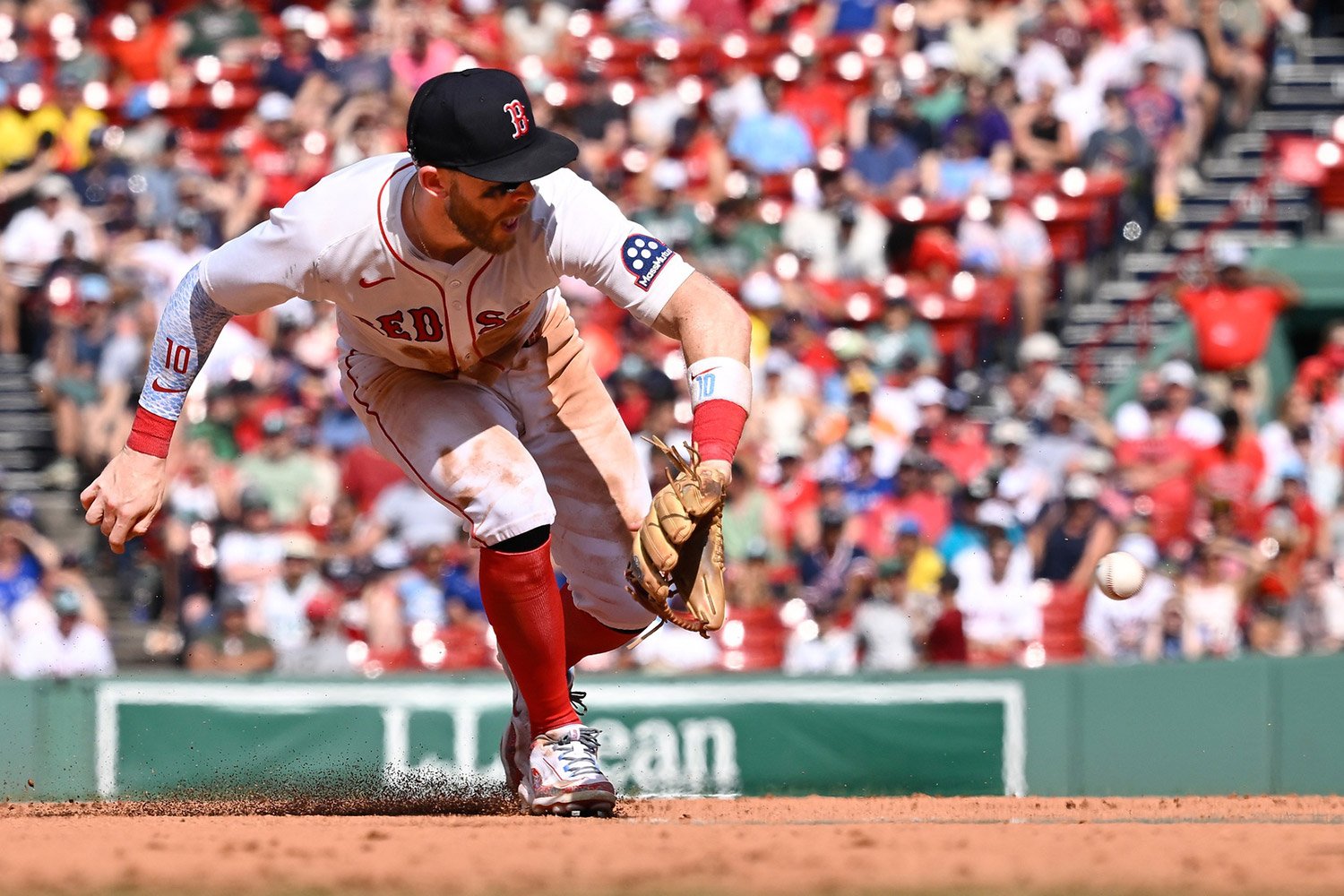 Dear Trevor Story, I’m sorry. There, I said it. I’m big enough to admit when I am wrong. Here we are more than halfway through July, and I’ve eaten countless words that I’ve typed and said about you. I called for you to be traded, benched, even DFA’d. I was able to start walking it back last month as I included you in the Hitters of the Month for June, and you’re making a case to be there again in July. I mean, the low and away slider is still your kryptonite, but we don’t have to talk about that here. This is me celebrating you and admitting that I was wrong. Since June 1, you’ve been one of the best hitters in the game. You rank 21st overall in batting average with .303. Some big names are sitting behind you on that list, like Juan Soto. You may remember him from when the Red Sox were trying to sign him to the most expensive contract in baseball history. Yeah, you’ve been better than him when it comes to putting the bat to the ball. Can we talk about RBIs for a second though? You’re FIFTH in the majors with 35 since then. Incredible. That walk percentage is pretty low at 5% but once again, we’re not here to dwell on the negative. If we narrow it down to just MLB shortstops, you move up to fifth in batting average on that list behind some pretty solid names like Elly De La Cruz and Gunnar Henderson. There’s only one shortstop in front of you in home runs too, Willy Adames, but he plays in a park built for homers half the time, so it’s okay. What’s crazier, though, is you have a 100% success rate on stolen bases. I knew you could be quick on the basepaths, but man, 16 bags without being caught? Impressive. I’d like to discuss your defense briefly before I sign off here. While the numbers don’t support you having improved your defense, at all, you’re passing the eye test and making some incredible plays at shortstop. We all know that short is one of the most challenging positions to field on the diamond and that incredible jump throw from earlier in the month should be the first thing that pops up when people search ‘Derek Jeter jump throw’ because that’s what he wishes it looked like. It was a thing of beauty and the type of play I know you’ve been dying to make since signing with the Red Sox. You can’t help that you’ve been injured while being hit by a pitch or making a diving play that separated your shoulder. Injuries are part of the game, no doubt, but you’ve had your fair share of unfortunate and untimely injuries. I’ll repeat it, TS10. I’m sorry I doubted you and called for you to be traded, benched, and DFA’d. I was just hoping for the best possible player you could be, and it took you finding your groove in June to show everyone how much you mean to this team. I sincerely hope that this newfound success lasts for the remainder of the season and the duration of the contract that you’re sure to opt into. Can’t wait for that. All the best, Alex
 -
Jim Bowden of The Athletic published a piece on what he's hearing with ten days until the trade deadline. In it, he noted that the Red Sox are still discussing Jarren Duran with other teams, but they don't feel as though they have to trade him. He further notes that the Padres and Phillies have been connected to Duran, and the front office would like to receive a starting pitcher or a first baseman in return, if the deal is right. Like has been mentioned before, the Padres don't match up well with the Red Sox unless the Sox were willing to take back an expiring contract like Michael King, Dylan Cease, or if a third team were to get involved—Bowden mentions the Marlins and Edward Cabrera—then it's possible a deal could get done. What may command more attention than the trade rumor though, is that the team feels that their best outfield lineup is Wilyer Abreu in right, Ceddanne Rafaela in center, and Roman Anthony in left. In the long-term, this is the strongest outfield the team can run out on a nightly basis as it is centered on young talent with high ceilings. Duran's future in Boston is even cloudier as he's 28 years old and not viewed as a full-time DH candidate. What do you think? Should Duran be the odd man out in the outfield if the Sox do decide to trade away pieces from the major league roster? Sound off in the comments below! View full rumor
-
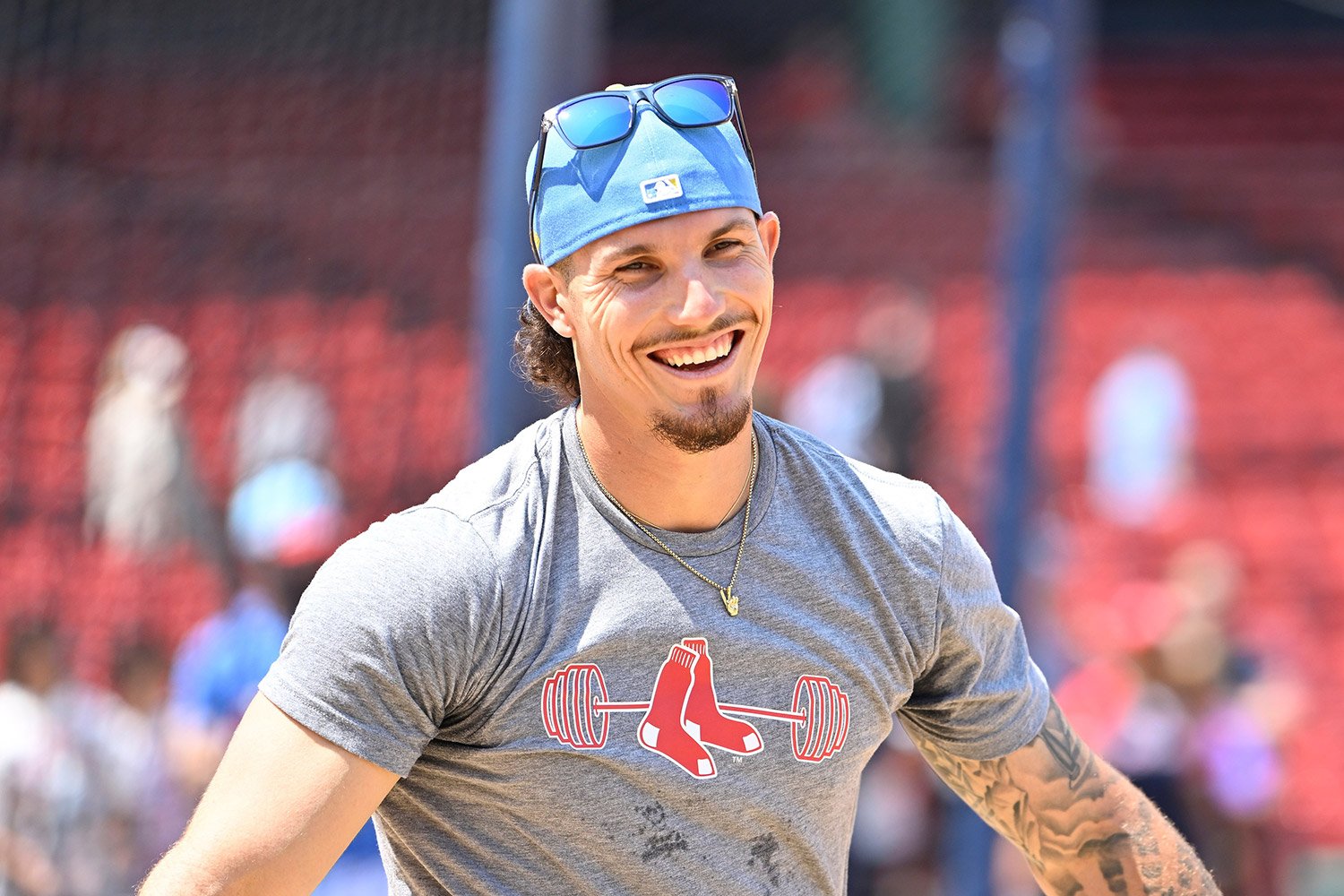 Jim Bowden of The Athletic published a piece on what he's hearing with ten days until the trade deadline. In it, he noted that the Red Sox are still discussing Jarren Duran with other teams, but they don't feel as though they have to trade him. He further notes that the Padres and Phillies have been connected to Duran, and the front office would like to receive a starting pitcher or a first baseman in return, if the deal is right. Like has been mentioned before, the Padres don't match up well with the Red Sox unless the Sox were willing to take back an expiring contract like Michael King, Dylan Cease, or if a third team were to get involved—Bowden mentions the Marlins and Edward Cabrera—then it's possible a deal could get done. What may command more attention than the trade rumor though, is that the team feels that their best outfield lineup is Wilyer Abreu in right, Ceddanne Rafaela in center, and Roman Anthony in left. In the long-term, this is the strongest outfield the team can run out on a nightly basis as it is centered on young talent with high ceilings. Duran's future in Boston is even cloudier as he's 28 years old and not viewed as a full-time DH candidate. What do you think? Should Duran be the odd man out in the outfield if the Sox do decide to trade away pieces from the major league roster? Sound off in the comments below!
 -
 The Boston Red Sox are firmly in the thick of the playoff hunt as the second half of the season gets underway, even following a series loss to the formidable Chicago Cubs. They have an incredibly difficult second half schedule to overcome, but they’ve proven in recent weeks that they are able to win games with both their offense and their pitching. Even with some players on the roster emerging as legitimate stars, the team needs to be active on the trade market. Just how active is anyone’s guess though. In his first trade deadline last year, President of Baseball Operations Craig Breslow made deals on the fringes of the major league roster to try and put the team in a position to make the postseason. He failed pretty miserably. Now, in 2025, Breslow has the firepower to pull off trades that can make the Red Sox surefire postseason players. While we don’t have access to Breslow’s specific player wishlist, the four names below should be squarely at the top of it. Edward Cabrera The Red Sox have been linked to Cabrera in the past, but that was before he found his footing as a starter in 2025. Now, he’s pitched to a 3.61 ERA with 86 strikeouts and a 3-4 record over 82 1/3 innings. Breslow has said he prefers controllable pitchers over expiring deals and Cabrera checks that box. He’s still arbitration eligible and won’t reach free agency until 2029. That being said, he won’t be cheap. He strikes people out at a 24.8% clip, and his walk rate (8.6%) and ground ball rate (45.5%) are encouraging. He’s considered day-to-day with an elbow injury at the moment, so there could be a bit of concern about his health, but that could help to make him a bit cheaper as the deadline approaches, too. Cabrera isn’t the prototypical No. 2 type starter that the Red Sox have been connected to, but honestly, the team likely doesn’t need to add a co-ace at the deadline. That’s something that can be saved for the offseason when those types of names become available more often. Lucas Erceg Erceg also fits the controllable profile that Breslow has identified in the run-up to the trade deadline. He won’t reach free agency until 2030, so he’d be expensive for that alone, not even including his dominance on the mound. Luckily for the Red Sox, the Royals are in need of outfielders and Boston has a plethora of them to pick from. He’s an elite set-up reliever and would help prevent the rest of the bullpen from being overtaxed as the season moves through the summer months. His 2.09 ERA would rank him second among all qualified relievers on the roster, behind only Aroldis Chapman’s 1.18 mark. Erceg is an off-speed specialist who would slot in nicely right in front of Chapman, or another closer we’ll get to in a second, as the Red Sox look to close out games on a high note. He induces a ton of ground balls, currently ranked in the 95th percentile according to Baseball Savant, and with the infield defense taking a step forward with Marcelo Mayer shifting to second, he could be a monster in Boston. Ryan Helsley There’s a bit of a caveat with Helsley, because if the Red Sox were to acquire him, it would likely mean that Chapman has been dealt in a different trade. If the team is looking to capitalize on Chapman’s value, this should be the play they make. Helsley is a year removed from being an All-Star, and though this season doesn’t seem to be a repeat of last, he’s still a dominant closer. The other downside to Helsley is he’s not a controllable arm like Breslow wants. He will become a free agent at season’s end, so it’s entirely possible the Sox are fine to wait for that to happen and sign him when they wouldn’t have to give up prospects and other assets to land him. Helsley is working with a 3.27 ERA on the season, and while that’s not an improvement over what Chapman is doing, Helsley is younger and would be far more deserving of an extension than a reliever having a career resurgence at age 37. Christian Vazquez The final name here isn’t flashy, but it fixes a glaring problem on the roster. It’s no secret that Connor Wong shouldn’t be long for this team. He’s underperformed more than anyone else on the roster this year, and the backup catcher role has to be addressed at the trade deadline. Sure, you’d like to see a bigger name than Vazquez in the conversation, but he's an upgrade over Wong that wouldn’t cost a ton. He’s slashing .167/.236/.247, so he’s perfectly at home in a backup catcher role, and coming back to Boston could be just the thing that sparks him to add just a bit more offensive firepower to his game. He’s beloved in Boston and would be an incredible mentor for Carlos Narvaez throughout the remainder of the season. Vazquez is a free agent at the end of the year, so the long-term back up catching plan still wouldn’t be crystal clear, but bringing Vazquez back to Boston would help to send him off into the sunset on a high note in front of fans that adore him. He could likely be had on an incredibly cheap contract for next season if he decides to stick around, too. There are a ton of different ways the Red Sox could go as the trade deadline approaches, but being buyers in some capacity is the correct path forward. The four names listed above would be win-now additions, while some would bolster the team for the future at the same time. If the team looks to capitalize on the value that some rostered players have, they are going to have to supplement the team as those names are traded away. We haven’t seen Breslow make a plethora of trades so far in his role as the President of Baseball Operations, but this season feels like the perfect time to make a handful of high-impact additions as the team prepares to be contenders in October in 2025 and beyond.
 -
The Boston Red Sox are firmly in the thick of the playoff hunt as the second half of the season gets underway, even following a series loss to the formidable Chicago Cubs. They have an incredibly difficult second half schedule to overcome, but they’ve proven in recent weeks that they are able to win games with both their offense and their pitching. Even with some players on the roster emerging as legitimate stars, the team needs to be active on the trade market. Just how active is anyone’s guess though. In his first trade deadline last year, President of Baseball Operations Craig Breslow made deals on the fringes of the major league roster to try and put the team in a position to make the postseason. He failed pretty miserably. Now, in 2025, Breslow has the firepower to pull off trades that can make the Red Sox surefire postseason players. While we don’t have access to Breslow’s specific player wishlist, the four names below should be squarely at the top of it. Edward Cabrera The Red Sox have been linked to Cabrera in the past, but that was before he found his footing as a starter in 2025. Now, he’s pitched to a 3.61 ERA with 86 strikeouts and a 3-4 record over 82 1/3 innings. Breslow has said he prefers controllable pitchers over expiring deals and Cabrera checks that box. He’s still arbitration eligible and won’t reach free agency until 2029. That being said, he won’t be cheap. He strikes people out at a 24.8% clip, and his walk rate (8.6%) and ground ball rate (45.5%) are encouraging. He’s considered day-to-day with an elbow injury at the moment, so there could be a bit of concern about his health, but that could help to make him a bit cheaper as the deadline approaches, too. Cabrera isn’t the prototypical No. 2 type starter that the Red Sox have been connected to, but honestly, the team likely doesn’t need to add a co-ace at the deadline. That’s something that can be saved for the offseason when those types of names become available more often. Lucas Erceg Erceg also fits the controllable profile that Breslow has identified in the run-up to the trade deadline. He won’t reach free agency until 2030, so he’d be expensive for that alone, not even including his dominance on the mound. Luckily for the Red Sox, the Royals are in need of outfielders and Boston has a plethora of them to pick from. He’s an elite set-up reliever and would help prevent the rest of the bullpen from being overtaxed as the season moves through the summer months. His 2.09 ERA would rank him second among all qualified relievers on the roster, behind only Aroldis Chapman’s 1.18 mark. Erceg is an off-speed specialist who would slot in nicely right in front of Chapman, or another closer we’ll get to in a second, as the Red Sox look to close out games on a high note. He induces a ton of ground balls, currently ranked in the 95th percentile according to Baseball Savant, and with the infield defense taking a step forward with Marcelo Mayer shifting to second, he could be a monster in Boston. Ryan Helsley There’s a bit of a caveat with Helsley, because if the Red Sox were to acquire him, it would likely mean that Chapman has been dealt in a different trade. If the team is looking to capitalize on Chapman’s value, this should be the play they make. Helsley is a year removed from being an All-Star, and though this season doesn’t seem to be a repeat of last, he’s still a dominant closer. The other downside to Helsley is he’s not a controllable arm like Breslow wants. He will become a free agent at season’s end, so it’s entirely possible the Sox are fine to wait for that to happen and sign him when they wouldn’t have to give up prospects and other assets to land him. Helsley is working with a 3.27 ERA on the season, and while that’s not an improvement over what Chapman is doing, Helsley is younger and would be far more deserving of an extension than a reliever having a career resurgence at age 37. Christian Vazquez The final name here isn’t flashy, but it fixes a glaring problem on the roster. It’s no secret that Connor Wong shouldn’t be long for this team. He’s underperformed more than anyone else on the roster this year, and the backup catcher role has to be addressed at the trade deadline. Sure, you’d like to see a bigger name than Vazquez in the conversation, but he's an upgrade over Wong that wouldn’t cost a ton. He’s slashing .167/.236/.247, so he’s perfectly at home in a backup catcher role, and coming back to Boston could be just the thing that sparks him to add just a bit more offensive firepower to his game. He’s beloved in Boston and would be an incredible mentor for Carlos Narvaez throughout the remainder of the season. Vazquez is a free agent at the end of the year, so the long-term back up catching plan still wouldn’t be crystal clear, but bringing Vazquez back to Boston would help to send him off into the sunset on a high note in front of fans that adore him. He could likely be had on an incredibly cheap contract for next season if he decides to stick around, too. There are a ton of different ways the Red Sox could go as the trade deadline approaches, but being buyers in some capacity is the correct path forward. The four names listed above would be win-now additions, while some would bolster the team for the future at the same time. If the team looks to capitalize on the value that some rostered players have, they are going to have to supplement the team as those names are traded away. We haven’t seen Breslow make a plethora of trades so far in his role as the President of Baseball Operations, but this season feels like the perfect time to make a handful of high-impact additions as the team prepares to be contenders in October in 2025 and beyond. View full article
-
As the Red Sox are firmly entrenched in one of the toughest parts of their schedule, they are keeping an eye on some big name starting pitchers who could be available as the trade deadline approaches. It couldn't come at a better time with both Lucas Giolito and Brayan Bello turning in less than stellar starts against the Cubs and Tanner Houck being placed back on the injured list instead of being activated. According to Bob Nightengale, the Red Sox have sent scouts to Arizona to watch starters Zac Gallen and Merrill Kelly. Both starters would surely help bolster a starting rotation that can struggle behind Garrett Crochet at times. Craig Breslow has stated that he prefers controllable starters at the deadline while both Gallen and Kelly are free agents at the conclusion of the season but if the team is in 'win now' mode then either option makes sense even on a rental deal. Gallen is having a down year with a 5.40 ERA. Kelly looks a bit more stable with a 3.34 ERA but he is in his age 36 season. What do you think? Should the Red Sox be interested in acquiring either Zac Gallen or Merrill Kelly? Sound off in the comments below! View full rumor
-
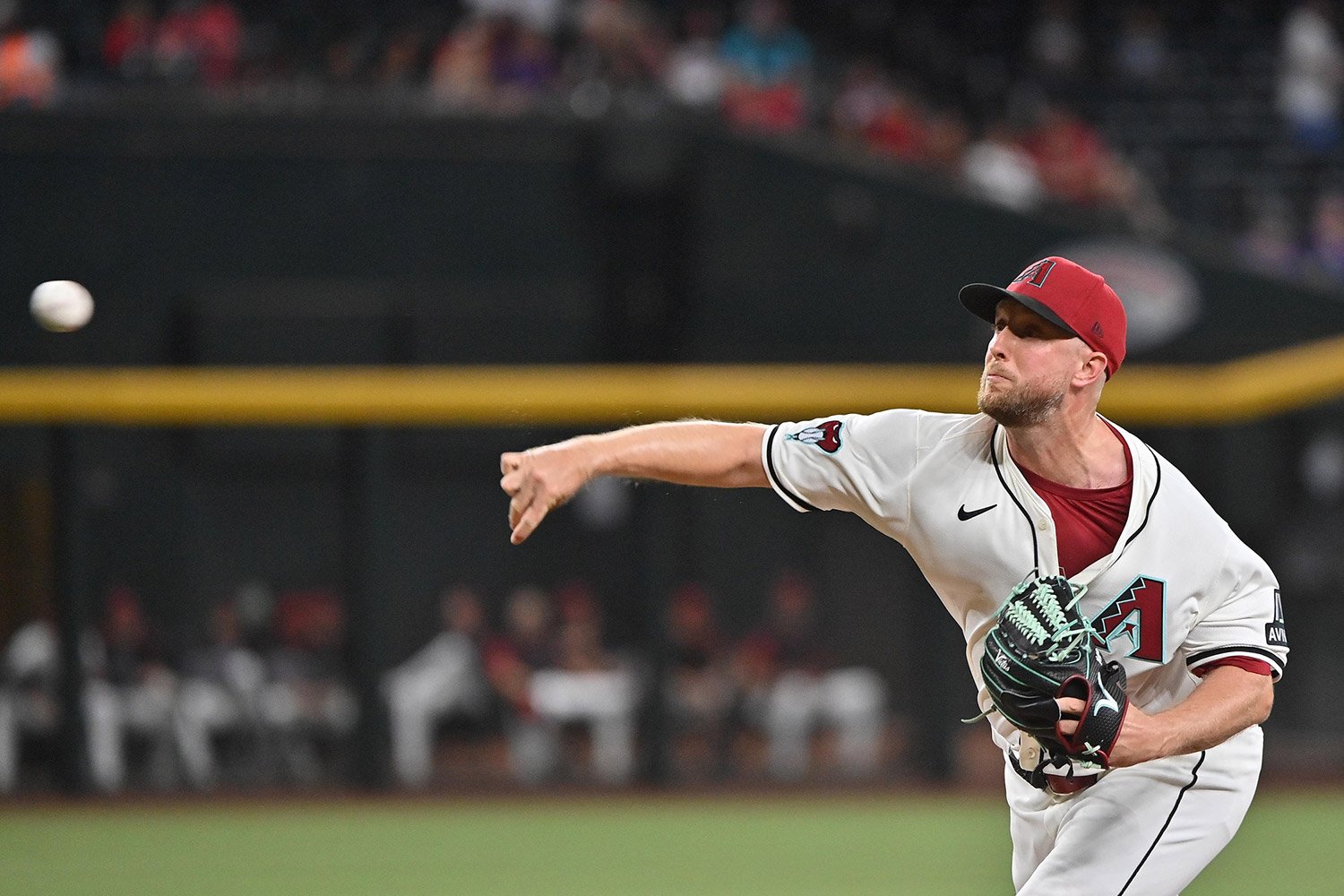 As the Red Sox are firmly entrenched in one of the toughest parts of their schedule, they are keeping an eye on some big name starting pitchers who could be available as the trade deadline approaches. It couldn't come at a better time with both Lucas Giolito and Brayan Bello turning in less than stellar starts against the Cubs and Tanner Houck being placed back on the injured list instead of being activated. According to Bob Nightengale, the Red Sox have sent scouts to Arizona to watch starters Zac Gallen and Merrill Kelly. Both starters would surely help bolster a starting rotation that can struggle behind Garrett Crochet at times. Craig Breslow has stated that he prefers controllable starters at the deadline while both Gallen and Kelly are free agents at the conclusion of the season but if the team is in 'win now' mode then either option makes sense even on a rental deal. Gallen is having a down year with a 5.40 ERA. Kelly looks a bit more stable with a 3.34 ERA but he is in his age 36 season. What do you think? Should the Red Sox be interested in acquiring either Zac Gallen or Merrill Kelly? Sound off in the comments below!
 -
The Red Sox Are Poised To Overcome Brutal Second Half Schedule
Alex Mayes posted an article in Red Sox
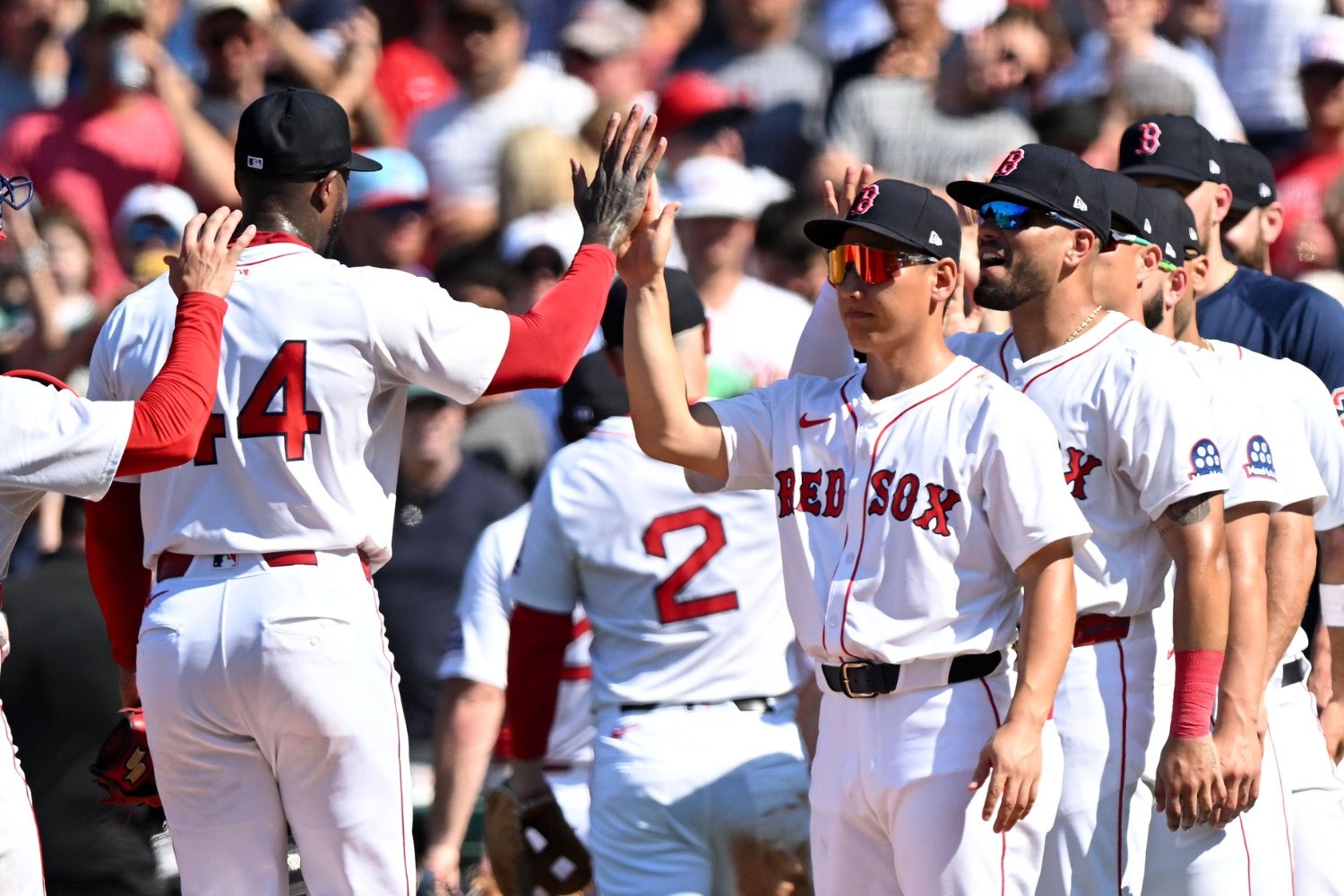 After the Red Sox came screaming into the All-Star break on a ten-game winning streak, reality set in that the team would begin the second half of the season against some of the stiffest competition they’ve faced all year. They open the second half against the NL Central-leading Cubs, travel to face the NL East-leading Phillies, then get the NL West-leading Dodgers to kick off their first second half homestand. The Red Sox typically play up to the competition in front of them and historically play the Cubs to a .500 tune, a 14-14 record, and completely dominate the Phillies (52-35 all-time record). The Dodgers have a winning record against the Sox, 14-10. Second Half Schedule That doesn’t quite tell the whole story, though. According to FanGraphs, the Boston Red Sox have the most difficult schedule moving forward. After the first three series to start the second half, the Red Sox play the Twins (47-49 on the season), the Astros (56-40), and then they get a bit of a break against an underperforming Royals team, with a record of 47-50. The schedule lightens up a bit towards the end of August and they see the lowly Athletics twice through September, so there’s a few series left on the schedule where we should see the same team that dominated both the Nationals and Rockies in back-to-back series sweeps. The second half is loaded with talented teams though, so if the Red Sox hope to make a run at the World Series, as some national pundits have stated recently, they are going to have to make sure their offense continues to click while their pitching staff stays healthy at the same time. So You’re Telling Me There’s a Chance… According to FanGraphs, the Red Sox are still projected to come in third in the division. They are projected to finish the season with 84.8 wins, behind the Blue Jays’ 88.2 and the Yankees’ 89.3. FanGraphs gives them a 11.1% chance to win the division with just a 5.2% chance to clinch a first-round bye. The team is moved up to second in the division to clinch a Wild Card spot though, coming in at 44.8%, just behind the Blue Jays at 46%. Should they make the World Series, FanGraphs currently gives them a 2.8% chance to win the whole thing. Those are incredibly long odds, but anything is possible if you make it to October. The Division IS Within Reach The Red Sox currently have a 20-13 record against the AL East in 2025; currently, they are 4-3 against the Orioles, 5-1 against the Yankees, 3-7 against the Blue Jays, and 8-2 against the Rays. The O’s are all but eliminated, and the Rays may completely slip out of playoff contention, but if we focus on the Yankees and Blue Jays, the Red Sox are playing .500 ball. They’ve embarrassed the Yankees in two series and have looked completely listless against the Jays. We know that the team will likely see both of these teams come October, and that could present a couple of issues down the road, but both the Yankees and Blue Jays are beatable teams, even if Boston's record against the Jays doesn’t show that so far. The Jays have always played the Red Sox incredibly well, so it’s not shocking to see that record, but it also coincides with the pitching woes of June. A well-rested and healthy starting rotation and bullpen can easily turn the tide against the (current) best team in the AL East. If things hold as they were when the All-Star break began, the Red Sox will see the Seattle Mariners in the Wild Card round. The Rays, Rangers, Angels, and Twins are all currently sniffing around the third Wild Card spot held by the Mariners, so things could change fairly quickly as the second half gets underway. If the Sox keep winning, the first Wild Card spot is easily up for grabs — the team currently sits just one game behind the Yankees for it — and if they are in contention for that spot, then there’s reason to believe they could make a run for the AL East title still. That’s something I didn’t think I’d be saying just a few weeks ago, but this team has shown more heart and grit in the past two and a half weeks than they have all year. The front office seems committed to improving the team, not only for the future, but for this season too as the trade deadline approaches. If the team is willing to go all-in, then fans should be ready to jump aboard the bandwagon with them.
 -
After the Red Sox came screaming into the All-Star break on a ten-game winning streak, reality set in that the team would begin the second half of the season against some of the stiffest competition they’ve faced all year. They open the second half against the NL Central-leading Cubs, travel to face the NL East-leading Phillies, then get the NL West-leading Dodgers to kick off their first second half homestand. The Red Sox typically play up to the competition in front of them and historically play the Cubs to a .500 tune, a 14-14 record, and completely dominate the Phillies (52-35 all-time record). The Dodgers have a winning record against the Sox, 14-10. Second Half Schedule That doesn’t quite tell the whole story, though. According to FanGraphs, the Boston Red Sox have the most difficult schedule moving forward. After the first three series to start the second half, the Red Sox play the Twins (47-49 on the season), the Astros (56-40), and then they get a bit of a break against an underperforming Royals team, with a record of 47-50. The schedule lightens up a bit towards the end of August and they see the lowly Athletics twice through September, so there’s a few series left on the schedule where we should see the same team that dominated both the Nationals and Rockies in back-to-back series sweeps. The second half is loaded with talented teams though, so if the Red Sox hope to make a run at the World Series, as some national pundits have stated recently, they are going to have to make sure their offense continues to click while their pitching staff stays healthy at the same time. So You’re Telling Me There’s a Chance… According to FanGraphs, the Red Sox are still projected to come in third in the division. They are projected to finish the season with 84.8 wins, behind the Blue Jays’ 88.2 and the Yankees’ 89.3. FanGraphs gives them a 11.1% chance to win the division with just a 5.2% chance to clinch a first-round bye. The team is moved up to second in the division to clinch a Wild Card spot though, coming in at 44.8%, just behind the Blue Jays at 46%. Should they make the World Series, FanGraphs currently gives them a 2.8% chance to win the whole thing. Those are incredibly long odds, but anything is possible if you make it to October. The Division IS Within Reach The Red Sox currently have a 20-13 record against the AL East in 2025; currently, they are 4-3 against the Orioles, 5-1 against the Yankees, 3-7 against the Blue Jays, and 8-2 against the Rays. The O’s are all but eliminated, and the Rays may completely slip out of playoff contention, but if we focus on the Yankees and Blue Jays, the Red Sox are playing .500 ball. They’ve embarrassed the Yankees in two series and have looked completely listless against the Jays. We know that the team will likely see both of these teams come October, and that could present a couple of issues down the road, but both the Yankees and Blue Jays are beatable teams, even if Boston's record against the Jays doesn’t show that so far. The Jays have always played the Red Sox incredibly well, so it’s not shocking to see that record, but it also coincides with the pitching woes of June. A well-rested and healthy starting rotation and bullpen can easily turn the tide against the (current) best team in the AL East. If things hold as they were when the All-Star break began, the Red Sox will see the Seattle Mariners in the Wild Card round. The Rays, Rangers, Angels, and Twins are all currently sniffing around the third Wild Card spot held by the Mariners, so things could change fairly quickly as the second half gets underway. If the Sox keep winning, the first Wild Card spot is easily up for grabs — the team currently sits just one game behind the Yankees for it — and if they are in contention for that spot, then there’s reason to believe they could make a run for the AL East title still. That’s something I didn’t think I’d be saying just a few weeks ago, but this team has shown more heart and grit in the past two and a half weeks than they have all year. The front office seems committed to improving the team, not only for the future, but for this season too as the trade deadline approaches. If the team is willing to go all-in, then fans should be ready to jump aboard the bandwagon with them. View full article
-
President of Baseball Operations Craig Breslow has identified both starting pitching and first base as positions the team would like to address as the trade deadline approaches. We’ve already addressed some options for the starting pitcher market here, but the first base market is something entirely different. After the Triston Casas injury early in the season, there was expectation that the Red Sox would have to be in the market for a first baseman if they hoped to remain in the playoff hunt. Very few believed that utility player Romy Gonzalez would step into the role full time, and then Abraham Toro was called up after Gonzalez hit the injured list with a hip contusion. After Gonzalez returned from his stint on the IL, the Toro/Gonzalez platoon at first clicked and helped propel the team to where they are now. There’s some belief that this platoon could carry the team all the way through the postseason as well, which isn’t a crazy thought if both men keep performing at the rate they currently are. Add in the fact that Kristian Campbell is splitting time at first and second at Triple-A Worcester, and the future picture becomes even more muddled. And that’s not even factoring in Blaze Jordan and Vaughn Grissom, both also drawing time at the cold corner in Worcester and playing well. If the Red Sox are still intent on adding a first baseman at the deadline, it looks like the rental market may be their best bet. Let’s take a look at three possible rental candidates the team could target even if they begin to fall out of contention as the deadline draws closer. #3: Carlos Santana, Cleveland Guardians Santana is having an okay year on a team that looks like they will miss the playoff picture by a few games. He’s currently slashing .230/.326/.353 with 10 home runs and 38 RBIs. He’s a dependable first baseman, currently ranking in the 95th percentile for Outs Above Average on Baseball Savant. Santana could offer a strong veteran presence in the clubhouse and be another person for the young core to lean on as they grow into the sport. His numbers have ticked down over the last three years, which is understandable as he’s currently 39 years old. If the Guardians are interested in letting Santana go as he approaches 40 and hopes to get something in return for him, it likely wouldn’t cost much from the farm system to get him to Boston. #2: Max Muncy, Los Angeles Dodgers The Dodgers may look to get something for Muncy instead of letting him walk for free with their third-ranked prospect, Alex Freeland, waiting in the wings to take over third base. If that’s the case, the Red Sox could look to add Muncy’s pop into the lineup. He’s currently slashing .250/.375/.457 with 13 home runs and 55 RBIs, the latter of which is good for 17th overall in MLB. His OBP of .375 ranks him ninth in the National League. Adding a hitting of that caliber would be a signal that the Red Sox are going all-in on this season and think they have a shot to come out of the American League. Out of his 13 home runs, Muncy has hit 10 of them at home. Putting his home spray chart over Fenway park adds three more to his total. That’s not a ton, but could likely be the difference in a few of those one-run games the team kept losing at the onset of the season. Muncy, nearly 35, is currently on the injured list with a knee injury, but it's just a bone bruise. He should be back in short order, and his $10 million team option* for next season will probably look a lot more attractive to clubs that don't have a huge luxury tax bill awaiting them. *Yes, this means Muncy technically isn't a "true" rental, but since there's no buyout on the club option, he can become a free agent with no additional cost. #1: Josh Naylor, Arizona Diamondbacks Naylor comes in with the best slash line of the three players listed here at .294/.361/.462. He’s played well for an Arizona team that’s been hanging out on the fringes of the playoff picture in a stacked NL West, but they could look to unload him if they don’t make more upward movement in the NL Wild Card chase. Where Naylor could really come into play for the Red Sox is if the Sox are interested in acquiring another pending free agent playing in the desert, Zac Gallen. A package deal of both Gallen and Naylor would add depth to the two position groups the front office has targeted for the team and likely puts them in contention for the top Wild Card spot, if not the AL East title. Truth be told, the first base rental market is abysmal outside of Pete Alonso, and he’s not going anywhere. If the Red Sox are dead set on acquiring a first baseman who can actually contribute for quite some time, they need to look beyond the rentals. Sure, if the team is out of contention at the deadline and needs to take on bad contracts to get good prospects who can contribute in the next couple of years, then sure. If this team is still firing on all cylinders, though, they would be better served to keep riding the Toro/Gonzalez hot hand or look to acquire someone like Matt Olson, but that’s a name for a different article entirely. Breslow has commented publicly that the Red Sox are in the first base market, but we just aren’t sure what route that looks like yet. If it’s through rentals, they'll be left picking from a relatively weak market. View full article
-
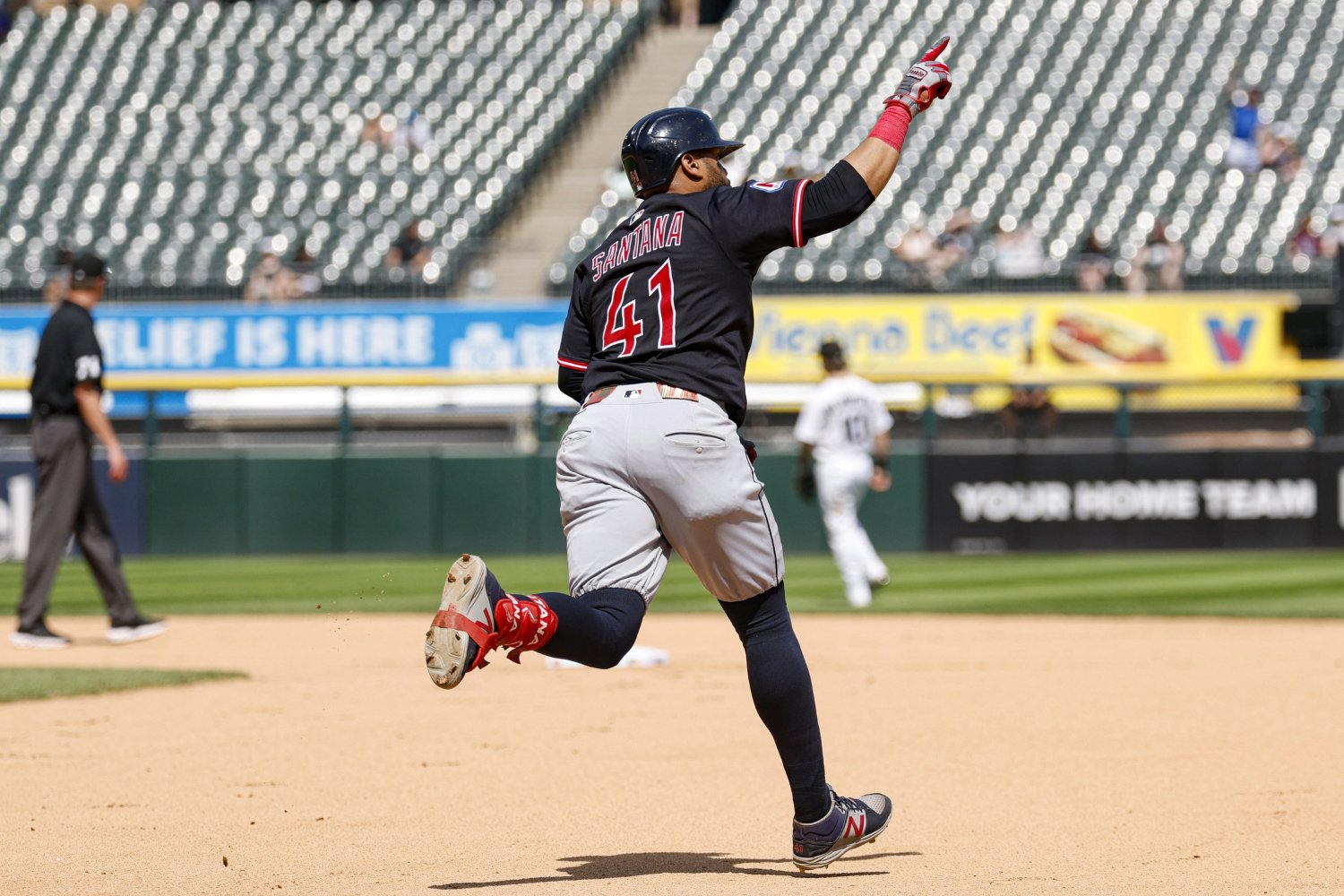 President of Baseball Operations Craig Breslow has identified both starting pitching and first base as positions the team would like to address as the trade deadline approaches. We’ve already addressed some options for the starting pitcher market here, but the first base market is something entirely different. After the Triston Casas injury early in the season, there was expectation that the Red Sox would have to be in the market for a first baseman if they hoped to remain in the playoff hunt. Very few believed that utility player Romy Gonzalez would step into the role full time, and then Abraham Toro was called up after Gonzalez hit the injured list with a hip contusion. After Gonzalez returned from his stint on the IL, the Toro/Gonzalez platoon at first clicked and helped propel the team to where they are now. There’s some belief that this platoon could carry the team all the way through the postseason as well, which isn’t a crazy thought if both men keep performing at the rate they currently are. Add in the fact that Kristian Campbell is splitting time at first and second at Triple-A Worcester, and the future picture becomes even more muddled. And that’s not even factoring in Blaze Jordan and Vaughn Grissom, both also drawing time at the cold corner in Worcester and playing well. If the Red Sox are still intent on adding a first baseman at the deadline, it looks like the rental market may be their best bet. Let’s take a look at three possible rental candidates the team could target even if they begin to fall out of contention as the deadline draws closer. #3: Carlos Santana, Cleveland Guardians Santana is having an okay year on a team that looks like they will miss the playoff picture by a few games. He’s currently slashing .230/.326/.353 with 10 home runs and 38 RBIs. He’s a dependable first baseman, currently ranking in the 95th percentile for Outs Above Average on Baseball Savant. Santana could offer a strong veteran presence in the clubhouse and be another person for the young core to lean on as they grow into the sport. His numbers have ticked down over the last three years, which is understandable as he’s currently 39 years old. If the Guardians are interested in letting Santana go as he approaches 40 and hopes to get something in return for him, it likely wouldn’t cost much from the farm system to get him to Boston. #2: Max Muncy, Los Angeles Dodgers The Dodgers may look to get something for Muncy instead of letting him walk for free with their third-ranked prospect, Alex Freeland, waiting in the wings to take over third base. If that’s the case, the Red Sox could look to add Muncy’s pop into the lineup. He’s currently slashing .250/.375/.457 with 13 home runs and 55 RBIs, the latter of which is good for 17th overall in MLB. His OBP of .375 ranks him ninth in the National League. Adding a hitting of that caliber would be a signal that the Red Sox are going all-in on this season and think they have a shot to come out of the American League. Out of his 13 home runs, Muncy has hit 10 of them at home. Putting his home spray chart over Fenway park adds three more to his total. That’s not a ton, but could likely be the difference in a few of those one-run games the team kept losing at the onset of the season. Muncy, nearly 35, is currently on the injured list with a knee injury, but it's just a bone bruise. He should be back in short order, and his $10 million team option* for next season will probably look a lot more attractive to clubs that don't have a huge luxury tax bill awaiting them. *Yes, this means Muncy technically isn't a "true" rental, but since there's no buyout on the club option, he can become a free agent with no additional cost. #1: Josh Naylor, Arizona Diamondbacks Naylor comes in with the best slash line of the three players listed here at .294/.361/.462. He’s played well for an Arizona team that’s been hanging out on the fringes of the playoff picture in a stacked NL West, but they could look to unload him if they don’t make more upward movement in the NL Wild Card chase. Where Naylor could really come into play for the Red Sox is if the Sox are interested in acquiring another pending free agent playing in the desert, Zac Gallen. A package deal of both Gallen and Naylor would add depth to the two position groups the front office has targeted for the team and likely puts them in contention for the top Wild Card spot, if not the AL East title. Truth be told, the first base rental market is abysmal outside of Pete Alonso, and he’s not going anywhere. If the Red Sox are dead set on acquiring a first baseman who can actually contribute for quite some time, they need to look beyond the rentals. Sure, if the team is out of contention at the deadline and needs to take on bad contracts to get good prospects who can contribute in the next couple of years, then sure. If this team is still firing on all cylinders, though, they would be better served to keep riding the Toro/Gonzalez hot hand or look to acquire someone like Matt Olson, but that’s a name for a different article entirely. Breslow has commented publicly that the Red Sox are in the first base market, but we just aren’t sure what route that looks like yet. If it’s through rentals, they'll be left picking from a relatively weak market.