Brandon Glick
-
Posts
587 -
Joined
-
Last visited
Content Type
Profiles
Boston Red Sox Videos
2026 Boston Red Sox Top Prospects Ranking
Boston Red Sox Free Agent & Trade Rumors, Notes, & Tidbits
Guides & Resources
2025 Boston Red Sox Draft Pick Tracker
News
2026 Boston Red Sox Draft Tracker: Picks & Bonuses
Forums
Blogs
Events
Store
Downloads
Gallery
Everything posted by Brandon Glick
-
Breaking: Sonny Gray to Red Sox, Igniting MLB Pitcher Market
Brandon Glick posted an article in Red Sox
 Well, at long last, the Boston Red Sox have their No. 2 starting pitcher. Sonny Gray of the St. Louis Cardinals is heading to Beantown as part of yet another blockbuster trade in this early part of the 2025-26 MLB offseason. Gray, 36, is reworking his contract as part of this deal. He'll receive $31 million for 2026 and a $10 million buyout on a mutual option in 2027. The Cardinals are sending $20 million as part of the trade, meaning the Red Sox will get him for the equivalent of $21 million over one season. The return for Gray is reportedly major-league pitcher Richard Fitts and top pitching prospect Brandon Clarke. Before getting into Gray, let's acknowledge that Clarke is a legitimate prospect. However, I can confirm that people within the organization had significant concerns about his reliever risk after the 22-year-old ran into stamina and command issues in his professional debut in 2025. Though he possesses brilliant stuff, Clarke worked an 18.1% walk rate in 28 1/3 innings in High-A this past season; his ceiling may be that of an elite reliever, which simply isn't as valuable as a top-tier starting prospect. Plus, the Red Sox already have a number of players that fit that archetype that leapt Clarke on the depth chart this year, including first-round pick Kyson Witherspoon, Payton Tolle, and Connelly Early. He was expendable, even if he's only scratched the surface of his talent. As for Fitts, the 25-year-old is a pure reclamation project for the Cardinals. He struggled badly in his 45.0 major-league innings this year (5.00 ERA, 5.80 FIP) and ended the season on the injured list with right arm neuritis. He no longer had a place on the 40-man roster among a loaded group of backend starters like Hunter Dobbins, Kutter Crawford, and Patrick Sandoval. That's a notable return for a 36-year-old pitcher on an expensive one-year contract, but with the Cardinals paying down roughly half of it, this is absolutely a trade the Red Sox could afford to make. Chaim Bloom knows this system well, and only losing one notable prospect at a position of extreme organizational depth for a legitimate No. 2 pitcher is a solid bit of pre-Thanksgiving work by Craig Breslow and company. And let's make something clear: Gray is a "legitimate No. 2" starting pitcher. He may be removed from his 2023 peak when he led the league in FIP (2.83) and finished second in AL Cy Young voting with the Minnesota Twins, but he still led the Senior Circuit in strikeout-to-walk ratio (5.29) and handled more than 180 innings for the second time in three years. Gray has run an xERA below 4.00 in every single season since 2019, a feat he's matched in both FIP and xFIP. He's a metrics darling despite modest strikeout numbers throughout his career, though he's improved upon even that recently, ringing up 30.3% of hitters in 2024 and 26.7% of hitters in 2025. Though he's started to allow harder contact as he gets older, he's maintained elite chase, whiff, and walk rates without fail. Notably, the right-handed comes equipped with a seven-pitch arsenal that's highlighted by a devastating sweeper that yielded a 42.3% whiff rate in 2025; he and Garrett Crochet were two of just five pitchers to surpass that mark with their sweepers last season (min. 400 pitches). He only averaged 92.0 mph on his fastballs, but that's just one tick down from his peak velocity in 2018-20. This is a guy who knows how to pitch to major-league hitters. Expect more of the same from Gray as he gets a chance to work in Andrew Bailey's pitching lab in 2026. From here, the Red Sox can move their offseason in a bunch of different directions. They could pursue another starter with the Cardinals eating so much money, or they can prioritize bullpen depth and infield help. Either way, starting the winter off with such a savvy move puts them well in front of the pack prior to the Winter Meetings.
 -
![More information about "Red Sox-Clowns Blockbuster Thwarted, Jackie Bradley Jr. to Play Banana Ball [SATIRE]"](//d1mqtyoopj0gsc.cloudfront.net/monthly_2025_11/JBJ.jpg.e5969ea2ff970543d425f17a970bff21.jpg) NOTE: This is a work of satire. Nothing "reported" here is factual, other than what is linked. Please enjoy. Savannah, GA — Ahead of the Banana Ball Championship League's inaugural 60-game season in 2026, the first-ever Banana Ball Player Draft was held earlier this week. As most industry experts and Banana Peelers (i.e., MLB insiders but for the BBCL) expected, the Indianapolis Clowns selected World Series champion and former Boston Red Sox outfielder Jackie Bradley Jr. first overall. Despite being a shoo-in for the top draft spot, sources say that the Clowns' pick wasn't without some internal controversy. The Red Sox, seeking an eighth MLB-caliber outfielder to complete their "double-logjam", apparently were willing to go to extreme lengths to bring Bradley back to Fenway Park. "I won't go into the specifics, but we were close," Red Sox's president of baseball operations Craig Breslow said about his trade negotiations with the Clowns' front office. "They drove a hard bargain. Contrary to what their name says, negotiating with that team is no joke." Of course, in Major League Baseball, draft picks beyond those awarded in Competitive Balance Rounds cannot be traded. However, according to a Generative AI program trained exclusively on Keeping Up with the Kardashians episodes, that same stipulation doesn't apply to MLB teams trying to trade with Banana Ball teams. "Sure, whatever. I didn't punish the Astros after they cheated in 2017. You think I'm going to stop Brez from trading Roman Anthony for [2024 Banana Ball MVP] DR Meadows?" MLB Commissioner Rob Manfred said when asked about the legality of the attempted blockbuster. As far as Bradley is concerned, he's happy the Clowns held onto the pick and drafted him, making him the first-ever former MLB player to join the league full time. He originally made a cameo appearance in the league for the Savannah Bananas, alongside fellow Red sox alumnus Johnny Damon, back in July. "I feel like this was another opportunity to not only the league, but to be able to help the people behind me to ... hopefully, catapult other African American ballplayers to want to play the game," Bradley told ESPN. Originally an exhibition team in the Negro Leagues, the Clowns have a rich history that includes employing Hank Aaron and various professional women ballplayers, such as Toni Stone and Connie Morgan. They went defunct in 1989 after an initial 64-year run, but, with the blessing of Bob Kendrick (president of the Negro Leagues Baseball Museum), they will return to the diamond once more in 2026 as part of the Banana Ball Championship League's first full-fledged season. Bradley, of course, is a Boston icon. He was an All-Star in 2016 and a Gold Glove winner in 2018, the latter season proving to be the high-water mark for his tenure in Beantown. That year, the team won the World Series, and Bradley played postseason hero in the ALCS. At the time of publishing, the veracity of reports detailing the trade packages offered for the first overall pick cannot be confirmed. However, Talk Sox can exclusively report that the Red Sox were willing to include Payton Tolle and the rights to Steve Pearce's World Series MVP Award in various offers.
NOTE: This is a work of satire. Nothing "reported" here is factual, other than what is linked. Please enjoy. Savannah, GA — Ahead of the Banana Ball Championship League's inaugural 60-game season in 2026, the first-ever Banana Ball Player Draft was held earlier this week. As most industry experts and Banana Peelers (i.e., MLB insiders but for the BBCL) expected, the Indianapolis Clowns selected World Series champion and former Boston Red Sox outfielder Jackie Bradley Jr. first overall. Despite being a shoo-in for the top draft spot, sources say that the Clowns' pick wasn't without some internal controversy. The Red Sox, seeking an eighth MLB-caliber outfielder to complete their "double-logjam", apparently were willing to go to extreme lengths to bring Bradley back to Fenway Park. "I won't go into the specifics, but we were close," Red Sox's president of baseball operations Craig Breslow said about his trade negotiations with the Clowns' front office. "They drove a hard bargain. Contrary to what their name says, negotiating with that team is no joke." Of course, in Major League Baseball, draft picks beyond those awarded in Competitive Balance Rounds cannot be traded. However, according to a Generative AI program trained exclusively on Keeping Up with the Kardashians episodes, that same stipulation doesn't apply to MLB teams trying to trade with Banana Ball teams. "Sure, whatever. I didn't punish the Astros after they cheated in 2017. You think I'm going to stop Brez from trading Roman Anthony for [2024 Banana Ball MVP] DR Meadows?" MLB Commissioner Rob Manfred said when asked about the legality of the attempted blockbuster. As far as Bradley is concerned, he's happy the Clowns held onto the pick and drafted him, making him the first-ever former MLB player to join the league full time. He originally made a cameo appearance in the league for the Savannah Bananas, alongside fellow Red sox alumnus Johnny Damon, back in July. "I feel like this was another opportunity to not only the league, but to be able to help the people behind me to ... hopefully, catapult other African American ballplayers to want to play the game," Bradley told ESPN. Originally an exhibition team in the Negro Leagues, the Clowns have a rich history that includes employing Hank Aaron and various professional women ballplayers, such as Toni Stone and Connie Morgan. They went defunct in 1989 after an initial 64-year run, but, with the blessing of Bob Kendrick (president of the Negro Leagues Baseball Museum), they will return to the diamond once more in 2026 as part of the Banana Ball Championship League's first full-fledged season. Bradley, of course, is a Boston icon. He was an All-Star in 2016 and a Gold Glove winner in 2018, the latter season proving to be the high-water mark for his tenure in Beantown. That year, the team won the World Series, and Bradley played postseason hero in the ALCS. At the time of publishing, the veracity of reports detailing the trade packages offered for the first overall pick cannot be confirmed. However, Talk Sox can exclusively report that the Red Sox were willing to include Payton Tolle and the rights to Steve Pearce's World Series MVP Award in various offers. -
NOTE: This is a work of satire. Nothing "reported" here is factual, other than what is linked. Please enjoy. Savannah, GA — Ahead of the Banana Ball Championship League's inaugural 60-game season in 2026, the first-ever Banana Ball Player Draft was held earlier this week. As most industry experts and Banana Peelers (i.e., MLB insiders but for the BBCL) expected, the Indianapolis Clowns selected World Series champion and former Boston Red Sox outfielder Jackie Bradley Jr. first overall. Despite being a shoo-in for the top draft spot, sources say that the Clowns' pick wasn't without some internal controversy. The Red Sox, seeking an eighth MLB-caliber outfielder to complete their "double-logjam", apparently were willing to go to extreme lengths to bring Bradley back to Fenway Park. "I won't go into the specifics, but we were close," Red Sox's president of baseball operations Craig Breslow said about his trade negotiations with the Clowns' front office. "They drove a hard bargain. Contrary to what their name says, negotiating with that team is no joke." Of course, in Major League Baseball, draft picks beyond those awarded in Competitive Balance Rounds cannot be traded. However, according to a Generative AI program trained exclusively on Keeping Up with the Kardashians episodes, that same stipulation doesn't apply to MLB teams trying to trade with Banana Ball teams. "Sure, whatever. I didn't punish the Astros after they cheated in 2017. You think I'm going to stop Brez from trading Roman Anthony for [2024 Banana Ball MVP] DR Meadows?" MLB Commissioner Rob Manfred said when asked about the legality of the attempted blockbuster. As far as Bradley is concerned, he's happy the Clowns held onto the pick and drafted him, making him the first-ever former MLB player to join the league full time. He originally made a cameo appearance in the league for the Savannah Bananas, alongside fellow Red sox alumnus Johnny Damon, back in July. "I feel like this was another opportunity to not only the league, but to be able to help the people behind me to ... hopefully, catapult other African American ballplayers to want to play the game," Bradley told ESPN. Originally an exhibition team in the Negro Leagues, the Clowns have a rich history that includes employing Hank Aaron and various professional women ballplayers, such as Toni Stone and Connie Morgan. They went defunct in 1989 after an initial 64-year run, but, with the blessing of Bob Kendrick (president of the Negro Leagues Baseball Museum), they will return to the diamond once more in 2026 as part of the Banana Ball Championship League's first full-fledged season. Bradley, of course, is a Boston icon. He was an All-Star in 2016 and a Gold Glove winner in 2018, the latter season proving to be the high-water mark for his tenure in Beantown. That year, the team won the World Series, and Bradley played postseason hero in the ALCS. At the time of publishing, the veracity of reports detailing the trade packages offered for the first overall pick cannot be confirmed. However, Talk Sox can exclusively report that the Red Sox were willing to include Payton Tolle and the rights to Steve Pearce's World Series MVP Award in various offers. View full article
-
Simply had to share this. Just an incredible baseball story. Banana Ball is gonna need a Platinum Glove award. https://www.espn.com/mlb/story/_/id/46958195/savannah-bananas-indianapolis-clowns-jackie-bradley-jr-drafted
-
The Boston Red Sox are gearing up for a lucrative offseason, though they must decide whether to make their blockbuster moves via free agency or trade. Will they re-sign Alex Bregman, and will they pursue Munetaka Murakami? View full video
-
The Boston Red Sox are gearing up for a lucrative offseason, though they must decide whether to make their blockbuster moves via free agency or trade. Will they re-sign Alex Bregman, and will they pursue Munetaka Murakami?
-
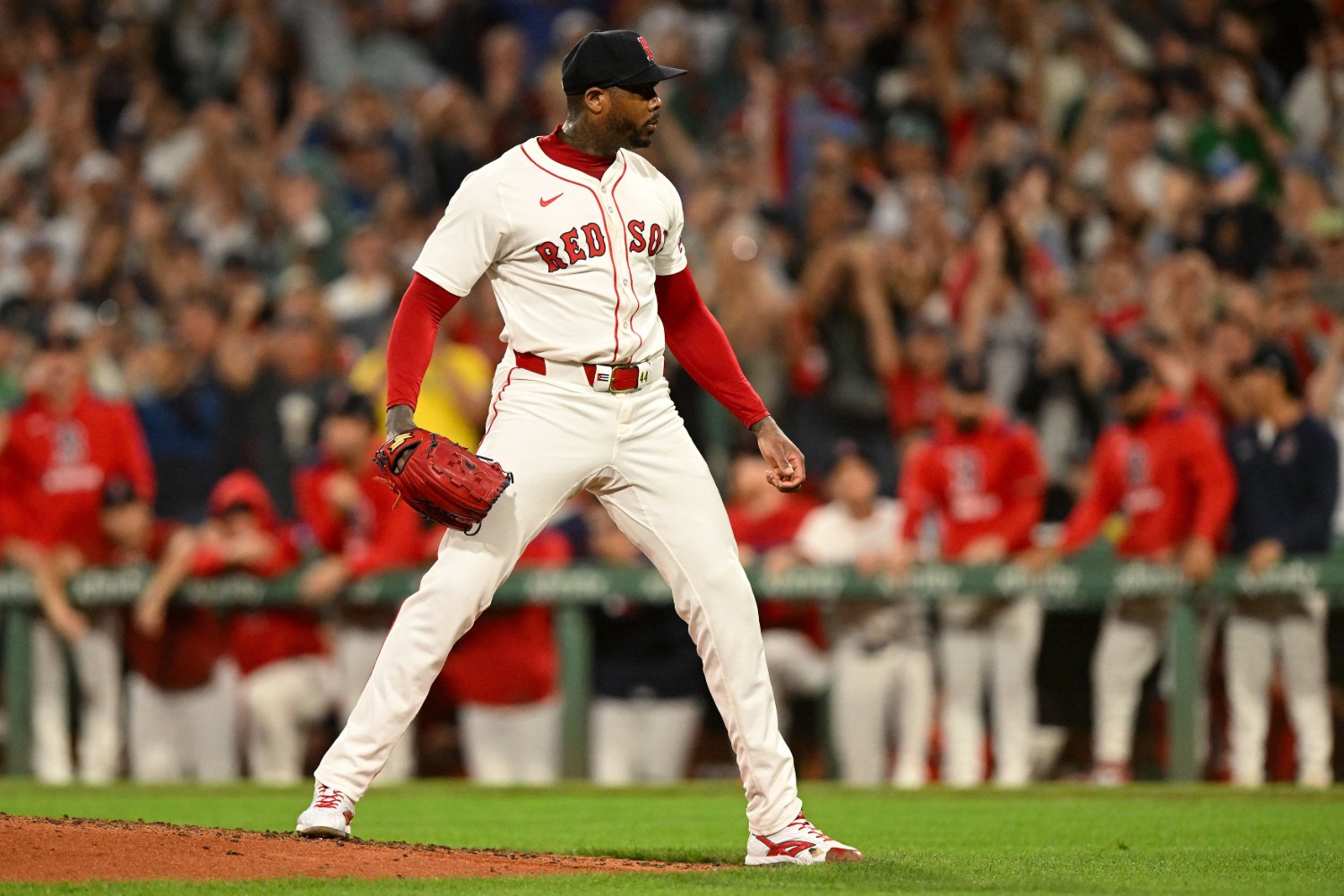 Aroldis Chapman is a historically good relief pitcher who delivered a historically good campaign in 2025, even relative to his own standards. So, even if he weren't a 37-year-old reliant on his four-seam fastball, there'd be reason to worry about potential regression for the Boston Red Sox's closer, especially considering he had recorded a 3.68 ERA in the three years prior to his legendary maiden campaign in Beantown. He was so good this past season that the front office saw it fit to give him an extension before the year even came to an end. It's a one-year deal that offers a slight raise over his $10 million salary in 2025, and it also comes with a $13 million vesting option if he throws enough innings in 2026. It's hardly a long-term commitment, but it is one that suggests the front office is content to continue rolling Chapman out there in the ninth. And, let's acknowledge something here: Nothing in Chapman's body of work in Boston necessarily suggests a drop-off is imminent. His expected ERA (2.09) was nearly a full run worse than his actual mark (1.17) and still ranked in the 100th percentile across the league. His fastball velocity, despite being a few ticks down from its peak, still averaged nearly 99 mph as opposing batters hit just .159 against it; his sinker was even better, producing a .115 batting average against while brushing up against triple digits on the radar gun. Tie it all together with elite chase (34.6%) and whiff rates (35.8%), and you have the profile of one of the best relievers in baseball. I'm not coming armed with any information to suggest that Red Sox fans should expect Chapman to revert back to his 2022-24 form. Instead, I'm merely here to remind everyone that said version of Chapman existed, and that, prior to 2025, it had been five seasons since the fireballing southpaw displayed anywhere close to this level of dominance. Set to turn 38 before Opening Day in 2026, the franchise can hope to rely on their closer once again, but planning on it may be more of a fool's errand. For some recent examples, the last two relievers to finish top-five in Cy Young voting (a feat Chapman should accomplish this year) were Emmanuel Clase (2024) and Zack Britton (2016). Clase followed up his historically dominant 2024 campaign with a 3.23 ERA in 47 1/3 innings this season (and may be permanently banned from the league for gambling); Britton's ERA jumped from 0.54 to 2.89 and he missed time with forearm and lower body issues. Now, Chapman hopefully won't caught in some illegal pitch-throwing scheme, but those two relievers were a decade younger than the Red Sox's closer at the times of their peak. Even though Clase's 2025 season (pre-suspension) and Britton's 2017 season were solid enough, they hardly approximated the dominance they showed just a year prior. Luckily, Chapman has always been better in the ninth inning — his career ERA in the final frame (2.33) is significantly lower than his work in the eighth (2.82) or seventh innings (4.56) — and barring injury, there isn't much need to acquire another closer. That's especially true since breakout set-up man Garrett Whitlock remains under contract for 2026, as is the case for Justin Slaten, who secured three saves in 2025 and has closing experience in the minor leagues. If track record is something you fancy (and you can look past significant struggles in the recent past), Jordan Hicks has 35 saves on his major league résumé. He's far less of a sure thing than Chapman, but he's the only one in the bullpen (and one of few arms in the league) who can approximate the lefty's velocity. Instead, the team needs to focus on bringing in a couple of high-leverage relief arms who can help bridge the gap to Chapman, or, if needed, fill in should injury arise. That is definitively not the class of reliever that players like Edwin Diaz or even Devin Williams fit in, but someone like Brad Keller (who just experienced a career resurgence in Chicago under Craig Breslow's old bosses) or Raisel Iglesias (who had a 1.25 ERA from mid-June until the end of the season) could insulate the late-inning group and help ensure Whitlock doesn't have to pitch 70+ innings again. If the budget is really tight, Gregory Soto brings big velocity from the left side like Chapman, and Emilio Pagán just locked down 32 saves for a playoff team. Those are older veterans with bigger flaws in their game than the elite relievers on the high-end side of the market, but the same was true for Chapman last year, and look how that worked out. It's not necessarily advisable to build your bullpen with a cache of arms with heavily mileage seeking to reclaim the glory days, but the Red Sox don't need a bullpen as good as the Padres or the Brewers. The rotation, with one more significant addition, is strong enough to carry the team for stretches, and the offense could be really good if Roman Anthony is healthy for a full season. This is simply about hedging your bets. Boston ranked second in the league in bullpen ERA (3.41) in 2025 and backed that up with top-five finishes in xERA (3.76, fifth) and FIP (3.69, fourth). Chapman did a lot of that heavy lifting — he and Whitlock combined for more than 70% of the team's reliever fWAR this past season — and at his age and with his recent, pre-2025 track record, banking on a repeat performance could prove perilous, even if the advanced metrics wholeheartedly support an encore. Insofar as your focus extends only to the 2026 season, the Red Sox should be fine in the backend of their bullpen thanks to the presence of Chapman. But, if doubt lingers in your mind about a 38-year-old who throws 100 miles per hour, perhaps you too think the team should be wary about entrusting so much of their success in one man.
 -
Aroldis Chapman is a historically good relief pitcher who delivered a historically good campaign in 2025, even relative to his own standards. So, even if he weren't a 37-year-old reliant on his four-seam fastball, there'd be reason to worry about potential regression for the Boston Red Sox's closer, especially considering he had recorded a 3.68 ERA in the three years prior to his legendary maiden campaign in Beantown. He was so good this past season that the front office saw it fit to give him an extension before the year even came to an end. It's a one-year deal that offers a slight raise over his $10 million salary in 2025, and it also comes with a $13 million vesting option if he throws enough innings in 2026. It's hardly a long-term commitment, but it is one that suggests the front office is content to continue rolling Chapman out there in the ninth. And, let's acknowledge something here: Nothing in Chapman's body of work in Boston necessarily suggests a drop-off is imminent. His expected ERA (2.09) was nearly a full run worse than his actual mark (1.17) and still ranked in the 100th percentile across the league. His fastball velocity, despite being a few ticks down from its peak, still averaged nearly 99 mph as opposing batters hit just .159 against it; his sinker was even better, producing a .115 batting average against while brushing up against triple digits on the radar gun. Tie it all together with elite chase (34.6%) and whiff rates (35.8%), and you have the profile of one of the best relievers in baseball. I'm not coming armed with any information to suggest that Red Sox fans should expect Chapman to revert back to his 2022-24 form. Instead, I'm merely here to remind everyone that said version of Chapman existed, and that, prior to 2025, it had been five seasons since the fireballing southpaw displayed anywhere close to this level of dominance. Set to turn 38 before Opening Day in 2026, the franchise can hope to rely on their closer once again, but planning on it may be more of a fool's errand. For some recent examples, the last two relievers to finish top-five in Cy Young voting (a feat Chapman should accomplish this year) were Emmanuel Clase (2024) and Zack Britton (2016). Clase followed up his historically dominant 2024 campaign with a 3.23 ERA in 47 1/3 innings this season (and may be permanently banned from the league for gambling); Britton's ERA jumped from 0.54 to 2.89 and he missed time with forearm and lower body issues. Now, Chapman hopefully won't caught in some illegal pitch-throwing scheme, but those two relievers were a decade younger than the Red Sox's closer at the times of their peak. Even though Clase's 2025 season (pre-suspension) and Britton's 2017 season were solid enough, they hardly approximated the dominance they showed just a year prior. Luckily, Chapman has always been better in the ninth inning — his career ERA in the final frame (2.33) is significantly lower than his work in the eighth (2.82) or seventh innings (4.56) — and barring injury, there isn't much need to acquire another closer. That's especially true since breakout set-up man Garrett Whitlock remains under contract for 2026, as is the case for Justin Slaten, who secured three saves in 2025 and has closing experience in the minor leagues. If track record is something you fancy (and you can look past significant struggles in the recent past), Jordan Hicks has 35 saves on his major league résumé. He's far less of a sure thing than Chapman, but he's the only one in the bullpen (and one of few arms in the league) who can approximate the lefty's velocity. Instead, the team needs to focus on bringing in a couple of high-leverage relief arms who can help bridge the gap to Chapman, or, if needed, fill in should injury arise. That is definitively not the class of reliever that players like Edwin Diaz or even Devin Williams fit in, but someone like Brad Keller (who just experienced a career resurgence in Chicago under Craig Breslow's old bosses) or Raisel Iglesias (who had a 1.25 ERA from mid-June until the end of the season) could insulate the late-inning group and help ensure Whitlock doesn't have to pitch 70+ innings again. If the budget is really tight, Gregory Soto brings big velocity from the left side like Chapman, and Emilio Pagán just locked down 32 saves for a playoff team. Those are older veterans with bigger flaws in their game than the elite relievers on the high-end side of the market, but the same was true for Chapman last year, and look how that worked out. It's not necessarily advisable to build your bullpen with a cache of arms with heavily mileage seeking to reclaim the glory days, but the Red Sox don't need a bullpen as good as the Padres or the Brewers. The rotation, with one more significant addition, is strong enough to carry the team for stretches, and the offense could be really good if Roman Anthony is healthy for a full season. This is simply about hedging your bets. Boston ranked second in the league in bullpen ERA (3.41) in 2025 and backed that up with top-five finishes in xERA (3.76, fifth) and FIP (3.69, fourth). Chapman did a lot of that heavy lifting — he and Whitlock combined for more than 70% of the team's reliever fWAR this past season — and at his age and with his recent, pre-2025 track record, banking on a repeat performance could prove perilous, even if the advanced metrics wholeheartedly support an encore. Insofar as your focus extends only to the 2026 season, the Red Sox should be fine in the backend of their bullpen thanks to the presence of Chapman. But, if doubt lingers in your mind about a 38-year-old who throws 100 miles per hour, perhaps you too think the team should be wary about entrusting so much of their success in one man. View full article
-
Ceddanne Rafaela and Wilyer Abreu won Gold Gloves this week, further proving that Boston is brewing something special in the outfield. View full video
-
Ceddanne Rafaela and Wilyer Abreu won Gold Gloves this week, further proving that Boston is brewing something special in the outfield.
-
Bryce Harper Isn't the First Base Solution the Red Sox Need
Brandon Glick posted an article in Red Sox
 Happy Halloween, all! For those in need of a good scare on this spooky holiday, I present to you a rumored trade target of the Boston Red Sox with the following qualifications: 33 years old Six years, $153 million remaining on current contract Relegated exclusively to first base/designated hitter Hasn't played 150+ games in a season since 2019 Hit .261/.357/.487 with a 131 wRC+ in 2025 That's impressive production at the plate, but at that age and with that contract, you can be sure Craig Breslow and the front office will be scared off from pulling the trigger on a trade, regardless of the name or how luscious his beard is. Indeed, Bryce Harper appears likely to hit the trade market this winter, though not because of any serious decline in his performance or a demolition of the aging Philadelphia Phillies' core. Instead, old friend Dave Dombrowski found himself running his mouth to the media, saying that Harper, while still an All-Star, might no longer be the elite player he once was. Though those comments were later walked back, Dombrowski never totally shut down trade speculation surrounding his first baseman, leading to an ongoing saga in which Harper has been vocal about feeling betrayed by the franchise. If you're more into sports drama than I am, you know there's more to the story than that, but the point of this isn't the dysfunction sinking the 2022 National League pennant winners. It's that Harper, for the first time since the end of his tenure with the Washington Nationals, is truly available, though this time via trade rather than free agency. The first base problem remains a confounding one in Boston. Triston Casas has long been expected to be the solution, but injuries have completely derailed a once-promising career. After three straight years of posting a wRC+ above 120, the 25-year-old managed a paltry 56 mark in 2025 before a ruptured left patellar tendon ended his season prematurely in early May. Both he and Nathaniel Lowe will likely be tendered contracts via arbitration this offseason (Casas is more likely to stay than Lowe if push comes to shove), but counting on either to produce commensurate with other All-Star talent at a premium offensive position is a fool's errand. Thus, unless you believe playing Romy Gonzalez on an everyday basis or trusting Kristian Campbell's glove are good ideas, then you'll come to the same conclusion the Red Sox have: The team needs to acquire a new first baseman this offseason. I, like many others, like Pete Alonso's fit in Fenway Park, but I also know that Breslow isn't going to be giving him the contract he wants. He was great in 2025 (141 wRC+) but merely above-average in the two seasons prior. Handing him $30+ million a year just to strikeout 25% of the time isn't good business, especially if his elite power wanes as he ages deeper into his thirties. Harper is a higher-floor, lower-ceiling alternative to Alonso, and the Red Sox could probably get the Phillies to pay a decent portion of his remaining deal if they were willing to part with a legitimate prospect in return. Even so, six years of guaranteed salary is a lot to pay for a guy who, in Dombrowski's words, is no longer elite. That characterization is unfortunately true, no matter how much Harper doesn't like it. After posting a 150 wRC+ in 2020 and a 170 mark in 2021, he's sat in the 130-140 range over the past four seasons. That's still a huge step up from what the Red Sox got out of the cold corner in 2025 (.244/.305/.386, 86 wRC+), but a first baseman who hits like that isn't quite the same as a right fielder who wins MVP awards. Sure, Harper has also become a quality defender at first base since shifting in from the outfield, accruing eight Outs Above Average, four Fielding Run Value, and two Defensive Runs Saved since the start of 2024 (over 2,300 innings at first base), but he's getting paid Freddie Freeman money to be, well, not as good as Freddie Freeman. In reality, even if Harper was producing like his old self, he'd still be a tough sell for the Red Sox. The front office has been very careful about spending long-term money in anticipation of the 2027 lockout, reserving those contracts for very young members of their current core. Players who don't fit that description (Rafael Devers, Alex Bregman, Kenley Jansen, etc.) have been jettisoned via trade or shown the door to free agency in recent years. Owing Harper $20+ million in 2031, when he'll be 38 years old, flies in the face of that philosophy. I don't think many were banging the drum for the Red Sox to chase Harper this winter, but I did want to remind people of a few things: Just because someone isn't "elite" doesn't mean they're bad; if Harper was recording a 130-140 wRC+ every year and was five years younger, he'd be considered a steal at his current contract. There are alternatives to Alonso on the first base market, though every option will have major flaws. There's no perfect fit, including Alonso himself. The Red Sox absolutely have to find more competition for Casas and Lowe at first base in 2026. An 86 wRC+ at first base across an entire season is untenable for a contending team. It's more likely than not that the Phillies and Harper make up and move forward together, if only because convincing another contending team to take on the back half of his contract is going to be a nightmare. There's reason to squint and convince yourself that he'd be a strong immediate upgrade over what the Red Sox can field at first base next year—especially if they miss out on Alonso—but odds are the front office will be happier rolling with what it has than trying to finagle the two-time MVP's contract into their accounting books.
 -
Happy Halloween, all! For those in need of a good scare on this spooky holiday, I present to you a rumored trade target of the Boston Red Sox with the following qualifications: 33 years old Six years, $153 million remaining on current contract Relegated exclusively to first base/designated hitter Hasn't played 150+ games in a season since 2019 Hit .261/.357/.487 with a 131 wRC+ in 2025 That's impressive production at the plate, but at that age and with that contract, you can be sure Craig Breslow and the front office will be scared off from pulling the trigger on a trade, regardless of the name or how luscious his beard is. Indeed, Bryce Harper appears likely to hit the trade market this winter, though not because of any serious decline in his performance or a demolition of the aging Philadelphia Phillies' core. Instead, old friend Dave Dombrowski found himself running his mouth to the media, saying that Harper, while still an All-Star, might no longer be the elite player he once was. Though those comments were later walked back, Dombrowski never totally shut down trade speculation surrounding his first baseman, leading to an ongoing saga in which Harper has been vocal about feeling betrayed by the franchise. If you're more into sports drama than I am, you know there's more to the story than that, but the point of this isn't the dysfunction sinking the 2022 National League pennant winners. It's that Harper, for the first time since the end of his tenure with the Washington Nationals, is truly available, though this time via trade rather than free agency. The first base problem remains a confounding one in Boston. Triston Casas has long been expected to be the solution, but injuries have completely derailed a once-promising career. After three straight years of posting a wRC+ above 120, the 25-year-old managed a paltry 56 mark in 2025 before a ruptured left patellar tendon ended his season prematurely in early May. Both he and Nathaniel Lowe will likely be tendered contracts via arbitration this offseason (Casas is more likely to stay than Lowe if push comes to shove), but counting on either to produce commensurate with other All-Star talent at a premium offensive position is a fool's errand. Thus, unless you believe playing Romy Gonzalez on an everyday basis or trusting Kristian Campbell's glove are good ideas, then you'll come to the same conclusion the Red Sox have: The team needs to acquire a new first baseman this offseason. I, like many others, like Pete Alonso's fit in Fenway Park, but I also know that Breslow isn't going to be giving him the contract he wants. He was great in 2025 (141 wRC+) but merely above-average in the two seasons prior. Handing him $30+ million a year just to strikeout 25% of the time isn't good business, especially if his elite power wanes as he ages deeper into his thirties. Harper is a higher-floor, lower-ceiling alternative to Alonso, and the Red Sox could probably get the Phillies to pay a decent portion of his remaining deal if they were willing to part with a legitimate prospect in return. Even so, six years of guaranteed salary is a lot to pay for a guy who, in Dombrowski's words, is no longer elite. That characterization is unfortunately true, no matter how much Harper doesn't like it. After posting a 150 wRC+ in 2020 and a 170 mark in 2021, he's sat in the 130-140 range over the past four seasons. That's still a huge step up from what the Red Sox got out of the cold corner in 2025 (.244/.305/.386, 86 wRC+), but a first baseman who hits like that isn't quite the same as a right fielder who wins MVP awards. Sure, Harper has also become a quality defender at first base since shifting in from the outfield, accruing eight Outs Above Average, four Fielding Run Value, and two Defensive Runs Saved since the start of 2024 (over 2,300 innings at first base), but he's getting paid Freddie Freeman money to be, well, not as good as Freddie Freeman. In reality, even if Harper was producing like his old self, he'd still be a tough sell for the Red Sox. The front office has been very careful about spending long-term money in anticipation of the 2027 lockout, reserving those contracts for very young members of their current core. Players who don't fit that description (Rafael Devers, Alex Bregman, Kenley Jansen, etc.) have been jettisoned via trade or shown the door to free agency in recent years. Owing Harper $20+ million in 2031, when he'll be 38 years old, flies in the face of that philosophy. I don't think many were banging the drum for the Red Sox to chase Harper this winter, but I did want to remind people of a few things: Just because someone isn't "elite" doesn't mean they're bad; if Harper was recording a 130-140 wRC+ every year and was five years younger, he'd be considered a steal at his current contract. There are alternatives to Alonso on the first base market, though every option will have major flaws. There's no perfect fit, including Alonso himself. The Red Sox absolutely have to find more competition for Casas and Lowe at first base in 2026. An 86 wRC+ at first base across an entire season is untenable for a contending team. It's more likely than not that the Phillies and Harper make up and move forward together, if only because convincing another contending team to take on the back half of his contract is going to be a nightmare. There's reason to squint and convince yourself that he'd be a strong immediate upgrade over what the Red Sox can field at first base next year—especially if they miss out on Alonso—but odds are the front office will be happier rolling with what it has than trying to finagle the two-time MVP's contract into their accounting books. View full article
-
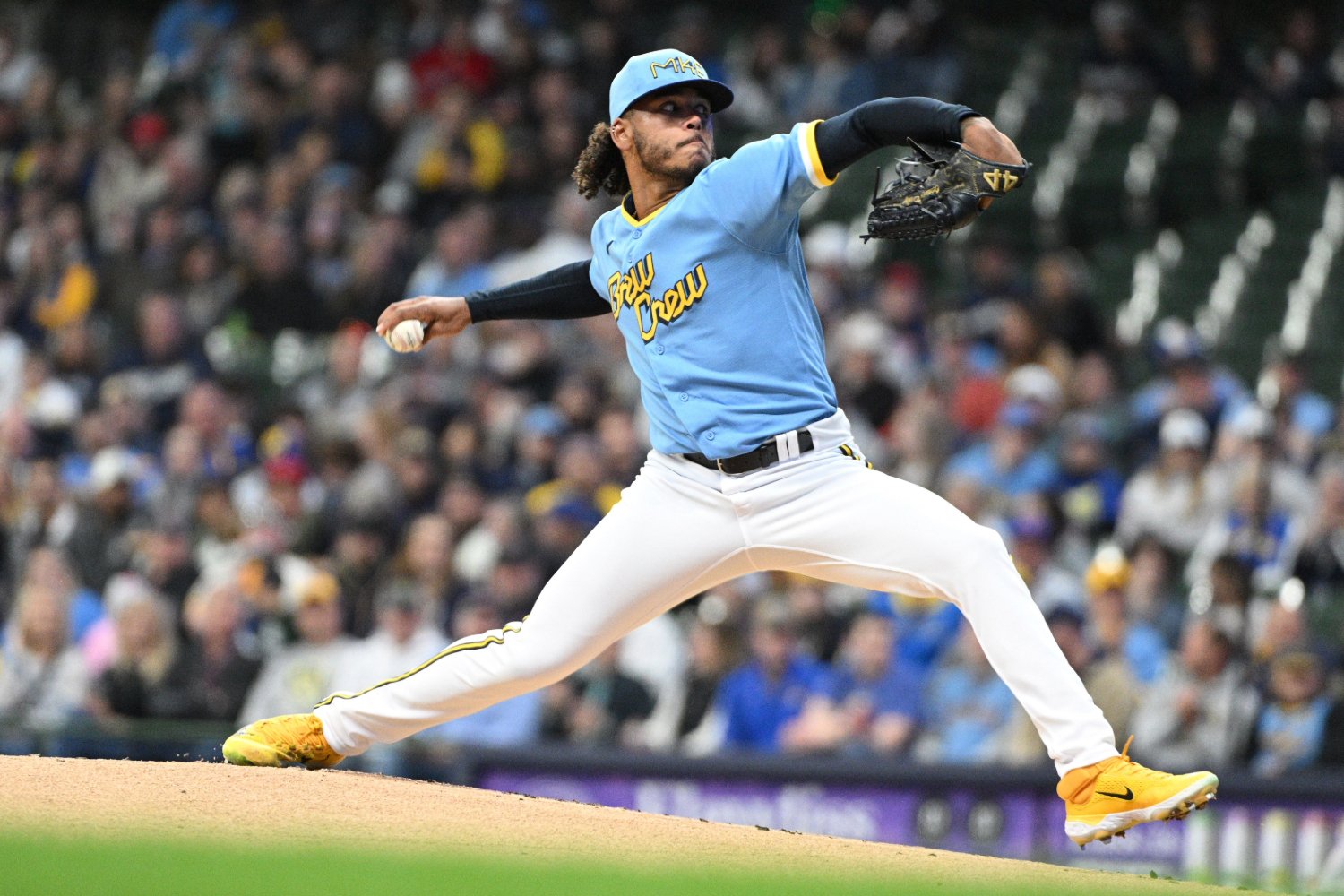 Following Garrett Crochet's domination of a perplexed and overwhelmed New York Yankees lineup in Game 1 of the AL Wild Card series, the Boston Red Sox needed just one more good start to get into the ALDS and guarantee a home playoff game at Fenway Park. Then, Brayan Bello collapsed, failing to get out of the third inning in Game 2 as Alex Cora yanked him after just 28 pitches. Connelly Early dazzled to start the decisive Game 3, but one bad inning for the southpaw was all the Yankees needed behind rookie sensation Cam Schlittler to send the Red Sox home early. A much-maligned rotation proved to be Boston's downfall, leaving the front office with a lot of questions to answer. Now, not all of the blame falls on the roster construction here. Lucas Giolito was the team's No. 3 starter all year long before suffering an elbow injury in September that prematurely ended his season. Dustin May was acquired at the deadline as a high-upside dart throw, but underperformance and injuries rendered his Red Sox tenure unremarkable. Tanner Houck was billed as the No. 2 starter on Opening Day following his All-Star turn in 2024, but his performance on the mound was cataclysmic before an arm injury mercifully ended his season. The same fate also befell Richard Fitts, Hunter Dobbins, Kutter Crawford, and to the extent that he did not return from his preexisting injury in time, Patrick Sandoval. That's a lot of injuries on the pitching side of things, and very few teams have the depth to remain afloat amidst such a flood of misfortune. The team's depth will have to be addressed to some extent this offseason, but that the Red Sox were able to make the postseason at all is a testament to the depth they already have. Instead, what really demands the front office's attention this winter is that spot between Crochet and Bello atop the rotation. As great as the latter was in 2025, he's clearly punching above his weight as a No. 2, at least right now. Houck was meant to occupy that role, but even the best laid plans of mice and men often go awry. Simply put, there's an ace-sized opening in the rotation, and Crochet needs his right-hand(ed) man now more than ever. Such pitchers rarely hit the free-agent waters, and this offseason is no different. Dylan Cease, Framber Valdez, Michael King, and Shane Bieber represent the cream of the crop, and each comes loaded with their own questions (not to mention that some will be attached to the qualifying offer). In the second tier of available starters, you'll find recognizable names like Ranger Suárez, Zac Gallen, Merrill Kelly, and (potentially) Jack Flaherty, though none are sure to be better than Bello in 2026, who will be far cheaper than any of his free-agent counterparts. Thus, the trade market will soak up the bulk of the attention of teams looking for aces this winter, and does it ever deliver. Tarik Skubal—the soon-to-be two-time reigning AL Cy Young Award champion—of the Detroit Tigers is rumored to be available, mostly thanks to a jaw-dropping chasm between the money he seeks and the money the Tigers are offering in negotiations. Hunter Greene joins him in the rumor mill, armed with both a triple-digit fastball and three years of cheap team control, plus a $21 million option in 2029. Those résumés are impressive—perhaps too impressive for the Red Sox. Both pitchers are on the shortlist of the best starting pitchers in MLB, and thus, will cost an eye-watering amount of talent via trade. Skubal will also cost hundreds of millions of dollars via an extension. That won't necessarily scare Boston off; they performed the exact same trade-and-extend maneuver with Crochet one year ago. But that deal with the Chicago White Sox depleted their farm system coffers a good amount, and Crochet now soaks up the largest luxury tax space on the team sans Alex Bregman. It may be feasible, but it may not be wise to further torch the farm system and cap sheet for another elite starter. This excessively long preamble is all here (there was more before a few rounds of edits) to inform you, dear reader, as to why Freddy Peralta is the ideal starter for the Red Sox to target in a trade this winter. Like Skubal and Greene, the Milwaukee Brewers' No. 1 starter is rumored to be available, and despite his own laundry list of accomplishments, he'll cost scraps compared to the other two aces. Peralta isn't quite the same caliber of pitcher as Skubal, but his track record is undeniable. He's thrown at least 165.0 innings in each of the past three seasons, and his ERA hasn't climbed above 4.00 since 2019. The 2025 campaign was the best of his career, as the 29-year-old recorded a 2.70 ERA in 176 2/3 innings, good for 3.6 fWAR. He's one of the best pitchers in baseball at "pitching backwards", as all three of his non-fastball offerings (changeup, curveball, slider) yielded a wOBA below .250 from opposing hitters in 2025. His postseason pedigree is also impressive, as Peralta has a 4.32 ERA and 1.02 WHIP in 33 1/3 playoff innings. We could stop there, but I want to highlight something Peralta excels at that the Red Sox have valued quite highly under Andrew Bailey and Craig Breslow: pitch-tunneling. The concept is basic enough on the surface—a pitcher tries to hide the type of offering he's throwing as long as possible, while heaps of late movement force batters to adjust their eye level as the pitch travels to the plate. In practice, it's a very difficult skill for a pitcher to learn, and it's why Peralta has become so effective in the pitching factory in Milwaukee. For an example, look at Brayan Bello's movement profile between 2023 (his first full season in the majors) and 2025. There has been a very real and very conscious effort to get his pitches to differentiate in terms of movement, primarily achieved through more rise on his four-seamer and the introduction of a cutter in place of his flat slider. Peralta is one of the kings of this concept. Beyond his ability to change speeds—each of his pitches has a roughly 5.0 mph difference separating it and the next closest offering in his arsenal—Peralta excels at keeping his pitches in a tight cluster. His movement is reliable and repetitive, and each pitch is so different from the next that hitters are frequently forced to guess at what he's throwing as he's throwing it. You can be sure that the Red Sox already know this about the right-hander, and you can be sure that it's a reason they'll try hard this winter to get Peralta into their building. There's some tweaks to be made—his four-seamer was hit around at times in 2025, perhaps due to its gargantuan usage rate—but Peralta is as much of a "finished product" as you'll find in a starting pitcher around the league. He's got a diverse arsenal that he not only uses well, but knows well. You can sort of think of it like an esteemed golfer who knows his yardage amounts to the exact number. Peralta's ability to avoid prolonged cold stretches on the mound is a direct result into the work he's put into learning and growing his game. Skubal has the reputation, accolades, and now the postseason success to put to bed any questions about his status as the best pitcher in baseball, save for maybe Paul Skenes. Greene has the velocity and flair to paralyze batters and electrify crowds, and his team control would make him an asset for years to come. Then, there's Peralta, who has neither the Cy Young awards nor the team-friendly salaries (he's a free agent after 2026) to justify a farm-system-depleting blockbuster trade. And yet, his talent and pedigree is unquestionable, which makes one question why the Red Sox wouldn't prioritize adding him this winter.
 -
Following Garrett Crochet's domination of a perplexed and overwhelmed New York Yankees lineup in Game 1 of the AL Wild Card series, the Boston Red Sox needed just one more good start to get into the ALDS and guarantee a home playoff game at Fenway Park. Then, Brayan Bello collapsed, failing to get out of the third inning in Game 2 as Alex Cora yanked him after just 28 pitches. Connelly Early dazzled to start the decisive Game 3, but one bad inning for the southpaw was all the Yankees needed behind rookie sensation Cam Schlittler to send the Red Sox home early. A much-maligned rotation proved to be Boston's downfall, leaving the front office with a lot of questions to answer. Now, not all of the blame falls on the roster construction here. Lucas Giolito was the team's No. 3 starter all year long before suffering an elbow injury in September that prematurely ended his season. Dustin May was acquired at the deadline as a high-upside dart throw, but underperformance and injuries rendered his Red Sox tenure unremarkable. Tanner Houck was billed as the No. 2 starter on Opening Day following his All-Star turn in 2024, but his performance on the mound was cataclysmic before an arm injury mercifully ended his season. The same fate also befell Richard Fitts, Hunter Dobbins, Kutter Crawford, and to the extent that he did not return from his preexisting injury in time, Patrick Sandoval. That's a lot of injuries on the pitching side of things, and very few teams have the depth to remain afloat amidst such a flood of misfortune. The team's depth will have to be addressed to some extent this offseason, but that the Red Sox were able to make the postseason at all is a testament to the depth they already have. Instead, what really demands the front office's attention this winter is that spot between Crochet and Bello atop the rotation. As great as the latter was in 2025, he's clearly punching above his weight as a No. 2, at least right now. Houck was meant to occupy that role, but even the best laid plans of mice and men often go awry. Simply put, there's an ace-sized opening in the rotation, and Crochet needs his right-hand(ed) man now more than ever. Such pitchers rarely hit the free-agent waters, and this offseason is no different. Dylan Cease, Framber Valdez, Michael King, and Shane Bieber represent the cream of the crop, and each comes loaded with their own questions (not to mention that some will be attached to the qualifying offer). In the second tier of available starters, you'll find recognizable names like Ranger Suárez, Zac Gallen, Merrill Kelly, and (potentially) Jack Flaherty, though none are sure to be better than Bello in 2026, who will be far cheaper than any of his free-agent counterparts. Thus, the trade market will soak up the bulk of the attention of teams looking for aces this winter, and does it ever deliver. Tarik Skubal—the soon-to-be two-time reigning AL Cy Young Award champion—of the Detroit Tigers is rumored to be available, mostly thanks to a jaw-dropping chasm between the money he seeks and the money the Tigers are offering in negotiations. Hunter Greene joins him in the rumor mill, armed with both a triple-digit fastball and three years of cheap team control, plus a $21 million option in 2029. Those résumés are impressive—perhaps too impressive for the Red Sox. Both pitchers are on the shortlist of the best starting pitchers in MLB, and thus, will cost an eye-watering amount of talent via trade. Skubal will also cost hundreds of millions of dollars via an extension. That won't necessarily scare Boston off; they performed the exact same trade-and-extend maneuver with Crochet one year ago. But that deal with the Chicago White Sox depleted their farm system coffers a good amount, and Crochet now soaks up the largest luxury tax space on the team sans Alex Bregman. It may be feasible, but it may not be wise to further torch the farm system and cap sheet for another elite starter. This excessively long preamble is all here (there was more before a few rounds of edits) to inform you, dear reader, as to why Freddy Peralta is the ideal starter for the Red Sox to target in a trade this winter. Like Skubal and Greene, the Milwaukee Brewers' No. 1 starter is rumored to be available, and despite his own laundry list of accomplishments, he'll cost scraps compared to the other two aces. Peralta isn't quite the same caliber of pitcher as Skubal, but his track record is undeniable. He's thrown at least 165.0 innings in each of the past three seasons, and his ERA hasn't climbed above 4.00 since 2019. The 2025 campaign was the best of his career, as the 29-year-old recorded a 2.70 ERA in 176 2/3 innings, good for 3.6 fWAR. He's one of the best pitchers in baseball at "pitching backwards", as all three of his non-fastball offerings (changeup, curveball, slider) yielded a wOBA below .250 from opposing hitters in 2025. His postseason pedigree is also impressive, as Peralta has a 4.32 ERA and 1.02 WHIP in 33 1/3 playoff innings. We could stop there, but I want to highlight something Peralta excels at that the Red Sox have valued quite highly under Andrew Bailey and Craig Breslow: pitch-tunneling. The concept is basic enough on the surface—a pitcher tries to hide the type of offering he's throwing as long as possible, while heaps of late movement force batters to adjust their eye level as the pitch travels to the plate. In practice, it's a very difficult skill for a pitcher to learn, and it's why Peralta has become so effective in the pitching factory in Milwaukee. For an example, look at Brayan Bello's movement profile between 2023 (his first full season in the majors) and 2025. There has been a very real and very conscious effort to get his pitches to differentiate in terms of movement, primarily achieved through more rise on his four-seamer and the introduction of a cutter in place of his flat slider. Peralta is one of the kings of this concept. Beyond his ability to change speeds—each of his pitches has a roughly 5.0 mph difference separating it and the next closest offering in his arsenal—Peralta excels at keeping his pitches in a tight cluster. His movement is reliable and repetitive, and each pitch is so different from the next that hitters are frequently forced to guess at what he's throwing as he's throwing it. You can be sure that the Red Sox already know this about the right-hander, and you can be sure that it's a reason they'll try hard this winter to get Peralta into their building. There's some tweaks to be made—his four-seamer was hit around at times in 2025, perhaps due to its gargantuan usage rate—but Peralta is as much of a "finished product" as you'll find in a starting pitcher around the league. He's got a diverse arsenal that he not only uses well, but knows well. You can sort of think of it like an esteemed golfer who knows his yardage amounts to the exact number. Peralta's ability to avoid prolonged cold stretches on the mound is a direct result into the work he's put into learning and growing his game. Skubal has the reputation, accolades, and now the postseason success to put to bed any questions about his status as the best pitcher in baseball, save for maybe Paul Skenes. Greene has the velocity and flair to paralyze batters and electrify crowds, and his team control would make him an asset for years to come. Then, there's Peralta, who has neither the Cy Young awards nor the team-friendly salaries (he's a free agent after 2026) to justify a farm-system-depleting blockbuster trade. And yet, his talent and pedigree is unquestionable, which makes one question why the Red Sox wouldn't prioritize adding him this winter. View full article
-
As expected, star third baseman Alex Bregman is reentering free agency after one season in Boston. How can the Red Sox fill his void at third base this offseason?
-
As expected, star third baseman Alex Bregman is reentering free agency after one season in Boston. How can the Red Sox fill his void at third base this offseason? View full video
-
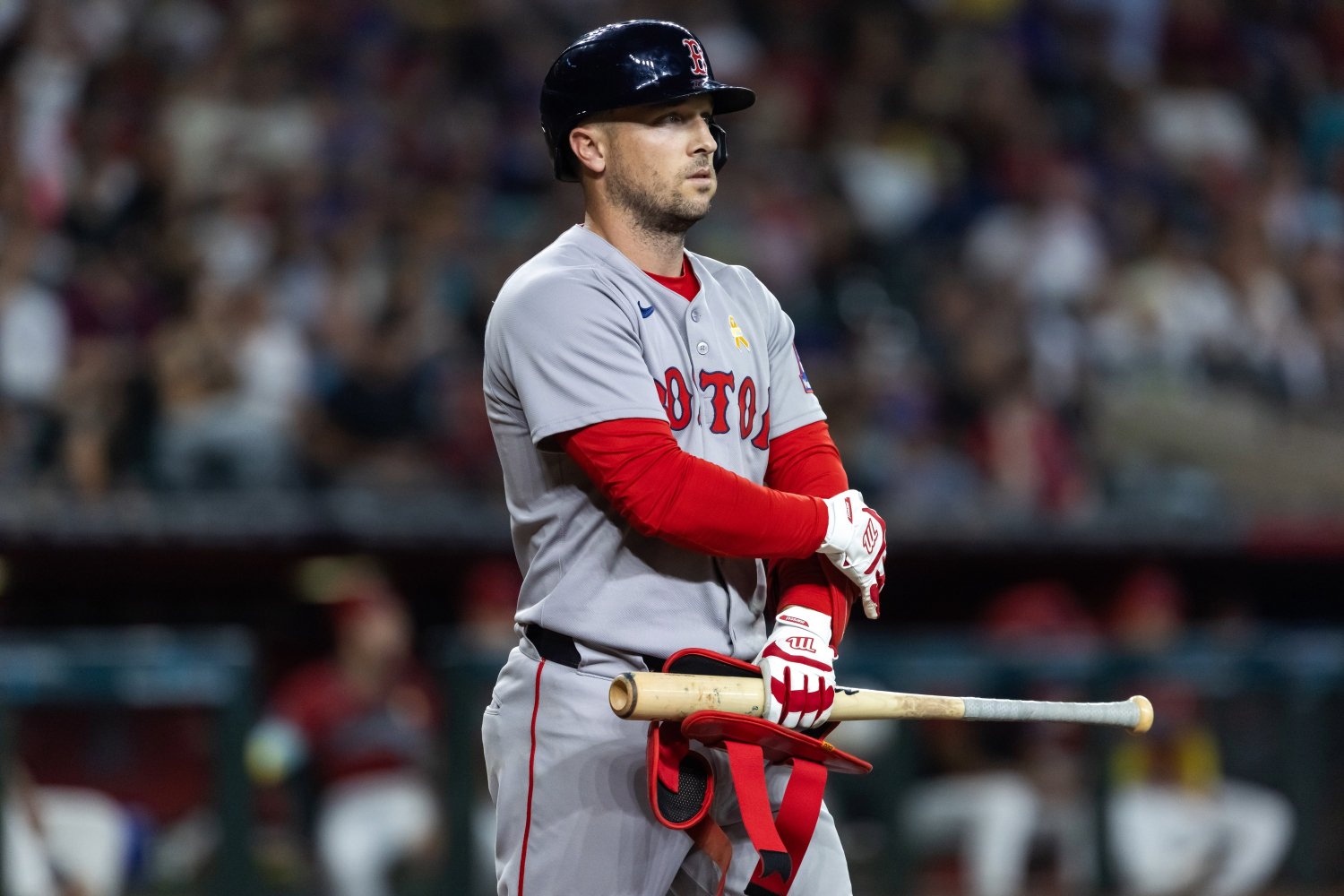 This was always the plan. When Alex Bregman entered free agency last offseason -- fresh off arguably the worst offensive (but best defensive) season of his career -- he was saddled with the qualifying offer. Teams bemoaned the idea of handing him the $200 million he and agent Scott Boras reportedly sought, with the incumbent Houston Astros reportedly offering him the largest total guarantee of around $156 million over a period of six years. So, like most elite free agents who have felt the value suppression of the dreaded QO, Bregman instead went after a short-term, high-AAV (average annual value) contract that would offer him both lifelong financial security and the opportunity to rejoin the free agency fray via player options, if he so chose. That opened his market significantly wider, and it was the Red Sox who surprisingly pounced, giving him a three-year contract worth $120 million. They handed him the third base job -- much to the dismay of disgruntled star Rafael Devers -- and the rest was history. He produced like an All-Star in the first half (152 wRC+), with only a quad injury slowing him down. Unfortunately, the two-time World Series champion never really returned to form after the Midsummer Classic, producing a league-average 101 wRC+ in the second half. Overall, the third baseman hit .273/.360/.462 (125 wRC+) with 18 home runs and 62 RBIs, anchoring the middle of the lineup while healthy but never really carrying the unit like some hoped he would post-Devers. Now, after a playoff elimination at the hands of the rival New York Yankees, Bregman is exercising one of those player options in his contract to return to free agency. At 31 years old and, crucially, no qualifying offer attached, he should be able to find a longer-term deal that suits his interests. Plenty of teams need an above-average defensive third baseman who can hit for power and has championship credentials—including the Red Sox. And yet, this was always the plan. Even with deferrals lowering his AAV to "just" $31.7 million, he was the highest paid player on the team following the Devers trade. He's older than the current core, most of whom the front office has taken measures to keep in Boston for a while by way of contract extensions. The Red Sox are certainly ready to compete right now, so the timelines aren't an issue, but the long-term fit was always clunky. Indeed, even with Devers out of the picture and Triston Casas' future in doubt, the team has so many infielders to sort through over the next year and change. Trevor Story is locked in at shortstop after his 20-20 season in 2025 (assuming he doesn't opt out of his deal). Marcelo Mayer and Kristian Campbell will probably earn multiple chances to hold down starting gigs, though the former needs to prove his health and the latter needs to prove that he can hit (and field) in the majors. Then there's lefty-masher Romy Gonzalez, Alex Cora disciple David Hamilton, jack-of-all-trades Nick Sogard, and free-agent-to-be Nathaniel Lowe. Plus, top prospects Franklin Arias and Mikey Romero are going to be knocking on the MLB door sooner or later. There's just a lot of depth in the organization on the infield dirt, and Bregman simply didn't fit the long-term outlook of the franchise. To be sure, this was a mutually beneficial transaction. Bregman brought his baseball acumen and renowned hitting abilities to Boston, and in exchange, he received $40 million and a one-way ticket right back to free agency. There's no ill will to wish upon him here—this was always the plan. None of this is to say that the Red Sox and Bregman can't link back up for a new deal. Fears of a 2027 lockout could push him right back into their arms... but that fear is exactly why Bregman is opting out in the first place. The finances of the sport may irrevocably change in 14+ months time; this could be the third baseman's last chance to secure a monster contract under the current Collective Bargaining Agreement. Likewise, the Red Sox have taken various precautions under Craig Breslow to prepare for a possible salary cap (unlikely), or harsher penalties for exceeding the luxury tax (very likely). The trade of Devers was one such example—their various extensions for young players like Roman Anthony, Brayan Bello, Ceddanne Rafaela, Garrett Crochet, and others are perhaps the most prominent. The team is committed to building around and developing the players in house, which may become skills that are far more important in the next era of Major League Baseball. All that is to say: Don't expect Bregman to return to Boston this offseason. Other teams have larger needs on the infield, some really need right-handed power in their lineup, and a select few have $35 million just waiting to be assigned on the 2026 payroll. Remember, the Red Sox got their first playoff appearance since 2021 with Bregman in town. It was money well spent. Now, it's simply time to move on, much like both parties expected when they agreed to his contract back in February. In other words, this was always the plan.
 -
This was always the plan. When Alex Bregman entered free agency last offseason -- fresh off arguably the worst offensive (but best defensive) season of his career -- he was saddled with the qualifying offer. Teams bemoaned the idea of handing him the $200 million he and agent Scott Boras reportedly sought, with the incumbent Houston Astros reportedly offering him the largest total guarantee of around $156 million over a period of six years. So, like most elite free agents who have felt the value suppression of the dreaded QO, Bregman instead went after a short-term, high-AAV (average annual value) contract that would offer him both lifelong financial security and the opportunity to rejoin the free agency fray via player options, if he so chose. That opened his market significantly wider, and it was the Red Sox who surprisingly pounced, giving him a three-year contract worth $120 million. They handed him the third base job -- much to the dismay of disgruntled star Rafael Devers -- and the rest was history. He produced like an All-Star in the first half (152 wRC+), with only a quad injury slowing him down. Unfortunately, the two-time World Series champion never really returned to form after the Midsummer Classic, producing a league-average 101 wRC+ in the second half. Overall, the third baseman hit .273/.360/.462 (125 wRC+) with 18 home runs and 62 RBIs, anchoring the middle of the lineup while healthy but never really carrying the unit like some hoped he would post-Devers. Now, after a playoff elimination at the hands of the rival New York Yankees, Bregman is exercising one of those player options in his contract to return to free agency. At 31 years old and, crucially, no qualifying offer attached, he should be able to find a longer-term deal that suits his interests. Plenty of teams need an above-average defensive third baseman who can hit for power and has championship credentials—including the Red Sox. And yet, this was always the plan. Even with deferrals lowering his AAV to "just" $31.7 million, he was the highest paid player on the team following the Devers trade. He's older than the current core, most of whom the front office has taken measures to keep in Boston for a while by way of contract extensions. The Red Sox are certainly ready to compete right now, so the timelines aren't an issue, but the long-term fit was always clunky. Indeed, even with Devers out of the picture and Triston Casas' future in doubt, the team has so many infielders to sort through over the next year and change. Trevor Story is locked in at shortstop after his 20-20 season in 2025 (assuming he doesn't opt out of his deal). Marcelo Mayer and Kristian Campbell will probably earn multiple chances to hold down starting gigs, though the former needs to prove his health and the latter needs to prove that he can hit (and field) in the majors. Then there's lefty-masher Romy Gonzalez, Alex Cora disciple David Hamilton, jack-of-all-trades Nick Sogard, and free-agent-to-be Nathaniel Lowe. Plus, top prospects Franklin Arias and Mikey Romero are going to be knocking on the MLB door sooner or later. There's just a lot of depth in the organization on the infield dirt, and Bregman simply didn't fit the long-term outlook of the franchise. To be sure, this was a mutually beneficial transaction. Bregman brought his baseball acumen and renowned hitting abilities to Boston, and in exchange, he received $40 million and a one-way ticket right back to free agency. There's no ill will to wish upon him here—this was always the plan. None of this is to say that the Red Sox and Bregman can't link back up for a new deal. Fears of a 2027 lockout could push him right back into their arms... but that fear is exactly why Bregman is opting out in the first place. The finances of the sport may irrevocably change in 14+ months time; this could be the third baseman's last chance to secure a monster contract under the current Collective Bargaining Agreement. Likewise, the Red Sox have taken various precautions under Craig Breslow to prepare for a possible salary cap (unlikely), or harsher penalties for exceeding the luxury tax (very likely). The trade of Devers was one such example—their various extensions for young players like Roman Anthony, Brayan Bello, Ceddanne Rafaela, Garrett Crochet, and others are perhaps the most prominent. The team is committed to building around and developing the players in house, which may become skills that are far more important in the next era of Major League Baseball. All that is to say: Don't expect Bregman to return to Boston this offseason. Other teams have larger needs on the infield, some really need right-handed power in their lineup, and a select few have $35 million just waiting to be assigned on the 2026 payroll. Remember, the Red Sox got their first playoff appearance since 2021 with Bregman in town. It was money well spent. Now, it's simply time to move on, much like both parties expected when they agreed to his contract back in February. In other words, this was always the plan. View full article
-
Which Impending Free Agents Should the Red Sox Attempt to Re-Sign?
Brandon Glick posted an article in Red Sox
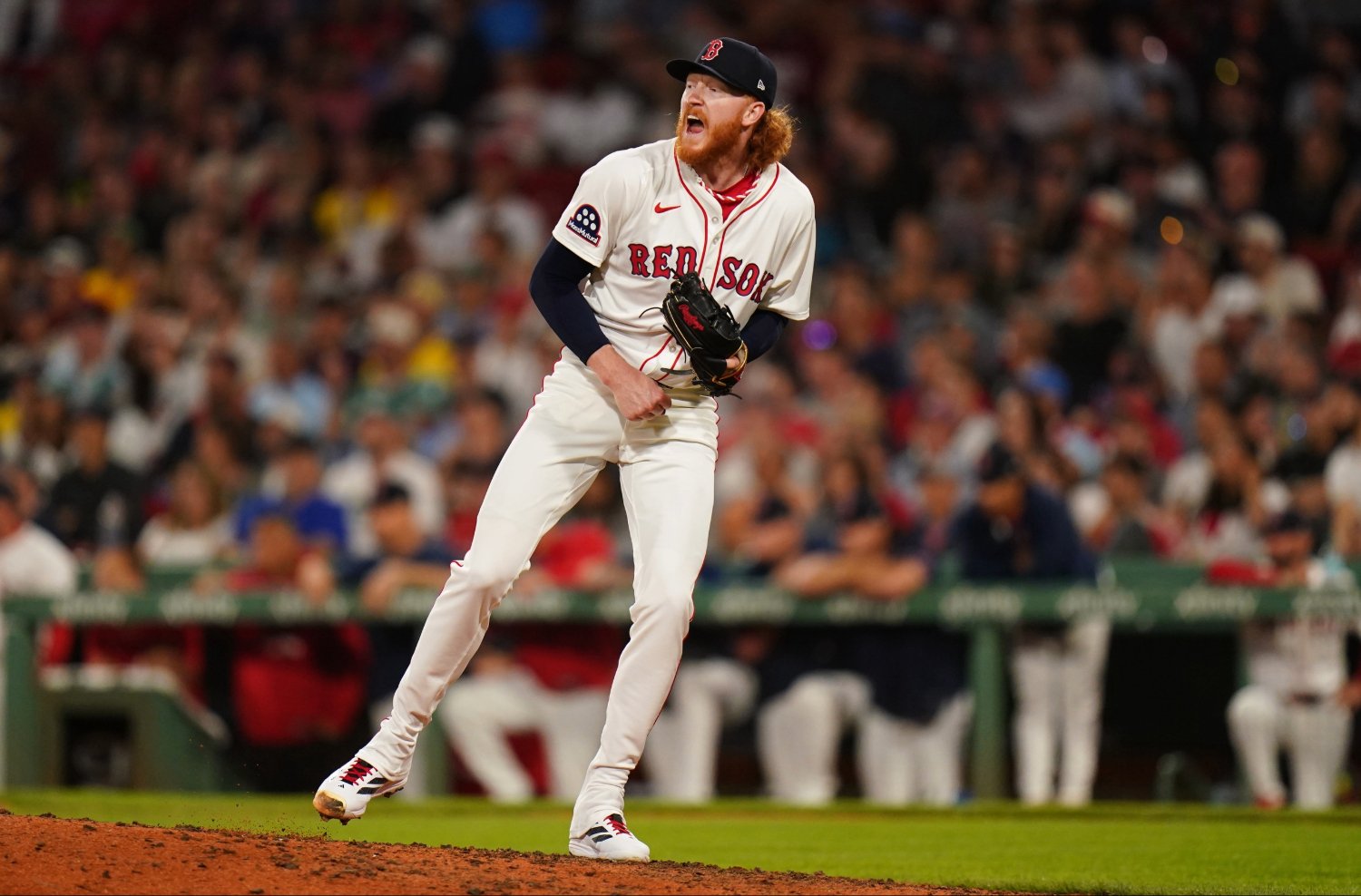 The Boston Red Sox's season is over, meaning it's time for offseason prep work to begin. Though you can be sure the front office has been scouting and researching players due to be available this winter for years, it's only now that the full efforts of the team's braintrust can be focused on improving the roster for 2026. The quickest work the team can do is approach each of their impending free agents. This year, the Red Sox have four: Steven Matz, Dustin May, Justin Wilson, and Rob Refsnyder. The former two were the lone trade deadline acquisitions this past July, while the latter pair are important veteran leaders in the bullpen and on the bench, respectively. It'll be interesting to see how Boston handles their respective trips to free agency, especially with pivotal option decisions looming for Lucas Giolito and Alex Bregman. Unlike last year, when the Red Sox extended a qualifying offer to Nick Pivetta, I don't expect any of these four players to receive a QO from the team. None of them will approach a deal with the $22 million AAV the qualifying offer is worth this year, and most (if not all) will have to accept a short-term contract, either to rebuild value or because of their age. Though they don't apply for this article, it is worth keeping in mind that more than $32 million will be removed from the payroll this offseason now that the dead money for Eric Hosmer, Walker Buehler, Abraham Toro, and Michael Fulmer is finally coming off the books. That's real money that can now be used on the active roster, and perhaps in the re-signing of the following players. Note: This article only covers players who are due to be free agents during the 2025-26 offseason. All players with options (team/player/mutual) will be covered in a separate article. Steven Matz Let's start with the player the Red Sox are most likely to re-sign among this crop. Matz was really good after being scooped up at the trade deadline, posting a 2.08 ERA in 21 2/3 innings once arriving in Boston. He became the preferred middle-innings southpaw option for Alex Cora, and it's telling that he made it into two of the team's three playoff games against the Yankees. Now 34 years old, it's worth pointing out that Matz's peripherals weren't as sterling as his actual results with the Red Sox. His 4.20 xERA and 4.84 FIP both spoke to his troubling home run issues and declining strikeout rate, though he's still a reliable lefty specialist who rarely walks anyone. With Wilson also slated to be a free agent, Brennan Bernardino is the only left-handed option projected to be in next year's Opening Day bullpen besides closer Aroldis Chapman. This is probably a keep-one-or-the-other situation, and if Matz is willing to accept a short-term deal at his previous AAV ($11 million), there's a good chance he comes back to the Red Sox. Dustin May May's tenure in Boston did not go according to plan, as he pitched just 28 1/3 innings with the Red Sox before landing back on the injured list with elbow neuritis. He was throwing by the end of the year, though the team didn't activate him before the playoffs. Though he dazzled a few times, his 5.40 ERA, 5.39 FIP, 19.5% strikeout rate, and 1.69 WHIP were enough to know that for all of his potential, May simply isn't consistent enough to rely on every fifth day anymore. I said back at the trade deadline that the trade for May could still work out in Boston's favor if they re-signed him, though that may no longer be the case. The Red Sox have had a recent affinity for signing injured pitchers to multi-year deals -- Lucas Giolito, Patrick Sandoval, and Liam Hendricks come to mind -- but they already have the information they need on May. If they do bring him back, it'll be on a very low-risk deal. Justin Wilson Wilson has been around the block, having pitched for seven teams over his 13-year career. Notably, he's never lasted more than three years with any franchise, though he's always made it at least two before leaving (at least prior to joining the Red Sox in 2025). The veteran southpaw was a valuable addition to the bullpen this year, recording a 3.35 ERA, 2.95 FIP, and 27.5% strikeout rate in just shy of 50 innings. He wasn't used as a lefty specialist, though as expected, he was far better against hitters of the same-handedness (.212/.292/.282 slash allowed to left-handed batters; .306/.382/.439 slash allowed to right-handed batters). There's no reason not to want Wilson back next year, especially if he's willing to take another cheap one-year deal (his 2025 salary was just $2.25 million), but as mentioned with Matz, there's only so much room for old left-handed relievers in this bullpen. At 38 years old, Wilson is close to the end of his career and he may prioritize one more shot a World Series ring; his chances of re-signing may come down to his belief in the 2026 Red Sox's championship chances. Rob Refsnyder Like most Red Sox fans, I'm a big Rob Refsnyder guy, as he continues to just simply excel at the role that has been laid out before him. His overall batting line of .269/.354/.484 (128 wRC+) was impressive enough, and those numbers exploded to .302/.399/.560 (159 wRC+) against left-handed pitchers. His walk rate practically doubled against southpaws, and he dropped his strikeout rate by nearly eight percent. It was the third time in four years since he arrived in Boston that Refsnyder posted a wRC+ above 150 against lefties. Of course, Refsnyder was considering retirement just last offseason, and the conversation could still be on the table. He probably deserves a raise over his 2025 salary of $2.1 million, though at 35 years old (on Opening Day 2026) and with Romy Gonzalez featuring in a very similar role, Refsnyder may be gearing up to move on, be it to another team or to the next phase of his life.
 -
The Boston Red Sox's season is over, meaning it's time for offseason prep work to begin. Though you can be sure the front office has been scouting and researching players due to be available this winter for years, it's only now that the full efforts of the team's braintrust can be focused on improving the roster for 2026. The quickest work the team can do is approach each of their impending free agents. This year, the Red Sox have four: Steven Matz, Dustin May, Justin Wilson, and Rob Refsnyder. The former two were the lone trade deadline acquisitions this past July, while the latter pair are important veteran leaders in the bullpen and on the bench, respectively. It'll be interesting to see how Boston handles their respective trips to free agency, especially with pivotal option decisions looming for Lucas Giolito and Alex Bregman. Unlike last year, when the Red Sox extended a qualifying offer to Nick Pivetta, I don't expect any of these four players to receive a QO from the team. None of them will approach a deal with the $22 million AAV the qualifying offer is worth this year, and most (if not all) will have to accept a short-term contract, either to rebuild value or because of their age. Though they don't apply for this article, it is worth keeping in mind that more than $32 million will be removed from the payroll this offseason now that the dead money for Eric Hosmer, Walker Buehler, Abraham Toro, and Michael Fulmer is finally coming off the books. That's real money that can now be used on the active roster, and perhaps in the re-signing of the following players. Note: This article only covers players who are due to be free agents during the 2025-26 offseason. All players with options (team/player/mutual) will be covered in a separate article. Steven Matz Let's start with the player the Red Sox are most likely to re-sign among this crop. Matz was really good after being scooped up at the trade deadline, posting a 2.08 ERA in 21 2/3 innings once arriving in Boston. He became the preferred middle-innings southpaw option for Alex Cora, and it's telling that he made it into two of the team's three playoff games against the Yankees. Now 34 years old, it's worth pointing out that Matz's peripherals weren't as sterling as his actual results with the Red Sox. His 4.20 xERA and 4.84 FIP both spoke to his troubling home run issues and declining strikeout rate, though he's still a reliable lefty specialist who rarely walks anyone. With Wilson also slated to be a free agent, Brennan Bernardino is the only left-handed option projected to be in next year's Opening Day bullpen besides closer Aroldis Chapman. This is probably a keep-one-or-the-other situation, and if Matz is willing to accept a short-term deal at his previous AAV ($11 million), there's a good chance he comes back to the Red Sox. Dustin May May's tenure in Boston did not go according to plan, as he pitched just 28 1/3 innings with the Red Sox before landing back on the injured list with elbow neuritis. He was throwing by the end of the year, though the team didn't activate him before the playoffs. Though he dazzled a few times, his 5.40 ERA, 5.39 FIP, 19.5% strikeout rate, and 1.69 WHIP were enough to know that for all of his potential, May simply isn't consistent enough to rely on every fifth day anymore. I said back at the trade deadline that the trade for May could still work out in Boston's favor if they re-signed him, though that may no longer be the case. The Red Sox have had a recent affinity for signing injured pitchers to multi-year deals -- Lucas Giolito, Patrick Sandoval, and Liam Hendricks come to mind -- but they already have the information they need on May. If they do bring him back, it'll be on a very low-risk deal. Justin Wilson Wilson has been around the block, having pitched for seven teams over his 13-year career. Notably, he's never lasted more than three years with any franchise, though he's always made it at least two before leaving (at least prior to joining the Red Sox in 2025). The veteran southpaw was a valuable addition to the bullpen this year, recording a 3.35 ERA, 2.95 FIP, and 27.5% strikeout rate in just shy of 50 innings. He wasn't used as a lefty specialist, though as expected, he was far better against hitters of the same-handedness (.212/.292/.282 slash allowed to left-handed batters; .306/.382/.439 slash allowed to right-handed batters). There's no reason not to want Wilson back next year, especially if he's willing to take another cheap one-year deal (his 2025 salary was just $2.25 million), but as mentioned with Matz, there's only so much room for old left-handed relievers in this bullpen. At 38 years old, Wilson is close to the end of his career and he may prioritize one more shot a World Series ring; his chances of re-signing may come down to his belief in the 2026 Red Sox's championship chances. Rob Refsnyder Like most Red Sox fans, I'm a big Rob Refsnyder guy, as he continues to just simply excel at the role that has been laid out before him. His overall batting line of .269/.354/.484 (128 wRC+) was impressive enough, and those numbers exploded to .302/.399/.560 (159 wRC+) against left-handed pitchers. His walk rate practically doubled against southpaws, and he dropped his strikeout rate by nearly eight percent. It was the third time in four years since he arrived in Boston that Refsnyder posted a wRC+ above 150 against lefties. Of course, Refsnyder was considering retirement just last offseason, and the conversation could still be on the table. He probably deserves a raise over his 2025 salary of $2.1 million, though at 35 years old (on Opening Day 2026) and with Romy Gonzalez featuring in a very similar role, Refsnyder may be gearing up to move on, be it to another team or to the next phase of his life. View full article
-
Red Sox 2025 Season Review/Offseason Preview Thread
Brandon Glick replied to Brandon Glick's topic in Boston Red Sox Talk
Now that I've had a chance to sleep that final loss off, I just wanted to say a huge thank you to the Talk Sox community. It was a lot of fun finally getting a chance to cover this team. I hope you enjoyed the year here as much as I did. If you've got any requests/suggestions for the site, please let us know! We'll be looking over everything as we plan for 2026 and beyond. I have a lot of reason to believe that this will be a good offseason for the Sox. Breslow KNOWS how much this team needs another elite starter now. Plus, a Tolle/Early/Dobbins (if healthy)/Harrison/Perales/Sandoval competition for the final two spots behind Crochet, Unnamed No. 2 starter, and Bello should be a lot of fun in spring training. -
Cam Schlittler and the New York Yankees silenced the Red Sox in Game 3, exposing some obvious flaws that Boston must address over the winter.
-
Cam Schlittler and the New York Yankees silenced the Red Sox in Game 3, exposing some obvious flaws that Boston must address over the winter. View full video
-
Red Sox 2025 Season Review/Offseason Preview Thread
Brandon Glick replied to Brandon Glick's topic in Boston Red Sox Talk
Wanted to give people an immediate place to grieve after the last few nights -
Well, thanks to Cam Shitter Schlittler, the Red Sox are heading home Early (sorry). Brutal, brutal final two games to end the year, but this was an important step forward. This team is built for the future, and this offseason is going to be crucial in making sure it lives up to the hype. What are you most looking forward to this offseason? What's your favorite memory from the 2025 campaign? What do you lament the most? What changes do you want to see? Will keep this thread pinned through the rest of the playoffs. We'll have a bunch to introduce to the forums once the offseason gets going. Thanks all for a fun season, even if that ending really sucked.

![More information about "Red Sox-Clowns Blockbuster Thwarted, Jackie Bradley Jr. to Play Banana Ball [SATIRE]"](http://d1mqtyoopj0gsc.cloudfront.net/monthly_2025_11/JBJ.jpg.e5969ea2ff970543d425f17a970bff21.jpg)