Brandon Glick
-
Posts
587 -
Joined
-
Last visited
Content Type
Profiles
Boston Red Sox Videos
2026 Boston Red Sox Top Prospects Ranking
Boston Red Sox Free Agent & Trade Rumors, Notes, & Tidbits
Guides & Resources
2025 Boston Red Sox Draft Pick Tracker
News
2026 Boston Red Sox Draft Tracker: Picks & Bonuses
Forums
Blogs
Events
Store
Downloads
Gallery
Everything posted by Brandon Glick
-
Right off the bat, I'll note that the player I'm focusing on in this piece isn't necessarily available. He hasn't been mentioned in many (if any) trade rumors, and it'd be a miracle to pry him loose from the Cleveland Guardians. But can you blame me for having to dig a little deeper here? The second base market is completely dry in free agency (Jose Iglesias is the top option remaining), Ketel Marte has been taken off the block, Nico Hoerner and Brendan Donovan are going to cost a fortune in a trade and don't have much team control remaining, and the Boston Red Sox's internal options are better suited for other positions (Marcelo Mayer), roles (Romy Gonzalez), or need more time to develop altogether (Mikey Romero, Franklin Arias). Insofar as an external upgrade at second base is coming, prepare to be uninspired by Craig Breslow's choice. Unless, of course, he gets really creative. I'm talking A.J. Preller levels of daring, which is completely antithetical and perhaps a polar opposite to the way Breslow operates. The reasons to do something like this are already limited, and they shrink even further if you believe the Red Sox can pair Gonzalez with an able-bodied platoon partner at the keystone. And so, with all that hedging out of the way: Let's trade for Travis Bazzana. Seriously. The Red Sox should trade for the No. 1 overall pick from the 2024 MLB Draft. Of course, such a trade would be easier said than done. He's a 23-year-old middle infielder who ascended to Triple-A in his first full professional season while working a 137 wRC+ and 17.6% walk rate. The Guardians ranked 28th in scoring in 2025 and desperately need a bat of his caliber to upgrade the lineup. For more on Bazzana, take this analysis on his prospect profile from Baseball Savant: Suffice it to say, he's got the goods. But, like all prospects, he's not without his flaws. Injury issues have plagued him since college, including a lingering oblique injury that landed him on the injured list twice and limited him to just 84 games in 2025. He also started to display some worrying strikeout tendencies as he climbed the minor-league ladder, finishing the season with a 24.3% punch-out rate. There's enough additive concerns that he's been falling down some top prospect lists, with The Athletic's Keith Law even going so far as to suggest that Bazzana "may not be the impact player [the Guardians] expected" when they drafted him. Are those yellow flags enough to loosen Cleveland's grip on him? Maybe. The Guardians have done literally nothing this offseason to add to their offense (which, again, ranked 28th in runs scored last year). Their most-important contributor by a country mile, José Ramirez, will be playing out his age-33 season in 2026. And the team is already banking a lot of their hopes on the continued development of 25-year-old Kyle Manzardo and top prospect Chase DeLauter. There may not be a huge appetite to rely on yet another unproven youngster in Bazzana if an MLB-proven contributor presents themselves as an alternative. And that's where the Red Sox come in. The Guardians' outfield is currently comprised of Steven Kwan, George Valera, and DeLauter, but their designated hitter spot is wide open, and none of those players are quite the offensive threats that Jarren Duran or Wilyer Abreu are when they're on. Could one of those two (plus perhaps a veteran pitcher like Patrick Sandoval or Kutter Crawford) stir up some conversations in Cleveland? The Guardians are a win-now team — they've won three of the past four AL Central titles — as are the Red Sox. They aren't traditional trade partners by any means. A lot of concessions would need to be made by both sides in order to strike a deal of this magnitude. The Red Sox would need to accept more risk than they have in all of their other offseason trades combined, and the Guardians would need to accept the optics of punting on a No. 1 overall pick less than two years after taking him. There are serious long-term downsides for both franchises present in this deal. But when you have a wide-open roster hole at second base and your best option to fill it is 36-year-old Jose Iglesias, risk becomes inherent in seeking upgrades. Few options are as risky as Travis Bazzana, but none of them present nearly as much upside. View full article
-
Patrick Sandoval May Be A Casualty of Red Sox's Pitching Depth
Brandon Glick posted an article in Red Sox
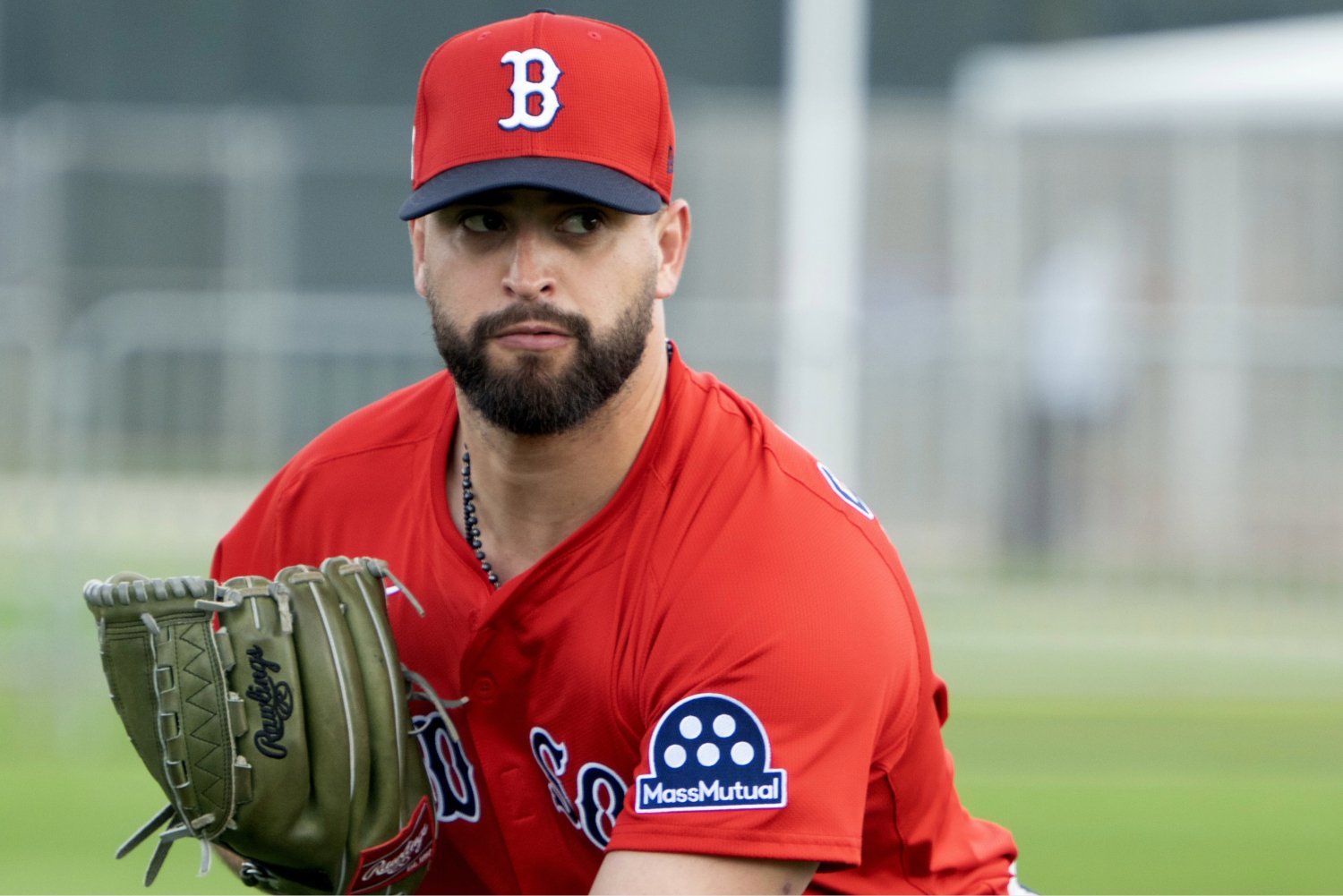 The Boston Red Sox's rotation has changed dramatically since the end of the 2024 season. Brayan Bello is the only holdover (though Tanner Houck and Kutter Crawford are still on the roster), with Garrett Crochet and three 2025-26 offseason acquisitions currently penciled into the starting five. That's a far different picture than the one Patrick Sandoval signed up for last winter, but you have to play the hand you're dealt. The longtime Los Angeles Angels pitcher joined a long list of rehabbing pitchers to ink a two-year deal with Craig Breslow. Like most others, Sandoval was expected to miss most of the first season of his contract before returning to the Red Sox as a rotation option in 2026. That he wound up missing all of last year after an internal brace surgery on his throwing elbow in June 2024 doesn't really matter; the value on his $18.25 million contract was also going to be derived in the second season. Hence, the team backloaded his salary, paying him just $5.5 million as he recovered and nearly $13 million this year now that he's expected to return. The idea is solid enough in theory. It was the same practice Breslow took with Lucas Giolito, who missed all of 2024 before delivering a strong campaign as the team's No. 3 starter in 2025. And the problem here isn't Sandoval himself — he's got the talent to succeed in a starting rotation at the major-league level. From 2021-22, Sandoval covered 235 2/3 innings for the Halos, earning 5.3 bWAR on the back of a 3.17 ERA and 3.44 FIP. Opposing batters mustered just a .653 OPS against him, as he excelled at limiting hard contact (34.7% hard-hit rate) and generating ground balls (48% ground-ball rate). He tunneled his three primary pitches (a change-up, fastball, and sinker) beautifully, and save for a less-than-stellar 9.6% walk rate, he was above average in nearly every Statcast metric. Things changed in 2023 when his newfound slider betrayed his various fastballs. He was still excellent at managing contact quality and forcing batters to pound the ball into the dirt, but he lost his ability to get key whiffs and chases when he needed them. More balls in plays led to worse results, and then his injury in 2024 practically sapped him of all his effectiveness on the mound. If he returns to health and plays around with his pitch mix, there's no reason why he couldn't be a capable back-end starter going forward, especially since he's only 29 years old. The issue facing both pitcher and team is that there's not really any room left on the roster for the southpaw. Crochet, Bello, Ranger Suárez, Sonny Gray, and Johan Oviedo are going to be the starting five come Opening Day barring an injury. There's been too many resources invested in each pitcher (and too much upside in each of their respective arms) for this to go another way. There won't be a spring training battle for the No. 5 job. The group is locked in. So, what about a next-man-up role? It's a lot of money to spend on a swingman and spot starter, but Sandoval has made seven career relief appearances, allowing a 4.18 ERA. The bullpen needs southpaws, and left-handed hitters have an OPS of just .598 against him (compared to .734 for righties). As a means of stashing him until an inevitable need in the rotation arises, that wouldn't be the worst idea in the world, right? In a technical sense, it wouldn't be a bad idea. If he took to making multi-inning relief appearances, Sandoval could even earn his keep as a bulk reliever. But that also fills a role that the team may be eyeing for Kutter Crawford... or Payton Tolle, Kyle Harrison, Connelly Early, Ryan Watson, or David Sandlin. Sandoval technically has the advantage over all those players (besides Watson, a Rule 5 draft pick) because he has no option years remaining, but Crawford won't be pitching in the minor leagues unless it's on a rehab assignment. And while he may be good as a leverage reliever, that wouldn't be the best use of Sandoval's talents (or salary). He isn't a hard thrower nor a strikeout maven. His profile is well suited for facing a lineup multiple times at the start of games. So, the bulk role it is... assuming he's still on the Red Sox come Opening Day. Exploring a trade is another possibility, albeit one with practically no known quantities besides the money involved. A ton of teams still need starting pitching depth, and practically no one left on the market outside of Framber Valdez or Zac Gallen has Sandoval's upside. Both of those pitchers would also be significantly more expensive to sign than the $12.75 million owed to the latter, though Valdez and Gallen have track records of far more recent success and don't have the terrifying injury history that Sandoval does. Would a team really be desperate enough to take on practically all of Sandoval's remaining contract in a trade? A release/DFA is off the table, so that's the lone route that could get him shipped out of Boston this year. It sounds and feels unlikely on the cusp of February, but if the veteran southpaw comes out flat in spring training and clearly cedes work to Crawford, Watson, Harrison, or one of the team's top pitching prospects, it's a route the Red Sox will have to explore.
 -
The Boston Red Sox's rotation has changed dramatically since the end of the 2024 season. Brayan Bello is the only holdover (though Tanner Houck and Kutter Crawford are still on the roster), with Garrett Crochet and three 2025-26 offseason acquisitions currently penciled into the starting five. That's a far different picture than the one Patrick Sandoval signed up for last winter, but you have to play the hand you're dealt. The longtime Los Angeles Angels pitcher joined a long list of rehabbing pitchers to ink a two-year deal with Craig Breslow. Like most others, Sandoval was expected to miss most of the first season of his contract before returning to the Red Sox as a rotation option in 2026. That he wound up missing all of last year after an internal brace surgery on his throwing elbow in June 2024 doesn't really matter; the value on his $18.25 million contract was also going to be derived in the second season. Hence, the team backloaded his salary, paying him just $5.5 million as he recovered and nearly $13 million this year now that he's expected to return. The idea is solid enough in theory. It was the same practice Breslow took with Lucas Giolito, who missed all of 2024 before delivering a strong campaign as the team's No. 3 starter in 2025. And the problem here isn't Sandoval himself — he's got the talent to succeed in a starting rotation at the major-league level. From 2021-22, Sandoval covered 235 2/3 innings for the Halos, earning 5.3 bWAR on the back of a 3.17 ERA and 3.44 FIP. Opposing batters mustered just a .653 OPS against him, as he excelled at limiting hard contact (34.7% hard-hit rate) and generating ground balls (48% ground-ball rate). He tunneled his three primary pitches (a change-up, fastball, and sinker) beautifully, and save for a less-than-stellar 9.6% walk rate, he was above average in nearly every Statcast metric. Things changed in 2023 when his newfound slider betrayed his various fastballs. He was still excellent at managing contact quality and forcing batters to pound the ball into the dirt, but he lost his ability to get key whiffs and chases when he needed them. More balls in plays led to worse results, and then his injury in 2024 practically sapped him of all his effectiveness on the mound. If he returns to health and plays around with his pitch mix, there's no reason why he couldn't be a capable back-end starter going forward, especially since he's only 29 years old. The issue facing both pitcher and team is that there's not really any room left on the roster for the southpaw. Crochet, Bello, Ranger Suárez, Sonny Gray, and Johan Oviedo are going to be the starting five come Opening Day barring an injury. There's been too many resources invested in each pitcher (and too much upside in each of their respective arms) for this to go another way. There won't be a spring training battle for the No. 5 job. The group is locked in. So, what about a next-man-up role? It's a lot of money to spend on a swingman and spot starter, but Sandoval has made seven career relief appearances, allowing a 4.18 ERA. The bullpen needs southpaws, and left-handed hitters have an OPS of just .598 against him (compared to .734 for righties). As a means of stashing him until an inevitable need in the rotation arises, that wouldn't be the worst idea in the world, right? In a technical sense, it wouldn't be a bad idea. If he took to making multi-inning relief appearances, Sandoval could even earn his keep as a bulk reliever. But that also fills a role that the team may be eyeing for Kutter Crawford... or Payton Tolle, Kyle Harrison, Connelly Early, Ryan Watson, or David Sandlin. Sandoval technically has the advantage over all those players (besides Watson, a Rule 5 draft pick) because he has no option years remaining, but Crawford won't be pitching in the minor leagues unless it's on a rehab assignment. And while he may be good as a leverage reliever, that wouldn't be the best use of Sandoval's talents (or salary). He isn't a hard thrower nor a strikeout maven. His profile is well suited for facing a lineup multiple times at the start of games. So, the bulk role it is... assuming he's still on the Red Sox come Opening Day. Exploring a trade is another possibility, albeit one with practically no known quantities besides the money involved. A ton of teams still need starting pitching depth, and practically no one left on the market outside of Framber Valdez or Zac Gallen has Sandoval's upside. Both of those pitchers would also be significantly more expensive to sign than the $12.75 million owed to the latter, though Valdez and Gallen have track records of far more recent success and don't have the terrifying injury history that Sandoval does. Would a team really be desperate enough to take on practically all of Sandoval's remaining contract in a trade? A release/DFA is off the table, so that's the lone route that could get him shipped out of Boston this year. It sounds and feels unlikely on the cusp of February, but if the veteran southpaw comes out flat in spring training and clearly cedes work to Crawford, Watson, Harrison, or one of the team's top pitching prospects, it's a route the Red Sox will have to explore. View full article
-
 This isn't our usual type of note or rumor, but as the managing editor of the site, this is perhaps the most important thing I can share with this community. Our very own @Maddie Landis has been nominated as a SABR (Society for American Baseball Research) Award Finalist! Her piece on Vertical Approach Angle was very positively received on the site, and we knew right away that it was a special piece of analysis. It thrills me to see Maddie's name alongside revered writers and sites like The Athletic, FanGraphs, and Baseball Prospectus. If you haven't checked out the piece yet, I encourage you to do so. It's the kind of article that makes you smarter just by reading it, and it'll enhance your appreciation of pitcher analysis by many magnitudes. You can see the full list of SABR Award Finalists here.
 -
This isn't our usual type of note or rumor, but as the managing editor of the site, this is perhaps the most important thing I can share with this community. Our very own @Maddie Landis has been nominated as a SABR (Society for American Baseball Research) Award Finalist! Her piece on Vertical Approach Angle was very positively received on the site, and we knew right away that it was a special piece of analysis. It thrills me to see Maddie's name alongside revered writers and sites like The Athletic, FanGraphs, and Baseball Prospectus. If you haven't checked out the piece yet, I encourage you to do so. It's the kind of article that makes you smarter just by reading it, and it'll enhance your appreciation of pitcher analysis by many magnitudes. You can see the full list of SABR Award Finalists here. View full rumor
-
This piece was just nominated for a SABR award!! Congrats to Maddie! https://sabr.org/latest/announcing-finalists-for-2026-sabr-analytics-conference-research-awards/
-
Still in need of a starting second baseman, will the Boston Red Sox be able to find an apt replacement for Alex Bregman in free agency or via trade before Opening Day? View full video
-
Still in need of a starting second baseman, will the Boston Red Sox be able to find an apt replacement for Alex Bregman in free agency or via trade before Opening Day?
-
Thanks for catching that — the linking should be sorted. We have an automatic tool that links to everyone's B-R page, and for some reason the "other" Hayden Mullins is the default. Hopefully that won't be the case for long.
-
With two ace southpaws atop their rotation, will the Boston Red Sox field the best pitching staff in baseball in 2026? Their rotation looks fierce with Garrett Crochet, Ranger Suarez, Sonny Gray, Brayan Bello, Connelly Early, and Payton Tolle in the mix.
-
With two ace southpaws atop their rotation, will the Boston Red Sox field the best pitching staff in baseball in 2026? Their rotation looks fierce with Garrett Crochet, Ranger Suarez, Sonny Gray, Brayan Bello, Connelly Early, and Payton Tolle in the mix. View full video
-
The Boston Red Sox made their biggest offseason splash by signing Ranger Suarez to a long-term contract. Does that make a trade of Brayan Bello more likely?
-
The Boston Red Sox made their biggest offseason splash by signing Ranger Suarez to a long-term contract. Does that make a trade of Brayan Bello more likely? View full video
-
Now that Alex Bregman's exit has been analyzed, scrutinized, and coped with in every possible way, it's time to move onto something far more productive: figuring out how on earth the Boston Red Sox can go about replacing his production. As a disclaimer, it's worth noting that the real answer to that question is "they can't." Bregman, a three-time All-Star, brought such a special mix of intangibles and superstar-caliber production to the team on a daily basis that asking anyone else to fill those shoes — even Kyle Tucker or Bo Bichette — is a fool's errand. However, it'd be even more foolish to admit that, throw our hands up in the air, and give up on the search. Marcelo Mayer is the internal candidate most likely to see time at the hot corner in the wake of Bregman leaving (he did so last year when Bregman went down with a quad injury), but he's largely unproven at the top level and is also a candidate to fill the team's wide-open second base job. Instead, let's direct our attention to perhaps the best trade fit still available to the Red Sox: Isaac Paredes. A two-time All-Star in his own right, the soon-to-be 27-year-old comes with two remaining years of team control via arbitration. He's also a legitimate power-hitting threat, hitting 90 combined home runs over the past four years while posting an ISO above .200 in three of those campaigns. He's also patient (11.1% career walk rate) and isn't all too prone to whiffs, chases, or strikeouts. It's a pretty advanced offensive profile for someone who's just now entering his physical prime. So, what's the downside? Well, he doesn't hit the ball particularly hard, nor does he barrel or square it up very frequently. His contact metrics and batted-ball data are all rather sour on his ability to provide impact at the plate in any meaningful form. Which begs the question: Where does his power come from? This won't be some deep-dive statistical analysis on a player who is currently slated to spend the next two years in Houston. If the Red Sox acquire him in a trade (as has been oft-rumored since Bregman packed his bags for the Windy City), then we can get into the nitty-gritty behind what Paredes does and doesn't do well, and what we should expect from him in Boston. For now, let's just appreciate something he does better than perhaps any hitter in the sport: pulling the ball in the air. *Chart courtesy of Baseball Savant That is such an absurd batted-ball profile, and also a ridiculously tantalizing concept when one considers that the Green Monster is 310 feet down the line. Even the fabled Crawford Boxes at Minute Maid Daikin Park are a good five or ten feet beyond that (even if they aren't quite as high as the Monster). Paredes isn't just a pull hitter — he pulls the ball down the line as often as anyone else in the league. For reference, Bregman ranked 37th in the league last year in pull air rate (24.4%). If you're wondering why that stat matters, take it from Baseball Savant: "From 2022-24, while only 17.5% of batted balls that were 'pulled airballs,' that subset was responsible for 66% of all home runs. Pulled airballs in that time produced a .547 average, 1.227 slugging percentage and .733 wOBA, making them an extremely valuable outcome. Airballs that were not pulled, by comparison, had a .319 average, .527 slugging percentage and .353 wOBA, considerably less valuable." Seems like a good thing to be good at, right? Well, Paredes ranked first in the league with a 38.5% pull air rate, 0.1% ahead of Cal Raleigh, who led the sport with 60 home runs last year. For his career (2020-25), Paredes' frequency of pulling the ball in the air (32.2%) is nearly double the league average in that time (16.7%). Even if the height of the Monster would knock down a few of his homers, it's not difficult to imagine him leading the league in doubles every year. Now, beyond that superlative skill, there's a lot of places where Paredes falls short of Bregman. He's a far worse defender. He strikes out more and walks less. He's run reverse splits in multiple seasons. And, of course, he doesn't bring the pedigree nor leadership of a two-time World Series champion to the clubhouse. But, with Bregman (and Nolan Arenado) off the board, third base options have grown scarce — the team will almost certainly have to settle for a downgrade in at least one way or another. Upside must be prioritized, even at the expense of some serious pitfalls or red flags. And as far as extreme profiles go, there's hardly one that fits Fenway better than Paredes'. View full article
-
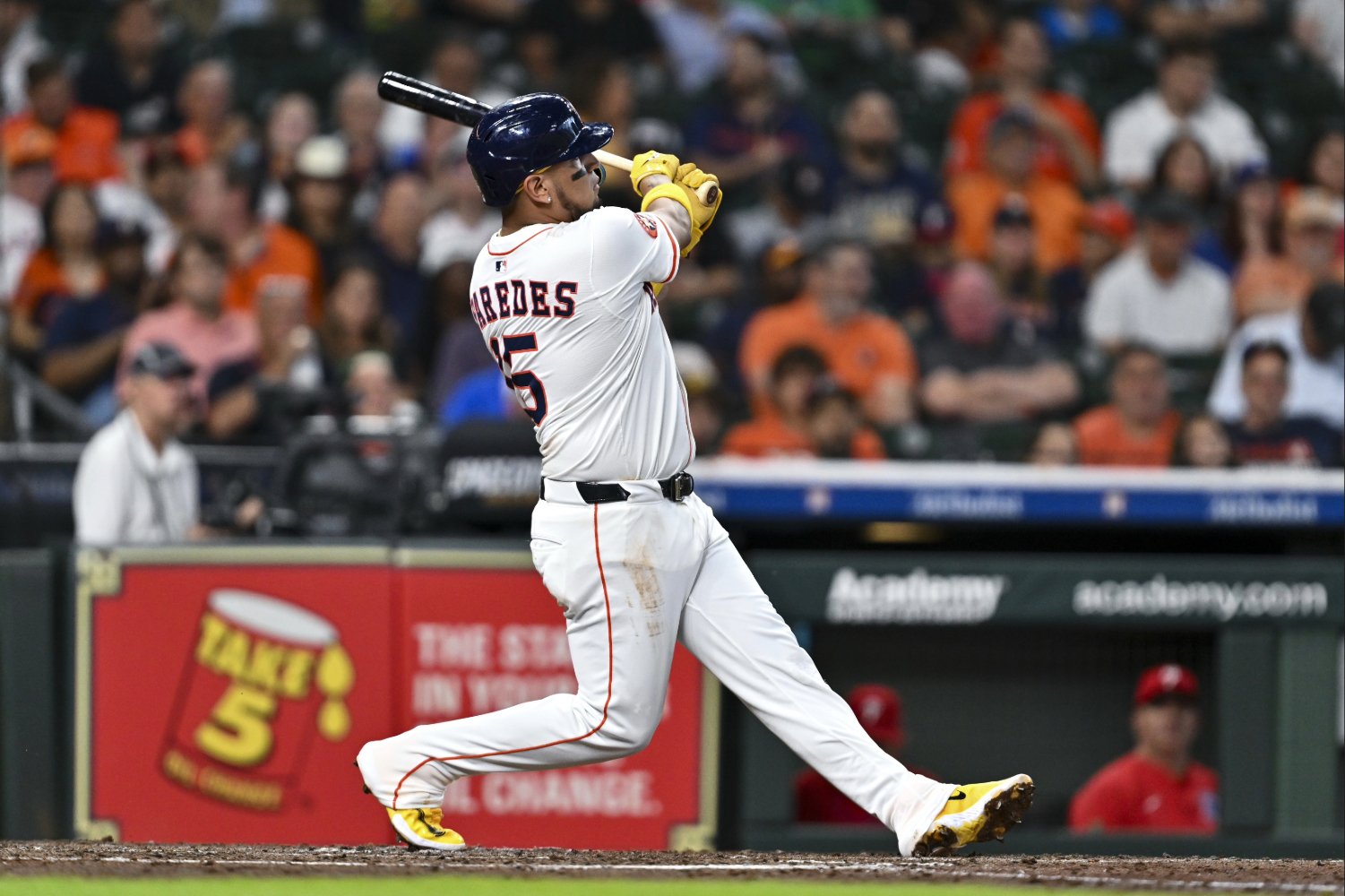 Now that Alex Bregman's exit has been analyzed, scrutinized, and coped with in every possible way, it's time to move onto something far more productive: figuring out how on earth the Boston Red Sox can go about replacing his production. As a disclaimer, it's worth noting that the real answer to that question is "they can't." Bregman, a three-time All-Star, brought such a special mix of intangibles and superstar-caliber production to the team on a daily basis that asking anyone else to fill those shoes — even Kyle Tucker or Bo Bichette — is a fool's errand. However, it'd be even more foolish to admit that, throw our hands up in the air, and give up on the search. Marcelo Mayer is the internal candidate most likely to see time at the hot corner in the wake of Bregman leaving (he did so last year when Bregman went down with a quad injury), but he's largely unproven at the top level and is also a candidate to fill the team's wide-open second base job. Instead, let's direct our attention to perhaps the best trade fit still available to the Red Sox: Isaac Paredes. A two-time All-Star in his own right, the soon-to-be 27-year-old comes with two remaining years of team control via arbitration. He's also a legitimate power-hitting threat, hitting 90 combined home runs over the past four years while posting an ISO above .200 in three of those campaigns. He's also patient (11.1% career walk rate) and isn't all too prone to whiffs, chases, or strikeouts. It's a pretty advanced offensive profile for someone who's just now entering his physical prime. So, what's the downside? Well, he doesn't hit the ball particularly hard, nor does he barrel or square it up very frequently. His contact metrics and batted-ball data are all rather sour on his ability to provide impact at the plate in any meaningful form. Which begs the question: Where does his power come from? This won't be some deep-dive statistical analysis on a player who is currently slated to spend the next two years in Houston. If the Red Sox acquire him in a trade (as has been oft-rumored since Bregman packed his bags for the Windy City), then we can get into the nitty-gritty behind what Paredes does and doesn't do well, and what we should expect from him in Boston. For now, let's just appreciate something he does better than perhaps any hitter in the sport: pulling the ball in the air. *Chart courtesy of Baseball Savant That is such an absurd batted-ball profile, and also a ridiculously tantalizing concept when one considers that the Green Monster is 310 feet down the line. Even the fabled Crawford Boxes at Minute Maid Daikin Park are a good five or ten feet beyond that (even if they aren't quite as high as the Monster). Paredes isn't just a pull hitter — he pulls the ball down the line as often as anyone else in the league. For reference, Bregman ranked 37th in the league last year in pull air rate (24.4%). If you're wondering why that stat matters, take it from Baseball Savant: "From 2022-24, while only 17.5% of batted balls that were 'pulled airballs,' that subset was responsible for 66% of all home runs. Pulled airballs in that time produced a .547 average, 1.227 slugging percentage and .733 wOBA, making them an extremely valuable outcome. Airballs that were not pulled, by comparison, had a .319 average, .527 slugging percentage and .353 wOBA, considerably less valuable." Seems like a good thing to be good at, right? Well, Paredes ranked first in the league with a 38.5% pull air rate, 0.1% ahead of Cal Raleigh, who led the sport with 60 home runs last year. For his career (2020-25), Paredes' frequency of pulling the ball in the air (32.2%) is nearly double the league average in that time (16.7%). Even if the height of the Monster would knock down a few of his homers, it's not difficult to imagine him leading the league in doubles every year. Now, beyond that superlative skill, there's a lot of places where Paredes falls short of Bregman. He's a far worse defender. He strikes out more and walks less. He's run reverse splits in multiple seasons. And, of course, he doesn't bring the pedigree nor leadership of a two-time World Series champion to the clubhouse. But, with Bregman (and Nolan Arenado) off the board, third base options have grown scarce — the team will almost certainly have to settle for a downgrade in at least one way or another. Upside must be prioritized, even at the expense of some serious pitfalls or red flags. And as far as extreme profiles go, there's hardly one that fits Fenway better than Paredes'.
 -
Absolutely. Nice mix of medium-term and short-term additions that will position them to compete in 2026 without blocking the Early/Tolle class of prospects beyond that.
-
Now we're talking. For all that talk about how the Boston Red Sox were the lone team in Major League Baseball not to spend a dime in free agency this offseason — which really stung around the time the Alex Bregman news was announced — the front office has certainly responded in a big way. They've added their long-coveted No. 2 starter, signing Ranger Suarez to a five-year deal per multiple reports. Suarez, 30, earned his first All-Star nod in 2024 and followed that up with a 3.20 ERA and 3.21 FIP for the Philadelphia Phillies in 2025. He'll immediately step in behind Garrett Crochet atop Alex Cora's rotation, with Sonny Gray, Brayan Bello, and Johan Oviedo likely to follow. The southpaw is not the most durable starter in the league, as his 157 1/3 innings last year were a career high. That being said, he's consistent, making at least 22 starts per year over the last four seasons while completing 588 1/3 frames. He's not the typical big-bodied, extension savant that the Red Sox have targeted under Craig Breslow, but desperate times call for desperate measures. With Dylan Cease off the board, Suarez was the best pitcher still available in free agency. Because he was attached to the qualifying offer, Suarez will cost the Sox more than just money. The team will lose its second-round and fifth-round pick, as well as $1 million in international bonus pool space, as a competitive balance tax payor. Notably, the Red Sox may now turn their attention to a free agency push for J.T. Realmuto. The 34-year-old catcher caught 20 of Suarez's starts in 2025 (2.79 ERA) and would be an immediate upgrade over backup catcher Connor Wong. Carlos Narvaez will not be displaced as the starter, but they could form something of a 60-40 timeshare behind the dish, which would suit Realmuto as he advances in age. Be sure to stick with Talk Sox as we cover the Ranger Suarez signing extensively over the coming days! View full article
-
Red Sox Break Free Agency Curse, Sign Ranger Suarez To 5-Year Deal
Brandon Glick posted an article in Red Sox
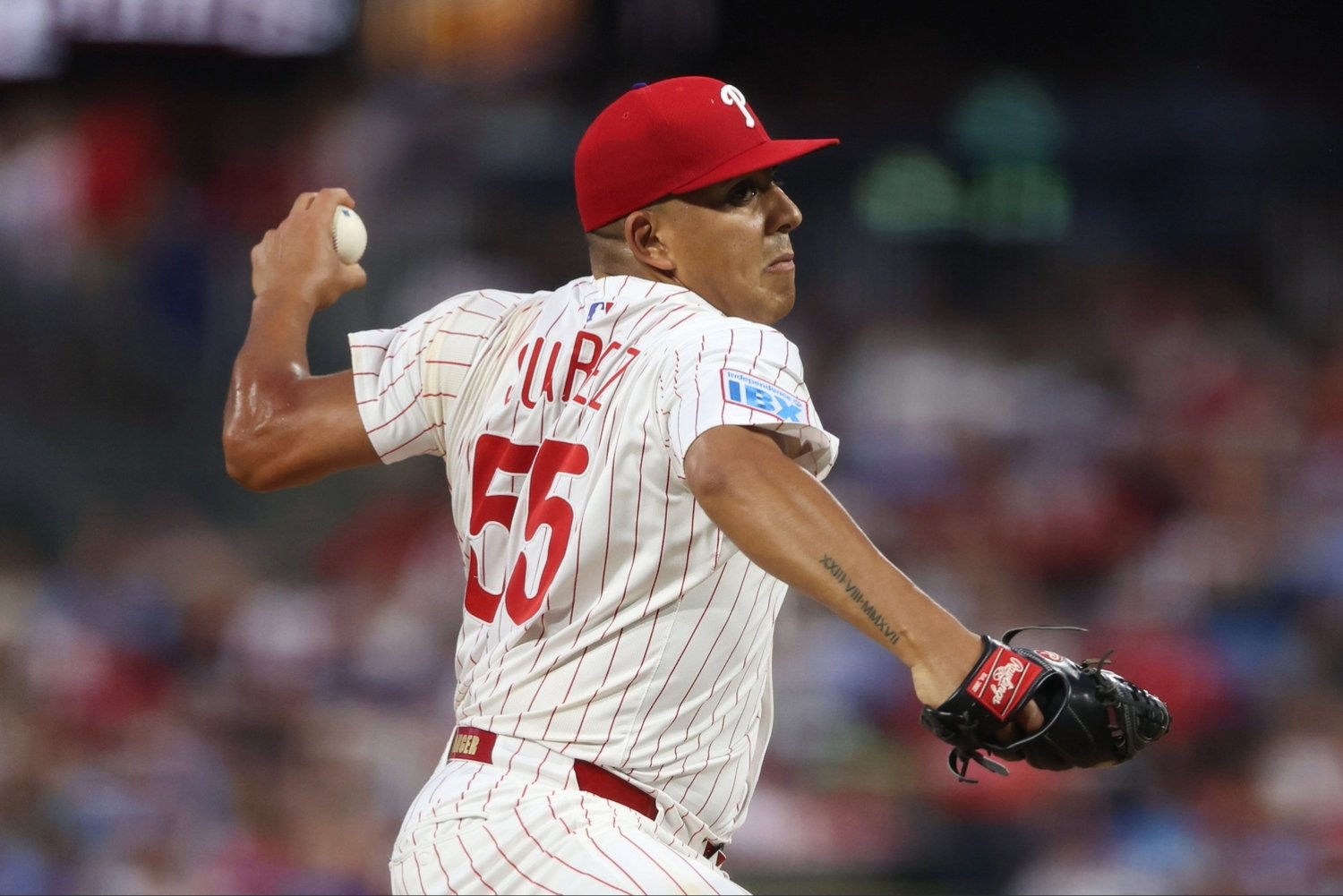 Now we're talking. For all that talk about how the Boston Red Sox were the lone team in Major League Baseball not to spend a dime in free agency this offseason — which really stung around the time the Alex Bregman news was announced — the front office has certainly responded in a big way. They've added their long-coveted No. 2 starter, signing Ranger Suarez to a five-year deal per multiple reports. Suarez, 30, earned his first All-Star nod in 2024 and followed that up with a 3.20 ERA and 3.21 FIP for the Philadelphia Phillies in 2025. He'll immediately step in behind Garrett Crochet atop Alex Cora's rotation, with Sonny Gray, Brayan Bello, and Johan Oviedo likely to follow. The southpaw is not the most durable starter in the league, as his 157 1/3 innings last year were a career high. That being said, he's consistent, making at least 22 starts per year over the last four seasons while completing 588 1/3 frames. He's not the typical big-bodied, extension savant that the Red Sox have targeted under Craig Breslow, but desperate times call for desperate measures. With Dylan Cease off the board, Suarez was the best pitcher still available in free agency. Because he was attached to the qualifying offer, Suarez will cost the Sox more than just money. The team will lose its second-round and fifth-round pick, as well as $1 million in international bonus pool space, as a competitive balance tax payor. Notably, the Red Sox may now turn their attention to a free agency push for J.T. Realmuto. The 34-year-old catcher caught 20 of Suarez's starts in 2025 (2.79 ERA) and would be an immediate upgrade over backup catcher Connor Wong. Carlos Narvaez will not be displaced as the starter, but they could form something of a 60-40 timeshare behind the dish, which would suit Realmuto as he advances in age. Be sure to stick with Talk Sox as we cover the Ranger Suarez signing extensively over the coming days!
 -
After shockingly losing out on Alex Bregman in free agency, what steps can the Boston Red Sox take to salvage their offseason and field a competent third baseman in 2026?
-
After shockingly losing out on Alex Bregman in free agency, what steps can the Boston Red Sox take to salvage their offseason and field a competent third baseman in 2026? View full video
-
As someone who covers the Chicago Cubs and Boston Red Sox for a living — and considers themselves a fan of both teams, though the Cubs will always be my childhood favorite — there is a really complicated mixture of emotions to work through re: the news that Alex Bregman is signing in the Windy City. We'll have a lot more on this signing and what it means for the immediate future of the Red Sox, but for now, I'll just put the spotlight squarely on the man who deserves it: Craig Breslow. The front office chief in Beantown (and former employee of the Cubs), Breslow has done some great work taking the foundation that Chaim Bloom built and bringing it up to the status of a playoff contender. Trading for Garrett Crochet was a brilliant move, and all of the extensions signed by the young core under Breslow's watch should keep Boston in the October picture for the foreseeable future. Plus, despite not making any major-league free-agent signings to this point in the offseason, the Red Sox have augmented their lineup (Willson Contreras) and starting rotation (Sonny Gray and Johan Oviedo) via three distinct trades. Each player brings something to the table that the team was previously missing, be it right-handed power (Contreras), an established track record as a frontline starter (Gray), or a big-bodied, right-handed pitcher with elite raw stuff (Oviedo). In a vacuum, those moves make a team that won 89 games in 2025 even better in 2026. But baseball doesn't exist in a vacuum. And the Red Sox still haven't signed a major-league free agent. You can discuss the long-term efficacy of handing a soon-to-be 32-year-old Bregman $35 million per year for the next half-decade, but the Red Sox just got demonstrably worse for the first time since they were eliminated from the playoffs. And you can't really blame Bregman for taking a huge payday with another big-market contender. Breslow has made some foolish decisions in his time running the club. I maintain my belief that trading Rafael Devers — who was dealt mainly to accommodate Bregman at the hot corner — was one of them. It's too early to say if losing the star third baseman will fall into that category, but there is now a real need for urgency in the front office. Bo Bichette remains a reasonable and high-upside replacement option, but at a $300 million asking price, I'm not really sure how that's a better value than what Bregman just got. Maybe now is the time to trade one of the starting outfielders for an infielder, but that feels like a bad use of resources when the incumbent option was available for just money. Again, the Red Sox have insulated themselves from a disastrous offseason by completing their aforementioned trades. Plus, there's always the chance that they sign Bichette, or trade for Ketel Marte or Brendan Donovan. Losing Alex Bregman doesn't have to be the end of the world. In the immediate aftermath of watching him dart for Chicago, though, it sure feels like Breslow and company just let their golden goose get away. View full article
-
Alex Bregman's Betrayal Puts Craig Breslow in the Spotlight
Brandon Glick posted an article in Red Sox
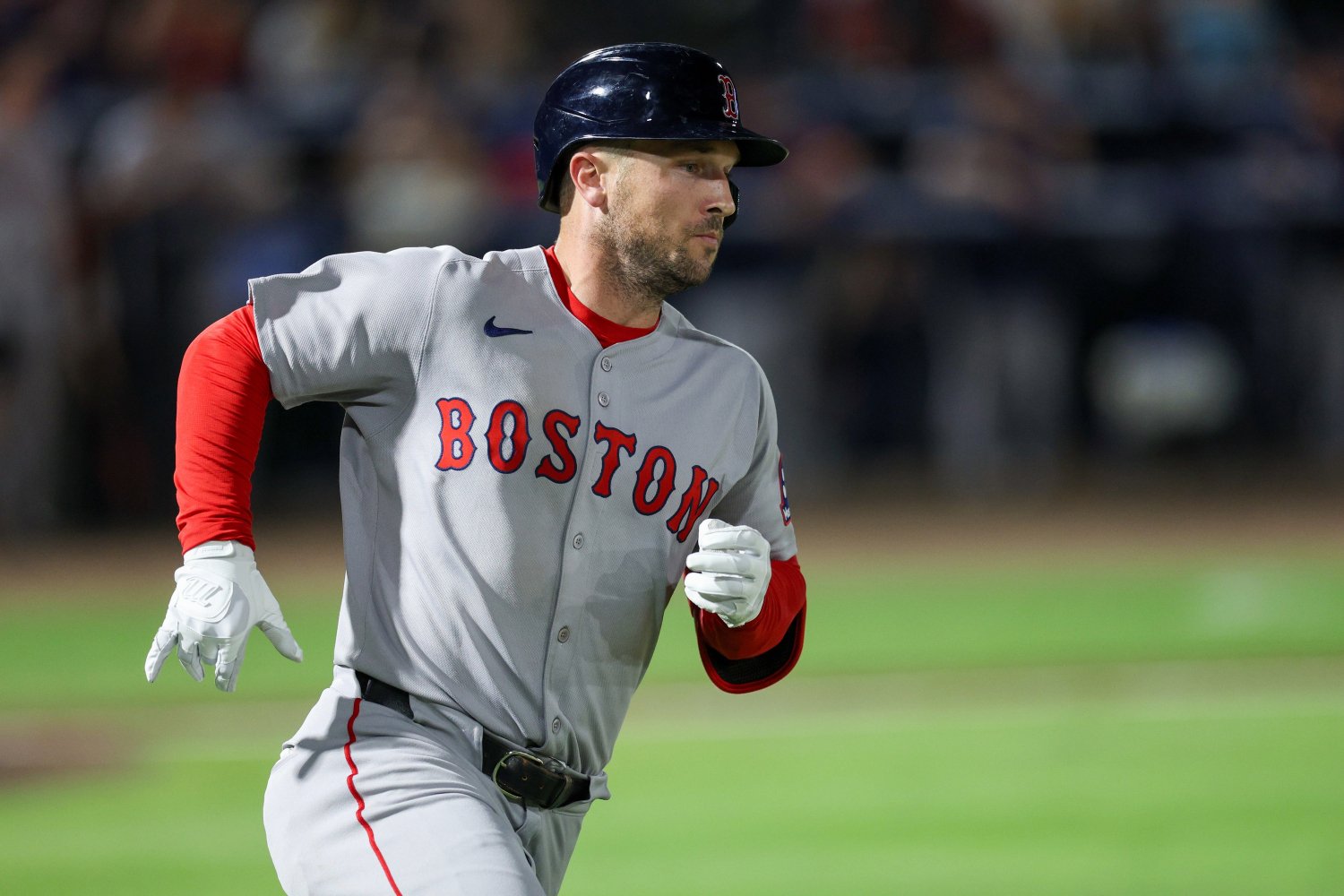 As someone who covers the Chicago Cubs and Boston Red Sox for a living — and considers themselves a fan of both teams, though the Cubs will always be my childhood favorite — there is a really complicated mixture of emotions to work through re: the news that Alex Bregman is signing in the Windy City. We'll have a lot more on this signing and what it means for the immediate future of the Red Sox, but for now, I'll just put the spotlight squarely on the man who deserves it: Craig Breslow. The front office chief in Beantown (and former employee of the Cubs), Breslow has done some great work taking the foundation that Chaim Bloom built and bringing it up to the status of a playoff contender. Trading for Garrett Crochet was a brilliant move, and all of the extensions signed by the young core under Breslow's watch should keep Boston in the October picture for the foreseeable future. Plus, despite not making any major-league free-agent signings to this point in the offseason, the Red Sox have augmented their lineup (Willson Contreras) and starting rotation (Sonny Gray and Johan Oviedo) via three distinct trades. Each player brings something to the table that the team was previously missing, be it right-handed power (Contreras), an established track record as a frontline starter (Gray), or a big-bodied, right-handed pitcher with elite raw stuff (Oviedo). In a vacuum, those moves make a team that won 89 games in 2025 even better in 2026. But baseball doesn't exist in a vacuum. And the Red Sox still haven't signed a major-league free agent. You can discuss the long-term efficacy of handing a soon-to-be 32-year-old Bregman $35 million per year for the next half-decade, but the Red Sox just got demonstrably worse for the first time since they were eliminated from the playoffs. And you can't really blame Bregman for taking a huge payday with another big-market contender. Breslow has made some foolish decisions in his time running the club. I maintain my belief that trading Rafael Devers — who was dealt mainly to accommodate Bregman at the hot corner — was one of them. It's too early to say if losing the star third baseman will fall into that category, but there is now a real need for urgency in the front office. Bo Bichette remains a reasonable and high-upside replacement option, but at a $300 million asking price, I'm not really sure how that's a better value than what Bregman just got. Maybe now is the time to trade one of the starting outfielders for an infielder, but that feels like a bad use of resources when the incumbent option was available for just money. Again, the Red Sox have insulated themselves from a disastrous offseason by completing their aforementioned trades. Plus, there's always the chance that they sign Bichette, or trade for Ketel Marte or Brendan Donovan. Losing Alex Bregman doesn't have to be the end of the world. In the immediate aftermath of watching him dart for Chicago, though, it sure feels like Breslow and company just let their golden goose get away.
 -
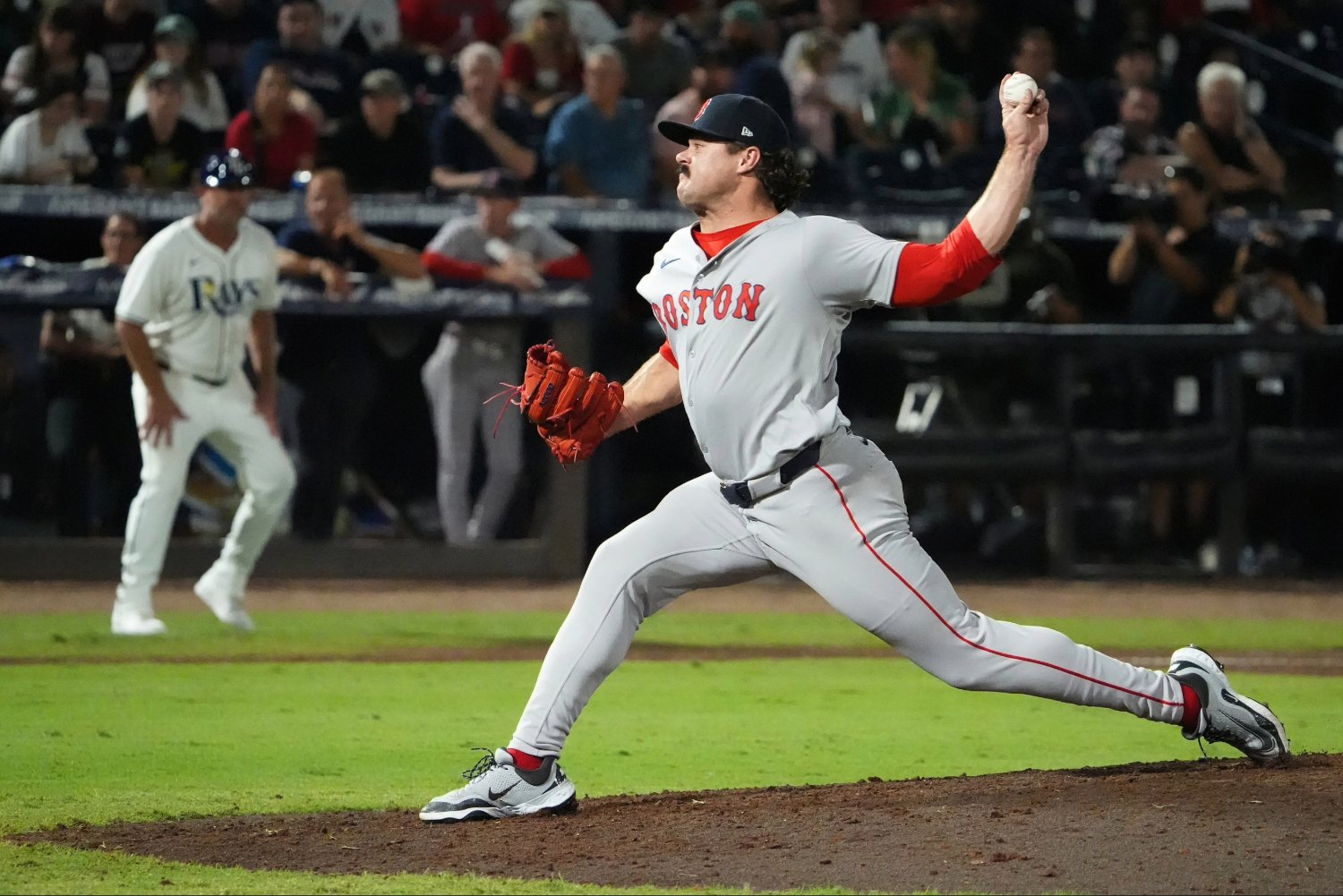
Garrett Crochet and Sonny Gray are locks to toe the rubber in the first two games of the Boston Red Sox's season, barring injury or a subsequent addition. And, barring a trade involving Brayan Bello, the young right-hander should be a shoo-in to handle the final game of the opening series against the Cincinnati Reds. That's three of the five spots in Alex Cora's starting rotation accounted for, and if you're like me and a strong believer in the Red Sox's faith in Johan Oviedo after dealing Jhostynxon Garcia (and more) for the hulking starter, you're just about ready to hand him the fourth spot. With the amount of depth the front office has accumulated over the past few years, that should create a fierce competition for the No. 5 starter gig in spring training. I've already gone on the record to suggest that Kutter Crawford is my personal pick as the most-likely candidate to emerge victorious in that competition, at least for the first few months of the season. What he lacks in upside he makes up for in pitch-ability and durability, so long as he can overcome the wrist and knee injuries that held him out from participating in the 2025 campaign. Even if he doesn't strike your fancy, though, there's no shortage of options to choose from. Patrick Sandoval, who also missed all of last year with an elbow injury, brings a career 4.01 ERA and deep six-pitch arsenal to the mix. Connelly Early was impressive enough in his first big-league cup of coffee that he earned the nod in Game 3 of the Wild Card Round. Kyle Harrison, a fellow southpaw who arrived via the ill-advised Rafael Devers trade, has top-prospect pedigree and flashed in his limited exposure in Boston last year. Prospects David Sandlin and Tyler Uberstine are both knocking on the major-league door and already own places on the 40-man roster. That's a ridiculous amount of depth, which is a testament to what Craig Breslow and company have been building. You'll notice, though, that I didn't include Payton Tolle among that loaded crop of contenders, despite the fact that he made his MLB debut at the end of last season and flashed his immense upside in a few impressive appearances. The reason for that is simply: Tolle isn't ready to handle a full-time role in the big-league rotation yet. Now, that's not meant to be a slight against the 23-year-old southpaw. What he brings to the table — a 6'6" frame, elite extension, and a high-90s fastball — can't be taught. There's a reason he was fast-tracked from High-A to MLB in his first professional season, but that also means that he's thrown all of 58 1/3 innings above A-ball in his career. His four-seamer was simply too dominant for minor-league batters to stand a chance, but against the best of the best, one pitch won't cut it as a starter. Let's start there, then. His fastball is great, and the raw numbers (96.7 mph average velocity, 28.3% whiff rate, 23.3% put-away rate) are tantalizing. But he also used the pitch 64% of the time in his brief major-league stint, hence why hitters were still able to tag it for a .565 slugging percentage and .402 wOBA despite its elite shape and relatively solid command up in the zone. That's the product of a five-pitch arsenal that featured no other pitch more than 13% of the time. His cutter and slider both hold very similar shapes and movement profiles, and his changeup is disastrously flat. Tolle only mustered the courage to throw that latter pitch 21 times in the big leagues (all against righties), and it was hammered to the tune of a .711 wOBA. When your primary off-speed offering to opposite-handed batters gets hit that hard and has a pitch map that looks like this, you're going to run into serious trouble. *Chart courtesy of Baseball Savant This is simply the case of a very talented pitcher needing more seasoning; had the Red Sox not promoted Tolle so aggressively in 2025, he wouldn't even be a part of this discussion right now. A second offering against both righties and lefties are works in progress, as is the young lefty learning how to pitch around his fastball. There are a lot of nuances to being a pitcher that Tolle will only learn through experience — better to let him get those reps against Triple-A batters rather than in games that actually matter. With the proper amount of time to develop his other offerings and feel for the course of navigating a lineup multiple times, the young southpaw should eventually emerge as the frontline pitcher so many of us were dreaming about during his MLB debut. But patience is needed here; rushing Tolle any further only stands to damage his long-term upside. View full article
-
Why Payton Tolle Won't be Considered for Red Sox's Opening Day Rotation
Brandon Glick posted an article in Red Sox
 Garrett Crochet and Sonny Gray are locks to toe the rubber in the first two games of the Boston Red Sox's season, barring injury or a subsequent addition. And, barring a trade involving Brayan Bello, the young right-hander should be a shoo-in to handle the final game of the opening series against the Cincinnati Reds. That's three of the five spots in Alex Cora's starting rotation accounted for, and if you're like me and a strong believer in the Red Sox's faith in Johan Oviedo after dealing Jhostynxon Garcia (and more) for the hulking starter, you're just about ready to hand him the fourth spot. With the amount of depth the front office has accumulated over the past few years, that should create a fierce competition for the No. 5 starter gig in spring training. I've already gone on the record to suggest that Kutter Crawford is my personal pick as the most-likely candidate to emerge victorious in that competition, at least for the first few months of the season. What he lacks in upside he makes up for in pitch-ability and durability, so long as he can overcome the wrist and knee injuries that held him out from participating in the 2025 campaign. Even if he doesn't strike your fancy, though, there's no shortage of options to choose from. Patrick Sandoval, who also missed all of last year with an elbow injury, brings a career 4.01 ERA and deep six-pitch arsenal to the mix. Connelly Early was impressive enough in his first big-league cup of coffee that he earned the nod in Game 3 of the Wild Card Round. Kyle Harrison, a fellow southpaw who arrived via the ill-advised Rafael Devers trade, has top-prospect pedigree and flashed in his limited exposure in Boston last year. Prospects David Sandlin and Tyler Uberstine are both knocking on the major-league door and already own places on the 40-man roster. That's a ridiculous amount of depth, which is a testament to what Craig Breslow and company have been building. You'll notice, though, that I didn't include Payton Tolle among that loaded crop of contenders, despite the fact that he made his MLB debut at the end of last season and flashed his immense upside in a few impressive appearances. The reason for that is simply: Tolle isn't ready to handle a full-time role in the big-league rotation yet. Now, that's not meant to be a slight against the 23-year-old southpaw. What he brings to the table — a 6'6" frame, elite extension, and a high-90s fastball — can't be taught. There's a reason he was fast-tracked from High-A to MLB in his first professional season, but that also means that he's thrown all of 58 1/3 innings above A-ball in his career. His four-seamer was simply too dominant for minor-league batters to stand a chance, but against the best of the best, one pitch won't cut it as a starter. Let's start there, then. His fastball is great, and the raw numbers (96.7 mph average velocity, 28.3% whiff rate, 23.3% put-away rate) are tantalizing. But he also used the pitch 64% of the time in his brief major-league stint, hence why hitters were still able to tag it for a .565 slugging percentage and .402 wOBA despite its elite shape and relatively solid command up in the zone. That's the product of a five-pitch arsenal that featured no other pitch more than 13% of the time. His cutter and slider both hold very similar shapes and movement profiles, and his changeup is disastrously flat. Tolle only mustered the courage to throw that latter pitch 21 times in the big leagues (all against righties), and it was hammered to the tune of a .711 wOBA. When your primary off-speed offering to opposite-handed batters gets hit that hard and has a pitch map that looks like this, you're going to run into serious trouble. *Chart courtesy of Baseball Savant This is simply the case of a very talented pitcher needing more seasoning; had the Red Sox not promoted Tolle so aggressively in 2025, he wouldn't even be a part of this discussion right now. A second offering against both righties and lefties are works in progress, as is the young lefty learning how to pitch around his fastball. There are a lot of nuances to being a pitcher that Tolle will only learn through experience — better to let him get those reps against Triple-A batters rather than in games that actually matter. With the proper amount of time to develop his other offerings and feel for the course of navigating a lineup multiple times, the young southpaw should eventually emerge as the frontline pitcher so many of us were dreaming about during his MLB debut. But patience is needed here; rushing Tolle any further only stands to damage his long-term upside.
 -
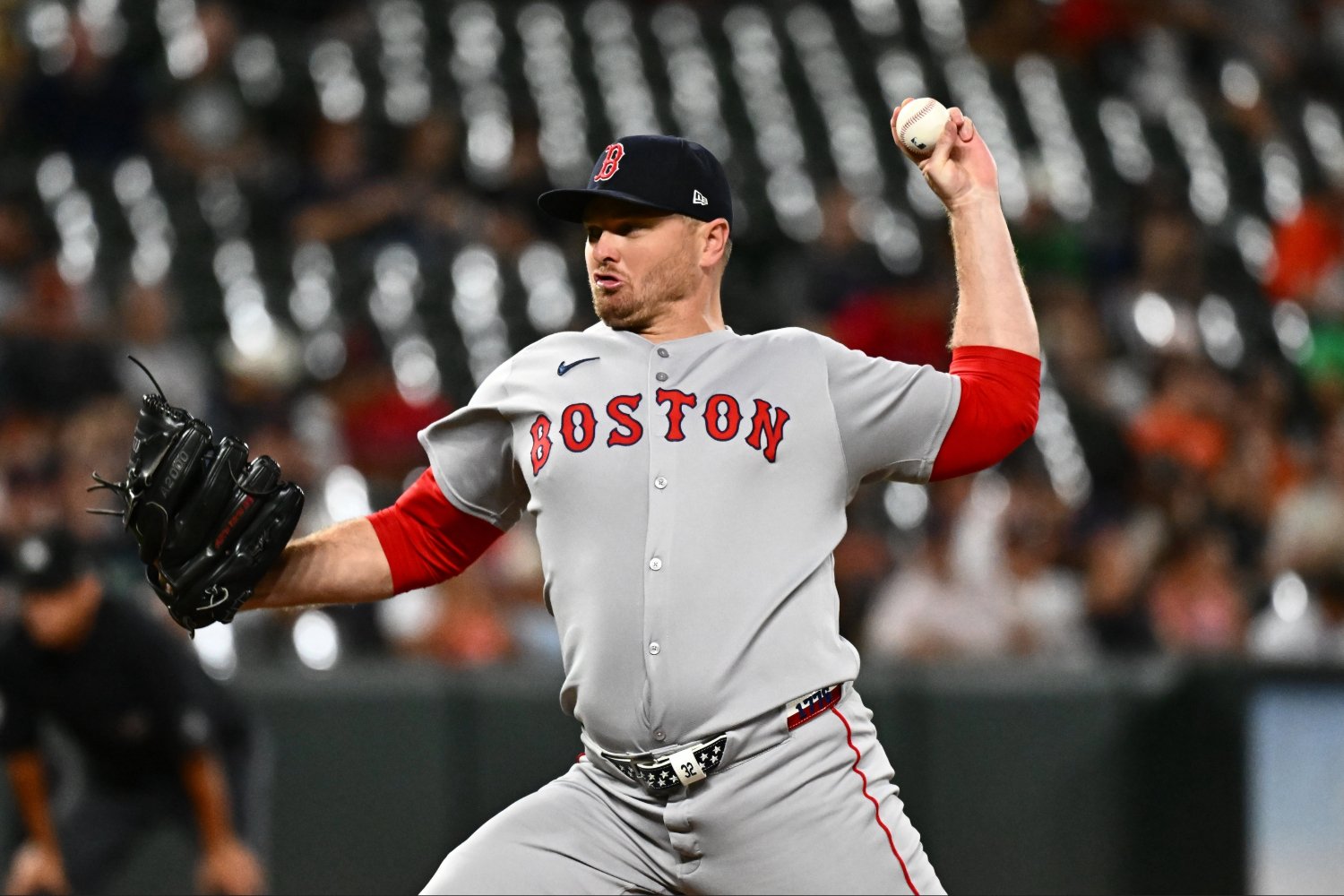 Justin Wilson has had a long, successful career in Major League Baseball, authoring a 3.59 ERA over 562.0 innings in 13 seasons. He's pitched for seven teams in that time, though, save for the Chicago Cubs in 2017, none have even advanced as far as the League Championship Series. That includes the Boston Red Sox, who employed Wilson for the first time in 2025. They fell to the New York Yankees (another former stop in the veteran's career) in the AL Wild Card Round, where Wilson surrendered nary a baserunner in 1 2/3 innings. He was effective across the entire season in Beantown, tallying a 3.35 ERA, 2.95 FIP, and 27.5% strikeout rate as the most reliable southpaw in the bullpen not named Aroldis Chapman. That kind of success, even at age 37, was sure to guarantee Wilson another go-round in the majors, be it in Boston or elsewhere. Most anticipated a return to the Red Sox with fellow southpaw Steven Matz leaving for the Tampa Bay Rays in free agency, creating a big opening for a high-leverage southpaw among the late-inning relief corps. However, that entire train of thought has been thrown out the window following the latest report that Wilson is mulling retirement this offseason. Having turned 38 last August, it's understandable that he's debating hanging his cleats up more than 20 years since originally being drafted by the Los Angeles Dodgers. However, he's more "grizzled vet" than "long in the tooth", and he can clearly still pitch with the best of 'em — he ranked in the 91st percentile in whiff rate (31.9%) and the 82nd percentile in strikeout rate last season. Hence, it's a bit jaw-dropping to hear Ken Rosenthal and Will Sammon of The Athletic report that "It is unlikely Wilson, 38, pitches in 2026 unless it is on a fair deal with a legitimate World Series contender." The Red Sox certainly fit the bill of a "legitimate World Series contender" following the offseason acquisitions of Willson Contreras, Sonny Gray, and Johan Oviedo, and there should be more than enough room in the budget to offer Wilson a sizable raise over last year's $2.25 million salary. Then again, they've reportedly started scouring the free-agent market for a replacement — Danny Coulombe, Tim Mayza, and Cionel Perez have been connected to them directly — which offers some credence to the retirement rumors. Perhaps Boston was preparing for a reunion with Wilson and now must divert their attention elsewhere. The need for another high-leverage southpaw cannot be overstated. Chapman is a brilliant closer, but Jovani Morán is the only other lefty projected to crack the Opening Day bullpen. The latter has produced some strong metrics that portend a breakout season could be on the horizon, but he can't be relied upon to fill the shoes of both Wilson and Matz. The same can be said for Tyler Samaniego, the only other lefty reliever on the 40-man roster. Perhaps a move to the bullpen for Payton Tolle or Kyle Harrison could assuage some of these concerns, though that feels like a last resort considering both offer significantly more value (and upside) as starting pitchers. Signing one of the aforementioned free agents like Coulombe could also do the trick, but that'd require the Red Sox to actually go out and sign their first major-league free agent of the offseason. In truth, the best resolution to this is that the Red Sox offer Wilson whatever terms he's seeking (within reason) on a one-year deal, offering him one last chance to pursue that elusive World Series ring. Insofar as that's off the table, though, you can add one more agenda item to the front office's pile.