Brandon Glick
-
Posts
587 -
Joined
-
Last visited
Content Type
Profiles
Boston Red Sox Videos
2026 Boston Red Sox Top Prospects Ranking
Boston Red Sox Free Agent & Trade Rumors, Notes, & Tidbits
Guides & Resources
2025 Boston Red Sox Draft Pick Tracker
News
2026 Boston Red Sox Draft Tracker: Picks & Bonuses
Forums
Blogs
Events
Store
Downloads
Gallery
Everything posted by Brandon Glick
-
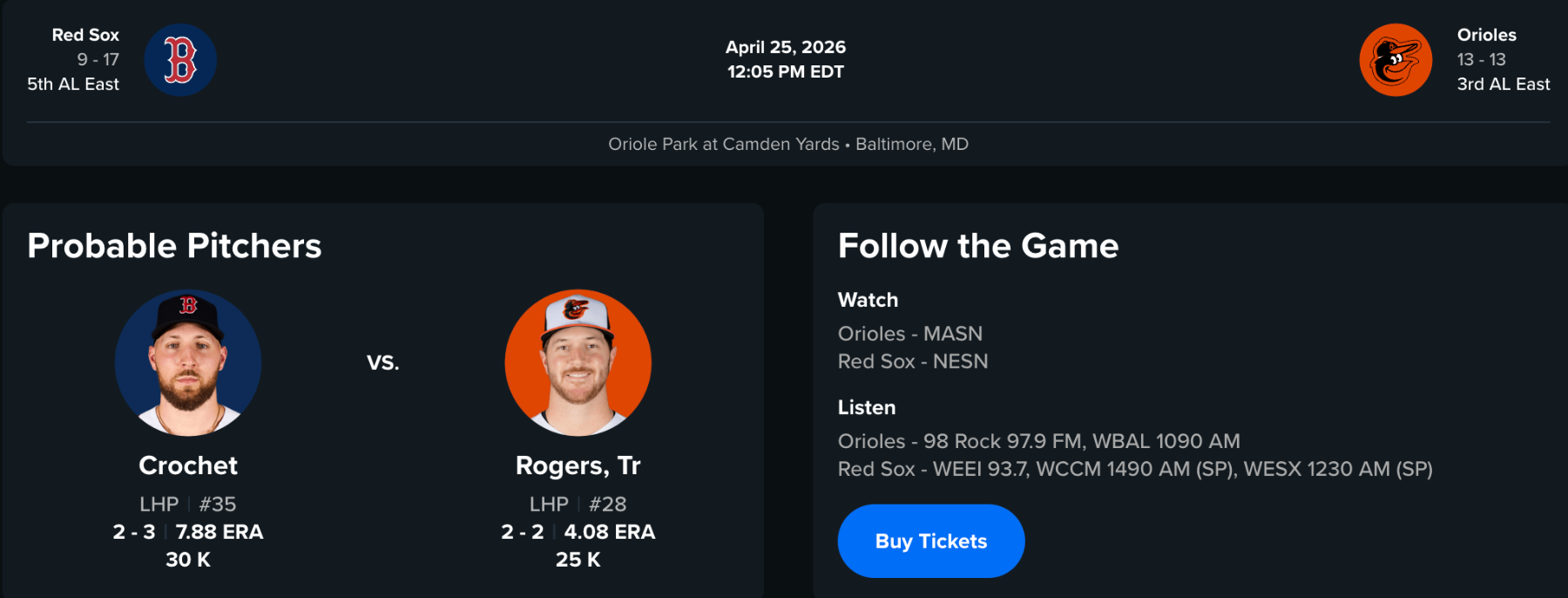
Gonna need a bounce back from Sir Crochet this afternoon, please. MON TUE WED THU FRI TOT Zack Kelly 27 0 11 0 0 38 Tyler Samaniego 0 20 0 23 0 43 Ryan Watson 29 0 0 12 43 84 Jovani Morán 14 0 0 0 36 50 Greg Weissert 10 0 0 12 0 22 Garrett Whitlock 12 0 0 0 0 12 Danny Coulombe 15 0 0 18 0 33 Aroldis Chapman 13 0 0 0 0 13
-
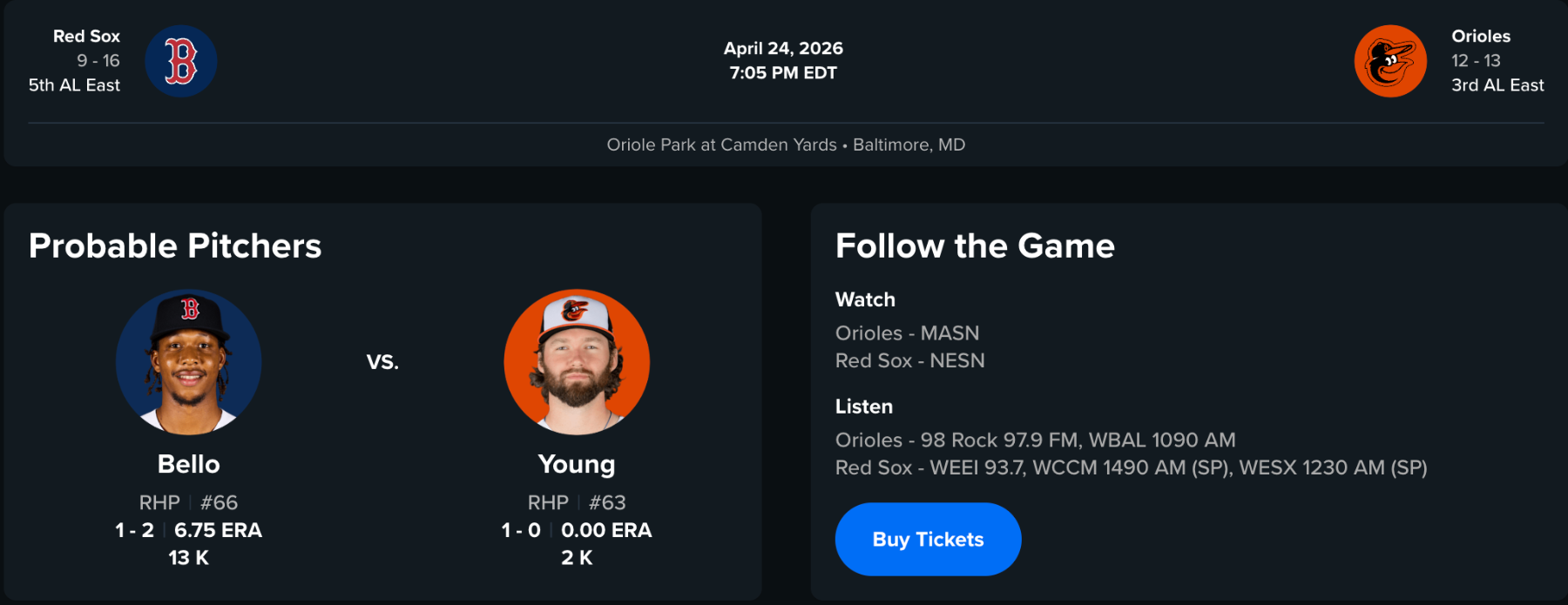
Need to see a bounce back from Bello tonight. SUN MON TUE WED THU TOT Zack Kelly 0 27 0 11 0 38 Tyler Samaniego 0 0 20 0 23 43 Ryan Watson 16 29 0 0 12 57 Jovani Morán 0 14 0 0 0 14 Greg Weissert 0 10 0 0 12 22 Garrett Whitlock 0 12 0 0 0 12 Danny Coulombe 0 15 0 0 18 33 Aroldis Chapman 0 13 0 0 0 13
-
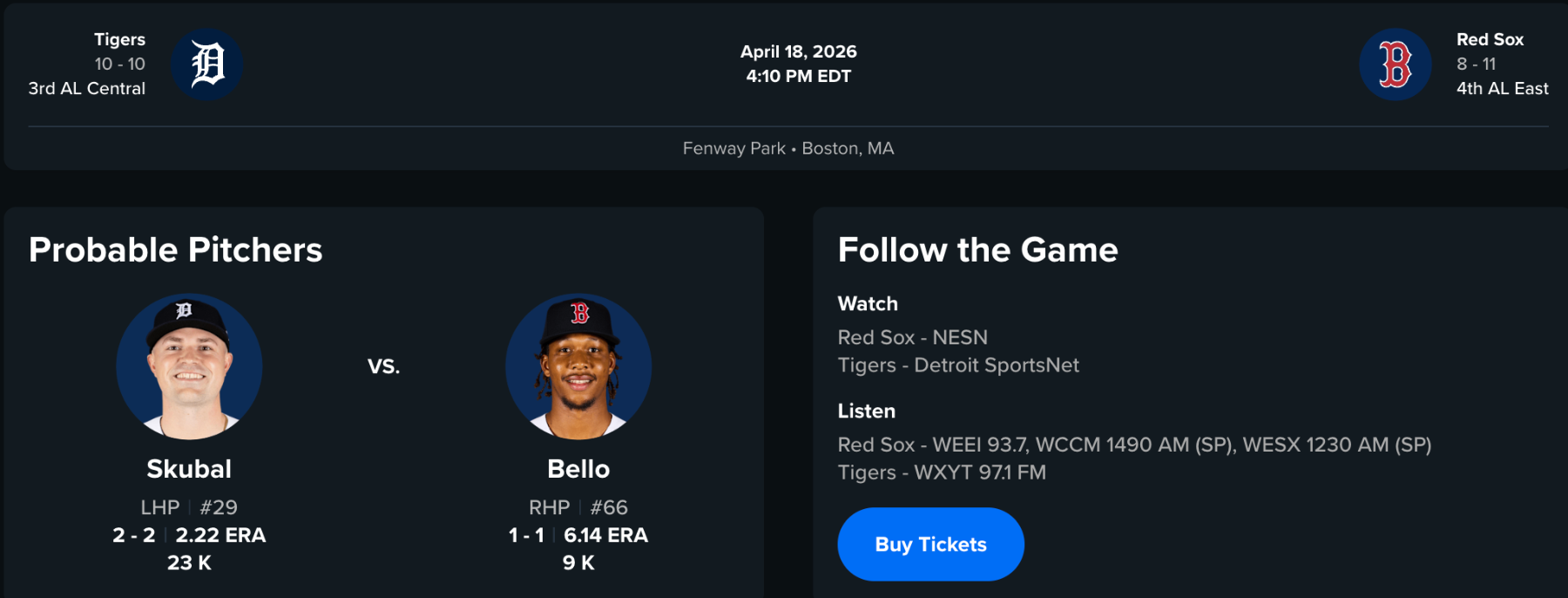
The Red Sox will score 10 runs against Tarik Skubal today. Book it. MON TUE WED THU FRI TOT Zack Kelly 0 0 0 0 0 0 Ryan Watson 35 0 29 0 0 64 Jovani Morán 35 0 0 0 0 35 Jack Anderson 0 52 0 0 0 52 Greg Weissert 0 0 0 0 0 0 Garrett Whitlock 0 0 22 0 10 32 Danny Coulombe 0 0 20 0 0 20 Aroldis Chapman 0 22 0 0 16 38
-
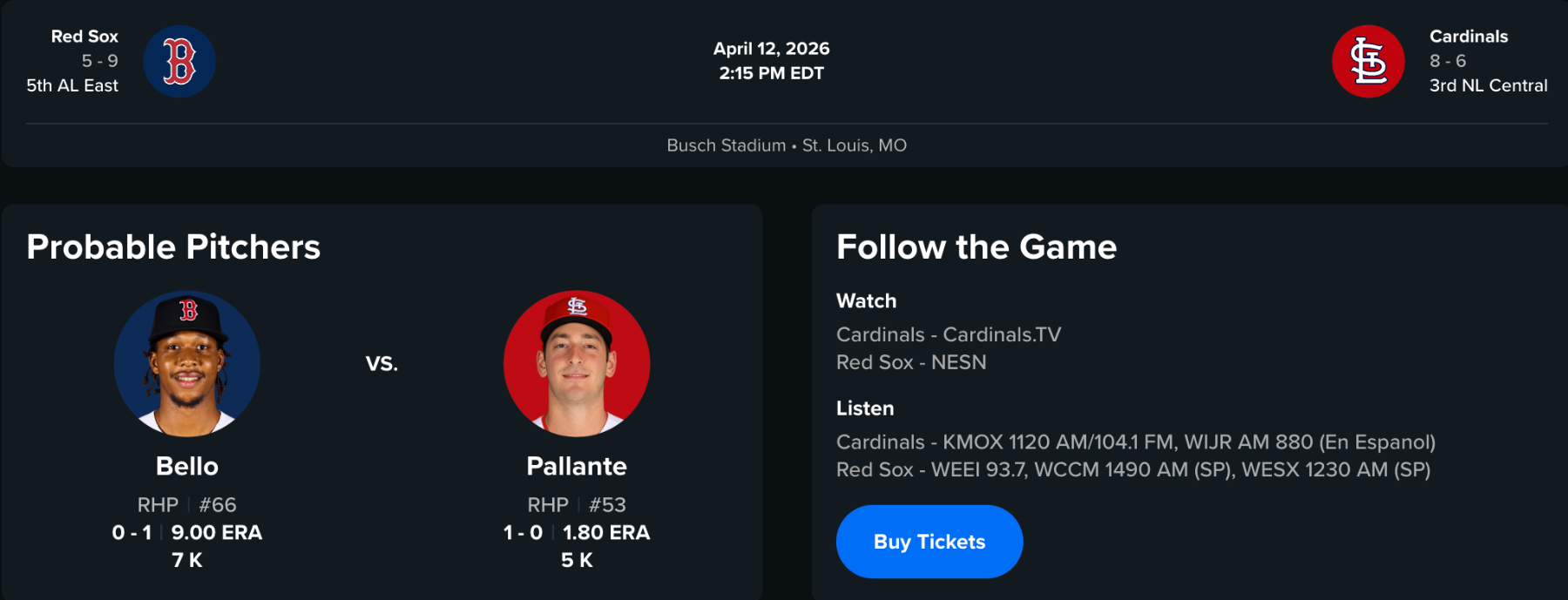
What better way to get the season back on track than winning the series against old friend Chaim Bloom? Zack Kelly 0 0 0 18 0 18 Tyler Samaniego 0 19 0 22 0 41 Ryan Watson 0 12 0 0 13 25 Jovani Morán 0 0 0 17 0 17 Greg Weissert 0 11 0 18 16 45 Garrett Whitlock 0 0 0 0 12 12 Danny Coulombe 0 0 0 0 5 5
-
If you can't hit Dustin May, you know you're ice cold. Something or someone has to wake up the Sox's offense quick.
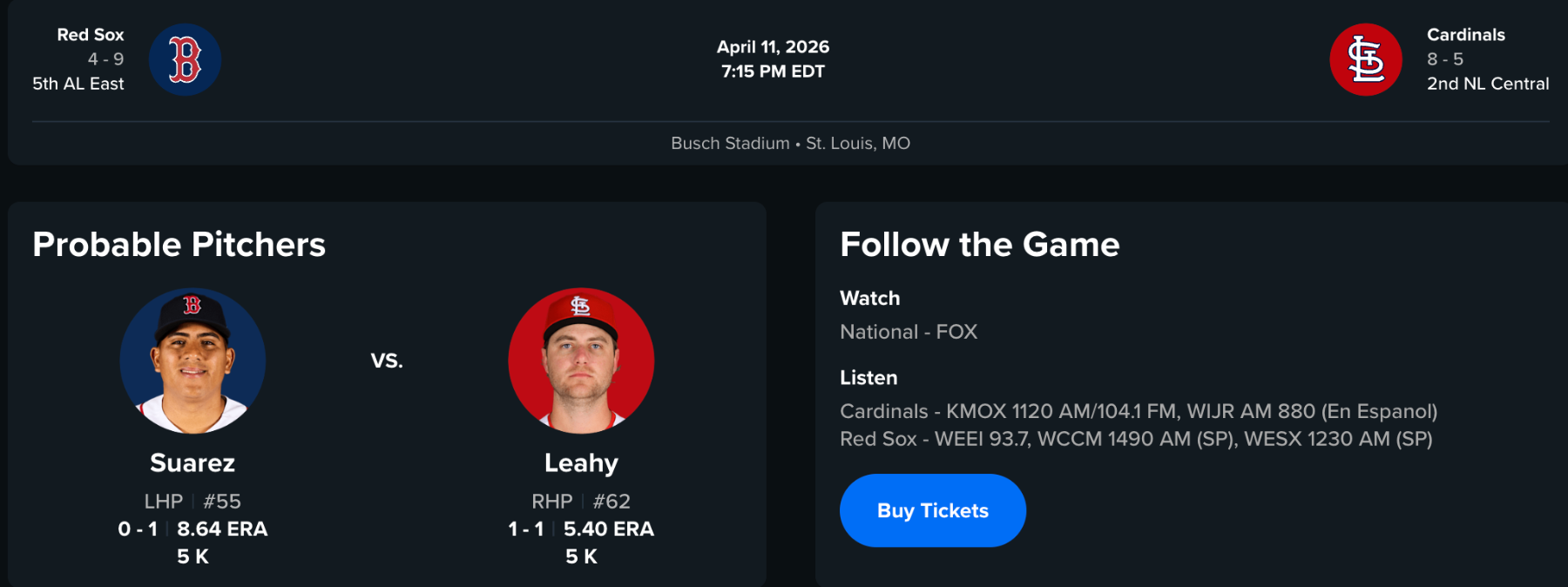
-
Surely Dustin May won't break out of his early season funk with the performance of a lifetime, right?
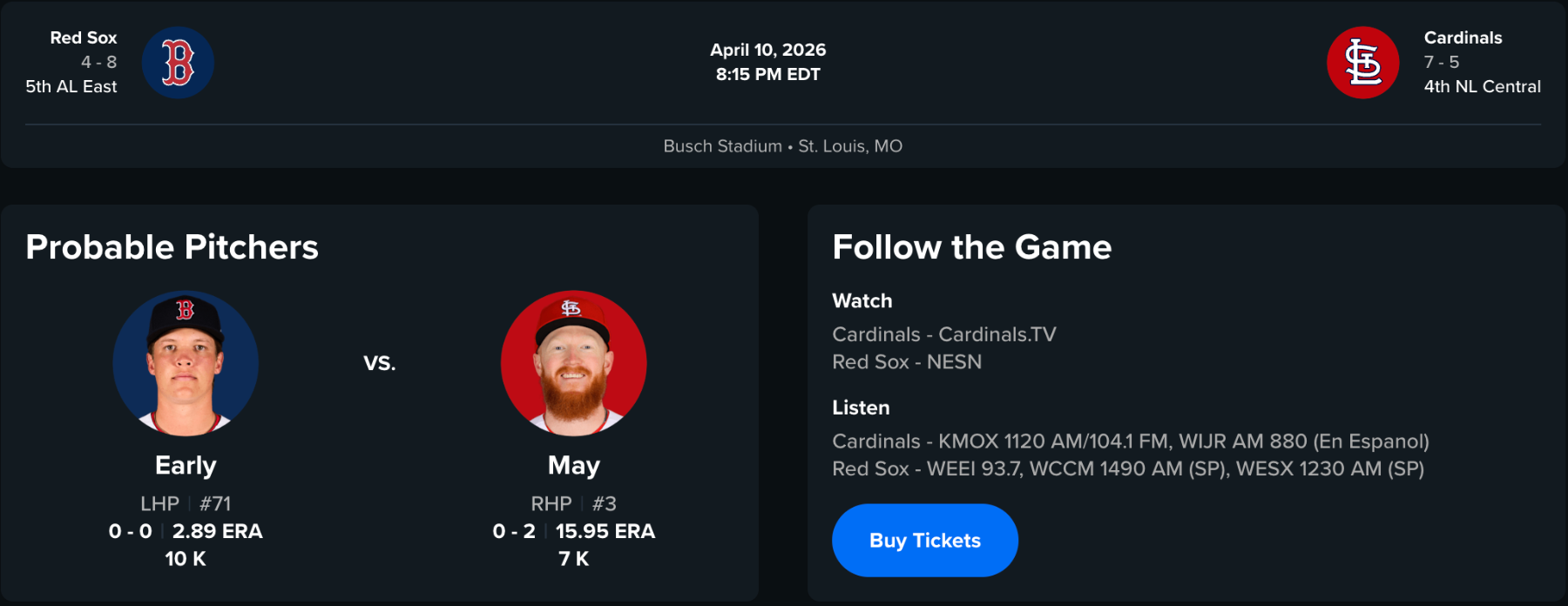
-
Huge win in the home opener yesterday. Let's keep the momentum rolling in this direction, yeah? MON TUE WED THU FRI TOT Whitlock 0 0 37 0 0 37 Slaten 0 0 0 0 9 9 Chapman 0 0 0 0 21 21 Coulombe 0 0 16 0 0 16 Watson 0 27 0 0 0 27 Weissert 0 0 16 0 17 33 Moran 0 26 0 0 0 26 Oviedo 72 0 0 0 0 72
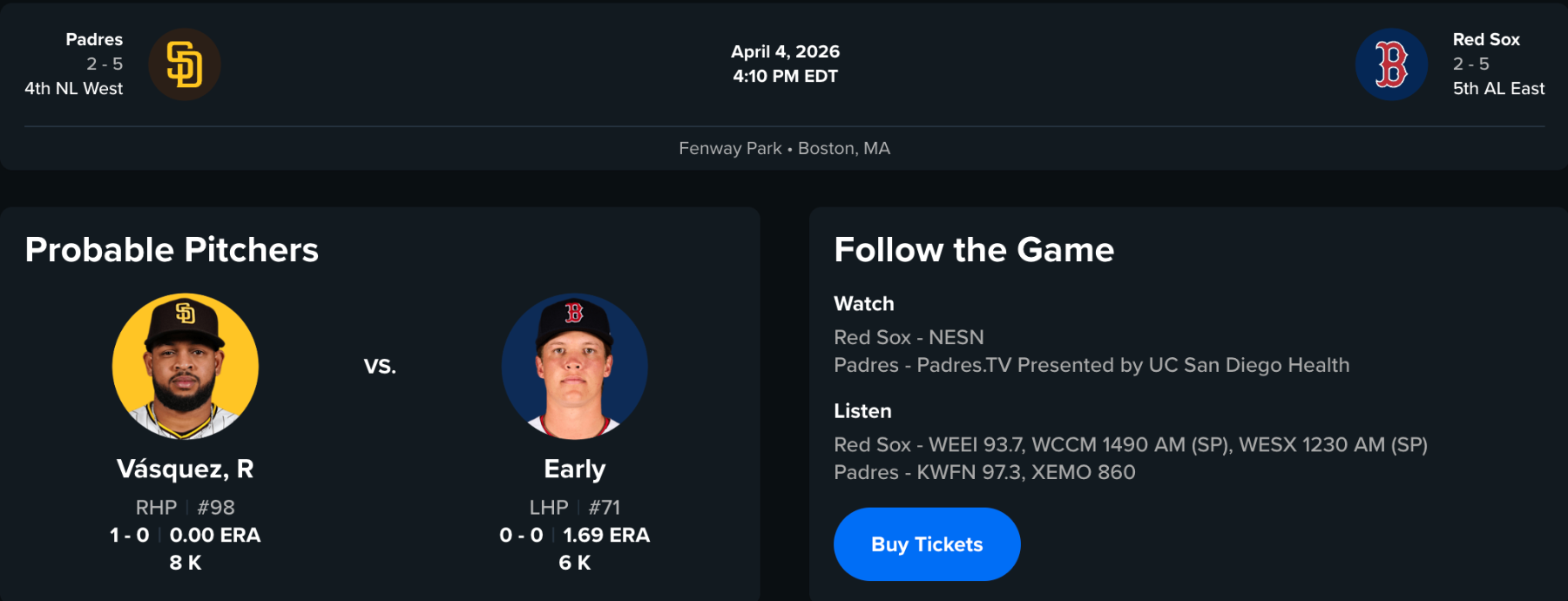
-
A series featuring two of the most anemic offenses in baseball? Should be a fun home opener.
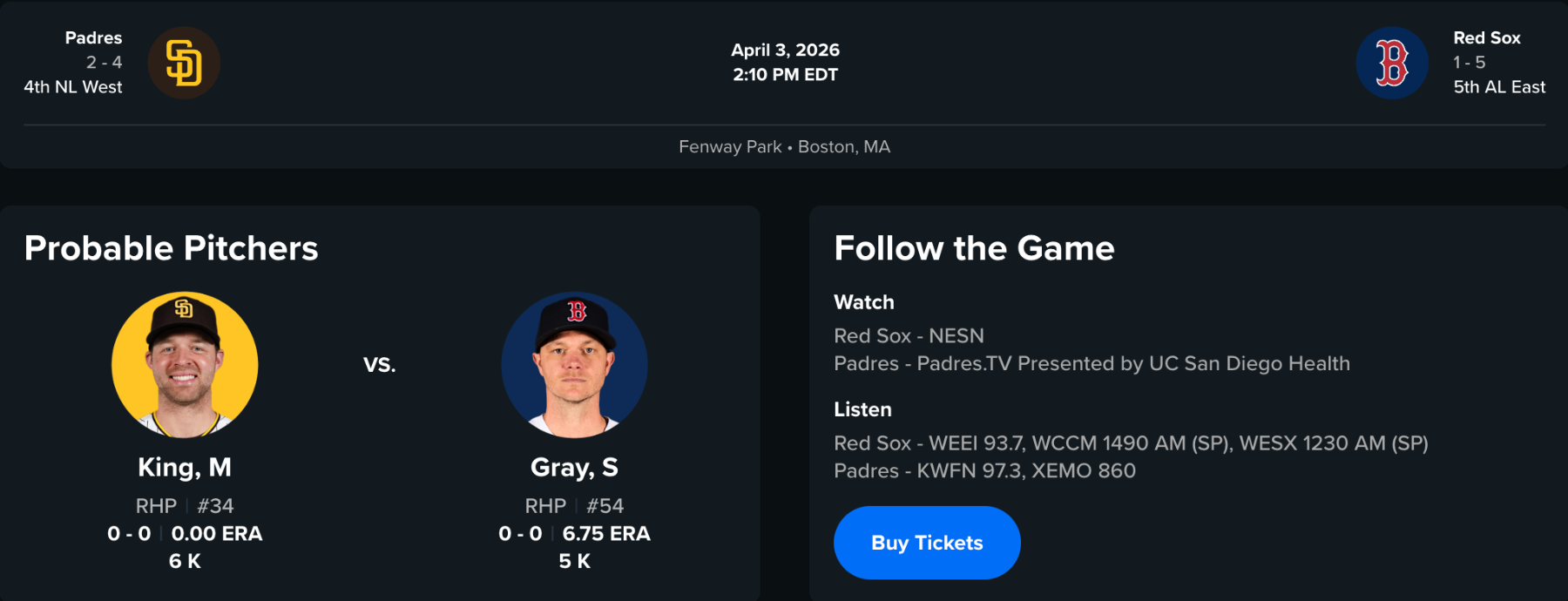
-
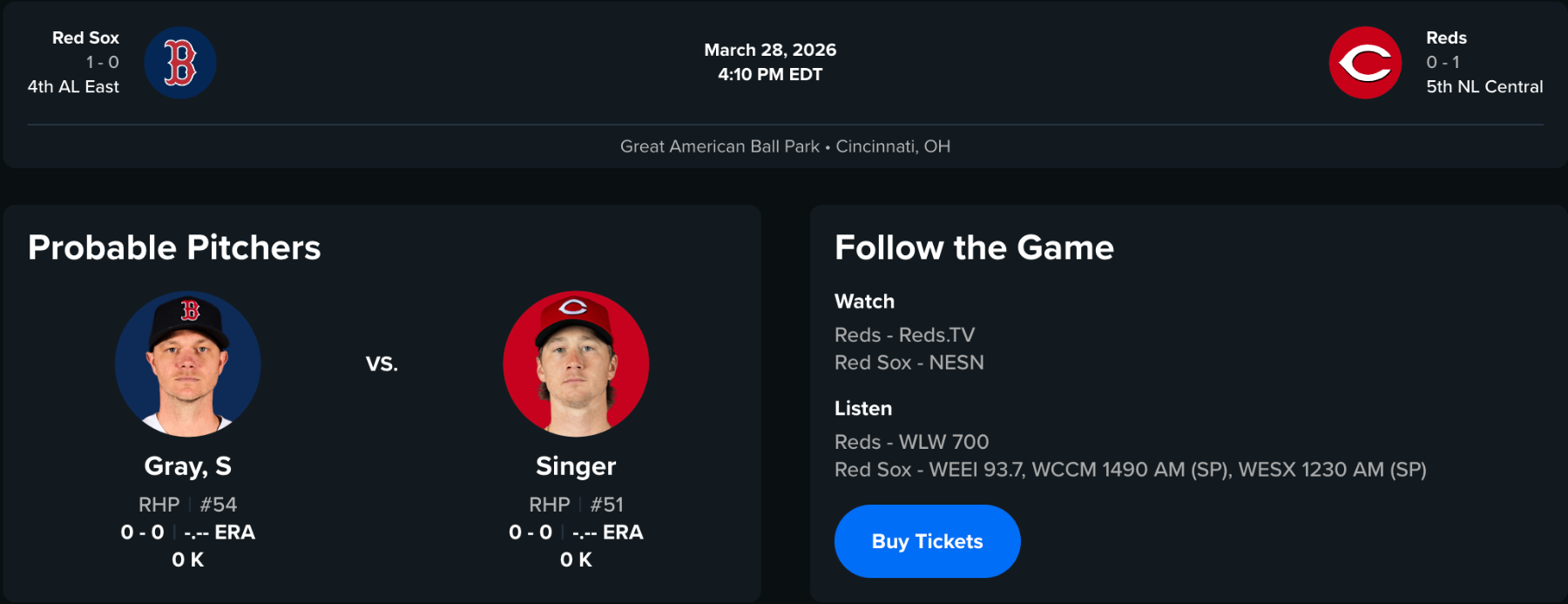
Sonny Gray makes his long-awaited Red Sox debut following a Garrett Crochet masterpiece on Opening Day. No pressure.
-
Hard to ask for a better start than that, right? Crochet looked dominant, the Roman Empire looks even stronger in Year 2, and Mayer looked really good off the bench. Going to be a busy week — five games vs Reds & Astros before the next day off.
-
At long last, the offseason is officially over. A memorable World Baseball Classic helped bridge the gap between last year's painful postseason exit and today, but nothing invites optimism to Boston like MLB Opening Day. Things look a little different for the Red Sox in 2026, following a very active offseason of trades supplemented by a few notable free-agent additions. On paper, this is the strongest roster the team has fielded since 2018, but there's a sizable chasm between a playoff contender and a World Series champion. How all the new pieces gel will determine which camp this iteration of the Sox ultimately falls into. Courtesy of a Hunter Greene elbow injury, Boston will draw Andrew Abbott and a relatively untouched Cincinnati Reds team that snuck into the postseason last year. It should be a fun battle of two star lefties on Opening Day, with Garrett Crochet looking to perform an encore that somehow tops his otherworldly brilliance from 2025. Everything To Know About Boston Red Sox on Opening Day 2026 There were a lot of moving parts over the winter, especially when you take a gander at the farm system. In a total declaration of the win-now era the Red Sox find themselves in, the front office traded ample prospects for veteran players designed to maximize championship odds in 2026. Offseason Additions & Subtractions Key Additions: 1B Willson Contreras, 3B Caleb Durbin, UTIL Andruw Monasterio, SP Sonny Gray, SP Rager Suárez, SP Johan Oviedo, RP Danny Coulombe, RP Ryan Watson Key Losses: 3B Alex Bregman, OF Jhostynxon Garcia, UTIL Rob Refsnyder, SP Lucas Giolito, RP Steven Matz, RP Justin Wilson The team didn't re-sign any of their in-house free agents, despite making multiple overtures for Bregman (signed with the Chicago Cubs) and Wilson (retired). That subtraction category also doesn't include any of the talented pitching prospects they parted with, which could lead to a couple think pieces on Craig Breslow's incompetence somewhere down the line if a couple turn into All-Stars. Nevertheless, this is a wildly improved roster with one of the best starting rotations in all of baseball. Oviedo, who required a top-100 prospect in Garcia to acquire, couldn't even crack the starting five, ceding the No. 5 spot to Wild Card Series Game 3 starter Connelly Early. With Payton Tolle and Jake Bennett also waiting in the wings in Triple-A, this is a loaded group that comes armed with impressive depth. If the offense can survive the loss of Bregman, this will be among the most well-rounded rosters in the sport. Opening Day roster surprises We already mentioned Early shocking the world to displace Oviedo in the starting rotation. I have to believe the team will give the former Pittsburgh Pirate ample opportunities to win that spot back given the cost they sunk into him, but for now, Oviedo will be a bulk reliever with tantalizing stuff. Monasterio making the 26-man roster out of camp was also a pleasant surprise, and a well-earned one at that. He hit well enough in spring training (95 wRC+) while showing a more mature plate approach, and his versatility will be key to making the whole roster click. Expect him to platoon with Marcelo Mayer at the keystone until Romy Gonzalez returns from injury, at which point the coaching staff will need to decide whether to send Monasterio down or release Isiah Kiner-Falefa. It's not hard to guess which outcome fans will be rooting for. Lastly, Ryan Watson making the bullpen isn't a surprise — the Red Sox weren't going to give up on a Rule 5 pick they really liked just because of a mediocre spring — but their history of turning Rule 5 pitchers into useful bullpen weapons (Garrett Whitlock and Justin Slaten) portends a bright future for the 28-year-old Watson. And, because Oviedo will begin the year in the bullpen as a piggyback starter/bulk reliever, Watson can focus on short outings that will allow his stuff to play up. Bold Red Sox predictions for 2026 Saying Garrett Crochet will win the Cy Young Award hardly qualifies as bold, but suggesting that Triston Casas will return and hit 30 home runs is a little too daring for my tastes. So, I'll leave you all with five rapid-fire predictions for this team that aren't out of the realm of possibility, but also probably won't happen unless everything breaks right. Garrett Whitlock will supplant Aroldis Chapman as the team's closer at some point during the regular season. Willson Contreras will win the Silver Slugger Award for American League first basemen. Marcelo Mayer will win the Gold Glove Award for American League second basemen. The Red Sox will win 95+ games but still finish second in the American League East. Finally, the team will exact revenge on the Yankees for last October, sweeping them in the ALDS. Have fun watching the game today, everyone! And go Red Sox! View full article
-
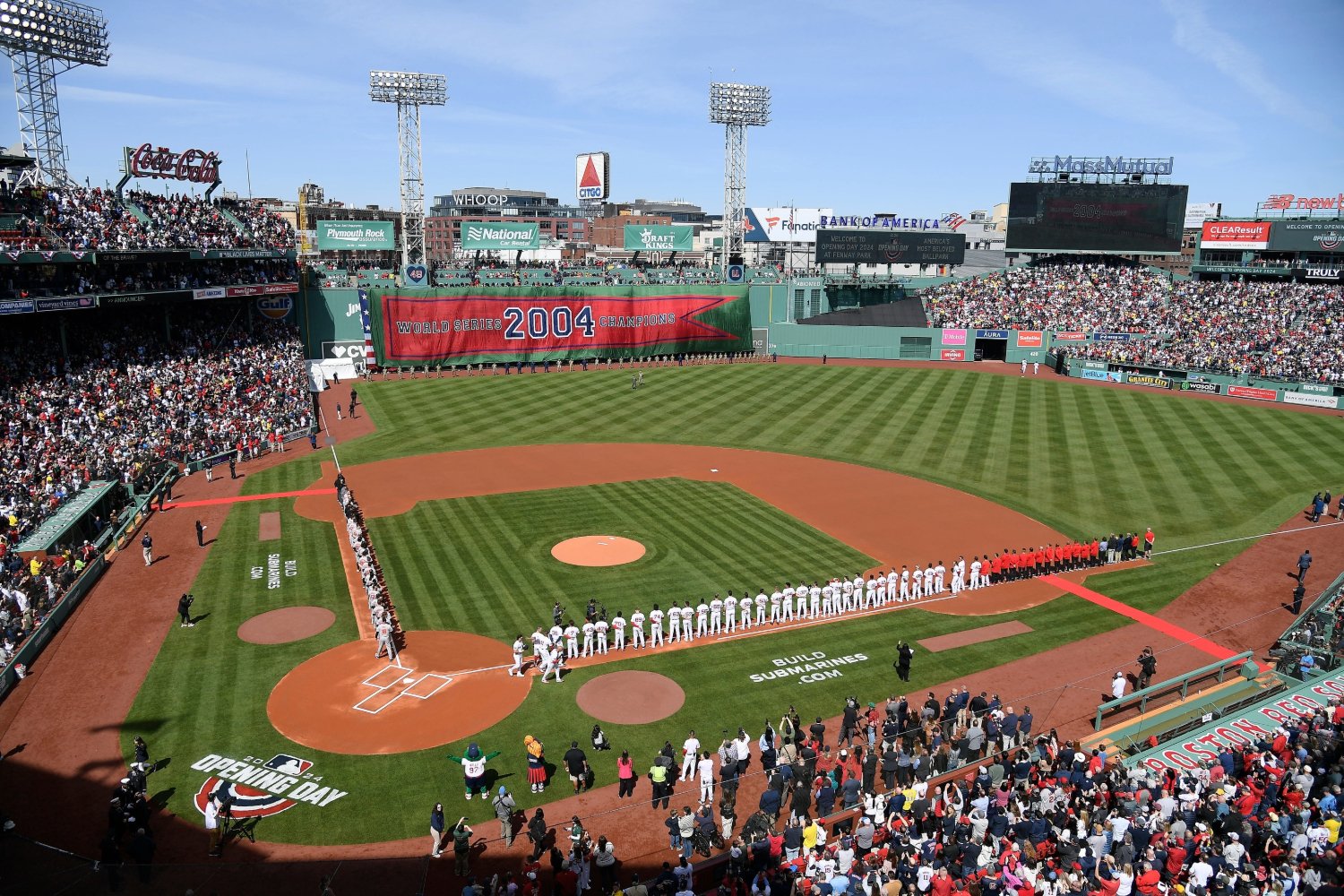 At long last, the offseason is officially over. A memorable World Baseball Classic helped bridge the gap between last year's painful postseason exit and today, but nothing invites optimism to Boston like MLB Opening Day. Things look a little different for the Red Sox in 2026, following a very active offseason of trades supplemented by a few notable free-agent additions. On paper, this is the strongest roster the team has fielded since 2018, but there's a sizable chasm between a playoff contender and a World Series champion. How all the new pieces gel will determine which camp this iteration of the Sox ultimately falls into. Courtesy of a Hunter Greene elbow injury, Boston will draw Andrew Abbott and a relatively untouched Cincinnati Reds team that snuck into the postseason last year. It should be a fun battle of two star lefties on Opening Day, with Garrett Crochet looking to perform an encore that somehow tops his otherworldly brilliance from 2025. Everything To Know About Boston Red Sox on Opening Day 2026 There were a lot of moving parts over the winter, especially when you take a gander at the farm system. In a total declaration of the win-now era the Red Sox find themselves in, the front office traded ample prospects for veteran players designed to maximize championship odds in 2026. Offseason Additions & Subtractions Key Additions: 1B Willson Contreras, 3B Caleb Durbin, UTIL Andruw Monasterio, SP Sonny Gray, SP Rager Suárez, SP Johan Oviedo, RP Danny Coulombe, RP Ryan Watson Key Losses: 3B Alex Bregman, OF Jhostynxon Garcia, UTIL Rob Refsnyder, SP Lucas Giolito, RP Steven Matz, RP Justin Wilson The team didn't re-sign any of their in-house free agents, despite making multiple overtures for Bregman (signed with the Chicago Cubs) and Wilson (retired). That subtraction category also doesn't include any of the talented pitching prospects they parted with, which could lead to a couple think pieces on Craig Breslow's incompetence somewhere down the line if a couple turn into All-Stars. Nevertheless, this is a wildly improved roster with one of the best starting rotations in all of baseball. Oviedo, who required a top-100 prospect in Garcia to acquire, couldn't even crack the starting five, ceding the No. 5 spot to Wild Card Series Game 3 starter Connelly Early. With Payton Tolle and Jake Bennett also waiting in the wings in Triple-A, this is a loaded group that comes armed with impressive depth. If the offense can survive the loss of Bregman, this will be among the most well-rounded rosters in the sport. Opening Day roster surprises We already mentioned Early shocking the world to displace Oviedo in the starting rotation. I have to believe the team will give the former Pittsburgh Pirate ample opportunities to win that spot back given the cost they sunk into him, but for now, Oviedo will be a bulk reliever with tantalizing stuff. Monasterio making the 26-man roster out of camp was also a pleasant surprise, and a well-earned one at that. He hit well enough in spring training (95 wRC+) while showing a more mature plate approach, and his versatility will be key to making the whole roster click. Expect him to platoon with Marcelo Mayer at the keystone until Romy Gonzalez returns from injury, at which point the coaching staff will need to decide whether to send Monasterio down or release Isiah Kiner-Falefa. It's not hard to guess which outcome fans will be rooting for. Lastly, Ryan Watson making the bullpen isn't a surprise — the Red Sox weren't going to give up on a Rule 5 pick they really liked just because of a mediocre spring — but their history of turning Rule 5 pitchers into useful bullpen weapons (Garrett Whitlock and Justin Slaten) portends a bright future for the 28-year-old Watson. And, because Oviedo will begin the year in the bullpen as a piggyback starter/bulk reliever, Watson can focus on short outings that will allow his stuff to play up. Bold Red Sox predictions for 2026 Saying Garrett Crochet will win the Cy Young Award hardly qualifies as bold, but suggesting that Triston Casas will return and hit 30 home runs is a little too daring for my tastes. So, I'll leave you all with five rapid-fire predictions for this team that aren't out of the realm of possibility, but also probably won't happen unless everything breaks right. Garrett Whitlock will supplant Aroldis Chapman as the team's closer at some point during the regular season. Willson Contreras will win the Silver Slugger Award for American League first basemen. Marcelo Mayer will win the Gold Glove Award for American League second basemen. The Red Sox will win 95+ games but still finish second in the American League East. Finally, the team will exact revenge on the Yankees for last October, sweeping them in the ALDS. Have fun watching the game today, everyone! And go Red Sox!
 -
Don't cry because it's over, smile because it happened. The final edition of Talk Sox's top prospect rankings for the 2026 season is finally here, featuring hard-throwing southpaw Payton Tolle. A consensus Top-100 prospect with an otherworldly fastball, he's the perfect player to lead the Boston Red Sox's farm system. Be sure to check out all of our previous rankings here: Part 1 (Nos. 16-20) Part 2 (Nos. 11-15) Part 3 (No. 10) Part 4 (No. 9) Part 5 (No. 8) Part 6 (No. 7) Part 7 (No. 6) Part 8 (No. 5) Part 9 (No. 4) Part 10 (No. 3) Part 11 (No. 2) Boston Red Sox Top Prospects: No. 1 Payton Tolle What is there left to say about Tolle at this point? The mustachioed 23-year-old rose from High-A to MLB in his first professional season, skyrocketing up both prospect rankings and the team's starting pitching depth chart. To call his potential tantalizing would be an understatement, particularly if you're dreaming upon a future rotation starring him and fellow southpaw Garrett Crochet. What he brings to the table — a 6'6" frame, elite extension, and a high-90s fastball — can't be taught. He cruised through his 20 minor-league appearances last year to the tune of a 3.04 ERA and 2.75 FIP while striking out a ridiculous 36.5% of the hitters he faced. Perhaps even more impressively, his walk rate sat at just 6.3%, suggesting a better feel for the strike zone that scouts foretold of the second-round pick. That dominance led to an earlier-than-expected MLB debut, which generated even more excitement after an electric start against the Pittsburgh Pirates. Unfortunately, he struggled after that point, surrendering nine earned runs over his next 11 innings. It would have been unreasonable to expect him to beat the best hitters in the world right away, but Tolle's specific shortcomings were really exposed in the majors. His fastball is great, and the raw numbers (96.7 mph average velocity, 28.3% whiff rate, 23.3% put-away rate) are fantastic. But he also used the pitch 64% of the time in his brief big-league stint, hence why hitters were still able to tag it for a .565 slugging percentage and .402 wOBA despite its elite shape and relatively solid command up in the zone. Meanwhile, his cutter and slider both hold very similar shapes and movement profiles, and his changeup is disastrously flat. Tolle only mustered the courage to throw that latter pitch 21 times in the big leagues (all against righties) and it was hammered to the tune of a .711 wOBA. To put it simply: Tolle throws five pitches, but only one is ready for the major leagues right now. That's why he'll open up the season at Triple-A Worcester. It's also why it wouldn't be a surprise to see him spend all of 2026 there, as he tinkers with his other offerings and learns not to be so reliant on his heater. No pitcher, no matter how good they are, can win with just one pitch. Aroldis Chapman's fastball has always had a slider to pair with; Mariano Rivera's cutter always had a two-seamer or sinker to keep hitters honest. Tolle has the physical attributes, primary offering, and know-how to be a legitimate frontline starter. In a farm system that also contains Connelly Early, Kyson Witherspoon, and Jake Bennett, he's the best prospect of the bunch. With some refinement of the skills he already he has, Tolle can become the Red Sox's next homegrown ace. View full article
-
Boston Red Sox 2026 Top Prospects Rankings: Payton Tolle (No. 1)
Brandon Glick posted an article in Red Sox
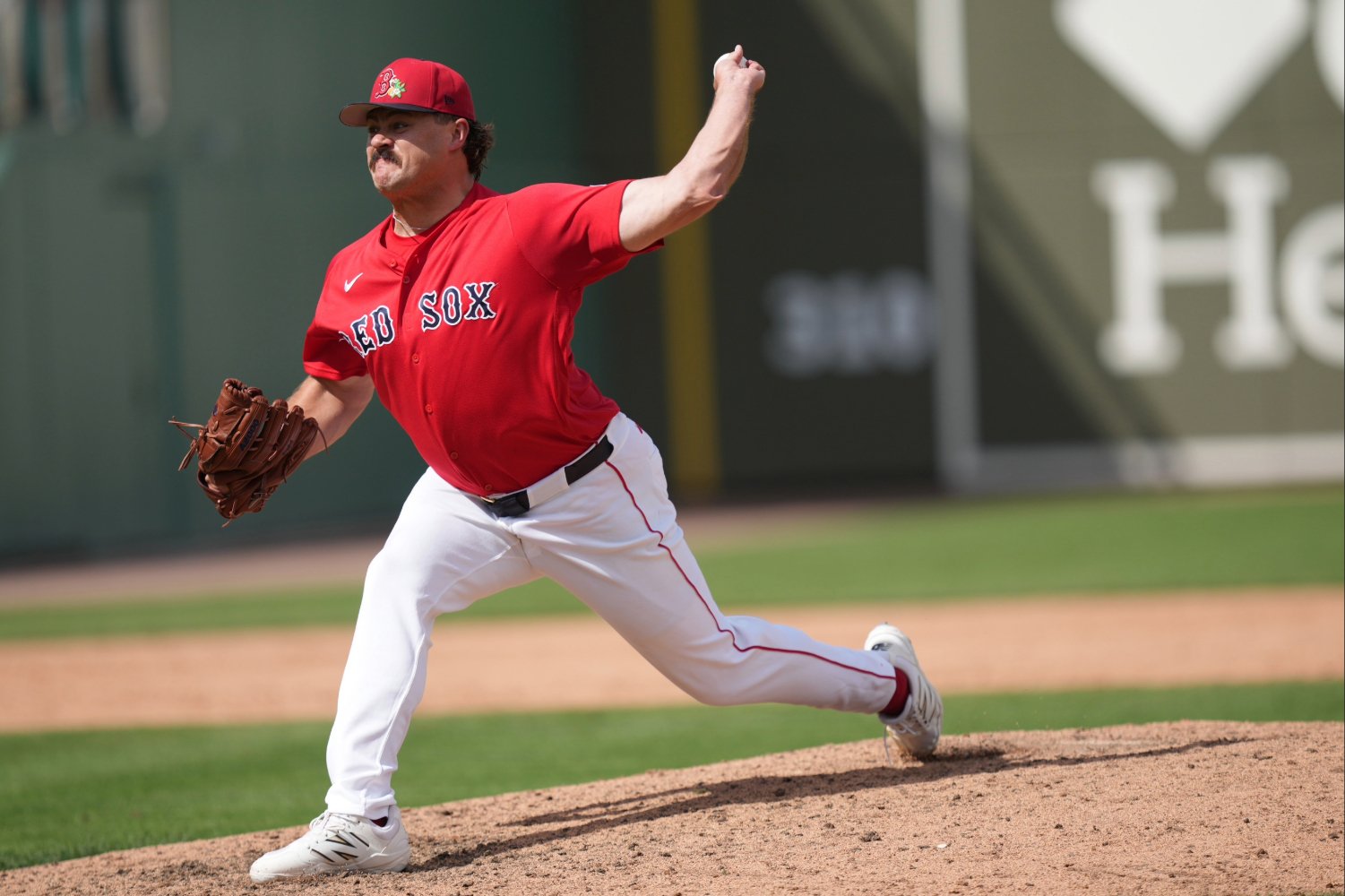 Don't cry because it's over, smile because it happened. The final edition of Talk Sox's top prospect rankings for the 2026 season is finally here, featuring hard-throwing southpaw Payton Tolle. A consensus Top-100 prospect with an otherworldly fastball, he's the perfect player to lead the Boston Red Sox's farm system. Be sure to check out all of our previous rankings here: Part 1 (Nos. 16-20) Part 2 (Nos. 11-15) Part 3 (No. 10) Part 4 (No. 9) Part 5 (No. 8) Part 6 (No. 7) Part 7 (No. 6) Part 8 (No. 5) Part 9 (No. 4) Part 10 (No. 3) Part 11 (No. 2) Boston Red Sox Top Prospects: No. 1 Payton Tolle What is there left to say about Tolle at this point? The mustachioed 23-year-old rose from High-A to MLB in his first professional season, skyrocketing up both prospect rankings and the team's starting pitching depth chart. To call his potential tantalizing would be an understatement, particularly if you're dreaming upon a future rotation starring him and fellow southpaw Garrett Crochet. What he brings to the table — a 6'6" frame, elite extension, and a high-90s fastball — can't be taught. He cruised through his 20 minor-league appearances last year to the tune of a 3.04 ERA and 2.75 FIP while striking out a ridiculous 36.5% of the hitters he faced. Perhaps even more impressively, his walk rate sat at just 6.3%, suggesting a better feel for the strike zone that scouts foretold of the second-round pick. That dominance led to an earlier-than-expected MLB debut, which generated even more excitement after an electric start against the Pittsburgh Pirates. Unfortunately, he struggled after that point, surrendering nine earned runs over his next 11 innings. It would have been unreasonable to expect him to beat the best hitters in the world right away, but Tolle's specific shortcomings were really exposed in the majors. His fastball is great, and the raw numbers (96.7 mph average velocity, 28.3% whiff rate, 23.3% put-away rate) are fantastic. But he also used the pitch 64% of the time in his brief big-league stint, hence why hitters were still able to tag it for a .565 slugging percentage and .402 wOBA despite its elite shape and relatively solid command up in the zone. Meanwhile, his cutter and slider both hold very similar shapes and movement profiles, and his changeup is disastrously flat. Tolle only mustered the courage to throw that latter pitch 21 times in the big leagues (all against righties) and it was hammered to the tune of a .711 wOBA. To put it simply: Tolle throws five pitches, but only one is ready for the major leagues right now. That's why he'll open up the season at Triple-A Worcester. It's also why it wouldn't be a surprise to see him spend all of 2026 there, as he tinkers with his other offerings and learns not to be so reliant on his heater. No pitcher, no matter how good they are, can win with just one pitch. Aroldis Chapman's fastball has always had a slider to pair with; Mariano Rivera's cutter always had a two-seamer or sinker to keep hitters honest. Tolle has the physical attributes, primary offering, and know-how to be a legitimate frontline starter. In a farm system that also contains Connelly Early, Kyson Witherspoon, and Jake Bennett, he's the best prospect of the bunch. With some refinement of the skills he already he has, Tolle can become the Red Sox's next homegrown ace.
 -
Opening Day is less than two weeks away, and the Boston Red Sox's plans for the regular season are coming into focus. As players return from the World Baseball Classic, the team will be able to continue cutting players from major-league camp and fine tuning the roster. Of course, baseball junkie Craig Breslow wasn't finished tinkering just because spring training is well underway. After months of offseason rumors connected both parties, the Red Sox have signed left-handed reliever Danny Coulombe. He crucially adds a third southpaw to the bullpen, joining Jovani Moran and closer Aroldis Chapman. Unfortunately, in order to make room for the 36-year-old on the 40-man roster, the team sent Romy Gonzalez to the 60-day injured list, knocking him out until at least May. Red Sox Answer Bullpen's Biggest Question With Danny Coulombe Signing Once the front office cleaned house of all the fringe left-handed relievers on the roster, there was a question if they'd convert one of their many pitching prospects to relief. Then, Kyle Harrison and practically everyone else was traded away, leaving the big-league bullpen short on matchup arms. There was hope of an 11th-hour reunion with Justin Wilson, but the veteran reliever is reportedly leaning toward retirement. Coulombe thankfully resolves that concern, even if he isn't flawless. He shredded the competition with the Minnesota Twins during the first half of last season, pitching to a 1.16 ERA (2.01 FIP) over 31 frames. Benefitting from an abundance of weakly hit fly balls, the veteran reliever showed off an enviable mastery of the strike zone, punching out more than a quarter of the hitters he faced while walking just 7.4% of them. Things came a bit undone once he was traded to the Texas Rangers (5.25 ERA, 6.64 FIP), but he still finished the season as one of the league's best at getting batters to chase pitches outside the zone. Naturally, that's what makes him so good at forcing weak contact, despite a fastball that barely averages more than 90 mph. He's got a movement-dependent, spin-heavy arsenal that should play nicely off the gas that Chapman throws. In terms of matchups, lefties technically posted a higher batting average against him last year, but their impact was minimal (.238 wOBA). For his career, he's held left-handed batters to a scant .596 OPS, compared to a .694 mark against right-handers. When he's right, he can get anyone out, as he proved in Minnesota. Truthfully, health may be his biggest hurdle — Coulombe has had six injured list stints since the start of 2022. Chapman is a known quantity as the closer, even if he's unable to deliver an encore on his sterling 2025 campaign. And Moran, despite some warts, is a whiff-generating machine with some untapped upside. This trio of left-handed relievers should be capable of shepherding the bullpen to great heights, assuming they can all stay healthy. Romy Gonzalez's Shoulder Injury Compounds Loss of Rob Refsnyder Unfortunately, Coulombe's arrival can only generate so much goodwill and hype. Losing Gonzalez for an extended period of time is a blow to the team's bench infrastructure, and also a reminder of why acquiring Caleb Durbin was so important. More than anything, Gonzalez is perhaps the team's single-best hitter against southpaws now that Rob Refsnyder and Alex Bregman are playing elsewhere. He hammered them last to the tune of a .331/.378/.600 slash line, producing a .978 OPS and 162 wRC+ when he had the handedness advantage. Opposing teams will be able to exploit his absence by bringing in high-leverage left-handed relievers in late games, knowing Alex Cora has limited options to work with. However, it's worth noting that Gonzalez's placement on the IL opens up an Opening Day roster spot for Andruw Monasterio, who has been really impressive this spring. He's got a versatile glove and some upside at the plate, and perhaps he could play well enough over the season's opening weeks to stave off a demotion when Gonzalez returns (though, in turn, that would probably get Isiah Kiner-Falefa kicked off the team). With Gonzalez out and Triston Casas also expected to need more time to recuperate, the Red Sox are down two of their best power hitters. They'll need some breakouts from their youth contingent in order to produce runs in the early going. View full article
-
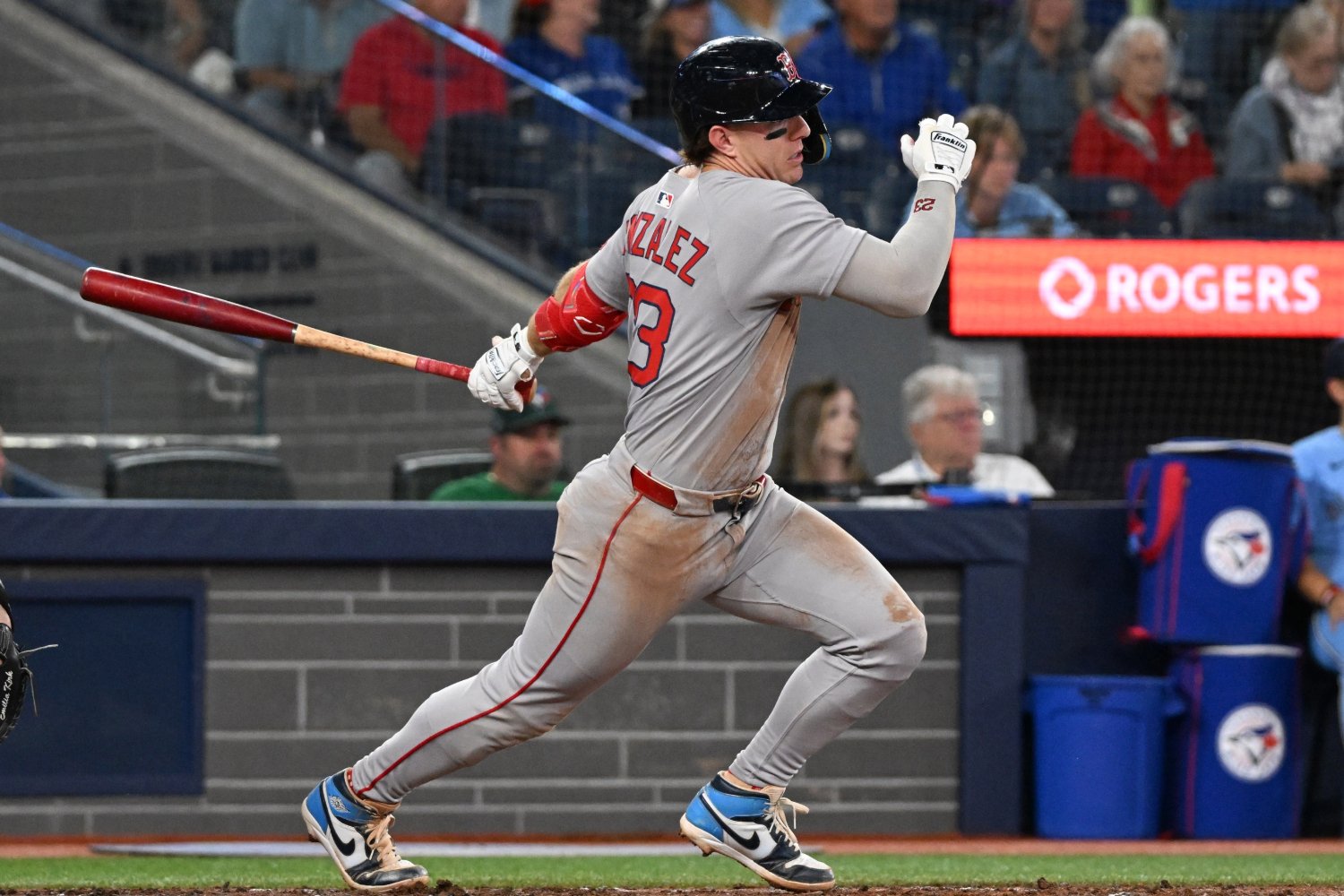 Opening Day is less than two weeks away, and the Boston Red Sox's plans for the regular season are coming into focus. As players return from the World Baseball Classic, the team will be able to continue cutting players from major-league camp and fine tuning the roster. Of course, baseball junkie Craig Breslow wasn't finished tinkering just because spring training is well underway. After months of offseason rumors connected both parties, the Red Sox have signed left-handed reliever Danny Coulombe. He crucially adds a third southpaw to the bullpen, joining Jovani Moran and closer Aroldis Chapman. Unfortunately, in order to make room for the 36-year-old on the 40-man roster, the team sent Romy Gonzalez to the 60-day injured list, knocking him out until at least May. Red Sox Answer Bullpen's Biggest Question With Danny Coulombe Signing Once the front office cleaned house of all the fringe left-handed relievers on the roster, there was a question if they'd convert one of their many pitching prospects to relief. Then, Kyle Harrison and practically everyone else was traded away, leaving the big-league bullpen short on matchup arms. There was hope of an 11th-hour reunion with Justin Wilson, but the veteran reliever is reportedly leaning toward retirement. Coulombe thankfully resolves that concern, even if he isn't flawless. He shredded the competition with the Minnesota Twins during the first half of last season, pitching to a 1.16 ERA (2.01 FIP) over 31 frames. Benefitting from an abundance of weakly hit fly balls, the veteran reliever showed off an enviable mastery of the strike zone, punching out more than a quarter of the hitters he faced while walking just 7.4% of them. Things came a bit undone once he was traded to the Texas Rangers (5.25 ERA, 6.64 FIP), but he still finished the season as one of the league's best at getting batters to chase pitches outside the zone. Naturally, that's what makes him so good at forcing weak contact, despite a fastball that barely averages more than 90 mph. He's got a movement-dependent, spin-heavy arsenal that should play nicely off the gas that Chapman throws. In terms of matchups, lefties technically posted a higher batting average against him last year, but their impact was minimal (.238 wOBA). For his career, he's held left-handed batters to a scant .596 OPS, compared to a .694 mark against right-handers. When he's right, he can get anyone out, as he proved in Minnesota. Truthfully, health may be his biggest hurdle — Coulombe has had six injured list stints since the start of 2022. Chapman is a known quantity as the closer, even if he's unable to deliver an encore on his sterling 2025 campaign. And Moran, despite some warts, is a whiff-generating machine with some untapped upside. This trio of left-handed relievers should be capable of shepherding the bullpen to great heights, assuming they can all stay healthy. Romy Gonzalez's Shoulder Injury Compounds Loss of Rob Refsnyder Unfortunately, Coulombe's arrival can only generate so much goodwill and hype. Losing Gonzalez for an extended period of time is a blow to the team's bench infrastructure, and also a reminder of why acquiring Caleb Durbin was so important. More than anything, Gonzalez is perhaps the team's single-best hitter against southpaws now that Rob Refsnyder and Alex Bregman are playing elsewhere. He hammered them last to the tune of a .331/.378/.600 slash line, producing a .978 OPS and 162 wRC+ when he had the handedness advantage. Opposing teams will be able to exploit his absence by bringing in high-leverage left-handed relievers in late games, knowing Alex Cora has limited options to work with. However, it's worth noting that Gonzalez's placement on the IL opens up an Opening Day roster spot for Andruw Monasterio, who has been really impressive this spring. He's got a versatile glove and some upside at the plate, and perhaps he could play well enough over the season's opening weeks to stave off a demotion when Gonzalez returns (though, in turn, that would probably get Isiah Kiner-Falefa kicked off the team). With Gonzalez out and Triston Casas also expected to need more time to recuperate, the Red Sox are down two of their best power hitters. They'll need some breakouts from their youth contingent in order to produce runs in the early going.
 -
At long last, Talk Sox has reached its countdown of the top five prospects in the Boston Red Sox's system heading into the 2026 season. Be sure to check out our previous rankings here: Part 1 (Nos. 16-20) Part 2 (Nos. 11-15) Part 3 (No. 10) Part 4 (No. 9) Part 5 (No. 8) Part 6 (No. 7) Part 7 (No. 6) Boston Red Sox Top Prospects: No. 5 Juan Valera The Red Sox have made a habit of trading away quality pitching prospects, dealing away a small army of young arms this offseason in their myriad of trades aimed to improve the major-league roster. And yet, they made a few names untouchable in trade talks (spoiler alert for the rest of our top-20 rundown): Payton Tolle, Connelly Early, Kyson Witherspoon, and Juan Valera. That's some lofty company for Valera, 19, to find himself in after just two seasons of full-time ball. But the teenager out of the Dominican Republic has earned the hype, even after a 2025 season that flashed some red flags. Across 10 starts with High-A Greenville, Valera consumed 38 innings while posting a 5.45 ERA and 3.97 FIP. The more advanced hitters at the level were able to square him up frequently, as he surrendered six home runs in just 167 plate appearances. That being said, the underlying metrics are tantalizing. He struck out 27.5% of hitters and walked just 6.0% of them, displaying a mastery of the strike zone you almost never see in young pitchers. That control is even more impressive when you consider that Valera throws a high-90s fastball and a gyro slider with big break both horizontally and vertically. Those offerings play nicely off each other; his fastball features some natural cut action (i.e., movement to his glove side) and his slider displays some sweeping tendencies while still retaining vertical break. To combat his two primary offerings both featuring glove-side action, Valera has been tinkering with a changeup, but it is certainly his weakest offering. It's firm and a little flat, lacking the fading action that he needs to really work both sides of the plate. Still, because the pitch routinely flashes in the low-90s, he's able to use it effectively down in the zone. The bigger concern is health, as is the case for most pitching prospects with elite velocity. He missed multiple months in 2025 while tending to elbow soreness, though he returned to Greenville by the end of the regular season and reportedly had a "normal" offseason in terms of preparation. That's worth monitoring as he climbs further up the ranks, but he and the Red Sox appear to have dodged a bullet for now. Valera's delivery actually reminds me a bit of Nestor Cortes. Though he's less eccentric on the mound that the former New York Yankees southpaw, he's got a simple, repeatable motion that he'll deviate from in an effort to mess with hitters' timing. He doesn't change much more than his tempo — and he certainly doesn't freestyle in the way Cortes does — but the young right-hander does have an advanced feel for his mechanics and isn't shy about altering his style in order to gain the upper hand. He still needs to hit key developmental goals (a third and even fourth reliable offering would be game-changing) and prove that he can handle even a semi-reliable workload (his career high in innings is 63 1/3), but Valera's arrow is pointing upward heading into 2026. Despite not turning 20 until May, he'll likely crash Double-A before the All-Star Break, with a slim chance to make it to Worcester if he remains healthy all year long. By this time next year, he could be the consensus top prospect in the system. View full article
-
Boston Red Sox 2026 Top Prospects Rankings: Juan Valera (No. 5)
Brandon Glick posted an article in Minor Leagues
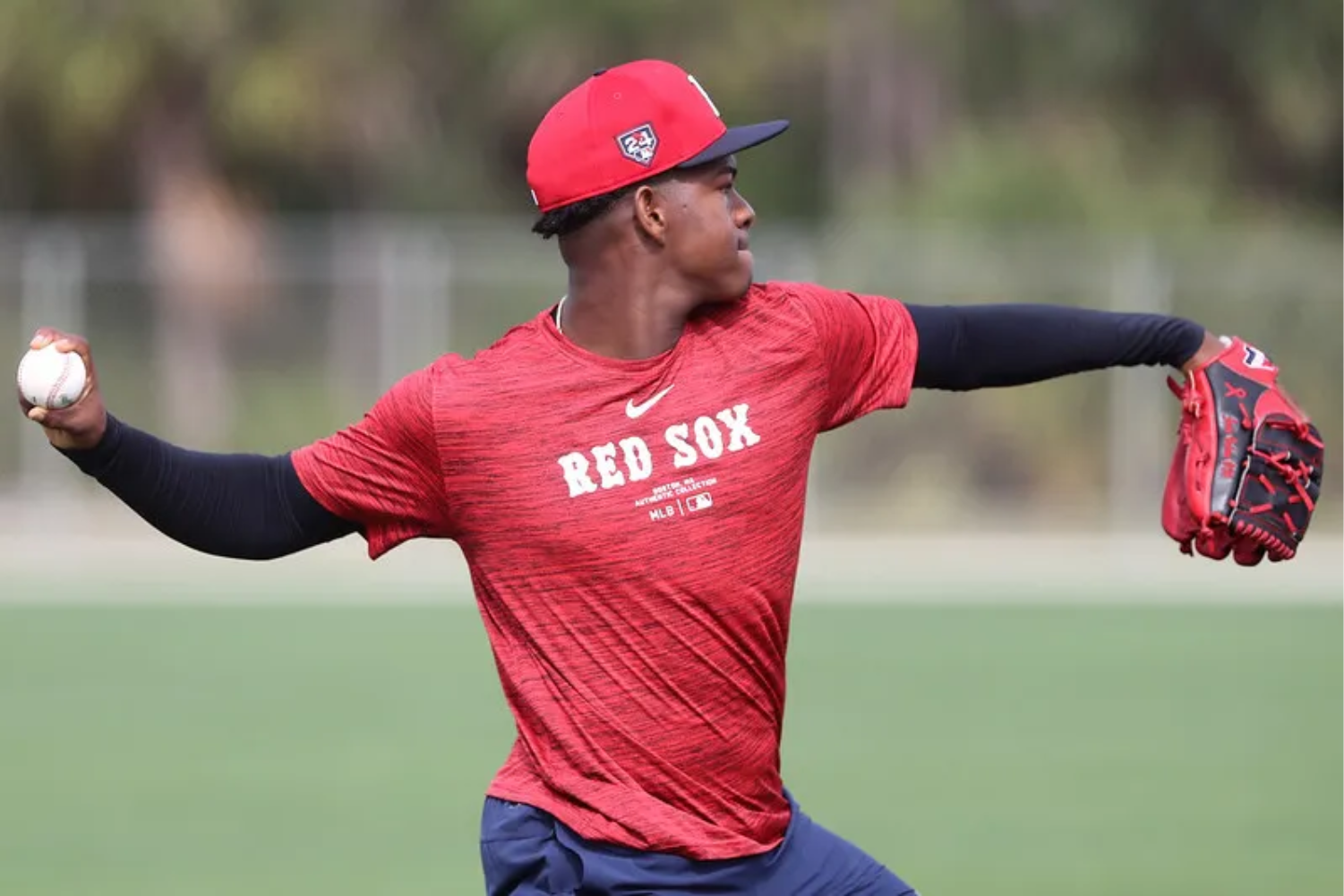 At long last, Talk Sox has reached its countdown of the top five prospects in the Boston Red Sox's system heading into the 2026 season. Be sure to check out our previous rankings here: Part 1 (Nos. 16-20) Part 2 (Nos. 11-15) Part 3 (No. 10) Part 4 (No. 9) Part 5 (No. 8) Part 6 (No. 7) Part 7 (No. 6) Boston Red Sox Top Prospects: No. 5 Juan Valera The Red Sox have made a habit of trading away quality pitching prospects, dealing away a small army of young arms this offseason in their myriad of trades aimed to improve the major-league roster. And yet, they made a few names untouchable in trade talks (spoiler alert for the rest of our top-20 rundown): Payton Tolle, Connelly Early, Kyson Witherspoon, and Juan Valera. That's some lofty company for Valera, 19, to find himself in after just two seasons of full-time ball. But the teenager out of the Dominican Republic has earned the hype, even after a 2025 season that flashed some red flags. Across 10 starts with High-A Greenville, Valera consumed 38 innings while posting a 5.45 ERA and 3.97 FIP. The more advanced hitters at the level were able to square him up frequently, as he surrendered six home runs in just 167 plate appearances. That being said, the underlying metrics are tantalizing. He struck out 27.5% of hitters and walked just 6.0% of them, displaying a mastery of the strike zone you almost never see in young pitchers. That control is even more impressive when you consider that Valera throws a high-90s fastball and a gyro slider with big break both horizontally and vertically. Those offerings play nicely off each other; his fastball features some natural cut action (i.e., movement to his glove side) and his slider displays some sweeping tendencies while still retaining vertical break. To combat his two primary offerings both featuring glove-side action, Valera has been tinkering with a changeup, but it is certainly his weakest offering. It's firm and a little flat, lacking the fading action that he needs to really work both sides of the plate. Still, because the pitch routinely flashes in the low-90s, he's able to use it effectively down in the zone. The bigger concern is health, as is the case for most pitching prospects with elite velocity. He missed multiple months in 2025 while tending to elbow soreness, though he returned to Greenville by the end of the regular season and reportedly had a "normal" offseason in terms of preparation. That's worth monitoring as he climbs further up the ranks, but he and the Red Sox appear to have dodged a bullet for now. Valera's delivery actually reminds me a bit of Nestor Cortes. Though he's less eccentric on the mound that the former New York Yankees southpaw, he's got a simple, repeatable motion that he'll deviate from in an effort to mess with hitters' timing. He doesn't change much more than his tempo — and he certainly doesn't freestyle in the way Cortes does — but the young right-hander does have an advanced feel for his mechanics and isn't shy about altering his style in order to gain the upper hand. He still needs to hit key developmental goals (a third and even fourth reliable offering would be game-changing) and prove that he can handle even a semi-reliable workload (his career high in innings is 63 1/3), but Valera's arrow is pointing upward heading into 2026. Despite not turning 20 until May, he'll likely crash Double-A before the All-Star Break, with a slim chance to make it to Worcester if he remains healthy all year long. By this time next year, he could be the consensus top prospect in the system.
 -
A move that probably should have happened months ago, but still a nice pickup. The salary is so small that the team can cut him loose at any point, but I'd expect Coulombe to be on the Opening Day roster barring injury.
-
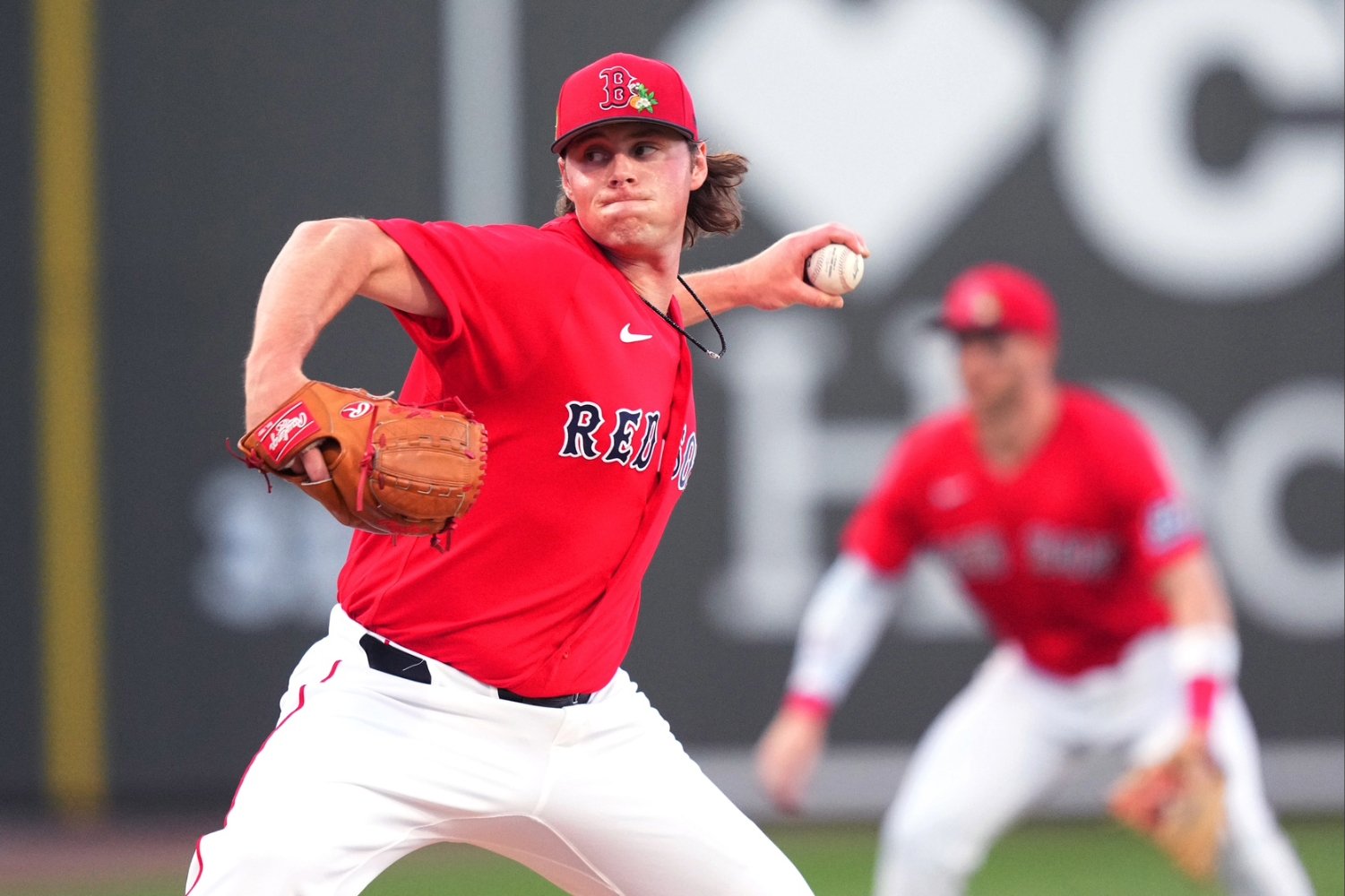 The Boston Red Sox have finally started shaving down their major-league roster, optioning or re-assigning eight players to minor-league camp on Monday, March 9. Jake Bennett is the most notable name on that list as a member of the 40-man roster and one of the team's top prospects. Still, he's got a long way to go before making his MLB debut, as he's still behind Payton Tolle and Connelly Early on the organizational depth chart. Three of those pitchers (Osvaldo Berrios, Hobie Harris, and Vinny Nitoli) are either hurt or have been delayed in their ramp-up for the regular season. Both catchers (Nate Baez and Ronald Rosario) are projected to open the season in Double-A as depth behind Triple-A options Jason Delay and Mickey Gasper. The other two arms (Devin Sweet and Jeremy Wu-Yelland) are intriguing bullpen options who struggled mightily in their limited spring training action. Expect more rounds of cuts in the coming weeks, especially as the team's 15 representatives at the World Baseball Classic make their way back to camp.