


Nick John
-
Posts
799 -
Joined
-
Last visited
-
Days Won
1
Content Type
Profiles
Boston Red Sox Videos
2026 Boston Red Sox Top Prospects Ranking
Boston Red Sox Free Agent & Trade Rumors, Notes, & Tidbits
Guides & Resources
2025 Boston Red Sox Draft Pick Tracker
News
2026 Boston Red Sox Draft Tracker: Picks & Bonuses
Forums
Blogs
Events
Store
Downloads
Gallery
Everything posted by Nick John
-
As the temperature heats up, so too is Red Sox prospect Miguel Bleis, as the outfielder has been on a tear lately. Bleis, a former top prospect in the Red Sox system twho originally signed for $1.5 million as an international free agent in 2021 as a 16-year-old, has seen his fair share of struggles in pro ball. Despite that, he’s beginning to put together his best season since being promoted out of the Florida Complex League. As the first week of June has come to an end, Bleis has managed to turn not just his season, but also his chances of being a top prospect, back around. While the right-handed outfielder is unlikely to reach the heights of his former status that saw him enter 2023 as the 88th ranked prospect by Baseball America, there is a good chance he could show the talents that once made him a highly-touted prospect, such as his amazing power, speed and defense that have been hampered by injuries throughout his professional career. Since signing with the Red Sox in 2021, Bleis has dealt with a lower back injury that ended his season early in 2022, a left shoulder subluxation that led to season-ending surgery in June of 2023, and minor injuries in 2024 such as a root canal and finger sprain. Even in 2025, he began the year hurt as he dealt with a quad injury. There’s a good chance that the quad injury he began the year with played an impact on his early-season struggles, as the outfielder only hit .231/.310/.519 in 13 games in April. He did manage to hit four home runs and drive in 15 RBIs, but also struck out 22 times in just 52 at-bats. The good news is Bleis’ numbers improved the longer the season has gone on, as he started to hit better in May, though at a peculiar expense of his power. Across 23 games last month, Bleis managed to increase his numbers to a stat line of .256/.333/.390 to go along with two home runs and 15 RBIs. He also showed off his speed a bit more, as he swiped six bases in the month. Most importantly, perhaps, was that his strikeout rate dove — he struck out two less times in 30 more at-bats this month. And, as June begins to heat up, so too is Bleis, as he is off to a torrid start. The young outfielder is slashing .350/.409/1.000 to go along with four home runs, eight RBIs and two more stolen bases, while having only struck out four times in 20 at-bats. Overall on the season, Bleis has appeared in 41 games and is hitting .260/.355/.513 with 10 home runs and 38 RBI. He’s also stolen 11 bases and has tied the number of hits he had with Greenville last season with 40, all of this being done in just 154 at-bats. Due to his high number of strikeouts in April (22 in 52 at-bats), his percentage on the season may be a little skewed, as it sits at 26.6%, a number that is 5.2% higher than last year and 3.5% higher than his percentage in Greenville for 2024. One positive way to look at it, however, is that since the start of May, his strikeout percentage is only 23.5% in his last 102 at-bats. His walk percentage is also another area to look at, as he’s now walking at just under at 9.8%, an improvement over his 7.7% rate in Greenville for 2024. Bleis also has an issue with using the whole field, typically pulling the ball most of his at-bats as the percentage of all his batted balls is currently 65.7%. The young outfielder is very pull happy and might be using the wall in left field of Fluor Field to help his numbers as there’s a vast difference between his home and away splits. So far in 2025 he’s hitting .284/.366/.580 at home and while on the road those numbers drop down to .227/.292/.424. Despite the struggles, Bleis is still young and has showcased flashes of his potential at every stop of his minor league career. There’s a reason the Red Sox gave him the largest bonus in their 2021 international free agent class, and his recent display at the plate is helping to show it. Should Bleis manage to stay healthy, then there’s a good chance he develops into the player everyone thought he could be, but that is a big "if" for a guy who hasn't managed a fully healthy season once since signing. His previous struggles could have been due to recovering from various injuries and being unable to put things together, but now that he’s played close to 100 games in High-A Greenville, Bleis seems to be turning a corner and making a push for a promotion to Double-A Portland. That might sound too aggressive for a young guy with injury issues, but the Red Sox need to see how he fares against more advanced competition, especially seeing as how he will be Rule 5 Draft eligible this coming offseason. Should the Red Sox not protect him, there’s a chance another team will swoop in and take him, especially with his prospect pedigree. If Bleis can stay healthy and continue to improve as the season continues, the decision may become a bit easier for the Red Sox if they want to protect him or even possibly move him in a deal to improve to the major league roster. View full article
-
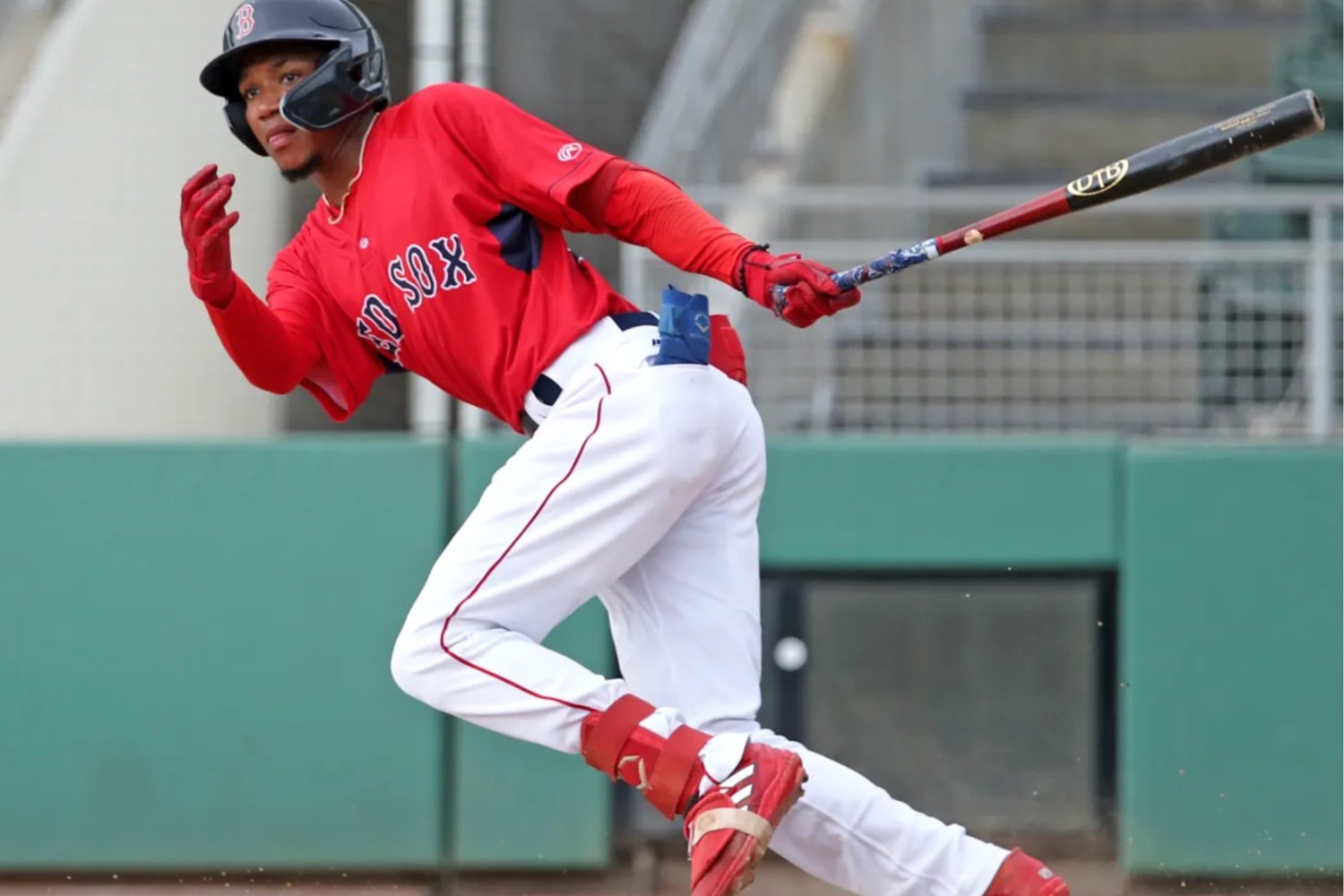 As the temperature heats up, so too is Red Sox prospect Miguel Bleis, as the outfielder has been on a tear lately. Bleis, a former top prospect in the Red Sox system twho originally signed for $1.5 million as an international free agent in 2021 as a 16-year-old, has seen his fair share of struggles in pro ball. Despite that, he’s beginning to put together his best season since being promoted out of the Florida Complex League. As the first week of June has come to an end, Bleis has managed to turn not just his season, but also his chances of being a top prospect, back around. While the right-handed outfielder is unlikely to reach the heights of his former status that saw him enter 2023 as the 88th ranked prospect by Baseball America, there is a good chance he could show the talents that once made him a highly-touted prospect, such as his amazing power, speed and defense that have been hampered by injuries throughout his professional career. Since signing with the Red Sox in 2021, Bleis has dealt with a lower back injury that ended his season early in 2022, a left shoulder subluxation that led to season-ending surgery in June of 2023, and minor injuries in 2024 such as a root canal and finger sprain. Even in 2025, he began the year hurt as he dealt with a quad injury. There’s a good chance that the quad injury he began the year with played an impact on his early-season struggles, as the outfielder only hit .231/.310/.519 in 13 games in April. He did manage to hit four home runs and drive in 15 RBIs, but also struck out 22 times in just 52 at-bats. The good news is Bleis’ numbers improved the longer the season has gone on, as he started to hit better in May, though at a peculiar expense of his power. Across 23 games last month, Bleis managed to increase his numbers to a stat line of .256/.333/.390 to go along with two home runs and 15 RBIs. He also showed off his speed a bit more, as he swiped six bases in the month. Most importantly, perhaps, was that his strikeout rate dove — he struck out two less times in 30 more at-bats this month. And, as June begins to heat up, so too is Bleis, as he is off to a torrid start. The young outfielder is slashing .350/.409/1.000 to go along with four home runs, eight RBIs and two more stolen bases, while having only struck out four times in 20 at-bats. Overall on the season, Bleis has appeared in 41 games and is hitting .260/.355/.513 with 10 home runs and 38 RBI. He’s also stolen 11 bases and has tied the number of hits he had with Greenville last season with 40, all of this being done in just 154 at-bats. Due to his high number of strikeouts in April (22 in 52 at-bats), his percentage on the season may be a little skewed, as it sits at 26.6%, a number that is 5.2% higher than last year and 3.5% higher than his percentage in Greenville for 2024. One positive way to look at it, however, is that since the start of May, his strikeout percentage is only 23.5% in his last 102 at-bats. His walk percentage is also another area to look at, as he’s now walking at just under at 9.8%, an improvement over his 7.7% rate in Greenville for 2024. Bleis also has an issue with using the whole field, typically pulling the ball most of his at-bats as the percentage of all his batted balls is currently 65.7%. The young outfielder is very pull happy and might be using the wall in left field of Fluor Field to help his numbers as there’s a vast difference between his home and away splits. So far in 2025 he’s hitting .284/.366/.580 at home and while on the road those numbers drop down to .227/.292/.424. Despite the struggles, Bleis is still young and has showcased flashes of his potential at every stop of his minor league career. There’s a reason the Red Sox gave him the largest bonus in their 2021 international free agent class, and his recent display at the plate is helping to show it. Should Bleis manage to stay healthy, then there’s a good chance he develops into the player everyone thought he could be, but that is a big "if" for a guy who hasn't managed a fully healthy season once since signing. His previous struggles could have been due to recovering from various injuries and being unable to put things together, but now that he’s played close to 100 games in High-A Greenville, Bleis seems to be turning a corner and making a push for a promotion to Double-A Portland. That might sound too aggressive for a young guy with injury issues, but the Red Sox need to see how he fares against more advanced competition, especially seeing as how he will be Rule 5 Draft eligible this coming offseason. Should the Red Sox not protect him, there’s a chance another team will swoop in and take him, especially with his prospect pedigree. If Bleis can stay healthy and continue to improve as the season continues, the decision may become a bit easier for the Red Sox if they want to protect him or even possibly move him in a deal to improve to the major league roster.
 -
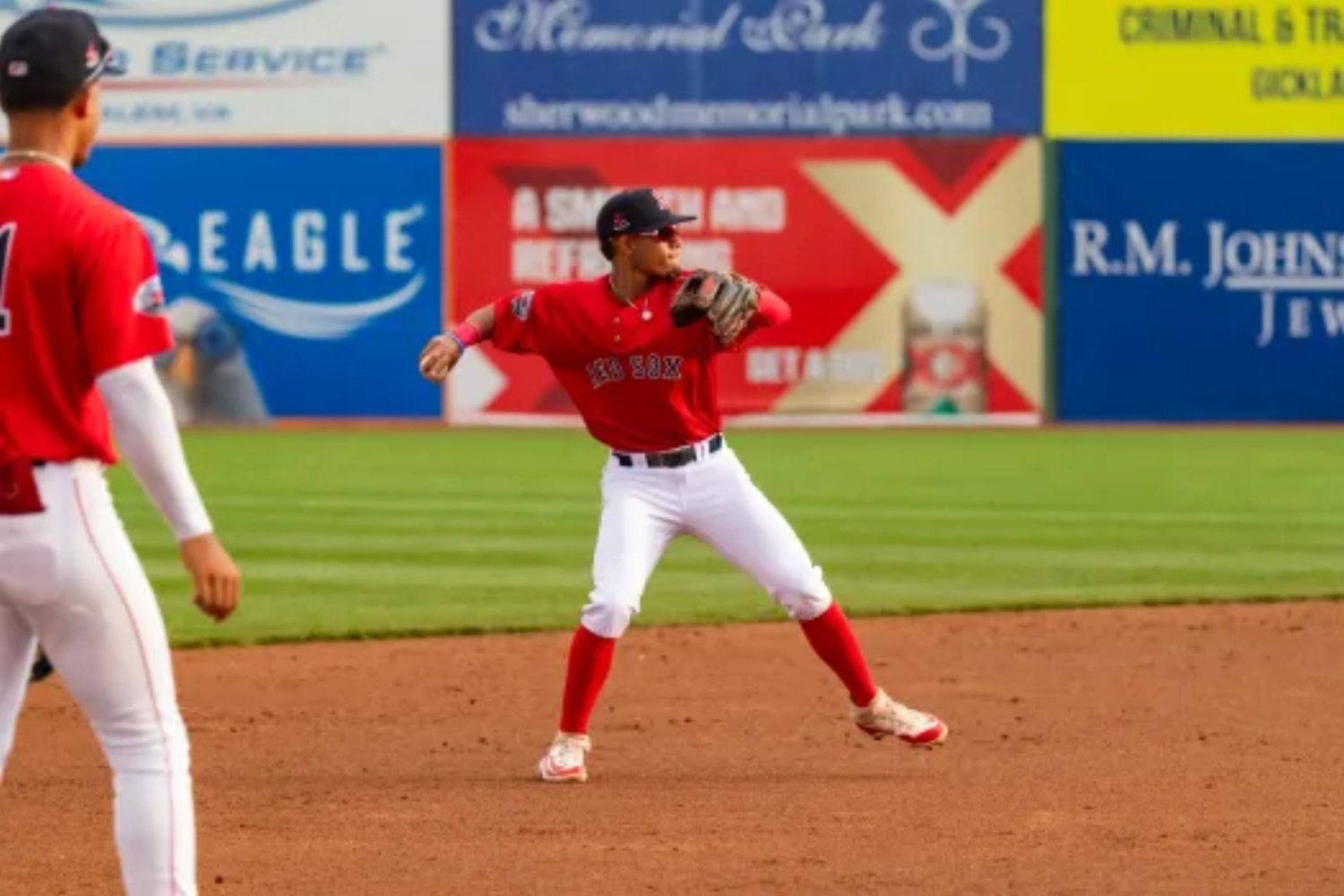 The Red Sox organization continues to bring in awards at the minor league level. Last week, it was announced that a pair of prospects had been named Player of The Week for their respective leagues, and now, it’s been announced that a trio of prospects were named Player of The Month for their respective leagues. Blaze Jordan, Franklin Arias and Freili Encarnacion were all named Player of The Month after each player impressed in May. It's nice to see, as that trio is allowing fans to see what talent is still in the minors as Kristian Campbell and Marcelo Mayer get ready to graduate from prospect status (with Roman Anthony not much further behind them). Jordan, a third-round pick in the 2020 draft, exploded onto the scene in May after a rather less-than-ideal April. After struggling to the tune of a .235/.321/.324 slash line through 18 games, the right-handed hitter appeared to turn a corner in May. Through 26 games, Jordan hit .390/.490/.671 to go along with six home runs and 24 RBIs. The slugger also added 14 walks while striking out only 11 times. In total, Jordan’s performance re-energized conversation about his presence as a prospect in the organization. The outstanding offensive performance forced a promotion to Triple-A ,where he’s only continued to hit in his first two games. With the Red Sox thin at first and third base, there’s a chance Jordan could continue to force the Red Sox's hand. In the month of May, Jordan led all qualified Eastern League hitters in hits, RBIs, batting average, on-base percentage, slugging percentage and OPS. He was also tied for fourth in runs scored, tied for second in home runs, and tied for seventh in walks. If he continues on this pace, he could emerge as a top-ten prospect in the organization by the offseason. Arias, a former international free agent, has been putting on quite the show all season. After opening the year in Salem, the 19-year-old infielder forced his way up to Greenville and has only become a better hitter since then. In the month of May alone, he hit a torrid .404/.438/.576 in 23 games. The infielder, who was signed originally for his defense, has impressed immensely with the bat since coming over stateside and looks to be a future star in the making. To go along with such a high batting average, he hit nine doubles, a triple, two home runs and 19 RBIs while also walking six times and striking out in seven at-bats. Despite being 19 years old, there are already people wanting to move him to Portland and see how he handles the advanced competition. Currently, he is on a 14-game hitting streak and has shown no signs of slowing down in Greenville. When compared to other South Atlantic League players who appeared in at least 20 games in the month of May, Arias led all of them in batting average, OPS, hits and doubles. He was also third in slugging, fifth in on-base percentage and tied for third in RBIs. Should Arias’ bat continue to develop, he might be the organization’s next number one prospect after Anthony’s graduation. The final player, Encarnacion, was signed as an international free agent in 2022 and was just recently called up to Greenville at the start of June after a monstrous May. Another infielder (the Red Sox have a quite a bit of those), Encarnacion is 20 years old and has spent most of his time this season split between first and third base while also playing a few games at second base while with Salem. Moving around the infield didn’t affect his bat, however, as he went on a tear in May. Across 23 games, the right-hander hit .333/.402/.655 with seven home runs, seven doubles and drove in 15 runs. He also had 29 hits and scored 20 times. His best skill is his raw power, but should he find consistency with his hit tool, those numbers may climb even higher. For the month of May, Encarnarcion led his league (among players who appeared in at least 20 games) in home runs, slugging and OPS. He was also near the top in several other categories, as he finished third in batting average, eighth in on-base percentage, tied for second in doubles, second in hits and fourth in runs scored. The Red Sox continue to show an ability to develop hitters, and their wealth of infield depth is becoming an embarrassment of riches.
 -
The Red Sox organization continues to bring in awards at the minor league level. Last week, it was announced that a pair of prospects had been named Player of The Week for their respective leagues, and now, it’s been announced that a trio of prospects were named Player of The Month for their respective leagues. Blaze Jordan, Franklin Arias and Freili Encarnacion were all named Player of The Month for their respective leagues after each player had unbelievable stats for the month of May. Each player put on a showcase in the month of May, allowing fans to see what talent is still in the minors as Kristian Campbell and Marcelo Mayer get ready to graduate from prospect status and Roman Anthony not much further behind them. Jordan, the former third round pick in the 2020 draft, exploded onto the scene in May after a rather less than ideal April. After struggling to a stat line of .235/.321/.324 through 18 games in April, the right-handed hitter appeared to turn a corner in May. Through 26 games in May, Jordan delivered as he hit .390/.490/.671 to go along with six home runs and 24 RBI. The slugger also added 14 walks while striking out only 11 times. In total, Jordan’s performance reengaged conversation about his presence as a prospect in the organization. The outstanding offensive performance forced a promotion to Triple A where he’s only continued to hit in his first two games. With the Red Sox thin at first and third base, there’s a chance Jordan could continue to force the Red Sox hand when it comes to a future promotion to Boston. In the month of May Jordan led all qualified Eastern League hitters in hits, RBI, batting average, on-base percentage, slugging percentage and OPS. He was also tied for fourth in runs scored, tied for second in home runs and tied for seventh in walks as he put up a well-rounded offensive approach across the month. Arias, the former international free agent, has been putting on quite the show all season. After opening the year in Salem, the 19-year-old infielder forced his way up to Greenville and has only become a better hitter since then. In the month of May alone he created a conversation about whether he was ready for Double-A Portland already as he hit a torrid .404/.438/.576 in 23 games. The infielder who was signed originally for his defense has impressed immensely with the bat since coming over stateside and looks to be a future star in the making. To go along with such a high batting average was nine doubles, a triple, two home runs and 19 RBI while also walking six times and striking out in seven at-bats. Despite being 19 years old there are already people wanting to move him to Portland and see how he handles the advanced competition. Currently he is on a 14-game hitting streak and has shown no signs of slowing down in Greenville. When compared to other South Atlantic League players who appeared in at least 20 games in the month of May, Arias led them in batting average, OPS, hits and doubles. He was also third in slugging, fifth in on-base percentage and tied for third in RBI. Should Arias’ bat continue to develop, he might be the organization’s next number one prospect after Anthony’s graduation. The final player, Encarnacion, was signed as an international free agent in 2022 and was just recently called up to Greenville at the start of June after a monstrous May. Another infielder just like the other two, Encarnacion is 20 years old and has spent most of his time this season split between first and third base while also playing a few games at second base while with Salem. Moving around the infield didn’t affect his bat, however, as he went on a tear in May. Across 23 games the right-hander hit .333/.402/.655 and also hit seven home runs, seven doubles and drove in 15 runs. For the entire month he also had 29 hits and scored 20 times. His best skill is his raw power and that was on display with his seven home runs across the month of May. Should he find consistency with his hit tool, those numbers may climb even higher. For the month of May, Encarnarcion led all players who appeared in at least 20 games in home runs, slugging and OPS. He was also near the top in several other categories for players who appeared in at least 20 games as he finished third in batting average, eighth in on-base percentage, tied for second in doubles, second in hits and fourth in runs scored. The Red Sox continue to show an ability to develop hitters, and the month of May showcased the results as three hitters in three different leagues earned Player of The Month honors. It’s unknown whether these three players will have a future with the Boston Red Sox, but their growth is a good sign to trust the minor league process and believe in the prospects that are being developed. View full article
-
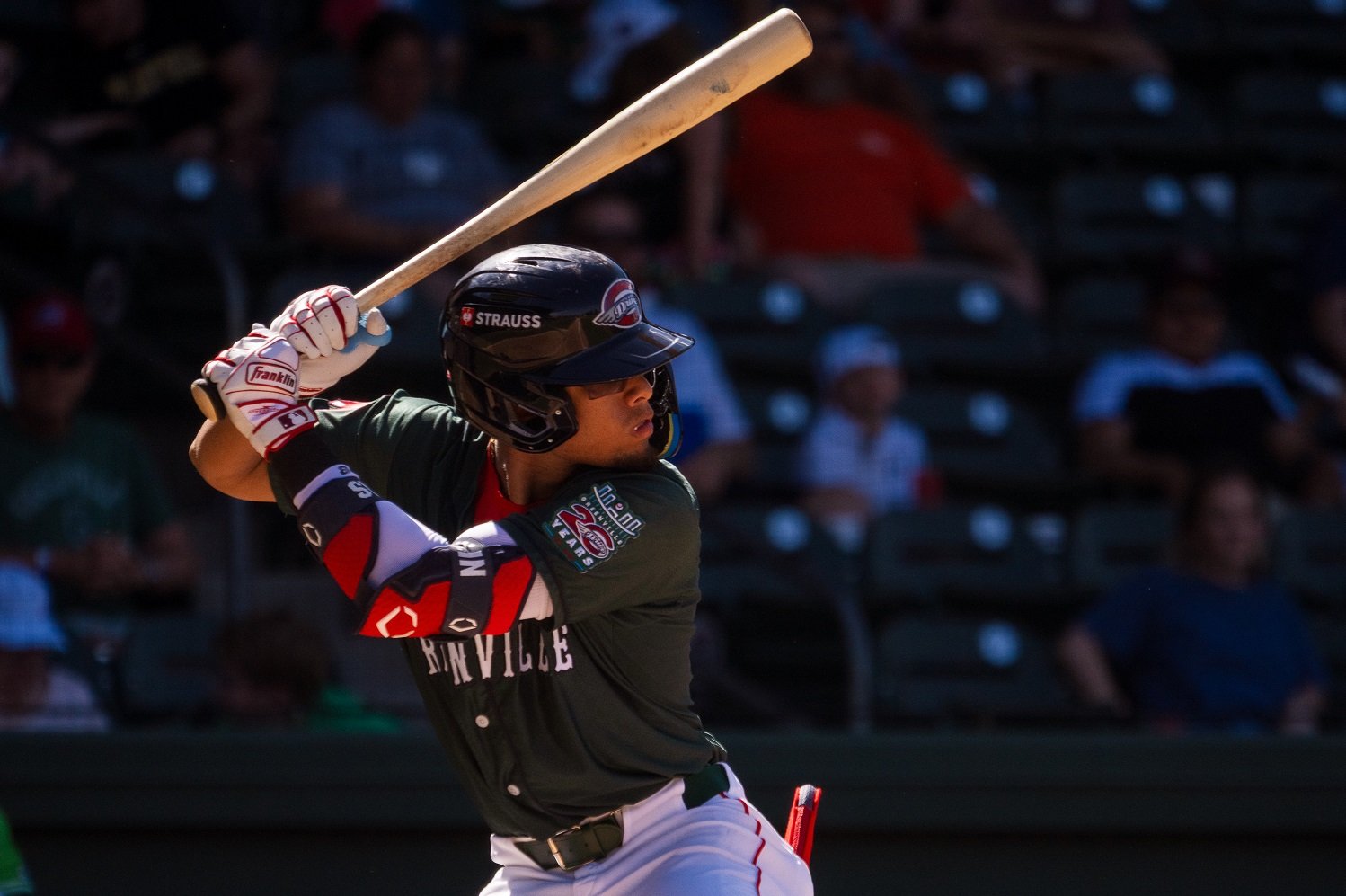 The Boston Red Sox have found a star in the making with Franklin Arias, as the young infielder has been on a tear at the plate this season. And after a hot April, it was hard to expect even more from him yet in May Arias performed even better than expected. At 19 years old Arias is nearly three years younger than the average age in the South Atlantic League where Greenville plays, yet he might be one of the best players in the league. Arias was promoted to Greenville on April 29th after 19 games with Salem that saw him slash .346/.407/.397 with nine RBI, six walks and 12 strikeouts. That is impressive for a 19-year-old to do. Upon being promoted to Greenville he only played better which is why he’s TalkSox’s minor league hitter of the month for May. In 23 games in May, Arias has managed to hit .404/.438/.576 in 99 at-bats. To go along with it, Arias has demonstrated more in-game power in May as he’s hit nine doubles, a triple and two home runs in this span. In Salem he only had four doubles when it came to extra base hits. The young infielder has also driven in more runs with 19 RBI so far and scored 14 times. Though what may be more impressive is that despite playing against older competition, Arias has managed to cut back on his strikeouts, having only done so seven times in the month of May. Arias’ improvement at the plate has been shown throughout the season, lowering his strikeout rate from 14% in Salem down to 7.9% during the month of May with Greenville. The young infielder has a habit of hitting the ball on the ground, as half of all his batted balls are ground balls with his line drive rate sitting at 23.4% and a flyball rate of 26.6% with Greenville. When swinging, Arias does not miss often, having a contact rate of 92% during his month with Greenville, managing to put the ball in play often. And to go with his high contact rate is an approach that includes hitting to all fields. Arias doesn’t rely too much on pulling the ball, managing to do so at a 38.8% rate while going to the opposite field at a 34.7% rate. He tends to go back up the middle only 26.5% of the time, however. To showcase just how dominant Arias has been at the plate, the young infielder appeared in 23 games in May and has only failed to register a hit in three of those games and still got on base twice in one of them. Across the month he has led the South Atlantic League in hits with 40 along with being tied for the lead in doubles and tied for third in RBI. Likewise, his seven strikeouts ranks him as first for least strikeouts out of players who have played at least 15 games this month. Arias’ continued transformation at the plate will only allow his ceiling to grow as the prospect will be knocking at Portland’s door soon especially if this level of play continues. The Red Sox found a special player when they originally signed him for his defensive capabilities. The play from him this month alone showcased that as he took his play to a whole new level. Now it’s up to Arias to take the foundation he built and run with it.
 -
The Boston Red Sox have found a star in the making with Franklin Arias, as the young infielder has been on a tear at the plate this season. And after a hot April, it was hard to expect even more from him yet in May Arias performed even better than expected. At 19 years old Arias is nearly three years younger than the average age in the South Atlantic League where Greenville plays, yet he might be one of the best players in the league. Arias was promoted to Greenville on April 29th after 19 games with Salem that saw him slash .346/.407/.397 with nine RBI, six walks and 12 strikeouts. That is impressive for a 19-year-old to do. Upon being promoted to Greenville he only played better which is why he’s TalkSox’s minor league hitter of the month for May. In 23 games in May, Arias has managed to hit .404/.438/.576 in 99 at-bats. To go along with it, Arias has demonstrated more in-game power in May as he’s hit nine doubles, a triple and two home runs in this span. In Salem he only had four doubles when it came to extra base hits. The young infielder has also driven in more runs with 19 RBI so far and scored 14 times. Though what may be more impressive is that despite playing against older competition, Arias has managed to cut back on his strikeouts, having only done so seven times in the month of May. Arias’ improvement at the plate has been shown throughout the season, lowering his strikeout rate from 14% in Salem down to 7.9% during the month of May with Greenville. The young infielder has a habit of hitting the ball on the ground, as half of all his batted balls are ground balls with his line drive rate sitting at 23.4% and a flyball rate of 26.6% with Greenville. When swinging, Arias does not miss often, having a contact rate of 92% during his month with Greenville, managing to put the ball in play often. And to go with his high contact rate is an approach that includes hitting to all fields. Arias doesn’t rely too much on pulling the ball, managing to do so at a 38.8% rate while going to the opposite field at a 34.7% rate. He tends to go back up the middle only 26.5% of the time, however. To showcase just how dominant Arias has been at the plate, the young infielder appeared in 23 games in May and has only failed to register a hit in three of those games and still got on base twice in one of them. Across the month he has led the South Atlantic League in hits with 40 along with being tied for the lead in doubles and tied for third in RBI. Likewise, his seven strikeouts ranks him as first for least strikeouts out of players who have played at least 15 games this month. Arias’ continued transformation at the plate will only allow his ceiling to grow as the prospect will be knocking at Portland’s door soon especially if this level of play continues. The Red Sox found a special player when they originally signed him for his defensive capabilities. The play from him this month alone showcased that as he took his play to a whole new level. Now it’s up to Arias to take the foundation he built and run with it. View full article
-
The Boston Red Sox have seen quite the number of awards this season in their organization, as several prospects have impressed across the first two months. As May came to a close, the awards continued to accumulate with two up-and-coming prospects earned Player of the Week honors for their respective leagues Catching prospect Brooks Brannon was named South Atlantic League Player of the Week, while right-handed pitcher David Sandlin was named Eastern League Pitcher of the Week. These respective awards are a statement to the growth both players have exhibited this year. Brannon, drafted in the ninth round of the 2022 draft, has had a history of being unable to stay on the field. Since being drafted at the age of 18, Brannon has only managed to play 84 games, including a career high of 62 games in 2024. This season has been different, as the young catcher has managed to stay healthy and put together the kind of season the organization expected when they drafted him. In 40 games in 2025, Brannon is hitting .273/.317/.442 with five home runs, 25 RBIs and 46 strikeouts in 154 at-bats. However, Brannon’s offensive output exploded over the last week, as he slashed an astounding .524/.524/1.048 to go along with three doubles, a triple, two home runs and eight RBIs. His outburst at the plate helped the Greenville Drive go 5-1 against the Jersey Shore BlueClaws. His best game of the series came on Saturday when he had three hits, two of them being home runs, and drove in four runs. With the Red Sox lack of catching depth after trading Kyle Teel for Garrett Crochet in the offseason, the development of Brannon is greatly welcomed, and he could soon provide depth in the upper minors should he continue to be a quality offensive bat and remain healthy. As for Sandlin, the former 11th-round pick in 2022 was acquired at the start of spring training in 2024 as part of a trade with the Kansas City Royals. The Red Sox, seeing an abundance of right-handed pitchers, traded John Schreiber to the Royals in exchange for Sandlin. At the time, Sandlin had yet to pitch above High-A with the Royals and was entering his age-23 season. He was viewed as a developmental prospect who was behind the learning curve. In 2024, he struggled between Greenville and Portland, finishing the season with 18 starts between the two levels. In them, he only pitched 57 1/3 innings, allowing 34 runs on 61 hits, 14 home runs, and 18 walks for a 5.34 ERA. However, Sandlin showcased his upside with 82 strikeouts. The right-hander reported back to Portland this season where he’s pitched in nine games, eight starts, and has appeared much more comfortable. So far, he’s tossed 43 innings in those nine appearances and has only allowed 18 runs on 39 hits, four home runs, and 12 walks. He’s also struck out 45 batters. His latest start may have been his best since joining the Red Sox organization, as it helped earn him Eastern League Pitcher of the Week. On May 29th, Sandlin tossed a seven-inning complete game in game one of a double-header (in minor league baseball, double-headers are only seven innings each). Across those seven innings, he allowed only three hits and one walk while striking out eight. The right-hander only needed 83 pitches for the entire outing. Both players are testaments to the organization’s improving player development system and will only help generate more depth in the case of injuries or trades. While there’s a chance one or both may never play for the Red Sox, one thing they are doing is generating interest in their talents. Should the duo continue to grow, they'll have an important role to play in Boston's future. View full article
-
Pair of Emerging Red Sox Prospects Win Player of the Week Awards
Nick John posted an article in Minor Leagues
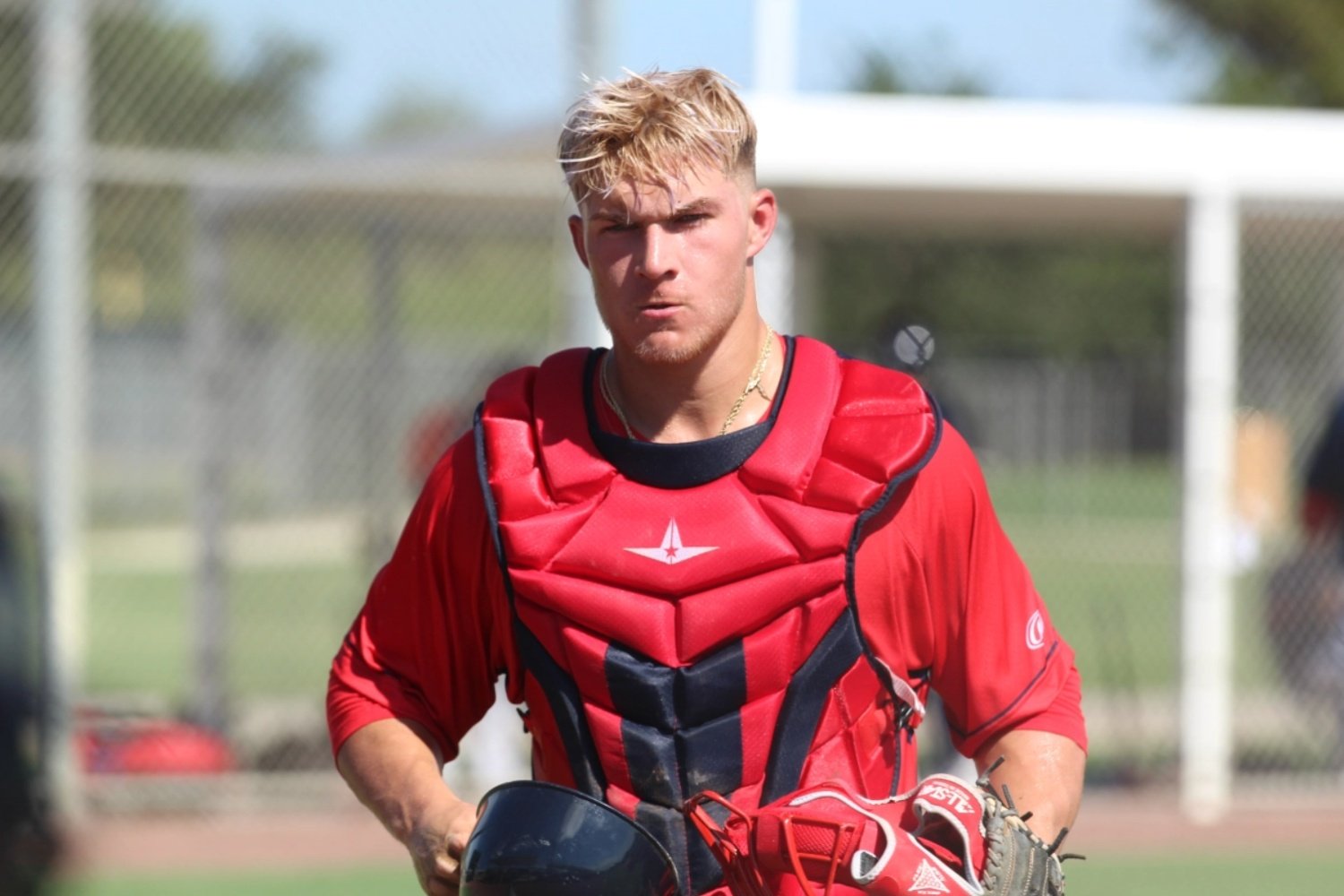 The Boston Red Sox have seen quite the number of awards this season in their organization, as several prospects have impressed across the first two months. As May came to a close, the awards continued to accumulate with two up-and-coming prospects earned Player of the Week honors for their respective leagues Catching prospect Brooks Brannon was named South Atlantic League Player of the Week, while right-handed pitcher David Sandlin was named Eastern League Pitcher of the Week. These respective awards are a statement to the growth both players have exhibited this year. Brannon, drafted in the ninth round of the 2022 draft, has had a history of being unable to stay on the field. Since being drafted at the age of 18, Brannon has only managed to play 84 games, including a career high of 62 games in 2024. This season has been different, as the young catcher has managed to stay healthy and put together the kind of season the organization expected when they drafted him. In 40 games in 2025, Brannon is hitting .273/.317/.442 with five home runs, 25 RBIs and 46 strikeouts in 154 at-bats. However, Brannon’s offensive output exploded over the last week, as he slashed an astounding .524/.524/1.048 to go along with three doubles, a triple, two home runs and eight RBIs. His outburst at the plate helped the Greenville Drive go 5-1 against the Jersey Shore BlueClaws. His best game of the series came on Saturday when he had three hits, two of them being home runs, and drove in four runs. With the Red Sox lack of catching depth after trading Kyle Teel for Garrett Crochet in the offseason, the development of Brannon is greatly welcomed, and he could soon provide depth in the upper minors should he continue to be a quality offensive bat and remain healthy. As for Sandlin, the former 11th-round pick in 2022 was acquired at the start of spring training in 2024 as part of a trade with the Kansas City Royals. The Red Sox, seeing an abundance of right-handed pitchers, traded John Schreiber to the Royals in exchange for Sandlin. At the time, Sandlin had yet to pitch above High-A with the Royals and was entering his age-23 season. He was viewed as a developmental prospect who was behind the learning curve. In 2024, he struggled between Greenville and Portland, finishing the season with 18 starts between the two levels. In them, he only pitched 57 1/3 innings, allowing 34 runs on 61 hits, 14 home runs, and 18 walks for a 5.34 ERA. However, Sandlin showcased his upside with 82 strikeouts. The right-hander reported back to Portland this season where he’s pitched in nine games, eight starts, and has appeared much more comfortable. So far, he’s tossed 43 innings in those nine appearances and has only allowed 18 runs on 39 hits, four home runs, and 12 walks. He’s also struck out 45 batters. His latest start may have been his best since joining the Red Sox organization, as it helped earn him Eastern League Pitcher of the Week. On May 29th, Sandlin tossed a seven-inning complete game in game one of a double-header (in minor league baseball, double-headers are only seven innings each). Across those seven innings, he allowed only three hits and one walk while striking out eight. The right-hander only needed 83 pitches for the entire outing. Both players are testaments to the organization’s improving player development system and will only help generate more depth in the case of injuries or trades. While there’s a chance one or both may never play for the Red Sox, one thing they are doing is generating interest in their talents. Should the duo continue to grow, they'll have an important role to play in Boston's future.
 -
Blaze Jordan has been a member of the Red Sox organization since being drafted in the third round of the 2020 draft. In that time, he has shown a natural ability to hit, though he has had to persevere through some adversity and struggles. Not quite viewed as a top prospect in the organization, Jordan still has skills that could be of interest to the Red Sox especially with their current offensive woes. Jordan has been playing in Portland for nearly two seasons now, as he was promoted to Double-A during the 2023 season and put up rather pedestrian numbers in his first taste of the upper levels of minor league baseball. In 49 games to close out that season, Jordan would hit .254/.296/.402 while striking out 28 times in 189 at-bats. What may have been most impressive for him were his ten doubles, six home runs and 31 RBIs in that span. Entering 2024, Jordan slimmed down with the hope of playing third base along with his usual first base. He came into spring training looking better than he had previously with the Red Sox, and showed a better ability to move in the field. Unfortunately, 2024 would not be his season, as the right-handed hitter would get hurt and miss a significant amount of time. In only 89 games, Jordan posted solid offensive stats, hitting .261/.305/.388 with seven home runs, 22 doubles and 61s RBI in 353 at-bats. After the season, Jordan was left off the Red Sox’s 40-man roster, leaving him eligible for the Rule 5 draft that offseason. Fortunately for the Red Sox, he was not selected by another team. That turned out to be fortuitous for Boston. In his third go-around at Double-A this year, he's finally figuring things out. Through 39 games so far in 2025, Jordan is hitting .306/.401/.485 with five home runs, nine doubles and 30 RBI in 134 at-bats. What may be the biggest sign of improvement for the 22-year-old is the fact that he’s walking more in Portland. This season alone, he’s walked 19 times, a personal best for him while in Portland, while also cutting back on strikeouts (only 17 so far on the season). Thus far, Jordan is walking 12.1% of the time while striking out in only 10.8% of his at-bats, both numbers representing career bests for the slugger since joining the organization. Likewise, his wRC+ is the second highest of his career at 156, only beat by a 158 wRC+ he had in 19 games back in 2021. When put in comparison to the rest of the Eastern League, Jordan ranks tied for sixth in batting average, tied for 14th in home runs, eighth in runs scored with 25, fourth in RBIs with 30, tied for 15th in doubles, and tied for 12th in hits with 41. He’s shown he’s more than capable of handling Double-A pitching over the past two months. Another reason the Red Sox should feel lucky that Jordan wasn’t taken this offseason is due to recent issues with the major league club. Triston Casas is out for the season, and now Alex Bregman is expected to miss significant time. Prior to Bregman’s injury, the team was already thin at the corner infield spots, but now they’re really being pushed to the limit. Enter Jordan, who can play both first and third base. This is the perfect time to get Jordan up to Worcester and see how he handles the final level before the majors. Allow him a chance to get ample playing time at first base, third base and designated hitter so that the organization can see if they have anything to work with in the immediate term. They would be foolish to not call Jordan up to Worcester and get him plenty of at-bats, especially since the only true first baseman on the roster is Ryan Noda, as Nathan Hickey is a catcher who is learning first base and playing it consistently for the first time this season. Currently at third base is Nate Eaton, following the promotions of Abraham Toro, Nick Sogard and Marcelo Mayer. This could be the perfect opportunity for Jordan if he’s promoted. Either he plays well enough to force his way onto the Boston Red Sox, or he has a middling summer that could make him intriguing for another team that sees more potential in his profile. Either way, Jordan has created a conversation around his prospect status that will only help his career. View full article
-
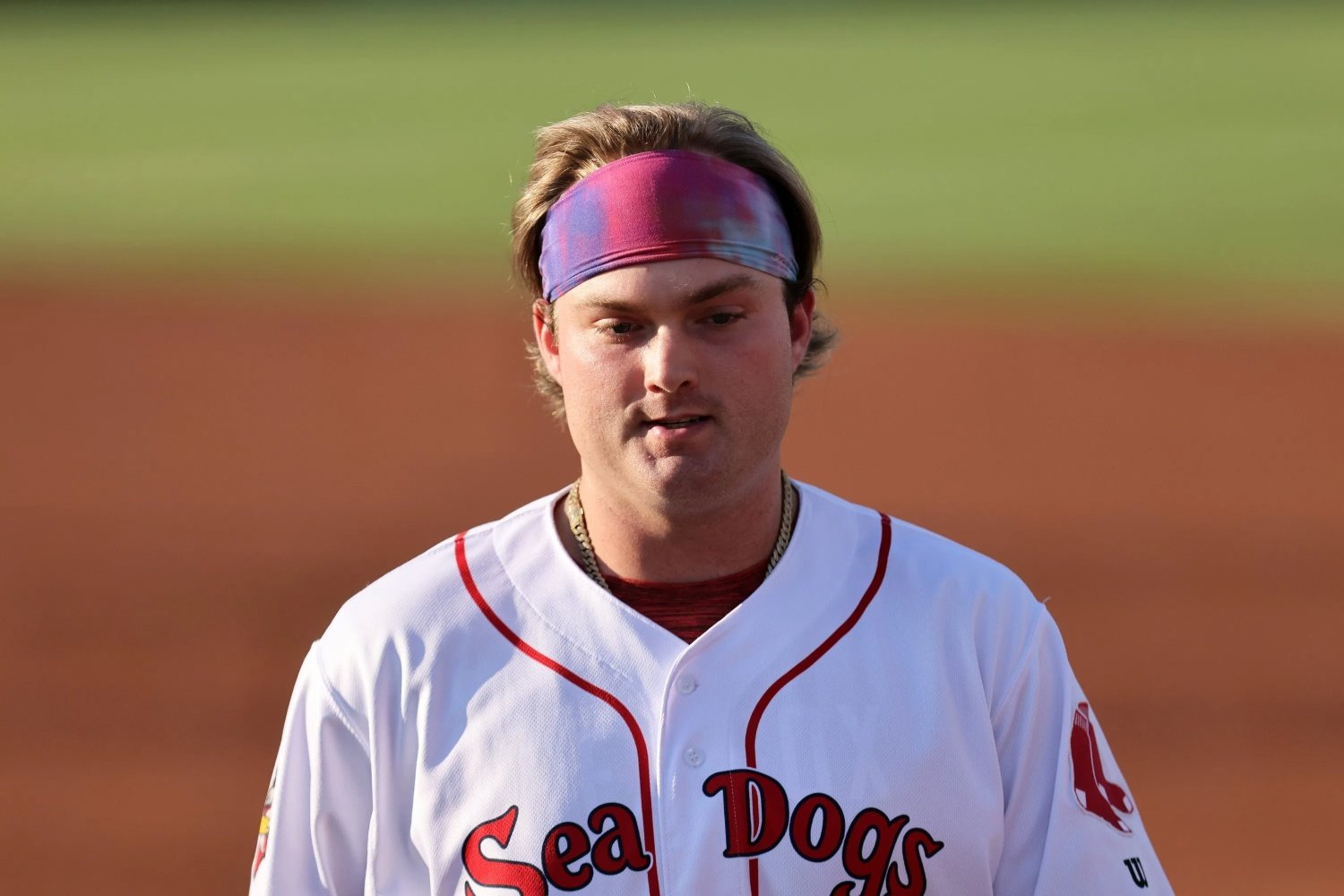 Blaze Jordan has been a member of the Red Sox organization since being drafted in the third round of the 2020 draft. In that time, he has shown a natural ability to hit, though he has had to persevere through some adversity and struggles. Not quite viewed as a top prospect in the organization, Jordan still has skills that could be of interest to the Red Sox especially with their current offensive woes. Jordan has been playing in Portland for nearly two seasons now, as he was promoted to Double-A during the 2023 season and put up rather pedestrian numbers in his first taste of the upper levels of minor league baseball. In 49 games to close out that season, Jordan would hit .254/.296/.402 while striking out 28 times in 189 at-bats. What may have been most impressive for him were his ten doubles, six home runs and 31 RBIs in that span. Entering 2024, Jordan slimmed down with the hope of playing third base along with his usual first base. He came into spring training looking better than he had previously with the Red Sox, and showed a better ability to move in the field. Unfortunately, 2024 would not be his season, as the right-handed hitter would get hurt and miss a significant amount of time. In only 89 games, Jordan posted solid offensive stats, hitting .261/.305/.388 with seven home runs, 22 doubles and 61s RBI in 353 at-bats. After the season, Jordan was left off the Red Sox’s 40-man roster, leaving him eligible for the Rule 5 draft that offseason. Fortunately for the Red Sox, he was not selected by another team. That turned out to be fortuitous for Boston. In his third go-around at Double-A this year, he's finally figuring things out. Through 39 games so far in 2025, Jordan is hitting .306/.401/.485 with five home runs, nine doubles and 30 RBI in 134 at-bats. What may be the biggest sign of improvement for the 22-year-old is the fact that he’s walking more in Portland. This season alone, he’s walked 19 times, a personal best for him while in Portland, while also cutting back on strikeouts (only 17 so far on the season). Thus far, Jordan is walking 12.1% of the time while striking out in only 10.8% of his at-bats, both numbers representing career bests for the slugger since joining the organization. Likewise, his wRC+ is the second highest of his career at 156, only beat by a 158 wRC+ he had in 19 games back in 2021. When put in comparison to the rest of the Eastern League, Jordan ranks tied for sixth in batting average, tied for 14th in home runs, eighth in runs scored with 25, fourth in RBIs with 30, tied for 15th in doubles, and tied for 12th in hits with 41. He’s shown he’s more than capable of handling Double-A pitching over the past two months. Another reason the Red Sox should feel lucky that Jordan wasn’t taken this offseason is due to recent issues with the major league club. Triston Casas is out for the season, and now Alex Bregman is expected to miss significant time. Prior to Bregman’s injury, the team was already thin at the corner infield spots, but now they’re really being pushed to the limit. Enter Jordan, who can play both first and third base. This is the perfect time to get Jordan up to Worcester and see how he handles the final level before the majors. Allow him a chance to get ample playing time at first base, third base and designated hitter so that the organization can see if they have anything to work with in the immediate term. They would be foolish to not call Jordan up to Worcester and get him plenty of at-bats, especially since the only true first baseman on the roster is Ryan Noda, as Nathan Hickey is a catcher who is learning first base and playing it consistently for the first time this season. Currently at third base is Nate Eaton, following the promotions of Abraham Toro, Nick Sogard and Marcelo Mayer. This could be the perfect opportunity for Jordan if he’s promoted. Either he plays well enough to force his way onto the Boston Red Sox, or he has a middling summer that could make him intriguing for another team that sees more potential in his profile. Either way, Jordan has created a conversation around his prospect status that will only help his career.
 -
Sea Dog Siblings Are The Latest Pair of Brothers To Play For Portland
Nick John posted an article in Minor Leagues
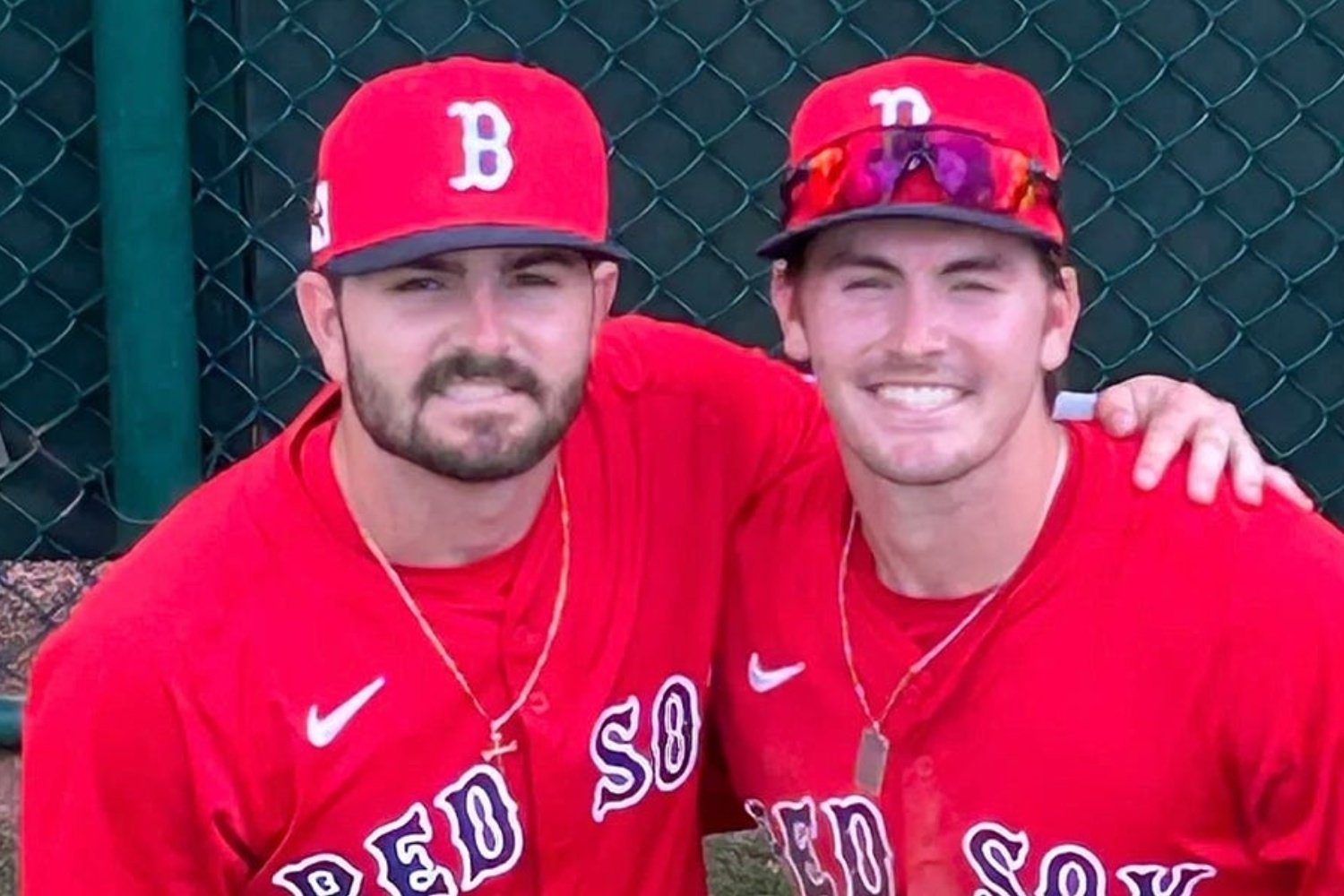 Drew and Zach Ehrhard are making history for the Portland Sea Dogs, as they became just the fourth set of brothers to play for Portland and only second pair to be on the team at the same time. On May 21, they got to play together in the same game. The brothers join the likes of Edinson (1994) and Edgar (1995) Renteria, Derek (2000-2001) and Dusty (2001) Wathan, and Jonathan (2005) and Joshua (2009) Papelbon. Zach Ehrhard had started the season in High-A Greenville, where he tore the cover off the ball. Hitting .342/.471/.459 with one home run and 22 RBI, Zach showcased the batting skills that made the Red Sox interested in him to the point they drafted him not once, but twice, both times under different heads of the baseball operations department. Chaim Bloom was the first to try and draft the outfielder, taking him in the 13th round back in 2021 out of high school, only for Ehrhard to not sign and instead play college baseball at Oklahoma St. After a junior year that saw him slash .330/.458/.627 with 14 home runs and 57 RBI, Ehrhard saw himself drafted by the Red Sox once again, this time in the fourth round in 2024 by an organization that was now being run by Craig Breslow. This time, he would sign, being assigned to High-A Greenville where he would get into 22 games and struggle to the tune of a .156/.264/.195 batting line with only five RBIs and 25 strikeouts. And Drew wasn’t doing much better than his brother. After playing in college for the University of Tampa for six years, the older Ehrhard brother went undrafted in 2023 before signing with the Red Sox as a 24-year-old, something that usually didn’t happen without a stop in Independent ball. Drew would only play in five games in the Florida Complex League. In 2024, he didn’t play much either, getting into a combined 27 games between Greenville and Portland where he hit .273/.364/.532 with four home runs and 11 RBIs. He would also fight through multiple stints on the Development List in 2024, spending three distinct periods on it between May and June, and then missing two weeks in July due to an injury. He still hasn’t played much in 2025. In 13 games on the season, the older Ehrhard is hitting .175/.267/.300 with one home run and four RBIs to go along with four walks and seven strikeouts in 40 at-bats. When looking at the brothers, Zach appears to be the better player thanks to his better hit tool, faster speed, and his above-average arm. Drew does have better power than his younger brother, though. Zach currently profiles as the best of the two, having spent time in all three outfield positions to begin the season without making an error. Should he continue to develop, the younger Ehrhard is projected to have a ceiling of a backup outfielder based on his contact skills and defense. The older Ehrhard, despite being a catcher who can play first, second and has played third in college, has mostly been the designated hitter when he’s played this season. That is in part due to there being two other catchers on the active roster — Mark Kolozsvary and Ronald Rosario. Should the older Ehrhard develop at a more rapid pace, he’s been viewed as a high-minors contributor, most likely bouncing between Portland and Worcester as he’s needed between the two teams. The grind of being a professional baseball player can be hard on many players, especially the wear and tear that the daily routine can do to one’s mind and body. However, having family on the same team might make it a little easier for the Ehrhard brothers, and if the duo is a little superstitious, they might want to believe that the trend of brothers who have both played for Portland continues with them. With each of the previous three pairs of brothers who played with Portland, one brother would go on to play in the major leagues. Whether that comes true or not will depend on how the Ehrhard brothers continue to play now that they have each other to rely on.
 -
Drew and Zach Ehrhard are making history for the Portland Sea Dogs, as they became just the fourth set of brothers to play for Portland and only second pair to be on the team at the same time. On May 21, they got to play together in the same game. The brothers join the likes of Edinson (1994) and Edgar (1995) Renteria, Derek (2000-2001) and Dusty (2001) Wathan, and Jonathan (2005) and Joshua (2009) Papelbon. Zach Ehrhard had started the season in High-A Greenville, where he tore the cover off the ball. Hitting .342/.471/.459 with one home run and 22 RBI, Zach showcased the batting skills that made the Red Sox interested in him to the point they drafted him not once, but twice, both times under different heads of the baseball operations department. Chaim Bloom was the first to try and draft the outfielder, taking him in the 13th round back in 2021 out of high school, only for Ehrhard to not sign and instead play college baseball at Oklahoma St. After a junior year that saw him slash .330/.458/.627 with 14 home runs and 57 RBI, Ehrhard saw himself drafted by the Red Sox once again, this time in the fourth round in 2024 by an organization that was now being run by Craig Breslow. This time, he would sign, being assigned to High-A Greenville where he would get into 22 games and struggle to the tune of a .156/.264/.195 batting line with only five RBIs and 25 strikeouts. And Drew wasn’t doing much better than his brother. After playing in college for the University of Tampa for six years, the older Ehrhard brother went undrafted in 2023 before signing with the Red Sox as a 24-year-old, something that usually didn’t happen without a stop in Independent ball. Drew would only play in five games in the Florida Complex League. In 2024, he didn’t play much either, getting into a combined 27 games between Greenville and Portland where he hit .273/.364/.532 with four home runs and 11 RBIs. He would also fight through multiple stints on the Development List in 2024, spending three distinct periods on it between May and June, and then missing two weeks in July due to an injury. He still hasn’t played much in 2025. In 13 games on the season, the older Ehrhard is hitting .175/.267/.300 with one home run and four RBIs to go along with four walks and seven strikeouts in 40 at-bats. When looking at the brothers, Zach appears to be the better player thanks to his better hit tool, faster speed, and his above-average arm. Drew does have better power than his younger brother, though. Zach currently profiles as the best of the two, having spent time in all three outfield positions to begin the season without making an error. Should he continue to develop, the younger Ehrhard is projected to have a ceiling of a backup outfielder based on his contact skills and defense. The older Ehrhard, despite being a catcher who can play first, second and has played third in college, has mostly been the designated hitter when he’s played this season. That is in part due to there being two other catchers on the active roster — Mark Kolozsvary and Ronald Rosario. Should the older Ehrhard develop at a more rapid pace, he’s been viewed as a high-minors contributor, most likely bouncing between Portland and Worcester as he’s needed between the two teams. The grind of being a professional baseball player can be hard on many players, especially the wear and tear that the daily routine can do to one’s mind and body. However, having family on the same team might make it a little easier for the Ehrhard brothers, and if the duo is a little superstitious, they might want to believe that the trend of brothers who have both played for Portland continues with them. With each of the previous three pairs of brothers who played with Portland, one brother would go on to play in the major leagues. Whether that comes true or not will depend on how the Ehrhard brothers continue to play now that they have each other to rely on. View full article
-
If anything Cora was forced on Bloom rather than Dombrowski. Most heads of baseball operations hire their own guy, not the manager previously fired.
- 272 replies
-
- 1
-

-
- alex cora
- chaim bloom
- (and 1 more)
-
Since being hired before the 2018 season, Alex Cora has led the Boston Red Sox as manager, excluding his suspension during the 2020 season, but now it may be time for a different voice. Everyone remembers Cora positively for how 2018 ended with the greatest Red Sox team of all time winning the World Series; unfortunately, things have not been as positive since. 2019 saw the Red Sox under Cora attempt to repeat, but it’s never easy, and the team struggled with injuries and inconsistencies. The team saw injuries to the rotation as Chris Sale, David Price, and Nathan Eovaldi pitched in 25 or fewer games, with Eovaldi bouncing between the rotation and bullpen. Offensively, the team received only six games out of Dustin Pedroia, 29 games from Steve Pearce, and 91 games from Mitch Moreland. And yet they still had career years from Christian Vázquez, Xander Bogaerts, Rafael Devers, Eduardo Rodríguez, and Brandon Workman. There were great seasons from Mookie Betts and J.D. Martinez, while also getting a quality rookie season from Michael Chavis. And still, the team only won 84 games that season. 2020 was a lost season. Cora was suspended and fired before the season even began due to the 2017 Astros’ cheating scandal. Then, the season was shortened due to COVID-19, limiting it to 60 games plus an expanded playoff. The Sox would stumble through that season before Chaim Bloom rehired Cora in 2021. Cora seemed to turn the team around, leading a team that had no reason to be only two games away from the World Series. The roster differed from his 2018 championship team as Betts, Andrew Benintendi, Moreland, Price, and Jackie Bradley Jr. were all gone. Chris Sale was returning from Tommy John surgery and made nine starts for the team. And yet Cora managed to keep the team over-performing as they were in contention for the division until the last few weeks of the season. They got into the playoffs as a wild card team and knocked the Yankees out of the playoffs in the Wild Card Game before taking the Tampa Bay Rays out in the Division Series. Eventually, their magic ran out, and they lost in six games during the Championship Series to the Houston Astros. Since then, the team has struggled. The Red Sox under Cora have not been above .500 since 2021, the closest being when they went 81-81 in 2024. The usual complaints were that the Red Sox dealt with injuries and didn’t have the depth or the players to make a playoff run. There was no debate as the pitching failed to hold up in 2022 and 2023, as both seasons ended with the same record of 78-84. However, the story couldn’t be different. In 2022, the Red Sox had 52 wins heading into the trade deadline and were indecisive on what to do. They sold off Vázquez to the Houston Astros, getting back two prospects in Wilyer Abreu and Enmanuel Valdez. They also brought in Eric Hosmer, Reese McGuire, and Tommy Pham to try and strengthen the team for a playoff run. They collapsed down the season, winning only 27 games across August, September, and October as the pitching failed to hold up. 2023 was much of the same. Gone was veteran Bogaerts, who Red Sox ownership let sign with San Diego for an 11-year, $280 million contract. He was replaced at shortstop by Kiké Hernández, who was awful defensively. Things were still a struggle on the pitching side as not a single starter had an ERA under 4.00. And despite that, the Red Sox were still in contention. With 56 wins entering the trade deadline, the Red Sox were only 2 ½ games out of a playoff spot and, unlike previous seasons, had a farm system with prospects that could either help at the major league level or be packaged in a trade. Cora made it known which way he wanted the team to head in as he said to MassLive’s Chris Cotillo, “We’re in a good place. But at the end of the day, the place that we would like to play is in October. It’s not about how many prospects you have or where your farm system is. It might be No. 1 or 30th or whatever. The one that counts is how many games you win in October and how many games you play in October. That’s what we’re shooting for.” At the time, Cora had every right to say that, especially as his team was fighting for a playoff spot after missing the postseason the prior season. They needed help, and they wanted it. They wanted the organization to say they believed the 2023 team could make the playoffs and compete for the World Series. Instead, Bloom failed to address the issues on the team, mostly surrounding the pitching, and the Red Sox collapsed down the stretch once more, winning only 22 games from August 1st until the end of the season. Bloom would be relieved of his position before the end of the season, and a report from The Athletic’s Ken Rosenthal didn’t come as a surprise when he wrote that “on the surface, the two seemed to co-exist professionally. But friends of Bloom, who spoke on condition of anonymity in exchange for their candor, believe Cora was not as supportive of Bloom as he could have been”. It isn’t a surprise that Cora wanted to win, and while Bloom did too, he didn’t make the moves Cora wanted to improve the roster. Instead, he wanted to build it up from within and support the next core with free agent signings. Bloom would not see his vision through, and Craig Breslow was hired as the President of Baseball Operations for the Boston Red Sox. While Breslow made moves by replacing Dave Bush as pitching coach with Andrew Bailey, 2024 turned into more of the same. While the team finished with an 81-81 record, the second-half collapse was the same as the past three seasons. At the end of July, the team had 57 wins, yet they finished down the stretch poorly, only winning 24 games, as once again the pitching collapsed. Unlike Bloom, Breslow did make moves. He brought in James Paxton, Luis Garcia, and Lucas Sims to try and bolster the pitching staff while also trading for Danny Jansen to be the backup catcher. After missing the playoffs for three straight seasons, the team finally got aggressive in the offseason. They traded for Garrett Crochet and signed Aroldis Chapman, Alex Bregman, and Walker Buehler. They got the big names they hadn’t signed in previous years, and now the roster was ready to compete. And yet on May 25th, the Red Sox now sit 27-28 after splitting a four-game series with the 18-34 Baltimore Orioles. In a 10-game homestand against the Atlanta Braves, New York Mets, and Baltimore Orioles, the team only went 5-5, and something has to give. While the team has dealt with injuries, this consistent inconsistency has been a staple of the 2025 season and even longer, dating back to 2022. The pitching fails to go deep into games, the bullpen is overtaxed and mismanaged at times, and the offense can completely vanish at times when needed. In this homestand alone, the Red Sox scored two or fewer runs in five games. In May, they’ve scored two or fewer runs in nine games so far. And the one constant since 2022 is the manager, Alex Cora. I’m not calling for him to be fired, but you must start discussing it. The Red Sox have not played very well, and many of their mistakes (fielding, baserunning, starters failing to go deep into games) fall on the coaching staff. The team has changed its pitching coach and defense coaches, yet the same mistakes are happening. It’s a sign of the culture within the team, one that the manager sets. One thing that Cora cannot change is that it might be time for a change in managers. Cora can be a skilled manager; there’s no debating that. Sometimes he’s shown it by getting the most out of his players and winning games he had no business winning. But then there are times when you can’t help but question what he’s doing by pulling a pitcher early or handling the bullpen poorly in different situations. A key example being when he brought Sean Newcomb, a guy who pitches when the Sox are up or down by a lot, into a close game with runners on the corners. Or having exhausted his bullpen so much that he needs to rely on Brennan Bernardino and Luis Guerrero for high-leverage innings. But ever since winning the World Series in 2018, he’s had numbers that would have fired other managers. A manager who has better numbers than he did gets fired. Let’s look at Cora’s numbers since they won in 2018. Since that season, Cora has a .509 winning percentage, one postseason appearance, two last-place finishes, and three losing seasons. John Farrell's predecessor also won it in his first season in Boston in 2013. After that, he managed four more seasons before being replaced by Cora after 2017. In those four seasons, Farrell had a .517 winning percentage, two division titles, two last-place finishes, and three losing seasons. If that could get Farrell fired, why hasn’t there been a discussion about Cora being on the hot seat? There is too much talent on this team for them to struggle this consistently through not just 2025 but since 2022. The Red Sox have had three different people run the baseball operations under Cora, with Dave Dombrowski and Bloom being seen as the problems. Should the team keep losing, will Breslow be viewed as the issue? Coaching-wise, Cora has had three bench coaches, two third base coaches, five first base coaches, two hitting coaches, and three pitching coaches, which shows that the team will replace the coaches around Cora should they fail to produce the desired results. On the defensive side, José David Flores and Kyle Hudson handle the infield and outfield defense, respectively, the former taking over for Andy Fox, who had been in that position since 2022. Pitching-wise, the team viewed a need to change it up and bring in Bailey, who had done a magnificent job with San Francisco’s pitchers. That hasn’t been replicated in Boston. So, who’s to blame this time around? They got Cora the players he wanted, and last year, they changed the coaching staff. Now, the team is still mediocre. Something has to give; either the team starts winning, or John Henry and Breslow must start discussing what to do with Cora and his staff. The Red Sox have too much talent in their organization to let this continue. View full article
-
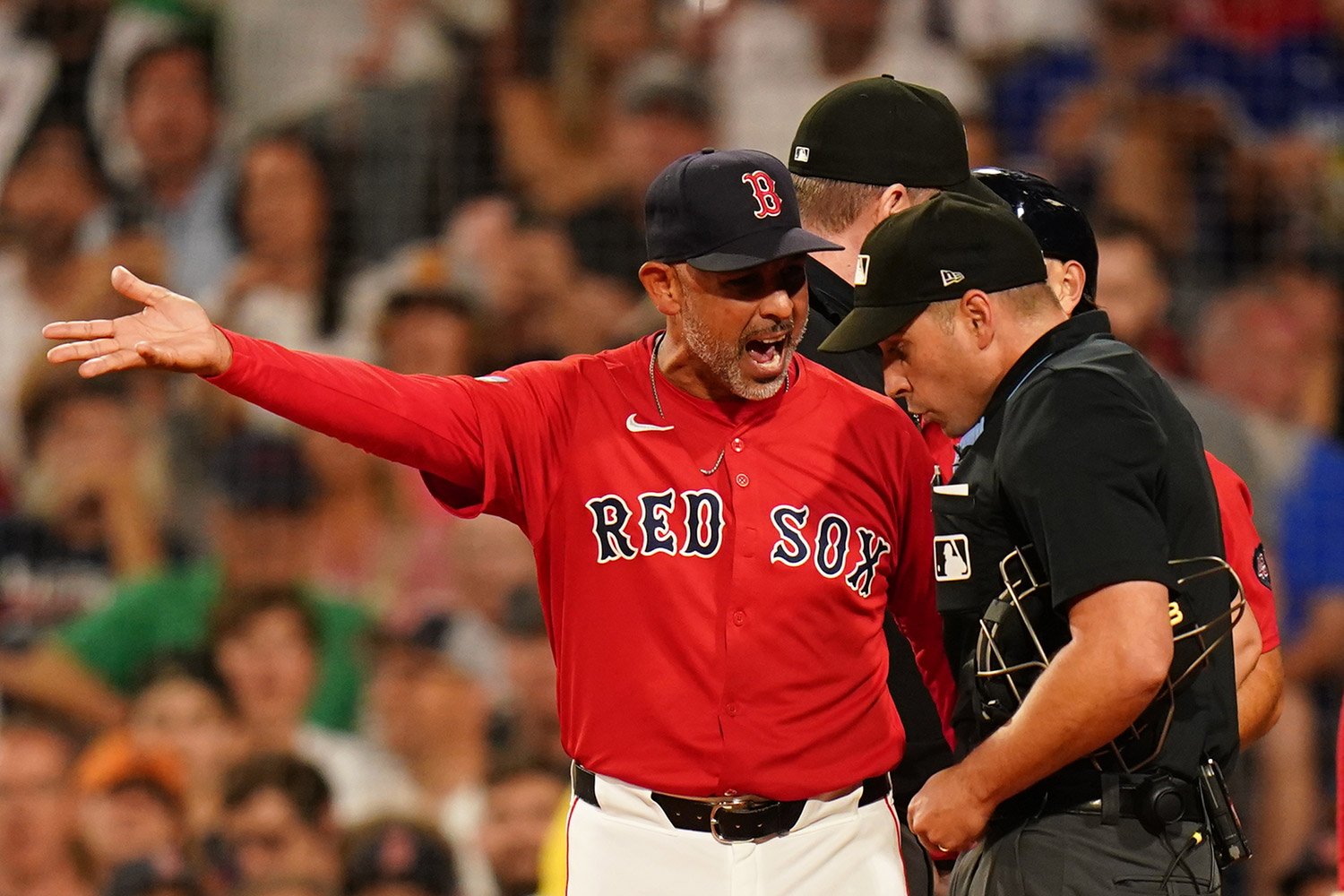 Since being hired before the 2018 season, Alex Cora has led the Boston Red Sox as manager, excluding his suspension during the 2020 season, but now it may be time for a different voice. Everyone remembers Cora positively for how 2018 ended with the greatest Red Sox team of all time winning the World Series; unfortunately, things have not been as positive since. 2019 saw the Red Sox under Cora attempt to repeat, but it’s never easy, and the team struggled with injuries and inconsistencies. The team saw injuries to the rotation as Chris Sale, David Price, and Nathan Eovaldi pitched in 25 or fewer games, with Eovaldi bouncing between the rotation and bullpen. Offensively, the team received only six games out of Dustin Pedroia, 29 games from Steve Pearce, and 91 games from Mitch Moreland. And yet they still had career years from Christian Vázquez, Xander Bogaerts, Rafael Devers, Eduardo Rodríguez, and Brandon Workman. There were great seasons from Mookie Betts and J.D. Martinez, while also getting a quality rookie season from Michael Chavis. And still, the team only won 84 games that season. 2020 was a lost season. Cora was suspended and fired before the season even began due to the 2017 Astros’ cheating scandal. Then, the season was shortened due to COVID-19, limiting it to 60 games plus an expanded playoff. The Sox would stumble through that season before Chaim Bloom rehired Cora in 2021. Cora seemed to turn the team around, leading a team that had no reason to be only two games away from the World Series. The roster differed from his 2018 championship team as Betts, Andrew Benintendi, Moreland, Price, and Jackie Bradley Jr. were all gone. Chris Sale was returning from Tommy John surgery and made nine starts for the team. And yet Cora managed to keep the team over-performing as they were in contention for the division until the last few weeks of the season. They got into the playoffs as a wild card team and knocked the Yankees out of the playoffs in the Wild Card Game before taking the Tampa Bay Rays out in the Division Series. Eventually, their magic ran out, and they lost in six games during the Championship Series to the Houston Astros. Since then, the team has struggled. The Red Sox under Cora have not been above .500 since 2021, the closest being when they went 81-81 in 2024. The usual complaints were that the Red Sox dealt with injuries and didn’t have the depth or the players to make a playoff run. There was no debate as the pitching failed to hold up in 2022 and 2023, as both seasons ended with the same record of 78-84. However, the story couldn’t be different. In 2022, the Red Sox had 52 wins heading into the trade deadline and were indecisive on what to do. They sold off Vázquez to the Houston Astros, getting back two prospects in Wilyer Abreu and Enmanuel Valdez. They also brought in Eric Hosmer, Reese McGuire, and Tommy Pham to try and strengthen the team for a playoff run. They collapsed down the season, winning only 27 games across August, September, and October as the pitching failed to hold up. 2023 was much of the same. Gone was veteran Bogaerts, who Red Sox ownership let sign with San Diego for an 11-year, $280 million contract. He was replaced at shortstop by Kiké Hernández, who was awful defensively. Things were still a struggle on the pitching side as not a single starter had an ERA under 4.00. And despite that, the Red Sox were still in contention. With 56 wins entering the trade deadline, the Red Sox were only 2 ½ games out of a playoff spot and, unlike previous seasons, had a farm system with prospects that could either help at the major league level or be packaged in a trade. Cora made it known which way he wanted the team to head in as he said to MassLive’s Chris Cotillo, “We’re in a good place. But at the end of the day, the place that we would like to play is in October. It’s not about how many prospects you have or where your farm system is. It might be No. 1 or 30th or whatever. The one that counts is how many games you win in October and how many games you play in October. That’s what we’re shooting for.” At the time, Cora had every right to say that, especially as his team was fighting for a playoff spot after missing the postseason the prior season. They needed help, and they wanted it. They wanted the organization to say they believed the 2023 team could make the playoffs and compete for the World Series. Instead, Bloom failed to address the issues on the team, mostly surrounding the pitching, and the Red Sox collapsed down the stretch once more, winning only 22 games from August 1st until the end of the season. Bloom would be relieved of his position before the end of the season, and a report from The Athletic’s Ken Rosenthal didn’t come as a surprise when he wrote that “on the surface, the two seemed to co-exist professionally. But friends of Bloom, who spoke on condition of anonymity in exchange for their candor, believe Cora was not as supportive of Bloom as he could have been”. It isn’t a surprise that Cora wanted to win, and while Bloom did too, he didn’t make the moves Cora wanted to improve the roster. Instead, he wanted to build it up from within and support the next core with free agent signings. Bloom would not see his vision through, and Craig Breslow was hired as the President of Baseball Operations for the Boston Red Sox. While Breslow made moves by replacing Dave Bush as pitching coach with Andrew Bailey, 2024 turned into more of the same. While the team finished with an 81-81 record, the second-half collapse was the same as the past three seasons. At the end of July, the team had 57 wins, yet they finished down the stretch poorly, only winning 24 games, as once again the pitching collapsed. Unlike Bloom, Breslow did make moves. He brought in James Paxton, Luis Garcia, and Lucas Sims to try and bolster the pitching staff while also trading for Danny Jansen to be the backup catcher. After missing the playoffs for three straight seasons, the team finally got aggressive in the offseason. They traded for Garrett Crochet and signed Aroldis Chapman, Alex Bregman, and Walker Buehler. They got the big names they hadn’t signed in previous years, and now the roster was ready to compete. And yet on May 25th, the Red Sox now sit 27-28 after splitting a four-game series with the 18-34 Baltimore Orioles. In a 10-game homestand against the Atlanta Braves, New York Mets, and Baltimore Orioles, the team only went 5-5, and something has to give. While the team has dealt with injuries, this consistent inconsistency has been a staple of the 2025 season and even longer, dating back to 2022. The pitching fails to go deep into games, the bullpen is overtaxed and mismanaged at times, and the offense can completely vanish at times when needed. In this homestand alone, the Red Sox scored two or fewer runs in five games. In May, they’ve scored two or fewer runs in nine games so far. And the one constant since 2022 is the manager, Alex Cora. I’m not calling for him to be fired, but you must start discussing it. The Red Sox have not played very well, and many of their mistakes (fielding, baserunning, starters failing to go deep into games) fall on the coaching staff. The team has changed its pitching coach and defense coaches, yet the same mistakes are happening. It’s a sign of the culture within the team, one that the manager sets. One thing that Cora cannot change is that it might be time for a change in managers. Cora can be a skilled manager; there’s no debating that. Sometimes he’s shown it by getting the most out of his players and winning games he had no business winning. But then there are times when you can’t help but question what he’s doing by pulling a pitcher early or handling the bullpen poorly in different situations. A key example being when he brought Sean Newcomb, a guy who pitches when the Sox are up or down by a lot, into a close game with runners on the corners. Or having exhausted his bullpen so much that he needs to rely on Brennan Bernardino and Luis Guerrero for high-leverage innings. But ever since winning the World Series in 2018, he’s had numbers that would have fired other managers. A manager who has better numbers than he did gets fired. Let’s look at Cora’s numbers since they won in 2018. Since that season, Cora has a .509 winning percentage, one postseason appearance, two last-place finishes, and three losing seasons. John Farrell's predecessor also won it in his first season in Boston in 2013. After that, he managed four more seasons before being replaced by Cora after 2017. In those four seasons, Farrell had a .517 winning percentage, two division titles, two last-place finishes, and three losing seasons. If that could get Farrell fired, why hasn’t there been a discussion about Cora being on the hot seat? There is too much talent on this team for them to struggle this consistently through not just 2025 but since 2022. The Red Sox have had three different people run the baseball operations under Cora, with Dave Dombrowski and Bloom being seen as the problems. Should the team keep losing, will Breslow be viewed as the issue? Coaching-wise, Cora has had three bench coaches, two third base coaches, five first base coaches, two hitting coaches, and three pitching coaches, which shows that the team will replace the coaches around Cora should they fail to produce the desired results. On the defensive side, José David Flores and Kyle Hudson handle the infield and outfield defense, respectively, the former taking over for Andy Fox, who had been in that position since 2022. Pitching-wise, the team viewed a need to change it up and bring in Bailey, who had done a magnificent job with San Francisco’s pitchers. That hasn’t been replicated in Boston. So, who’s to blame this time around? They got Cora the players he wanted, and last year, they changed the coaching staff. Now, the team is still mediocre. Something has to give; either the team starts winning, or John Henry and Breslow must start discussing what to do with Cora and his staff. The Red Sox have too much talent in their organization to let this continue.
- 272 comments
-
- 1
-
-
- alex cora
- chaim bloom
- (and 1 more)
-
When the Boston Red Sox signed Nate Eaton to a minor league deal over the offseason, no one thought anything of it. As is the usual standard for all 30 major league clubs, the Red Sox brought in players who they felt could be good depth pieces should injuries occur. Eaton had previously played in the majors with the Kansas City Royals and was defensively versatile thanks to his ability to play all three outfield positions, along with third base and a little bit of second base. Projected to open the season with Triple-A Worcester, Eaton put together a spring training that had him in conversation as possibly making the Opening Day roster due to the thought that Wilyer Abreu may not have been ready in time after recovering from his illness. That wasn’t the case, and as expected, Eaton opened the season with Worcester, where he has played well, though success at the Triple-A level has been common for him. In 301 games as of this writing, Eaton is hitting .263/.327/.452 with 44 home runs and 153 RBI in 1131 at-bats. For Worcester alone, he’s hitting .276/.362/.435 with four home runs and 22 RBI in 46 games. Eaton has worked hard with Worcester, climbing his way up the batting order. On Opening Day, he was hitting ninth in the order for Chad Tracy and Worcester, but since May 11th, he has routinely been hitting fourth. And while he hasn’t been hitting the ball extremely hard (a hard-hit rate of only 42.7%), he’s still managing to barrel the ball up at 8.9%, putting him slightly above the Triple-A average of 6.6%. There are other offensive issues with his game, as he chases 26% of the pitches thrown to him outside of the zone while whiffing on 28.3% of all pitches thrown to him, which has led to a 24.1% strikeout rate. Something relatively high for a 28-year-old in Triple-A, especially when his walk rate is only 9.7%. Eaton, however, has shown hustle and grit while with Worcester as he is third on the team in RBI with 22, tied for second in walks with 20, tied for third in runs with 29, is second out of qualified hitters in batting average, and leads the team in doubles with 15. He may not have the power to impact the game, but should he put the ball in play, there’s a good chance he can use his speed to stretch hits or take extra bases when a teammate hits. Defensively, he has been good in the outfield, having played 29 games there. He has yet to commit an error in 70 chances and has five outfield assists in that span. Since moving to third base in early May, Eaton has struggled a little with three errors in his first 15 games. For Worcester, he has seemed to be at his best defensively while in the outfield thanks to his strong arm, excellent speed, and a showcase of solid range. Eaton will probably never see playing time in Boston, barring a huge injury, but the right-handed hitter is precisely the kind of player you’re looking for to round out a Triple-A roster. A veteran leader who can continue to develop himself and be a voice for the younger guys, thanks to his experience at the major league level and from his previous time in Triple-A. Should Eaton continue to play at this level leading up to the trade deadline, it should not be surprising to see another team needing outfield help call the Red Sox for the versatile player. With many players from Worcester being called up to Boston the past couple of weeks, Eaton will likely be leaned on to help carry the team both offensively and defensively. View full article
-
Nate Eaton Showcases The Need For Veteran Minor League Deals
Nick John posted an article in Minor Leagues
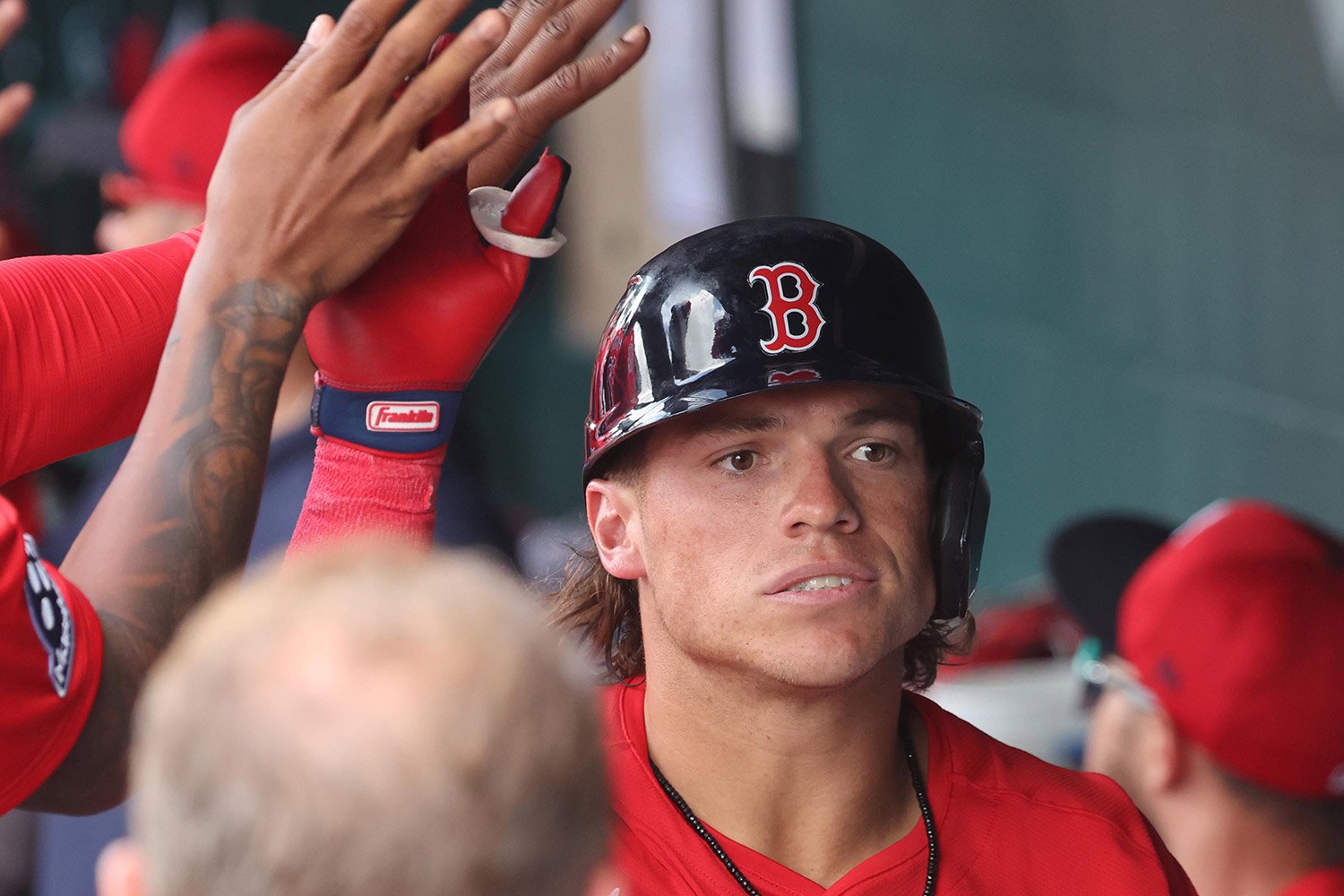 When the Boston Red Sox signed Nate Eaton to a minor league deal over the offseason, no one thought anything of it. As is the usual standard for all 30 major league clubs, the Red Sox brought in players who they felt could be good depth pieces should injuries occur. Eaton had previously played in the majors with the Kansas City Royals and was defensively versatile thanks to his ability to play all three outfield positions, along with third base and a little bit of second base. Projected to open the season with Triple-A Worcester, Eaton put together a spring training that had him in conversation as possibly making the Opening Day roster due to the thought that Wilyer Abreu may not have been ready in time after recovering from his illness. That wasn’t the case, and as expected, Eaton opened the season with Worcester, where he has played well, though success at the Triple-A level has been common for him. In 301 games as of this writing, Eaton is hitting .263/.327/.452 with 44 home runs and 153 RBI in 1131 at-bats. For Worcester alone, he’s hitting .276/.362/.435 with four home runs and 22 RBI in 46 games. Eaton has worked hard with Worcester, climbing his way up the batting order. On Opening Day, he was hitting ninth in the order for Chad Tracy and Worcester, but since May 11th, he has routinely been hitting fourth. And while he hasn’t been hitting the ball extremely hard (a hard-hit rate of only 42.7%), he’s still managing to barrel the ball up at 8.9%, putting him slightly above the Triple-A average of 6.6%. There are other offensive issues with his game, as he chases 26% of the pitches thrown to him outside of the zone while whiffing on 28.3% of all pitches thrown to him, which has led to a 24.1% strikeout rate. Something relatively high for a 28-year-old in Triple-A, especially when his walk rate is only 9.7%. Eaton, however, has shown hustle and grit while with Worcester as he is third on the team in RBI with 22, tied for second in walks with 20, tied for third in runs with 29, is second out of qualified hitters in batting average, and leads the team in doubles with 15. He may not have the power to impact the game, but should he put the ball in play, there’s a good chance he can use his speed to stretch hits or take extra bases when a teammate hits. Defensively, he has been good in the outfield, having played 29 games there. He has yet to commit an error in 70 chances and has five outfield assists in that span. Since moving to third base in early May, Eaton has struggled a little with three errors in his first 15 games. For Worcester, he has seemed to be at his best defensively while in the outfield thanks to his strong arm, excellent speed, and a showcase of solid range. Eaton will probably never see playing time in Boston, barring a huge injury, but the right-handed hitter is precisely the kind of player you’re looking for to round out a Triple-A roster. A veteran leader who can continue to develop himself and be a voice for the younger guys, thanks to his experience at the major league level and from his previous time in Triple-A. Should Eaton continue to play at this level leading up to the trade deadline, it should not be surprising to see another team needing outfield help call the Red Sox for the versatile player. With many players from Worcester being called up to Boston the past couple of weeks, Eaton will likely be leaned on to help carry the team both offensively and defensively.
 -
Despite their 20-25 record, the Greenville Drive is an exciting and fun team to watch. Led by incredible talent on both the pitching and hitting sides, it’s likely you’ll see something exciting while watching them. The team currently has several names on their roster that should excite Red Sox fans as they wait for them to develop. Jojo Ingrassia, Jedixson Paez, Brandon Clarke, and Payton Tolle are just some of the exciting young pitchers on the team who will constantly pitch excellent outings. On the offensive side, the team is led by 19-year-old top prospect Franklin Arias, fellow infielders Andy Lugo and Antonio Anderson, and outfielders Miguel Bleis, Yophery Rodriguez, and Nelly Taylor. So far in 2025, the team has been filled with success as players have been promoted from Greenville after successful starts to the season, such as Zach Ehrhard and Hayden Mullins. And despite that, the Drive continues to roster several players who fans hope will develop into future stars. Leading the Drive offensively is Arias, someone who we’ve talked about previously on the site. Arias, a top prospect for the Red Sox, is hitting .360/.406/.517 with two home runs and 17 RBI in 21 games with the Drive. A spark plug in the lineup, Arias is joined by Taylor and Lugo when it comes to getting on base, as the two hitters have on-base percentages of .366 and .348, respectively. Not only does Taylor get on base, but once there, he becomes a threat on the basepaths with his speed. Currently, he leads the Drive with 13 stolen bases. Despite a slow start to the season, Miguel Bleis, who is trying to put together a complete season since playing in the Florida Complex League in 2022 leads the Drive in home runs with five and in RBI with 28 showing that the talent that once had him projected to be a top prospect is still there. Though he is still striking out at a high rate, having 41 strikeouts in just 32 games played. Although for the 21-year-old, it may be his defense that has been fun to watch, as he has been an excellent defender thanks to his instincts and reads. And yet it’s the pitching side of things that makes this team so interesting and a desire to watch. With a rotation that has the likes of Tolle, Clarke, Noah Dean, and others in it, there’s a good chance you’re in store for a pitching performance from whoever is starting that night for the Drive. Their pitching is filled with so much talent that Juan Valera, a 19-year-old who only made seven starts in Salem before starting 2025 with the Drive, isn’t one of the players talked about the most. That honor is split between Tolle and Clarke, the two left-handers drafted by Craig Breslow in the 2024 draft. Tolle, drafted in the second round, was known for his fastball in college, which helped him rack up strikeouts, and that hasn’t changed since pitching in Greenville. Despite a fastball that sits between 93-95 mph, Tolle has been able to make it appear much faster, thanks in part to a combination of an elite extension and a low release height. In his first display of professional baseball, Tolle is 1-2 in seven starts, tossing 28 1/3 innings. In that span, he struck out 49 batters and only walked five. What may be most impressive are his 89 whiffs so far this season. Clarke, on the other hand, was a fifth-round pick in 2024, but has showcased talent that has led some evaluators to believe he might have been selected in the first round if the draft were to be conducted again. Unlike Tolle, who uses extension to make his fastball appear faster, Clarke relies on a fastball that tops out at 100 mph regularly. Opening the season in Salem, Clarke dominated in three starts before being promoted to the Drive and continuing his dominance. In four games with the Drive, Clarke has tossed 14 1/3 innings, allowing only five runs on five hits and seven walks while striking out 21. Much like Tolle, Clarke can generate swings and misses, having caused 40 in his four appearances with the Drive. The duo creates an interesting combination of strikeout pitchers for the Drive, a pair of left-handers that may not be out of place in High A should they continue to handle the competition as they have. And it shouldn’t be a surprise, should one of them be promoted to Portland once Connelly Early gets promoted from there to Worcester. Greenville has had no shortage of star prospects make their way through the team, with players such as Kristian Campbell, Roman Anthony, and Marcelo Mayer all having played there at various points. With the current core that is being developed, it feels like Drive games will continue to be exciting for the time to come. It should go without saying that if you want to see what the future of the Red Sox might look like, it would make sense to tune in to a few Drive games. View full article
-
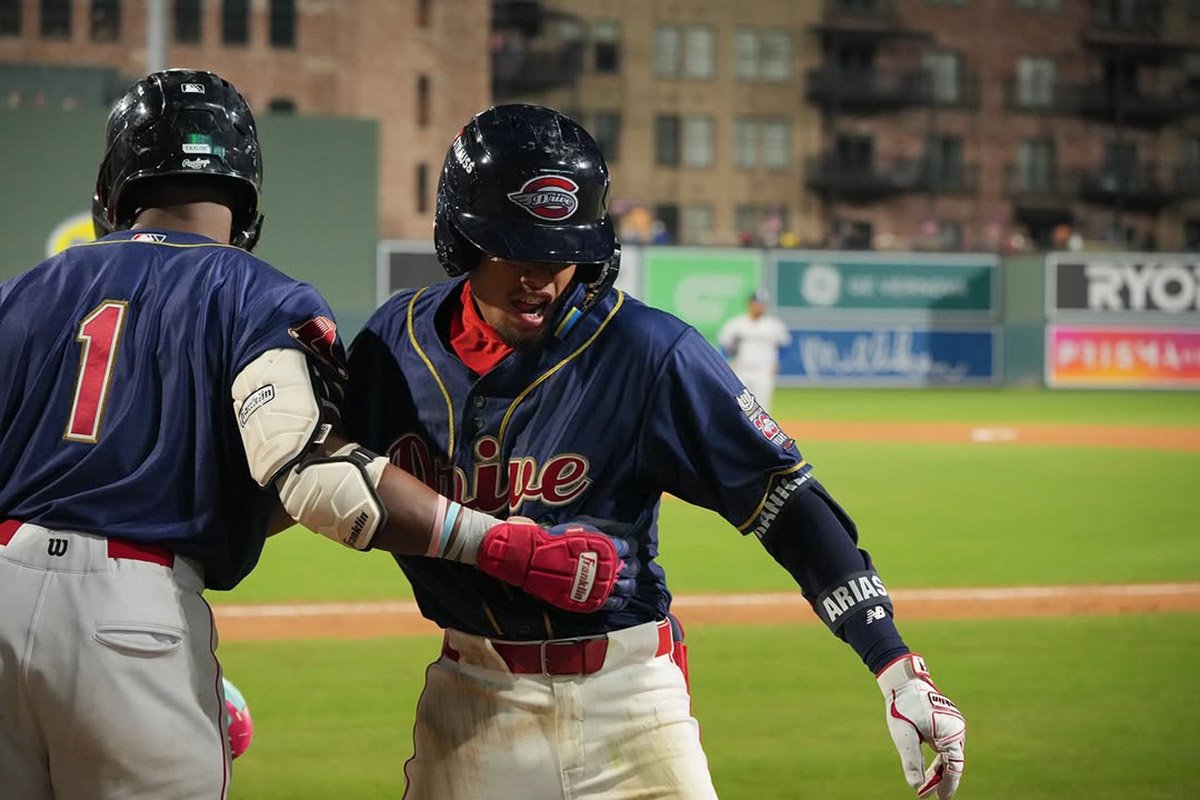 Despite their 20-25 record, the Greenville Drive is an exciting and fun team to watch. Led by incredible talent on both the pitching and hitting sides, it’s likely you’ll see something exciting while watching them. The team currently has several names on their roster that should excite Red Sox fans as they wait for them to develop. Jojo Ingrassia, Jedixson Paez, Brandon Clarke, and Payton Tolle are just some of the exciting young pitchers on the team who will constantly pitch excellent outings. On the offensive side, the team is led by 19-year-old top prospect Franklin Arias, fellow infielders Andy Lugo and Antonio Anderson, and outfielders Miguel Bleis, Yophery Rodriguez, and Nelly Taylor. So far in 2025, the team has been filled with success as players have been promoted from Greenville after successful starts to the season, such as Zach Ehrhard and Hayden Mullins. And despite that, the Drive continues to roster several players who fans hope will develop into future stars. Leading the Drive offensively is Arias, someone who we’ve talked about previously on the site. Arias, a top prospect for the Red Sox, is hitting .360/.406/.517 with two home runs and 17 RBI in 21 games with the Drive. A spark plug in the lineup, Arias is joined by Taylor and Lugo when it comes to getting on base, as the two hitters have on-base percentages of .366 and .348, respectively. Not only does Taylor get on base, but once there, he becomes a threat on the basepaths with his speed. Currently, he leads the Drive with 13 stolen bases. Despite a slow start to the season, Miguel Bleis, who is trying to put together a complete season since playing in the Florida Complex League in 2022 leads the Drive in home runs with five and in RBI with 28 showing that the talent that once had him projected to be a top prospect is still there. Though he is still striking out at a high rate, having 41 strikeouts in just 32 games played. Although for the 21-year-old, it may be his defense that has been fun to watch, as he has been an excellent defender thanks to his instincts and reads. And yet it’s the pitching side of things that makes this team so interesting and a desire to watch. With a rotation that has the likes of Tolle, Clarke, Noah Dean, and others in it, there’s a good chance you’re in store for a pitching performance from whoever is starting that night for the Drive. Their pitching is filled with so much talent that Juan Valera, a 19-year-old who only made seven starts in Salem before starting 2025 with the Drive, isn’t one of the players talked about the most. That honor is split between Tolle and Clarke, the two left-handers drafted by Craig Breslow in the 2024 draft. Tolle, drafted in the second round, was known for his fastball in college, which helped him rack up strikeouts, and that hasn’t changed since pitching in Greenville. Despite a fastball that sits between 93-95 mph, Tolle has been able to make it appear much faster, thanks in part to a combination of an elite extension and a low release height. In his first display of professional baseball, Tolle is 1-2 in seven starts, tossing 28 1/3 innings. In that span, he struck out 49 batters and only walked five. What may be most impressive are his 89 whiffs so far this season. Clarke, on the other hand, was a fifth-round pick in 2024, but has showcased talent that has led some evaluators to believe he might have been selected in the first round if the draft were to be conducted again. Unlike Tolle, who uses extension to make his fastball appear faster, Clarke relies on a fastball that tops out at 100 mph regularly. Opening the season in Salem, Clarke dominated in three starts before being promoted to the Drive and continuing his dominance. In four games with the Drive, Clarke has tossed 14 1/3 innings, allowing only five runs on five hits and seven walks while striking out 21. Much like Tolle, Clarke can generate swings and misses, having caused 40 in his four appearances with the Drive. The duo creates an interesting combination of strikeout pitchers for the Drive, a pair of left-handers that may not be out of place in High A should they continue to handle the competition as they have. And it shouldn’t be a surprise, should one of them be promoted to Portland once Connelly Early gets promoted from there to Worcester. Greenville has had no shortage of star prospects make their way through the team, with players such as Kristian Campbell, Roman Anthony, and Marcelo Mayer all having played there at various points. With the current core that is being developed, it feels like Drive games will continue to be exciting for the time to come. It should go without saying that if you want to see what the future of the Red Sox might look like, it would make sense to tune in to a few Drive games.
 -
Funny enough he ended up getting sent right back to Worcester after the game for Zack Kelly. He'll be back up at some point in June though.
-
The Boston Red Sox continue to make roster moves today, as the team designated left-handed pitcher Sean Newcomb for assignment following game one of their doubleheader with the Baltimore Orioles. Taking his place on the active roster is young right-hander Luis Guerrero, who has been recalled from Triple-A Worcester. Newcomb was a surprise addition to the roster at the start of the season, as he had originally signed a minor league contract with an invitation to spring training over the offseason. After an impressive spring training, Newcomb saw himself win the fifth spot in the rotation after starters Kutter Crawford, Brayan Bello, and Lucas Giolito all ended up on the injured list during camp. Newcomb would make five starts for Boston during his time in the rotation, tossing 22 1/3 innings and allowing 11 earned runs on 32 hits and 11 walks. He also struck out 27 as part of the rotation. Upon the return of injured starters Giolito and Bello, Newcomb was pushed into the bullpen, where he often served as a long man to preserve the rest of the bullpen. He appeared in six games in this role, tossing 17 2/3 innings and appearing to have more success as a reliever. He allowed only six runs on 22 hits and five walks but struck out 14. With the Red Sox having three other left-handed relievers in their bullpen and need of a fresh arm, Newcomb was the casualty. It didn’t come as much of a surprise as the left-hander has thrown 139 pitches combined in his last three appearances while preserving the rest of the bullpen. Guerrero has spent the 2025 season bouncing between Boston and Worcester, where he has had two different seasons. While with Boston Guerrero has yet to give up a run, appearing in three games and tossing four scoreless innings while striking out three. However, with Worcester, he has allowed 10 runs across 13 appearances. In 18 1/3 innings for Worcester, Guerrero has allowed five home runs and 10 walks but has struck out 16. As demonstrated between Boston and Worcester, Guerrero relies on four pitches: a fastball, a changeup, a slider, and a splitter. Having some of the best raw stuff in the organization, Guerrero could see himself thrown into a high-leverage role within the bullpen should he manage to keep walks under control up in Boston. Though upon his latest return to the majors, he’ll likely be used as a middle reliever. The right-hander will provide much-needed assistance for the bullpen, which has been leaned upon due to short outings by the starting rotation over the last few series. A fresh arm is exactly what the team needs, and Guerrero will be a breath of fresh air for the team. View full article
-
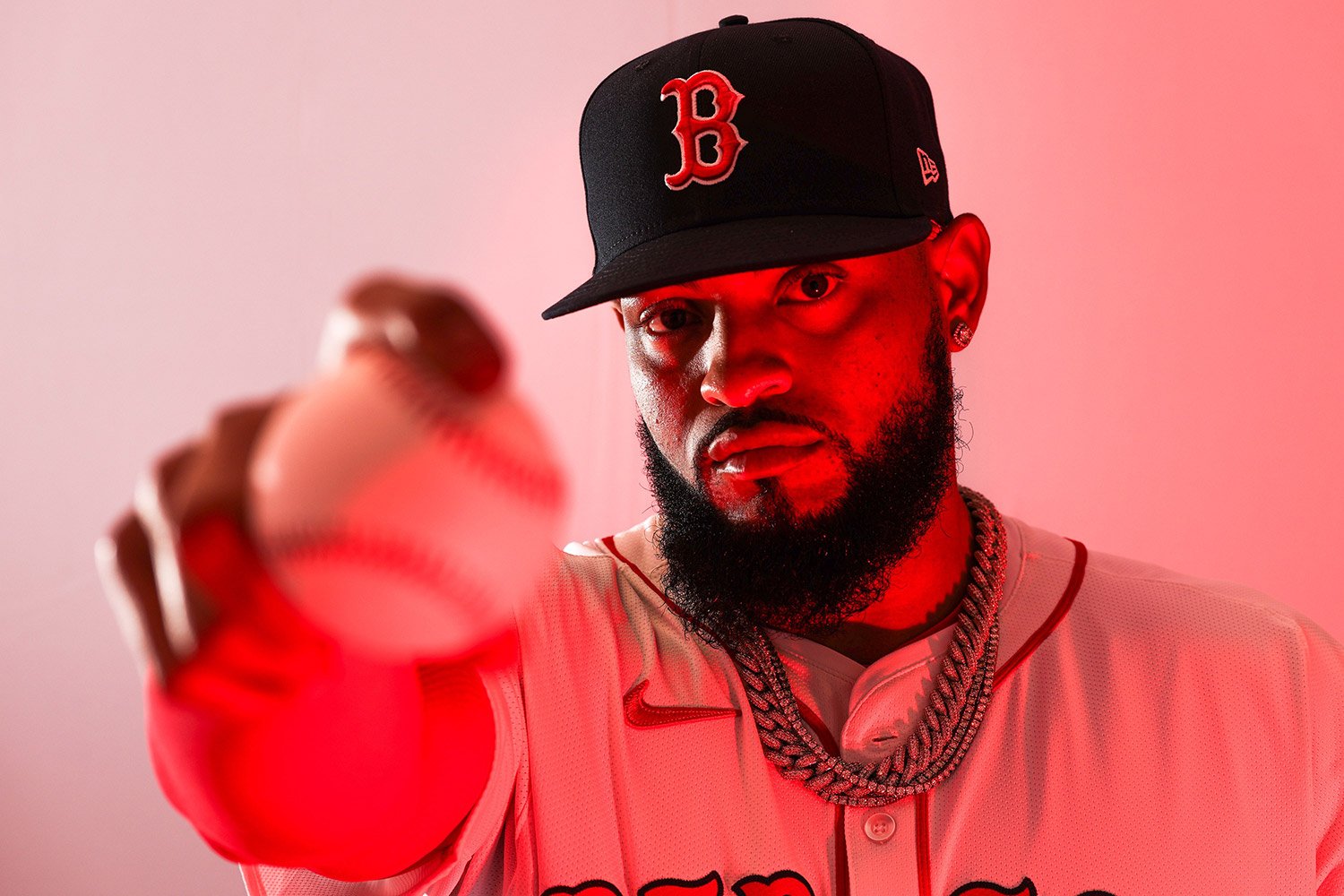 The Boston Red Sox continue to make roster moves today, as the team designated left-handed pitcher Sean Newcomb for assignment following game one of their doubleheader with the Baltimore Orioles. Taking his place on the active roster is young right-hander Luis Guerrero, who has been recalled from Triple-A Worcester. Newcomb was a surprise addition to the roster at the start of the season, as he had originally signed a minor league contract with an invitation to spring training over the offseason. After an impressive spring training, Newcomb saw himself win the fifth spot in the rotation after starters Kutter Crawford, Brayan Bello, and Lucas Giolito all ended up on the injured list during camp. Newcomb would make five starts for Boston during his time in the rotation, tossing 22 1/3 innings and allowing 11 earned runs on 32 hits and 11 walks. He also struck out 27 as part of the rotation. Upon the return of injured starters Giolito and Bello, Newcomb was pushed into the bullpen, where he often served as a long man to preserve the rest of the bullpen. He appeared in six games in this role, tossing 17 2/3 innings and appearing to have more success as a reliever. He allowed only six runs on 22 hits and five walks but struck out 14. With the Red Sox having three other left-handed relievers in their bullpen and need of a fresh arm, Newcomb was the casualty. It didn’t come as much of a surprise as the left-hander has thrown 139 pitches combined in his last three appearances while preserving the rest of the bullpen. Guerrero has spent the 2025 season bouncing between Boston and Worcester, where he has had two different seasons. While with Boston Guerrero has yet to give up a run, appearing in three games and tossing four scoreless innings while striking out three. However, with Worcester, he has allowed 10 runs across 13 appearances. In 18 1/3 innings for Worcester, Guerrero has allowed five home runs and 10 walks but has struck out 16. As demonstrated between Boston and Worcester, Guerrero relies on four pitches: a fastball, a changeup, a slider, and a splitter. Having some of the best raw stuff in the organization, Guerrero could see himself thrown into a high-leverage role within the bullpen should he manage to keep walks under control up in Boston. Though upon his latest return to the majors, he’ll likely be used as a middle reliever. The right-hander will provide much-needed assistance for the bullpen, which has been leaned upon due to short outings by the starting rotation over the last few series. A fresh arm is exactly what the team needs, and Guerrero will be a breath of fresh air for the team.
 -
The Boston Red Sox are calling up Marcelo Mayer. As first reported by Katie Morrison-O'Day of MassLive on X (formerly Twitter), Mayer was receiving congratulations from teammates and coaches and appears headed for Boston for the second game of today’s doubleheader with Baltimore. Mayer, drafted fourth overall in 2021 is one of Boston's top prospects and is currently ranked second on several lists. Since being drafted Mayer has hit .273/.360/.466 in 315 games. For Triple-A Worcester this season Mayer has hit .271/.347/.471 in 43 games. He’s also hit nine home runs and driven in 43 runs. Update 5/24/25 5:30pm Mayer has officially been announced as being called up by the Boston Red Sox and will wear number 39 with the team. To make room for Mayer on the 40-man roster, Boston moved Triston Casas to the 60-Day injured list. To create room on the 26-man roster Boston placed Alex Bregman on the 10-Day injured list with a right quad strain. More information will be added as it becomes available. View full article
-
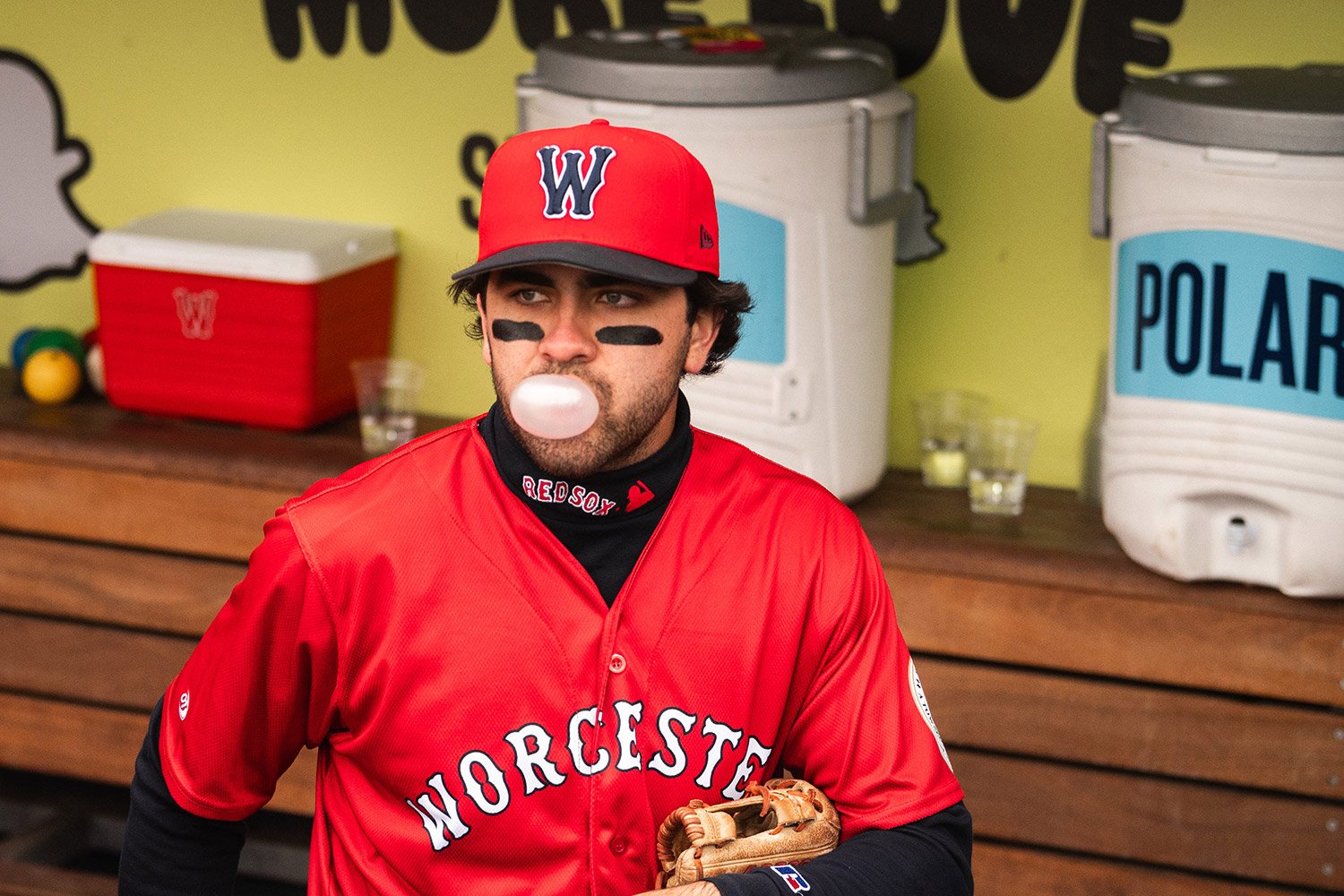 The Boston Red Sox are calling up Marcelo Mayer. As first reported by Katie Morrison-O'Day of MassLive on X (formerly Twitter), Mayer was receiving congratulations from teammates and coaches and appears headed for Boston for the second game of today’s doubleheader with Baltimore. Mayer, drafted fourth overall in 2021 is one of Boston's top prospects and is currently ranked second on several lists. Since being drafted Mayer has hit .273/.360/.466 in 315 games. For Triple-A Worcester this season Mayer has hit .271/.347/.471 in 43 games. He’s also hit nine home runs and driven in 43 runs. Update 5/24/25 5:30pm Mayer has officially been announced as being called up by the Boston Red Sox and will wear number 39 with the team. To make room for Mayer on the 40-man roster, Boston moved Triston Casas to the 60-Day injured list. To create room on the 26-man roster Boston placed Alex Bregman on the 10-Day injured list with a right quad strain. More information will be added as it becomes available.
 -
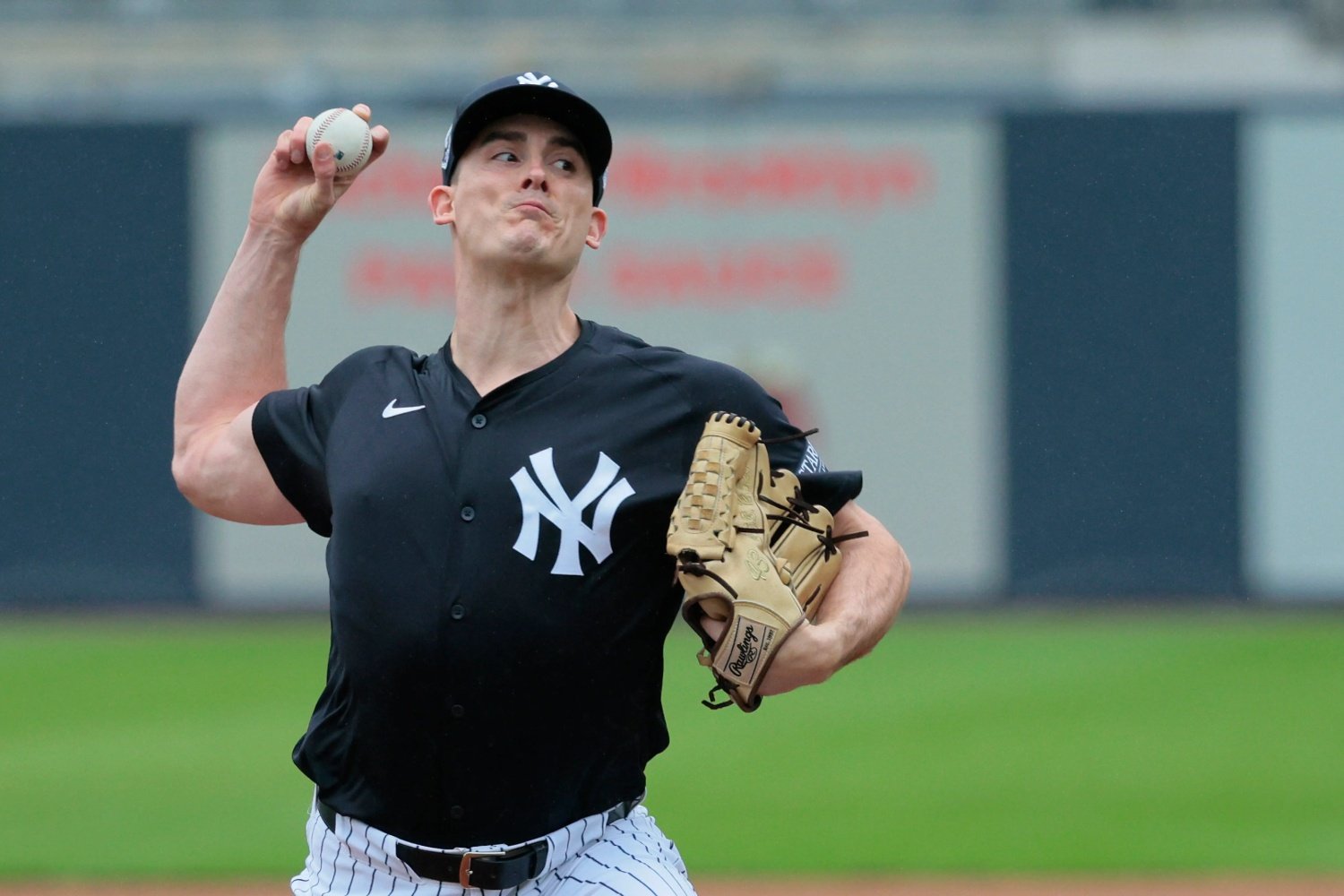 Nick Burdi made his Boston debut Friday night as he threw seven pitches, five of them strikes, to get out of a bases-loaded jam in the ninth inning. While his final stat line of just a third of an inning pitched isn’t that fascinating, the story behind him making it to the Red Sox is. Burdi, now 32 years old, began his journey over a decade ago. Drafted back in 2011 by the Minnesota Twins in the 24th round, Burdi decided to bet on himself and turned down their offer, instead attending the University of Louisville where he became one of the top prospects in the 2014 draft. Led by a fastball that could reach 100 miles per hour, Burdi was selected by the Minnesota Twins once more, but this time in the second round of the 2014 draft and signed for a $1.2 million bonus. Burdi was assigned to the Single-A Cedar Rapids Kernels to begin his career, but after throwing 13 innings where he had a 4.15 ERA and struck out 26, he was promoted to High-A Fort Myers and continued to dominate in seven appearances. In 7 1/3 innings that season for Fort Myers, he didn’t allow a run and struck out 12. After that, it was an up-and-down journey for Burdi, opening 2015 with the Double-A Chattanooga Lookouts only to struggle early with a 5.93 ERA that got him demoted back to Fort Myers in June. He wasn’t there for long, pitching in 13 games and throwing 20 innings with a 2.25 ERA and striking out 29. In his return to Double A, Burdi would close out the season throwing 20 1/3 innings with a 1.77 ERA for Chattanooga, bringing his stats at the level to 30 appearances, 43 2/3 innings and a 4.53 ERA on the season. Overall, he finished with 63 2/3 innings in 43 games and a 3.82 ERA with 83 strikeouts in 2015. After the season, Burdi was selected for the Arizona Fall League and got into eight games, pitching eight scoreless innings and striking out 11. 2016 would be a lost season for Burdi, throwing only three innings due to a bone bruise in his right elbow that would lead to him starting 2017 in Double-A once more. Unfortunately, it wouldn’t be a long 2017 for Burdi either, as the right-hander would need Tommy John surgery on his right elbow in May of that season, costing him the rest of that season and what was expected to be most if not all of 2018. In 14 games for Chattanooga in 2017, Burdi threw 17 innings and struck out 20 with a 0.53 ERA. The 2017 offseason saw the first of many changes of scenery for Burdi, as he was selected by the Philadelphia Phillies in the Rule 5 draft. He wasn’t meant to stay with the Phillies for long, being dealt to the Pittsburgh Pirates for $500,000 of international signing bonus money. Burdi would rehab for most of the 2018 season as he made his way back from surgery. He would go on to appear in 10 minor league games across three levels of the Pirates' farm system, throwing 11 combined innings and logging a 5.73 ERA. Despite that, Burdi would be activated from the injured list on September 1st, 2018, when rosters expanded and would go on to make his MLB debut on September 11th, throwing one-third of an inning against the St. Louis Cardinals. Burdi wouldn’t appear much more after that, only getting into one more game and finishing 2018 in the majors with a 20.25 ERA in 1 1/3 innings pitched. 2019 seemed to be a chance for Burdi to get back to his old self, as he made the Opening Day roster. However, he would only appear in 11 games and struggled to the tune of a 9.35 ERA in 8 2/3 innings. though he did strike out 17. On June 25th he would undergo surgery once more, this time needing thoracic outlet surgery to relieve his symptoms of thoracic outlet syndrome and would cost him the rest of 2019. The 2020 pandemic-shortened season would be more of the same for Burdi, as he appeared in only three games before going on the injured list once more with an injury to his right elbow. In August, he would receive a platelet-rich plasma injection to try and avoid surgery on the elbow, but it was futile as in October he underwent his second Tommy John surgery ruling him out for the 2021 season. In November of 2020, he would be designated for assignment by the Pirates and became a free agent on November 9th. He wouldn’t be a free agent for long, as Burdi would go on to sign with the San Diego Padres on a minor league deal on December 22nd, 2020. Burdi would not pitch a single game in 2021 as he recovered from his October surgery. In 2022, he would be assigned to the Padre’s Triple-A team, the El Paso Chihuahuas, but ended up being released on April 21st before making his first appearance. He would resign with San Diego on a minor league contract on May 4th but would not make a single appearance. After missing two years recovering from his second Tommy John surgery, Burdi would go on to be selected by the Chicago Cubs in the minor league phase of the Rule 5 draft on December 7th, 2022. He would finally return from surgery in 2023 as he pitched in 11 games for the Triple-A Iowa Cubs. In that span, he tossed 10 2/3 innings where he earned five saves and struck out 19 with a 3.38 ERA. Seeing that he was pitching well, the Cubs selected Burdi’s contract and added it to their active roster on May 15th. After nearly two and a half seasons, Burdi was back in the majors. Unfortunately, his stint wasn't long, as he was placed on the injured list on May 24th after undergoing an emergency appendectomy, and on June 13th, he was moved to the 60-day injured list. He would only appear in three games with the Cubs, throwing three innings and striking out four with a 9.00 ERA. After the season, he was removed from the 40-man roster and outrighted to Iowa, though on November 6th, he elected to become a free agent. Burdi’s time as a free agent would last about two months. He signed a minor league contract with the New York Yankees on December 21st, 2023 with an invitation to spring training. He would have such a great spring that he broke camp with the major league team and carried that hot start into the season. Through his first 12 games of 2024, Burdi would throw 9 2/3 innings, striking out 12 and recording a 1.86 ERA. Unfortunately, injury issues would occur once more for Burdi, as he would go back onto the injured list on May 24th with right hip inflammation. The right-hander would receive a platelet-rich plasma injection for his hip but it didn’t help much, and he would be moved to the 60-day injured list on June 23rd. Burdi would go on to be activated on August 1st, though he wouldn’t pitch again for the major league team and was designated for assignment by the Yankees on September 7th. Burdi would clear waivers and be sent to Triple-A Scranton/Wilkes-Barre where he played for the RailRiders for the remainder of the season. Overall, with Scranton, he would appear in 18 games, tossing 17 innings and posting a 2.65 ERA with 24 strikeouts. Burdi would elect free agency after the season, though did not sign a new contract until after spring training had begun. On February 28th, 2025, Burdi agreed to a minor league contract with the Boston Red Sox. He would go on to open the season with Worcester, becoming one of their top arms in the bullpen as we've covered previously. Burdi appeared in 13 games for Worcester, tossing 16 2/3 innings while earning three saves and striking out 25 with a 0.54 ERA. His impressive showing was enough for Boston to give him a chance with their bullpen in need of an arm after recent struggles in the rotation caused them to pitch quite often in Detroit. Burdi is now pitching for his sixth (technically seventh, but we won’t count the Phillies since he was immediately traded) organization, with the hopes that this time, he can finally show teams just what made him so good in college and his early minor league career before injuries derailed everything. Despite the two Tommy John surgeries, Burdi is still able to reach 97 on his fastball, showing an unbelievable amount of grit an tenacity for a 32-year-old. His journey to this point has been arduous, but no one can doubt Burdi's drive. He's an easy guy to root for, and he'd make for one heck of a success story if the Red Sox can keep him healthy in 2025.
