Nick John
-
Posts
799 -
Joined
-
Last visited
-
Days Won
1
Content Type
Profiles
Boston Red Sox Videos
2026 Boston Red Sox Top Prospects Ranking
Boston Red Sox Free Agent & Trade Rumors, Notes, & Tidbits
Guides & Resources
2025 Boston Red Sox Draft Pick Tracker
News
2026 Boston Red Sox Draft Tracker: Picks & Bonuses
Forums
Blogs
Events
Store
Downloads
Gallery
Everything posted by Nick John
-
If you can get a bonafide number 2 or even a 1B to pair with Crochet, I don't care who it is, I'm moving that prospect. If you can get a Joe Ryan (who's under contract cheaply) or a MacKenzie Gore (unlikely to be moved) you do it and set this rotation up for success for the next two to three years.
-
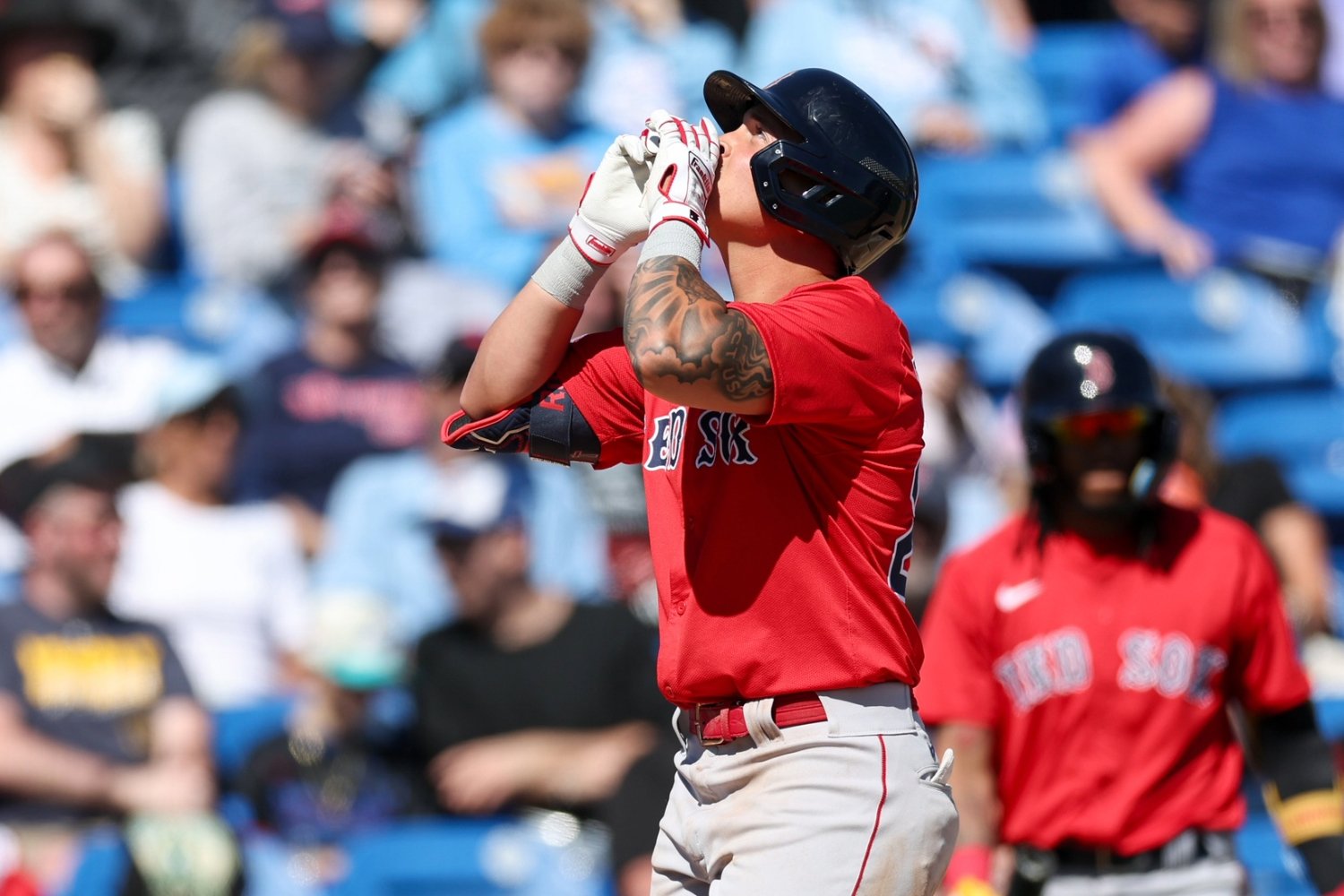 With the season now into July and the field of contenders, pretenders and non-contenders being sorted out, most teams have an idea which direction they may be taking at the trade deadline this year. The Red Sox on the other hand are in a tough position, sitting just 2.5 games out of a playoff spot, though it's been made clear that the team is inclined to be buyers, especially as their offense looks to gain a boost with the return of Alex Bregman and Masataka Yoshida for the second half of the season. Unfortunately, this team has been consistently inconsistent since the very first week of the season, and there are a few players the team could ship out to help build up talent for the 2026 season. With a farm system that entered the season ranked third in baseball by MLB Pipeline, the Red Sox have the depth and talent across their farm system to absorb trades to acquire talent for a run at the 2025 postseason. With that in mind, here are five prospects that could be moved in a trade should the Red Sox look to be buyers at the deadline. #5) David Sandlin Sandlin, the former 11th-round pick out of the University of Oklahoma in the 2022 MLB Draft, was acquired at the start of spring training in 2024 from the Kansas City Royals for John Schreiber. In his first year pitching in the Red Sox organization, it was a season of mixed results. Sandlin would split the year between Greenville and Portland, going winless while starting 18 games. He would toss a total of 57 1/3 innings in that span while allowing 34 runs on 61 hits, 14 of them being home runs, and 18 walks. What really stood out for Sandlin was the number of strikeouts that he got, ringing up 82 batters. In 2025, he’s made adjustments and has turned himself into a highly-regarded pitching prospect in the organization. So far on the season, he’s appeared in 13 games (11 starts) and has won four games, including a complete game shutout on May 29, and was part of a no-hitter on June 22. He’s blown past his innings total from last season, already at 64 innings pitched, allowing 26 runs on 53 hits, four of them being home runs, and 21 walks. However, his strikeouts have dropped to only 69 on the season. The main reason for moving Sandlin in a deal would be the fact that he’s Rule 5 eligible this offseason, and unless the team views him as a pitcher to protect, there’s a good chance another team will take a chance on him, especially with a fastball that peaks at 100 mph that would really play in a bullpen role in the majors. Add to it a sweeping slider that can reach 93 mph and a splitter that has late movement with massive bat-missing potential and it’s hard not to picture him getting taken in the 2025 Rule 5 Draft. Many would hope that the Red Sox protect Sandlin and add him to the 40-man roster this offseason, but with several young, exciting pitchers in the system such as Payton Tolle, Luis Perales, Connelly Early and Brandon Clarke, they team may view Sandlin as the perfect piece to get a deal done. #4) Blaze Jordan Another player who has brought discussion back to his name in regard to prospect status, Jordan is another player who makes sense to be moved in the right trade. Jordan, drafted in the third round out of high school in the 2020 MLB Draft, has had his ups and downs in the Red Sox's farm system. Now in his fifth season with the Red Sox, Jordan has made his way up to Triple-A Worcester at only 22 years old, where he’s handling the competition well. Through his first 26 games there, Jordan is hitting .279/.318/.462 with eight doubles, a triple, three home runs and 14 RBIs. In total, he’s hitting .303/.378/.492 with 19 doubles, a triple, nine home runs and 51 RBIs in 70 games split between Portland and Worcester. Following a 2024 season that saw Jordan deal with injury and inconsistent play, he became eligible for the Rule 5 Draft for the first time in his career. The Red Sox did not see a need to protect him, especially as there would not be much worry over losing someone that had struggled since being promoted to Double-A Portland near the end of the 2023 season. The Red Sox took the gamble and it paid off, as Jordan was passed over in a draft that saw five Red Sox prospects taken between the major and minor league portions of the event. With what could be perceived as a chip on his shoulder, Jordan entered the 2025 season healthy, and after a tough April where he managed to slash .235/.321/.324, he took off in May and forced his name back into the discussion of top corner infield prospects in the Red Sox system. Jordan’s biggest issue will continue to be his aggressiveness, as he chases early in counts far too often, limiting his ability to walk and increasing his strikeouts. His game will always have swing-and-miss in it, but his above-average in-game power means that when he makes contact, he manages to hit balls hard, something that teams may be willing to take a chance on either through a trade or by taking him in the Rule 5 Draft this offseason. The Red Sox would be wise to move Jordan with his value at its highest level in a long time and not take a chance of losing him for nothing. #3) Mikey Romero Romero, who was the Red Sox first-round pick in the 2022 MLB Draft out of high school, is an interesting player. Still only 21 years old, he has some growth left in him as a player, and in 2025 he’s starting to showcase the talent and potential that made him a first-round selection. In 47 games with Portland this season, Romero is hitting .283/.350/.489 to go along with 13 doubles, two triples, seven home runs and 28 RBIs. This is an improvement on his solid debut in Portland last year, where in 16 games he hit .243/.257/.543 with three doubles, six home runs and 12 RBIs. The only slight against Romero is his ability to stay healthy, as he’s missed significant time in every season since 2023, where he dealt with a back injury. The injury later worsened into a stress fracture that limited him to just 34 games in 2023 and saw him begin the 2024 season on the injured list as he recovered from the injury. In 2025 Romero got to enter spring training games for the Red Sox and managed to catch Alex Cora’s eye. During spring training, Cora was asked which prospects stood out to him other than the Big Three, and he answered Mikey Romero. “Yeah, he’s a good player. A really good player. Just a baseball player. Good at-bats. Good defender. Mikey Romero is a good player. ... He did everything this offseason to put himself in good shape. He’s a lot stronger now. But this is the first I’ve had a look at him consistently. And I like him as a player.” Romero is showing he can hold his own against tougher competition thanks to his performance in Portland this season, however, the Red Sox also have a major league infield that is full with the likes of Alex Bregman, Trevor Story, Marcelo Mayer, Romy González, Abraham Toro and David Hamilton on the roster, not to mention Kristian Campbell and Nick Sogard in Worcester and Triston Casas looking to return next season. It’s a crowded infield and will only get more crowded as infield prospects Franklin Arias, Yoeilin Cespedes and Dorian Soto continue to move up the system. Just like with Sandlin and Jordan, it would be wise for the Red Sox to take advantage of their surplus of talent and a player’s great season to see what they could get to make a playoff run. #2) James Tibbs III Tibbs may be the last player Red Sox fans want to see on this list. Acquired in the controversial Rafael Devers trade, Tibbs is very likely to be moved either at the deadline or in the offseason if they can get the right player back for him. Tibbs was the San Francisco Giants’ first-round pick last season and was sent to Boston after playing in 57 games for High-A Eugene this season. In those 57 games, he hit .246/.379/.478 with 10 doubles, a triple, 12 home runs and 32 RBIs while also walking 42 times. Upon being acquired by the Red Sox, he was immediately sent to Double-A Portland where he’s managed to hit well despite a lack of power. In 14 games with his new team, Tibbs has managed to hit .291/.375/.364 with two doubles, a triple, no home runs and three RBIs. It was never his offense that was in question for Tibbs, as he’s patient at the plate and makes good swing decisions as he has a low chase rate and makes consistent contact with pitches in the zone. He also has above-average raw power and thanks to his swing having a slight uppercut, he drives the ball with back spin. Defensively is where the concerns are, due to his below-average speed and a lack athleticism. In college, he moved around defensively from left field in his freshman season to first base in his sophomore season and then to right field in his final season in college. Because of that, he’s viewed as a corner outfielder who could play some first, but should he make the majors with the Red Sox, he’s likely to remain in left field. Because of this, it’s unlikely he stays in the organization long enough to break the majors in Boston unless a major trade happens with players on the major league roster. This is due to the outfield already being packed with several outstanding players like Roman Anthony, Wilyer Abreu, Ceddanne Rafaela and Jarren Duran, not to mention the likes of Rob Refsnyder and Yoshida. Even if Tibbs isn’t moved leading up to the deadline, he’s a name to check in on during offseason trade talks. His offensive potential alone should make him a player several teams could be interested in. #1) Jhostynxon Garcia Garcia is different than the other prospects listed. Signed as an international free agent in 2019, Garcia was added to the 40-man roster last offseason to protect him from the Rule 5 Draft and is only 22 years old. The Red Sox don’t have to worry about losing him in the offseason, and since they added him to the 40-man roster, they likely have some sort of plan to eventually bring him up to Boston. Because of this, Garcia is someone who the Sox should only trade if it was to bring back a true No. 2 pitcher to pair with Garrett Crochet atop the rotation. A player that I would love to see the Red Sox go after and would be fine with them including Garcia in a deal for would be someone like Joe Ryan of the Minnesota Twins, if he became available. He’s been amazing this season, winning eight games in 17 appearances (16 starts) to go along with a 2.75 ERA in 98 1/3 innings and 108 strikeouts. Garcia wouldn’t be the only piece going back to Minnesota in a hypothetical trade, but thanks to his production on the season, he could be a player who sways a deal in Boston’s favor. In 68 games this season between Portland and Worcester, Garcia is hitting .272/.355/.480 with 11 doubles, three triples, 12 home runs and 42 RBIs. Plus, he's playing excellent defense, as he has five outfield assists so far on the season. Garcia is an interesting prospect, as he’s still working on a plethora of areas of weakness such as the swing-and-miss that’s in his game and his habit to expand the zone often. Despite that, Garcia has shown an ability to produce high exit velocities on pitches he hits. His improvement has been seen around the league, as he was selected to the All-Star Futures Game in 2025 where he can hopefully put his skills on display. Defensively, he’s taken to center field thanks to his strong instincts and range despite a lack of speed, but could be moved to a corner outfield position as he gets older. His arm is also an area of strength for him, which will allow him to handle any outfield position, especially right field. Garcia should not be moved just to make a trade. Again, it should only be in a big deal that will really help the roster make a playoff run this season and beyond. There are other prospects who could get traded depending on the situation, though these five may be crucial in a deal to really upgrade the team without selling the entire farm. With the depth in the system, the organization could stomach trading any of these five without seeing a huge drop off in performance across the multiple levels. This trade season could be an interesting one for the Red Sox should they decide to be buyers. What do you think of our list? Are there any prospects here you don't want to see traded? Any players not on this list that you think the Sox should trade? Let us know in the comments!
 -
With the season now into July and the field of contenders, pretenders and non-contenders being sorted out, most teams have an idea which direction they may be taking at the trade deadline this year. The Red Sox on the other hand are in a tough position, sitting just 2.5 games out of a playoff spot, though it's been made clear that the team is inclined to be buyers, especially as their offense looks to gain a boost with the return of Alex Bregman and Masataka Yoshida for the second half of the season. Unfortunately, this team has been consistently inconsistent since the very first week of the season, and there are a few players the team could ship out to help build up talent for the 2026 season. With a farm system that entered the season ranked third in baseball by MLB Pipeline, the Red Sox have the depth and talent across their farm system to absorb trades to acquire talent for a run at the 2025 postseason. With that in mind, here are five prospects that could be moved in a trade should the Red Sox look to be buyers at the deadline. #5) David Sandlin Sandlin, the former 11th-round pick out of the University of Oklahoma in the 2022 MLB Draft, was acquired at the start of spring training in 2024 from the Kansas City Royals for John Schreiber. In his first year pitching in the Red Sox organization, it was a season of mixed results. Sandlin would split the year between Greenville and Portland, going winless while starting 18 games. He would toss a total of 57 1/3 innings in that span while allowing 34 runs on 61 hits, 14 of them being home runs, and 18 walks. What really stood out for Sandlin was the number of strikeouts that he got, ringing up 82 batters. In 2025, he’s made adjustments and has turned himself into a highly-regarded pitching prospect in the organization. So far on the season, he’s appeared in 13 games (11 starts) and has won four games, including a complete game shutout on May 29, and was part of a no-hitter on June 22. He’s blown past his innings total from last season, already at 64 innings pitched, allowing 26 runs on 53 hits, four of them being home runs, and 21 walks. However, his strikeouts have dropped to only 69 on the season. The main reason for moving Sandlin in a deal would be the fact that he’s Rule 5 eligible this offseason, and unless the team views him as a pitcher to protect, there’s a good chance another team will take a chance on him, especially with a fastball that peaks at 100 mph that would really play in a bullpen role in the majors. Add to it a sweeping slider that can reach 93 mph and a splitter that has late movement with massive bat-missing potential and it’s hard not to picture him getting taken in the 2025 Rule 5 Draft. Many would hope that the Red Sox protect Sandlin and add him to the 40-man roster this offseason, but with several young, exciting pitchers in the system such as Payton Tolle, Luis Perales, Connelly Early and Brandon Clarke, they team may view Sandlin as the perfect piece to get a deal done. #4) Blaze Jordan Another player who has brought discussion back to his name in regard to prospect status, Jordan is another player who makes sense to be moved in the right trade. Jordan, drafted in the third round out of high school in the 2020 MLB Draft, has had his ups and downs in the Red Sox's farm system. Now in his fifth season with the Red Sox, Jordan has made his way up to Triple-A Worcester at only 22 years old, where he’s handling the competition well. Through his first 26 games there, Jordan is hitting .279/.318/.462 with eight doubles, a triple, three home runs and 14 RBIs. In total, he’s hitting .303/.378/.492 with 19 doubles, a triple, nine home runs and 51 RBIs in 70 games split between Portland and Worcester. Following a 2024 season that saw Jordan deal with injury and inconsistent play, he became eligible for the Rule 5 Draft for the first time in his career. The Red Sox did not see a need to protect him, especially as there would not be much worry over losing someone that had struggled since being promoted to Double-A Portland near the end of the 2023 season. The Red Sox took the gamble and it paid off, as Jordan was passed over in a draft that saw five Red Sox prospects taken between the major and minor league portions of the event. With what could be perceived as a chip on his shoulder, Jordan entered the 2025 season healthy, and after a tough April where he managed to slash .235/.321/.324, he took off in May and forced his name back into the discussion of top corner infield prospects in the Red Sox system. Jordan’s biggest issue will continue to be his aggressiveness, as he chases early in counts far too often, limiting his ability to walk and increasing his strikeouts. His game will always have swing-and-miss in it, but his above-average in-game power means that when he makes contact, he manages to hit balls hard, something that teams may be willing to take a chance on either through a trade or by taking him in the Rule 5 Draft this offseason. The Red Sox would be wise to move Jordan with his value at its highest level in a long time and not take a chance of losing him for nothing. #3) Mikey Romero Romero, who was the Red Sox first-round pick in the 2022 MLB Draft out of high school, is an interesting player. Still only 21 years old, he has some growth left in him as a player, and in 2025 he’s starting to showcase the talent and potential that made him a first-round selection. In 47 games with Portland this season, Romero is hitting .283/.350/.489 to go along with 13 doubles, two triples, seven home runs and 28 RBIs. This is an improvement on his solid debut in Portland last year, where in 16 games he hit .243/.257/.543 with three doubles, six home runs and 12 RBIs. The only slight against Romero is his ability to stay healthy, as he’s missed significant time in every season since 2023, where he dealt with a back injury. The injury later worsened into a stress fracture that limited him to just 34 games in 2023 and saw him begin the 2024 season on the injured list as he recovered from the injury. In 2025 Romero got to enter spring training games for the Red Sox and managed to catch Alex Cora’s eye. During spring training, Cora was asked which prospects stood out to him other than the Big Three, and he answered Mikey Romero. “Yeah, he’s a good player. A really good player. Just a baseball player. Good at-bats. Good defender. Mikey Romero is a good player. ... He did everything this offseason to put himself in good shape. He’s a lot stronger now. But this is the first I’ve had a look at him consistently. And I like him as a player.” Romero is showing he can hold his own against tougher competition thanks to his performance in Portland this season, however, the Red Sox also have a major league infield that is full with the likes of Alex Bregman, Trevor Story, Marcelo Mayer, Romy González, Abraham Toro and David Hamilton on the roster, not to mention Kristian Campbell and Nick Sogard in Worcester and Triston Casas looking to return next season. It’s a crowded infield and will only get more crowded as infield prospects Franklin Arias, Yoeilin Cespedes and Dorian Soto continue to move up the system. Just like with Sandlin and Jordan, it would be wise for the Red Sox to take advantage of their surplus of talent and a player’s great season to see what they could get to make a playoff run. #2) James Tibbs III Tibbs may be the last player Red Sox fans want to see on this list. Acquired in the controversial Rafael Devers trade, Tibbs is very likely to be moved either at the deadline or in the offseason if they can get the right player back for him. Tibbs was the San Francisco Giants’ first-round pick last season and was sent to Boston after playing in 57 games for High-A Eugene this season. In those 57 games, he hit .246/.379/.478 with 10 doubles, a triple, 12 home runs and 32 RBIs while also walking 42 times. Upon being acquired by the Red Sox, he was immediately sent to Double-A Portland where he’s managed to hit well despite a lack of power. In 14 games with his new team, Tibbs has managed to hit .291/.375/.364 with two doubles, a triple, no home runs and three RBIs. It was never his offense that was in question for Tibbs, as he’s patient at the plate and makes good swing decisions as he has a low chase rate and makes consistent contact with pitches in the zone. He also has above-average raw power and thanks to his swing having a slight uppercut, he drives the ball with back spin. Defensively is where the concerns are, due to his below-average speed and a lack athleticism. In college, he moved around defensively from left field in his freshman season to first base in his sophomore season and then to right field in his final season in college. Because of that, he’s viewed as a corner outfielder who could play some first, but should he make the majors with the Red Sox, he’s likely to remain in left field. Because of this, it’s unlikely he stays in the organization long enough to break the majors in Boston unless a major trade happens with players on the major league roster. This is due to the outfield already being packed with several outstanding players like Roman Anthony, Wilyer Abreu, Ceddanne Rafaela and Jarren Duran, not to mention the likes of Rob Refsnyder and Yoshida. Even if Tibbs isn’t moved leading up to the deadline, he’s a name to check in on during offseason trade talks. His offensive potential alone should make him a player several teams could be interested in. #1) Jhostynxon Garcia Garcia is different than the other prospects listed. Signed as an international free agent in 2019, Garcia was added to the 40-man roster last offseason to protect him from the Rule 5 Draft and is only 22 years old. The Red Sox don’t have to worry about losing him in the offseason, and since they added him to the 40-man roster, they likely have some sort of plan to eventually bring him up to Boston. Because of this, Garcia is someone who the Sox should only trade if it was to bring back a true No. 2 pitcher to pair with Garrett Crochet atop the rotation. A player that I would love to see the Red Sox go after and would be fine with them including Garcia in a deal for would be someone like Joe Ryan of the Minnesota Twins, if he became available. He’s been amazing this season, winning eight games in 17 appearances (16 starts) to go along with a 2.75 ERA in 98 1/3 innings and 108 strikeouts. Garcia wouldn’t be the only piece going back to Minnesota in a hypothetical trade, but thanks to his production on the season, he could be a player who sways a deal in Boston’s favor. In 68 games this season between Portland and Worcester, Garcia is hitting .272/.355/.480 with 11 doubles, three triples, 12 home runs and 42 RBIs. Plus, he's playing excellent defense, as he has five outfield assists so far on the season. Garcia is an interesting prospect, as he’s still working on a plethora of areas of weakness such as the swing-and-miss that’s in his game and his habit to expand the zone often. Despite that, Garcia has shown an ability to produce high exit velocities on pitches he hits. His improvement has been seen around the league, as he was selected to the All-Star Futures Game in 2025 where he can hopefully put his skills on display. Defensively, he’s taken to center field thanks to his strong instincts and range despite a lack of speed, but could be moved to a corner outfield position as he gets older. His arm is also an area of strength for him, which will allow him to handle any outfield position, especially right field. Garcia should not be moved just to make a trade. Again, it should only be in a big deal that will really help the roster make a playoff run this season and beyond. There are other prospects who could get traded depending on the situation, though these five may be crucial in a deal to really upgrade the team without selling the entire farm. With the depth in the system, the organization could stomach trading any of these five without seeing a huge drop off in performance across the multiple levels. This trade season could be an interesting one for the Red Sox should they decide to be buyers. What do you think of our list? Are there any prospects here you don't want to see traded? Any players not on this list that you think the Sox should trade? Let us know in the comments! View full article
-
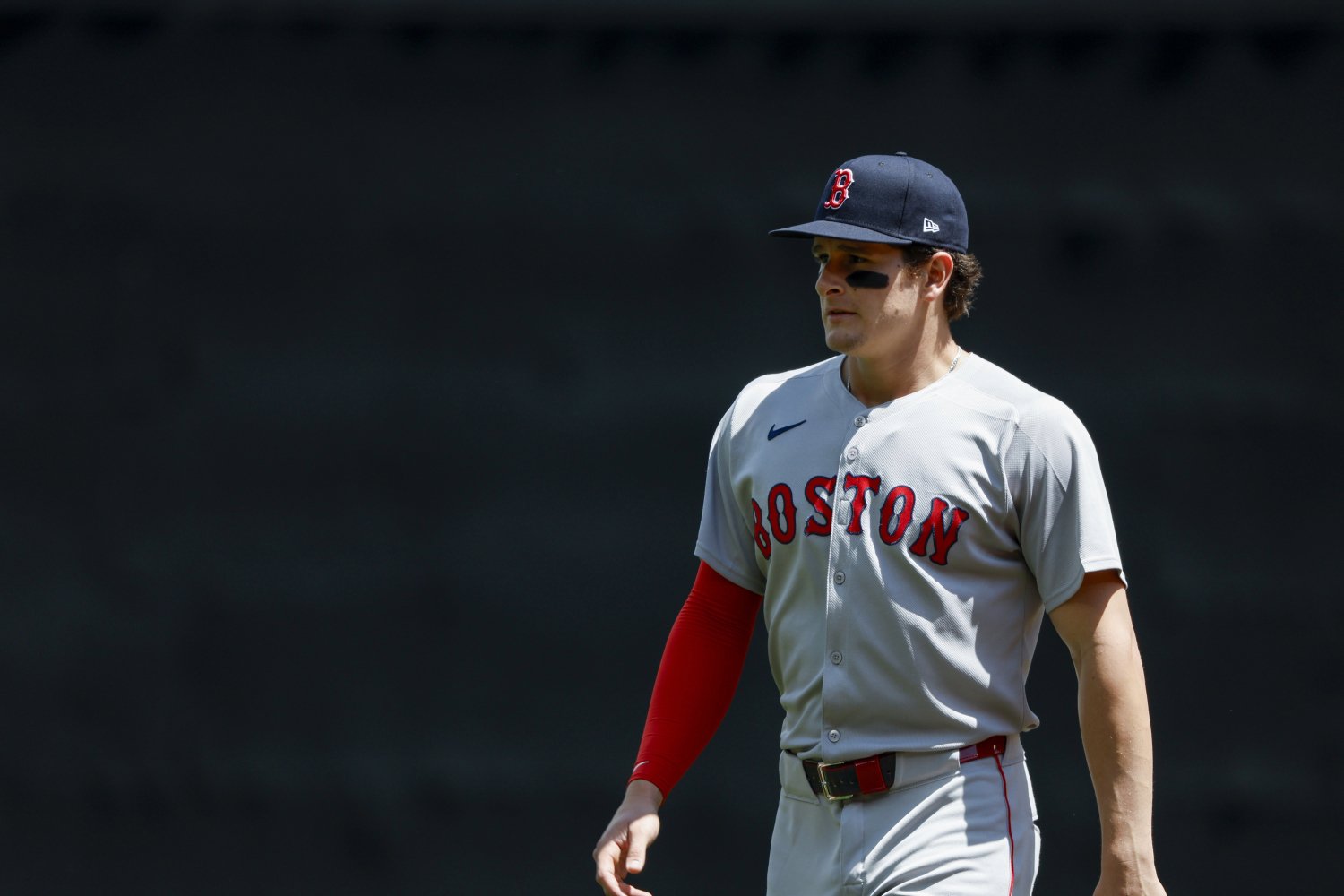 With the 2025 season more than halfway over, FanGraphs has released their updated top 45 prospects list for every team. The one for the Boston Red Sox, however, has some questionable choices to it, especially when it comes to the placement of certain prospects along with keeping other players who have been deemed to have “graduated” from prospect status according to other sites. Right off the bat (no pun intended) is FanGraph’s No. 2 ranked Red Sox prospect, Kristian Campbell. Campbell opened the season with the Sox and after a hot stretch, cooled down considerably. Now back in Worcester to work on a few things, Campbell has graduated from prospect status on multiple rankings such as Baseball America, MLB Pipeline and SoxProspects. Joining Campbell as having graduated from prospect status is FanGraphs’ fifth ranked Red Sox prospect, Richard Fitts. The final prospect on the rankings who has graduated from prospect status is Carlos Narváez, who is ranked 10th on the site. [EDITOR's NOTE: FanGraphs does this with all of their mid-season prospect rankings. They normally don't remove ineligible players until after the trade deadline. It is valid to point out, though, since it affects the placement of other prospects on the list.] Should you take those three off the board, the Top Five would now look like this: Roman Anthony, Marcelo Mayer, Franklin Arias, Payton Tolle and Brandon Clarke. A much more accurate, though not perfect, representation of the top five prospects in the organization. One thing to note from this list is how of the 45 players on the list, 25 are pitchers and 13 of them are currently on the injured list, a key one being Luis Perales, who, despite being viewed as the top Red Sox pitching prospect by others, is ranked 17th by FanGraphs. While you could argue that his rehab from Tommy John surgery and missing out on most of 2024 and 2025 could cause such a slide, his potential alone should have him no lower than the top ten, and he shouldn’t be viewed as a single-inning relief pitcher (SIRP) on FanGraphs. While Perales has reliever risk in his profile, the Red Sox have shown no desire to attempt such a switch due to the immense potential he has as a starter. Other injured pitchers who made the list include Yordanny Monegro, Juan Valera, Jedixson Paez, Conrad Cason, Blake Wehunt and Jojo Ingrassia, all of whom have shown potential on the mound. Likewise, I personally feel that James Tibbs III and Mikey Romero are ranked too low for their status as prospects. While Tibbs hasn’t demonstrated much power with Portland since coming over in the controversial Rafael Devers trade, he has still demonstrated good contract and an ability to get on base. Romero, another former first-round pick, has seen his career derailed by a back injury, but in 2025, he has shown great talent while healthy. In 46 games this season, the infielder has slashed .274/.343/.486 to go along with 13 doubles, two triples, seven home runs and 27 RBIs, all while tying his walk total from last season in 32 less games. And, while I am extremely high on Brandon Clarke as a pitcher, believing he could have the makings of a mid-rotation starter should he put it all together, seeing him ranked seventh by FanGraphs feels a little too high. While it seems nitpick-y to say he should be lower, I feel he shouldn’t be any higher than tenth on a prospect ranking at this point in time. Despite arguing quite a bit early on, I do feel they are correct on several of their placements as well. Both Jhostynxon Garcia and Connelly Early feel to be at the perfect ranking based on their seasons, along with young pitchers Valera and Paez ,who have both dealt with injuries this season but flash amazing potential. Another player I can’t argue about their placement is Yoeilin Cespedes, who has fallen down a few prospect rankings due to shaky batting this season for Salem. In 62 games, he’s only hit .231/.282/.380 with 13 doubles, four triples, five home runs and 32 RBIs. However, I feel like an eventual promotion to High-A Greenville could yield an increase in production, as Greenville’s home field could help to turn what would be outs at Salem into hits. Cespedes is still only 19 and missed a good portion of 2024 due to injury, so the possibility remains that he figures it all out. The last part of the list that really caught my attention is something that makes me scratch my head. Ignoring the part that Fitts has been viewed as graduating prospect status by others, the fact that he is ranked fifth while Hunter Dobbins is down at 18th confuses me. Of the two, Dobbins has had a better season when you just look at the stats. Dobbins has pitched in 12 games so far in Boston, ten of them starts, and has won four games with a 4.10 ERA. In those 12 games, he’s thrown 59 1/3 innings while striking out 43 and walking 16. Along with that, he’s only surrendered six home runs. His WAR according to FanGraphs is also at 0.9. Fitts, on the other hand, has only pitched in seven starts for Boston and missed a good portion of the season due to injury. He has yet to win a game in those seven starts and has an ERA of 4.50 across 28 innings. In those 28 innings, he’s struck out 22 batters and allowed seven home runs. FanGraphs has also given him a WAR of -0.2, a big difference from Dobbins’ 0.9. And, when you look deeper into their stats, I still can’t help but wonder how Fitts is ranked higher. Currently, Fitts has a higher xERA and FIP than Dobbins: 5.70 and 5.95 vs. 3.96 and 3.87. Where Fitts excels compared to Dobbins is in chase rate. Fitts currently has a 34.2% chase rate, putting him in the 93rd percentile compared to Dobbins’ 27.5% rate which has him in the 42nd percentile. Along with that, Fitts also has a higher whiff percentage of 23.9% compared to 21.9%, and has a higher strikeout rate of 18.2% to 17.3%. That type of swing-and-miss potential does give him, arguably, a higher ceiling. In the end, it’s never a bad thing to have a discussion on which of your young pitchers will be the better of the two. It’s a great argument for a franchise that has failed to develop home grown quality starting pitching in the past. When it comes to prospect rankings, no one will ever be completely happy, as everyone has their own thoughts and beliefs toward certain players. Ranking prospects can get tricky, as some can suddenly jump up the rankings after a good season and others who were deemed to be future stars could end up never reaching their true potential. At least it makes for interesting discussions, right?
 -
With the 2025 season more than halfway over, FanGraphs has released their updated top 45 prospects list for every team. The one for the Boston Red Sox, however, has some questionable choices to it, especially when it comes to the placement of certain prospects along with keeping other players who have been deemed to have “graduated” from prospect status according to other sites. Right off the bat (no pun intended) is FanGraph’s No. 2 ranked Red Sox prospect, Kristian Campbell. Campbell opened the season with the Sox and after a hot stretch, cooled down considerably. Now back in Worcester to work on a few things, Campbell has graduated from prospect status on multiple rankings such as Baseball America, MLB Pipeline and SoxProspects. Joining Campbell as having graduated from prospect status is FanGraphs’ fifth ranked Red Sox prospect, Richard Fitts. The final prospect on the rankings who has graduated from prospect status is Carlos Narváez, who is ranked 10th on the site. [EDITOR's NOTE: FanGraphs does this with all of their mid-season prospect rankings. They normally don't remove ineligible players until after the trade deadline. It is valid to point out, though, since it affects the placement of other prospects on the list.] Should you take those three off the board, the Top Five would now look like this: Roman Anthony, Marcelo Mayer, Franklin Arias, Payton Tolle and Brandon Clarke. A much more accurate, though not perfect, representation of the top five prospects in the organization. One thing to note from this list is how of the 45 players on the list, 25 are pitchers and 13 of them are currently on the injured list, a key one being Luis Perales, who, despite being viewed as the top Red Sox pitching prospect by others, is ranked 17th by FanGraphs. While you could argue that his rehab from Tommy John surgery and missing out on most of 2024 and 2025 could cause such a slide, his potential alone should have him no lower than the top ten, and he shouldn’t be viewed as a single-inning relief pitcher (SIRP) on FanGraphs. While Perales has reliever risk in his profile, the Red Sox have shown no desire to attempt such a switch due to the immense potential he has as a starter. Other injured pitchers who made the list include Yordanny Monegro, Juan Valera, Jedixson Paez, Conrad Cason, Blake Wehunt and Jojo Ingrassia, all of whom have shown potential on the mound. Likewise, I personally feel that James Tibbs III and Mikey Romero are ranked too low for their status as prospects. While Tibbs hasn’t demonstrated much power with Portland since coming over in the controversial Rafael Devers trade, he has still demonstrated good contract and an ability to get on base. Romero, another former first-round pick, has seen his career derailed by a back injury, but in 2025, he has shown great talent while healthy. In 46 games this season, the infielder has slashed .274/.343/.486 to go along with 13 doubles, two triples, seven home runs and 27 RBIs, all while tying his walk total from last season in 32 less games. And, while I am extremely high on Brandon Clarke as a pitcher, believing he could have the makings of a mid-rotation starter should he put it all together, seeing him ranked seventh by FanGraphs feels a little too high. While it seems nitpick-y to say he should be lower, I feel he shouldn’t be any higher than tenth on a prospect ranking at this point in time. Despite arguing quite a bit early on, I do feel they are correct on several of their placements as well. Both Jhostynxon Garcia and Connelly Early feel to be at the perfect ranking based on their seasons, along with young pitchers Valera and Paez ,who have both dealt with injuries this season but flash amazing potential. Another player I can’t argue about their placement is Yoeilin Cespedes, who has fallen down a few prospect rankings due to shaky batting this season for Salem. In 62 games, he’s only hit .231/.282/.380 with 13 doubles, four triples, five home runs and 32 RBIs. However, I feel like an eventual promotion to High-A Greenville could yield an increase in production, as Greenville’s home field could help to turn what would be outs at Salem into hits. Cespedes is still only 19 and missed a good portion of 2024 due to injury, so the possibility remains that he figures it all out. The last part of the list that really caught my attention is something that makes me scratch my head. Ignoring the part that Fitts has been viewed as graduating prospect status by others, the fact that he is ranked fifth while Hunter Dobbins is down at 18th confuses me. Of the two, Dobbins has had a better season when you just look at the stats. Dobbins has pitched in 12 games so far in Boston, ten of them starts, and has won four games with a 4.10 ERA. In those 12 games, he’s thrown 59 1/3 innings while striking out 43 and walking 16. Along with that, he’s only surrendered six home runs. His WAR according to FanGraphs is also at 0.9. Fitts, on the other hand, has only pitched in seven starts for Boston and missed a good portion of the season due to injury. He has yet to win a game in those seven starts and has an ERA of 4.50 across 28 innings. In those 28 innings, he’s struck out 22 batters and allowed seven home runs. FanGraphs has also given him a WAR of -0.2, a big difference from Dobbins’ 0.9. And, when you look deeper into their stats, I still can’t help but wonder how Fitts is ranked higher. Currently, Fitts has a higher xERA and FIP than Dobbins: 5.70 and 5.95 vs. 3.96 and 3.87. Where Fitts excels compared to Dobbins is in chase rate. Fitts currently has a 34.2% chase rate, putting him in the 93rd percentile compared to Dobbins’ 27.5% rate which has him in the 42nd percentile. Along with that, Fitts also has a higher whiff percentage of 23.9% compared to 21.9%, and has a higher strikeout rate of 18.2% to 17.3%. That type of swing-and-miss potential does give him, arguably, a higher ceiling. In the end, it’s never a bad thing to have a discussion on which of your young pitchers will be the better of the two. It’s a great argument for a franchise that has failed to develop home grown quality starting pitching in the past. When it comes to prospect rankings, no one will ever be completely happy, as everyone has their own thoughts and beliefs toward certain players. Ranking prospects can get tricky, as some can suddenly jump up the rankings after a good season and others who were deemed to be future stars could end up never reaching their true potential. At least it makes for interesting discussions, right? View full article
-
I kept going back and forth on a few choices. At one point I thought about Nick Sogard but went against it cause he spent some time in the majors this month and played less than 20 games. And Garcia was right up there until I decided on Ehrhard due to his higher average and OBP and less strikeouts in more games than Garcia.
-
Boston Red Sox Minor League Hitter of the Month - June 2025
Nick John posted an article in Minor Leagues
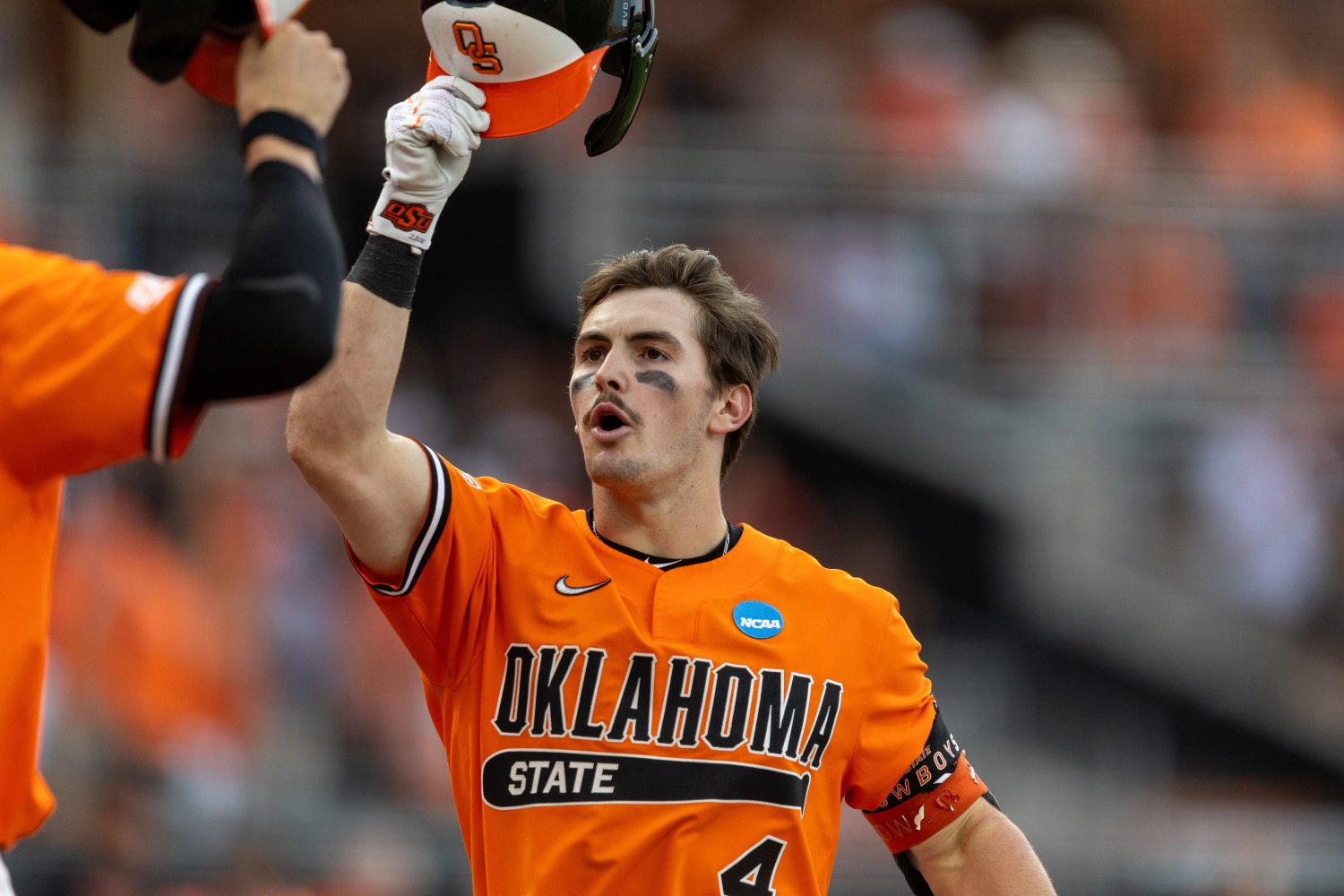 The month of June was a hard one to decide on for the Red Sox's minor league hitter of the month, as many potential choices struggled. Down in Greenville, Franklin Arias came back down to earth as he slashed .169/.228/.265 in 20 games after being one of the best hitters in minor league baseball for the first two months of the season. Despite that, there were still a few choices that were present. From Portland, two outfielders in Allan Castro and Zach Ehrhard put up slash lines of .280/.368/.441 and .278/.363/.500, respectively, that had me wanting to dive deeper into them. Worcester also had a trio of infielders for consideration between Nick Sogard, Blaze Jordan and Vaughn Grissom, as they each put up impressive numbers across the month. Even Jhostynxon Garcia was in the mix thanks to his six home runs and 17 RBIs. In the end, TalkSox’s Minor League Hitter of the Month for June goes to Zach Ehrhard as he continues to show an improvement against Double-A pitching. Ehrhard, a fourth-round pick out of Oklahoma State in the 2024 MLB Draft, began the season absolutely dominating with Single-A Greenville before getting promoted to Portland during the month of May. While his overall numbers have cooled off since his promotion, Ehrhard began to pick up steam again as the calendar flipped to June and the temperature began to increase. Since the start of June, Ehrhard has been not just one of the best hitters for Portland, but for the entire Red Sox system. In 25 games, Ehrhard had a batting line of .278/.363/.500 to go along with five doubles, five home runs and 10 RBIs. He’s also walked 10 times and stole eight bases in that span too. During June, his five home runs had him tied for third in the Eastern League as well. While the outfielder may not be the biggest name in the system currently — he’s unranked by MLB Pipeline — he has shown some improvement to get his name out there. Since being drafted in 2024, Ehrhard has just recently cracked the top-30 prospect ranking for SoxProspects at 29th after previously being ranked 47th. That number should continue to rise too, as top prospects Roman Anthony and Marcelo Mayer graduate from prospect status. Ehrhard is currently viewed as a player who will be a solid high-minors depth option, with potential be a backup outfielder in the big leagues thanks to his contact, speed and defensive skills. Should his offensive game continue to grow, there’s the possibility so too will his potential. Offensively Ehrhard is focused on making contact, his swing being direct to the ball, and he has great discipline. This leads to him rarely missing at pitches he swings at. However, his raw power is viewed to be between below-average to average, as he’s showcased more gap-to-gap power than over-the-fence pop. It’s believed, however, that with continued improvement to his bat speed, he could begin to hit the ball harder and drive it over the fence. So far this year, he’s showcased a slight improvement in the power department with seven home runs in 67 games between Greenville and Portland. With a handful of outfield prospects above him on the depth chart, Ehrhard could have a hard time making it to the majors with Boston. However, should he continue to make solid contact with a swing built to take advantage of the Green Monster. So far on the season, Ehrhard is hitting fly balls at a 40.3% while pulling them to left field at a 46.3% rate. Many of those would end up striking the Green Monster and turning what would be outs in other parks into singles and doubles at Fenway. Overall, Ehrhard is an interesting prospect who showcased in June that he can adjust to higher levels of competition. It’ll be interesting to see how he continues to improve across the second half of the season and whether he can put his name into consideration for one of the top outfield prospects in the organization.
 -
The month of June was a hard one to decide on for the Red Sox's minor league hitter of the month, as many potential choices struggled. Down in Greenville, Franklin Arias came back down to earth as he slashed .169/.228/.265 in 20 games after being one of the best hitters in minor league baseball for the first two months of the season. Despite that, there were still a few choices that were present. From Portland, two outfielders in Allan Castro and Zach Ehrhard put up slash lines of .280/.368/.441 and .278/.363/.500, respectively, that had me wanting to dive deeper into them. Worcester also had a trio of infielders for consideration between Nick Sogard, Blaze Jordan and Vaughn Grissom, as they each put up impressive numbers across the month. Even Jhostynxon Garcia was in the mix thanks to his six home runs and 17 RBIs. In the end, TalkSox’s Minor League Hitter of the Month for June goes to Zach Ehrhard as he continues to show an improvement against Double-A pitching. Ehrhard, a fourth-round pick out of Oklahoma State in the 2024 MLB Draft, began the season absolutely dominating with Single-A Greenville before getting promoted to Portland during the month of May. While his overall numbers have cooled off since his promotion, Ehrhard began to pick up steam again as the calendar flipped to June and the temperature began to increase. Since the start of June, Ehrhard has been not just one of the best hitters for Portland, but for the entire Red Sox system. In 25 games, Ehrhard had a batting line of .278/.363/.500 to go along with five doubles, five home runs and 10 RBIs. He’s also walked 10 times and stole eight bases in that span too. During June, his five home runs had him tied for third in the Eastern League as well. While the outfielder may not be the biggest name in the system currently — he’s unranked by MLB Pipeline — he has shown some improvement to get his name out there. Since being drafted in 2024, Ehrhard has just recently cracked the top-30 prospect ranking for SoxProspects at 29th after previously being ranked 47th. That number should continue to rise too, as top prospects Roman Anthony and Marcelo Mayer graduate from prospect status. Ehrhard is currently viewed as a player who will be a solid high-minors depth option, with potential be a backup outfielder in the big leagues thanks to his contact, speed and defensive skills. Should his offensive game continue to grow, there’s the possibility so too will his potential. Offensively Ehrhard is focused on making contact, his swing being direct to the ball, and he has great discipline. This leads to him rarely missing at pitches he swings at. However, his raw power is viewed to be between below-average to average, as he’s showcased more gap-to-gap power than over-the-fence pop. It’s believed, however, that with continued improvement to his bat speed, he could begin to hit the ball harder and drive it over the fence. So far this year, he’s showcased a slight improvement in the power department with seven home runs in 67 games between Greenville and Portland. With a handful of outfield prospects above him on the depth chart, Ehrhard could have a hard time making it to the majors with Boston. However, should he continue to make solid contact with a swing built to take advantage of the Green Monster. So far on the season, Ehrhard is hitting fly balls at a 40.3% while pulling them to left field at a 46.3% rate. Many of those would end up striking the Green Monster and turning what would be outs in other parks into singles and doubles at Fenway. Overall, Ehrhard is an interesting prospect who showcased in June that he can adjust to higher levels of competition. It’ll be interesting to see how he continues to improve across the second half of the season and whether he can put his name into consideration for one of the top outfield prospects in the organization. View full article
-
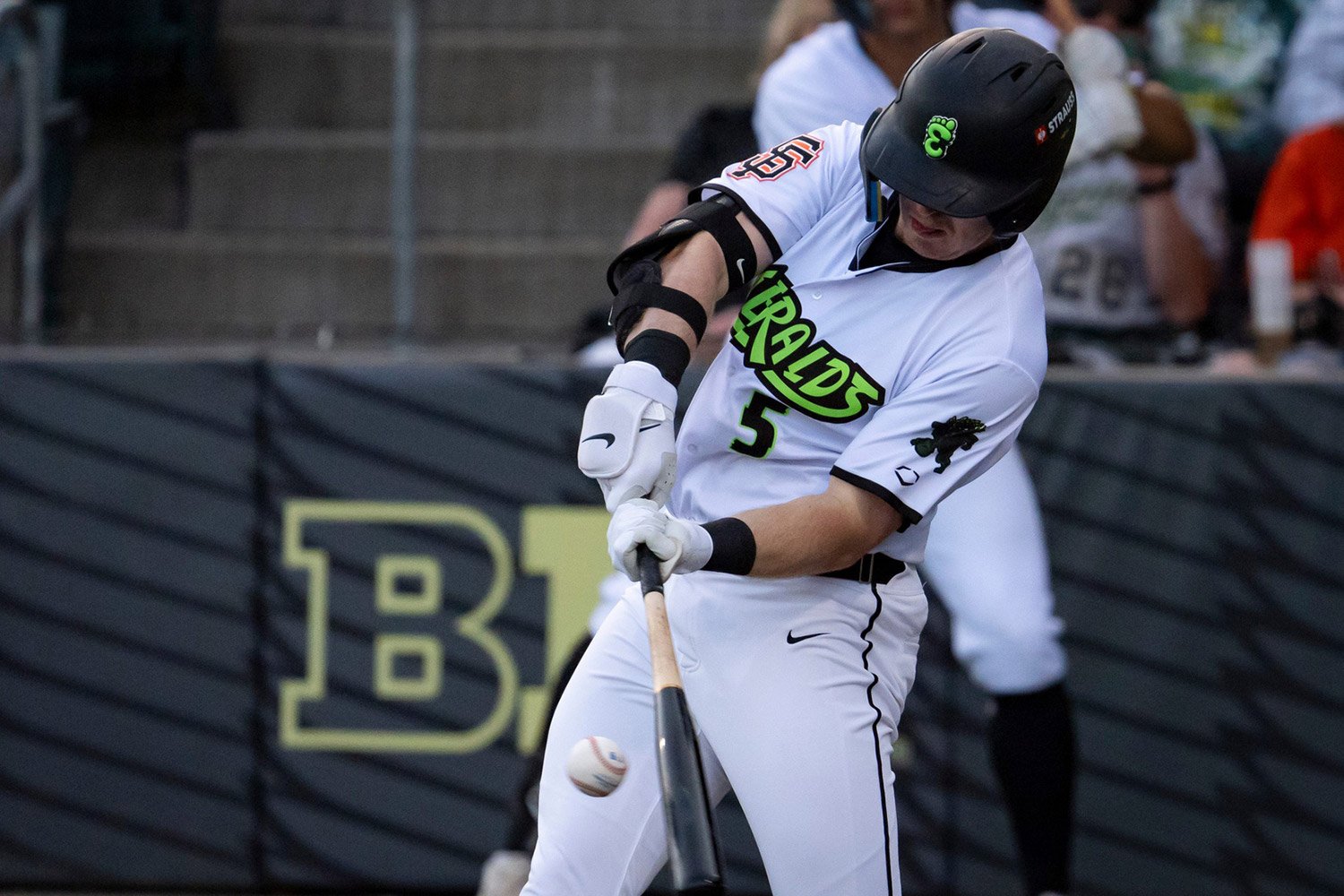 With the trade of Rafael Devers to San Francisco, the Red Sox brought back four players in a combination of major league ready pieces and prospects that were still making their climb through the minor leagues. And while James Tibbs III and Jose Bello are both some time away from contributing at the major league level, the two of them are rather interesting prospects. Entering the 2021 draft, Tibbs was viewed as the third-best offensive prospect from Georgia, but he instead chose to attend Florida State rather than pursue professional baseball. There, he managed to hit .363/.488/.777 in 2024 and was named the Atlantic Coast Conference Player of the Year. Entering the 2024 draft, Tibbs was viewed as offering one of the best combinations of swing decision and hard contact, as he has a smooth left-handed swing that exhibits plenty of bat speed and strength. This combination helps to supply him with solid contact to all parts of the field. Tibbs is in his first full season as a professional, having been drafted 13th overall last year by the San Francisco Giants, one pick after the Red Sox took Braden Montgomery. Unlike Montgomery, Tibbs did play a few games in 2024, as he played 26 games split between Low A and High A, where he hit .241/.293/.343 with five doubles, two home runs, and six RBIs, along with eight walks in 108 at-bats. He did strike out 36 times, however. While batting, Tibbs tends to start with his hands high, utilizing a leg kick to help with his timing as well. With quick hands, solid bat speed, a patient approach, and good swing decision-making, he has a low chase rate and consistently makes contact with pitches in the zone. He also isn’t against taking pitches and walking. Power-wise, he has shown above-average raw power that is best utilized with pitches middle-in. Defensively, he moved around the field in college as he played left field in his freshman season before moving to first base in his sophomore season. In his junior year, he was moved again to right field and has stayed there to begin his professional career. While the Red Sox plan to have him continue to play the corner outfield, Sea Dogs manager Chad Epperson has said that he will take grounders at first base and will eventually see game time at the position down the line, unlike when he was with the Giants. Prior to his trade to the Red Sox, the outfielder had played in 57 games with High-A Eugene, where he hit .246/.379/.478 with 10 doubles, a triple, 12 home runs, and 32 RBIs. He also walked 42 times while striking out 45 times in 207 at-bats. So far this season, he has a 16.3% walk rate, an increase from 6.9% last season, while he has managed to cut back on his strikeouts. In 2024, he struck out at a 31% rate; so far in 2025, that rate has been lowered to 18.9%. Tibbs has been hitting the ball on the ground quite frequently this season, hitting ground balls at a 50.6% rate while hitting fly balls at a 29.9% rate. He also likes to pull the ball, as he’s been doing that at a 49.1% rate this season, something that, if he plays in Fenway, could be an advantage for him with his raw power. Currently, he’s viewed as potentially being a bat-first platoon outfielder, as he lacks a standout tool; however, that could change if he shows more consistency against off-speed pitches and makes better contact against velocity. He could also be viewed as a future platoon first baseman should he adapt to the position well enough that the Red Sox don't abandon the idea of teaching him. Bello, the second prospect in the trade, seems to be more of a wild card, as he’s 20 years old and has yet to play above Rookie ball, having only played in the Arizona Complex League since coming stateside. In two seasons there, Bello has appeared in nine games (eight of them this season) and has thrown 20 1/3 innings, allowing six earned runs on 13 hits and four walks. He’s also managed to strike out 30 batters in that span. Bello relies on four pitches: a fastball that ranges from 92-94 mph and can top out at 96 mph, a cutter that ranges from 90-92 mph, a slider that ranges from 83-86 mph, and a changeup that has rarely been thrown in 2025. Bello throws from a three-quarters arm slot and has a short stride with long arm action. Unfortunately, his release point can be inconsistent. He does, however, have a bat-missing ability, as showcased by his 30 strikeouts in only 20 1/3 innings in the Arizona Complex League. His fastball, right now, may be his best pitch, as he can throw it for strikes and has solid command of it. Despite that, his slider tends to be his go-to out pitch, as it has bat-missing ability and can get batters to chase it. Should Bello pan out, the Red Sox may have found themselves an intriguing bullpen arm to add to their ranks. Still, Bello is a lottery to take as there’s no guarantee he pans out to be anything more than organizational depth. Regardless, the Red Sox may have done better on the prospect front than people first thought. Between Tibbs and Bello, they have two players with potential to either help them down the road or be traded in a package for a star player. Losing Devers hurts, but these two may help mitigate the pain somewhat, depending on their development.
 -
With the trade of Rafael Devers to San Francisco, the Red Sox brought back four players in a combination of major league ready pieces and prospects that were still making their climb through the minor leagues. And while James Tibbs III and Jose Bello are both some time away from contributing at the major league level, the two of them are rather interesting prospects. Entering the 2021 draft, Tibbs was viewed as the third-best offensive prospect from Georgia, but he instead chose to attend Florida State rather than pursue professional baseball. There, he managed to hit .363/.488/.777 in 2024 and was named the Atlantic Coast Conference Player of the Year. Entering the 2024 draft, Tibbs was viewed as offering one of the best combinations of swing decision and hard contact, as he has a smooth left-handed swing that exhibits plenty of bat speed and strength. This combination helps to supply him with solid contact to all parts of the field. Tibbs is in his first full season as a professional, having been drafted 13th overall last year by the San Francisco Giants, one pick after the Red Sox took Braden Montgomery. Unlike Montgomery, Tibbs did play a few games in 2024, as he played 26 games split between Low A and High A, where he hit .241/.293/.343 with five doubles, two home runs, and six RBIs, along with eight walks in 108 at-bats. He did strike out 36 times, however. While batting, Tibbs tends to start with his hands high, utilizing a leg kick to help with his timing as well. With quick hands, solid bat speed, a patient approach, and good swing decision-making, he has a low chase rate and consistently makes contact with pitches in the zone. He also isn’t against taking pitches and walking. Power-wise, he has shown above-average raw power that is best utilized with pitches middle-in. Defensively, he moved around the field in college as he played left field in his freshman season before moving to first base in his sophomore season. In his junior year, he was moved again to right field and has stayed there to begin his professional career. While the Red Sox plan to have him continue to play the corner outfield, Sea Dogs manager Chad Epperson has said that he will take grounders at first base and will eventually see game time at the position down the line, unlike when he was with the Giants. Prior to his trade to the Red Sox, the outfielder had played in 57 games with High-A Eugene, where he hit .246/.379/.478 with 10 doubles, a triple, 12 home runs, and 32 RBIs. He also walked 42 times while striking out 45 times in 207 at-bats. So far this season, he has a 16.3% walk rate, an increase from 6.9% last season, while he has managed to cut back on his strikeouts. In 2024, he struck out at a 31% rate; so far in 2025, that rate has been lowered to 18.9%. Tibbs has been hitting the ball on the ground quite frequently this season, hitting ground balls at a 50.6% rate while hitting fly balls at a 29.9% rate. He also likes to pull the ball, as he’s been doing that at a 49.1% rate this season, something that, if he plays in Fenway, could be an advantage for him with his raw power. Currently, he’s viewed as potentially being a bat-first platoon outfielder, as he lacks a standout tool; however, that could change if he shows more consistency against off-speed pitches and makes better contact against velocity. He could also be viewed as a future platoon first baseman should he adapt to the position well enough that the Red Sox don't abandon the idea of teaching him. Bello, the second prospect in the trade, seems to be more of a wild card, as he’s 20 years old and has yet to play above Rookie ball, having only played in the Arizona Complex League since coming stateside. In two seasons there, Bello has appeared in nine games (eight of them this season) and has thrown 20 1/3 innings, allowing six earned runs on 13 hits and four walks. He’s also managed to strike out 30 batters in that span. Bello relies on four pitches: a fastball that ranges from 92-94 mph and can top out at 96 mph, a cutter that ranges from 90-92 mph, a slider that ranges from 83-86 mph, and a changeup that has rarely been thrown in 2025. Bello throws from a three-quarters arm slot and has a short stride with long arm action. Unfortunately, his release point can be inconsistent. He does, however, have a bat-missing ability, as showcased by his 30 strikeouts in only 20 1/3 innings in the Arizona Complex League. His fastball, right now, may be his best pitch, as he can throw it for strikes and has solid command of it. Despite that, his slider tends to be his go-to out pitch, as it has bat-missing ability and can get batters to chase it. Should Bello pan out, the Red Sox may have found themselves an intriguing bullpen arm to add to their ranks. Still, Bello is a lottery to take as there’s no guarantee he pans out to be anything more than organizational depth. Regardless, the Red Sox may have done better on the prospect front than people first thought. Between Tibbs and Bello, they have two players with potential to either help them down the road or be traded in a package for a star player. Losing Devers hurts, but these two may help mitigate the pain somewhat, depending on their development. View full article
-
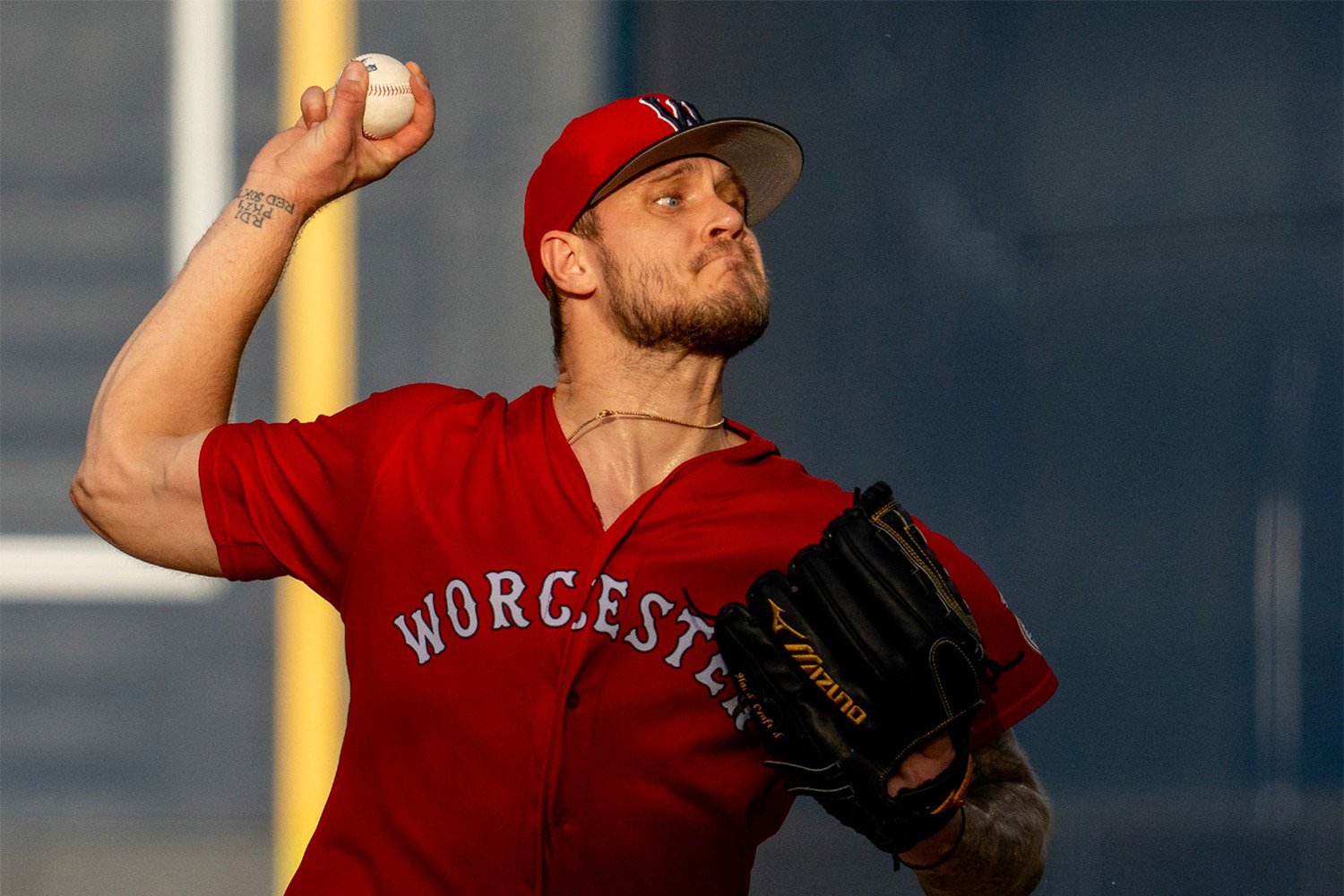 For the first time since May 12th against Detroit, Tanner Houck pitched in a live baseball game. Starting his rehab assignment with Triple-A Worcester, Houck toed the rubber as he began his journey to get back to Boston. The right-hander had a difficult time locating pitches in his first start in over a month, needing 27 pitches to get through the first inning. Overall, Houck lasted one inning (though he did face one batter in the second inning) and allowed one run on two hits and a walk. He was pulled after throwing 32 pitches. In that first inning, Houck allowed three hard-hit balls, the last two being two-out hits that were clocked at 103 mph and 101.2 mph, respectively. In the start, Houck relied on his usual pitch mix as he led with the sinker and sweeper while he used his splitter to attempt to keep batters off balance. His fastball was also tossed a few times, while the right-hander also appeared to throw a cutter for the first time all season, as he might be tinkering with his pitch makeup. His velocity maxed out at 95.6 mph with his sinker and was able to throw strikes throughout the short appearance. Of his 32 pitches, 12 were located in the strike zone, and he managed to induce 16 swings overall, resulting in a total of 18 strikes. Unfortunately, he only generated one whiff on his sweeper and struggled to put batters away once he reached two strikes. Due to this, his pitch count ballooned quickly as he was at 27 pitches by the end of the first. When it came to velocity, his average speeds were an increase over his last appearance in Detroit. While the sinker was nearly identical, averaging 94.3 mph on Wednesday night compared to 94 mph in Detroit, his sweeper showed an increased velocity, averaging 86.1 mph compared to 83.5 mph in Detroit. His fastball was a little slower, averaging 93.4 mph compared to 94.5 mph, but he also only threw two of them Wednesday night. The splitter was also slightly below, averaging 88.9 mph on Wednesday compared to 89 mph in Detroit. The increase in velocity on his sweeper was a positive sign, as it maxed out at 91.2 mph on Wednesday night, a full six mph increase from the maximum velocity it had reached in his last start at Detroit. It was very likely that Houck was on a low pitch count, considering the time frame it had been since his last start. The Red Sox probably hoped that he could manage to put batters away, however. In the first inning alone, Houck had two at-bats that resulted in at least eight pitches as he failed to put batters away. Houck would return for the second inning, facing one batter whom he walked on five pitches before being pulled for Isaac Coffey. The runner would eventually come around and score, closing the book on Houck’s night. Of his pitches thrown, the sinker was hit most often as it was fouled off three times and put into play another four times. When swung at contact was made every time. This was also present with his splitter, where it was fouled off four times and put into play once. One thing Houck will need to work towards in his next appearance is the ability to put batters away instead of them fouling off his pitches. With the Red Sox rotation heating up the last few weeks and fellow starter Richard Fitts likely to be recalled to the team in the foreseeable future, Houck may have some time to get back into pitching shape. Houck’s next rehab appearance appears to be Tuesday, June 23rd, in Scranton with the Woosox, followed by June 29th with the Woosox as well. Following the completion of the third rehab start, the team will likely assess Houck's current progress in the rehab process before making any decisions. Being only 28 years old and coming off an All-Star season just last year, Houck still has plenty of potential that the Red Sox would love to see him pitch for them. The organization will likely take its time with Houck as he ramps back up, but if he pitches decently over the next two rehab appearances, don’t be surprised if the team activates him before the All-Star break.
 -
For the first time since May 12th against Detroit, Tanner Houck pitched in a live baseball game. Starting his rehab assignment with Triple-A Worcester, Houck toed the rubber as he began his journey to get back to Boston. The right-hander had a difficult time locating pitches in his first start in over a month, needing 27 pitches to get through the first inning. Overall, Houck lasted one inning (though he did face one batter in the second inning) and allowed one run on two hits and a walk. He was pulled after throwing 32 pitches. In that first inning, Houck allowed three hard-hit balls, the last two being two-out hits that were clocked at 103 mph and 101.2 mph, respectively. In the start, Houck relied on his usual pitch mix as he led with the sinker and sweeper while he used his splitter to attempt to keep batters off balance. His fastball was also tossed a few times, while the right-hander also appeared to throw a cutter for the first time all season, as he might be tinkering with his pitch makeup. His velocity maxed out at 95.6 mph with his sinker and was able to throw strikes throughout the short appearance. Of his 32 pitches, 12 were located in the strike zone, and he managed to induce 16 swings overall, resulting in a total of 18 strikes. Unfortunately, he only generated one whiff on his sweeper and struggled to put batters away once he reached two strikes. Due to this, his pitch count ballooned quickly as he was at 27 pitches by the end of the first. When it came to velocity, his average speeds were an increase over his last appearance in Detroit. While the sinker was nearly identical, averaging 94.3 mph on Wednesday night compared to 94 mph in Detroit, his sweeper showed an increased velocity, averaging 86.1 mph compared to 83.5 mph in Detroit. His fastball was a little slower, averaging 93.4 mph compared to 94.5 mph, but he also only threw two of them Wednesday night. The splitter was also slightly below, averaging 88.9 mph on Wednesday compared to 89 mph in Detroit. The increase in velocity on his sweeper was a positive sign, as it maxed out at 91.2 mph on Wednesday night, a full six mph increase from the maximum velocity it had reached in his last start at Detroit. It was very likely that Houck was on a low pitch count, considering the time frame it had been since his last start. The Red Sox probably hoped that he could manage to put batters away, however. In the first inning alone, Houck had two at-bats that resulted in at least eight pitches as he failed to put batters away. Houck would return for the second inning, facing one batter whom he walked on five pitches before being pulled for Isaac Coffey. The runner would eventually come around and score, closing the book on Houck’s night. Of his pitches thrown, the sinker was hit most often as it was fouled off three times and put into play another four times. When swung at contact was made every time. This was also present with his splitter, where it was fouled off four times and put into play once. One thing Houck will need to work towards in his next appearance is the ability to put batters away instead of them fouling off his pitches. With the Red Sox rotation heating up the last few weeks and fellow starter Richard Fitts likely to be recalled to the team in the foreseeable future, Houck may have some time to get back into pitching shape. Houck’s next rehab appearance appears to be Tuesday, June 23rd, in Scranton with the Woosox, followed by June 29th with the Woosox as well. Following the completion of the third rehab start, the team will likely assess Houck's current progress in the rehab process before making any decisions. Being only 28 years old and coming off an All-Star season just last year, Houck still has plenty of potential that the Red Sox would love to see him pitch for them. The organization will likely take its time with Houck as he ramps back up, but if he pitches decently over the next two rehab appearances, don’t be surprised if the team activates him before the All-Star break. View full article
-
Roman AnthonyMarcelo MayerFranklin AriasJhostynxon GarciaLuis PeralesMikey RomeroPayton TolleConnelly EarlyBrandon ClarkeYoeilin CespedesHunter DobbinsDavid SandlinMiguel BleisRichard FittsJuan ValeraJedixson PaezJustin GonzalesYophery RodriguezDorian SotoNelly Taylor
-
Roman AnthonyMarcelo MayerFranklin AriasJhostynxon GarciaLuis PeralesMikey RomeroPayton TolleConnelly EarlyBrandon ClarkeYoeilin CespedesHunter DobbinsDavid SandlinMiguel BleisRichard FittsJuan ValeraJedixson PaezJustin GonzalesYophery RodriguezDorian SotoNelly Taylor
-
.jpg.6dcf582c1bbf0be84f6b8c42282cca09.jpg.7228168c143a08b5180671e8254c2ca7.jpg) On a rainy Tuesday night, the Worcester Red Sox took the field with three players from Boston rehabbing with them. Richard Fitts started for the WooSox, making his third and possibly final minor league start after the Red Sox optioned him to Worcester following his June 2 start against the Los Angeles Angels. Fitts dominated the opposing Buffalo Bisons’ lineup during the start, lasting five innings on 77 pitches. Across the five frames, Fitts managed to keep the Bisons scoreless, limiting them to just two hits. Fitts also managed to strike out three batters as he mixed and matched six pitches throughout the start. Fitts led with his fastball, tossing it 21 times and seeing it max out at 96.8 mph as it generated 10 swings. Of them, he managed two whiffs and only two were put back in play. The young right-hander used his sweeper, sinker, changeup, slider and curveball to play off of his fastball, though he struggled to get whiffs on all of his pitches. Of the 77 he threw, he only generated 39 swings, with nine of them being whiffs (23%), which is close to the rate he has managed to get in Boston this season (22.1%). What may have been his best moment came in the fourth inning. Buffalo managed to load the bases with one out after Michael Stefanic singled to lead off the inning before Leo Jiménez and RJ Schreck were hit by pitches following a Joey Loperfido fly out. With the bases loaded and one out, Fitts buckled down as he got Orelvis Martinez to swing at an inside sinker that cracked his bat and led to an easy ground ball to third baseman Blaze Jordan, who got the runner out at home. Fitts followed it up with a four-pitch battle against Yohendrick Pinango that ended with the left fielder flying out to deep center field on a 95.7 mph fastball. Fitts came back out for the fifth inning, having only one blemish in the inning as a comebacker to him couldn’t be turned into an out. With one out in the inning, Josh Rivera hit the ball back to Fitts, who appeared to block most of it with his glove. The pitcher couldn’t grip it properly and throw the runner out due to the slick conditions of the field making the ball slippery. After the play, Fitts waved off the training staff, telling them that he was just fine. Fitts managed to get the next two batters out, including Stefanic on a ground ball back to Fitts himself. Following Fitts’ departure after five innings and 77 pitches, the young right-hander was relieved by Chris Murphy, who was making his eighth rehab appearance as he continues to make his way back from Tommy John surgery. The left-hander has pitched for Greenville, Portland and Worcester as he made his third appearance with the Triple-A team. Murphy struggled at first, allowing back-to-back hits in the form of a double by Loperfido and then a single by Jiménez that had runners at the corners. In the next at-bat, Murphy managed to get Schreck to roll over on a 74.6 mph curveball as the defense turned a double play. Despite the run scoring, Murphy finished his outing by striking out Martinez in an eight pitch at-bat. In his one inning, Murphy tossed 15 pitches, using his fastball, curveball, slider and changeup. Of the 15 pitches thrown, 14 of them were his fastball, curveball and slider. As he ramps back up, Murphy saw his fastball reach a max velocity of 94.3 mph. Unfortunately, batters made hard contact against Murphy, with an average exit velocity of 103.7 mph when they swung and hit his pitches. After eight rehab appearances, Murphy has a 4.91 ERA in 11 innings, as he’s allowed six runs to score on 12 hits and six walks. He’s also managed to strike out 12 batters. The final player to appear for the WooSox was Wilyer Abreu, who was in the lineup as the designated hitter. Abreu, who is recovering form a left oblique strain he suffered against the Yankees on June 8, ended up getting four at-bats before being pinch-hit for in the bottom of the eighth inning by Corey Rosier. In his four at-bats, the outfielder only reached base once with a fifth inning single to right field that drove Tyler McDonough in and made it a 2-0 game. In his first two at-bats, Abreu looked ready to return to action as he took a 92.6 mph fastball that was down and in and crushed it to center field only for it to be caught. His second at-bat was similar, as he worked the at-bat to get a 94.1 mph fastball that was middle-outside. Abreu drove it out to left field, but it died on the warning track and was caught for an out. In his fourth and final at-bat, Abreu popped out to the third baseman as he lifted an 86.5 mph cutter high in the air. Murphy and Abreu are likely to stick around for a few more games — at least through Thursday for Abreu, as many have said the team will activate him for Friday’s series opening game against the Giants. It’s also likely that Murphy will be in Worcester for quite some time until he shakes the rust off of his arm. Fitts may be the exception to the group, as there’s a chance he could be recalled to Boston now that he’s properly rehabbed, unlike when he first came off the injured list. It's purely speculative, but after Walker Buehler's difficult outing against the Seattle Mariners, the Red Sox could position Fitts to take over his spot in the rotation.
On a rainy Tuesday night, the Worcester Red Sox took the field with three players from Boston rehabbing with them. Richard Fitts started for the WooSox, making his third and possibly final minor league start after the Red Sox optioned him to Worcester following his June 2 start against the Los Angeles Angels. Fitts dominated the opposing Buffalo Bisons’ lineup during the start, lasting five innings on 77 pitches. Across the five frames, Fitts managed to keep the Bisons scoreless, limiting them to just two hits. Fitts also managed to strike out three batters as he mixed and matched six pitches throughout the start. Fitts led with his fastball, tossing it 21 times and seeing it max out at 96.8 mph as it generated 10 swings. Of them, he managed two whiffs and only two were put back in play. The young right-hander used his sweeper, sinker, changeup, slider and curveball to play off of his fastball, though he struggled to get whiffs on all of his pitches. Of the 77 he threw, he only generated 39 swings, with nine of them being whiffs (23%), which is close to the rate he has managed to get in Boston this season (22.1%). What may have been his best moment came in the fourth inning. Buffalo managed to load the bases with one out after Michael Stefanic singled to lead off the inning before Leo Jiménez and RJ Schreck were hit by pitches following a Joey Loperfido fly out. With the bases loaded and one out, Fitts buckled down as he got Orelvis Martinez to swing at an inside sinker that cracked his bat and led to an easy ground ball to third baseman Blaze Jordan, who got the runner out at home. Fitts followed it up with a four-pitch battle against Yohendrick Pinango that ended with the left fielder flying out to deep center field on a 95.7 mph fastball. Fitts came back out for the fifth inning, having only one blemish in the inning as a comebacker to him couldn’t be turned into an out. With one out in the inning, Josh Rivera hit the ball back to Fitts, who appeared to block most of it with his glove. The pitcher couldn’t grip it properly and throw the runner out due to the slick conditions of the field making the ball slippery. After the play, Fitts waved off the training staff, telling them that he was just fine. Fitts managed to get the next two batters out, including Stefanic on a ground ball back to Fitts himself. Following Fitts’ departure after five innings and 77 pitches, the young right-hander was relieved by Chris Murphy, who was making his eighth rehab appearance as he continues to make his way back from Tommy John surgery. The left-hander has pitched for Greenville, Portland and Worcester as he made his third appearance with the Triple-A team. Murphy struggled at first, allowing back-to-back hits in the form of a double by Loperfido and then a single by Jiménez that had runners at the corners. In the next at-bat, Murphy managed to get Schreck to roll over on a 74.6 mph curveball as the defense turned a double play. Despite the run scoring, Murphy finished his outing by striking out Martinez in an eight pitch at-bat. In his one inning, Murphy tossed 15 pitches, using his fastball, curveball, slider and changeup. Of the 15 pitches thrown, 14 of them were his fastball, curveball and slider. As he ramps back up, Murphy saw his fastball reach a max velocity of 94.3 mph. Unfortunately, batters made hard contact against Murphy, with an average exit velocity of 103.7 mph when they swung and hit his pitches. After eight rehab appearances, Murphy has a 4.91 ERA in 11 innings, as he’s allowed six runs to score on 12 hits and six walks. He’s also managed to strike out 12 batters. The final player to appear for the WooSox was Wilyer Abreu, who was in the lineup as the designated hitter. Abreu, who is recovering form a left oblique strain he suffered against the Yankees on June 8, ended up getting four at-bats before being pinch-hit for in the bottom of the eighth inning by Corey Rosier. In his four at-bats, the outfielder only reached base once with a fifth inning single to right field that drove Tyler McDonough in and made it a 2-0 game. In his first two at-bats, Abreu looked ready to return to action as he took a 92.6 mph fastball that was down and in and crushed it to center field only for it to be caught. His second at-bat was similar, as he worked the at-bat to get a 94.1 mph fastball that was middle-outside. Abreu drove it out to left field, but it died on the warning track and was caught for an out. In his fourth and final at-bat, Abreu popped out to the third baseman as he lifted an 86.5 mph cutter high in the air. Murphy and Abreu are likely to stick around for a few more games — at least through Thursday for Abreu, as many have said the team will activate him for Friday’s series opening game against the Giants. It’s also likely that Murphy will be in Worcester for quite some time until he shakes the rust off of his arm. Fitts may be the exception to the group, as there’s a chance he could be recalled to Boston now that he’s properly rehabbed, unlike when he first came off the injured list. It's purely speculative, but after Walker Buehler's difficult outing against the Seattle Mariners, the Red Sox could position Fitts to take over his spot in the rotation. -
On a rainy Tuesday night, the Worcester Red Sox took the field with three players from Boston rehabbing with them. Richard Fitts started for the WooSox, making his third and possibly final minor league start after the Red Sox optioned him to Worcester following his June 2 start against the Los Angeles Angels. Fitts dominated the opposing Buffalo Bisons’ lineup during the start, lasting five innings on 77 pitches. Across the five frames, Fitts managed to keep the Bisons scoreless, limiting them to just two hits. Fitts also managed to strike out three batters as he mixed and matched six pitches throughout the start. Fitts led with his fastball, tossing it 21 times and seeing it max out at 96.8 mph as it generated 10 swings. Of them, he managed two whiffs and only two were put back in play. The young right-hander used his sweeper, sinker, changeup, slider and curveball to play off of his fastball, though he struggled to get whiffs on all of his pitches. Of the 77 he threw, he only generated 39 swings, with nine of them being whiffs (23%), which is close to the rate he has managed to get in Boston this season (22.1%). What may have been his best moment came in the fourth inning. Buffalo managed to load the bases with one out after Michael Stefanic singled to lead off the inning before Leo Jiménez and RJ Schreck were hit by pitches following a Joey Loperfido fly out. With the bases loaded and one out, Fitts buckled down as he got Orelvis Martinez to swing at an inside sinker that cracked his bat and led to an easy ground ball to third baseman Blaze Jordan, who got the runner out at home. Fitts followed it up with a four-pitch battle against Yohendrick Pinango that ended with the left fielder flying out to deep center field on a 95.7 mph fastball. Fitts came back out for the fifth inning, having only one blemish in the inning as a comebacker to him couldn’t be turned into an out. With one out in the inning, Josh Rivera hit the ball back to Fitts, who appeared to block most of it with his glove. The pitcher couldn’t grip it properly and throw the runner out due to the slick conditions of the field making the ball slippery. After the play, Fitts waved off the training staff, telling them that he was just fine. Fitts managed to get the next two batters out, including Stefanic on a ground ball back to Fitts himself. Following Fitts’ departure after five innings and 77 pitches, the young right-hander was relieved by Chris Murphy, who was making his eighth rehab appearance as he continues to make his way back from Tommy John surgery. The left-hander has pitched for Greenville, Portland and Worcester as he made his third appearance with the Triple-A team. Murphy struggled at first, allowing back-to-back hits in the form of a double by Loperfido and then a single by Jiménez that had runners at the corners. In the next at-bat, Murphy managed to get Schreck to roll over on a 74.6 mph curveball as the defense turned a double play. Despite the run scoring, Murphy finished his outing by striking out Martinez in an eight pitch at-bat. In his one inning, Murphy tossed 15 pitches, using his fastball, curveball, slider and changeup. Of the 15 pitches thrown, 14 of them were his fastball, curveball and slider. As he ramps back up, Murphy saw his fastball reach a max velocity of 94.3 mph. Unfortunately, batters made hard contact against Murphy, with an average exit velocity of 103.7 mph when they swung and hit his pitches. After eight rehab appearances, Murphy has a 4.91 ERA in 11 innings, as he’s allowed six runs to score on 12 hits and six walks. He’s also managed to strike out 12 batters. The final player to appear for the WooSox was Wilyer Abreu, who was in the lineup as the designated hitter. Abreu, who is recovering form a left oblique strain he suffered against the Yankees on June 8, ended up getting four at-bats before being pinch-hit for in the bottom of the eighth inning by Corey Rosier. In his four at-bats, the outfielder only reached base once with a fifth inning single to right field that drove Tyler McDonough in and made it a 2-0 game. In his first two at-bats, Abreu looked ready to return to action as he took a 92.6 mph fastball that was down and in and crushed it to center field only for it to be caught. His second at-bat was similar, as he worked the at-bat to get a 94.1 mph fastball that was middle-outside. Abreu drove it out to left field, but it died on the warning track and was caught for an out. In his fourth and final at-bat, Abreu popped out to the third baseman as he lifted an 86.5 mph cutter high in the air. Murphy and Abreu are likely to stick around for a few more games — at least through Thursday for Abreu, as many have said the team will activate him for Friday’s series opening game against the Giants. It’s also likely that Murphy will be in Worcester for quite some time until he shakes the rust off of his arm. Fitts may be the exception to the group, as there’s a chance he could be recalled to Boston now that he’s properly rehabbed, unlike when he first came off the injured list. It's purely speculative, but after Walker Buehler's difficult outing against the Seattle Mariners, the Red Sox could position Fitts to take over his spot in the rotation. View full article
-
The entire offseason we had Cora and Breslow saying that Devers was the third baseman. It came up probably every other week and we heard it. From the Winter Meetings in December: "Rafael Devers is our third baseman, and we're really excited about that," Breslow told WEEI's Jones and Keefe. And then Cora at Fenway Fest in January: "Raffy Devers is our third baseman," Cora told NESN's Tom Caron. "Alex was a Gold Glover at third base and we all know that. In 2017, I had a conversation with him. He needed to play third because it was (Carlos) Correa and (Jose) Altuve. I always envisioned Alex as a Gold Glove second baseman."
-
 “This decision was not taken lightly,” Fenway Sports Group’s Sam Kennedy stated in his opening remarks. “Nor did it come suddenly. We obviously, over the last week or so, reached an inflection point. And as difficult as that inflection point was, um, as the hallmark of this organization, I guess over the last 24 years, we acted boldly and decisively. And we came to the very difficult decision to make a deal that serves the best interest of the Boston Red Sox in both the short-term and the long-term.” It has now been over 24 hours since Rafael Devers was traded to the San Francisco Giants in a move that has left all of Red Sox nation speechless. A trade that seemingly came out of nowhere as the team was coming off a weekend sweep of the New York Yankees and looked to carry momentum into their west coast trip. Other than announcing the trade officially, there were no remarks from upper management in regard to the trade, instead reserving them for an eight o'clock Zoom meeting with the media on Monday night. In what amounted to nearly 39 minutes of questions, both Sam Kennedy and Craig Breslow answered them to the "best of their ability" as they tried to justify trading a player of Devers’ caliber. The first question from Ian Browne of MLB.com brought up an excellent point, mentioning how all of their previous moves were with a focus on 2025, but how did trading Devers help the team for the season? Breslow answered how one would expect him to, admitting that “When you move a player of Raffy’s caliber, how can I sit here and say that, you know, we’re a better team? And I acknowledge that, on paper, we’re not going to have the same lineup that we did.” Breslow continued his answer, pointing out that, “This isn’t about the game that is played on paper, this is about the game that’s played on the field. And, ultimately, about winning the most games that we can. And in order to do that, trying to put together the most functional and complete team we can.” One key thing Breslow mentioned was the flexibility of the lineup as they now planned to rotate players through the designated hitter spot in the lineup to allow all three of their left-handed outfielders to be in the game without moving Ceddanne Rafaela to the bench. Another key point that he made with the trade was that they managed to bring back a few interesting pieces that would both help the 2025 Red Sox while also helping them continue to build for the future in the likes of Kyle Harrison, Jordan Hicks and minor-league outfielder James Tibbs III along with minor-league righty Jose Bello. While Tibbs and Bello are some ways away (Tibbs will report to Double-A Portland, while Bello has yet to pitch above the Arizona Complex League for the Giants), both Harrison and Hicks provide interesting options for pitching. Harrison, a former first-round pick, will report to Triple-A Worcester to begin working with Boston’s pitching lab to try and unlock the potential that made him a once-highly-touted prospect. It’s similar to Quinn Priester last year, where the Sox hope to work with him and unlock a new level of skill. Hicks, on the other hand, was a dominant reliever before signing with the Giants, where they attempted to make him a starting pitcher due to his stuff. The attempt appears to have ended as he was shipped to Boston. Breslow himself stating in the interview that Hicks will be used as a reliever as he had before signing with San Francisco entering the 2024 season. Now, what may have been Breslow’s strangest comment was his belief that the Red Sox may be better without Devers than with him, going as far as to say “I do think there is a real chance at the end of the season, we’re looking back, and we’ve won more games than we otherwise would have.” It’s something interesting to believe in, that trading your best player would make you better. Of course, both himself and Kennedy repeated that the team is more than a single player and while correct, in baseball and any professional sport, it’s the star players who put a team over the top. If the 2004 Red Sox didn’t have the exceptional hitting of David Ortiz and Manny Ramirez or the pitching of Curt Schilling and Pedro Martinez, they don’t win the World Series. In 2007 if they didn’t have a Cy Young-caliber season from Josh Beckett to go along with offensive outputs from Ortiz, rookie Dustin Pedroia and Kevin Youkilis, along with an all-star in closer Jonathan Papelbon, they don’t win the World Series either. 2013 may be the exception, as there weren’t many players who were considered “stars” on that roster, but they had many quality veterans who had successful careers ranging from Mike Napoli, Shane Victorino and Stephen Drew in the field to John Lackey, Jon Lester and Jake Peavy in the rotation. Not to mention the always-clutch Ortiz leading the way for the lineup, aided by Pedroia, Jacoby Ellsbury and Napoli. And, of course, 2018 was guided by a combination of big name stars and homegrown players who quickly became stars. The team was filled with players of All-Star-caliber, such as Chris Sale, David Price, Craig Kimbrel, Mitch Moreland, Mookie Betts and Xander Bogaerts. The point is: you need stars who are already stars to help guide a team, something that the 2025 iteration of the team currently lacks as they attempt to thrust the young core into the spotlight. Throughout the media availability, many asked questions relating to how things with Devers could have gone differently and what went wrong, but one of the most interesting answers might have come from Kennedy, when he was asked what was "missing" from Devers as a person and as a player. The President of the Boston Red Sox answered with, “In terms of what was missing, it just was that alignment in terms of what we felt we needed from him that would be in the absolute best interest of the ballclub. That’s a non-starter for us. We have to have that. We couldn’t get there.” Notice how he failed to actually state just what was considered the best interests of the ballclub. Was it that they wanted him to play first base? Could it have been that he wasn’t being a vocal leader in the clubhouse? Was he not available enough to the media, or perhaps the team's young core? All of these possible issues were things they knew previously about Devers. He was never going to be the media darling they wanted, he isn’t comfortable enough to speak in front of reporters in the same way the likes of Betts, Bogaerts, Sale and especially Ortiz were able to do before him. Another interesting moment came when Mike McCarthy of 98.5 the Sports Hub asked a few questions, especially opening up with the fact that the team traded Betts just five years ago and now Devers, two players who very well could be Hall of Famers by the end of their respective careers. McCarthy asked why the organization kept doing it — what are the organizational factors that have created an environment where the Red Sox are repeatedly trading away Hall of Fame talent? Kennedy appeared a little uncomfortable by it, stumbling over his words at the beginning before finally saying that each and every player decision is “A whole, individual decision.” He tried to state that it’s really hard when they can’t line up with their players who become free agents or those that they can’t agree to extensions with both being different circumstances. He did say, “I’ll put our record up against anybody else’s’ in major league baseball over the last 24 years. We’re incredibly proud of what we’ve built here. We’ve got more trophies and banners to show for it than any other organization in major league baseball. We are so proud of that. And this clubhouse believes in itself and we believe in them and I think our players, are, uh, going to be pretty vocal over the next couple months about the belief in themselves.” Kennedy continued to ramble on with his answer, stating that Breslow knows what it means to be a champion in Boston as he won in 2013, and his tenure as the Chief Baseball Officer has been defined by bold, decisive, aggressive moves. Kennedy said they’ll never stop being bold in their decisions and hopes that it leads to them being right more often than wrong. McCarthy was quick to follow up by pointing out all the stars they have lost in previous years, mentioning Betts, Devers, Lester and Sale as players the team has either lost or moved on from and asked if they were afraid if losing star players was becoming part of the organization’s culture. And later, Jeff Passan of ESPN asked Breslow to explain what they want the Red Sox culture to be that it wasn’t with Devers. Breslow responded with the idea, “The whole is greater than the sum of the parts. That each individual is contributing and finding a way to help a team win, whether that’s in the batter’s box, on the pitcher’s mound, on the bases, on defense, in the clubhouse, on the bench. It’s the willingness to step up and sacrifice at times of need and essentially do whatever is necessary to help the team win. And I think that’s the identity, this relentless pursuit of winning that we’re looking for, it’s the identity that the World Series championship teams have had in the past.” To imply that Devers never stepped up or sacrificed at times is disingenuous at best and shameful by Breslow considering what he had seen of Devers since being hired before the 2024 season. Devers played through the entire 2024 season with reoccurring shoulder issues and still attempted to carry the offense as they fought for a playoff spot until the end of August. You could see Devers wincing in pain with each swing he took, doing his best to stay in an already-depleted Red Sox lineup until their chances of making the playoffs were all but gone. And even this season, Devers stepped up and carried the offense once again, as he drove in 33 runs in May alone, keeping the offense afloat while many regulars struggled and Alex Bregman got hurt. Passan followed up by asking which of those roles was Devers not fulfilling and Breslow refused to answer, skirting around the topic completely by stating that “I don’t think, um, it makes sense at this point to kind of be overly pointed or critical. Um, I think we failed to reach that alignment. It was a really strong fit for a really long time and then became evident that it has started to diverge and so you know, I think, best to identify it, own it, and act decisively to fix it.” Again, neither Breslow nor Kennedy actually answered the question, skirting around it with an answer that, when read into, tells you that Breslow had personal issues with Devers. Breslow’s inability to properly communicate and be honest with his star player led to this, and instead of trying to remedy his mistake, he instead shipped him out of town. The press conference helped to really sell that perhaps it was a mutual breakup, but that Breslow himself was a cause behind a lot of the issues, his ego being the key reason why any issues between himself and Devers could not be mended. Had he just been truthful to Devers and admitted they were looking for a new third baseman, maybe he would have been more welcoming to playing first base after Triston Casas went down. Now, however, it’s just a sad end to what should have been a lifetime in a Red Sox uniform for Devers. The Red Sox will look to move on with the currently constructed roster and attempt to make the playoffs for the first time since 2021. This time, however, they’ll need others in the lineup to step up and carry the offensive burden.
 -
“This decision was not taken lightly,” Fenway Sports Group’s Sam Kennedy stated in his opening remarks. “Nor did it come suddenly. We obviously, over the last week or so, reached an inflection point. And as difficult as that inflection point was, um, as the hallmark of this organization, I guess over the last 24 years, we acted boldly and decisively. And we came to the very difficult decision to make a deal that serves the best interest of the Boston Red Sox in both the short-term and the long-term.” It has now been over 24 hours since Rafael Devers was traded to the San Francisco Giants in a move that has left all of Red Sox nation speechless. A trade that seemingly came out of nowhere as the team was coming off a weekend sweep of the New York Yankees and looked to carry momentum into their west coast trip. Other than announcing the trade officially, there were no remarks from upper management in regard to the trade, instead reserving them for an eight o'clock Zoom meeting with the media on Monday night. In what amounted to nearly 39 minutes of questions, both Sam Kennedy and Craig Breslow answered them to the "best of their ability" as they tried to justify trading a player of Devers’ caliber. The first question from Ian Browne of MLB.com brought up an excellent point, mentioning how all of their previous moves were with a focus on 2025, but how did trading Devers help the team for the season? Breslow answered how one would expect him to, admitting that “When you move a player of Raffy’s caliber, how can I sit here and say that, you know, we’re a better team? And I acknowledge that, on paper, we’re not going to have the same lineup that we did.” Breslow continued his answer, pointing out that, “This isn’t about the game that is played on paper, this is about the game that’s played on the field. And, ultimately, about winning the most games that we can. And in order to do that, trying to put together the most functional and complete team we can.” One key thing Breslow mentioned was the flexibility of the lineup as they now planned to rotate players through the designated hitter spot in the lineup to allow all three of their left-handed outfielders to be in the game without moving Ceddanne Rafaela to the bench. Another key point that he made with the trade was that they managed to bring back a few interesting pieces that would both help the 2025 Red Sox while also helping them continue to build for the future in the likes of Kyle Harrison, Jordan Hicks and minor-league outfielder James Tibbs III along with minor-league righty Jose Bello. While Tibbs and Bello are some ways away (Tibbs will report to Double-A Portland, while Bello has yet to pitch above the Arizona Complex League for the Giants), both Harrison and Hicks provide interesting options for pitching. Harrison, a former first-round pick, will report to Triple-A Worcester to begin working with Boston’s pitching lab to try and unlock the potential that made him a once-highly-touted prospect. It’s similar to Quinn Priester last year, where the Sox hope to work with him and unlock a new level of skill. Hicks, on the other hand, was a dominant reliever before signing with the Giants, where they attempted to make him a starting pitcher due to his stuff. The attempt appears to have ended as he was shipped to Boston. Breslow himself stating in the interview that Hicks will be used as a reliever as he had before signing with San Francisco entering the 2024 season. Now, what may have been Breslow’s strangest comment was his belief that the Red Sox may be better without Devers than with him, going as far as to say “I do think there is a real chance at the end of the season, we’re looking back, and we’ve won more games than we otherwise would have.” It’s something interesting to believe in, that trading your best player would make you better. Of course, both himself and Kennedy repeated that the team is more than a single player and while correct, in baseball and any professional sport, it’s the star players who put a team over the top. If the 2004 Red Sox didn’t have the exceptional hitting of David Ortiz and Manny Ramirez or the pitching of Curt Schilling and Pedro Martinez, they don’t win the World Series. In 2007 if they didn’t have a Cy Young-caliber season from Josh Beckett to go along with offensive outputs from Ortiz, rookie Dustin Pedroia and Kevin Youkilis, along with an all-star in closer Jonathan Papelbon, they don’t win the World Series either. 2013 may be the exception, as there weren’t many players who were considered “stars” on that roster, but they had many quality veterans who had successful careers ranging from Mike Napoli, Shane Victorino and Stephen Drew in the field to John Lackey, Jon Lester and Jake Peavy in the rotation. Not to mention the always-clutch Ortiz leading the way for the lineup, aided by Pedroia, Jacoby Ellsbury and Napoli. And, of course, 2018 was guided by a combination of big name stars and homegrown players who quickly became stars. The team was filled with players of All-Star-caliber, such as Chris Sale, David Price, Craig Kimbrel, Mitch Moreland, Mookie Betts and Xander Bogaerts. The point is: you need stars who are already stars to help guide a team, something that the 2025 iteration of the team currently lacks as they attempt to thrust the young core into the spotlight. Throughout the media availability, many asked questions relating to how things with Devers could have gone differently and what went wrong, but one of the most interesting answers might have come from Kennedy, when he was asked what was "missing" from Devers as a person and as a player. The President of the Boston Red Sox answered with, “In terms of what was missing, it just was that alignment in terms of what we felt we needed from him that would be in the absolute best interest of the ballclub. That’s a non-starter for us. We have to have that. We couldn’t get there.” Notice how he failed to actually state just what was considered the best interests of the ballclub. Was it that they wanted him to play first base? Could it have been that he wasn’t being a vocal leader in the clubhouse? Was he not available enough to the media, or perhaps the team's young core? All of these possible issues were things they knew previously about Devers. He was never going to be the media darling they wanted, he isn’t comfortable enough to speak in front of reporters in the same way the likes of Betts, Bogaerts, Sale and especially Ortiz were able to do before him. Another interesting moment came when Mike McCarthy of 98.5 the Sports Hub asked a few questions, especially opening up with the fact that the team traded Betts just five years ago and now Devers, two players who very well could be Hall of Famers by the end of their respective careers. McCarthy asked why the organization kept doing it — what are the organizational factors that have created an environment where the Red Sox are repeatedly trading away Hall of Fame talent? Kennedy appeared a little uncomfortable by it, stumbling over his words at the beginning before finally saying that each and every player decision is “A whole, individual decision.” He tried to state that it’s really hard when they can’t line up with their players who become free agents or those that they can’t agree to extensions with both being different circumstances. He did say, “I’ll put our record up against anybody else’s’ in major league baseball over the last 24 years. We’re incredibly proud of what we’ve built here. We’ve got more trophies and banners to show for it than any other organization in major league baseball. We are so proud of that. And this clubhouse believes in itself and we believe in them and I think our players, are, uh, going to be pretty vocal over the next couple months about the belief in themselves.” Kennedy continued to ramble on with his answer, stating that Breslow knows what it means to be a champion in Boston as he won in 2013, and his tenure as the Chief Baseball Officer has been defined by bold, decisive, aggressive moves. Kennedy said they’ll never stop being bold in their decisions and hopes that it leads to them being right more often than wrong. McCarthy was quick to follow up by pointing out all the stars they have lost in previous years, mentioning Betts, Devers, Lester and Sale as players the team has either lost or moved on from and asked if they were afraid if losing star players was becoming part of the organization’s culture. And later, Jeff Passan of ESPN asked Breslow to explain what they want the Red Sox culture to be that it wasn’t with Devers. Breslow responded with the idea, “The whole is greater than the sum of the parts. That each individual is contributing and finding a way to help a team win, whether that’s in the batter’s box, on the pitcher’s mound, on the bases, on defense, in the clubhouse, on the bench. It’s the willingness to step up and sacrifice at times of need and essentially do whatever is necessary to help the team win. And I think that’s the identity, this relentless pursuit of winning that we’re looking for, it’s the identity that the World Series championship teams have had in the past.” To imply that Devers never stepped up or sacrificed at times is disingenuous at best and shameful by Breslow considering what he had seen of Devers since being hired before the 2024 season. Devers played through the entire 2024 season with reoccurring shoulder issues and still attempted to carry the offense as they fought for a playoff spot until the end of August. You could see Devers wincing in pain with each swing he took, doing his best to stay in an already-depleted Red Sox lineup until their chances of making the playoffs were all but gone. And even this season, Devers stepped up and carried the offense once again, as he drove in 33 runs in May alone, keeping the offense afloat while many regulars struggled and Alex Bregman got hurt. Passan followed up by asking which of those roles was Devers not fulfilling and Breslow refused to answer, skirting around the topic completely by stating that “I don’t think, um, it makes sense at this point to kind of be overly pointed or critical. Um, I think we failed to reach that alignment. It was a really strong fit for a really long time and then became evident that it has started to diverge and so you know, I think, best to identify it, own it, and act decisively to fix it.” Again, neither Breslow nor Kennedy actually answered the question, skirting around it with an answer that, when read into, tells you that Breslow had personal issues with Devers. Breslow’s inability to properly communicate and be honest with his star player led to this, and instead of trying to remedy his mistake, he instead shipped him out of town. The press conference helped to really sell that perhaps it was a mutual breakup, but that Breslow himself was a cause behind a lot of the issues, his ego being the key reason why any issues between himself and Devers could not be mended. Had he just been truthful to Devers and admitted they were looking for a new third baseman, maybe he would have been more welcoming to playing first base after Triston Casas went down. Now, however, it’s just a sad end to what should have been a lifetime in a Red Sox uniform for Devers. The Red Sox will look to move on with the currently constructed roster and attempt to make the playoffs for the first time since 2021. This time, however, they’ll need others in the lineup to step up and carry the offensive burden. View full article
-
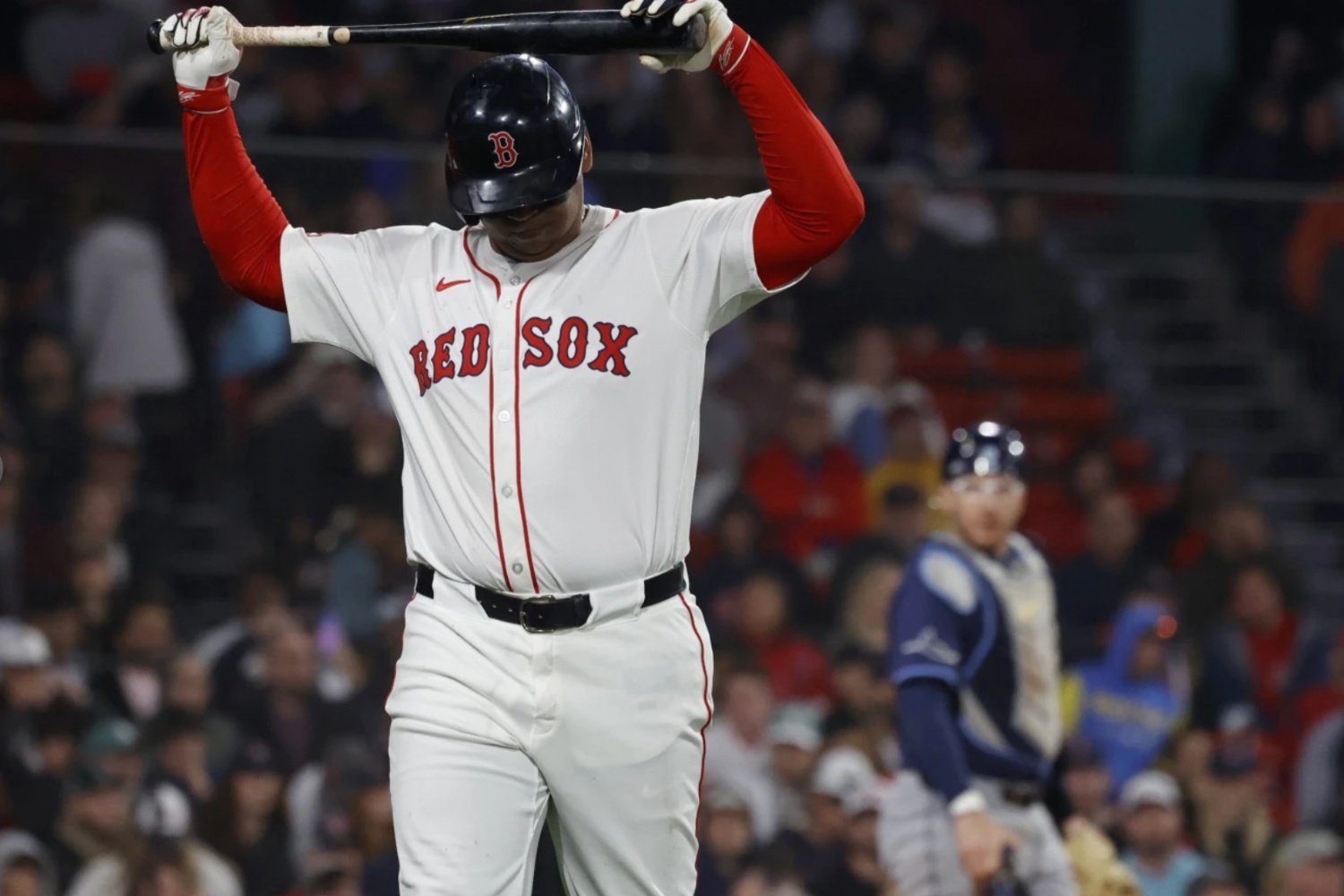 The Boston Red Sox swept the New York Yankees, got above .500, are on a five-game winning streak, and only sit 0.5 games out of a Wild Card spot. And yet, Red Sox fans are rightfully furious following the trade of Rafael Devers on Sunday night. A trade that never should have happened. This was, unfortunately, a divorce waiting to happen between Devers and the Red Sox, but not due to a lack of production. Devers has been one of the best offensive players in Boston since being called up in 2017, this season being no exception despite starting the campaign in an 0-for-21 slump. Prior to the trade, Devers had a stat line of .272/.401/.905 with 15 home runs, 58 RBIs, 18 doubles and 56 walks in 272 at-bats. He carried the offense in May with 33 RBIs. He’s 10th all time for home runs by a Red Sox, 17th in career RBIs, and is still only 28... yet, he was traded. All because of Breslow. This divide began over the offseason when the Red Sox were linked to Alex Bregman and Nolan Arenado, both Gold Glove-caliber defenders. Despite that, Devers was reassured that he would be the third baseman, the idea being that they were looking at these guys to play second or first base. No matter what, Devers was supposedly the team’s third baseman of the present and future. Even Alex Cora said he viewed Bregman as a Gold Glove second baseman, the statement continuing the narrative that they weren't going to move Devers. Then, they managed to sign Bregman, and the truth came out. Breslow had no plans to have Bregman play second. He wanted him at third base, while he envisioned rookie Kristian Campbell breaking camp as the starting second baseman. He wanted to take Devers’ glove out of the field and push him into the designated hitter role, something that wouldn’t have been a bad idea had he and the rest of the organization didn’t tell him he was their third baseman. The sudden change was a shocker; Devers wanted to play third base. His position. The position they promised him would remain his throughout the entire offseason. Devers came around on the idea of being the designated hitter after some pushback and, despite wanting to play the field, did as he was asked and put his glove away. He wasn’t happy, but he was doing what could help the team, joining his bat with Bregman's to give the team a dynamic duo in the lineup while adding a Gold Glove defender. And then, on March 28th, Alex Cora was asked if Devers taking ground balls at third base before the team’s first two games of the season meant they were keeping him ready for potentially filling in at third base if needed. As written by MassLive’s Chris Cotillo, Alex Cora responded with a “No,” followed with “Raffy is the DH. With Raffy, we had a conversation and we talked about it," Cora said. "He's DHing. He's the DH of the Boston Red Sox." They had no plans for him to touch the field, and they told him as such. Breslow created this problem by his inability to be truthful to his star, his face of the franchise, and instead lied to try and keep him happy. Instead, it created a divide, and members of the media tried to paint Devers as having given up on the team, of him being disgruntled and wanting out. Despite the noise, Devers continued to produce, and was having another All-Star season as a designated hitter when an injury struck the Red Sox. Triston Casas ruptured his left patellar tendon against the Minnesota Twins on May 2, effectively ending his season. The Red Sox didn’t have many options to replace Casas in the field, as Romy González was the backup but the depth was lacking. The team had Nick Sogard in Triple-A Worcester along with possible options in Nathan Hickey and Abraham Toro who could have been added to the 40-man roster. Breslow had a different idea and approached Devers about picking up his glove and learning first base. Keep in mind this was the same man who lied to Devers the entire offseason. Devers stated that he would not play first base for the team, as he wasn’t someone who could just slide into a new position. He needed time to learn it, but at the moment, he did not want to play first base. You couldn’t really blame him after he was jerked around by the very man who asked him to move to first base after saying he wasn’t a good defensive third baseman. On May 8, Devers was quoted as saying “they told me that I was going to be playing this position, DH, and now they’re going back on that. So I just don’t think they stayed true to their word.” The tension rose to the point that on May 9, John Henry flew out to Kansas City, as reported by ESPN, to talk with his star. Henry was joined by Breslow and Sam Kennedy. Cora was there too, where they had “an honest conversation about what we value as an organization and what we believe is important to the Boston Red Sox” according to Breslow. Now, just over five weeks since that conversation, Devers has been traded on the night he hit his 500th career extra-base hit, a home run that gave the Red Sox a 2-0 lead against the Yankees in a game they eventually won, 2-0. There’s little doubt that the trade was due to the tension from him being unwilling to play first base. And, even if you think his unwillingness to change positions was selfish, you can’t blame Devers for it. Breslow as the chief baseball officer should have handled the entire situation better. You don’t blindside your face of the franchise during the first week of spring training with a position change without talking about it beforehand. The lack of communication hurts your relationship with the player and will lead to issues down the road like the team saw with Devers’ unwillingness to play first base. Per MassLive’s Chris Cotillo, Devers never demanded a trade. When he was first caught off guard in spring training, he considered asking for one but never did; he was willing to give the only team he played for in his career a chance. He never wanted out, but grew frustrated from the mixed messages from people within the organization. Ultimately, he felt like a scapegoat for what was becoming an untenable situation. Pete Abraham of the Boston Globe stated that his sources said “the team’s feeling was that a $313.5M contract comes with responsibilities to do what is right for the team and that Devers did not live up to those responsibilities. They had enough and they traded him.” Again, none of this should have happened. The Red Sox signed Devers to that extension because of his extremely impactful bat. Breslow should have been honest with him from the beginning of the offseason and told him that they wanted to improve defensively at third base. That, as a team, they couldn’t look to rely on him after he made 12 errors in 2024 and had -9 Defensive Runs Saved. Instead, they gave him the runaround, destroyed the relationship between the franchise and their star player, and shipped him off to a team they’re playing in less than a week, all for a return package that was less than he was worth. The only positive of the trade is that the San Francisco Giants are taking on the entire contract, though, in what is a clear slap in the face to Devers, the Giants are also covered at third base by a premier defender (Matt Chapman). Losing Devers less than two years into his extension is a mistake. It should be a fireable offense, but unfortunately, Breslow will be safe for the time being. The Red Sox will now have to navigate an offense that just lost its best bat while waiting for Wilyer Abreu, Bregman and Masataka Yoshida to return from the injured list. Breslow just sunk all the momentum the team just built for this season. His tenure in Boston doesn't have to be defined by this trade, but if the core he's building doesn't work out, it will be. All I can say now is best of luck with the Giants, Raffy. Hopefully, they treat you right.
 -
The Boston Red Sox swept the New York Yankees, got above .500, are on a five-game winning streak, and only sit 0.5 games out of a Wild Card spot. And yet, Red Sox fans are rightfully furious following the trade of Rafael Devers on Sunday night. A trade that never should have happened. This was, unfortunately, a divorce waiting to happen between Devers and the Red Sox, but not due to a lack of production. Devers has been one of the best offensive players in Boston since being called up in 2017, this season being no exception despite starting the campaign in an 0-for-21 slump. Prior to the trade, Devers had a stat line of .272/.401/.905 with 15 home runs, 58 RBIs, 18 doubles and 56 walks in 272 at-bats. He carried the offense in May with 33 RBIs. He’s 10th all time for home runs by a Red Sox, 17th in career RBIs, and is still only 28... yet, he was traded. All because of Breslow. This divide began over the offseason when the Red Sox were linked to Alex Bregman and Nolan Arenado, both Gold Glove-caliber defenders. Despite that, Devers was reassured that he would be the third baseman, the idea being that they were looking at these guys to play second or first base. No matter what, Devers was supposedly the team’s third baseman of the present and future. Even Alex Cora said he viewed Bregman as a Gold Glove second baseman, the statement continuing the narrative that they weren't going to move Devers. Then, they managed to sign Bregman, and the truth came out. Breslow had no plans to have Bregman play second. He wanted him at third base, while he envisioned rookie Kristian Campbell breaking camp as the starting second baseman. He wanted to take Devers’ glove out of the field and push him into the designated hitter role, something that wouldn’t have been a bad idea had he and the rest of the organization didn’t tell him he was their third baseman. The sudden change was a shocker; Devers wanted to play third base. His position. The position they promised him would remain his throughout the entire offseason. Devers came around on the idea of being the designated hitter after some pushback and, despite wanting to play the field, did as he was asked and put his glove away. He wasn’t happy, but he was doing what could help the team, joining his bat with Bregman's to give the team a dynamic duo in the lineup while adding a Gold Glove defender. And then, on March 28th, Alex Cora was asked if Devers taking ground balls at third base before the team’s first two games of the season meant they were keeping him ready for potentially filling in at third base if needed. As written by MassLive’s Chris Cotillo, Alex Cora responded with a “No,” followed with “Raffy is the DH. With Raffy, we had a conversation and we talked about it," Cora said. "He's DHing. He's the DH of the Boston Red Sox." They had no plans for him to touch the field, and they told him as such. Breslow created this problem by his inability to be truthful to his star, his face of the franchise, and instead lied to try and keep him happy. Instead, it created a divide, and members of the media tried to paint Devers as having given up on the team, of him being disgruntled and wanting out. Despite the noise, Devers continued to produce, and was having another All-Star season as a designated hitter when an injury struck the Red Sox. Triston Casas ruptured his left patellar tendon against the Minnesota Twins on May 2, effectively ending his season. The Red Sox didn’t have many options to replace Casas in the field, as Romy González was the backup but the depth was lacking. The team had Nick Sogard in Triple-A Worcester along with possible options in Nathan Hickey and Abraham Toro who could have been added to the 40-man roster. Breslow had a different idea and approached Devers about picking up his glove and learning first base. Keep in mind this was the same man who lied to Devers the entire offseason. Devers stated that he would not play first base for the team, as he wasn’t someone who could just slide into a new position. He needed time to learn it, but at the moment, he did not want to play first base. You couldn’t really blame him after he was jerked around by the very man who asked him to move to first base after saying he wasn’t a good defensive third baseman. On May 8, Devers was quoted as saying “they told me that I was going to be playing this position, DH, and now they’re going back on that. So I just don’t think they stayed true to their word.” The tension rose to the point that on May 9, John Henry flew out to Kansas City, as reported by ESPN, to talk with his star. Henry was joined by Breslow and Sam Kennedy. Cora was there too, where they had “an honest conversation about what we value as an organization and what we believe is important to the Boston Red Sox” according to Breslow. Now, just over five weeks since that conversation, Devers has been traded on the night he hit his 500th career extra-base hit, a home run that gave the Red Sox a 2-0 lead against the Yankees in a game they eventually won, 2-0. There’s little doubt that the trade was due to the tension from him being unwilling to play first base. And, even if you think his unwillingness to change positions was selfish, you can’t blame Devers for it. Breslow as the chief baseball officer should have handled the entire situation better. You don’t blindside your face of the franchise during the first week of spring training with a position change without talking about it beforehand. The lack of communication hurts your relationship with the player and will lead to issues down the road like the team saw with Devers’ unwillingness to play first base. Per MassLive’s Chris Cotillo, Devers never demanded a trade. When he was first caught off guard in spring training, he considered asking for one but never did; he was willing to give the only team he played for in his career a chance. He never wanted out, but grew frustrated from the mixed messages from people within the organization. Ultimately, he felt like a scapegoat for what was becoming an untenable situation. Pete Abraham of the Boston Globe stated that his sources said “the team’s feeling was that a $313.5M contract comes with responsibilities to do what is right for the team and that Devers did not live up to those responsibilities. They had enough and they traded him.” Again, none of this should have happened. The Red Sox signed Devers to that extension because of his extremely impactful bat. Breslow should have been honest with him from the beginning of the offseason and told him that they wanted to improve defensively at third base. That, as a team, they couldn’t look to rely on him after he made 12 errors in 2024 and had -9 Defensive Runs Saved. Instead, they gave him the runaround, destroyed the relationship between the franchise and their star player, and shipped him off to a team they’re playing in less than a week, all for a return package that was less than he was worth. The only positive of the trade is that the San Francisco Giants are taking on the entire contract, though, in what is a clear slap in the face to Devers, the Giants are also covered at third base by a premier defender (Matt Chapman). Losing Devers less than two years into his extension is a mistake. It should be a fireable offense, but unfortunately, Breslow will be safe for the time being. The Red Sox will now have to navigate an offense that just lost its best bat while waiting for Wilyer Abreu, Bregman and Masataka Yoshida to return from the injured list. Breslow just sunk all the momentum the team just built for this season. His tenure in Boston doesn't have to be defined by this trade, but if the core he's building doesn't work out, it will be. All I can say now is best of luck with the Giants, Raffy. Hopefully, they treat you right. View full article
-
The Red Sox have started to turn their season around following the promotion of all three of their top prospects. As the month of June nears its halfway point, the Red Sox look to continue stacking wins despite still dealing with injuries to several key players. The good news is that the team remains in the thick of the Wild Card hunt, and a number of injured players appear to be making significant progress in their recoveries. Kutter Crawford Crawford has been dealing with a combination of injuries since the beginning of spring training. What was originally right patellar soreness has also expanded to right wrist discomfort. Throughout the season, Crawford has been scheduled to throw either bullpen sessions or game action down at Fort Myers, but has failed to actually get into them. Now, he’s being slowed by soreness in his right wrist, which has limited him to only playing catch. Alex Cora stated they hope to know more in the coming days, though, it seems less and less likely that Crawford will be an important member of the pitching staff this season. Tanner Houck Houck opened the year in the rotation and was rather awful, as he had an 8.04 ERA in nine games. He was nowhere close to the pitcher that was an All-Star in 2024, and after a May 12th start in Detroit that saw him allow 11 runs in only 2 1/3 innings, he was placed on the injured list with a right flexor pronator strain. Since then, Houck has been working to get back on the mound, and on June 10th threw his second bullpen session in the span of four days. Should he continue to respond well to an increased workload, don’t be surprised if there will be talk of a potential rehab assignment in the coming days. However, it seems unlikely Houck is back with the Red Sox before the All-Star break. Nick Burdi After having his contract selected by the Red Sox, pitching in two games and being optioned back to Worcester, Burdi was recalled to Boston, where he appeared in two more games and compiled three innings pitched. In his last game against the Los Angeles Angels, Burdi suffered a right foot contusion while covering the bag and handling an off-target toss by Romy González. Burdi seems to be progressing as expected and should be starting a rehab assignment by Father’s Day weekend. Even if the rehab appearance goes well, Burdi will not be eligible to return from the injured list until June 18th at the earliest. Wilyer Abreu Abreu appeared to hurt his oblique during the first June series with the New York Yankees. Due to that, he was placed on the injured list to allow the Red Sox to fill his spot on the roster and give him a chance to properly rest and recover. The severity of the injury doesn’t appear concerning, and the Red Sox themselves expect him to return to the team for when they play the San Francisco Giants starting June 20th. Masataka Yoshida It’s been a long and draining season for Yoshida, who has yet to even be assigned to a rehab assignment yet. Offseason shoulder surgery has left him unable to play, as he and the team look to strengthen his shoulder. Previously, Yoshida had been seen before the game on May 4th tossing the ball a few times, only to stop due to what looked to be pain. Lately, he has told WEEI.com that he’s currently throwing up to 105 feet and is turning a corner when it comes to throwing. During the series with the Tampa Bay Rays, he was shown taking batting practice before one of the games with little issue. Yoshida believes he should be able to begin a rehab assignment by early July the latest, but it seems he still won’t be back with Boston until after the All-Star break. He could prove to be a nice second-half reinforcement. Justin Slaten Slaten went down with right shoulder inflammation at the start of June, and while many hoped it would be a short injured list stint, that doesn’t seem to be the case. Instead, Slaten hasn’t been progressing as everyone hoped as he’s yet to begin throwing again. The hope is that he’ll be back at some point in July to bring help to a tired bullpen. Chris Murphy Murphy missed all of 2024 after having Tommy John surgery and has started a rehab assignment. Murphy has pitched in six games so far, tossing a total of 8 1/3 innings as he works his way back to Boston. Prior to getting hurt in 2024 Murphy was viewed as a key member of the bullpen, and once healthy, could slot in as a multi-inning reliever who could help bridge the middle innings to the late-inning crew. Alex Bregman Bregman appears to be recovering at a faster rate than when he hurt his quad back in 2021, as he’s currently running. Bregman was placed on the injured list after injuring his quad on May 23rd against the Baltimore Orioles. According to Bregman and Cora, the duo have a date in mind for his return, but will not reveal what it is just yet. Assuming there's no setbacks, Bregman should be back at some point in July, missing just over a month. Triston Casas Currently, Casas has yet to get a definitive timeline for when he could return to the field, but after suffering a ruptured patellar tendon in his left knee and undergoing season-ending surgery, he’s started his rehab to be ready for next year. Casas has stated that despite not having a set timetable, he’s been told it shouldn’t take longer than a year to recover and hopes to play on Opening Day in 2026. Liam Hendriks Hendriks has suffered several injuries and setbacks since signing with the Red Sox, with his right hip inflammation issue being the latest. Hendriks went back on the injured list on May 30th, with the transaction being retroactive to May 28th. Since then, he’s also shown symptoms similar to a sports hernia, but has said that was not why he’s on the injured list. The earliest he could have returned would have been June 13th, but without throwing in any rehab appearances just yet, a July return is much more likely. Patrick Sandoval Sandoval continues to recover from his UCL injury. There hasn’t been much in the way of updates with Sandoval, as the latest information was him throwing off a mound in late May. Sandoval is still expected not to return to action until after the All-Star break and probably won’t throw in a game for Boston until August. That was expected when the team signed him to a two-year deal, with the hope he’d be back to full health for 2026. View full article
-
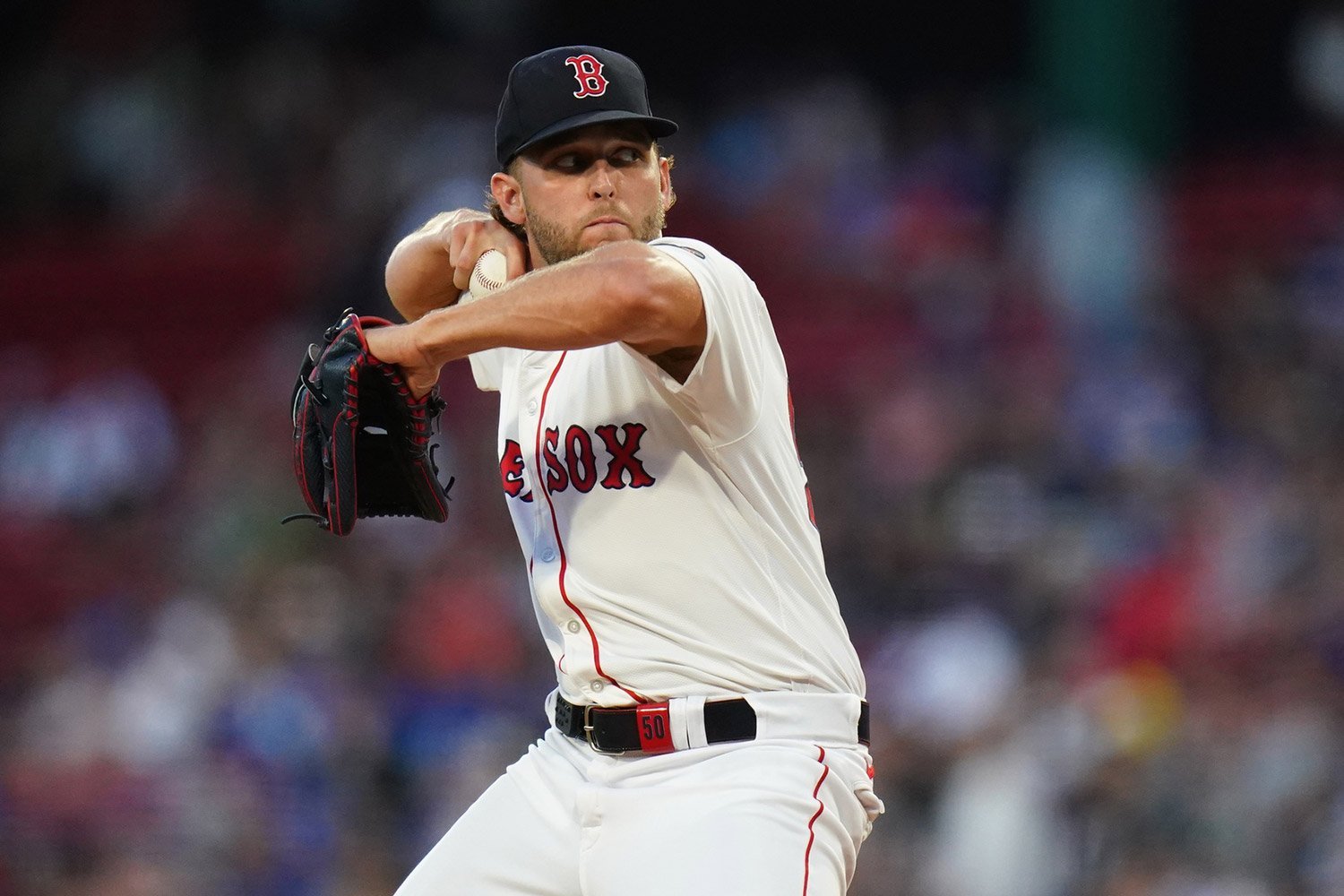 The Red Sox have started to turn their season around following the promotion of all three of their top prospects. As the month of June nears its halfway point, the Red Sox look to continue stacking wins despite still dealing with injuries to several key players. The good news is that the team remains in the thick of the Wild Card hunt, and a number of injured players appear to be making significant progress in their recoveries. Kutter Crawford Crawford has been dealing with a combination of injuries since the beginning of spring training. What was originally right patellar soreness has also expanded to right wrist discomfort. Throughout the season, Crawford has been scheduled to throw either bullpen sessions or game action down at Fort Myers, but has failed to actually get into them. Now, he’s being slowed by soreness in his right wrist, which has limited him to only playing catch. Alex Cora stated they hope to know more in the coming days, though, it seems less and less likely that Crawford will be an important member of the pitching staff this season. Tanner Houck Houck opened the year in the rotation and was rather awful, as he had an 8.04 ERA in nine games. He was nowhere close to the pitcher that was an All-Star in 2024, and after a May 12th start in Detroit that saw him allow 11 runs in only 2 1/3 innings, he was placed on the injured list with a right flexor pronator strain. Since then, Houck has been working to get back on the mound, and on June 10th threw his second bullpen session in the span of four days. Should he continue to respond well to an increased workload, don’t be surprised if there will be talk of a potential rehab assignment in the coming days. However, it seems unlikely Houck is back with the Red Sox before the All-Star break. Nick Burdi After having his contract selected by the Red Sox, pitching in two games and being optioned back to Worcester, Burdi was recalled to Boston, where he appeared in two more games and compiled three innings pitched. In his last game against the Los Angeles Angels, Burdi suffered a right foot contusion while covering the bag and handling an off-target toss by Romy González. Burdi seems to be progressing as expected and should be starting a rehab assignment by Father’s Day weekend. Even if the rehab appearance goes well, Burdi will not be eligible to return from the injured list until June 18th at the earliest. Wilyer Abreu Abreu appeared to hurt his oblique during the first June series with the New York Yankees. Due to that, he was placed on the injured list to allow the Red Sox to fill his spot on the roster and give him a chance to properly rest and recover. The severity of the injury doesn’t appear concerning, and the Red Sox themselves expect him to return to the team for when they play the San Francisco Giants starting June 20th. Masataka Yoshida It’s been a long and draining season for Yoshida, who has yet to even be assigned to a rehab assignment yet. Offseason shoulder surgery has left him unable to play, as he and the team look to strengthen his shoulder. Previously, Yoshida had been seen before the game on May 4th tossing the ball a few times, only to stop due to what looked to be pain. Lately, he has told WEEI.com that he’s currently throwing up to 105 feet and is turning a corner when it comes to throwing. During the series with the Tampa Bay Rays, he was shown taking batting practice before one of the games with little issue. Yoshida believes he should be able to begin a rehab assignment by early July the latest, but it seems he still won’t be back with Boston until after the All-Star break. He could prove to be a nice second-half reinforcement. Justin Slaten Slaten went down with right shoulder inflammation at the start of June, and while many hoped it would be a short injured list stint, that doesn’t seem to be the case. Instead, Slaten hasn’t been progressing as everyone hoped as he’s yet to begin throwing again. The hope is that he’ll be back at some point in July to bring help to a tired bullpen. Chris Murphy Murphy missed all of 2024 after having Tommy John surgery and has started a rehab assignment. Murphy has pitched in six games so far, tossing a total of 8 1/3 innings as he works his way back to Boston. Prior to getting hurt in 2024 Murphy was viewed as a key member of the bullpen, and once healthy, could slot in as a multi-inning reliever who could help bridge the middle innings to the late-inning crew. Alex Bregman Bregman appears to be recovering at a faster rate than when he hurt his quad back in 2021, as he’s currently running. Bregman was placed on the injured list after injuring his quad on May 23rd against the Baltimore Orioles. According to Bregman and Cora, the duo have a date in mind for his return, but will not reveal what it is just yet. Assuming there's no setbacks, Bregman should be back at some point in July, missing just over a month. Triston Casas Currently, Casas has yet to get a definitive timeline for when he could return to the field, but after suffering a ruptured patellar tendon in his left knee and undergoing season-ending surgery, he’s started his rehab to be ready for next year. Casas has stated that despite not having a set timetable, he’s been told it shouldn’t take longer than a year to recover and hopes to play on Opening Day in 2026. Liam Hendriks Hendriks has suffered several injuries and setbacks since signing with the Red Sox, with his right hip inflammation issue being the latest. Hendriks went back on the injured list on May 30th, with the transaction being retroactive to May 28th. Since then, he’s also shown symptoms similar to a sports hernia, but has said that was not why he’s on the injured list. The earliest he could have returned would have been June 13th, but without throwing in any rehab appearances just yet, a July return is much more likely. Patrick Sandoval Sandoval continues to recover from his UCL injury. There hasn’t been much in the way of updates with Sandoval, as the latest information was him throwing off a mound in late May. Sandoval is still expected not to return to action until after the All-Star break and probably won’t throw in a game for Boston until August. That was expected when the team signed him to a two-year deal, with the hope he’d be back to full health for 2026.
 -
“I think he’s a first-rounder,” Douglas coach Todd Fitz-Gerald told Miami Herald about Roman Anthony leading up to the 2022 MLB draft. “He won’t go past the second round. He can hit, he has power, an above-average arm, he’s athletic, and he has a good work ethic.” Red Sox fans are well aware of those traits, as they’ve watched the number one prospect in all of baseball develop since getting drafted 79th overall in the 2022 MLB draft. He would sign for a $2.5 million signing bonus, the highest given out by the Red Sox in the 2022 draft. Anthony had been considered a top prospect entering the draft, having finished his high school career by hitting .520 with 52 hits, 14 doubles, 10 home runs, 40 RBIs, and 36 runs while being named the Broward 7-A Player of the Year while playing for Marjory Stoneman Douglas. That stat line in his senior year position Anthony as the 100th best player in the draft according to Baseball America, due in part to having already committed to playing college baseball for Ole Miss. There were also concerns about swing-and-miss potential that came with his raw power. That didn’t scare the Red Sox from grabbing the highly-talented outfielder with the 79th pick, a compensation pick from the Detroit Tigers for signing Eduardo Rodríguez in the offseason. You couldn’t blame the Red Sox, as in 61 career games for Stoneman Douglas, Anthony hit .443 with 20 doubles, two triples, 15 home runs and 61 RBIs, all while going 46 for 46 in stolen base attempts. His on-base percentage was .556 and his OPS was an astounding 1.376. Despite that, Anthony was not viewed as a top prospect around the league when he first broke in. Several prospect rankings only had him as high as the ninth best prospect in the Red Sox system, and he did not break into MLB’s Top 100 until after the 2023 season started. Anthony’s small sample of a season in 2022 saw him play 20 games between the Florida Complex League and for the Salem Red Sox. His time in Salem did not go too smoothly, as he struggled and only hit .189/.279/.243 with only two doubles and five RBIs. In total he went 7-for-37 in his first taste of pro ball. It was in 2023, however, when he burst onto the scene. Opening the year in Salem, he appeared to struggle, as he only hit .228/.376/.316. However, despite the low batting average, Anthony was showing he was more than capable of a promotion, as his underlying metrics were very impressive especially thanks to his 38 walks and batted ball data. As Brian Abraham said in an article by MassLive’s Christopher Smith, “The way he was hitting the ball pull0side, how hard he was hitting it, the ball coming off the bat and the angles he hit the ball off the bat to the pull side, showed that there was going to be more success, more power coming in the near future”. Upon reaching Greenville. he proved that analysis correct. In 54 games with the Drive, Anthony began to enter the conversation for top prospects in the game. By mid-August, Anthony had risen up to be No. 37 on MLB Pipeline’s top prospect rankings and was the No. 2 prospect in the Red Sox organization. Anthony managed to hit .294/.412/.569 with 12 home runs, 38 RBIs and 40 walks in his stint in Greenville. He would finish the 2023 season in Portland, playing ten games for them where he absolutely crushed everything thrown to him. In 44 plate appearances, he hit .343/.477/.543 with one home run and eight RBIs. After a phenomenal run, Anthony entered 2024 as the 24th ranked prospect by MLB Pipeline, and while Pipeline had him ranked as the second overall prospect in the Red Sox organization still, other rankings had him ranked first. 2024 was more of the same for Anthony, as he proved his 2023 was no fluke. Opening the year in Portland, Anthony would go on to play 84 games there, slashing .269/.367/.489 to go along with 15 home runs, 20 doubles and 45 RBIs. He also scored 60 runs and walked 48 times in that span. Anthony had officially cemented himself as one of Boston’s “Big Four” alongside first-round picks Nick Yorke, Kyle Teel and Marcelo Mayer. As the season went along, however, Anthony only improved and ran away with the designation of Boston’s top prospect. By mid-August, he was promoted once more, this time to Triple-A Worcester, where he immediately knocked on the door for the majors in just 35 games. In that short time with Worcester, Anthony dominated, hitting .344/.463/.519 in 131 at-bats. He also had three home runs, 20 RBIs and 12 doubles to go along with 31 walks despite being over six years younger than the average age of players in Triple-A. As the season came to a close, Anthony was named the number one prospect in all of baseball for a short time, being usurped only by Roki Sasaki after he signed with the Los Angeles Dodgers. The discussion during the offseason leading into the 2025 season was if Anthony would break camp with the Red Sox or if they would keep him in Worcester for a short while. That topic only picked up steam when the Red Sox invited him to spring training as a non-roster invitee and he played exceptionally well. Discussions were had by the fanbase if Anthony would play right field to begin the year, should Wilyer Abreu be unavailable due to an illness that kept him out most of spring training. That wasn’t the case, as Anthony was reassigned to minor league camp and was told he would open the season with Triple-A Worcester. The Red Sox continued to say that there were some things Anthony needed to work on, but both the eye test and his stat line proved otherwise. In 58 games with Worcester this season, Anthony dominated the competition despite being one of the youngest players in the league. The young outfielder hit .288/.423/.491 along with 10 home runs and 29 RBIs. Anthony also walked 51 times in that span, showing a keen eye and an understanding of the strike zone. His final weekend in Worcester included not just a series sweep of the Rochester Red Wings, but also a 497-foot grand slam to right-center field. During his time in Worcester, Anthony only swung at pitches outside of the zone 18.5% of the time while making contact on pitches in the zone at 83.3% of the time. What may be most exciting about the young outfielder was the fact he was in the 100th percentile for walk rate (19.3%), to go along with other categories that saw him in the 100th percentile such as average exit velocity (95 mph), barrel rate (20.3%), and hard-hit rate (58.9%). He did have a few issues, however, as he has only pulled balls in the air at a 5.7% rate, and has only pulled the ball at a 33.5% rate. Though, when you look at the build of Fenway, that may work out well for the 21-year-old, as he can quite often take advantage of the Green Monster. Defensively, he has played all three outfield positions, but this year, he has mainly played left field. Anthony is now up in Boston, the final member of the new Big Three to make it up as he joins Kristian Campbell and Mayer as key pieces for not just the present, but the future of the Red Sox. As he’s shown throughout his entire life playing baseball, Anthony will continue to put in the work to be the best player he absolutely can be. There may be some struggles as he adjusts to a new level of competition, but it will only make Anthony a better player in the long run. The future is now, as Anthony will look to be a potential spark plug for a team that is trying to turn a corner on their inconsistent season. View full article
-
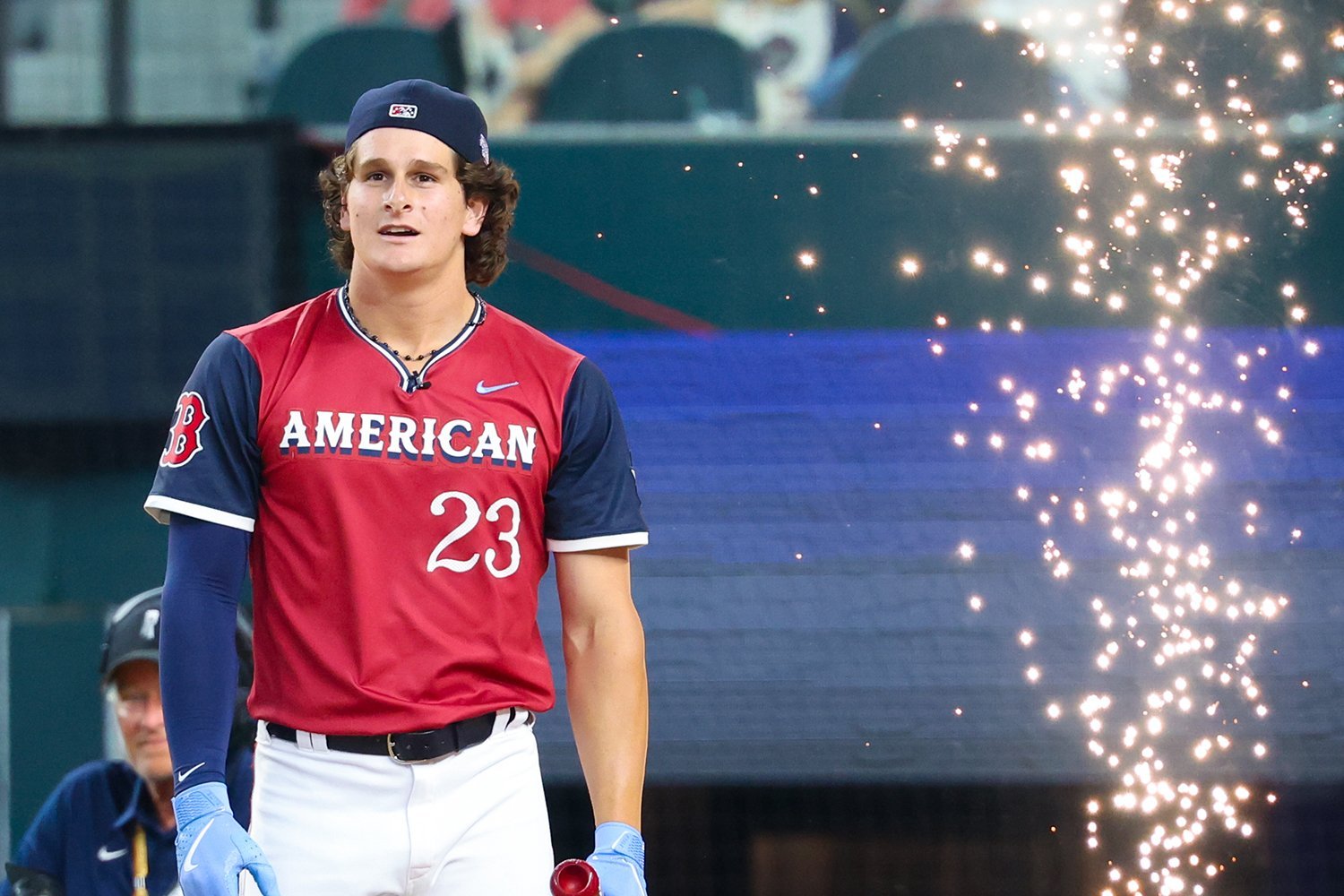 “I think he’s a first-rounder,” Douglas coach Todd Fitz-Gerald told Miami Herald about Roman Anthony leading up to the 2022 MLB draft. “He won’t go past the second round. He can hit, he has power, an above-average arm, he’s athletic, and he has a good work ethic.” Red Sox fans are well aware of those traits, as they’ve watched the number one prospect in all of baseball develop since getting drafted 79th overall in the 2022 MLB draft. He would sign for a $2.5 million signing bonus, the highest given out by the Red Sox in the 2022 draft. Anthony had been considered a top prospect entering the draft, having finished his high school career by hitting .520 with 52 hits, 14 doubles, 10 home runs, 40 RBIs, and 36 runs while being named the Broward 7-A Player of the Year while playing for Marjory Stoneman Douglas. That stat line in his senior year position Anthony as the 100th best player in the draft according to Baseball America, due in part to having already committed to playing college baseball for Ole Miss. There were also concerns about swing-and-miss potential that came with his raw power. That didn’t scare the Red Sox from grabbing the highly-talented outfielder with the 79th pick, a compensation pick from the Detroit Tigers for signing Eduardo Rodríguez in the offseason. You couldn’t blame the Red Sox, as in 61 career games for Stoneman Douglas, Anthony hit .443 with 20 doubles, two triples, 15 home runs and 61 RBIs, all while going 46 for 46 in stolen base attempts. His on-base percentage was .556 and his OPS was an astounding 1.376. Despite that, Anthony was not viewed as a top prospect around the league when he first broke in. Several prospect rankings only had him as high as the ninth best prospect in the Red Sox system, and he did not break into MLB’s Top 100 until after the 2023 season started. Anthony’s small sample of a season in 2022 saw him play 20 games between the Florida Complex League and for the Salem Red Sox. His time in Salem did not go too smoothly, as he struggled and only hit .189/.279/.243 with only two doubles and five RBIs. In total he went 7-for-37 in his first taste of pro ball. It was in 2023, however, when he burst onto the scene. Opening the year in Salem, he appeared to struggle, as he only hit .228/.376/.316. However, despite the low batting average, Anthony was showing he was more than capable of a promotion, as his underlying metrics were very impressive especially thanks to his 38 walks and batted ball data. As Brian Abraham said in an article by MassLive’s Christopher Smith, “The way he was hitting the ball pull0side, how hard he was hitting it, the ball coming off the bat and the angles he hit the ball off the bat to the pull side, showed that there was going to be more success, more power coming in the near future”. Upon reaching Greenville. he proved that analysis correct. In 54 games with the Drive, Anthony began to enter the conversation for top prospects in the game. By mid-August, Anthony had risen up to be No. 37 on MLB Pipeline’s top prospect rankings and was the No. 2 prospect in the Red Sox organization. Anthony managed to hit .294/.412/.569 with 12 home runs, 38 RBIs and 40 walks in his stint in Greenville. He would finish the 2023 season in Portland, playing ten games for them where he absolutely crushed everything thrown to him. In 44 plate appearances, he hit .343/.477/.543 with one home run and eight RBIs. After a phenomenal run, Anthony entered 2024 as the 24th ranked prospect by MLB Pipeline, and while Pipeline had him ranked as the second overall prospect in the Red Sox organization still, other rankings had him ranked first. 2024 was more of the same for Anthony, as he proved his 2023 was no fluke. Opening the year in Portland, Anthony would go on to play 84 games there, slashing .269/.367/.489 to go along with 15 home runs, 20 doubles and 45 RBIs. He also scored 60 runs and walked 48 times in that span. Anthony had officially cemented himself as one of Boston’s “Big Four” alongside first-round picks Nick Yorke, Kyle Teel and Marcelo Mayer. As the season went along, however, Anthony only improved and ran away with the designation of Boston’s top prospect. By mid-August, he was promoted once more, this time to Triple-A Worcester, where he immediately knocked on the door for the majors in just 35 games. In that short time with Worcester, Anthony dominated, hitting .344/.463/.519 in 131 at-bats. He also had three home runs, 20 RBIs and 12 doubles to go along with 31 walks despite being over six years younger than the average age of players in Triple-A. As the season came to a close, Anthony was named the number one prospect in all of baseball for a short time, being usurped only by Roki Sasaki after he signed with the Los Angeles Dodgers. The discussion during the offseason leading into the 2025 season was if Anthony would break camp with the Red Sox or if they would keep him in Worcester for a short while. That topic only picked up steam when the Red Sox invited him to spring training as a non-roster invitee and he played exceptionally well. Discussions were had by the fanbase if Anthony would play right field to begin the year, should Wilyer Abreu be unavailable due to an illness that kept him out most of spring training. That wasn’t the case, as Anthony was reassigned to minor league camp and was told he would open the season with Triple-A Worcester. The Red Sox continued to say that there were some things Anthony needed to work on, but both the eye test and his stat line proved otherwise. In 58 games with Worcester this season, Anthony dominated the competition despite being one of the youngest players in the league. The young outfielder hit .288/.423/.491 along with 10 home runs and 29 RBIs. Anthony also walked 51 times in that span, showing a keen eye and an understanding of the strike zone. His final weekend in Worcester included not just a series sweep of the Rochester Red Wings, but also a 497-foot grand slam to right-center field. During his time in Worcester, Anthony only swung at pitches outside of the zone 18.5% of the time while making contact on pitches in the zone at 83.3% of the time. What may be most exciting about the young outfielder was the fact he was in the 100th percentile for walk rate (19.3%), to go along with other categories that saw him in the 100th percentile such as average exit velocity (95 mph), barrel rate (20.3%), and hard-hit rate (58.9%). He did have a few issues, however, as he has only pulled balls in the air at a 5.7% rate, and has only pulled the ball at a 33.5% rate. Though, when you look at the build of Fenway, that may work out well for the 21-year-old, as he can quite often take advantage of the Green Monster. Defensively, he has played all three outfield positions, but this year, he has mainly played left field. Anthony is now up in Boston, the final member of the new Big Three to make it up as he joins Kristian Campbell and Mayer as key pieces for not just the present, but the future of the Red Sox. As he’s shown throughout his entire life playing baseball, Anthony will continue to put in the work to be the best player he absolutely can be. There may be some struggles as he adjusts to a new level of competition, but it will only make Anthony a better player in the long run. The future is now, as Anthony will look to be a potential spark plug for a team that is trying to turn a corner on their inconsistent season.
.jpg.6dcf582c1bbf0be84f6b8c42282cca09.jpg.7228168c143a08b5180671e8254c2ca7.jpg)