Alex Mayes
-
Posts
844 -
Joined
-
Last visited
Content Type
Profiles
Boston Red Sox Videos
2026 Boston Red Sox Top Prospects Ranking
Boston Red Sox Free Agent & Trade Rumors, Notes, & Tidbits
Guides & Resources
2025 Boston Red Sox Draft Pick Tracker
News
2026 Boston Red Sox Draft Tracker: Picks & Bonuses
Forums
Blogs
Events
Store
Downloads
Gallery
Everything posted by Alex Mayes
-
We already know that Kristian Campbell is going to break camp with the big league club, but when should we expect the other members of the Big Three to make their Red Sox debut? With Kristian Campbell making the Opening Day roster, the first member of the Big Three is arriving in Boston. Campbell came into camp with a shot at second base, and even after a slow start has won the starting job over David Hamilton and Vaughn Grissom. We'll have more about Campbell over the coming days, but there’s a discussion to be had about the remaining members of the Big Three. Both Roman Anthony and Marcelo Mayer excelled during spring training and are making the trip to Mexico with the bulk of the big league club. There’s obviously belief within the organization that both Anthony and Mayer are close to ready for their own big league debuts. We can only speculate as to when those call-ups will happen, but I'll lay out a few scenarios in which we could see Anthony and Mayer called up to Boston sooner rather than later. Scenario 1: Roman Anthony Forces Their Hand I think this is by far the most likely scenario involving an early call-up for Anthony. He ran a 103 wRC+ during spring training, and that's not the lights-out success some were expecting from him. However, he dealt with the mysterious stomach bug that plagued the camp for the bulk of spring training and is still working his way back to form. Once the season begins and he is starting in center in Worcester, we’ll see the old Anthony come screaming back into the spotlight. When, not if, he rakes at Triple-A, the Red Sox will have a huge decision to make, specifically involving Anthony and Wilyer Abreu. Yes, Wilyer is a Gold Glove-winning right fielder, but he’s a platoon outfielder. Last year in the minor leagues, Anthony slashed .347/.480/.520 against right-handed pitching and .333/.410/.515 against left-handed pitching. He can hit everybody. Once he gets into major league games, he will do the same in Boston. Scenario 2: Trevor Story Gets Injured I’ll start this one by saying I hope Trevor Story stays healthy and I want him to succeed. However, if recent history is any indication, then we need to be planning for him to spend some amount of time on the injured list. Hamilton and Grissom that can handle shortstop in Story's absence, but neither of those options is particularly appealing. Enter Mayer, who has looked like a big-league shortstop during spring training. He’s proven that his high draft spot was deserved, but as we found out on Sunday, he will begin the season in Worcester. This makes a lot of sense, as outside of spring training, he has seen exactly zero pitches above Double-A. It’s likely that if he started the season in Boston, he would adapt and play well, but there’s no reason to rush him to the big league club until an injury makes it a necessity. Let him hone his offensive abilities under less pressure and bring him up when the team needs him. Scenario 3: Alex Bregman Goes Down Once again, I hope this doesn't happen, but with Rafael Devers seeing no time at third during spring training and beginning the season as the full-time DH, it's hard not to assume his days at third base are over. Sure, he could easily fill in if Alex Bregman were to get injured, but I think it’s far more likely that the team would keep Devers at DH and call Mayer up to fill that void. Mayer saw a bit of time at third during spring training and has been working out there to add some positional versatility to his game. If Devers is raking at DH and feels more confident becoming the next David Ortiz or J.D. Martinez by being a pure offensive weapon, then calling Mayer up to play third would make sense. Scenario 4: Wilyer Abreu Falls Flat Abreu spent the bulk of spring training recovering from a gastrointestinal virus and lost quite a bit of weight and muscle. While he has looked fine in limited action, we saw how much Grissom struggled in the same situation last year. Once the season begins, putting on that kind of weight and maintaining it will be incredibly difficult. It stands to reason that Abreu will be focusing on his baseball skills while trying to add that weight back. The weight loss likely will impact his power at the plate, which could cause the Red Sox to pivot to Anthony quicker than they anticipated. Should Abreu prove to be a liability, the front office will likely look to the top prospect in baseball to take his spot while he tries to figure things out. There are far more scenarios that could see either Anthony or Mayer getting the call, but these four are the four most likely in my opinion. While some of them come with injury woes, seeing the entire Big Three in Boston during the 2025 season is a real possibility. The Red Sox have drafted and developed well over the last few seasons, and the fan base finally has a young core to be excited about. It starts with Campbell making the Opening Day roster, but don’t be shocked to see his highly-touted teammates join him in Boston sooner rather than later. View full article
-
Living up to the hype of being traded for a future Cy Young winner has likely placed a ton of pressure on Vaughn Grissom. Maybe he already needs a change of scenery to get back to being the player he wants to be. Bleacher Report recently listed Vaughn Grissom as a prime candidate for a change of scenery. Honestly, they probably aren’t wrong. Grissom hasn’t lived up to the hopes the Red Sox front office put in him with they traded Chris Sale for him before the 2024 season. Grissom has looked overmatched at points, he’s struggled to stay healthy, and so far this spring he’s hitting a putrid .188. I wrote earlier about a potential budding competition for second base between Grissom and David Hamilton but since then, the Red Sox have featured Kristian Campbell almost exclusively at second, so it appears as if the competition is actually between Hamilton and Campbell. Where does this leave Grissom now, and how likely is it for a change of scenery during the 2025 season? Both of those are fairly loaded questions, and the likely answer leaves the front office looking a bit foolish. I’m not questioning the Chris Sale trade. I firmly believe had he stayed in Boston that we wouldn’t have gotten the same season the Atlanta Braves did out of him. That being said, trading him for Grissom is major misstep Craig Breslow and company. In their defense, they likely had no idea Campbell would burst onto the scene in such a dramatic way in 2024, but trading someone like Sale for a quad-A player who will likely only see time in Boston during the 2025 season if several people get injured is the biggest black eye for Breslow so far. As for a change of scenery, I suppose it’s possible but it’s going to take Breslow admitting he made a mistake with the original trade and selling Grissom for pennies on the dollar as part of a larger trade package. You’re not going to get any team to trade for Grissom as he currently stands. If he shows out in Worcester to begin the season, his value increases some, but other teams are going to be well aware of his shortcomings. Grissom appeared for a time to be the heir apparent to Dansby Swanson in Atlanta, so the Red Sox are now the second team to decide against him. You could see a team that's out of contention and looking to rebuild take a chance on him but a lot of those programs already have young shortstops and second basemen that profile to be more impactful than Grissom has been. Unfortunately for Grissom, the Red Sox are much stronger up the middle on defense than they have been in previous years, and he’s failed to live up to the expectations of the trade that brought him to Boston. The early returns during spring training have been less than ideal. In the span of a year, Grissom has gone from being traded for the future Cy Young winner to an afterthought on a team focusing on a youth movement. He still has time to turn it around, but it’s becoming increasingly likely that his next opportunity will come somewhere other than Boston. View full article
-
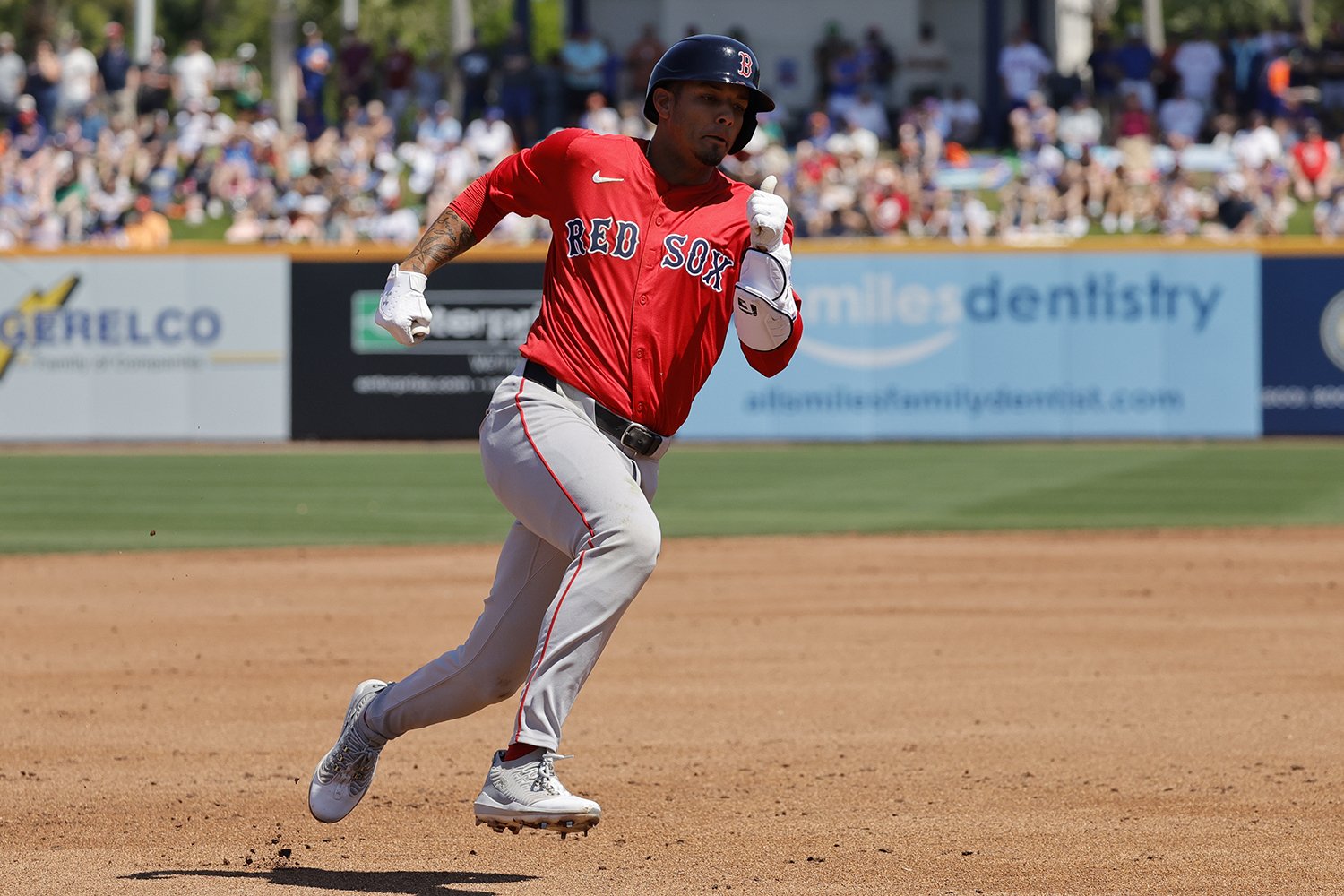 Bleacher Report recently listed Vaughn Grissom as a prime candidate for a change of scenery. Honestly, they probably aren’t wrong. Grissom hasn’t lived up to the hopes the Red Sox front office put in him with they traded Chris Sale for him before the 2024 season. Grissom has looked overmatched at points, he’s struggled to stay healthy, and so far this spring he’s hitting a putrid .188. I wrote earlier about a potential budding competition for second base between Grissom and David Hamilton but since then, the Red Sox have featured Kristian Campbell almost exclusively at second, so it appears as if the competition is actually between Hamilton and Campbell. Where does this leave Grissom now, and how likely is it for a change of scenery during the 2025 season? Both of those are fairly loaded questions, and the likely answer leaves the front office looking a bit foolish. I’m not questioning the Chris Sale trade. I firmly believe had he stayed in Boston that we wouldn’t have gotten the same season the Atlanta Braves did out of him. That being said, trading him for Grissom is major misstep Craig Breslow and company. In their defense, they likely had no idea Campbell would burst onto the scene in such a dramatic way in 2024, but trading someone like Sale for a quad-A player who will likely only see time in Boston during the 2025 season if several people get injured is the biggest black eye for Breslow so far. As for a change of scenery, I suppose it’s possible but it’s going to take Breslow admitting he made a mistake with the original trade and selling Grissom for pennies on the dollar as part of a larger trade package. You’re not going to get any team to trade for Grissom as he currently stands. If he shows out in Worcester to begin the season, his value increases some, but other teams are going to be well aware of his shortcomings. Grissom appeared for a time to be the heir apparent to Dansby Swanson in Atlanta, so the Red Sox are now the second team to decide against him. You could see a team that's out of contention and looking to rebuild take a chance on him but a lot of those programs already have young shortstops and second basemen that profile to be more impactful than Grissom has been. Unfortunately for Grissom, the Red Sox are much stronger up the middle on defense than they have been in previous years, and he’s failed to live up to the expectations of the trade that brought him to Boston. The early returns during spring training have been less than ideal. In the span of a year, Grissom has gone from being traded for the future Cy Young winner to an afterthought on a team focusing on a youth movement. He still has time to turn it around, but it’s becoming increasingly likely that his next opportunity will come somewhere other than Boston.
 -
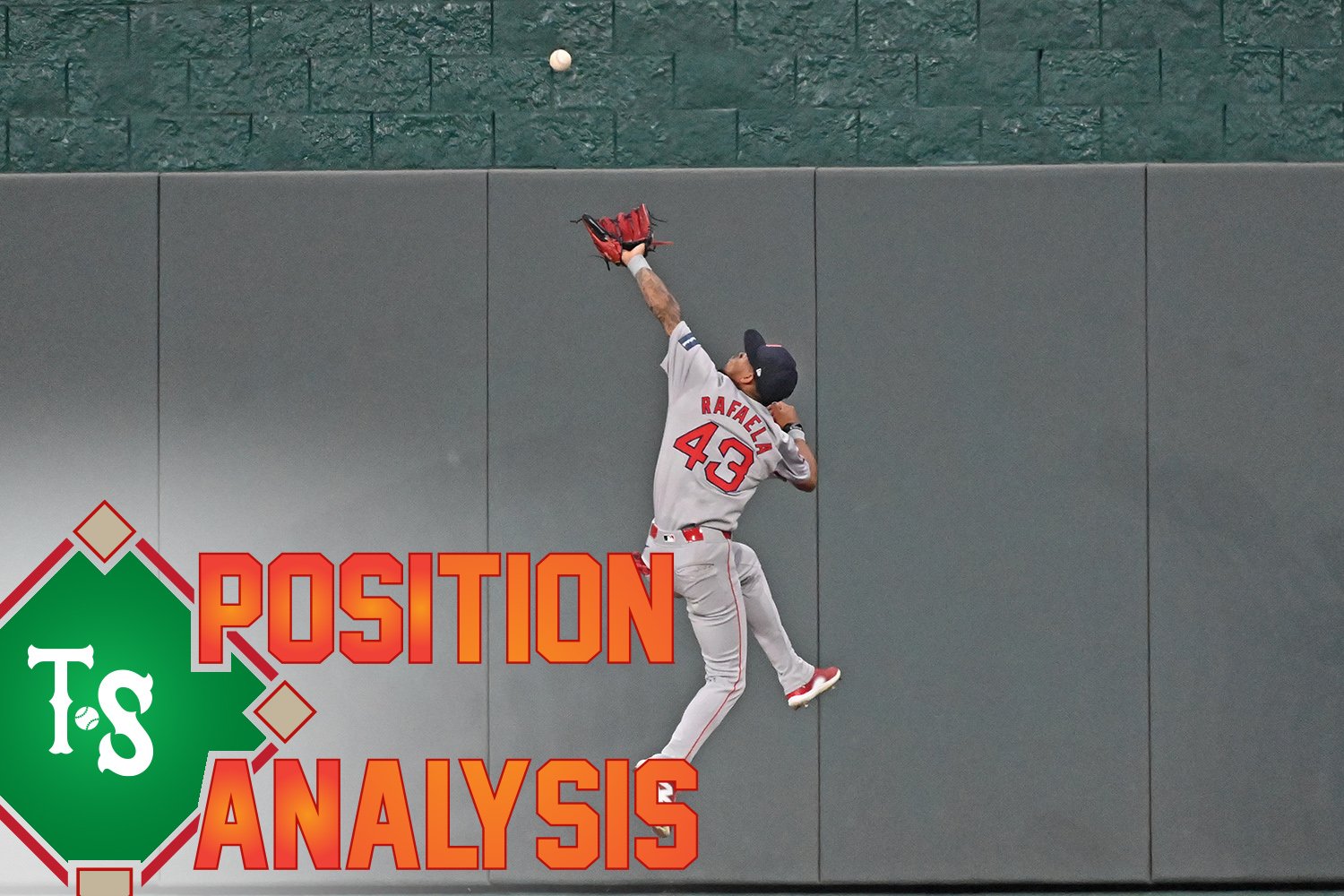 Alex Cora told the media early in the offseason that Ceddanne Rafaela would see most of his time at center field. That is a very good thing. It locks up a key position and hopefully brings another Gold Glove to the Boston outfield in 2025. Making sure Rafaela plays his main position will be a major key to success this season for the Red Sox. Red Sox CF at a Glance Starter: Ceddanne Rafaela Backup: Jarren Duran Depth: Wilyer Abreu, Rob Refsnyder, Trayce Thompson (NRI) Prospects: Roman Anthony, Jhostynxon Garcia, Allan Castro, Miguel Bleis Red Sox CF fWAR Ranking Last Year: 13 out of 30 The Good Center field defense should be a bright spot for the Red Sox this season. Ceddanne Rafaela has proven to play Gold Glove, possibly even Platinum Glove-caliber defense when he’s roaming center, and all indications are that he will continue to do so in 2025. The biggest difference seems to be coming on the offensive side of the baseball for Rafaela. He looks far more patient and has unlocked a bit more power while hitting to all parts of the field. If Rafaela were to go down with injury, Jarren Duran is a more-than-capable center fielder in his own right. Both players are speed demons and have flashed the ability to make highlight-reel plays on a regular basis. The Bad The depth behind Duran is lacking. Roman Anthony has played center coming up through the system, but he profiles as a corner outfielder in Boston instead of a true center fielder. He could play the position in a pinch, and the same can be said for Rob Refsnyder and Wilyer Abreu, but you don’t want to count on the three of them manning the position for any significant amount of time. Trayce Thompson isn’t guaranteed to break camp with the big club, and while he would make a fine bench piece in Boston, keeping him on the roster over more infield depth pieces would involve some tough conversations. Garcia and Bleis, are at least a season away from being considered for promotion to Boston. The Bottom Line Between Rafaela and Duran, center field defense in Boston should be locked down for quite a while. There’s depth in the system but outside of Anthony, it is at least a year away from being considered major-league ready. If Rafaela struggles and Anthony proves himself ready for a promotion, center field could look very different at the end of the season. Right now, the Red Sox are hoping that their trio of outfielders are all in contention for Gold Gloves — incredibly, not an outlandish notion — and that would mean that those of us who long for the days of The Killer Bs in the outfield can finally start to feel confident that the outfield in Boston is set for the foreseeable future.
 -
Center should be locked up for years to come, but in the event of injuries, the depth gets surprisingly thin quickly. Alex Cora told the media early in the offseason that Ceddanne Rafaela would see most of his time at center field. That is a very good thing. It locks up a key position and hopefully brings another Gold Glove to the Boston outfield in 2025. Making sure Rafaela plays his main position will be a major key to success this season for the Red Sox. Red Sox CF at a Glance Starter: Ceddanne Rafaela Backup: Jarren Duran Depth: Wilyer Abreu, Rob Refsnyder, Trayce Thompson (NRI) Prospects: Roman Anthony, Jhostynxon Garcia, Allan Castro, Miguel Bleis Red Sox CF fWAR Ranking Last Year: 13 out of 30 The Good Center field defense should be a bright spot for the Red Sox this season. Ceddanne Rafaela has proven to play Gold Glove, possibly even Platinum Glove-caliber defense when he’s roaming center, and all indications are that he will continue to do so in 2025. The biggest difference seems to be coming on the offensive side of the baseball for Rafaela. He looks far more patient and has unlocked a bit more power while hitting to all parts of the field. If Rafaela were to go down with injury, Jarren Duran is a more-than-capable center fielder in his own right. Both players are speed demons and have flashed the ability to make highlight-reel plays on a regular basis. The Bad The depth behind Duran is lacking. Roman Anthony has played center coming up through the system, but he profiles as a corner outfielder in Boston instead of a true center fielder. He could play the position in a pinch, and the same can be said for Rob Refsnyder and Wilyer Abreu, but you don’t want to count on the three of them manning the position for any significant amount of time. Trayce Thompson isn’t guaranteed to break camp with the big club, and while he would make a fine bench piece in Boston, keeping him on the roster over more infield depth pieces would involve some tough conversations. Garcia and Bleis, are at least a season away from being considered for promotion to Boston. The Bottom Line Between Rafaela and Duran, center field defense in Boston should be locked down for quite a while. There’s depth in the system but outside of Anthony, it is at least a year away from being considered major-league ready. If Rafaela struggles and Anthony proves himself ready for a promotion, center field could look very different at the end of the season. Right now, the Red Sox are hoping that their trio of outfielders are all in contention for Gold Gloves — incredibly, not an outlandish notion — and that would mean that those of us who long for the days of The Killer Bs in the outfield can finally start to feel confident that the outfield in Boston is set for the foreseeable future. View full article
-
The designated hitter position has been widely debated all offseason. Clarity has been slow in coming. Looking at the designated hitter options for the 2025 Red Sox reminds me of a classic choose-your-own-adventure book. For Masataka Yoshida, turn to page four. For Rafael Devers, turn to page eight. At this point in spring training, there’s not a really clear indicator of which way the coaching staff is leaning. Devers has yet to see any game action and a number of players have rotated through the position so far. If Devers does make his spring training debut on Saturday as expected, the designated hitter conversation is likely to get much more complicated. Red Sox DH at a Glance Starter: Masataka Yoshida Backup: Rafael Devers Depth: Trevor Story, Triston Casas, Alex Bregman, Wilyer Abreu, Connor Wong Prospects: Roman Anthony, Kristian Campbell, Marcelo Mayer, Blaze Jordan Red Sox 1B fWAR Ranking Last Year: 15 out of 30 The Good The best part of the DH spot for the Red Sox is that both the starter and backup (Yoshida and Devers, whichever order they end up in) are pretty talented. Yoshida started to show some pop when he came back from his extended stay on the injured list in 2024 and Devers is one of the best left-handed hitters in the league. Either option here likely comes with solid home run totals and quite a few RBIs. Alex Cora has not been shy about rotating position players through the DH spot after the departure of JD Martinez and we should expect to see a bit more of that in 2025. If Yoshida and Devers both stay healthy, though, they will be the main two names penciled into that role each game. The Bad The bad isn’t necessarily a player issue. As outlined above, there are quite a few solid options to rotate through the position. The real ‘bad’ here is that as of right now, we don’t have an answer as to who is playing where. So far, we assume mostly due to injury, Alex Bregman has been playing third exclusively. It’s not difficult to imagine that Devers wants to get some work at third during spring training, but it’s far more likely his spring training debut has him at DH; you know, the spot he said he didn’t want to switch to at the start of camp. Now, I’m still of the mindset that the entire situation was overblown and Devers would accept a position change if Cora approached him and they had a discussion about it. As it currently stands though, Yoshida will slot into the Opening Day lineup as the DH. Even if the plan is to get Yoshida reps in the outfield, which it shouldn’t be, there’s still a ton of uncertainty as to which player is going to man which position for the bulk of the season. The Bottom Line We’re entering the back half of spring training with more questions than answers when it comes to the designated hitter position. Luckily, the Red Sox have two players who can step into the role and be incredibly successful, even if Yoshida’s track record in the majors has been lackluster so far. He seems to be following the path that a lot of players from Japan have followed, their first couple of years in the majors aren’t anything spectacular but their third season is where they start to put everything together. Fingers crossed that Yoshida puts everything together and the Red Sox have the very good problem of too many strong DH candidates throughout the entire season. View full article
-
 Looking at the designated hitter options for the 2025 Red Sox reminds me of a classic choose-your-own-adventure book. For Masataka Yoshida, turn to page four. For Rafael Devers, turn to page eight. At this point in spring training, there’s not a really clear indicator of which way the coaching staff is leaning. Devers has yet to see any game action and a number of players have rotated through the position so far. If Devers does make his spring training debut on Saturday as expected, the designated hitter conversation is likely to get much more complicated. Red Sox DH at a Glance Starter: Masataka Yoshida Backup: Rafael Devers Depth: Trevor Story, Triston Casas, Alex Bregman, Wilyer Abreu, Connor Wong Prospects: Roman Anthony, Kristian Campbell, Marcelo Mayer, Blaze Jordan Red Sox 1B fWAR Ranking Last Year: 15 out of 30 The Good The best part of the DH spot for the Red Sox is that both the starter and backup (Yoshida and Devers, whichever order they end up in) are pretty talented. Yoshida started to show some pop when he came back from his extended stay on the injured list in 2024 and Devers is one of the best left-handed hitters in the league. Either option here likely comes with solid home run totals and quite a few RBIs. Alex Cora has not been shy about rotating position players through the DH spot after the departure of JD Martinez and we should expect to see a bit more of that in 2025. If Yoshida and Devers both stay healthy, though, they will be the main two names penciled into that role each game. The Bad The bad isn’t necessarily a player issue. As outlined above, there are quite a few solid options to rotate through the position. The real ‘bad’ here is that as of right now, we don’t have an answer as to who is playing where. So far, we assume mostly due to injury, Alex Bregman has been playing third exclusively. It’s not difficult to imagine that Devers wants to get some work at third during spring training, but it’s far more likely his spring training debut has him at DH; you know, the spot he said he didn’t want to switch to at the start of camp. Now, I’m still of the mindset that the entire situation was overblown and Devers would accept a position change if Cora approached him and they had a discussion about it. As it currently stands though, Yoshida will slot into the Opening Day lineup as the DH. Even if the plan is to get Yoshida reps in the outfield, which it shouldn’t be, there’s still a ton of uncertainty as to which player is going to man which position for the bulk of the season. The Bottom Line We’re entering the back half of spring training with more questions than answers when it comes to the designated hitter position. Luckily, the Red Sox have two players who can step into the role and be incredibly successful, even if Yoshida’s track record in the majors has been lackluster so far. He seems to be following the path that a lot of players from Japan have followed, their first couple of years in the majors aren’t anything spectacular but their third season is where they start to put everything together. Fingers crossed that Yoshida puts everything together and the Red Sox have the very good problem of too many strong DH candidates throughout the entire season.
 -
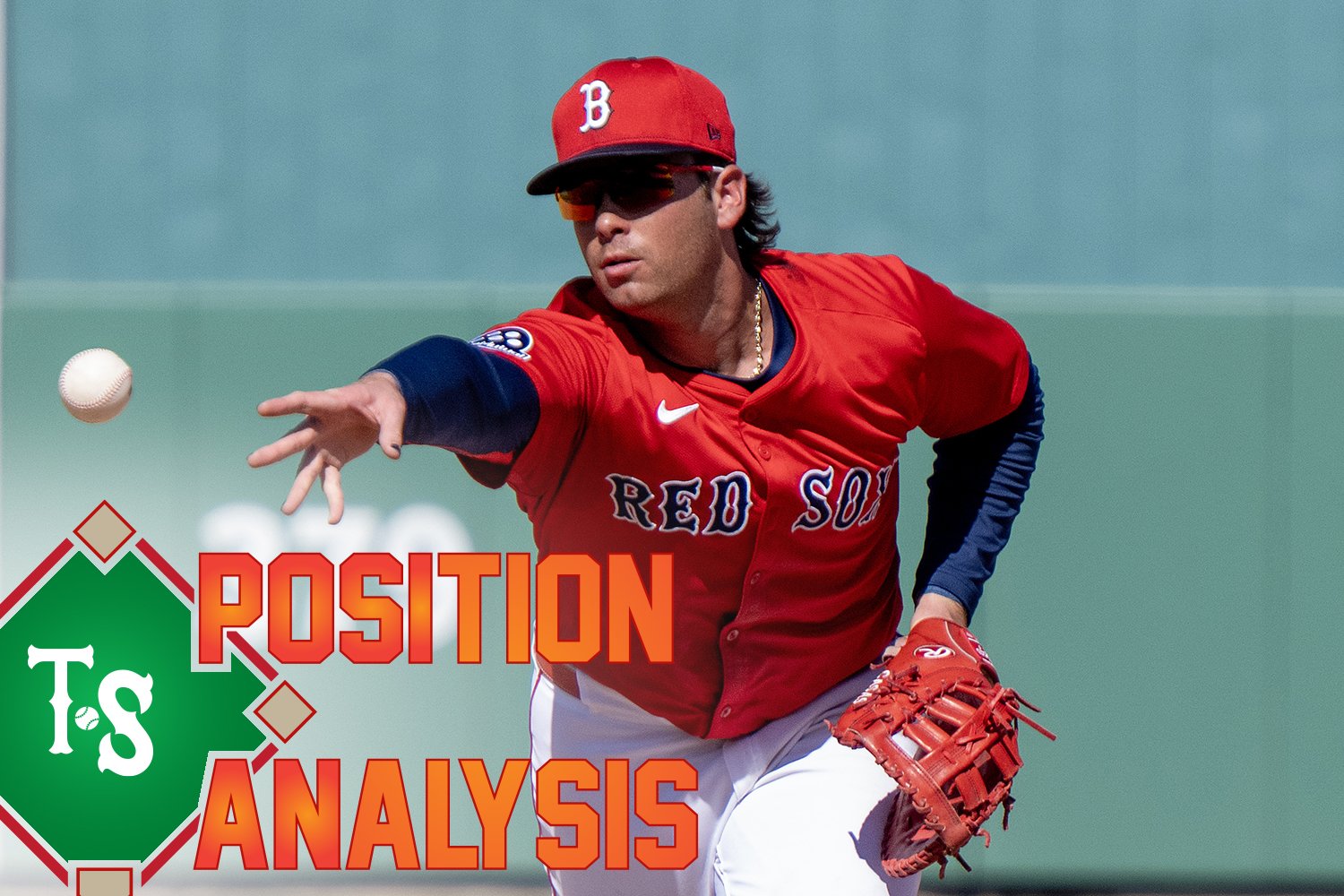 Triston Casas is primed for a breakout year in 2025 if he can stay healthy. He was robbed of that opportunity last year by the rib cartilage injury that sidelined him for the bulk of the season. The other effect of that injury was to showcase just how thin the Red Sox are at the first base position. Dom Smith filled in as best he could and Romy Gonzalez rotated in from time to time, but the lack of Casas's bat opened up a giant hole in both the infield defense and the starting lineup. Let’s take a look at the state of the position as we head into the 2025 season. Red Sox First Basemen at a Glance Starter: Triston Casas Backup: Romy Gonzalez Depth: Blake Sabol, Abraham Toro (NRI) Prospects: Alex Binelas, Blaze Jordan, Nathan Hickey Red Sox 1B fWAR Ranking Last Year: 23 out of 30 The Good Triston Casas being healthy and having the chance to play an entire season is a really big "good" for the Red Sox. He has 40-homer potential and should be a force in the middle of the lineup. He’s not the best defensive first baseman, but he’s not necessarily a liability either. In limited action last season, Casas slashed .241/.337/.462 with 13 home runs for a 119 wRC+. While that's not quite where you’d hope it would be, Casas gives you the standard power hitter outcomes, but he has a solid command of the strike zone so he walks more than the average hitter. In 2023, he ran a .367 on-base percenrage, good for sixth in the AL, whils his .857 ranked fifth. When Casas is healthy, he’s an on-base machine. A healthy Triston Casas should help propel the Red Sox to a playoff spot this season. The Bad The depth at first base is nonexistent again. Romy Gonzalez is a fine utility infielder, and he can play for brief spells at first, but if something were to happen to Casas you wouldn’t feel comfortable running him out to first every game. Outside of Gonzalez, Abraham Toro could play first a bit should he stick around past spring training. Blake Sabol was brought in as a catcher, but that skillset could transition to first if absolutely necessary. If we’re ever talking about Binelas or Jordan at first this season, things have gone horribly wrong. That’s not necessarily a knock on either of them; both could be major league contributors one day, but they don’t appear to be close to ready for the majors. The Bottom Line First base is about as top-heavy as you can get. After Casas there is one major league-ready player to step into his role and it’s not someone that you feel overly confident about for a long stretch. Should the injury bug bite Casas or Gonzalez during the season, the Red Sox may be forced to overextend for a trade or an unsigned free agent like Anthony Rizzo. Then again, Rafael Devers might just be in need of a defensive position.
 -
The Red Sox have, potentially, one of the best offensive first basemen in the league, but the depth behind him is sorely lacking. Triston Casas is primed for a breakout year in 2025 if he can stay healthy. He was robbed of that opportunity last year by the rib cartilage injury that sidelined him for the bulk of the season. The other effect of that injury was to showcase just how thin the Red Sox are at the first base position. Dom Smith filled in as best he could and Romy Gonzalez rotated in from time to time, but the lack of Casas's bat opened up a giant hole in both the infield defense and the starting lineup. Let’s take a look at the state of the position as we head into the 2025 season. Red Sox First Basemen at a Glance Starter: Triston Casas Backup: Romy Gonzalez Depth: Blake Sabol, Abraham Toro (NRI) Prospects: Alex Binelas, Blaze Jordan, Nathan Hickey Red Sox 1B fWAR Ranking Last Year: 23 out of 30 The Good Triston Casas being healthy and having the chance to play an entire season is a really big "good" for the Red Sox. He has 40-homer potential and should be a force in the middle of the lineup. He’s not the best defensive first baseman, but he’s not necessarily a liability either. In limited action last season, Casas slashed .241/.337/.462 with 13 home runs for a 119 wRC+. While that's not quite where you’d hope it would be, Casas gives you the standard power hitter outcomes, but he has a solid command of the strike zone so he walks more than the average hitter. In 2023, he ran a .367 on-base percenrage, good for sixth in the AL, whils his .857 ranked fifth. When Casas is healthy, he’s an on-base machine. A healthy Triston Casas should help propel the Red Sox to a playoff spot this season. The Bad The depth at first base is nonexistent again. Romy Gonzalez is a fine utility infielder, and he can play for brief spells at first, but if something were to happen to Casas you wouldn’t feel comfortable running him out to first every game. Outside of Gonzalez, Abraham Toro could play first a bit should he stick around past spring training. Blake Sabol was brought in as a catcher, but that skillset could transition to first if absolutely necessary. If we’re ever talking about Binelas or Jordan at first this season, things have gone horribly wrong. That’s not necessarily a knock on either of them; both could be major league contributors one day, but they don’t appear to be close to ready for the majors. The Bottom Line First base is about as top-heavy as you can get. After Casas there is one major league-ready player to step into his role and it’s not someone that you feel overly confident about for a long stretch. Should the injury bug bite Casas or Gonzalez during the season, the Red Sox may be forced to overextend for a trade or an unsigned free agent like Anthony Rizzo. Then again, Rafael Devers might just be in need of a defensive position. View full article
-
Garrett Crochet has set a deadline to get an extension done. The Red Sox should make sure they meet it. Last week, Garrett Crochet sat down with Alex Speier of the Boston Globe. Naturally, the topic of a contract extension with the Red Sox came up. There has been hope amongst the fan base that the front office would lock Crochet into a long-term extension at some point during 2025, but Crochet has now officially set a hard deadline for those negotiations: the beginning of the season. “For me personally, once the season starts, I would like for whatever conversations are currently being had to be placed on the back burner until the following offseason,” Crochet said. Crochet had also told MassLive’s Chris Cotillo saying that he wouldn’t mind playing out 2025 before signing an extension: “I think that the long-term security is definitely something attractive. As players, we like to look out for our family first. But with last year being my first taste of starting, part of me also wants to see what I could do with the full season of innings workload.” This mentality makes sense. If Crochet becomes the Cy Young-caliber pitcher that so many expect him to be, signing a deal before the 2025 season likely leaves a lot of money on the table. On the other hand, if Crochet doesn’t live up to the hype (or, more likely, gets injured again), his market will plummet he will end up signing a deal worth far less than he would have had before the season gets going. The Red Sox hope that rather than betting on himself, Crochet will prefer the security of a team-friendly extension. The question is: Should the Red Sox throw a ton of money at a pitcher who has only thrown 146 big-league innings? The answer is: Absolutely. The Red Sox traded for Crochet to anchor their rotation. They gave up two top-50 prospects, Kyle Teel and Braden Montgomery, to bring him into the fold. Extending him for at least the next five years is the only available option. You can’t give up such valuable prospects for a two-year rental. The possibility of an extension was part of the reason the price was so high in the first place. If the Red Sox hadn't thought that Crochet would turn in an ace-caliber performance in 2025, they wouldn't have made the deal. And if they believe that, then they almost certainly believe that his asking price will be much higher after the season than before it. Further, Crochet has done nothing to dissuade them so far, making three scoreless starts, going 6 1/3 innings and striking out an absurd 50% of the batters he's faced. The Red Sox will pay Crochet $3.8 million for the 2025 season, just shy of $1 million over his expected arbitration salary. They likely overpaid both to keep him happy and to signal to him that they are serious about keeping him around long-term and will pay the money necessary to do so. Crochet is only 25 years old. He’s just now entering the prime of his career. He projects to be your playoff starter caliber starter for the next handful of years. Why not build around a core of Crochet, Tanner Houck, and Brayan Bello? The Red Sox have gone for it in a sense this offseason. They signed several solid players and a genuine star in Alex Bregman, but nearly everyone is on a one-year deal, and Bregman can opt out after this season or the next. Clearly, the front office is determined to avoid long-term contracts that could weigh them down in the future. Even so, Crochet is young and appears set to be one of the game's great pitchers. Despite the injury risk, it's hard to find a surer thing these days. The front office proved that it is willing to spend, but keeping Crochet could give the young core enough time to blossom into a World Series winner. View full article
-
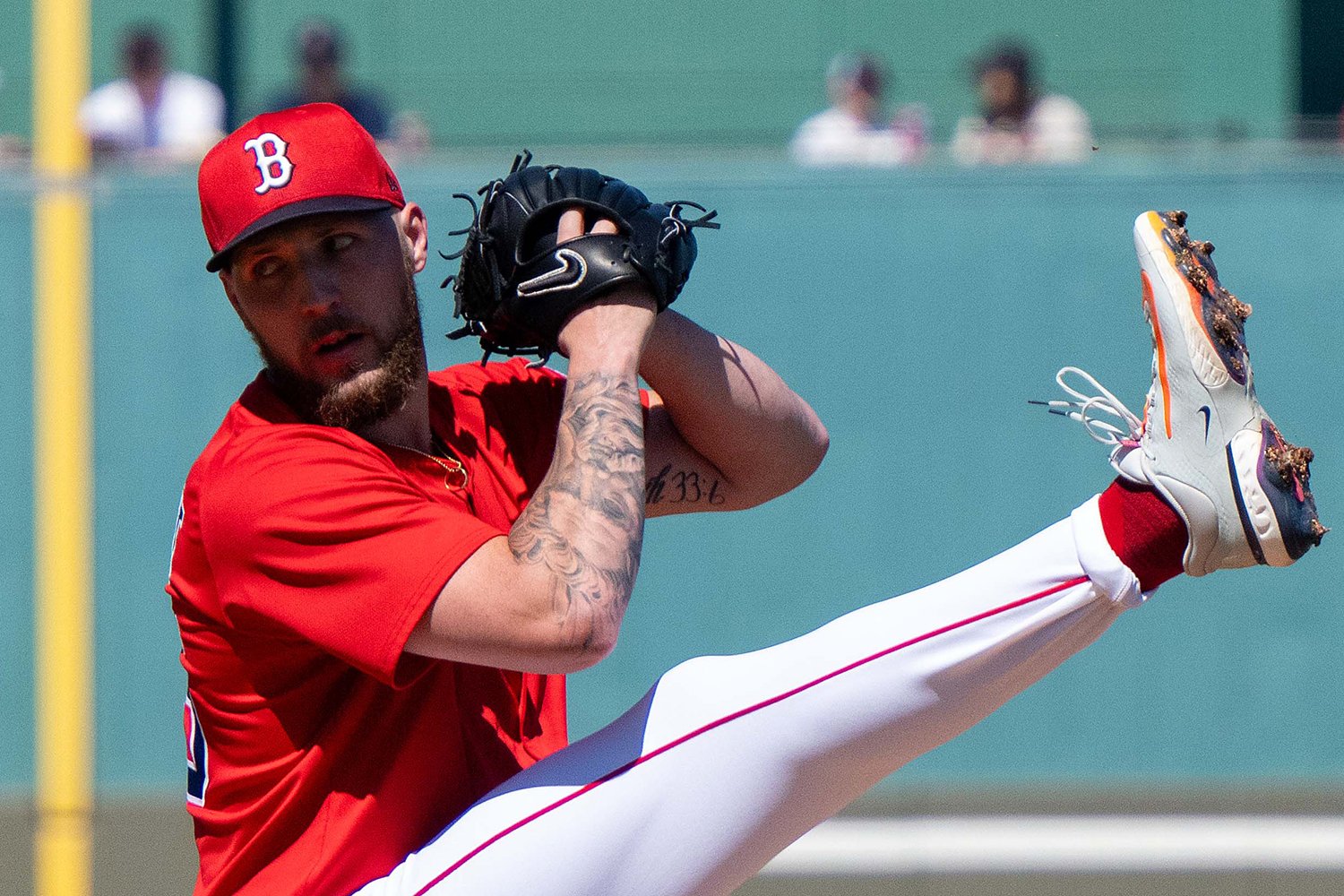 Last week, Garrett Crochet sat down with Alex Speier of the Boston Globe. Naturally, the topic of a contract extension with the Red Sox came up. There has been hope amongst the fan base that the front office would lock Crochet into a long-term extension at some point during 2025, but Crochet has now officially set a hard deadline for those negotiations: the beginning of the season. “For me personally, once the season starts, I would like for whatever conversations are currently being had to be placed on the back burner until the following offseason,” Crochet said. Crochet had also told MassLive’s Chris Cotillo saying that he wouldn’t mind playing out 2025 before signing an extension: “I think that the long-term security is definitely something attractive. As players, we like to look out for our family first. But with last year being my first taste of starting, part of me also wants to see what I could do with the full season of innings workload.” This mentality makes sense. If Crochet becomes the Cy Young-caliber pitcher that so many expect him to be, signing a deal before the 2025 season likely leaves a lot of money on the table. On the other hand, if Crochet doesn’t live up to the hype (or, more likely, gets injured again), his market will plummet he will end up signing a deal worth far less than he would have had before the season gets going. The Red Sox hope that rather than betting on himself, Crochet will prefer the security of a team-friendly extension. The question is: Should the Red Sox throw a ton of money at a pitcher who has only thrown 146 big-league innings? The answer is: Absolutely. The Red Sox traded for Crochet to anchor their rotation. They gave up two top-50 prospects, Kyle Teel and Braden Montgomery, to bring him into the fold. Extending him for at least the next five years is the only available option. You can’t give up such valuable prospects for a two-year rental. The possibility of an extension was part of the reason the price was so high in the first place. If the Red Sox hadn't thought that Crochet would turn in an ace-caliber performance in 2025, they wouldn't have made the deal. And if they believe that, then they almost certainly believe that his asking price will be much higher after the season than before it. Further, Crochet has done nothing to dissuade them so far, making three scoreless starts, going 6 1/3 innings and striking out an absurd 50% of the batters he's faced. The Red Sox will pay Crochet $3.8 million for the 2025 season, just shy of $1 million over his expected arbitration salary. They likely overpaid both to keep him happy and to signal to him that they are serious about keeping him around long-term and will pay the money necessary to do so. Crochet is only 25 years old. He’s just now entering the prime of his career. He projects to be your playoff starter caliber starter for the next handful of years. Why not build around a core of Crochet, Tanner Houck, and Brayan Bello? The Red Sox have gone for it in a sense this offseason. They signed several solid players and a genuine star in Alex Bregman, but nearly everyone is on a one-year deal, and Bregman can opt out after this season or the next. Clearly, the front office is determined to avoid long-term contracts that could weigh them down in the future. Even so, Crochet is young and appears set to be one of the game's great pitchers. Despite the injury risk, it's hard to find a surer thing these days. The front office proved that it is willing to spend, but keeping Crochet could give the young core enough time to blossom into a World Series winner.
 -
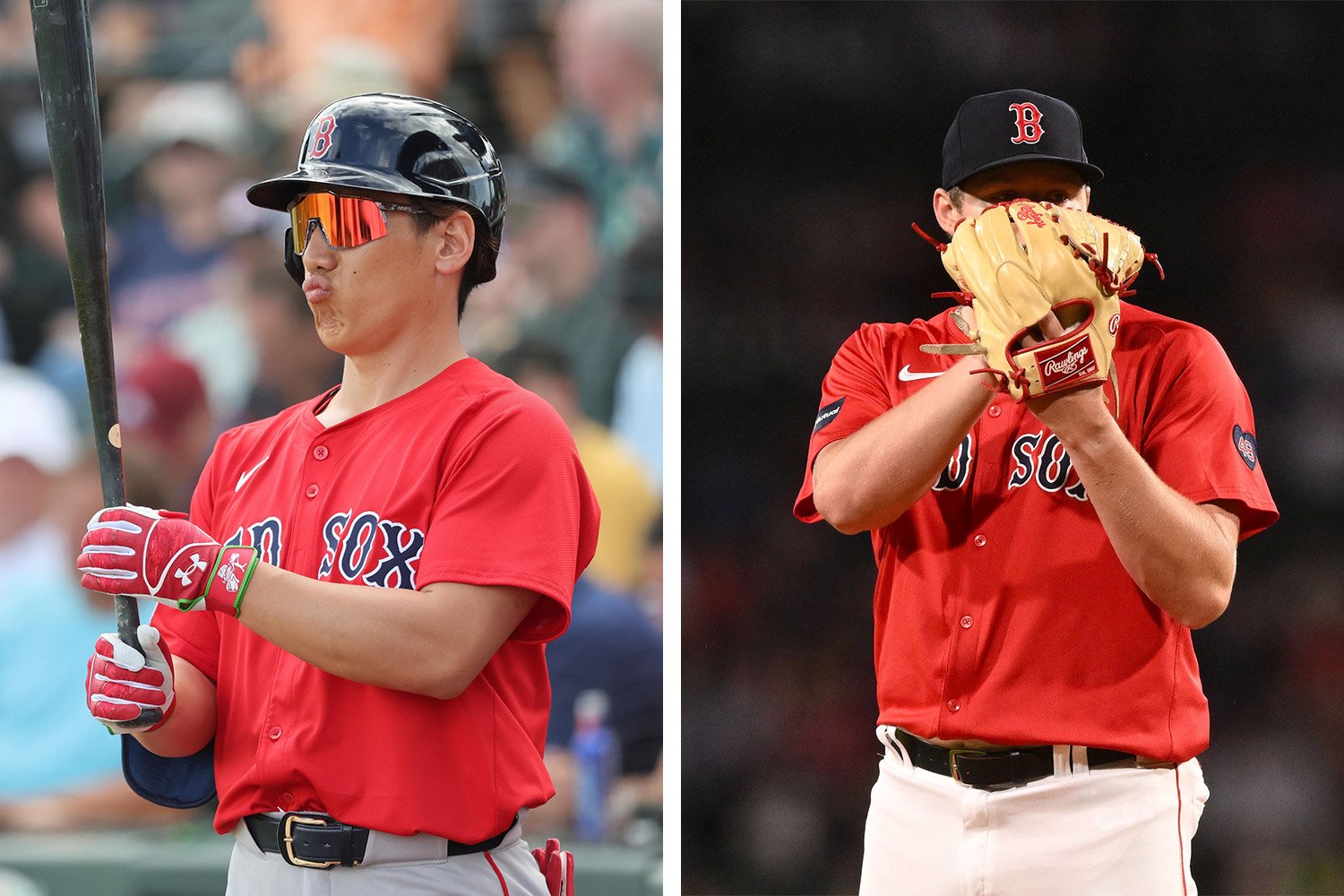 Almost exactly two months ago, I wrote the first Opening Day Roster Projection here on Talk Sox and people…. I had some thoughts about a certain lefty killer I left off the 26-man roster. Have I come to my senses? Do I actually hate Rob Refsynder? Will I accidentally list Justin Slaten twice?! Let’s find out together. Lineup Jarren Duran, LF Rafael Devers, DH Alex Bregman, 3B Triston Casas, 1B Trevor Story, SS Roman Anthony, RF Connor Wong, C Ceddanne Rafaela, CF David Hamilton, 2B I’ve swapped one rookie for another in this project. Kristian Campbell doesn’t seem to be the frontrunner for the starting job at second, while a late start to spring training for Wilyer Abreu opens the door for Roman Anthony to begin the season with the big league club. There’s some debate about Anthony being able to stick in right field at Fenway Park. Still, I thought his starting there, instead of forcing him to learn how the Green Monster plays and Ceddanne Rafaela learning a new position in right, made more sense to begin the season. Should Anthony show shortcomings, people can shift around to accommodate him. However, if Abreu is ready for Opening Day or shortly afterward, he will roam right field again this season while Anthony gets more reps at Triple-A Worcester. David Hamilton appears to have the edge at second base during spring training and should lock in the starting job within the next week or so. Bench Carlos Narvaez, C Rob Refsnyder, OF Romy Gonzalez, Util Masataka Yoshida, OF/DH The elephant in the room is still Masataka Yoshida and his contract. The addition of Alex Bregman likely forces Alex Cora’s hand and shifts Devers to DH and Yoshida to the bench. He’s an expensive bench piece and will likely make late-game pinch-hitting appearances and occasionally show up in the starting lineup at DH. Still, if Bregman doesn’t play second base, there’s probably no other option. Rob Refsnyder should slot in as a platoon partner with Abreu, while Gonzalez can slot in most places around the infield. Should Devers insist on playing third, which is possible, Bregman shifting to second would push Hamilton to the bench, and Yoshida would return to the starting DH role. Starting Rotation Garrett Crochet, LHP Tanner Houck, RHP Walker Buehler, RHP Lucas Giolito, RHP Brayan Bello, RHP There are a couple of changes from my last projection here. I’ve swapped Kutter Crawford for Richard Fitts and moved Brayan Bello to the fifth starter role, down from the third. Crawford will begin the year on the Injured List and could be out for much of the season if his knee injury continues to be bothersome. The shift downward for Bello isn’t because of anything major or me not believing in him; you won’t find a bigger Bello fan than myself; it’s because he’s gotten off to a later start to spring training and slotting him in later in the starting rotation gives him a couple of extra days to get acclimated. Should he show up and show out in spring training, though, he slides right back to my original placement of third in the rotation. Bullpen Aroldis Chapman, LHP Liam Hendriks, RHP Justin Slaten, RHP Garrett Whitlock, RHP Richard Fitts, RHP Justin Wilson, RHP Luis Guerrero, RHP Adam Ottavino, RHP There are some changes here as well. Richard Fitts has been electric this spring training and has earned his way into the starting rotation conversation. Still, Alex Cora put the kibosh on any six-man rotation talk earlier during spring training. Fitts best fits (I’m so sorry, Davy) in a long-relief role to begin the season as a long reliever, allowing him to showcase his pitch mix and increased velocity through the middle innings. I’ve also given the roster nod to veteran Adam Ottavino over guys like Brennan Bernardino or *shudders* Josh Winckowski. Neither have a place on the major league roster over someone like Ottavino, who knows what it’s like to pitch in Boston during a successful season and can be a veteran ear for the younger members of the bullpen. We’ll have another roster projection closer to Opening Day, so keep an eye out for that as we get closer to the best day of the year. What are your thoughts on this projection? Can Campbell play his way back into the second-base conversation? Will Devers come around to playing DH to accommodate a Gold Glove-winning third baseman on the roster? What if Marcelo Mayer continues tearing up spring training? Let us know in the comments!
 -
As spring training gets underway, we thought another fresh Opening Day roster projection was in order. Almost exactly two months ago, I wrote the first Opening Day Roster Projection here on Talk Sox and people…. I had some thoughts about a certain lefty killer I left off the 26-man roster. Have I come to my senses? Do I actually hate Rob Refsynder? Will I accidentally list Justin Slaten twice?! Let’s find out together. Lineup Jarren Duran, LF Rafael Devers, DH Alex Bregman, 3B Triston Casas, 1B Trevor Story, SS Roman Anthony, RF Connor Wong, C Ceddanne Rafaela, CF David Hamilton, 2B I’ve swapped one rookie for another in this project. Kristian Campbell doesn’t seem to be the frontrunner for the starting job at second, while a late start to spring training for Wilyer Abreu opens the door for Roman Anthony to begin the season with the big league club. There’s some debate about Anthony being able to stick in right field at Fenway Park. Still, I thought his starting there, instead of forcing him to learn how the Green Monster plays and Ceddanne Rafaela learning a new position in right, made more sense to begin the season. Should Anthony show shortcomings, people can shift around to accommodate him. However, if Abreu is ready for Opening Day or shortly afterward, he will roam right field again this season while Anthony gets more reps at Triple-A Worcester. David Hamilton appears to have the edge at second base during spring training and should lock in the starting job within the next week or so. Bench Carlos Narvaez, C Rob Refsnyder, OF Romy Gonzalez, Util Masataka Yoshida, OF/DH The elephant in the room is still Masataka Yoshida and his contract. The addition of Alex Bregman likely forces Alex Cora’s hand and shifts Devers to DH and Yoshida to the bench. He’s an expensive bench piece and will likely make late-game pinch-hitting appearances and occasionally show up in the starting lineup at DH. Still, if Bregman doesn’t play second base, there’s probably no other option. Rob Refsnyder should slot in as a platoon partner with Abreu, while Gonzalez can slot in most places around the infield. Should Devers insist on playing third, which is possible, Bregman shifting to second would push Hamilton to the bench, and Yoshida would return to the starting DH role. Starting Rotation Garrett Crochet, LHP Tanner Houck, RHP Walker Buehler, RHP Lucas Giolito, RHP Brayan Bello, RHP There are a couple of changes from my last projection here. I’ve swapped Kutter Crawford for Richard Fitts and moved Brayan Bello to the fifth starter role, down from the third. Crawford will begin the year on the Injured List and could be out for much of the season if his knee injury continues to be bothersome. The shift downward for Bello isn’t because of anything major or me not believing in him; you won’t find a bigger Bello fan than myself; it’s because he’s gotten off to a later start to spring training and slotting him in later in the starting rotation gives him a couple of extra days to get acclimated. Should he show up and show out in spring training, though, he slides right back to my original placement of third in the rotation. Bullpen Aroldis Chapman, LHP Liam Hendriks, RHP Justin Slaten, RHP Garrett Whitlock, RHP Richard Fitts, RHP Justin Wilson, RHP Luis Guerrero, RHP Adam Ottavino, RHP There are some changes here as well. Richard Fitts has been electric this spring training and has earned his way into the starting rotation conversation. Still, Alex Cora put the kibosh on any six-man rotation talk earlier during spring training. Fitts best fits (I’m so sorry, Davy) in a long-relief role to begin the season as a long reliever, allowing him to showcase his pitch mix and increased velocity through the middle innings. I’ve also given the roster nod to veteran Adam Ottavino over guys like Brennan Bernardino or *shudders* Josh Winckowski. Neither have a place on the major league roster over someone like Ottavino, who knows what it’s like to pitch in Boston during a successful season and can be a veteran ear for the younger members of the bullpen. We’ll have another roster projection closer to Opening Day, so keep an eye out for that as we get closer to the best day of the year. What are your thoughts on this projection? Can Campbell play his way back into the second-base conversation? Will Devers come around to playing DH to accommodate a Gold Glove-winning third baseman on the roster? What if Marcelo Mayer continues tearing up spring training? Let us know in the comments! View full article
-
Luis Guerrero Is Already A Bright Spot In The Red Sox Bullpen
Alex Mayes posted an article in Red Sox
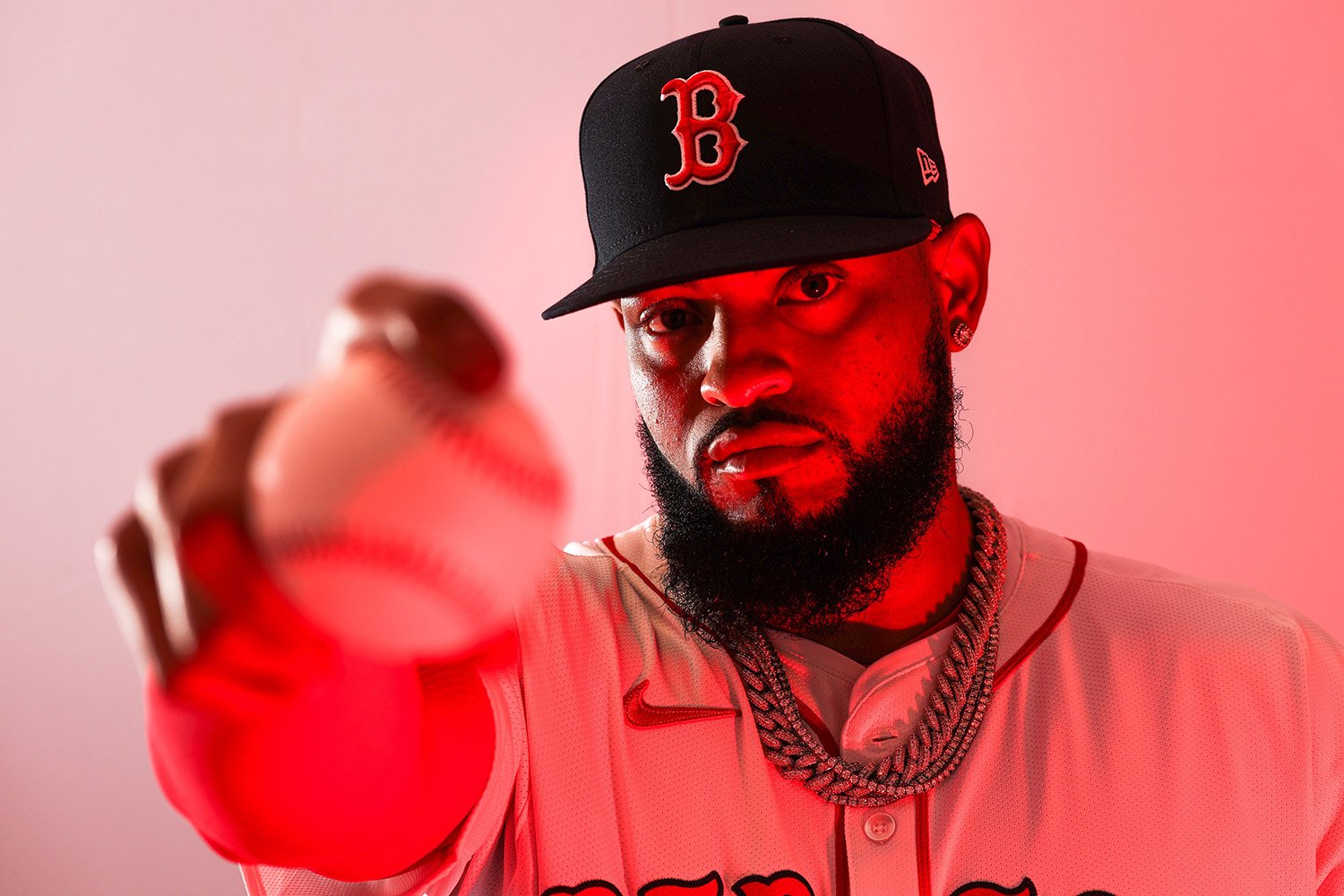 Luis Guerrero was a surprising bright spot in the late 2024 season bullpen. He appeared in nine games, throwing ten innings with a zero ERA, nine strikeouts, and a 0.80 WHIP. He came up for a cup of coffee with the big league team and showed he had enough potential to be an essential piece of the 2025 bullpen. So far in spring training, he has looked mostly the part of an impact arm. He has appeared in four games with 3.1 innings pitched, seven strikeouts, a 1.80 WHIP, and sports a 5.40 ERA. He gave up two runs in a third of an inning to Pittsburgh in his latest outing, but it was the first time this spring that he had gone more than one inning in an appearance. As he stretches out to multi-inning relief appearances, he should be able to get through them without an issue. As you can see in the video below, his first outing of spring training gave us an excellent view of what we could expect in 2025. Guerrero sports a solid three-pitch mix, a four-seam slider, and a changeup that allows him to be effective against hitters on both sides of the plate. His fastball averages 97.5 MPH while his changeup averages 88.7, and the slider is a true putaway pitch when he’s hunting for strikeouts. Unlike starting rotation members, Guerrero doesn’t pitch to contact very often. He relies on his velocity to throw his fastball past hitters and the east/west break of his changeup and slider to get hitters to swing through them. What does Guerrero’s role for 2025 look like, though? Should his whiff rate continue to be at the level it was last year, over 40% according to CBS Sports, then it’s highly likely we’ll see Guerrero slot into a high-leverage relief role during the 2025 season. They even have him listed as a candidate to breakout for the Red Sox this season, something we all should hope happens. Some believe that Guerrero could end up in the closer role at some point in his career, and that doesn’t seem too farfetched. The Red Sox already have several closer candidates in the bullpen, but it is never bad to have someone young and electric eyeing the position soon. What do you expect from Guerrero in 2025?
 -
Luis Guerrero showed up late last season and turned some heads. Can he be counted on to step into a higher-leverage role in 2025? Luis Guerrero was a surprising bright spot in the late 2024 season bullpen. He appeared in nine games, throwing ten innings with a zero ERA, nine strikeouts, and a 0.80 WHIP. He came up for a cup of coffee with the big league team and showed he had enough potential to be an essential piece of the 2025 bullpen. So far in spring training, he has looked mostly the part of an impact arm. He has appeared in four games with 3.1 innings pitched, seven strikeouts, a 1.80 WHIP, and sports a 5.40 ERA. He gave up two runs in a third of an inning to Pittsburgh in his latest outing, but it was the first time this spring that he had gone more than one inning in an appearance. As he stretches out to multi-inning relief appearances, he should be able to get through them without an issue. As you can see in the video below, his first outing of spring training gave us an excellent view of what we could expect in 2025. Guerrero sports a solid three-pitch mix, a four-seam slider, and a changeup that allows him to be effective against hitters on both sides of the plate. His fastball averages 97.5 MPH while his changeup averages 88.7, and the slider is a true putaway pitch when he’s hunting for strikeouts. Unlike starting rotation members, Guerrero doesn’t pitch to contact very often. He relies on his velocity to throw his fastball past hitters and the east/west break of his changeup and slider to get hitters to swing through them. What does Guerrero’s role for 2025 look like, though? Should his whiff rate continue to be at the level it was last year, over 40% according to CBS Sports, then it’s highly likely we’ll see Guerrero slot into a high-leverage relief role during the 2025 season. They even have him listed as a candidate to breakout for the Red Sox this season, something we all should hope happens. Some believe that Guerrero could end up in the closer role at some point in his career, and that doesn’t seem too farfetched. The Red Sox already have several closer candidates in the bullpen, but it is never bad to have someone young and electric eyeing the position soon. What do you expect from Guerrero in 2025? View full article
-
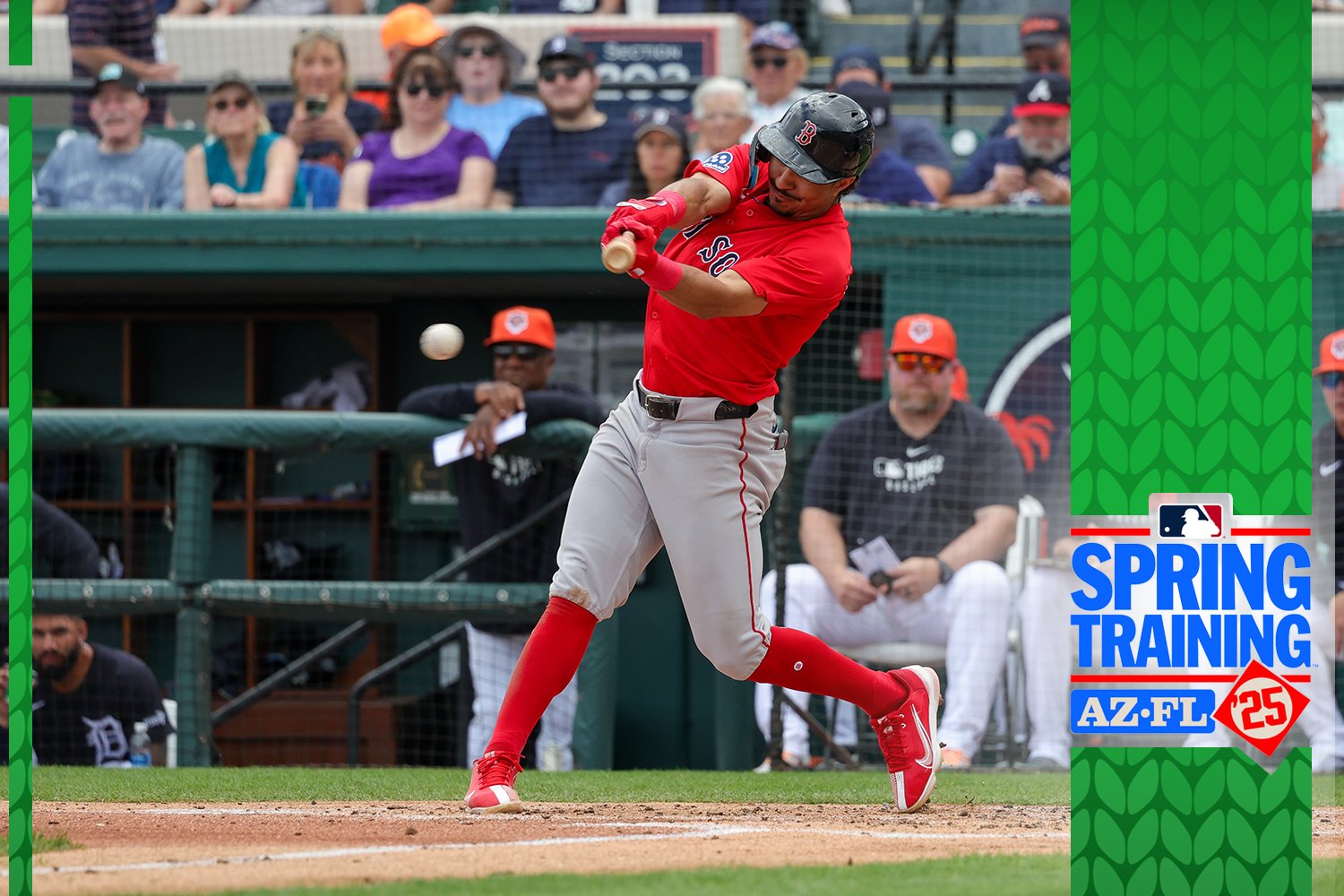 Entering spring training, the general consensus around the Red Sox was that there would be a fierce competition for the starting job at second base. So far we’ve started to see this play out, except not with the names that we expected. Instead of Alex Bregman and Kristian Campbell battling it out, we’ve seen both David Hamilton and Vaughn Grissom take big steps forward at the position. Campbell’s early struggles in camp have seen him get some time in left field, Bregman has rotated through third base and DH, and Hamilton and Grissom have split time at second. To date, Campbell has started two games at second and three in left, Hamilton has started four games at second and four at shortstop, and Grissom has started seven games at second. All of Bregman’s starts have either come at third or DH so far this spring. This should lead us to believe that the starting second baseman will come down to either Grissom or Hamilton. Let’s take a look and see if one player holds the edge over the other so far this spring and what this means for the player who does not get the starting job. Offensively, we’re looking at an incredibly small sample size so far. Grissom is slashing .125/.176/.125 while Hamilton is slashing .235/.350/.471, both through seven games, as of this writing. Those are…not stellar numbers, to put it mildly. As we talked about on the Talk Sox Podcast this week, both players showed up to camp in better shape with more muscle than last season, hopefully meaning both of them can stay healthy throughout an entire season. We’ve seen a bit of pop from Hamilton, and he's already hit one home run. Hamilton also takes another step forward for the job when consider his three stolen bases to Grissom’s zero. He’s walked three times to Grissom’s one, and he’s struck out twice to Grissom’s four. Once again, this is an incredibly small sample size, but the picture of the starting second baseman for the Boston Red Sox is starting to come a bit more into focus. Defensively, both Hamilton and Grissom have looked comfortable at second. Last season, the shift to second was the turning point in Hamilton’s season, when he became an impact player for the Red Sox. Keeping him at his natural position would give him the chance to succeed both offensively and defensively. Hamilton's late-season injury seemed to push him out of the minds of Red Sox fans. However he played 98 games and swiped 33 bases during that time. He posted 1.7 WAR which would rank him ninth in the AL among second basemen with at least 300 PAs. There's reason to believe that Hamilton's success in 2024 will carry over to 2025. What does this mean for Grissom? It’s a bit of a loaded question, considering the trade that brought Grissom here, but that’s not the point of this piece. Realistically, if the Red Sox think Hamilton is their starting second baseman in 2025, then we’re likely to see some sort of platoon. Hamilton will start against right-handed pitchers and Grissom will start against left-handed pitchers. Should Hamilton prove to be able to hit both righties and lefties, though, Grissom will be relegated to either a bench spot or sent back down to triple-A Worcester. If the Red Sox believe Kristian Campbell is the second baseman of the future, then Grissom likely will be forced to learn a new position entirely. He came through the Atlanta system as a shortstop, but that position appears to be filled for the next few seasons by Trevor Story, with Marcelo Mayer waiting in the wings. Third base could be the most likely option if Bregman does man the hot corner and then opts out at any point during his contract, with Rafael Devers DH'ing. However, the Red Sox are dangerously thin at first base behind Triston Casa,s so don’t be shocked if you see Grissom getting reps there in Worcester during the season. There are still a lot of roster questions to be answered during spring training, but Hamilton appears to have the edge when it comes to the starting second base job, at least for now. What that could mean for Vaughn Grissom is still up in the air, and is entirely dependent upon team needs.
 -
Two old friends have emerged as the likely candidates to start the season at second base. Entering spring training, the general consensus around the Red Sox was that there would be a fierce competition for the starting job at second base. So far we’ve started to see this play out, except not with the names that we expected. Instead of Alex Bregman and Kristian Campbell battling it out, we’ve seen both David Hamilton and Vaughn Grissom take big steps forward at the position. Campbell’s early struggles in camp have seen him get some time in left field, Bregman has rotated through third base and DH, and Hamilton and Grissom have split time at second. To date, Campbell has started two games at second and three in left, Hamilton has started four games at second and four at shortstop, and Grissom has started seven games at second. All of Bregman’s starts have either come at third or DH so far this spring. This should lead us to believe that the starting second baseman will come down to either Grissom or Hamilton. Let’s take a look and see if one player holds the edge over the other so far this spring and what this means for the player who does not get the starting job. Offensively, we’re looking at an incredibly small sample size so far. Grissom is slashing .125/.176/.125 while Hamilton is slashing .235/.350/.471, both through seven games, as of this writing. Those are…not stellar numbers, to put it mildly. As we talked about on the Talk Sox Podcast this week, both players showed up to camp in better shape with more muscle than last season, hopefully meaning both of them can stay healthy throughout an entire season. We’ve seen a bit of pop from Hamilton, and he's already hit one home run. Hamilton also takes another step forward for the job when consider his three stolen bases to Grissom’s zero. He’s walked three times to Grissom’s one, and he’s struck out twice to Grissom’s four. Once again, this is an incredibly small sample size, but the picture of the starting second baseman for the Boston Red Sox is starting to come a bit more into focus. Defensively, both Hamilton and Grissom have looked comfortable at second. Last season, the shift to second was the turning point in Hamilton’s season, when he became an impact player for the Red Sox. Keeping him at his natural position would give him the chance to succeed both offensively and defensively. Hamilton's late-season injury seemed to push him out of the minds of Red Sox fans. However he played 98 games and swiped 33 bases during that time. He posted 1.7 WAR which would rank him ninth in the AL among second basemen with at least 300 PAs. There's reason to believe that Hamilton's success in 2024 will carry over to 2025. What does this mean for Grissom? It’s a bit of a loaded question, considering the trade that brought Grissom here, but that’s not the point of this piece. Realistically, if the Red Sox think Hamilton is their starting second baseman in 2025, then we’re likely to see some sort of platoon. Hamilton will start against right-handed pitchers and Grissom will start against left-handed pitchers. Should Hamilton prove to be able to hit both righties and lefties, though, Grissom will be relegated to either a bench spot or sent back down to triple-A Worcester. If the Red Sox believe Kristian Campbell is the second baseman of the future, then Grissom likely will be forced to learn a new position entirely. He came through the Atlanta system as a shortstop, but that position appears to be filled for the next few seasons by Trevor Story, with Marcelo Mayer waiting in the wings. Third base could be the most likely option if Bregman does man the hot corner and then opts out at any point during his contract, with Rafael Devers DH'ing. However, the Red Sox are dangerously thin at first base behind Triston Casa,s so don’t be shocked if you see Grissom getting reps there in Worcester during the season. There are still a lot of roster questions to be answered during spring training, but Hamilton appears to have the edge when it comes to the starting second base job, at least for now. What that could mean for Vaughn Grissom is still up in the air, and is entirely dependent upon team needs. View full article
-
Spoiler Alert: Yes. If you’re a Talk Sox Podcast listener, you’re already well aware that I’ve been talking about the Red Sox and Vladimir Guerrero Jr. since the offseason began. I want them to trade for him, right now. Pay whatever price Toronto asks, get him here, and extend him. Make him the face of this franchise. But in my heart of hearts, did I actually believe the Boston Red Sox would be willing to bring in someone like Vlady? I want to say yes I did, but I had very little faith that John Henry would open up his wallet to pay a lot of money for a single player, even one who could alter the franchise trajectory by themselves. Considering how involved Boston was in the Juan Soto sweepstakes, I started to believe that maybe Henry’s mind was changing and he would be willing to overpay to get his guy. Then, the majority of the offseason was quiet. While I jokingly kept finding ways to bring Guerrero up on the podcast, I’ll admit that I had very little faith he could actually end up in Boston, despite the rumors he wants to play here. Outside of free agent deals to Trevor Story and Masataka Yoshida, there was no real reason to believe the Red Sox would pony up for someone who likely will cost over $400 million in free agency. But suddenly, around 9:30 Central on February 12, I was convinced. The Red Sox played the waiting game with Alex Bregman, much to the chagrin of the fanbase, but they signed their impact right-handed hitter to a three-year, $120-million contract. No, it’s not a $400 million contract, but it’s an overpay. The type of overpay that was necessary to make sure the Red Sox secured the player they wanted on their roster. It’s the exact type of overpay that leads me to believe that if Guerrero does indeed become a free agent, the Red Sox will actually be the frontrunners to sign him. The Bregman signing proved one other thing that to me bodes well for future big-name free agent signings. There had been rumors over the last couple of offseasons that free agents didn’t want to come to Boston. The thought was they’d take the same money, or less, to play elsewhere. However, Bregman had better offers on the table. He was able to see that the Red Sox are serious about getting back into contention, they invested in their weakest position group, and they have a top-tier farm system that should begin to pay dividends as soon as this season. Guerrero will see the exact same things next off-season. We can't forget that the Red Sox already have a first baseman who's a pretty good slugger in his own right. Bringing Guerrero into the fold would obviously make Triston Casas would be the odd man out. Guerrero would slot into the everyday first baseman role, making Casas expendable. Should he have a breakout season in 2025, Casas could be a prime trade chip, or he could even convince the Sox that they don't need a free agent first baseman after all. If Guerrero really does want to play in Boston, and he should because he’s a monster at Fenway Park, then the signing of Bregman gives me hope that John Henry will once again open his wallet for the type of player that will thrive in Boston. The Red Sox are a big market team and big market teams make impact free agent signings. Bregman was the first one, and Guerrero reaches free agency in 2025, whicn now seems like a certainty, the Red Sox would be foolish to let him call any other city but Boston home for a long time. View full article
-
Does Anyone Really Expect the Red Sox to Sign Vladimir Guerrero Jr.?
Alex Mayes posted an article in Red Sox
 If you’re a Talk Sox Podcast listener, you’re already well aware that I’ve been talking about the Red Sox and Vladimir Guerrero Jr. since the offseason began. I want them to trade for him, right now. Pay whatever price Toronto asks, get him here, and extend him. Make him the face of this franchise. But in my heart of hearts, did I actually believe the Boston Red Sox would be willing to bring in someone like Vlady? I want to say yes I did, but I had very little faith that John Henry would open up his wallet to pay a lot of money for a single player, even one who could alter the franchise trajectory by themselves. Considering how involved Boston was in the Juan Soto sweepstakes, I started to believe that maybe Henry’s mind was changing and he would be willing to overpay to get his guy. Then, the majority of the offseason was quiet. While I jokingly kept finding ways to bring Guerrero up on the podcast, I’ll admit that I had very little faith he could actually end up in Boston, despite the rumors he wants to play here. Outside of free agent deals to Trevor Story and Masataka Yoshida, there was no real reason to believe the Red Sox would pony up for someone who likely will cost over $400 million in free agency. But suddenly, around 9:30 Central on February 12, I was convinced. The Red Sox played the waiting game with Alex Bregman, much to the chagrin of the fanbase, but they signed their impact right-handed hitter to a three-year, $120-million contract. No, it’s not a $400 million contract, but it’s an overpay. The type of overpay that was necessary to make sure the Red Sox secured the player they wanted on their roster. It’s the exact type of overpay that leads me to believe that if Guerrero does indeed become a free agent, the Red Sox will actually be the frontrunners to sign him. The Bregman signing proved one other thing that to me bodes well for future big-name free agent signings. There had been rumors over the last couple of offseasons that free agents didn’t want to come to Boston. The thought was they’d take the same money, or less, to play elsewhere. However, Bregman had better offers on the table. He was able to see that the Red Sox are serious about getting back into contention, they invested in their weakest position group, and they have a top-tier farm system that should begin to pay dividends as soon as this season. Guerrero will see the exact same things next off-season. We can't forget that the Red Sox already have a first baseman who's a pretty good slugger in his own right. Bringing Guerrero into the fold would obviously make Triston Casas would be the odd man out. Guerrero would slot into the everyday first baseman role, making Casas expendable. Should he have a breakout season in 2025, Casas could be a prime trade chip, or he could even convince the Sox that they don't need a free agent first baseman after all. If Guerrero really does want to play in Boston, and he should because he’s a monster at Fenway Park, then the signing of Bregman gives me hope that John Henry will once again open his wallet for the type of player that will thrive in Boston. The Red Sox are a big market team and big market teams make impact free agent signings. Bregman was the first one, and Guerrero reaches free agency in 2025, whicn now seems like a certainty, the Red Sox would be foolish to let him call any other city but Boston home for a long time.
 -
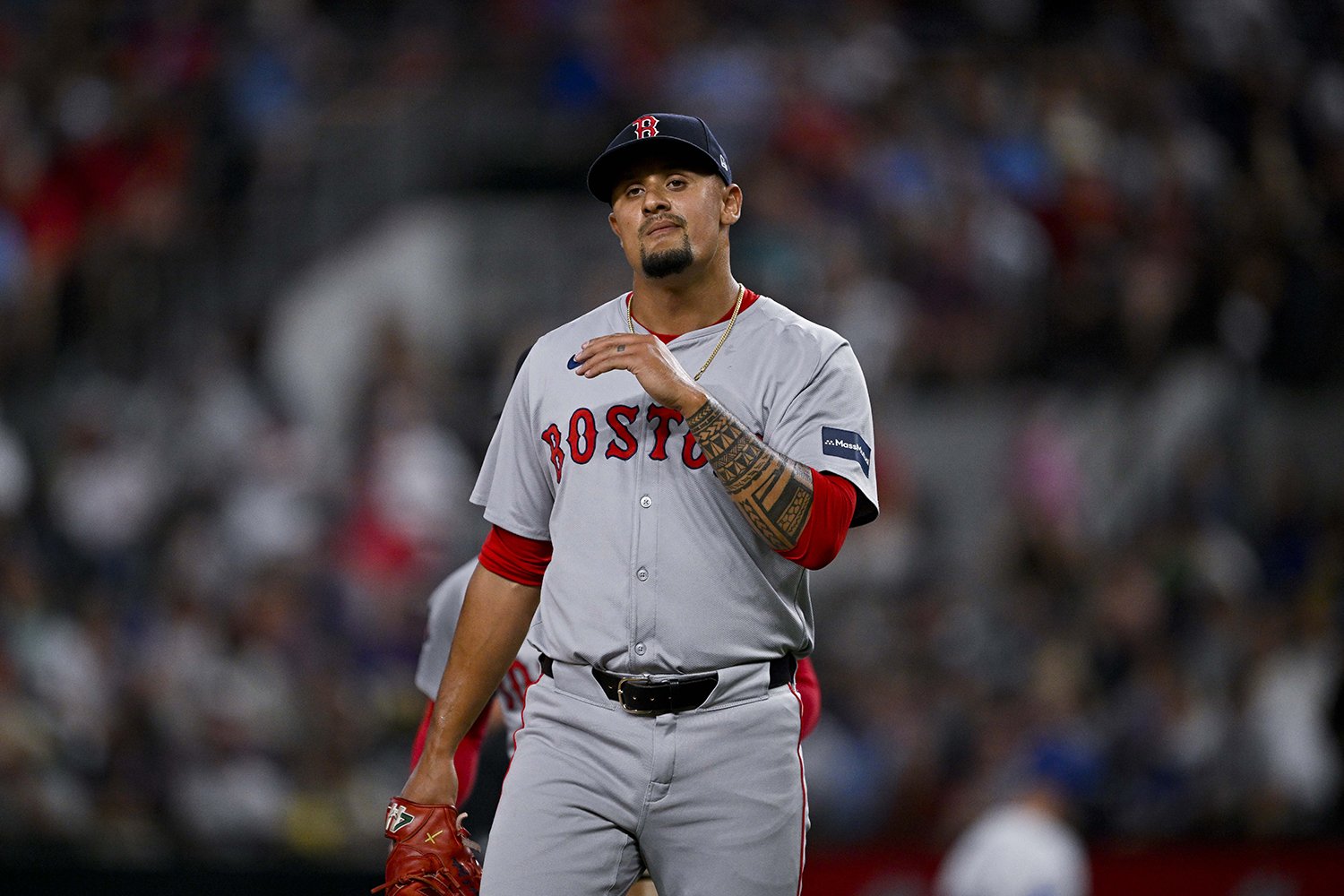 Brennan Bernardino had a trying 2024. He started the year at triple-A Worcester only to be called up when injuries forced the Red Sox to add a left-handed reliever on April 9. He started the season on fire, carrying a 0.78 ERA his first 23 innings in Boston. Then the wheels fell off. Bernardino was shuffled to a low-leverage spot unless Alex Cora absolutely needed a left-hander. What went wrong last season? Let’s see if we can dig a bit to find out. Pitch Mix Changes Although Bernardino considers his breaking ball to be a curveball, his arm angle and movement profile essentially make him a classic sinker-slider guy with an east-west movement profile. His sinker averaged 15 inches of break to his glove side, while his curveball averaged nearly 17 inches of break to his arm side. In 2023, he posted a 3.20 ERA, a 1.30 WHIP, and a 3.41 FIP. He was reliable. You knew what you were getting when he came jogging in from the bullpen, but the pitch mix worked, and Bernardino's side-arm approach forced batters to beat the ball into the ground. In 2024, he kept the sinker and curveball while adding a cutter and a slider. The pitches were very similar in terms of both movement and velocity, and neither performed especially well. The cutter lived right in the heart of the zone and the slider sat squarely on the inside middle part of the plate. It wouldn’t be a huge stretch to say that adding focus on these two new pitches caused his main pitches to falter some. Pitch Location Issues In short, Bernardino couldn’t miss bats when he would attempt to nibble on the edges of the plate. His chase rate rose from 18.5% in 2023 to 23.5% in 2024 but his whiff rate on those chases fell from 50% to 33.6%. Even when he hit the edges of the zone, hitters were swinging more and making more contact. That forced him to try and throw a bit more over the heart of the plate with his newer pitches, and they got lit up there. The heat maps below show Bernardino's curveball location (courtesy of Baseball Savant). The left shows 2023, and you can see that Bernardino lived on the corner, down and away to lefties and down and in to righties. The right shows 2024, when Bernardino didn't seem to be executing any particular plan. The location of his curveball likely contributed a ton to his issues last year. Although it's less extreme, Bernardino's sinker showed a similar shift away from the corner and toward the middle of the zone. According to the pitch modeling metric Location+, Bernardino went from an above-average 102 in 2023 to a below-average 97 in 2024. Between the changes to his pitch mix and his location struggles, Brennan Bernardino went from the go-to left-handed reliever to the mop-up lefty. If he doesn't demonstrate improvement during spring training, it’s entirely likely that Brennan Bernardino is on the outside looking in again as the Red Sox start their season.
 -
Brennan Bernardino turned heads 2023, but after a solid start to 2024, he became a liability in the second half. What went wrong? Brennan Bernardino had a trying 2024. He started the year at triple-A Worcester only to be called up when injuries forced the Red Sox to add a left-handed reliever on April 9. He started the season on fire, carrying a 0.78 ERA his first 23 innings in Boston. Then the wheels fell off. Bernardino was shuffled to a low-leverage spot unless Alex Cora absolutely needed a left-hander. What went wrong last season? Let’s see if we can dig a bit to find out. Pitch Mix Changes Although Bernardino considers his breaking ball to be a curveball, his arm angle and movement profile essentially make him a classic sinker-slider guy with an east-west movement profile. His sinker averaged 15 inches of break to his glove side, while his curveball averaged nearly 17 inches of break to his arm side. In 2023, he posted a 3.20 ERA, a 1.30 WHIP, and a 3.41 FIP. He was reliable. You knew what you were getting when he came jogging in from the bullpen, but the pitch mix worked, and Bernardino's side-arm approach forced batters to beat the ball into the ground. In 2024, he kept the sinker and curveball while adding a cutter and a slider. The pitches were very similar in terms of both movement and velocity, and neither performed especially well. The cutter lived right in the heart of the zone and the slider sat squarely on the inside middle part of the plate. It wouldn’t be a huge stretch to say that adding focus on these two new pitches caused his main pitches to falter some. Pitch Location Issues In short, Bernardino couldn’t miss bats when he would attempt to nibble on the edges of the plate. His chase rate rose from 18.5% in 2023 to 23.5% in 2024 but his whiff rate on those chases fell from 50% to 33.6%. Even when he hit the edges of the zone, hitters were swinging more and making more contact. That forced him to try and throw a bit more over the heart of the plate with his newer pitches, and they got lit up there. The heat maps below show Bernardino's curveball location (courtesy of Baseball Savant). The left shows 2023, and you can see that Bernardino lived on the corner, down and away to lefties and down and in to righties. The right shows 2024, when Bernardino didn't seem to be executing any particular plan. The location of his curveball likely contributed a ton to his issues last year. Although it's less extreme, Bernardino's sinker showed a similar shift away from the corner and toward the middle of the zone. According to the pitch modeling metric Location+, Bernardino went from an above-average 102 in 2023 to a below-average 97 in 2024. Between the changes to his pitch mix and his location struggles, Brennan Bernardino went from the go-to left-handed reliever to the mop-up lefty. If he doesn't demonstrate improvement during spring training, it’s entirely likely that Brennan Bernardino is on the outside looking in again as the Red Sox start their season. View full article
-
 In a bit of a surprising move, the Red Sox and free agent reliever Adam Ottavino are in agreement on a minor-league deal with an invite to camp, according to Jon Heyman. As with many minor-league deals for veteran players, Ottavino will make $2 million if he makes the big-league roster, but if he doesn't make the 40-man out of spring training, he has the chance to opt out and try to sign as a free agent with another team. The Red Sox and Ottavino are incredibly familiar with each other. Ottavino pitched in Boston in 2021, and was a crucial part of the bullpen during the team's ALCS run, allowing one earned run over five playoff appearances. He has spent the last three seasons with the Mets, running a combined 3.18 ERA over 192 appearances and 183 1/3 innings. Last season Ottavino posted a 4.34 ERA and 3.67 FIP while running an excellent 28.6% strikeout rate. He’s likely no longer the high-leverage arm he once was, but he adds another veteran presence to the bullpen, and between stints with the Yankees, Red Sox, and Mets, he has plenty of experience in the highest-pressure situations the game has to offer. In 2024, Ottavino fastball averaged just 93.2 mph, a career-low. His sweeper became his most used pitch, and he used it to play off his sinker incredibly well. Against righties, he threw the sweeper or sinker over 80% of the time; against lefties, he led with the sinker and mixed in the sweeper, four-seamer, cutter, and changeup. Last season he had a 44.4% ground ball rate, solid, but still his lowest since his time in Boston. The improved defense of Alex Bregman and Trevor Story up the middle should help him out quite a bit. While this likely was not the deal for a lights-out reliever fans were looking for, Ottavino makes the bullpen much scarier for opponents. He's a dependable arm who's thrown at least 50 innings in every full season since 2017. He's struck out at least one batter per inning in every season since 2015, and he runs solid groundball rates. Now the Red Sox have multiple late-inning veterans to mix and match with, not counting guys like Justin Slaten and Luis Guerrero who should be impactful relievers in their own rights. Last week, the Red Sox signaled to the league that they were serious about contending. Adding a veteran of Ottavino’s ilk is a big market move that could pay dividends.
 -
Old (brief) friend Adam Ottavino is back in Boston. What does this mean for the Red Sox bullpen? In a bit of a surprising move, the Red Sox and free agent reliever Adam Ottavino are in agreement on a minor-league deal with an invite to camp, according to Jon Heyman. As with many minor-league deals for veteran players, Ottavino will make $2 million if he makes the big-league roster, but if he doesn't make the 40-man out of spring training, he has the chance to opt out and try to sign as a free agent with another team. The Red Sox and Ottavino are incredibly familiar with each other. Ottavino pitched in Boston in 2021, and was a crucial part of the bullpen during the team's ALCS run, allowing one earned run over five playoff appearances. He has spent the last three seasons with the Mets, running a combined 3.18 ERA over 192 appearances and 183 1/3 innings. Last season Ottavino posted a 4.34 ERA and 3.67 FIP while running an excellent 28.6% strikeout rate. He’s likely no longer the high-leverage arm he once was, but he adds another veteran presence to the bullpen, and between stints with the Yankees, Red Sox, and Mets, he has plenty of experience in the highest-pressure situations the game has to offer. In 2024, Ottavino fastball averaged just 93.2 mph, a career-low. His sweeper became his most used pitch, and he used it to play off his sinker incredibly well. Against righties, he threw the sweeper or sinker over 80% of the time; against lefties, he led with the sinker and mixed in the sweeper, four-seamer, cutter, and changeup. Last season he had a 44.4% ground ball rate, solid, but still his lowest since his time in Boston. The improved defense of Alex Bregman and Trevor Story up the middle should help him out quite a bit. While this likely was not the deal for a lights-out reliever fans were looking for, Ottavino makes the bullpen much scarier for opponents. He's a dependable arm who's thrown at least 50 innings in every full season since 2017. He's struck out at least one batter per inning in every season since 2015, and he runs solid groundball rates. Now the Red Sox have multiple late-inning veterans to mix and match with, not counting guys like Justin Slaten and Luis Guerrero who should be impactful relievers in their own rights. Last week, the Red Sox signaled to the league that they were serious about contending. Adding a veteran of Ottavino’s ilk is a big market move that could pay dividends. View full article
-
Article: Episode 5: The Sox Got Their Bregman
Alex Mayes replied to Adam Morgan's topic in Talk Sox Front Page News
Appreciate the kind words. -
 Kutter Crawford was a member of the “30 Start Boys” along with Tanner Houck and Brayan Bello in 2024. You knew that every fifth day, Crawford would take the ball and be able to post on his scheduled start day. What you were far less sure of, though, was whether he would turn in a quality start or serve up home runs on a silver platter to opposing hitters. Let’s look at what went wrong for Crawford in 2024 and how his 2025 season can rebound. What Went Wrong in 2024? Crawford's biggest issue last season was gifting the long ball to opposing hitters. However, there may be some explanation as to why that started happening. He recently told reporters in Fort Myers that he injured his patellar tendon during his third start of the 2024 season. He was covering first base, and as soon as he “hit the base, something happened. I just couldn’t put a whole lot of weight on it.” Due to a “couple hiccups” in his rehab during the offseason, his spring training has not ramped up to the level of other pitchers. Not being able to put weight on his right leg limited the push-off he could have from the mound, causing his velocity to drop over the season. Crawford's fastball was down a full mile per hour from 2023 (93.6) to 2024 (92.6). The biggest difference we see is a change in his slugging percentage. In 2023, Crawford came in with a .388 slugging percentage against. Not great, but compared to 2024’s number, .412, that .388 seems like a dream situation. He gave up a lot of hard contact in 2024. The other pitches also suffered when he lost a full MPH on his fastball. Opposing hitters were able to sit and wait on pitches they wanted as none of his stuff had ticked up, and they could hunt his fastball, which lives high in the zone most of the time. What Could Go Right in 2025? This is a bit of a loaded question, as patellar tendon injuries tend to linger and could require surgery. Should Crawford continue to experience pain and discomfort in that knee, we could see him shut down for the bulk of 2025. Luckily, the Red Sox have a much deeper rotation and can stand to weather that storm should they have to. However, I think the thing that can go absolutely right for Crawford in 2025 lies in him upping his splitter usage. He didn’t throw it a ton in 2024, just nine percent of the time, but it clocks in at a full four MPH slower than the MLB average splitter, and with the correct movement, it tumbles from high in the zone to low. Hitters are more likely to swing over the top of a splitter when it starts where a typical four-seam fastball lives but then drops to the bottom of the zone. The strikeout percentage on the splitter was almost 20 points higher than his fastball, 41.3% versus 25.4%. Incorporating the splitter into his arsenal should help him induce more ground balls, bringing his hard-hit and slugging percentage back down to earth. There are many questions about Kutter Crawford’s availability heading into the 2025 season. However, if his knee holds up, having him as the sixth option for the rotation or the long man in the bullpen should mean great things for the Red Sox rotation this season.