Alex Mayes
-
Posts
844 -
Joined
-
Last visited
Content Type
Profiles
Boston Red Sox Videos
2026 Boston Red Sox Top Prospects Ranking
Boston Red Sox Free Agent & Trade Rumors, Notes, & Tidbits
Guides & Resources
2025 Boston Red Sox Draft Pick Tracker
News
2026 Boston Red Sox Draft Tracker: Picks & Bonuses
Forums
Blogs
Events
Store
Downloads
Gallery
Everything posted by Alex Mayes
-
Kutter Crawford was a dependable starter for the Red Sox in 2024, but he had some major flaws in starts. What went wrong last season, and what could go right in 2025? Kutter Crawford was a member of the “30 Start Boys” along with Tanner Houck and Brayan Bello in 2024. You knew that every fifth day, Crawford would take the ball and be able to post on his scheduled start day. What you were far less sure of, though, was whether he would turn in a quality start or serve up home runs on a silver platter to opposing hitters. Let’s look at what went wrong for Crawford in 2024 and how his 2025 season can rebound. What Went Wrong in 2024? Crawford's biggest issue last season was gifting the long ball to opposing hitters. However, there may be some explanation as to why that started happening. He recently told reporters in Fort Myers that he injured his patellar tendon during his third start of the 2024 season. He was covering first base, and as soon as he “hit the base, something happened. I just couldn’t put a whole lot of weight on it.” Due to a “couple hiccups” in his rehab during the offseason, his spring training has not ramped up to the level of other pitchers. Not being able to put weight on his right leg limited the push-off he could have from the mound, causing his velocity to drop over the season. Crawford's fastball was down a full mile per hour from 2023 (93.6) to 2024 (92.6). The biggest difference we see is a change in his slugging percentage. In 2023, Crawford came in with a .388 slugging percentage against. Not great, but compared to 2024’s number, .412, that .388 seems like a dream situation. He gave up a lot of hard contact in 2024. The other pitches also suffered when he lost a full MPH on his fastball. Opposing hitters were able to sit and wait on pitches they wanted as none of his stuff had ticked up, and they could hunt his fastball, which lives high in the zone most of the time. What Could Go Right in 2025? This is a bit of a loaded question, as patellar tendon injuries tend to linger and could require surgery. Should Crawford continue to experience pain and discomfort in that knee, we could see him shut down for the bulk of 2025. Luckily, the Red Sox have a much deeper rotation and can stand to weather that storm should they have to. However, I think the thing that can go absolutely right for Crawford in 2025 lies in him upping his splitter usage. He didn’t throw it a ton in 2024, just nine percent of the time, but it clocks in at a full four MPH slower than the MLB average splitter, and with the correct movement, it tumbles from high in the zone to low. Hitters are more likely to swing over the top of a splitter when it starts where a typical four-seam fastball lives but then drops to the bottom of the zone. The strikeout percentage on the splitter was almost 20 points higher than his fastball, 41.3% versus 25.4%. Incorporating the splitter into his arsenal should help him induce more ground balls, bringing his hard-hit and slugging percentage back down to earth. There are many questions about Kutter Crawford’s availability heading into the 2025 season. However, if his knee holds up, having him as the sixth option for the rotation or the long man in the bullpen should mean great things for the Red Sox rotation this season. View full article
-
With better offers on the table, why did Alex Bregman decide to sign with Boston? Last night, the Boston media market was flooded with reports that the Red Sox and star third baseman Alex Bregman had agreed to a three-year, $120-million contract with opt-outs after the first two seasons. On the surface, this deal is incredibly surprising. It had been reported multiple times that Bregman and his agent, Scott Boras, were seeking a contract length of five to six years, a number it was assumed most teams were hesitant to give a player entering his age-31 season on a somewhat down note. However, it seems that at least two teams were willing to hand out a longer-term commitment to Bregman than the Red Sox. Bob Nightengale reported that the Cubs offered four years and $120 million, while Evan Petzold reported the Tigers offered six years and $171.5 million. With longer commitments, and more money sitting in front of him, what made Bregman choose to call Boston home for (possibly) the next three years? The Alex Cora Connection Alex Cora clearly wanted Alex Bregman in Boston. Cora never shied away from speaking about Bregman in the media, especially at Fenway Fest last month. Cora even mentioned he foresaw Bregman being a Gold Glove-caliber second baseman, the position he likely slots into as the roster currently stands. While there was speculation that the relationship between Cora and Bregman had soured after Cora left the Houston Astros, it’s obvious that the two hold a mutual respect. Sure, Detroit has A.J. Hinch, but Cora seems to be highly respected among former players. Plus, Boston has a couple other benefits that Detroit and Chicago couldn’t offer. Possible Number Bump As I’ve outlined before, Alex Bregman’s numbers faded during the 2024 season. However, if we look at his home game spray chart overlaid onto Fenway Park, we see a different story. Multiple outs have turned into either wall ball doubles or home runs and we even see a few outs in right field that would likely scrape over the short wall there. If we do the same to both Wrigley Field and Comerica Park, there are more doubles turned into outs than outs turned into home runs. Bregman is betting on himself to deliver some power numbers with the Red Sox and he should make the Green Monster his best friend in 2025. Dollars and Cents Let's make sure we appreciate how big the dollar values are here. Some of the money (we don't yet know how much) in Bregman's contract is been deferred, but it's important to remember that it will only be deferred for three years, meaning that the overall value of the contract probably won't be affected that much. Bregman's average annual value of $40 million ties him with Aaron Judge at sixth place on the list of highest AAV ever handed out. There's always a tradeoff: Players want long-term security, while teams don't want to be saddled with a big contract if things turn out badly. In exchange for taking this shorter deal, Bregman is getting paid like one of the absolute best players in the game. The opt-outs also increase the value of the deal in a big way. If he puts up a tremendous season and thinks he can beat these terms, Bregman can go right back on the market and look for a long-term deal once again. This is an extremely valuable deal. A Promising Young Core The Red Sox have one of the top-ranked farm systems in baseball, with three top prospects knocking on the door to the majors. They just made a major trade for a likely playoff game one starter with Garrett Crochet and brought in another World Series champion in Walker Buehler. The front office finally seems serious about winning and believes in the young core to help push the team over the edge. Adding a veteran presence and clubhouse leader like Bregman gives that core someone strong to lean on and listen to while they develop into their own as baseball players. The Red Sox are young and about to get younger. If the prospects even sniff half of what they are believed to be able to accomplish early in their careers, that had to look very enticing to someone like Bregman. While the deal seemed to come out of nowhere on Wednesday night, adding Bregman on a three-year deal makes a lot of sense. He turned down longer (and likely more profitable) contracts in places that don’t fit his play style as well. For the Red Sox, this deal is the clearest indicator we've seen that finally, winning is at the forefront of the decision-making process. View full article
-
 Last night, the Boston media market was flooded with reports that the Red Sox and star third baseman Alex Bregman had agreed to a three-year, $120-million contract with opt-outs after the first two seasons. On the surface, this deal is incredibly surprising. It had been reported multiple times that Bregman and his agent, Scott Boras, were seeking a contract length of five to six years, a number it was assumed most teams were hesitant to give a player entering his age-31 season on a somewhat down note. However, it seems that at least two teams were willing to hand out a longer-term commitment to Bregman than the Red Sox. Bob Nightengale reported that the Cubs offered four years and $120 million, while Evan Petzold reported the Tigers offered six years and $171.5 million. With longer commitments, and more money sitting in front of him, what made Bregman choose to call Boston home for (possibly) the next three years? The Alex Cora Connection Alex Cora clearly wanted Alex Bregman in Boston. Cora never shied away from speaking about Bregman in the media, especially at Fenway Fest last month. Cora even mentioned he foresaw Bregman being a Gold Glove-caliber second baseman, the position he likely slots into as the roster currently stands. While there was speculation that the relationship between Cora and Bregman had soured after Cora left the Houston Astros, it’s obvious that the two hold a mutual respect. Sure, Detroit has A.J. Hinch, but Cora seems to be highly respected among former players. Plus, Boston has a couple other benefits that Detroit and Chicago couldn’t offer. Possible Number Bump As I’ve outlined before, Alex Bregman’s numbers faded during the 2024 season. However, if we look at his home game spray chart overlaid onto Fenway Park, we see a different story. Multiple outs have turned into either wall ball doubles or home runs and we even see a few outs in right field that would likely scrape over the short wall there. If we do the same to both Wrigley Field and Comerica Park, there are more doubles turned into outs than outs turned into home runs. Bregman is betting on himself to deliver some power numbers with the Red Sox and he should make the Green Monster his best friend in 2025. Dollars and Cents Let's make sure we appreciate how big the dollar values are here. Some of the money (we don't yet know how much) in Bregman's contract is been deferred, but it's important to remember that it will only be deferred for three years, meaning that the overall value of the contract probably won't be affected that much. Bregman's average annual value of $40 million ties him with Aaron Judge at sixth place on the list of highest AAV ever handed out. There's always a tradeoff: Players want long-term security, while teams don't want to be saddled with a big contract if things turn out badly. In exchange for taking this shorter deal, Bregman is getting paid like one of the absolute best players in the game. The opt-outs also increase the value of the deal in a big way. If he puts up a tremendous season and thinks he can beat these terms, Bregman can go right back on the market and look for a long-term deal once again. This is an extremely valuable deal. A Promising Young Core The Red Sox have one of the top-ranked farm systems in baseball, with three top prospects knocking on the door to the majors. They just made a major trade for a likely playoff game one starter with Garrett Crochet and brought in another World Series champion in Walker Buehler. The front office finally seems serious about winning and believes in the young core to help push the team over the edge. Adding a veteran presence and clubhouse leader like Bregman gives that core someone strong to lean on and listen to while they develop into their own as baseball players. The Red Sox are young and about to get younger. If the prospects even sniff half of what they are believed to be able to accomplish early in their careers, that had to look very enticing to someone like Bregman. While the deal seemed to come out of nowhere on Wednesday night, adding Bregman on a three-year deal makes a lot of sense. He turned down longer (and likely more profitable) contracts in places that don’t fit his play style as well. For the Red Sox, this deal is the clearest indicator we've seen that finally, winning is at the forefront of the decision-making process.
 -
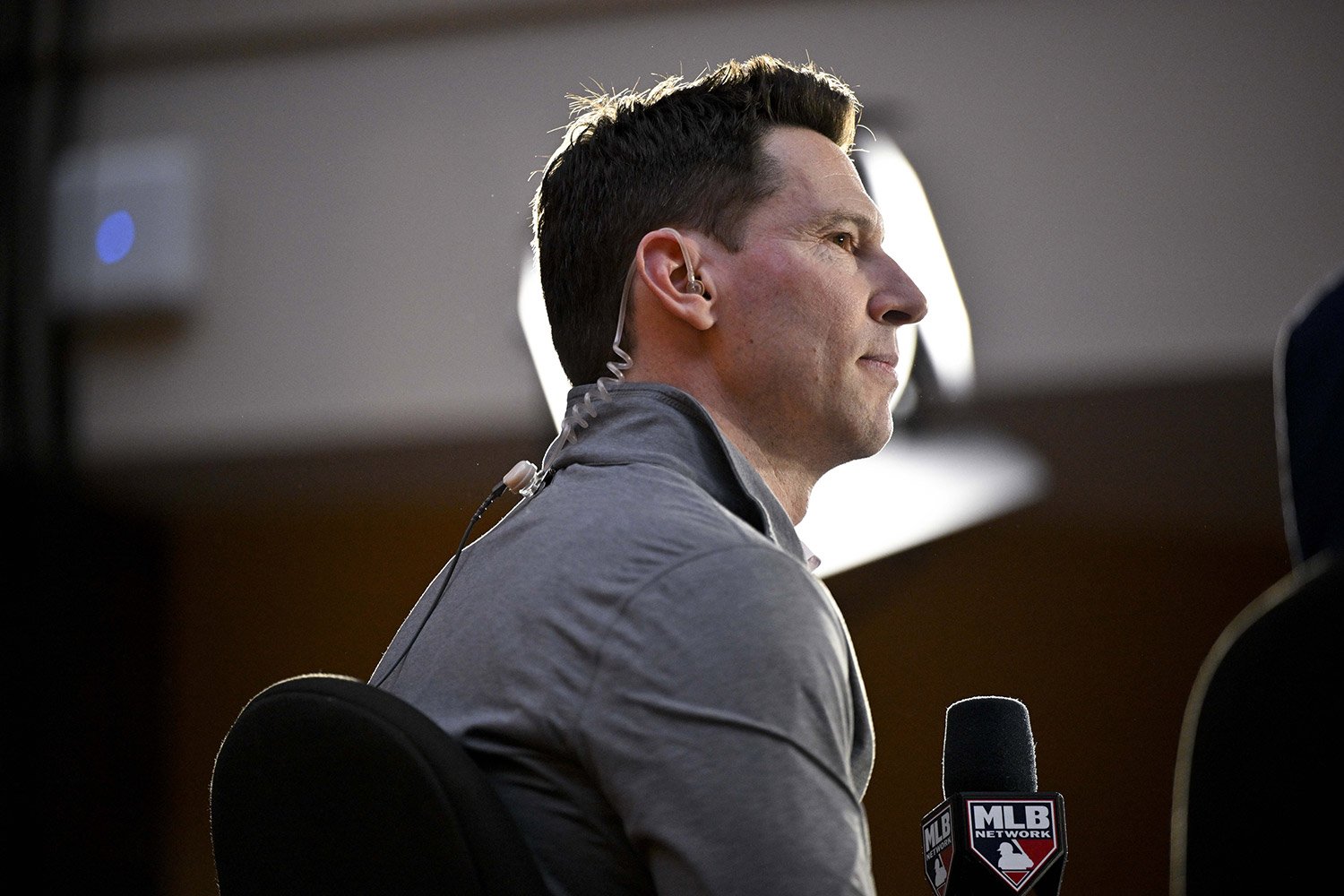 On Friday, Craig Breslow sat down with Sean McAdam and Chris Cotillo from Masslive.com on their Fenway Rundown podcast and answered several questions over the 20-minute interview. Although he couldn’t get into details on thoughts on specific players, he touched on the current right-handed hitter situation, the bullpen, and the future of the team as a whole. Let’s take a look at some of his quotes. I decided to start here, and we’ll jump around the interview a bit so that related quotes will be grouped. This is an excellent insight into how the team operates when looking at players like Alex Bregman and Nolan Arenado. It’s been reported multiple times that Bregman is looking for a contract for at least six years. It’s also been discussed how the Red Sox, so far, haven’t been willing to go that long on an offer. If there’s belief in the young core, more on that in a second, then signing Bregman for the 2025 season makes sense, but locking him up long-term just creates more positional log jams very shortly. At this point, I wouldn’t call Alex Bregman or Nolan Arenado, a difference-maker right-handed hitter. They would improve the defense in the infield, and metrics say that playing half of their games at Fenway would bring their numbers up, but once again, we’re looking at short-term improvements that don’t impact the team as the young core grows together. If the contention window isn’t wide open in 2025, adding either of these players doesn’t make much sense. The hope is that the team is in talks to trade for a right-handed hitter, but we’d have to imagine that most teams are not looking to move impact players right now as spring training is underway. Still, an addition later in the season would be welcomed. I was relieved to hear Craig say that he understood the growing criticisms because it shows that the team is at least still somewhat plugged into the fanbase and their feelings. I also agree with him that the team has taken a significant step forward this offseason, thanks to the additions of Garrett Crochet and Walker Buehler. Even the additions of Patrick Sandoval, Justin Wilson, and Aroldis Chapman helped to push the Red Sox in the right direction throughout the season. Holes still need to be addressed, but the Red Sox should be a better team in 2025 than in 2024. Like most of the fanbase, the front office is excited to see what the top prospects in the system can contribute at the big-league level, but they seem to understand that placing such immense pressure on the young core could easily put them in a position where they feel as though they can’t succeed. That’s not to say these players don’t believe in themselves; they absolutely do, and I firmly believe that they would step into whatever role they were asked to with ease and be successful, but having other players in place to ease the young group into the majors could be a great path forward. It would give them veterans to lean on and learn from while allowing them to grow into themselves as baseball players. It’s nice to hear that the Red Sox are still looking for bullpen upgrades, but with pitchers and catchers reporting next week, the options on the free-agent market are thin. You’d have to imagine that if teams are unwilling to talk trades for position players, trades for relievers are even more unlikely. The Red Sox are counting on outside additions of Chapman and Wilson to help stabilize the bullpen while young pitchers like Justin Slaten and Luis Guerrero take the next step forward. Garrett Whitlock returns to 2021 reliever form after coming off an internal bracing procedure, hoping Liam Hendriks can be a lights-out closer again. That’s…a lot of counting on things that could easily fall apart early in the season. In some way, an additional impact arm will be crucial for Boston if they want to play into October this season. This is a factual statement; the infield did seem calmer once Story returned to the lineup to close the season in 2024. However, counting on Story as the everyday shortstop seems shortsighted, as he hasn’t been able to stay healthy since landing in Boston in 2022. They’ve been freak injuries, but the point still stands. I would love to see a healthy Story all year who can mentor the young infield, but I’ll still err on the side of caution here. Story can be an impactful veteran, especially if his bat starts to come back around, and can be incredibly useful as a clubhouse leader. We’re counting on him staying healthy for that to happen, and so far, he hasn’t been healthy in Boston. All in all, Craig Breslow handled the interview well. He didn’t get into a ton of technical terminology that would leave the listeners lost, and he took ownership of some of the shortcomings of the offseason. As Red Sox fans, we all want to see our favorite team do more in the offseason, but sometimes deals don’t get to the finish line, and the Dodgers make a better offer because they’re the Dodgers. Breslow is correct when he says that the offseason's true grade comes at the season's end. Should the Red Sox surprise everyone, make a run at the division title, and make some noise in the playoffs, I think we’ll all look back on this offseason in a far more positive light.
 -
Craig Breslow recently sat down for a podcast interview. Now, it's time to look at some quotes and dive into what they meant. On Friday, Craig Breslow sat down with Sean McAdam and Chris Cotillo from Masslive.com on their Fenway Rundown podcast and answered several questions over the 20-minute interview. Although he couldn’t get into details on thoughts on specific players, he touched on the current right-handed hitter situation, the bullpen, and the future of the team as a whole. Let’s take a look at some of his quotes. I decided to start here, and we’ll jump around the interview a bit so that related quotes will be grouped. This is an excellent insight into how the team operates when looking at players like Alex Bregman and Nolan Arenado. It’s been reported multiple times that Bregman is looking for a contract for at least six years. It’s also been discussed how the Red Sox, so far, haven’t been willing to go that long on an offer. If there’s belief in the young core, more on that in a second, then signing Bregman for the 2025 season makes sense, but locking him up long-term just creates more positional log jams very shortly. At this point, I wouldn’t call Alex Bregman or Nolan Arenado, a difference-maker right-handed hitter. They would improve the defense in the infield, and metrics say that playing half of their games at Fenway would bring their numbers up, but once again, we’re looking at short-term improvements that don’t impact the team as the young core grows together. If the contention window isn’t wide open in 2025, adding either of these players doesn’t make much sense. The hope is that the team is in talks to trade for a right-handed hitter, but we’d have to imagine that most teams are not looking to move impact players right now as spring training is underway. Still, an addition later in the season would be welcomed. I was relieved to hear Craig say that he understood the growing criticisms because it shows that the team is at least still somewhat plugged into the fanbase and their feelings. I also agree with him that the team has taken a significant step forward this offseason, thanks to the additions of Garrett Crochet and Walker Buehler. Even the additions of Patrick Sandoval, Justin Wilson, and Aroldis Chapman helped to push the Red Sox in the right direction throughout the season. Holes still need to be addressed, but the Red Sox should be a better team in 2025 than in 2024. Like most of the fanbase, the front office is excited to see what the top prospects in the system can contribute at the big-league level, but they seem to understand that placing such immense pressure on the young core could easily put them in a position where they feel as though they can’t succeed. That’s not to say these players don’t believe in themselves; they absolutely do, and I firmly believe that they would step into whatever role they were asked to with ease and be successful, but having other players in place to ease the young group into the majors could be a great path forward. It would give them veterans to lean on and learn from while allowing them to grow into themselves as baseball players. It’s nice to hear that the Red Sox are still looking for bullpen upgrades, but with pitchers and catchers reporting next week, the options on the free-agent market are thin. You’d have to imagine that if teams are unwilling to talk trades for position players, trades for relievers are even more unlikely. The Red Sox are counting on outside additions of Chapman and Wilson to help stabilize the bullpen while young pitchers like Justin Slaten and Luis Guerrero take the next step forward. Garrett Whitlock returns to 2021 reliever form after coming off an internal bracing procedure, hoping Liam Hendriks can be a lights-out closer again. That’s…a lot of counting on things that could easily fall apart early in the season. In some way, an additional impact arm will be crucial for Boston if they want to play into October this season. This is a factual statement; the infield did seem calmer once Story returned to the lineup to close the season in 2024. However, counting on Story as the everyday shortstop seems shortsighted, as he hasn’t been able to stay healthy since landing in Boston in 2022. They’ve been freak injuries, but the point still stands. I would love to see a healthy Story all year who can mentor the young infield, but I’ll still err on the side of caution here. Story can be an impactful veteran, especially if his bat starts to come back around, and can be incredibly useful as a clubhouse leader. We’re counting on him staying healthy for that to happen, and so far, he hasn’t been healthy in Boston. All in all, Craig Breslow handled the interview well. He didn’t get into a ton of technical terminology that would leave the listeners lost, and he took ownership of some of the shortcomings of the offseason. As Red Sox fans, we all want to see our favorite team do more in the offseason, but sometimes deals don’t get to the finish line, and the Dodgers make a better offer because they’re the Dodgers. Breslow is correct when he says that the offseason's true grade comes at the season's end. Should the Red Sox surprise everyone, make a run at the division title, and make some noise in the playoffs, I think we’ll all look back on this offseason in a far more positive light. View full article
-
The Red Sox improved a lot this offseason but in the AL East, is it enough? Alex, Adam, and Maddie break down PECOTA’s projected standings for the AL East and the discrepancies in the front office regarding the team’s current needs. They also discuss their expectations of player performances for this year and review their potential travel plans to see the Red Sox. Listen on Apple Podcasts: https://podcasts.apple.com/us/podcast/the-talk-sox-podcast/id1783204104 Listen on Spotify: https://open.spotify.com/show/3qPrPXEngu0CxgTmlf0ynm Listen on iHeartRadio: https://www.iheart.com/podcast/263-the-talk-sox-podcast-244591331/ Listen on Pocket Casts: https://pca.st/4tmd121v Watch on YouTube: https://www.youtube.com/@talksox View full article
-
 Alex, Adam, and Maddie break down PECOTA’s projected standings for the AL East and the discrepancies in the front office regarding the team’s current needs. They also discuss their expectations of player performances for this year and review their potential travel plans to see the Red Sox. Listen on Apple Podcasts: https://podcasts.apple.com/us/podcast/the-talk-sox-podcast/id1783204104 Listen on Spotify: https://open.spotify.com/show/3qPrPXEngu0CxgTmlf0ynm Listen on iHeartRadio: https://www.iheart.com/podcast/263-the-talk-sox-podcast-244591331/ Listen on Pocket Casts: https://pca.st/4tmd121v Watch on YouTube: https://www.youtube.com/@talksox
 -
It seems as if the Red Sox are counting on Rob Refsynder to take meaningful at bats against both left- and right-handed pitchers in 2025. Should this be the plan as spring training draws near? I already know what the first few comments will say, and yes, I did leave Rob Refsnyder off my first 2025 Red Sox roster projection. I made my case for that decision in the comments, and I was hoping Boston’s group of right-handed hitters would look different. They don’t, so I’m sorry Rob. If I could go back, I’d slot you right in the lineup for Opening Day at DH, much like Jen McCaffrey did, due to the chance Masataka Yoshida isn’t ready to face big league pitching yet. With the roster being mostly unchanged, though, I started wondering just what Refsnyder’s role with the 2025 Red Sox would be since he played out of his mind in 2024. In 2024, Refsnyder slashed .283/.359/.471 for a 130 wRC+, which is a huge increase from his 2023 mark of 93. It became obvious throughout the season that Alex Cora trusted Refsnyder to face left-handed pitching more than he trusted Wilyer Abreu, and Refsnyder rewarded that trust time and time again. In fact, he has become known as the lefty killer amongst the fanbase. Had the Red Sox signed another right-handed bat, Refsnyder would have been expected to contribute off the bench and pinch-hit against lefties when necessary. Now, though, I don’t think it’s out of the realm of possibility that Refsynder is the starting DH for the Red Sox to begin the season. In the short term, this likely will work out fine. Refsnyder isn’t allergic to hitting right-handed pitching or anything, but his strength is obviously against lefties. This would allow Abreu to see more left-handed pitching, although I agree with Davy Andrews that this may not be the best foot forward to begin the season, and I would get Refsnyder more at-bats. In the long-term, though, Refsnyder is a mostly soft-hitting platoon player, and putting him at DH likely doesn’t bode well for the 2025 season. He did hit 11 home runs in 2024, but shouldn’t you expect quite a bit more out of the DH spot than that? Refsnyder’s role hinges on Masataka Yoshida’s health. If Yoshida is able to start the season as the DH, then Refsnyder slides back into his role as a platoon outfielder with Wilyer Abreu and all is right with the world — at least as right as it can be without more additions to the roster . Should Yoshida have to start the season on the IL, Refsndyer is likely the first man up as DH, and that could mean the Red Sox aren’t nearly as competitive as we hoped. View full article
-
What Should Rob Refsnyder’s Role Be for the Red Sox in 2025?
Alex Mayes posted an article in Red Sox
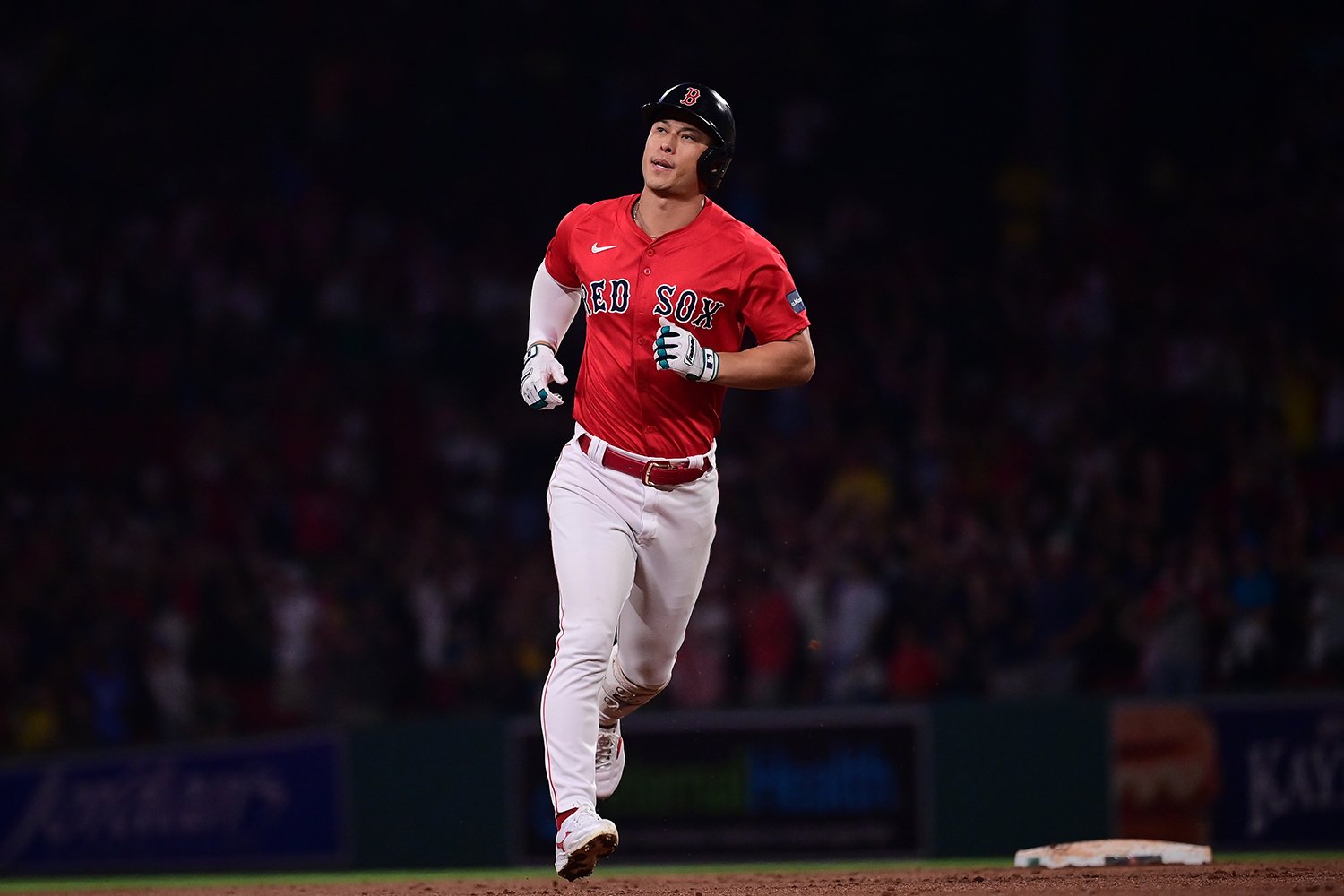 I already know what the first few comments will say, and yes, I did leave Rob Refsnyder off my first 2025 Red Sox roster projection. I made my case for that decision in the comments, and I was hoping Boston’s group of right-handed hitters would look different. They don’t, so I’m sorry Rob. If I could go back, I’d slot you right in the lineup for Opening Day at DH, much like Jen McCaffrey did, due to the chance Masataka Yoshida isn’t ready to face big league pitching yet. With the roster being mostly unchanged, though, I started wondering just what Refsnyder’s role with the 2025 Red Sox would be since he played out of his mind in 2024. In 2024, Refsnyder slashed .283/.359/.471 for a 130 wRC+, which is a huge increase from his 2023 mark of 93. It became obvious throughout the season that Alex Cora trusted Refsnyder to face left-handed pitching more than he trusted Wilyer Abreu, and Refsnyder rewarded that trust time and time again. In fact, he has become known as the lefty killer amongst the fanbase. Had the Red Sox signed another right-handed bat, Refsnyder would have been expected to contribute off the bench and pinch-hit against lefties when necessary. Now, though, I don’t think it’s out of the realm of possibility that Refsynder is the starting DH for the Red Sox to begin the season. In the short term, this likely will work out fine. Refsnyder isn’t allergic to hitting right-handed pitching or anything, but his strength is obviously against lefties. This would allow Abreu to see more left-handed pitching, although I agree with Davy Andrews that this may not be the best foot forward to begin the season, and I would get Refsnyder more at-bats. In the long-term, though, Refsnyder is a mostly soft-hitting platoon player, and putting him at DH likely doesn’t bode well for the 2025 season. He did hit 11 home runs in 2024, but shouldn’t you expect quite a bit more out of the DH spot than that? Refsnyder’s role hinges on Masataka Yoshida’s health. If Yoshida is able to start the season as the DH, then Refsnyder slides back into his role as a platoon outfielder with Wilyer Abreu and all is right with the world — at least as right as it can be without more additions to the roster . Should Yoshida have to start the season on the IL, Refsndyer is likely the first man up as DH, and that could mean the Red Sox aren’t nearly as competitive as we hoped.
 -
Brayan Bello had an incredibly up and down season in 2024. Reintroducing his worst pitch of 2023 seemed to unlock something in him. The 2024 season got off to a rough start for Brayan Bello, but it ended with him finding his groove and becoming the one Red Sox starter who could be counted on to toss solid innings every five days. I’ve written before about the first few months of Bello's season and the bounce-back process after Alex Cora gave him a few extra days rest before a July start in Miami. In that start, his four-seam fastball reemerged. It’s no secret that the Red Sox threw fewer fastballs than any team in baseball, saving them to mess with hitters' timing. This new approach worked for almost everyone in the starting rotation, but Bello started the season slow. He was knocked around quite a bit and seemed like he couldn’t find his footing with any of his pitches. What should have been a deadly combination of an above average slider and a nasty change up wasn’t working like it should have been. What was different to start the year in 2024? For one thing, Bello's arm angle rose throughout the season. The biggest change, however, came to his pitch mix. Bello completely scrapped his four-seam fastball to start off the season. In fact, he didn’t throw a single four-seamer until July. The reasoning behind it was fairly simple: it got hit hard in 2023. In 2023, Bello threw 540 four-seamers. The pitch gave up a below average 20% whiff rate and a disastrous .413 wOBA. It's not hard to see why he would scrap it completely. However, the it seems like the plan was always to reintroduce the pitch at some point during the season. That point came on July 3, 2024. Bello turned in his best start of the season against the lowly Miami Marlins, setting him up for success through the end of the season. The success didn’t lie specifically in the four-seam fastball, though. Adding that pitch back into his arsenal allowed his sinker and changeup to play off it. Suddenly, instead of sitting on and waiting for a sinker followed by a changeup with an occasional slider thrown in, batters had to take the four-seamer into account. Suddenly, instead of glimpses of the pitcher the Red Sox hoped Brayan Bello could be, we saw extended stretches of it. Reintroducing the four-seamer to his pitch mix allowed Bello to take the next step in his development. Should this continue, Bello will be heralded as the most successful homegrown Boston starter in quite some time. Hopefully, Tanner Houck can challenge him for that title, but that’s a conversation for a different article. View full article
-
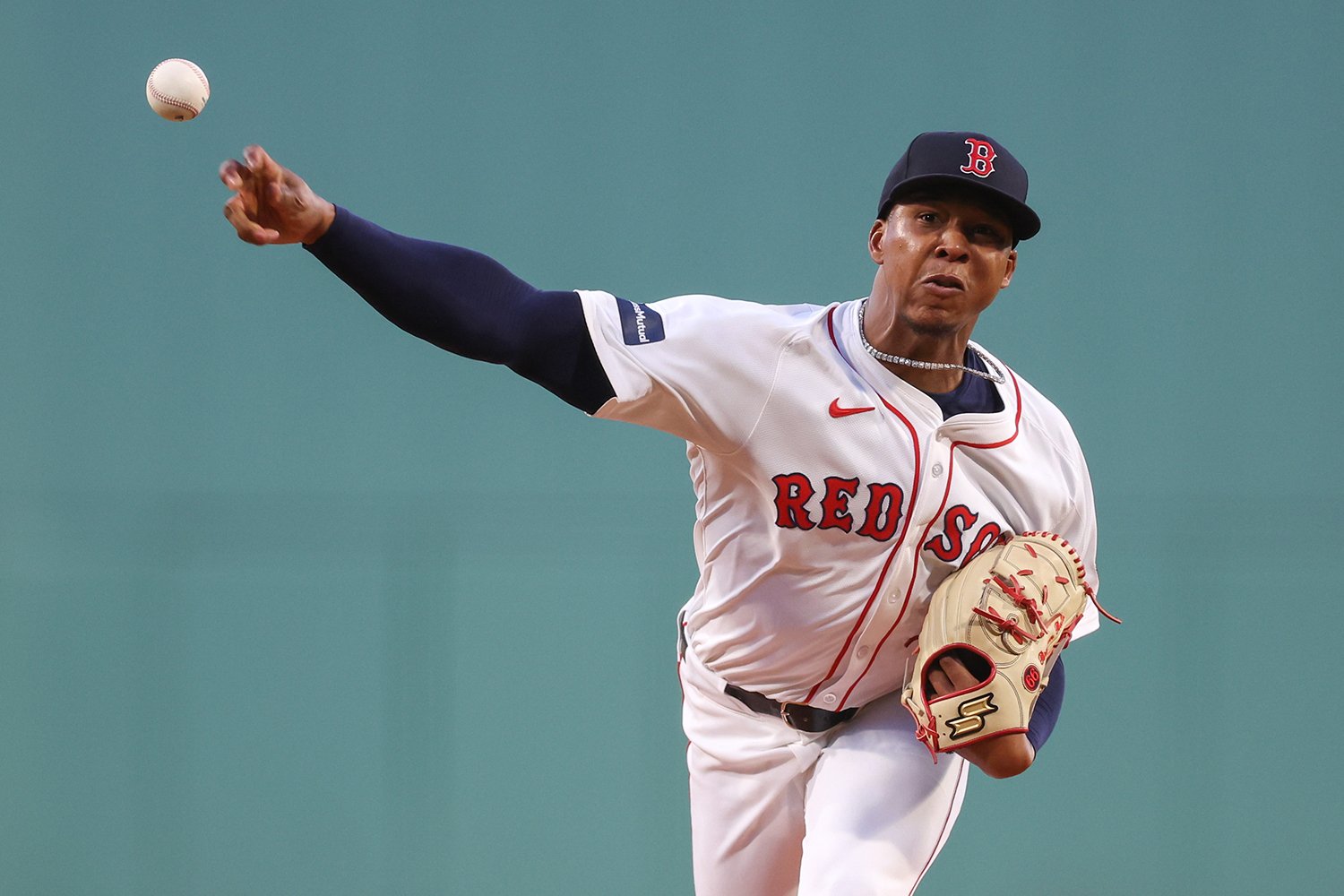 The 2024 season got off to a rough start for Brayan Bello, but it ended with him finding his groove and becoming the one Red Sox starter who could be counted on to toss solid innings every five days. I’ve written before about the first few months of Bello's season and the bounce-back process after Alex Cora gave him a few extra days rest before a July start in Miami. In that start, his four-seam fastball reemerged. It’s no secret that the Red Sox threw fewer fastballs than any team in baseball, saving them to mess with hitters' timing. This new approach worked for almost everyone in the starting rotation, but Bello started the season slow. He was knocked around quite a bit and seemed like he couldn’t find his footing with any of his pitches. What should have been a deadly combination of an above average slider and a nasty change up wasn’t working like it should have been. What was different to start the year in 2024? For one thing, Bello's arm angle rose throughout the season. The biggest change, however, came to his pitch mix. Bello completely scrapped his four-seam fastball to start off the season. In fact, he didn’t throw a single four-seamer until July. The reasoning behind it was fairly simple: it got hit hard in 2023. In 2023, Bello threw 540 four-seamers. The pitch gave up a below average 20% whiff rate and a disastrous .413 wOBA. It's not hard to see why he would scrap it completely. However, the it seems like the plan was always to reintroduce the pitch at some point during the season. That point came on July 3, 2024. Bello turned in his best start of the season against the lowly Miami Marlins, setting him up for success through the end of the season. The success didn’t lie specifically in the four-seam fastball, though. Adding that pitch back into his arsenal allowed his sinker and changeup to play off it. Suddenly, instead of sitting on and waiting for a sinker followed by a changeup with an occasional slider thrown in, batters had to take the four-seamer into account. Suddenly, instead of glimpses of the pitcher the Red Sox hoped Brayan Bello could be, we saw extended stretches of it. Reintroducing the four-seamer to his pitch mix allowed Bello to take the next step in his development. Should this continue, Bello will be heralded as the most successful homegrown Boston starter in quite some time. Hopefully, Tanner Houck can challenge him for that title, but that’s a conversation for a different article.
 -
It could be argued that the Red Sox have lacked the best starting pitching depth in the last few seasons. Craig Breslow set out on a mission to turn the team's biggest weakness into one of its biggest strengths. The Boston Red Sox have been busy this offseason, at least on the pitching front. It’s no secret that the starting rotation has grown in numbers and strength thanks to three new faces who will don the home whites in 2025: Garrett Crochet, Patrick Sandoval, and Walker Buehler. All three add depth to a stellar starting rotation for the first half of the 2024 season but began to fall apart post-All-Star break. However, Sandoval is not expected to join the big league club until the second half of the season as he recovers from Tommy John surgery. Let’s look at the projection for the starting rotation and the depth options that will likely make spot starts during the 2025 season. 1. Garrett Crochet Crochet should be the Opening Day starter for the Red Sox, considering the price paid to trade for him. Ideally, the Red Sox will lock him into a long-term contract before spring training begins to solidify the top of the rotation for years to come. 2. Tanner Houck Had the Red Sox not traded for Crochet, Houck would have been the Opening Day starter. His 2024 season proved that he has the stuff to be a number one on a contending team, and it would be shocking to see him take a step back this year. Houck finally found his footing last season and should continue to be a major impact arm in 2025. 3. Brayan Bello I debated between Bello and Walker Buehler for the third spot in the rotation but ultimately landed on Bello as he is here for longer and is a homegrown talent. Bello was the bright spot of the second half of the season after a brief reset in July and looks primed to continue that success in 2025, making that extension look even more team-friendly. 4. Walker Buehler Buehler adds a veteran presence to a fairly young starting rotation, bringing in a winning mentality and championship pedigree. He’s looking to build off a strong post-season performance and play his way to a long-term free-agency deal in 2026 if both parties don’t exercise the mutual option. 5. Lucas Giolito Giolito is coming off a lost season after requiring an internal bracing procedure last spring, and he’s looking to bound back with a vengeance. He adds another veteran voice to the clubhouse and has a semi-recent track record of success when healthy. Yes, his drop-off in performance in 2023 was severe enough that he was DFA’d, but that can likely be blamed on the elbow injury that finally came to a head last spring training. Look for Giolito to be a man on a mission and prove to the Red Sox and the entire league that he’s a name to pay attention to. 6. Kutter Crawford You should be in a good situation if Crawford is your fifth starter, let alone your sixth. His home run totals were through the roof last year, but he’s an innings eater and can likely be counted on to take the ball every six days and give you a shot at winning the ball game, as long as the ball stays in the yard. Don’t be surprised if Crawford is moved to the bullpen once the team decides that a six-man rotation isn’t in the cards for most of the season. 7. Cooper Criswell Criswell, along with the next two on this list, are kind of interchangeable here. All of them figure to be called up throughout the season and then sent back down as starters return from injury or spot starts are no longer necessary. Instead of relying on pitchers like Criswell to take the ball every five days, though, the Red Sox are in a much better situation that allows him to start in Triple-A Worcester and continue to grow as a pitcher while knowing that he’s only a phone call away should anyone need an extra day of rest. 8. Richard Fitts Richard Fitts was the surprising starting pitcher of the 2024 season. After a late-season call-up, he carried a scoreless streak into the season's final game and seemed to impress Alex Cora and the front office. Fitts will likely begin the season at Triple-A Worcester but should be used as a spot starter when extra days of rest are necessary during long stretches of few off days. He will likely be the first name called up should any of the five pitchers above him go down with an injury. He has proven that he is more than capable of being a contributing big-league pitcher, so we should see quite a bit of him in 2025. 9. Quinn Priester I debated flipping Fitts and Priester on this list because both offer similar upsides. Still, I think that to start the season, Fitts will be the first name called up from Triple A. Priester, in my opinion, has a higher ceiling than Fitts and will likely surpass him on the depth chart at some point during 2025, but both are likely to be big time contributors when needed. Spot starts are a way of life in the MLB now, and Priester has just enough experience to show that he can take the ball when necessary. Don’t be surprised to see him flip-flopped with Fitts when spot starts, or opener-type games happen close together. What once looked like a glaring weakness for the Red Sox looks much more like a huge strength going into the 2025 season. We all know that pitching injuries are unavoidable, so counting on all of these pitchers to stay healthy for a full season isn’t a smart thing to do, but knowing that the team has depth even beyond these nine starters should make most fans feel comfortable with the direction this team is beginning to head in. View full article
-
The Red Sox Rotation Has The Depth To Succeed Over 162 Games
Alex Mayes posted an article in Red Sox
 The Boston Red Sox have been busy this offseason, at least on the pitching front. It’s no secret that the starting rotation has grown in numbers and strength thanks to three new faces who will don the home whites in 2025: Garrett Crochet, Patrick Sandoval, and Walker Buehler. All three add depth to a stellar starting rotation for the first half of the 2024 season but began to fall apart post-All-Star break. However, Sandoval is not expected to join the big league club until the second half of the season as he recovers from Tommy John surgery. Let’s look at the projection for the starting rotation and the depth options that will likely make spot starts during the 2025 season. 1. Garrett Crochet Crochet should be the Opening Day starter for the Red Sox, considering the price paid to trade for him. Ideally, the Red Sox will lock him into a long-term contract before spring training begins to solidify the top of the rotation for years to come. 2. Tanner Houck Had the Red Sox not traded for Crochet, Houck would have been the Opening Day starter. His 2024 season proved that he has the stuff to be a number one on a contending team, and it would be shocking to see him take a step back this year. Houck finally found his footing last season and should continue to be a major impact arm in 2025. 3. Brayan Bello I debated between Bello and Walker Buehler for the third spot in the rotation but ultimately landed on Bello as he is here for longer and is a homegrown talent. Bello was the bright spot of the second half of the season after a brief reset in July and looks primed to continue that success in 2025, making that extension look even more team-friendly. 4. Walker Buehler Buehler adds a veteran presence to a fairly young starting rotation, bringing in a winning mentality and championship pedigree. He’s looking to build off a strong post-season performance and play his way to a long-term free-agency deal in 2026 if both parties don’t exercise the mutual option. 5. Lucas Giolito Giolito is coming off a lost season after requiring an internal bracing procedure last spring, and he’s looking to bound back with a vengeance. He adds another veteran voice to the clubhouse and has a semi-recent track record of success when healthy. Yes, his drop-off in performance in 2023 was severe enough that he was DFA’d, but that can likely be blamed on the elbow injury that finally came to a head last spring training. Look for Giolito to be a man on a mission and prove to the Red Sox and the entire league that he’s a name to pay attention to. 6. Kutter Crawford You should be in a good situation if Crawford is your fifth starter, let alone your sixth. His home run totals were through the roof last year, but he’s an innings eater and can likely be counted on to take the ball every six days and give you a shot at winning the ball game, as long as the ball stays in the yard. Don’t be surprised if Crawford is moved to the bullpen once the team decides that a six-man rotation isn’t in the cards for most of the season. 7. Cooper Criswell Criswell, along with the next two on this list, are kind of interchangeable here. All of them figure to be called up throughout the season and then sent back down as starters return from injury or spot starts are no longer necessary. Instead of relying on pitchers like Criswell to take the ball every five days, though, the Red Sox are in a much better situation that allows him to start in Triple-A Worcester and continue to grow as a pitcher while knowing that he’s only a phone call away should anyone need an extra day of rest. 8. Richard Fitts Richard Fitts was the surprising starting pitcher of the 2024 season. After a late-season call-up, he carried a scoreless streak into the season's final game and seemed to impress Alex Cora and the front office. Fitts will likely begin the season at Triple-A Worcester but should be used as a spot starter when extra days of rest are necessary during long stretches of few off days. He will likely be the first name called up should any of the five pitchers above him go down with an injury. He has proven that he is more than capable of being a contributing big-league pitcher, so we should see quite a bit of him in 2025. 9. Quinn Priester I debated flipping Fitts and Priester on this list because both offer similar upsides. Still, I think that to start the season, Fitts will be the first name called up from Triple A. Priester, in my opinion, has a higher ceiling than Fitts and will likely surpass him on the depth chart at some point during 2025, but both are likely to be big time contributors when needed. Spot starts are a way of life in the MLB now, and Priester has just enough experience to show that he can take the ball when necessary. Don’t be surprised to see him flip-flopped with Fitts when spot starts, or opener-type games happen close together. What once looked like a glaring weakness for the Red Sox looks much more like a huge strength going into the 2025 season. We all know that pitching injuries are unavoidable, so counting on all of these pitchers to stay healthy for a full season isn’t a smart thing to do, but knowing that the team has depth even beyond these nine starters should make most fans feel comfortable with the direction this team is beginning to head in.
 -
Does Dustin Pedroia Have A Real Chance To Make The Hall of Fame?
Alex Mayes posted an article in Red Sox
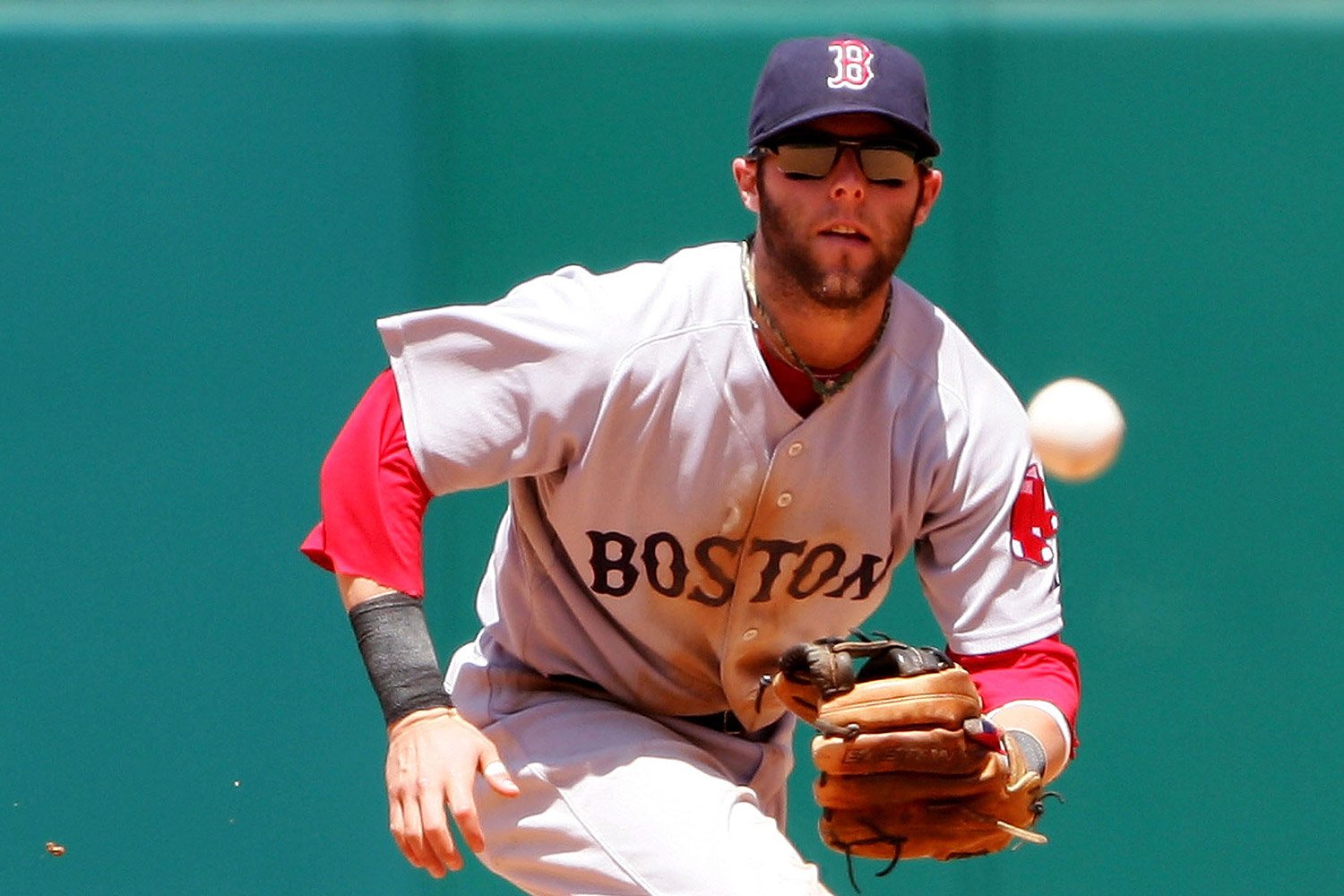 Dustin Pedroia received a respectable 11.9% of Hall of Fame votes in his first year on the ballot. This means he will appear on at least one more ballot during his eligibility period and could potentially stick around for quite a while as long as he remains over the five percent threshold for eligibility. Seeing Red Sox alumni Billy Wagner get elected on his final year on the ballot got me wondering just how likely it is that we get a chance to see Pedey or Pee Wee, if David Ortiz has anything to say about it, take the stage in Cooperstown to accept his gold plaque. I decided to do some digging into past votes and see how many players in the last ten years started around the same percentage, plus or minus two percent, and follow their voting trends to help determine if Pedroia has a chance of getting into the Hall during the next ten years. Billy Wagner Starting Percentage: 10.5% in 2016 Elected? Yes, 2025 The most recent example could be found on the same ballot as Pedroia. In Wagner’s first year of eligibility, he garnered 10.5% of possible votes in 2016. His percentages stayed under 20% until 2020, when he jumped from 16.7% in 2019 to 31.7% in 2020. It jumped again in 2021 to 46.6%, up to 51% in 2022, to 68.1% in 2023, to 73.8% in 2024, to finally 82.5% this year. The fact that Wagner lasted all ten years on the ballot more than likely gave him the momentum he needed to reach the 75% threshold for induction finally. The groundswell of support from fans and the media likely aided it as well, which will benefit Pedroia as we go through the next few years as his personality has a national spotlight shone on it during the election periods. Scott Rolen Starting Percentage: 10.2% in 2018 Elected? Yes, 2023 Scott Rolen shot up the ballot counts during his six years of eligibility. Starting at 10.2% in 2018, we see the second example of someone beginning with a lower percentage than Pedroia and ending up getting into the Hall of Fame. Unlike Wagner, Rolen never faltered in his support, gaining votes each year. In 2019, he jumped to 17.2%, 35.3% in 2020, 52.9% in 2021, 63.2% in 2022, and 76.6% in 2023. Rolen likely benefitted from a run of weak voting classes, many of which consisted of notable PED users who are still struggling to gain traction with many voters. While Pedroia won’t have to deal with the number of PED users being eligible during his entire tenure on the ballot, he should benefit from a handful of weaker classes coming up over the next couple of years. Many considered Rolen a fringe Hall of Fame player during his first couple of years on the ballot, and that’s the same situation Pedroia finds himself in. Andy Pettitte Starting Percentage: 9.9% in 2019 Elected? Not yet, eligible through 2028 Andy Pettitte is a tough player to project for the Hall of Fame. His vote percentages have ebbed and flowed since his first year in 2019. He made a slight jump in 2020 to 11.3%, then another small jump in 2021 to 13.7%, but then fell to 10.7% in 2022 before gaining ground to a flat 17% in 2023, before losing ground again in 2024 to 13.5%, and finally landing at an impressive 27.9% this year. That jump should mean that he has positive momentum and will continue to climb over the next three years. This also shows that the “small hall” voters are becoming fewer and fewer while the “large hall” voters are starting to become the main voting class. This should also bode well for Pedroia down the line. Torii Hunter Starting Percentage: 9.5% in 2021 Elected? Not yet, eligible through 2030 So I fudged the minus two here by just a bit, but I thought not including Hunter wouldn’t be beneficial as, so far, he is trending in the wrong direction, and it seems as though the 2026 ballot will be his final chance to remain on the ballot. He started with 9.5% in 2021, fell hard to 5.3% in 2022, gained some in 2023 to 6.9%, and made another slight gain in 2024 to 7.3%, but fell drastically to 5.1% this year. While Hunter was a respectable player, he never really stood out on a national level, which is now reflected in his vote totals. Don’t be surprised to see him not reach the five percent threshold in 2026. Mark Buehrle Starting Percentage: 11% in 2021 Elected? Not yet, eligible through 2030 Mark Buehrle has also had a bit of ebb and flow in his voting percentages. He started with a flat 11% in 2021, fell to just 5.8% in 2022, rebounded to 10.8% in 2023, fell again to 8.3% in 2024, and bounced back to 11.4% in 2025. Unless there’s a similar groundswell to Wagner, it’s hard to envision Buehrle getting to the 75% of votes required to be elected to the Hall of Fame, although he should stick around longer than Hunter above. Both Buehrle and Hunter should offer Pedey a bit of pause if he’s looking at recent trends in voting, although his case for the Hall should be stronger than theirs. The majority of the recent voting trends seem encouraging for Pedroia. The voting pool adds younger voters every year, which should also help him move in the right direction as younger voters have become more “large hall” voters and likely grew up watching Pedroia play during his prime. I project Dustin Pedroia to be elected to the Hall of Fame, but it will likely take until late in his eligibility. The next couple of years of first-time candidates aren’t incredibly strong, which should help push his percentage totals higher. Don’t be surprised if Pedroia starts to receive more grassroots support that begins to force the voting panel’s hand just a bit as well. Much of Boston’s fan base would want to see Pedey enshrined with the highest honor in baseball. Hopefully, the BBWAA voters feel the same way.
 -
Dustin Pedroia received enough votes to remain on the 2026 Hall of Fame ballot. Can recent voting trends help us determine whether he has a chance of being elected again? Dustin Pedroia received a respectable 11.9% of Hall of Fame votes in his first year on the ballot. This means he will appear on at least one more ballot during his eligibility period and could potentially stick around for quite a while as long as he remains over the five percent threshold for eligibility. Seeing Red Sox alumni Billy Wagner get elected on his final year on the ballot got me wondering just how likely it is that we get a chance to see Pedey or Pee Wee, if David Ortiz has anything to say about it, take the stage in Cooperstown to accept his gold plaque. I decided to do some digging into past votes and see how many players in the last ten years started around the same percentage, plus or minus two percent, and follow their voting trends to help determine if Pedroia has a chance of getting into the Hall during the next ten years. Billy Wagner Starting Percentage: 10.5% in 2016 Elected? Yes, 2025 The most recent example could be found on the same ballot as Pedroia. In Wagner’s first year of eligibility, he garnered 10.5% of possible votes in 2016. His percentages stayed under 20% until 2020, when he jumped from 16.7% in 2019 to 31.7% in 2020. It jumped again in 2021 to 46.6%, up to 51% in 2022, to 68.1% in 2023, to 73.8% in 2024, to finally 82.5% this year. The fact that Wagner lasted all ten years on the ballot more than likely gave him the momentum he needed to reach the 75% threshold for induction finally. The groundswell of support from fans and the media likely aided it as well, which will benefit Pedroia as we go through the next few years as his personality has a national spotlight shone on it during the election periods. Scott Rolen Starting Percentage: 10.2% in 2018 Elected? Yes, 2023 Scott Rolen shot up the ballot counts during his six years of eligibility. Starting at 10.2% in 2018, we see the second example of someone beginning with a lower percentage than Pedroia and ending up getting into the Hall of Fame. Unlike Wagner, Rolen never faltered in his support, gaining votes each year. In 2019, he jumped to 17.2%, 35.3% in 2020, 52.9% in 2021, 63.2% in 2022, and 76.6% in 2023. Rolen likely benefitted from a run of weak voting classes, many of which consisted of notable PED users who are still struggling to gain traction with many voters. While Pedroia won’t have to deal with the number of PED users being eligible during his entire tenure on the ballot, he should benefit from a handful of weaker classes coming up over the next couple of years. Many considered Rolen a fringe Hall of Fame player during his first couple of years on the ballot, and that’s the same situation Pedroia finds himself in. Andy Pettitte Starting Percentage: 9.9% in 2019 Elected? Not yet, eligible through 2028 Andy Pettitte is a tough player to project for the Hall of Fame. His vote percentages have ebbed and flowed since his first year in 2019. He made a slight jump in 2020 to 11.3%, then another small jump in 2021 to 13.7%, but then fell to 10.7% in 2022 before gaining ground to a flat 17% in 2023, before losing ground again in 2024 to 13.5%, and finally landing at an impressive 27.9% this year. That jump should mean that he has positive momentum and will continue to climb over the next three years. This also shows that the “small hall” voters are becoming fewer and fewer while the “large hall” voters are starting to become the main voting class. This should also bode well for Pedroia down the line. Torii Hunter Starting Percentage: 9.5% in 2021 Elected? Not yet, eligible through 2030 So I fudged the minus two here by just a bit, but I thought not including Hunter wouldn’t be beneficial as, so far, he is trending in the wrong direction, and it seems as though the 2026 ballot will be his final chance to remain on the ballot. He started with 9.5% in 2021, fell hard to 5.3% in 2022, gained some in 2023 to 6.9%, and made another slight gain in 2024 to 7.3%, but fell drastically to 5.1% this year. While Hunter was a respectable player, he never really stood out on a national level, which is now reflected in his vote totals. Don’t be surprised to see him not reach the five percent threshold in 2026. Mark Buehrle Starting Percentage: 11% in 2021 Elected? Not yet, eligible through 2030 Mark Buehrle has also had a bit of ebb and flow in his voting percentages. He started with a flat 11% in 2021, fell to just 5.8% in 2022, rebounded to 10.8% in 2023, fell again to 8.3% in 2024, and bounced back to 11.4% in 2025. Unless there’s a similar groundswell to Wagner, it’s hard to envision Buehrle getting to the 75% of votes required to be elected to the Hall of Fame, although he should stick around longer than Hunter above. Both Buehrle and Hunter should offer Pedey a bit of pause if he’s looking at recent trends in voting, although his case for the Hall should be stronger than theirs. The majority of the recent voting trends seem encouraging for Pedroia. The voting pool adds younger voters every year, which should also help him move in the right direction as younger voters have become more “large hall” voters and likely grew up watching Pedroia play during his prime. I project Dustin Pedroia to be elected to the Hall of Fame, but it will likely take until late in his eligibility. The next couple of years of first-time candidates aren’t incredibly strong, which should help push his percentage totals higher. Don’t be surprised if Pedroia starts to receive more grassroots support that begins to force the voting panel’s hand just a bit as well. Much of Boston’s fan base would want to see Pedey enshrined with the highest honor in baseball. Hopefully, the BBWAA voters feel the same way. View full article
-
Red Sox fans have long known about the highly-touted Roman Anthony, Kristian Campbell, and Marcelo Mayer. Now, even more national attention is focusing on the quick-rising young stars. Earlier this week, Baseball Prospectus released its 2025 Top 101 Prospects list, and the Boston Red Sox continue to rate highly. Roman Anthony leads all prospects as the number one overall prospect, and he’s followed incredibly closely by Kristian Campbell at number three, and Marcelo Mayer coming in at 24. All three prospects made jumps up the rankings since last year's list. Anthony moved from number eight in 2024 to number one in 2025, Mayer jumped from 32 to 24, and Campbell rocketed from unranked to the number three spot. It has been quite a while since Red Sox fans have had so much to be excited about, and Baseball Prospectus seems to be just as excited as we are. In fact, they even laid out their thinking, revealing that the number one overall prospect in baseball was a toss-up between Anthony and Campbell. Ultimately, they went with Anthony as they felt that Campbell still had a bit more to prove before being crowned as the top overall prospect but the fact that he jumped from unranked to third and then had a serious discussion surrounding him as the top overall prospect in baseball shows that even outside of Boston, the hype around Campbell is real and needs to be taken seriously. During this week's Rookie Development Program, FanGraphs' David Laurila caught up with Campbell, who explained how optimizing his swing to get more lift allowed his career to take off. For good measure, Baseball America also recently ranked Anthony and Campbell as the best overall prospects at their respective positions. The Dodgers (of course) were the only other team with three players in BP's top 25. Campbell and Anthony both stand chances to break camp with the big league club, even though there is a strong argument to be made for both of them starting the season at triple-A Worcester to get just a bit more experience first. Mayer is going to begin seeing time at new positions in 2025 to increase his versatility, which makes a midseason call-up all the more likely. While it's far from a lock that all three prospects will end up succeeding at the big league level, we need only look across the division at the Orioles for precedent of such a thing happening. Having Anthony, Campbell, and Mayer flying up the rankings just means that, hopefully, the Red Sox are the next team to benefit from an influx of young talent hitting the major league roster in quick succession. As Maddie Landis highlighted earlier this week, Boston seems to be loosely following Atlanta’s game plan for roster construction and this youth movement is just the next step in hopefully bringing another World Series title to Boston. View full article
-
The Red Sox Are Well Represented in BP's Prospect Rankings for 2025
Alex Mayes posted an article in Minor Leagues
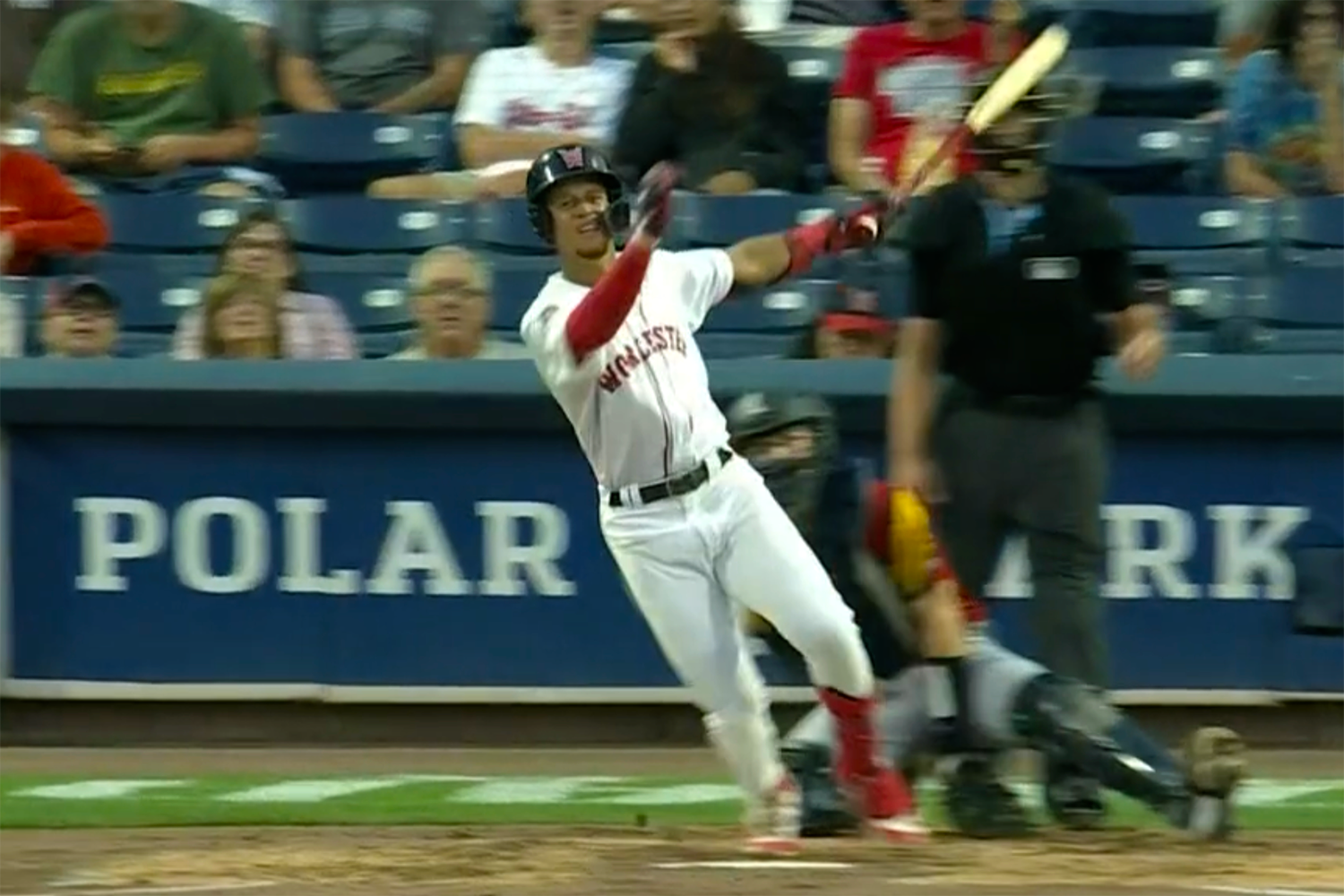 Earlier this week, Baseball Prospectus released its 2025 Top 101 Prospects list, and the Boston Red Sox continue to rate highly. Roman Anthony leads all prospects as the number one overall prospect, and he’s followed incredibly closely by Kristian Campbell at number three, and Marcelo Mayer coming in at 24. All three prospects made jumps up the rankings since last year's list. Anthony moved from number eight in 2024 to number one in 2025, Mayer jumped from 32 to 24, and Campbell rocketed from unranked to the number three spot. It has been quite a while since Red Sox fans have had so much to be excited about, and Baseball Prospectus seems to be just as excited as we are. In fact, they even laid out their thinking, revealing that the number one overall prospect in baseball was a toss-up between Anthony and Campbell. Ultimately, they went with Anthony as they felt that Campbell still had a bit more to prove before being crowned as the top overall prospect but the fact that he jumped from unranked to third and then had a serious discussion surrounding him as the top overall prospect in baseball shows that even outside of Boston, the hype around Campbell is real and needs to be taken seriously. During this week's Rookie Development Program, FanGraphs' David Laurila caught up with Campbell, who explained how optimizing his swing to get more lift allowed his career to take off. For good measure, Baseball America also recently ranked Anthony and Campbell as the best overall prospects at their respective positions. The Dodgers (of course) were the only other team with three players in BP's top 25. Campbell and Anthony both stand chances to break camp with the big league club, even though there is a strong argument to be made for both of them starting the season at triple-A Worcester to get just a bit more experience first. Mayer is going to begin seeing time at new positions in 2025 to increase his versatility, which makes a midseason call-up all the more likely. While it's far from a lock that all three prospects will end up succeeding at the big league level, we need only look across the division at the Orioles for precedent of such a thing happening. Having Anthony, Campbell, and Mayer flying up the rankings just means that, hopefully, the Red Sox are the next team to benefit from an influx of young talent hitting the major league roster in quick succession. As Maddie Landis highlighted earlier this week, Boston seems to be loosely following Atlanta’s game plan for roster construction and this youth movement is just the next step in hopefully bringing another World Series title to Boston.
 -
The Red Sox have stated they aren't done adding to the bullpen, but with free agents signing quickly, where can the Red Sox turn? Left-handed reliever Tanner Scott signed with the Los Angeles Dodgers on Sunday morning. Insert surprised Pikachu face here. Scott and the Red Sox had been connected to each other throughout the offseason, and for good reason. On paper, bringing in the All-Star closer made sense after the departures of both Chris Martin and Kenley Jansen. Earlier in the offseason, the Red Sox inked Aroldis Chapman and Justin Wilson, both left-handed relievers, to one-year deals to help solidify the bullpen, but there’s still work to be done. Where can the Red Sox turn for bullpen help now that the free-agent market has gotten incredibly thinner since this time last week? Two free agents on the market, David Robertson and Kirby Yates could still offer a decent upside for Boston. Both offer a decent amount of upside in a few different ways should they end up with the Red Sox. Robertson posted a flat 3.00 ERA in 2024 while going 3-4 over 72 innings pitched with 99 strikeouts and a 1.11 WHIP. Yates came in at a 1.17 ERA in 2024 while going 7-2 over 61.2 innings with 85 strikeouts and a 0.83 WHIP, all while notching 33 saves. If the Red Sox were to bring Robertson in on a one-year deal, he is entering his age 40 seasons in 2025; he would likely be used as a set-up reliever for whoever is manning the closer role during the season. In truth, the Red Sox already have enough of those pitchers in the bullpen. His ability to still get strikeouts is impressive, but with Garrett Whitlock and Justin Slaten both slated for middle relief roles, there likely isn’t much room to bring in someone like Robertson on a short-term deal. Yates, on the other hand, makes a bit more sense. The Red Sox are relying on Liam Hendriks to close out ball games this season, and while that seems like a fine idea in theory, in practice, they are relying on someone who has missed the bulk of two full seasons to step into one of the most demanding positions on the team and just hope that everything still plays like it did when he was with the Chicago White Sox. In short, that’s a very big ask of him. Bringing in someone like Yates would give the Red Sox a recently proven closer and allow Hendriks and the other bullpen arms recovering from injuries to ease into the season and work underneath a closer with a recent successful track record. The Red Sox find themselves in a bit of a bind regarding relievers left on the free-agent market. There are a couple of decent options left, with Yates being a better fit than Robertson, but expect both of them to sign fairly quickly now that the top two relievers on the market, Scott and Jeff Hoffman, are locked into contracts. View full article
-
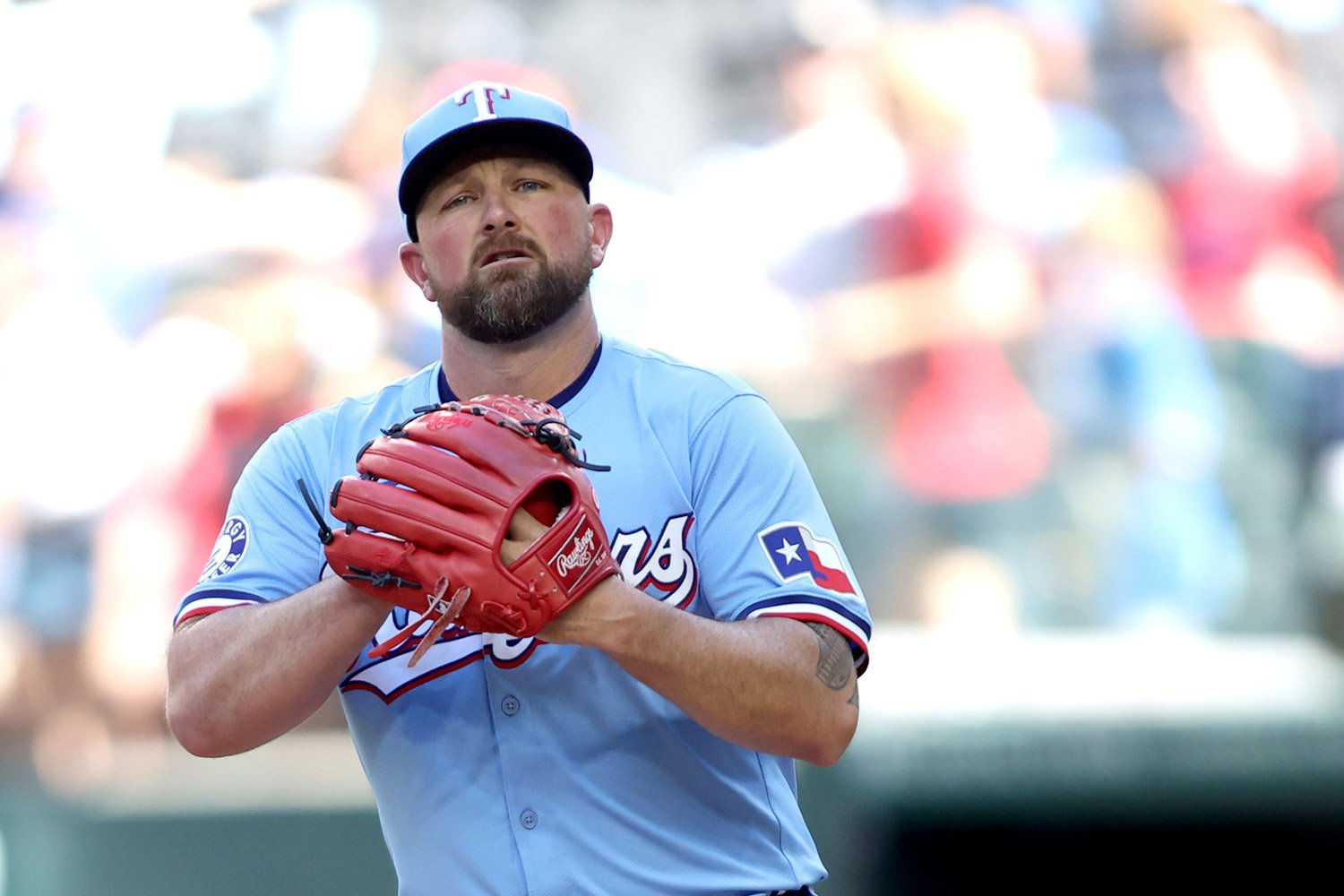 Left-handed reliever Tanner Scott signed with the Los Angeles Dodgers on Sunday morning. Insert surprised Pikachu face here. Scott and the Red Sox had been connected to each other throughout the offseason, and for good reason. On paper, bringing in the All-Star closer made sense after the departures of both Chris Martin and Kenley Jansen. Earlier in the offseason, the Red Sox inked Aroldis Chapman and Justin Wilson, both left-handed relievers, to one-year deals to help solidify the bullpen, but there’s still work to be done. Where can the Red Sox turn for bullpen help now that the free-agent market has gotten incredibly thinner since this time last week? Two free agents on the market, David Robertson and Kirby Yates could still offer a decent upside for Boston. Both offer a decent amount of upside in a few different ways should they end up with the Red Sox. Robertson posted a flat 3.00 ERA in 2024 while going 3-4 over 72 innings pitched with 99 strikeouts and a 1.11 WHIP. Yates came in at a 1.17 ERA in 2024 while going 7-2 over 61.2 innings with 85 strikeouts and a 0.83 WHIP, all while notching 33 saves. If the Red Sox were to bring Robertson in on a one-year deal, he is entering his age 40 seasons in 2025; he would likely be used as a set-up reliever for whoever is manning the closer role during the season. In truth, the Red Sox already have enough of those pitchers in the bullpen. His ability to still get strikeouts is impressive, but with Garrett Whitlock and Justin Slaten both slated for middle relief roles, there likely isn’t much room to bring in someone like Robertson on a short-term deal. Yates, on the other hand, makes a bit more sense. The Red Sox are relying on Liam Hendriks to close out ball games this season, and while that seems like a fine idea in theory, in practice, they are relying on someone who has missed the bulk of two full seasons to step into one of the most demanding positions on the team and just hope that everything still plays like it did when he was with the Chicago White Sox. In short, that’s a very big ask of him. Bringing in someone like Yates would give the Red Sox a recently proven closer and allow Hendriks and the other bullpen arms recovering from injuries to ease into the season and work underneath a closer with a recent successful track record. The Red Sox find themselves in a bit of a bind regarding relievers left on the free-agent market. There are a couple of decent options left, with Yates being a better fit than Robertson, but expect both of them to sign fairly quickly now that the top two relievers on the market, Scott and Jeff Hoffman, are locked into contracts.
 -
Agreed. I think the biggest concern was that he already wears his heart on his sleeve so taking him to arbitration could have made him take a step or two back.
-
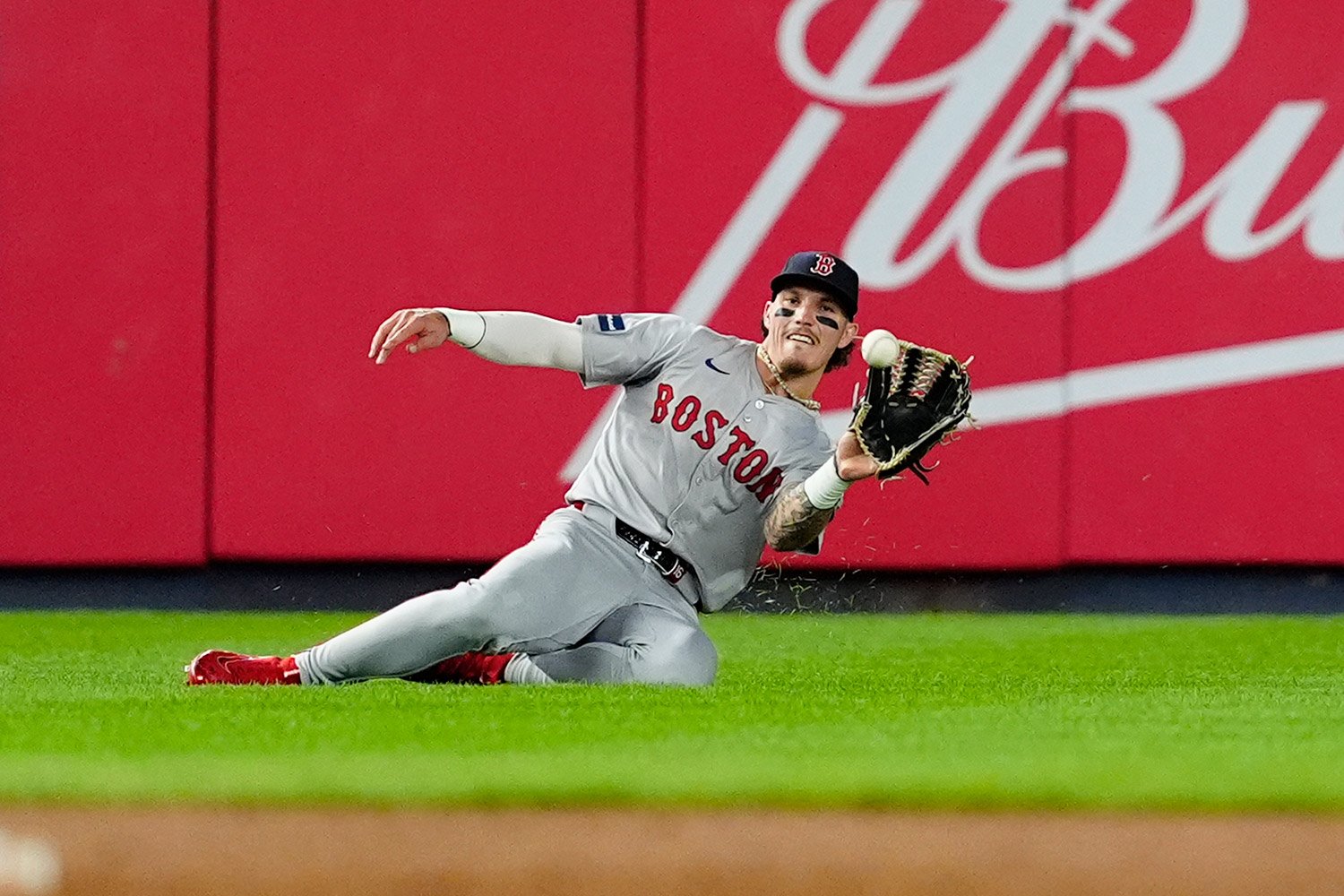 Ken Rosenthal reported on Friday that the Boston Red Sox and Jarren Duran have avoided arbitration, agreeing to a $3.75 million contract with an $8 million club option for 2026. The deal has a $100,000 buyout included if the club deems it unnecessary to pick up the second year of the deal. The option salary has incentives based on MVP votes received that max out $12 million. On top of that, there are performance bonuses built in, paying out at $50,000 increments at 400, 500, and 550 plate appearances and maxing out at $150,000. Duran will likely hit those performance bonuses as long as he stays healthy, something he proved capable of during the 2024 season. Duran had filed for a $4 million deal while the Red Sox came in at $3.5 million, leaving many to question what the front office was doing, haggling over a mere $500,000, myself included. It turns out that much of that was an overreaction, and we need to remember that we are not baseball experts in these situations. On the surface, it looked like the Red Sox were being cheap and quietly working to put together a deal that benefits both sides. It gives the team a very team-friendly deal for one of the best players in the league in 2024, with an option to bring him back at a more than fair rate for 2026, and it gives Duran the confidence that the Red Sox, for the time being, believe in him. However, my gut tells me there’s more to this deal than we see on the surface. Duran is entering his age-28 season and has an option for his age-29 season; he will reenter the arbitration process as a 30-year-old. If recent free agency has proven anything, teams are hesitant to pay for players entering their 30s, especially the Red Sox. I can’t foresee the team wanting to make a multi-million dollar commitment to anyone in arbitration in their age 30 and 31 seasons. I’ll preface this next statement by saying I don’t agree with it, but it seems like this deal makes Duran the odd man out in the outfield for the next two seasons. Should a team call about him, my gut says he will be available for the right price. There has been a very recent vote of confidence in Ceddanne Rafaela, Wilyer Abreu has survived the trade market, and Roman Anthony is primed to make his big league debut sometime in 2025. If the Red Sox are serious about a major youth movement to drive them to title contention, it’s not difficult to see why Duran may be the one on the outside looking in as we get further down the road. Duran is locked into a team-friendly deal for the next two years unless things go incredibly sideways this season. Look for him to continue to pay dividends for the Red Sox this season and make this deal look like the biggest underpay of the offseason.
 -
The Red Sox and Jarren Duran have avoided arbitration. What does this mean for his future in Boston? Ken Rosenthal reported on Friday that the Boston Red Sox and Jarren Duran have avoided arbitration, agreeing to a $3.75 million contract with an $8 million club option for 2026. The deal has a $100,000 buyout included if the club deems it unnecessary to pick up the second year of the deal. The option salary has incentives based on MVP votes received that max out $12 million. On top of that, there are performance bonuses built in, paying out at $50,000 increments at 400, 500, and 550 plate appearances and maxing out at $150,000. Duran will likely hit those performance bonuses as long as he stays healthy, something he proved capable of during the 2024 season. Duran had filed for a $4 million deal while the Red Sox came in at $3.5 million, leaving many to question what the front office was doing, haggling over a mere $500,000, myself included. It turns out that much of that was an overreaction, and we need to remember that we are not baseball experts in these situations. On the surface, it looked like the Red Sox were being cheap and quietly working to put together a deal that benefits both sides. It gives the team a very team-friendly deal for one of the best players in the league in 2024, with an option to bring him back at a more than fair rate for 2026, and it gives Duran the confidence that the Red Sox, for the time being, believe in him. However, my gut tells me there’s more to this deal than we see on the surface. Duran is entering his age-28 season and has an option for his age-29 season; he will reenter the arbitration process as a 30-year-old. If recent free agency has proven anything, teams are hesitant to pay for players entering their 30s, especially the Red Sox. I can’t foresee the team wanting to make a multi-million dollar commitment to anyone in arbitration in their age 30 and 31 seasons. I’ll preface this next statement by saying I don’t agree with it, but it seems like this deal makes Duran the odd man out in the outfield for the next two seasons. Should a team call about him, my gut says he will be available for the right price. There has been a very recent vote of confidence in Ceddanne Rafaela, Wilyer Abreu has survived the trade market, and Roman Anthony is primed to make his big league debut sometime in 2025. If the Red Sox are serious about a major youth movement to drive them to title contention, it’s not difficult to see why Duran may be the one on the outside looking in as we get further down the road. Duran is locked into a team-friendly deal for the next two years unless things go incredibly sideways this season. Look for him to continue to pay dividends for the Red Sox this season and make this deal look like the biggest underpay of the offseason. View full article
-
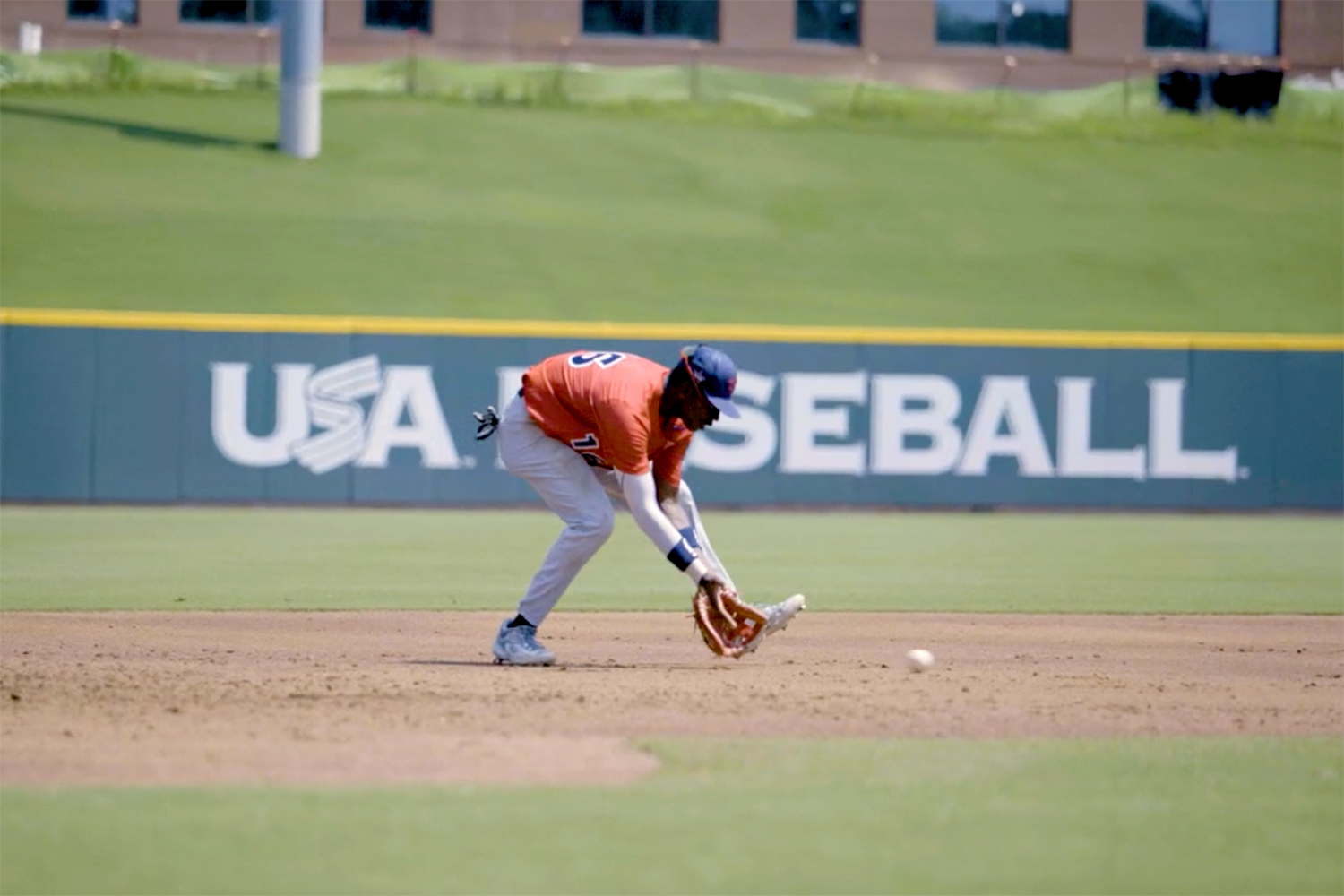 According to Chris Smith of MassLive, the Red Sox are preparing to enter spring training with Conrad Cason as a true two-way player. This arguably makes Cason, an 18-year-old whom the Sox took in the eighth round of the draft, the most interesting player to watch once he arrives in Fort Myers in February. Although the practice is slowly becoming more common around the league thanks to the monumental success of Shohei Ohtani, no other two-way player has found success yet. Kansas City's Michael Lorenzen attempted to pitch himself as a two-way player during free agency, but that was mainly as a roster manipulation strategy. As Cason is a teenager without any professional experience, projecting him to be an impact two-way player is tough, but there’s some belief that he will jump the Florida Complex League and start his professional career with the low-A Salem Red Sox. That’s a pretty high vote of confidence for a teenager. We’ve already briefly profiled Cason here at Talk Sox, but for those unfamiliar with him, he was a four-sport star for the Greater Atlanta Christian School in Norcross, Georgia. During his senior year, the 6-foot-2 Cason led the school to a regional title and was named the stat's Gatorade Player of the Year, with good reason. He went 7-1 an absurd 0.48 ERA as a pitcher, and batted .364 with three home runs and a .519 on-base percentage. He signed a letter of intent to play at Mississippi State, but chose to sign with the Sox. He was drafted as a pitcher/shortstop who sits around 92-95 mph with his fastball, but tops out in the high 90s. He’s an athletic shortstop who could shift to center field if necessary and has quite a bit of pop in his bat, especially to the pull side. (Plus, he’s right handed, and these days, it never hurts to be a righty hitter in the Boston system.) Cason is extremely young, and the two-way plan presumably makes his path too the majors even longer. However, he should be extremely fun to watch. The allure of a pitcher touching 100 mph on the radar gun while being able to turn around and hit for power was too much to pass up, and the Red Sox are hoping their bet pays off. Despite his age, Cason is a prospect to keep on your radar for the upcoming season. If his status as a two-way player can stick, the Red Sox may just have the next big thing on their hands.
 -
The Boston Red Sox drafted Conrad Cason in the eighth round of the 2024 draft, and they're going to let him play as both a pitcher and a shortstop. According to Chris Smith of MassLive, the Red Sox are preparing to enter spring training with Conrad Cason as a true two-way player. This arguably makes Cason, an 18-year-old whom the Sox took in the eighth round of the draft, the most interesting player to watch once he arrives in Fort Myers in February. Although the practice is slowly becoming more common around the league thanks to the monumental success of Shohei Ohtani, no other two-way player has found success yet. Kansas City's Michael Lorenzen attempted to pitch himself as a two-way player during free agency, but that was mainly as a roster manipulation strategy. As Cason is a teenager without any professional experience, projecting him to be an impact two-way player is tough, but there’s some belief that he will jump the Florida Complex League and start his professional career with the low-A Salem Red Sox. That’s a pretty high vote of confidence for a teenager. We’ve already briefly profiled Cason here at Talk Sox, but for those unfamiliar with him, he was a four-sport star for the Greater Atlanta Christian School in Norcross, Georgia. During his senior year, the 6-foot-2 Cason led the school to a regional title and was named the stat's Gatorade Player of the Year, with good reason. He went 7-1 an absurd 0.48 ERA as a pitcher, and batted .364 with three home runs and a .519 on-base percentage. He signed a letter of intent to play at Mississippi State, but chose to sign with the Sox. He was drafted as a pitcher/shortstop who sits around 92-95 mph with his fastball, but tops out in the high 90s. He’s an athletic shortstop who could shift to center field if necessary and has quite a bit of pop in his bat, especially to the pull side. (Plus, he’s right handed, and these days, it never hurts to be a righty hitter in the Boston system.) Cason is extremely young, and the two-way plan presumably makes his path too the majors even longer. However, he should be extremely fun to watch. The allure of a pitcher touching 100 mph on the radar gun while being able to turn around and hit for power was too much to pass up, and the Red Sox are hoping their bet pays off. Despite his age, Cason is a prospect to keep on your radar for the upcoming season. If his status as a two-way player can stick, the Red Sox may just have the next big thing on their hands. View full article
-
Article: Can the Red Sox Mimic the Braves?
Alex Mayes replied to Maddie Landis's topic in Talk Sox Front Page News
David Sandlin, Talk Sox Podcast MVP