Alex Mayes
-
Posts
863 -
Joined
-
Last visited
Content Type
Profiles
Boston Red Sox Videos
2026 Boston Red Sox Top Prospect Rankings
Boston Red Sox Trade & Free Agent Rumors
Boston Red Sox Fan Guides & Resources
2025 Boston Red Sox Draft Picks & Signing Bonuses
Boston Red Sox News, Rumors & Analysis
2026 Boston Red Sox Draft Picks & Signing Bonuses
Forums
Blogs
Events
Store
Downloads
Gallery
Everything posted by Alex Mayes
-
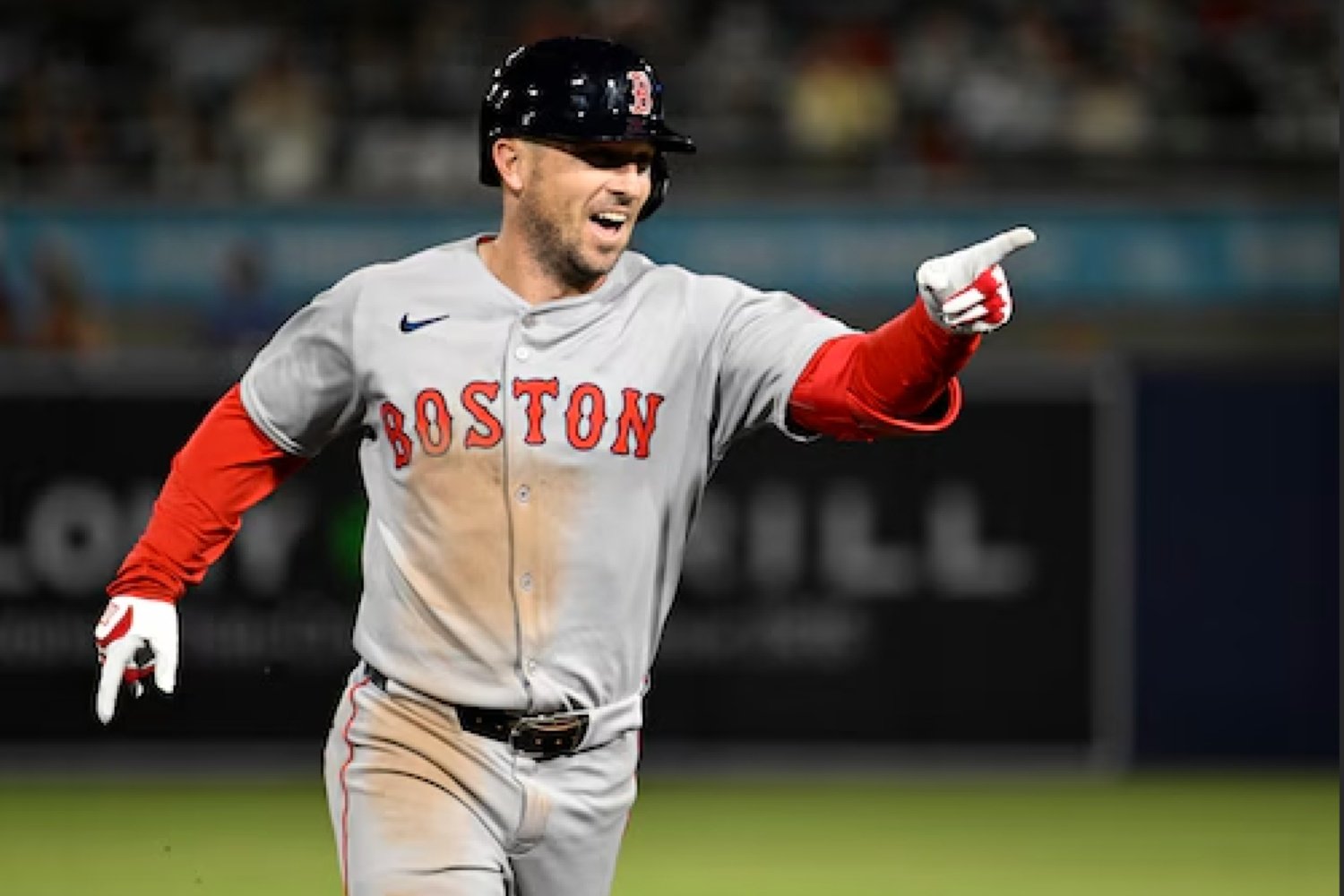 Since the season began, Alex Bregman has been a man on a mission. We knew that Bregman fit into the lineup well and would offer an offensive spark that had been missing in previous seasons, but we had no idea just how much of an impact he would have so early into his tenure in Boston. Currently, Bregman leads the team in batting average (.320), RBIs (21), OBP (.393), OPS (.956), slugging (.563), WAR (1.6), and is tied for the team lead in home runs with five. He’s been an absolute juggernaut at the plate so far this season. Arguably the most surprising aspect of it though is that while Bregman is performing well at home, he’s also knocking the cover off the baseball on the road. Bregman made sense for Boston because his swing would play incredibly well at Fenway Park. So far this season he has a higher road average, slugging percentage, and OPS. It doesn’t seem to matter where the Red Sox are playing, Bregman is going to produce. If we dive a bit more into the numbers, we start to see some trends developing that explain why Bregman has been so successful early in the season. First, he’s absolutely crushing sinkers when they are thrown to him. On that pitch alone, he’s hitting .423 with a .731 slugging percentage. Luckily for him, he’s seeing sinkers almost as much as he’s seeing four-seam fastballs. It has become a trend in recent years for pitching programs to have their starters develop a sinker in the minor leagues and if that trend continues, expect Bregman to light the world on fire as he barrels them up. The other indicator that shows us why Bregman is having such prolific success is his plate discipline. So far, Bregman has seen 53% of his pitches in the zone. Of that 53%, he’s swinging at 61.1% of those pitches. When he swings at those pitches, he’s making contact an astonishing 91.9% of the time in the zone. On top of that, he’s only swinging at the first pitch of an at-bat 17.1% of the time. He’s making pitchers work, getting deep into counts, and making sure he sees what pitches the catcher is calling most often. The Red Sox really haven’t seen this type of plate discipline since JD Martinez left the team, and like Martinez, Bregman will likely take some younger hitters under his wing and showcase his approach to them. It's a bit of a cliché to talk about someone who "lengthens in the lineup", but that's always been Bregman's best skill. Sure, he may not walk as much as he did in his prime with the Houston Astros, but a player who is in the 98th percentile in chase rate is going to force pitchers to dig deep into their bag of offerings to get him out. The more pitches any one hitter sees, the harder it becomes for a pitcher to make it through a lineup multiple times. Alex Bregman has been better than advertised on offense so far with the Boston Red Sox. If he keeps this up, and there's reason to think he can, given that he has historically gotten off to slow starts, then we’re likely looking at a team that can compete for the AL East title once the dog days of summer are upon us.
-
Alex Bregman is off to a scorching hot start to being the season. Let’s look at some of the underlying numbers to see if we can figure out why the Red Sox third baseman has been the best version of himself in 2025. Alex Bregman is off to a scorching hot start to being the season. Let’s look at some of the underlying numbers to see if we can figure out why the Red Sox third baseman has been the best version of himself in 2025. Since the season began, Alex Bregman has been a man on a mission. We knew that Bregman fit into the lineup well and would offer an offensive spark that had been missing in previous seasons, but we had no idea just how much of an impact he would have so early into his tenure in Boston. Currently, Bregman leads the team in batting average (.320), RBIs (21), OBP (.393), OPS (.956), slugging (.563), WAR (1.6), and is tied for the team lead in home runs with five. He’s been an absolute juggernaut at the plate so far this season. Arguably the most surprising aspect of it though is that while Bregman is performing well at home, he’s also knocking the cover off the baseball on the road. Bregman made sense for Boston because his swing would play incredibly well at Fenway Park. So far this season he has a higher road average, slugging percentage, and OPS. It doesn’t seem to matter where the Red Sox are playing, Bregman is going to produce. If we dive a bit more into the numbers, we start to see some trends developing that explain why Bregman has been so successful early in the season. First, he’s absolutely crushing sinkers when they are thrown to him. On that pitch alone, he’s hitting .423 with a .731 slugging percentage. Luckily for him, he’s seeing sinkers almost as much as he’s seeing four-seam fastballs. It has become a trend in recent years for pitching programs to have their starters develop a sinker in the minor leagues and if that trend continues, expect Bregman to light the world on fire as he barrels them up. The other indicator that shows us why Bregman is having such prolific success is his plate discipline. So far, Bregman has seen 53% of his pitches in the zone. Of that 53%, he’s swinging at 61.1% of those pitches. When he swings at those pitches, he’s making contact an astonishing 91.9% of the time in the zone. On top of that, he’s only swinging at the first pitch of an at-bat 17.1% of the time. He’s making pitchers work, getting deep into counts, and making sure he sees what pitches the catcher is calling most often. The Red Sox really haven’t seen this type of plate discipline since JD Martinez left the team, and like Martinez, Bregman will likely take some younger hitters under his wing and showcase his approach to them. It's a bit of a cliché to talk about someone who "lengthens in the lineup", but that's always been Bregman's best skill. Sure, he may not walk as much as he did in his prime with the Houston Astros, but a player who is in the 98th percentile in chase rate is going to force pitchers to dig deep into their bag of offerings to get him out. The more pitches any one hitter sees, the harder it becomes for a pitcher to make it through a lineup multiple times. Alex Bregman has been better than advertised on offense so far with the Boston Red Sox. If he keeps this up, and there's reason to think he can, given that he has historically gotten off to slow starts, then we’re likely looking at a team that can compete for the AL East title once the dog days of summer are upon us. View full article
-
It's early in the season, but the Red Sox look like contenders again. Let's analyze some possible trade targets to fill a few needs on the roster. It's early in the season, but the Red Sox look like contenders again. Let's analyze some possible trade targets to fill a few needs on the roster. Although we’re barely a month into the regular MLB season, it’s never too early to start looking at potential trade deadline targets. For this exercise, I’ve split the targets into three sections: big splashes, potential needle-movers, and fringe additions. I also decided to focus on the three on-field areas that either need more depth (starting pitching), need a shot in the arm due to lack of production (first base), or need additions due to injuries AND lack of production (catcher). Could the Red Sox stand to add to other areas? Sure, but this article is focusing on the three current positions of need. With that being said, let’s dive into the names. Big Splashes Sandy Alcantara, RHP - Alcantara kicks off this list of big splashes because he’s the most likely to be moved prior to the trade deadline. Yes, the Marlins currently sit in third in the NL East, but that division should prove to be a juggernaut and the Marlins simply can’t keep up once the other teams in the division start firing on all cylinders. Alcantara has had a rough start to the season. He’s currently sporting a 2-2 record with a 6.56 ERA. He’s working near identical strikeout and walk rates, 17% and 12% respectively. The enticing thing about Alcantara is that he’s proven recently that he can be an elite starter. He’s been stuck on a Marlins team that has been going nowhere for quite some time, but he still approaches his starts like each game is important. Sounds quite a bit like another starter from a floundering team that the Red Sox traded for this offseason, right? Cole Ragans, LHP - The Royals are flush with pitching and the Red Sox are flush with outfielders. Sounds like a perfect match to me. Ragans has been just okay so far this season, hanging out with one win and one loss with an ERA of 4.40. He’s the opposite of Alcantara though — Ragans is a strikeout machine. He’s currently working a 36.8% strikeout rate on the season, posting only a 6.1% walk rate. Ragans wouldn’t come cheap, as he’s only 27 and is coming off a stellar 2024 season. However, the Royals are likely to be desperate to improve their outfield situation and the Red Sox can help to make that a reality by building a deal around a number of outfielders who aren’t named Roman Anthony. Dylan Cease, RHP - A deal for Cease is predicated on the Padres falling far enough behind the Dodgers and Giants that they aren’t really in contention for the division, but Cease is on this list because the Red Sox were linked to him through various rumors right before spring training began. Cease, like the other two starters on this list, has had a mediocre season so far. He’s also 1-1 and is sporting a 6.04 ERA. He’s still striking people out though, currently holding a 26.5% strikeout rate on the season. Cease would be a rental and that would help diminish whatever return went back to San Diego, but he would slot in nicely as a number two or three starter in the current rotation. Bryan Woo, RHP - The Red Sox got a front row view of what Woo is capable of on Thursday when he dazzled in the final start of the series against the Mariners. Woo is young and would be expensive, much like Ragans above. He currently has the best record out of any starter on this list at 3-1 and holds the lowest ERA at 3.09. He’s working a 21.2% strikeout rate and is only walking batters at a 5.8% clip. He would slot in nicely as a number three in Boston, giving guys like Garrett Crochet, Walker Buehler, and Brayan Bello another much-needed reliable arm in the rotation. Jared Jones, RHP - Another name that came up in connection with the Red Sox during the offseason, Jones is currently on the shelf until further notice after sustaining a UCL sprain during a bullpen session in March. It was determined that the ligament is stable and Jones will not have to undergo surgery, and he’s expected back at some point this season. Jones has tantalizing stuff. Last season, he employed a four-seam fastball that averaged 97.3 mph, a slider that averaged 88.8 mph, a curveball that averaged 81.5 mph, and a changeup that averaged 89.9 mph. His combination of pitch mix and relatively high arm slot allows him to work a high strikeout percentage (26.2% in 2024), and a high ground-ball percentage (38.7%). He’s the exact type of arm that Boston should want as part of their starting rotation for many seasons to come, though he'd be prohibitively expensive. Potential Needle-Movers Kumar Rocker, RHP - It’s very likely the Rangers will have no interest in dealing Rocker, and for good reason. Rocker is young, cheap, and controllable. He’s had an interesting path to the big leagues and his ERA this season is currently through the roof at 8.10. However, he’s currently operating with a 4.28 FIP and his strikeout rate (16.8%) leaves a bit to be desired, but he’s still pretty raw considering he came out of the pitcher factory that is Vanderbilt University. Working with someone like Andrew Bailey could unlock a new level for Rocker, making him incredibly valuable in the future. Jordan Walker, OF - I can hear the comments already, “But Alex, don’t the Cardinals use Jordan Walker in right field?” Correct you are, dear commenter. However, Walker came up through minor leagues as a third baseman who would see time at first on occasion. In fact, he was in conversation for the first base job in the big leagues going into his rookie season. Walker is a natural infielder, and profiles as a dominant first baseman if given the chance to fully step into the role. He’s 6’6” and 250 pounds. His right-handed swing would play well at Fenway Park, even if he didn’t do much during the home opening series. Being somewhat local to St. Louis, I've kept tabs on him since his minor league days. The Cardinals are going through an entire system overhaul, and much of it is because of how broken Walker’s swing became last year. I’m not saying Pete Fatse can work miracles, but the potential for Walker to break out of his shell somewhere besides The Show-Me State is there. Spencer Torkelson, 1B - Torkelson is currently slashing .264/.373/.571. He came screaming through the Tigers’ minor league system and then didn’t make much of an impact once he hit the big leagues. He would have been listed with the big splashes, but the Tigers have made it seem like he would be available for the right price, so he was moved down a tier. Torkelson is a former number one overall draft pick, and while those aren’t guaranteed stars in baseball, he still profiles as someone who could reach at least All-Star potential from season to season. He calls an incredibly pitcher-friendly park home and that has stifled his offensive numbers — Fenway could become his own personal playground. Michael Wacha, RHP - Wacha experienced a bit of career resurgence during his lone season in Boston in 2022. His numbers are all over the place this season, as he’s currently posting a 4.15 ERA, his strikeout rate is down, and his ground-ball percentage is up. The bigger cause for concern is that all of his pitchers are currently averaging slower speeds than they did last year. However, Wacha has proven he can be successful in Boston and should the Red Sox buy at the deadline, he’s a pitcher who wouldn’t be incredibly expensive. Fringe Additions Christian Vazquez, C - Vazquez is a fan-favorite from his time in Boston, and the deal that sent him to the Astros at the deadline brought in Wilyer Abreu, so he’s been helpful in more ways than one. The real benefit here is for his veteran presence and ability to work with pitchers. Connor Wong is on the mend, Carlos Narvaez has yet to find his footing at the plate, and Blake Sabol is better left not talked about. Vazquez obviously wouldn’t be brought in to start at catcher, but he could mentor Wong and Narvaez. Justin Turner, 1B - There were rumors that the Red Sox were interested in bringing Turner back to Boston during the offseason. Even though his time with the club ended quietly, there are few players who made an impact on the fanbase and city like Turner did during his one year in Boston. He isn’t bringing much offensive firepower anymore, but he still plays a capable first base and would be useful to spell Triston Casas from time to time. Rowdy Tellez, 1B - The very definition of power over average, Tellez would slide into the backup first base role with ease in Boston. He’s a left-handed hitter who only really pulls the ball, but being able to take batting practice regularly at Fenway would allow him to figure out how to let the ball get deeper in the zone and drive hits toward the Green Monster. The other big question is who would the Red Sox give up in any potential packages. The system is ripe with talent in both the outfield and at the shortstop position. Outside of Roman Anthony and likely Marcelo Mayer, everyone else in the system is available to be traded in the right package. As we talked about on the most recent episode of The Talk Sox Podcast, Triston Casas doesn’t seem like he’s long for this roster anymore. Jarren Duran has likely seen the peak of his value at this point and the Red Sox would be better served to sell as high as they can on him. Most of these deals, even in the big splash category, would likely get done with a package centered around Duran. Who do you think the Red Sox should be targeting as we get deeper into the season? Let us know in the comments! View full article
-
Can the Red Sox Stomach Another Big 3 Trade?
Alex Mayes replied to Alex Mayes's topic in Red Sox Minor League Talk
Absolutely agree about Anthony if he pans out, and we have every reason to believe he likely will. I agree with the comment below your original one too though. If the Pirates offer you Skenes for a package built around Anthony, you have to consider it. That won't happen, but that's the type of deal I had in mind when I wrote the final paragraph.- 9 replies
-
- 1
-

-
- marcelo mayer
- roman anthony
- (and 1 more)
-
Can the Red Sox Stomach Another Big 3 Trade?
Alex Mayes replied to Alex Mayes's topic in Red Sox Minor League Talk
This is the only type of deal where the Red Sox listen to an offer on Anthony or Mayer, even Campbell. -
Brayan Bello is back with the Boston Red Sox and looked to make a name for himself again in his season debut. Brayan Bello is back with the Boston Red Sox and looked to make a name for himself again in his season debut. Brayan Bello returned to the mound for the Boston Red Sox on Tuesday against the Mariners. Things started pretty shaky. Bello gave up a solo home run to Jorge Polanco with one out in the inning. Then he walked Cal Raleigh and hit Randy Arozarena and Luke Raley to load the bases. Things started to look a bit bleak. Up steps Rowdy Tellez, ready to cash in. Tellez hits a screamer up the first base line that Triston Casas handled like a Gold Glove caliber first baseman, spun, whipped the ball to Trevor Story covering second, who then also spun, and fired back to Bello covering first. Bello stretched and… may or may not have kept his toe on the bag to turn the double play. However, Tellez was out, and the Mariners waited too long to challenge the call. Bello, somehow, worked his way out of a terrifying first inning with only one run surrendered, and the game changed. Bello wasn’t stellar in his major league debut on Tuesday, but that’s okay. He tossed five innings, allowing one earned run, walking three, and striking out three. He threw 97 pitches on the night, 51 of those for strikes. You’d like to see more strikes and more strikeouts, but Bello has never been a pitcher who hunts for strikeouts. In fact, after that first inning, Bello threw his sinker effectively and induced nine ground balls to just one in the air. There was a brief moment of concern in the bottom of the fourth inning when he began to limp, and Alex Cora was having him make fists with his pitching hand, but Bello finished the inning and came back out to throw one final inning on the night. What stood out to me tonight was that his slider looked deadly. I wrote last week how Bello had begun leaning on his slider in two-strike counts in his minor league outings, which continued tonight. Two of his three strikeouts came on the slider, the third on his changeup. Typically, his go-to strikeout pitch has been his sinker, but if this new and improved slider keeps working like it did tonight, expect Bello to start hunting for more strikeouts as he trusts his breaking ball more and more. On top of that, he seems to have taken his emotional outbursts that plagued parts of last season and turned them into fuel for himself. Just look at his reaction to the final strikeout of the night. You can’t teach that emotion, and that’s the kind of fire you want your starters bringing game in and game out. While Brayan Bello wasn’t perfect, he showed just how high his ceiling is. The Red Sox showed a ton of faith in him when they extended him heading into the 2024 season and we should all hope that he continues to build on this start. If this is the version of Brayan Bello we can expect during the 2024 season, then we’re in for a fun ride as the starting rotation takes a significant step forward. View full article
-
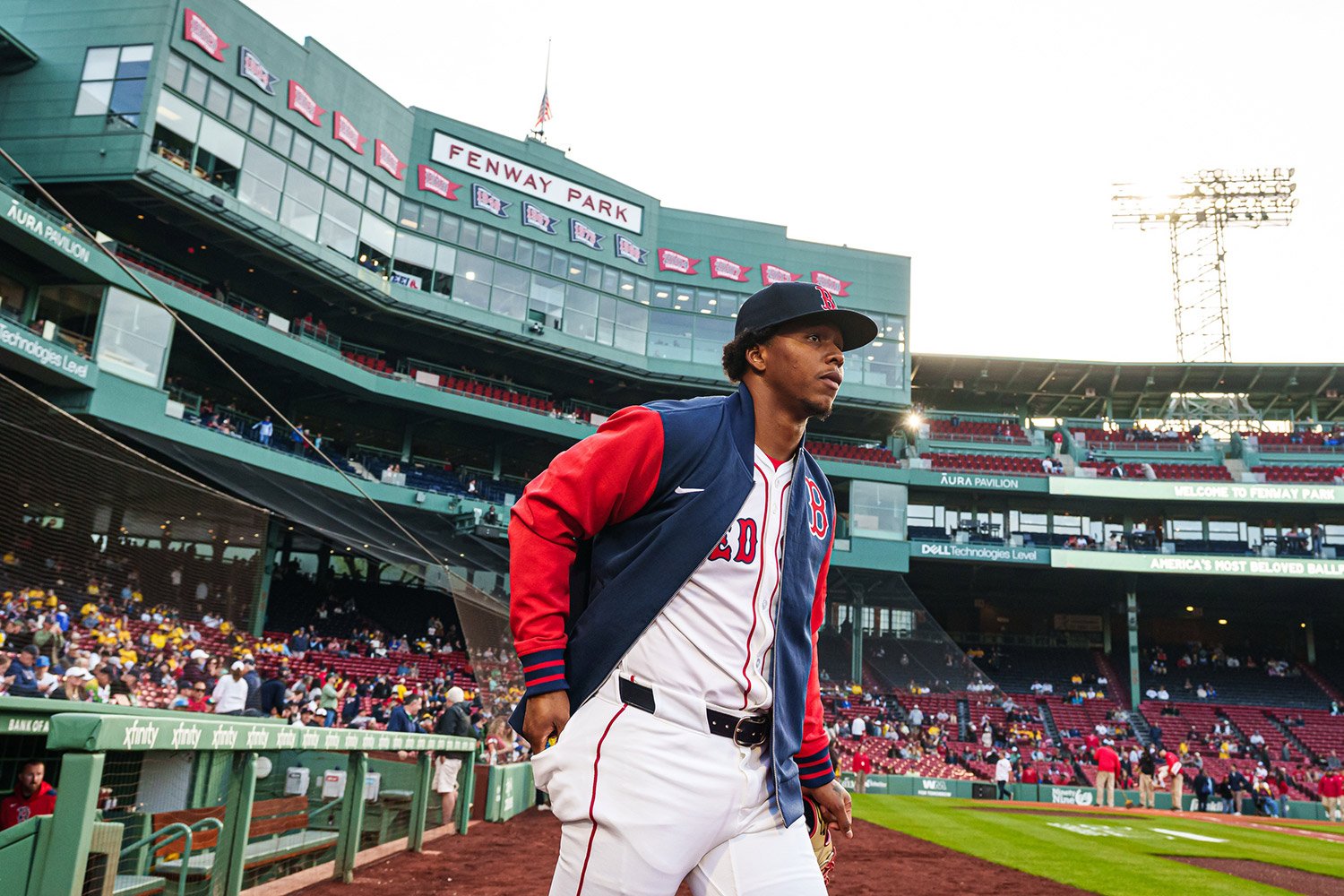 Brayan Bello returned to the mound for the Boston Red Sox on Tuesday against the Mariners. Things started pretty shaky. Bello gave up a solo home run to Jorge Polanco with one out in the inning. Then he walked Cal Raleigh and hit Randy Arozarena and Luke Raley to load the bases. Things started to look a bit bleak. Up steps Rowdy Tellez, ready to cash in. Tellez hits a screamer up the first base line that Triston Casas handled like a Gold Glove caliber first baseman, spun, whipped the ball to Trevor Story covering second, who then also spun, and fired back to Bello covering first. Bello stretched and… may or may not have kept his toe on the bag to turn the double play. However, Tellez was out, and the Mariners waited too long to challenge the call. Bello, somehow, worked his way out of a terrifying first inning with only one run surrendered, and the game changed. Bello wasn’t stellar in his major league debut on Tuesday, but that’s okay. He tossed five innings, allowing one earned run, walking three, and striking out three. He threw 97 pitches on the night, 51 of those for strikes. You’d like to see more strikes and more strikeouts, but Bello has never been a pitcher who hunts for strikeouts. In fact, after that first inning, Bello threw his sinker effectively and induced nine ground balls to just one in the air. There was a brief moment of concern in the bottom of the fourth inning when he began to limp, and Alex Cora was having him make fists with his pitching hand, but Bello finished the inning and came back out to throw one final inning on the night. What stood out to me tonight was that his slider looked deadly. I wrote last week how Bello had begun leaning on his slider in two-strike counts in his minor league outings, which continued tonight. Two of his three strikeouts came on the slider, the third on his changeup. Typically, his go-to strikeout pitch has been his sinker, but if this new and improved slider keeps working like it did tonight, expect Bello to start hunting for more strikeouts as he trusts his breaking ball more and more. On top of that, he seems to have taken his emotional outbursts that plagued parts of last season and turned them into fuel for himself. Just look at his reaction to the final strikeout of the night. You can’t teach that emotion, and that’s the kind of fire you want your starters bringing game in and game out. While Brayan Bello wasn’t perfect, he showed just how high his ceiling is. The Red Sox showed a ton of faith in him when they extended him heading into the 2024 season and we should all hope that he continues to build on this start. If this is the version of Brayan Bello we can expect during the 2024 season, then we’re in for a fun ride as the starting rotation takes a significant step forward.
-
Episode 9: What's Eating Tanner Houck?
Alex Mayes replied to Maddie Landis's topic in Talk Sox Front Page News
The Masa suggestion was in jest, none of us actually believe that would be a viable option. -
In a shock to most people, Kyle Teel was the first major prospect shipped out by the Red Sox this past offseason. Could another member of the Big Three be on their way to another organization at some point? In a shock to most people, Kyle Teel was the first major prospect shipped out by the Red Sox this past offseason. Could another member of the Big Three be on their way to another organization at some point? In a small sample size, trading for playoff-caliber starter Garrett Crochet has panned out nicely for the Red Sox. Boston dipped into their rebuilt farm system to land a starter that they feel can anchor their starting rotation for years to come. Specifically, they built a trade package around top prospect Kyle Teel. Teel has yet to make his major league debut with the White Sox, but the backstop should see big league action at some point during the 2025 season given the way he's decimated pitching in the upper levels of the minor leagues in recent years. Seeing the success Crochet has had in Boston so far, I began to wonder if the Red Sox could stomach trading another member of the Big Three to land another superstar to either add more depth to the starting rotation or upgrade another defensive spot. In short, the answer is no. Kristian Campbell won’t be going anywhere after breaking camp with the big league, signing an incredibly team-friendly extension, and playing terrific baseball more often than not since the start of the season. He’s been a consistent player on the field early in his career and is the type of player that the future core can be built around. He will come into his own at second base throughout the season, and his bat is playing well against big league pitching, something that rookies often struggle with. I’m sure we will see him hit a slump at some point this season, but it shouldn’t give anyone pause for concern. The same can be said for Roman Anthony. As I’ve already written, he needs to be on the big league roster now. He has nothing left to prove at Triple-A and needs to be getting regular at bats in the big leagues. Yes, he likely would command the largest trade package back for any of the Big Three prospects (i.e., he'd be the biggest centerpiece the Red Sox could offer in a blockbuster trade), but he’s a homegrown talent and should produce for years in Boston. Keeping him on the roster is a no brainer. Once he’s called up, there will be points where he struggles. That’s okay. Let him finish working out his game against the type of pitching he’s going to face for the rest of his career. If he’s as quick of a learner as he's shown thus far in the minor leagues, he won’t have issues for long. We all know the Red Sox have made the mistake of trading a generational outfielder before — don't plan on it happening again. Finally, Marcello Mayer is likely to be forcing his way onto the big league roster by the 2026 season at the latest. There’s a case to be made that Trevor Story’s improved offense makes Mayer a bit redundant right now, but Story isn’t getting younger and has opt-outs built into his contract. If he keeps producing like he currently is, it wouldn’t be shocking to see him take an opt-out to try and chase more money from another team that could use his veteran presence. Should Story get injured though, we’ll likely see Mayer be the next prospect called up to the big leagues as the replacement. All that being said, of the three players here, he seems the most likely to go, if only because his ceiling is lower than that of Campbell's and Anthony's. Personally, I don’t think any one player should be untouchable when it comes to trade talks. Other teams can put together packages that can blow the front office away to guarantee a deal gets done. We’ve seen it happen before in baseball. If a team were to approach the Red Sox with an offer for any of the Big Three that is centered around an All-Star caliber, controllable pitcher, then yes, the Red Sox likely would entertain that deal. If I were a betting man, and I do enjoy taking trips to Las Vegas, I’d wager that the Big Three all remain in the system for the foreseeable future. Hopefully, we see them all on the diamond for the big league club sooner rather than later. View full article
-
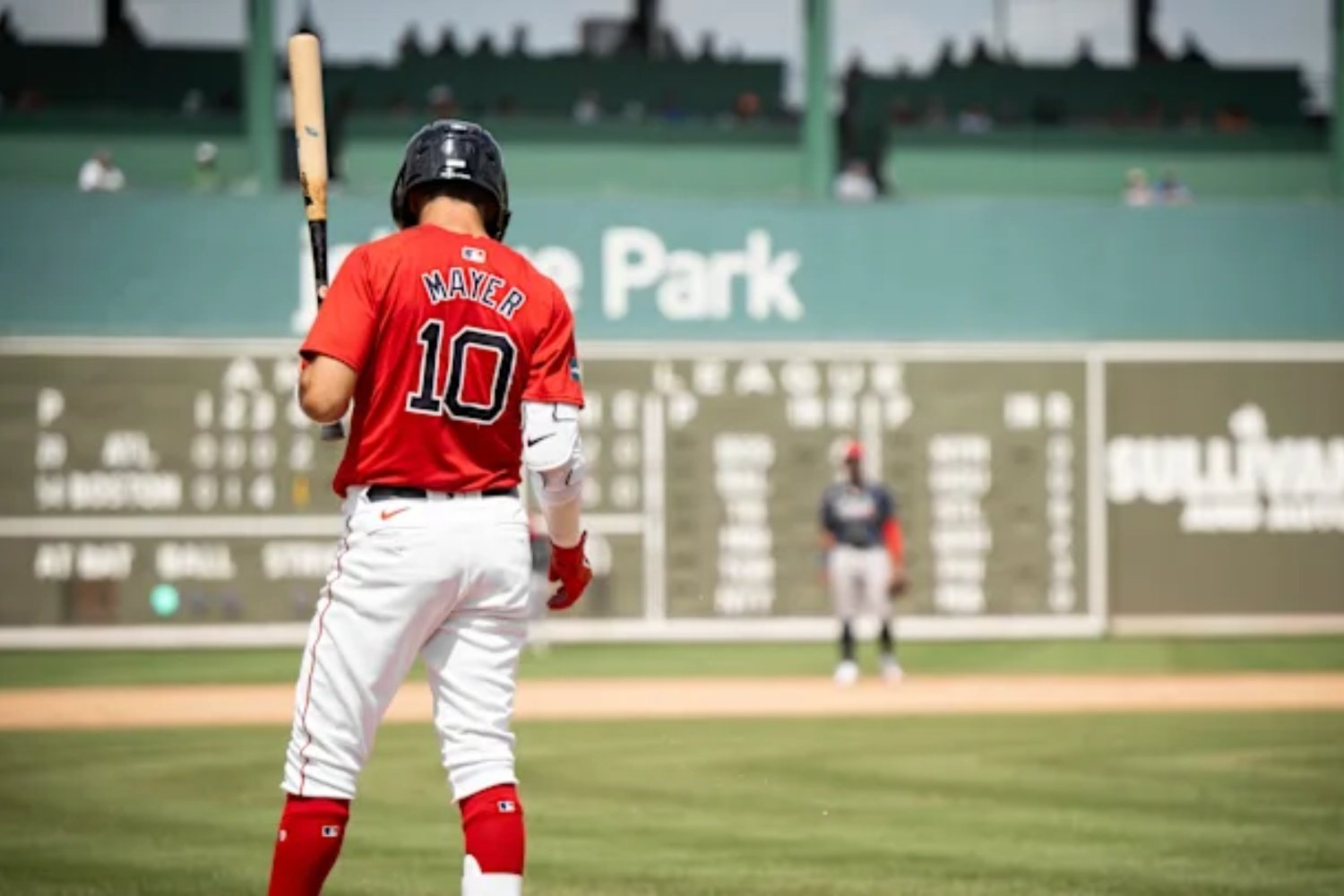 In a small sample size, trading for playoff-caliber starter Garrett Crochet has panned out nicely for the Red Sox. Boston dipped into their rebuilt farm system to land a starter that they feel can anchor their starting rotation for years to come. Specifically, they built a trade package around top prospect Kyle Teel. Teel has yet to make his major league debut with the White Sox, but the backstop should see big league action at some point during the 2025 season given the way he's decimated pitching in the upper levels of the minor leagues in recent years. Seeing the success Crochet has had in Boston so far, I began to wonder if the Red Sox could stomach trading another member of the Big Three to land another superstar to either add more depth to the starting rotation or upgrade another defensive spot. In short, the answer is no. Kristian Campbell won’t be going anywhere after breaking camp with the big league, signing an incredibly team-friendly extension, and playing terrific baseball more often than not since the start of the season. He’s been a consistent player on the field early in his career and is the type of player that the future core can be built around. He will come into his own at second base throughout the season, and his bat is playing well against big league pitching, something that rookies often struggle with. I’m sure we will see him hit a slump at some point this season, but it shouldn’t give anyone pause for concern. The same can be said for Roman Anthony. As I’ve already written, he needs to be on the big league roster now. He has nothing left to prove at Triple-A and needs to be getting regular at bats in the big leagues. Yes, he likely would command the largest trade package back for any of the Big Three prospects (i.e., he'd be the biggest centerpiece the Red Sox could offer in a blockbuster trade), but he’s a homegrown talent and should produce for years in Boston. Keeping him on the roster is a no brainer. Once he’s called up, there will be points where he struggles. That’s okay. Let him finish working out his game against the type of pitching he’s going to face for the rest of his career. If he’s as quick of a learner as he's shown thus far in the minor leagues, he won’t have issues for long. We all know the Red Sox have made the mistake of trading a generational outfielder before — don't plan on it happening again. Finally, Marcello Mayer is likely to be forcing his way onto the big league roster by the 2026 season at the latest. There’s a case to be made that Trevor Story’s improved offense makes Mayer a bit redundant right now, but Story isn’t getting younger and has opt-outs built into his contract. If he keeps producing like he currently is, it wouldn’t be shocking to see him take an opt-out to try and chase more money from another team that could use his veteran presence. Should Story get injured though, we’ll likely see Mayer be the next prospect called up to the big leagues as the replacement. All that being said, of the three players here, he seems the most likely to go, if only because his ceiling is lower than that of Campbell's and Anthony's. Personally, I don’t think any one player should be untouchable when it comes to trade talks. Other teams can put together packages that can blow the front office away to guarantee a deal gets done. We’ve seen it happen before in baseball. If a team were to approach the Red Sox with an offer for any of the Big Three that is centered around an All-Star caliber, controllable pitcher, then yes, the Red Sox likely would entertain that deal. If I were a betting man, and I do enjoy taking trips to Las Vegas, I’d wager that the Big Three all remain in the system for the foreseeable future. Hopefully, we see them all on the diamond for the big league club sooner rather than later.
-
Roman Anthony Should Be On the Big League Roster Already
Alex Mayes replied to Alex Mayes's topic in Talk Sox Front Page News
I agree, it’s why I wrote about trading him back in October. -
Roman Anthony Should Be On the Big League Roster Already
Alex Mayes replied to Alex Mayes's topic in Talk Sox Front Page News
In the Rafaela to the bench option, he likely plays center or they shift Duran to center and Anthony plays left. If Duran is traded, Anthony learns to play the Monster. I’m not advocating for Rafaela to go to the bench, I’ve been leading the charge to trade Duran for months. -
Roman Anthony Should Be On the Big League Roster Already
Alex Mayes replied to Alex Mayes's topic in Talk Sox Front Page News
I think most teams would line up to take him, even with him underperforming right now. -
Roman Anthony has lit the minor leagues on fire for a second straight season. It's time for the Red Sox to fast-track his trip to the majors. Roman Anthony has lit the minor leagues on fire for a second straight season. It's time for the Red Sox to fast-track his trip to the majors. Let’s just get the headline out of the way: Roman Anthony needs to be on the major league roster. It’s not a controversial take, but it needs to be said anyway. Anthony is the most exciting prospect to come through the Red Sox’s system in years. He’s been can’t-miss since Boston took him in the draft, and he needs to be rewarded with a big league call-up. They’ve already waited a few games too long to cash in on the Prospect Promotion Initiative, but who cares? Call him up and let him finish his growth at the major league level. Anthony has nothing else to prove in the minor leagues at this point. Let’s just look at his line from Thursday (4/17/25) night: a lead-off solo home run that was 107.9 mph off the bat and went 410 feet, which was then followed up by a line-drive grand slam. The major league offense is in a bit of a funk right now, and another youth injection in the form of Anthony could do a lot to wake up the rest of the lineup. Let’s look at his season-long stats so far at Worcester. He’s slashing .293/.431/.569 with 12 RBIs and two stolen bases. He’s worked a 19.4% walk rate so far this season, and while the strikeouts are a bit up there (26.4% K-rate), it’s nothing to be overly concerned about for a 20-year-old at Triple-A. On top of the offensive ability, he’s shown that he’s at home in center field in Worcester but has the flexibility to play any outfield position. I know what you’re thinking: the Red Sox already have an outfield that profiles as one of the best in the game. That’s true, but since Wilyer Abreu’s hot start to the season, the entire outfield is performing well below expectations offensively, and Jarren Duran has been almost a liability in left field so far this season. Anthony has been relegated to DH duties for the last week due to some shoulder discomfort, but that's not anything to be too concerned about. In fact, it could signal there's a plan for him to be on the major league roster sooner rather than later, because the Sox know once he's up that he'll need to play the field, not DH. Current consensus has Ceddanne Rafaela headed to a utility role once Anthony does get the call, but that creates more question marks for guys like Rob Refsnyder and even Masataka Yoshida once he’s finished his rehab assignment in Triple-A. I’ve mentioned in some other articles and on The Talk Sox Podcast a handful of times that I think the far more likely outcome happens during the offseason, when Jarren Duran is traded to make room in the outfield. I know that some will disagree with that concept vehemently, which is okay. I think it’s far more likely to happen than people currently expect, but that’s an article for a different day. For now, let's focus on the fact Roman Anthony is still currently mashing pitching in Triple-A, and that’s not going to stop until he gets the call up to the main roster. There’s recent precedent for superstar prospects struggling in their first taste of big league action — just look at Jackson Holliday last season. Much like Holliday though, Anthony is a pure baseball player that will figure out the majors quicker than most. Call him up, shuffle the roster however you need to, and let the kids play. There’s something to be said for getting guys like Anthony, Kristian Campbell, Abreu, and Triston Casas their first taste of postseason play at such a young age. View full article
-
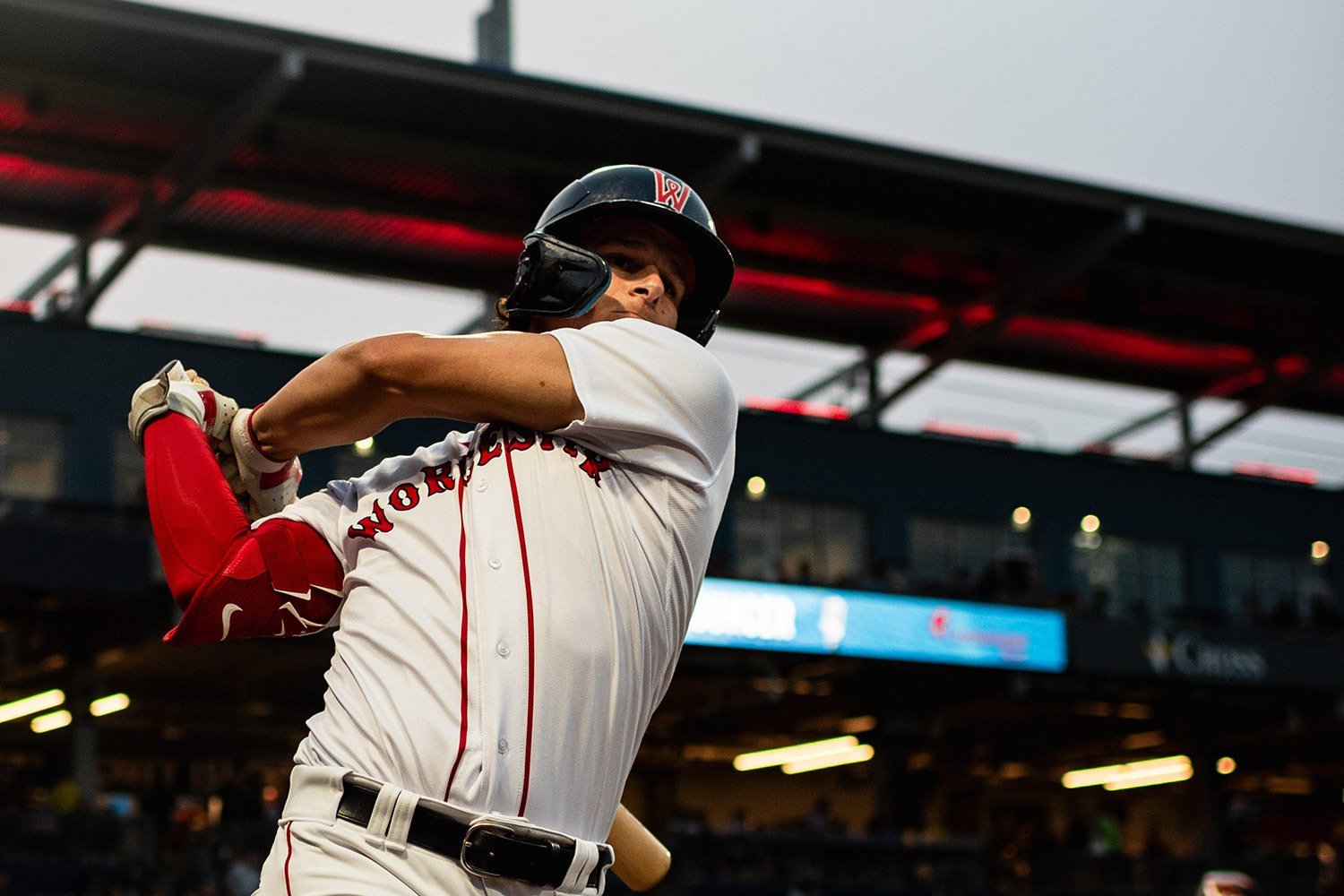 Let’s just get the headline out of the way: Roman Anthony needs to be on the major league roster. It’s not a controversial take, but it needs to be said anyway. Anthony is the most exciting prospect to come through the Red Sox’s system in years. He’s been can’t-miss since Boston took him in the draft, and he needs to be rewarded with a big league call-up. They’ve already waited a few games too long to cash in on the Prospect Promotion Initiative, but who cares? Call him up and let him finish his growth at the major league level. Anthony has nothing else to prove in the minor leagues at this point. Let’s just look at his line from Thursday (4/17/25) night: a lead-off solo home run that was 107.9 mph off the bat and went 410 feet, which was then followed up by a line-drive grand slam. The major league offense is in a bit of a funk right now, and another youth injection in the form of Anthony could do a lot to wake up the rest of the lineup. Let’s look at his season-long stats so far at Worcester. He’s slashing .293/.431/.569 with 12 RBIs and two stolen bases. He’s worked a 19.4% walk rate so far this season, and while the strikeouts are a bit up there (26.4% K-rate), it’s nothing to be overly concerned about for a 20-year-old at Triple-A. On top of the offensive ability, he’s shown that he’s at home in center field in Worcester but has the flexibility to play any outfield position. I know what you’re thinking: the Red Sox already have an outfield that profiles as one of the best in the game. That’s true, but since Wilyer Abreu’s hot start to the season, the entire outfield is performing well below expectations offensively, and Jarren Duran has been almost a liability in left field so far this season. Anthony has been relegated to DH duties for the last week due to some shoulder discomfort, but that's not anything to be too concerned about. In fact, it could signal there's a plan for him to be on the major league roster sooner rather than later, because the Sox know once he's up that he'll need to play the field, not DH. Current consensus has Ceddanne Rafaela headed to a utility role once Anthony does get the call, but that creates more question marks for guys like Rob Refsnyder and even Masataka Yoshida once he’s finished his rehab assignment in Triple-A. I’ve mentioned in some other articles and on The Talk Sox Podcast a handful of times that I think the far more likely outcome happens during the offseason, when Jarren Duran is traded to make room in the outfield. I know that some will disagree with that concept vehemently, which is okay. I think it’s far more likely to happen than people currently expect, but that’s an article for a different day. For now, let's focus on the fact Roman Anthony is still currently mashing pitching in Triple-A, and that’s not going to stop until he gets the call up to the main roster. There’s recent precedent for superstar prospects struggling in their first taste of big league action — just look at Jackson Holliday last season. Much like Holliday though, Anthony is a pure baseball player that will figure out the majors quicker than most. Call him up, shuffle the roster however you need to, and let the kids play. There’s something to be said for getting guys like Anthony, Kristian Campbell, Abreu, and Triston Casas their first taste of postseason play at such a young age.
-
Brayan Bello has completed his minor league rehab assignment and should be back in the starting rotation early next week. What can the Red Sox expect from him? Brayan Bello has completed his minor league rehab assignment and should be back in the starting rotation early next week. What can the Red Sox expect from him? Brayan Bello is finally headed back to the starting rotation in Boston, and not a minute too soon. With Richard Fitts on the IL due to a pectoral strain and Sean Newcomb only turning in one solid start so far this season, the back end of the rotation needs some stabilization. Bello has mostly been down with Triple-A Worcester working his way back up to speed to mixed results so far. Let’s dive into his minor league starts and see what we can expect from the young hurler. Bello made four minor league starts, one at Double-A Portland and three with Triple-A Worcester. During those outings, he posted a 7.07 ERA, allowing a .300 batting average, while working a 31.8% strikeout rate. If we dig just a bit deeper, though, Bello’s expected batting average is only .187, so hitters have been getting extremely lucky while he’s on the mound. Outside of the difference between actual and expected batting average we see an OBP of .341 but an xOBP of .247, a posted slug of .375 but an expected slug of .269, and a wOBA of .316 with an xwOBA of .236. Balls are falling in and hitting gaps even though the numbers say they should be outs. I think the strikeouts are more notable than the luck. Throughout his career, Bello has been a pitch-to-contact style pitcher, and we’re still seeing a bit of that. He ran a ground ball rate of 55.6% during his stint in the minor leagues, so the sinker is obviously still doing what he wants it to do, getting hitters to swing on top of the ball and drive it into the ground. However, in two-strike counts, he’s relying on his slider (in every situation except a full count, when he goes back to his sinker). His slider has become his out pitch, replacing the changeup, which filled that role last season. Bello is having trouble locating his sinker. During his stint in the minor leagues, the pitch has lived high in the zone and gotten crushed up there. When the sinker plays down, the contact is ice cold and it likely works as a true strikeout pitch, along with the slider. This will likely begin to happen once he’s back in Boston and working with Andrew Bailey on a daily basis. So far, the starting rotation has proven to be quite deep but fairly lackluster outside of Garrett Crochet. Walker Buehler looks as though he’s finding his footing, but Tanner Houck and Sean Newcomb have looked overmatched and unprepared. Getting Bello back will be a huge benefit, especially if he performs like he did in the second half of 2024. Last year, the coaching staff wanted Bello to take a giant step forward as the team's ace, and he faltered under the pressure. This year, though, Bello can sit further back in the rotation and build his case to be the number two starter by the end of the season. Bello offers a ton of upside, and he should make his extension look like a bargain by the end of the season. View full article
-
Brayan Bello Returns to Boston With Some Lingering Questions
Alex Mayes posted an article in Red Sox
 Brayan Bello is finally headed back to the starting rotation in Boston, and not a minute too soon. With Richard Fitts on the IL due to a pectoral strain and Sean Newcomb only turning in one solid start so far this season, the back end of the rotation needs some stabilization. Bello has mostly been down with Triple-A Worcester working his way back up to speed to mixed results so far. Let’s dive into his minor league starts and see what we can expect from the young hurler. Bello made four minor league starts, one at Double-A Portland and three with Triple-A Worcester. During those outings, he posted a 7.07 ERA, allowing a .300 batting average, while working a 31.8% strikeout rate. If we dig just a bit deeper, though, Bello’s expected batting average is only .187, so hitters have been getting extremely lucky while he’s on the mound. Outside of the difference between actual and expected batting average we see an OBP of .341 but an xOBP of .247, a posted slug of .375 but an expected slug of .269, and a wOBA of .316 with an xwOBA of .236. Balls are falling in and hitting gaps even though the numbers say they should be outs. I think the strikeouts are more notable than the luck. Throughout his career, Bello has been a pitch-to-contact style pitcher, and we’re still seeing a bit of that. He ran a ground ball rate of 55.6% during his stint in the minor leagues, so the sinker is obviously still doing what he wants it to do, getting hitters to swing on top of the ball and drive it into the ground. However, in two-strike counts, he’s relying on his slider (in every situation except a full count, when he goes back to his sinker). His slider has become his out pitch, replacing the changeup, which filled that role last season. Bello is having trouble locating his sinker. During his stint in the minor leagues, the pitch has lived high in the zone and gotten crushed up there. When the sinker plays down, the contact is ice cold and it likely works as a true strikeout pitch, along with the slider. This will likely begin to happen once he’s back in Boston and working with Andrew Bailey on a daily basis. So far, the starting rotation has proven to be quite deep but fairly lackluster outside of Garrett Crochet. Walker Buehler looks as though he’s finding his footing, but Tanner Houck and Sean Newcomb have looked overmatched and unprepared. Getting Bello back will be a huge benefit, especially if he performs like he did in the second half of 2024. Last year, the coaching staff wanted Bello to take a giant step forward as the team's ace, and he faltered under the pressure. This year, though, Bello can sit further back in the rotation and build his case to be the number two starter by the end of the season. Bello offers a ton of upside, and he should make his extension look like a bargain by the end of the season.
-
Alex Cora once again made himself a shield for his players after the Red Sox were trounced at the hands of a division rival. It's commendable, but there's more than enough blame to share for the team's sluggish start. Alex Cora once again made himself a shield for his players after the Red Sox were trounced at the hands of a division rival. It's commendable, but there's more than enough blame to share for the team's sluggish start. When Alex Cora sat down in front of the NESN cameras after the Red Sox lost 16-1 to the Rays, he was ready to take ownership of the on-field failures. “It seems like there was a team that was prepared for the other one and the other one wasn’t prepared for them," he said. "That goes from top all the way to the bottom. That wasn’t a good night for us. I’ll take the blame because it seemed like our team wasn’t ready to go." Statements like these have become a bit of a hallmark for Cora. He’s a player’s manager and is willing to fall on the sword for his team. He can handle the negative attention and comments, that’s part of what he was hired to do. Eventually, though, you have to wonder if it’s working. On paper, this Red Sox team should be the best team in the American League. They shouldn’t be getting almost swept by the likes of the Blue Jays and the lowly White Sox. Sure, you can excuse a bit away because of the frigid conditions at Fenway Park during the series with the Blue Jays, but the offense was listless. That trend continued into the weekend series with the White Sox. We thought that venturing to a warmer climate in Florida might wake up the bats, but after one game, it looks like more of the same. On top of that, the defense has been terrible. The Red Sox lead all of baseball with 20 errors on the season, a problem that the signing of Alex Bregman and the return of Trevor Story were supposed to help fix (though it's worth noting that according to Statcast's fielding run value, Boston grades out just about average defensively). Bregman currently leads the team with four errors. An outfield that some predicted could sweep the American League Gold Glove awards looks like a weakness so far. Jarren Duran has gotten off to slow start both offensively and defensively, and Ceddanne Rafaela is making highlight reel plays but is still a liability on offense. Wilyer Abreu has been one of the few bright spots on both sides of the ball, but he’s currently battling his way back from his first mini slump of the season. All hope isn’t lost. It’s still early in the season, so it’s not yet time to hit the panic button. Plus, the American League as a whole is underperforming. Most teams are hovering around .500, and as of Tuesday morning, only two teams have nine wins. Unfortunately, those two teams are the Yankees and Blue Jays. There’s still a lot of baseball to be played and the Red Sox should be able to turn it around. If they can’t, though, it’s fair to wonder if coaches like Pete Fatse and, yes, even Jason Varitek will find their seats growing hotter. It’s incredibly rare for coaching changes to happen this early in the season, but should this slide continue, I don’t think it can be ruled out entirely. The Red Sox should be better than this, and honestly, they have to be better than this. If they can't find their footing, then sweeping changes could be coming sooner rather than later. View full article
-
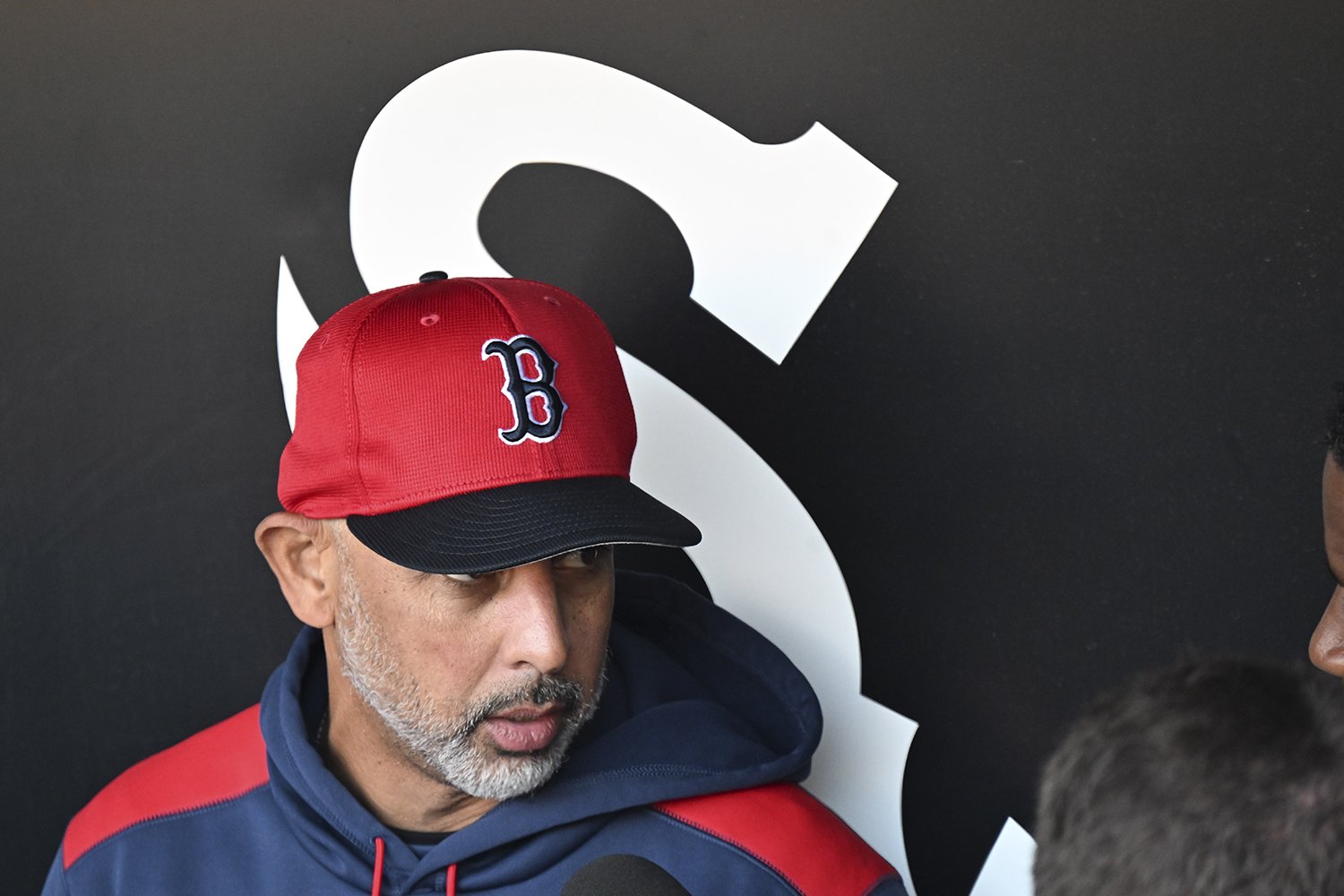 When Alex Cora sat down in front of the NESN cameras after the Red Sox lost 16-1 to the Rays, he was ready to take ownership of the on-field failures. “It seems like there was a team that was prepared for the other one and the other one wasn’t prepared for them," he said. "That goes from top all the way to the bottom. That wasn’t a good night for us. I’ll take the blame because it seemed like our team wasn’t ready to go." Statements like these have become a bit of a hallmark for Cora. He’s a player’s manager and is willing to fall on the sword for his team. He can handle the negative attention and comments, that’s part of what he was hired to do. Eventually, though, you have to wonder if it’s working. On paper, this Red Sox team should be the best team in the American League. They shouldn’t be getting almost swept by the likes of the Blue Jays and the lowly White Sox. Sure, you can excuse a bit away because of the frigid conditions at Fenway Park during the series with the Blue Jays, but the offense was listless. That trend continued into the weekend series with the White Sox. We thought that venturing to a warmer climate in Florida might wake up the bats, but after one game, it looks like more of the same. On top of that, the defense has been terrible. The Red Sox lead all of baseball with 20 errors on the season, a problem that the signing of Alex Bregman and the return of Trevor Story were supposed to help fix (though it's worth noting that according to Statcast's fielding run value, Boston grades out just about average defensively). Bregman currently leads the team with four errors. An outfield that some predicted could sweep the American League Gold Glove awards looks like a weakness so far. Jarren Duran has gotten off to slow start both offensively and defensively, and Ceddanne Rafaela is making highlight reel plays but is still a liability on offense. Wilyer Abreu has been one of the few bright spots on both sides of the ball, but he’s currently battling his way back from his first mini slump of the season. All hope isn’t lost. It’s still early in the season, so it’s not yet time to hit the panic button. Plus, the American League as a whole is underperforming. Most teams are hovering around .500, and as of Tuesday morning, only two teams have nine wins. Unfortunately, those two teams are the Yankees and Blue Jays. There’s still a lot of baseball to be played and the Red Sox should be able to turn it around. If they can’t, though, it’s fair to wonder if coaches like Pete Fatse and, yes, even Jason Varitek will find their seats growing hotter. It’s incredibly rare for coaching changes to happen this early in the season, but should this slide continue, I don’t think it can be ruled out entirely. The Red Sox should be better than this, and honestly, they have to be better than this. If they can't find their footing, then sweeping changes could be coming sooner rather than later.
-
Garrett Whitlock has had his fair share of bad luck the last few seasons. Now that he's returned to the bullpen, can he return to his 2021 form? Garrett Whitlock has had his fair share of bad luck the last few seasons. Now that he's returned to the bullpen, can he return to his 2021 form? Garrett Whitlock is finally back in the bullpen, where he is hoping to return to his best playing days. After the Red Sox selected him in Rule 5 draft in December 2020, Whitlock lit the world on fire in 2021. His appearances became appointment television. It was rare to see a pitcher so young with so much poise, all the more because the Yankees left him unprotected. He appeared in most of the big games that season, and for his efforts he was rewarded with an extension in 2022. But that marked the start of a run of seasons that featured injury after injury. He hit the IL multiple times in 2022 with hip injuries, then again in 2023 with elbow injuries, then again in 2024 with an oblique injury that ended up leading to the UCL injury that forced him to undergo an internal bracing procedure. Now that he’s fully healthy and back in the bullpen, I wanted to look at the start of this season and compare it to the start of his dominant 2021 run to see if we can find any parallels. To date, Whitlock has thrown 9 2/3 innings with an ERA of 2.79 and eight strikeouts while appearing in six total games. In 2021, during his first six appearances, Whitlock held a flat zero ERA with 18 strikeouts in 13 1/3 innings pitched. I don’t think those surface-level numbers tell the whole story, though. If we dive in to some more advanced metrics we notice that Whitlock is performing a bit below where he was in 2021. What’s interesting, though, is where some of those differences are coming. So far, he’s underperforming his 2021 numbers in most categories. His chase rate is down a full two points from 29.8% in 2021 to 27.7% so far in 2025, his first-pitch strike rate is down significantly from 64.9% to 56.1%, and his average exit velocity is up from 87.7 mph to 88.5 mph. While those are trending in the wrong direction, his whiff percentage is actually up by a decent margin. In 2021 he posted a 27.6% whiff rate, but so far in 2025 he’s sitting at a 34.2%. The topline results may not be as great, but something is working in his pitch mix. Until 2025, Whitlock always featured two different fastball looks. From 2021 to 2023, he featured a sinker and a four-seam fastball. In 2024 he replaced the four-seamer with a cutter. So far in 2025, he’s scrapped the secondary fastball altogether and trimmed his pitch mix down to just four pitches: sinker, slider, changeup, and sweeper. With this comes a couple of changes that can explain the uptick in his whiff rate. He’s throwing the sinker harder than he’s thrown it since 2021, currently averaging 95.7 mph. It’s also being thrown with more rise, likely due to him raising his arm slot from 37 degrees in 2021 to 40 degrees in 2025. The increase in velocity is likely causing more hitters to swing and miss on the pitch, but the pitch is being left up in the zone so when it is hit, it’s getting hit harder than ever. The other noticeable issue is that Whitlock's sweeper and slider are much closer in average velocity in 2025 than they have been in the past. They're only separated by about two miles per hour this season, where before there was as much as a 4-mph difference between the pitches. His sweeper and slider also have very similar movement patterns this season. Along with the small difference in speed, that means Whitlock either has to dot each type of breaking pitch perfectly, or hitters can sit on one and still hit the other. As he works his way back from surgery, Whitlock can easily reclaim his title as most dominant bullpen arm in the bullpen. He asked to be moved back to the bullpen and likely realizes that he will be given every opportunity to be successful with the Red Sox. So far, Alex Cora has trusted him in close games and that trust should persist. Should Whitlock be able to improve his command, we’re could be looking at the most dangerous setup man in the big leagues. View full article
-
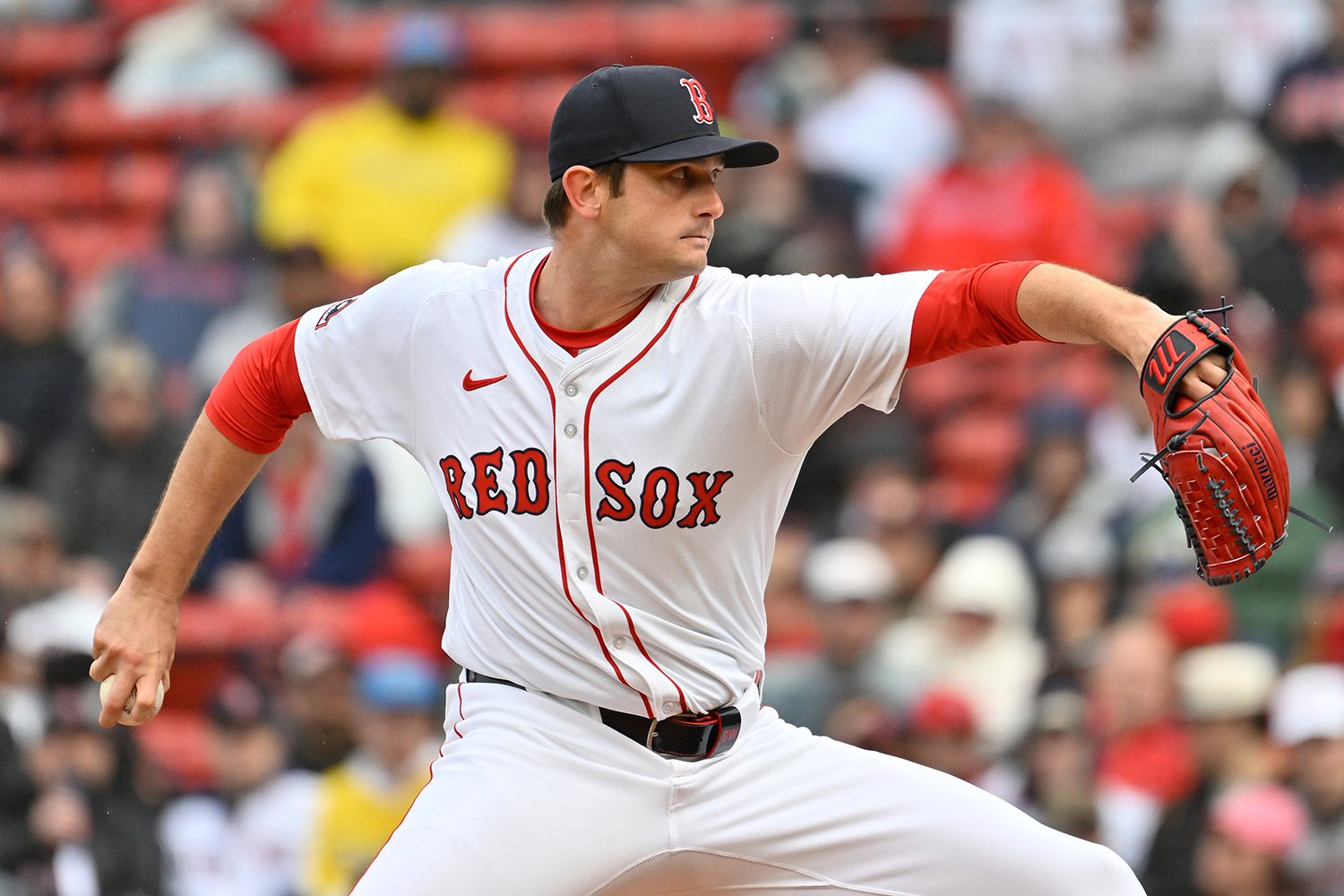 Garrett Whitlock is finally back in the bullpen, where he is hoping to return to his best playing days. After the Red Sox selected him in Rule 5 draft in December 2020, Whitlock lit the world on fire in 2021. His appearances became appointment television. It was rare to see a pitcher so young with so much poise, all the more because the Yankees left him unprotected. He appeared in most of the big games that season, and for his efforts he was rewarded with an extension in 2022. But that marked the start of a run of seasons that featured injury after injury. He hit the IL multiple times in 2022 with hip injuries, then again in 2023 with elbow injuries, then again in 2024 with an oblique injury that ended up leading to the UCL injury that forced him to undergo an internal bracing procedure. Now that he’s fully healthy and back in the bullpen, I wanted to look at the start of this season and compare it to the start of his dominant 2021 run to see if we can find any parallels. To date, Whitlock has thrown 9 2/3 innings with an ERA of 2.79 and eight strikeouts while appearing in six total games. In 2021, during his first six appearances, Whitlock held a flat zero ERA with 18 strikeouts in 13 1/3 innings pitched. I don’t think those surface-level numbers tell the whole story, though. If we dive in to some more advanced metrics we notice that Whitlock is performing a bit below where he was in 2021. What’s interesting, though, is where some of those differences are coming. So far, he’s underperforming his 2021 numbers in most categories. His chase rate is down a full two points from 29.8% in 2021 to 27.7% so far in 2025, his first-pitch strike rate is down significantly from 64.9% to 56.1%, and his average exit velocity is up from 87.7 mph to 88.5 mph. While those are trending in the wrong direction, his whiff percentage is actually up by a decent margin. In 2021 he posted a 27.6% whiff rate, but so far in 2025 he’s sitting at a 34.2%. The topline results may not be as great, but something is working in his pitch mix. Until 2025, Whitlock always featured two different fastball looks. From 2021 to 2023, he featured a sinker and a four-seam fastball. In 2024 he replaced the four-seamer with a cutter. So far in 2025, he’s scrapped the secondary fastball altogether and trimmed his pitch mix down to just four pitches: sinker, slider, changeup, and sweeper. With this comes a couple of changes that can explain the uptick in his whiff rate. He’s throwing the sinker harder than he’s thrown it since 2021, currently averaging 95.7 mph. It’s also being thrown with more rise, likely due to him raising his arm slot from 37 degrees in 2021 to 40 degrees in 2025. The increase in velocity is likely causing more hitters to swing and miss on the pitch, but the pitch is being left up in the zone so when it is hit, it’s getting hit harder than ever. The other noticeable issue is that Whitlock's sweeper and slider are much closer in average velocity in 2025 than they have been in the past. They're only separated by about two miles per hour this season, where before there was as much as a 4-mph difference between the pitches. His sweeper and slider also have very similar movement patterns this season. Along with the small difference in speed, that means Whitlock either has to dot each type of breaking pitch perfectly, or hitters can sit on one and still hit the other. As he works his way back from surgery, Whitlock can easily reclaim his title as most dominant bullpen arm in the bullpen. He asked to be moved back to the bullpen and likely realizes that he will be given every opportunity to be successful with the Red Sox. So far, Alex Cora has trusted him in close games and that trust should persist. Should Whitlock be able to improve his command, we’re could be looking at the most dangerous setup man in the big leagues.
-
If he's going to contribute, Trevor Story will need to start hitting when it counts. If he's going to contribute, Trevor Story will need to start hitting when it counts. Trevor Story is looking to make an impact for the Boston Red Sox while staying healthy in 2025. So far, Story is slashing .273/.304/.432. That’s a respectable line for a shortstop in his age-32 season. Just looking at the numbers, it would be easy to assume that Story has been a contributing member of the lineup on a nightly basis. After all, he’s getting on base and already has two home runs. However, his at-bats don’t pass the eye test most of the time. Even more concerning is that when Story steps up to the plate with two outs, you don’t feel great about the outcome. When there are runners on base, it’s even worse. I spoke about Story’s struggles with two outs briefly on the most recent episode of The Talk Sox Podcast, so I wanted to dive into the numbers and see what exactly is going on. Let’s start by looking at Story’s at-bats with two outs so far this season. There have been 15 of those so far. Currently, he’s hitting .133 with a 53.3% strikeout rate and no walks. He’s had two hits in this situation: a soft grounder that he beat out for an infield single and a barreled single that died in the cold air on Tuesday night. He seems to be pressing a ton when he’s at the plate with two outs. As we can see with his pitch breakdown, he’s swinging at non-competitive pitches and either going down swinging or poking them off the end of the bat. We’re working with small sample sizes, sure, but this is a concerning trend. Even more concerning, though, is when Story is at the plate with two outs and runners on base. That putrid .133 average plummets to a flat zero with men on. He’s been in this situation eight times this season and he’s running a 50% strikeout rate. Of the four times he has made contact, three balls haven’t left the infield. So far, he’s chasing fastballs out of the zone and striking out on them, the classic definition of pressing. He’s trying to do too much and failing to do anything. The good news is that there’s plenty of time left in the season for Story to fix this issue. The bad news is Marcelo Mayer is breathing down Story’s neck at Worcester. Mayer looked ready in spring training and was surprised he didn’t make the big league club. Story isn’t going anywhere, but if his issues hitting with men on continue then it won’t take long for Alex Cora and company to start questioning wether the lineup would be better served with Mayer getting the nod at short. View full article
-
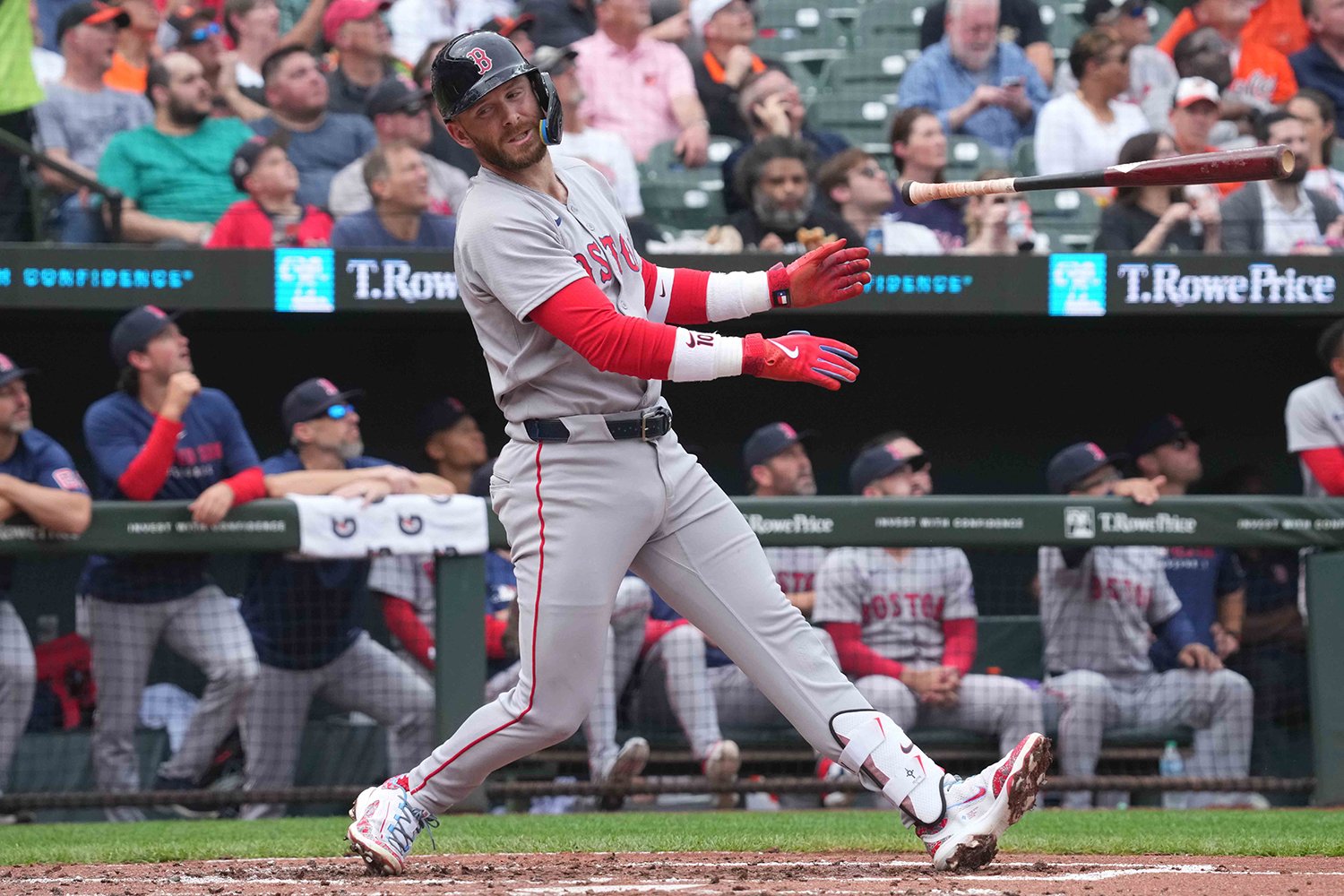 Trevor Story is looking to make an impact for the Boston Red Sox while staying healthy in 2025. So far, Story is slashing .273/.304/.432. That’s a respectable line for a shortstop in his age-32 season. Just looking at the numbers, it would be easy to assume that Story has been a contributing member of the lineup on a nightly basis. After all, he’s getting on base and already has two home runs. However, his at-bats don’t pass the eye test most of the time. Even more concerning is that when Story steps up to the plate with two outs, you don’t feel great about the outcome. When there are runners on base, it’s even worse. I spoke about Story’s struggles with two outs briefly on the most recent episode of The Talk Sox Podcast, so I wanted to dive into the numbers and see what exactly is going on. Let’s start by looking at Story’s at-bats with two outs so far this season. There have been 15 of those so far. Currently, he’s hitting .133 with a 53.3% strikeout rate and no walks. He’s had two hits in this situation: a soft grounder that he beat out for an infield single and a barreled single that died in the cold air on Tuesday night. He seems to be pressing a ton when he’s at the plate with two outs. As we can see with his pitch breakdown, he’s swinging at non-competitive pitches and either going down swinging or poking them off the end of the bat. We’re working with small sample sizes, sure, but this is a concerning trend. Even more concerning, though, is when Story is at the plate with two outs and runners on base. That putrid .133 average plummets to a flat zero with men on. He’s been in this situation eight times this season and he’s running a 50% strikeout rate. Of the four times he has made contact, three balls haven’t left the infield. So far, he’s chasing fastballs out of the zone and striking out on them, the classic definition of pressing. He’s trying to do too much and failing to do anything. The good news is that there’s plenty of time left in the season for Story to fix this issue. The bad news is Marcelo Mayer is breathing down Story’s neck at Worcester. Mayer looked ready in spring training and was surprised he didn’t make the big league club. Story isn’t going anywhere, but if his issues hitting with men on continue then it won’t take long for Alex Cora and company to start questioning wether the lineup would be better served with Mayer getting the nod at short.
-
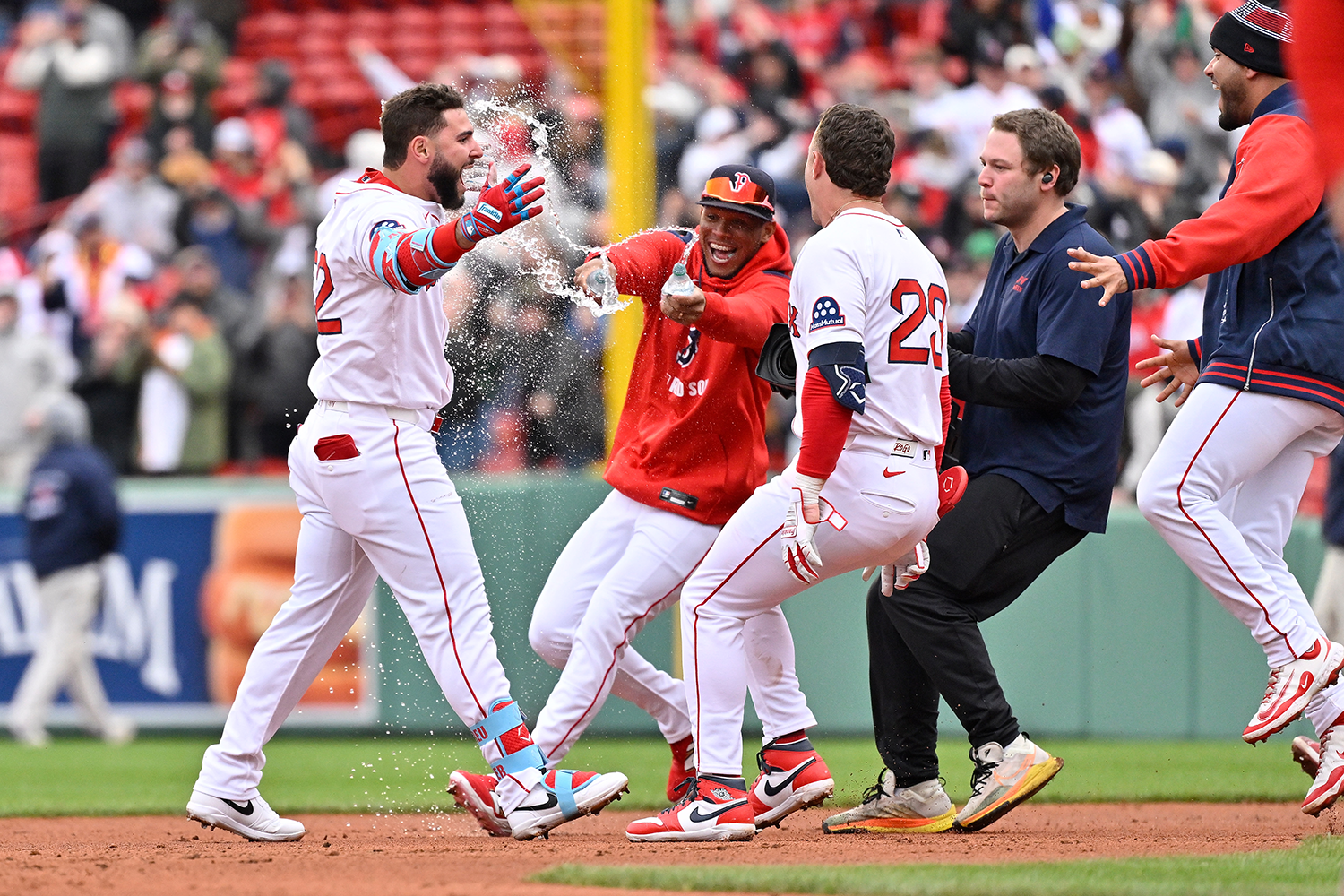 In what may have been a shocking surprise to most Boston fans, Wilyer Abreu has been the shining star of the 2025 Red Sox so far this season. He missed the bulk of spring training with a gastrointestinal illness that cost him 15 pounds before he finally reported to camp. Fans were cautious about what he could contribute, citing Vaughn Grissom’s similar weight loss and lack of production in 2024 as a possible outcome for Abreu. He proved everyone wrong on Opening Day and he hasn’t stopped mashing since. As of Tuesday morning, Abreu is slashing .424/.537/.788 for a 249 wRC+. No one could have predicted this from him. Last season, he showed some power, but so far in 2025, he’s a can’t-miss at-bat each time he comes up to the plate. With the game on the line, as it was during the first part of the doubleheader on Sunday, there is no one else you want stepping into the batter’s box right now. Abreu is almost that automatic. His Savant page is red-hot. He’s currently in the 92nd percentile or better in the following categories: exit velocity, hard-hit rate, and walk rate. He’s working at-bats to get into counts he wants, taking walks, and making pitchers pay when they miss their spots by crushing the ball. We all knew Abreu was a phenomenal defender, and the Gold Glove last year solidified that. As we saw Sunday night, his arm is a genuine weapon. I venture to say that most other right fielders wouldn’t have thrown out Lars Nootbaar at third with such a precise throw. It was perfect, and it was totally Abreu. He’s played an excellent right field and should be in the Gold Glove conversation again in 2025. After that showcase on Sunday, runners will probably get the hint and finally stop running on Abreu. In my final roster prediction of spring training, I wrote that I expected Abreu to be the odd man out in the outfield as he worked his way back from his illness. I’ve never been more excited to be proven wrong so quickly. We knew that Abreu would shine on defense, but no one expected his offensive onslaught to start the season. He’s making a convincing argument that he’s much more than a platoon right fielder, and he has maybe even played his way into an extension conversation. The front office seems keen on handing those out lately.
-
I think we'd all be lying to ourselves if we said we saw this version of Wilyer Abreu in 2025. I think we'd all be lying to ourselves if we said we saw this version of Wilyer Abreu in 2025. In what may have been a shocking surprise to most Boston fans, Wilyer Abreu has been the shining star of the 2025 Red Sox so far this season. He missed the bulk of spring training with a gastrointestinal illness that cost him 15 pounds before he finally reported to camp. Fans were cautious about what he could contribute, citing Vaughn Grissom’s similar weight loss and lack of production in 2024 as a possible outcome for Abreu. He proved everyone wrong on Opening Day and he hasn’t stopped mashing since. As of Tuesday morning, Abreu is slashing .424/.537/.788 for a 249 wRC+. No one could have predicted this from him. Last season, he showed some power, but so far in 2025, he’s a can’t-miss at-bat each time he comes up to the plate. With the game on the line, as it was during the first part of the doubleheader on Sunday, there is no one else you want stepping into the batter’s box right now. Abreu is almost that automatic. His Savant page is red-hot. He’s currently in the 92nd percentile or better in the following categories: exit velocity, hard-hit rate, and walk rate. He’s working at-bats to get into counts he wants, taking walks, and making pitchers pay when they miss their spots by crushing the ball. We all knew Abreu was a phenomenal defender, and the Gold Glove last year solidified that. As we saw Sunday night, his arm is a genuine weapon. I venture to say that most other right fielders wouldn’t have thrown out Lars Nootbaar at third with such a precise throw. It was perfect, and it was totally Abreu. He’s played an excellent right field and should be in the Gold Glove conversation again in 2025. After that showcase on Sunday, runners will probably get the hint and finally stop running on Abreu. In my final roster prediction of spring training, I wrote that I expected Abreu to be the odd man out in the outfield as he worked his way back from his illness. I’ve never been more excited to be proven wrong so quickly. We knew that Abreu would shine on defense, but no one expected his offensive onslaught to start the season. He’s making a convincing argument that he’s much more than a platoon right fielder, and he has maybe even played his way into an extension conversation. The front office seems keen on handing those out lately. View full article