Brandon Glick
-
Posts
587 -
Joined
-
Last visited
Content Type
Profiles
Boston Red Sox Videos
2026 Boston Red Sox Top Prospects Ranking
Boston Red Sox Free Agent & Trade Rumors, Notes, & Tidbits
Guides & Resources
2025 Boston Red Sox Draft Pick Tracker
News
2026 Boston Red Sox Draft Tracker: Picks & Bonuses
Forums
Blogs
Events
Store
Downloads
Gallery
Everything posted by Brandon Glick
-
The Boston Red Sox have finally started shaving down their major-league roster, optioning or re-assigning eight players to minor-league camp on Monday, March 9. Jake Bennett is the most notable name on that list as a member of the 40-man roster and one of the team's top prospects. Still, he's got a long way to go before making his MLB debut, as he's still behind Payton Tolle and Connelly Early on the organizational depth chart. Three of those pitchers (Osvaldo Berrios, Hobie Harris, and Vinny Nitoli) are either hurt or have been delayed in their ramp-up for the regular season. Both catchers (Nate Baez and Ronald Rosario) are projected to open the season in Double-A as depth behind Triple-A options Jason Delay and Mickey Gasper. The other two arms (Devin Sweet and Jeremy Wu-Yelland) are intriguing bullpen options who struggled mightily in their limited spring training action. Expect more rounds of cuts in the coming weeks, especially as the team's 15 representatives at the World Baseball Classic make their way back to camp. View full rumor
-
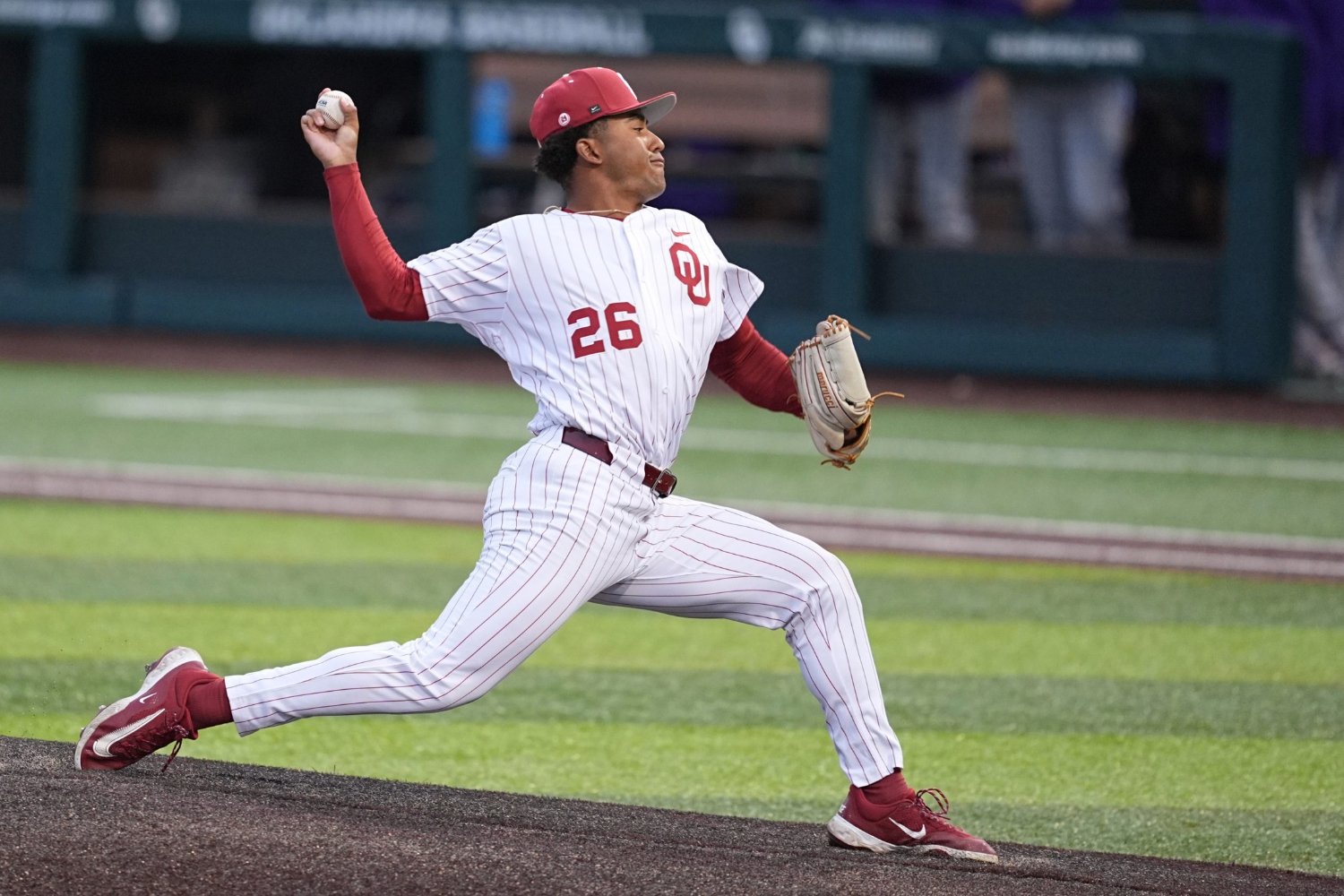 The Spring Breakout Event is back this year, featuring some of the best prospects in all of baseball. The Boston Red Sox's contingent will square off against the Baltimore Orioles on March 20 (6:05pm EST). The annual event has led to some memorable moments in recent iterations — it was just last year that Roman Anthony, Marcelo Mayer, and Kristian Campbell all homered in the Spring Breakout game — and this year's contest should be no different. Many of Talk Sox's top 20 Red Sox prospects in 2026 will be in attendance, as will a large swath of the team's top 2025 draft picks. Below you'll find the team's initial 40-man pool of players eligible for the game; due to the World Baseball Classic interrupting spring training, the Red Sox will finalize their roster (consisting of 23-27 total players) on March 18. PITCHERS (18) Cooper Adams, RHP Jake Bennett, LHP Alex Bouchard, RHP Sadbiel Delzine, RHP Austin Ehrlicher, RHP Anthony Eyanson, RHP Leighton Finley, RHP John Holobetz, RHP Jacob Mayers, RHP Hayden Mullins, LHP Marcus Phillips, RHP Eduardo Rivera, LHP Reidis Sena, RHP Brady Tygart, RHP Tyler Uberstine, RHP Juan Valera, RHP Kyson Witherspoon, RHP Gage Ziehl, RHP CATCHERS (4) Nate Baez Johanfran Garcia Franklin Primera Gerardo Rodriguez INFIELDERS (11) Marvin Alcantara Franklin Arias Josue Brito Yoeilin Cespedes Freili Encarnacion Henry Godbout Ahbram Liendo Hector Ramos Mikey Romero Dorian Soto Mason White OUTFIELDERS (7) Enddy Azocar Miguel Bleis Allan Castro Anderson Fermin Justin Gonzales Harold Rivas Nelly Taylor Spring Breakout Pitching Prospect To Watch: Kyson Witherspoon We still haven't actually seen the Red Sox's top draft pick from 2025 actually take the field with the team, but what a stage this would be for the former Oklahoma Sooner to make his pro baseball debut. There are concerns about his command, but Witherspoon has an electric fastball and dominant breaking pitches that would play really well in a short one- or two-inning stint that the Spring Breakout Game would afford him. It's possible he doesn't make the final roster once the Red Sox pare down their 40-man pool, but the point of this game is to highlight the best prospect talent in every team's farm system. As a consensus top-five prospect in the organization right now, Witherspoon certainly fits that distinction. Spring Breakout Hitting Prospect To Watch: Franklin Arias Someone who will definitely be on the final roster is Arias, who has already made some flashy plays in the field this spring. He's looked overmatched in his few trips to the plate, but he mustered a 109 wRC+ in 2205 while ascending to Double-A as a teenager. Now set for his age-20 season, the slick-fielding shortstop is arguably the best prospect in the system heading into 2026. After the memorable performance the Big 3 put forth last year, it'd be nice to see Arias get his own shining moment during the nationally broadcasted prospect-fest.
 -
The Spring Breakout Event is back this year, featuring some of the best prospects in all of baseball. The Boston Red Sox's contingent will square off against the Baltimore Orioles on March 20 (6:05pm EST). The annual event has led to some memorable moments in recent iterations — it was just last year that Roman Anthony, Marcelo Mayer, and Kristian Campbell all homered in the Spring Breakout game — and this year's contest should be no different. Many of Talk Sox's top 20 Red Sox prospects in 2026 will be in attendance, as will a large swath of the team's top 2025 draft picks. Below you'll find the team's initial 40-man pool of players eligible for the game; due to the World Baseball Classic interrupting spring training, the Red Sox will finalize their roster (consisting of 23-27 total players) on March 18. PITCHERS (18) Cooper Adams, RHP Jake Bennett, LHP Alex Bouchard, RHP Sadbiel Delzine, RHP Austin Ehrlicher, RHP Anthony Eyanson, RHP Leighton Finley, RHP John Holobetz, RHP Jacob Mayers, RHP Hayden Mullins, LHP Marcus Phillips, RHP Eduardo Rivera, LHP Reidis Sena, RHP Brady Tygart, RHP Tyler Uberstine, RHP Juan Valera, RHP Kyson Witherspoon, RHP Gage Ziehl, RHP CATCHERS (4) Nate Baez Johanfran Garcia Franklin Primera Gerardo Rodriguez INFIELDERS (11) Marvin Alcantara Franklin Arias Josue Brito Yoeilin Cespedes Freili Encarnacion Henry Godbout Ahbram Liendo Hector Ramos Mikey Romero Dorian Soto Mason White OUTFIELDERS (7) Enddy Azocar Miguel Bleis Allan Castro Anderson Fermin Justin Gonzales Harold Rivas Nelly Taylor Spring Breakout Pitching Prospect To Watch: Kyson Witherspoon We still haven't actually seen the Red Sox's top draft pick from 2025 actually take the field with the team, but what a stage this would be for the former Oklahoma Sooner to make his pro baseball debut. There are concerns about his command, but Witherspoon has an electric fastball and dominant breaking pitches that would play really well in a short one- or two-inning stint that the Spring Breakout Game would afford him. It's possible he doesn't make the final roster once the Red Sox pare down their 40-man pool, but the point of this game is to highlight the best prospect talent in every team's farm system. As a consensus top-five prospect in the organization right now, Witherspoon certainly fits that distinction. Spring Breakout Hitting Prospect To Watch: Franklin Arias Someone who will definitely be on the final roster is Arias, who has already made some flashy plays in the field this spring. He's looked overmatched in his few trips to the plate, but he mustered a 109 wRC+ in 2205 while ascending to Double-A as a teenager. Now set for his age-20 season, the slick-fielding shortstop is arguably the best prospect in the system heading into 2026. After the memorable performance the Big 3 put forth last year, it'd be nice to see Arias get his own shining moment during the nationally broadcasted prospect-fest. View full article
-
As dedicated sports fans and analysts, there's something of a bizarre phenomenon that takes place once a player reaches a certain stratosphere: We stop talking about them. I don't mean literally, of course. People didn't stop wearing David Ortiz jerseys or magically forget the historic ascendancy unfolding every time Pedro Martinez took the mound. But articles breaking down the minutiae of a player's stats or endless forum discussions about their value to the team are often reserved for those on the fringes of a casual fan's mind — the "X-factors" of the world, as we've come to call them. Sometimes, a pitcher or hitter becomes so good that their greatness is inevitable. Last season, Garrett Crochet entered that tier of greatness. He was so singularly dominant — so guaranteed to put the Boston Red Sox in a position to win every time he took the mound — that it became easy to take him for granted. Leading the American League in workload (205 1/3 innings), the War Pig accumulated an MLB-leading 255 strikeouts. His 2.59 ERA and 6.3 bWAR were enough to earn him a second-place finish in Cy Young Award voting, behind only back-to-back champion Tarik Skubal. That is now the standard to which Crochet must adhere. No matter which outlet or sportsbook you choose to get your odds from, you'll find the Red Sox's ace as one of two favorites for the Junior Circuit's top pitching award this season, alongside Skubal. No one else comes within their vicinity, with Jacob deGrom and Hunter Brown serving as dark-horse options as the next-biggest favorites on the list. That's awe-inspiring company to be a part of. Crochet joins Skubal, Paul Skenes (reigning NL Cy Young) and Yoshinobu Yamamoto (reigning World Series MVP) as one of the four best pitchers in the sport. Even on a pitching staff that's set to introduce All-Stars Sonny Gray and Ranger Suárez to the fold this year, the incumbent southpaw is the unquestioned leader of the group. The projection systems offer similar hope and hype for an encore. Every notable model foresees at least 5.0 fWAR worth of production from Crochet in 2026, and even those that aren't overtly bullish on him still can't help but prognosticate greatness. Garrett Crochet 2026 Projections Steamer: 193 innings, 3.02 ERA, 2.84 FIP, 30.8% strikeout rate, 5.6 fWAR ZiPS: 184 1/3 innings, 2.78 ERA, 2.77 FIP, 30.7% strikeout rate, 5.5 fWAR Composite: 187 innings, 2.98 ERA, 2.88 FIP, 30.4% strikeout rate, 5.6 fWAR There were already considerable expectations on his shoulders after the trade with the Chicago White Sox, and even those ballooned after he inked a $170 million extension to remain in Boston for the foreseeable future. Now, Crochet is facing do-or-die pressure every time he steps to the mound. Anything short of another top-three finish in Cy Young voting will register as disappointing, as insane as that is to say during the first week of March. Remember, none of the Red Sox's previous southpaw aces (Chris Sale, David Price, and Jon Lester) were able to win the award in Boston. Rick Porcello's questionable victory in 2016 is the last one the franchise has had; before him, it was Pedro's two-year run in 1999 and 2000. MVPs have been nearly twice as common as Cy Youngs in team history (11 to 7), and that includes a man (Roger Clemens) who won both a combined four times. Asking Crochet to win the top pitching award — while having to out-duel an all-time great in Skubal for it — is probably asking to be disappointed. But that's what being great is all about: having to exceed even the most outlandish expectations. Crochet has earned his place in this discussion. The projection systems clearly favor his chances to repeat his breakout 2025 season. As he's soon to find out, though, there's only one thing more difficult than reaching the mountaintop: maintaining your place atop it. View full article
-
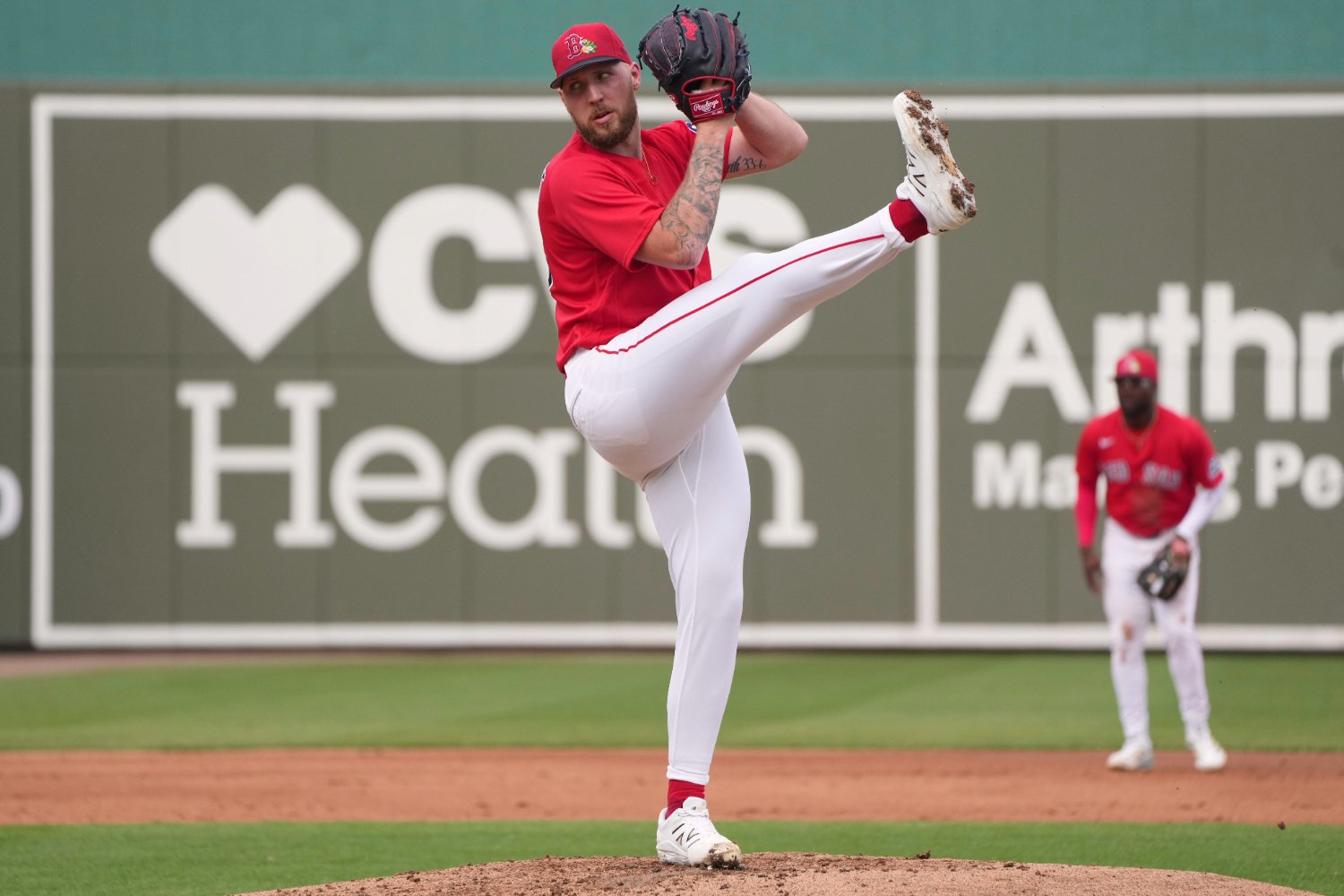 As dedicated sports fans and analysts, there's something of a bizarre phenomenon that takes place once a player reaches a certain stratosphere: We stop talking about them. I don't mean literally, of course. People didn't stop wearing David Ortiz jerseys or magically forget the historic ascendancy unfolding every time Pedro Martinez took the mound. But articles breaking down the minutiae of a player's stats or endless forum discussions about their value to the team are often reserved for those on the fringes of a casual fan's mind — the "X-factors" of the world, as we've come to call them. Sometimes, a pitcher or hitter becomes so good that their greatness is inevitable. Last season, Garrett Crochet entered that tier of greatness. He was so singularly dominant — so guaranteed to put the Boston Red Sox in a position to win every time he took the mound — that it became easy to take him for granted. Leading the American League in workload (205 1/3 innings), the War Pig accumulated an MLB-leading 255 strikeouts. His 2.59 ERA and 6.3 bWAR were enough to earn him a second-place finish in Cy Young Award voting, behind only back-to-back champion Tarik Skubal. That is now the standard to which Crochet must adhere. No matter which outlet or sportsbook you choose to get your odds from, you'll find the Red Sox's ace as one of two favorites for the Junior Circuit's top pitching award this season, alongside Skubal. No one else comes within their vicinity, with Jacob deGrom and Hunter Brown serving as dark-horse options as the next-biggest favorites on the list. That's awe-inspiring company to be a part of. Crochet joins Skubal, Paul Skenes (reigning NL Cy Young) and Yoshinobu Yamamoto (reigning World Series MVP) as one of the four best pitchers in the sport. Even on a pitching staff that's set to introduce All-Stars Sonny Gray and Ranger Suárez to the fold this year, the incumbent southpaw is the unquestioned leader of the group. The projection systems offer similar hope and hype for an encore. Every notable model foresees at least 5.0 fWAR worth of production from Crochet in 2026, and even those that aren't overtly bullish on him still can't help but prognosticate greatness. Garrett Crochet 2026 Projections Steamer: 193 innings, 3.02 ERA, 2.84 FIP, 30.8% strikeout rate, 5.6 fWAR ZiPS: 184 1/3 innings, 2.78 ERA, 2.77 FIP, 30.7% strikeout rate, 5.5 fWAR Composite: 187 innings, 2.98 ERA, 2.88 FIP, 30.4% strikeout rate, 5.6 fWAR There were already considerable expectations on his shoulders after the trade with the Chicago White Sox, and even those ballooned after he inked a $170 million extension to remain in Boston for the foreseeable future. Now, Crochet is facing do-or-die pressure every time he steps to the mound. Anything short of another top-three finish in Cy Young voting will register as disappointing, as insane as that is to say during the first week of March. Remember, none of the Red Sox's previous southpaw aces (Chris Sale, David Price, and Jon Lester) were able to win the award in Boston. Rick Porcello's questionable victory in 2016 is the last one the franchise has had; before him, it was Pedro's two-year run in 1999 and 2000. MVPs have been nearly twice as common as Cy Youngs in team history (11 to 7), and that includes a man (Roger Clemens) who won both a combined four times. Asking Crochet to win the top pitching award — while having to out-duel an all-time great in Skubal for it — is probably asking to be disappointed. But that's what being great is all about: having to exceed even the most outlandish expectations. Crochet has earned his place in this discussion. The projection systems clearly favor his chances to repeat his breakout 2025 season. As he's soon to find out, though, there's only one thing more difficult than reaching the mountaintop: maintaining your place atop it.
 -
Real, live MLB action is finally upon us once again. It feels so sweet after such a long (and cold) offseason — aptly named, spring training marks the unofficial end of winter and the even-less-official start of the season before summer. But while snow and blizzards continue to rampage the northeast, Florida and Arizona are unperturbed. The sunshine is unrelenting, and so too is the baseball that comes with it. All of that is to say: Welcome back to the funniest and most headache-inducing period of baseball discourse. If you've followed this sport for more than a season, you know the trap that is spring training. It's a time of year when unheralded non-roster invitees look like future MVPs all while the ace your team shelled out $150 million for looks like a washed-up scrub. Because baseball has been absent for so long, it's impossible not to draw conclusions from the evidence of our eyes and ears, but we must use precedent and history to remind ourselves that nothing happening during this exhibition slate actually matters. For every Nolan Arenado or Kris Bryant-style breakout — where a top prospect announces that they are truly, wholly ready for the big leagues — there's 100 players who ride unsustainable hot streaks in spring to undeserved roster spots or, at the very least, 15 minutes of fame. It's as inevitable as it is frustrating. Let's take the 2025 Red Sox as a case study. Last year, the team's spring training leader in OPS was Mikey Romero (2.048 OPS). Among players with at least 10 at-bats, though, the top five looked as such: Trayce Thompson (1.280), Alex Bregma (1.026), Nate Eaton (1.022), Marcelo Mayer (.982), and Abraham Toro (.951). Toro is perhaps a perfect microcosm of the biggest pitfall spring training presents: the sample size. Toro repeated his blistering spring in May (124 wRC+) before slumping to a .574 OPS in July. Anyone who gets invited to spring training is capable of getting hot, even against the best players in the world, because they are the best players in the world. They wouldn't be at spring training if they weren't able to hit against pro pitchers, or if their fastball sat at 75 mph. In a small-enough sample, anything can happen. Which is precisely why we can't trust what happens in February and March, especially since the average level of competition is lower than it is during the regular season. So, when Brayan Bello and Ranger Suarez are repping double-digit ERAs through their first appearances, or when Tyler McDonough and Andruw Monasterio are posting OPS figures above 1.000 through the end of February, remember that none of this guarantees anything when the games start to actually matter. Now, this whole conversation requires a caveat once every three years, including 2026: the World Baseball Classic. Unlike spring training, these games "matter" in a somewhat technical sense. Though nothing from the tournament carries over into the regular season, there's a lot of pride on the line. And as baseball's version of the World Cup grows more and more popular with each iteration, players take their performance — both from an individual and team perspective — more seriously. Winning championships and posting huge stat lines gets your name in the record books, something that not even the most legendary spring training performances have a claim to. When the WBC gets fired up next week, it'll be a little more difficult to discern which performances are worth reading into. Masataka Yoshida was the best player in the last edition of the tournament, setting a new WBC record for RBIs. He debuted with the Red Sox that year to the tune of a solid but unspectacular 111 wRC+. Could a similar dominant performance from one of the Red Sox's many representatives portend a 2026 breakout? It's hard to say with any degree of certainty. So, let yourself dream on that long-awaited Romero breakout and don't be discouraged by Bello's ugly stats. Just as the players are warming up their bodies for a long season ahead, we too must get our minds back in the habit of deciphering what's real and what isn't. View full article
-
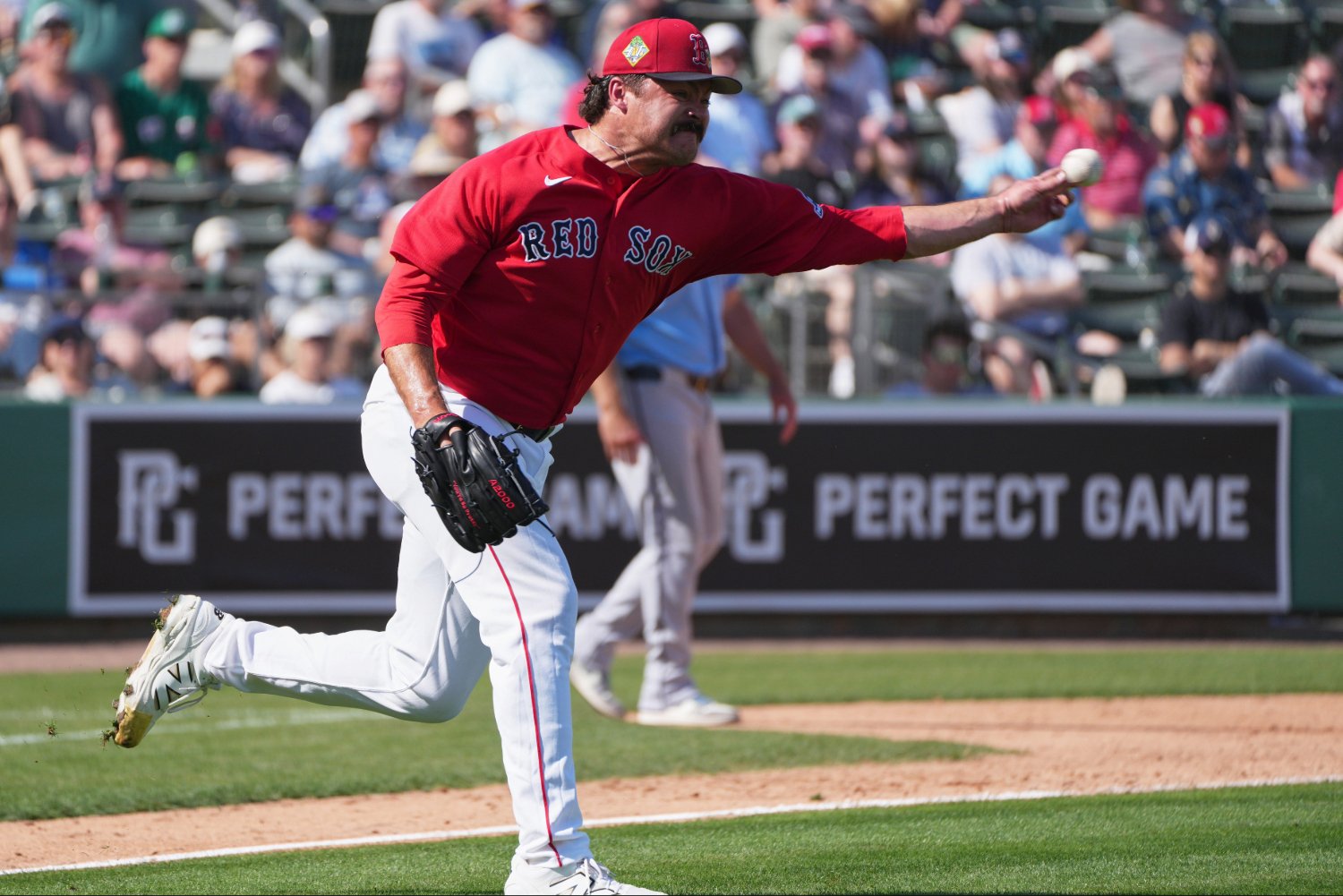 Real, live MLB action is finally upon us once again. It feels so sweet after such a long (and cold) offseason — aptly named, spring training marks the unofficial end of winter and the even-less-official start of the season before summer. But while snow and blizzards continue to rampage the northeast, Florida and Arizona are unperturbed. The sunshine is unrelenting, and so too is the baseball that comes with it. All of that is to say: Welcome back to the funniest and most headache-inducing period of baseball discourse. If you've followed this sport for more than a season, you know the trap that is spring training. It's a time of year when unheralded non-roster invitees look like future MVPs all while the ace your team shelled out $150 million for looks like a washed-up scrub. Because baseball has been absent for so long, it's impossible not to draw conclusions from the evidence of our eyes and ears, but we must use precedent and history to remind ourselves that nothing happening during this exhibition slate actually matters. For every Nolan Arenado or Kris Bryant-style breakout — where a top prospect announces that they are truly, wholly ready for the big leagues — there's 100 players who ride unsustainable hot streaks in spring to undeserved roster spots or, at the very least, 15 minutes of fame. It's as inevitable as it is frustrating. Let's take the 2025 Red Sox as a case study. Last year, the team's spring training leader in OPS was Mikey Romero (2.048 OPS). Among players with at least 10 at-bats, though, the top five looked as such: Trayce Thompson (1.280), Alex Bregma (1.026), Nate Eaton (1.022), Marcelo Mayer (.982), and Abraham Toro (.951). Toro is perhaps a perfect microcosm of the biggest pitfall spring training presents: the sample size. Toro repeated his blistering spring in May (124 wRC+) before slumping to a .574 OPS in July. Anyone who gets invited to spring training is capable of getting hot, even against the best players in the world, because they are the best players in the world. They wouldn't be at spring training if they weren't able to hit against pro pitchers, or if their fastball sat at 75 mph. In a small-enough sample, anything can happen. Which is precisely why we can't trust what happens in February and March, especially since the average level of competition is lower than it is during the regular season. So, when Brayan Bello and Ranger Suarez are repping double-digit ERAs through their first appearances, or when Tyler McDonough and Andruw Monasterio are posting OPS figures above 1.000 through the end of February, remember that none of this guarantees anything when the games start to actually matter. Now, this whole conversation requires a caveat once every three years, including 2026: the World Baseball Classic. Unlike spring training, these games "matter" in a somewhat technical sense. Though nothing from the tournament carries over into the regular season, there's a lot of pride on the line. And as baseball's version of the World Cup grows more and more popular with each iteration, players take their performance — both from an individual and team perspective — more seriously. Winning championships and posting huge stat lines gets your name in the record books, something that not even the most legendary spring training performances have a claim to. When the WBC gets fired up next week, it'll be a little more difficult to discern which performances are worth reading into. Masataka Yoshida was the best player in the last edition of the tournament, setting a new WBC record for RBIs. He debuted with the Red Sox that year to the tune of a solid but unspectacular 111 wRC+. Could a similar dominant performance from one of the Red Sox's many representatives portend a 2026 breakout? It's hard to say with any degree of certainty. So, let yourself dream on that long-awaited Romero breakout and don't be discouraged by Bello's ugly stats. Just as the players are warming up their bodies for a long season ahead, we too must get our minds back in the habit of deciphering what's real and what isn't.
 -
With Roman Anthony, Ranger Suárez, and other ticketed for the WBC, which Boston Red Sox players will stand out most at spring training?
-
With Roman Anthony, Ranger Suárez, and other ticketed for the WBC, which Boston Red Sox players will stand out most at spring training? View full video
-
It flew way under the radar earlier in the month, but the Boston Red Sox did add another bullpen option to the mix in Kyle Keller. Unlike fellow offseason acquisition Ryan Watson, Keller isn't on the 40-man roster — he'll earn $1.9 million if he breaks camp with the team — meaning he'll have to displace someone to return to the majors. The good news is that, besides Watson and Tyler Samaniego, the Red Sox didn't add anyone else to the reliever mix this winter (save for a smattering of non-roster invitees). In other words, opportunities will be abundant in spring. That'll be important for Keller, who hasn't pitched in Major League Baseball since 2021. He's spent the past four years in the NPB, racking up some big strikeout numbers while allowing too many home runs and walks. The 32-year-old right-hander posted a 2.42 ERA across 152 1/3 innings in Japan, though his peripherals left something to be desired. One thing to note is that, while his mid-90s fastball velocity really played up in the NPB (where high-end velocity is much rarer than in MLB), Keller won't be able to get by so easily if he's missing his spots. However, as shared by Section 10's Tyler Milliken, that four-seamer did yield a 126 Stuff+ grade last year. It's easily his best pitch, though a 70% usage rate probably won't fly in the states without another tick or two on the radar gun. His other two pitches, a curveball and splitter, are generally reserved for specific batters, with the curve primarily used against righties and the splitter saved exclusively for lefties. The problem is the curveball, despite generating a decent whiff rate (26.8%), gets hit hard and doesn't grade out well in terms of shape or break. The split-finger did stifle left-handed batters in 2025 (.147 xwOBAcon), though that sample is comprised of only 40 pitches. Really, this is a bet on a unique fastball that Keller just dominates the upper-third of the zone with. The pitch has tremendous rise and ride, meaning hitters perceive it going up in the zone after it's released. Keller can run into some trouble when he leaves it down — it runs into the swing path of hitters, especially lefties, in that case — but there's a reason why the pitch only yielded a 30.0% ground-ball rate last year. He wins by throwing the pitch high and daring batters to catch up with it. Keller is a fascinating case of a one-trick pony whose trick is actually a lot more impressive and deceptive than it appears at first glance. His first assignment clause comes in mid-April, meaning the Red Sox will have a couple of months to evaluate him in spring training and Triple-A before he can seek a major-league deal with another team. Will that be enough time to win him a job in Boston's bullpen? Seeing as the team has lost so many relievers this offseason (Steven Matz, Jordan Hicks, Brennan Bernardino, Chris Murphy, Liam Hendriks, Josh Winckowski) without adding many options to replace them, the signing of Kyle Keller could prove to be monumental if everything breaks the right way. View full article
-
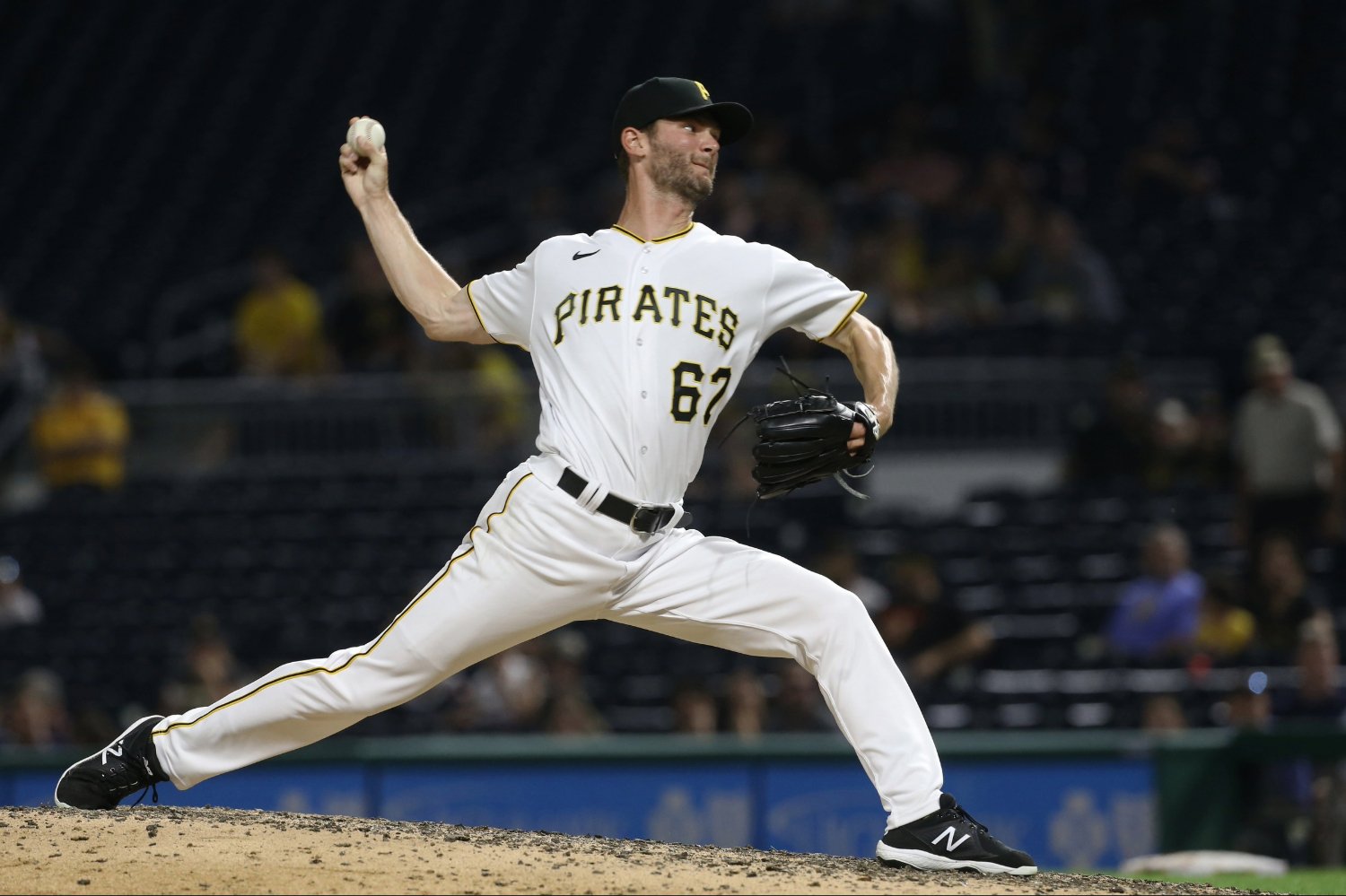 It flew way under the radar earlier in the month, but the Boston Red Sox did add another bullpen option to the mix in Kyle Keller. Unlike fellow offseason acquisition Ryan Watson, Keller isn't on the 40-man roster — he'll earn $1.9 million if he breaks camp with the team — meaning he'll have to displace someone to return to the majors. The good news is that, besides Watson and Tyler Samaniego, the Red Sox didn't add anyone else to the reliever mix this winter (save for a smattering of non-roster invitees). In other words, opportunities will be abundant in spring. That'll be important for Keller, who hasn't pitched in Major League Baseball since 2021. He's spent the past four years in the NPB, racking up some big strikeout numbers while allowing too many home runs and walks. The 32-year-old right-hander posted a 2.42 ERA across 152 1/3 innings in Japan, though his peripherals left something to be desired. One thing to note is that, while his mid-90s fastball velocity really played up in the NPB (where high-end velocity is much rarer than in MLB), Keller won't be able to get by so easily if he's missing his spots. However, as shared by Section 10's Tyler Milliken, that four-seamer did yield a 126 Stuff+ grade last year. It's easily his best pitch, though a 70% usage rate probably won't fly in the states without another tick or two on the radar gun. His other two pitches, a curveball and splitter, are generally reserved for specific batters, with the curve primarily used against righties and the splitter saved exclusively for lefties. The problem is the curveball, despite generating a decent whiff rate (26.8%), gets hit hard and doesn't grade out well in terms of shape or break. The split-finger did stifle left-handed batters in 2025 (.147 xwOBAcon), though that sample is comprised of only 40 pitches. Really, this is a bet on a unique fastball that Keller just dominates the upper-third of the zone with. The pitch has tremendous rise and ride, meaning hitters perceive it going up in the zone after it's released. Keller can run into some trouble when he leaves it down — it runs into the swing path of hitters, especially lefties, in that case — but there's a reason why the pitch only yielded a 30.0% ground-ball rate last year. He wins by throwing the pitch high and daring batters to catch up with it. Keller is a fascinating case of a one-trick pony whose trick is actually a lot more impressive and deceptive than it appears at first glance. His first assignment clause comes in mid-April, meaning the Red Sox will have a couple of months to evaluate him in spring training and Triple-A before he can seek a major-league deal with another team. Will that be enough time to win him a job in Boston's bullpen? Seeing as the team has lost so many relievers this offseason (Steven Matz, Jordan Hicks, Brennan Bernardino, Chris Murphy, Liam Hendriks, Josh Winckowski) without adding many options to replace them, the signing of Kyle Keller could prove to be monumental if everything breaks the right way.
 -
Well, that Rafael Devers trade tree continues to expand. At long last, the Boston Red Sox have addressed their glaring need in the infield, adding Caleb Durbin in an out-of-nowhere trade with the Milwaukee Brewers. The full return — Kyle Harrison, David Hamilton, and Shane Drohan — continues to deplete the Red Sox's pitching depth, which has been a key part of their offseason strategy. Expect Payton Tolle and Connelly Early to serve as the next-men-up in case of an injury to the major-league rotation. As for Durbin, the 25-year-old infielder primarily played third base for the Brewers in his rookie campaign, but he's a capable middle infielder and will almost certainly slide over to second upon arriving in Boston. He hit .256/.334/.387 (105 wRC+) with 11 home runs and 18 steals last season. He is a strong defender who is extremely versatile, which is a very Brewers profile. It will be interesting to see how he's deployed by Alex Cora, considering all of the infield depth the Red Sox have. Oh but wait — there's more! Andruw Monasterio is yet another versatile infielder on the 40-man roster being added to the team's coffers. He played at least eight games at each infield position last year and is well-reviewed by all of his teammates and coaches. More than likely, he'll be optioned to Triple-A Worcester considering that Durbin, Isiah Kiner-Falefa, Romy Gonzalez, and possibly one of Nate Eaton or Nick Sogard will be on the Opening Day roster, but he just further adds to the versatility the Red Sox have been working on building up. Which is also the case for Anthony Seigler, who is more of a true third baseman (though he does have ample catching experience in the minors). Neither player is revered for their hitting prowess, but the 26-year-old Seigler has crushed minor-league pitching in the past and offers a left-handed bat to the bench mix. This is a lot of team control for the Red Sox to be adding (plus a top-100 draft pick) in exchange for Harrison, Hamilton, and Drohan. Hamilton become exceptionally superfluous on this roster once Kiner-Falefa signed, and both Harrison and Drohan were buried on the depth chart behind Patrick Sandoval, Kutter Crawford, Payton Tolle, and Connelly Early. At the risk of appearing like one of many common fools when their team trades with the Brewers (or Tampa Bay Rays): this appears to be a total fleece job by the Red Sox. Of course, the Brewers are absolutely planning something else. They didn't just trade their entire third base depth chart for pennies on the dollar without some sort of idea of how to upgrade at that spot. But that doesn't affect what Boston got or gave up in this deal. Considering how few options there were to address the need at second base, it's hard to imagine how the front office could have done better. View full article
-
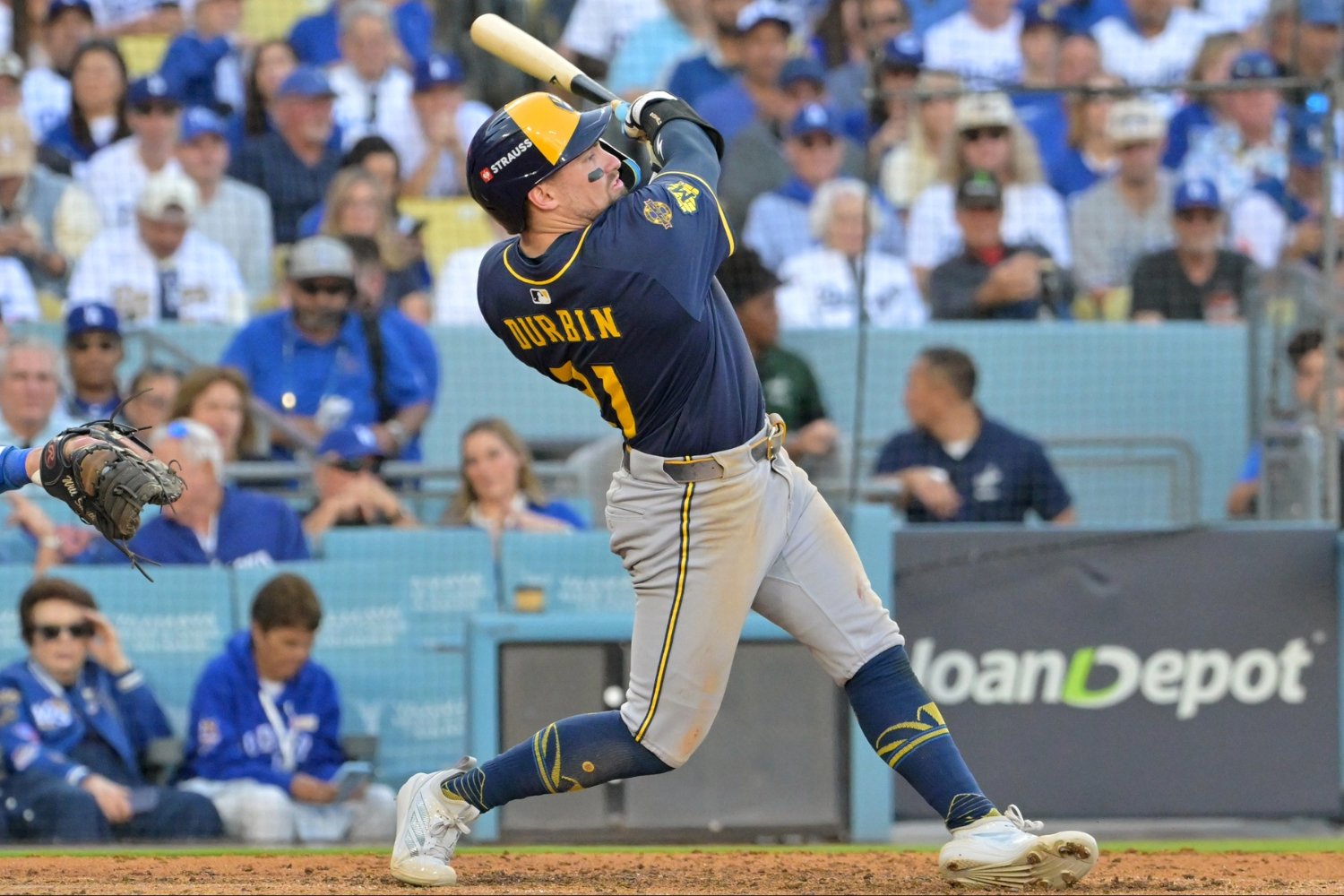 Well, that Rafael Devers trade tree continues to expand. At long last, the Boston Red Sox have addressed their glaring need in the infield, adding Caleb Durbin in an out-of-nowhere trade with the Milwaukee Brewers. The full return — Kyle Harrison, David Hamilton, and Shane Drohan — continues to deplete the Red Sox's pitching depth, which has been a key part of their offseason strategy. Expect Payton Tolle and Connelly Early to serve as the next-men-up in case of an injury to the major-league rotation. As for Durbin, the 25-year-old infielder primarily played third base for the Brewers in his rookie campaign, but he's a capable middle infielder and will almost certainly slide over to second upon arriving in Boston. He hit .256/.334/.387 (105 wRC+) with 11 home runs and 18 steals last season. He is a strong defender who is extremely versatile, which is a very Brewers profile. It will be interesting to see how he's deployed by Alex Cora, considering all of the infield depth the Red Sox have. Oh but wait — there's more! Andruw Monasterio is yet another versatile infielder on the 40-man roster being added to the team's coffers. He played at least eight games at each infield position last year and is well-reviewed by all of his teammates and coaches. More than likely, he'll be optioned to Triple-A Worcester considering that Durbin, Isiah Kiner-Falefa, Romy Gonzalez, and possibly one of Nate Eaton or Nick Sogard will be on the Opening Day roster, but he just further adds to the versatility the Red Sox have been working on building up. Which is also the case for Anthony Seigler, who is more of a true third baseman (though he does have ample catching experience in the minors). Neither player is revered for their hitting prowess, but the 26-year-old Seigler has crushed minor-league pitching in the past and offers a left-handed bat to the bench mix. This is a lot of team control for the Red Sox to be adding (plus a top-100 draft pick) in exchange for Harrison, Hamilton, and Drohan. Hamilton become exceptionally superfluous on this roster once Kiner-Falefa signed, and both Harrison and Drohan were buried on the depth chart behind Patrick Sandoval, Kutter Crawford, Payton Tolle, and Connelly Early. At the risk of appearing like one of many common fools when their team trades with the Brewers (or Tampa Bay Rays): this appears to be a total fleece job by the Red Sox. Of course, the Brewers are absolutely planning something else. They didn't just trade their entire third base depth chart for pennies on the dollar without some sort of idea of how to upgrade at that spot. But that doesn't affect what Boston got or gave up in this deal. Considering how few options there were to address the need at second base, it's hard to imagine how the front office could have done better.
 -
Between a quartet of quality middle infielders, which option stands out as the best fit for the Boston Red Sox's second base opening in 2026? In the mix are Isiah Kiner-Falefa, Nick Sogard, David Hamilton, and Romy Gonzalez.
-
Between a quartet of quality middle infielders, which option stands out as the best fit for the Boston Red Sox's second base opening in 2026? In the mix are Isiah Kiner-Falefa, Nick Sogard, David Hamilton, and Romy Gonzalez. View full video
-
Though he shouldn't start at second base, Isiah Kiner-Falefa brings more versatility, speed, and defense to a Boston Red Sox bench brimming with quality depth. View full video
-
Though he shouldn't start at second base, Isiah Kiner-Falefa brings more versatility, speed, and defense to a Boston Red Sox bench brimming with quality depth.
-
Upon trading David Sandlin to the Chicago White Sox as part of the Jordan Hicks salary dump, Craig Breslow and the Boston Red Sox effectively wiped their hands clean of all of their vaunted pitching depth in the span of about three months. What was once a 40-man roster littered with pitching prospects scratching and clawing to even get some time in Triple-A is now whittled down to a clear-cut starting five and some limited (but impressive) depth, including Patrick Sandoval, Kutter Crawford, Tanner Houck, and Kyle Harrison. Alongside Sandlin, the Red Sox have sent the following young arms away in trades this winter: Richard Fitts, Hunter Dobbins, Brandon Clarke, Luis Perales, Blake Aita, and Yhoiker Fajardo. If you can believe it, that's not even an exhaustive list. And, really, this all makes sense when you consider Breslow's background. A 12-year MLB pitcher who won the 2013 World Series with the Red Sox, the current Brezident of baseball operations [I have never been less sorry for a pun] took his first front office role with the Chicago Cubs and Theo Epstein as their Director of Strategic Initiatives for Baseball Operations. That long and unwieldy title meant a lot of things, but chief among his responsibilities was to "support the organization's pitching infrastructure in Player Development and the major leagues." He was soon promoted to the position of Director of Pitching and Special Assistant to the President and General Manager. In other words, he basically took over the Cubs' entire minor league pitching infrastructure. And less than a year later, he was promoted again to Assistant General Manager/Vice President, Pitching. So, yeah, this guy knows a thing or two about pitchers because he's seen a thing or two with pitchers. He's brought that knowledge along with him to Boston, and it's why the team had so many major-league ready or major-league caliber pitchers to deal from. And between Payton Tolle and Connelly Early, they were able to hold onto their best pitching prospects throughout such an extensive period of wheeling-and-dealing. This phenomenon won't be a one-off, either. The Red Sox continue to prioritize pitchers in drafts, including their 2025 class which featured eight hurlers taken within the team's first ten picks. Young, controllable pitchers are the most valuable commodity in baseball, and if Breslow believes he can identify the right talent for the franchise's pitching lab to develop, there will be no shortage of tradeable assets in the future. Perhaps the most telling thing about all of this, though, is that for all their pitching depth and scouting prowess, the Red Sox haven't given their prospects a chance to shine in the majors. They've instead favored established MLB arms, trading for Garrett Crochet, Sonny Gray, and Johan Oviedo and signing Ranger Suárez in free agency in about a 13-month span. The only homegrown member of the rotation, Brayan Bello, was signed back in 2017 under Dave Dombrowski. Once pitchers like Tolle, Early, and even Kyson Witherspoon establish their big-league bona fides in Boston, that narrative will quiet down. But this strategy of drafting, developing, and trading young pitchers for established MLB talent is an interesting one, lying at the crossroads of Breslow's analytical background and the Sox's big-market tendencies. There's no telling how sustainable it might be, but if it leads to another successful run (or runs) in the postseason, that strategy may just become the standard. View full article
-
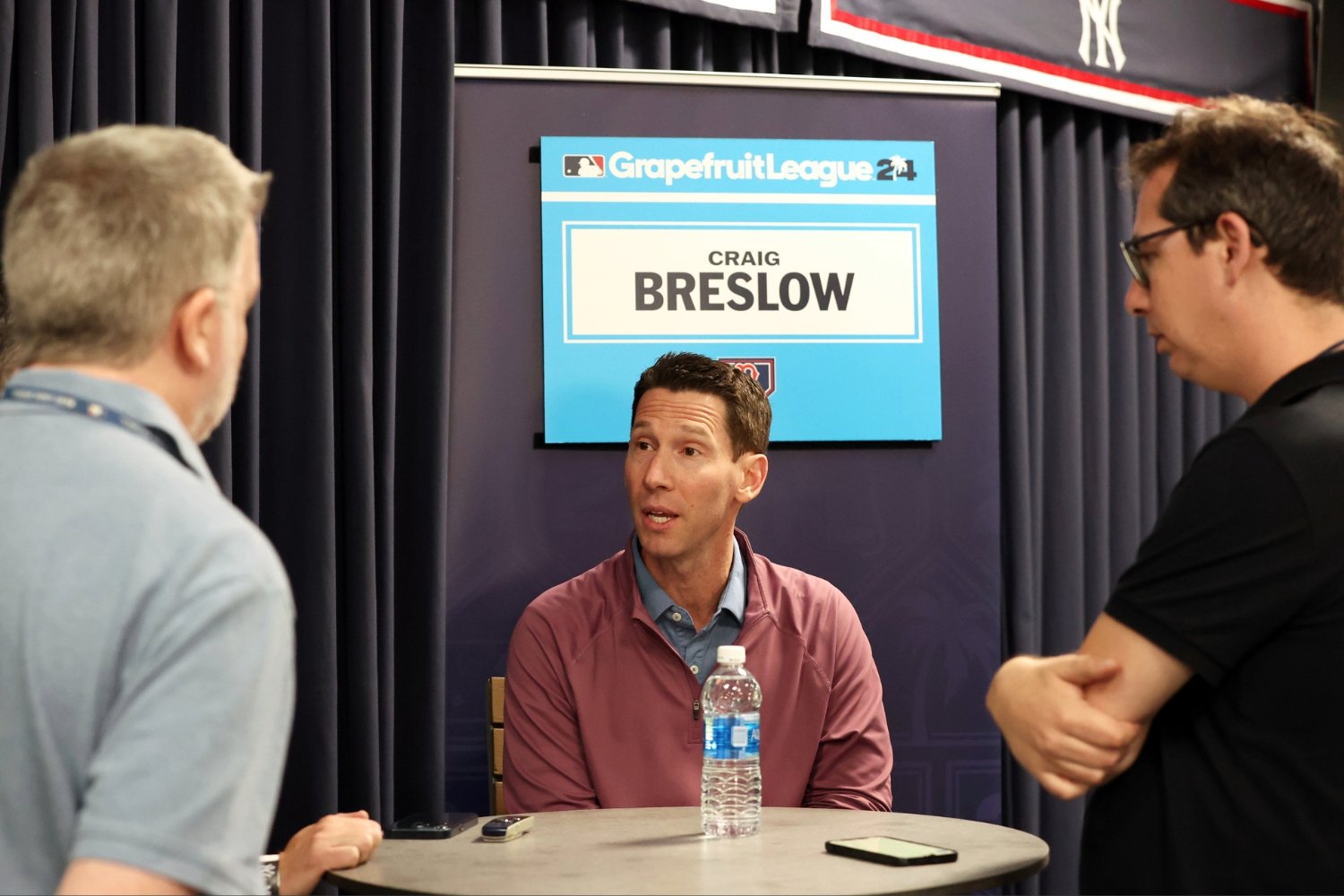 Upon trading David Sandlin to the Chicago White Sox as part of the Jordan Hicks salary dump, Craig Breslow and the Boston Red Sox effectively wiped their hands clean of all of their vaunted pitching depth in the span of about three months. What was once a 40-man roster littered with pitching prospects scratching and clawing to even get some time in Triple-A is now whittled down to a clear-cut starting five and some limited (but impressive) depth, including Patrick Sandoval, Kutter Crawford, Tanner Houck, and Kyle Harrison. Alongside Sandlin, the Red Sox have sent the following young arms away in trades this winter: Richard Fitts, Hunter Dobbins, Brandon Clarke, Luis Perales, Blake Aita, and Yhoiker Fajardo. If you can believe it, that's not even an exhaustive list. And, really, this all makes sense when you consider Breslow's background. A 12-year MLB pitcher who won the 2013 World Series with the Red Sox, the current Brezident of baseball operations [I have never been less sorry for a pun] took his first front office role with the Chicago Cubs and Theo Epstein as their Director of Strategic Initiatives for Baseball Operations. That long and unwieldy title meant a lot of things, but chief among his responsibilities was to "support the organization's pitching infrastructure in Player Development and the major leagues." He was soon promoted to the position of Director of Pitching and Special Assistant to the President and General Manager. In other words, he basically took over the Cubs' entire minor league pitching infrastructure. And less than a year later, he was promoted again to Assistant General Manager/Vice President, Pitching. So, yeah, this guy knows a thing or two about pitchers because he's seen a thing or two with pitchers. He's brought that knowledge along with him to Boston, and it's why the team had so many major-league ready or major-league caliber pitchers to deal from. And between Payton Tolle and Connelly Early, they were able to hold onto their best pitching prospects throughout such an extensive period of wheeling-and-dealing. This phenomenon won't be a one-off, either. The Red Sox continue to prioritize pitchers in drafts, including their 2025 class which featured eight hurlers taken within the team's first ten picks. Young, controllable pitchers are the most valuable commodity in baseball, and if Breslow believes he can identify the right talent for the franchise's pitching lab to develop, there will be no shortage of tradeable assets in the future. Perhaps the most telling thing about all of this, though, is that for all their pitching depth and scouting prowess, the Red Sox haven't given their prospects a chance to shine in the majors. They've instead favored established MLB arms, trading for Garrett Crochet, Sonny Gray, and Johan Oviedo and signing Ranger Suárez in free agency in about a 13-month span. The only homegrown member of the rotation, Brayan Bello, was signed back in 2017 under Dave Dombrowski. Once pitchers like Tolle, Early, and even Kyson Witherspoon establish their big-league bona fides in Boston, that narrative will quiet down. But this strategy of drafting, developing, and trading young pitchers for established MLB talent is an interesting one, lying at the crossroads of Breslow's analytical background and the Sox's big-market tendencies. There's no telling how sustainable it might be, but if it leads to another successful run (or runs) in the postseason, that strategy may just become the standard.
 -
As expected, the Boston Red Sox have done something to add to their infield mix, signing veteran utility man Isiah Kiner-Falefa to a one-year deal. With all due respect to Nate Eaton and Nick Sogard, this is now one of the least inspiring positional battles we've seen in some time. That duo, along with Kiner-Falefa, will compete with incumbent lefty-masher Romy Gonzalez for the starting second base job come Opening Day. It's just a continuation of they keystone carousel the Red Sox have been on since Dustin Pedroia rode off into the sunset, and one that could have been avoided had Kristian Campbell been properly developed in the field. Alas, here we are, with one of that quartet likely to take the majority of reps at second base in 2026. And before anyone suggests Marcelo Mayer sliding back over to the right side of the infield, just know that's not happening. He will be the starting third baseman no matter what — the team made that choice when Alex Bregman walked in free agency. As for Kiner-Falefa himself, the 30-year-old is the platonic ideal of a utility man. Yes, he struggled mightily during the Toronto Blue Jays' playoff run last year to the tune of a .162/.184/.216 line, but he's a solid threat on the basepaths (10+ steals in each of the past five seasons) who can capably play at second, third, and short. There's real value in that kind of profile, even if Kiner-Falefa has never posted a wRC+ above 100 in his career. The immediate reaction to this move will be something along the lines of "that's it?!", which is both a valid take and unfounded worry. Yes, the franchise has failed to replace Bregman with anyone even close to resembling his talents, but that was always a pipe dream. Willson Contreras finally solidified first base, and the designated hitter rotation should be far more potent with Triston Casas competing for at-bats with Jarren Duran. That's not me guaranteeing that another move is on the horizon or that someone will magically emerge from the second base competition as an All-Star contributor, but it is a reminder that reliable depth is also a fundamental part of fielding a winning team. If there is upside to be found at the keystone in Boston, it likely resides in Gonzalez, who simply hammers southpaws (162 wRC+ last season) and is more or less adequate against the far-more-common right-hander (95 wRC+). That still led to a 123 mark for the season, which is more than playable at a position that isn't known for premium defense. With Kiner-Falefa, Eaton, and Sogard now all on the roster, there's more than enough versatility to let Gonzalez focus exclusively on playing second base. And perhaps that was the plan with such a move in the first place. Or maybe this was a bet-hedger, aimed to preserve maximum flexibility in case a lingering trade candidate or free agent floated past Craig Breslow's windshield. Either way, this move registers as understandable when it comes to the bench, though it becomes a bit more stomach-churning if there are designs involving Kiner-Falefa starting on a regular basis. View full article
-
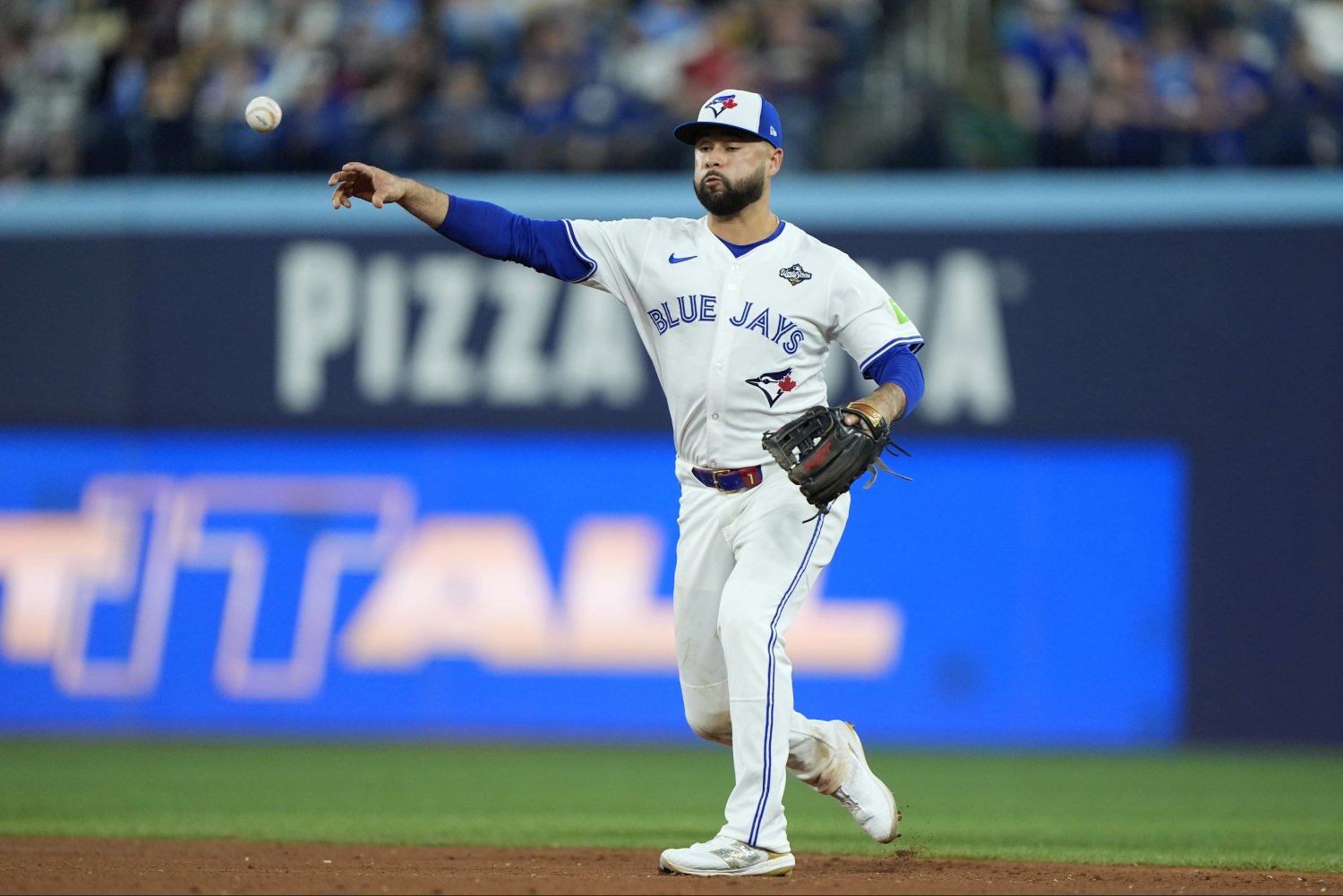 As expected, the Boston Red Sox have done something to add to their infield mix, signing veteran utility man Isiah Kiner-Falefa to a one-year deal. With all due respect to Nate Eaton and Nick Sogard, this is now one of the least inspiring positional battles we've seen in some time. That duo, along with Kiner-Falefa, will compete with incumbent lefty-masher Romy Gonzalez for the starting second base job come Opening Day. It's just a continuation of they keystone carousel the Red Sox have been on since Dustin Pedroia rode off into the sunset, and one that could have been avoided had Kristian Campbell been properly developed in the field. Alas, here we are, with one of that quartet likely to take the majority of reps at second base in 2026. And before anyone suggests Marcelo Mayer sliding back over to the right side of the infield, just know that's not happening. He will be the starting third baseman no matter what — the team made that choice when Alex Bregman walked in free agency. As for Kiner-Falefa himself, the 30-year-old is the platonic ideal of a utility man. Yes, he struggled mightily during the Toronto Blue Jays' playoff run last year to the tune of a .162/.184/.216 line, but he's a solid threat on the basepaths (10+ steals in each of the past five seasons) who can capably play at second, third, and short. There's real value in that kind of profile, even if Kiner-Falefa has never posted a wRC+ above 100 in his career. The immediate reaction to this move will be something along the lines of "that's it?!", which is both a valid take and unfounded worry. Yes, the franchise has failed to replace Bregman with anyone even close to resembling his talents, but that was always a pipe dream. Willson Contreras finally solidified first base, and the designated hitter rotation should be far more potent with Triston Casas competing for at-bats with Jarren Duran. That's not me guaranteeing that another move is on the horizon or that someone will magically emerge from the second base competition as an All-Star contributor, but it is a reminder that reliable depth is also a fundamental part of fielding a winning team. If there is upside to be found at the keystone in Boston, it likely resides in Gonzalez, who simply hammers southpaws (162 wRC+ last season) and is more or less adequate against the far-more-common right-hander (95 wRC+). That still led to a 123 mark for the season, which is more than playable at a position that isn't known for premium defense. With Kiner-Falefa, Eaton, and Sogard now all on the roster, there's more than enough versatility to let Gonzalez focus exclusively on playing second base. And perhaps that was the plan with such a move in the first place. Or maybe this was a bet-hedger, aimed to preserve maximum flexibility in case a lingering trade candidate or free agent floated past Craig Breslow's windshield. Either way, this move registers as understandable when it comes to the bench, though it becomes a bit more stomach-churning if there are designs involving Kiner-Falefa starting on a regular basis.
 -
This is one of the ugliest trade trees in recent memory. Almost hard to believe how poorly (and quickly) that Devers deal is aging.
-
For the second offseason in a row, the Boston Red Sox and Chicago White Sox have made a trade involving a flamethrowing pitcher. Only this time, it's the Red Sox who are subtracting from their roster, sending Jordan Hicks and prospect David Sandlin (plus two PTBNL) to the South Side of the Windy City for Gage Ziehl and a player to be named later. Hicks has been a popular point of discussion around these parts ever since he was acquired in the exceedingly ill-fated Rafael Devers trade with the San Francisco Giants. There were flashes of his old brilliance in Boston, and a profile that was just wanting for some slight tweaking. Alas, an 8.20 ERA and 6.19 FIP were simply too ugly to withstand, and the front office was able to move off the $25 million remaining on his contract. Sandlin is by far the bigger loss from the Sox's perspective. The 24-year-old reached Triple-A for the first time in 2025, logging a 4.50 ERA (3.76 FIP) in 106 innings across the two highest levels of the minor leagues. Like Hicks, we was on the 40-man roster, freeing up two roster spots for the Red Sox to use. His departure marks yet another young starting pitcher traded by the organization this winter, joining the likes of Luis Perales, Yhoiker Fajardo, Hunter Dobbins, Blake Aita, Brandon Clarke, Richard Fitts. The front office has done an excellent job building up depth at the position, and they continue to focus their scouting and drafting efforts on pitchers. They have more than enough talent to withstand those losses, but it's interesting to see that after years of building up their pitching depth, they've had no qualms knocking it down. Ziehl is the only named part of the return, but he's certainly an intriguing arm to add to the farm system. A fourth-round pick in the 2024 draft by the New York Yankees, the 22-year-old right-hander pitched to a 3.39 FIP in 107.0 innings between them and the Pale Hose last season. With an impressive slider and some excellent command (4.2% walk rate), he's got a high floor as a starter and should eventually replace Sandlin's position within the organization once he ascends to the upper minors. Beyond the roster spots and money saved, perhaps the biggest implication of this deal is what it means for Kyle Harrison. Thanks to all of the other offseason trades, he's now one of the most important depth pieces on the 40-man roster, and because Hicks and James Tibbs III (traded in the ill-advised Dustin May deal) are already out of the organization, pressure will mount and ratchet up for the 24-year-old southpaw to live up to his former top prospect billing. Barring a big developmental leap for Jose Bello, the Red Sox's only hope of extracting value from the Devers trade lies in Harrison. Considering that they salary-dumped Devers just to have to salary dump Hicks less than a year later, this already feels like a huge whiff by Craig Breslow and the front office. It's not Harrison's fault that he is now the ostensible centerpiece of that deal, but if he also doesn't pan out... yikes. The other primary question is how the Sox will fill Hicks' vacated spot in the bullpen. Another power arm would be helpful, as would an additional southpaw. Free-agent options are scarce, and the trade market will require a king's ransom for anyone who fits both of those qualifiers. Perhaps a transition to the 'pen for Harrison could help the team assuage both concerns in one go. Hicks was almost certainly never going to pan out in Boston, and trading him (even at the price of surrendering Sandlin) was the right way to move on. There's now more money to spend on players and free roster spots with which to add said players. The Devers trade tree is looking uglier and uglier by the day, but it's important that the front office didn't give into the sunk cost fallacy and try to stubbornly resurrect Hicks' career out of pride. The team should be slightly better for this move in 2026, even if it's also fair to say they would've been significantly better if Devers was still around. View full article
-
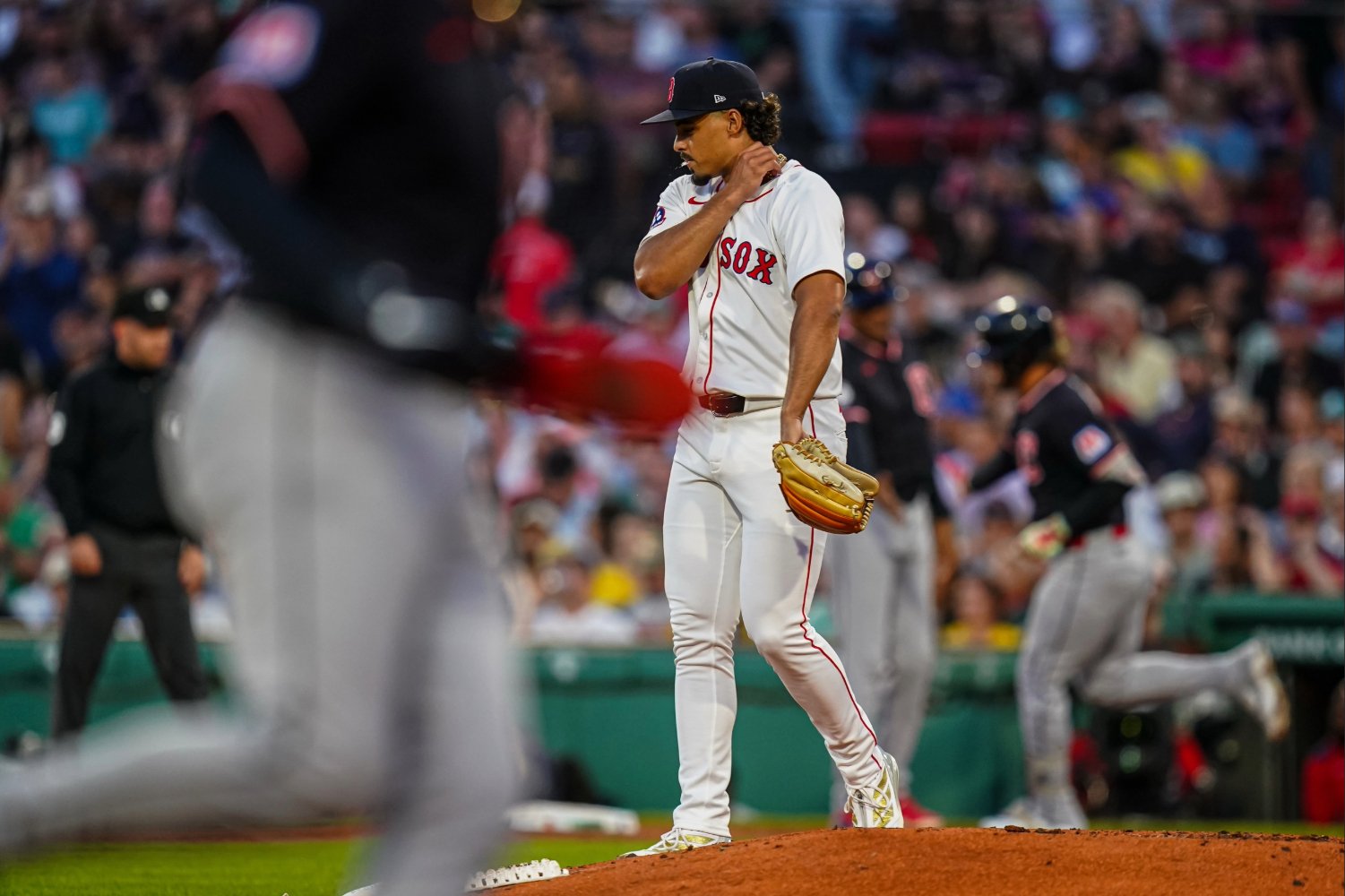 For the second offseason in a row, the Boston Red Sox and Chicago White Sox have made a trade involving a flamethrowing pitcher. Only this time, it's the Red Sox who are subtracting from their roster, sending Jordan Hicks and prospect David Sandlin (plus two PTBNL) to the South Side of the Windy City for Gage Ziehl and a player to be named later. Hicks has been a popular point of discussion around these parts ever since he was acquired in the exceedingly ill-fated Rafael Devers trade with the San Francisco Giants. There were flashes of his old brilliance in Boston, and a profile that was just wanting for some slight tweaking. Alas, an 8.20 ERA and 6.19 FIP were simply too ugly to withstand, and the front office was able to move off the $25 million remaining on his contract. Sandlin is by far the bigger loss from the Sox's perspective. The 24-year-old reached Triple-A for the first time in 2025, logging a 4.50 ERA (3.76 FIP) in 106 innings across the two highest levels of the minor leagues. Like Hicks, we was on the 40-man roster, freeing up two roster spots for the Red Sox to use. His departure marks yet another young starting pitcher traded by the organization this winter, joining the likes of Luis Perales, Yhoiker Fajardo, Hunter Dobbins, Blake Aita, Brandon Clarke, Richard Fitts. The front office has done an excellent job building up depth at the position, and they continue to focus their scouting and drafting efforts on pitchers. They have more than enough talent to withstand those losses, but it's interesting to see that after years of building up their pitching depth, they've had no qualms knocking it down. Ziehl is the only named part of the return, but he's certainly an intriguing arm to add to the farm system. A fourth-round pick in the 2024 draft by the New York Yankees, the 22-year-old right-hander pitched to a 3.39 FIP in 107.0 innings between them and the Pale Hose last season. With an impressive slider and some excellent command (4.2% walk rate), he's got a high floor as a starter and should eventually replace Sandlin's position within the organization once he ascends to the upper minors. Beyond the roster spots and money saved, perhaps the biggest implication of this deal is what it means for Kyle Harrison. Thanks to all of the other offseason trades, he's now one of the most important depth pieces on the 40-man roster, and because Hicks and James Tibbs III (traded in the ill-advised Dustin May deal) are already out of the organization, pressure will mount and ratchet up for the 24-year-old southpaw to live up to his former top prospect billing. Barring a big developmental leap for Jose Bello, the Red Sox's only hope of extracting value from the Devers trade lies in Harrison. Considering that they salary-dumped Devers just to have to salary dump Hicks less than a year later, this already feels like a huge whiff by Craig Breslow and the front office. It's not Harrison's fault that he is now the ostensible centerpiece of that deal, but if he also doesn't pan out... yikes. The other primary question is how the Sox will fill Hicks' vacated spot in the bullpen. Another power arm would be helpful, as would an additional southpaw. Free-agent options are scarce, and the trade market will require a king's ransom for anyone who fits both of those qualifiers. Perhaps a transition to the 'pen for Harrison could help the team assuage both concerns in one go. Hicks was almost certainly never going to pan out in Boston, and trading him (even at the price of surrendering Sandlin) was the right way to move on. There's now more money to spend on players and free roster spots with which to add said players. The Devers trade tree is looking uglier and uglier by the day, but it's important that the front office didn't give into the sunk cost fallacy and try to stubbornly resurrect Hicks' career out of pride. The team should be slightly better for this move in 2026, even if it's also fair to say they would've been significantly better if Devers was still around.
 -
Second Base Trade Market Leaves Red Sox With One Long-Term Hope
Brandon Glick posted an article in Red Sox
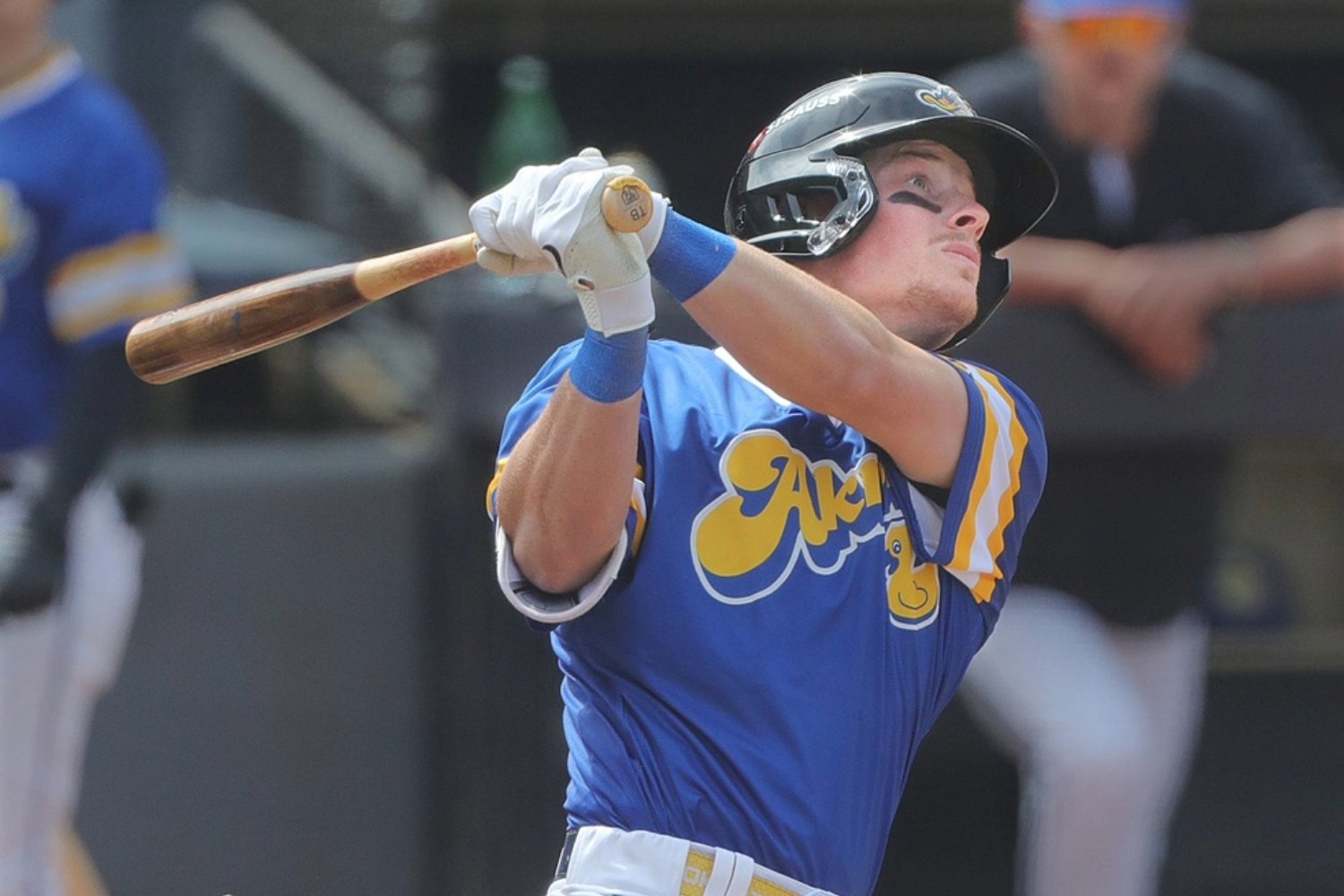 Right off the bat, I'll note that the player I'm focusing on in this piece isn't necessarily available. He hasn't been mentioned in many (if any) trade rumors, and it'd be a miracle to pry him loose from the Cleveland Guardians. But can you blame me for having to dig a little deeper here? The second base market is completely dry in free agency (Jose Iglesias is the top option remaining), Ketel Marte has been taken off the block, Nico Hoerner and Brendan Donovan are going to cost a fortune in a trade and don't have much team control remaining, and the Boston Red Sox's internal options are better suited for other positions (Marcelo Mayer), roles (Romy Gonzalez), or need more time to develop altogether (Mikey Romero, Franklin Arias). Insofar as an external upgrade at second base is coming, prepare to be uninspired by Craig Breslow's choice. Unless, of course, he gets really creative. I'm talking A.J. Preller levels of daring, which is completely antithetical and perhaps a polar opposite to the way Breslow operates. The reasons to do something like this are already limited, and they shrink even further if you believe the Red Sox can pair Gonzalez with an able-bodied platoon partner at the keystone. And so, with all that hedging out of the way: Let's trade for Travis Bazzana. Seriously. The Red Sox should trade for the No. 1 overall pick from the 2024 MLB Draft. Of course, such a trade would be easier said than done. He's a 23-year-old middle infielder who ascended to Triple-A in his first full professional season while working a 137 wRC+ and 17.6% walk rate. The Guardians ranked 28th in scoring in 2025 and desperately need a bat of his caliber to upgrade the lineup. For more on Bazzana, take this analysis on his prospect profile from Baseball Savant: Suffice it to say, he's got the goods. But, like all prospects, he's not without his flaws. Injury issues have plagued him since college, including a lingering oblique injury that landed him on the injured list twice and limited him to just 84 games in 2025. He also started to display some worrying strikeout tendencies as he climbed the minor-league ladder, finishing the season with a 24.3% punch-out rate. There's enough additive concerns that he's been falling down some top prospect lists, with The Athletic's Keith Law even going so far as to suggest that Bazzana "may not be the impact player [the Guardians] expected" when they drafted him. Are those yellow flags enough to loosen Cleveland's grip on him? Maybe. The Guardians have done literally nothing this offseason to add to their offense (which, again, ranked 28th in runs scored last year). Their most-important contributor by a country mile, José Ramirez, will be playing out his age-33 season in 2026. And the team is already banking a lot of their hopes on the continued development of 25-year-old Kyle Manzardo and top prospect Chase DeLauter. There may not be a huge appetite to rely on yet another unproven youngster in Bazzana if an MLB-proven contributor presents themselves as an alternative. And that's where the Red Sox come in. The Guardians' outfield is currently comprised of Steven Kwan, George Valera, and DeLauter, but their designated hitter spot is wide open, and none of those players are quite the offensive threats that Jarren Duran or Wilyer Abreu are when they're on. Could one of those two (plus perhaps a veteran pitcher like Patrick Sandoval or Kutter Crawford) stir up some conversations in Cleveland? The Guardians are a win-now team — they've won three of the past four AL Central titles — as are the Red Sox. They aren't traditional trade partners by any means. A lot of concessions would need to be made by both sides in order to strike a deal of this magnitude. The Red Sox would need to accept more risk than they have in all of their other offseason trades combined, and the Guardians would need to accept the optics of punting on a No. 1 overall pick less than two years after taking him. There are serious long-term downsides for both franchises present in this deal. But when you have a wide-open roster hole at second base and your best option to fill it is 36-year-old Jose Iglesias, risk becomes inherent in seeking upgrades. Few options are as risky as Travis Bazzana, but none of them present nearly as much upside.