Nick John
-
Posts
799 -
Joined
-
Last visited
-
Days Won
1
Content Type
Profiles
Boston Red Sox Videos
2026 Boston Red Sox Top Prospects Ranking
Boston Red Sox Free Agent & Trade Rumors, Notes, & Tidbits
Guides & Resources
2025 Boston Red Sox Draft Pick Tracker
News
2026 Boston Red Sox Draft Tracker: Picks & Bonuses
Forums
Blogs
Events
Store
Downloads
Gallery
Everything posted by Nick John
-
UPDATE: Johan Oviedo is hitting the 60-day IL to clear a spot on the 40-man roster for Anderson; Tyler Samaniego is being optioned to the minors to clear a spot on the active roster. Original post as follows. In need of bullpen assistance after Monday night’s loss to the Minnesota Twins, the Boston Red Sox have selected the contract of right-handed pitcher Jack Anderson from Triple-A Worcester, per Ari Alexander of 7News Boston. Anderson, who was a selection in the minor league portion of the Rule 5 draft back in 2024, spent most of 2025 with the Portland Sea Dogs before making three late season starts for Worcester. 2026 has been an up-and-down year so far for the 26-year-old after pitching for Great Britain during the World Baseball Classic. Since the minor-league season began, he’s made two starts for Worcester tossing 9 2/3 innings. In that span, he’s allowed four runs on eight hits (one home run) and three walks. He also struck out nine. There has yet to be a corresponding roster move; both the active roster and the 40-man roster are currently full and will require reconfiguring to make room for Anderson. View full rumor
-
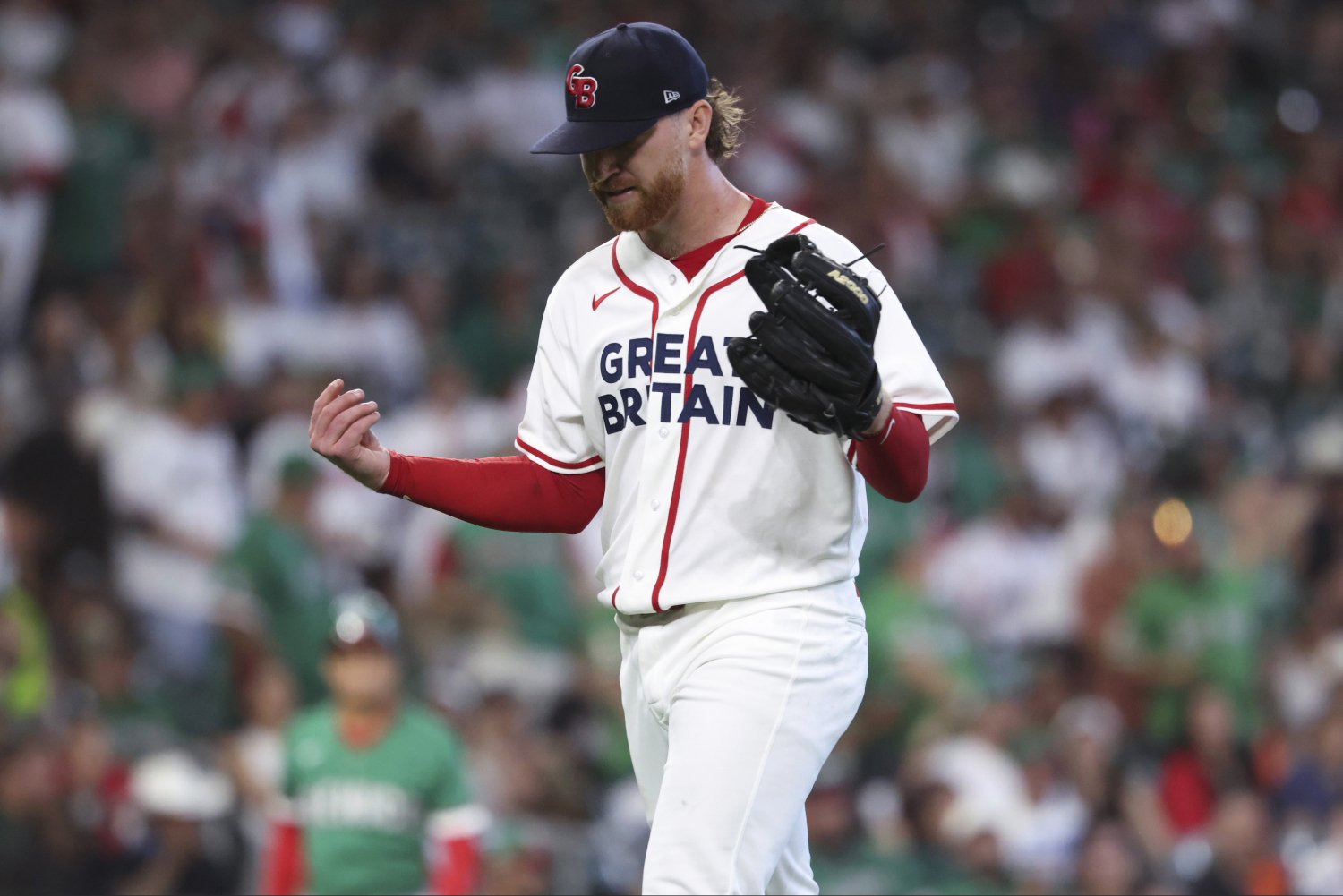 UPDATE: Johan Oviedo is hitting the 60-day IL to clear a spot on the 40-man roster for Anderson; Tyler Samaniego is being optioned to the minors to clear a spot on the active roster. Original post as follows. In need of bullpen assistance after Monday night’s loss to the Minnesota Twins, the Boston Red Sox have selected the contract of right-handed pitcher Jack Anderson from Triple-A Worcester, per Ari Alexander of 7News Boston. Anderson, who was a selection in the minor league portion of the Rule 5 draft back in 2024, spent most of 2025 with the Portland Sea Dogs before making three late season starts for Worcester. 2026 has been an up-and-down year so far for the 26-year-old after pitching for Great Britain during the World Baseball Classic. Since the minor-league season began, he’s made two starts for Worcester tossing 9 2/3 innings. In that span, he’s allowed four runs on eight hits (one home run) and three walks. He also struck out nine. There has yet to be a corresponding roster move; both the active roster and the 40-man roster are currently full and will require reconfiguring to make room for Anderson.
 -
It's been a long road back to Boston for Kutter Crawford. This past Saturday, for the first time in 560 days, the 29-year-old right-hander took the mound in a professional baseball game. Crawford, who was a stalwart in the Red Sox's rotation in 2024, missed the entire 2025 season after first dealing with knee issues and then a torn tendon sheath in his right wrist that later required surgery. Pitching in a professional game for the first time since late 2024, there was some obvious rust. Crawford had some good moments and some not so great moments as he pitched three complete innings. He allowed six hits (three home runs), five earned runs, one walk and five strikeouts. Overall, he threw 60 pitches, 43 for strikes, while his fastball topped out at 93.1 mph. Noticeably, his pitch sequencing was slightly different than the last time he took the mound. Wherein 2024 he used a five-pitch mix consisting of his four-seam fastball, cutter, sweeper, splitter and curveball, Crawford did not toss a single sweeper this time out. More than rust, this may have been due to the fact he rarely uses the pitch against left-handed batters, and the Columbus Clippers’ lineup was filled with them on this particular night. Instead, he led with his fastball that averaged 91.4 mph during the outing. Along with the fastball being used 33% of the time, he gave a pretty even split to his splitter, cutter, and curveball. His cutter looked the least game-ready, as he allowed three hard-hits off it, including a home run. Hence how the average exit velocity off of the pitch sat at 107.4 mph. On the other hand, his knuckle curve and splitter were arguably best pitches of the night, as they both generated three whiffs apiece along with two strikeouts each. Keeping that up would be a huge development for his efficiency against left-handed batters. The first inning was a nightmare for Crawford, as he opened the frame with back-to-back strikeouts before allowing a single to Travis Bazzana followed up by a two-run home run to Nolan Jones. That, in turn, was followed by a solo shot by Kahlil Watson and a single from Kody Huff before Crawford finally got out of the inning. His second inning went much better, allowing just a walk to Juan Benjamin. Unfortunately, the third inning spelled more trouble, as Bazzana singled once more before Watson hit his second home run of the day to make it 5-0. Crawford finished strong, getting the next two batters out, including a strikeout of the final batter he faced. Most importantly, the right-hander will need to build up his stamina as his velocity dropped on all his pitches each inning with the exception of his cutter. Credit Crawford for battling against a lineup filled with left-handed batters (eight of the nine starters batted from the left side of the plate), but it's clear that he's still a ways off from being ready to return to the majors. View full article
-
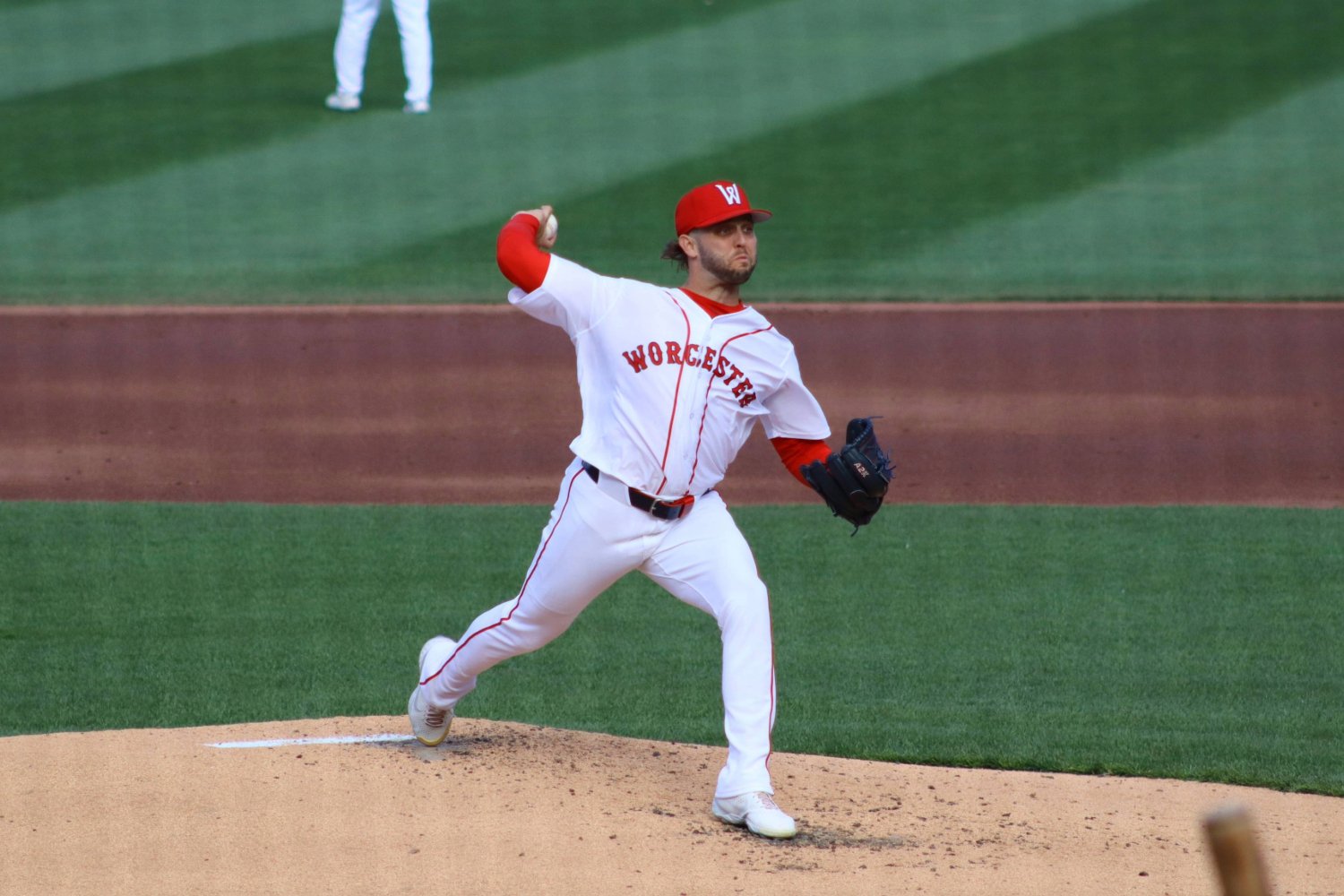 It's been a long road back to Boston for Kutter Crawford. This past Saturday, for the first time in 560 days, the 29-year-old right-hander took the mound in a professional baseball game. Crawford, who was a stalwart in the Red Sox's rotation in 2024, missed the entire 2025 season after first dealing with knee issues and then a torn tendon sheath in his right wrist that later required surgery. Pitching in a professional game for the first time since late 2024, there was some obvious rust. Crawford had some good moments and some not so great moments as he pitched three complete innings. He allowed six hits (three home runs), five earned runs, one walk and five strikeouts. Overall, he threw 60 pitches, 43 for strikes, while his fastball topped out at 93.1 mph. Noticeably, his pitch sequencing was slightly different than the last time he took the mound. Wherein 2024 he used a five-pitch mix consisting of his four-seam fastball, cutter, sweeper, splitter and curveball, Crawford did not toss a single sweeper this time out. More than rust, this may have been due to the fact he rarely uses the pitch against left-handed batters, and the Columbus Clippers’ lineup was filled with them on this particular night. Instead, he led with his fastball that averaged 91.4 mph during the outing. Along with the fastball being used 33% of the time, he gave a pretty even split to his splitter, cutter, and curveball. His cutter looked the least game-ready, as he allowed three hard-hits off it, including a home run. Hence how the average exit velocity off of the pitch sat at 107.4 mph. On the other hand, his knuckle curve and splitter were arguably best pitches of the night, as they both generated three whiffs apiece along with two strikeouts each. Keeping that up would be a huge development for his efficiency against left-handed batters. The first inning was a nightmare for Crawford, as he opened the frame with back-to-back strikeouts before allowing a single to Travis Bazzana followed up by a two-run home run to Nolan Jones. That, in turn, was followed by a solo shot by Kahlil Watson and a single from Kody Huff before Crawford finally got out of the inning. His second inning went much better, allowing just a walk to Juan Benjamin. Unfortunately, the third inning spelled more trouble, as Bazzana singled once more before Watson hit his second home run of the day to make it 5-0. Crawford finished strong, getting the next two batters out, including a strikeout of the final batter he faced. Most importantly, the right-hander will need to build up his stamina as his velocity dropped on all his pitches each inning with the exception of his cutter. Credit Crawford for battling against a lineup filled with left-handed batters (eight of the nine starters batted from the left side of the plate), but it's clear that he's still a ways off from being ready to return to the majors.
 -
Worcester, MA — Mikey Romero is no stranger to overcoming adversity. Selected in the first round of the 2022 MLB Draft, his career immediately hit a rough patch when he got hurt heading into spring training of 2023. What was originally seen as back stiffness worsened until it finally became a stress fracture that limited him to just 34 games. Since that moment, Romero has continued to overcome one challenge after another. After missing nearly two months in 2024, he hit .271/.312/.509 in 78 games, putting himself back into conversations pertaining to the Red Sox's top prospects. Then, 2025 introduced a new challenge for Romero: a new position. But despite the learning curve, Romero embraced the change as he learned both second base and third base. And despite learning two new positions, he continued to hit, being one of the top offensive players in the organization. In 111 games, the infielder slashed .245/.300/.452 with 33 doubles, 17 home runs and 76 RBIs. “Honestly, I think third and second [base] are easier. Third base is such a reactionary position that if the balls hit to you, you’re using one hand for the majority of the time. And that’s where [third base], I spent most of the time so I got really comfortable. And then at spring training I was at second base which I think was good for my development,” Romero explained when asked about his change in positions. While it isn’t easy to learn the nuances of every spot on the infield, the 22-year-old did have two excellent teachers around him during the spring. “There were a lot of things that AC [Alex Cora] helped me with. Turning the double play, fielding the ground ball then turning it. So a lot of little things I picked up on." Overall, Romero has used that experience to get himself ready for 2026 and a hopeful promotion to Boston. And while he’s planning to play second base and third base primarily, he’s willing to do whatever it takes to get the call. “Whatever the team needs me to do. Outfield, DH, first base, I don’t really care. I just want to be helping the team however I can,” Romero answered when asked about where he prefers to play. The infielder has shown a team first approach throughout his career, and it continues to be a big part of his profile as he knocks on the door of the major leagues. Beyond his glove work, Romero remains an excellent hitting prospect. His exit velocities have been impressive and during the Spring Breakout game, he had two of the hardest hit balls across the league, though both resulted in outs. That hard hitting has carried over to the regular season, where in 11 games with Triple-A Worcester, he’s hitting .298/.340/.468 with five doubles, one home run and 11 RBIs. And throughout it all, the infielder has put up remarkable exit velocities. “It’s a culmination of a lot of things. Obviously, our bat speed program and then I think it’s the culmination of the work I put in [during] the offseason. I don’t want to be cocky but 109 [miles per hour exit velocity], I feel like I’ve done it before. My hardest [in 2025] was 115 [miles per hour]. So, 109 is cool but it’s still an out,” Romero explained while talking about his Spring Breakout performance. This year, his average exit velocity sitting in the 99th percentile for Triple-A players at 95.8 mph. His max exit velocity is also in the 99th percentile at 113.8 mph. It isn’t the quite the peak he reached in 2025, but to put up those exit velocities while playing in the frigid temperatures of Massachusetts and Minnesota in March and April, you can’t help but be impressed. But even when his hard-hit baseballs don't land for hits, he knows how to laugh it off. “The [Orioles] first baseman Ike Irish, I grew up playing with [him] and when he got to third base [later in the Spring Breakout game], I was talking to him. I was like, ‘Bro, what are you doing catching those balls? You have no business catching those.' It was also his first game ever playing first. It’s baseball, sometimes you hit it hard right at people." With his stellar play at the plate and his defensive versatility on display in Worcester, fans have already thought of the idea of a call-up for Romero. It isn’t out of the question either, as the Red Sox will need to make a decision about the young infielder by the end of the season; this upcoming offseason, he will be Rule 5 Draft eligible for the first time. If his play continues at this pace, he’ll need to be protected. View full article
-
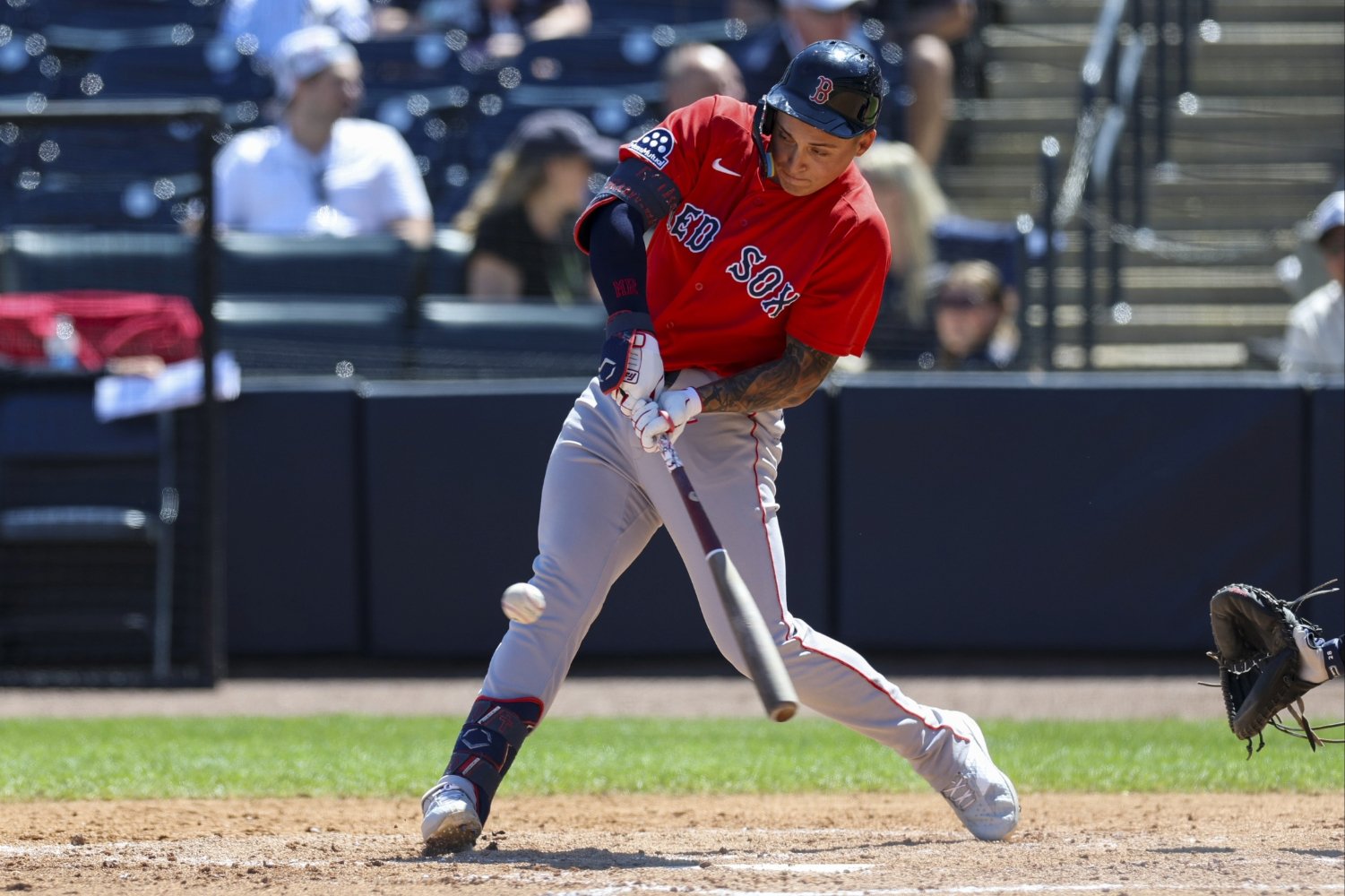 Worcester, MA — Mikey Romero is no stranger to overcoming adversity. Selected in the first round of the 2022 MLB Draft, his career immediately hit a rough patch when he got hurt heading into spring training of 2023. What was originally seen as back stiffness worsened until it finally became a stress fracture that limited him to just 34 games. Since that moment, Romero has continued to overcome one challenge after another. After missing nearly two months in 2024, he hit .271/.312/.509 in 78 games, putting himself back into conversations pertaining to the Red Sox's top prospects. Then, 2025 introduced a new challenge for Romero: a new position. But despite the learning curve, Romero embraced the change as he learned both second base and third base. And despite learning two new positions, he continued to hit, being one of the top offensive players in the organization. In 111 games, the infielder slashed .245/.300/.452 with 33 doubles, 17 home runs and 76 RBIs. “Honestly, I think third and second [base] are easier. Third base is such a reactionary position that if the balls hit to you, you’re using one hand for the majority of the time. And that’s where [third base], I spent most of the time so I got really comfortable. And then at spring training I was at second base which I think was good for my development,” Romero explained when asked about his change in positions. While it isn’t easy to learn the nuances of every spot on the infield, the 22-year-old did have two excellent teachers around him during the spring. “There were a lot of things that AC [Alex Cora] helped me with. Turning the double play, fielding the ground ball then turning it. So a lot of little things I picked up on." Overall, Romero has used that experience to get himself ready for 2026 and a hopeful promotion to Boston. And while he’s planning to play second base and third base primarily, he’s willing to do whatever it takes to get the call. “Whatever the team needs me to do. Outfield, DH, first base, I don’t really care. I just want to be helping the team however I can,” Romero answered when asked about where he prefers to play. The infielder has shown a team first approach throughout his career, and it continues to be a big part of his profile as he knocks on the door of the major leagues. Beyond his glove work, Romero remains an excellent hitting prospect. His exit velocities have been impressive and during the Spring Breakout game, he had two of the hardest hit balls across the league, though both resulted in outs. That hard hitting has carried over to the regular season, where in 11 games with Triple-A Worcester, he’s hitting .298/.340/.468 with five doubles, one home run and 11 RBIs. And throughout it all, the infielder has put up remarkable exit velocities. “It’s a culmination of a lot of things. Obviously, our bat speed program and then I think it’s the culmination of the work I put in [during] the offseason. I don’t want to be cocky but 109 [miles per hour exit velocity], I feel like I’ve done it before. My hardest [in 2025] was 115 [miles per hour]. So, 109 is cool but it’s still an out,” Romero explained while talking about his Spring Breakout performance. This year, his average exit velocity sitting in the 99th percentile for Triple-A players at 95.8 mph. His max exit velocity is also in the 99th percentile at 113.8 mph. It isn’t the quite the peak he reached in 2025, but to put up those exit velocities while playing in the frigid temperatures of Massachusetts and Minnesota in March and April, you can’t help but be impressed. But even when his hard-hit baseballs don't land for hits, he knows how to laugh it off. “The [Orioles] first baseman Ike Irish, I grew up playing with [him] and when he got to third base [later in the Spring Breakout game], I was talking to him. I was like, ‘Bro, what are you doing catching those balls? You have no business catching those.' It was also his first game ever playing first. It’s baseball, sometimes you hit it hard right at people." With his stellar play at the plate and his defensive versatility on display in Worcester, fans have already thought of the idea of a call-up for Romero. It isn’t out of the question either, as the Red Sox will need to make a decision about the young infielder by the end of the season; this upcoming offseason, he will be Rule 5 Draft eligible for the first time. If his play continues at this pace, he’ll need to be protected.
 -
The Boston Red Sox concluded their first home stand of the season going 3-3 against the San Diego Padres and Milwaukee Brewers. While the team did get some positive news in the form of the offense finally waking up, pitching issues appeared to arise as both he rotation and bullpen struggled to get outs as needed. Now, the team heads off for their second road trip of the season, beginning in St. Louis. Red Sox: Brewers (Drohan) vs Red Sox (Gray): 4/8/26, 1:35pm In an afternoon game that saw former Red Sox prospect Shane Drohan make his major-league debut, the Red Sox were carried by a second consecutive stellar outing by Sonny Gray. The right-hander tossed 6 1/3 scoreless innings, giving the offense a chance to wake up against Drohan. The Red Sox eventually won 5-0, with Tyler Samaniego also making his major-league debut and getting three strikeouts. Red Sox: ABS Accuracy With teams still getting used to the new ABS system that has been put in place, members of the TalkSox forum discussed their views on it. Discussion ranged from wondering how accurate it can truly be, especially when it uses a two-dimensional strike zone instead of a three-dimensional strike zone. Fun fact: The 3D strike zone was tested but led to too many strikeouts, and the league instead went with the current two-dimensional version. Minors: Jake Bennett Emerging as Key Left-Handed Option for Red Sox Bullpen With the Red Sox possibly needing bullpen help, especially with Justin Slaten going on the injured list, this post details how offseason trade acquisition Jake Bennett has done in his first taste of Triple-A this season. Having tossed eight shutout innings across two starts, Bennett could quickly put his name into consideration to help out in Boston at some point during the season. View full article
-
 The Boston Red Sox concluded their first home stand of the season going 3-3 against the San Diego Padres and Milwaukee Brewers. While the team did get some positive news in the form of the offense finally waking up, pitching issues appeared to arise as both he rotation and bullpen struggled to get outs as needed. Now, the team heads off for their second road trip of the season, beginning in St. Louis. Red Sox: Brewers (Drohan) vs Red Sox (Gray): 4/8/26, 1:35pm In an afternoon game that saw former Red Sox prospect Shane Drohan make his major-league debut, the Red Sox were carried by a second consecutive stellar outing by Sonny Gray. The right-hander tossed 6 1/3 scoreless innings, giving the offense a chance to wake up against Drohan. The Red Sox eventually won 5-0, with Tyler Samaniego also making his major-league debut and getting three strikeouts. Red Sox: ABS Accuracy With teams still getting used to the new ABS system that has been put in place, members of the TalkSox forum discussed their views on it. Discussion ranged from wondering how accurate it can truly be, especially when it uses a two-dimensional strike zone instead of a three-dimensional strike zone. Fun fact: The 3D strike zone was tested but led to too many strikeouts, and the league instead went with the current two-dimensional version. Minors: Jake Bennett Emerging as Key Left-Handed Option for Red Sox Bullpen With the Red Sox possibly needing bullpen help, especially with Justin Slaten going on the injured list, this post details how offseason trade acquisition Jake Bennett has done in his first taste of Triple-A this season. Having tossed eight shutout innings across two starts, Bennett could quickly put his name into consideration to help out in Boston at some point during the season.
 -
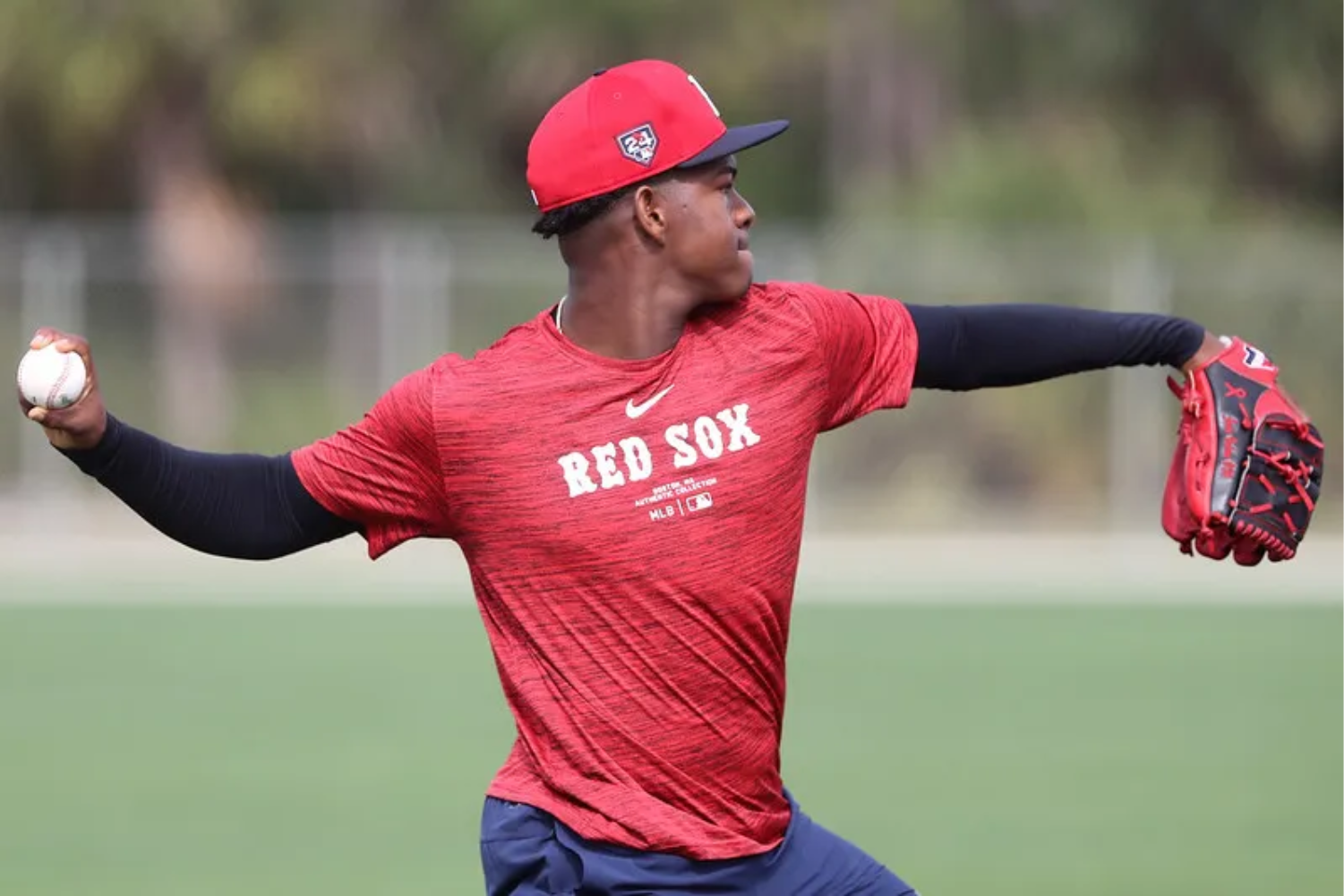
The Greenville Drive opened their season last week, with highly touted pitching prospect Juan Valera getting the call for Opening Day. The right-hander, who is currently TalkSox's fifth-ranked prospect, looked impressive in his 2026 debut in an abbreviated outing. Lasting just 3 1/3 innings, Valera put on a show with his pitching. The right-hander struck out seven, including a strikeout of the side to open the game. He also allowed two runs on two hits including a two-run home run in the third. Overall, he tossed 53 pitches with 32 of them going for strikes. Despite the limited pitch count as the Drive build up Valera's stamina, the young pitcher looked fantastic on the mound with only one major hiccup. The outing was a promising sign, as the right-hander missed significant time in 2025 due to elbow soreness. Limited to just 10 starts, Valera made just two limited starts after May and had mixed results. His season debut was not mixed, despite him not making it out of the fourth inning. The main takeaway from the start was Valera’s ability to get opposing batters to swing and miss. The young right-hander led not just the game but all of High-A with 13 whiffs thanks in part to a fastball that topped out at 99.6 mph. His secondaries also looked much sharper than in the past, playing well off his signature heater. Valera had an issue last year of throwing too many pitches and having long at-bats due to an inability to consistently locate his pitches within the strike zone. While he still needs to work on the latter, Valera only needed 53 pitches for his outing on April 2, an improvement over several of his starts in 2025. Unfortunately, Valera still suffered with location within the strike zone, a trait that also hurt him in 2025. While he could get away with some mistakes in Salem, in Greenville he was hurt when he left his fastball over the heart of the plate. With a runner on second with one out, Valera was facing the batter in a 3-1 count and attempted to get a fastball past him on the inside part of the plate. A slightly missed spot later, and Yordany De Los Santos hit it off of the apartment building in left-center field. This was his lone mistake during that Opening Day start, but he was punished for it all the same. For the most part, Valera managed to mix his pitches avoid leaving them in locations that could lead to damage, but the home run was a reminder that he's still a work in progress on the mound. Regardless of how fast he can throw it, pitching is more than just velocity, especially if he wants to stick in the rotation as he moves up the minor-league levels. Still, there's no denying just how talented Valera is and the potential laden within his right arm. Should Valera continue to put up outings like his first, there is no doubt he will be making an appearance in Double-A before the end of 2026. View full article
-
 The Greenville Drive opened their season last week, with highly touted pitching prospect Juan Valera getting the call for Opening Day. The right-hander, who is currently TalkSox's fifth-ranked prospect, looked impressive in his 2026 debut in an abbreviated outing. Lasting just 3 1/3 innings, Valera put on a show with his pitching. The right-hander struck out seven, including a strikeout of the side to open the game. He also allowed two runs on two hits including a two-run home run in the third. Overall, he tossed 53 pitches with 32 of them going for strikes. Despite the limited pitch count as the Drive build up Valera's stamina, the young pitcher looked fantastic on the mound with only one major hiccup. The outing was a promising sign, as the right-hander missed significant time in 2025 due to elbow soreness. Limited to just 10 starts, Valera made just two limited starts after May and had mixed results. His season debut was not mixed, despite him not making it out of the fourth inning. The main takeaway from the start was Valera’s ability to get opposing batters to swing and miss. The young right-hander led not just the game but all of High-A with 13 whiffs thanks in part to a fastball that topped out at 99.6 mph. His secondaries also looked much sharper than in the past, playing well off his signature heater. Valera had an issue last year of throwing too many pitches and having long at-bats due to an inability to consistently locate his pitches within the strike zone. While he still needs to work on the latter, Valera only needed 53 pitches for his outing on April 2, an improvement over several of his starts in 2025. Unfortunately, Valera still suffered with location within the strike zone, a trait that also hurt him in 2025. While he could get away with some mistakes in Salem, in Greenville he was hurt when he left his fastball over the heart of the plate. With a runner on second with one out, Valera was facing the batter in a 3-1 count and attempted to get a fastball past him on the inside part of the plate. A slightly missed spot later, and Yordany De Los Santos hit it off of the apartment building in left-center field. This was his lone mistake during that Opening Day start, but he was punished for it all the same. For the most part, Valera managed to mix his pitches avoid leaving them in locations that could lead to damage, but the home run was a reminder that he's still a work in progress on the mound. Regardless of how fast he can throw it, pitching is more than just velocity, especially if he wants to stick in the rotation as he moves up the minor-league levels. Still, there's no denying just how talented Valera is and the potential laden within his right arm. Should Valera continue to put up outings like his first, there is no doubt he will be making an appearance in Double-A before the end of 2026.
 -
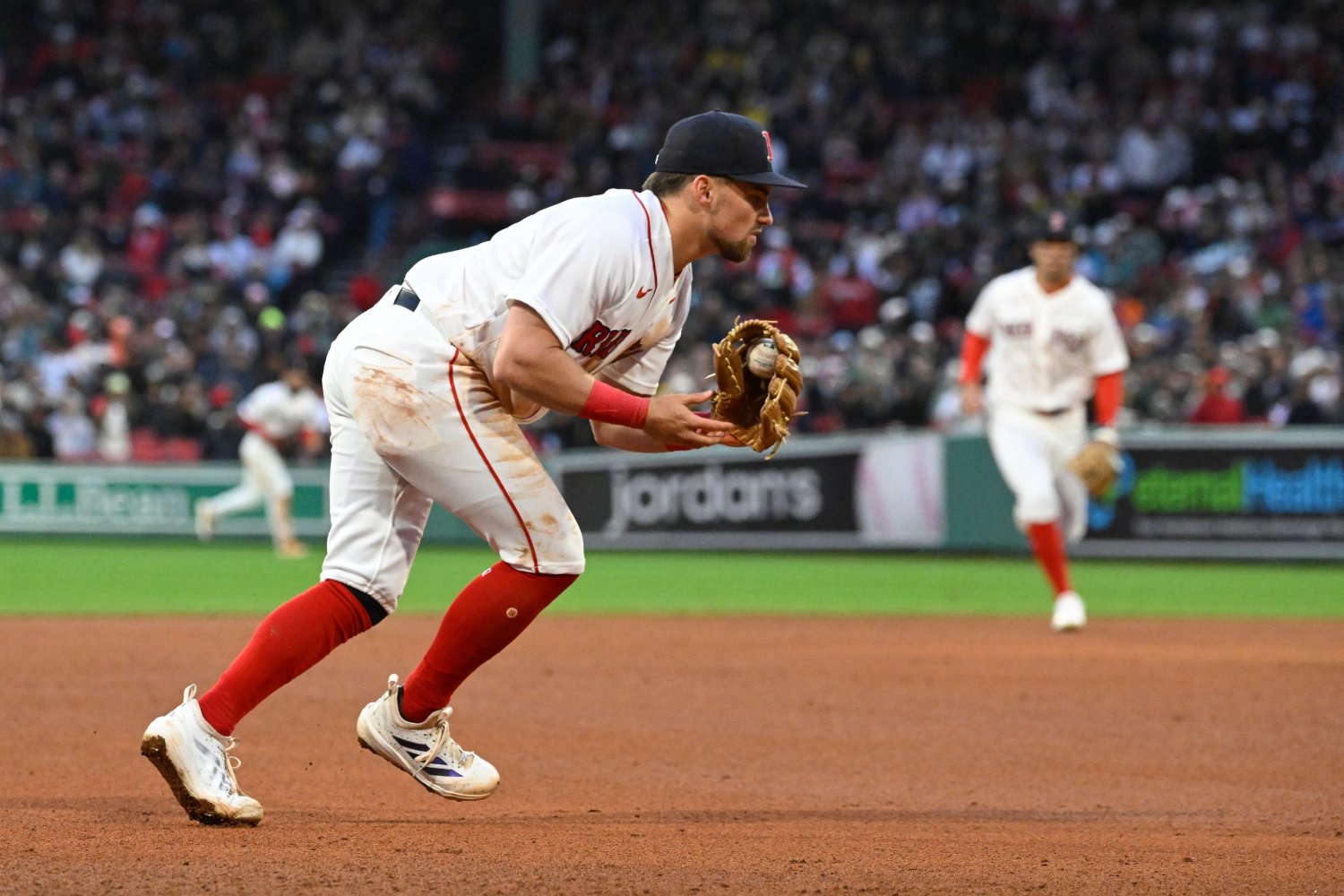
Boston, MA – As fans prepared for the home opener between their beloved Boston Red Sox and the visiting San Diego Padres, there was a consistent feeling shared between them. “You have to win today.” The sentiment, shared between several fans who were waiting in anticipation for the game at the Section 10 podcast pregame show, was not surprising. The Red Sox returned home with a 1-5 record after the first week of the season, including a three-game sweep at the hands of the Houston Astros. Everyone, from pundits to the players, was growing impatient despite being just six games into the campaign, which can be traced back to the team's rollercoaster offseason. “It’s clear [Craig] Breslow had a plan for what he wanted. But it’s also obvious it didn’t go how he wanted. You lose [Alex] Bregman and replace him with [Caleb] Durbin. Now after saying you wanted to add power, you go and switch it to [the team] being all about run prevention,” one fan passionately said when asked about their thoughts on the team's direction. Others in the area agreed, wondering why the team didn’t make a bigger push for a player like Pete Alonso or how Masataka Yoshida remained with the team despite the outfield already having a logjam for playing time. Despite the tough start to the season, though, there's no lack of belief in the team. “It’s kind of disappointing, but at the same time it’s only been six games. They still have over 150 games to go and now they’re back at Fenway. Hopefully they can get some momentum,” another fan shared. “Garbage, but garbage can always be taken out to the curb, and you can start clean and fresh. Have to start playing better, there’s just been a lot of bad starts happening at the same time. I’m not worried — there’s a lot of baseball left to be played." One player who has struggled mightily in the early going is offseason trade acquisition Caleb Durbin, the infielder entering the day as the only qualified hitter in the majors without a hit. Fans were growing impatient with him, and it showed as some booed the infielder upon hitting into a double play in his first at-bat that he didn’t immediately run on. The play in question resulted in what looked to be a foul ball that went a grand total of one foot in front of the plate that the ump signaled was actually fair. During his next time up, fans were playfully teasing him from the stands. “Are you a man or a mouse, Durbin? Prove them wrong, Durbin,” one fan could be heard yelling. Another joined in, claiming that “IKF [Isiah Kiner-Falefa] will replace you mid-game if you don’t get a hit.” Durbin’s second at-bat was more productive, as he hit a single to drive in Jarren Duran and give the Red Sox a 2-0 lead. The entire team entered the day under fire, and they responded to the call. Starter Sonny Gray delivered in his Fenway debut, tossing six dominant innings. Allowing just two runs on four hits, he struck out three and didn’t walk a batter as he allowed the Red Sox offense a chance to finally break through in the bottom of the sixth inning. And break through they did, crushing two home runs in the frame and handing the Red Sox a 5-2 lead. The bullpen, led by Greg Weissert, Justin Slaten and Aroldis Chapman, tossed three scoreless innings as the Red Sox won their home opener and snapped their five-game losing streak. Fans cheered with excitement but weren’t ready to say things were turned around just yet. One fan pointed out that the team continued to make the same mistakes that have been issues the past few seasons, while another reminded everyone that “It’s only one game; love seeing them win, but they have to do this consistently,” A loss in the subsequent contest certainly didn't help to rattle any nerves, but the friendly confines of Fenway have clearly woken this team up from their early season slumber. Hopefully, the rest of the homestand will prove just as productive as the first game against the Padres. View full article
-
 Boston, MA – As fans prepared for the home opener between their beloved Boston Red Sox and the visiting San Diego Padres, there was a consistent feeling shared between them. “You have to win today.” The sentiment, shared between several fans who were waiting in anticipation for the game at the Section 10 podcast pregame show, was not surprising. The Red Sox returned home with a 1-5 record after the first week of the season, including a three-game sweep at the hands of the Houston Astros. Everyone, from pundits to the players, was growing impatient despite being just six games into the campaign, which can be traced back to the team's rollercoaster offseason. “It’s clear [Craig] Breslow had a plan for what he wanted. But it’s also obvious it didn’t go how he wanted. You lose [Alex] Bregman and replace him with [Caleb] Durbin. Now after saying you wanted to add power, you go and switch it to [the team] being all about run prevention,” one fan passionately said when asked about their thoughts on the team's direction. Others in the area agreed, wondering why the team didn’t make a bigger push for a player like Pete Alonso or how Masataka Yoshida remained with the team despite the outfield already having a logjam for playing time. Despite the tough start to the season, though, there's no lack of belief in the team. “It’s kind of disappointing, but at the same time it’s only been six games. They still have over 150 games to go and now they’re back at Fenway. Hopefully they can get some momentum,” another fan shared. “Garbage, but garbage can always be taken out to the curb, and you can start clean and fresh. Have to start playing better, there’s just been a lot of bad starts happening at the same time. I’m not worried — there’s a lot of baseball left to be played." One player who has struggled mightily in the early going is offseason trade acquisition Caleb Durbin, the infielder entering the day as the only qualified hitter in the majors without a hit. Fans were growing impatient with him, and it showed as some booed the infielder upon hitting into a double play in his first at-bat that he didn’t immediately run on. The play in question resulted in what looked to be a foul ball that went a grand total of one foot in front of the plate that the ump signaled was actually fair. During his next time up, fans were playfully teasing him from the stands. “Are you a man or a mouse, Durbin? Prove them wrong, Durbin,” one fan could be heard yelling. Another joined in, claiming that “IKF [Isiah Kiner-Falefa] will replace you mid-game if you don’t get a hit.” Durbin’s second at-bat was more productive, as he hit a single to drive in Jarren Duran and give the Red Sox a 2-0 lead. The entire team entered the day under fire, and they responded to the call. Starter Sonny Gray delivered in his Fenway debut, tossing six dominant innings. Allowing just two runs on four hits, he struck out three and didn’t walk a batter as he allowed the Red Sox offense a chance to finally break through in the bottom of the sixth inning. And break through they did, crushing two home runs in the frame and handing the Red Sox a 5-2 lead. The bullpen, led by Greg Weissert, Justin Slaten and Aroldis Chapman, tossed three scoreless innings as the Red Sox won their home opener and snapped their five-game losing streak. Fans cheered with excitement but weren’t ready to say things were turned around just yet. One fan pointed out that the team continued to make the same mistakes that have been issues the past few seasons, while another reminded everyone that “It’s only one game; love seeing them win, but they have to do this consistently,” A loss in the subsequent contest certainly didn't help to rattle any nerves, but the friendly confines of Fenway have clearly woken this team up from their early season slumber. Hopefully, the rest of the homestand will prove just as productive as the first game against the Padres.
 -
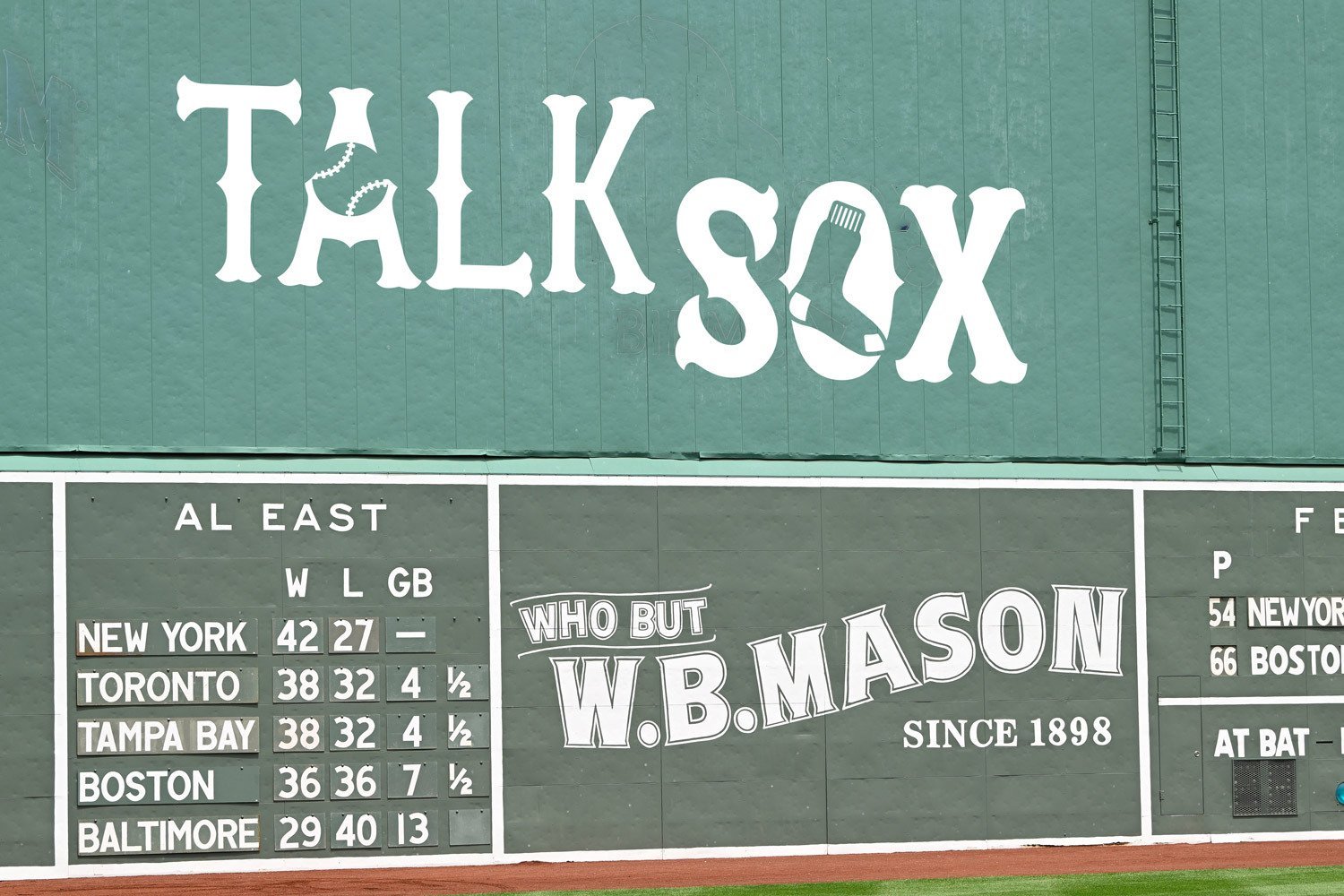
The first week of the 2026 season didn’t go as planned for the Boston Red Sox. Fortunately, when it comes to baseball, there are 162 games of action, excitement, heartbreak, and any other feeling you can think of. Today, get ready for the Red Sox home opener by taking a look at some of this week’s best thread topics on the Talk Sox forums. Red Sox: Red Sox (Crochet) vs Astros (Burrows): 4/1/26, 2:10pm In what looked like an uneven matchup between pitchers, it was Garrett Crochet who ended up struggling after being given a 1-0 lead in the first inning. In the end, the Red Sox and Talk Sox community had to deal with a sweep at the hands of the Houston Astros. With the game falling on April 1, it almost felt like an awful April Fool's prank with how the entire game went. Each time they looked to get back into it, something occurred that strengthened the Astros' lead. Red Sox: What do the A's, White Sox and Red Sox have in common? After a disappointing series sweep by the Houston Astros, a discussion about the three last-place teams in the American League took place. Despite the slow start, there were mixed thoughts on where the team was headed, with some believing the season would turn around and the club would be in contention for a playoff spot by September, while others felt that the roster wasn’t built to be a playoff contender. Minors: IFA Red Sox Prospects The Red Sox made news for having the most international free agent prospects within their top 30, with 15 players on the list. Among some of the names were top prospects Franklin Arias, Juan Valera, and Justin Gonzales, all of whom are looking to have huge 2026 seasons. On a related note, the Portland Sea Dogs open their season tonight while the Worcester Red Sox, Greenville Drive, and Salem RidgeYaks are all back in action. View full article
-
 The first week of the 2026 season didn’t go as planned for the Boston Red Sox. Fortunately, when it comes to baseball, there are 162 games of action, excitement, heartbreak, and any other feeling you can think of. Today, get ready for the Red Sox home opener by taking a look at some of this week’s best thread topics on the Talk Sox forums. Red Sox: Red Sox (Crochet) vs Astros (Burrows): 4/1/26, 2:10pm In what looked like an uneven matchup between pitchers, it was Garrett Crochet who ended up struggling after being given a 1-0 lead in the first inning. In the end, the Red Sox and Talk Sox community had to deal with a sweep at the hands of the Houston Astros. With the game falling on April 1, it almost felt like an awful April Fool's prank with how the entire game went. Each time they looked to get back into it, something occurred that strengthened the Astros' lead. Red Sox: What do the A's, White Sox and Red Sox have in common? After a disappointing series sweep by the Houston Astros, a discussion about the three last-place teams in the American League took place. Despite the slow start, there were mixed thoughts on where the team was headed, with some believing the season would turn around and the club would be in contention for a playoff spot by September, while others felt that the roster wasn’t built to be a playoff contender. Minors: IFA Red Sox Prospects The Red Sox made news for having the most international free agent prospects within their top 30, with 15 players on the list. Among some of the names were top prospects Franklin Arias, Juan Valera, and Justin Gonzales, all of whom are looking to have huge 2026 seasons. On a related note, the Portland Sea Dogs open their season tonight while the Worcester Red Sox, Greenville Drive, and Salem RidgeYaks are all back in action.
 -
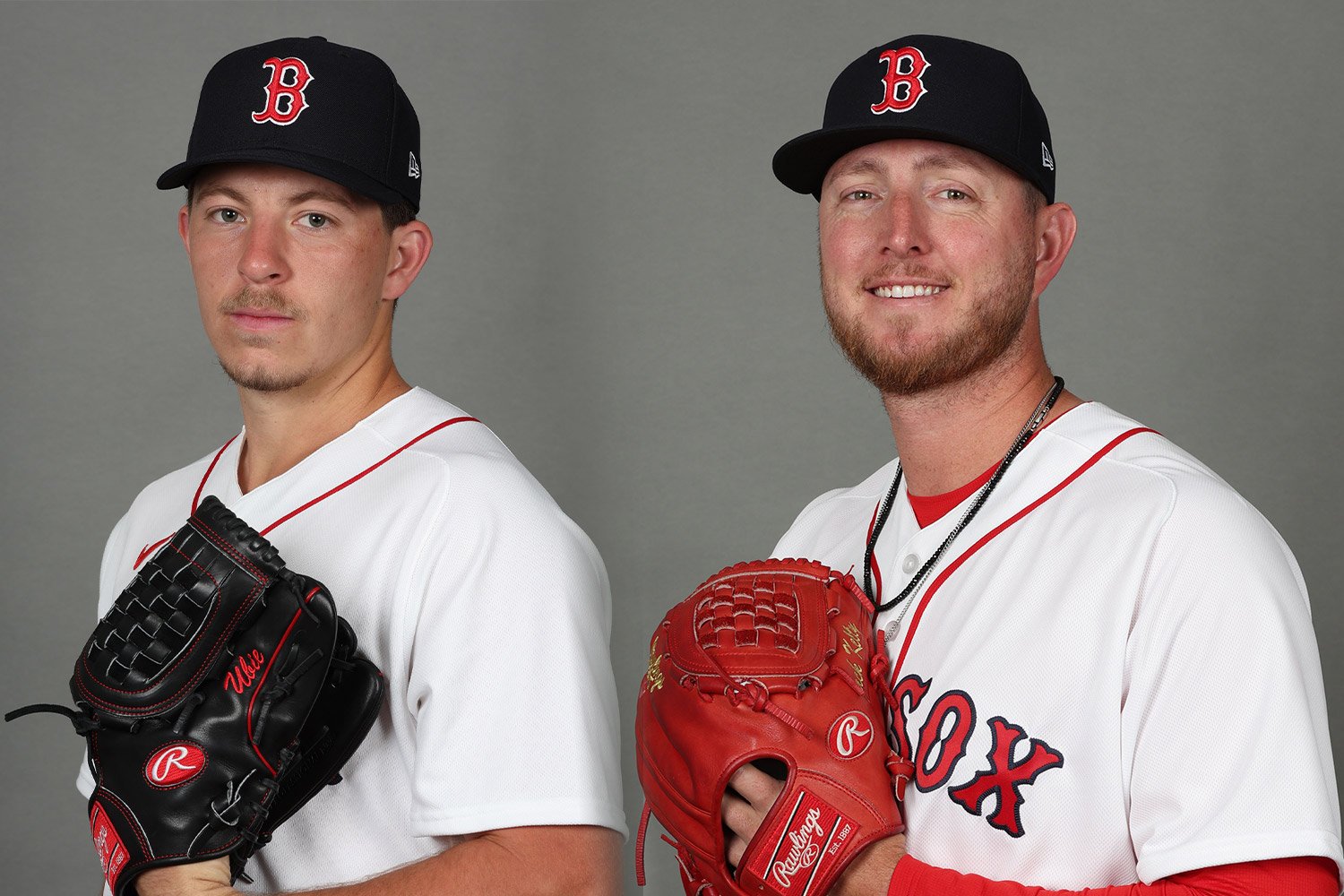
The Boston Red Sox are making a few moves prior to their home opener on Friday. With a need for pitching, the Red Sox have recalled pitchers Zack Kelly and Tyler Uberstine, according to MassLive’s Chris Cotillo. Kelly, who seemed to have a bullpen spot secured during spring training until the final week, opened the season with Triple-A Worcester. During the first week of the minor league season, he’s pitched three scoreless innings, allowing just one hit and striking out two. Since 2022, Kelly has made 98 appearances with the Red Sox. He’s tossed 115 innings with a 4.15 ERA. Uberstine is being called up for the first time in his career after fighting for a bullpen spot during spring training. In his lone start with Worcester this season, he tossed four innings, allowing one run on two hits, and struck out three batters. Uberstine is currently TalkSox's 17th-ranked prospect. In response, Garret Whitlock is being placed on the paternity list as he and his wife are expecting their next child in the coming days. Johan Oviedo was also placed on the injured list with a right elbow strain. Oviedo's velocity was noticeably down in his final spring training appearance and his Red Sox debut, leading to some speculation that an injured list stint could happen for the right-hander. The Red Sox spent the offseason acquiring pitching depth to handle such injuries, and it seems to already be paying off. View full rumor
-
 The Boston Red Sox are making a few moves prior to their home opener on Friday. With a need for pitching, the Red Sox have recalled pitchers Zack Kelly and Tyler Uberstine, according to MassLive’s Chris Cotillo. Kelly, who seemed to have a bullpen spot secured during spring training until the final week, opened the season with Triple-A Worcester. During the first week of the minor league season, he’s pitched three scoreless innings, allowing just one hit and striking out two. Since 2022, Kelly has made 98 appearances with the Red Sox. He’s tossed 115 innings with a 4.15 ERA. Uberstine is being called up for the first time in his career after fighting for a bullpen spot during spring training. In his lone start with Worcester this season, he tossed four innings, allowing one run on two hits, and struck out three batters. Uberstine is currently TalkSox's 17th-ranked prospect. In response, Garret Whitlock is being placed on the paternity list as he and his wife are expecting their next child in the coming days. Johan Oviedo was also placed on the injured list with a right elbow strain. Oviedo's velocity was noticeably down in his final spring training appearance and his Red Sox debut, leading to some speculation that an injured list stint could happen for the right-hander. The Red Sox spent the offseason acquiring pitching depth to handle such injuries, and it seems to already be paying off.
 -
Entering the 2026 season, there were debates on whether Masataka Yoshida was even still a relevant piece of the Boston Red Sox's roster. After his rookie season in 2023, the outfielder was moved to the designated hitter spot in the lineup, rarely seeing time in the field and creating a roster logjam. With the Red Sox already having four very good outfielders on their roster, Yoshida was viewed as an expendable player with an onerous contract. The team was unwilling (or unable) to move Yoshida over the offseason, and he started the season on the major league roster while not only getting into the lineup but also playing some left field. And with the Red Sox offense looking rather thin, both the team and fans hope he can be closer to the hitter he was in his rookie season, when he hit .289/.338/.445 with 33 doubles, three triples, 15 home runs, and 72 RBIs. The impact has been lacking, but the process has not. Yoshida has yet to get a hit in 14 plate appearances in 2026. He's batting (and slugging) .000. Despite that, he’s put together excellent at-bats and showcased an improved eye at the plate along with patience. While the sample size is rather small, there is a lot to be impressed by. He's averaging a career high of 4.21 pitches per plate appearance, an all-important metric that helps drive starters out of games quicker. The biggest area of interest is Yoshida’s newfound plate discipline. Thus far, he's been unflappable in his decision making; his outside swing percentage has cratered from 27.3% in 2025 down to 10.8% in 2026.. For good measure, Yoshida has made contact on 75% of the swings, which is also a career best for the outfielder. Last season he only made contact 65.9% of the time when he swung at pitches outside of the zone. Though on the opposite side of things, Yoshida is swinging at a career low 25.4% of pitches thrown to him. It’s clear he’s being more selective about what he swings at and at what point in the count he attacks. Last season, Yoshida walked a total of 10 times in 55 games. So far, he’s walked six times in his first five games. Despite going hitless, Yoshida has a .429 on base percentage thanks to a walk rate of 42.9%. That will come back down to earth with time, but if the 32-year-old is able to get his walk rate back to the same area code it existed in during his last five seasons in Japan (between 11.5% and 15.7%), it would greatly help lengthen the lineup. And while the hits haven’t dropped in just yet for Yoshida, there are still positives about the start to his season. Due to his highly selective nature in the early part of the year, Yoshida has put up career high numbers in average exit velocity, hard-hit rate, squared-up percentage, and chase rate. It's fair to point out he's still whiffing far too often (26.7% of the time) for a guy who isn't swinging all that much, but patience is a virtue, especially at the plate. View full article
-
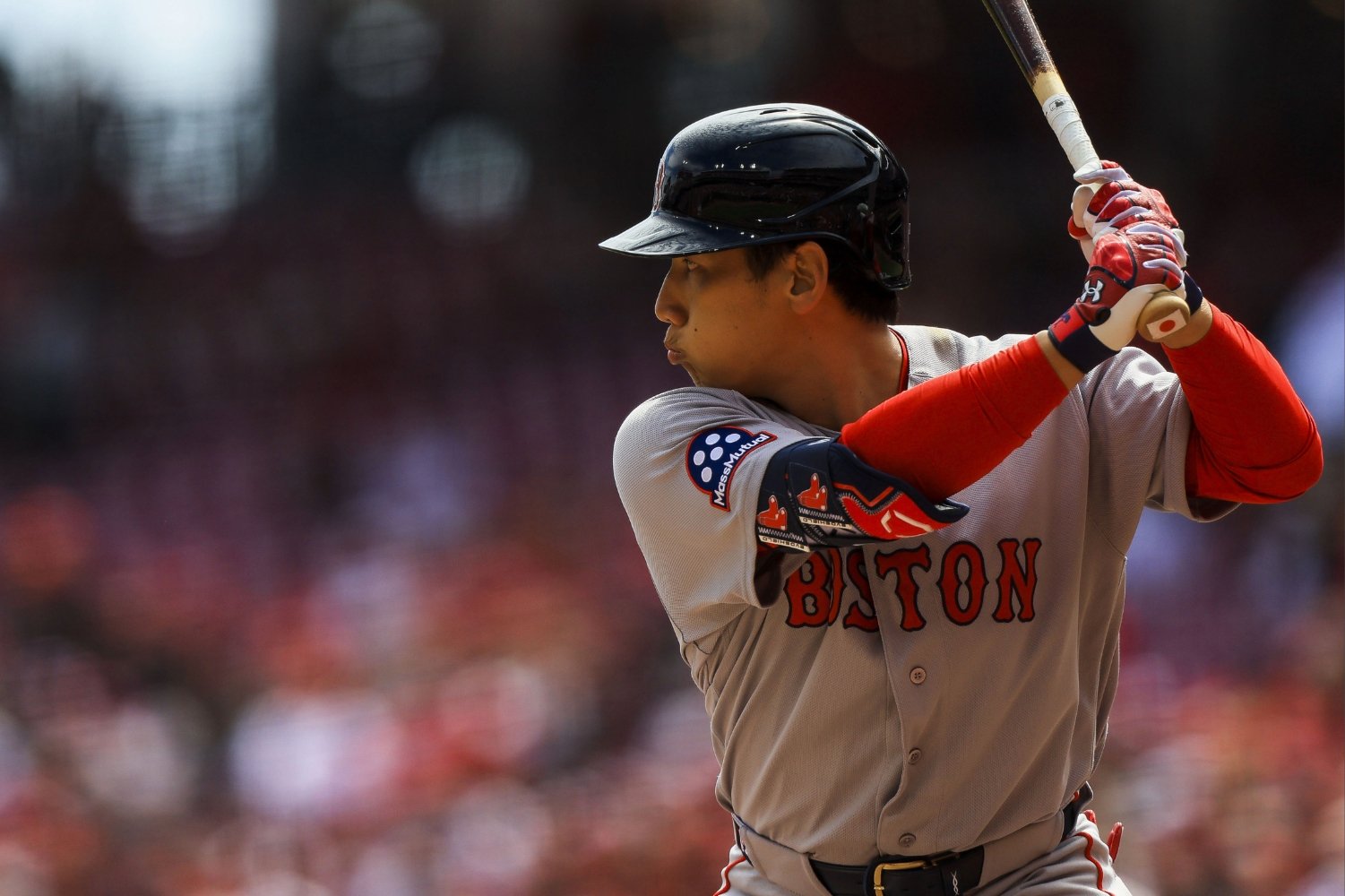 Entering the 2026 season, there were debates on whether Masataka Yoshida was even still a relevant piece of the Boston Red Sox's roster. After his rookie season in 2023, the outfielder was moved to the designated hitter spot in the lineup, rarely seeing time in the field and creating a roster logjam. With the Red Sox already having four very good outfielders on their roster, Yoshida was viewed as an expendable player with an onerous contract. The team was unwilling (or unable) to move Yoshida over the offseason, and he started the season on the major league roster while not only getting into the lineup but also playing some left field. And with the Red Sox offense looking rather thin, both the team and fans hope he can be closer to the hitter he was in his rookie season, when he hit .289/.338/.445 with 33 doubles, three triples, 15 home runs, and 72 RBIs. The impact has been lacking, but the process has not. Yoshida has yet to get a hit in 14 plate appearances in 2026. He's batting (and slugging) .000. Despite that, he’s put together excellent at-bats and showcased an improved eye at the plate along with patience. While the sample size is rather small, there is a lot to be impressed by. He's averaging a career high of 4.21 pitches per plate appearance, an all-important metric that helps drive starters out of games quicker. The biggest area of interest is Yoshida’s newfound plate discipline. Thus far, he's been unflappable in his decision making; his outside swing percentage has cratered from 27.3% in 2025 down to 10.8% in 2026.. For good measure, Yoshida has made contact on 75% of the swings, which is also a career best for the outfielder. Last season he only made contact 65.9% of the time when he swung at pitches outside of the zone. Though on the opposite side of things, Yoshida is swinging at a career low 25.4% of pitches thrown to him. It’s clear he’s being more selective about what he swings at and at what point in the count he attacks. Last season, Yoshida walked a total of 10 times in 55 games. So far, he’s walked six times in his first five games. Despite going hitless, Yoshida has a .429 on base percentage thanks to a walk rate of 42.9%. That will come back down to earth with time, but if the 32-year-old is able to get his walk rate back to the same area code it existed in during his last five seasons in Japan (between 11.5% and 15.7%), it would greatly help lengthen the lineup. And while the hits haven’t dropped in just yet for Yoshida, there are still positives about the start to his season. Due to his highly selective nature in the early part of the year, Yoshida has put up career high numbers in average exit velocity, hard-hit rate, squared-up percentage, and chase rate. It's fair to point out he's still whiffing far too often (26.7% of the time) for a guy who isn't swinging all that much, but patience is a virtue, especially at the plate.
 -
Worcester, Ma — Opening Day always brings about difficult roster decisions. For all the players who are beginning the season in the minor leagues, the fact they were cut is not always a negative one. Instead, the experience of just being in a major-league camp was a positive for them. Young players were fortunate to learn from guys who have had successful, long careers or just pick up little things they wouldn’t normally think of. Mikey Romero being a huge beneficiary of the overall experience. “There were a lot of things that AC [Alex Cora] helped me with. Turning the double play, fielding the ground ball then turning it. So a lot of little things I picked up on,” Romero (TalkSox’s 6th ranked prospect) explained when asked about his time at Red Sox camp. Getting to work with a former major league infielder who played the same positions he did, Romero was able to improve in areas of his game that often fly under the radar. The infielder admitted that during his time in major-league camp, he just wanted to be a sponge, soaking in as much information as he possibly could, especially when it came to defense. For Romero, he found himself with a great veteran to learn from during his time there. “My locker was right next to [Isiah] Kiner-Falefa, and I felt like talking to him just about defense helped. He’s got a Gold Glove, so it would be foolish of me not to talk to him and he helped me a bunch. Specifically on double plays from second base. Turning double plays and starting double plays, using my legs, securing the ball. It was great to pick his brain,” Romero reiterated. Previously a shortstop, he had to learn both second base and third base during his time with Portland, the process being assisted by the advice and guidance from both Cora and Kiner-Falefa while at Fort Myers. Of course, Romero wasn't the only one to benefit from the wisdom exuding from the Red Sox's spring training locker room. Worcester's roster is filled with players who got life-changing experiences. “It was awesome, from start to finish. To get to start from the beginning of spring training and go through the whole thing, or I guess as long as I could, I enjoyed all of it,” relief pitcher Noah Song explained. For Song, the experience may have been one he once thought would be impossible. After getting drafted, he’s dealt with a series of injuries, received orders to report to flight school by the Navy, and then taken by the Philadelphia Phillies in the 2022 Rule 5 draft. While his time with the Phillies led to him taking part in his first spring training, most of it was spent on the injured list. In contrast, his time with Boston allowed him to properly work on improving as a pitcher. For others, it was the friendships that formed through accomplishments, as speedy outfielder Braiden Ward became a favorite not just of the fans, but also the clubhouse as he approached the spring training stolen base record. The outfielder, who was acquired in an offseason trade with Colorado, didn’t realize he was close to the record until he had 14 stolen bases. “I think I got to the 14th [stolen base] and saw on Twitter someone mention it [the record]. Then AC mentioned it and then the entire clubhouse was telling me to go get it. It was an inside thing for us,” Ward explained on media day about his now-record 19 stolen bases. Since making his WooSox debut on March 27, Ward has showcased his dynamic speed with three stolen bases, including one that occurred when Syracuse attempted to pick him off of first base. While spring training records may not mean much in the long run, Ward’s race to the top of the stolen base ranks gave everyone something to root for when the repetitive days of spring training grew long. Another young player who managed to take advantage of his first spring training to was Tyler Uberstine, who really impressed Red Sox brass with his versatility on the mound. “I had [different] roles, whether it was coming out of the pen for an inning, two innings or three innings. Just kind of taken to what they give me,” Uberstine explained as he showcased the desire to go out and compete. He knew that he was one of the new guys in camp, and did whatever was asked of him. Pitching in four games during spring training, Uberstine learned more about what was expected from a pitcher at the top level off the field, as he spent time with veterans who have had long, quality careers. “The biggest thing for me, was just observing,” Uberstine explained when asked what the biggest thing he took from spring training was. Uberstine opened his season on March 28, pitching four innings and allowing just one run on two hits and a walk. He also struck out three. “You’re around guys that are super successful at the big league level for a long time. Sonny [Gray], Chap [Aroldis Chapman]. For me, it’s taking bits and pieces and chatting with them and figuring out or maybe learn something new from them for my routine. Just chatting with them, picking their brain and observing their routines.” It wasn’t just young guys making their spring training debuts either, as the Red Sox brought back veteran Mickey Gasper to the organization after he spent the 2025 season with the Minnesota Twins. Gasper, who first appeared in spring training in 2023, relished the opportunity to return to Boston and compete for a spot on the roster. “I got chills,” Gasper explained when asked about his reunion with the Red Sox. “I was thrilled. I loved playing for this organization. The development, the attention to detail, the finding to get one percent better and be a [better] big leaguer is the soul focus here. Trying to win games. It’s something I really appreciate in an organization.” Gasper put on a show in spring training, as he appeared in 16 games and hit .345/.441/.621 with a triple, two home runs, and seven RBIs. While he didn’t make the big-league roster, he put his name out there as someone who could help out at catcher or first base if needed. While the season is still young, Gasper has stayed hot at the plate as in three games with Worcester; he’s hitting .417/.500/.583 with two doubles and three RBIs. Defensively, the team has had him play both catcher and first base while also getting a turn at designated hitter during their opening weekend series against the Syracuse Mets Spring Training never goes how everyone wants it, but for those who grind through the daily workouts and routines in Fort Myers, fighting to make it to the majors, they won’t forget the memories and lessons taught to them by players and coaches who previously were in the same spot they are in. View full article
-
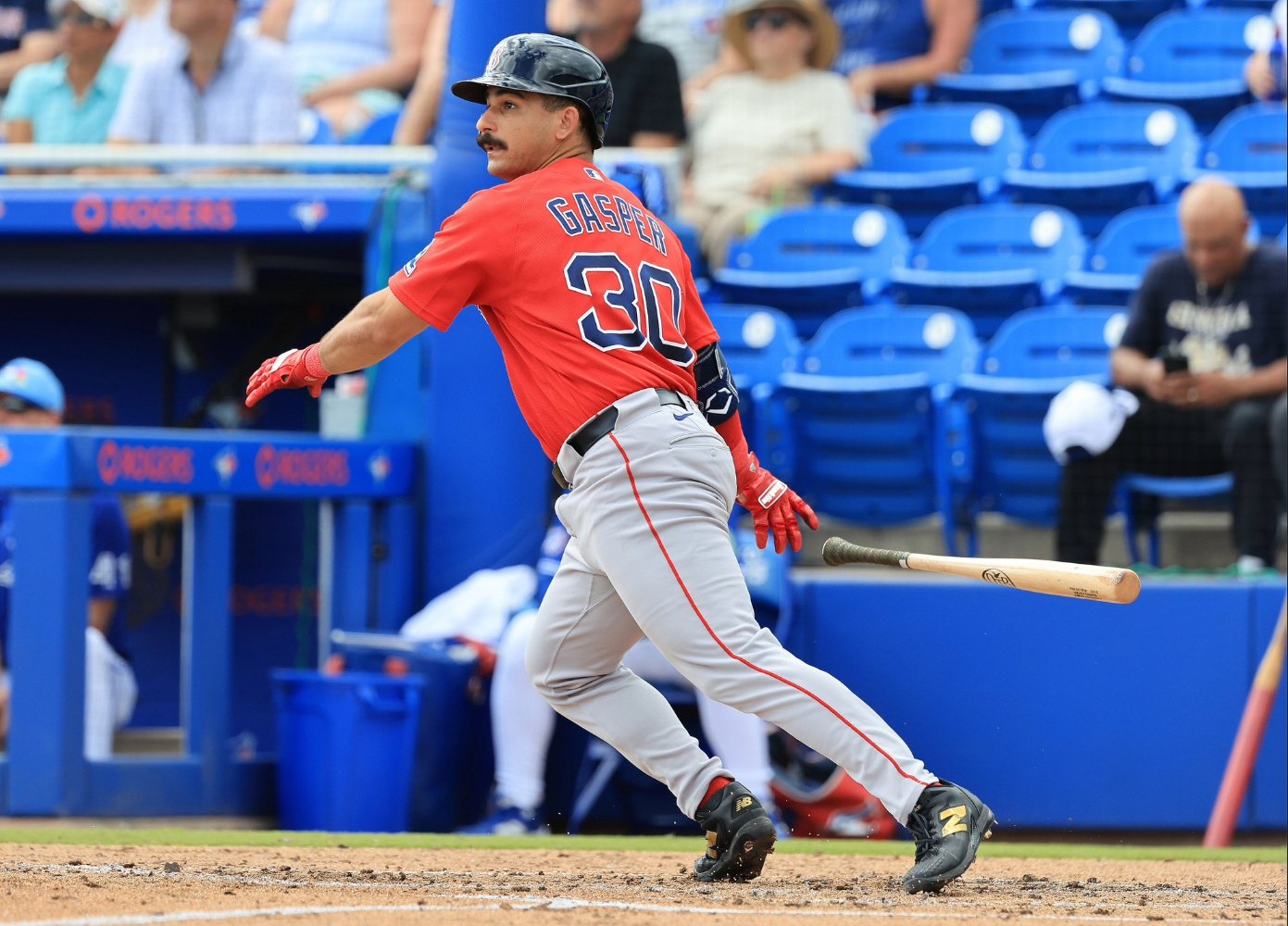 Worcester, Ma — Opening Day always brings about difficult roster decisions. For all the players who are beginning the season in the minor leagues, the fact they were cut is not always a negative one. Instead, the experience of just being in a major-league camp was a positive for them. Young players were fortunate to learn from guys who have had successful, long careers or just pick up little things they wouldn’t normally think of. Mikey Romero being a huge beneficiary of the overall experience. “There were a lot of things that AC [Alex Cora] helped me with. Turning the double play, fielding the ground ball then turning it. So a lot of little things I picked up on,” Romero (TalkSox’s 6th ranked prospect) explained when asked about his time at Red Sox camp. Getting to work with a former major league infielder who played the same positions he did, Romero was able to improve in areas of his game that often fly under the radar. The infielder admitted that during his time in major-league camp, he just wanted to be a sponge, soaking in as much information as he possibly could, especially when it came to defense. For Romero, he found himself with a great veteran to learn from during his time there. “My locker was right next to [Isiah] Kiner-Falefa, and I felt like talking to him just about defense helped. He’s got a Gold Glove, so it would be foolish of me not to talk to him and he helped me a bunch. Specifically on double plays from second base. Turning double plays and starting double plays, using my legs, securing the ball. It was great to pick his brain,” Romero reiterated. Previously a shortstop, he had to learn both second base and third base during his time with Portland, the process being assisted by the advice and guidance from both Cora and Kiner-Falefa while at Fort Myers. Of course, Romero wasn't the only one to benefit from the wisdom exuding from the Red Sox's spring training locker room. Worcester's roster is filled with players who got life-changing experiences. “It was awesome, from start to finish. To get to start from the beginning of spring training and go through the whole thing, or I guess as long as I could, I enjoyed all of it,” relief pitcher Noah Song explained. For Song, the experience may have been one he once thought would be impossible. After getting drafted, he’s dealt with a series of injuries, received orders to report to flight school by the Navy, and then taken by the Philadelphia Phillies in the 2022 Rule 5 draft. While his time with the Phillies led to him taking part in his first spring training, most of it was spent on the injured list. In contrast, his time with Boston allowed him to properly work on improving as a pitcher. For others, it was the friendships that formed through accomplishments, as speedy outfielder Braiden Ward became a favorite not just of the fans, but also the clubhouse as he approached the spring training stolen base record. The outfielder, who was acquired in an offseason trade with Colorado, didn’t realize he was close to the record until he had 14 stolen bases. “I think I got to the 14th [stolen base] and saw on Twitter someone mention it [the record]. Then AC mentioned it and then the entire clubhouse was telling me to go get it. It was an inside thing for us,” Ward explained on media day about his now-record 19 stolen bases. Since making his WooSox debut on March 27, Ward has showcased his dynamic speed with three stolen bases, including one that occurred when Syracuse attempted to pick him off of first base. While spring training records may not mean much in the long run, Ward’s race to the top of the stolen base ranks gave everyone something to root for when the repetitive days of spring training grew long. Another young player who managed to take advantage of his first spring training to was Tyler Uberstine, who really impressed Red Sox brass with his versatility on the mound. “I had [different] roles, whether it was coming out of the pen for an inning, two innings or three innings. Just kind of taken to what they give me,” Uberstine explained as he showcased the desire to go out and compete. He knew that he was one of the new guys in camp, and did whatever was asked of him. Pitching in four games during spring training, Uberstine learned more about what was expected from a pitcher at the top level off the field, as he spent time with veterans who have had long, quality careers. “The biggest thing for me, was just observing,” Uberstine explained when asked what the biggest thing he took from spring training was. Uberstine opened his season on March 28, pitching four innings and allowing just one run on two hits and a walk. He also struck out three. “You’re around guys that are super successful at the big league level for a long time. Sonny [Gray], Chap [Aroldis Chapman]. For me, it’s taking bits and pieces and chatting with them and figuring out or maybe learn something new from them for my routine. Just chatting with them, picking their brain and observing their routines.” It wasn’t just young guys making their spring training debuts either, as the Red Sox brought back veteran Mickey Gasper to the organization after he spent the 2025 season with the Minnesota Twins. Gasper, who first appeared in spring training in 2023, relished the opportunity to return to Boston and compete for a spot on the roster. “I got chills,” Gasper explained when asked about his reunion with the Red Sox. “I was thrilled. I loved playing for this organization. The development, the attention to detail, the finding to get one percent better and be a [better] big leaguer is the soul focus here. Trying to win games. It’s something I really appreciate in an organization.” Gasper put on a show in spring training, as he appeared in 16 games and hit .345/.441/.621 with a triple, two home runs, and seven RBIs. While he didn’t make the big-league roster, he put his name out there as someone who could help out at catcher or first base if needed. While the season is still young, Gasper has stayed hot at the plate as in three games with Worcester; he’s hitting .417/.500/.583 with two doubles and three RBIs. Defensively, the team has had him play both catcher and first base while also getting a turn at designated hitter during their opening weekend series against the Syracuse Mets Spring Training never goes how everyone wants it, but for those who grind through the daily workouts and routines in Fort Myers, fighting to make it to the majors, they won’t forget the memories and lessons taught to them by players and coaches who previously were in the same spot they are in.
 -
Worcester, MA -- While most Boston Red Sox fans are focused on the major-league team's playoff chances this year, the WooSox aren't taking anything for granted. “It was cool to be the first one on the mound," said Tyler Uberstine ahead of Triple-A Opening Day. He was just that back at the start of spring training as Alex Cora tabbed him to be the starter against Northeastern. If you were to ask Uberstine (who is TalkSox’s 17th ranked prospect) one year ago today how his 2025 season would go, he wouldn't have predicted anything close to what actually happened. Coming off of Tommy John surgery, Uberstine had barely pitched in 2024. Entering 2025, it was all about showing what he could do when healthy. Opening the season with Portland, Uberstine was quickly promoted to Worcester and dominated the competition. Going 6-4 with a 3.56 ERA in 19 games, 15 of them starts, the 26-year-old right-hander helped anchor a Worcester pitching staff that was in flux. In the 91 innings he tossed in Triple-A, Uberstine struck out 102 batters on his way to being named Co-Most Valuable Pitcher. Along with the award, Uberstine also saw the return of his fastball's velocity; between it reaching 95 mph and an ability to miss bats, it proved to be an important pitch in 2025. “If you asked me a year ago if that all would have happened, [I’d say] probably not. Where I was coming back from TJ and it’s all been super fun. Whether it’s been up here or whether it’s at big league camp it’s been a great experience overall,” Uberstine reiterated. And everything that’s occurred since has been one experience he hasn’t taken for granted. Despite lasting just 1 1/3 innings against the college team, Uberstine didn’t allow it to shake his confidence as he found himself pitching in multiple roles for the remainder of his time in Fort Myers. “I had [different] roles, whether it was coming out of the pen for an inning, two innings or three innings. Just kind of taken to what they give me." The right-handed pitcher did whatever the team asked of him, appearing in four games during spring training and tossing 7 1/3 innings. In that span he struck out 11 batters, something that had him in consideration for a long-relief role with the team until it got narrowed down to one of Connelly Early or Johan Oviedo. But despite being used mainly as a starting pitcher during his time in the minor leagues (40 of his 54 appearances have been starts), the right-hander didn’t see entering from the bullpen as any different than if he were to start the game. His mindset was the same as it always has been, which will serve him well as he looks to finally make the leap to Boston in 2026. “I’m gonna go out there and compete regardless. There’s more of a different preparation aspect, whether it’s lifting or the throwing schedule. That’s the little bit of learning curve but once you’re out there on the mound it’s the same thing." His first major-league spring training may not have yielded the exact results he expected (0-2 record with a 6.14 ERA), but it was one large learning experience for the pitcher. The biggest thing he took from it all was observing the veterans at camp, chatting with them and taking bits and pieces of information that he can use to improve as a pitcher. Not just on the mound, but also for his routine and how to prepare. The opportunity to pick at the brains of successful major league pitchers was a key part of Uberstine’s continued development as he looks to take the next step in his professional career. Uberstine will make his Triple-A debut Saturday as he starts for the Worcester Red Sox. View full article
-
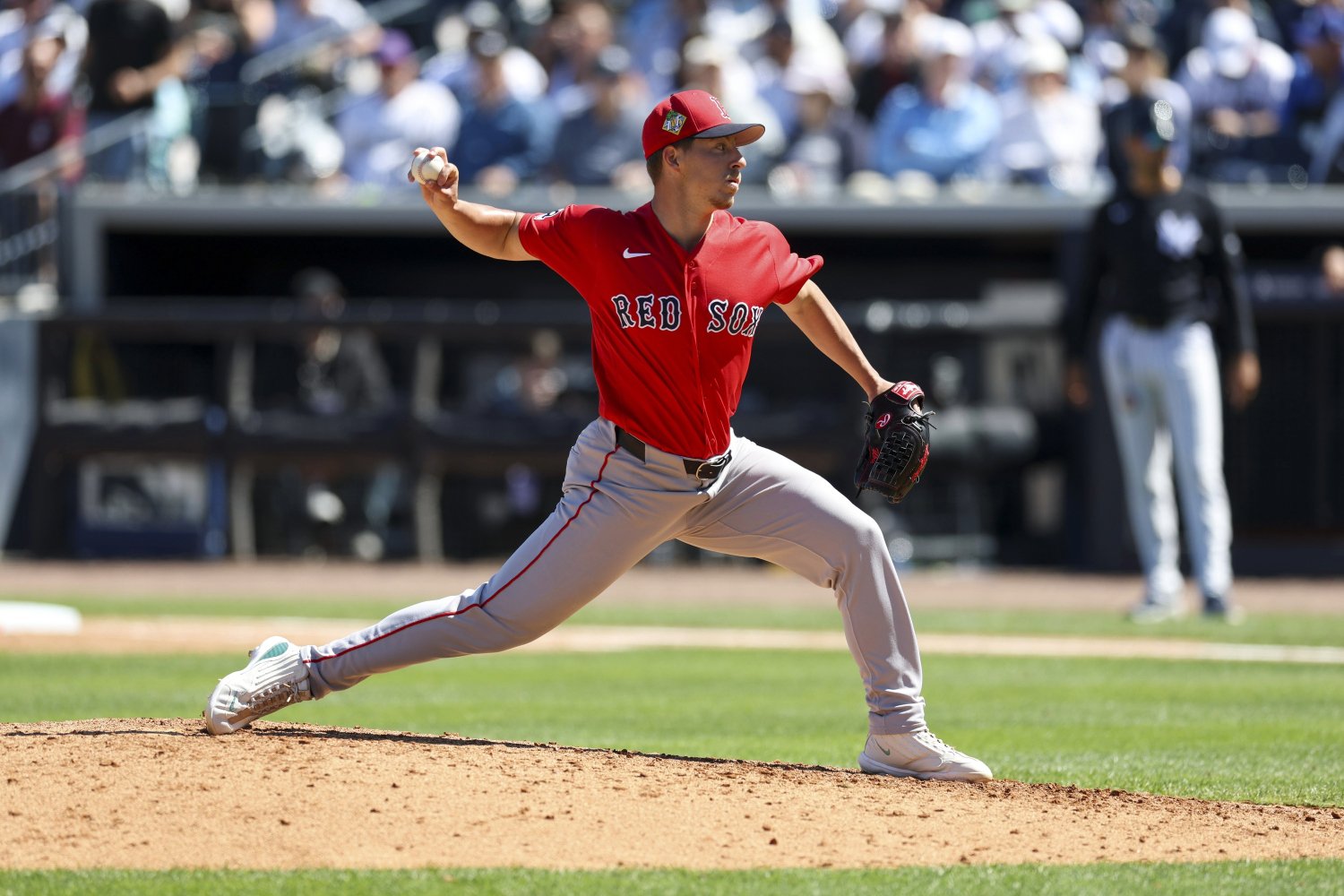 Worcester, MA -- While most Boston Red Sox fans are focused on the major-league team's playoff chances this year, the WooSox aren't taking anything for granted. “It was cool to be the first one on the mound," said Tyler Uberstine ahead of Triple-A Opening Day. He was just that back at the start of spring training as Alex Cora tabbed him to be the starter against Northeastern. If you were to ask Uberstine (who is TalkSox’s 17th ranked prospect) one year ago today how his 2025 season would go, he wouldn't have predicted anything close to what actually happened. Coming off of Tommy John surgery, Uberstine had barely pitched in 2024. Entering 2025, it was all about showing what he could do when healthy. Opening the season with Portland, Uberstine was quickly promoted to Worcester and dominated the competition. Going 6-4 with a 3.56 ERA in 19 games, 15 of them starts, the 26-year-old right-hander helped anchor a Worcester pitching staff that was in flux. In the 91 innings he tossed in Triple-A, Uberstine struck out 102 batters on his way to being named Co-Most Valuable Pitcher. Along with the award, Uberstine also saw the return of his fastball's velocity; between it reaching 95 mph and an ability to miss bats, it proved to be an important pitch in 2025. “If you asked me a year ago if that all would have happened, [I’d say] probably not. Where I was coming back from TJ and it’s all been super fun. Whether it’s been up here or whether it’s at big league camp it’s been a great experience overall,” Uberstine reiterated. And everything that’s occurred since has been one experience he hasn’t taken for granted. Despite lasting just 1 1/3 innings against the college team, Uberstine didn’t allow it to shake his confidence as he found himself pitching in multiple roles for the remainder of his time in Fort Myers. “I had [different] roles, whether it was coming out of the pen for an inning, two innings or three innings. Just kind of taken to what they give me." The right-handed pitcher did whatever the team asked of him, appearing in four games during spring training and tossing 7 1/3 innings. In that span he struck out 11 batters, something that had him in consideration for a long-relief role with the team until it got narrowed down to one of Connelly Early or Johan Oviedo. But despite being used mainly as a starting pitcher during his time in the minor leagues (40 of his 54 appearances have been starts), the right-hander didn’t see entering from the bullpen as any different than if he were to start the game. His mindset was the same as it always has been, which will serve him well as he looks to finally make the leap to Boston in 2026. “I’m gonna go out there and compete regardless. There’s more of a different preparation aspect, whether it’s lifting or the throwing schedule. That’s the little bit of learning curve but once you’re out there on the mound it’s the same thing." His first major-league spring training may not have yielded the exact results he expected (0-2 record with a 6.14 ERA), but it was one large learning experience for the pitcher. The biggest thing he took from it all was observing the veterans at camp, chatting with them and taking bits and pieces of information that he can use to improve as a pitcher. Not just on the mound, but also for his routine and how to prepare. The opportunity to pick at the brains of successful major league pitchers was a key part of Uberstine’s continued development as he looks to take the next step in his professional career. Uberstine will make his Triple-A debut Saturday as he starts for the Worcester Red Sox.
 -
It isn't often that a Division III player gets drafted. Jason Gilman did just that, and it was thanks to his mindset and ability on the mound. The left-handed pitcher will begin his first professional season in 2026 and will look to continue from where he left off at Kean University. Talk Sox's Nick John sits down and has a conversation with the young hurler. View full video
-
It isn't often that a Division III player gets drafted. Jason Gilman did just that, and it was thanks to his mindset and ability on the mound. The left-handed pitcher will begin his first professional season in 2026 and will look to continue from where he left off at Kean University. Talk Sox's Nick John sits down and has a conversation with the young hurler.
-
“I would say it’s probably a very unique story.” Jason Gilman never imagined that one phone call after his season with Division III Kean University ended would change the trajectory of his baseball career. Gilman, who wound up being a 16th-round pick in the 2025 draft by the Boston Red Sox, recalled the events that brought him to pro baseball. “I was actually on my way touring University of Virginia and I get a call. I wound up answering it and it winds up being an agent... at the time, I would say advisor. I took it [the call]. Learning about the draft process, learning what it entails. I’m very new to the [draft] scene, I don’t know many people who were drafted around me. Being a D3 [athlete], it’s not like teammates get that look often. And this is actually 12 days before the draft,” Gilman explained. To say things quickly changed for Gilman is an understatement. His 2025 season was one of complete dominance for the left-handed pitcher, helping to lead Kean University to a 41-11 record and making it all the way to the NCAA Division III College World Series. Gilman himself pitched like an ace for the team, going 14-1 in 15 games, 14 of them starts. He finished the season with a 2.08 ERA in 112 1/3 innings and struck out 150 batters while walking just 32. And when it mattered most, Gilman stepped up. With his team facing elimination after losing their first game of bracket play in the finals, Gilman took the mound against top-seeded Johns Hopkins University and left everything out on the field. “We were facing elimination and we’re playing the number one seed. It was a do-or-die game and win or lose, I knew it would probably be my last outing at Kean. So, it was definitely leave it all out on the field,” the southpaw reflected. And he did just that. Leading the team from the mound, Gilman pitched a complete game, allowing three runs, two earned, on eight hits and striking out 14. He would not leave the mound until his team won the game, tossing a whopping 152 pitches as he led them to a 5-3 victory and keeping their championship dreams afloat. Although Kean lost the next game 5-4 and was eliminated by Endicott College, Gilman can always say he gave it his all. And while his plans for the draft changed drastically with less than two weeks to go, Gilman prepared for his future, committing to Ole Miss to play a fifth year of baseball at the NCAA level. Instead, the Red Sox called and altered everything. After signing, Gilman did not get into any games but instead was assigned to the team’s complex in Fort Myers. During his time there, he was slowly eased back into baseball shape and was placed on the same throwing program as others in his draft class. It was an opportunity to learn what it was like to be in a professional organization and what was expected from them. And, in a sense, it was a precursor to his first spring training. “It helped me a lot. I became familiar with the staff, the people, other players and my draft class. We started to create some bonds. It’s been helpful,” Gilman said about the two months down at the complex. But it wasn’t just forming bonds that occurred, as the team had Gilman begin to work on his physical conditioning. “If you look at me, I was one of the smaller pitchers in our draft [class]. Right away I needed to gain weight and throw harder. It wasn’t stuff right on the mound but taking care of your body, eating the right way and working hard in the weight room. As we got closer to spring training and in spring training, we’ve done a lot of stuff for velocity. That’s been my number one goal." And now that he’s had the taste of his first spring training, Gilman has better expectations of professional ball. A pitcher who only had Division III experience has now made his way to the best league in the world. He will likely pitch in affiliated ball once the minor-league season kicks off. For a pitcher who grew up loving baseball, nothing beats it. “I was a kid and I just started throwing a ball. Apparently, it was my first toy, so that’s pretty cool.” Pretty cool indeed. View full article