


Alex Mayes
-
Posts
856 -
Joined
-
Last visited
Content Type
Profiles
Boston Red Sox Videos
2026 Boston Red Sox Top Prospects Ranking
Boston Red Sox Free Agent & Trade Rumors, Notes, & Tidbits
Guides & Resources
2025 Boston Red Sox Draft Pick Tracker
News
2026 Boston Red Sox Draft Tracker: Picks & Bonuses
Forums
Blogs
Events
Store
Downloads
Gallery
Everything posted by Alex Mayes
-
Connor Wong Has Run His Course In Boston
Alex Mayes replied to Alex Mayes's topic in Boston Red Sox Talk
mvp is the real MVP -
Connor Wong Has Run His Course In Boston
Alex Mayes replied to Alex Mayes's topic in Boston Red Sox Talk
With an off day coming up and Adley expected to play on Friday? I doubt it. If he can't catch two days in a row then there's a much different conversation that needs to happen surrounding him. Before two nights ago he last caught on the 5th, he should have been plenty rested to catch back-to-back games if the staff believed he was the right guy to be out there. -
Connor Wong Has Run His Course In Boston
Alex Mayes replied to Alex Mayes's topic in Boston Red Sox Talk
I think the message that not just fans, but likely the managerial staff of the team, has lost confidence in Wong when Gasper started at catcher last night instead of him. -
Connor Wong Has Run His Course In Boston
Alex Mayes replied to Alex Mayes's topic in Boston Red Sox Talk
Admittedly, as you know from listening to the podcast, I'm not as in with those stats as I should be. If those numbers support Wong, that's a valid reason to keep him around. I'm going to dig more into this side of things. -
Connor Wong Has Run His Course In Boston
Alex Mayes replied to Alex Mayes's topic in Boston Red Sox Talk
Well said. There's a nuance you have to keep in mind when dealing with switch hitters for sure. -
Connor Wong Has Run His Course In Boston
Alex Mayes replied to Alex Mayes's topic in Boston Red Sox Talk
Done. Been working on a 'who in recent Red Sox memory does Duran comp to' piece and it's not good. -
Connor Wong Has Run His Course In Boston
Alex Mayes replied to Alex Mayes's topic in Boston Red Sox Talk
I felt I had to be nice for a minute or two. -
Connor Wong Has Run His Course In Boston
Alex Mayes replied to Alex Mayes's topic in Boston Red Sox Talk
Welcome to Talk Sox! You hit the nail on the head with Duran and Story as well. If you dig around on here, you'll find I soured on both of them long, long ago haha. -
Connor Wong Has Run His Course In Boston
Alex Mayes replied to Alex Mayes's topic in Boston Red Sox Talk
There's no scenario where Wong should get a nod over Adley against lefties unless it's a scheduled day off. The numbers are the numbers defensively for both Wong and Gasper, they are almost the exact same player behind the dish at this point in the season. -
Connor Wong Has Run His Course In Boston
Alex Mayes replied to Alex Mayes's topic in Boston Red Sox Talk
That's what is so frustrating about him. There are times he looks like a solid backup who can be an actual contributor, but then he craters out like he's doing right now. I also agree that Gasper shouldn't be the number two catcher, but if his defensive numbers are that close to Wong's then I'd opt to keep him around in that role as long as he's swinging a hot bat. Adley should be getting the bulk of playing time down the stretch and into October so the number two catcher spot shouldn't matter too much. Carrying three catchers in October, even if Gasper operates more as a DH/backup for Willson, limits the flexibility you need in the postseason. -
It must be pretty weird to be Connor Wong. By all accounts, he's a great teammate and a hard-working player, but he’s the lone piece left of the ill-fated trade that sent Mookie Betts to the Dodgers. We’re not going to rehash that at this point, but his baseball legacy will forever be attached to one of the greatest right fielders in Boston Red Sox history. Unfortunately for Wong, he’s playing himself into joining past teammates Alex Verdugo and Jeter Downs in the MLB unemployment line at the conclusion of the 2026 season. Going into the All-Star break, Wong was a fine backup catcher who ended up making far more starts than anyone anticipated due to the struggles that Carlos Narvaez was having at the plate. When the league took a pause for the Midsummer Classic, Wong was slashing .288/.385/.387 with 15 RBIs, one home run, a 121 wRC+, and a 0.5 fWAR. He was passable offensively and a dependable, if uninspiring, catcher behind the dish. On the season, he’s challenged 23 pitches that he believed were called incorrectly and had 16 of them overturned, good for a 70% success rate. If this keen eye behind the dish was still coupled with a league-average hitter, fans would be perfectly fine playing out the string with Wong catching every few games. Unfortunately for the veteran backstop, things have gone south since the league resumed play in July. For the second half of the season, Wong is slashing .172/.217/.310 with nine RBIs, three home runs, a 41 wRC+, and a team worst -0.5 fWAR. If we look at his overall defensive numbers, there’s not much to be excited about there either. His most favorable defensive metric is his blocks above average at +2, which is good for the 66th percentile. His caught stealing above average is a -2, good for the 14th percentile. His pop time is averaging 1.97 seconds, good for the 23rd percentile, and his framing runs comes in at a -7, which puts him in the third overall percentile in the league. To put it simply, the second half of the season has been a slog for Wong. He’s made errors in big situations, having struggled to corral pitches that have high velocity behind them. Wong has been penciled in as the personal catcher for both Sonny Gray and Payton Tolle after the team traded Narvaez at the trade deadline, but both pitchers have recently begun throwing to newcomer Adley Rutschman. It's telling that the shift to a different catcher has been so quick, especially with the new face nursing an elbow injury that kept him sidelined for a few games earlier this month. The biggest question now is: What can the Red Sox do with Wong moving forward? Don’t be shocked to see him DFA’d as the team navigates through the late fall months before the lockout hits in December, but doesn't solve the problem in the here and now. It would be considered a fairly drastic move by some, but it wouldn’t shock me at all to see Wong optioned to Worcester once Willson Contreras comes off the injured list later this week, paving the way for the Goateed Menace himself, Mickey Gasper, to slide into a hybrid DH/backup first baseman/backup catcher role through the end of the season. Due to Wong’s defensive downturn, they're both grading out in a fairly similar manner behind the dish. To maximize offense and roster spots, perhaps a demotion is warranted. Connor Wong has likely run out of goodwill in Boston, but that shouldn’t come as a surprise to anyone who has watched most of his career here. It’s time for the Red Sox to move on from the lone remaining piece of the Betts trade, with the goal of replenishing their catching depth in the offseason. View full article
-
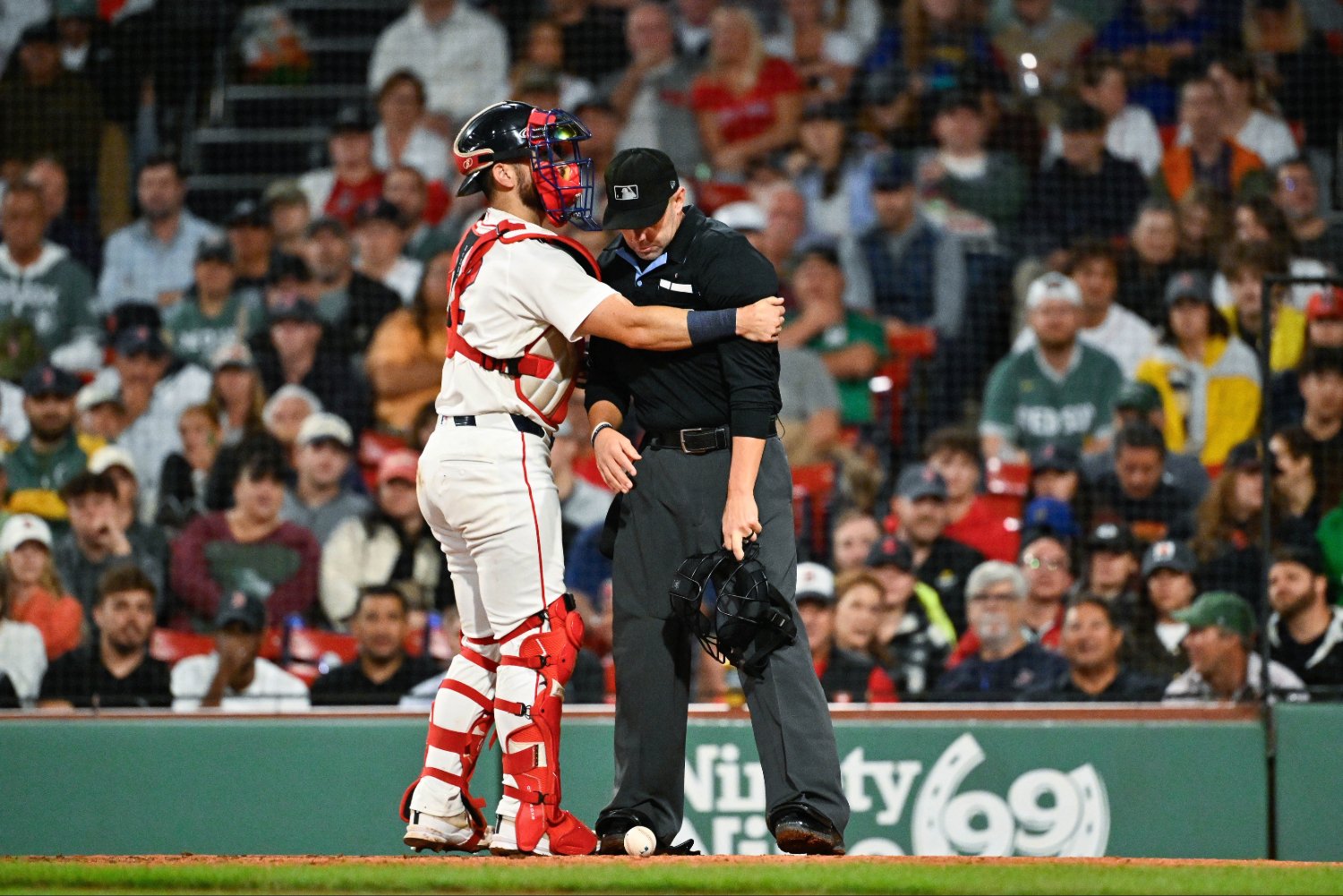 It must be pretty weird to be Connor Wong. By all accounts, he's a great teammate and a hard-working player, but he’s the lone piece left of the ill-fated trade that sent Mookie Betts to the Dodgers. We’re not going to rehash that at this point, but his baseball legacy will forever be attached to one of the greatest right fielders in Boston Red Sox history. Unfortunately for Wong, he’s playing himself into joining past teammates Alex Verdugo and Jeter Downs in the MLB unemployment line at the conclusion of the 2026 season. Going into the All-Star break, Wong was a fine backup catcher who ended up making far more starts than anyone anticipated due to the struggles that Carlos Narvaez was having at the plate. When the league took a pause for the Midsummer Classic, Wong was slashing .288/.385/.387 with 15 RBIs, one home run, a 121 wRC+, and a 0.5 fWAR. He was passable offensively and a dependable, if uninspiring, catcher behind the dish. On the season, he’s challenged 23 pitches that he believed were called incorrectly and had 16 of them overturned, good for a 70% success rate. If this keen eye behind the dish was still coupled with a league-average hitter, fans would be perfectly fine playing out the string with Wong catching every few games. Unfortunately for the veteran backstop, things have gone south since the league resumed play in July. For the second half of the season, Wong is slashing .172/.217/.310 with nine RBIs, three home runs, a 41 wRC+, and a team worst -0.5 fWAR. If we look at his overall defensive numbers, there’s not much to be excited about there either. His most favorable defensive metric is his blocks above average at +2, which is good for the 66th percentile. His caught stealing above average is a -2, good for the 14th percentile. His pop time is averaging 1.97 seconds, good for the 23rd percentile, and his framing runs comes in at a -7, which puts him in the third overall percentile in the league. To put it simply, the second half of the season has been a slog for Wong. He’s made errors in big situations, having struggled to corral pitches that have high velocity behind them. Wong has been penciled in as the personal catcher for both Sonny Gray and Payton Tolle after the team traded Narvaez at the trade deadline, but both pitchers have recently begun throwing to newcomer Adley Rutschman. It's telling that the shift to a different catcher has been so quick, especially with the new face nursing an elbow injury that kept him sidelined for a few games earlier this month. The biggest question now is: What can the Red Sox do with Wong moving forward? Don’t be shocked to see him DFA’d as the team navigates through the late fall months before the lockout hits in December, but doesn't solve the problem in the here and now. It would be considered a fairly drastic move by some, but it wouldn’t shock me at all to see Wong optioned to Worcester once Willson Contreras comes off the injured list later this week, paving the way for the Goateed Menace himself, Mickey Gasper, to slide into a hybrid DH/backup first baseman/backup catcher role through the end of the season. Due to Wong’s defensive downturn, they're both grading out in a fairly similar manner behind the dish. To maximize offense and roster spots, perhaps a demotion is warranted. Connor Wong has likely run out of goodwill in Boston, but that shouldn’t come as a surprise to anyone who has watched most of his career here. It’s time for the Red Sox to move on from the lone remaining piece of the Betts trade, with the goal of replenishing their catching depth in the offseason.
 -
Boston Red Sox Weekly Snapshot Record Last Week: 5-2 Runs Scored Last Week: 33 Runs Surrendered Last Week: 31 Standings 3rd in AL East 6.5 GB First Place 2nd in AL Wild Card 3 GB First Place Transactions 08/31/26: Boston Red Sox recalled DH Mickey Gasper from Worcester Red Sox. 08/31/26: Boston Red Sox placed 1B Willson Contreras on the 10-day injured list. Left hamstring strain. 09/01/26: Boston Red Sox recalled LHP Eduardo Rivera from Worcester Red Sox. 09/01/26: Boston Red Sox selected the contract of RHP Jedixson Paez from Worcester Red Sox. 09/01/26: Boston Red Sox recalled RHP Wyatt Olds from Worcester Red Sox. 09/01/26: Boston Red Sox placed RHP Tyron Guerrero on the 15-day injured list. Right shoulder inflammation. 09/01/26: Boston Red Sox activated 2B Isiah Kiner-Falefa from the 60-day injured list. 09/01/26: Boston Red Sox designated 3B Brett Harris for assignment. 09/01/26: Boston Red Sox placed LHP Eduardo Rivera on the 60-day injured list. Lumbar strain. 09/01/26: Boston Red Sox activated RHP Jedixson Paez. 09/02/26: Boston Red Sox recalled LHP Raymond Burgos from Worcester Red Sox. 09/02/26: Boston Red Sox optioned RHP Jedixson Paez to Worcester Red Sox. 09/03/26: San Francisco Giants claimed 3B Brett Harris off waivers from Boston Red Sox. 09/06/26: Boston Red Sox recalled OF Nate Eaton from Worcester Red Sox. 09/06/26: Boston Red Sox placed CF Ceddanne Rafaela on the 10-day injured list retroactive to September 3, 2026. Right quadriceps strain. Scores Game 138: BOS 9, SEA 8 Game 139: BOS 6, SEA 9 Game 140: BOS 3, SEA 8 Game 141: BOS 6, BAL 5 Game 142: BOS 1, BAL 0 Game 143: BOS 5, BAL 0 Game 144: BOS 3, BAL 1 Series Breakdown/Highlights Mariners Series: Let’s be honest with each other for a second, this series sucked eggs. Game one was the only one worth watching, if only because Trevor Story came back to win the game with a walk-off hit. Payton Tolle looked good to start, but ran out of gas in the sixth inning. He ended up tossing 5.2 innings of four-run ball while striking out six and walking two. Tyron Guerrero, Erik Miller, Alec Gamboa, and the aforementioned Chapman closed out the game. Guerrero would allow three earned runs while Miller allowed his first earned run since June. The offense was carried by home runs from Jarren Duran and, obviously, Mickey Gasper. Game two saw rookie Jedixson Paez get lit up, but that was to be expected from someone who only made three starts with the WooSox before getting called up to make a spot start for the big-league club. He ended up throwing 3.2 innings while allowing eight earned runs, ten hits, three strikeouts, and two walks. With the game out of hand, Gamboa, Wyatt Olds, and Greg Weissert were tasked with keeping the M’s off the board while the Sox tried to mount a late-inning comeback. They did just that, but the offense came up short. If you had Gasper going deep in back-to-back games, you’d be sitting on a decent stack of money. If you added in a homer for Jahmai Jones, you’d be filthy rich. Rafaela contributed the only other RBIs on the night for the Sox in the loss. Game three saw Patrick Sandoval take the ball and only throw four innings. He allowed three earned runs, five hits, three walks, and two strikeouts. Brayan Bello and Raymond Burgos came out of the bullpen and Bello was his less-than-stellar self. He pitched three innings, allowed four earned runs, and didn’t strike out anyone. Burgos worked two clean innings, striking out two. On offense, Roman Anthony went deep for the home crowd. Eli White and Trevor Story contributed the only other RBIs on the afternoon. Orioles Series: For as bad as the series against the Mariners felt, the series against the Orioles felt that much better. In game one, Jake Bennett made another start that showed he could be trusted to be part of the starting group in the post season. He went six innings, allowed three earned runs, and struck out seven. Miller, Garrett Whitlock, and Chapman all came in in relief. Chapman made things a bit interesting by giving up two earned runs, but he held on to secure the save. On offense, a home run from Roman Anthony proved to be the most clutch hit of the night, giving the Sox a single run of breathing room when the game was finished. The spotlight belonged to Adley Rutschman though, who went deep twice in his return to Baltimore. Nick Sogard also connected with a long ball on the night. Game two was a different game altogether, thanks to Ranger Suarez. He tossed seven innings of shutout baseball. He only struck out three, but that’s your typical Suarez start when he’s on his game. Whitlock and Chapman came in to shut the door and give the Red Sox the one-run win. On offense, the lone run came from the one and only Mickey Gasper on a solo home run. Game three saw Sonny Gray return to dominance as the Red Sox took the series, and the season series, from the Orioles behind his seven innings of seven-strikeout ball. Jovani Moran, Weissert, and Olds all shut the door to help secure the win for Gray. On offense, Isiah Kiner-Falefa, Connor Wong, and White drove in all of the runs for the Sox proving, once again, that offense can come from anywhere on this roster. Finally, game four secured the series sweep for the Red Sox. Payton Tolle was magical over six innings, striking out 12 while only allowing one earned run. Miller and Moran were the bridge to Chapman, who closed out the sweep with his 400th career save. You could tell Chappy was feeling himself when he stepped onto the rubber at the start of the ninth and he came out throwing gas to make sure he put his name in the record books in Baltimore. Offensively, Eli White was the spark once again. He’s been filling in for an injured Rafaela in a big way and will be a crucial part of the offense as the team navigates the last three weeks of the season. Website Highlights Jovani Moran’s Second-Half slide is a Consequence of Red Sox’s Aggressive Bullpen Management by Yirsandy Rodriguez Red Sox Report Cards: Team Grades for August by Ryan Salvaggio Red Sox MLB Hitters of the Month, August 2026: The Mickey Gasper Revolution Has Begun by Alex Mayes Looking Ahead 09/07/26: Angels (Grayson Rodriguez) @ Red Sox (Brayan Bello): 1:35 PM EDT 09/08/26: Angels (Reid Detmers) @ Red Sox (Patrick Sandoval): 6:45 PM EDT 09/09/26: Angels (Ryan Johnson) @ Red Sox (Jake Bennett): 6:45 PM EDDT 09/10/26: Off Day 09/11/26: Royals @ Red Sox: 7:10 PM EDT 09/12/26: Royals @ Red Sox: 4:10 PM EDT 09/13/26: Royals @ Red Sox: 1:35 PM EDT View full article
-
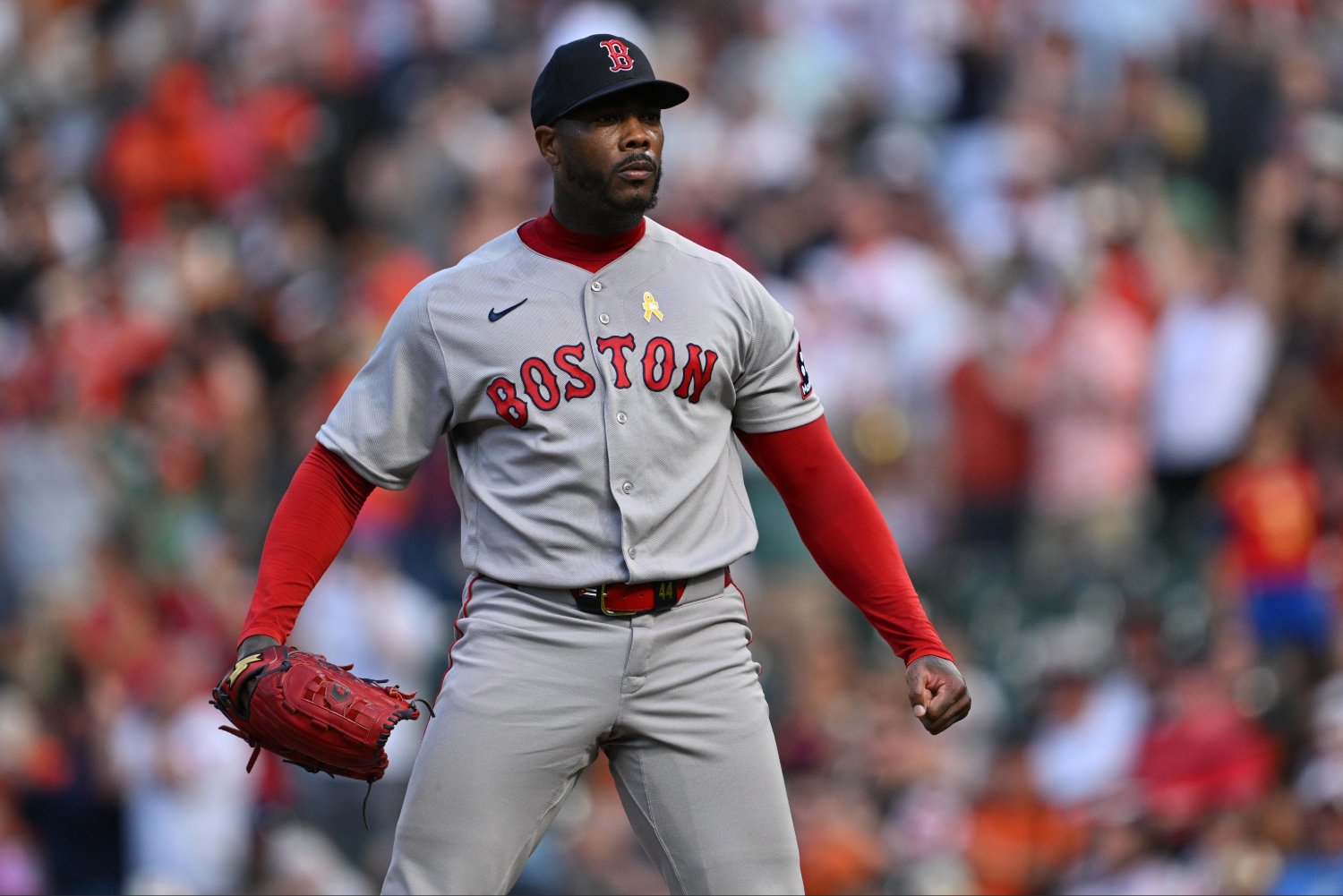 Boston Red Sox Weekly Snapshot Record Last Week: 5-2 Runs Scored Last Week: 33 Runs Surrendered Last Week: 31 Standings 3rd in AL East 6.5 GB First Place 2nd in AL Wild Card 3 GB First Place Transactions 08/31/26: Boston Red Sox recalled DH Mickey Gasper from Worcester Red Sox. 08/31/26: Boston Red Sox placed 1B Willson Contreras on the 10-day injured list. Left hamstring strain. 09/01/26: Boston Red Sox recalled LHP Eduardo Rivera from Worcester Red Sox. 09/01/26: Boston Red Sox selected the contract of RHP Jedixson Paez from Worcester Red Sox. 09/01/26: Boston Red Sox recalled RHP Wyatt Olds from Worcester Red Sox. 09/01/26: Boston Red Sox placed RHP Tyron Guerrero on the 15-day injured list. Right shoulder inflammation. 09/01/26: Boston Red Sox activated 2B Isiah Kiner-Falefa from the 60-day injured list. 09/01/26: Boston Red Sox designated 3B Brett Harris for assignment. 09/01/26: Boston Red Sox placed LHP Eduardo Rivera on the 60-day injured list. Lumbar strain. 09/01/26: Boston Red Sox activated RHP Jedixson Paez. 09/02/26: Boston Red Sox recalled LHP Raymond Burgos from Worcester Red Sox. 09/02/26: Boston Red Sox optioned RHP Jedixson Paez to Worcester Red Sox. 09/03/26: San Francisco Giants claimed 3B Brett Harris off waivers from Boston Red Sox. 09/06/26: Boston Red Sox recalled OF Nate Eaton from Worcester Red Sox. 09/06/26: Boston Red Sox placed CF Ceddanne Rafaela on the 10-day injured list retroactive to September 3, 2026. Right quadriceps strain. Scores Game 138: BOS 9, SEA 8 Game 139: BOS 6, SEA 9 Game 140: BOS 3, SEA 8 Game 141: BOS 6, BAL 5 Game 142: BOS 1, BAL 0 Game 143: BOS 5, BAL 0 Game 144: BOS 3, BAL 1 Series Breakdown/Highlights Mariners Series: Let’s be honest with each other for a second, this series sucked eggs. Game one was the only one worth watching, if only because Trevor Story came back to win the game with a walk-off hit. Payton Tolle looked good to start, but ran out of gas in the sixth inning. He ended up tossing 5.2 innings of four-run ball while striking out six and walking two. Tyron Guerrero, Erik Miller, Alec Gamboa, and the aforementioned Chapman closed out the game. Guerrero would allow three earned runs while Miller allowed his first earned run since June. The offense was carried by home runs from Jarren Duran and, obviously, Mickey Gasper. Game two saw rookie Jedixson Paez get lit up, but that was to be expected from someone who only made three starts with the WooSox before getting called up to make a spot start for the big-league club. He ended up throwing 3.2 innings while allowing eight earned runs, ten hits, three strikeouts, and two walks. With the game out of hand, Gamboa, Wyatt Olds, and Greg Weissert were tasked with keeping the M’s off the board while the Sox tried to mount a late-inning comeback. They did just that, but the offense came up short. If you had Gasper going deep in back-to-back games, you’d be sitting on a decent stack of money. If you added in a homer for Jahmai Jones, you’d be filthy rich. Rafaela contributed the only other RBIs on the night for the Sox in the loss. Game three saw Patrick Sandoval take the ball and only throw four innings. He allowed three earned runs, five hits, three walks, and two strikeouts. Brayan Bello and Raymond Burgos came out of the bullpen and Bello was his less-than-stellar self. He pitched three innings, allowed four earned runs, and didn’t strike out anyone. Burgos worked two clean innings, striking out two. On offense, Roman Anthony went deep for the home crowd. Eli White and Trevor Story contributed the only other RBIs on the afternoon. Orioles Series: For as bad as the series against the Mariners felt, the series against the Orioles felt that much better. In game one, Jake Bennett made another start that showed he could be trusted to be part of the starting group in the post season. He went six innings, allowed three earned runs, and struck out seven. Miller, Garrett Whitlock, and Chapman all came in in relief. Chapman made things a bit interesting by giving up two earned runs, but he held on to secure the save. On offense, a home run from Roman Anthony proved to be the most clutch hit of the night, giving the Sox a single run of breathing room when the game was finished. The spotlight belonged to Adley Rutschman though, who went deep twice in his return to Baltimore. Nick Sogard also connected with a long ball on the night. Game two was a different game altogether, thanks to Ranger Suarez. He tossed seven innings of shutout baseball. He only struck out three, but that’s your typical Suarez start when he’s on his game. Whitlock and Chapman came in to shut the door and give the Red Sox the one-run win. On offense, the lone run came from the one and only Mickey Gasper on a solo home run. Game three saw Sonny Gray return to dominance as the Red Sox took the series, and the season series, from the Orioles behind his seven innings of seven-strikeout ball. Jovani Moran, Weissert, and Olds all shut the door to help secure the win for Gray. On offense, Isiah Kiner-Falefa, Connor Wong, and White drove in all of the runs for the Sox proving, once again, that offense can come from anywhere on this roster. Finally, game four secured the series sweep for the Red Sox. Payton Tolle was magical over six innings, striking out 12 while only allowing one earned run. Miller and Moran were the bridge to Chapman, who closed out the sweep with his 400th career save. You could tell Chappy was feeling himself when he stepped onto the rubber at the start of the ninth and he came out throwing gas to make sure he put his name in the record books in Baltimore. Offensively, Eli White was the spark once again. He’s been filling in for an injured Rafaela in a big way and will be a crucial part of the offense as the team navigates the last three weeks of the season. Website Highlights Jovani Moran’s Second-Half slide is a Consequence of Red Sox’s Aggressive Bullpen Management by Yirsandy Rodriguez Red Sox Report Cards: Team Grades for August by Ryan Salvaggio Red Sox MLB Hitters of the Month, August 2026: The Mickey Gasper Revolution Has Begun by Alex Mayes Looking Ahead 09/07/26: Angels (Grayson Rodriguez) @ Red Sox (Brayan Bello): 1:35 PM EDT 09/08/26: Angels (Reid Detmers) @ Red Sox (Patrick Sandoval): 6:45 PM EDT 09/09/26: Angels (Ryan Johnson) @ Red Sox (Jake Bennett): 6:45 PM EDDT 09/10/26: Off Day 09/11/26: Royals @ Red Sox: 7:10 PM EDT 09/12/26: Royals @ Red Sox: 4:10 PM EDT 09/13/26: Royals @ Red Sox: 1:35 PM EDT
 -
The month of August proved to be a rollercoaster for the Boston Red Sox’s pitching staff. The dependable arms were, mostly, dependable for the month, there were some new names that showed up and showed out, and then there were some arms that got tagged a bit too frequently. Amidst all that positivity and concern, four pitchers stood out the most. Ranking Red Sox's Best Pitchers In August Honorable Mention: Raymond Burgos August Stats: 12.1 IP, 1 SV, 5.84 ERA, 4.31 FIP, 14.6 K%, 2.1 BB%, 0.97 WHIP Burgos doesn’t have the best stats in the world, but he’s getting the honorable mention spot here because he stepped up to help a depleted bullpen in a big way in August. He tossed back-to-back three inning games right after he was called up to the 26-man roster, after which he came into a game before a rain delay, sat for two hours during the delay, and then came back out to help prevent Chad Tracy from burning another arm after the delay. He’s not a stud and he may not even be long for the organization, but you’ve got to tip your cap to Burgos for being willing to do whatever is asked of him. #3: Alec Gamboa August Stats: 11 IP, 1 W, 0.00 ERA, 2.91 FIP, 10 K%, 2.5 BB%, 0.64 WHIP Gamboa has been a pleasant surprise out of the bullpen this season. He wasn’t a well-known prospect when he was first called up, and he got knocked around when they tried to use him as a starter earlier in the year, but he has become one of Tracy’s most-trusted arms in any situation. He was tasked with being the high-leverage set-up man for Aroldis Chapman during August and he toed the rubber with confidence and gave The Cuban Missile a clean runway to land the plane and convert the save. His unique windup lets you know who is on the mound without having to see the back of his jersey and, if things keep going the way they currently are, he’s going to be asked to pitch some very meaningful innings through the end of September and, hopefully, into late October. #2: Payton Tolle August Stats: 36 IP, 2 W, 3.00 ERA, 3.01 FIP, 31.2 K%, 7.1 BB%, 1.08 WHIP Tolle has been better than advertised pretty much all season, but his August run was really impressive. He’s been working hard to develop his secondary pitches all season and last month his curveball may have been the best pitch he threw. We’re all familiar with his three-fastball mix, but major-league hitters are able to dial those in quickly and make Tolle pay if he’s not mixing in something that breaks. His curveball has developed into a true out-pitch for him and it’s keeping hitters from selling out against his fastballs. What this allows him to do is almost toy with opposing hitters when he’s up in the count. He can paint the corner, blow you away, or make your knees buckle at any point. As Tolle continues to develop his breaking stuff, specifically his curveball, he’s going to cement himself as a bona fide ace of this staff. #1: Erik Miller August Stats: 11.1 IP, 1 W, 0.79 ERA, 1.77 FIP, 43.5 K%, 6.5 BB%, 0.97 WHIP There was some agitation when Miller was brought to Boston because of the trade piece that went the other way. What was overlooked by a lot of people was that Miller was operating as the closer for the Giants and the Red Sox are reaping the rewards of that role. He’s being used as a late-inning set-up man primarily, but Miller’s skill set lets him move anywhere in the bullpen and be successful. His strikeout rate is astronomical and he’s not showing much of the command issue that has plagued him throughout his career so far. While it’s been fairly safe to pencil in Garrett Whitlock for the future closer role in Boston, don’t overlook Miller now that he’s in town. If he can keep his command in check going forward, he’s going to be a deadly weapon through the end of the season and the postseason that Tracy will be chomping at the bit to unleash whenever possible. View full article
-
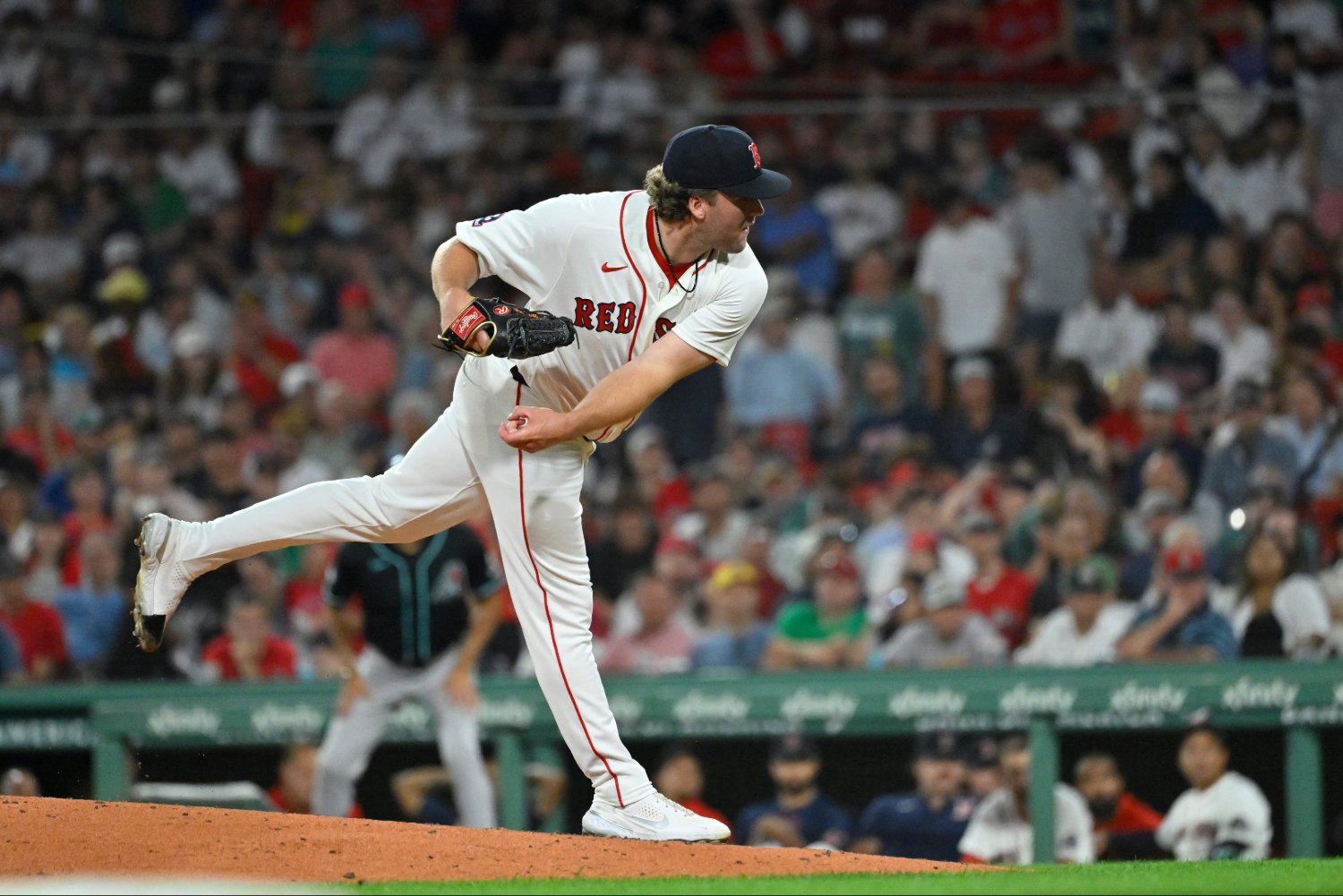 The month of August proved to be a rollercoaster for the Boston Red Sox’s pitching staff. The dependable arms were, mostly, dependable for the month, there were some new names that showed up and showed out, and then there were some arms that got tagged a bit too frequently. Amidst all that positivity and concern, four pitchers stood out the most. Ranking Red Sox's Best Pitchers In August Honorable Mention: Raymond Burgos August Stats: 12.1 IP, 1 SV, 5.84 ERA, 4.31 FIP, 14.6 K%, 2.1 BB%, 0.97 WHIP Burgos doesn’t have the best stats in the world, but he’s getting the honorable mention spot here because he stepped up to help a depleted bullpen in a big way in August. He tossed back-to-back three inning games right after he was called up to the 26-man roster, after which he came into a game before a rain delay, sat for two hours during the delay, and then came back out to help prevent Chad Tracy from burning another arm after the delay. He’s not a stud and he may not even be long for the organization, but you’ve got to tip your cap to Burgos for being willing to do whatever is asked of him. #3: Alec Gamboa August Stats: 11 IP, 1 W, 0.00 ERA, 2.91 FIP, 10 K%, 2.5 BB%, 0.64 WHIP Gamboa has been a pleasant surprise out of the bullpen this season. He wasn’t a well-known prospect when he was first called up, and he got knocked around when they tried to use him as a starter earlier in the year, but he has become one of Tracy’s most-trusted arms in any situation. He was tasked with being the high-leverage set-up man for Aroldis Chapman during August and he toed the rubber with confidence and gave The Cuban Missile a clean runway to land the plane and convert the save. His unique windup lets you know who is on the mound without having to see the back of his jersey and, if things keep going the way they currently are, he’s going to be asked to pitch some very meaningful innings through the end of September and, hopefully, into late October. #2: Payton Tolle August Stats: 36 IP, 2 W, 3.00 ERA, 3.01 FIP, 31.2 K%, 7.1 BB%, 1.08 WHIP Tolle has been better than advertised pretty much all season, but his August run was really impressive. He’s been working hard to develop his secondary pitches all season and last month his curveball may have been the best pitch he threw. We’re all familiar with his three-fastball mix, but major-league hitters are able to dial those in quickly and make Tolle pay if he’s not mixing in something that breaks. His curveball has developed into a true out-pitch for him and it’s keeping hitters from selling out against his fastballs. What this allows him to do is almost toy with opposing hitters when he’s up in the count. He can paint the corner, blow you away, or make your knees buckle at any point. As Tolle continues to develop his breaking stuff, specifically his curveball, he’s going to cement himself as a bona fide ace of this staff. #1: Erik Miller August Stats: 11.1 IP, 1 W, 0.79 ERA, 1.77 FIP, 43.5 K%, 6.5 BB%, 0.97 WHIP There was some agitation when Miller was brought to Boston because of the trade piece that went the other way. What was overlooked by a lot of people was that Miller was operating as the closer for the Giants and the Red Sox are reaping the rewards of that role. He’s being used as a late-inning set-up man primarily, but Miller’s skill set lets him move anywhere in the bullpen and be successful. His strikeout rate is astronomical and he’s not showing much of the command issue that has plagued him throughout his career so far. While it’s been fairly safe to pencil in Garrett Whitlock for the future closer role in Boston, don’t overlook Miller now that he’s in town. If he can keep his command in check going forward, he’s going to be a deadly weapon through the end of the season and the postseason that Tracy will be chomping at the bit to unleash whenever possible.
 -
The month of August started with a bang and ended, mostly, with a whimper thanks to the New York Yankees. It wasn't all sunshine and rainbows, but the Boston Red Sox still continued their summer march toward their second consecutive Wild Card finish. There are a number of offensive players that deserve their flowers for the contributions they made last month, starting with someone who caught fire in a way we haven't seen in a long time. Ranking Red Sox's Best Hitters In August Honorable Mention: Mickey Gasper I know, I hear you. Gasper was arguably the hottest hitter on the team before he was optioned back to Worcester when Roman Anthony returned and then was promptly recalled a day later when Willson Contreras landed on the injured list. The reason he’s only getting honorable mention here is he only logged 42 plate appearances for August. During that time, though, he slashed .400/.571/1.100. That slugging percentage is not a mistake; look at it again and allow yourself to be awed. He clobbered six home runs, added 13 RBIs, and posted an insane 330 wRC+. Goatee Mickey is a menace and he should help propel the team into the playoffs throughout September. Now onto the qualified hitters. #3: Ceddanne Rafaela August Stats: .276/.298/.415, 4 HR, 16 RBIs, 2 SB, 91 wRC+, 0.6 fWAR Rafaela started out the month incredibly strong and that helped propel him to a top spot. The back end of August saw his strikeout percentage climb, up to 19.1%, and his walk rate bottomed out to 2.3%. That being said, he has been a constant threat at the plate and seems to have rediscovered his swing as we head into the final month of the season. He was a large contributor during the historic run in the middle of the summer, but some old habits have reared their ugly heads as of late. Those 16 RBIs helped keep pitchers honest when he’d step into the box and even though the big, clutch hits seem to have eluded him this season, he’s going to contribute to wins day in and day out. #2: Caleb Durbin August Stats: .277/.370/.356, 2 HR, 18 RBIs, 4 SB, 106 wRC+, 0.7 fWAR Durbin, like Rafaela above him, is carried to his final August stat line by a strong start to the month. Unfortunately, the end of the month saw him begin to revert back into the Durbin from the beginning of the season. At the dish, he worked an 11.7% walk rate and a 13.3% strikeout rate. His four home runs helped put the team in a place to win at the beginning of the month but, unfortunately, he hasn't connected with one in quite a while. As the weather cools, expect Durbin’s altered plate approach to start to pay dividends again. If he can rediscover his song and dance with the Green Monster, the clutch hits will return. #1: Wilyer Abreu August Stats: .279/.384/.587, 7 HR, 17 RBIs, 2 SB, 163 wRC+, 1.4 fWAR Abreu carried this team through the second half of the month, no question about it. He’s been the most consistent offensive player for the last 30 days and was really the lone bright spot of the final series against the Yankees. He worked a 14.3% walk rate to go along with a 16.7% strikeout rate this past month, so he’s getting on base every way you possibly can. While this is an offensive ranking, we’d be remiss to not mention his Gold-Glove-caliber defense in right field. He’s the best right fielder in the game and his offensive production is finally catching up to that. Abreu has become a foundational part of this organization this season and should be a fixture in the middle of the lineup for years to come. View full article
- 14 replies
-
- 1
-

-
- mickey gasper
- ceddanne rafaela
- (and 2 more)
-
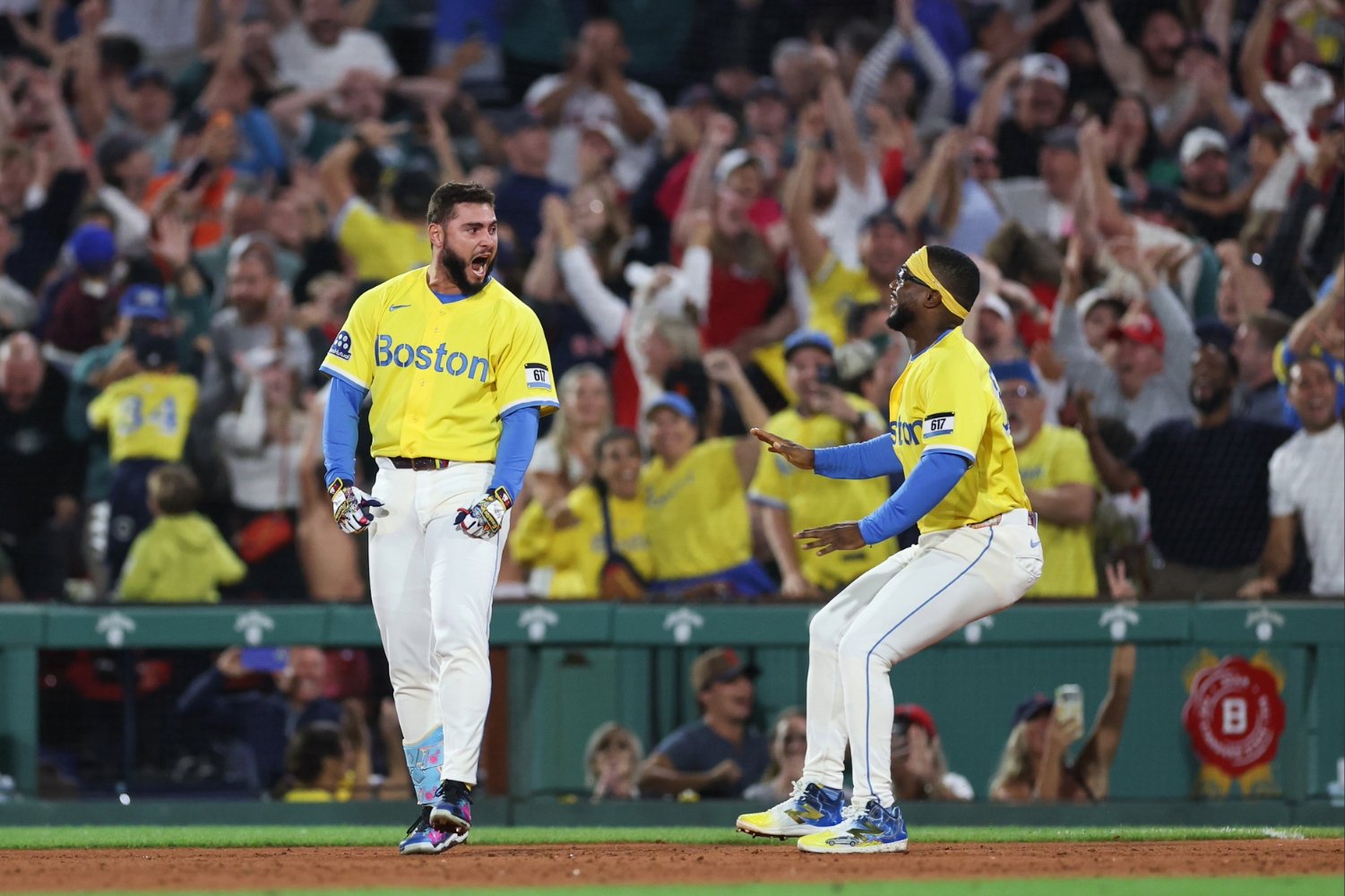 The month of August started with a bang and ended, mostly, with a whimper thanks to the New York Yankees. It wasn't all sunshine and rainbows, but the Boston Red Sox still continued their summer march toward their second consecutive Wild Card finish. There are a number of offensive players that deserve their flowers for the contributions they made last month, starting with someone who caught fire in a way we haven't seen in a long time. Ranking Red Sox's Best Hitters In August Honorable Mention: Mickey Gasper I know, I hear you. Gasper was arguably the hottest hitter on the team before he was optioned back to Worcester when Roman Anthony returned and then was promptly recalled a day later when Willson Contreras landed on the injured list. The reason he’s only getting honorable mention here is he only logged 42 plate appearances for August. During that time, though, he slashed .400/.571/1.100. That slugging percentage is not a mistake; look at it again and allow yourself to be awed. He clobbered six home runs, added 13 RBIs, and posted an insane 330 wRC+. Goatee Mickey is a menace and he should help propel the team into the playoffs throughout September. Now onto the qualified hitters. #3: Ceddanne Rafaela August Stats: .276/.298/.415, 4 HR, 16 RBIs, 2 SB, 91 wRC+, 0.6 fWAR Rafaela started out the month incredibly strong and that helped propel him to a top spot. The back end of August saw his strikeout percentage climb, up to 19.1%, and his walk rate bottomed out to 2.3%. That being said, he has been a constant threat at the plate and seems to have rediscovered his swing as we head into the final month of the season. He was a large contributor during the historic run in the middle of the summer, but some old habits have reared their ugly heads as of late. Those 16 RBIs helped keep pitchers honest when he’d step into the box and even though the big, clutch hits seem to have eluded him this season, he’s going to contribute to wins day in and day out. #2: Caleb Durbin August Stats: .277/.370/.356, 2 HR, 18 RBIs, 4 SB, 106 wRC+, 0.7 fWAR Durbin, like Rafaela above him, is carried to his final August stat line by a strong start to the month. Unfortunately, the end of the month saw him begin to revert back into the Durbin from the beginning of the season. At the dish, he worked an 11.7% walk rate and a 13.3% strikeout rate. His four home runs helped put the team in a place to win at the beginning of the month but, unfortunately, he hasn't connected with one in quite a while. As the weather cools, expect Durbin’s altered plate approach to start to pay dividends again. If he can rediscover his song and dance with the Green Monster, the clutch hits will return. #1: Wilyer Abreu August Stats: .279/.384/.587, 7 HR, 17 RBIs, 2 SB, 163 wRC+, 1.4 fWAR Abreu carried this team through the second half of the month, no question about it. He’s been the most consistent offensive player for the last 30 days and was really the lone bright spot of the final series against the Yankees. He worked a 14.3% walk rate to go along with a 16.7% strikeout rate this past month, so he’s getting on base every way you possibly can. While this is an offensive ranking, we’d be remiss to not mention his Gold-Glove-caliber defense in right field. He’s the best right fielder in the game and his offensive production is finally catching up to that. Abreu has become a foundational part of this organization this season and should be a fixture in the middle of the lineup for years to come.
 -
Boston Red Sox Weekly Snapshot Record Last Week: 3-4 Runs Scored Last Week: 27 Runs Surrendered Last Week: 35 Standings 3rd Place AL East 8.5 GB First Place 2nd Place AL Wild Card 4 GB First Place Transactions 08/25/26: Boston Red Sox sent LF Roman Anthony on a rehab assignment to Worcester Red Sox. 08/28/26: Boston Red Sox signed free agent C Tomás Nido to a minor league contract. 08/29/26: Boston Red Sox recalled LHP Raymond Burgos from Worcester Red Sox. 08/29/26: Boston Red Sox optioned RHP Wyatt Olds to Worcester Red Sox. 08/29/26: Boston Red Sox activated RHP Garrett Whitlock from the 15-day injured list. 08/30/26: Boston Red Sox optioned DH Mickey Gasper to Worcester Red Sox. 08/30/26: Boston Red Sox optioned 2B Anthony Seigler to Worcester Red Sox. 08/30/26: Boston Red Sox optioned LHP Raymond Burgos to Worcester Red Sox. 08/30/26: Boston Red Sox activated SS Trevor Story from the 60-day injured list. 08/30/26: Boston Red Sox activated LF Roman Anthony from the 60-day injured list. Scores Game 131: BOS 4, MIA 2 Game 132: BOS 7, MIA 3 Game 133: BOS 0, MIA 4 Game 134: BOS 0, NYY 1 Game 135: BOS 6, NYY 0 Game 136: BOS 2, NYY 9 Game 137: BOS 1, NYY 16 Series Breakdown/Highlights Marlins Series: The Marlins are a better team than their record would indicate and the Red Sox had the pleasure of seeing their ace, Sandy Alcantara, during the early week series. The Sox got after him for a single earned run, but that’s all they needed in the end. Ranger Suarez got the nod for the first game of the series, tossing five innings of one-run baseball. He struck out and walked four in the outing. Brayan Bello, Erik Miller, and Aroldis Chapman all came out of the bullpen to shut the game down and hand the Sox a win to keep the good vibes rolling from the Giants series. Offensively, Nick Sogard, Mickey Gasper, and Anthony Seigler all knocked in runs to support the bullpen. Game two was an offensive showing for the Sox, who rode RBIs from Gasper’s home run and Jarren Duran’s late-inning grand slam. It was refreshing to see Duran come alive against a left-handed pitcher for the Fish, something he’s going to be asked to do more and more as he moves to a hybrid bench role with Roman Anthony back in the fold. On defense, Payton Tolle wasn’t his usual sharp self, tossing 5.1 innings. He struck out seven, walked two, and allowed two earned runs. Tyron Guerrero, Greg Weissert, Miller, Wyatt Olds, and Alec Gamboa all worked during the extra inning game and they managed to stifle the Marlins’ offense late enough that the Sox could secure a series win. Game three just wasn’t enjoyable. There was literally no offense in the game, the Red Sox were shut out. On defense, Sonny Gray looked beatable, only tossing five innings of two-run ball. He struck out five, walked one, and allowed an uncharacteristic seven hits. Jovani Moran and Olds came out of the pen and kept the Marlins off the scoreboard. Yankees Series: We’d all like to pretend the bulk of this series didn’t happen. In game one, Patrick Sandoval didn’t start sharp but he settled in pretty well as the game went on. He ended up throwing 5.1 innings while striking out seven, walking four, and giving up one earned run. Weissert, Guerrero, and Olds all pitched in relief but the offense just couldn’t show up for the second game in a row. Game two, the first of the double header on Saturday, was a lot more like the baseball the Sox had been playing throughout the summer. Jake Bennett, like Sandoval the night before, seemed to be off in the first part of the game but he settled in incredibly well. He ended up throwing six innings of seven-strikeout ball while working out of jams and not allowing an earned run. Guerrero, a returning Garrett Whitlock, and Moran closed out the game to secure the shutout for the Red Sox. Offensively, Wilyer Abreu tagged Carlos Rodon for a first inning home run and the Sox were off to the races. Ceddanne Rafaela, Nick Sogard, and Andruw Monasterio all added RBIs to the total. Game three is where things began to unravel for the Red Sox. Sogard contributed the solo home run to get the Sox on the board while Willson Contreras drove in the second, but that’s it. Defensively, the game was out of hand before it could really get started. It was a scheduled bullpen game with Gamboa getting the nod to start. He tossed 1.1 innings while allowing one hit and striking out one. Bello came on in relief and was not his usual, lockdown self. He ended up going 4.2 innings but only struck out two while allowing five hits and four earned runs. Raymond Burgos followed Bello and had an even worse go of it in 2.1 innings. He allowed seven hits, two strike outs, and five earned runs. Game four really doesn’t need to be discussed, right? Andruw Monasterio ended up pitching and that’s really all you need to know. Website Highlights Five Weeks to Go: Breaking Down the Biggest Red Sox Storylines and Remaining Schedule by Ryan Salvaggio Willson Contreras’ Historically Good Offensive Season is Only Half of His Impact with Red Sox by Alex Mayes Crummy Red Sox Luck Aside, Adley Rutschman Won’t Stay Down for Long by Nick John Ranger Suarez is Losing One of His Favorite Weapons on the Mound by Yirsandy Rodriguez Looking Ahead 08/31/26: Mariners (George Kirby) @ Red Sox (Payton Tolle): 6:45 PM EDT 09/01/26: Mariners (Brayn Woo) @ Red Sox (TBD): 6:45 PM EDT 09/02/26: Mariners (TBD) @ Red Sox (Patrick Sandoval): 4:10 PM EDT 09/03/26: Red Sox @ Orioles: 7:15 PM EDT 09/04/26: Red Sox @ Orioles: 7:05 PM EDT 09/05/26: Red Sox @ Orioles: 7:05 PM EDT 09/06/26: Red Sox @ Orioles: 1:35 PM EDT View full article
-
Red Sox Week in Review: The Dog Days Give Way to Playoff Pushes
Alex Mayes posted an article in Red Sox
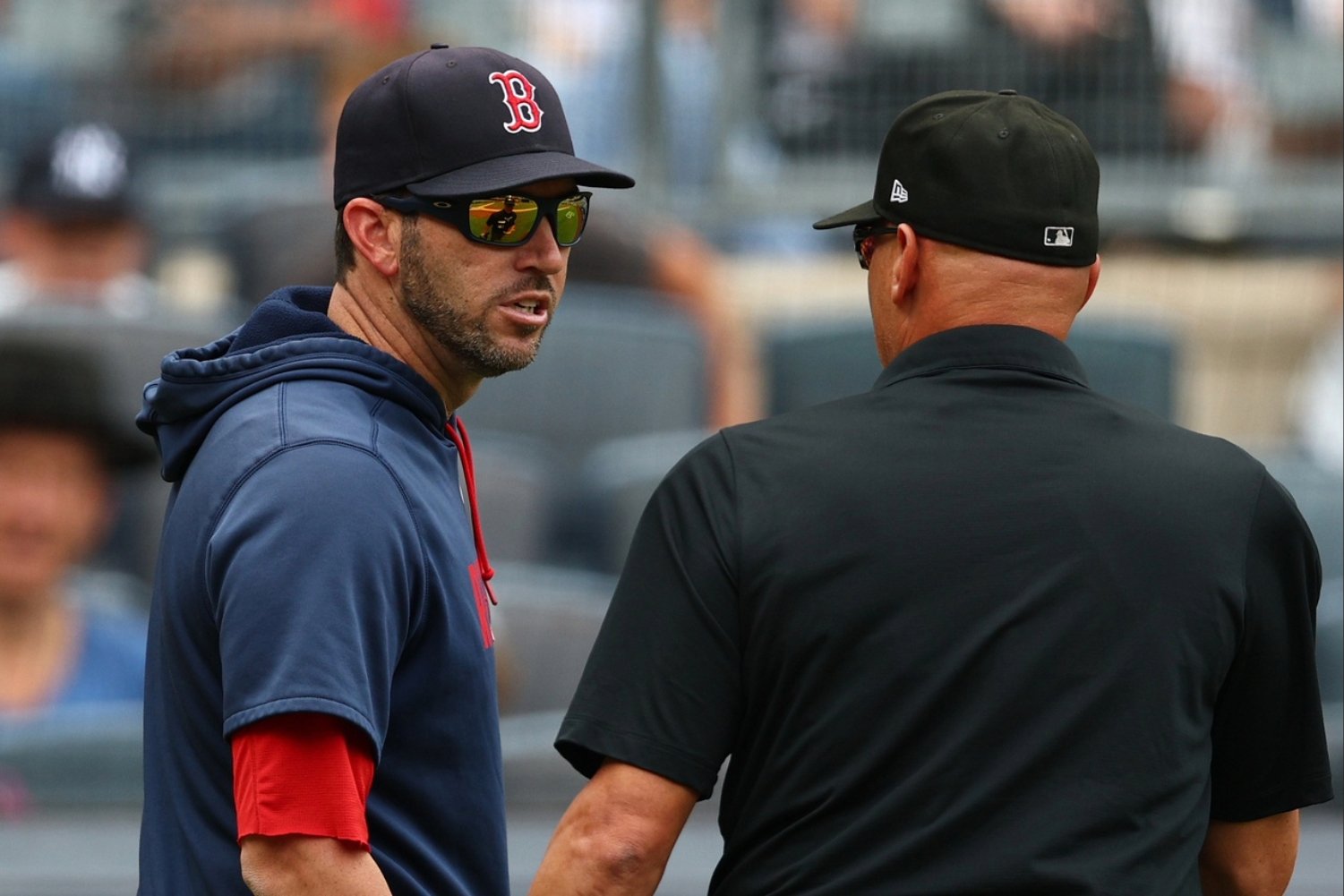 Boston Red Sox Weekly Snapshot Record Last Week: 3-4 Runs Scored Last Week: 27 Runs Surrendered Last Week: 35 Standings 3rd Place AL East 8.5 GB First Place 2nd Place AL Wild Card 4 GB First Place Transactions 08/25/26: Boston Red Sox sent LF Roman Anthony on a rehab assignment to Worcester Red Sox. 08/28/26: Boston Red Sox signed free agent C Tomás Nido to a minor league contract. 08/29/26: Boston Red Sox recalled LHP Raymond Burgos from Worcester Red Sox. 08/29/26: Boston Red Sox optioned RHP Wyatt Olds to Worcester Red Sox. 08/29/26: Boston Red Sox activated RHP Garrett Whitlock from the 15-day injured list. 08/30/26: Boston Red Sox optioned DH Mickey Gasper to Worcester Red Sox. 08/30/26: Boston Red Sox optioned 2B Anthony Seigler to Worcester Red Sox. 08/30/26: Boston Red Sox optioned LHP Raymond Burgos to Worcester Red Sox. 08/30/26: Boston Red Sox activated SS Trevor Story from the 60-day injured list. 08/30/26: Boston Red Sox activated LF Roman Anthony from the 60-day injured list. Scores Game 131: BOS 4, MIA 2 Game 132: BOS 7, MIA 3 Game 133: BOS 0, MIA 4 Game 134: BOS 0, NYY 1 Game 135: BOS 6, NYY 0 Game 136: BOS 2, NYY 9 Game 137: BOS 1, NYY 16 Series Breakdown/Highlights Marlins Series: The Marlins are a better team than their record would indicate and the Red Sox had the pleasure of seeing their ace, Sandy Alcantara, during the early week series. The Sox got after him for a single earned run, but that’s all they needed in the end. Ranger Suarez got the nod for the first game of the series, tossing five innings of one-run baseball. He struck out and walked four in the outing. Brayan Bello, Erik Miller, and Aroldis Chapman all came out of the bullpen to shut the game down and hand the Sox a win to keep the good vibes rolling from the Giants series. Offensively, Nick Sogard, Mickey Gasper, and Anthony Seigler all knocked in runs to support the bullpen. Game two was an offensive showing for the Sox, who rode RBIs from Gasper’s home run and Jarren Duran’s late-inning grand slam. It was refreshing to see Duran come alive against a left-handed pitcher for the Fish, something he’s going to be asked to do more and more as he moves to a hybrid bench role with Roman Anthony back in the fold. On defense, Payton Tolle wasn’t his usual sharp self, tossing 5.1 innings. He struck out seven, walked two, and allowed two earned runs. Tyron Guerrero, Greg Weissert, Miller, Wyatt Olds, and Alec Gamboa all worked during the extra inning game and they managed to stifle the Marlins’ offense late enough that the Sox could secure a series win. Game three just wasn’t enjoyable. There was literally no offense in the game, the Red Sox were shut out. On defense, Sonny Gray looked beatable, only tossing five innings of two-run ball. He struck out five, walked one, and allowed an uncharacteristic seven hits. Jovani Moran and Olds came out of the pen and kept the Marlins off the scoreboard. Yankees Series: We’d all like to pretend the bulk of this series didn’t happen. In game one, Patrick Sandoval didn’t start sharp but he settled in pretty well as the game went on. He ended up throwing 5.1 innings while striking out seven, walking four, and giving up one earned run. Weissert, Guerrero, and Olds all pitched in relief but the offense just couldn’t show up for the second game in a row. Game two, the first of the double header on Saturday, was a lot more like the baseball the Sox had been playing throughout the summer. Jake Bennett, like Sandoval the night before, seemed to be off in the first part of the game but he settled in incredibly well. He ended up throwing six innings of seven-strikeout ball while working out of jams and not allowing an earned run. Guerrero, a returning Garrett Whitlock, and Moran closed out the game to secure the shutout for the Red Sox. Offensively, Wilyer Abreu tagged Carlos Rodon for a first inning home run and the Sox were off to the races. Ceddanne Rafaela, Nick Sogard, and Andruw Monasterio all added RBIs to the total. Game three is where things began to unravel for the Red Sox. Sogard contributed the solo home run to get the Sox on the board while Willson Contreras drove in the second, but that’s it. Defensively, the game was out of hand before it could really get started. It was a scheduled bullpen game with Gamboa getting the nod to start. He tossed 1.1 innings while allowing one hit and striking out one. Bello came on in relief and was not his usual, lockdown self. He ended up going 4.2 innings but only struck out two while allowing five hits and four earned runs. Raymond Burgos followed Bello and had an even worse go of it in 2.1 innings. He allowed seven hits, two strike outs, and five earned runs. Game four really doesn’t need to be discussed, right? Andruw Monasterio ended up pitching and that’s really all you need to know. Website Highlights Five Weeks to Go: Breaking Down the Biggest Red Sox Storylines and Remaining Schedule by Ryan Salvaggio Willson Contreras’ Historically Good Offensive Season is Only Half of His Impact with Red Sox by Alex Mayes Crummy Red Sox Luck Aside, Adley Rutschman Won’t Stay Down for Long by Nick John Ranger Suarez is Losing One of His Favorite Weapons on the Mound by Yirsandy Rodriguez Looking Ahead 08/31/26: Mariners (George Kirby) @ Red Sox (Payton Tolle): 6:45 PM EDT 09/01/26: Mariners (Brayn Woo) @ Red Sox (TBD): 6:45 PM EDT 09/02/26: Mariners (TBD) @ Red Sox (Patrick Sandoval): 4:10 PM EDT 09/03/26: Red Sox @ Orioles: 7:15 PM EDT 09/04/26: Red Sox @ Orioles: 7:05 PM EDT 09/05/26: Red Sox @ Orioles: 7:05 PM EDT 09/06/26: Red Sox @ Orioles: 1:35 PM EDT
 -
No shot Bello is the arm that gets sent down for any reason. He's penciled in for one of the two games on Saturday.
-
I think this makes the most sense. Gasper has gone on crazy hot streaks pretty much every time he's been called up this season and then fizzles out before he gets demoted again. It's bound to happen again because there's nothing under the hood that points to this sudden power surge being sustainable at all. The only way I don't see him going down is if we see more of whatever was wrong with Wong during the finale against the Marlins. If he keeps playing behind the dish like that, it's essentially the same level of defensive production Gasper could give you then I'd send Wong down and keep Gasper up until he's out of juice. That being said, I'd still send Gasper down before anyone else.
-
The trade that brought Willson Contreras to Boston was met with praise for finally addressing the black hole that has plagued the Red Sox since, really, the 2018 season. Here at Talk Sox, we’ve written multiple articles predicting how impactful he was going to be and then highlighting how incredible his season has been. Yet, it's still safe to say that very few people expected his season to be one that would put him squarely in the history books for the organization. To say that Contreras has been an offensive force this season is likely understating what he’s done at the plate. He’s slashing .280/.390/.528 with a .397 wOBA, 155 wRC+, and a 4.0 fWAR. To go along with, that he’s also slugged a career high 26 homers on the season and contributed 78 RBIs, which is only two off of his career high. He’s arguably the most feared bat in the lineup and for good reason, seeing as he leads the team in most offensive categories. He’s third on the team in batting average, behind Ceddanne Rafaela’s .289 and Nick Sogard’s .283, second in OBP with a .390 behind Sogard’s .395, and first in slugging percentage, wOBA, wRC+, and fWAR. When he’s on the field with a bat in his hand it, seems like he’s going to produce more often than not. There’s still some swing and miss in his game and he’s a bit too emotional with the ABS challenges from time to time, but he’s the offensive force driving this team. On the defensive side of the ball, Contreras has settled first base in a way we haven’t seen in years. He’s sure-handed, makes diving plays, and just instills a sense of confidence in both his teammates and fans alike. That confidence means that Chad Tracy doesn’t have to worry about any play that goes down the right field line—Contreras is going to make a great attempt at it. He’s likely not going to be in the Gold Glove conversation at first, as there are a handful of American League first basemen ahead of him in defensive runs saved, but his offense means that his defense isn’t make or break. That’s something the Red Sox haven’t had at the cold corner in quite some time. Maybe most notably though, and what some fans may overlook due to Contreras’ fiery attitude, is his leadership with his teammates. We obviously know that he likes to fire up the boys by doing a bit of barking at opposing pitchers or yelling at the dugout as he passes by it during a home run trot, but what slips through the cracks is how obviously other teammates have gravitated towards him this season. Just look at what his former manager, Oli Marmol, had to say after the All-Star was dealt this winter. What's stood out to me the most this season though happened very recently. Ceddanne Rafaela was going through a rut the plate and hit a weak fly ball to the outfield to end the inning in game two against the Pirates earlier this month. The NESN cameras cut to Rafaela and Contreras walking back onto the field together, and you could easily see the former was still upset. Then, the vet put his arm around his younger teammate's shoulders, and you could almost see the tension and anger melt off his face. He settled down for the rest of the game and has returned to his hot hitting ways as of late. You can’t credit Contreras with the turnaround completely, but that moment speaks volumes to just how much of an impact a veteran presence has on this young club. They look to him for guidance and leadership, and his passion for the game is nothing short of contagious. Willson Contreras has been better than advertised with the Boston Red Sox. Breslow needs to be commended for pushing the right buttons with his offseason trades, but the Contreras one may be his shining moment when all is said and done. View full article
-
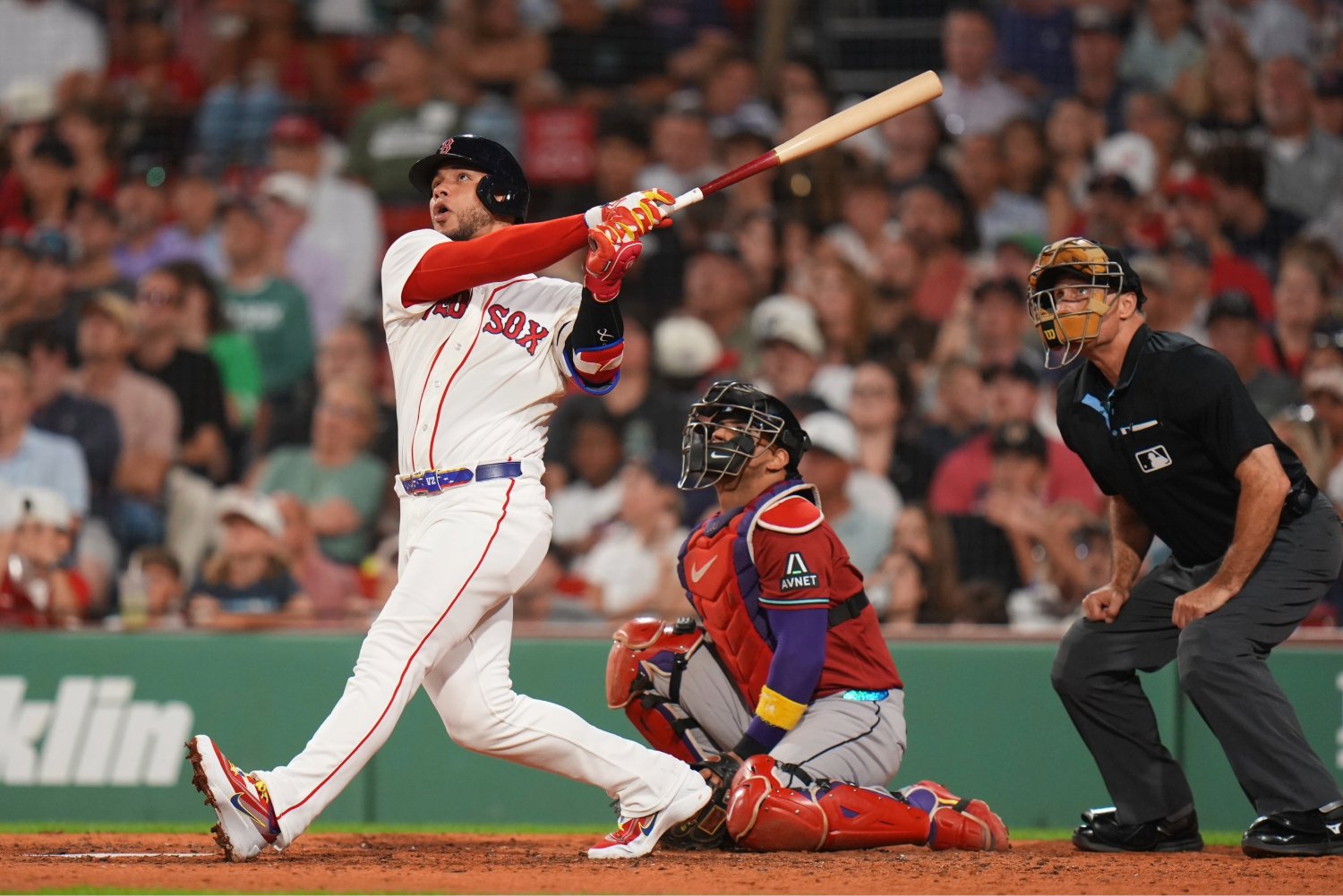 The trade that brought Willson Contreras to Boston was met with praise for finally addressing the black hole that has plagued the Red Sox since, really, the 2018 season. Here at Talk Sox, we’ve written multiple articles predicting how impactful he was going to be and then highlighting how incredible his season has been. Yet, it's still safe to say that very few people expected his season to be one that would put him squarely in the history books for the organization. To say that Contreras has been an offensive force this season is likely understating what he’s done at the plate. He’s slashing .280/.390/.528 with a .397 wOBA, 155 wRC+, and a 4.0 fWAR. To go along with, that he’s also slugged a career high 26 homers on the season and contributed 78 RBIs, which is only two off of his career high. He’s arguably the most feared bat in the lineup and for good reason, seeing as he leads the team in most offensive categories. He’s third on the team in batting average, behind Ceddanne Rafaela’s .289 and Nick Sogard’s .283, second in OBP with a .390 behind Sogard’s .395, and first in slugging percentage, wOBA, wRC+, and fWAR. When he’s on the field with a bat in his hand it, seems like he’s going to produce more often than not. There’s still some swing and miss in his game and he’s a bit too emotional with the ABS challenges from time to time, but he’s the offensive force driving this team. On the defensive side of the ball, Contreras has settled first base in a way we haven’t seen in years. He’s sure-handed, makes diving plays, and just instills a sense of confidence in both his teammates and fans alike. That confidence means that Chad Tracy doesn’t have to worry about any play that goes down the right field line—Contreras is going to make a great attempt at it. He’s likely not going to be in the Gold Glove conversation at first, as there are a handful of American League first basemen ahead of him in defensive runs saved, but his offense means that his defense isn’t make or break. That’s something the Red Sox haven’t had at the cold corner in quite some time. Maybe most notably though, and what some fans may overlook due to Contreras’ fiery attitude, is his leadership with his teammates. We obviously know that he likes to fire up the boys by doing a bit of barking at opposing pitchers or yelling at the dugout as he passes by it during a home run trot, but what slips through the cracks is how obviously other teammates have gravitated towards him this season. Just look at what his former manager, Oli Marmol, had to say after the All-Star was dealt this winter. What's stood out to me the most this season though happened very recently. Ceddanne Rafaela was going through a rut the plate and hit a weak fly ball to the outfield to end the inning in game two against the Pirates earlier this month. The NESN cameras cut to Rafaela and Contreras walking back onto the field together, and you could easily see the former was still upset. Then, the vet put his arm around his younger teammate's shoulders, and you could almost see the tension and anger melt off his face. He settled down for the rest of the game and has returned to his hot hitting ways as of late. You can’t credit Contreras with the turnaround completely, but that moment speaks volumes to just how much of an impact a veteran presence has on this young club. They look to him for guidance and leadership, and his passion for the game is nothing short of contagious. Willson Contreras has been better than advertised with the Boston Red Sox. Breslow needs to be commended for pushing the right buttons with his offseason trades, but the Contreras one may be his shining moment when all is said and done.
 -
One of my biggest complaints about Duran is that he's a constant stance tinkerer. He finds something that works then when he has a down game, he makes drastic changes to his approach and spirals.
