Yirsandy Rodríguez
-
Posts
54 -
Joined
-
Last visited
Content Type
Profiles
Boston Red Sox Videos
2026 Boston Red Sox Top Prospects Ranking
Boston Red Sox Free Agent & Trade Rumors, Notes, & Tidbits
Guides & Resources
2025 Boston Red Sox Draft Pick Tracker
News
2026 Boston Red Sox Draft Tracker: Picks & Bonuses
Forums
Blogs
Events
Store
Downloads
Gallery
Everything posted by Yirsandy Rodríguez
-
 The hope the Boston Red Sox have left is that they will not face Cam Schlittler again. And that difference, no matter how bad the offense looked yesterday, can be an incentive to readjust and try to come back stronger in Game 2. Schlittler silenced the Red Sox again by throwing a solid 6 1/3 innings with 10 strikeouts and only two hits allowed, in his first start of the entire year with more than 106 pitches. When many of us thought Schlittler was done after striking out Adley Rutschman—until that point he had the team’s only hit in 20 plate appearances—to close out the sixth inning, Yankees manager Aaron Boone sent him out to open the seventh. He threw 117 pitches and generated 24 swings and misses, a career high. Now, in two postseason starts against the Red Sox, after also eliminating them last year in the Wild Card Series, he is 2-0, with 14 1/3 scoreless innings, 22 strikeouts and only one walk. He is this team's newest kryptonite. Schlittler threw his fastball 56% of the time and averaged 98.6 mph—topping out at 101 mph—and it was clear that the Red Sox still cannot hit high velocity. But in Game 1, there was a much bigger problem against Schlittler’s mix, as, on their 11 balls put in play, there were only two batted balls that exceeded 95 mph in exit velocity. Both ended up as groundouts into the glove of Yankees second baseman Anthony Volpe: one by Caleb Durbin at 100.1 mph for the second out of the third inning, and the second out of the fifth inning, a ball hit by Nick Sogard at 96.3 mph. In part, everything is due to the fact that Schlittler’s version was even more lethal because of the way he mixed his pitches, using the curveball for the first time as the second weapon in his arsenal. He threw it for 27% of his 117 pitches, a career high. The results were overwhelming, as Boston’s hitters missed the curveball on 50% of their 16 swings. The Red Sox finished with the worst offense in the entire league against the curveball, batting just .184, and the second-worst slugging percentage at .298, only ahead of the Tampa Bay Rays. The Yankees will send Max Fried to the mound this Wednesday, in Game 2, who is 4-1 with a 1.93 ERA in his career against the Red Sox. They have scored one run against Fried in 11 2/3 innings this year, a solo home run by Sogard on August 29 at Yankee Stadium. If we extend it to his last five starts as a Yankee, including Game 2 of last year’s Wild Card, then Fried improves to 2-0 with a 0.92 ERA in 29 1/3 innings, with 32 strikeouts and 11 walks. For Boston, their plate discipline has been the best result in drawing those 11 walks against Fried, although the average number of batters reaching base against him per start is only seven. So, that will be part of Boston’s challenge, with a lineup that has hit for a poor combined offensive line of .207/.260/.331 with a .590 OPS, 36 strikeouts, and nine walks against Fried. This year, they have gone 0-for-9 against his curveball, with a 50% whiff rate. Fried does not have Schlittler’s sustained meteoric velocity, but he mixes seven pitches in his arsenal and most of them are quality offerings. None of them has allowed more than a .333 xBA this year and all of them exceed a 18% whiff rate. The formula becomes much more complicated when he faces the Red Sox, because he has dominated most of Boston’s key hitters. We can separate it into two groups, with the worst hitters and those who have hit Fried the best. Red Sox's Worst Hitters Against Max Fried Player B PA AB H 1B 2B 3B HR RBI BB SO TB BA OBP SLG OPS SH SF IBB HBP GIDP Wilyer Abreu L 5 5 1 1 0 0 0 0 0 1 1 .200 .200 .200 .400 0 0 0 0 0 Willson Contreras R 14 11 2 0 2 0 0 2 3 4 4 .182 .357 .364 .721 0 0 0 0 0 Jarren Duran L 13 13 2 0 2 0 0 0 0 5 4 .154 .154 .308 .462 0 0 0 0 0 Ceddanne Rafaela R 16 16 2 2 0 0 0 0 0 6 2 .125 .125 .125 .250 0 0 0 0 0 Adley Rutschman B 12 10 0 0 0 0 0 1 1 1 0 .000 .083 .000 .083 0 1 0 0 0 Caleb Durbin R 5 5 0 0 0 0 0 0 0 2 0 .000 .000 .000 .000 0 0 0 0 0 Andruw Monasterio R 5 4 0 0 0 0 0 0 1 1 0 .000 .200 .000 .200 0 0 0 0 0 Roman Anthony L 3 3 0 0 0 0 0 0 0 2 0 .000 .000 .000 .000 0 0 0 0 0 Trevor Story R 20 19 4 1 1 0 2 5 1 7 11 .211 .250 .579 .829 0 0 0 0 0 Totals (Including Story) 93 86 11 4 5 0 2 8 6 29 22 .128 .183 .256 .439 0 1 0 0 0 Totals (Without Story) 73 67 7 3 4 0 0 3 5 22 11 .104 .164 .164 .329 0 1 0 0 0 Here we have eight of Boston’s nine starters from Game 1, and you can see that the only hitter who could add a little offensive heat is veteran Trevor Story, who has hit two of the three home runs and has five of the 12 RBIs from the entire roster. Without Story, the offensive line drops from .128/.183/.256 with a .439 OPS to .104/.164/.164 with a .329 OPS. Fried’s biggest advantage has been his combined dominance against Adley Rutschman, Caleb Durbin, Andruw Monasterio and Roman Anthony, who have gone 0-for-22 combined with six strikeouts. Another interesting detail here is that left-handed hitters are 3-for-21 against Fried, with eight strikeouts and no walks. Abreu is one of the team’s key hitters and, although he has not done particularly well against Fried, he is immovable. However, Red Sox manager Chad Tracy will have to choose whether he will keep Anthony(who might not even be healthy) and Duran in the starting lineup. Red Sox's Best Hitters Against Max Fried Player B PA AB H 1B 2B 3B HR RBI BB SO TB BA OBP SLG OPS SH SF IBB HBP GIDP Nick Sogard B 4 4 3 2 0 0 1 1 0 0 6 .750 .750 1.500 2.250 0 0 0 0 0 Nate Eaton R 5 3 2 2 0 0 0 0 2 0 2 .667 .800 .667 1.467 0 0 0 0 0 Jahmai Jones R 2 2 1 1 0 0 0 0 0 0 1 .500 .500 .500 1.000 0 0 0 0 0 Isiah Kiner-Falefa R 11 11 4 4 0 0 0 2 0 2 4 .364 .364 .364 .727 0 0 0 0 1 Connor Wong R 15 14 4 3 1 0 0 1 1 4 5 .286 .333 .357 .690 0 0 0 0 1 Totals 37 34 14 12 1 0 1 4 3 6 18 .412 .459 .529 .989 0 0 0 0 2 Nick Sogard leads the list, and the rest of the hitters are right-handed, an interesting point that reveals a certain profile advantage, so we could see one of them getting an at-bat as a pinch hitter or a starting spot. For Boston, the ultimate key will be knowing when to attack Fried at the precise moment, especially by extending their plate discipline. Right-handed hitters like Contreras, Rafaela, Story and perhaps Nate Eaton getting a starting spot will continue to carry the most weight in the offensive profile, but it is clear that the Red Sox will need quality at-bats throughout the lineup. If they can draw enough pitches to prevent Fried from going more than five innings, then the story of Game 2 could change if they face the less dominant part of the Yankees' bullpen. View full article
 -
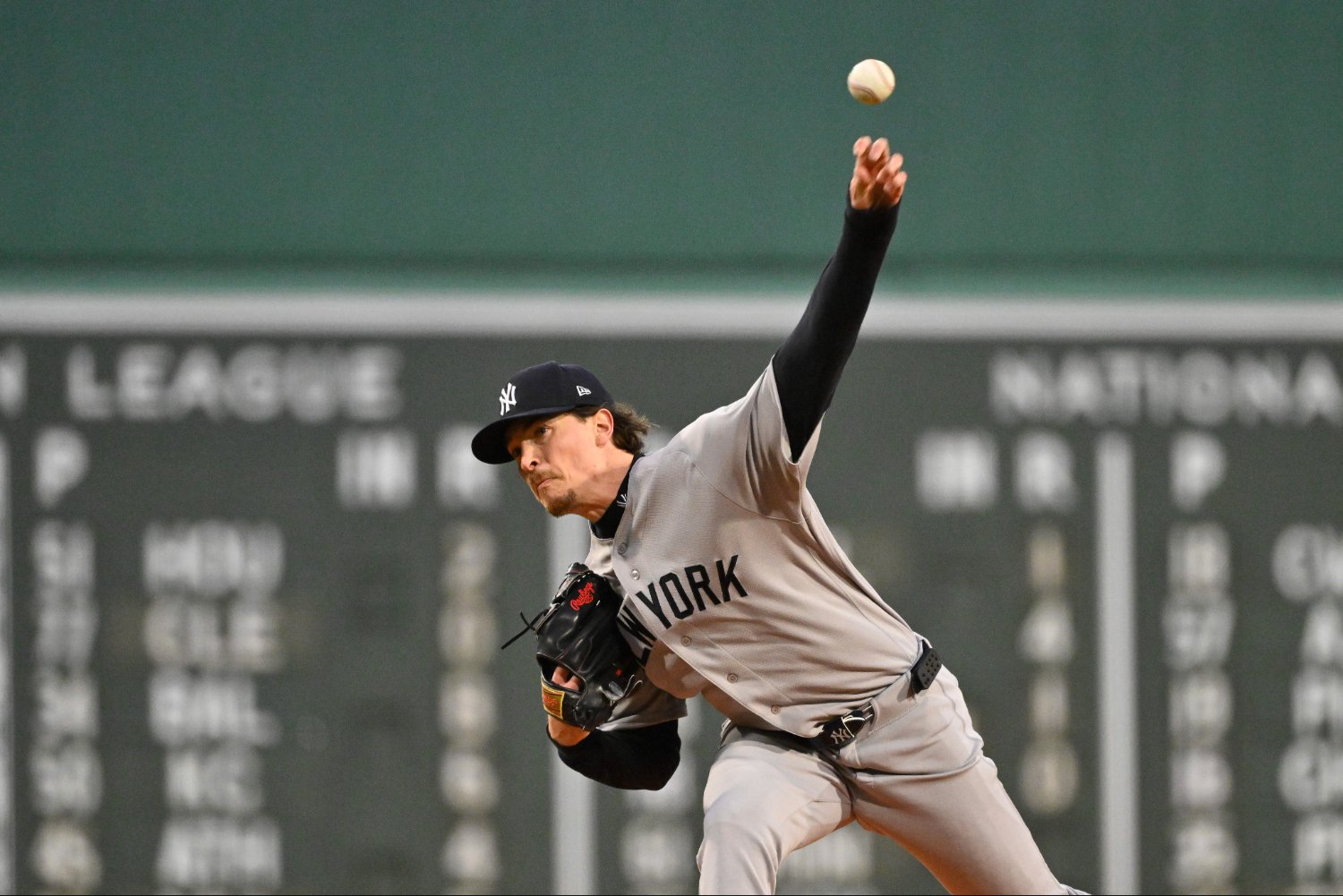 The hope the Boston Red Sox have left is that they will not face Cam Schlittler again. And that difference, no matter how bad the offense looked yesterday, can be an incentive to readjust and try to come back stronger in Game 2. Schlittler silenced the Red Sox again by throwing a solid 6 1/3 innings with 10 strikeouts and only two hits allowed, in his first start of the entire year with more than 106 pitches. When many of us thought Schlittler was done after striking out Adley Rutschman—until that point he had the team’s only hit in 20 plate appearances—to close out the sixth inning, Yankees manager Aaron Boone sent him out to open the seventh. He threw 117 pitches and generated 24 swings and misses, a career high. Now, in two postseason starts against the Red Sox, after also eliminating them last year in the Wild Card Series, he is 2-0, with 14 1/3 scoreless innings, 22 strikeouts and only one walk. He is this team's newest kryptonite. Schlittler threw his fastball 56% of the time and averaged 98.6 mph—topping out at 101 mph—and it was clear that the Red Sox still cannot hit high velocity. But in Game 1, there was a much bigger problem against Schlittler’s mix, as, on their 11 balls put in play, there were only two batted balls that exceeded 95 mph in exit velocity. Both ended up as groundouts into the glove of Yankees second baseman Anthony Volpe: one by Caleb Durbin at 100.1 mph for the second out of the third inning, and the second out of the fifth inning, a ball hit by Nick Sogard at 96.3 mph. In part, everything is due to the fact that Schlittler’s version was even more lethal because of the way he mixed his pitches, using the curveball for the first time as the second weapon in his arsenal. He threw it for 27% of his 117 pitches, a career high. The results were overwhelming, as Boston’s hitters missed the curveball on 50% of their 16 swings. The Red Sox finished with the worst offense in the entire league against the curveball, batting just .184, and the second-worst slugging percentage at .298, only ahead of the Tampa Bay Rays. The Yankees will send Max Fried to the mound this Wednesday, in Game 2, who is 4-1 with a 1.93 ERA in his career against the Red Sox. They have scored one run against Fried in 11 2/3 innings this year, a solo home run by Sogard on August 29 at Yankee Stadium. If we extend it to his last five starts as a Yankee, including Game 2 of last year’s Wild Card, then Fried improves to 2-0 with a 0.92 ERA in 29 1/3 innings, with 32 strikeouts and 11 walks. For Boston, their plate discipline has been the best result in drawing those 11 walks against Fried, although the average number of batters reaching base against him per start is only seven. So, that will be part of Boston’s challenge, with a lineup that has hit for a poor combined offensive line of .207/.260/.331 with a .590 OPS, 36 strikeouts, and nine walks against Fried. This year, they have gone 0-for-9 against his curveball, with a 50% whiff rate. Fried does not have Schlittler’s sustained meteoric velocity, but he mixes seven pitches in his arsenal and most of them are quality offerings. None of them has allowed more than a .333 xBA this year and all of them exceed a 18% whiff rate. The formula becomes much more complicated when he faces the Red Sox, because he has dominated most of Boston’s key hitters. We can separate it into two groups, with the worst hitters and those who have hit Fried the best. Red Sox's Worst Hitters Against Max Fried Player B PA AB H 1B 2B 3B HR RBI BB SO TB BA OBP SLG OPS SH SF IBB HBP GIDP Wilyer Abreu L 5 5 1 1 0 0 0 0 0 1 1 .200 .200 .200 .400 0 0 0 0 0 Willson Contreras R 14 11 2 0 2 0 0 2 3 4 4 .182 .357 .364 .721 0 0 0 0 0 Jarren Duran L 13 13 2 0 2 0 0 0 0 5 4 .154 .154 .308 .462 0 0 0 0 0 Ceddanne Rafaela R 16 16 2 2 0 0 0 0 0 6 2 .125 .125 .125 .250 0 0 0 0 0 Adley Rutschman B 12 10 0 0 0 0 0 1 1 1 0 .000 .083 .000 .083 0 1 0 0 0 Caleb Durbin R 5 5 0 0 0 0 0 0 0 2 0 .000 .000 .000 .000 0 0 0 0 0 Andruw Monasterio R 5 4 0 0 0 0 0 0 1 1 0 .000 .200 .000 .200 0 0 0 0 0 Roman Anthony L 3 3 0 0 0 0 0 0 0 2 0 .000 .000 .000 .000 0 0 0 0 0 Trevor Story R 20 19 4 1 1 0 2 5 1 7 11 .211 .250 .579 .829 0 0 0 0 0 Totals (Including Story) 93 86 11 4 5 0 2 8 6 29 22 .128 .183 .256 .439 0 1 0 0 0 Totals (Without Story) 73 67 7 3 4 0 0 3 5 22 11 .104 .164 .164 .329 0 1 0 0 0 Here we have eight of Boston’s nine starters from Game 1, and you can see that the only hitter who could add a little offensive heat is veteran Trevor Story, who has hit two of the three home runs and has five of the 12 RBIs from the entire roster. Without Story, the offensive line drops from .128/.183/.256 with a .439 OPS to .104/.164/.164 with a .329 OPS. Fried’s biggest advantage has been his combined dominance against Adley Rutschman, Caleb Durbin, Andruw Monasterio and Roman Anthony, who have gone 0-for-22 combined with six strikeouts. Another interesting detail here is that left-handed hitters are 3-for-21 against Fried, with eight strikeouts and no walks. Abreu is one of the team’s key hitters and, although he has not done particularly well against Fried, he is immovable. However, Red Sox manager Chad Tracy will have to choose whether he will keep Anthony(who might not even be healthy) and Duran in the starting lineup. Red Sox's Best Hitters Against Max Fried Player B PA AB H 1B 2B 3B HR RBI BB SO TB BA OBP SLG OPS SH SF IBB HBP GIDP Nick Sogard B 4 4 3 2 0 0 1 1 0 0 6 .750 .750 1.500 2.250 0 0 0 0 0 Nate Eaton R 5 3 2 2 0 0 0 0 2 0 2 .667 .800 .667 1.467 0 0 0 0 0 Jahmai Jones R 2 2 1 1 0 0 0 0 0 0 1 .500 .500 .500 1.000 0 0 0 0 0 Isiah Kiner-Falefa R 11 11 4 4 0 0 0 2 0 2 4 .364 .364 .364 .727 0 0 0 0 1 Connor Wong R 15 14 4 3 1 0 0 1 1 4 5 .286 .333 .357 .690 0 0 0 0 1 Totals 37 34 14 12 1 0 1 4 3 6 18 .412 .459 .529 .989 0 0 0 0 2 Nick Sogard leads the list, and the rest of the hitters are right-handed, an interesting point that reveals a certain profile advantage, so we could see one of them getting an at-bat as a pinch hitter or a starting spot. For Boston, the ultimate key will be knowing when to attack Fried at the precise moment, especially by extending their plate discipline. Right-handed hitters like Contreras, Rafaela, Story and perhaps Nate Eaton getting a starting spot will continue to carry the most weight in the offensive profile, but it is clear that the Red Sox will need quality at-bats throughout the lineup. If they can draw enough pitches to prevent Fried from going more than five innings, then the story of Game 2 could change if they face the less dominant part of the Yankees' bullpen.
 -
The Boston Red Sox's pitching staff was among the best in the American League in the second half of the season, leading the Junior Circuit in fWAR (11.5) between the rotation and bullpen, behind only the Dodgers in MLB. While the team has spent most of September with offensive problems, averaging 3.0 runs per game, the pitching has maintained the competitive pace. Although pitching will not be the Red Sox’ biggest problem heading into the Wild Card Series against the Yankees, here are some interesting trends from the second half of the season that we should keep in perspective. Brayan Bello Closed the Season On A Heater Brayan Bello is one of the pitchers who has closed the season best on the Red Sox's staff, especially since he returned from Triple-A and began pitching on July 12. In 12 of his 14 appearances during that span, opponents have scored one run or fewer against him. During this stretch, only Payton Tolle (2.3) and Sonny Gray (1.6) have recorded a better fWAR than Bello (1.2). In fact, he has been much more dominant in his last four appearances, pitching to a 0.48 ERA and 2.08 FIP with 22 strikeouts and only three walks in 18 1/3 innings. The only run he has allowed came on a home run by Jonathan Aranda on September 19 in his best outing of the entire campaign, featuring eight innings and 11 strikeouts. The key point of the dominance has been the effect of his breaking balls, which have generated more whiffs, raising their rate from 40% to 45.8%, between August and September. In addition, his opponents’ Perfect Contact rate went from 10% to 0%. His fastball is also starting to shape up; part of the process has been in the improvements to his vertical movement. After falling to 10.2 IVB in June, his worst mark, he is at 12.6 so far in September. However, although he has had a small sample, hitters are still batting .350 (7-for-20) against his fastball, including the only home run he allowed during the month. Jake Bennett’s Breaking Balls Have Stopped Fooling Hitters Jake Bennett found a better version of the sinker in this second half of the season, reducing his batting average allowed from .235 to .210 and improved his strikeout rate from 17.6% to 26.6%. But the rest of the arsenal does not show the same progression in dominance. The whiff rate of the changeup, his main weapon, fell slightly from 33.8% to 27%, while on the breaking balls, competitive swings rose to 100%. That is a signal to follow, since Bennett has gone through many innings this season surviving because of hitters’ problems identifying his pitches. His Flawed Swing rates of 18% with the cutter and 13% when he throws the curveball carry the great weight of his repertoire. Now, a key point about the contact he is allowing in this second half of the season is that opponents raised their over contact rate, increasing from 28% to 42% (i.e., how often they swung over the top of the ball). In part, other metrics show that they are getting to his breaking ball, but they are often hitting ground balls. Ranger Suárez's Fastballs Became Too Hittable The main signal with Suárez is in his fastball. Competitive swings increased from 80.9% to 94.1% in the second half, his whiffs decreased (from 12.7% to 11.8%), while his perfect contact rates practically did not change. The result has been a jump from opposing hitters against the pitch, from a .223/.255/.320 slash line to .361/.623/.412 during this second half of the season. Suárez will have to work on his command and find the corners again, since hitters of both profiles are destroying his command mistakes when the pitch hangs in the upper part of the zone. Tyron Guerrero Needs To Trust His Stuff Against Right-Handed Batters Tyron’s season has been a great story of overcoming adversity as one of the key pitchers in the Red Sox's bullpen. However, he has not been able to control his problems against right-handed hitters, allowing a .318 average after limiting them to just .205 in the first half of the season. Guerrero’s K% has also fallen dangerously from 21.4% to 13%. He has only two pitches against righties, featuring his sinker 82.2% of the time and sometimes tossing his slider in the mix. Throughout the season, the vulnerable point has been his battle to limit contact, as righties have hit .299 with a .358 slugging percentage against his sinker. The exit velocity of the 58 balls put in play is 81.9 mph. With that exit velocity, his opponents are averaging a .260 xBA, so I don’t need to tell you that they have had a little bit of luck. In contrast, Guerrero’s slider remains sharp, limiting righties to just a .125 average and .188 slugging percentage. Perhaps a better mix of his two primary offerings will yield better results (or at least combat some of that poor fortune). View full article
-
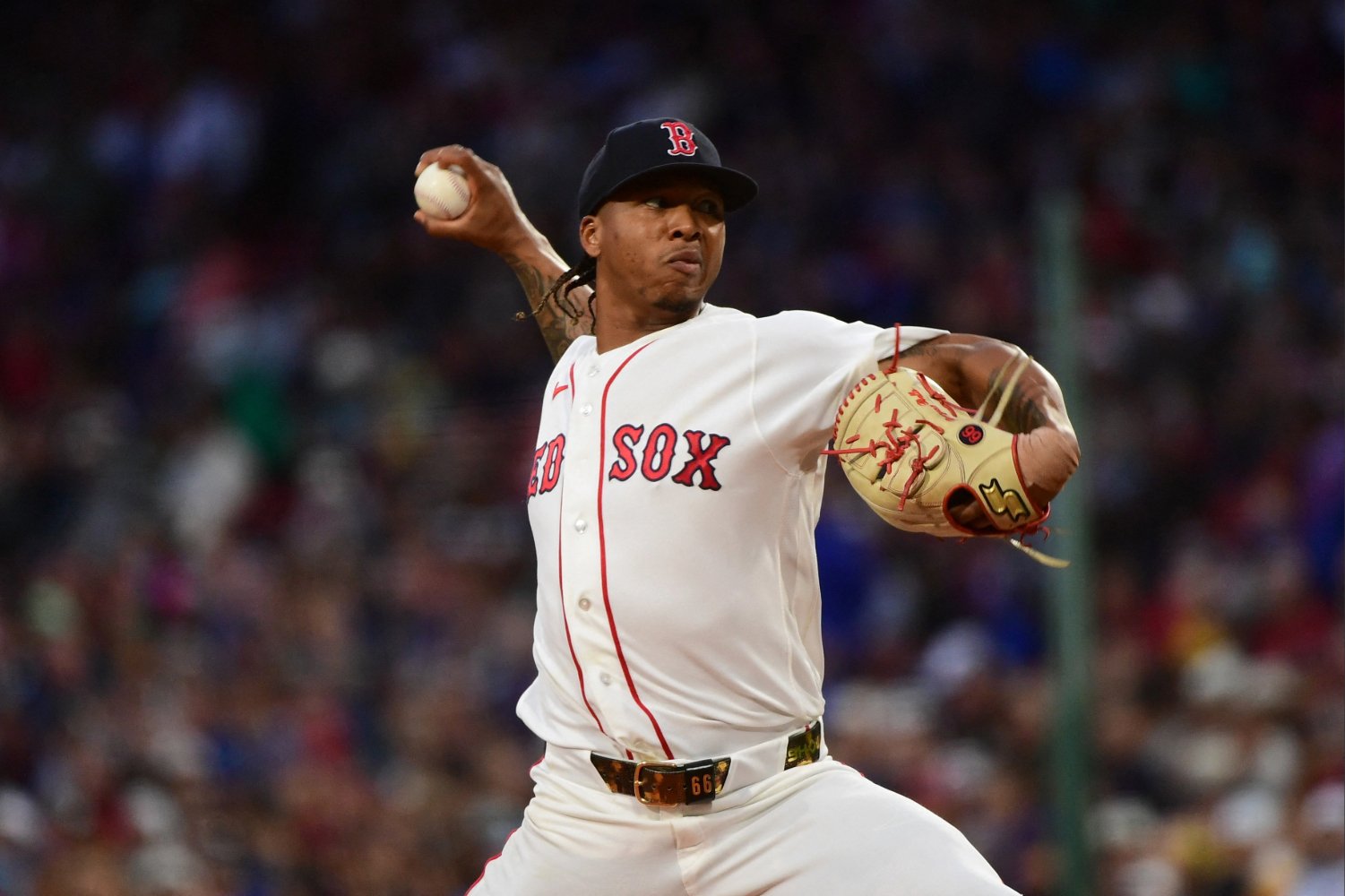 The Boston Red Sox's pitching staff was among the best in the American League in the second half of the season, leading the Junior Circuit in fWAR (11.5) between the rotation and bullpen, behind only the Dodgers in MLB. While the team has spent most of September with offensive problems, averaging 3.0 runs per game, the pitching has maintained the competitive pace. Although pitching will not be the Red Sox’ biggest problem heading into the Wild Card Series against the Yankees, here are some interesting trends from the second half of the season that we should keep in perspective. Brayan Bello Closed the Season On A Heater Brayan Bello is one of the pitchers who has closed the season best on the Red Sox's staff, especially since he returned from Triple-A and began pitching on July 12. In 12 of his 14 appearances during that span, opponents have scored one run or fewer against him. During this stretch, only Payton Tolle (2.3) and Sonny Gray (1.6) have recorded a better fWAR than Bello (1.2). In fact, he has been much more dominant in his last four appearances, pitching to a 0.48 ERA and 2.08 FIP with 22 strikeouts and only three walks in 18 1/3 innings. The only run he has allowed came on a home run by Jonathan Aranda on September 19 in his best outing of the entire campaign, featuring eight innings and 11 strikeouts. The key point of the dominance has been the effect of his breaking balls, which have generated more whiffs, raising their rate from 40% to 45.8%, between August and September. In addition, his opponents’ Perfect Contact rate went from 10% to 0%. His fastball is also starting to shape up; part of the process has been in the improvements to his vertical movement. After falling to 10.2 IVB in June, his worst mark, he is at 12.6 so far in September. However, although he has had a small sample, hitters are still batting .350 (7-for-20) against his fastball, including the only home run he allowed during the month. Jake Bennett’s Breaking Balls Have Stopped Fooling Hitters Jake Bennett found a better version of the sinker in this second half of the season, reducing his batting average allowed from .235 to .210 and improved his strikeout rate from 17.6% to 26.6%. But the rest of the arsenal does not show the same progression in dominance. The whiff rate of the changeup, his main weapon, fell slightly from 33.8% to 27%, while on the breaking balls, competitive swings rose to 100%. That is a signal to follow, since Bennett has gone through many innings this season surviving because of hitters’ problems identifying his pitches. His Flawed Swing rates of 18% with the cutter and 13% when he throws the curveball carry the great weight of his repertoire. Now, a key point about the contact he is allowing in this second half of the season is that opponents raised their over contact rate, increasing from 28% to 42% (i.e., how often they swung over the top of the ball). In part, other metrics show that they are getting to his breaking ball, but they are often hitting ground balls. Ranger Suárez's Fastballs Became Too Hittable The main signal with Suárez is in his fastball. Competitive swings increased from 80.9% to 94.1% in the second half, his whiffs decreased (from 12.7% to 11.8%), while his perfect contact rates practically did not change. The result has been a jump from opposing hitters against the pitch, from a .223/.255/.320 slash line to .361/.623/.412 during this second half of the season. Suárez will have to work on his command and find the corners again, since hitters of both profiles are destroying his command mistakes when the pitch hangs in the upper part of the zone. Tyron Guerrero Needs To Trust His Stuff Against Right-Handed Batters Tyron’s season has been a great story of overcoming adversity as one of the key pitchers in the Red Sox's bullpen. However, he has not been able to control his problems against right-handed hitters, allowing a .318 average after limiting them to just .205 in the first half of the season. Guerrero’s K% has also fallen dangerously from 21.4% to 13%. He has only two pitches against righties, featuring his sinker 82.2% of the time and sometimes tossing his slider in the mix. Throughout the season, the vulnerable point has been his battle to limit contact, as righties have hit .299 with a .358 slugging percentage against his sinker. The exit velocity of the 58 balls put in play is 81.9 mph. With that exit velocity, his opponents are averaging a .260 xBA, so I don’t need to tell you that they have had a little bit of luck. In contrast, Guerrero’s slider remains sharp, limiting righties to just a .125 average and .188 slugging percentage. Perhaps a better mix of his two primary offerings will yield better results (or at least combat some of that poor fortune).
 -
During their historic streak that changed the season between July 3 and August 7, the Boston Red Sox played to a 27-3 record and scored 180 runs, averaging six per game. The great comeback began when the Red Sox were playing to a 37-48 record and ended at 64-51, 13 games over .500. In just 36 days, the season took a complete turn and, from then on, the organization began thinking about the postseason. However, they have reached the end of the regular season in a very different situation. In their first 21 games of September, they have averaged 3.0 runs per game, half of what they achieved during that historic winning streak. Let’s explore here some of the most alarming trends the Red Sox offense is leaving us with at this end of the second half of the season. Wilyer Abreu Has Stopped Pulling the Ball In September Wilyer Abreu continues to make a difference as one of the Red Sox’s key hitters, especially during this second half, with a 122 wRC+ after recording a 109 mark in the first. His profile remains consistent against both sides, with a 104 wRC+ vs LHP and 130 vs RHP, but where he has stood out the most is in pressure situations, recording a 113 wRC+ with RISP and a 123 wRC+ in high-leverage situations. Abreu has found company in Caleb Durbin, another one of the bats that has responded best during this stretch, while Willson Contreras, the main man of the offense, has missed time on the injured list. However, the right fielder has fallen off this September, although the sample is still not enough to consider it concerning. After an August in which he hit .279/.384/.587 with seven home runs, his production fell to .225/.304/.352 this month, with just one home run on his ledger. The drop also appears in the quality of his contact, as his hard-hit rate went from 49.4% in August to 39.6% now. Abreu is seeing more pitches that prevent him from unleashing his ability to pull the ball, to the point that his Pull% fell from 43.5% to 26.4%. That may be the worst trend entering the postseason, as he's at his absolute best when slugging balls to right field. Adley Rutschman Is Failing Against Lefties and In the Clutch We know the great complement that Rutschman provides with his talent, bringing an elite bat and good defense at his best. But the backstop, even before arriving at the Red Sox at the trade deadline, was already going through many offensive problems. Right now, he is the clearest case of a devastating offensive decline. His wRC+ went from 115 in the first half of the season to 79 after the All-Star break, but the strongest signal is in his marked problems against lefties, against whom he has recorded a -21 wRC+ in 36 plate appearances (.139/.139/.194) in this second half of the season. Rutschman improves when he bats from the left side, and the hope is that he continues hitting righties as he has done in general, producing a 121 wRC+. But his problems at the plate do not end here, as he has not fulfilled his offensive role at least with the expectations the Red Sox had in the moments that define games. In high-leverage situations, he has collapsed to a -80 wRC+ in 15 plate appearances during this second half of the season, with a .067/.067/.067 slash line. The sample is small, but it could carry a lot of weight in a tense three-game Wild Card Series. Roman Anthony Has Gotten Too Aggressive The clearest signal in Roman Anthony's struggles is against lefties, precisely one of his strengths last year, when he averaged a solid .438 BABIP and 113 wRC+ in 98 plate appearances. In the second half this year, he has a 42 wRC+ in 39 PAs, to go along with a .189/.231/.297 slash line, .235 wOBA and .207 BABIP. The story changes against righties, with a 133 wRC+ and .366 wOBA. The difference is enormous. As you can see in this graph, since his return at the end of August, Anthony has had a high rate of swings and misses in the outside area, especially chasing pitches in several parts outside the strike zone. At the most important moment of the season, Anthony will need to show incredible maturity to rein in his aggressiveness at the plate. Can Jarren Duran Improve On Last Year's Postseason Slump? With the unfortunate injury to Mickey Gasper, Duran’s role could be more important than perhaps expected heading into October. His second half has been better than the first, but his recovery has been far from productive in the situations of greatest pressure. He had just 35 wRC+ in 27 high-leverage plate appearances, with a .130/.259/.304 slash, and could be considered the worst hitter on the team after recording a 60 wRC+ in 68 PAs with RISP during the second half of the season. In whatever role Boston plans for Duran as a starter, he will have to change that recent history. What seems a little contradictory is that Duran’s problem has not been against lefties, against whom he has averaged a 99 wRC+ since the All-Star break. Surprised? Well, yes, it has been the righties who have limited his swing to just a 71 wRC+ and an offensive line of .214/.279/.321. Duran will need to draw on his experience for this moment, as he entered last season's postseason run in a similar state of decline. What was the result? He finished 1-for-11 with four strikeouts and no walks against the pitching of the New York Yankees in the Red Sox’s loss in the Wild Card Series. View full article
-
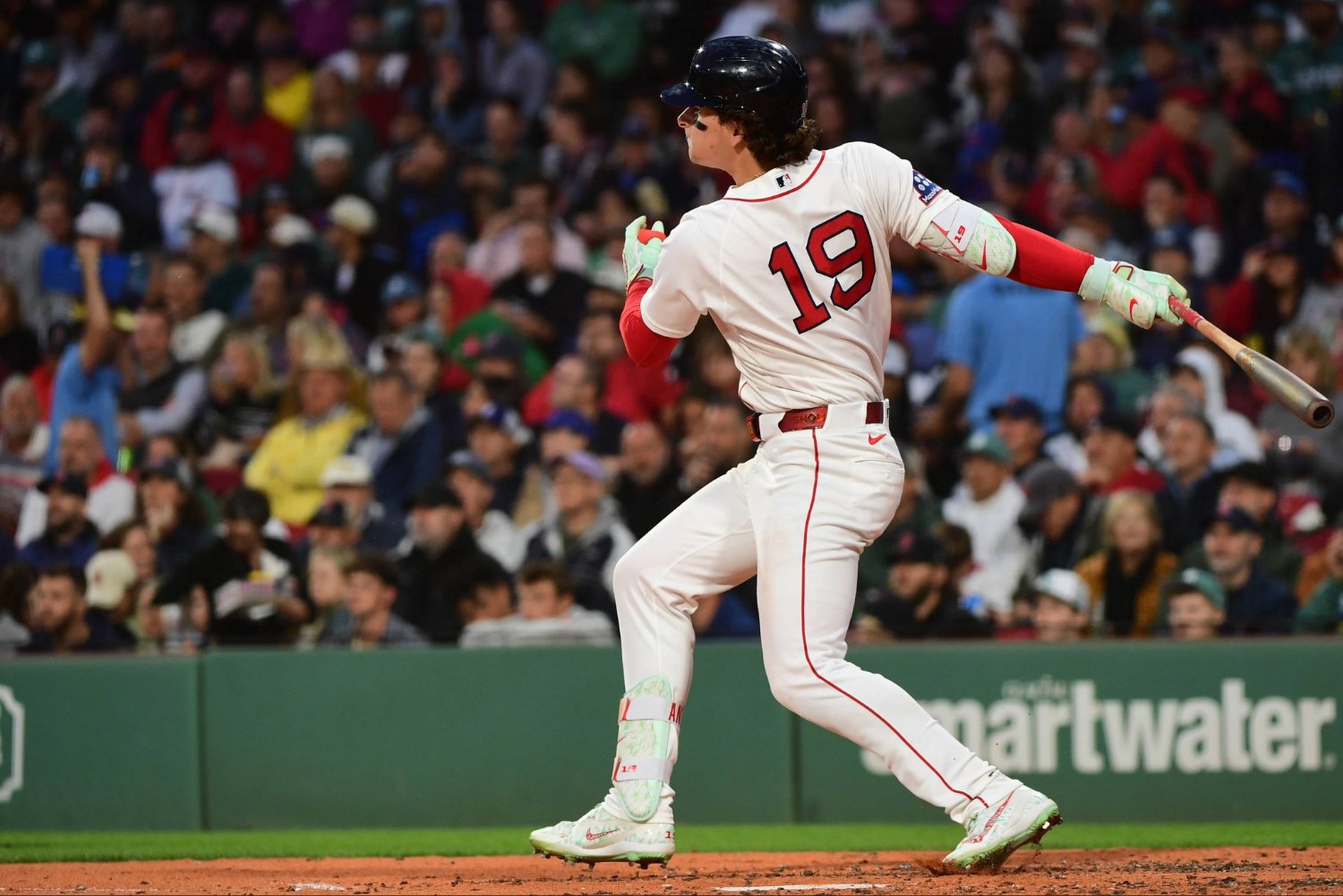 During their historic streak that changed the season between July 3 and August 7, the Boston Red Sox played to a 27-3 record and scored 180 runs, averaging six per game. The great comeback began when the Red Sox were playing to a 37-48 record and ended at 64-51, 13 games over .500. In just 36 days, the season took a complete turn and, from then on, the organization began thinking about the postseason. However, they have reached the end of the regular season in a very different situation. In their first 21 games of September, they have averaged 3.0 runs per game, half of what they achieved during that historic winning streak. Let’s explore here some of the most alarming trends the Red Sox offense is leaving us with at this end of the second half of the season. Wilyer Abreu Has Stopped Pulling the Ball In September Wilyer Abreu continues to make a difference as one of the Red Sox’s key hitters, especially during this second half, with a 122 wRC+ after recording a 109 mark in the first. His profile remains consistent against both sides, with a 104 wRC+ vs LHP and 130 vs RHP, but where he has stood out the most is in pressure situations, recording a 113 wRC+ with RISP and a 123 wRC+ in high-leverage situations. Abreu has found company in Caleb Durbin, another one of the bats that has responded best during this stretch, while Willson Contreras, the main man of the offense, has missed time on the injured list. However, the right fielder has fallen off this September, although the sample is still not enough to consider it concerning. After an August in which he hit .279/.384/.587 with seven home runs, his production fell to .225/.304/.352 this month, with just one home run on his ledger. The drop also appears in the quality of his contact, as his hard-hit rate went from 49.4% in August to 39.6% now. Abreu is seeing more pitches that prevent him from unleashing his ability to pull the ball, to the point that his Pull% fell from 43.5% to 26.4%. That may be the worst trend entering the postseason, as he's at his absolute best when slugging balls to right field. Adley Rutschman Is Failing Against Lefties and In the Clutch We know the great complement that Rutschman provides with his talent, bringing an elite bat and good defense at his best. But the backstop, even before arriving at the Red Sox at the trade deadline, was already going through many offensive problems. Right now, he is the clearest case of a devastating offensive decline. His wRC+ went from 115 in the first half of the season to 79 after the All-Star break, but the strongest signal is in his marked problems against lefties, against whom he has recorded a -21 wRC+ in 36 plate appearances (.139/.139/.194) in this second half of the season. Rutschman improves when he bats from the left side, and the hope is that he continues hitting righties as he has done in general, producing a 121 wRC+. But his problems at the plate do not end here, as he has not fulfilled his offensive role at least with the expectations the Red Sox had in the moments that define games. In high-leverage situations, he has collapsed to a -80 wRC+ in 15 plate appearances during this second half of the season, with a .067/.067/.067 slash line. The sample is small, but it could carry a lot of weight in a tense three-game Wild Card Series. Roman Anthony Has Gotten Too Aggressive The clearest signal in Roman Anthony's struggles is against lefties, precisely one of his strengths last year, when he averaged a solid .438 BABIP and 113 wRC+ in 98 plate appearances. In the second half this year, he has a 42 wRC+ in 39 PAs, to go along with a .189/.231/.297 slash line, .235 wOBA and .207 BABIP. The story changes against righties, with a 133 wRC+ and .366 wOBA. The difference is enormous. As you can see in this graph, since his return at the end of August, Anthony has had a high rate of swings and misses in the outside area, especially chasing pitches in several parts outside the strike zone. At the most important moment of the season, Anthony will need to show incredible maturity to rein in his aggressiveness at the plate. Can Jarren Duran Improve On Last Year's Postseason Slump? With the unfortunate injury to Mickey Gasper, Duran’s role could be more important than perhaps expected heading into October. His second half has been better than the first, but his recovery has been far from productive in the situations of greatest pressure. He had just 35 wRC+ in 27 high-leverage plate appearances, with a .130/.259/.304 slash, and could be considered the worst hitter on the team after recording a 60 wRC+ in 68 PAs with RISP during the second half of the season. In whatever role Boston plans for Duran as a starter, he will have to change that recent history. What seems a little contradictory is that Duran’s problem has not been against lefties, against whom he has averaged a 99 wRC+ since the All-Star break. Surprised? Well, yes, it has been the righties who have limited his swing to just a 71 wRC+ and an offensive line of .214/.279/.321. Duran will need to draw on his experience for this moment, as he entered last season's postseason run in a similar state of decline. What was the result? He finished 1-for-11 with four strikeouts and no walks against the pitching of the New York Yankees in the Red Sox’s loss in the Wild Card Series.
 -
The Boston Red Sox's offense is going through one of its worst collective slumps of the entire season in terms of run production, the worst news just a few series remain before the regular season ends. It is almost certain that they will face the New York Yankees again in the Wild Card Series, as happened last year, in a series where two of the most dominant pitching staffs in the league will face each other. To determine who earns the pass to the Division Series, the offense will be a key point, especially in a best-of-three clash. In nine of their first 15 games of September, the Red Sox have gone hitless or with just one hit with runners in scoring position. They have a 3-9 record in those games and have combined for just 5-for-57 with RISP, with 18 strikeouts and 10 walks. This stretch of inconsistencies is not new; Between March and June, when the team played to a 37-47 record with a minus-10 run differential, the average number of runs scored per game was 4.0. So far in September, they have recorded 3.6. What makes the lack of timely hitting even more concerning is that the Red Sox’s success has been based precisely on taking advantage of key moments and making the most of them. This season, they have accumulated 25 wins while scoring four or fewer runs, and in only four of those games have they gone hitless with runners in scoring position. It is clear that this team can win games in many ways, but Boston’s chances of success are reduced to a minimum when they cannot get hits in RISP situations. The statistic is devastating: they have lost 24 of the 28 games in which they have been unable to get hits in that situation. To continue going deeper into this situation, I divided two key stretches of Boston’s season: a first period, when they played to a 34-8 record and the team completed the great comeback before the end of the first half of the season, between June 19 and August 7, and a second stretch from August 8 until now. I chose the offensive statistics only in high-leverage situations, and it turns out that, since August 7, the Red Sox have posted the worst BABIP in the league (.184), and have fallen to 29th in batting average with just .180, line drive percentage (12.0%) and hard-hit rate (25.0%). On the other hand, while the team was on its winning streak in the first period, the Red Sox led the league in slugging (.606), ISO (.269), placed second in OPS (1.001) and wRC+ (167), and third with the highest contact rate against pitches in the strike zone (91.5%). PERIOD PA BB% K% AVG OBP SLG OPS ISO BABIP wOBA wRC+ Soft% Hard% O-Contact% Z-Contact% JUN 19 - AUG 7 130 10.8% 16.2% .337 .395 .606 1.001 .269 .349 .411 167 9.5% 40.0% 44.4% 91.5% SINCE AUG 8 165 9.7% 20.6% .180 .272 .374 .646 .194 .184 .272 75 17.9% 25.0% 63.3% 88.8% Here, we can reach more interesting conclusions by comparing both periods for the Red Sox in high-leverage situations. In this second stretch, the loss of impact and production has been evident. Strikeouts have gone up by 4.4 percentage points, which has been joined by a higher amount in soft-contact percentage (8.4% difference), along with the 15-point drop in hard-hit rate. Yes, the rate of contacts outside the strike zone has risen by 18.9%, but it has not been able to result in hard contact that generates production. Although the offensive samples are smaller when we analyze the hitters individually, the chaos is perfectly illustrated. Hitter PA Jun 19–Aug 7 PA Since Aug 8 Key Change Ceddanne Rafaela 14 .429 AVG / .429 OBP / .929 SLG / 1.357 OPS / 278 wRC+ 14 .100 / .143 / .100 / .243 OPS / -74 wRC+ -1.114 OPS / -352 wRC+ Wilyer Abreu 17 .300 / .385 / .900 / 1.285 OPS / 209 wRC+ 12 .188 / .235 / .375 / .610 OPS / 62 wRC+ -.675 OPS / -147 wRC+ Caleb Durbin 13 .500 / .600 / .750 / 1.350 OPS / 278 wRC+ 17 .100 / .250 / .400 / .650 OPS / 52 wRC+ -.700 OPS / -226 wRC+ Andruw Monasterio 7 .444 / .500 / 1.111 / 1.611 OPS / 333 wRC+ 14 .000 / .000 / .000 / .000 OPS / -100 wRC+ -1.611 OPS / -433 wRC+ Masataka Yoshida 12 .273 / .333 / .455 / .788 OPS / 117 wRC+ 4 .000 / .000 / .000 / .000 OPS / -100 wRC+ -.788 OPS / -217 wRC+ Jarren Duran 11 .250 / .286 / .250 / .536 OPS / 22 wRC+ 17 .143 / .250 / .429 / .679 OPS / 65 wRC+ +.143 OPS / 43 wRC+ Willson Contreras 5 .500 / .714 / .750 / 1.464 OPS / 301 wRC+ 22 .182 / .357 / .455 / .812 OPS / 132 wRC+ -.652 OPS / -169 wRC+ Nick Sogard 14 .333 / .500 / .333 / .833 OPS / 155 wRC+ 16 .118 / .250 / .353 / .603 OPS / 67 wRC+ -.230 OPS / -88 wRC+ What I like most about these samples is that the number of at-bats adjusts to a similar sample of at-bats in any short postseason series. The collapse has been so significant that only Jarren Duran has a slight improvement with 143 points of OPS and 43 points of wRC+, although the mark of 65 since August 8 remains mediocre. At the same time, the numbers during the winning streak provide a little encouragement, and they marked a moment when the Red Sox seemed unstoppable. It is clear that they can do it again. But this is not about some hitters getting hot; the offense as a whole needs to function as it did in its best version of the season, building runs, running the bases intelligently, and connecting the key hits in clutch situations. View full article
-
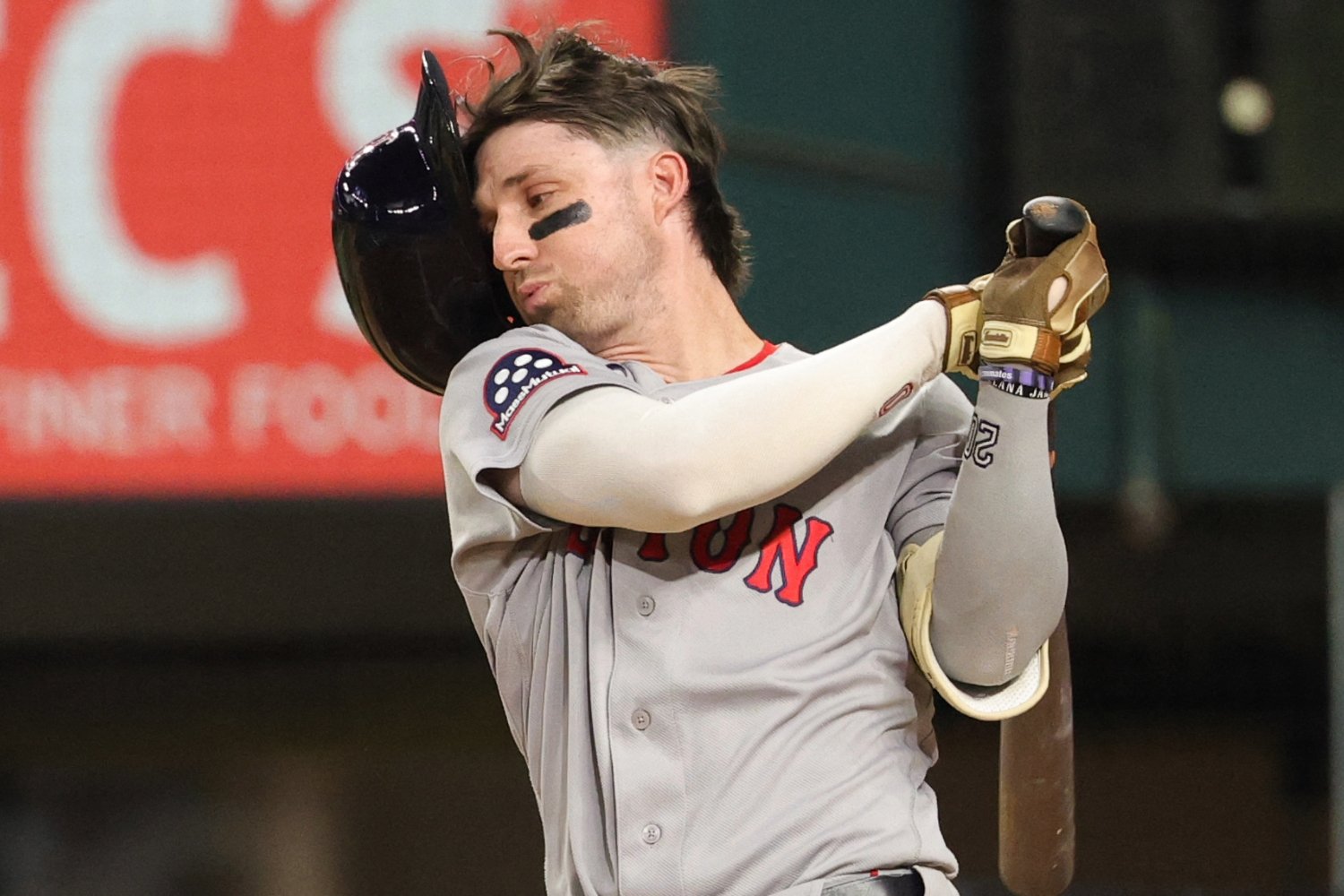 The Boston Red Sox's offense is going through one of its worst collective slumps of the entire season in terms of run production, the worst news just a few series remain before the regular season ends. It is almost certain that they will face the New York Yankees again in the Wild Card Series, as happened last year, in a series where two of the most dominant pitching staffs in the league will face each other. To determine who earns the pass to the Division Series, the offense will be a key point, especially in a best-of-three clash. In nine of their first 15 games of September, the Red Sox have gone hitless or with just one hit with runners in scoring position. They have a 3-9 record in those games and have combined for just 5-for-57 with RISP, with 18 strikeouts and 10 walks. This stretch of inconsistencies is not new; Between March and June, when the team played to a 37-47 record with a minus-10 run differential, the average number of runs scored per game was 4.0. So far in September, they have recorded 3.6. What makes the lack of timely hitting even more concerning is that the Red Sox’s success has been based precisely on taking advantage of key moments and making the most of them. This season, they have accumulated 25 wins while scoring four or fewer runs, and in only four of those games have they gone hitless with runners in scoring position. It is clear that this team can win games in many ways, but Boston’s chances of success are reduced to a minimum when they cannot get hits in RISP situations. The statistic is devastating: they have lost 24 of the 28 games in which they have been unable to get hits in that situation. To continue going deeper into this situation, I divided two key stretches of Boston’s season: a first period, when they played to a 34-8 record and the team completed the great comeback before the end of the first half of the season, between June 19 and August 7, and a second stretch from August 8 until now. I chose the offensive statistics only in high-leverage situations, and it turns out that, since August 7, the Red Sox have posted the worst BABIP in the league (.184), and have fallen to 29th in batting average with just .180, line drive percentage (12.0%) and hard-hit rate (25.0%). On the other hand, while the team was on its winning streak in the first period, the Red Sox led the league in slugging (.606), ISO (.269), placed second in OPS (1.001) and wRC+ (167), and third with the highest contact rate against pitches in the strike zone (91.5%). PERIOD PA BB% K% AVG OBP SLG OPS ISO BABIP wOBA wRC+ Soft% Hard% O-Contact% Z-Contact% JUN 19 - AUG 7 130 10.8% 16.2% .337 .395 .606 1.001 .269 .349 .411 167 9.5% 40.0% 44.4% 91.5% SINCE AUG 8 165 9.7% 20.6% .180 .272 .374 .646 .194 .184 .272 75 17.9% 25.0% 63.3% 88.8% Here, we can reach more interesting conclusions by comparing both periods for the Red Sox in high-leverage situations. In this second stretch, the loss of impact and production has been evident. Strikeouts have gone up by 4.4 percentage points, which has been joined by a higher amount in soft-contact percentage (8.4% difference), along with the 15-point drop in hard-hit rate. Yes, the rate of contacts outside the strike zone has risen by 18.9%, but it has not been able to result in hard contact that generates production. Although the offensive samples are smaller when we analyze the hitters individually, the chaos is perfectly illustrated. Hitter PA Jun 19–Aug 7 PA Since Aug 8 Key Change Ceddanne Rafaela 14 .429 AVG / .429 OBP / .929 SLG / 1.357 OPS / 278 wRC+ 14 .100 / .143 / .100 / .243 OPS / -74 wRC+ -1.114 OPS / -352 wRC+ Wilyer Abreu 17 .300 / .385 / .900 / 1.285 OPS / 209 wRC+ 12 .188 / .235 / .375 / .610 OPS / 62 wRC+ -.675 OPS / -147 wRC+ Caleb Durbin 13 .500 / .600 / .750 / 1.350 OPS / 278 wRC+ 17 .100 / .250 / .400 / .650 OPS / 52 wRC+ -.700 OPS / -226 wRC+ Andruw Monasterio 7 .444 / .500 / 1.111 / 1.611 OPS / 333 wRC+ 14 .000 / .000 / .000 / .000 OPS / -100 wRC+ -1.611 OPS / -433 wRC+ Masataka Yoshida 12 .273 / .333 / .455 / .788 OPS / 117 wRC+ 4 .000 / .000 / .000 / .000 OPS / -100 wRC+ -.788 OPS / -217 wRC+ Jarren Duran 11 .250 / .286 / .250 / .536 OPS / 22 wRC+ 17 .143 / .250 / .429 / .679 OPS / 65 wRC+ +.143 OPS / 43 wRC+ Willson Contreras 5 .500 / .714 / .750 / 1.464 OPS / 301 wRC+ 22 .182 / .357 / .455 / .812 OPS / 132 wRC+ -.652 OPS / -169 wRC+ Nick Sogard 14 .333 / .500 / .333 / .833 OPS / 155 wRC+ 16 .118 / .250 / .353 / .603 OPS / 67 wRC+ -.230 OPS / -88 wRC+ What I like most about these samples is that the number of at-bats adjusts to a similar sample of at-bats in any short postseason series. The collapse has been so significant that only Jarren Duran has a slight improvement with 143 points of OPS and 43 points of wRC+, although the mark of 65 since August 8 remains mediocre. At the same time, the numbers during the winning streak provide a little encouragement, and they marked a moment when the Red Sox seemed unstoppable. It is clear that they can do it again. But this is not about some hitters getting hot; the offense as a whole needs to function as it did in its best version of the season, building runs, running the bases intelligently, and connecting the key hits in clutch situations.
 -
Andruw Monasterio is in a slump, hitting just .111/.155/.130 in 58 plate appearances in his last 16 games, but the doubts of the Boston Red Sox are much more pressing in this final stretch of the season: how much can the team trust that he will return to offering the depth they need? Will he be able to get close to his July version at the plate, the only outstanding stretch this year? As the postseason approaches, there are more doubts than answers surrounding the versatile Venezuelan infielder. Monasterio has had a season plagued by inconsistencies. His swing has improved against fastballs and off-speed pitches compared to last season, but that has not been enough to avoid his inconsistency. During the first half of the season, Monasterio produced a puzzling .229/.280/.414, with 89 wRC+. Then July arrived and, for a moment, his swing caught fire and produced an offensive line of .338/.413/.631, with a 1.044 OPS and 185 wRC+. He added almost 100 points of wRC+ compared to the first half of the season. The improvements came with two key adjustments: he stopped chasing pitches outside the strike zone, reducing his O-Swing% rate to 22.9%, the lowest percentage in any month of this campaign. He also stopped hitting a large number of ground balls—his rate dropped to 21.2%—getting more optimal contact, which influenced the overall results deriving in a 49.1% Hard Hit%. Even so, Monasterio did not manage to extend his best adjustments. The small peak of offensive heat began to decline again. For four weeks, he had recorded more than his best peripheral numbers, the quality at-bats that the Red Sox needed. His problems against breaking pitches, which have been frequent all year, also began to worsen again. Monasterio had produced .395 xSLG in July, after carrying .223 and .210 averages in May and June, respectively. The inconsistency returned, falling to .266 in August and .037 this month of September. The problem went beyond offense and, being honest, that is what has complicated everything. Monasterio’s versatility has been an important part of his value to the team. That is undeniable. He has played most of the time as a shortstop this year, but he has also moved to second, first and third base. That has had a heat, especially when Monasterio took care of covering Trevor Story’s absence due to injury. On paper, it is difficult for a team to discard the contribution of a player capable of adding great defensive depth on his own. In many cases, offensive inconsistency can be forgiven. However, in Monasterio’s case this year, that ability to play several positions has not become a defensive strength at each of them. If we look at the offensive aspect, I think it is a little surprising that Monasterio has been able to provide his best production at such a demanding position as shortstop. In the 53 games he has played as a shortstop, he registers 99 wRC+, his highest average at any position this year. On the other hand, here is the point that the Red Sox should analyze the most as October approaches: Monasterio has -14 Outs Above Average this season, and he is the worst defender on the team in FRV. Much of that negative result comes from his regression with -9 as a shortstop, but he has also had a negative balance with -3 at second and -2 at first. His offensive collapse and the terrible season he has gone through on defense is going to put the Red Sox in a difficult position once postseason rosters need to be set. The final few weeks of the regular season will be decisive for Monasterio's immediate future with the team. View full article
-
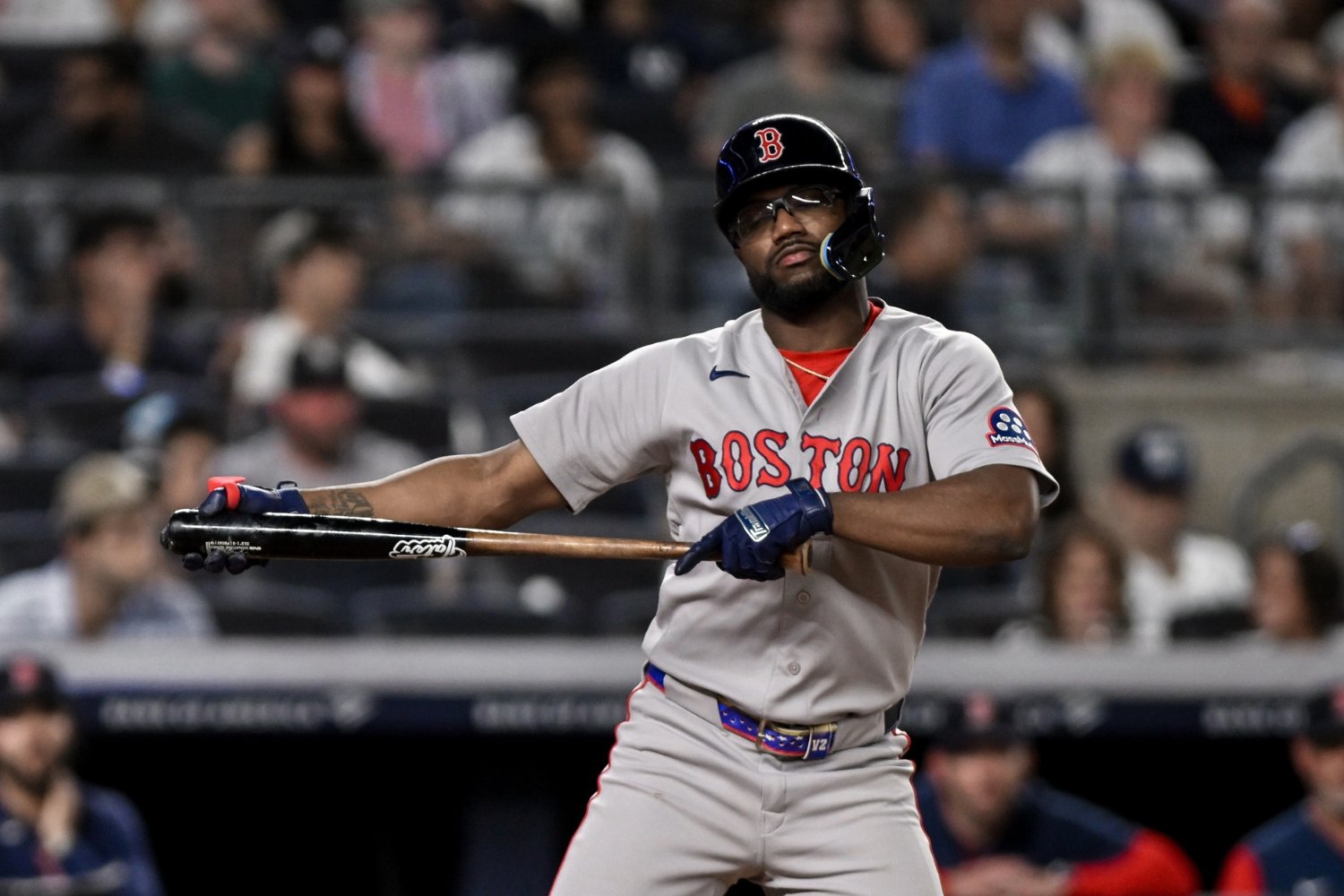 Andruw Monasterio is in a slump, hitting just .111/.155/.130 in 58 plate appearances in his last 16 games, but the doubts of the Boston Red Sox are much more pressing in this final stretch of the season: how much can the team trust that he will return to offering the depth they need? Will he be able to get close to his July version at the plate, the only outstanding stretch this year? As the postseason approaches, there are more doubts than answers surrounding the versatile Venezuelan infielder. Monasterio has had a season plagued by inconsistencies. His swing has improved against fastballs and off-speed pitches compared to last season, but that has not been enough to avoid his inconsistency. During the first half of the season, Monasterio produced a puzzling .229/.280/.414, with 89 wRC+. Then July arrived and, for a moment, his swing caught fire and produced an offensive line of .338/.413/.631, with a 1.044 OPS and 185 wRC+. He added almost 100 points of wRC+ compared to the first half of the season. The improvements came with two key adjustments: he stopped chasing pitches outside the strike zone, reducing his O-Swing% rate to 22.9%, the lowest percentage in any month of this campaign. He also stopped hitting a large number of ground balls—his rate dropped to 21.2%—getting more optimal contact, which influenced the overall results deriving in a 49.1% Hard Hit%. Even so, Monasterio did not manage to extend his best adjustments. The small peak of offensive heat began to decline again. For four weeks, he had recorded more than his best peripheral numbers, the quality at-bats that the Red Sox needed. His problems against breaking pitches, which have been frequent all year, also began to worsen again. Monasterio had produced .395 xSLG in July, after carrying .223 and .210 averages in May and June, respectively. The inconsistency returned, falling to .266 in August and .037 this month of September. The problem went beyond offense and, being honest, that is what has complicated everything. Monasterio’s versatility has been an important part of his value to the team. That is undeniable. He has played most of the time as a shortstop this year, but he has also moved to second, first and third base. That has had a heat, especially when Monasterio took care of covering Trevor Story’s absence due to injury. On paper, it is difficult for a team to discard the contribution of a player capable of adding great defensive depth on his own. In many cases, offensive inconsistency can be forgiven. However, in Monasterio’s case this year, that ability to play several positions has not become a defensive strength at each of them. If we look at the offensive aspect, I think it is a little surprising that Monasterio has been able to provide his best production at such a demanding position as shortstop. In the 53 games he has played as a shortstop, he registers 99 wRC+, his highest average at any position this year. On the other hand, here is the point that the Red Sox should analyze the most as October approaches: Monasterio has -14 Outs Above Average this season, and he is the worst defender on the team in FRV. Much of that negative result comes from his regression with -9 as a shortstop, but he has also had a negative balance with -3 at second and -2 at first. His offensive collapse and the terrible season he has gone through on defense is going to put the Red Sox in a difficult position once postseason rosters need to be set. The final few weeks of the regular season will be decisive for Monasterio's immediate future with the team.
 -
In his first 12 outings of the season between March and June, Brayan Bello reached a point where he did not seem to have enough confidence in any choice from his arsenal. The sinker, his primary pitch, was allowing a 53% hard-hit rate. When he chose the cutter, hitters feasted, producing five home runs in just 39 plate appearances. His changeup, the pitch that made him a revelation in 2022, was allowing a .386 slugging percentage. His continued struggles also compromised his sweeper, which, despite standing out as the pitch that was working best, was generating swings and misses on just 23.4% of attempts. Bello finished that stretch with a 2-6 record, a 6.34 ERA and a 5.01 FIP, while 31% of the hits (78) he allowed went for extra bases, including 10 home runs. After his first start in June against Baltimore, Bello was sent to Triple-A Worcester having just allowed eight earned runs in five innings. Time and Bello’s adjustments have shown that the Red Sox made the right decision. Two months later, Bello’s return has been a completely different version: He has stopped throwing his curveball, he is using fewer sinkers, the cutter has not allowed another home run and the changeup is generating much weaker contact. His most consistent pitch all year, the sweeper, has started generating swings and misses again, with a high 40% rate. In 11 outings since his return, Bello is pitching to a 2.59 ERA, a 3.04 FIP and his SO/BB ratio has improved to 4.8. He has allowed just one home run against 172 batters over this stretch, and the Red Sox have gone 7-4 in those games. Bello has made a difference with all of his pitches. But of all of them, these are the three changes that stand out most to me. Brayan Bello's Sinker Is Usable Again This is still the pitch opponents are hitting best, but Bello’s adjustment has allowed him to get better results, especially in his decisions within the at-bat. Although he is using it 11.1% less frequently, his strikeout rate has increased by 4.6% and his walks have dropped 7.7%. Hitters are still producing almost the exact same batting average, .317 compared to .316 in the first stretch of the season, but Bello has avoided a large number of hard-hit balls. I have a theory that I would like to continue investigating because, despite keeping its velocity intact at 95.3 mph, Bello’s sinker has degraded by losing 0.7 inches of arm-side run. It has also gained 0.5 inches of induced vertical break (IVB), which was preventing the movement toward hitters’ hands and producing more ground balls. If you look at Bello’s splits, you will see that left-handed hitters are batting .807 OPS this season and right-handed hitters .698. However, right-handed hitters are the ones who have punished his sinker the most, particularly on the inner part of the zone. This report belongs to this second stretch for Bello since he returned to the big-league club in July. Right-handed hitters are still hitting the pitch hard in the middle and in the areas in on them, where the sinker should continue working on the vertical movement it lost during the first stretch. When the location of those pitches moves away from the middle, the results change and, even in the worst-case scenario of this sample, Bello has allowed just one home run. Now, the question is whether the sinker will continue to progress, since it remains one of his most reliable pitches in decisive counts. Brayan Bello's Sweeper Is Fooling Hitters Again The jump from a 23.4% to a 40.0% whiff rate is huge, and now that Bello’s sweeper is less overloaded, he can rely more on his other stuff and come back to finish hitters with its movement. In just seven fewer plate appearances compared to the stretch before he was sent to the minors, the sweeper went from allowing a .207 to a .100 batting average and from a .241 to a .100 slugging percentage. Part of what I love about this point is that Bello has reduced contact, and he has done it by getting right-handed hitters to chase. Notice that hitters have been missing at just one point inside the strike zone, with a 50% whiff rate on sweepers that have stayed up. In every other part of the zone, they are making contact. The spots where Bello is dominating the most are the edges of the outside corner, but the sweeper is also doing damage inside. His strikeouts have improved by 8.1%, and the movement he is getting has been crucial to keeping the sweeper on the minds of hitters. Brayan Bello's Secondaries Are Alive Again This is probably the most striking change in terms of offensive production: from five home runs allowed to none, with a .412 drop in slugging percentage and an 8.9-point drop in hard-hit rate. Bello’s strikeouts using the cutter have increased by 12.9%, and hitters have a 50.0% whiff rate. Sometimes, a major adjustment is not just about location or velocity. For Bello, it has been about the way his mix is getting a better effect in every sense. Now, it feels more like hitters are less prepared for the cutter. He is throwing it 3.5% less frequently, but its effectiveness with two strikes has been much more revealing. And the changeup? Good question. The changeup has remained one of his best weapons for strikeouts and, above all, reducing hard contact from his opponents. When hitters were destroying almost all of Bello’s offerings between March and June, the changeup still had life. The league was hitting .273/.271/.386 against it with a high 35.9 hard-hit rate, but it was still a weapon for generating swings and misses. So, Bello did not have to do much, other than rearrange his repertoire. He has used at roughly the same rate, mostly when he has been ahead in the count. The result? Less hard contact, reducing his hard-hit rate by 15.9%, and much more dominance, with a 106-point drop in batting average allowed and .148 less in slugging. Overall, as we have analyzed here, Bello has regained confidence in his sinker, while the sweeper and changeup have once again become two of his main weapons. The cutter has also undergone important adjustments, and hitters, who batted .563 against his fastball between March and June, have fallen to .278 since July. Having him back in command gives the Red Sox a much-needed right-handed weapon on a pitching staff whose depth is defined by consistent left-handed arms. Now, we just have to keep watching the evolution of his outings as the league adjusts to this new version of Brayan Bello. View full article
-
How Brayan Bello Found A Way To Make His Arsenal Work Again
Yirsandy Rodríguez posted an article in Red Sox
 In his first 12 outings of the season between March and June, Brayan Bello reached a point where he did not seem to have enough confidence in any choice from his arsenal. The sinker, his primary pitch, was allowing a 53% hard-hit rate. When he chose the cutter, hitters feasted, producing five home runs in just 39 plate appearances. His changeup, the pitch that made him a revelation in 2022, was allowing a .386 slugging percentage. His continued struggles also compromised his sweeper, which, despite standing out as the pitch that was working best, was generating swings and misses on just 23.4% of attempts. Bello finished that stretch with a 2-6 record, a 6.34 ERA and a 5.01 FIP, while 31% of the hits (78) he allowed went for extra bases, including 10 home runs. After his first start in June against Baltimore, Bello was sent to Triple-A Worcester having just allowed eight earned runs in five innings. Time and Bello’s adjustments have shown that the Red Sox made the right decision. Two months later, Bello’s return has been a completely different version: He has stopped throwing his curveball, he is using fewer sinkers, the cutter has not allowed another home run and the changeup is generating much weaker contact. His most consistent pitch all year, the sweeper, has started generating swings and misses again, with a high 40% rate. In 11 outings since his return, Bello is pitching to a 2.59 ERA, a 3.04 FIP and his SO/BB ratio has improved to 4.8. He has allowed just one home run against 172 batters over this stretch, and the Red Sox have gone 7-4 in those games. Bello has made a difference with all of his pitches. But of all of them, these are the three changes that stand out most to me. Brayan Bello's Sinker Is Usable Again This is still the pitch opponents are hitting best, but Bello’s adjustment has allowed him to get better results, especially in his decisions within the at-bat. Although he is using it 11.1% less frequently, his strikeout rate has increased by 4.6% and his walks have dropped 7.7%. Hitters are still producing almost the exact same batting average, .317 compared to .316 in the first stretch of the season, but Bello has avoided a large number of hard-hit balls. I have a theory that I would like to continue investigating because, despite keeping its velocity intact at 95.3 mph, Bello’s sinker has degraded by losing 0.7 inches of arm-side run. It has also gained 0.5 inches of induced vertical break (IVB), which was preventing the movement toward hitters’ hands and producing more ground balls. If you look at Bello’s splits, you will see that left-handed hitters are batting .807 OPS this season and right-handed hitters .698. However, right-handed hitters are the ones who have punished his sinker the most, particularly on the inner part of the zone. This report belongs to this second stretch for Bello since he returned to the big-league club in July. Right-handed hitters are still hitting the pitch hard in the middle and in the areas in on them, where the sinker should continue working on the vertical movement it lost during the first stretch. When the location of those pitches moves away from the middle, the results change and, even in the worst-case scenario of this sample, Bello has allowed just one home run. Now, the question is whether the sinker will continue to progress, since it remains one of his most reliable pitches in decisive counts. Brayan Bello's Sweeper Is Fooling Hitters Again The jump from a 23.4% to a 40.0% whiff rate is huge, and now that Bello’s sweeper is less overloaded, he can rely more on his other stuff and come back to finish hitters with its movement. In just seven fewer plate appearances compared to the stretch before he was sent to the minors, the sweeper went from allowing a .207 to a .100 batting average and from a .241 to a .100 slugging percentage. Part of what I love about this point is that Bello has reduced contact, and he has done it by getting right-handed hitters to chase. Notice that hitters have been missing at just one point inside the strike zone, with a 50% whiff rate on sweepers that have stayed up. In every other part of the zone, they are making contact. The spots where Bello is dominating the most are the edges of the outside corner, but the sweeper is also doing damage inside. His strikeouts have improved by 8.1%, and the movement he is getting has been crucial to keeping the sweeper on the minds of hitters. Brayan Bello's Secondaries Are Alive Again This is probably the most striking change in terms of offensive production: from five home runs allowed to none, with a .412 drop in slugging percentage and an 8.9-point drop in hard-hit rate. Bello’s strikeouts using the cutter have increased by 12.9%, and hitters have a 50.0% whiff rate. Sometimes, a major adjustment is not just about location or velocity. For Bello, it has been about the way his mix is getting a better effect in every sense. Now, it feels more like hitters are less prepared for the cutter. He is throwing it 3.5% less frequently, but its effectiveness with two strikes has been much more revealing. And the changeup? Good question. The changeup has remained one of his best weapons for strikeouts and, above all, reducing hard contact from his opponents. When hitters were destroying almost all of Bello’s offerings between March and June, the changeup still had life. The league was hitting .273/.271/.386 against it with a high 35.9 hard-hit rate, but it was still a weapon for generating swings and misses. So, Bello did not have to do much, other than rearrange his repertoire. He has used at roughly the same rate, mostly when he has been ahead in the count. The result? Less hard contact, reducing his hard-hit rate by 15.9%, and much more dominance, with a 106-point drop in batting average allowed and .148 less in slugging. Overall, as we have analyzed here, Bello has regained confidence in his sinker, while the sweeper and changeup have once again become two of his main weapons. The cutter has also undergone important adjustments, and hitters, who batted .563 against his fastball between March and June, have fallen to .278 since July. Having him back in command gives the Red Sox a much-needed right-handed weapon on a pitching staff whose depth is defined by consistent left-handed arms. Now, we just have to keep watching the evolution of his outings as the league adjusts to this new version of Brayan Bello.
 -
Has the magic of the changeup disappeared? Is the workload and pressure too much? Has the league made adjustments and is the improvement in velocity not enough? Those are some of the questions surrounding Boston Red Sox left-hander Jovani Morán, who is in the midst of a serious second-half slide. Morán posted a 3.83 xFIP in 25 outings during that initial stretch, but since the All-Star break, that average has risen to 4.78 and his opponents’ OPS has increased from .550 to .788. To analyze the reasons for his inefficiency, we have to begin by remembering one key point: Morán pitched only four innings in 2025 due to Tommy John surgery that kept him out for the remainder of the season. The last season in which he had seen action was 2023, when he appeared in 43 games and posted an 83 ERA+ with the Minnesota Twins. This year he has been back with Boston, and has already matched his career-high of 43 appearances, although with a heavier workload, with 58 ⅓ innings, surpassing the 42 ⅓ innings he pitched in 2023. So, for 29-year-old Morán, this season has been a story of overcoming adversity. His changeup is back and has been lethal, generating a 48.8 whiff rate, and his fastball, although it has lost some velocity, has held opposing hitters to a .152 batting average. Even with this decline in the second half of the season, Morán still remains in the 95th percentile in HardHit%, the 91st in whiff rate, and the 89th in xBA, which demonstrates his ability to limit hard contact and balls put in play. But this profile was not built easily. Morán had to earn his opportunities and make his way into one of the most dominant and stable bullpens in the majors this year. The Red Sox gave him some secondary roles until he earned their trust. Of his 43 relief appearances, Morán has appeared in 22 of them to protect leads or keep the score tied. His other 21 appearances have come in situations when the team was trailing, with 16 of them from the sixth inning onward, and 12 when the opponent had a lead of three or more runs. In other words, throughout the year, Boston has used him in both roles, and the statistics show that Morán has been able to handle the pressure. Of course, he has had to deal with several difficult situations, and in three of his worst failures, the Red Sox were unable to recover. Date Entered Exited Team Opp Result Inngs Dec DR IR IS IP H R ER HR BB SO BF ERA FIP 20/4/2026 6t --- 0 out tie 6t 1-3 0 out d1 BOS DET W, 8-6 6-6 1 0 0 0 1 1 1 0 2 0 3 2.03 3.17 12/5/2026 1t --- 0 out tie 1t 3 out d1 BOS PHI L, 1-2 GS-1 L(0-1) 1 - - 1 1 1 1 1 0 2 4 3.18 5.17 23/5/2026 1t --- 0 out tie 1t 3 out d2 BOS MIN L, 2-4 GS-1 L(0-2) 2 - - 1 3 2 2 0 0 1 6 3.38 4.26 31/7/2026 5b 1-- 2 out a1 6b 1-- 0 out d1 BOS @ LAD W, 9-4 5-6 2 1 1 1/3 3 1 1 1 0 0 4 2.84 3.82 19/8/2026 10t -2- 0 out tie 10t 3 out d2 BOS ARI L, 6-7 (10) 10-GF(10) L(2-3) 1 0 0 1 1 2 1 0 3 0 6 3.06 4.04 The first two losses came in the first half of the season, when Morán was tested as an opener. It was not the team’s best moment, and in the end the offense could not erase the early deficit. Then came a failure against the Los Angeles Dodgers, when Morán left a changeup in the middle of the zone and Shohei Ohtani hit a home run that gave the Dodgers a 4-3 lead in the bottom of the fifth. The Red Sox came back with a five-run rally in the seventh, and Morán’s misstep did not hurt the team. The most recent story was on August 19, when Morán entered to pitch in the 10th inning and allowed a couple of runs after issuing three walks to six batters. That summarizes his most difficult moments so far this season, but the statistics show that, in general, he has been able to overcome the pressure. Player Split Year sOPS+ ERA G GS IP SO/9 SO/BB BA OBP SLG OPS Erik Miller Late & Close 2026 25 0.00 8 0 9 16.0 4.0 .156 .270 .156 .427 Garrett Whitlock Late & Close 2026 27 1.32 36 0 34 10.6 13.3 .179 .197 .248 .445 Jovani Morán Late & Close 2026 30 0.73 12 0 12.1 11.0 1.7 .119 .275 .167 .441 Danny Coulombe Late & Close 2026 56 5.14 12 0 7 3.9 1.5 .240 .296 .240 .536 Aroldis Chapman Late & Close 2026 70 2.06 44 0 39.1 11.4 3.1 .196 .277 .315 .591 Brayan Bello Late & Close 2026 79 1.59 5 0 5.2 6.4 1.3 .238 .333 .286 .619 Greg Weissert Late & Close 2026 104 3.48 14 0 10.1 7.8 2.3 .275 .356 .350 .706 Tyron Guerrero Late & Close 2026 122 4.80 21 0 15 5.4 3.0 .300 .344 .433 .777 Justin Slaten Late & Close 2026 126 5.40 24 0 18.1 13.3 5.4 .276 .321 .474 .795 After Erik Miller and Garret Whitlock, Morán has allowed the lowest sOPS+ in the entire bullpen in leverage situations, with a 0.73 ERA and the lowest batting average allowed. This is an interesting aspect that explains how Morán has responded in his role, but it still does not answer our question about what has caused his inconsistencies. The answer is in workload management, and it is more revealing than I expected. SPLIT G IP H R ER HR BF ERA BA OBP SLG OPS K9 BB9 K/BB 20+ Pitches 22 28 2/3 21 16 16 7 123 5.02 .198 .301 .406 .706 9.10 4.39 4.71 1-20 Pitches 21 12 2/3 6 3 3 0 49 2.13 .140 .224 .186 .411 9.94 3.55 6.39 0-1 Days of Rest 13 13 16 12 11 5 66 7.62 .296 .415 .611 1.026 9.00 7.62 1.38 Here are the two turning points that connect with our concerns about his workload: when Morán throws between one and 20 pitches, his opponents have posted a .411 OPS with a 6.39 K/BB. That story of dominance changes considerably once he surpasses the 20-pitch threshold, with seven home runs allowed and a .706 OPS against 123 batters. The following situation reinforces the workload problem even further: In 13 outings between consecutive appearances or with one day of rest, Morán has been at his most vulnerable. In those spots, he's running a 7.62 ERA, a 1.026 OPS allowed and only a 1.38 K/BB. In 12 appearances during the month of August, Morán posted a 5.79 ERA and a 6.38 FIP, with 13 strikeouts, 10 walks and three home runs allowed in 14 innings. Only three of those relief appearances came on consecutive days, including the worst of all, when he allowed five runs and two home runs in 1 ⅓ innings against the New York Yankees on August 30. In the end, Morán closed the month without allowing runs in nine of his 12 relief appearances, but in only two of them, against the Pirates and the Yankees, he ended up allowing eight runs. That last image, I believe, best illustrates Morán’s battle to maintain the consistency of his pitches, and showed that the high volume of work is weighing on him at the end of the season. Even with the recent loss of Tayron Guerrero to the injured list, the Red Sox have ways to handle high-pressure situations in the bullpen; giving the southpaw a chance to rest a little more will benefit the team greatly in the playoffs. View full article
-
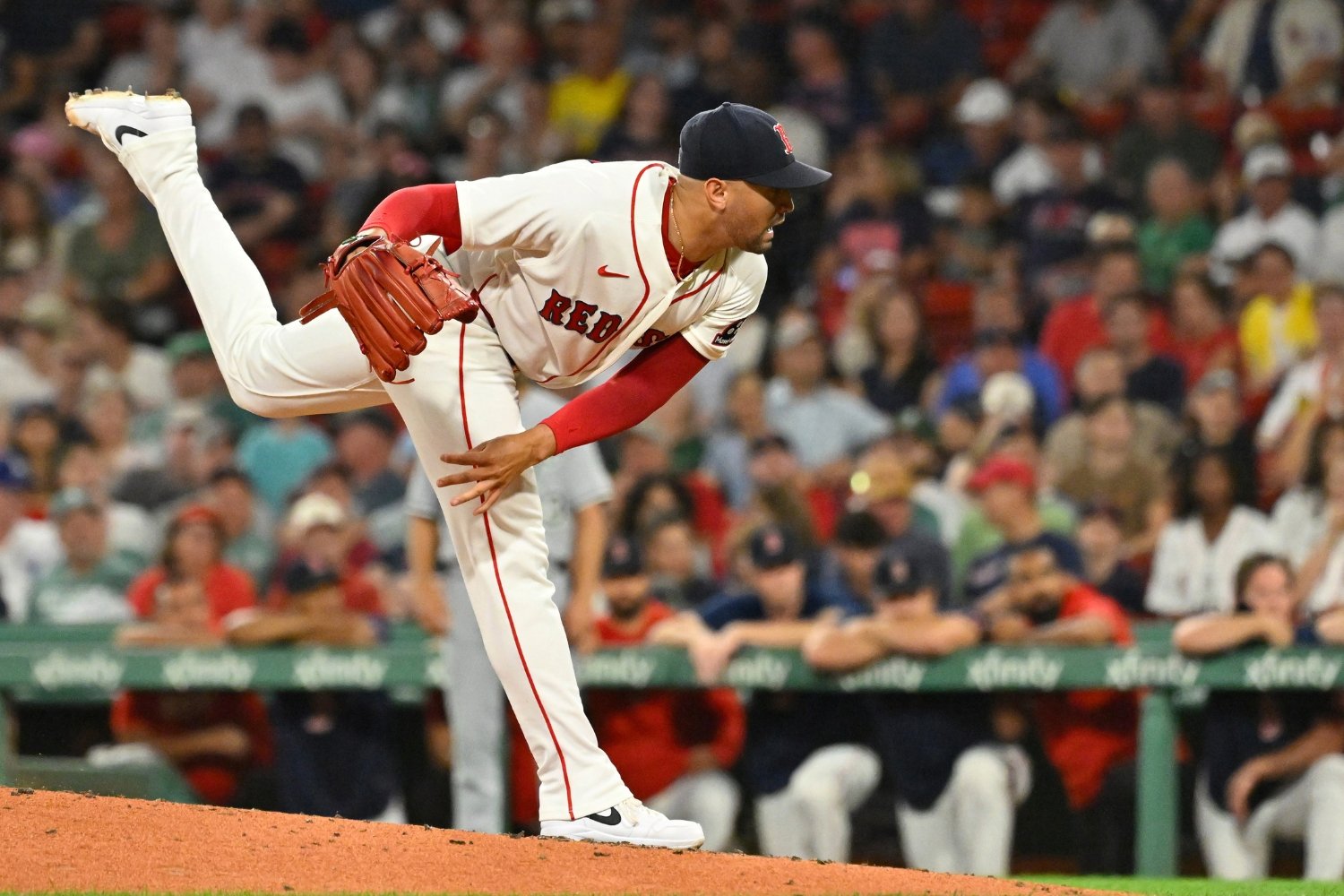 Has the magic of the changeup disappeared? Is the workload and pressure too much? Has the league made adjustments and is the improvement in velocity not enough? Those are some of the questions surrounding Boston Red Sox left-hander Jovani Morán, who is in the midst of a serious second-half slide. Morán posted a 3.83 xFIP in 25 outings during that initial stretch, but since the All-Star break, that average has risen to 4.78 and his opponents’ OPS has increased from .550 to .788. To analyze the reasons for his inefficiency, we have to begin by remembering one key point: Morán pitched only four innings in 2025 due to Tommy John surgery that kept him out for the remainder of the season. The last season in which he had seen action was 2023, when he appeared in 43 games and posted an 83 ERA+ with the Minnesota Twins. This year he has been back with Boston, and has already matched his career-high of 43 appearances, although with a heavier workload, with 58 ⅓ innings, surpassing the 42 ⅓ innings he pitched in 2023. So, for 29-year-old Morán, this season has been a story of overcoming adversity. His changeup is back and has been lethal, generating a 48.8 whiff rate, and his fastball, although it has lost some velocity, has held opposing hitters to a .152 batting average. Even with this decline in the second half of the season, Morán still remains in the 95th percentile in HardHit%, the 91st in whiff rate, and the 89th in xBA, which demonstrates his ability to limit hard contact and balls put in play. But this profile was not built easily. Morán had to earn his opportunities and make his way into one of the most dominant and stable bullpens in the majors this year. The Red Sox gave him some secondary roles until he earned their trust. Of his 43 relief appearances, Morán has appeared in 22 of them to protect leads or keep the score tied. His other 21 appearances have come in situations when the team was trailing, with 16 of them from the sixth inning onward, and 12 when the opponent had a lead of three or more runs. In other words, throughout the year, Boston has used him in both roles, and the statistics show that Morán has been able to handle the pressure. Of course, he has had to deal with several difficult situations, and in three of his worst failures, the Red Sox were unable to recover. Date Entered Exited Team Opp Result Inngs Dec DR IR IS IP H R ER HR BB SO BF ERA FIP 20/4/2026 6t --- 0 out tie 6t 1-3 0 out d1 BOS DET W, 8-6 6-6 1 0 0 0 1 1 1 0 2 0 3 2.03 3.17 12/5/2026 1t --- 0 out tie 1t 3 out d1 BOS PHI L, 1-2 GS-1 L(0-1) 1 - - 1 1 1 1 1 0 2 4 3.18 5.17 23/5/2026 1t --- 0 out tie 1t 3 out d2 BOS MIN L, 2-4 GS-1 L(0-2) 2 - - 1 3 2 2 0 0 1 6 3.38 4.26 31/7/2026 5b 1-- 2 out a1 6b 1-- 0 out d1 BOS @ LAD W, 9-4 5-6 2 1 1 1/3 3 1 1 1 0 0 4 2.84 3.82 19/8/2026 10t -2- 0 out tie 10t 3 out d2 BOS ARI L, 6-7 (10) 10-GF(10) L(2-3) 1 0 0 1 1 2 1 0 3 0 6 3.06 4.04 The first two losses came in the first half of the season, when Morán was tested as an opener. It was not the team’s best moment, and in the end the offense could not erase the early deficit. Then came a failure against the Los Angeles Dodgers, when Morán left a changeup in the middle of the zone and Shohei Ohtani hit a home run that gave the Dodgers a 4-3 lead in the bottom of the fifth. The Red Sox came back with a five-run rally in the seventh, and Morán’s misstep did not hurt the team. The most recent story was on August 19, when Morán entered to pitch in the 10th inning and allowed a couple of runs after issuing three walks to six batters. That summarizes his most difficult moments so far this season, but the statistics show that, in general, he has been able to overcome the pressure. Player Split Year sOPS+ ERA G GS IP SO/9 SO/BB BA OBP SLG OPS Erik Miller Late & Close 2026 25 0.00 8 0 9 16.0 4.0 .156 .270 .156 .427 Garrett Whitlock Late & Close 2026 27 1.32 36 0 34 10.6 13.3 .179 .197 .248 .445 Jovani Morán Late & Close 2026 30 0.73 12 0 12.1 11.0 1.7 .119 .275 .167 .441 Danny Coulombe Late & Close 2026 56 5.14 12 0 7 3.9 1.5 .240 .296 .240 .536 Aroldis Chapman Late & Close 2026 70 2.06 44 0 39.1 11.4 3.1 .196 .277 .315 .591 Brayan Bello Late & Close 2026 79 1.59 5 0 5.2 6.4 1.3 .238 .333 .286 .619 Greg Weissert Late & Close 2026 104 3.48 14 0 10.1 7.8 2.3 .275 .356 .350 .706 Tyron Guerrero Late & Close 2026 122 4.80 21 0 15 5.4 3.0 .300 .344 .433 .777 Justin Slaten Late & Close 2026 126 5.40 24 0 18.1 13.3 5.4 .276 .321 .474 .795 After Erik Miller and Garret Whitlock, Morán has allowed the lowest sOPS+ in the entire bullpen in leverage situations, with a 0.73 ERA and the lowest batting average allowed. This is an interesting aspect that explains how Morán has responded in his role, but it still does not answer our question about what has caused his inconsistencies. The answer is in workload management, and it is more revealing than I expected. SPLIT G IP H R ER HR BF ERA BA OBP SLG OPS K9 BB9 K/BB 20+ Pitches 22 28 2/3 21 16 16 7 123 5.02 .198 .301 .406 .706 9.10 4.39 4.71 1-20 Pitches 21 12 2/3 6 3 3 0 49 2.13 .140 .224 .186 .411 9.94 3.55 6.39 0-1 Days of Rest 13 13 16 12 11 5 66 7.62 .296 .415 .611 1.026 9.00 7.62 1.38 Here are the two turning points that connect with our concerns about his workload: when Morán throws between one and 20 pitches, his opponents have posted a .411 OPS with a 6.39 K/BB. That story of dominance changes considerably once he surpasses the 20-pitch threshold, with seven home runs allowed and a .706 OPS against 123 batters. The following situation reinforces the workload problem even further: In 13 outings between consecutive appearances or with one day of rest, Morán has been at his most vulnerable. In those spots, he's running a 7.62 ERA, a 1.026 OPS allowed and only a 1.38 K/BB. In 12 appearances during the month of August, Morán posted a 5.79 ERA and a 6.38 FIP, with 13 strikeouts, 10 walks and three home runs allowed in 14 innings. Only three of those relief appearances came on consecutive days, including the worst of all, when he allowed five runs and two home runs in 1 ⅓ innings against the New York Yankees on August 30. In the end, Morán closed the month without allowing runs in nine of his 12 relief appearances, but in only two of them, against the Pirates and the Yankees, he ended up allowing eight runs. That last image, I believe, best illustrates Morán’s battle to maintain the consistency of his pitches, and showed that the high volume of work is weighing on him at the end of the season. Even with the recent loss of Tayron Guerrero to the injured list, the Red Sox have ways to handle high-pressure situations in the bullpen; giving the southpaw a chance to rest a little more will benefit the team greatly in the playoffs.
 -
When it seemed that the time to prove his talent had expired, Tyron Guerrero has become one of the main pitching revelations of 2026 for the Boston Red Sox. He has done it at 35 years old, after arriving in Boston with a negative -1.6 bWAR and a career 5.77 ERA in 113 games pitched between the ages of 25 and 28 with the San Diego Padres and Miami Marlins. Guerrero last pitched this past Monday, and then the Red Sox announced that he had been placed on the 15-day injured list due to inflammation in his right shoulder. That night, he was able to record just one out against the Seattle Mariners in his 38th relief appearance of the season. He allowed three hits and an equal number of runs and walked a batter before wasting a two-run lead. Clearly, something was off in his game. In 23 of his 38 relief appearances, he has secured at least one inning without allowing runs or inherited runners to score. In that span, he has accumulated 18 holds, a statistic that, although it does not define a reliever’s dominance by itself, offers another interesting point about how middle relievers get the necessary outs to keep the team with the lead. Every one of Guerrero’s accomplishments, no matter how small it may seem, has meant the biggest leap of his career. I confess that, when the Red Sox began using him, my biggest faith was in the strength of his prodigious arm. So Boston deserves a lot of credit, because Guerrero has brought more than his supersonic velocity with a sinker that averages 100.2 mph, stability and strength to the bullpen. Along with the sinker, he has an uncomfortable 91.5 mph slider that has left the opposition with a .123 average. In all his previous experience, he had thrown only four sinkers. It was in 2018, when he was pitching for the Marlins. So, the experiment worked, and Guerrero has gone through every inning trusting his sinker on 85.7% of his pitches. No reliever who has pitched at least 30 innings this season uses the sinker or another pitch more than Guerrero—the only one who comes close is Kenley Jansen, who throws his cutter 84.6% of the time. As such, the big story here is what Guerrero is accomplishing with his primary lethal weapon. Pitcher L/R Pitches PA Whiff % xBA xSLG K % Guerrero, Tyron RHP 491 130 22.6% .223 .308 21.5% Alvarado, José LHP 606 142 21.6% .272 .394 15.5% Uribe, Abner RHP 481 123 21.0% .264 .346 17.9% Mayza, Tim LHP 486 123 20.2% .228 .318 21.1% Brazobán, Huascar RHP 435 115 19.6% .265 .387 12.2% Morejon, Adrian LHP 548 139 19.3% .265 .335 12.2% O'Brien, Riley RHP 552 150 17.4% .291 .436 18.0% Doval, Camilo RHP 368 103 17.1% .252 .362 12.6% Ashby, Aaron LHP 683 158 16.6% .270 .380 11.4% Thompson, Ryan RHP 409 112 15.6% .295 .374 10.7% Peralta, Wandy LHP 407 110 15.3% .217 .343 10.0% Bazardo, Eduard RHP 622 170 15.2% .279 .444 21.8% Miles, Spencer RHP 433 114 15.1% .233 .311 19.3% Bernardino, Brennan LHP 331 105 15.1% .277 .397 11.4% Kelly, Kevin RHP 490 134 14.8% .304 .440 11.2% Holderman, Colin RHP 424 110 14.2% .286 .437 10.0% Suter, Brent LHP 426 106 13.4% .268 .392 17.9% Moll, Sam LHP 384 104 12.9% .319 .457 7.7% Swanson, Matt RHP 347 114 12.8% .330 .500 14.9% Rogers, Tyler RHP 687 194 12.5% .239 .316 10.8% Ferrer, José A. LHP 659 181 12.3% .263 .409 13.3% Brubaker, JT RHP 445 111 9.9% .317 .516 15.3% Bruihl, Justin LHP 505 135 9.8% .294 .378 6.7% Hill, Tim LHP 590 178 9.7% .272 .408 6.7% Among several elite pitchers with elite pitches, the results show that Guerrero’s great dominance of the sinker has a place at the highest level. He has the highest whiff rate and the lowest xSLG allowed among the 24 relievers who have finished at least 100 plate appearances with a sinker. He also stands out with the second-highest strikeout rate, being surpassed by just 0.3% by the Mariners right-hander, Eduard Bazardo. He also has the second-lowest xBA allowed, behind Padres left-hander Wandy Peralta. And, you know, he has achieved that phenomenal impact throwing the sinker 85.7% of the time, which seems crazy. Now let’s go a little deeper, because the breakdown by profiles takes us to a couple of interesting details. Let’s look at these two graphs. On the left, we have Guerrero’s sinker whiff rates against right-handed hitters. Its power remains in the high-and-inside part of the zone, the same areas where left-handed hitters miss his pitches. There is not enough of a sample to compare the previous sinker that he threw, but this year it excels with -5.2 inches of induced vertical break compared with the MLB average. That is the main effect of his adjustments that is helping limit the impact of his opponents, especially against left-handed hitters, who have a 32.9 whiff% and only a .230 xSLG. On the other hand, right-handed hitters have been more difficult to beat. His whiff rate drops to 10.8%, with a dangerous rise to a .377 xSLG and .339 BABIP. Guerrero still has control against both profiles, but he will need more from his slider and splitter to try to reduce contact. It is possible (if not likely) that Guerrero will be back in a couple of weeks. It does not appear, at least for now, to be an injury that projects a prolonged absence. Boston’s expectation, for now, is that he could return around September 16 or shortly after. His arm has been key and, for the Red Sox, his presence in the late innings of games will be necessary down the stretch of the season. View full article
-
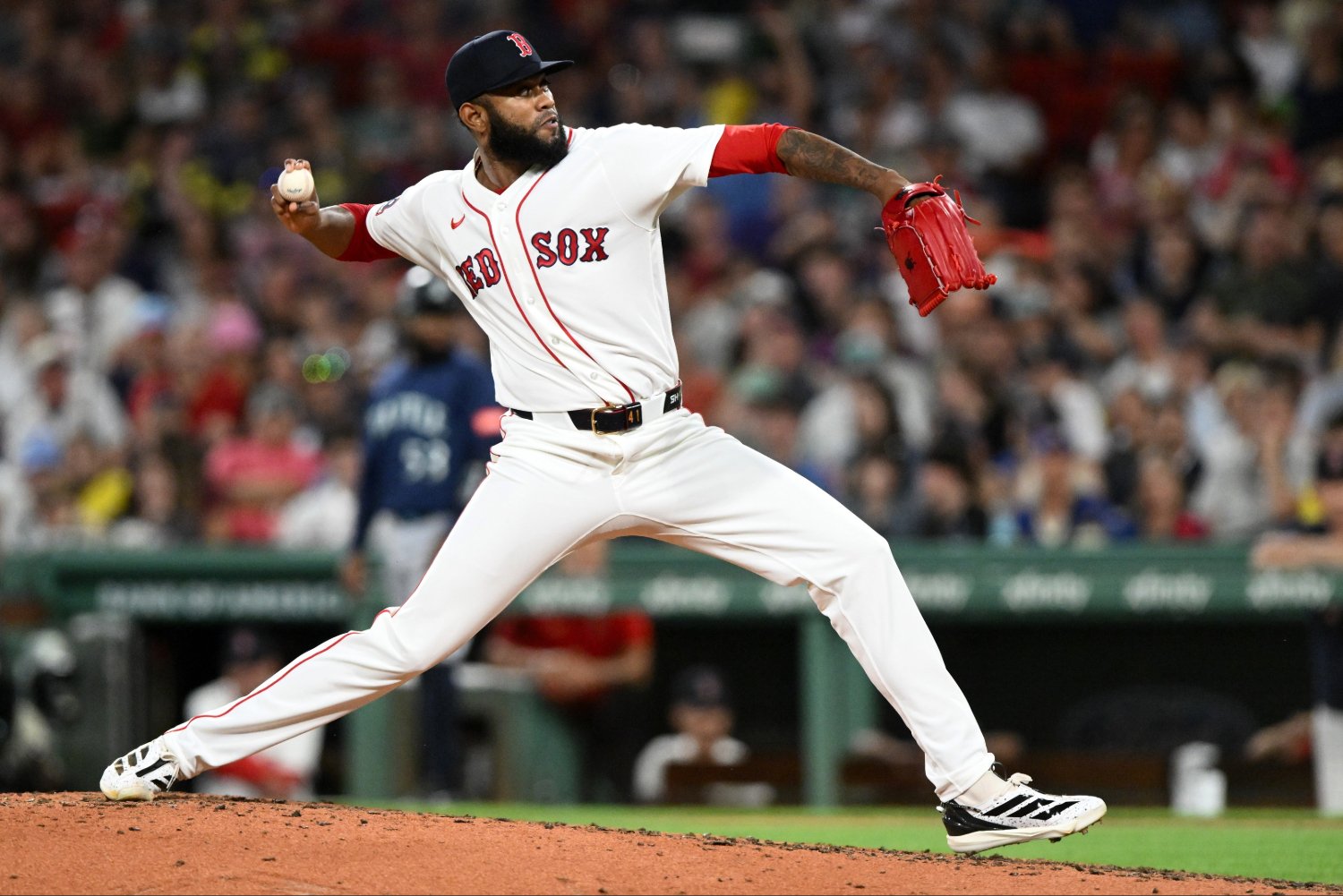 When it seemed that the time to prove his talent had expired, Tyron Guerrero has become one of the main pitching revelations of 2026 for the Boston Red Sox. He has done it at 35 years old, after arriving in Boston with a negative -1.6 bWAR and a career 5.77 ERA in 113 games pitched between the ages of 25 and 28 with the San Diego Padres and Miami Marlins. Guerrero last pitched this past Monday, and then the Red Sox announced that he had been placed on the 15-day injured list due to inflammation in his right shoulder. That night, he was able to record just one out against the Seattle Mariners in his 38th relief appearance of the season. He allowed three hits and an equal number of runs and walked a batter before wasting a two-run lead. Clearly, something was off in his game. In 23 of his 38 relief appearances, he has secured at least one inning without allowing runs or inherited runners to score. In that span, he has accumulated 18 holds, a statistic that, although it does not define a reliever’s dominance by itself, offers another interesting point about how middle relievers get the necessary outs to keep the team with the lead. Every one of Guerrero’s accomplishments, no matter how small it may seem, has meant the biggest leap of his career. I confess that, when the Red Sox began using him, my biggest faith was in the strength of his prodigious arm. So Boston deserves a lot of credit, because Guerrero has brought more than his supersonic velocity with a sinker that averages 100.2 mph, stability and strength to the bullpen. Along with the sinker, he has an uncomfortable 91.5 mph slider that has left the opposition with a .123 average. In all his previous experience, he had thrown only four sinkers. It was in 2018, when he was pitching for the Marlins. So, the experiment worked, and Guerrero has gone through every inning trusting his sinker on 85.7% of his pitches. No reliever who has pitched at least 30 innings this season uses the sinker or another pitch more than Guerrero—the only one who comes close is Kenley Jansen, who throws his cutter 84.6% of the time. As such, the big story here is what Guerrero is accomplishing with his primary lethal weapon. Pitcher L/R Pitches PA Whiff % xBA xSLG K % Guerrero, Tyron RHP 491 130 22.6% .223 .308 21.5% Alvarado, José LHP 606 142 21.6% .272 .394 15.5% Uribe, Abner RHP 481 123 21.0% .264 .346 17.9% Mayza, Tim LHP 486 123 20.2% .228 .318 21.1% Brazobán, Huascar RHP 435 115 19.6% .265 .387 12.2% Morejon, Adrian LHP 548 139 19.3% .265 .335 12.2% O'Brien, Riley RHP 552 150 17.4% .291 .436 18.0% Doval, Camilo RHP 368 103 17.1% .252 .362 12.6% Ashby, Aaron LHP 683 158 16.6% .270 .380 11.4% Thompson, Ryan RHP 409 112 15.6% .295 .374 10.7% Peralta, Wandy LHP 407 110 15.3% .217 .343 10.0% Bazardo, Eduard RHP 622 170 15.2% .279 .444 21.8% Miles, Spencer RHP 433 114 15.1% .233 .311 19.3% Bernardino, Brennan LHP 331 105 15.1% .277 .397 11.4% Kelly, Kevin RHP 490 134 14.8% .304 .440 11.2% Holderman, Colin RHP 424 110 14.2% .286 .437 10.0% Suter, Brent LHP 426 106 13.4% .268 .392 17.9% Moll, Sam LHP 384 104 12.9% .319 .457 7.7% Swanson, Matt RHP 347 114 12.8% .330 .500 14.9% Rogers, Tyler RHP 687 194 12.5% .239 .316 10.8% Ferrer, José A. LHP 659 181 12.3% .263 .409 13.3% Brubaker, JT RHP 445 111 9.9% .317 .516 15.3% Bruihl, Justin LHP 505 135 9.8% .294 .378 6.7% Hill, Tim LHP 590 178 9.7% .272 .408 6.7% Among several elite pitchers with elite pitches, the results show that Guerrero’s great dominance of the sinker has a place at the highest level. He has the highest whiff rate and the lowest xSLG allowed among the 24 relievers who have finished at least 100 plate appearances with a sinker. He also stands out with the second-highest strikeout rate, being surpassed by just 0.3% by the Mariners right-hander, Eduard Bazardo. He also has the second-lowest xBA allowed, behind Padres left-hander Wandy Peralta. And, you know, he has achieved that phenomenal impact throwing the sinker 85.7% of the time, which seems crazy. Now let’s go a little deeper, because the breakdown by profiles takes us to a couple of interesting details. Let’s look at these two graphs. On the left, we have Guerrero’s sinker whiff rates against right-handed hitters. Its power remains in the high-and-inside part of the zone, the same areas where left-handed hitters miss his pitches. There is not enough of a sample to compare the previous sinker that he threw, but this year it excels with -5.2 inches of induced vertical break compared with the MLB average. That is the main effect of his adjustments that is helping limit the impact of his opponents, especially against left-handed hitters, who have a 32.9 whiff% and only a .230 xSLG. On the other hand, right-handed hitters have been more difficult to beat. His whiff rate drops to 10.8%, with a dangerous rise to a .377 xSLG and .339 BABIP. Guerrero still has control against both profiles, but he will need more from his slider and splitter to try to reduce contact. It is possible (if not likely) that Guerrero will be back in a couple of weeks. It does not appear, at least for now, to be an injury that projects a prolonged absence. Boston’s expectation, for now, is that he could return around September 16 or shortly after. His arm has been key and, for the Red Sox, his presence in the late innings of games will be necessary down the stretch of the season.
 -
The Boston Red Sox are 5-1 in the six starts since Ranger Suarez returned from the injured list on July 26. In his last three starts, he has started to increase his pitch volume to more than 80. Amid the adjustments during these outings, Suárez has seen his strikeout rate drop by 8.4%, while walks have increased by 2.7%. That lack of strikeouts and the increase in on-base percentage have pushed his FIP to 4.61 during this stretch, well above the 3.25 he recorded in his 17 starts before going on the injured list. Opposing hitters are taking advantage by attacking him more in the strike zone and have improved contact by a slight 3.3%. They are also chasing more (11.1%), due to the mix of his secondary pitches, the cutter, changeup, and curveball. However, there is a problem Suárez has to solve, and it does not exactly correspond to his return: his inconsistency with the sinker. Month/Year RHB% LHB% PA SO% HR xBA xSLG xwOBA Whiff% PutAway% 4 / 2026 68.2% 31.8% 53 17.0% 0 .294 .371 .334 11.1 27.3 5 / 2026 52.0% 48.0% 26 23.1% 1 .262 .377 .325 23.3 33.3 6 / 2026 38.4% 61.6% 28 21.4% 1 .300 .465 .358 13.6 23.1 7 / 2026 45.7% 54.3% 12 8.3% 0 .365 .439 .351 14.3 14.3 8 / 2026 47.8% 52.2% 21 9.5% 1 .398 .568 .446 3.8 11.1 Since last June, Suárez has been using his sinker much more against left-handed hitters. The results we see in this summary are general and show the combined adjustment of both profiles against his sinker. More contact, more power, and fewer swings and misses. The PutAway% from this last month gives us a preview that Suárez has stopped using the sinker as a weapon to finish his most important counts. Since returning from the injured list, the xwOBA has skyrocketed to another level. All of that is clear. But the big difference here is not being made by right-handed hitters. It is left-handed hitters who are getting most of the quality at-bats against Suárez. And that is not the worst part. Over the last four seasons, that trend has continued to increase against the sinker. Period L/R Pitches PA K% BB% HR% xBA xOBP xSLG xwOBA BABIP Whiff% EV (MPH) Hard Hit% Barrel/BBE% 2023-2026 LHP 825 265 13.2 2.6 3.0% .271 .307 .400 .311 .298 12.1 84.0 31.0 5.1 2026 LHP 203 63 17.5 1.6 3.2% .280 .302 .407 .309 .375 17.3 83.4 32.0 6.0 Difference LHP -622 -202 4.3 -1.0 0.2% .009 -.005 .007 -.002 .077 5.2 -0.6 1.0 0.9 This comparison better contextualizes the situation. The expected metrics remain in a similar range, but BABIP has skyrocketed from a not very consistent .298 to a dangerous .375. Suárez has stopped striking hitters out and getting swings and misses at a concerning rate this year, while hitters have made a small jump in the quality of their contact. Run Value/100 pitches probably summarizes it better, taking each of those situations into account. In 2021, the season when the sinker looked like the best pitch in his arsenal, Suárez recorded 2.6 RV/100 with a .202 xBA allowed. Last year, it dropped to -0.3, and this year he is at -0.2, with a .312 xBA, the highest since 2020. That said, let’s look at the next part of the problem: where he throws his sinker and how the opposition is responding. Here we have the 2026 stretch (chart on the left) vs. 2023-2026 when he throws his sinker against left-handed hitters. I don’t think it is difficult to notice where Suárez is having problems: pitches located in the vertical middle part toward the inside of the strike zone. Hitters are destroying his sinker inside because of two key problems: he lost velocity and lateral movement, two characteristics that made it a more difficult pitch to decipher. In 2026, his sinker is averaging just 90.3 mph, and 89.9 since he returned from the injured list. On the other hand, he lost more than two inches of horizontal break toward the hitter’s hands, dropping from 16.0" between 2021-2023 to 13.8" this year, below average. Added to that loss of bite is greater induced vertical break (6.2" IVB), which takes away depth from the “sinking” action. The result of what might look like a slight loss in velocity and break is making a big difference in favor of the hitters, who are taking advantage of the sinker, which now stays in the strike zone for longer periods of time. Ranger Suárez’s next start will be against the Yankees, and it'll be fascinating to see if he tries to buck this recent trend. If he continues to take pressure off the sinker in key situations, he will have to find another way to compensate for it. For the Red Sox, the best news would be for his adjustments to begin giving him the necessary turn to bring back the best version of his arsenal. View full article
-
Ranger Suárez Is Losing One of His Favorite Weapons on the Mound
Yirsandy Rodríguez posted an article in Red Sox
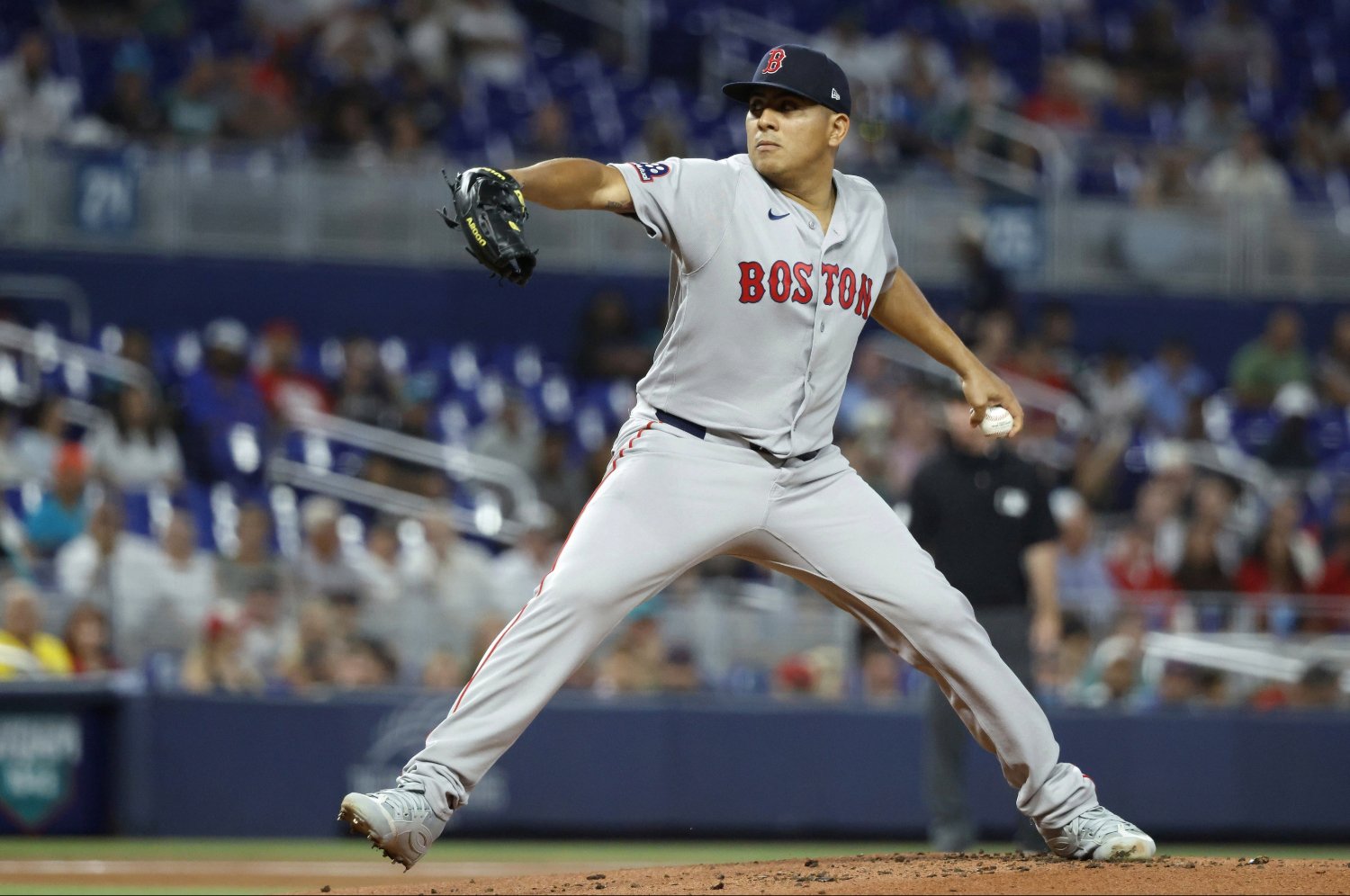 The Boston Red Sox are 5-1 in the six starts since Ranger Suarez returned from the injured list on July 26. In his last three starts, he has started to increase his pitch volume to more than 80. Amid the adjustments during these outings, Suárez has seen his strikeout rate drop by 8.4%, while walks have increased by 2.7%. That lack of strikeouts and the increase in on-base percentage have pushed his FIP to 4.61 during this stretch, well above the 3.25 he recorded in his 17 starts before going on the injured list. Opposing hitters are taking advantage by attacking him more in the strike zone and have improved contact by a slight 3.3%. They are also chasing more (11.1%), due to the mix of his secondary pitches, the cutter, changeup, and curveball. However, there is a problem Suárez has to solve, and it does not exactly correspond to his return: his inconsistency with the sinker. Month/Year RHB% LHB% PA SO% HR xBA xSLG xwOBA Whiff% PutAway% 4 / 2026 68.2% 31.8% 53 17.0% 0 .294 .371 .334 11.1 27.3 5 / 2026 52.0% 48.0% 26 23.1% 1 .262 .377 .325 23.3 33.3 6 / 2026 38.4% 61.6% 28 21.4% 1 .300 .465 .358 13.6 23.1 7 / 2026 45.7% 54.3% 12 8.3% 0 .365 .439 .351 14.3 14.3 8 / 2026 47.8% 52.2% 21 9.5% 1 .398 .568 .446 3.8 11.1 Since last June, Suárez has been using his sinker much more against left-handed hitters. The results we see in this summary are general and show the combined adjustment of both profiles against his sinker. More contact, more power, and fewer swings and misses. The PutAway% from this last month gives us a preview that Suárez has stopped using the sinker as a weapon to finish his most important counts. Since returning from the injured list, the xwOBA has skyrocketed to another level. All of that is clear. But the big difference here is not being made by right-handed hitters. It is left-handed hitters who are getting most of the quality at-bats against Suárez. And that is not the worst part. Over the last four seasons, that trend has continued to increase against the sinker. Period L/R Pitches PA K% BB% HR% xBA xOBP xSLG xwOBA BABIP Whiff% EV (MPH) Hard Hit% Barrel/BBE% 2023-2026 LHP 825 265 13.2 2.6 3.0% .271 .307 .400 .311 .298 12.1 84.0 31.0 5.1 2026 LHP 203 63 17.5 1.6 3.2% .280 .302 .407 .309 .375 17.3 83.4 32.0 6.0 Difference LHP -622 -202 4.3 -1.0 0.2% .009 -.005 .007 -.002 .077 5.2 -0.6 1.0 0.9 This comparison better contextualizes the situation. The expected metrics remain in a similar range, but BABIP has skyrocketed from a not very consistent .298 to a dangerous .375. Suárez has stopped striking hitters out and getting swings and misses at a concerning rate this year, while hitters have made a small jump in the quality of their contact. Run Value/100 pitches probably summarizes it better, taking each of those situations into account. In 2021, the season when the sinker looked like the best pitch in his arsenal, Suárez recorded 2.6 RV/100 with a .202 xBA allowed. Last year, it dropped to -0.3, and this year he is at -0.2, with a .312 xBA, the highest since 2020. That said, let’s look at the next part of the problem: where he throws his sinker and how the opposition is responding. Here we have the 2026 stretch (chart on the left) vs. 2023-2026 when he throws his sinker against left-handed hitters. I don’t think it is difficult to notice where Suárez is having problems: pitches located in the vertical middle part toward the inside of the strike zone. Hitters are destroying his sinker inside because of two key problems: he lost velocity and lateral movement, two characteristics that made it a more difficult pitch to decipher. In 2026, his sinker is averaging just 90.3 mph, and 89.9 since he returned from the injured list. On the other hand, he lost more than two inches of horizontal break toward the hitter’s hands, dropping from 16.0" between 2021-2023 to 13.8" this year, below average. Added to that loss of bite is greater induced vertical break (6.2" IVB), which takes away depth from the “sinking” action. The result of what might look like a slight loss in velocity and break is making a big difference in favor of the hitters, who are taking advantage of the sinker, which now stays in the strike zone for longer periods of time. Ranger Suárez’s next start will be against the Yankees, and it'll be fascinating to see if he tries to buck this recent trend. If he continues to take pressure off the sinker in key situations, he will have to find another way to compensate for it. For the Red Sox, the best news would be for his adjustments to begin giving him the necessary turn to bring back the best version of his arsenal.
 -
Thanks for commenting! I also love Rafaela, but the metrics keep leaning toward Pete Crow-Armstrong, who has 8 more OAA than Ceddanne Rafaela (23 vs. 15) because of his impressive consistency across the entire defensive spectrum. The metric that makes the difference is the high-difficulty plays (5 Star), which we can find on the Outfield Catch Probability Leaderboard. PCA has a 50% success rate, compared with Rafaela’s 30.8%. In addition, PCA has recorded 7 more outs in the 4 Star category (11 vs. 4), which pushes his overall defensive success rate to 95.7%. Rafaela has an excellent 92.7%, which, if not for PCA, would be the best in the league. But we can go beyond this season. In the history of the Outfield Catch Probability Leaderboard, from 2016 to the present, with at least 1,000 plays, PCA has the best success rate on 5 Star plays at 50.7%. The next closest is José Siri, way back at 33.9%. PCA is also the best in All Plays, with an incredible 94.7%.
-
The Boston Red Sox have the most consistent bullpen in the major leagues this season, leading with fWAR (6.1) and xFIP (3.76). The starters have also done a dominant job, accumulating the second-best fWAR (12.3) in the American League. But when we talk about how they are dominating the opposition and controlling the game, we cannot forget the enormous contribution of the defense. In that equation, the outfielders have taken the team to another level. One of the reasons why Boston did not completely sink during their bad stretch in the first half of the season was its elite outfield defense. The Red Sox lead the majors with +49 DRS and 5.0 ARM (arm value). They also lead the league with 31 assists, 26 of them recorded by Ceddanne Rafaela (center fielder), Wilyer Abreu (right fielder), and Jarren Duran (left fielder). The only comparable trio in the entire league is that of the Chicago Cubs’ outfielders, who have the advantage because of the incomprehensible value Pete Crow-Armstrong provides (seriously, he's comically overpowered in center field). Let’s see how both groups compare this year by adding their DRS, OAA, and FRV values. Team DRS OAA FRV Totals CHC 30 27 35 92 BOS 46 22 21 89 The Red Sox dominate in DRS, but the Cubs make up ground in OAA and FRV. The difference, to a large extent, is PCA. Abreu and Rafaela surpass the Cubs' star in DRS, and this year Seiya Suzuki has also contributed important defensive value. The comparison between Duran and Ian Happ looks interesting in these combined metrics. Happ has won four Gold Gloves, but Duran surprised me a little by surpassing him in OAA. That Happ remains a great candidate to win the Gold Glove again in the National League for the fifth consecutive year is a pretty strong endorsement of the gains Duran has made on defense this season. The defensive consistency of Abreu and Rafaela is fascinating. Abreu is on his way to collecting his third consecutive Gold Glove, while Rafaela is also the favorite to get his second. Team Player DRS OAA FRV Totals Cubs Pete Crow-Armstrong, CF 14 23 24 61 Cubs Seiya Suzuki, RF 10 4 7 21 Cubs Ian Happ, LF 6 0 4 10 Red Sox Wilyer Abreu, RF 24 4 5 33 Red Sox Ceddanne Rafaela, CF 19 14 13 46 Red Sox Jarren Duran, LF 3 4 3 10 Were it not for PCA, Rafaela would be the most complete center fielder defensively in all of baseball this year. Among the center fielders that we can evaluate with FanGraphs metrics, Rafaela appears second in defensive value with 10.9, only behind PCA (21.7). Abreu leads the league with 24 DRS, but if we extend the filter to the last two seasons, Rafaela ties him with 39. Both are tied with Steven Kwan. PCA (29 DRS) fell a little farther behind, but leads both other main categories, with 43 OAA and 45 FRV. I do want to revisit Duran as well. In left field, he has -0.3 defense value, but +3 DRS with positive grades in arm value and range. His impact does not come close to that of Rafaela or Abreu, but with Roman Anthony out due to injury for a good part of the season, Duran has been a complement that continues to strengthen Boston’s defensive formula. The numbers also show the advantage that the Red Sox are getting from the defense against several of their main American League contenders. Defensive Rankings - 2026 Rk. Team Year Fielding Run Value INF/OF Runs Range Arm 1 Red Sox 2026 22 22 16 5 2 Rays 2026 19 19 22 -3 3 Guardians 2026 8 8 5 2 4 Astros 2026 5 5 7 -2 5 Blue Jays 2026 2 2 -1 3 6 White Sox 2026 1 1 2 -2 7 Yankees 2026 -6 -6 -6 0 8 Twins 2026 -6 -6 -3 -3 9 Angels 2026 -7 -7 -7 0 10 Rangers 2026 -7 -7 -1 -6 11 Royals 2026 -8 -8 -11 3 12 Orioles 2026 -9 -9 -7 -1 13 Tigers 2026 -10 -10 -4 -6 14 Mariners 2026 -14 -14 -13 0 15 Athletics 2026 -22 -22 -21 -1 The defense that comes closest to the Red Sox’s level is that of the Rays, although the former maintains a clear advantage. Among their main contenders, the Yankees (-6), Orioles (-9), and Tigers (-10) appear far below. That is a difference we cannot forget when the pressure is even greater in the final stretch of the season. And I still feel that these metrics do not tell the whole story of what a defense can generate when it operates as efficiently as this one. For us, it is much easier to have a judgment about a quality at-bat or a pitch that did not meet expectations at the key moment. On the other hand, you never really know how many opportunities a defensive error can give up. The Red Sox are not playing with the same margin for error as a year ago, but thanks to the strength of their defense, they do have a distinct advantage over every single American League contemporary. View full article
-
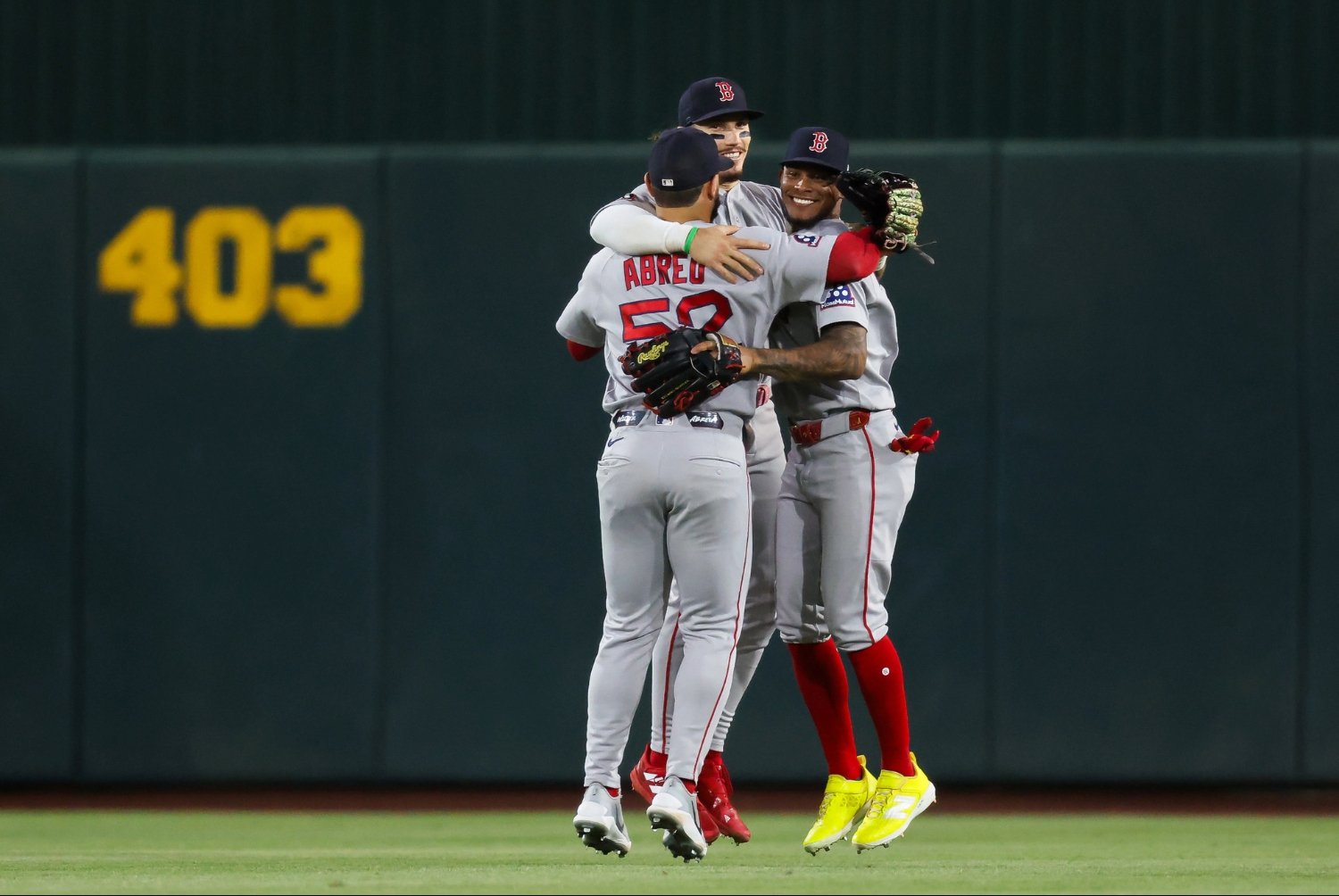 The Boston Red Sox have the most consistent bullpen in the major leagues this season, leading with fWAR (6.1) and xFIP (3.76). The starters have also done a dominant job, accumulating the second-best fWAR (12.3) in the American League. But when we talk about how they are dominating the opposition and controlling the game, we cannot forget the enormous contribution of the defense. In that equation, the outfielders have taken the team to another level. One of the reasons why Boston did not completely sink during their bad stretch in the first half of the season was its elite outfield defense. The Red Sox lead the majors with +49 DRS and 5.0 ARM (arm value). They also lead the league with 31 assists, 26 of them recorded by Ceddanne Rafaela (center fielder), Wilyer Abreu (right fielder), and Jarren Duran (left fielder). The only comparable trio in the entire league is that of the Chicago Cubs’ outfielders, who have the advantage because of the incomprehensible value Pete Crow-Armstrong provides (seriously, he's comically overpowered in center field). Let’s see how both groups compare this year by adding their DRS, OAA, and FRV values. Team DRS OAA FRV Totals CHC 30 27 35 92 BOS 46 22 21 89 The Red Sox dominate in DRS, but the Cubs make up ground in OAA and FRV. The difference, to a large extent, is PCA. Abreu and Rafaela surpass the Cubs' star in DRS, and this year Seiya Suzuki has also contributed important defensive value. The comparison between Duran and Ian Happ looks interesting in these combined metrics. Happ has won four Gold Gloves, but Duran surprised me a little by surpassing him in OAA. That Happ remains a great candidate to win the Gold Glove again in the National League for the fifth consecutive year is a pretty strong endorsement of the gains Duran has made on defense this season. The defensive consistency of Abreu and Rafaela is fascinating. Abreu is on his way to collecting his third consecutive Gold Glove, while Rafaela is also the favorite to get his second. Team Player DRS OAA FRV Totals Cubs Pete Crow-Armstrong, CF 14 23 24 61 Cubs Seiya Suzuki, RF 10 4 7 21 Cubs Ian Happ, LF 6 0 4 10 Red Sox Wilyer Abreu, RF 24 4 5 33 Red Sox Ceddanne Rafaela, CF 19 14 13 46 Red Sox Jarren Duran, LF 3 4 3 10 Were it not for PCA, Rafaela would be the most complete center fielder defensively in all of baseball this year. Among the center fielders that we can evaluate with FanGraphs metrics, Rafaela appears second in defensive value with 10.9, only behind PCA (21.7). Abreu leads the league with 24 DRS, but if we extend the filter to the last two seasons, Rafaela ties him with 39. Both are tied with Steven Kwan. PCA (29 DRS) fell a little farther behind, but leads both other main categories, with 43 OAA and 45 FRV. I do want to revisit Duran as well. In left field, he has -0.3 defense value, but +3 DRS with positive grades in arm value and range. His impact does not come close to that of Rafaela or Abreu, but with Roman Anthony out due to injury for a good part of the season, Duran has been a complement that continues to strengthen Boston’s defensive formula. The numbers also show the advantage that the Red Sox are getting from the defense against several of their main American League contenders. Defensive Rankings - 2026 Rk. Team Year Fielding Run Value INF/OF Runs Range Arm 1 Red Sox 2026 22 22 16 5 2 Rays 2026 19 19 22 -3 3 Guardians 2026 8 8 5 2 4 Astros 2026 5 5 7 -2 5 Blue Jays 2026 2 2 -1 3 6 White Sox 2026 1 1 2 -2 7 Yankees 2026 -6 -6 -6 0 8 Twins 2026 -6 -6 -3 -3 9 Angels 2026 -7 -7 -7 0 10 Rangers 2026 -7 -7 -1 -6 11 Royals 2026 -8 -8 -11 3 12 Orioles 2026 -9 -9 -7 -1 13 Tigers 2026 -10 -10 -4 -6 14 Mariners 2026 -14 -14 -13 0 15 Athletics 2026 -22 -22 -21 -1 The defense that comes closest to the Red Sox’s level is that of the Rays, although the former maintains a clear advantage. Among their main contenders, the Yankees (-6), Orioles (-9), and Tigers (-10) appear far below. That is a difference we cannot forget when the pressure is even greater in the final stretch of the season. And I still feel that these metrics do not tell the whole story of what a defense can generate when it operates as efficiently as this one. For us, it is much easier to have a judgment about a quality at-bat or a pitch that did not meet expectations at the key moment. On the other hand, you never really know how many opportunities a defensive error can give up. The Red Sox are not playing with the same margin for error as a year ago, but thanks to the strength of their defense, they do have a distinct advantage over every single American League contemporary.
 -
There is a visual trick in baseball that is often mistaken for luck or a hot streak: when a pitcher suddenly looks unhittable, it is rarely because his pitches are moving more. Often, it's because he has taken away the fractions of a second a hitter needs to process the pitch. For weeks, Payton Tolle was the definition of talent tied to his own sequencing mistakes. The towering left-hander had the arm and the imposing presence on the mound, but he kept giving away the initiative within the at-bat; he was falling behind in the count, getting himself into trouble and eventually having to rely on his sinker—a pitch opponents have punished to a .400 wOBA allowed this season—to try to get back into the zone. On August 7 against the Athletics, that self-destructive pattern was eliminated. Tolle faced 20 batters and threw 84 pitches. Over the entire game, he threw only eight pitches with the hitter ahead in the count. The impact of that aggression obviously alters a hitter's approach. When a starter does not give you a 1-0 or 2-0 count, he takes away the ability to patiently wait for a favorable offering. The instruction from the dugout to “wait for the fastball over the middle” becomes unworkable; the hitter stops selecting his zone and starts defending the plate from the very first pitch. By taking control of at-bats early, Tolle’s arsenal takes on a devastating dimension, especially against right-handed hitters, who make up the bulk of opposing lineups. As a left-handed pitcher, Tolle’s accumulated numbers against righties border on absurd: he owns a 32.7% K% (96th percentile in MLB), a 15.9% whiff rate (92nd percentile) and a .242 xwOBA (95th percentile). It is not a coincidence. His arsenal is built to tie up right-handed hitters through a combination of movement and velocity. That strategy begins with his release point. Tolle gets 7.4 feet of extension off the mound, putting him in the 98th percentile in the major leagues. When he fell behind in the count during his previous starts, hitters could tolerate that proximity, because the advantage created by his extension lost some of its effect when they could better anticipate the sequence. But once he got ahead in the count, Tolle increased the velocity of his four-seam fastball from his usual 95.5 mph average to a consistent peak of 98.2 mph. Two extra miles per hour, combined with a release point almost on top of the hitter, reduces the recognition window to a point where the swing comes purely out of self-preservation. And if they do make contact, the ball comes off harmlessly: in his last start, the average exit velocity on Tolle’s four-seamer with two strikes was just 77.4 mph. This is where the pièce de résistance comes into play, with a little something I like to call the "vertical finisher." With the hitter rushed in the box to keep up with 98 mph, Tolle introduces his curveball at 84.2 mph (2,502 RPM) from the same release window. The hitter recognizes the arm path, processes the fastball velocity and starts the bat through the zone. By the time the ball loses its lift and drops toward the ground, the swing is already irreversible. With two strikes against the Athletics, Tolle increased his curveball usage to 24.2% (eight pitches), and the result was absolute: a 100% whiff rate, producing five outright strikeouts (62.5% PutAway%). Add a 90.2 mph cutter that recorded a 75% whiff rate in that same situation, and the map of the at-bat is complete. Of the 14 strikeouts he recorded that day, 13 came through that three-level combination (98-mph high fastball / 90-mph cutter in on the hands / 84-mph curveball down). Baseball often looks for complicated explanations in biomechanics or revolutionary grips when a starter takes a leap forward. Payton Tolle’s reality is simpler and more direct: he shelved the inefficient sinker when he was behind, attacked the zone from pitch one, and used his extension to force hitters into committing early. Once you get a hitter swinging on reaction rather than a pre-planned approach, good results are sure to follow. View full article
-
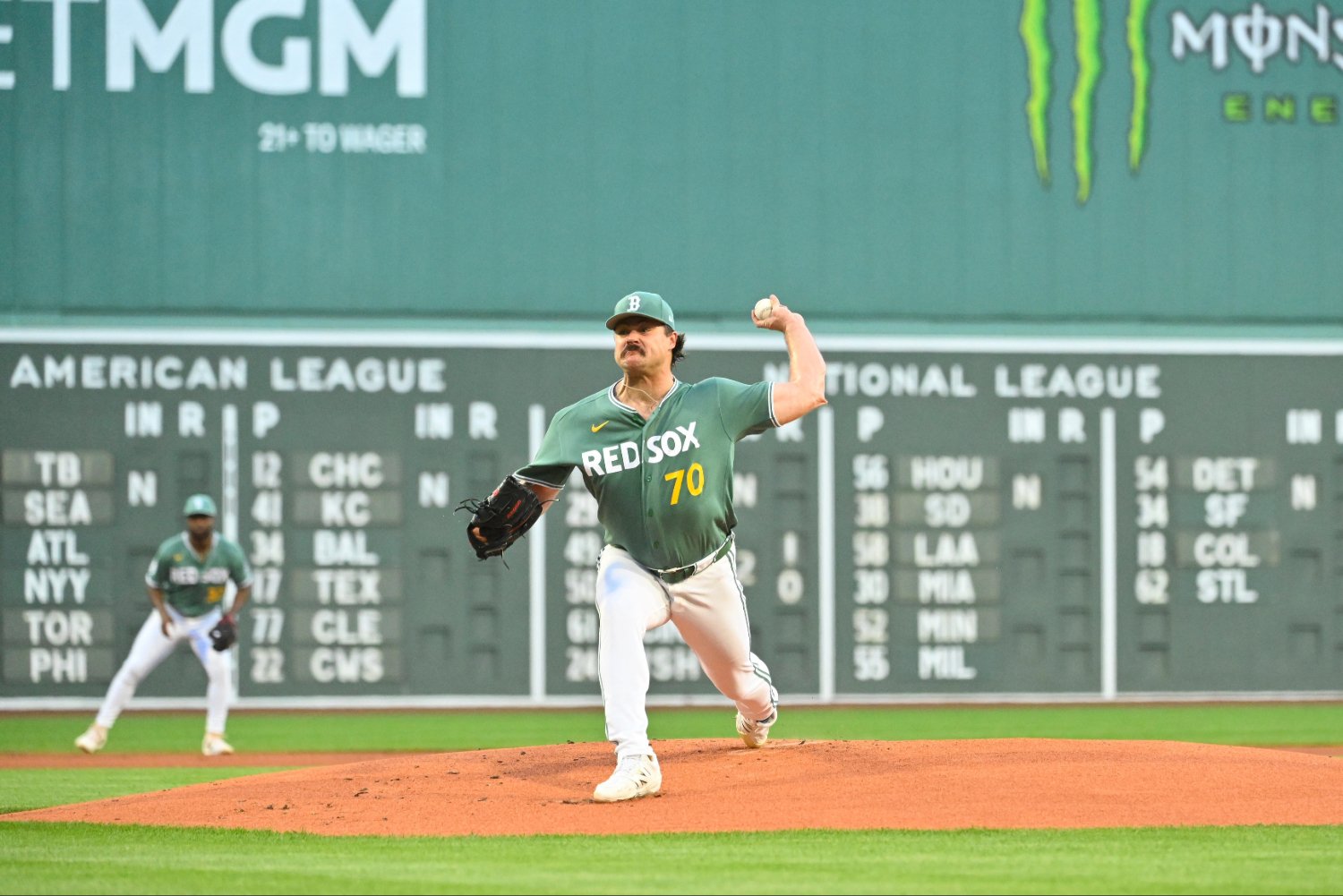 There is a visual trick in baseball that is often mistaken for luck or a hot streak: when a pitcher suddenly looks unhittable, it is rarely because his pitches are moving more. Often, it's because he has taken away the fractions of a second a hitter needs to process the pitch. For weeks, Payton Tolle was the definition of talent tied to his own sequencing mistakes. The towering left-hander had the arm and the imposing presence on the mound, but he kept giving away the initiative within the at-bat; he was falling behind in the count, getting himself into trouble and eventually having to rely on his sinker—a pitch opponents have punished to a .400 wOBA allowed this season—to try to get back into the zone. On August 7 against the Athletics, that self-destructive pattern was eliminated. Tolle faced 20 batters and threw 84 pitches. Over the entire game, he threw only eight pitches with the hitter ahead in the count. The impact of that aggression obviously alters a hitter's approach. When a starter does not give you a 1-0 or 2-0 count, he takes away the ability to patiently wait for a favorable offering. The instruction from the dugout to “wait for the fastball over the middle” becomes unworkable; the hitter stops selecting his zone and starts defending the plate from the very first pitch. By taking control of at-bats early, Tolle’s arsenal takes on a devastating dimension, especially against right-handed hitters, who make up the bulk of opposing lineups. As a left-handed pitcher, Tolle’s accumulated numbers against righties border on absurd: he owns a 32.7% K% (96th percentile in MLB), a 15.9% whiff rate (92nd percentile) and a .242 xwOBA (95th percentile). It is not a coincidence. His arsenal is built to tie up right-handed hitters through a combination of movement and velocity. That strategy begins with his release point. Tolle gets 7.4 feet of extension off the mound, putting him in the 98th percentile in the major leagues. When he fell behind in the count during his previous starts, hitters could tolerate that proximity, because the advantage created by his extension lost some of its effect when they could better anticipate the sequence. But once he got ahead in the count, Tolle increased the velocity of his four-seam fastball from his usual 95.5 mph average to a consistent peak of 98.2 mph. Two extra miles per hour, combined with a release point almost on top of the hitter, reduces the recognition window to a point where the swing comes purely out of self-preservation. And if they do make contact, the ball comes off harmlessly: in his last start, the average exit velocity on Tolle’s four-seamer with two strikes was just 77.4 mph. This is where the pièce de résistance comes into play, with a little something I like to call the "vertical finisher." With the hitter rushed in the box to keep up with 98 mph, Tolle introduces his curveball at 84.2 mph (2,502 RPM) from the same release window. The hitter recognizes the arm path, processes the fastball velocity and starts the bat through the zone. By the time the ball loses its lift and drops toward the ground, the swing is already irreversible. With two strikes against the Athletics, Tolle increased his curveball usage to 24.2% (eight pitches), and the result was absolute: a 100% whiff rate, producing five outright strikeouts (62.5% PutAway%). Add a 90.2 mph cutter that recorded a 75% whiff rate in that same situation, and the map of the at-bat is complete. Of the 14 strikeouts he recorded that day, 13 came through that three-level combination (98-mph high fastball / 90-mph cutter in on the hands / 84-mph curveball down). Baseball often looks for complicated explanations in biomechanics or revolutionary grips when a starter takes a leap forward. Payton Tolle’s reality is simpler and more direct: he shelved the inefficient sinker when he was behind, attacked the zone from pitch one, and used his extension to force hitters into committing early. Once you get a hitter swinging on reaction rather than a pre-planned approach, good results are sure to follow.
 -
There is something strange about Erik Miller's numbers. Right-handed hitters have trouble making contact against him. When they do, the ball leaves the bat at just 83.1 mph on average. Miller also generates a 35.6% whiff rate against them. And yet, one out of every five right-handed hitters he faces ends up reaching first base on a walk. How can a reliever have enough stuff to dominate a plate appearance while giving the hitter so many chances not to face him? I think that's the reason the Boston Red Sox bet on him at the trade deadline. Miller still has the tools that made him attractive in San Francisco. His sinker averages 96.9 mph and carries enough movement to attack a hitter's hands. Against left-handed hitters, the results are even more striking: a 34.8% strikeout rate, a 34.3% whiff rate and an average exit velocity of just 80.5 mph. When they do put the ball in play, 60.5% of that contact becomes a groundball. He just needs to find the same groove against righties. Earlier in his career, Miller relied much more heavily on his four-seam fastball (49.7% usage in 2024). In 2026, San Francisco transformed his arsenal: The four-seamer fell to a 9.0% usage rate, while the sinker climbed to 45.0% and the slider to 40.7%. The change makes sense. The sinker allows Miller to attack with velocity and downward movement, while the 86-mph slider gives him another look capable of generating swings and misses. In fact, it has produced an impressive 53.3% whiff rate. Left-handed hitters are obviously the ones directly punished by this pitch mix. A hard fastball that moves in and a sweeping breaker that runs away is a tough combination to deal with, and makes guessing at the plate the only real path toward success. Against a right-handed hitter, that equation changes. The slider no longer moves away from the hitter. It moves toward the plate, while the sinker retains its downward movement and runs toward the hitter's side. Miller still has two pitches capable of producing the result he wants. The key is getting the hitter to choose between them. That is where the problem emerges. Miller is getting the ball into the strike zone too infrequently against right-handed hitters. His Zone% falls to 36.9%. That allows the hitter to change the objective of the at-bat: Instead of deciding which pitch to attack, he can wait for Miller to find the strike he considers perfect enough to swing at. The numbers suggest the problem isn't that right-handed hitters have figured out how to hit his pitches. Miller still generates whiffs and keeps exit velocity down when they make contact. The problem is that he isn't always forcing them to make a decision. And that can change an entire plate appearance. A pitcher with a 96.9-mph sinker and a 115 Stuff+ can live with some contact in the zone if that contact looks like the kind Miller is already producing. A weak groundball can be a way of winning the at-bat. The problem comes when the search for the perfect pitch turns an advantage in stuff into an inability to throw strikes. That is where the Red Sox can make a difference. Andrew Bailey doesn't have to rebuild Miller's arsenal. But he does have to get the left-hander comfortable trusting what is already there. If the sinker can produce weak contact in the zone, the strike doesn't have to be perfect to be useful. And that could change the at-bat from the first pitch. That also helps explain why Miller's profile makes sense in Boston. His sinker has already produced a 53.3% groundball rate, and a reliever who can keep the ball on the ground can have a useful weapon at Fenway Park. But that advantage only exists if Miller allows his pitches to do their work in the strike zone. That is what makes this gamble so interesting. The tools are already there; the question is whether the Red Sox can turn them into a more complete weapon against hitters from both sides of the plate. If they do, the payoff will be huge, perhaps altering the outlook of the bullpen both now and in the future. View full article
-
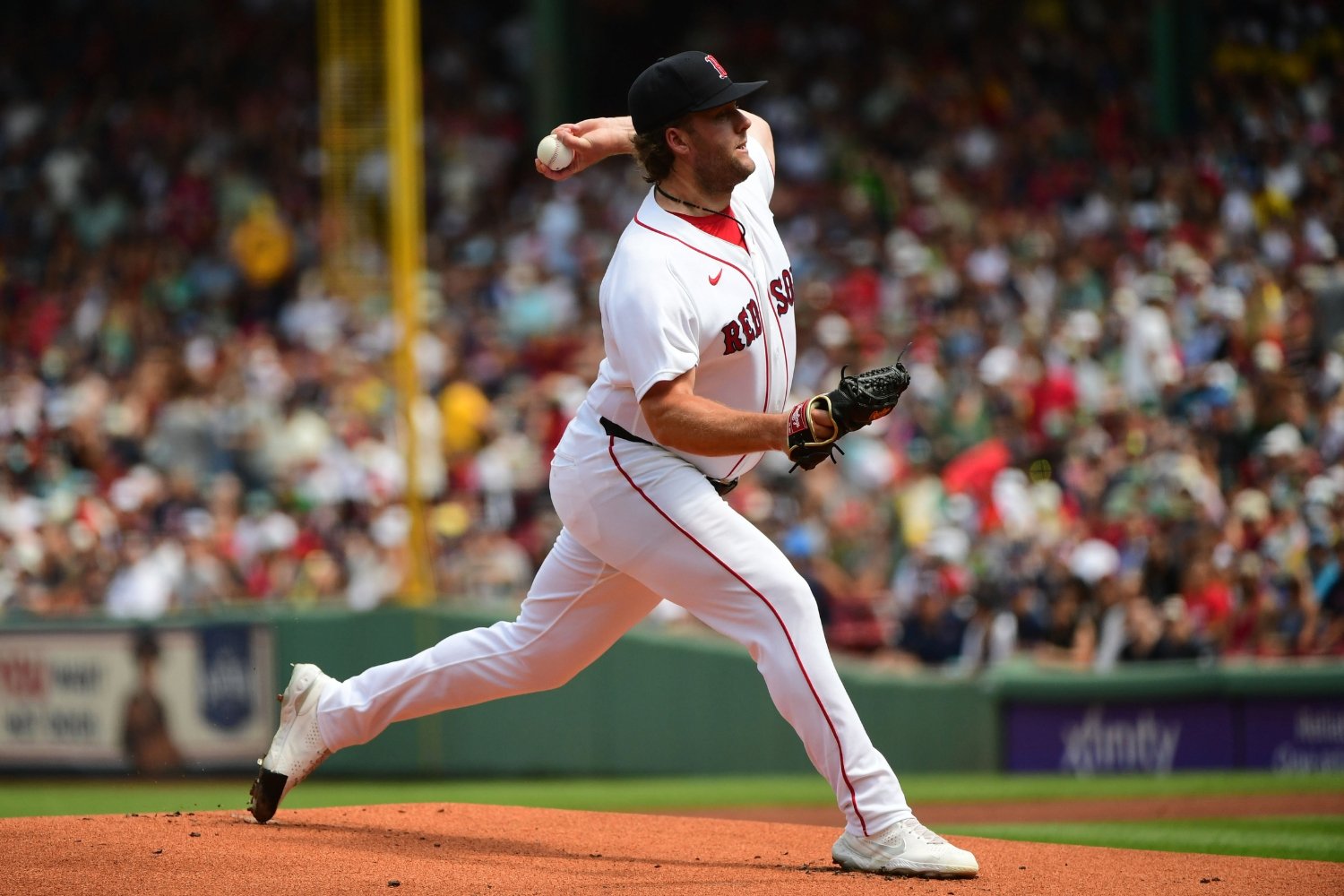 There is something strange about Erik Miller's numbers. Right-handed hitters have trouble making contact against him. When they do, the ball leaves the bat at just 83.1 mph on average. Miller also generates a 35.6% whiff rate against them. And yet, one out of every five right-handed hitters he faces ends up reaching first base on a walk. How can a reliever have enough stuff to dominate a plate appearance while giving the hitter so many chances not to face him? I think that's the reason the Boston Red Sox bet on him at the trade deadline. Miller still has the tools that made him attractive in San Francisco. His sinker averages 96.9 mph and carries enough movement to attack a hitter's hands. Against left-handed hitters, the results are even more striking: a 34.8% strikeout rate, a 34.3% whiff rate and an average exit velocity of just 80.5 mph. When they do put the ball in play, 60.5% of that contact becomes a groundball. He just needs to find the same groove against righties. Earlier in his career, Miller relied much more heavily on his four-seam fastball (49.7% usage in 2024). In 2026, San Francisco transformed his arsenal: The four-seamer fell to a 9.0% usage rate, while the sinker climbed to 45.0% and the slider to 40.7%. The change makes sense. The sinker allows Miller to attack with velocity and downward movement, while the 86-mph slider gives him another look capable of generating swings and misses. In fact, it has produced an impressive 53.3% whiff rate. Left-handed hitters are obviously the ones directly punished by this pitch mix. A hard fastball that moves in and a sweeping breaker that runs away is a tough combination to deal with, and makes guessing at the plate the only real path toward success. Against a right-handed hitter, that equation changes. The slider no longer moves away from the hitter. It moves toward the plate, while the sinker retains its downward movement and runs toward the hitter's side. Miller still has two pitches capable of producing the result he wants. The key is getting the hitter to choose between them. That is where the problem emerges. Miller is getting the ball into the strike zone too infrequently against right-handed hitters. His Zone% falls to 36.9%. That allows the hitter to change the objective of the at-bat: Instead of deciding which pitch to attack, he can wait for Miller to find the strike he considers perfect enough to swing at. The numbers suggest the problem isn't that right-handed hitters have figured out how to hit his pitches. Miller still generates whiffs and keeps exit velocity down when they make contact. The problem is that he isn't always forcing them to make a decision. And that can change an entire plate appearance. A pitcher with a 96.9-mph sinker and a 115 Stuff+ can live with some contact in the zone if that contact looks like the kind Miller is already producing. A weak groundball can be a way of winning the at-bat. The problem comes when the search for the perfect pitch turns an advantage in stuff into an inability to throw strikes. That is where the Red Sox can make a difference. Andrew Bailey doesn't have to rebuild Miller's arsenal. But he does have to get the left-hander comfortable trusting what is already there. If the sinker can produce weak contact in the zone, the strike doesn't have to be perfect to be useful. And that could change the at-bat from the first pitch. That also helps explain why Miller's profile makes sense in Boston. His sinker has already produced a 53.3% groundball rate, and a reliever who can keep the ball on the ground can have a useful weapon at Fenway Park. But that advantage only exists if Miller allows his pitches to do their work in the strike zone. That is what makes this gamble so interesting. The tools are already there; the question is whether the Red Sox can turn them into a more complete weapon against hitters from both sides of the plate. If they do, the payoff will be huge, perhaps altering the outlook of the bullpen both now and in the future.