


Jack Lindsay
-
Posts
73 -
Joined
-
Last visited
Jack Lindsay's Achievements


-
 Juju reacted to a post in a topic:
Red Sox Select Jace Mataczynski No. 96 Overall in the 2026 MLB Draft
Juju reacted to a post in a topic:
Red Sox Select Jace Mataczynski No. 96 Overall in the 2026 MLB Draft
-
Juju reacted to a rumor:
Red Sox DFA Danny Coulombe on Day 1 of MLB Draft
-
Juju reacted to a post in a topic:
Analyzing Every Boston Red Sox Rounds 6-10 Draft Pick In 2026 MLB Draft
-
 Juju reacted to an article:
2026 Boston Red Sox MLB Draft Day 2 Thread
Juju reacted to an article:
2026 Boston Red Sox MLB Draft Day 2 Thread
-
The Boston Red Sox did not make a crazy splash in day one of the 2026 MLB Draft, going under-slot with Jake Schaffner or right on it with Owen Hull and Jace Mataczynski. It was off-brand seeing the Red Sox prioritize the offensive side of things after the first two drafts under Breslow's tenure being incredibly pitcher focused. We now see a shift back to the norm in Rounds 6-10, as they attacked high-extension pitchers while making a huge splash in the ninth round, selecting a prep prospect we at DiamondCentric had in the top 100 of our consensus mock draft board. Below you can find more analysis on the players selected in rounds 6-10 of the draft on Sunday. Round 6: Brett Lanman, LHP, Abilene Christian University Lanman fits the typical Red Sox desired pitcher build, standing at 6'5 and getting good extension off the mound. However, his numbers in his junior season won't jump out with a 5.35 ERA and a 1.40 WHIP. His 24.1% strikeout rate was sixth in the Western Athletic Conference and first on ACU, but he'll need to work on reducing his walk rate to have a chance at impacting the major leagues. According to Baseball America, Lanman sits in the low 90s with his fast and will occasionally touch 95, while also mixing in a cutter/slider, a changeup, and the occasional curveball. Lanman is a clear project pitcher for the Red Sox, but they have been able to thrive developing pitchers with his physical traits. Round 7: Kide Adetuyi LHP, Florida Atlantic University Once again, the Red Sox select a collegiate left-handed pitcher that can generate elite extension. Adetuyi stands much shorter than the aforementioned Lanman at only 6'1, but he still can get almost seven feet down the mound despite some perceived physical limitations. Adetuyi pitched 73 innings last season with a 4.19 ERA and a 1.27 WHIP. His 27.5% K% was third in the American Athletic Conference and led the Owls. Baseball America describes his motion as a "low slot" with some "funk and crossfire" and he comes with a filthy sweeper that generates 2700 RPMs with almost a foot of glove-side movement. Adetuyi was ranked 442nd on Baseball America's big board. Round 8: Josh Volmerding, LHP, California Polytechnic State University Similarly to Red Sox sixth-round pick Brett Lanman, Volmerding stands at 6'4, 200 lbs. He pitched to the tune of a 6.51 ERA with a 1.55 WHIP. He gets up to 95 mph on his fastball and in 2026 he set a new career-high in strikeout rate, getting to 24.2% in 27.2 innings of work. His FIP was significantly lower than his ERA at 3.89. It's also worth noting he dealt with a knee issue this season, which cut his year short. Round 9: Martin Shelar, OF, Marist HS (GA) Finally, the Red Sox show us where all the slot money was headed. Martin Shelar is a significantly over-slot selection by the Red Sox, projected 71st on our consensus mock board while being selected 274th. Our Jamie Cameron says of the selection: "Shelar is a prep outfielder out of Georgia with some of the best athleticism in the class. It's likely he commands a big bonus in July. If it's not met, he's currently committed to Mississippi State. Shelar's swing divides opinions — it can get steep at times, with a two stage stride that may have to be tweaked as a pro, but there's no denying the results. This is some of the best bat speed and raw power on the prep side in 2026, and despite the unconventional swing, he continues to find the barrel plenty, alleviating concerns around his hit tool. There's good speed and an above-average arm in this profile too, so Shelar has more value to add than simply raw pop. He's a prototypical (compliment) high school corner outfield prospect with a shot at becoming a 25-25 player as a pro if it all clicks." One has to assume the Red Sox and Shelar are in agreement on the financial side of things. Deals have rarely fallen through this early in the draft in recent years. This is a huge splash for Boston and one that fans should be seriously excited about. Round 10: Kaleb LaFavor, RHP, Bishop Heelan HS (IA) Yet again another giant at pitcher, this time in the form of 6-foot-6 Kaleb LaFavor. According to Baseball America, LaFavor sits in the low-90s with his fastball and occasionally touches 95, but given his height and frame, his velocity could spike as he continues to mature. He also possesses a slider, changeup and mixes in the occasional cutter. LaFavor is currently committed to Iowa. Stay locked in on Talk Sox as we cover the remainder of the 2026 MLB Draft! View full article
-
- 1
-
-
- kaleb lafavor
- martin shelar
- (and 4 more)
-
Analyzing Every Boston Red Sox Rounds 6-10 Draft Pick In 2026 MLB Draft
Jack Lindsay posted an article in MLB Draft
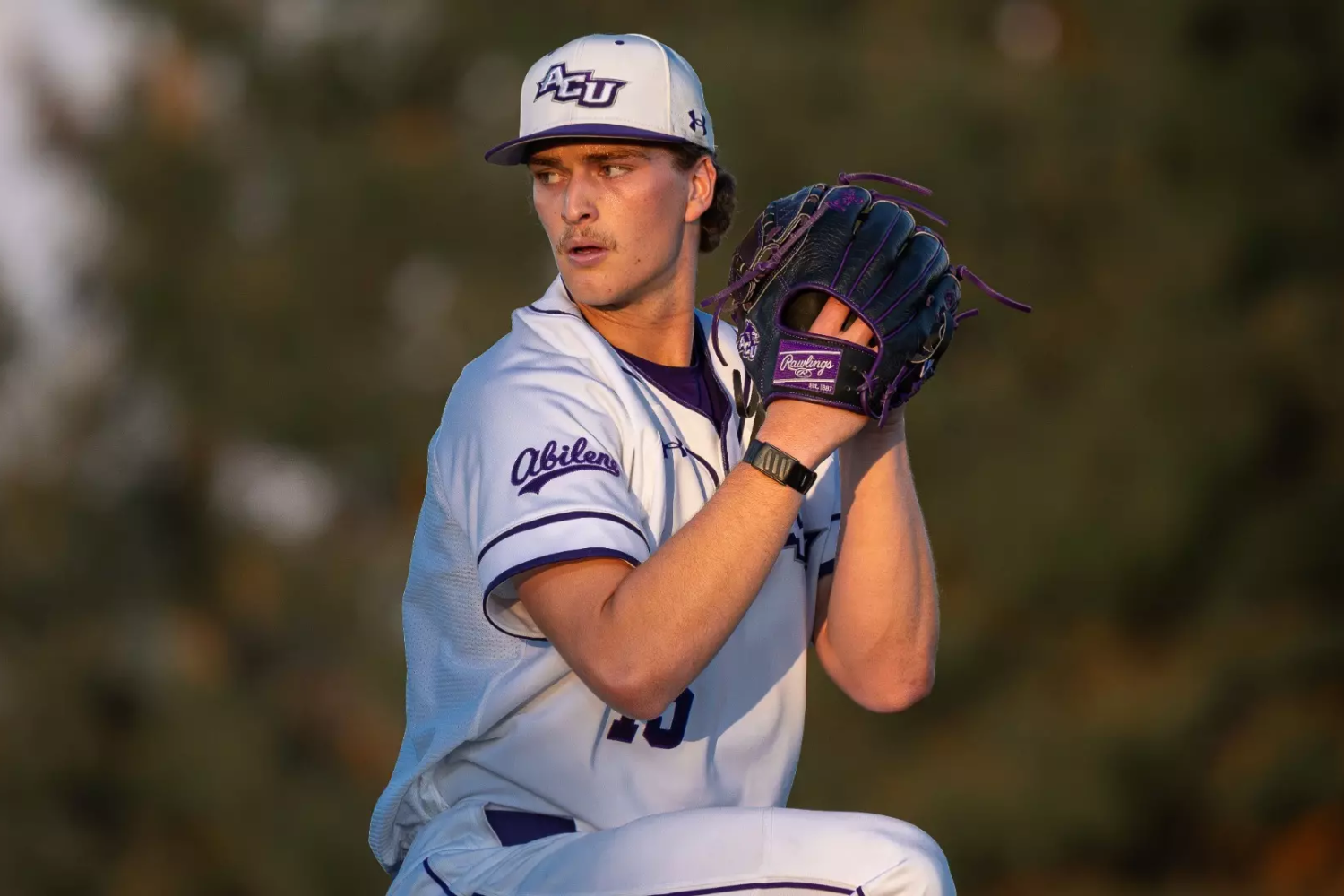 The Boston Red Sox did not make a crazy splash in day one of the 2026 MLB Draft, going under-slot with Jake Schaffner or right on it with Owen Hull and Jace Mataczynski. It was off-brand seeing the Red Sox prioritize the offensive side of things after the first two drafts under Breslow's tenure being incredibly pitcher focused. We now see a shift back to the norm in Rounds 6-10, as they attacked high-extension pitchers while making a huge splash in the ninth round, selecting a prep prospect we at DiamondCentric had in the top 100 of our consensus mock draft board. Below you can find more analysis on the players selected in rounds 6-10 of the draft on Sunday. Round 6: Brett Lanman, LHP, Abilene Christian University Lanman fits the typical Red Sox desired pitcher build, standing at 6'5 and getting good extension off the mound. However, his numbers in his junior season won't jump out with a 5.35 ERA and a 1.40 WHIP. His 24.1% strikeout rate was sixth in the Western Athletic Conference and first on ACU, but he'll need to work on reducing his walk rate to have a chance at impacting the major leagues. According to Baseball America, Lanman sits in the low 90s with his fast and will occasionally touch 95, while also mixing in a cutter/slider, a changeup, and the occasional curveball. Lanman is a clear project pitcher for the Red Sox, but they have been able to thrive developing pitchers with his physical traits. Round 7: Kide Adetuyi LHP, Florida Atlantic University Once again, the Red Sox select a collegiate left-handed pitcher that can generate elite extension. Adetuyi stands much shorter than the aforementioned Lanman at only 6'1, but he still can get almost seven feet down the mound despite some perceived physical limitations. Adetuyi pitched 73 innings last season with a 4.19 ERA and a 1.27 WHIP. His 27.5% K% was third in the American Athletic Conference and led the Owls. Baseball America describes his motion as a "low slot" with some "funk and crossfire" and he comes with a filthy sweeper that generates 2700 RPMs with almost a foot of glove-side movement. Adetuyi was ranked 442nd on Baseball America's big board. Round 8: Josh Volmerding, LHP, California Polytechnic State University Similarly to Red Sox sixth-round pick Brett Lanman, Volmerding stands at 6'4, 200 lbs. He pitched to the tune of a 6.51 ERA with a 1.55 WHIP. He gets up to 95 mph on his fastball and in 2026 he set a new career-high in strikeout rate, getting to 24.2% in 27.2 innings of work. His FIP was significantly lower than his ERA at 3.89. It's also worth noting he dealt with a knee issue this season, which cut his year short. Round 9: Martin Shelar, OF, Marist HS (GA) Finally, the Red Sox show us where all the slot money was headed. Martin Shelar is a significantly over-slot selection by the Red Sox, projected 71st on our consensus mock board while being selected 274th. Our Jamie Cameron says of the selection: "Shelar is a prep outfielder out of Georgia with some of the best athleticism in the class. It's likely he commands a big bonus in July. If it's not met, he's currently committed to Mississippi State. Shelar's swing divides opinions — it can get steep at times, with a two stage stride that may have to be tweaked as a pro, but there's no denying the results. This is some of the best bat speed and raw power on the prep side in 2026, and despite the unconventional swing, he continues to find the barrel plenty, alleviating concerns around his hit tool. There's good speed and an above-average arm in this profile too, so Shelar has more value to add than simply raw pop. He's a prototypical (compliment) high school corner outfield prospect with a shot at becoming a 25-25 player as a pro if it all clicks." One has to assume the Red Sox and Shelar are in agreement on the financial side of things. Deals have rarely fallen through this early in the draft in recent years. This is a huge splash for Boston and one that fans should be seriously excited about. Round 10: Kaleb LaFavor, RHP, Bishop Heelan HS (IA) Yet again another giant at pitcher, this time in the form of 6-foot-6 Kaleb LaFavor. According to Baseball America, LaFavor sits in the low-90s with his fastball and occasionally touches 95, but given his height and frame, his velocity could spike as he continues to mature. He also possesses a slider, changeup and mixes in the occasional cutter. LaFavor is currently committed to Iowa. Stay locked in on Talk Sox as we cover the remainder of the 2026 MLB Draft!
 -
Jack Lindsay reacted to a post in a topic:
2026 Boston Red Sox MLB Draft Day 2 Thread
-
Jack Lindsay reacted to a post in a topic:
2026 Boston Red Sox MLB Draft Day 2 Thread
-
 The 2026 MLB Draft will again feature just 20 rounds. The final 16 rounds (from Rounds 5-20) will happen later today, beginning at 11:30am EST. You can catch it live on MLB Network and MLB.com. After selecting three players during the first day of the draft, the Red Sox will make 16 picks on Sunday: 156th overall (Round 5) 185th overall (Round 6) 215th overall (Round 7) Following Round 5, the Red Sox will pick 20th in every round for the remainder of the draft. Thus, their draft position is as follows: 185, 215, 245, 275, etc. Baseball is incredibly unique in the ways that address draft picks. Each team has its bonus pool which is assigned by MLB in the spring based off of league-wide revenue the previous season. Along with that, each draft pick is assigned its own slot value, which is essentially the expected cost to sign a player at that spot. Teams don't have to follow that number exactly, which is why you see teams sign players or over or under slot values. For example, in last years draft, the Los Angeles Angles had the 2nd overall selection which was valued at $10,252,700 but ultimately ended up signing their selection Tyler Bremner for only $7,689,525, nearly $3 million below the projected value of the selection. Teams can then use the money they save at the top half of the draft to lure better players with more bonus money later on in the draft. The Red Sox have $8,219,200 to play with in this year's draft, the eighth-lowest pool, with the slot value of their 20th overall pick coming in at $4,373,900. Another note regarding slot money from Baseball America: "In the MLB draft, each pick inside the first 10 rounds comes with assigned slot values. The sum of those slot values creates each team’s bonus pool. From rounds 11-20, players can sign for up to $150,000 without counting towards the bonus pool. Anything beyond that value does count towards the pool. Teams are free to sign players for more than an assigned slot value or less than an assigned slot value, though going over a bonus pool comes with penalties." It's also worth noting that with the CBA expiring this offseason and the MLB's proposal to change the draft format, this likely the last time we see the draft in the format we see it in today. Here's a brief recap of yesterday's draft picks with hyperlinks to our articles breaking down the selections in greater depth: 20th overall: Jake Schaffner SS, UNC The Red Sox's first selection in the 2026 draft in Schaffner was an under-slot, defense-and-contact-first shortstop out of the University of North Carolina. Schaffner was ranked 69 in our mock draft consensus board but provides some exciting bat-to-ball skills that play well above his age. The Red Sox's Amateur Scouting Director said of Schaffner to Alex Speier: "His offensive skillset aligns very well with our player development group. We’re confident he’ll be able to thrive in our system while playing strong defense at shortstop." To that point, Schaffner was the lowest-ranked prospect selected, so we should assume the Red Sox plan on spending that saved money elsewhere, though that remains to be seen. 67th overall: Owen Hull OF, UNC With the next selection, they went out and selected Schaffner's teammate and best friend Owen Hull. Standing at 6'4, 215, Hull provides some needed pop within the current iteration of the Red Sox farm system. Hull was ranked 71st in our mock draft consensus board and according to our Jamie Cameron, Hull "has a chance to stick in center with plus speed". 96th overall: Jace Mataczynski SS, Hudson High School (WI) The Red Sox's final selection on Day One was 18-year-old Jace Mataczynski. By all accounts, Mataczynski is much more of a development project than the first two selections in Schaffner and Hull. He's ranked 108th in our mock draft consensus board. Mataczynski possesses some exciting tools as an athlete which elevate his ceiling but according to Jamie Cameron his swing leaves something to be desired saying, "At the plate, it’s a right-handed swing that could still stand to add a touch more refinement." Mataczynski is currently committed to Auburn so the Red Sox will need to get him enough of a signing bonus to justify choosing professional baseball. We here at Talk Sox will continue to feature the Red Sox Draft Tracker, which will be kept up-to-date, not just as the draft happens, but also as we learn about the signing bonuses for each draft pick throughout the signing period. Thanks for joining us during one of the most exciting times of the season and keep coming back for updates!
 -
The 2026 MLB Draft will again feature just 20 rounds. The final 16 rounds (from Rounds 5-20) will happen later today, beginning at 11:30am EST. You can catch it live on MLB Network and MLB.com. After selecting three players during the first day of the draft, the Red Sox will make 16 picks on Sunday: 156th overall (Round 5) 185th overall (Round 6) 215th overall (Round 7) Following Round 5, the Red Sox will pick 20th in every round for the remainder of the draft. Thus, their draft position is as follows: 185, 215, 245, 275, etc. Baseball is incredibly unique in the ways that address draft picks. Each team has its bonus pool which is assigned by MLB in the spring based off of league-wide revenue the previous season. Along with that, each draft pick is assigned its own slot value, which is essentially the expected cost to sign a player at that spot. Teams don't have to follow that number exactly, which is why you see teams sign players or over or under slot values. For example, in last years draft, the Los Angeles Angles had the 2nd overall selection which was valued at $10,252,700 but ultimately ended up signing their selection Tyler Bremner for only $7,689,525, nearly $3 million below the projected value of the selection. Teams can then use the money they save at the top half of the draft to lure better players with more bonus money later on in the draft. The Red Sox have $8,219,200 to play with in this year's draft, the eighth-lowest pool, with the slot value of their 20th overall pick coming in at $4,373,900. Another note regarding slot money from Baseball America: "In the MLB draft, each pick inside the first 10 rounds comes with assigned slot values. The sum of those slot values creates each team’s bonus pool. From rounds 11-20, players can sign for up to $150,000 without counting towards the bonus pool. Anything beyond that value does count towards the pool. Teams are free to sign players for more than an assigned slot value or less than an assigned slot value, though going over a bonus pool comes with penalties." It's also worth noting that with the CBA expiring this offseason and the MLB's proposal to change the draft format, this likely the last time we see the draft in the format we see it in today. Here's a brief recap of yesterday's draft picks with hyperlinks to our articles breaking down the selections in greater depth: 20th overall: Jake Schaffner SS, UNC The Red Sox's first selection in the 2026 draft in Schaffner was an under-slot, defense-and-contact-first shortstop out of the University of North Carolina. Schaffner was ranked 69 in our mock draft consensus board but provides some exciting bat-to-ball skills that play well above his age. The Red Sox's Amateur Scouting Director said of Schaffner to Alex Speier: "His offensive skillset aligns very well with our player development group. We’re confident he’ll be able to thrive in our system while playing strong defense at shortstop." To that point, Schaffner was the lowest-ranked prospect selected, so we should assume the Red Sox plan on spending that saved money elsewhere, though that remains to be seen. 67th overall: Owen Hull OF, UNC With the next selection, they went out and selected Schaffner's teammate and best friend Owen Hull. Standing at 6'4, 215, Hull provides some needed pop within the current iteration of the Red Sox farm system. Hull was ranked 71st in our mock draft consensus board and according to our Jamie Cameron, Hull "has a chance to stick in center with plus speed". 96th overall: Jace Mataczynski SS, Hudson High School (WI) The Red Sox's final selection on Day One was 18-year-old Jace Mataczynski. By all accounts, Mataczynski is much more of a development project than the first two selections in Schaffner and Hull. He's ranked 108th in our mock draft consensus board. Mataczynski possesses some exciting tools as an athlete which elevate his ceiling but according to Jamie Cameron his swing leaves something to be desired saying, "At the plate, it’s a right-handed swing that could still stand to add a touch more refinement." Mataczynski is currently committed to Auburn so the Red Sox will need to get him enough of a signing bonus to justify choosing professional baseball. We here at Talk Sox will continue to feature the Red Sox Draft Tracker, which will be kept up-to-date, not just as the draft happens, but also as we learn about the signing bonuses for each draft pick throughout the signing period. Thanks for joining us during one of the most exciting times of the season and keep coming back for updates! View full article
-
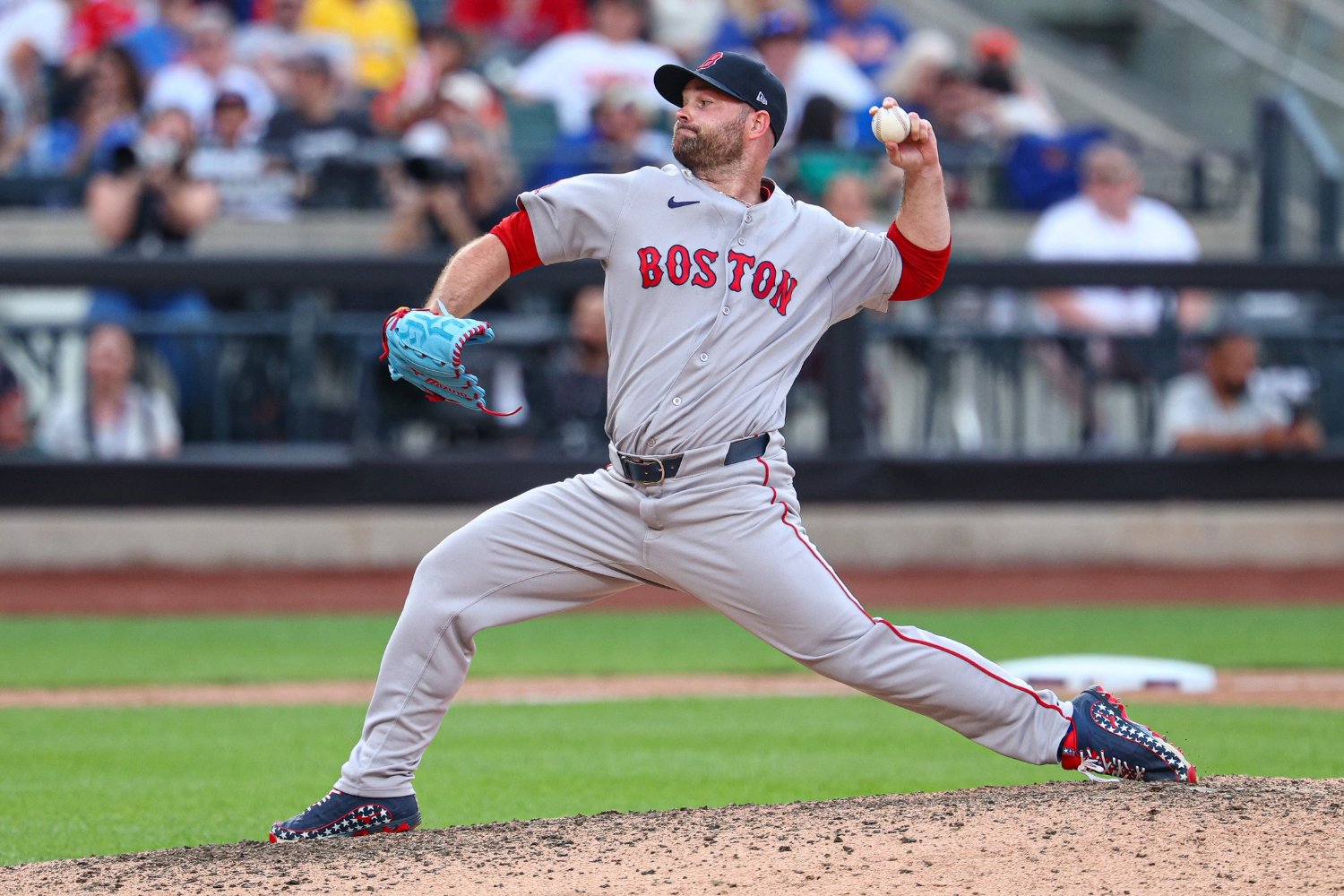 The Boston Red Sox have designated left-handed reliever Danny Coulombe for assignment on Saturday after he went two innings against the Mets and walked three. Coulombe struggled through the 2026 season producing a 4.95 ERA in 20 innings of work with a 1.50 WHIP and an 11.4% strikeout rate versus a bloated 13.6% walk rate. The underlying numbers backed up his performance this season, as he produced a 4.71 FIP and a 5.91 SIERA. Coulombe was brought in as lefty help in the spring, with only closer Aroldis Chapman profiling as a legitimate left-handed option, but he did not meet the expectations set for him. One interesting note from Chris Cotillo, who broke the DFA news: So it seems that beyond his play this season, there was legitimate financial incentive for the Red Sox to make this move. No corresponding transaction has been announced yet.
 -
The Boston Red Sox have designated left-handed reliever Danny Coulombe for assignment on Saturday after he went two innings against the Mets and walked three. Coulombe struggled through the 2026 season producing a 4.95 ERA in 20 innings of work with a 1.50 WHIP and an 11.4% strikeout rate versus a bloated 13.6% walk rate. The underlying numbers backed up his performance this season, as he produced a 4.71 FIP and a 5.91 SIERA. Coulombe was brought in as lefty help in the spring, with only closer Aroldis Chapman profiling as a legitimate left-handed option, but he did not meet the expectations set for him. One interesting note from Chris Cotillo, who broke the DFA news: So it seems that beyond his play this season, there was legitimate financial incentive for the Red Sox to make this move. No corresponding transaction has been announced yet. View full rumor
-
Brandon Glick reacted to a rumor:
Red Sox Select Jace Mataczynski No. 96 Overall in the 2026 MLB Draft
-
The Red Sox selected Jace Mataczynski with the No. 96 overall pick in the 2026 MLB Draft. Jace Mataczynski is a shortstop at Hudson High School in Wisconsin, coming in at 6'3, 190 lbs. The slot value for the pick is $815,700. He was ranked 108 on our MLB Draft Consensus Board. Mataczynski is currently committed to the University of Auburn and will have to be talked out of that commitment in order to sign with Boston. Here’s what our write-up of Jace Mataczynski by Jamie Cameron has to say: "Jace Mataczynski, like many cold-weather prospects, exploded onto the scene in a hurry and has remained in the cross hairs of the scouting community ever since. The Auburn commit out of Wisconsin displays premium athleticism and twitch, present in both his offensive and defensive profiles. At the plate, it’s a right handed swing that could still stand to add a touch more refinement. He starts in a wide base with a higher handset, close to his ear. From there it’s a drift back into his load before a small jabbing step into his swing. Mataczynski’s wide base helps him get into his legs well and there’s plenty of present bat speed. I’d envision some of the mechanical rawness working itself out via his impressive athleticism. Defensively, he has a good chance to stick at short. He’s a fluid mover with smooth actions and a decisive first step. His hands are soft and there’s a really quick arm there, too (he’s been clocked up to 98 mph in the infield). This is the type of talent, and twitch that can end up looking like a draft steal. If Mataczynski’s offensive game continues to trend in the right direction, he’ll check most of the boxes you’re looking for in a projection-reliant shortstop profile." View full rumor
-
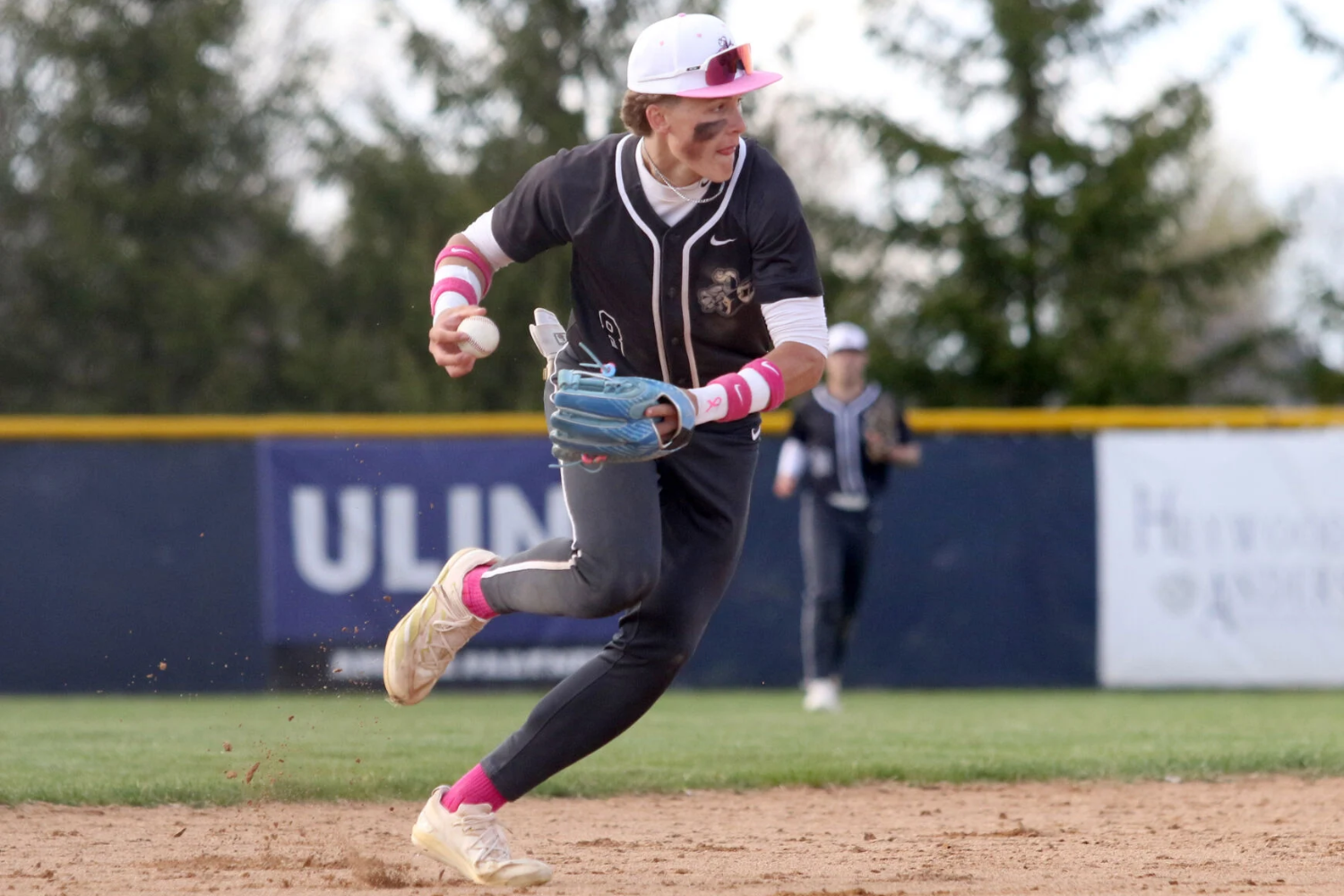 The Red Sox selected Jace Mataczynski with the No. 96 overall pick in the 2026 MLB Draft. Jace Mataczynski is a shortstop at Hudson High School in Wisconsin, coming in at 6'3, 190 lbs. The slot value for the pick is $815,700. He was ranked 108 on our MLB Draft Consensus Board. Mataczynski is currently committed to the University of Auburn and will have to be talked out of that commitment in order to sign with Boston. Here’s what our write-up of Jace Mataczynski by Jamie Cameron has to say: "Jace Mataczynski, like many cold-weather prospects, exploded onto the scene in a hurry and has remained in the cross hairs of the scouting community ever since. The Auburn commit out of Wisconsin displays premium athleticism and twitch, present in both his offensive and defensive profiles. At the plate, it’s a right handed swing that could still stand to add a touch more refinement. He starts in a wide base with a higher handset, close to his ear. From there it’s a drift back into his load before a small jabbing step into his swing. Mataczynski’s wide base helps him get into his legs well and there’s plenty of present bat speed. I’d envision some of the mechanical rawness working itself out via his impressive athleticism. Defensively, he has a good chance to stick at short. He’s a fluid mover with smooth actions and a decisive first step. His hands are soft and there’s a really quick arm there, too (he’s been clocked up to 98 mph in the infield). This is the type of talent, and twitch that can end up looking like a draft steal. If Mataczynski’s offensive game continues to trend in the right direction, he’ll check most of the boxes you’re looking for in a projection-reliant shortstop profile."
 -
Jack Lindsay reacted to a post in a topic:
2026 Boston Red Sox MLB Draft Day 1 Thread
-
They seem to have a particular affinity for SEC arms in the past few drafts. Personally hoping we branch out a bit more and get a Bo Lowrance or Ace Reese-type if he falls in the draft.
-
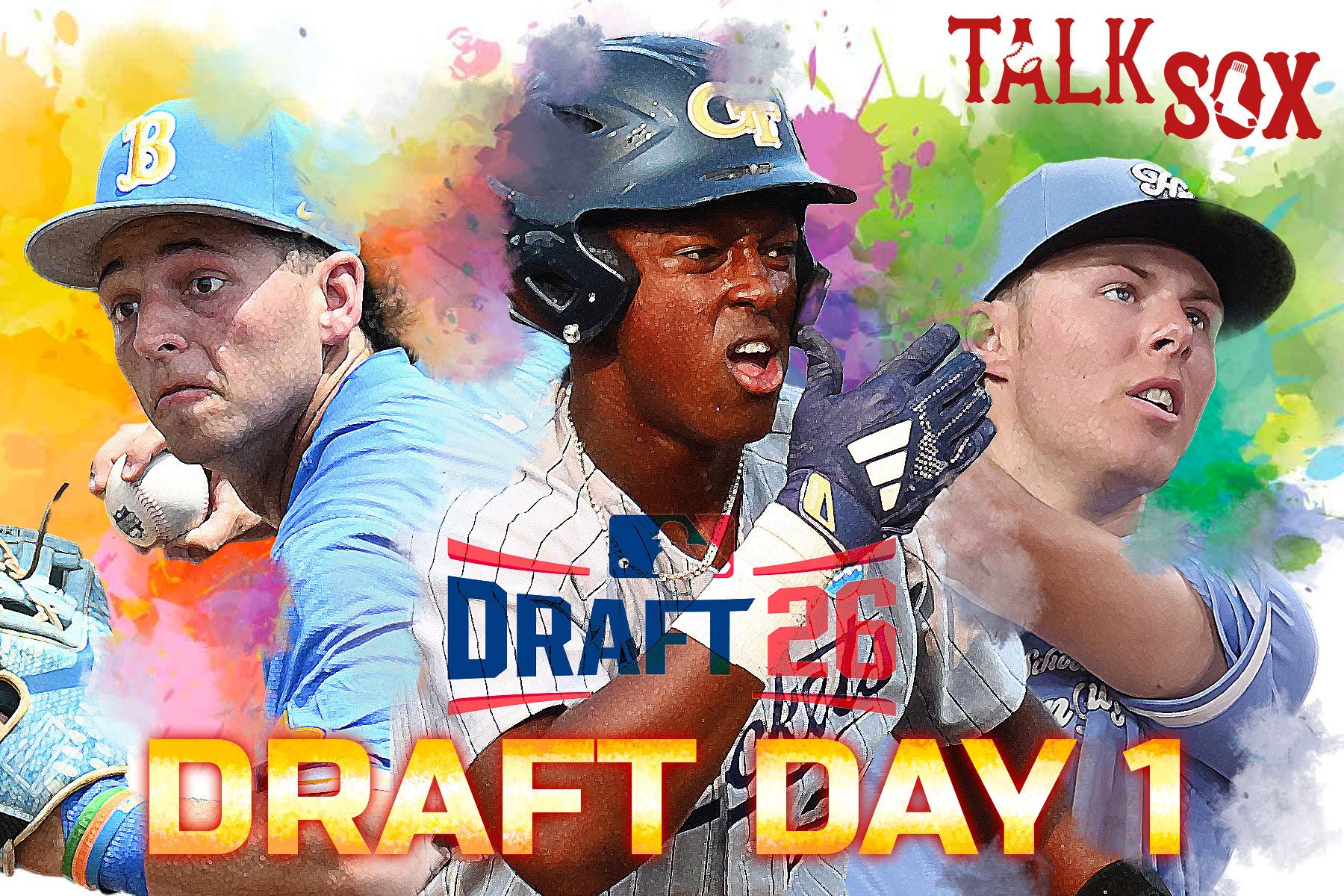 The 2026 MLB Draft will feature 20 round draft and like last season, festivities will take place over the course of two days. Rounds 1-4 will take place from 1:00 PM - 7:45 PM E.T. on Saturday , and then rounds 5-20 will be all day Sunday from 11:30 AM - 7:30 E.T. Day one is split into three sections with picks 1-10 being broadcast on NBC/Peacock only. Picks 11-40 will be on MLB Network and the remainder of the draft will be on MLB.TV. The entirety of the draft Sunday will be on MLB TV, MLB.com, or MLB+. The Boston Red Sox will make three selections on day one of the draft. 20th Overall (Round 1) 67th Overall (Competitive Balance Round B) [Acquired in trade: Caleb Durbin, Andruw Monasterio, and Anthony Seigler for Kyle Harrison, Shane Drohan, and David Hamilton with Milwaukee Brewers] 96th Overall (Round 3) The Red Sox forfeited their second and fifth-highest selections, as well as $1 million in draft pool money, in this years' draft after they signed Ranger Suarez to a five-year, $130 million contract. This is due to Suárez being offered the qualifying offer by the Philadelphia Phillies. Per the MLB rules, the Red Sox had to forfeit those picks because they eclipsed the $241 million Competitive Balance Tax Threshold. Baseball is incredibly unique in the ways that address draft picks. Each team has its bonus pool which is assigned by MLB in the spring based off of league-wide revenue the previous season. Along with that, each draft pick is assigned its own slot value, which is essentially the expected cost to sign a player at that spot. Teams don't have to follow that number exactly, which is why you see teams sign players or over or under slot values. For example, in last years draft, the Los Angeles Angles had the 2nd overall selection which was valued at $10,252,700 but ultimately ended up signing their selection Tyler Bremner for only $7,689,525, nearly $3 million below the projected value of the selection. Teams can then use the money they save at the top half of the draft to lure better players with more bonus money later on in the draft. The Red Sox have $8,219,200 to play with in this year's draft, the eighth-lowest pool, with the slot value of their 20th overall pick coming in at $4,373,900. Another note regarding slot money from Baseball America: "In the MLB draft, each pick inside the first 10 rounds comes with assigned slot values. The sum of those slot values creates each team’s bonus pool. From rounds 11-20, players can sign for up to $150,000 without counting towards the bonus pool. Anything beyond that value does count towards the pool. Teams are free to sign players for more than an assigned slot value or less than an assigned slot value, though going over a bonus pool comes with penalties." It's also worth noting that with the CBA expiring this offseason and the MLB's proposal to change the draft format, this likely the last time we see the draft in the format we see it in today. We here at Talk Sox will continue to feature the Red Sox Draft Tracker, which will be kept up-to-date, not just as the draft happens, but also as we learn about the signing bonuses for each draft pick throughout the signing period. Thanks for joining us during one of the most exciting times of the season and keep coming back for updates!
 -
The 2026 MLB Draft will feature 20 round draft and like last season, festivities will take place over the course of two days. Rounds 1-4 will take place from 1:00 PM - 7:45 PM E.T. on Saturday , and then rounds 5-20 will be all day Sunday from 11:30 AM - 7:30 E.T. Day one is split into three sections with picks 1-10 being broadcast on NBC/Peacock only. Picks 11-40 will be on MLB Network and the remainder of the draft will be on MLB.TV. The entirety of the draft Sunday will be on MLB TV, MLB.com, or MLB+. The Boston Red Sox will make three selections on day one of the draft. 20th Overall (Round 1) 67th Overall (Competitive Balance Round B) [Acquired in trade: Caleb Durbin, Andruw Monasterio, and Anthony Seigler for Kyle Harrison, Shane Drohan, and David Hamilton with Milwaukee Brewers] 96th Overall (Round 3) The Red Sox forfeited their second and fifth-highest selections, as well as $1 million in draft pool money, in this years' draft after they signed Ranger Suarez to a five-year, $130 million contract. This is due to Suárez being offered the qualifying offer by the Philadelphia Phillies. Per the MLB rules, the Red Sox had to forfeit those picks because they eclipsed the $241 million Competitive Balance Tax Threshold. Baseball is incredibly unique in the ways that address draft picks. Each team has its bonus pool which is assigned by MLB in the spring based off of league-wide revenue the previous season. Along with that, each draft pick is assigned its own slot value, which is essentially the expected cost to sign a player at that spot. Teams don't have to follow that number exactly, which is why you see teams sign players or over or under slot values. For example, in last years draft, the Los Angeles Angles had the 2nd overall selection which was valued at $10,252,700 but ultimately ended up signing their selection Tyler Bremner for only $7,689,525, nearly $3 million below the projected value of the selection. Teams can then use the money they save at the top half of the draft to lure better players with more bonus money later on in the draft. The Red Sox have $8,219,200 to play with in this year's draft, the eighth-lowest pool, with the slot value of their 20th overall pick coming in at $4,373,900. Another note regarding slot money from Baseball America: "In the MLB draft, each pick inside the first 10 rounds comes with assigned slot values. The sum of those slot values creates each team’s bonus pool. From rounds 11-20, players can sign for up to $150,000 without counting towards the bonus pool. Anything beyond that value does count towards the pool. Teams are free to sign players for more than an assigned slot value or less than an assigned slot value, though going over a bonus pool comes with penalties." It's also worth noting that with the CBA expiring this offseason and the MLB's proposal to change the draft format, this likely the last time we see the draft in the format we see it in today. We here at Talk Sox will continue to feature the Red Sox Draft Tracker, which will be kept up-to-date, not just as the draft happens, but also as we learn about the signing bonuses for each draft pick throughout the signing period. Thanks for joining us during one of the most exciting times of the season and keep coming back for updates! View full article
-
Anthony Seigler, AKA The Red Sox's Luis Arraez
Jack Lindsay replied to Jack Lindsay's topic in Talk Sox Front Page News
Seasons lost enough as is. I’m with you. Let’s see what we’ve got in him, nothing to lose at this point -
Jack Lindsay reacted to a post in a topic:
Anthony Seigler, AKA The Red Sox's Luis Arraez
-
 Jack Lindsay reacted to a post in a topic:
Anthony Seigler, AKA The Red Sox's Luis Arraez
Jack Lindsay reacted to a post in a topic:
Anthony Seigler, AKA The Red Sox's Luis Arraez
-
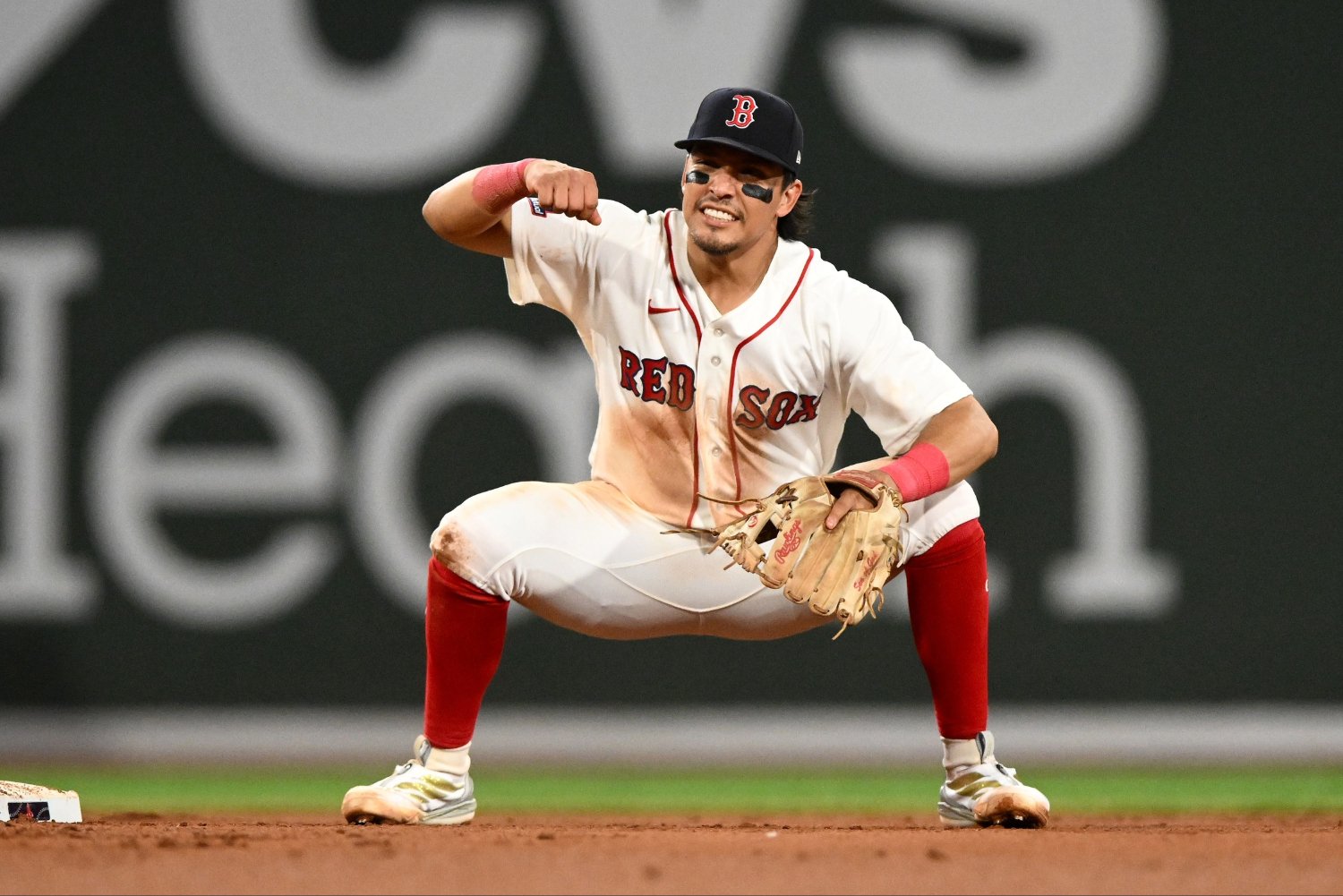 Second baseman Anthony Seigler has been a spark plug for an otherwise dormant Boston Red Sox offense. Is it just a hot stretch for the former first-rounder, or is there surprising staying power here that might help salvage a trade many Sox fans would like to forget? Seigler, of course, was acquired by the Red Sox in the infamous Kyle Harrison for Caleb Durbin trade, and he was never considered a player who could meaningfully contribute to the Red Sox in 2026. His road to the majors has been anything but easy. He was originally drafted 23rd overall by the New York Yankees in 2018 and spent six years in their farm system, peaking at Double-A Somerset before becoming a minor-league free agent and signing with the Brewers in 2025. Milwaukee assigned him to Triple-A Nashville, and he seized the opportunity, hitting .285 with an .892 OPS, eight home runs, and 23 steals in just 72 games. That earned him a July 1 call-up, but he struggled over 34 games, batting primarily in the bottom half of the order and slashing .194/..292/.210 It made sense for the Brewers to get what they could for Seigler this offseason. He was buried in their system behind a plethora of prospect talent, with Platinum Glove award winner in Brice Turang manning his primary position at the major-league level. So, he was shipped out along with Caleb Durbin and a competitive balance round B pick. Seigler didn't even get in spring training with the Red Sox, He landed on the 10-day IL in March and opened the season with patellar tendinopathy in his left knee. Once he returned from the IL, Seigler came out of the gates slow for Triple-A Worcester, hitting .222 with no home runs in April. But then he caught fire in May and hasn't looked back. The 27-year-old hit .344 with an 1.000 OPS that month, while walking more often than he struck out (17.7% walk rate vs. 12.7% strikeout rate). In a quote taken by our own @Nick John, Worcester manager Iggy Suarez explained why he thought Seigler was so much better in May: "I think it's just that he's finally starting to play now. Coming back, he did not really have a spring training, so now a month in, that is really his spring training. Now he's getting into the swing of things and getting his rhythm back. ... To see him comfortable and kind of out of that spring training mode, I think having that month under his belt when he was a month behind helps a lot." Seigler carried that momentum into Boston after his call-up in June, hitting .318/.388/.500 in his first 14 games and launching his first career home run. M3lNbnlfV0ZRVkV3dEdEUT09X1ZRUURBUVZWQjFZQVhsRlJYd0FIQnc5ZUFGa05CMUFBQ2xCWEExY05Bd1pTQ0FCZg==.mp4 Seigler has never been a power threat. His career-high exit velocity is 107.9 mph in 2025, But he has continued to profile as an above-average bat-to-ball hitter, keeping his chase and whiffs low. Arguably the most impressive aspect of his minor-league profile was his ability to limit strikeouts: He struck out just 19.2% of the time while walking 17.4% of the time. Combine that with a 91.4 average exit velocity in 2026 (in the 85th percentile in Triple-A), all while playing average defense, and it creates an intriguing second base option. One fascinating aspect of Seigler is that despite strong average exit velocity, his max and 90th-percentile exit velocities are weak. His average exit velocity in Triple-A is the same as Hunter Goodman and Ketel Marte this season. For reference, Goodman led all of the MLB in home runs in June with 13. Yet, Seigler has only one career barrel in the big leagues to go along with his lone home run. The explanation for this is found in bat speed, launch angle sweet spot percentage, and squared-up percentage. Seigler's bat speed is slow, sitting at 68 mph, which will inherently limit exit velocities. Thus one would think he provides an 85th percentile average exit velocity because he finds the ideal launch angle. And yet, Seigler's average launch angle is relatively low at 8.6 degrees, only 0.6 degrees above the requirement to be in the launch angle "sweet spot" according to Baseball Savant. In fact, Statcast defines any ball put in play with less than 10 degrees of launch angle to be a groundball. That led me to believe his success this season would be explained by a high line-drive rate. Lo and behold, I was correct! If Seigler qualified (he hasn't appeared in enough MLB games), his 25.8% line drive rate would rank sixth in the league, just behind breakout star Jac Caglianone. It's also worth noting that his groundball rate of 54.8% would rank third, just behind former teammate Garrett Mitchell. As you can see here, no matter the launch angle, Seigler does end up squaring up the ball. The larger circles illustrate the quantity of balls so far at each launch angle. So, he's squared up every ball in play in 2026 between the launch angles of 26 and 8, as seen in the graph above. That can't be expected to continue, but it's clear that Seigler knows what he does well and seeks to replicate that every at-bat. He's walking a narrow line of low bat speed paired with elite quality of contact. That's hard to sustain unless your name is Luis Arraez, whose Savant page actually looks remarkably similar to Seigler's -- though Arraez has lower average exit velocities. Seigler has also ticked up his bat speed from 66.9 mph to 68 mph since joining the Red Sox. If he wants to sustain his success as a high-contact, line-drive hitter, he will likely need to lift the ball slightly more. Even before making any tweaks, though, the former first-round pick has begun carving out a role in Boston. Assuming the Red Sox decide to sell, there will be room for Seigler in the dugout the remainder of the season, and the chance to improve what he already does well.
 -
Second baseman Anthony Seigler has been a spark plug for an otherwise dormant Boston Red Sox offense. Is it just a hot stretch for the former first-rounder, or is there surprising staying power here that might help salvage a trade many Sox fans would like to forget? Seigler, of course, was acquired by the Red Sox in the infamous Kyle Harrison for Caleb Durbin trade, and he was never considered a player who could meaningfully contribute to the Red Sox in 2026. His road to the majors has been anything but easy. He was originally drafted 23rd overall by the New York Yankees in 2018 and spent six years in their farm system, peaking at Double-A Somerset before becoming a minor-league free agent and signing with the Brewers in 2025. Milwaukee assigned him to Triple-A Nashville, and he seized the opportunity, hitting .285 with an .892 OPS, eight home runs, and 23 steals in just 72 games. That earned him a July 1 call-up, but he struggled over 34 games, batting primarily in the bottom half of the order and slashing .194/..292/.210 It made sense for the Brewers to get what they could for Seigler this offseason. He was buried in their system behind a plethora of prospect talent, with Platinum Glove award winner in Brice Turang manning his primary position at the major-league level. So, he was shipped out along with Caleb Durbin and a competitive balance round B pick. Seigler didn't even get in spring training with the Red Sox, He landed on the 10-day IL in March and opened the season with patellar tendinopathy in his left knee. Once he returned from the IL, Seigler came out of the gates slow for Triple-A Worcester, hitting .222 with no home runs in April. But then he caught fire in May and hasn't looked back. The 27-year-old hit .344 with an 1.000 OPS that month, while walking more often than he struck out (17.7% walk rate vs. 12.7% strikeout rate). In a quote taken by our own @Nick John, Worcester manager Iggy Suarez explained why he thought Seigler was so much better in May: "I think it's just that he's finally starting to play now. Coming back, he did not really have a spring training, so now a month in, that is really his spring training. Now he's getting into the swing of things and getting his rhythm back. ... To see him comfortable and kind of out of that spring training mode, I think having that month under his belt when he was a month behind helps a lot." Seigler carried that momentum into Boston after his call-up in June, hitting .318/.388/.500 in his first 14 games and launching his first career home run. M3lNbnlfV0ZRVkV3dEdEUT09X1ZRUURBUVZWQjFZQVhsRlJYd0FIQnc5ZUFGa05CMUFBQ2xCWEExY05Bd1pTQ0FCZg==.mp4 Seigler has never been a power threat. His career-high exit velocity is 107.9 mph in 2025, But he has continued to profile as an above-average bat-to-ball hitter, keeping his chase and whiffs low. Arguably the most impressive aspect of his minor-league profile was his ability to limit strikeouts: He struck out just 19.2% of the time while walking 17.4% of the time. Combine that with a 91.4 average exit velocity in 2026 (in the 85th percentile in Triple-A), all while playing average defense, and it creates an intriguing second base option. One fascinating aspect of Seigler is that despite strong average exit velocity, his max and 90th-percentile exit velocities are weak. His average exit velocity in Triple-A is the same as Hunter Goodman and Ketel Marte this season. For reference, Goodman led all of the MLB in home runs in June with 13. Yet, Seigler has only one career barrel in the big leagues to go along with his lone home run. The explanation for this is found in bat speed, launch angle sweet spot percentage, and squared-up percentage. Seigler's bat speed is slow, sitting at 68 mph, which will inherently limit exit velocities. Thus one would think he provides an 85th percentile average exit velocity because he finds the ideal launch angle. And yet, Seigler's average launch angle is relatively low at 8.6 degrees, only 0.6 degrees above the requirement to be in the launch angle "sweet spot" according to Baseball Savant. In fact, Statcast defines any ball put in play with less than 10 degrees of launch angle to be a groundball. That led me to believe his success this season would be explained by a high line-drive rate. Lo and behold, I was correct! If Seigler qualified (he hasn't appeared in enough MLB games), his 25.8% line drive rate would rank sixth in the league, just behind breakout star Jac Caglianone. It's also worth noting that his groundball rate of 54.8% would rank third, just behind former teammate Garrett Mitchell. As you can see here, no matter the launch angle, Seigler does end up squaring up the ball. The larger circles illustrate the quantity of balls so far at each launch angle. So, he's squared up every ball in play in 2026 between the launch angles of 26 and 8, as seen in the graph above. That can't be expected to continue, but it's clear that Seigler knows what he does well and seeks to replicate that every at-bat. He's walking a narrow line of low bat speed paired with elite quality of contact. That's hard to sustain unless your name is Luis Arraez, whose Savant page actually looks remarkably similar to Seigler's -- though Arraez has lower average exit velocities. Seigler has also ticked up his bat speed from 66.9 mph to 68 mph since joining the Red Sox. If he wants to sustain his success as a high-contact, line-drive hitter, he will likely need to lift the ball slightly more. Even before making any tweaks, though, the former first-round pick has begun carving out a role in Boston. Assuming the Red Sox decide to sell, there will be room for Seigler in the dugout the remainder of the season, and the chance to improve what he already does well. View full article
-
mvp 78 reacted to a post in a topic:
Red Sox's ABS Ineptitude Is Clearest Proof Yet of Organizational Failures
-
I think that’s a great way to get 100% accuracy and makes the most sense. But for the baseball world we’re playing in now, maximizing every aspect of the game is critical
