


Finley Rogan
-
Posts
51 -
Joined
-
Last visited
Recent Profile Visitors
4,332 profile views



Finley Rogan's Achievements


-
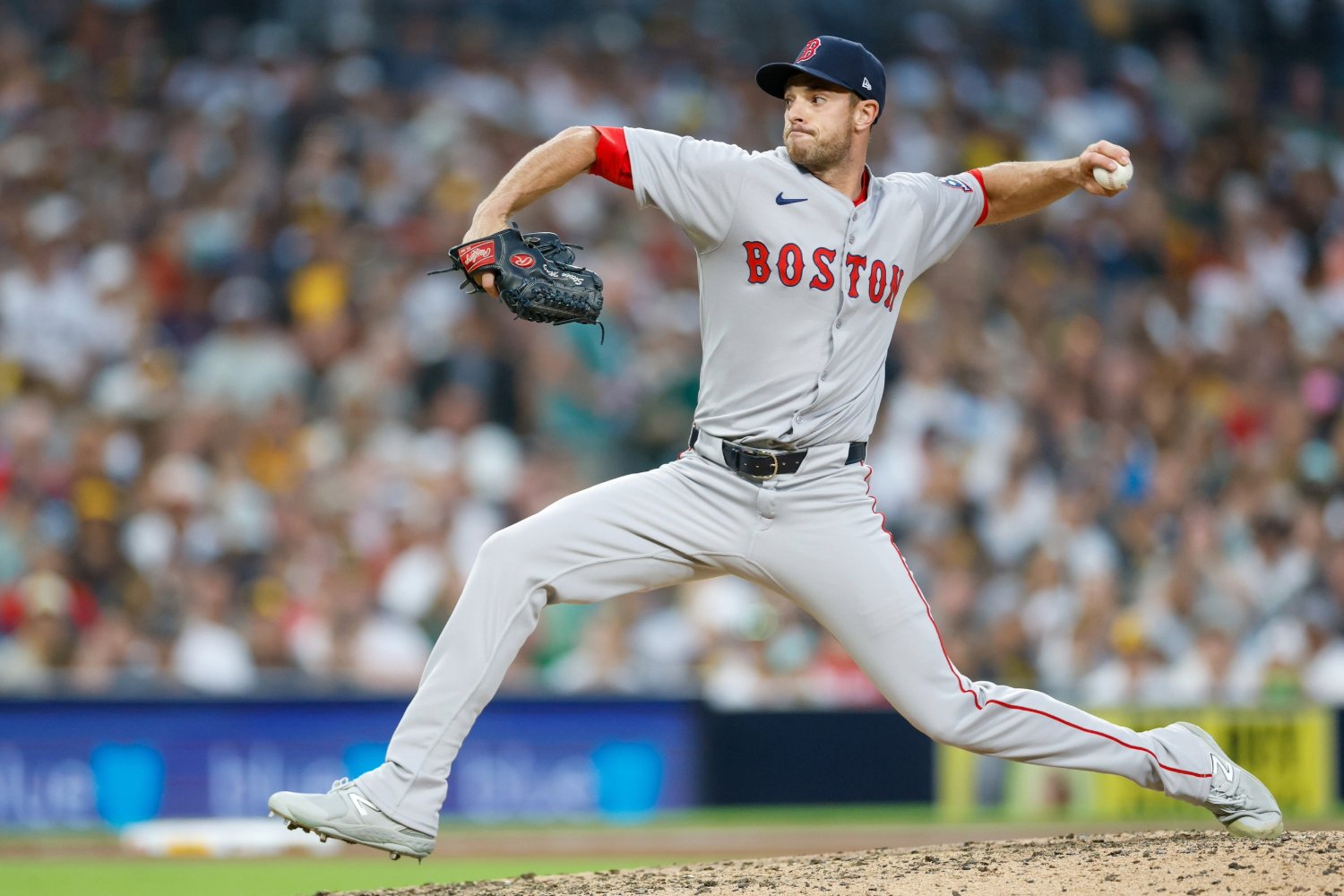 Once the trade deadline passed, the fallout in Boston seemed to be centered around the acquisition of Dustin May, and a lack of further buy-in from the Red Sox front office. There was, however, little to no discourse surrounding the acquisition of veteran reliever Steven Matz. Matz, 34, is in the final year of a four-year contract he signed with the St. Louis Cardinals entering 2022. He was a starter for most of his career, and he gradually transitioned to the bullpen across the past four years to the point where this season he has been used almost exclusively in relief. A 34-year-old left-handed reliever without a true fastball? It makes sense why there was no outcry of excitement in Boston when news broke that Matz would be the newest member of the Red Sox. And yet, so far, Matz has excelled in Boston, allowing just one run off two hits and a walk in his first six appearances since the trade. What is odd about Matz is the fashion in which he induces outs. He is uber-reliant on his sinker, which he has thrown around 60% of the time this season and has generated a Statcast run value of 10, which is fifth among all sinkers in MLB. Even in his days as a starter, Matz would always throw the sinker more than half of the time. Although the peripherals behind the sinker have not evolved in his career, Matz is giving up less hits and hard contact than ever with it this year. He pairs that sinker with a slow curve, as well as a seldom-used changeup. What he has done so effectively this season is pound the strike zone with movement. Matz has a walk rate of just 4.3% this season -- the lowest of his career. He does not strike a ton of guys out, and he does not give up a ton of hard contact. In effect, Matz is an old-school, pitch-to-contact specialist, in a league where that archetype has faded. (Tj Stats) As seen above, Matz has average stuff, however the results have been great. With effective tunneling of his sinker and curveball, Matz can induce mediocre contact consistently. That is, if he can generate swings, and throw strikes, both which he has excelled at in 2025. Another effective way to limit quality contact is by limiting a hitter’s ability to pull the ball in the air. Matz ranks in the top 35 among all pitchers in limiting that result. What he lacks in stuff he makes up for with his elite command and location. Matz has a Location+ of 111, which ranks 14th among all pitchers with 50 or more innings, and first on the Red Sox. What we have seen the Red Sox do with Matz so far is simplify his arsenal. He is throwing the sinker more in August than any other point this season, while cutting his slider out of the mix and dropping his changeup usage. Expect to see Matz continue to pound the zone with sinkers while mixing in a curve every now and again, mainly to keep hitters off balance. In an era where so much pitching value is placed on the ability to induce swing-and-miss, it is refreshing to see a veteran spin the baseball, throw strikes, and generate outs. Matz is by no means an elite pitcher, but he has proved to be a valuable addition to Boston's bullpen, and will play a key role as the season winds to a close.
 -
 Once the trade deadline passed, the fallout in Boston seemed to be centered around the acquisition of Dustin May, and a lack of further buy-in from the Red Sox front office. There was, however, little to no discourse surrounding the acquisition of veteran reliever Steven Matz. Matz, 34, is in the final year of a four-year contract he signed with the St. Louis Cardinals entering 2022. He was a starter for most of his career, and he gradually transitioned to the bullpen across the past four years to the point where this season he has been used almost exclusively in relief. A 34-year-old left-handed reliever without a true fastball? It makes sense why there was no outcry of excitement in Boston when news broke that Matz would be the newest member of the Red Sox. And yet, so far, Matz has excelled in Boston, allowing just one run off two hits and a walk in his first six appearances since the trade. What is odd about Matz is the fashion in which he induces outs. He is uber-reliant on his sinker, which he has thrown around 60% of the time this season and has generated a Statcast run value of 10, which is fifth among all sinkers in MLB. Even in his days as a starter, Matz would always throw the sinker more than half of the time. Although the peripherals behind the sinker have not evolved in his career, Matz is giving up less hits and hard contact than ever with it this year. He pairs that sinker with a slow curve, as well as a seldom-used changeup. What he has done so effectively this season is pound the strike zone with movement. Matz has a walk rate of just 4.3% this season -- the lowest of his career. He does not strike a ton of guys out, and he does not give up a ton of hard contact. In effect, Matz is an old-school, pitch-to-contact specialist, in a league where that archetype has faded. (Tj Stats) As seen above, Matz has average stuff, however the results have been great. With effective tunneling of his sinker and curveball, Matz can induce mediocre contact consistently. That is, if he can generate swings, and throw strikes, both which he has excelled at in 2025. Another effective way to limit quality contact is by limiting a hitter’s ability to pull the ball in the air. Matz ranks in the top 35 among all pitchers in limiting that result. What he lacks in stuff he makes up for with his elite command and location. Matz has a Location+ of 111, which ranks 14th among all pitchers with 50 or more innings, and first on the Red Sox. What we have seen the Red Sox do with Matz so far is simplify his arsenal. He is throwing the sinker more in August than any other point this season, while cutting his slider out of the mix and dropping his changeup usage. Expect to see Matz continue to pound the zone with sinkers while mixing in a curve every now and again, mainly to keep hitters off balance. In an era where so much pitching value is placed on the ability to induce swing-and-miss, it is refreshing to see a veteran spin the baseball, throw strikes, and generate outs. Matz is by no means an elite pitcher, but he has proved to be a valuable addition to Boston's bullpen, and will play a key role as the season winds to a close. View full article
 -
Marcelo Mayer was officially shut down for the season on Sunday after going on the injured list with a right wrist sprain nearly a month ago. It was announced that Mayer will be undergoing surgery on his wrist, in order to give him time to get healthy and ready for the start of next season. Overall, it was an inconsistent rookie campaign for Mayer, who featured in 44 games and had four home runs to go with a .674 OPS. Although Mayer never quite broke out this year at the major league level, he showed promise with the bat while playing smooth defense across the infield. Mayer only had a 79 wRC+ this season, and he showed no promising ability to hit left-handed pitching. His bat definitely needs more time to develop when compared to Roman Anthony, although he still has a smooth swing. Mayer was excellent in the field, posting three outs above average in his small sample of games. He will definitely stick at any position (second, third, or short) that the Red Sox have a need at. Since Mayer got hurt in late July, Ceddane Rafaela and Romy Gonzalez have played the most at second base for the Red Sox, and that should continue. Also, the team recently acquired Nathaniel Lowe who may replace Abraham Toro, but that should not affect the second base depth chart. Another option is for the Red Sox to recall David Hamilton once September hits in case the team would like some extra depth up the middle. We can't forget Kristian Campbell, who also has experience playing second base already this season (though he was a train wreck there). Either Hamilton or Campbell feels like a likely candidate to get called up when the rosters expand in two weeks. In terms of their playoff push, Mayer's injury hurts Alex Cora's flexibility in the lineup, but it won't sink the team's chances. Boston has been getting by fine without the rookie over the past month, and that should continue over the next six weeks, especially if Story and Bregman continue to lead the charge on both sides of the ball. The biggest concern for the Red Sox following Mayer's surgery has to be their infield depth in the future. Not counting Rafaela (who shouldn't count for the future since he is special defensively in center), the Red Sox have only four listed infielders on their active roster right now. One of those four spots belongs to Nathaniel Lowe or Abraham Toro, and the other three are Trevor Story, Romy Gonzalez and Alex Bregman (and maybe Nate Eaton if he gets recalled). Triston Casas is also injured and should be returning next year, but we have no idea what the team plans to do with him. Beyond Mayer and the other Worcester options who we have seen in the infield this season, who is next for the Red Sox? Clearly major league caliber infield depth should be a priority for Craig Breslow this offseason, and we can start checking out a couple of candidates come September. View full article
-
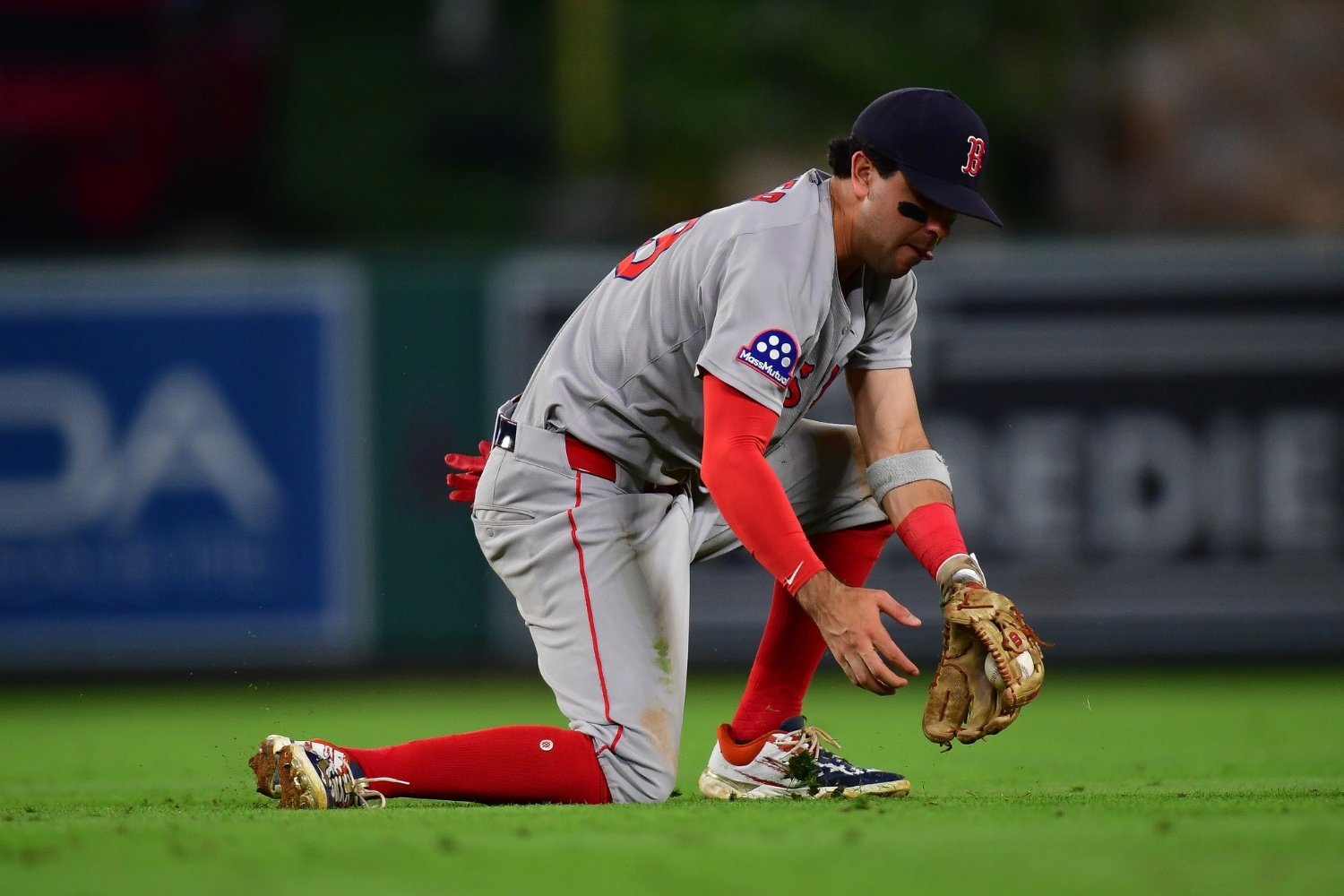 Marcelo Mayer was officially shut down for the season on Sunday after going on the injured list with a right wrist sprain nearly a month ago. It was announced that Mayer will be undergoing surgery on his wrist, in order to give him time to get healthy and ready for the start of next season. Overall, it was an inconsistent rookie campaign for Mayer, who featured in 44 games and had four home runs to go with a .674 OPS. Although Mayer never quite broke out this year at the major league level, he showed promise with the bat while playing smooth defense across the infield. Mayer only had a 79 wRC+ this season, and he showed no promising ability to hit left-handed pitching. His bat definitely needs more time to develop when compared to Roman Anthony, although he still has a smooth swing. Mayer was excellent in the field, posting three outs above average in his small sample of games. He will definitely stick at any position (second, third, or short) that the Red Sox have a need at. Since Mayer got hurt in late July, Ceddane Rafaela and Romy Gonzalez have played the most at second base for the Red Sox, and that should continue. Also, the team recently acquired Nathaniel Lowe who may replace Abraham Toro, but that should not affect the second base depth chart. Another option is for the Red Sox to recall David Hamilton once September hits in case the team would like some extra depth up the middle. We can't forget Kristian Campbell, who also has experience playing second base already this season (though he was a train wreck there). Either Hamilton or Campbell feels like a likely candidate to get called up when the rosters expand in two weeks. In terms of their playoff push, Mayer's injury hurts Alex Cora's flexibility in the lineup, but it won't sink the team's chances. Boston has been getting by fine without the rookie over the past month, and that should continue over the next six weeks, especially if Story and Bregman continue to lead the charge on both sides of the ball. The biggest concern for the Red Sox following Mayer's surgery has to be their infield depth in the future. Not counting Rafaela (who shouldn't count for the future since he is special defensively in center), the Red Sox have only four listed infielders on their active roster right now. One of those four spots belongs to Nathaniel Lowe or Abraham Toro, and the other three are Trevor Story, Romy Gonzalez and Alex Bregman (and maybe Nate Eaton if he gets recalled). Triston Casas is also injured and should be returning next year, but we have no idea what the team plans to do with him. Beyond Mayer and the other Worcester options who we have seen in the infield this season, who is next for the Red Sox? Clearly major league caliber infield depth should be a priority for Craig Breslow this offseason, and we can start checking out a couple of candidates come September.
 -
It has been nearly a month since Red Sox third baseman Alex Bregman returned from an injury that took him out for 43 games. Bregman was a lone bright spot on a struggling team when he went down. By the time he was set to return, the Red Sox had turned the season around, and now, they have gone 13-9 in games Bregman has played in since the injury and look likely to make the postseason. In 226 plate appearances before getting injured, Bregman was slashing .299/.385/.553 with 11 home runs. Since his return he has slashed .295/.368/.474 with three home runs across 87 plate appearances. The only significant difference in those two slash lines is the nearly 80 point drop in slugging percentage in the post-injury games. That's no fluke: Bregman is hitting the ball about four miles per hour softer compared to his pre-injury stint. The potential decline in power will not break Bregman's season, but it would be nice to see him raise the slugging percentage closer to the elite level it was at in the early months. Bregman still leads all qualified Red Sox hitters as he carries a 148 wRC+. He also leads the team in wOBA, and is second in K%, SLG, and ISO. His ability to avoid strikeouts has been especially key as the Red Sox offense has been the third-most prone in MLB to punching out. A key to Bregman's torrid early season was his percentage of batted balls that were pulled in the air. Bregman has an elite Pull AIR% of 29.5 this season, the highest mark of his career and one of the best in baseball. As we can see above, Bregman has seen a decrease to both his fly ball and pull percentages since the injury. This is explanatory of the slight power drop. For Bregman to return to his early season power, he needs to pull the ball in the air more—simple enough, right? Well, perhaps not, especially since Bregman's approach has slightly shifted in conjunction with this power outage. The third baseman was striking out 18.6% of the time before his injury, which is well above his career average of 13.6%. Since his return, Bregman is below his career number, as his strikeout rate sits at 11.5% in that stretch. It could be that Bregman had to sacrifice some strikeout evasion to find his early season power, though if he is still feeling the effects of his quad injury, a higher-contact, lower-power Bregman is still an extremely valuable player. Defensively, Bregman has remained average, sitting at -1 OAA. Though he won't win a Gold Glove again, Bregman’s return to third base has brought stability to a position that experienced none while he was out. The same goes for his position in the lineup—it is comforting for fans to know Bregman will be slotted between second and fourth in the batting order every night. Overall, Bregman remains one of the very best players on the Red Sox. It is nice that the offense is no longer completely on his shoulders thanks to the emergence of players like Roman Anthony and Wilyer Abreu. However, Bregman is a player who thrives with pressure, and his performance should improve as the season winds down and the stakes grow. Hopefully, the Red Sox can get to a place in the postseason where they can find out just how clutch Bregman really is. View full article
-
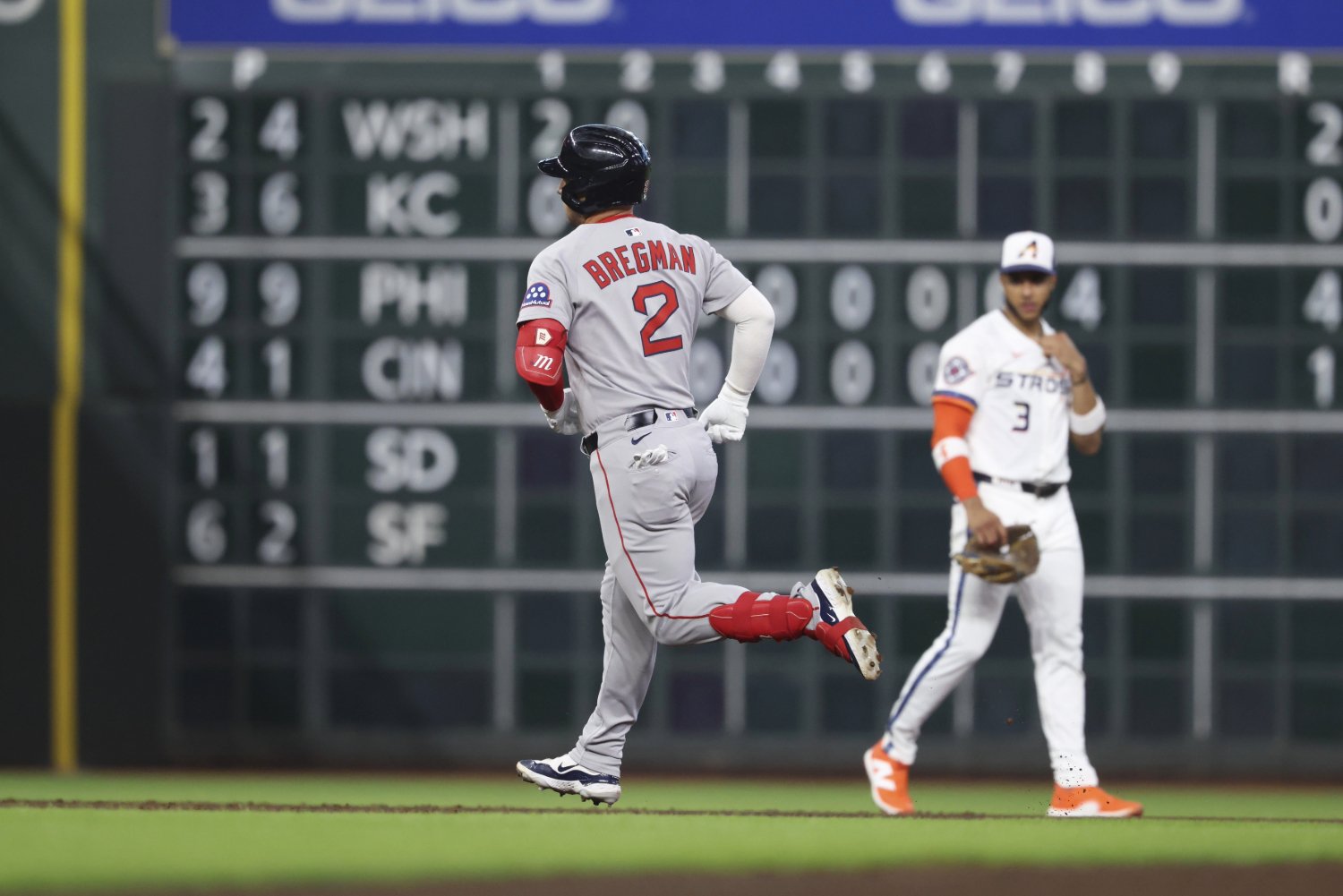 It has been nearly a month since Red Sox third baseman Alex Bregman returned from an injury that took him out for 43 games. Bregman was a lone bright spot on a struggling team when he went down. By the time he was set to return, the Red Sox had turned the season around, and now, they have gone 13-9 in games Bregman has played in since the injury and look likely to make the postseason. In 226 plate appearances before getting injured, Bregman was slashing .299/.385/.553 with 11 home runs. Since his return he has slashed .295/.368/.474 with three home runs across 87 plate appearances. The only significant difference in those two slash lines is the nearly 80 point drop in slugging percentage in the post-injury games. That's no fluke: Bregman is hitting the ball about four miles per hour softer compared to his pre-injury stint. The potential decline in power will not break Bregman's season, but it would be nice to see him raise the slugging percentage closer to the elite level it was at in the early months. Bregman still leads all qualified Red Sox hitters as he carries a 148 wRC+. He also leads the team in wOBA, and is second in K%, SLG, and ISO. His ability to avoid strikeouts has been especially key as the Red Sox offense has been the third-most prone in MLB to punching out. A key to Bregman's torrid early season was his percentage of batted balls that were pulled in the air. Bregman has an elite Pull AIR% of 29.5 this season, the highest mark of his career and one of the best in baseball. As we can see above, Bregman has seen a decrease to both his fly ball and pull percentages since the injury. This is explanatory of the slight power drop. For Bregman to return to his early season power, he needs to pull the ball in the air more—simple enough, right? Well, perhaps not, especially since Bregman's approach has slightly shifted in conjunction with this power outage. The third baseman was striking out 18.6% of the time before his injury, which is well above his career average of 13.6%. Since his return, Bregman is below his career number, as his strikeout rate sits at 11.5% in that stretch. It could be that Bregman had to sacrifice some strikeout evasion to find his early season power, though if he is still feeling the effects of his quad injury, a higher-contact, lower-power Bregman is still an extremely valuable player. Defensively, Bregman has remained average, sitting at -1 OAA. Though he won't win a Gold Glove again, Bregman’s return to third base has brought stability to a position that experienced none while he was out. The same goes for his position in the lineup—it is comforting for fans to know Bregman will be slotted between second and fourth in the batting order every night. Overall, Bregman remains one of the very best players on the Red Sox. It is nice that the offense is no longer completely on his shoulders thanks to the emergence of players like Roman Anthony and Wilyer Abreu. However, Bregman is a player who thrives with pressure, and his performance should improve as the season winds down and the stakes grow. Hopefully, the Red Sox can get to a place in the postseason where they can find out just how clutch Bregman really is.
 -
The MLB trade deadline has officially passed and with it, any chance for major moves going forward for the remainder of the season. In effect, the Red Sox are organizationally set until the season ends in the fall. In acquiring pitchers Dustin May and Steven Matz, the Red Sox were a light buyer, emphasis on the "light". Many fans are not content with how Craig Breslow handled the deadline, wishing he acquired even more talent, especially at first base and in the rotation. Regardless, the acquisitions do add two more bodies to an already-crowded pitching staff. Let's go through the guys who will have an impact going forward. Five-Man Rotation: Garrett Crochet, Lucas Giolito, Brayan Bello, Walker Buehler, Dustin May It has been impossible to guess anything related to the Red Sox's pitching personnel this season, but this quintet seems like the five guys if the team sticks with a traditional rotation. Tanner Houck’s injury opened up a new hole, which the team quickly filled at the trade deadline. Enter Dustin May, who will (reportedly) make his debut on Sunday and will likely become a rotation regular. May has an injury riddled past, but he has already surpassed his career high in innings this season (by nearly double). With Richard Fitts sent down, the rotation seems to be quite set for now. Once September hits and the roster expands, the Red Sox may opt for another starter depending on the length Dustin May is giving them. The logical next man up candidates are Kyle Harrison and Fitts. Clearly, things can change; any of the guys in the rotation could get injured or struggle mightily. That is why getting to September is key for this group. After that, there can suitable depth for a more flexible approach to late-season innings. Bullpen Sure-Things: Aroldis Chapman, Justin Wilson, Greg Weissert, Garrett Whitlock, Jordan Hicks, Steven Matz Fringe Guys: Jorge Alcalá, Chris Murphy, Brennan Bernardino, Cooper Criswell, Luis Guerrero, Nick Burdi, Zach Kelly, Jovani Moran The Red Sox have had a relatively stable bullpen in recent weeks, but they still await the return of Justin Slaten. The guys in the inner circle of Alex Cora’s trust remain the same, with a new addition brought into the fold in Steven Matz. He will look to replace Brennan Bernardino, who was sent down this week to make room for the former Cardinal. The rest of the mainstays will remain in their roles, as the Red Sox did not acquire any help for the back-end of the bullpen. Otherwise, we will continue to see the same stream of guys out of the seventh and eighth spots in the bullpen. Any of the guys in the fringe-tier are candidates for those two spots, and each is as likely as the next. One point of interest going forward is how many high-leverage innings Jordan Hicks will pitch in, as he just returned to a high-leverage role immediately after starting for two years. If one thing is clear, it is that the return of Justin Slaten in the late innings will be a huge boost to an improved Red Sox relief group. View full article
-
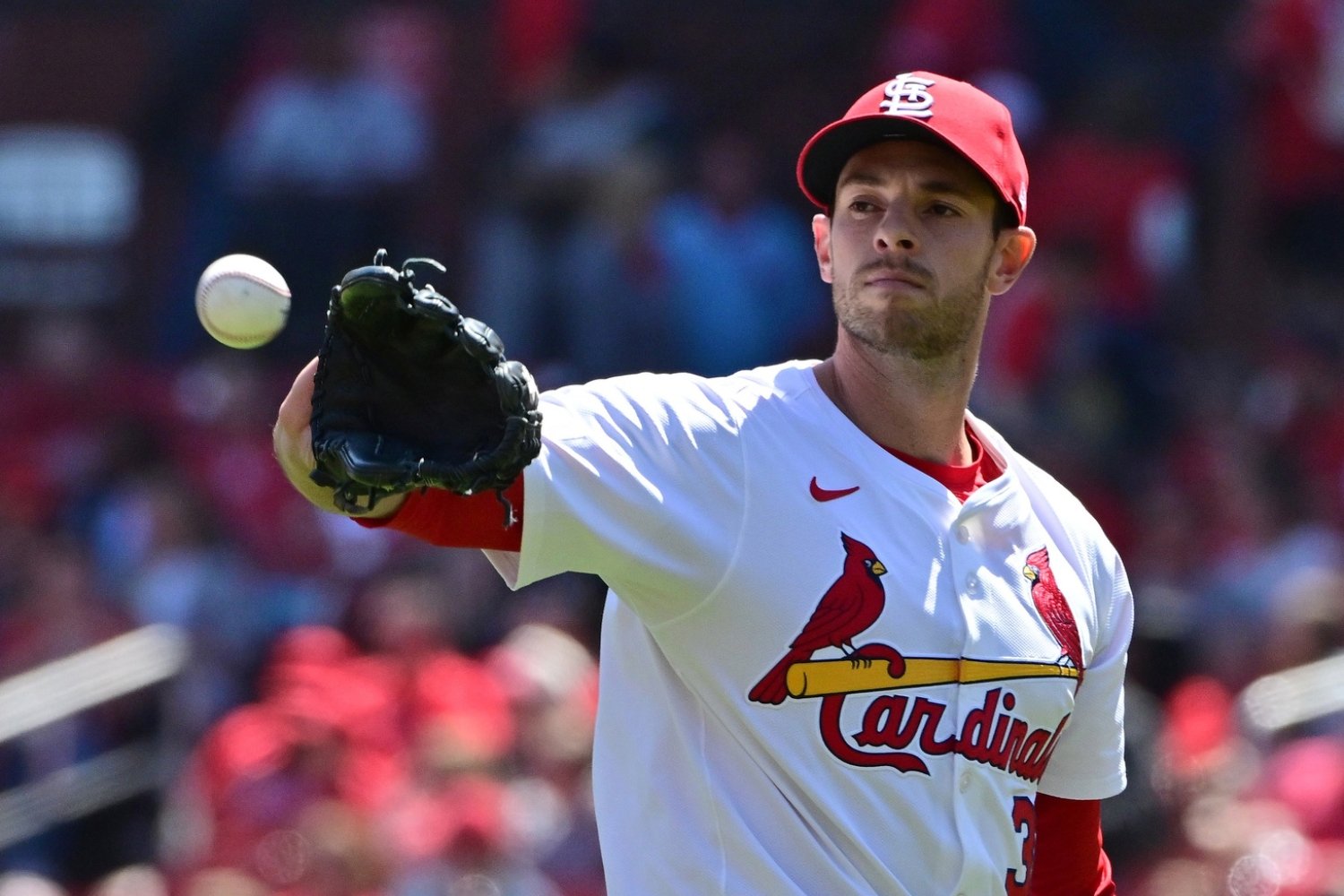 The MLB trade deadline has officially passed and with it, any chance for major moves going forward for the remainder of the season. In effect, the Red Sox are organizationally set until the season ends in the fall. In acquiring pitchers Dustin May and Steven Matz, the Red Sox were a light buyer, emphasis on the "light". Many fans are not content with how Craig Breslow handled the deadline, wishing he acquired even more talent, especially at first base and in the rotation. Regardless, the acquisitions do add two more bodies to an already-crowded pitching staff. Let's go through the guys who will have an impact going forward. Five-Man Rotation: Garrett Crochet, Lucas Giolito, Brayan Bello, Walker Buehler, Dustin May It has been impossible to guess anything related to the Red Sox's pitching personnel this season, but this quintet seems like the five guys if the team sticks with a traditional rotation. Tanner Houck’s injury opened up a new hole, which the team quickly filled at the trade deadline. Enter Dustin May, who will (reportedly) make his debut on Sunday and will likely become a rotation regular. May has an injury riddled past, but he has already surpassed his career high in innings this season (by nearly double). With Richard Fitts sent down, the rotation seems to be quite set for now. Once September hits and the roster expands, the Red Sox may opt for another starter depending on the length Dustin May is giving them. The logical next man up candidates are Kyle Harrison and Fitts. Clearly, things can change; any of the guys in the rotation could get injured or struggle mightily. That is why getting to September is key for this group. After that, there can suitable depth for a more flexible approach to late-season innings. Bullpen Sure-Things: Aroldis Chapman, Justin Wilson, Greg Weissert, Garrett Whitlock, Jordan Hicks, Steven Matz Fringe Guys: Jorge Alcalá, Chris Murphy, Brennan Bernardino, Cooper Criswell, Luis Guerrero, Nick Burdi, Zach Kelly, Jovani Moran The Red Sox have had a relatively stable bullpen in recent weeks, but they still await the return of Justin Slaten. The guys in the inner circle of Alex Cora’s trust remain the same, with a new addition brought into the fold in Steven Matz. He will look to replace Brennan Bernardino, who was sent down this week to make room for the former Cardinal. The rest of the mainstays will remain in their roles, as the Red Sox did not acquire any help for the back-end of the bullpen. Otherwise, we will continue to see the same stream of guys out of the seventh and eighth spots in the bullpen. Any of the guys in the fringe-tier are candidates for those two spots, and each is as likely as the next. One point of interest going forward is how many high-leverage innings Jordan Hicks will pitch in, as he just returned to a high-leverage role immediately after starting for two years. If one thing is clear, it is that the return of Justin Slaten in the late innings will be a huge boost to an improved Red Sox relief group.
 -
Walker Buehler Complicates Things With An Excellent Start—What's Next?
Finley Rogan posted an article in Red Sox
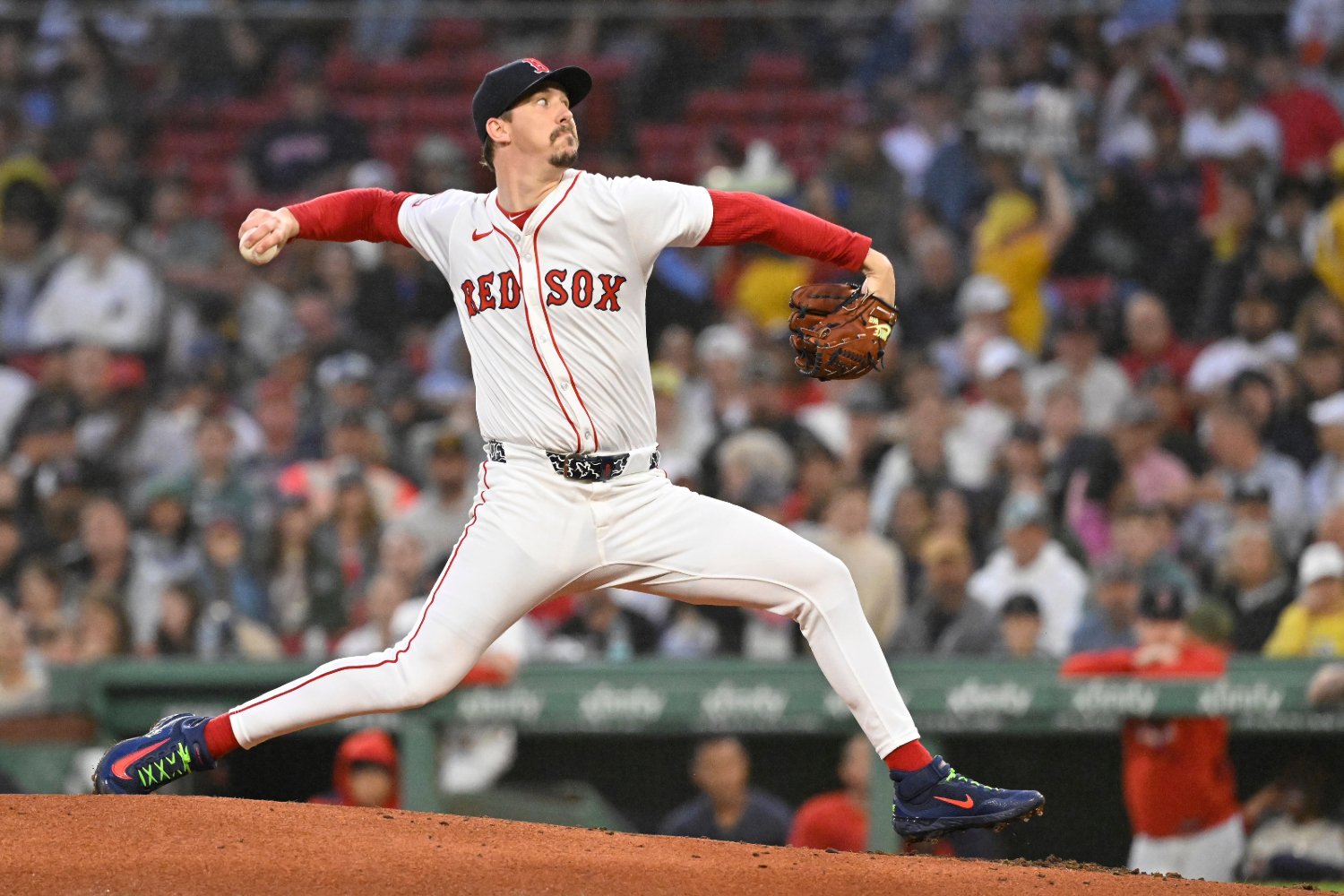 On Monday night in Philadelphia, Walker Buehler had his best start of the season. Buehler is unofficially fighting to keep his spot on the team — even with Tanner Houck's immediate future in doubt — as the team actively searches the starting pitcher trade market. To add even more drama, Buehler is facing the Dodgers this weekend, the team he spent eight seasons with before signing with Boston this winter. Oh yeah, and he's just received his World Series ring from last season. Buehler has not lived up to the hype in Boston and is far from the championship-caliber pitcher who got hot last October. It feels like an ultimatum is nearing, and in classic 2025 Red Sox fashion, Buehler complicated things by pitching a gem on Monday night. He went seven innings, allowing six hits and one run. Buehler struck out four batters and walked just one along the way. Buehler said he was in Atlanta over the break where he spoke with biomechanical analysts, which gave him some cues in his delivery. Although it may sound odd, Buehler said everything feels more normal now. A big difference for Buehler in Philadelphia was his arm slot. Statcast has Buehler at a 42 degree slot this season, the lowest of his career. On Monday, Buehler threw from a 44 degree slot, which may have given him some added comfort in his mechanics. It is worth noting, Buehler's arm slot has already been shifting by the game, as he has clearly been working toward a more repeatable delivery for months now. He threw the slider a ton on Monday. In fact, it was the highest percentage (33.7%) of sliders he threw in a game since his disastrous start in New York on June 6. The slider actually graded out very well during the start, with a Stuff+ of 111. Another standout from the start is how little Buehler relied on his fastball. Granted, it has not been a good pitch this year, but to only throw ten of them in a 89-pitch start is definitely odd, especially for Buehler, who has thrown it 24% of the time this season. Perhaps this is an attempt to begin pitching backward more often, something pitching coach Andrew Bailey has stressed with other arms in the rotation like Houck. The issue of generating whiffs remains. Buehler can flash good command and tinker with his slot and arsenal, but none of it is generating swings-and-misses this season. Though his 43rd-percentile chase rate is below average, it is not awful. However, he has just a 10th-percentile whiff rate. The stuff is just lackluster right now and easy to make contact with. For comparison, Lucas Giolito has a 61st-percentile chase rate with an unexceptional 34th-percentile whiff rate. Both are much better than Buehler’s marks while still being around average, and we have seen how much more effective Giolito can be. Buehler doesn't need to strike out ten guys every game, but he does need to find more swing and miss in his arsenal. Ultimately, unless Buehler and the biomechanics crew in Atlanta found a way for him to mitigate hard contact on a nightly basis, he may be susceptible to returning to his previously poor form. But, this week could also be the turning point in a rough season, and if Buehler can generate some confidence when he faces his old team this weekend, he may have a spot in the Red Sox's rotation for the remainder of the season.
 -
On Monday night in Philadelphia, Walker Buehler had his best start of the season. Buehler is unofficially fighting to keep his spot on the team — even with Tanner Houck's immediate future in doubt — as the team actively searches the starting pitcher trade market. To add even more drama, Buehler is facing the Dodgers this weekend, the team he spent eight seasons with before signing with Boston this winter. Oh yeah, and he's just received his World Series ring from last season. Buehler has not lived up to the hype in Boston and is far from the championship-caliber pitcher who got hot last October. It feels like an ultimatum is nearing, and in classic 2025 Red Sox fashion, Buehler complicated things by pitching a gem on Monday night. He went seven innings, allowing six hits and one run. Buehler struck out four batters and walked just one along the way. Buehler said he was in Atlanta over the break where he spoke with biomechanical analysts, which gave him some cues in his delivery. Although it may sound odd, Buehler said everything feels more normal now. A big difference for Buehler in Philadelphia was his arm slot. Statcast has Buehler at a 42 degree slot this season, the lowest of his career. On Monday, Buehler threw from a 44 degree slot, which may have given him some added comfort in his mechanics. It is worth noting, Buehler's arm slot has already been shifting by the game, as he has clearly been working toward a more repeatable delivery for months now. He threw the slider a ton on Monday. In fact, it was the highest percentage (33.7%) of sliders he threw in a game since his disastrous start in New York on June 6. The slider actually graded out very well during the start, with a Stuff+ of 111. Another standout from the start is how little Buehler relied on his fastball. Granted, it has not been a good pitch this year, but to only throw ten of them in a 89-pitch start is definitely odd, especially for Buehler, who has thrown it 24% of the time this season. Perhaps this is an attempt to begin pitching backward more often, something pitching coach Andrew Bailey has stressed with other arms in the rotation like Houck. The issue of generating whiffs remains. Buehler can flash good command and tinker with his slot and arsenal, but none of it is generating swings-and-misses this season. Though his 43rd-percentile chase rate is below average, it is not awful. However, he has just a 10th-percentile whiff rate. The stuff is just lackluster right now and easy to make contact with. For comparison, Lucas Giolito has a 61st-percentile chase rate with an unexceptional 34th-percentile whiff rate. Both are much better than Buehler’s marks while still being around average, and we have seen how much more effective Giolito can be. Buehler doesn't need to strike out ten guys every game, but he does need to find more swing and miss in his arsenal. Ultimately, unless Buehler and the biomechanics crew in Atlanta found a way for him to mitigate hard contact on a nightly basis, he may be susceptible to returning to his previously poor form. But, this week could also be the turning point in a rough season, and if Buehler can generate some confidence when he faces his old team this weekend, he may have a spot in the Red Sox's rotation for the remainder of the season. View full article
-
The Red Sox Must Outlast Elite Competition Before Schedule Softens
Finley Rogan posted an article in Red Sox
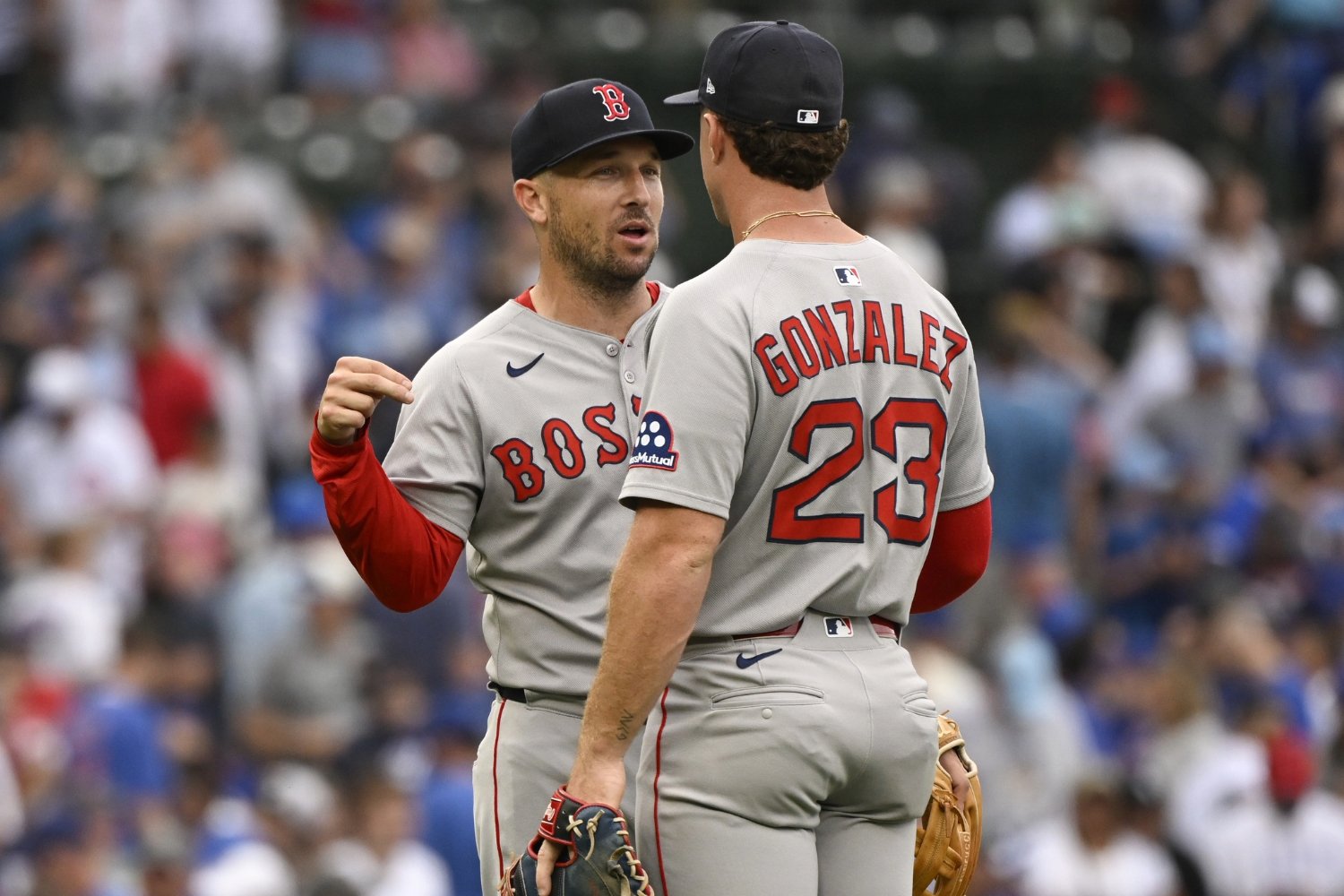 Following their series against the Phillies, the Red Sox will travel back home to take on the Dodgers—their third consecutive series against a National League division-leading team. The Red Sox currently have the eighth-strongest remaining schedule based on opponent win percentage (.509). These rankings can shift dramatically as teams can vastly improve or weaken their win percentage in just a few weeks. However, it can still be used as a solid benchmark to assess a schedule. Aside from the Rangers, no team in the American League wild card race plays a tougher remaining schedule than the Red Sox. Between now and August 14, the Red Sox will take on the Dodgers, Twins, and Royals three times, and the Astros six times. The Twins and Royals each sit just below .500, and by the time the Red Sox play each team, they may have already sold off some pieces. The Houston games will be tough, as the Astros have been one of baseball's hotter teams in the last couple of months. The good news for Red Sox fans is that the team has held its own against MLB’s best teams, as they have a record of 31-30 against teams who are over .500 as of publishing. Assuming the Red Sox can stay afloat through the first half of August, they will be in a good position entering September. In the second half of the season's penultimate month, they play the Orioles six times, the Marlins three times, and the Pirates three times. Although Baltimore and Miami could be frisky, they will both likely be fully out of contention by mid-August. The other series is a four-game set in Yankee Stadium, which will likely have key division or wild card implications. September is another month with an easy and tough stretch on either side. The Red Sox will get to play the Athletics six times, the Guardians three times, and the D-backs three times. That's another set of teams which have shown the ability to play competitive stretches this season, but all will be below .500 and perhaps with weakened rosters compared to what we see now. It will be important for the Red Sox to win more than half of those games, because they play the Yankees, Rays, Blue Jays and Tigers in four of the final five series of the season. The Mariners' opponents for the rest of the season combine for a winning percentage of .487, and the Yankees' opponents sit at .498. Obviously, the difference is not huge, but no fan of a wild card contender would rather play the Red Sox's remaining schedule. A tough closing stretch will obviously determine if Boston can clinch a postseason position, but it will also show fans how a young and hungry team performs in a simulated postseason environment. Playing numerous games in a row against contending teams can be crucial in the development of this Red Sox team, which lacks a ton of experience in October. Once we are through mid-August, the Red Sox remaining schedule will look soft compared to other teams, but a month later in mid-September, no team will have a tougher finish. It is crucial to keep building up a lead in the wild card race and playing well against weak competition. If the Red Sox can clinch a playoff spot, everyone will hope it is in a more comfortable fashion than 2021.
 -
Following their series against the Phillies, the Red Sox will travel back home to take on the Dodgers—their third consecutive series against a National League division-leading team. The Red Sox currently have the eighth-strongest remaining schedule based on opponent win percentage (.509). These rankings can shift dramatically as teams can vastly improve or weaken their win percentage in just a few weeks. However, it can still be used as a solid benchmark to assess a schedule. Aside from the Rangers, no team in the American League wild card race plays a tougher remaining schedule than the Red Sox. Between now and August 14, the Red Sox will take on the Dodgers, Twins, and Royals three times, and the Astros six times. The Twins and Royals each sit just below .500, and by the time the Red Sox play each team, they may have already sold off some pieces. The Houston games will be tough, as the Astros have been one of baseball's hotter teams in the last couple of months. The good news for Red Sox fans is that the team has held its own against MLB’s best teams, as they have a record of 31-30 against teams who are over .500 as of publishing. Assuming the Red Sox can stay afloat through the first half of August, they will be in a good position entering September. In the second half of the season's penultimate month, they play the Orioles six times, the Marlins three times, and the Pirates three times. Although Baltimore and Miami could be frisky, they will both likely be fully out of contention by mid-August. The other series is a four-game set in Yankee Stadium, which will likely have key division or wild card implications. September is another month with an easy and tough stretch on either side. The Red Sox will get to play the Athletics six times, the Guardians three times, and the D-backs three times. That's another set of teams which have shown the ability to play competitive stretches this season, but all will be below .500 and perhaps with weakened rosters compared to what we see now. It will be important for the Red Sox to win more than half of those games, because they play the Yankees, Rays, Blue Jays and Tigers in four of the final five series of the season. The Mariners' opponents for the rest of the season combine for a winning percentage of .487, and the Yankees' opponents sit at .498. Obviously, the difference is not huge, but no fan of a wild card contender would rather play the Red Sox's remaining schedule. A tough closing stretch will obviously determine if Boston can clinch a postseason position, but it will also show fans how a young and hungry team performs in a simulated postseason environment. Playing numerous games in a row against contending teams can be crucial in the development of this Red Sox team, which lacks a ton of experience in October. Once we are through mid-August, the Red Sox remaining schedule will look soft compared to other teams, but a month later in mid-September, no team will have a tougher finish. It is crucial to keep building up a lead in the wild card race and playing well against weak competition. If the Red Sox can clinch a playoff spot, everyone will hope it is in a more comfortable fashion than 2021. View full article
-
We have moved past the All-Star break, and the Boston Red Sox are officially postseason contenders with a little more than two months to go in the regular season. It has been a season of highs and lows in Boston, but the team has come together and established itself after trading away a franchise cornerstone in Rafael Devers. Established players secure a few spots in the lineup, while other positions continue to see a rotation or new faces. This piece will only feature offensive position groups; a rotation/bullpen breakdown will follow next week. Catcher If we were previewing the season right now, the Catcher position would have numerous question marks. However, that is no longer the case, as Carlos Narvaez has arrived and appears to be a fixture at Fenway for years to come. Although his offense has gradually slowed down in recent weeks, Narvaez still boasts a solid wRC+ of 114 and a 2.7 WAR, which ranks fourth among qualified catchers. His defensive metrics are stellar, and Narvaez brings a winning mentality to the Red Sox lineup. Behind him, Connor Wong continues to struggle; he has a 9 wRC+, which essentially means he is 91% below league average with the bat. The good news is that Wong is a backup and will continue to see minimal action for the remainder of the season. Catcher could become an issue if Narvaez gets hurt, but assuming he is healthy, he will continue to play the majority of innings behind the plate for the Red Sox. The team will likely look at options beyond Connor Wong to fill the backup spot next season. First Base After Triston Casas went down for the season with a left patellar tendon rupture, first base had a lot of question marks for the Red Sox. However, we are now in July, and the team seems confident about their platoon at the position. Romy Gonzalez and Abraham Toro continue to start at first base, and both have been important contributors in the surging Red Sox lineup. Toro has been performing at a league-average level after a strong start to his career in Boston. He now has a 99 wRC+ and -0.1 WAR. If he can maintain a league-average offensive performance, Toro can probably hold his current place on the team. However, if he enters a prolonged slump, Toro may get designated for assignment, especially if the Red Sox consider acquiring a bat at the deadline. He still has decent underlying numbers against right-handed pitching, which is productive for the Red Sox. Romy Gonzalez is a different story. He continues to be one of the best hitters in the lineup and is showing no signs of slowing down. Gonzalez has a 152 wRC+, which is third among first basemen with 150 or more plate appearances. Although the guys around him on that list have double the amount of at-bats, Gonzalez is not an everyday player. He is a platoon specialist who excels against left-handed pitchers. He is hitting over .400 in those spots, and his 223 wRC+ against left-handed pitching is nothing short of elite. Neither player is good defensively, and neither has played a majority of their career innings at first. Overall, the position group is a makeshift one, offering one of the higher-end potential outcomes with those two players. Don't be surprised if the Red Sox acquire a player who will hit against right-handed pitchers and potentially replace Toro, or simply slide Masataka Yoshida into the position. Second Base Kristian Campbell is in Triple-A, and David Hamilton has joined him. That leaves Marcelo Mayer with a sprinkle of Romy Gonzalez manning second base for the Red Sox right now. Although I think Campbell will be back up at some point this season, Mayer will play the majority of innings for now. Mayer has shown plus defensive skills in his time across the infield so far, and that is not likely to change at second base. He has a smooth glove and seems to be a high-IQ player. With just an 85 wRC+, Mayer still holds a positive WAR due to his defensive value. Alex Cora will continue to limit Mayer’s at-bats against lefties, as he has struggled greatly against them. That is when we can expect Gonzalez to man second base. Overall, the position appears to be a revolving door with potential to become a full platoon spot in the order. Shortstop Trevor Story is slowly but surely turning his season around. He has played almost every game, which has helped him work through his extended struggles. Story is hitting .311 with a 141 wRC+ since June 1st, and has been an integral part of the team's turnaround in that same period. Although he has a low floor with a high strikeout rate and a low walk rate, Story has still been productive for the Red Sox. He is second on the team with 15 homers and is tied for first with 16 stolen bases. He leads the team in RBI and strikeouts as well. Defensively, Story has been alright; his metrics don’t jump off the page, but he is still serviceable at shortstop. He is also still a great baserunner with an 81st percentile sprint speed. Overall, Story plays every game and gives it his all. Is his contract all of a sudden worth every penny? No, but Story keeps finding ways to help the team win, and is an important veteran in the clubhouse. Barring injury, Story will continue to be the everyday shortstop, and the Red Sox will not be looking to replace him this season. Third Base A few weeks ago, the Red Sox were piecing together innings at the hot corner. Now that Alex Bregman has returned, the innings are all his. Bregman was the team's best hitter before his injury late in May, and the hope is that he can return to that form down the stretch this season. Although he may not produce at the same clip from earlier in the season, Bregman is an established player who will not enter a prolonged slump. He is still a plus defender and a player who consistently hits the ball hard. One small point of concern is that Bregman is striking out more and walking less than he has at any point in recent years. Though he is walking less, he still has a 97th percentile chase rate, meaning Bregman is just seeing more strikes this season. It will also be interesting to see how his play through the rest of the season affects his next potential contract. The baseline is that Bregman is the unofficial Captain of the team and will be a crucial part of the lineup in the postseason hunt. He brings so much experience and calm to a young team, and winning in the postseason is something he has grown accustomed to. Outfield There are five players on the active roster who share time in the outfield. Beginning in left, Jarren Duran has taken hold of the position and is having a tough time adjusting defensively. Duran has -6 OAA, which is the worst among all Red Sox outfielders. Although he is uber-fast and athletic, Duran seems to struggle positioning himself in left. His hitting has taken a step back since last season as well, but Duran still brings a ton from the leadoff spot. He has a .753 OPS and has been taking a step forward in July. We will continue to hear his name in trade rumors leading up to the deadline, and we will have a much better idea of who will be seeing the most time in left field once Duran is moved or officially stays. Center field is another position that is “locked”. Ceddanne Rafaela has been stellar out there and is undoubtedly the best defensive player on the roster. Beyond his great glove, Rafaela is officially breaking out offensively. Since June 1st, he has a 168 wRC+, 11 homers, and 12 doubles. His offensive surge has been as important as it was unexpected. Although he still does not walk a lot, Rafaela has molded himself into a new type of hitter, one with power and the ability to put the bat on the ball. He still strikes out a ton, but that's okay if he continues to hit the ball out of the park. Rafaela has probably been the offensive MVP since the Devers trade, and he will be the defensive one every season he plays in Boston. The only question surrounding Rafaela is if he will play in the infield more after seeing his first action of the season there before the break. Roman Antony and Wilyer Abreu have shared right field. Anthony will DH if they are both in the lineup, as Abreu is a gold-glove level defender. Anthony has broken out and is one of the hottest hitters on the team. He is slashing .266/.375/.413 and is on the verge of eclipsing one WAR in one month, which is excellent. Anthony will also get time in left when Duran is out of the lineup, and he will move there permanently if Duran is traded. Meanwhile, Wilyer Abreu continues to be one of the most underrated players in the big leagues. He leads the Red Sox with 18 homers, and he is slugging .491. Typically, a player with big power and average speed is not a great defender, let alone an outfielder. That couldn’t be further from the truth with Abreu, as he has 5 OAA and a cannon of an arm. Abreu and Rafaela combine for one of the best defensive pairings in the outfield that the Red Sox have seen in a long time. Overall, it is jumbled in the outfield, which has led to trade rumors for a couple of players. At the same time, the plethora of options allows the Red Sox to be flexible at DH and have excellent depth if a player gets hurt. Designated Hitter Although the Red Sox no longer have an exclusive DH like Devers, they have two players, Rob Refsnyder and Yoshida, who will see most of the time there. It is too early to assess Yoshida’s season, but based on his career so far, he will be a guy who is above average with the bat, limits his strikeouts, and puts the ball in play. It is unclear what his exact role will be, but one thing is clear: the Red Sox will enjoy Yoshida’s calming presence and low strikeout rate. Refsnyder will continue to be a specialist against left-handed pitching. He has a .932 OPS against lefties and, like Gonzalez, is an elite platoon option. Although he is a poor defender who sees limited action in the field, it is unlikely the Red Sox will demote him anytime soon. He offers too much as a platoon option and has experience playing different positions in case he needs to be called on late in a game. Craig Breslow’s vision of flexibility at the DH position is coming to fruition as the Red Sox have elite platoon options and too many players in the outfield, meaning someone productive in the specific matchup will take the spot each game. View full article
-
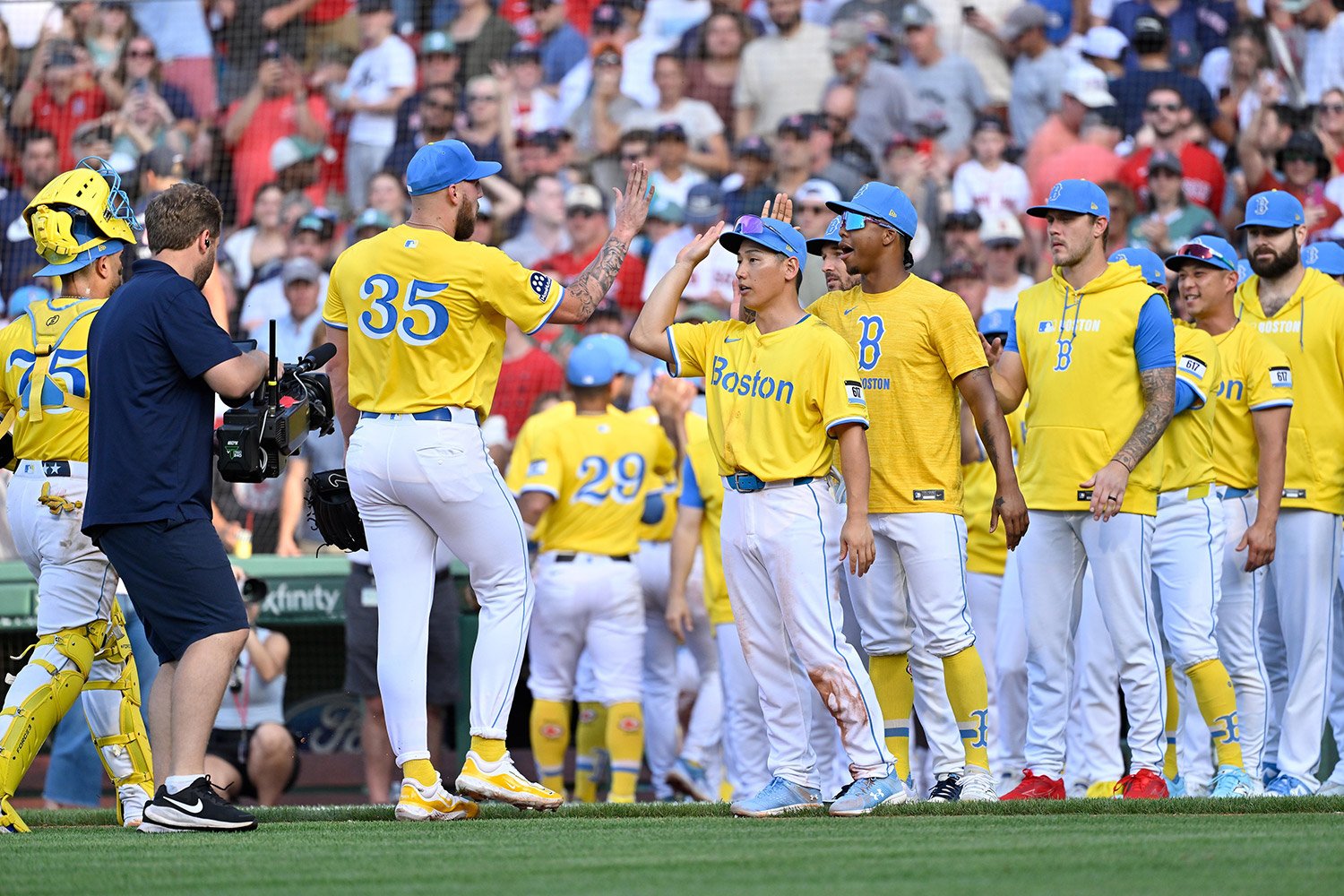 We have moved past the All-Star break, and the Boston Red Sox are officially postseason contenders with a little more than two months to go in the regular season. It has been a season of highs and lows in Boston, but the team has come together and established itself after trading away a franchise cornerstone in Rafael Devers. Established players secure a few spots in the lineup, while other positions continue to see a rotation or new faces. This piece will only feature offensive position groups; a rotation/bullpen breakdown will follow next week. Catcher If we were previewing the season right now, the Catcher position would have numerous question marks. However, that is no longer the case, as Carlos Narvaez has arrived and appears to be a fixture at Fenway for years to come. Although his offense has gradually slowed down in recent weeks, Narvaez still boasts a solid wRC+ of 114 and a 2.7 WAR, which ranks fourth among qualified catchers. His defensive metrics are stellar, and Narvaez brings a winning mentality to the Red Sox lineup. Behind him, Connor Wong continues to struggle; he has a 9 wRC+, which essentially means he is 91% below league average with the bat. The good news is that Wong is a backup and will continue to see minimal action for the remainder of the season. Catcher could become an issue if Narvaez gets hurt, but assuming he is healthy, he will continue to play the majority of innings behind the plate for the Red Sox. The team will likely look at options beyond Connor Wong to fill the backup spot next season. First Base After Triston Casas went down for the season with a left patellar tendon rupture, first base had a lot of question marks for the Red Sox. However, we are now in July, and the team seems confident about their platoon at the position. Romy Gonzalez and Abraham Toro continue to start at first base, and both have been important contributors in the surging Red Sox lineup. Toro has been performing at a league-average level after a strong start to his career in Boston. He now has a 99 wRC+ and -0.1 WAR. If he can maintain a league-average offensive performance, Toro can probably hold his current place on the team. However, if he enters a prolonged slump, Toro may get designated for assignment, especially if the Red Sox consider acquiring a bat at the deadline. He still has decent underlying numbers against right-handed pitching, which is productive for the Red Sox. Romy Gonzalez is a different story. He continues to be one of the best hitters in the lineup and is showing no signs of slowing down. Gonzalez has a 152 wRC+, which is third among first basemen with 150 or more plate appearances. Although the guys around him on that list have double the amount of at-bats, Gonzalez is not an everyday player. He is a platoon specialist who excels against left-handed pitchers. He is hitting over .400 in those spots, and his 223 wRC+ against left-handed pitching is nothing short of elite. Neither player is good defensively, and neither has played a majority of their career innings at first. Overall, the position group is a makeshift one, offering one of the higher-end potential outcomes with those two players. Don't be surprised if the Red Sox acquire a player who will hit against right-handed pitchers and potentially replace Toro, or simply slide Masataka Yoshida into the position. Second Base Kristian Campbell is in Triple-A, and David Hamilton has joined him. That leaves Marcelo Mayer with a sprinkle of Romy Gonzalez manning second base for the Red Sox right now. Although I think Campbell will be back up at some point this season, Mayer will play the majority of innings for now. Mayer has shown plus defensive skills in his time across the infield so far, and that is not likely to change at second base. He has a smooth glove and seems to be a high-IQ player. With just an 85 wRC+, Mayer still holds a positive WAR due to his defensive value. Alex Cora will continue to limit Mayer’s at-bats against lefties, as he has struggled greatly against them. That is when we can expect Gonzalez to man second base. Overall, the position appears to be a revolving door with potential to become a full platoon spot in the order. Shortstop Trevor Story is slowly but surely turning his season around. He has played almost every game, which has helped him work through his extended struggles. Story is hitting .311 with a 141 wRC+ since June 1st, and has been an integral part of the team's turnaround in that same period. Although he has a low floor with a high strikeout rate and a low walk rate, Story has still been productive for the Red Sox. He is second on the team with 15 homers and is tied for first with 16 stolen bases. He leads the team in RBI and strikeouts as well. Defensively, Story has been alright; his metrics don’t jump off the page, but he is still serviceable at shortstop. He is also still a great baserunner with an 81st percentile sprint speed. Overall, Story plays every game and gives it his all. Is his contract all of a sudden worth every penny? No, but Story keeps finding ways to help the team win, and is an important veteran in the clubhouse. Barring injury, Story will continue to be the everyday shortstop, and the Red Sox will not be looking to replace him this season. Third Base A few weeks ago, the Red Sox were piecing together innings at the hot corner. Now that Alex Bregman has returned, the innings are all his. Bregman was the team's best hitter before his injury late in May, and the hope is that he can return to that form down the stretch this season. Although he may not produce at the same clip from earlier in the season, Bregman is an established player who will not enter a prolonged slump. He is still a plus defender and a player who consistently hits the ball hard. One small point of concern is that Bregman is striking out more and walking less than he has at any point in recent years. Though he is walking less, he still has a 97th percentile chase rate, meaning Bregman is just seeing more strikes this season. It will also be interesting to see how his play through the rest of the season affects his next potential contract. The baseline is that Bregman is the unofficial Captain of the team and will be a crucial part of the lineup in the postseason hunt. He brings so much experience and calm to a young team, and winning in the postseason is something he has grown accustomed to. Outfield There are five players on the active roster who share time in the outfield. Beginning in left, Jarren Duran has taken hold of the position and is having a tough time adjusting defensively. Duran has -6 OAA, which is the worst among all Red Sox outfielders. Although he is uber-fast and athletic, Duran seems to struggle positioning himself in left. His hitting has taken a step back since last season as well, but Duran still brings a ton from the leadoff spot. He has a .753 OPS and has been taking a step forward in July. We will continue to hear his name in trade rumors leading up to the deadline, and we will have a much better idea of who will be seeing the most time in left field once Duran is moved or officially stays. Center field is another position that is “locked”. Ceddanne Rafaela has been stellar out there and is undoubtedly the best defensive player on the roster. Beyond his great glove, Rafaela is officially breaking out offensively. Since June 1st, he has a 168 wRC+, 11 homers, and 12 doubles. His offensive surge has been as important as it was unexpected. Although he still does not walk a lot, Rafaela has molded himself into a new type of hitter, one with power and the ability to put the bat on the ball. He still strikes out a ton, but that's okay if he continues to hit the ball out of the park. Rafaela has probably been the offensive MVP since the Devers trade, and he will be the defensive one every season he plays in Boston. The only question surrounding Rafaela is if he will play in the infield more after seeing his first action of the season there before the break. Roman Antony and Wilyer Abreu have shared right field. Anthony will DH if they are both in the lineup, as Abreu is a gold-glove level defender. Anthony has broken out and is one of the hottest hitters on the team. He is slashing .266/.375/.413 and is on the verge of eclipsing one WAR in one month, which is excellent. Anthony will also get time in left when Duran is out of the lineup, and he will move there permanently if Duran is traded. Meanwhile, Wilyer Abreu continues to be one of the most underrated players in the big leagues. He leads the Red Sox with 18 homers, and he is slugging .491. Typically, a player with big power and average speed is not a great defender, let alone an outfielder. That couldn’t be further from the truth with Abreu, as he has 5 OAA and a cannon of an arm. Abreu and Rafaela combine for one of the best defensive pairings in the outfield that the Red Sox have seen in a long time. Overall, it is jumbled in the outfield, which has led to trade rumors for a couple of players. At the same time, the plethora of options allows the Red Sox to be flexible at DH and have excellent depth if a player gets hurt. Designated Hitter Although the Red Sox no longer have an exclusive DH like Devers, they have two players, Rob Refsnyder and Yoshida, who will see most of the time there. It is too early to assess Yoshida’s season, but based on his career so far, he will be a guy who is above average with the bat, limits his strikeouts, and puts the ball in play. It is unclear what his exact role will be, but one thing is clear: the Red Sox will enjoy Yoshida’s calming presence and low strikeout rate. Refsnyder will continue to be a specialist against left-handed pitching. He has a .932 OPS against lefties and, like Gonzalez, is an elite platoon option. Although he is a poor defender who sees limited action in the field, it is unlikely the Red Sox will demote him anytime soon. He offers too much as a platoon option and has experience playing different positions in case he needs to be called on late in a game. Craig Breslow’s vision of flexibility at the DH position is coming to fruition as the Red Sox have elite platoon options and too many players in the outfield, meaning someone productive in the specific matchup will take the spot each game.
 -
The Red Sox selected Christian Foutch, a pitcher from Arkansas, 148th overall in the fifth round of the draft. Foutch was ranked 231st overall by MLB Pipeline. Foutch originally comes from Colorado, and was the top ranked pitcher in the state in 2022. Foutch came out of the bullpen at Arkansas, and he finished his collegiate career with 3.81 ERA. His two best pitches are his fastball and his splitter. The fastball topped out at 100 mph this season, and is his highest graded pitch from scouts. Foutch has a high ceiling, as he can generate a ton of whiffs with his plus stuff. However, he never showed great command in college, and that will be his biggest flaw as a prospect. Pipeline also notes that Foutch saw his role stray away from high-leverage situations as the season went on in 2025. The Red Sox clearly believe they can help modify his mechanics and improve his command, and that will be necessary for Foutch to ever pitch at the highest level. The pick carries a slot value of $479,000. What do you think of the Red Sox's decision to draft Foutch? View full rumor
