Nick John
-
Posts
799 -
Joined
-
Last visited
-
Days Won
1
Content Type
Profiles
Boston Red Sox Videos
2026 Boston Red Sox Top Prospects Ranking
Boston Red Sox Free Agent & Trade Rumors, Notes, & Tidbits
Guides & Resources
2025 Boston Red Sox Draft Pick Tracker
News
2026 Boston Red Sox Draft Tracker: Picks & Bonuses
Forums
Blogs
Events
Store
Downloads
Gallery
Everything posted by Nick John
-
That's interesting. Didn't realize that about Winnay. I'm looking forward to the end of July as I'll be up in Portland watching some of the guys there. Definitely will keep an eye on him
-
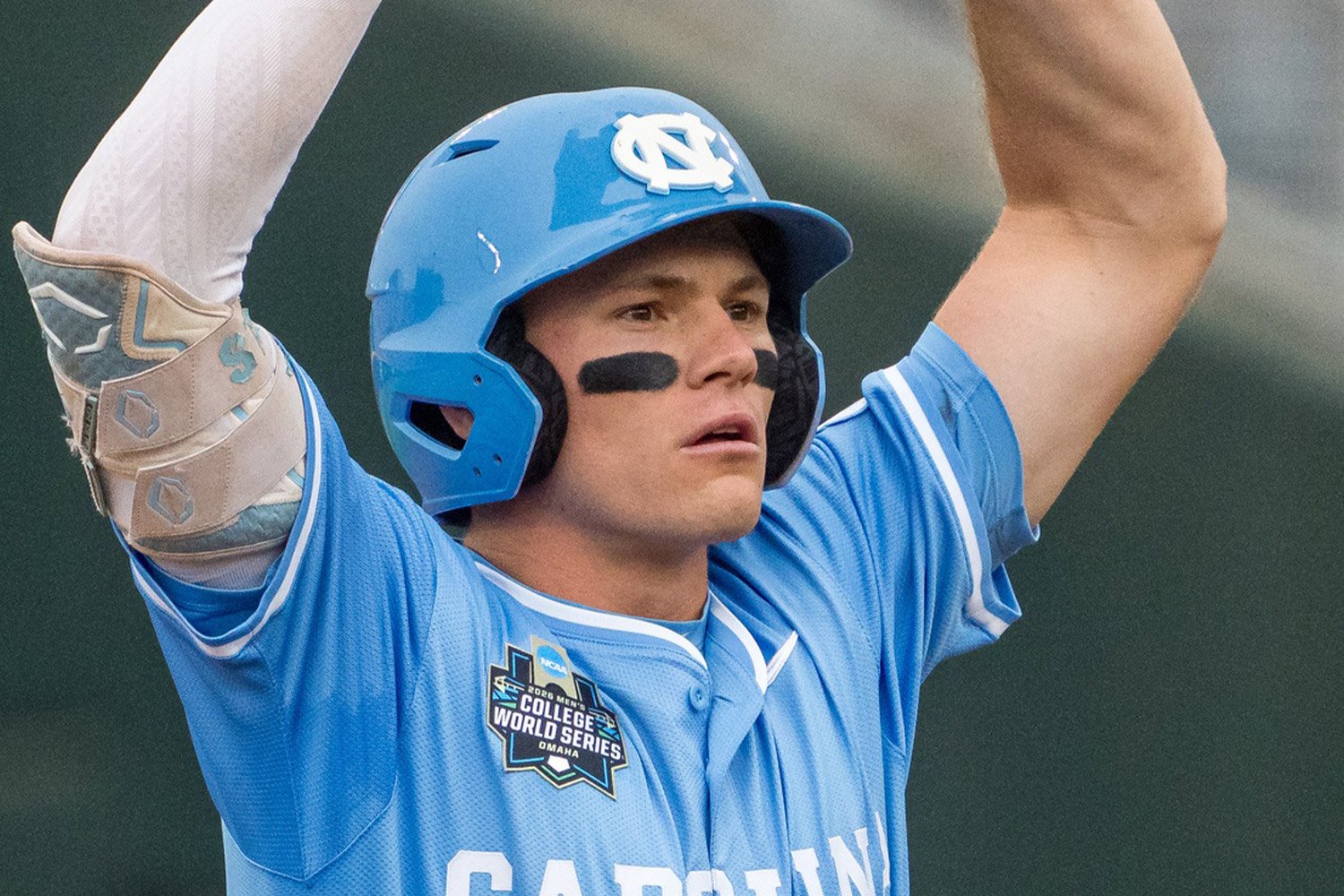 With the 67th overall pick in the draft, the Boston Red Sox selected Owen Hull. Hull is a sharp riser on the college side after an impressive postseason run as part of North Carolina’s CWS squad. After spending his first two collegiate seasons at George Mason, the 6’4" outfielder made the transition to the ACC look seamless and set himself up as a day one pick. Hull hits from the left side and has a bit of an unorthodox-looking swing. There is some swing and miss in the profile, but the damage on contact is impressive. He controls his at-bats well and takes plenty of walks, rarely expanding the zone in collegiate ball. Hull has a chance to stick in center field with plus speed. It’s a fringe-average arm, but the range and glove will play in center, at least during the onset of his professional career. Hull hit .393/.500/.615 with 9 home runs (38 extra base hits), a 14.8 BB%, a 15.1 K%, and a 146 wRC+ in 2026. Hull spent his first two seasons in college with George Mason before transferring to North Carolina. Appearing in 69 games with UNC, the left-handed hitter showed an ability to get on base along with great bat-to-ball skills. He flashed some power, hitting 27 doubles, two triples and nine home runs all while driving in 87 runs. Thanks to a combination of great baserunning and speed, he swiped 18 bases. The outfielder also showed an understanding of the strike zone, walking 48 times while striking out in 49 at-bats. During his time with UNC, he finished second in Division I in hits (103), and RBIs and third in doubles Despite that, there is some concern from scouts in regards to his swing. At times it gets rigid and his bat speed could be better, something the Red Sox could target with their bat speed program. Despite that, he makes hard contact easily and with his raw power could be a 20 home run hitter at his best. Defensively, he mainly played right field prior to joining UNC, where he shifted to center field. Despite still learning the position, he has the speed to remain and his arm shouldn’t be a concern there.
 -
With the 67th overall pick in the draft, the Boston Red Sox selected Owen Hull. Hull is a sharp riser on the college side after an impressive postseason run as part of North Carolina’s CWS squad. After spending his first two collegiate seasons at George Mason, the 6’4" outfielder made the transition to the ACC look seamless and set himself up as a day one pick. Hull hits from the left side and has a bit of an unorthodox-looking swing. There is some swing and miss in the profile, but the damage on contact is impressive. He controls his at-bats well and takes plenty of walks, rarely expanding the zone in collegiate ball. Hull has a chance to stick in center field with plus speed. It’s a fringe-average arm, but the range and glove will play in center, at least during the onset of his professional career. Hull hit .393/.500/.615 with 9 home runs (38 extra base hits), a 14.8 BB%, a 15.1 K%, and a 146 wRC+ in 2026. Hull spent his first two seasons in college with George Mason before transferring to North Carolina. Appearing in 69 games with UNC, the left-handed hitter showed an ability to get on base along with great bat-to-ball skills. He flashed some power, hitting 27 doubles, two triples and nine home runs all while driving in 87 runs. Thanks to a combination of great baserunning and speed, he swiped 18 bases. The outfielder also showed an understanding of the strike zone, walking 48 times while striking out in 49 at-bats. During his time with UNC, he finished second in Division I in hits (103), and RBIs and third in doubles Despite that, there is some concern from scouts in regards to his swing. At times it gets rigid and his bat speed could be better, something the Red Sox could target with their bat speed program. Despite that, he makes hard contact easily and with his raw power could be a 20 home run hitter at his best. Defensively, he mainly played right field prior to joining UNC, where he shifted to center field. Despite still learning the position, he has the speed to remain and his arm shouldn’t be a concern there. View full article
-
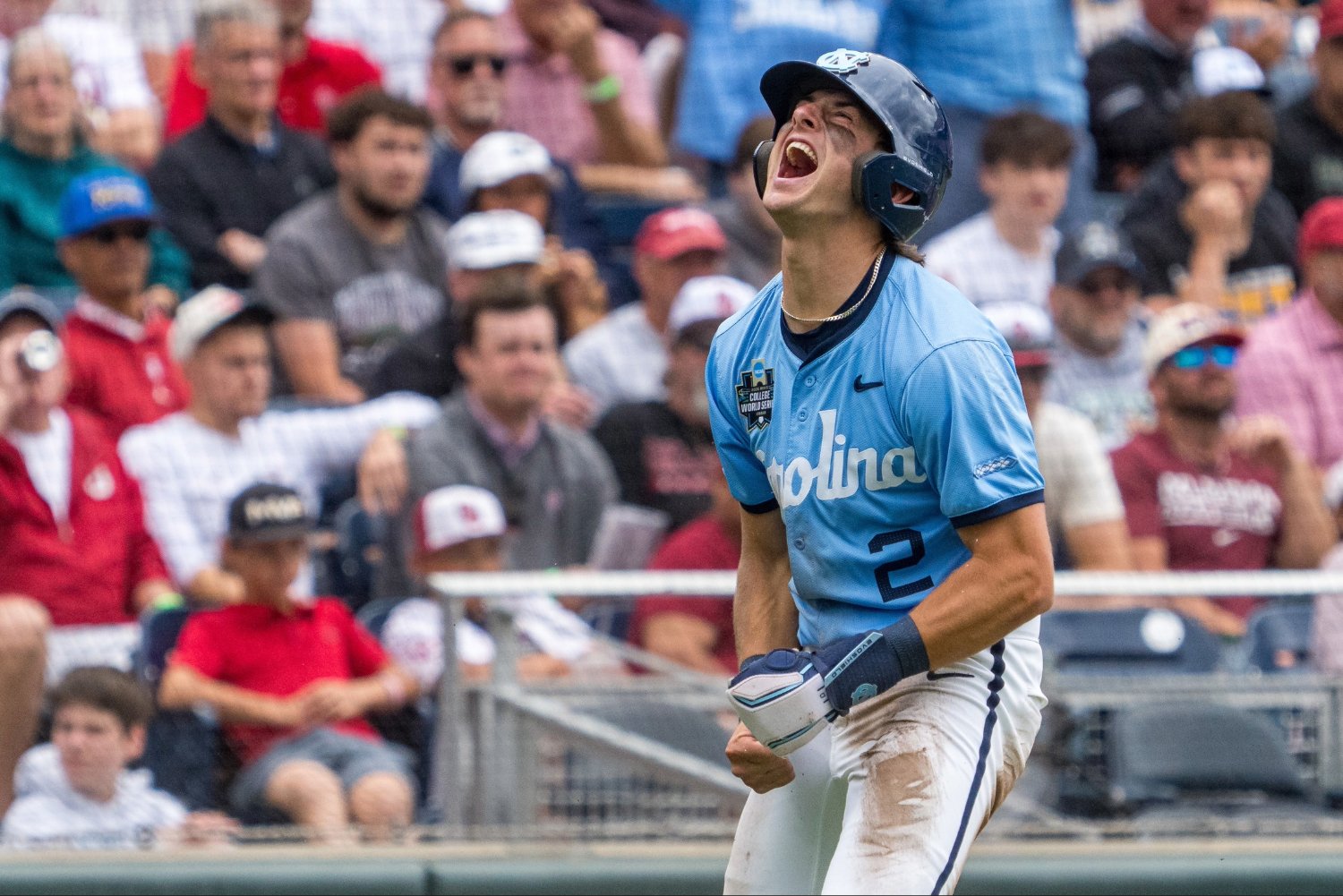 With the 20th overall pick in the 2026 MLB Draft, the Boston Red Sox have selected Jake Schaffner. Schaffner is an infielder who played shortstop for North Carolina in 2026 after spending his first two collegiate seasons at NDSU. He's carried over an impressively similar level of production in 2026 against much stiffer opposition. Schaffner hits from the left side. It's an offensive profile predicated on exceptional bat-to-ball skills. His overall contact rate in 2026 sits at ~88%, with a 94% rate in zone. There's some pop in the profile, with six home runs, and 42 extra-base hits. All of this is backed up by a strong approach, as Schaffner doesn't chase much and has walked over 13% of the time in 2026. He is a good up-the-middle defender. There's an average arm in there, and while he may move off shortstop eventually, he should be able to stick on the dirt, most likely at second base. Throw in above-average speed and savvy as a baserunner (25 stolen bases in 2026 at 89%), and there's a promising infield utility profile. In the last three drafts, the Red Sox have selected Kyle Teel, Branden Montgomery and Kyson Witherspoon in the first round. This year, they went for a bit of a reach, as they took Schaffner who was projected to go 69th in DiamondCentric’s final mock draft. Schaffner has had history playing not just shortstop, but also second base and third base. Last year, he appeared in 68 games with North Carolina where he showcased his exceptional bat-to-ball skills as he slashed .356/.467/.552 with most of his power being gap-to-gap. Overall, he had 19 doubles, eight triples, six home runs and 50 RBIs while also swiping 26 bases. He also had 45 walks to 32 strikeouts. He could be a candidate for the Red Sox's bat speed program to increase his power output. He could turn into a steal if his hit tool develops into a major-league quality skill when paired with his speed. Schaffner has some concerns as to whether he’ll stick at shortstop much like Henry Godbout last year, but he could slide over to either second base or third base. Floor-wise, the infielder should be seen as a utility infielder with solid contact skills. In each of his drafts Craig Breslow has focused on a different direction with his first pick and that trend continues in 2026. With Schaffner likely to be an under-slot pick, that frees up some capital for the team to take a risk on a high-upside player in the later rounds. What do you think of the pick? Leave your comments below!
 -
With the 20th overall pick in the 2026 MLB Draft, the Boston Red Sox have selected Jake Schaffner. Schaffner is an infielder who played shortstop for North Carolina in 2026 after spending his first two collegiate seasons at NDSU. He's carried over an impressively similar level of production in 2026 against much stiffer opposition. Schaffner hits from the left side. It's an offensive profile predicated on exceptional bat-to-ball skills. His overall contact rate in 2026 sits at ~88%, with a 94% rate in zone. There's some pop in the profile, with six home runs, and 42 extra-base hits. All of this is backed up by a strong approach, as Schaffner doesn't chase much and has walked over 13% of the time in 2026. He is a good up-the-middle defender. There's an average arm in there, and while he may move off shortstop eventually, he should be able to stick on the dirt, most likely at second base. Throw in above-average speed and savvy as a baserunner (25 stolen bases in 2026 at 89%), and there's a promising infield utility profile. In the last three drafts, the Red Sox have selected Kyle Teel, Branden Montgomery and Kyson Witherspoon in the first round. This year, they went for a bit of a reach, as they took Schaffner who was projected to go 69th in DiamondCentric’s final mock draft. Schaffner has had history playing not just shortstop, but also second base and third base. Last year, he appeared in 68 games with North Carolina where he showcased his exceptional bat-to-ball skills as he slashed .356/.467/.552 with most of his power being gap-to-gap. Overall, he had 19 doubles, eight triples, six home runs and 50 RBIs while also swiping 26 bases. He also had 45 walks to 32 strikeouts. He could be a candidate for the Red Sox's bat speed program to increase his power output. He could turn into a steal if his hit tool develops into a major-league quality skill when paired with his speed. Schaffner has some concerns as to whether he’ll stick at shortstop much like Henry Godbout last year, but he could slide over to either second base or third base. Floor-wise, the infielder should be seen as a utility infielder with solid contact skills. In each of his drafts Craig Breslow has focused on a different direction with his first pick and that trend continues in 2026. With Schaffner likely to be an under-slot pick, that frees up some capital for the team to take a risk on a high-upside player in the later rounds. What do you think of the pick? Leave your comments below! View full article
-
While the Boston Red Sox have focused mainly on pitching when it comes to the draft over the past few years, Jack Winnay was a bat the team targeted later in the 2025 process due to his incredible power. That's an area of the game that the Red Sox are desperately in need of, meaning Winnay could be one of the answers should he manage to properly develop other areas of his game. Jack Winnay’s Updated Red Sox Scouting Report Winnay, who grew up in Newton, Massachusetts and attended Belmont Hill High School, would go on to play college baseball for Wake Forest where by his second season he became a regular starter. During the summer after his first year, the young infielder played in the Futures Collegiate Baseball League for the Vermont Lake Monsters. Following that, Winnay showed his immense power during his final two seasons with Wake Forest where he hit 31 doubles, 35 home runs and drove in 123 runs. Entering the 2025 draft, Winnay was ranked the 384th prospect in the class thanks to a solid approach at the plate paired with good angles off the bat. Despite the power and ability to make contact, he wasn’t viewed as a top prospect due to the lack of a carrying tool, and his power was questioned due to playing in a hitter-friendly park in college. He measures 6-foot-3 and weighed 220 pounds while displaying a solid, physical frame that was already built out and lacked much growth remaining. With the organization, Winnay began his professional career with the then Salem Red Sox as he appeared in 15 games in 2025 and hit .321/.393/.434 with three doubles, one home run and 11 RBIs. The sample size showed that he was ready for the next level of minor league baseball and in 2026 he opened the season with the Greenville Drive. After an outstanding start to his season, Winnay was promoted to Double-A Portland after hitting .255/.434/.457 with five doubles, 11 home runs and 31 RBIs in 56 games split between first base and third base. Winnay’s performance in the month of May also earned him TalkSox’s Minor League Hitter of the Month after he slashed .290/.490/.623 with seven home runs and 14 RBIs to go along with 26 walks. Hit Tool Winnay has showcased an ability to make solid contact everywhere he’s played since the summer of 2023 he spent with Vermont. Starting with his hands high, Winnay goes into a leg lift followed by his swing. He has good plate coverage but likes to get extended and pull the baseball while taking advantage of his strong points as a hitter. He has solid contact skills and plus pitch recognition that allows him to have an elite understanding of the strike zone. His bat path through the zone is good and knows how to hit the baseball at the right angle. He has shown he’s comfortable hitting secondary offerings but there is some concern over how he may handle velocity in the upper levels of the minors. He is willing to work a count and take a walk over trying to force a hit. Like most sluggers, he'll also have his fair share of strikeouts. Potential above-average hit tool: 55 grade on 20-80 scale Power Tool Winnay’s best tool is his power, especially in the raw strength department. So far in 2026, he’s been able to translate that raw power into in-game power, as he’s had several loud home runs for Greenville. His power is mostly to the pull side, as 10 of his 11 home runs with Greenville were either to left field or left-center, and the one that wasn’t was to straight away center field. Thanks to his ability to hit the baseball at the ideal launch angle, he’s able to drive the ball with authority. Potential plus power tool: 60 grade on the 20-80 scale Running Value For Winnay, running is not a big part of his game. He can go first to third on the right kind of hit, but due to his below-average speed, don’t expect him to be taking the extra base or trying to steal with regularity. For his batted balls to end up as extra-base hits, he’ll either need to hit it over the fence or drive it deep into the gap. Potential below-average run tool: 40 grade on the 20-80 scale Fielding Ability While in college, Winnay played first base and the outfield, though he was predominantly a first baseman in his final season at Wake Forest after mainly playing the outfield his sophomore season. While with Vermont for summer ball, he split his time at first base and third base. So far in his young career, the Red Sox have no intention of playing him in the outfield as he’s split his time between first base and third base, with him having appeared at the latter position 55 times this year. In those 42 games, he has committed 15 errors. At first base, he’s appeared in 18 games without making an error. Potential fringe-average field tool: 45 grade on the 20-80 scale Arm Strength Winnay’s arm is viewed as average. It’s strong enough to handle third base, but it won't make or break his defensive profile. Potential average arm tool: 50 grade on the 20-80 scale Outlook with Red Sox With the lack of in-game power on the major-league roster, Winnay will be given chances to develop into a potential major-league bat. Right now, Winnay’s ceiling looks to be that of a bench bat, but that could change should his hit tool develop as predicted. Due to the lack of speed in his game and his questionable ability to currently remain at third base long-term, Winnay’s value will remain tied to his hitting. He has shown an advanced approach at the plate but as he moves through the minors, he'll need to prove he can handle the more advanced pitching, especially when it comes to velocity. 2026 Final Prediction With Winnay’s promotion to Portland coming a little sooner than imagined, there is little room to dream on another quick promotion. The 13th-round pick will remain with Portland for the remainder of the season, getting at-bats against the toughest competition Double-A has to offer. He’ll also be playing at Portland’s Delta Dental Park, which isn’t as much of a hitter’s park as Fleur Field was, which will help to show if his first half of 2026 was thanks to ballpark factors. Expect Winnay to get plenty of time split between third base and first base as the organization looks to see him settle down defensively. View full article
-
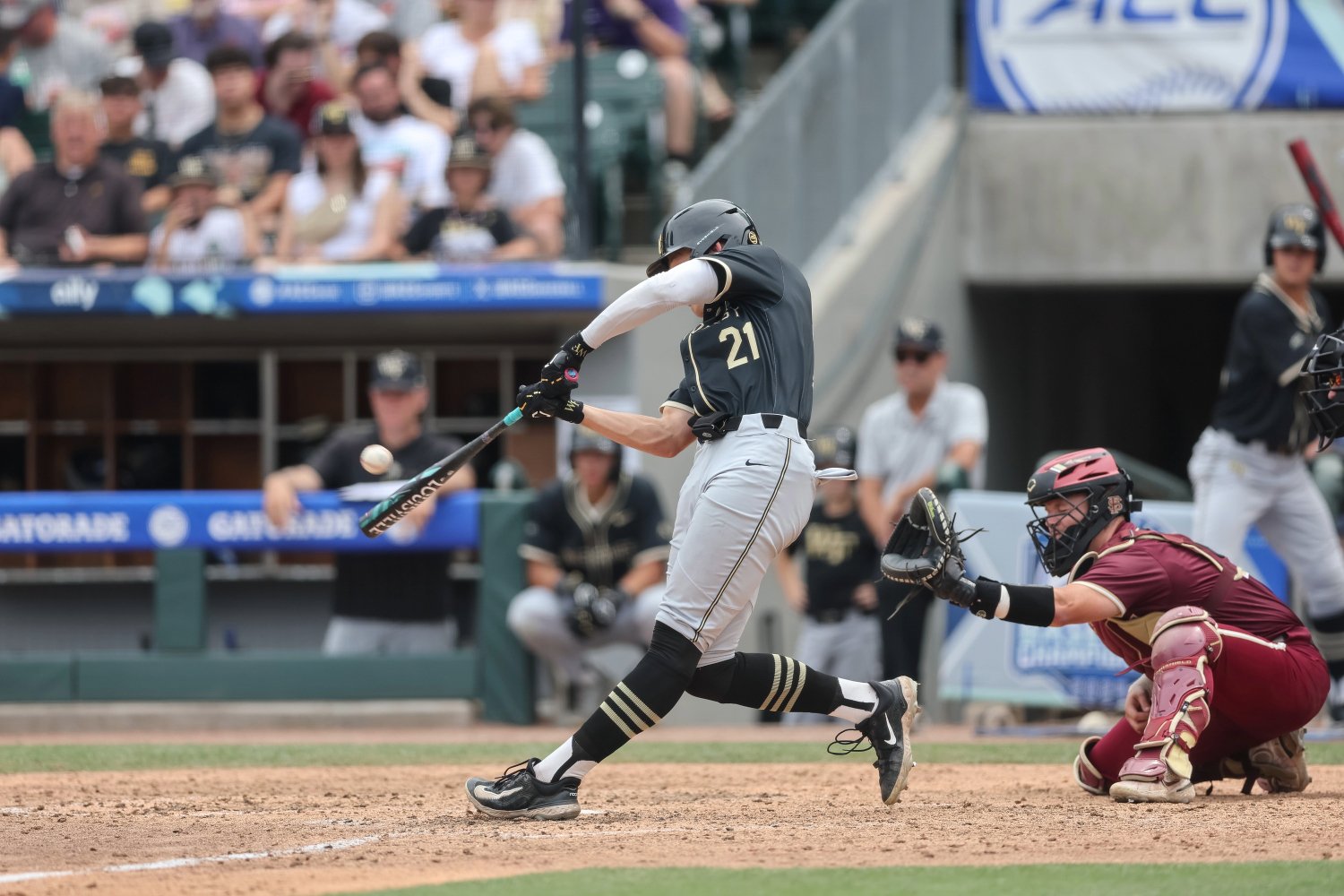 While the Boston Red Sox have focused mainly on pitching when it comes to the draft over the past few years, Jack Winnay was a bat the team targeted later in the 2025 process due to his incredible power. That's an area of the game that the Red Sox are desperately in need of, meaning Winnay could be one of the answers should he manage to properly develop other areas of his game. Jack Winnay’s Updated Red Sox Scouting Report Winnay, who grew up in Newton, Massachusetts and attended Belmont Hill High School, would go on to play college baseball for Wake Forest where by his second season he became a regular starter. During the summer after his first year, the young infielder played in the Futures Collegiate Baseball League for the Vermont Lake Monsters. Following that, Winnay showed his immense power during his final two seasons with Wake Forest where he hit 31 doubles, 35 home runs and drove in 123 runs. Entering the 2025 draft, Winnay was ranked the 384th prospect in the class thanks to a solid approach at the plate paired with good angles off the bat. Despite the power and ability to make contact, he wasn’t viewed as a top prospect due to the lack of a carrying tool, and his power was questioned due to playing in a hitter-friendly park in college. He measures 6-foot-3 and weighed 220 pounds while displaying a solid, physical frame that was already built out and lacked much growth remaining. With the organization, Winnay began his professional career with the then Salem Red Sox as he appeared in 15 games in 2025 and hit .321/.393/.434 with three doubles, one home run and 11 RBIs. The sample size showed that he was ready for the next level of minor league baseball and in 2026 he opened the season with the Greenville Drive. After an outstanding start to his season, Winnay was promoted to Double-A Portland after hitting .255/.434/.457 with five doubles, 11 home runs and 31 RBIs in 56 games split between first base and third base. Winnay’s performance in the month of May also earned him TalkSox’s Minor League Hitter of the Month after he slashed .290/.490/.623 with seven home runs and 14 RBIs to go along with 26 walks. Hit Tool Winnay has showcased an ability to make solid contact everywhere he’s played since the summer of 2023 he spent with Vermont. Starting with his hands high, Winnay goes into a leg lift followed by his swing. He has good plate coverage but likes to get extended and pull the baseball while taking advantage of his strong points as a hitter. He has solid contact skills and plus pitch recognition that allows him to have an elite understanding of the strike zone. His bat path through the zone is good and knows how to hit the baseball at the right angle. He has shown he’s comfortable hitting secondary offerings but there is some concern over how he may handle velocity in the upper levels of the minors. He is willing to work a count and take a walk over trying to force a hit. Like most sluggers, he'll also have his fair share of strikeouts. Potential above-average hit tool: 55 grade on 20-80 scale Power Tool Winnay’s best tool is his power, especially in the raw strength department. So far in 2026, he’s been able to translate that raw power into in-game power, as he’s had several loud home runs for Greenville. His power is mostly to the pull side, as 10 of his 11 home runs with Greenville were either to left field or left-center, and the one that wasn’t was to straight away center field. Thanks to his ability to hit the baseball at the ideal launch angle, he’s able to drive the ball with authority. Potential plus power tool: 60 grade on the 20-80 scale Running Value For Winnay, running is not a big part of his game. He can go first to third on the right kind of hit, but due to his below-average speed, don’t expect him to be taking the extra base or trying to steal with regularity. For his batted balls to end up as extra-base hits, he’ll either need to hit it over the fence or drive it deep into the gap. Potential below-average run tool: 40 grade on the 20-80 scale Fielding Ability While in college, Winnay played first base and the outfield, though he was predominantly a first baseman in his final season at Wake Forest after mainly playing the outfield his sophomore season. While with Vermont for summer ball, he split his time at first base and third base. So far in his young career, the Red Sox have no intention of playing him in the outfield as he’s split his time between first base and third base, with him having appeared at the latter position 55 times this year. In those 42 games, he has committed 15 errors. At first base, he’s appeared in 18 games without making an error. Potential fringe-average field tool: 45 grade on the 20-80 scale Arm Strength Winnay’s arm is viewed as average. It’s strong enough to handle third base, but it won't make or break his defensive profile. Potential average arm tool: 50 grade on the 20-80 scale Outlook with Red Sox With the lack of in-game power on the major-league roster, Winnay will be given chances to develop into a potential major-league bat. Right now, Winnay’s ceiling looks to be that of a bench bat, but that could change should his hit tool develop as predicted. Due to the lack of speed in his game and his questionable ability to currently remain at third base long-term, Winnay’s value will remain tied to his hitting. He has shown an advanced approach at the plate but as he moves through the minors, he'll need to prove he can handle the more advanced pitching, especially when it comes to velocity. 2026 Final Prediction With Winnay’s promotion to Portland coming a little sooner than imagined, there is little room to dream on another quick promotion. The 13th-round pick will remain with Portland for the remainder of the season, getting at-bats against the toughest competition Double-A has to offer. He’ll also be playing at Portland’s Delta Dental Park, which isn’t as much of a hitter’s park as Fleur Field was, which will help to show if his first half of 2026 was thanks to ballpark factors. Expect Winnay to get plenty of time split between third base and first base as the organization looks to see him settle down defensively.
 -
When it comes to the Boston Red Sox, it feels like every time within the past few drafts, an extremely talented player has fallen to them. First it was Kyle Teel, then it was Braden Montgomery, and in 2025 it was Kyson Witherspoon. The organization has been fortunate to have prospects of this caliber slip to them, and have seen them develop rather well. Watching these prospects play has made a rather tough decade of Red Sox baseball more consumable knowing what the future may look like. Today, we’ll be looking at the latest of the Red Sox's first-round picks in Kyson Witherspoon and how his early career struggles do not reflect the kind of pitcher he is. Witherspoon is incredibly talented and there’s a reason he is TalkSox’s third ranked prospect. Kyson Witherspoon’s Updated Red Sox Scouting Report Witherspoon began his path to professional baseball alongside his twin brother Malachi who was drafted (and did not sign) out of high school. Instead, the twins enrolled and pitched for Northwest Florida State Junior College before they both transferred to Oklahoma for their sophomore and junior seasons. During the summer following his sophomore season, Witherspoon pitched in the Cape Cod League for Chatham before developing into one of the top college arms during his junior season. The right-hander saw an increase in velocity that season while cutting his walk rate. In 16 starts with Oklahoma as a junior he went 10-4 with a 2.65 ERA in 95 innings, striking out 124 batters while walking just 23. Entering the draft, he was viewed as a top-10 pick due to his season thanks to his young draft age, as he wouldn’t turn 21 until after the draft. Despite that, Witherspoon fell to the Red Sox at 15th. Entering spring training, Witherspoon measured 6-foot-2 and weighed 205 pound with some growth being possible in his upper body. During spring training, he put on a display during his live bullpen sessions, his fastball hitting high-90s. He would also pitch in the Spring Breakout game where he tossed 1 2/3 innings and allowed one run on three hits and a walk while striking out a pair. Witherspoon has spent the 2026 season with High-A Greenville where he has had his fair share of ups and downs. April was the hardest month for the right-hander, as he allowed 18 runs, 14 of them earned, across 17 2/3 innings. Batters would hit .304/.410/.449 against him, but the right-hander bounced back in the month of May, holding them to a line of .220/.324/.356. Since his May 31 start, Witherspoon has now gone at least five innings in five of his past seven starts after failing to make it out of the fifth inning in his first eight professional starts. Overall, on the season, Witherspoon has made 15 starts and tossed 65.2 innings while allowing 37 earned runs, good for a 5.07 ERA. He’s also struck out 69 batters while walking 32. Mechanics Witherspoon stands on the first base side of the rubber while throwing from a three-quarters arm slot. Unlike with most Craig Breslow drafted pitchers, he does not have elite or even plus extension, but instead is viewed as being a short strider with an extension of under six feet. However, he does have good deception thanks to his arm action and can repeat his delivery. The release height of the pitch is considered average in relation to other pitchers. He does shoot the ball from his ear which helps in creating the deception of his pitches. Fastball The fastball is Witherspoon’s best pitch, averaging 95-97 mph. During spring training, it was sitting around 97-99 mph. His velocity hasn’t dropped too much since then and he’s been able to keep the velocity during his starts without a major drop-off in speed during the latter half of his outings. The pitch has shown the ability to miss bats thanks in part to its velocity and an improved control of the pitch stemming from his junior season. While the Red Sox have yet to tinker with it, due to its pitch shape, it wouldn’t be out of the question for the organization to see if they can adjust it. Especially since Witherspoon naturally tinkers with his grips and shapes. Potential plus pitch: 60 grade on 20-80 scale Cutter The cutter is a pitch Witherspoon uses quite often, throwing it to try and get strikes consistently. It currently sits between 88 and 91 mph and has shown bat-missing ability thanks to a hard but short horizontal break. It can generate chase from opponents. Due to it’s usefulness, the cutter has seen an increase in usage by Witherspoon as it also helps set up his other pitches. Potential plus pitch: 60 grade on 20-80 scale Slider Arguably the one pitch that benefits from his cutter more than any other, his slider averages between 84 and 87 mph. He’s able to land the pitch in the zone if he’s looking to get a strike or bury it down and out of the strike zone if he’s looking to get a batter to chase or generate whiffs. The pitch has shown to flash depth at its best, with two-plane movement that can make a hitter look foolish. Potential above-average pitch: 55 grade on 20-80 scale Curveball Witherspoon’s curveball has an 11-to-5 shape, which in college he would throw in two-strike counts to both left-handed and right-handed hitters. The pitch can be thrown either below the zone to try and generate some chase, or he can land it in the zone when necessary. When paired with his fastball, it can cause batters to freeze up at times. The command of it isn’t the best however, and he will have some misses with it at times. He has a feel for the pitch, though it's certainly not his go-to breaking ball. Potential above-average pitch: 55 grade on 20-80 scale Changeup His least-used pitch and probably the worst out of all of them. Despite that, it has shown potential thanks to the natural pitch tunneling he creates. In college, he played around with the grip of the pitch, tossing it like a four-seam changeup at times and other times like a splitter. Regardless of the grip he uses, the pitch showed little drop. However, since joining the Red Sox, it has shown late drop. Despite it being his weakest pitch, Witherspoon has confidence to use it multiple times in an at-bat against left-handed hitters. Potential average pitch: 50 grade on 20-80 scale Outlook with Red Sox Witherspoon has flashed signs of the potential the Red Sox drafted him for. Despite some growing pains in professional baseball, the right-hander is an incredibly talented arm that should stay in the rotation. Entering 2026, he was predicted to be a fast riser through the system but that hasn’t been the case. As he continues to develop, it’s currently a toss up if he gets to Double-A by the end of the season. His floor is of a fifth starter thanks in part to his velocity and multiple secondaries that are rated as potentially above average. The ceiling for him is somewhere between a number two and number three starter. Both his changeup and curveball need to be more consistent, and should he develop them, he could have a chance to make his ceiling into that of a legitimate co-ace in the rotation. 2026 Final Prediction As mentioned, everyone predicted Witherspoon to be a fast riser. That hasn’t been the case in 2026, as he’s taken some time to get accustomed to professional hitters. Now that he’s showing great development and going deeper into outings, a trip to Portland shouldn't be far off. That being said, I wouldn’t be surprised if the organization takes it slow with him and instead decided to keep him in Greenville for the entire season to work on his pitch shapes along with command of his curveball and changeup. View full article
-
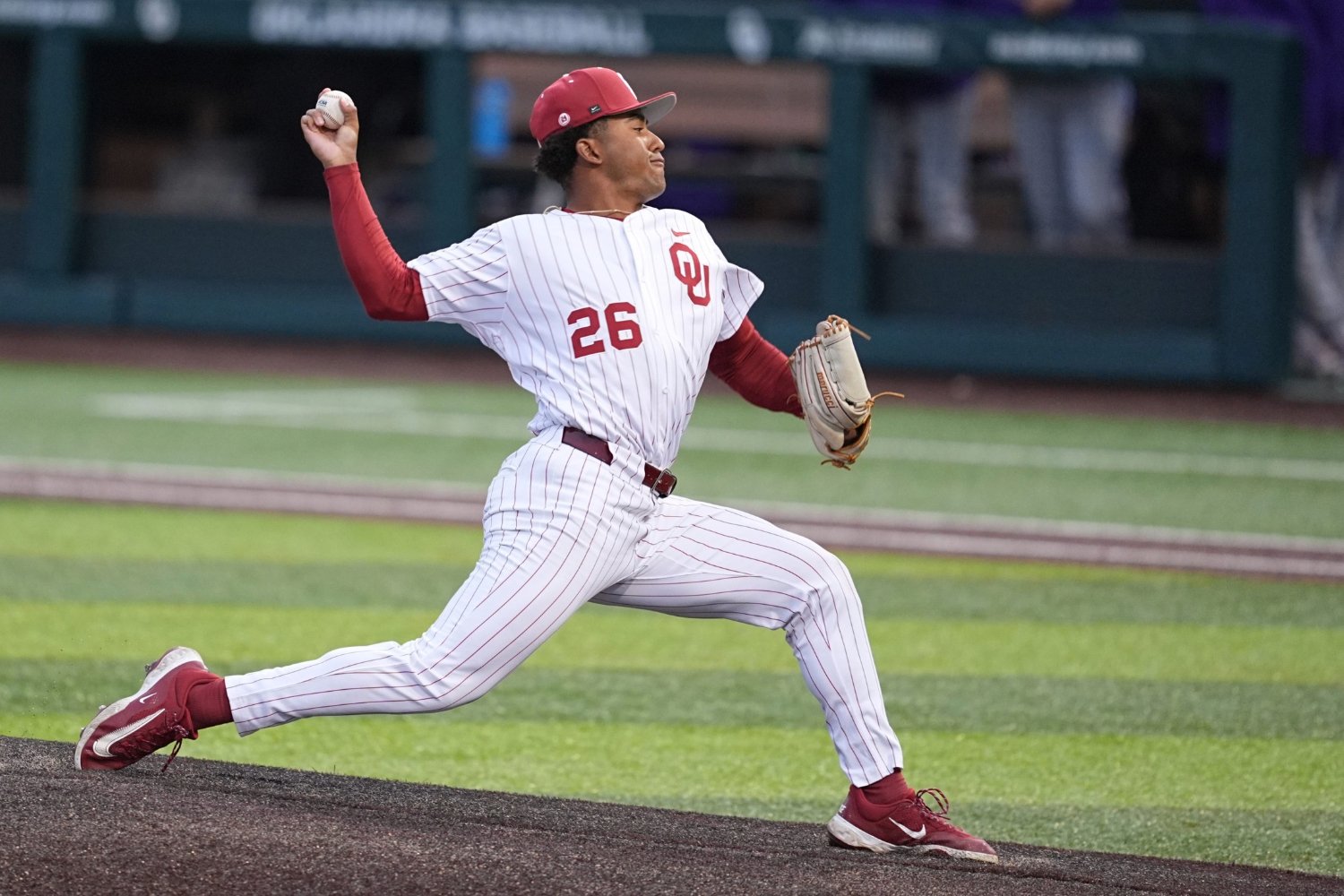 When it comes to the Boston Red Sox, it feels like every time within the past few drafts, an extremely talented player has fallen to them. First it was Kyle Teel, then it was Braden Montgomery, and in 2025 it was Kyson Witherspoon. The organization has been fortunate to have prospects of this caliber slip to them, and have seen them develop rather well. Watching these prospects play has made a rather tough decade of Red Sox baseball more consumable knowing what the future may look like. Today, we’ll be looking at the latest of the Red Sox's first-round picks in Kyson Witherspoon and how his early career struggles do not reflect the kind of pitcher he is. Witherspoon is incredibly talented and there’s a reason he is TalkSox’s third ranked prospect. Kyson Witherspoon’s Updated Red Sox Scouting Report Witherspoon began his path to professional baseball alongside his twin brother Malachi who was drafted (and did not sign) out of high school. Instead, the twins enrolled and pitched for Northwest Florida State Junior College before they both transferred to Oklahoma for their sophomore and junior seasons. During the summer following his sophomore season, Witherspoon pitched in the Cape Cod League for Chatham before developing into one of the top college arms during his junior season. The right-hander saw an increase in velocity that season while cutting his walk rate. In 16 starts with Oklahoma as a junior he went 10-4 with a 2.65 ERA in 95 innings, striking out 124 batters while walking just 23. Entering the draft, he was viewed as a top-10 pick due to his season thanks to his young draft age, as he wouldn’t turn 21 until after the draft. Despite that, Witherspoon fell to the Red Sox at 15th. Entering spring training, Witherspoon measured 6-foot-2 and weighed 205 pound with some growth being possible in his upper body. During spring training, he put on a display during his live bullpen sessions, his fastball hitting high-90s. He would also pitch in the Spring Breakout game where he tossed 1 2/3 innings and allowed one run on three hits and a walk while striking out a pair. Witherspoon has spent the 2026 season with High-A Greenville where he has had his fair share of ups and downs. April was the hardest month for the right-hander, as he allowed 18 runs, 14 of them earned, across 17 2/3 innings. Batters would hit .304/.410/.449 against him, but the right-hander bounced back in the month of May, holding them to a line of .220/.324/.356. Since his May 31 start, Witherspoon has now gone at least five innings in five of his past seven starts after failing to make it out of the fifth inning in his first eight professional starts. Overall, on the season, Witherspoon has made 15 starts and tossed 65.2 innings while allowing 37 earned runs, good for a 5.07 ERA. He’s also struck out 69 batters while walking 32. Mechanics Witherspoon stands on the first base side of the rubber while throwing from a three-quarters arm slot. Unlike with most Craig Breslow drafted pitchers, he does not have elite or even plus extension, but instead is viewed as being a short strider with an extension of under six feet. However, he does have good deception thanks to his arm action and can repeat his delivery. The release height of the pitch is considered average in relation to other pitchers. He does shoot the ball from his ear which helps in creating the deception of his pitches. Fastball The fastball is Witherspoon’s best pitch, averaging 95-97 mph. During spring training, it was sitting around 97-99 mph. His velocity hasn’t dropped too much since then and he’s been able to keep the velocity during his starts without a major drop-off in speed during the latter half of his outings. The pitch has shown the ability to miss bats thanks in part to its velocity and an improved control of the pitch stemming from his junior season. While the Red Sox have yet to tinker with it, due to its pitch shape, it wouldn’t be out of the question for the organization to see if they can adjust it. Especially since Witherspoon naturally tinkers with his grips and shapes. Potential plus pitch: 60 grade on 20-80 scale Cutter The cutter is a pitch Witherspoon uses quite often, throwing it to try and get strikes consistently. It currently sits between 88 and 91 mph and has shown bat-missing ability thanks to a hard but short horizontal break. It can generate chase from opponents. Due to it’s usefulness, the cutter has seen an increase in usage by Witherspoon as it also helps set up his other pitches. Potential plus pitch: 60 grade on 20-80 scale Slider Arguably the one pitch that benefits from his cutter more than any other, his slider averages between 84 and 87 mph. He’s able to land the pitch in the zone if he’s looking to get a strike or bury it down and out of the strike zone if he’s looking to get a batter to chase or generate whiffs. The pitch has shown to flash depth at its best, with two-plane movement that can make a hitter look foolish. Potential above-average pitch: 55 grade on 20-80 scale Curveball Witherspoon’s curveball has an 11-to-5 shape, which in college he would throw in two-strike counts to both left-handed and right-handed hitters. The pitch can be thrown either below the zone to try and generate some chase, or he can land it in the zone when necessary. When paired with his fastball, it can cause batters to freeze up at times. The command of it isn’t the best however, and he will have some misses with it at times. He has a feel for the pitch, though it's certainly not his go-to breaking ball. Potential above-average pitch: 55 grade on 20-80 scale Changeup His least-used pitch and probably the worst out of all of them. Despite that, it has shown potential thanks to the natural pitch tunneling he creates. In college, he played around with the grip of the pitch, tossing it like a four-seam changeup at times and other times like a splitter. Regardless of the grip he uses, the pitch showed little drop. However, since joining the Red Sox, it has shown late drop. Despite it being his weakest pitch, Witherspoon has confidence to use it multiple times in an at-bat against left-handed hitters. Potential average pitch: 50 grade on 20-80 scale Outlook with Red Sox Witherspoon has flashed signs of the potential the Red Sox drafted him for. Despite some growing pains in professional baseball, the right-hander is an incredibly talented arm that should stay in the rotation. Entering 2026, he was predicted to be a fast riser through the system but that hasn’t been the case. As he continues to develop, it’s currently a toss up if he gets to Double-A by the end of the season. His floor is of a fifth starter thanks in part to his velocity and multiple secondaries that are rated as potentially above average. The ceiling for him is somewhere between a number two and number three starter. Both his changeup and curveball need to be more consistent, and should he develop them, he could have a chance to make his ceiling into that of a legitimate co-ace in the rotation. 2026 Final Prediction As mentioned, everyone predicted Witherspoon to be a fast riser. That hasn’t been the case in 2026, as he’s taken some time to get accustomed to professional hitters. Now that he’s showing great development and going deeper into outings, a trip to Portland shouldn't be far off. That being said, I wouldn’t be surprised if the organization takes it slow with him and instead decided to keep him in Greenville for the entire season to work on his pitch shapes along with command of his curveball and changeup.
 -
From going undrafted to signing with the Red Sox while driving to Cape Cod, Calvin Bickerstaff has an interesting story. Pitching in Greenville in 2026, the right-hander continues his pursuit of pitching in the majors. Talk Sox's Nick John sits down and discusses the path Bickerstaff has taken to get to professional baseball. View full video
-
From going undrafted to signing with the Red Sox while driving to Cape Cod, Calvin Bickerstaff has an interesting story. Pitching in Greenville in 2026, the right-hander continues his pursuit of pitching in the majors. Talk Sox's Nick John sits down and discusses the path Bickerstaff has taken to get to professional baseball.
-
I wouldn't ditch it just yet. While it's arguably his worst pitch at the moment, should he get more consistent with it, that thing could be a huge weapon thanks to his release height and arm angle. And even if it doesn't improve, throwing it every so often to confuse a hitter can work too. Especially if he becomes fastball/slider/cutter heavy.
-
Anthony Eyanson quickly vaulted his way up the prospect rankings thanks to a dominant first half of pitching that was split between High-A Greenville and Double-A Portland, making him TalkSox’s number two prospect on our latest Top 20 ranking. While the major-league club has struggled to play consistent baseball, the sight of young prospects flourishing has been a great sign for the future, especially on the pitching side. Today, we’ll break down what makes Eyanson such an exciting prospect and how his development may be causing other teams to wish they had grabbed him. Anthony Eyanson’s Updated Red Sox Scouting Report Eyanson, who pitched his first two seasons of college baseball at UC San Diego, transferred to LSU prior to the 2025 season where he became the team’s Saturday starter behind teammate and 2025 third overall pick Kade Anderson. The right-hander would quickly become one of the best pitchers in college baseball that year, going 12-2 with two saves as he appeared in 20 games and made 18 starts. Over that span he tossed 108 innings and struck out 152 batters, allowing him to finish third in Division I for strikeouts trailing Anderson and fifth overall pick Liam Doyle. This was in part thanks to an increase in velocity, as his fastball sat at 93 mph and would occasionally hit 96-98 mph. Entering the draft, he was viewed as a likely top-50 prospect, but then he fell all the way down to the third round, where the Sox wisely scooped him up. Entering spring training, Eyanson measured 6-foot-2 and weighed 210 pounds with an athletic frame that has a sturdy lower half and possible room to grow for his upper body. He showcased some great stuff during his live bullpen sessions against hitters. During the beginning of the spring, he was hitting high-90s on his fastball and in the Spring Breakout game, hit triple digits. After opening the season with High-A Greenville, Eyanson was promoted to Double-A after just five dominant starts. Overall he tossed 20 1/3 innings and allowed one run on seven hits and three walks. The lone run was on a solo home run in his professional debut. In that same span, he struck out 34 batters. Since joining Portland, he’s made seven starts and tossed 35 1/3 innings. During that span, he’s allowed seven earned runs on 21 hits and 17 walks while striking out 37 batters, despite being four years younger than the average player for that level. Overall, he's 3-0 with a 1.29 ERA across 12 starts (13 appearances) between Portland and Greenville. Mechanics Unlike most pitchers today, Eyanson throws from a high three-quarters arm slot standing on the first base side of the rubber. A high leg kick is followed by a long arm swing behind his head, before a quick forward motion with a high release. He manages to repeat his mechanics and has no restrictions to his arm or shoulder. He showcases a plus extension that allows his fastball to play better. His release point is higher than 94% of pitchers, leading to his pitches approaching the zone at a steeper-than-average angle. Fastball Entering spring training, his fastball sat 95-98 and topped out at triple digits after sitting 92-94 mph in college. The increase in velocity held to begin the season, but since joining Portland it has been sitting 93-95 mph. Pitch has a below-average spin rate compared to other fastballs due to his release point but has good movement. His fastball has lost some arm-side movement, but Eyanson has replaced it with increased vertical break, making it tough to square up. He's got plus command and control with the pitch as he throws a ton of strikes. Odds are, he'll struggle to miss bats with it at the higher levels. Potential plus pitch: 60 grade on 20-80 scale Slider The slider might be his best pitch when all is said and done. Sitting 86-89 mph, it has more vertical movement than horizontal like the fastball due to his release point. Spin rate is below-average as well, but misses bats thanks to the release point. Will miss the zone more than with his fastball, but thanks to the movement, he’s able to generate chase and whiffs with it. During his time in High-A, the pitch had a 67% whiff rate to go along with a chase rate of 50% and currently has a 40% chase rate on the entire season. Potential plus pitch: 65 grade on 20-80 scale Curveball Eyanson’s curveball looked great during the Spring Breakout game, as it showed a 12-to-6 shape with vertical depth and some glove-side movement. The pitch sits between 80 and 83 mph. The right-hander can use it competitively in at-bats and has made it look better while playing off the rest of his pitch mix. He'll use it more often against left-handed hitters instead of right-handed hitters. Potential above-average pitch: 55 grade on 20-80 scale Splitter Sometimes viewed as a changeup, Eyanson’s splitter has been able to generate whiffs despite looking similar to his slider in movement. Described as having a “bullet” shape to it, the pitch is slower than his slider on average but has sometimes hit between 87 and 89 mph. Extremely low spin rate, but due to the shape of the pitch and vertical movement thanks to his release height, it is hard to square up and has a chase rate of over 40%. It seems to be the least consistent of his pitches so far. Potential below-average to slightly-average pitch: 40-45 grade on 20-80 scale Cutter The cutter is Eyanson’s newest pitch and one he has been working on with the Red Sox throughout the season. The pitch, meant to pair with his fastball, has sat between 89 to 91 mog. Shows both glove side horizontal movement and vertical drop and at times can look similar to his slider. Potential average pitch: 50 on 20-80 scale Outlook with Red Sox Eyanson has a chance to become something special should hitters continue to struggle with the higher release height and the way his pitches break. Should the velocity gains be for real and not just a short flash at the start of each season, Eyanson could be a middle-of-the-rotation starter with the potential to be a number two in a future rotation. His floor is that of a number five starter or great reliever. He has great control and currently has three pitches that have plus potential. As a hard worker and competitive player, Eyanson seems like the type of individual who will continue to improve with each stop on the minor league level. 2026 Final Prediction The thought of Eyanson repeating Payton Tolle and moving his way through the minor leagues and pitching in Boston all in one year is fascinating, but I don’t think that will be the case. Tolle’s rapid ascent through the minors could be repeated, but his promotion to Boston was due to a need of pitching and right now, it doesn’t seem that a similar situation is going to occur barring a surprise trade or huge injury. Despite that, it shouldn’t be a surprise when Eyanson gets promoted to Triple-A at some point, most likely in August. View full article
-
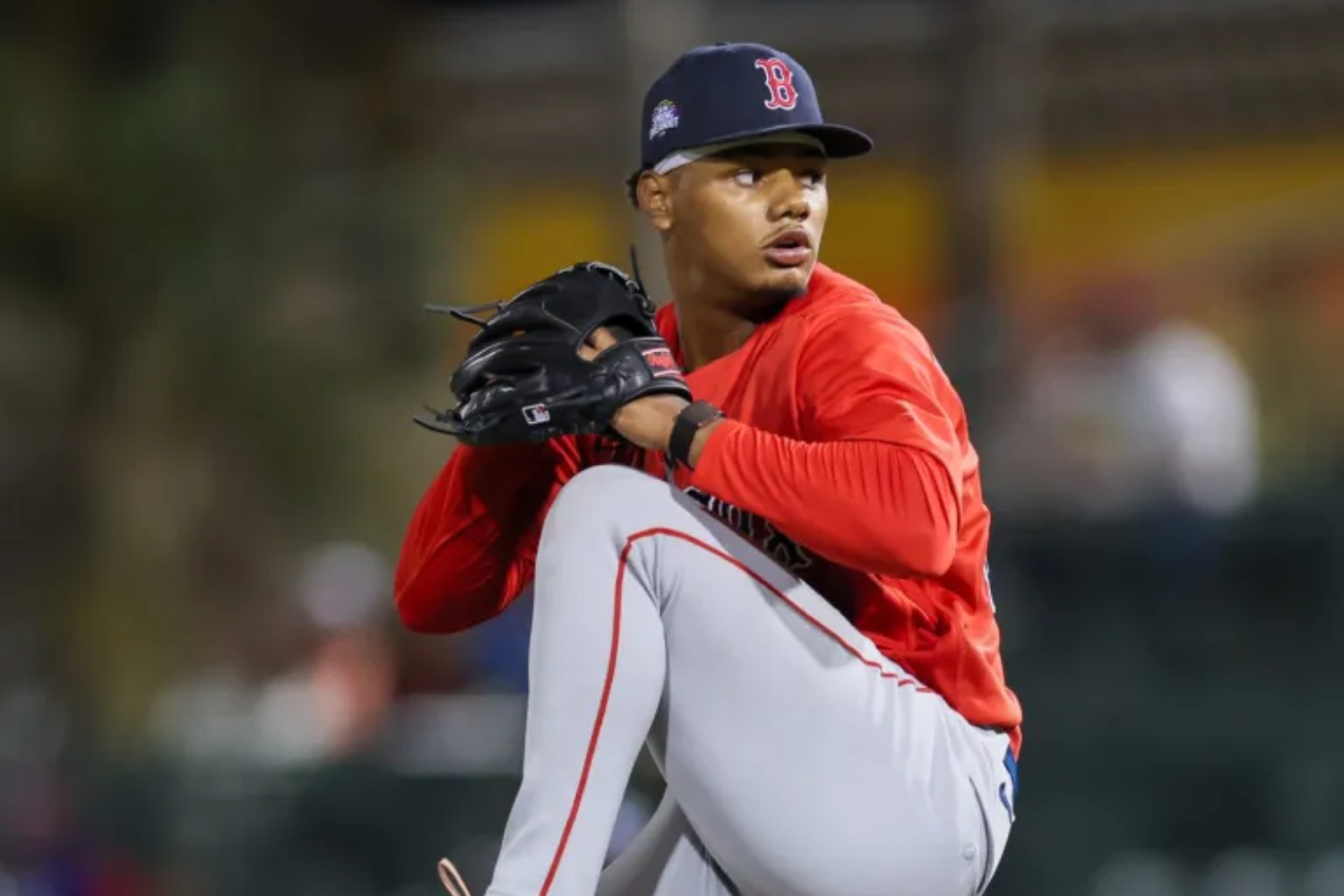 Anthony Eyanson quickly vaulted his way up the prospect rankings thanks to a dominant first half of pitching that was split between High-A Greenville and Double-A Portland, making him TalkSox’s number two prospect on our latest Top 20 ranking. While the major-league club has struggled to play consistent baseball, the sight of young prospects flourishing has been a great sign for the future, especially on the pitching side. Today, we’ll break down what makes Eyanson such an exciting prospect and how his development may be causing other teams to wish they had grabbed him. Anthony Eyanson’s Updated Red Sox Scouting Report Eyanson, who pitched his first two seasons of college baseball at UC San Diego, transferred to LSU prior to the 2025 season where he became the team’s Saturday starter behind teammate and 2025 third overall pick Kade Anderson. The right-hander would quickly become one of the best pitchers in college baseball that year, going 12-2 with two saves as he appeared in 20 games and made 18 starts. Over that span he tossed 108 innings and struck out 152 batters, allowing him to finish third in Division I for strikeouts trailing Anderson and fifth overall pick Liam Doyle. This was in part thanks to an increase in velocity, as his fastball sat at 93 mph and would occasionally hit 96-98 mph. Entering the draft, he was viewed as a likely top-50 prospect, but then he fell all the way down to the third round, where the Sox wisely scooped him up. Entering spring training, Eyanson measured 6-foot-2 and weighed 210 pounds with an athletic frame that has a sturdy lower half and possible room to grow for his upper body. He showcased some great stuff during his live bullpen sessions against hitters. During the beginning of the spring, he was hitting high-90s on his fastball and in the Spring Breakout game, hit triple digits. After opening the season with High-A Greenville, Eyanson was promoted to Double-A after just five dominant starts. Overall he tossed 20 1/3 innings and allowed one run on seven hits and three walks. The lone run was on a solo home run in his professional debut. In that same span, he struck out 34 batters. Since joining Portland, he’s made seven starts and tossed 35 1/3 innings. During that span, he’s allowed seven earned runs on 21 hits and 17 walks while striking out 37 batters, despite being four years younger than the average player for that level. Overall, he's 3-0 with a 1.29 ERA across 12 starts (13 appearances) between Portland and Greenville. Mechanics Unlike most pitchers today, Eyanson throws from a high three-quarters arm slot standing on the first base side of the rubber. A high leg kick is followed by a long arm swing behind his head, before a quick forward motion with a high release. He manages to repeat his mechanics and has no restrictions to his arm or shoulder. He showcases a plus extension that allows his fastball to play better. His release point is higher than 94% of pitchers, leading to his pitches approaching the zone at a steeper-than-average angle. Fastball Entering spring training, his fastball sat 95-98 and topped out at triple digits after sitting 92-94 mph in college. The increase in velocity held to begin the season, but since joining Portland it has been sitting 93-95 mph. Pitch has a below-average spin rate compared to other fastballs due to his release point but has good movement. His fastball has lost some arm-side movement, but Eyanson has replaced it with increased vertical break, making it tough to square up. He's got plus command and control with the pitch as he throws a ton of strikes. Odds are, he'll struggle to miss bats with it at the higher levels. Potential plus pitch: 60 grade on 20-80 scale Slider The slider might be his best pitch when all is said and done. Sitting 86-89 mph, it has more vertical movement than horizontal like the fastball due to his release point. Spin rate is below-average as well, but misses bats thanks to the release point. Will miss the zone more than with his fastball, but thanks to the movement, he’s able to generate chase and whiffs with it. During his time in High-A, the pitch had a 67% whiff rate to go along with a chase rate of 50% and currently has a 40% chase rate on the entire season. Potential plus pitch: 65 grade on 20-80 scale Curveball Eyanson’s curveball looked great during the Spring Breakout game, as it showed a 12-to-6 shape with vertical depth and some glove-side movement. The pitch sits between 80 and 83 mph. The right-hander can use it competitively in at-bats and has made it look better while playing off the rest of his pitch mix. He'll use it more often against left-handed hitters instead of right-handed hitters. Potential above-average pitch: 55 grade on 20-80 scale Splitter Sometimes viewed as a changeup, Eyanson’s splitter has been able to generate whiffs despite looking similar to his slider in movement. Described as having a “bullet” shape to it, the pitch is slower than his slider on average but has sometimes hit between 87 and 89 mph. Extremely low spin rate, but due to the shape of the pitch and vertical movement thanks to his release height, it is hard to square up and has a chase rate of over 40%. It seems to be the least consistent of his pitches so far. Potential below-average to slightly-average pitch: 40-45 grade on 20-80 scale Cutter The cutter is Eyanson’s newest pitch and one he has been working on with the Red Sox throughout the season. The pitch, meant to pair with his fastball, has sat between 89 to 91 mog. Shows both glove side horizontal movement and vertical drop and at times can look similar to his slider. Potential average pitch: 50 on 20-80 scale Outlook with Red Sox Eyanson has a chance to become something special should hitters continue to struggle with the higher release height and the way his pitches break. Should the velocity gains be for real and not just a short flash at the start of each season, Eyanson could be a middle-of-the-rotation starter with the potential to be a number two in a future rotation. His floor is that of a number five starter or great reliever. He has great control and currently has three pitches that have plus potential. As a hard worker and competitive player, Eyanson seems like the type of individual who will continue to improve with each stop on the minor league level. 2026 Final Prediction The thought of Eyanson repeating Payton Tolle and moving his way through the minor leagues and pitching in Boston all in one year is fascinating, but I don’t think that will be the case. Tolle’s rapid ascent through the minors could be repeated, but his promotion to Boston was due to a need of pitching and right now, it doesn’t seem that a similar situation is going to occur barring a surprise trade or huge injury. Despite that, it shouldn’t be a surprise when Eyanson gets promoted to Triple-A at some point, most likely in August.
 -
It’s hard to believe, but the baseball season is now over halfway finished. Though things haven't gone great in the big leagues, many prospects have managed to play well this year. For the Boston Red Sox, the breakout seasons that many of their prospects are having continued through the month of June, leaving fans questioning why they haven’t been promoted to the next level of the farm system yet. Thanks to that, it’s been quite the time following the affiliates, watching as you can’t help but picture all these prospects producing at the major-league level. We’ve narrowed this award down to the five best hitters in the Boston Red Sox minor-league system from last month, but know that there were many worthy candidates. Ranking Red Sox’s Best Minor-League Hitters in June Honorable Mention: Kleyver Salazar (Low-A Salem) Salazar isn’t usually someone who is viewed for his offense, due to his inability to make consistent contact. Despite that, the 20-year-old catcher put together a solid month of June. Appearing in 17 games, Salazar slashed .281/.351/.453 with two doubles, three home runs and 13 RBIs while walking seven times. All of this came while playing in what is typically a more pitcher-friendly environment. If he can just get his bat to the ball more frequently, there’s some offensive potential here. Honorable Mention: Mikey Romero (Triple-A Worcester) A rollercoaster season for the former first-round pick saw the infielder put together a strong month of June. Romero, who watched as many hard-hit balls found gloves through the first two months of the season, heated up just as the temperature did. In 19 June games, Romero slashed .300/.375/.571 with two doubles, one triple, five home runs and 12 RBIs. His offensive potential was put on full display, as he finished tied for second in RBIs for Worcester while leading the team in home runs. The hope is that Romero’s hot hitting continues into July, and depending on what happens with the major-league roster at the trade deadline, that could translate into a late-season promotion to Boston. #3: Johanfran Garcia (Double-A Portland) How do you get 32 hits in just 20 games and only finish third for the award? It only shows how tight the race this month truly was. In 20 games throughout June, Garcia tore the cover off the ball, hitting .372/.400/.547 with six doubles, three home runs and 13 RBIs. That breakdown is important to note; of those 32 hits, nine of them were for extra bases. While there’s nothing wrong with singles, you would like a bit more power to be included in the production. Add to it a walk-to-strikeout ratio of 3-to-20, and it makes sense why Garcia finished third. There’s no denying the offensive talent the catcher possesses, and while he’s young for the Double-A level, you would like to see those strikeouts drop just a little or at least see an increase in the walks. #2: Franklin Arias (Double-A Portland) Arias appeared in 23 games and slashed .322/.416/.540, which would have been enough to get him the top spot for this award in most months. In those 23 games he also hit seven doubles, four home runs and drove in 11 RBIs. Arias’ offensive production this season has been no surprise for anyone following the young infielder. He’s putting together his best all-around season and June was much of the same. A force at the top of the lineup, Arias is likely to reach base for the batters behind him and is in a good situation to score often. The hope is that he’ll soon be doing the same for Triple-A Worcester. #1: Ahbram Liendo (Double-A Portland) Choosing Liendo over Arias as the top offensive player for June was a tough choice. Both players were deserving of the selection, but it was Liendo’s 22 RBIs that swayed things in his direction. Liendo has had a tough season overall offensively, hitting .229/.311/.366 in 68 games. However, the middle infielder put together one of his strongest months while in the organization, as he slashed an impressive .309/.395/.559 with five doubles, four home runs and 22 RBIs in 22 games. He also managed to swipe six bases. As a prospect, Liendo is known for his speed and defense over his hitting, so seeing the 22-year-old breakout as he did in June was a pleasant surprise. While one month does little to change the projected future of being a defense-first depth player, this could be the start of a profile-changing development. View full article
-
Boston Red Sox Minor League Hitters of the Month: June 2026
Nick John posted an article in Minor Leagues
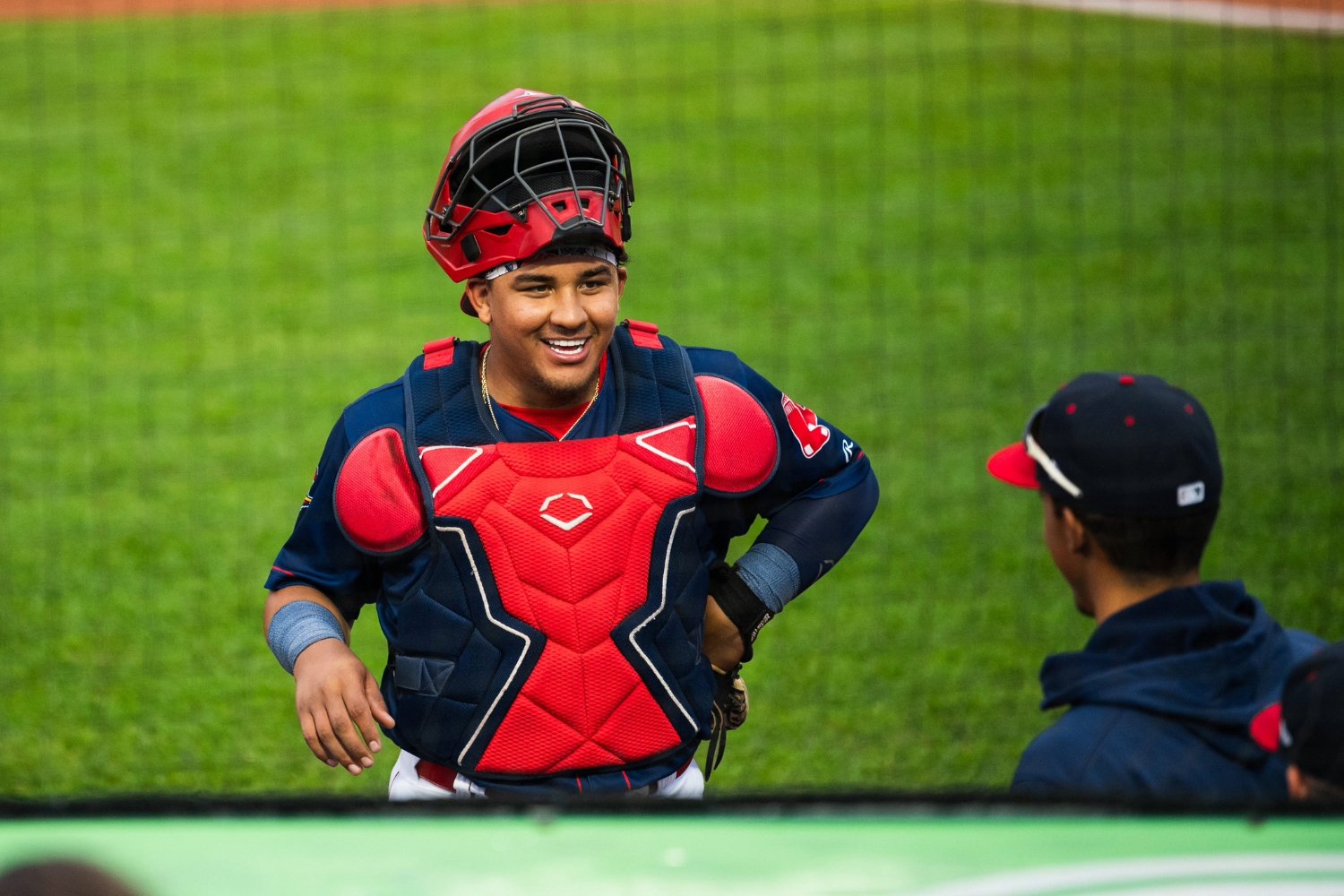 It’s hard to believe, but the baseball season is now over halfway finished. Though things haven't gone great in the big leagues, many prospects have managed to play well this year. For the Boston Red Sox, the breakout seasons that many of their prospects are having continued through the month of June, leaving fans questioning why they haven’t been promoted to the next level of the farm system yet. Thanks to that, it’s been quite the time following the affiliates, watching as you can’t help but picture all these prospects producing at the major-league level. We’ve narrowed this award down to the five best hitters in the Boston Red Sox minor-league system from last month, but know that there were many worthy candidates. Ranking Red Sox’s Best Minor-League Hitters in June Honorable Mention: Kleyver Salazar (Low-A Salem) Salazar isn’t usually someone who is viewed for his offense, due to his inability to make consistent contact. Despite that, the 20-year-old catcher put together a solid month of June. Appearing in 17 games, Salazar slashed .281/.351/.453 with two doubles, three home runs and 13 RBIs while walking seven times. All of this came while playing in what is typically a more pitcher-friendly environment. If he can just get his bat to the ball more frequently, there’s some offensive potential here. Honorable Mention: Mikey Romero (Triple-A Worcester) A rollercoaster season for the former first-round pick saw the infielder put together a strong month of June. Romero, who watched as many hard-hit balls found gloves through the first two months of the season, heated up just as the temperature did. In 19 June games, Romero slashed .300/.375/.571 with two doubles, one triple, five home runs and 12 RBIs. His offensive potential was put on full display, as he finished tied for second in RBIs for Worcester while leading the team in home runs. The hope is that Romero’s hot hitting continues into July, and depending on what happens with the major-league roster at the trade deadline, that could translate into a late-season promotion to Boston. #3: Johanfran Garcia (Double-A Portland) How do you get 32 hits in just 20 games and only finish third for the award? It only shows how tight the race this month truly was. In 20 games throughout June, Garcia tore the cover off the ball, hitting .372/.400/.547 with six doubles, three home runs and 13 RBIs. That breakdown is important to note; of those 32 hits, nine of them were for extra bases. While there’s nothing wrong with singles, you would like a bit more power to be included in the production. Add to it a walk-to-strikeout ratio of 3-to-20, and it makes sense why Garcia finished third. There’s no denying the offensive talent the catcher possesses, and while he’s young for the Double-A level, you would like to see those strikeouts drop just a little or at least see an increase in the walks. #2: Franklin Arias (Double-A Portland) Arias appeared in 23 games and slashed .322/.416/.540, which would have been enough to get him the top spot for this award in most months. In those 23 games he also hit seven doubles, four home runs and drove in 11 RBIs. Arias’ offensive production this season has been no surprise for anyone following the young infielder. He’s putting together his best all-around season and June was much of the same. A force at the top of the lineup, Arias is likely to reach base for the batters behind him and is in a good situation to score often. The hope is that he’ll soon be doing the same for Triple-A Worcester. #1: Ahbram Liendo (Double-A Portland) Choosing Liendo over Arias as the top offensive player for June was a tough choice. Both players were deserving of the selection, but it was Liendo’s 22 RBIs that swayed things in his direction. Liendo has had a tough season overall offensively, hitting .229/.311/.366 in 68 games. However, the middle infielder put together one of his strongest months while in the organization, as he slashed an impressive .309/.395/.559 with five doubles, four home runs and 22 RBIs in 22 games. He also managed to swipe six bases. As a prospect, Liendo is known for his speed and defense over his hitting, so seeing the 22-year-old breakout as he did in June was a pleasant surprise. While one month does little to change the projected future of being a defense-first depth player, this could be the start of a profile-changing development.
 -
That was my thought process, but Suárez ended up making it over Gray (and so did Wacha don't ask me how).
-
I originally thought it would be Chapman and Contreras but there's a lot of 1st basemen who are deserving. Any other year you could pencil in Contreras on the roster. Unfortunately this year is different.
-
While the season hasn’t gone exactly as the Boston Red Sox or their fans hoped, there are still players on the roster worth celebrating. With the All-Star Game nearly here, it’s time to make some final predictions and see just who will head to Philadelphia to represent Boston and the rest of the American League. While the Red Sox could have as many as seven players who are deserving of the honor, we’re going to breakdown the group under the assumption that it’ll be much like the past two seasons, when the team sent three representatives. Of course, nothing is set in stone, but with the official announcement coming tonight, these are our best guesses at Talk Sox. Ranking Red Sox's 2026 All-Star Candidates Most Likely All-Stars Of the players on the roster, there are two that have really stood out as All-Stars (you could argue for a third, but we’ll touch on that later). Both individuals are part of the pitching staff in completely different roles. The first player is Aroldis Chapman. Chapman, pitching in his age-38 season has regressed slightly from last year but it would have been insane to expect a repeat of 2025. Instead, he’s been just as reliable, but with a couple hiccups on the mound due to a combination of defensive miscues and a nagging hamstring injury. Despite that, the flamethrowing left-hander has put together one of the better seasons by a reliever as he’s allowed just six earned runs in 24 2/3 innings while saving 16 games. Much like last season, he’s been the dominant force to close out games for manager Chad Tracy while also racking up strikeouts, including a career-record-tying 1,363rd strikeout he got against the New York Yankees. Batters are reaching base a little bit more this year (19 hits and 12 walks compared to 28 and 15 in 61 1/3 innings last year), but a 30.2% strikeout rate helps to counteract that. Barring an unforeseen major injury, it’ll be a shock to not see Chapman be selected to his ninth All-Star Game. Likely to join Chapman will be Sonny Gray, as the 36-year-old has put together a dominant first half despite spending time on the injured list. Gray has stepped up as the ace of the pitching staff in Garrett Crochet’s absence and has only delivered time and time again, including a 7 1/3 inning performance where he allowed just one hit to the Yankees. Overall, he’s started 15 games and given the team 83 2/3 innings with a 2.69 ERA. Record-wise, he’s gone 9-1 and has struck out 75 batters while walking opponents at a 6.2% rate. The numbers are all the more impressive when you realize he had a 4.30 ERA and just 13 strikeouts in his first five starts, including the one he left injured. Since returning, Gray has put together a dominant stretch of 10 starts with a 2.08 ERA across 60 2/3 innings while striking out 62 batters. If any player has turned a hot streak into an All-Star game appearance, it's this man. Should Be There This category encompasses two players that, for all intents and purposes, should be All-Stars, but due to the field in the American League will not be shocking (yet still disappointing) snubs. The first player should be the most obvious. First baseman Willson Contreras has been the best offensive weapon for the Red Sox through the first half of the season as he’s put together a career year. Through 83 games, the right-handed batter has hit .283/.377/.529 with 14 doubles, two triples, 18 home runs and 53 RBIs. Defensively, he’s also played a great first base. However, Contreras has to deal with the likes of Vladimir Guerrero Jr, Ben Rice, Nick Kurtz, Pete Alonso and Munetaka Murakami (who will likely need an injury replacement should he be selected). Contreras should very much be in the previous category, but due to the quality of first basemen in the American League, I can’t bring myself to place him there. Both Guerrero and Rice are the finalists for the starting first base spot, and should Rice fail to secure it, he’ll likely be selected to the roster after hitting .272/.362/.566 with 15 doubles, two triples, 22 home runs and 53 RBIs. That would likely leave one spot to go between Contreras, Alonso and Kurtz and it’s hard to leave Kurtz off of the All-Star team. That’s not even bringing up the argument that Alonso may make the team just because the Orioles need a representative Joining Contreras in this section is Ceddanne Rafaela who, like always, has been one of the best center fielders in all of baseball. And unlike his previous seasons, he’s putting together his most complete season at the plate as well. Through 81 games, Rafaela has hit .282/.331/.435 (all career highs) along with 18 doubles, three triples, seven home runs and 35 RBIs, all while helping to bring consistency to the two-hole after the Red Sox tried multiple players there to no avail. Instead, Rafaela is on pace to walk more than in any previous season while also cutting his strikeouts back. There is also some argument where if the All-Star Game was meant to showcase the best players in Major League Baseball, Rafaela would be selected based on his defense alone. Currently he’s in the 99th percentile for Fielding Run Value and Outs Above Average, going for 11 in both categories, showing just how important he is to the Red Sox's success on defense. And that’s after a rough few weeks to open the season out in center field. Unfortunately for Rafaela, he’s up against some tough competition with his fellow outfielders. Bryan Buxton, Aaron Judge (who will need an injury replacement), Riley Greene, Mike Trout and Jac Caglianone all have great cases for being chosen to the game and Rafaela’s best shot may be (much like Contreras) being an injury replacement after the initial roster is announced. Could Be Selected This section is a bit different than the others. In here, there are two players who very well could be All-Stars but most likely won’t be due to one reason or another. The first being the Red Sox's big off-season acquisition, Ranger Suárez. Suárez has done everything the Red Sox have hoped for and then some. Through his first 16 starts he has a career low ERA (as a full-time starter) of 2.94 while tossing 88 2/3 quality innings. While Gray may very well be the current ace of the rotation, there is an argument to be made that it could be Suárez. His metrics show that he’s been one of the best in all of baseball in limiting hard contact as his exit velocity on average is 86.4 mph and his hard-hit rate is just 31.5%. Add that to a career-high strikeout per nine innings of 9.3 and a WHIP of 1.128, and Suárez has looked absolutely nasty on the mound. Unfortunately for Suárez, should Chapman and Gray both make the team, there won’t be much room for a third pitcher from the Red Sox as there are other quality arms around the American League that could be selected. Add to it that every team must have at least one representative and it starts to make the All-Star Game into a numbers game (much like actual roster construction around baseball). One thing working in Suárez’s favor, however, has been his stellar month of June. In his five starts, the left-hander tossed 30 innings while allowing just seven earned runs, good for the fifth-best ERA in the American League at 2.10. Perhaps that earned him enough late momentum to get a nod. The second and final member of this section would be none other than Payton Tolle. There’s no debate surrounding the skill of Tolle, since being promoted to Boston in mid-April the large left-hander has helped the rotation immensely with a 4-5 record in 13 starts. In those 13 outings, he’s thrown 74 1/3 innings with a strong 3.34 ERA to go along with 74 strikeouts. The obvious argument against his case of being an All-Star is his time in the majors. He spent the beginning of April in the minors and hasn’t accumulated as much playing time as the others. But there’s one thing that can be used against that notion: Jacob Misiorowski. For those who may not know the full story, there was great debate at last year’s All-Star selections as Misiorowski was named as an injury replacement for the All-Star Game after just five career starts. Those who agreed with his selection argued that the All-Star Game should be a recognition of the best players and skills. And with Misiorowski, there’s no denying he has the best fastball in the National League. It just so happens that Tolle has a great fastball too. Using the logic from last year, wouldn’t it be a similar case for Tolle to make it as an injury replacement just so fans can watch the 6-foot-6, 250-pound left-hander hurl fastballs that can peak around triple digits. For fans of the game, who wouldn’t want to see Tolle staring down some of the best the National League has to offer? Unfortunately for Tolle, there just won’t be enough room for him this year. Let's all turn our gaze toward 2027 for his hopeful Midsummer Classic debut. View full article
-
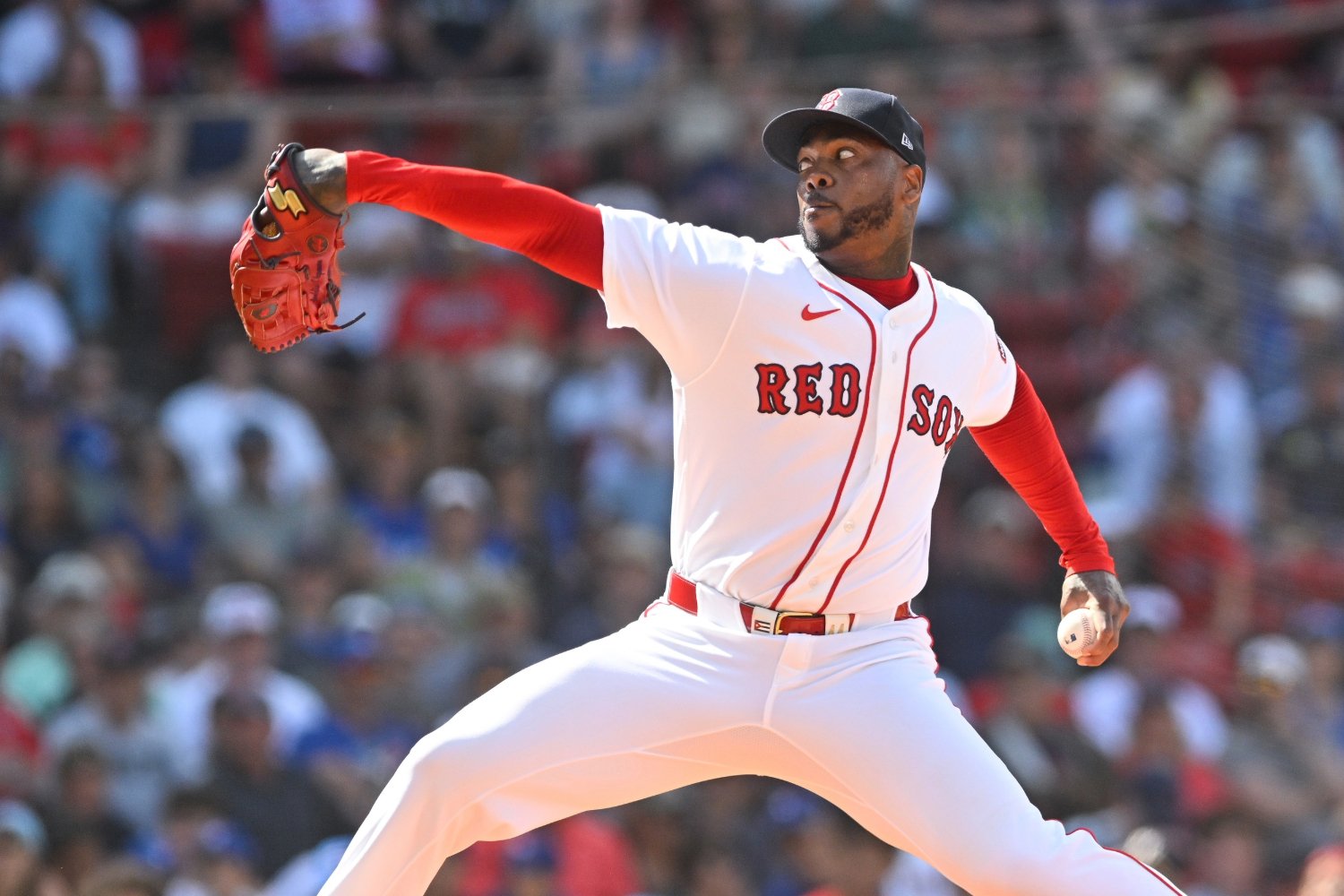 While the season hasn’t gone exactly as the Boston Red Sox or their fans hoped, there are still players on the roster worth celebrating. With the All-Star Game nearly here, it’s time to make some final predictions and see just who will head to Philadelphia to represent Boston and the rest of the American League. While the Red Sox could have as many as seven players who are deserving of the honor, we’re going to breakdown the group under the assumption that it’ll be much like the past two seasons, when the team sent three representatives. Of course, nothing is set in stone, but with the official announcement coming tonight, these are our best guesses at Talk Sox. Ranking Red Sox's 2026 All-Star Candidates Most Likely All-Stars Of the players on the roster, there are two that have really stood out as All-Stars (you could argue for a third, but we’ll touch on that later). Both individuals are part of the pitching staff in completely different roles. The first player is Aroldis Chapman. Chapman, pitching in his age-38 season has regressed slightly from last year but it would have been insane to expect a repeat of 2025. Instead, he’s been just as reliable, but with a couple hiccups on the mound due to a combination of defensive miscues and a nagging hamstring injury. Despite that, the flamethrowing left-hander has put together one of the better seasons by a reliever as he’s allowed just six earned runs in 24 2/3 innings while saving 16 games. Much like last season, he’s been the dominant force to close out games for manager Chad Tracy while also racking up strikeouts, including a career-record-tying 1,363rd strikeout he got against the New York Yankees. Batters are reaching base a little bit more this year (19 hits and 12 walks compared to 28 and 15 in 61 1/3 innings last year), but a 30.2% strikeout rate helps to counteract that. Barring an unforeseen major injury, it’ll be a shock to not see Chapman be selected to his ninth All-Star Game. Likely to join Chapman will be Sonny Gray, as the 36-year-old has put together a dominant first half despite spending time on the injured list. Gray has stepped up as the ace of the pitching staff in Garrett Crochet’s absence and has only delivered time and time again, including a 7 1/3 inning performance where he allowed just one hit to the Yankees. Overall, he’s started 15 games and given the team 83 2/3 innings with a 2.69 ERA. Record-wise, he’s gone 9-1 and has struck out 75 batters while walking opponents at a 6.2% rate. The numbers are all the more impressive when you realize he had a 4.30 ERA and just 13 strikeouts in his first five starts, including the one he left injured. Since returning, Gray has put together a dominant stretch of 10 starts with a 2.08 ERA across 60 2/3 innings while striking out 62 batters. If any player has turned a hot streak into an All-Star game appearance, it's this man. Should Be There This category encompasses two players that, for all intents and purposes, should be All-Stars, but due to the field in the American League will not be shocking (yet still disappointing) snubs. The first player should be the most obvious. First baseman Willson Contreras has been the best offensive weapon for the Red Sox through the first half of the season as he’s put together a career year. Through 83 games, the right-handed batter has hit .283/.377/.529 with 14 doubles, two triples, 18 home runs and 53 RBIs. Defensively, he’s also played a great first base. However, Contreras has to deal with the likes of Vladimir Guerrero Jr, Ben Rice, Nick Kurtz, Pete Alonso and Munetaka Murakami (who will likely need an injury replacement should he be selected). Contreras should very much be in the previous category, but due to the quality of first basemen in the American League, I can’t bring myself to place him there. Both Guerrero and Rice are the finalists for the starting first base spot, and should Rice fail to secure it, he’ll likely be selected to the roster after hitting .272/.362/.566 with 15 doubles, two triples, 22 home runs and 53 RBIs. That would likely leave one spot to go between Contreras, Alonso and Kurtz and it’s hard to leave Kurtz off of the All-Star team. That’s not even bringing up the argument that Alonso may make the team just because the Orioles need a representative Joining Contreras in this section is Ceddanne Rafaela who, like always, has been one of the best center fielders in all of baseball. And unlike his previous seasons, he’s putting together his most complete season at the plate as well. Through 81 games, Rafaela has hit .282/.331/.435 (all career highs) along with 18 doubles, three triples, seven home runs and 35 RBIs, all while helping to bring consistency to the two-hole after the Red Sox tried multiple players there to no avail. Instead, Rafaela is on pace to walk more than in any previous season while also cutting his strikeouts back. There is also some argument where if the All-Star Game was meant to showcase the best players in Major League Baseball, Rafaela would be selected based on his defense alone. Currently he’s in the 99th percentile for Fielding Run Value and Outs Above Average, going for 11 in both categories, showing just how important he is to the Red Sox's success on defense. And that’s after a rough few weeks to open the season out in center field. Unfortunately for Rafaela, he’s up against some tough competition with his fellow outfielders. Bryan Buxton, Aaron Judge (who will need an injury replacement), Riley Greene, Mike Trout and Jac Caglianone all have great cases for being chosen to the game and Rafaela’s best shot may be (much like Contreras) being an injury replacement after the initial roster is announced. Could Be Selected This section is a bit different than the others. In here, there are two players who very well could be All-Stars but most likely won’t be due to one reason or another. The first being the Red Sox's big off-season acquisition, Ranger Suárez. Suárez has done everything the Red Sox have hoped for and then some. Through his first 16 starts he has a career low ERA (as a full-time starter) of 2.94 while tossing 88 2/3 quality innings. While Gray may very well be the current ace of the rotation, there is an argument to be made that it could be Suárez. His metrics show that he’s been one of the best in all of baseball in limiting hard contact as his exit velocity on average is 86.4 mph and his hard-hit rate is just 31.5%. Add that to a career-high strikeout per nine innings of 9.3 and a WHIP of 1.128, and Suárez has looked absolutely nasty on the mound. Unfortunately for Suárez, should Chapman and Gray both make the team, there won’t be much room for a third pitcher from the Red Sox as there are other quality arms around the American League that could be selected. Add to it that every team must have at least one representative and it starts to make the All-Star Game into a numbers game (much like actual roster construction around baseball). One thing working in Suárez’s favor, however, has been his stellar month of June. In his five starts, the left-hander tossed 30 innings while allowing just seven earned runs, good for the fifth-best ERA in the American League at 2.10. Perhaps that earned him enough late momentum to get a nod. The second and final member of this section would be none other than Payton Tolle. There’s no debate surrounding the skill of Tolle, since being promoted to Boston in mid-April the large left-hander has helped the rotation immensely with a 4-5 record in 13 starts. In those 13 outings, he’s thrown 74 1/3 innings with a strong 3.34 ERA to go along with 74 strikeouts. The obvious argument against his case of being an All-Star is his time in the majors. He spent the beginning of April in the minors and hasn’t accumulated as much playing time as the others. But there’s one thing that can be used against that notion: Jacob Misiorowski. For those who may not know the full story, there was great debate at last year’s All-Star selections as Misiorowski was named as an injury replacement for the All-Star Game after just five career starts. Those who agreed with his selection argued that the All-Star Game should be a recognition of the best players and skills. And with Misiorowski, there’s no denying he has the best fastball in the National League. It just so happens that Tolle has a great fastball too. Using the logic from last year, wouldn’t it be a similar case for Tolle to make it as an injury replacement just so fans can watch the 6-foot-6, 250-pound left-hander hurl fastballs that can peak around triple digits. For fans of the game, who wouldn’t want to see Tolle staring down some of the best the National League has to offer? Unfortunately for Tolle, there just won’t be enough room for him this year. Let's all turn our gaze toward 2027 for his hopeful Midsummer Classic debut.
 -
I think Bello gets the first shot to replace Early. So good chance he gets one start before the All-Star break
-
Definitely doesn't help that Gamboa and Uberstine have been transitioned into bullpen roles at the moment. Would take some time to stretch them out. Team could also go with a Jack Anderson spot start but he's coming off a rough start on Saturday
-
Probably not. Though so long as it doesn't turn into a major injury maybe it works out for Early. He could use some rest after all the innings he's thrown so far this year. People think Sandoval will take his place in the rotation but I honestly think they'll have Bello start before they give the rotation spot to Sandoval.
-
The Boston Red Sox made multiple roster moves pertaining to their pitching staff following the conclusion of an 8-1 loss to the Washington Nationals. The major news is the loss of Connelly Early. The left-hander exited Tuesday night’s start after just four innings and 61 pitches with left elbow discomfort. While Early himself didn’t seem too worried about the injury, the team sent him for imaging Wednesday morning just to be certain. The result led to Early being placed on the 15-day Injured List with left elbow inflammation. To fill his spot on the roster, the Red Sox activated left-handed pitcher Jovani Morán from the injured list and added him to the active roster. The left-hander was a trusted arm in the Sox bullpen prior to his injury, appearing in 21 games and tossing 33 innings with a 3.00 ERA. He also struck out 38 batters. Morán made two rehab appearances last week with Worcester and looked ready to return to Boston after tossing three scoreless innings. The other change in the pitching staff pertains to Tommy Kahnle. The 36-year-old reliever was designated for assignment after a tough stint in the bullpen. Kahnle signed a minor-league deal with Boston near the end of spring training and pitched well there, leading to the team adding him to the active roster following the activation of his opt out clause. Since then, the right-hander made eight appearances in Boston and pitched nine innings while allowing eight runs on 12 hits and six walks. To replace Kahnle on the active roster, the Red Sox recalled Alec Gamboa. This will be Gamboa’s third stint with the team, having pitched twice for them previously. Overall, he’s tossed 1 2/3 innings out of the bullpen and struck out three. He’s spent most of the season with Worcester, where he’s tossed 17 2/3 innings out of the bullpen while allowing just two earned runs. The Red Sox look to close out their homestand with a win today against the Nationals at 1:35pm. View full rumor
-
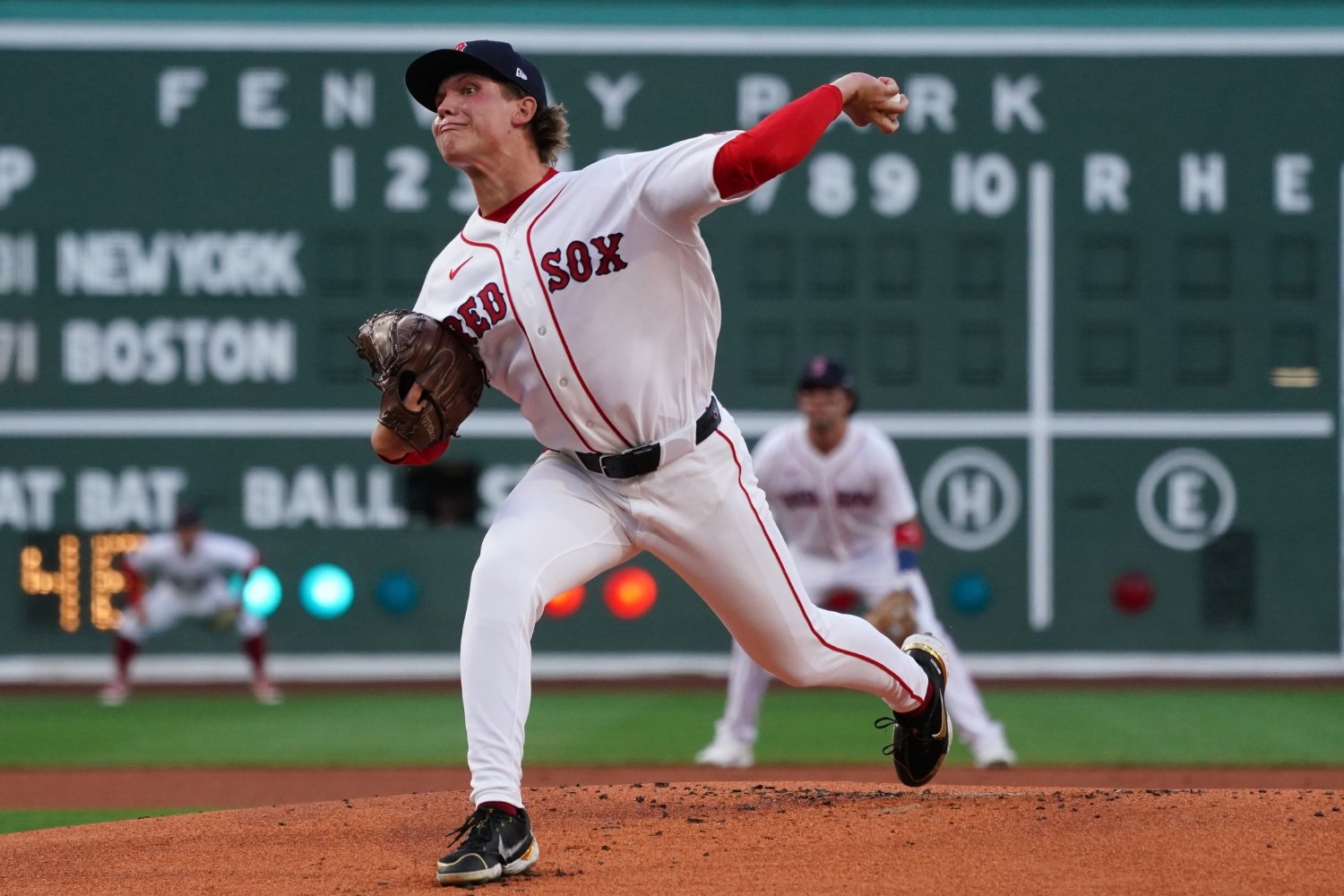 The Boston Red Sox made multiple roster moves pertaining to their pitching staff following the conclusion of an 8-1 loss to the Washington Nationals. The major news is the loss of Connelly Early. The left-hander exited Tuesday night’s start after just four innings and 61 pitches with left elbow discomfort. While Early himself didn’t seem too worried about the injury, the team sent him for imaging Wednesday morning just to be certain. The result led to Early being placed on the 15-day Injured List with left elbow inflammation. To fill his spot on the roster, the Red Sox activated left-handed pitcher Jovani Morán from the injured list and added him to the active roster. The left-hander was a trusted arm in the Sox bullpen prior to his injury, appearing in 21 games and tossing 33 innings with a 3.00 ERA. He also struck out 38 batters. Morán made two rehab appearances last week with Worcester and looked ready to return to Boston after tossing three scoreless innings. The other change in the pitching staff pertains to Tommy Kahnle. The 36-year-old reliever was designated for assignment after a tough stint in the bullpen. Kahnle signed a minor-league deal with Boston near the end of spring training and pitched well there, leading to the team adding him to the active roster following the activation of his opt out clause. Since then, the right-hander made eight appearances in Boston and pitched nine innings while allowing eight runs on 12 hits and six walks. To replace Kahnle on the active roster, the Red Sox recalled Alec Gamboa. This will be Gamboa’s third stint with the team, having pitched twice for them previously. Overall, he’s tossed 1 2/3 innings out of the bullpen and struck out three. He’s spent most of the season with Worcester, where he’s tossed 17 2/3 innings out of the bullpen while allowing just two earned runs. The Red Sox look to close out their homestand with a win today against the Nationals at 1:35pm.