


Alex Mayes
-
Posts
856 -
Joined
-
Last visited
Content Type
Profiles
Boston Red Sox Videos
2026 Boston Red Sox Top Prospects Ranking
Boston Red Sox Free Agent & Trade Rumors, Notes, & Tidbits
Guides & Resources
2025 Boston Red Sox Draft Pick Tracker
News
2026 Boston Red Sox Draft Tracker: Picks & Bonuses
Forums
Blogs
Events
Store
Downloads
Gallery
Everything posted by Alex Mayes
-
Craig has shown that he has the ability to make some real tough choices in the past. It's time for him to make another one with a phone call to Story.
-
Really appreciate the insight on this. I was a diehard Manny fan growing up so my views and opinions on the whole situation of him leaving are fairly biased if we're being honest.
-
I think Anthony comes up before then, but it's not a bad plan honestly. One of the expanded spots will go to a reliever, that's a given. If Whitlock can come off the IL as the team is heading to New York on Friday then likely Olds gets optioned and then potentially called right back up in just a few days. You could make a case for Weissert to be that option instead and I wouldn't argue with it at all. IKF will likely be the position player that takes the second expanded roster spot. You'll get a lot of clamor for Arias instead but with the looming lockout, he's not going to be added to the 40 man so he can keep getting minor league reps next season while the major leagues are locked out.
-
I forget who it was because I meant to make a note of it and forgot to do it, but someone who played for either the Giants or the DBacks does the same weird little lean back.
-
His hands right now are almost identical to how they were in 24, so that's promising. As this site's certified 'Duran should have been traded yesterday' guy, I 100% get why he wasn't dealt after 24 even if that's when I started being really vocal about it needing to happen. He should have been traded either at the deadline last season or in the offseason but even with his lack of production for most of this season, I am glad he's been around with Roman and now Masa going down.
-
I'd send Duran down over Sogard or Mona at this point, yes. Maybe even over Seigler. But in actuality, I'm moving Duran to the bench for Anthony.
-
I disagree with the Adley take because his swing is coming into form, but agree with the most of the rest. I want Anthony up over Duran for the bat and Crochet in a two inning burst to open for Bello is enticing to say the least, but I’m over IKF and Story. There’s no one on the 26 man I’d option for either of them.
-
Boston Red Sox Weekly Snapshot Record Last Week: 5-1 Runs Scored Last Week: 40 Runs Surrendered Last Week: 22 Standings 3rd Place AL East 6 GB First Place 2nd place AL Wild Card 3 GB First Place Transactions 08/17/26: Boston Red Sox selected the contract of RHP Wyatt Olds from Worcester Red Sox. 08/17/26: Boston Red Sox optioned LHP Raymond Burgos to Worcester Red Sox. 08/17/26: Boston Red Sox placed LHP Eduardo Rivera on the restricted list. 08/18/26: Boston Red Sox sent LF Roman Anthony on a rehab assignment to Portland Sea Dogs. 08/19/26: Boston Red Sox sent 2B Isiah Kiner-Falefa on a rehab assignment to Worcester Red Sox. Scores Game 125: BOS 11, AZ 1 Game 126: BOS 9, AZ 4 Game 127: BOS 6, AZ 7 Game 128: BOS 6, SF 4 Game 129: BOS 3, SF 2 Game 130: BOS 5, SF 4 Series Breakdown/Highlights Diamondbacks Series: The Red Sox went into the series against the Diamondbacks after hitting a week-long skid. Luckily for the Sox, almost everything went their way during the homestand. Game one was a scheduled bullpen game with Alec Gamboa being asked to kick off the series. He struck out one over 1.1 innings of work before giving way to the best reliever in baseball, Brayan Bello. Bello went 4.2 innings, striking out three, allowing one earned run, one walk, and three hits. He managed to escape major damage when a pretty clear home run clanked off the foul pole but the Diamondbacks didn’t challenge the call of a foul ball on the field. Finally, Greg Weissert, Jovani Moran, and Wyatt Olds all worked clean innings to close out the game. On offense, both Willson Contreras and Mickey Gasper knocked home runs for the Sox. Instead of listing every RBI here, just know that the entire starting lineup each contributed at least one RBI to the win and none of them struck out. In game two, Ranger Suarez worked the deepest into a game he’s gone since returning from the injured list by tossing 5.1 innings of four-hit, four-run baseball. He struck out three while managing to keep the damage to a minimum. Tyron Guerrero, Erik Miller, and Wyatt Olds all came in out of the pen to shut the game down. Adley Rutschman and Mickey Gasper both homered for the offense in the win. Contreras, Caleb Durbin, and Andruw Monasterio all contributed RBIs as well. Game three was the lone loss on the week, but it really seemed like the Red Sox would pull off the come-from-behind win late. Payton Tolle looked to turn in his third consecutive impressive outing but ran out of gas in the fifth inning. He struck out six while allowing six hits, three earned runs, and two walks. Weissert, Miller, Guerrero, Moran, and Aroldis Chapman all came out of the bullpen to try and get the Sox over the hump, but it was clear when Moran came in in the 10th inning that he didn’t anywhere close to his best stuff on the mound. Offensively, Nick Sogard knocked his first major-league home run off Brandon Pfaadt. Gasper and Jarren Duran also got in on the home run action, but ultimately the offense came up just a bit too short to complete the sweep. Giants Series: The Giants came to Boston for the first time since Rafael Devers was traded last season and he was met by the Fenway Faithful with an overwhelming chorus of boos during each plate appearance. Like clockwork, he did go deep to straight center in the first game, but he was mostly unimportant for the series. In game one, the Sox got to the best pitcher the Giants have, Logan Webb, and chased him out of the game by the end of the third inning. Contreras hit the furthest hit ball at Fenway Park this season, clocking in at 450 feet. Wilyer Abreu, Monasterio, and Gasper all contributed RBIs in the win as well. On the pitching side, Sonny Gray was a little shaky to start but settled in nicely and tossed a solid six innings of four-run ball. Miller, Gamboa, and Chapman all featured out of the bullpen with Gamboa working the first high-leverage eighth inning of his big league career. He handled it beautifully and has likely earned more trust from Chad Tracy as the team awaits some bullpen reinforcements in the near future. Game two was a low-scoring affair, but it takes all kinds of victories to get through a 162-game season. Patrick Sandoval, like Gray the night before, struggled early in the outing but managed to turn in 5.2 innings of effective pitching. He struck out six, gave up five hits, and allowed two earned runs. Weissert, Moran, and Olds all contributed out of the 'pen and allowed the high-leverage guys to get a night of rest just two days after an off day so they’d be fresh for the team to hit the road after Sunday. Offensively, Sogard, Abreu, and pinch hitter Eli White were responsible for the RBIs, with Abreu’s walk-off single being the moment of the game. In game three, Jake Bennett followed the same script as the previous two starters. He started slow, allowing three earned runs in quick fashion. He settled though, and eventually turned in seven innings of six-strikeout baseball. He gave way to Guerrero and Chapman out of the 'pen and the rest, as they say, was history. Offensively, Sogard hit his second big-league home run in three days, this one coming from the right-hand side of the plate. Gasper, Ceddanne Rafaela, and Connor Wong all contributed RBIs in the win. Most notably, Rafaela went three-for-four with a huge play in center field to keep the game close. He looks to be breaking out of the slump he found himself in during the middle of the month. Website Highlights The Red Sox’s Core Four Era is Over. Did the 2026 Trade Deadline Give Us a Glimpse into a Philosophy Shift in Boston? by Ryan Salvaggio Meet Chad Tracy’s Circle of Trust: Ranking Red Sox’s Most Reliable Bullpen Options Ahead of Playoff Push by Alex Mayes Jarren Duran Might be Turning the Corner at the Plate in August by Alex Mayes Calvin Bickerstaff’s Unique Path to Professional Baseball has him Ready to Succeed with Red Sox [Exclusive] by Nick John Looking Ahead 08/24/26: Red Sox (Ranger Suarez) @ Marlins (Sandy Alcantara): 6:40 PM EDT 08/25/26: Red Sox (Payton Tolle) @ Marlins (TBD): 6:40 PM EDT 08/26/26: Red Sox (Sonny Gray) @ Marlins (Ryan Gusto): 6:40 PM EDT 08/27/26: Off Day 08/28/26: Red Sox @ Yankees: 7:15 PM EDT 08/29/26: Red Sox @ Yankees: 1:35 PM EDT | Red Sox @ Yankees 7:15pm EDT 8/30/26: Red Sox @ Yankees 1:35pm EDT View full article
-
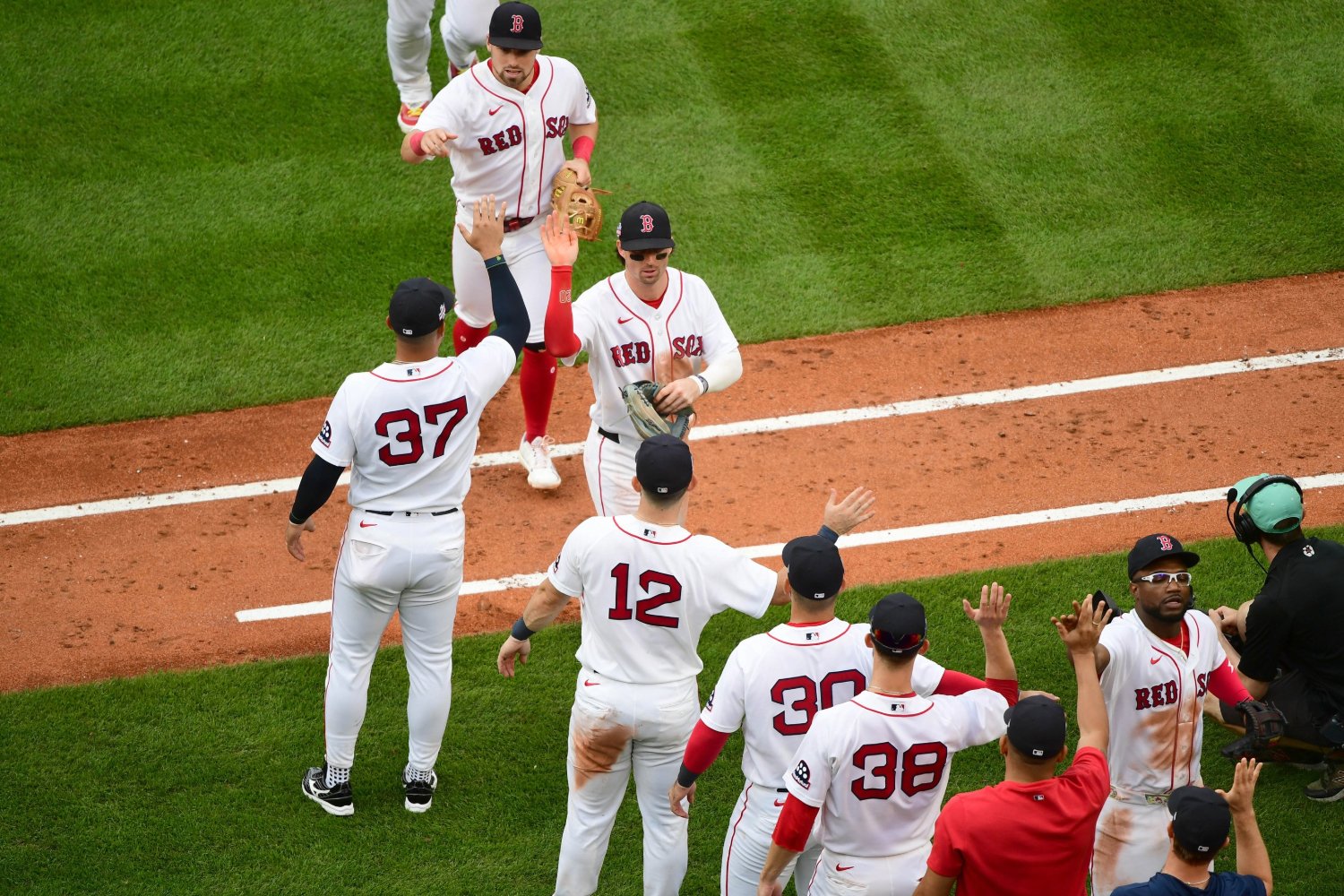 Boston Red Sox Weekly Snapshot Record Last Week: 5-1 Runs Scored Last Week: 40 Runs Surrendered Last Week: 22 Standings 3rd Place AL East 6 GB First Place 2nd place AL Wild Card 3 GB First Place Transactions 08/17/26: Boston Red Sox selected the contract of RHP Wyatt Olds from Worcester Red Sox. 08/17/26: Boston Red Sox optioned LHP Raymond Burgos to Worcester Red Sox. 08/17/26: Boston Red Sox placed LHP Eduardo Rivera on the restricted list. 08/18/26: Boston Red Sox sent LF Roman Anthony on a rehab assignment to Portland Sea Dogs. 08/19/26: Boston Red Sox sent 2B Isiah Kiner-Falefa on a rehab assignment to Worcester Red Sox. Scores Game 125: BOS 11, AZ 1 Game 126: BOS 9, AZ 4 Game 127: BOS 6, AZ 7 Game 128: BOS 6, SF 4 Game 129: BOS 3, SF 2 Game 130: BOS 5, SF 4 Series Breakdown/Highlights Diamondbacks Series: The Red Sox went into the series against the Diamondbacks after hitting a week-long skid. Luckily for the Sox, almost everything went their way during the homestand. Game one was a scheduled bullpen game with Alec Gamboa being asked to kick off the series. He struck out one over 1.1 innings of work before giving way to the best reliever in baseball, Brayan Bello. Bello went 4.2 innings, striking out three, allowing one earned run, one walk, and three hits. He managed to escape major damage when a pretty clear home run clanked off the foul pole but the Diamondbacks didn’t challenge the call of a foul ball on the field. Finally, Greg Weissert, Jovani Moran, and Wyatt Olds all worked clean innings to close out the game. On offense, both Willson Contreras and Mickey Gasper knocked home runs for the Sox. Instead of listing every RBI here, just know that the entire starting lineup each contributed at least one RBI to the win and none of them struck out. In game two, Ranger Suarez worked the deepest into a game he’s gone since returning from the injured list by tossing 5.1 innings of four-hit, four-run baseball. He struck out three while managing to keep the damage to a minimum. Tyron Guerrero, Erik Miller, and Wyatt Olds all came in out of the pen to shut the game down. Adley Rutschman and Mickey Gasper both homered for the offense in the win. Contreras, Caleb Durbin, and Andruw Monasterio all contributed RBIs as well. Game three was the lone loss on the week, but it really seemed like the Red Sox would pull off the come-from-behind win late. Payton Tolle looked to turn in his third consecutive impressive outing but ran out of gas in the fifth inning. He struck out six while allowing six hits, three earned runs, and two walks. Weissert, Miller, Guerrero, Moran, and Aroldis Chapman all came out of the bullpen to try and get the Sox over the hump, but it was clear when Moran came in in the 10th inning that he didn’t anywhere close to his best stuff on the mound. Offensively, Nick Sogard knocked his first major-league home run off Brandon Pfaadt. Gasper and Jarren Duran also got in on the home run action, but ultimately the offense came up just a bit too short to complete the sweep. Giants Series: The Giants came to Boston for the first time since Rafael Devers was traded last season and he was met by the Fenway Faithful with an overwhelming chorus of boos during each plate appearance. Like clockwork, he did go deep to straight center in the first game, but he was mostly unimportant for the series. In game one, the Sox got to the best pitcher the Giants have, Logan Webb, and chased him out of the game by the end of the third inning. Contreras hit the furthest hit ball at Fenway Park this season, clocking in at 450 feet. Wilyer Abreu, Monasterio, and Gasper all contributed RBIs in the win as well. On the pitching side, Sonny Gray was a little shaky to start but settled in nicely and tossed a solid six innings of four-run ball. Miller, Gamboa, and Chapman all featured out of the bullpen with Gamboa working the first high-leverage eighth inning of his big league career. He handled it beautifully and has likely earned more trust from Chad Tracy as the team awaits some bullpen reinforcements in the near future. Game two was a low-scoring affair, but it takes all kinds of victories to get through a 162-game season. Patrick Sandoval, like Gray the night before, struggled early in the outing but managed to turn in 5.2 innings of effective pitching. He struck out six, gave up five hits, and allowed two earned runs. Weissert, Moran, and Olds all contributed out of the 'pen and allowed the high-leverage guys to get a night of rest just two days after an off day so they’d be fresh for the team to hit the road after Sunday. Offensively, Sogard, Abreu, and pinch hitter Eli White were responsible for the RBIs, with Abreu’s walk-off single being the moment of the game. In game three, Jake Bennett followed the same script as the previous two starters. He started slow, allowing three earned runs in quick fashion. He settled though, and eventually turned in seven innings of six-strikeout baseball. He gave way to Guerrero and Chapman out of the 'pen and the rest, as they say, was history. Offensively, Sogard hit his second big-league home run in three days, this one coming from the right-hand side of the plate. Gasper, Ceddanne Rafaela, and Connor Wong all contributed RBIs in the win. Most notably, Rafaela went three-for-four with a huge play in center field to keep the game close. He looks to be breaking out of the slump he found himself in during the middle of the month. Website Highlights The Red Sox’s Core Four Era is Over. Did the 2026 Trade Deadline Give Us a Glimpse into a Philosophy Shift in Boston? by Ryan Salvaggio Meet Chad Tracy’s Circle of Trust: Ranking Red Sox’s Most Reliable Bullpen Options Ahead of Playoff Push by Alex Mayes Jarren Duran Might be Turning the Corner at the Plate in August by Alex Mayes Calvin Bickerstaff’s Unique Path to Professional Baseball has him Ready to Succeed with Red Sox [Exclusive] by Nick John Looking Ahead 08/24/26: Red Sox (Ranger Suarez) @ Marlins (Sandy Alcantara): 6:40 PM EDT 08/25/26: Red Sox (Payton Tolle) @ Marlins (TBD): 6:40 PM EDT 08/26/26: Red Sox (Sonny Gray) @ Marlins (Ryan Gusto): 6:40 PM EDT 08/27/26: Off Day 08/28/26: Red Sox @ Yankees: 7:15 PM EDT 08/29/26: Red Sox @ Yankees: 1:35 PM EDT | Red Sox @ Yankees 7:15pm EDT 8/30/26: Red Sox @ Yankees 1:35pm EDT
 -
Sorry for the late post! @Maddie Landis and I will be taking your questions for the podcast recording tomorrow night! We'll put the cutoff at 6 pm CST on Monday, August 24th.
-
Get Mickey off this team as quickly as possible. I’m over the Gasper experience, haha.
-
Bench/rotating DH I should have said. I expect Anthony to be given the Adley treatment once he’s back. Two games on, one game off. Duran likely gets the start on those off days, unless it’s a lefty starter then Jones should get that look.
-
Unfortunately this is correct. My hope is he can adapt to the bench/rotating DH spot better than he did earlier in the year once Anthony is back and that helps boost his trade value over the offseason.
-
I'm actually expecting him to come crashing back to earth sooner than later and, ultimately, be moved to the bench once Anthony is back.
-
The month of August has been kind to Boston Red Sox players up and down the roster. The offense seems to be clicking again, even as the starting rotation and bullpen have taken a bit of a step backward. There’s one player that has really turned his stock around this month, and it may surprise you that I’m the one talking about it. That’s right, we’re here to give some flowers to Jarren Duran. I’m not here to tell you he’s rediscovered his 2024 self as we’re approaching the playoffs, but he’s looking mostly passable at the plate over the last three weeks and that needs to be celebrated. Thus far in August, Duran is slashing .250/.304/.484 with a .335 wOBA, 111 wRC+, and 0.4 fWAR. To go along with that, he’s hit four home runs, driven in six runs, scored 12 times, and swiped three bags. What’s arguably most impressive, though, is his hard-hit rate for the month has jumped up to 53.2%, second only to the 54.5% posted by Willson Contreras. Comparing those two is really just comparing apples to oranges, but if Duran is finally rediscovering how to be an effective offensive player... well, the remainder of the season, and hopefully the postseason, will seem like a much less daunting gauntlet for the Red Sox. Multiple members of the Red Sox’s commentating team are fond of telling watchers and listeners of the games that Duran has the ability to ‘spark’ the offense and that it’s been missing for much of the season. There’s likely some truth to that, as Duran is at his best as a leadoff hitter with a knack for getting on base and then being a major threat to steal bags at any point. Of course, us viewers know that his biggest struggle this year has been doing just that. He was an ineffective leadoff hitter and he has only swiped 18 bags on the season so far. The power is sort of there with him (he has 17 home runs), but it’s been pretty inconsistent and is being carried heavily by the nine home runs he hit during his one hot month in May. Many had hoped that would be the catalyst to turning his slow start around but until now, he’s been arguably the easiest out in the lineup on a nightly basis. It’s unclear if this sudden turnaround is here to stay or not. Duran is still in the 19th percentile for chase rate at 35.2%, the sixth percentile for whiff rate at 34%, the 13th percentile in strikeout rate at 28.4%, and the 20th percentile in walk rate at 6.7%. He’s struggling to get on base and striking out far more than he’s walking, but August seems to have pushed him in the right direction so far. He has come through with some clutch hits and driven in runs when the guys in front of him got on base as he’s been moved further down in the lineup. If—and that’s a big if—Jarren Duran can sustain this new level of offensive productivity, then he may yet prove useful to the Red Sox's ultimate ambitions. View full article
-
Jarren Duran Might Be Turning the Corner At the Plate In August
Alex Mayes posted an article in Red Sox
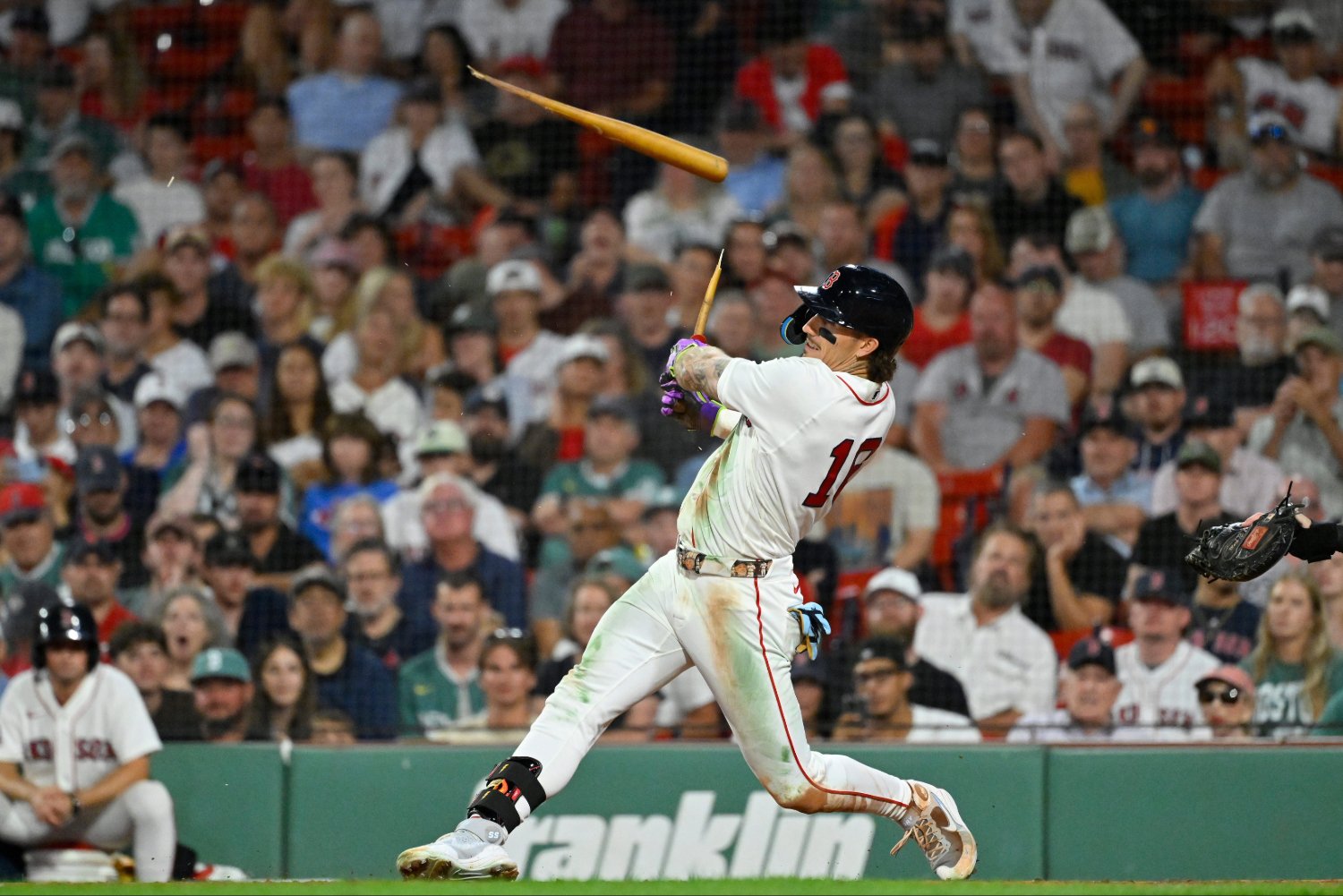 The month of August has been kind to Boston Red Sox players up and down the roster. The offense seems to be clicking again, even as the starting rotation and bullpen have taken a bit of a step backward. There’s one player that has really turned his stock around this month, and it may surprise you that I’m the one talking about it. That’s right, we’re here to give some flowers to Jarren Duran. I’m not here to tell you he’s rediscovered his 2024 self as we’re approaching the playoffs, but he’s looking mostly passable at the plate over the last three weeks and that needs to be celebrated. Thus far in August, Duran is slashing .250/.304/.484 with a .335 wOBA, 111 wRC+, and 0.4 fWAR. To go along with that, he’s hit four home runs, driven in six runs, scored 12 times, and swiped three bags. What’s arguably most impressive, though, is his hard-hit rate for the month has jumped up to 53.2%, second only to the 54.5% posted by Willson Contreras. Comparing those two is really just comparing apples to oranges, but if Duran is finally rediscovering how to be an effective offensive player... well, the remainder of the season, and hopefully the postseason, will seem like a much less daunting gauntlet for the Red Sox. Multiple members of the Red Sox’s commentating team are fond of telling watchers and listeners of the games that Duran has the ability to ‘spark’ the offense and that it’s been missing for much of the season. There’s likely some truth to that, as Duran is at his best as a leadoff hitter with a knack for getting on base and then being a major threat to steal bags at any point. Of course, us viewers know that his biggest struggle this year has been doing just that. He was an ineffective leadoff hitter and he has only swiped 18 bags on the season so far. The power is sort of there with him (he has 17 home runs), but it’s been pretty inconsistent and is being carried heavily by the nine home runs he hit during his one hot month in May. Many had hoped that would be the catalyst to turning his slow start around but until now, he’s been arguably the easiest out in the lineup on a nightly basis. It’s unclear if this sudden turnaround is here to stay or not. Duran is still in the 19th percentile for chase rate at 35.2%, the sixth percentile for whiff rate at 34%, the 13th percentile in strikeout rate at 28.4%, and the 20th percentile in walk rate at 6.7%. He’s struggling to get on base and striking out far more than he’s walking, but August seems to have pushed him in the right direction so far. He has come through with some clutch hits and driven in runs when the guys in front of him got on base as he’s been moved further down in the lineup. If—and that’s a big if—Jarren Duran can sustain this new level of offensive productivity, then he may yet prove useful to the Red Sox's ultimate ambitions.
 -
Chad Tracy provided quite a few injury reports during media availability before the first game of the Giants series. Per The Boston Herald’s Mac Cerullo, Roman Anthony, Trevor Story, and Isiah Kiner-Falefa are all continuing their rehab assignments through the weekend. There was some belief that Story could return as early as Friday, August 21, but the Red Sox seem to be taking a slower approach with the big league trio’s rehab assignments to guarantee they are ready to go once they get to Boston. Along with that, Cerullo also noted that RHP Garrett Whitlock is set to begin throwing at 120 feet before the Giants series. Whitlock believes he is on track to return to the team as soon as he is eligible to come off of the injured list, barring no setbacks. Also of note: LHP Garrett Crochet is throwing out to 90 feet as he progresses in his recovery from lat and shoulder injuries earlier this season. Crochet has already said that if he returns this season, he will only be able to go two innings, but progress is progress as the Red Sox continue to be in possession of the second AL Wild Card spot. Finally, RHP Tanner Houck is set to throw a live bullpen session on Monday in Fort Myers. Houck has been quietly progressing in his rehab program from Tommy John surgery last summer and the team is hoping for him to join the pitching program at some point before the end of the regular season. View full rumor
-
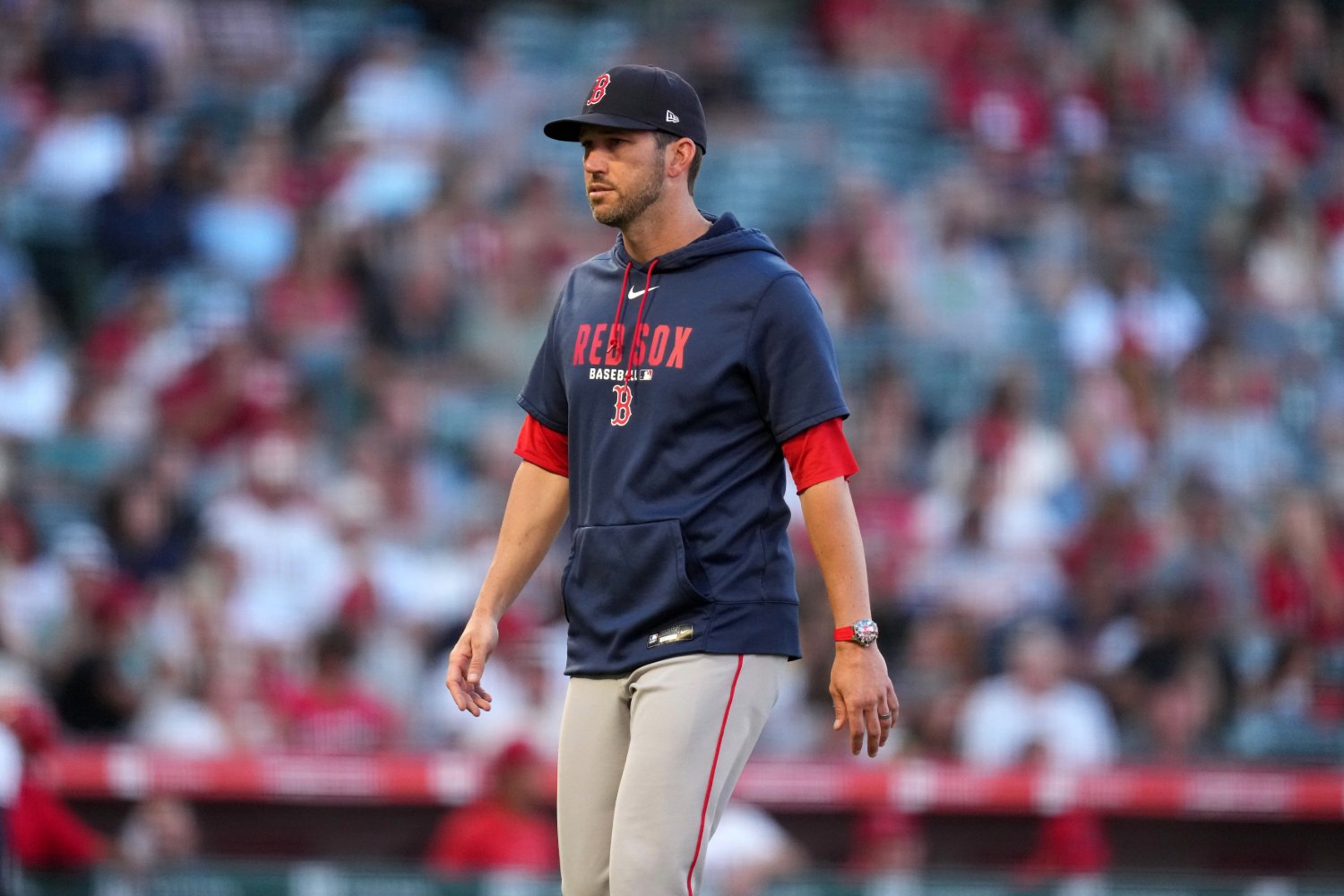 Chad Tracy provided quite a few injury reports during media availability before the first game of the Giants series. Per The Boston Herald’s Mac Cerullo, Roman Anthony, Trevor Story, and Isiah Kiner-Falefa are all continuing their rehab assignments through the weekend. There was some belief that Story could return as early as Friday, August 21, but the Red Sox seem to be taking a slower approach with the big league trio’s rehab assignments to guarantee they are ready to go once they get to Boston. Along with that, Cerullo also noted that RHP Garrett Whitlock is set to begin throwing at 120 feet before the Giants series. Whitlock believes he is on track to return to the team as soon as he is eligible to come off of the injured list, barring no setbacks. Also of note: LHP Garrett Crochet is throwing out to 90 feet as he progresses in his recovery from lat and shoulder injuries earlier this season. Crochet has already said that if he returns this season, he will only be able to go two innings, but progress is progress as the Red Sox continue to be in possession of the second AL Wild Card spot. Finally, RHP Tanner Houck is set to throw a live bullpen session on Monday in Fort Myers. Houck has been quietly progressing in his rehab program from Tommy John surgery last summer and the team is hoping for him to join the pitching program at some point before the end of the regular season.
 -
The bullpen for the Boston Red Sox was one of the driving forces behind their amazing run through the month of July and the early part of August. When the rotation turned in a short outing, the 'pen stepped up and kept the game in check by tossing lights out innings night after night. That’s why it was so surprising to watch the bullpen become the Achilles heel of the team as they’ve hit their second-half skid. As we approach the stretch run and, hopefully, the postseason, I wanted to rank the bullpen as it currently stands by most trustworthy. For this exercise, both Garrett Whitlock and Justin Slaten will not be included as they have recently landed on the injured list and there’s no set timetable for their return. When healthy though, both would be in the ‘most trustworthy’ category. Least Trustworthy Jovani Moran While it may feel weird to include Moran on the least trustworthy side of the list, it’s clear he’s pressing quite a bit and is very close to completely running out of gas. For the month of August, he’s tossed 8.2 innings over eight games. His ERA in that span is at 4.15 and he’s sporting an untenable 15.8% walk rate. His strikeout numbers are solid, but his command is all over the place and he’s regularly missing by leaving pitches middle-middle in the zone. While he hasn’t been tagged with a loss this month, he’s contributed to quite a few of them. [He’s also committed the lone balk of the month for the bullpen, for whatever that's worth.] He’d been rock solid through a large portion of the season, if you take out his handful of opener appearances, but he’s quickly becoming a liability in the 'pen and will likely only be used in low-leverage situations from here on out. Moderately Trustworthy Greg Weissert While Weissert has given us all heart palpitations at multiple points this season, he’s earned some amount of trust from Tracy as a late-inning, high-leverage arm right now. He’s appeared in six games so far this month and has pitched his way to a 2.25 ERA. He’s sporting an impressive 26.1% strikeout rate but his walk rate is a sky high 17.4% to go along with it. He was optioned at the beginning of the month to make room for Raymond Burgos after the 13-inning marathon game against the White Sox but never threw a pitch for the WooSox. He’s back up now and due to the injuries of Whitlock and Slaten, will be forced into a role that he really hasn’t seen since the World Baseball Classic when he was the closer for Team Italy. Tyron Guerrero Guerrero has been one of the most impressive arms out of the bullpen all season. He was an under-the-radar offseason addition that has transformed into a high-leverage arm out of the 'pen. The only reason he’s located in the moderately trustworthy section is because he’s started to look mortal in a couple of appearances this month. So far, he’s pitched 8.2 innings over nine games with a 5.19 ERA that was inflated by a blow-up performance against the Blue Jays where he allowed four earned runs. His strikeout rate has slumped to 17.1%, but he's made up for it with pristine command, as his walk rate sits at an impressive 5.7% for the month. He’s a flamethrower who keeps hitters off balance and he should return to his steady, dominant self as we push through the dog days of summer. Alec Gamboa The Boa Constrictor only has two games under his belt since being recalled but he’s sporting a flat zero ERA over four innings pitched. That being said, he also has a flat zero strikeout and walk rate. He’s not the most dominant arm out of the 'pen, but he eats innings and can be used in middle relief pretty safely. He may not still be on the active roster once names like Tanner Houck, Johan Oviedo, and possibly Kutter Crawford get closer to returning but for now, he’s safe to deploy in the middle innings. Raymond Burgos/Wyatt Olds These two are here by default; in truth, they'll likely be replaced once aforementioned options get healthy down the stretch. For now, Burgos has given the Red Sox 10 gutsy innings this month (2.70 ERA), while Olds has looked dominant in his two August innings. So long as they're on the roster, they can be trusted to handle low-leverage spots. Most Trustworthy Brayan Bello As a certified Bello day-one supporter, it’s been great to see him fully accept his bullpen role and thrive in it. For the month of August, he’s notched two wins and a save already while pitching 13.2 innings over four games. He’s working with a 1.32 ERA during that span and he’s been dominant on the bump. He’s striking out batters at a 19.2% clip and his walk rate is incredible at just 3.8%. If and when the Red Sox need a long-man in a crucial game over the next six weeks, Bello is the guy they'll go to. Erik Miller Newly acquired, Miller has tossed 6.1 innings in six games this month and, like Bello above, has been dominant. He hasn't allowed a run and is working with an astonishing 38.5% strikeout rate, and a 11.5% walk rate. There’s been a lot of discourse surrounding Miller due to the trade that brought him to Boston, but he’s been as advertised with even better command than he showed in San Francisco. He immediately slots into the set-up role in the bullpen where he should typically give the closer a clear runway to land the plane at the end of each game. Miller looks to be slowly taking over the role of ‘closer in waiting’ for the Red Sox, and Tracy should feel incredibly comfortable deploying him in any situation down the stretch. Aroldis Chapman Finally, the big man rounds out this list. Yes, he’s looked far more human at times, but he’s still one of the top closers in the game and should be trusted to slam the door shut in most situations. For the month of August, he’s sitting on a 3.60 ERA, which isn’t ideal, but he seems to have rediscovered his 100+ mph sinker in the last couple of appearances. His 20% strikeout rate is a bit down, but he’s been deploying his secondary pitches a bit more in an effort to pitch more to contact. Even if the numbers were worse than this, though, he’d pretty much have to be in the top-tier due to his pedigree and the fact that there’s no other closer option for the team through the end of the season. View full article
-
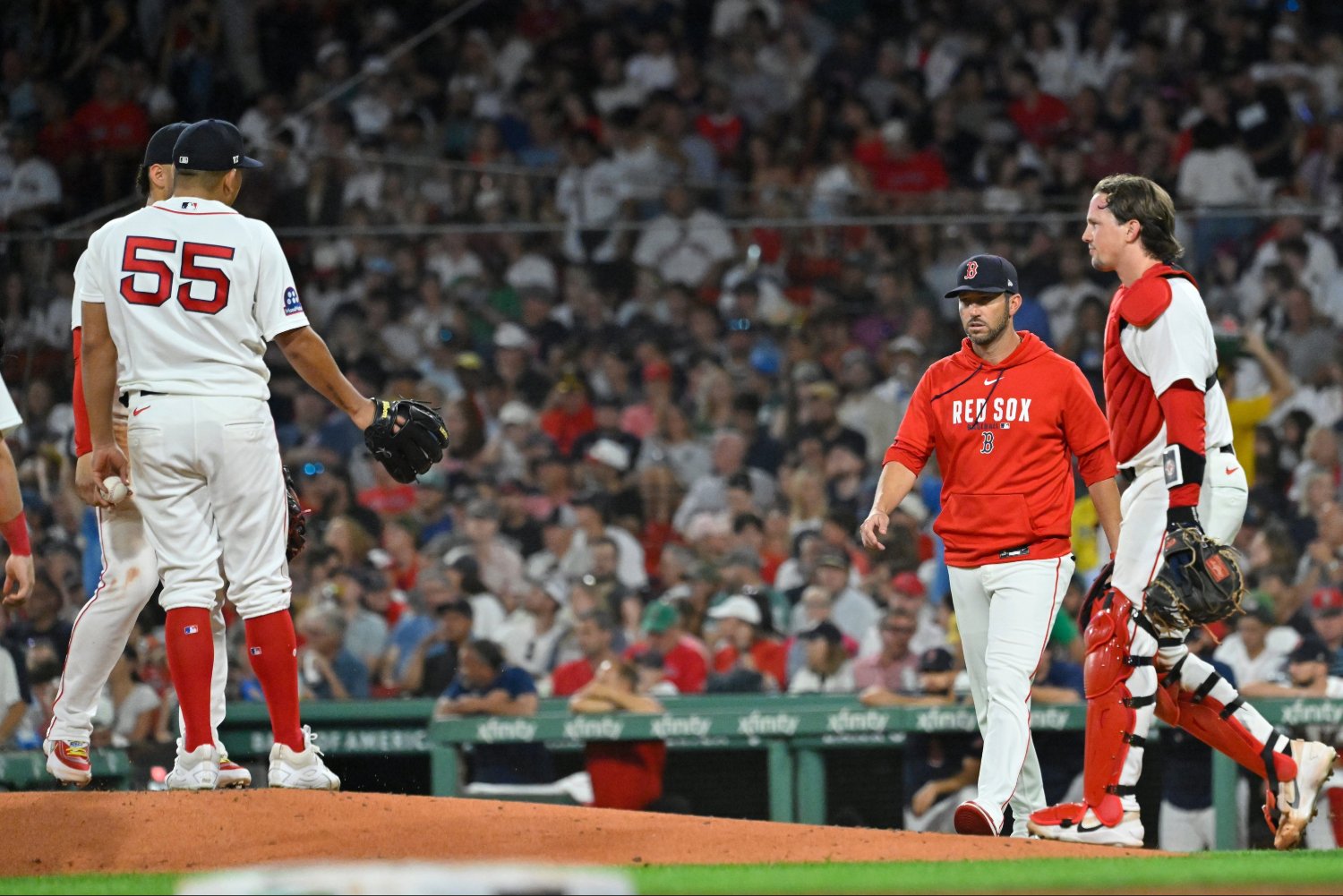 The bullpen for the Boston Red Sox was one of the driving forces behind their amazing run through the month of July and the early part of August. When the rotation turned in a short outing, the 'pen stepped up and kept the game in check by tossing lights out innings night after night. That’s why it was so surprising to watch the bullpen become the Achilles heel of the team as they’ve hit their second-half skid. As we approach the stretch run and, hopefully, the postseason, I wanted to rank the bullpen as it currently stands by most trustworthy. For this exercise, both Garrett Whitlock and Justin Slaten will not be included as they have recently landed on the injured list and there’s no set timetable for their return. When healthy though, both would be in the ‘most trustworthy’ category. Least Trustworthy Jovani Moran While it may feel weird to include Moran on the least trustworthy side of the list, it’s clear he’s pressing quite a bit and is very close to completely running out of gas. For the month of August, he’s tossed 8.2 innings over eight games. His ERA in that span is at 4.15 and he’s sporting an untenable 15.8% walk rate. His strikeout numbers are solid, but his command is all over the place and he’s regularly missing by leaving pitches middle-middle in the zone. While he hasn’t been tagged with a loss this month, he’s contributed to quite a few of them. [He’s also committed the lone balk of the month for the bullpen, for whatever that's worth.] He’d been rock solid through a large portion of the season, if you take out his handful of opener appearances, but he’s quickly becoming a liability in the 'pen and will likely only be used in low-leverage situations from here on out. Moderately Trustworthy Greg Weissert While Weissert has given us all heart palpitations at multiple points this season, he’s earned some amount of trust from Tracy as a late-inning, high-leverage arm right now. He’s appeared in six games so far this month and has pitched his way to a 2.25 ERA. He’s sporting an impressive 26.1% strikeout rate but his walk rate is a sky high 17.4% to go along with it. He was optioned at the beginning of the month to make room for Raymond Burgos after the 13-inning marathon game against the White Sox but never threw a pitch for the WooSox. He’s back up now and due to the injuries of Whitlock and Slaten, will be forced into a role that he really hasn’t seen since the World Baseball Classic when he was the closer for Team Italy. Tyron Guerrero Guerrero has been one of the most impressive arms out of the bullpen all season. He was an under-the-radar offseason addition that has transformed into a high-leverage arm out of the 'pen. The only reason he’s located in the moderately trustworthy section is because he’s started to look mortal in a couple of appearances this month. So far, he’s pitched 8.2 innings over nine games with a 5.19 ERA that was inflated by a blow-up performance against the Blue Jays where he allowed four earned runs. His strikeout rate has slumped to 17.1%, but he's made up for it with pristine command, as his walk rate sits at an impressive 5.7% for the month. He’s a flamethrower who keeps hitters off balance and he should return to his steady, dominant self as we push through the dog days of summer. Alec Gamboa The Boa Constrictor only has two games under his belt since being recalled but he’s sporting a flat zero ERA over four innings pitched. That being said, he also has a flat zero strikeout and walk rate. He’s not the most dominant arm out of the 'pen, but he eats innings and can be used in middle relief pretty safely. He may not still be on the active roster once names like Tanner Houck, Johan Oviedo, and possibly Kutter Crawford get closer to returning but for now, he’s safe to deploy in the middle innings. Raymond Burgos/Wyatt Olds These two are here by default; in truth, they'll likely be replaced once aforementioned options get healthy down the stretch. For now, Burgos has given the Red Sox 10 gutsy innings this month (2.70 ERA), while Olds has looked dominant in his two August innings. So long as they're on the roster, they can be trusted to handle low-leverage spots. Most Trustworthy Brayan Bello As a certified Bello day-one supporter, it’s been great to see him fully accept his bullpen role and thrive in it. For the month of August, he’s notched two wins and a save already while pitching 13.2 innings over four games. He’s working with a 1.32 ERA during that span and he’s been dominant on the bump. He’s striking out batters at a 19.2% clip and his walk rate is incredible at just 3.8%. If and when the Red Sox need a long-man in a crucial game over the next six weeks, Bello is the guy they'll go to. Erik Miller Newly acquired, Miller has tossed 6.1 innings in six games this month and, like Bello above, has been dominant. He hasn't allowed a run and is working with an astonishing 38.5% strikeout rate, and a 11.5% walk rate. There’s been a lot of discourse surrounding Miller due to the trade that brought him to Boston, but he’s been as advertised with even better command than he showed in San Francisco. He immediately slots into the set-up role in the bullpen where he should typically give the closer a clear runway to land the plane at the end of each game. Miller looks to be slowly taking over the role of ‘closer in waiting’ for the Red Sox, and Tracy should feel incredibly comfortable deploying him in any situation down the stretch. Aroldis Chapman Finally, the big man rounds out this list. Yes, he’s looked far more human at times, but he’s still one of the top closers in the game and should be trusted to slam the door shut in most situations. For the month of August, he’s sitting on a 3.60 ERA, which isn’t ideal, but he seems to have rediscovered his 100+ mph sinker in the last couple of appearances. His 20% strikeout rate is a bit down, but he’s been deploying his secondary pitches a bit more in an effort to pitch more to contact. Even if the numbers were worse than this, though, he’d pretty much have to be in the top-tier due to his pedigree and the fact that there’s no other closer option for the team through the end of the season.
 -
The Boston Red Sox are set to call up RHP Wyatt Olds from the WooSox before today’s game against the Arizona Diamondbacks according to Section 10's Tyler Milliken. Olds currently sports a 5-6 record on the season with a 5.33 ERA over 50.2 innings pitched. He’s secured five saves over the season as well. Although no corresponding move has been announced as of this writing, Olds will likely replace LHP Raymond Burgos in the bullpen as the team looks to maximize their minor-league pitching depth that can help the big-league club as they navigate a world without both Garrett Whitlock and Justin Slaten for the foreseeable future. Expect this to be a fairly constant roster shuffle for the Red Sox until they start to get their leverage arms back. Olds features a four-pitch mix that includes a four-seam fastball that tops out at 96.8 mph, a slider, cutter, and a changeup. It will be interesting to see where he slots in the bullpen mix since very few spots are currently locked down, but it stands to reason he may only be up for the bullpen game that is planned for game one of the series against Arizona. View full rumor
-
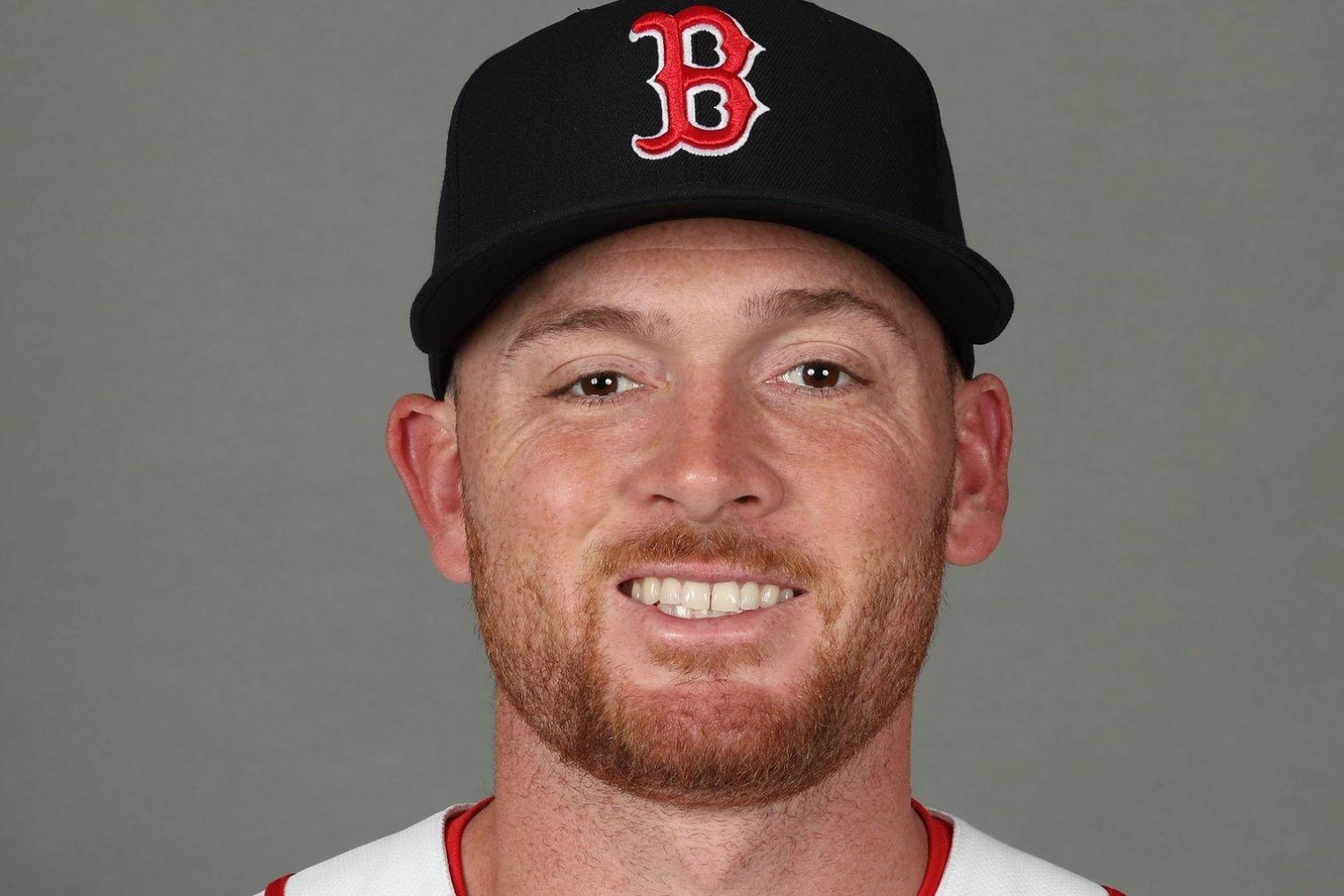 The Boston Red Sox are set to call up RHP Wyatt Olds from the WooSox before today’s game against the Arizona Diamondbacks according to Section 10's Tyler Milliken. Olds currently sports a 5-6 record on the season with a 5.33 ERA over 50.2 innings pitched. He’s secured five saves over the season as well. Although no corresponding move has been announced as of this writing, Olds will likely replace LHP Raymond Burgos in the bullpen as the team looks to maximize their minor-league pitching depth that can help the big-league club as they navigate a world without both Garrett Whitlock and Justin Slaten for the foreseeable future. Expect this to be a fairly constant roster shuffle for the Red Sox until they start to get their leverage arms back. Olds features a four-pitch mix that includes a four-seam fastball that tops out at 96.8 mph, a slider, cutter, and a changeup. It will be interesting to see where he slots in the bullpen mix since very few spots are currently locked down, but it stands to reason he may only be up for the bullpen game that is planned for game one of the series against Arizona.
 -
Boston Red Sox Weekly Snapshot Record Last Week: 2-5 Runs Scored Last Week: 26 Runs Surrendered Last Week: 29 Standings 3rd in AL East 8.5 GB First Place 2nd in AL Wild Card 3 GB First Place Transactions 08/11/26: Boston Red Sox transferred 2B Isiah Kiner-Falefa from the 10-day injured list to the 60-day injured list. 08/11/26: Boston Red Sox activated C Adley Rutschman from the 10-day injured list. 08/11/26: Boston Red Sox signed free agent RHP Aaron Nixon to a minor league contract 08/11/26: Boston Red Sox designated C Jake Rogers for assignment. 08/12/26: Boston Red Sox recalled LHP Alec Gamboa from Worcester Red Sox. 08/12/26: Boston Red Sox traded CF Harold Rivas to Baltimore Orioles. Player to be named later from the 8/3 Adley Rutschman trade. 08/12/26: Boston Red Sox designated RHP Seth Martinez for assignment. 08/12/26: Boston Red Sox signed free agent RHP Morgan McSweeney to a minor league contract. 08/13/26: Boston Red Sox recalled RHP Greg Weissert from Worcester Red Sox. 08/13/26: Boston Red Sox placed RHP Garrett Whitlock on the 15-day injured list retroactive to August 10, 2026. Right elbow inflammation. 08/14/26: Boston Red Sox sent RHP Seth Martinez outright to Worcester Red Sox. 08/14/26: Chicago White Sox claimed C Jake Rogers off waivers from Boston Red Sox. 08/16/26: Boston Red Sox recalled LHP Raymond Burgos from Worcester Red Sox. 08/16/26: Boston Red Sox recalled C Mickey Gasper from Worcester Red Sox. 08/16/26: Boston Red Sox placed RHP Justin Slaten on the 15-day injured list retroactive to August 13, 2026. Right elbow inflammation. 08/16/26: Boston Red Sox placed DH Masataka Yoshida on the 10-day injured list. Left hamstring strain Scores Game 118: BOS 1, TOR 2 Game 119: BOS 3, TOR 5 Game 120: BOS 4, TOR 6 Game 121: BOS 7, TOR 0 Game 122: BOS 4, PIT 8 Game 123: BOS 4, PIT 0 Game 124: BOS 3, PIT 8 Series Breakdown/Highlights Blue Jays Series: The Red Sox looked to reverse their season-long misfortune against the Blue Jays but they just couldn’t get it going. In game one, Sonny Gray tossed six innings of two-run baseball while striking out four and walking one. He was charged with the loss while Jovani Moran appeared in relief and threw two shutout innings. The lone RBI on the night came off the bat of Ceddanne Rafaela, who is still producing but starting to show worrying signs of swinging at everything that’s thrown at him. Game two was started by Patrick Sandoval, who tossed six innings while allowing two earned runs and striking out four. Tyron Guerrero and Seth Martinez both came in out of the bullpen. Guerrero worked a clean inning while Martinez allowed two hits and one earned run. On offense, Wilyer Abreu socked a solo home run while Rafaela hit a two-run dinger over the wall for all the offense the team could produce. What’s most frustrating about this game is the team played really well against Cy Young favorite Dylan Cease after he had just pitched a complete, one-hit game against them last time out. In game three, Ranger Suarez pitched through five complete innings for the first time since returning from the injured list. He allowed six hits, one earned run, and struck out two on the night. Justin Slaten, Erik Miller, and Alec Gamboa all worked clean innings, combining for three strikeouts. The leak in the bullpen for this game came through Guerrero who allowed four earned runs on two walks and three hits. Offensively, Willson Contreras got going with a home run while Caleb Durbin, Andruw Monasterio, and Jarren Duran all contributed one RBI each. The finale was the time the bats began to wake up, but the story of the game belonged to Payton Tolle again. While he only struck out four during this start, he was utterly dominant. He tossed eight innings while only allowing two hits and zero earned runs. He’s turning into an ace right before our eyes. Offensively, this was the Caleb Durbin show. He hit his second grand slam this season while driving in five total runs while Contreras and Masataka Yoshida also contributed one RBI each. Pirates Series: The Red Sox looked to stop their series losing skid but the Pirates had something to say about that. In game one, Jake Bennett turned in another start that left quite a bit to be desired. He turned in four innings of five-hit, four-earned-run baseball while striking out six. Moran allowed three more earned runs out of the bullpen while Gamboa stopped the bleeding over the final three innings. Offensively, Monasterio, Yoshida, and Nick Sogard contributed the four RBIs. In game two, Sonny Gray turned in another incredible start by tossing seven shutout innings while striking out seven. Miller and Aroldis Chapman both threw scoreless innings out of the bullpen. Wilyer Abreu tagged Jared Jones for a home run in the second inning while Monasterio and Jahmai Jones also drove in runs to spark the offense late and secure the win for the Sox. Game three went horribly for Patrick Sandoval, who struggled from the first pitch of the game. He allowed nine hits and seven earned runs over just four innings of work. He did manage to strike out six, but the damage was already done. Recently recalled Burgos worked two innings of relief before the skies opened up and delayed the game for two and a half hours. Impressively, he returned to the mound after the delay. While he won’t stick on the roster, he was given his flowers by Chad Tracy afterwards for his gutsy performances every time the Sox have needed him. Offensively, Connor Wong was the star of the game with his three-run home run. The Red Sox look to turn the page as two National League West teams come to town for the week while old friends Rafael Devers and Marcelo Mayer make their much-anticipated returns to Fenway Park. Website Highlights Payton Tolle’s Learned How to Kill Reaction Time in Dominant Start Against Athletics by Yirsandy Rodriguez Kristian Campbell’s Fantastic Summer is Changing His Narrative Again by Nick John Patrick Sandoval is Walking a Fine Line with Red Sox After Two-Year Hiatus by Gottie Chavez Wilyer Abreu’s August Breakthrough is Proof Minor Adjustments Can Yield Major Results by Alex Mayes Looking Ahead 08/17/26: Diamondbacks (Mitch Bratt) @ Red Sox (TBD): 7:10 PM EDT 08/18/26: Diamondbacks (Merrill Kelly) @ Red Sox (Ranger Suarez): 7:10 PM EDT 08/19/26: Diamondbacks (Brandon Pfaadt) @ Red Sox (Payton Tolle): 4:10 PM EDT 08/20/26: Off Day 08/21/26: Giants @ Red Sox: 7:10 PM EDT 08/22/26: Giants @ Red Sox: 7:15 PM EDT 08/23:26: Giants @ Red Sox: 3:10 PM EDT View full article
-
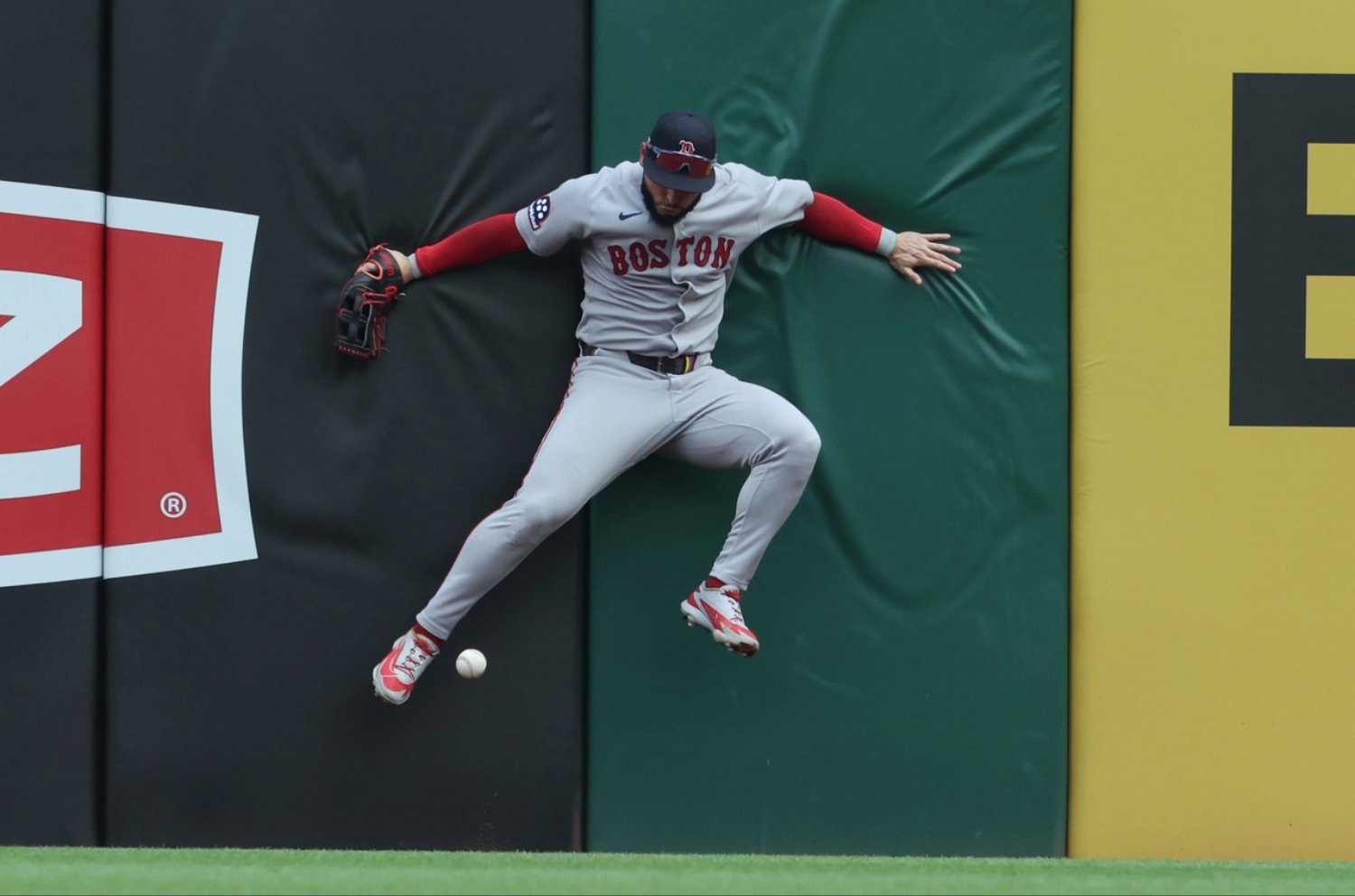 Boston Red Sox Weekly Snapshot Record Last Week: 2-5 Runs Scored Last Week: 26 Runs Surrendered Last Week: 29 Standings 3rd in AL East 8.5 GB First Place 2nd in AL Wild Card 3 GB First Place Transactions 08/11/26: Boston Red Sox transferred 2B Isiah Kiner-Falefa from the 10-day injured list to the 60-day injured list. 08/11/26: Boston Red Sox activated C Adley Rutschman from the 10-day injured list. 08/11/26: Boston Red Sox signed free agent RHP Aaron Nixon to a minor league contract 08/11/26: Boston Red Sox designated C Jake Rogers for assignment. 08/12/26: Boston Red Sox recalled LHP Alec Gamboa from Worcester Red Sox. 08/12/26: Boston Red Sox traded CF Harold Rivas to Baltimore Orioles. Player to be named later from the 8/3 Adley Rutschman trade. 08/12/26: Boston Red Sox designated RHP Seth Martinez for assignment. 08/12/26: Boston Red Sox signed free agent RHP Morgan McSweeney to a minor league contract. 08/13/26: Boston Red Sox recalled RHP Greg Weissert from Worcester Red Sox. 08/13/26: Boston Red Sox placed RHP Garrett Whitlock on the 15-day injured list retroactive to August 10, 2026. Right elbow inflammation. 08/14/26: Boston Red Sox sent RHP Seth Martinez outright to Worcester Red Sox. 08/14/26: Chicago White Sox claimed C Jake Rogers off waivers from Boston Red Sox. 08/16/26: Boston Red Sox recalled LHP Raymond Burgos from Worcester Red Sox. 08/16/26: Boston Red Sox recalled C Mickey Gasper from Worcester Red Sox. 08/16/26: Boston Red Sox placed RHP Justin Slaten on the 15-day injured list retroactive to August 13, 2026. Right elbow inflammation. 08/16/26: Boston Red Sox placed DH Masataka Yoshida on the 10-day injured list. Left hamstring strain Scores Game 118: BOS 1, TOR 2 Game 119: BOS 3, TOR 5 Game 120: BOS 4, TOR 6 Game 121: BOS 7, TOR 0 Game 122: BOS 4, PIT 8 Game 123: BOS 4, PIT 0 Game 124: BOS 3, PIT 8 Series Breakdown/Highlights Blue Jays Series: The Red Sox looked to reverse their season-long misfortune against the Blue Jays but they just couldn’t get it going. In game one, Sonny Gray tossed six innings of two-run baseball while striking out four and walking one. He was charged with the loss while Jovani Moran appeared in relief and threw two shutout innings. The lone RBI on the night came off the bat of Ceddanne Rafaela, who is still producing but starting to show worrying signs of swinging at everything that’s thrown at him. Game two was started by Patrick Sandoval, who tossed six innings while allowing two earned runs and striking out four. Tyron Guerrero and Seth Martinez both came in out of the bullpen. Guerrero worked a clean inning while Martinez allowed two hits and one earned run. On offense, Wilyer Abreu socked a solo home run while Rafaela hit a two-run dinger over the wall for all the offense the team could produce. What’s most frustrating about this game is the team played really well against Cy Young favorite Dylan Cease after he had just pitched a complete, one-hit game against them last time out. In game three, Ranger Suarez pitched through five complete innings for the first time since returning from the injured list. He allowed six hits, one earned run, and struck out two on the night. Justin Slaten, Erik Miller, and Alec Gamboa all worked clean innings, combining for three strikeouts. The leak in the bullpen for this game came through Guerrero who allowed four earned runs on two walks and three hits. Offensively, Willson Contreras got going with a home run while Caleb Durbin, Andruw Monasterio, and Jarren Duran all contributed one RBI each. The finale was the time the bats began to wake up, but the story of the game belonged to Payton Tolle again. While he only struck out four during this start, he was utterly dominant. He tossed eight innings while only allowing two hits and zero earned runs. He’s turning into an ace right before our eyes. Offensively, this was the Caleb Durbin show. He hit his second grand slam this season while driving in five total runs while Contreras and Masataka Yoshida also contributed one RBI each. Pirates Series: The Red Sox looked to stop their series losing skid but the Pirates had something to say about that. In game one, Jake Bennett turned in another start that left quite a bit to be desired. He turned in four innings of five-hit, four-earned-run baseball while striking out six. Moran allowed three more earned runs out of the bullpen while Gamboa stopped the bleeding over the final three innings. Offensively, Monasterio, Yoshida, and Nick Sogard contributed the four RBIs. In game two, Sonny Gray turned in another incredible start by tossing seven shutout innings while striking out seven. Miller and Aroldis Chapman both threw scoreless innings out of the bullpen. Wilyer Abreu tagged Jared Jones for a home run in the second inning while Monasterio and Jahmai Jones also drove in runs to spark the offense late and secure the win for the Sox. Game three went horribly for Patrick Sandoval, who struggled from the first pitch of the game. He allowed nine hits and seven earned runs over just four innings of work. He did manage to strike out six, but the damage was already done. Recently recalled Burgos worked two innings of relief before the skies opened up and delayed the game for two and a half hours. Impressively, he returned to the mound after the delay. While he won’t stick on the roster, he was given his flowers by Chad Tracy afterwards for his gutsy performances every time the Sox have needed him. Offensively, Connor Wong was the star of the game with his three-run home run. The Red Sox look to turn the page as two National League West teams come to town for the week while old friends Rafael Devers and Marcelo Mayer make their much-anticipated returns to Fenway Park. Website Highlights Payton Tolle’s Learned How to Kill Reaction Time in Dominant Start Against Athletics by Yirsandy Rodriguez Kristian Campbell’s Fantastic Summer is Changing His Narrative Again by Nick John Patrick Sandoval is Walking a Fine Line with Red Sox After Two-Year Hiatus by Gottie Chavez Wilyer Abreu’s August Breakthrough is Proof Minor Adjustments Can Yield Major Results by Alex Mayes Looking Ahead 08/17/26: Diamondbacks (Mitch Bratt) @ Red Sox (TBD): 7:10 PM EDT 08/18/26: Diamondbacks (Merrill Kelly) @ Red Sox (Ranger Suarez): 7:10 PM EDT 08/19/26: Diamondbacks (Brandon Pfaadt) @ Red Sox (Payton Tolle): 4:10 PM EDT 08/20/26: Off Day 08/21/26: Giants @ Red Sox: 7:10 PM EDT 08/22/26: Giants @ Red Sox: 7:15 PM EDT 08/23:26: Giants @ Red Sox: 3:10 PM EDT
 -
Oh if they are he’s in Boston until he retires. They should trade him for a few buckets of balls at this rate.
