


Red Sox Video
Long before my time, news and entertainment were two separate, distinct entities. In contemporary society, news is falsely distributed under the guise of sensationalist entertainment. The late media theorist and cultural critic Neil Postman warns about the dangers of blurring entertainment and politics, journalism, and other facets of society in his 1985 book "Amusing Ourselves to Death: Public Discourse in the Age of Show Business". He primarily discusses using television as the medium (tool) for distributing entertaining subject matter:
“In America, everyone is entitled to an opinion, and it is certainly useful to have a few when a pollster shows up. But these are opinions of a quite different roder from eighteenth- or nineteenth-century opinions. It is probably more accurate to call them emotions rather than opinions, which would account for the fact that they change from week to week, as the pollsters tell us. What is happening here is that television is altering the meaning of 'being informed' by creating a species of information that might properly be called disinformation.”
While YouTube, Twitch, and other video streaming platforms weren’t present when Postman wrote his book 40-something years ago, his arguments still apply to these new mediums, and they were in action during the last 30 minutes of the 2025 MLB Trade Deadline.
Unless you live under a rock, you’re probably aware of the Section 10 Podcast as a Red Sox fan. The podcast originally debuted in 2015 as part of Barstool’s media network. It’s featured a revolving cast of hosts and undergone name and platform changes over the years, but Section 10’s founder, Jared Carrabis, has been the podcast’s mainstay. Carrabis often appears on MLB Network and NESN as a guest commentator. This year, Section 10 hosted interviews with Carlos Narváez and Jarren Duran, which were informative and engaging.
Interestingly, the Duran interview came after Carrabis angrily posted a series of tweets about what turned out to be Duran unfollowing Section 10’s Twitter account and Carrabis’s Instagram account. Given Carrabis’s large cult-like following and Duran’s history with mental health struggles, it was weird for him to have a public freakout over an unfollow. Professional athletes have demanding schedules and are not obligated to give content creators the time or maintain personal relationships with them. Following the interview, it appears the pair reconciled.
Perhaps it’s the slow, steady decline of cable television, or the loneliness epidemic. Maybe it’s a combination of both that’s driven the popularity of streaming. To me, there’s a meta quality to watching someone else react to a baseball game/news channel when I could just directly watch it myself. Yesterday afternoon/evening, Carrabis hosted a special Baseball Is Dead (sponsored by Underdog Fantasy) livestream for the trade deadline. Watching a group of dudes constantly refresh their Twitter feeds and mutter to themselves in Carrabis’ basement isn’t my cup of tea, so kudos to anyone tuned into their five-plus hour stream. (For what it's worth, Carrabis’ basement looks like a cool place to chill.) In his defense, Carrabis has previously been connected to the Red Sox's moves like the Garrett Crochet trade and the Alex Bregman signing.
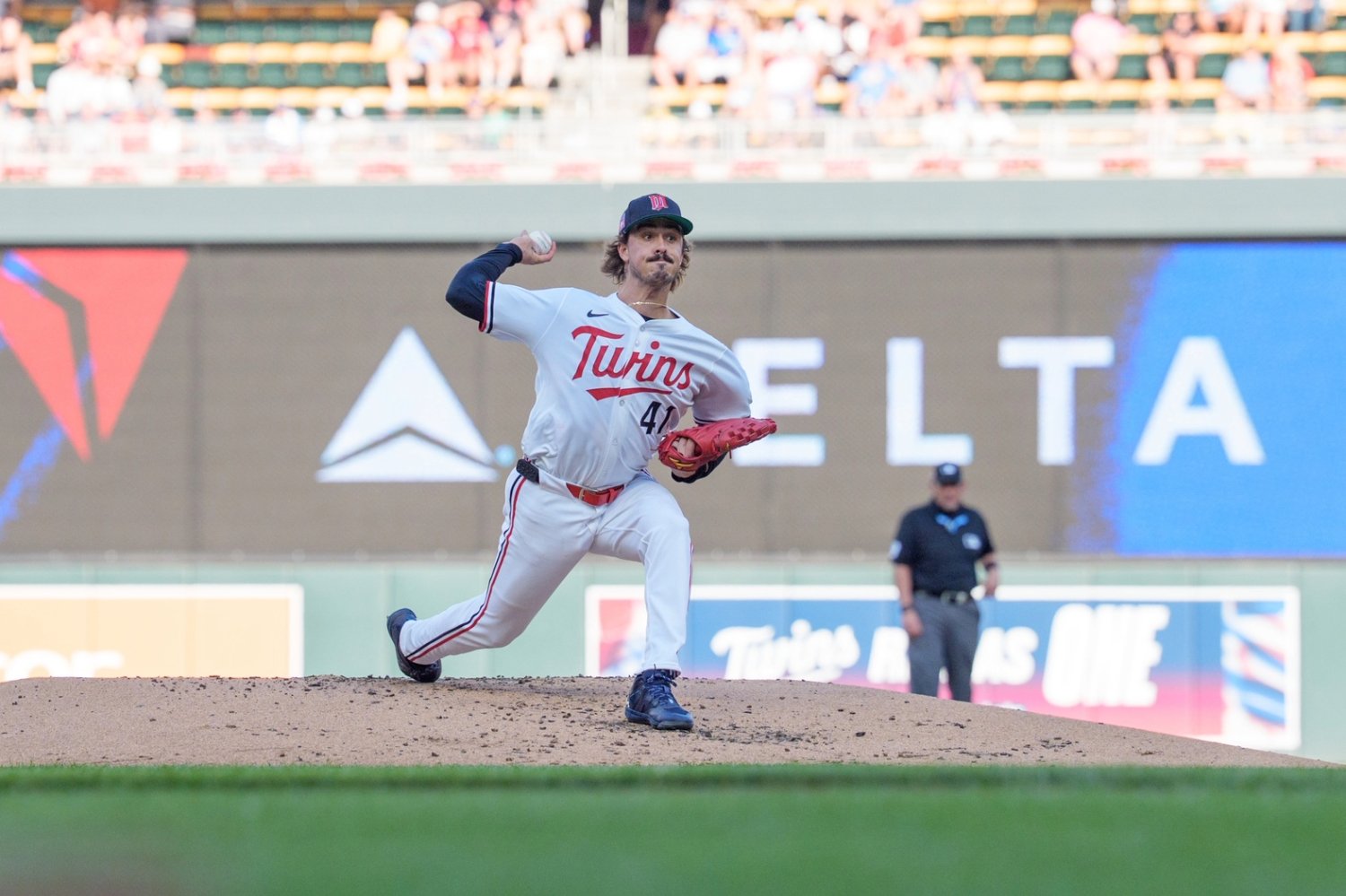
Between roughly 5:45 to 5:48 pm on the day of the MLB Trade Deadline, Red Sox fans were falsely led to believe that the team traded for Joe Ryan. Section 10 cohost Coley Mick tweeted about it. Subsequently, Fox Sports and Yahoo Sports posted and then quickly deleted two graphics breaking the news. In the wake of the trade deadline, various reports articulated that the Joe Ryan trade was never close to coming into fruition. Ken Rosenthal remarked, “My understanding is that any talks they had with the Twins were feeble at best and did not come at them hard”. Chris Cotilo’s source said they were “not close”. At 6:03 pm, Alex Speier confirmed the team did not acquire Ryan. Carrabis maintains the deal for Joe Ryan was on the five-yard line. Despite the trade not materializing, we can always turn to the fallout’s reaction memes.

At the end of the day, Carrabis has a monetary incentive to generate clicks and drive engagement. Tweeting “Streets. Talking.” around the trade deadline is superfluous. Of course, the organization is trying to finagle a move. The sky is blue. For someone who allegedly has a direct line to the Red Sox’s war room, Carrabis, a content creator, breaking a trade just minutes before a reputable reporter, like Jeff Passan, confirms it is rather unremarkable.
Boston’s passionate sports culture is reflected in its media industry. Podcasts like Section 10 have captured a sizable chunk of Red Sox Nation. Fans are increasingly turning to digital platforms for news, making it difficult for traditional journalists to compete. Live streams filmed informally by content creators in the comfort of their home represent a welcoming environment compared to watching traditional, suited analysts sitting in legacy media’s imposing network studios.
When the distinction between news and entertainment blurs, Postman articulated, “The problem is not that television presents us with entertaining subject matter, but that all subject matter is presented as entertaining”, regardless of its validity. Jared Carrabis and the other Section 10 hosts' reactions to games, trades, and signings serve as a lens through which fans interpret and shape their perceptions. Seemingly, everyone and their mom is a content creator. In a sports media landscape saturated with attention-grabbing personalities, content often triumphs over the truth.







Recommended Comments
Create an account or sign in to comment
You need to be a member in order to leave a comment
Create an account
Sign up for a new account in our community. It's easy!
Register a new accountSign in
Already have an account? Sign in here.
Sign In Now