Finley Rogan
-
Posts
51 -
Joined
-
Last visited
Content Type
Profiles
Boston Red Sox Videos
2026 Boston Red Sox Top Prospects Ranking
Boston Red Sox Free Agent & Trade Rumors, Notes, & Tidbits
Guides & Resources
2025 Boston Red Sox Draft Pick Tracker
News
2026 Boston Red Sox Draft Pick Tracker
Forums
Blogs
Events
Store
Downloads
Gallery
Everything posted by Finley Rogan
-
 Yeah I really went back and forth. I’m t honestly is a micro example of why relievers can’t win the Cy Young. I think if Crochet was maybe 15% worse this month I would have given Chapman the nod. Regardless, they are the clear top two.
 -
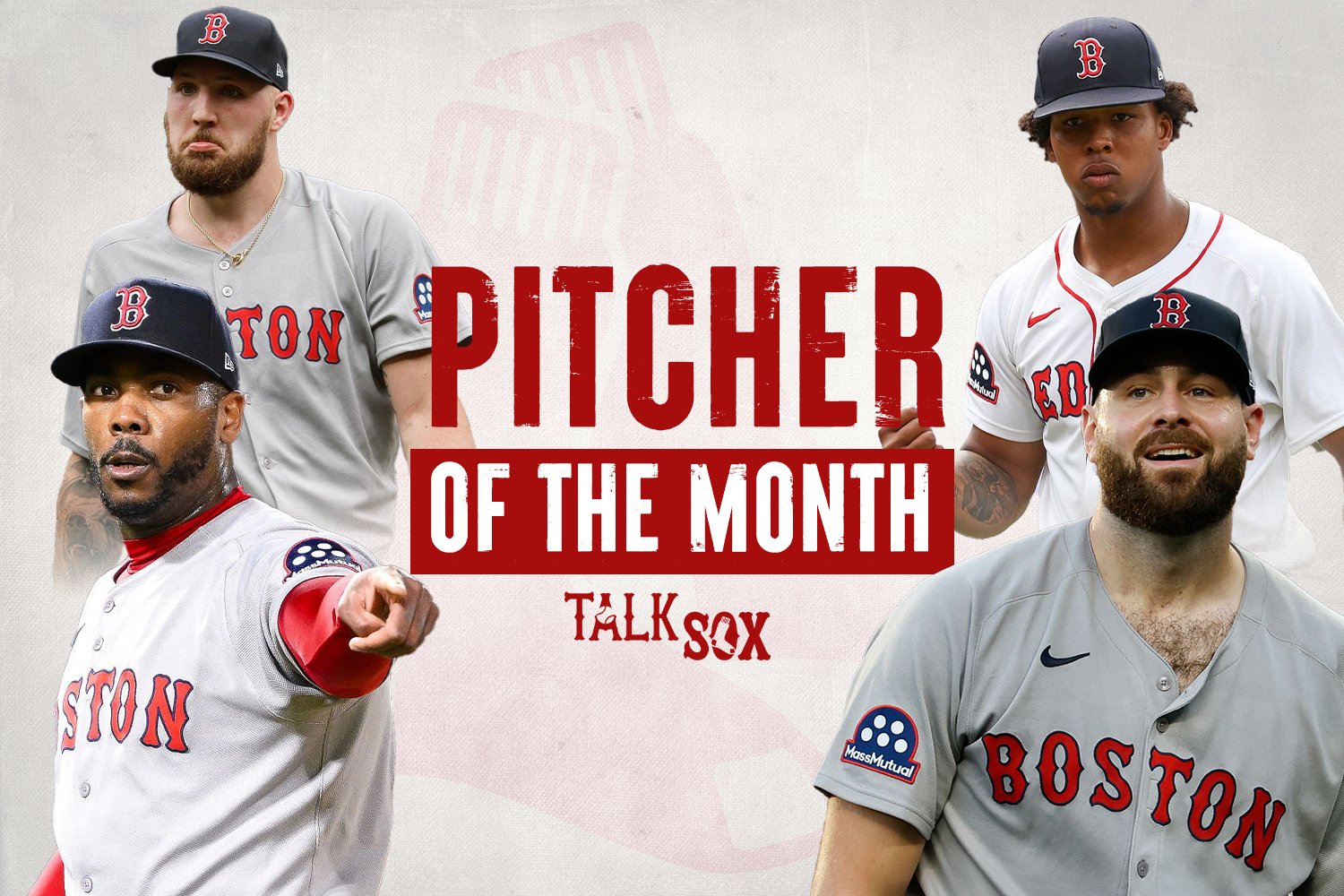 In the month of June, the Red Sox pitching staff posted a 4.11 ERA which ranked 16th in MLB. It was an average month for an average pitching staff — the Red Sox finished 15th in ERA in April, and 16th in May. Let's take a look at which pitchers led the team this month with strong performances. Two names in particular will be featured on the list for the third consecutive month, and there will be one new addition. Honorable Mention: Brayan Bello It was the best month of the season for Brayan Bello, even though it ended with a poor start against Toronto. He finished June with a 2.87 ERA across five starts and 31 innings. Bello posted a respectable 17.4% K rate—a high mark for him. He also induced ground balls on 56% of his pitches, meaning he kept the ball down and induced weak contact. It would be a huge development for the Red Sox if Bello could perform like this for the rest of the season, but his start Friday night surely left a sour taste in the mouths of fans. #3: Lucas Giolito Lucas Giolito and Bello had eerily similar stats in June. Giolito posted a 3.04 ERA across five starts. Though he threw less total innings than Bello, Giolito edges him out at the third spot thanks to his strikeouts. His 22.7% K rate was second among all Red Sox starters in June. Giolito also walked batters just over 7% of the time. Overall, he makes the list thanks to the timeliness of his starts, and because he needed a bounce back in the worst way month. Just a month ago, Red Sox fans were calling for Giolito to be designated for assignment; now, he is the team's second or third-best starting pitcher. #2: Aroldis Chapman One area of the team without any drama is the back of the bullpen, and once again closer Aroldis Chapman had a stellar month. In 11 innings, Chapman posted 0.7 WAR, a 0.00 ERA, and a 0.18 FIP. The Red Sox closer had an absurd 51.4% K rate, while walking just 5% of the batters he faced. Chapman faced 37 batters and he allowed just one run, two hits, and two walks. INSANE. He'll continue to be a regular on this list... unless the Sox trade him at the deadline. #1: Garrett Crochet In six starts, Garrett Crochet threw 40 1/3 innings and posted a 2.68 ERA and a 2.25 FIP. It would not be surprising to see Crochet win this award every remaining month of the season. He had a stellar 29.7% K-BB rate, while allowing under one baserunner per inning. Crochet is the best pitcher on the team, and it is scary to think about where the Red Sox would be without him. His 1.4 WAR in June doubled that of Aroldis Chapman, and tied Zach Wheeler and Jacob deGrom for first in baseball. If the Red Sox didn’t get a Cy Young-caliber month from their ace, Chapman’s near-perfect performance would have seen him atop the list. Sorry relievers, we live in a starter’s world. What do you think of our list? Any other Red Sox players you’d add? Let us know in the comments!
 -
In the month of June, the Red Sox pitching staff posted a 4.11 ERA which ranked 16th in MLB. It was an average month for an average pitching staff — the Red Sox finished 15th in ERA in April, and 16th in May. Let's take a look at which pitchers led the team this month with strong performances. Two names in particular will be featured on the list for the third consecutive month, and there will be one new addition. Honorable Mention: Brayan Bello It was the best month of the season for Brayan Bello, even though it ended with a poor start against Toronto. He finished June with a 2.87 ERA across five starts and 31 innings. Bello posted a respectable 17.4% K rate—a high mark for him. He also induced ground balls on 56% of his pitches, meaning he kept the ball down and induced weak contact. It would be a huge development for the Red Sox if Bello could perform like this for the rest of the season, but his start Friday night surely left a sour taste in the mouths of fans. #3: Lucas Giolito Lucas Giolito and Bello had eerily similar stats in June. Giolito posted a 3.04 ERA across five starts. Though he threw less total innings than Bello, Giolito edges him out at the third spot thanks to his strikeouts. His 22.7% K rate was second among all Red Sox starters in June. Giolito also walked batters just over 7% of the time. Overall, he makes the list thanks to the timeliness of his starts, and because he needed a bounce back in the worst way month. Just a month ago, Red Sox fans were calling for Giolito to be designated for assignment; now, he is the team's second or third-best starting pitcher. #2: Aroldis Chapman One area of the team without any drama is the back of the bullpen, and once again closer Aroldis Chapman had a stellar month. In 11 innings, Chapman posted 0.7 WAR, a 0.00 ERA, and a 0.18 FIP. The Red Sox closer had an absurd 51.4% K rate, while walking just 5% of the batters he faced. Chapman faced 37 batters and he allowed just one run, two hits, and two walks. INSANE. He'll continue to be a regular on this list... unless the Sox trade him at the deadline. #1: Garrett Crochet In six starts, Garrett Crochet threw 40 1/3 innings and posted a 2.68 ERA and a 2.25 FIP. It would not be surprising to see Crochet win this award every remaining month of the season. He had a stellar 29.7% K-BB rate, while allowing under one baserunner per inning. Crochet is the best pitcher on the team, and it is scary to think about where the Red Sox would be without him. His 1.4 WAR in June doubled that of Aroldis Chapman, and tied Zach Wheeler and Jacob deGrom for first in baseball. If the Red Sox didn’t get a Cy Young-caliber month from their ace, Chapman’s near-perfect performance would have seen him atop the list. Sorry relievers, we live in a starter’s world. What do you think of our list? Any other Red Sox players you’d add? Let us know in the comments! View full article
-
I can’t say I have too much to say about the batting order, but I do like Duran leading off. I think it makes sense to have the 1B and DH platoon in the 2-5 region. As far as acquiring hitting, I think it’s all dependent on how attainable the playoffs seem at the deadline. Whether fans like it or not, this team does not possess the desire for momentary contention they once carried in the summer. Especially with Crawford ruled out, I think they will continue with the same personnel with hopes that the Kids elevate, and Duran/Abreu find their upper end outcomes. It will be interesting to see if they want to sell assuming the team is four or more back at the deadline. It’s just such a strange position because even if they are way behind, they will not trade Bregman. Overall, my thoughts will be more clear come the deadline. Hopefully they can find their footing this homestand.
- 8 replies
-
- 1
-

-
- tanner houck
- kyle harrison
- (and 1 more)
-
Red Sox Injury Update: Bregman Swinging, Hicks Dealing, Houck Struggling
Finley Rogan posted an article in Red Sox
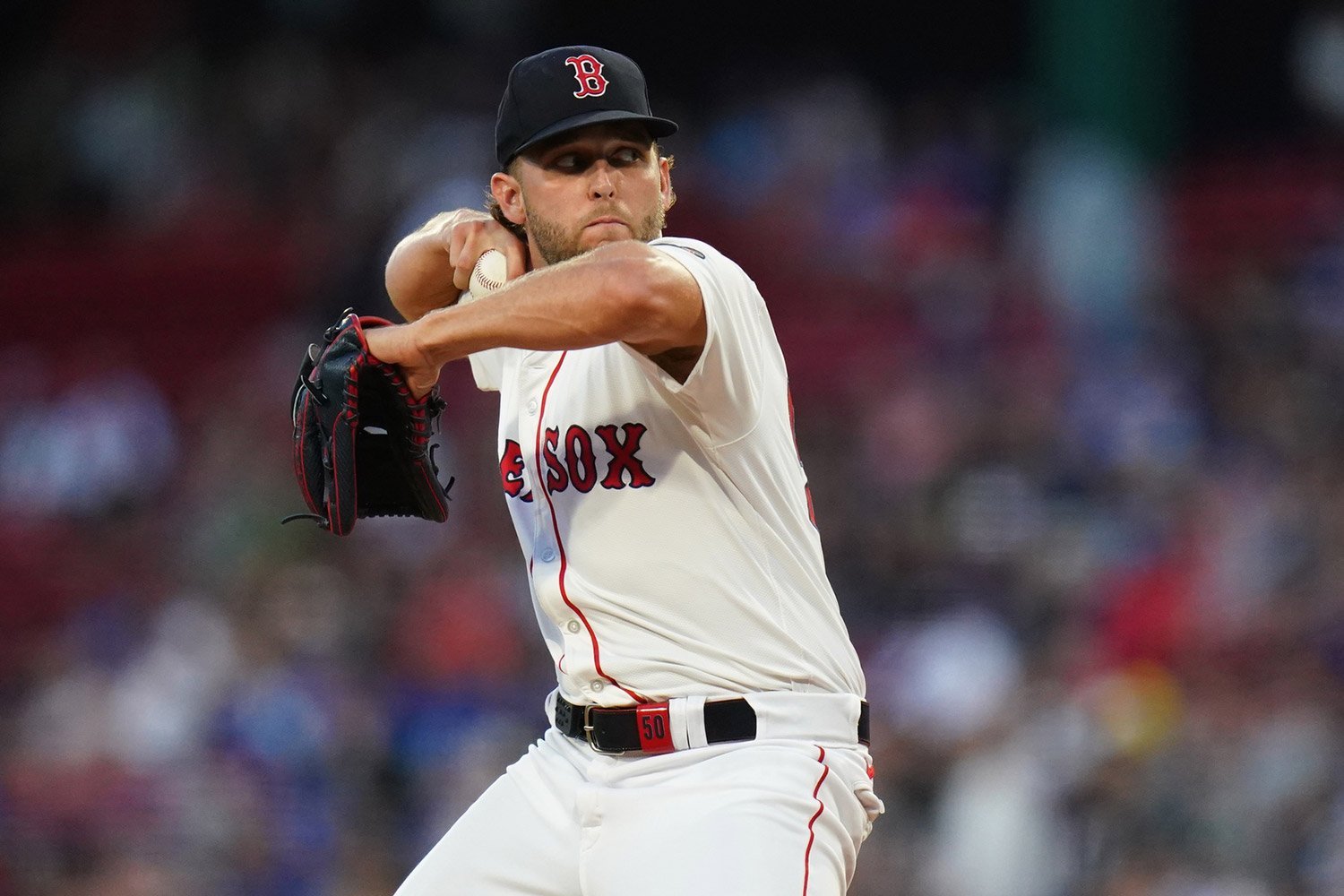 Red Sox fans received bad news when the team announced Wednesday that starter Kutter Crawford would miss the rest of the season with a wrist surgery. Crawford had yet to pitch this season, as he had previously been dealing with right patellar tendon soreness and a sore right wrist. Alex Cora told reporters in Anaheim that the starting rotation depth — which was a strength of the team entering the season — has grown thin. Although Crawford is not a Cy Young-caliber pitcher, he still could have provided value to this Red Sox team in the second half of the season. He led the team in innings last season with 183.2. I would even presume that he would be the Game 3 or 4 starter if he was healthy and the team was in the postseason. With Crawford’s season being over, the other depth options in the rotation must step up for the Red Sox. Injury Notes Elsewhere in the rotation, Tanner Houck is scheduled to pitch in Worcester on Sunday, and he will likely return in the coming week or two. Houck threw just 1 2/3 innings, allowing four earned runs in his previous rehab start on Tuesday. Houck has struggled mightily at the major league level this season posting a 8.03 ERA in nine games started. It will be interesting to see if Houck can regain some confidence in Worcester before being activated from the injured list. Kyle Harrison is also in Worcester, and he just pitched his first game with the organization allowing four runs in four innings. Harrison will get a chance with the Red Sox eventually, but likely sometime after the break. Justin Slaten, Liam Hendricks, and Hunter Dobbins all played catch this week for the first time since their respective injuries. Slaten will be a key return for the Red Sox as they need some help in the back-end of the bullpen. As I wrote a couple of weeks ago, Hendricks is a wild-card and it is unclear what type of production we will see from him when he returns. As far as Dobbins goes, it will be interesting to see how the team handles his injury. It occurred just a week ago, but the Red Sox are labeling the injury as a right elbow strain, which suggests they will not rush the rookie back, especially since his velocity was down in his last start in San Francisco. On the good news front, Jordan Hicks will be called up to make his Red Sox debut soon. He has thrown twice for Worcester, with his first outing yielding poor results (two earned runs while recording just two outs). However, on Friday night, Hicks threw a scoreless frame while striking out two. It is unclear how the Red Sox will use Hicks out of the bullpen, but at the very least, he will give Alex Cora a new relief weapon who has great stuff. Hicks will probably debut in a low-leverage situation before gradually seeing higher-leverage ones. Outfielder Masataka Yoshida participated in team batting practice on Friday, and the Red Sox say he could begin a rehab assignment in Worcester on July 1. Yoshida will likely have an extended rehab stint before making his season debut in Boston. Lastly, Alex Bregman took swings on Friday, marking his first baseball activity since his quad injury. Cora said the team will know more about a potential return date next week. The Red Sox are 3-7 since trading Rafael Devers. The team could use a spark everywhere, and coincidentally there are players returning to each major position group. Only time will tell if these players returning from injury can provide a winning-boost right away, but it remains evident that the Red Sox need help.
 -
Red Sox fans received bad news when the team announced Wednesday that starter Kutter Crawford would miss the rest of the season with a wrist surgery. Crawford had yet to pitch this season, as he had previously been dealing with right patellar tendon soreness and a sore right wrist. Alex Cora told reporters in Anaheim that the starting rotation depth — which was a strength of the team entering the season — has grown thin. Although Crawford is not a Cy Young-caliber pitcher, he still could have provided value to this Red Sox team in the second half of the season. He led the team in innings last season with 183.2. I would even presume that he would be the Game 3 or 4 starter if he was healthy and the team was in the postseason. With Crawford’s season being over, the other depth options in the rotation must step up for the Red Sox. Injury Notes Elsewhere in the rotation, Tanner Houck is scheduled to pitch in Worcester on Sunday, and he will likely return in the coming week or two. Houck threw just 1 2/3 innings, allowing four earned runs in his previous rehab start on Tuesday. Houck has struggled mightily at the major league level this season posting a 8.03 ERA in nine games started. It will be interesting to see if Houck can regain some confidence in Worcester before being activated from the injured list. Kyle Harrison is also in Worcester, and he just pitched his first game with the organization allowing four runs in four innings. Harrison will get a chance with the Red Sox eventually, but likely sometime after the break. Justin Slaten, Liam Hendricks, and Hunter Dobbins all played catch this week for the first time since their respective injuries. Slaten will be a key return for the Red Sox as they need some help in the back-end of the bullpen. As I wrote a couple of weeks ago, Hendricks is a wild-card and it is unclear what type of production we will see from him when he returns. As far as Dobbins goes, it will be interesting to see how the team handles his injury. It occurred just a week ago, but the Red Sox are labeling the injury as a right elbow strain, which suggests they will not rush the rookie back, especially since his velocity was down in his last start in San Francisco. On the good news front, Jordan Hicks will be called up to make his Red Sox debut soon. He has thrown twice for Worcester, with his first outing yielding poor results (two earned runs while recording just two outs). However, on Friday night, Hicks threw a scoreless frame while striking out two. It is unclear how the Red Sox will use Hicks out of the bullpen, but at the very least, he will give Alex Cora a new relief weapon who has great stuff. Hicks will probably debut in a low-leverage situation before gradually seeing higher-leverage ones. Outfielder Masataka Yoshida participated in team batting practice on Friday, and the Red Sox say he could begin a rehab assignment in Worcester on July 1. Yoshida will likely have an extended rehab stint before making his season debut in Boston. Lastly, Alex Bregman took swings on Friday, marking his first baseball activity since his quad injury. Cora said the team will know more about a potential return date next week. The Red Sox are 3-7 since trading Rafael Devers. The team could use a spark everywhere, and coincidentally there are players returning to each major position group. Only time will tell if these players returning from injury can provide a winning-boost right away, but it remains evident that the Red Sox need help. View full article
-
The Red Sox's Present and Future in the Middle Infield is Complicated
Finley Rogan posted an article in Red Sox
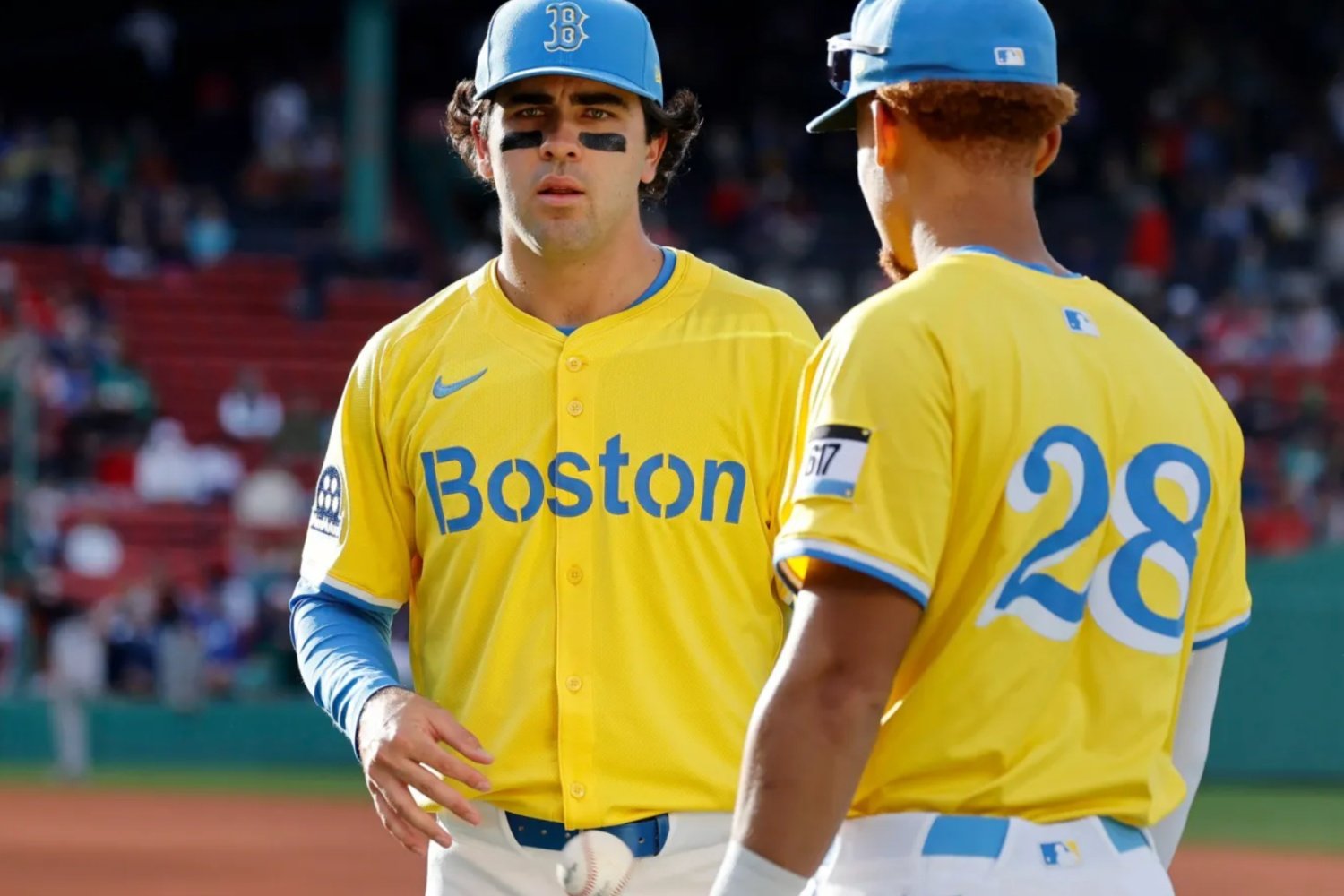 In what has been an up-and-down season for the Red Sox, the middle infield has struggled mightily. Shortstop Trevor Story, and second base options David Hamilton and Kristian Campbell have combined for a 0.0 fWAR. That level of production is unacceptable for a team possessing postseason aspirations. Campbell has already been sent down, and Hamilton could be next once Alex Bregman is activated, although I expect recently-promoted Nate Eaton to be the next player sent back to Worcester. It does, however, remain unclear where Campbell will play when he is recalled, as he has been getting work in at first base in Triple-A. The logical idea is that when Bregman returns, the Red Sox will shift Marcelo Mayer over to second base, and Hamilton will return to a bench role. At shortstop, Trevor Story has turned the page after his awful start to the season. He has a 121 wRC+ since May 30th, although his season total is 75, demonstrating just how awful Story was in the first two months. The fact remains that Story is just not a good player anymore, his defense being average at best while he works with a career-low walk rate of 4%. Story remains a good baserunner, and it seems like he has enough in the tank to continue to have good stretches of play like the one he is in now. All that is to say, despite the lackluster production, Story will continue to play shortstop every day throughout the rest of the season. Once the offseason arrives, the Red Sox may reconsider their long-term outlook with Story, considering Marcelo Mayer is ready to go. The best hope for the rest of season is that the shortstop can produce at a league-average level and continue to mix in some power. When a team gives a player a multi-year deal with a big financial obligation like the Red Sox did with Story, they feel more compelled to give them an extended runway before seeking a potential out by either cutting the player or seeking a trade. Hamilton is a different story for Boston, as they did not sign him long-term in free agency and the team does not need to give him an extended opportunity for production. Many fans believe he has already had ample time to show that he belongs on this year's roster and failed to do so. In his 111 plate appearances this season, Hamilton has struggled mightily, slashing .179/.209/.292. Those are not numbers that justify a big league roster spot. It would be different if Hamilton could bring elite defensive value while finding his stride at the plate like Ceddanne Rafaela, but that is simply not the case. Aside from his 95th percentile sprint speed and baserunning ability, Hamilton has not demonstrated defensive or offensive skills that excite. Any role going forward will be centered around base-running – his 6.2 BsR ranked 10th among all players in the majors last season. There are tools for Hamilton to be a decent infielder, but if Campbell is recalled after Bregman’s return from injury, an option down to Worcester could be in his future. That leaves Marcelo Mayer as the likely second baseman by mid-July, and he will potentially be platooning with Campbell once he returns. Mayer has just 13 at-bats against left-handed pitchers and has struck out five times. Yes, the sample is small, but it is hard to imagine the Red Sox being comfortable with Mayer playing second base night in and night out. This is where Campbell comes into the fold, the rookie owning a passable 97 wRC+ against left-handed pitching during his time in the majors. There is also a scenario against left-handers where the Red Sox opt for Romy Gonzalez at second, to go along with Abraham Toro at first. Flexibility will likely be the route the Red Sox take at second base this season, barring a buy-side trade deadline acquisition which seems unlikely. The issue with the second base position for the Red Sox is that all of their options have major weaknesses. Mater still hasn’t found his consistent stride at the plate, and although we trust his glove, he made his debut at second base Tuesday night. Hamilton quite simply can’t hit, and Campbell, who is the best hitter of the bunch, has shown no defensive ability this season and is near unplayable at times in the infield. The best case for the Red Sox is that they can rely on a semi-productive Story at shortstop while leaning into the rookies and finding some offense from Mayer and Campbell at second. I expect David Hamilton to be shuttled on and off the active roster for the remainder of the season. I doubt any of the infielders are traded (in a sell-side deal), as the Red Sox lack big league depth at those positions. And, let's not get it twisted, a middle infield with Story at shortstop and a rotation at second base can still present some high-end outcomes, especially with the talent players like Campbell and Mayer possess. Just don't expect this group to carry the team at any point. And come the offseason, the Red Sox will need to commit to a long-term plan up the middle.
 -
In what has been an up-and-down season for the Red Sox, the middle infield has struggled mightily. Shortstop Trevor Story, and second base options David Hamilton and Kristian Campbell have combined for a 0.0 fWAR. That level of production is unacceptable for a team possessing postseason aspirations. Campbell has already been sent down, and Hamilton could be next once Alex Bregman is activated, although I expect recently-promoted Nate Eaton to be the next player sent back to Worcester. It does, however, remain unclear where Campbell will play when he is recalled, as he has been getting work in at first base in Triple-A. The logical idea is that when Bregman returns, the Red Sox will shift Marcelo Mayer over to second base, and Hamilton will return to a bench role. At shortstop, Trevor Story has turned the page after his awful start to the season. He has a 121 wRC+ since May 30th, although his season total is 75, demonstrating just how awful Story was in the first two months. The fact remains that Story is just not a good player anymore, his defense being average at best while he works with a career-low walk rate of 4%. Story remains a good baserunner, and it seems like he has enough in the tank to continue to have good stretches of play like the one he is in now. All that is to say, despite the lackluster production, Story will continue to play shortstop every day throughout the rest of the season. Once the offseason arrives, the Red Sox may reconsider their long-term outlook with Story, considering Marcelo Mayer is ready to go. The best hope for the rest of season is that the shortstop can produce at a league-average level and continue to mix in some power. When a team gives a player a multi-year deal with a big financial obligation like the Red Sox did with Story, they feel more compelled to give them an extended runway before seeking a potential out by either cutting the player or seeking a trade. Hamilton is a different story for Boston, as they did not sign him long-term in free agency and the team does not need to give him an extended opportunity for production. Many fans believe he has already had ample time to show that he belongs on this year's roster and failed to do so. In his 111 plate appearances this season, Hamilton has struggled mightily, slashing .179/.209/.292. Those are not numbers that justify a big league roster spot. It would be different if Hamilton could bring elite defensive value while finding his stride at the plate like Ceddanne Rafaela, but that is simply not the case. Aside from his 95th percentile sprint speed and baserunning ability, Hamilton has not demonstrated defensive or offensive skills that excite. Any role going forward will be centered around base-running – his 6.2 BsR ranked 10th among all players in the majors last season. There are tools for Hamilton to be a decent infielder, but if Campbell is recalled after Bregman’s return from injury, an option down to Worcester could be in his future. That leaves Marcelo Mayer as the likely second baseman by mid-July, and he will potentially be platooning with Campbell once he returns. Mayer has just 13 at-bats against left-handed pitchers and has struck out five times. Yes, the sample is small, but it is hard to imagine the Red Sox being comfortable with Mayer playing second base night in and night out. This is where Campbell comes into the fold, the rookie owning a passable 97 wRC+ against left-handed pitching during his time in the majors. There is also a scenario against left-handers where the Red Sox opt for Romy Gonzalez at second, to go along with Abraham Toro at first. Flexibility will likely be the route the Red Sox take at second base this season, barring a buy-side trade deadline acquisition which seems unlikely. The issue with the second base position for the Red Sox is that all of their options have major weaknesses. Mater still hasn’t found his consistent stride at the plate, and although we trust his glove, he made his debut at second base Tuesday night. Hamilton quite simply can’t hit, and Campbell, who is the best hitter of the bunch, has shown no defensive ability this season and is near unplayable at times in the infield. The best case for the Red Sox is that they can rely on a semi-productive Story at shortstop while leaning into the rookies and finding some offense from Mayer and Campbell at second. I expect David Hamilton to be shuttled on and off the active roster for the remainder of the season. I doubt any of the infielders are traded (in a sell-side deal), as the Red Sox lack big league depth at those positions. And, let's not get it twisted, a middle infield with Story at shortstop and a rotation at second base can still present some high-end outcomes, especially with the talent players like Campbell and Mayer possess. Just don't expect this group to carry the team at any point. And come the offseason, the Red Sox will need to commit to a long-term plan up the middle. View full article
-
It is not sad at all! I am just a baseball geek, plus I need to improve reaching the audience with the usage of stats. Everything I use comes from Fangraphs or Statcast which both have excellent online glossaries.
-
I just don't think that idea is realistic for either side. For one, I don't see the Athletics trading Kurtz, he is their prized offensive prospect and they just drafted him 4th overall last season. Secondly, the Red Sox would have to give up a massive package for him. I don't see them acquiring a long-term option at first until Casas is moved. A player like Rhys Hoskins is much more realistic. If the Red Sox acquire Kurtz ever, it will come a year or so before he hits free agency assuming he can't get a deal done with Las Vegas.
-
 Romy Gonzalez has sneakily been one of the best hitters on the Red Sox this season, and is, by all means, having the best season of his career. In a time when the team has been searching for offense following the Rafael Devers trade, Gonzalez has stepped up. Since being activated from the injured list on June 2, Gonzalez has posted a 141 wRC+. His batting average and on-base percentage were the same before his injury, but Gonzalez has increased his slugging percentage from .423 to .581 in that time. The underlying numbers for Gonzalez have also been phenomenal this season. He has posted well above-average hard hit and barrel rates, while also seeing his strikeout rate drop to a career-low of 23.3%. Gonzalez is also swinging incredibly hard this season, as his average bat-speed sits at 75.6 mph. The graph below illustrates Gonzalez’s steady rise offensively in 2025. The Red Sox have mainly deployed Gonzalez against lefty pitchers so he can have the platoon advantage. He has slashed .364/.440/.636 in those scenarios, which is good for a dominant 196 wRC+. The flip-side is that he has a putrid 66 wRC+ against right-handed pitching, meaning Gonzalez will likely continue to mostly draw playing time against southpaws. Since trading Devers, the Red Sox have been platooning the first base and designated hitter positions, meaning Gonzalez will start at first while Rob Refsnyder starts at DH when they face a lefty starter. There will also be scenarios when Gonzalez starts at DH while the team deploys Refsnyder in the outfield against lefties. The Red Sox are much more flexible when it comes to deploying their platoon options than they were before the trade. Even though Devers posted a fantastic 138 wRC+ against left-handers this season, Refsnyder (175 wRC+ vs LHP) and Gonzalez have done better, and with Devers gone, they can both get at-bats consistently while keeping Refsnyder’s mediocre glove out of the field. Gonzalez might also see a few innings at second base in the coming weeks, as he started there in the finale in San Francisco. Again, there is a ton of flexibility within the current roster. The negative aspect of the first base platoon has been the lack of power. Abraham Toro has five home runs and Gonzalez has just two. It is reasonable to assume that Toro could get around 10-12 by the end of the season, but that would have to come with 300 or more at-bats given his career rates. Gonzalez had a career-high six home runs last season, and that is a reasonable expectation for him to match this year. It is, however, very unlikely he will surpass 10 home runs given the fact that he is swinging and hitting the ball harder than ever before and it has amounted to just two long-balls in 103 plate appearances. For a team who entered the season with aspirations of getting 25-35 home runs from Triston Casas, the lack of power at first base could become a concern, especially since they just traded their best power hitter. It is that dilemma that Craig Breslow faces when the team evaluates whether or not to trade for a first baseman at the deadline. The current platoon performance represents an upper-end season outcome of a low-ceiling duo in Gonzalez and Toro, who will continue to be productive hitters while being due for some potential regression. Still, this season has been a revelation for Gonzalez, and it does not feel like many people are talking about it. Although he is not a flashy player, the ability to hit consistently against lefty pitchers is a valuable tool in the major leagues. This Red Sox roster lacks offensive firepower, and some consistent production from their platoon players will continue to be key as they chase a playoff spot.
 -
Romy Gonzalez has sneakily been one of the best hitters on the Red Sox this season, and is, by all means, having the best season of his career. In a time when the team has been searching for offense following the Rafael Devers trade, Gonzalez has stepped up. Since being activated from the injured list on June 2, Gonzalez has posted a 141 wRC+. His batting average and on-base percentage were the same before his injury, but Gonzalez has increased his slugging percentage from .423 to .581 in that time. The underlying numbers for Gonzalez have also been phenomenal this season. He has posted well above-average hard hit and barrel rates, while also seeing his strikeout rate drop to a career-low of 23.3%. Gonzalez is also swinging incredibly hard this season, as his average bat-speed sits at 75.6 mph. The graph below illustrates Gonzalez’s steady rise offensively in 2025. The Red Sox have mainly deployed Gonzalez against lefty pitchers so he can have the platoon advantage. He has slashed .364/.440/.636 in those scenarios, which is good for a dominant 196 wRC+. The flip-side is that he has a putrid 66 wRC+ against right-handed pitching, meaning Gonzalez will likely continue to mostly draw playing time against southpaws. Since trading Devers, the Red Sox have been platooning the first base and designated hitter positions, meaning Gonzalez will start at first while Rob Refsnyder starts at DH when they face a lefty starter. There will also be scenarios when Gonzalez starts at DH while the team deploys Refsnyder in the outfield against lefties. The Red Sox are much more flexible when it comes to deploying their platoon options than they were before the trade. Even though Devers posted a fantastic 138 wRC+ against left-handers this season, Refsnyder (175 wRC+ vs LHP) and Gonzalez have done better, and with Devers gone, they can both get at-bats consistently while keeping Refsnyder’s mediocre glove out of the field. Gonzalez might also see a few innings at second base in the coming weeks, as he started there in the finale in San Francisco. Again, there is a ton of flexibility within the current roster. The negative aspect of the first base platoon has been the lack of power. Abraham Toro has five home runs and Gonzalez has just two. It is reasonable to assume that Toro could get around 10-12 by the end of the season, but that would have to come with 300 or more at-bats given his career rates. Gonzalez had a career-high six home runs last season, and that is a reasonable expectation for him to match this year. It is, however, very unlikely he will surpass 10 home runs given the fact that he is swinging and hitting the ball harder than ever before and it has amounted to just two long-balls in 103 plate appearances. For a team who entered the season with aspirations of getting 25-35 home runs from Triston Casas, the lack of power at first base could become a concern, especially since they just traded their best power hitter. It is that dilemma that Craig Breslow faces when the team evaluates whether or not to trade for a first baseman at the deadline. The current platoon performance represents an upper-end season outcome of a low-ceiling duo in Gonzalez and Toro, who will continue to be productive hitters while being due for some potential regression. Still, this season has been a revelation for Gonzalez, and it does not feel like many people are talking about it. Although he is not a flashy player, the ability to hit consistently against lefty pitchers is a valuable tool in the major leagues. This Red Sox roster lacks offensive firepower, and some consistent production from their platoon players will continue to be key as they chase a playoff spot. View full article
-
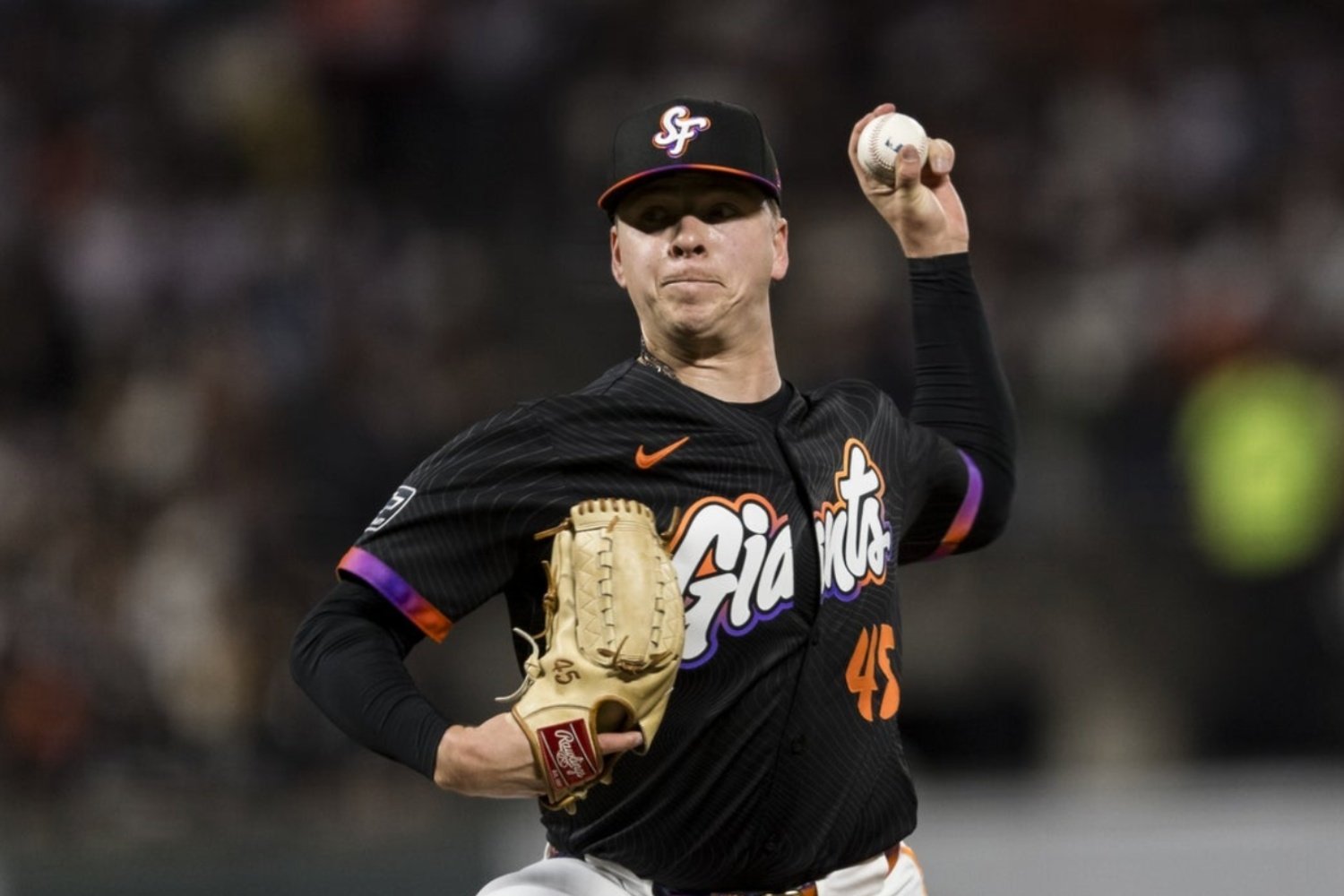 Earlier this week, the Red Sox announced the blockbuster trade which sent Rafael Devers to the San Francisco Giants for pitchers Jordan Hicks and Kyle Harrison, minor-league outfielder James Tibbs lll, and minor-league pitcher Jose Bello. Though the trade will continue to be assessed for years to come as fans await how the Red Sox will spend the money that was owed to Devers, it is clear for now that Kyle Harrison is the best piece Boston got in return. Going back two years, Harrison was viewed as not only the best Giants prospect, but one of the top left-handed pitching prospects across all of Minor League Baseball. Though he has not dominated the majors, Harrison remains highly-touted with an interesting profile. Harrison has only started 35 games in his career, and still does not have 200 MLB innings under his belt. His ratios have not changed much in his three seasons with his K% sitting around 22% and his BB% at 8%. From a run prevention standpoint, Harrison hasn't been particularly lucky or unlucky in his career either. On one hand, his BABIP was .308 last season, but he also had a career-high 41% groundball rate. Harrison also got to play at Oracle Park, which is one of the best pitching environments in baseball, and now he will be at Fenway Park, which is the opposite. Harrison has a funky delivery where the ball comes out of his hand at a 27° arm angle. The comparable pitchers with that slot are Andrew Heaney, JP Sears, and Kyle Freeland. (Statcast) These low slot pitchers who have a solid fastball typically struggle to develop reliable secondary pitches. Harrison falls into the same boat, as he has crazy high fastball usage at 65%, while he only throws the slurve 25% of the time, and the changeup 10% of the time. That is a trend that has not changed for Harrison, who is now in his third season in the big leagues. The stuff on the secondary pitches has yet to be above average, so the Red Sox will definitely be looking to tighten up the slurve and changeup, and perhaps even add another pitch like a sinker. Last season, the velocity was down to 92.5 mph on Harrison’s fastball. Even with that low mark, it remained his most consistent and least-hit pitch. This season, the velocity is back up at 95 mph and the results on the pitch have been dominant. So, it is safe to say that Harrison will be as good as his fastball is, which is hardly a revelation for a pitcher who throws it 65% of the time. Early on this season across Harrison’s eight appearances, the slurve has been the predominant issue. The pitch has allowed a .381 batting average along with a massive .810 slugging percentage. Those are nearly double the marks that Harrison allowed with the slurve in 2024. The changeup has been the better secondary option this season, but it has still been hit hard, and Harrison only throws it against right-handed batters. This is why the Red Sox will work hard to help Harrison develop something else in his arsenal he can throw, especially so he can have a third pitch against left-handed batters. He'll always rely heavily on the fastball, but he could have three or four average secondary pitches, since the arm slot makes it difficult for any of them to be elite. Andrew Heaney for example, who has a 26° arm slot, throws five different secondaries to go with his primary fastball. However, it is difficult to believe the Giants — a smart and well run organization — have not tried to add to Harrison’s arsenal the past few seasons, suggesting it may not be such a simple fix for the Red Sox. One glaring positive from Harrison this season has been his command. He does not have enough innings to qualify, but Harrison’s 118 Location+ would rank in the top 20 among all pitchers in baseball. Yes, the sample size is small, and Harrison will likely see his command drop toward his career average Location+ (105), but good control paired with a high-spin fastball presents a more than viable profile start games in 2025. Regardless of his shortcomings, Red Sox fans should be excited about Kyle Harrison. Although the circumstances of his arrival are unfortunate, Harrison is a young and exciting pitcher to watch, and has the potential to be a good starter in Major League Baseball. He still has to develop better secondary options to keep hitters off balance, but Harrison’s fastball alone makes him worth tuning in to watch. He is in Worcester right now, but eventually Harrison will make his Red Sox debut in 2025, and it will be fascinating to see if there are any tweaks with his pitch mix after he gets to spend time with the pitch lab in Boston.
 -
Earlier this week, the Red Sox announced the blockbuster trade which sent Rafael Devers to the San Francisco Giants for pitchers Jordan Hicks and Kyle Harrison, minor-league outfielder James Tibbs lll, and minor-league pitcher Jose Bello. Though the trade will continue to be assessed for years to come as fans await how the Red Sox will spend the money that was owed to Devers, it is clear for now that Kyle Harrison is the best piece Boston got in return. Going back two years, Harrison was viewed as not only the best Giants prospect, but one of the top left-handed pitching prospects across all of Minor League Baseball. Though he has not dominated the majors, Harrison remains highly-touted with an interesting profile. Harrison has only started 35 games in his career, and still does not have 200 MLB innings under his belt. His ratios have not changed much in his three seasons with his K% sitting around 22% and his BB% at 8%. From a run prevention standpoint, Harrison hasn't been particularly lucky or unlucky in his career either. On one hand, his BABIP was .308 last season, but he also had a career-high 41% groundball rate. Harrison also got to play at Oracle Park, which is one of the best pitching environments in baseball, and now he will be at Fenway Park, which is the opposite. Harrison has a funky delivery where the ball comes out of his hand at a 27° arm angle. The comparable pitchers with that slot are Andrew Heaney, JP Sears, and Kyle Freeland. (Statcast) These low slot pitchers who have a solid fastball typically struggle to develop reliable secondary pitches. Harrison falls into the same boat, as he has crazy high fastball usage at 65%, while he only throws the slurve 25% of the time, and the changeup 10% of the time. That is a trend that has not changed for Harrison, who is now in his third season in the big leagues. The stuff on the secondary pitches has yet to be above average, so the Red Sox will definitely be looking to tighten up the slurve and changeup, and perhaps even add another pitch like a sinker. Last season, the velocity was down to 92.5 mph on Harrison’s fastball. Even with that low mark, it remained his most consistent and least-hit pitch. This season, the velocity is back up at 95 mph and the results on the pitch have been dominant. So, it is safe to say that Harrison will be as good as his fastball is, which is hardly a revelation for a pitcher who throws it 65% of the time. Early on this season across Harrison’s eight appearances, the slurve has been the predominant issue. The pitch has allowed a .381 batting average along with a massive .810 slugging percentage. Those are nearly double the marks that Harrison allowed with the slurve in 2024. The changeup has been the better secondary option this season, but it has still been hit hard, and Harrison only throws it against right-handed batters. This is why the Red Sox will work hard to help Harrison develop something else in his arsenal he can throw, especially so he can have a third pitch against left-handed batters. He'll always rely heavily on the fastball, but he could have three or four average secondary pitches, since the arm slot makes it difficult for any of them to be elite. Andrew Heaney for example, who has a 26° arm slot, throws five different secondaries to go with his primary fastball. However, it is difficult to believe the Giants — a smart and well run organization — have not tried to add to Harrison’s arsenal the past few seasons, suggesting it may not be such a simple fix for the Red Sox. One glaring positive from Harrison this season has been his command. He does not have enough innings to qualify, but Harrison’s 118 Location+ would rank in the top 20 among all pitchers in baseball. Yes, the sample size is small, and Harrison will likely see his command drop toward his career average Location+ (105), but good control paired with a high-spin fastball presents a more than viable profile start games in 2025. Regardless of his shortcomings, Red Sox fans should be excited about Kyle Harrison. Although the circumstances of his arrival are unfortunate, Harrison is a young and exciting pitcher to watch, and has the potential to be a good starter in Major League Baseball. He still has to develop better secondary options to keep hitters off balance, but Harrison’s fastball alone makes him worth tuning in to watch. He is in Worcester right now, but eventually Harrison will make his Red Sox debut in 2025, and it will be fascinating to see if there are any tweaks with his pitch mix after he gets to spend time with the pitch lab in Boston. View full article
-
Lucas Giolito has had a difficult time in Boston since signing a two-year contract worth $38.5 million last offseason. Things could not have started worse for Giolito’s Red Sox career, as he experienced an elbow injury last spring which ended up sidelining him for the whole 2024 season. Giolito, who is now 30, was finally activated for his Red Sox debut in late April, 13 months after his initial injury, and 16 months after signing with the team. Since then, Giolito has made eight starts, posting a 5.45 ERA. Beyond the high ERA and mediocre numbers, Giolito’s inconsistency has been a major issue for the Red Sox. He has had four great starts where he pitched a combined 24.1 total innings while allowing just two earned runs. In his four bad starts, though, Giolito pitched a combined 14.2 innings while allowing a total of 22 earned runs. That Jekyll-and-Hyde performance is paradigmatic of Giolito's career. The good news is that he seems to be coming along in a time when the Red Sox desperately need the starting rotation to step up. In his last four starts, Giolito has allowed eight runs, with seven of them coming in his disastrous start against the Angels on June 4. He looked much better on Tuesday against the Rays, as he pitched six scoreless, allowing six total baserunners. Giolito only throws three pitches, a fastball, slider, and changeup, and he does mix in a very occasional curveball. If he has his changeup working, he is far more effective. Well, it's safe to say the changeup is struggling, with batters posting a .568 slugging percentage against it. In his five previous seasons, batters combined to slug .375 against the pitch. This season, the stuff on the changeup has been hovering around league average. To combat that, Giolito may be looking to throw the fastball more frequently, in turn to set up his secondary pitches more effectively. Last start, Giolito threw the fastball 58% of the time, which is significantly higher than his season average of 47% fastball usage. In 2019, when Giolito broke out with the Chicago White Sox, he was using the fastball 55% of the time. Since then, the usage has gradually dropped. If Giolito is going to use the fastball more frequently now, there may be a better payoff with the secondary pitches. Case in point: Giolito has yet to allow a hit on a slider this month, but he has used it less. Giolito has also had decent command through his eight starts, and it might be keeping him afloat while he continues to work on his arsenal. His Location+ sits right above league average at 102. However, it is an impressive 107 on the fastball, which may be another reason for increased usage. If he can continue to locate the fastball and become more consistent with one of the secondary pitches, Giolito may be able to find sustained effectiveness in his coming starts. He is projected to pitch in Seattle to kick off the Red Sox's upcoming West Coast road trip, and then will pitch a game in San Francisco. Both ballparks are in the top three most friendly pitching environments, which could be helpful for Giolito to get rolling. This pitch usage situation bears monitoring, especially heading into the trade deadline. A fastball-heavy Giolito could be the best version, which could make him one of the second half's most valuable starters, either in Boston or elsewhere. View full article
-
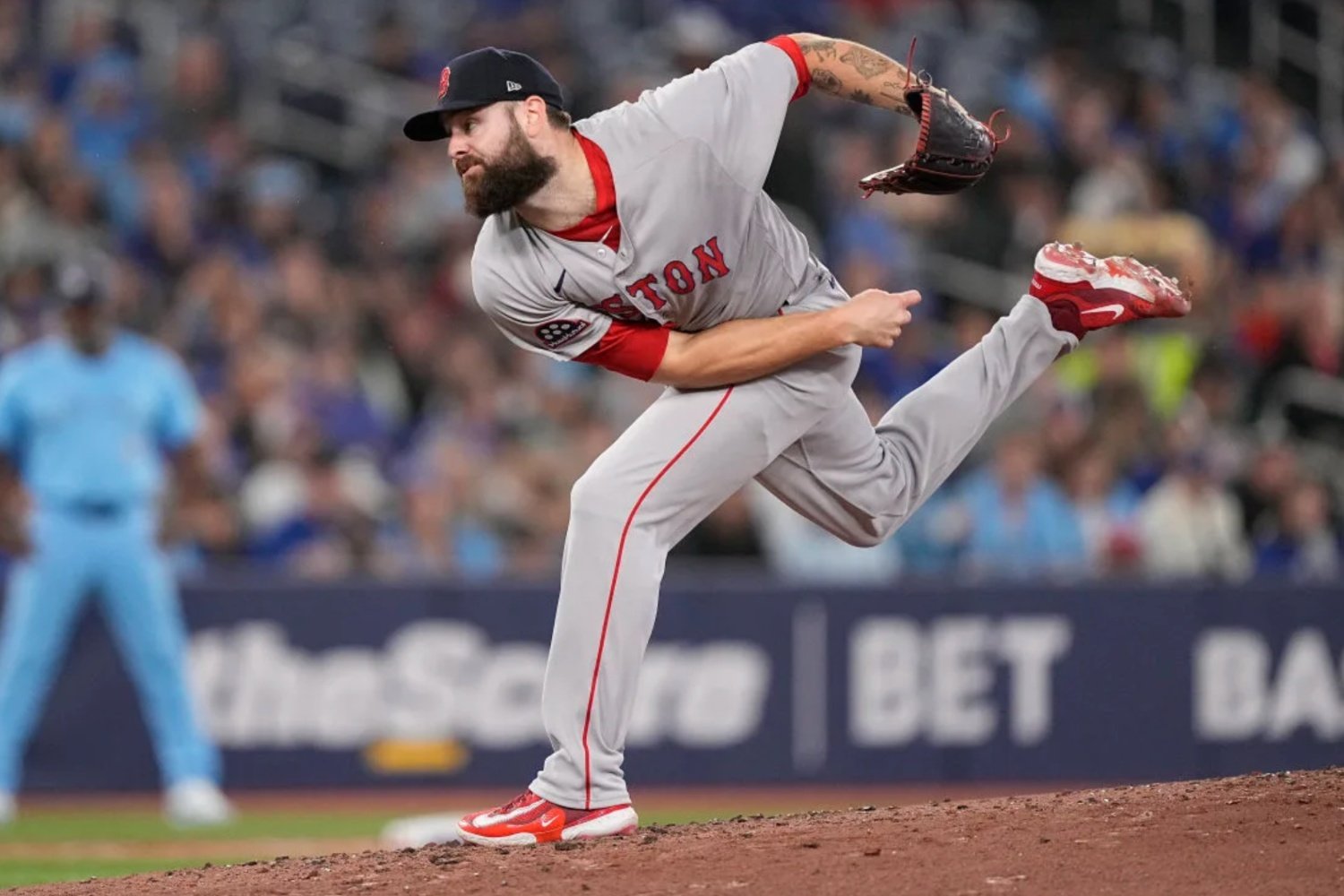 Lucas Giolito has had a difficult time in Boston since signing a two-year contract worth $38.5 million last offseason. Things could not have started worse for Giolito’s Red Sox career, as he experienced an elbow injury last spring which ended up sidelining him for the whole 2024 season. Giolito, who is now 30, was finally activated for his Red Sox debut in late April, 13 months after his initial injury, and 16 months after signing with the team. Since then, Giolito has made eight starts, posting a 5.45 ERA. Beyond the high ERA and mediocre numbers, Giolito’s inconsistency has been a major issue for the Red Sox. He has had four great starts where he pitched a combined 24.1 total innings while allowing just two earned runs. In his four bad starts, though, Giolito pitched a combined 14.2 innings while allowing a total of 22 earned runs. That Jekyll-and-Hyde performance is paradigmatic of Giolito's career. The good news is that he seems to be coming along in a time when the Red Sox desperately need the starting rotation to step up. In his last four starts, Giolito has allowed eight runs, with seven of them coming in his disastrous start against the Angels on June 4. He looked much better on Tuesday against the Rays, as he pitched six scoreless, allowing six total baserunners. Giolito only throws three pitches, a fastball, slider, and changeup, and he does mix in a very occasional curveball. If he has his changeup working, he is far more effective. Well, it's safe to say the changeup is struggling, with batters posting a .568 slugging percentage against it. In his five previous seasons, batters combined to slug .375 against the pitch. This season, the stuff on the changeup has been hovering around league average. To combat that, Giolito may be looking to throw the fastball more frequently, in turn to set up his secondary pitches more effectively. Last start, Giolito threw the fastball 58% of the time, which is significantly higher than his season average of 47% fastball usage. In 2019, when Giolito broke out with the Chicago White Sox, he was using the fastball 55% of the time. Since then, the usage has gradually dropped. If Giolito is going to use the fastball more frequently now, there may be a better payoff with the secondary pitches. Case in point: Giolito has yet to allow a hit on a slider this month, but he has used it less. Giolito has also had decent command through his eight starts, and it might be keeping him afloat while he continues to work on his arsenal. His Location+ sits right above league average at 102. However, it is an impressive 107 on the fastball, which may be another reason for increased usage. If he can continue to locate the fastball and become more consistent with one of the secondary pitches, Giolito may be able to find sustained effectiveness in his coming starts. He is projected to pitch in Seattle to kick off the Red Sox's upcoming West Coast road trip, and then will pitch a game in San Francisco. Both ballparks are in the top three most friendly pitching environments, which could be helpful for Giolito to get rolling. This pitch usage situation bears monitoring, especially heading into the trade deadline. A fastball-heavy Giolito could be the best version, which could make him one of the second half's most valuable starters, either in Boston or elsewhere.
 -
Roman Anthony made his long-awaited MLB debut this week against the Tampa Bay Rays at Fenway Park. Anthony started all three games of the series in right field while hitting fifth in the lineup. The excitement was palpable, as fans gave Anthony a standing ovation during his first time at the plate. Overall, it was a decent series for Anthony. He recorded one hit, one walk, and three strikeouts in 13 plate appearances. Anthony had a bad error in right field in game one of the series, but he made up for it the next night with a great catch on a fly ball that had only a 25% catch probability. What impressed me the most with Anthony were the at-bats that he took. Early on, he has an impressive whiff rate at just 16.7%, which is well above league average, and demonstrates the elite discipline he possesses at the plate. He saw about 3.5 pitches per plate appearance, and I expect that number to go up as Anthony grows more comfortable against big league pitching. Anthony’s first encouraging moment came on Monday night, when he hit a 111 mph line drive that struck Rays pitcher Shane Baz in the body. Not only was the result impressive from Anthony, but the swing was incredible. He managed to take a 98 mph fastball up in the zone and hit a scorching line drive right back up the middle. Unfortunately for Anthony, the ball deflected and ended up in an out, but the swing alone should leave Red Sox fans excited. Anthony would end up 0-3 with a walk on Monday, with all three batted balls being relatively hard hit, including a grounder that had an expected batting average above .400. Game two presented a milestone beyond the debut, as Anthony hit an outside pitch for an opposite-field double, which resulted in his first hit and runs batted in. The hit also gave the Red Sox a lead, which they would never lose. Anthony demonstrated his plus bat-to-ball skills by simply driving the baseball where it was pitched. It was by no means his best swing of the series, but it showcased Anthony’s sky-high potential at the plate. In game two, Anthony also had a fly out, a strikeout, and a hard-hit groundout. In his third MLB game, Anthony went hitless, with three groundouts and a strikeout. Believe it or not, the strikeout might have been the most impressive swing of the game for Anthony, as Statcast tracked his first inning swing at 79.9 mph, the hardest swing of the game and one of the hardest swings of the season. Anthony will have a lower average bat speed than 79.9 mph through the rest of the season, but to reach that number once, along with hitting a 111 mph liner earlier in the series, demonstrates the elite power Anthony will carry in his big league career. Overall, Anthony left me impressed after just three games despite lacking quality results. The bat speed and exit velocities were extremely impressive. Anthony also carried a certain poise at the plate, reminiscent of veteran players who can command the strike zone. My assumption is that results will come soon for Anthony, and he will likely continue to hit up in the lineup. The question for the Red Sox will be how often they let him hit against lefties, as we have already seen the team keep fellow left-handed hitter Marcelo Mayer out of those scenarios. Even though Anthony only had one hit, made a bad error, and failed to score a run in his first three games, Red Sox fans should be thrilled that he has arrived, and should be excited for what's to come in both the present and future. View full article
-
A Review of Roman Anthony's First MLB Series With the Red Sox
Finley Rogan posted an article in Red Sox
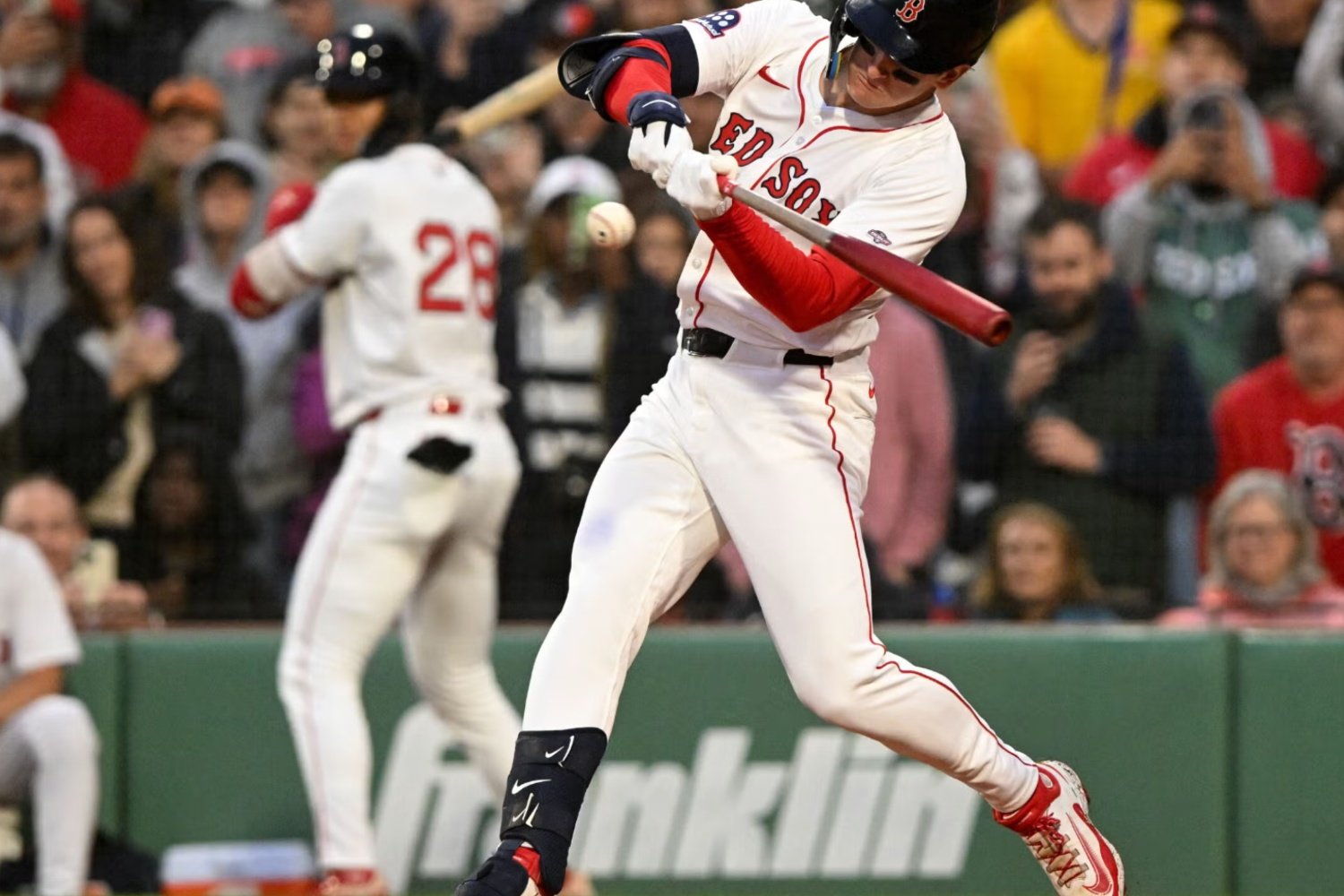 Roman Anthony made his long-awaited MLB debut this week against the Tampa Bay Rays at Fenway Park. Anthony started all three games of the series in right field while hitting fifth in the lineup. The excitement was palpable, as fans gave Anthony a standing ovation during his first time at the plate. Overall, it was a decent series for Anthony. He recorded one hit, one walk, and three strikeouts in 13 plate appearances. Anthony had a bad error in right field in game one of the series, but he made up for it the next night with a great catch on a fly ball that had only a 25% catch probability. What impressed me the most with Anthony were the at-bats that he took. Early on, he has an impressive whiff rate at just 16.7%, which is well above league average, and demonstrates the elite discipline he possesses at the plate. He saw about 3.5 pitches per plate appearance, and I expect that number to go up as Anthony grows more comfortable against big league pitching. Anthony’s first encouraging moment came on Monday night, when he hit a 111 mph line drive that struck Rays pitcher Shane Baz in the body. Not only was the result impressive from Anthony, but the swing was incredible. He managed to take a 98 mph fastball up in the zone and hit a scorching line drive right back up the middle. Unfortunately for Anthony, the ball deflected and ended up in an out, but the swing alone should leave Red Sox fans excited. Anthony would end up 0-3 with a walk on Monday, with all three batted balls being relatively hard hit, including a grounder that had an expected batting average above .400. Game two presented a milestone beyond the debut, as Anthony hit an outside pitch for an opposite-field double, which resulted in his first hit and runs batted in. The hit also gave the Red Sox a lead, which they would never lose. Anthony demonstrated his plus bat-to-ball skills by simply driving the baseball where it was pitched. It was by no means his best swing of the series, but it showcased Anthony’s sky-high potential at the plate. In game two, Anthony also had a fly out, a strikeout, and a hard-hit groundout. In his third MLB game, Anthony went hitless, with three groundouts and a strikeout. Believe it or not, the strikeout might have been the most impressive swing of the game for Anthony, as Statcast tracked his first inning swing at 79.9 mph, the hardest swing of the game and one of the hardest swings of the season. Anthony will have a lower average bat speed than 79.9 mph through the rest of the season, but to reach that number once, along with hitting a 111 mph liner earlier in the series, demonstrates the elite power Anthony will carry in his big league career. Overall, Anthony left me impressed after just three games despite lacking quality results. The bat speed and exit velocities were extremely impressive. Anthony also carried a certain poise at the plate, reminiscent of veteran players who can command the strike zone. My assumption is that results will come soon for Anthony, and he will likely continue to hit up in the lineup. The question for the Red Sox will be how often they let him hit against lefties, as we have already seen the team keep fellow left-handed hitter Marcelo Mayer out of those scenarios. Even though Anthony only had one hit, made a bad error, and failed to score a run in his first three games, Red Sox fans should be thrilled that he has arrived, and should be excited for what's to come in both the present and future.
 -
Huge day at Fenway! Let us hope that Anthony does not feel too pressured coming in, as many fans will be looking to him to get the season back on track. My prediction would still be that he is electric right away, he is one of the most complete hitting prospects in recent memory. This will also be the second year running that the top prospect debuts at Fenway after Jackson Holliday started off his career there last April.
-
The Red Sox’s bullpen has been a bright spot so far in 2025, especially when considering the ongoing struggles of the starting rotation. After finishing 24th in bullpen ERA last season, the Red Sox find themselves 11th through two months of this year's campaign. Currently, Liam Hendricks, Justin Slaten, and Nick Burdi are all on the 15-day injured list. That leaves a potentially tough set of decisions for Craig Breslow later on in June as to which arms will be sent down to Worcester (or released from the organization entirely). With Richard Fitts being sent back down and Hunter Dobbins regaining a spot in the rotation, the Red Sox will likely keep a starter outside of the bullpen for now. Let's put the current relievers into three tiers determining their safety going forward. Tier One: Safe Closer Aroldis Chapman has easily been the best reliever for the Red Sox this season. He leads the bullpen in K%, ERA, and fWAR. Chapman has been everything the Red Sox wanted when they signed him to a one-year deal worth $10.75 million in the offseason. The only uncertainty around Chapman is whether or not he's dealt later on this summer. Next is Justin Wilson, who has bounced back well after struggling last season with the Reds. Wilson has posted a 2.25 ERA in 20 innings so far with Boston. He currently has his highest K% since 2018, and has elite underlying Statcast numbers which suggest he may not be due for major regression. Overall, Wilson has been a very solid option for Alex Cora in the middle and late innings. Like Chapman, Wilson is a veteran on a one-year contract who could very well be moved come July if the team continues to struggle. Garrett Whitlock is another arm in the Red Sox’s bullpen who is 100% safe. In 22 games, Whitlock has pitched 31.1 innings, giving the Red Sox some extra length compared to a regular set-up guy. Whitlock is performing nearly identical to his expected stats and is not a major candidate for regression. His slider and changeup have both performed well behind his primary sinker this season, as both pitches are inducing above-average chase and whiff rates. With his potential to give the Red Sox a few extra innings every outing, Whitlock will continue to be a mainstay in the bullpen for the rest of the season. Although he is injured right now, you can pencil in Justin Slaten to return to the bullpen once he comes off the injured list. Slaten has the best raw stuff out of the pen thanks to his elite extension and run on his pitches. His fastball and cutter continue to dominate, and although Slaten is not working with a great strikeout rate, he consistently spins the ball enough to reduce hard contact. He leads all Red Sox relievers with more than 10 innings in WHIP and BABIP. Expect Slaten’s 3.47 ERA to steadily improve throughout the season once he returns to injury, as his expected ERA is 2.49. If the Red Sox decide to move Chapman at the deadline, Slaten will likely be the guy who gets the ninth inning. Tier Two: Probably Safe Starting out the second tier is Brennan Bernardino, who has had an up-and-down career with the Red Sox. Bernardino is a prime candidate for regression through the rest of the season, as he is outperforming most of his expected stats. However, that is simply because Bernardino’s numbers have been elite in 2025. He is second in the bullpen in ERA and WHIP, and has been a reliable left-handed option in the middle innings for Cora. What holds Bernardino back from the first tier is his lackluster stuff. Out of his five pitches, only Bernardino’s curveball has been above average. Ironically, the curveball has given him the most trouble, as it is the only pitch he has given up multiple extra-base hits with this season. I anticipate some eventual struggles for Bernardino at some point in the coming months, but they will likely not be severe enough for him to get sent down. Greg Weissert finds himself in the second tier, rounding out the six Red Sox relief pitchers with 20 or more innings in 2025. Weissert is having the best season of his career so far, posting a 2.93 ERA and 1.120 WHIP in 27.2 innings. Like Bernardino, Weissert has below-average stuff which keeps him out of tier one. His expected numbers are solid, but Weissert does not induce enough whiffs to be fully regression proof. His sweeper has far and away the best movement profile in his arsenal, but the location has been inconsistent and opponents are slugging 1.000 against it. Overall, he has been a solid option in 2025, and if he can find slightly better location on his sweeper, Weissert could rise to tier one. Tier Three: Prime Candidates to be DFA’d or Sent Down It is safe to say Liam Hendricks has had an ugly start to his Red Sox career. Hendricks was put on the injured list after posting a 6.59 ERA in 13.2 innings. After missing all of 2024, many fans hoped Hendricks would become a reliable late-inning option in the Red Sox’s bullpen. He obviously has fallen well short of that, and will likely be on a short leash when he returns from injury. With his contract expiring after this season, I expect Hendricks to be given another chance out of the bullpen to potentially recapture some value ahead of the trade deadline. Hendricks has actually had above-average stuff this season, and his slider has been easily his most effective pitch. However, when opponents have made contact, the results have been awful. The same has been true for his fastball, but unlike the slider, there has been no swing-and-miss with it. Hendricks has the raw stuff to bounce back, but it is equally likely he will not find a good feel for his location when he returns. Next is Cooper Criswell, who was just recalled from Triple-A. He has appeared in only four games this season and allowed five runs. Criswell was solid in his 99 innings a season ago, but he now seems like a guy who will mainly stay down in Triple-A as a depth option. With below-average stuff and a below-average track record, Criswell is another likely candidate to be sent down when the bullpen is at full strength. Zach Kelly is another arm who has struggled mightily this season. Across 13 innings, Kelly has as many runs allowed as strikeouts, and has an ERA over seven. Kelly will continue to be a depth option for the Red Sox, and will continue to split time between Triple-A and the big leagues. Luis Guerrero is another arm who has bounced between Boston and Worcester. He has only pitched nine innings in six games with the big club in 2025. He has posted some solid numbers in Boston, specifically a 0.93 ERA. The bad news is that Guerrero’s expected ERA begins with a five, and he has an awful 14.3% walk rate. None of those numbers are sustainable for an MLB reliever. Expect Guerrero to be sent down when Slaten or Hendricks are back from injury. Lastly, we have the recently-injured Nick Burdi. Out of the guys with 15 or fewer innings in the Red Sox’s bullpen, Burdi is the only one who has yet to allow a run. Although he only pitched 5 1/3 innings before hitting the injured list, Burdi had an excellent 23.8% K rate. He has never pitched more than ten innings in a big league season, but Burdi could finally surpass that if he gets called back up after returning from injury. He has a legit slider which could be an effective pitch in the majors, and his fastball has been known to hit triple digits in the past. If Burdi can recover well from his injury, I would expect him to get the nod to stay up with the Red Sox over Criswell, Kelly, and Guerrero. View full article
-
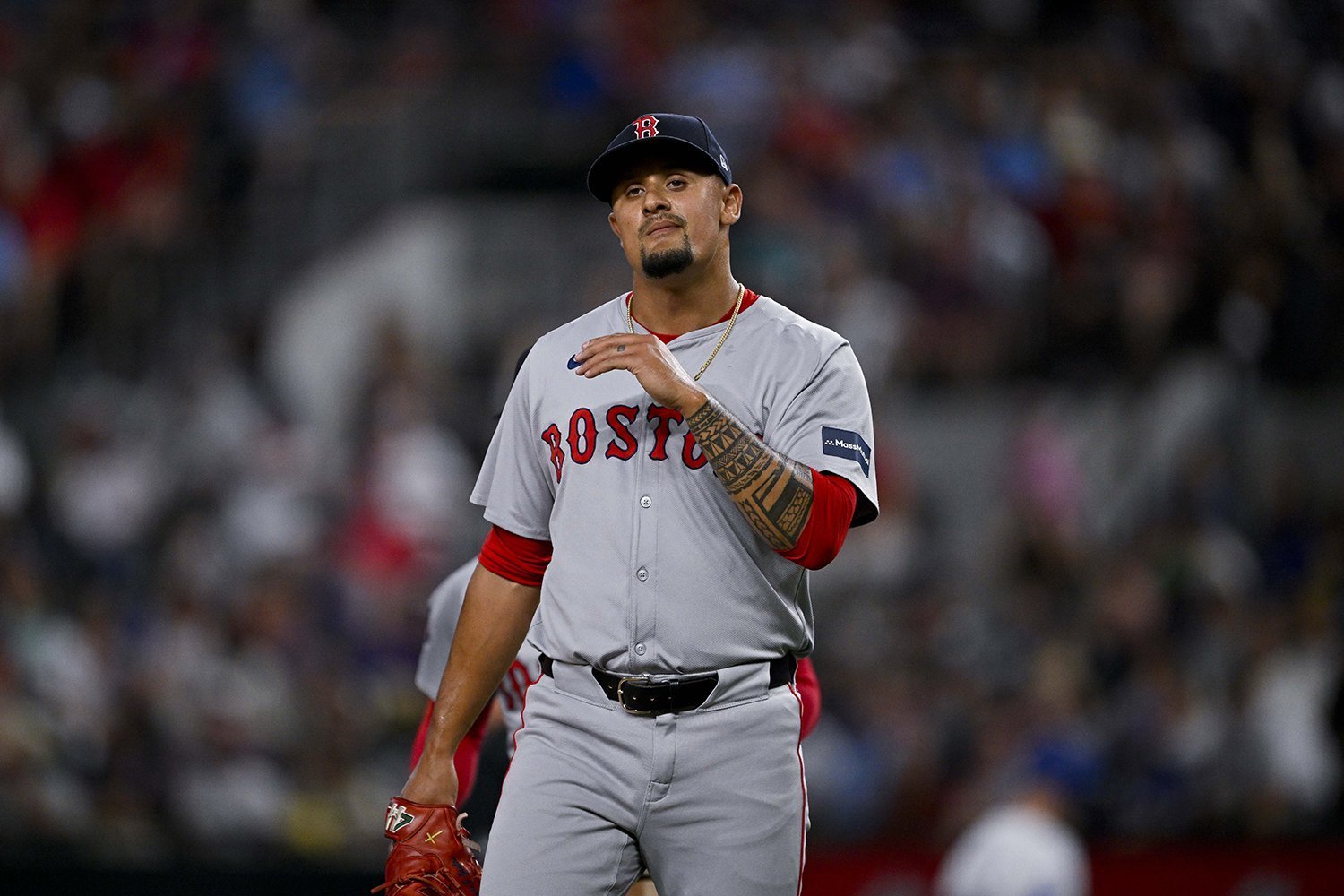 The Red Sox’s bullpen has been a bright spot so far in 2025, especially when considering the ongoing struggles of the starting rotation. After finishing 24th in bullpen ERA last season, the Red Sox find themselves 11th through two months of this year's campaign. Currently, Liam Hendricks, Justin Slaten, and Nick Burdi are all on the 15-day injured list. That leaves a potentially tough set of decisions for Craig Breslow later on in June as to which arms will be sent down to Worcester (or released from the organization entirely). With Richard Fitts being sent back down and Hunter Dobbins regaining a spot in the rotation, the Red Sox will likely keep a starter outside of the bullpen for now. Let's put the current relievers into three tiers determining their safety going forward. Tier One: Safe Closer Aroldis Chapman has easily been the best reliever for the Red Sox this season. He leads the bullpen in K%, ERA, and fWAR. Chapman has been everything the Red Sox wanted when they signed him to a one-year deal worth $10.75 million in the offseason. The only uncertainty around Chapman is whether or not he's dealt later on this summer. Next is Justin Wilson, who has bounced back well after struggling last season with the Reds. Wilson has posted a 2.25 ERA in 20 innings so far with Boston. He currently has his highest K% since 2018, and has elite underlying Statcast numbers which suggest he may not be due for major regression. Overall, Wilson has been a very solid option for Alex Cora in the middle and late innings. Like Chapman, Wilson is a veteran on a one-year contract who could very well be moved come July if the team continues to struggle. Garrett Whitlock is another arm in the Red Sox’s bullpen who is 100% safe. In 22 games, Whitlock has pitched 31.1 innings, giving the Red Sox some extra length compared to a regular set-up guy. Whitlock is performing nearly identical to his expected stats and is not a major candidate for regression. His slider and changeup have both performed well behind his primary sinker this season, as both pitches are inducing above-average chase and whiff rates. With his potential to give the Red Sox a few extra innings every outing, Whitlock will continue to be a mainstay in the bullpen for the rest of the season. Although he is injured right now, you can pencil in Justin Slaten to return to the bullpen once he comes off the injured list. Slaten has the best raw stuff out of the pen thanks to his elite extension and run on his pitches. His fastball and cutter continue to dominate, and although Slaten is not working with a great strikeout rate, he consistently spins the ball enough to reduce hard contact. He leads all Red Sox relievers with more than 10 innings in WHIP and BABIP. Expect Slaten’s 3.47 ERA to steadily improve throughout the season once he returns to injury, as his expected ERA is 2.49. If the Red Sox decide to move Chapman at the deadline, Slaten will likely be the guy who gets the ninth inning. Tier Two: Probably Safe Starting out the second tier is Brennan Bernardino, who has had an up-and-down career with the Red Sox. Bernardino is a prime candidate for regression through the rest of the season, as he is outperforming most of his expected stats. However, that is simply because Bernardino’s numbers have been elite in 2025. He is second in the bullpen in ERA and WHIP, and has been a reliable left-handed option in the middle innings for Cora. What holds Bernardino back from the first tier is his lackluster stuff. Out of his five pitches, only Bernardino’s curveball has been above average. Ironically, the curveball has given him the most trouble, as it is the only pitch he has given up multiple extra-base hits with this season. I anticipate some eventual struggles for Bernardino at some point in the coming months, but they will likely not be severe enough for him to get sent down. Greg Weissert finds himself in the second tier, rounding out the six Red Sox relief pitchers with 20 or more innings in 2025. Weissert is having the best season of his career so far, posting a 2.93 ERA and 1.120 WHIP in 27.2 innings. Like Bernardino, Weissert has below-average stuff which keeps him out of tier one. His expected numbers are solid, but Weissert does not induce enough whiffs to be fully regression proof. His sweeper has far and away the best movement profile in his arsenal, but the location has been inconsistent and opponents are slugging 1.000 against it. Overall, he has been a solid option in 2025, and if he can find slightly better location on his sweeper, Weissert could rise to tier one. Tier Three: Prime Candidates to be DFA’d or Sent Down It is safe to say Liam Hendricks has had an ugly start to his Red Sox career. Hendricks was put on the injured list after posting a 6.59 ERA in 13.2 innings. After missing all of 2024, many fans hoped Hendricks would become a reliable late-inning option in the Red Sox’s bullpen. He obviously has fallen well short of that, and will likely be on a short leash when he returns from injury. With his contract expiring after this season, I expect Hendricks to be given another chance out of the bullpen to potentially recapture some value ahead of the trade deadline. Hendricks has actually had above-average stuff this season, and his slider has been easily his most effective pitch. However, when opponents have made contact, the results have been awful. The same has been true for his fastball, but unlike the slider, there has been no swing-and-miss with it. Hendricks has the raw stuff to bounce back, but it is equally likely he will not find a good feel for his location when he returns. Next is Cooper Criswell, who was just recalled from Triple-A. He has appeared in only four games this season and allowed five runs. Criswell was solid in his 99 innings a season ago, but he now seems like a guy who will mainly stay down in Triple-A as a depth option. With below-average stuff and a below-average track record, Criswell is another likely candidate to be sent down when the bullpen is at full strength. Zach Kelly is another arm who has struggled mightily this season. Across 13 innings, Kelly has as many runs allowed as strikeouts, and has an ERA over seven. Kelly will continue to be a depth option for the Red Sox, and will continue to split time between Triple-A and the big leagues. Luis Guerrero is another arm who has bounced between Boston and Worcester. He has only pitched nine innings in six games with the big club in 2025. He has posted some solid numbers in Boston, specifically a 0.93 ERA. The bad news is that Guerrero’s expected ERA begins with a five, and he has an awful 14.3% walk rate. None of those numbers are sustainable for an MLB reliever. Expect Guerrero to be sent down when Slaten or Hendricks are back from injury. Lastly, we have the recently-injured Nick Burdi. Out of the guys with 15 or fewer innings in the Red Sox’s bullpen, Burdi is the only one who has yet to allow a run. Although he only pitched 5 1/3 innings before hitting the injured list, Burdi had an excellent 23.8% K rate. He has never pitched more than ten innings in a big league season, but Burdi could finally surpass that if he gets called back up after returning from injury. He has a legit slider which could be an effective pitch in the majors, and his fastball has been known to hit triple digits in the past. If Burdi can recover well from his injury, I would expect him to get the nod to stay up with the Red Sox over Criswell, Kelly, and Guerrero.
 -
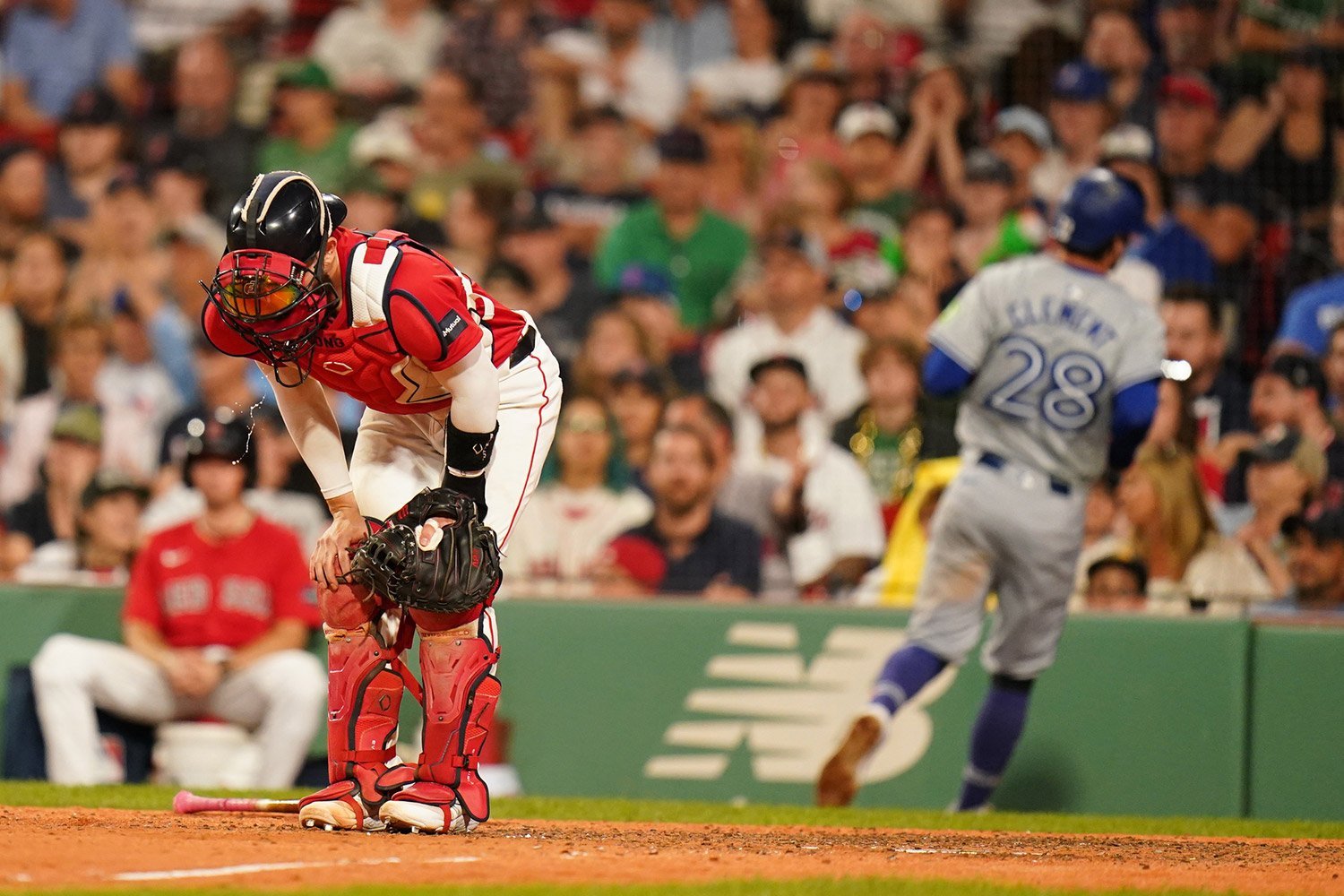 After missing about a month between early April and May, Red Sox catcher Connor Wong has yet to return to his 2024 form offensively. As a matter of fact, Wong hasn’t even come close, as his slash line reads .158/.262/.158. Now, Wong only has 65 plate appearances, which is too small of a sample size to truly assess, but the ascension of Rookie of the Year contender and fellow catcher Carlos Narváez begs to question whether Wong will even have an extended opportunity to get back on track. Wong had his best season to date in 2024, and he wound up finishing with a 110 wRC+, which was eighth among all catchers with 350 or more plate appearances. He struck out 23.4% of the time, which was a vast improvement on his 33.3% strikeout rate in 2023. Overall, Wong had a career-best season with the bat by almost every metric. He did, however, struggle defensively behind the plate, and his negative seven catcher framing runs was fifth worst in Major League Baseball. So far, in his 24 games this season, Wong has struggled mightily at the plate. He has a .420 OPS and has yet to record an extra-base hit in 57 at-bats. The power he flashed in 2024 is nowhere to be seen, though his expected slugging percentage remains similar. Wong is not hitting the ball with much authority this year, though his barrel rate and hard-hit rate have actually improved slightly in 2025. It puts into question whether Wong could ever return to his 2024 form, as his underlying metrics from last season do not show a 110 wRC+ hitter. It's worth noting that Wong has walked just over 10% of the time so far in 2025, which is good for a career high. Ultimately, the backstop has hardly played this season, and his numbers could look much different after ten more starts. Once Wong surpasses 150 plate appearances, we can begin to analyze his season with some clarity. The issue for Wong is that he has not gotten much opportunity since his return, as it coincided with the May ascension of Narváez. Regardless of whether he stays hot offensively, the Red Sox will likely start Narváez as much as they can behind the plate for the rest of the season, as he has been spectacular defensively. Narváez is tied for second among all catchers in framing runs with four. He has also been well above average at blocking the baseball, which Wong consistently struggled with. An elite framing catcher is greatly valued in the modern game, and Narváez coming in this good as a rookie is significant for the Red Sox. Oh yeah, he's slashing .283/.356/.456 while maintaining an 80th percentile barrel rate. Where does that leave Wong? Well, it leaves him as the backup catcher on a team with a set designated hitter in Rafael Devers. Wong will not break out of his slump by simply playing a week straight and regaining his confidence. It is also unlikely he will get sent down unless the Red Sox call up Yasmani Grandal to get the starts behind the plate when Narváez rests. That likely won't happen anytime soon, as Wong does not have enough plate appearances to justify a send down. Instead, Wong will continue to play once or twice a week, and hope to get hot at some point, especially if Narváez slumps over an extended period. There is also a possibility that Wong could get moved at the deadline. With three years of team control left beyond this season, and a small arbitration number coming this fall, a few teams could be interested in the 29-year-old, especially if he can turn it around offensively. As the lone piece remaining from the Mookie Betts trade, Wong may be running out of time in Boston. Although his struggles have not greatly impacted the team, Wong had a solid 2024, and he could still be a valuable piece for the Red Sox, whether it is behind the plate, or in a trade at the deadline. However, for that to be true, Wong must begin to look more like his 2024 self and put his early-season woes behind him.
 -
After missing about a month between early April and May, Red Sox catcher Connor Wong has yet to return to his 2024 form offensively. As a matter of fact, Wong hasn’t even come close, as his slash line reads .158/.262/.158. Now, Wong only has 65 plate appearances, which is too small of a sample size to truly assess, but the ascension of Rookie of the Year contender and fellow catcher Carlos Narváez begs to question whether Wong will even have an extended opportunity to get back on track. Wong had his best season to date in 2024, and he wound up finishing with a 110 wRC+, which was eighth among all catchers with 350 or more plate appearances. He struck out 23.4% of the time, which was a vast improvement on his 33.3% strikeout rate in 2023. Overall, Wong had a career-best season with the bat by almost every metric. He did, however, struggle defensively behind the plate, and his negative seven catcher framing runs was fifth worst in Major League Baseball. So far, in his 24 games this season, Wong has struggled mightily at the plate. He has a .420 OPS and has yet to record an extra-base hit in 57 at-bats. The power he flashed in 2024 is nowhere to be seen, though his expected slugging percentage remains similar. Wong is not hitting the ball with much authority this year, though his barrel rate and hard-hit rate have actually improved slightly in 2025. It puts into question whether Wong could ever return to his 2024 form, as his underlying metrics from last season do not show a 110 wRC+ hitter. It's worth noting that Wong has walked just over 10% of the time so far in 2025, which is good for a career high. Ultimately, the backstop has hardly played this season, and his numbers could look much different after ten more starts. Once Wong surpasses 150 plate appearances, we can begin to analyze his season with some clarity. The issue for Wong is that he has not gotten much opportunity since his return, as it coincided with the May ascension of Narváez. Regardless of whether he stays hot offensively, the Red Sox will likely start Narváez as much as they can behind the plate for the rest of the season, as he has been spectacular defensively. Narváez is tied for second among all catchers in framing runs with four. He has also been well above average at blocking the baseball, which Wong consistently struggled with. An elite framing catcher is greatly valued in the modern game, and Narváez coming in this good as a rookie is significant for the Red Sox. Oh yeah, he's slashing .283/.356/.456 while maintaining an 80th percentile barrel rate. Where does that leave Wong? Well, it leaves him as the backup catcher on a team with a set designated hitter in Rafael Devers. Wong will not break out of his slump by simply playing a week straight and regaining his confidence. It is also unlikely he will get sent down unless the Red Sox call up Yasmani Grandal to get the starts behind the plate when Narváez rests. That likely won't happen anytime soon, as Wong does not have enough plate appearances to justify a send down. Instead, Wong will continue to play once or twice a week, and hope to get hot at some point, especially if Narváez slumps over an extended period. There is also a possibility that Wong could get moved at the deadline. With three years of team control left beyond this season, and a small arbitration number coming this fall, a few teams could be interested in the 29-year-old, especially if he can turn it around offensively. As the lone piece remaining from the Mookie Betts trade, Wong may be running out of time in Boston. Although his struggles have not greatly impacted the team, Wong had a solid 2024, and he could still be a valuable piece for the Red Sox, whether it is behind the plate, or in a trade at the deadline. However, for that to be true, Wong must begin to look more like his 2024 self and put his early-season woes behind him. View full article
-
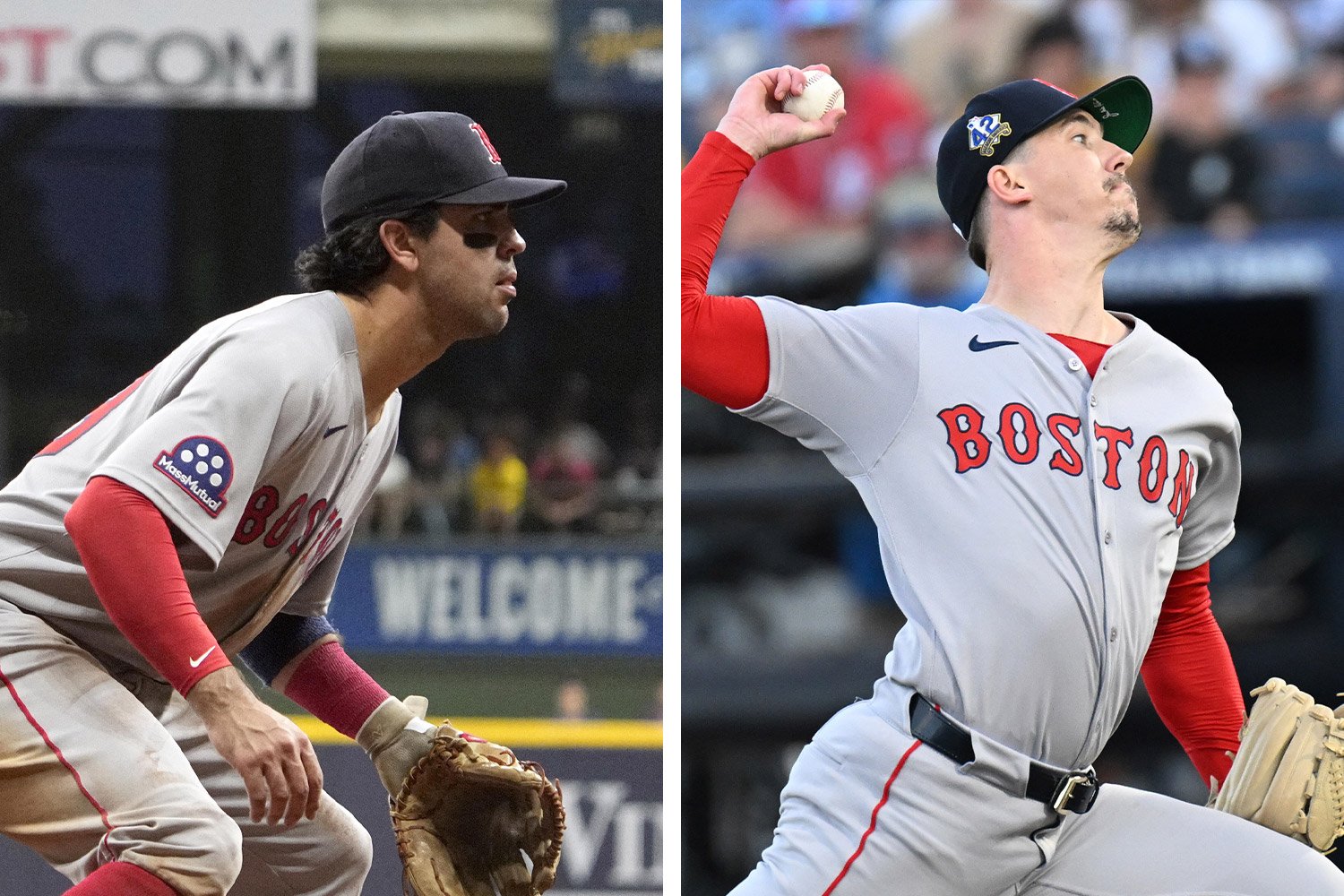 The Red Sox have seemingly hit rock bottom in what has been a rollercoaster of a season full of frustration and mediocrity. The Red Sox traveled to Milwaukee to face the Brewers after suffering two straight losses to the Orioles. The Brewers swept the series but in two of the three games against the Brewers, the Red Sox held leads in the ninth and tenth innings. Following a 16-10 April, the Red Sox have won just 10 of 25 games in May, and have lost five in a row. With third baseman Alex Bregman hitting the injured list over the weekend, it's hard to think of a lower moment so far in the Red Sox's season. However, the baseball season is long, and we all know the Red Sox’s recent campaigns have been full of minor skids and win streaks. Here are two players for the Red Sox who may spark a June turnaround. Marcelo Mayer Across his first five games with the Red Sox, former fourth overall pick Marcelo Mayer has looked the part. He has five hits and one walk in his first 20 plate appearances, with two of those hits being for extra bases. Mayer has matched his Triple-A average exit velocity of 90 mph. After striking out three times in a row to start his big league career, Mayer has either walked or put the ball in play in his 17 plate appearances since. Although the sample size is minute, Mayer has taken professional big league at-bats, and his swing and bat-to-ball skills seem to translate well in the big leagues. There will be ups and downs, as we have seen with fellow rookie Kristian Campbell. However, Mayer stepping up could be crucial, as the Red Sox have continued to struggle offensively since Bregman went down. Mayer did have one mental lapse on the bases Tuesday night, but those mistakes are to be anticipated so early in a player's career. Regardless of where he plays defensively, Mayer’s bat could provide a spark to an offense that needs someone aside from Rafael Devers if they are going to climb back above .500. If Mayer could simply continue to hit the ball hard and play a decent third base and shortstop, it would be an upgrade in the lineup. Other infield options, Campbell, David Hamilton, Trevor Story, and Nick Sogard, have combined for a negative total WAR this season. The Red Sox need Mayer to have a hot bat in the coming weeks. Walker Buehler Walker Buehler had a slow start to the season, giving up nine earned runs across his first two starts against the Rangers and Cardinals. Since then, however, Buehler has given up just nine earned runs in six starts, and his ERA is down to a season low of 3.95. Since those two rough outings early on in the season, Buehler has heated up and emerged as a great rotational option for the Red Sox. Buehler proving he can still be a number-two starter behind Garrett Crochet could be critical for the Red Sox, who have had a middling rotation for most of the season. A potential negative for Buehler is that his allowed Batting Average on Balls In Play (BABIP) this season is .268, with a 45% ground-ball rate. Last season, Buehler had the same ground-ball rate. However, his BABIP ended up at .315. This suggests Buehler could be due for some regression this summer on the balls in play that he allows. However, Buehler’s expected ERA is nearly identical to his real ERA, showing he could continue this trend. What Buehler has done at a high level this season is mitigate hard contact. Buehler is in the 92nd percentile in average exit velocity allowed and in the 86th percentile of hard-hit rate on his pitches. Those percentiles are the inverse of what they would be for hitters, meaning Buehler is consistently allowing some of the softest contact in the league. Buehler may just be a different type of starter at this phase of his career, as his strikeouts per nine innings have declined every season since 2019. With a seven-pitch mix that features a sweeper to right-handed hitters, a knuckle-curve, and a changeup to lefties, Buehler now has the profile of a pitcher who can induce soft contact in various ways. If he can continue to pitch how he has in recent games, Buehler could be a huge part of a potential Red Sox turnaround.
 -
The Red Sox have seemingly hit rock bottom in what has been a rollercoaster of a season full of frustration and mediocrity. The Red Sox traveled to Milwaukee to face the Brewers after suffering two straight losses to the Orioles. The Brewers swept the series but in two of the three games against the Brewers, the Red Sox held leads in the ninth and tenth innings. Following a 16-10 April, the Red Sox have won just 10 of 25 games in May, and have lost five in a row. With third baseman Alex Bregman hitting the injured list over the weekend, it's hard to think of a lower moment so far in the Red Sox's season. However, the baseball season is long, and we all know the Red Sox’s recent campaigns have been full of minor skids and win streaks. Here are two players for the Red Sox who may spark a June turnaround. Marcelo Mayer Across his first five games with the Red Sox, former fourth overall pick Marcelo Mayer has looked the part. He has five hits and one walk in his first 20 plate appearances, with two of those hits being for extra bases. Mayer has matched his Triple-A average exit velocity of 90 mph. After striking out three times in a row to start his big league career, Mayer has either walked or put the ball in play in his 17 plate appearances since. Although the sample size is minute, Mayer has taken professional big league at-bats, and his swing and bat-to-ball skills seem to translate well in the big leagues. There will be ups and downs, as we have seen with fellow rookie Kristian Campbell. However, Mayer stepping up could be crucial, as the Red Sox have continued to struggle offensively since Bregman went down. Mayer did have one mental lapse on the bases Tuesday night, but those mistakes are to be anticipated so early in a player's career. Regardless of where he plays defensively, Mayer’s bat could provide a spark to an offense that needs someone aside from Rafael Devers if they are going to climb back above .500. If Mayer could simply continue to hit the ball hard and play a decent third base and shortstop, it would be an upgrade in the lineup. Other infield options, Campbell, David Hamilton, Trevor Story, and Nick Sogard, have combined for a negative total WAR this season. The Red Sox need Mayer to have a hot bat in the coming weeks. Walker Buehler Walker Buehler had a slow start to the season, giving up nine earned runs across his first two starts against the Rangers and Cardinals. Since then, however, Buehler has given up just nine earned runs in six starts, and his ERA is down to a season low of 3.95. Since those two rough outings early on in the season, Buehler has heated up and emerged as a great rotational option for the Red Sox. Buehler proving he can still be a number-two starter behind Garrett Crochet could be critical for the Red Sox, who have had a middling rotation for most of the season. A potential negative for Buehler is that his allowed Batting Average on Balls In Play (BABIP) this season is .268, with a 45% ground-ball rate. Last season, Buehler had the same ground-ball rate. However, his BABIP ended up at .315. This suggests Buehler could be due for some regression this summer on the balls in play that he allows. However, Buehler’s expected ERA is nearly identical to his real ERA, showing he could continue this trend. What Buehler has done at a high level this season is mitigate hard contact. Buehler is in the 92nd percentile in average exit velocity allowed and in the 86th percentile of hard-hit rate on his pitches. Those percentiles are the inverse of what they would be for hitters, meaning Buehler is consistently allowing some of the softest contact in the league. Buehler may just be a different type of starter at this phase of his career, as his strikeouts per nine innings have declined every season since 2019. With a seven-pitch mix that features a sweeper to right-handed hitters, a knuckle-curve, and a changeup to lefties, Buehler now has the profile of a pitcher who can induce soft contact in various ways. If he can continue to pitch how he has in recent games, Buehler could be a huge part of a potential Red Sox turnaround. View full article