


Red Sox Video
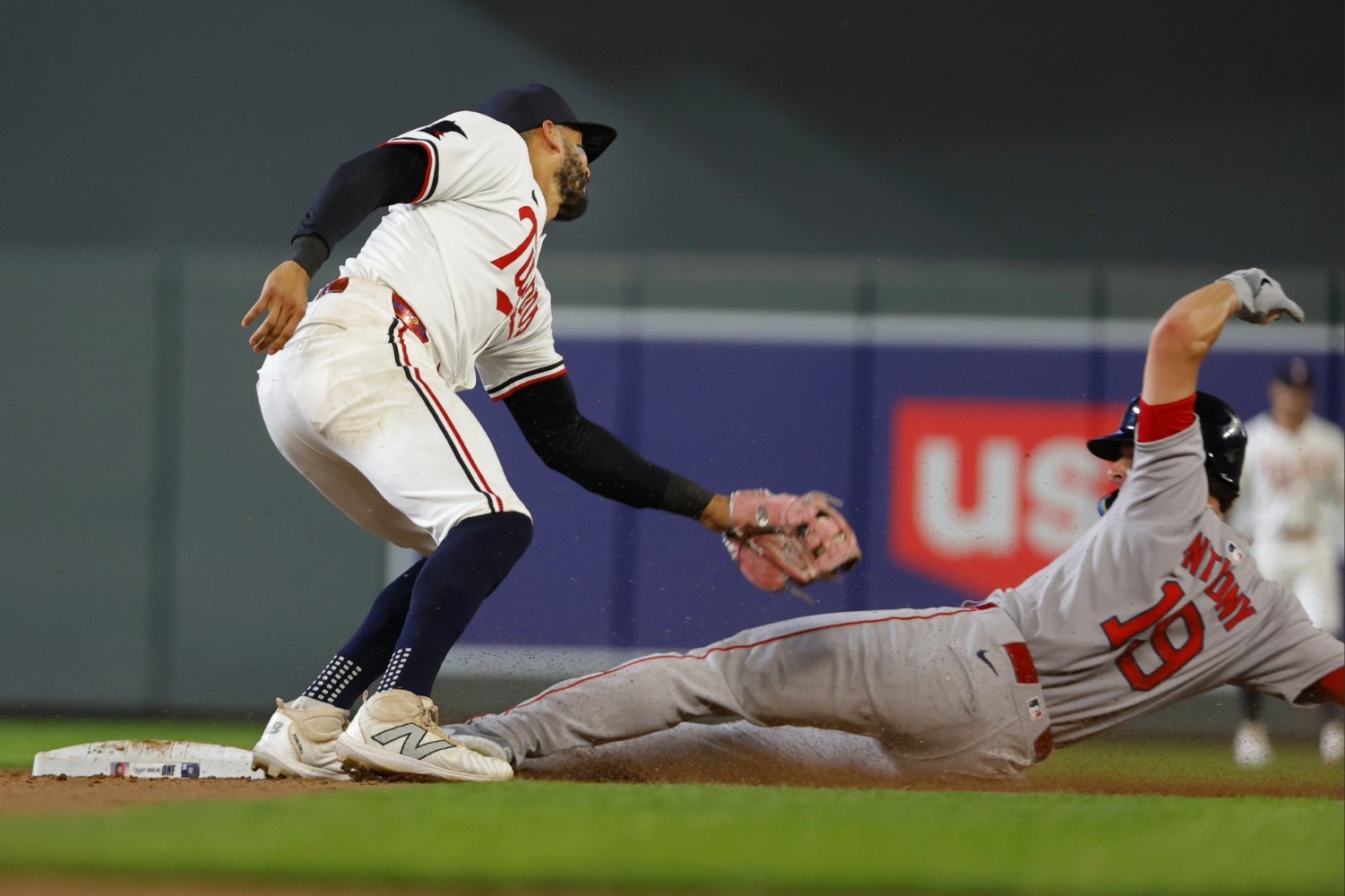
In theory, speed is a means to manufacture runs. Speed puts pressure on the opposing defense, stretches singles into doubles, and helps runners steal bases. The implication is that you have to get on base to take advantage of speed, which the 2026 Boston Red Sox haven’t been doing. Despite a paltry .313 OBP (23rd), they lead the American League in baserunning runs (5).
Baseball is a unique sport for many reasons, one of them being that the defense controls the ball. Because of this, it’s harder to quantify speed’s offensive value. Baserunning outcomes depend on a myriad of context-based factors, like the runner’s sprint speed, their instincts, which base they’re on, their ability to make decisions under pressure, not to mention the opposing defense and where the ball was hit. You can see where things start to get messy.
Hitting and pitching are easier to quantify because they can be isolated. A hitter's outcomes can be grouped into their contact quality and plate discipline. FIP isolates fielding from pitching by honing in on events pitchers directly control (strikeouts, walks, hit-by-pitches, and home runs).
Sprint speed is a metric runners own, but by itself, it doesn’t tell you much (not unlike Craig Breslow’s press conferences). The Red Sox’s average sprint speed clocks at 27.6 feet per second, placing them at fifth overall, but they’ve posted a 71.43% stolen base percentage, ranked 19th. At some point, their steal attempts start costing more runs than they create. For a team that’s scored an eye-popping five runs in the past week, the Red Sox can’t afford to be careless on the basepaths.

Overall, a stolen base’s value is marginal. They’re exciting to see, but I equate them to eating Taco Bell. It’s initially exciting and releases some endorphins, but doesn’t reap many benefits in the long run.
Timing the pitcher’s release and getting a good jump are important factors that go into basestealing. Neither can be quantified. Slow-moving players like Josh Naylor rack up stolen bases because they have good baserunning instincts. On the other hand, you have speedier guys like Ceddanne Rafaela (28.7 ft/s, 90th percentile) posting a 40% stolen base rate.
Marginal differences matter, especially in baseball, but a team shouldn’t be entirely dependent on speed and contact to manufacture runs. A roster built for October baseball needs to be well-rounded. Power produces runs. A home run guarantees at least one run is driven home. A stolen base might yield one. The Yankees are a lethargic team (I’d bet my cat is faster than most of the guys in their lineup), but they lead the American League with 223 runs and boast the highest ISO in the sport (.199).
The Red Sox are often compared to the Brewers for their contact-and-baserunning approach. I’d say they’re the Brewers’ Waluigi. They want to emulate the Brewers, but they don’t have the plate discipline to work counts or the ability to hit the ball in the gaps. Instead, the team leans hard into bat speed and exit velocity.
As such, speed alone won’t save the Red Sox. They’re stuck with who they have (unless Breslow miraculously pulls off a godfather trade for one or two sluggers). Despite their 18-24 record, the team still has a shot of reaching the playoffs, but they face an identity crisis. They’re built as a contact-first squad, but constantly swing for the fences. If the Red Sox want to succeed, they need to play to their strengths. Contact first, then wreak havoc on the basepaths.





Recommended Comments
There are no comments to display.
Create an account or sign in to comment
You need to be a member in order to leave a comment
Create an account
Sign up for a new account in our community. It's easy!
Register a new accountSign in
Already have an account? Sign in here.
Sign In Now