


Ryan Painter
-
Posts
10 -
Joined
-
Last visited
Ryan Painter's Achievements


-
 4n99brooke reacted to an article:
Red Sox's Furious First-Half Finish Demands Cautious Optimism from the Front Office
4n99brooke reacted to an article:
Red Sox's Furious First-Half Finish Demands Cautious Optimism from the Front Office
-
Craig Breslow spent most of June watching a relatively simple trade-deadline decision come into focus. If the Boston Red Sox continued losing, he could move veterans such as Sonny Gray, Aroldis Chapman and Willson Contreras, add to the farm system, and turn the organization’s attention toward 2027. Nine consecutive wins ruined the simplicity of that plan. Boston reached the All-Star Break at 46-48 after sweeping an entire nine-game road trip through Anaheim, Chicago and New York. The Red Sox have won 14 of their last 16 games and now sit only half a game out of the final American League Wild Card spot. They are still below .500, yet firmly back in the race. The All-Star Break was always going to provide the clearest checkpoint. When the Red Sox were 21-27 in late May, somewhere around a .480 winning percentage felt like enough to keep the Wild Card chase realistic. Reaching .500 would give the front office room to add, while falling 10 or more games under would leave little reason to delay a sell-off. Boston arrived almost exactly where it needed to be. A .489 winning percentage is not especially impressive, but the American League has given the Red Sox room to recover. FanGraphs now gives them approximately a 40 percent chance to reach the postseason. On June 12, Red Sox president and CEO Sam Kennedy acknowledged that the organization might have to abandon its original plan to buy. Boston had not yet reached its lowest point, but it would eventually fall 14 games below .500 and 6 1/2 games out of a playoff spot. “Unless things change dramatically, we may have to pivot here from what our initial planning was,” Kennedy said. “It just wouldn’t be responsible to do otherwise.” Less than two weeks later, the season changed dramatically. The 14-2 run has survived injuries, a suspension and a travel delay that left the team arriving in New York only hours before facing the Mets. It has also required contributions from nearly every corner of the roster. Payton Tolle opened the Chicago series with six scoreless innings. Patrick Sandoval allowed one run in his first major-league appearance since 2024. Gray handled the travel chaos before the opener in New York and improved to 11-1 with six innings of one-run baseball. Wilyer Abreu, Jarren Duran and Ceddanne Rafaela contributed, but so did Andruw Monasterio, Anthony Seigler and Caleb Durbin. Those performances matter even more with Garrett Crochet and Roman Anthony still sidelined. Ranger Suárez also landed on the injured list, while Contreras missed four games serving his suspension. Some perspective is fair. The Angels and Mets are among the worst teams in baseball, and Boston should have beaten both. Sweeping the first-place White Sox carries more weight. However, a perfect trip is still a perfect trip. Teams trying to recover from 14 games under .500 do not need to apologize for beating weaker opponents. Before the streak, Gray, Contreras and Chapman looked like logical trade candidates. Now they are among the biggest reasons this team is back in contention. Yes, trading them might produce a strong prospect return. It would also strip away the heart and soul of this team. Contreras does not sound ready to leave, and it appears he has taken the decision out of Boston’s hands. According to MassLive’s Chris Cotillo, Contreras told the Red Sox he would not waive his no-trade clause and wants to finish his career in Boston. During the All-Star festivities, he also offered a simple explanation for his optimism: “We’re not where we want to be, but we are on our way there.” Boston opens the second half with 10 home games against Tampa Bay, Baltimore and Toronto before visiting the Athletics and Dodgers ahead of the Aug. 3 deadline. The Red Sox are 29-21 on the road but only 17-27 at home. If the turnaround is real, it needs to follow them to Fenway. Even if the run holds, Breslow does not need to make an all-in trade. Boston has not earned the kind of deadline that empties the top of the farm system for a rental. Keeping the veterans already producing and adding another right-handed bat or a useful bullpen arm would give the current group help without sacrificing the organization’s best young talent. A collapse after the break could reopen conversations that appeared inevitable only a few weeks ago. For now, selling would require Breslow to dismantle a team that just played its way back into October contention. View full article
-
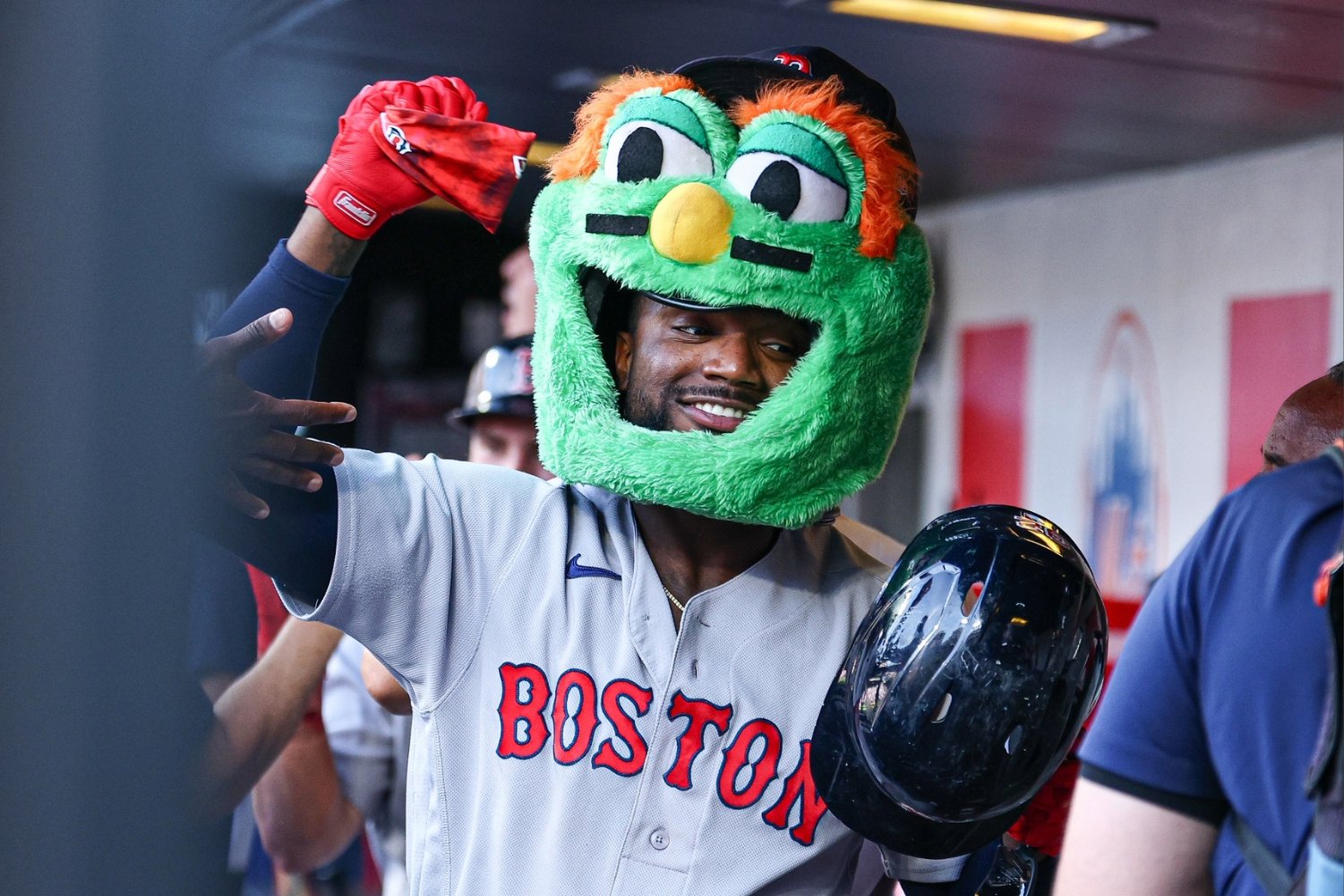 Craig Breslow spent most of June watching a relatively simple trade-deadline decision come into focus. If the Boston Red Sox continued losing, he could move veterans such as Sonny Gray, Aroldis Chapman and Willson Contreras, add to the farm system, and turn the organization’s attention toward 2027. Nine consecutive wins ruined the simplicity of that plan. Boston reached the All-Star Break at 46-48 after sweeping an entire nine-game road trip through Anaheim, Chicago and New York. The Red Sox have won 14 of their last 16 games and now sit only half a game out of the final American League Wild Card spot. They are still below .500, yet firmly back in the race. The All-Star Break was always going to provide the clearest checkpoint. When the Red Sox were 21-27 in late May, somewhere around a .480 winning percentage felt like enough to keep the Wild Card chase realistic. Reaching .500 would give the front office room to add, while falling 10 or more games under would leave little reason to delay a sell-off. Boston arrived almost exactly where it needed to be. A .489 winning percentage is not especially impressive, but the American League has given the Red Sox room to recover. FanGraphs now gives them approximately a 40 percent chance to reach the postseason. On June 12, Red Sox president and CEO Sam Kennedy acknowledged that the organization might have to abandon its original plan to buy. Boston had not yet reached its lowest point, but it would eventually fall 14 games below .500 and 6 1/2 games out of a playoff spot. “Unless things change dramatically, we may have to pivot here from what our initial planning was,” Kennedy said. “It just wouldn’t be responsible to do otherwise.” Less than two weeks later, the season changed dramatically. The 14-2 run has survived injuries, a suspension and a travel delay that left the team arriving in New York only hours before facing the Mets. It has also required contributions from nearly every corner of the roster. Payton Tolle opened the Chicago series with six scoreless innings. Patrick Sandoval allowed one run in his first major-league appearance since 2024. Gray handled the travel chaos before the opener in New York and improved to 11-1 with six innings of one-run baseball. Wilyer Abreu, Jarren Duran and Ceddanne Rafaela contributed, but so did Andruw Monasterio, Anthony Seigler and Caleb Durbin. Those performances matter even more with Garrett Crochet and Roman Anthony still sidelined. Ranger Suárez also landed on the injured list, while Contreras missed four games serving his suspension. Some perspective is fair. The Angels and Mets are among the worst teams in baseball, and Boston should have beaten both. Sweeping the first-place White Sox carries more weight. However, a perfect trip is still a perfect trip. Teams trying to recover from 14 games under .500 do not need to apologize for beating weaker opponents. Before the streak, Gray, Contreras and Chapman looked like logical trade candidates. Now they are among the biggest reasons this team is back in contention. Yes, trading them might produce a strong prospect return. It would also strip away the heart and soul of this team. Contreras does not sound ready to leave, and it appears he has taken the decision out of Boston’s hands. According to MassLive’s Chris Cotillo, Contreras told the Red Sox he would not waive his no-trade clause and wants to finish his career in Boston. During the All-Star festivities, he also offered a simple explanation for his optimism: “We’re not where we want to be, but we are on our way there.” Boston opens the second half with 10 home games against Tampa Bay, Baltimore and Toronto before visiting the Athletics and Dodgers ahead of the Aug. 3 deadline. The Red Sox are 29-21 on the road but only 17-27 at home. If the turnaround is real, it needs to follow them to Fenway. Even if the run holds, Breslow does not need to make an all-in trade. Boston has not earned the kind of deadline that empties the top of the farm system for a rental. Keeping the veterans already producing and adding another right-handed bat or a useful bullpen arm would give the current group help without sacrificing the organization’s best young talent. A collapse after the break could reopen conversations that appeared inevitable only a few weeks ago. For now, selling would require Breslow to dismantle a team that just played its way back into October contention.
 -
4n99brooke reacted to an article:
Red Sox Turnaround Timeline: When Does "Still Early" Stop Applying?
-
The Boston Red Sox do not need a miracle by June. They need proof. At 21-27, Boston is dancing around last place in the AL East, double-digit games behind Tampa Bay and already well short of where this roster was supposed to be in late May. The division race no longer looks like the cleanest path back into relevance. If the Red Sox are going to make anything of this season, it almost certainly has to come through the wild-card chase. That path is still open, but only if the next few weeks look nothing like the last six. The team doesn’t need to erase six weeks of bad baseball by Memorial Day. It doesn’t need one homestand to fix the lineup or turn the season back into what the front office expected. But the Red Sox do need to start giving Craig Breslow something better than “maybe.” A young core can buy time. A possible wild-card picture can buy time. Decent pitching can stretch the clock. A bottom-of-the-league offense burns through all of that fast. The Red Sox's woeful lineup is the biggest reason the season already feels so stuck. At 3.7 runs per game, the Red Sox have spent too many nights following the same tired script. The pitching keeps them close, the bats disappear for five or six innings, and a win that should have been there turns into another missed chance. Eventually, that forces a front office to stop grading talent and start judging production. The first checkpoint comes on June 1. Boston has nine games before then: three at Fenway Park against Minnesota, three more at home against Atlanta, and three in Cleveland. That is not an easy stretch, but it is manageable enough that a serious team has to make up ground. A 6-3 run would put the Red Sox in a much better place entering June. Still under .500, but at least moving in the right direction. Even 5-4 keeps the postseason conversation alive. Anything worse leaves Boston asking for patience it has not really earned. An even more pivotal stretch runs through June 10. After Cleveland, the Red Sox get Baltimore at home before six road games against the Yankees and Rays. That could be where the season starts to lose its excuses. If Boston wants to sell itself as a team still capable of climbing back into the wild-card picture, it cannot keep losing ground against the teams it is supposed to be chasing. A 12-6 run over these next 18 games would leave the Red Sox right around the .500 barrier. That is not contender status, but it would feel like a reset. Breslow could wait on anything drastic, and the clubhouse would have something real to build on. A 9-9 stretch is harder to read. Having scratched and clawed their way to 30 wins, they would still be alive, but still leaning too much on projection. If the bats still look the same, even a modest winning stretch only delays the harder conversation. Anything worse should change the tone. By then, the “too talented to be this bad” argument starts sounding less like analysis and more like denial. The All-Star break should be the clearest cutoff. The Red Sox do not have to be way over .500 by mid-July, but they need to be close enough that buying is based on more than hope. Somewhere around .480 keeps the wild-card chase a real goal. Getting back to .500 gives the front office room to add. Falling 10 or so games under should leave very little to debate. None of that means tearing the roster down to the studs. The Red Sox still have players worth building around. Wilyer Abreu, Ceddanne Rafaela, Roman Anthony and Marcelo Mayer give Boston enough young talent to believe the next good version of this team is not far away. The pitching has also done enough to keep the season from completely cratering. But the Red Sox cannot keep living off what this group might become. At some point, a young core has to produce wins, not just reasons to wait. That is what Breslow has to sort through before the Aug. 3 trade deadline. If the Red Sox are near .500, within reach of a playoff spot, and finally getting real production from the lineup, adding around the edges makes sense. Not a reckless, prospect-depleting push, but a measured move or two for a team that found its footing. If the offense stays quiet and the deficit grows past 10 games, the response should be different. Take calls on expiring veterans. Clear at-bats where they need to be cleared. At that point, Boston cannot sacrifice 2027 and beyond by chasing a 2026 season that never really got moving. We do not need the next three weeks to save the season. It needs to be about the organization making the idea of being patient feel more like a baseball decision, and less like wishful thinking. View full article
-
Red Sox Turnaround Timeline: When Does "Still Early" Stop Applying?
Ryan Painter posted an article in Red Sox
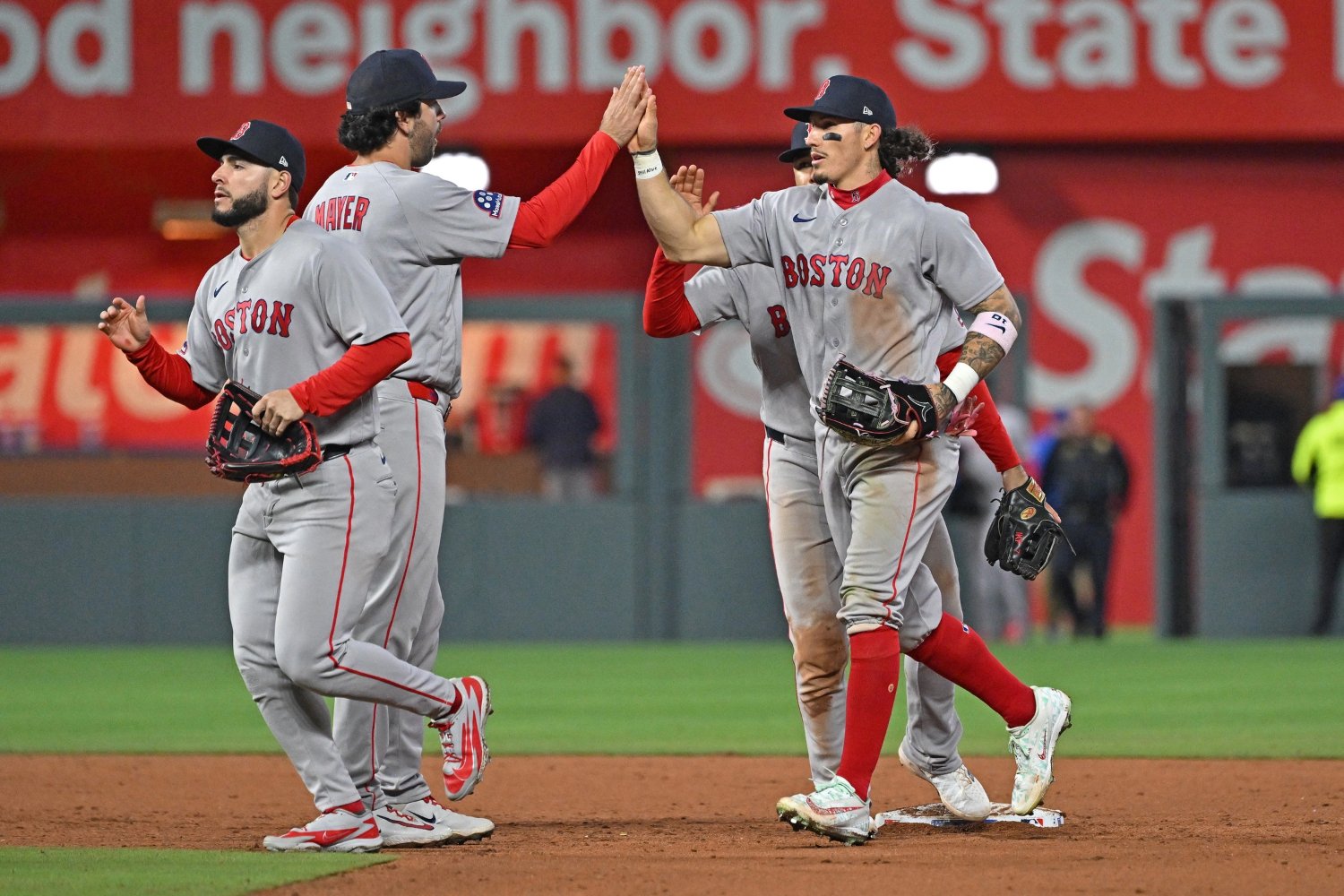 The Boston Red Sox do not need a miracle by June. They need proof. At 21-27, Boston is dancing around last place in the AL East, double-digit games behind Tampa Bay and already well short of where this roster was supposed to be in late May. The division race no longer looks like the cleanest path back into relevance. If the Red Sox are going to make anything of this season, it almost certainly has to come through the wild-card chase. That path is still open, but only if the next few weeks look nothing like the last six. The team doesn’t need to erase six weeks of bad baseball by Memorial Day. It doesn’t need one homestand to fix the lineup or turn the season back into what the front office expected. But the Red Sox do need to start giving Craig Breslow something better than “maybe.” A young core can buy time. A possible wild-card picture can buy time. Decent pitching can stretch the clock. A bottom-of-the-league offense burns through all of that fast. The Red Sox's woeful lineup is the biggest reason the season already feels so stuck. At 3.7 runs per game, the Red Sox have spent too many nights following the same tired script. The pitching keeps them close, the bats disappear for five or six innings, and a win that should have been there turns into another missed chance. Eventually, that forces a front office to stop grading talent and start judging production. The first checkpoint comes on June 1. Boston has nine games before then: three at Fenway Park against Minnesota, three more at home against Atlanta, and three in Cleveland. That is not an easy stretch, but it is manageable enough that a serious team has to make up ground. A 6-3 run would put the Red Sox in a much better place entering June. Still under .500, but at least moving in the right direction. Even 5-4 keeps the postseason conversation alive. Anything worse leaves Boston asking for patience it has not really earned. An even more pivotal stretch runs through June 10. After Cleveland, the Red Sox get Baltimore at home before six road games against the Yankees and Rays. That could be where the season starts to lose its excuses. If Boston wants to sell itself as a team still capable of climbing back into the wild-card picture, it cannot keep losing ground against the teams it is supposed to be chasing. A 12-6 run over these next 18 games would leave the Red Sox right around the .500 barrier. That is not contender status, but it would feel like a reset. Breslow could wait on anything drastic, and the clubhouse would have something real to build on. A 9-9 stretch is harder to read. Having scratched and clawed their way to 30 wins, they would still be alive, but still leaning too much on projection. If the bats still look the same, even a modest winning stretch only delays the harder conversation. Anything worse should change the tone. By then, the “too talented to be this bad” argument starts sounding less like analysis and more like denial. The All-Star break should be the clearest cutoff. The Red Sox do not have to be way over .500 by mid-July, but they need to be close enough that buying is based on more than hope. Somewhere around .480 keeps the wild-card chase a real goal. Getting back to .500 gives the front office room to add. Falling 10 or so games under should leave very little to debate. None of that means tearing the roster down to the studs. The Red Sox still have players worth building around. Wilyer Abreu, Ceddanne Rafaela, Roman Anthony and Marcelo Mayer give Boston enough young talent to believe the next good version of this team is not far away. The pitching has also done enough to keep the season from completely cratering. But the Red Sox cannot keep living off what this group might become. At some point, a young core has to produce wins, not just reasons to wait. That is what Breslow has to sort through before the Aug. 3 trade deadline. If the Red Sox are near .500, within reach of a playoff spot, and finally getting real production from the lineup, adding around the edges makes sense. Not a reckless, prospect-depleting push, but a measured move or two for a team that found its footing. If the offense stays quiet and the deficit grows past 10 games, the response should be different. Take calls on expiring veterans. Clear at-bats where they need to be cleared. At that point, Boston cannot sacrifice 2027 and beyond by chasing a 2026 season that never really got moving. We do not need the next three weeks to save the season. It needs to be about the organization making the idea of being patient feel more like a baseball decision, and less like wishful thinking.
 -
4n99brooke reacted to an article:
The Red Sox Have Been MLB's Least Successful ABS Team
-
Since the Alex Cora ejection and Trevor Story blowup in Cincinnati, the Boston Red Sox have failed to make the necessary adjustments to turn the ABS challenge system into an edge. The numbers aren’t terrible, but they don’t exactly inspire confidence in the team’s approach, either. Boston sits at a 45 percent overall success rate on challenges through more than three weeks, putting the club squarely in the lower half of the league. More telling is just how uneven that approach still feels. Cincinnati was only the beginning. What matters now is what the Red Sox have done since. Roman Anthony was blunt after the game: his third-inning challenge was poorly timed and put the team in a bind. Wilyer Abreu agreed. The message? Save them. Treat challenges like the finite, high-stakes resource that they are. Tools with the potential to tilt the odds when the game is actually on the line. Don’t burn one just because a pitch looks wrong in the moment. That messaging would have carried more weight if the games had looked cleaner since. They haven’t. The Red Sox have had some successful challenges alongside some continued misses. That’s to be expected. The bigger problem is that the overall pattern still feels unsettled, undecided even. If there’s a clear ABS plan in place in the clubhouse, it hasn’t shown up on the field. ABS does more than clean up a missed call. It changes how a team has to manage a game. It can change who trusts what, who speaks up and when a team decides a challenge is worth spending in that moment. Now that the system exists, everyone knows that a bad call may be fixable. But once those challenges are gone, the safety net they provide is gone as well, and the cost suddenly feels very real. Boston felt that sting in Cincinnati. The Red Sox burned challenges early and had nothing left for the bigger pitches later in the game. Story’s reaction and Cora’s ejection may have been what grabbed the headlines, but the real damage was the lost flexibility late in the game. The Red Sox didn’t just get frustrated; they ran out of chances when it counted most. By comparison, Cincinnati looked more comfortable with the system. The Reds weren’t just better at winning challenges; they seemed to understand the rhythm of the new rules. Meanwhile, Boston looked like a team challenging on feel, not one managing the system with much discipline. That part hasn’t been cleaned up. A system like ABS only becomes a real advantage when everyone shares the same idea of how to use it. Managers can’t call for challenges from the dugout. Coaches can’t wave one in. The decision belongs to the batter, pitcher, or catcher, and it has to happen immediately. So, any team strategy shows up in player habits: restraint, trust and some kind of internal hierarchy. Boston has not made that hierarchy obvious yet. Maybe there is a solid plan behind the scenes. Maybe the Red Sox are sharper internally than outside results suggest. From the outside, however, it still looks more reactive than deliberate. A challenge wasted in a low-leverage spot stings a lot more when a crucial pitch comes up later and the team has nothing left. The catcher piece stands out, too. If anyone should have an edge in this system, it's the guys with the best view of the zone. Boston hasn’t looked especially sharp there so far, with its catchers succeeding on just 43 percent of all challenges (28th in MLB). That doesn’t prove they’re doing it wrong, but it does make it fair to wonder whether they’re getting full value from the players best positioned to give them an accurate read. And that’s the real question. Not whether ABS is bad. Not whether one umpire can cost a team a game. Those takes are too easy. The useful question is whether the Red Sox have used the system deliberately enough to turn it into something more than an in-the-moment reaction. Cincinnati still matters for that very reason. Not just because Cora got tossed or Story lost his cool. It exposed a problem the Red Sox said they needed to learn from, and the games since haven’t shown the lesson has stuck. Over 162 games, this won’t decide everything. It doesn’t have to. Small edges are the point. One saved challenge in the seventh inning matters more than an emotional one in the third. One catcher-led overturn in a high-leverage spot matters more than proving a hitter was technically right two innings earlier. Teams that figure that out earlier are going to reap the benefits of the system. Teams that don’t are going to keep giving it away. The Red Sox don’t look like a team that has figured out its strategy with the new system. They still look like one working through it. Maybe that changes soon. Maybe a month from now Boston looks sharper, more selective and more comfortable with who should be driving these decisions. For right now, the clearest read is also the simplest one: what looked like one sloppy afternoon in Cincinnati is starting to feel more like an unresolved habit. View full article
-
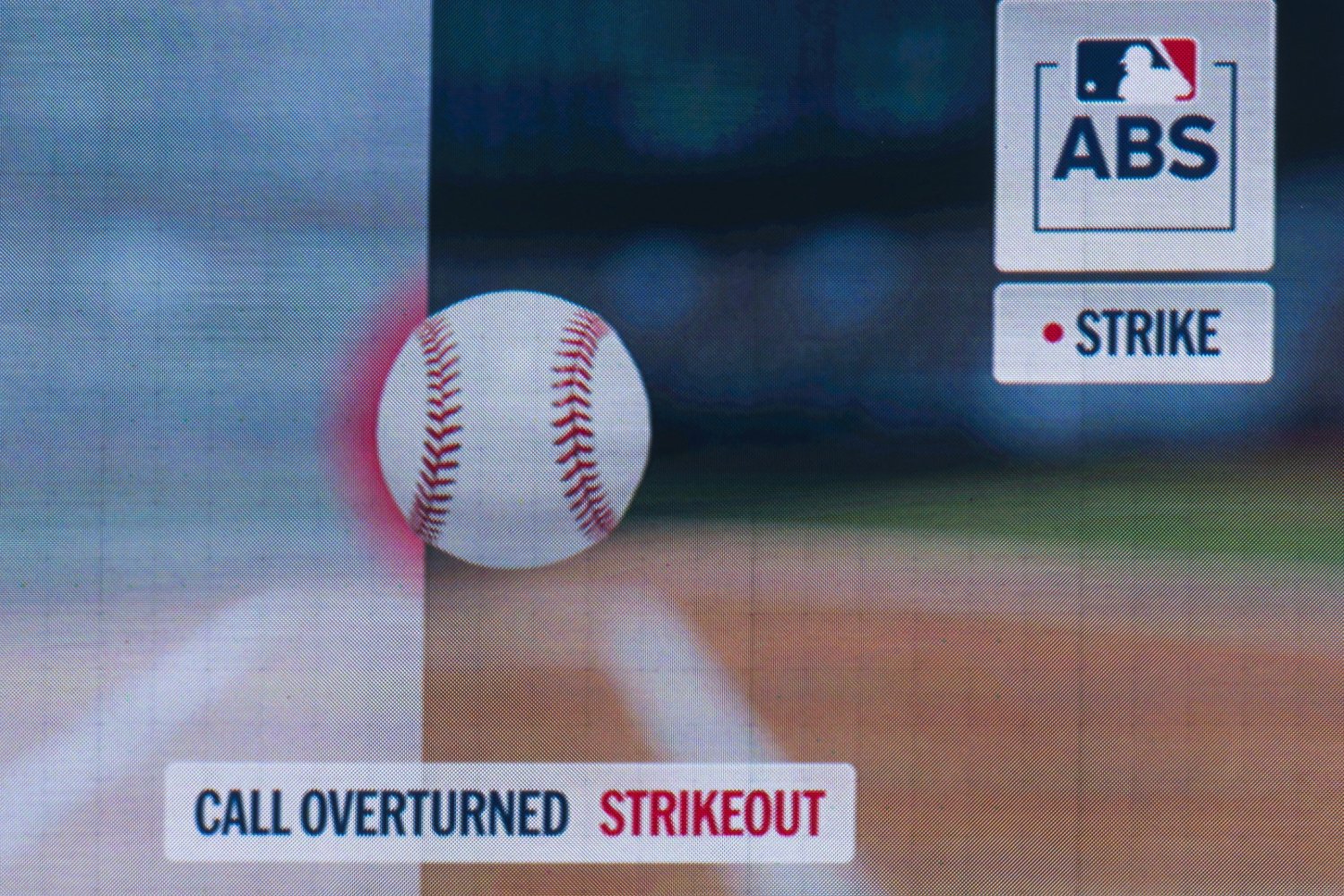 Since the Alex Cora ejection and Trevor Story blowup in Cincinnati, the Boston Red Sox have failed to make the necessary adjustments to turn the ABS challenge system into an edge. The numbers aren’t terrible, but they don’t exactly inspire confidence in the team’s approach, either. Boston sits at a 45 percent overall success rate on challenges through more than three weeks, putting the club squarely in the lower half of the league. More telling is just how uneven that approach still feels. Cincinnati was only the beginning. What matters now is what the Red Sox have done since. Roman Anthony was blunt after the game: his third-inning challenge was poorly timed and put the team in a bind. Wilyer Abreu agreed. The message? Save them. Treat challenges like the finite, high-stakes resource that they are. Tools with the potential to tilt the odds when the game is actually on the line. Don’t burn one just because a pitch looks wrong in the moment. That messaging would have carried more weight if the games had looked cleaner since. They haven’t. The Red Sox have had some successful challenges alongside some continued misses. That’s to be expected. The bigger problem is that the overall pattern still feels unsettled, undecided even. If there’s a clear ABS plan in place in the clubhouse, it hasn’t shown up on the field. ABS does more than clean up a missed call. It changes how a team has to manage a game. It can change who trusts what, who speaks up and when a team decides a challenge is worth spending in that moment. Now that the system exists, everyone knows that a bad call may be fixable. But once those challenges are gone, the safety net they provide is gone as well, and the cost suddenly feels very real. Boston felt that sting in Cincinnati. The Red Sox burned challenges early and had nothing left for the bigger pitches later in the game. Story’s reaction and Cora’s ejection may have been what grabbed the headlines, but the real damage was the lost flexibility late in the game. The Red Sox didn’t just get frustrated; they ran out of chances when it counted most. By comparison, Cincinnati looked more comfortable with the system. The Reds weren’t just better at winning challenges; they seemed to understand the rhythm of the new rules. Meanwhile, Boston looked like a team challenging on feel, not one managing the system with much discipline. That part hasn’t been cleaned up. A system like ABS only becomes a real advantage when everyone shares the same idea of how to use it. Managers can’t call for challenges from the dugout. Coaches can’t wave one in. The decision belongs to the batter, pitcher, or catcher, and it has to happen immediately. So, any team strategy shows up in player habits: restraint, trust and some kind of internal hierarchy. Boston has not made that hierarchy obvious yet. Maybe there is a solid plan behind the scenes. Maybe the Red Sox are sharper internally than outside results suggest. From the outside, however, it still looks more reactive than deliberate. A challenge wasted in a low-leverage spot stings a lot more when a crucial pitch comes up later and the team has nothing left. The catcher piece stands out, too. If anyone should have an edge in this system, it's the guys with the best view of the zone. Boston hasn’t looked especially sharp there so far, with its catchers succeeding on just 43 percent of all challenges (28th in MLB). That doesn’t prove they’re doing it wrong, but it does make it fair to wonder whether they’re getting full value from the players best positioned to give them an accurate read. And that’s the real question. Not whether ABS is bad. Not whether one umpire can cost a team a game. Those takes are too easy. The useful question is whether the Red Sox have used the system deliberately enough to turn it into something more than an in-the-moment reaction. Cincinnati still matters for that very reason. Not just because Cora got tossed or Story lost his cool. It exposed a problem the Red Sox said they needed to learn from, and the games since haven’t shown the lesson has stuck. Over 162 games, this won’t decide everything. It doesn’t have to. Small edges are the point. One saved challenge in the seventh inning matters more than an emotional one in the third. One catcher-led overturn in a high-leverage spot matters more than proving a hitter was technically right two innings earlier. Teams that figure that out earlier are going to reap the benefits of the system. Teams that don’t are going to keep giving it away. The Red Sox don’t look like a team that has figured out its strategy with the new system. They still look like one working through it. Maybe that changes soon. Maybe a month from now Boston looks sharper, more selective and more comfortable with who should be driving these decisions. For right now, the clearest read is also the simplest one: what looked like one sloppy afternoon in Cincinnati is starting to feel more like an unresolved habit.
 -
 prmrins reacted to an article:
Red Sox's Roster Manipulation Puts Spotlight Squarely on the Reserves
prmrins reacted to an article:
Red Sox's Roster Manipulation Puts Spotlight Squarely on the Reserves
-
4n99brooke reacted to an article:
Red Sox's Roster Manipulation Puts Spotlight Squarely on the Reserves
-
BP32 reacted to an article:
Red Sox's Roster Manipulation Puts Spotlight Squarely on the Reserves
-
Red Sox's Roster Manipulation Puts Spotlight Squarely on the Reserves
Ryan Painter posted an article in Red Sox
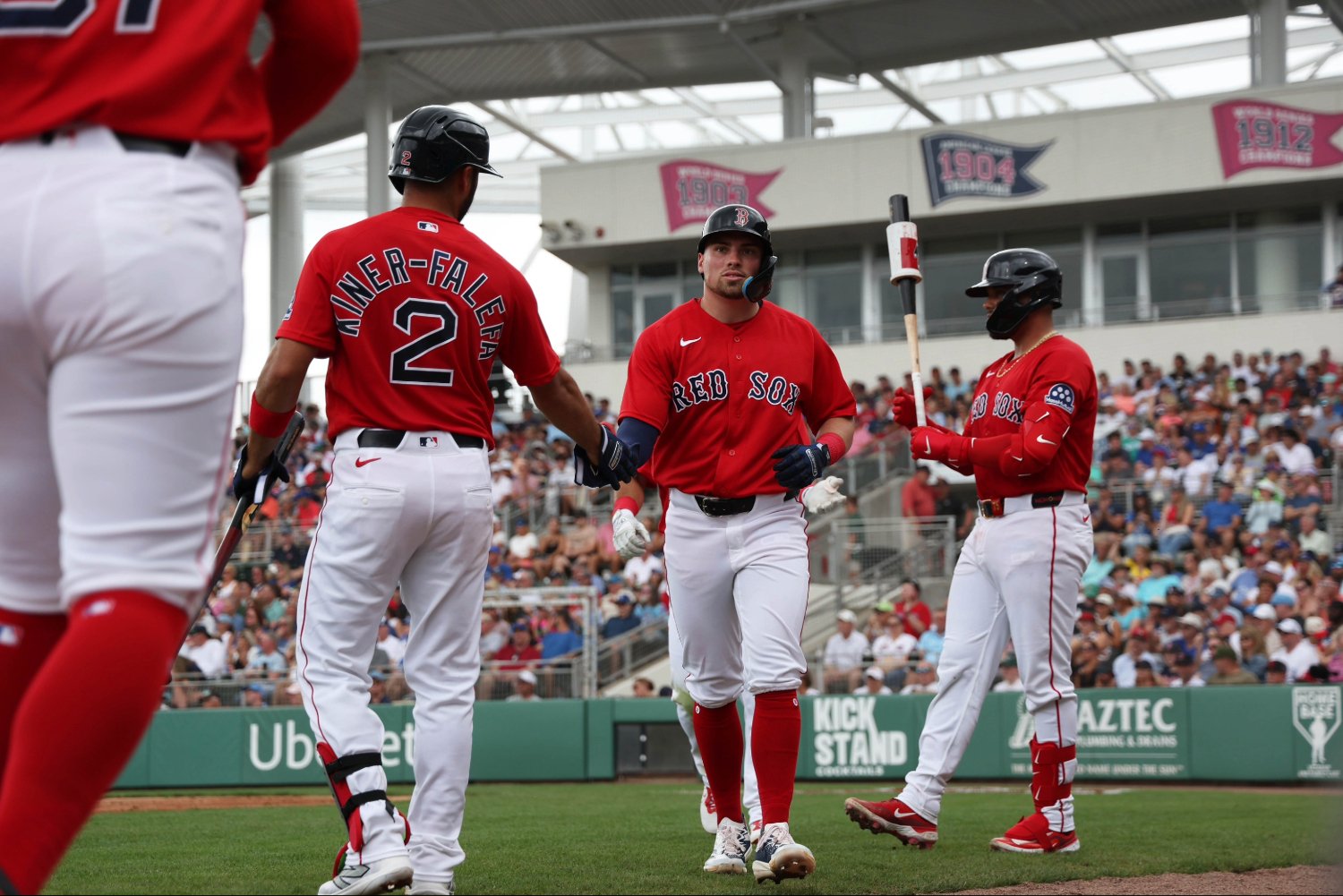 Opening Day roster decisions are easy to forget once the games begin. Most of the attention shifts to the stars, the top of the lineup, and the front of the rotation. But the edge of a roster can reveal something more important — it can show how a team plans to survive the games that do not go cleanly. That is what stood out in the Boston Red Sox’s opening series in Cincinnati. Boston left town 1-2 (and have since sunk to 1-4), so this is not about declaring the roster validated after one weekend. It is about something more useful than that. The first series started to show what the Red Sox believe they need to be. This looks like a team trying to win on flexibility as much as talent. It wants options. It wants coverage. It wants the ability to manage matchups and protect itself when games drift off script. That is what made the final roster decisions worth watching in the first place. Marcelo Mayer was the most prominent of those calls, and his first series captured the balance Boston seems to want. Alex Cora spent the spring making it clear Mayer had to earn a spot. He did. On Opening Day. he rewarded that trust immediately, coming off the bench to double and score. That was the upside of the bet. Boston trusted the talent and got an instant return. By the end of the series, the other side of the equation showed up. On Sunday, the Red Sox still managed the position situationally, turning to Andruw Monasterio for a pinch-hit spot and keeping him in defensively at second base. The move gave Boston a right-handed option in the moment with Monasterio and a clean defensive fit afterward. That is what makes Mayer important to this conversation. Boston was willing to reward performance but it was not willing to surrender flexibility to do it. The Red Sox did not treat second base like a symbolic prospect promotion. They treated it like a position they intended to manage to win. The same idea carried into the bench. Monasterio did not need a huge series to show why Boston wanted him. He only needed to show why the spot existed. His role was not to fill a bench seat. It was to give Cora another useful piece at the edge of the roster, one that could help him manage matchups and keep the infield covered without losing flexibility elsewhere. That is the kind of player who can look unimportant until the exact moment he is needed. The same was true on the pitching side, where Ryan Watson’s debut may have said as much about the Red Sox's priorities as any of the late-camp decisions. Watson making the team was easy to frame as a Rule 5 roster obligation. Saturday showed why that was too simple. After the starter exited early and the game stretched deep, Watson gave Boston 2 1/3 scoreless innings in his major-league debut. The three walks showed the usual nerves and rough edges, but the outing still made the point. The Red Sox wanted another arm who could absorb meaningful innings when a game stopped behaving the way it was supposed to. That is not a glamorous roster function, but it is a real one. Connelly Early fit that same logic. The back of the staff was never just about naming a fifth starter. As reported by MassLive’s Chris Cotillo, Boston’s end-of-camp pitching decisions were shaped in part by the need for extra length while Brayan Bello and Ranger Suárez continued building up after World Baseball Classic duty. That made the decision less about spring hierarchy and more about practical coverage. Early backed that up Sunday. He gave the Red Sox 5 1/3 innings and left Boston in position to win before the bullpen let the game turn later. While that does not settle anything long term, it does underline the short-term point. And that is why this series mattered, even in a losing set. The Red Sox’s late roster bets did not define the weekend but they helped explain the shape of the team. Mayer showed Boston is willing to trust talent without giving up control of the matchup game. Monasterio showed the bench was built for specific utility. Watson showed why innings coverage mattered. Early showed why practical depth at the back of the staff was worth prioritizing. None of these decisions are permanent. A week from now the picture could shift. A month from now some of these names may be gone. But the opening series already revealed something real: the Red Sox built the edges of this roster not for decoration, but for the messy, unpredictable stretches that decide games. If that flexible identity holds, those final roster spots will not just matter. They could become difference-makers.
 -
Opening Day roster decisions are easy to forget once the games begin. Most of the attention shifts to the stars, the top of the lineup, and the front of the rotation. But the edge of a roster can reveal something more important — it can show how a team plans to survive the games that do not go cleanly. That is what stood out in the Boston Red Sox’s opening series in Cincinnati. Boston left town 1-2, so this is not about declaring the roster validated after one weekend. It is about something more useful than that. The first series started to show what the Red Sox believe they need to be. This looks like a team trying to win on flexibility as much as talent. It wants options. It wants coverage. It wants the ability to manage matchups and protect itself when games drift off script. That is what made the final roster decisions worth watching in the first place. Marcelo Mayer was the most prominent of those calls, and his first series captured the balance Boston seems to want. Alex Cora spent the spring making it clear Mayer had to earn a spot. He did. On Opening Day. he rewarded that trust immediately, coming off the bench to double and score. That was the upside of the bet. Boston trusted the talent and got an instant return. By the end of the series, the other side of the equation showed up. On Sunday, the Red Sox still managed the position situationally, turning to Andruw Monasterio for a pinch-hit spot and keeping him in defensively at second base. The move gave Boston a right-handed option in the moment with Monasterio and a clean defensive fit afterward. That is what makes Mayer important to this conversation. Boston was willing to reward performance but it was not willing to surrender flexibility to do it. The Red Sox did not treat second base like a symbolic prospect promotion. They treated it like a position they intended to manage to win. The same idea carried into the bench. Monasterio did not need a huge series to show why Boston wanted him. He only needed to show why the spot existed. His role was not to fill a bench seat. It was to give Cora another useful piece at the edge of the roster, one that could help him manage matchups and keep the infield covered without losing flexibility elsewhere. That is the kind of player who can look unimportant until the exact moment he is needed. The same was true on the pitching side, where Ryan Watson’s debut may have said as much about the Red Sox's priorities as any of the late-camp decisions. Watson making the team was easy to frame as a Rule 5 roster obligation. Saturday showed why that was too simple. After the starter exited early and the game stretched deep, Watson gave Boston 2 1/3 scoreless innings in his major-league debut. The three walks showed the usual nerves and rough edges, but the outing still made the point. The Red Sox wanted another arm who could absorb meaningful innings when a game stopped behaving the way it was supposed to. That is not a glamorous roster function, but it is a real one. Connelly Early fit that same logic. The back of the staff was never just about naming a fifth starter. As reported by MassLive’s Chris Cotillo, Boston’s end-of-camp pitching decisions were shaped in part by the need for extra length while Brayan Bello and Ranger Suárez continued building up after World Baseball Classic duty. That made the decision less about spring hierarchy and more about practical coverage. Early backed that up Sunday. He gave the Red Sox 5 1/3 innings and left Boston in position to win before the bullpen let the game turn later. While that does not settle anything long term, it does underline the short-term point. And that is why this series mattered, even in a losing set. The Red Sox’s late roster bets did not define the weekend but they helped explain the shape of the team. Mayer showed Boston is willing to trust talent without giving up control of the matchup game. Monasterio showed the bench was built for specific utility. Watson showed why innings coverage mattered. Early showed why practical depth at the back of the staff was worth prioritizing. None of these decisions are permanent. A week from now the picture could shift. A month from now some of these names may be gone. But the opening series already revealed something real: the Red Sox built the edges of this roster not for decoration, but for the messy, unpredictable stretches that decide games. If that flexible identity holds, those final roster spots will not just matter. They could become difference-makers. View full article
