


Patrick Callahan
-
Posts
9 -
Joined
-
Last visited
Content Type
Profiles
Boston Red Sox Videos
2026 Boston Red Sox Top Prospects Ranking
Boston Red Sox Free Agent & Trade Rumors, Notes, & Tidbits
Guides & Resources
2025 Boston Red Sox Draft Pick Tracker
News
2026 Boston Red Sox Draft Tracker: Picks & Bonuses
Forums
Blogs
Events
Store
Downloads
Gallery
Everything posted by Patrick Callahan
-
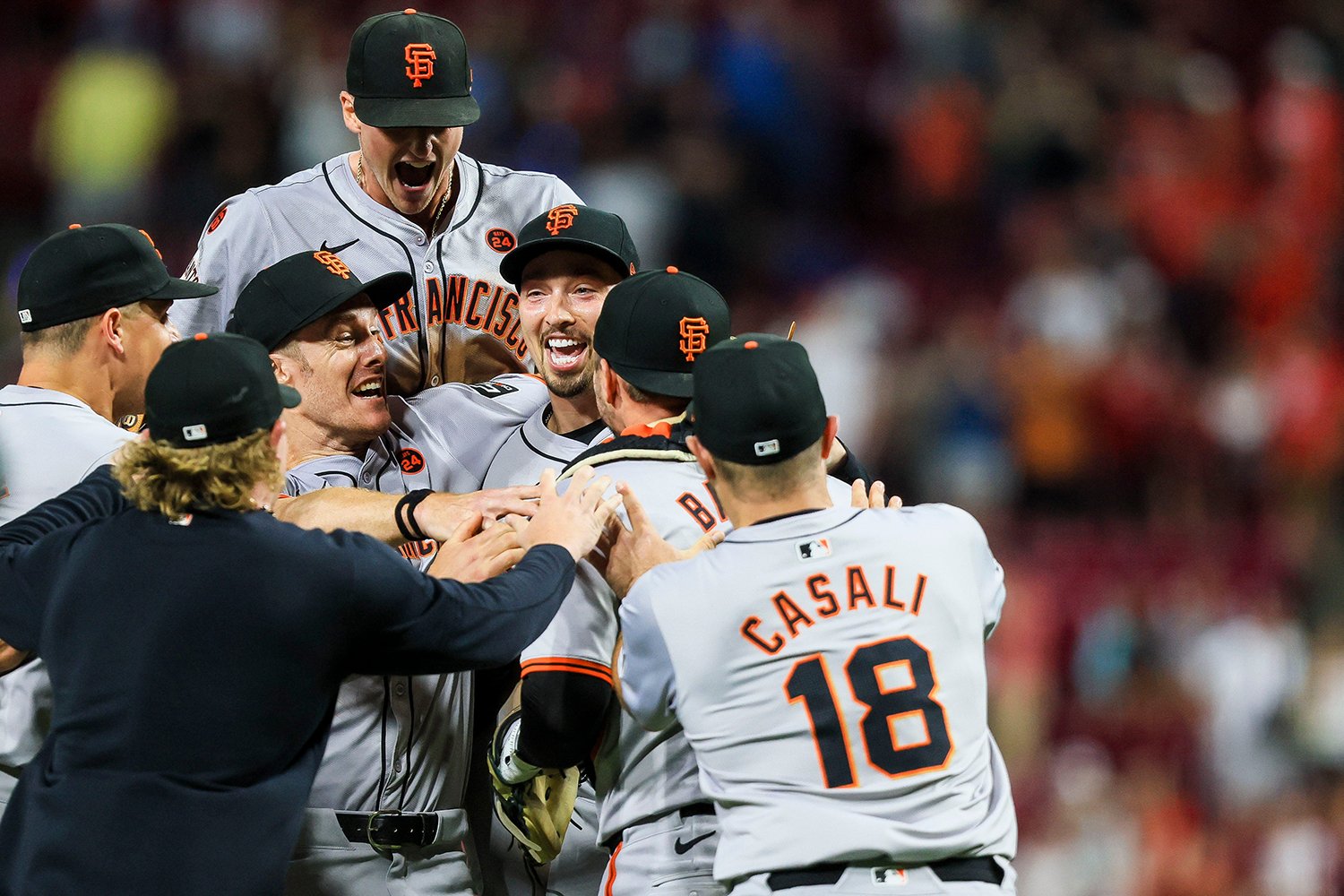 This series of articles is a primer for the release of our new "You're The Red Sox GM!" tool, where you play the role of Craig Breslow and build your own Red Sox offseason. Please visit the tool here and join in on the fun! Over the past week, report after report after report has indicated that the Boston Red Sox plan to be aggressive and spend in free agency. So in this article, we'll do what every Red Sox fan does in their heads throughout day, playing GM and planning out the offseason. Here are a few things that I expect to happen. These assumptions helped shape the offseason plan you're about to read: Roki Sasaki is a Dodger, Craig Breslow loads up on extra starting pitching to get through 162 games, Tristan Casas believes he can earn himself more money by not signing an extension just yet, and signing Juan Soto trumps all moves. If signing him is a possibility you do it and figure out the rest later. Pitching is the obvious need this offseason, so let’s start there. I would go out and sign Blake Snell for somewhere around $100 million over three years. He may get hurt, he may look awful the first few months, but Snell is the guy you want leading a rotation down the stretch heading. In the second half last year, he either led or tied all qualified pitchers in ERA, FIP, wOBA, K-BB%, strikeout rate, and home runs per nine innings. This is something we have seen Snell do year after year, and it's what makes him worth the investment regardless of the slow springs and the innings he misses. At the top of the rotation with Snell will be Garret Crochett. The Red Sox are one of the few teams with the prospect capital to make this move and it's an asset that should be used. I would like to hold onto Wilyer Abreu, but if he must go it's still an easy move. I have Kutter Crawford staying on this team as pitching depth but would absolutely include him in a deal for Crochet. Marcelo Mayer and Jarren Duran are the other guys that I fully intend on fielding offers for if their current values are met. Losing a genuine star like Duran would be tough, but if it comes down to him and Abreu, I choose Abreu. Before the trade is official, an extension would presumably be figured out between the sides and my offer would be $60 million over four years or $85 million over five years. I know this probably sounds low, but this would be accounting for starting this deal in 2025 which bumps up his $2.9 million salary up a ton. This also accounts for the risk factor, as Crochet unfortunately is a prime candidate for a second Tommy John surgery. This would also allow Crochet to hit the market again before he turns 30. If Crochet is willing to sign for something like eight years and $165 million, then that’s a different story. Even if you need to spend a little more than you’d like, it would be worth it to get that kind of strikeout pitcher into the system and working with Andrew Bailey and Kyle Boddy. Relief pitching features so much variance that I’ll keep this simple: Go out and sign proven relievers in Tanner Scott ($50 million over four years) and David Robertson ($9 million for one year). Signing both provides a safety net in case Liam Hendriks looks rusty in the closing role. I'm tired of watching projects opposing teams figure out prospects after they make a few appearances and their stuff makes it into the Trajekt pitching machines. Brennan Bernadino and Justin Slaten are the only regular bullpen arms I’m carrying over to next season, aside from giving Luis Guerrero continue to prove himself by earning a spot spring training. The last two bullpen spots will be filled by a competition that I expect Michael Fulmer and Crawford to win. Given the rash of injuries currently affecting major-league pitchers, however, whoever ends up as the number six starter could be number four by Opening Day. Moving onto the offense, the top of the list should be extending Roman Anthony. Slot Anthony into the lineup and let it ride like Milwaukee did with Jackson Chourio. Chourio looked rough over his first 50 games but like a genuine superstar by the time playoffs came around. That puts Anthony in left, Ceddanne Rafaela in center, and Abreu as the everyday right fielder, even against lefties. Rob Refsnyder will also fill in to patrol the outfield. If neither Duran nor Abreu is used as a trade piece, don’t be surprised if Rafaela, the only righty in the outfield, ends up on the outside looking in, still getting at-bats but filling more of a utility role. The next move would be to bring in a defensive catcher to compete with Connor Wong. Kyle Teel isn’t where he needs to be defensively, so delaying his call-up a bit while he works on it makes for the best long-term plan. The last move I'd like to touch on, and one that will probably be unpopular, is bringing in Paul Goldschmidt. I would slot the big slugger in at DH, providing right-handed power, a safety net if Casas can’t stay healthy again, and veteran leadership the team desperately needs. Goldschmidt is on the decline but still can be very productive, his leadership would be well worth the one-year deal. Bringing in a right-handed outfielder is on the minds of many Boston fans, but if you look around at who is available, you'll see many players who will demand three-year deals. WIth this young talented outfield and a cupboard full of rising prospects, I am not looking to lock up a spot for the next three or four years. If Breslow does decide to go that route, the qualifying offer can’t be the thing holding him back. If he likes Teoscar Hernandez, then sign him. You cannot dwell on failing to signing him last year and let one bad decision lead to another. Bringing in Goldschmidt requires trust in the young outfield, trading Masataka Yoshida, signing or trading for another right-handed outfielder/utility bench piece, and getting Alex Cora on board with not having the DH be as flexible of a lineup spot. This move seems like a longshot but bringing in a vet like Goldy would be a huge plus for this team. Going into next year, I plan to spend money on pitching, to allow the young guys to continue to grow, and to prepare the next wave of prospects. That means allowing Kristian Campbell to play some outfield if both he and Vaughn Grissom force their way onto the roster during spring training. We should bring in some veterans to supplement this core, and, like I said before, landing Soto trumps all. If you sign Juan Soto, the years of misery are forgotten and then you can figure out the rest of the offseason moves later. What do you think of this offseason plan? Do you think you can do better? Then build your own Red Sox roster and hit the button below! Start Your Payroll Blueprint Now
 -
Patrick Callahan is our next writer to put on the GM hat and explain how he'd do things this offseason. This series of articles is a primer for the release of our new "You're The Red Sox GM!" tool, where you play the role of Craig Breslow and build your own Red Sox offseason. Please visit the tool here and join in on the fun! Over the past week, report after report after report has indicated that the Boston Red Sox plan to be aggressive and spend in free agency. So in this article, we'll do what every Red Sox fan does in their heads throughout day, playing GM and planning out the offseason. Here are a few things that I expect to happen. These assumptions helped shape the offseason plan you're about to read: Roki Sasaki is a Dodger, Craig Breslow loads up on extra starting pitching to get through 162 games, Tristan Casas believes he can earn himself more money by not signing an extension just yet, and signing Juan Soto trumps all moves. If signing him is a possibility you do it and figure out the rest later. Pitching is the obvious need this offseason, so let’s start there. I would go out and sign Blake Snell for somewhere around $100 million over three years. He may get hurt, he may look awful the first few months, but Snell is the guy you want leading a rotation down the stretch heading. In the second half last year, he either led or tied all qualified pitchers in ERA, FIP, wOBA, K-BB%, strikeout rate, and home runs per nine innings. This is something we have seen Snell do year after year, and it's what makes him worth the investment regardless of the slow springs and the innings he misses. At the top of the rotation with Snell will be Garret Crochett. The Red Sox are one of the few teams with the prospect capital to make this move and it's an asset that should be used. I would like to hold onto Wilyer Abreu, but if he must go it's still an easy move. I have Kutter Crawford staying on this team as pitching depth but would absolutely include him in a deal for Crochet. Marcelo Mayer and Jarren Duran are the other guys that I fully intend on fielding offers for if their current values are met. Losing a genuine star like Duran would be tough, but if it comes down to him and Abreu, I choose Abreu. Before the trade is official, an extension would presumably be figured out between the sides and my offer would be $60 million over four years or $85 million over five years. I know this probably sounds low, but this would be accounting for starting this deal in 2025 which bumps up his $2.9 million salary up a ton. This also accounts for the risk factor, as Crochet unfortunately is a prime candidate for a second Tommy John surgery. This would also allow Crochet to hit the market again before he turns 30. If Crochet is willing to sign for something like eight years and $165 million, then that’s a different story. Even if you need to spend a little more than you’d like, it would be worth it to get that kind of strikeout pitcher into the system and working with Andrew Bailey and Kyle Boddy. Relief pitching features so much variance that I’ll keep this simple: Go out and sign proven relievers in Tanner Scott ($50 million over four years) and David Robertson ($9 million for one year). Signing both provides a safety net in case Liam Hendriks looks rusty in the closing role. I'm tired of watching projects opposing teams figure out prospects after they make a few appearances and their stuff makes it into the Trajekt pitching machines. Brennan Bernadino and Justin Slaten are the only regular bullpen arms I’m carrying over to next season, aside from giving Luis Guerrero continue to prove himself by earning a spot spring training. The last two bullpen spots will be filled by a competition that I expect Michael Fulmer and Crawford to win. Given the rash of injuries currently affecting major-league pitchers, however, whoever ends up as the number six starter could be number four by Opening Day. Moving onto the offense, the top of the list should be extending Roman Anthony. Slot Anthony into the lineup and let it ride like Milwaukee did with Jackson Chourio. Chourio looked rough over his first 50 games but like a genuine superstar by the time playoffs came around. That puts Anthony in left, Ceddanne Rafaela in center, and Abreu as the everyday right fielder, even against lefties. Rob Refsnyder will also fill in to patrol the outfield. If neither Duran nor Abreu is used as a trade piece, don’t be surprised if Rafaela, the only righty in the outfield, ends up on the outside looking in, still getting at-bats but filling more of a utility role. The next move would be to bring in a defensive catcher to compete with Connor Wong. Kyle Teel isn’t where he needs to be defensively, so delaying his call-up a bit while he works on it makes for the best long-term plan. The last move I'd like to touch on, and one that will probably be unpopular, is bringing in Paul Goldschmidt. I would slot the big slugger in at DH, providing right-handed power, a safety net if Casas can’t stay healthy again, and veteran leadership the team desperately needs. Goldschmidt is on the decline but still can be very productive, his leadership would be well worth the one-year deal. Bringing in a right-handed outfielder is on the minds of many Boston fans, but if you look around at who is available, you'll see many players who will demand three-year deals. WIth this young talented outfield and a cupboard full of rising prospects, I am not looking to lock up a spot for the next three or four years. If Breslow does decide to go that route, the qualifying offer can’t be the thing holding him back. If he likes Teoscar Hernandez, then sign him. You cannot dwell on failing to signing him last year and let one bad decision lead to another. Bringing in Goldschmidt requires trust in the young outfield, trading Masataka Yoshida, signing or trading for another right-handed outfielder/utility bench piece, and getting Alex Cora on board with not having the DH be as flexible of a lineup spot. This move seems like a longshot but bringing in a vet like Goldy would be a huge plus for this team. Going into next year, I plan to spend money on pitching, to allow the young guys to continue to grow, and to prepare the next wave of prospects. That means allowing Kristian Campbell to play some outfield if both he and Vaughn Grissom force their way onto the roster during spring training. We should bring in some veterans to supplement this core, and, like I said before, landing Soto trumps all. If you sign Juan Soto, the years of misery are forgotten and then you can figure out the rest of the offseason moves later. What do you think of this offseason plan? Do you think you can do better? Then build your own Red Sox roster and hit the button below! Start Your Payroll Blueprint Now View full article
-
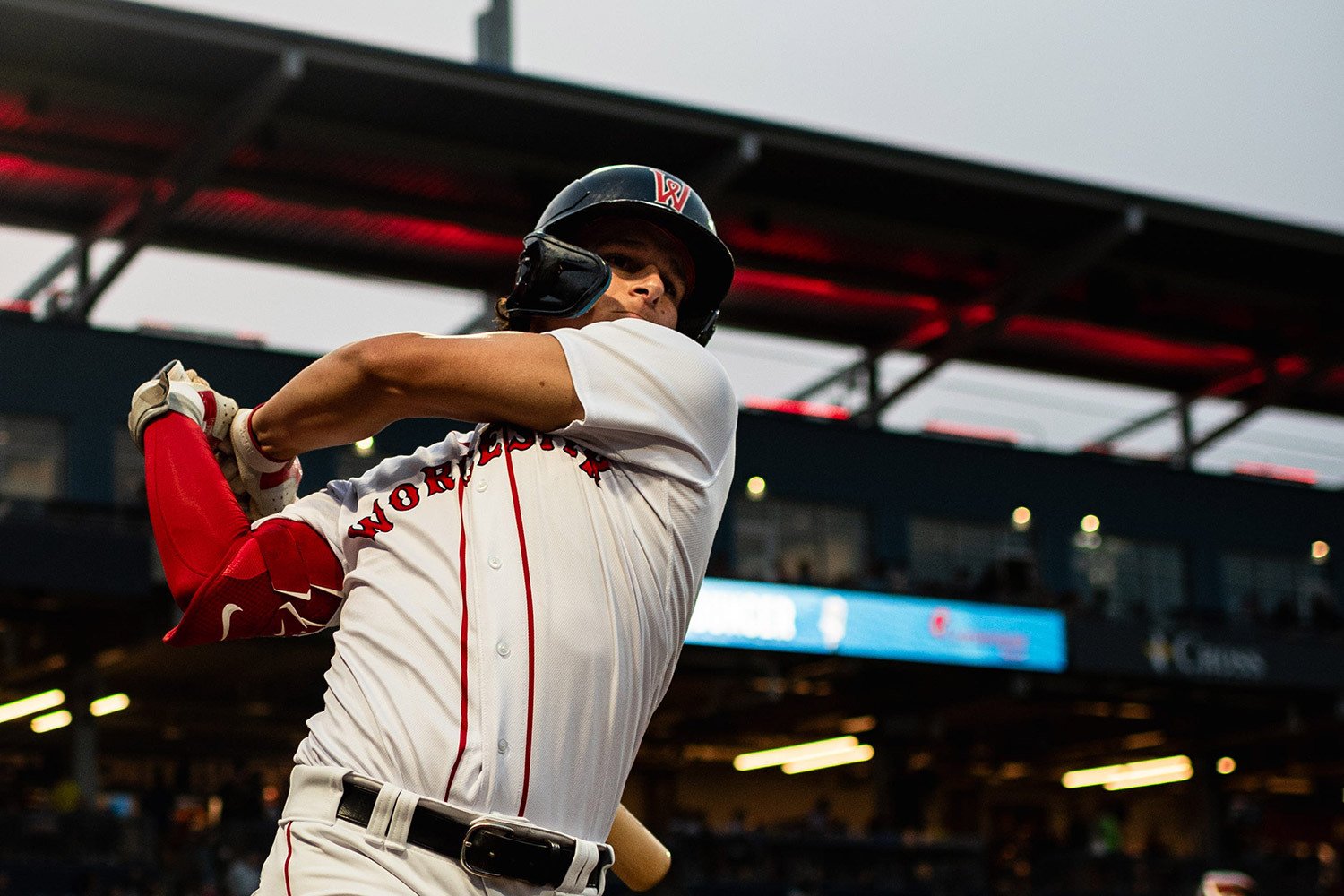 The Boston Red Sox have big plans this offseason and nobody knows exactly what they are. Spending big money or prospect capital on a starting pitcher looks to be a guarantee, as is finding a way to add an impact right-hander to the lineup. Triston Casas also seems to be on the docket this offseason, whether that means the Red Sox will him for starting pitching or extend him (like they should). In my opinion, it's possible that Fenway Sports Group put out these rumors as a bargaining ploy, hoping to entice Casas to find a middle ground at the negotiating table, but there's no way to know. The team could have avoided this by extending him before he played a major-league game and had the chance to be one of the best hitters in baseball. That brings us to Roman Anthony, the team's (and maybe the sport's) top prospect. Craig Breslow should sign Roman Anthony to a long-term contract and have him penciled into the lineup on Opening Day. After watching this year’s playoffs, two things are clear: rookies are capable of performing in the playoffs at the highest stage, and you must spend in order to win. Before the season started, the Milwaukee Brewers signed Jackson Chourio to an eight-year, $82-million contract before he'd ever played a game in the major leagues. Some people called them crazy, and some people pleaded with their teams to do the same with their top prospect. Those in the latter camp proved to be right. Chourio had a spectacular season and proved that he's well worth the contract. In San Diego, rookie Jackson Merrill was even better. Chourio was the higher-rated prospect but after both of their respective rookie seasons, if Merrill were to get an extension today it would likely overshadow Chourio’s. This is exactly what the Red Sox are dealing with right now with Casas, and it might be avoidable with Anthony. Since the trade of now three-time World Series champion Mookie Betts, the Boston front office has made it abundantly clear that the goal is to build a strong core of young talent, then supplement it with free-agent acquisitions. With the arrival of the team's top prospects imminent, it is time to pay EVERYONE. Casas will certainly be asking for (and hopefully get) a large deal, and Anthony could be the cornerstone of one of the most historic franchises in sports for what might, in a few years, be pennies on the dollar in a few years. The trend of handing out extensions to young, unproven players has been accelerating, across the league. The Red Sox did it just last year with Brayan Bello and Ceddanne Rafaela. As a highly-rated prospect who received an average annual value in excess of $10 million, Chourio would be more apt comparison to Anthony than Bello or Rafaela. Anthony will no doubt want more than Chourio, but that's a good benchmark for a potential extension. There's no way to know what either side might have in mind in terms of either years or dollars, but Breslow should be prepared sign Anthony long-term and commit to the plan of developing and keeping the team's major-league talent, then making free-agent splashes to supplement the roster. With all the young talent ready to fight for major league spots, it's time to make definitive, franchise-altering moves. Locking up the number one prospect in baseball should be at the top of the list.
 -
The future is now for the Red Sox. It's time to make sure the best prospect in baseball stays in Boston. The Boston Red Sox have big plans this offseason and nobody knows exactly what they are. Spending big money or prospect capital on a starting pitcher looks to be a guarantee, as is finding a way to add an impact right-hander to the lineup. Triston Casas also seems to be on the docket this offseason, whether that means the Red Sox will him for starting pitching or extend him (like they should). In my opinion, it's possible that Fenway Sports Group put out these rumors as a bargaining ploy, hoping to entice Casas to find a middle ground at the negotiating table, but there's no way to know. The team could have avoided this by extending him before he played a major-league game and had the chance to be one of the best hitters in baseball. That brings us to Roman Anthony, the team's (and maybe the sport's) top prospect. Craig Breslow should sign Roman Anthony to a long-term contract and have him penciled into the lineup on Opening Day. After watching this year’s playoffs, two things are clear: rookies are capable of performing in the playoffs at the highest stage, and you must spend in order to win. Before the season started, the Milwaukee Brewers signed Jackson Chourio to an eight-year, $82-million contract before he'd ever played a game in the major leagues. Some people called them crazy, and some people pleaded with their teams to do the same with their top prospect. Those in the latter camp proved to be right. Chourio had a spectacular season and proved that he's well worth the contract. In San Diego, rookie Jackson Merrill was even better. Chourio was the higher-rated prospect but after both of their respective rookie seasons, if Merrill were to get an extension today it would likely overshadow Chourio’s. This is exactly what the Red Sox are dealing with right now with Casas, and it might be avoidable with Anthony. Since the trade of now three-time World Series champion Mookie Betts, the Boston front office has made it abundantly clear that the goal is to build a strong core of young talent, then supplement it with free-agent acquisitions. With the arrival of the team's top prospects imminent, it is time to pay EVERYONE. Casas will certainly be asking for (and hopefully get) a large deal, and Anthony could be the cornerstone of one of the most historic franchises in sports for what might, in a few years, be pennies on the dollar in a few years. The trend of handing out extensions to young, unproven players has been accelerating, across the league. The Red Sox did it just last year with Brayan Bello and Ceddanne Rafaela. As a highly-rated prospect who received an average annual value in excess of $10 million, Chourio would be more apt comparison to Anthony than Bello or Rafaela. Anthony will no doubt want more than Chourio, but that's a good benchmark for a potential extension. There's no way to know what either side might have in mind in terms of either years or dollars, but Breslow should be prepared sign Anthony long-term and commit to the plan of developing and keeping the team's major-league talent, then making free-agent splashes to supplement the roster. With all the young talent ready to fight for major league spots, it's time to make definitive, franchise-altering moves. Locking up the number one prospect in baseball should be at the top of the list. View full article
-
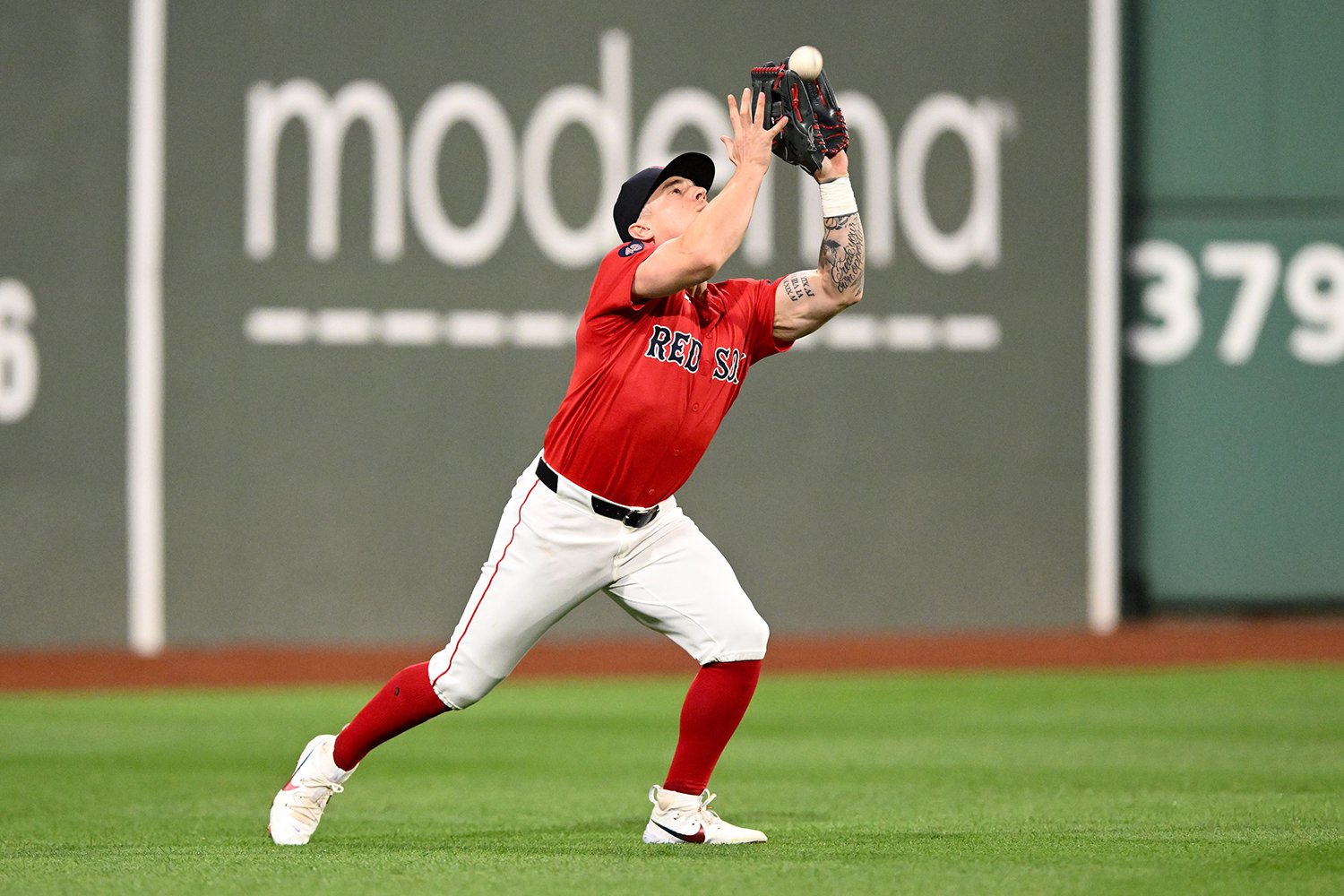 The quotes coming out of the Boston Red Sox front office heading into this offseason have felt similar to those from offseasons past. They've exuded vague optimism without offering any details about the organization's actual plans. Tyler O'Neill has been candid about his openness to remaining with the Red Sox, telling reporters, "If I get the chance to come back to Boston, it’s definitely something I’d be interested in. Good group of guys, good team chemistry. They’re obviously defined their winning window by signing Cora. They’re serious about winning, so we’ll see what happens.” Craig Breslow expressed the same sentiment, though with an added layer of caginess, saying, "We’ll obviously have to see how this process plays out. But I anticipate we’ll be in communication....We saw the effect of a guy like Tyler and 30-plus home runs as a right-handed power hitter in the middle of the lineup.” Red Sox fans have seen this before: right-handed hitter shows real promise as a middle-of-the-lineup type of guy in a one-year stint in Boston, and the team lets them walk in free agency. Right-handed power is a team need and O'Neill supplies it. An offseason trade to balance the lineup is almost guaranteed, especially with Roman Anthony preparing to add yet another left-handed bat to the mix. If Breslow decides to move Masataka Yoshida in order to keep possibly the best right fielder in the league in WIlyer Abreu and the current leader of the team in Jarren Duran (sounds like a good plan to me), there will still be at-bats for O'Neill, Anthony, and Rob Refsnyder. If re-signing O'Neill is the only legitimate offseason move the team makes to bolster the offense, fans will probably be disappointed. However, that would fit with Alex Cora's managerial tendencies. Cora has demonstrated that he likes to protect young left-handed hitters from facing lefties. Remember when Eduardo Nunez pinch-hit for a young Rafael Devers in the 2018 World Series and went yard? Good times. In recent weeks, Cora has made a few comments indicating that he expects his players to be better prepared to handle 162-game season in 2025. Even so, the team has a young core and prospects who have never faced the grind of 162 games. He should be expecting to give days off based on matchups, both to promote health and to put players in a position to succeed. With their competitive window about to open, the Red Sox are in position to spend real money and to run a top-10 payroll, as they did in every year of this century except for 2023 and 2024. So what will O'Neill actual get in today’s market? We can start by looking at comparable right-handed outfield sluggers in Teoscar Hernandez and Jorge Soler. In February, Soler signed with the Giants for three years and $42 million, only to be flipped at the deadline to Atlanta. Coming off a down 2023 season, Hernández signed a one-year, $23.5 million deal with the Dodgers in January. It has since come out that Hernández rejected a two-year, $28-million contract with the Red Sox after they refused to add the third year, as in Soler's contract. Entering free agency for the first time, O'Neill will have to decide whether he is willing to take a short-term, prove-it contract, or whether he wants to secure a multiyear deal as enters his thirties. O'Neill has only made it to 500 plate appearances in a season once, in 2021. It would make sense for him to take a lower average annual value in exchange for a four-year deal with a team like the Giants. Unless the team were to trade Duran, Abreu, Cedanne Rafaela, or Roman Anthony, it's hard to see the Red Sox handing such a long-term deal. However, if those offers start involving options or looking like Soler's three years for $42 million or maybe a two-year $30-million deal, they could make more sense. This would allow O'Neill to re-enter free agency again at the age of 32, right after a new CBA will have been agreed upon (hopefully on time). Breslow has his hands full. O'Neill's excellent season followed two injury-shortened campaigns in which he was slightly below-average at the plate. In my opinion, his is the lowest skill level you could go for as the main right-handed bat for the Boston lineup. Adding a right-handed batter with an .800 OPS would go a long way, but the Red Sox could also use a right-handed bat with positional versatility.
 -
As he enters free agency, Tyler O'Neill is poised to reap the rewards of his impressive 2024 season. How will his priorities line up with Boston's as they search for a right-handed power bat? The quotes coming out of the Boston Red Sox front office heading into this offseason have felt similar to those from offseasons past. They've exuded vague optimism without offering any details about the organization's actual plans. Tyler O'Neill has been candid about his openness to remaining with the Red Sox, telling reporters, "If I get the chance to come back to Boston, it’s definitely something I’d be interested in. Good group of guys, good team chemistry. They’re obviously defined their winning window by signing Cora. They’re serious about winning, so we’ll see what happens.” Craig Breslow expressed the same sentiment, though with an added layer of caginess, saying, "We’ll obviously have to see how this process plays out. But I anticipate we’ll be in communication....We saw the effect of a guy like Tyler and 30-plus home runs as a right-handed power hitter in the middle of the lineup.” Red Sox fans have seen this before: right-handed hitter shows real promise as a middle-of-the-lineup type of guy in a one-year stint in Boston, and the team lets them walk in free agency. Right-handed power is a team need and O'Neill supplies it. An offseason trade to balance the lineup is almost guaranteed, especially with Roman Anthony preparing to add yet another left-handed bat to the mix. If Breslow decides to move Masataka Yoshida in order to keep possibly the best right fielder in the league in WIlyer Abreu and the current leader of the team in Jarren Duran (sounds like a good plan to me), there will still be at-bats for O'Neill, Anthony, and Rob Refsnyder. If re-signing O'Neill is the only legitimate offseason move the team makes to bolster the offense, fans will probably be disappointed. However, that would fit with Alex Cora's managerial tendencies. Cora has demonstrated that he likes to protect young left-handed hitters from facing lefties. Remember when Eduardo Nunez pinch-hit for a young Rafael Devers in the 2018 World Series and went yard? Good times. In recent weeks, Cora has made a few comments indicating that he expects his players to be better prepared to handle 162-game season in 2025. Even so, the team has a young core and prospects who have never faced the grind of 162 games. He should be expecting to give days off based on matchups, both to promote health and to put players in a position to succeed. With their competitive window about to open, the Red Sox are in position to spend real money and to run a top-10 payroll, as they did in every year of this century except for 2023 and 2024. So what will O'Neill actual get in today’s market? We can start by looking at comparable right-handed outfield sluggers in Teoscar Hernandez and Jorge Soler. In February, Soler signed with the Giants for three years and $42 million, only to be flipped at the deadline to Atlanta. Coming off a down 2023 season, Hernández signed a one-year, $23.5 million deal with the Dodgers in January. It has since come out that Hernández rejected a two-year, $28-million contract with the Red Sox after they refused to add the third year, as in Soler's contract. Entering free agency for the first time, O'Neill will have to decide whether he is willing to take a short-term, prove-it contract, or whether he wants to secure a multiyear deal as enters his thirties. O'Neill has only made it to 500 plate appearances in a season once, in 2021. It would make sense for him to take a lower average annual value in exchange for a four-year deal with a team like the Giants. Unless the team were to trade Duran, Abreu, Cedanne Rafaela, or Roman Anthony, it's hard to see the Red Sox handing such a long-term deal. However, if those offers start involving options or looking like Soler's three years for $42 million or maybe a two-year $30-million deal, they could make more sense. This would allow O'Neill to re-enter free agency again at the age of 32, right after a new CBA will have been agreed upon (hopefully on time). Breslow has his hands full. O'Neill's excellent season followed two injury-shortened campaigns in which he was slightly below-average at the plate. In my opinion, his is the lowest skill level you could go for as the main right-handed bat for the Boston lineup. Adding a right-handed batter with an .800 OPS would go a long way, but the Red Sox could also use a right-handed bat with positional versatility. View full article
-
How the Red Sox have encouraged the young right-hander to adjust his delivery, and how he could fit into their (or another team's) rotation next season. In July, with the Red Sox farm system overflowing with position-player prospects, Craig Breslow decided to flip one of those Triple-A bats for an arm. He sent Nick Yorke, the team’s sixth-ranked prospect, to Pittsburgh in exchange for right-hander Quinn Priester. The 24-year-old Priester’s swing-and-miss stuff has made waves on Twitter ever since he was drafted out of high school in 2019, but he’s more of a sinkerballer, with groundball tendencies similar to Tanner Houck’s. It would be unfair to expect Priester to make a leap like the one Houck made this year, but the ability to crack the 2025 starting rotation is well within reach. Since he arrived in Worcester, the Red Sox have instructed Priester to lower his release point. He’s seen velocity tick up slightly on his sinker, and with the new arm slot has come a new objective. More velocity obviously puts more stress on a pitcher’s arm, but it also brings more strikeouts, and over Priester’s 20 major-league appearances thus far, strikeouts have been hard to come by. While in the majors, he has carried a 6.45 ERA and 15.4 strikeout rate, a far cry from his 3.60 ERA and 24.7% strikeout rate in the minors. Once he’s back in the majors, the contact-managing righty will want to see his strikeout rate around the low 20s, similar to Houck’s. Between Houck, Priester, and Brayan Bello, it’s clear this coaching staff and front office love fielding groundball pitchers at hitter-friendly Fenway. The only problem with that plan is that whether you look at the defensive metrics or just watch the games, it’s easy to see that Boston’s infield defense has been putrid. It should be better with a fully healthy Trevor Story and an improved Triston Casas, but this has been a problem in the organization for some time now. Plenty of people would like to see Priester pitch in the major sometime during these last two soul-crushing weeks of baseball, including general managers around the league. A young, controllable starter with a chance to crack the big-league rotation is a legit trade piece. How much will the Red Sox and other teams value the adjustments Priester has made since the trade? Will teams want to see him against a big-league lineup? Will the Red Sox want to risk seeing him exposed by big-league hitters, costing him trade value? Those are questions for the negotiating table. This offseason, there’s hope, expectation, and an absolute need to add a front-line starter to join Houck, Bello, and Lucas Giolito in the rotation. The fifth starter spot would then be a battle between Kutter Crawford, Richard Fitts, Priester, and possibly Zach Penrod, who has looked excellent in his three big-league starts. Fitts didn’t dominate in his two stars, but he did look like he belonged in the majors. Crawford’s continued struggles with the long ball were a disappointment, but he’s been a valuable surprise: an above-average pitcher for two seasons who led the team in starts this year. Keeping two of these three starters as depth pieces will be very important, but don’t be surprised to see one of them included as a trade piece for a bigger fish this offseason. View full article
-
 In July, with the Red Sox farm system overflowing with position-player prospects, Craig Breslow decided to flip one of those Triple-A bats for an arm. He sent Nick Yorke, the team’s sixth-ranked prospect, to Pittsburgh in exchange for right-hander Quinn Priester. The 24-year-old Priester’s swing-and-miss stuff has made waves on Twitter ever since he was drafted out of high school in 2019, but he’s more of a sinkerballer, with groundball tendencies similar to Tanner Houck’s. It would be unfair to expect Priester to make a leap like the one Houck made this year, but the ability to crack the 2025 starting rotation is well within reach. Since he arrived in Worcester, the Red Sox have instructed Priester to lower his release point. He’s seen velocity tick up slightly on his sinker, and with the new arm slot has come a new objective. More velocity obviously puts more stress on a pitcher’s arm, but it also brings more strikeouts, and over Priester’s 20 major-league appearances thus far, strikeouts have been hard to come by. While in the majors, he has carried a 6.45 ERA and 15.4 strikeout rate, a far cry from his 3.60 ERA and 24.7% strikeout rate in the minors. Once he’s back in the majors, the contact-managing righty will want to see his strikeout rate around the low 20s, similar to Houck’s. Between Houck, Priester, and Brayan Bello, it’s clear this coaching staff and front office love fielding groundball pitchers at hitter-friendly Fenway. The only problem with that plan is that whether you look at the defensive metrics or just watch the games, it’s easy to see that Boston’s infield defense has been putrid. It should be better with a fully healthy Trevor Story and an improved Triston Casas, but this has been a problem in the organization for some time now. Plenty of people would like to see Priester pitch in the major sometime during these last two soul-crushing weeks of baseball, including general managers around the league. A young, controllable starter with a chance to crack the big-league rotation is a legit trade piece. How much will the Red Sox and other teams value the adjustments Priester has made since the trade? Will teams want to see him against a big-league lineup? Will the Red Sox want to risk seeing him exposed by big-league hitters, costing him trade value? Those are questions for the negotiating table. This offseason, there’s hope, expectation, and an absolute need to add a front-line starter to join Houck, Bello, and Lucas Giolito in the rotation. The fifth starter spot would then be a battle between Kutter Crawford, Richard Fitts, Priester, and possibly Zach Penrod, who has looked excellent in his three big-league starts. Fitts didn’t dominate in his two stars, but he did look like he belonged in the majors. Crawford’s continued struggles with the long ball were a disappointment, but he’s been a valuable surprise: an above-average pitcher for two seasons who led the team in starts this year. Keeping two of these three starters as depth pieces will be very important, but don’t be surprised to see one of them included as a trade piece for a bigger fish this offseason.
