


Jared Mulholland
-
Posts
4 -
Joined
-
Last visited
Jared Mulholland's Achievements


-
 Jared Mulholland reacted to a post in a topic:
Article: Phil Plantier: A Young Yaz?
Jared Mulholland reacted to a post in a topic:
Article: Phil Plantier: A Young Yaz?
-
Maddie Landis reacted to an article:
Phil Plantier: A Young Yaz?
-
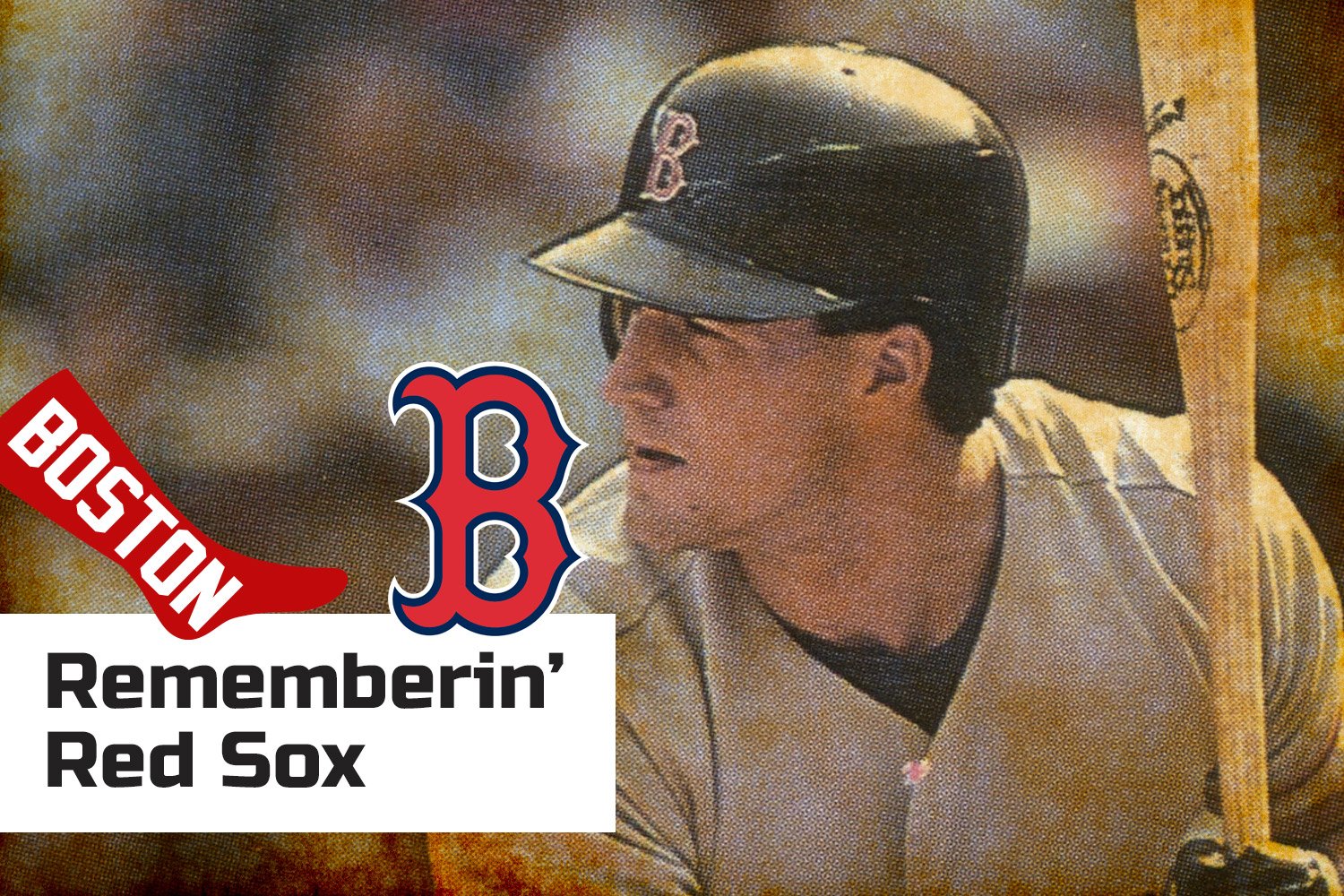 Like most kids my age, I was an avid baseball card collector from 1986 to 1994. Of course, I had a very strict system for how to store my cards. The jobbers and also-rans were stacked in a shoe box. The All-Stars and young talents were in a plastic sheet in one of my many baseball card binders. Guys like Andy Van Slyke and Chet Lemon were the cut-off for making the binder (in other words, someone had to have a positive Wins Above Van Slyke to make the binder). The next level was the individual plastic cases, reserved for rare cards (for me) and can’t-miss stars, such as a Manny Ramirez 1992 Upper Deck top prospect card. The coveted screw-down case was the baseball card value pyramid's final level. This was for extremely rare or expected to be very valuable cards: think the 1989 Upper Deck Ken Griffey Jr. My only other card that merited the screw-down case was a signed Phil Plantier 1992 Upper Deck card (I thought that was his rookie card at the time). I was all in on Phil Plantier. I thought this card would be worth thousands, and I could buy a Porsche with it or something when I got older. I lived in Europe for most of the '90s, so I didn’t get to hear all the hype, so I made the assumption he was a future star based on how cool the card looked and his stats on the back: .331 batting average 11 home runs and 35 RBI in just 53 games. Those stats and his awesomely unique batting stance (imagine seeing him and Bagwell back to back) translated to “franchise player” in my 12-year-old brain. I wasn’t the only one who thought Phil Plantier would be a star. Plantier was drafted by the Red Sox in the 11th round of the 1987 draft, just a few months after his 18th birthday. Plantier showed plus power almost immediately, winning Baseball America’s Class A minor league player of the year in 1989, hitting 27 home runs with an OPS of .951. By 1990, he was the 4th-ranked prospect in the Sox farm system, and the following year, he ranked 2nd, behind only Mo Vaughn. In September of 1990, when Red Sox GM Lou Gorman traded third baseman Jeff Bagwell to the Astros for relief pitcher Larry Anderson, Phil Plantier was deemed too promising of a prospect to be traded. Gorman said of the negotiation with Houston, “I admire Jeff Bagwell, and I hope he goes on to have an outstanding career. But right now, my job is to help the Boston Red Sox win a championship. You have to give up something to get what you need. [Houston] went round and round talking about Mo Vaughn, Kevin Morton, and Phil Plantier. We’re not about to trade them.” Phil Plantier would be a power-hitting hitter for Boston for years to come. The other thing Plantier did a lot of, besides hit home runs, was strike out. He struck out 122 times in 132 games in Lynchburg during his award-winning 1989 season. Plantier followed that up by striking out 148 times in just 123 games for the PawSox (he also hit 33 home runs and had a .906 OPS). Despite this, he seemingly broke out with the Sox in 1991. The stats on the back of his 1992 card were a pace for 34 home runs and 107 runs batted in. He also cut down on his strikeout rate, striking out 38 times in 53 games while slashing .331/.420/.615. The hype was real after the ‘91 season: In a Boston Globe preview of the Red Sox heading into the 1992 season, a picture of Phil was placed with the caption ‘Phil Plantier: A young Yaz?’. The caption was based on a quote from teammate Jack Clark in the same piece hyping up Plantier: “He’s a showman,” Clark said of Plantier, “He gets up there, and he goes for it. Do you know who he reminds me of? A young Carl Yastrzemski. Yaz used to get up there and take that big swing. He’s putting on a show, but the results of what he’s trying to accomplish are there.” In another preview, Plantier was described as “the most exciting slugger the Red Sox have had from the left side since Carl Yastrzemski,” with his uppercut swing making him a threat to hit it out every time he made contact. He was recovering from ulnar nerve irritation, but the team was confident he’d fully recover by spring training. The expectation was that with Mo, Jack Clack, and Phil Plantier, the Sox would have a potent middle of the order in 1992 and knock opposing pitching staffs into submission. On April 8th, the Sox played the Yankees in New York for the first game of the season. Although the Red Sox lost, Plantier hit a home run in his first at-bat of the season and was even intentionally walked by the Yankees in the sixth inning. He wouldn’t hit his next home run until June 6th. Side note: the entire Red Sox team showed a surprising lack of power to start the 92 season, leading some players to question if the new 600 club was creating a headwind, knocking down their would-be homers. A few days before hitting his second home run, Dan Shaughnessy started the pile-on against Plantier, writing that Phil’s picture should be next to the " Sophomore Jinx” in the Baseball Encyclopedia. And then, amid Plantier’s prolonged slump, Boston manager Butch Hobson publicly questioned why Phil hadn’t shown up to an extra batting practice. Contributing to the rough start to the season, Plantier hurt his knee, but he continued to play through it. Hobson started to question his work ethic, “Phil Plantier worked his butt off for me in Pawtucket. He worked on every aspect of the game he wanted to get better, and he did. This year…he’s had some injuries.” You can almost see the scare quotes Hobson put around the word “injuries.” Plantier was sent down to Pawtucket from mid-August to mid-September because Hobson wanted him to work on his work ethic. For his part, Plantier snapped back that he would never play hurt again. When he was called back to Boston, he finished with a robust .869 OPS in his final 13 games, but the damage was done - after so much hype, 1992 had been a disappointing season for Plantier and the Sox. Less than a year before, Plantier was deemed untradeable and a cornerstone for the franchise for years to come. Now, he was on the block. Ironically, the Red Sox traded Plantier to the San Diego Padres on December 9th for a right-handed relief pitcher (basically the same trade the Boston refused to include him in during the 1990 season). Jose Melendez, the pitcher in the Plantier trade, would pitch nine games for the Sox in 1993 and just 19 games overall in his two seasons in Boston. Plantier, relieved to be away from the toxic situation in Boston, hit 34 homers for the Padres in ‘93. During the strike-shortened ‘94 season, he continued to hit with power, slugging 18 home runs in 94 games. I followed him after he left Boston, hoping he would prove the Sox wrong for trading him. However, following the 1994 season, Plantier bounced around for another four seasons before retiring in 1998 when he was still in his 20s. It’s a shame the Red Sox gave up on such a promising young star so quickly. The 1992 season was tough, but Phil Plantier was still just 23. Maybe if he hadn’t tried to play through injuries…maybe if he had a more supportive manager…maybe if he hadn’t been compared to a hall of famer before he even played a full season…I still have my signed Phil Plantier card in the screw-down case. I still haven’t found a card to replace it, and I still think he has one of the coolest batting stances in Red Sox history.
- 4 comments
-
- 1
-
-
- phil plantier
- rememberin red sox
- (and 2 more)
-
The title sounds hilarious today but 30 years ago, it was a real thing said out loud by baseball people. Like most kids my age, I was an avid baseball card collector from 1986 to 1994. Of course, I had a very strict system for how to store my cards. The jobbers and also-rans were stacked in a shoe box. The All-Stars and young talents were in a plastic sheet in one of my many baseball card binders. Guys like Andy Van Slyke and Chet Lemon were the cut-off for making the binder (in other words, someone had to have a positive Wins Above Van Slyke to make the binder). The next level was the individual plastic cases, reserved for rare cards (for me) and can’t-miss stars, such as a Manny Ramirez 1992 Upper Deck top prospect card. The coveted screw-down case was the baseball card value pyramid's final level. This was for extremely rare or expected to be very valuable cards: think the 1989 Upper Deck Ken Griffey Jr. My only other card that merited the screw-down case was a signed Phil Plantier 1992 Upper Deck card (I thought that was his rookie card at the time). I was all in on Phil Plantier. I thought this card would be worth thousands, and I could buy a Porsche with it or something when I got older. I lived in Europe for most of the '90s, so I didn’t get to hear all the hype, so I made the assumption he was a future star based on how cool the card looked and his stats on the back: .331 batting average 11 home runs and 35 RBI in just 53 games. Those stats and his awesomely unique batting stance (imagine seeing him and Bagwell back to back) translated to “franchise player” in my 12-year-old brain. I wasn’t the only one who thought Phil Plantier would be a star. Plantier was drafted by the Red Sox in the 11th round of the 1987 draft, just a few months after his 18th birthday. Plantier showed plus power almost immediately, winning Baseball America’s Class A minor league player of the year in 1989, hitting 27 home runs with an OPS of .951. By 1990, he was the 4th-ranked prospect in the Sox farm system, and the following year, he ranked 2nd, behind only Mo Vaughn. In September of 1990, when Red Sox GM Lou Gorman traded third baseman Jeff Bagwell to the Astros for relief pitcher Larry Anderson, Phil Plantier was deemed too promising of a prospect to be traded. Gorman said of the negotiation with Houston, “I admire Jeff Bagwell, and I hope he goes on to have an outstanding career. But right now, my job is to help the Boston Red Sox win a championship. You have to give up something to get what you need. [Houston] went round and round talking about Mo Vaughn, Kevin Morton, and Phil Plantier. We’re not about to trade them.” Phil Plantier would be a power-hitting hitter for Boston for years to come. The other thing Plantier did a lot of, besides hit home runs, was strike out. He struck out 122 times in 132 games in Lynchburg during his award-winning 1989 season. Plantier followed that up by striking out 148 times in just 123 games for the PawSox (he also hit 33 home runs and had a .906 OPS). Despite this, he seemingly broke out with the Sox in 1991. The stats on the back of his 1992 card were a pace for 34 home runs and 107 runs batted in. He also cut down on his strikeout rate, striking out 38 times in 53 games while slashing .331/.420/.615. The hype was real after the ‘91 season: In a Boston Globe preview of the Red Sox heading into the 1992 season, a picture of Phil was placed with the caption ‘Phil Plantier: A young Yaz?’. The caption was based on a quote from teammate Jack Clark in the same piece hyping up Plantier: “He’s a showman,” Clark said of Plantier, “He gets up there, and he goes for it. Do you know who he reminds me of? A young Carl Yastrzemski. Yaz used to get up there and take that big swing. He’s putting on a show, but the results of what he’s trying to accomplish are there.” In another preview, Plantier was described as “the most exciting slugger the Red Sox have had from the left side since Carl Yastrzemski,” with his uppercut swing making him a threat to hit it out every time he made contact. He was recovering from ulnar nerve irritation, but the team was confident he’d fully recover by spring training. The expectation was that with Mo, Jack Clack, and Phil Plantier, the Sox would have a potent middle of the order in 1992 and knock opposing pitching staffs into submission. On April 8th, the Sox played the Yankees in New York for the first game of the season. Although the Red Sox lost, Plantier hit a home run in his first at-bat of the season and was even intentionally walked by the Yankees in the sixth inning. He wouldn’t hit his next home run until June 6th. Side note: the entire Red Sox team showed a surprising lack of power to start the 92 season, leading some players to question if the new 600 club was creating a headwind, knocking down their would-be homers. A few days before hitting his second home run, Dan Shaughnessy started the pile-on against Plantier, writing that Phil’s picture should be next to the " Sophomore Jinx” in the Baseball Encyclopedia. And then, amid Plantier’s prolonged slump, Boston manager Butch Hobson publicly questioned why Phil hadn’t shown up to an extra batting practice. Contributing to the rough start to the season, Plantier hurt his knee, but he continued to play through it. Hobson started to question his work ethic, “Phil Plantier worked his butt off for me in Pawtucket. He worked on every aspect of the game he wanted to get better, and he did. This year…he’s had some injuries.” You can almost see the scare quotes Hobson put around the word “injuries.” Plantier was sent down to Pawtucket from mid-August to mid-September because Hobson wanted him to work on his work ethic. For his part, Plantier snapped back that he would never play hurt again. When he was called back to Boston, he finished with a robust .869 OPS in his final 13 games, but the damage was done - after so much hype, 1992 had been a disappointing season for Plantier and the Sox. Less than a year before, Plantier was deemed untradeable and a cornerstone for the franchise for years to come. Now, he was on the block. Ironically, the Red Sox traded Plantier to the San Diego Padres on December 9th for a right-handed relief pitcher (basically the same trade the Boston refused to include him in during the 1990 season). Jose Melendez, the pitcher in the Plantier trade, would pitch nine games for the Sox in 1993 and just 19 games overall in his two seasons in Boston. Plantier, relieved to be away from the toxic situation in Boston, hit 34 homers for the Padres in ‘93. During the strike-shortened ‘94 season, he continued to hit with power, slugging 18 home runs in 94 games. I followed him after he left Boston, hoping he would prove the Sox wrong for trading him. However, following the 1994 season, Plantier bounced around for another four seasons before retiring in 1998 when he was still in his 20s. It’s a shame the Red Sox gave up on such a promising young star so quickly. The 1992 season was tough, but Phil Plantier was still just 23. Maybe if he hadn’t tried to play through injuries…maybe if he had a more supportive manager…maybe if he hadn’t been compared to a hall of famer before he even played a full season…I still have my signed Phil Plantier card in the screw-down case. I still haven’t found a card to replace it, and I still think he has one of the coolest batting stances in Red Sox history. View full article
-
The 1990s Sox had several thumpers but many fans have forgotten just how great John Valentin was in the mid-90s. The 1995 American League MVP race was one of the closest in baseball history. As a high school-age Red Sox fan at the time, I followed the debate between Mo Vaughn and Albert Belle intently and with obvious bias. Belle was a known jerk and probable cheater, while Vaughn, a great guy and great teammate, had been leading the Red Sox to their first division title since 1990. However, based purely on stats, Albert Belle was clearly the better player. In 1995, Belle became the first player to hit 50 home runs and 50 doubles in the same season. His domination at the plate is illustrated by the fact that his league-leading slugging percentage of .690 was .062 points higher than the second-place player, Edgar Martinez (the player .062 points below Edgar was the 13th-best player in slugging, teammate Jay Buhner). Mo Vaughn finished with an slug of .575, good for just 12th in the majors. A 2020 MLB.com article revisited and revoted the 1995 AL MVP race. Unsurprisingly, Albert Belle was given the top spot, with Edgar Martinez, Randy Johnson, Tim Salmon, and Frank Thomas rounding out the top five. However, the MLB.com article somehow left out the true MVP of the 1995 season: John Valentin. This is not a hot take; this is not clickbait. John Valentin was statistically the best position player in baseball in 1995 (notice I said 'position' player. Randy Johnson was the best player in 1995 - his season was nuts). Valentin finished the strike-shortened season with a WAR of 8.3. To get an idea of how historically good this number is, I adjusted his WAR for a 162-game season and compared it to every 2B and SS season since 1980. Here are the players that had a better-adjusted WAR than Valentin in ‘95: Each of the seasons above Valentin's 1995 finished in the top three in MVP voting. Also, notice that his adjusted WAR is higher than any season by the likes of Derek Jeter, Nomar Garciaparra, Craig Biggio, Ryne Sandberg, Barry Larkin, and Roberto Alomar Jr (all Hall of Famers except for Nomar). And while WAR's use can be somewhat debatable, Valentin's traditional stats are equally impressive. Valentin finished the season with 27 home runs and 37 doubles. It's not ridiculous to assume that if the 1995 season had not been shortened due to the strike, he would've reached 30 home runs and 40 doubles. The list of middle infielders who have reached that milestone is pretty short: Cal Ripken Jr (1991), Alex Rodriguez (1996), Jeff Kent (2000, 2002), Alfonso Soriano (2002, 2005, 2006, 2007), Chase Utley (2008) and Robinson Cano (2012). When you combine the power he displayed with his discipline at the plate and his speed (he walked more times than he struck out and stole 20 bases), he ends up in some pretty prestigious and rare company (all position players). All of these tremendous stats come despite an incident in which Valentin was hit in the head on June 4 by a Tim Belcher fastball when he was in the middle of an extended hot streak (just two nights before the beaning, he had hit three home runs in a game against the Seattle Mariners). He struggled for the next month and a half before putting it back together to finish the MVP-worthy season. Although Valentin never had a season as dominant as his 1995 season, his five-year peak from 1994-1998 was one of the best in baseball during that time: he was top ten in the American League in WAR over that span (second in MLB behind Larkin at shortstop), and he led Red Sox position players in WAR for the decade of the 90s (alright....a quick look at the Red Sox leaders in WAR in the 90s is a reminder why it was such a tough decade for Sox fans). And yet, unjustly, John Valentin never made an All-Star team (Scott Cooper did, though....two times!). Ironically, John Valentin's versatility probably contributed to his leaving Boston. Having played shortstop for his entire career, he was forced to move to third in 1997 to make room for Nomar. Understandably, Valentin wanted to remain at the position he had played his whole career (he was arguably a better fielder than Nomar, anyway). Realistically, it was impossible to keep Nomar out of the lineup in 1997, so Sox manager Jimy Williams asked Valentin to move to second. In response, Valentin asked to be traded. Even with the disagreement between Valentin and management, he would stay in Boston until the end of the 2001 season, when he signed with the Mets and played for just one more season. Despite injuries to his shoulder and ankle, John managed to have a few more memorable moments for the Red Sox, slashing .347/.407/.639 in the 1998-1999 season, including a game four in the 1999 ALDS when he hit two home runs and drove in seven runs and then hit a two-run shot off Clemens in the first inning of game three of the ‘99 ALCS to begin the route in the Sox’s only win in that series. And famously, Valentin became the only player to ever hit for a cycle, hit three home runs, and record an unassisted triple play in the same game. Heading into the 1996 season, the great Bob Ryan wrote a piece about John Valentin. He finished with the thought: “[Valentin] is 29, and the next few years should be his most productive. He knows the league, the pitchers, the life, and himself. He could very well be an MVP waiting to happen. Indeed, many last year thought he should have been a more seriously taken candidate, given his offensive might and the importance of his defensive position.” View full article
-
John Valentin, The Unheralded Star Of 1990s Red Sox Teams
Jared Mulholland posted an article in History
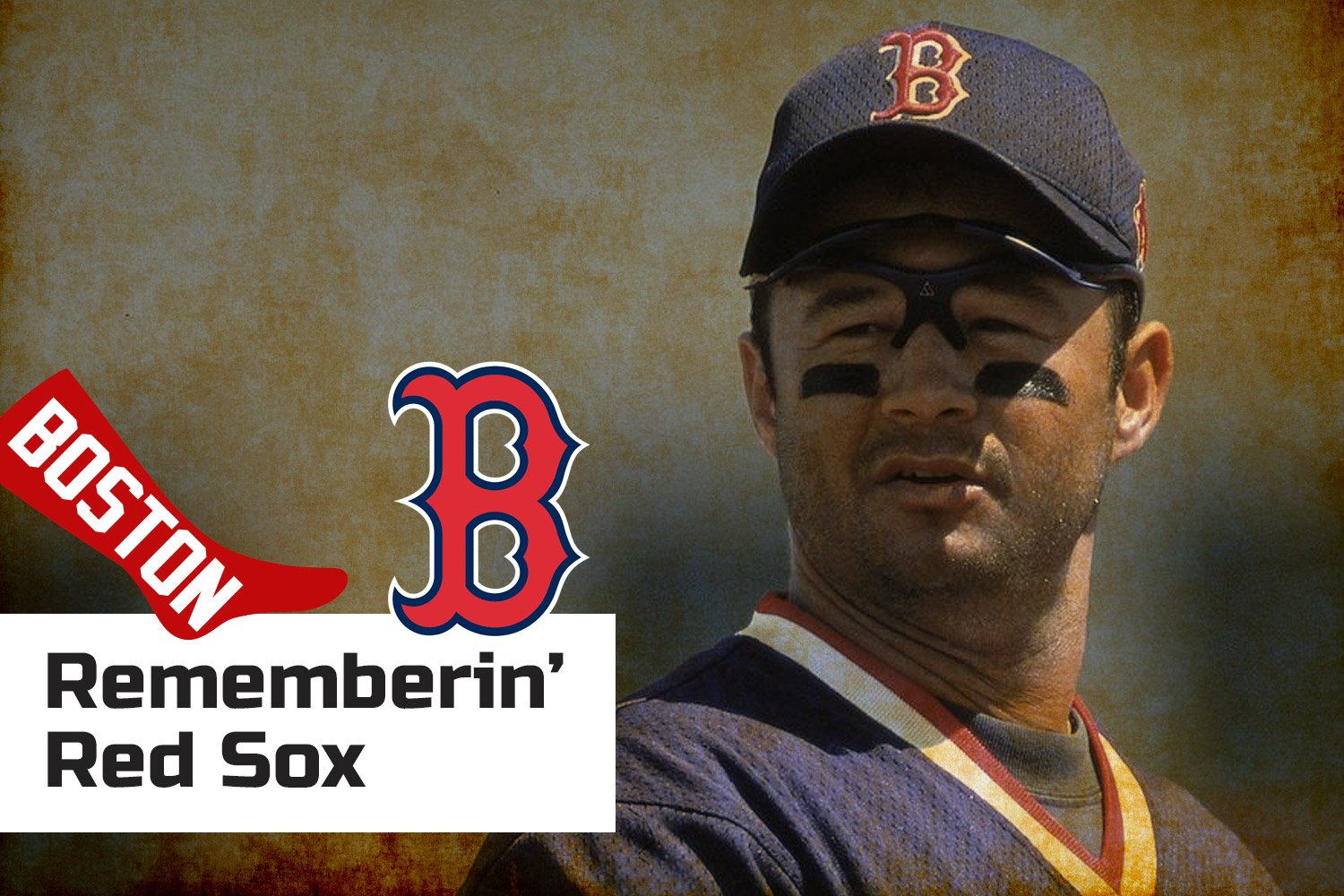 The 1995 American League MVP race was one of the closest in baseball history. As a high school-age Red Sox fan at the time, I followed the debate between Mo Vaughn and Albert Belle intently and with obvious bias. Belle was a known jerk and probable cheater, while Vaughn, a great guy and great teammate, had been leading the Red Sox to their first division title since 1990. However, based purely on stats, Albert Belle was clearly the better player. In 1995, Belle became the first player to hit 50 home runs and 50 doubles in the same season. His domination at the plate is illustrated by the fact that his league-leading slugging percentage of .690 was .062 points higher than the second-place player, Edgar Martinez (the player .062 points below Edgar was the 13th-best player in slugging, teammate Jay Buhner). Mo Vaughn finished with an slug of .575, good for just 12th in the majors. A 2020 MLB.com article revisited and revoted the 1995 AL MVP race. Unsurprisingly, Albert Belle was given the top spot, with Edgar Martinez, Randy Johnson, Tim Salmon, and Frank Thomas rounding out the top five. However, the MLB.com article somehow left out the true MVP of the 1995 season: John Valentin. This is not a hot take; this is not clickbait. John Valentin was statistically the best position player in baseball in 1995 (notice I said 'position' player. Randy Johnson was the best player in 1995 - his season was nuts). Valentin finished the strike-shortened season with a WAR of 8.3. To get an idea of how historically good this number is, I adjusted his WAR for a 162-game season and compared it to every 2B and SS season since 1980. Here are the players that had a better-adjusted WAR than Valentin in ‘95: Each of the seasons above Valentin's 1995 finished in the top three in MVP voting. Also, notice that his adjusted WAR is higher than any season by the likes of Derek Jeter, Nomar Garciaparra, Craig Biggio, Ryne Sandberg, Barry Larkin, and Roberto Alomar Jr (all Hall of Famers except for Nomar). And while WAR's use can be somewhat debatable, Valentin's traditional stats are equally impressive. Valentin finished the season with 27 home runs and 37 doubles. It's not ridiculous to assume that if the 1995 season had not been shortened due to the strike, he would've reached 30 home runs and 40 doubles. The list of middle infielders who have reached that milestone is pretty short: Cal Ripken Jr (1991), Alex Rodriguez (1996), Jeff Kent (2000, 2002), Alfonso Soriano (2002, 2005, 2006, 2007), Chase Utley (2008) and Robinson Cano (2012). When you combine the power he displayed with his discipline at the plate and his speed (he walked more times than he struck out and stole 20 bases), he ends up in some pretty prestigious and rare company (all position players). All of these tremendous stats come despite an incident in which Valentin was hit in the head on June 4 by a Tim Belcher fastball when he was in the middle of an extended hot streak (just two nights before the beaning, he had hit three home runs in a game against the Seattle Mariners). He struggled for the next month and a half before putting it back together to finish the MVP-worthy season. Although Valentin never had a season as dominant as his 1995 season, his five-year peak from 1994-1998 was one of the best in baseball during that time: he was top ten in the American League in WAR over that span (second in MLB behind Larkin at shortstop), and he led Red Sox position players in WAR for the decade of the 90s (alright....a quick look at the Red Sox leaders in WAR in the 90s is a reminder why it was such a tough decade for Sox fans). And yet, unjustly, John Valentin never made an All-Star team (Scott Cooper did, though....two times!). Ironically, John Valentin's versatility probably contributed to his leaving Boston. Having played shortstop for his entire career, he was forced to move to third in 1997 to make room for Nomar. Understandably, Valentin wanted to remain at the position he had played his whole career (he was arguably a better fielder than Nomar, anyway). Realistically, it was impossible to keep Nomar out of the lineup in 1997, so Sox manager Jimy Williams asked Valentin to move to second. In response, Valentin asked to be traded. Even with the disagreement between Valentin and management, he would stay in Boston until the end of the 2001 season, when he signed with the Mets and played for just one more season. Despite injuries to his shoulder and ankle, John managed to have a few more memorable moments for the Red Sox, slashing .347/.407/.639 in the 1998-1999 season, including a game four in the 1999 ALDS when he hit two home runs and drove in seven runs and then hit a two-run shot off Clemens in the first inning of game three of the ‘99 ALCS to begin the route in the Sox’s only win in that series. And famously, Valentin became the only player to ever hit for a cycle, hit three home runs, and record an unassisted triple play in the same game. Heading into the 1996 season, the great Bob Ryan wrote a piece about John Valentin. He finished with the thought: “[Valentin] is 29, and the next few years should be his most productive. He knows the league, the pitchers, the life, and himself. He could very well be an MVP waiting to happen. Indeed, many last year thought he should have been a more seriously taken candidate, given his offensive might and the importance of his defensive position.”
