


Sam Caulder
-
Posts
20 -
Joined
-
Last visited
Content Type
Profiles
Boston Red Sox Videos
2026 Boston Red Sox Top Prospect Rankings
Boston Red Sox Trade & Free Agent Rumors
Boston Red Sox Fan Guides & Resources
2025 Boston Red Sox Draft Picks & Signing Bonuses
Boston Red Sox News, Rumors & Analysis
2026 Boston Red Sox Draft Picks & Signing Bonuses
Forums
Blogs
Events
Store
Downloads
Gallery
Everything posted by Sam Caulder
-
Boston is tied for the most arbitration-eligible players in MLB with 17, and some tough decisions are looming. Which players should the Red Sox keep, and who could be on their way out? Discussed in this video are Jarren Duran, Adley Rutschman, Tanner Houck, Kutter Crawford, Triston Casas, Romy Gonzalez, Johan Oviedo, Connor Wong, Wilyer Abreu, Andruw Monasterio, Greg Weissert, Justin Slaten, Tyron Guerrero, Jahmai Jones, Zack Kelly, Erik Miller, Eli White, and Garrett Whitlock. View full video
-
Boston is tied for the most arbitration-eligible players in MLB with 17, and some tough decisions are looming. Which players should the Red Sox keep, and who could be on their way out? Discussed in this video are Jarren Duran, Adley Rutschman, Tanner Houck, Kutter Crawford, Triston Casas, Romy Gonzalez, Johan Oviedo, Connor Wong, Wilyer Abreu, Andruw Monasterio, Greg Weissert, Justin Slaten, Tyron Guerrero, Jahmai Jones, Zack Kelly, Erik Miller, Eli White, and Garrett Whitlock.
-
For as good as the Boston Red Sox’s pitching staff was this year, their offense wasn’t quite on the same level. The team allowed the third-fewest runs in baseball, but they ranked just 23rd in runs scored. If the Red Sox want to get past the Wild Card Round in 2027, their offense needs an upgrade. Which is why I think impending free agent second baseman Brandon Lowe is the perfect guy for them to target this winter. Lowe is one of the best power hitters in the sport, especially for a position that typically doesn’t produce much power. He’s hit 66 home runs over the last two seasons combined, and there’s no denying his offensive prowess. Among all primary second basemen this season, Lowe led the way with 35 homers, 66 extra-base hits and an .824 OPS. That kind of production is something Boston desperately needs. Only four teams across the league hit fewer than the Red Sox’s 163 home runs in 2026. Home runs aren’t everything, but for an offense that finished 23rd in runs scored, adding Lowe’s bat to the middle of the lineup is an easy way to improve that number. And it doesn’t hurt that Lowe was also one of the best defenders in baseball this year. He finished in the 98th percentile for Outs Above Average with +15, along with +13 Defensive Runs Saved. Those metrics evaluate defense differently and can sometimes offer mixed opinions on a player’s performance. In Lowe’s case, however, both agree that he was an elite defender at the keystone. It’s worth noting that this season was an outlier defensively. Lowe has historically been a fairly poor defender at second base, so it would be foolish to assume he’ll maintain this level of play indefinitely. Still, you don’t go from a poor defender to an elite one by accident. Pittsburgh seemingly figured something out with him this past year, and it’s reasonable to expect Lowe to remain a solid defender even if he doesn’t quite replicate his 2026 performance. If the Red Sox were to sign Lowe, the next question would be how to configure their lineup. The Red Sox traded for Curtis Mead at the deadline, presumably with the intention of him being their everyday second baseman. It hasn’t been his primary position throughout his career, as he’s spent more time at the corner infield spots, but his lone game with the organization last season came at second base. Personally, I think the best approach would be to put Lowe at second and make Mead the primary third baseman. Caleb Durbin’s quality of contact last year ranked among the worst in baseball, and his underlying numbers suggest his .710 OPS should have been significantly lower. The Sox love Durbin’s glove at third base, though, which complicates things. What's probably the most likely scenario is that Lowe would serve as the primary designated hitter. Mead would probably remain the everyday second baseman, leaving few opportunities for Lowe to play the field on a regular basis. That would diminish some of his value following his breakout defensive season, but it’s not as though he’d be stuck at DH every day. Players need days off, and injuries are inevitable over a 162-game season. Lowe’s glove is, or at least was, too good to leave off the field entirely. He could give Boston some defensive flexibility while allowing manager Chad Tracy to keep his regulars fresh throughout the season. So, what would a contract for Lowe look like? The second base market has climbed in recent years, but Lowe will turn 33 next season. That makes a lengthy deal less likely and could push negotiations toward a shorter contract with a higher annual salary. Jorge Polanco signed a two-year, $40 million deal with the Mets this past offseason, which feels like a reasonable baseline for Lowe. That contract obviously aged horrendously, but the structure makes sense. Polanco was also brought in to serve as New York’s primary designated hitter, a role Lowe could fill in Boston. Lowe might command a little more annually (or an extra year or two), particularly coming off a season in which he hit 35 home runs and played elite defense at second base. Still, a deal in that general range feels feasible, and the opportunity to join a team looking to make a deep run in October could make Boston an appealing destination. View full article
-
Brandon Lowe Is the Power Bat Red Sox Need, Regardless of the Fit Concerns
Sam Caulder posted an article in Red Sox
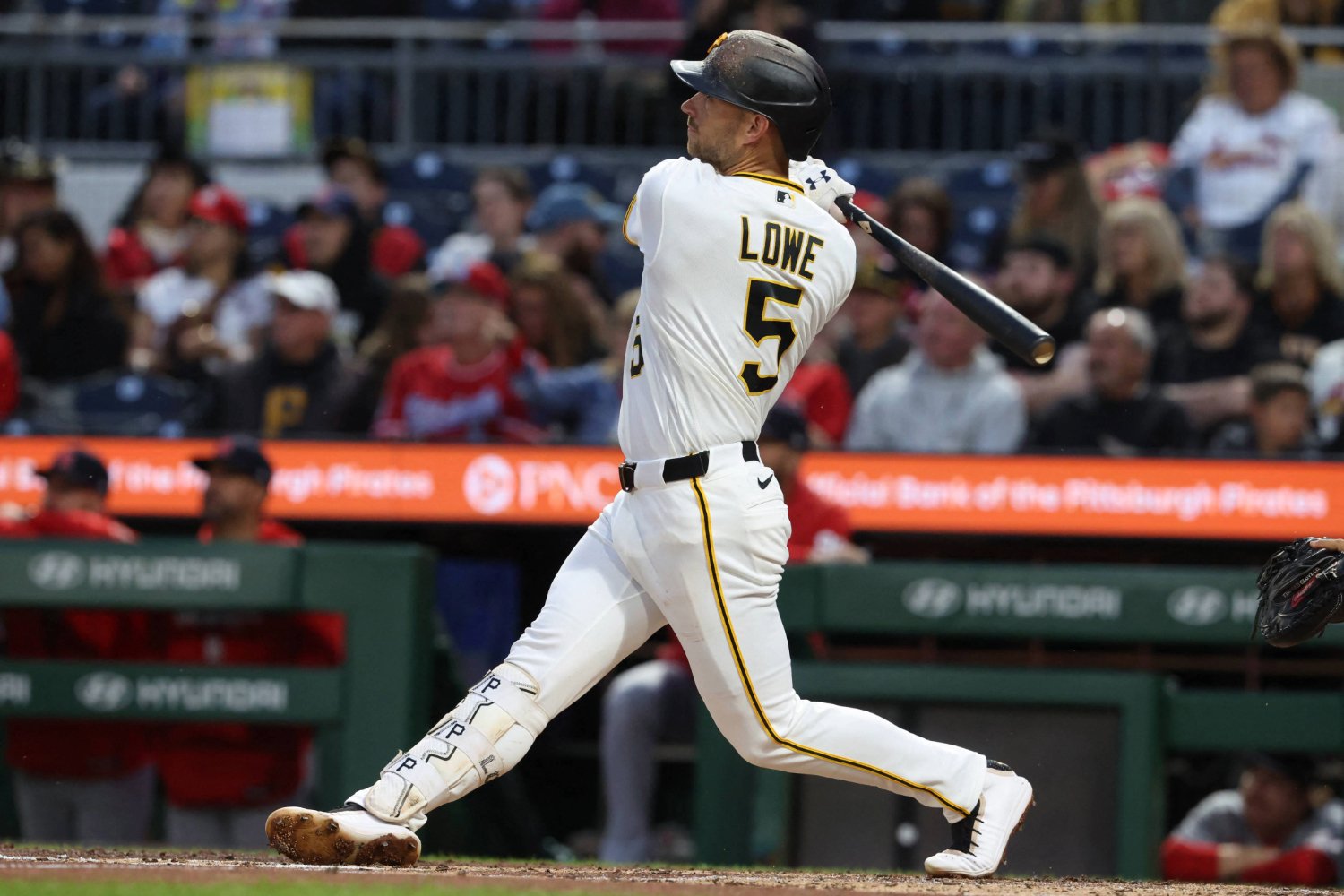 For as good as the Boston Red Sox’s pitching staff was this year, their offense wasn’t quite on the same level. The team allowed the third-fewest runs in baseball, but they ranked just 23rd in runs scored. If the Red Sox want to get past the Wild Card Round in 2027, their offense needs an upgrade. Which is why I think impending free agent second baseman Brandon Lowe is the perfect guy for them to target this winter. Lowe is one of the best power hitters in the sport, especially for a position that typically doesn’t produce much power. He’s hit 66 home runs over the last two seasons combined, and there’s no denying his offensive prowess. Among all primary second basemen this season, Lowe led the way with 35 homers, 66 extra-base hits and an .824 OPS. That kind of production is something Boston desperately needs. Only four teams across the league hit fewer than the Red Sox’s 163 home runs in 2026. Home runs aren’t everything, but for an offense that finished 23rd in runs scored, adding Lowe’s bat to the middle of the lineup is an easy way to improve that number. And it doesn’t hurt that Lowe was also one of the best defenders in baseball this year. He finished in the 98th percentile for Outs Above Average with +15, along with +13 Defensive Runs Saved. Those metrics evaluate defense differently and can sometimes offer mixed opinions on a player’s performance. In Lowe’s case, however, both agree that he was an elite defender at the keystone. It’s worth noting that this season was an outlier defensively. Lowe has historically been a fairly poor defender at second base, so it would be foolish to assume he’ll maintain this level of play indefinitely. Still, you don’t go from a poor defender to an elite one by accident. Pittsburgh seemingly figured something out with him this past year, and it’s reasonable to expect Lowe to remain a solid defender even if he doesn’t quite replicate his 2026 performance. If the Red Sox were to sign Lowe, the next question would be how to configure their lineup. The Red Sox traded for Curtis Mead at the deadline, presumably with the intention of him being their everyday second baseman. It hasn’t been his primary position throughout his career, as he’s spent more time at the corner infield spots, but his lone game with the organization last season came at second base. Personally, I think the best approach would be to put Lowe at second and make Mead the primary third baseman. Caleb Durbin’s quality of contact last year ranked among the worst in baseball, and his underlying numbers suggest his .710 OPS should have been significantly lower. The Sox love Durbin’s glove at third base, though, which complicates things. What's probably the most likely scenario is that Lowe would serve as the primary designated hitter. Mead would probably remain the everyday second baseman, leaving few opportunities for Lowe to play the field on a regular basis. That would diminish some of his value following his breakout defensive season, but it’s not as though he’d be stuck at DH every day. Players need days off, and injuries are inevitable over a 162-game season. Lowe’s glove is, or at least was, too good to leave off the field entirely. He could give Boston some defensive flexibility while allowing manager Chad Tracy to keep his regulars fresh throughout the season. So, what would a contract for Lowe look like? The second base market has climbed in recent years, but Lowe will turn 33 next season. That makes a lengthy deal less likely and could push negotiations toward a shorter contract with a higher annual salary. Jorge Polanco signed a two-year, $40 million deal with the Mets this past offseason, which feels like a reasonable baseline for Lowe. That contract obviously aged horrendously, but the structure makes sense. Polanco was also brought in to serve as New York’s primary designated hitter, a role Lowe could fill in Boston. Lowe might command a little more annually (or an extra year or two), particularly coming off a season in which he hit 35 home runs and played elite defense at second base. Still, a deal in that general range feels feasible, and the opportunity to join a team looking to make a deep run in October could make Boston an appealing destination.
-
It’s not common for a 23-year-old pitcher to start Game 1 of a playoff series. It’s also not common for said 23-year-old to put up frontline starter numbers in what was arguably the best division in baseball this year. Nevertheless, that’s precisely what Payton Tolle and his beautiful mustache accomplished in 2026. Tolle entered the season as one of the top pitching prospects in baseball, and after a rough first cup of coffee in the majors in 2025, he developed into one of the American League’s premier left-handed arms. The Boston Red Sox have plenty to be excited about with their young starter, who quickly proved he belongs among the best pitchers in their rotation. He finished the season with a 3.03 ERA and a 1.10 WHIP across 148 2/3 innings, striking out 171 batters while issuing just 40 walks. Those are pretty darn good numbers, especially for a rookie. But what’s even more impressive is that the underlying data suggests he could have been even better; Tolle’s 3.04 FIP was right in line with his ERA, while his expected ERA sat at just 2.70. His quality-of-contact metrics were excellent, with both his hard-hit rate and barrel rate ranking inside the top quarter of the league. His average exit velocity allowed was just outside that group in the 73rd percentile, while his strikeout and walk rates both ranked at or above the 80th percentile. Then there’s the pièce de résistance: his chase rate. Tolle generated swings on pitches outside the strike zone at a ridiculous 36.4% clip, ranking in the 96th percentile across the league. It's no wonder that hitters struggled to make any sort of consistent, quality contact against him. In case it wasn't already clear, Tolle isn’t your average 23-year-old. His maturity starts with his four-seam fastball -- like several other pitchers in Boston’s organization, Tolle leans heavily on a three-fastball mix consisting of a four-seamer, sinker and cutter. Each pitch serves a different purpose, but the four-seamer is what makes the rest of his arsenal work. His four-seamer averaged 96.1 MPH this season, already an impressive velocity for a young left-hander. However, his flatter 28-degree arm angle helps create a unique movement profile, generating plenty of run in on left-handed hitters and away from righties. It also helps that Tolle gets nearly seven-and-a-half feet of extension on the pitch, thanks to his 6-foot-6 frame. That combination of velocity and extension allows his 96 MPH fastball to play more like a triple-digit offering. Hitters certainly felt the effects of that. Tolle’s four-seamer generated whiffs on more than 30% of swings this season, an absurd mark for that specific pitch type. His sinker provides a different look, coming in around 94-95 MPH with more run and a different vertical movement profile. It wasn’t a bad pitch by any means, but opposing hitters had the most success against it compared to the rest of his mix. Part of that likely comes from the respect hitters have to give his four-seamer. Still, it served its purpose, and was a quality number two pitch. His cutter, however, was more effective. Coming in around 88-89 MPH, roughly eight MPH slower than his four-seamer, it gives Tolle another fastball look with a completely different movement pattern. Hitters have to account for the harder four-seamer and sinker, making it difficult to adjust when Tolle takes something off and changes the ball’s direction. The result was a lot of awkward swings and weak contact. His cutter generated the lowest average exit velocity of any pitch in his arsenal at just 84.7 MPH, giving him another reliable option to keep hitters off balance. The three fastballs lay the foundation for Tolle’s primary put-away pitch: his curveball. When hitters are gearing up for a 95-96 MPH fastball, a pitch that initially looks similar out of the hand before diving in the opposite direction can be incredibly difficult to handle. He doesn’t need to throw his curveball all that often for it to make an impact, either. He used it just 9% of the time this season, yet it generated a remarkable 43.4% whiff rate. The curveball’s overall movement profile isn’t necessarily anything extraordinary; it’s the deception that makes it so effective. By the time hitters recognize the difference between the curveball and his fastballs, they’re already committed to a swing that has little chance of making contact. Tolle also mixed in a changeup roughly 3% of the time, although that pitch remains a work in progress. Opposing hitters produced hard contact against it, and there’s a reason it's a distant fifth in terms of favorability. Developing a more reliable changeup could be one of his priorities this offseason, though he was already stronger against right-handed hitters this year than left-handers. He probably won’t take home American League Rookie of the Year honors, especially with the performances of Tigers shortstop Kevin McGonigle and Guardians left-hander Parker Messick complicating the race. But that shouldn’t diminish what he accomplished in his first full season in the majors. The Red Sox have themselves another legitimate frontline starter, and he’s only 23 years old. With Garrett Crochet hopefully returning to full health next season, Boston could have one heck of a lefty-heavy rotation heading into 2027. View full article
-
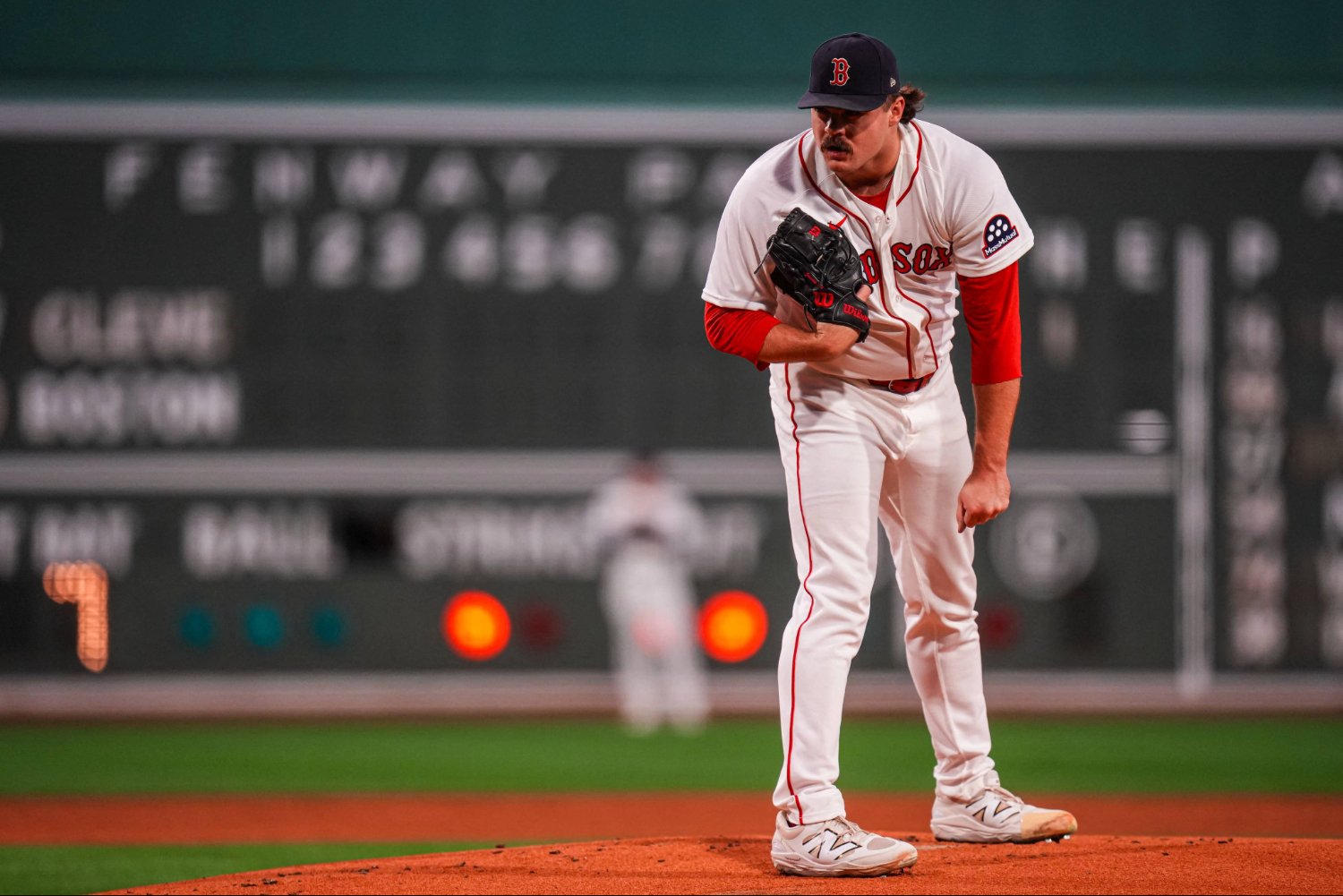 It’s not common for a 23-year-old pitcher to start Game 1 of a playoff series. It’s also not common for said 23-year-old to put up frontline starter numbers in what was arguably the best division in baseball this year. Nevertheless, that’s precisely what Payton Tolle and his beautiful mustache accomplished in 2026. Tolle entered the season as one of the top pitching prospects in baseball, and after a rough first cup of coffee in the majors in 2025, he developed into one of the American League’s premier left-handed arms. The Boston Red Sox have plenty to be excited about with their young starter, who quickly proved he belongs among the best pitchers in their rotation. He finished the season with a 3.03 ERA and a 1.10 WHIP across 148 2/3 innings, striking out 171 batters while issuing just 40 walks. Those are pretty darn good numbers, especially for a rookie. But what’s even more impressive is that the underlying data suggests he could have been even better; Tolle’s 3.04 FIP was right in line with his ERA, while his expected ERA sat at just 2.70. His quality-of-contact metrics were excellent, with both his hard-hit rate and barrel rate ranking inside the top quarter of the league. His average exit velocity allowed was just outside that group in the 73rd percentile, while his strikeout and walk rates both ranked at or above the 80th percentile. Then there’s the pièce de résistance: his chase rate. Tolle generated swings on pitches outside the strike zone at a ridiculous 36.4% clip, ranking in the 96th percentile across the league. It's no wonder that hitters struggled to make any sort of consistent, quality contact against him. In case it wasn't already clear, Tolle isn’t your average 23-year-old. His maturity starts with his four-seam fastball -- like several other pitchers in Boston’s organization, Tolle leans heavily on a three-fastball mix consisting of a four-seamer, sinker and cutter. Each pitch serves a different purpose, but the four-seamer is what makes the rest of his arsenal work. His four-seamer averaged 96.1 MPH this season, already an impressive velocity for a young left-hander. However, his flatter 28-degree arm angle helps create a unique movement profile, generating plenty of run in on left-handed hitters and away from righties. It also helps that Tolle gets nearly seven-and-a-half feet of extension on the pitch, thanks to his 6-foot-6 frame. That combination of velocity and extension allows his 96 MPH fastball to play more like a triple-digit offering. Hitters certainly felt the effects of that. Tolle’s four-seamer generated whiffs on more than 30% of swings this season, an absurd mark for that specific pitch type. His sinker provides a different look, coming in around 94-95 MPH with more run and a different vertical movement profile. It wasn’t a bad pitch by any means, but opposing hitters had the most success against it compared to the rest of his mix. Part of that likely comes from the respect hitters have to give his four-seamer. Still, it served its purpose, and was a quality number two pitch. His cutter, however, was more effective. Coming in around 88-89 MPH, roughly eight MPH slower than his four-seamer, it gives Tolle another fastball look with a completely different movement pattern. Hitters have to account for the harder four-seamer and sinker, making it difficult to adjust when Tolle takes something off and changes the ball’s direction. The result was a lot of awkward swings and weak contact. His cutter generated the lowest average exit velocity of any pitch in his arsenal at just 84.7 MPH, giving him another reliable option to keep hitters off balance. The three fastballs lay the foundation for Tolle’s primary put-away pitch: his curveball. When hitters are gearing up for a 95-96 MPH fastball, a pitch that initially looks similar out of the hand before diving in the opposite direction can be incredibly difficult to handle. He doesn’t need to throw his curveball all that often for it to make an impact, either. He used it just 9% of the time this season, yet it generated a remarkable 43.4% whiff rate. The curveball’s overall movement profile isn’t necessarily anything extraordinary; it’s the deception that makes it so effective. By the time hitters recognize the difference between the curveball and his fastballs, they’re already committed to a swing that has little chance of making contact. Tolle also mixed in a changeup roughly 3% of the time, although that pitch remains a work in progress. Opposing hitters produced hard contact against it, and there’s a reason it's a distant fifth in terms of favorability. Developing a more reliable changeup could be one of his priorities this offseason, though he was already stronger against right-handed hitters this year than left-handers. He probably won’t take home American League Rookie of the Year honors, especially with the performances of Tigers shortstop Kevin McGonigle and Guardians left-hander Parker Messick complicating the race. But that shouldn’t diminish what he accomplished in his first full season in the majors. The Red Sox have themselves another legitimate frontline starter, and he’s only 23 years old. With Garrett Crochet hopefully returning to full health next season, Boston could have one heck of a lefty-heavy rotation heading into 2027.
-
The Boston Red Sox’s farm system looks a lot different than it did at the start of the 2026 season. Between several major-league promotions and a handful of trades, there’s been quite a bit of movement throughout the organization’s prospect rankings. Through all of that noise, several young players put together impressive seasons and significantly improved their standing within the organization. Though most of the team's top prospects in recent years are now in Boston or playing elsewhere, these three players have given the fanbase plenty of reasons to be excited about their futures. So, let’s take a look at a few Red Sox prospects who broke out in 2026, starting near the top of the rankings with outfielder Justin Gonzales. Three Red Sox Minor Leaguers Who Dramatically Climbed Prospect Lists In 2026 As a reminder, you can find our list and scouting reports of the top-20 prospects in the organization (voted on by editors, writers, and our readers) here. Justin Gonzales The young outfielder entered the season with fairly high expectations as Boston’s No. 7 prospect on our list here at Talk Sox. Not only did he meet those expectations, but he exceeded them, putting together an impressive campaign that helped him climb all the way to No. 2 in the organization. Gonzales began the year at High-A, where he posted a .391 on-base percentage and an .854 OPS across 89 games. His production earned him a late-season promotion to Double-A, where he faced a more difficult challenge and saw his OPS dip to .733. Still, it’s important to remember that Gonzales is just 19 years old and has already reached Double-A. Most players his age are still working their way through the lower levels of the minor leagues, making his progression through the Red Sox's system particularly impressive. Across 107 games between the two levels, Gonzales finished with a 13.4% walk rate and 36 extra-base hits. Those numbers highlight the foundation of a smart, disciplined hitter who can work counts and do more than simply swing for the fences. Of course, there’s also plenty of reason to believe the power will continue to develop. At 6-foot-5 and 210 pounds, Gonzales has the physical frame of a power hitter, and his ability to combine plate discipline with extra-base production gives him an intriguing offensive profile. There’s still plenty of development ahead, particularly as he adjusts to more advanced pitching at Double-A. However, considering his age, production, and physical tools, Gonzales has established himself as one of the most exciting young position players in the Red Sox organization. Henry Godbout Next up is shortstop Henry Godbout, who has done nothing but hit since joining the Red Sox organization. Boston selected Godbout with the 75th overall pick in the 2025 MLB Draft, and he entered his first full professional season ranked as the organization’s No. 14 prospect. After an outstanding year at the plate, he now sits at No. 4, making him one of the biggest risers in the system. Godbout’s offensive production was impressive regardless of the level, but what really stands out is how his numbers continued to improve as he progressed through the minor leagues. Across 61 games between Low-A, High-A and Double-A, he hit .291 with an on-base percentage north of .400 and an outstanding .932 OPS. He also recorded 15 home runs, 26 total extra-base hits, and nine stolen bases during that stretch. That’s an impressive combination of production for a young infielder, particularly one who managed to maintain his offensive success while moving up the minor-league ladder. Rather than struggling to adjust to more advanced competition, Godbout continued to find ways to produce. There are, however, some questions about where he ultimately fits defensively. His work at shortstop was a little shaky this season, and the front office may eventually determine that another position is a better long-term fit. That doesn’t necessarily diminish his prospect value, though. If Godbout continues to hit at this level, the Red Sox will have plenty of incentive to find a defensive home that allows his bat to shine. His ability to get on base, generate extra-base hits, and contribute on the basepaths gives him an intriguing offensive foundation. And after climbing 10 spots in the organizational rankings, he has positioned himself as another young player worth keeping an eye on as he continues to develop. John Holobetz Last but not least, we have right-handed pitcher John Holobetz, who has made significant strides of his own in 2026. The 6-foot-3 right-hander entered the season ranked as Boston’s No. 20 prospect, barely sneaking into our top 20 list. However, after a strong campaign that saw him advance through the upper levels of the minor leagues, he now finishes the year at No. 8. Across 119 1/3 innings between Double-A and Triple-A, Holobetz recorded a 4.07 ERA and a 1.25 WHIP. He also struck out 132 batters while issuing just 36 walks, demonstrating an encouraging combination of swing-and-miss stuff and solid control. His 26% strikeout rate and 13% swinging-strike rate further highlight the quality of his arsenal. Just as importantly, he showed impressive command for a young pitcher working his way through the upper minors. Limiting walks while continuing to generate strikeouts is a good sign, particularly as hitters become more advanced and mistakes become increasingly costly. Like Godbout, Holobetz also seemed to get better as the season progressed. His ERA was considerably lower at Triple-A Worcester than it was at Double-A Portland, and his walk numbers improved as well. That ability to make adjustments and find success against more advanced competition is an encouraging development for the franchise. The Red Sox have also seen several young pitching prospects leave the organization through trades this year, making Holobetz’s continued development even more important. While he still has work to do before he's ready to contribute in the majors, he’s put himself in a position to take another step forward this offseason. If he can build on his second-half performance and continue refining his arsenal, he could put himself in the conversation for a major-league debut at some point in 2027. View full article
-
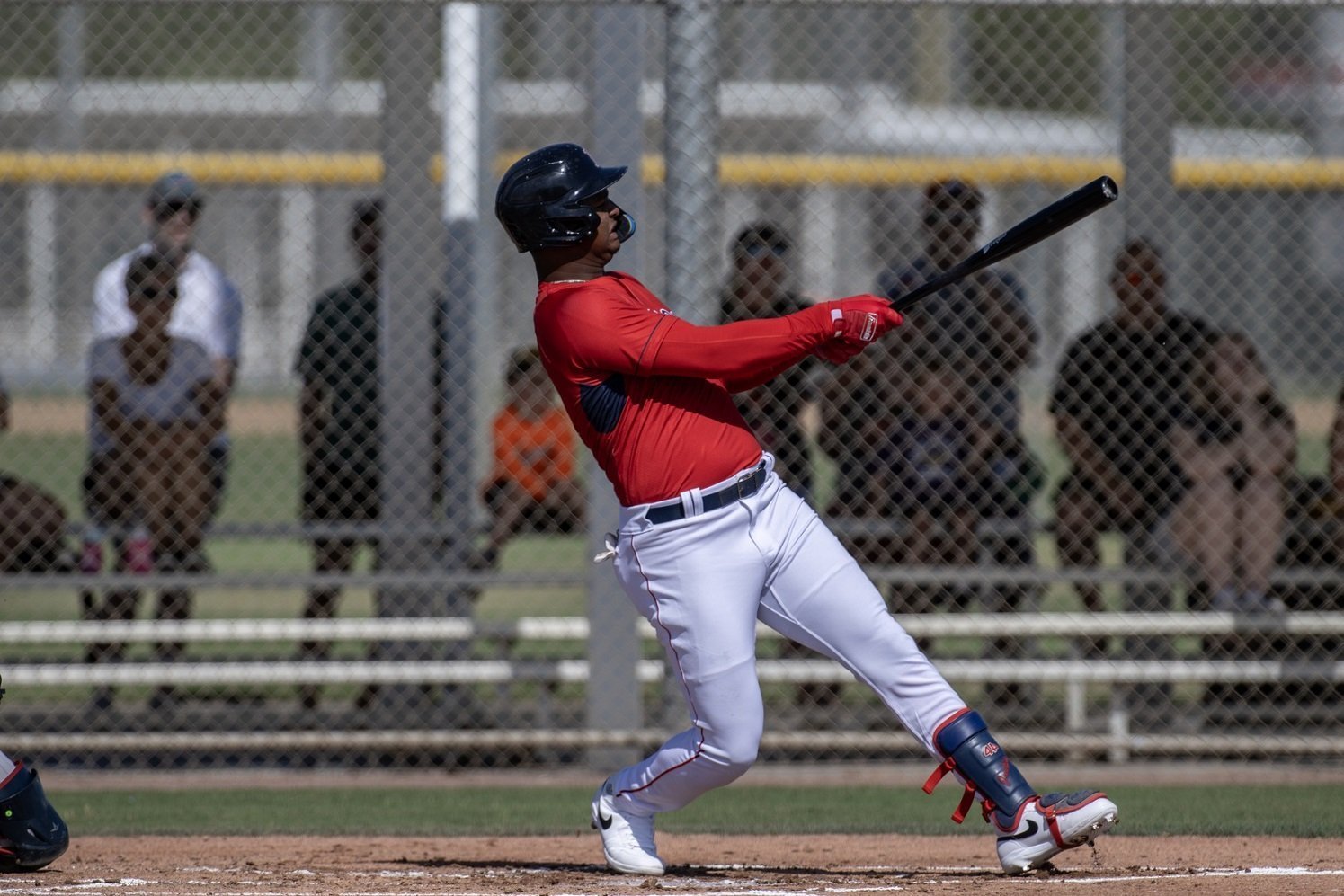 The Boston Red Sox’s farm system looks a lot different than it did at the start of the 2026 season. Between several major-league promotions and a handful of trades, there’s been quite a bit of movement throughout the organization’s prospect rankings. Through all of that noise, several young players put together impressive seasons and significantly improved their standing within the organization. Though most of the team's top prospects in recent years are now in Boston or playing elsewhere, these three players have given the fanbase plenty of reasons to be excited about their futures. So, let’s take a look at a few Red Sox prospects who broke out in 2026, starting near the top of the rankings with outfielder Justin Gonzales. Three Red Sox Minor Leaguers Who Dramatically Climbed Prospect Lists In 2026 As a reminder, you can find our list and scouting reports of the top-20 prospects in the organization (voted on by editors, writers, and our readers) here. Justin Gonzales The young outfielder entered the season with fairly high expectations as Boston’s No. 7 prospect on our list here at Talk Sox. Not only did he meet those expectations, but he exceeded them, putting together an impressive campaign that helped him climb all the way to No. 2 in the organization. Gonzales began the year at High-A, where he posted a .391 on-base percentage and an .854 OPS across 89 games. His production earned him a late-season promotion to Double-A, where he faced a more difficult challenge and saw his OPS dip to .733. Still, it’s important to remember that Gonzales is just 19 years old and has already reached Double-A. Most players his age are still working their way through the lower levels of the minor leagues, making his progression through the Red Sox's system particularly impressive. Across 107 games between the two levels, Gonzales finished with a 13.4% walk rate and 36 extra-base hits. Those numbers highlight the foundation of a smart, disciplined hitter who can work counts and do more than simply swing for the fences. Of course, there’s also plenty of reason to believe the power will continue to develop. At 6-foot-5 and 210 pounds, Gonzales has the physical frame of a power hitter, and his ability to combine plate discipline with extra-base production gives him an intriguing offensive profile. There’s still plenty of development ahead, particularly as he adjusts to more advanced pitching at Double-A. However, considering his age, production, and physical tools, Gonzales has established himself as one of the most exciting young position players in the Red Sox organization. Henry Godbout Next up is shortstop Henry Godbout, who has done nothing but hit since joining the Red Sox organization. Boston selected Godbout with the 75th overall pick in the 2025 MLB Draft, and he entered his first full professional season ranked as the organization’s No. 14 prospect. After an outstanding year at the plate, he now sits at No. 4, making him one of the biggest risers in the system. Godbout’s offensive production was impressive regardless of the level, but what really stands out is how his numbers continued to improve as he progressed through the minor leagues. Across 61 games between Low-A, High-A and Double-A, he hit .291 with an on-base percentage north of .400 and an outstanding .932 OPS. He also recorded 15 home runs, 26 total extra-base hits, and nine stolen bases during that stretch. That’s an impressive combination of production for a young infielder, particularly one who managed to maintain his offensive success while moving up the minor-league ladder. Rather than struggling to adjust to more advanced competition, Godbout continued to find ways to produce. There are, however, some questions about where he ultimately fits defensively. His work at shortstop was a little shaky this season, and the front office may eventually determine that another position is a better long-term fit. That doesn’t necessarily diminish his prospect value, though. If Godbout continues to hit at this level, the Red Sox will have plenty of incentive to find a defensive home that allows his bat to shine. His ability to get on base, generate extra-base hits, and contribute on the basepaths gives him an intriguing offensive foundation. And after climbing 10 spots in the organizational rankings, he has positioned himself as another young player worth keeping an eye on as he continues to develop. John Holobetz Last but not least, we have right-handed pitcher John Holobetz, who has made significant strides of his own in 2026. The 6-foot-3 right-hander entered the season ranked as Boston’s No. 20 prospect, barely sneaking into our top 20 list. However, after a strong campaign that saw him advance through the upper levels of the minor leagues, he now finishes the year at No. 8. Across 119 1/3 innings between Double-A and Triple-A, Holobetz recorded a 4.07 ERA and a 1.25 WHIP. He also struck out 132 batters while issuing just 36 walks, demonstrating an encouraging combination of swing-and-miss stuff and solid control. His 26% strikeout rate and 13% swinging-strike rate further highlight the quality of his arsenal. Just as importantly, he showed impressive command for a young pitcher working his way through the upper minors. Limiting walks while continuing to generate strikeouts is a good sign, particularly as hitters become more advanced and mistakes become increasingly costly. Like Godbout, Holobetz also seemed to get better as the season progressed. His ERA was considerably lower at Triple-A Worcester than it was at Double-A Portland, and his walk numbers improved as well. That ability to make adjustments and find success against more advanced competition is an encouraging development for the franchise. The Red Sox have also seen several young pitching prospects leave the organization through trades this year, making Holobetz’s continued development even more important. While he still has work to do before he's ready to contribute in the majors, he’s put himself in a position to take another step forward this offseason. If he can build on his second-half performance and continue refining his arsenal, he could put himself in the conversation for a major-league debut at some point in 2027.
-
Justin Gonzales, Henry Godbout, and John Holobetz all finished the season much higher in Boston’s prospect rankings than where they started. Here's how these three promising young players made their mark in 2026. View full video
-
Justin Gonzales, Henry Godbout, and John Holobetz all finished the season much higher in Boston’s prospect rankings than where they started. Here's how these three promising young players made their mark in 2026.
-
Ceddanne Rafaela's glove has never been in question, but his breakout 2026 season offered a glimpse of what he could become offensively. Despite some concerning underlying numbers, there are reasons to believe his progress is real. View full video
-
Ceddanne Rafaela's glove has never been in question, but his breakout 2026 season offered a glimpse of what he could become offensively. Despite some concerning underlying numbers, there are reasons to believe his progress is real.
-
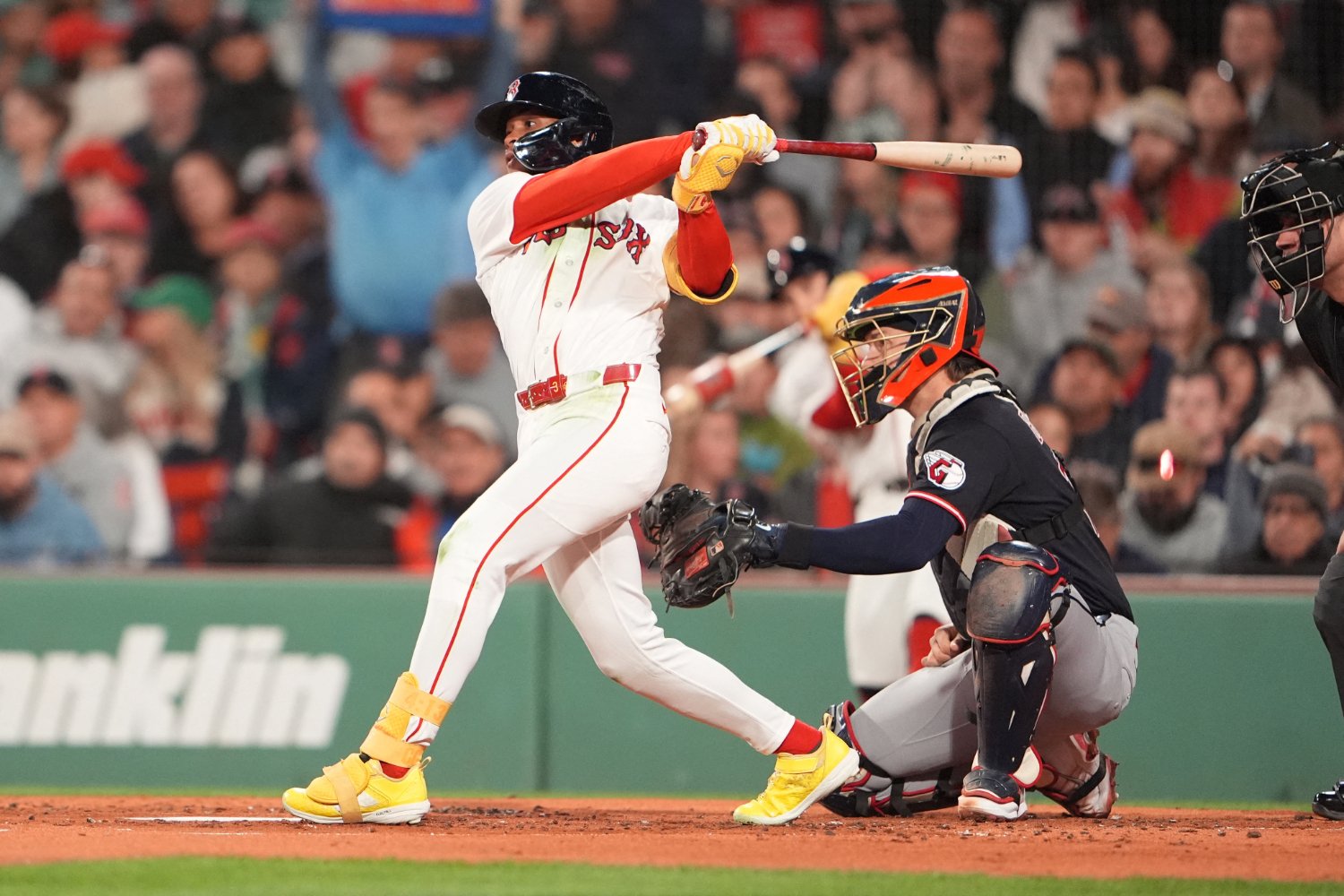 As the common sports saying goes: defense wins championships. Of course, the Boston Red Sox didn’t win a championship this year, but center fielder Ceddanne Rafaela continued to show why he’s one of the best defensive players in baseball. The 25-year-old finished in the 99th percentile in Outs Above Average with +17 and ranked in the 93rd percentile in arm strength. Add in his elite sprint speed, and it’s clear that the center fielder brings tremendous value to Boston with his glove. But while his defense has always been his calling card, there were some promising signs at the plate in 2026 as Rafaela put together the best offensive season of his big-league career. Across 576 plate appearances, he hit .283 with a .319 on-base percentage and a .761 OPS. All three marks were career highs, and his 113 OPS+ made him an above-average offensive contributor for the first time in his major-league career. His performance was strong enough to earn him a spot on the American League All-Star roster, albeit as an injury replacement for Aaron Judge. Based on those numbers, it would appear as though Rafaela unlocked something at the plate. But did he actually? There’s a significant disparity between his surface-level production and what his underlying metrics suggest. While his batting average finished at .283, his expected batting average sat at just .249. His expected slugging percentage also finished more than 80 points below his actual mark. There’s a reason for a gap that large, and in Rafaela’s case, it comes down to the quality of contact he made throughout the season. Despite better final results, he actually made noticeably weaker contact in 2026 than he did a year ago. His average exit velocity dropped from 88.3 MPH in 2025 to 86.3 MPH this season. His hard-hit rate also declined from 39% to 32%, the lowest mark of his career thus far.. Those aren’t exactly the numbers you want to see from a hitter coming off a career year. While Rafaela made significant strides in the box score, the process behind that production suggests he benefited from quite a bit of good fortune along the way. On top of that, Rafaela chased pitches outside the strike zone more than almost any other hitter in baseball, offering at more than 45% of the pitches he saw outside the zone. Though that's par for the course with him, that's still a difficult approach to sustain, especially when a hitter isn’t making consistently strong contact. It’s tough to do damage on pitches outside the strike zone, and Rafaela’s aggressive approach, combined with his declining quality of contact, helps explain why his expected numbers fell so far behind his actual production. If you looked only at the advanced metrics, you might come away believing Rafaela’s 2026 season was a fluke. However, I’m not entirely convinced that’s the case. To play devil’s advocate against my own analysis, there are plenty of hitters who produce in the major leagues despite underlying numbers that suggest otherwise. Some players simply find ways to get the job done, and there are reasons to believe Rafaela could be one of those hitters. For starters, his line drive rate increased significantly this season, rising from 17.2% in 2025 to 22.8% in 2026. That’s an important development for a hitter who relies on putting the ball in play, as line drives give him more opportunities to find gaps and generate hits without needing to consistently hit the ball over the fence. Likewise, Rafaela also used the entire field more frequently than he had in previous seasons. Rather than relying as heavily on pulling the ball, he showed a greater willingness to spread his contact around the diamond. For a player with his skill set, that’s a valuable adjustment that might not be fully reflected in traditional quality-of-contact metrics. His contact numbers offer another reason for optimism. Although Rafaela became even more aggressive outside the strike zone, his contact rates both inside and outside the zone improved compared to 2025. There's something to be said for merely getting the bat on the ball more frequently. Of course, making contact isn't the same as making quality contact. Rafaela’s declining exit velocity and hard-hit rate remain legitimate concerns, and his approach could become a problem if pitchers find ways to exploit his aggressiveness. Still, the combination of a higher line drive rate, a more balanced approach and improved contact rates gives us something beyond simple good fortune to point toward. Those changes make me believe there could be more substance to his offensive improvement than the expected statistics suggest. If he can establish himself as a league-average hitter, that's an excellent outcome for the Red Sox. A center fielder who provides elite defense, possesses tremendous athleticism, and contributes an average bat is an incredibly valuable player for a team hoping to compete in the American League. Rafaela doesn't need to post an OPS approaching .800 to be an important piece of this roster; if he can continue hitting line drives and making contact at the rate he did this season, he'll provide plenty of value. There are still areas of his offensive game that need work, particularly his tendency to chase pitches outside the zone and his ability to consistently make hard contact. Those concerns shouldn't be ignored simply because he put together a productive season. If his quality of contact doesn't improve, some regression is certainly possible. But there's a difference between expecting Rafaela to maintain every bit of his 2026 production and believing he can be a capable major-league hitter moving forward. The underlying numbers suggest the former might be difficult, but the adjustments he made at the plate provide some optimism about the latter.
-
As the common sports saying goes: defense wins championships. Of course, the Boston Red Sox didn’t win a championship this year, but center fielder Ceddanne Rafaela continued to show why he’s one of the best defensive players in baseball. The 25-year-old finished in the 99th percentile in Outs Above Average with +17 and ranked in the 93rd percentile in arm strength. Add in his elite sprint speed, and it’s clear that the center fielder brings tremendous value to Boston with his glove. But while his defense has always been his calling card, there were some promising signs at the plate in 2026 as Rafaela put together the best offensive season of his big-league career. Across 576 plate appearances, he hit .283 with a .319 on-base percentage and a .761 OPS. All three marks were career highs, and his 113 OPS+ made him an above-average offensive contributor for the first time in his major-league career. His performance was strong enough to earn him a spot on the American League All-Star roster, albeit as an injury replacement for Aaron Judge. Based on those numbers, it would appear as though Rafaela unlocked something at the plate. But did he actually? There’s a significant disparity between his surface-level production and what his underlying metrics suggest. While his batting average finished at .283, his expected batting average sat at just .249. His expected slugging percentage also finished more than 80 points below his actual mark. There’s a reason for a gap that large, and in Rafaela’s case, it comes down to the quality of contact he made throughout the season. Despite better final results, he actually made noticeably weaker contact in 2026 than he did a year ago. His average exit velocity dropped from 88.3 MPH in 2025 to 86.3 MPH this season. His hard-hit rate also declined from 39% to 32%, the lowest mark of his career thus far.. Those aren’t exactly the numbers you want to see from a hitter coming off a career year. While Rafaela made significant strides in the box score, the process behind that production suggests he benefited from quite a bit of good fortune along the way. On top of that, Rafaela chased pitches outside the strike zone more than almost any other hitter in baseball, offering at more than 45% of the pitches he saw outside the zone. Though that's par for the course with him, that's still a difficult approach to sustain, especially when a hitter isn’t making consistently strong contact. It’s tough to do damage on pitches outside the strike zone, and Rafaela’s aggressive approach, combined with his declining quality of contact, helps explain why his expected numbers fell so far behind his actual production. If you looked only at the advanced metrics, you might come away believing Rafaela’s 2026 season was a fluke. However, I’m not entirely convinced that’s the case. To play devil’s advocate against my own analysis, there are plenty of hitters who produce in the major leagues despite underlying numbers that suggest otherwise. Some players simply find ways to get the job done, and there are reasons to believe Rafaela could be one of those hitters. For starters, his line drive rate increased significantly this season, rising from 17.2% in 2025 to 22.8% in 2026. That’s an important development for a hitter who relies on putting the ball in play, as line drives give him more opportunities to find gaps and generate hits without needing to consistently hit the ball over the fence. Likewise, Rafaela also used the entire field more frequently than he had in previous seasons. Rather than relying as heavily on pulling the ball, he showed a greater willingness to spread his contact around the diamond. For a player with his skill set, that’s a valuable adjustment that might not be fully reflected in traditional quality-of-contact metrics. His contact numbers offer another reason for optimism. Although Rafaela became even more aggressive outside the strike zone, his contact rates both inside and outside the zone improved compared to 2025. There's something to be said for merely getting the bat on the ball more frequently. Of course, making contact isn't the same as making quality contact. Rafaela’s declining exit velocity and hard-hit rate remain legitimate concerns, and his approach could become a problem if pitchers find ways to exploit his aggressiveness. Still, the combination of a higher line drive rate, a more balanced approach and improved contact rates gives us something beyond simple good fortune to point toward. Those changes make me believe there could be more substance to his offensive improvement than the expected statistics suggest. If he can establish himself as a league-average hitter, that's an excellent outcome for the Red Sox. A center fielder who provides elite defense, possesses tremendous athleticism, and contributes an average bat is an incredibly valuable player for a team hoping to compete in the American League. Rafaela doesn't need to post an OPS approaching .800 to be an important piece of this roster; if he can continue hitting line drives and making contact at the rate he did this season, he'll provide plenty of value. There are still areas of his offensive game that need work, particularly his tendency to chase pitches outside the zone and his ability to consistently make hard contact. Those concerns shouldn't be ignored simply because he put together a productive season. If his quality of contact doesn't improve, some regression is certainly possible. But there's a difference between expecting Rafaela to maintain every bit of his 2026 production and believing he can be a capable major-league hitter moving forward. The underlying numbers suggest the former might be difficult, but the adjustments he made at the plate provide some optimism about the latter. View full article
-
Jake Bennett made his MLB debut in 2026 and looked sharp doing so, giving the Red Sox another young arm to build around. Here’s a closer look at his first season in the majors and what could be next. View full video
-
Jake Bennett made his MLB debut in 2026 and looked sharp doing so, giving the Red Sox another young arm to build around. Here’s a closer look at his first season in the majors and what could be next.
-
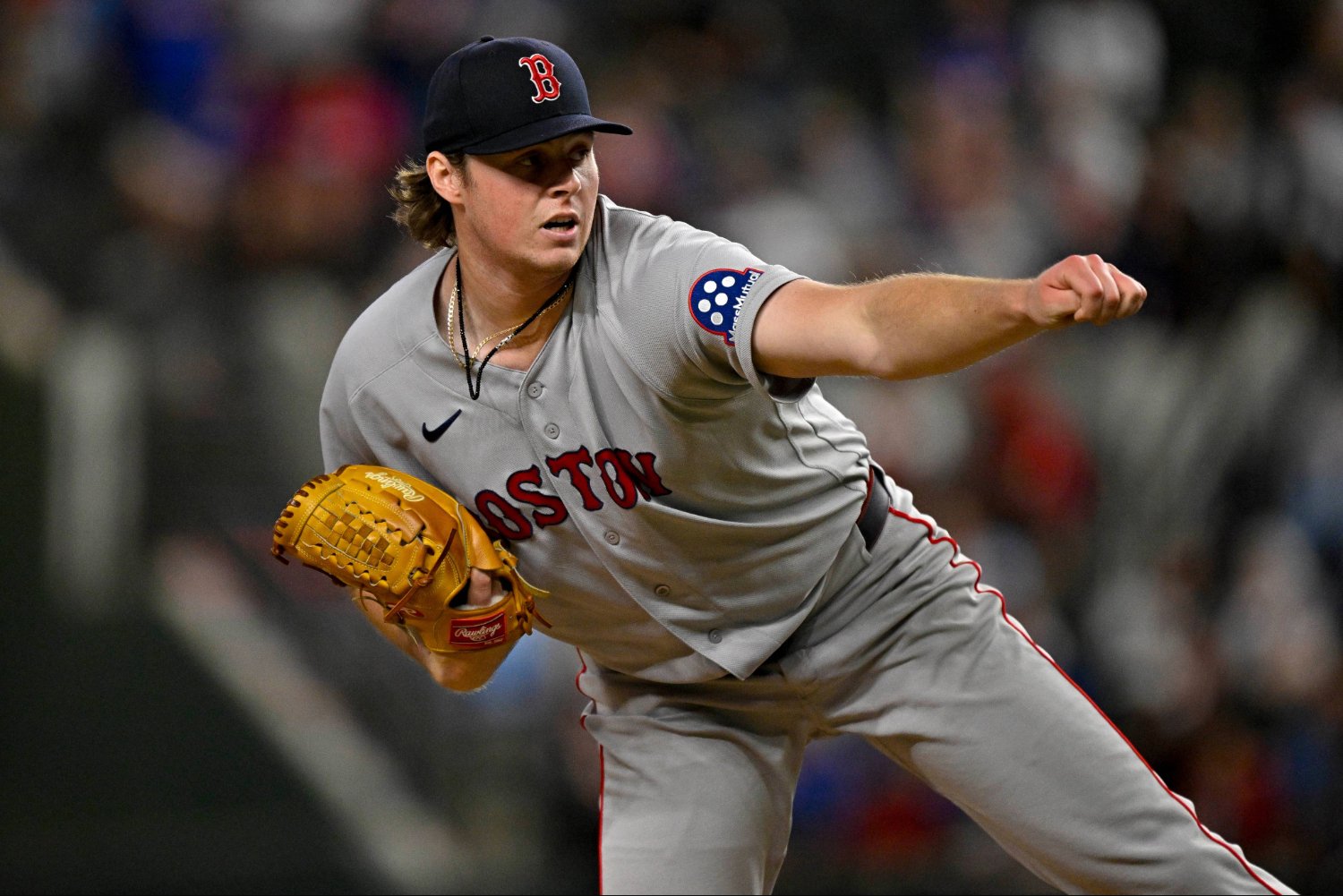 While the end of the 2026 season didn’t go how the Boston Red Sox wanted, that doesn’t change how good their pitching staff was throughout the year. They allowed the second-fewest runs in all of baseball, giving up just 611 over the course of the season. That’s an especially impressive number when you consider the fact that Garrett Crochet missed most of the year with shoulder issues. The Red Sox had plenty of different pitchers step up when they needed them, and one of the biggest contributors was rookie left-hander Jake Bennett. Bennett was acquired by Boston from the Washington Nationals this past winter in exchange for fellow pitching prospect Luis Perales. At the time, it was an interesting swap of two talented prospects, but so far, the Red Sox are looking like the clear winners. After posting a ridiculous 1.60 ERA across nine starts with Triple-A Worcester to begin the season, Bennett earned his first opportunity in the majors. He didn’t look like a rookie once he got there, either; the southpaw quickly established himself as a reliable part of the rotation and wound up putting together a very impressive first season in the big leagues. He finished the year with a 3.65 ERA and a 1.10 WHIP across 113.1 innings, along with 91 strikeouts and just 21 walks. Those are some pretty sharp numbers for a rookie pitcher, especially one who was making the jump from Triple-A to the majors for the first time. And the truth is, Bennett actually pitched even better than those numbers would indicate. Both his expected ERA (xERA) and FIP came in lower than his 3.65 ERA, suggesting some positive regression might be coming his way in the future. Bennett also didn’t put up the kind of strikeout numbers that immediately jump off the page, but that’s not really what his game is about. Instead, he found other ways to make hitters uncomfortable. His chase rate was in the 98th percentile among all qualified pitchers, with more than 37% of the pitches he threw outside the strike zone generating swings. That's the kind of blue-chip skill that can carry a profile at the highest level. Bennett’s arsenal isn’t necessarily designed to overpower hitters. It’s built around keeping them off balance, changing speeds and generating weak contact. He leaned heavily on his changeup and sinker as his primary secondary pitches off his four-seam fastball, and all three pitches have similar horizontal movement. They all tail in on left-handed hitters and away from right-handed hitters, but they do so with different speeds and vertical profiles. That makes it extremely difficult for hitters to sit on one pitch, especially when Bennett threw all three of them at least 24% of the time. He also has a sweeper with a lot of bite, giving him another pitch capable of generating swings and misses below the strike zone. But there’s another important reason he was able to generate so many chases: how much he works within the zone. Bennett’s 4.6% walk rate ranked in the 99th percentile among all pitchers. It’s one of the biggest reasons why his approach worked so well. It’s a lot easier to get hitters to chase pitches outside the zone when you’ve already established that you’re capable of throwing strikes consistently. He didn’t give hitters many opportunities to simply wait him out. He attacked the zone, avoided free passes, and then used his secondaries to get hitters to expand once he got ahead. It's all a rather mature approach for someone who spent the entire season as a 25-year-old. On top of limiting the walks, Bennett also did a pretty good job of limiting hard contact. He finished the season with above-league-average marks in both hard-hit rate and average exit velocity, while also doing a good job of keeping the ball on the ground. That’s another promising sign for a pitcher whose game isn’t built around simply blowing hitters away. The foundation of what made him so successful throughout his minor-league career translated extremely well to the major leagues. His command, pitch sequencing, ability to change speeds, and knack for getting hitters to chase all carried over almost immediately. Of course, there are still things Bennett will need to prove as he gets more experience. Major-league hitters will have more information on him heading into 2027, and they’ll have a better idea of what to expect. He'll need to make the necessary adjustments and show he can keep delivering the same kind of results. But this was only his first taste of the big leagues, and there’s already a lot to like. The Red Sox appear to have found a keeper. Despite the sour ending to the season, this is the kind of development that can make the organization a true championship contender in the future.
-
While the end of the 2026 season didn’t go how the Boston Red Sox wanted, that doesn’t change how good their pitching staff was throughout the year. They allowed the second-fewest runs in all of baseball, giving up just 611 over the course of the season. That’s an especially impressive number when you consider the fact that Garrett Crochet missed most of the year with shoulder issues. The Red Sox had plenty of different pitchers step up when they needed them, and one of the biggest contributors was rookie left-hander Jake Bennett. Bennett was acquired by Boston from the Washington Nationals this past winter in exchange for fellow pitching prospect Luis Perales. At the time, it was an interesting swap of two talented prospects, but so far, the Red Sox are looking like the clear winners. After posting a ridiculous 1.60 ERA across nine starts with Triple-A Worcester to begin the season, Bennett earned his first opportunity in the majors. He didn’t look like a rookie once he got there, either; the southpaw quickly established himself as a reliable part of the rotation and wound up putting together a very impressive first season in the big leagues. He finished the year with a 3.65 ERA and a 1.10 WHIP across 113.1 innings, along with 91 strikeouts and just 21 walks. Those are some pretty sharp numbers for a rookie pitcher, especially one who was making the jump from Triple-A to the majors for the first time. And the truth is, Bennett actually pitched even better than those numbers would indicate. Both his expected ERA (xERA) and FIP came in lower than his 3.65 ERA, suggesting some positive regression might be coming his way in the future. Bennett also didn’t put up the kind of strikeout numbers that immediately jump off the page, but that’s not really what his game is about. Instead, he found other ways to make hitters uncomfortable. His chase rate was in the 98th percentile among all qualified pitchers, with more than 37% of the pitches he threw outside the strike zone generating swings. That's the kind of blue-chip skill that can carry a profile at the highest level. Bennett’s arsenal isn’t necessarily designed to overpower hitters. It’s built around keeping them off balance, changing speeds and generating weak contact. He leaned heavily on his changeup and sinker as his primary secondary pitches off his four-seam fastball, and all three pitches have similar horizontal movement. They all tail in on left-handed hitters and away from right-handed hitters, but they do so with different speeds and vertical profiles. That makes it extremely difficult for hitters to sit on one pitch, especially when Bennett threw all three of them at least 24% of the time. He also has a sweeper with a lot of bite, giving him another pitch capable of generating swings and misses below the strike zone. But there’s another important reason he was able to generate so many chases: how much he works within the zone. Bennett’s 4.6% walk rate ranked in the 99th percentile among all pitchers. It’s one of the biggest reasons why his approach worked so well. It’s a lot easier to get hitters to chase pitches outside the zone when you’ve already established that you’re capable of throwing strikes consistently. He didn’t give hitters many opportunities to simply wait him out. He attacked the zone, avoided free passes, and then used his secondaries to get hitters to expand once he got ahead. It's all a rather mature approach for someone who spent the entire season as a 25-year-old. On top of limiting the walks, Bennett also did a pretty good job of limiting hard contact. He finished the season with above-league-average marks in both hard-hit rate and average exit velocity, while also doing a good job of keeping the ball on the ground. That’s another promising sign for a pitcher whose game isn’t built around simply blowing hitters away. The foundation of what made him so successful throughout his minor-league career translated extremely well to the major leagues. His command, pitch sequencing, ability to change speeds, and knack for getting hitters to chase all carried over almost immediately. Of course, there are still things Bennett will need to prove as he gets more experience. Major-league hitters will have more information on him heading into 2027, and they’ll have a better idea of what to expect. He'll need to make the necessary adjustments and show he can keep delivering the same kind of results. But this was only his first taste of the big leagues, and there’s already a lot to like. The Red Sox appear to have found a keeper. Despite the sour ending to the season, this is the kind of development that can make the organization a true championship contender in the future. View full article
-
The Red Sox pushed all their chips to the middle, landing Adley Rutschman, Erik Miller, Eli White, and Curtis Mead at the deadline. But did Boston give up too much? View full video
-
The Red Sox pushed all their chips to the middle, landing Adley Rutschman, Erik Miller, Eli White, and Curtis Mead at the deadline. But did Boston give up too much?
