Gottie Chavez
-
Posts
20 -
Joined
-
Last visited
Content Type
Profiles
Boston Red Sox Videos
2026 Boston Red Sox Top Prospects Ranking
Boston Red Sox Free Agent & Trade Rumors, Notes, & Tidbits
Guides & Resources
2025 Boston Red Sox Draft Pick Tracker
News
2026 Boston Red Sox Draft Tracker: Picks & Bonuses
Forums
Blogs
Events
Store
Downloads
Gallery
Everything posted by Gottie Chavez
-
The current form of Mickey Gasper has created his strongest argument yet for carving out a more permanent role on the Boston Red Sox's roster heading into the playoffs. In a roller-coaster season for Boston, Gasper has taken advantage of his limited opportunities, providing an offensive spark each time he has been called up. Since his late call-up in August, Gasper is hitting .417/.576/1.167 with a 1.742 OPS, 12 RBIs and five home runs after going without one through the first half of the season. While he also offers positional versatility with experience at catcher and first base, his newfound power could be what helps him move up the depth chart. What's Behind Mickey Gasper's Recent Surge Since returning to the majors, Gasper has made slight adjustments to his swing path that have helped him make better contact and produce more power. Against fastballs, he increased his average attack angle from 9 degrees to 11 degrees, allowing him to better capitalize on pitches left higher in the strike zone. His average exit velocity against fastballs has increased from 89.0 mph in June to 97.2 mph in August. Gasper has hit four of his five home runs against fastballs. Against off-speed pitches, Gasper has favored an opposite approach, decreasing his average attack angle from 20 degrees to 17 degrees. The adjustment has helped flatten his swing and allowed his bat to meet the middle of the ball rather than getting underneath it or completely whiffing. Against off-speed pitches in August, Gasper has posted a 25.0% whiff rate, down from 26.7% back in June. If these adjustments remain consistent, his recent power surge could offer the team a game-changing option off the bench. An Opportunity Behind the Plate That offensive production could become particularly valuable behind the plate, where Boston’s depth has been tested throughout the season. At the beginning of the season, the Red Sox expected Carlos Narváez to continue building on his strong rookie season while Connor Wong served as his backup. However, after Narváez experienced a steep regression, Boston moved on and acquired three-time All-Star catcher Adley Rutschman in a trade. Rutschman’s addition to a Red Sox team in the middle of a playoff push appeared to solve the team’s questions behind the plate, but he has yet to find his footing. Since joining the team, he has been batting .146/.255/.244 with a .499 OPS. While there should be little question about Rutschman’s status as the starter, Gasper’s recent form could reopen the conversation about who should serve as the team’s second option. Currently, Gasper sits behind Wong on the depth chart. Wong has been a solid option, batting .246/.327/.374 with a .701 OPS, but has struggled to consistently produce power, hitting only four home runs this season. In nearly 50 fewer at-bats, Gasper has recorded only eight fewer hits than Wong, giving Boston another reason to consider whether his recent offensive surge deserves a larger role. Versatility Could Be the Difference Gasper's production does not necessarily make a case for him to be Boston’s starting catcher. However, his ability to provide offensive production while playing both catcher and first base could make him an appealing option for a postseason roster. At the very least, he's more capable of handling late-game substitution situations than Wong, which could prove to be the tiebreaker as the Red Sox mull over their best 26 players ahead of October. View full article
-
Mickey Gasper Is Staking His Claim To A Red Sox's Postseason Roster Spot
Gottie Chavez posted an article in Red Sox
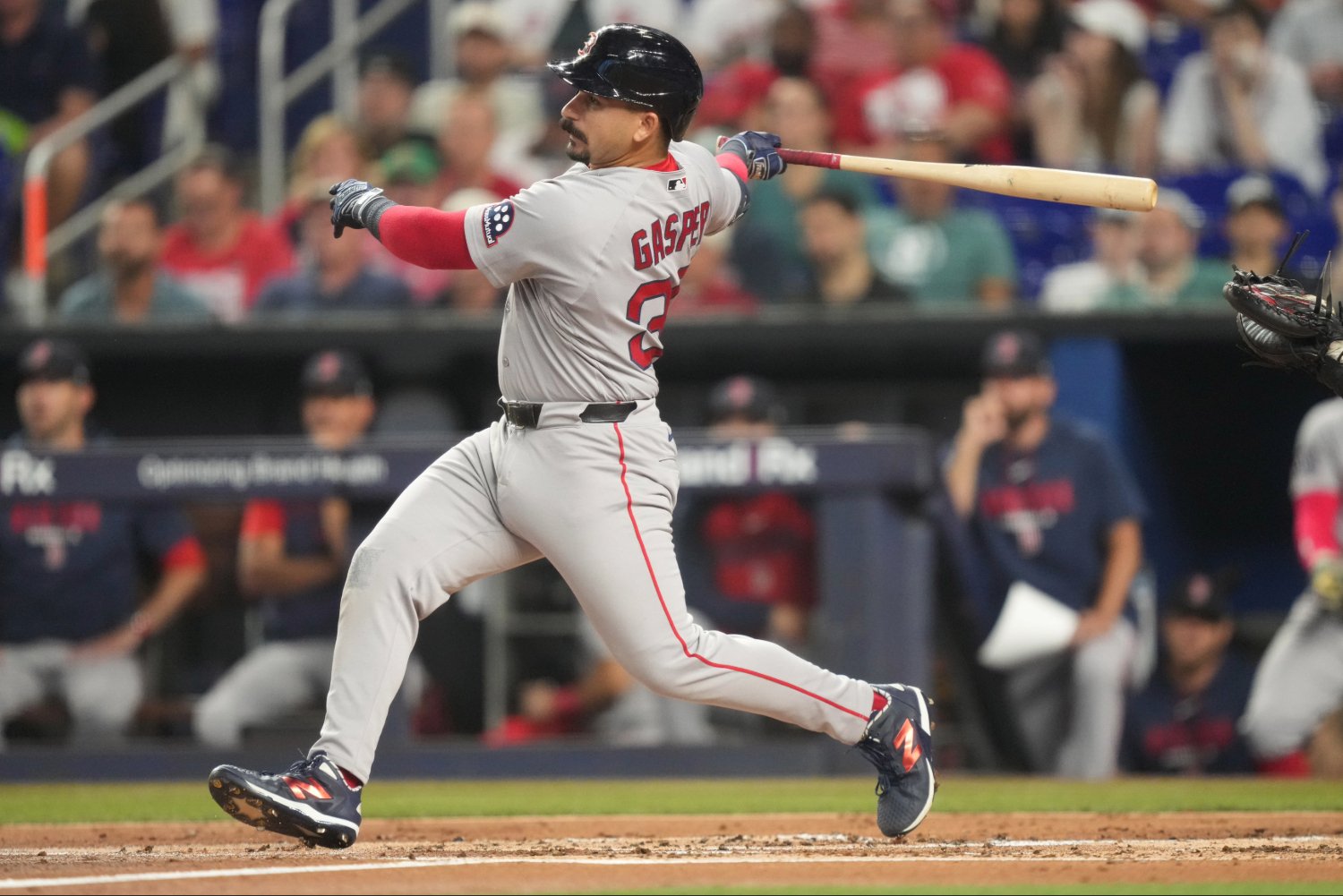 The current form of Mickey Gasper has created his strongest argument yet for carving out a more permanent role on the Boston Red Sox's roster heading into the playoffs. In a roller-coaster season for Boston, Gasper has taken advantage of his limited opportunities, providing an offensive spark each time he has been called up. Since his late call-up in August, Gasper is hitting .417/.576/1.167 with a 1.742 OPS, 12 RBIs and five home runs after going without one through the first half of the season. While he also offers positional versatility with experience at catcher and first base, his newfound power could be what helps him move up the depth chart. What's Behind Mickey Gasper's Recent Surge Since returning to the majors, Gasper has made slight adjustments to his swing path that have helped him make better contact and produce more power. Against fastballs, he increased his average attack angle from 9 degrees to 11 degrees, allowing him to better capitalize on pitches left higher in the strike zone. His average exit velocity against fastballs has increased from 89.0 mph in June to 97.2 mph in August. Gasper has hit four of his five home runs against fastballs. Against off-speed pitches, Gasper has favored an opposite approach, decreasing his average attack angle from 20 degrees to 17 degrees. The adjustment has helped flatten his swing and allowed his bat to meet the middle of the ball rather than getting underneath it or completely whiffing. Against off-speed pitches in August, Gasper has posted a 25.0% whiff rate, down from 26.7% back in June. If these adjustments remain consistent, his recent power surge could offer the team a game-changing option off the bench. An Opportunity Behind the Plate That offensive production could become particularly valuable behind the plate, where Boston’s depth has been tested throughout the season. At the beginning of the season, the Red Sox expected Carlos Narváez to continue building on his strong rookie season while Connor Wong served as his backup. However, after Narváez experienced a steep regression, Boston moved on and acquired three-time All-Star catcher Adley Rutschman in a trade. Rutschman’s addition to a Red Sox team in the middle of a playoff push appeared to solve the team’s questions behind the plate, but he has yet to find his footing. Since joining the team, he has been batting .146/.255/.244 with a .499 OPS. While there should be little question about Rutschman’s status as the starter, Gasper’s recent form could reopen the conversation about who should serve as the team’s second option. Currently, Gasper sits behind Wong on the depth chart. Wong has been a solid option, batting .246/.327/.374 with a .701 OPS, but has struggled to consistently produce power, hitting only four home runs this season. In nearly 50 fewer at-bats, Gasper has recorded only eight fewer hits than Wong, giving Boston another reason to consider whether his recent offensive surge deserves a larger role. Versatility Could Be the Difference Gasper's production does not necessarily make a case for him to be Boston’s starting catcher. However, his ability to provide offensive production while playing both catcher and first base could make him an appealing option for a postseason roster. At the very least, he's more capable of handling late-game substitution situations than Wong, which could prove to be the tiebreaker as the Red Sox mull over their best 26 players ahead of October.
 -
The Boston Red Sox's second-half resurgence has been a full-team effort, but no turnaround has been more remarkable than the revival of the offense. Before their historic winning streak, they had a bottom-10 offense in the league with a 91 wRC+, but since then, they have improved to a top-five offense with a 115 wRC+. But despite their improvements, the team has yet to find a consistent leadoff man. Before his long stint on the injured list, Roman Anthony was the team’s first option, but his injury caused manager Chad Tracy to turn to a committee of options. The manager's most recent choice was second baseman Nick Sogard, but Tracy shook up the lineup after Sogard went 0-for-13 during a three-game losing streak against the Toronto Blue Jays, which paved the way for Masataka Yoshida to take the reins. Known for his elite plate discipline and strong zone recognition, Yoshida seems like an obvious choice on paper. Primarily batting in the middle of the lineup this season, he has been a consistent contributor for the team, batting .274/.347/.399 with 72 hits, 34 runs and 28 RBIs. Yoshida has spent time in each spot in the batting order, but has spent most of his time batting fifth, where his ability to avoid strikeouts and prolong at-bats has made him valuable. But while no one questions his plate discipline, the knock against Yoshida batting leadoff has been the belief that he isn’t aggressive enough. Statistically, however, that couldn’t be further from the truth. This season, Yoshida has a 9.5% walk rate and 11.2% strikeout rate, the best marks of his MLB career. His selective approach at the plate makes him difficult to attack, as he chases pitches outside the strike zone at just a 28.1% rate but still makes contact on 72.4% of those swings. Combined with his 90.7% contact rate on swings at pitches in the strike zone, he rarely lets hittable pitches go to waste. However, just because he has a patient approach doesn't mean he isn’t aggressive when he gets a pitch he likes. In 0-0 or 0-1 counts this season, Yoshida is batting above .350, collecting 13 and 12 hits, respectively. He's batting only .243 from the leadoff position this season, but has been effective when leading off an inning, batting .306 with a .358 OBP. There shouldn’t be a question of whether Yoshida can be a leadoff hitter, but whether the leadoff spot is the best place to maximize his value. Batting him first does negate some of the value created by his contact; he has been particularly effective with runners on base. While he is batting just .200 with runners in scoring position overall, that number jumps to .286 when he bats fifth. So, really, perhaps the best solution is to keep him flexible. If the lineup is struggling to put traffic on the basepaths, batting Yoshida atop the order should help alleviate those issues. If they team is struggling to bring runners home, then maybe it's best to let him hit in the middle of the lineup. In the Red Sox’s most recent series against the Pirates, Yoshida suffered a left hamstring strain that will put him on the injured list and force Tracy to try other options at leadoff (he's gone back to favoring Sogard). That gives Boston additional time to evaluate its options at the top of the lineup and determine where Yoshida should play once he's healthy again. Editor Update: Yoshida's injury appears to be more significant than first feared. Chris Cotillo of MassLive has suggested that he could be done for the season. View full article
-
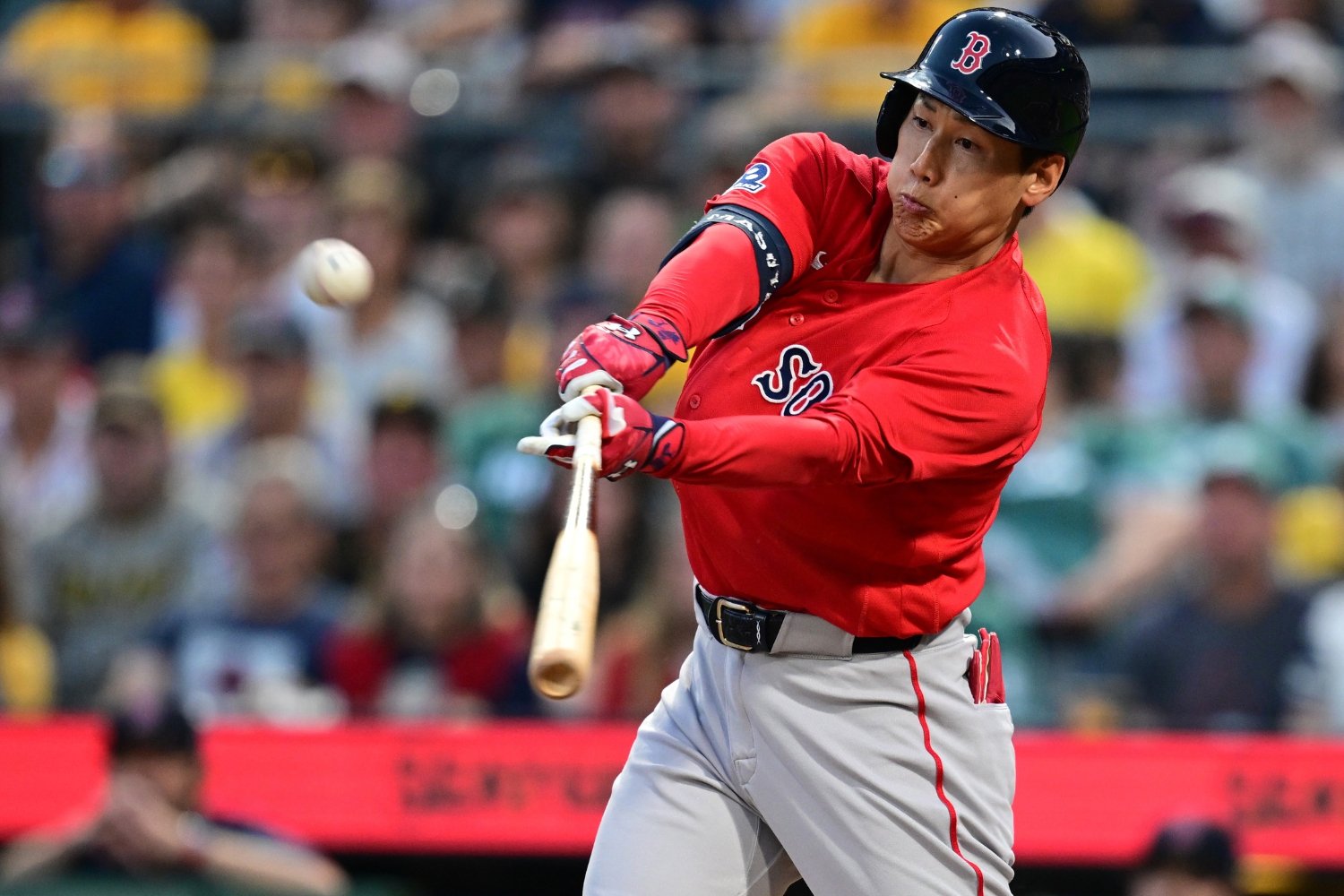 The Boston Red Sox's second-half resurgence has been a full-team effort, but no turnaround has been more remarkable than the revival of the offense. Before their historic winning streak, they had a bottom-10 offense in the league with a 91 wRC+, but since then, they have improved to a top-five offense with a 115 wRC+. But despite their improvements, the team has yet to find a consistent leadoff man. Before his long stint on the injured list, Roman Anthony was the team’s first option, but his injury caused manager Chad Tracy to turn to a committee of options. The manager's most recent choice was second baseman Nick Sogard, but Tracy shook up the lineup after Sogard went 0-for-13 during a three-game losing streak against the Toronto Blue Jays, which paved the way for Masataka Yoshida to take the reins. Known for his elite plate discipline and strong zone recognition, Yoshida seems like an obvious choice on paper. Primarily batting in the middle of the lineup this season, he has been a consistent contributor for the team, batting .274/.347/.399 with 72 hits, 34 runs and 28 RBIs. Yoshida has spent time in each spot in the batting order, but has spent most of his time batting fifth, where his ability to avoid strikeouts and prolong at-bats has made him valuable. But while no one questions his plate discipline, the knock against Yoshida batting leadoff has been the belief that he isn’t aggressive enough. Statistically, however, that couldn’t be further from the truth. This season, Yoshida has a 9.5% walk rate and 11.2% strikeout rate, the best marks of his MLB career. His selective approach at the plate makes him difficult to attack, as he chases pitches outside the strike zone at just a 28.1% rate but still makes contact on 72.4% of those swings. Combined with his 90.7% contact rate on swings at pitches in the strike zone, he rarely lets hittable pitches go to waste. However, just because he has a patient approach doesn't mean he isn’t aggressive when he gets a pitch he likes. In 0-0 or 0-1 counts this season, Yoshida is batting above .350, collecting 13 and 12 hits, respectively. He's batting only .243 from the leadoff position this season, but has been effective when leading off an inning, batting .306 with a .358 OBP. There shouldn’t be a question of whether Yoshida can be a leadoff hitter, but whether the leadoff spot is the best place to maximize his value. Batting him first does negate some of the value created by his contact; he has been particularly effective with runners on base. While he is batting just .200 with runners in scoring position overall, that number jumps to .286 when he bats fifth. So, really, perhaps the best solution is to keep him flexible. If the lineup is struggling to put traffic on the basepaths, batting Yoshida atop the order should help alleviate those issues. If they team is struggling to bring runners home, then maybe it's best to let him hit in the middle of the lineup. In the Red Sox’s most recent series against the Pirates, Yoshida suffered a left hamstring strain that will put him on the injured list and force Tracy to try other options at leadoff (he's gone back to favoring Sogard). That gives Boston additional time to evaluate its options at the top of the lineup and determine where Yoshida should play once he's healthy again. Editor Update: Yoshida's injury appears to be more significant than first feared. Chris Cotillo of MassLive has suggested that he could be done for the season.
 -
After over two years on the injured list, Patrick Sandoval made his long-awaited return to the major leagues on July 6 when he pitched 4.1 innings against the Chicago White Sox. Signing with the Boston Red Sox in the 2025 offseason, he spent the previous six seasons with the Los Angeles Angels, where he showed high upside as a starter, but saw his production limited by injuries and late call-ups. Eventually, his 2022 breakout season was his first full season in the majors, where he posted a 2.91 ERA and 3.09 FIP in 148.2 innings and recorded a career-high 151 strikeouts. Since returning from injury, Sandoval has been a solid addition to the Red Sox's rotation, compiling a 3.30 ERA and striking out 29 batters in 30 innings. He has consistently ramped up his pitch count in each appearance, with Boston winning in five of his six starts. While he has found early success with his signature changeup, with opponents hitting only .148 against it, Sandoval still needs to improve other areas of his arsenal if he hopes to return to his 2022 form. Patrick Sandoval's Slider Is His Missing Ingredient While his changeup has been his most effective pitch throughout his career, Sandoval has favored his slider this season, throwing it 29.6% of the time. To date, the only other season in which the slider was his most-used pitch was his 2022 breakout season, when opponents hit just .201 against it. However, this season, that average has jumped up to .269, with Sandoval's command appearing to be the biggest difference. Looking at what made the pitch so successful in 2022, Sandoval consistently spotted his slider low or out of the strike zone on two-strike counts, generating a 33.6% whiff rate. His consistency with locating the pitch resulted in a career-high 42.0% chase rate and a 26.9% put-away percentage. This season, Sandoval is attempting to recreate that approach, increasing his slider outside-zone rate from 52.0% in 2022 to 57.5%, yet the results haven’t been the same. In 2026, the southpaw has been less consistent with his spotting, often leaving pitches high in the zone or exaggerated out of the zone. As a result, batters have been less fooled and are chasing the pitch at a career-low 27.5% rate, while his whiff rate has dropped to 30.8% and put-away percentage to 19.4%. The ineffectiveness is especially noticeable when comparing it to his changeup. While its 41.3% whiff rate is down slightly from 44.5% in 2022, Sandoval's put-away percentage has surged from 24.4% to 40.0%, a stark contrast to the effectiveness of his slider. In layman's terms, Sandoval’s ability to deceive batters hasn’t just gone away, as his changeup continues to finish at-bats and generate swings and misses at a higher rate than in 2022. He just needs to be more consistent with his location. The lack of command with the slider is especially daunting given Sandoval's history of having a high walk rate. This season, he has walked batters at a 9.2% rate and has posted a rate north of 9% in all but one season of his career. If hitters continue to lay off his slider outside the zone, Sandoval could find himself in deeper, more unfavorable counts and ultimately allow more baserunners. It's in those spots where he falters, and one blow-up outing or two could change the tune around his standing with the Red Sox. For now, he's become an integral piece of the rotation, covering valuable innings in the wake of injuries and trades that have depleted the team's depth. If he can tighten the spread on his favorite pitch, he might even earn a start or two in the playoffs. View full article
-
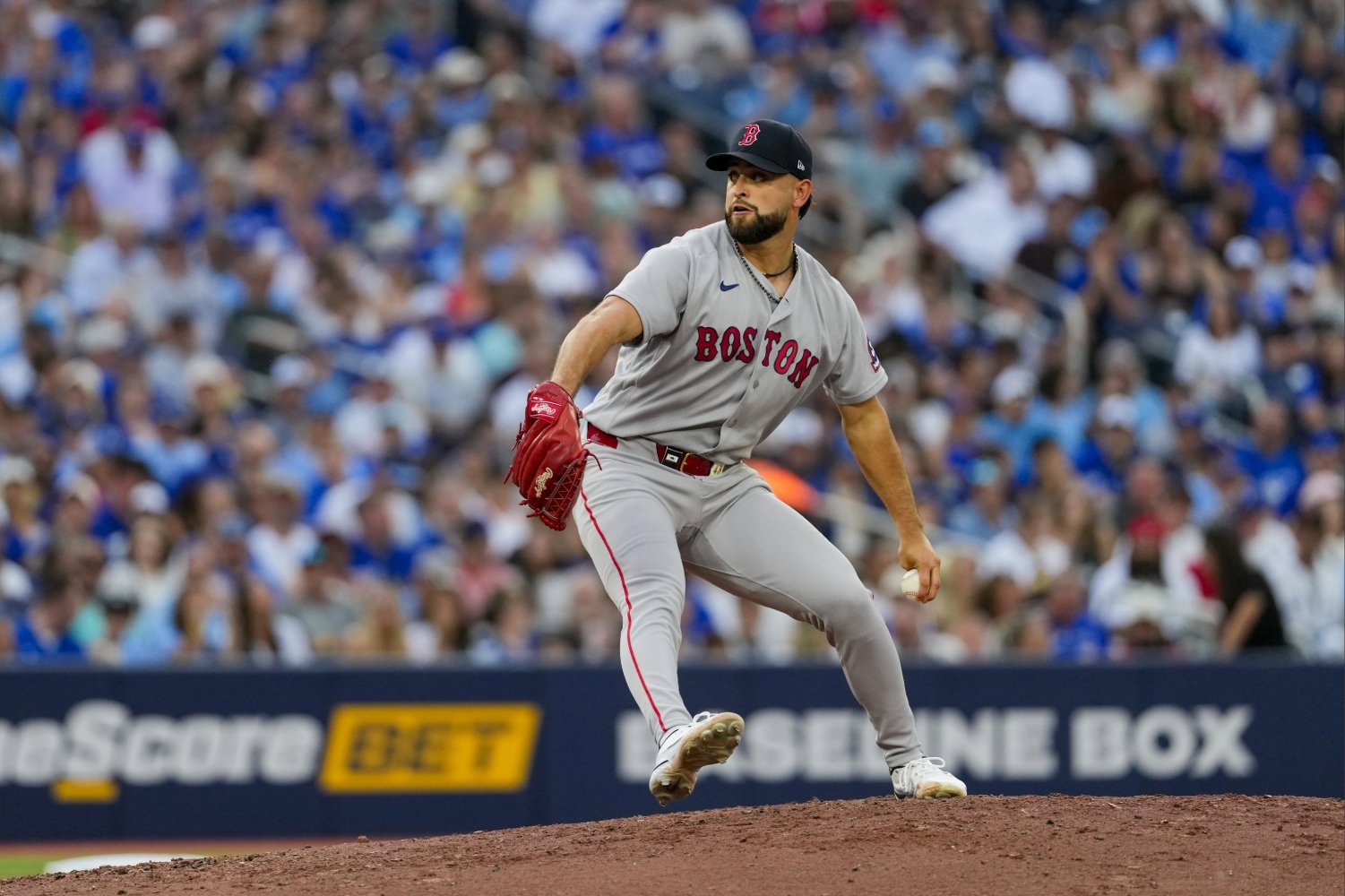 After over two years on the injured list, Patrick Sandoval made his long-awaited return to the major leagues on July 6 when he pitched 4.1 innings against the Chicago White Sox. Signing with the Boston Red Sox in the 2025 offseason, he spent the previous six seasons with the Los Angeles Angels, where he showed high upside as a starter, but saw his production limited by injuries and late call-ups. Eventually, his 2022 breakout season was his first full season in the majors, where he posted a 2.91 ERA and 3.09 FIP in 148.2 innings and recorded a career-high 151 strikeouts. Since returning from injury, Sandoval has been a solid addition to the Red Sox's rotation, compiling a 3.30 ERA and striking out 29 batters in 30 innings. He has consistently ramped up his pitch count in each appearance, with Boston winning in five of his six starts. While he has found early success with his signature changeup, with opponents hitting only .148 against it, Sandoval still needs to improve other areas of his arsenal if he hopes to return to his 2022 form. Patrick Sandoval's Slider Is His Missing Ingredient While his changeup has been his most effective pitch throughout his career, Sandoval has favored his slider this season, throwing it 29.6% of the time. To date, the only other season in which the slider was his most-used pitch was his 2022 breakout season, when opponents hit just .201 against it. However, this season, that average has jumped up to .269, with Sandoval's command appearing to be the biggest difference. Looking at what made the pitch so successful in 2022, Sandoval consistently spotted his slider low or out of the strike zone on two-strike counts, generating a 33.6% whiff rate. His consistency with locating the pitch resulted in a career-high 42.0% chase rate and a 26.9% put-away percentage. This season, Sandoval is attempting to recreate that approach, increasing his slider outside-zone rate from 52.0% in 2022 to 57.5%, yet the results haven’t been the same. In 2026, the southpaw has been less consistent with his spotting, often leaving pitches high in the zone or exaggerated out of the zone. As a result, batters have been less fooled and are chasing the pitch at a career-low 27.5% rate, while his whiff rate has dropped to 30.8% and put-away percentage to 19.4%. The ineffectiveness is especially noticeable when comparing it to his changeup. While its 41.3% whiff rate is down slightly from 44.5% in 2022, Sandoval's put-away percentage has surged from 24.4% to 40.0%, a stark contrast to the effectiveness of his slider. In layman's terms, Sandoval’s ability to deceive batters hasn’t just gone away, as his changeup continues to finish at-bats and generate swings and misses at a higher rate than in 2022. He just needs to be more consistent with his location. The lack of command with the slider is especially daunting given Sandoval's history of having a high walk rate. This season, he has walked batters at a 9.2% rate and has posted a rate north of 9% in all but one season of his career. If hitters continue to lay off his slider outside the zone, Sandoval could find himself in deeper, more unfavorable counts and ultimately allow more baserunners. It's in those spots where he falters, and one blow-up outing or two could change the tune around his standing with the Red Sox. For now, he's become an integral piece of the rotation, covering valuable innings in the wake of injuries and trades that have depleted the team's depth. If he can tighten the spread on his favorite pitch, he might even earn a start or two in the playoffs.
 -
The month of July was historic for the Boston Red Sox, who went 21-4 to post the highest monthly winning percentage in franchise history. While the offense saw some improvement, it was the pitching staff that was the driving force behind their success, leading the MLB with a 4.5 WAR while also having a 2.91 ERA and 3.34 FIP, both lowest in the league. Boston also led the league with 21 wins and 13 saves, displaying their effectiveness through their ranks. While veterans like Sonny Gray and Ranger Suárez have garnered most of the attention throughout the season, July saw several newer faces establish themselves as key contributors. Here are the three pitchers who deserve the most flowers for the team's brilliant month. Ranking Red Sox's Best Pitchers In July #3: Jake Bennett Just three months into his major league career, the 25-year-old rookie has firmly established himself in the rotation. Consistently improving each month, July saw Bennett take the biggest leap, compiling a 4-1 record, 2.21 ERA and 3.46 FIP over 32.2 innings. His 0.7 WAR led all Red Sox pitchers for the month, and he took advantage of each of his opportunities, throwing five quality starts in five appearances. Bennett’s success was driven by the effectiveness of his changeup. His second-most-used pitch behind his four-seam fastball, opponents hit just .071 against it. Consistently locating it low or below the strike zone, Bennett generated a 35% whiff rate. He also made noticeable improvements to his sinker. After allowing batters a .350 batting average against the pitch in June, they hit just .281 in July while the pitch produced a 37.5% put-away rate. These adjustments led to him having 21 strikeouts for the second consecutive month. #2: Garrett Whitlock During Boston’s difficult first half, Whitlock remained one of their only reliable pieces and July may have been his best month yet. His 0.5 WAR ranked tied for fifth among all MLB relievers as he posted a 0.73 ERA and 1.48 FIP over 12.1 innings. Whitlock also led all relievers with eight holds and even recorded a save, while holding opponents to a team-best .143 batting average. His effectiveness came with the reestablishment of his sinker. After opponents hit .400 against it in June, Whitlock regained confidence in it after increasing its average spin rate from 2141 RPM to 2207 in July. The added movement immediately translates to better results, as opponents batted just .080 against the pitch. Whitlock also relied on it 66.7% of the time in 0-0 counts, allowing him to get ahead of hitters and dictate at-bats throughout the month. #1: Aroldis Chapman After a lingering hamstring injury limited his availability and contributed to an inconsistent June, Chapman shut down any doubts surrounding him with a dominant July. In 12 appearances, he led all closers with 10 saves and a 0.75 ERA and 2.60 FIP. His 10 saves were his most for a single month since 2019 as he continued his late-career resurgence. Chapman also led Boston’s bullpen with 17 strikeouts and a 34.7% strikeout rate, while holding hitters to a .209 batting average. But while the strikeout numbers were flashy, his reliability in high-leverage situations may have been even more valuable. After blowing two saves in June, Chapman did not allow a single inherited baserunner to score all month, quickly reestablishing himself as the backbone of the bullpen. With the future Hall of Famer back to closing games at an elite level, Boston's bullpen has become one of the biggest reasons the club enters the back half of the season with legitimate postseason momentum. View full article
-
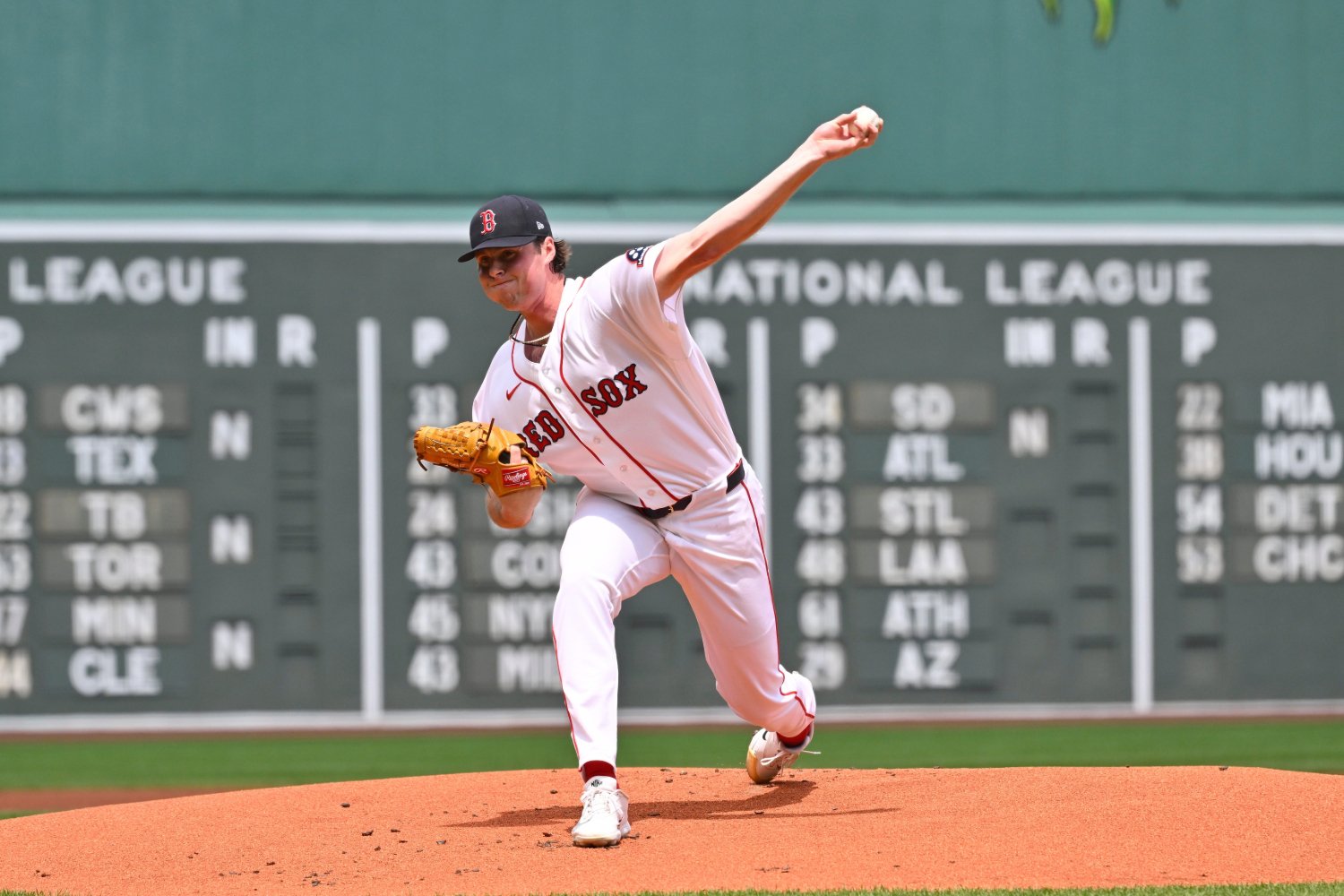 The month of July was historic for the Boston Red Sox, who went 21-4 to post the highest monthly winning percentage in franchise history. While the offense saw some improvement, it was the pitching staff that was the driving force behind their success, leading the MLB with a 4.5 WAR while also having a 2.91 ERA and 3.34 FIP, both lowest in the league. Boston also led the league with 21 wins and 13 saves, displaying their effectiveness through their ranks. While veterans like Sonny Gray and Ranger Suárez have garnered most of the attention throughout the season, July saw several newer faces establish themselves as key contributors. Here are the three pitchers who deserve the most flowers for the team's brilliant month. Ranking Red Sox's Best Pitchers In July #3: Jake Bennett Just three months into his major league career, the 25-year-old rookie has firmly established himself in the rotation. Consistently improving each month, July saw Bennett take the biggest leap, compiling a 4-1 record, 2.21 ERA and 3.46 FIP over 32.2 innings. His 0.7 WAR led all Red Sox pitchers for the month, and he took advantage of each of his opportunities, throwing five quality starts in five appearances. Bennett’s success was driven by the effectiveness of his changeup. His second-most-used pitch behind his four-seam fastball, opponents hit just .071 against it. Consistently locating it low or below the strike zone, Bennett generated a 35% whiff rate. He also made noticeable improvements to his sinker. After allowing batters a .350 batting average against the pitch in June, they hit just .281 in July while the pitch produced a 37.5% put-away rate. These adjustments led to him having 21 strikeouts for the second consecutive month. #2: Garrett Whitlock During Boston’s difficult first half, Whitlock remained one of their only reliable pieces and July may have been his best month yet. His 0.5 WAR ranked tied for fifth among all MLB relievers as he posted a 0.73 ERA and 1.48 FIP over 12.1 innings. Whitlock also led all relievers with eight holds and even recorded a save, while holding opponents to a team-best .143 batting average. His effectiveness came with the reestablishment of his sinker. After opponents hit .400 against it in June, Whitlock regained confidence in it after increasing its average spin rate from 2141 RPM to 2207 in July. The added movement immediately translates to better results, as opponents batted just .080 against the pitch. Whitlock also relied on it 66.7% of the time in 0-0 counts, allowing him to get ahead of hitters and dictate at-bats throughout the month. #1: Aroldis Chapman After a lingering hamstring injury limited his availability and contributed to an inconsistent June, Chapman shut down any doubts surrounding him with a dominant July. In 12 appearances, he led all closers with 10 saves and a 0.75 ERA and 2.60 FIP. His 10 saves were his most for a single month since 2019 as he continued his late-career resurgence. Chapman also led Boston’s bullpen with 17 strikeouts and a 34.7% strikeout rate, while holding hitters to a .209 batting average. But while the strikeout numbers were flashy, his reliability in high-leverage situations may have been even more valuable. After blowing two saves in June, Chapman did not allow a single inherited baserunner to score all month, quickly reestablishing himself as the backbone of the bullpen. With the future Hall of Famer back to closing games at an elite level, Boston's bullpen has become one of the biggest reasons the club enters the back half of the season with legitimate postseason momentum.
 -
The Boston Red Sox's pitching staff has been one of the few bright spots in an otherwise disappointing season. Led by Sonny Gray and Ranger Suarez, the rotation threw an MLB-high 16 quality starts in June, consistently leaving the offense in late advantageous positions. Yet, the lineup regularly failed to capitalize, leaving the bullpen to keep close games competitive, night after night. As a staff, Boston led the MLB with a 4.2 WAR in June while posting a 3.55 ERA, the third-lowest in the league. With the trade deadline approaching, the pitchers have been the lone argument against a full reset and for giving the team one last chance at a second-half comeback. Ranking Red Sox's Best Pitchers in June #3 Ranger Suárez After missing time in May due to hamstring tightness, Suárez returned to true form in June and delivered a stellar month. With a 2-0 record and working at least six innings in four of his five appearances, Suárez was the team's most valuable starter, producing 1.3 WAR, the third-highest among all MLB starters for the month. The biggest improvement came in his command. After posting a 1.48 WHIP in May, Suárez lowered it to 1.07 in June, consistently pitching deep into his outings. The biggest adjustment was to his cutter. After opponents batted .381 against the pitch in May, Suárez turned it into one of his biggest strengths, holding hitters to a .050 batting average in June. All of that led to a season-high 35 strikeouts and 10.50 K/9, as Suárez continues to return positive gains on the investment the team made in him. #2 Tyron Guerrero Tyron Guerrero made his long-awaited return to the majors in June and immediately made an impact. After spending seven years bouncing around Mexico, Japan and several minor-league systems, the 35-year-old joined the Red Sox last month and immediately became one of Chad Tracy's most reliable relievers. Consistently throwing above 100 mph, Guerrero was efficient, leading the team with five holds in 10 appearances and only allowing one run over 9.1 innings. In a month that saw star closer Aroldis Chapman struggle, Guerrero entered and helped stabilize the bullpen, pitching a 0.96 ERA and a 1.73 SIERA, which ranked among the top 25 of all MLB relievers for the month. Holding opposing batters to a .194 batting average, Guerrero's addition to the bullpen is just what the team needed to help ease the load off Chapman as he deals with his lingering hamstring injury. #1 Sonny Gray The conversation around keeping or trading Gray becomes more complicated by the day, in large part due to his performance. Improving his season record to 9-1, Gray was elite in June, finishing with a 3-0 record, 2.14 ERA and delivering five quality starts in five appearances. The highlight of the month came in his final appearance against the New York Yankees, where he carried a no-hitter into the eighth inning. Gray is in the final year of his contract and has emerged as one of Boston's most talked-about trade candidates as the deadline approaches. However, his consistency throughout the season, combined with a dominant June, makes a compelling case that the Red Sox should see what this rotation can accomplish if the offense finally catches up. View full article
-
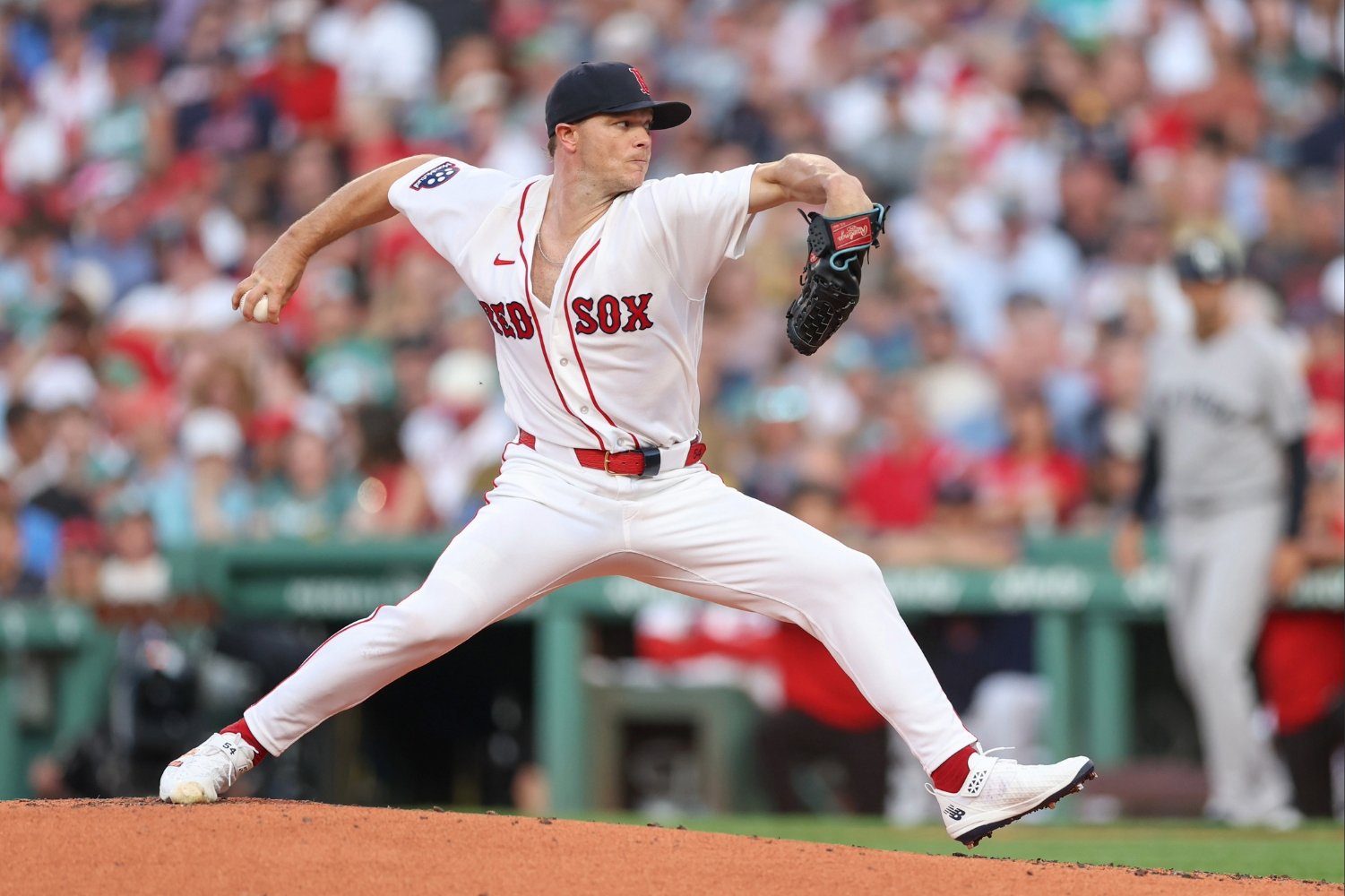 The Boston Red Sox's pitching staff has been one of the few bright spots in an otherwise disappointing season. Led by Sonny Gray and Ranger Suarez, the rotation threw an MLB-high 16 quality starts in June, consistently leaving the offense in late advantageous positions. Yet, the lineup regularly failed to capitalize, leaving the bullpen to keep close games competitive, night after night. As a staff, Boston led the MLB with a 4.2 WAR in June while posting a 3.55 ERA, the third-lowest in the league. With the trade deadline approaching, the pitchers have been the lone argument against a full reset and for giving the team one last chance at a second-half comeback. Ranking Red Sox's Best Pitchers in June #3 Ranger Suárez After missing time in May due to hamstring tightness, Suárez returned to true form in June and delivered a stellar month. With a 2-0 record and working at least six innings in four of his five appearances, Suárez was the team's most valuable starter, producing 1.3 WAR, the third-highest among all MLB starters for the month. The biggest improvement came in his command. After posting a 1.48 WHIP in May, Suárez lowered it to 1.07 in June, consistently pitching deep into his outings. The biggest adjustment was to his cutter. After opponents batted .381 against the pitch in May, Suárez turned it into one of his biggest strengths, holding hitters to a .050 batting average in June. All of that led to a season-high 35 strikeouts and 10.50 K/9, as Suárez continues to return positive gains on the investment the team made in him. #2 Tyron Guerrero Tyron Guerrero made his long-awaited return to the majors in June and immediately made an impact. After spending seven years bouncing around Mexico, Japan and several minor-league systems, the 35-year-old joined the Red Sox last month and immediately became one of Chad Tracy's most reliable relievers. Consistently throwing above 100 mph, Guerrero was efficient, leading the team with five holds in 10 appearances and only allowing one run over 9.1 innings. In a month that saw star closer Aroldis Chapman struggle, Guerrero entered and helped stabilize the bullpen, pitching a 0.96 ERA and a 1.73 SIERA, which ranked among the top 25 of all MLB relievers for the month. Holding opposing batters to a .194 batting average, Guerrero's addition to the bullpen is just what the team needed to help ease the load off Chapman as he deals with his lingering hamstring injury. #1 Sonny Gray The conversation around keeping or trading Gray becomes more complicated by the day, in large part due to his performance. Improving his season record to 9-1, Gray was elite in June, finishing with a 3-0 record, 2.14 ERA and delivering five quality starts in five appearances. The highlight of the month came in his final appearance against the New York Yankees, where he carried a no-hitter into the eighth inning. Gray is in the final year of his contract and has emerged as one of Boston's most talked-about trade candidates as the deadline approaches. However, his consistency throughout the season, combined with a dominant June, makes a compelling case that the Red Sox should see what this rotation can accomplish if the offense finally catches up.
 -
The Boston Red Sox have reached the 50-game mark under interim manager Chad Tracy, and while the team has shown signs of progress, they remain near the bottom of the American League standings. With the trade deadline looming, the organization must decide whether he has done enough to lead the team moving forward. Tracy inherited a difficult situation. Before his promotion, his predecessor, Alex Cora, was released after starting the season with a 10-17 record and sitting at the bottom of the American League East standings. While Cora's roster dealt with some injuries, it was the regression of his offense that was really the nail in the coffin. Expected to build off of last season’s breakout prospects, like Roman Anthony and Marcelo Mayer, the lineup instead saw a complete decline, with the team having the second-lowest team wRC+ of 84 during this span. This regression, along with disagreement of philosophies with Chief Baseball Officer Craig Breslow, caused Cora, along with six of his staff, to be fired. Previously managing the Triple-A Worcester Red Sox, Tracy's familiarity with several of the struggling young prospects made him a natural choice to take over. This familiarity, along with a more analytical approach to the team’s struggles, helped bring stability to the Red Sox lineup. After just over 50 games, the team is 22-29 under him, but has shown flashes of better times to come. The offense as a whole has seen the most improvement under Tracy. Since taking over, the team ranks in the top 10 in the MLB in batting average in large part due to Tracy’s rebuilt hitting staff, which has helped several struggling players find their footing. No turnaround has been more noticeable than that of third baseman Caleb Durbin. After an underwhelming start to the season, Durbin has flourished under the guidance of Tracy’s staff. The skipper's public support of Durbin fixing his mechanics with a private hitting coach has sparked results for the 26-year-old. Over the past month, Durbin is batting .325/.341/.610 with a .952 OPS while hitting four home runs. Tracy also used his familiarity with the farm system to address some weaknesses on the roster. In May, Tracy called up catcher Mickey Gasper after getting underwhelming production from Carlos Narváez and Connor Wong. Since his call-up, Gasper has carved himself a starting role, batting .255/.319/.324 and slotting into the leadoff spot while Jarren Duran continues to work out his swing. But although the individual improvements have been welcomed, they have yet to translate to wins. The team currently has a record of 32-46 and has the worst record American League. While as a group they have improved their individual batting averages, as a team, they rank in the bottom five of the MLB in runs and home runs under Tracy’s tenure, still not taking advantage of the solid production from their pitching staff. This inconsistency leaves the Red Sox front office with a difficult decision. Is the development of young players enough to justify allowing Tracy and his staff to continue leading the team's growth, or should immediate results be the organization's top priority? With the trade deadline approaching, the next month may determine not only which players stay, but whether Tracy has done enough to remain part of the organization's long-term plans. View full article
-
Evaluating Chad Tracy's First 50 Games as Red Sox Interim Manager
Gottie Chavez posted an article in Red Sox
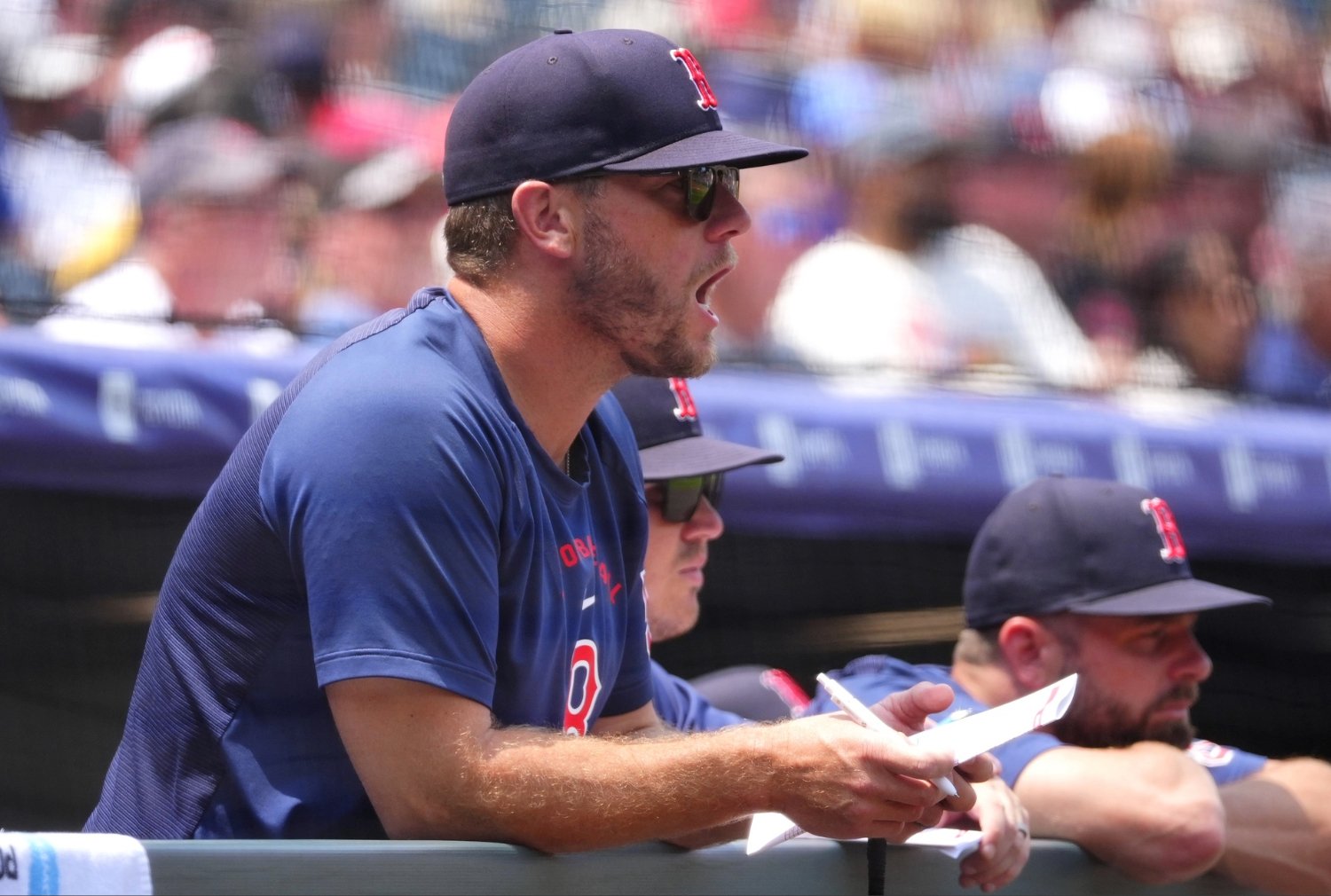 The Boston Red Sox have reached the 50-game mark under interim manager Chad Tracy, and while the team has shown signs of progress, they remain near the bottom of the American League standings. With the trade deadline looming, the organization must decide whether he has done enough to lead the team moving forward. Tracy inherited a difficult situation. Before his promotion, his predecessor, Alex Cora, was released after starting the season with a 10-17 record and sitting at the bottom of the American League East standings. While Cora's roster dealt with some injuries, it was the regression of his offense that was really the nail in the coffin. Expected to build off of last season’s breakout prospects, like Roman Anthony and Marcelo Mayer, the lineup instead saw a complete decline, with the team having the second-lowest team wRC+ of 84 during this span. This regression, along with disagreement of philosophies with Chief Baseball Officer Craig Breslow, caused Cora, along with six of his staff, to be fired. Previously managing the Triple-A Worcester Red Sox, Tracy's familiarity with several of the struggling young prospects made him a natural choice to take over. This familiarity, along with a more analytical approach to the team’s struggles, helped bring stability to the Red Sox lineup. After just over 50 games, the team is 22-29 under him, but has shown flashes of better times to come. The offense as a whole has seen the most improvement under Tracy. Since taking over, the team ranks in the top 10 in the MLB in batting average in large part due to Tracy’s rebuilt hitting staff, which has helped several struggling players find their footing. No turnaround has been more noticeable than that of third baseman Caleb Durbin. After an underwhelming start to the season, Durbin has flourished under the guidance of Tracy’s staff. The skipper's public support of Durbin fixing his mechanics with a private hitting coach has sparked results for the 26-year-old. Over the past month, Durbin is batting .325/.341/.610 with a .952 OPS while hitting four home runs. Tracy also used his familiarity with the farm system to address some weaknesses on the roster. In May, Tracy called up catcher Mickey Gasper after getting underwhelming production from Carlos Narváez and Connor Wong. Since his call-up, Gasper has carved himself a starting role, batting .255/.319/.324 and slotting into the leadoff spot while Jarren Duran continues to work out his swing. But although the individual improvements have been welcomed, they have yet to translate to wins. The team currently has a record of 32-46 and has the worst record American League. While as a group they have improved their individual batting averages, as a team, they rank in the bottom five of the MLB in runs and home runs under Tracy’s tenure, still not taking advantage of the solid production from their pitching staff. This inconsistency leaves the Red Sox front office with a difficult decision. Is the development of young players enough to justify allowing Tracy and his staff to continue leading the team's growth, or should immediate results be the organization's top priority? With the trade deadline approaching, the next month may determine not only which players stay, but whether Tracy has done enough to remain part of the organization's long-term plans.
 -
The 2026 season has been a nightmare for the Boston Red Sox. They are nine games under .500 and sit four games behind the last American League wild-card spot. They have missed the production of star players Garrett Crochet and Roman Anthony, who have both dealt with prolonged stints on the injured list. In addition, they have struggled offensively, ranking in the bottom five of the league for runs scored. With the trade deadline less than two months away, the team needs to decide whether it is going to be sellers or attempt to salvage the season by adding reinforcements. Last season, their second-half turnaround was fueled by the arrival of many top prospects that added life to the lineup. However, with those same prospects already on the big-league roster, the team needs to focus on the trade deadline to bring in some offense. While their lineup has been lackluster, the pitching staff has been a strength. The breakouts of prospects like Payton Tolle and Connelly Early, paired with the free-agent acquisitions of Sonny Gray and Ranger Suarez, have given Boston a capable rotation while Crochet has been out. With a blend of youth and experience anchoring the staff and Crochet’s impending return, the team finds itself with depth they could use to rebuild its offense. Given their place in the standings, Boston should focus on targets that offer both positional versatility and long-term value in addition to immediate help. 3 Red Sox Trade Targets Who Can Upgrade Infield #3 Isaac Paredes (Houston Astros) Speculation about a potential trade between the Red Sox and the Houston Astros has been ongoing since the idea of Jarren Duran being available surfaced. The breakout of Roman Anthony last season, combined with the emergence of Wilyer Abreu and Ceddanne Rafaela, has left Boston with a crowded outfield. Despite a slow start, Duran’s combination of power and speed makes him a valuable piece that could garner Boston a significant return. Isaac Paredes would offer the Red Sox a combination of right-handed power and strong plate discipline that could help balance out the lineup. While he has had a slower start to the season, batting .238/.332/.388, he is still an elite pull-hitter and offers positional versatility, also playing second and first. At 27 years old and under team control for two more seasons, Paredes could make an immediate impact while continuing to grow alongside Boston’s young core. #2 Luis Arraez (San Francisco Giants) While Luis Arraez is not the flashiest name on the trade market, he offers something that the Red Sox desperately need: stability. He's never been known for power, but his reliability as an elite contact hitter who hardly strikes out would help an offense that has struggled to generate runs. This season, he is batting .325/.364/.436 and ranks second in MLB in hits. His value also extends beyond the batter’s box with his ability to play first base, offering Boston another versatile player to help build its depth. This season, the team has seen a revolving door of injuries with Trevor Story being the most recent to land on the 60-day IL. Before his injury, the duo of Marcelo Mayer and Story in the middle infield has been lackluster, with both batting below .225. In the first game without Story, Mayer moved back to shortstop, the position he played for most of his career. Getting Arraez would solidify that change, more than likely pushing Story to the bench (or third base) for the remainder of the season. #1 Matt Shaw (Chicago Cubs) A name that has circled around the league since last offseason, Shaw is an ostensible prospect with high upside who could be a plug-and-play option for the Red Sox. After signing Alex Bregman and extending Nico Hoerner, the Cubs have found themselves with a surplus of infield options, but limited spots available. Shaw’s solid bat, along with his ability to play nearly every infield position as well as the corner outfield spots, makes him a valuable but potentially pricey trade target. While Shaw has spent time on the injured list, he is currently working through a rehab assignment and should be available soon. Before his injury, he was batting .242/.291/.400, all improvements from his rookie season, as he continues to develop. The Cubs have been vocal about their search for starting pitching, and Boston’s depth of major-league arms and prospects could open the door for trade discussions. Shaw would not only offer an immediate boost to their lineup, but also offer long-term value as a developing piece alongside the team's core. View full article
-
 The 2026 season has been a nightmare for the Boston Red Sox. They are nine games under .500 and sit four games behind the last American League wild-card spot. They have missed the production of star players Garrett Crochet and Roman Anthony, who have both dealt with prolonged stints on the injured list. In addition, they have struggled offensively, ranking in the bottom five of the league for runs scored. With the trade deadline less than two months away, the team needs to decide whether it is going to be sellers or attempt to salvage the season by adding reinforcements. Last season, their second-half turnaround was fueled by the arrival of many top prospects that added life to the lineup. However, with those same prospects already on the big-league roster, the team needs to focus on the trade deadline to bring in some offense. While their lineup has been lackluster, the pitching staff has been a strength. The breakouts of prospects like Payton Tolle and Connelly Early, paired with the free-agent acquisitions of Sonny Gray and Ranger Suarez, have given Boston a capable rotation while Crochet has been out. With a blend of youth and experience anchoring the staff and Crochet’s impending return, the team finds itself with depth they could use to rebuild its offense. Given their place in the standings, Boston should focus on targets that offer both positional versatility and long-term value in addition to immediate help. 3 Red Sox Trade Targets Who Can Upgrade Infield #3 Isaac Paredes (Houston Astros) Speculation about a potential trade between the Red Sox and the Houston Astros has been ongoing since the idea of Jarren Duran being available surfaced. The breakout of Roman Anthony last season, combined with the emergence of Wilyer Abreu and Ceddanne Rafaela, has left Boston with a crowded outfield. Despite a slow start, Duran’s combination of power and speed makes him a valuable piece that could garner Boston a significant return. Isaac Paredes would offer the Red Sox a combination of right-handed power and strong plate discipline that could help balance out the lineup. While he has had a slower start to the season, batting .238/.332/.388, he is still an elite pull-hitter and offers positional versatility, also playing second and first. At 27 years old and under team control for two more seasons, Paredes could make an immediate impact while continuing to grow alongside Boston’s young core. #2 Luis Arraez (San Francisco Giants) While Luis Arraez is not the flashiest name on the trade market, he offers something that the Red Sox desperately need: stability. He's never been known for power, but his reliability as an elite contact hitter who hardly strikes out would help an offense that has struggled to generate runs. This season, he is batting .325/.364/.436 and ranks second in MLB in hits. His value also extends beyond the batter’s box with his ability to play first base, offering Boston another versatile player to help build its depth. This season, the team has seen a revolving door of injuries with Trevor Story being the most recent to land on the 60-day IL. Before his injury, the duo of Marcelo Mayer and Story in the middle infield has been lackluster, with both batting below .225. In the first game without Story, Mayer moved back to shortstop, the position he played for most of his career. Getting Arraez would solidify that change, more than likely pushing Story to the bench (or third base) for the remainder of the season. #1 Matt Shaw (Chicago Cubs) A name that has circled around the league since last offseason, Shaw is an ostensible prospect with high upside who could be a plug-and-play option for the Red Sox. After signing Alex Bregman and extending Nico Hoerner, the Cubs have found themselves with a surplus of infield options, but limited spots available. Shaw’s solid bat, along with his ability to play nearly every infield position as well as the corner outfield spots, makes him a valuable but potentially pricey trade target. While Shaw has spent time on the injured list, he is currently working through a rehab assignment and should be available soon. Before his injury, he was batting .242/.291/.400, all improvements from his rookie season, as he continues to develop. The Cubs have been vocal about their search for starting pitching, and Boston’s depth of major-league arms and prospects could open the door for trade discussions. Shaw would not only offer an immediate boost to their lineup, but also offer long-term value as a developing piece alongside the team's core.
 -
In a season plagued by injuries and inconsistent offensive production, utility man Andruw Monasterio has emerged as one of the Red Sox’s most productive hitters. After starting the season 2-for-14 and drawing attention for a viral ABS challenge, Monasterio found his footing in the team’s April 25 matchup against the Baltimore Orioles. He went 3-for-6 with his first career grand slam, marking a turning point in his offensive production. But despite his breakout at the plate, defensive struggles continue to keep him from securing an everyday role. Acquired from the Milwaukee Brewers in the six-player trade that featured Boston acquiring Caleb Durbin, Monasterio was added to the roster as a depth piece but has taken advantage of his limited opportunities. His versatility has allowed the Red Sox to deploy him across the infield, with Monasterio appearing at first base, second base, shortstop and third base this season.. Quietly, he has produced a 100 wRC+, at least 30 points higher than every current Red Sox starting infield outside of first baseman Willson Contreras. In 66 at-bats, he is batting .258/.310/.424 with a .734 OPS, and his underlying metrics suggest there could still be room for further growth. He owns a .288 expected batting average and a .423 expected slugging percentage, while his .335 xwOBA ranks fifth on the team. His average exit velocity has climbed to a career-high 90.8 mph and his 46.9% hard-hit rate is also the highest mark of his career, tantalizing proof that he’s consistently making better contact than ever before. A significant part of his improvement is in his approach against fastballs, which he is hitting .282 this season, a .057 increase from last year. However, despite his revelation at the plate, his fielding is what’s keeping him from being an everyday starter. While his offensive numbers are positive, his defense has led him to -0.1 fWAR. This is in large part due to his having a -3 outs above average across all of his positions, the lowest on the team. Statistically, he only converts 67% of fieldable balls, while his expected success rate is 82%. Monasterio has struggled most at shortstop, where he has a -2 out above average. He has completed only 60% of plays, while his estimated success rate is as high as 82%. This inefficiency is why he continues to be third on the depth chart at shortstop, behind Trevor Story and Isiah Kiner-Falefa, despite both having wRC+ figures below 50. This whole equation could change drastically now that Story is headed for the injured list. Nick Sogard was called up from the minor leagues to serve as a utility depth option, but he's not an everyday starter. And you can be sure that Kiner-Falefa won't be getting more than the occasional rep at shortstop given his complete lack of offensive competence. Can the Red Sox live with a slightly worse glove at the most important infield position if it means getting Monasterio's bat in the lineup with regularity? The Red Sox are not in a position to be picky, as they currently sit last in the American League East and rank among the bottom six in the MLB with a .239 expected batting average. In their series opener against the Atlanta Braves, Monasterio drew the start at shortstop over Story, showing the team is willing to prioritize his bat despite his defensive limitations. If he can maintain his offensive production while showing improvement in the field, he could continue to carve out a larger role and potentially emerge as a longer-term option in the infield. View full article
-
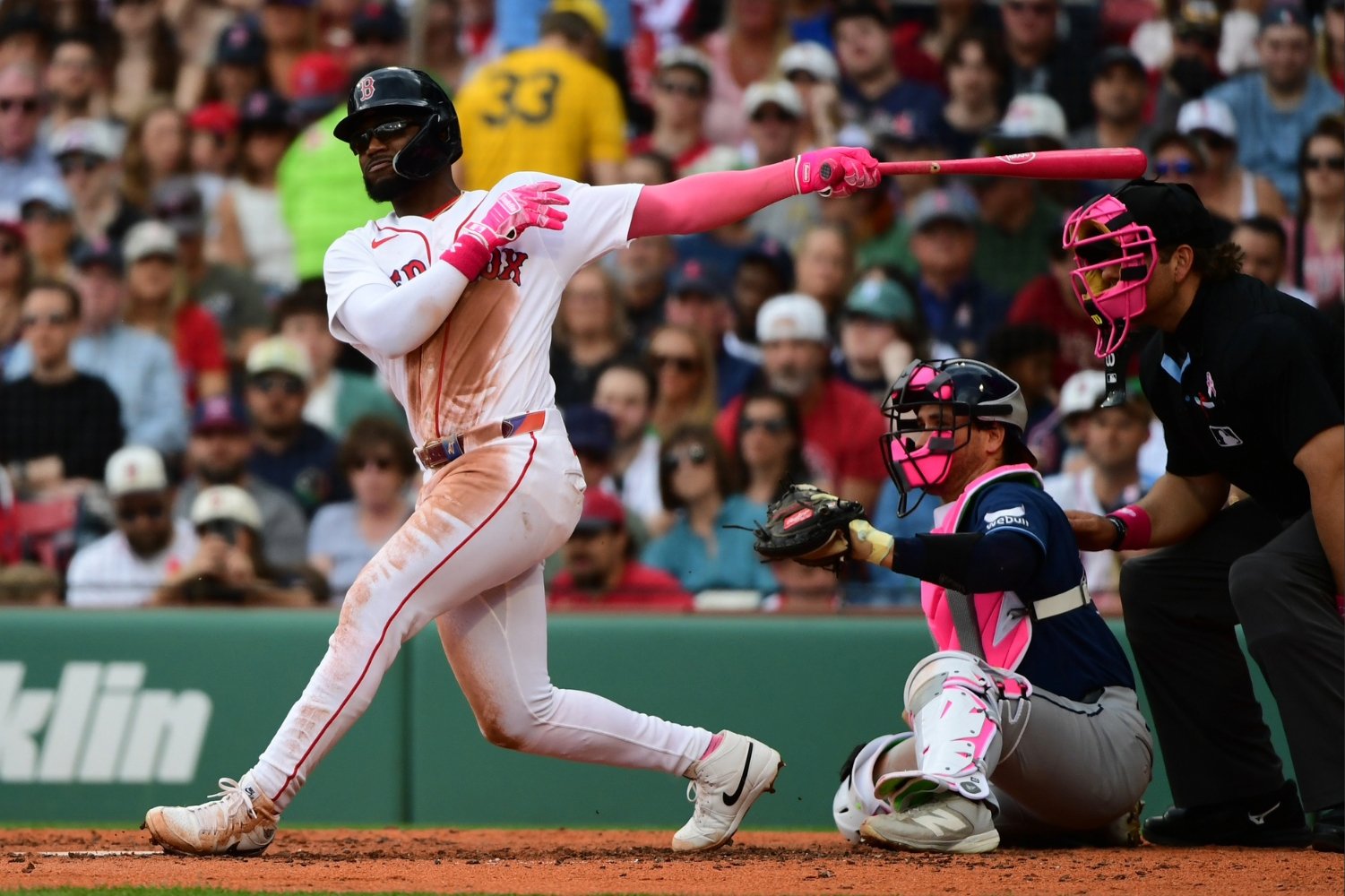 In a season plagued by injuries and inconsistent offensive production, utility man Andruw Monasterio has emerged as one of the Red Sox’s most productive hitters. After starting the season 2-for-14 and drawing attention for a viral ABS challenge, Monasterio found his footing in the team’s April 25 matchup against the Baltimore Orioles. He went 3-for-6 with his first career grand slam, marking a turning point in his offensive production. But despite his breakout at the plate, defensive struggles continue to keep him from securing an everyday role. Acquired from the Milwaukee Brewers in the six-player trade that featured Boston acquiring Caleb Durbin, Monasterio was added to the roster as a depth piece but has taken advantage of his limited opportunities. His versatility has allowed the Red Sox to deploy him across the infield, with Monasterio appearing at first base, second base, shortstop and third base this season.. Quietly, he has produced a 100 wRC+, at least 30 points higher than every current Red Sox starting infield outside of first baseman Willson Contreras. In 66 at-bats, he is batting .258/.310/.424 with a .734 OPS, and his underlying metrics suggest there could still be room for further growth. He owns a .288 expected batting average and a .423 expected slugging percentage, while his .335 xwOBA ranks fifth on the team. His average exit velocity has climbed to a career-high 90.8 mph and his 46.9% hard-hit rate is also the highest mark of his career, tantalizing proof that he’s consistently making better contact than ever before. A significant part of his improvement is in his approach against fastballs, which he is hitting .282 this season, a .057 increase from last year. However, despite his revelation at the plate, his fielding is what’s keeping him from being an everyday starter. While his offensive numbers are positive, his defense has led him to -0.1 fWAR. This is in large part due to his having a -3 outs above average across all of his positions, the lowest on the team. Statistically, he only converts 67% of fieldable balls, while his expected success rate is 82%. Monasterio has struggled most at shortstop, where he has a -2 out above average. He has completed only 60% of plays, while his estimated success rate is as high as 82%. This inefficiency is why he continues to be third on the depth chart at shortstop, behind Trevor Story and Isiah Kiner-Falefa, despite both having wRC+ figures below 50. This whole equation could change drastically now that Story is headed for the injured list. Nick Sogard was called up from the minor leagues to serve as a utility depth option, but he's not an everyday starter. And you can be sure that Kiner-Falefa won't be getting more than the occasional rep at shortstop given his complete lack of offensive competence. Can the Red Sox live with a slightly worse glove at the most important infield position if it means getting Monasterio's bat in the lineup with regularity? The Red Sox are not in a position to be picky, as they currently sit last in the American League East and rank among the bottom six in the MLB with a .239 expected batting average. In their series opener against the Atlanta Braves, Monasterio drew the start at shortstop over Story, showing the team is willing to prioritize his bat despite his defensive limitations. If he can maintain his offensive production while showing improvement in the field, he could continue to carve out a larger role and potentially emerge as a longer-term option in the infield.
 -
Carlos Narváez was expected to serve as a placeholder for the Boston Red Sox after catcher Connor Wong fractured his pinky finger last season. Acquired from the New York Yankees for minor-league pitcher Elmer Rodriguez-Cruz, Narváez emerged as a defensive specialist and a solid bat in the lineup. Last season, the rookie backstop hit .241/.306/.419 with a .726 OPS, eventually taking the starting role from Wong in the process. However, in his first season as the primary option, Narváez has struggled to replicate his production from his breakout year, starting 2026 by hitting .234/.265/.277, good for a .542 OPS. Due to his lack of offensive production, Narváez has produced a -0.4 bWAR and a 49 wRC+, leading to a move to the ninth spot in the lineup. While his defensive value still ranks toward the top of the league, Wong has had his own strong start to the season and puts more pressure on Narváez each day to figure out his swing. So, what going on? To put it simply: Narvaez's regression can be tied to his struggles against fastballs. Against fastballs this season, Narváez has produced -3 run value (zero is average) with a .192 wOBA, all while whiffing at one in every four he swings at. His batting average and slugging percentage against fastballs sit at just .172 each, a drop off from his expected figures of .221 and .358. With fastballs accounting for nearly 60% of the pitches he sees, Narváez needs to figure out a way to fix his approach immediately. However, the issue may not be mechanical, but rather related to timing and the contact point. This season, his average launch angle has dropped from 13.2 degrees to 6.9, indicating a downward trend in his swing path. That observation is supported by a sharp increase in his topped-ball rate, which has risen from 29.1% to 35.3%, along with a decrease in balls that he gets underneath (falling from 26.7% to 14.3%). Narváez has yet to record a single pull-side ball in the air against fastballs, further indicating he is failing to hit the ball out front. Instead, his batted-ball distribution suggests that he is consistently letting pitches travel too deep. Nevertheless, the Red Sox can take some relief in knowing Narváez’s underlying tools haven’t disappeared. While much of his offensive profile has declined, he still ranks among the league's top percentiles in average exit velocity and hard-hit rate. This data backs the claim that his raw abilities haven’t diminished, but rather they are being watered down by poor timing, leading to hard contact at unfavorable launch angles. Although his production against fastballs has been poor, he has been producing against off-speed pitching, though those results may be due to a bit of good luck rather than a better approach. As it stands, Narváez's delayed timing at the plate is limiting his ability to execute against the pitch he sees the most, even as it occasionally puts him in better positions against off-speed options. The tools are still there, but the margin for error is shrinking. If Narváez can make the necessary timing adjustments against fastballs, his production should follow. If not, pitchers will continue to exploit the gap. View full article
-
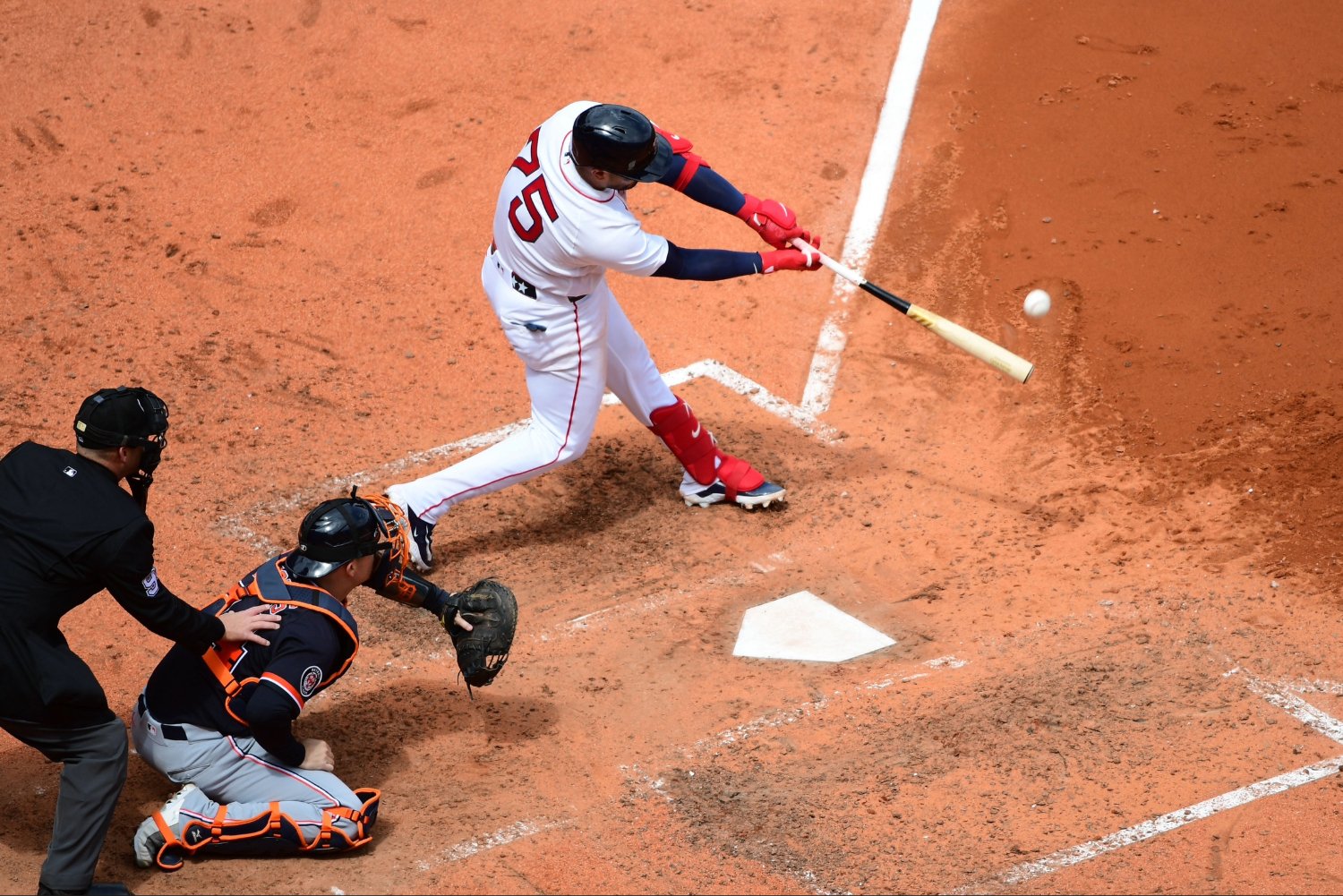 Carlos Narváez was expected to serve as a placeholder for the Boston Red Sox after catcher Connor Wong fractured his pinky finger last season. Acquired from the New York Yankees for minor-league pitcher Elmer Rodriguez-Cruz, Narváez emerged as a defensive specialist and a solid bat in the lineup. Last season, the rookie backstop hit .241/.306/.419 with a .726 OPS, eventually taking the starting role from Wong in the process. However, in his first season as the primary option, Narváez has struggled to replicate his production from his breakout year, starting 2026 by hitting .234/.265/.277, good for a .542 OPS. Due to his lack of offensive production, Narváez has produced a -0.4 bWAR and a 49 wRC+, leading to a move to the ninth spot in the lineup. While his defensive value still ranks toward the top of the league, Wong has had his own strong start to the season and puts more pressure on Narváez each day to figure out his swing. So, what going on? To put it simply: Narvaez's regression can be tied to his struggles against fastballs. Against fastballs this season, Narváez has produced -3 run value (zero is average) with a .192 wOBA, all while whiffing at one in every four he swings at. His batting average and slugging percentage against fastballs sit at just .172 each, a drop off from his expected figures of .221 and .358. With fastballs accounting for nearly 60% of the pitches he sees, Narváez needs to figure out a way to fix his approach immediately. However, the issue may not be mechanical, but rather related to timing and the contact point. This season, his average launch angle has dropped from 13.2 degrees to 6.9, indicating a downward trend in his swing path. That observation is supported by a sharp increase in his topped-ball rate, which has risen from 29.1% to 35.3%, along with a decrease in balls that he gets underneath (falling from 26.7% to 14.3%). Narváez has yet to record a single pull-side ball in the air against fastballs, further indicating he is failing to hit the ball out front. Instead, his batted-ball distribution suggests that he is consistently letting pitches travel too deep. Nevertheless, the Red Sox can take some relief in knowing Narváez’s underlying tools haven’t disappeared. While much of his offensive profile has declined, he still ranks among the league's top percentiles in average exit velocity and hard-hit rate. This data backs the claim that his raw abilities haven’t diminished, but rather they are being watered down by poor timing, leading to hard contact at unfavorable launch angles. Although his production against fastballs has been poor, he has been producing against off-speed pitching, though those results may be due to a bit of good luck rather than a better approach. As it stands, Narváez's delayed timing at the plate is limiting his ability to execute against the pitch he sees the most, even as it occasionally puts him in better positions against off-speed options. The tools are still there, but the margin for error is shrinking. If Narváez can make the necessary timing adjustments against fastballs, his production should follow. If not, pitchers will continue to exploit the gap.
 -
Amid a slow start for the Boston Red Sox, veteran first baseman Wilson Contreras has emerged as an unlikely hero while the majority of the lineup struggles at the plate. In a recent series win against his former team, the St. Louis Cardinals, Contreras continued his strong start, going 4-for-5 with a home run and three RBIs. In his 11th season, he is batting .304/.443/.500 with a .943 OPS. Touted as an underrated pickup after Boston acquired him in a trade from the Cardinals, Contreras has lived up to the hype, ranking second on the team with a 171 wRC+ while playing stellar defense. “There’s a reason we got him. We needed another right-handed bat, and we got more than that. We got a guy that is playing great defense at first base, he controls the strike zone, he’s becoming a leader in the clubhouse. It’s fun to have him around,” Red Sox manager Alex Cora said about Contreras' contributions thus far. Soon to be 34 years old and coming off a few down years with the Cardinals, Contreras' renaissance at the plate seems to be driven by his improved plate discipline. Known throughout his career for producing high hard-hit rates, the veteran slugger has actually taken a dip in that regard this season. His hard-hit rate sits at only 42.1%, down from his career-high 48.9% from last year. However, this shouldn’t be perceived as a slight on him, but an example of his change of philosophy at the plate. Although his overall contact quality isn't at peak levels, his slugging percentage and xSLG have spiked up to .500 and .517, compared to last season's .447 and .488. A lot of that jump can be tracked to his newfound affinity for left field (and the Green Monster); Contreras is pulling the ball at a career-high 54.1% rate, while his contact to center field has dropped to a career-low 24.3% and his opposite-field rate sits at 21.6%, the second lowest of his career. This marks a major contrast to last season, where his spray chart featured a much more balanced split, 39.4%/37.1%/23.5%. Notably, the last time he had as big a gap in his spray chart was in 2022, when his split was 44.4%/31.7%/23.8%. Coincidentally, that was also the last time he made an All-Star team. Contreras’ selectivity at the plate has extended to every aspect of his game. This season, his swing percentage is at a career low, 41.1%, and he's being very patient, swinging at a near-career-low 25.5% pitches outside of the strike zone. Ultimately, what’s helping his decision-making is that he is also finding himself in very advantageous early counts. This season, his first strike percentage is at 44.8%, an almost 15% drop from his previous career low of 58.7% in 2019. These early count advantages, combined with his laying off "pitcher's pitches" outside the zone, are forcing a few more predictable options around the plate, which he has been capitalizing on. While the sample size is small, Contreras' adjustments are exactly what the Red Sox have needed from their biggest offensive acquisition. Hopefully, his patience will start to carry over to the rest of the team. View full article
-
How Willson Contreras’ Selective Approach Is Driving Early Success
Gottie Chavez posted an article in Red Sox
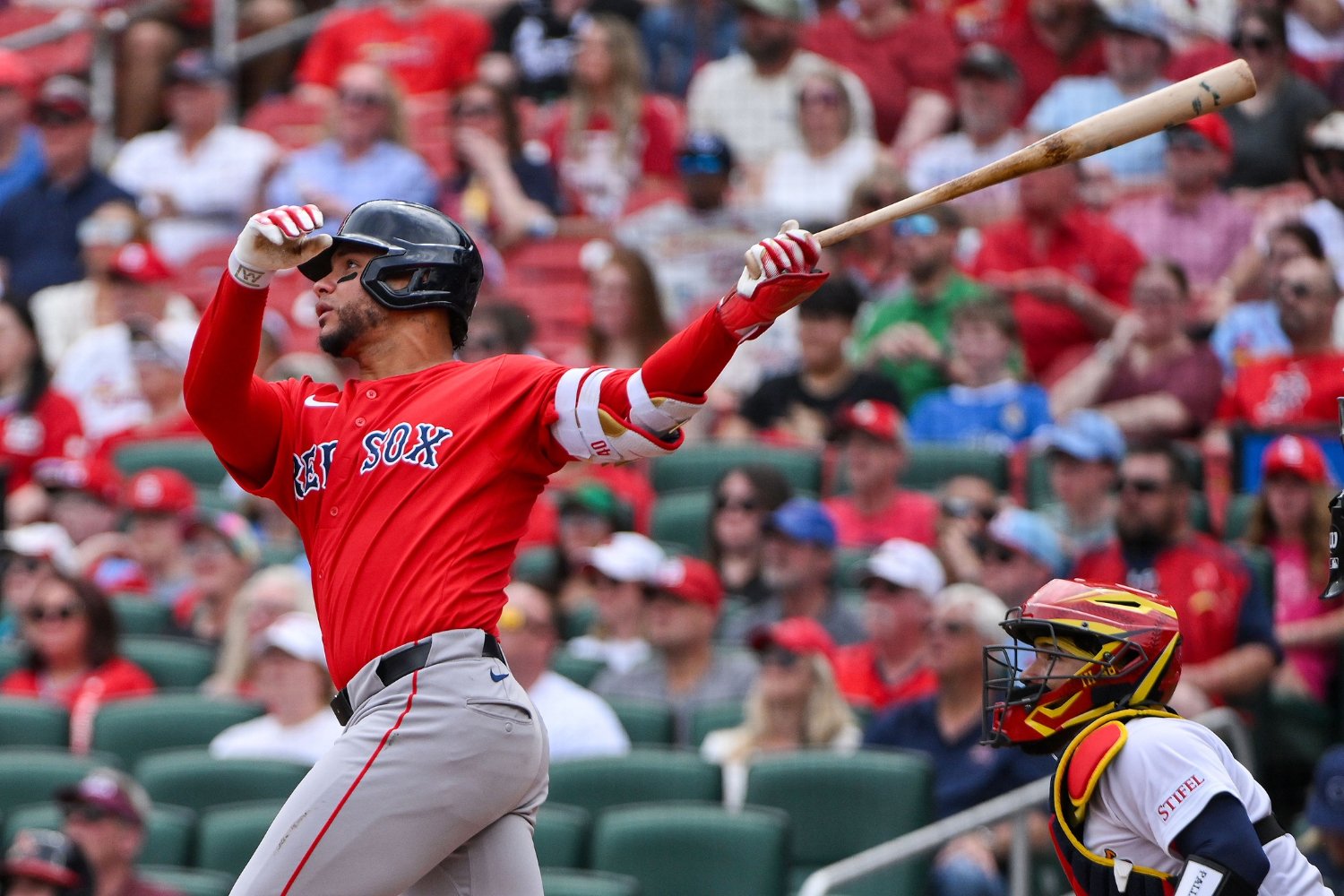 Amid a slow start for the Boston Red Sox, veteran first baseman Wilson Contreras has emerged as an unlikely hero while the majority of the lineup struggles at the plate. In a recent series win against his former team, the St. Louis Cardinals, Contreras continued his strong start, going 4-for-5 with a home run and three RBIs. In his 11th season, he is batting .304/.443/.500 with a .943 OPS. Touted as an underrated pickup after Boston acquired him in a trade from the Cardinals, Contreras has lived up to the hype, ranking second on the team with a 171 wRC+ while playing stellar defense. “There’s a reason we got him. We needed another right-handed bat, and we got more than that. We got a guy that is playing great defense at first base, he controls the strike zone, he’s becoming a leader in the clubhouse. It’s fun to have him around,” Red Sox manager Alex Cora said about Contreras' contributions thus far. Soon to be 34 years old and coming off a few down years with the Cardinals, Contreras' renaissance at the plate seems to be driven by his improved plate discipline. Known throughout his career for producing high hard-hit rates, the veteran slugger has actually taken a dip in that regard this season. His hard-hit rate sits at only 42.1%, down from his career-high 48.9% from last year. However, this shouldn’t be perceived as a slight on him, but an example of his change of philosophy at the plate. Although his overall contact quality isn't at peak levels, his slugging percentage and xSLG have spiked up to .500 and .517, compared to last season's .447 and .488. A lot of that jump can be tracked to his newfound affinity for left field (and the Green Monster); Contreras is pulling the ball at a career-high 54.1% rate, while his contact to center field has dropped to a career-low 24.3% and his opposite-field rate sits at 21.6%, the second lowest of his career. This marks a major contrast to last season, where his spray chart featured a much more balanced split, 39.4%/37.1%/23.5%. Notably, the last time he had as big a gap in his spray chart was in 2022, when his split was 44.4%/31.7%/23.8%. Coincidentally, that was also the last time he made an All-Star team. Contreras’ selectivity at the plate has extended to every aspect of his game. This season, his swing percentage is at a career low, 41.1%, and he's being very patient, swinging at a near-career-low 25.5% pitches outside of the strike zone. Ultimately, what’s helping his decision-making is that he is also finding himself in very advantageous early counts. This season, his first strike percentage is at 44.8%, an almost 15% drop from his previous career low of 58.7% in 2019. These early count advantages, combined with his laying off "pitcher's pitches" outside the zone, are forcing a few more predictable options around the plate, which he has been capitalizing on. While the sample size is small, Contreras' adjustments are exactly what the Red Sox have needed from their biggest offensive acquisition. Hopefully, his patience will start to carry over to the rest of the team.