


Amrit Brown
-
Posts
26 -
Joined
-
Last visited
1 Follower

Amrit Brown's Achievements


-
More than 40 games into the season, the Red Sox lead the league in total strikeouts with RISP and are fourth worst in K% with RISP. Despite this frustrating lack of contact in high-leverage situations, the Sox still rank in the top 10 in runs scored this season and in the top three in runs scored with RISP. That success, however, is not a product of some arbitrary clutch gene — the Sox rank second-to-last in Fangraphs' clutch stat. It is, to a certain extent, a product of their ability to get runners on. Their strikeout rate with runners on may, however, portend disaster. Every team that has a worse strikeout rate with RISP than the Red Sox has a losing record. For a team with World Series aspirations and, in my opinion, the wealth of talent required to make it, the strikeout problem needs to be solved. If the Sox do manage to snag a playoff spot, these types of problems are only exacerbated in October. In the past 10 years, no team that has played in the World Series has been in the bottom 10 in K% with RISP. Only four of the teams were in the bottom 15. The main culprits on this year's iteration of the Red Sox? The men in the middle. Trevor Story strikes out 37% of the time with RISP, while Kristian Campbell does 26.5% of the time. Connor Wong, David Hamilton, and Rob Refsnyder also all strikeout more than 45% of the time with RISP, but only have 48 combined plate appearances in those situations. Strikeouts haven't always been a problem under Alex Cora and hitting coach Peter Fatse. While the team admittedly did struggle with strikeouts in 2024, they were eighth in K% with RISP in 2023. The 2018 World Series team (Fatse wasn’t the hitting coach yet) was even better, as they led the league striking out just 17.1% of the time with RISP. While this year's team doesn’t quite have the talent, or for that matter the chemistry, of the 2018 team, there is still plenty of time to solve problems. Well over 100 games remain on the schedule and the adjustments that need to be made are clear. The Red Sox like to swing — that’s undeniable. In some cases, it’s worked. The Red Sox get the second-highest "Meatball percentage" (yes that’s a very real stat) and they swing at 79.5% of them, good for the fourth-highest rate in the league. Hacking at pitches to hit? I'll never complain about that. What does need to change is the way the Red Sox attack pitches on the corners of the zone and outside of the zone. According to Fangraphs, the Red Sox swing at the highest percentage of pitches in the zone in baseball. They make contact with only 83% of those pitches, the third-worst rate in baseball. Even worse, the Red Sox are ninth in percentage of pitches swung at outside of the zone. They make contact with just 52.9% of those pitches, good for just 24th in the league. Shrinking the zone at least with one and two strikes would be statistically advantageous for the Red Sox. It’s established that the Red Sox are capable of identifying the best pitches to hit — I'm not saying that they need to stop swinging at those. It's the 28.3% of pitches that the Red Sox swing at that are outside of the zone, with little to no success, that concern me. Improving plate discipline will reduce strikeouts, and maybe even force pitchers to attack the Red Sox in parts of the zone where they are more likely to hit it. [Improvements against right-handed pitchers also need to be made. The Sox are sixth worst in K% against RHP.] Changes need to be made soon. After all, the Sox rank third in total strikeouts, only two behind the historically awful Colorado Rockies. I’m not saying that striking out with runners in scoring position is the only reason the Sox are hovering at .500. It’s not. The team has a variety of other problems to solve (can anyone fix Tanner Houck?). I am saying that a collective effort to change the approach at the plate will increase success not only with RISP, but in every at-bat. Most importantly, it will help position the Red Sox for what I consider to be the start of a World Series window. View full article
-
The Red Sox Have A Strikeout Problem With Runners In Scoring Position
Amrit Brown posted an article in Red Sox
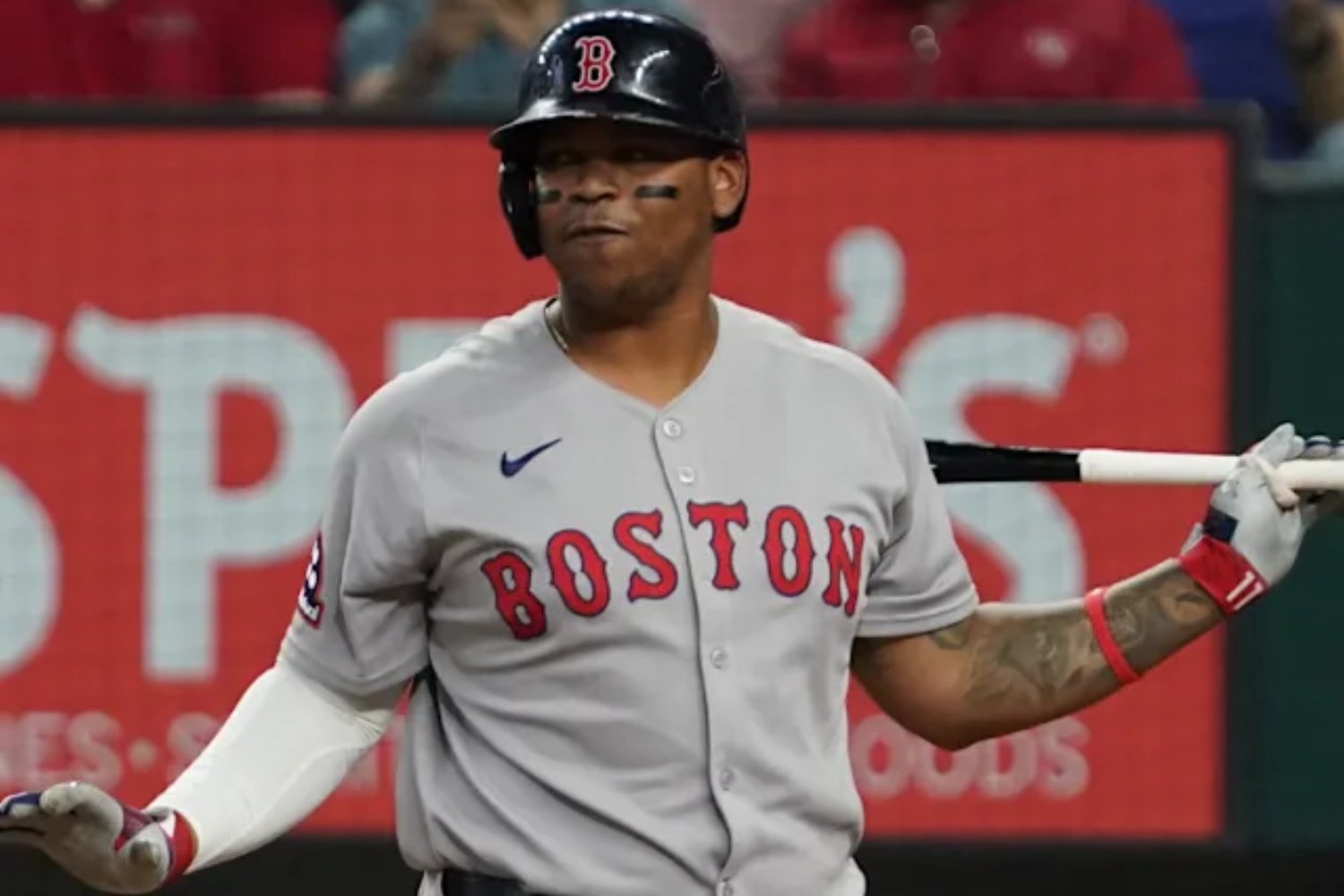 More than 40 games into the season, the Red Sox lead the league in total strikeouts with RISP and are fourth worst in K% with RISP. Despite this frustrating lack of contact in high-leverage situations, the Sox still rank in the top 10 in runs scored this season and in the top three in runs scored with RISP. That success, however, is not a product of some arbitrary clutch gene — the Sox rank second-to-last in Fangraphs' clutch stat. It is, to a certain extent, a product of their ability to get runners on. Their strikeout rate with runners on may, however, portend disaster. Every team that has a worse strikeout rate with RISP than the Red Sox has a losing record. For a team with World Series aspirations and, in my opinion, the wealth of talent required to make it, the strikeout problem needs to be solved. If the Sox do manage to snag a playoff spot, these types of problems are only exacerbated in October. In the past 10 years, no team that has played in the World Series has been in the bottom 10 in K% with RISP. Only four of the teams were in the bottom 15. The main culprits on this year's iteration of the Red Sox? The men in the middle. Trevor Story strikes out 37% of the time with RISP, while Kristian Campbell does 26.5% of the time. Connor Wong, David Hamilton, and Rob Refsnyder also all strikeout more than 45% of the time with RISP, but only have 48 combined plate appearances in those situations. Strikeouts haven't always been a problem under Alex Cora and hitting coach Peter Fatse. While the team admittedly did struggle with strikeouts in 2024, they were eighth in K% with RISP in 2023. The 2018 World Series team (Fatse wasn’t the hitting coach yet) was even better, as they led the league striking out just 17.1% of the time with RISP. While this year's team doesn’t quite have the talent, or for that matter the chemistry, of the 2018 team, there is still plenty of time to solve problems. Well over 100 games remain on the schedule and the adjustments that need to be made are clear. The Red Sox like to swing — that’s undeniable. In some cases, it’s worked. The Red Sox get the second-highest "Meatball percentage" (yes that’s a very real stat) and they swing at 79.5% of them, good for the fourth-highest rate in the league. Hacking at pitches to hit? I'll never complain about that. What does need to change is the way the Red Sox attack pitches on the corners of the zone and outside of the zone. According to Fangraphs, the Red Sox swing at the highest percentage of pitches in the zone in baseball. They make contact with only 83% of those pitches, the third-worst rate in baseball. Even worse, the Red Sox are ninth in percentage of pitches swung at outside of the zone. They make contact with just 52.9% of those pitches, good for just 24th in the league. Shrinking the zone at least with one and two strikes would be statistically advantageous for the Red Sox. It’s established that the Red Sox are capable of identifying the best pitches to hit — I'm not saying that they need to stop swinging at those. It's the 28.3% of pitches that the Red Sox swing at that are outside of the zone, with little to no success, that concern me. Improving plate discipline will reduce strikeouts, and maybe even force pitchers to attack the Red Sox in parts of the zone where they are more likely to hit it. [Improvements against right-handed pitchers also need to be made. The Sox are sixth worst in K% against RHP.] Changes need to be made soon. After all, the Sox rank third in total strikeouts, only two behind the historically awful Colorado Rockies. I’m not saying that striking out with runners in scoring position is the only reason the Sox are hovering at .500. It’s not. The team has a variety of other problems to solve (can anyone fix Tanner Houck?). I am saying that a collective effort to change the approach at the plate will increase success not only with RISP, but in every at-bat. Most importantly, it will help position the Red Sox for what I consider to be the start of a World Series window.
 -
Alex Bregman has eye-popping stats at Fenway, numbers so impressive that his career-low .313 on-base percentage in 2024 shouldn't worry Red Sox fans. Here at Talk Sox, we've spilled a lot of ink about Alex Bregman: why the Red Sox should sign him, why the Red Sox shouldn't sign him, why he picked Boston, how he fits in the lineup, how he can improve on his lackluster 2024, you get the picture. It's hard to argue with Bregman's 1.240 OPS in 98 plate appearances at Fenway Park. It's small sample size theater, but what theater! He's been the best hitter in baseball at Fenway. He will get three times that many plate appearances at home this season, and many more if he doesn't opt out in 2026 or 2027. What exactly makes Bregman's bat fit so well on the Red Sox and in Fenway Park? Bregman is now one of the two premiere right-handed bats in a lineup dominated by left-handed hitters. His pull-side power is something the Sox really haven’t experienced a ton of over the past couple of years. Bregman hit just one of his 26 home runs to right field last year. His ability to launch baseballs in the air to left field will play up in Fenway. This weekend, the baseball he put over the left field wall at JetBlue Park, which is taller than the Green Monster, is a perfect example. It’s not just the eye test and Bregman’s past success in Fenway that suggest the Monster will play into Bregman's game. He has spent his entire career banging home runs over and doubles off of the short porch provided by the Crawford Boxes in Houston. He has designed his swing and his entire offensive profile around the ability to pull balls in the air to take advantage of it. It's no coincidence that although Bregman chose to leave Houston, he chose to keep a short porch in left at his home park. His 18.2-degree launch angle ranked 39th in the big leagues last year. Of the 38 players ahead of Bregman, only four launched more hard-hit balls. These hard-hit balls, some of which were caught in the deeper dimensions at Daikin Park in Houston will bang off the Monster in Boston. Bregman also displays elite bat-to-ball skills. His 96th percentile squared-up rate and 98th percentile contact rate would have been the best on the Sox in 2024. MLB.com projects Alex Bregman to hit third for the Sox, and he wouldn't be out of place hitting anywhere from second to fifth. Third would represent an incredible situation for him: hitting in front of the Sox's premier power option in Triston Casas and providing protection for Rafael Devers. None of this makes Bregman an MVP candidate, though it may give him a chance at being the best second baseman in the AL if that's where he plays. Much has been made of the fact that the Sox are paying him the same amount of money as the Yankees will pay Aaron Judge in 2025 (although due to deferrals, the actual value is significantly less). The expectations for a player making that much are astronomical. Bregman's fit in Boston is undoubtedly good. The Sox have the money to pay him and don’t hold the risk of a longer-term deal. Bregman makes contact and drives the ball hard in the air. His game is already tailored for the ballpark. He can play multiple positions, leaving the Sox some maneuverability as their top prospects threaten to break into the big club. Bregman's production dip in 2024 could signal the beginning of the end, or it could be a fluke and the numbers will rebound to the norm. Only time will tell how much the Sox can squeeze out of him, but in my book, the years on the deal make sense for the Sox. View full article
-
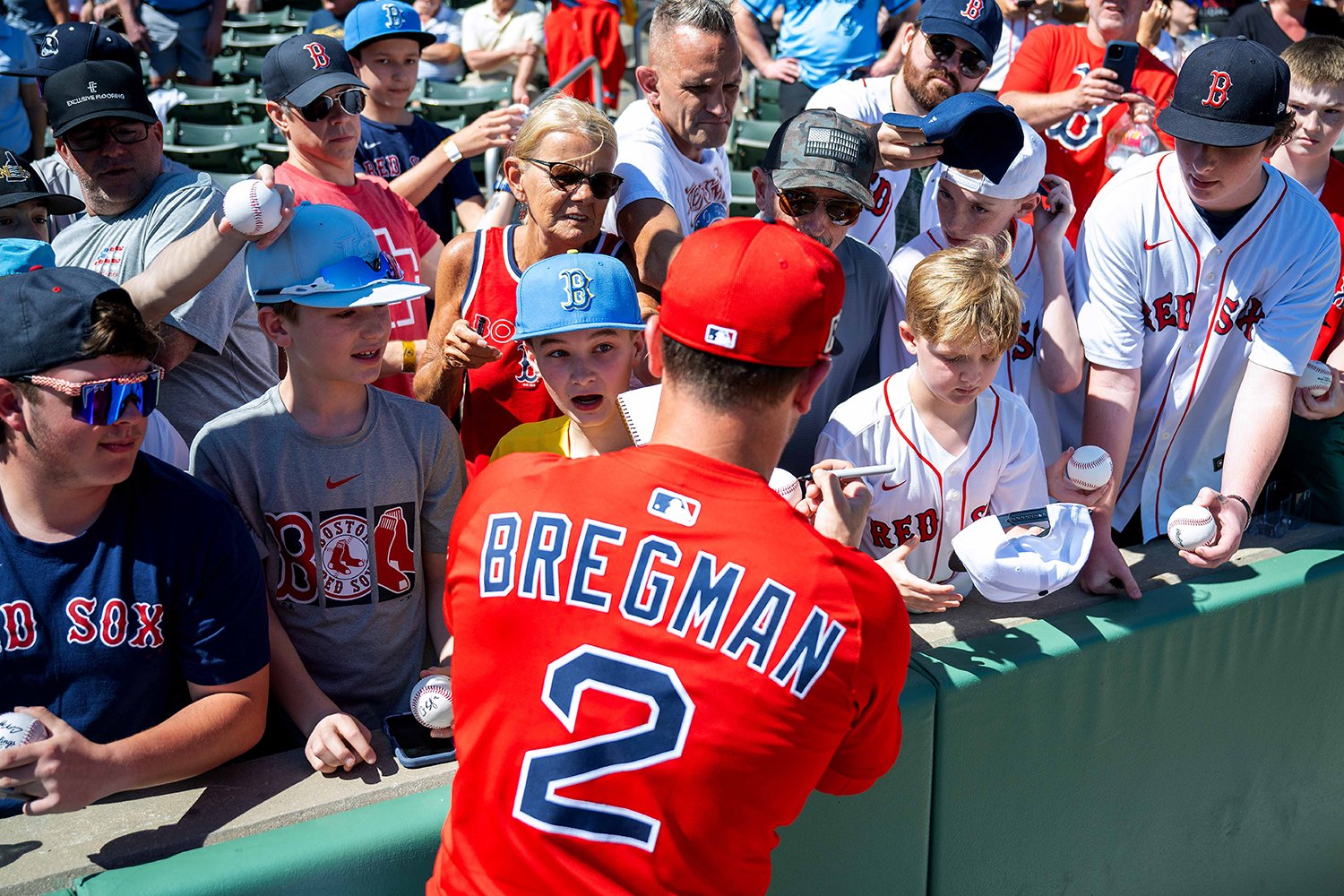 Here at Talk Sox, we've spilled a lot of ink about Alex Bregman: why the Red Sox should sign him, why the Red Sox shouldn't sign him, why he picked Boston, how he fits in the lineup, how he can improve on his lackluster 2024, you get the picture. It's hard to argue with Bregman's 1.240 OPS in 98 plate appearances at Fenway Park. It's small sample size theater, but what theater! He's been the best hitter in baseball at Fenway. He will get three times that many plate appearances at home this season, and many more if he doesn't opt out in 2026 or 2027. What exactly makes Bregman's bat fit so well on the Red Sox and in Fenway Park? Bregman is now one of the two premiere right-handed bats in a lineup dominated by left-handed hitters. His pull-side power is something the Sox really haven’t experienced a ton of over the past couple of years. Bregman hit just one of his 26 home runs to right field last year. His ability to launch baseballs in the air to left field will play up in Fenway. This weekend, the baseball he put over the left field wall at JetBlue Park, which is taller than the Green Monster, is a perfect example. It’s not just the eye test and Bregman’s past success in Fenway that suggest the Monster will play into Bregman's game. He has spent his entire career banging home runs over and doubles off of the short porch provided by the Crawford Boxes in Houston. He has designed his swing and his entire offensive profile around the ability to pull balls in the air to take advantage of it. It's no coincidence that although Bregman chose to leave Houston, he chose to keep a short porch in left at his home park. His 18.2-degree launch angle ranked 39th in the big leagues last year. Of the 38 players ahead of Bregman, only four launched more hard-hit balls. These hard-hit balls, some of which were caught in the deeper dimensions at Daikin Park in Houston will bang off the Monster in Boston. Bregman also displays elite bat-to-ball skills. His 96th percentile squared-up rate and 98th percentile contact rate would have been the best on the Sox in 2024. MLB.com projects Alex Bregman to hit third for the Sox, and he wouldn't be out of place hitting anywhere from second to fifth. Third would represent an incredible situation for him: hitting in front of the Sox's premier power option in Triston Casas and providing protection for Rafael Devers. None of this makes Bregman an MVP candidate, though it may give him a chance at being the best second baseman in the AL if that's where he plays. Much has been made of the fact that the Sox are paying him the same amount of money as the Yankees will pay Aaron Judge in 2025 (although due to deferrals, the actual value is significantly less). The expectations for a player making that much are astronomical. Bregman's fit in Boston is undoubtedly good. The Sox have the money to pay him and don’t hold the risk of a longer-term deal. Bregman makes contact and drives the ball hard in the air. His game is already tailored for the ballpark. He can play multiple positions, leaving the Sox some maneuverability as their top prospects threaten to break into the big club. Bregman's production dip in 2024 could signal the beginning of the end, or it could be a fluke and the numbers will rebound to the norm. Only time will tell how much the Sox can squeeze out of him, but in my book, the years on the deal make sense for the Sox.
 -
If Brayan Bello can live up to the potential that earned him a big-time contract extension before the 2024 season, he could change the entire outlook for the Red Sox in 2025. If you can remember back that far, Brayan Bello started on Opening Day for the Red Sox in 2024. Spring training starts with Bello nursing a sore shoulder and buried in pitching-staff uncertainty alongside Walker Buehler, Lucas Giolito, and Kutter Crawford. Tanner Houck or Garrett Crochet will be on the mound in Arlington to kick off the season. Bello fell massively short of lofty expectations in 2024, raising questions for someone who was supposed to be the ace of the future. So what went wrong in 2024? As Alex Mayes recently explained, a combination of stuff and pitch usage explains the issues. Bello completely scrapped his four-seam fastball to start 2024. The change made sense, as the pitch was hit hard in 2023 and induced a low whiff percentage. Moreover, it fit with the organization's No Fastballs Philosophy. When Bello reintroduced the pitch in July, he had far more success. He had a 5.32 ERA in the first half and a 3.47 ERA in the second half of the season. The reintroduction of the fastball may have been necessary because Bello's struggles with his other pitches. According to the pitch modeling metric Stuff+, his slider, sinker, and changeup all graded out worse in 2024 than they did in 2023. They also all graded out as below the league average. The 2024 season was the first of Bello's career in which his cumulative Stuff+ rating was below the league average. Walks were also a problem despite Bello’s above-average Location+ score. When you walk 9.1% of the hitters you face and leave only 72.1% of runners on base (39th out of 58 qualified starters), you'll give up some runs. To the great frustration of my father (and to the great detriment of his fantasy baseball roster), Bello struggled to close out starts and pitch into the fifth and sixth innings. Bello posted a 6.63 ERA on the third time through the order (20th-worst among the 111 pitchers with at least 20 innings pitched on the third TTO). That stat comes as no surprise to me as, I was the victim of many car ride outbursts from my dad, as he, an Orioles fan, lamented a fifth-inning implosion or Alex Cora’s choice to send Bello out in the sixth. June 8 lives in baseball infamy in my home not because my college team won, 9-2, but because of a five-run fifth inning from Bello vs the lowly White Sox. What can go right in 2025? Bello still features above-average fastball velocity and boasts a solid changeup that graded out as one of baseball's best as recently as 2023. With a full complement of pitches in 2025, his ability to throw off hitters' timing should shine. A return to the norm in walk rate would also help. Keeping runners off the bases would reduce high-pressure situations – which he faced with frustrating regularity in 2024 – and lower pitch counts, allowing him to pitch longer into games. Bello will see less of the spotlight this year. Drawing comparisons to Pedro Martinez, no matter how ridiculous they are, before your second full year is absurd. It was clear in 2024 that he wasn’t ready to be the team's ace. Now, the story is completely different. The rotation has four players who were recently considered aces. Bello has the chance to show up to work every day under much less pressure, and he recently admitted that the pressure of his large extension got to him in 2024. Lastly, Bello could simply pick up where he left off in 2024. Running 3.47 ERA through the entire season would constitute a huge success. How will this impact the Sox? If Bello can put up a successful year, he'll greatly improve the depth of the Boston start. And if things go well across the board, all of a sudden, the Red Sox have a dynamic trio of Crochet, Houck, and Bello at the top of the rotation for the foreseeable future. A successful season for Bello, where he works deep into games, would also mark him as another cornerstone of the Red Sox staff. On a team where many starters have been plagued by injuries and the back end of a likely six-man rotation is filled with question marks, another stalwart on the staff is a necessity. It could be the difference between missing the playoffs and making the Wild Card series, or the difference between making the Wild Card and winning a division title. Lastly, and this may just be my perception, a successful Bello season could be enormous for the Red Sox in the postseason. With true aces harder and harder to come by, bullpen games have become much more common in the playoffs. A successful campaign would give the Red Sox four excellent arms to throw out in a playoff series. View full article
-
 If you can remember back that far, Brayan Bello started on Opening Day for the Red Sox in 2024. Spring training starts with Bello nursing a sore shoulder and buried in pitching-staff uncertainty alongside Walker Buehler, Lucas Giolito, and Kutter Crawford. Tanner Houck or Garrett Crochet will be on the mound in Arlington to kick off the season. Bello fell massively short of lofty expectations in 2024, raising questions for someone who was supposed to be the ace of the future. So what went wrong in 2024? As Alex Mayes recently explained, a combination of stuff and pitch usage explains the issues. Bello completely scrapped his four-seam fastball to start 2024. The change made sense, as the pitch was hit hard in 2023 and induced a low whiff percentage. Moreover, it fit with the organization's No Fastballs Philosophy. When Bello reintroduced the pitch in July, he had far more success. He had a 5.32 ERA in the first half and a 3.47 ERA in the second half of the season. The reintroduction of the fastball may have been necessary because Bello's struggles with his other pitches. According to the pitch modeling metric Stuff+, his slider, sinker, and changeup all graded out worse in 2024 than they did in 2023. They also all graded out as below the league average. The 2024 season was the first of Bello's career in which his cumulative Stuff+ rating was below the league average. Walks were also a problem despite Bello’s above-average Location+ score. When you walk 9.1% of the hitters you face and leave only 72.1% of runners on base (39th out of 58 qualified starters), you'll give up some runs. To the great frustration of my father (and to the great detriment of his fantasy baseball roster), Bello struggled to close out starts and pitch into the fifth and sixth innings. Bello posted a 6.63 ERA on the third time through the order (20th-worst among the 111 pitchers with at least 20 innings pitched on the third TTO). That stat comes as no surprise to me as, I was the victim of many car ride outbursts from my dad, as he, an Orioles fan, lamented a fifth-inning implosion or Alex Cora’s choice to send Bello out in the sixth. June 8 lives in baseball infamy in my home not because my college team won, 9-2, but because of a five-run fifth inning from Bello vs the lowly White Sox. What can go right in 2025? Bello still features above-average fastball velocity and boasts a solid changeup that graded out as one of baseball's best as recently as 2023. With a full complement of pitches in 2025, his ability to throw off hitters' timing should shine. A return to the norm in walk rate would also help. Keeping runners off the bases would reduce high-pressure situations – which he faced with frustrating regularity in 2024 – and lower pitch counts, allowing him to pitch longer into games. Bello will see less of the spotlight this year. Drawing comparisons to Pedro Martinez, no matter how ridiculous they are, before your second full year is absurd. It was clear in 2024 that he wasn’t ready to be the team's ace. Now, the story is completely different. The rotation has four players who were recently considered aces. Bello has the chance to show up to work every day under much less pressure, and he recently admitted that the pressure of his large extension got to him in 2024. Lastly, Bello could simply pick up where he left off in 2024. Running 3.47 ERA through the entire season would constitute a huge success. How will this impact the Sox? If Bello can put up a successful year, he'll greatly improve the depth of the Boston start. And if things go well across the board, all of a sudden, the Red Sox have a dynamic trio of Crochet, Houck, and Bello at the top of the rotation for the foreseeable future. A successful season for Bello, where he works deep into games, would also mark him as another cornerstone of the Red Sox staff. On a team where many starters have been plagued by injuries and the back end of a likely six-man rotation is filled with question marks, another stalwart on the staff is a necessity. It could be the difference between missing the playoffs and making the Wild Card series, or the difference between making the Wild Card and winning a division title. Lastly, and this may just be my perception, a successful Bello season could be enormous for the Red Sox in the postseason. With true aces harder and harder to come by, bullpen games have become much more common in the playoffs. A successful campaign would give the Red Sox four excellent arms to throw out in a playoff series.
 -
Connor Wong was a breakout star for the Sox in 2024. That being said, it wasn't perfect. The question is, what changes can Wong make for an even better 2025? The Red Sox are betting on Connor Wong. This winter, the team sent top-ranked catching prospect Kyle Teel to the White Sox for brand-new ace Garrett Crochet. The thing is, Wong isn’t some type of wunderkind who was preventing a Teel debut in 2025. Despite a breakout season at the plate, Wong’s offensive statistics were somewhat misleading in 2024, and his defense was a consistent problem. The defense needs to be the most immediate fix. Of 40 catchers to play 500 innings in 2024, Wong ranked 37th in Catching Defense Added. He was 38th in Called Strikes Above Average and Blocking Runs. He was 19th in Throwing Runs. The real question is: Does it matter? Last year, for example, the World Series champion Dodgers had a catcher who was equally poor on defense. That catcher, Will Smith, was just one spot ahead of Wong in Catching Defense Added (CDA). That trend, however, doesn’t continue for other World Series winners. In 2023, Rangers catcher Jonah Heim was 4th in CDA. Martin Maldonado ranked 15th in 2022 for the World Champion Astros. (He did split time with Christian Vazquez after the deadline.) For the most part, the trend continues historically. Since 2002, only two catchers who played 500 innings for a World Series team have finished below Connor Wong’s mark of 37th in the league in CDA. They are Jorge Posada and Ivan Rodriguez, two incredible hitters. Over that span, eight catchers were in the top eight in CDA, and the average finish was 16th. Don’t get me wrong; it is ridiculous to suggest that this stat can help predict if a team can win a World Series with a specific catcher. I only demonstrate the link because having a catcher as defensively deficient as Wong on a young team with major changes to the pitching staff is a serious flaw. That being said, bad defense isn’t permanent. With the right emphasis and off-season work, it can be fixed. For Wong, that means a focus on framing and blocking. While his ability to throw runners out isn’t exactly prodigious, it’s been middle of the pack, aka. acceptable. His framing and blocking have, however, never been above league average. Having last strapped on the tools of ignorance in Little League and never as a high school or college athlete, I won't pretend to have the answer to those problems. And I'm not implying that Wong hasn’t tried to fix them in the past. I am saying that the right type of instruction can make a substantial difference between seasons. We see defenders at all positions burst into stardom every year. The Sox's new hire of catching instructor Parker Guinn is of note in the team's quest to make Wong take a step forward in 2025. In the past, Guinn managed the Yankees Dominican Summer League team and jumped between several college teams. Instruction from him and a slew of other coaches will be important if Wong makes a defensive jump in 2025. While I still perceive Wong’s ability behind the plate as his major fault because of the significance of a defensively savvy backstop, the offense still holds room for improvement. His .280 batting average, which ranked 10th among catchers, masks the whiff rate and strikeout percentage that ranked outside the top 25 among catchers with 200 plate appearances. Wong’s expected batting average of .231 last season is also downright scary. The fact that his barrel percentage and exit velocity were in the bottom half of the league likely contributed. I think it’s important to ask if Wong is perceived as a viable franchise option at catcher simply because of his batting average from last year and an incredibly hot start to the season. He was above average in wRC+ and improved some peripheral stats (see Davy Andrews' article for a more in-depth analysis). He can certainly be a consistent, above-average hitting catcher, a standard he is far closer to offensively than defensively. Wong and the Red Sox could catch lightning in a bottle if he can recreate his hot start from last year for a full season (or, honestly, just 100 games). That being said, changes need to be made. Pitch selection is one example. Among catchers with 200 plate appearances, Wong was 20th in percentage of pitches swung at that were outside of the zone. He was 41st in actually making contact with those pitches. Not being a bad ball hitter is fine. Accepting it seems to be a necessity for Wong. An improvement in power and exit velocity is also important for Wong; despite a .425 slugging percentage, he only hit 13 home runs. Wong is speedy for a catcher and has made efforts to gain weight this offseason, according to Chris Cotillo of MassLive. Cotillo noted that Alex Cora is impressed with how big and explosive Wong is. If the reports are true, Wong’s size could help him take a step forward on the plate. The laundry list of things to work on for Wong is long. Not all of them can be addressed sufficiently in one offseason. The 28-year-old, four-year vet is likely on the way out of his offensive prime, and catchers wear down even faster than other position players, and the team has control over him through 2028. I don’t think the Red Sox must ask for an All-Star or a great season from Wong. The young talent about to join the team needs to ask for consistency. Wong can do that. View full article
-
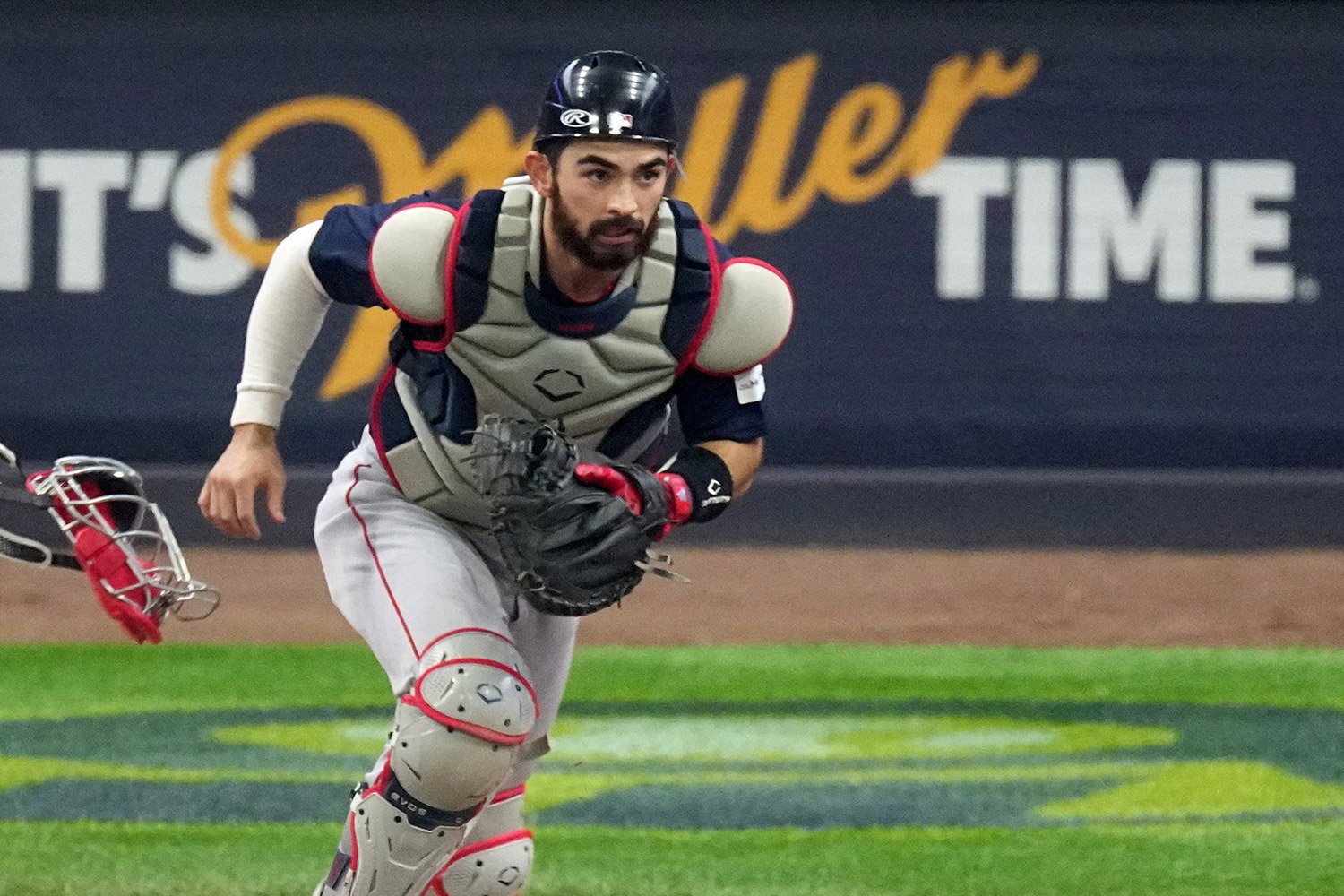 The Red Sox are betting on Connor Wong. This winter, the team sent top-ranked catching prospect Kyle Teel to the White Sox for brand-new ace Garrett Crochet. The thing is, Wong isn’t some type of wunderkind who was preventing a Teel debut in 2025. Despite a breakout season at the plate, Wong’s offensive statistics were somewhat misleading in 2024, and his defense was a consistent problem. The defense needs to be the most immediate fix. Of 40 catchers to play 500 innings in 2024, Wong ranked 37th in Catching Defense Added. He was 38th in Called Strikes Above Average and Blocking Runs. He was 19th in Throwing Runs. The real question is: Does it matter? Last year, for example, the World Series champion Dodgers had a catcher who was equally poor on defense. That catcher, Will Smith, was just one spot ahead of Wong in Catching Defense Added (CDA). That trend, however, doesn’t continue for other World Series winners. In 2023, Rangers catcher Jonah Heim was 4th in CDA. Martin Maldonado ranked 15th in 2022 for the World Champion Astros. (He did split time with Christian Vazquez after the deadline.) For the most part, the trend continues historically. Since 2002, only two catchers who played 500 innings for a World Series team have finished below Connor Wong’s mark of 37th in the league in CDA. They are Jorge Posada and Ivan Rodriguez, two incredible hitters. Over that span, eight catchers were in the top eight in CDA, and the average finish was 16th. Don’t get me wrong; it is ridiculous to suggest that this stat can help predict if a team can win a World Series with a specific catcher. I only demonstrate the link because having a catcher as defensively deficient as Wong on a young team with major changes to the pitching staff is a serious flaw. That being said, bad defense isn’t permanent. With the right emphasis and off-season work, it can be fixed. For Wong, that means a focus on framing and blocking. While his ability to throw runners out isn’t exactly prodigious, it’s been middle of the pack, aka. acceptable. His framing and blocking have, however, never been above league average. Having last strapped on the tools of ignorance in Little League and never as a high school or college athlete, I won't pretend to have the answer to those problems. And I'm not implying that Wong hasn’t tried to fix them in the past. I am saying that the right type of instruction can make a substantial difference between seasons. We see defenders at all positions burst into stardom every year. The Sox's new hire of catching instructor Parker Guinn is of note in the team's quest to make Wong take a step forward in 2025. In the past, Guinn managed the Yankees Dominican Summer League team and jumped between several college teams. Instruction from him and a slew of other coaches will be important if Wong makes a defensive jump in 2025. While I still perceive Wong’s ability behind the plate as his major fault because of the significance of a defensively savvy backstop, the offense still holds room for improvement. His .280 batting average, which ranked 10th among catchers, masks the whiff rate and strikeout percentage that ranked outside the top 25 among catchers with 200 plate appearances. Wong’s expected batting average of .231 last season is also downright scary. The fact that his barrel percentage and exit velocity were in the bottom half of the league likely contributed. I think it’s important to ask if Wong is perceived as a viable franchise option at catcher simply because of his batting average from last year and an incredibly hot start to the season. He was above average in wRC+ and improved some peripheral stats (see Davy Andrews' article for a more in-depth analysis). He can certainly be a consistent, above-average hitting catcher, a standard he is far closer to offensively than defensively. Wong and the Red Sox could catch lightning in a bottle if he can recreate his hot start from last year for a full season (or, honestly, just 100 games). That being said, changes need to be made. Pitch selection is one example. Among catchers with 200 plate appearances, Wong was 20th in percentage of pitches swung at that were outside of the zone. He was 41st in actually making contact with those pitches. Not being a bad ball hitter is fine. Accepting it seems to be a necessity for Wong. An improvement in power and exit velocity is also important for Wong; despite a .425 slugging percentage, he only hit 13 home runs. Wong is speedy for a catcher and has made efforts to gain weight this offseason, according to Chris Cotillo of MassLive. Cotillo noted that Alex Cora is impressed with how big and explosive Wong is. If the reports are true, Wong’s size could help him take a step forward on the plate. The laundry list of things to work on for Wong is long. Not all of them can be addressed sufficiently in one offseason. The 28-year-old, four-year vet is likely on the way out of his offensive prime, and catchers wear down even faster than other position players, and the team has control over him through 2028. I don’t think the Red Sox must ask for an All-Star or a great season from Wong. The young talent about to join the team needs to ask for consistency. Wong can do that.
 -
Jarren Duran’s breakout 2024 season helped save the Sox from finishing the season below .500 for the third straight year. So what can we expect from him in 2025, and why do the projections expect so little? Every year, Baseball Prospectus runs a series of articles highlighting the projections of its projection model, PECOTA, one for each team. And every year, that series is called PECOTA Hates Your Team. The joke is that fans of any team will be able to find a reason to complain about the projections. Projection models are inherently conservative. They typically produce numbers that regress toward the average performance of the player's career. Likewise, they analyze a player's historical performance, then compare it to similar players throughout baseball history in order to predict how a player will perform next year (or even over the entire rest of their career). And throughout baseball history, the one constant is regression to the mean. Players who suddenly have a breakout season tend to come back to earth, and players who suddenly perform terribly tend to bounce back. It's not that PECOTA hates Jarren Duran, it's just that players who break out the way Jarren Duran did in 2024 tend not to stay broken out. Depending on your preferred version, Duran put up somewhere between 6.2 (Baseball Prospectus) and 8.7 WAR (Baseball Refernce). FanGraphs was in the middle with 6.7, but regardless of which version you care about, that's an MVP-candidate level of production. Here's where the major projection systems expect Duran to end up in 2025: FGDC: 3.1 Steamer: 3.2 PECOTA: 3.2 ZiPS: 3.7 All four of them see Duran taking an enormous step back, with his WAR essentially cut in half. Our editor, Davy Andrews, pulled some historical data from FanGraphs. He found that since 1900, there have been 218 players in AL/NL history in Duran's situation: they put up less than 3.0 fWAR in one season, then put up more than 6.0 in the next season. In year three, those 218 players averaged 4.2 fWAR. Fewer than 8% of them were better in year three than they were in year two. Fewer than 22% were within 1.0 WAR of the total they put up in year two. More than 30% put up fewer than 3.0 WAR in year three. Just based on baseball history, we should expect Duran to have a higher than 30% chance of putting up fewer than 3.0 WAR! No wonder the projections hate him! History is very clear: players who put up the kind of season Duran just put up do not do it again. That's just the historical part of the equation. The projection systems rely more on Duran's underlying numbers to predict his future performance. While not as significant as Duran’s performance last season, some of his struggles from 2021 to 2023 absolutely play a role in these projections. Let's start on offense. Duran put up a 120 wRC+ in 2023 and a 129 wRC+ in 2024, meaning that in those two seasons, he was 20% and 29% better than the average hitter, respectively. However, most projection systems see him dropping all the way to around 111. That big a dropoff seems pretty unlikely. Duran ran a career-best strikeout rate in 2024, and the projections systems understandably think it will regress to the mean a bit next season. However, Duran was also much more patient in 2024, running career lows in his swing rate both inside and outside the zone. Plate discipline stats tend to be sticky year over year, so it's possible that Duran will keep his chase rate down, which will help him do the same with his strikeout rate. The biggest reason that Steamer projects a drop-off in offensive production from Duran is because they don’t believe in his power numbers from 2024. Coming into the 2024 season, Duran had a career .162 isolated slugging percentage, but he blew that out of the water with a .207 mark. The projection systems are doing what they do: they look at the last few years and weigh the more recent performance a bit more heavily, and thus have him right in between those two numbers, around .185. Is there any reason in the underlying numbers that makes us believe Duran might be capable of holding onto his slugging gains? In his first three seasons, Duran had little home run pop but in 2024 he hit 21. Over his career, his 162-game career pace is just 10. Duran put up a career-best average exit velocity, but his hard-hit rate was actually lower in 2024 than 2023, as was 90th-percentile average exit velocity, which is one of the best measures of power. He also ran a much higher groundball rate. Seeing these underlying numbers, it's reasonable to expect Duran's power to step back a bit. The most interesting part of Steamer's projection is the decrease they anticipate in Duran’s baserunning. His 8.4 Base Running Runs above average was a career-best and third-most in baseball, and he put up 7.2 in 2023. However, Steamer projects that number to drop to 2.1. This projection makes little sense, as Duran has 96th percentile sprint speed, stole 34 bags in 2024, and was caught just seven times. There is little reason to expect the serious decline in baserunning ability that Steamer projects. According to the two leading defense metrics, Defensive Runs Saved and Fielding Runs Value, Duran’s defense got much, much better all of a sudden in 2024. Both metrics had him costing the Red Sox runs in 2023, but in 2024, they had him as one of the best outfielders in all of baseball. Projections are inherently suspicious of big jumps like that, so they still expect Duran to be a net negative next season. However, we should keep in mind that 2024 was Duran's first full big-league season, and he definitely had some growing pains during his first three seasons. All Red Sox fans remember the 2022 Raimel Tapia inside-the-park grand slam on a fly ball that Duran simply couldn’t find. The defensive lows for Duran have been downright nauseating, but it's possible that he has turned a defensive corner. So what should we expect in 2025? We should probably expect a decrease in overall defensive value. He won’t lead MLB in assists as he did in 2024, because that's a somewhat fluky stat and because teams won’t run as often on him because of his 2024 success. However, we can also expect that he will maintain most of his improvements in range. According to Statcast, Duran's jumps in the outfield were slightly worse in 2024 than in 2023. However, he also had a faster sprint speed and arm strength in 2024 than in 2023. He's definitely not in the midst of any physical decline. Even if he comes down to earth some, Duran's not going to turn back into a bad defender. You just don't luck into numbers that say you're one of the best defenders in baseball. That does not, however, mean that he won’t be an above-average fielder in 2025. Jarren Duran is a star, but now that we've run through everything, it does seem unlikely that he’ll repeat his 2024 numbers. He should continue to excel defensively and on the bases, but it would be unreasonable to just assume that he'll match his career high a second time. On offense, we probably should expect him to slug a bit less. Duran put up incredible numbers in 2024. According to Dan Szymborski's ZiPS projection model, Duran's 80th percentile projection for 2025 has him at just 5.7 fWAR, meaning that ZiPS gives Duran just a 20% chance of coming within one win of his 2024 mark. Surpassing a 6.7 WAR is a feat not many achieve. Because Duran saw improvements in many peripheral stats, I suspect that a 2025 decline won’t be to the scale of the Steamer projections. My guess? He'll sit somewhere a little above the previously mentioned average of 6.7. Duran is entering his age 28 season, part of the offensive prime of most players' careers, and he's as fast and strong as ever. I’ll admit that I'm biased, but the numbers indicate Steamer's projection is too low. We'll have to play the season to see if I've got it right or if Steamer's weak(er) figures are more accurate. View full article
-
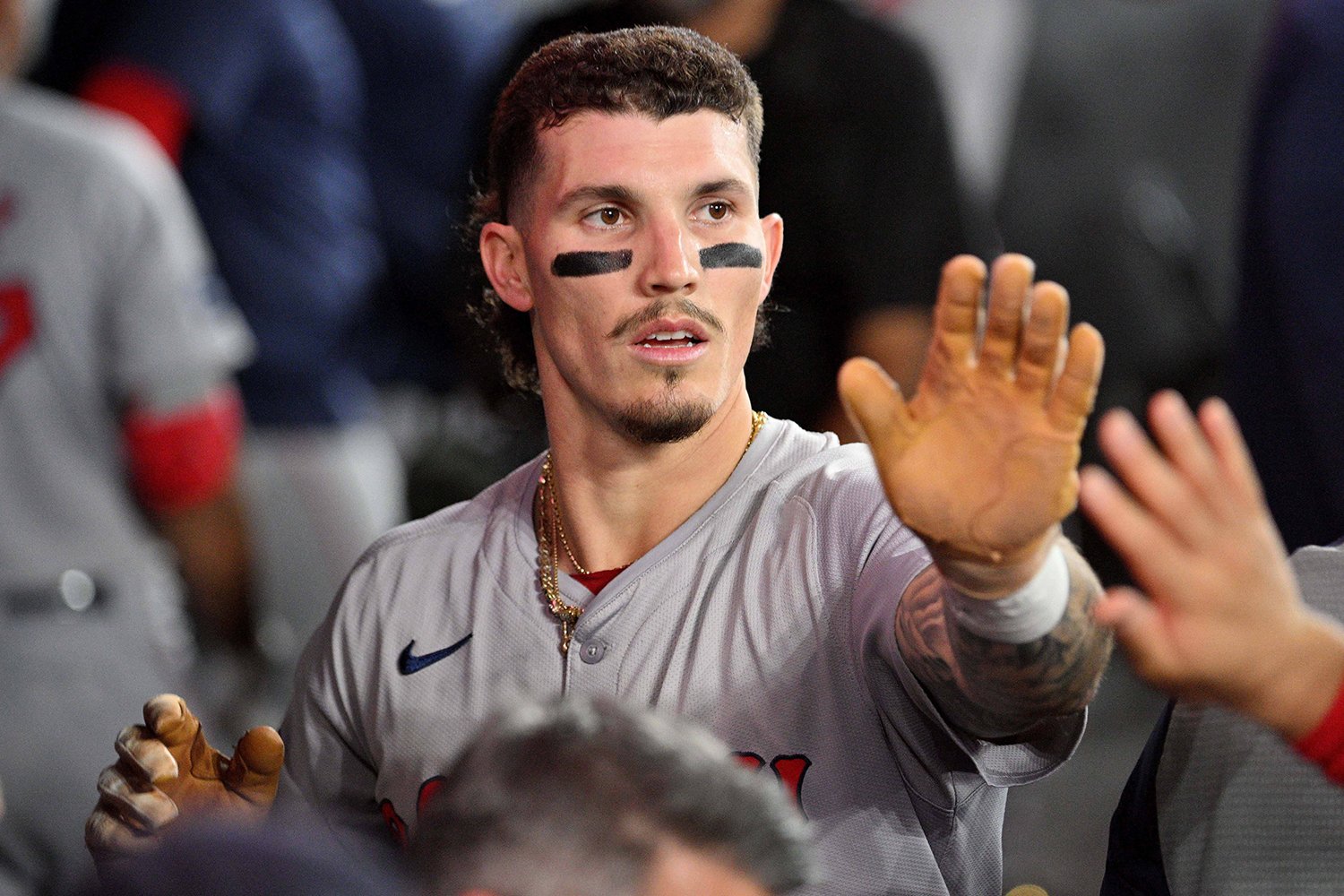 Every year, Baseball Prospectus runs a series of articles highlighting the projections of its projection model, PECOTA, one for each team. And every year, that series is called PECOTA Hates Your Team. The joke is that fans of any team will be able to find a reason to complain about the projections. Projection models are inherently conservative. They typically produce numbers that regress toward the average performance of the player's career. Likewise, they analyze a player's historical performance, then compare it to similar players throughout baseball history in order to predict how a player will perform next year (or even over the entire rest of their career). And throughout baseball history, the one constant is regression to the mean. Players who suddenly have a breakout season tend to come back to earth, and players who suddenly perform terribly tend to bounce back. It's not that PECOTA hates Jarren Duran, it's just that players who break out the way Jarren Duran did in 2024 tend not to stay broken out. Depending on your preferred version, Duran put up somewhere between 6.2 (Baseball Prospectus) and 8.7 WAR (Baseball Refernce). FanGraphs was in the middle with 6.7, but regardless of which version you care about, that's an MVP-candidate level of production. Here's where the major projection systems expect Duran to end up in 2025: FGDC: 3.1 Steamer: 3.2 PECOTA: 3.2 ZiPS: 3.7 All four of them see Duran taking an enormous step back, with his WAR essentially cut in half. Our editor, Davy Andrews, pulled some historical data from FanGraphs. He found that since 1900, there have been 218 players in AL/NL history in Duran's situation: they put up less than 3.0 fWAR in one season, then put up more than 6.0 in the next season. In year three, those 218 players averaged 4.2 fWAR. Fewer than 8% of them were better in year three than they were in year two. Fewer than 22% were within 1.0 WAR of the total they put up in year two. More than 30% put up fewer than 3.0 WAR in year three. Just based on baseball history, we should expect Duran to have a higher than 30% chance of putting up fewer than 3.0 WAR! No wonder the projections hate him! History is very clear: players who put up the kind of season Duran just put up do not do it again. That's just the historical part of the equation. The projection systems rely more on Duran's underlying numbers to predict his future performance. While not as significant as Duran’s performance last season, some of his struggles from 2021 to 2023 absolutely play a role in these projections. Let's start on offense. Duran put up a 120 wRC+ in 2023 and a 129 wRC+ in 2024, meaning that in those two seasons, he was 20% and 29% better than the average hitter, respectively. However, most projection systems see him dropping all the way to around 111. That big a dropoff seems pretty unlikely. Duran ran a career-best strikeout rate in 2024, and the projections systems understandably think it will regress to the mean a bit next season. However, Duran was also much more patient in 2024, running career lows in his swing rate both inside and outside the zone. Plate discipline stats tend to be sticky year over year, so it's possible that Duran will keep his chase rate down, which will help him do the same with his strikeout rate. The biggest reason that Steamer projects a drop-off in offensive production from Duran is because they don’t believe in his power numbers from 2024. Coming into the 2024 season, Duran had a career .162 isolated slugging percentage, but he blew that out of the water with a .207 mark. The projection systems are doing what they do: they look at the last few years and weigh the more recent performance a bit more heavily, and thus have him right in between those two numbers, around .185. Is there any reason in the underlying numbers that makes us believe Duran might be capable of holding onto his slugging gains? In his first three seasons, Duran had little home run pop but in 2024 he hit 21. Over his career, his 162-game career pace is just 10. Duran put up a career-best average exit velocity, but his hard-hit rate was actually lower in 2024 than 2023, as was 90th-percentile average exit velocity, which is one of the best measures of power. He also ran a much higher groundball rate. Seeing these underlying numbers, it's reasonable to expect Duran's power to step back a bit. The most interesting part of Steamer's projection is the decrease they anticipate in Duran’s baserunning. His 8.4 Base Running Runs above average was a career-best and third-most in baseball, and he put up 7.2 in 2023. However, Steamer projects that number to drop to 2.1. This projection makes little sense, as Duran has 96th percentile sprint speed, stole 34 bags in 2024, and was caught just seven times. There is little reason to expect the serious decline in baserunning ability that Steamer projects. According to the two leading defense metrics, Defensive Runs Saved and Fielding Runs Value, Duran’s defense got much, much better all of a sudden in 2024. Both metrics had him costing the Red Sox runs in 2023, but in 2024, they had him as one of the best outfielders in all of baseball. Projections are inherently suspicious of big jumps like that, so they still expect Duran to be a net negative next season. However, we should keep in mind that 2024 was Duran's first full big-league season, and he definitely had some growing pains during his first three seasons. All Red Sox fans remember the 2022 Raimel Tapia inside-the-park grand slam on a fly ball that Duran simply couldn’t find. The defensive lows for Duran have been downright nauseating, but it's possible that he has turned a defensive corner. So what should we expect in 2025? We should probably expect a decrease in overall defensive value. He won’t lead MLB in assists as he did in 2024, because that's a somewhat fluky stat and because teams won’t run as often on him because of his 2024 success. However, we can also expect that he will maintain most of his improvements in range. According to Statcast, Duran's jumps in the outfield were slightly worse in 2024 than in 2023. However, he also had a faster sprint speed and arm strength in 2024 than in 2023. He's definitely not in the midst of any physical decline. Even if he comes down to earth some, Duran's not going to turn back into a bad defender. You just don't luck into numbers that say you're one of the best defenders in baseball. That does not, however, mean that he won’t be an above-average fielder in 2025. Jarren Duran is a star, but now that we've run through everything, it does seem unlikely that he’ll repeat his 2024 numbers. He should continue to excel defensively and on the bases, but it would be unreasonable to just assume that he'll match his career high a second time. On offense, we probably should expect him to slug a bit less. Duran put up incredible numbers in 2024. According to Dan Szymborski's ZiPS projection model, Duran's 80th percentile projection for 2025 has him at just 5.7 fWAR, meaning that ZiPS gives Duran just a 20% chance of coming within one win of his 2024 mark. Surpassing a 6.7 WAR is a feat not many achieve. Because Duran saw improvements in many peripheral stats, I suspect that a 2025 decline won’t be to the scale of the Steamer projections. My guess? He'll sit somewhere a little above the previously mentioned average of 6.7. Duran is entering his age 28 season, part of the offensive prime of most players' careers, and he's as fast and strong as ever. I’ll admit that I'm biased, but the numbers indicate Steamer's projection is too low. We'll have to play the season to see if I've got it right or if Steamer's weak(er) figures are more accurate.
 -
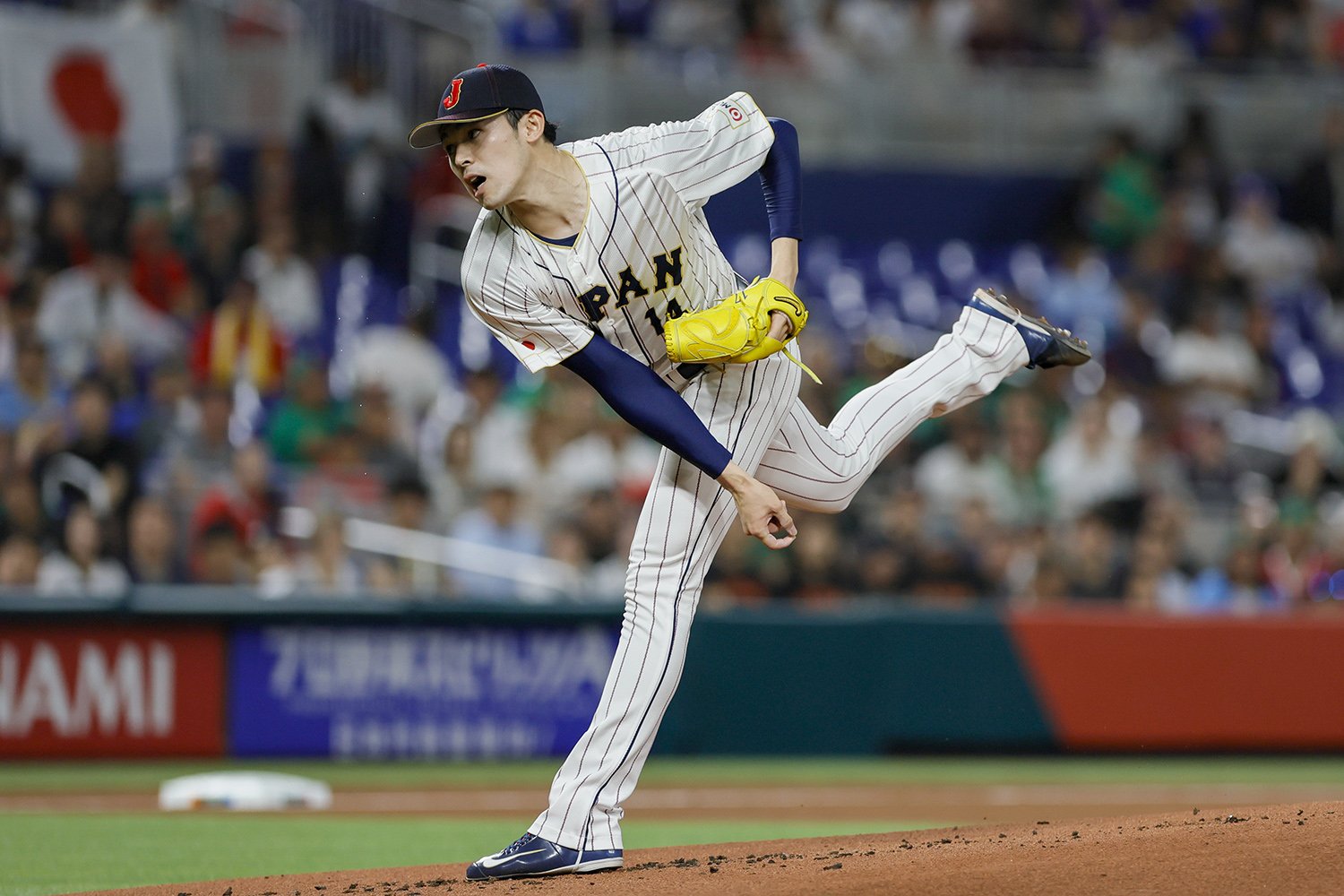 Every team in baseball should have been bending over backward to sign Roki Sasaki, the sensational 23-year-old Japanese pitcher who entered the posting system from NPB to MLB. In order to play in America before reaching nine years of professional experience, Sasaki decided to enter the league on a standard rookie contract, so all he'll cost the team that lands him is their allotment of international bonus pool money. According to Sasaki's agent, Joel Wolfe, 20 teams made presentations to Sasaki's team, and Sasaki elected to meet with seven of them: the Cubs, Dodgers, Giants, Mets, Padres, Rangers, and Yankees. The Red Sox didn't make the cut. Wolfe, has not eliminated the possibility of Sasaki meeting with additional teams in person, but it seems clear that the Red Sox are out. According to Peter Abraham of the Boston Globe, "The Red Sox put together a slick multi-layered proposal for Sasaki that focused on his future development, biomechanics, and the team’s young core of talent." The team’s inability to earn a meeting with Sasaki is ultimately a reflection of the struggles the organization has faced in the past three years. The Red Sox have more international free-agent bonus pool money available than all seven of the contenders. This should have been an advantage, albeit a small one, as money clearly isn't Sasaki's main motivator. The Red Sox can't blame it all on geography either, as the lucky seven aren't limited to the West Coast. That said, the Dodgers, Padres, and Giants are considered the frontrunners. Signing the 23-year-old righty would have been a coup, but it also would have been interesting from a roster-construction perspective, considering the depth of the pitching staff. The team is already contemplating a six-man rotation, a serious concern for Sasaki, who threw just 111 innings in 2024 and whose career-high is a scant 129 1/3. It's still unclear who exactly will start the season in the rotation and who will start in the bullpen. Lucas Giolito and Patrick Sandoval are returning from injury, and Garrett Crochet and Walker Buehler will likely have their workloads limited. But regardless of the details, signing Sasaki would have improved the team in a major way and stood as a testament to the its ability to attract free agents. The 6-foot-3 Sasaki has attracted the attention of MLB teams since he was a high schooler with a 100-mph fastball. The Chiba Lotte Marines selected him first overall in the NPB draft, and he has run a career 2.10 ERA and a 0.89 WHIP while striking out more than 10 batters per nine innings. Sasaki's bread and butter is a splitter that produced an absurd 57% whiff rate in 2024. For context, during the 2024 MLB season, there were 1,724 different pitches that got thrown in at least 30 plate appearances. Only two of them ran a higher whiff rate than Sasaki's splitter: Josh Hader's slider (60.2%) and Fernando Cruz's splitter (59.3%). Sasaki's fastball averaged just under 97 mph in 2024, down a couple ticks from 2023, but it's still a formidable weapon, and his slider also grades out as above-average. It would be reasonable to view Boston's offseason as a success. The team acquired a legitimate ace in Crochet and signed bounce-back candidates in Buehler and Sandoval. However, the team has yet to make the big splash in free agency that it has been promising since the previous offseason. It's possible that Sasaki's camp noticed that the team has only handed out one multi-year deal, which went to Sandoval, who will miss much of its first season. One solution to the problem could simply be winning. In the past, the Sox were an ideal landing spot for free agents who wanted to win. A successful season from the Sox in 2025 could restore that reputation and help land big names in the future. Sasaki's signing window runs from January 15 to 23, not that it should matter too much to Red Sox fans (unless he signs with the Yankees).
 -
The sensational starter's snub says something sad about the state of the Sox. Every team in baseball should have been bending over backward to sign Roki Sasaki, the sensational 23-year-old Japanese pitcher who entered the posting system from NPB to MLB. In order to play in America before reaching nine years of professional experience, Sasaki decided to enter the league on a standard rookie contract, so all he'll cost the team that lands him is their allotment of international bonus pool money. According to Sasaki's agent, Joel Wolfe, 20 teams made presentations to Sasaki's team, and Sasaki elected to meet with seven of them: the Cubs, Dodgers, Giants, Mets, Padres, Rangers, and Yankees. The Red Sox didn't make the cut. Wolfe, has not eliminated the possibility of Sasaki meeting with additional teams in person, but it seems clear that the Red Sox are out. According to Peter Abraham of the Boston Globe, "The Red Sox put together a slick multi-layered proposal for Sasaki that focused on his future development, biomechanics, and the team’s young core of talent." The team’s inability to earn a meeting with Sasaki is ultimately a reflection of the struggles the organization has faced in the past three years. The Red Sox have more international free-agent bonus pool money available than all seven of the contenders. This should have been an advantage, albeit a small one, as money clearly isn't Sasaki's main motivator. The Red Sox can't blame it all on geography either, as the lucky seven aren't limited to the West Coast. That said, the Dodgers, Padres, and Giants are considered the frontrunners. Signing the 23-year-old righty would have been a coup, but it also would have been interesting from a roster-construction perspective, considering the depth of the pitching staff. The team is already contemplating a six-man rotation, a serious concern for Sasaki, who threw just 111 innings in 2024 and whose career-high is a scant 129 1/3. It's still unclear who exactly will start the season in the rotation and who will start in the bullpen. Lucas Giolito and Patrick Sandoval are returning from injury, and Garrett Crochet and Walker Buehler will likely have their workloads limited. But regardless of the details, signing Sasaki would have improved the team in a major way and stood as a testament to the its ability to attract free agents. The 6-foot-3 Sasaki has attracted the attention of MLB teams since he was a high schooler with a 100-mph fastball. The Chiba Lotte Marines selected him first overall in the NPB draft, and he has run a career 2.10 ERA and a 0.89 WHIP while striking out more than 10 batters per nine innings. Sasaki's bread and butter is a splitter that produced an absurd 57% whiff rate in 2024. For context, during the 2024 MLB season, there were 1,724 different pitches that got thrown in at least 30 plate appearances. Only two of them ran a higher whiff rate than Sasaki's splitter: Josh Hader's slider (60.2%) and Fernando Cruz's splitter (59.3%). Sasaki's fastball averaged just under 97 mph in 2024, down a couple ticks from 2023, but it's still a formidable weapon, and his slider also grades out as above-average. It would be reasonable to view Boston's offseason as a success. The team acquired a legitimate ace in Crochet and signed bounce-back candidates in Buehler and Sandoval. However, the team has yet to make the big splash in free agency that it has been promising since the previous offseason. It's possible that Sasaki's camp noticed that the team has only handed out one multi-year deal, which went to Sandoval, who will miss much of its first season. One solution to the problem could simply be winning. In the past, the Sox were an ideal landing spot for free agents who wanted to win. A successful season from the Sox in 2025 could restore that reputation and help land big names in the future. Sasaki's signing window runs from January 15 to 23, not that it should matter too much to Red Sox fans (unless he signs with the Yankees). View full article
-
In the final installment of this five-part series, we'll look at the relievers who filled in the gaps during a long season. Every day this week, we've looked at the relievers who got the Red Sox through the 2024 season. We've examined the best, the bulkiest, and the worst, and those whose appearances had the power to make or break a game. Today, we'll focus on three pitchers who filled in gaps for the Sox in 2024. Brad Keller Brad Keller signed as a free agent in May and threw 24 2/3 innings for the Sox. A starter for most of his career, Keller moved to the pen after only pitching in 11 games for the Royals in 2023. He made two starts for the White Sox before he was released and signed in Boston four days later, making 11 big-league relief appearances between May 27 and August 26. Keller's 5.44 ERA was the worst of his career, and he flipped back and forth between Worcester and Boston over those three months. The righty had a negative WAR and saw his typically high groundball rate fall. He ate innings, but wasn't able to provide much more value than that. Keller is entering his age 29 season and is currently a free agent after the Red Sox outrighted him in August and he elected free agency. If he returns to the big leagues this season, it will likely be on another minor league contract. Joely Rodríguez Joely Rodríguez played the role of the lefty fill-in for the Sox last year. He threw 13 2/3 innings as he moved back and forth between the minors and the majors. Rodríguez ran a 4.28 ERA from 2020 to 2022, but his ERA ballooned to 6.55 in 2023. If the Red Sox were hoping for a bounce back season, they ended up disappointed. He ran a 5.93 ERA, and many of his peripherals trended south. His 20% whiff rate was the worst of his career, and his strikeout rate plummeted to just below 19%, a drop-off of nearly 10 percentage points from 2023. However, if you dig deeper, there were a few extremely encouraging signs, as evidenced by Rodríguez's 3.03 xFIP, the third-best on the team. Rodríguez was excellent at avoiding hard contact and keeping the ball on the ground during his short time in Boston, but the results still weren't there. Pitch models weren't impressed by his repertoire, but it's worth noting that they're much more geared to appreciate pitches that rack up swings and misses, and that's not Rodríguez's game. He featured an interesting pitch mix. He threw a sinker, changeup, and sweeper, with extreme East-West movement. There were some clear issues, some of them fixable. Rodríguez likely can't do much to increase the speed of his 90-mph sinker, but he could have done a better job of locating it lower in the zone. He also ran an excellent chase rate, which should have allowed him to pitch outside the zone more often; instead, he ran one of the highest zone rates in baseball. His sinker and changeup have extremely similar movement profiles, but they have just a 4.5 mph velocity differential, which is extremely low. If he can find a way to keep his sinker down and to get a little bit more separation between it and his changeup, he could make for an interesting reclamation project. Rodriguez was outrighted in August, and elected free agency rather than returning to the minors. The 31-year-old is currently pitching in the Dominican Winter League for Gigantes del Cibao. Luis Guerrero Rookie Luis Guerrero was excellent in an extremely small sample in 2024. He allowed just one earned run over 10 innings during his major-league debut. The 23-year-old had a 3.31 ERA in Triple A before being called up to the bigs. Guerrero's fastball averaged 97.5 mph, and opponents hit just .100 against it. Guerrero is very much a prospect, and during his time in Boston, he showcased his potential. He features serious stuff and velocity, and when he's able to control it, he's extremely hard to hit. That stuff allowed him to cruise through the lower minors, but he's now reached his level, and will have to learn to command his pitches in order to succeed in Boston. The first 10 innings were certainly encouraging. Guerrero will likely pitch for the Sox in 2024, and may have a solid chance of starting the season with the big club. His role at the beginning of the season will depend on his performance during spring training, and his ultimate fate will likely depend on his walk rate. All three of these pitchers made limited contributions to the Sox in 2024. However, their career paths are drastically different. Keller and Rodriguez will be looking for minor-league deals, while Guerrero still has his rookie eligibility and could make a huge splash if Boston's pitching development team can help him figure things out. View full article
-
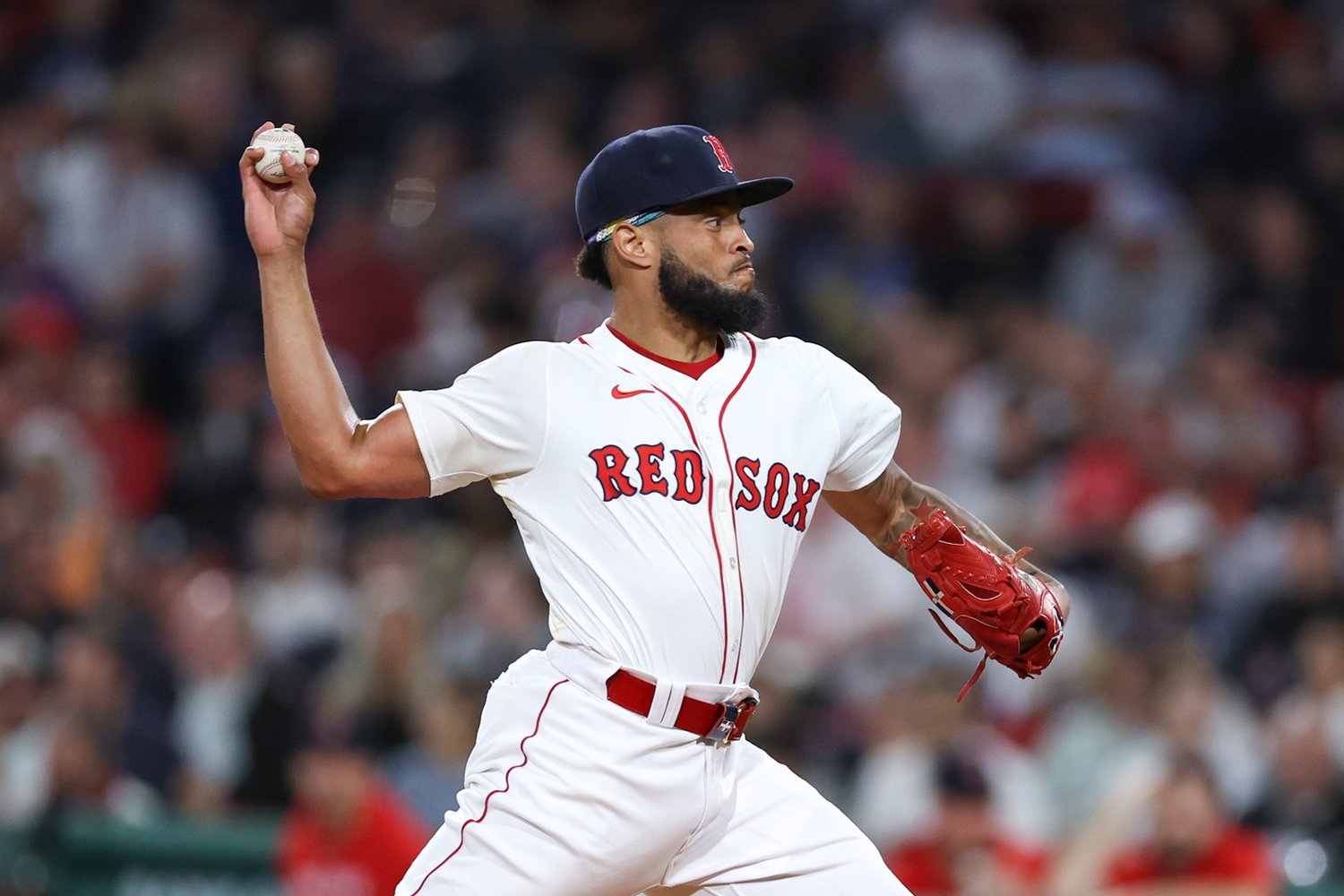 Every day this week, we've looked at the relievers who got the Red Sox through the 2024 season. We've examined the best, the bulkiest, and the worst, and those whose appearances had the power to make or break a game. Today, we'll focus on three pitchers who filled in gaps for the Sox in 2024. Brad Keller Brad Keller signed as a free agent in May and threw 24 2/3 innings for the Sox. A starter for most of his career, Keller moved to the pen after only pitching in 11 games for the Royals in 2023. He made two starts for the White Sox before he was released and signed in Boston four days later, making 11 big-league relief appearances between May 27 and August 26. Keller's 5.44 ERA was the worst of his career, and he flipped back and forth between Worcester and Boston over those three months. The righty had a negative WAR and saw his typically high groundball rate fall. He ate innings, but wasn't able to provide much more value than that. Keller is entering his age 29 season and is currently a free agent after the Red Sox outrighted him in August and he elected free agency. If he returns to the big leagues this season, it will likely be on another minor league contract. Joely Rodríguez Joely Rodríguez played the role of the lefty fill-in for the Sox last year. He threw 13 2/3 innings as he moved back and forth between the minors and the majors. Rodríguez ran a 4.28 ERA from 2020 to 2022, but his ERA ballooned to 6.55 in 2023. If the Red Sox were hoping for a bounce back season, they ended up disappointed. He ran a 5.93 ERA, and many of his peripherals trended south. His 20% whiff rate was the worst of his career, and his strikeout rate plummeted to just below 19%, a drop-off of nearly 10 percentage points from 2023. However, if you dig deeper, there were a few extremely encouraging signs, as evidenced by Rodríguez's 3.03 xFIP, the third-best on the team. Rodríguez was excellent at avoiding hard contact and keeping the ball on the ground during his short time in Boston, but the results still weren't there. Pitch models weren't impressed by his repertoire, but it's worth noting that they're much more geared to appreciate pitches that rack up swings and misses, and that's not Rodríguez's game. He featured an interesting pitch mix. He threw a sinker, changeup, and sweeper, with extreme East-West movement. There were some clear issues, some of them fixable. Rodríguez likely can't do much to increase the speed of his 90-mph sinker, but he could have done a better job of locating it lower in the zone. He also ran an excellent chase rate, which should have allowed him to pitch outside the zone more often; instead, he ran one of the highest zone rates in baseball. His sinker and changeup have extremely similar movement profiles, but they have just a 4.5 mph velocity differential, which is extremely low. If he can find a way to keep his sinker down and to get a little bit more separation between it and his changeup, he could make for an interesting reclamation project. Rodriguez was outrighted in August, and elected free agency rather than returning to the minors. The 31-year-old is currently pitching in the Dominican Winter League for Gigantes del Cibao. Luis Guerrero Rookie Luis Guerrero was excellent in an extremely small sample in 2024. He allowed just one earned run over 10 innings during his major-league debut. The 23-year-old had a 3.31 ERA in Triple A before being called up to the bigs. Guerrero's fastball averaged 97.5 mph, and opponents hit just .100 against it. Guerrero is very much a prospect, and during his time in Boston, he showcased his potential. He features serious stuff and velocity, and when he's able to control it, he's extremely hard to hit. That stuff allowed him to cruise through the lower minors, but he's now reached his level, and will have to learn to command his pitches in order to succeed in Boston. The first 10 innings were certainly encouraging. Guerrero will likely pitch for the Sox in 2024, and may have a solid chance of starting the season with the big club. His role at the beginning of the season will depend on his performance during spring training, and his ultimate fate will likely depend on his walk rate. All three of these pitchers made limited contributions to the Sox in 2024. However, their career paths are drastically different. Keller and Rodriguez will be looking for minor-league deals, while Guerrero still has his rookie eligibility and could make a huge splash if Boston's pitching development team can help him figure things out.
 -
Our deep dive into the bullpen continues. We've looked at the best, the bulkiest, and the bottom. Today, we look at the make-or-break relievers. Welcome back to part four of our five-part series examining the 2024 Red Sox bullpen. What did the Sox get from their relievers and what can they expect going forward? The pitchers we’ll be examining today were three of the most make-or-break players in the 2024 'pen. Kenley Jansen Kenley Jansen recorded 27 saves in 31 opportunities as the Red Sox closer. Aside from the short 2020 season, that was his lowest save total was his lowest since 2012. However, his 3.29 ERA and 3.00 FIP were both his best since 2021. You'd have to consider his season a success. His 3.01 win probability added ranked 11th among all relievers, and according to Statcast, his trademark cutter was worth seven runs. However, Jansen struggled far more in his age-36 season than he had in any season prior. His 25% chase rate was the worst of his career and one of the worst in baseball, ranking in the 11th percentile. His hard-hit rate, exit velocity, and barrel rate were all the worst he's posted in the Statcast era, and a big reason for his success was that his .253 batting average on balls in play was his second lowest since 2018. Jansen just finished a two-year, $32-million deal with the Sox and he seems very unlikely to return. He drew trade rumors after the 2023 season, and for a team attempting to revamp its bullpen, the veteran may not be a fit. He would have to compete with other aging former closers Liam Hendriks and Aroldis Chapman for the job. Josh Winckowski Josh Winckowski returned to earth after an incredible and surprising 2023. This past season the righty threw 76 1/3 innings in 40 games with a 4.14 ERA, up from 2.88 in 2023. His underlying numbers got worse too: his whiff rate, strikeout rate, and hard-hit rate all took step back from last season, and all three ranked in the 15th percentile. However, he also suffered from some bad luck, running a very high .337 BABIP, and a very low 61.9% strand rate. So while he definitely fell off in a major way, things might not be quite as bad as they seemed. The biggest difference seemed to be his changeup, which went from saving the Red Sox two runs in 2023 to costing them six in 2024. That's a huge swing, and it makes sense as its hard-hit rate nearly doubled, going from 23.8% to 43.2%. Winckowski is not yet arbitration eligible, and after all the additions the team has made this offseason, he will likely move down the bullpen pecking order. If nothing else, Winckowski can eat multiple innings out of the 'pen, which could be a big help during a season where multiple starters are on workload limits. If the 2023 version shows up, he could play an important role this season. Cam Booser Cam Booser was one of the two left-handed relievers to eat innings in 2024. He ran a 3.38 ERA in 42 2/3 innings as a 32-year-old rookie. His 3.80 FIP wasn't quite so shiny, and his numbers likely got a boost from an 80% strand rate. Booser struggled to keep the ball out of the air. He allowed an average launch angle of 20.6 degrees, among the highest for relievers league-wide. Booser threw three different pitches in his first season: a four-seam fastball, a sweeper, and a cutter. All three pitches graded out as about average according to most pitching models, and all three performed right around the league average as well. Booser won’t be returning to the Red Sox in 2025. He was traded to the White Sox in December for Yhoiker Fajardo. Fajardo is a right-handed pitcher who just finished his age-17 season in the Dominican Summer League, making him more or less a lottery ticket. A league-average arm could really help the White Sox, while Boston's newfound pitching depth means that they have less use for such a piece and might want to take a chance on a talented youngster. Of our three pitchers, Winckowski will be the only one to don a Red Sox jersey in 2025. Jansen will seek a closing role with another franchise and has mentioned a desire to end his career with the Dodgers, and Cam Booser is doomed to pitch for a White Sox team that may not scratch 60 wins this coming season. We'll return with the final part of our series tomorrow. View full article
