Bryce Whitlow
-
Posts
36 -
Joined
-
Last visited
Content Type
Profiles
Boston Red Sox Videos
2026 Boston Red Sox Top Prospects Ranking
Boston Red Sox Free Agent & Trade Rumors, Notes, & Tidbits
Guides & Resources
2025 Boston Red Sox Draft Pick Tracker
News
2026 Boston Red Sox Draft Tracker: Picks & Bonuses
Forums
Blogs
Events
Store
Downloads
Gallery
Everything posted by Bryce Whitlow
-
My first game at Fenway when I was 15 was Rutledge’s Red Sox debut. I believe he came in as a defensive replacement. I liked him in Colorado a lot. I also bought a Sandoval jersey that day so I wasn’t the smartest teenager.
-
I totally agree with that being his ceiling. I’d love to see him settle into a Rob Refsnyder type of role with an organization. A lefty masher who’s serviceable in the outfield. Time isn’t on his side, but somebody like Refsnyder has thrived in his 30’s so there is a precedent. Time will tell though. I’d love to see him get a shot in Boston or another city that has a role for him. Thanks for reading man!
-
I’d really like to see that. My wife and I went to a Salem Red Sox game on our first date and he was in the lineup. I’ve always kept an eye on him since then. I’m really happy he’s rebounding right now. I’ll be at the Sea Dogs game tonight cheering him on!
-
Keep An Eye On Red Sox Sleeper Prospect Phillip Sikes
Bryce Whitlow posted an article in Minor Leagues
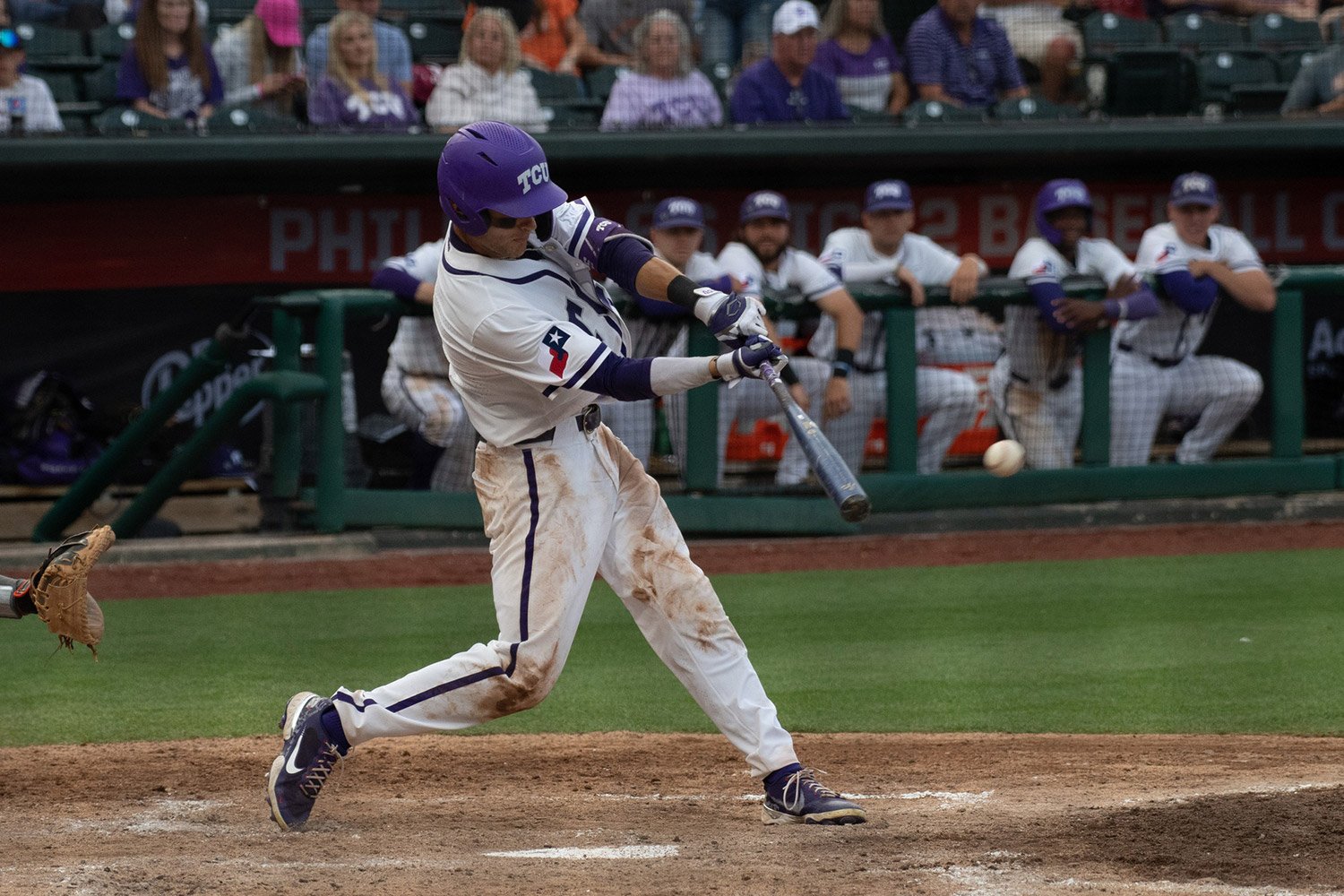 By now, every Red Sox fan knows about the team’s impressive farm system. The likes of Mayer, Anthony, Teel, and the emergence of Kristian Campbell have Sox fans looking toward the future with hope. There’s no denying the potential of this core group of prospects. I’ve had the joy of watching all of them play in person, and the hype certainly feels justified. Today, though, I’m not here to talk about any of them. The player I’d like to highlight isn’t somebody you’ll see on top prospect lists. He wasn’t a sought-after first-round pick, and he isn’t going to be on the cover of Bowman’s next release. What he is, though, is a good ball player in the middle of a good season. I’m referring to 25-year-old Portland Sea Dogs outfielder Phillip Sikes. Phillip Sikes was born in Paris, Texas, on April 27th, 1999. In 2018, he started his college career at the University of New Mexico. He functioned as a two-way player, pitching in four games and receiving 126 at-bats. He failed to produce successful results, pitching to a 21.60 ERA in 3.1 innings and hitting only .246 with a .642 OPS. Perhaps feeling a change of scenery was necessary, Sikes transferred to Pima Community College. He found his footing at the school, playing in 53 games and cruising to a .369 batting average with seven home runs, 39 RBI, and 16 stolen bases. He was a whole new ball player. His impressive collegiate play drew the attention of big-league scouts. So much so that the Arizona Diamondbacks selected Sikes in the 33rd round of the 2019 Amateur Draft. Instead of signing with the team, Sikes transferred to Texas Christian University to improve his draft stock. This turned out to be a wise choice. After a quiet 15-game stint with the Horn Frogs in 2020, Sikes burst onto the scene in 2021. He thrived in 58 games with the squad, hitting .329 with 11 long balls, 63 runs driven in, and an incredible OPS of 1.047. Phillip Sikes had cemented himself as one of the most dangerous hitters in the Big 12. When the draft came back around June 2021, the Red Sox called. In the 18th round, the Red Sox opted to select Phillip Sikes. Upping his draft stock from a 33rd-rounder to an 18th-rounder proved that the time spent at TCU was the correct choice, and it surely helped with his development as a player. The Sox would send Sikes to the Florida Complex League to get some plate appearances in 2021. It was a small sample size, but he was electric. In 24 games, he smacked three home runs and hit .392. That’s an excellent first impression. 2022 saw Phillip Sikes split time between the Salem Red Sox and the Greenville Drive. It shaped up to be yet another impressive season for the outfielder. In 94 games, he received 380 plate appearances, batting .254 with an .852 OPS. He popped 11 round trippers while showcasing his speed, swiping 20 bags and only being caught once. He showcased an amazing ability to get on base, drawing 53 walks while maintaining a .371 on-base percentage. Sikes would spend all of 2023 playing for the Portland Sea Dogs. His numbers, unfortunately, took a significant step back. In 111 games, he staggered through the season with a .210 batting average and a .630 OPS. Sikes also had problems with the swing and miss, fanning 146 times while walking 44 times. It was a bit of a gut punch for Sikes, who, up to that point, had done nothing but thrive in the Red Sox’s minor league system—a full season in Double-A meant a full season of seeing a litany of talented pitchers. These pitchers were able to locate pitches better and exploit the flaws that Sikes had in his swing. With the book eventually closed on the 2023 baseball season, Sikes once again found himself on the Portland Sea Dogs in 2024. It would take some time to materialize, but things would be different this season. Sikes started slowly out of the gate, struggling in April before rebounding in May and June. The right-hander's OPS was .691 heading into July. He was sitting on only four home runs and 14 RBI. It appeared that Sikes’ career had plateaued at the Double-A level. However, as the summer heated up in July and August, so did Phillip Sikes. They say if you can’t take the heat, then leave the kitchen. In this analogy, Phillip Sikes turned into baseball’s Gordon Ramsey: He was cooking. As the July and August sun ushered in the second half of the 2024 baseball season, Sikes began to crush the baseball. In 19 July games, Sikes belted four homers and drove in 12 runs. His .949 OPS during July was nearly 200 points higher than any other month during the season. He had five games with multiple hits, including back-to-back three-hit games on July 30th and July 31st to close the month. With the lingering promotions of Mayer, Teel, and Anthony, it’s easy to let Sikes’ July numbers fade into obscurity, but make no mistake, he was at the top of his game. August came around, and while Sikes didn’t continue his torrid pace, he still produced exceptional numbers for the Sea Dogs. In 23 games, he smashed five home runs and drove in 16 runs, both of which were monthly highs for Sikes this season. He produced an .831 OPS while collecting 21 hits. Sikes got to add a few moments to his highlight reel during August, hitting a walk-off sacrifice fly and the 10th inside-the-park home run in Sea Dogs history on back-to-back nights on August 23rd and 24th. As the 2024 season approaches its conclusion, Phillip Sikes currently sits at 13 homers, 47 RBI, 20 steals, and a .779 OPS. Admittedly, these numbers don't indicate a Top-100 prospect, but the two-month run Sikes has been on simply can’t be ignored. I will concede a few things: Sikes still has troubling strikeout numbers (he has fanned 116 times), home and road splits that are a bit concerning, and his bat is below average against right-handed pitching. When a righty is on the bump, he’s only batting .210 with a .667 OPS. This feels even more jarring compared to his 1.189 OPS against southpaws. While the good and the bad can be cherry-picked from the depths of his Baseball-Reference page, one thing is certain. When the calendar turned to July, Sikes turned on the bat. Sikes’ future seems a bit murky in Boston, thanks to an already crowded outfield full of young and talented players. I know for a fact, however, that if Phillip Sikes can replicate his performance from August and July, then the sky's the limit for him.
 -
While he's not a blue-chip prospect in a deep Sox farm, you should keep an eye on centerfielder Phillip Sikes. By now, every Red Sox fan knows about the team’s impressive farm system. The likes of Mayer, Anthony, Teel, and the emergence of Kristian Campbell have Sox fans looking toward the future with hope. There’s no denying the potential of this core group of prospects. I’ve had the joy of watching all of them play in person, and the hype certainly feels justified. Today, though, I’m not here to talk about any of them. The player I’d like to highlight isn’t somebody you’ll see on top prospect lists. He wasn’t a sought-after first-round pick, and he isn’t going to be on the cover of Bowman’s next release. What he is, though, is a good ball player in the middle of a good season. I’m referring to 25-year-old Portland Sea Dogs outfielder Phillip Sikes. Phillip Sikes was born in Paris, Texas, on April 27th, 1999. In 2018, he started his college career at the University of New Mexico. He functioned as a two-way player, pitching in four games and receiving 126 at-bats. He failed to produce successful results, pitching to a 21.60 ERA in 3.1 innings and hitting only .246 with a .642 OPS. Perhaps feeling a change of scenery was necessary, Sikes transferred to Pima Community College. He found his footing at the school, playing in 53 games and cruising to a .369 batting average with seven home runs, 39 RBI, and 16 stolen bases. He was a whole new ball player. His impressive collegiate play drew the attention of big-league scouts. So much so that the Arizona Diamondbacks selected Sikes in the 33rd round of the 2019 Amateur Draft. Instead of signing with the team, Sikes transferred to Texas Christian University to improve his draft stock. This turned out to be a wise choice. After a quiet 15-game stint with the Horn Frogs in 2020, Sikes burst onto the scene in 2021. He thrived in 58 games with the squad, hitting .329 with 11 long balls, 63 runs driven in, and an incredible OPS of 1.047. Phillip Sikes had cemented himself as one of the most dangerous hitters in the Big 12. When the draft came back around June 2021, the Red Sox called. In the 18th round, the Red Sox opted to select Phillip Sikes. Upping his draft stock from a 33rd-rounder to an 18th-rounder proved that the time spent at TCU was the correct choice, and it surely helped with his development as a player. The Sox would send Sikes to the Florida Complex League to get some plate appearances in 2021. It was a small sample size, but he was electric. In 24 games, he smacked three home runs and hit .392. That’s an excellent first impression. 2022 saw Phillip Sikes split time between the Salem Red Sox and the Greenville Drive. It shaped up to be yet another impressive season for the outfielder. In 94 games, he received 380 plate appearances, batting .254 with an .852 OPS. He popped 11 round trippers while showcasing his speed, swiping 20 bags and only being caught once. He showcased an amazing ability to get on base, drawing 53 walks while maintaining a .371 on-base percentage. Sikes would spend all of 2023 playing for the Portland Sea Dogs. His numbers, unfortunately, took a significant step back. In 111 games, he staggered through the season with a .210 batting average and a .630 OPS. Sikes also had problems with the swing and miss, fanning 146 times while walking 44 times. It was a bit of a gut punch for Sikes, who, up to that point, had done nothing but thrive in the Red Sox’s minor league system—a full season in Double-A meant a full season of seeing a litany of talented pitchers. These pitchers were able to locate pitches better and exploit the flaws that Sikes had in his swing. With the book eventually closed on the 2023 baseball season, Sikes once again found himself on the Portland Sea Dogs in 2024. It would take some time to materialize, but things would be different this season. Sikes started slowly out of the gate, struggling in April before rebounding in May and June. The right-hander's OPS was .691 heading into July. He was sitting on only four home runs and 14 RBI. It appeared that Sikes’ career had plateaued at the Double-A level. However, as the summer heated up in July and August, so did Phillip Sikes. They say if you can’t take the heat, then leave the kitchen. In this analogy, Phillip Sikes turned into baseball’s Gordon Ramsey: He was cooking. As the July and August sun ushered in the second half of the 2024 baseball season, Sikes began to crush the baseball. In 19 July games, Sikes belted four homers and drove in 12 runs. His .949 OPS during July was nearly 200 points higher than any other month during the season. He had five games with multiple hits, including back-to-back three-hit games on July 30th and July 31st to close the month. With the lingering promotions of Mayer, Teel, and Anthony, it’s easy to let Sikes’ July numbers fade into obscurity, but make no mistake, he was at the top of his game. August came around, and while Sikes didn’t continue his torrid pace, he still produced exceptional numbers for the Sea Dogs. In 23 games, he smashed five home runs and drove in 16 runs, both of which were monthly highs for Sikes this season. He produced an .831 OPS while collecting 21 hits. Sikes got to add a few moments to his highlight reel during August, hitting a walk-off sacrifice fly and the 10th inside-the-park home run in Sea Dogs history on back-to-back nights on August 23rd and 24th. As the 2024 season approaches its conclusion, Phillip Sikes currently sits at 13 homers, 47 RBI, 20 steals, and a .779 OPS. Admittedly, these numbers don't indicate a Top-100 prospect, but the two-month run Sikes has been on simply can’t be ignored. I will concede a few things: Sikes still has troubling strikeout numbers (he has fanned 116 times), home and road splits that are a bit concerning, and his bat is below average against right-handed pitching. When a righty is on the bump, he’s only batting .210 with a .667 OPS. This feels even more jarring compared to his 1.189 OPS against southpaws. While the good and the bad can be cherry-picked from the depths of his Baseball-Reference page, one thing is certain. When the calendar turned to July, Sikes turned on the bat. Sikes’ future seems a bit murky in Boston, thanks to an already crowded outfield full of young and talented players. I know for a fact, however, that if Phillip Sikes can replicate his performance from August and July, then the sky's the limit for him. View full article
-
Good point! It was definitely a good return at the time. Awesome to talk ball with you man!
-
It’s definitely easy to see why the deal was made. Thornburg at his best is nearly a bullpen ace. In my opinion I just thought the move would’ve been to hang onto Shaw’s bat for at least one more year. The bullpen turned out to be solid, but I can see on paper that it looked shaky with the likes of Joe Kelly, Heath Hembree, and Robby Scott having to throw a lot of innings. They did a nice job, but there was no way to know that when they swung this trade. I just thought Shaw was given up on too soon.
-
He was quite good in 2021! I deemed his two season run a bit unsuccessful due to the unceremonious ending in 2022 (0-19).
-
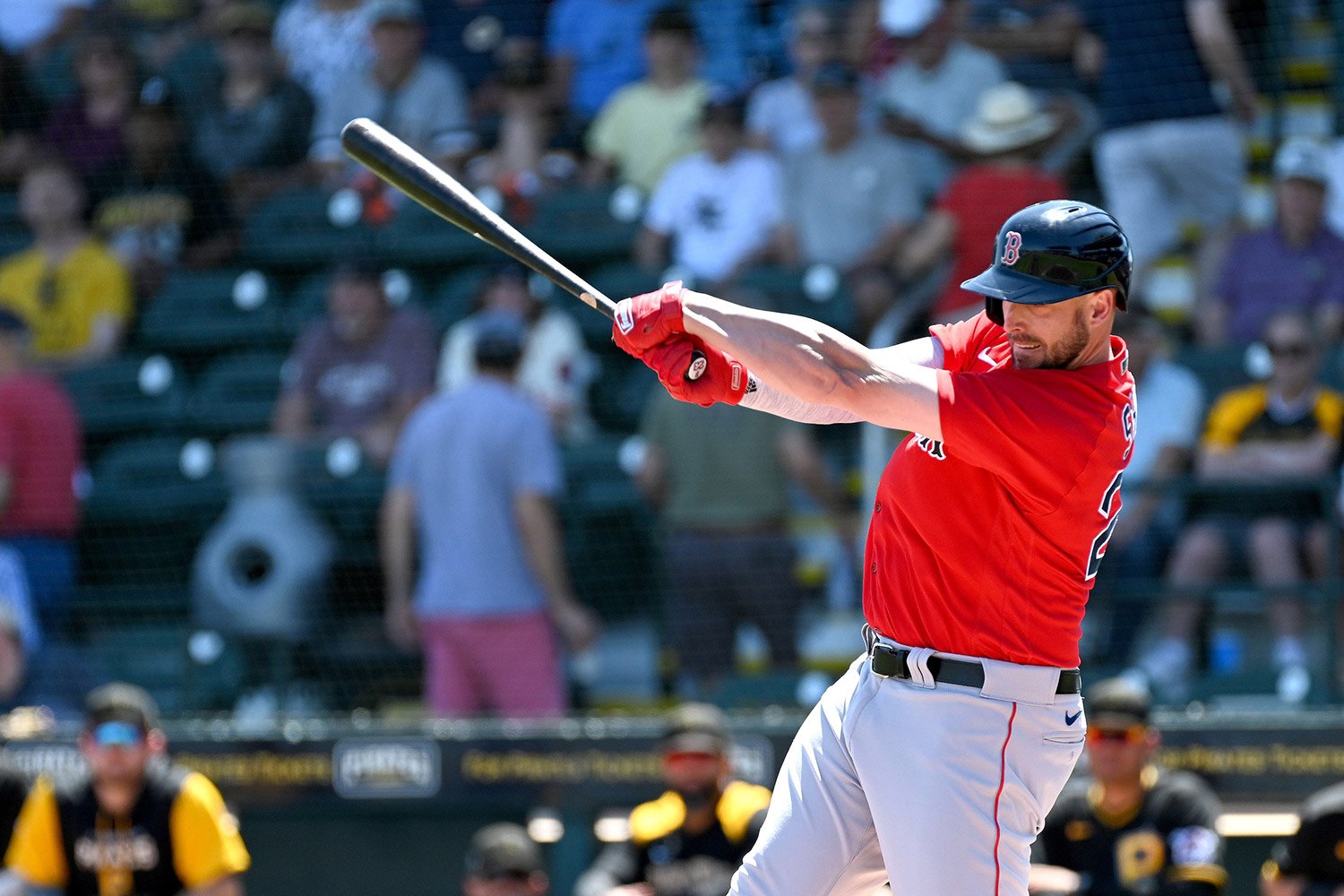 A big win that often comes to mind is the Sox's deal with the Seattle Mariners in 1997. The Sox sent Heathcliff Slocumb to Seattle and, in return, received Jason Varitek and Derek Lowe. Another trade that comes to mind is when the team traded future Hall Of Fame first baseman Jeff Bagwell to the Astros in exchange for Larry Anderson in 1990, a trade that I'm sure haunts many of us to this day. This brings me to a trade that’s always stuck with me and is a deal I’ve never fully gotten over. While it may not have been as consequential as the previous trades I’ve mentioned, and hindsight on these types of things is always 20/20, it’s always irked me. I’m talking about the trade that sent Travis Shaw to the Brewers in exchange for Tyler Thornburg. The 2016 Boston Red Sox came from a season where they won the AL East. They went 93-69 with manager John Farrell at the helm. The team didn’t make waves in the postseason, getting swept in the ALDS by the eventual American League Champions Cleveland Indians. In the absence of Pablo Sandoval, Travis Shaw was in his second season seeing regular reps at third base, appearing in 105 games at the hot corner and 50 at first base. Shaw provided a spark for the Sox in the early parts of the season. In April, he hit .314 with an .885 OPS. Shaw’s first half was largely impressive. In 305 at-bats, he cruised to a .269/.332/.456 slash line with nine home runs and 48 RBI. League average OPS during the 2016 MLB season was .750, so Travis Shaw’s .788 first-half OPS was more than serviceable and above average. Then, the wheels fell off. Shaw limped to the finish line in the second half of the season. In 175 at-bats, he managed an uninspiring .619 OPS, which included a slump in August that saw him go 12-72 with 22 strikeouts. The team only used Shaw in one postseason game during the 2016 run. He came in during the 8th inning of game three, going 1-2 in the eventual loss. All in all, Travis Shaw had a decent 2016. He clubbed 16 long balls while driving in 71 runs. While those are decent counting stats, his second-half slump saw his offensive production slide into below-average territory, with a .726 OPS and only a 90 OPS+. Another glaring hurdle for Travis Shaw was his inability to hit left-handed pitching. In 107 at-bats against southpaws, he hit .187 with an OPS below .600. While this certainly isn’t ideal, I did think his first-half production and solid minor league track record warranted another shot in 2017, especially with the seemingly always unreliable Pablo Sandoval attempting to hold down third base. The Red Sox thought otherwise. On December 6th, 2016, the Red Sox traded Travis Shaw, Josh Pennington, Mauricio Dubon, and a player to be named later, who was found to be Yeison Coca, to the Milwaukee Brewers in exchange for Tyler Thornburg. Admittedly, I can see why the team saw Travis Shaw as somewhat expendable into the 2017 season. The Sox were closing in on signing Mitch Moreland to play first base and still wanted Sandoval to see at-bats at third, all while a young Rafael Devers was waiting in the wings, too. Shaw’s lack of defensive versatility and inability to hit left-handed pitching left him without a clear path to receiving playing time. The Red Sox felt comfortable letting Travis Shaw go with all those factors in play. With a possible chip on his shoulder, Shaw exploded onto the scene in Milwaukee. As the team's primary third baseman, Travis Shaw smoked 31 long balls and drove in 101 runs. He produced an .862 OPS with a 121 OPS+. He became one of the best power-hitting third basemen in the National League. Shaw could even work on his flaws, slashing a much more respectable .776 OPS against lefties in 140 at-bats. We again saw his production tail off a bit after the All-Star break, going from a .938 OPS in the first half to a .768 OPS in the second half. However, compared to his .619 second-half OPS from the previous season, it becomes much more palatable. Shaw posted a bWAR of 3.5 as well as a 0.1 defensive bWAR. His hard-hit rate was also at a career-high 39.4%. Essentially, Travis Shaw gave the Brewers league-average defense while being roughly 21% above league-average offensively in 2017. The 2018 season was largely the same for Shaw. He hit a career-high 32 home runs while driving in 86. He again cleared the .800 OPS mark for the Brew Crew. Despite an awe-inspiring two years with Milwaukee, Shaw might end up struggling in 2019. He only hit .157 in 86 games before being non-tendered at the season’s end. This ended a successful initial run for Travis Shaw in a Brewers’ uniform. Like I said, hindsight with these trades is always 20/20. Tyler Thornburg was coming off an awe-inspiring season for the Brewers. In 67 games, the 190-pound right-hander threw 67.0 innings of 2.15 ERA ball. Even his peripheral numbers looked amazing. He produced a 2.83 FIP, 0.940 WHIP, and a 199 ERA+. Thornburg also had a decent track record in previous seasons as well. However, this was the first time he had thrown more than 40.0 innings in an MLB season, so the sample wasn’t necessarily sizable. As good as Thornburg was in 2016, I couldn’t help but feel that giving up their insurance policy for a struggling and often injured Sandoval, the 12th prospect in the organization in Mauricio Dubon, and two other minor leaguers was a bit of an overpay for a pitcher who wasn’t going to give you much more than 60.0 innings. The Tyler Thornburg era didn't go according to plan for the Red Sox. Thornburg would start the 2017 season on the injured list due to an injured shoulder. In June, he was officially diagnosed with thoracic outlet syndrome, a group of disorders that occur when blood vessels or nerves are compressed. This required season-ending surgery. The 2017 MLB season came without Thornburg throwing a single pitch for the Boston Red Sox. For the 2018 season, Thornburg missed spring training and spend most of the year's first half on rehab assignments. He’d make his Red Sox debut on July 6th, pitching against the Kansas City Royals. Thornburg would give up a triple to Lucas Duda, followed by a sacrifice fly from Adalberto Mondesi. Thornburg would then pitch in 25 games of 5.63 ERA ball in 2018. His home runs allowed were up, and his strikeout rates were down. While Thornburg made the 2019 Opening Day roster for the Sox, he would struggle once again. In 18.2 innings, he’d post a 7.71 ERA. 2019 brought on more injuries, and he would eventually decline a minor league assignment. He was then released on July 10th. In 41 games with the Red Sox throughout two seasons, he pitched to a 5.63 ERA with a daunting 6.04 FIP and 1.583 WHIP. The Brewers enjoyed a three-season stint worth 6.0 bWAR from Travis Shaw, while the Red Sox got -1.0 bWAR from Tyler Thornburg. As if Sox fans needed even more salt poured into the wound, the Red Sox cut bait with Pablo Sandoval halfway through the 2019 season and gave 416 at-bats to Hanley Ramirez, who posted a below-league average 95 OPS+ at DH and first base. Dubon, the other notable name in the deal, would only play for the Milwaukee Brewers in two games. Still, after trading him to the Giants for Drew Pomeranz, they would eventually turn him into 26.1 innings of 2.39 ERA baseball. Travis Shaw would eventually return to Boston in 2021, but an unsuccessful 35-game stint over the course of two seasons would prove to be the end of his MLB career. I always had an affinity for “The Mayor Of Ding Dong City.” He made sure to let everyone in the Red Sox organization know they moved on from him a bit too quickly, and honestly, good for him. While this wasn’t a monumental trade that altered the Red Sox's future (as evidenced by their first-place finish in 2017 and their 2018 World Series win), it was a deal that the Red Sox came out on the losing end of. Sometimes, that’s just the way the cookie crumbles.
 -
Trades are a part of every professional sport. Every year, we see fan favorites, veterans on expiring deals, and prospects blocked on the depth chart get shipped to a new city for returns geared toward improving the team's outlook. Historically, the Red Sox have won some deals and, of course, lost some as well. A big win that often comes to mind is the Sox's deal with the Seattle Mariners in 1997. The Sox sent Heathcliff Slocumb to Seattle and, in return, received Jason Varitek and Derek Lowe. Another trade that comes to mind is when the team traded future Hall Of Fame first baseman Jeff Bagwell to the Astros in exchange for Larry Anderson in 1990, a trade that I'm sure haunts many of us to this day. This brings me to a trade that’s always stuck with me and is a deal I’ve never fully gotten over. While it may not have been as consequential as the previous trades I’ve mentioned, and hindsight on these types of things is always 20/20, it’s always irked me. I’m talking about the trade that sent Travis Shaw to the Brewers in exchange for Tyler Thornburg. The 2016 Boston Red Sox came from a season where they won the AL East. They went 93-69 with manager John Farrell at the helm. The team didn’t make waves in the postseason, getting swept in the ALDS by the eventual American League Champions Cleveland Indians. In the absence of Pablo Sandoval, Travis Shaw was in his second season seeing regular reps at third base, appearing in 105 games at the hot corner and 50 at first base. Shaw provided a spark for the Sox in the early parts of the season. In April, he hit .314 with an .885 OPS. Shaw’s first half was largely impressive. In 305 at-bats, he cruised to a .269/.332/.456 slash line with nine home runs and 48 RBI. League average OPS during the 2016 MLB season was .750, so Travis Shaw’s .788 first-half OPS was more than serviceable and above average. Then, the wheels fell off. Shaw limped to the finish line in the second half of the season. In 175 at-bats, he managed an uninspiring .619 OPS, which included a slump in August that saw him go 12-72 with 22 strikeouts. The team only used Shaw in one postseason game during the 2016 run. He came in during the 8th inning of game three, going 1-2 in the eventual loss. All in all, Travis Shaw had a decent 2016. He clubbed 16 long balls while driving in 71 runs. While those are decent counting stats, his second-half slump saw his offensive production slide into below-average territory, with a .726 OPS and only a 90 OPS+. Another glaring hurdle for Travis Shaw was his inability to hit left-handed pitching. In 107 at-bats against southpaws, he hit .187 with an OPS below .600. While this certainly isn’t ideal, I did think his first-half production and solid minor league track record warranted another shot in 2017, especially with the seemingly always unreliable Pablo Sandoval attempting to hold down third base. The Red Sox thought otherwise. On December 6th, 2016, the Red Sox traded Travis Shaw, Josh Pennington, Mauricio Dubon, and a player to be named later, who was found to be Yeison Coca, to the Milwaukee Brewers in exchange for Tyler Thornburg. Admittedly, I can see why the team saw Travis Shaw as somewhat expendable into the 2017 season. The Sox were closing in on signing Mitch Moreland to play first base and still wanted Sandoval to see at-bats at third, all while a young Rafael Devers was waiting in the wings, too. Shaw’s lack of defensive versatility and inability to hit left-handed pitching left him without a clear path to receiving playing time. The Red Sox felt comfortable letting Travis Shaw go with all those factors in play. With a possible chip on his shoulder, Shaw exploded onto the scene in Milwaukee. As the team's primary third baseman, Travis Shaw smoked 31 long balls and drove in 101 runs. He produced an .862 OPS with a 121 OPS+. He became one of the best power-hitting third basemen in the National League. Shaw could even work on his flaws, slashing a much more respectable .776 OPS against lefties in 140 at-bats. We again saw his production tail off a bit after the All-Star break, going from a .938 OPS in the first half to a .768 OPS in the second half. However, compared to his .619 second-half OPS from the previous season, it becomes much more palatable. Shaw posted a bWAR of 3.5 as well as a 0.1 defensive bWAR. His hard-hit rate was also at a career-high 39.4%. Essentially, Travis Shaw gave the Brewers league-average defense while being roughly 21% above league-average offensively in 2017. The 2018 season was largely the same for Shaw. He hit a career-high 32 home runs while driving in 86. He again cleared the .800 OPS mark for the Brew Crew. Despite an awe-inspiring two years with Milwaukee, Shaw might end up struggling in 2019. He only hit .157 in 86 games before being non-tendered at the season’s end. This ended a successful initial run for Travis Shaw in a Brewers’ uniform. Like I said, hindsight with these trades is always 20/20. Tyler Thornburg was coming off an awe-inspiring season for the Brewers. In 67 games, the 190-pound right-hander threw 67.0 innings of 2.15 ERA ball. Even his peripheral numbers looked amazing. He produced a 2.83 FIP, 0.940 WHIP, and a 199 ERA+. Thornburg also had a decent track record in previous seasons as well. However, this was the first time he had thrown more than 40.0 innings in an MLB season, so the sample wasn’t necessarily sizable. As good as Thornburg was in 2016, I couldn’t help but feel that giving up their insurance policy for a struggling and often injured Sandoval, the 12th prospect in the organization in Mauricio Dubon, and two other minor leaguers was a bit of an overpay for a pitcher who wasn’t going to give you much more than 60.0 innings. The Tyler Thornburg era didn't go according to plan for the Red Sox. Thornburg would start the 2017 season on the injured list due to an injured shoulder. In June, he was officially diagnosed with thoracic outlet syndrome, a group of disorders that occur when blood vessels or nerves are compressed. This required season-ending surgery. The 2017 MLB season came without Thornburg throwing a single pitch for the Boston Red Sox. For the 2018 season, Thornburg missed spring training and spend most of the year's first half on rehab assignments. He’d make his Red Sox debut on July 6th, pitching against the Kansas City Royals. Thornburg would give up a triple to Lucas Duda, followed by a sacrifice fly from Adalberto Mondesi. Thornburg would then pitch in 25 games of 5.63 ERA ball in 2018. His home runs allowed were up, and his strikeout rates were down. While Thornburg made the 2019 Opening Day roster for the Sox, he would struggle once again. In 18.2 innings, he’d post a 7.71 ERA. 2019 brought on more injuries, and he would eventually decline a minor league assignment. He was then released on July 10th. In 41 games with the Red Sox throughout two seasons, he pitched to a 5.63 ERA with a daunting 6.04 FIP and 1.583 WHIP. The Brewers enjoyed a three-season stint worth 6.0 bWAR from Travis Shaw, while the Red Sox got -1.0 bWAR from Tyler Thornburg. As if Sox fans needed even more salt poured into the wound, the Red Sox cut bait with Pablo Sandoval halfway through the 2019 season and gave 416 at-bats to Hanley Ramirez, who posted a below-league average 95 OPS+ at DH and first base. Dubon, the other notable name in the deal, would only play for the Milwaukee Brewers in two games. Still, after trading him to the Giants for Drew Pomeranz, they would eventually turn him into 26.1 innings of 2.39 ERA baseball. Travis Shaw would eventually return to Boston in 2021, but an unsuccessful 35-game stint over the course of two seasons would prove to be the end of his MLB career. I always had an affinity for “The Mayor Of Ding Dong City.” He made sure to let everyone in the Red Sox organization know they moved on from him a bit too quickly, and honestly, good for him. While this wasn’t a monumental trade that altered the Red Sox's future (as evidenced by their first-place finish in 2017 and their 2018 World Series win), it was a deal that the Red Sox came out on the losing end of. Sometimes, that’s just the way the cookie crumbles. View full article