


Adam Morgan
-
Posts
61 -
Joined
-
Last visited
-
Days Won
1
Content Type
Profiles
Boston Red Sox Videos
2026 Boston Red Sox Top Prospects Ranking
Boston Red Sox Free Agent & Trade Rumors, Notes, & Tidbits
Guides & Resources
2025 Boston Red Sox Draft Pick Tracker
News
2026 Boston Red Sox Draft Tracker: Picks & Bonuses
Forums
Blogs
Events
Store
Downloads
Gallery
Everything posted by Adam Morgan
-

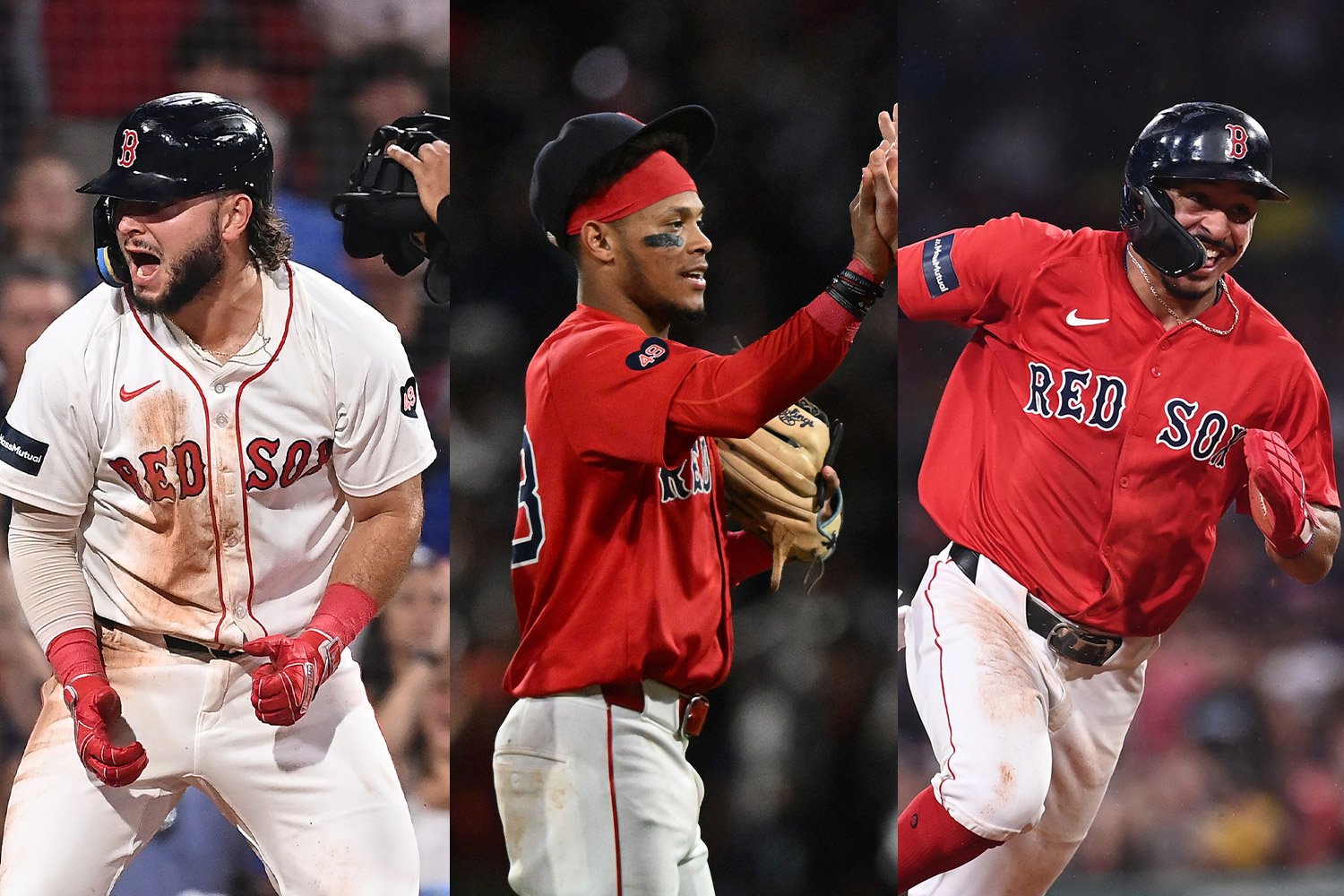 Before we get into the players and the case for each, it is important to put this into context. The last time an AL team had three players get Rookie of the Year votes in the same season was in 2021. The Rays trio of Randy Arozarena, Wander Franco, and Shane McClanahan were prophesied to be the next big things in baseball and would lead the team to compete in the tough AL East for years. Injuries and other issues have derailed that plan this season, but at the time, Erik Neander (2019 MLB Executive of the Year) was lauded for his team-building ability. Fast forward to 2024, newly appointed Red Sox Chief Baseball Officer Craig Breslow finds himself in a similar position. Boston currently has three players in the top ten in rookie position player WAR: Wilyer Abreu with 3.0 WAR, David Hamilton with 1.6 WAR, and Ceddanne Rafaela with 1.1 WAR. Surprisingly, the Sox have two pitchers in the top ten in rookie pitcher WAR: Justin Slaten with 1.3 WAR and Cooper Criswell with 1.2 WAR. Most oddsmakers predict Abreu will receive serious consideration for Rookie of the Year but also think that Hamilton and Rafaela will receive some down-ballot votes. Let’s take a look at their cases. Wilyer Abreu The 25-year-old from Maracaibo in Venezuela was acquired by the Red Sox from the Houston Astros in the Christian Vázquez trade. Abreu first debuted for the Sox in 2023, accumulating 0.6 WAR in 28 games. With that pace, he would accumulate ~3.5 WAR over 162 games. Because of injuries, rest days, or suspensions (I’m looking at you, Jarren), rarely does someone ever play a full 162 games these days. That makes Abreu’s 3.0 WAR in only 114 games so impressive. A deeper look at the AL rookie charts shows that Abreu is the top-performing rookie on offense, with an 11.4 Offensive Runs Above Average (per FanGraphs). The Yankees’ Austin Wells leads all AL rookies with an overall WAR of 3.7, but the majority comes from excellent catching defense; his Offensive Runs Above Average is only 6.2. Defensively, Abreu is no slouch. He ranks fourth in AL rookie Defensive Runs Above Average (again, per FanGraphs) with 5.2. He is behind Wells, presumptive AL Rookie of the Year favorite Colton Cowser, and Cleveland’s defense-first shortstop, Brayan Rocchio. Looking under the hood just makes Abreu more impressive. Of his main AL rookie of the year rivals, Abreu has the highest hard-hit percentage with 37.1%. The only AL rookies above him are Baltimore’s Jackson Holliday and New York’s Ben Rice. Still, both have significantly lower Batting Average, Balls in Play (BABIP), meaning that hard contact isn’t translating into hits for them. Abreu’s .342 BABIP is second to only Joey Loperfido among AL rookies. If the Red Sox make the playoffs, I could see Abreu making a serious push for Rookie of the Year. Where the Red Sox stand now, on the outside looking in, it feels more likely that the Yankees’ or the Orioles’ top rookie has a better shot at taking home the award. Sadly, I don’t think Abreu will eclipse Tristan Casas’ 2023 feat of coming in third for AL Rookie of the Year. David Hamilton When the Red Sox traded Hunter Renfroe to the Milwaukee Brewers to get Jackie Bradley Jr. back, it was a bit of a head-scratcher. Renfroe had put up his best offensive season playing in Fenway, and to sell high on him only to get back a light-hitting, defensive maestro was perplexing. However, in the deal's fine print were two players: Alex Binelas, who put up a serviceable .784 OPS in Double-A Portland this season, and David Hamilton. Much like in the Hunter Renfroe deal, Hamilton seemed like he would be a footnote in the 2024 Red Sox season. Hitting a paltry .121 in 15 games with Boston in 2023, his break-out was unexpected, to say the least. He didn’t start the season in the majors, and he is currently on the injured list for a thumb sprain. Still, he has racked up 1.6 WAR, having played only 98 games. If you have seen Hamilton play, you know his main weapon is speed. He leads all rookies (not just AL) in steals with 33. The next closest to him is Washington’s Jacob Young, who has played 34 more games than Hamilton. His baseruns above average is 6.1, more than double the next closest rookie, Wyatt Langford of the Rangers. To put that number in perspective, only two players in the American League have a better mark: Jarren Duran with 7.8 and the Royals’ Maikel Garcia with 7.6. Besides his speed, the rest of his offensive weapons are good but not incredible. He is ninth in OPS among AL rookies at .697. He is outperforming his expected batting average and slugging percentage, which is to be expected with his kind of speed. Even so, he ranks seventh and eighth in those categories among AL rookies, respectively. If Hamilton played a full season this year, there is a real chance he could have led the American League in stolen bases. He is only six shy of José Caballero’s mark of 39 steals. If he led the league in steals, maybe he would get a few first-place Rookie of the Year votes, but as it stands, he probably gets some down-ballot nods in recognition of a solid season. Ceddanne Rafaela Preseason odds probably would have said Rafaela was the Red Sox rookie most likely to win Rookie of the Year. However, Trevor Story's injury and streakiness have caused the 23-year-old from Curacao to have the most complicated candidacy of any Boston rookie. Coming up, Rafaela’s low walk and high strikeout rate made him look like a volatile hitter at the plate, but his glove in center field was considered elite. With the Red Sox's defensive woes in 2023 and Rafaela showing a little bit of pop in his bat, he made the opening-day lineup for Alex Cora. While he was expected to have some positional flexibility, no one really expected his defensive splits this season. Rafaela has played more games at shortstop than centerfield this season, although it is close. He has 82 games at short and 77 in center; those should balance out with Trevor Story back for the end of the season. He has also played a handful of games at second and third. Showing versatility is a strength in the modern game and something that the Red Sox have always valued (see Brock Holt), but the moving around has sapped what should have been the best part of Rafaela’s game. FanGraphs has Rafaela’s Defensive Runs Above Average at 1.2. That puts him tenth among qualified rookies, behind Red Sox’s other Rookie of the Year candidates. While that may not seem too bad, it is because Rafaela ranks 21st in Offensive Runs Above Average. With a 2.9% walk rate and a 26% strikeout rate, he would need more than 15 home runs to make that look “good.” Looking under the hood puts his numbers into a bit more context. He leads Red Sox rookies in FanGraphs’ Clutch statistic; he is the only one of the trio who performs better in high-leverage situations. You saw that late in August when Rafaela hit a go-ahead two-run blast in the 10th inning against the Tigers, essentially a replay of his performance against the Yankees on July 5th. These big moments have helped endear him to the fanbase and give him signature moments for voters to look back on. Those signature moments, combined with the understanding that Rafaela is an elite center fielder who has moved around selflessly to help the Red Sox cope with injuries, should give him some goodwill with voters. It is probably not enough goodwill to help him finish higher than Abreu in the Rookie of the Year voting, but I wouldn’t be surprised if he finishes higher than Hamilton. The Rest of the Field Despite Abreu’s impressive numbers, I do not expect him to finish higher than third. The Yankees’ Wells and Baltimore’s Cowser are fighting for AL rookie WAR supremacy. Add in the fact that the Yankees’ Luis Gil leads AL pitching rookie WAR and All-Star Game closer Mason Miller of the Athletics is just 0.2 WAR behind him, which means that Abreu could plausibly finish anywhere between third and fifth place. It will be interesting to see how Wells and Cowser end their season and who will take home the trophy in the final few weeks. It will be equally interesting to see if Abreu can solidify third place for himself and if Rafaela can add to his case to receive votes. The true bummer is that David Hamilton is now on the injured list with a fractured finger. While the requisite 10-day stay on the IL is over, he does not appear close to returning yet. He could use a few more steals to solidify his case, so it will be interesting to watch if he can get back on the field before the end of the season.
 -
Can someone win the Executive of the Year award when they are no longer with that team? Chaim Bloom wants to know. While he was much maligned for strange trade deadline moves during his tenure with the Sox, Bloom did manage to net the Red Sox three players who could receive Rookie of the Year votes this year. Can someone win the Executive of the Year award when they are no longer with that team? Chaim Bloom wants to know. While he was much maligned for strange trade deadline moves during his tenure with the Sox, Bloom did manage to net the Red Sox three players who could receive Rookie of the Year votes this year. Before we get into the players and the case for each, it is important to put this into context. The last time an AL team had three players get Rookie of the Year votes in the same season was in 2021. The Rays trio of Randy Arozarena, Wander Franco, and Shane McClanahan were prophesied to be the next big things in baseball and would lead the team to compete in the tough AL East for years. Injuries and other issues have derailed that plan this season, but at the time, Erik Neander (2019 MLB Executive of the Year) was lauded for his team-building ability. Fast forward to 2024, newly appointed Red Sox Chief Baseball Officer Craig Breslow finds himself in a similar position. Boston currently has three players in the top ten in rookie position player WAR: Wilyer Abreu with 3.0 WAR, David Hamilton with 1.6 WAR, and Ceddanne Rafaela with 1.1 WAR. Surprisingly, the Sox have two pitchers in the top ten in rookie pitcher WAR: Justin Slaten with 1.3 WAR and Cooper Criswell with 1.2 WAR. Most oddsmakers predict Abreu will receive serious consideration for Rookie of the Year but also think that Hamilton and Rafaela will receive some down-ballot votes. Let’s take a look at their cases. Wilyer Abreu The 25-year-old from Maracaibo in Venezuela was acquired by the Red Sox from the Houston Astros in the Christian Vázquez trade. Abreu first debuted for the Sox in 2023, accumulating 0.6 WAR in 28 games. With that pace, he would accumulate ~3.5 WAR over 162 games. Because of injuries, rest days, or suspensions (I’m looking at you, Jarren), rarely does someone ever play a full 162 games these days. That makes Abreu’s 3.0 WAR in only 114 games so impressive. A deeper look at the AL rookie charts shows that Abreu is the top-performing rookie on offense, with an 11.4 Offensive Runs Above Average (per FanGraphs). The Yankees’ Austin Wells leads all AL rookies with an overall WAR of 3.7, but the majority comes from excellent catching defense; his Offensive Runs Above Average is only 6.2. Defensively, Abreu is no slouch. He ranks fourth in AL rookie Defensive Runs Above Average (again, per FanGraphs) with 5.2. He is behind Wells, presumptive AL Rookie of the Year favorite Colton Cowser, and Cleveland’s defense-first shortstop, Brayan Rocchio. Looking under the hood just makes Abreu more impressive. Of his main AL rookie of the year rivals, Abreu has the highest hard-hit percentage with 37.1%. The only AL rookies above him are Baltimore’s Jackson Holliday and New York’s Ben Rice. Still, both have significantly lower Batting Average, Balls in Play (BABIP), meaning that hard contact isn’t translating into hits for them. Abreu’s .342 BABIP is second to only Joey Loperfido among AL rookies. If the Red Sox make the playoffs, I could see Abreu making a serious push for Rookie of the Year. Where the Red Sox stand now, on the outside looking in, it feels more likely that the Yankees’ or the Orioles’ top rookie has a better shot at taking home the award. Sadly, I don’t think Abreu will eclipse Tristan Casas’ 2023 feat of coming in third for AL Rookie of the Year. David Hamilton When the Red Sox traded Hunter Renfroe to the Milwaukee Brewers to get Jackie Bradley Jr. back, it was a bit of a head-scratcher. Renfroe had put up his best offensive season playing in Fenway, and to sell high on him only to get back a light-hitting, defensive maestro was perplexing. However, in the deal's fine print were two players: Alex Binelas, who put up a serviceable .784 OPS in Double-A Portland this season, and David Hamilton. Much like in the Hunter Renfroe deal, Hamilton seemed like he would be a footnote in the 2024 Red Sox season. Hitting a paltry .121 in 15 games with Boston in 2023, his break-out was unexpected, to say the least. He didn’t start the season in the majors, and he is currently on the injured list for a thumb sprain. Still, he has racked up 1.6 WAR, having played only 98 games. If you have seen Hamilton play, you know his main weapon is speed. He leads all rookies (not just AL) in steals with 33. The next closest to him is Washington’s Jacob Young, who has played 34 more games than Hamilton. His baseruns above average is 6.1, more than double the next closest rookie, Wyatt Langford of the Rangers. To put that number in perspective, only two players in the American League have a better mark: Jarren Duran with 7.8 and the Royals’ Maikel Garcia with 7.6. Besides his speed, the rest of his offensive weapons are good but not incredible. He is ninth in OPS among AL rookies at .697. He is outperforming his expected batting average and slugging percentage, which is to be expected with his kind of speed. Even so, he ranks seventh and eighth in those categories among AL rookies, respectively. If Hamilton played a full season this year, there is a real chance he could have led the American League in stolen bases. He is only six shy of José Caballero’s mark of 39 steals. If he led the league in steals, maybe he would get a few first-place Rookie of the Year votes, but as it stands, he probably gets some down-ballot nods in recognition of a solid season. Ceddanne Rafaela Preseason odds probably would have said Rafaela was the Red Sox rookie most likely to win Rookie of the Year. However, Trevor Story's injury and streakiness have caused the 23-year-old from Curacao to have the most complicated candidacy of any Boston rookie. Coming up, Rafaela’s low walk and high strikeout rate made him look like a volatile hitter at the plate, but his glove in center field was considered elite. With the Red Sox's defensive woes in 2023 and Rafaela showing a little bit of pop in his bat, he made the opening-day lineup for Alex Cora. While he was expected to have some positional flexibility, no one really expected his defensive splits this season. Rafaela has played more games at shortstop than centerfield this season, although it is close. He has 82 games at short and 77 in center; those should balance out with Trevor Story back for the end of the season. He has also played a handful of games at second and third. Showing versatility is a strength in the modern game and something that the Red Sox have always valued (see Brock Holt), but the moving around has sapped what should have been the best part of Rafaela’s game. FanGraphs has Rafaela’s Defensive Runs Above Average at 1.2. That puts him tenth among qualified rookies, behind Red Sox’s other Rookie of the Year candidates. While that may not seem too bad, it is because Rafaela ranks 21st in Offensive Runs Above Average. With a 2.9% walk rate and a 26% strikeout rate, he would need more than 15 home runs to make that look “good.” Looking under the hood puts his numbers into a bit more context. He leads Red Sox rookies in FanGraphs’ Clutch statistic; he is the only one of the trio who performs better in high-leverage situations. You saw that late in August when Rafaela hit a go-ahead two-run blast in the 10th inning against the Tigers, essentially a replay of his performance against the Yankees on July 5th. These big moments have helped endear him to the fanbase and give him signature moments for voters to look back on. Those signature moments, combined with the understanding that Rafaela is an elite center fielder who has moved around selflessly to help the Red Sox cope with injuries, should give him some goodwill with voters. It is probably not enough goodwill to help him finish higher than Abreu in the Rookie of the Year voting, but I wouldn’t be surprised if he finishes higher than Hamilton. The Rest of the Field Despite Abreu’s impressive numbers, I do not expect him to finish higher than third. The Yankees’ Wells and Baltimore’s Cowser are fighting for AL rookie WAR supremacy. Add in the fact that the Yankees’ Luis Gil leads AL pitching rookie WAR and All-Star Game closer Mason Miller of the Athletics is just 0.2 WAR behind him, which means that Abreu could plausibly finish anywhere between third and fifth place. It will be interesting to see how Wells and Cowser end their season and who will take home the trophy in the final few weeks. It will be equally interesting to see if Abreu can solidify third place for himself and if Rafaela can add to his case to receive votes. The true bummer is that David Hamilton is now on the injured list with a fractured finger. While the requisite 10-day stay on the IL is over, he does not appear close to returning yet. He could use a few more steals to solidify his case, so it will be interesting to watch if he can get back on the field before the end of the season. View full article
-
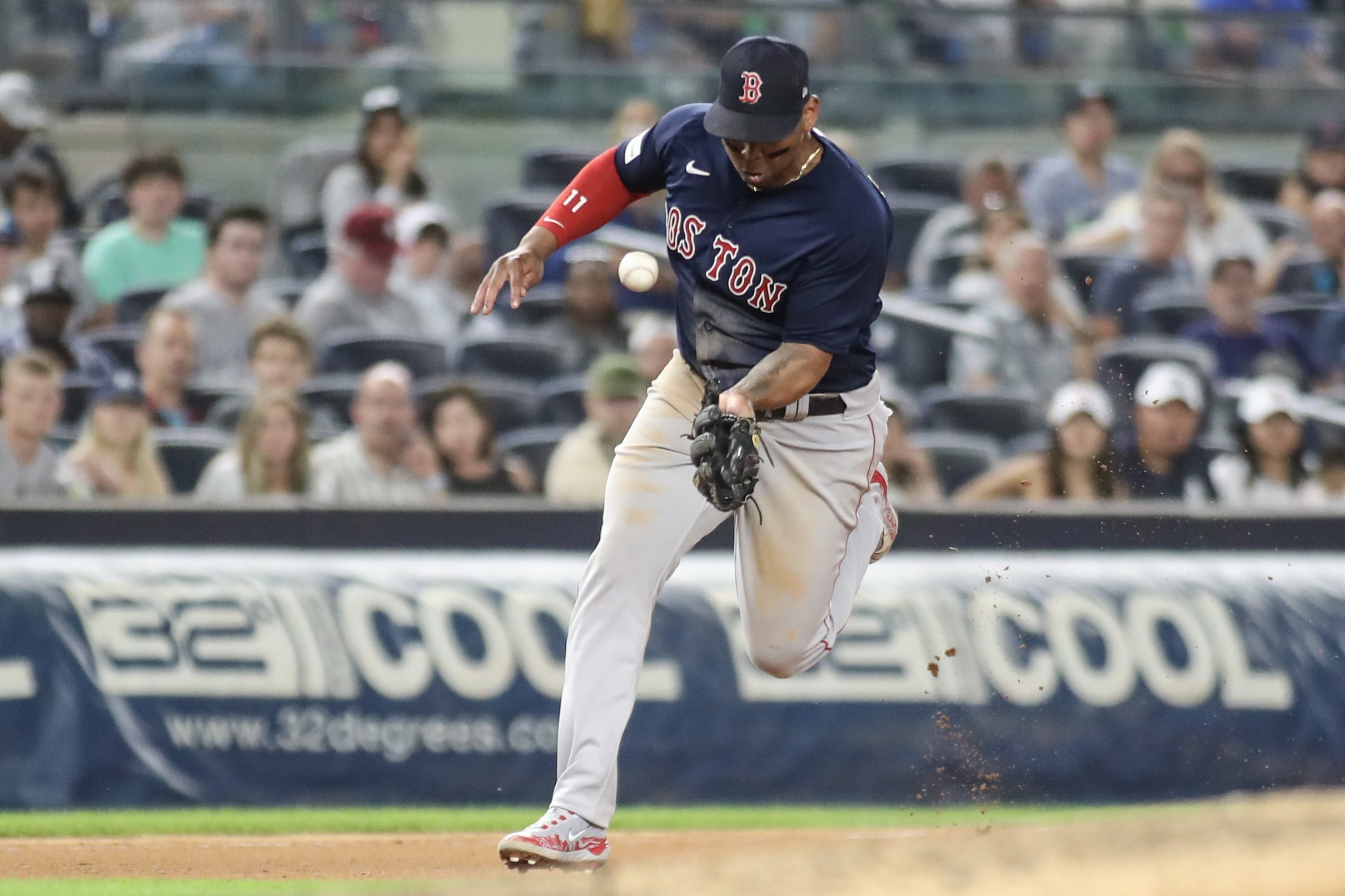 As the 2024 season winds down, there's a common refrain on national broadcasts, visiting broadcasts, and even NESN's broadcasts: the Red Sox have not been a good defensive team this season. With Boston's playoff hopes still (barely) alive in the last week of the season, it makes you wonder: How bad is too bad at defense? Depending on your metric of choice, the defense of the 2024 Red Sox can grade out very differently. Starting with the most old-school defensive stat of them all, Boston's 112 errors lead all of baseball, and not in a good way. The team's .981 fielding percentage puts it in a three-way tie for last with the Marlins and Nationals (though if you go out to the fifth decimal place, you'll see that Miami's .98058 fielding percentage is ever so slightly worse than Boston's .98064). This nets out to 0.71 errors per game. If you want to break it down even further, the Red Sox lead baseball in fielding errors, and are tied for seventh in throwing errors. It's not just that throws are sailing on the Red Sox; they are having trouble with the fundamentals. However, trouble with the fundamentals doesn't always translate into bad performance. You'd much rather have an error-prone player with great range than a smooth player with poor range. The first player will get to far more balls than the second, more than offsetting those errors. Surprisingly, Sports Info Solutions credits the Red Sox with 41 Defensive Runs Saved. That's seventh-most in baseball, ahead of playoff-bound teams like the Yankees, Orioles, and Astros, to name a few. However, the other advanced metrics — Ultimate Zone Rating (UZR), Statcast's Fielding Runs Value (FRV), Baseball Prospectus's Defensive Runs Prevented (DRP), and FanGraphs' Defensive Runs Above Average (DRAA) — are unanimous in their view that the Red Sox rank toward the bottom of the league. FP DRS FRV UZR DRP DRAA Measure .981 41 -20 -9.7 -13.1 -9.9 MLB Rank 29 7 24 25 24 22 In 2015, the Royals led baseball in Defensive Runs Above Average and won the World Series. The Cubs did the same in 2016. In 2017, the Minnesota Twins had the best DRAA, and, well... they got bounced in the first round by the Yankees. So the trend doesn't always hold up, but consider this: Since the beginning of the Statcast era in 2015 (and excluding the short 2020 season), only one team with a DRAA that ranked worse than fifth has ever won the World Series: the 2018 Boston Red Sox, who ranked seventh. Generally speaking, teams with better defense seem to make the playoffs more often and they seem to do better in the playoffs when they do. If you look at any list of the worst defensive teams to make the playoffs (once again excluding 2020), you have to start with the 2023 Miami Marlins. They were generally considered the worst all-around team to make the playoffs that year, so it should comes as no surprise that their -29.9 DRAA ranked 29th in the league, ahead of only — you guessed it — the Red Sox. The Marlins were swept in the first round by the Phillies. Four Yankees teams make the list as well: their 2015, 2018, 2019, and 2021 iterations. The 2021 Yankees put up -29.5 DRAA. They were the second-worst defensive team in the AL, and they committed the third-most errors, with 98. They were powered by 30-homer seasons from Giancarlo Stanton and Aaron Judge and 23 homers from Gary Sánchez, before being unceremoniously bounced by the Red Sox in the Wild Card game The worst defensive team to make the World Series in recent memory was, of course, the 2022 Phillies. The team boasted former and future DHs like Kyle Schwarber, Nick Castellanos, and Rhys Hoskins, all of them taking turns playing the field. Their offense was built on power. Eight different Phillies hit double-digit homers, led by Schwarber with 46, Hoskins with 30, and J.T. Realmuto with 22. Bryce Harper was limited to 99 games in the regular season but came back to put on an impressive power display, propelling them to the World Series with six postseason homers. What does all this mean for the Red Sox? Defense is just one facet of the game, so it can be survived as long as you've got the pitching and offense to make up for it. Over the course of his career, FanGraphs rates Rafael Devers as a net negative on defense, costing the Red Sox 7.4 total runs. However, his 118.7 runs on offense not only make up for that, but make him one of the best position players in the game. Devers made 12 errors this season, but his 28 home runs nonetheless helped make him a four-win player. On the other hand, Ceddanne Rafaela's 15 homers and 79 wRC+ cost the Red Sox dearly, and while he was worth 5 DRAA when he played in the outfield, he cost the Sox the exact same amount when he was playing out of position as an infielder. If he could have spent the whole season in the outfield, he might have accrued enough value there to offset his weak bat. Defensive liabilities Dominic Smith (7 errors) and Pablo Reyes (4 errors) are not finishing the season with the Red Sox. In recent weeks, Connor Wong has been playing in the field more, giving Danny Jansen a chance to showcase his superior framing skills behind the plate. These moves indicate that the Red Sox understand their defense is a major liability. However, unless the team can put together an offense to rival the Phillies or Yankees squads of recent vintage, it will need to improve on defense. That means getting more from the players currently on the roster as well as looking for defensive upgrades in trades and free agency.
 -
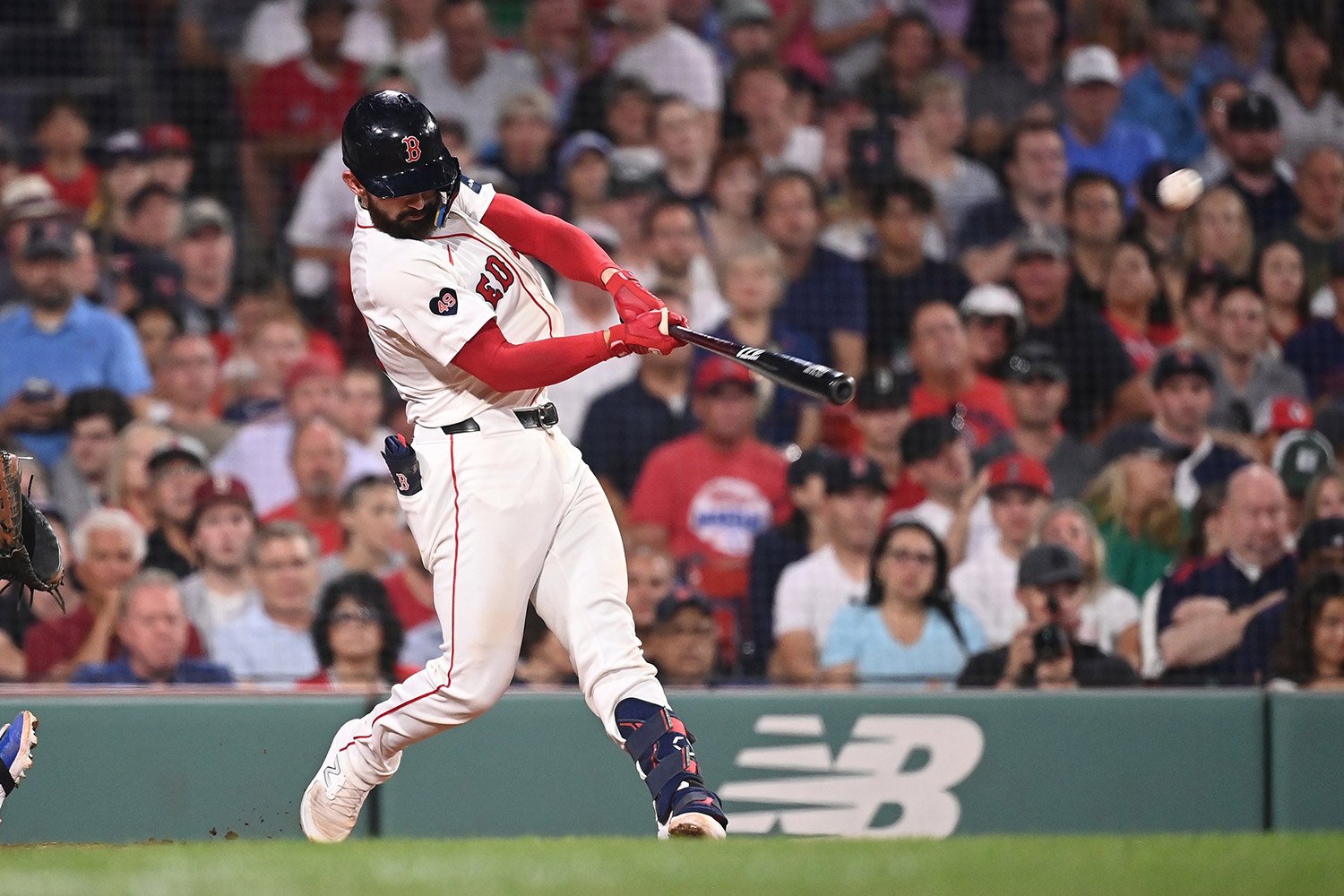 I like to watch the opponent's broadcasts of Red Sox games for a few reasons. First, if anyone besides Lou Merloni is in the booth, I find Dave O’Brien insufferable. Second, it is nice to get a fresh perspective on the hometown nine. Opposition booths are generally pretty complimentary to Boston, both the city and the team, which is nice to hear. But watching the Diamondbacks series this past weekend, a new talking point emerged: Connor Wong is not very good behind the plate. This sentiment was echoed by the Blue Jays broadcasters in the next series as well. In his first full-time season, Connor Wong had a 1.92 pop time and was tied for fourth in the league in caught stealing, with five above average. According to Baseball Savant, both his pop time and arm strength were above average. Rightfully, he was lauded for his ability to control the running game, which, with the new rules, was considered more important than ever. Other aspects of Wong’s defense game looked like they could use improvement, though. According to Baseball Savant, he was worth -5 catcher framing runs, which put him 51st among 63 qualified catchers. More alarming was his blocking, which Baseball Savant put him at -7 blocks above average. Still, his 2.2 Baseball-Reference WAR had him tied with Triston Casas for the seventh most valuable member of the 2023 Red Sox. In Offensive WAR, Wong has already doubled his production from last season, according to Baseball-Reference. That part of his game has undoubtedly improved, and he has become a top-ten catcher in baseball in that respect. Defensively, things have begun to slip a bit. His pop time is down to 1.96, which is still good, but his caught stealing above average is now -1, six less than last year. That puts him in the bottom half of catchers. Worse still, he has -7 catcher framing runs and -13 blocks above average. Those both rank second worst in baseball. While it could be easy to think that Wong might be more suitable for an infield position where he can use his arm strength, there might be some reasons to pause that notion. The newly acquired Danny Jansen is tied atop the Blocks Above Average leaderboard. Still, since arriving at the Red Sox, his rate BAA/game is down from 0.21 to .03. It is obviously a small sample size but a trend worth watching as it may say something about Connor Wong’s ability compared to the rest of the league. I think there is reason to believe that the Red Sox's “fewer fastballs, more breaking balls” pitching philosophy is having a demonstrative effect on the catchers’ defensive numbers as a whole. It feels logical that if the ball is moving more, it might be hard to catch it cleanly, thus making a slip in caught stealing or framing make some sense. If you are facing more blocking attempts, then there are more chances to miss blocks. This is the first year with pitching coach Andrew Bailey and Chief Baseball Officer Craig Breslow instituting the emphasis on breaking pitches. Maybe after an adjustment period, Wong can make adapt to better block pitches and reclaim his control of the running game. There is no need to ask him to hang up the shin guards and chest protector. Still, with the American League East not getting any easier in the coming years, the Fenway faithful need consistently solid performances out of its premium defensive positions.
 -
Red Sox catcher Connor Wong looks like an MLB catcher at the plate, but how is he performing behind it? Red Sox catcher Connor Wong looks like an MLB catcher at the plate, but how is he performing behind it? I like to watch the opponent's broadcasts of Red Sox games for a few reasons. First, if anyone besides Lou Merloni is in the booth, I find Dave O’Brien insufferable. Second, it is nice to get a fresh perspective on the hometown nine. Opposition booths are generally pretty complimentary to Boston, both the city and the team, which is nice to hear. But watching the Diamondbacks series this past weekend, a new talking point emerged: Connor Wong is not very good behind the plate. This sentiment was echoed by the Blue Jays broadcasters in the next series as well. In his first full-time season, Connor Wong had a 1.92 pop time and was tied for fourth in the league in caught stealing, with five above average. According to Baseball Savant, both his pop time and arm strength were above average. Rightfully, he was lauded for his ability to control the running game, which, with the new rules, was considered more important than ever. Other aspects of Wong’s defense game looked like they could use improvement, though. According to Baseball Savant, he was worth -5 catcher framing runs, which put him 51st among 63 qualified catchers. More alarming was his blocking, which Baseball Savant put him at -7 blocks above average. Still, his 2.2 Baseball-Reference WAR had him tied with Triston Casas for the seventh most valuable member of the 2023 Red Sox. In Offensive WAR, Wong has already doubled his production from last season, according to Baseball-Reference. That part of his game has undoubtedly improved, and he has become a top-ten catcher in baseball in that respect. Defensively, things have begun to slip a bit. His pop time is down to 1.96, which is still good, but his caught stealing above average is now -1, six less than last year. That puts him in the bottom half of catchers. Worse still, he has -7 catcher framing runs and -13 blocks above average. Those both rank second worst in baseball. While it could be easy to think that Wong might be more suitable for an infield position where he can use his arm strength, there might be some reasons to pause that notion. The newly acquired Danny Jansen is tied atop the Blocks Above Average leaderboard. Still, since arriving at the Red Sox, his rate BAA/game is down from 0.21 to .03. It is obviously a small sample size but a trend worth watching as it may say something about Connor Wong’s ability compared to the rest of the league. I think there is reason to believe that the Red Sox's “fewer fastballs, more breaking balls” pitching philosophy is having a demonstrative effect on the catchers’ defensive numbers as a whole. It feels logical that if the ball is moving more, it might be hard to catch it cleanly, thus making a slip in caught stealing or framing make some sense. If you are facing more blocking attempts, then there are more chances to miss blocks. This is the first year with pitching coach Andrew Bailey and Chief Baseball Officer Craig Breslow instituting the emphasis on breaking pitches. Maybe after an adjustment period, Wong can make adapt to better block pitches and reclaim his control of the running game. There is no need to ask him to hang up the shin guards and chest protector. Still, with the American League East not getting any easier in the coming years, the Fenway faithful need consistently solid performances out of its premium defensive positions. View full article
-
It's hard to figure out what the front office likes about left-handed pitcher Joely Rodriguez. It's hard to figure out what the front office likes about left-handed pitcher Joely Rodriguez. When left-hander Joely Rodriguez broke camp with the Red Sox, it was a surprise to fans and beat writers alike. After a pedestrian in 2023 with the club, where he had a 6.55 ERA and a 4.71 FIP, he managed a mediocre to bad pre-season. The most surprising part was that breaking camp with Rodriguez meant that Brennan Bernardino started the year in Worcester. Needless to say, by April 28th, Rodriguez had been designated for assignment, and Bernardino had been recalled. The Red Sox had to designate Rodriguez to get him off the roster, and with his bloated 6.55 ERA through 11 appearances (that’s right, the same ERA as 2023), it was easy to pass him through waivers. He accepted an outright assignment and was put on the minor league injured list until late June. That made August 23rd’s selection of Joely Rodríguez’s contract so perplexing. The aforementioned Bernardino is already a reliable lefty in the pen, posting a 3.97 FIP over 42.2 IP. In his first outing, Rodriguez brought his ERA up to 6.94. Of lefties that have pitched at least ten innings, Rodriguez’s is 10th worst. Of the nine pitchers ahead of him on the list, seven of them are currently in the minor leagues. The only two southpaws with worse ERAs than Rodriguez that are still in the majors are no longer with the teams they started the season with; the Blue Jays released Tim Mayza before being signed as a free agent by the Yankees in July, and the Texas Rangers waived Brock Burke before being picked by the Angels. So, the Red Sox are the only team willing to give a lefty a second chance while performing as badly as Rodriguez has. It might make you wonder, “What do the Red Sox see in Rodriguez?” Under the hood, he has a 5.40 FIP, so he has performed slightly better than he did at 6.94 ERA. His 8.4 K/9 this year is the 77th-best mark for a left out of 163 lefties with over ten innings. Maybe most impressively, his 1.5 BB/9 is 10th best for lefties. The most damning piece of evidence is his 2.31 HR/9. That makes him the 8th worst southpaw at keeping the ball in the yard. It makes you wonder if Rodriguez should walk more guys if it meant he gave up fewer home runs. With lefties Rich Hill and Cam Booser expected to join the big club over the next month, Rodriguez might not be long for the roster. If the Red Sox need to remove him, he will again need to be designated for assignment because he is out of options. If he clears waivers, the Fenway faithful will have to hold their breath to see if Chief Baseball Officer Craig Breslow and company decide to option him to Triple-A Worcester to keep him in the organization. The Sox’s continued fascination with Rodriguez means that he might be serving up meatballs in Boston for years. View full article
-
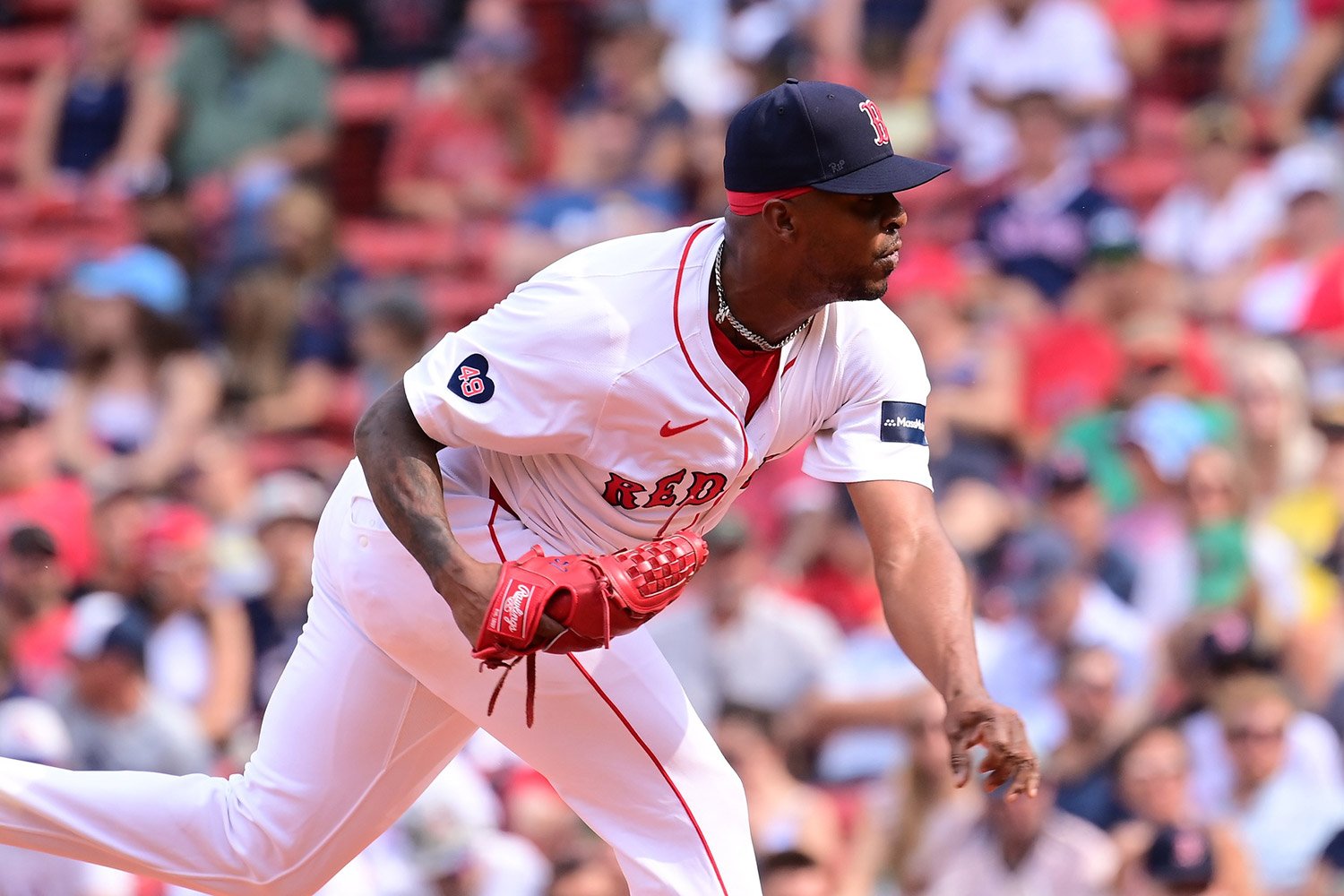 When left-hander Joely Rodriguez broke camp with the Red Sox, it was a surprise to fans and beat writers alike. After a pedestrian in 2023 with the club, where he had a 6.55 ERA and a 4.71 FIP, he managed a mediocre to bad pre-season. The most surprising part was that breaking camp with Rodriguez meant that Brennan Bernardino started the year in Worcester. Needless to say, by April 28th, Rodriguez had been designated for assignment, and Bernardino had been recalled. The Red Sox had to designate Rodriguez to get him off the roster, and with his bloated 6.55 ERA through 11 appearances (that’s right, the same ERA as 2023), it was easy to pass him through waivers. He accepted an outright assignment and was put on the minor league injured list until late June. That made August 23rd’s selection of Joely Rodríguez’s contract so perplexing. The aforementioned Bernardino is already a reliable lefty in the pen, posting a 3.97 FIP over 42.2 IP. In his first outing, Rodriguez brought his ERA up to 6.94. Of lefties that have pitched at least ten innings, Rodriguez’s is 10th worst. Of the nine pitchers ahead of him on the list, seven of them are currently in the minor leagues. The only two southpaws with worse ERAs than Rodriguez that are still in the majors are no longer with the teams they started the season with; the Blue Jays released Tim Mayza before being signed as a free agent by the Yankees in July, and the Texas Rangers waived Brock Burke before being picked by the Angels. So, the Red Sox are the only team willing to give a lefty a second chance while performing as badly as Rodriguez has. It might make you wonder, “What do the Red Sox see in Rodriguez?” Under the hood, he has a 5.40 FIP, so he has performed slightly better than he did at 6.94 ERA. His 8.4 K/9 this year is the 77th-best mark for a left out of 163 lefties with over ten innings. Maybe most impressively, his 1.5 BB/9 is 10th best for lefties. The most damning piece of evidence is his 2.31 HR/9. That makes him the 8th worst southpaw at keeping the ball in the yard. It makes you wonder if Rodriguez should walk more guys if it meant he gave up fewer home runs. With lefties Rich Hill and Cam Booser expected to join the big club over the next month, Rodriguez might not be long for the roster. If the Red Sox need to remove him, he will again need to be designated for assignment because he is out of options. If he clears waivers, the Fenway faithful will have to hold their breath to see if Chief Baseball Officer Craig Breslow and company decide to option him to Triple-A Worcester to keep him in the organization. The Sox’s continued fascination with Rodriguez means that he might be serving up meatballs in Boston for years.
-
- 2
-

-
- joely rodriguez
- brennan bernardino
- (and 1 more)
