


Adam Morgan
-
Posts
61 -
Joined
-
Last visited
-
Days Won
1
Content Type
Profiles
Boston Red Sox Videos
2026 Boston Red Sox Top Prospects Ranking
Boston Red Sox Free Agent & Trade Rumors, Notes, & Tidbits
Guides & Resources
2025 Boston Red Sox Draft Pick Tracker
News
2026 Boston Red Sox Draft Tracker: Picks & Bonuses
Forums
Blogs
Events
Store
Downloads
Gallery
Everything posted by Adam Morgan
-
 A long-time nemesis of the Red Sox is going into the Hall of Fame. But how did the Sox fare against him? A long-time nemesis of the Red Sox is going into the Hall of Fame. But how did the Sox fare against him? CC Sabathia went 18-15 against the Red Sox in 44 career starts with a 4.25 ERA. Sure, that is a winning record, but the Red Sox had the highest batting average against CC of any team he pitched over 40 games against. Kansas City is the nearest team to Boston’s .263 BA with a .255 BA over 42 games. But Sabathia had many career highlights against the Red Sox. In Boston’s magical 2018 season, on the way to a record of 108-54, one of those 54 losses came at the hands of CC Sabathia and the Yankees. The 37-year-old pitched seven innings, holding the potent offense to only one run. By that late in his career, Sabathia had reinvented himself as a control and finesse pitcher, a far cry from his early days with Cleveland as a flame-throwing lefty. He won the Cy Young in 2007, the height of his Cleveland powers. That season, he also pitched seven innings of one-run ball against the Red Sox, but that was enough to earn him the loss in that start. Cleveland didn’t have the high-powered offense of Aaron Judge and company to back up CC that day. Although Sabathia only won that single Cy Young Award, he led the league in wins his first two seasons with the Yankees, 2009 and 2010. In 2009, he went 3-1 versus the Red Sox with a 2.22 ERA, the best ERA against any team he faced more than once that season. In 2010, he again started four games against Boston but went 1-0 with a 3.96 ERA. While Red Sox fans witnessed a Hall of Fame career from afar, Sabathia struggled in Boston. He had a winning record in Boston, going 7-6 in 20 starts, but his ERA was 5.08. That is his highest ERA in any away ballpark where he pitched more than 20 games. The next closest was Baltimore, where his ERA was more than a full point lower, at 3.81. If you were lucky enough to see Sabathia pitch in Boston, you probably saw the Sox score some runs off the Hall of Fame lefty, and that is not something many fanbases can say. The Red Sox were a thorn in Sabathia’s side, but that didn’t stop him from being inducted into Cooperstown. View full article
 -
CC Sabathia Vs The Red Sox: How A Hall Of Famer Battled Against Boston
Adam Morgan posted an article in History
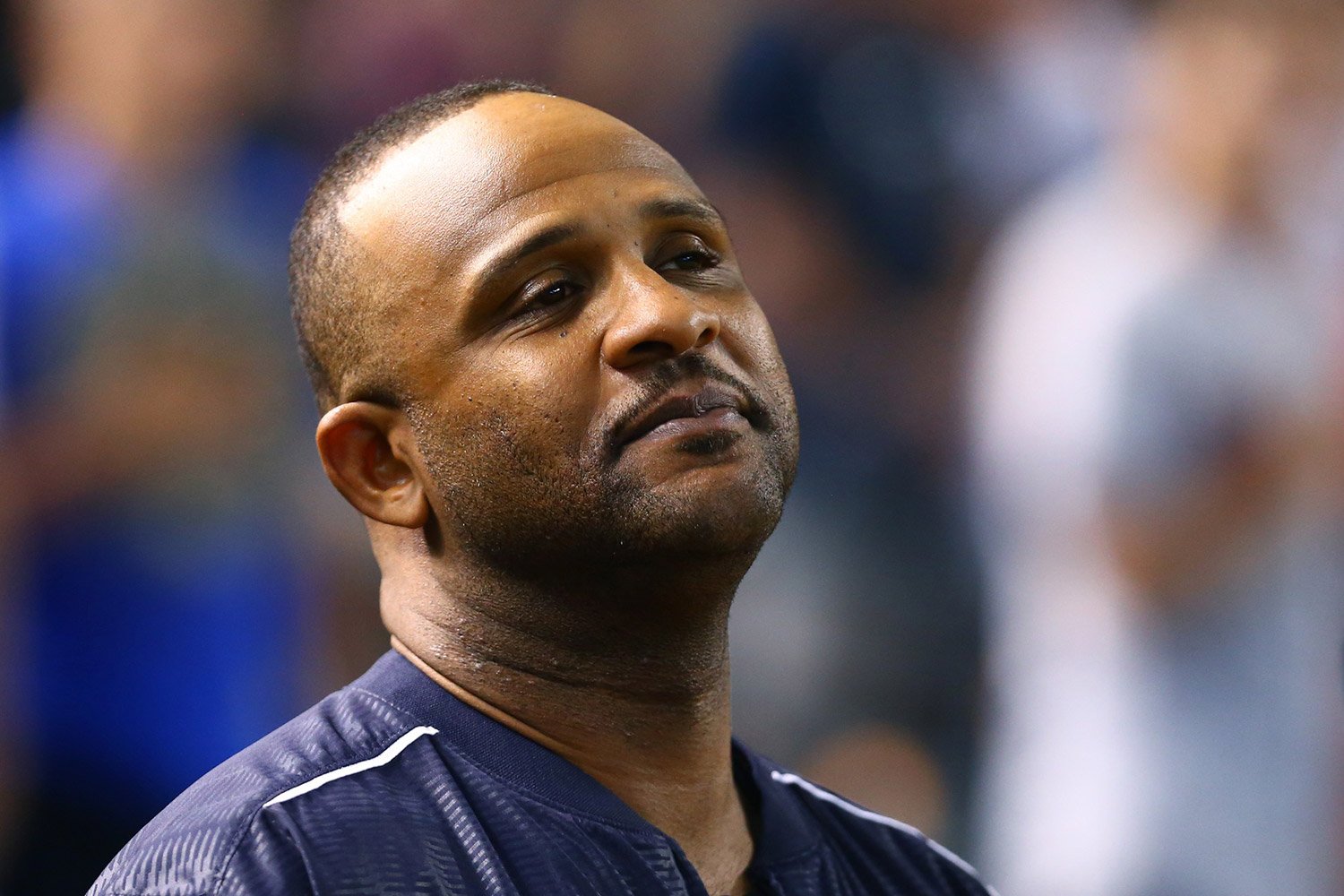 CC Sabathia went 18-15 against the Red Sox in 44 career starts with a 4.25 ERA. Sure, that is a winning record, but the Red Sox had the highest batting average against CC of any team he pitched over 40 games against. Kansas City is the nearest team to Boston’s .263 BA with a .255 BA over 42 games. But Sabathia had many career highlights against the Red Sox. In Boston’s magical 2018 season, on the way to a record of 108-54, one of those 54 losses came at the hands of CC Sabathia and the Yankees. The 37-year-old pitched seven innings, holding the potent offense to only one run. By that late in his career, Sabathia had reinvented himself as a control and finesse pitcher, a far cry from his early days with Cleveland as a flame-throwing lefty. He won the Cy Young in 2007, the height of his Cleveland powers. That season, he also pitched seven innings of one-run ball against the Red Sox, but that was enough to earn him the loss in that start. Cleveland didn’t have the high-powered offense of Aaron Judge and company to back up CC that day. Although Sabathia only won that single Cy Young Award, he led the league in wins his first two seasons with the Yankees, 2009 and 2010. In 2009, he went 3-1 versus the Red Sox with a 2.22 ERA, the best ERA against any team he faced more than once that season. In 2010, he again started four games against Boston but went 1-0 with a 3.96 ERA. While Red Sox fans witnessed a Hall of Fame career from afar, Sabathia struggled in Boston. He had a winning record in Boston, going 7-6 in 20 starts, but his ERA was 5.08. That is his highest ERA in any away ballpark where he pitched more than 20 games. The next closest was Baltimore, where his ERA was more than a full point lower, at 3.81. If you were lucky enough to see Sabathia pitch in Boston, you probably saw the Sox score some runs off the Hall of Fame lefty, and that is not something many fanbases can say. The Red Sox were a thorn in Sabathia’s side, but that didn’t stop him from being inducted into Cooperstown.
 -
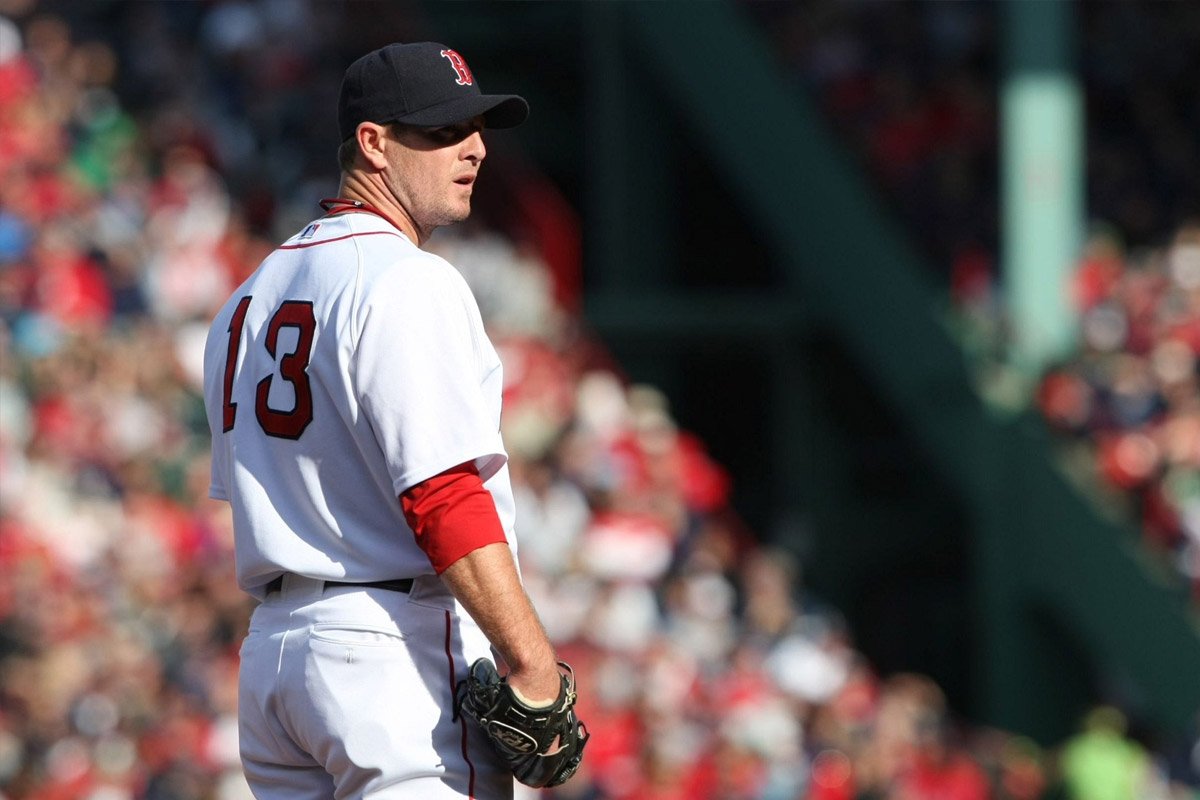 For a man of many teams, there is always a question of what hat Billy Wagner will wear on his official plaque. Most likely, it will be Houston where he began his career. In his nine seasons in Houston, he racked up 225 saves. There is an argument to be made for a Phillies cap. In Philadelphia, he finished a career-high 70 games in 2005, but He was no slouch in his three-and-a-half season with the Mets either, where he amassed 5.0 WAR with 101 saves. Even at age 38, he closed out his career with the Braves, putting up 2.5 WAR and 37 saves. While you could make a case for any of those teams, you probably could not make a case for Wagner to wear a Red Sox hat. As a matter of fact, you are excused if you forgot he ever played for Boston. On August 25th, 2009, the Red Sox acquired Wagner from the Mets for Chris Carter and minor leaguer Eddie Lora. Thus began a fairly unremarkable 15-game stop on an otherwise very remarkable career. Of Wagner’s 422 career saves, zero came with Boston. In 2009, the Red Sox had 28-year-old Jonathan Papelbon closing games for them. Paps had 38 saves that season with a 1.85 ERA. The bullpen featured Ramon Ramirez, who was worth a surprising 1.8 WAR, Hideki Okajima and Takashi Saito, who were both worth 1.6 WAR each, and minor contributions from Boston favorites Manny Delcarmen and Daniel Bard. With all that firepower, it is no surprise that Wagner only finished two games for the Sox. But like every stop in Wagner’s career, he did add something to Boston. He was worth 0.3 WAR in his 15 games with his 1.98 ERA and 2.58 FIP. You wouldn’t say he led the team to the playoffs that season, but he did help. The playoffs were never Wagner’s strong suit. In Wagner’s 16-year career, he was only on playoff-bound teams seven times. With the 2006 Mets, Wagner made six playoff appearances; besides that, he mostly was used once or twice per postseason. With Boston in 2009, he was used twice and not to great results. He had an 18.00 ERA and 3.0 WHIP, slightly worse than his career 10.03 playoff ERA and 1.971 playoff WHIP. He did have a 2.10 FIP with Boston during that playoff run, which was better than his career 5.01 playoff FIP. So while his career in Boston might not be memorable for Red Sox fans, it was memorable for Wagner. Wagner told a story during his time in Boston: the first major league game he ever attended was at Fenway Park. Although Wagner hails from Virginia, he never attended a major league game until he was 20, during his stint in the Cape Cod League. As Peter Abraham notes, “he saw Daryl Irvine pitch for the Sox. Irvine had played at Ferrum College in Virginia, the same school Wagner pitched for.”
 -
Billy Wagner was elected to the Baseball Hall of Fame. He will be immortalized in bronze alongside Ichiro Suzuki and CC Sabathia this July. Billy Wagner was elected to the Baseball Hall of Fame. He will be immortalized in bronze alongside Ichiro Suzuki and CC Sabathia this July. For a man of many teams, there is always a question of what hat Billy Wagner will wear on his official plaque. Most likely, it will be Houston where he began his career. In his nine seasons in Houston, he racked up 225 saves. There is an argument to be made for a Phillies cap. In Philadelphia, he finished a career-high 70 games in 2005, but He was no slouch in his three-and-a-half season with the Mets either, where he amassed 5.0 WAR with 101 saves. Even at age 38, he closed out his career with the Braves, putting up 2.5 WAR and 37 saves. While you could make a case for any of those teams, you probably could not make a case for Wagner to wear a Red Sox hat. As a matter of fact, you are excused if you forgot he ever played for Boston. On August 25th, 2009, the Red Sox acquired Wagner from the Mets for Chris Carter and minor leaguer Eddie Lora. Thus began a fairly unremarkable 15-game stop on an otherwise very remarkable career. Of Wagner’s 422 career saves, zero came with Boston. In 2009, the Red Sox had 28-year-old Jonathan Papelbon closing games for them. Paps had 38 saves that season with a 1.85 ERA. The bullpen featured Ramon Ramirez, who was worth a surprising 1.8 WAR, Hideki Okajima and Takashi Saito, who were both worth 1.6 WAR each, and minor contributions from Boston favorites Manny Delcarmen and Daniel Bard. With all that firepower, it is no surprise that Wagner only finished two games for the Sox. But like every stop in Wagner’s career, he did add something to Boston. He was worth 0.3 WAR in his 15 games with his 1.98 ERA and 2.58 FIP. You wouldn’t say he led the team to the playoffs that season, but he did help. The playoffs were never Wagner’s strong suit. In Wagner’s 16-year career, he was only on playoff-bound teams seven times. With the 2006 Mets, Wagner made six playoff appearances; besides that, he mostly was used once or twice per postseason. With Boston in 2009, he was used twice and not to great results. He had an 18.00 ERA and 3.0 WHIP, slightly worse than his career 10.03 playoff ERA and 1.971 playoff WHIP. He did have a 2.10 FIP with Boston during that playoff run, which was better than his career 5.01 playoff FIP. So while his career in Boston might not be memorable for Red Sox fans, it was memorable for Wagner. Wagner told a story during his time in Boston: the first major league game he ever attended was at Fenway Park. Although Wagner hails from Virginia, he never attended a major league game until he was 20, during his stint in the Cape Cod League. As Peter Abraham notes, “he saw Daryl Irvine pitch for the Sox. Irvine had played at Ferrum College in Virginia, the same school Wagner pitched for.” View full article
-
A quick look back at Dalbec's ill-fated tenure with the Red Sox. A quick look back at Dalbec's ill-fated tenure with the Red Sox. As Bobby Dalbec exchanges one pair of Sox for another, this is a good time to look back on his legacy in Boston. A fourth-round pick for the Red Sox out of the University of Arizona in 2016, Dalbec made his major league debut in the cursed 2020 season. Although it was a shortened season, it was Dalbec’s most productive for Boston. He batted .263 with 8 home runs in 23 games; putting up 0.6 WAR. In his first full season in 2021, Dalbec maintained a positive WAR, batting .240 with 25 home runs. He did, however, strike out 156 times in his 133 games, for a strikeout rate of 34.4%. The league-average rate was 23.2% that season. In 2022, he lowered his strikeout rate to 33.4% but the league also lowered its strikeout rate to 22.4%. Unfortunately, that was the lowest Dalbec’s strikeout rate would go. By 2023, Dalbec had lost his spot on the major league roster and was playing more games in Worcester than in Boston. He played well in Worcester, batting .269 with 33 bombs, but his call up to the big club was less successful; he batted .204 with one home run and 28 strikeouts in 21 games. In what we now know was his final season with the Red Sox, his numbers slipped even more across the board. He batted .252 with 20 home runs in Worcester and .133 with one home run with the Red Sox over 37 games. The diminished pop, ever-rising strikeout rate, and cratering batting average made Dalbec's spot on the roster untenable. What intrigues me about Dalbec is how quickly his stature declined. In 2019, the New York Post reported that the Red Sox were interested in acquiring Edwin Díaz from the Mets, but such a deal would have to include Dalbec or Tristan Casas. Five years ago, he was bandied about as a central part of a trade deal that would have brought one of the league's premier closers to Boston. Now, he was allowed to walk with no compensation and seemingly no regrets. It is a cautionary tale for all the prospect-huggers out there, but I wish Bobby nothing but the best in Chicago. View full article
-
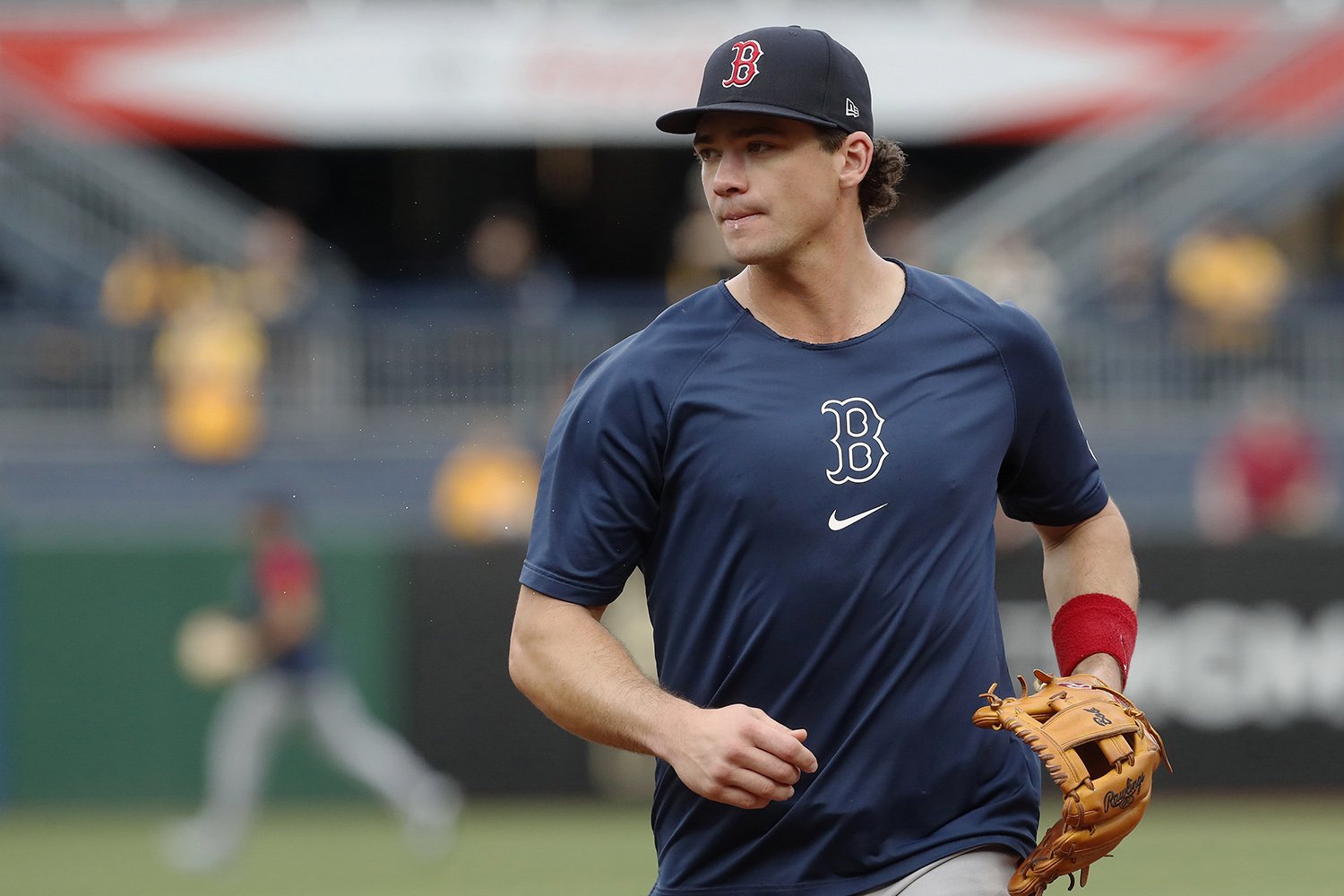 As Bobby Dalbec exchanges one pair of Sox for another, this is a good time to look back on his legacy in Boston. A fourth-round pick for the Red Sox out of the University of Arizona in 2016, Dalbec made his major league debut in the cursed 2020 season. Although it was a shortened season, it was Dalbec’s most productive for Boston. He batted .263 with 8 home runs in 23 games; putting up 0.6 WAR. In his first full season in 2021, Dalbec maintained a positive WAR, batting .240 with 25 home runs. He did, however, strike out 156 times in his 133 games, for a strikeout rate of 34.4%. The league-average rate was 23.2% that season. In 2022, he lowered his strikeout rate to 33.4% but the league also lowered its strikeout rate to 22.4%. Unfortunately, that was the lowest Dalbec’s strikeout rate would go. By 2023, Dalbec had lost his spot on the major league roster and was playing more games in Worcester than in Boston. He played well in Worcester, batting .269 with 33 bombs, but his call up to the big club was less successful; he batted .204 with one home run and 28 strikeouts in 21 games. In what we now know was his final season with the Red Sox, his numbers slipped even more across the board. He batted .252 with 20 home runs in Worcester and .133 with one home run with the Red Sox over 37 games. The diminished pop, ever-rising strikeout rate, and cratering batting average made Dalbec's spot on the roster untenable. What intrigues me about Dalbec is how quickly his stature declined. In 2019, the New York Post reported that the Red Sox were interested in acquiring Edwin Díaz from the Mets, but such a deal would have to include Dalbec or Tristan Casas. Five years ago, he was bandied about as a central part of a trade deal that would have brought one of the league's premier closers to Boston. Now, he was allowed to walk with no compensation and seemingly no regrets. It is a cautionary tale for all the prospect-huggers out there, but I wish Bobby nothing but the best in Chicago.
 -
Free Agents the Red Sox Should Reunite with...and Some They Shouldn’t
Adam Morgan posted an article in Red Sox
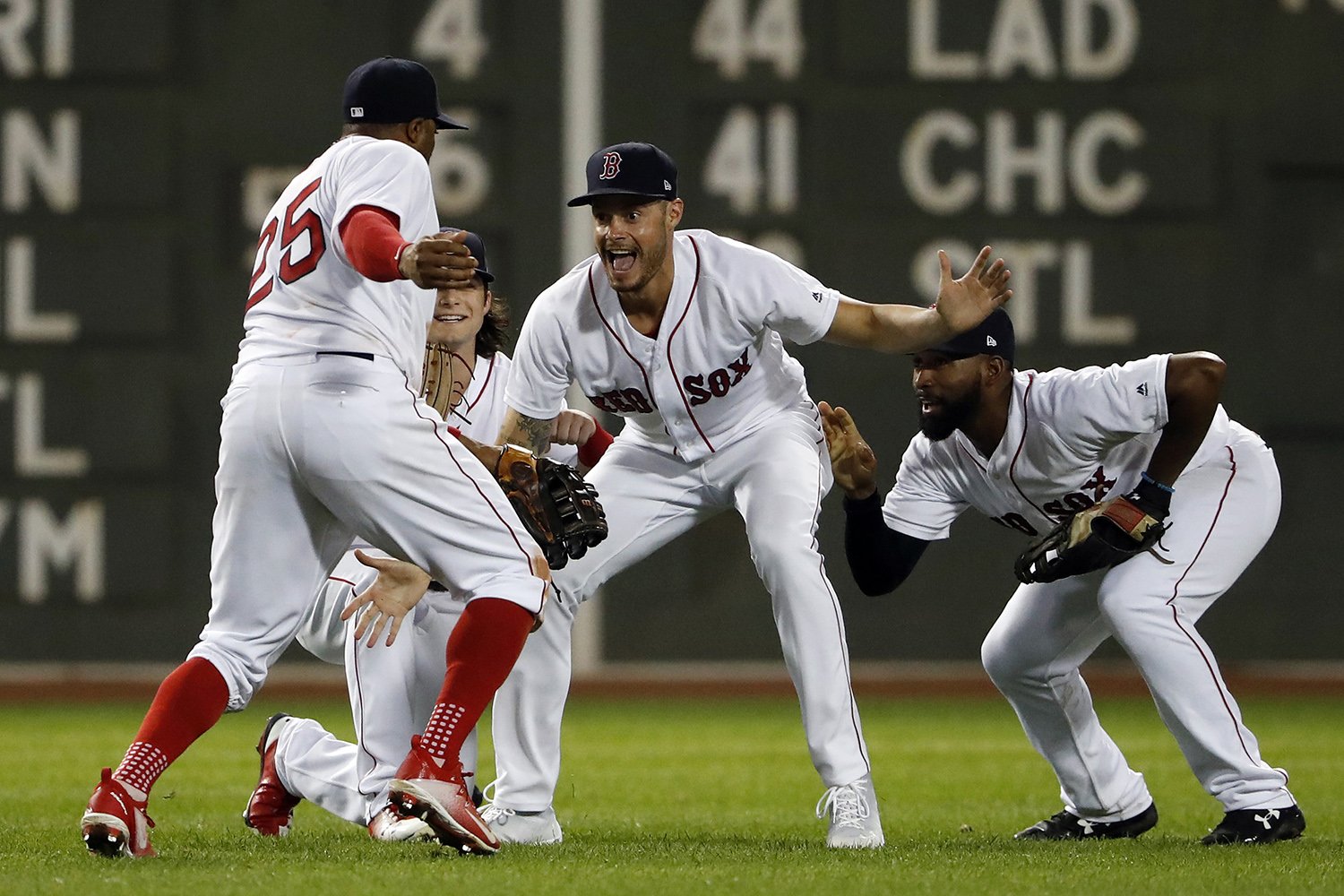 The holiday season is a time when many people come home, wherever that home may be. For former Red Sox, I wanted to look at who might be a good fit to come home to Boston. Infielders Enrique Hernández Kiké was basically Ceddanne Rafaela before Ceddanne Rafaela. He played a great centerfield for the Red Sox in 2022 with four defensive runs saved above average. That season he also played shortstop with two defensive runs saved above average. Since leaving the Red Sox in mid-2023, he put up 1.8 WAR with the Dodgers. With the Red Sox having the lowest projected WAR from the shortstop position in all of baseball, Hernandez could potentially be an upgrade with the positional flexibility that the Red Sox love. Jose Iglesias Speaking of former Red Sox shortstops…OMG, could you imagine having Jose Iglesias back? The last time Iglesias was with the Red Sox, he had been released by the Angels, for whom he put up -1.1 WAR. Since that time Iglesias put up 1.2 WAR with the Rockies and had a surprising star-turn with the Mets last season, notching a whopping 3.1 WAR. He is going to be 35 next season and he mostly played second and third last season but still seems like a player the Red Sox could use. Outfielders Alex Verdugo Verdugo’s post-Red Sox career has been just as tumultuous as his time in Boston. Although there was a bizarre story about his longtime batting gloves making his hands blister and bleed, changing that up did not seem to help Verdugo’s offense any. He had a 0.1 offensive WAR in the Bronx and by season's end, Yankees faithful were clamoring for Jasson Domínguez. The Red Sox already have an abundance of left-handed hitters and a crowded outfield so a reunion with Verdugo seems very unlikely. Tommy Pham Tommy Pham played a mediocre 53 games for the Red Sox in 2022, so I’m not sure that signing him would constitute a homecoming. Considering that he will be 37 this season, it most likely is not going to happen. The only reason it would even be considered is that he will probably be cheap and he hits from the right side. Kevin Pillar If you do not mind reliving past trauma, you may recall that Kevin Pillar played 30 games for Boston in 2020. I don’t want to go back to 2020 and I doubt the Red Sox do either. Pillar is no longer an elite center fielder and instead played a below-average right field last season. He is right-handed, but it might be a stretch to call him a right-handed hitter. Adam Duvall I look back at Adam Duvall’s 2023 in Boston with some fondness. Before an injury robbed him of nearly half the season, he was looking like the kind of right handed world beater the Red Sox needed. He hit 21 homers in 92 games that season so over 162, you would expect over 30. The issue is getting anywhere near 162 games. His 104 games for Atlanta last season was the first time he played over 100 games since 2021. Add that to the fact that he was worth -1.4 WAR last season and a reunion with the Red Sox seems unlikely. He could be a suitable Tyler O'Neill replacement, but not an upgrade. Still, he and Fenway Park were made for each other. Designated Hitters Justin Turner By all reports, Justin Turner was a great clubhouse presence during his one-year stint with the Red Sox in 2023. In addition, he racked up 2.1 WAR while hitting 23 homers from the right side. If he were 10 years younger, the Red Sox might consider a reunion but considering he will be turning 40 this season and he has almost no defensive value, I can’t see the Red Sox making the move. J.D. Martinez Take everything I wrote about Justin Turner and apply it to J.D. Martinez, except he will only be 38 this season. Martinez made less of an impact on the Mets last season than Turner did with the Mariners and Blue Jays, so even though he is younger, he's still not a fit on the Red Sox. Starting Pitchers Wade Miley I’ll admit I was surprised to find that Wade Miley was worth 2.3 WAR during his one season with the Red Sox back in 2015. It was Miley’s third-best season, with his second-best season coming in 2023 with the Brewers. Considering that he missed almost all of last year with Tommy John surgery and he has stated that if he continues his career he’d like it to be with the Brewers, the chances of him returning to Boston seem slim. Martín Pérez Martín Pérez spent two years in Boston before heading to the Texas Rangers in 2022. In 2022, he earned his first and only All-Star selection while racking up 5.1 WAR. The 2024 season saw Pérez start on the Pirates before making the leap to the Padres. He was worth 1.0 WAR over his final 10 starts with San Diego. While it might not be any Red Sox fan’s dream, the team could do worse than signing a 34-year-old Pérez as starting pitching depth. Nick Pivetta The Red Sox extended Nick Pivetta a qualifying offer, which he turned down, as expected. With draft pick compensation tied to him, the market hasn’t seemed to heat up for the Canadian righty. While signing Walker Buehler was seen as an upgrade, Pivetta’s ability to pitch from the rotation or bullpen means that a reunion with the Red Sox is unlikely but not out of the question. Relief Pitchers Kenley Jansen Right now, the two main closer options for the Red Sox are Liam Hendriks, who is returning from missing an entire season due to injury, or Aroldis Chapman, who has amassed 29 saves over the last three seasons while playing for four teams. It would seem that the Red Sox could really use someone like Kenley Jansen to anchor their bullpen. Unfortunately, Kenley skipping town on the end of his final season in Boston rubbed enough of his teammates the wrong way that a reunion seems completely out of the question. Daniel Bard There was a time when you thought you’d hear “Daniel Bard throws wicked hard” in a Boston accent for years and years to come, but a case of the yips derailed Bard’s career, giving him seven seasons between major league appearances. Having played the last four seasons for the Rockies with varying degrees of effectiveness, he has become a symbol of overcoming adversity, but would he want to be back on the mound at Fenway? Would the Red Sox want him back in a Red Sox uniform? Both seem unlikely. Joe Kelly Should Joe Kelly’s fight club re-establish their Boston chapter? Why not? Kelly has the kind of fastball that pitching coach Andrew Bailey can dream on, while a tweak in repertoire could be just what the doctor ordered. Red Sox beat writers keep in touch with Kelly like he still pitches in Boston, so the team might as well bring him back. Craig Kimbrel Craig Kimbrel had 42 saves in his final season in Boston in 2018. That's a big number, but by the end of his tenure, he was no longer the untouchable closer he'd been with the Braves. The cracks that began to show in 2018 have since become chasms. Kimbrel had his worst major league season to date in 2024; he was worth -1.1 WAR with the Orioles. Ultimately they released him in September. Someone will still take a gamble on Kimbrel but I doubt it will be the Red Sox. Chris Martin Perhaps no reunion makes more sense than bringing back Chris Martin. Martin was a stabilizing force in the Red Sox bullpen and had his best career year with Boston in 2023. The 2024 season was a bit more adventurous, but still excellent. The Red Sox do not currently have a reliever who is as dependable as Martin has been over the last two seasons. Few teams do. Unfortunately, Martin has indicated that 2025 will be his last season, and there are rumors that he'd like to spend it closer to his home in Texas.
 -
Which former Red Sox should come home again? And who should stay away? Which former Red Sox should come home again? And who should stay away? The holiday season is a time when many people come home, wherever that home may be. For former Red Sox, I wanted to look at who might be a good fit to come home to Boston. Infielders Enrique Hernández Kiké was basically Ceddanne Rafaela before Ceddanne Rafaela. He played a great centerfield for the Red Sox in 2022 with four defensive runs saved above average. That season he also played shortstop with two defensive runs saved above average. Since leaving the Red Sox in mid-2023, he put up 1.8 WAR with the Dodgers. With the Red Sox having the lowest projected WAR from the shortstop position in all of baseball, Hernandez could potentially be an upgrade with the positional flexibility that the Red Sox love. Jose Iglesias Speaking of former Red Sox shortstops…OMG, could you imagine having Jose Iglesias back? The last time Iglesias was with the Red Sox, he had been released by the Angels, for whom he put up -1.1 WAR. Since that time Iglesias put up 1.2 WAR with the Rockies and had a surprising star-turn with the Mets last season, notching a whopping 3.1 WAR. He is going to be 35 next season and he mostly played second and third last season but still seems like a player the Red Sox could use. Outfielders Alex Verdugo Verdugo’s post-Red Sox career has been just as tumultuous as his time in Boston. Although there was a bizarre story about his longtime batting gloves making his hands blister and bleed, changing that up did not seem to help Verdugo’s offense any. He had a 0.1 offensive WAR in the Bronx and by season's end, Yankees faithful were clamoring for Jasson Domínguez. The Red Sox already have an abundance of left-handed hitters and a crowded outfield so a reunion with Verdugo seems very unlikely. Tommy Pham Tommy Pham played a mediocre 53 games for the Red Sox in 2022, so I’m not sure that signing him would constitute a homecoming. Considering that he will be 37 this season, it most likely is not going to happen. The only reason it would even be considered is that he will probably be cheap and he hits from the right side. Kevin Pillar If you do not mind reliving past trauma, you may recall that Kevin Pillar played 30 games for Boston in 2020. I don’t want to go back to 2020 and I doubt the Red Sox do either. Pillar is no longer an elite center fielder and instead played a below-average right field last season. He is right-handed, but it might be a stretch to call him a right-handed hitter. Adam Duvall I look back at Adam Duvall’s 2023 in Boston with some fondness. Before an injury robbed him of nearly half the season, he was looking like the kind of right handed world beater the Red Sox needed. He hit 21 homers in 92 games that season so over 162, you would expect over 30. The issue is getting anywhere near 162 games. His 104 games for Atlanta last season was the first time he played over 100 games since 2021. Add that to the fact that he was worth -1.4 WAR last season and a reunion with the Red Sox seems unlikely. He could be a suitable Tyler O'Neill replacement, but not an upgrade. Still, he and Fenway Park were made for each other. Designated Hitters Justin Turner By all reports, Justin Turner was a great clubhouse presence during his one-year stint with the Red Sox in 2023. In addition, he racked up 2.1 WAR while hitting 23 homers from the right side. If he were 10 years younger, the Red Sox might consider a reunion but considering he will be turning 40 this season and he has almost no defensive value, I can’t see the Red Sox making the move. J.D. Martinez Take everything I wrote about Justin Turner and apply it to J.D. Martinez, except he will only be 38 this season. Martinez made less of an impact on the Mets last season than Turner did with the Mariners and Blue Jays, so even though he is younger, he's still not a fit on the Red Sox. Starting Pitchers Wade Miley I’ll admit I was surprised to find that Wade Miley was worth 2.3 WAR during his one season with the Red Sox back in 2015. It was Miley’s third-best season, with his second-best season coming in 2023 with the Brewers. Considering that he missed almost all of last year with Tommy John surgery and he has stated that if he continues his career he’d like it to be with the Brewers, the chances of him returning to Boston seem slim. Martín Pérez Martín Pérez spent two years in Boston before heading to the Texas Rangers in 2022. In 2022, he earned his first and only All-Star selection while racking up 5.1 WAR. The 2024 season saw Pérez start on the Pirates before making the leap to the Padres. He was worth 1.0 WAR over his final 10 starts with San Diego. While it might not be any Red Sox fan’s dream, the team could do worse than signing a 34-year-old Pérez as starting pitching depth. Nick Pivetta The Red Sox extended Nick Pivetta a qualifying offer, which he turned down, as expected. With draft pick compensation tied to him, the market hasn’t seemed to heat up for the Canadian righty. While signing Walker Buehler was seen as an upgrade, Pivetta’s ability to pitch from the rotation or bullpen means that a reunion with the Red Sox is unlikely but not out of the question. Relief Pitchers Kenley Jansen Right now, the two main closer options for the Red Sox are Liam Hendriks, who is returning from missing an entire season due to injury, or Aroldis Chapman, who has amassed 29 saves over the last three seasons while playing for four teams. It would seem that the Red Sox could really use someone like Kenley Jansen to anchor their bullpen. Unfortunately, Kenley skipping town on the end of his final season in Boston rubbed enough of his teammates the wrong way that a reunion seems completely out of the question. Daniel Bard There was a time when you thought you’d hear “Daniel Bard throws wicked hard” in a Boston accent for years and years to come, but a case of the yips derailed Bard’s career, giving him seven seasons between major league appearances. Having played the last four seasons for the Rockies with varying degrees of effectiveness, he has become a symbol of overcoming adversity, but would he want to be back on the mound at Fenway? Would the Red Sox want him back in a Red Sox uniform? Both seem unlikely. Joe Kelly Should Joe Kelly’s fight club re-establish their Boston chapter? Why not? Kelly has the kind of fastball that pitching coach Andrew Bailey can dream on, while a tweak in repertoire could be just what the doctor ordered. Red Sox beat writers keep in touch with Kelly like he still pitches in Boston, so the team might as well bring him back. Craig Kimbrel Craig Kimbrel had 42 saves in his final season in Boston in 2018. That's a big number, but by the end of his tenure, he was no longer the untouchable closer he'd been with the Braves. The cracks that began to show in 2018 have since become chasms. Kimbrel had his worst major league season to date in 2024; he was worth -1.1 WAR with the Orioles. Ultimately they released him in September. Someone will still take a gamble on Kimbrel but I doubt it will be the Red Sox. Chris Martin Perhaps no reunion makes more sense than bringing back Chris Martin. Martin was a stabilizing force in the Red Sox bullpen and had his best career year with Boston in 2023. The 2024 season was a bit more adventurous, but still excellent. The Red Sox do not currently have a reliever who is as dependable as Martin has been over the last two seasons. Few teams do. Unfortunately, Martin has indicated that 2025 will be his last season, and there are rumors that he'd like to spend it closer to his home in Texas. View full article
-
Garrett Crochet is just the latest in a long line of players to be traded from Chicago to Boston. Garrett Crochet is just the latest in a long line of players to be traded from Chicago to Boston. If started talking about that time the Red Sox acquired a top-of-the-rotation, left-handed pitcher from the Chicago White Sox for a package of prospects, you would have to ask further questions to figure out which trade I was talking about. Maybe I’m talking about Garrett Crochet. Maybe I’m talking about Chris Sale. Or maybe I’m talking about the 1970 trade for Gary Peters. When two franchises have been around for as long as the Red Sox and White Sox, there is sure to be a long history. Here are just a few of the biggest moves the sides ever matched up for. Future Hall of Famer Harry Hooper had the best season of his career in 1920. The following season, the Red Sox shipped him out of Boston to the South Side of Chicago in return for Shano Collins and Nemo Leibold. Shano Collins was a Massachusetts native and certainly hadn't had a bad career up until that point, and Nemo Leibold posted 1.6 WAR the next year. But neither compared to Hooper, who put up 14.9 WAR for the White Sox in his final five seasons. In the 1950s, the Red Sox traded another future Hall of Famer, George Kell, to the White Sox for Grady Hatton and $100,000. This is a little less egregious than the Hooper trade, because Kell wasn’t a career Red Sox beforehand. He is mostly known for his first nine seasons with the Philadelphia Athletics and Detroit Tigers. Still, Kell posted 5.4 WAR over three seasons with the Red Sox, then 3.4 WAR over the next three seasons in Chicago. The next time the two teams matched to move a future Hall of Famer, Boston was on the receiving end. They got Luis Aparicio for the final three seasons of his career in exchange for Luis Alvarado and Mike Andrews. While Aparicio posted 4.2 WAR for the Red Sox, Alvarado never accumulated positive WAR for Chicago and Andrews only had one positive WAR season in 1971 racking up 1.7 WAR. In 1986, the Red Sox and White Sox did a one-for-one swap: Boston received future Hall of Famer Tom Seaver for occasional NESN studio analyst Steve Lyons. Despite trading him away, the Red Sox would re-acquire Lyons two more times before he retired with Boston in 1993. In more recent times, the Red Sox actually have a history of receiving fairly important pitching pieces from the White Sox. In 2006, Boston received Javier López from the White Sox in exchnge for David Riske. López would go on to pitch in the 2007 World Series for Boston, mostly as a left-handed specialist. In 2013, the Red Sox, White Sox, and Tigers worked out a three-team trade that netted Boston Jake Peavy. Although Peavy ran a 7.11 ERA in three postseason starts, he was a major reason that the Sox made it there, and he even bought a duck boat after they won the World Series. That brings us to the Chris Sale trade, in which the Red Sox gave up Victor Diaz, Luis Alexander Basabe, Michael Kopech, and Yoán Moncada. At the time, many Red Sox fans thought it was a massive overpay, but Diaz and Basabe never made the majors with the White Sox and neither Kopech nor Moncada ever really reached their full potential. Although Sale’s tenure with Boston was injury-filled, it is hard to imagine the Red Sox winning the 2018 World Series without him. And that brings us to the Garrett Crochet deal. The Red Sox sent Wikelman Gonzalez, Chase Meidroth, Braden Montgomery and Kyle Teel to Chicago for Crochet. Sale had over 1,200 career strikeouts and had accumulated 30.1 WAR when he was moved to Boston. Crochet has a career 5.9 WAR and only one full season as a starting pitcher. Still, if the Sale trade has taught us anything, it is that four prospects — no matter how highly touted — are still lottery tickets, not guaranteed to hit. Will Crochet go on to be a Hall of Famer like Tom Seaver or a Hall of Very Good pitcher like Jake Peavy? Only time will tell. But if he helps the Red Sox win the World Series, no one will worry very much about what the team gave up for him. View full article
-
A Brief History of Trades Between the Red Sox and White Sox
Adam Morgan posted an article in History
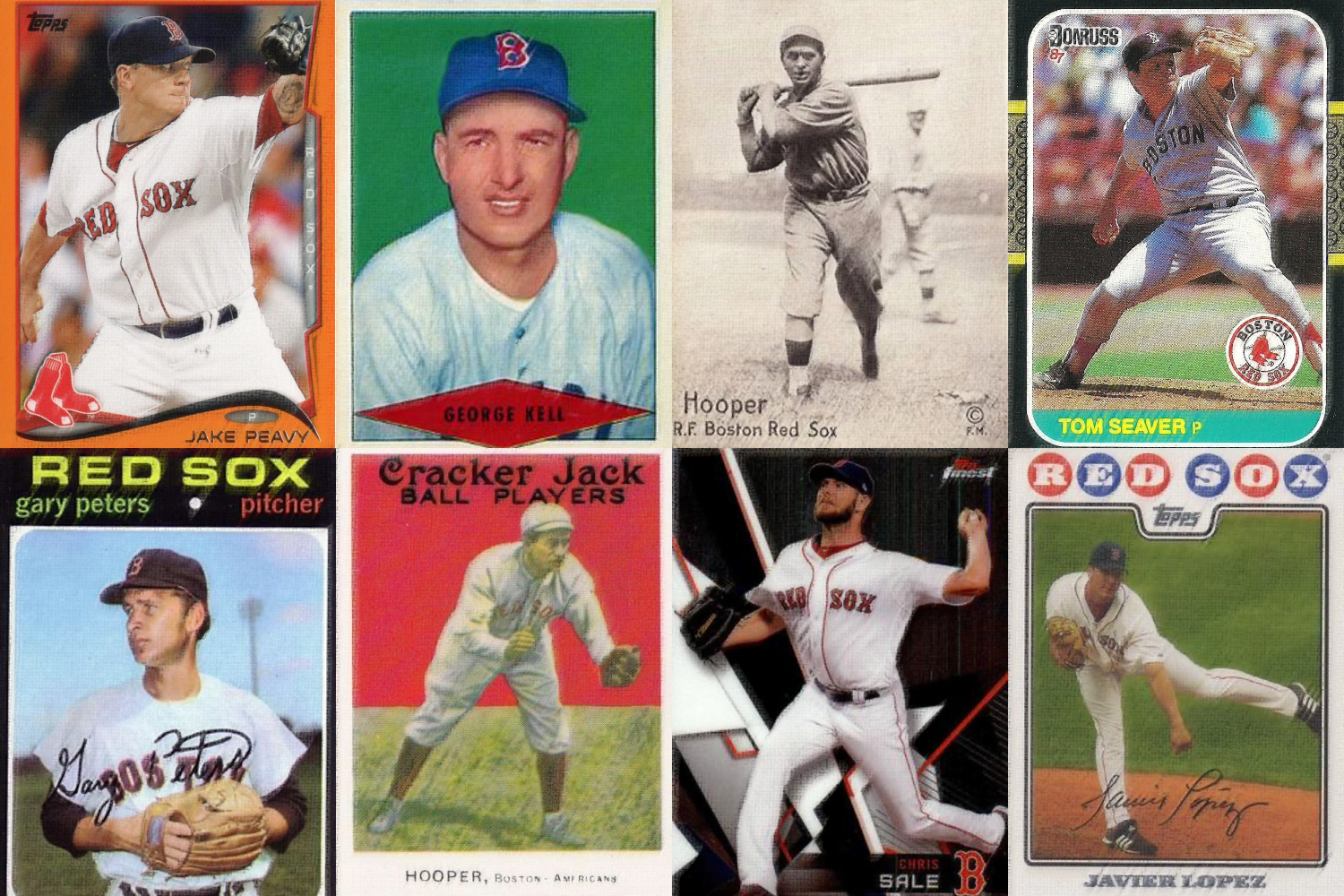 If started talking about that time the Red Sox acquired a top-of-the-rotation, left-handed pitcher from the Chicago White Sox for a package of prospects, you would have to ask further questions to figure out which trade I was talking about. Maybe I’m talking about Garrett Crochet. Maybe I’m talking about Chris Sale. Or maybe I’m talking about the 1970 trade for Gary Peters. When two franchises have been around for as long as the Red Sox and White Sox, there is sure to be a long history. Here are just a few of the biggest moves the sides ever matched up for. Future Hall of Famer Harry Hooper had the best season of his career in 1920. The following season, the Red Sox shipped him out of Boston to the South Side of Chicago in return for Shano Collins and Nemo Leibold. Shano Collins was a Massachusetts native and certainly hadn't had a bad career up until that point, and Nemo Leibold posted 1.6 WAR the next year. But neither compared to Hooper, who put up 14.9 WAR for the White Sox in his final five seasons. In the 1950s, the Red Sox traded another future Hall of Famer, George Kell, to the White Sox for Grady Hatton and $100,000. This is a little less egregious than the Hooper trade, because Kell wasn’t a career Red Sox beforehand. He is mostly known for his first nine seasons with the Philadelphia Athletics and Detroit Tigers. Still, Kell posted 5.4 WAR over three seasons with the Red Sox, then 3.4 WAR over the next three seasons in Chicago. The next time the two teams matched to move a future Hall of Famer, Boston was on the receiving end. They got Luis Aparicio for the final three seasons of his career in exchange for Luis Alvarado and Mike Andrews. While Aparicio posted 4.2 WAR for the Red Sox, Alvarado never accumulated positive WAR for Chicago and Andrews only had one positive WAR season in 1971 racking up 1.7 WAR. In 1986, the Red Sox and White Sox did a one-for-one swap: Boston received future Hall of Famer Tom Seaver for occasional NESN studio analyst Steve Lyons. Despite trading him away, the Red Sox would re-acquire Lyons two more times before he retired with Boston in 1993. In more recent times, the Red Sox actually have a history of receiving fairly important pitching pieces from the White Sox. In 2006, Boston received Javier López from the White Sox in exchnge for David Riske. López would go on to pitch in the 2007 World Series for Boston, mostly as a left-handed specialist. In 2013, the Red Sox, White Sox, and Tigers worked out a three-team trade that netted Boston Jake Peavy. Although Peavy ran a 7.11 ERA in three postseason starts, he was a major reason that the Sox made it there, and he even bought a duck boat after they won the World Series. That brings us to the Chris Sale trade, in which the Red Sox gave up Victor Diaz, Luis Alexander Basabe, Michael Kopech, and Yoán Moncada. At the time, many Red Sox fans thought it was a massive overpay, but Diaz and Basabe never made the majors with the White Sox and neither Kopech nor Moncada ever really reached their full potential. Although Sale’s tenure with Boston was injury-filled, it is hard to imagine the Red Sox winning the 2018 World Series without him. And that brings us to the Garrett Crochet deal. The Red Sox sent Wikelman Gonzalez, Chase Meidroth, Braden Montgomery and Kyle Teel to Chicago for Crochet. Sale had over 1,200 career strikeouts and had accumulated 30.1 WAR when he was moved to Boston. Crochet has a career 5.9 WAR and only one full season as a starting pitcher. Still, if the Sale trade has taught us anything, it is that four prospects — no matter how highly touted — are still lottery tickets, not guaranteed to hit. Will Crochet go on to be a Hall of Famer like Tom Seaver or a Hall of Very Good pitcher like Jake Peavy? Only time will tell. But if he helps the Red Sox win the World Series, no one will worry very much about what the team gave up for him.
 -
We need to get you on the Podcast naming committee.
-
Adam, Alex and Maddie discuss the Red Sox first major move of the off-season, trading for Garrett Crochet. Adam, Alex and Maddie discuss the Red Sox first major move of the off-season, trading for Garrett Crochet. They preview what giving up Kyle Teel means for the catching situation moving forward. They dream on what other trades the Red Sox could potentially make and what they might have to give up to facilitate those trades. They also discuss the minor moves of trading for Carlos Narvaez and signing Aroldis Chapman. Listen on Apple Podcasts: https://podcasts.apple.com/us/podcast/the-talk-sox-podcast/id1783204104 Listen on Spotify: https://open.spotify.com/show/3qPrPXEngu0CxgTmlf0ynm Listen on iHeartRadio: https://www.iheart.com/podcast/263-the-talk-sox-podcast-244591331/ Listen on Pocket Casts: https://pca.st/4tmd121v Watch on YouTube: https://www.youtube.com/@talksox View full article
- 11 replies
-
- 1
-

-
- garrett crochet
- kyle teel
- (and 2 more)
-
There's reason to believe that Masataka Yoshida's best days are ahead of him. Will that help him stay in Boston, or help the Red Sox trade him away? There's reason to believe that Masataka Yoshida's best days are ahead of him. Will that help him stay in Boston, or help the Red Sox trade him away? With free agents quickly coming off the board, it looks like the Red Sox' best chance of adding this offseason will come via trade. In order to add via trade though, you have to subtract. Names like Marcelo Myers, Kyle Teel, Tristan Casas, and Wilyer Abreu have all been mentioned in trade rumors. While Boston fans groan every time one of these names gets brought up, everyone seems to agree on one name: Masataka Yoshida. The outfielder turned full-time DH has drawn the ire of many fans and pundits alike. With the roster crunch coming at Fenway soon, it might seem to make sense to ship out Yoshida but is it a smart move? At 31 years old, Yoshida is fairly old for this Red Sox team. At 28, Boston had the ninth-lowest average age in baseball last season. That seems like it will only be getting lower with players like Tyler O’Neill and Danny Jansen leaving via free agency and likely having their spots filled by high-level prospects. With Yoshida signed through 2027 and earning roughly $18 million per season, the contract is not enviable. If the Red Sox trade Yoshida, it is likely to be a “bad contract for bad contract” swap or Boston will have to pay down a significant portion of his deal to get anything worthwhile in return. According to Baseball Reference, Yoshida has posted 1.4 WAR in each of his first two seasons. FanGraphs is a little more bearish in its assessment, crediting him with 0.6 and 0.8 fWAR respectively, but Steamer predicts Masa to be worth 1.2 fWAR in 2025. In terms of MLB experience, the prediction seems to be in line with general trends for Japanese players transitioning from NPB. Seiya Suzuki just finished his third season in the majors and it was his best so far. Despite winning Rookie of the Year and MVP in his first season, Ichiro Suzuki’s best year was actually his fourth season in MLB. Kazuo Matsui is another Japanese-born player who put up his best numbers in his fourth MLB season. (Hideki Matsui was an exception to this small trend, as he performed best in his second, third, and fifth MLB seasons.) This is a very small sample size, but the point is that it's possible Yoshida could be headed for bigger and better things in the coming seasons. Yoshida improved both his walk rate and his strikeout rate in 2024, and he was able to cut his groundball rate by a considerable margin. He didn't hit the ball as hard, but it certainly seems reasonable to chalk that up to his shoulder injury, and he still managed to provide more value despite playing in 32 fewer games. Assuming he's able to recover fully from his surgery, things are trending in the right direction. The question remains: will Boston be paying him to play for the Red Sox or paying him to play for another team? Personally, I wouldn’t mind giving Yoshida another chance if not just to hear Lou Merloni marvel over his excellent running form. View full article
-
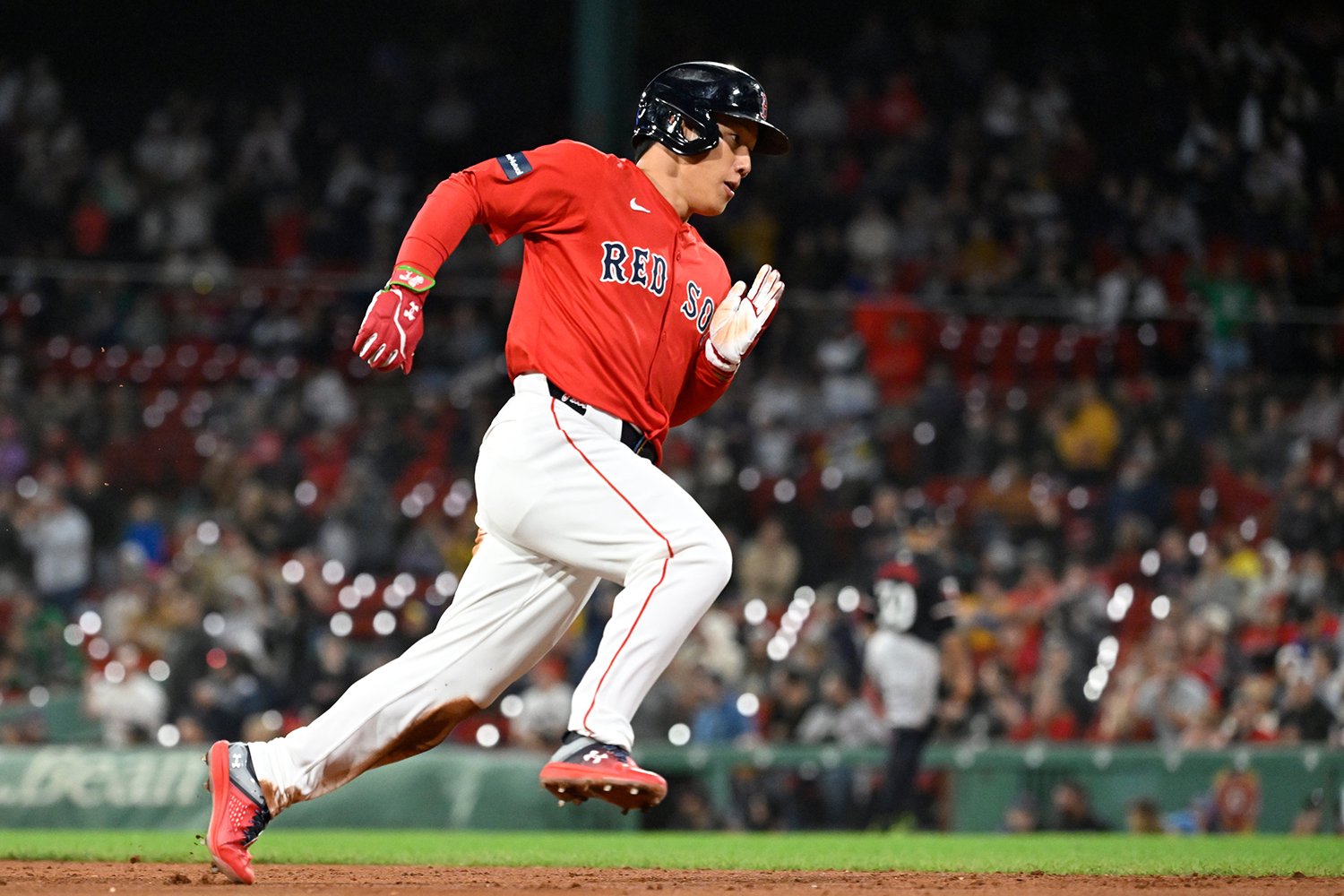 With free agents quickly coming off the board, it looks like the Red Sox' best chance of adding this offseason will come via trade. In order to add via trade though, you have to subtract. Names like Marcelo Myers, Kyle Teel, Tristan Casas, and Wilyer Abreu have all been mentioned in trade rumors. While Boston fans groan every time one of these names gets brought up, everyone seems to agree on one name: Masataka Yoshida. The outfielder turned full-time DH has drawn the ire of many fans and pundits alike. With the roster crunch coming at Fenway soon, it might seem to make sense to ship out Yoshida but is it a smart move? At 31 years old, Yoshida is fairly old for this Red Sox team. At 28, Boston had the ninth-lowest average age in baseball last season. That seems like it will only be getting lower with players like Tyler O’Neill and Danny Jansen leaving via free agency and likely having their spots filled by high-level prospects. With Yoshida signed through 2027 and earning roughly $18 million per season, the contract is not enviable. If the Red Sox trade Yoshida, it is likely to be a “bad contract for bad contract” swap or Boston will have to pay down a significant portion of his deal to get anything worthwhile in return. According to Baseball Reference, Yoshida has posted 1.4 WAR in each of his first two seasons. FanGraphs is a little more bearish in its assessment, crediting him with 0.6 and 0.8 fWAR respectively, but Steamer predicts Masa to be worth 1.2 fWAR in 2025. In terms of MLB experience, the prediction seems to be in line with general trends for Japanese players transitioning from NPB. Seiya Suzuki just finished his third season in the majors and it was his best so far. Despite winning Rookie of the Year and MVP in his first season, Ichiro Suzuki’s best year was actually his fourth season in MLB. Kazuo Matsui is another Japanese-born player who put up his best numbers in his fourth MLB season. (Hideki Matsui was an exception to this small trend, as he performed best in his second, third, and fifth MLB seasons.) This is a very small sample size, but the point is that it's possible Yoshida could be headed for bigger and better things in the coming seasons. Yoshida improved both his walk rate and his strikeout rate in 2024, and he was able to cut his groundball rate by a considerable margin. He didn't hit the ball as hard, but it certainly seems reasonable to chalk that up to his shoulder injury, and he still managed to provide more value despite playing in 32 fewer games. Assuming he's able to recover fully from his surgery, things are trending in the right direction. The question remains: will Boston be paying him to play for the Red Sox or paying him to play for another team? Personally, I wouldn’t mind giving Yoshida another chance if not just to hear Lou Merloni marvel over his excellent running form.
 -
With Walltimore Gone, Is the Green Monster Next?
Adam Morgan replied to Adam Morgan's topic in Talk Sox Front Page News
AI is truly coming for all of our jobs. -
Walltimore is dead! Long live Walltimore! Walltimore is dead! Long live Walltimore! Prior to the 2022 season, the Orioles pushed back and raised Camden Yards’ left field in dramatic fashion. Dubbed Walltimore by the punny media, it made pitchers cheer, and right-handed hitters do the opposite. But the AL East’s long national nightmare is over. Baltimore has announced it is bringing the wall back in as much as 20 feet in some areas and lowering it by up to six feet. The media has already declared this victory for Orioles hitters like Ryan Mountcastle and Adley Rutschman while saying it could also play a role in luring right-handed free-agent bats to Camden Yards. It made me wonder: if Walltimore could be toppled, is the Green Monster next? The answer is almost assuredly no, but what if it weren’t? If you thought Jarren Duran deserved more MVP votes, how does an extra seven home runs sound? That’s how many balls Duran hit off the Green Monster last season. The fact that he's a left-handed hitter just makes it more impressive. Duran isn’t necessarily at the top of anyone's list regarding opposite-field power, but an additional seven homers would definitely change that perception. However, no one would benefit from the Green Monster losing some height more than Connor Wong. Wong would have had eight more home runs in 2024, and he would have had five more in 2023. Unlike Duran, whose additional home runs would have been of the wall-scraping variety, Wong peppered the wall with line drives. Even if the Monster were lowered and moved back, he would still have plenty of additional home runs. Ceddanne Rafaela had a complicated rookie campaign, but if you add to his ledger the six home runs he would have had were the Green Monster shorter, his 21 homers on the season might have gotten him at least one AL Rookie of the Year vote. Rafael Devers is tied with Rafaela for the third-most wall balls. Unlike Duran, Devers is known for his all-field power, so having six additional opposite-field home runs wouldn't be at all surprising. But the extra homers would have given Raffy 34 homers, making it the fourth time he eclipsed 30 big flies in his career. So, while the Red Sox aren’t thinking of shrinking the Green Monster (nor should they be), there are at least a few Red Sox players who can dare to dream. View full article
-
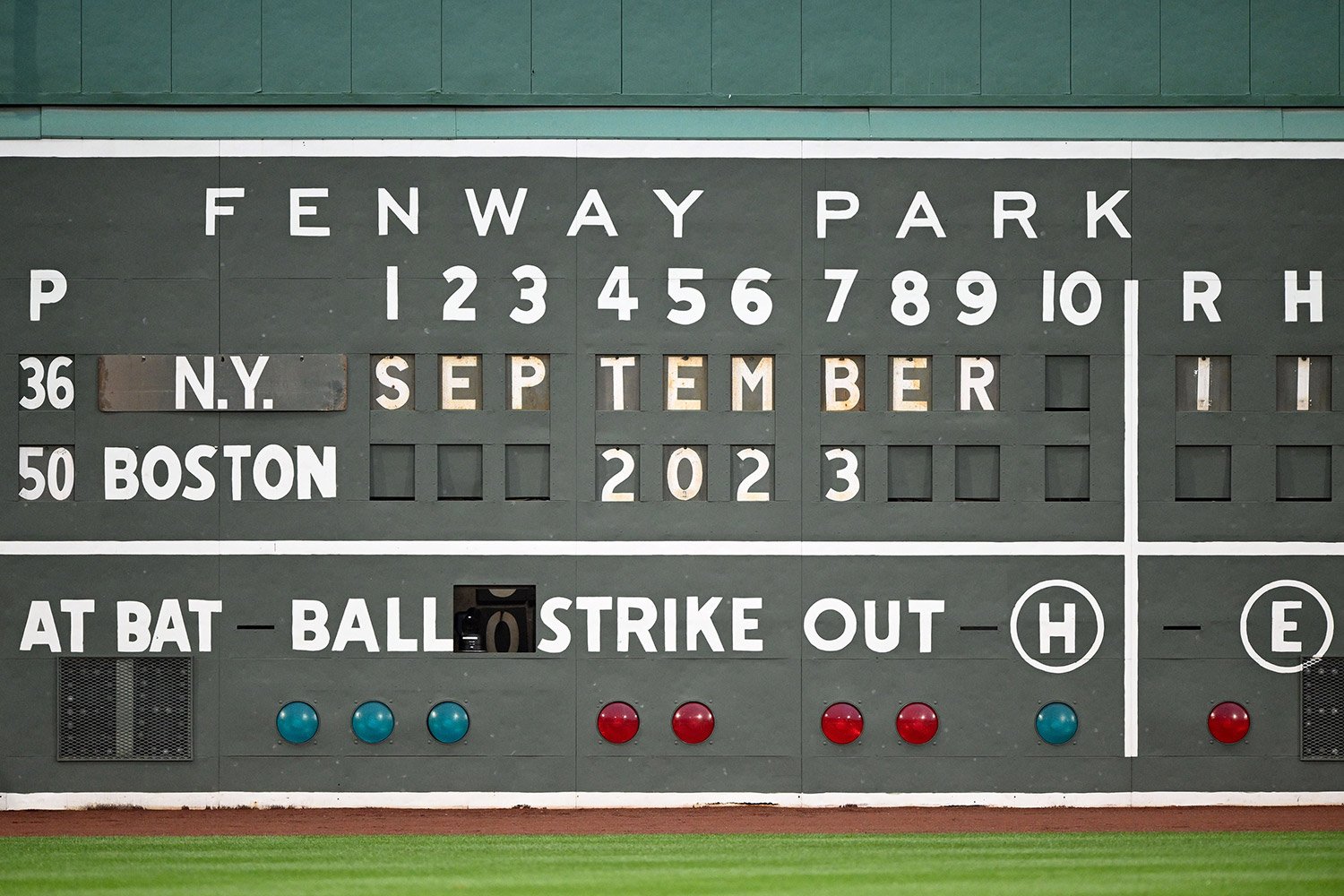 Prior to the 2022 season, the Orioles pushed back and raised Camden Yards’ left field in dramatic fashion. Dubbed Walltimore by the punny media, it made pitchers cheer, and right-handed hitters do the opposite. But the AL East’s long national nightmare is over. Baltimore has announced it is bringing the wall back in as much as 20 feet in some areas and lowering it by up to six feet. The media has already declared this victory for Orioles hitters like Ryan Mountcastle and Adley Rutschman while saying it could also play a role in luring right-handed free-agent bats to Camden Yards. It made me wonder: if Walltimore could be toppled, is the Green Monster next? The answer is almost assuredly no, but what if it weren’t? If you thought Jarren Duran deserved more MVP votes, how does an extra seven home runs sound? That’s how many balls Duran hit off the Green Monster last season. The fact that he's a left-handed hitter just makes it more impressive. Duran isn’t necessarily at the top of anyone's list regarding opposite-field power, but an additional seven homers would definitely change that perception. However, no one would benefit from the Green Monster losing some height more than Connor Wong. Wong would have had eight more home runs in 2024, and he would have had five more in 2023. Unlike Duran, whose additional home runs would have been of the wall-scraping variety, Wong peppered the wall with line drives. Even if the Monster were lowered and moved back, he would still have plenty of additional home runs. Ceddanne Rafaela had a complicated rookie campaign, but if you add to his ledger the six home runs he would have had were the Green Monster shorter, his 21 homers on the season might have gotten him at least one AL Rookie of the Year vote. Rafael Devers is tied with Rafaela for the third-most wall balls. Unlike Duran, Devers is known for his all-field power, so having six additional opposite-field home runs wouldn't be at all surprising. But the extra homers would have given Raffy 34 homers, making it the fourth time he eclipsed 30 big flies in his career. So, while the Red Sox aren’t thinking of shrinking the Green Monster (nor should they be), there are at least a few Red Sox players who can dare to dream.
 -
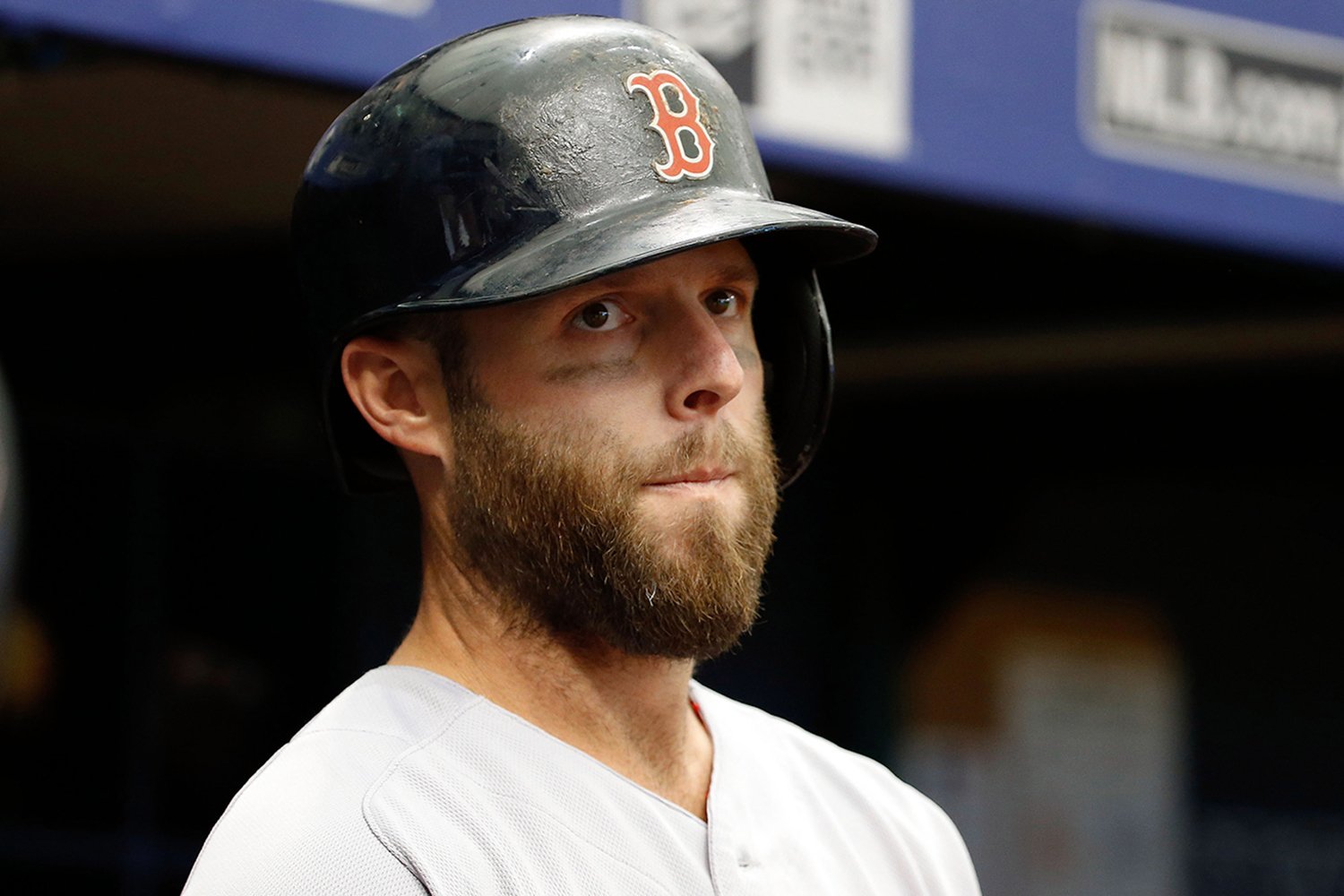 When Dustin Pedroia was called up to the majors in late August 2006, there was no guarantee that 18 years later we would be talking about a potential Hall of Famer. Pedroia had an inauspicious beginning, managing -0.8 WAR over 98 plate appearances. By 2007, however, the second-round draft pick from 2004 had become a standout in the lineup and won AL Rookie of the Year. He racked up 3.9 WAR and got 21 more first-place votes than the runner-up, Delmon Young. Red Sox fans know how the rest of the story goes. In his second season, Pedroia won MVP, leading the league in runs with 118 and WAR with 7.0. His 213 hits tied him with Ichiro Suzuki for the league lead. The combination of winning Rookie of the Year and MVP in back-to-back seasons was something not seen in the American League since Cal Ripken Jr. accomplished the feat in 1982 and 1983. For Ripken, 1983 was the first of two MVPs that, along with his legendary streak, propelled him to an easy Hall of Fame election. For Pedroia, 2007 was his one and only MVP, and that might be the end of his Hall of Fame candidacy. In the National League, there have been a few winners of back-to-back Rookie of the Year and MVPs. Kris Bryant won back-to-back in 2015 and 2016. His own Hall of Fame candidacy looks extremely unlikely at this point. Ryan Howard won in 2005 and 2006, and he received eight votes on his first and only ballot. Pedroia was a better player than Howard: longer career, higher WAR, better defense. He also ended up with four Gold Gloves, a Silver Slugger, and four All-Star nods. But Pedroia wasn’t the best second baseman during his career. Between 2007 and his official last season in 2019, Pedroia had the third-highest WAR, trailing Robinson Cano and Ian Kinsler. Cano’s two PED suspensions probably do in his Hall of Fame chances, but Kinsler will be interesting. He can't compete with Pedroia's hardware or his peak, but he has over 100 more home runs and stolen bases. Likely the best barometer for how both Pedroia and Kinsler will do is Chase Utley. Utley’s first year of eligibility was 2024. Utley’s career started before Pedroia’s in 2003 and his 64.5 Baseball-Reference WAR bests Pedroia by more than 10. In his first year of eligibility, Utley appeared on 111 ballots. That was good enough to keep him on the ballot, but a far cry from the 289 votes needed for election. That 28.8% of the vote doesn’t preclude him from getting in. Scott Rolen went from a debut of 10.2% to ultimately make the hall while players like Todd Helton, Duke Snider, and Bert Blyleven all had under 20% on their first ballot. But if you look at Jay Jaffe's JAWS metric, it's easy to see that Utley is a better bet than Pedey. Utley ranks 12th amongst second basemen in WAR and has a seven-year peak of 49.3 WAR. Pedroia ranks 19th in WAR with a seven-year peak of 41.0. Many fans have argued that health is the only separator. He never had a stretch of more than four seasons with 100 games played. More importantly, a takeout slide from Manny Machado effectively ended Pedroia's career before he turned 34, robbing him of the chance to compile the career numbers of a typical Hall-member and requiring a knee replacement before he could even turn 40. It's one thing to struggle through injuries, but it's another entirely to have the second half of your career stolen from you in an instant, and voters might recognize that distinction. Utley had streaks of seven seasons in a row and five seasons with more than 100 games played, and he played in over 400 than Pedroia. But even if you look at smaller career sections, Pedroia’s put up 19.2 WAR in his best three-year stretch, while Utley went for 25.0 in his best stretch. I expect Pedroia to stay on the ballot, but with Hall voters getting more sabermetrically inclined, it's hard to see a Rookie of the Year and MVP vaulting him over Utley. In the end, Red Sox fans should be rooting for Chase Utley to make the Hall of Fame because if he falls short, there is little hope for our own superstar second baseman.
 -
The Laser Show is appearing on the Hall of Fame ballot for the first time. How will the BBWAA writers view his candidacy? The Laser Show is appearing on the Hall of Fame ballot for the first time. How will the BBWAA writers view his candidacy? When Dustin Pedroia was called up to the majors in late August 2006, there was no guarantee that 18 years later we would be talking about a potential Hall of Famer. Pedroia had an inauspicious beginning, managing -0.8 WAR over 98 plate appearances. By 2007, however, the second-round draft pick from 2004 had become a standout in the lineup and won AL Rookie of the Year. He racked up 3.9 WAR and got 21 more first-place votes than the runner-up, Delmon Young. Red Sox fans know how the rest of the story goes. In his second season, Pedroia won MVP, leading the league in runs with 118 and WAR with 7.0. His 213 hits tied him with Ichiro Suzuki for the league lead. The combination of winning Rookie of the Year and MVP in back-to-back seasons was something not seen in the American League since Cal Ripken Jr. accomplished the feat in 1982 and 1983. For Ripken, 1983 was the first of two MVPs that, along with his legendary streak, propelled him to an easy Hall of Fame election. For Pedroia, 2007 was his one and only MVP, and that might be the end of his Hall of Fame candidacy. In the National League, there have been a few winners of back-to-back Rookie of the Year and MVPs. Kris Bryant won back-to-back in 2015 and 2016. His own Hall of Fame candidacy looks extremely unlikely at this point. Ryan Howard won in 2005 and 2006, and he received eight votes on his first and only ballot. Pedroia was a better player than Howard: longer career, higher WAR, better defense. He also ended up with four Gold Gloves, a Silver Slugger, and four All-Star nods. But Pedroia wasn’t the best second baseman during his career. Between 2007 and his official last season in 2019, Pedroia had the third-highest WAR, trailing Robinson Cano and Ian Kinsler. Cano’s two PED suspensions probably do in his Hall of Fame chances, but Kinsler will be interesting. He can't compete with Pedroia's hardware or his peak, but he has over 100 more home runs and stolen bases. Likely the best barometer for how both Pedroia and Kinsler will do is Chase Utley. Utley’s first year of eligibility was 2024. Utley’s career started before Pedroia’s in 2003 and his 64.5 Baseball-Reference WAR bests Pedroia by more than 10. In his first year of eligibility, Utley appeared on 111 ballots. That was good enough to keep him on the ballot, but a far cry from the 289 votes needed for election. That 28.8% of the vote doesn’t preclude him from getting in. Scott Rolen went from a debut of 10.2% to ultimately make the hall while players like Todd Helton, Duke Snider, and Bert Blyleven all had under 20% on their first ballot. But if you look at Jay Jaffe's JAWS metric, it's easy to see that Utley is a better bet than Pedey. Utley ranks 12th amongst second basemen in WAR and has a seven-year peak of 49.3 WAR. Pedroia ranks 19th in WAR with a seven-year peak of 41.0. Many fans have argued that health is the only separator. He never had a stretch of more than four seasons with 100 games played. More importantly, a takeout slide from Manny Machado effectively ended Pedroia's career before he turned 34, robbing him of the chance to compile the career numbers of a typical Hall-member and requiring a knee replacement before he could even turn 40. It's one thing to struggle through injuries, but it's another entirely to have the second half of your career stolen from you in an instant, and voters might recognize that distinction. Utley had streaks of seven seasons in a row and five seasons with more than 100 games played, and he played in over 400 than Pedroia. But even if you look at smaller career sections, Pedroia’s put up 19.2 WAR in his best three-year stretch, while Utley went for 25.0 in his best stretch. I expect Pedroia to stay on the ballot, but with Hall voters getting more sabermetrically inclined, it's hard to see a Rookie of the Year and MVP vaulting him over Utley. In the end, Red Sox fans should be rooting for Chase Utley to make the Hall of Fame because if he falls short, there is little hope for our own superstar second baseman. View full article
-
 In 2024, the league threw four-seam fastballs 32.3% of the time. Boston pitchers, on the other hand, threw them 18.7% of the time, down from 26.1% in 2023. Early in the season, when pitching coach Andrew Bailey was asked about this approach, the answer was simple: Four-seamers get hit harder, so the Red Sox want to throw fewer of them. For pitchers like Isaiah Campbell, who was new to the team, this meant going from throwing fastballs 46.4% of the time in 2023 with Seattle to 19.3% with the Red Sox in 2024. He also increased his slider usage from 38.7% to 47.9%, which makes sense since 52% of his hits allowed came on fastballs compared to only 30.7% off his slider. Those numbers show what the Red Sox saw in Campbell, making them want to acquire him and adjust his pitching mix. This made me wonder about Boston’s major free-agent signings from last season: Lucas Giolito and Liam Hendriks. While neither pitched last season, we can extrapolate what the Red Sox saw in them and what their pitching mix might look like once they hit the Fenway mound. In 2023, Giolito threw his fastball 41.9% of the time while using his changeup 28.3% and his slider 28.5%. He gave up a league-high 41 home runs in 2023, but 18 came on fastballs while 12 came off his changeup, which means 11 came off his slider. Brayan Bello is the 2023 Red Sox starting pitcher with the closest arsenal to Giolito. The biggest difference between their mix is that Bello has a two-seam fastball. In 2023, Bello threw his four-seamer 20.6% of the time and his two-seamer 36.3%. By 2024, his straight heater was used only 4.8% of the time, and his two-seamer was up to 40.3%. Still, that means that he went from throwing one of his two fastballs from 56.9% of the time down to 45.1%. If Giolito goes through roughly the same change in four-seam usage, he will throw his fastball at about 33.2%. In 2023, Bello used his changeup 23.9% of the time and his slider 17.6%. Last season, those numbers increased to 26.9% for the change and 28% for the slider. If those ratios stay roughly the same for Giolito, we would see him throw his changeup 31.9% and his slider 45.3% of the time. I know those numbers add up to over 100%, but they are more to demonstrate the potential directional change and ballpark figure of the pitch mix. The fact that he could be throwing the pitch that got the best results for him in 2023, somewhere between 40-50%, could make a huge difference and should drastically decrease his home run totals. In 2023, Liam Hendriks threw his fastball 58.6% of the time, his slider 39.1%, and his curveball just 2.3%. His best comp is Isaiah Campbell. So, if Hendriks undergoes a similar change, we’d see him throw his fastball to 24.4% and up his slider usage to 48.4%, with the remainder probably dedicated to his curveball. Since 2020, Liam Hendriks has allowed 334 hits. 71% of those came off the four-seamer. Of his 68 home runs allowed, 79.4% came on heaters. So, under Andrew Bailey and the Red Sox's new pitching regiment, they hope that limiting Hendriks and Giolito’s most-hit pitch can turn them into a similar success story as what we saw with Tanner Houck and Kutter Crawford. Hendriks was an elite closer not long ago, and although Giolito has a little more separation from his glory days, there is reason to believe that as long as both are healthy, they can get back at least close to those numbers.
 -
In 2024 the Red Sox basically stopped throwing four-seam fastballs. How is that going to impact two high-profile pitchers returning in 2025? In 2024 the Red Sox basically stopped throwing four-seam fastballs. How is that going to impact two high-profile pitchers returning in 2025? In 2024, the league threw four-seam fastballs 32.3% of the time. Boston pitchers, on the other hand, threw them 18.7% of the time, down from 26.1% in 2023. Early in the season, when pitching coach Andrew Bailey was asked about this approach, the answer was simple: Four-seamers get hit harder, so the Red Sox want to throw fewer of them. For pitchers like Isaiah Campbell, who was new to the team, this meant going from throwing fastballs 46.4% of the time in 2023 with Seattle to 19.3% with the Red Sox in 2024. He also increased his slider usage from 38.7% to 47.9%, which makes sense since 52% of his hits allowed came on fastballs compared to only 30.7% off his slider. Those numbers show what the Red Sox saw in Campbell, making them want to acquire him and adjust his pitching mix. This made me wonder about Boston’s major free-agent signings from last season: Lucas Giolito and Liam Hendriks. While neither pitched last season, we can extrapolate what the Red Sox saw in them and what their pitching mix might look like once they hit the Fenway mound. In 2023, Giolito threw his fastball 41.9% of the time while using his changeup 28.3% and his slider 28.5%. He gave up a league-high 41 home runs in 2023, but 18 came on fastballs while 12 came off his changeup, which means 11 came off his slider. Brayan Bello is the 2023 Red Sox starting pitcher with the closest arsenal to Giolito. The biggest difference between their mix is that Bello has a two-seam fastball. In 2023, Bello threw his four-seamer 20.6% of the time and his two-seamer 36.3%. By 2024, his straight heater was used only 4.8% of the time, and his two-seamer was up to 40.3%. Still, that means that he went from throwing one of his two fastballs from 56.9% of the time down to 45.1%. If Giolito goes through roughly the same change in four-seam usage, he will throw his fastball at about 33.2%. In 2023, Bello used his changeup 23.9% of the time and his slider 17.6%. Last season, those numbers increased to 26.9% for the change and 28% for the slider. If those ratios stay roughly the same for Giolito, we would see him throw his changeup 31.9% and his slider 45.3% of the time. I know those numbers add up to over 100%, but they are more to demonstrate the potential directional change and ballpark figure of the pitch mix. The fact that he could be throwing the pitch that got the best results for him in 2023, somewhere between 40-50%, could make a huge difference and should drastically decrease his home run totals. In 2023, Liam Hendriks threw his fastball 58.6% of the time, his slider 39.1%, and his curveball just 2.3%. His best comp is Isaiah Campbell. So, if Hendriks undergoes a similar change, we’d see him throw his fastball to 24.4% and up his slider usage to 48.4%, with the remainder probably dedicated to his curveball. Since 2020, Liam Hendriks has allowed 334 hits. 71% of those came off the four-seamer. Of his 68 home runs allowed, 79.4% came on heaters. So, under Andrew Bailey and the Red Sox's new pitching regiment, they hope that limiting Hendriks and Giolito’s most-hit pitch can turn them into a similar success story as what we saw with Tanner Houck and Kutter Crawford. Hendriks was an elite closer not long ago, and although Giolito has a little more separation from his glory days, there is reason to believe that as long as both are healthy, they can get back at least close to those numbers. View full article
-
How do you figure out which playoff team to root for? By looking at their former Red Sox, of course. How do you figure out which playoff team to root for? By looking at their former Red Sox, of course. With the Red Sox missing out on the 2024 postseason, I can understand how some might want to switch their focus immediately to hockey or football or soccer. Whatever floats your boat. But for die-hard baseball addicts, this can be a tall order. Luckily for Red Sox fans, the playoff field features no shortage of Boston connections to make October interesting. If Boston connections are your primary criteria, who should you root for? Let's take a trip down memory lane. American League New York Yankees Do I think any Red Sox fans are going to root for the Yankees? No, but they might be interested in watching what happens with Alex Verdugo. After a hot start, Verdugo's season went downhill fast, to the point that Yankees fans were demanding answers from Brian Cashman and Aaron Boone about why Verdugo was starting while much-touted prospect Jasson Domínguez was languishing in Triple-A. According to FanGraphs, Verdugo put up a 64 wRC+ and -0.4 WAR from June 14 onward, making him the fourth-worst qualified player in baseball over that stretch. Eventually, Domínguez was called up, but Verdugo was still getting starts in important games down the stretch. It will be curious to see if Boone and company go with the playoff-experienced Verdugo or rely on the rookie. Cleveland Guardians After 11 years of managing the Guardians, Terry Francona finally retired last year. Under Francona's leadership, Cleveland boasted such former Red Sox players as Andrew Miller, Mike Napoli, Hanley Ramírez, Rich Hill, and others. Under the new Stephen Vogt regime, not a single former Red Sox appeared in a game for the Guardians this year. Houston Astros Do I think any Red Sox fans are going to root for the Astros either? No, and honestly, there isn't much reason to. The only former Red Sox to make appearances for Houston were Kaleb Ort and Tayler Scott, who combined for -0.5 fWAR during their time in Boston. I remember the right-handed Ort, who made 47 appearances for the Sox between 2021 and 2023. In 2024, he managed to have the best season of his career this year, running a 2.55 ERA and amassing 0.5 WAR according to Baseball-Reference (though because of his sky-high FIP, FanGraphs had him at -0.2). He might just sneak onto the playoff roster. Tayler Scott, on the other hand, I have no memory of whatsoever. It turns out Scott made four appearances for the 2023 Red Sox, including one start. I must have missed that game. Scott pitched an impressive 62 with the Astros this season. That is significantly more than he had appeared in over his entire big-league career up to the point, and it allowed Scott to amass 1.7 bWAR this season, which ranks 30th among all relievers (though once again, FanGraphs sees a 2.23 ERA and a 4.13 FIP and figures Scott must have gotten lucky, crediting him for just 0.2 WAR). I would assume you'll see him in the playoffs, but as he played four games for Boston, I doubt you'll care. Baltimore Orioles Former Boston closer, Craig Kimbrel had such a disastrous time with the Orioles that not only did he lose the closer role, but he was eventually released from the team. The only other player with any Red Sox connection to play for the Orioles this season was Yohan Ramírez. The Red Sox and Orioles are just two of the four major league teams he pitched for in 2024. He ended the season pitching 15 games in Worcester with a 2.18 ERA. Kansas City Royals Four former Red Sox have appeared in games for Kansas City this season. Most notable is former Red Sox starter Michael Wacha. Wacha spent 2022 with the Red Sox, going 11-2 with a 3.32 ERA. I still don't understand why we didn't keep him. In 29 games with the Royals this year, Wacha managed 13 wins and a 3.35 ERA. He is assured to be part of the Royals' postseason rotation. In the bullpen is John Schreiber, who made 111 appearances with Boston between 2021 and 2023. This year, he racked up 51.2 innings with the Royals, boasting a 2.90 ERA and allowing just one home run. He will be an important member of the Royals' plans in October. On the hitting side, the Royals ended the season with Tommy Pham. Pham was a trade deadline acquisition for the 2022 Red Sox. He played 53 games, hitting six home runs but otherwise underwhelming offensively. Pham has now been a trade deadline pickup in three straight seasons. He went from the Mets to the Diamondbacks, and all the way to the World Series, in 2023. This season, he was a trade deadline pick-up for the Royals after starting with the Chicago White Sox and making a quick stop with the Cardinals. Pham played 23 games for the Royals, running a .228 batting average and a dreadful 59 wRC+. He started most games down the stretch, so there's a good chance you'll see him in the playoffs. Another important bat in Kansas City's lineup is former Red Sox Hunter Renfroe. Renfroe famously spent 2021 with Boston, slugging 31 homers and racking up an incredible 16 outfield assists. Renfroe was largely replacement level with the Royals this year, only hitting 15 homers. Still, he was their most-used right fielder and should be in the starting lineup for the postseason. Detroit Tigers This year's Red Sox featured briefly featured two former Tigers, Zack Short and Trey Wingenter. Both appeared in two games for Boston. But Detroit did not return the favor, featuring no former Red Sox. I guess that means Red Sox fans should be rooting for the Astros to beat them in the first round? National League Los Angeles Dodgers I don't expect this to surprise anyone, but there is a LOT of crossover between the Red Sox and Dodgers. We can start with the obvious one, Mookie Betts. If not for a broken hand that cost him 56 games, the former Red Sox and future Hall of Famer could have given Shohei Ohtani a run for his money as NL MVP. Despite the missed time, Betts put up 4.7 bWAR while playing the majority of his games at shortstop. Enrique Hernández played 2.5 seasons for the Red Sox, splitting up his two stints with the Dodgers. Ever the utility man, Hernández played seven different positions, including pitcher, for the Dodgers this season. Despite posting a 4.15 ERA over four appearances, I don't think he will be bringing his 50-mph eephus out of the bullpen unless something truly horrible has happened. The majority of his time came at third base, but Hernández ended the season playing three straight games at first. With Freddie Freeman likely missing the first round of the playoffs due to an ankle injury, we could see Hernández playing a little first, or third if Dave Roberts starts Max Muncy across the diamond. Either way, Hernández is sure to get some playoff at-bats. The Dodgers' bullpen also features a fair amount of Red Sox talent, with Joe Kelly and Ryan Brasier. Both pitchers spent significant time on the IL this season but they finished the season healthy. They should have roles to play in the postseason. Philadelphia Phillies There are two former Sox on the Phillies. Matt Strahm spent a perfectly solid 2022 season in Boston, but his career has really blossomed in the City of Brotherly Love. This season he posted a 1.87 ERA in 66 appearances. That's good for 2.5 bWAR! (His 2.29 FIP even impressed fWAR as well). More importantly, the Phillies have Kyle from Waltham! While Red Sox fans fell in love with Kyle Schwarber during his brief stint in Boston, and he has now spent three seasons in Philadelphia. This year Schwarber led the league in walks while slugging a team-best 38 Schwarbombs. Milwaukee Brewers Only one former Red Sox played for the Brewers this season and he didn't play for long. Wade Miley managed only two starts for the Brew Crew before requiring Tommy John surgery. You may recall that Miley spent 2015 in Boston, but his time there is probably best remembered for when he yelled at John Farrell for taking him out of a game in which he gave up five earned runs in four innings. San Diego Padres The Padres have had three former Red Sox on their roster. Austin Davis but he hasn't pitched in the majors for San Diego since July. The second is Martín Pérez who spent much of the season injured. However, he ended the season in the rotation so there is a chance there is a spot for him in the playoffs. Then there is Xander Bogaerts, of course. Despite suffering a fracture in his shoulder, just like Trevor Story, Bogaerts's injury was less severe and required significantly less time on the IL. Bogaerts ended up playing in 111 games this season, but thanks to a bat that graded out a bit below league average, he put up 1.2 bWAR, his lowest total since 2014. Although he spent most of his time at second base, he ended the season playing shortstop, which is probably where we will see him in October now that Ha-Seong Kim is out with his own season-ending shoulder injury. Atlanta Braves Only one former Red Sox who matters played for Atlanta this season, and that player is Zack Short. I'm kidding, it's Chris Sale. Sale's resurgence was salt in the wound for Fenway faithful who saw Vaughn Grissom miss the majority of the season. Sale's 2.38 ERA and career-high 18 wins make him a lock to bring home his first Cy Young Award. However, he missed his crucial final start against the Mets with back spasms, making his playoff availability a question mark. The more things change, the more they stay the same. New York Mets The final playoff team, the Mets, boast an impressive seven former Red Sox, making them the clear World Series favorites. The major contributors you will see in the postseason are J.D. Martinez and Jose Iglesias on the batting side and Adam Ottavino on the pitching side. Martinez came out of the gate like gangbusters for the Mets before significantly slowing down in the second half. He ended the season with a 107 wRC+, his lowest since his days in Houston (aside from the short 2020 season). His 16 home runs match the total from his final season in Boston, the one that led the Red Sox to decide to go a different direction. Despite the struggles, he played in four of New York's final five games, so there is a good chance he will be in the starting lineup this postseason. Iglesias has gone in the opposite direction from Martinez this season. His unbelievable 140 wRC+ is the best of his career (again, except for 2020), and he managed to put up a career-high 3.0 bWAR despite playing just 85 games! Iglesias started both ends of the Mets' crucial doubleheader on Monday, and Carlos Mendoza will be relying on him in October. Adam Ottavino spent the 2021 campaign in Boston before joining the Mets. He has been in New York for the last three years, running a combined 2.61 ERA over the first two. However, although some of the underlying numbers indicate that Ottavino has been the victim of bad luck this season, his 4.50 ERA is by far his worst as a Met. He has been roughly replacement level but managed to get into three of the club's final four games, including both ends of Monday's doubleheader. That leads me to believe that Ottavino is still a high-leverage choice for Carlos Mendoza and will play a role in October. Who I'm Rooting For In the end, I think I will root for the Royals in the A,L even though John Schreiber is their only player who spent multiple seasons with the Red Sox. The NL is much more tricky. It is hard not to want good things for Mookie Betts, but Red Sox fans almost instinctively root for the underdogs, and that has to be the Mets. Plus, the Mets probably have the only fanbase that hates the Yankees as much as the Red Sox do, and in the end, isn't that what really matters? It's hard not to feel an affinity for them. View full article
-
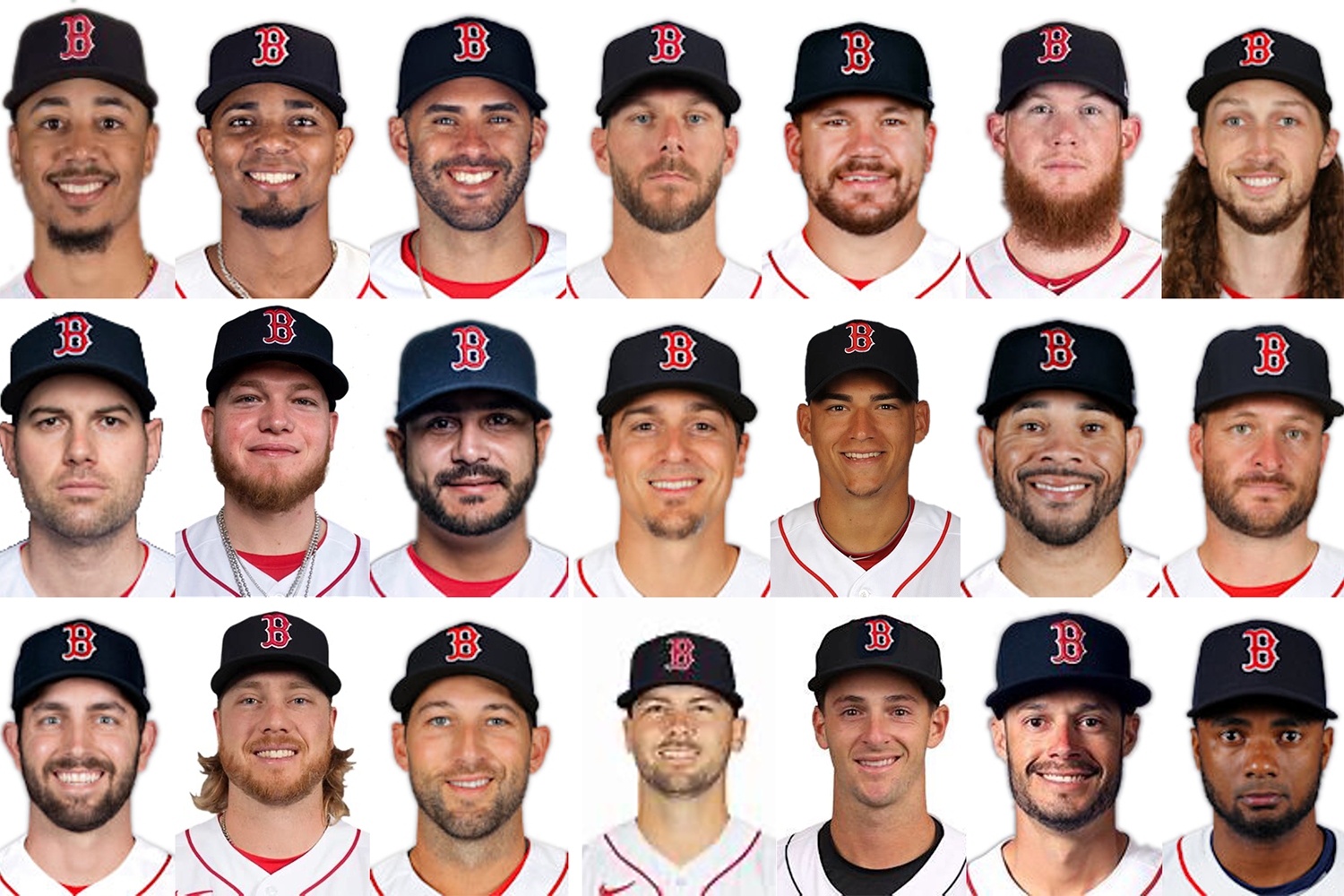 With the Red Sox missing out on the 2024 postseason, I can understand how some might want to switch their focus immediately to hockey or football or soccer. Whatever floats your boat. But for die-hard baseball addicts, this can be a tall order. Luckily for Red Sox fans, the playoff field features no shortage of Boston connections to make October interesting. If Boston connections are your primary criteria, who should you root for? Let's take a trip down memory lane. American League New York Yankees Do I think any Red Sox fans are going to root for the Yankees? No, but they might be interested in watching what happens with Alex Verdugo. After a hot start, Verdugo's season went downhill fast, to the point that Yankees fans were demanding answers from Brian Cashman and Aaron Boone about why Verdugo was starting while much-touted prospect Jasson Domínguez was languishing in Triple-A. According to FanGraphs, Verdugo put up a 64 wRC+ and -0.4 WAR from June 14 onward, making him the fourth-worst qualified player in baseball over that stretch. Eventually, Domínguez was called up, but Verdugo was still getting starts in important games down the stretch. It will be curious to see if Boone and company go with the playoff-experienced Verdugo or rely on the rookie. Cleveland Guardians After 11 years of managing the Guardians, Terry Francona finally retired last year. Under Francona's leadership, Cleveland boasted such former Red Sox players as Andrew Miller, Mike Napoli, Hanley Ramírez, Rich Hill, and others. Under the new Stephen Vogt regime, not a single former Red Sox appeared in a game for the Guardians this year. Houston Astros Do I think any Red Sox fans are going to root for the Astros either? No, and honestly, there isn't much reason to. The only former Red Sox to make appearances for Houston were Kaleb Ort and Tayler Scott, who combined for -0.5 fWAR during their time in Boston. I remember the right-handed Ort, who made 47 appearances for the Sox between 2021 and 2023. In 2024, he managed to have the best season of his career this year, running a 2.55 ERA and amassing 0.5 WAR according to Baseball-Reference (though because of his sky-high FIP, FanGraphs had him at -0.2). He might just sneak onto the playoff roster. Tayler Scott, on the other hand, I have no memory of whatsoever. It turns out Scott made four appearances for the 2023 Red Sox, including one start. I must have missed that game. Scott pitched an impressive 62 with the Astros this season. That is significantly more than he had appeared in over his entire big-league career up to the point, and it allowed Scott to amass 1.7 bWAR this season, which ranks 30th among all relievers (though once again, FanGraphs sees a 2.23 ERA and a 4.13 FIP and figures Scott must have gotten lucky, crediting him for just 0.2 WAR). I would assume you'll see him in the playoffs, but as he played four games for Boston, I doubt you'll care. Baltimore Orioles Former Boston closer, Craig Kimbrel had such a disastrous time with the Orioles that not only did he lose the closer role, but he was eventually released from the team. The only other player with any Red Sox connection to play for the Orioles this season was Yohan Ramírez. The Red Sox and Orioles are just two of the four major league teams he pitched for in 2024. He ended the season pitching 15 games in Worcester with a 2.18 ERA. Kansas City Royals Four former Red Sox have appeared in games for Kansas City this season. Most notable is former Red Sox starter Michael Wacha. Wacha spent 2022 with the Red Sox, going 11-2 with a 3.32 ERA. I still don't understand why we didn't keep him. In 29 games with the Royals this year, Wacha managed 13 wins and a 3.35 ERA. He is assured to be part of the Royals' postseason rotation. In the bullpen is John Schreiber, who made 111 appearances with Boston between 2021 and 2023. This year, he racked up 51.2 innings with the Royals, boasting a 2.90 ERA and allowing just one home run. He will be an important member of the Royals' plans in October. On the hitting side, the Royals ended the season with Tommy Pham. Pham was a trade deadline acquisition for the 2022 Red Sox. He played 53 games, hitting six home runs but otherwise underwhelming offensively. Pham has now been a trade deadline pickup in three straight seasons. He went from the Mets to the Diamondbacks, and all the way to the World Series, in 2023. This season, he was a trade deadline pick-up for the Royals after starting with the Chicago White Sox and making a quick stop with the Cardinals. Pham played 23 games for the Royals, running a .228 batting average and a dreadful 59 wRC+. He started most games down the stretch, so there's a good chance you'll see him in the playoffs. Another important bat in Kansas City's lineup is former Red Sox Hunter Renfroe. Renfroe famously spent 2021 with Boston, slugging 31 homers and racking up an incredible 16 outfield assists. Renfroe was largely replacement level with the Royals this year, only hitting 15 homers. Still, he was their most-used right fielder and should be in the starting lineup for the postseason. Detroit Tigers This year's Red Sox featured briefly featured two former Tigers, Zack Short and Trey Wingenter. Both appeared in two games for Boston. But Detroit did not return the favor, featuring no former Red Sox. I guess that means Red Sox fans should be rooting for the Astros to beat them in the first round? National League Los Angeles Dodgers I don't expect this to surprise anyone, but there is a LOT of crossover between the Red Sox and Dodgers. We can start with the obvious one, Mookie Betts. If not for a broken hand that cost him 56 games, the former Red Sox and future Hall of Famer could have given Shohei Ohtani a run for his money as NL MVP. Despite the missed time, Betts put up 4.7 bWAR while playing the majority of his games at shortstop. Enrique Hernández played 2.5 seasons for the Red Sox, splitting up his two stints with the Dodgers. Ever the utility man, Hernández played seven different positions, including pitcher, for the Dodgers this season. Despite posting a 4.15 ERA over four appearances, I don't think he will be bringing his 50-mph eephus out of the bullpen unless something truly horrible has happened. The majority of his time came at third base, but Hernández ended the season playing three straight games at first. With Freddie Freeman likely missing the first round of the playoffs due to an ankle injury, we could see Hernández playing a little first, or third if Dave Roberts starts Max Muncy across the diamond. Either way, Hernández is sure to get some playoff at-bats. The Dodgers' bullpen also features a fair amount of Red Sox talent, with Joe Kelly and Ryan Brasier. Both pitchers spent significant time on the IL this season but they finished the season healthy. They should have roles to play in the postseason. Philadelphia Phillies There are two former Sox on the Phillies. Matt Strahm spent a perfectly solid 2022 season in Boston, but his career has really blossomed in the City of Brotherly Love. This season he posted a 1.87 ERA in 66 appearances. That's good for 2.5 bWAR! (His 2.29 FIP even impressed fWAR as well). More importantly, the Phillies have Kyle from Waltham! While Red Sox fans fell in love with Kyle Schwarber during his brief stint in Boston, and he has now spent three seasons in Philadelphia. This year Schwarber led the league in walks while slugging a team-best 38 Schwarbombs. Milwaukee Brewers Only one former Red Sox played for the Brewers this season and he didn't play for long. Wade Miley managed only two starts for the Brew Crew before requiring Tommy John surgery. You may recall that Miley spent 2015 in Boston, but his time there is probably best remembered for when he yelled at John Farrell for taking him out of a game in which he gave up five earned runs in four innings. San Diego Padres The Padres have had three former Red Sox on their roster. Austin Davis but he hasn't pitched in the majors for San Diego since July. The second is Martín Pérez who spent much of the season injured. However, he ended the season in the rotation so there is a chance there is a spot for him in the playoffs. Then there is Xander Bogaerts, of course. Despite suffering a fracture in his shoulder, just like Trevor Story, Bogaerts's injury was less severe and required significantly less time on the IL. Bogaerts ended up playing in 111 games this season, but thanks to a bat that graded out a bit below league average, he put up 1.2 bWAR, his lowest total since 2014. Although he spent most of his time at second base, he ended the season playing shortstop, which is probably where we will see him in October now that Ha-Seong Kim is out with his own season-ending shoulder injury. Atlanta Braves Only one former Red Sox who matters played for Atlanta this season, and that player is Zack Short. I'm kidding, it's Chris Sale. Sale's resurgence was salt in the wound for Fenway faithful who saw Vaughn Grissom miss the majority of the season. Sale's 2.38 ERA and career-high 18 wins make him a lock to bring home his first Cy Young Award. However, he missed his crucial final start against the Mets with back spasms, making his playoff availability a question mark. The more things change, the more they stay the same. New York Mets The final playoff team, the Mets, boast an impressive seven former Red Sox, making them the clear World Series favorites. The major contributors you will see in the postseason are J.D. Martinez and Jose Iglesias on the batting side and Adam Ottavino on the pitching side. Martinez came out of the gate like gangbusters for the Mets before significantly slowing down in the second half. He ended the season with a 107 wRC+, his lowest since his days in Houston (aside from the short 2020 season). His 16 home runs match the total from his final season in Boston, the one that led the Red Sox to decide to go a different direction. Despite the struggles, he played in four of New York's final five games, so there is a good chance he will be in the starting lineup this postseason. Iglesias has gone in the opposite direction from Martinez this season. His unbelievable 140 wRC+ is the best of his career (again, except for 2020), and he managed to put up a career-high 3.0 bWAR despite playing just 85 games! Iglesias started both ends of the Mets' crucial doubleheader on Monday, and Carlos Mendoza will be relying on him in October. Adam Ottavino spent the 2021 campaign in Boston before joining the Mets. He has been in New York for the last three years, running a combined 2.61 ERA over the first two. However, although some of the underlying numbers indicate that Ottavino has been the victim of bad luck this season, his 4.50 ERA is by far his worst as a Met. He has been roughly replacement level but managed to get into three of the club's final four games, including both ends of Monday's doubleheader. That leads me to believe that Ottavino is still a high-leverage choice for Carlos Mendoza and will play a role in October. Who I'm Rooting For In the end, I think I will root for the Royals in the A,L even though John Schreiber is their only player who spent multiple seasons with the Red Sox. The NL is much more tricky. It is hard not to want good things for Mookie Betts, but Red Sox fans almost instinctively root for the underdogs, and that has to be the Mets. Plus, the Mets probably have the only fanbase that hates the Yankees as much as the Red Sox do, and in the end, isn't that what really matters? It's hard not to feel an affinity for them.
 -
Recent history tells us that it's possible to overcome lackluster defense, but it's not easy. Recent history tells us that it's possible to overcome lackluster defense, but it's not easy. As the 2024 season winds down, there's a common refrain on national broadcasts, visiting broadcasts, and even NESN's broadcasts: the Red Sox have not been a good defensive team this season. With Boston's playoff hopes still (barely) alive in the last week of the season, it makes you wonder: How bad is too bad at defense? Depending on your metric of choice, the defense of the 2024 Red Sox can grade out very differently. Starting with the most old-school defensive stat of them all, Boston's 112 errors lead all of baseball, and not in a good way. The team's .981 fielding percentage puts it in a three-way tie for last with the Marlins and Nationals (though if you go out to the fifth decimal place, you'll see that Miami's .98058 fielding percentage is ever so slightly worse than Boston's .98064). This nets out to 0.71 errors per game. If you want to break it down even further, the Red Sox lead baseball in fielding errors, and are tied for seventh in throwing errors. It's not just that throws are sailing on the Red Sox; they are having trouble with the fundamentals, as they showed in one particularly ugly play on Tuesday night in Toronto. However, trouble with the fundamentals doesn't always translate into bad performance. You'd much rather have an error-prone player with great range than a smooth player with poor range. The first player will get to far more balls than the second, more than offsetting those errors. Surprisingly, Sports Info Solutions credits the Red Sox with 41 Defensive Runs Saved. That's seventh-most in baseball, ahead of playoff-bound teams like the Yankees, Orioles, and Astros, to name a few. However, the other advanced metrics — Ultimate Zone Rating (UZR), Statcast's Fielding Runs Value (FRV), Baseball Prospectus's Defensive Runs Prevented (DRP), and FanGraphs' Defensive Runs Above Average (DRAA) — are unanimous in their view that the Red Sox rank toward the bottom of the league. FP DRS FRV UZR DRP DRAA Measure .981 41 -20 -9.7 -13.1 -9.9 MLB Rank 29 7 24 25 24 22 In 2015, the Royals led baseball in Defensive Runs Above Average and won the World Series. The Cubs did the same in 2016. In 2017, the Minnesota Twins had the best DRAA, and, well... they got bounced in the first round by the Yankees. So the trend doesn't always hold up, but consider this: Since the beginning of the Statcast era in 2015 (and excluding the short 2020 season), only one team with a DRAA that ranked worse than fifth has ever won the World Series: the 2018 Boston Red Sox, who ranked seventh. Generally speaking, teams with better defense seem to make the playoffs more often and they seem to do better in the playoffs when they do. If you look at any list of the worst defensive teams to make the playoffs (once again excluding 2020), you have to start with the 2023 Miami Marlins. They were generally considered the worst all-around team to make the playoffs that year, so it should comes as no surprise that their -29.9 DRAA ranked 29th in the league, ahead of only — you guessed it — the Red Sox. The Marlins were swept in the first round by the Phillies. Four Yankees teams make the list as well: their 2015, 2018, 2019, and 2021 iterations. The 2021 Yankees put up -29.5 DRAA. They were the second-worst defensive team in the AL, and they committed the third-most errors, with 98. They were powered by 30-homer seasons from Giancarlo Stanton and Aaron Judge and 23 homers from Gary Sánchez, before being unceremoniously bounced by the Red Sox in the Wild Card game The worst defensive team to make the World Series in recent memory was, of course, the 2022 Phillies. The team boasted former and future DHs like Kyle Schwarber, Nick Castellanos, and Rhys Hoskins, all of them taking turns playing the field. Their offense was built on power. Eight different Phillies hit double-digit homers, led by Schwarber with 46, Hoskins with 30, and J.T. Realmuto with 22. Bryce Harper was limited to 99 games in the regular season but came back to put on an impressive power display, propelling them to the World Series with six postseason homers. What does all this mean for the Red Sox? Defense is just one facet of the game, so it can be survived as long as you've got the pitching and offense to make up for it. Over the course of his career, FanGraphs rates Rafael Devers as a net negative on defense, costing the Red Sox 7.4 total runs. However, his 118.7 runs on offense not only make up for that, but make him one of the best position players in the game. Devers made 12 errors this season, but his 28 home runs nonetheless helped make him a four-win player. On the other hand, Ceddanne Rafaela's 15 homers and 79 wRC+ cost the Red Sox dearly, and while he was worth 5 DRAA when he played in the outfield, he cost the Sox the exact same amount when he was playing out of position as an infielder. If he could have spent the whole season in the outfield, he might have accrued enough value there to offset his weak bat. Defensive liabilities Dominic Smith (7 errors) and Pablo Reyes (4 errors) are not finishing the season with the Red Sox. In recent weeks, Connor Wong has been playing in the field more, giving Danny Jansen a chance to showcase his superior framing skills behind the plate. These moves indicate that the Red Sox understand their defense is a major liability. However, unless the team can put together an offense to rival the Phillies or Yankees squads of recent vintage, it will need to improve on defense. That means getting more from the players currently on the roster as well as looking for defensive upgrades in trades and free agency. View full article
-
 As the 2024 season winds down, there's a common refrain on national broadcasts, visiting broadcasts, and even NESN's broadcasts: the Red Sox have not been a good defensive team this season. With Boston's playoff hopes still (barely) alive in the last week of the season, it makes you wonder: How bad is too bad at defense? Depending on your metric of choice, the defense of the 2024 Red Sox can grade out very differently. Starting with the most old-school defensive stat of them all, Boston's 112 errors lead all of baseball, and not in a good way. The team's .981 fielding percentage puts it in a three-way tie for last with the Marlins and Nationals (though if you go out to the fifth decimal place, you'll see that Miami's .98058 fielding percentage is ever so slightly worse than Boston's .98064). This nets out to 0.71 errors per game. If you want to break it down even further, the Red Sox lead baseball in fielding errors, and are tied for seventh in throwing errors. It's not just that throws are sailing on the Red Sox; they are having trouble with the fundamentals, as they showed in one particularly ugly play on Tuesday night in Toronto. However, trouble with the fundamentals doesn't always translate into bad performance. You'd much rather have an error-prone player with great range than a smooth player with poor range. The first player will get to far more balls than the second, more than offsetting those errors. Surprisingly, Sports Info Solutions credits the Red Sox with 41 Defensive Runs Saved. That's seventh-most in baseball, ahead of playoff-bound teams like the Yankees, Orioles, and Astros, to name a few. However, the other advanced metrics — Ultimate Zone Rating (UZR), Statcast's Fielding Runs Value (FRV), Baseball Prospectus's Defensive Runs Prevented (DRP), and FanGraphs' Defensive Runs Above Average (DRAA) — are unanimous in their view that the Red Sox rank toward the bottom of the league. FP DRS FRV UZR DRP DRAA Measure .981 41 -20 -9.7 -13.1 -9.9 MLB Rank 29 7 24 25 24 22 In 2015, the Royals led baseball in Defensive Runs Above Average and won the World Series. The Cubs did the same in 2016. In 2017, the Minnesota Twins had the best DRAA, and, well... they got bounced in the first round by the Yankees. So the trend doesn't always hold up, but consider this: Since the beginning of the Statcast era in 2015 (and excluding the short 2020 season), only one team with a DRAA that ranked worse than fifth has ever won the World Series: the 2018 Boston Red Sox, who ranked seventh. Generally speaking, teams with better defense seem to make the playoffs more often and they seem to do better in the playoffs when they do. If you look at any list of the worst defensive teams to make the playoffs (once again excluding 2020), you have to start with the 2023 Miami Marlins. They were generally considered the worst all-around team to make the playoffs that year, so it should comes as no surprise that their -29.9 DRAA ranked 29th in the league, ahead of only — you guessed it — the Red Sox. The Marlins were swept in the first round by the Phillies. Four Yankees teams make the list as well: their 2015, 2018, 2019, and 2021 iterations. The 2021 Yankees put up -29.5 DRAA. They were the second-worst defensive team in the AL, and they committed the third-most errors, with 98. They were powered by 30-homer seasons from Giancarlo Stanton and Aaron Judge and 23 homers from Gary Sánchez, before being unceremoniously bounced by the Red Sox in the Wild Card game The worst defensive team to make the World Series in recent memory was, of course, the 2022 Phillies. The team boasted former and future DHs like Kyle Schwarber, Nick Castellanos, and Rhys Hoskins, all of them taking turns playing the field. Their offense was built on power. Eight different Phillies hit double-digit homers, led by Schwarber with 46, Hoskins with 30, and J.T. Realmuto with 22. Bryce Harper was limited to 99 games in the regular season but came back to put on an impressive power display, propelling them to the World Series with six postseason homers. What does all this mean for the Red Sox? Defense is just one facet of the game, so it can be survived as long as you've got the pitching and offense to make up for it. Over the course of his career, FanGraphs rates Rafael Devers as a net negative on defense, costing the Red Sox 7.4 total runs. However, his 118.7 runs on offense not only make up for that, but make him one of the best position players in the game. Devers made 12 errors this season, but his 28 home runs nonetheless helped make him a four-win player. On the other hand, Ceddanne Rafaela's 15 homers and 79 wRC+ cost the Red Sox dearly, and while he was worth 5 DRAA when he played in the outfield, he cost the Sox the exact same amount when he was playing out of position as an infielder. If he could have spent the whole season in the outfield, he might have accrued enough value there to offset his weak bat. Defensive liabilities Dominic Smith (7 errors) and Pablo Reyes (4 errors) are not finishing the season with the Red Sox. In recent weeks, Connor Wong has been playing in the field more, giving Danny Jansen a chance to showcase his superior framing skills behind the plate. These moves indicate that the Red Sox understand their defense is a major liability. However, unless the team can put together an offense to rival the Phillies or Yankees squads of recent vintage, it will need to improve on defense. That means getting more from the players currently on the roster as well as looking for defensive upgrades in trades and free agency.
